
01
WAY UP
Coal Thief and the Uniform of the Creative World
When you look at a piece of shiny coal in bright sunlight, you notice that it can sparkle like a gemstone. Microscopic images show that black coal is actually a colorful mixture. "I discovered this shimmer in the sunlight, this coloration, already as a child," Ulrich Pracht sees one root of his affinity for the color black. A creative spirit who grows up with coal and the traditional views of his time: coal stands for energy and the economic miracle, black for mourning and death, but also for power and dignity. Father and grandfather take off their work clothes and fetch their black suit from the wardrobe when a major holiday or a funeral is on the calendar, or when they pay the rent to the landlord in cash. Black shadows lie on the white snow in winter when the chimneys smoke in the Ruhr region of the 1950s. And black is the coal given as payment in kind that Ulrich, as a child, shovels by the wheelbarrow into neighbors’ cellars from the mines to earn a few pennies on the side. The miners receive up to seven tons each winter for their stoves and ovens. Ulrich paints his bicycle black as well, even the rims. Only the handlebars, the dynamo and the new front lamp—given as a Christmas present—shine in chrome.
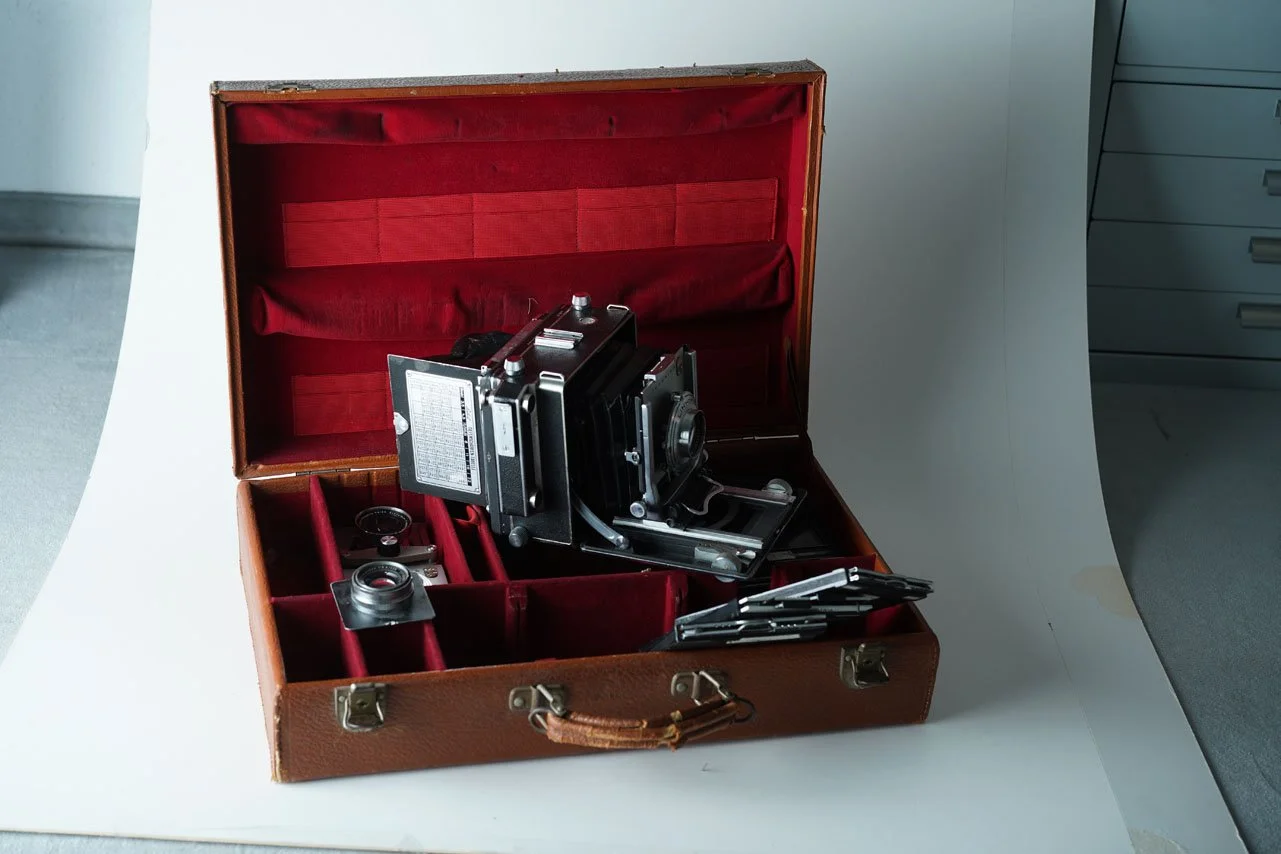
An Agfa Clack is the first camera with which Ulrich Pracht, as a teenager, photographed his surroundings in black and white. The medium-format camera is equipped with a 95 mm meniscus lens and has only two shutter speeds. It uses a 6×9 roll film that yields eight exposures. With it the young man records his environment, photographing people and landscapes. During his apprenticeship in decoration and his studies he becomes aware of the power of black charcoal in a creative context. “With a piece of charcoal you could make drawings — that was an interesting discovery.” He throws off nudes and other sketches onto the drawing paper with a nimble hand. Black clothing as the “uniform” of the creative world also encounters Ulrich Pracht during his training. Paul Maenz, an apprentice colleague at the Westfalen department store who later becomes a world-famous gallerist, comes to work in tight wide-wale corduroy trousers and a velvet waistcoat — entirely in black. Ulrich wants to imitate him. Fortunately his mother is an experienced seamstress and tailors the desired garments — trousers, a jacket, and a coat — to fit him perfectly.
01.1
MYTHOS POLAROID
The hot breath.
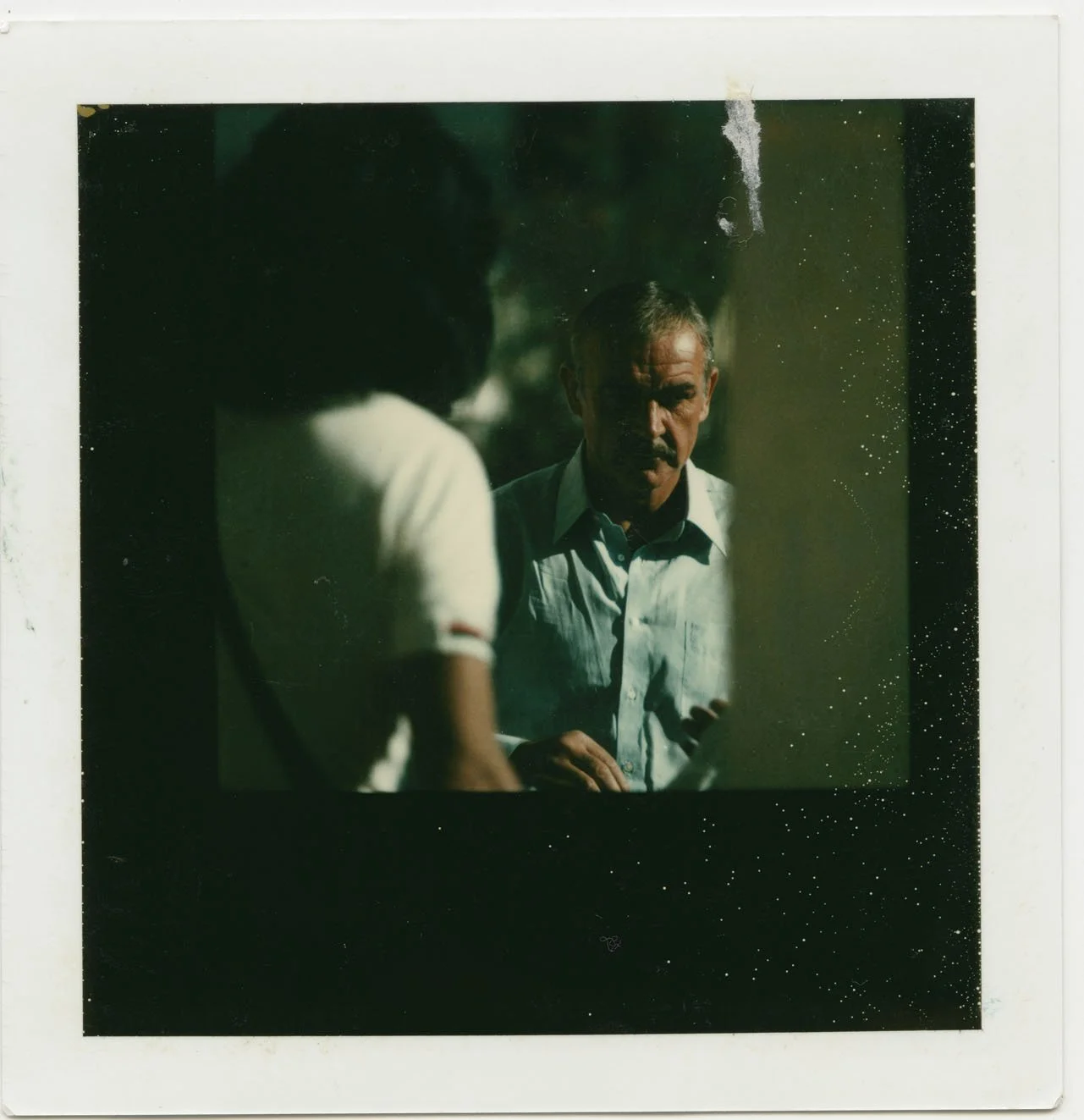
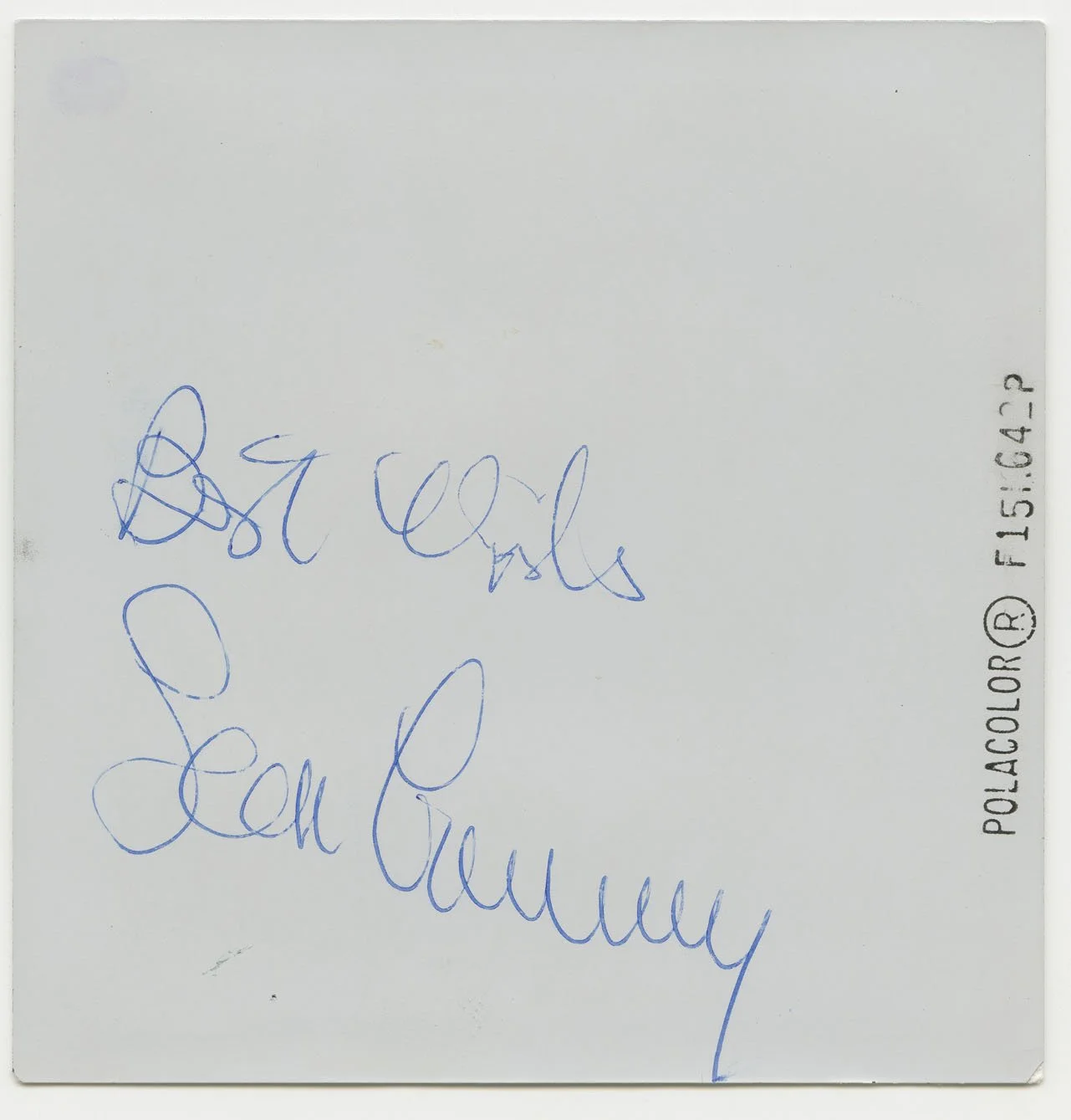
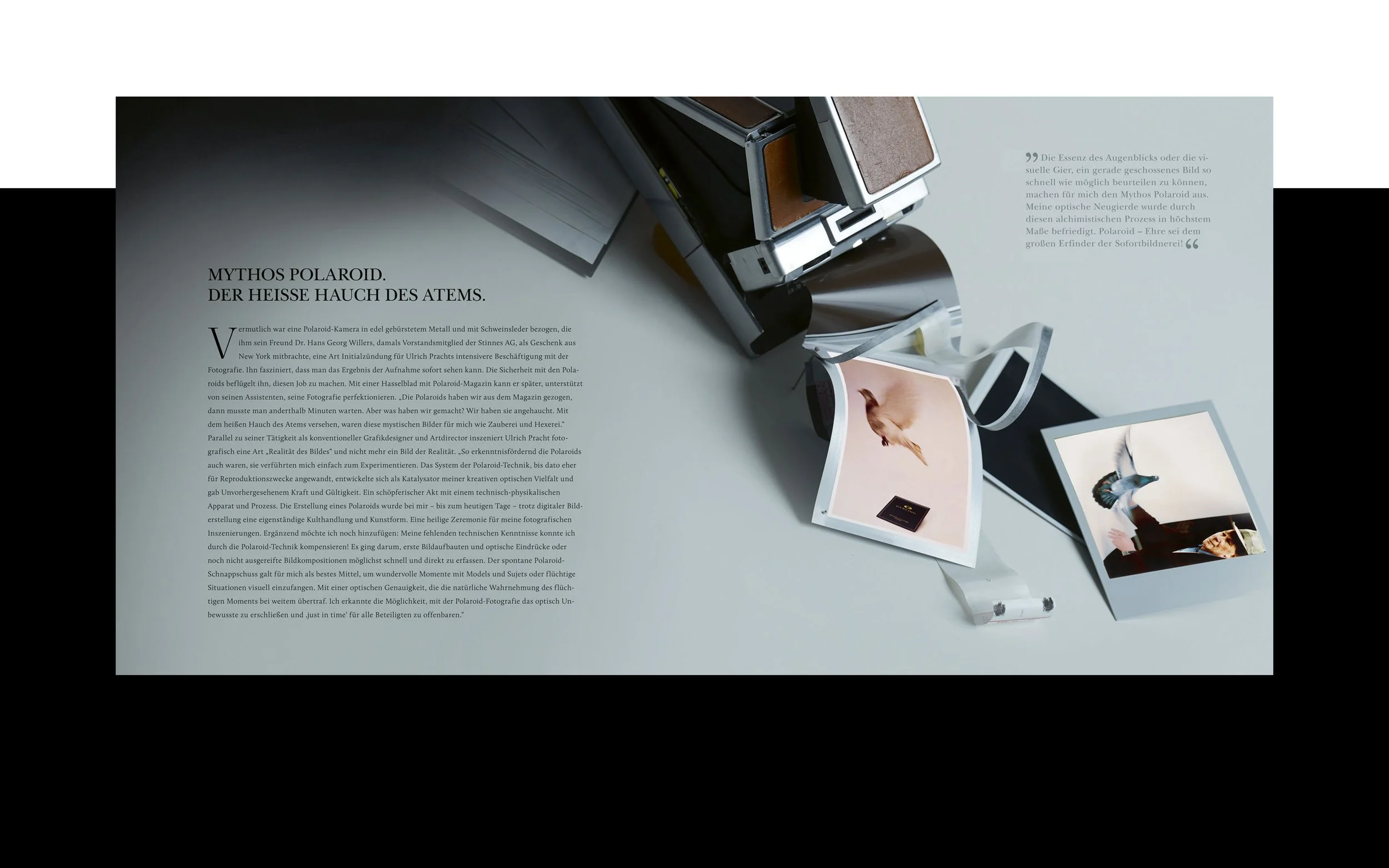
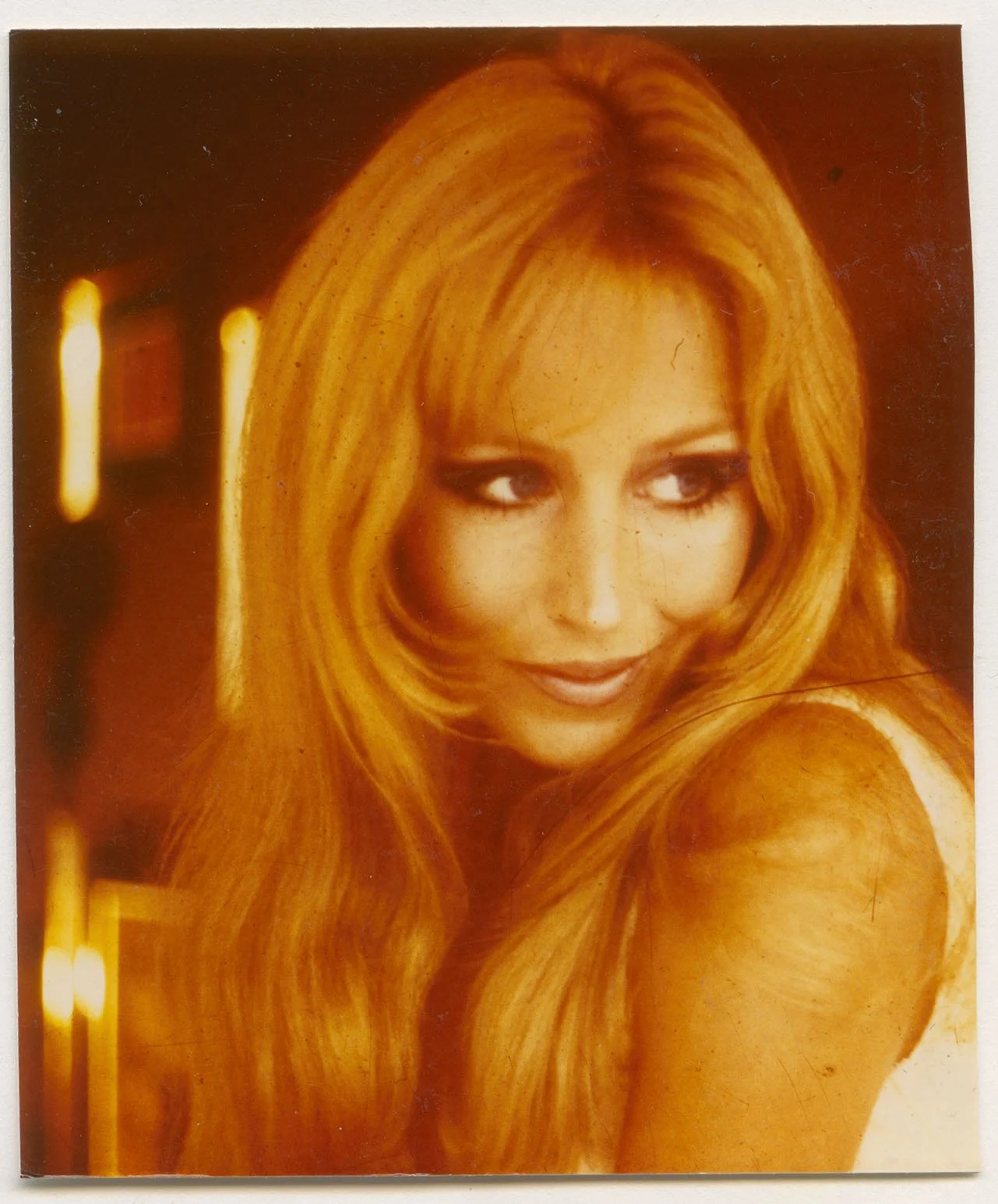
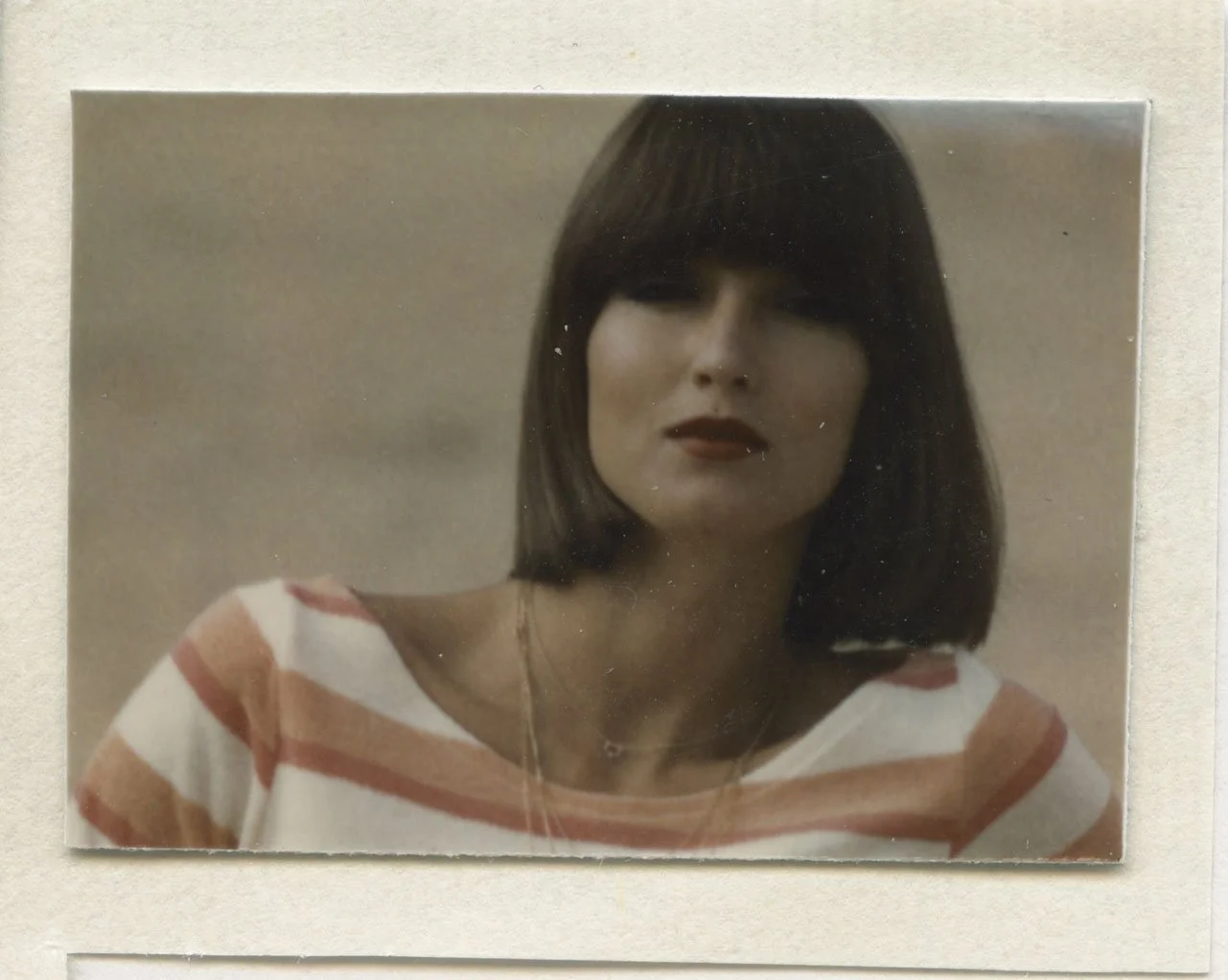
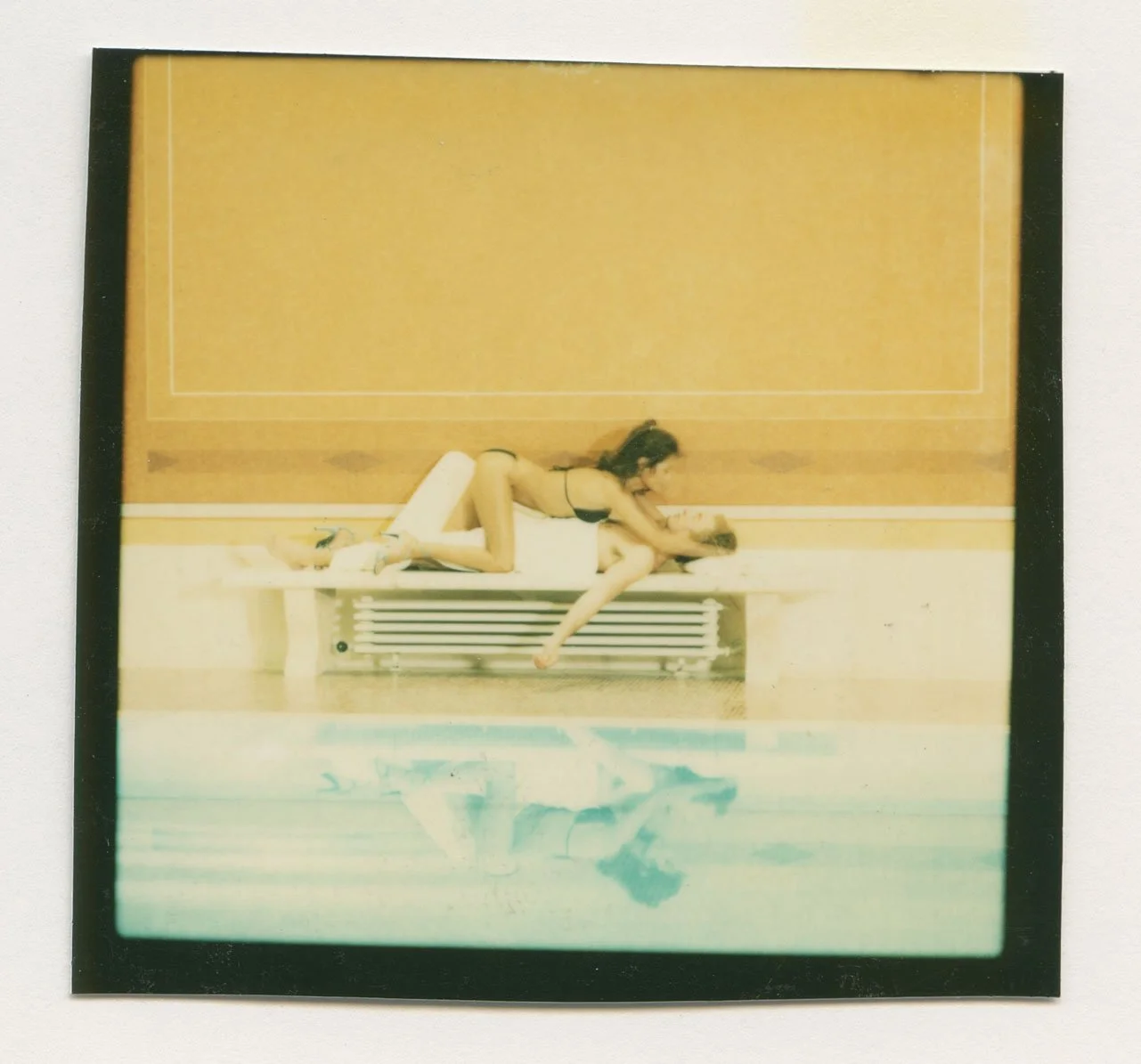
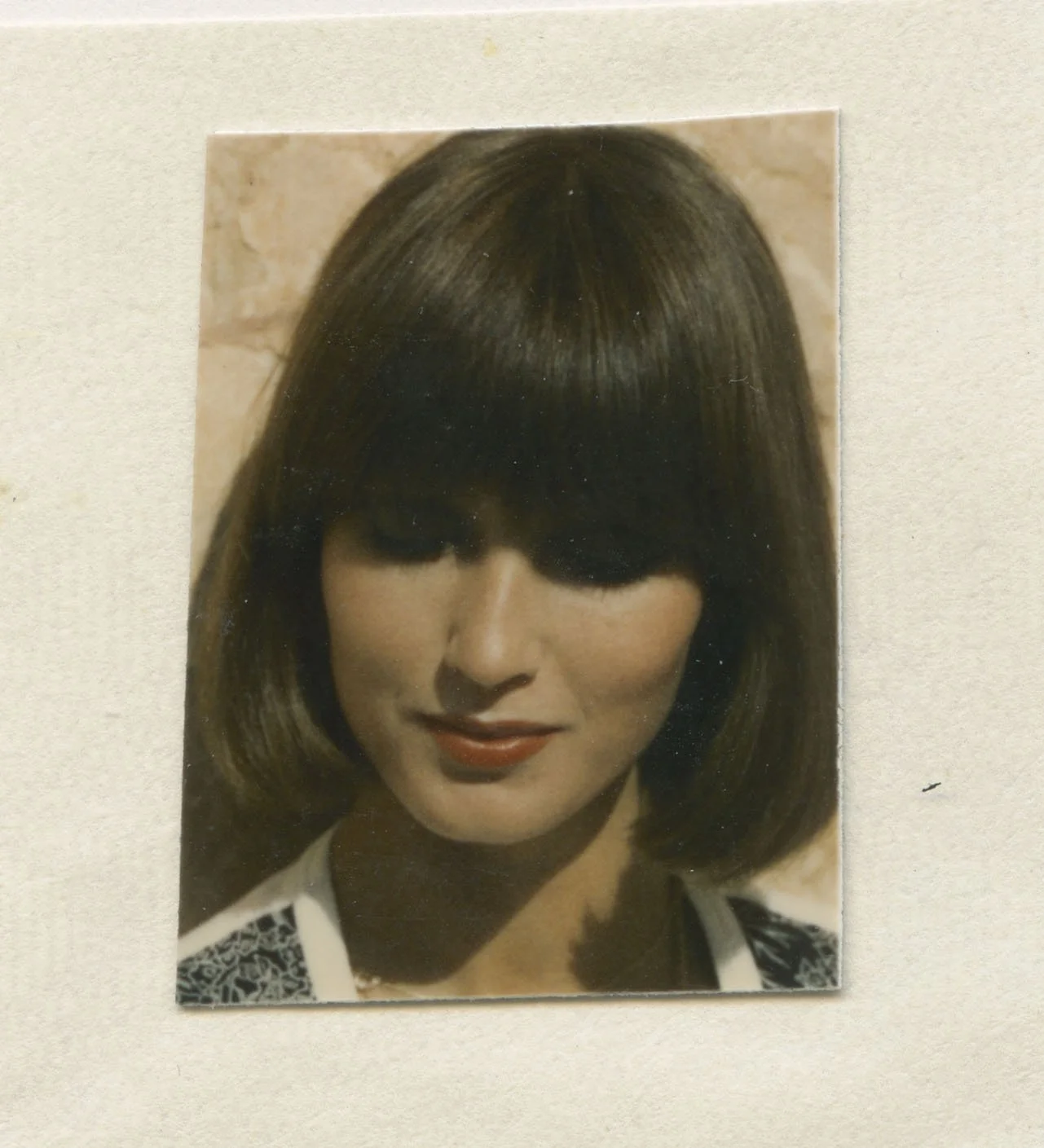
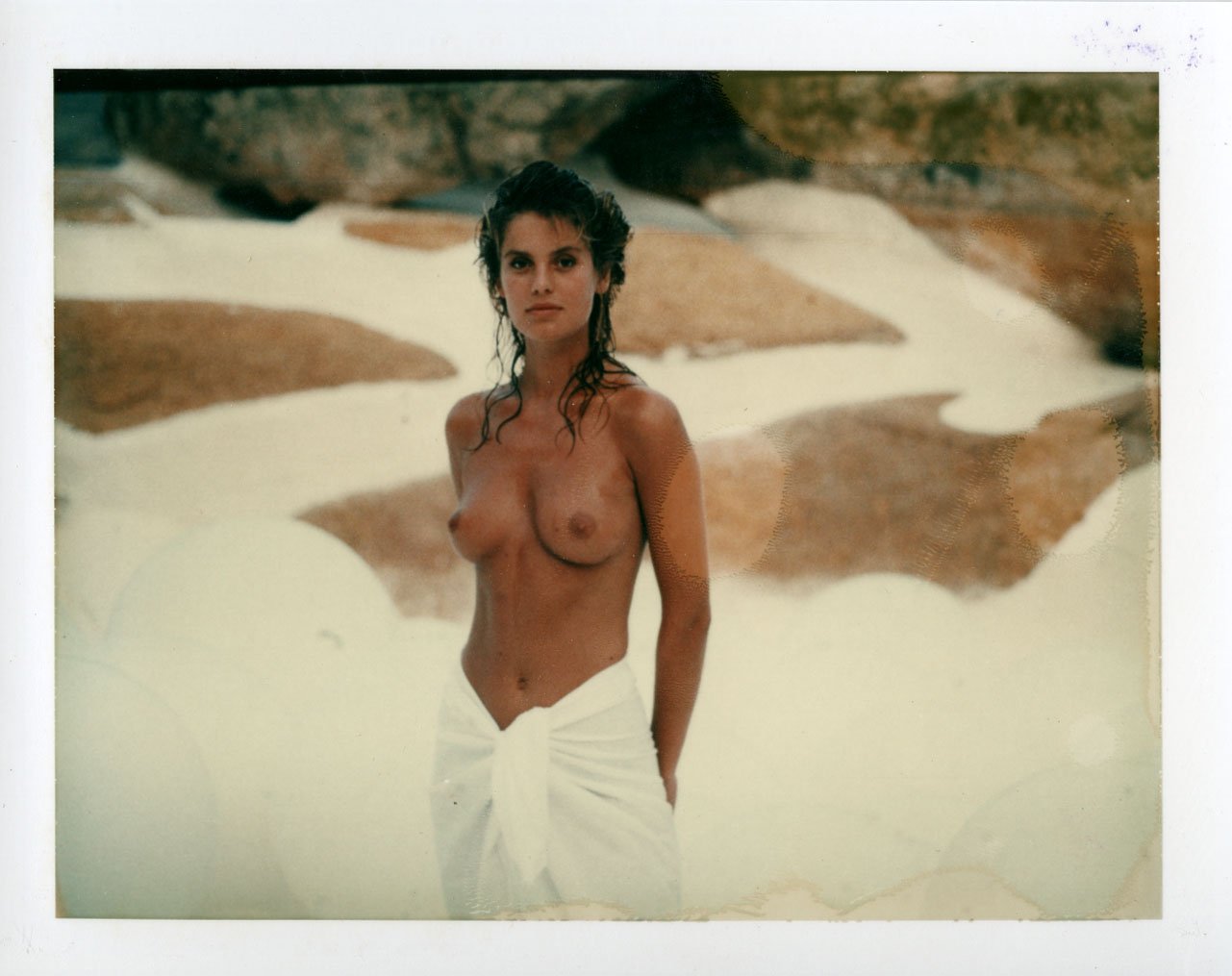
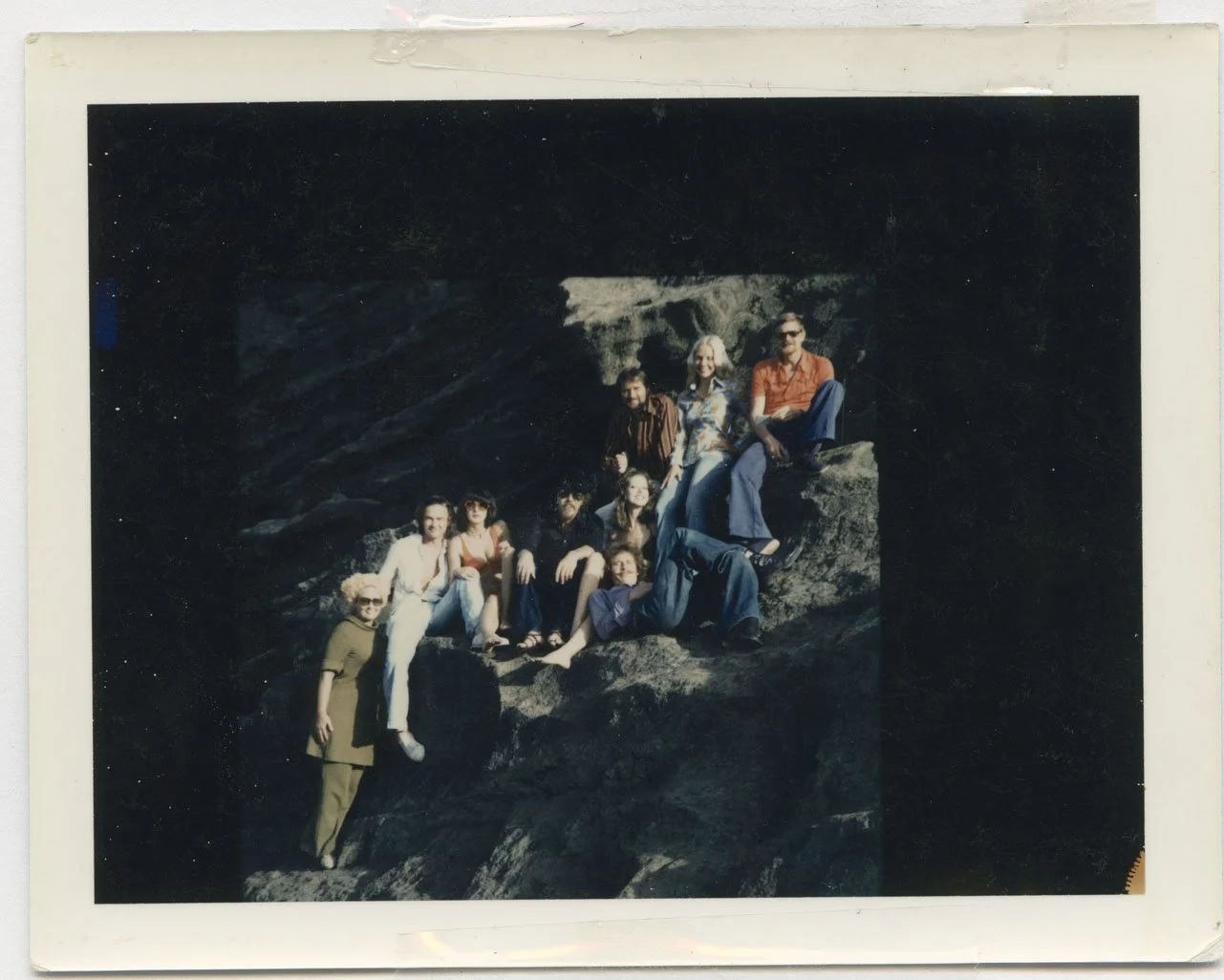
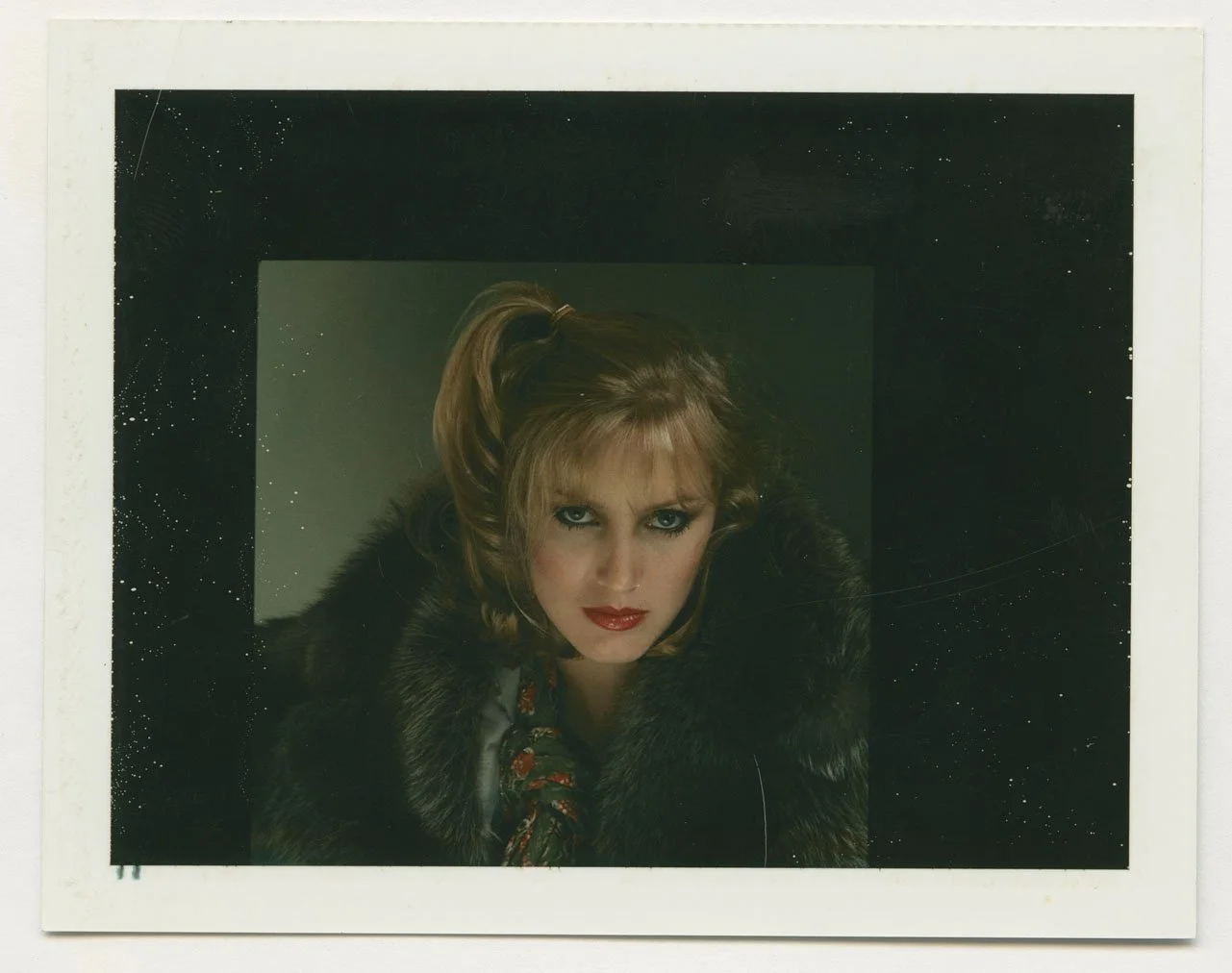
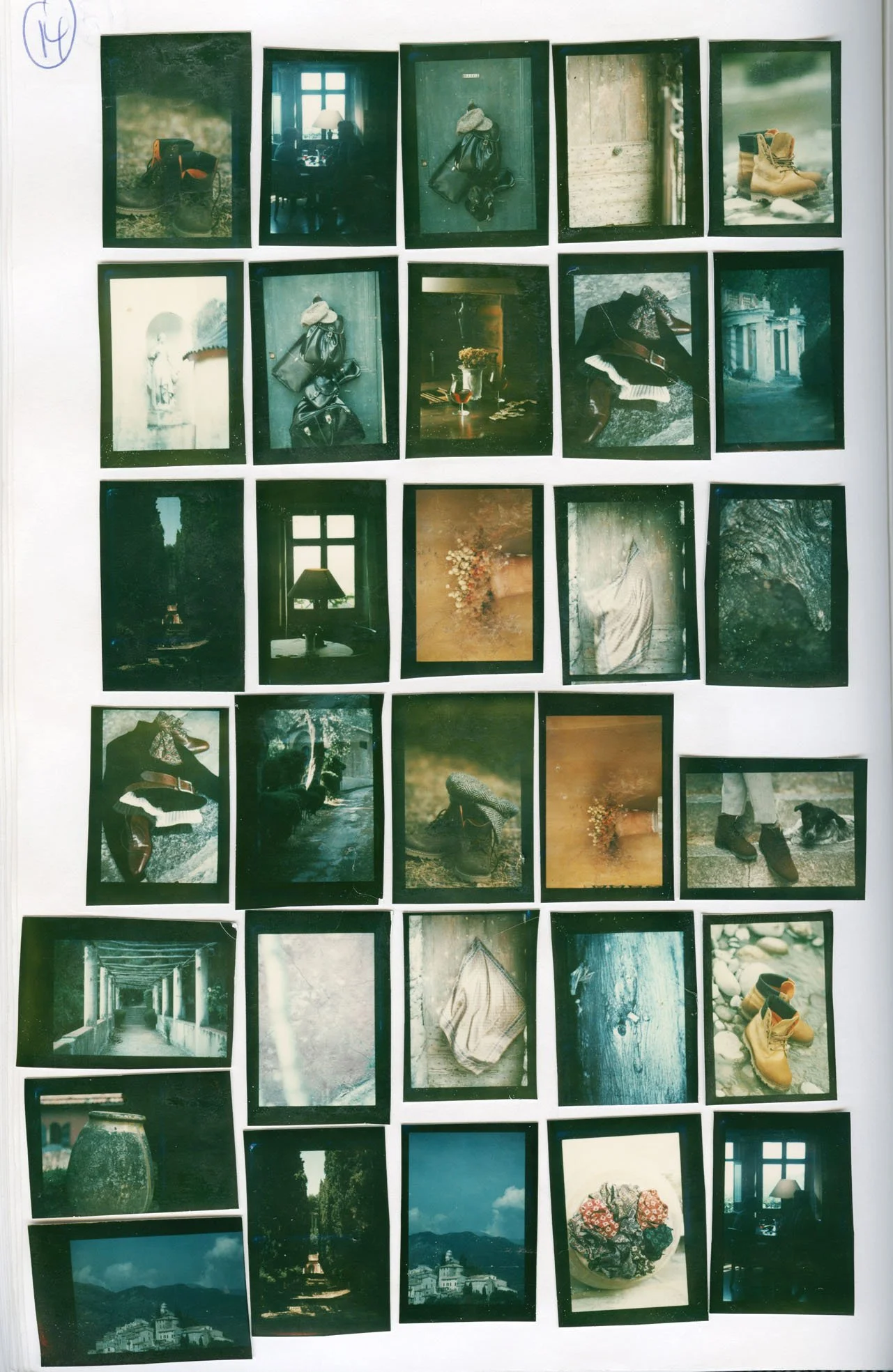
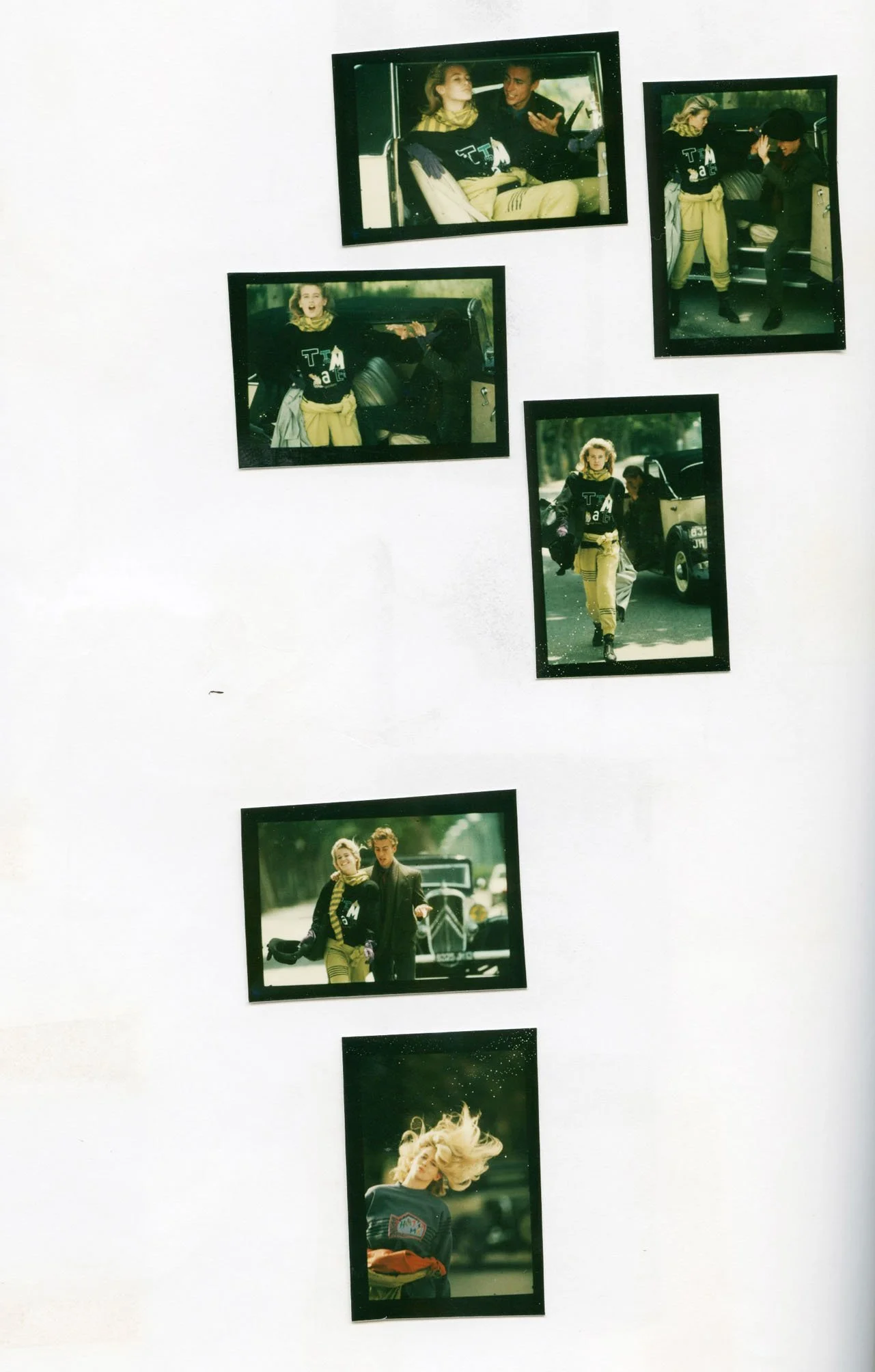
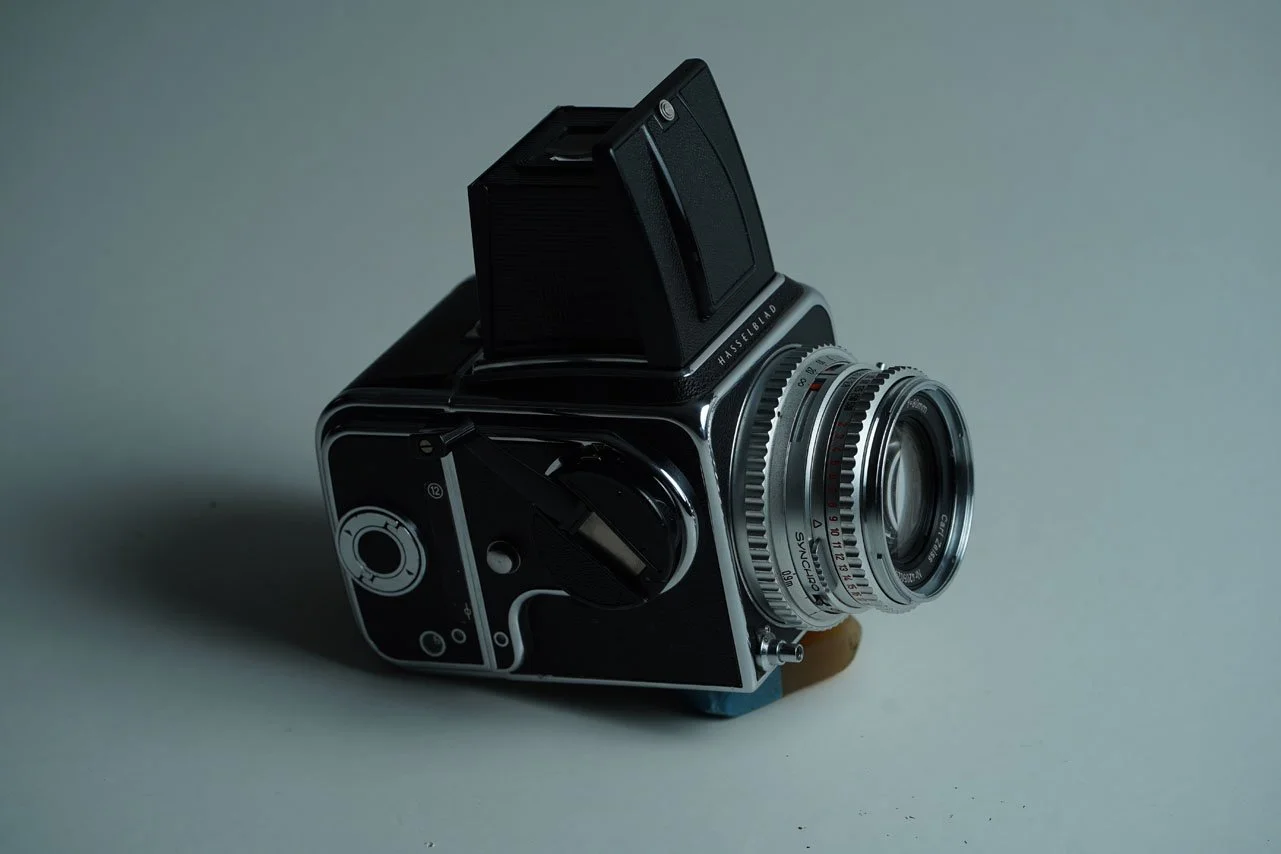
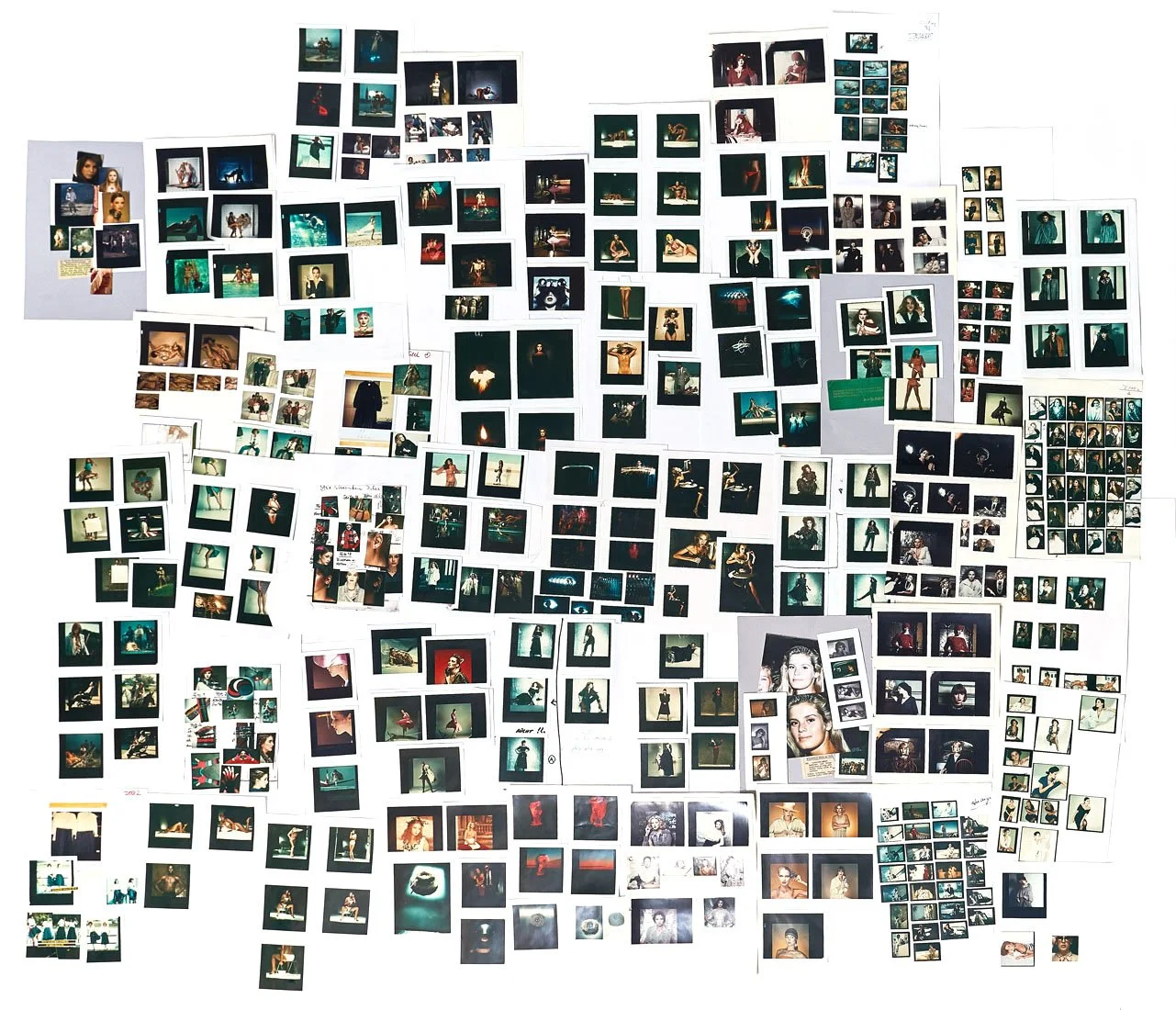
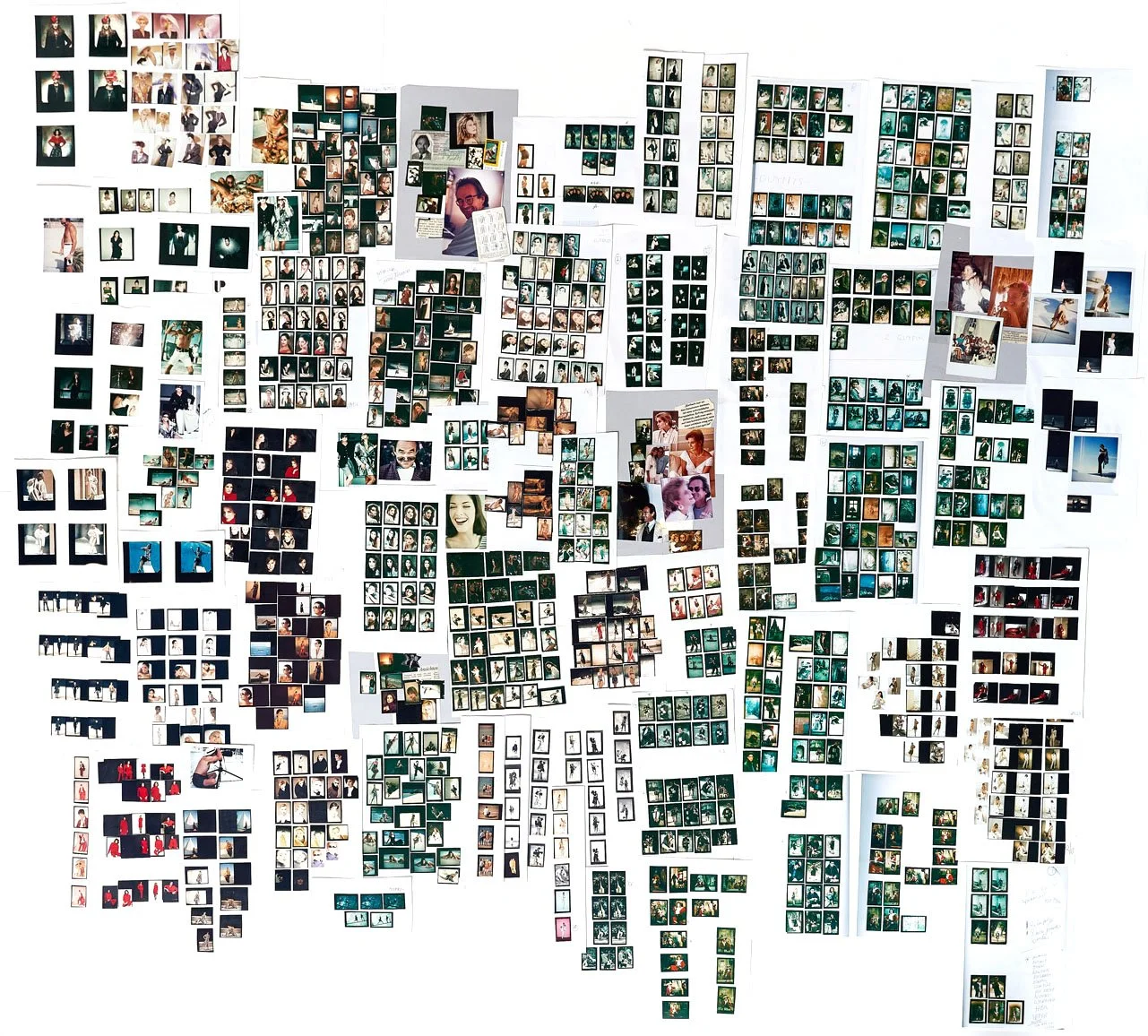
In all likelihood, a Polaroid camera—crafted from elegantly brushed metal and clad in pigskin, which his friend Dr. Hans Georg Willers (then a board member of Stinnes AG) brought back for him as a gift from New York—served as a kind of spark that ignited Ulrich Pracht’s deeper engagement with photography. He was fascinated by the fact that one could see the result of a shot immediately. The confidence he gained from working with Polaroids inspired him to pursue this line of work. Later, using a Hasselblad fitted with a Polaroid back—and supported by his assistants at the time, Stan Kaizler and Hartwig Niejahr—he was able to perfect his photographic technique. “We would pull the Polaroids out of the back, and then you had to wait a minute and a half. But what did we do? We breathed on them. Imbued with the warm breath of life, those mystical images felt to me like pure magic and sorcery.” Parallel to his work as a conventional graphic designer and art director, Ulrich Pracht began to photographically stage a kind of “reality of the image”—rather than merely an image of reality. As insightful as Polaroids were, they simply enticed me to experiment. The system of Polaroid technology—until then applied primarily for reproduction purposes—evolved into a catalyst for my creative visual diversity, lending power and validity to the unforeseen. It was a creative act involving a technical-physical apparatus and process. For me, the creation of a Polaroid became—and remains to this day, despite the advent of digital imaging—a distinct ritual and art form in its own right. A sacred ceremony for my photographic stagings. I would also like to add: I was able to compensate for my lack of technical expertise through the use of Polaroid technology! The objective was to capture initial visual setups, optical impressions, or nascent compositions as quickly and directly as possible. For me, the spontaneous Polaroid snapshot served as the ultimate means of visually capturing wonderful moments with models and subjects, or fleeting situations—doing so with an optical precision that far surpassed the natural perception of the fleeting moment itself. I recognized the potential within Polaroid photography to unlock the "visually unconscious" and to reveal it—"just in time"—to everyone involved.
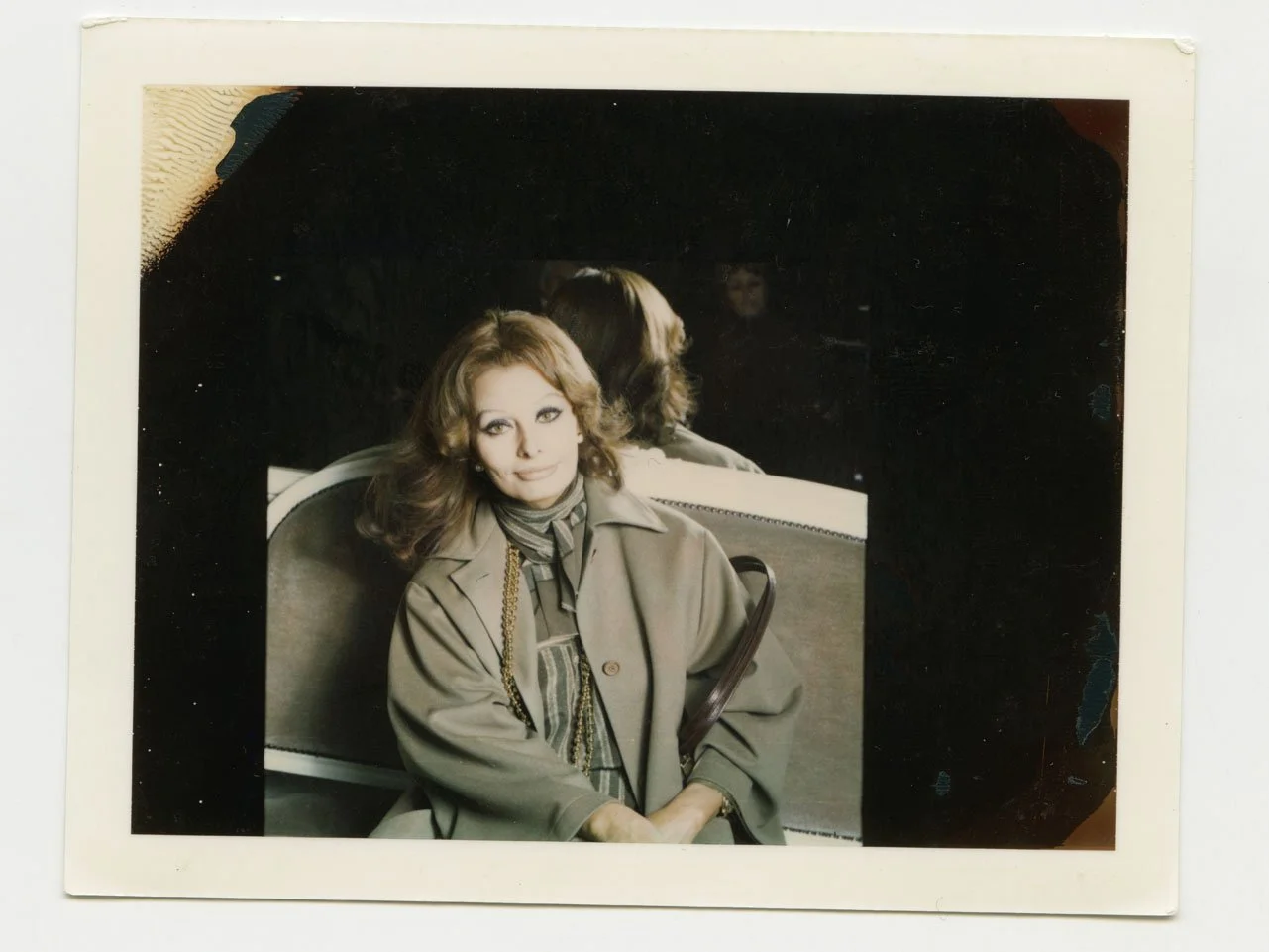
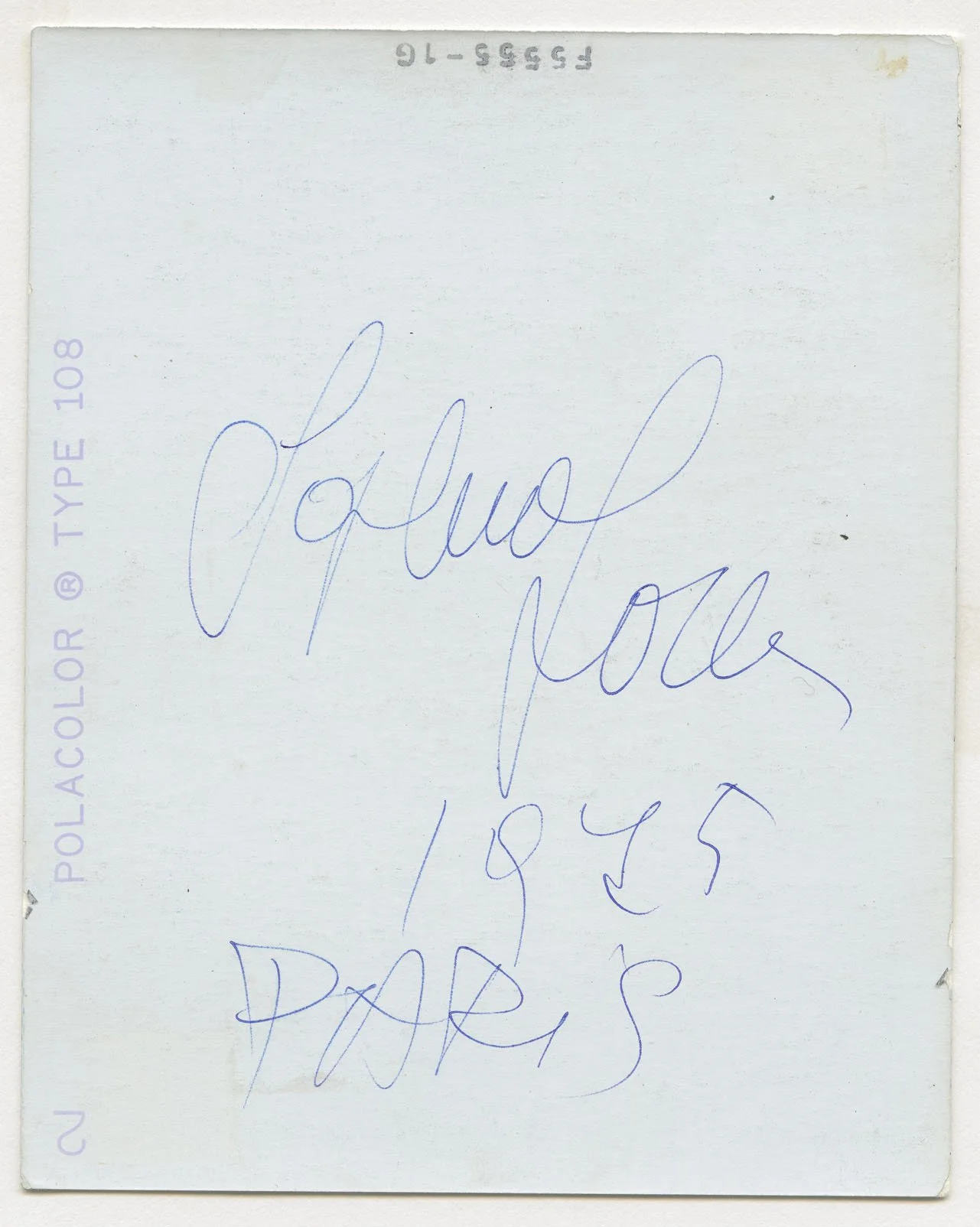
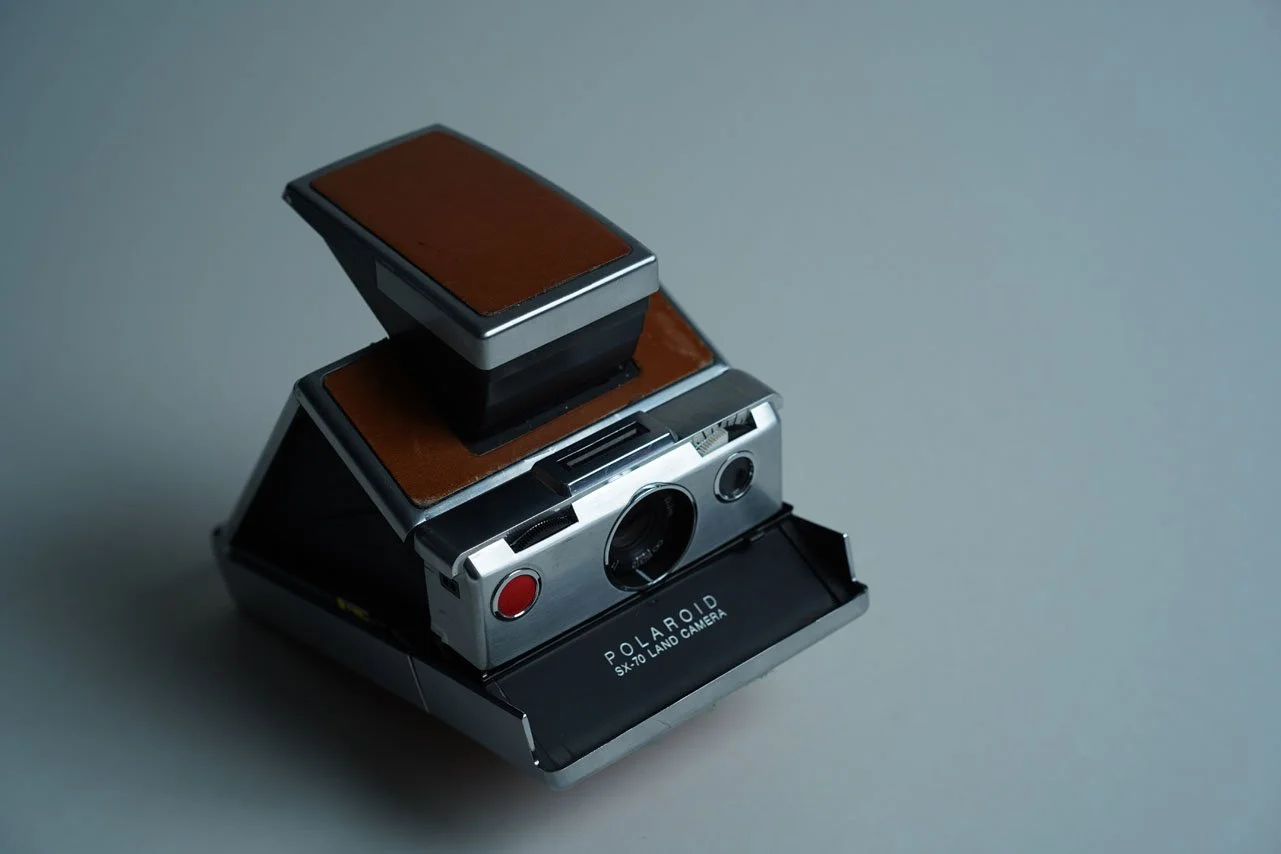
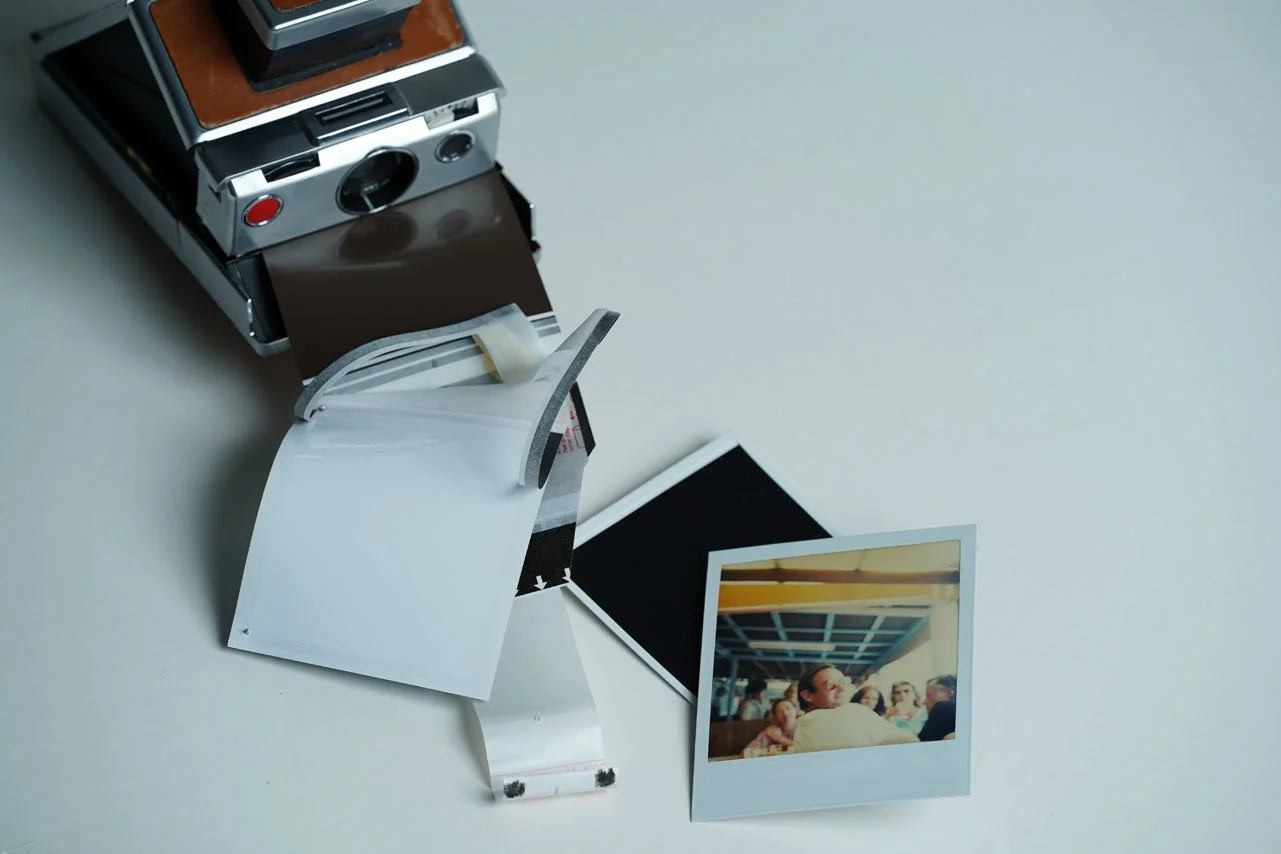
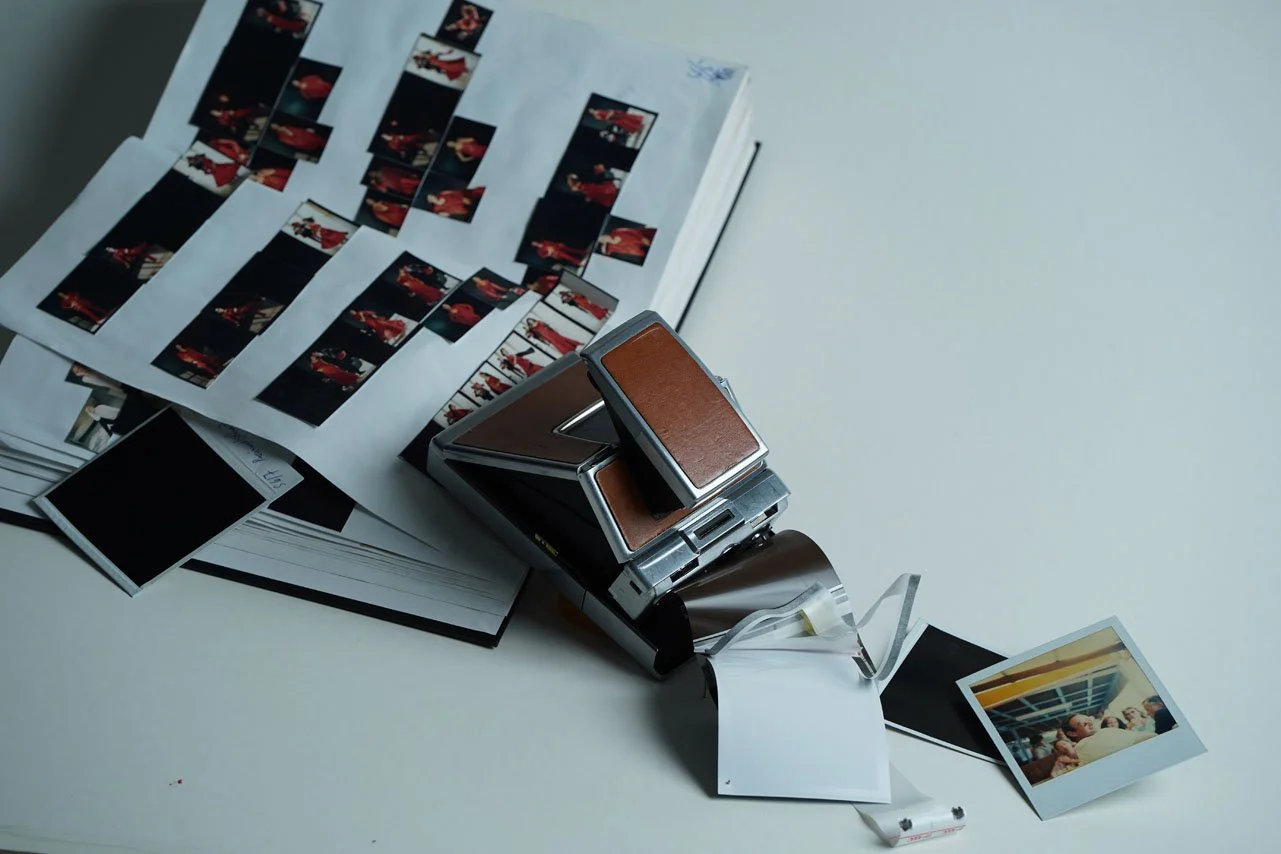
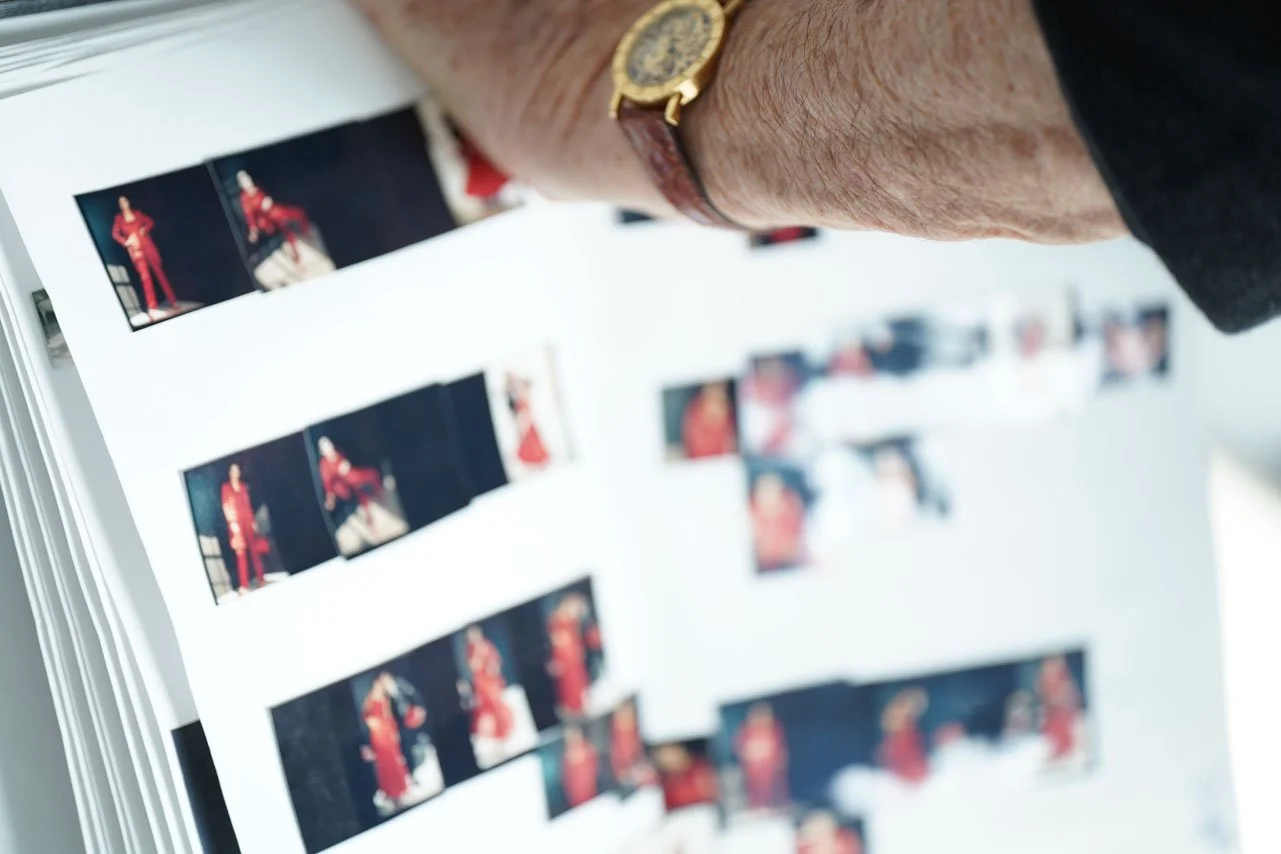
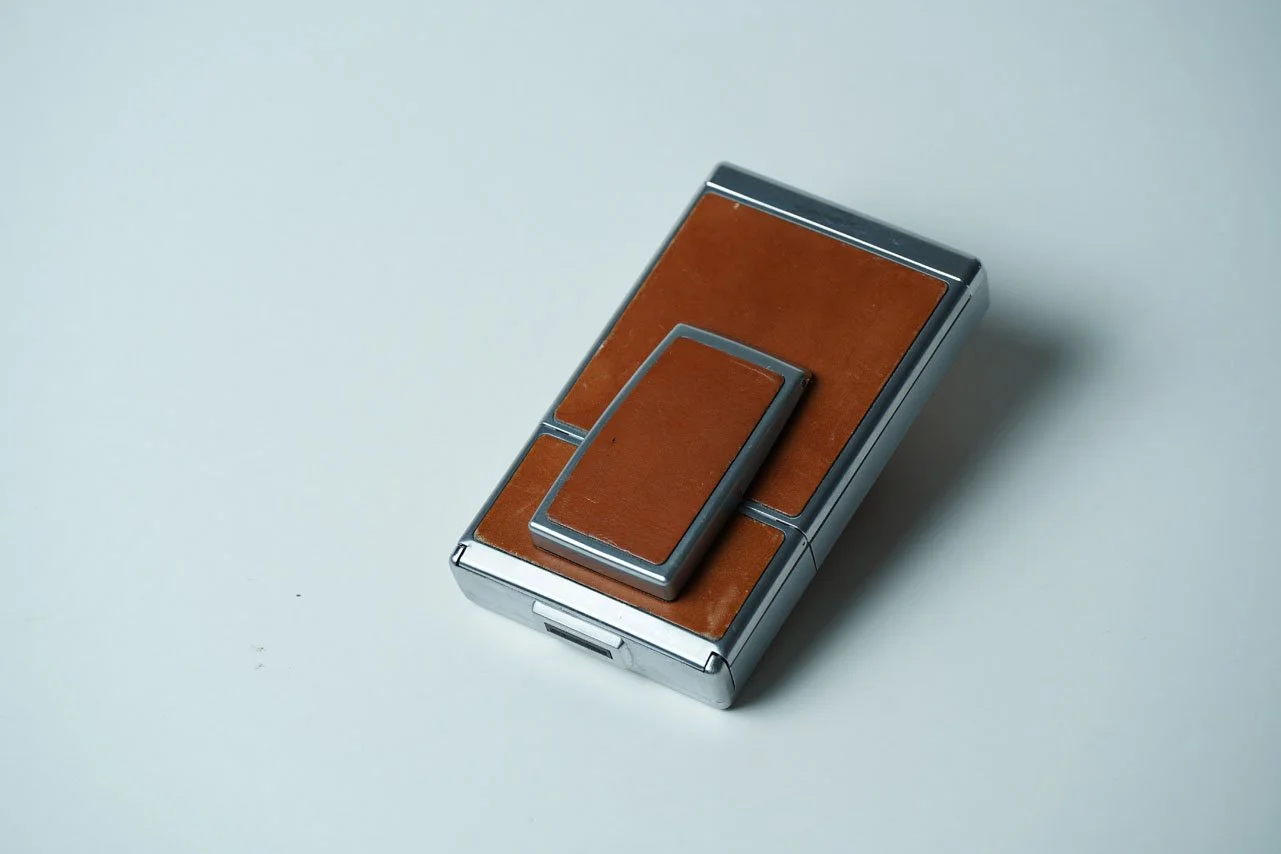
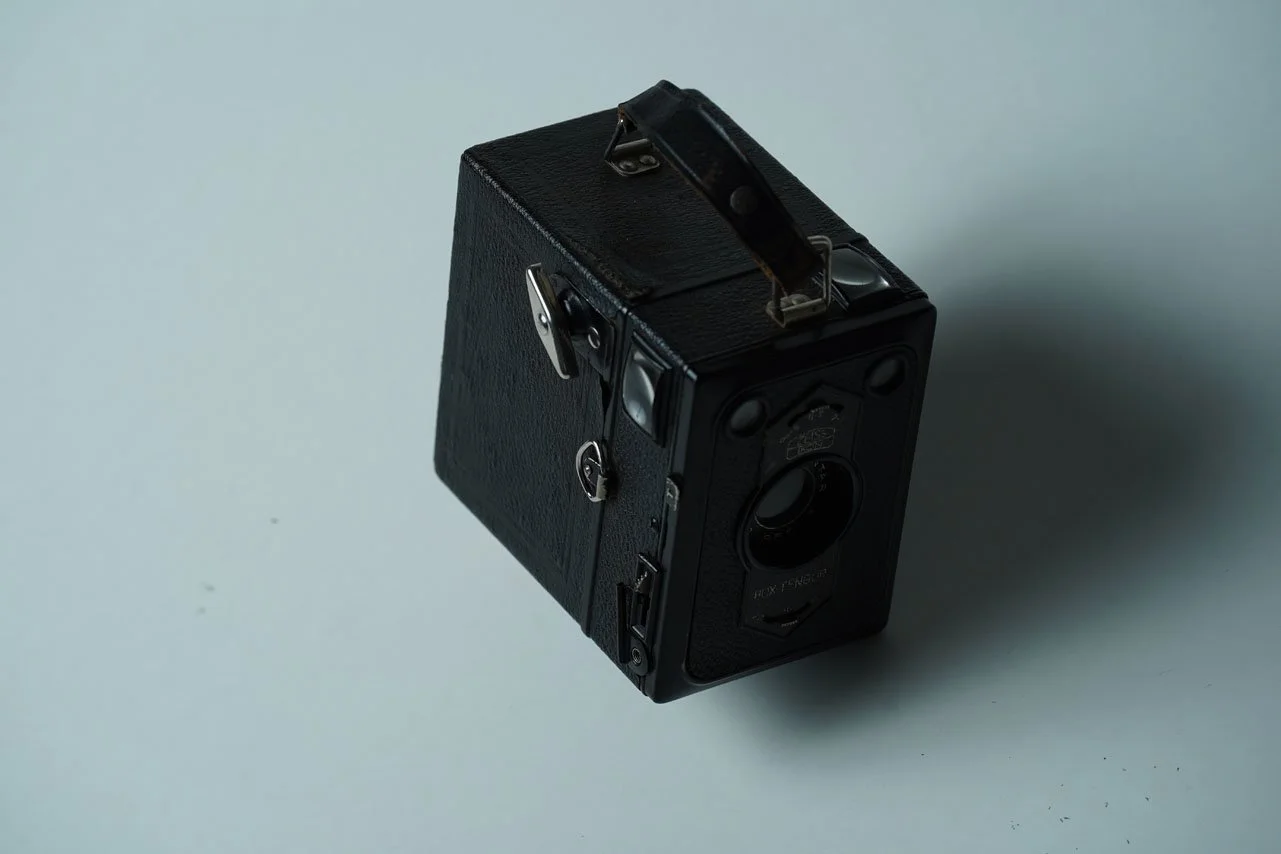
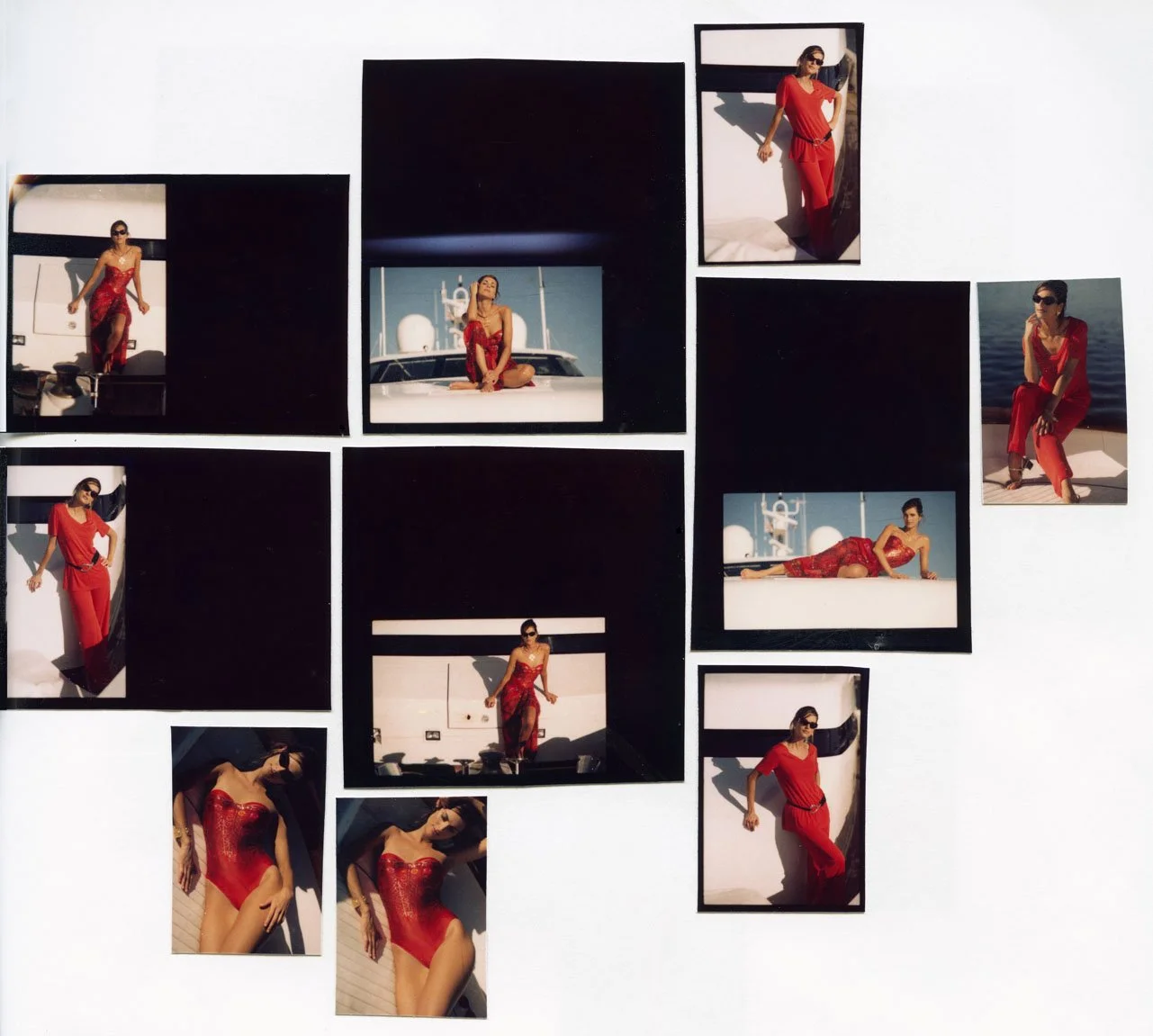
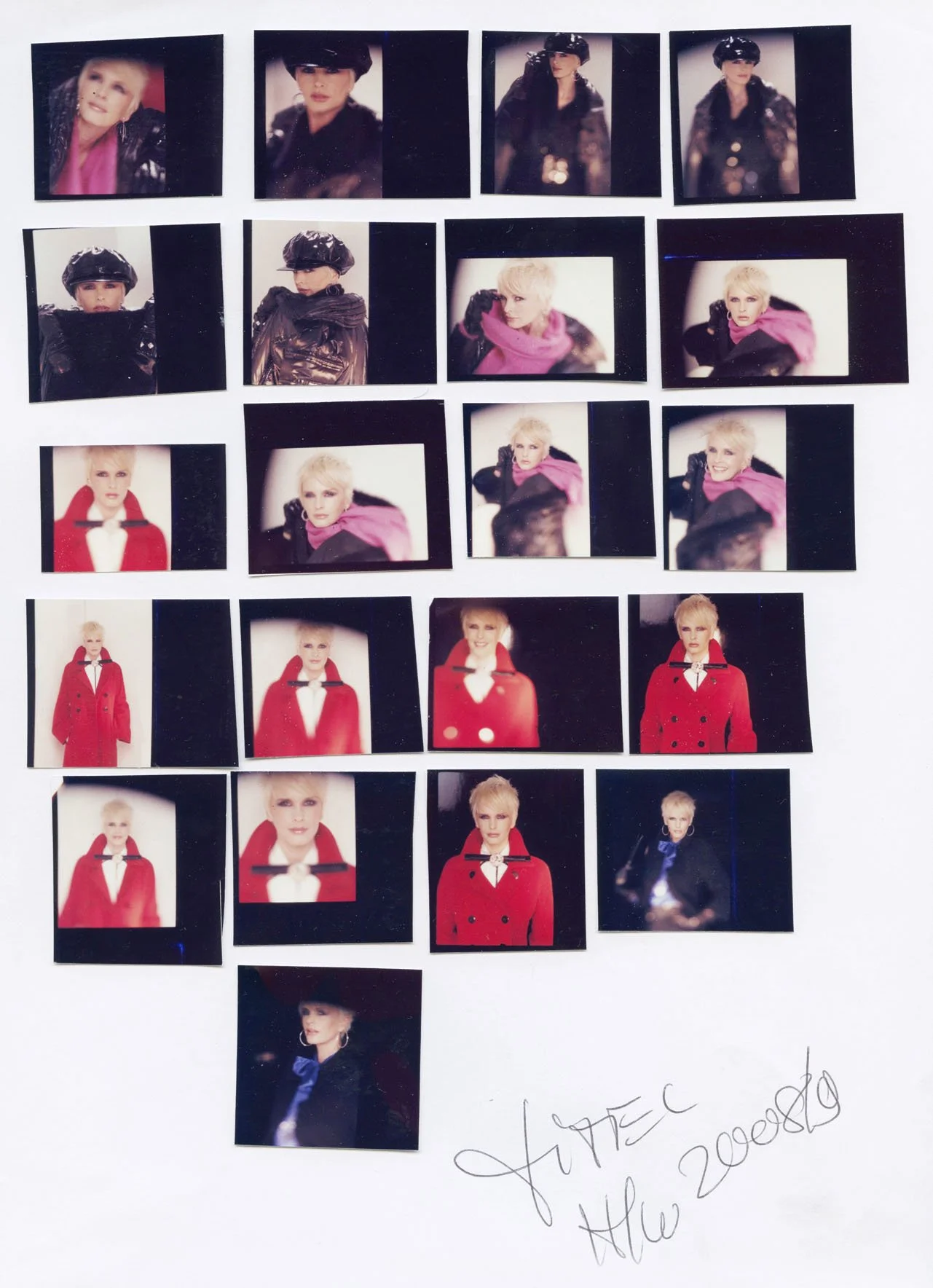
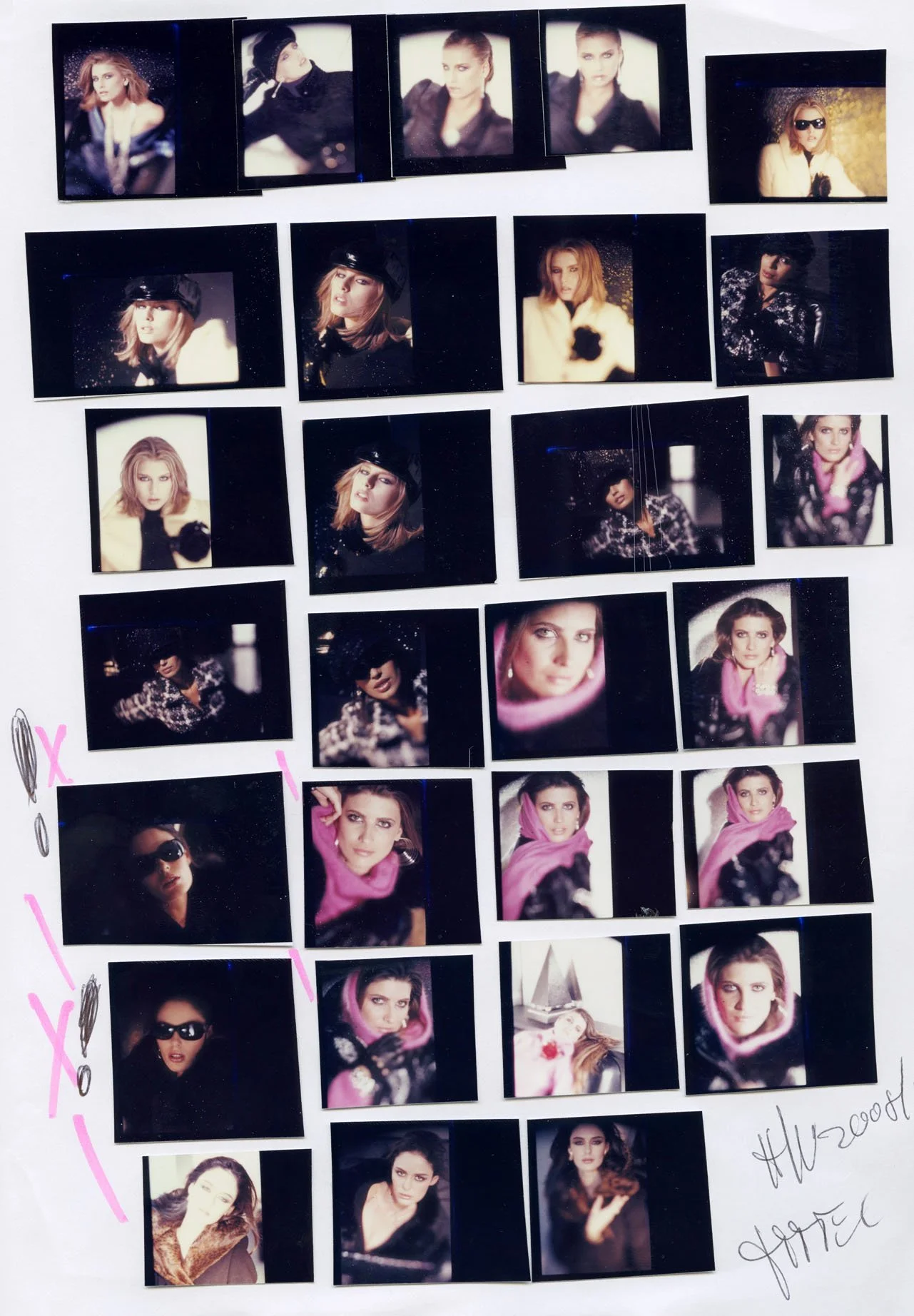
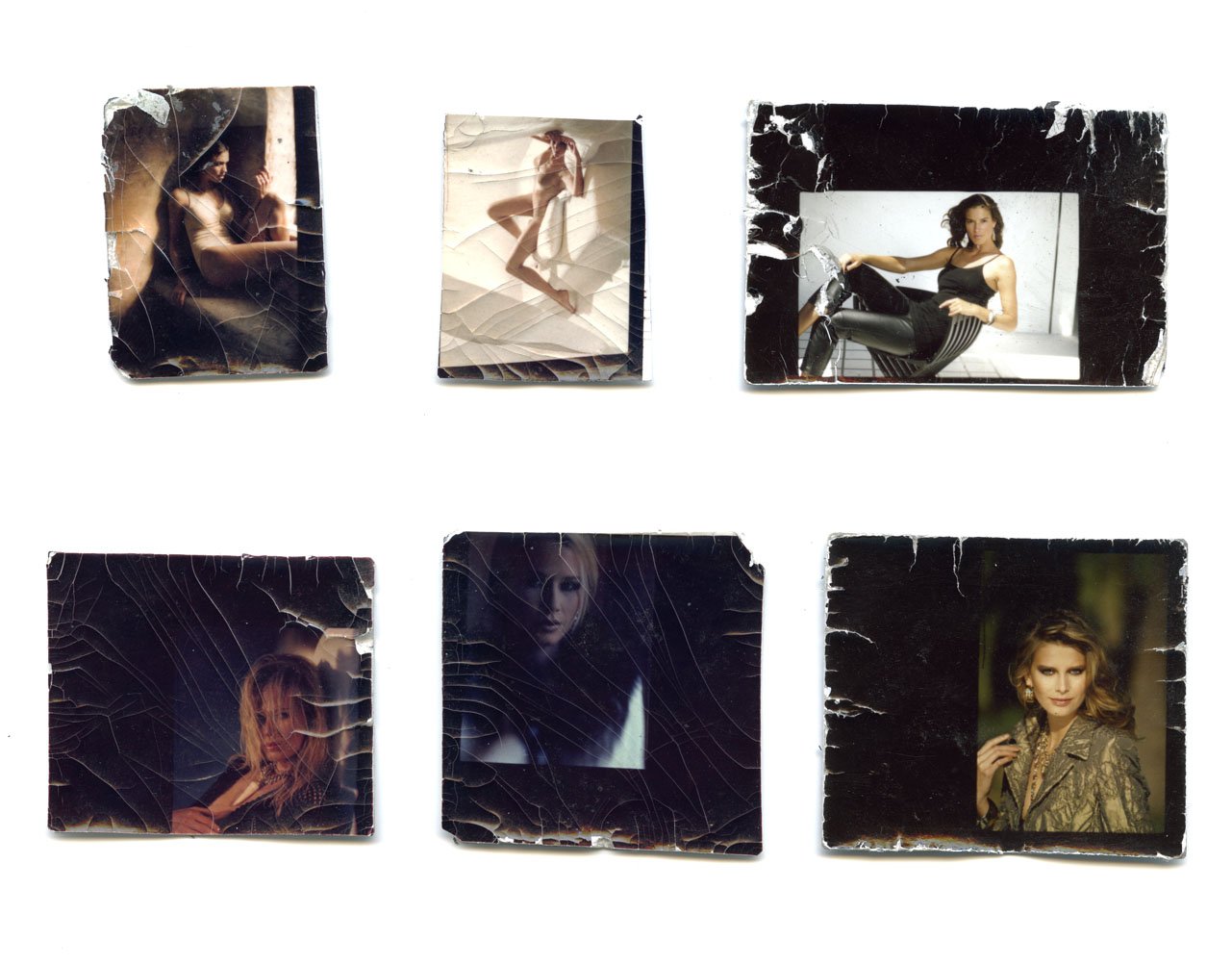
Aus dem Buch “Der Schmücker”


01.2
GERLING INSURANCE
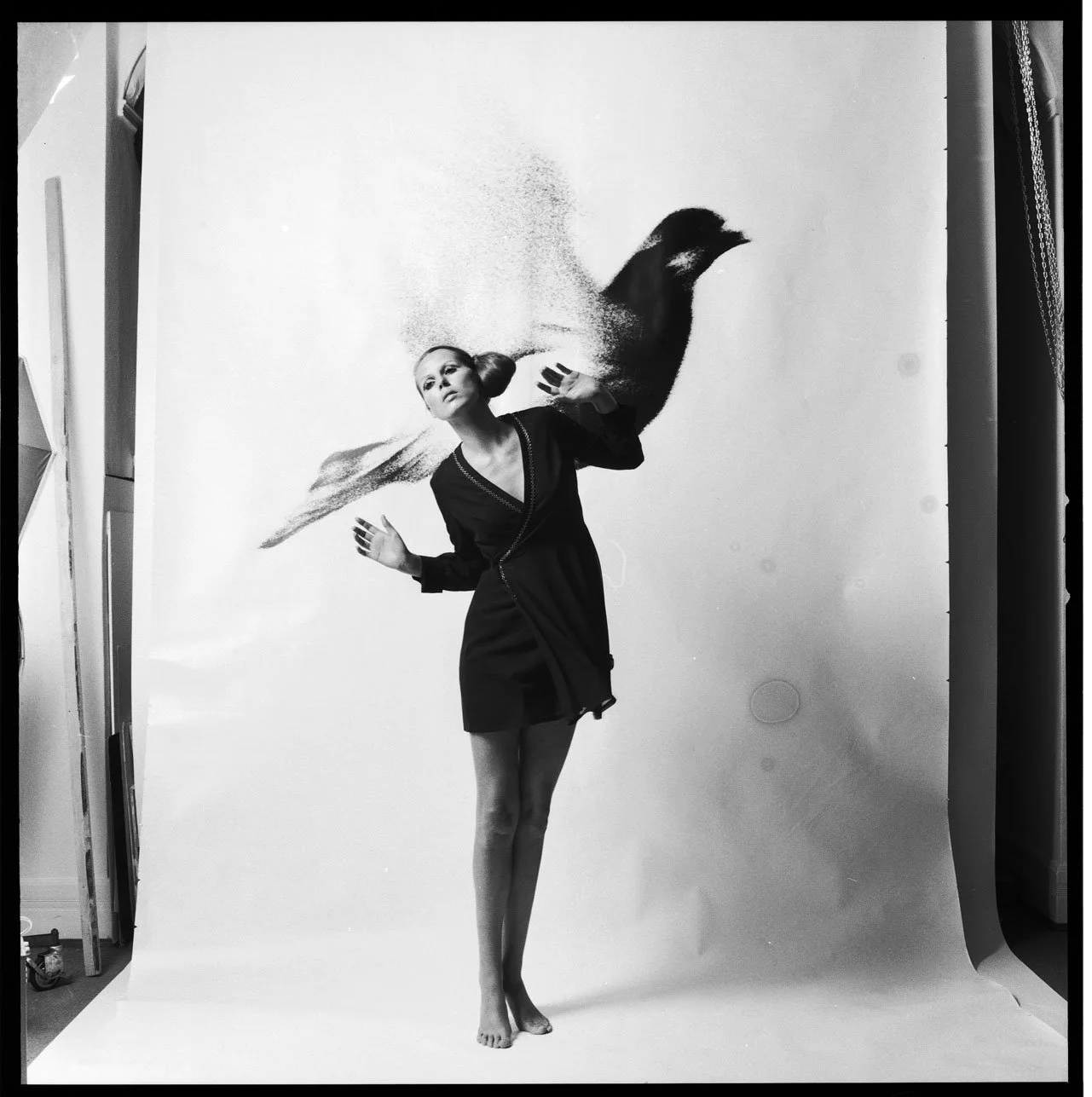
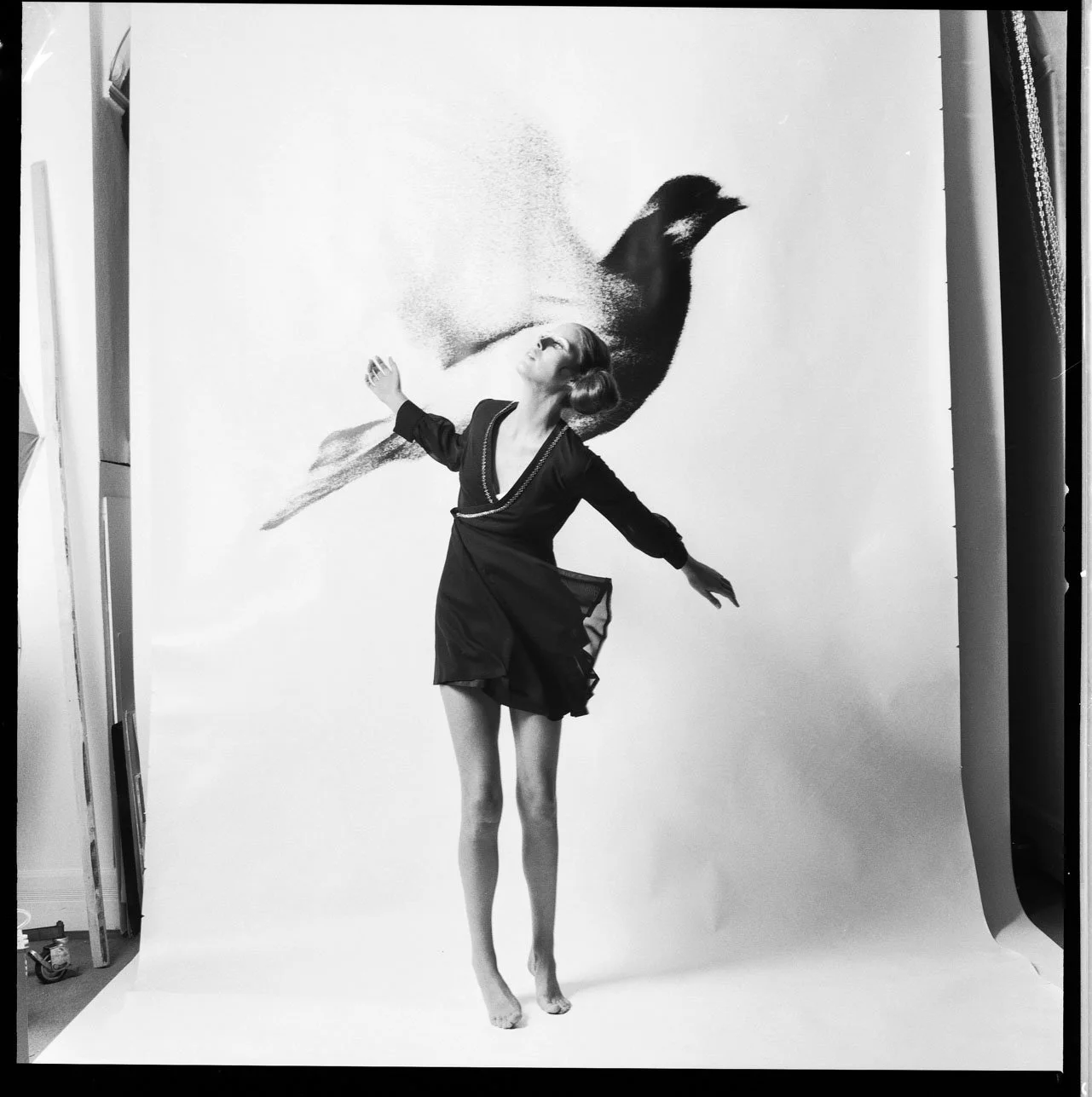
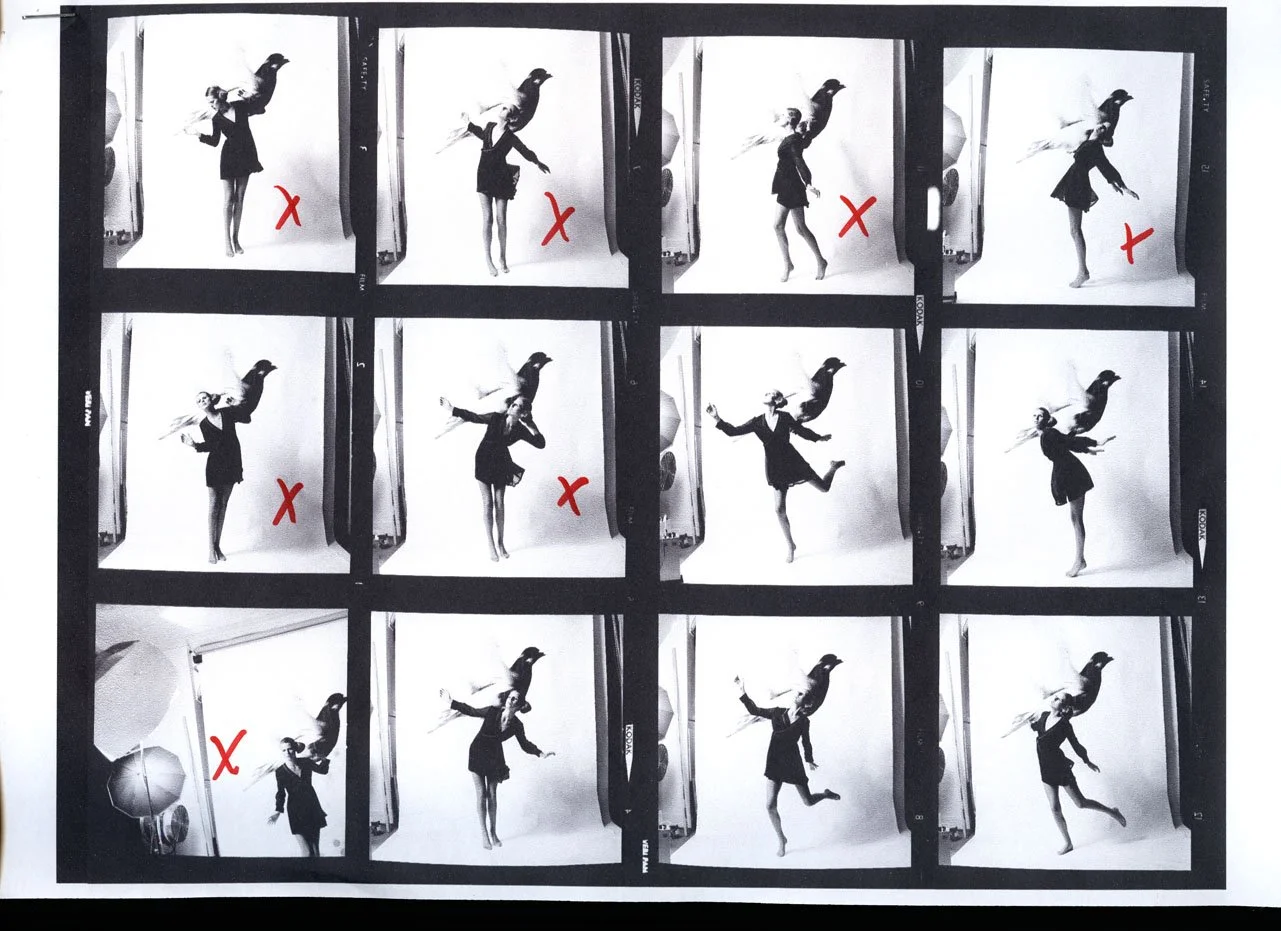
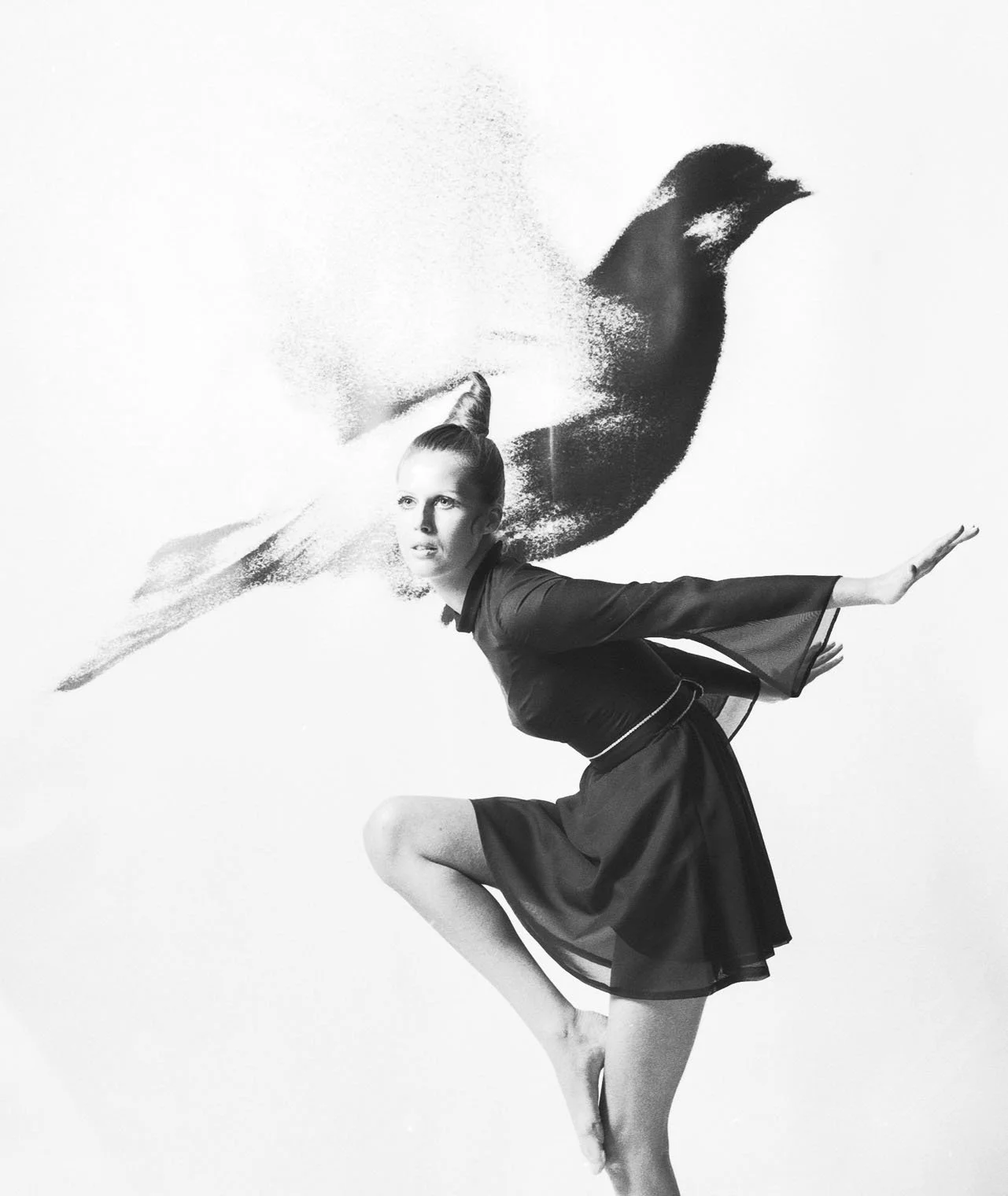
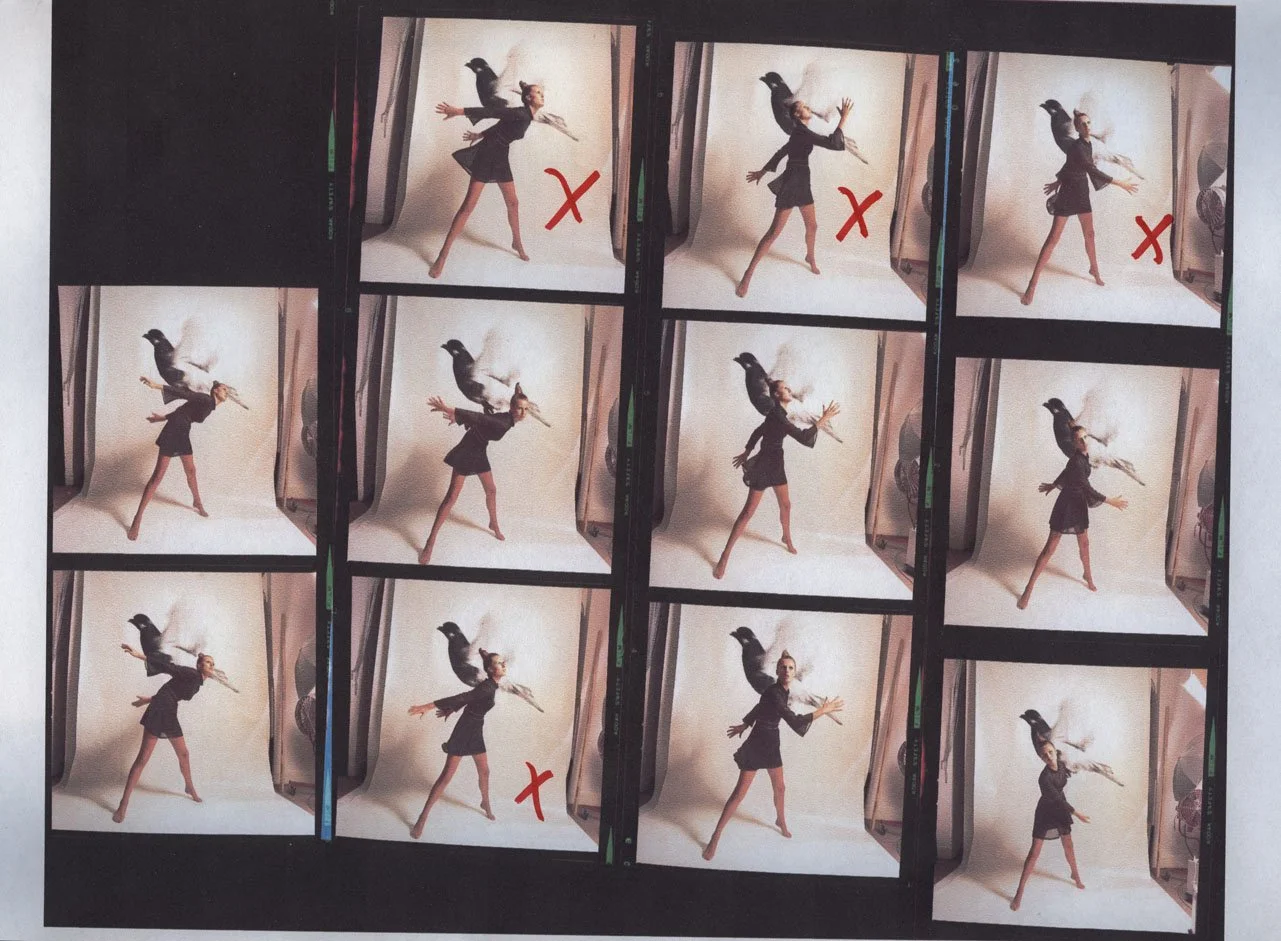
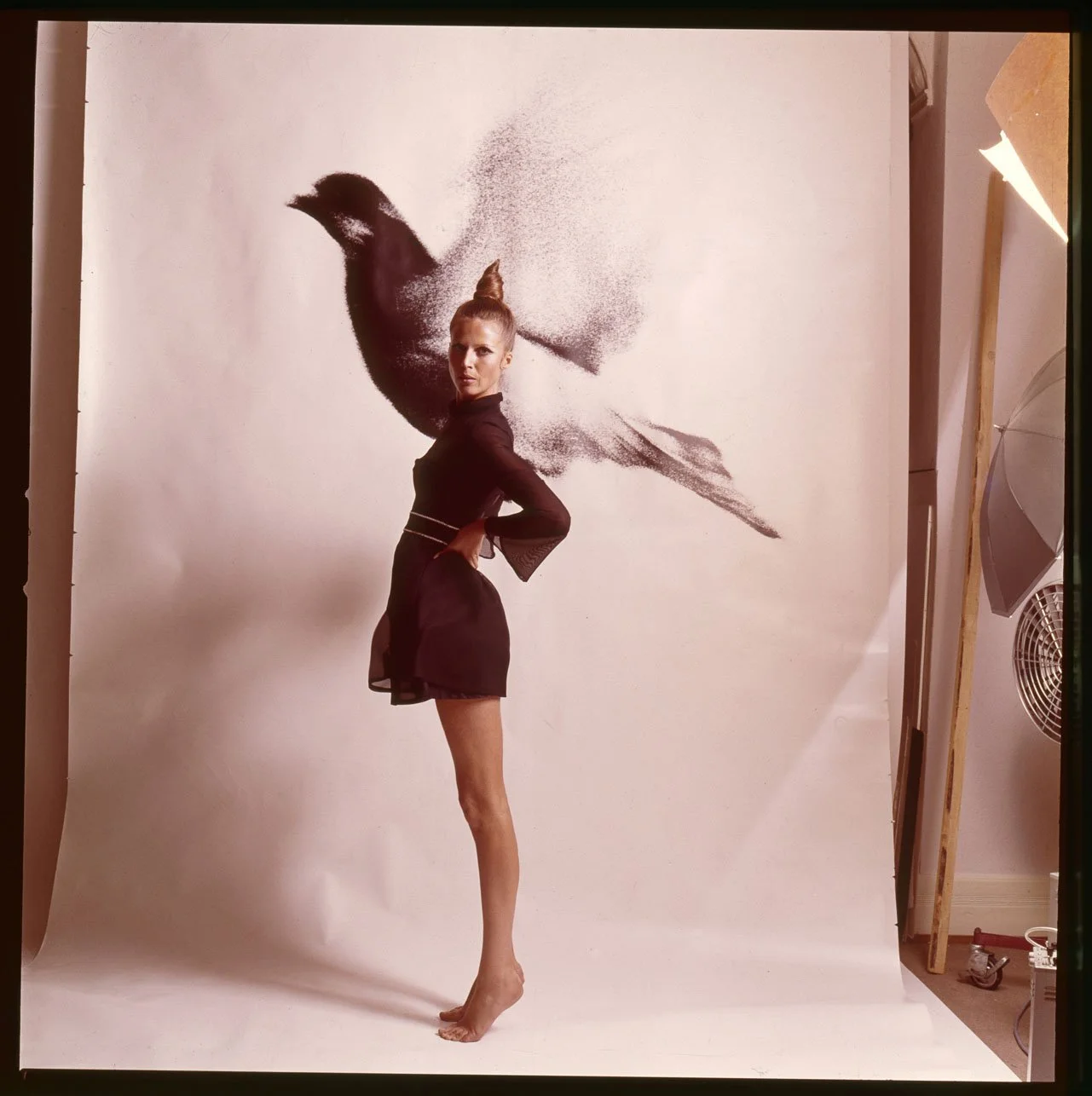
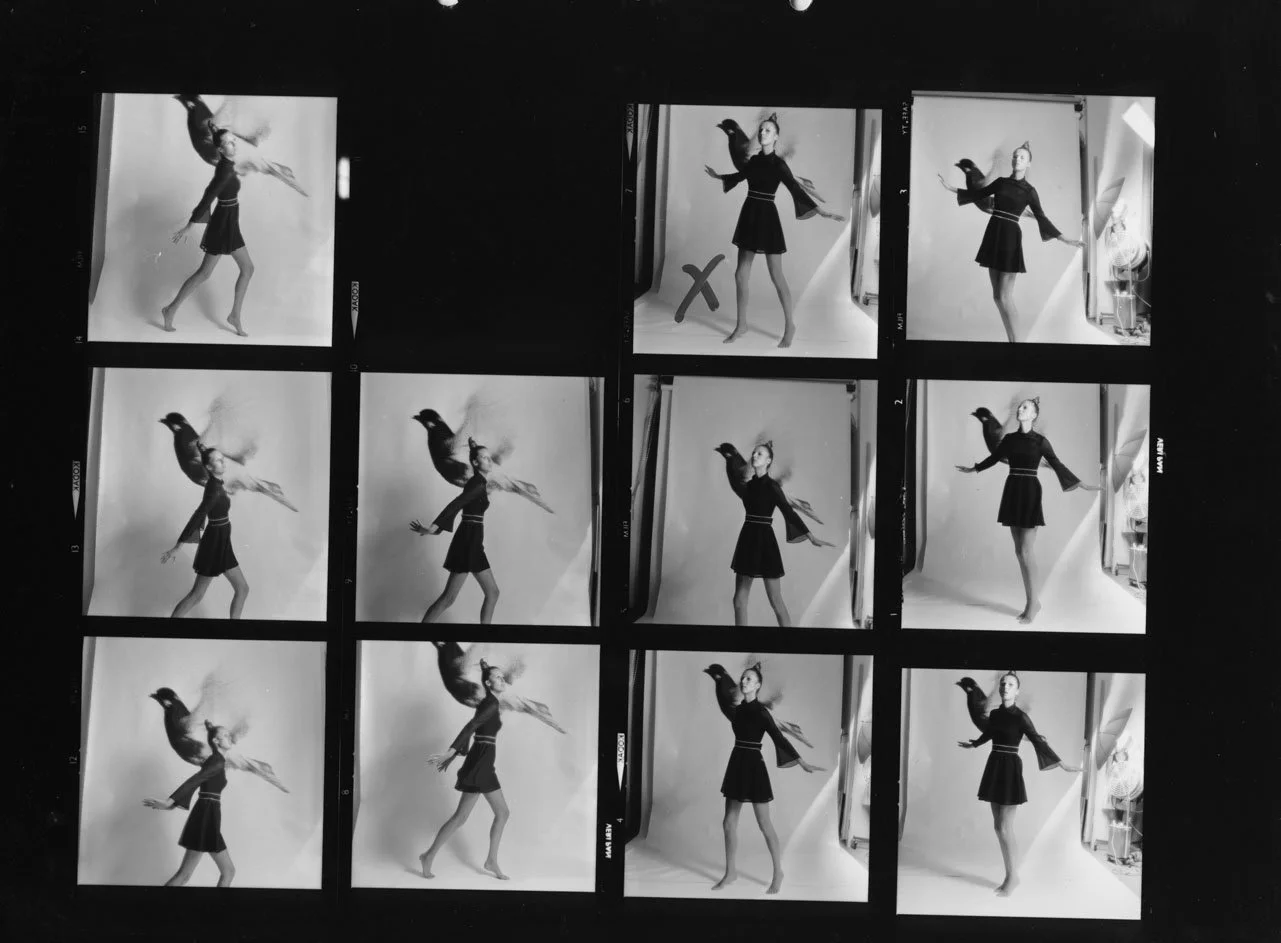
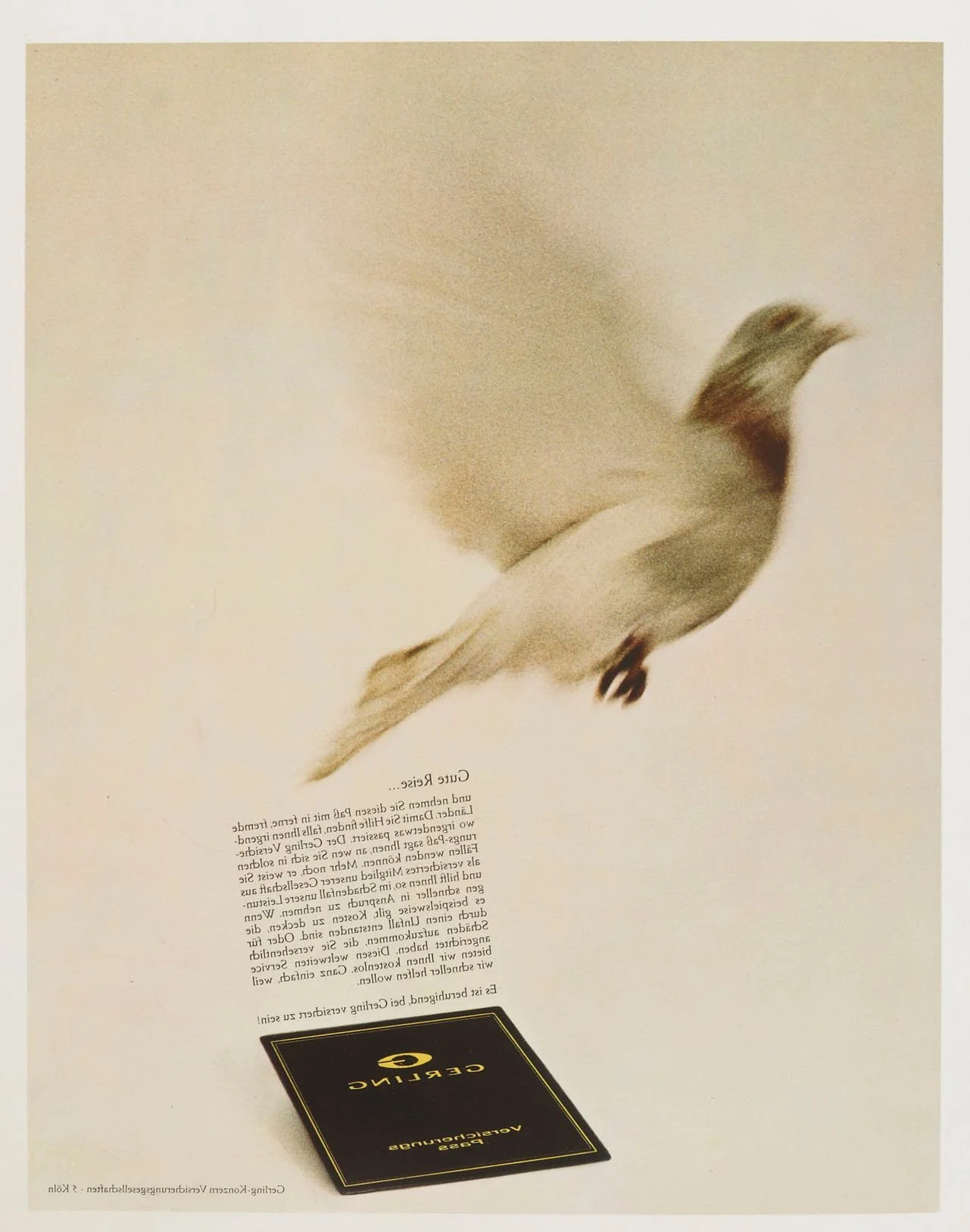
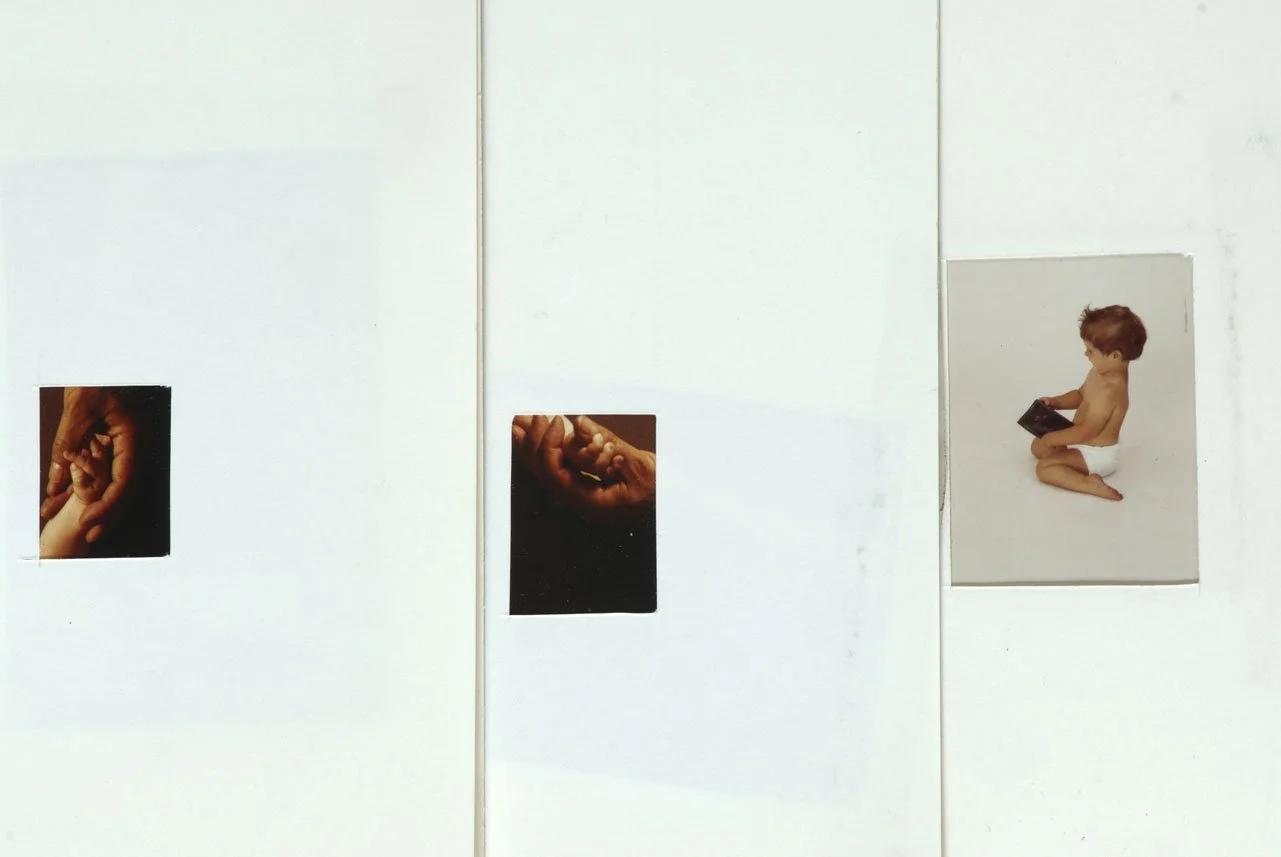
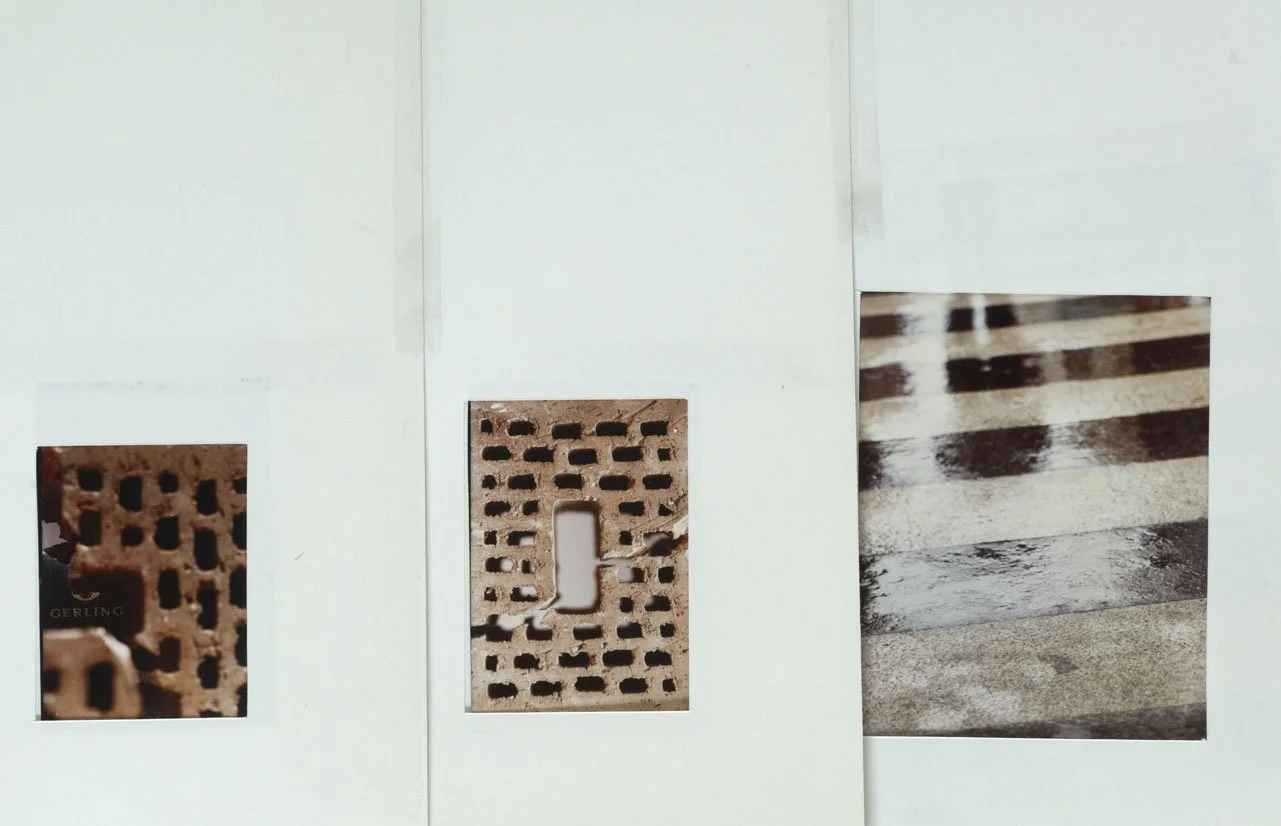
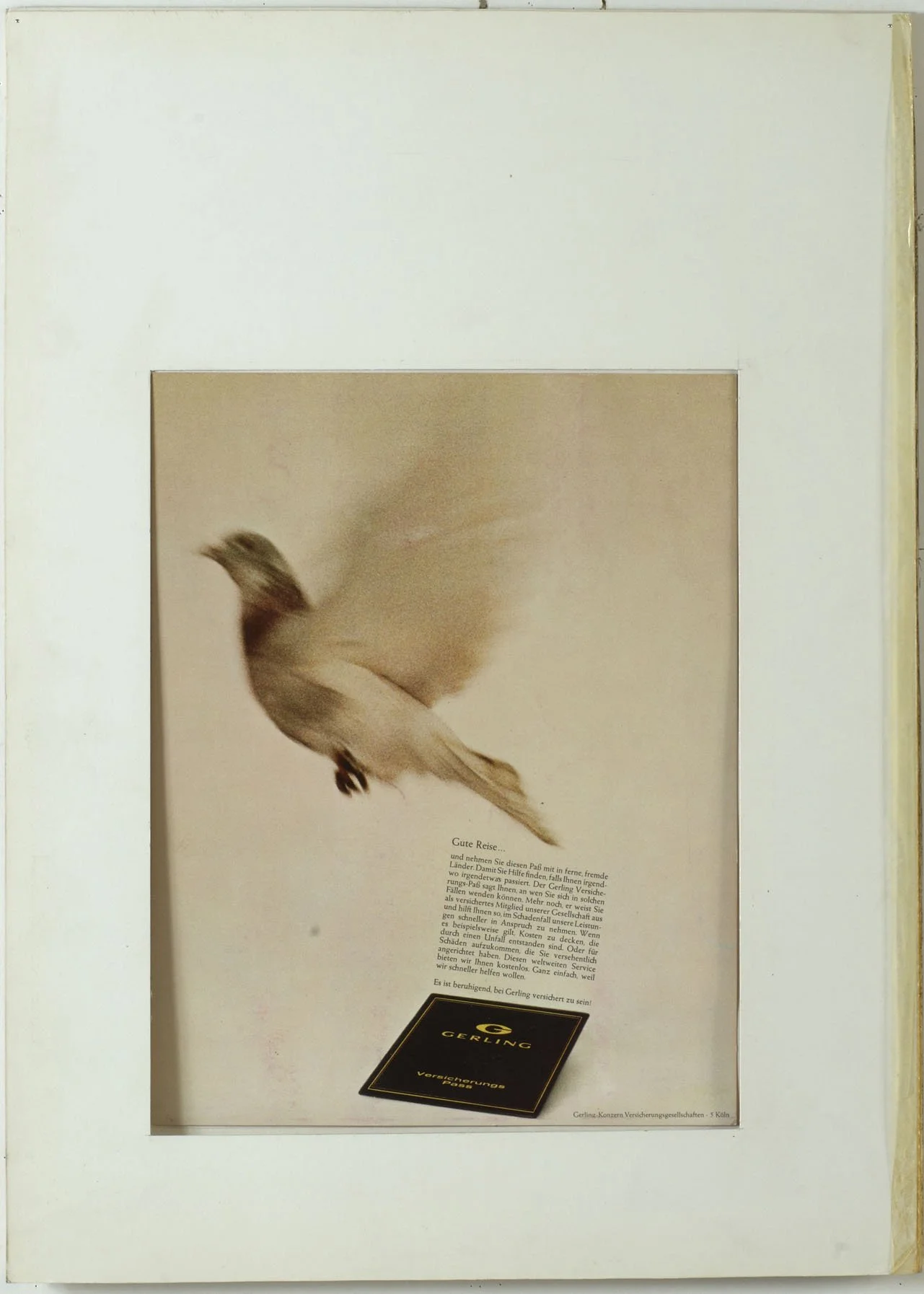
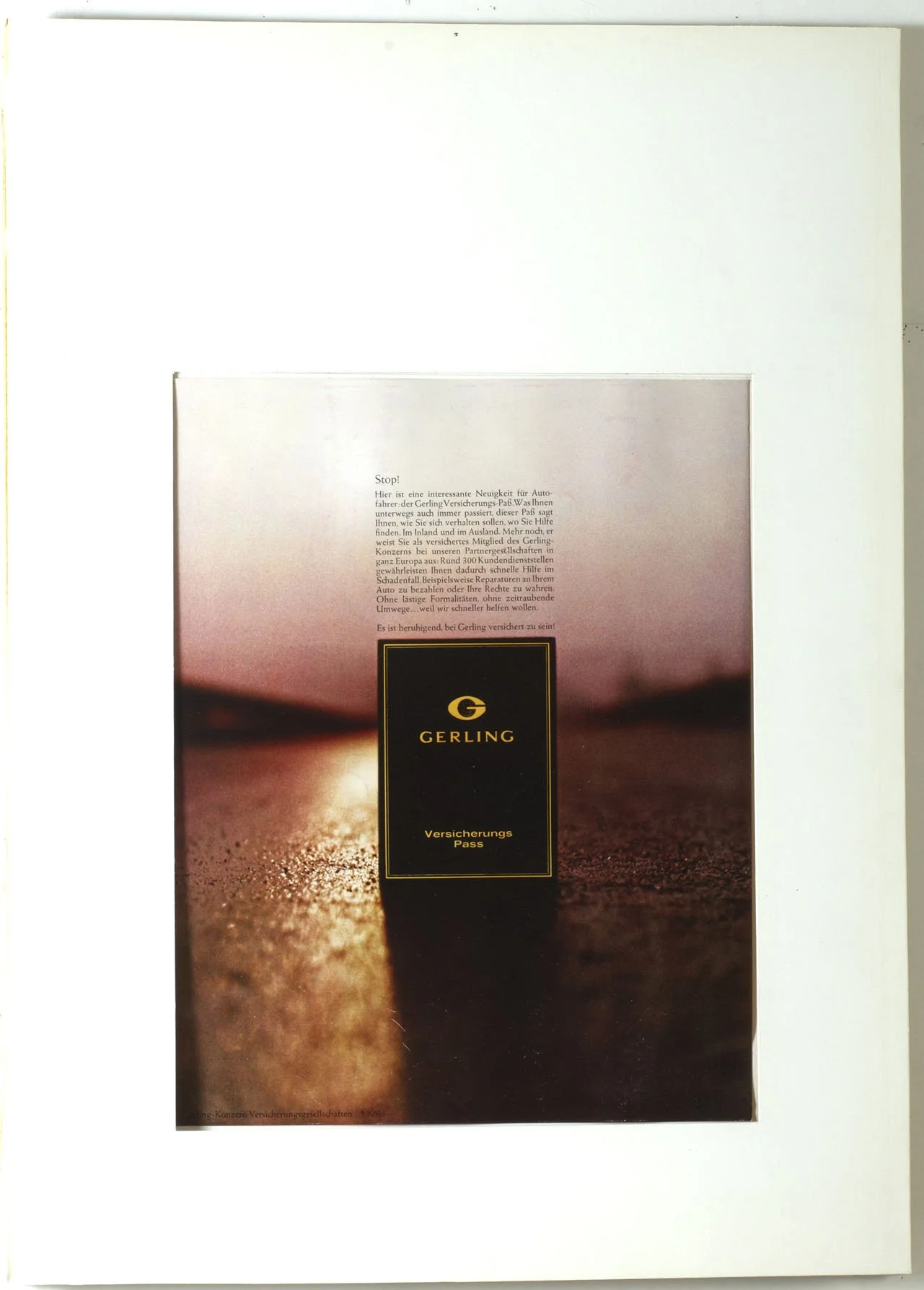
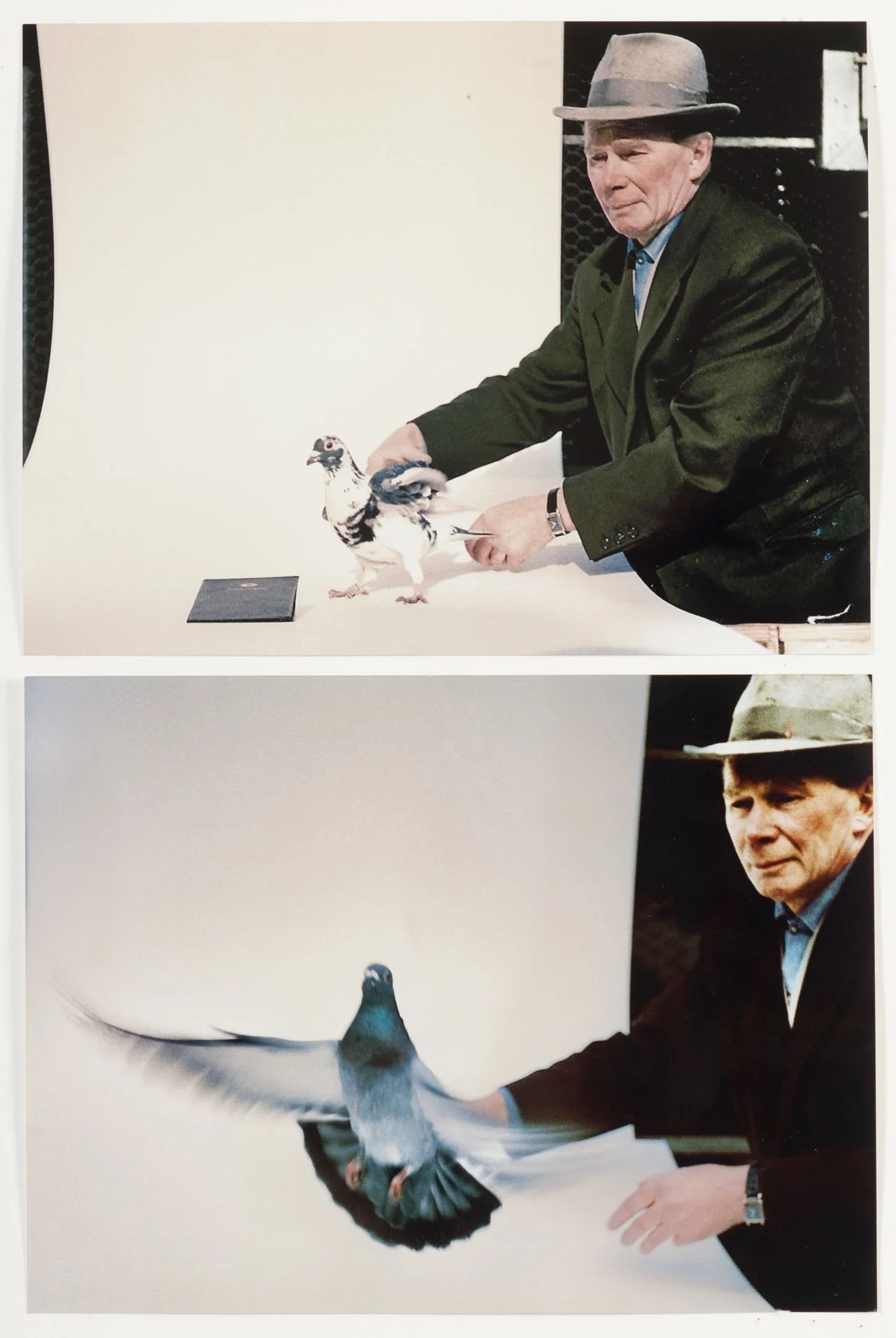
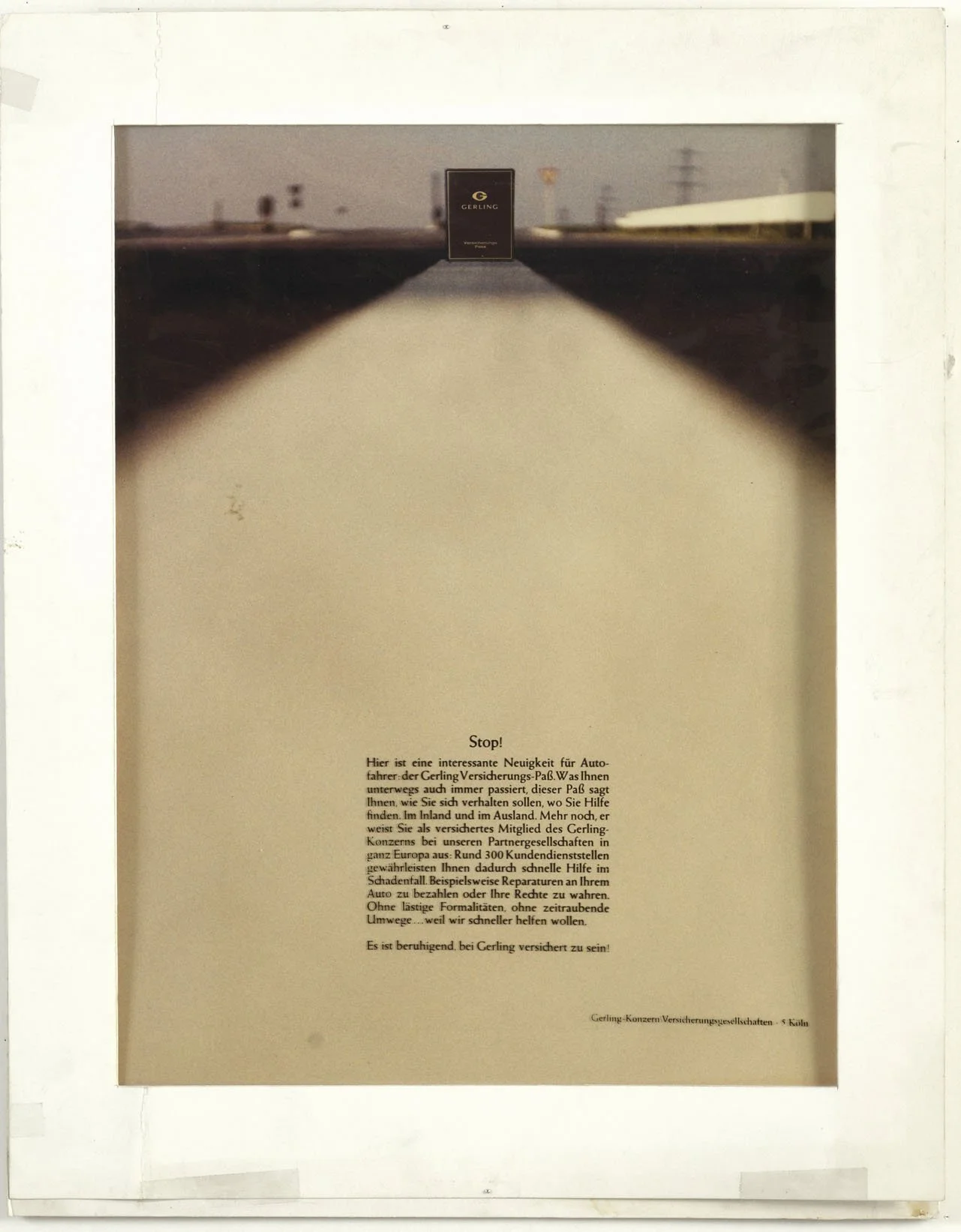
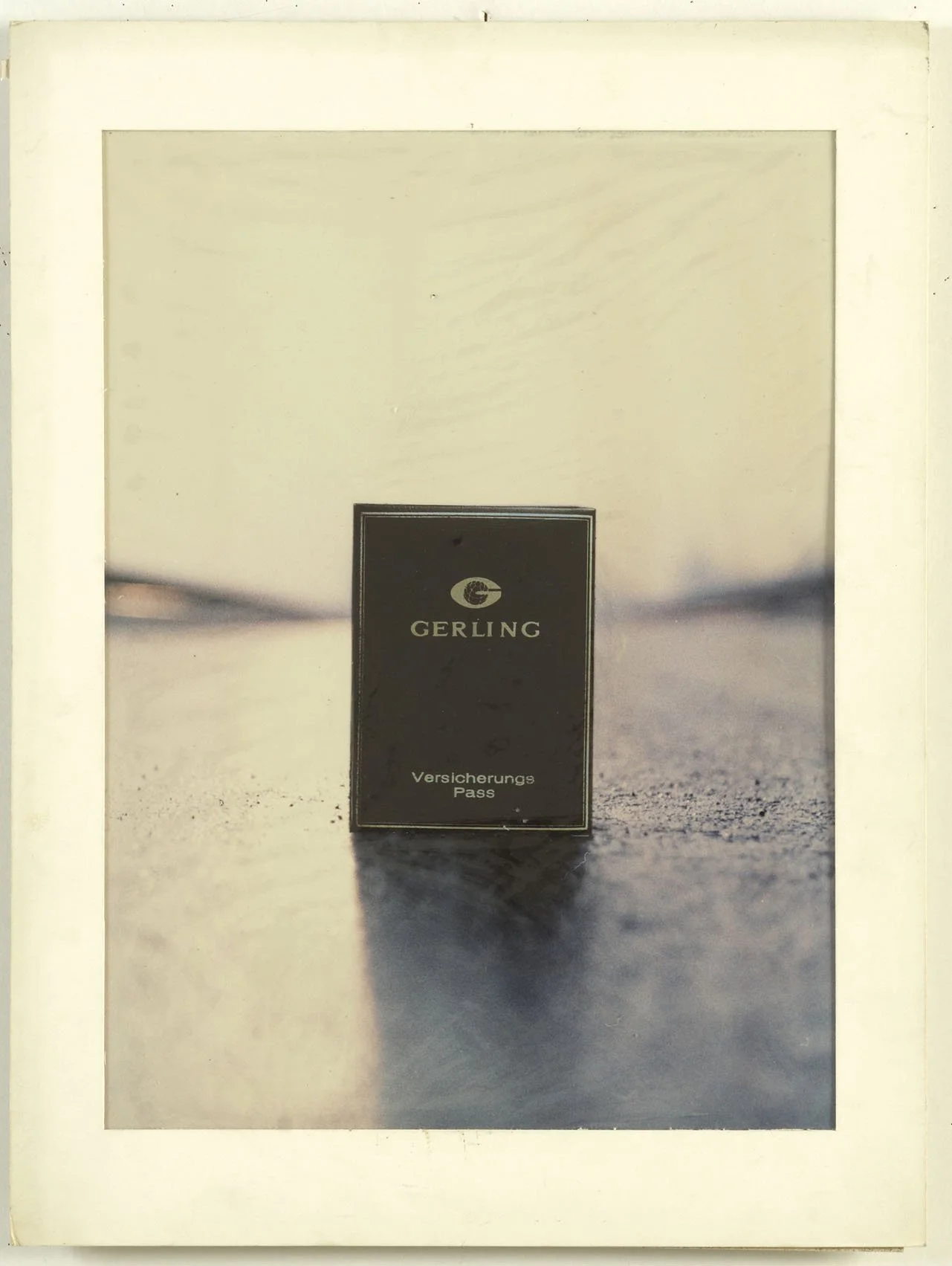
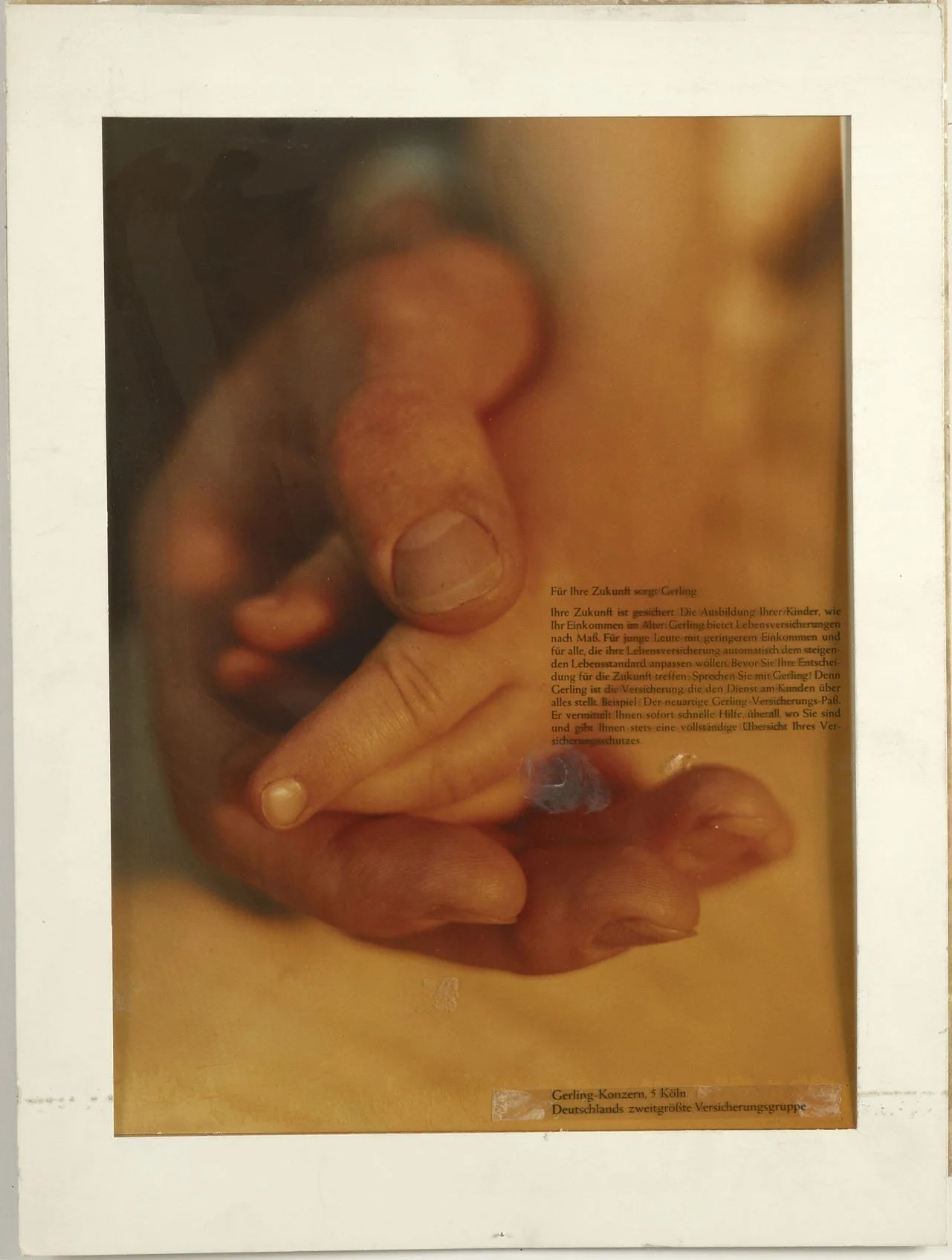
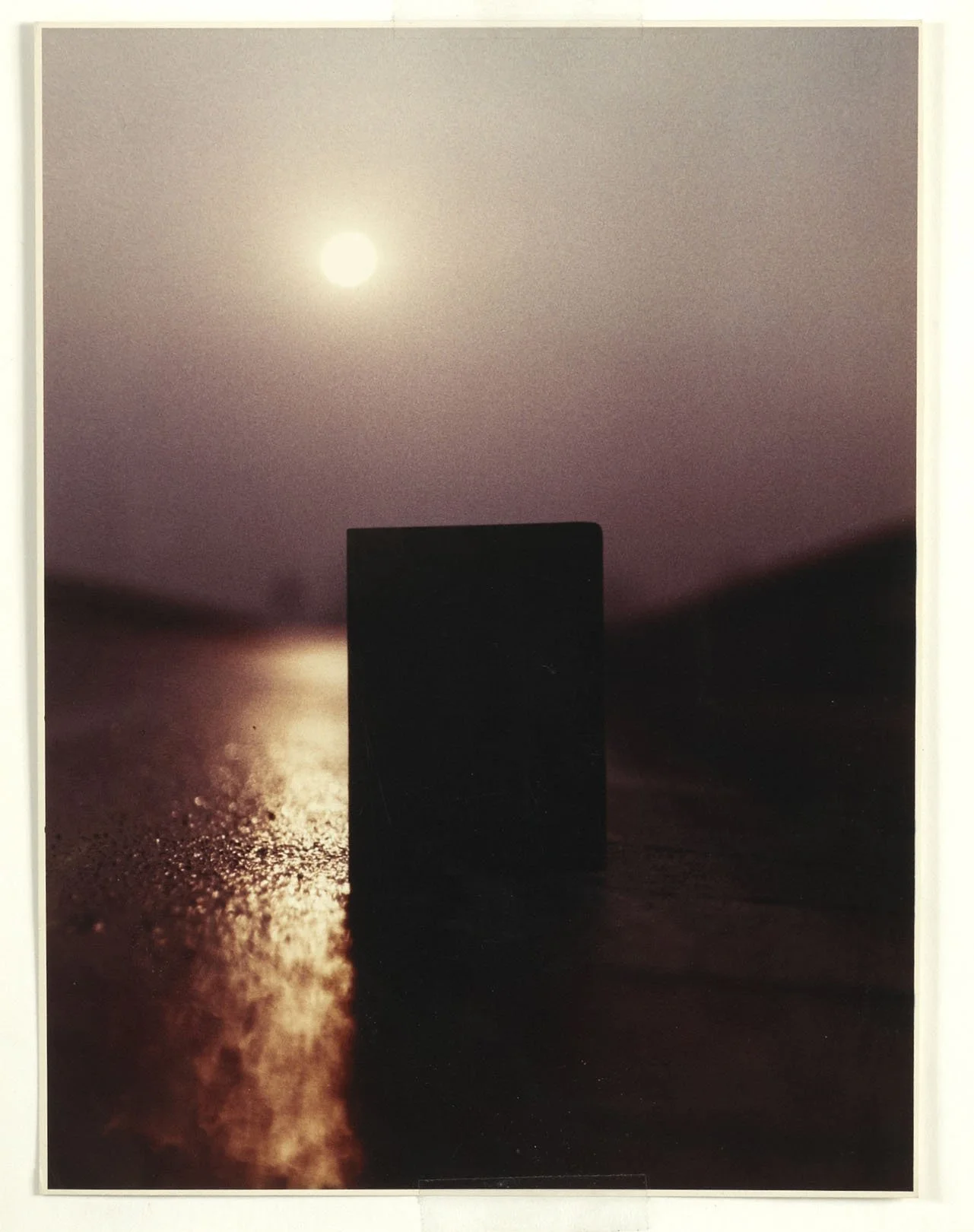
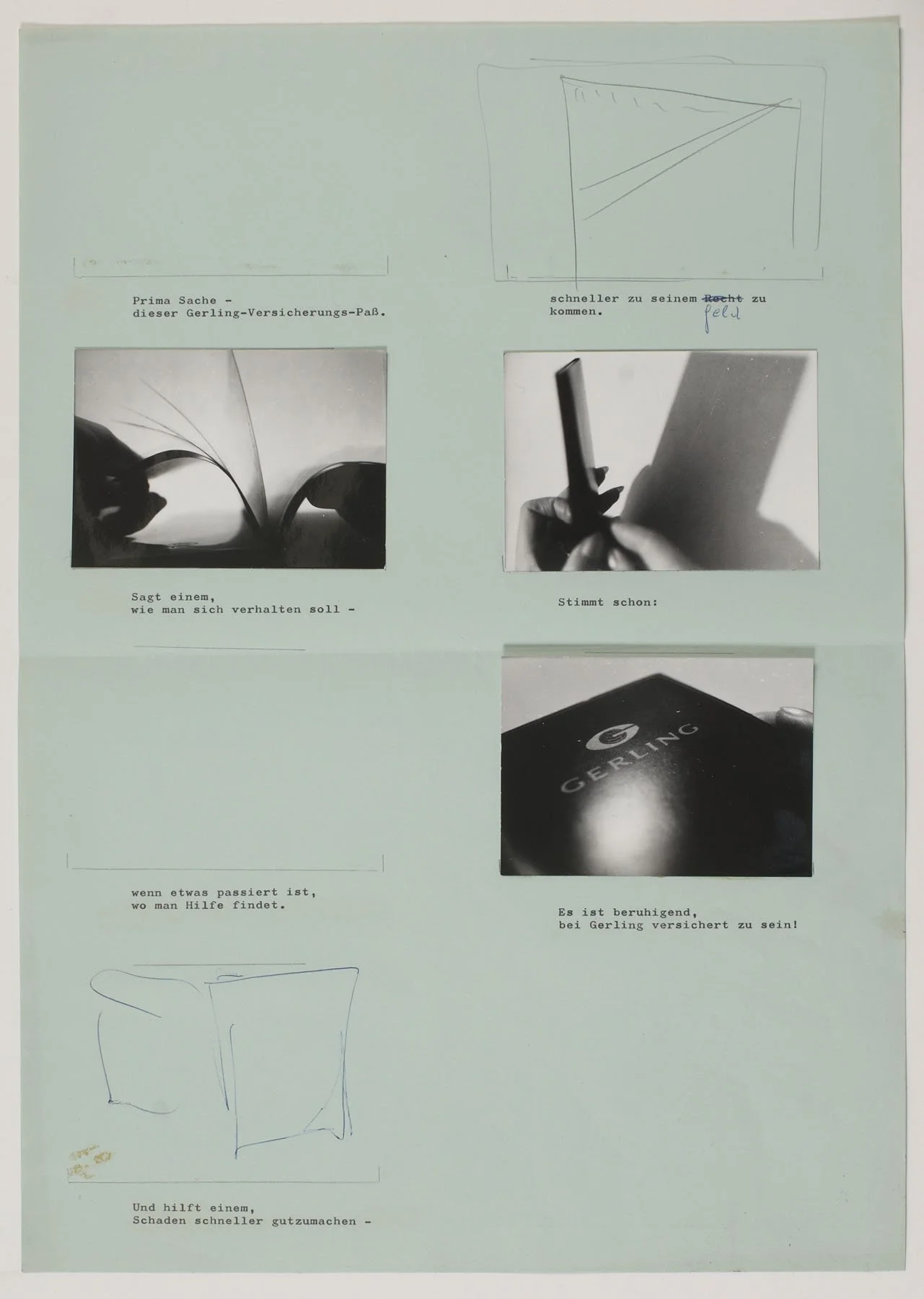
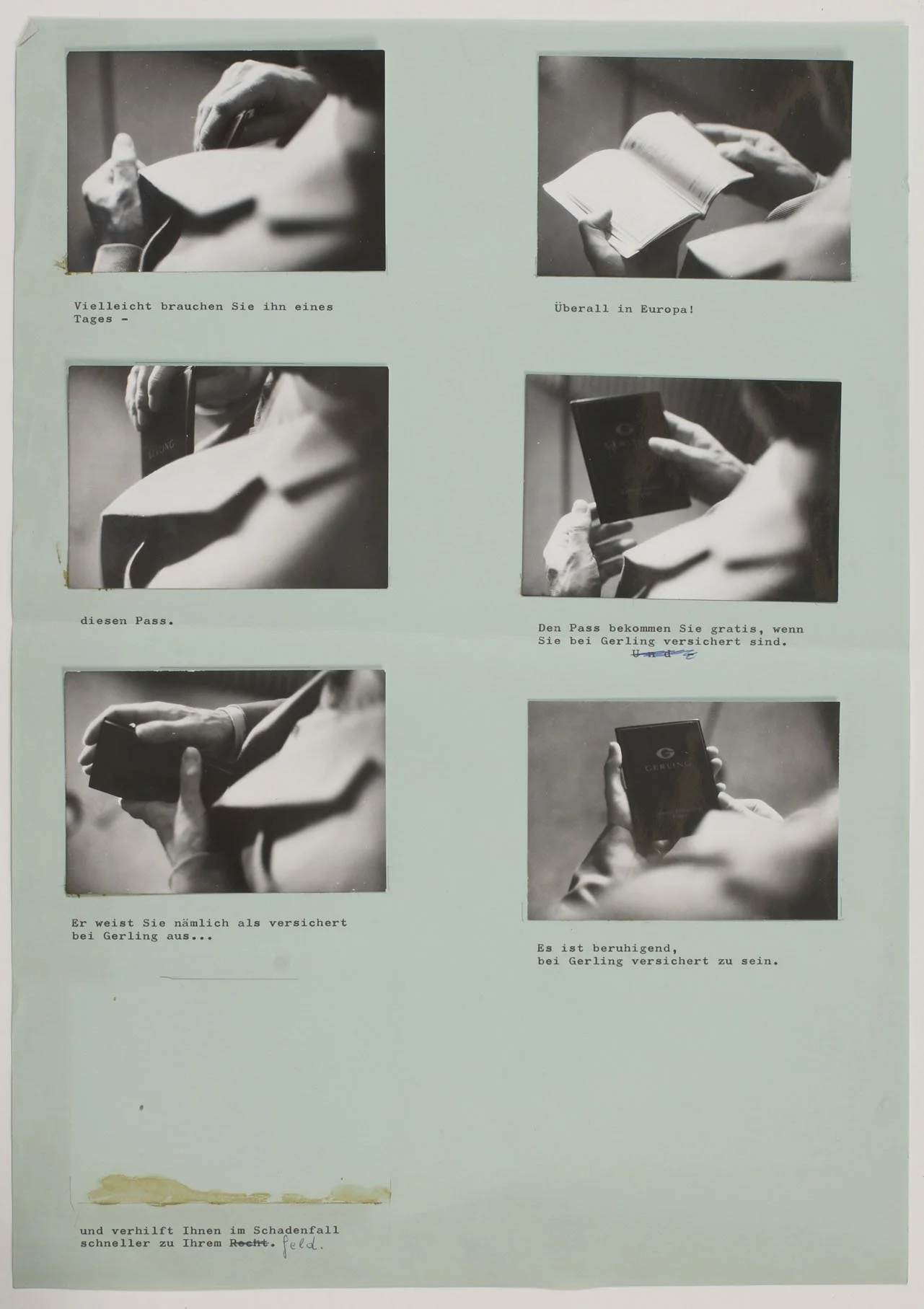
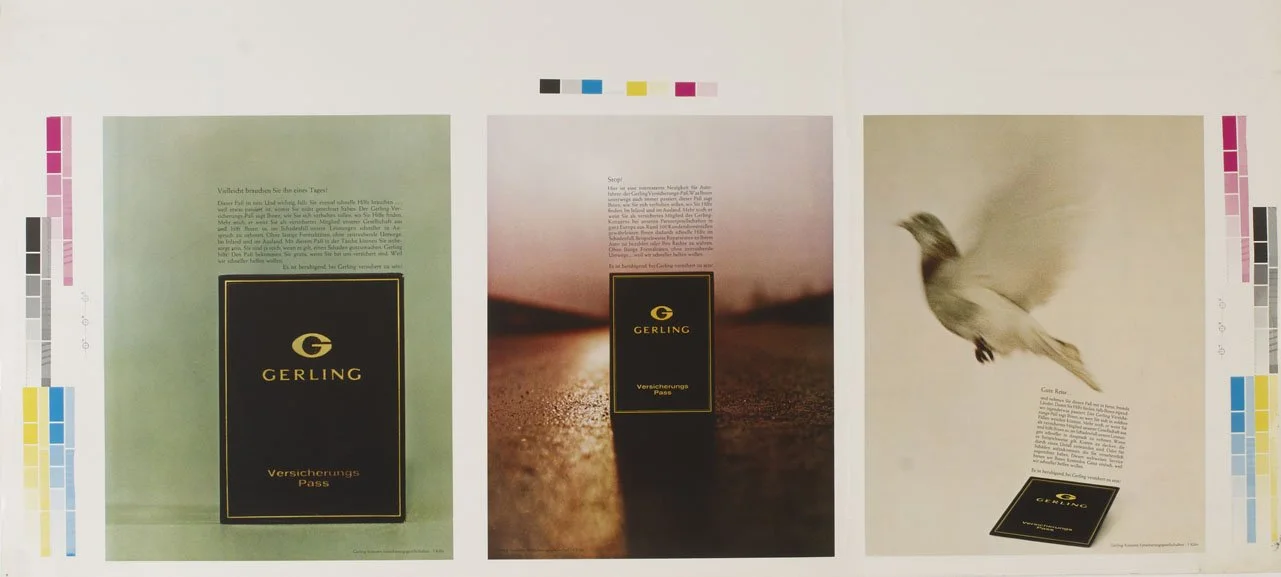
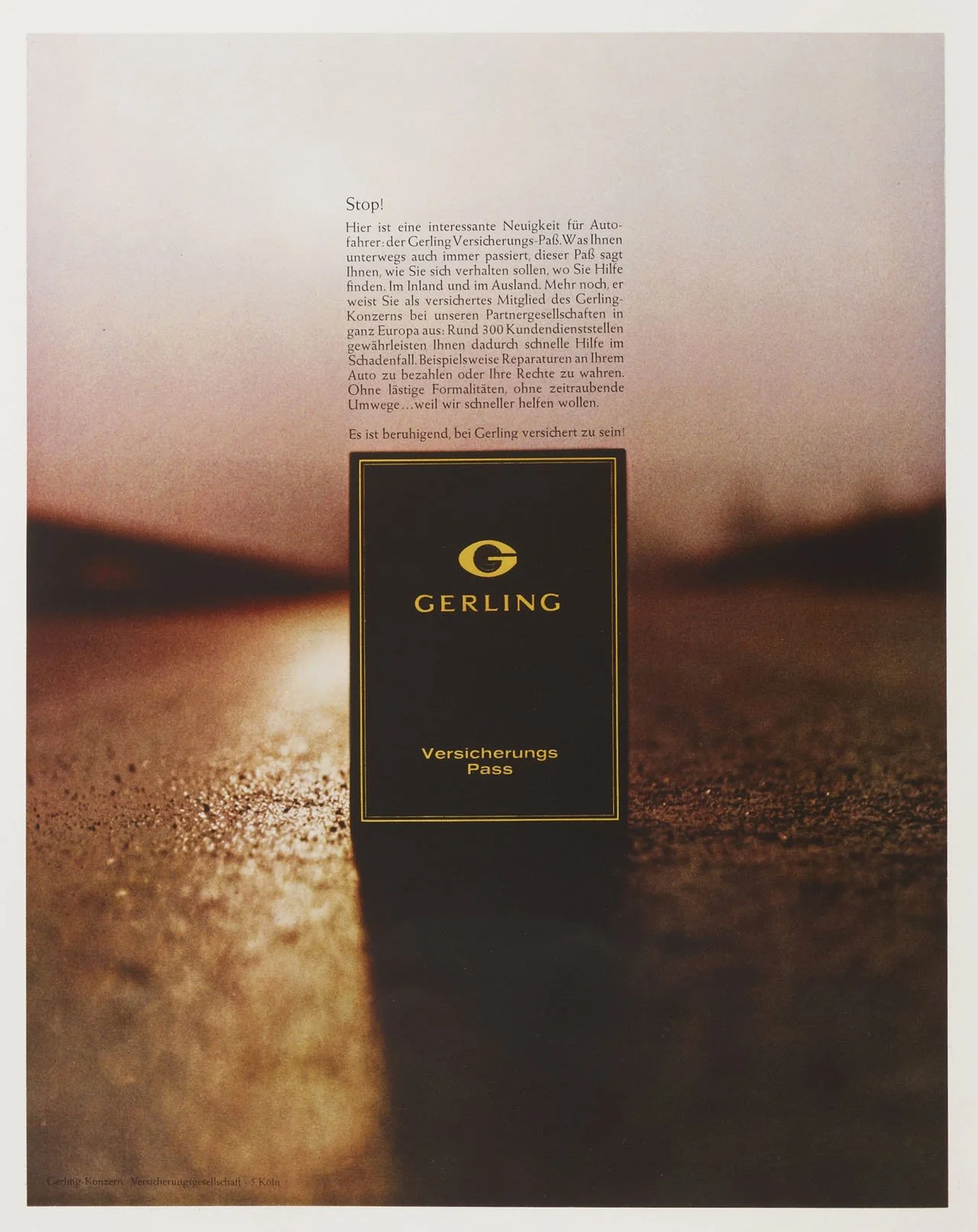
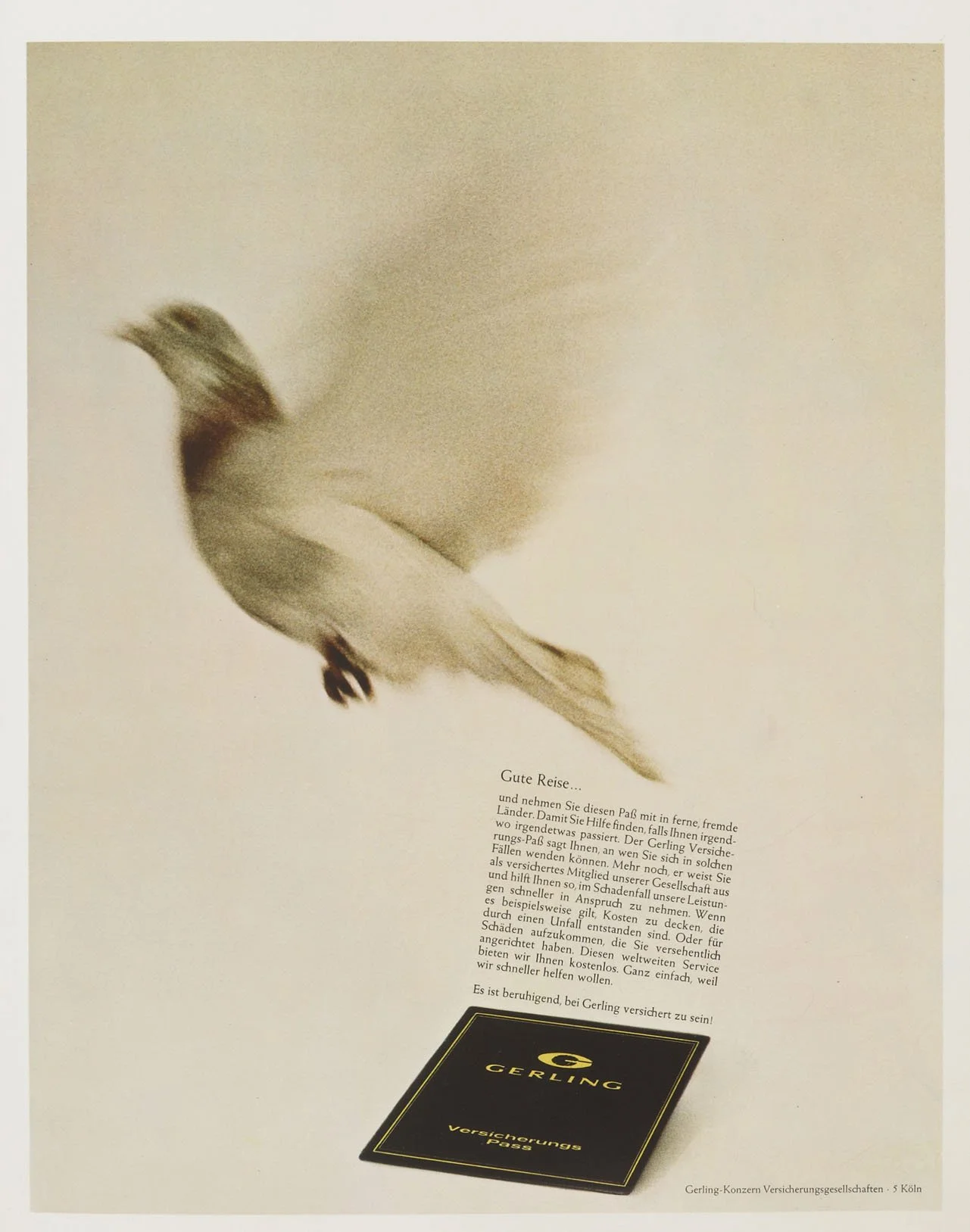
The Essen-based archival publisher Hoppenstedt was seeking a freelancer to develop the concept for a new product for the Cologne-based insurance company Gerling: an insurance passport in which all of a policyholder’s policies would be recorded. Ulrich Pracht—who at the time was still serving as Art Director at Horten—applied for the position. Although he didn't have an idea yet, he gave no outward sign of it. The flash of inspiration was not long in coming: “Why look far afield when happiness lies so close at hand? When thinking about the subject of travel insurance, my father’s homing pigeons came to mind.” Armed with his first Hasselblad and a tripod, he climbed into the cramped pigeon loft, set up his flash units, and installed a white backdrop. “I hated working with a tripod, but there was simply no other way to get the shot. Thanks to the Polaroid test shots, I knew that if I photographed at 1/30th of a second while firing the flash, I would capture a sense of motion blur—yet also retain a specific sharpness within the image.” His parents tossed the pigeons into the air repeatedly until one photograph finally captured the entire composition in perfect alignment. This image—along with several other subjects photographed “solely” for layout purposes—was then presented to the client. “At the insistent request of the legendary Hans Gerling, my images were subsequently used in the actual advertising campaign. For me, as a self-taught photographer, it was a tremendous success—though, unfortunately, one accompanied by the fatal misconception that I now actually knew how to take photographs!”
01.3
TRIUMPH INTERNATIONAL
Relationships. Stepping stone.
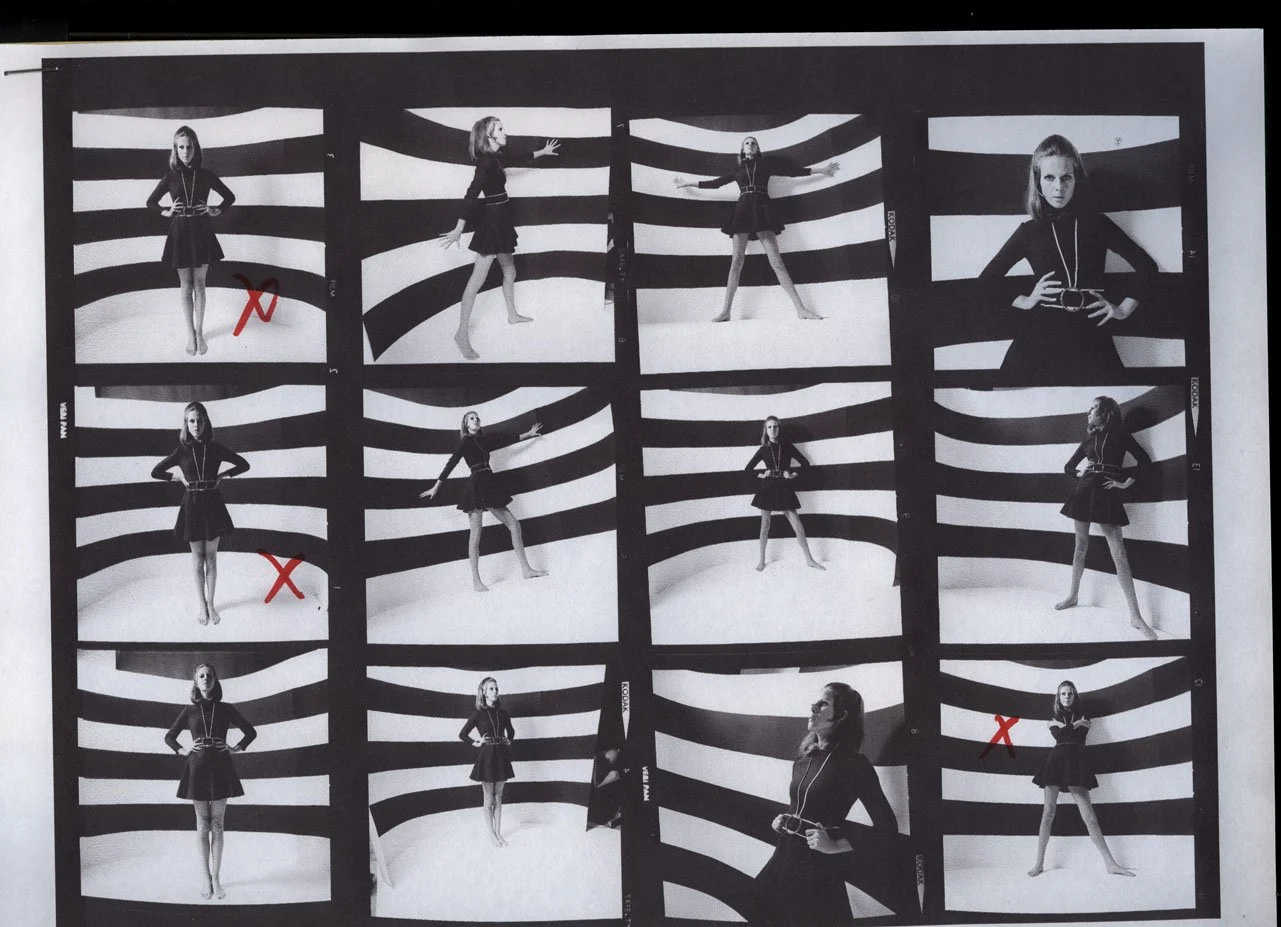
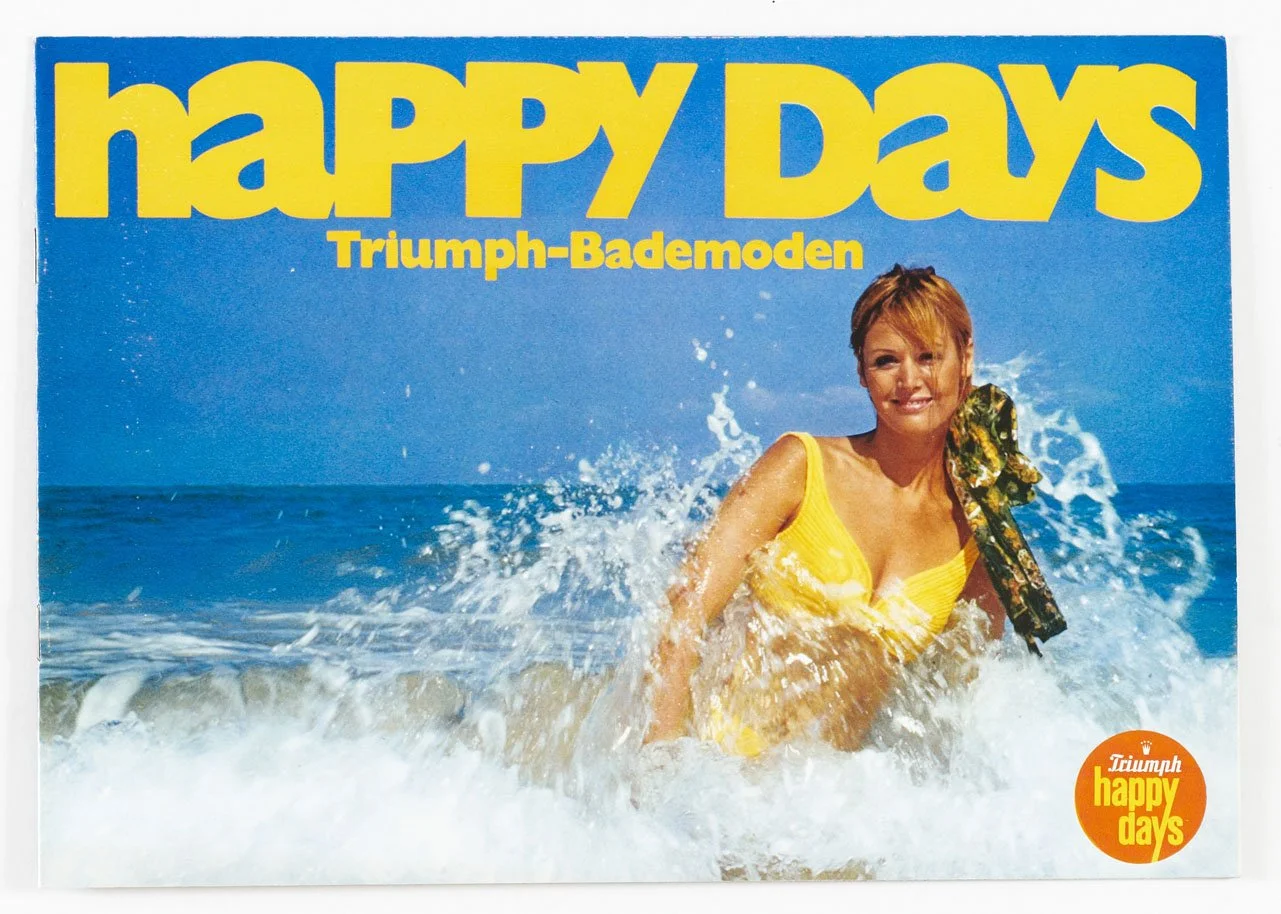
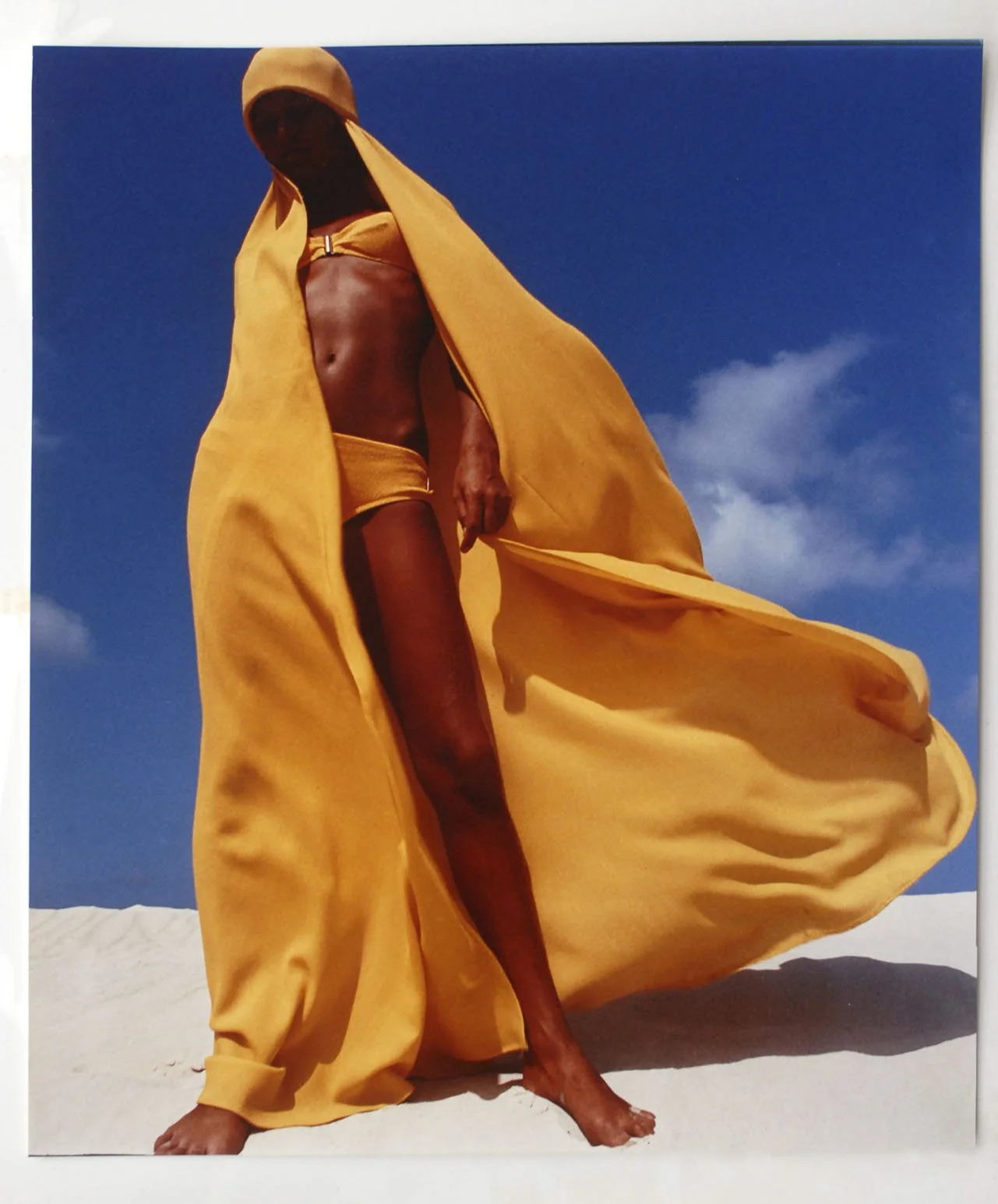
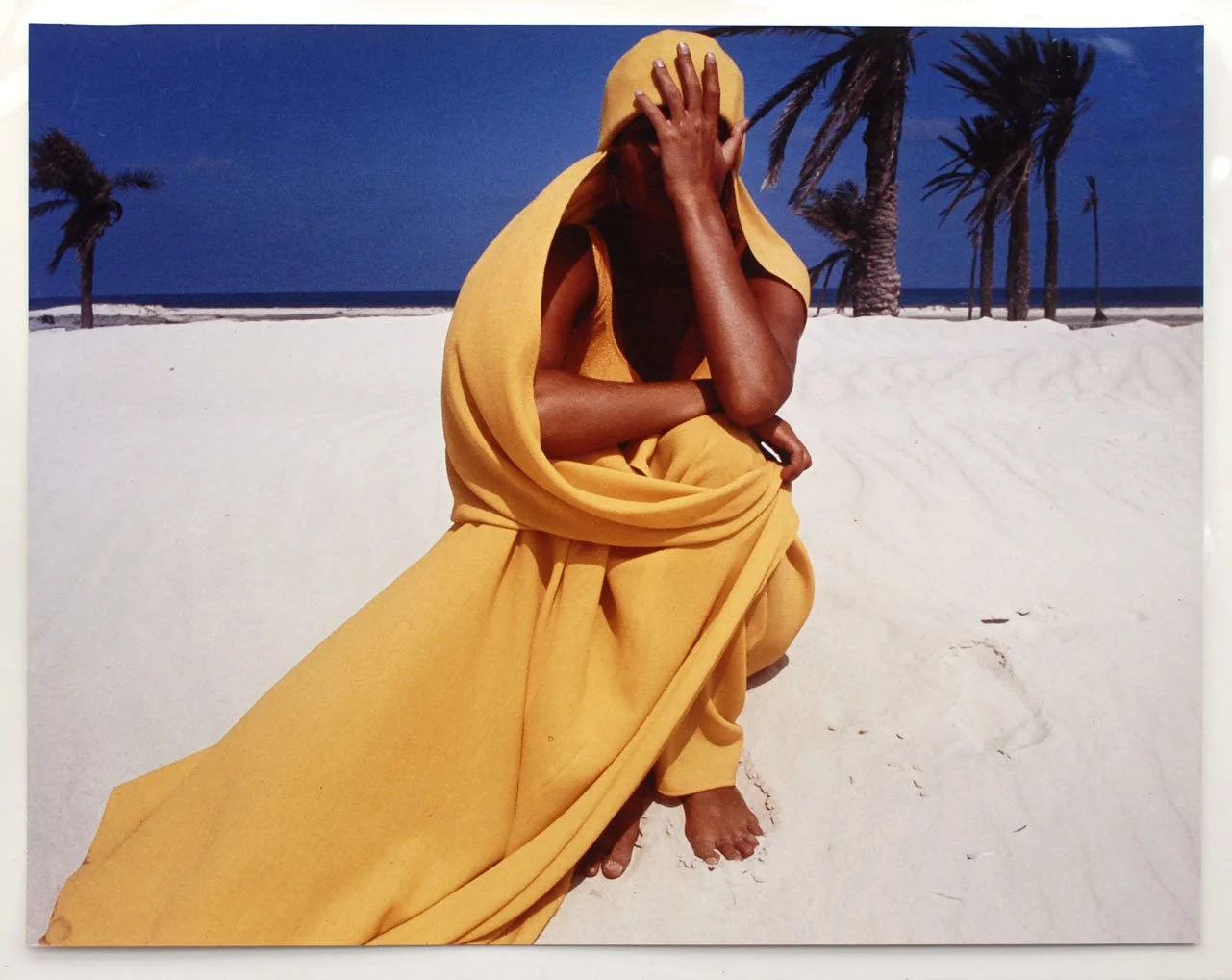
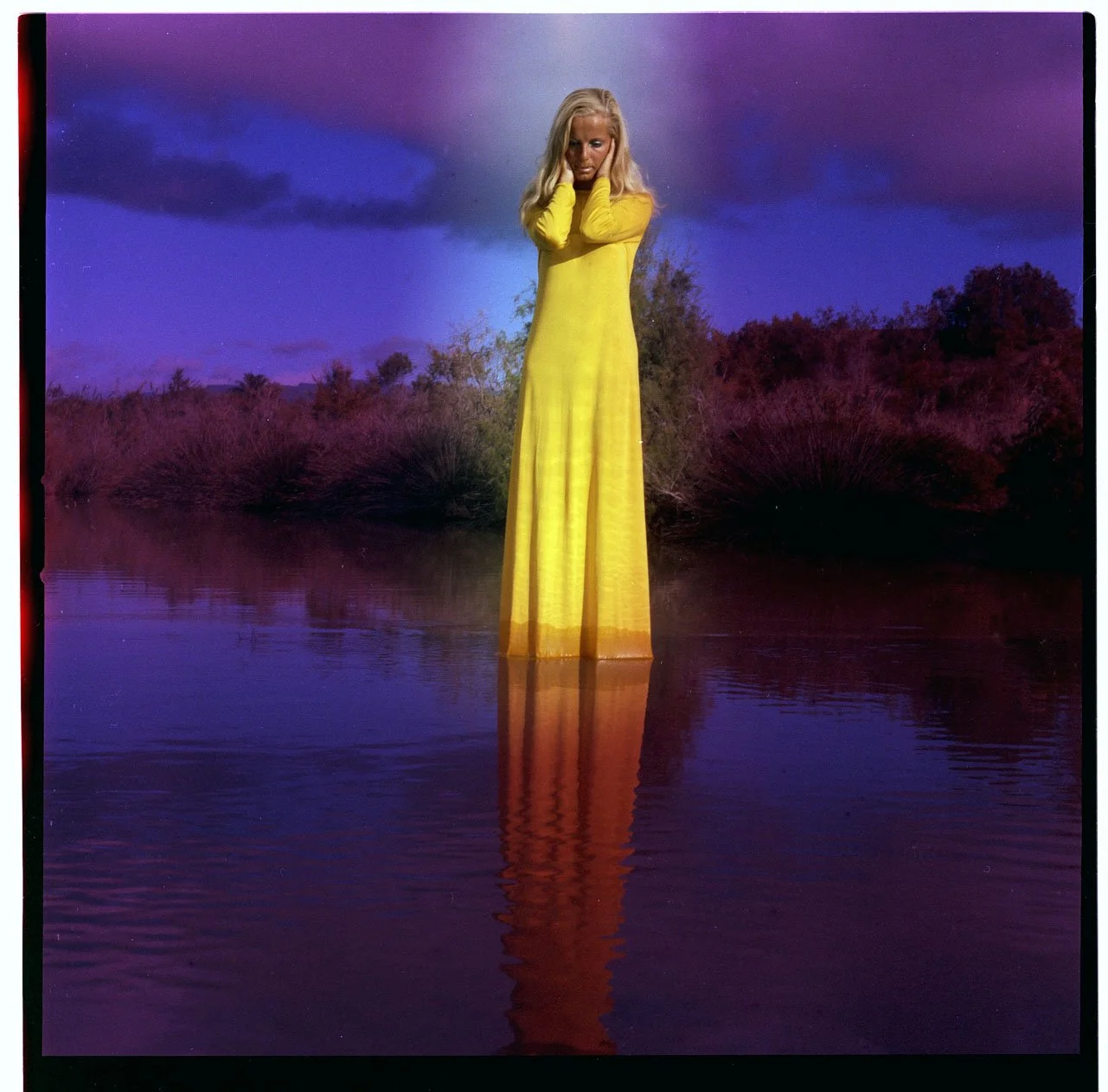
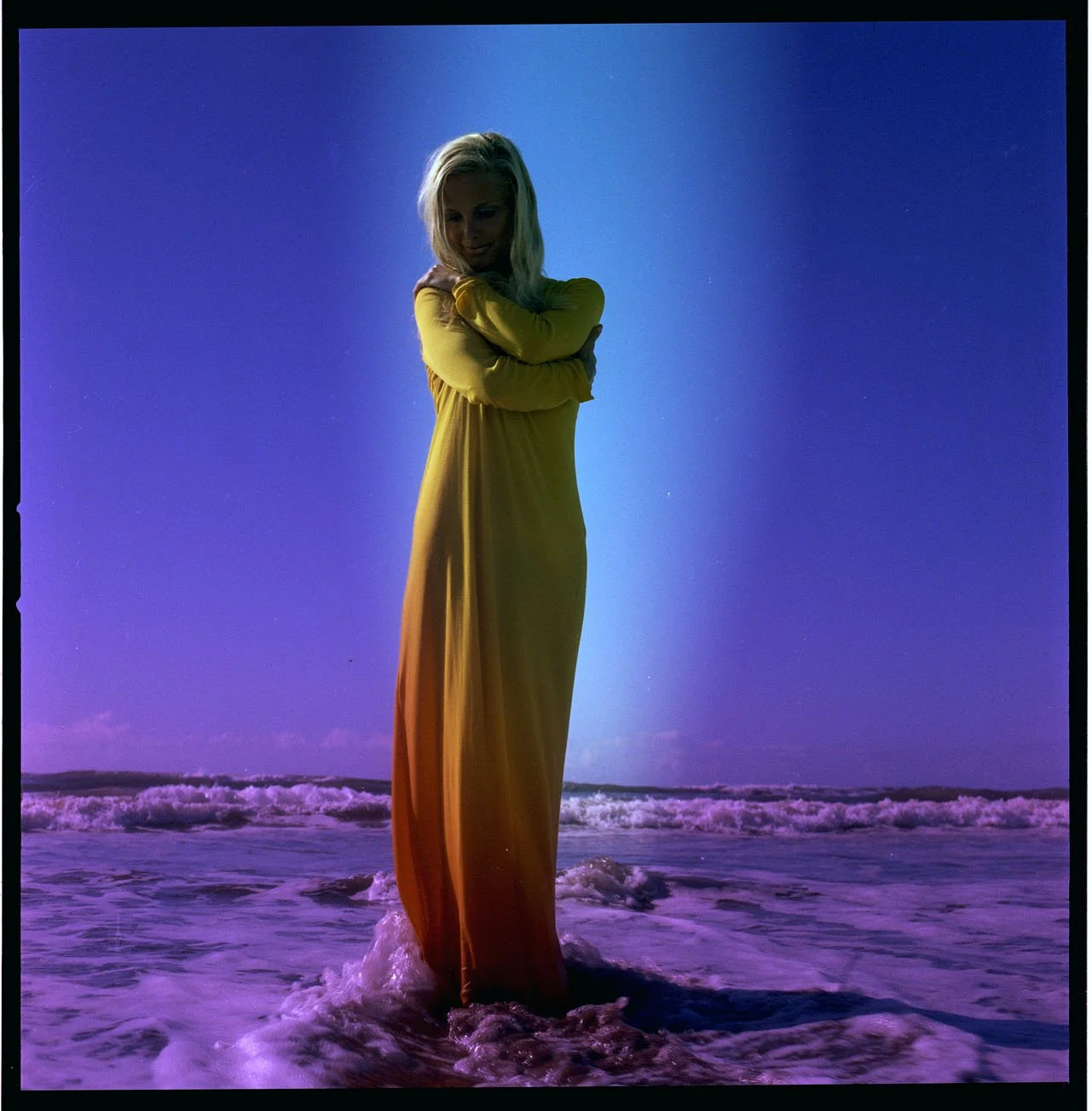
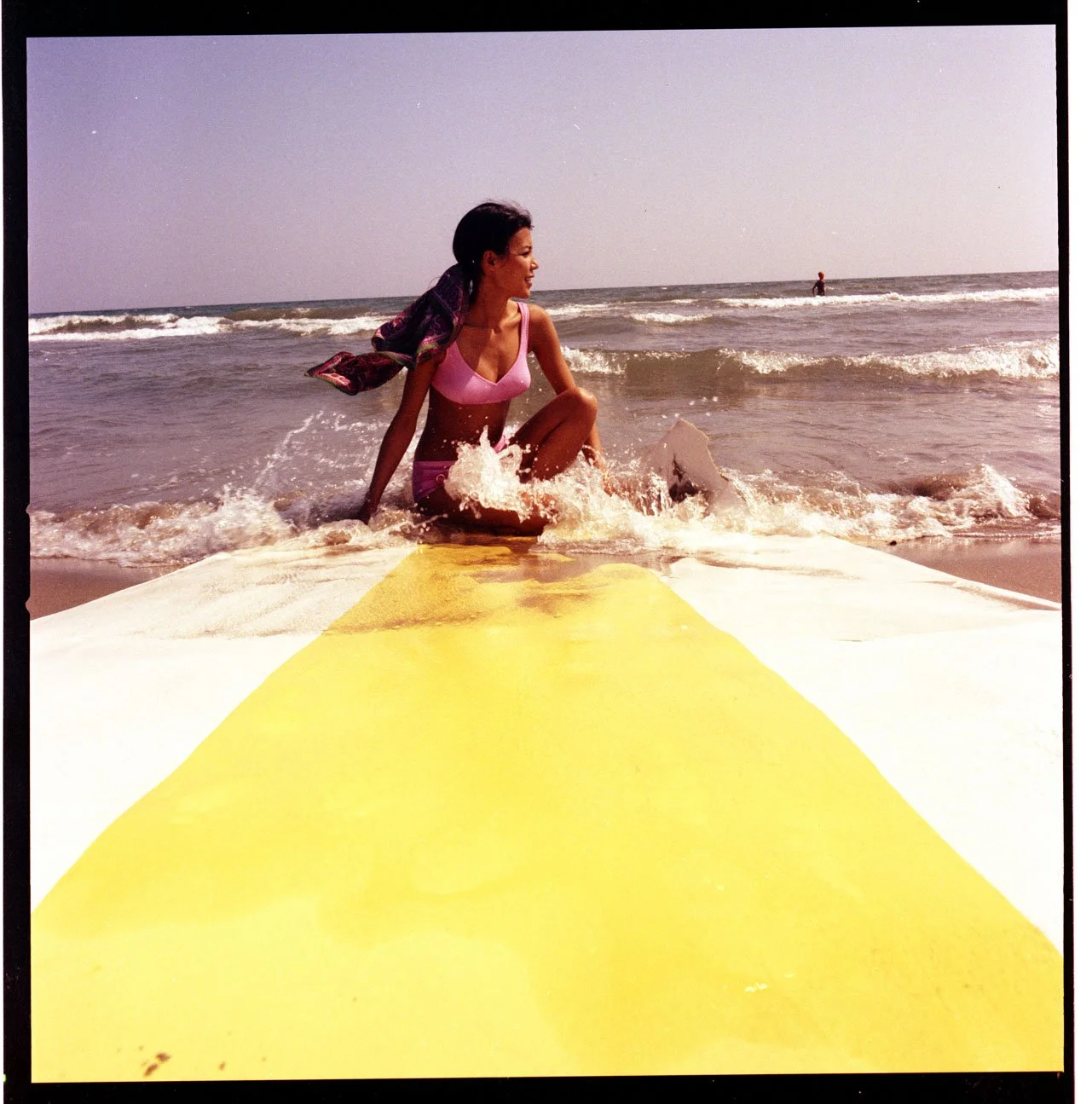
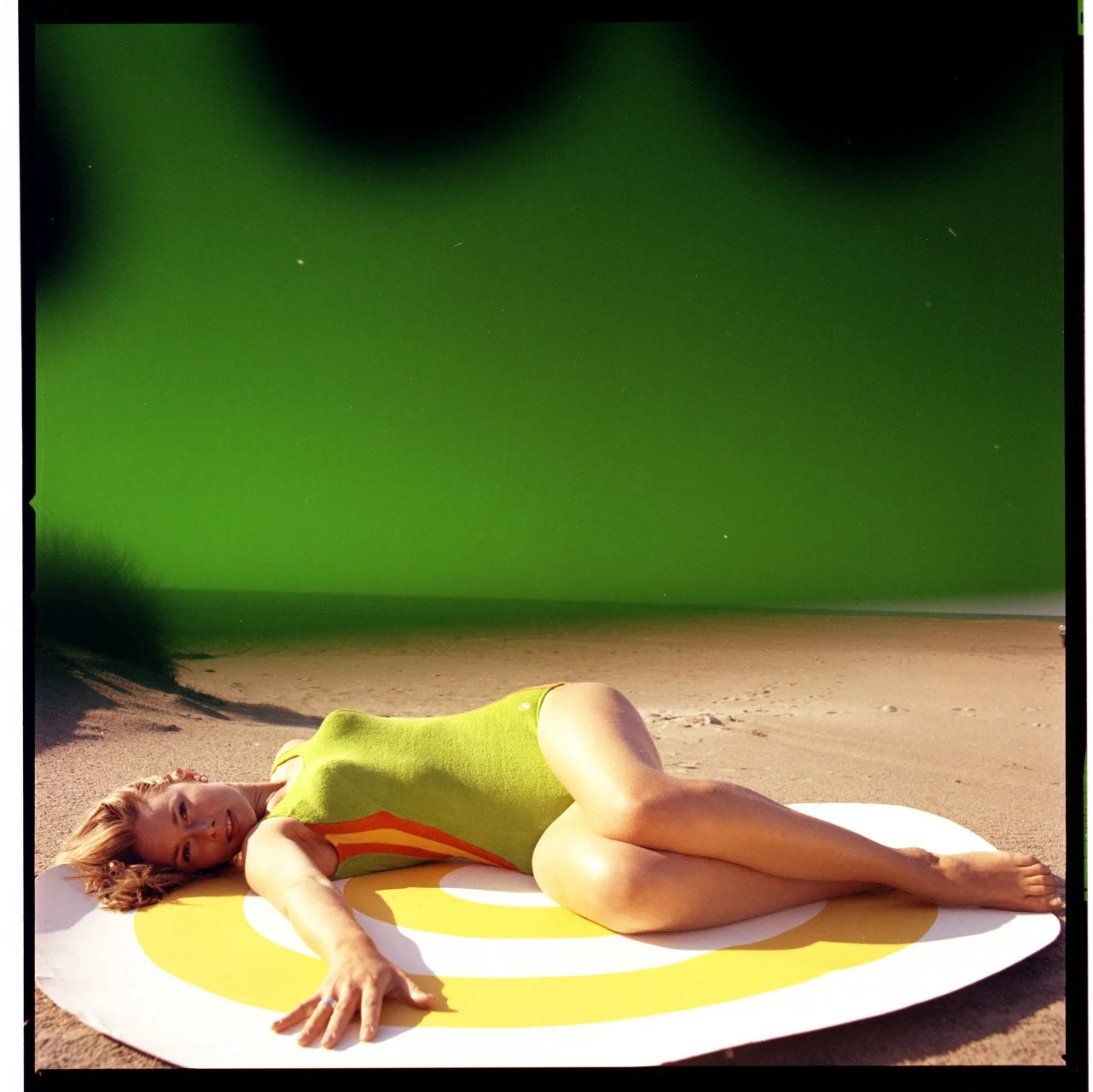
Anyone who wants to be successful must cultivate their contacts. Through Willi Nohl—Ulrich Pracht’s former mentor, who had since become the Marketing Director at Triumph International—Pracht not only secured a commission for a homewear collection from the international lingerie manufacturer, but was also tasked by the Düsseldorf-based IGEDO with developing a photographic concept for the presentation of underwear. It was here that he first employed a "multivision wall"—an arrangement of multiple slide projectors casting images from behind onto a glass screen. "If you get opportunities like that and fail to deliver, you’re out of the picture just as fast," emphasizes Ulrich Pracht, for whom these commissions served as a springboard into a world he had never known before. "With success at your back, you exude a completely different kind of self-confidence as a young person."
“It was a glorious era, because I combined various influences and design elements—which were fashionable at the time—with my own attitude. It was important to me to showcase lingerie that did not restrict, but rather promised freedom.”






01.4
MARBERT
As luck would have it. Wet room.
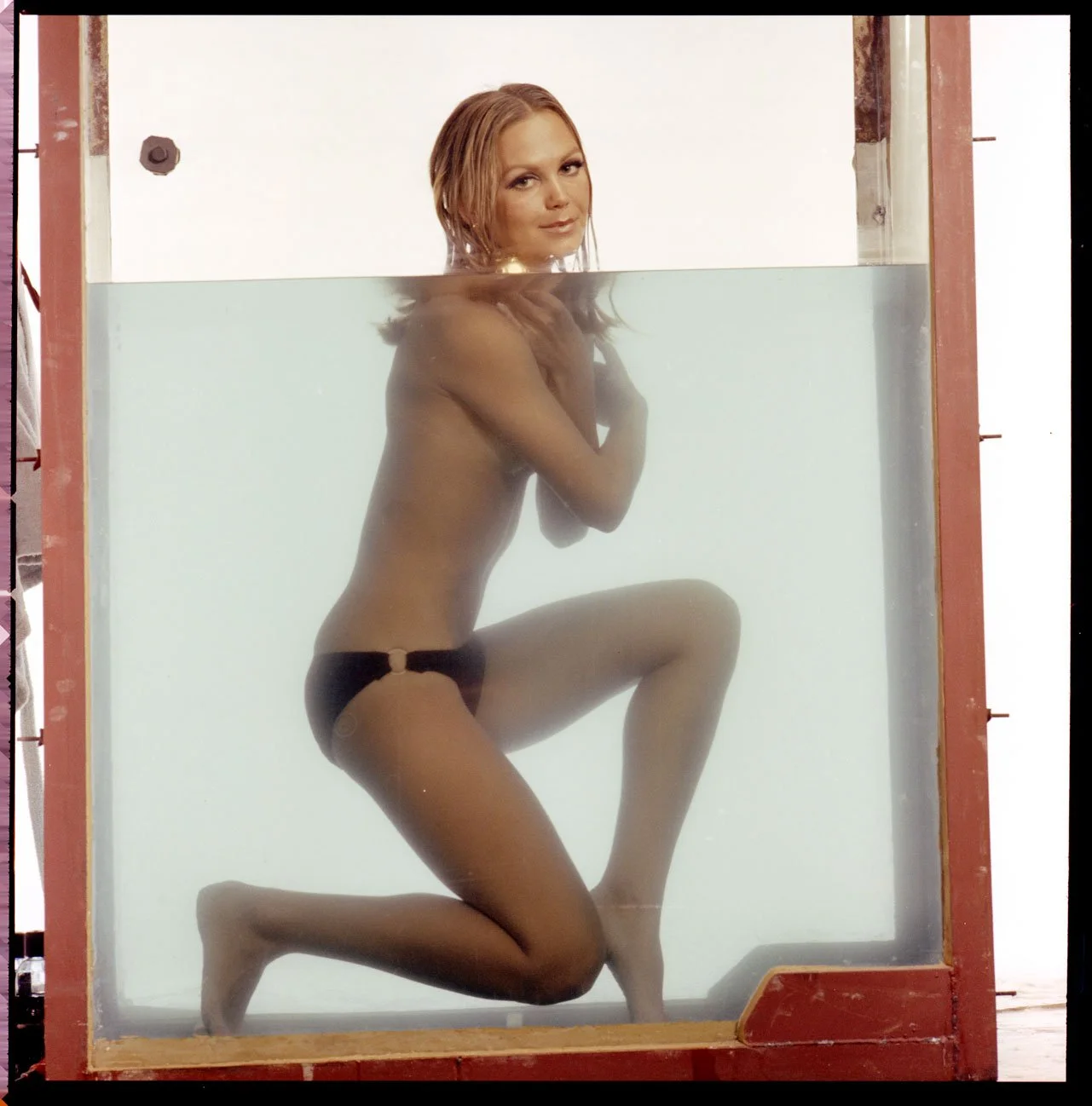
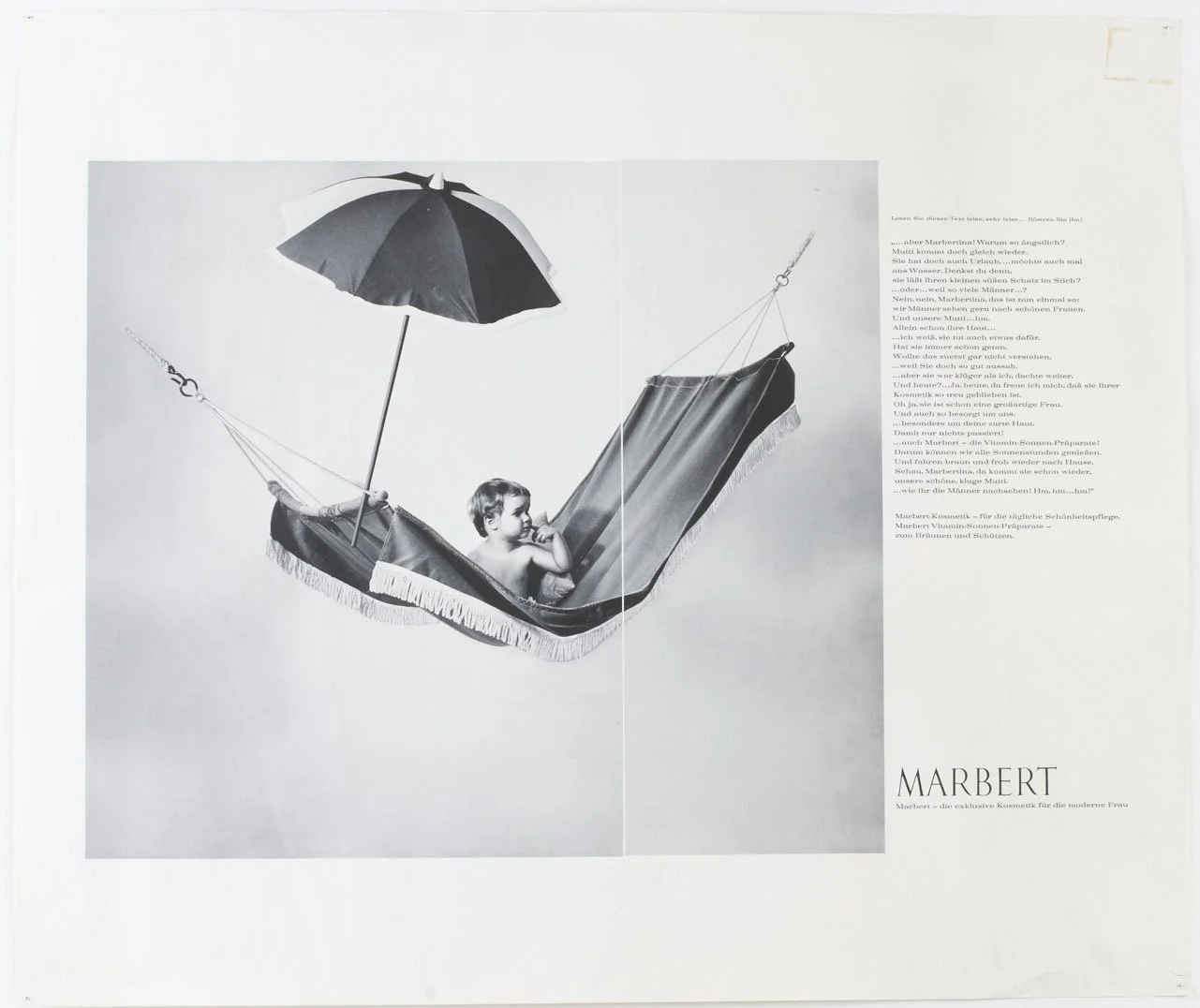
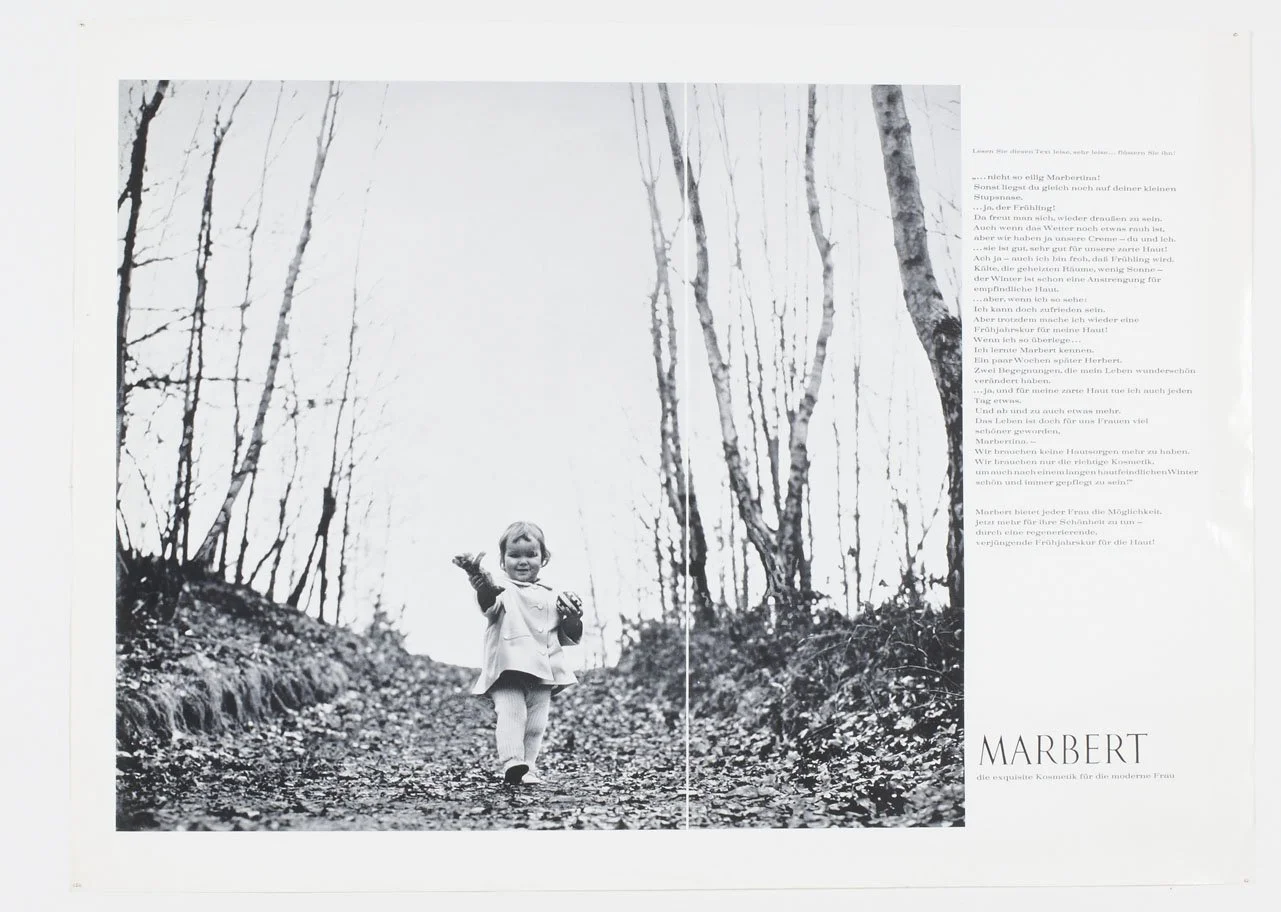
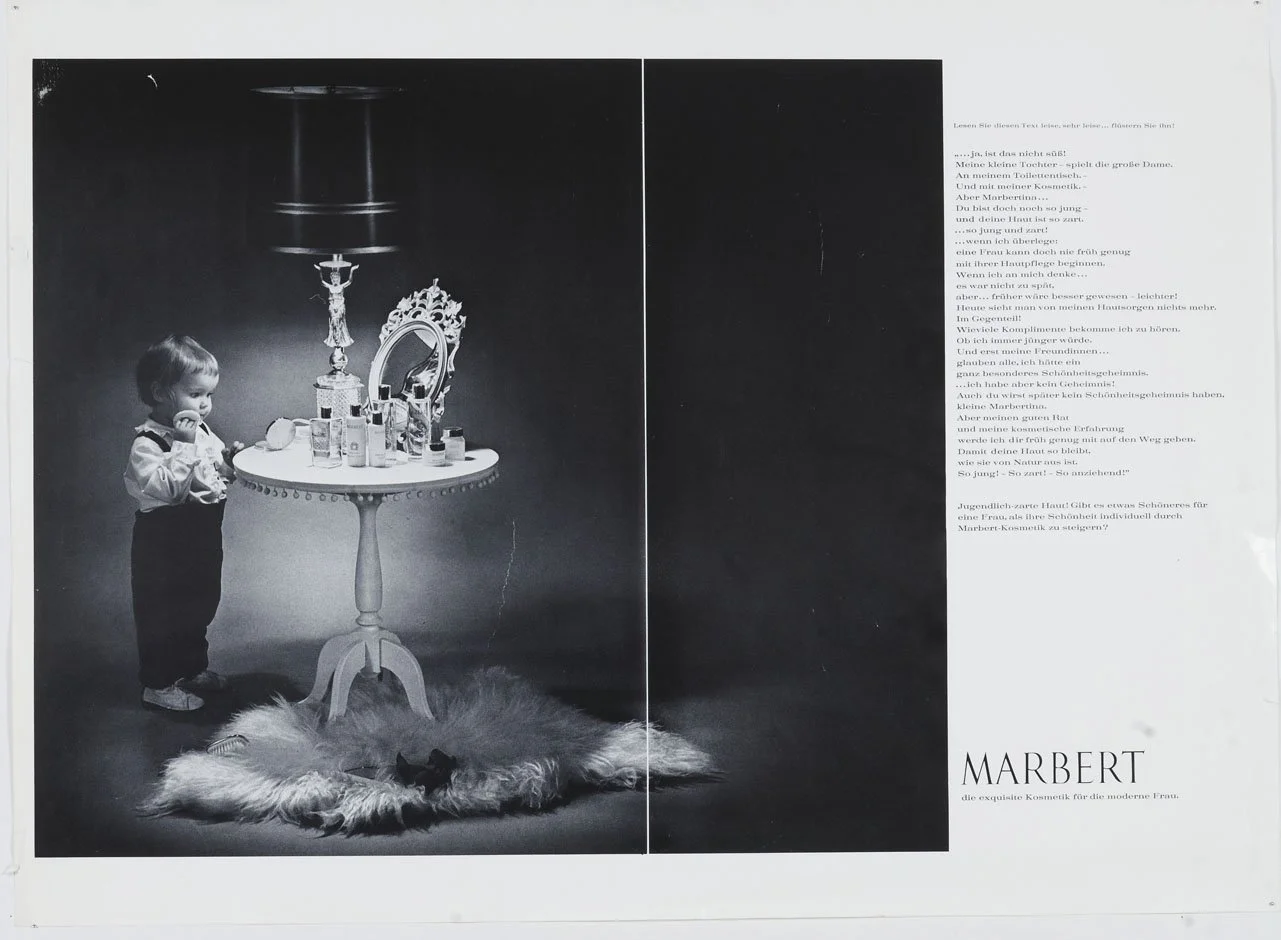
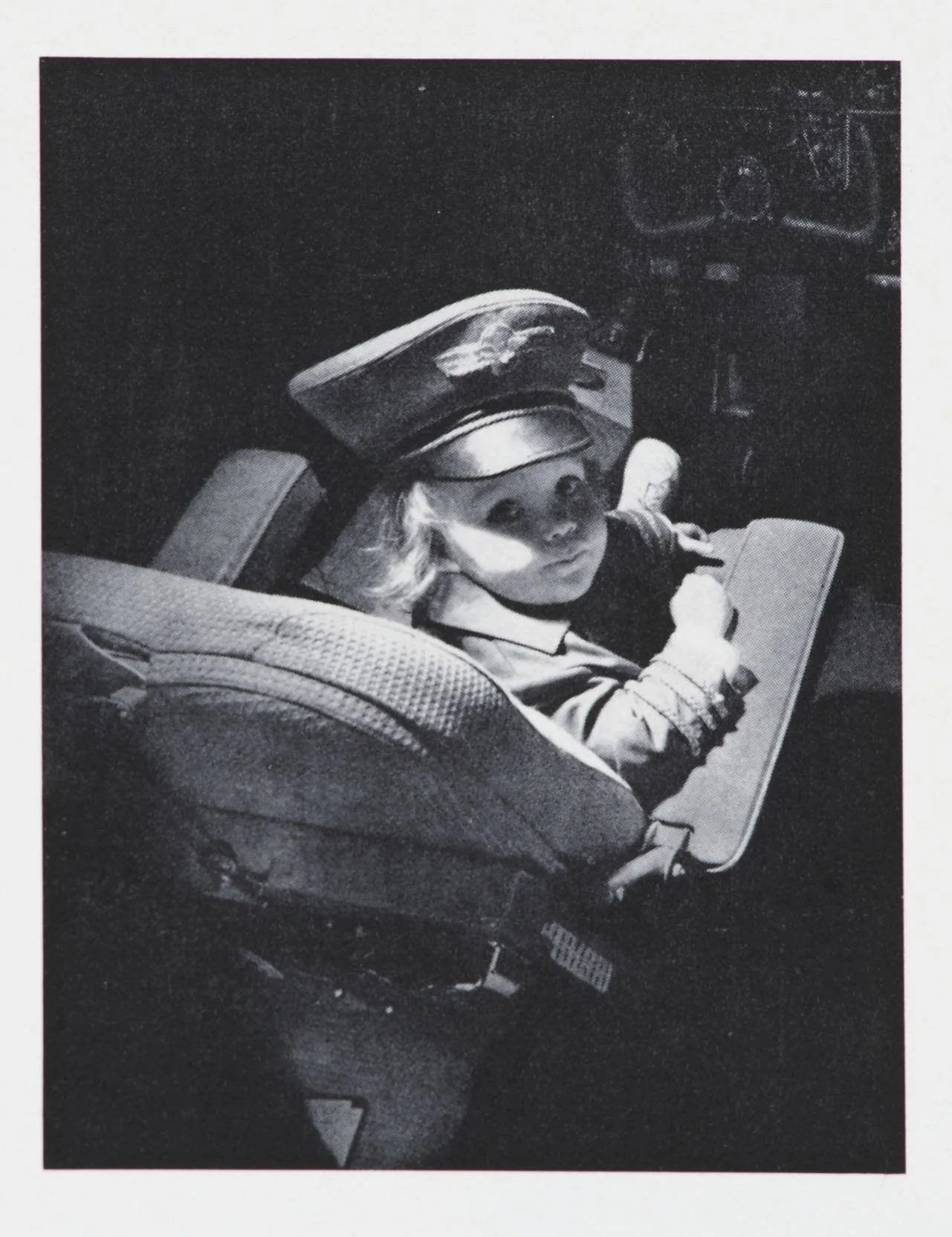
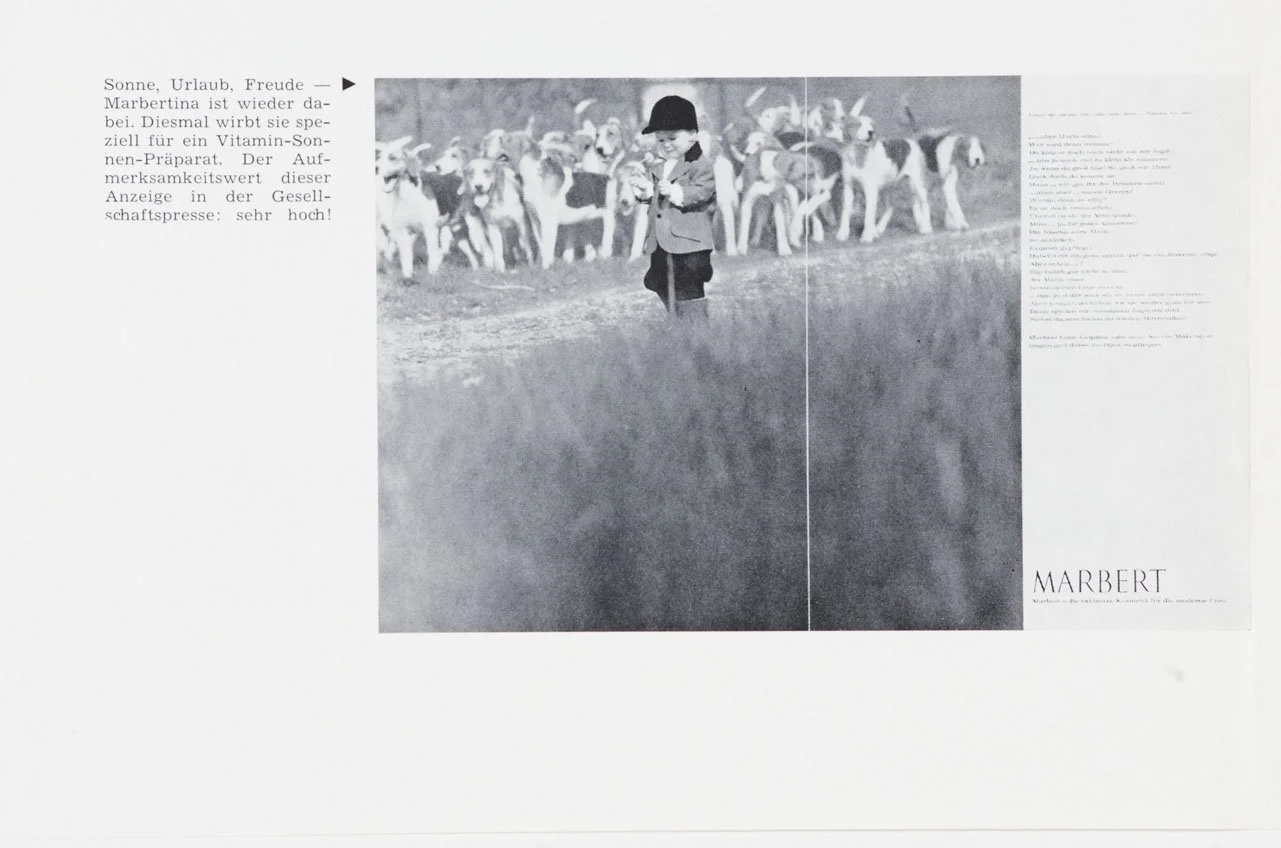
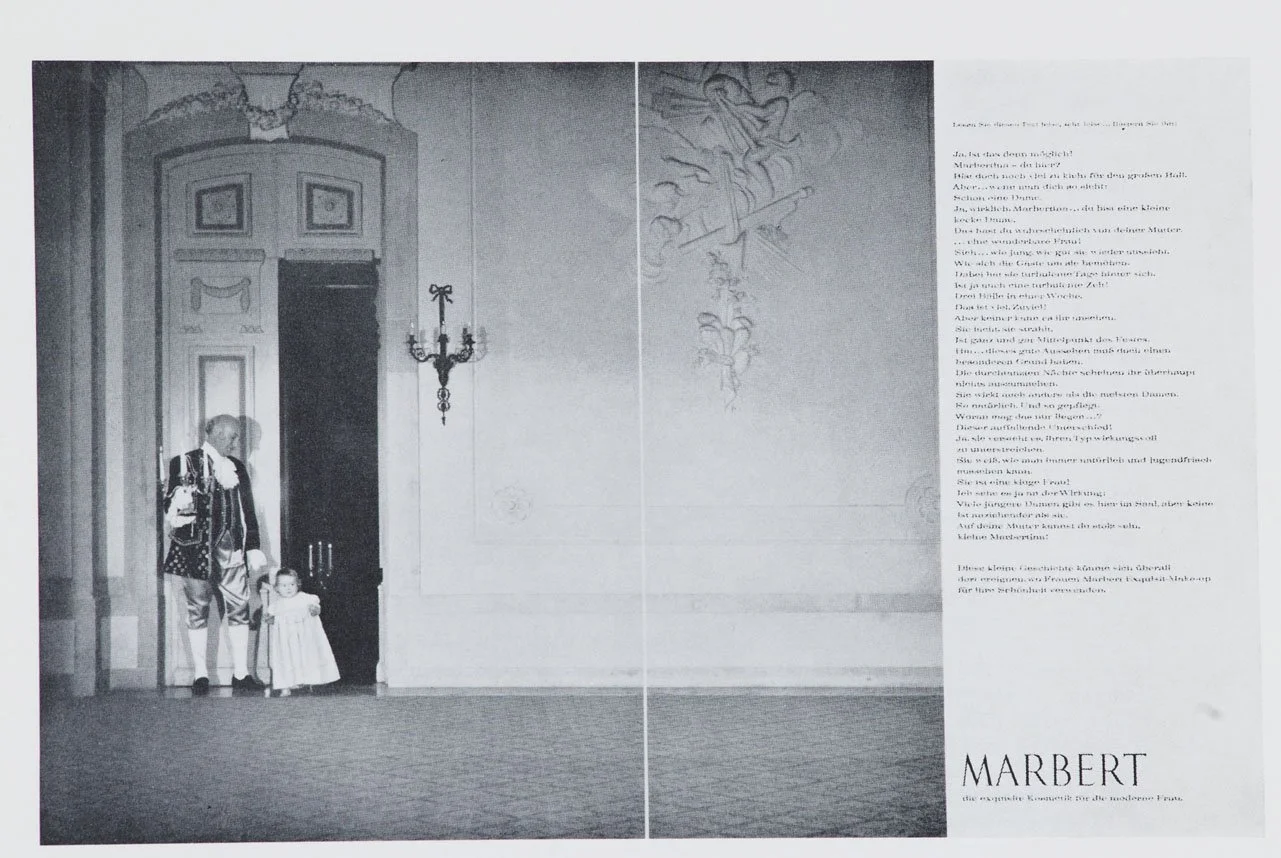
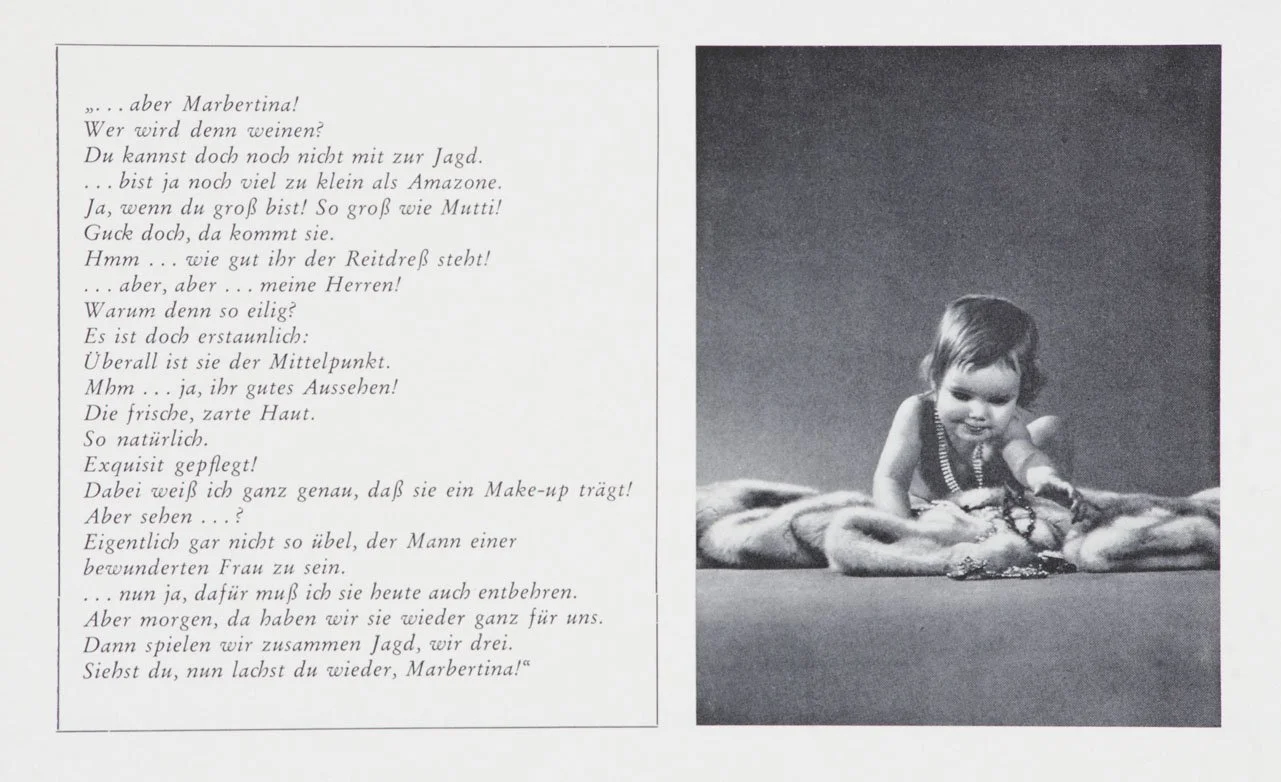
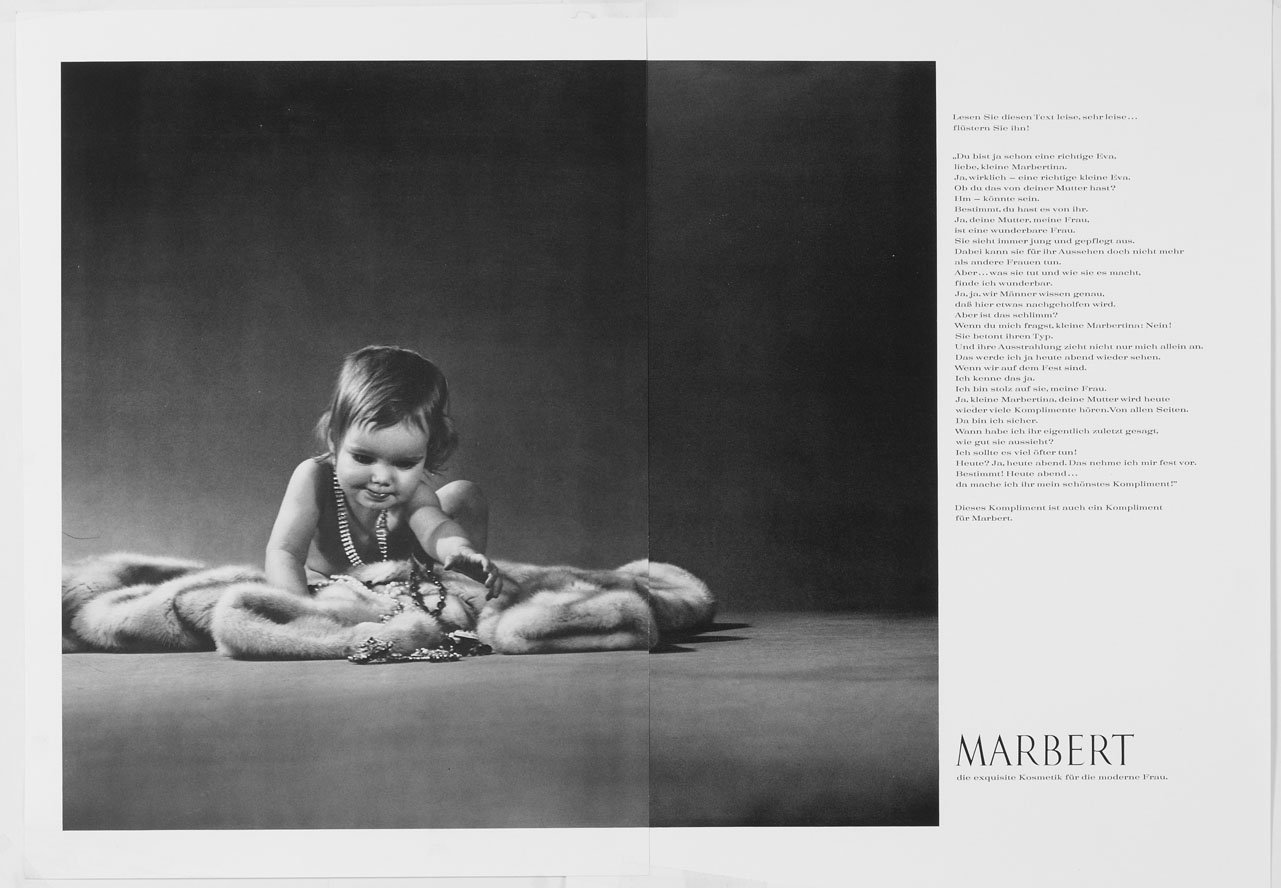
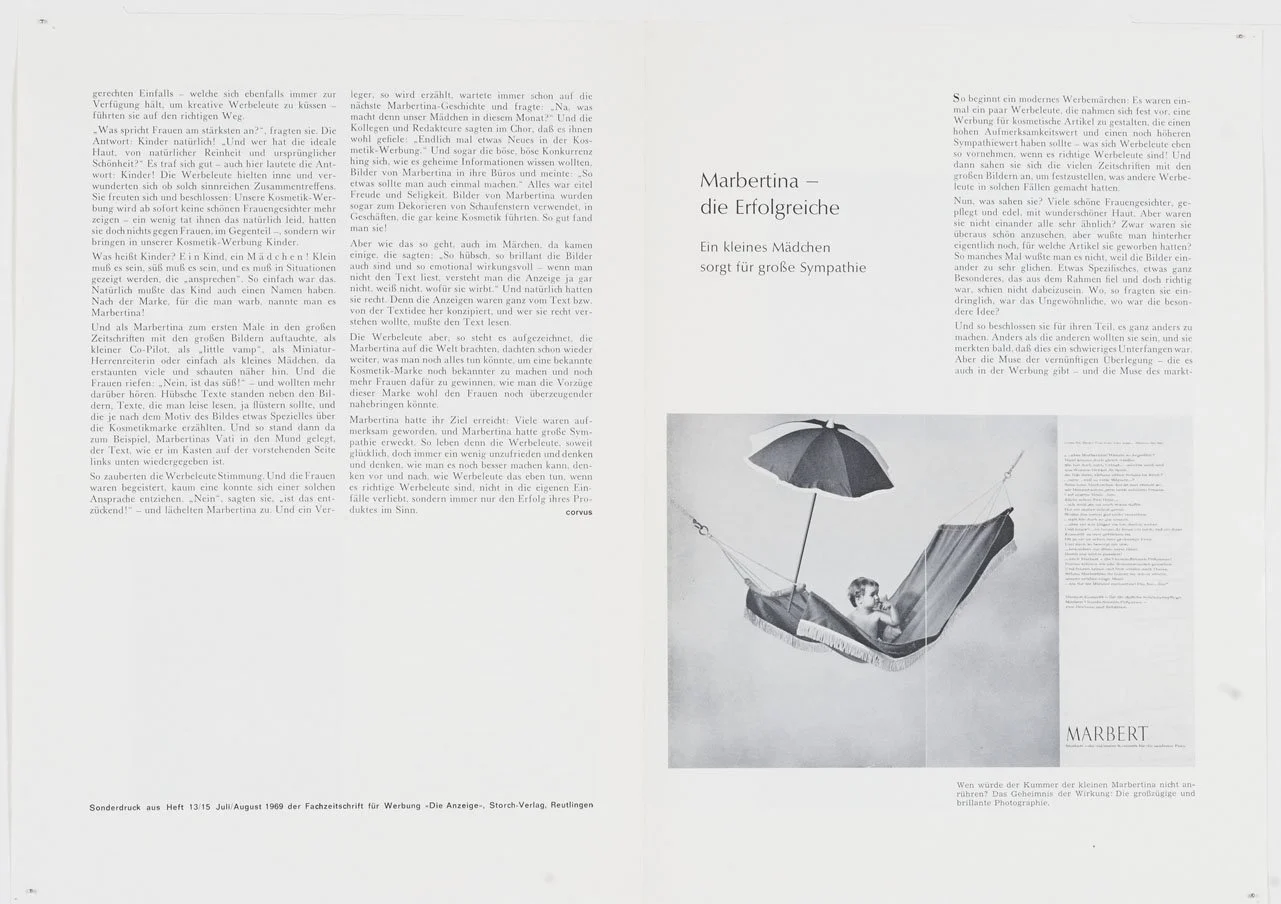
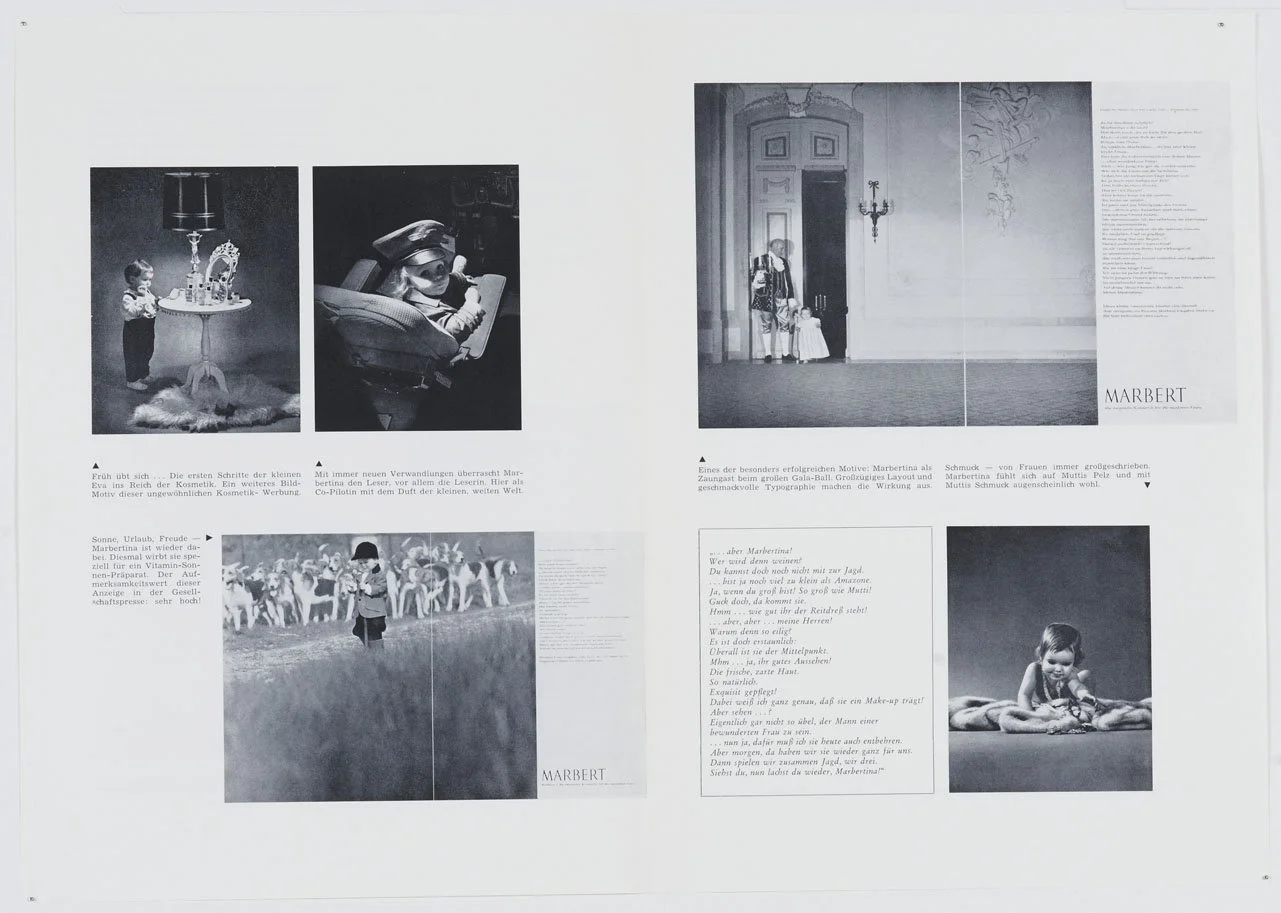
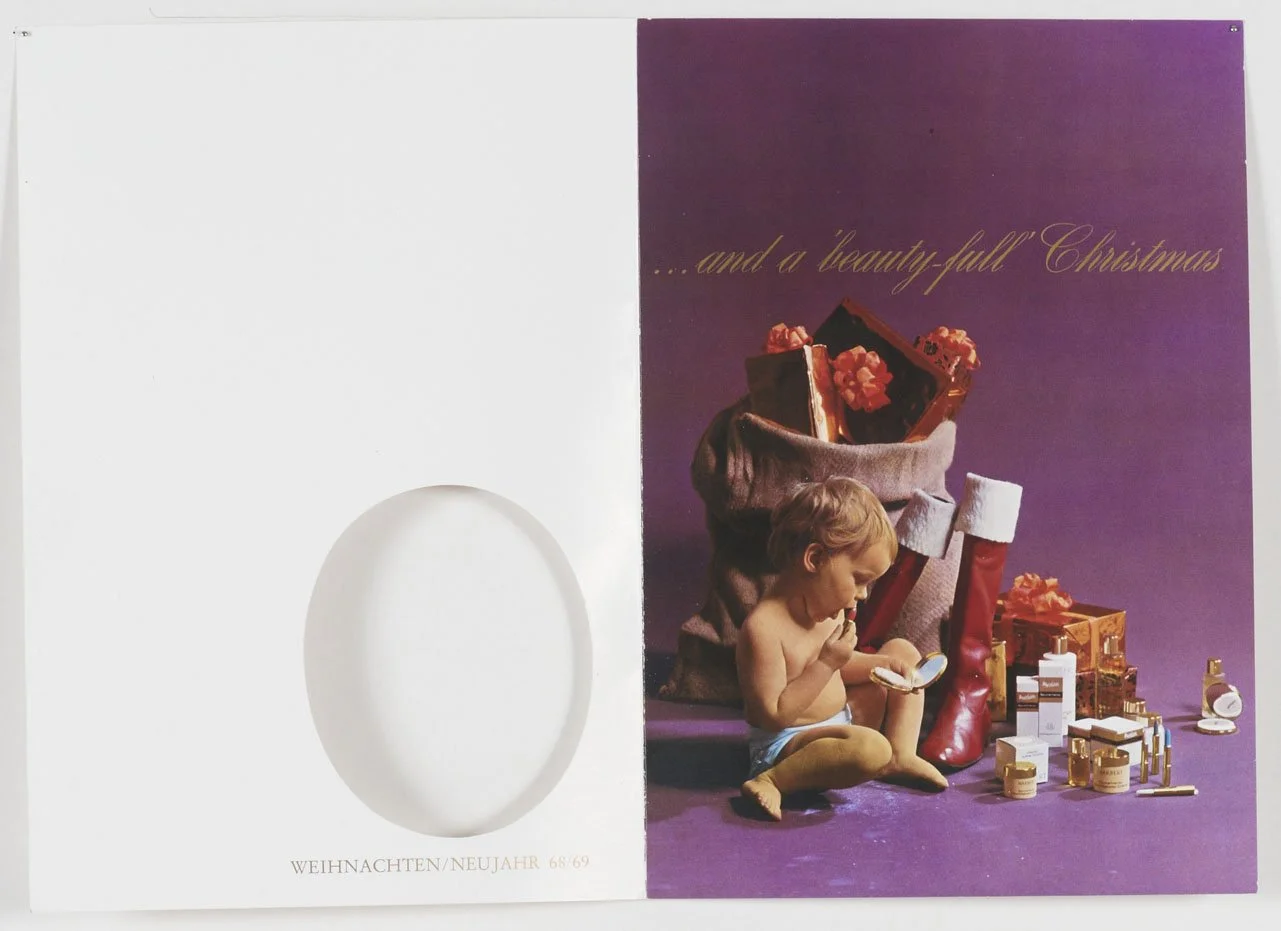
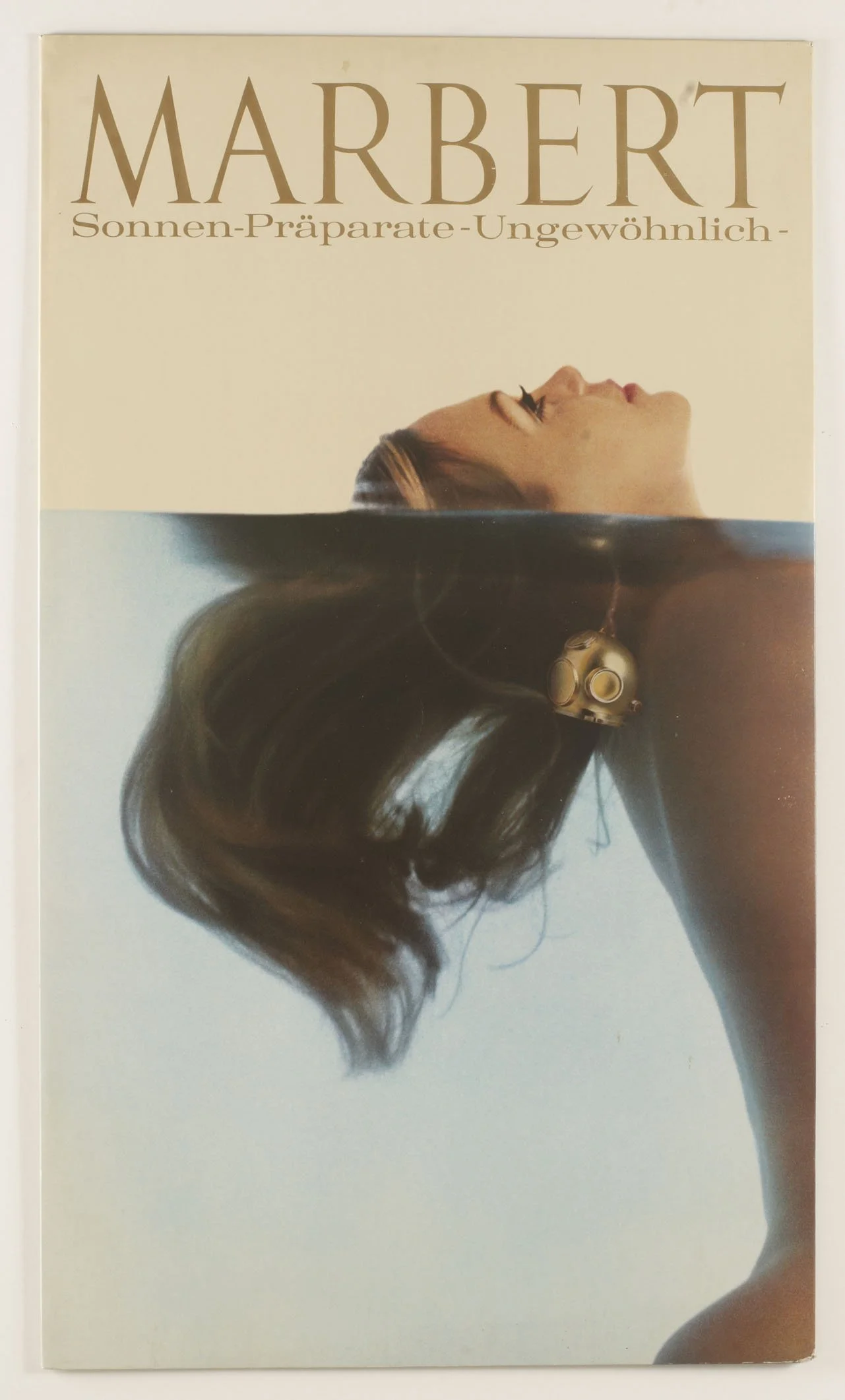
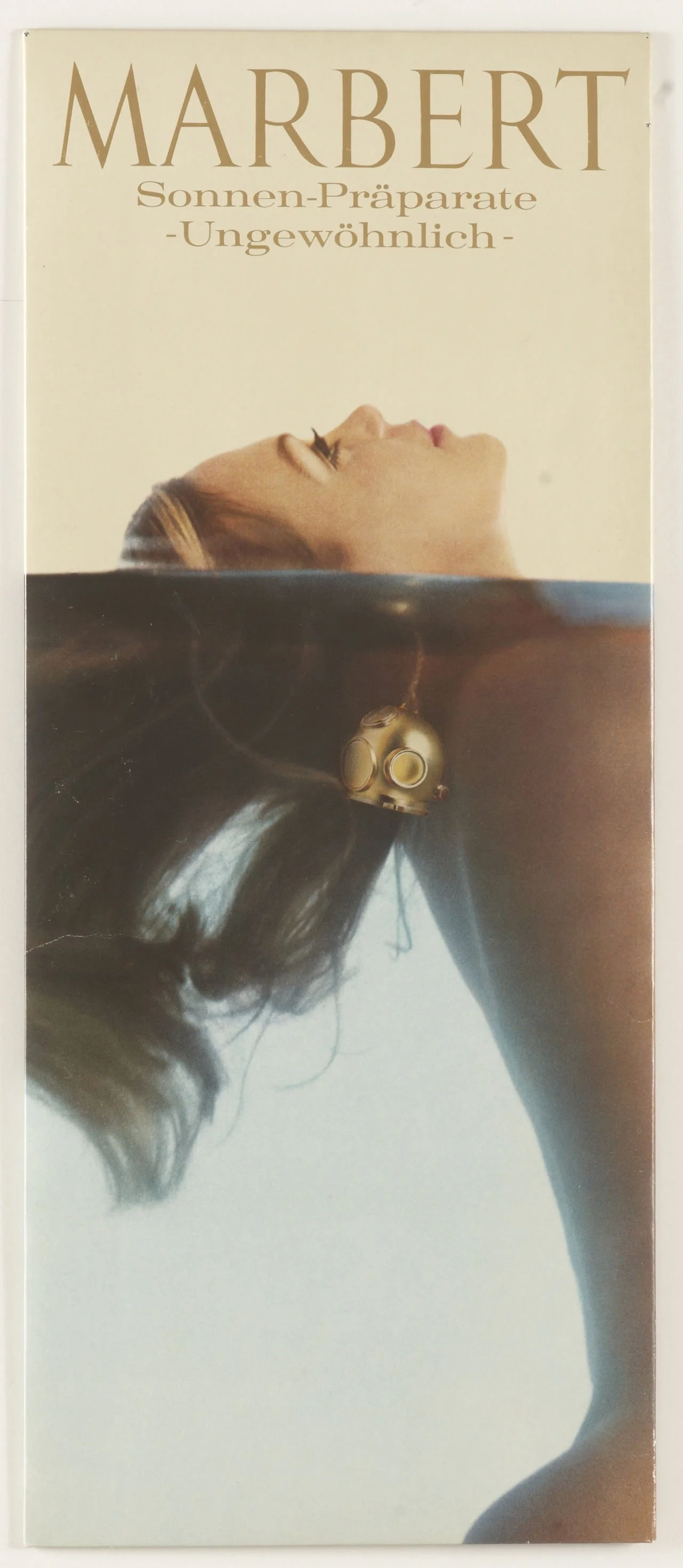
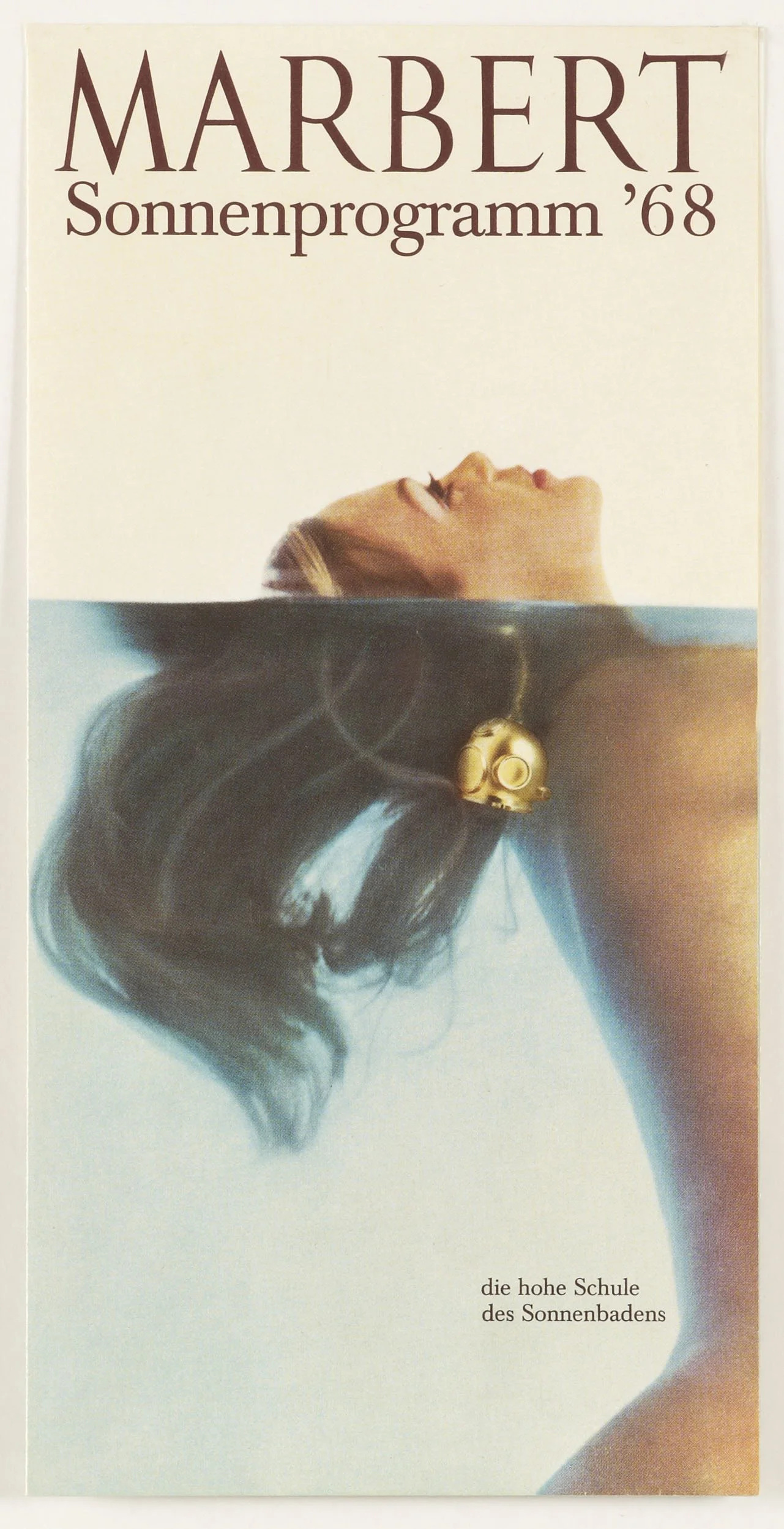
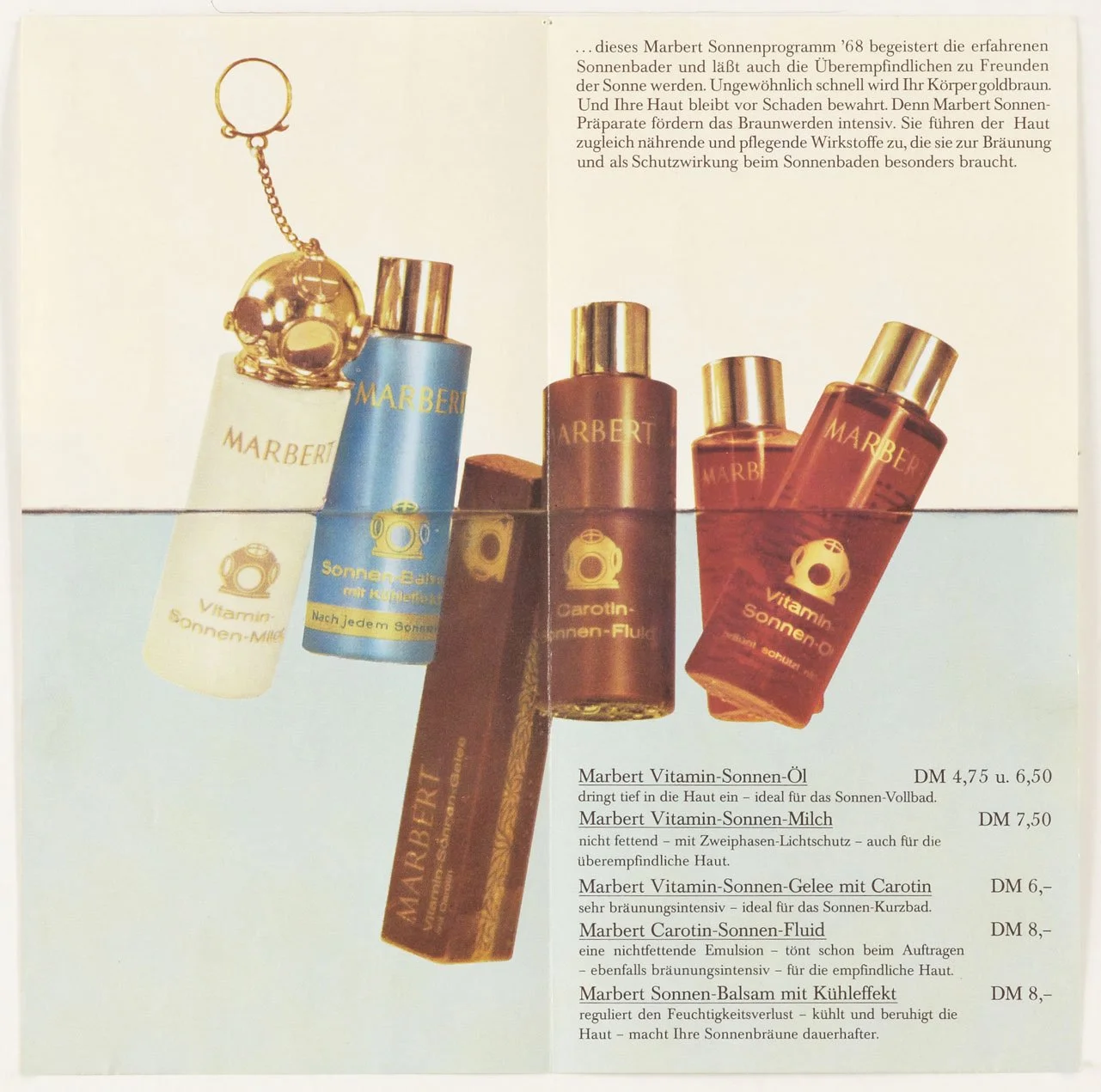
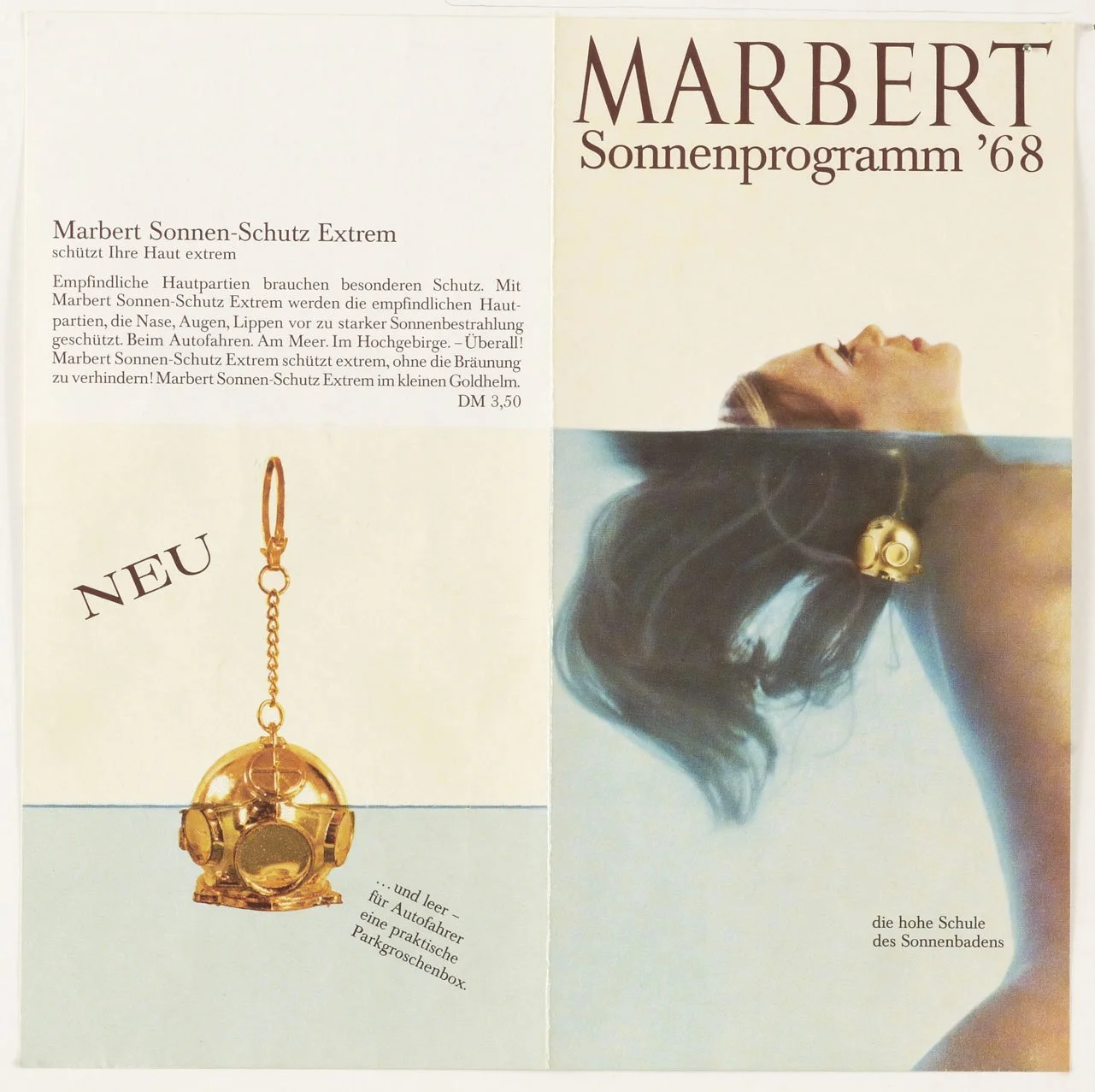
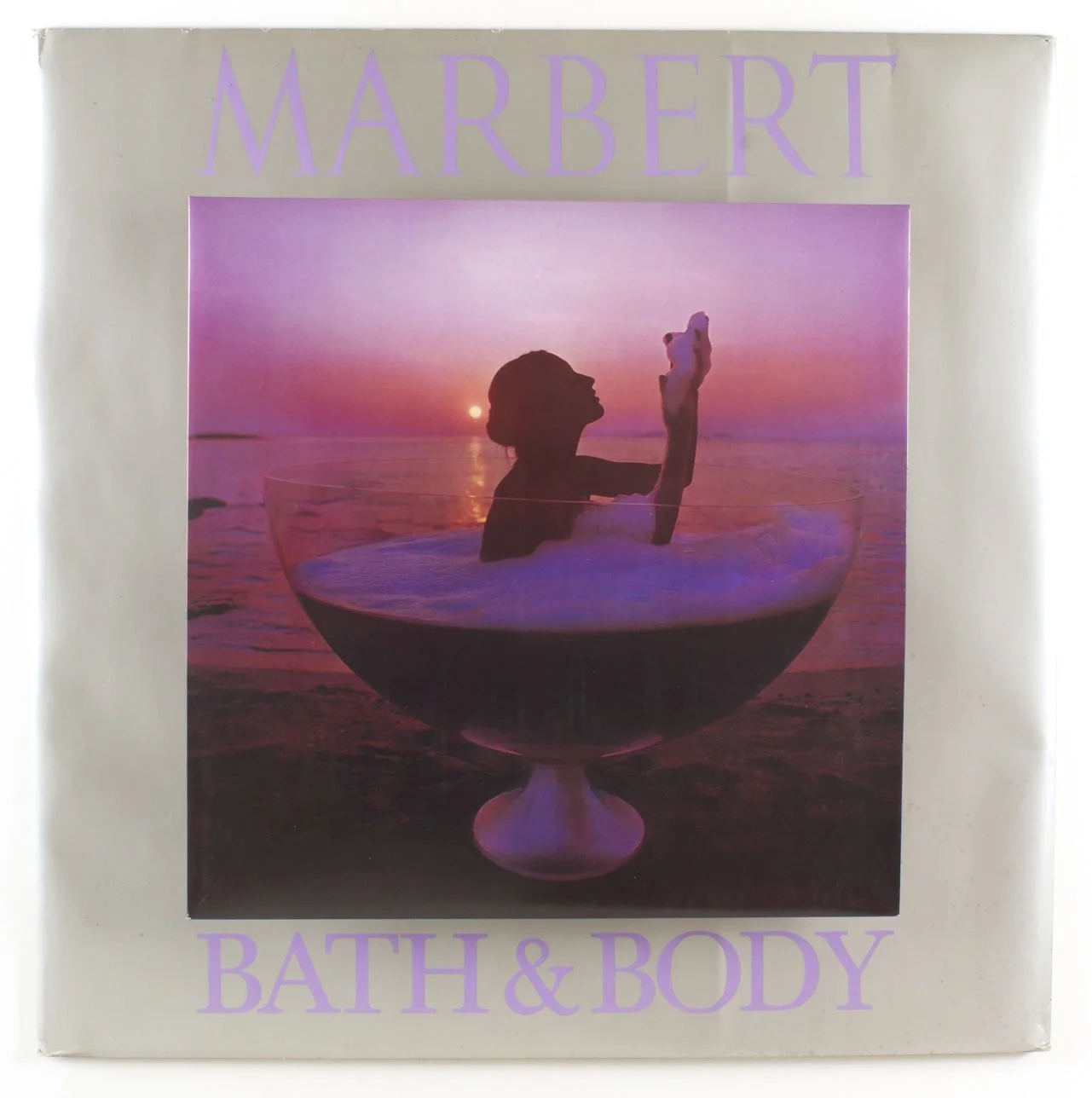
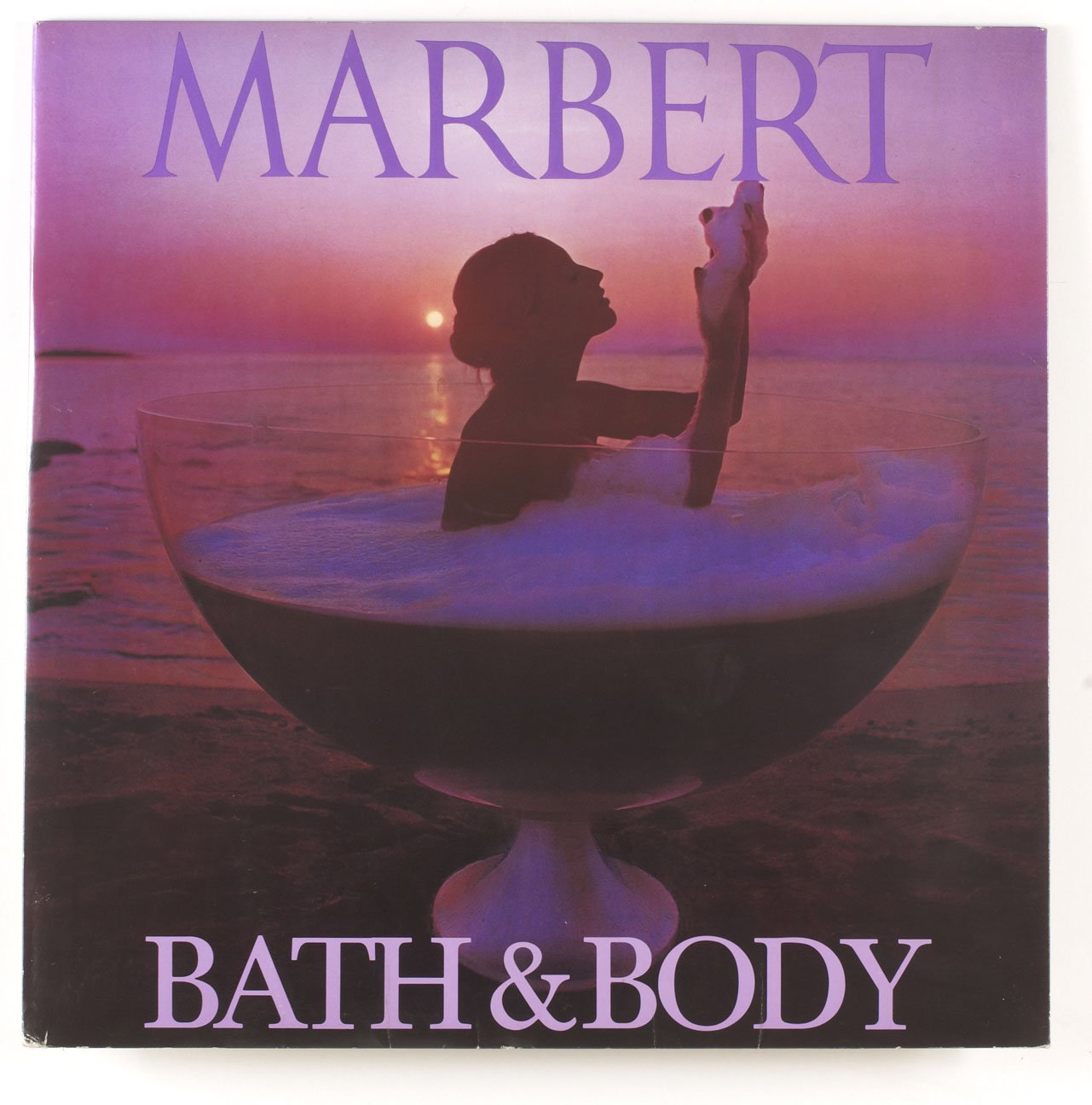
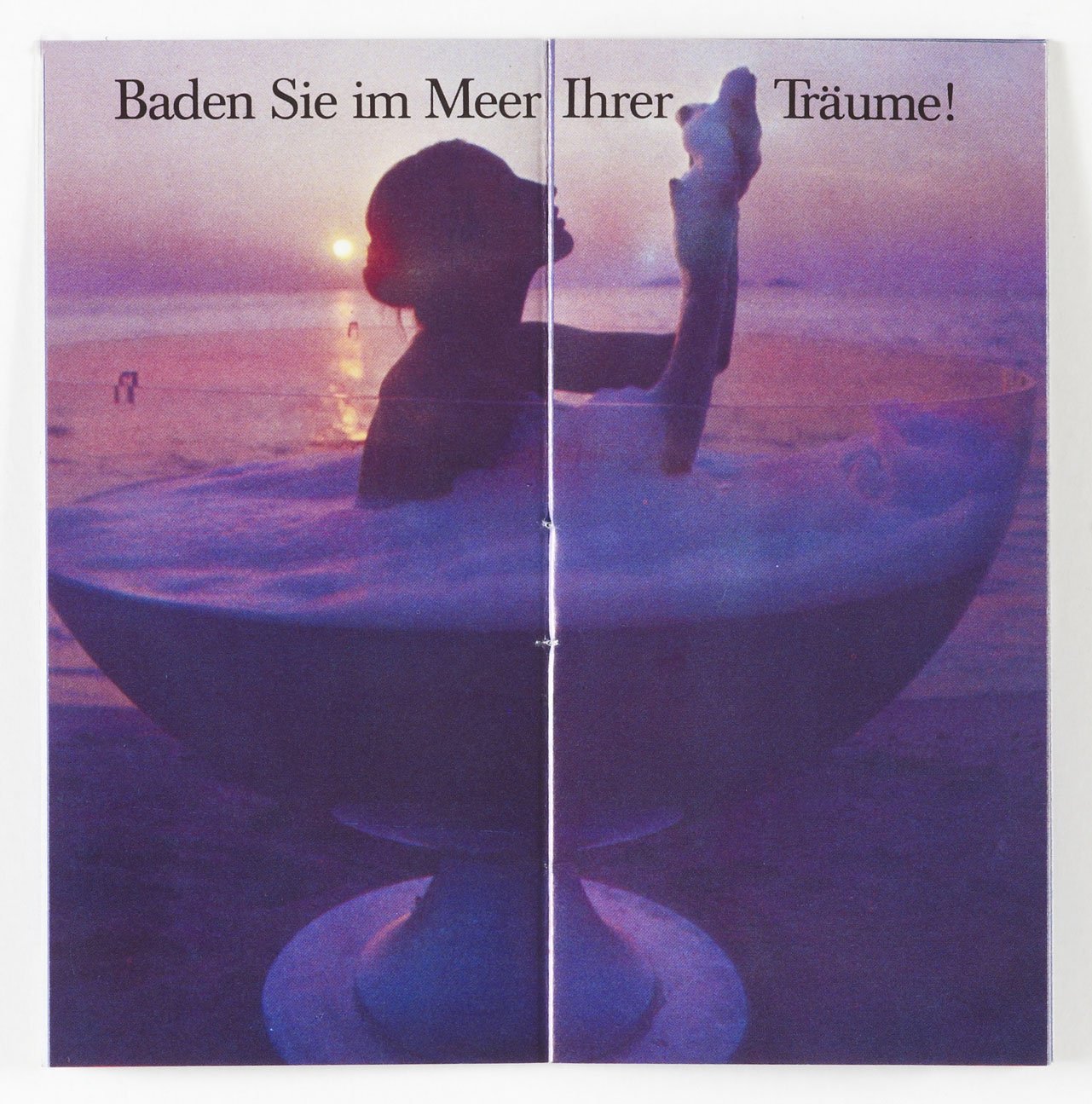
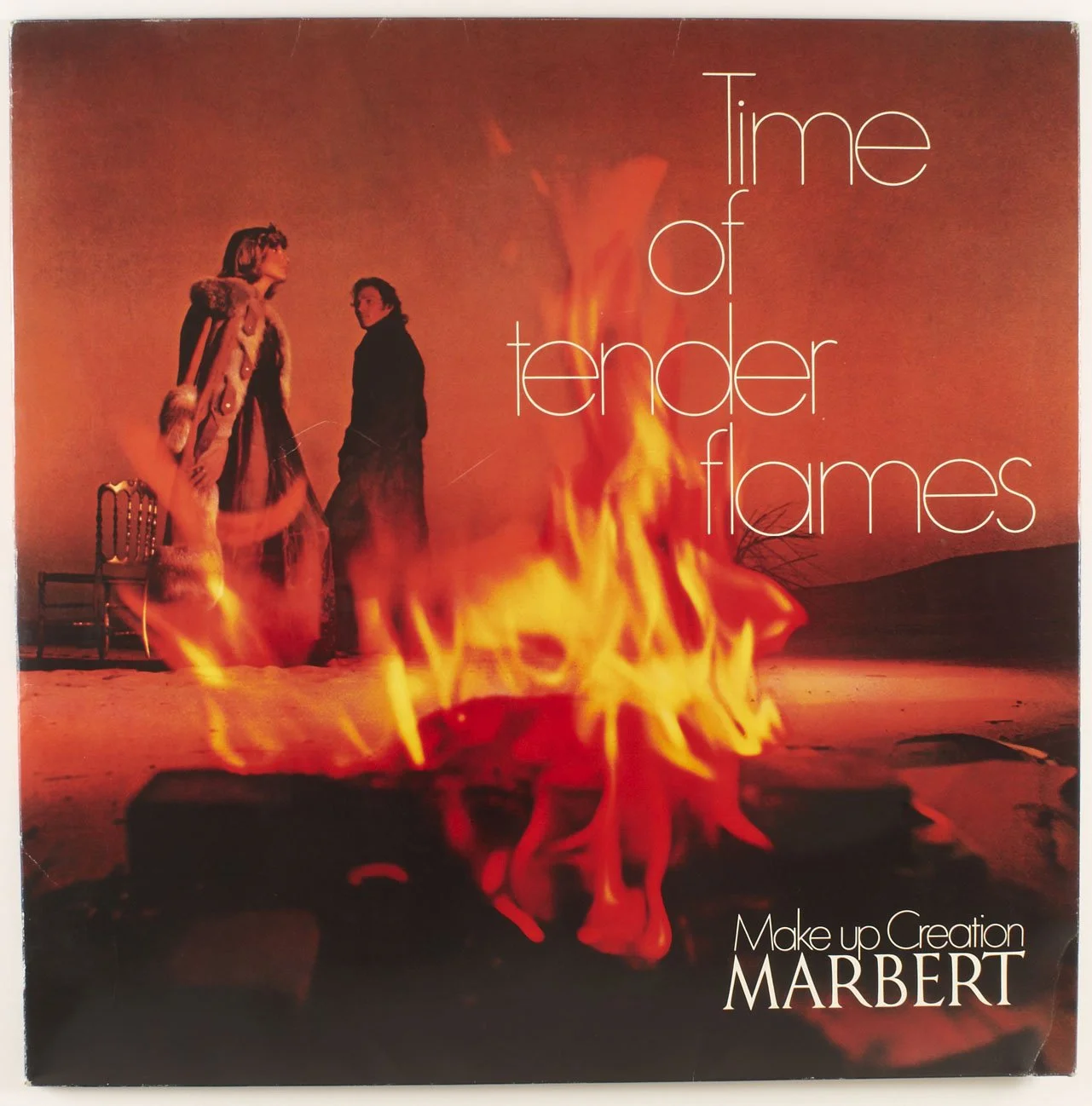
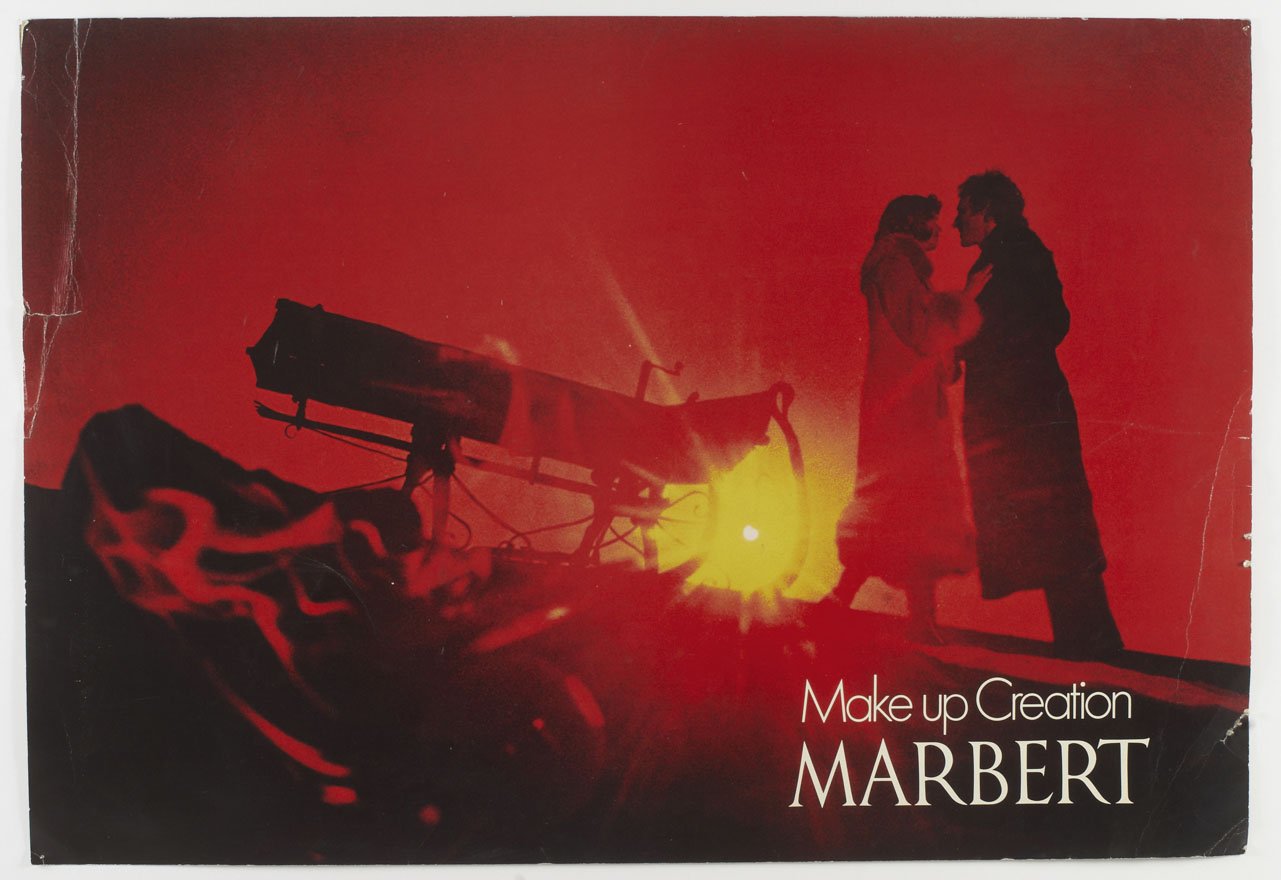
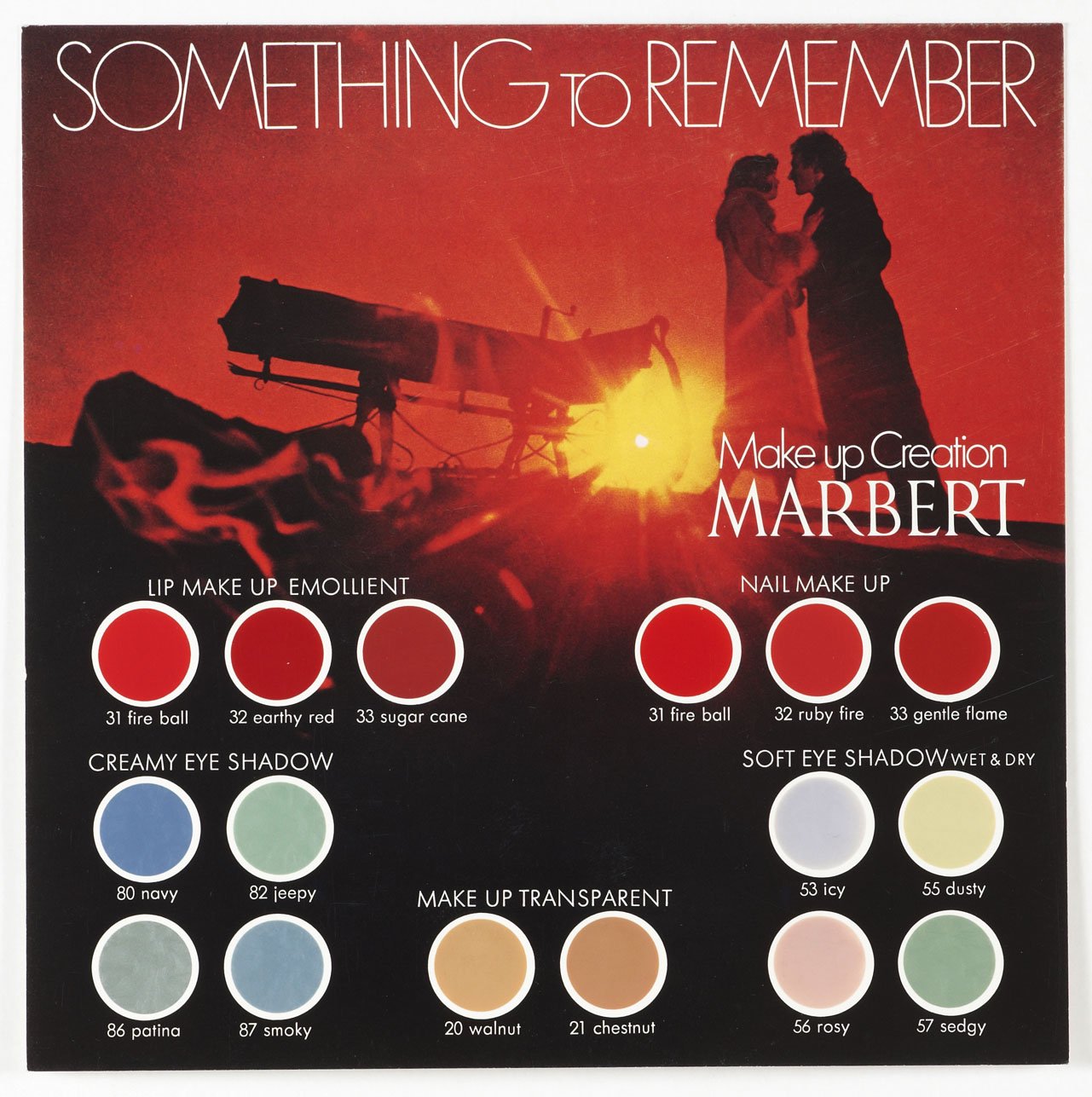
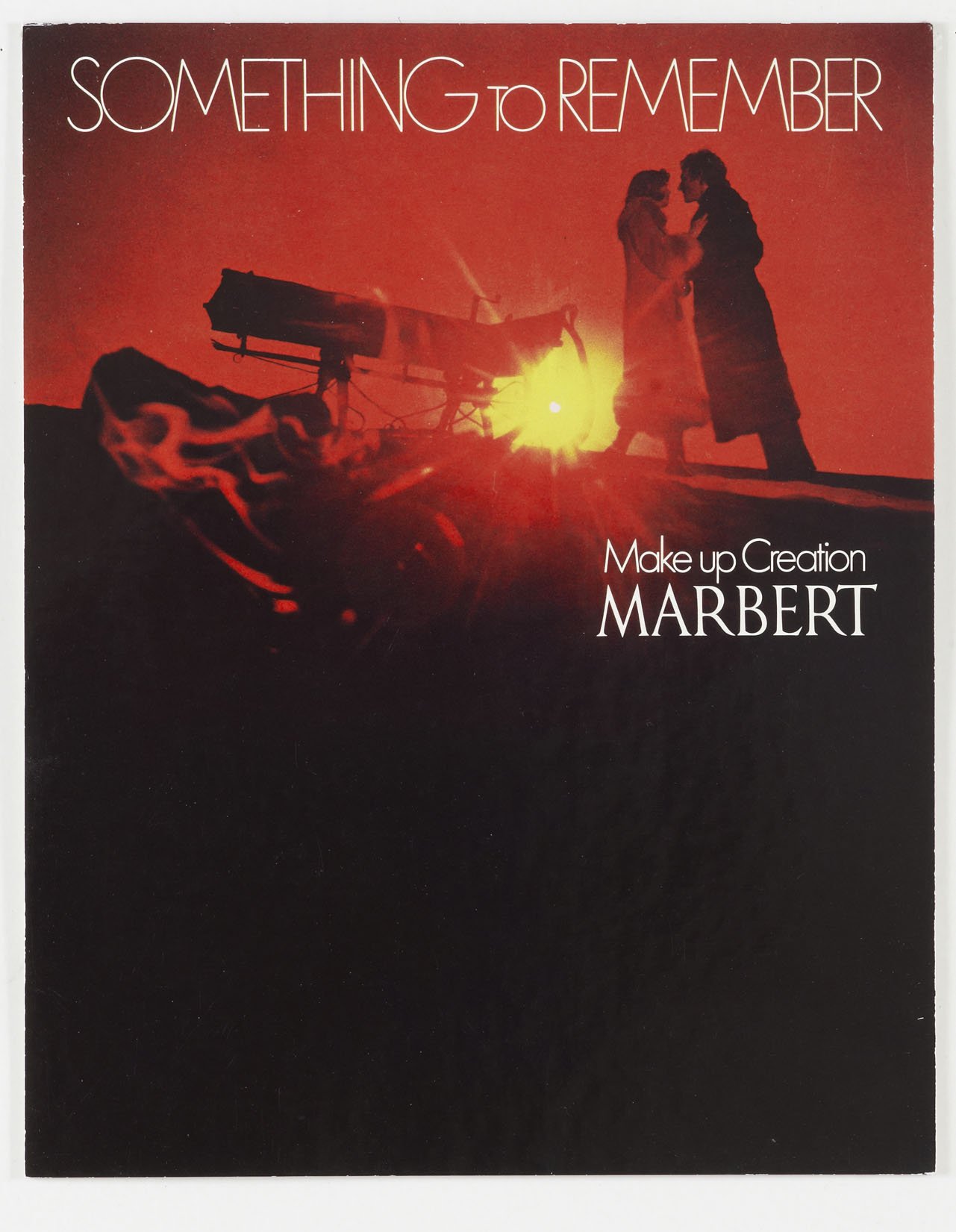
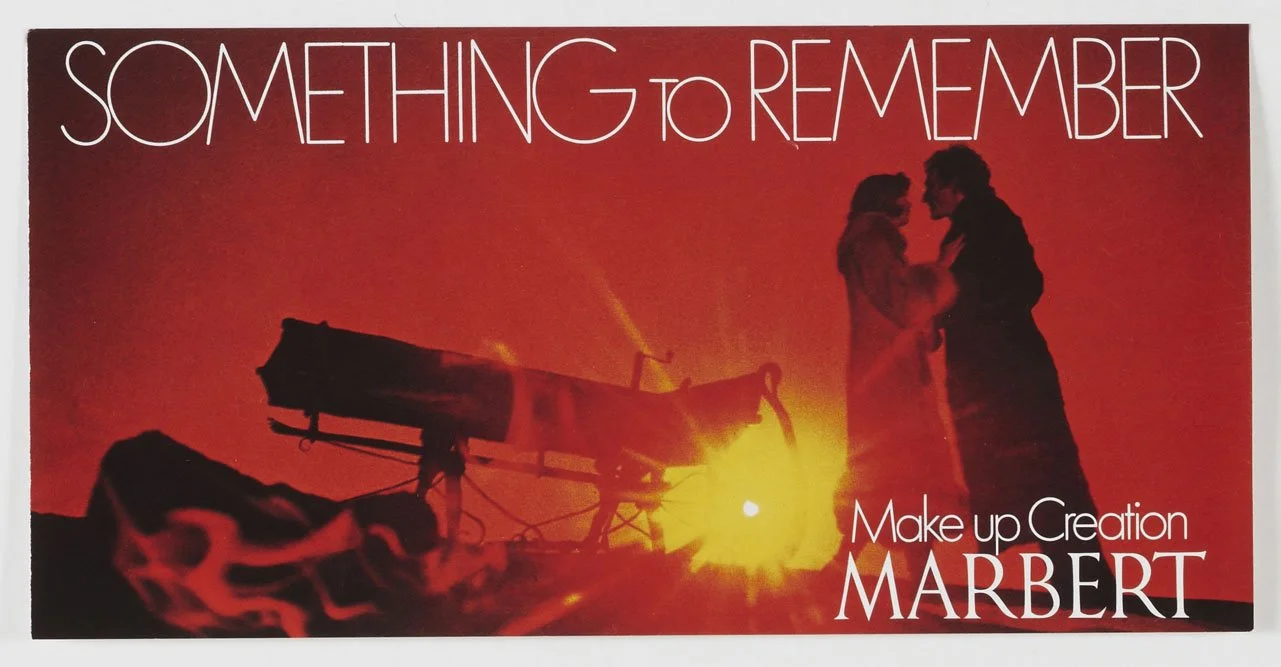
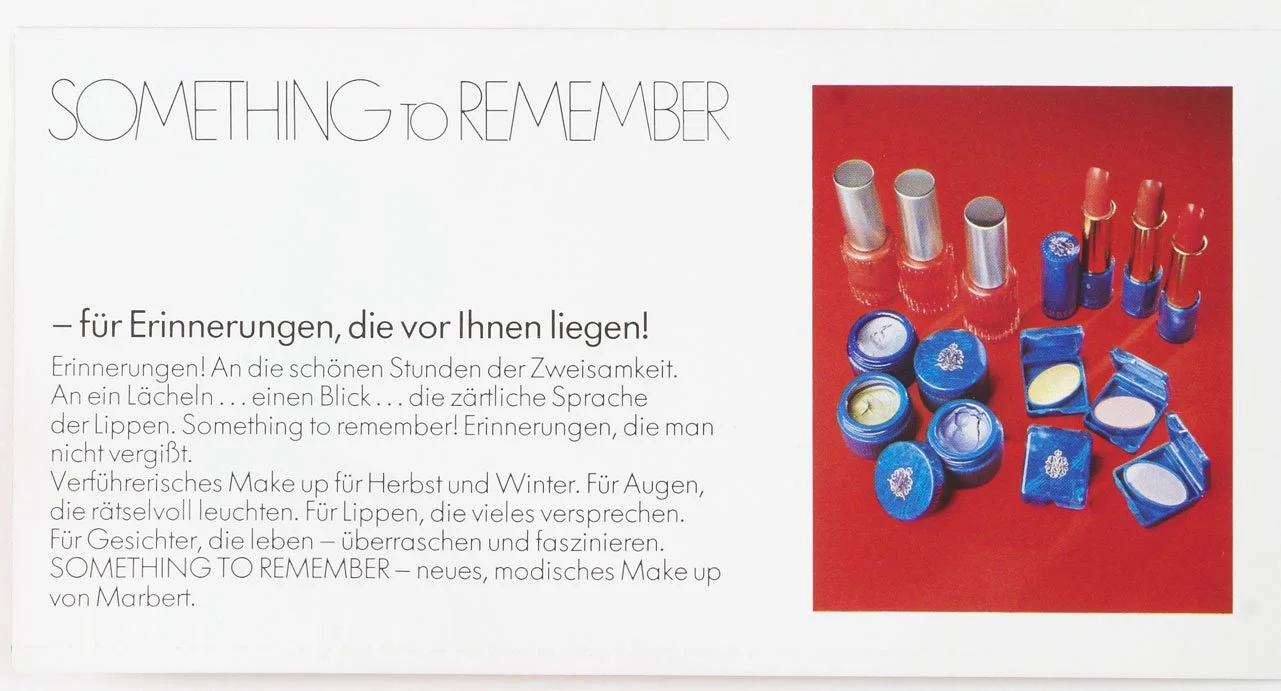
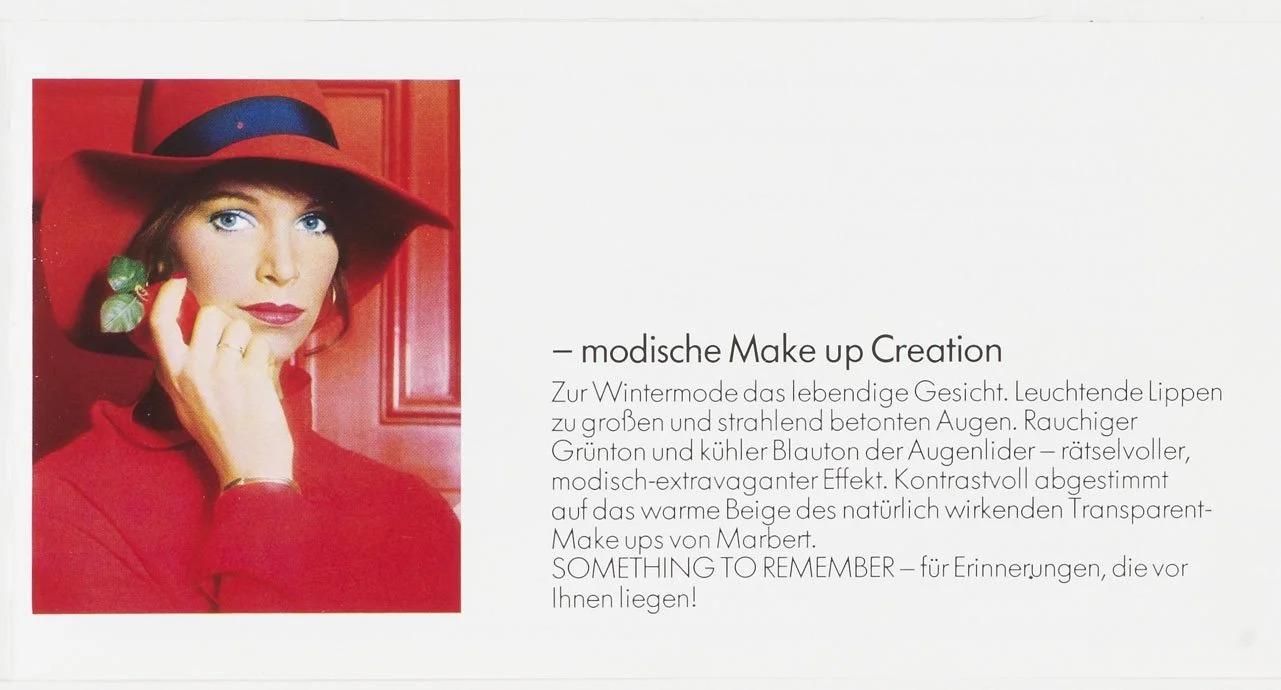
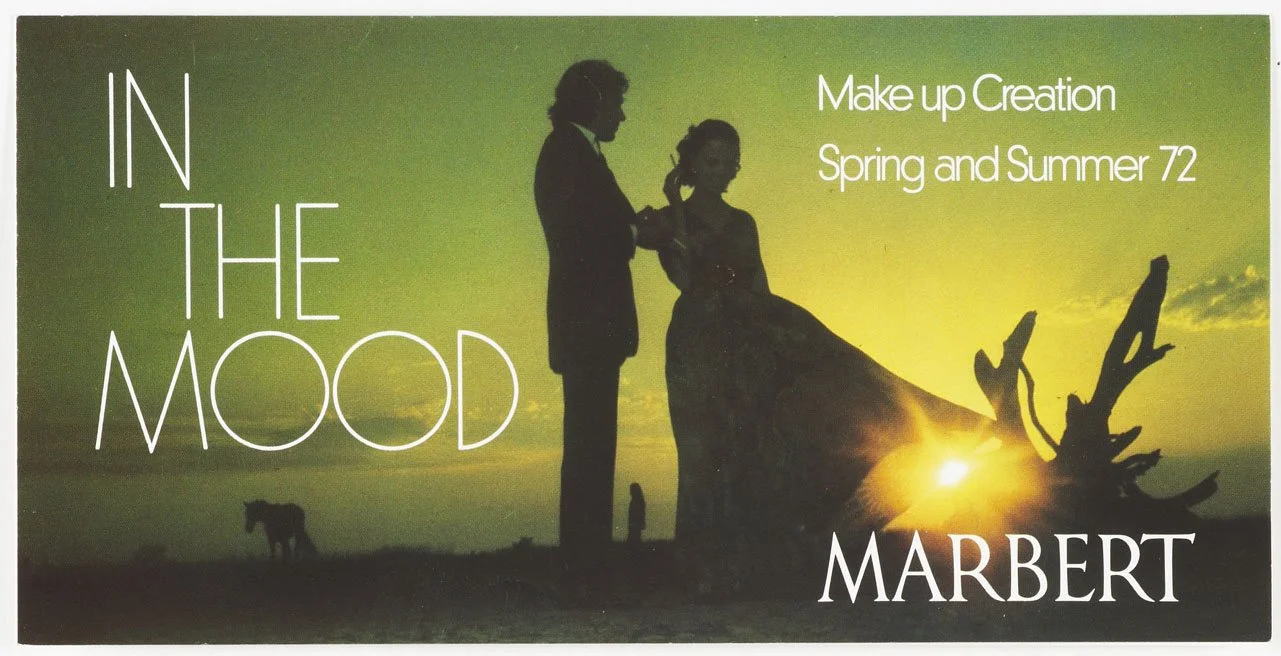
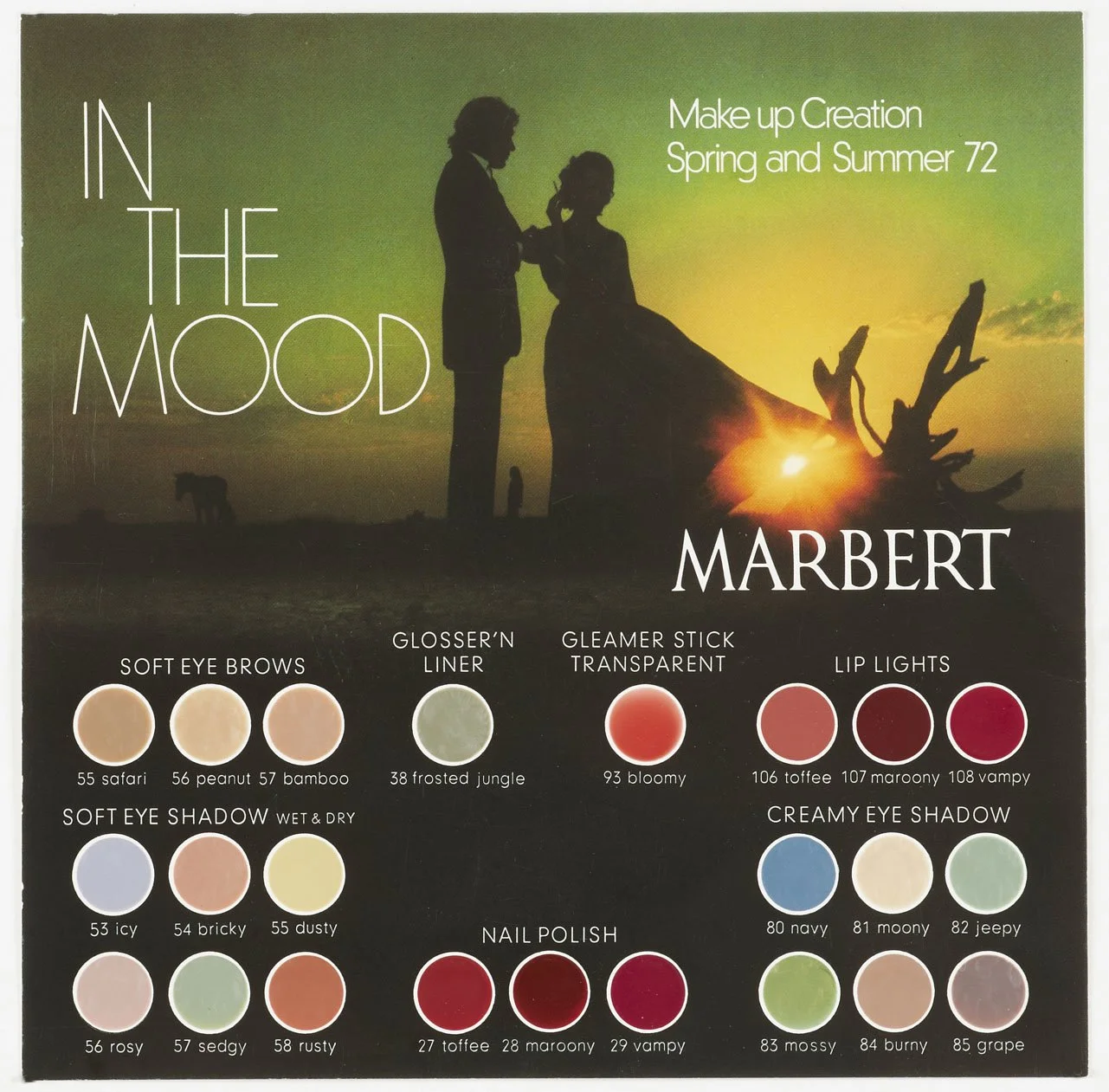
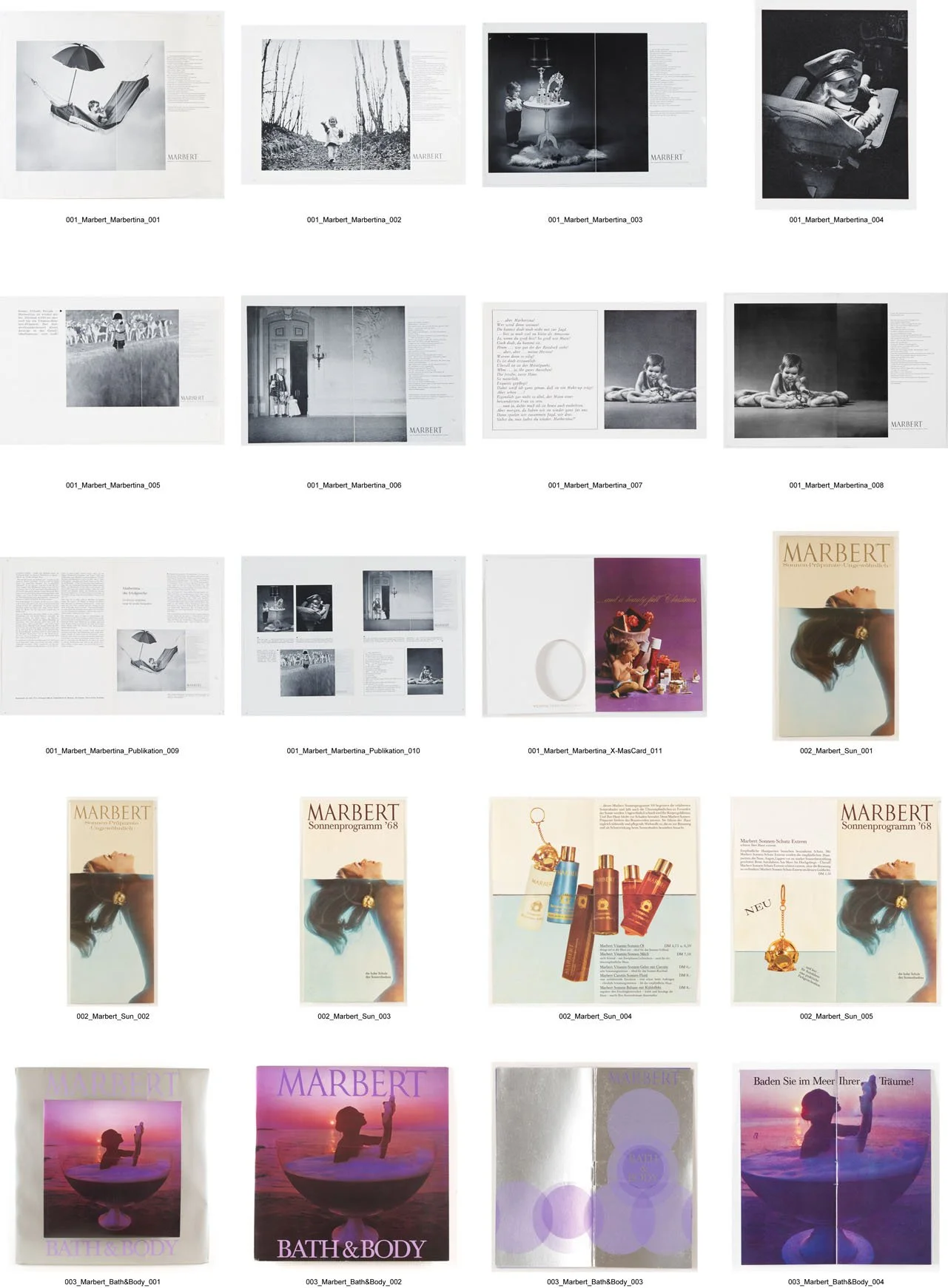
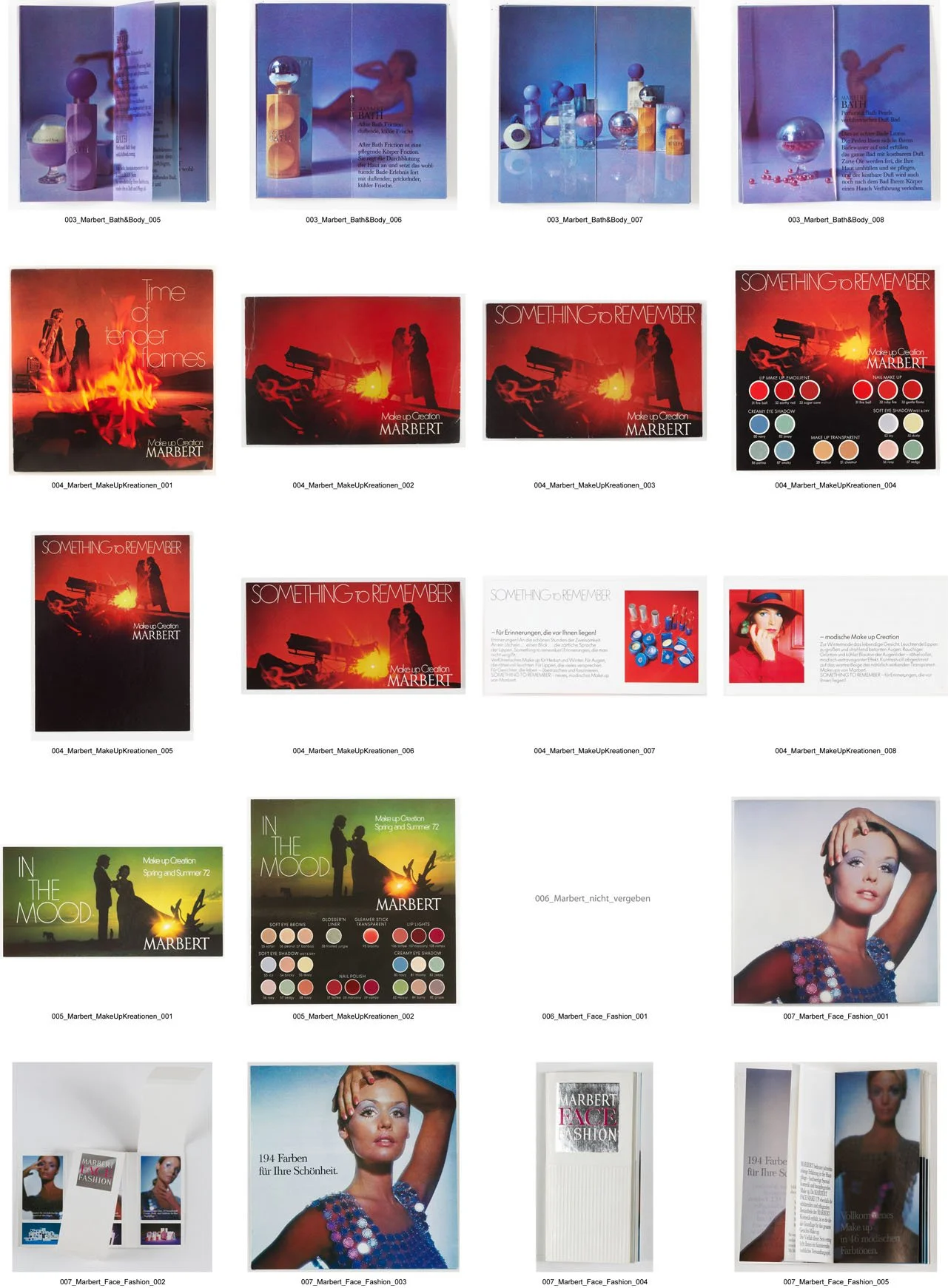
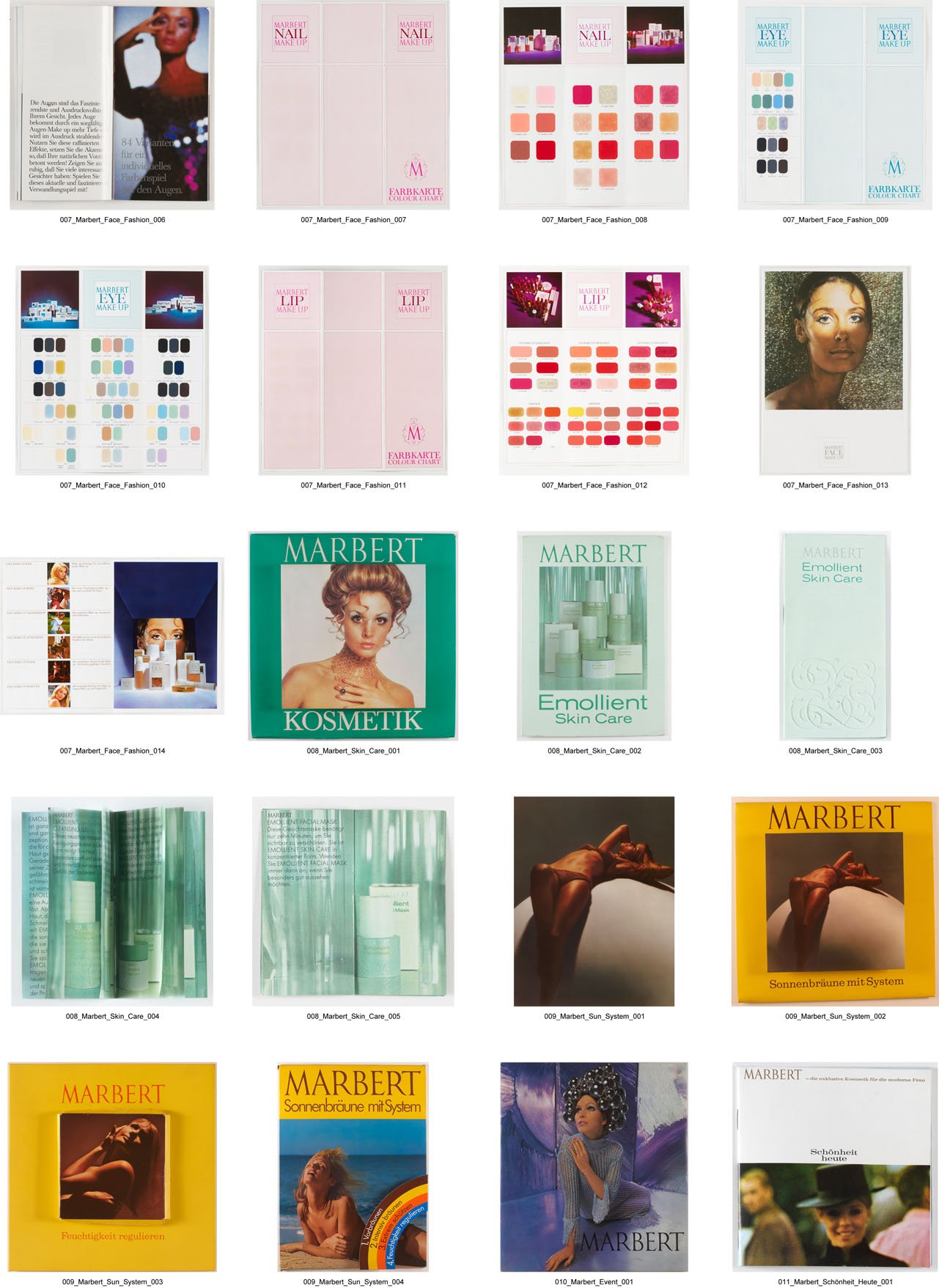
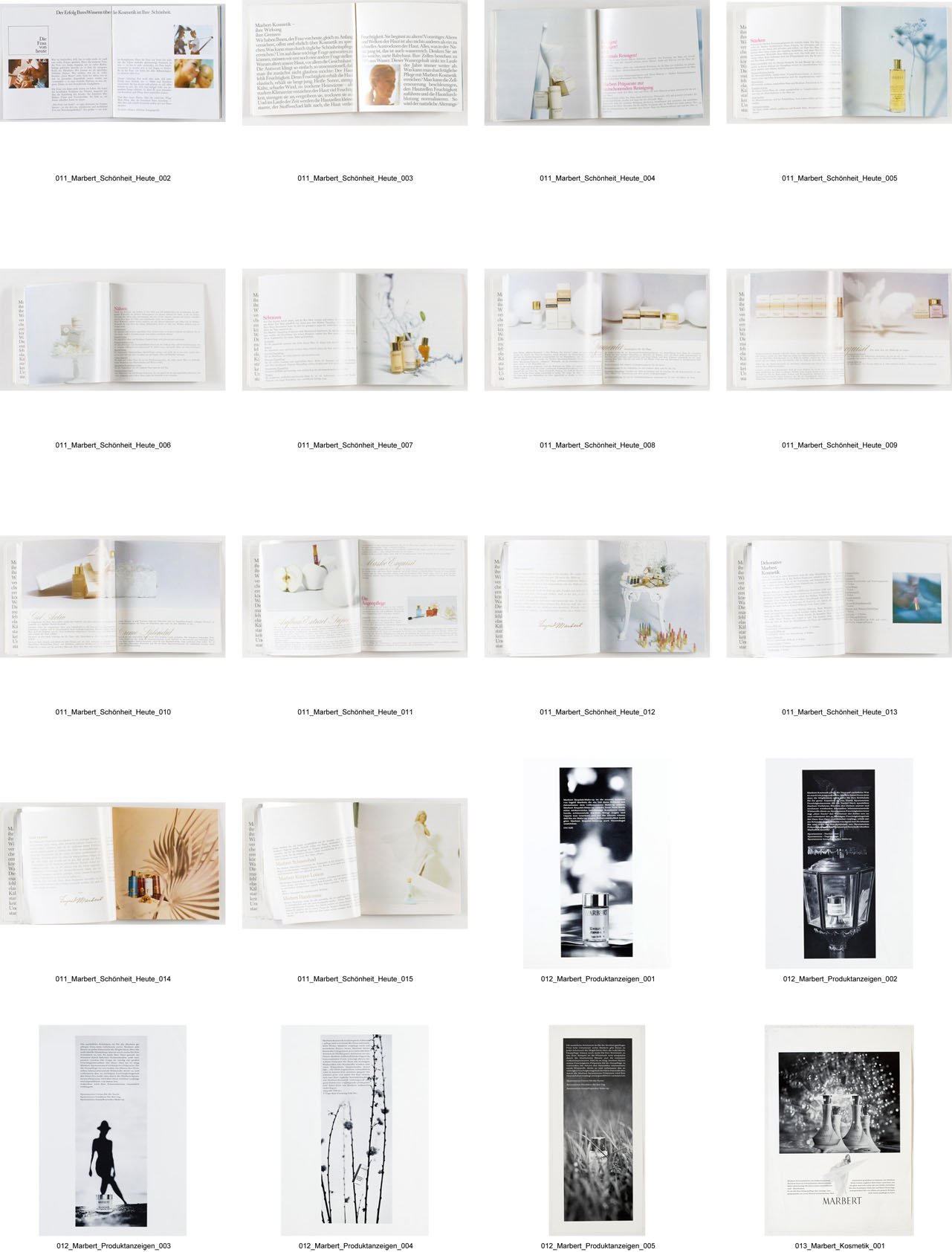
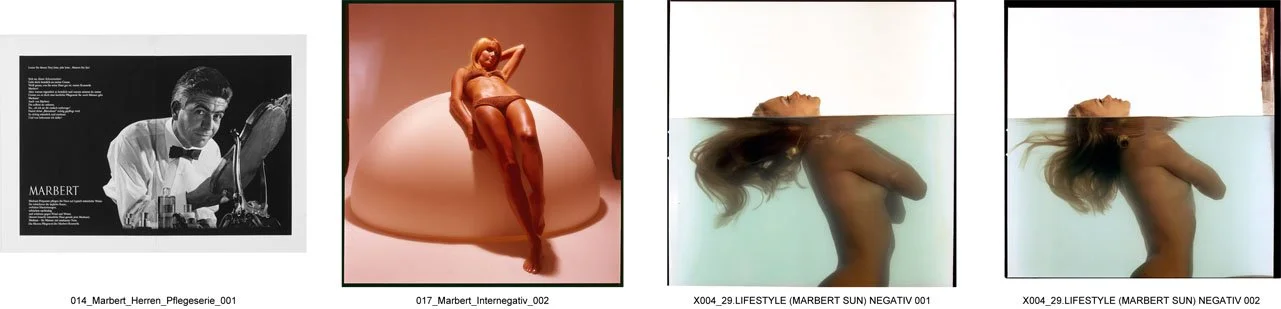
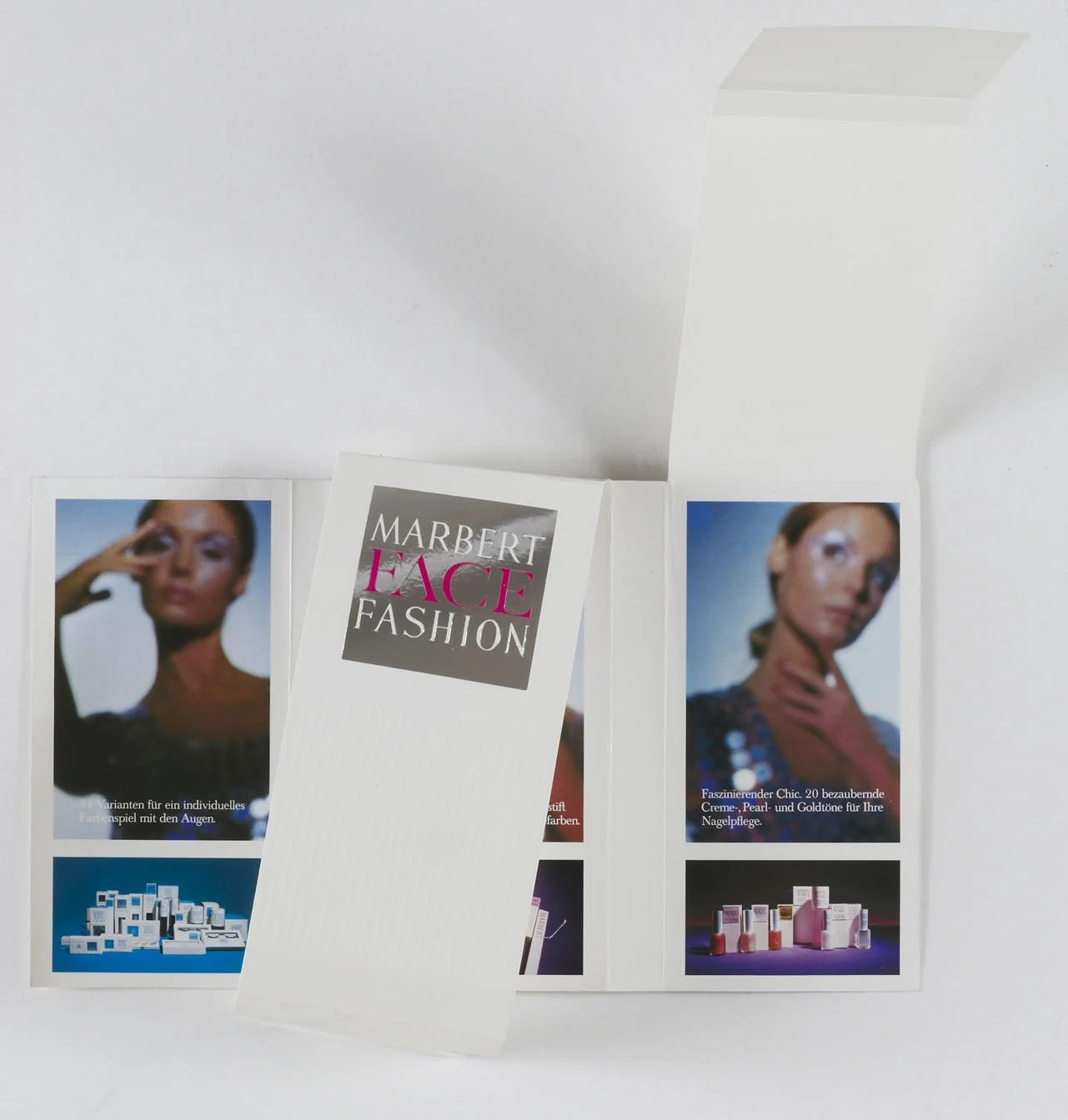
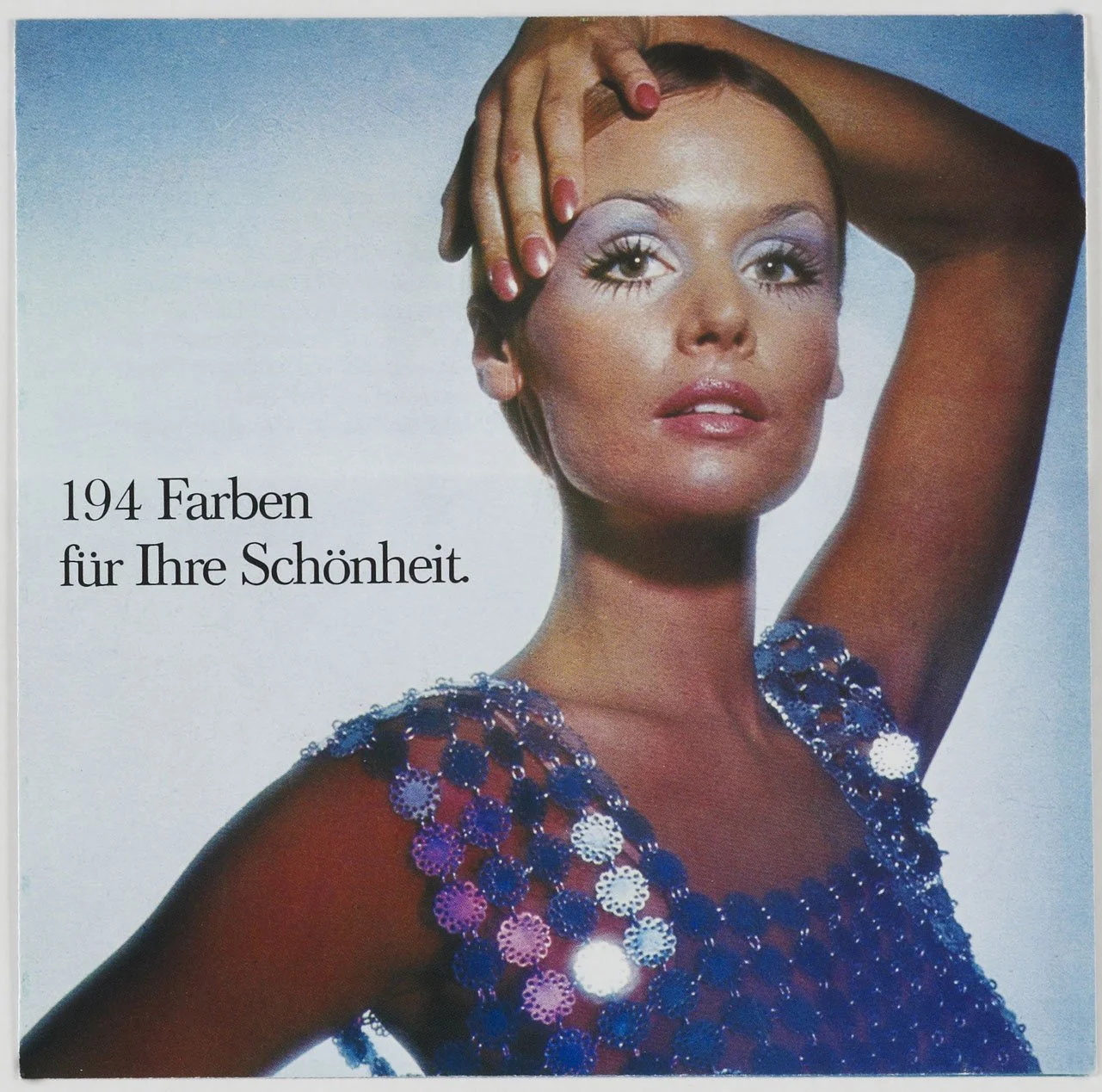
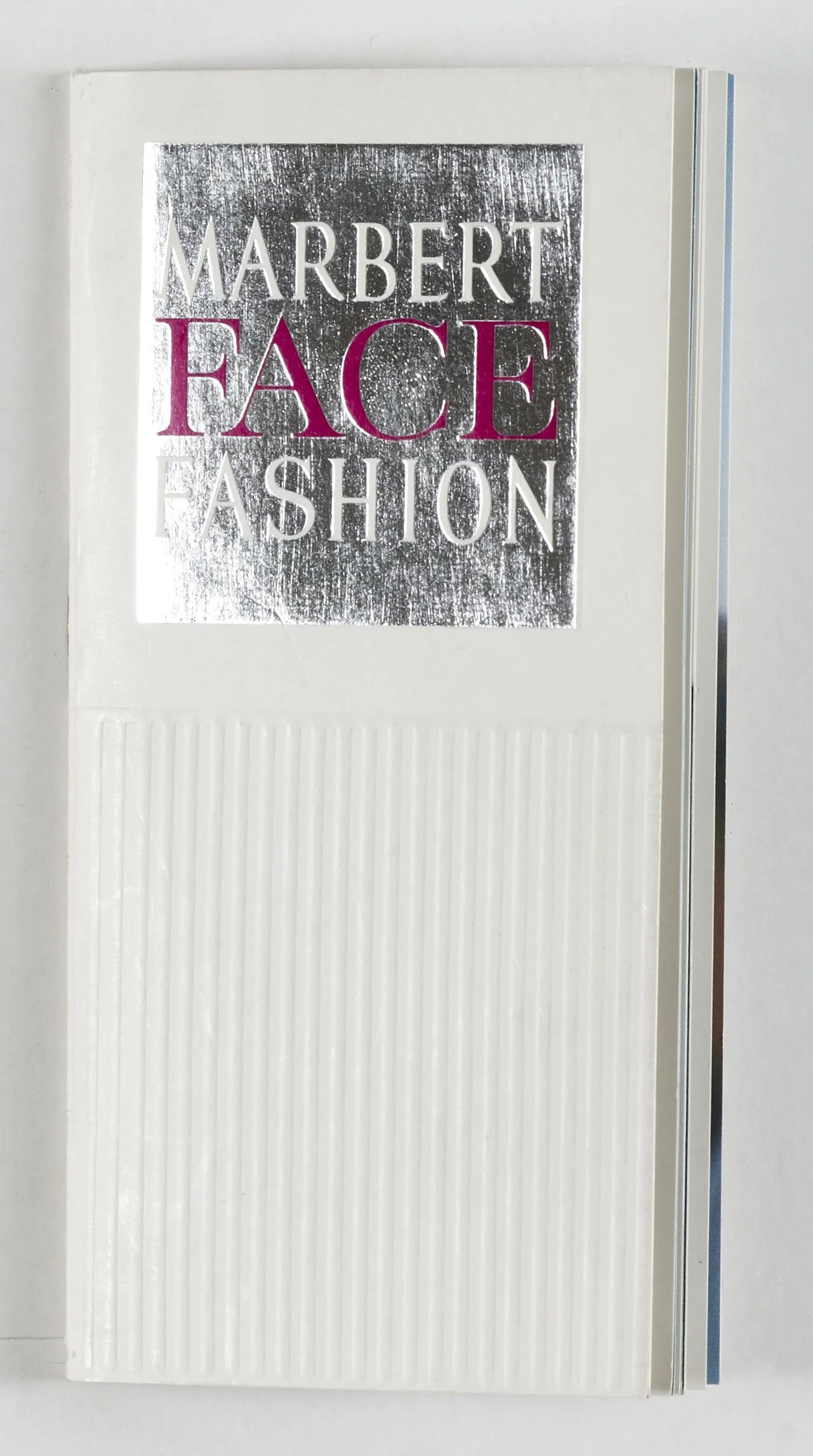
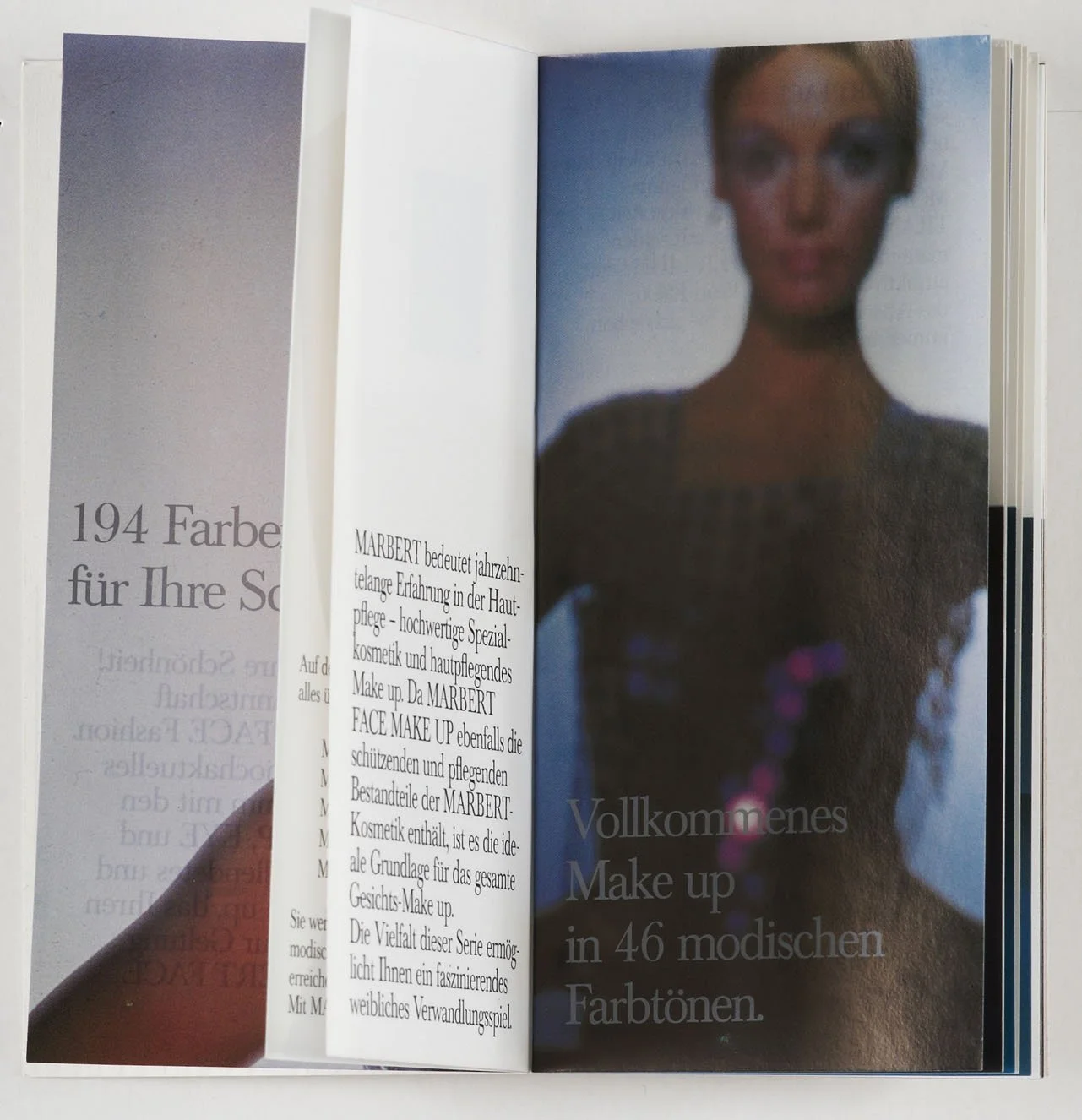
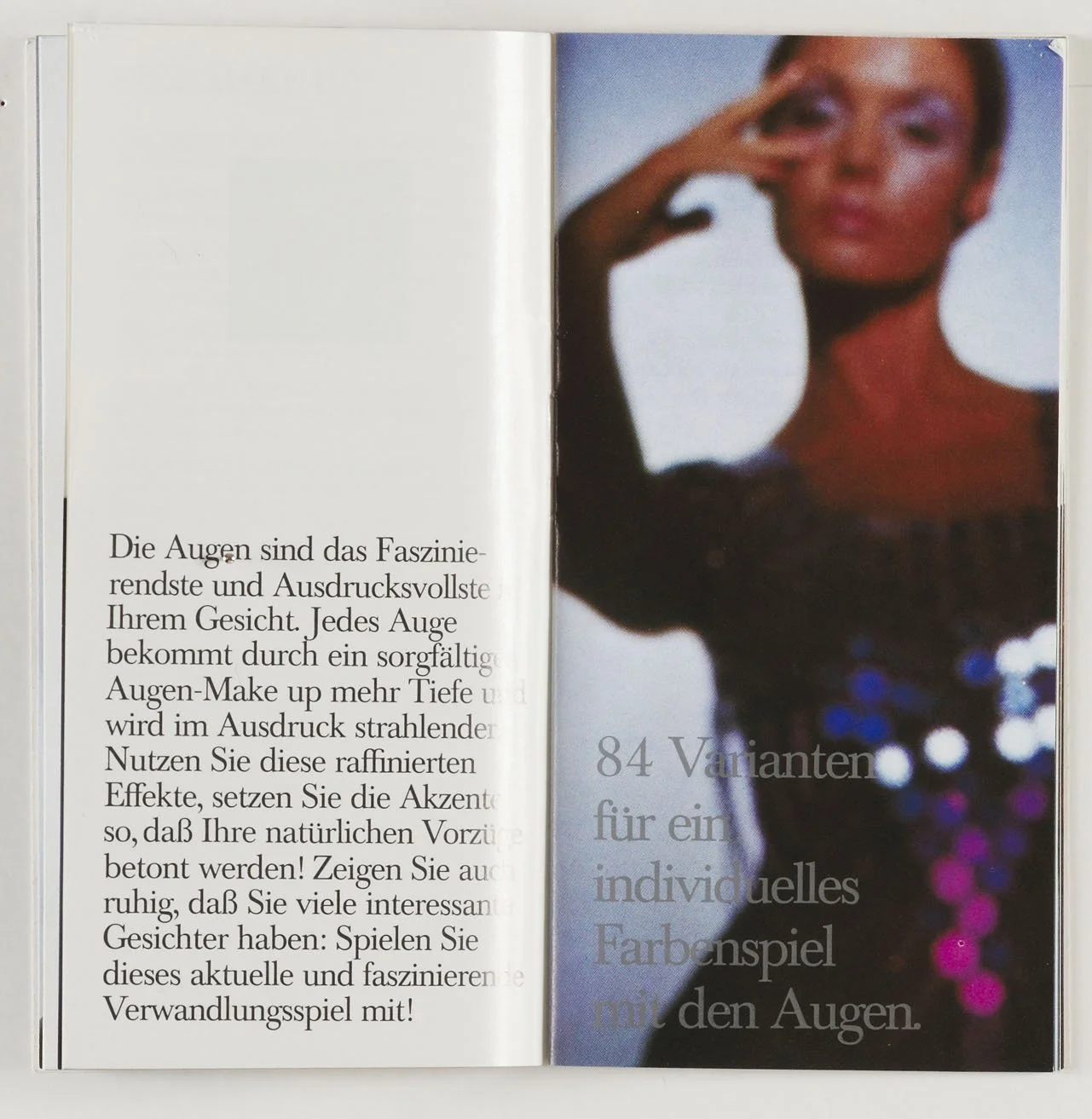
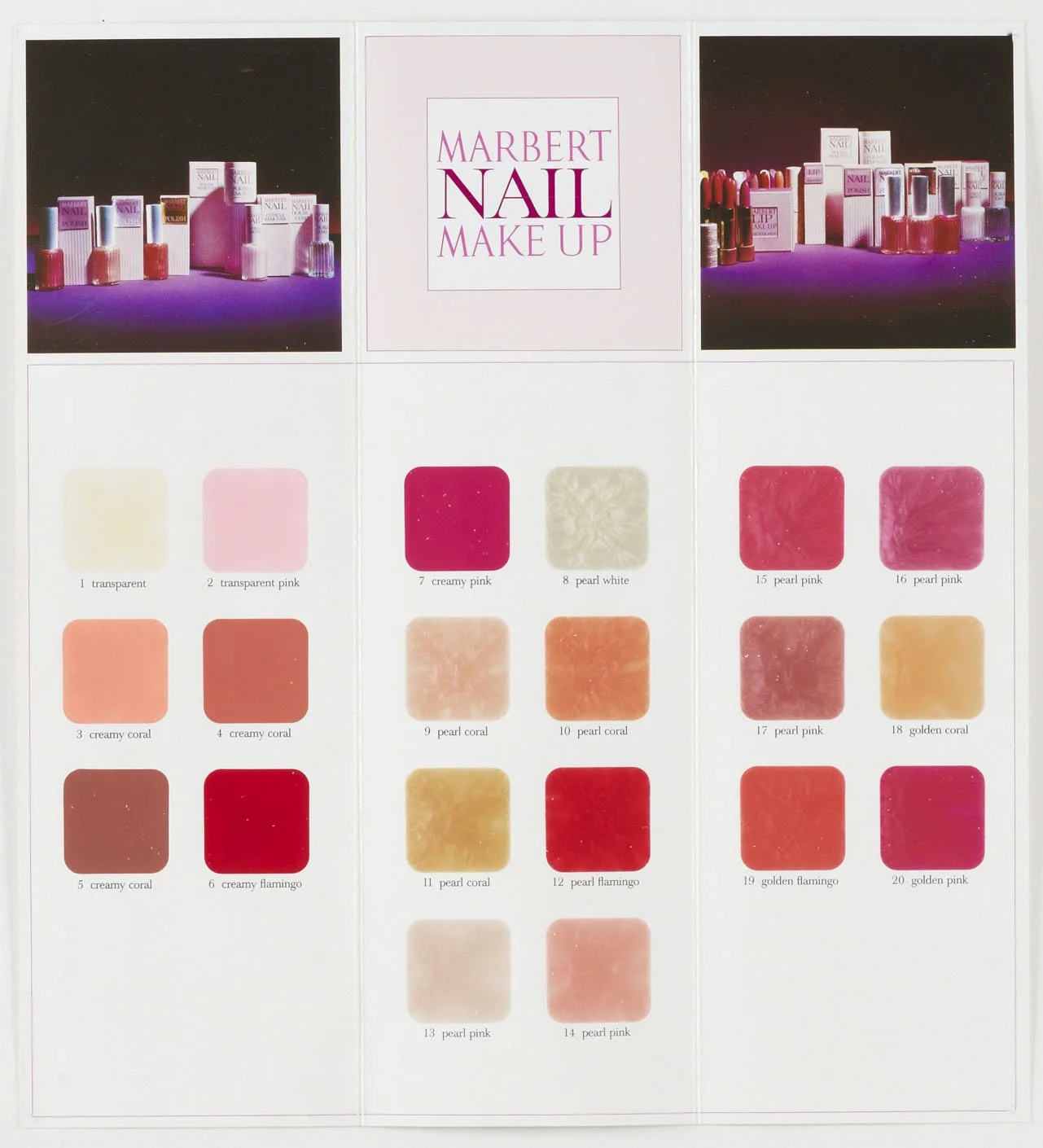
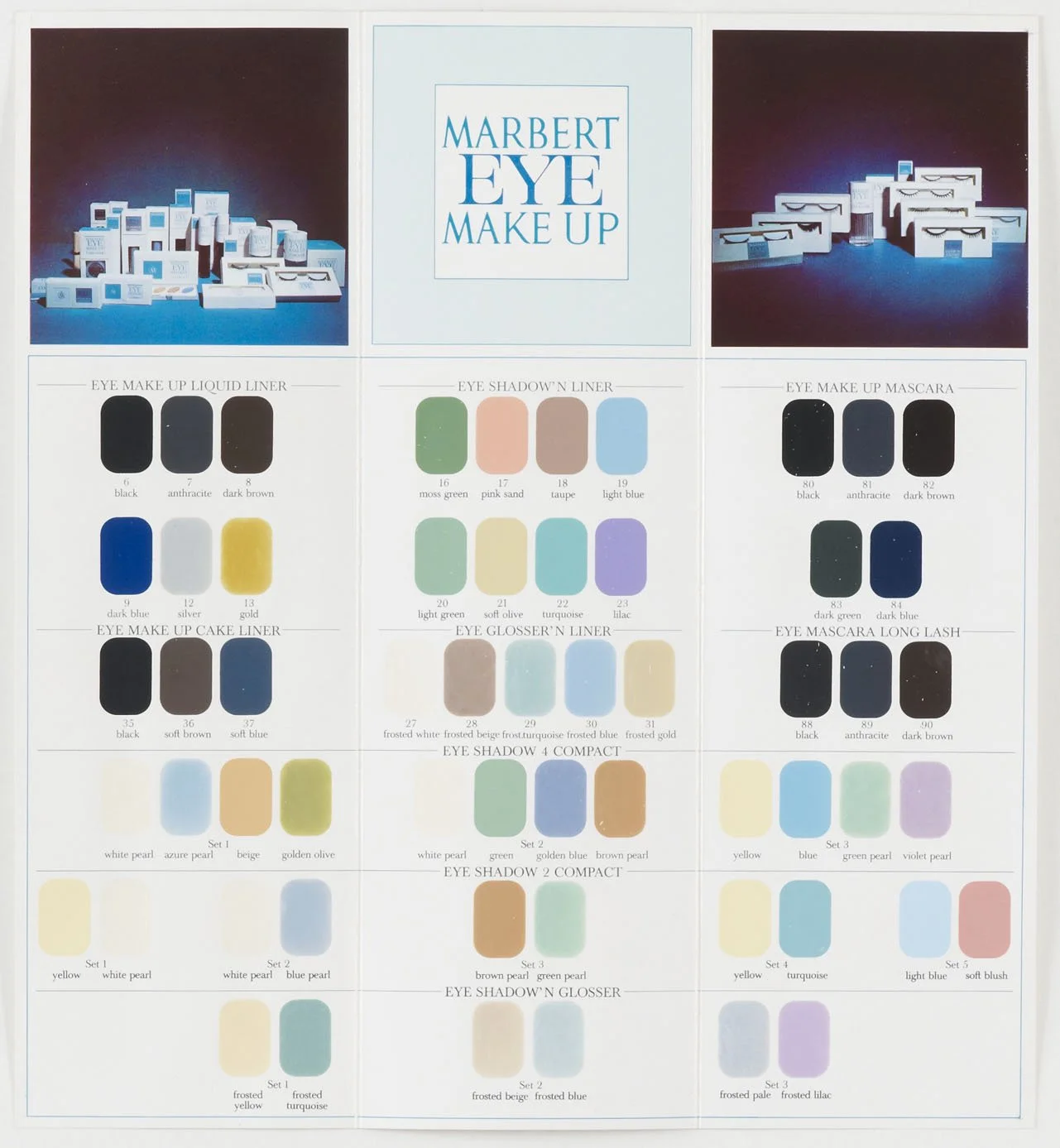
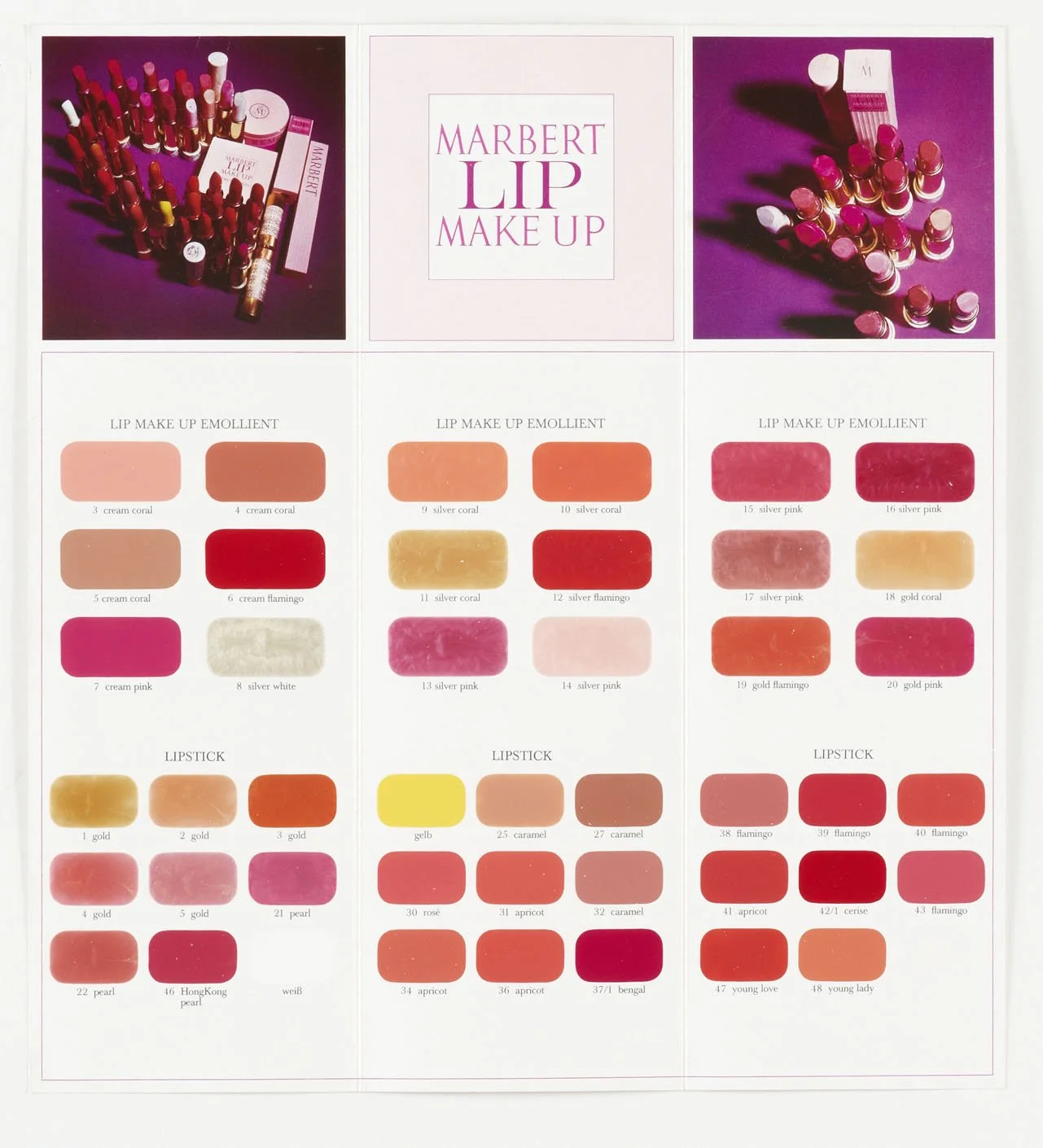
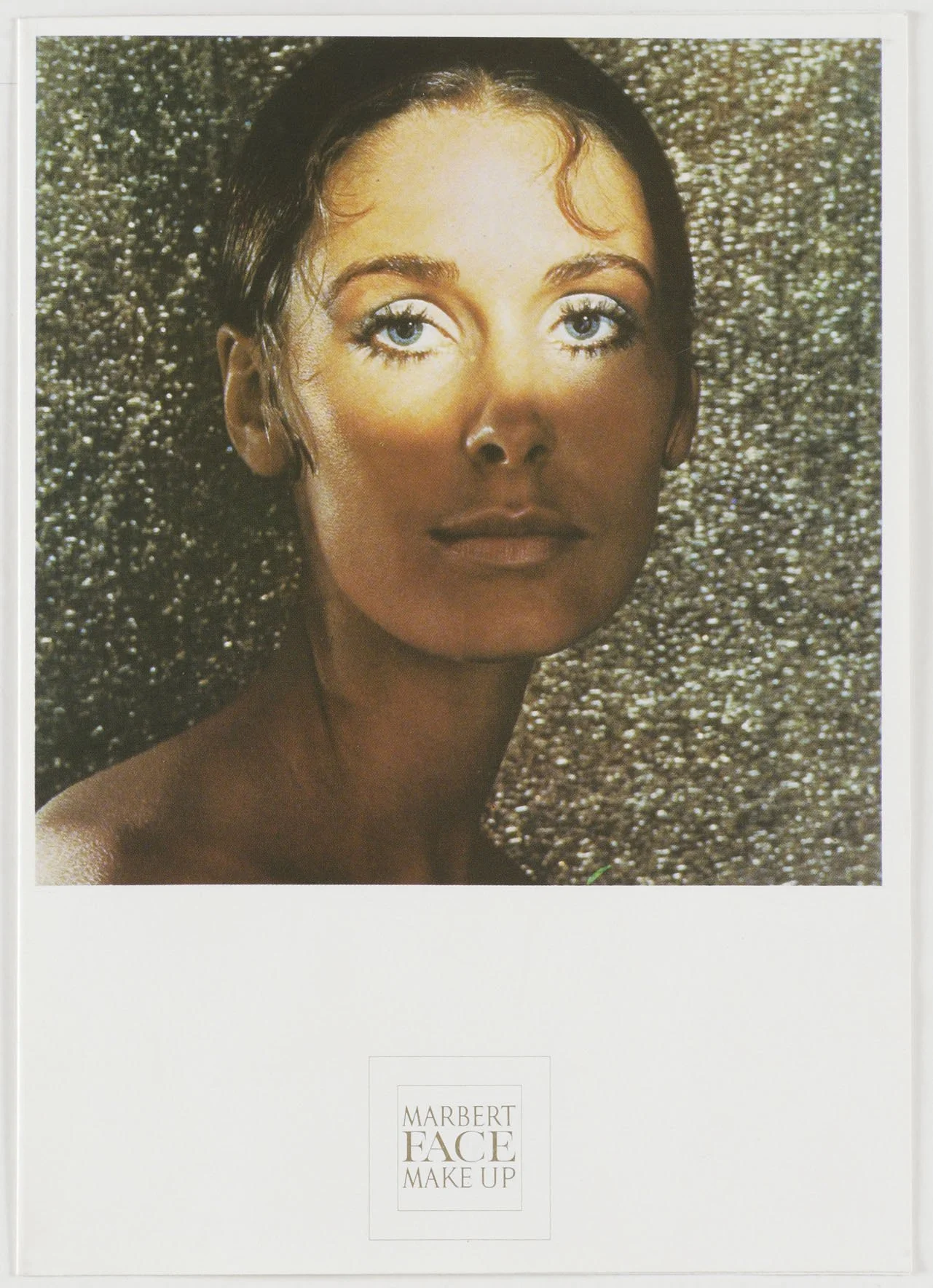
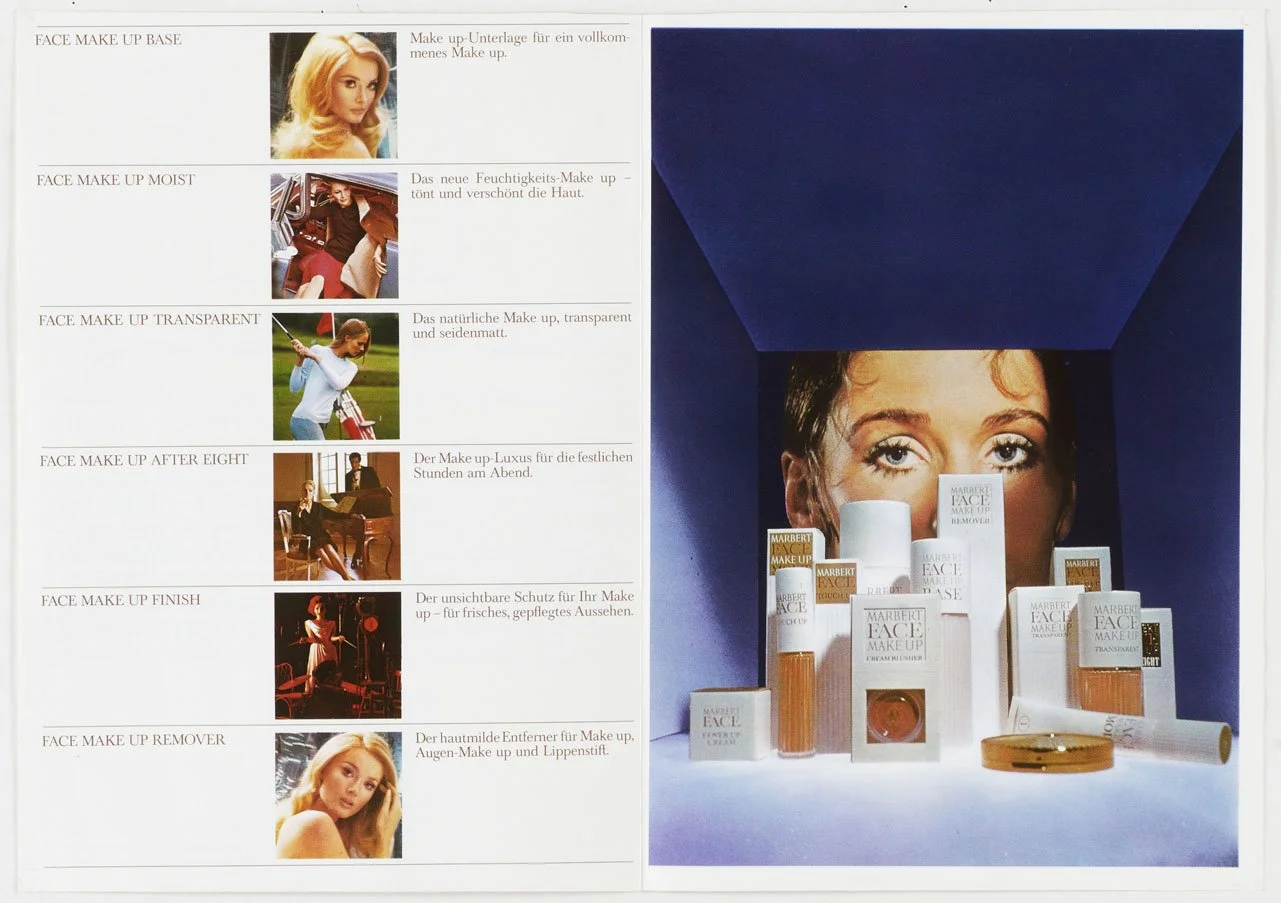
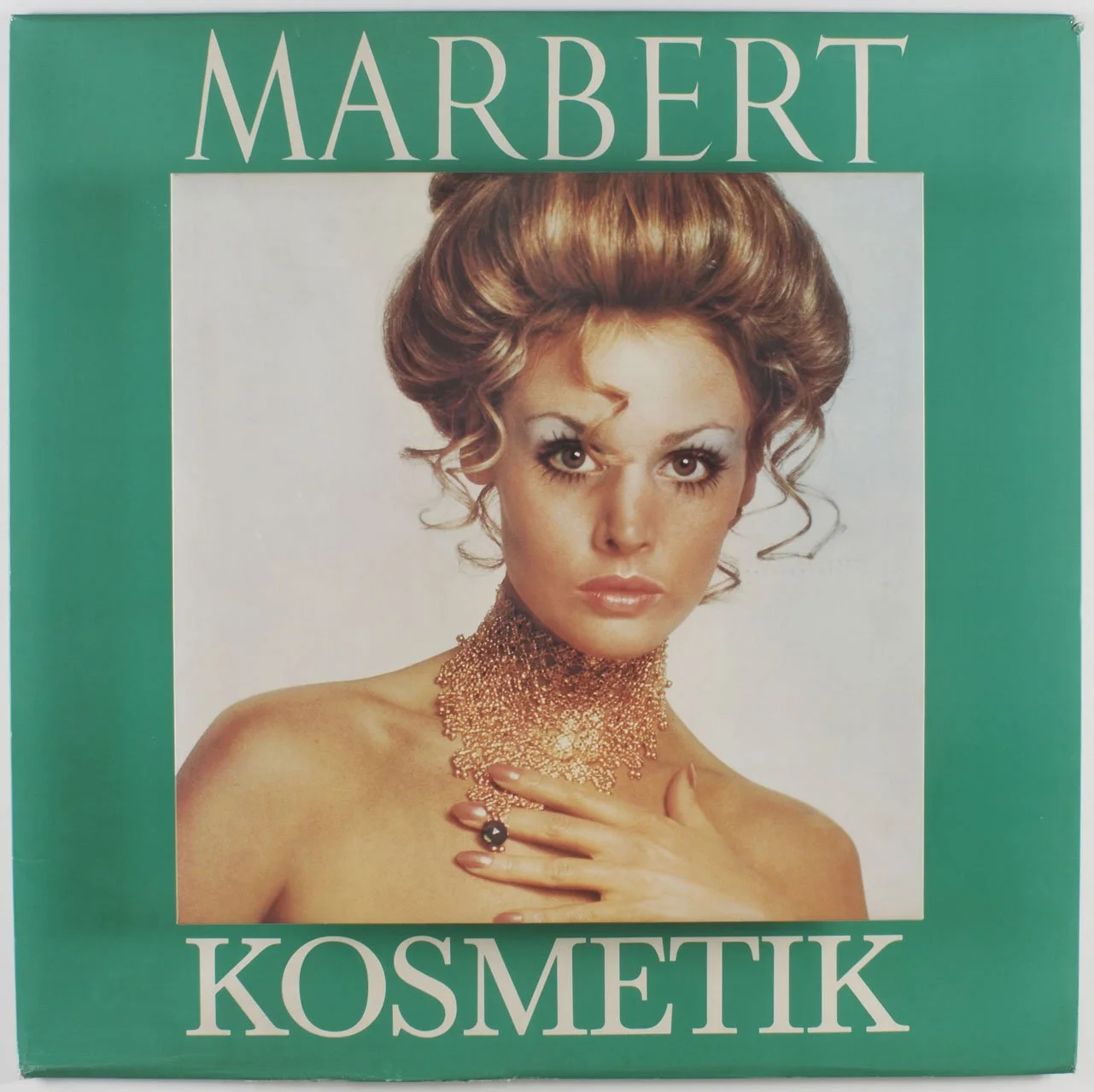
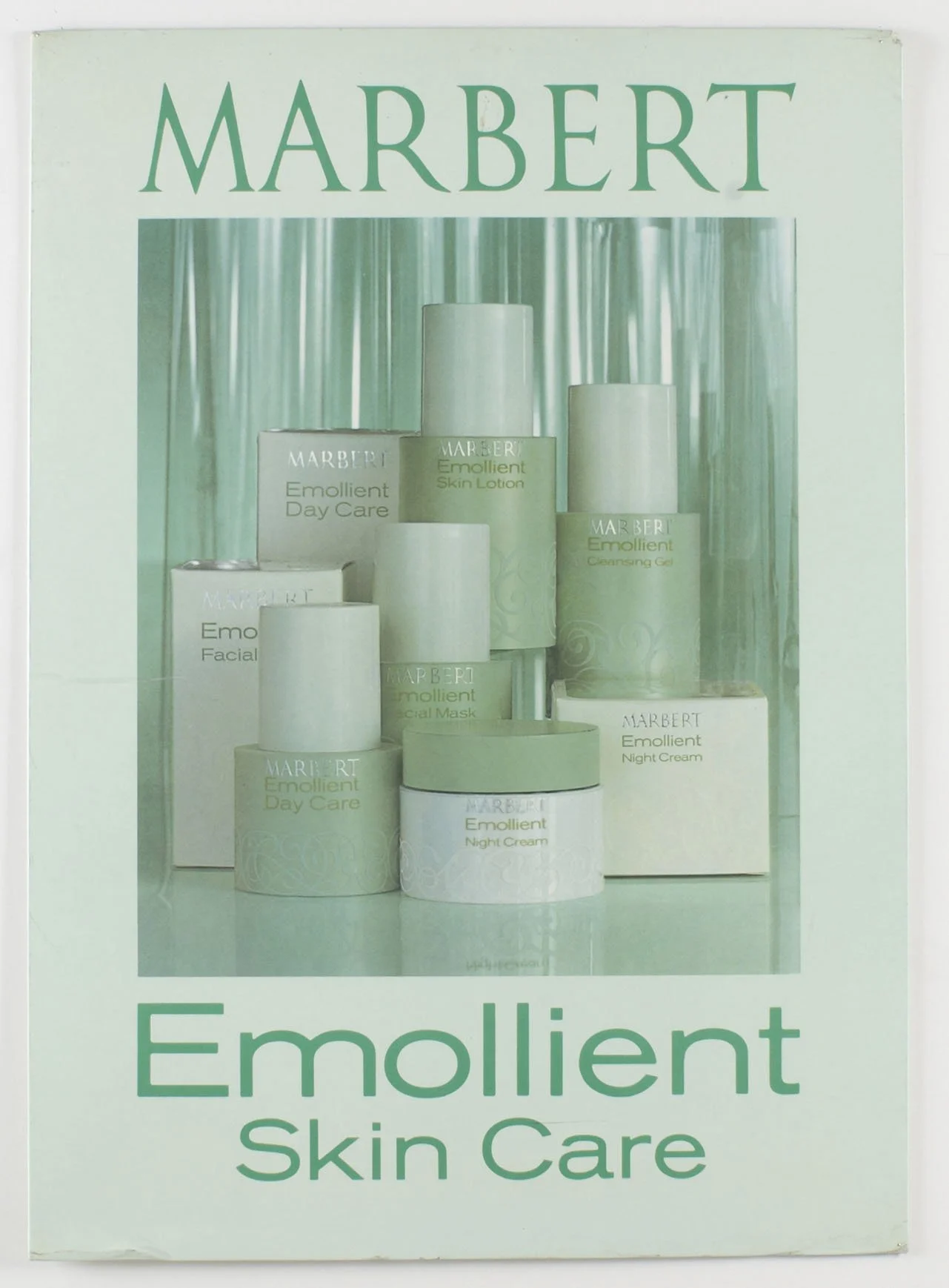
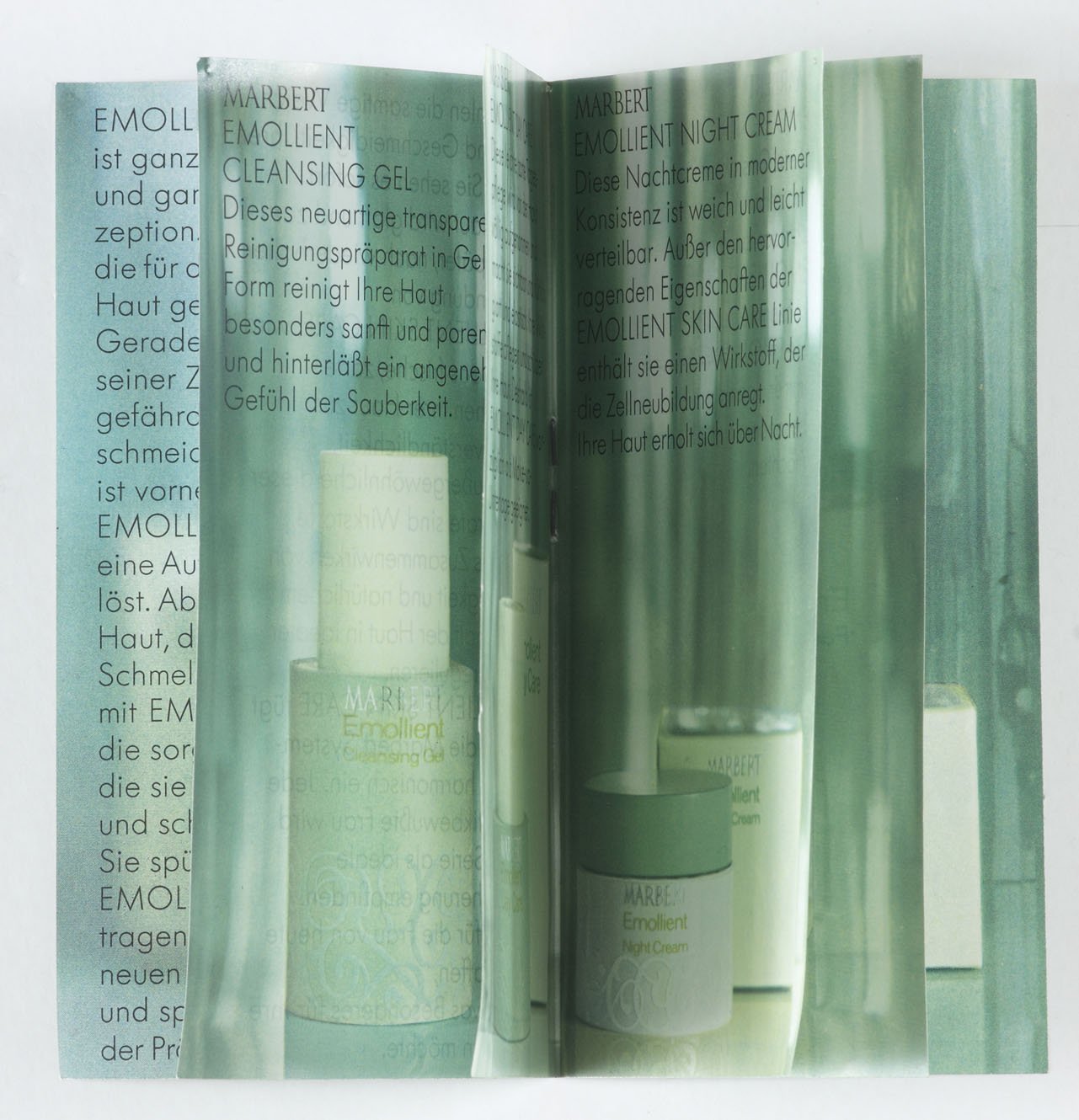
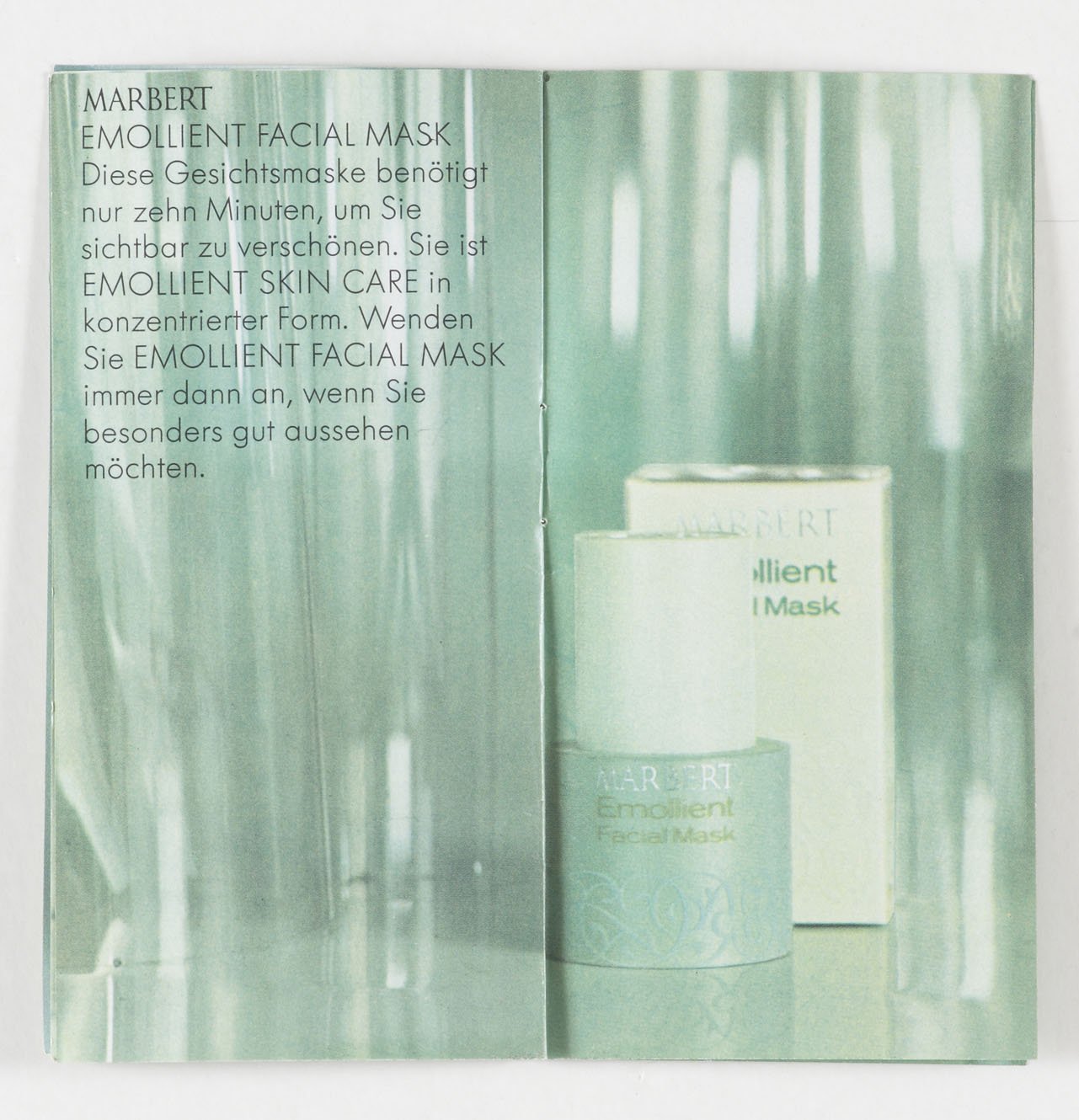
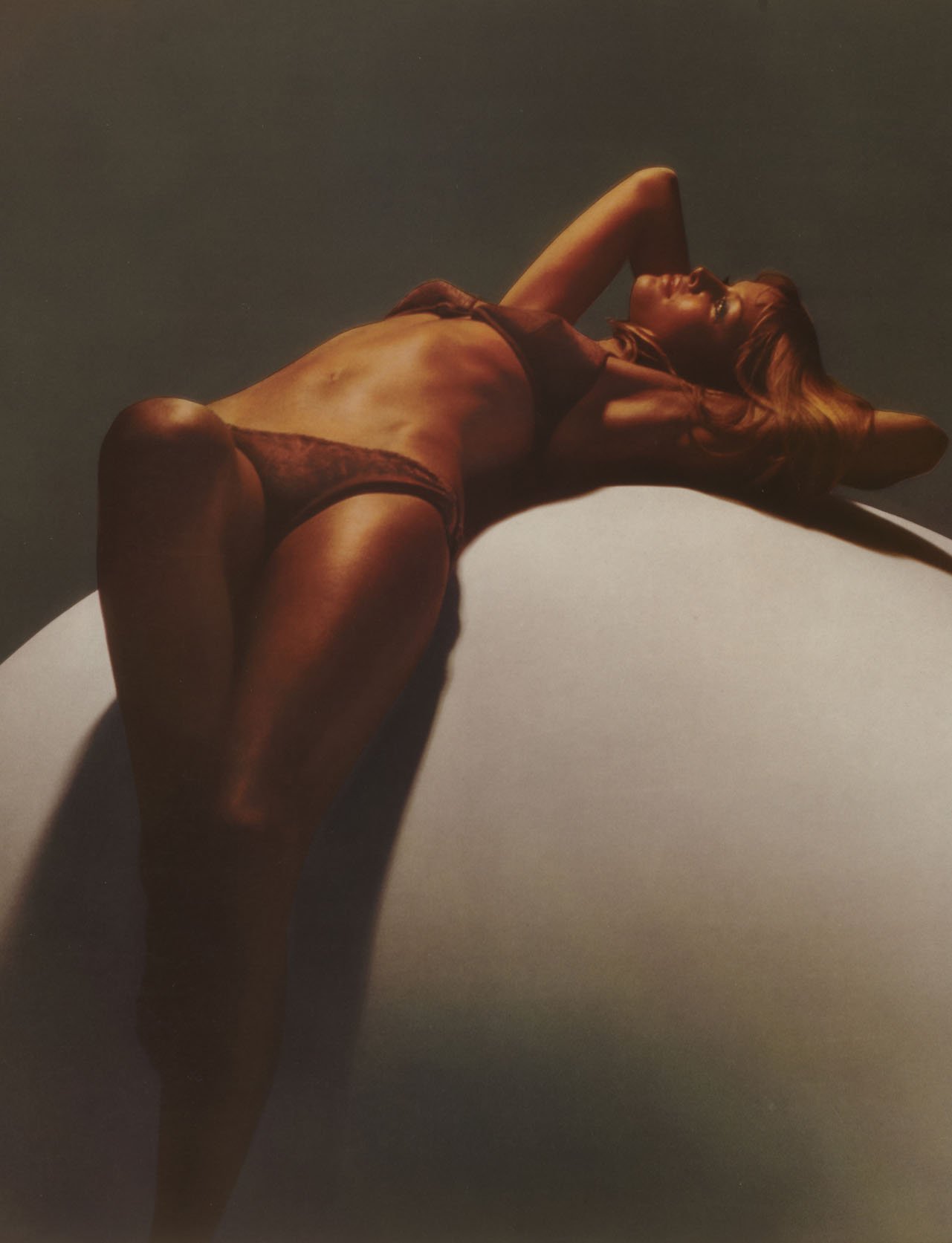
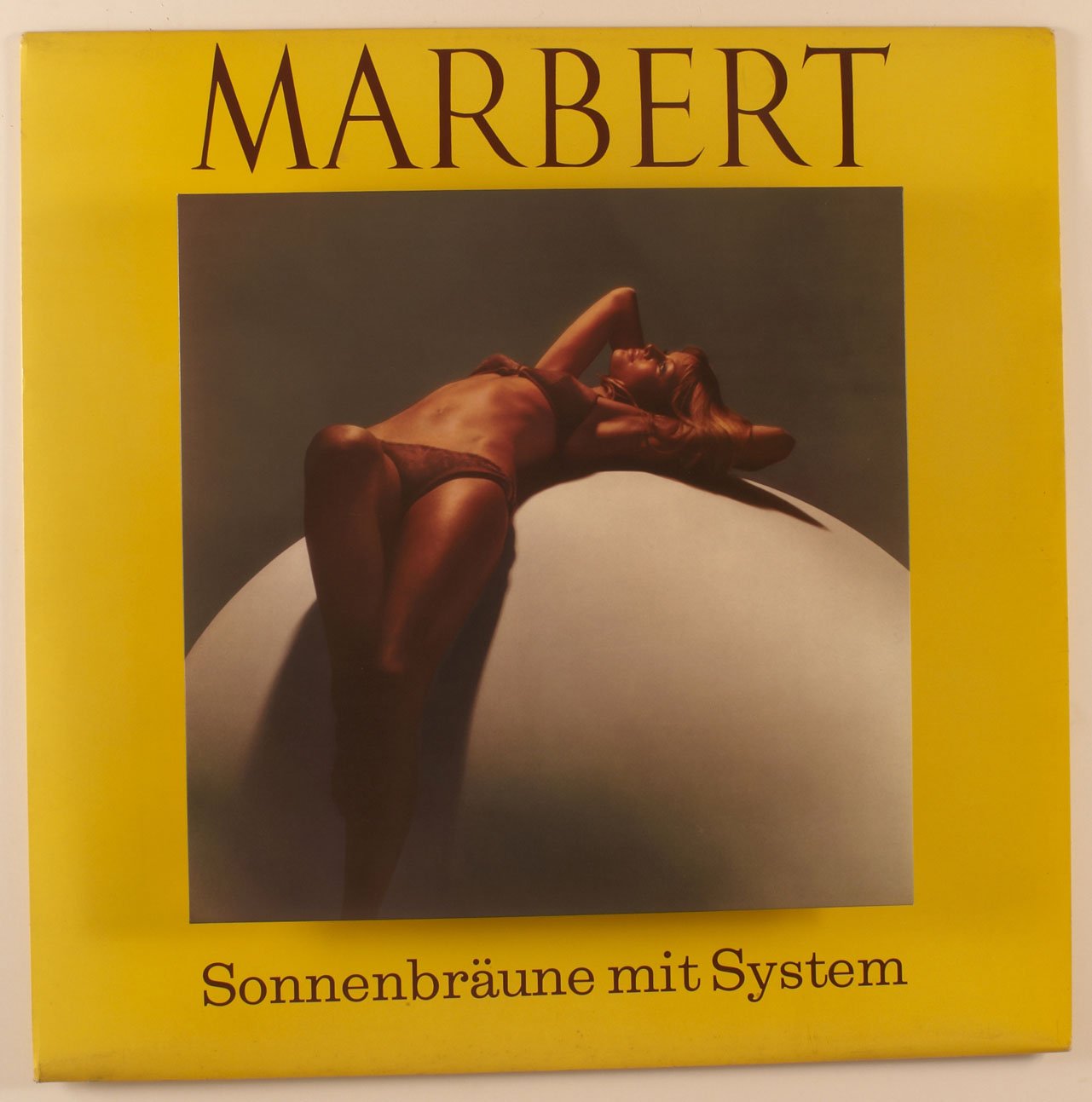
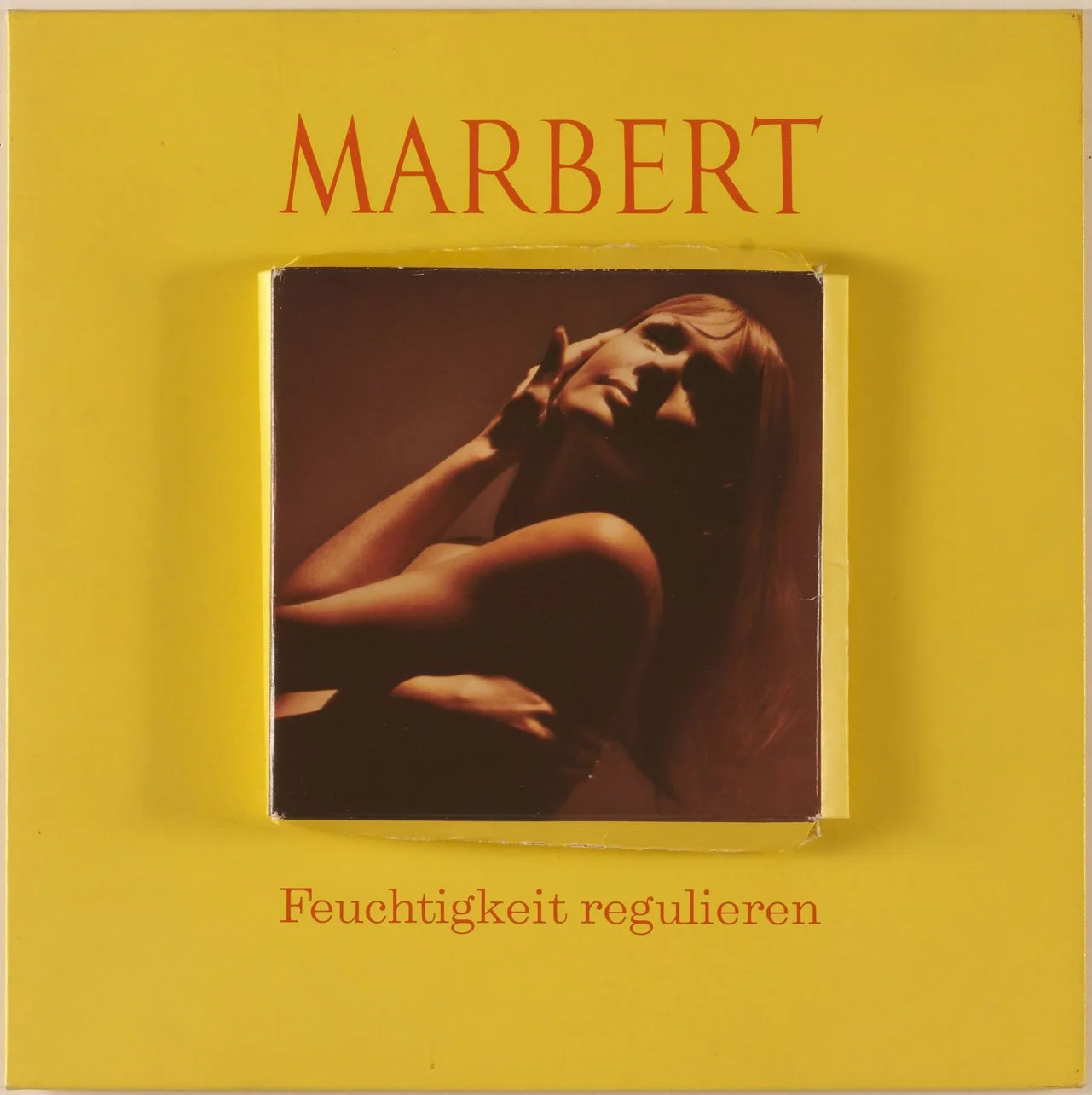
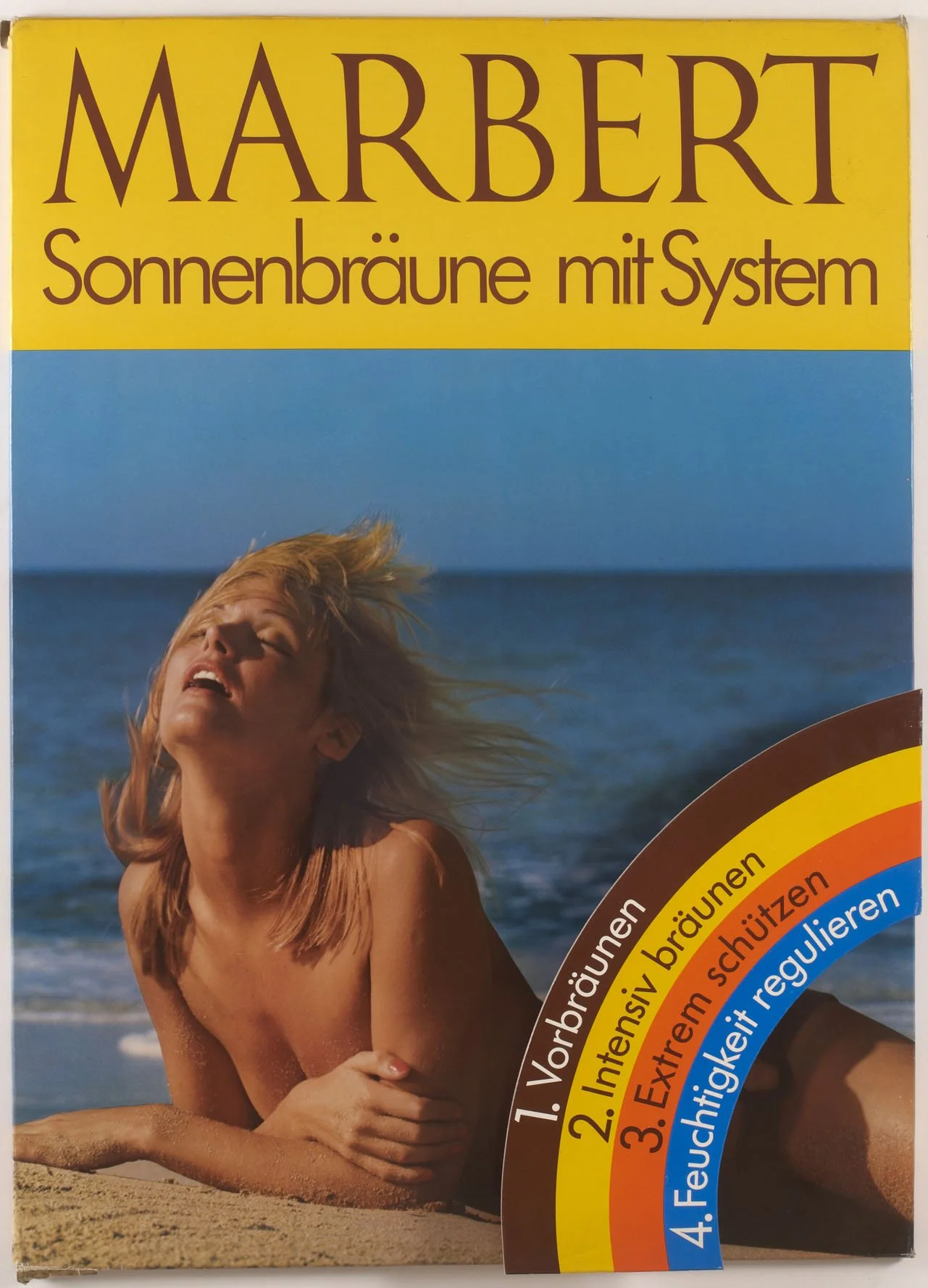
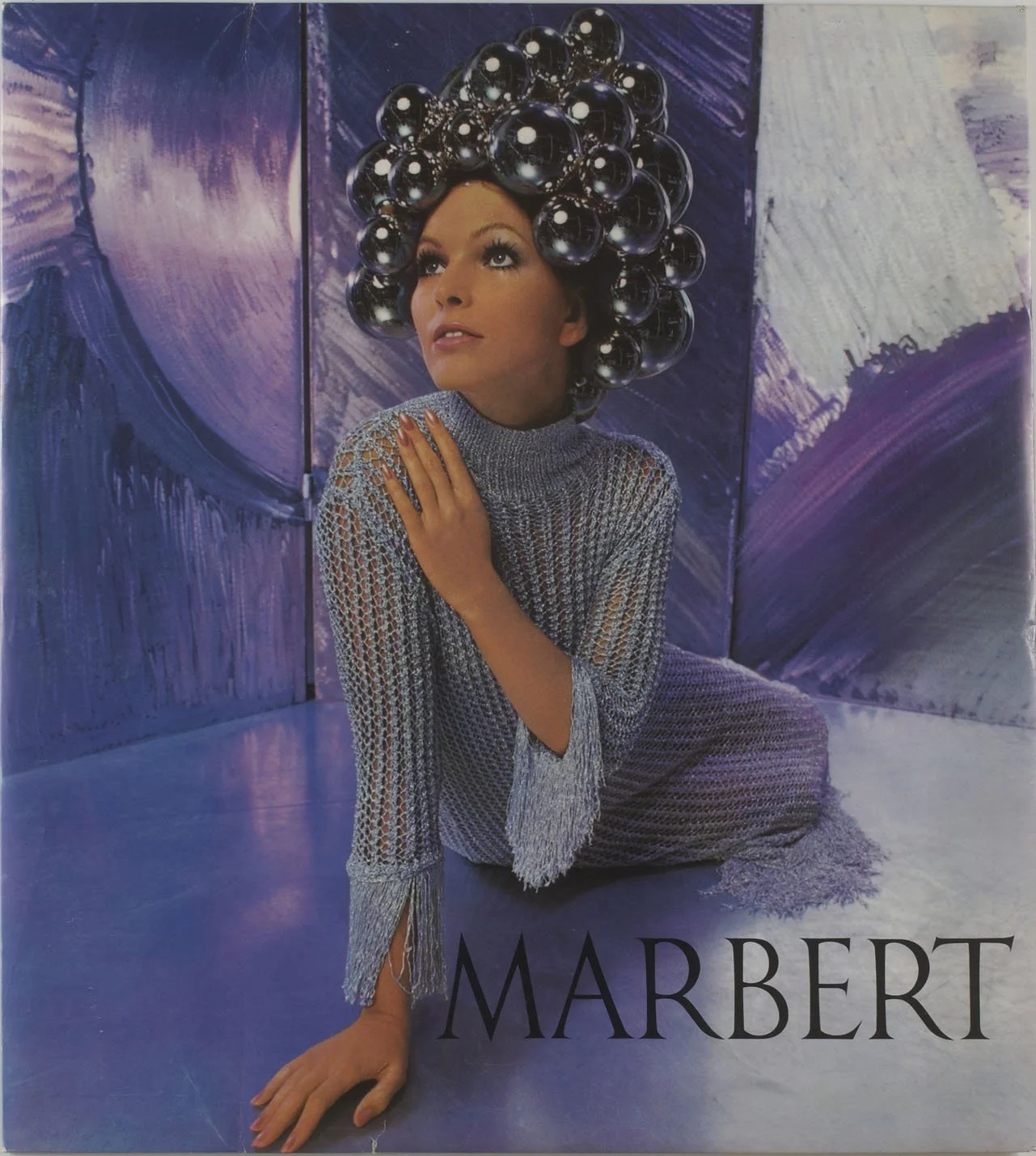
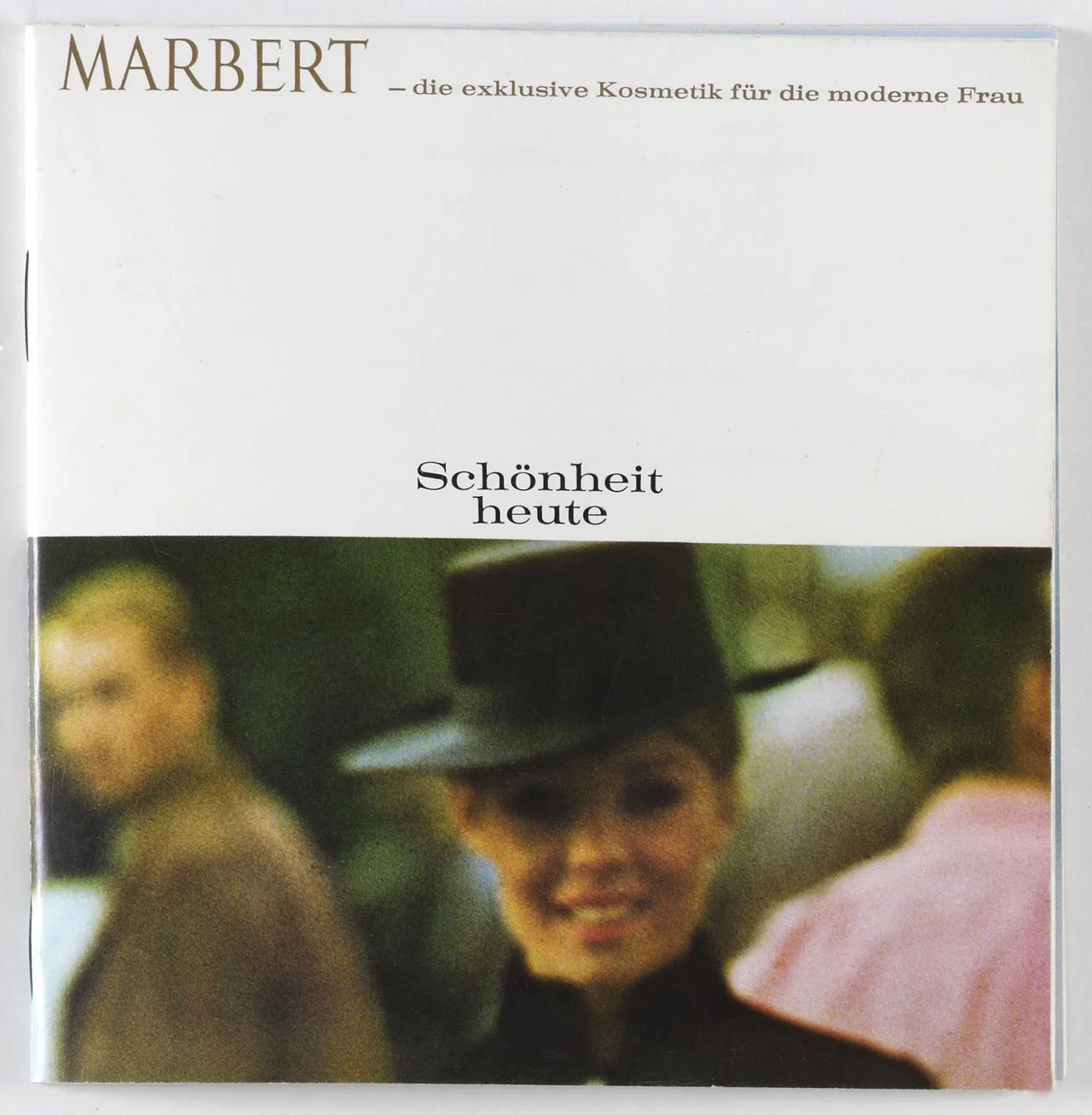
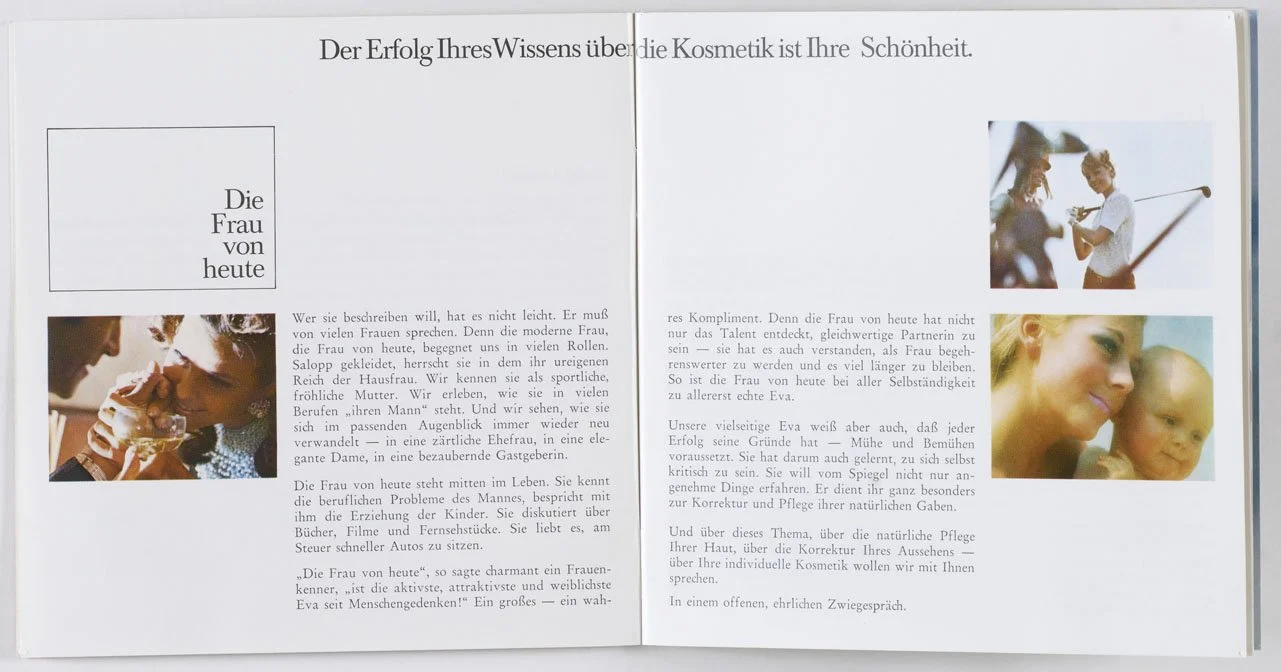
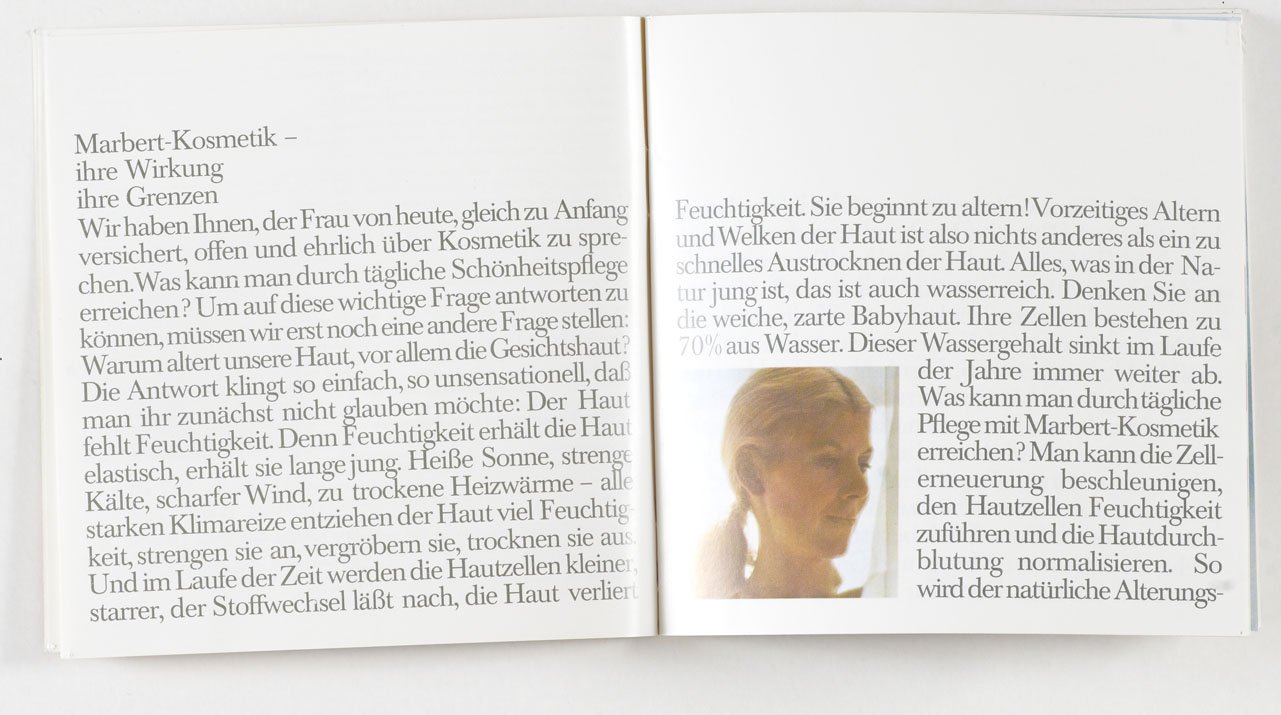
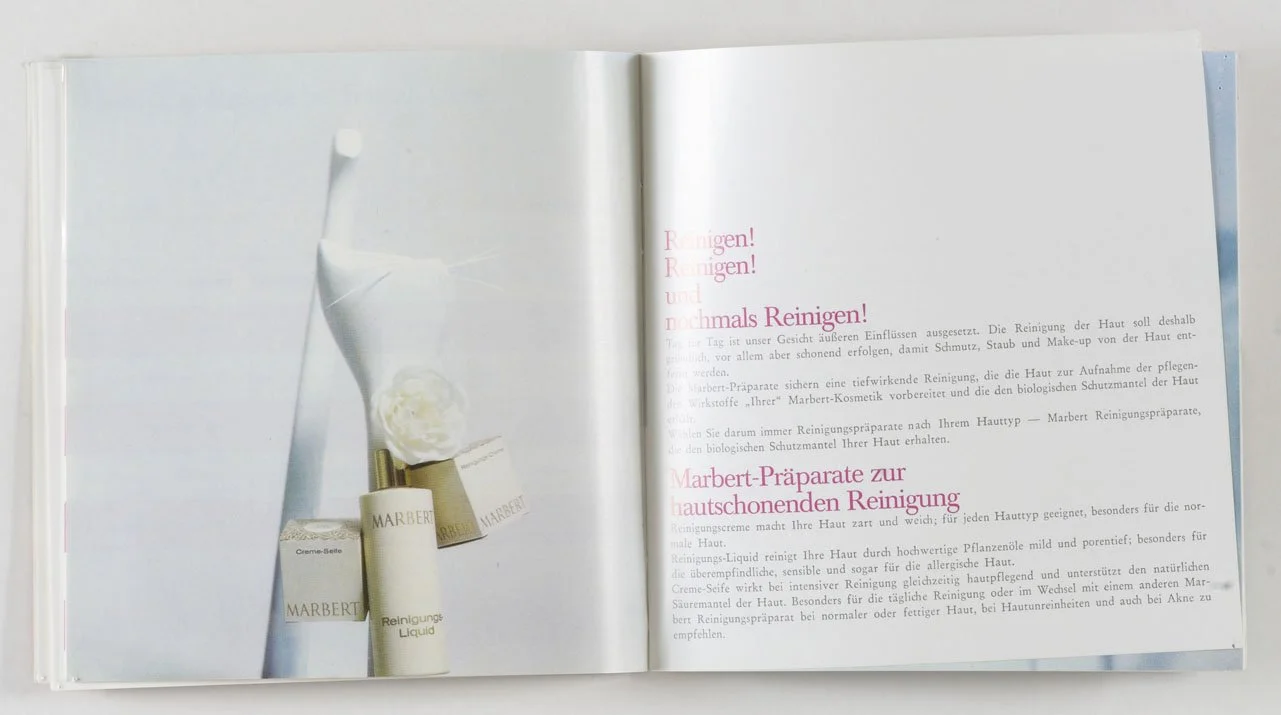
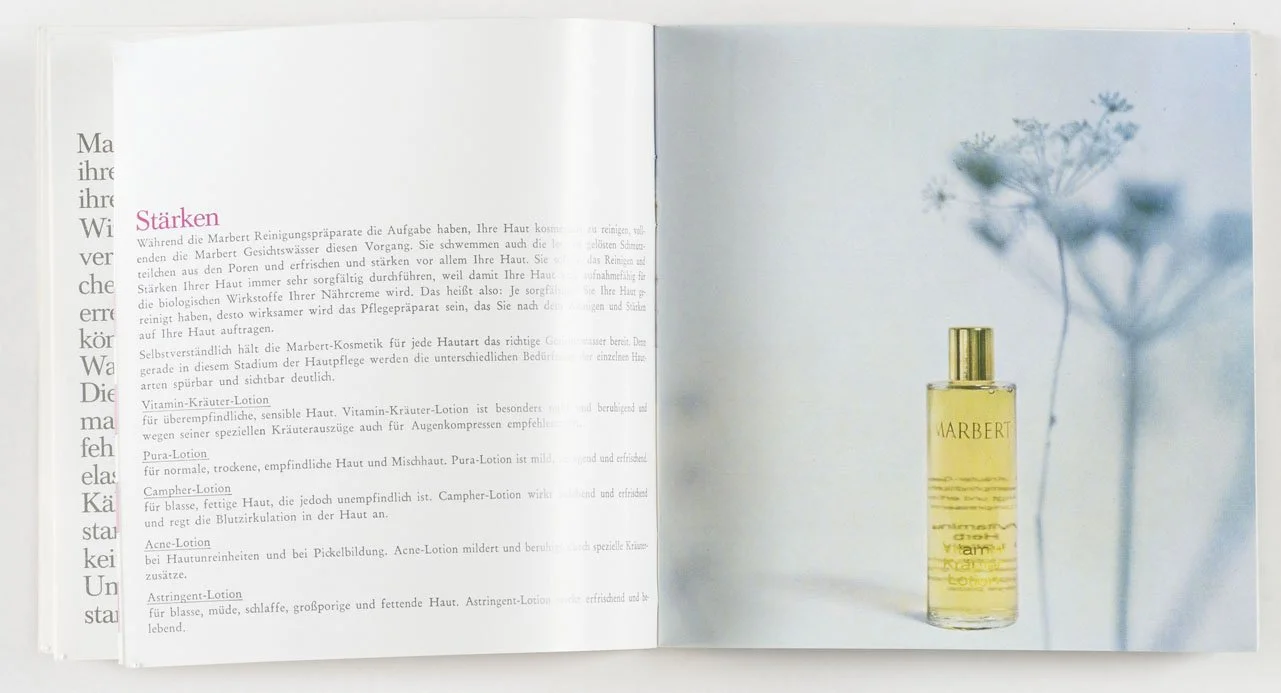
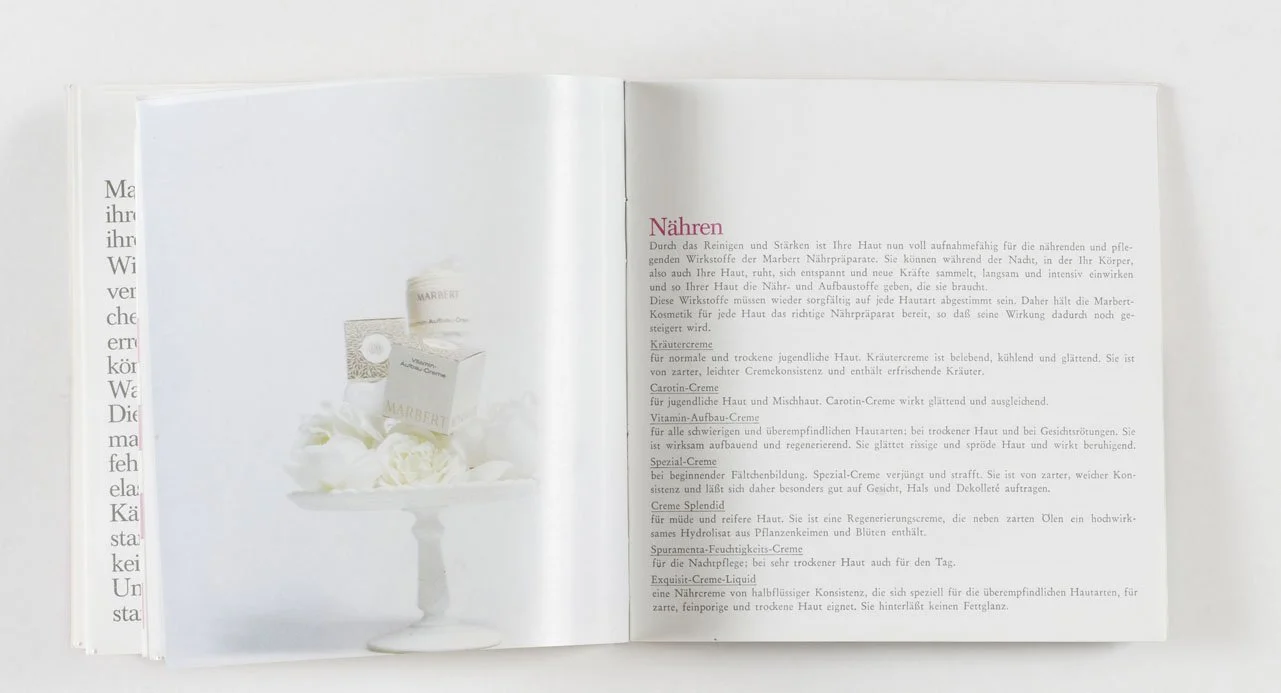
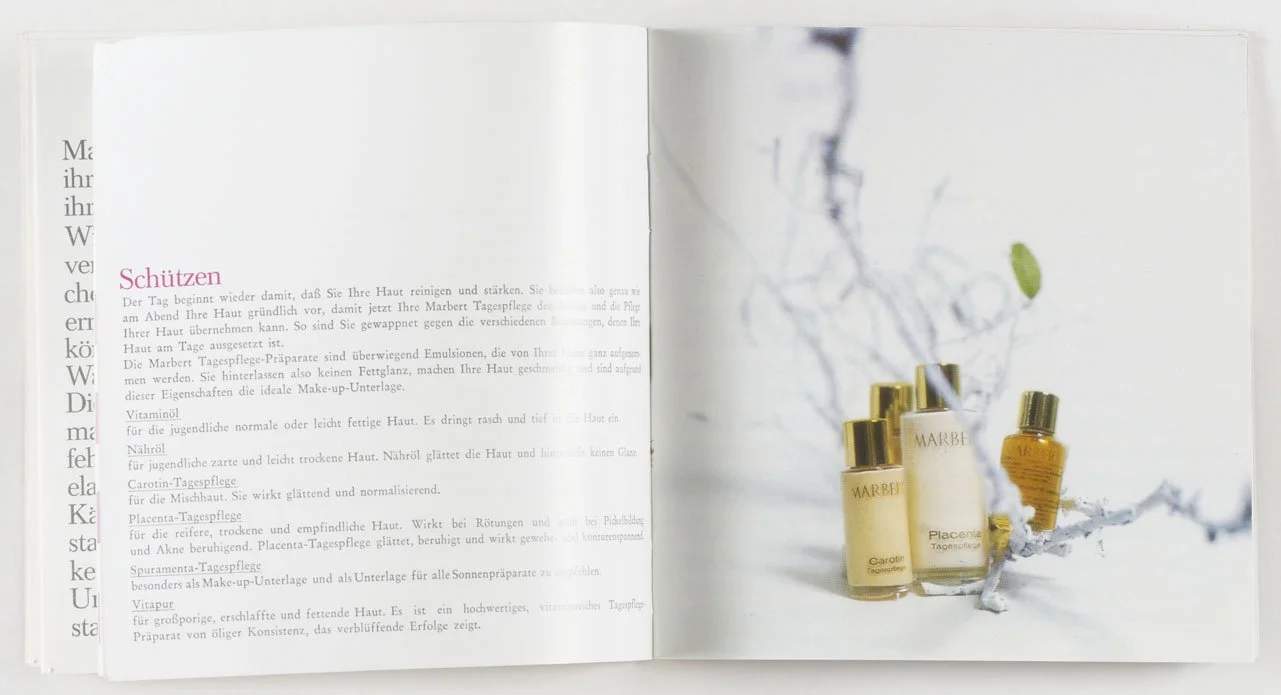
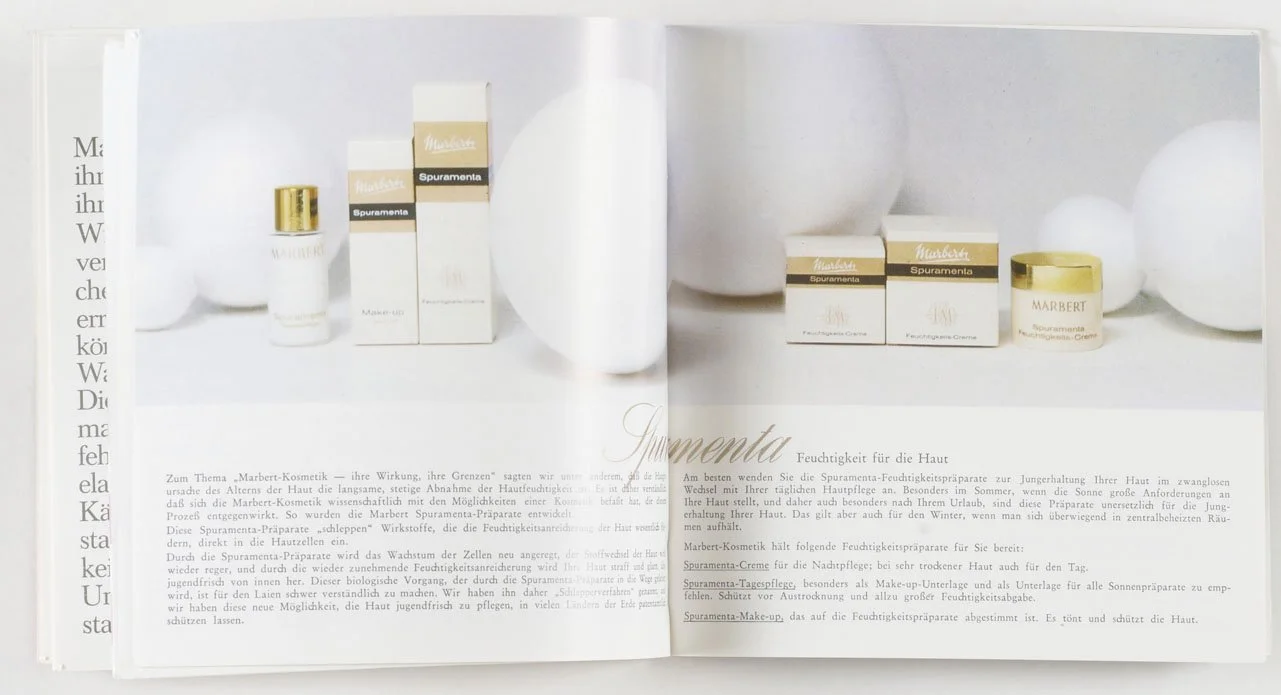
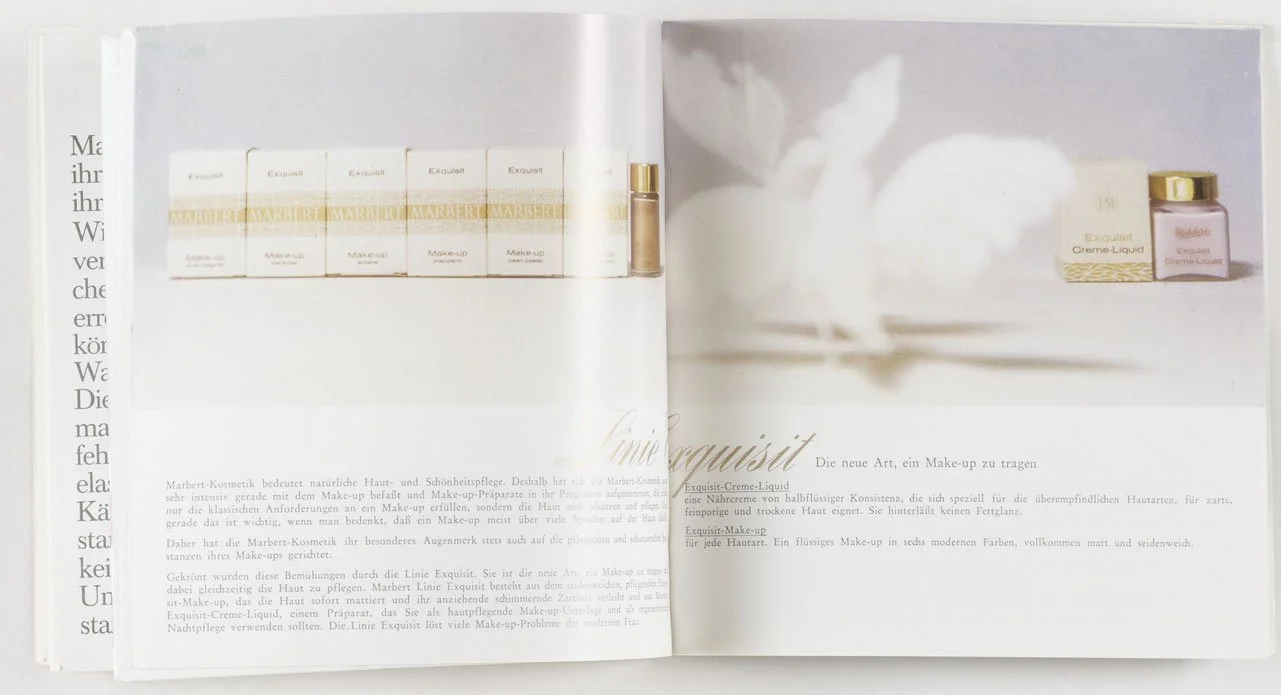
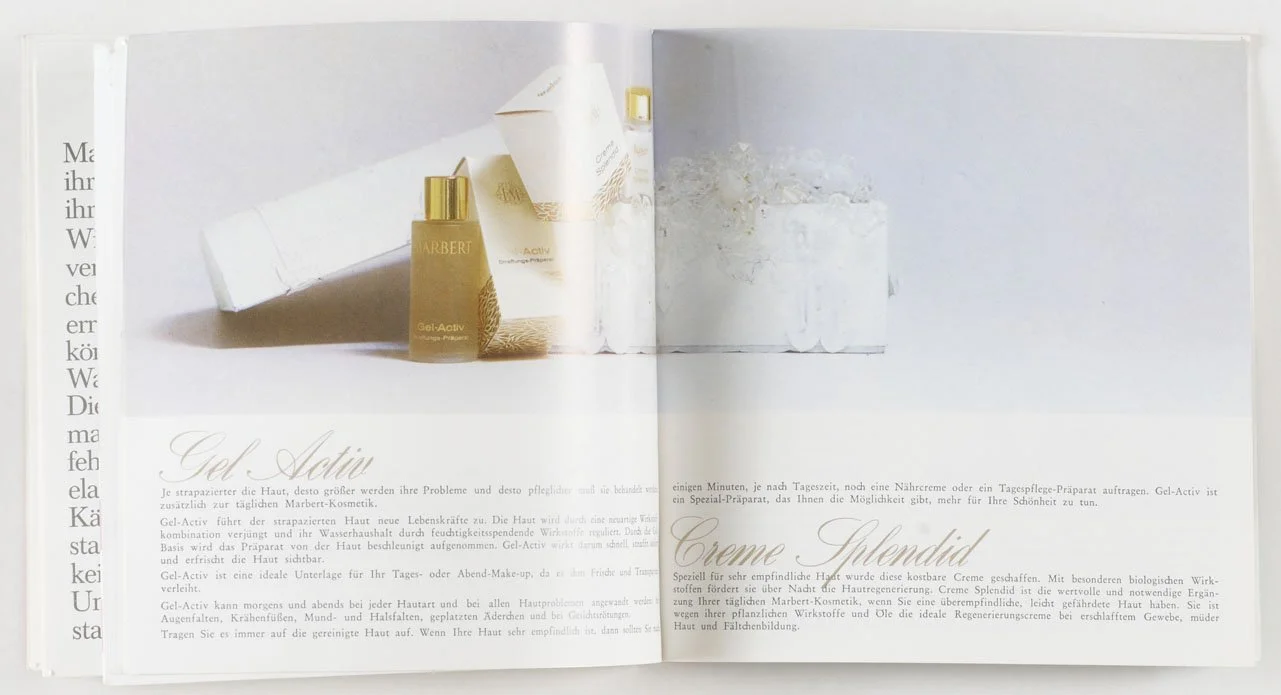
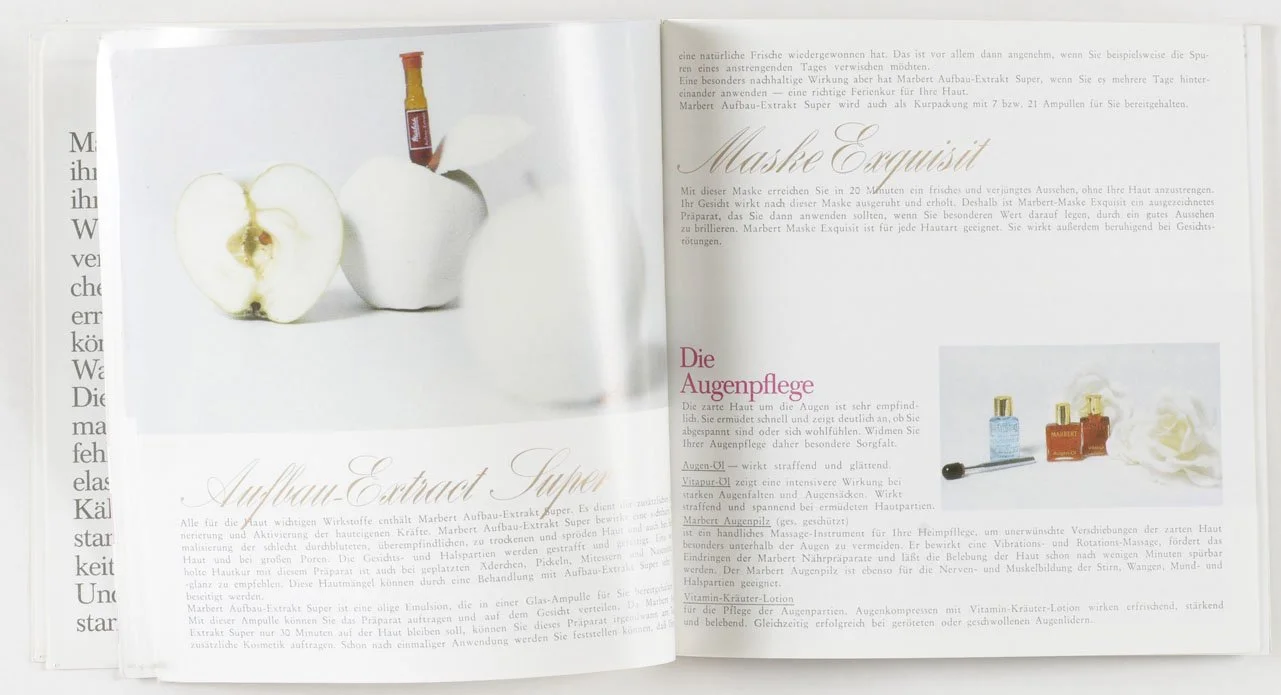
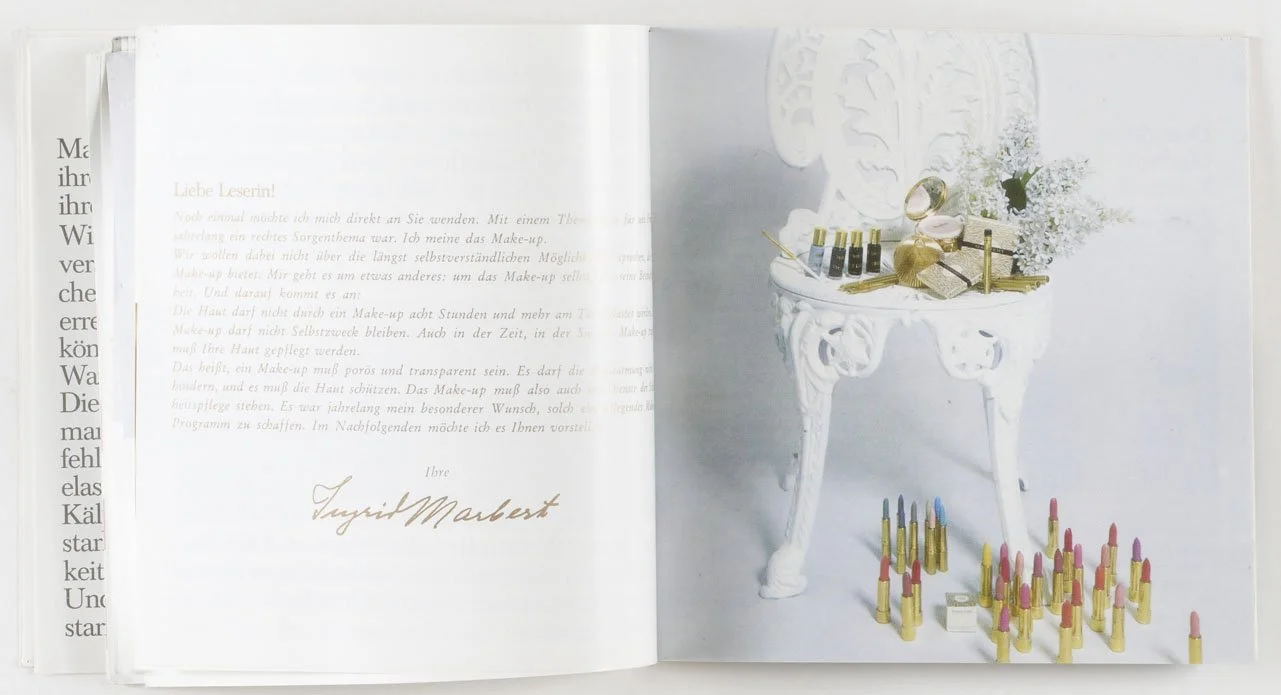
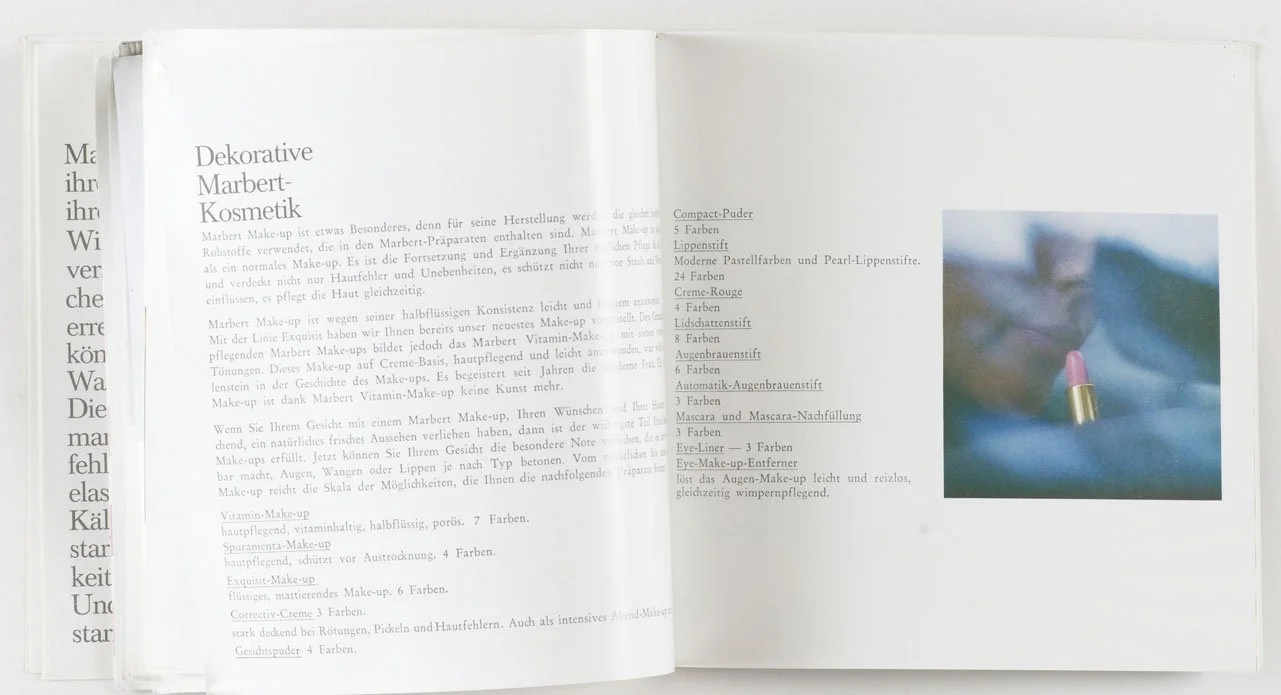
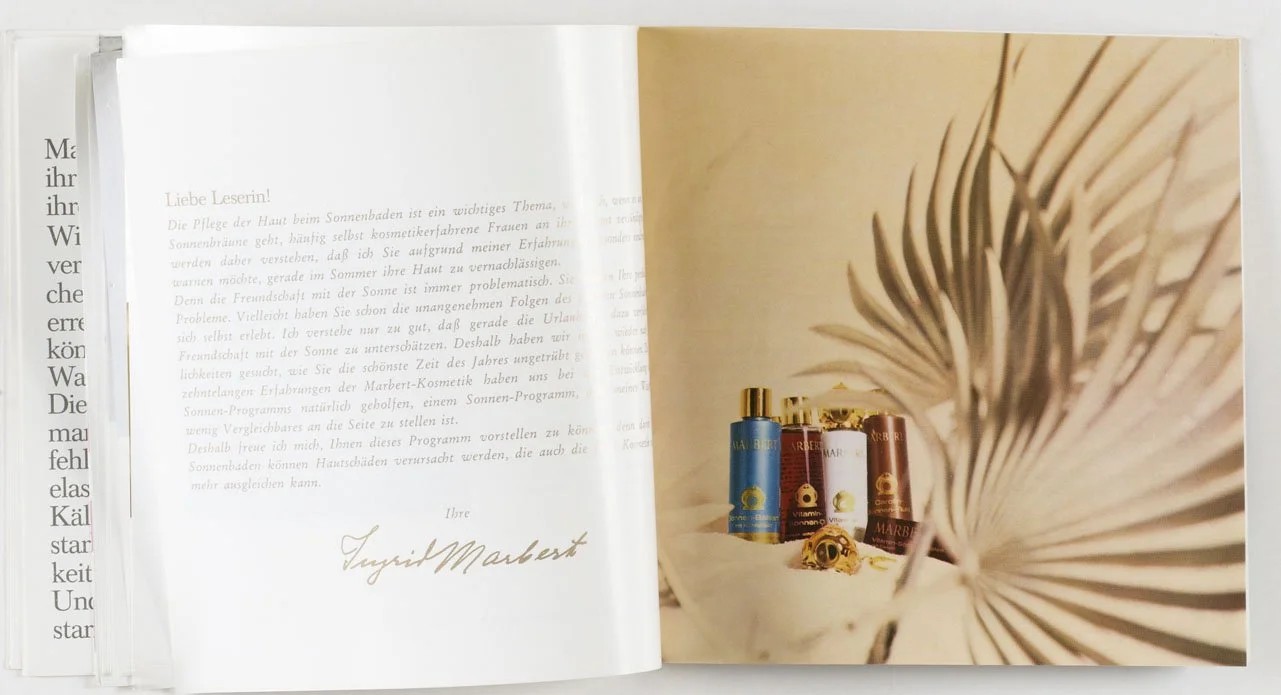
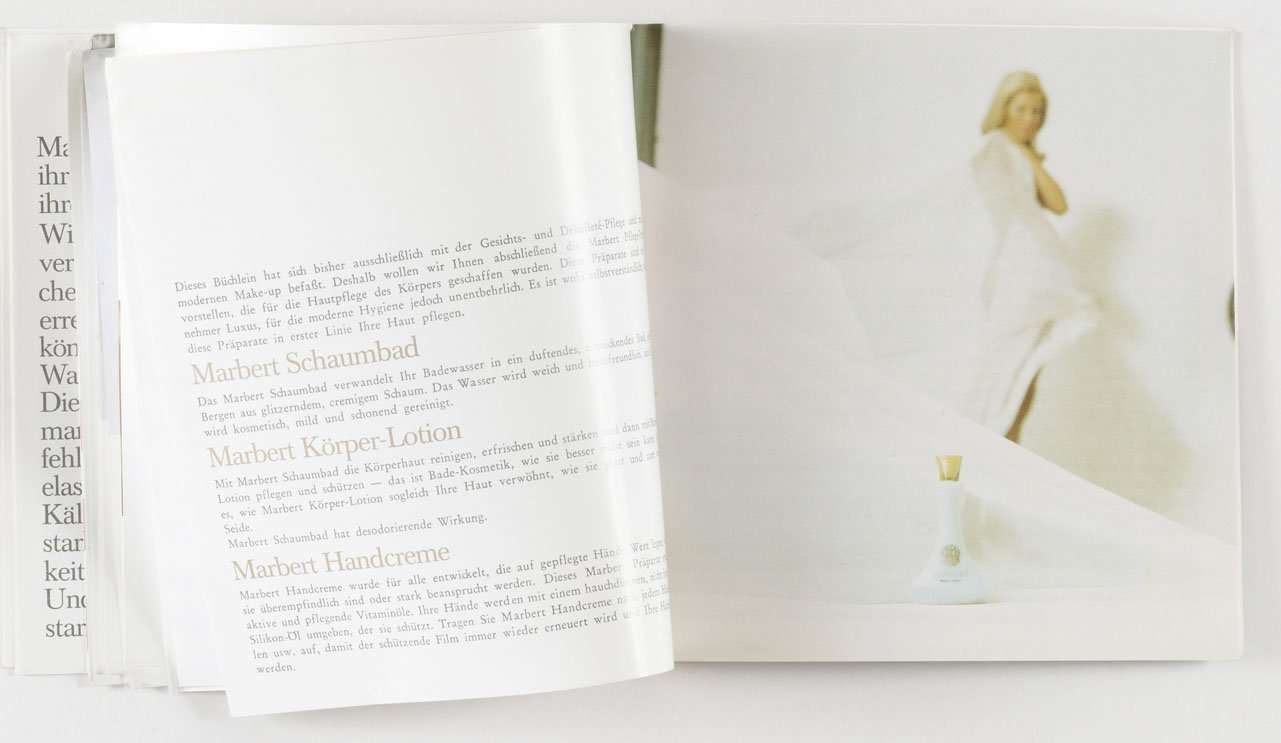
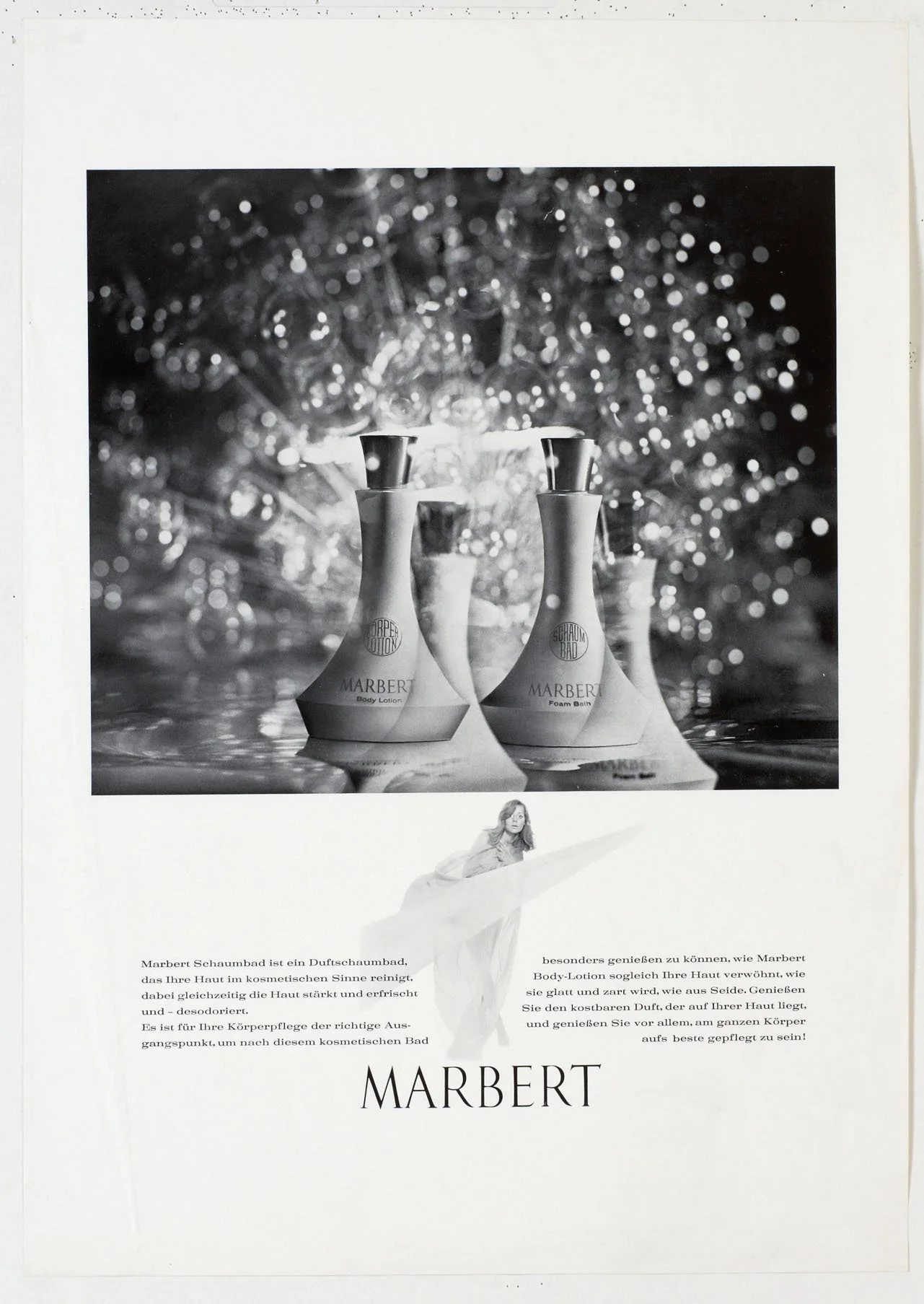
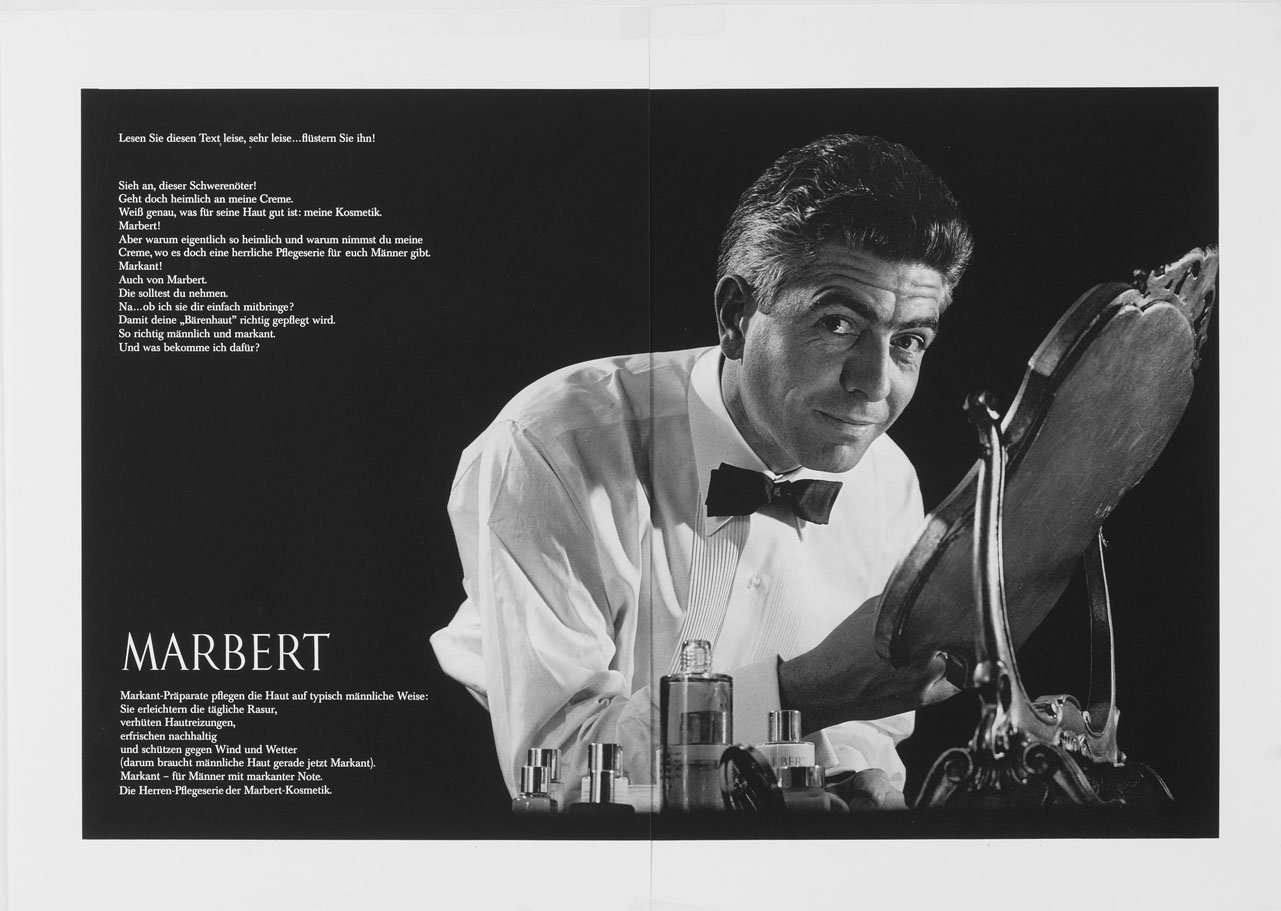
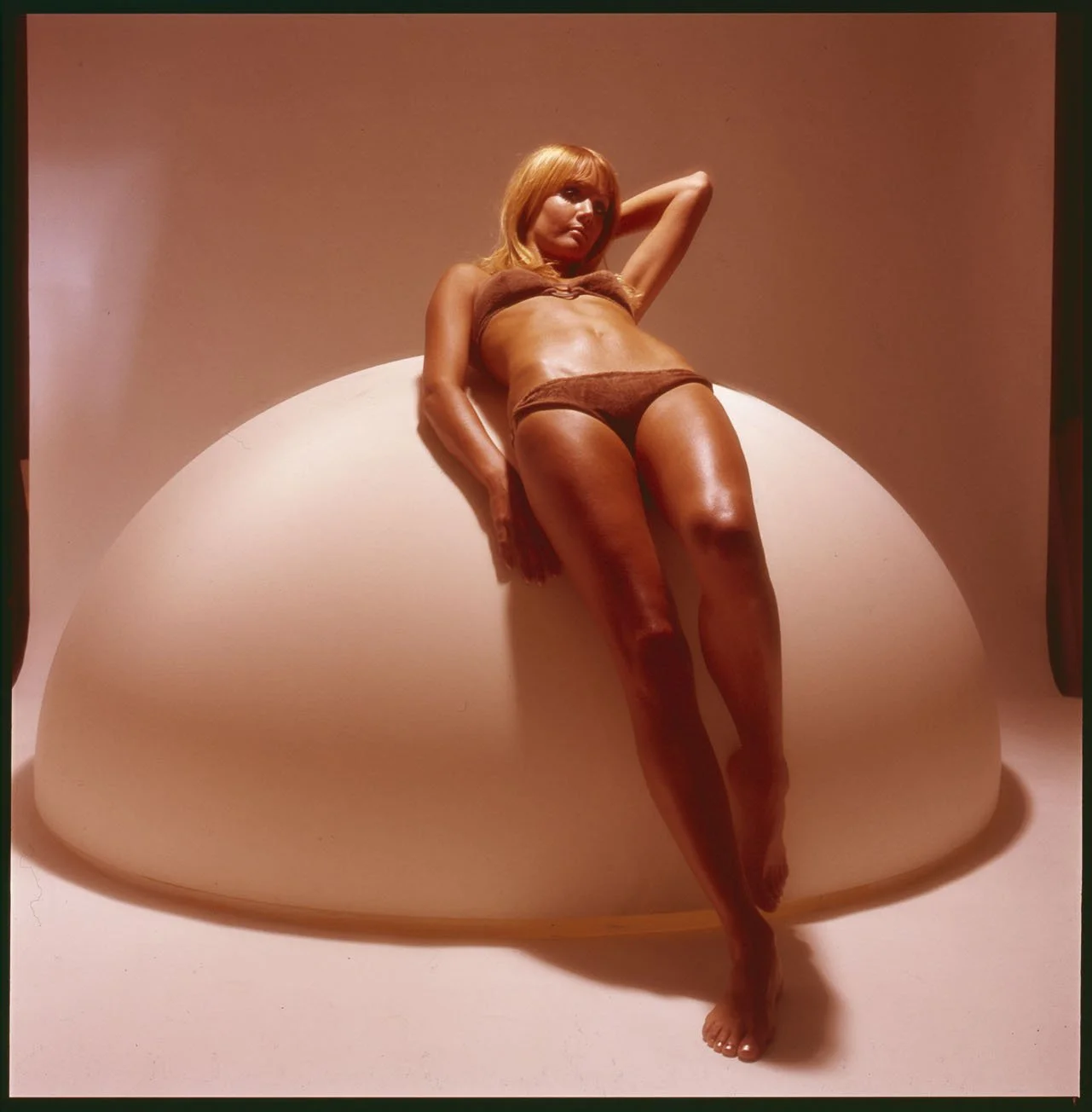
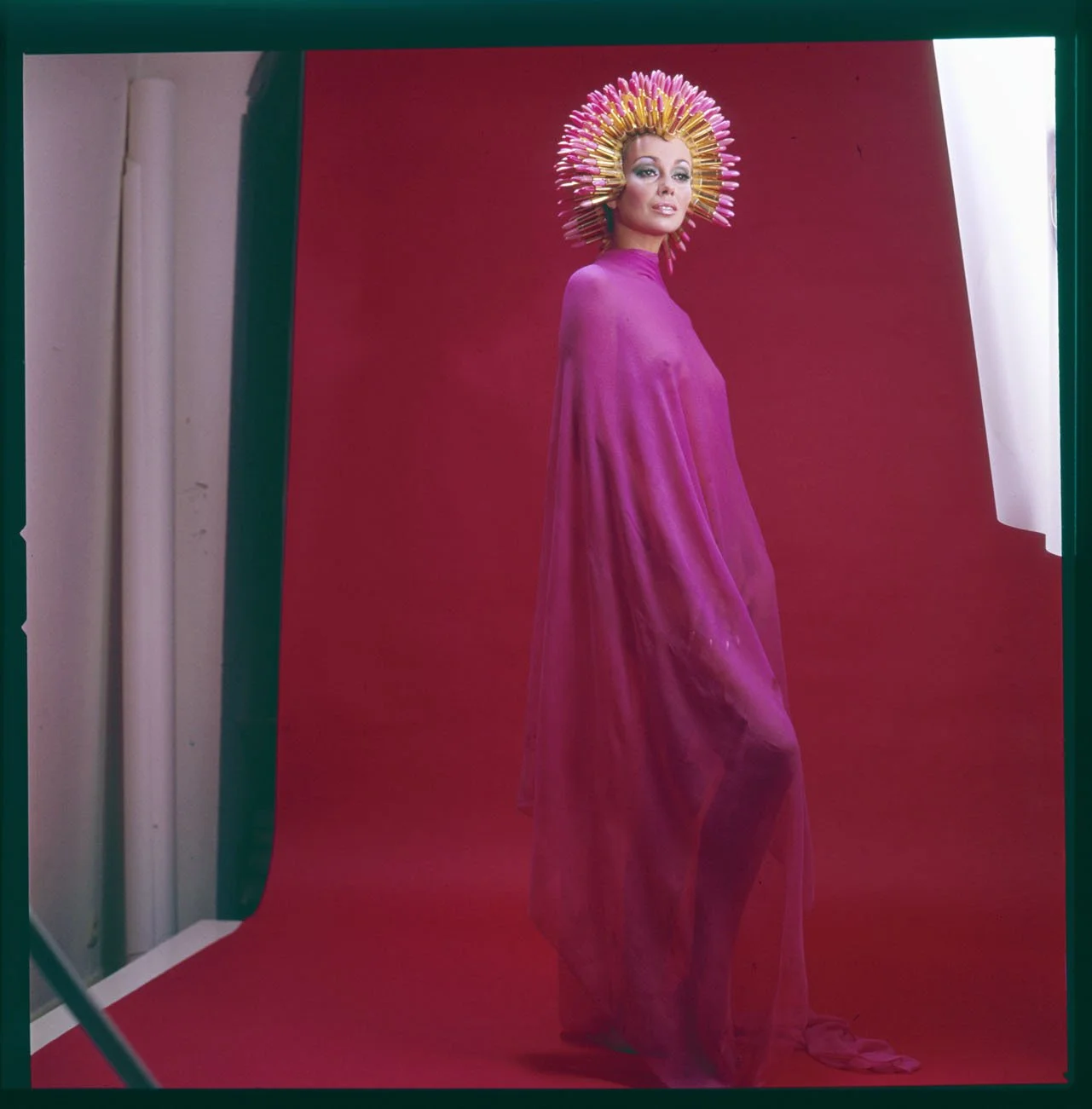
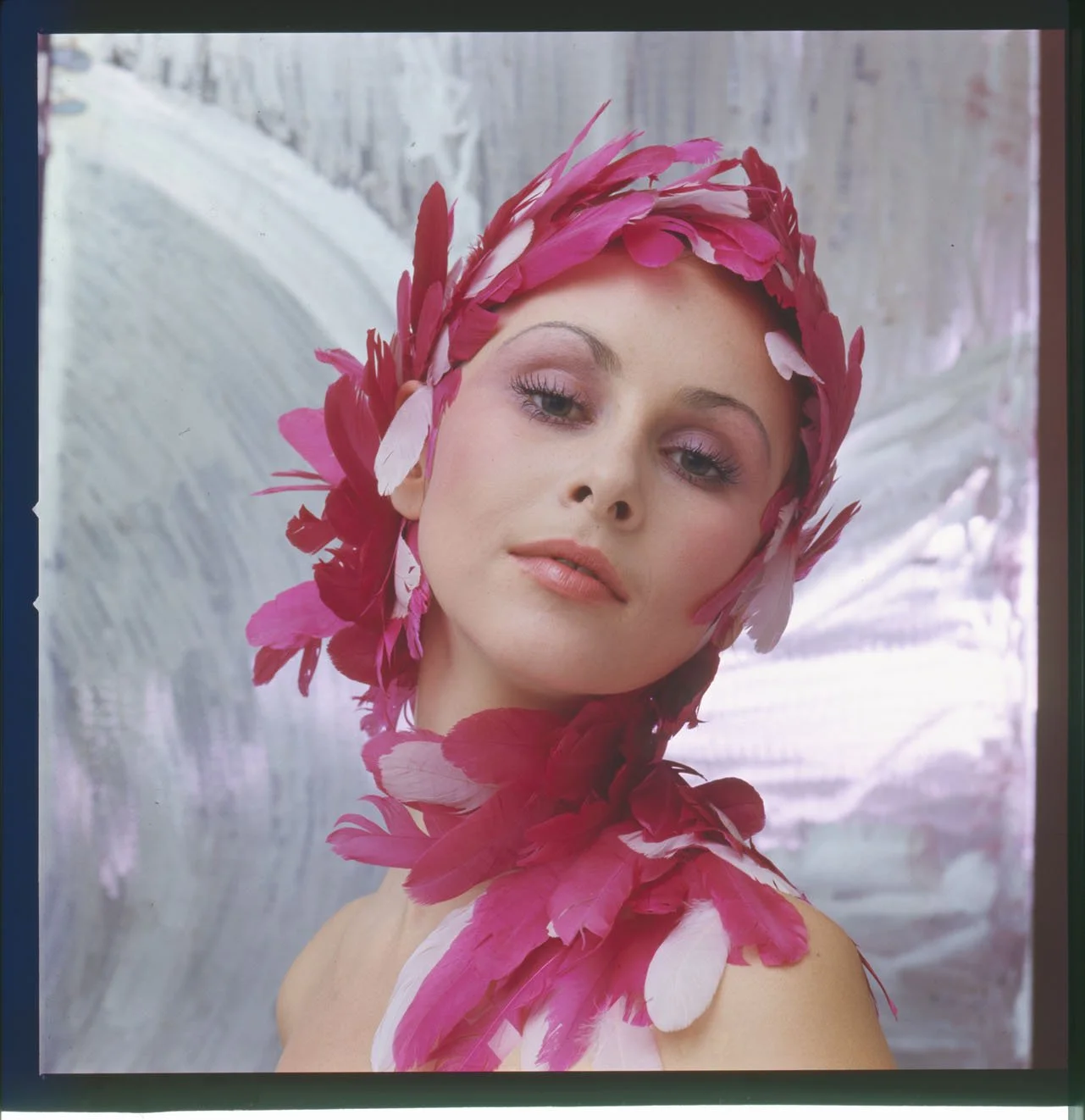
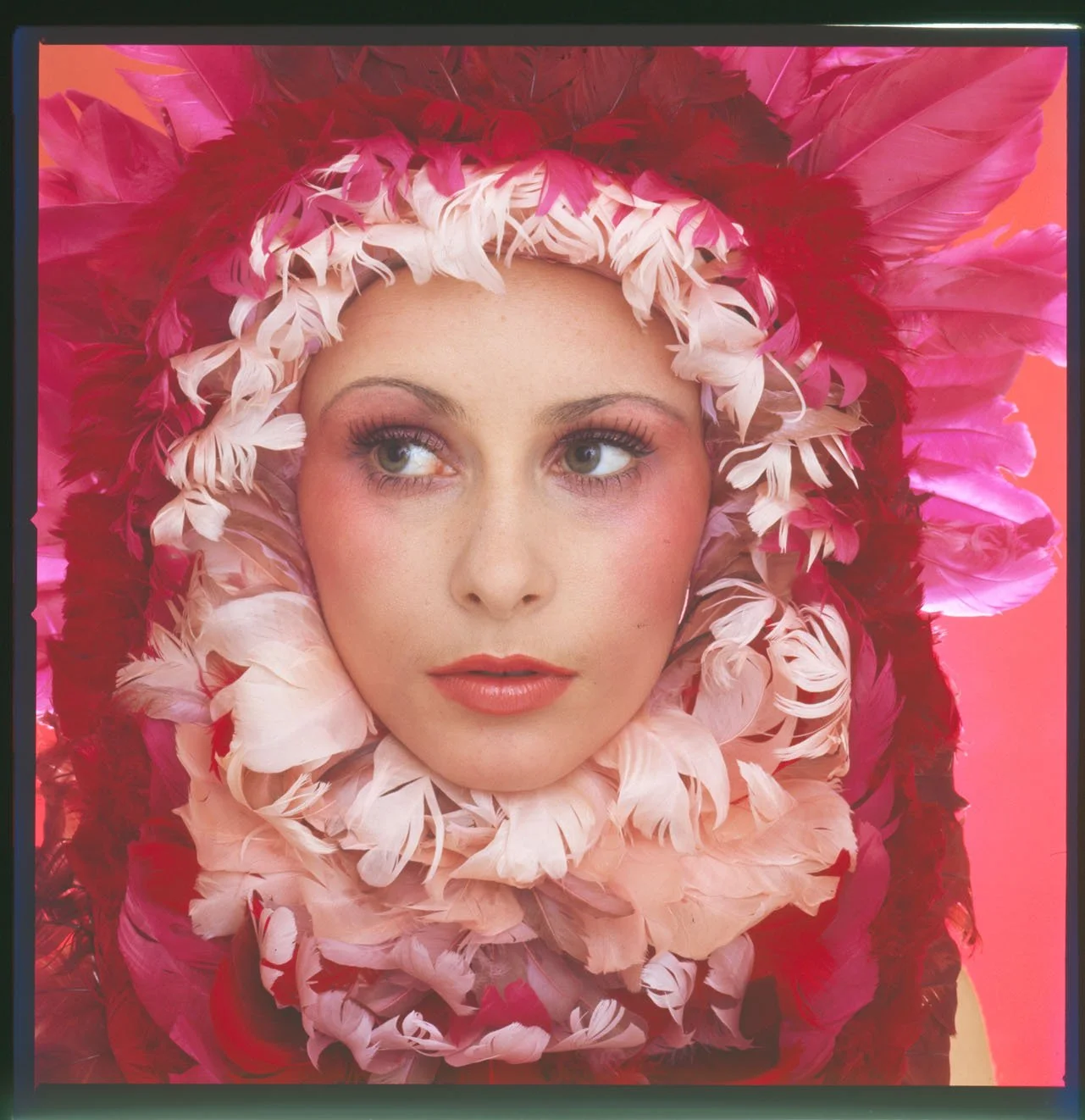
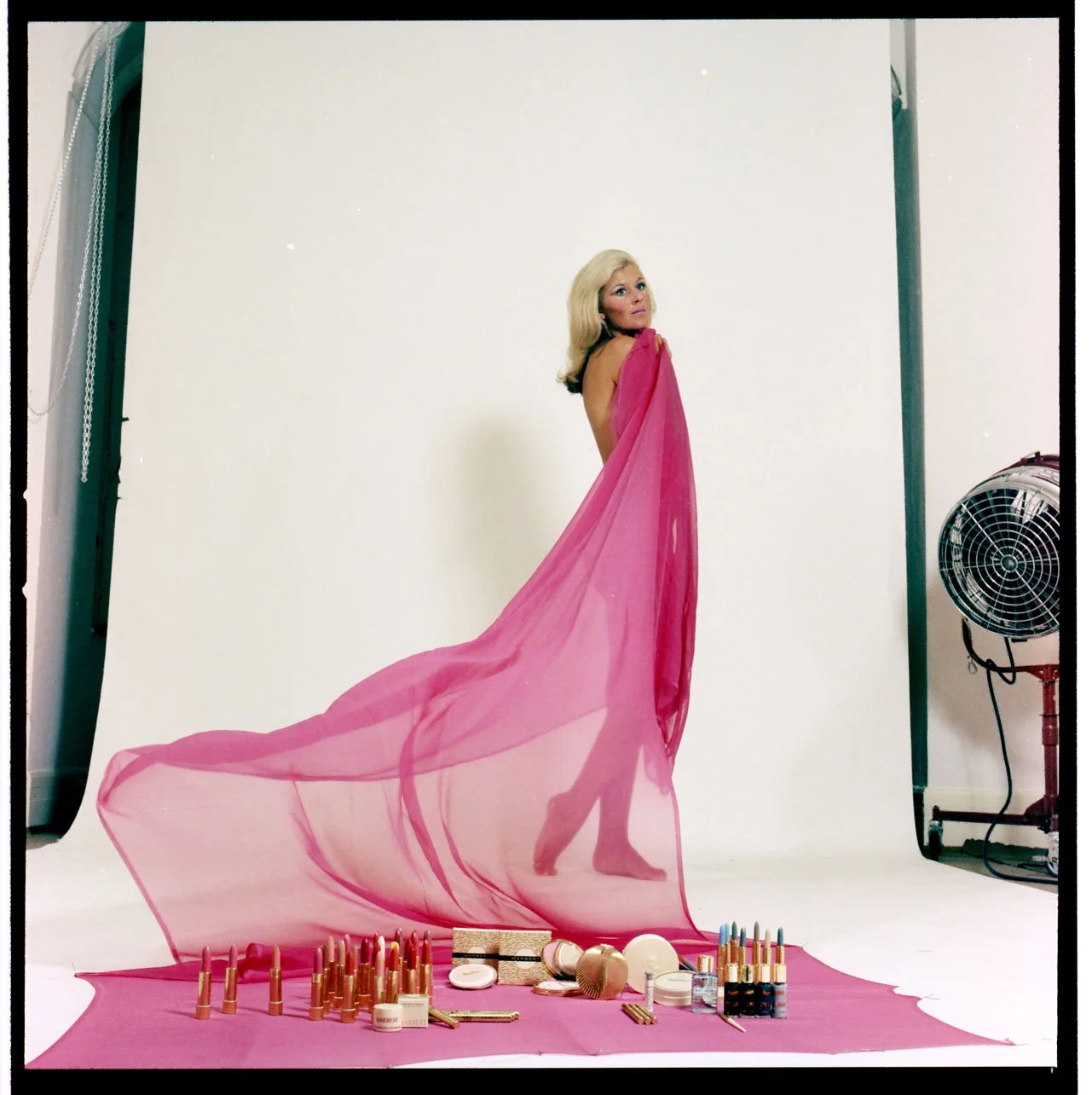
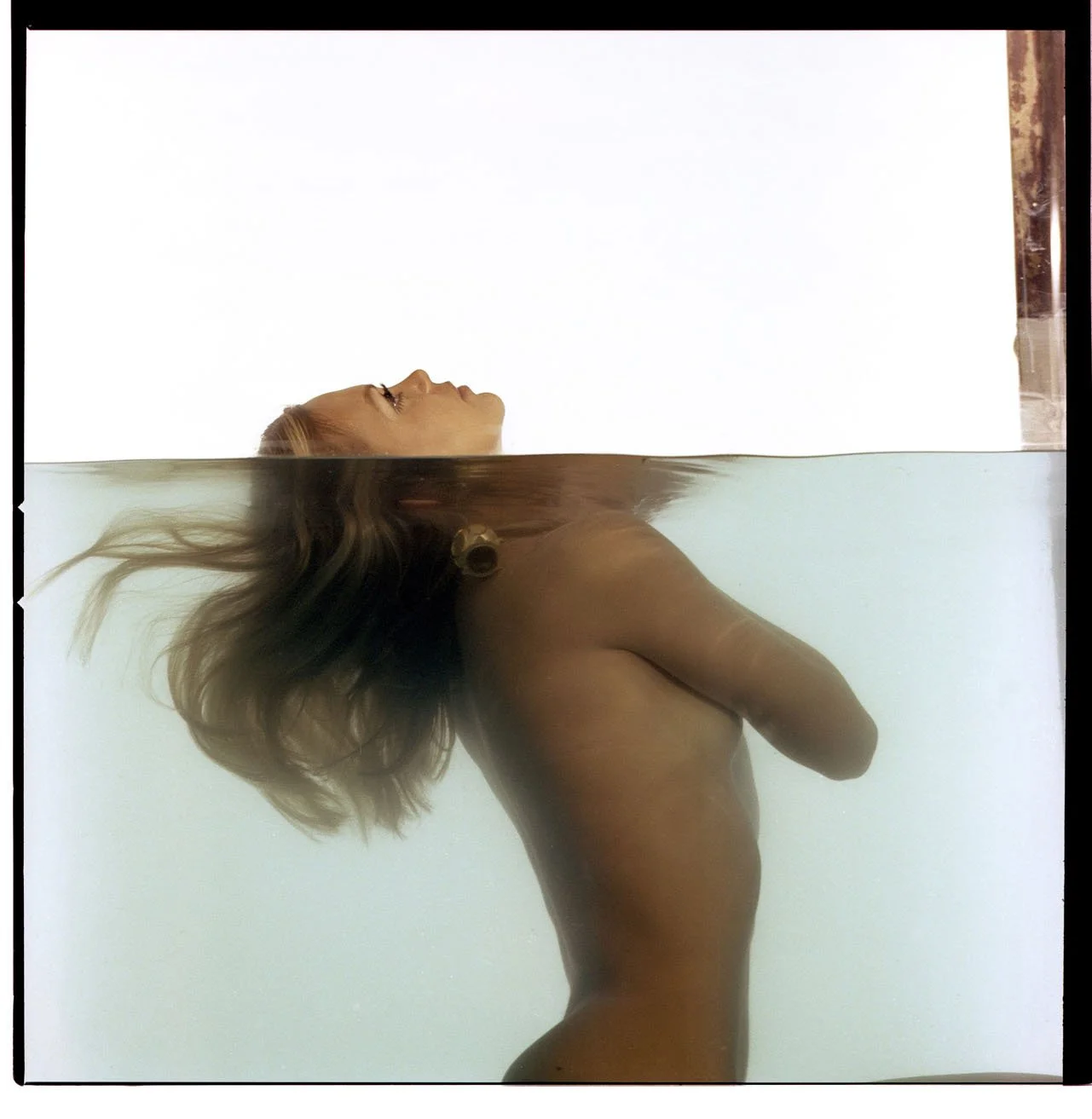
In the course of his work for the cosmetics brand Marbert, Ulrich Pracht one day stepped into a retouching studio in Düsseldorf-Oberkassel. There, he encountered a personable man who would go on to play a pivotal role in his future career as a freelance photographer and creative polymath. It was Walter Staudt, head of the marketing department at Marbert Cosmetics. "He was having some images retouched—photos produced by a photographer from New York—but he didn't seem entirely satisfied. He asked me on the spur of the moment: 'Do you take photos, too?' In moments like that, you have to step out of your comfort zone. So I replied: 'Yes, of course I take photos!'" Staudt was looking for a brilliant concept for his new line of sun care products, and naturally, Ulrich Pracht was able to help: "A thought suddenly occurred to me, one linked to my previous job at Horten. Together with the photographer Peter Paxmann, we had executed an idea for a summer clearance sale that ran under the slogan 'Prices Take a Dive.' Prices—printed on metal signs—were shown plunging into water. A massive aquarium in Paxmann’s studio had served as the backdrop." Ulrich Pracht decided that this very aquarium should now be utilized for Marbert’s campaign as well. The owner of the glass structure, however, was skeptical; he doubted whether the tank was still watertight. Yet Ulrich Pracht convinced him that the water pressure itself would ensure that everything held together. "During the shoot, huge puddles formed—so large that we could barely mop them up with towels," the self-proclaimed physics expert recalls with a laugh. "But the resulting images won the client over. They laid the foundation for a collaboration that would last for years."
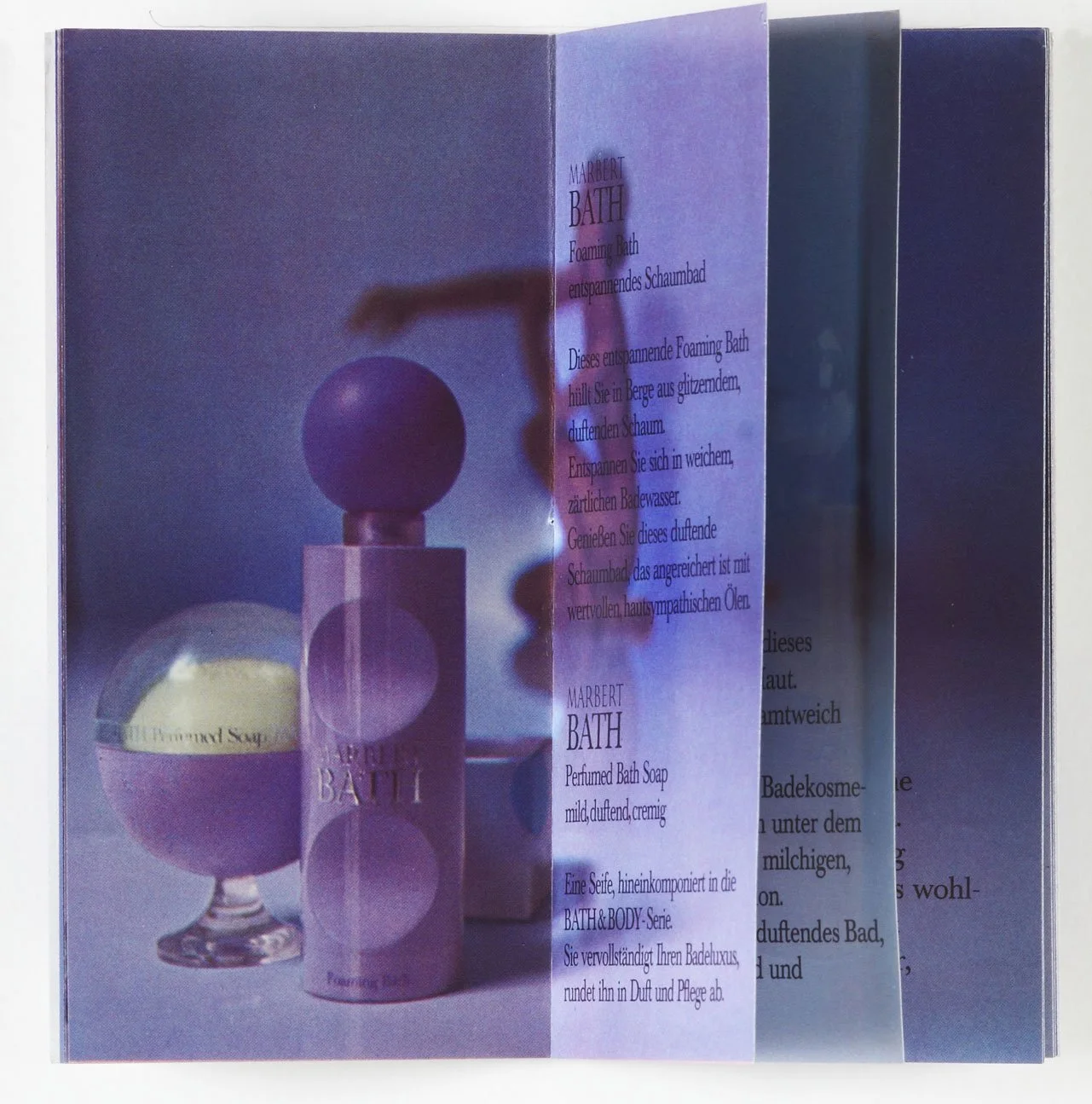
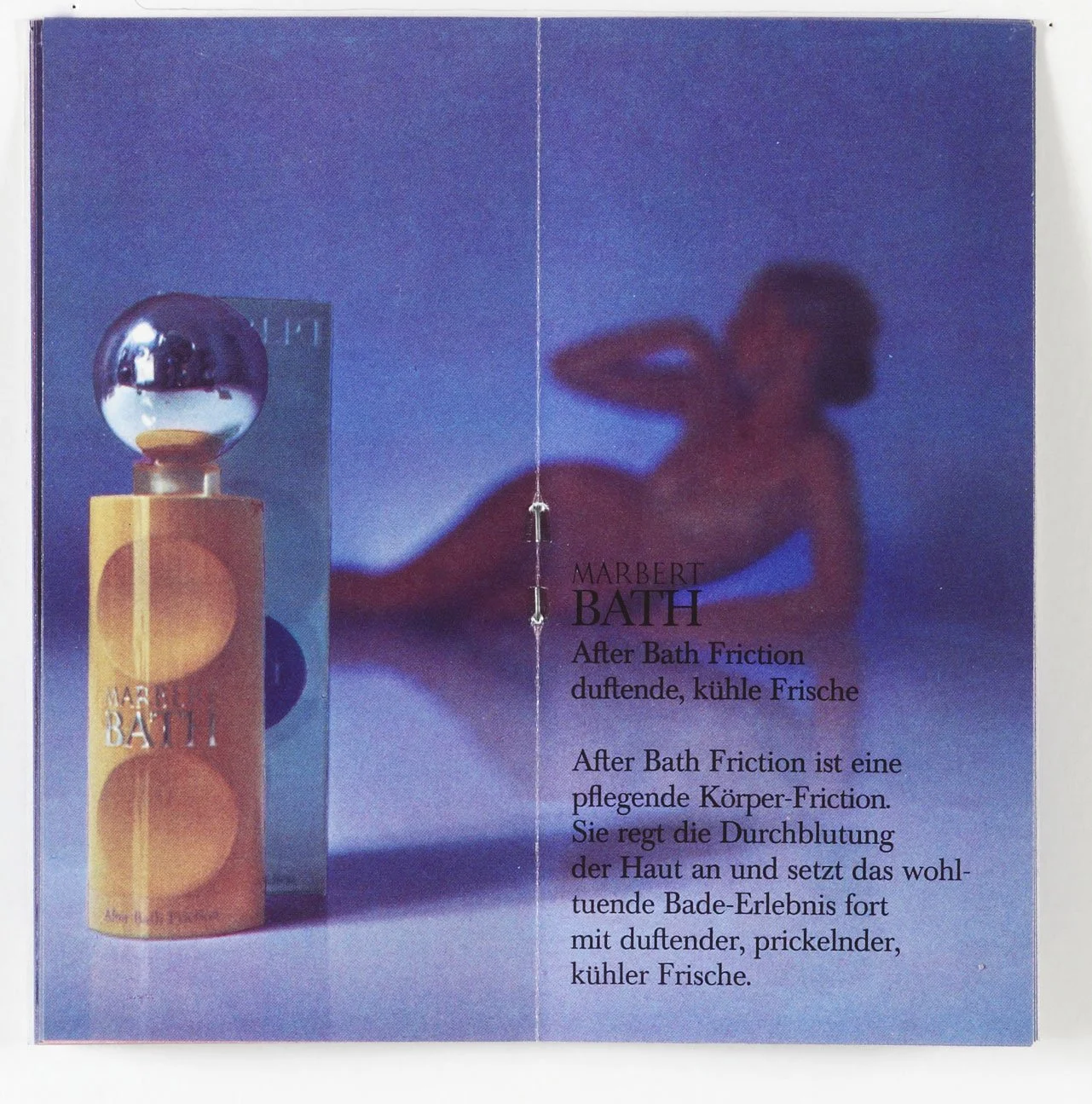
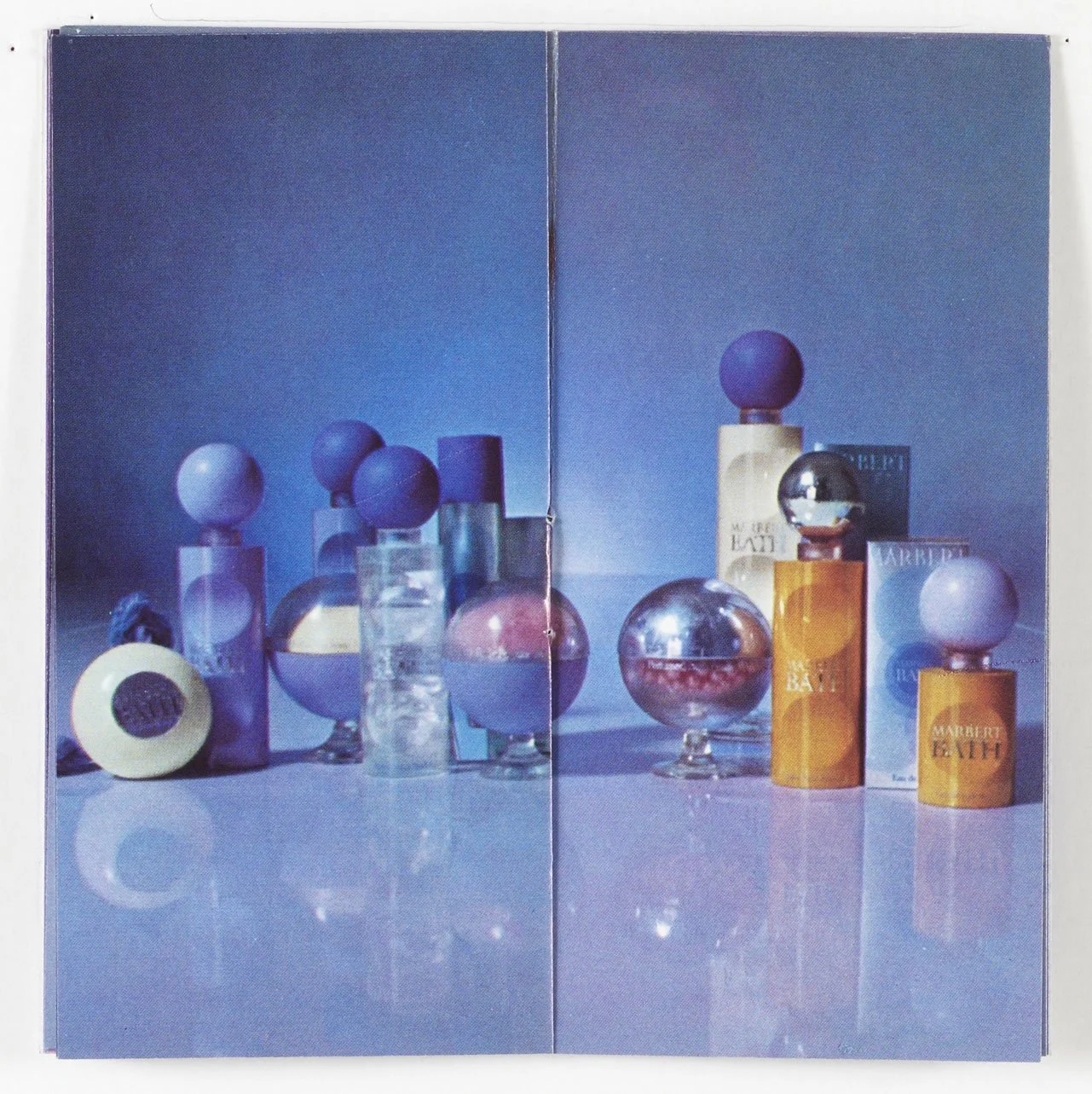
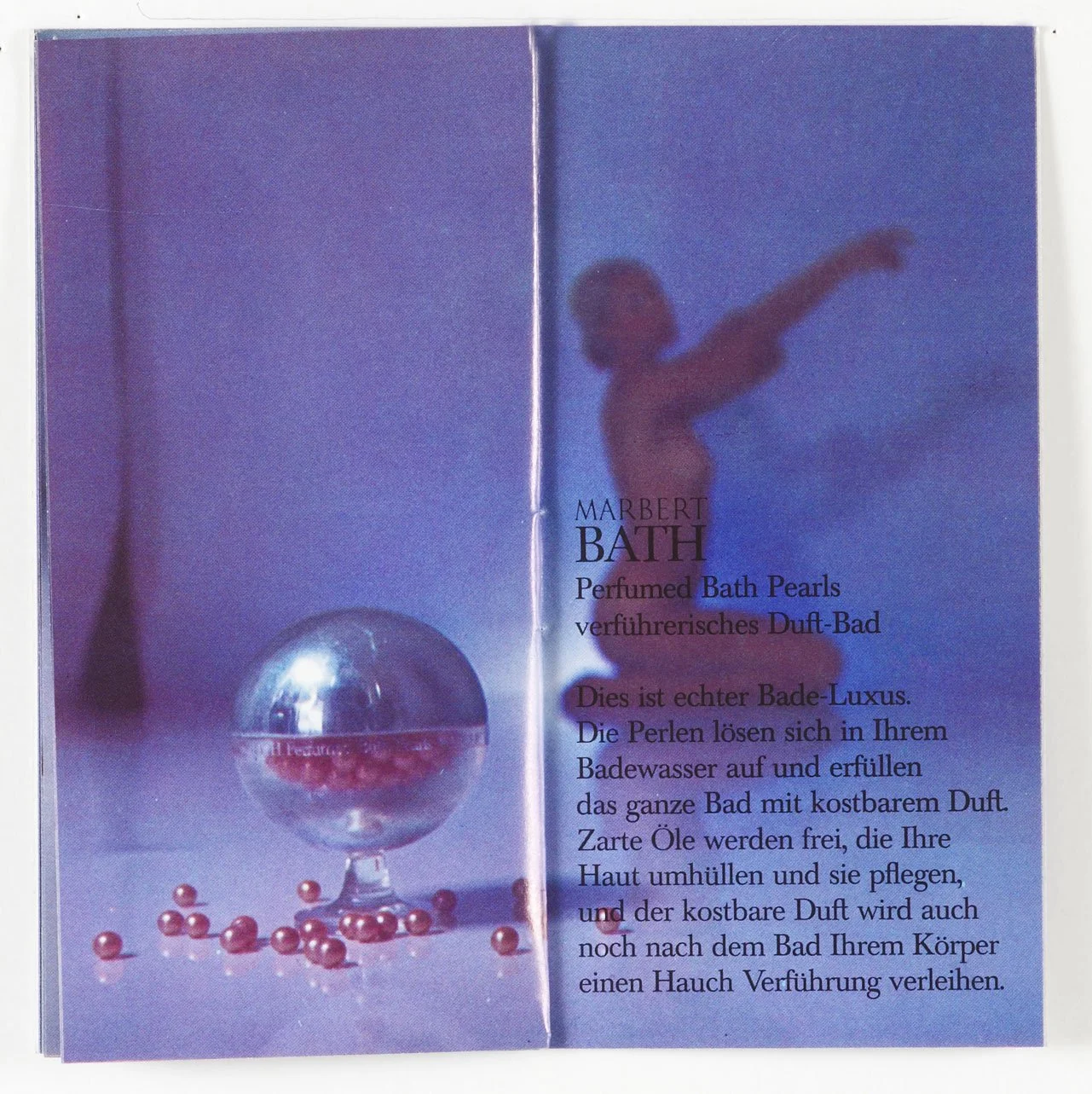



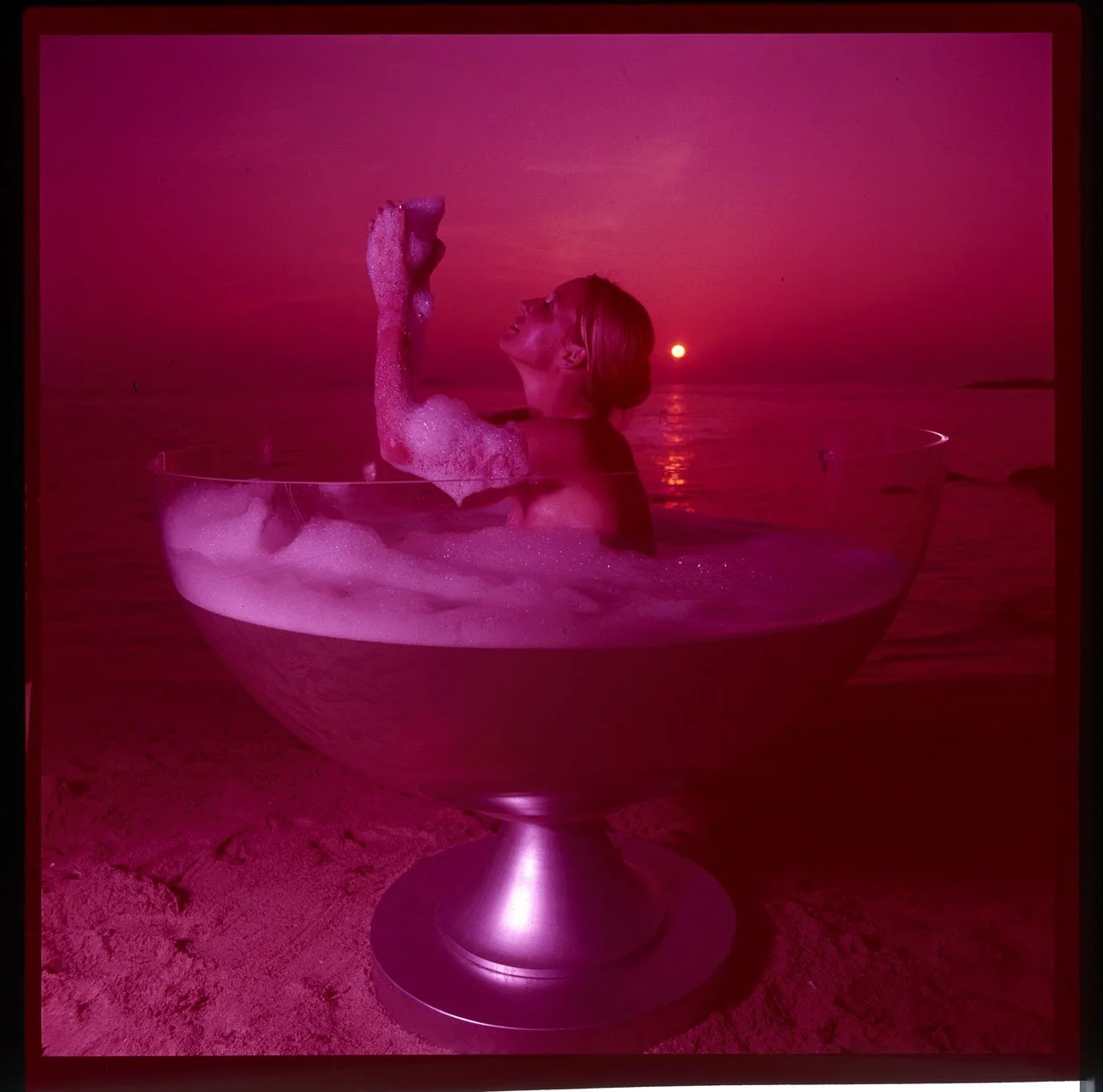
01.5
ALVILETTE
Magical and glamorous. Impression becomes expression.
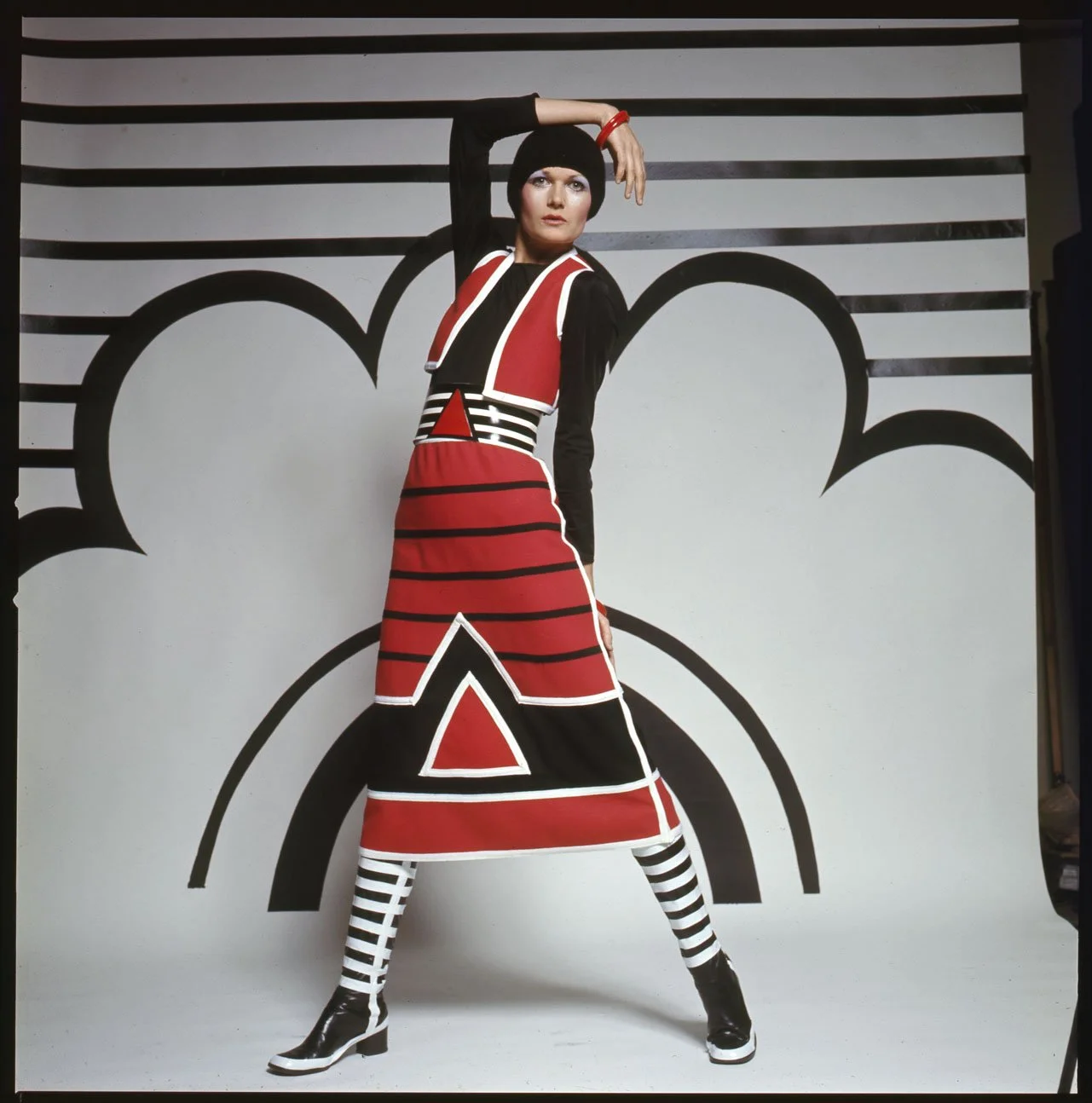
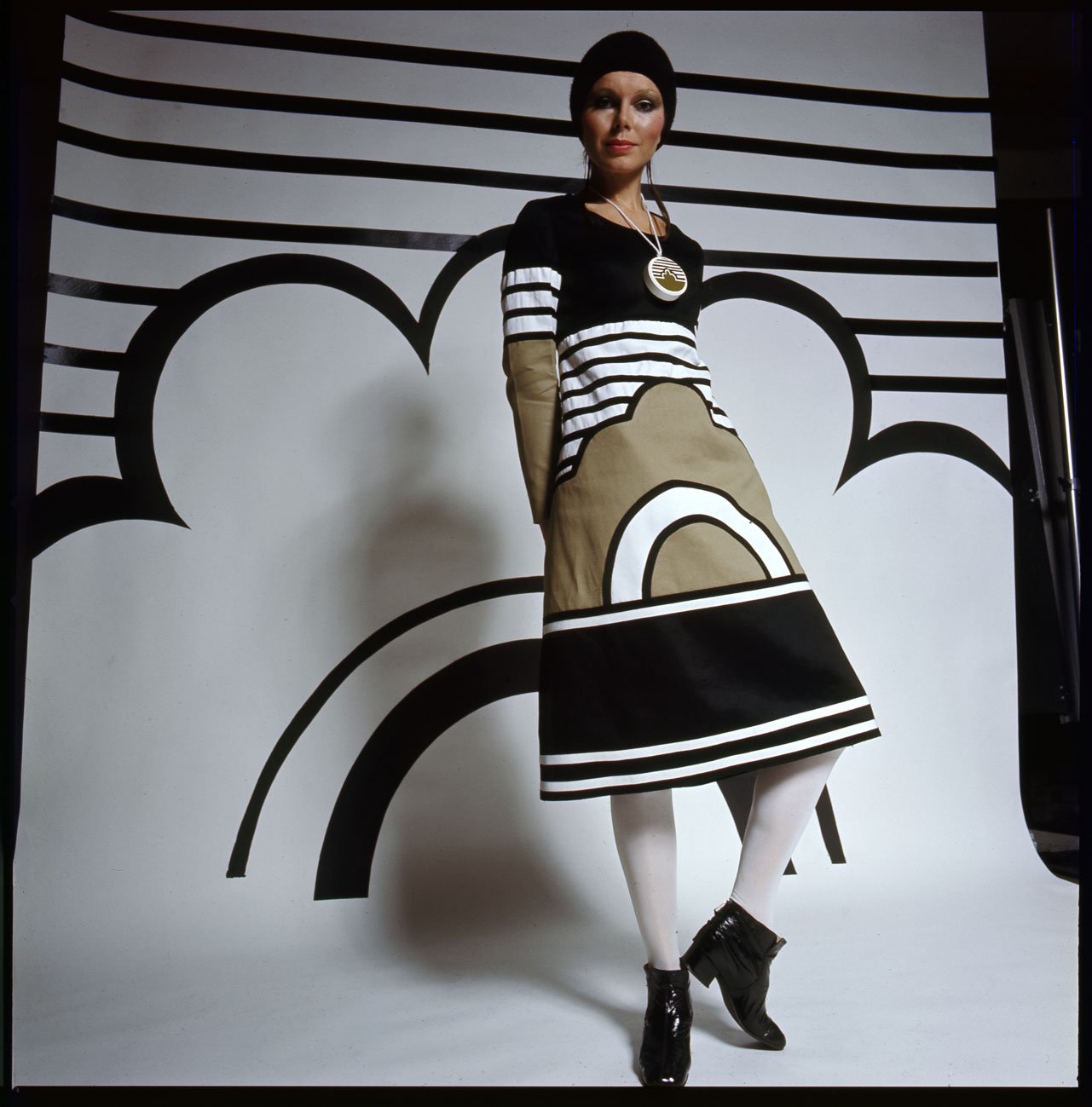
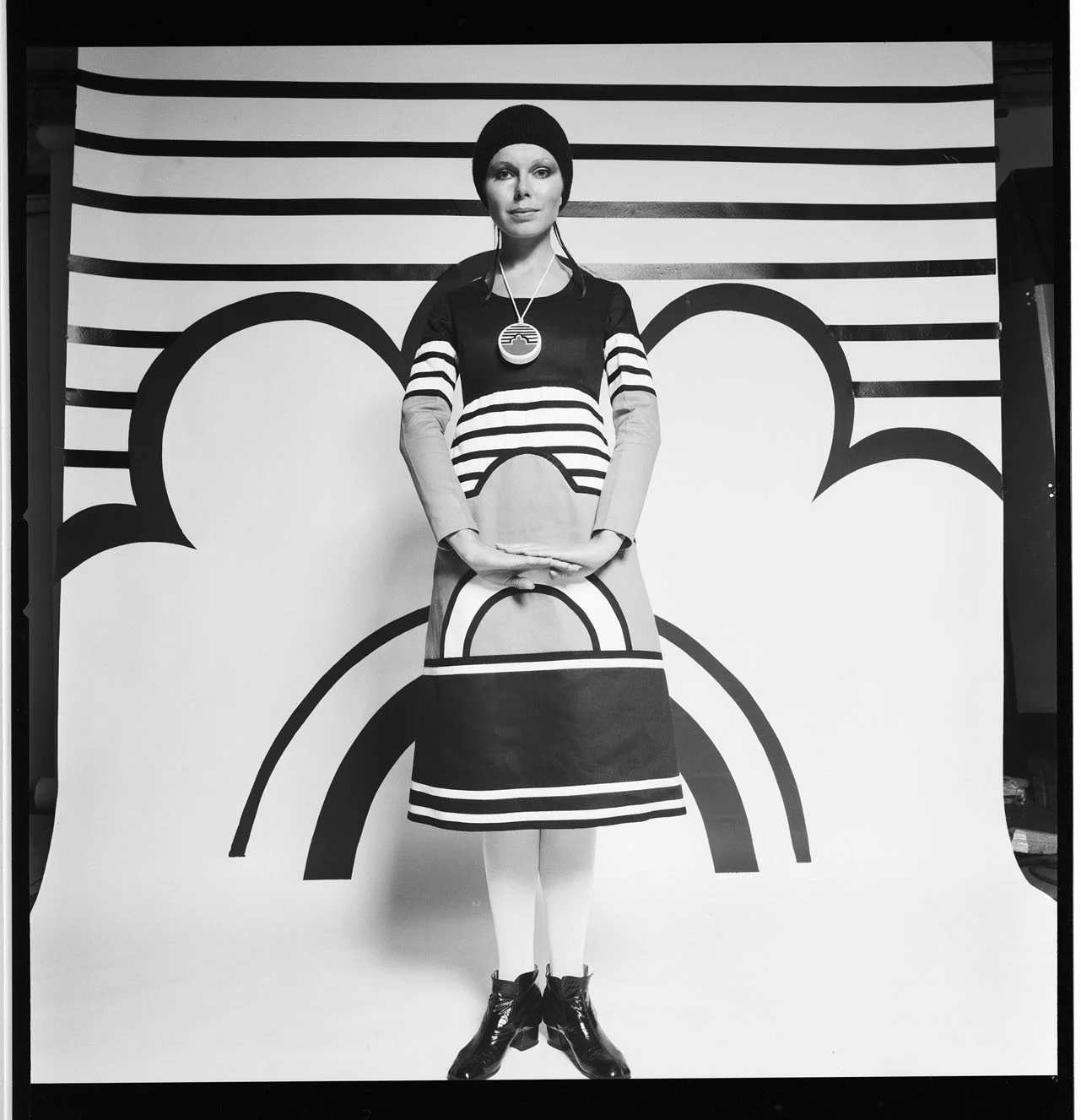
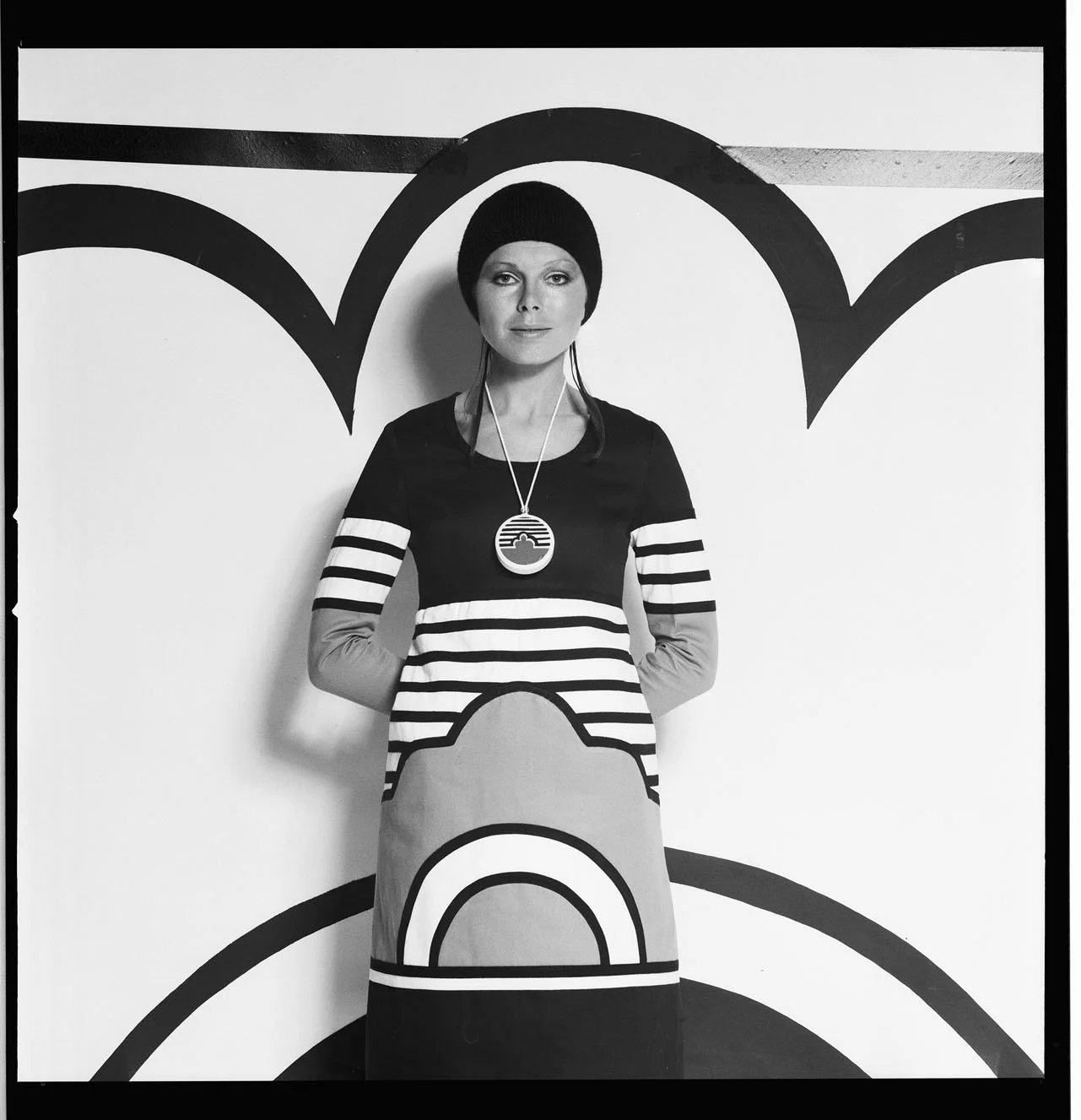
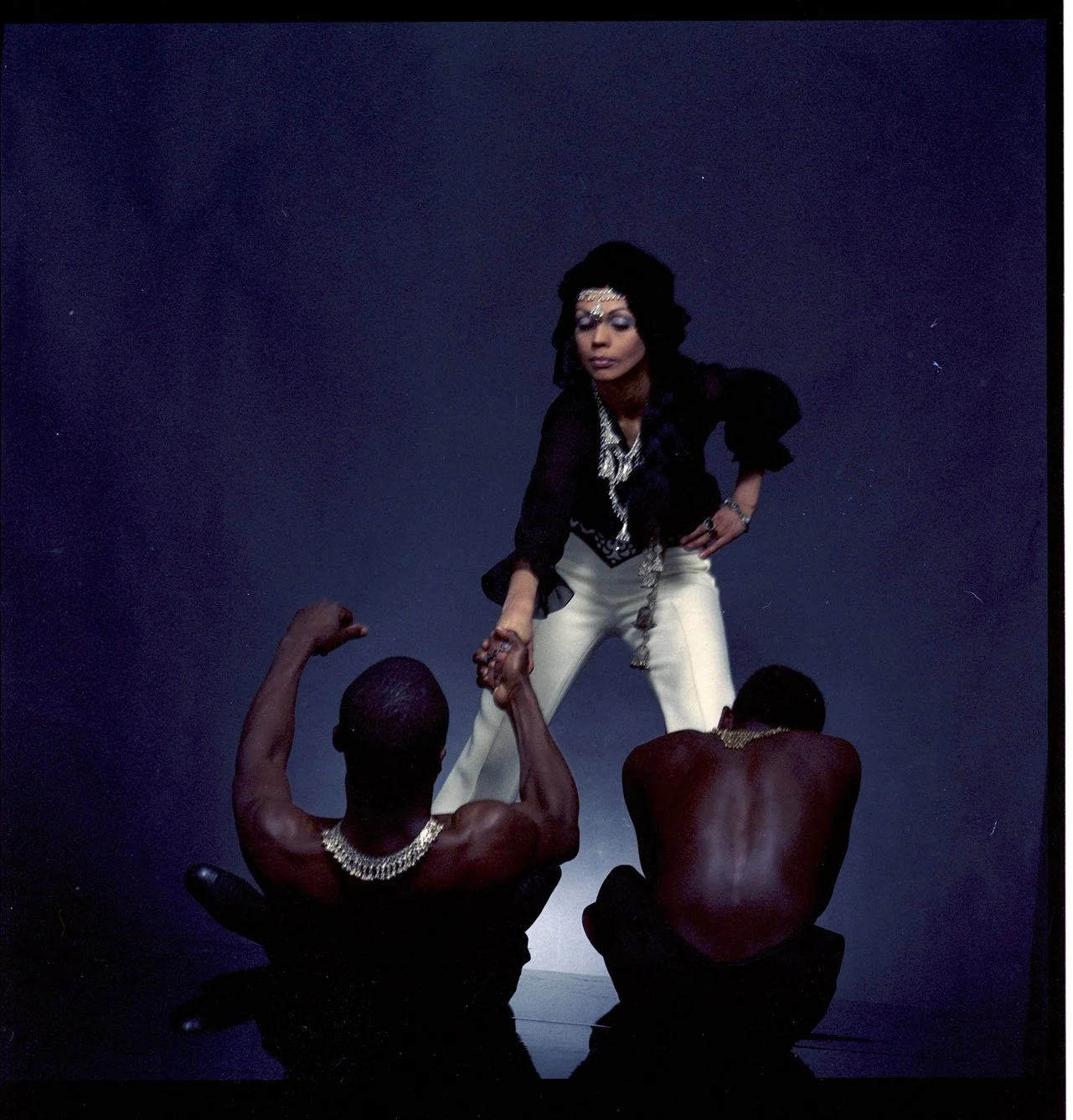
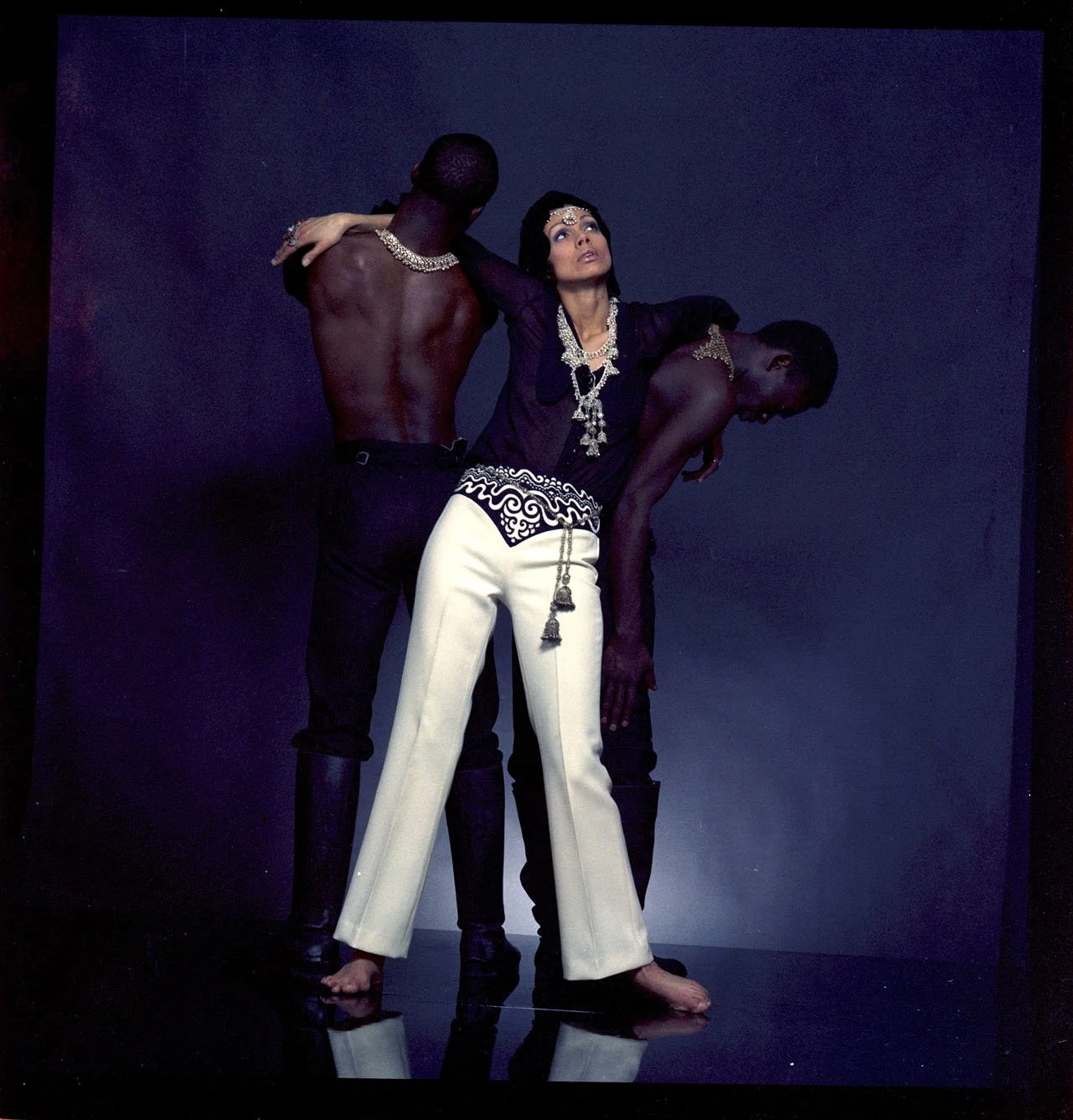
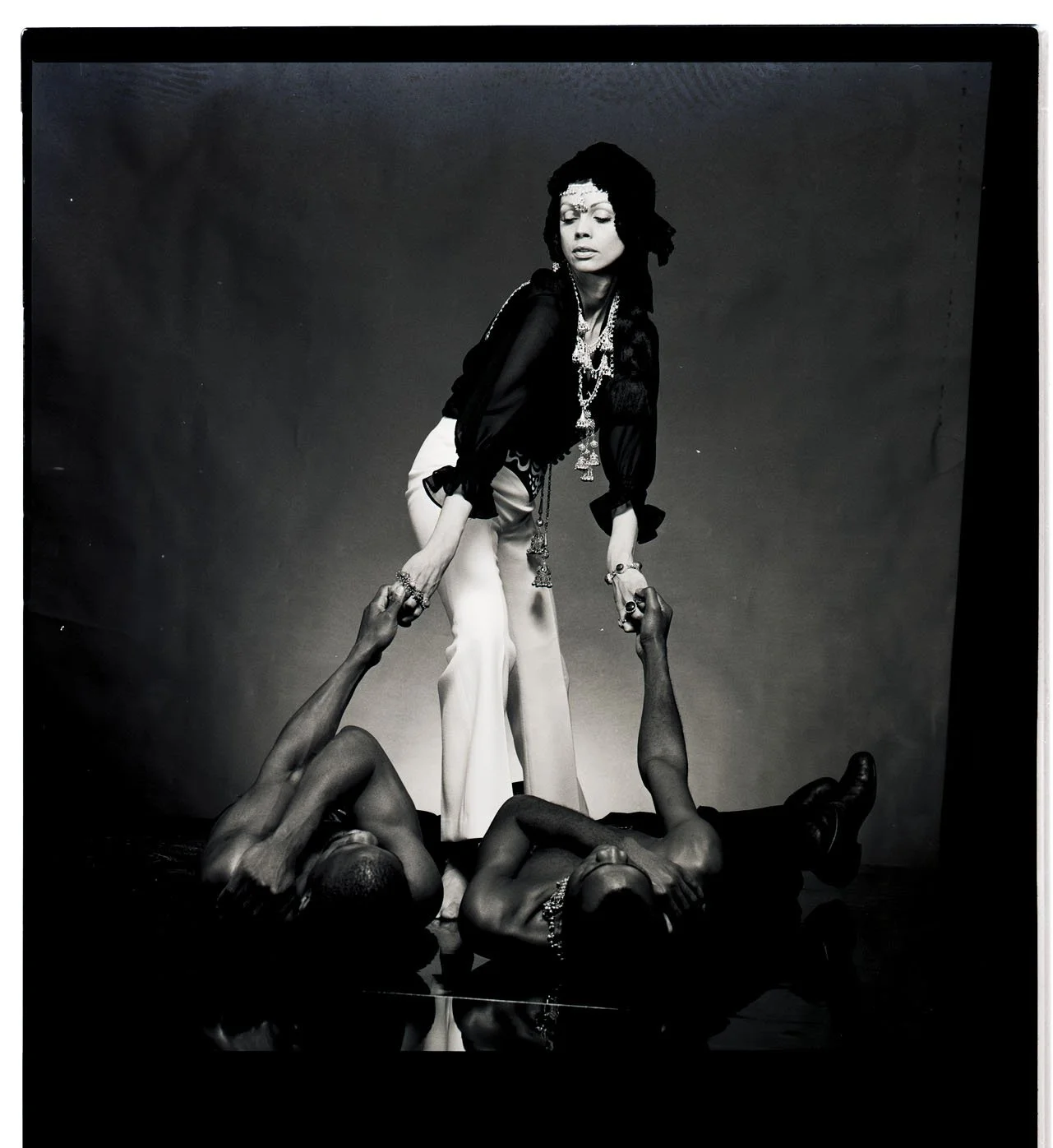
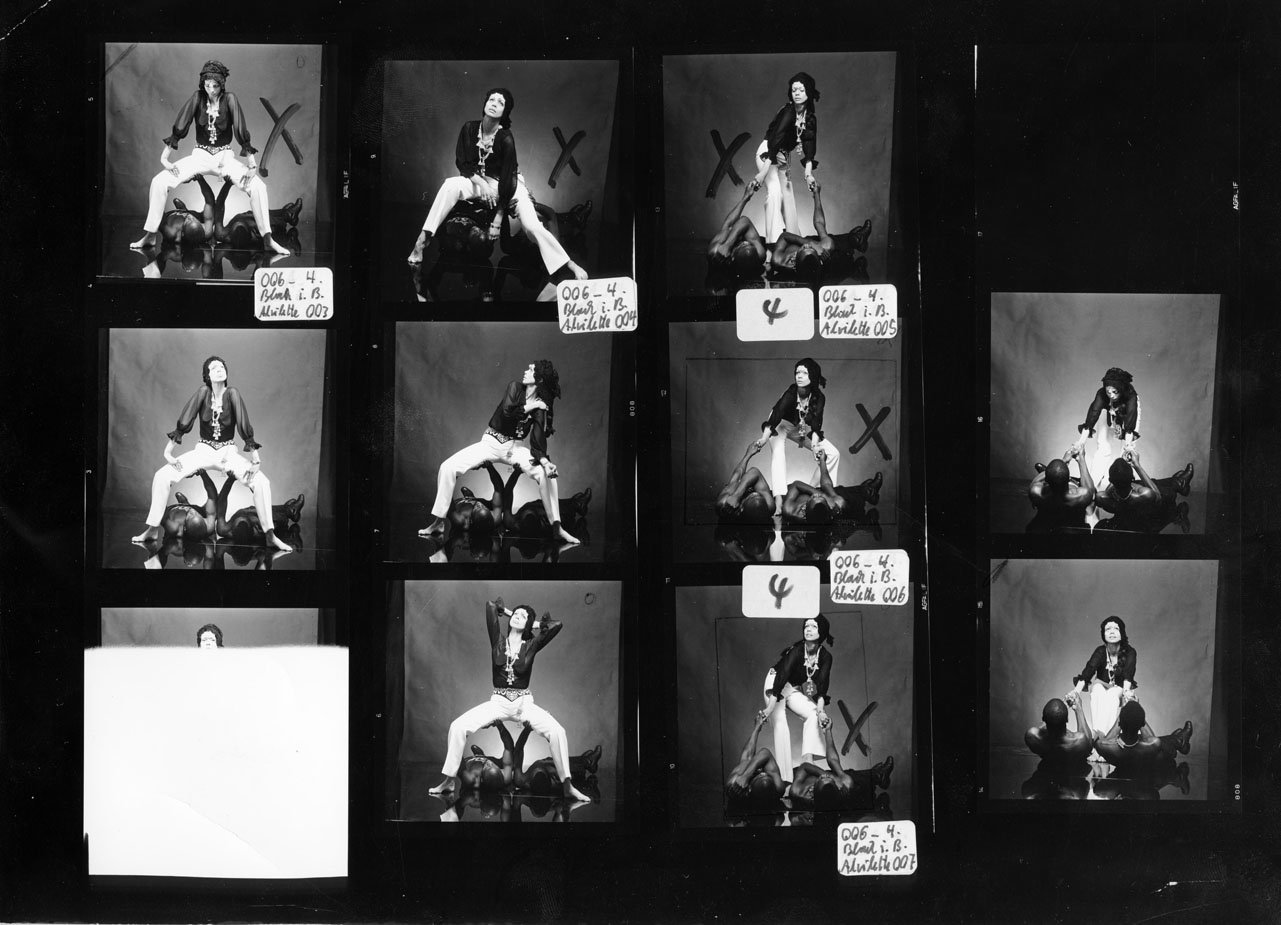
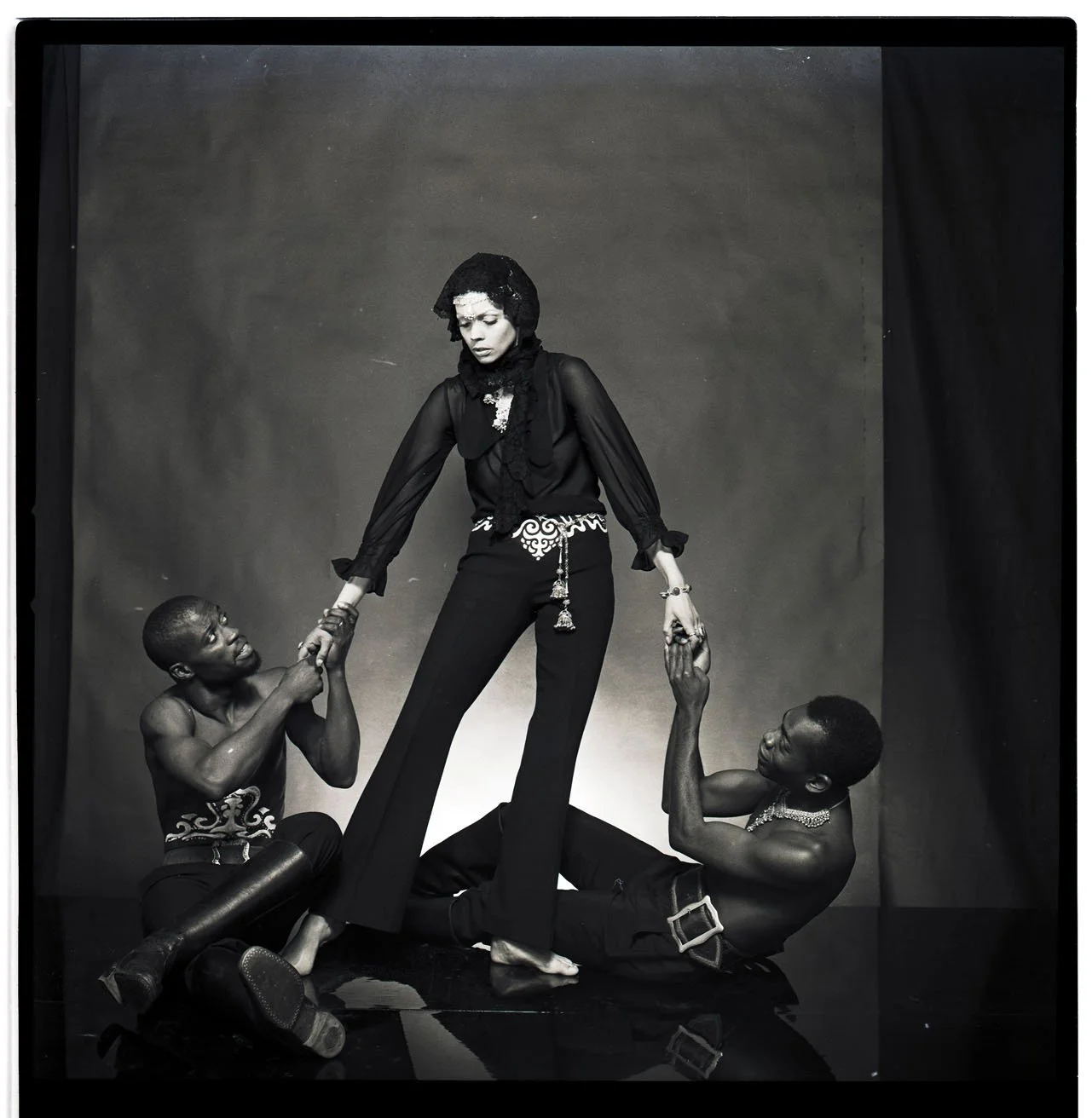
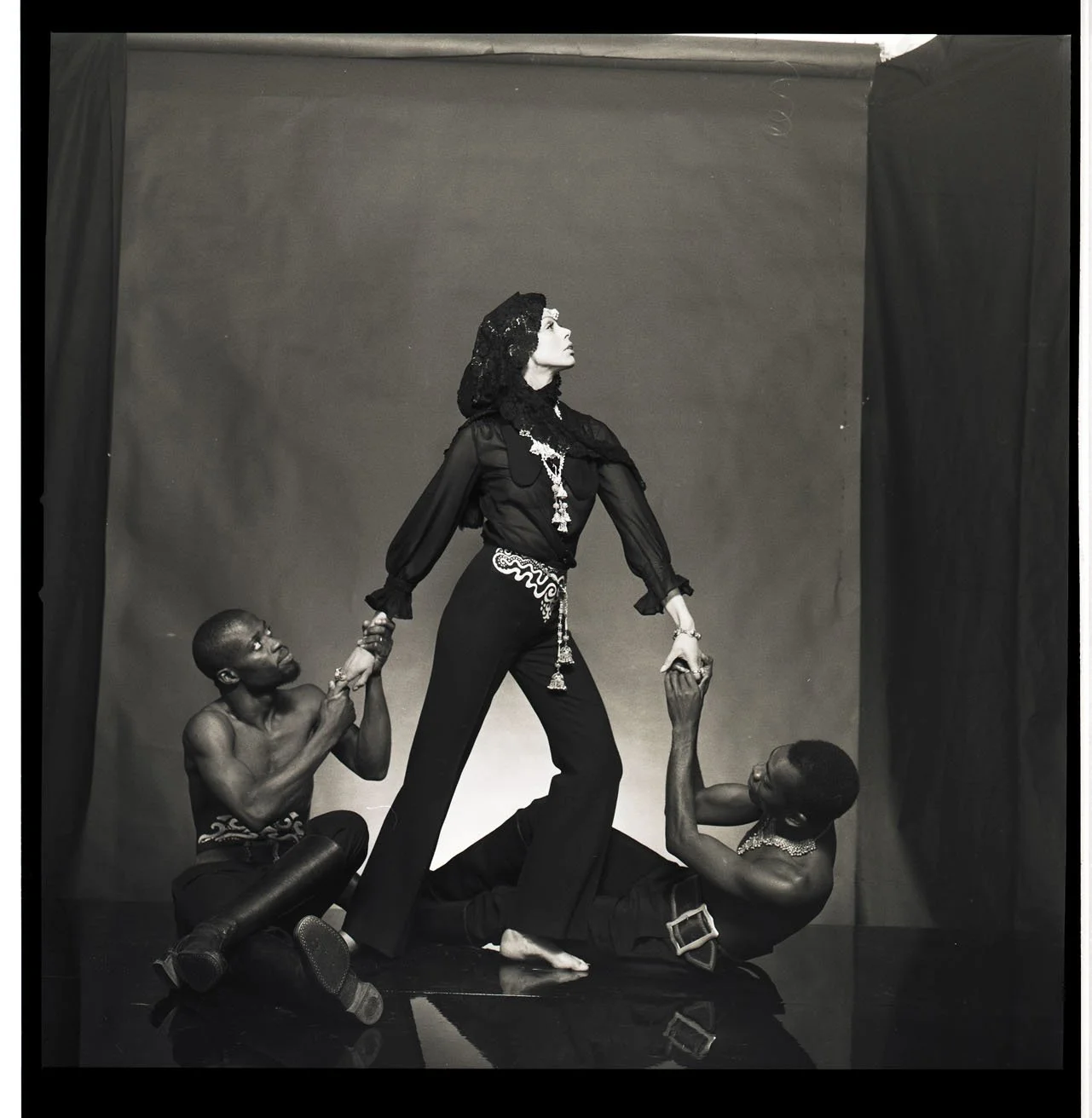
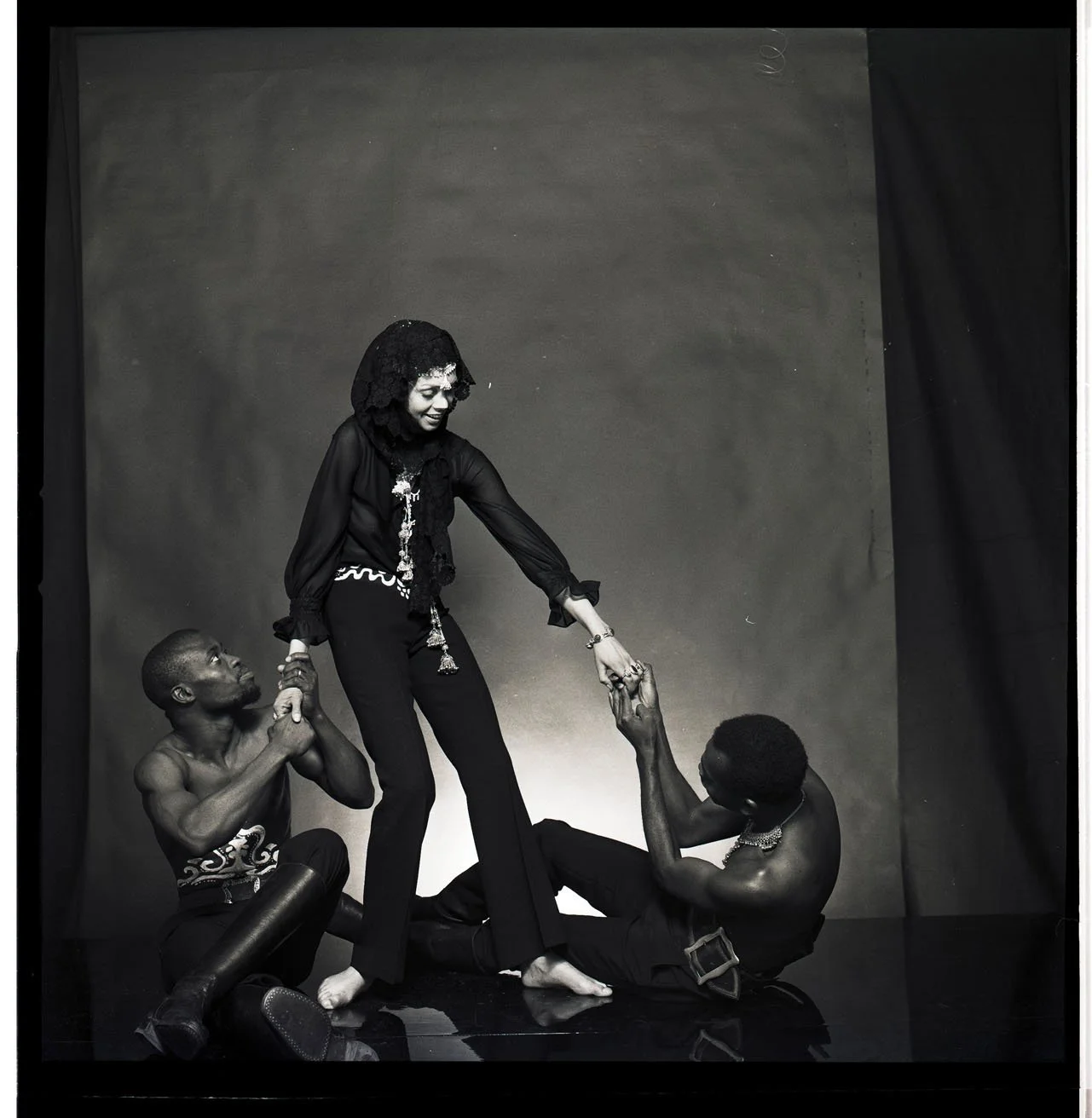
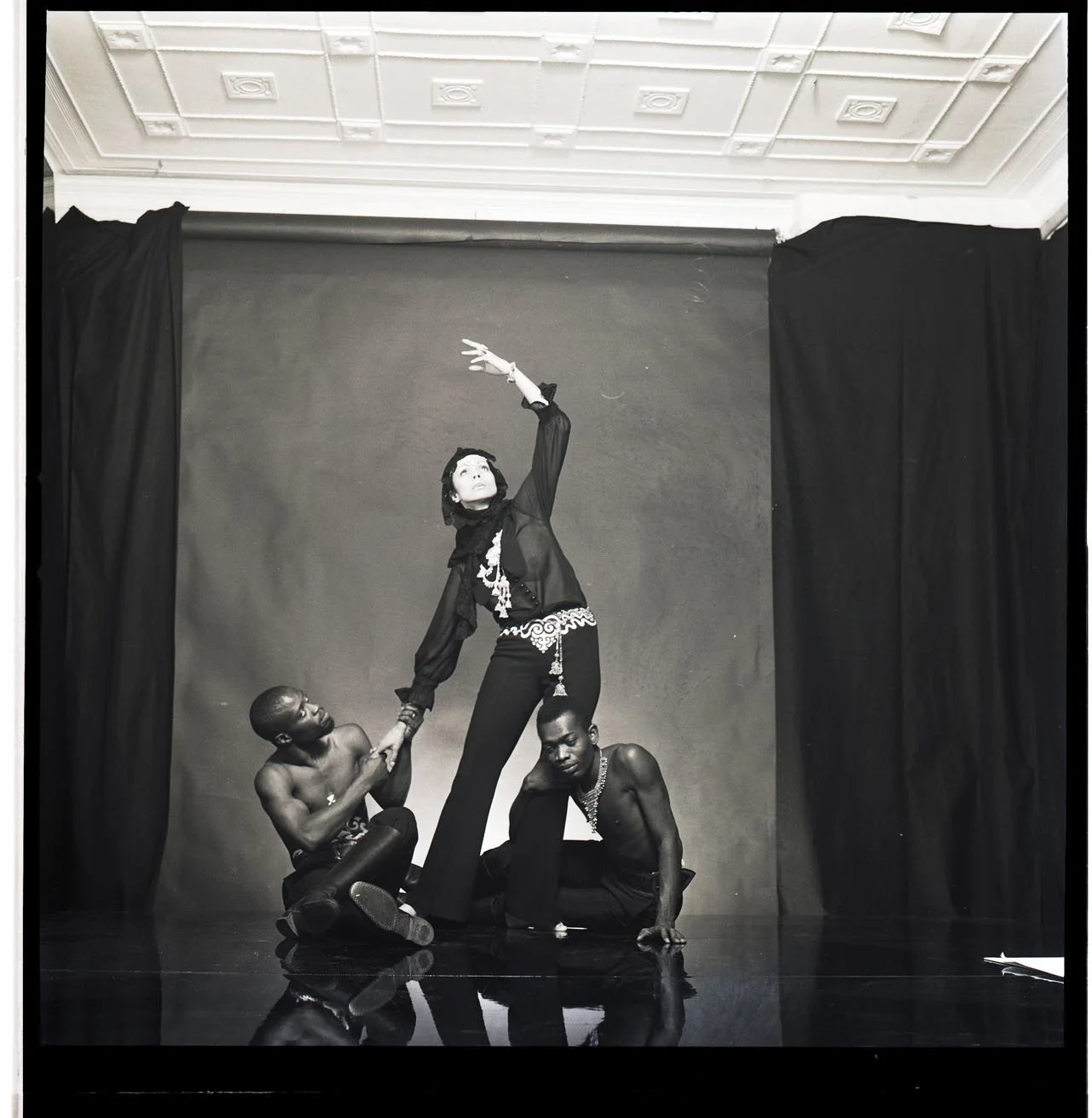
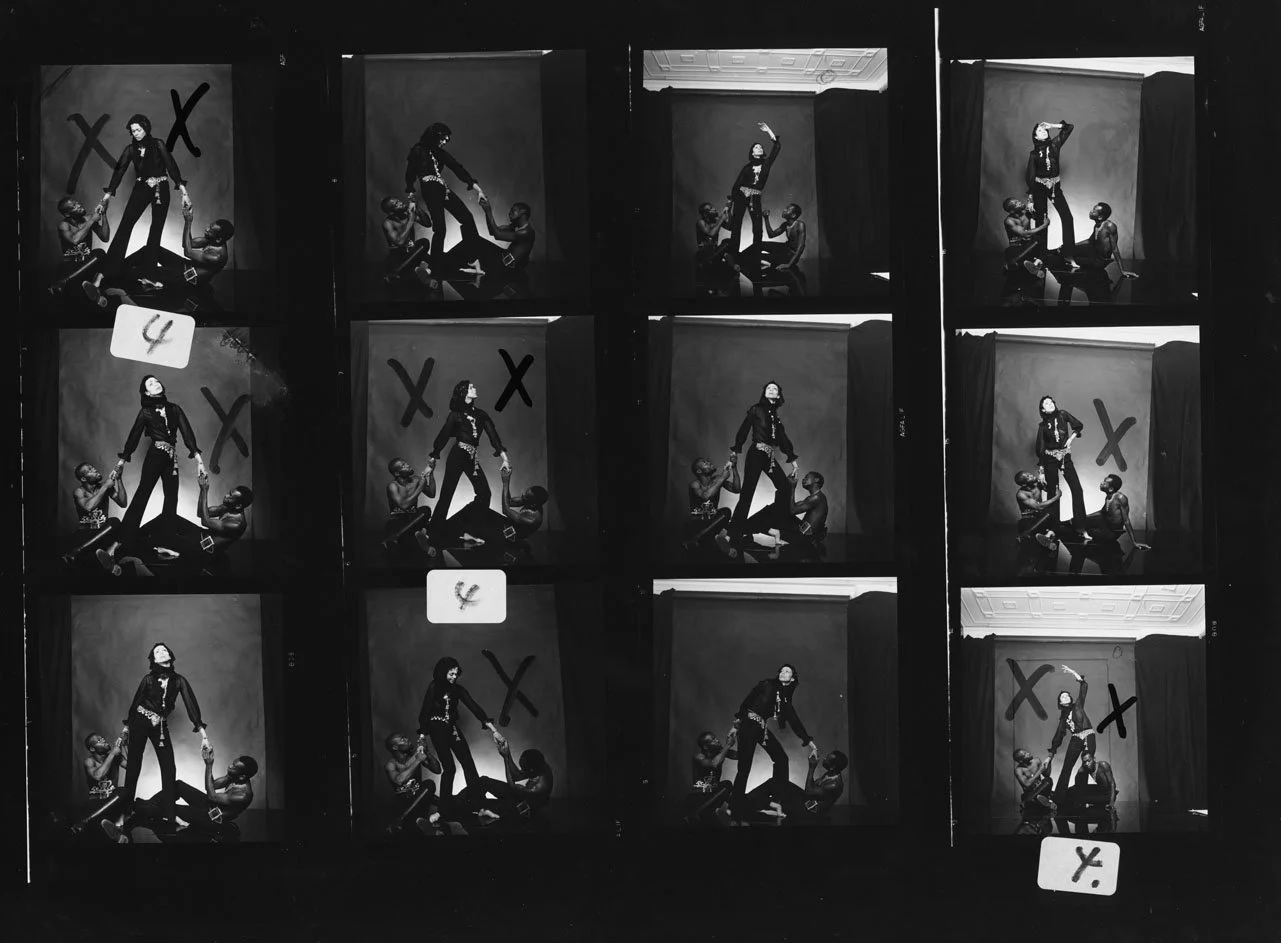
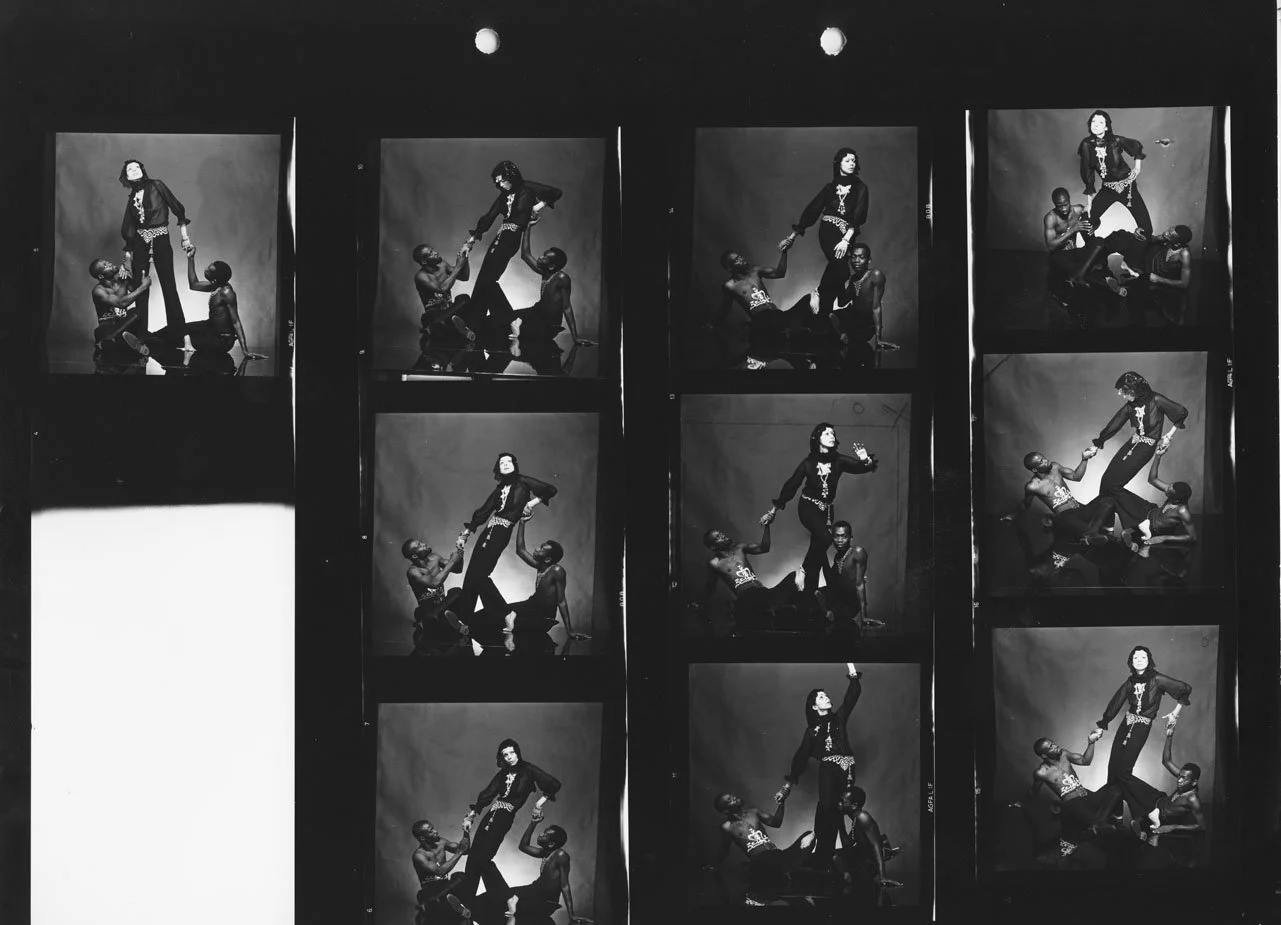
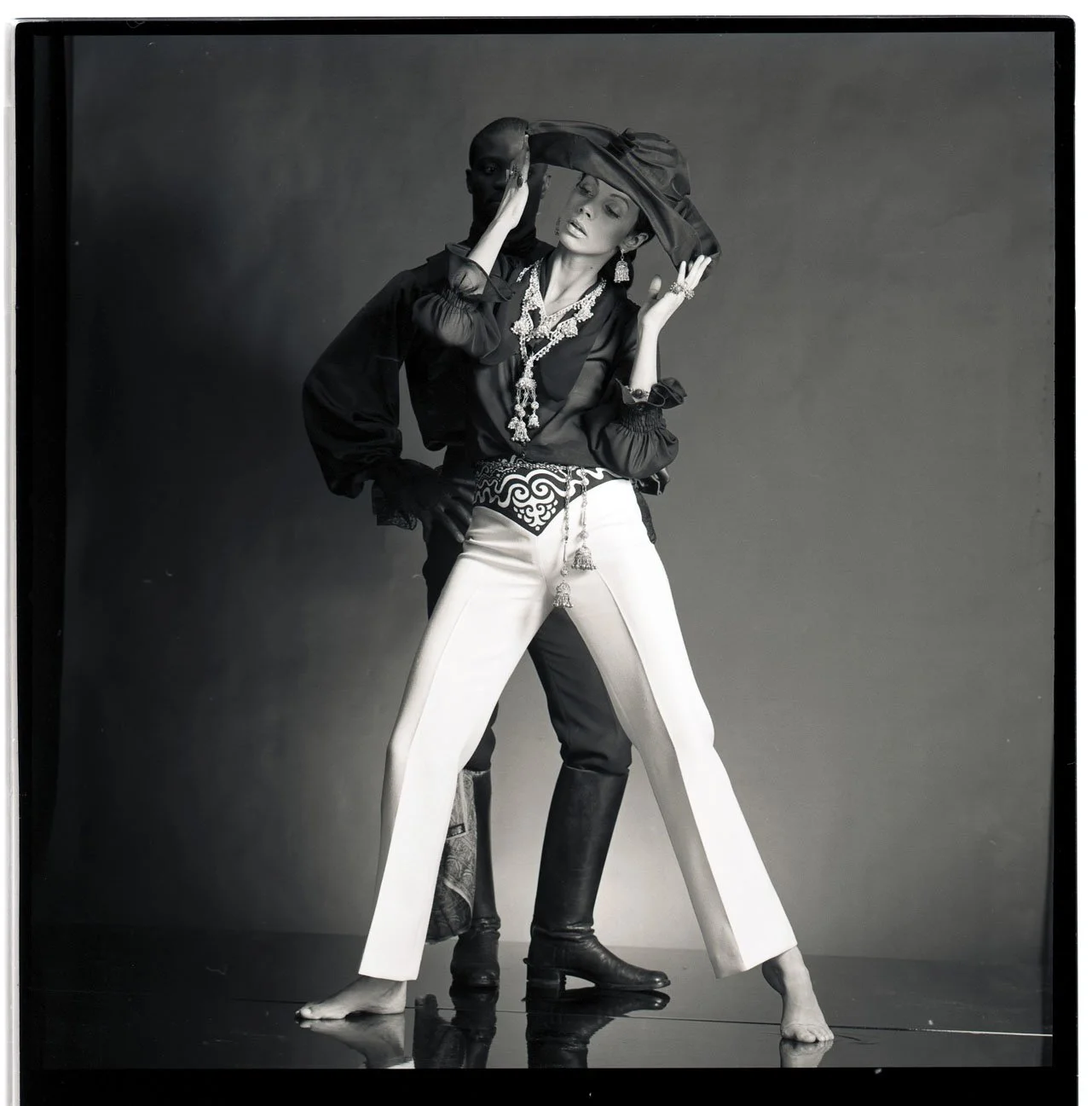
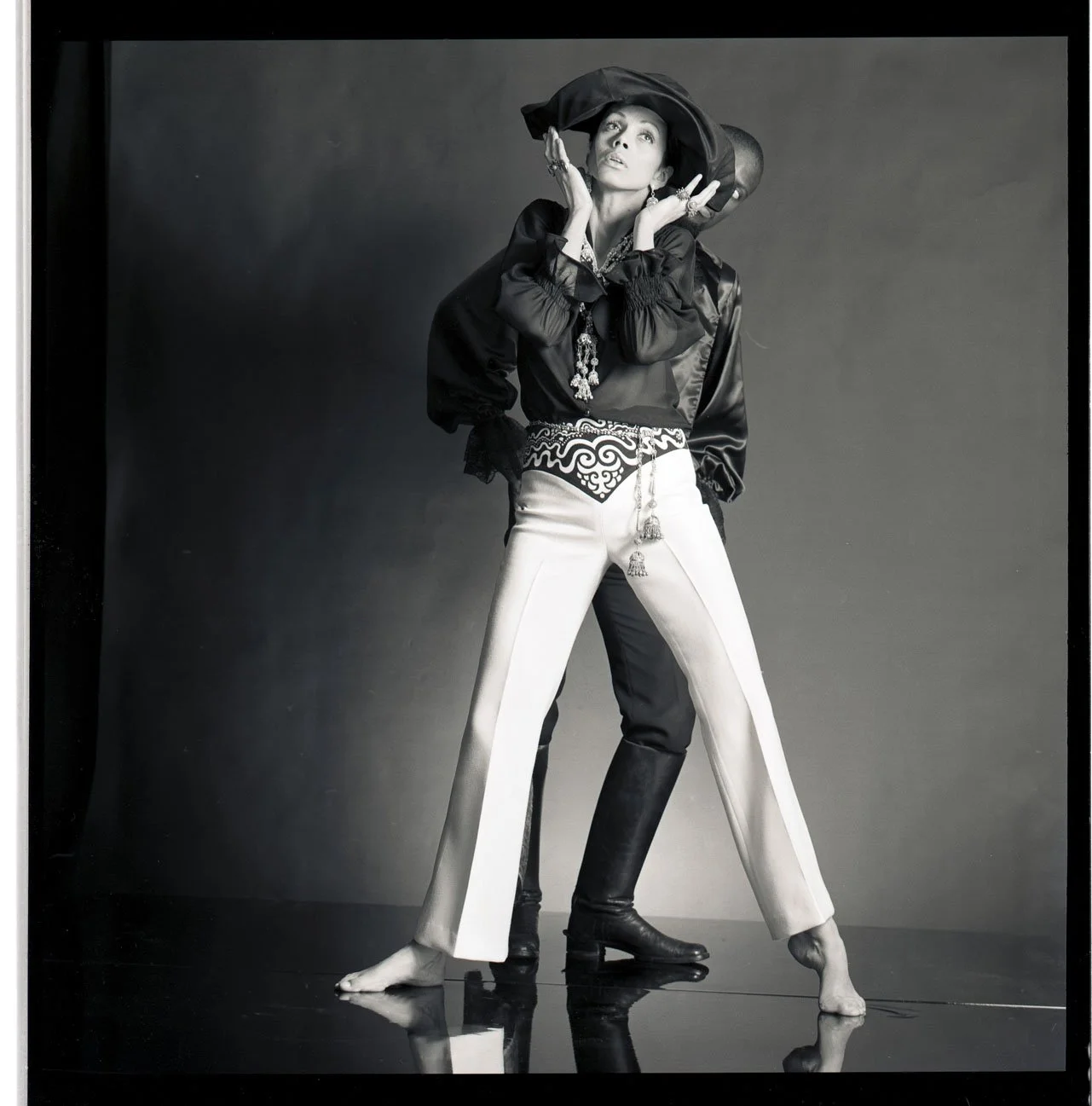
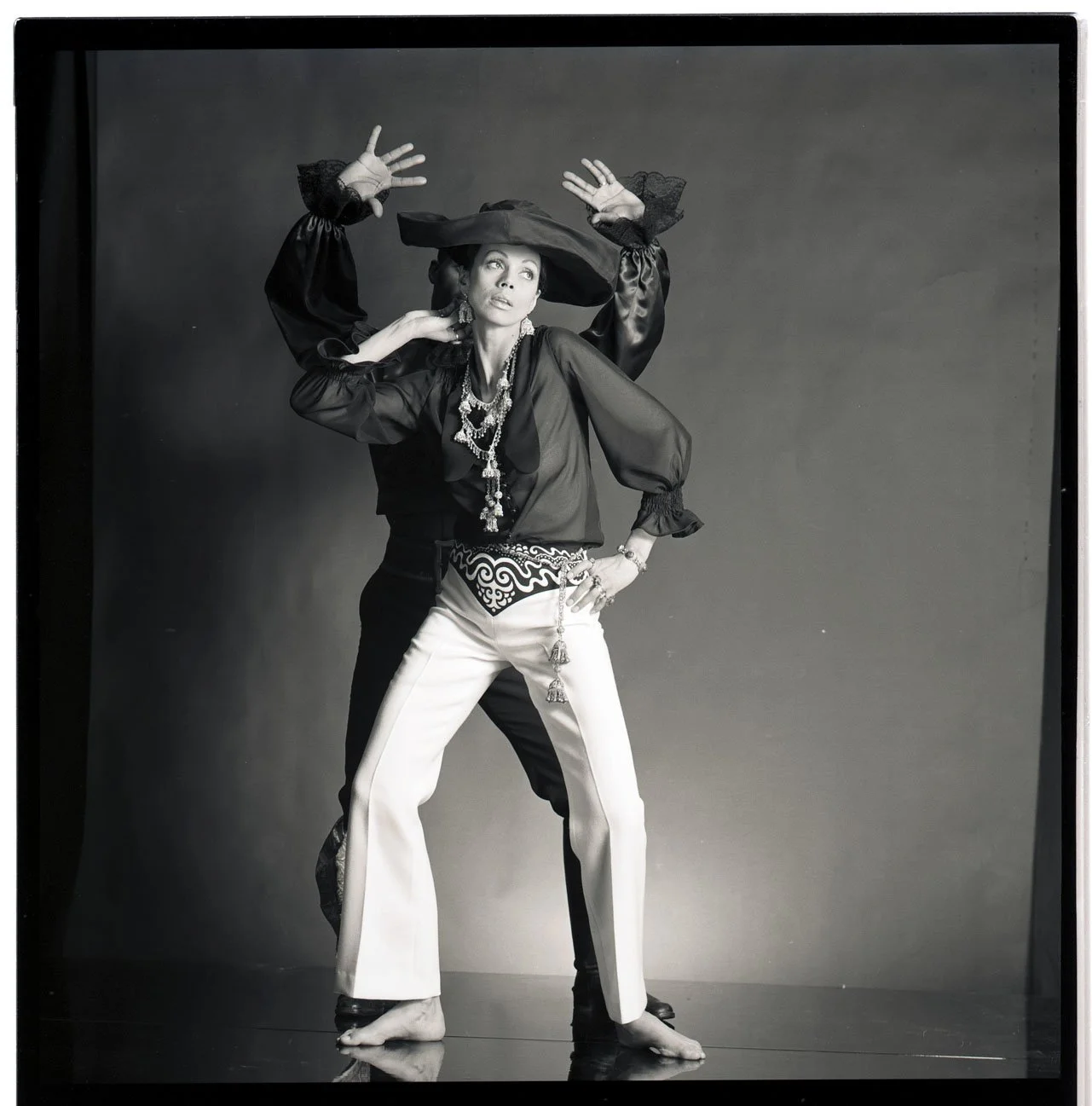
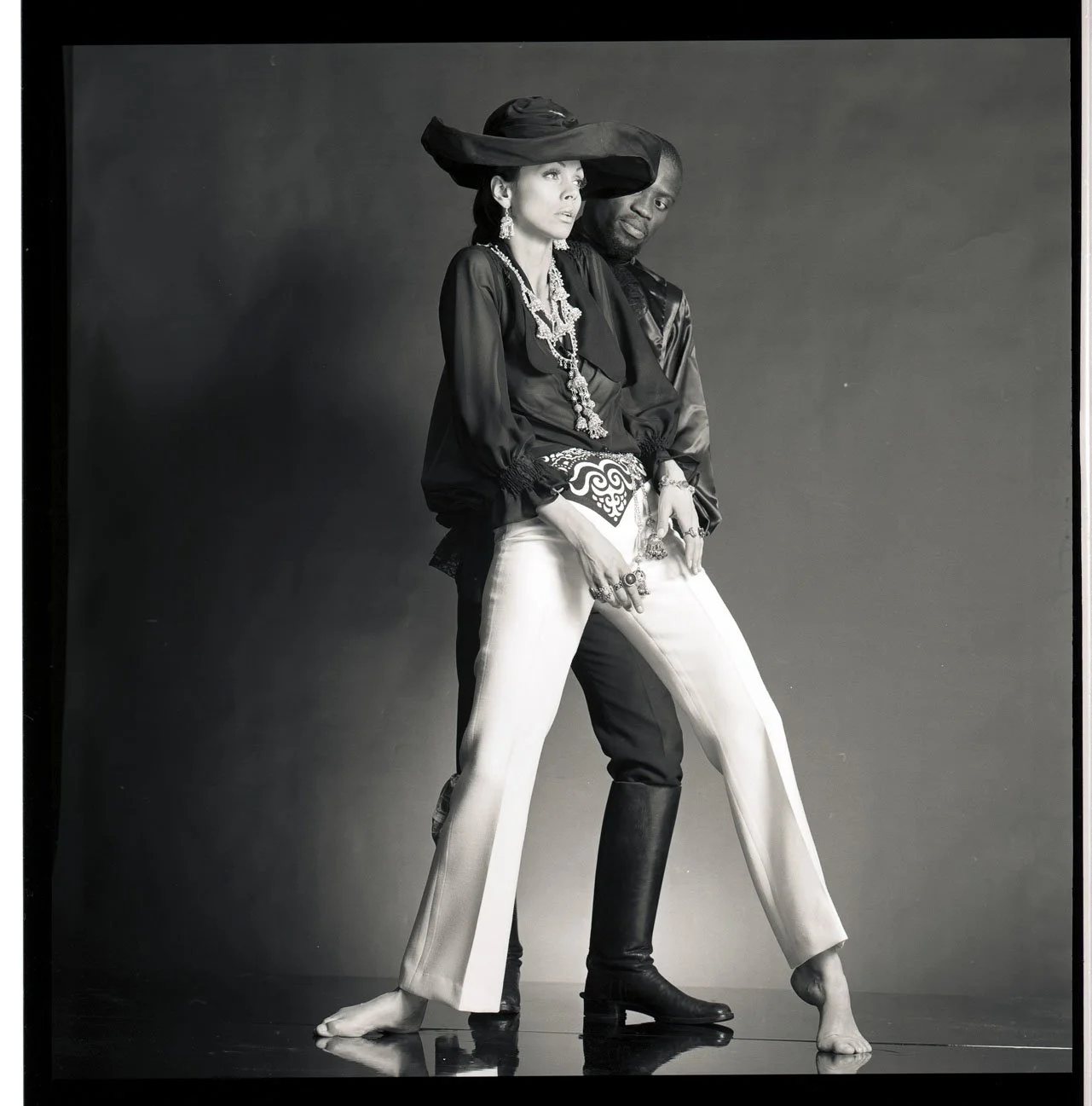
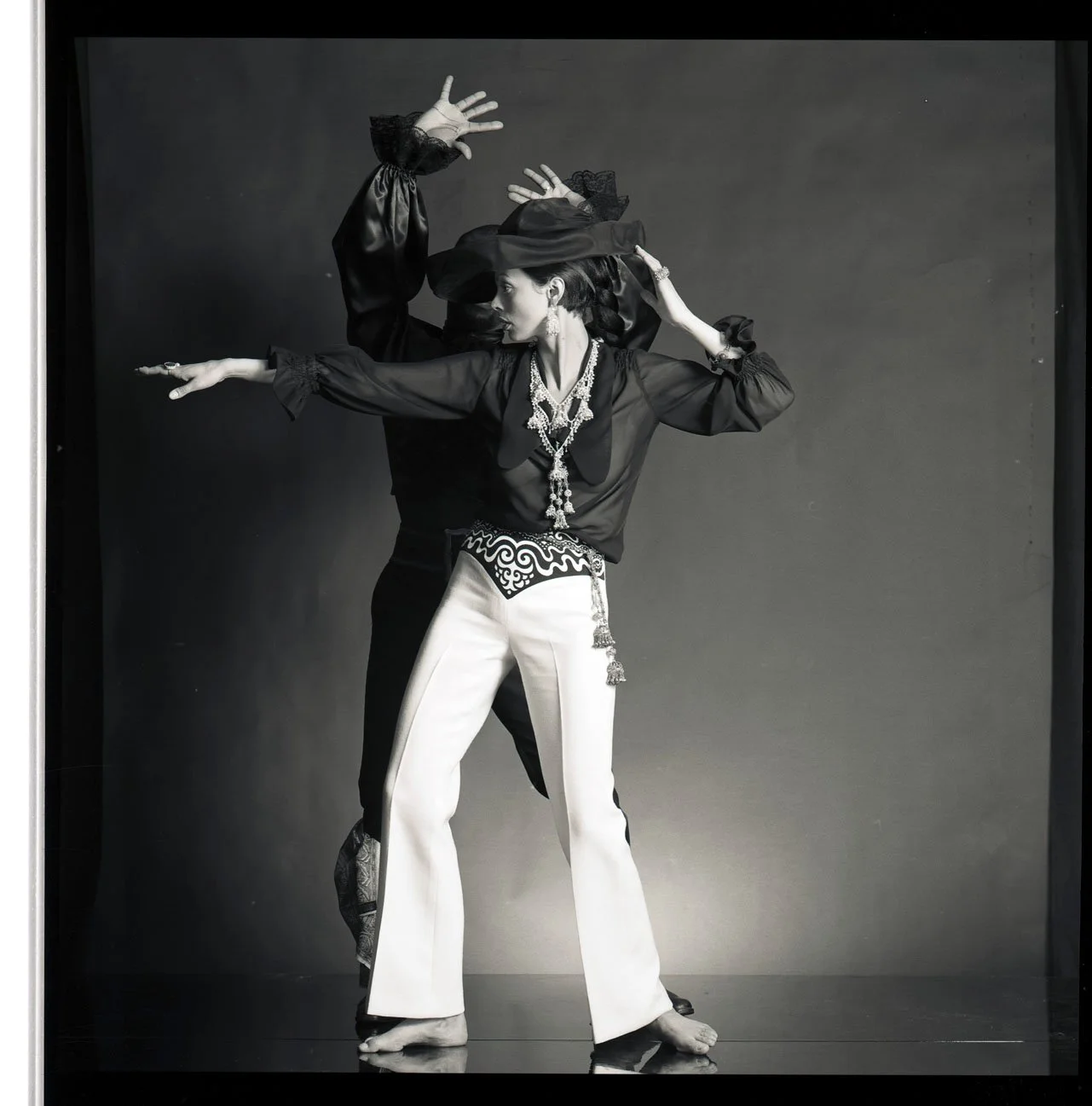
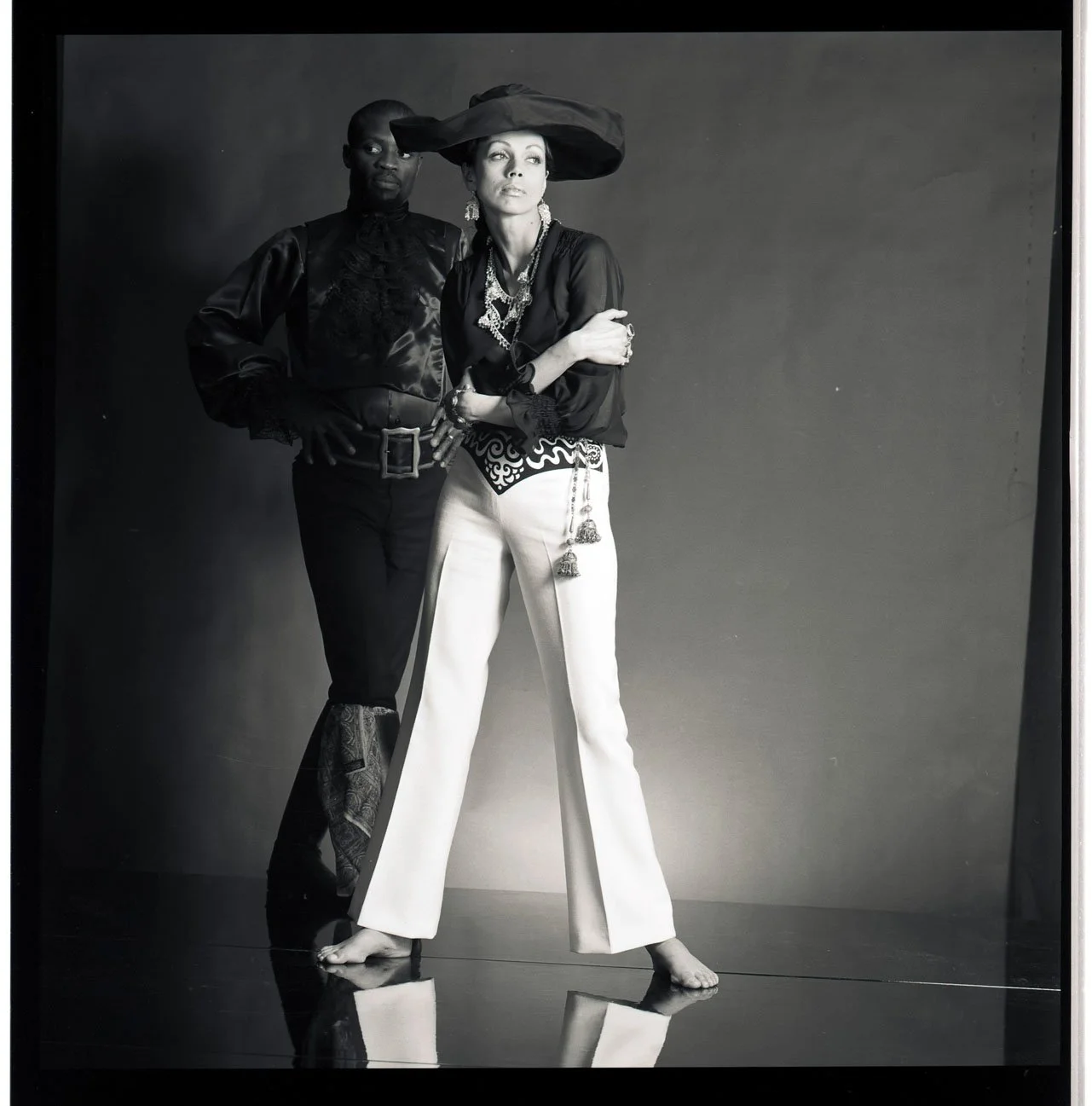
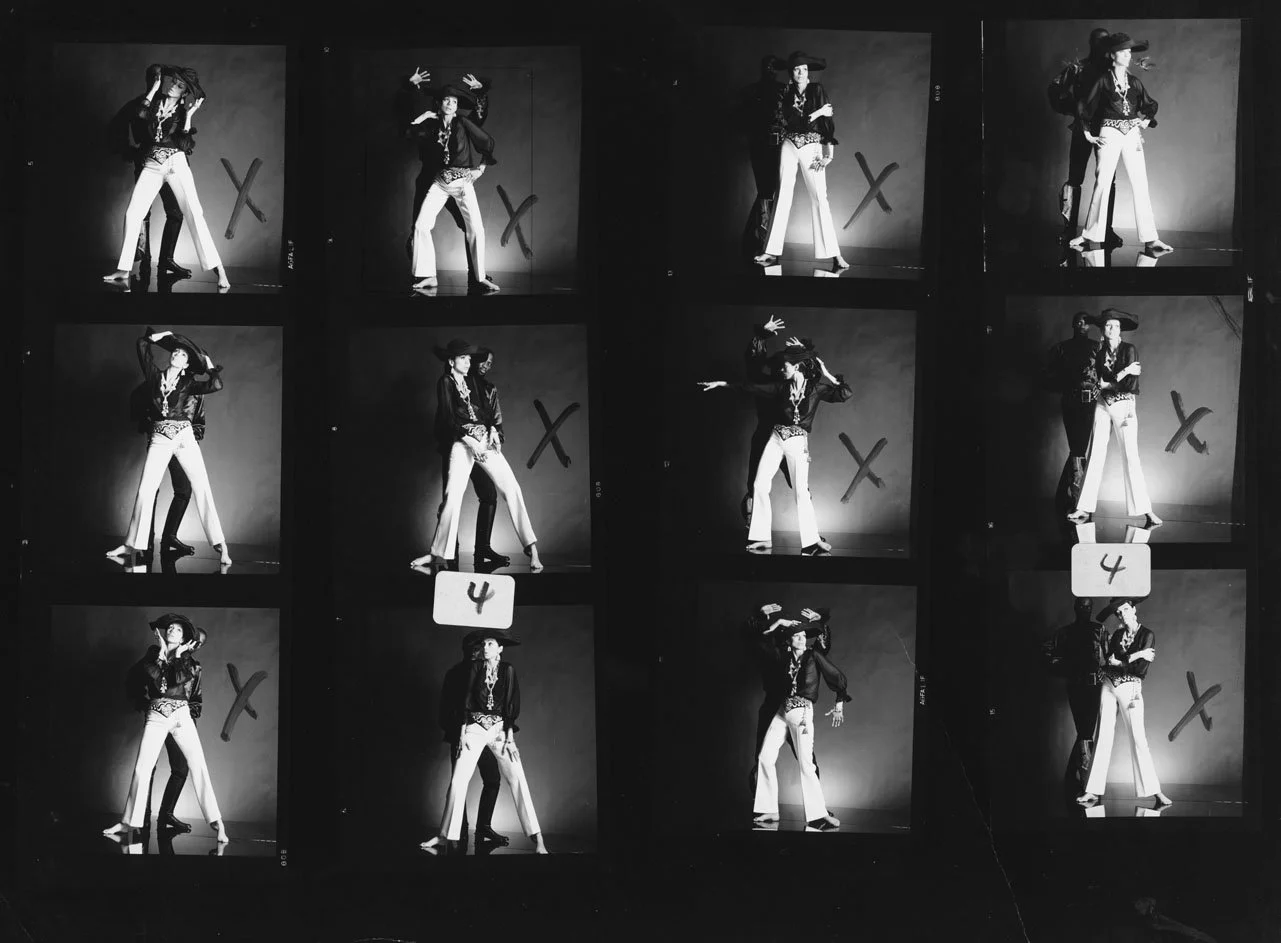
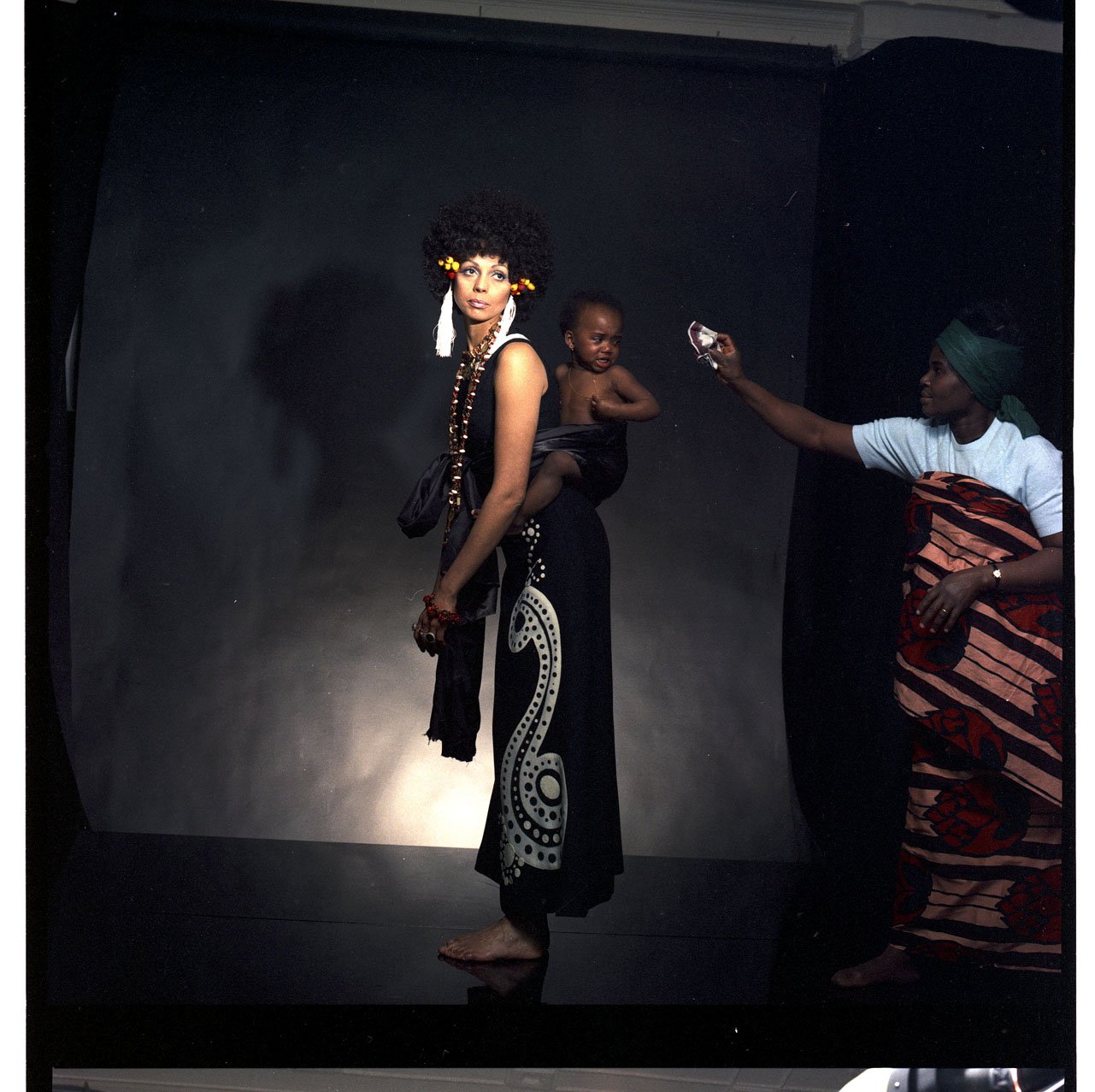
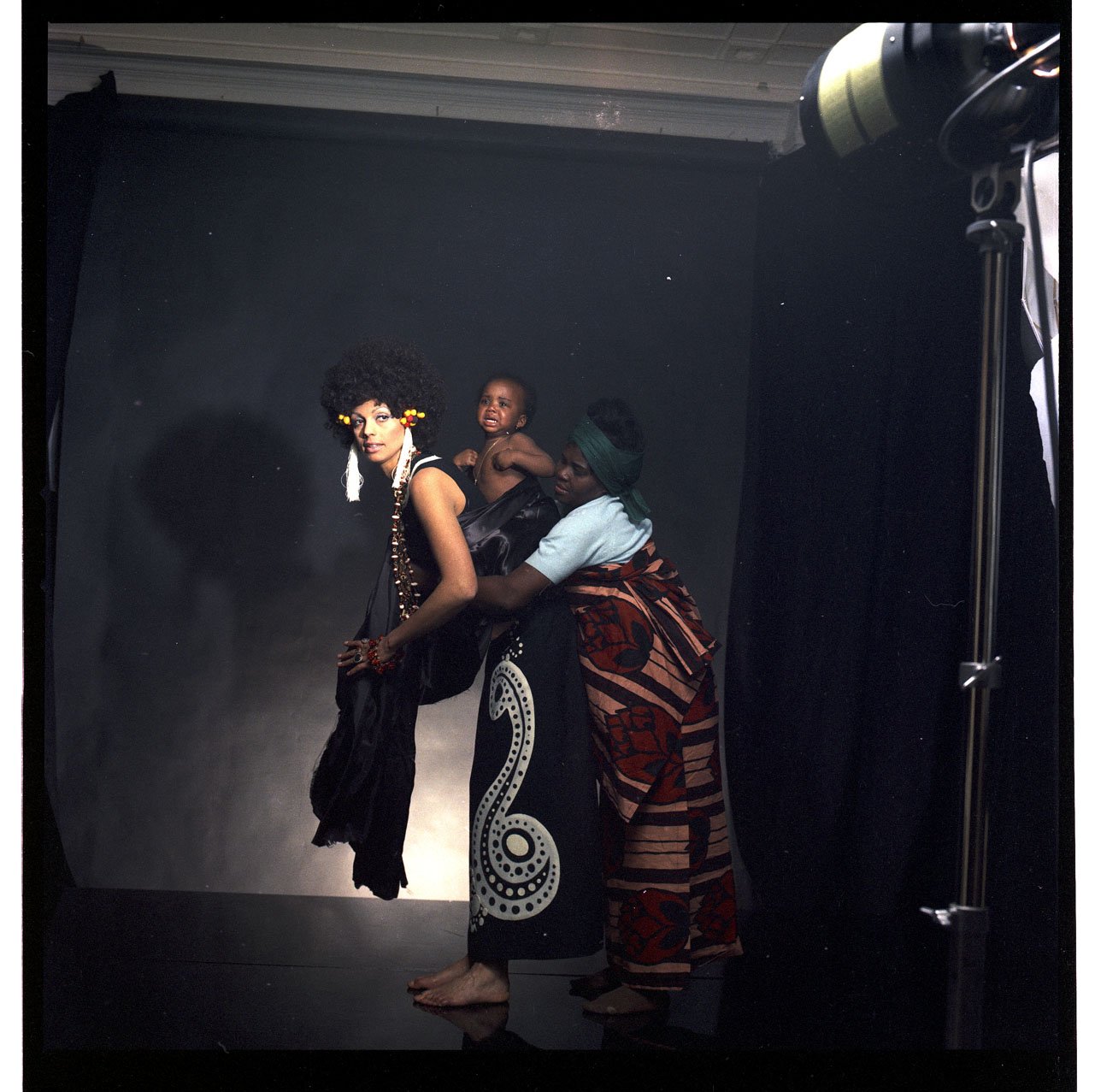
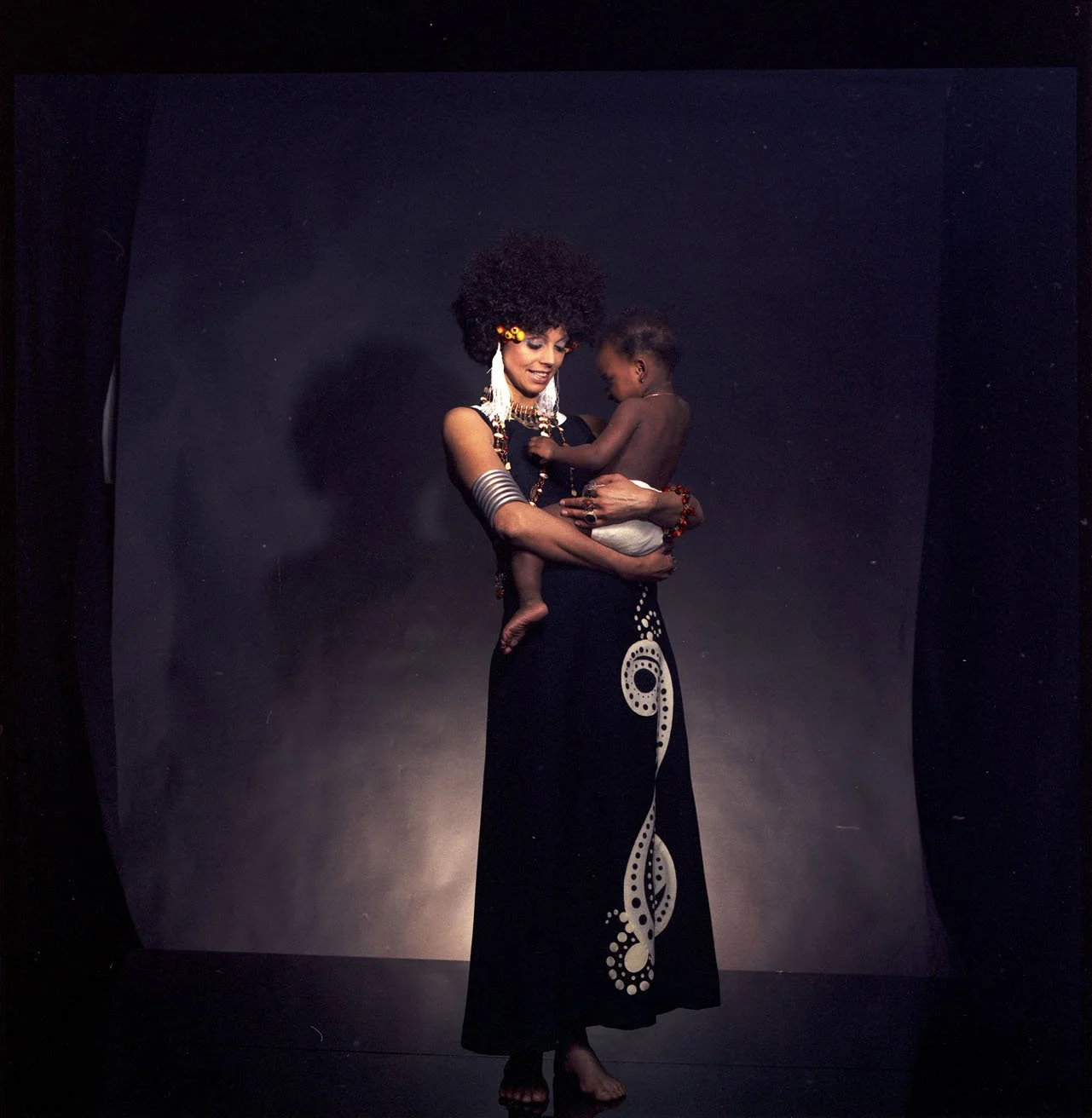
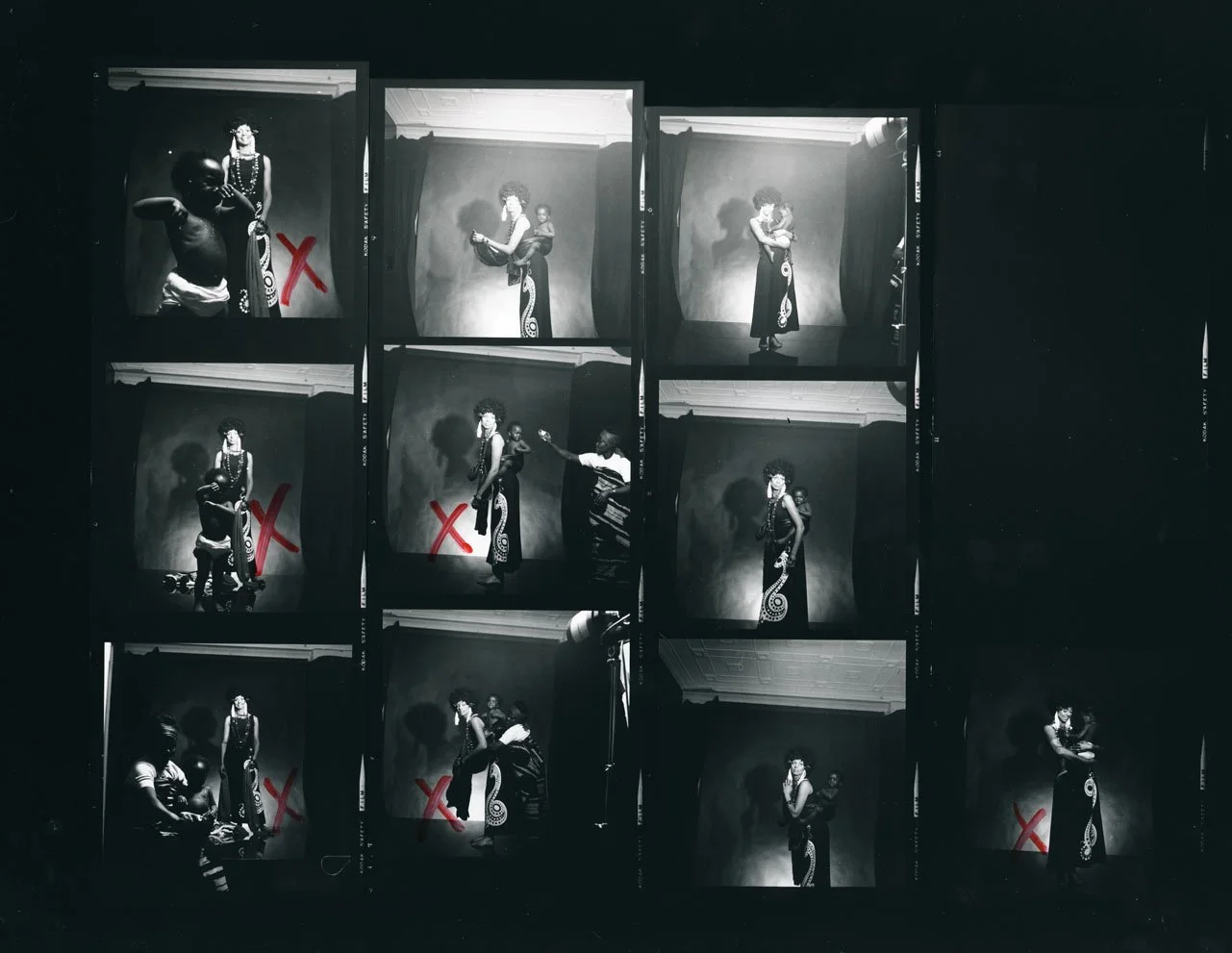
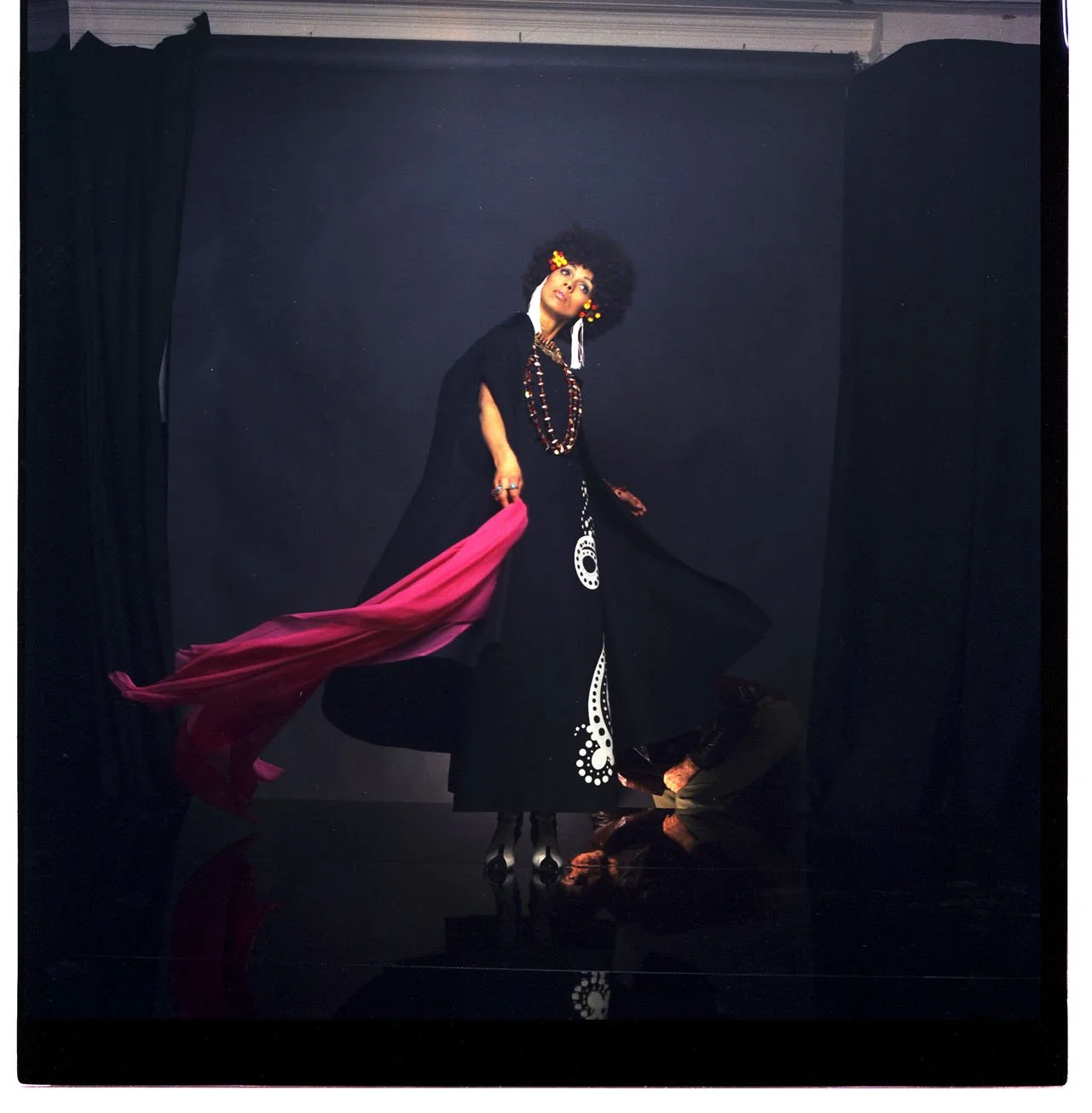
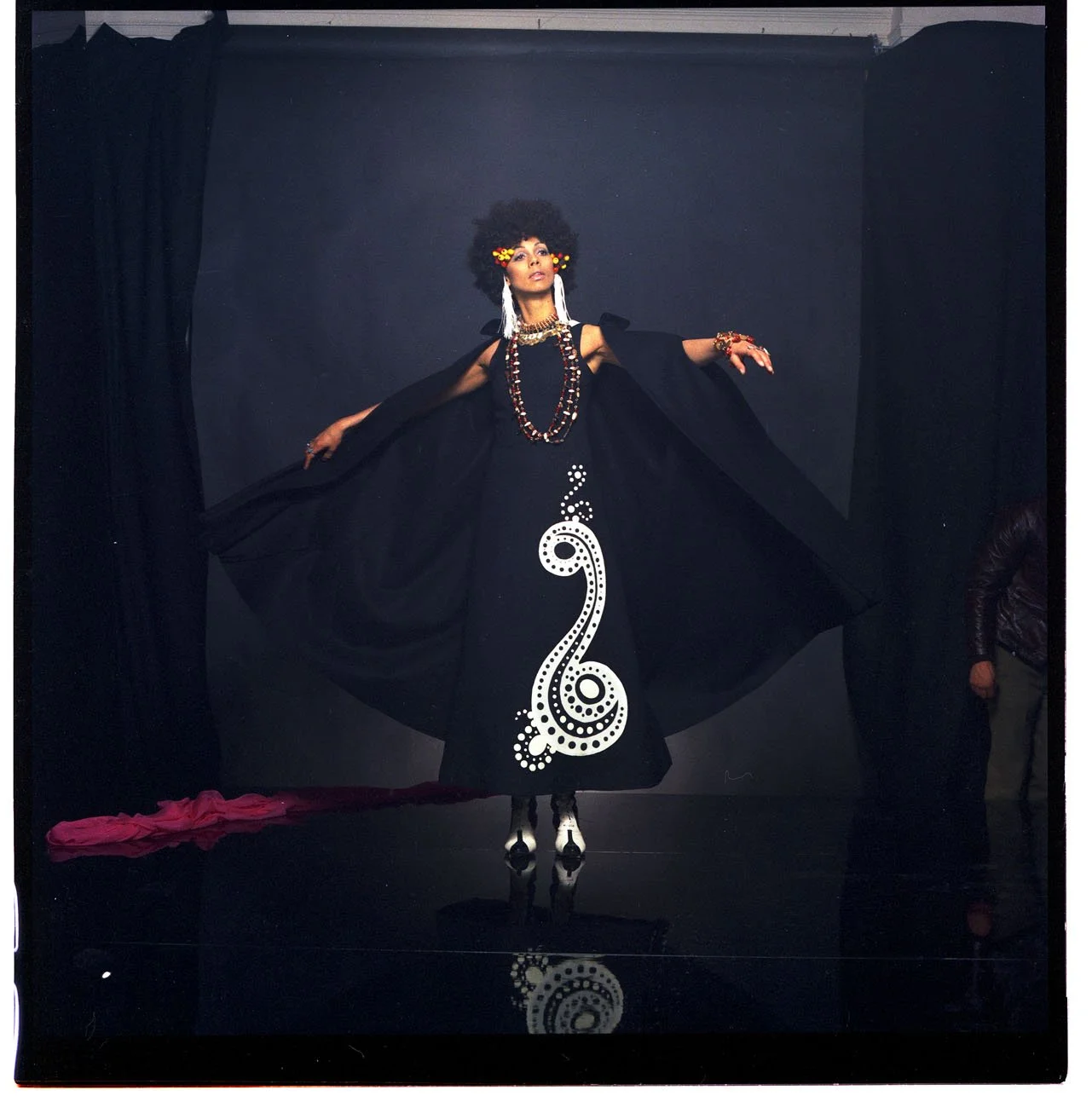
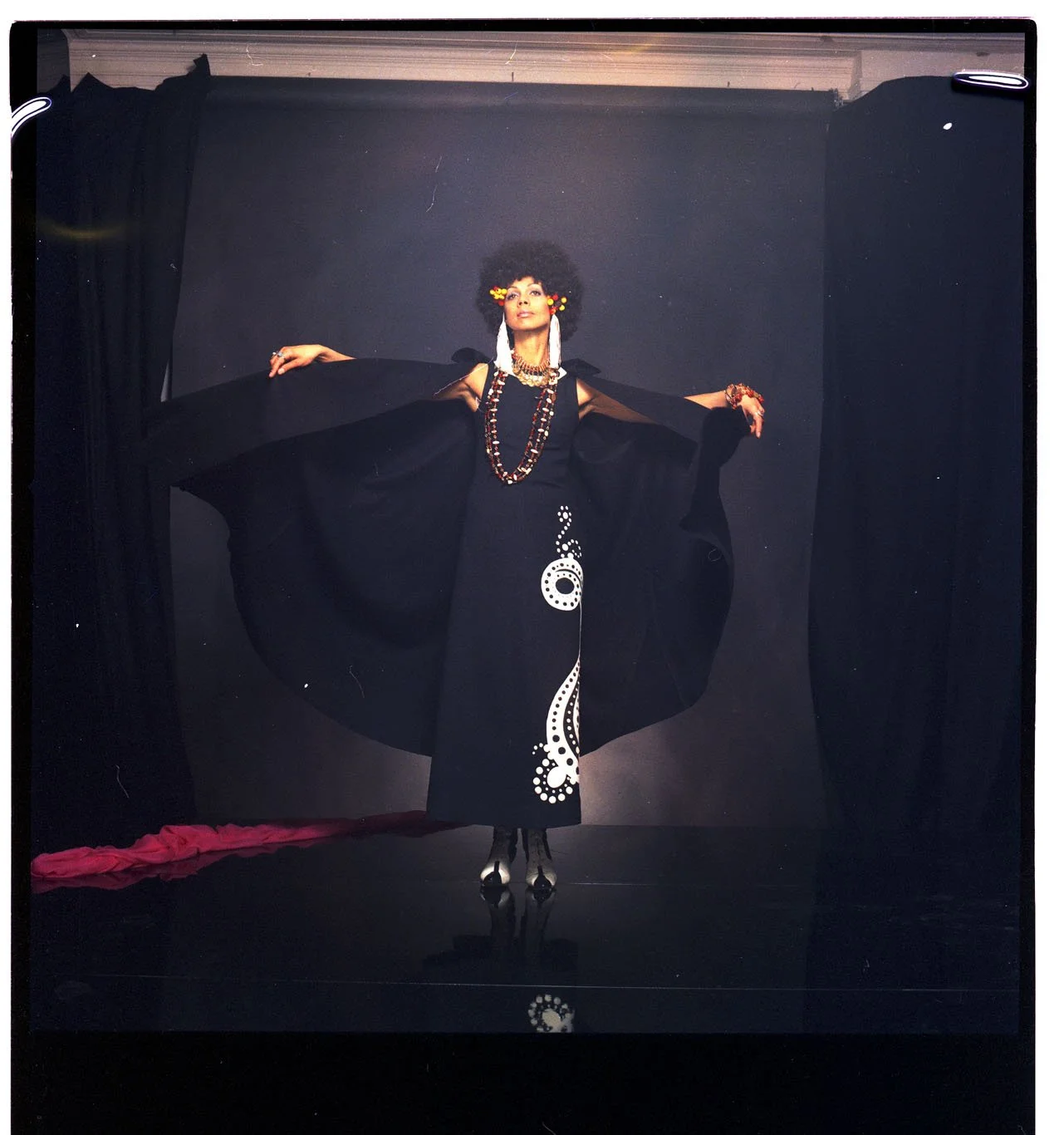
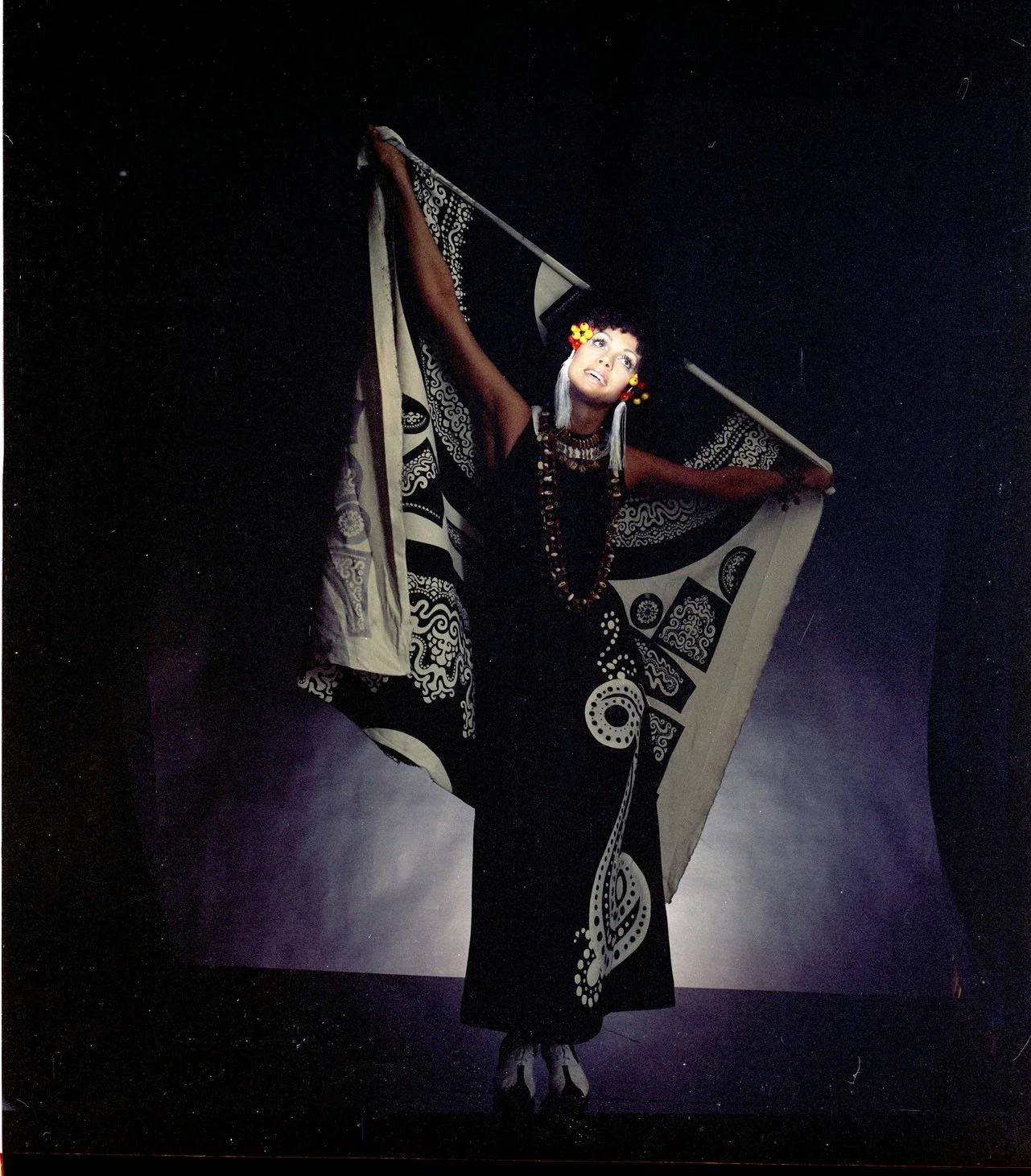
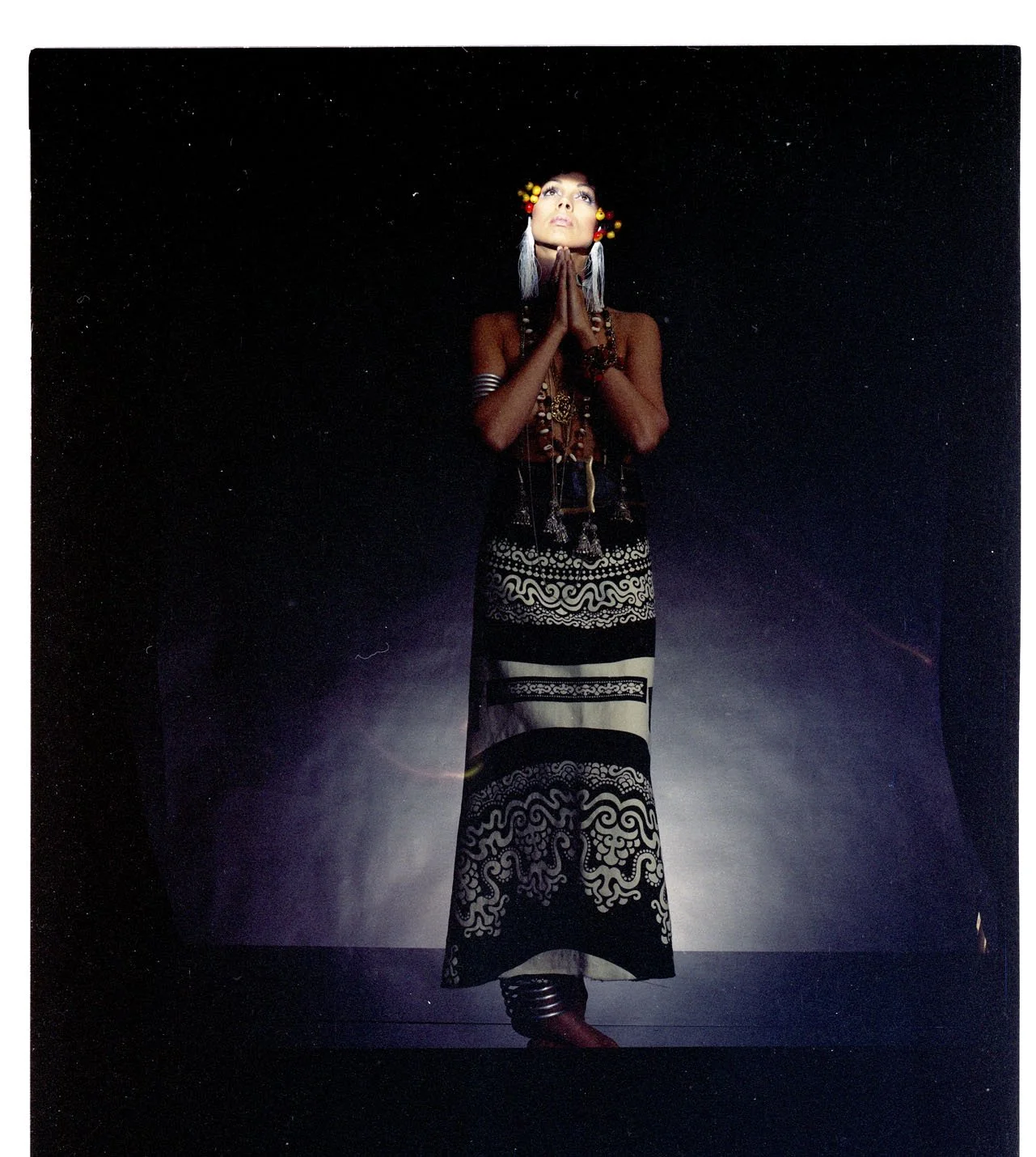
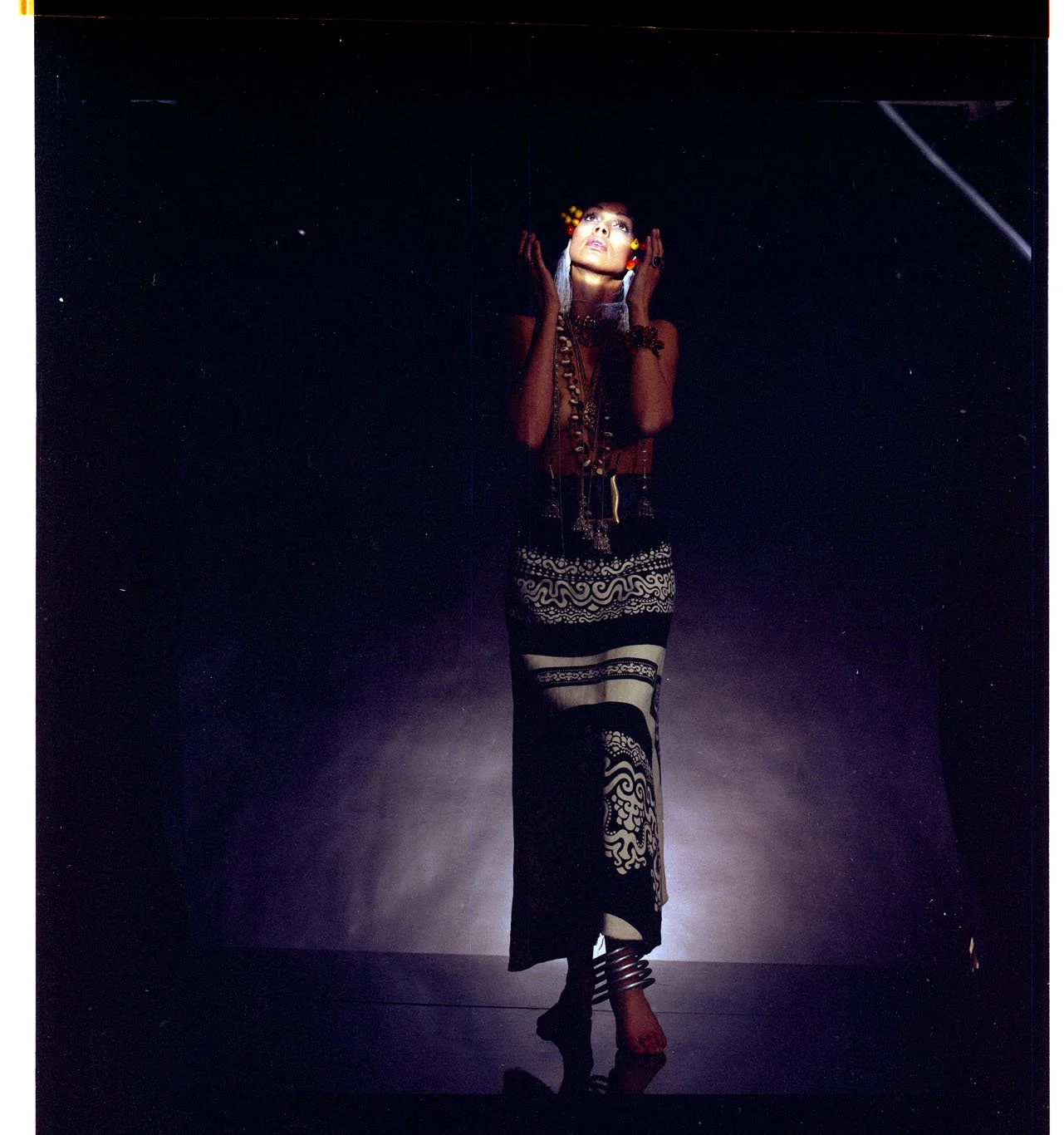
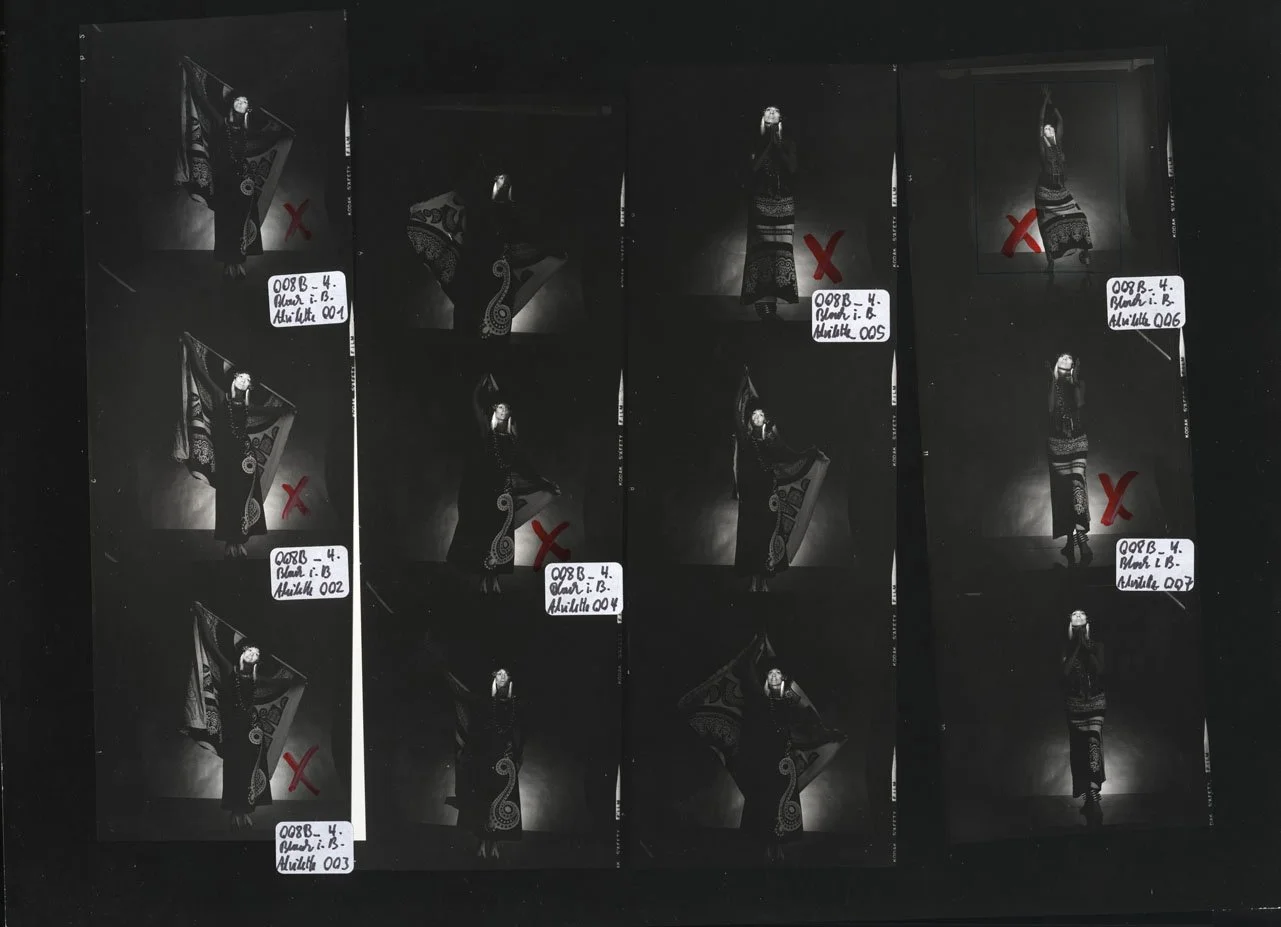
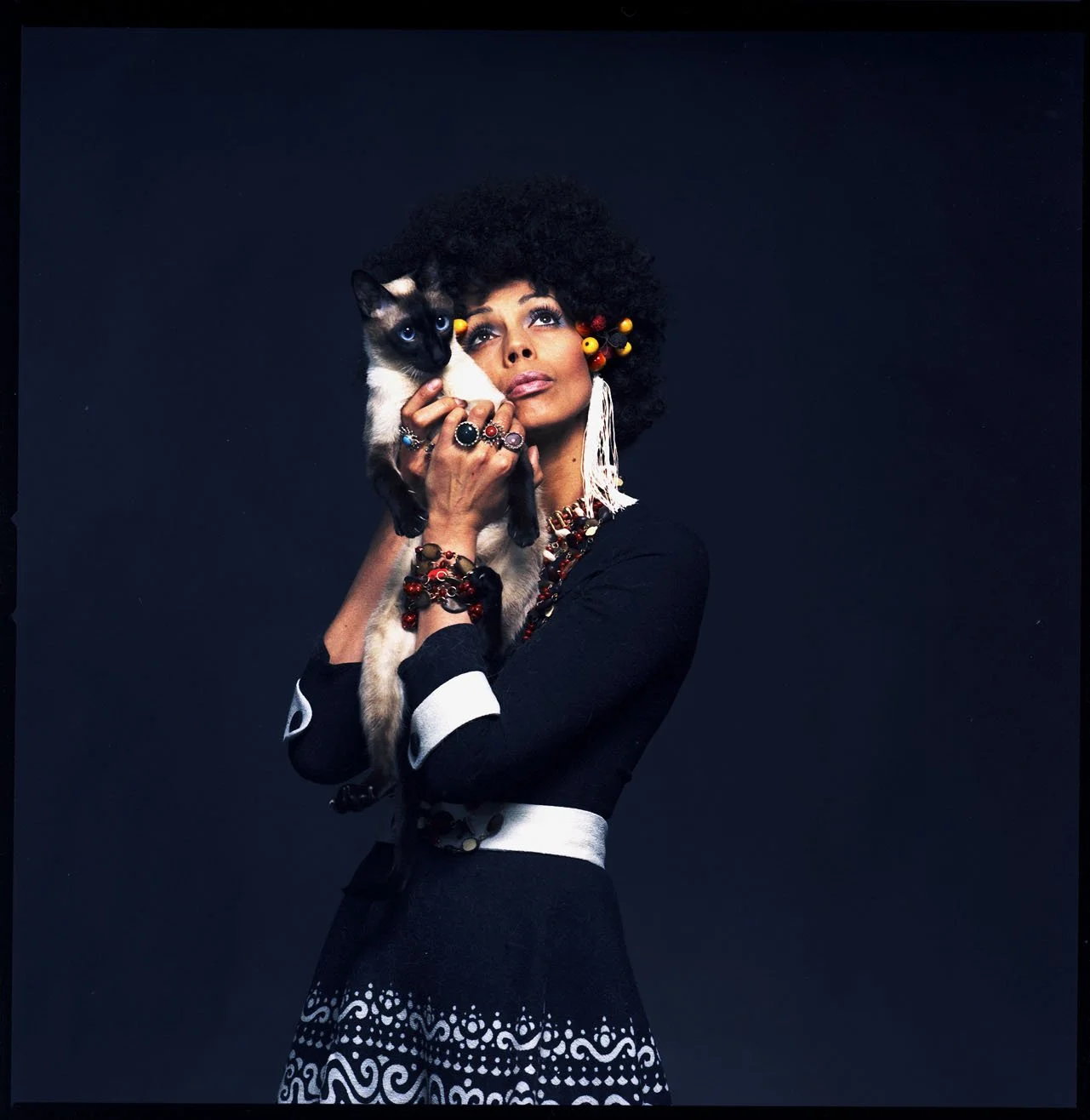
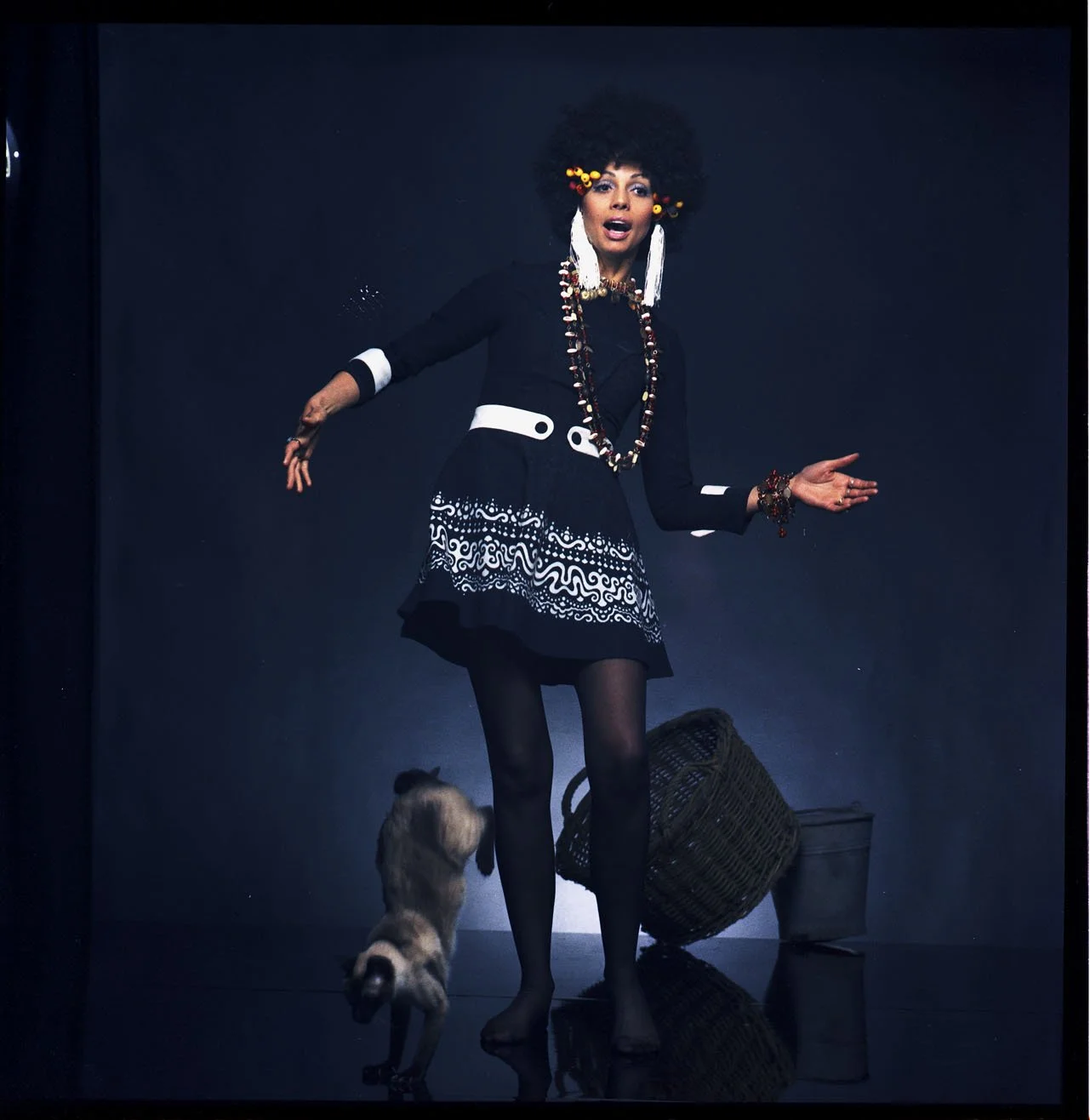
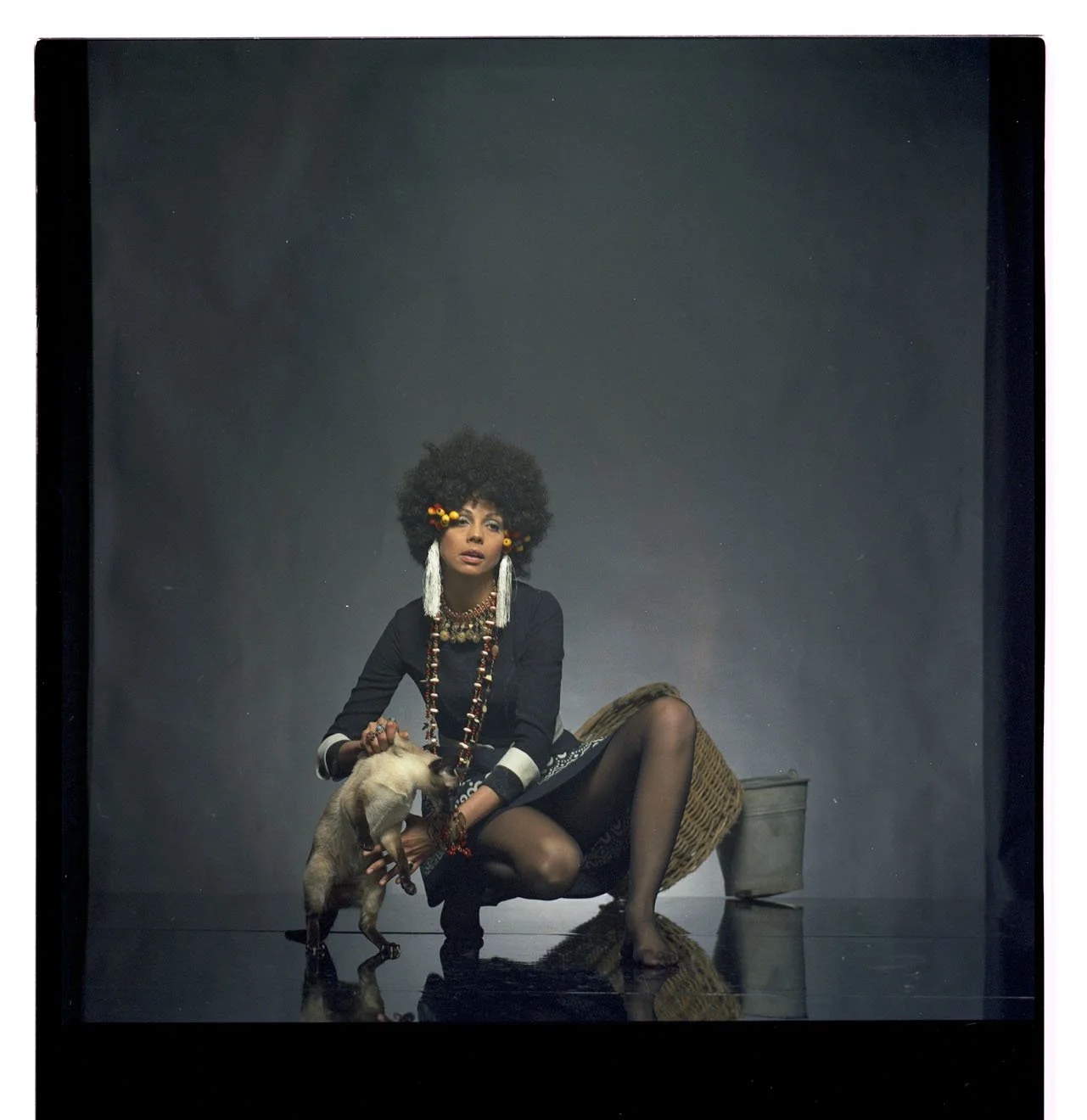
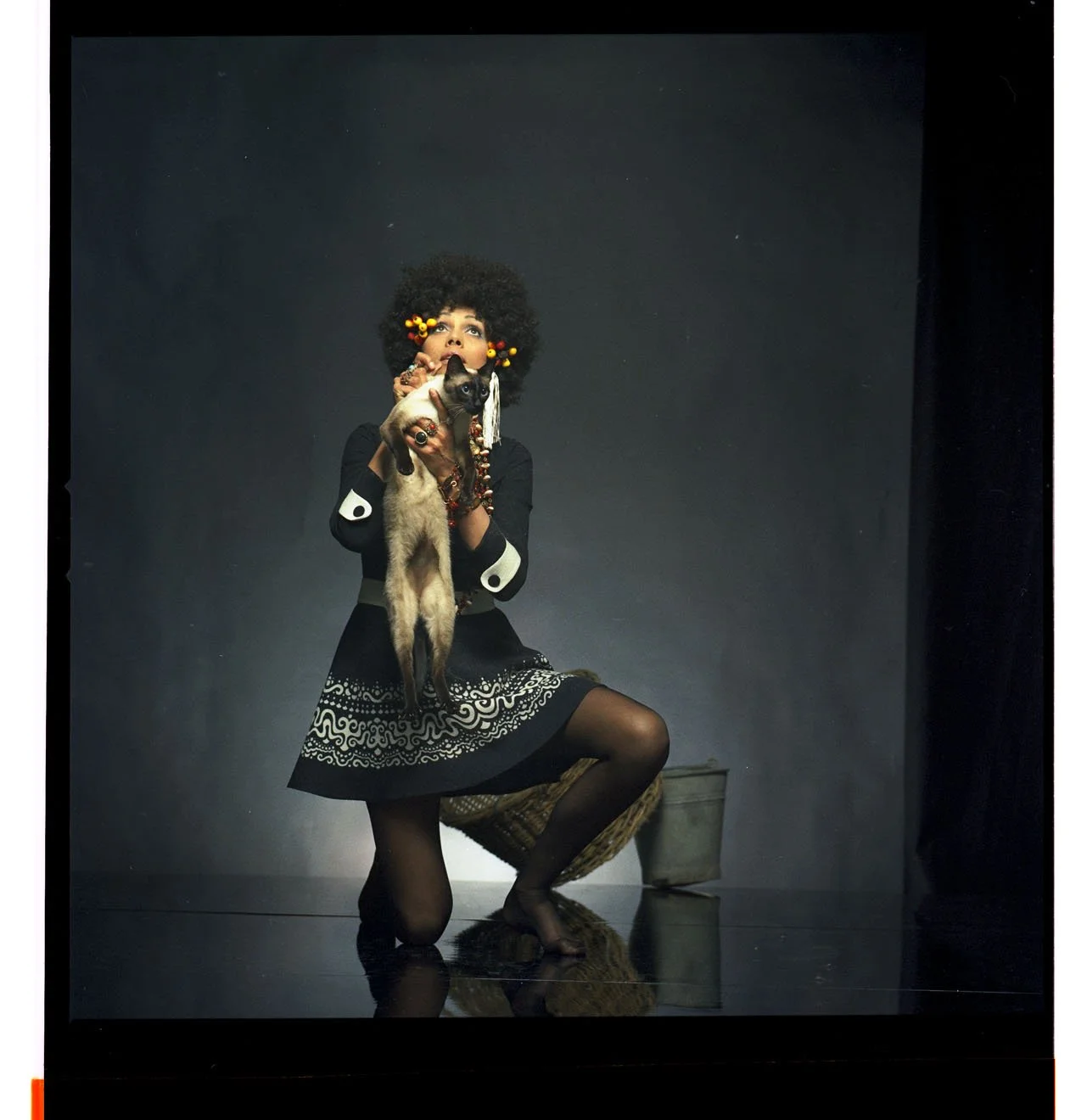
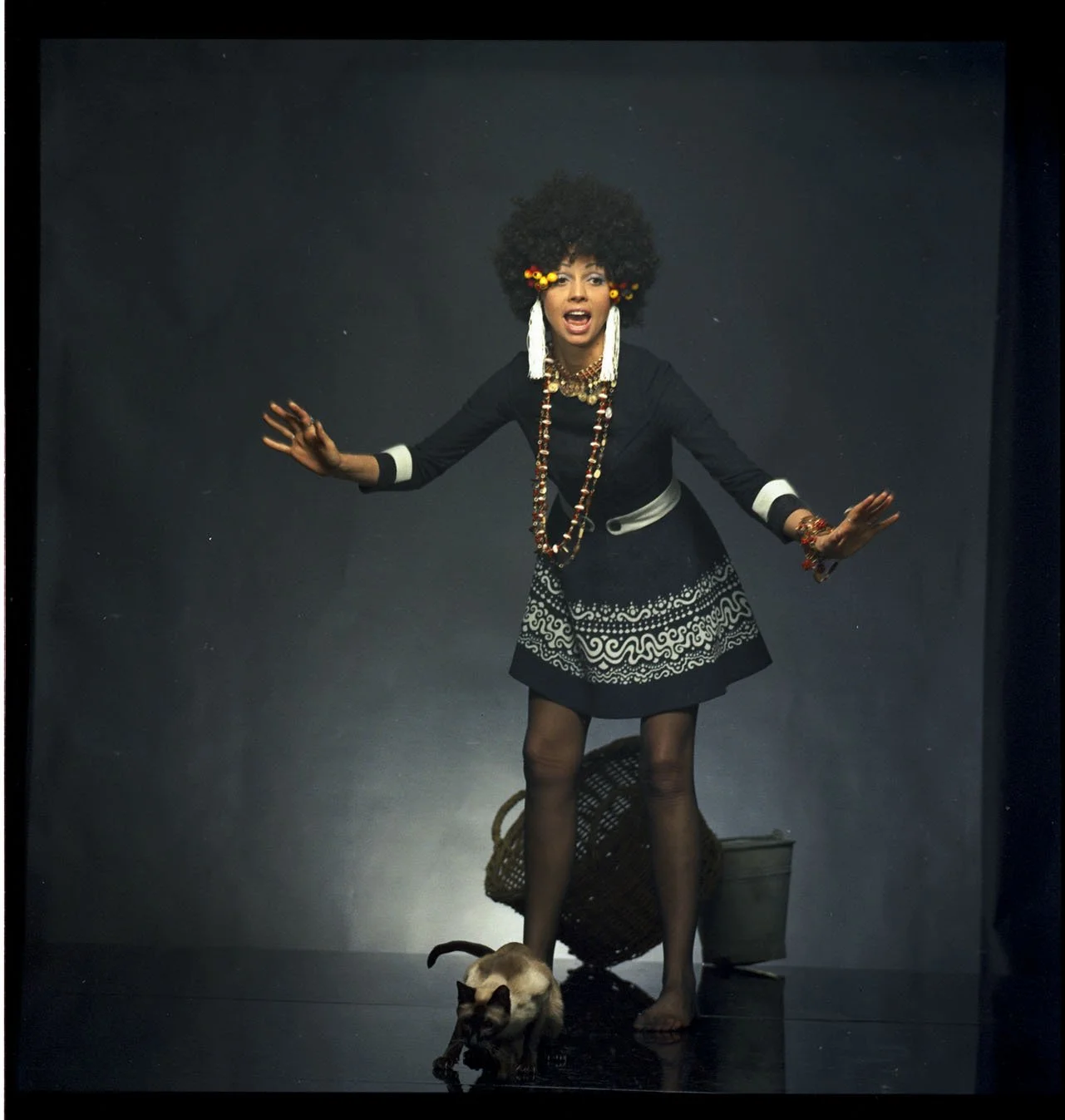
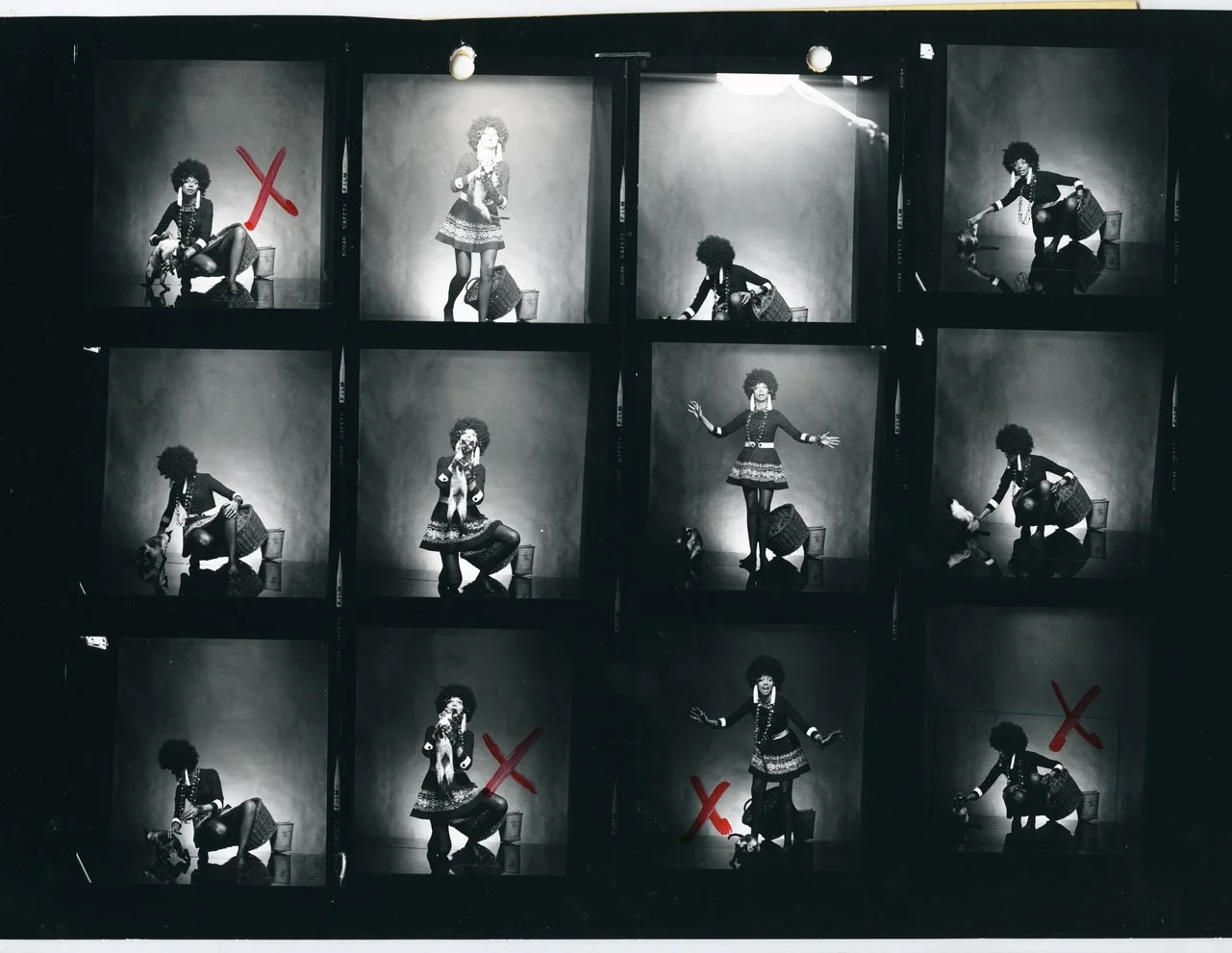
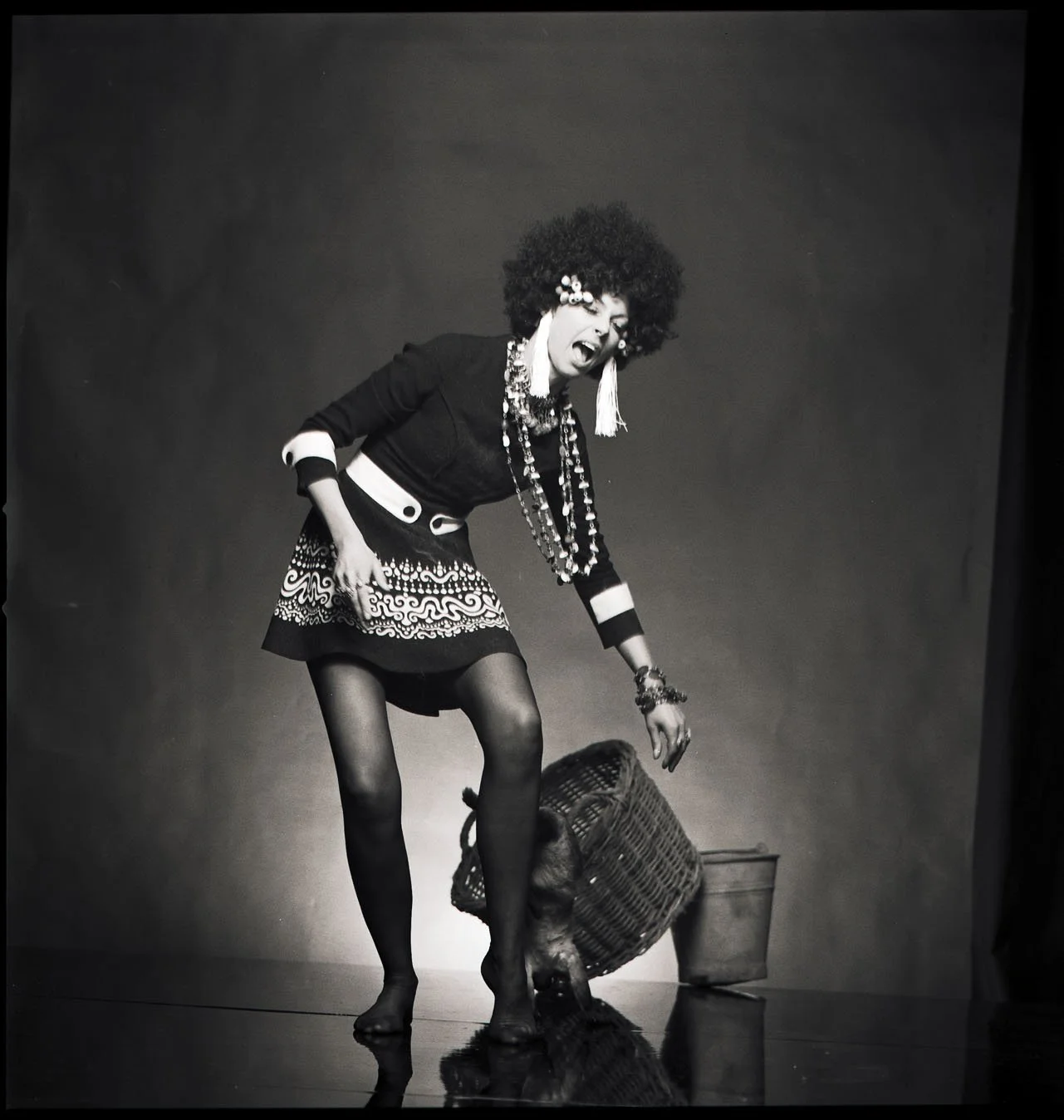
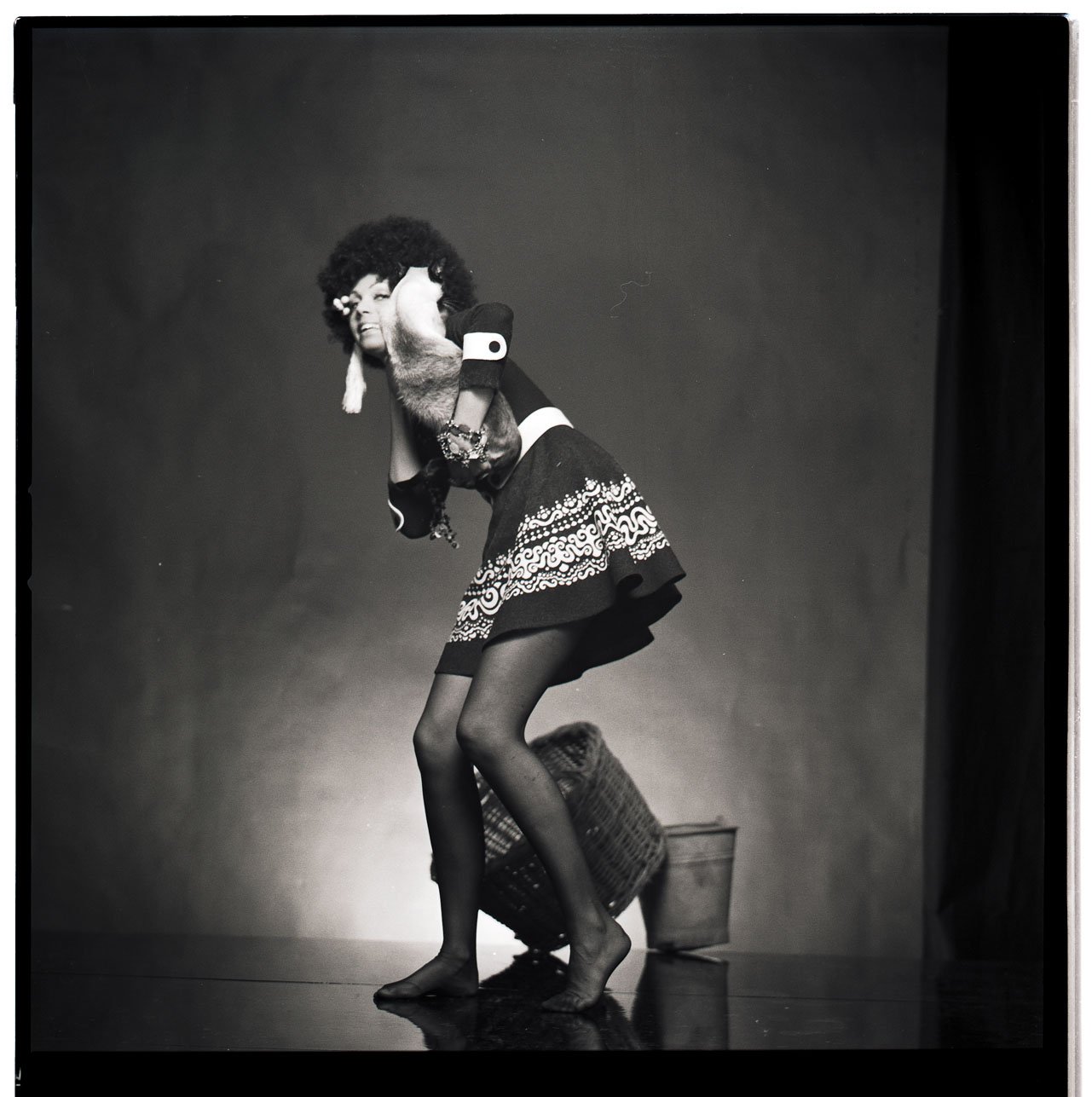
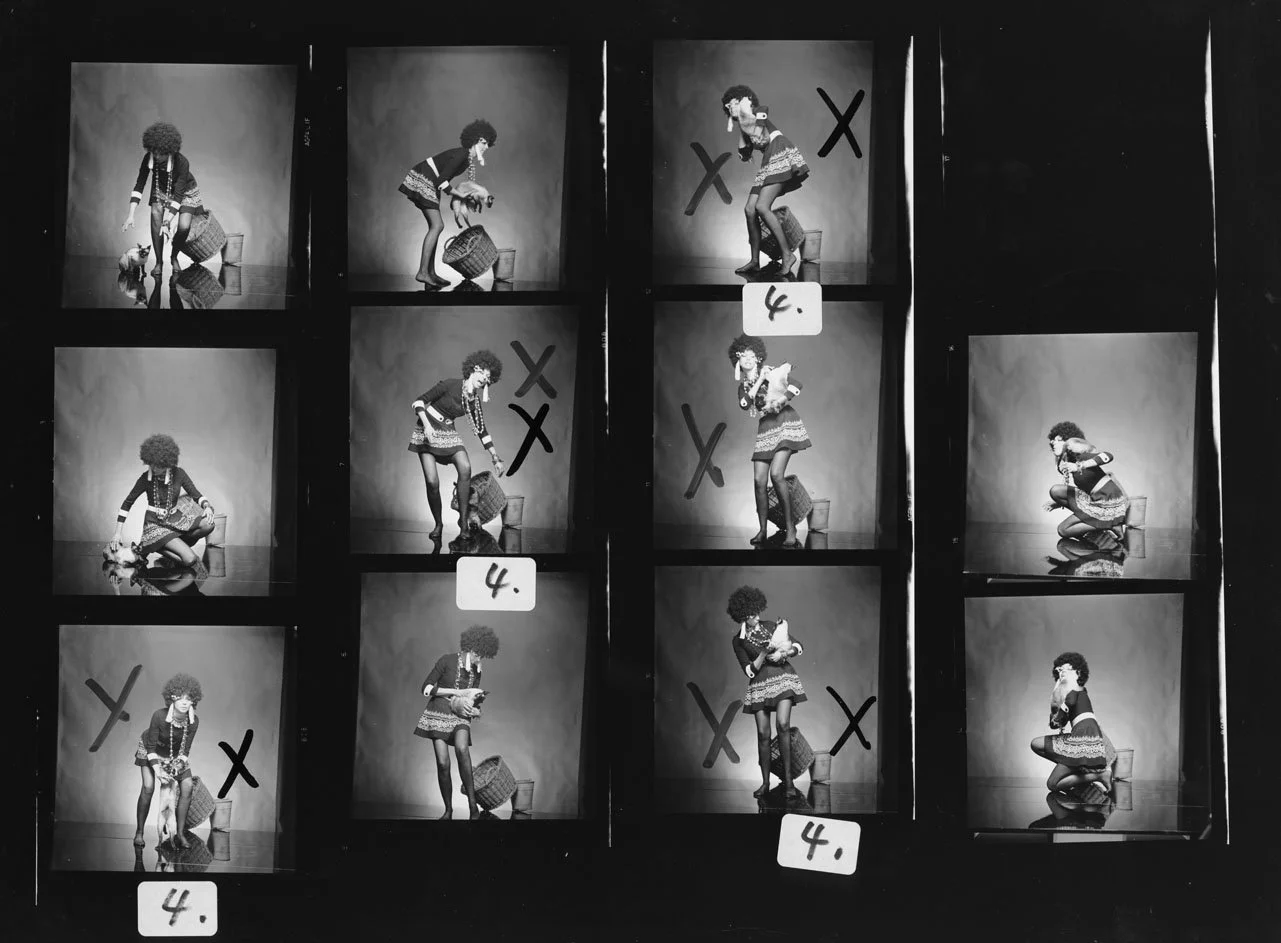
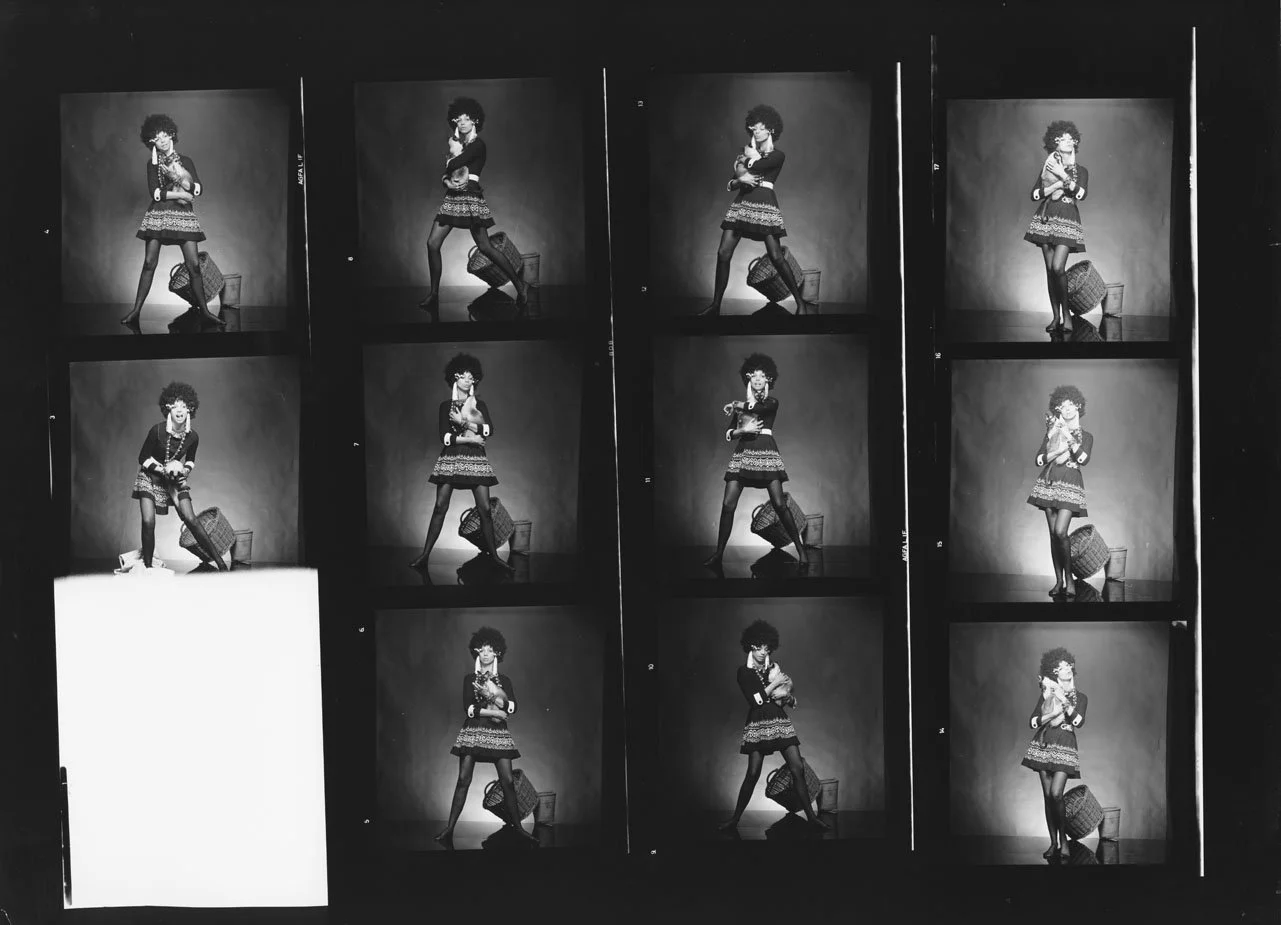
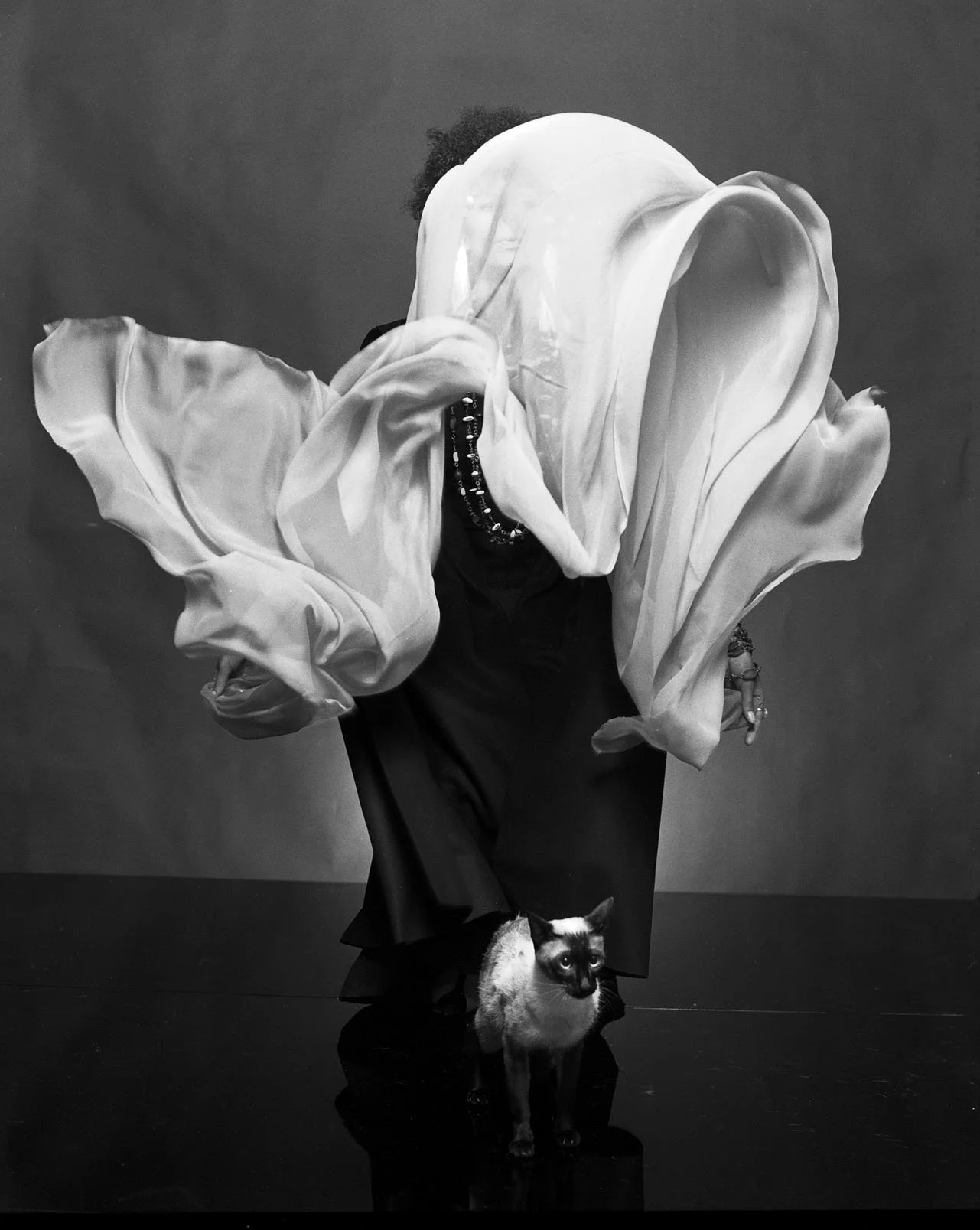
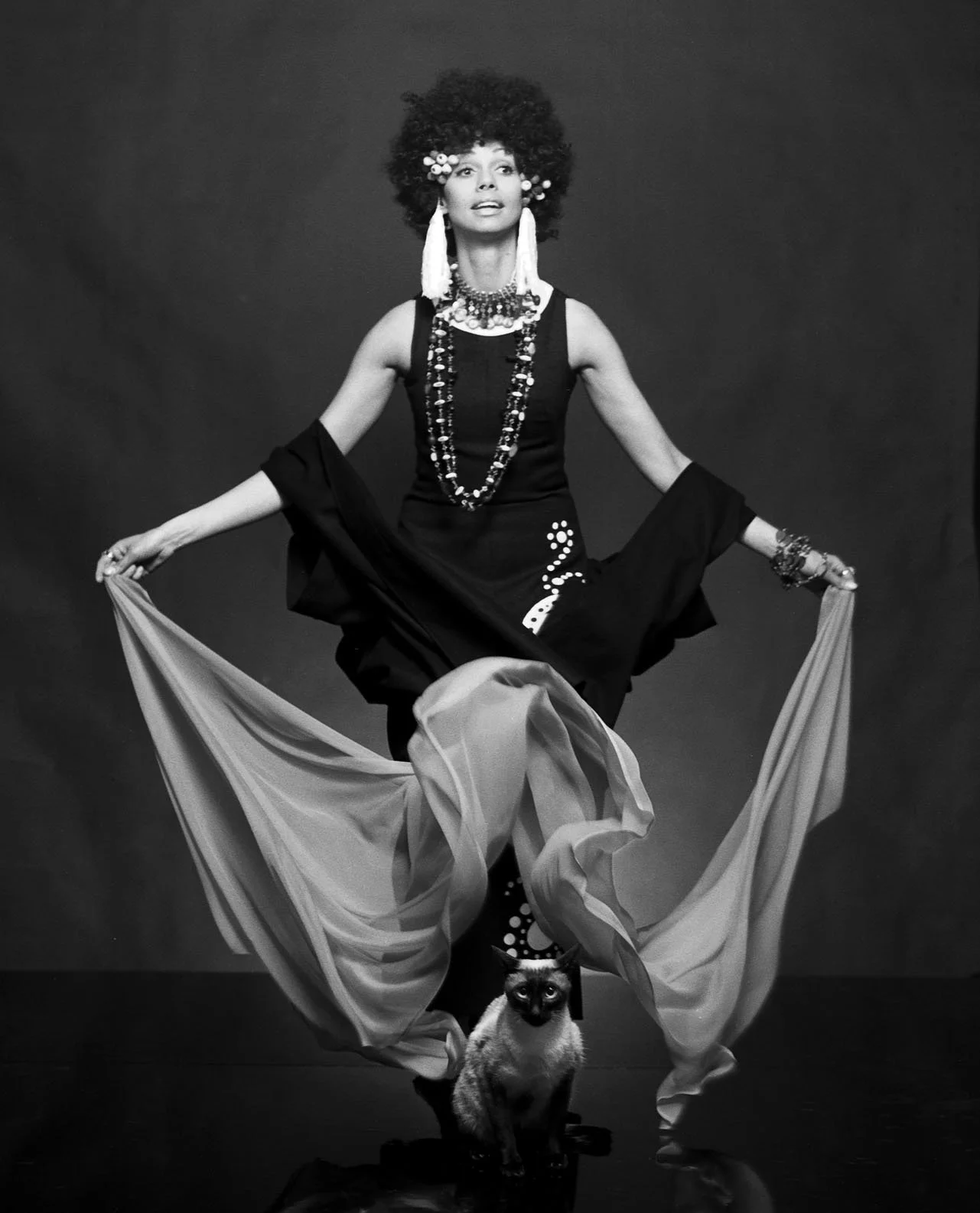
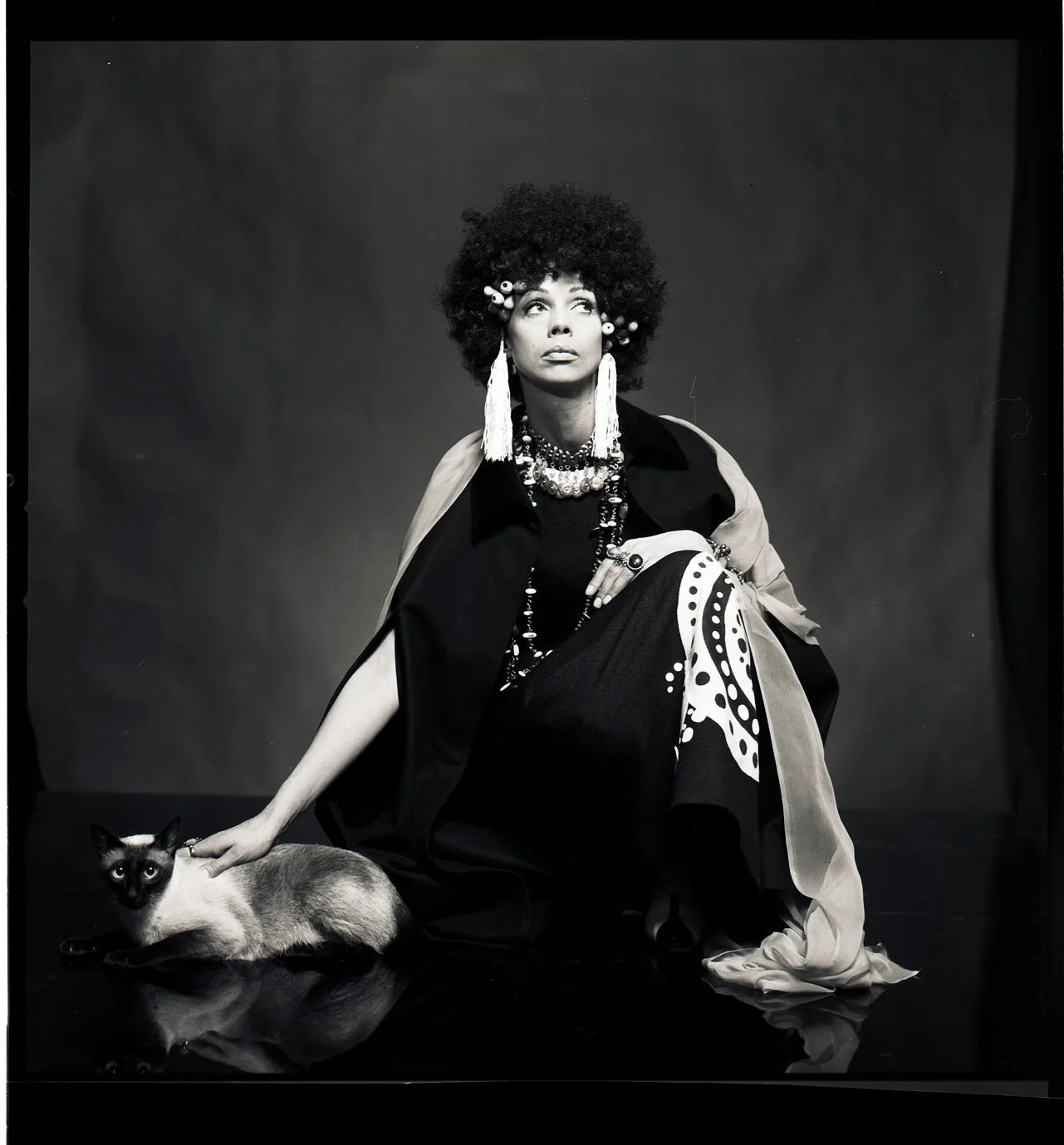
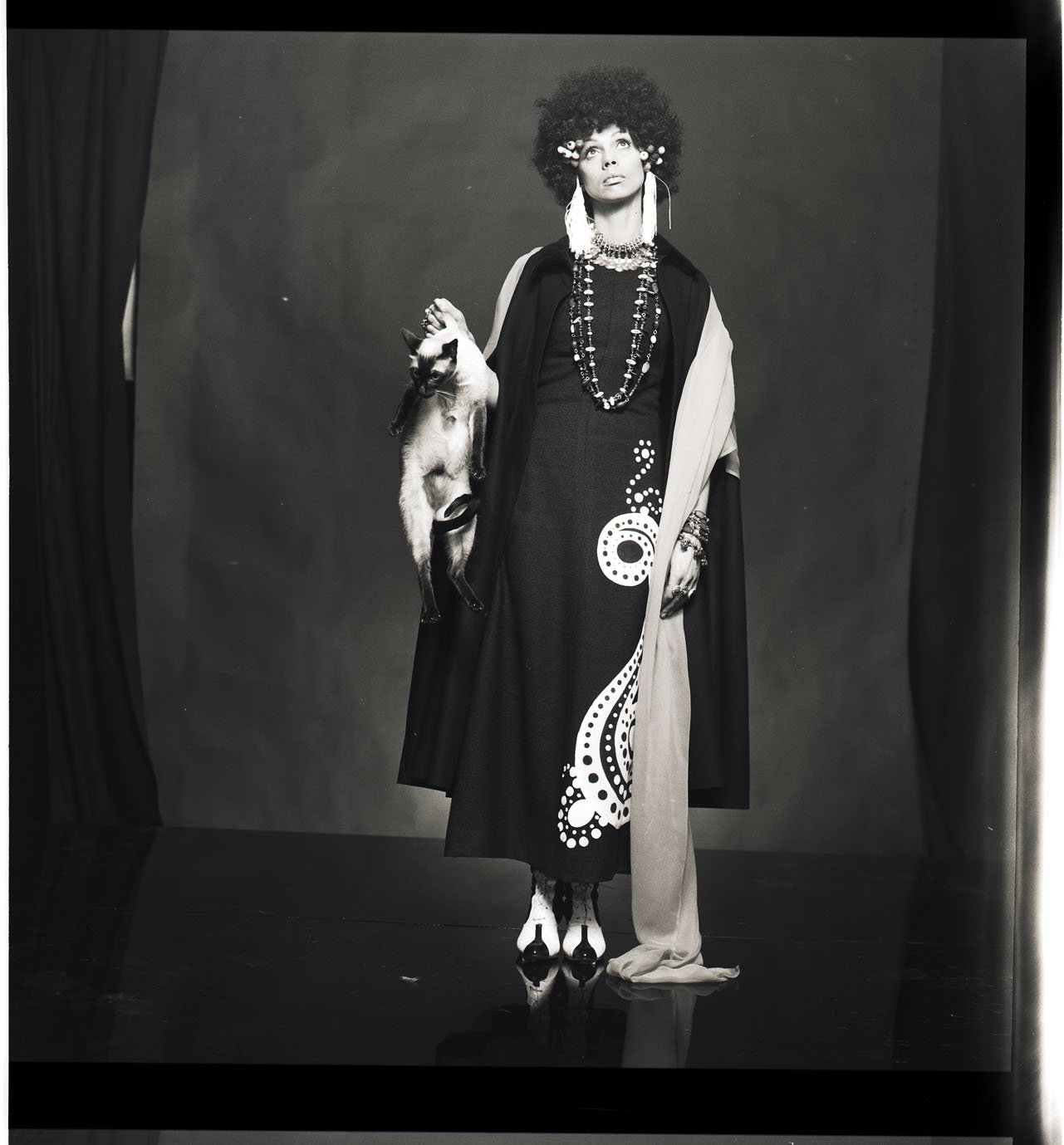
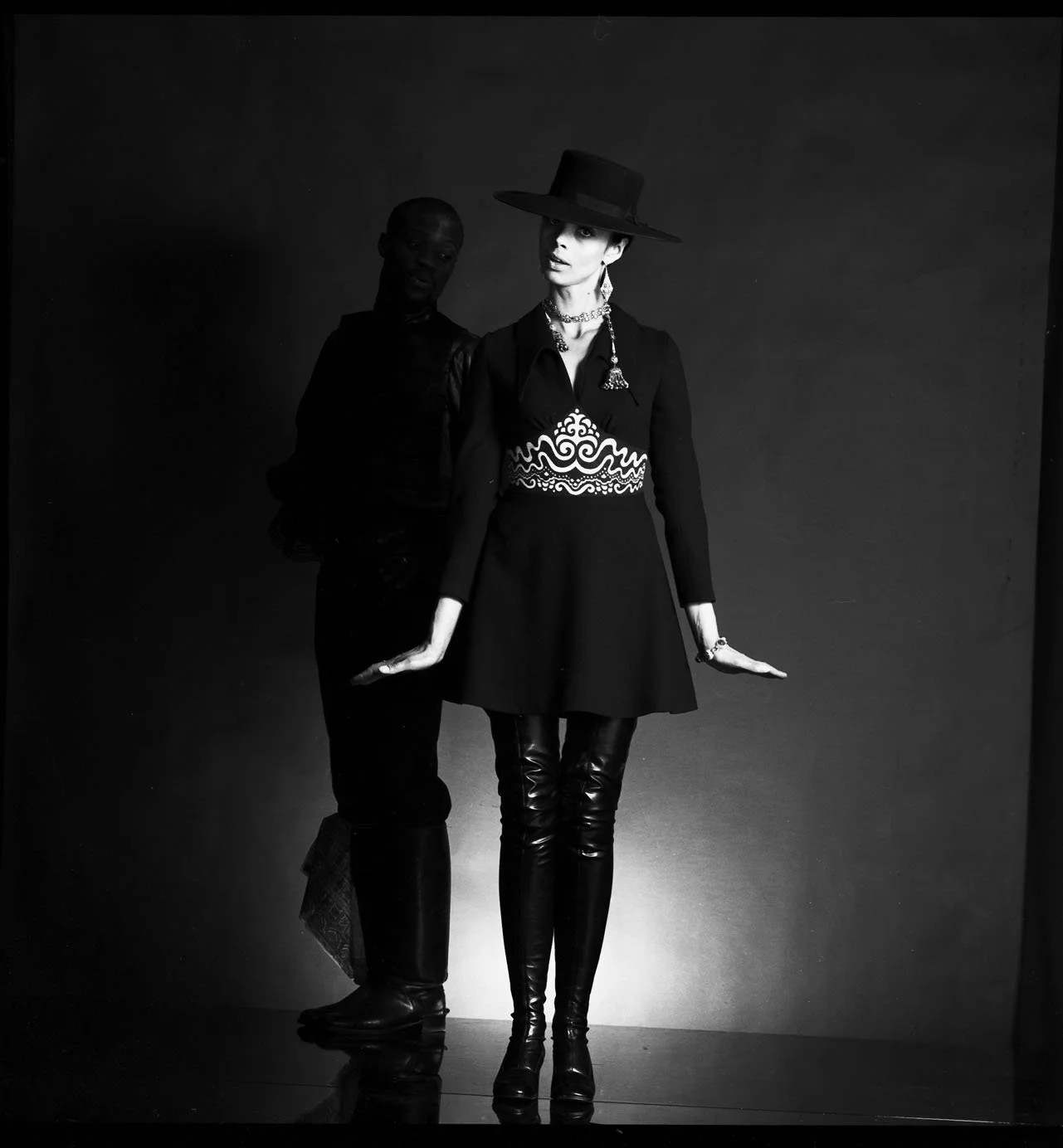
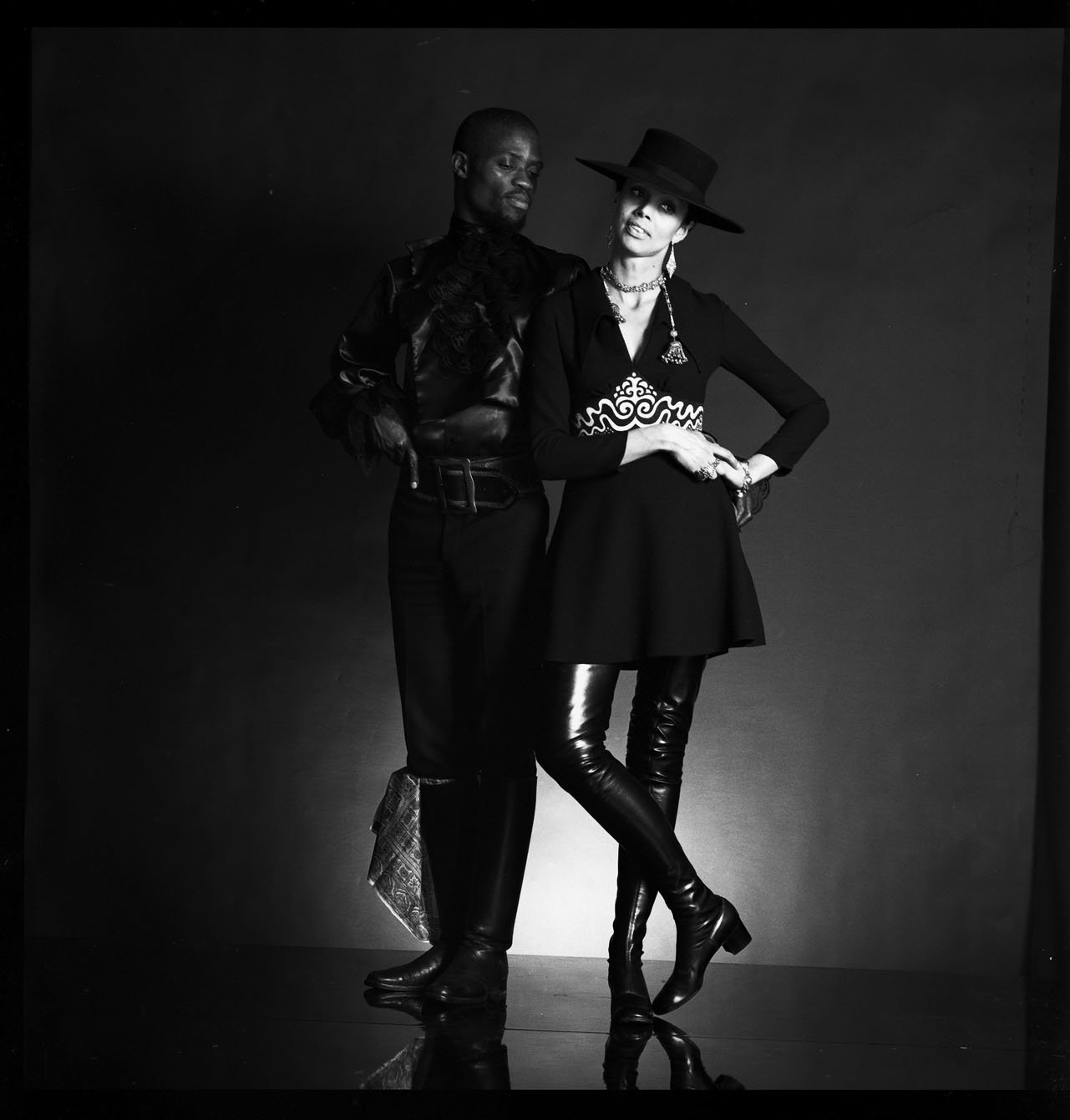
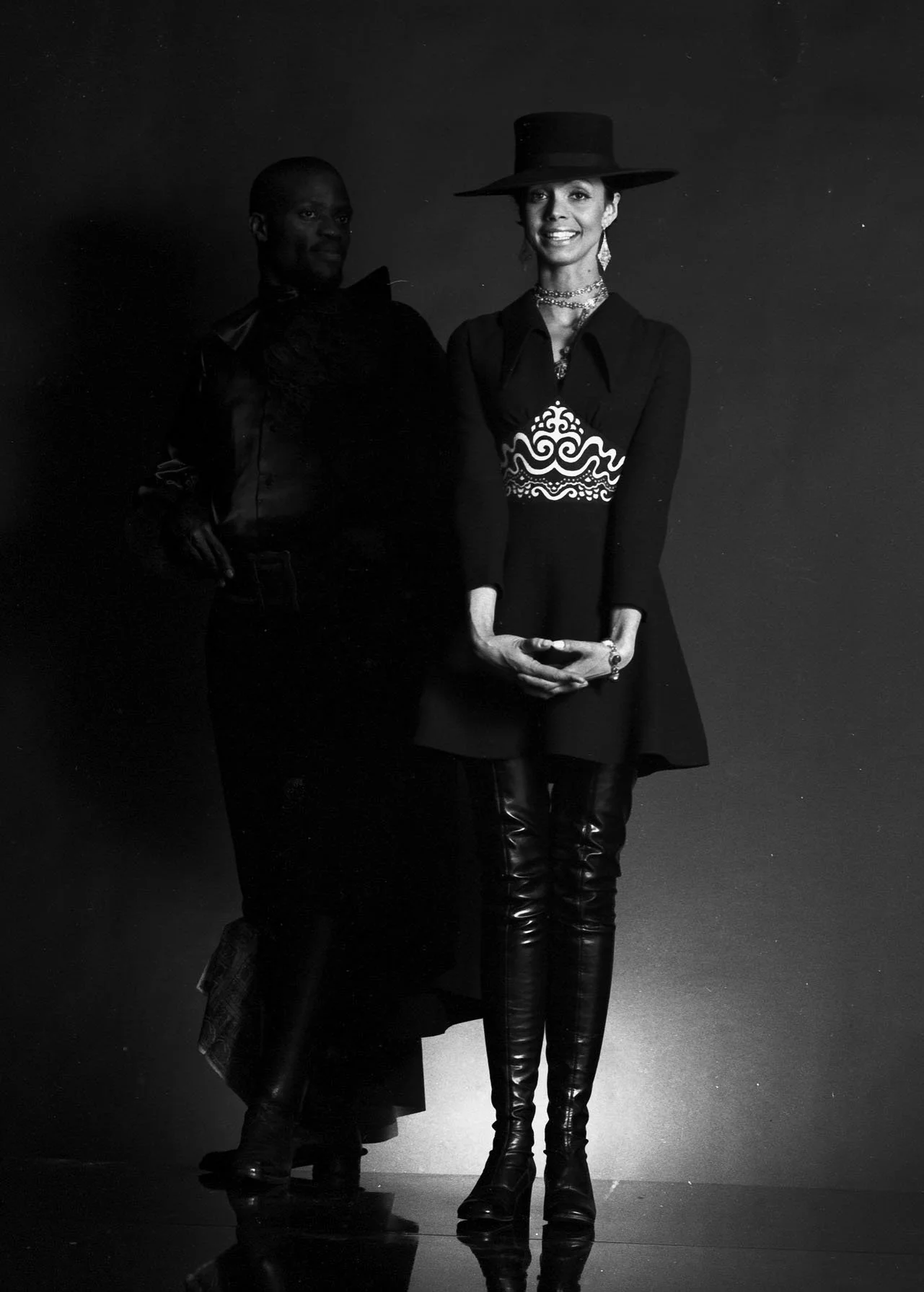
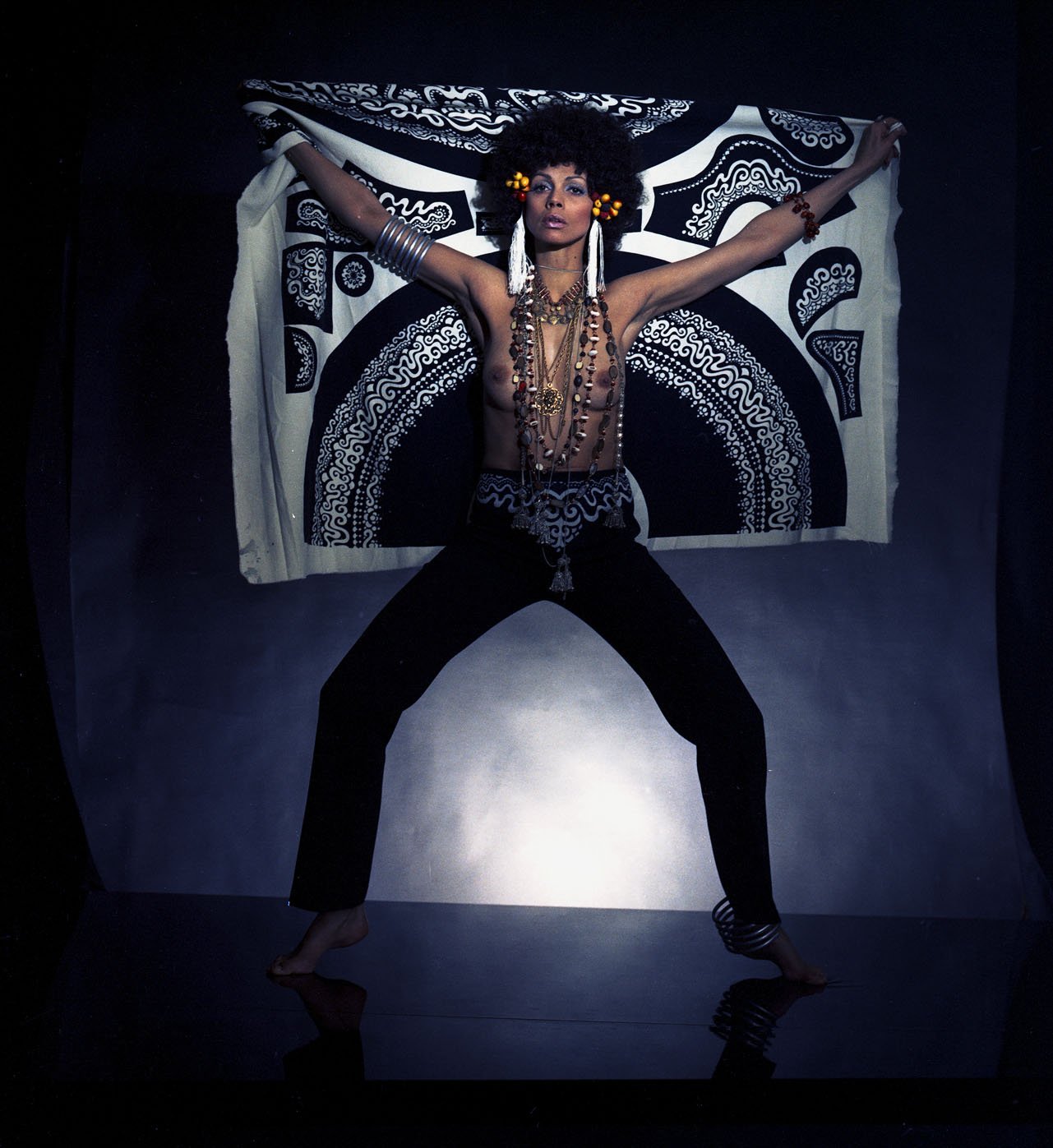
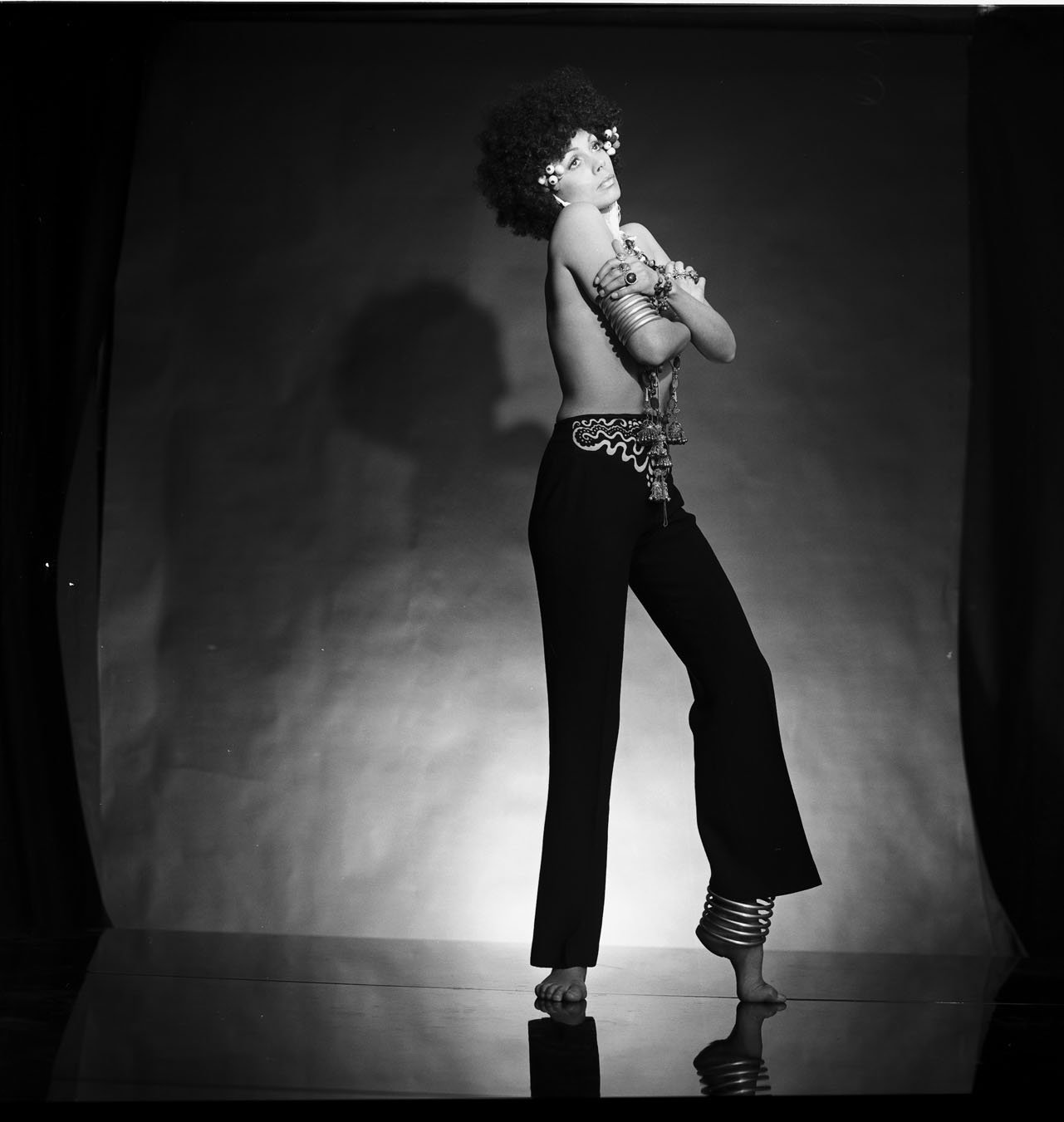
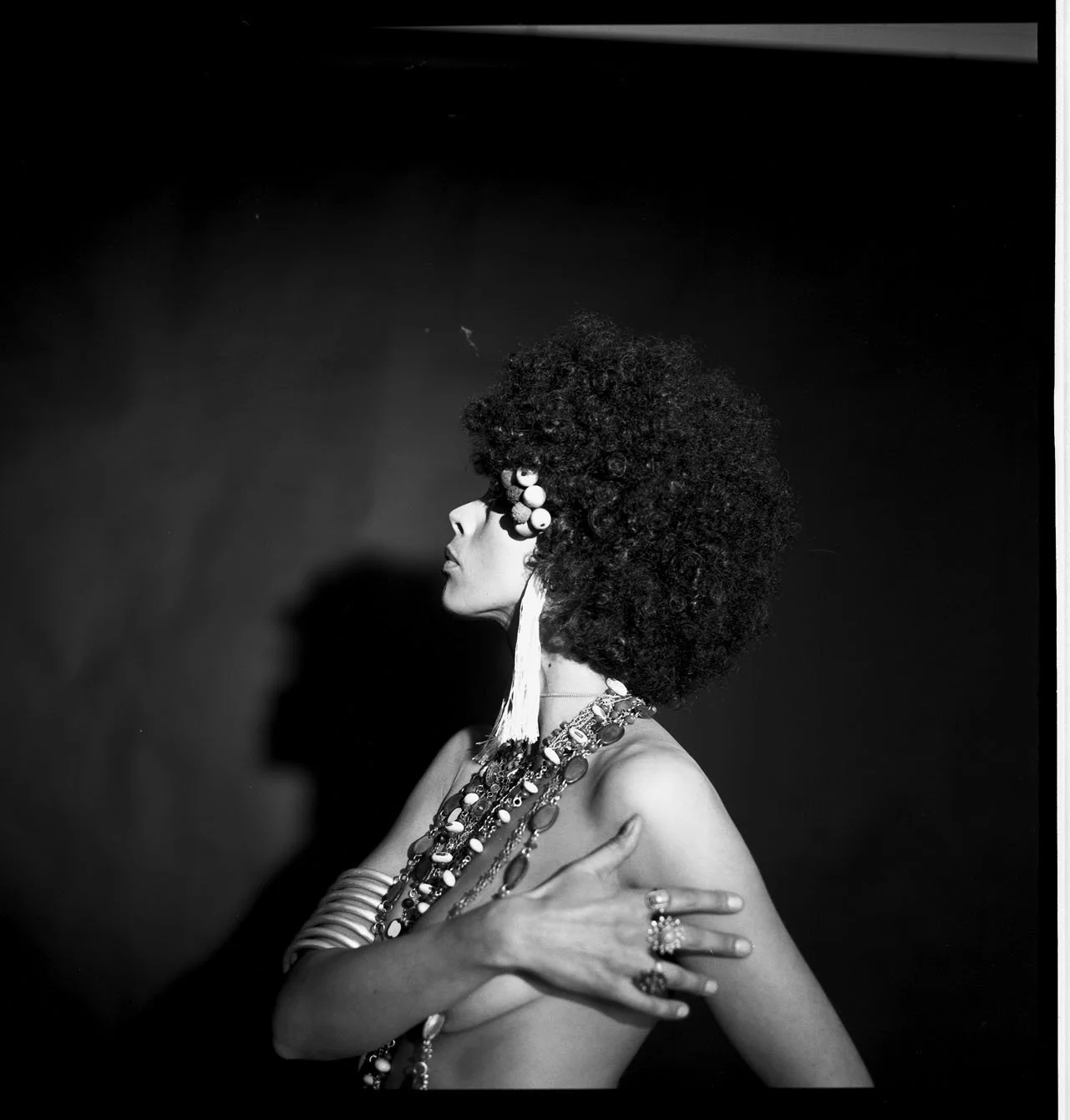
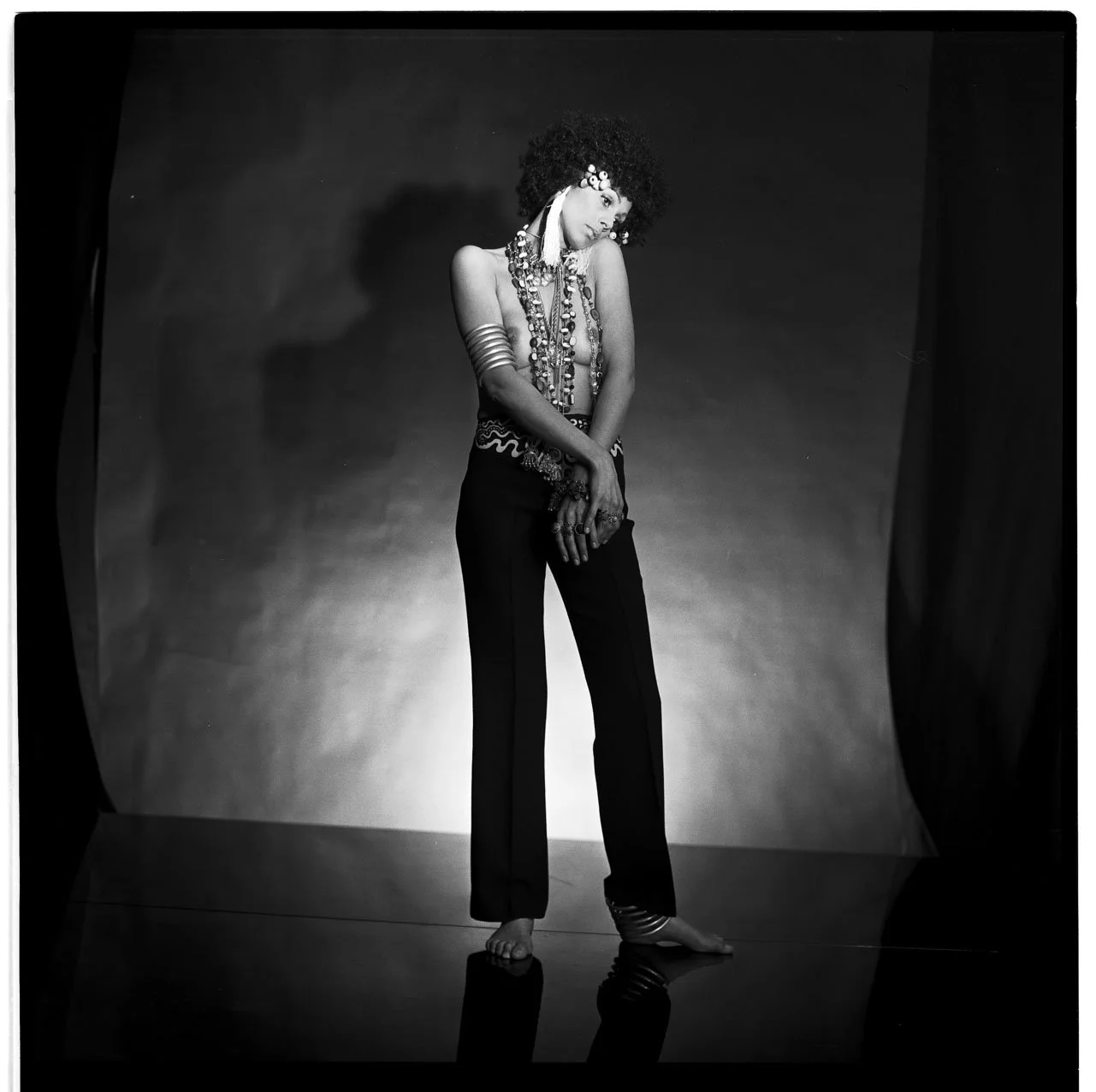
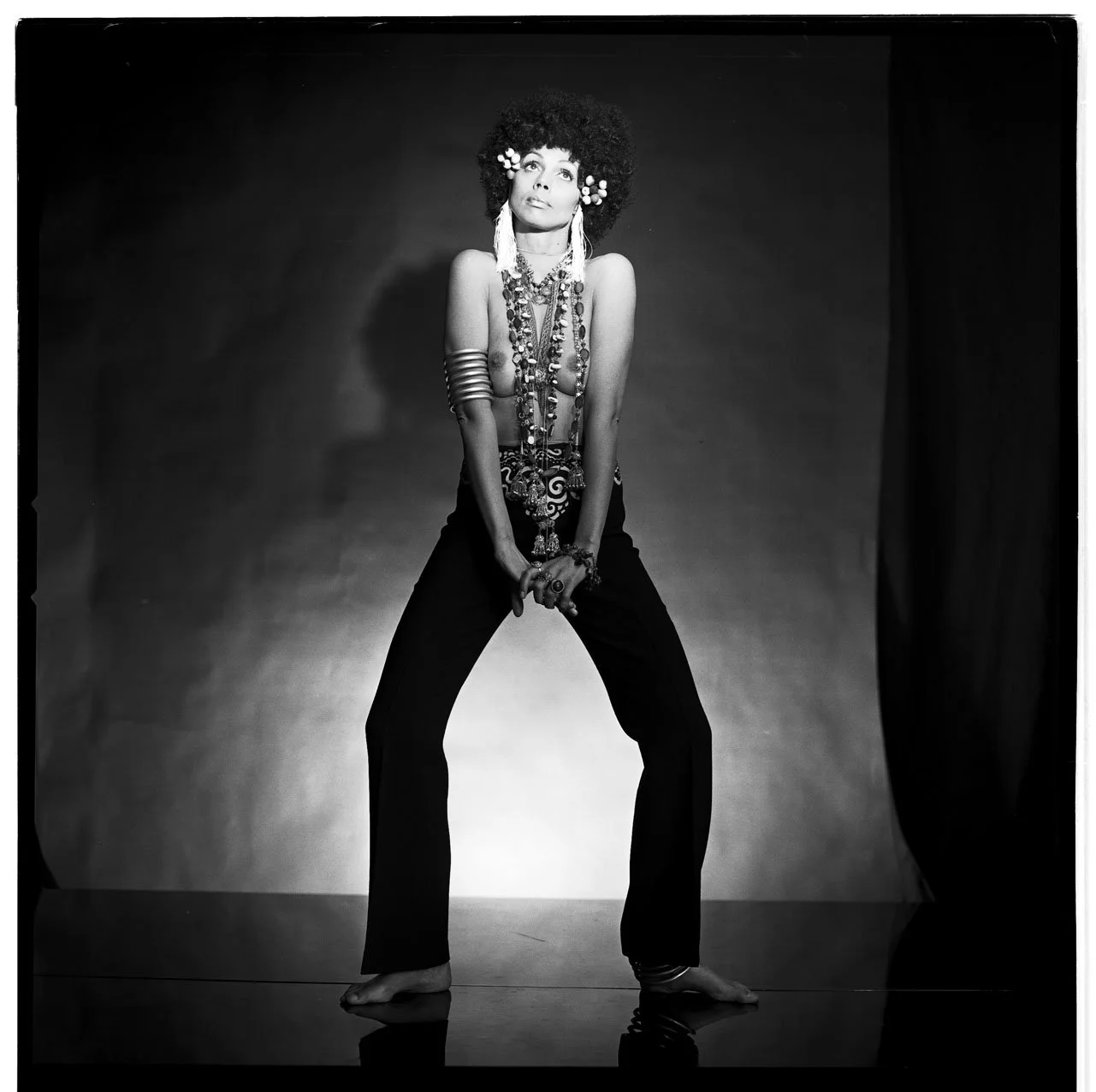
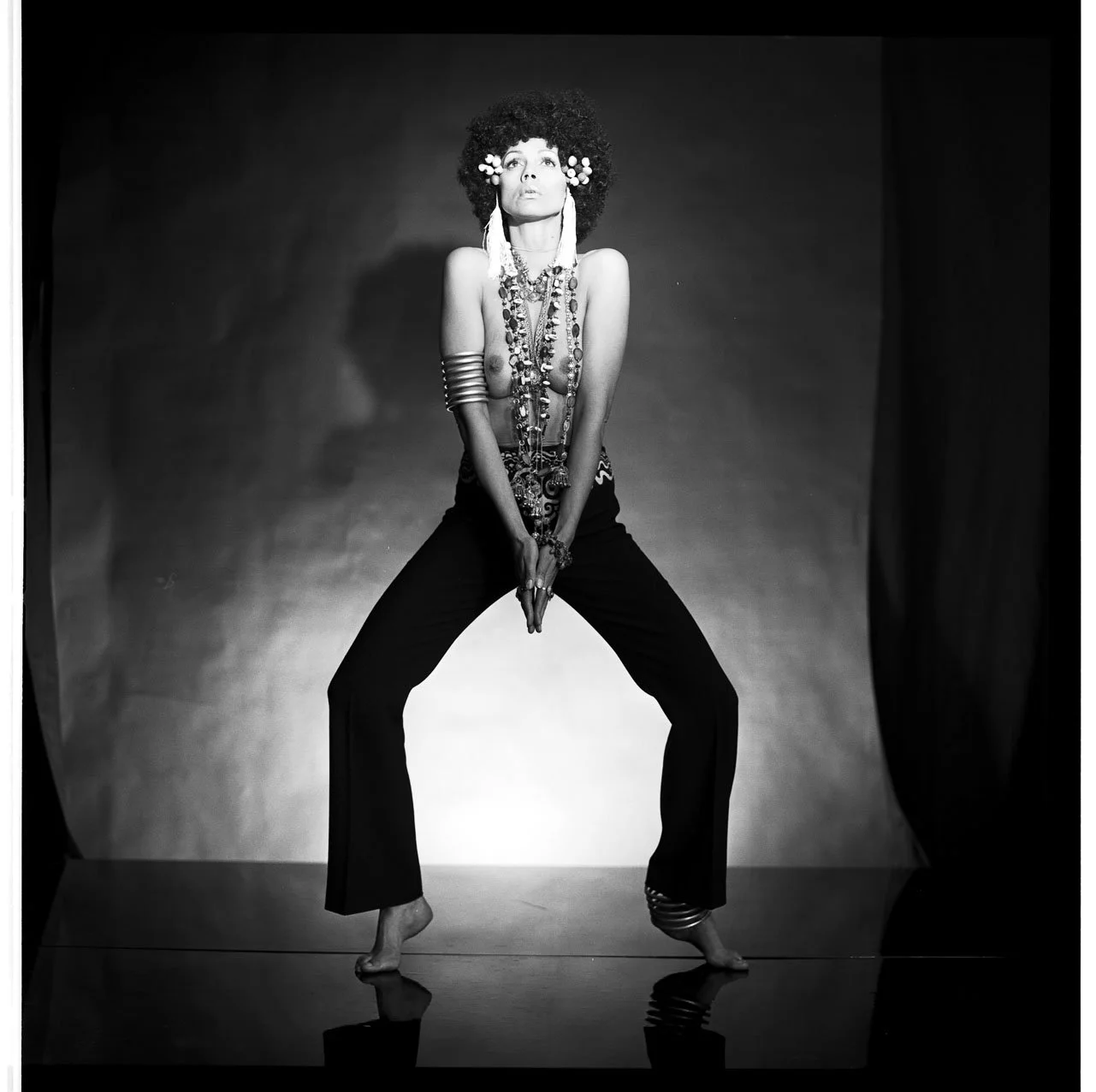
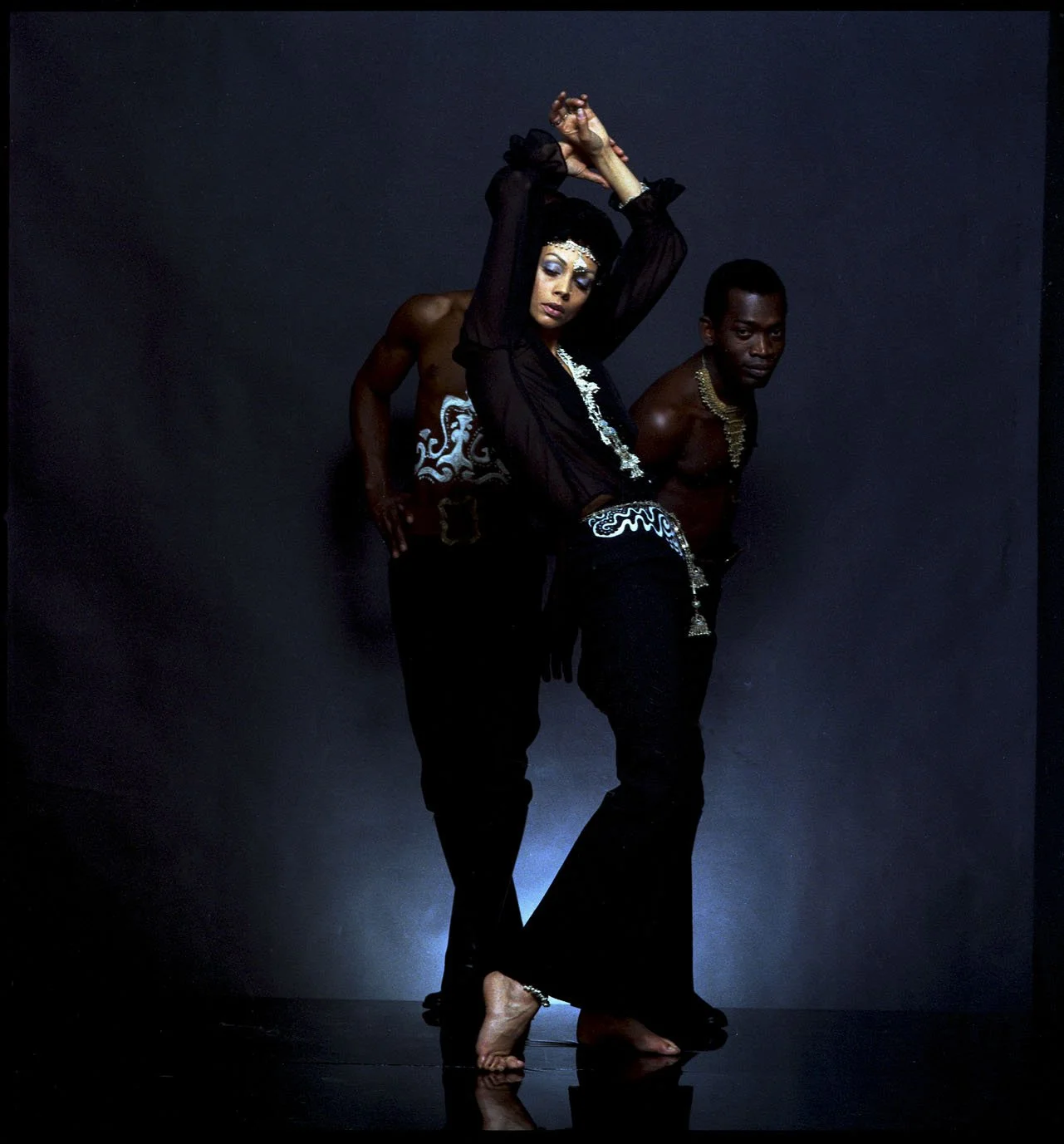
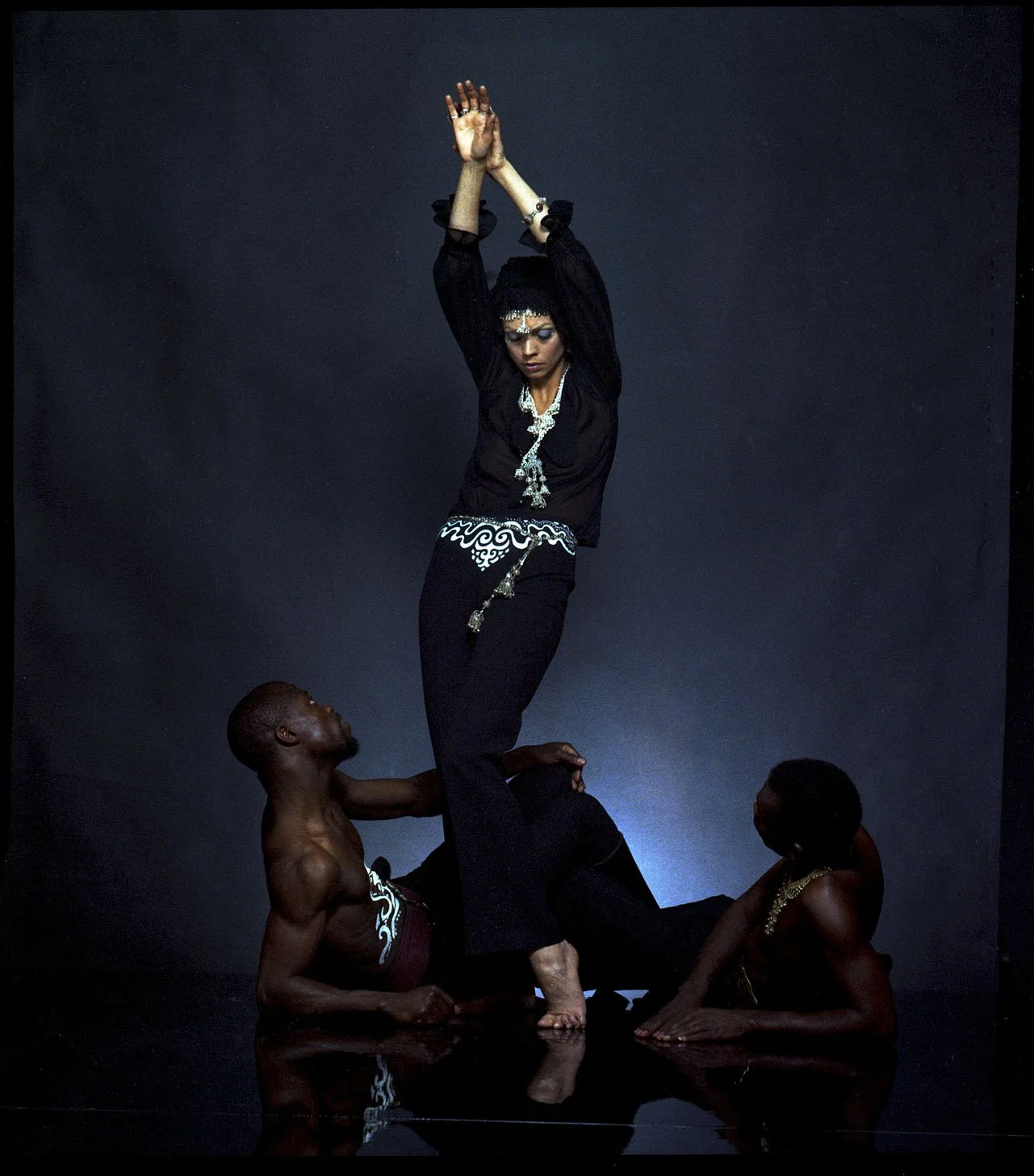
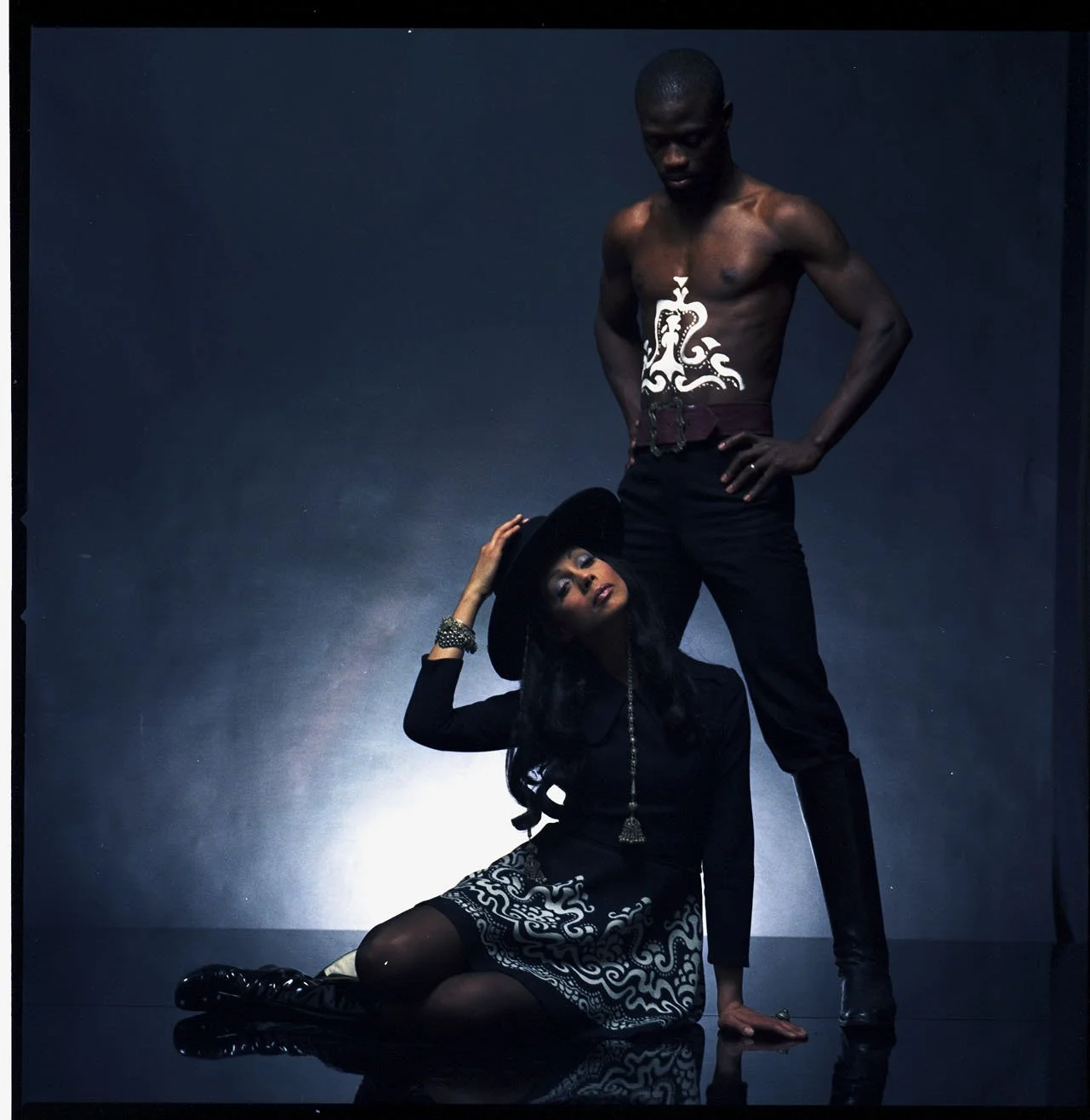
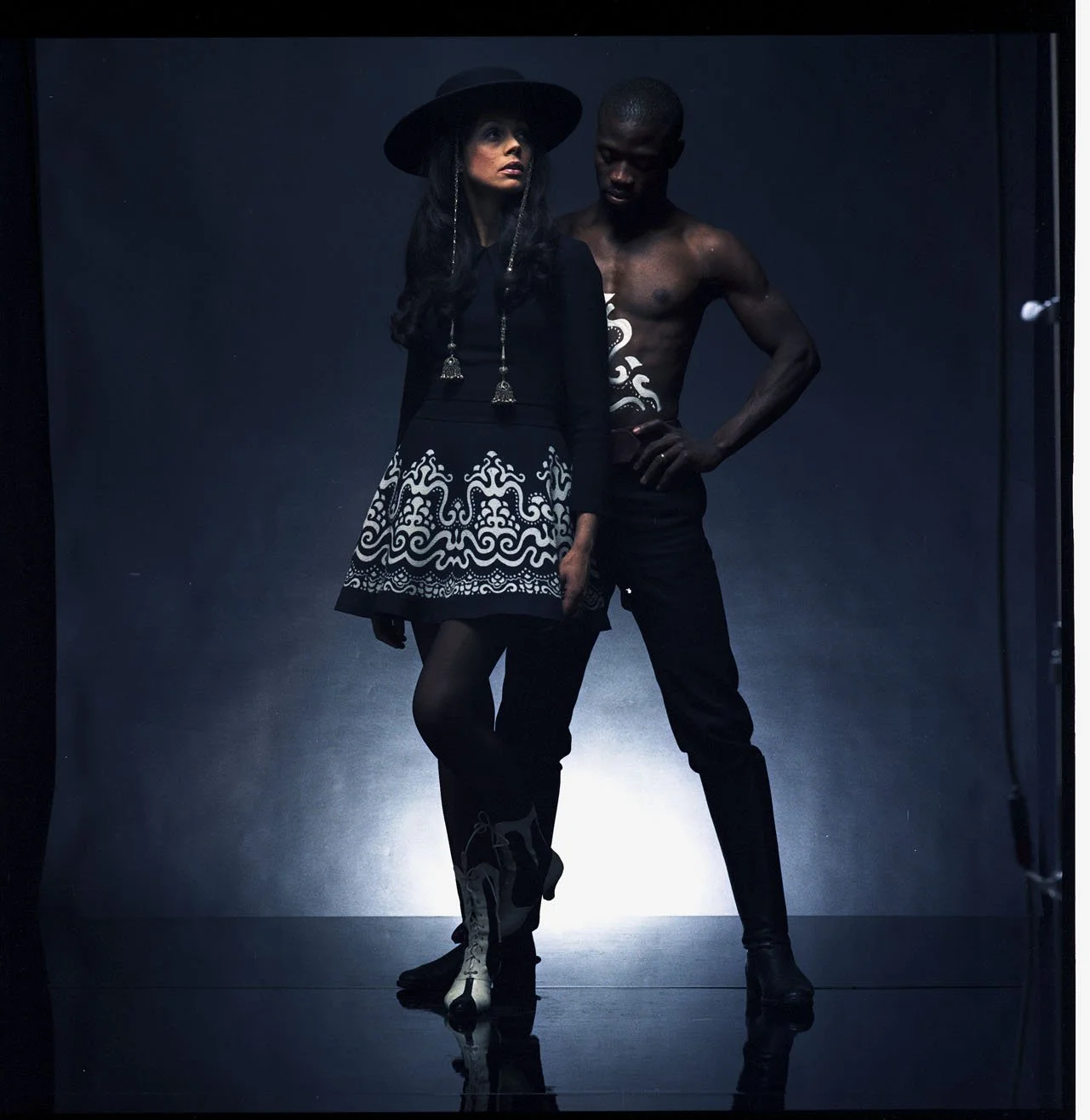
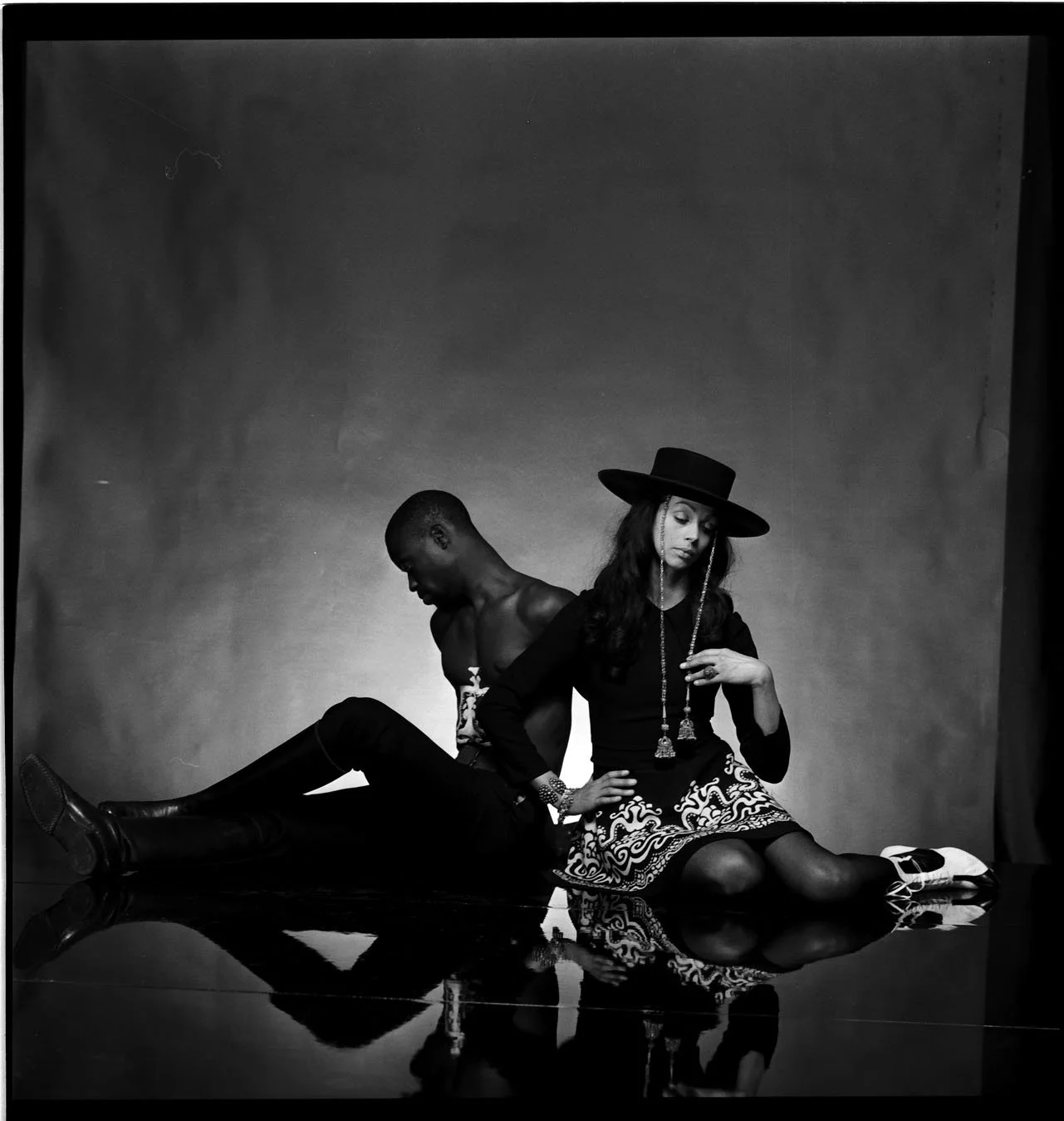
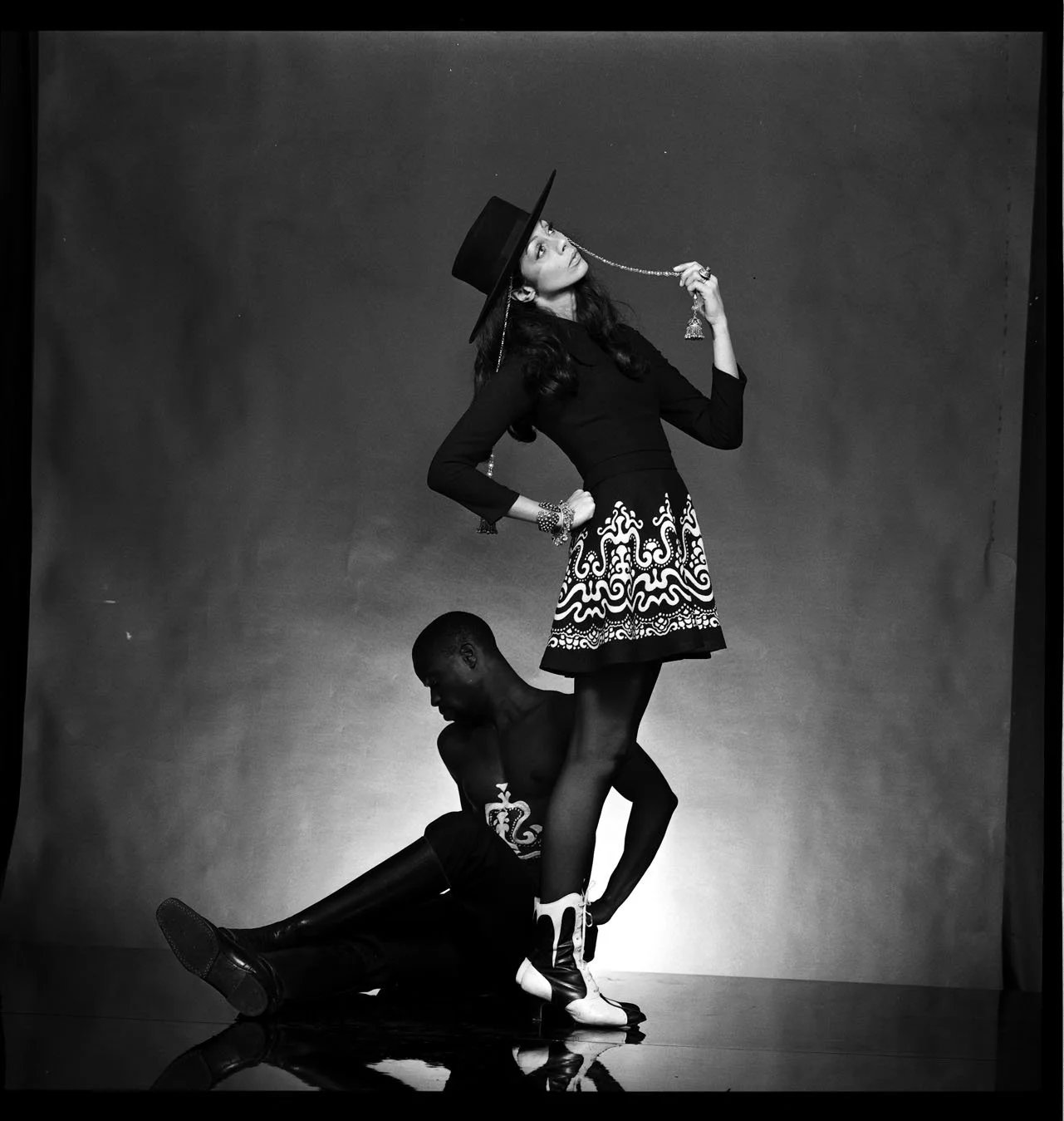
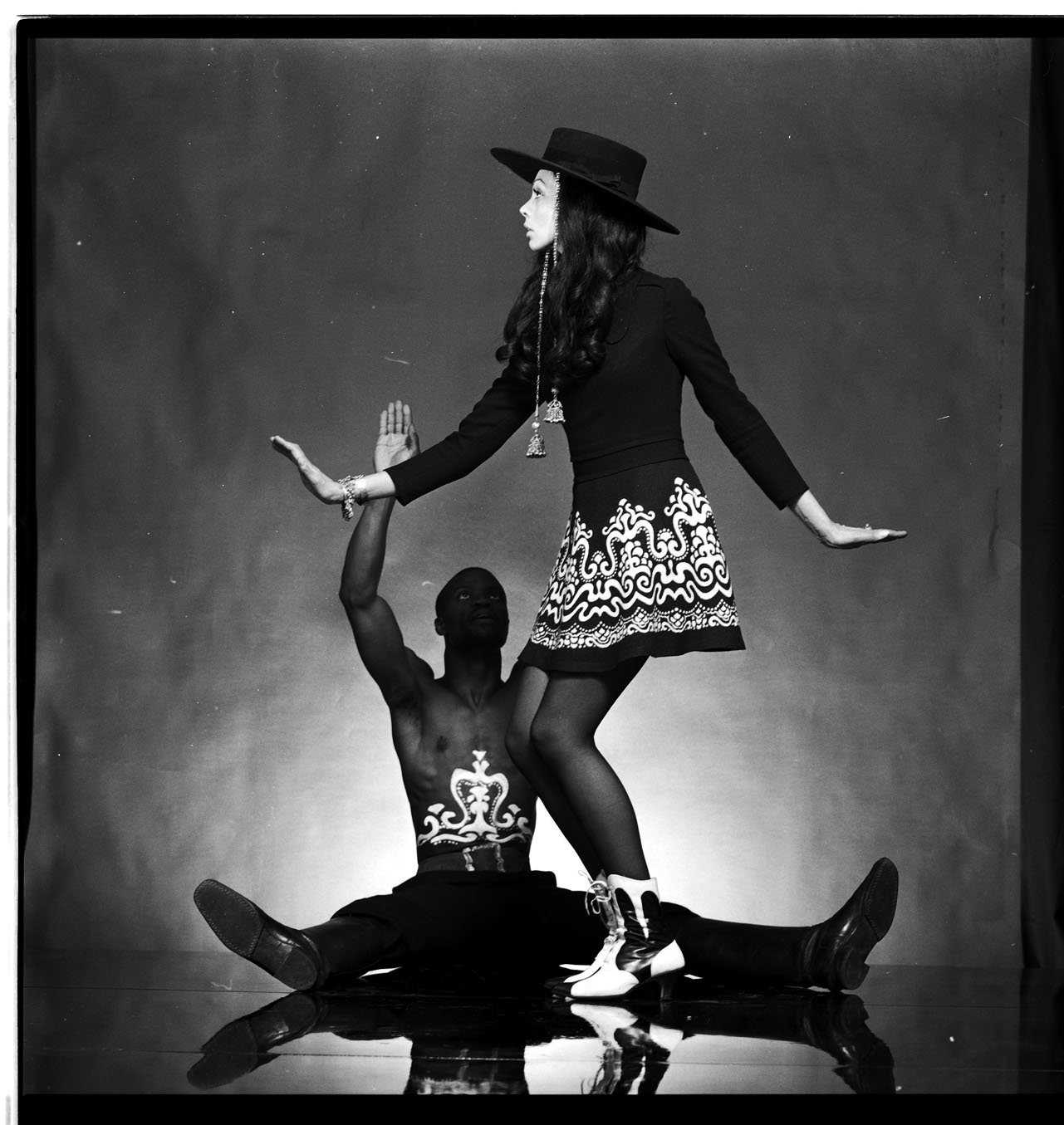
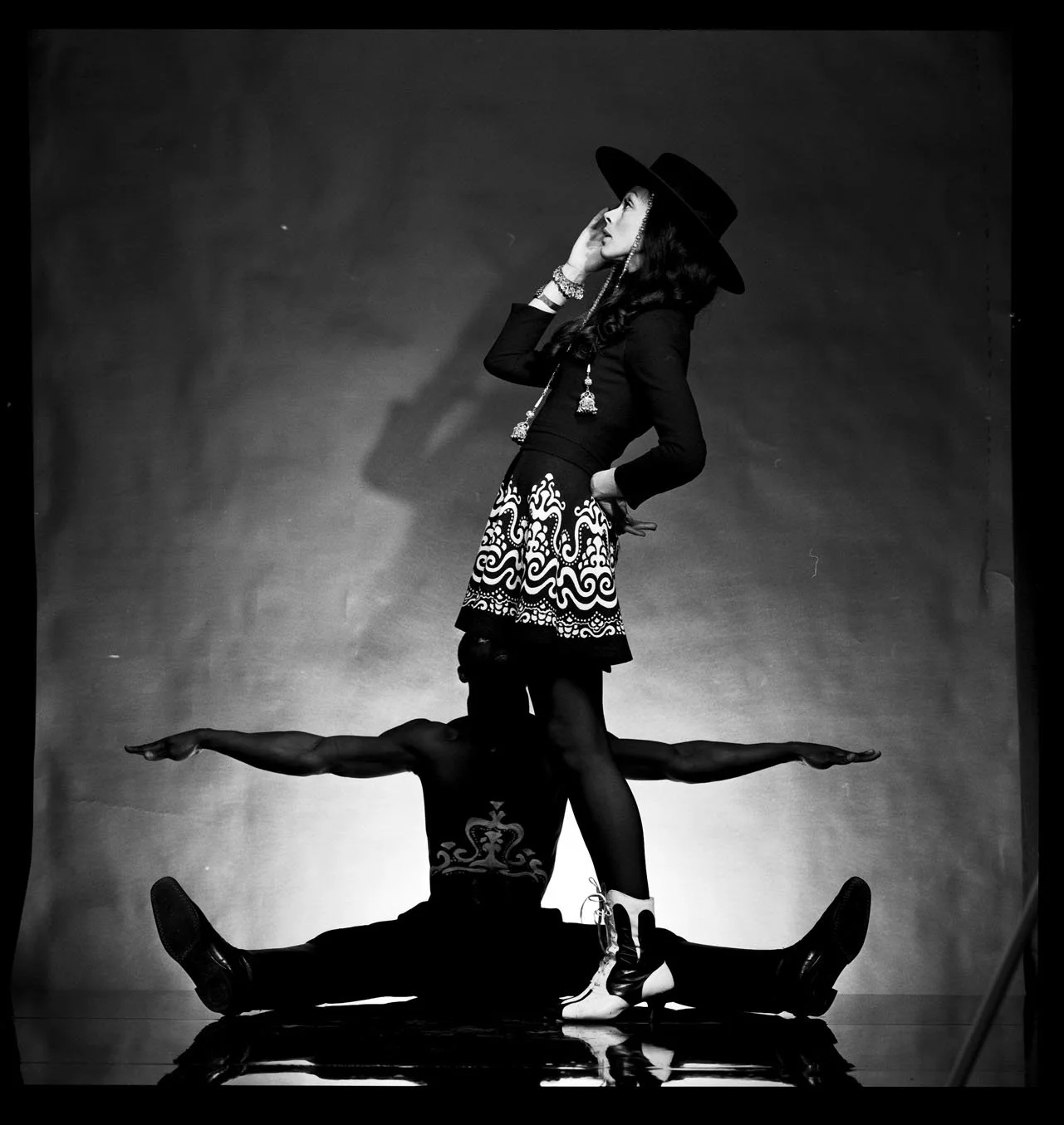
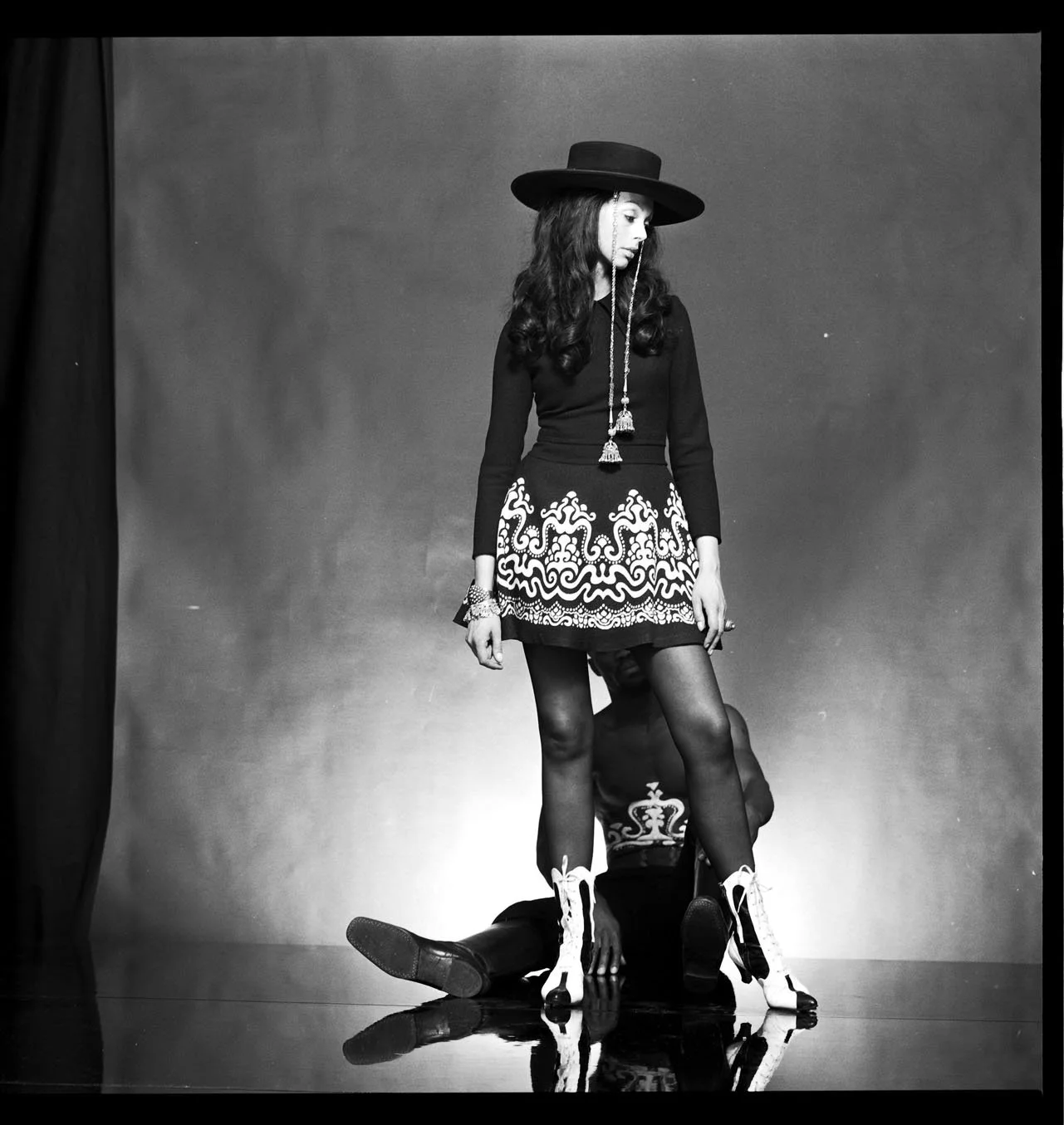
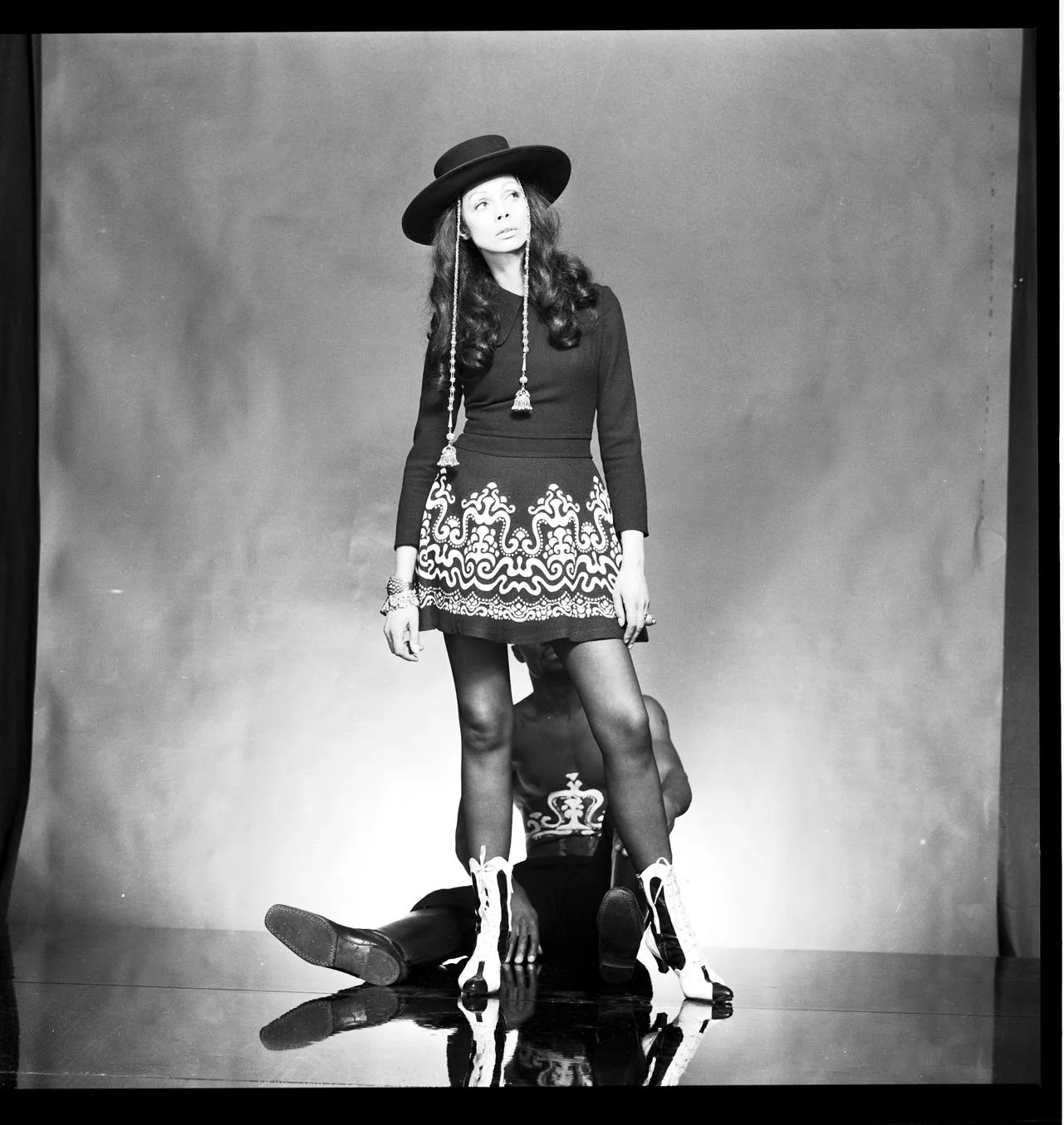
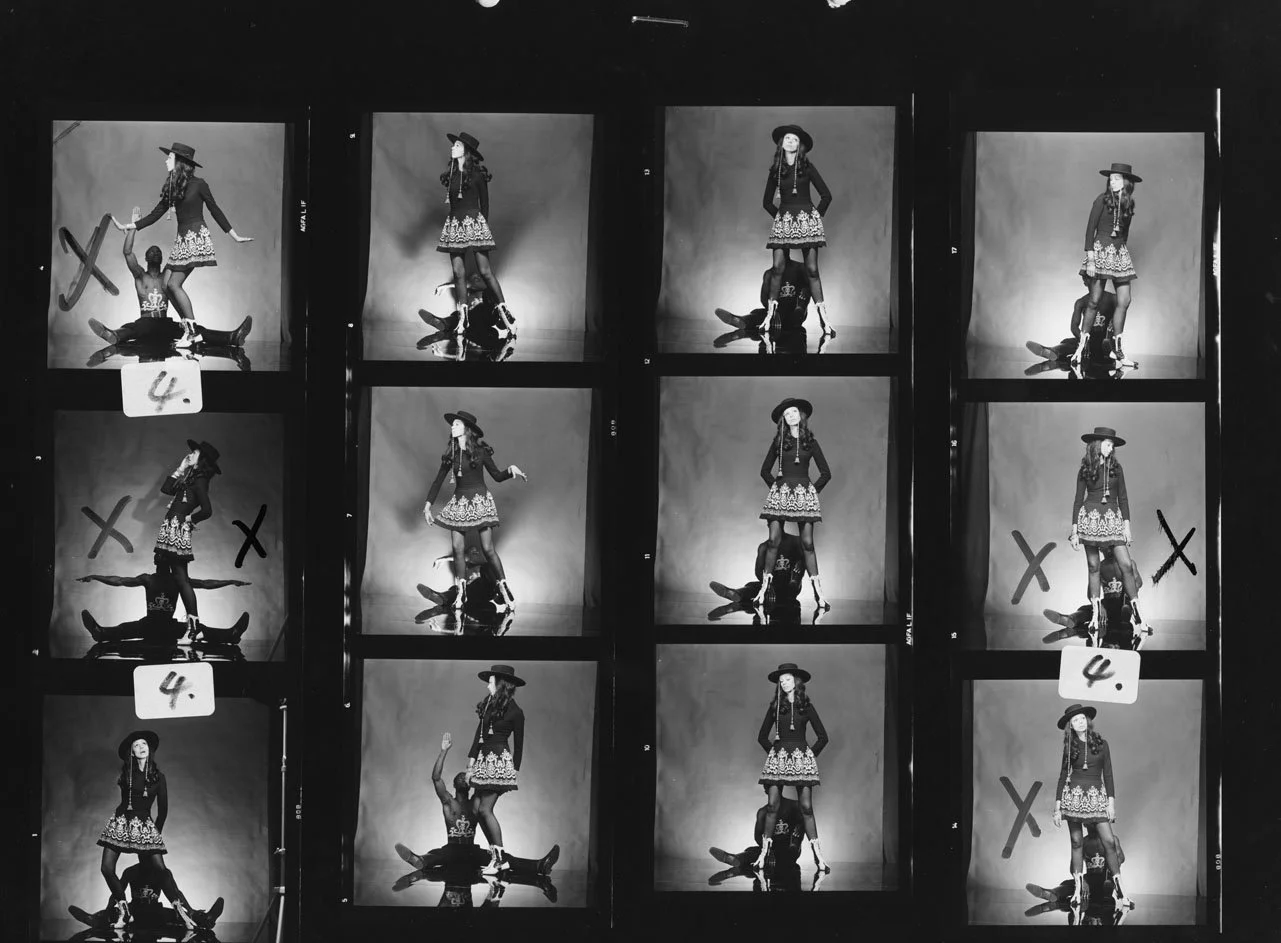
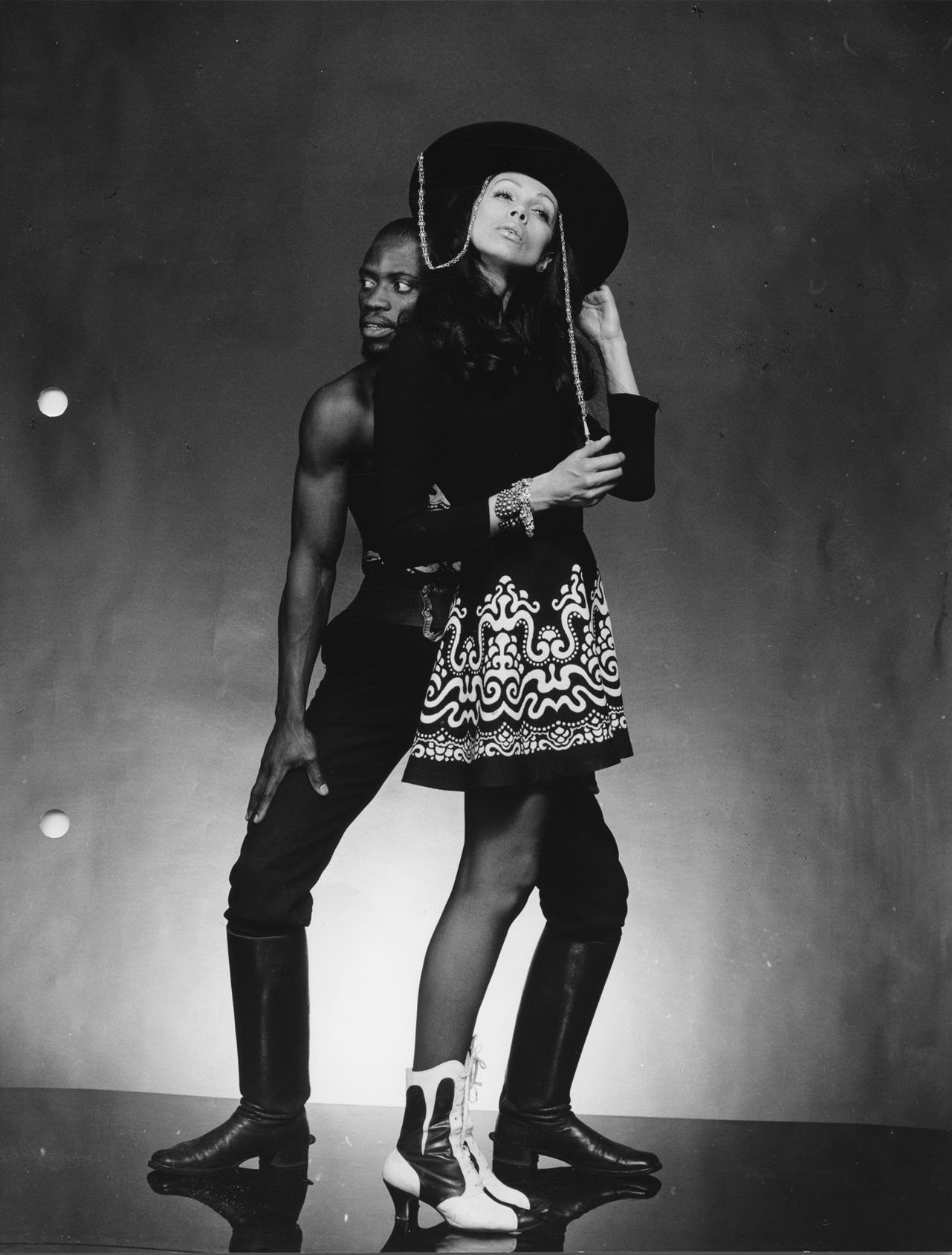
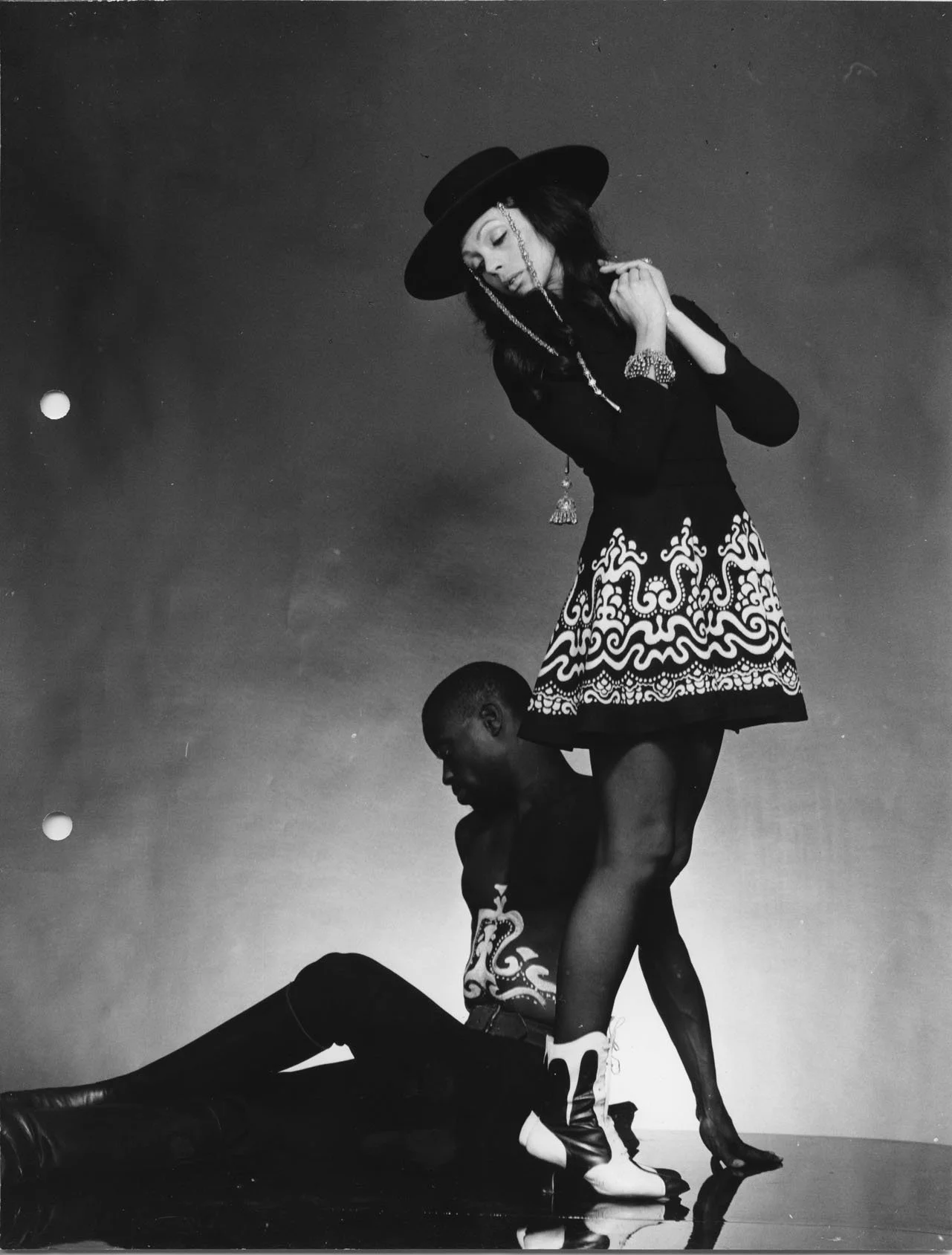
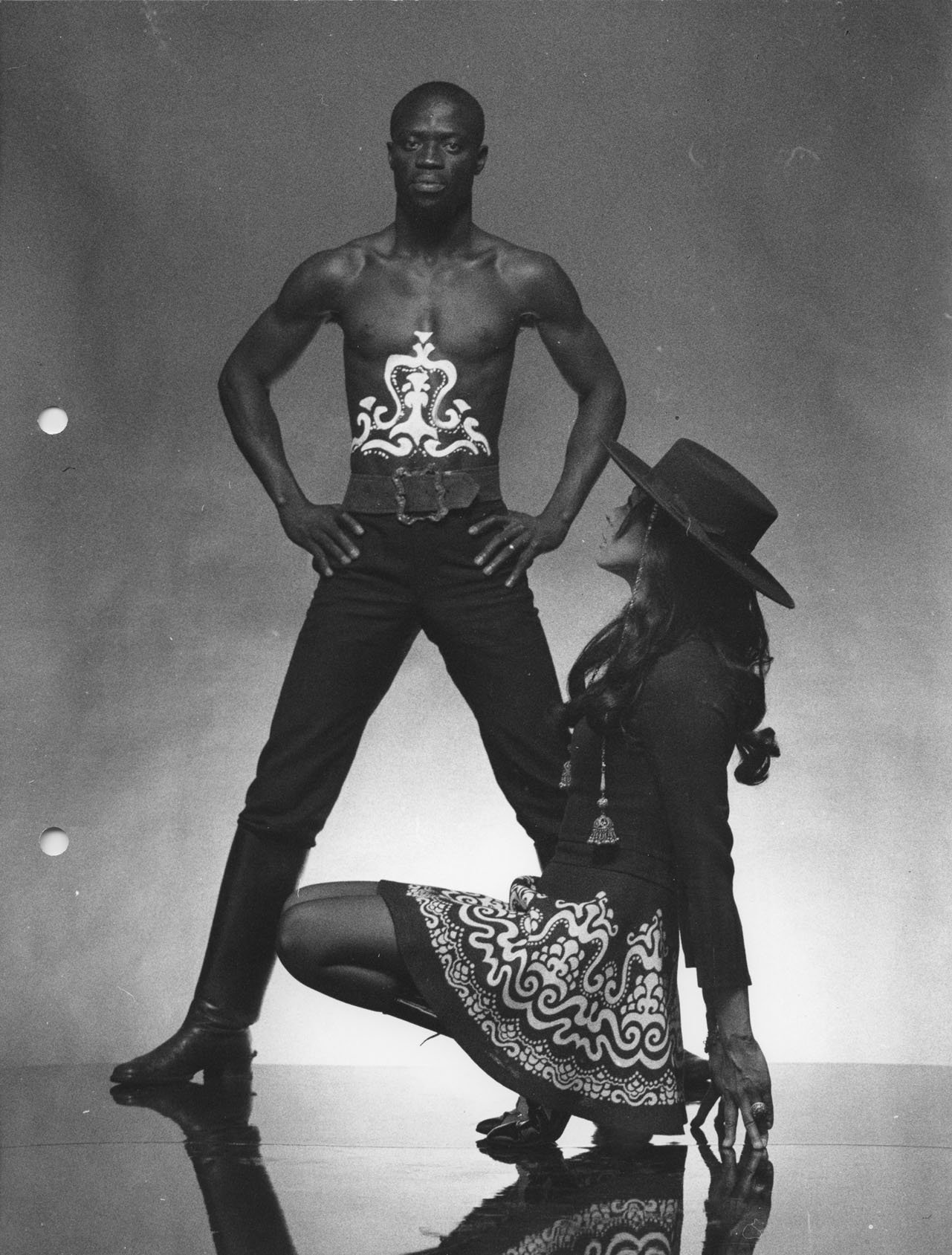
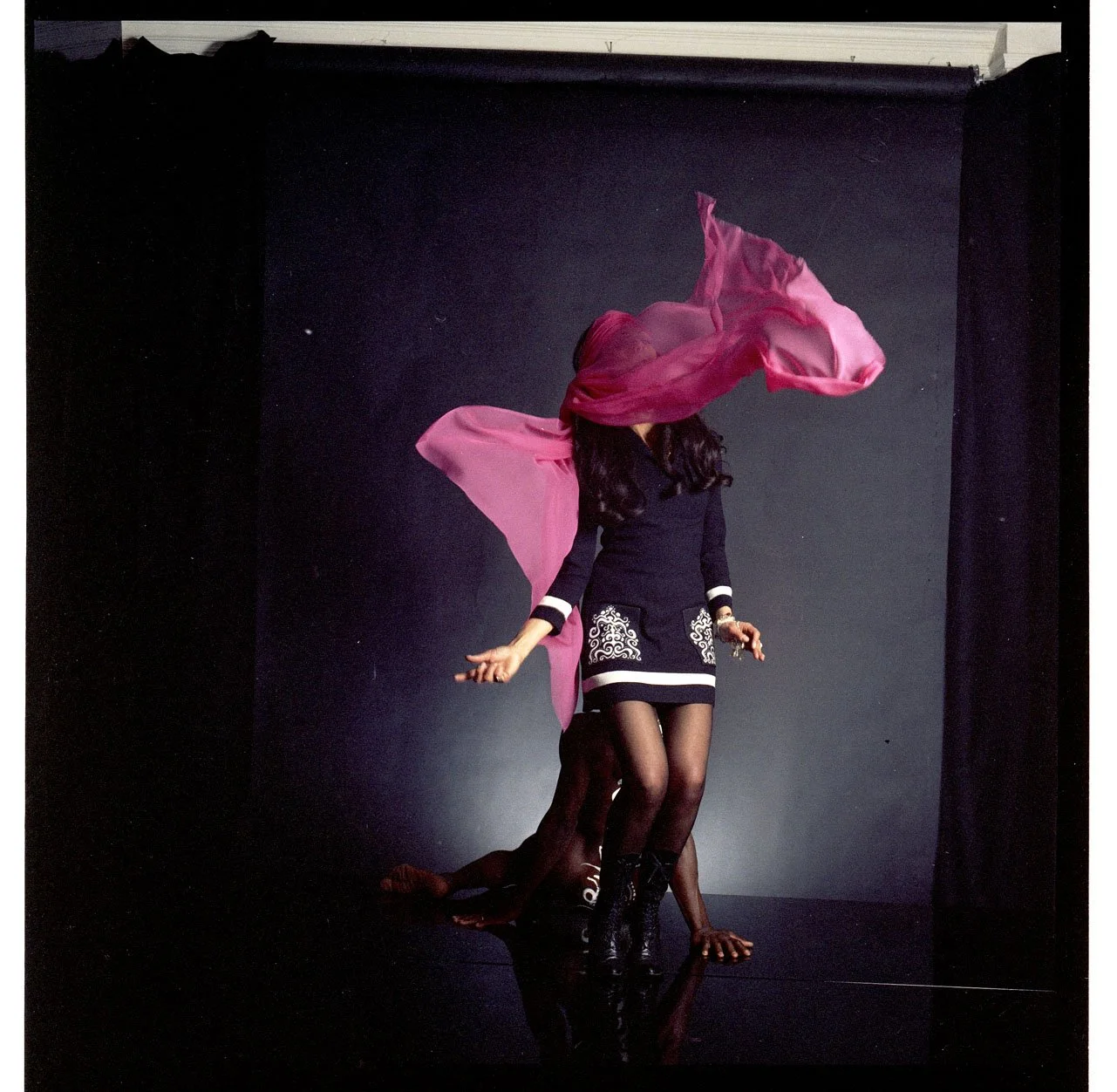
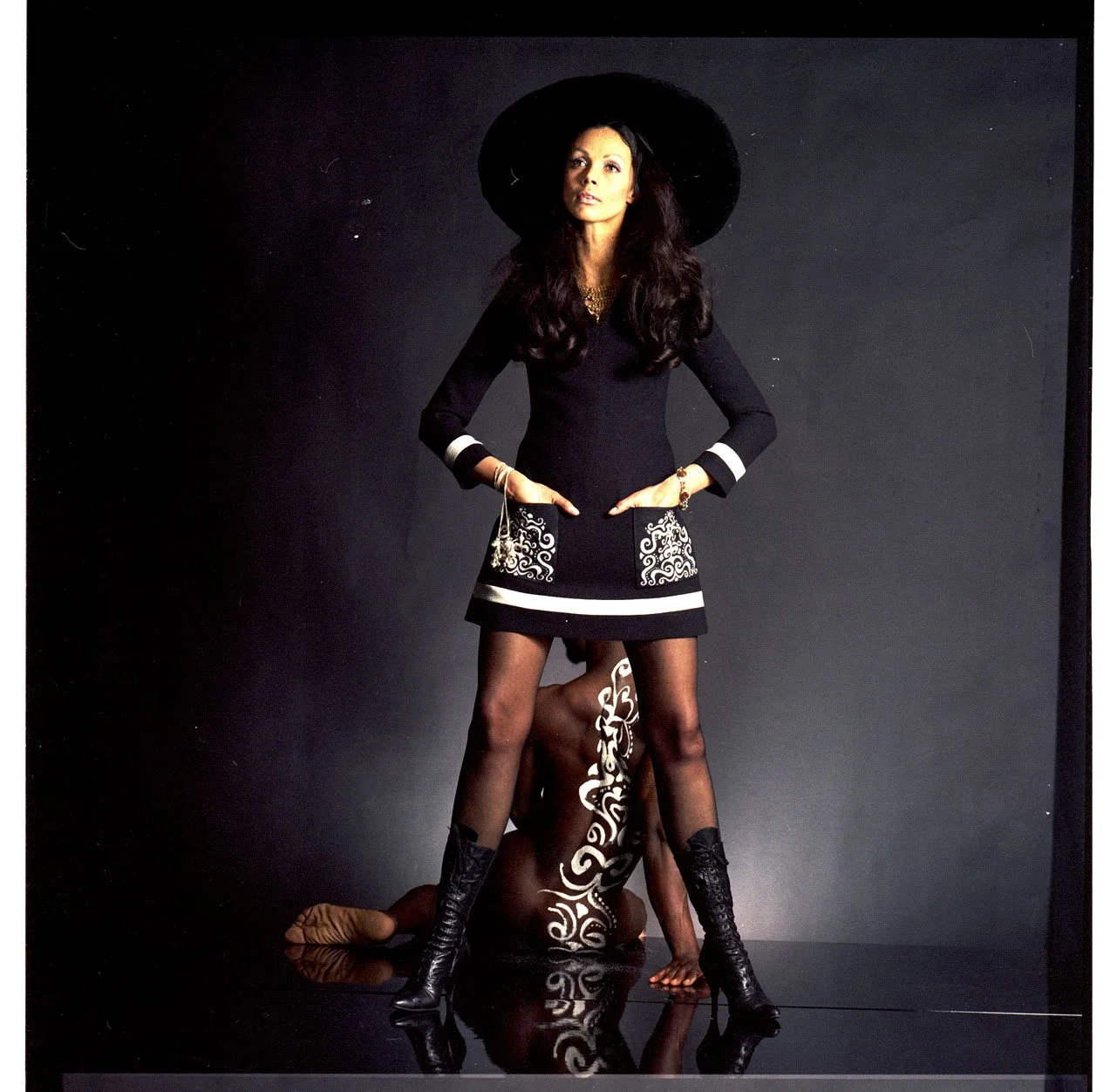
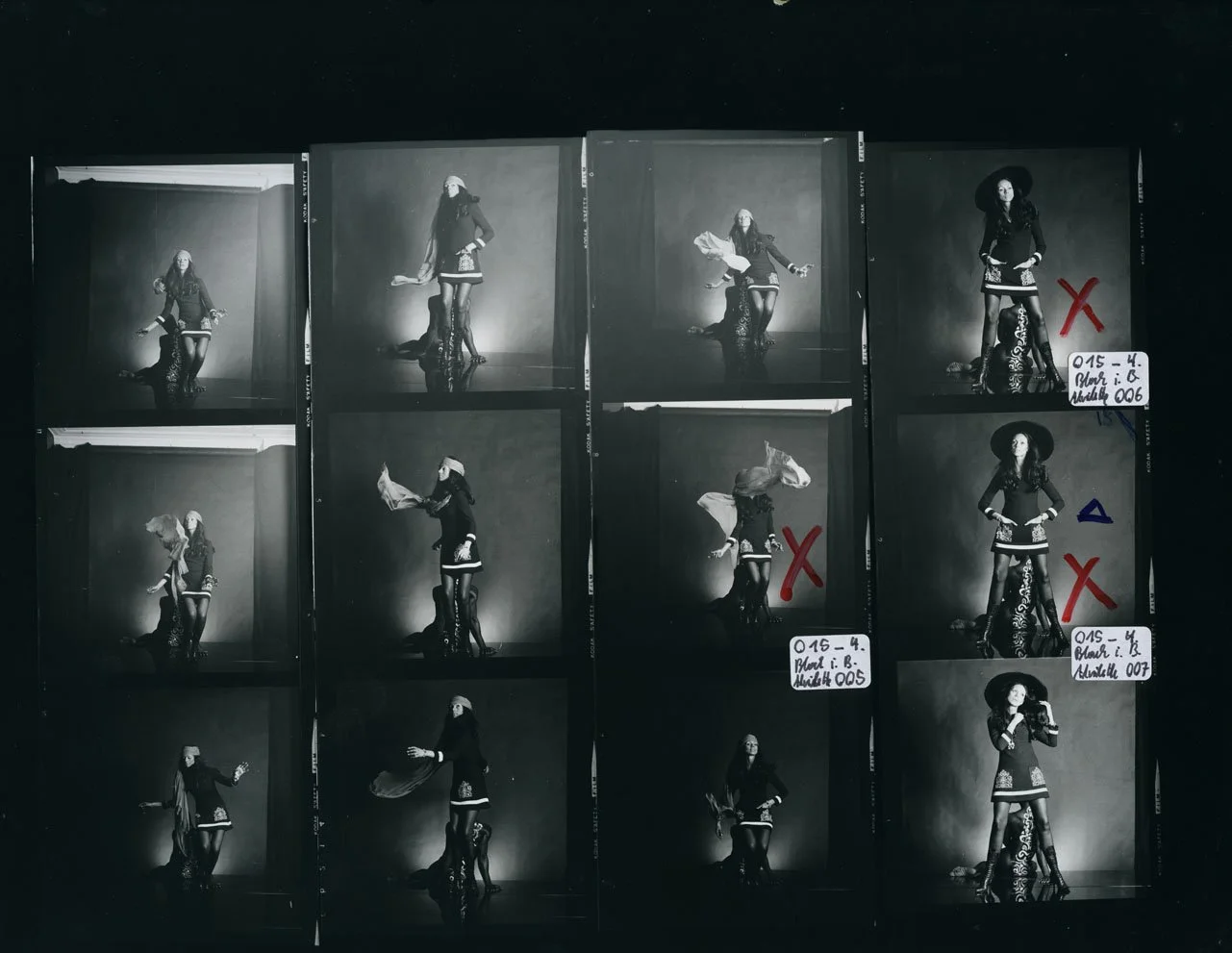
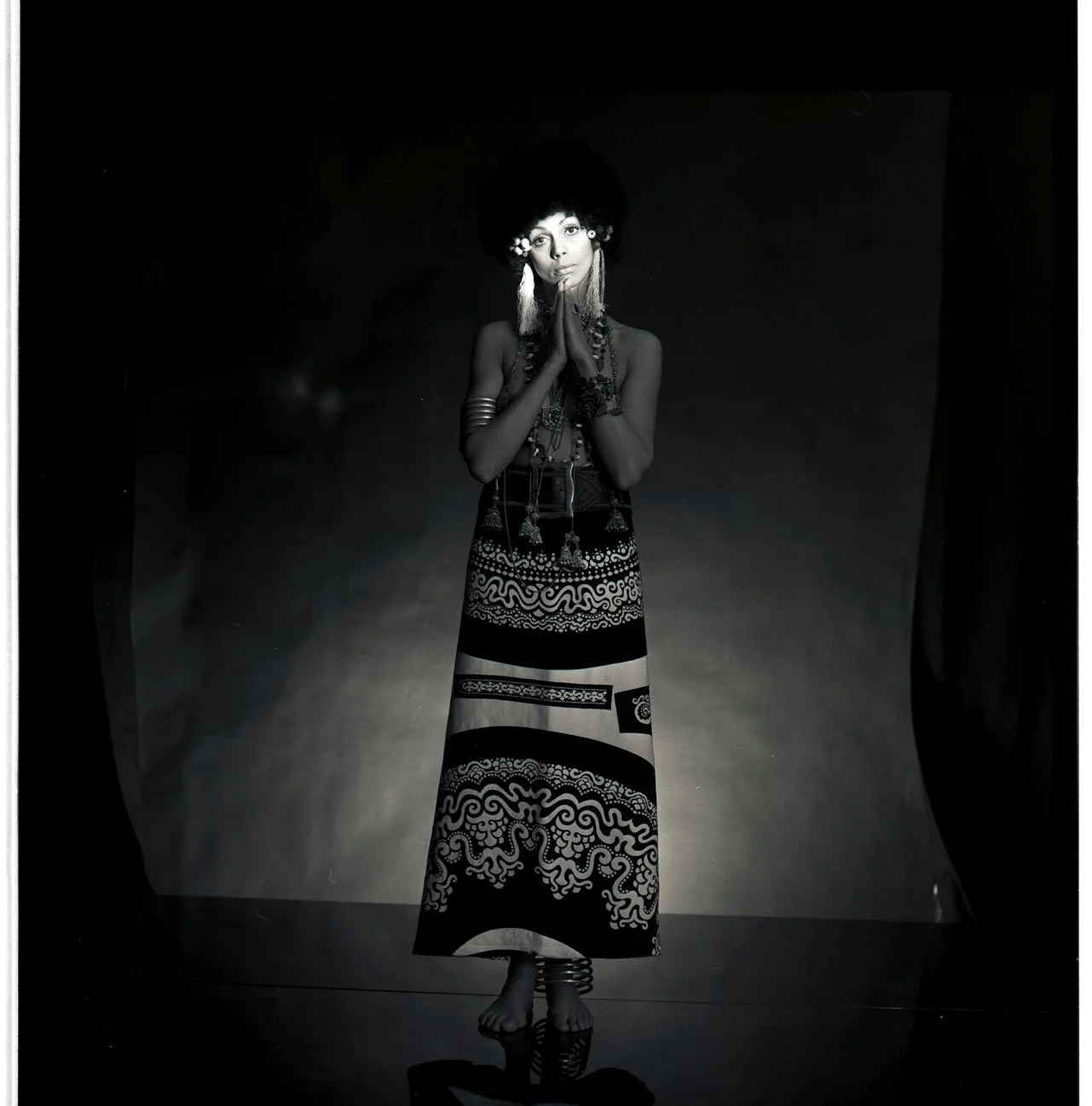
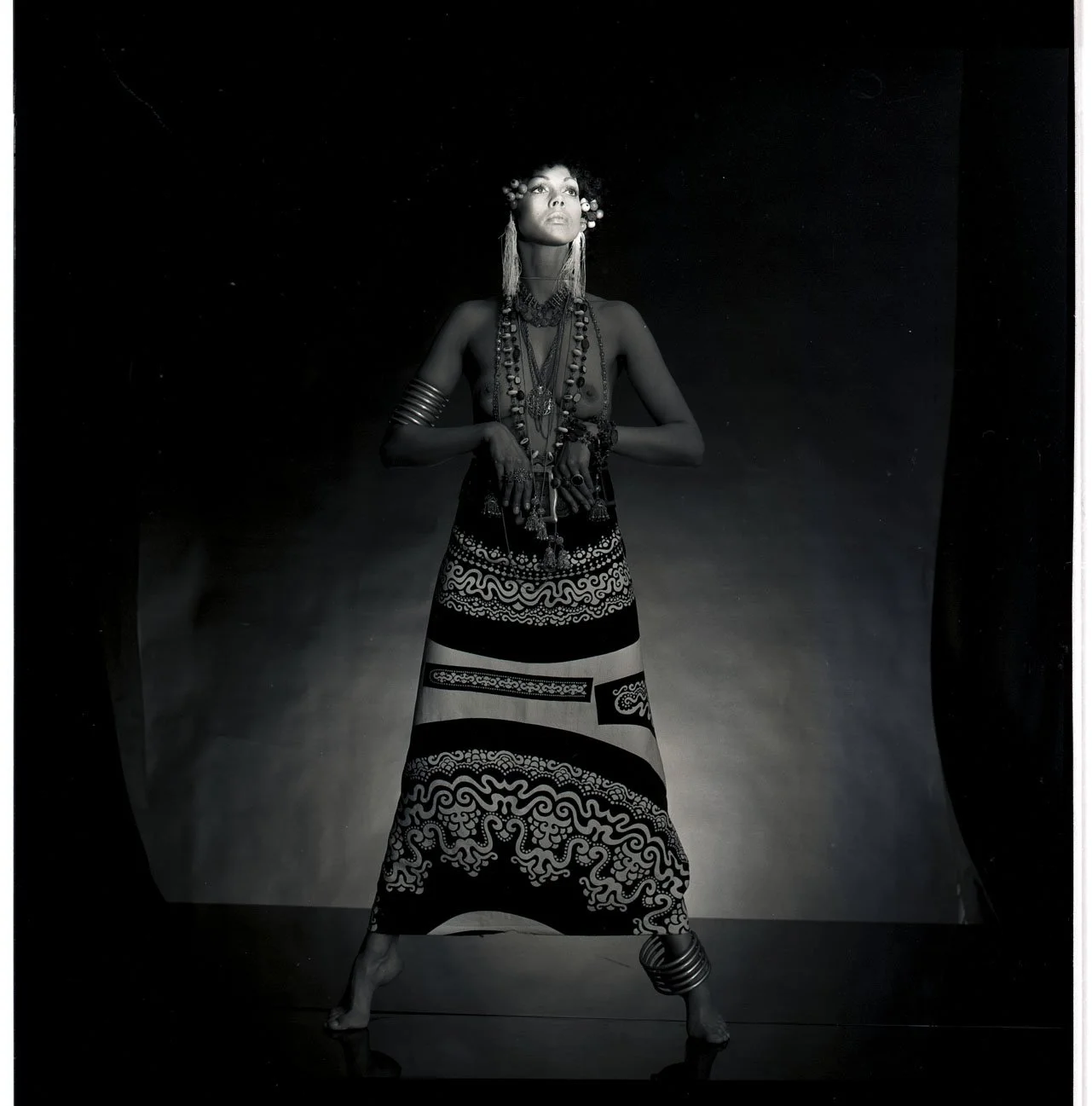
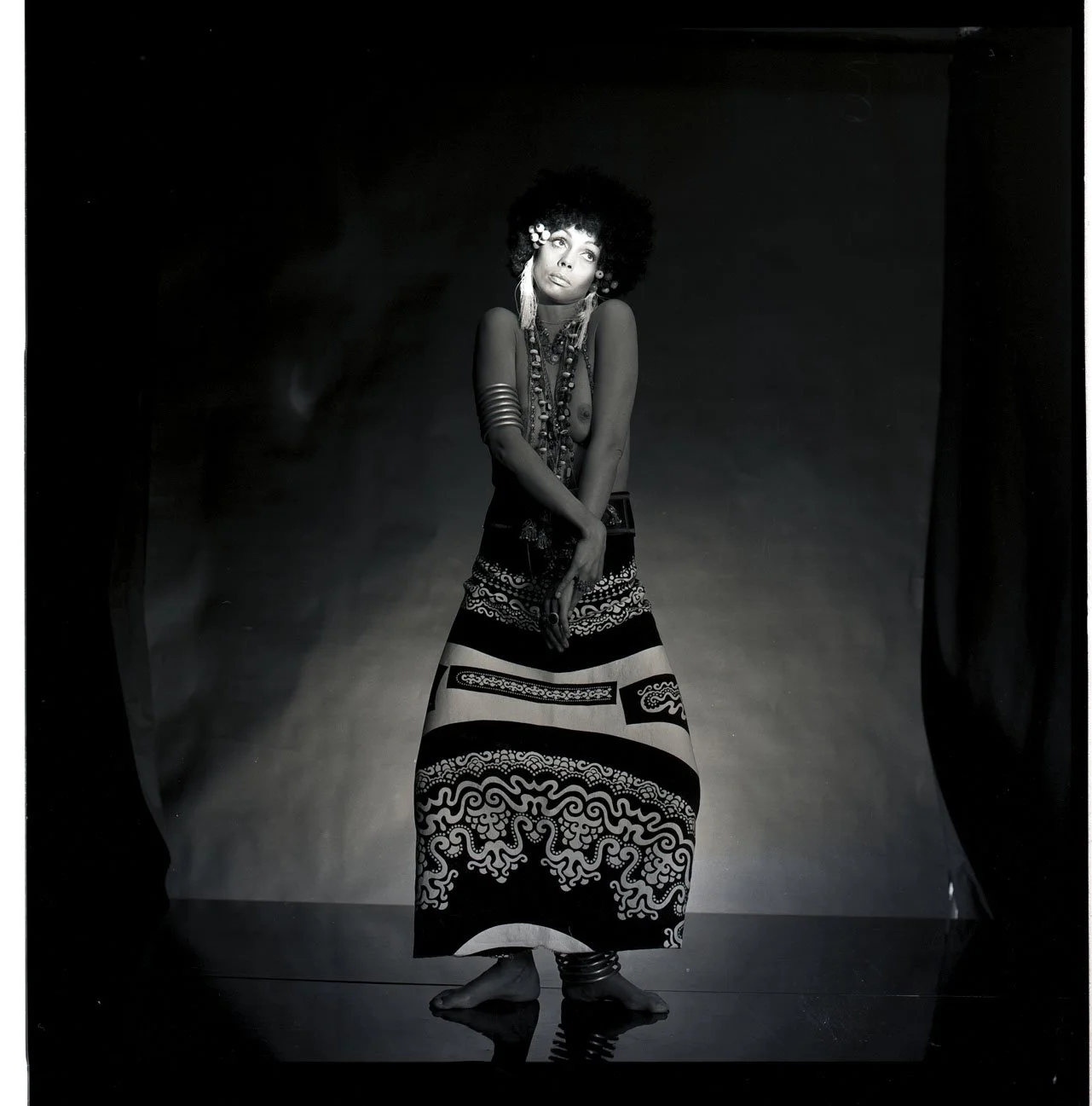
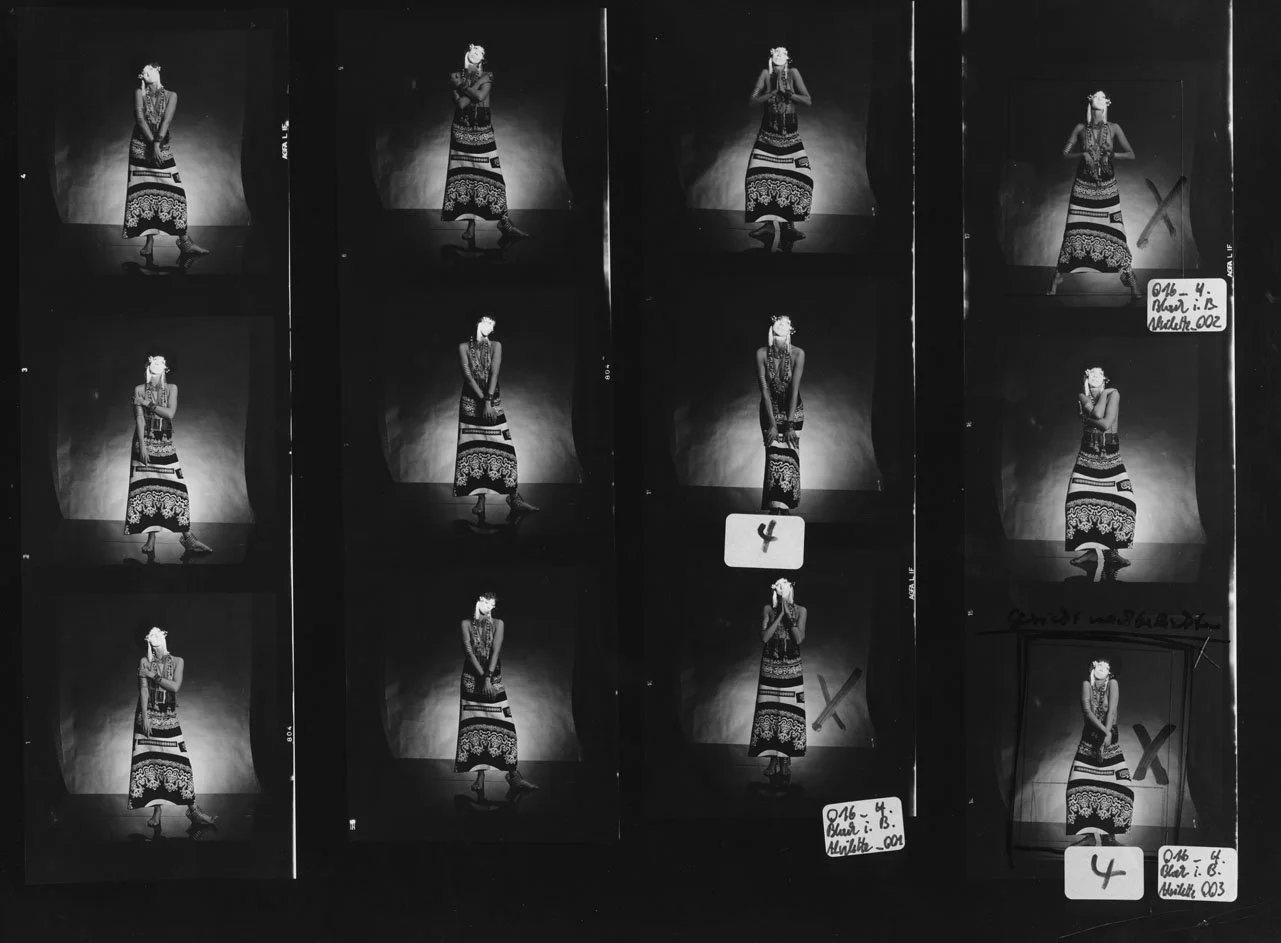
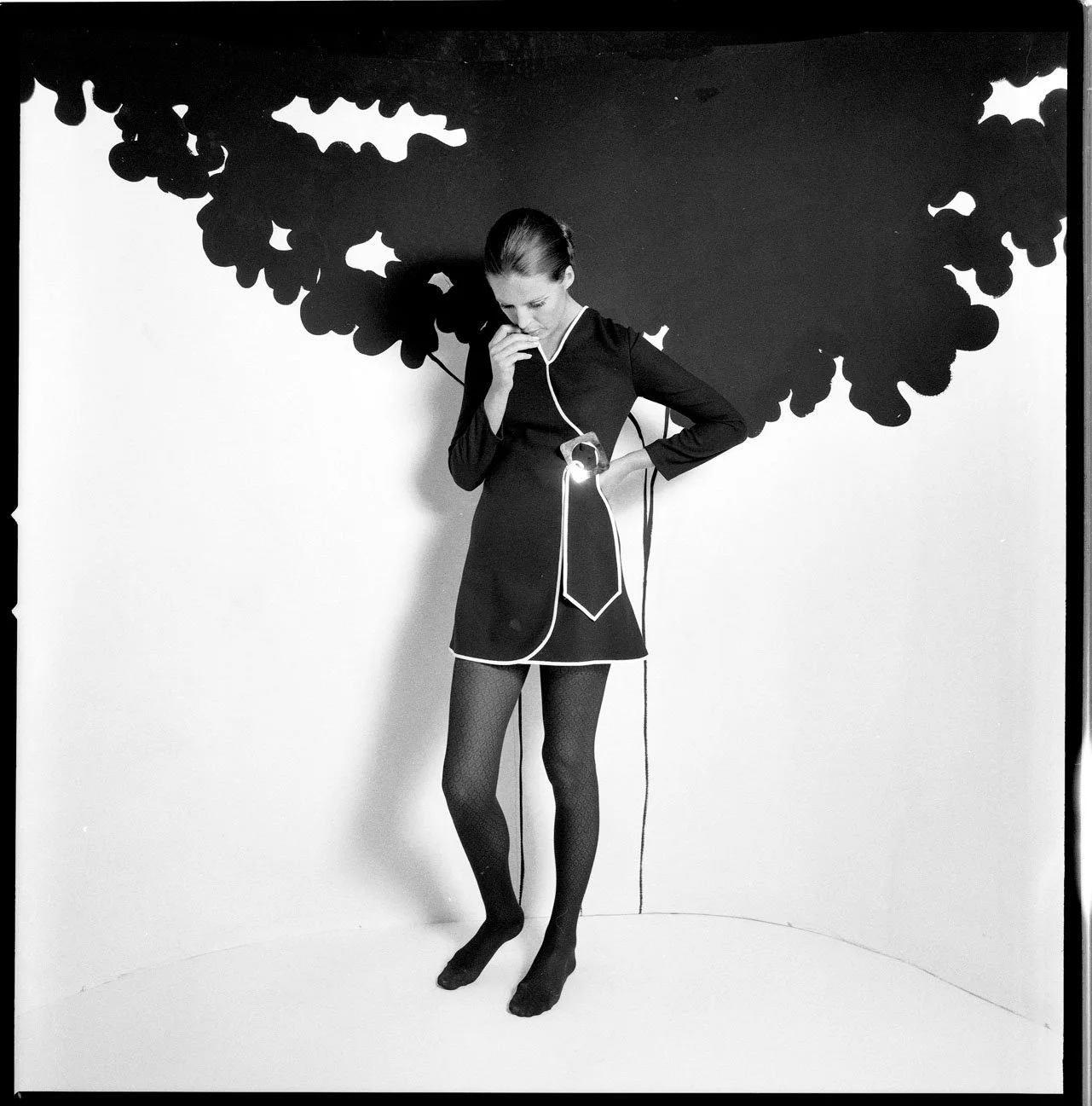
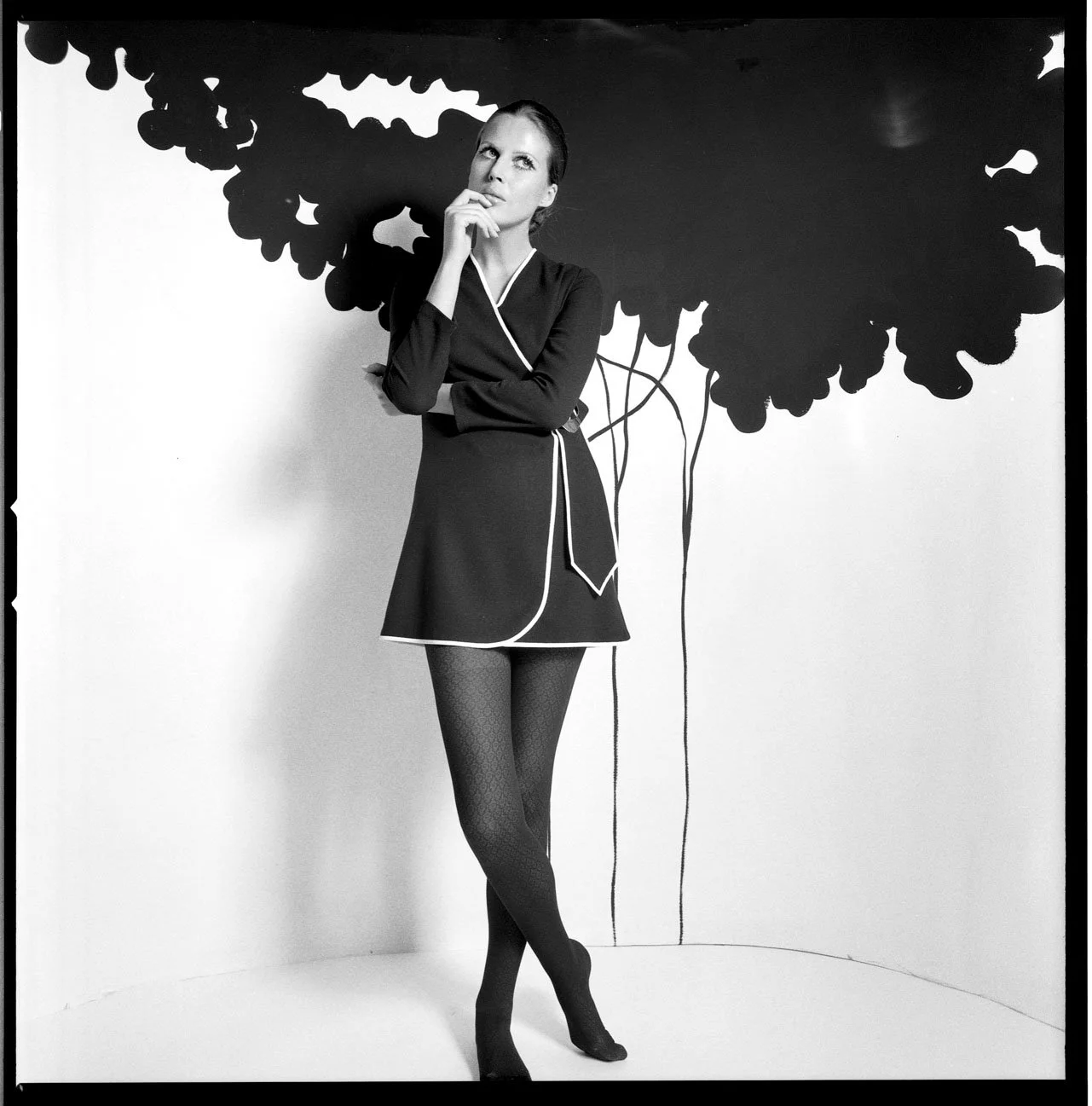
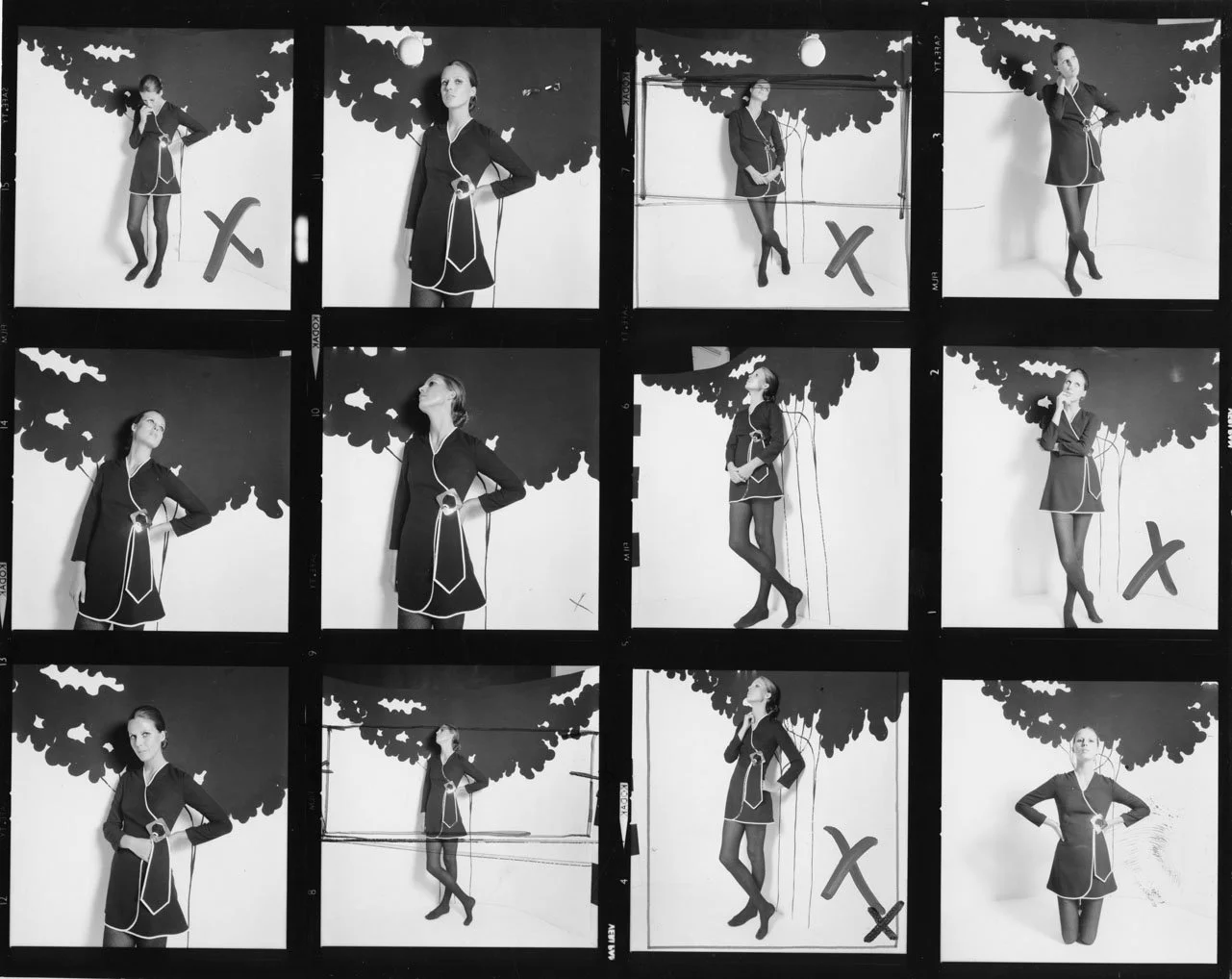
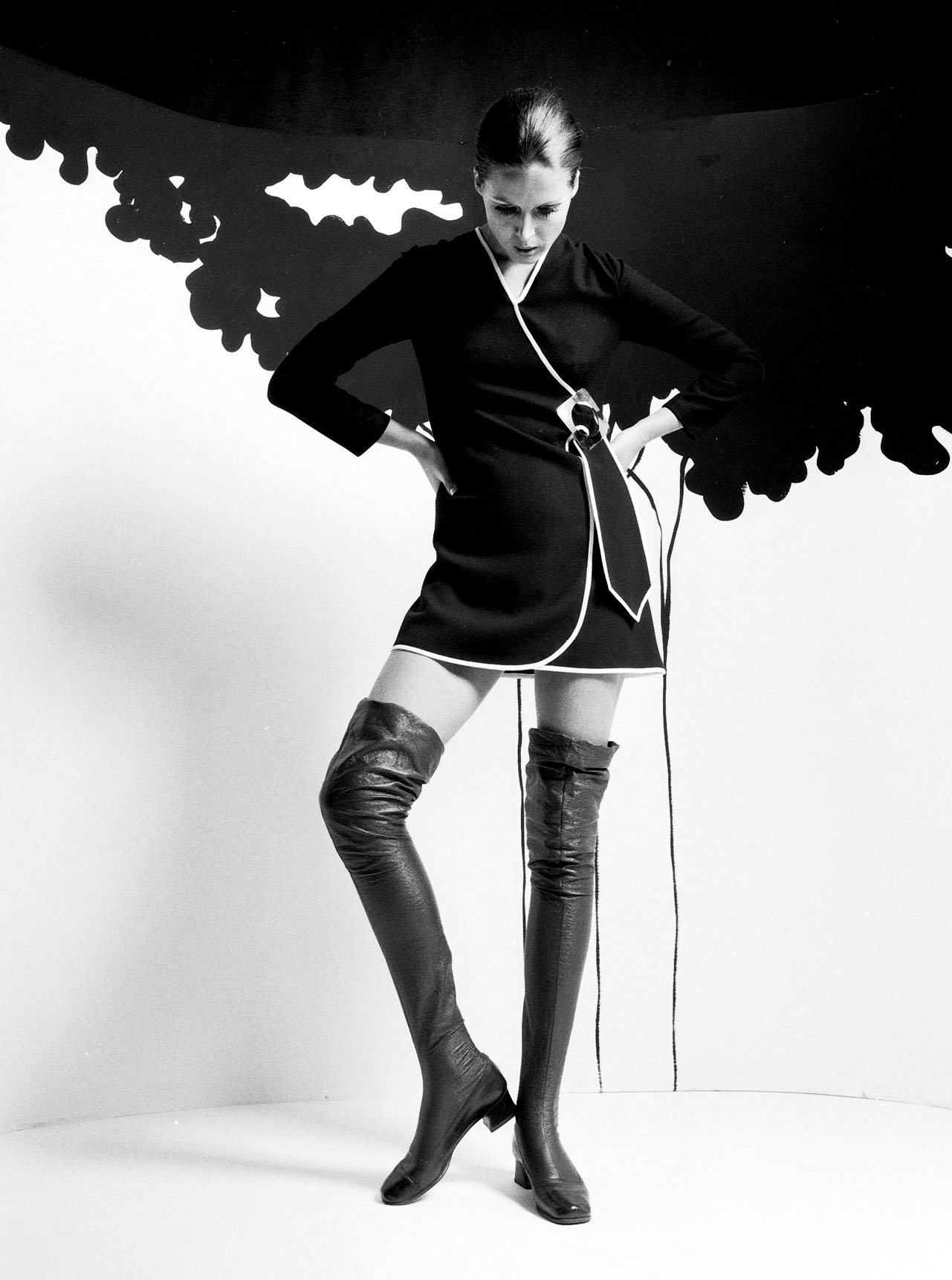
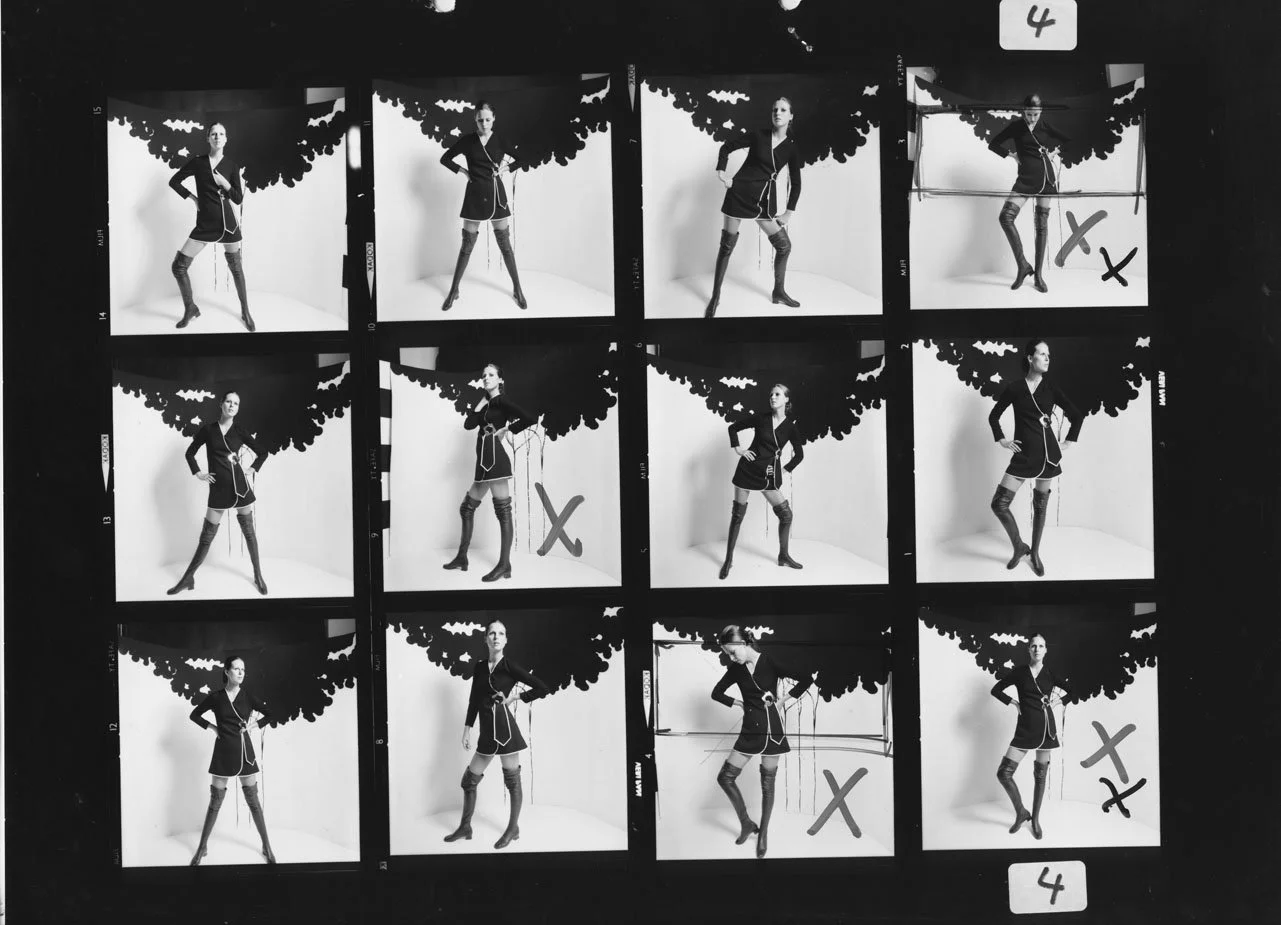
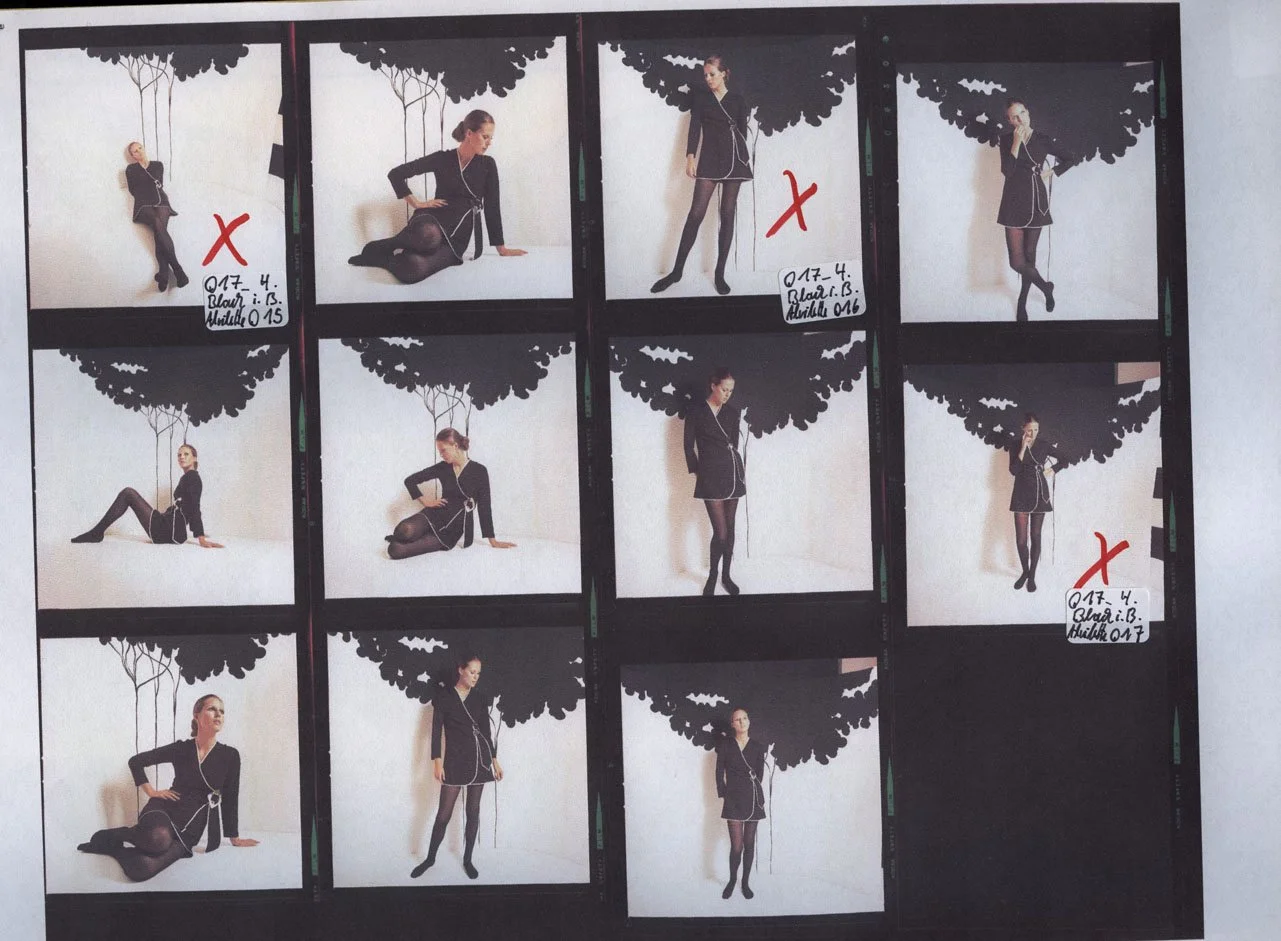
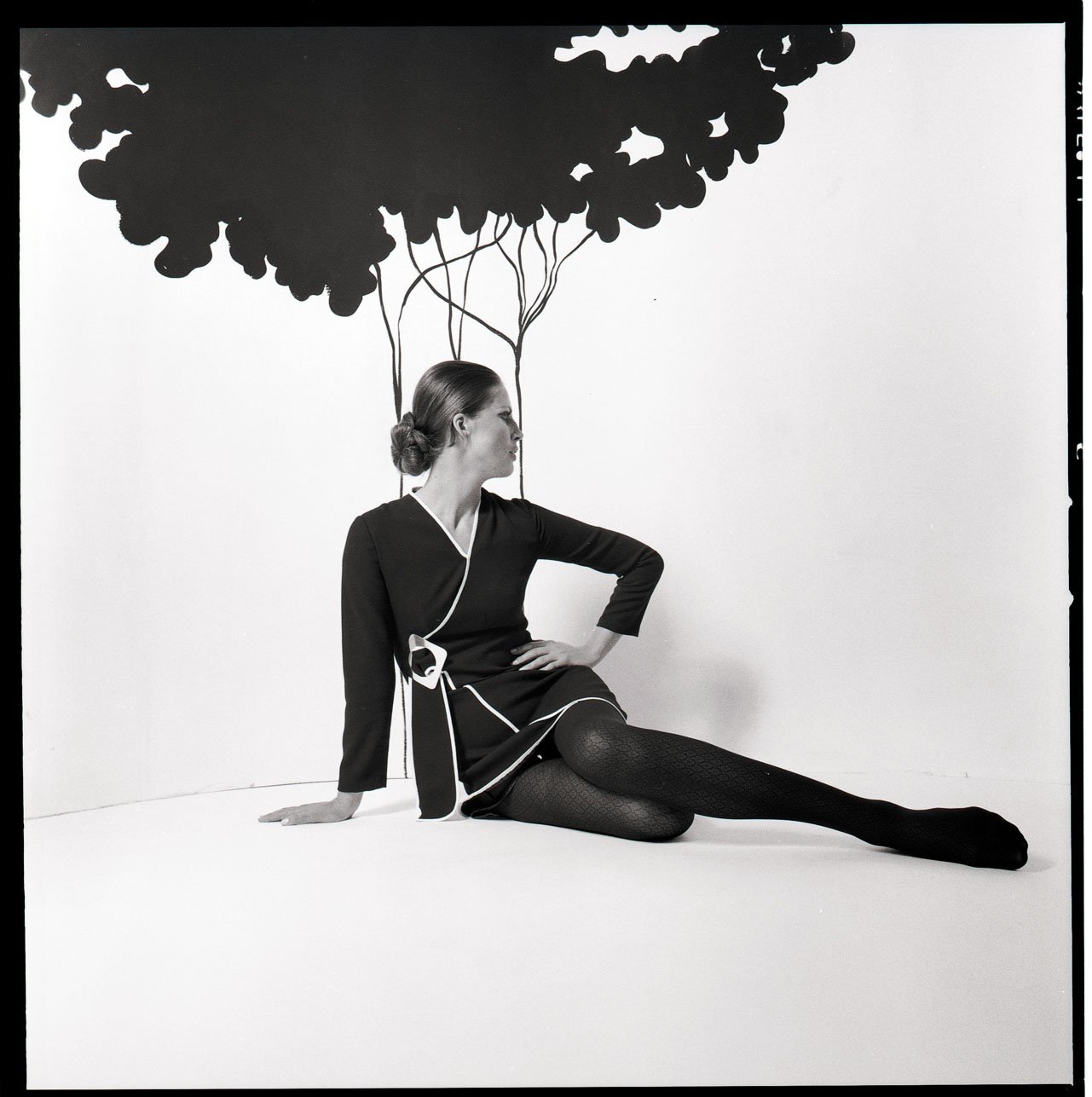
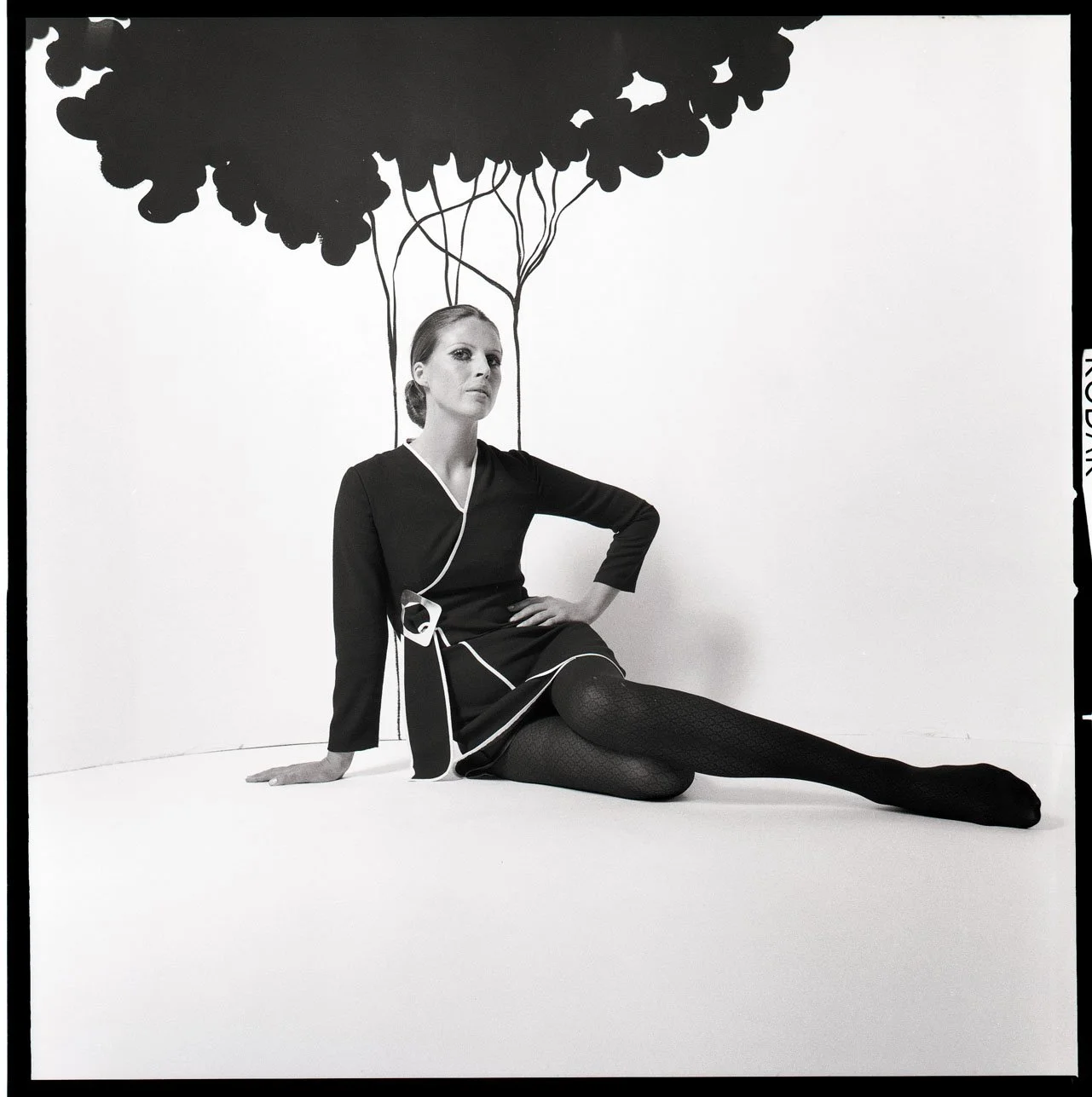
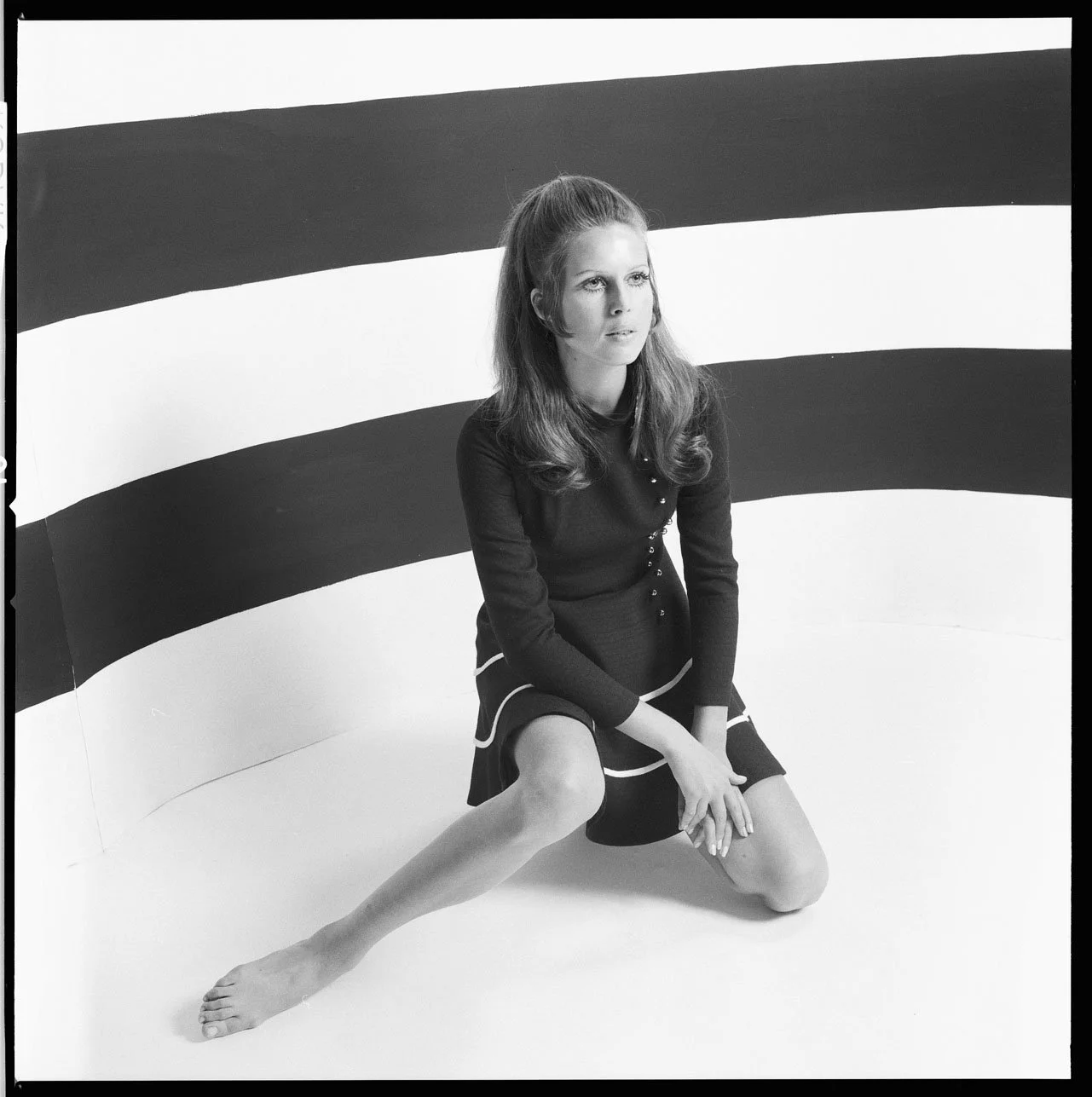
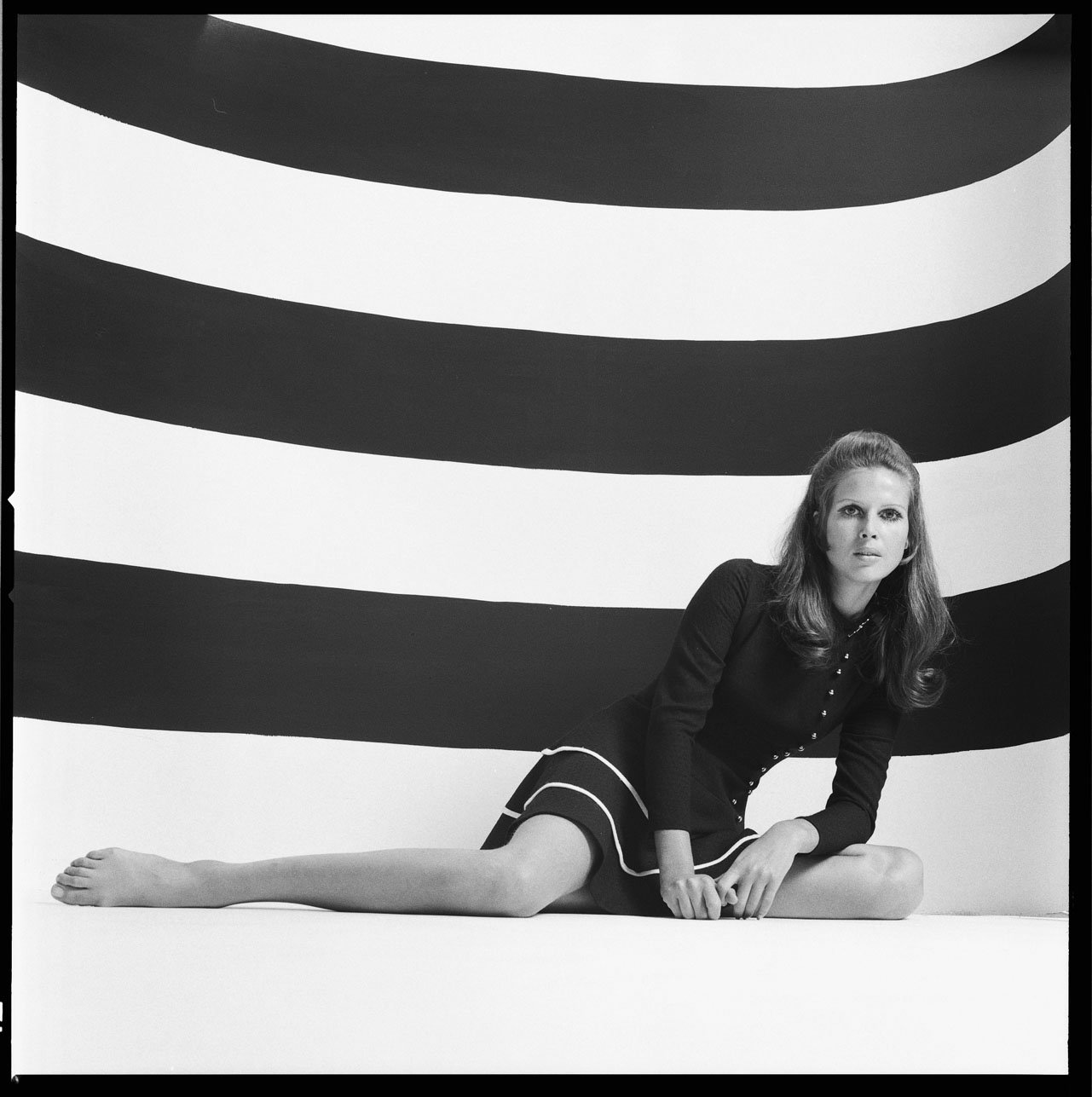
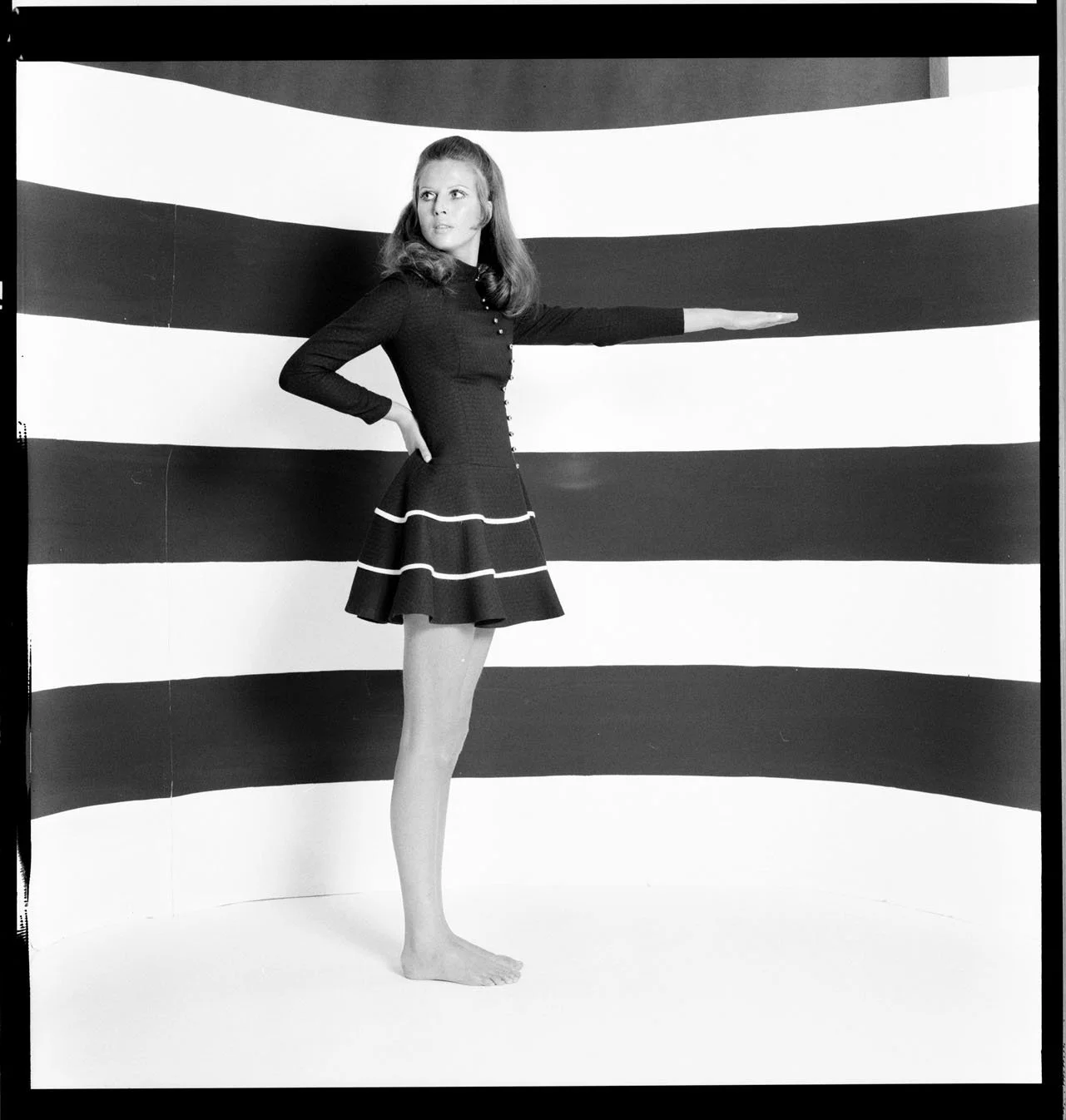
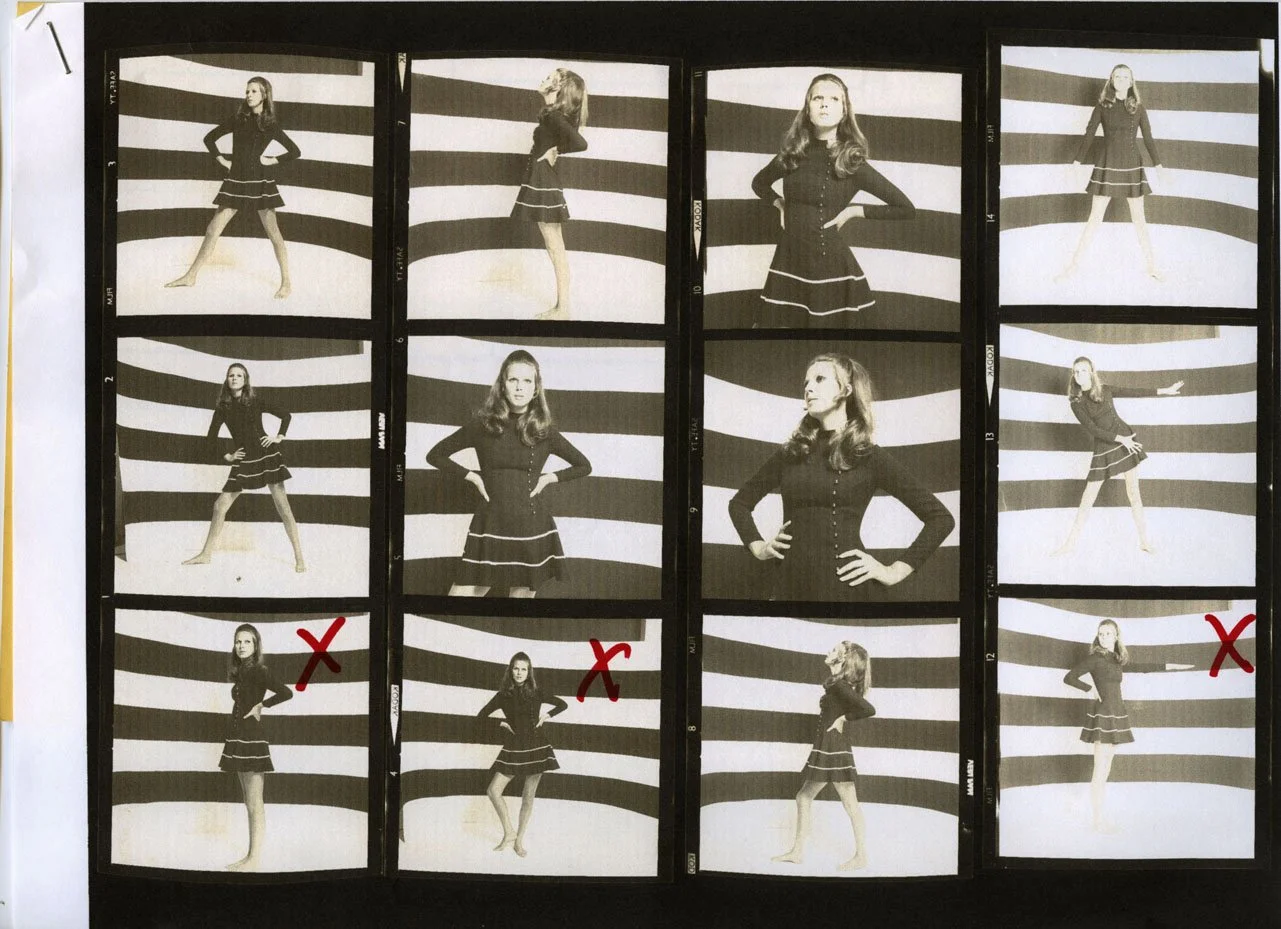
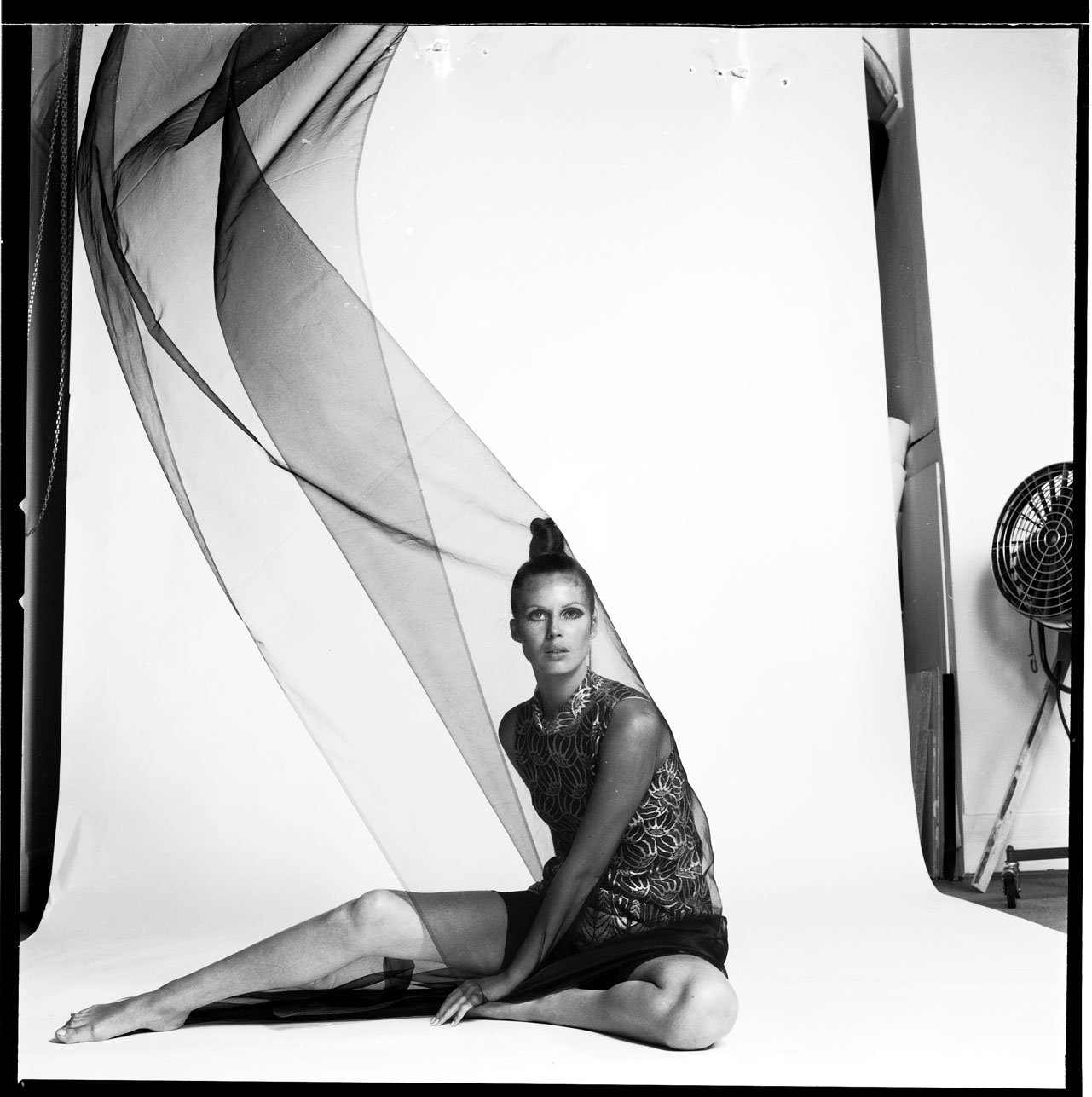
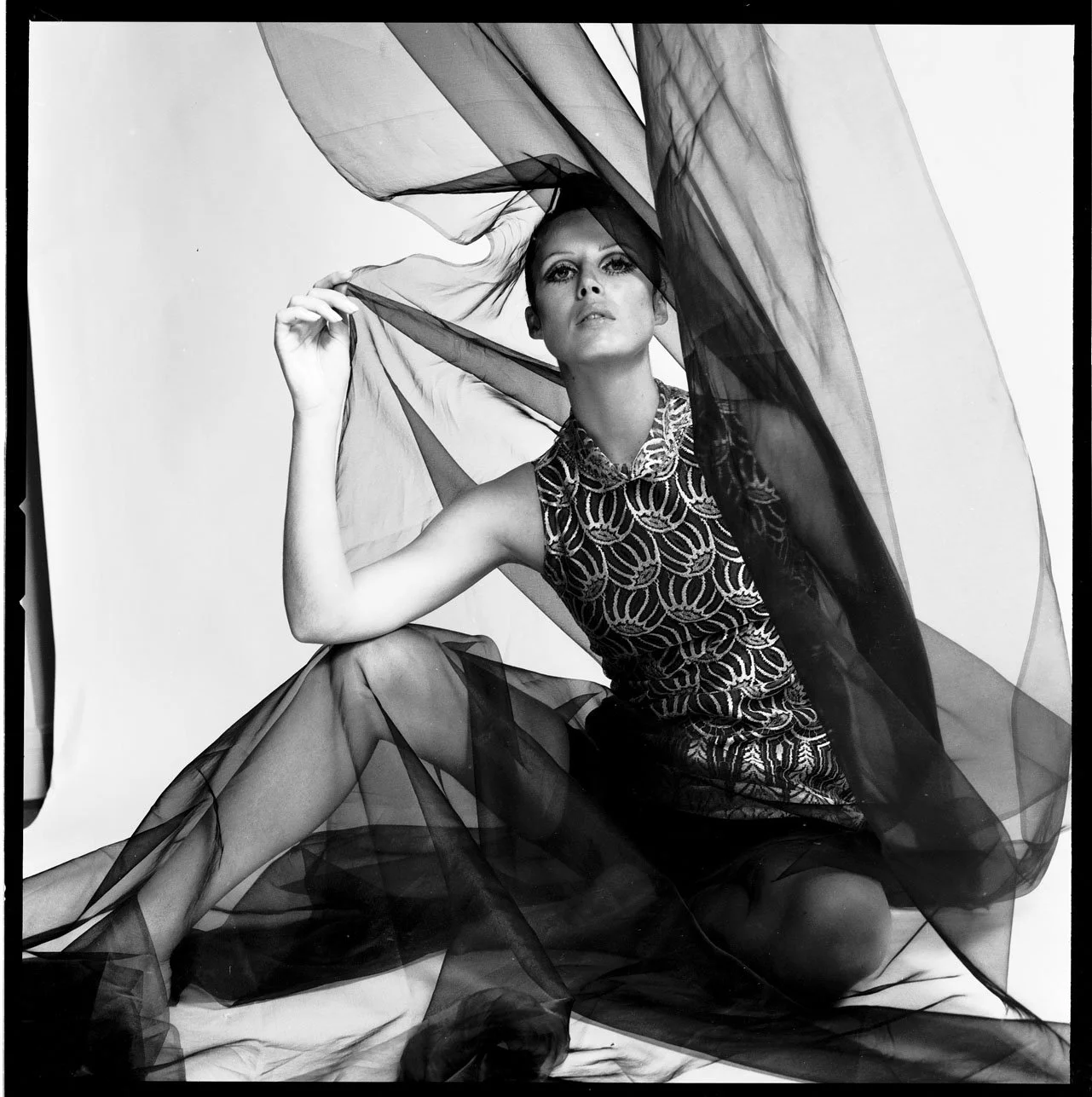
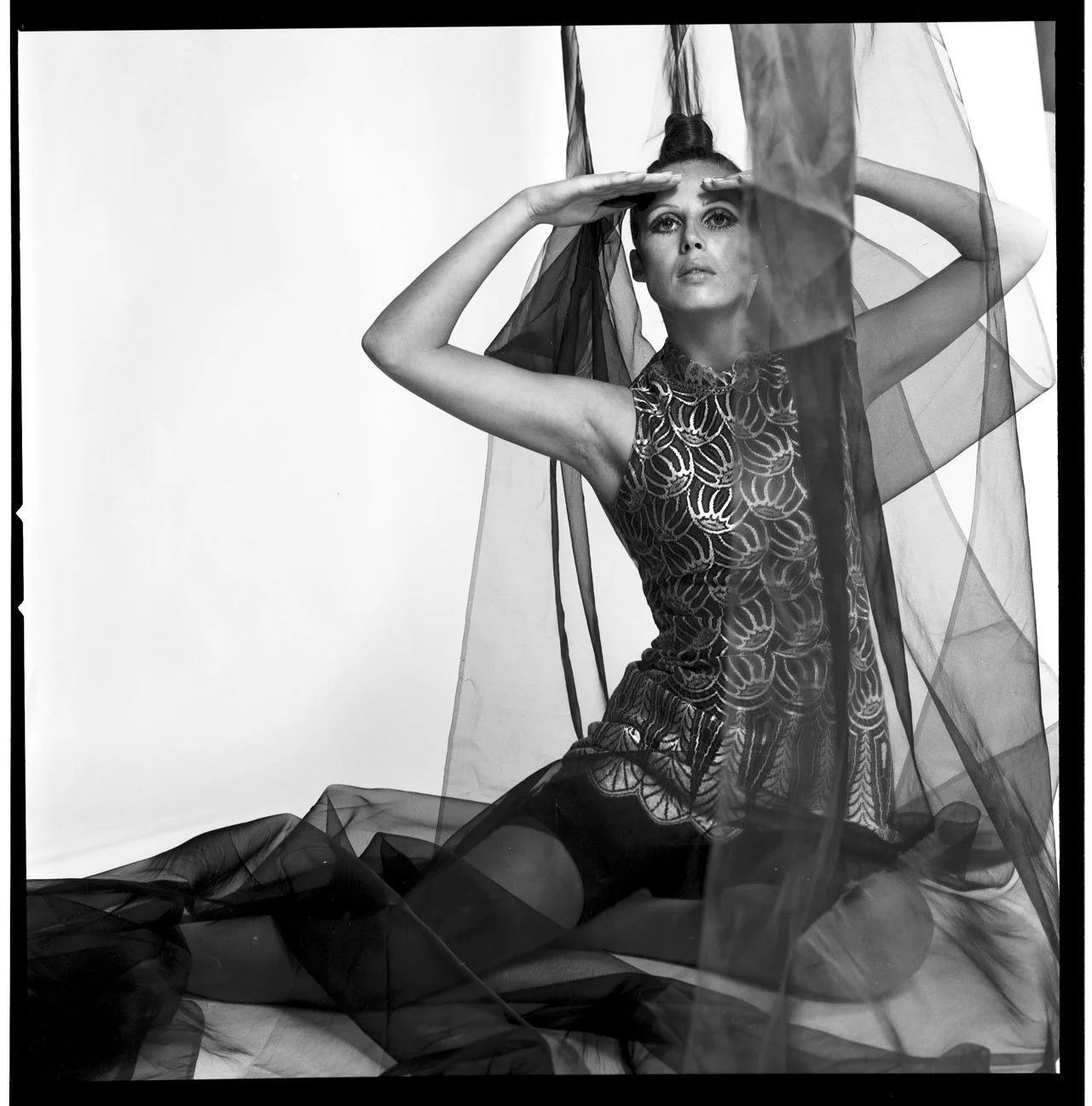
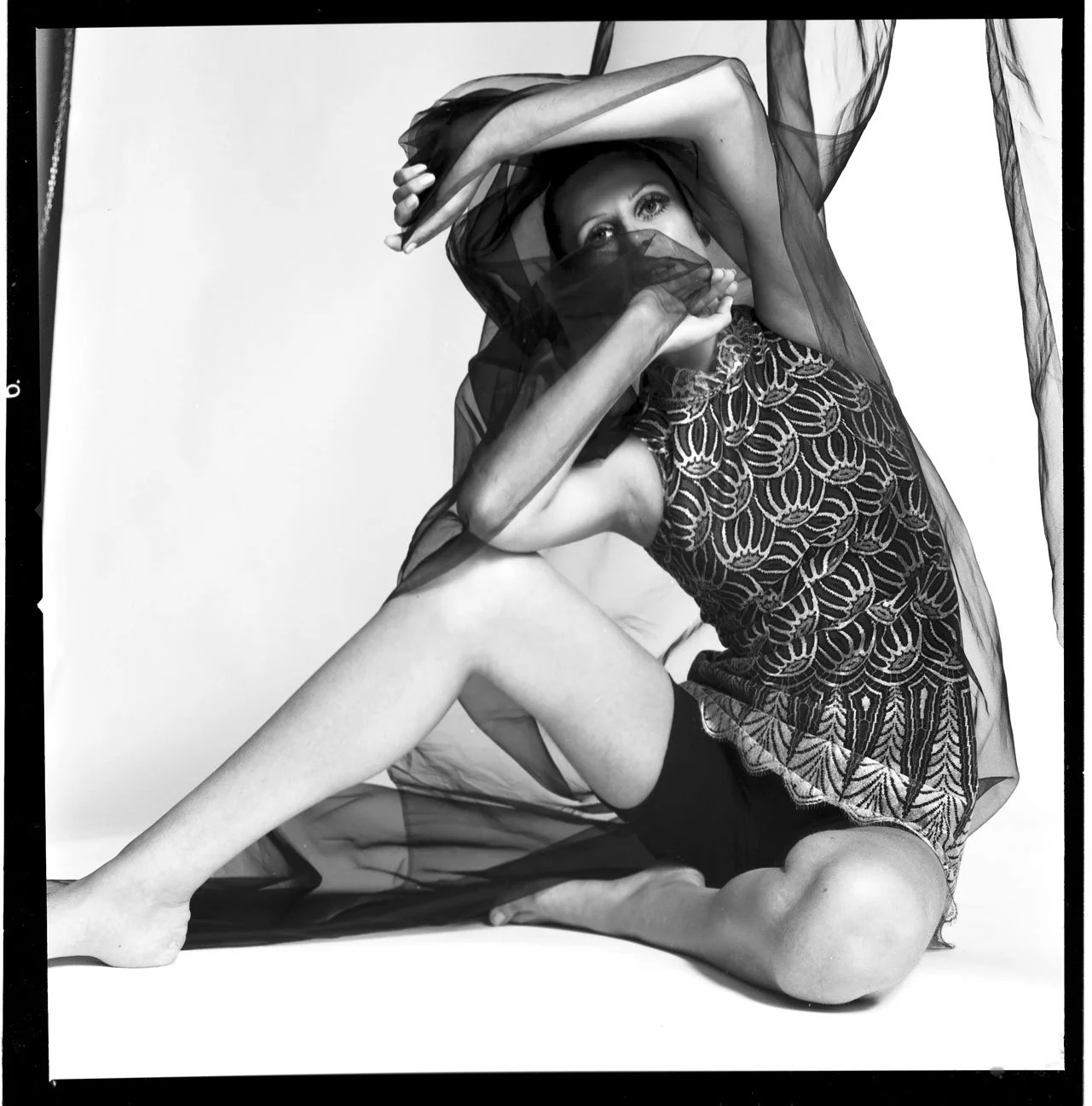
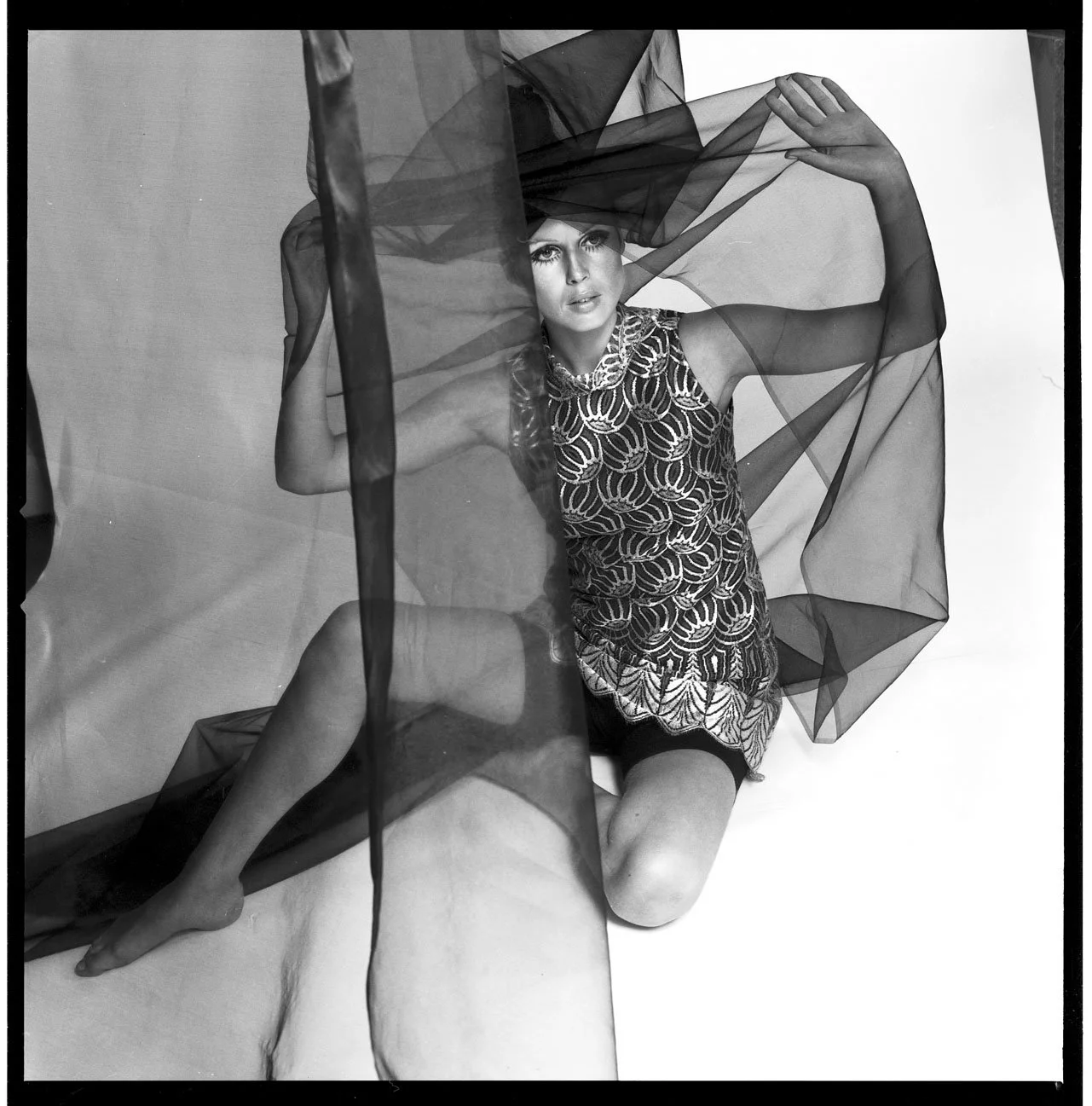
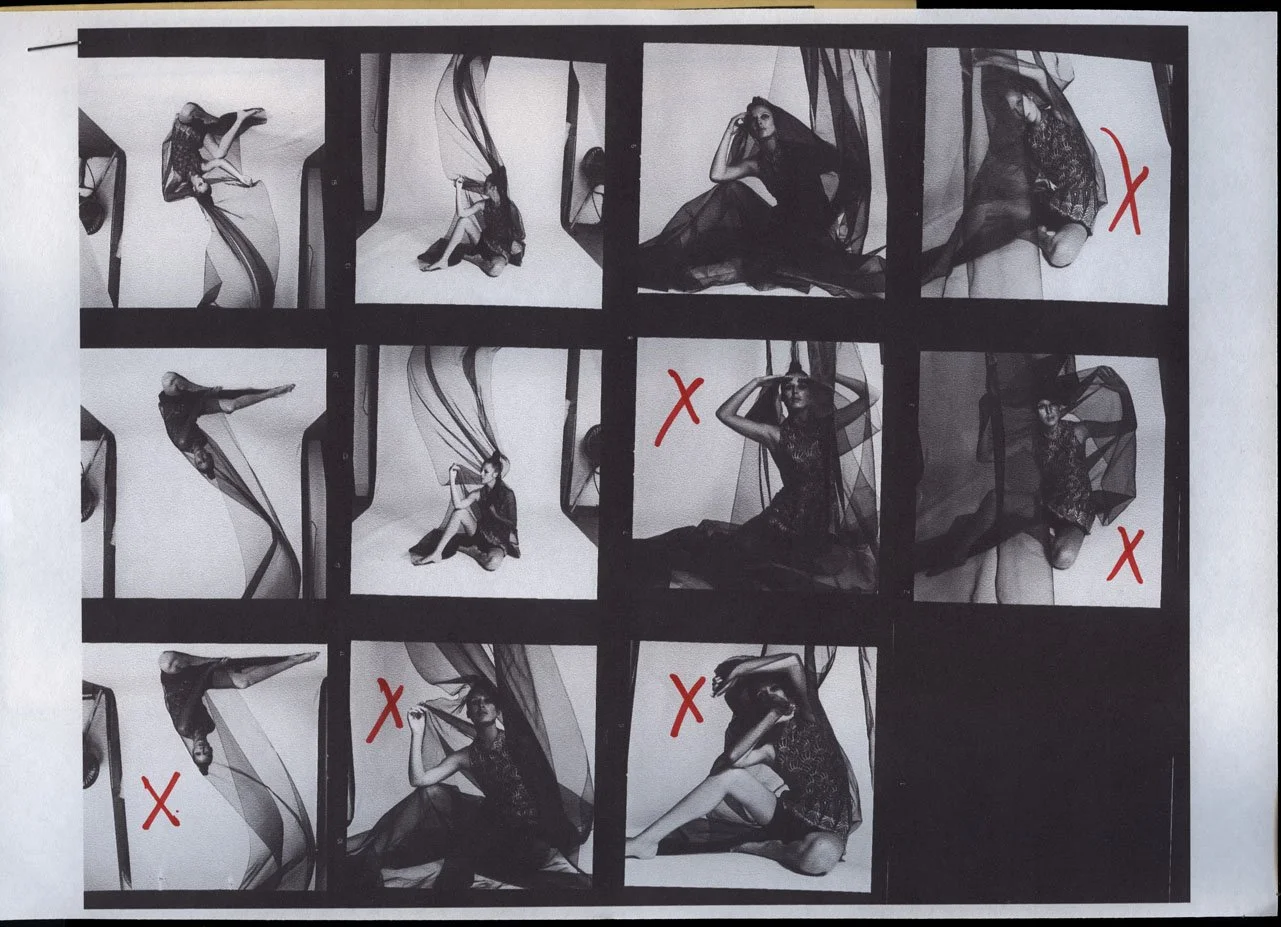
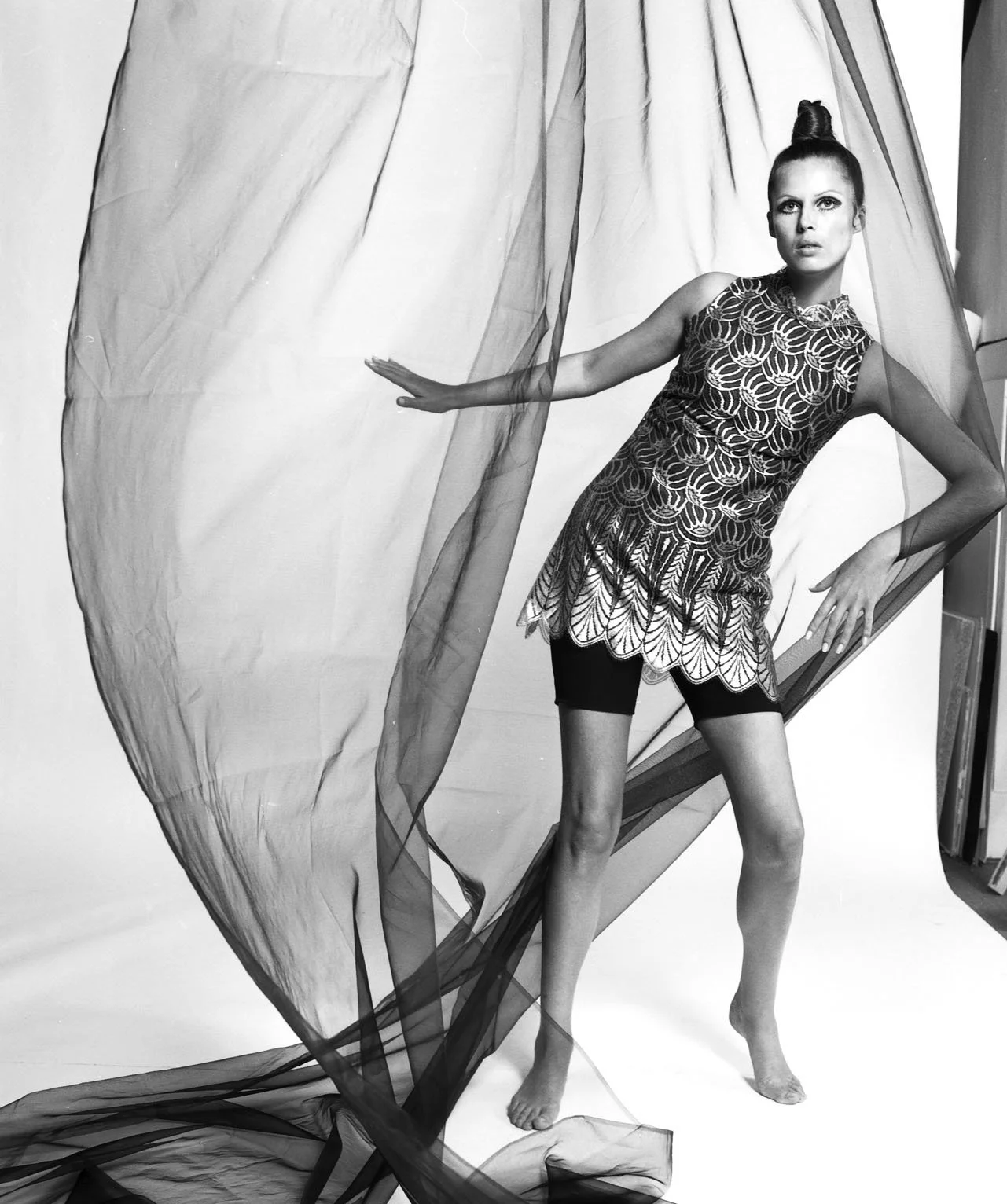
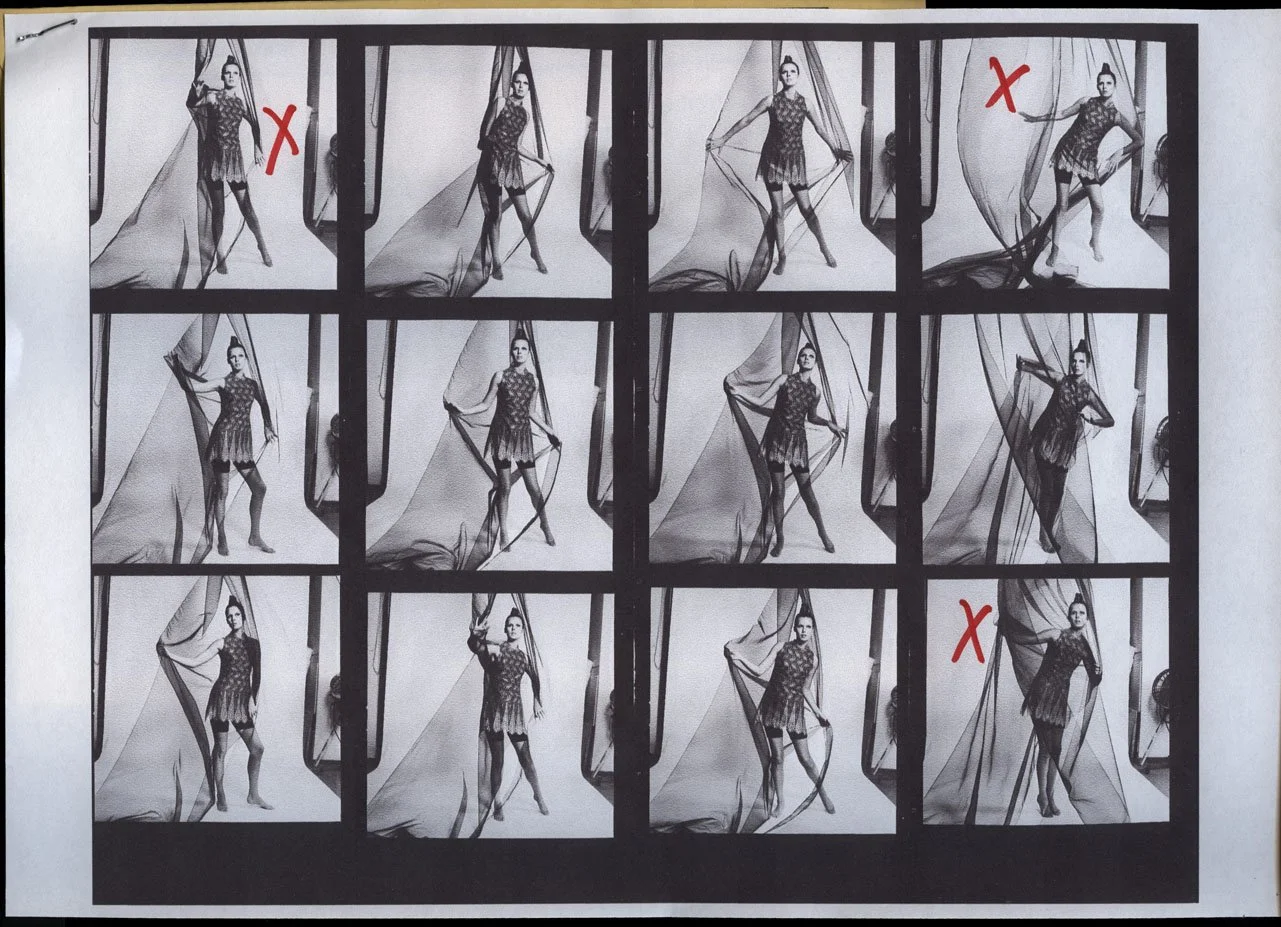
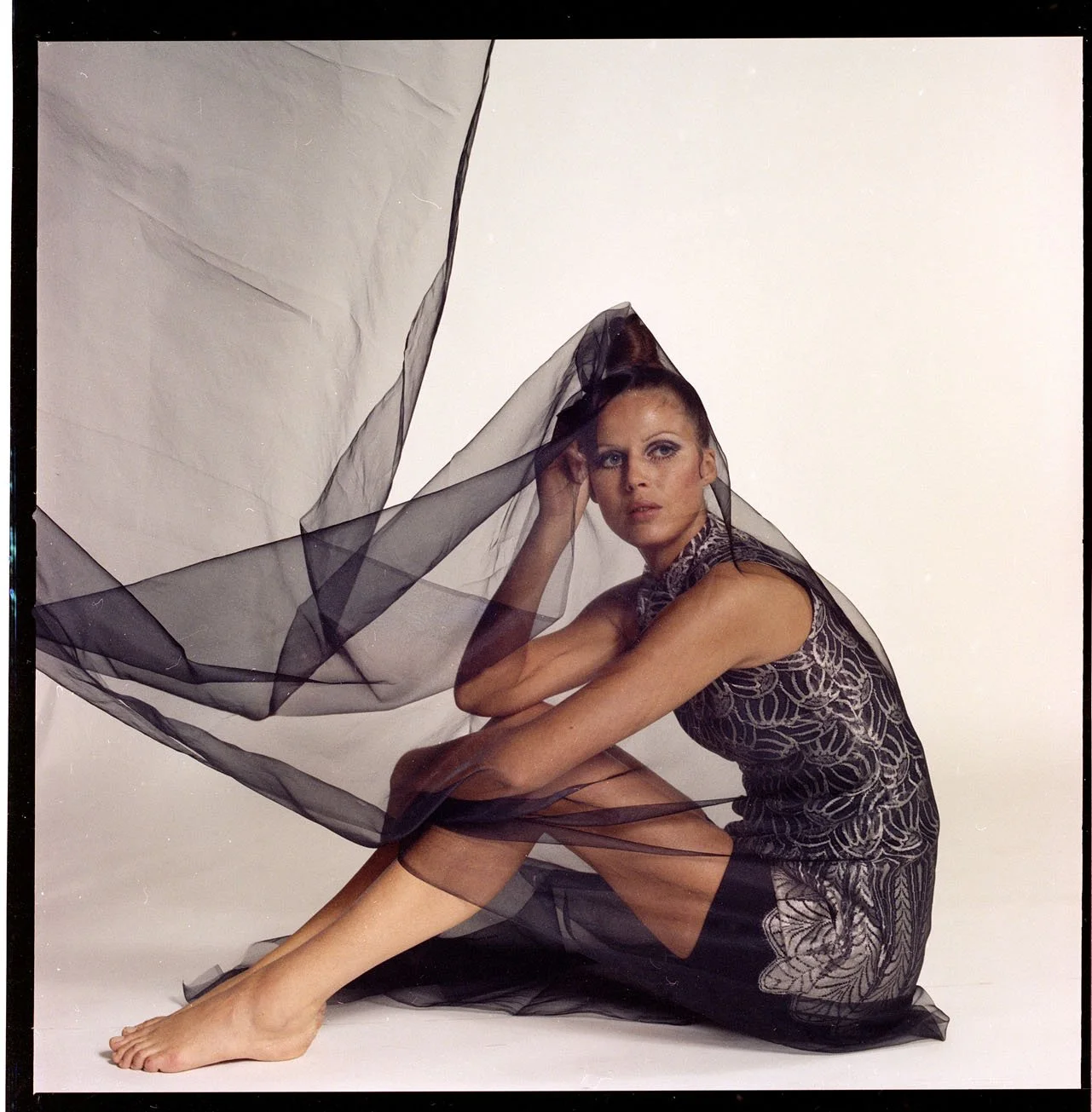
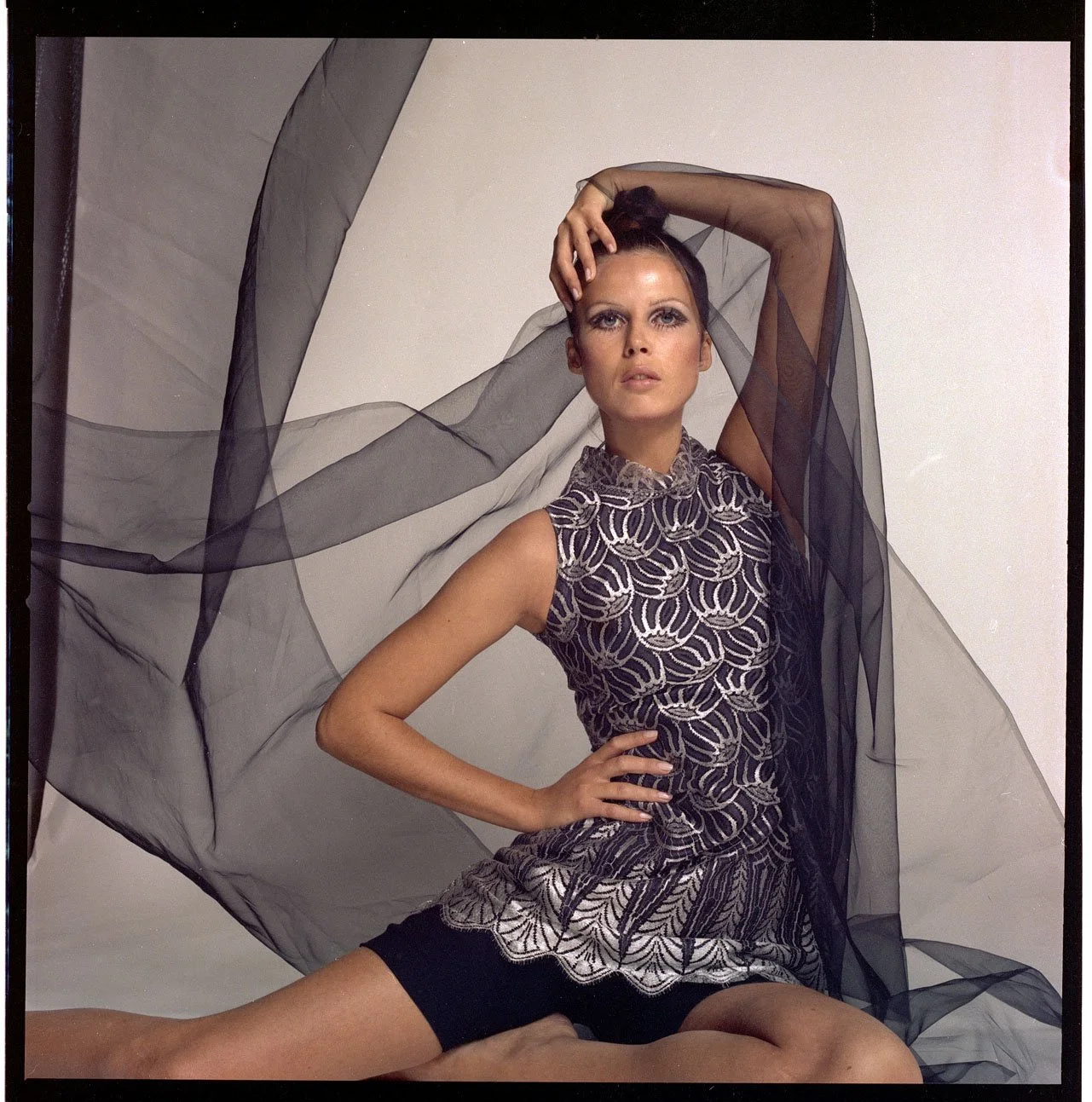
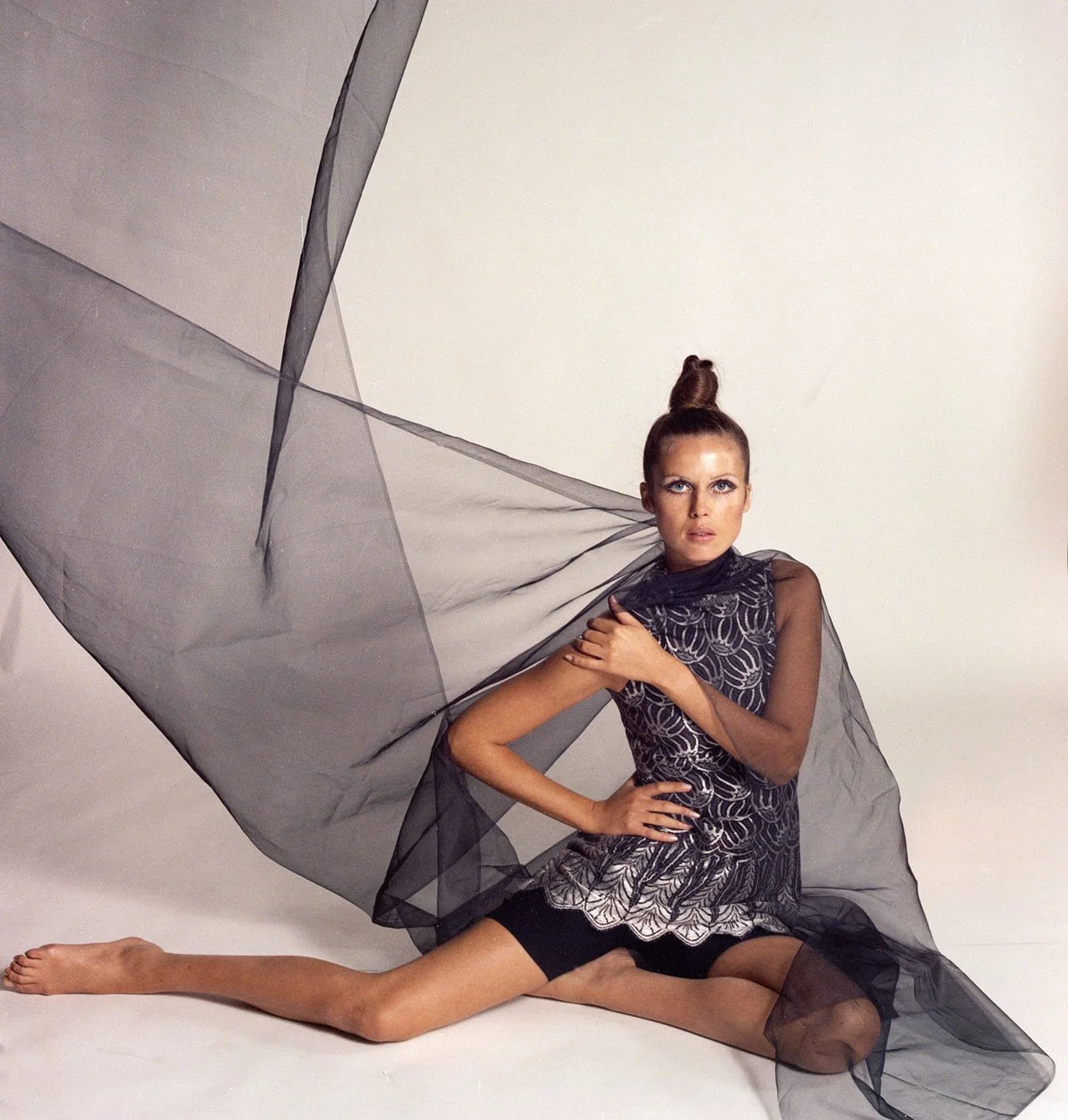
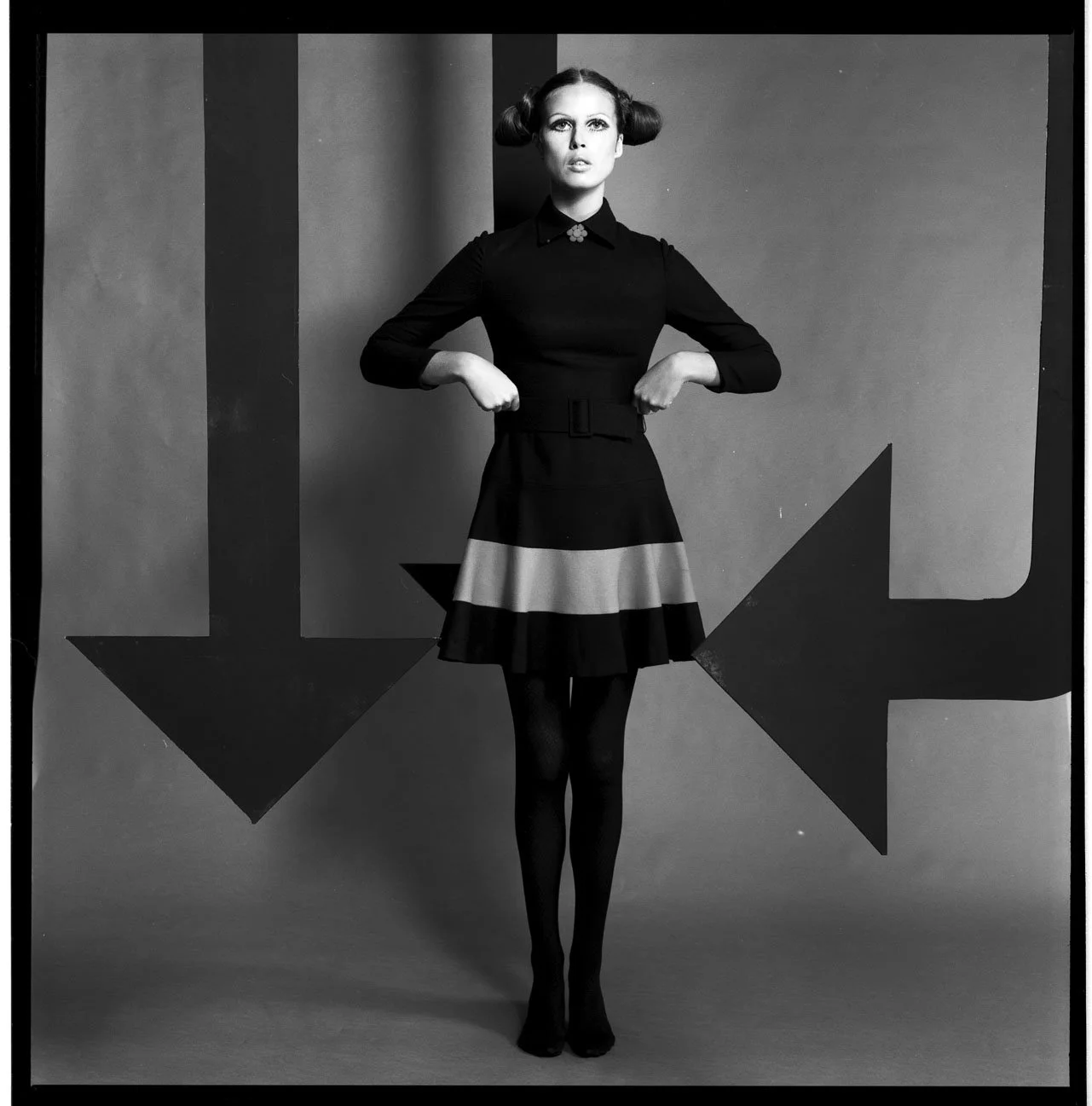
Ulrich Pracht first encountered the color black in fashion toward the end of the 1960s, in the form of a special commission. Through the company Ludwig Povel—for whom he had been photographing their latest jersey fabrics—he met Alfons Vieten. With his company, Alvilette, the textile entrepreneur was focusing on youthful fashion in black, embroidered or printed with white ethnic motifs. Ulrich Pracht was tasked with photographing the entire collection. The fashion entrepreneur envisioned images that would be both magical and glamorous. "It worked to my advantage that I immediately had an idea—one that, thanks to my excellent contacts, I was able to execute perfectly in line with his vision." In his Düsseldorf studio, Ulrich Pracht had installed a stage raised 60 centimeters off the floor; this elevated platform cast the performers and models in the role of self-assured protagonists, while allowing the photographer to work at a more comfortable height. "As an added effect, it gave me the opportunity to use lighting to stage a visual horizon, thereby suggesting to the viewer of my images a sense of immense spaciousness that was, physically speaking, entirely non-existent."
Originally, Veruschka von Lehndorff—whose discoverer, Peter Beard, Ulrich Pracht had met on safari in Kenya—was supposed to take on the role of the model. However, the German supermodel of the 60s and 70s happened to be unavailable at the time. Consequently, the commission went to Elvira Berndorff, who had previously worked in New York City with photographers such as Bert Stern, Richard Avedon, and Irving Penn. For the role of the background model, he approached an African cameraman he knew from his work at the WDR broadcasting station. "He brought along an acquaintance of his, who also participated in the shoot. I transferred motifs from the dresses onto the men's bare torsos." The fact that the cameraman’s wife—dressed in traditional African attire—came along as well, ostensibly to keep a close eye on her husband, and even proudly showed off her baby, inspired Ulrich Pracht to create further images. The body painting—skillfully employed throughout the series—superbly dramatizes the images in fine detail without creating a sense of visual clutter. During the shoot at the Düsseldorf studio, color photographs were captured and subsequently converted into black-and-white—transforming impression into expression. With their striking, ethnic aesthetic, these images were later utilized globally to market Alvilette fashion.
For the role of model, Ulrich Pracht engaged Elvira Berndorff; although she had by this time passed the age of thirty, her expressive, exotic appearance fit his artistic vision perfectly.