
03
WAKE UP
The Art of Seduction. The Art of Ulrich Pracht.
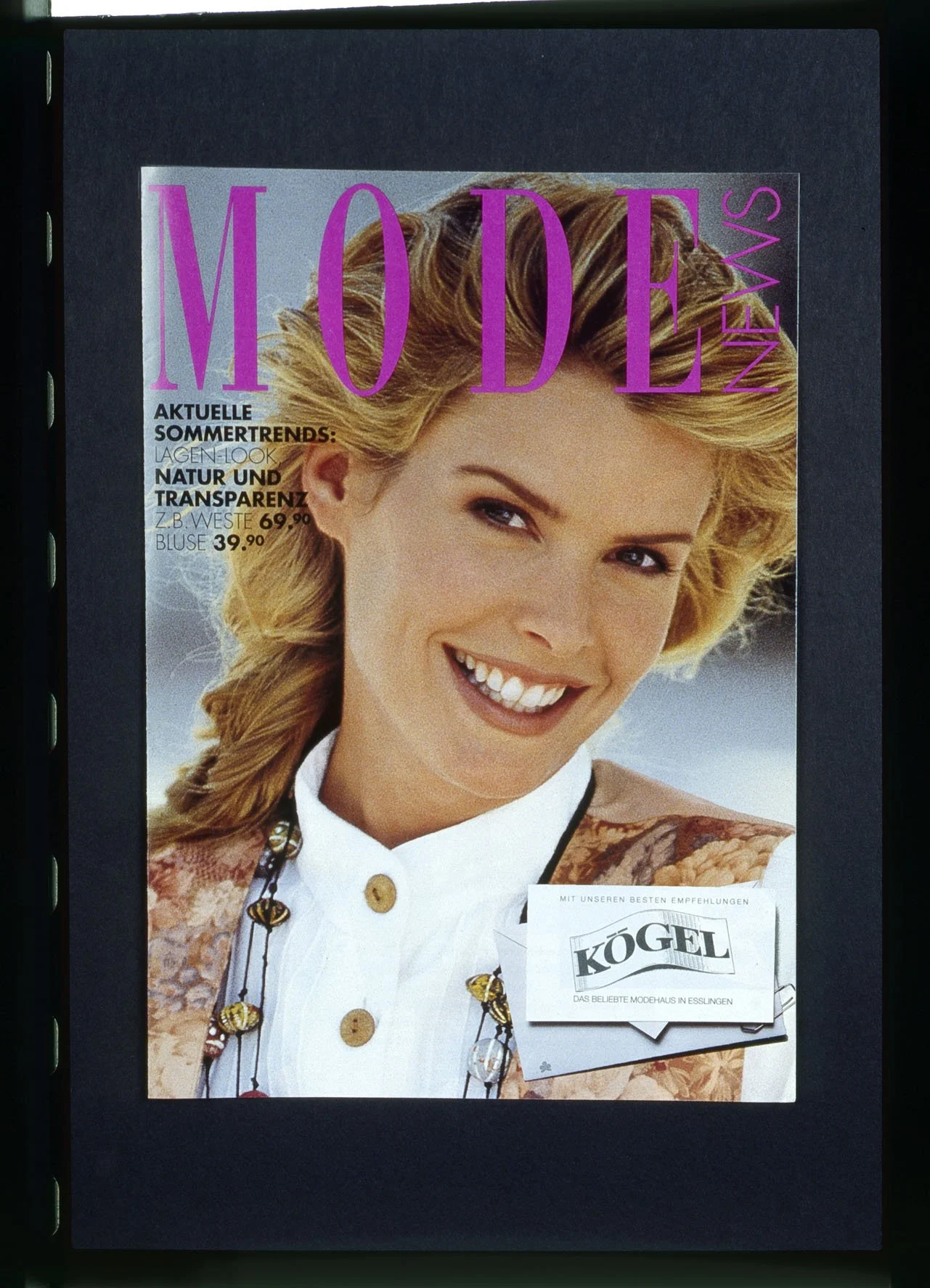
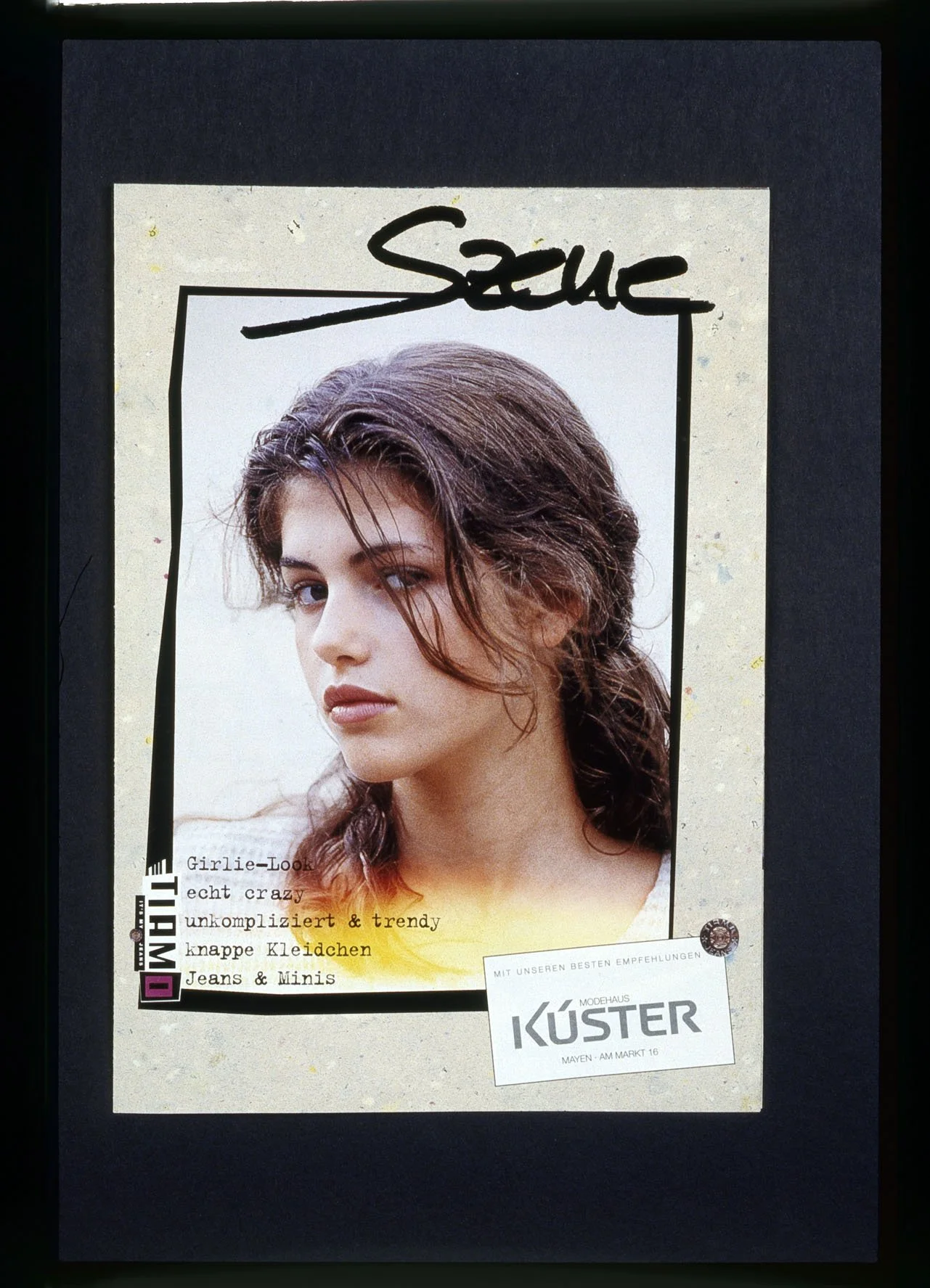
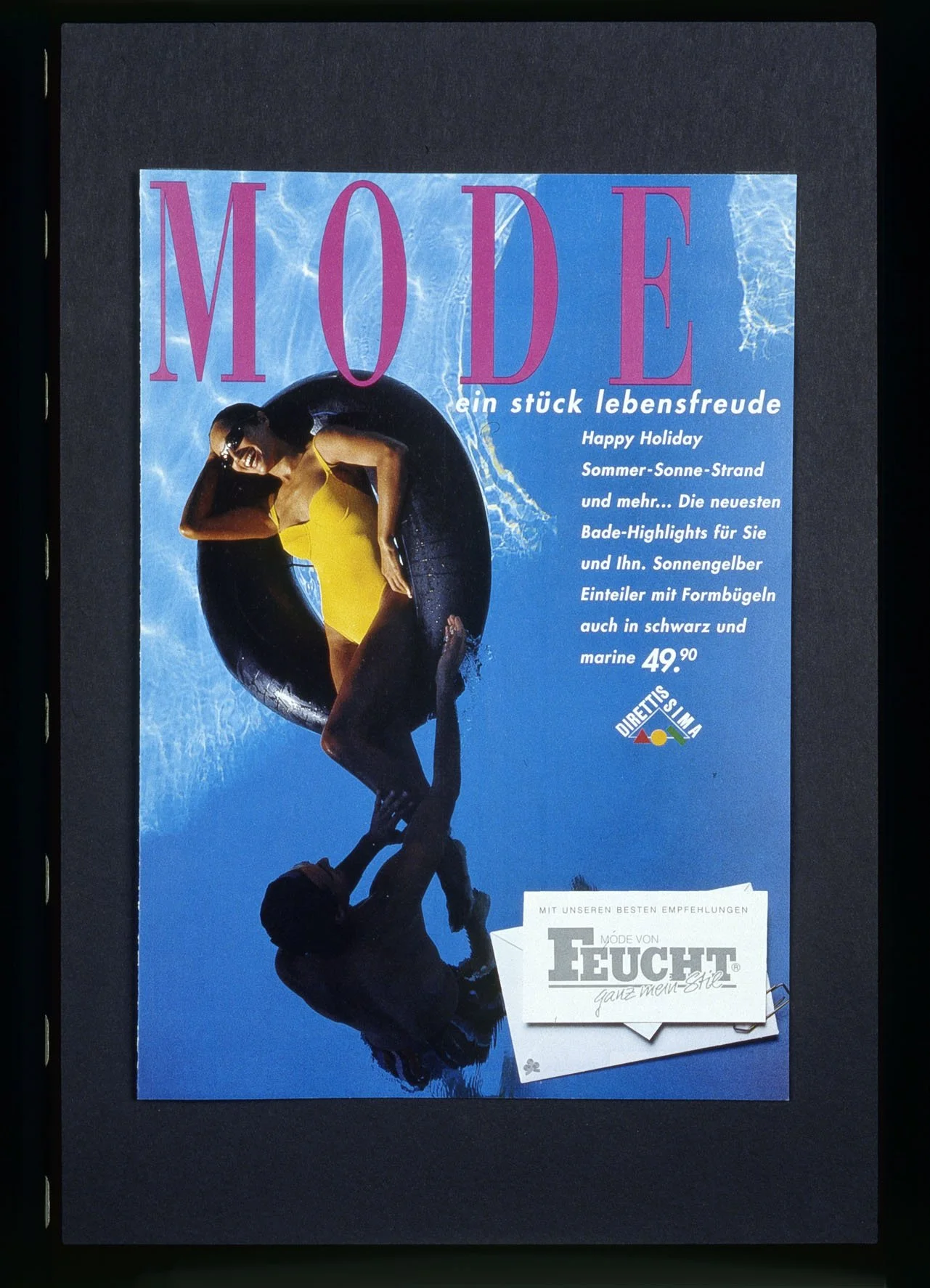
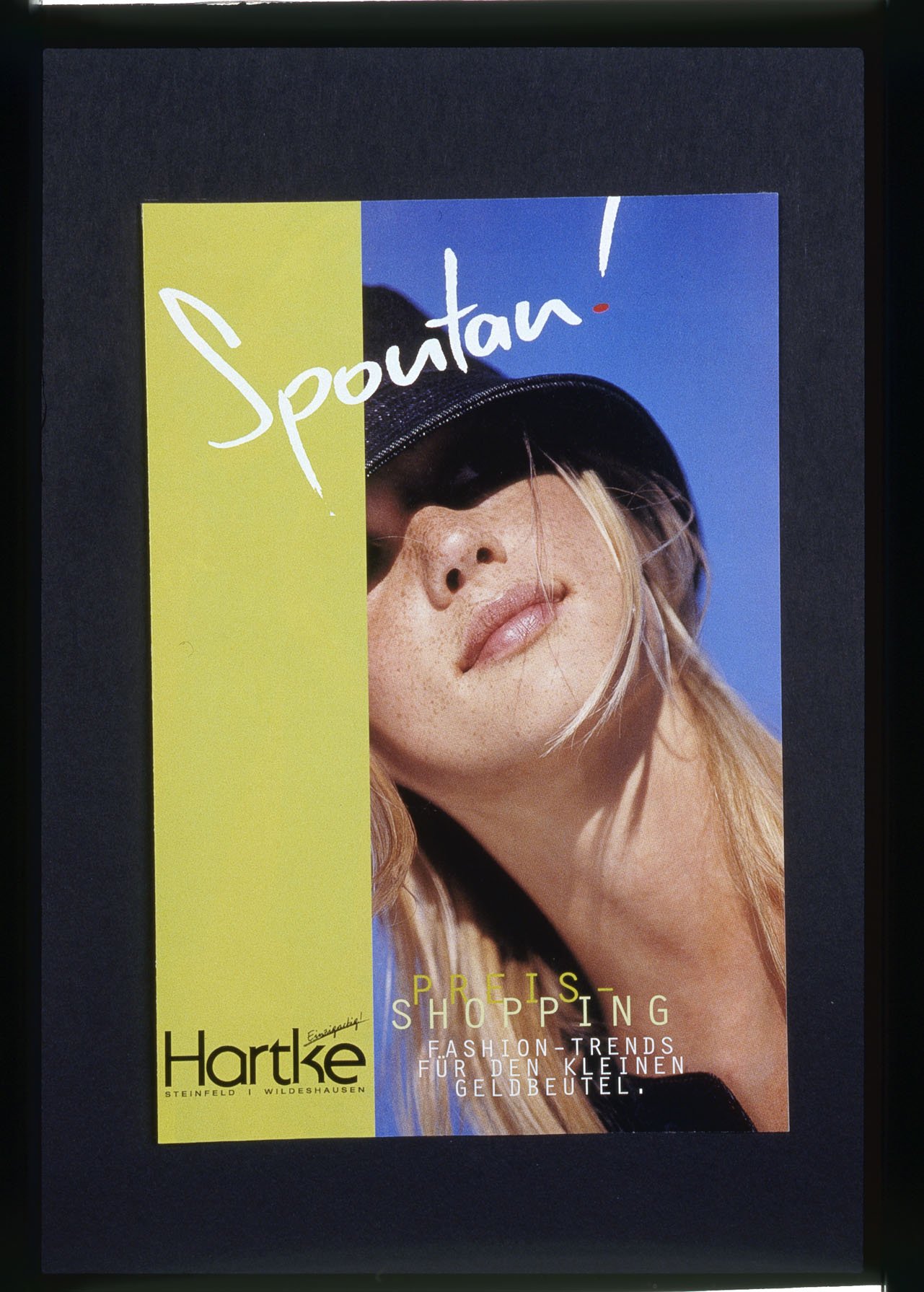
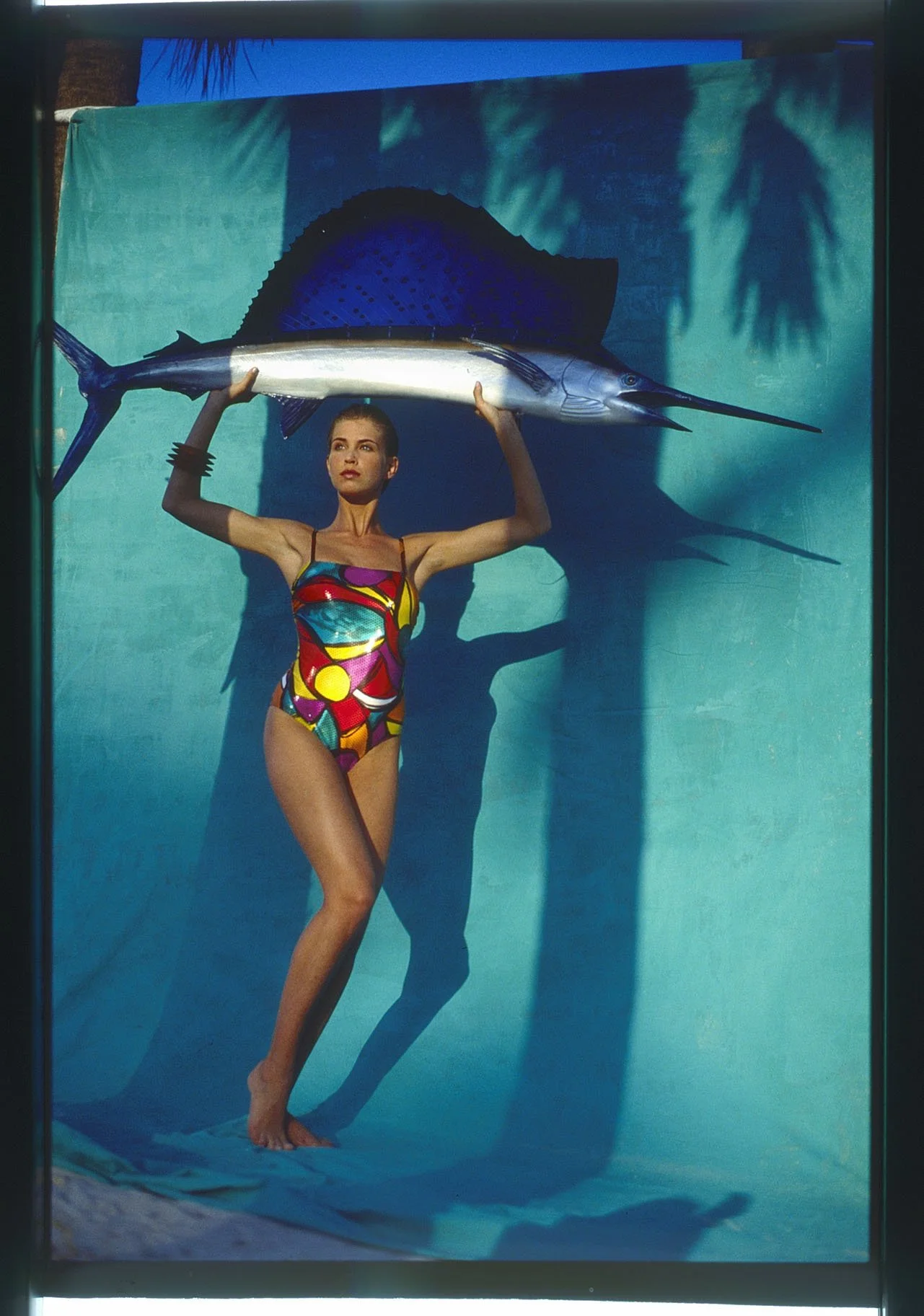
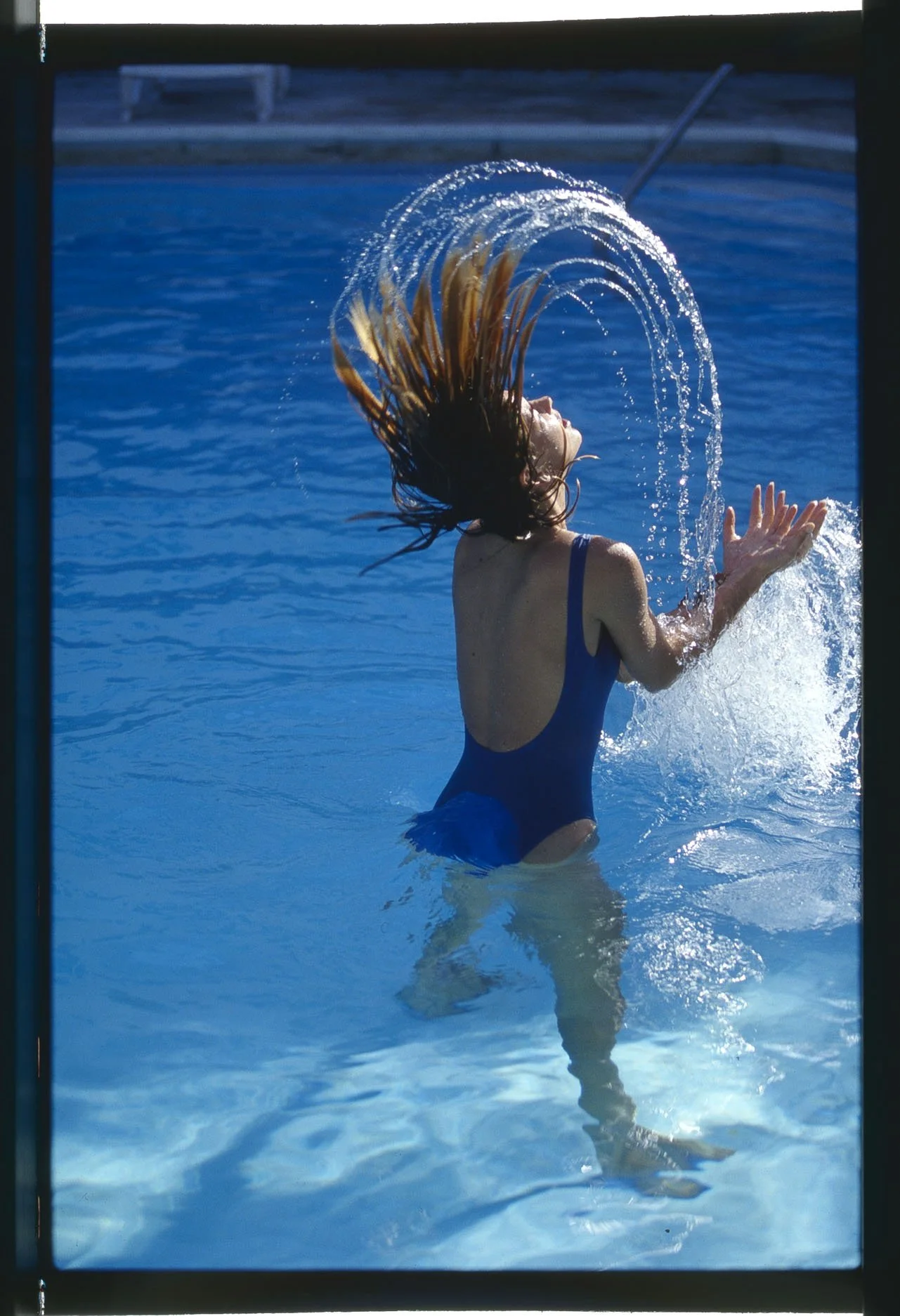
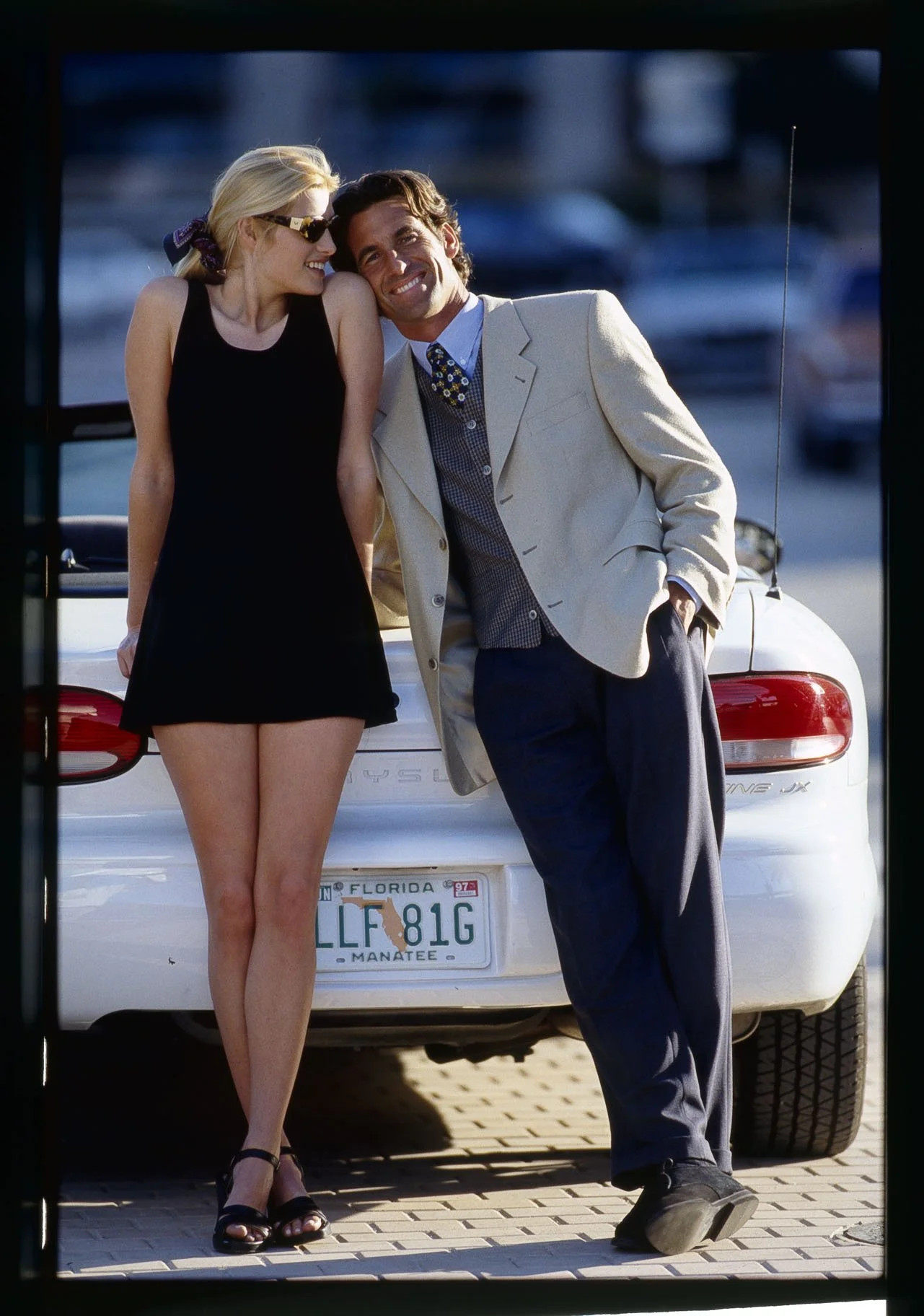
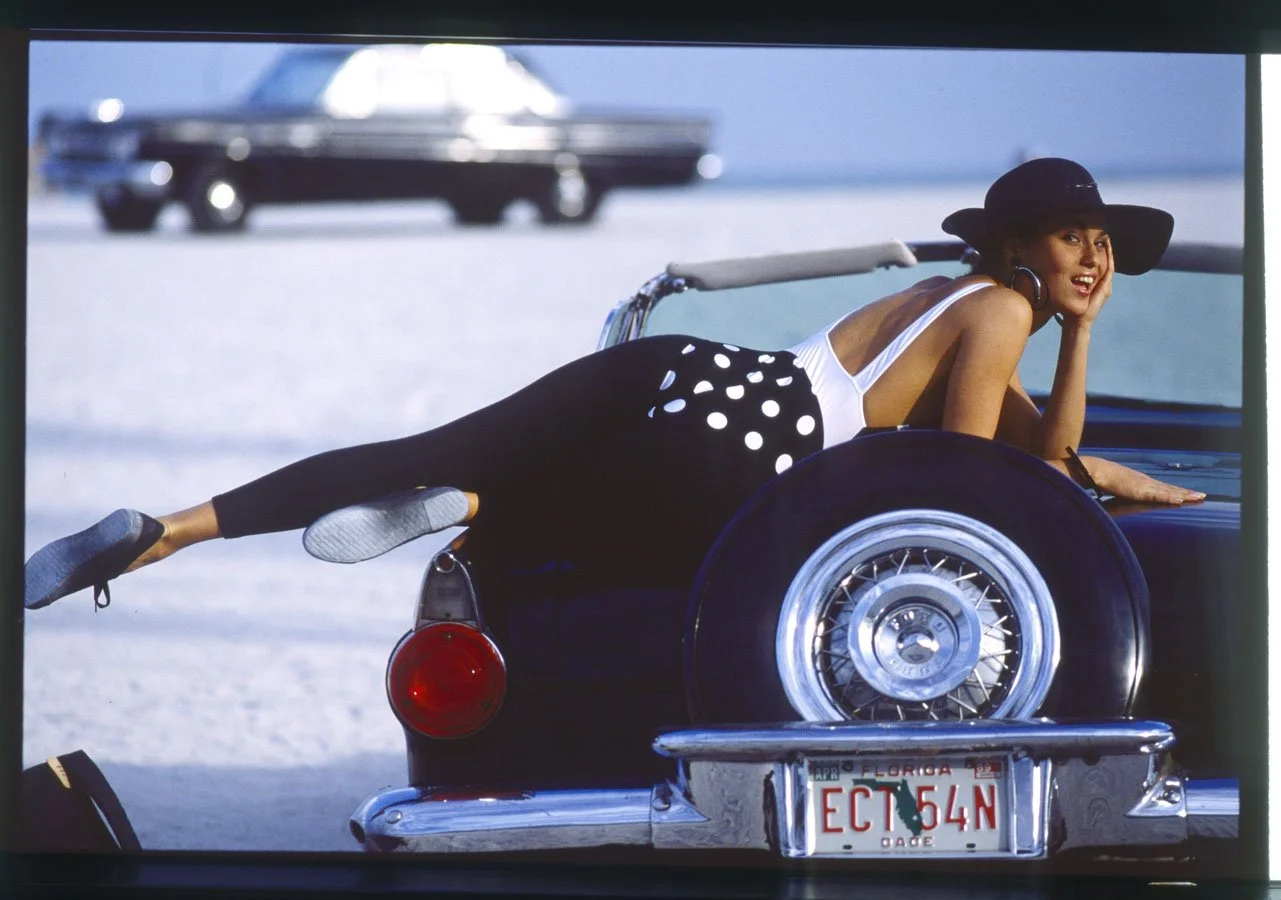
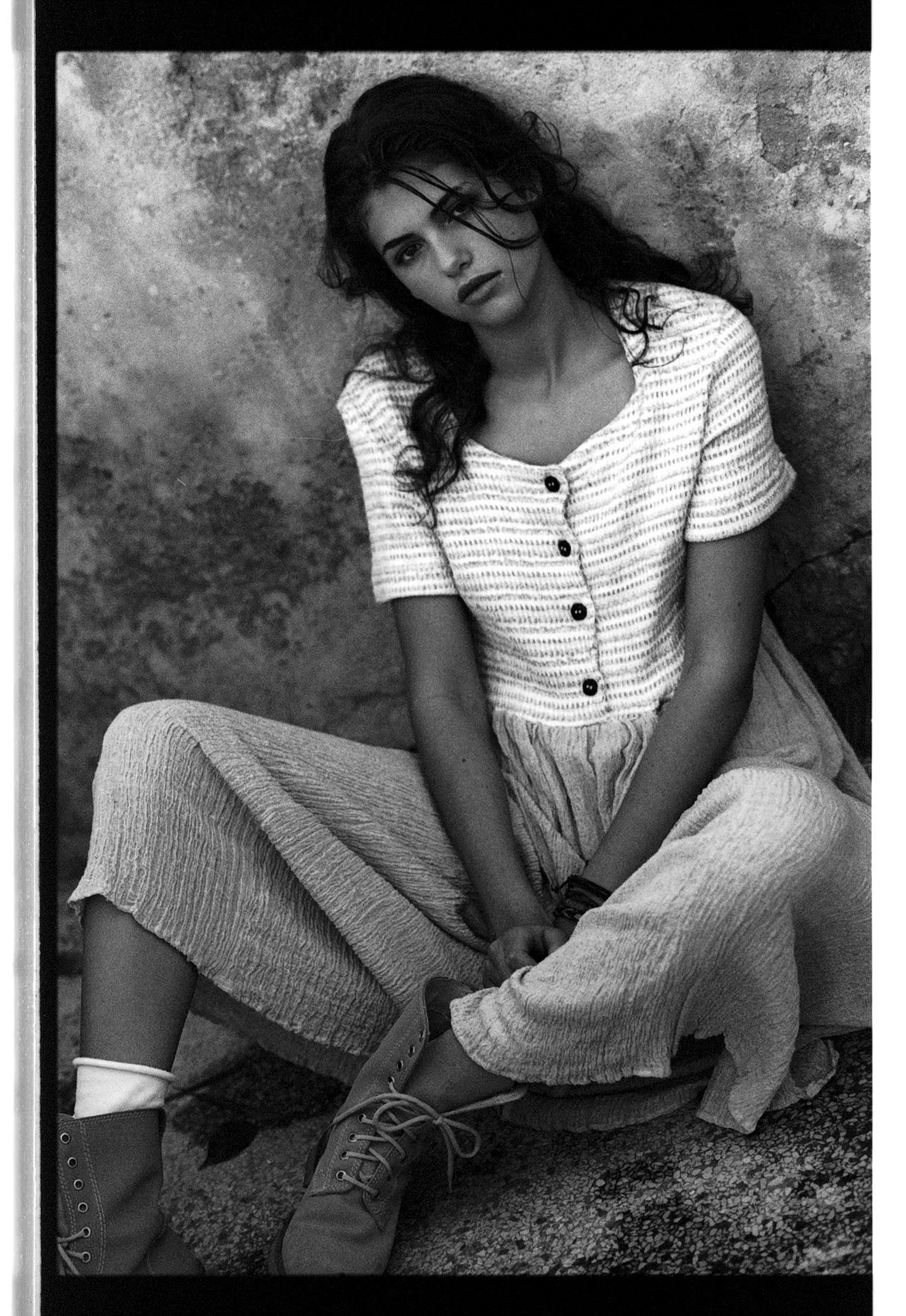
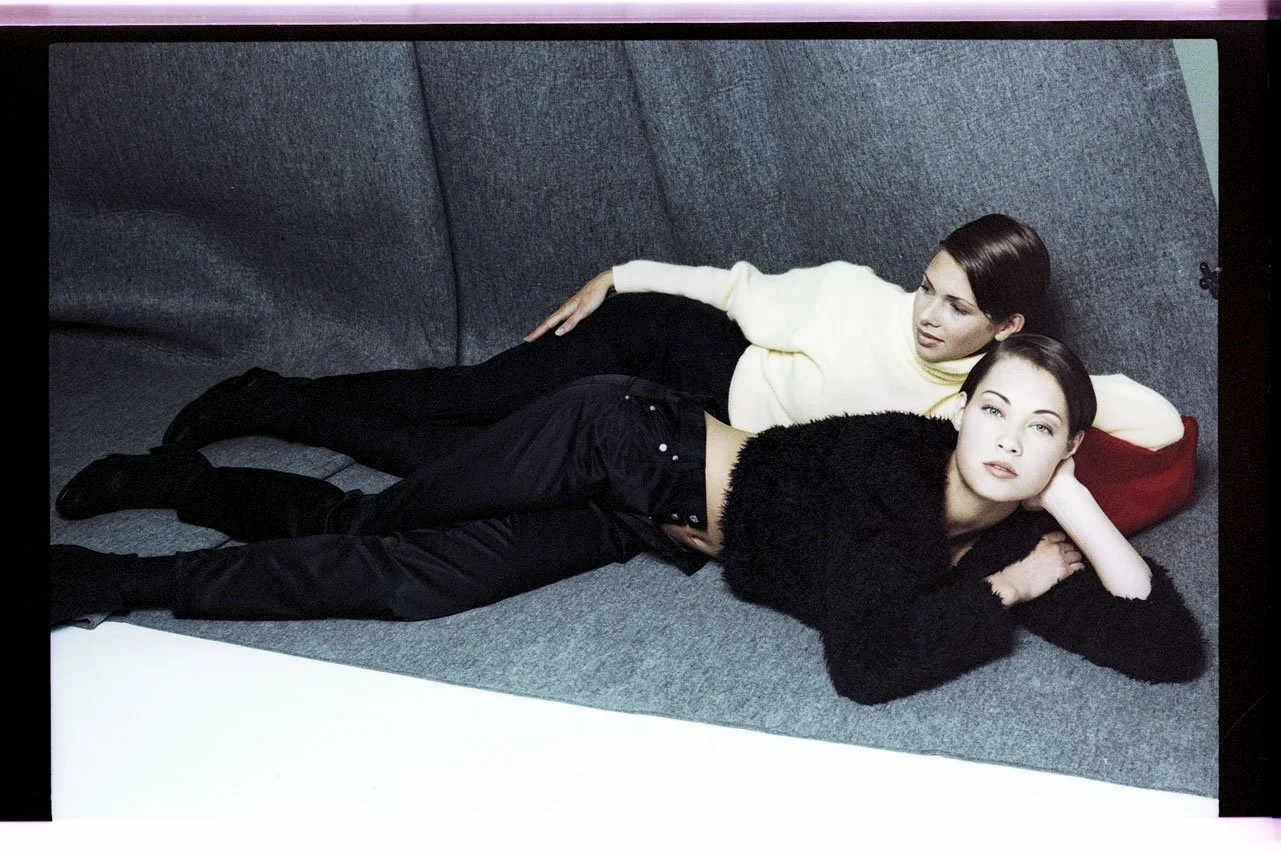
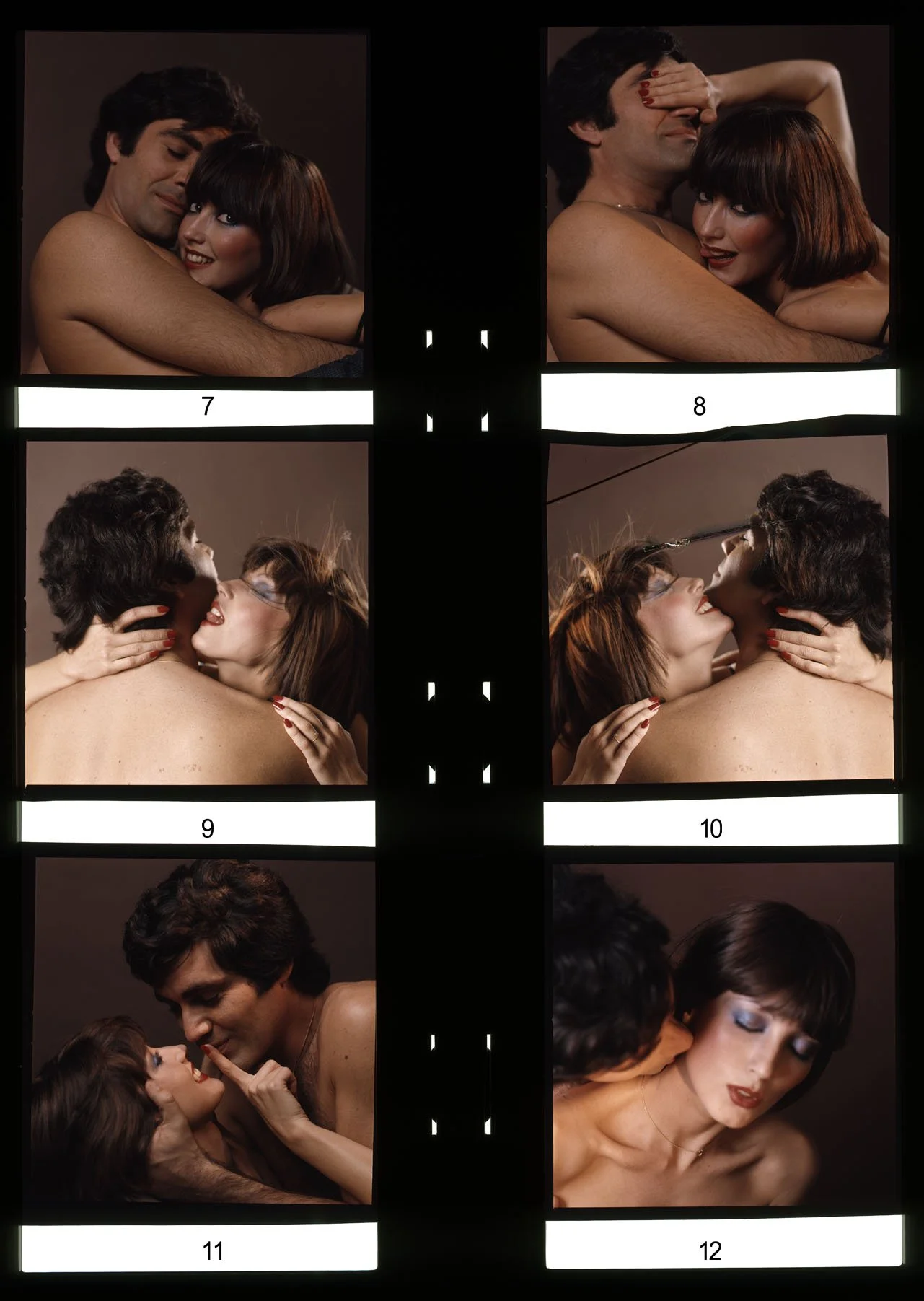
Combining art and commerce is an exciting challenge; the art of seduction—a challenge Ulrich Pracht set for himself—is a far more difficult one. Through creativity, humor, aesthetics, and harmony, he transforms ordinary mainstream fashion into something truly special. His mastery of craftsmanship—his ability to work with fabrics and materials—is not merely a product of his training as a textile decorator; it is also driven by an inner impulse: the desire to constantly rediscover and reinvent the essence of "fashion." His innovative concepts—featuring dreamlike product presentations distinguished by their attention to detail, cut, silhouette, and quality across various experiential realms—combined with a passionate artistic sensibility, constitute the "Art of Ulrich Pracht." Supported by his team—comprising stylists, makeup artists, hairdressers, layout artists, graphic designers, and, last but not least, his studio manager, Stan Kaizler—Ulrich Pracht has mastered the art of orchestrating that singular, exceptional photograph: one that marries a brilliant concept with the perfect, target-audience-specific model, all set against the backdrop of an impeccable global location. "I was always only as good as my team," he emphasizes, while adding: "Working with me wasn't always easy. Whatever I undertook, I possessed a singular ability to become completely immersed—to lose myself entirely—in the various projects and tasks I was striving to bring to life at any given moment. The deep appreciation I held for whatever work was currently before me stemmed from one simple fact: I loved what I did."
03.1
ART, COMMERCE AND PASSION
Over the decades of his career, there is scarcely a major player in fashion retail—nor a fashion manufacturer or brand—for whom Ulrich Pracht has not worked. With great sensitivity, heart, and intellect, he immerses himself in the shifting demands of his diverse clients, developing a unique, bespoke visual identity for every brand and every campaign. The constructive creative tension he cultivates with his clients grants him the essential freedom his work requires. With immense passion, empathy, dedication, and grit—coupled with admirable tenacity—he crafts for them an alternative, seductive reality: one that stands in stark contrast to conventional concepts born of the bureaucratic, mundane routines of those stuck in the past.
Thanks to his innovative ideas, his technical mastery, and—above all—his boundless imagination, Ulrich Pracht’s work serves as a revelation, capable of sparking desire even within the commercial realm of everyday, mainstream fashion. This creative and intellectual approach to photography—operating amidst the hard realities and facts of the fashion industry—is recognized and sought after by the sector’s key decision-makers.
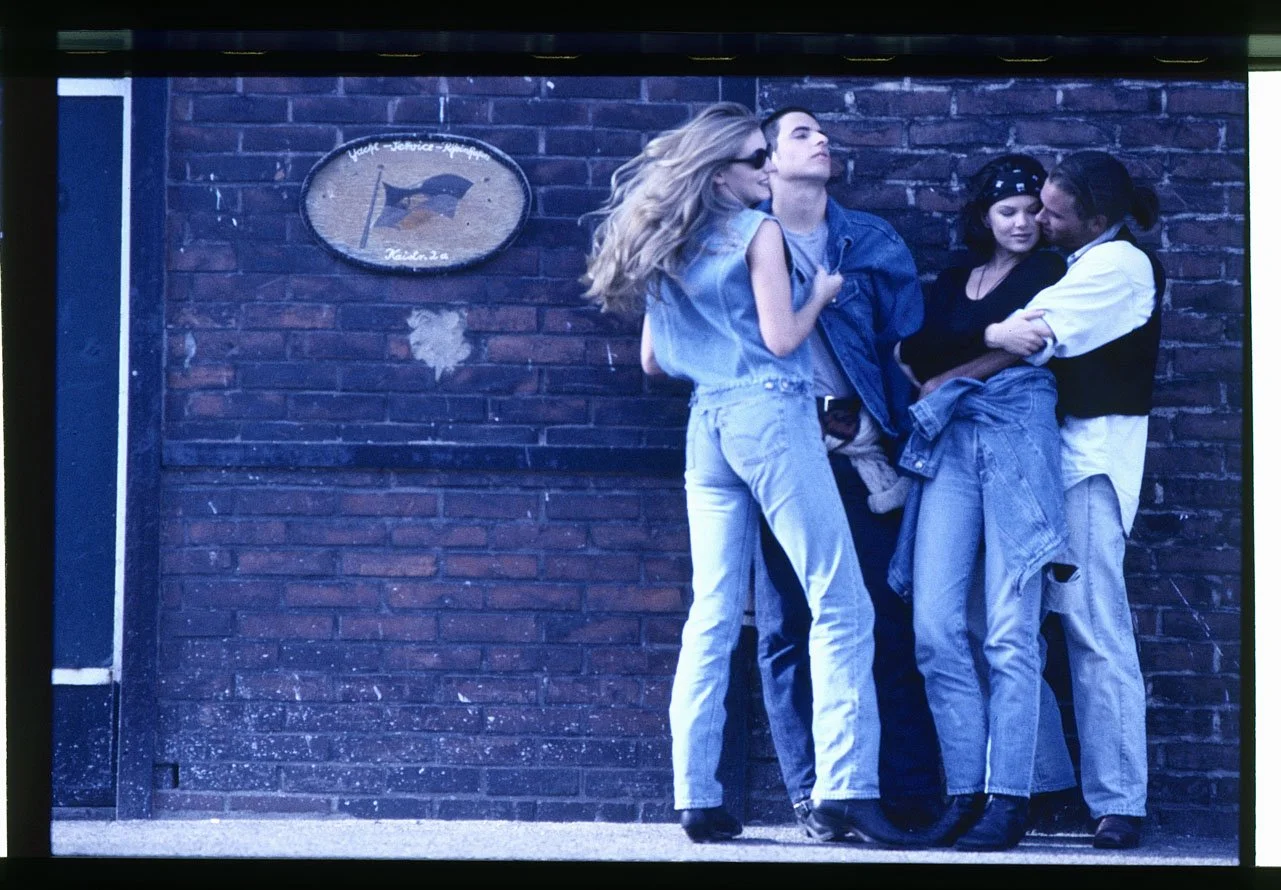
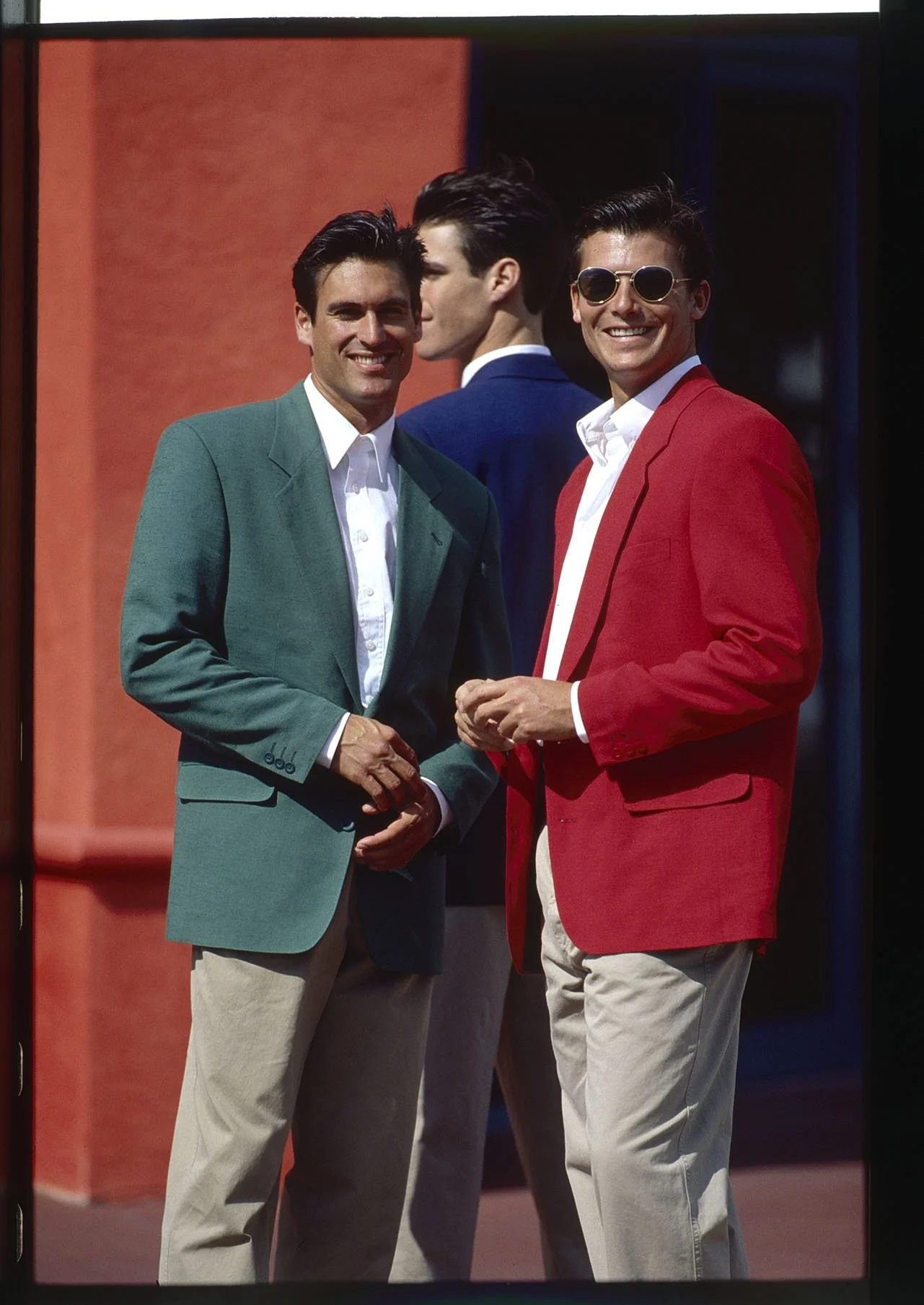
Ulrich Pracht’s creative universe—and the visual statements he makes within the fashion retail sector—are entirely autonomous; he places great value on working freely and independently, rather than under strict instruction. “I never needed the client’s hot breath on my neck,” he says of his working style. In this way, he succeeds in fully immersing himself in the distinct philosophy of each assignment and client, effectively conveying their core values. He elevates the beauty, functionality, and quality of products to an entirely new aesthetic plane; under his “grace-filled light,” even banal fashion is transformed into a premium element of a dream world—one that invariably puts the viewer in the mood to buy. With this philosophy, he shook up the fashion retail landscape of the era—from Hettlage and C & A to Boecker and Karstadt—as well as fashion brands such as Delmod, Pourelle, blacky dress, classic, alba, and alvilette, and mail-order giants like Otto and Quelle. This aspect—at the time the most significant component of his so-called "commissioned art," through which he realized marketing concepts and strategic objectives tailored to diverse requirements—forms the foundation of his artistic practice, providing him with financial independence.
The entire spectrum of his design, artistic, and commercial acumen is successfully brought to bear here—a process always tempered by a profound sense of responsibility toward his various clients, for Ulrich Pracht assumes a high degree of risk, both for himself and for those he serves. On the one hand, he offers them the opportunity—drawing upon his own inspiration and creativity—to cultivate a new, distinctive, and enduring identity for their corporate image and their fashion products. On the other hand, he must take care not to neglect their established traditions and customer habits. Confident in the knowledge that with Ulrich Pracht, the entire creative process—encompassing ideas, concepts, layouts, photography, and graphic design—is consolidated under a single roof, thereby guaranteeing a principle of rapid decision-making, they place their trust in Ulrich Pracht’s creative powerhouse.
“Wake UP! Light UP your product!
New concepts generate new revenue. And let’s be honest: haven’t you always dreamed of really showing off your product—of celebrating it in style? Don’t cling to outdated concepts and compromises; doing so drains your energy and drives up costs. After all, it’s your money. A half-hearted message can never take the place of a truly brilliant idea. Let go of whatever isn’t worth the effort! Put your heart and soul into the work! Give it your all for a great idea. Rejoice when people start talking about you—when they point to your product. Become the talk of the town! With extraordinary concepts and bold ideas.
We are the springboard to get you there.
“Go UP, not down! Especially now!” (Communication concept from a brochure by Ulrich Pracht)








03.2
HETTLAGE
Sunday Coat. Design with sophistication.
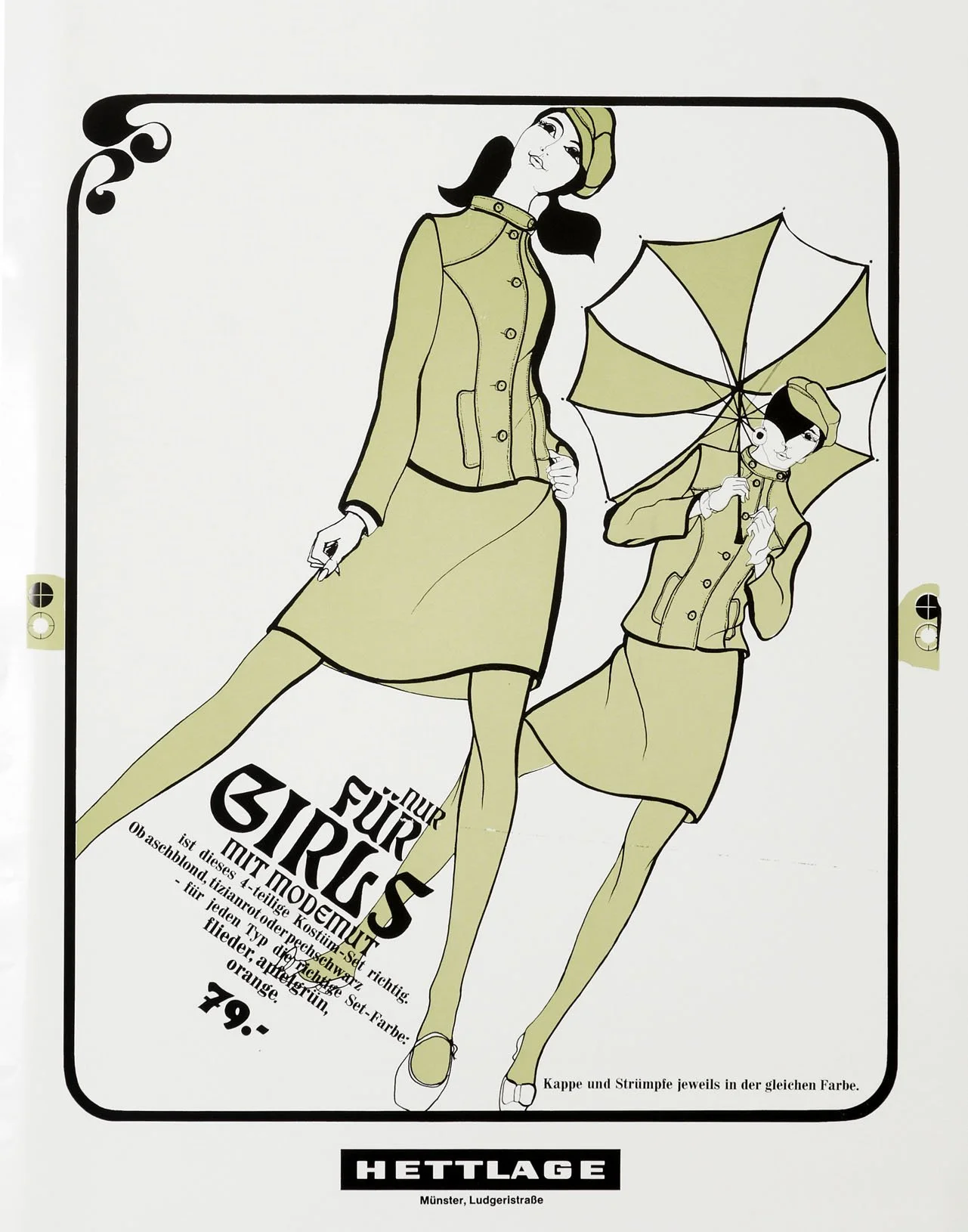
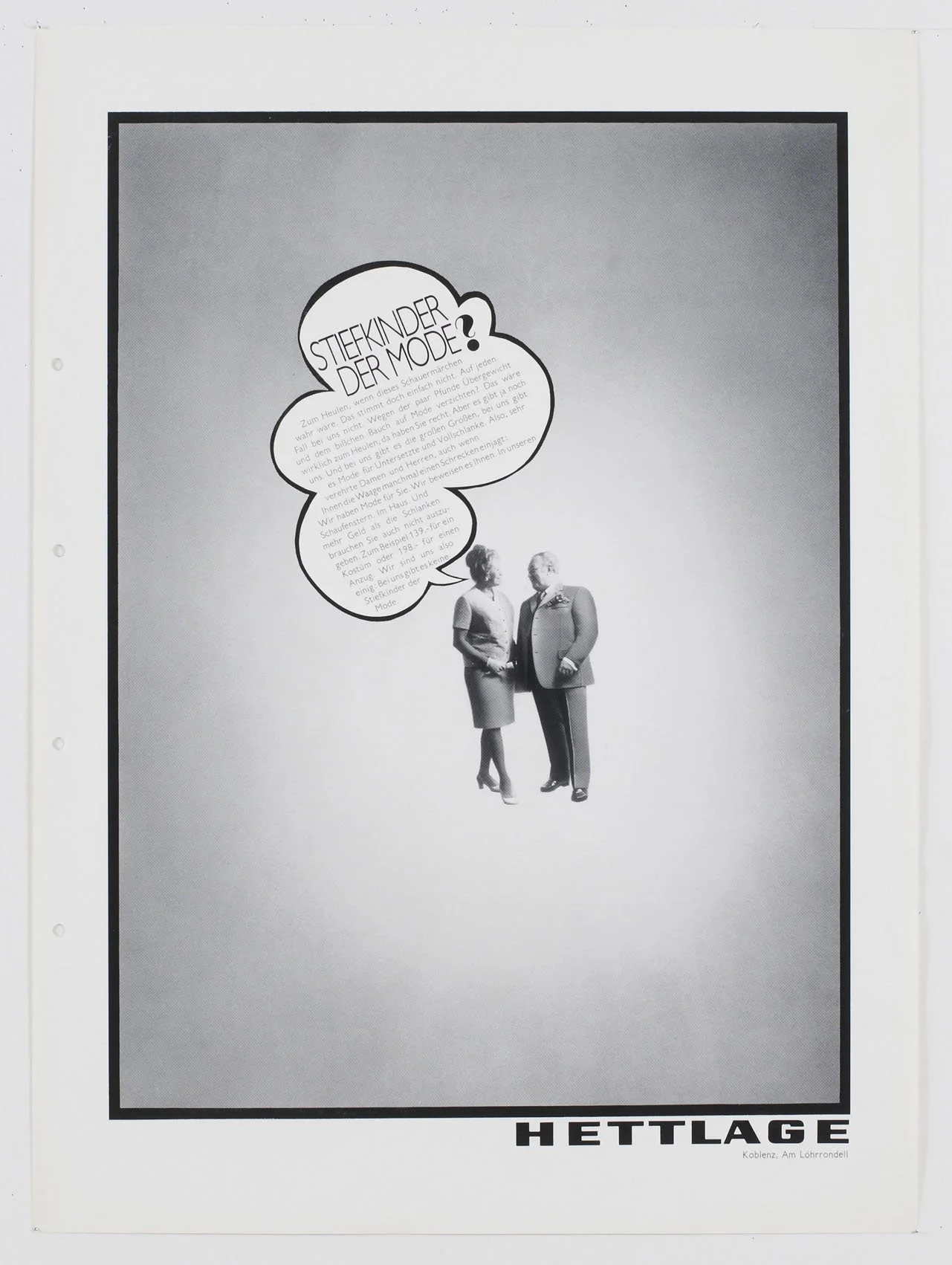
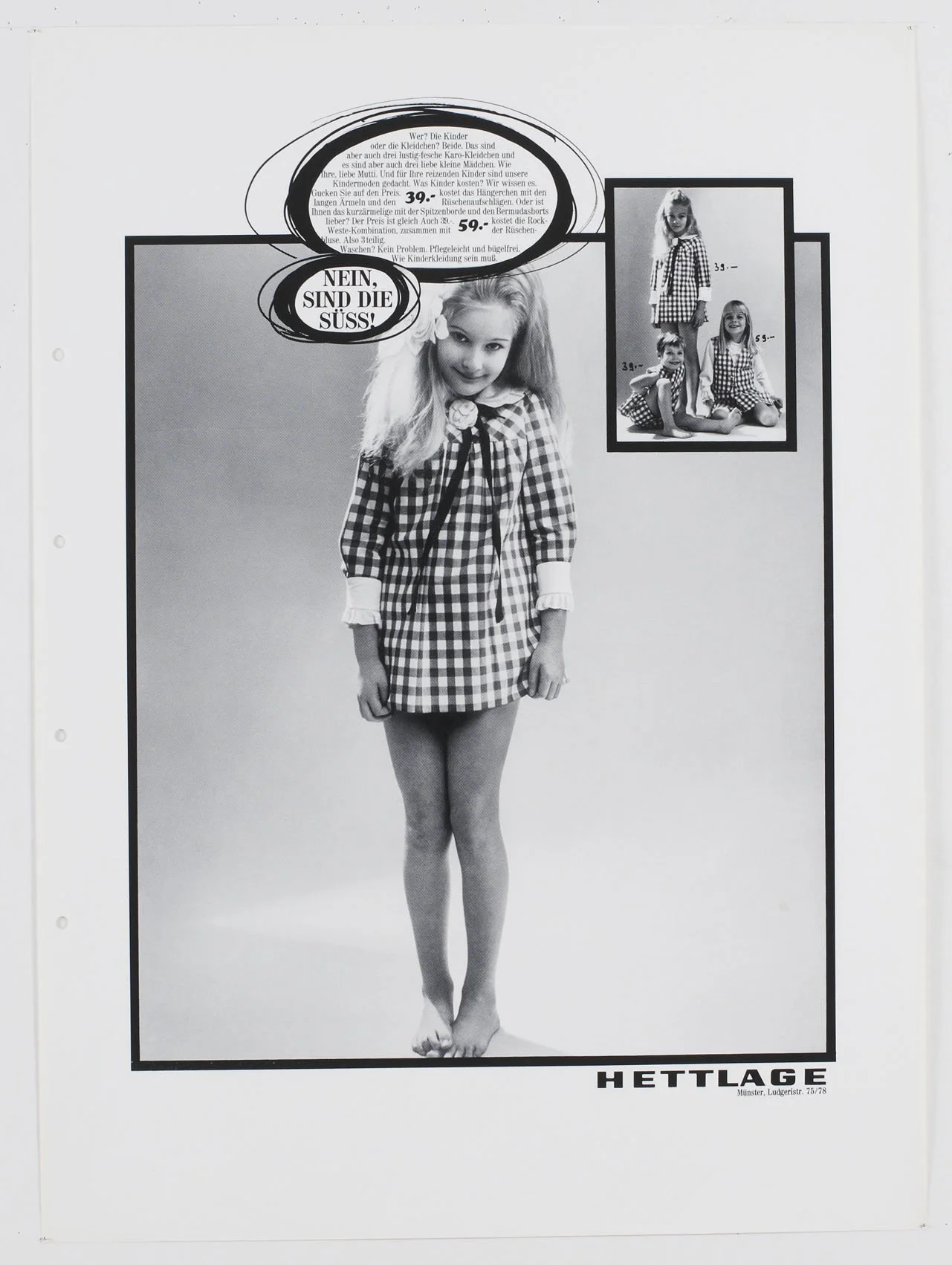
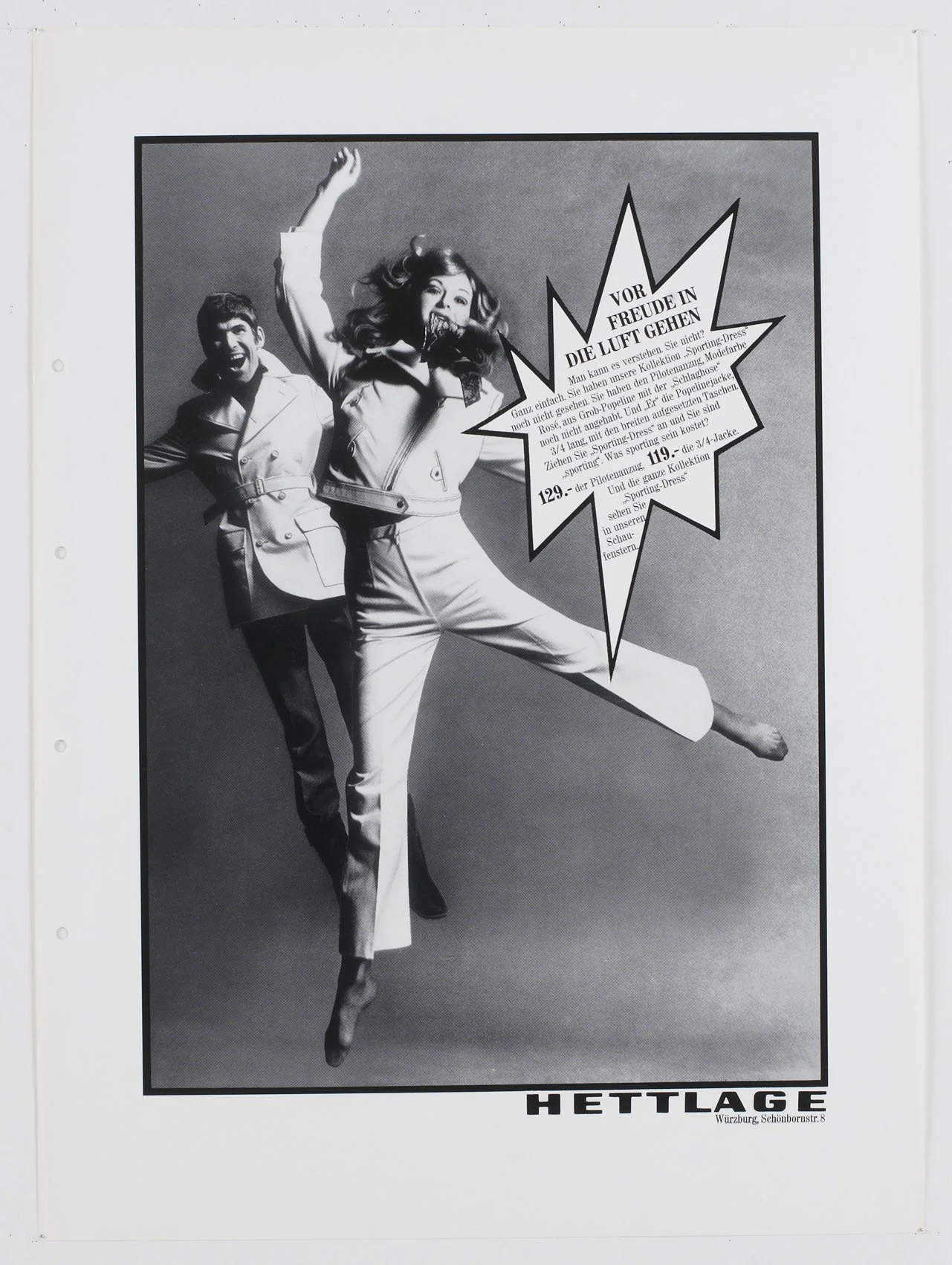
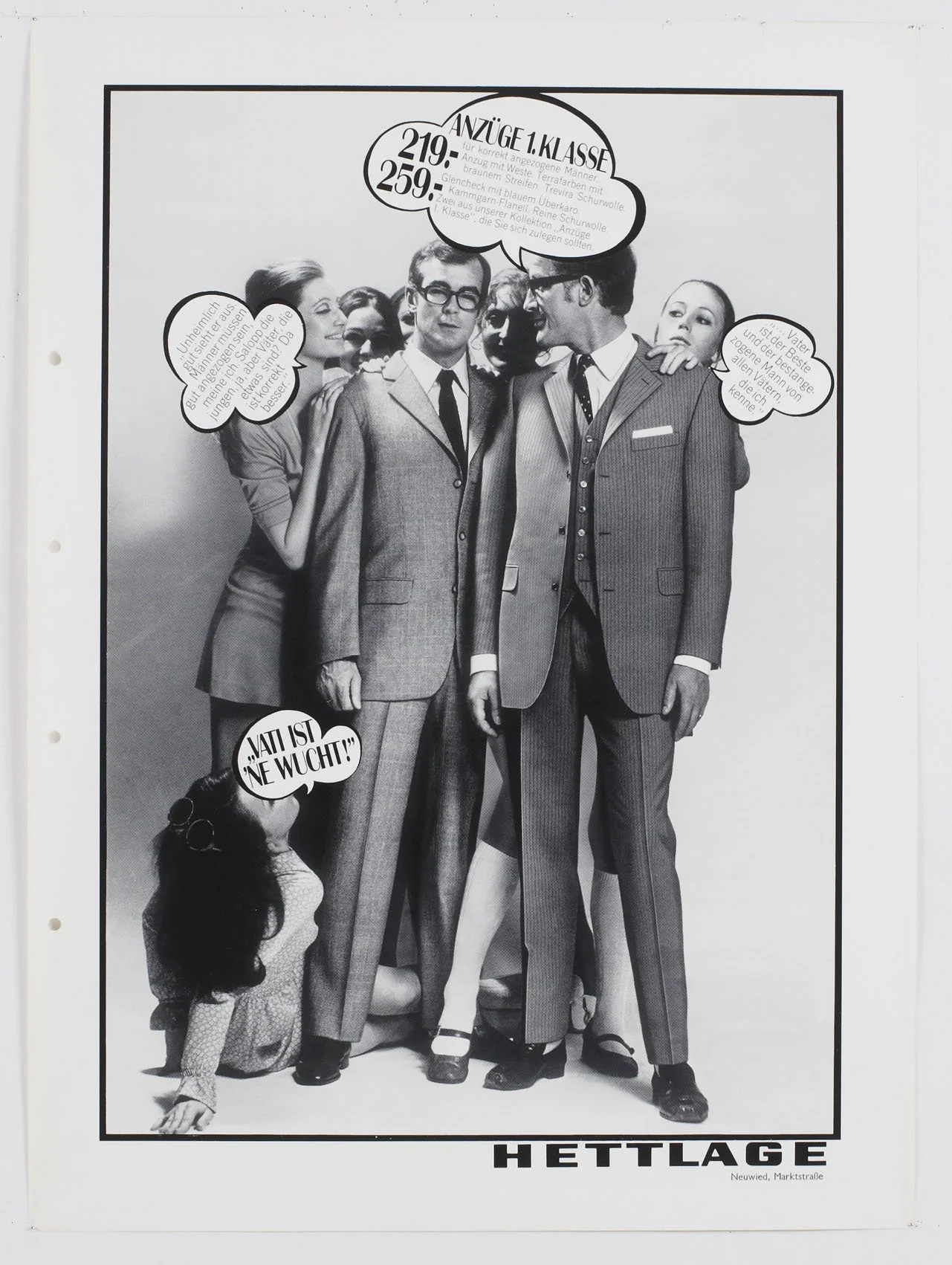
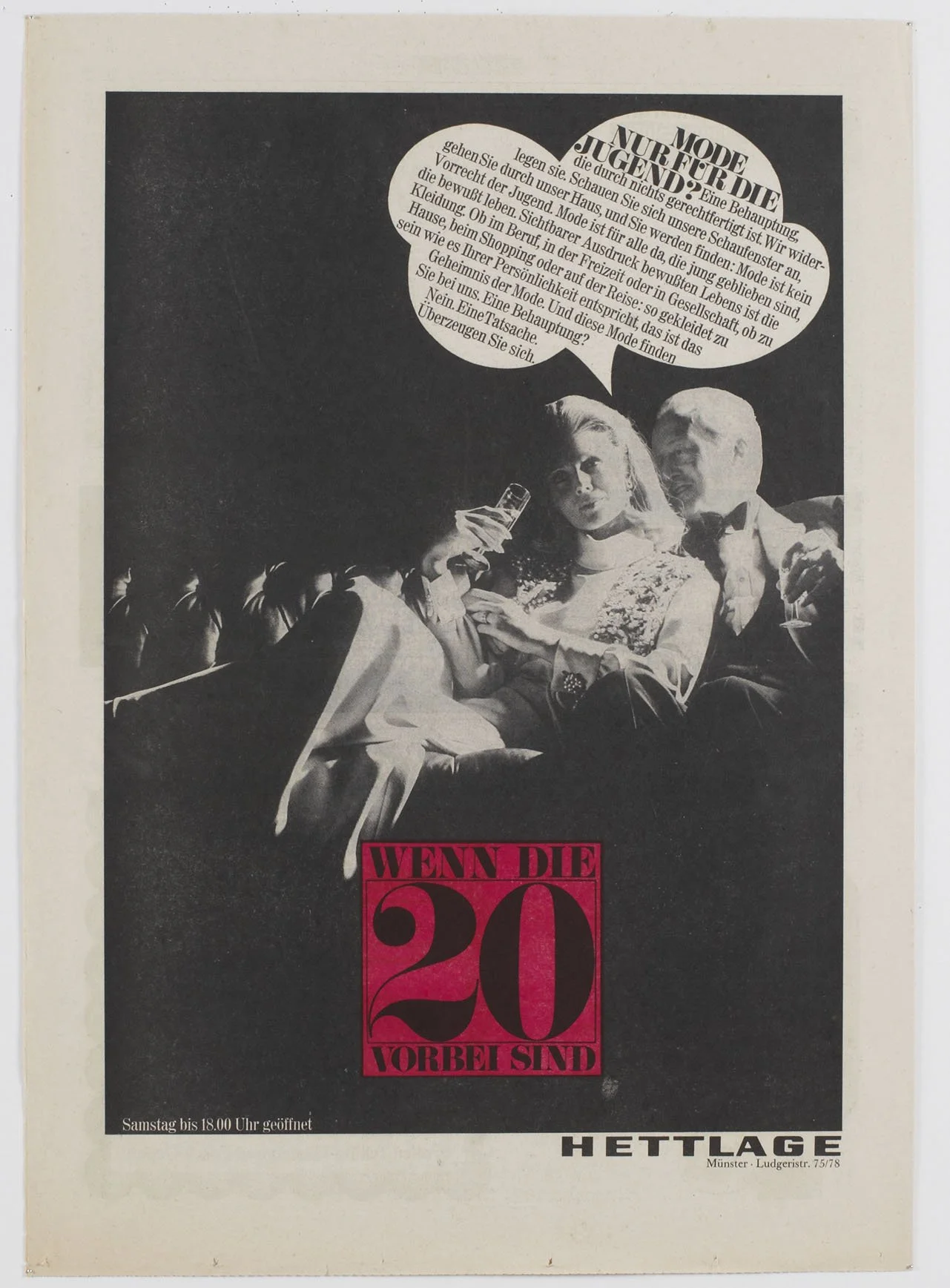
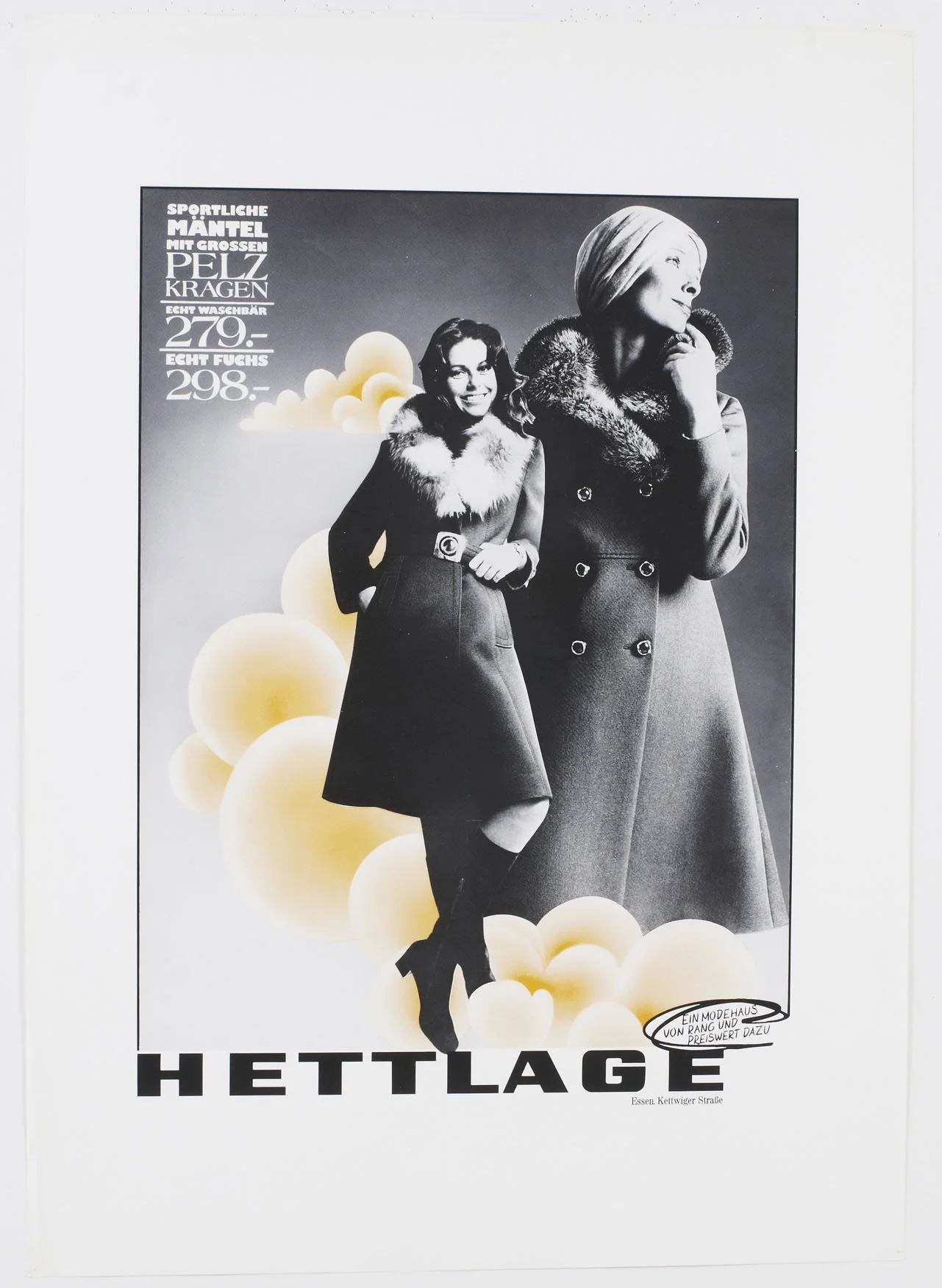
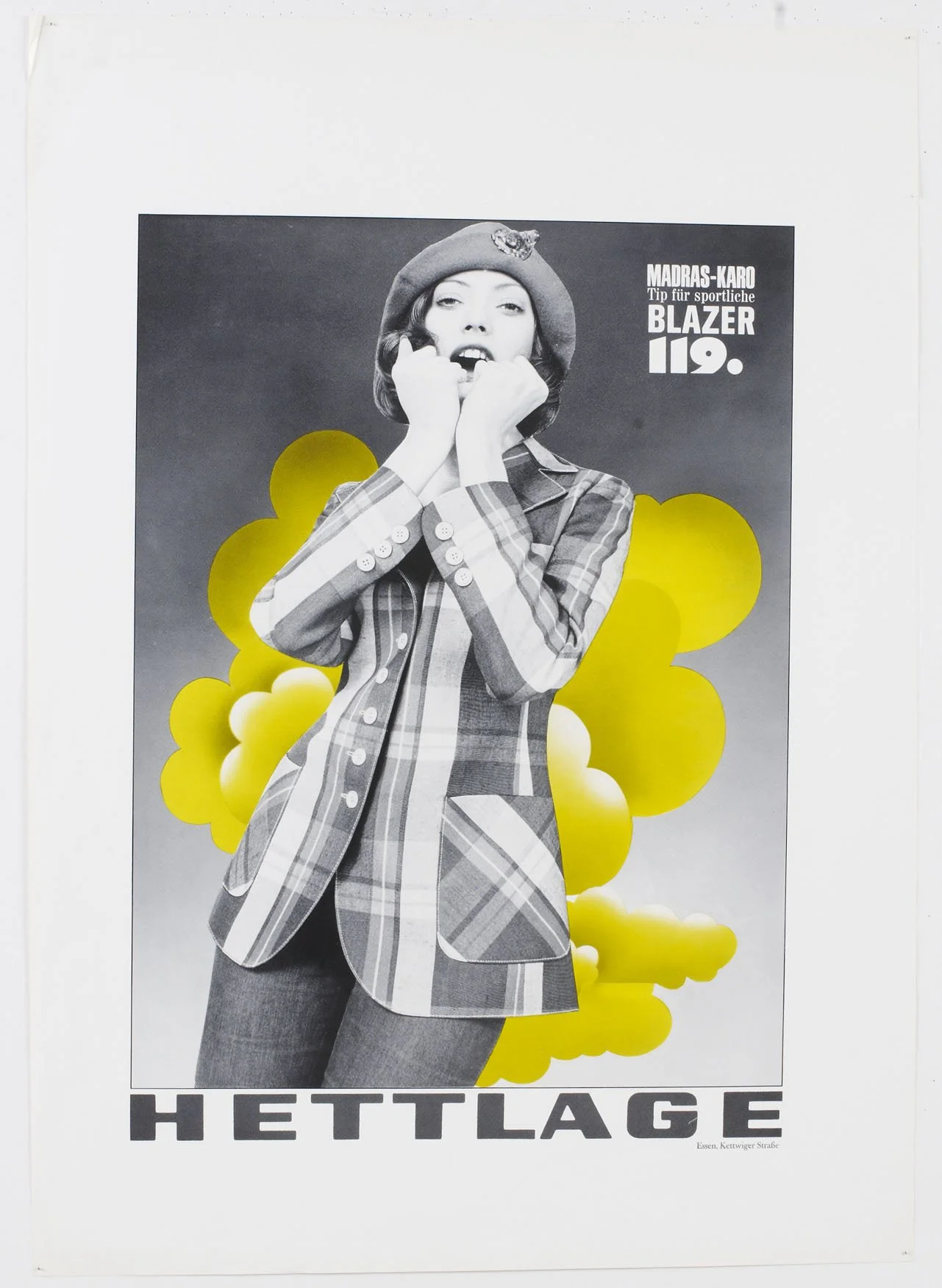
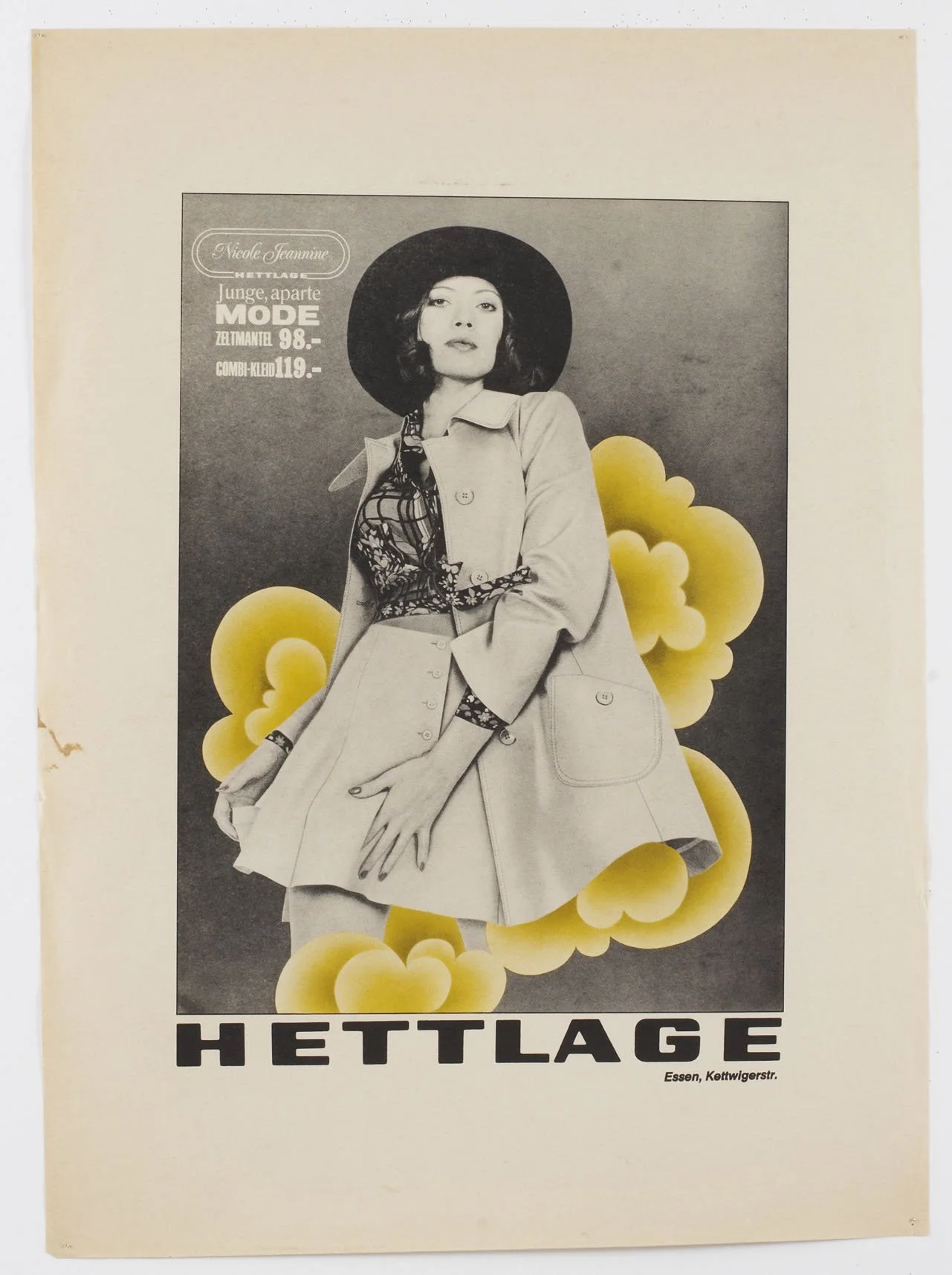
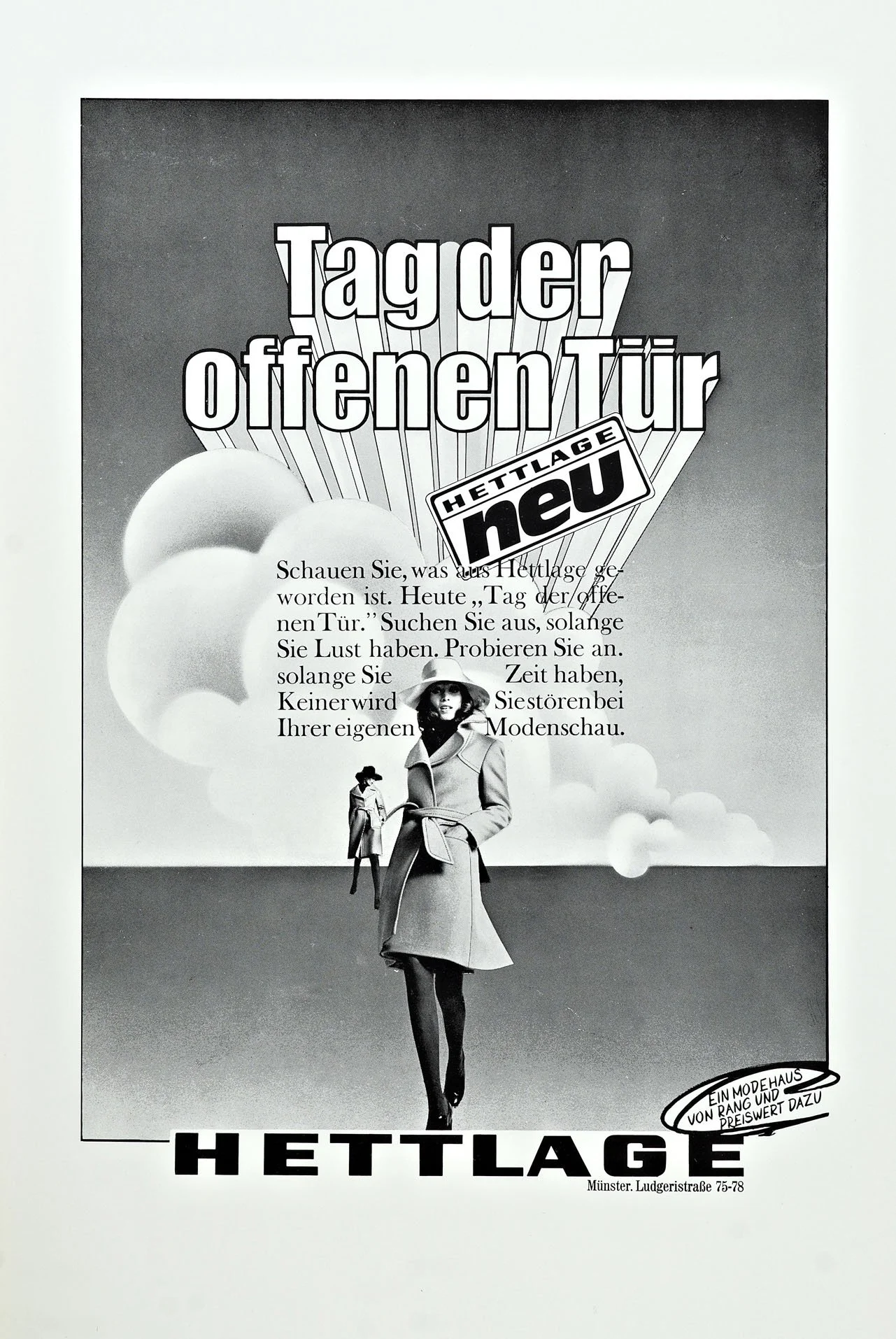
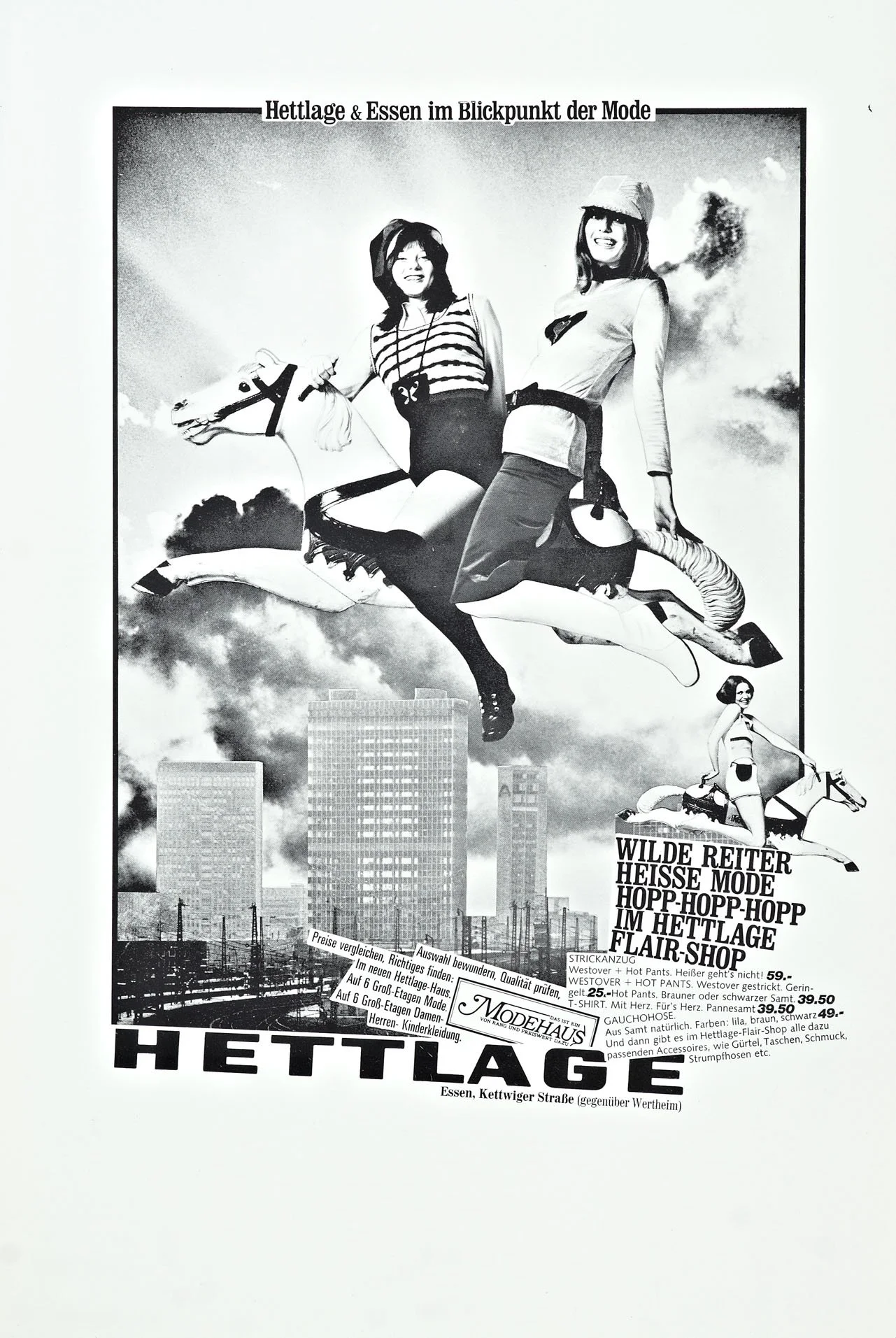
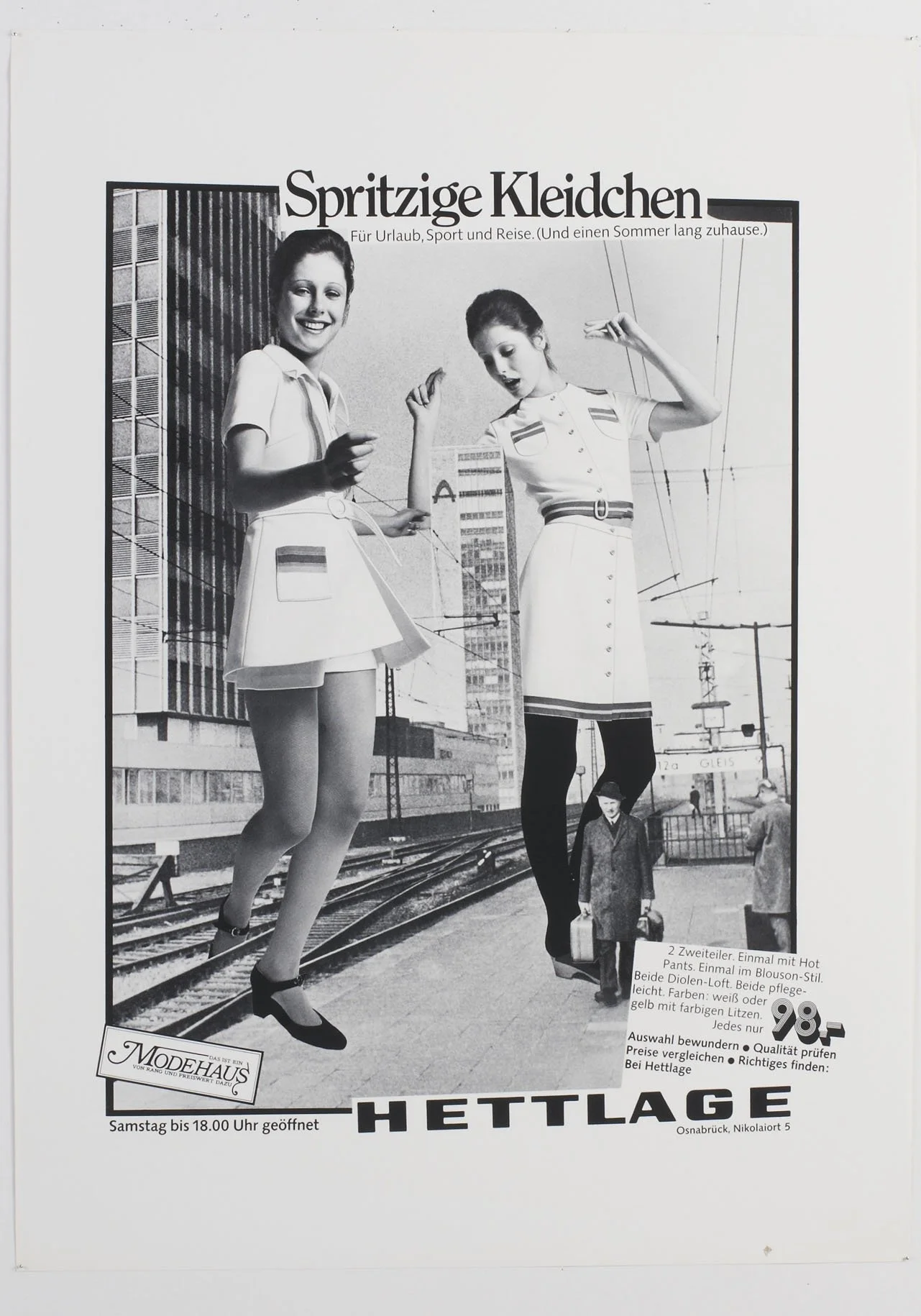
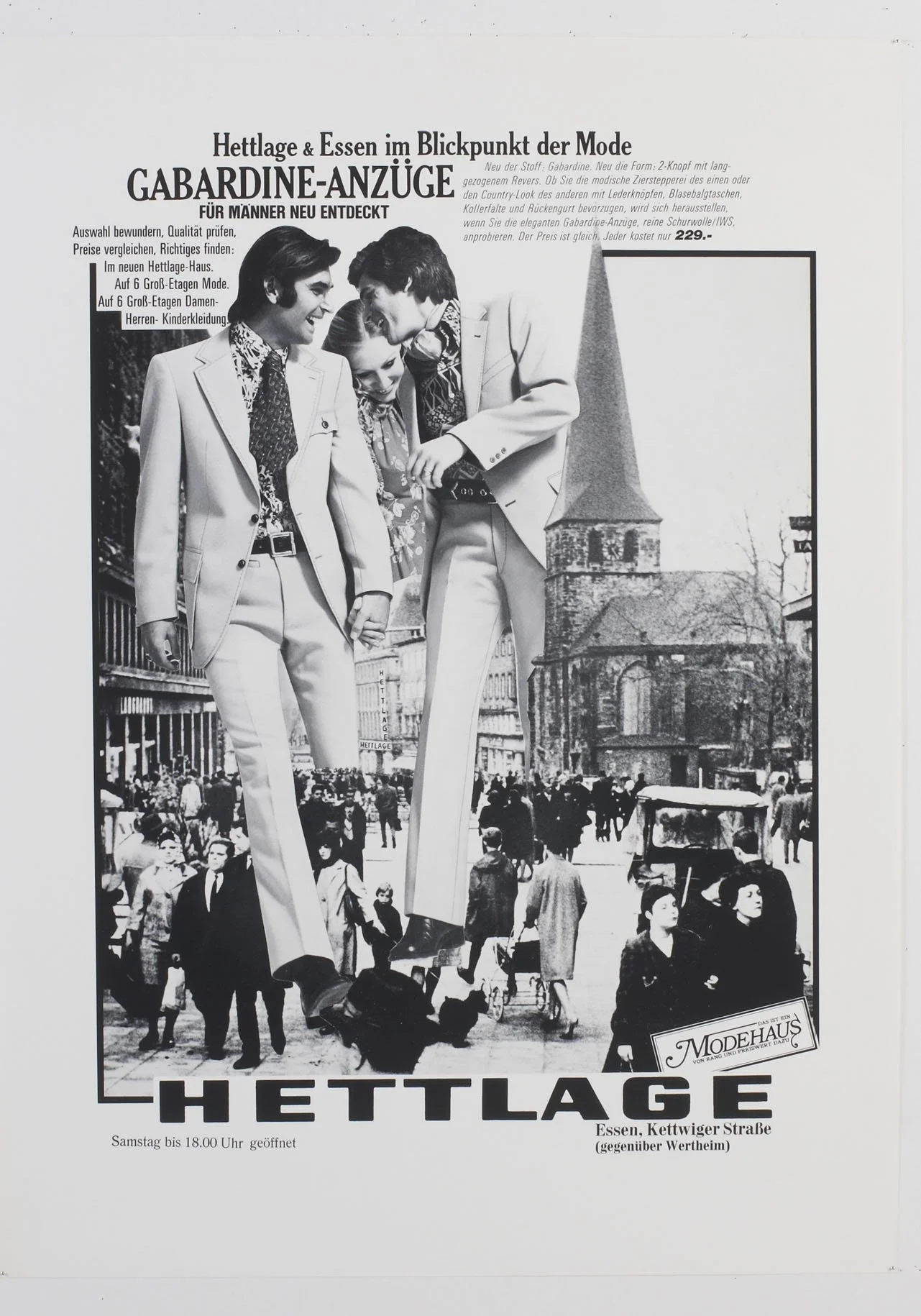
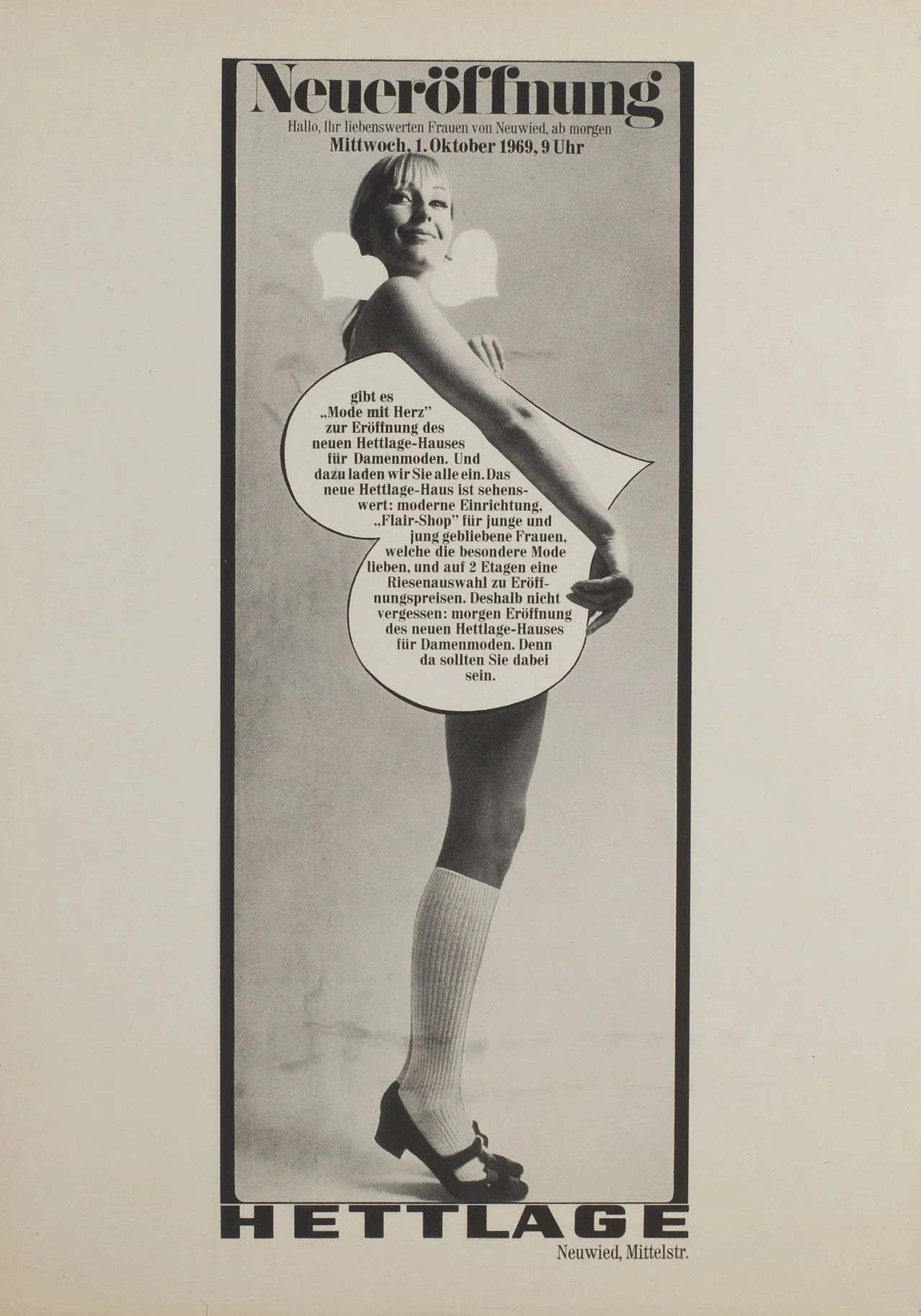
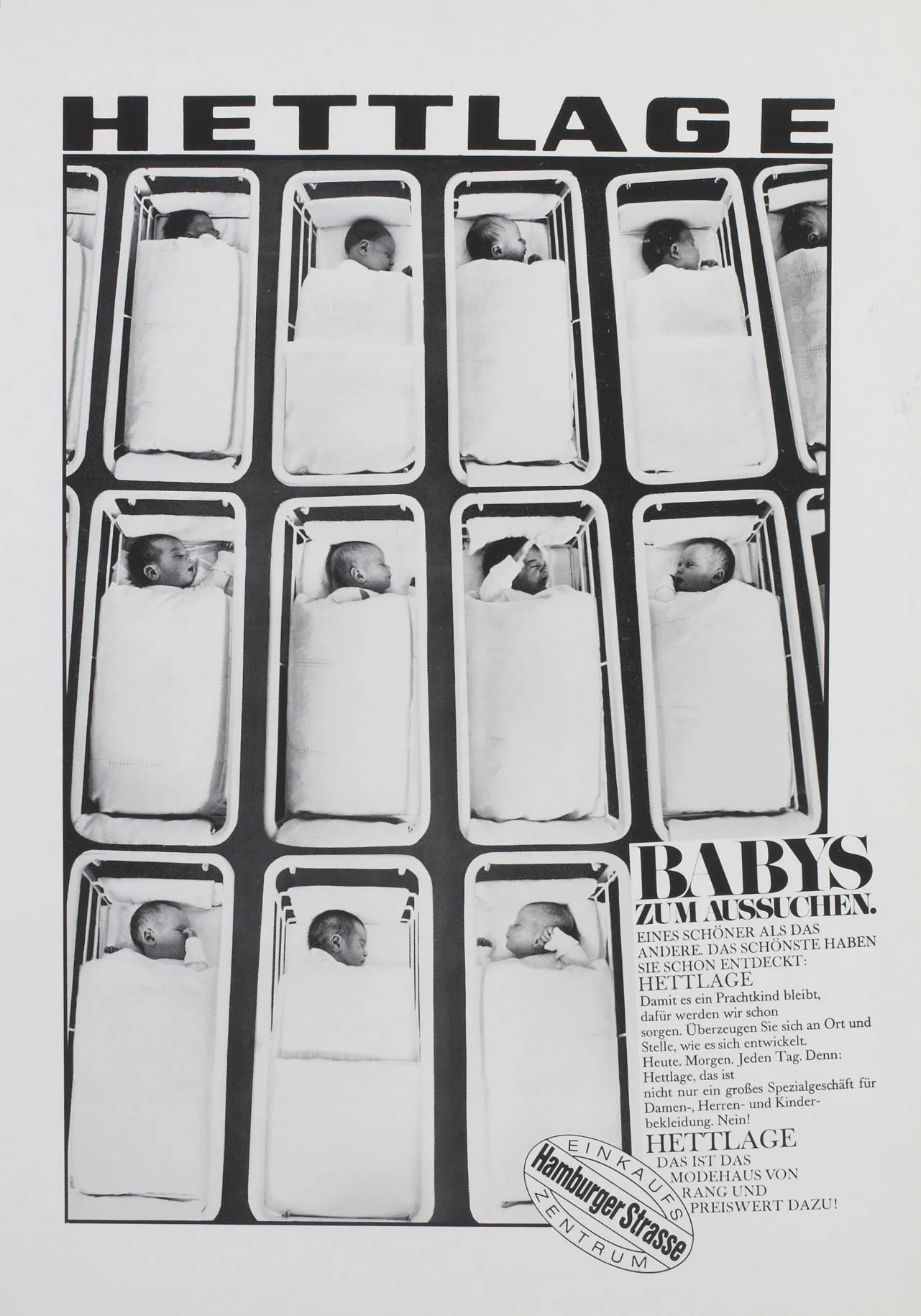
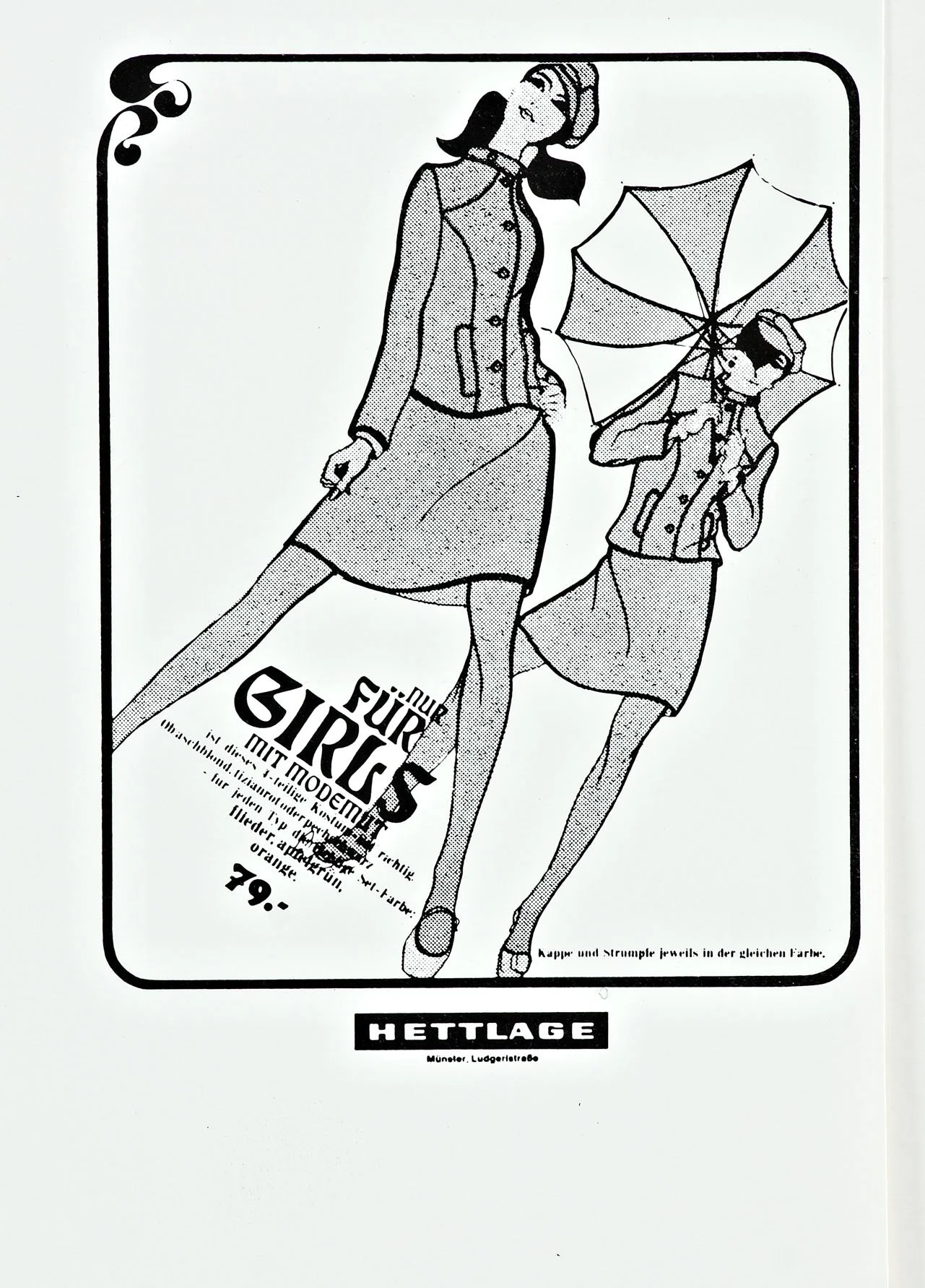
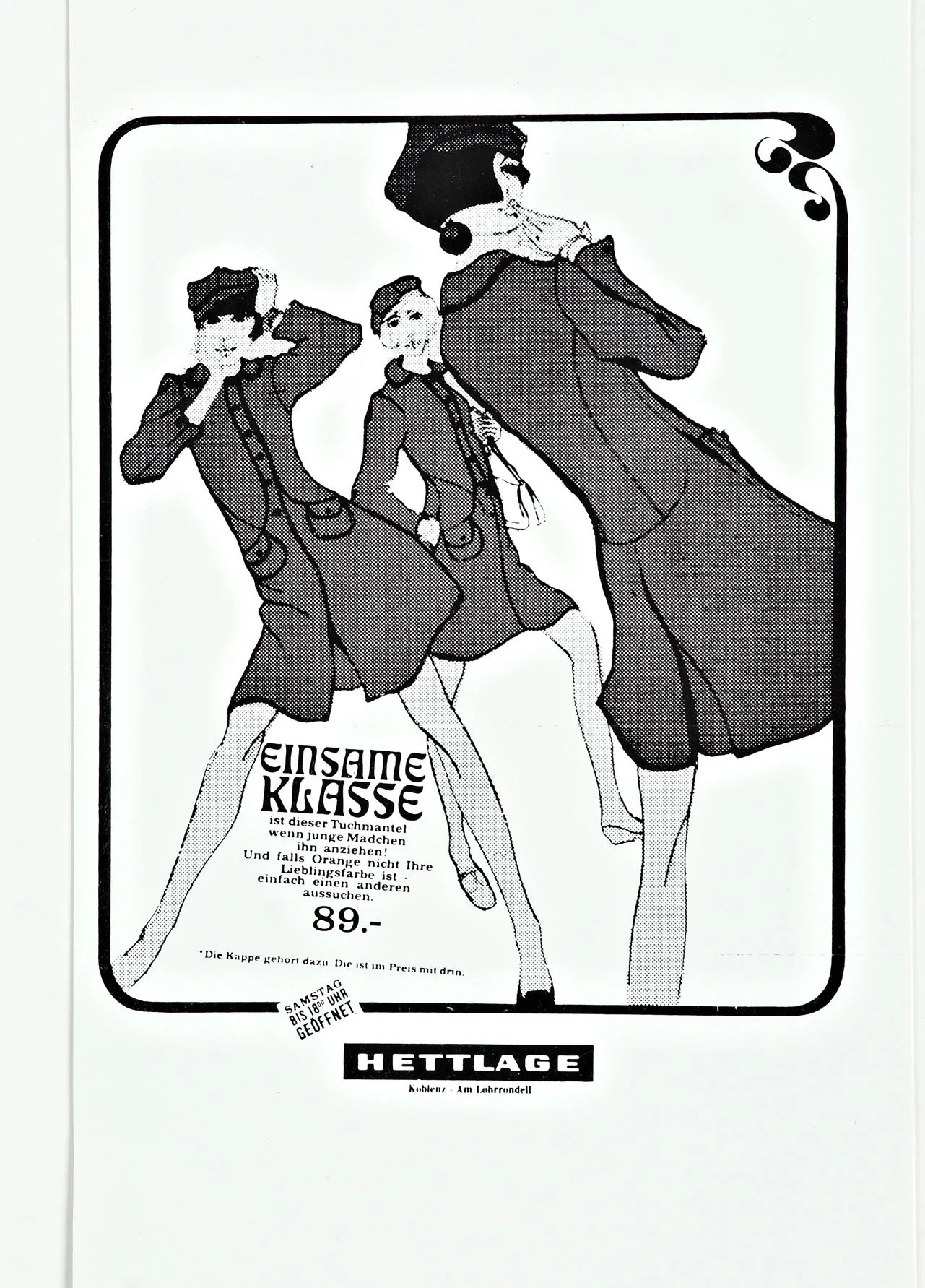
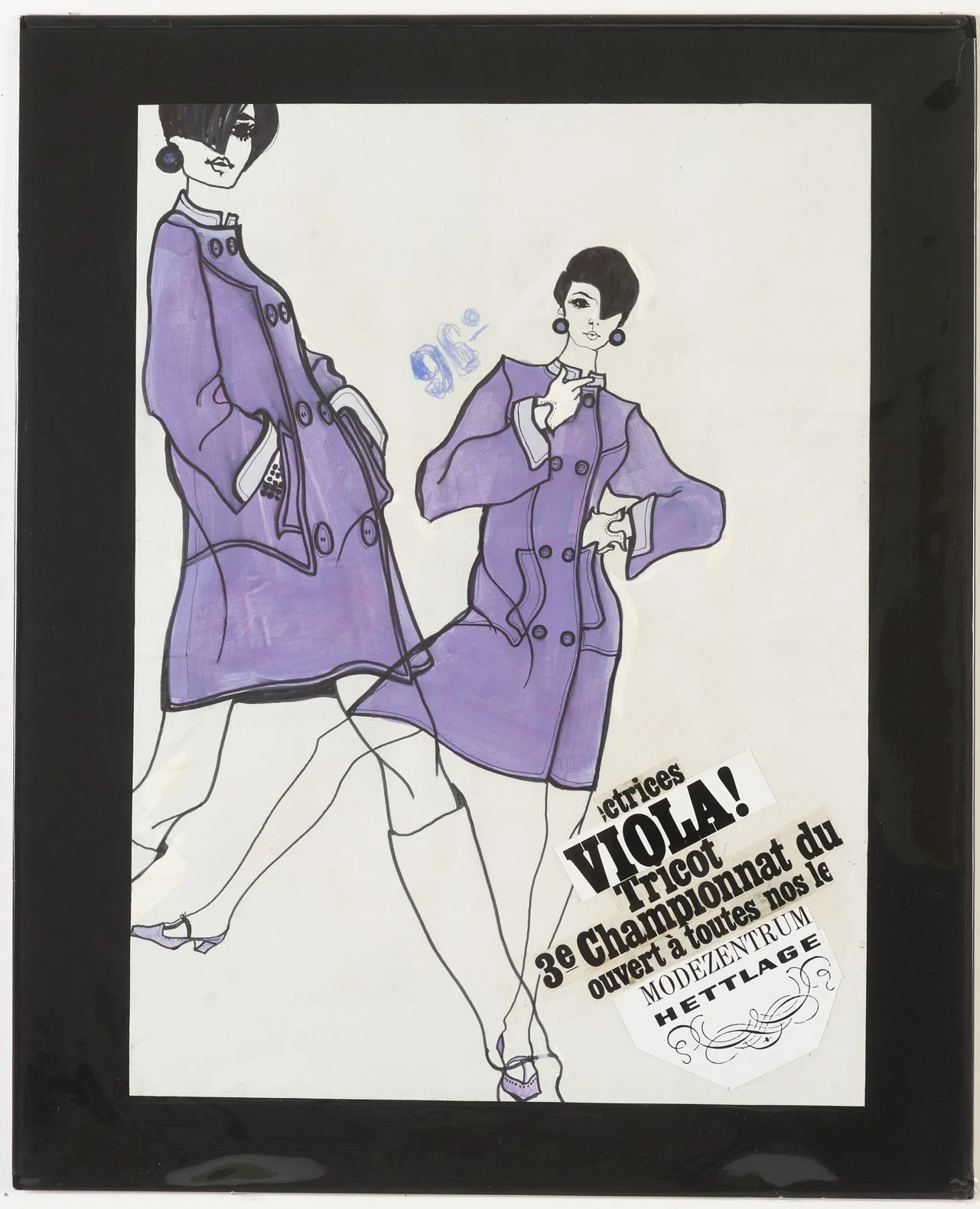
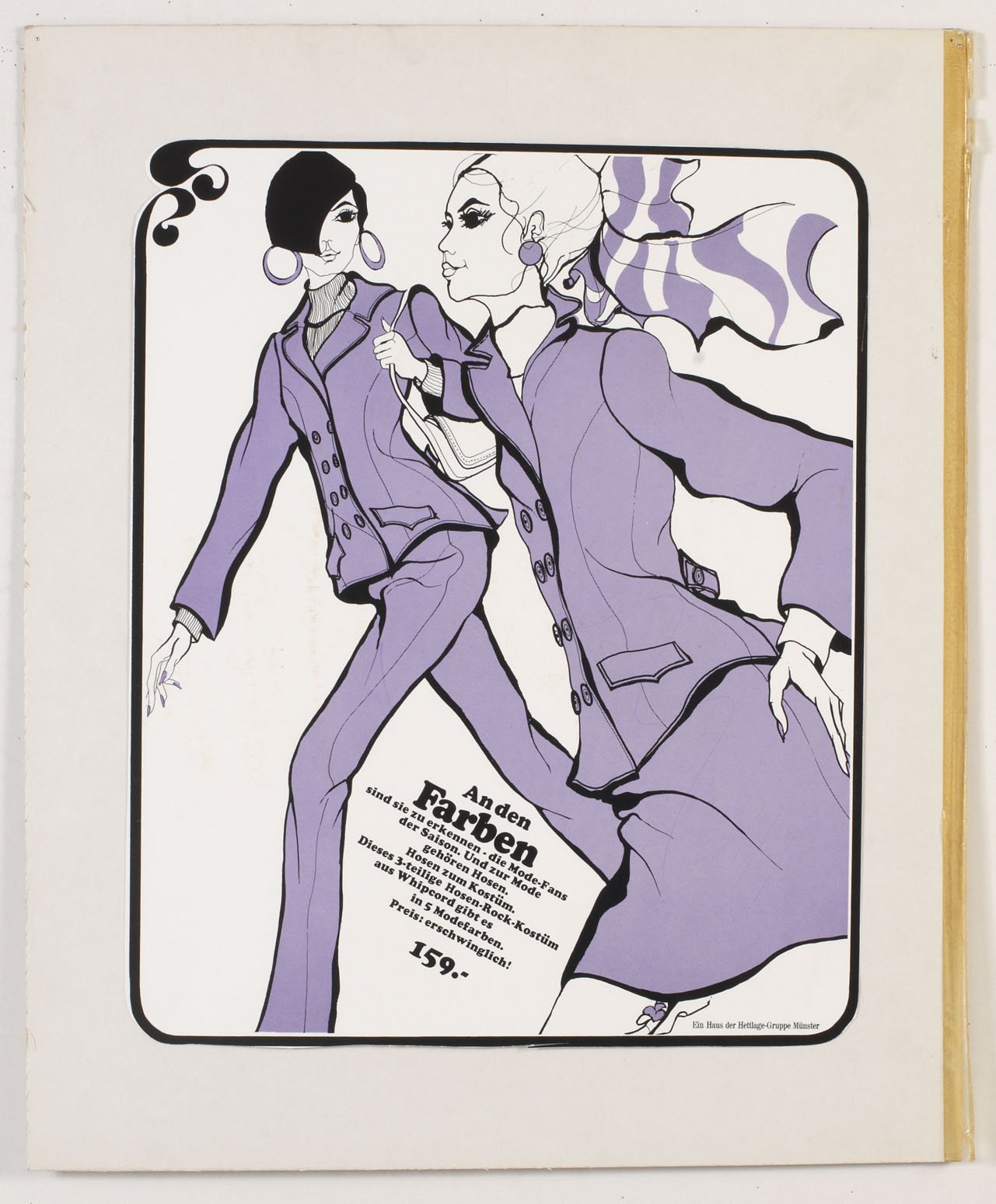
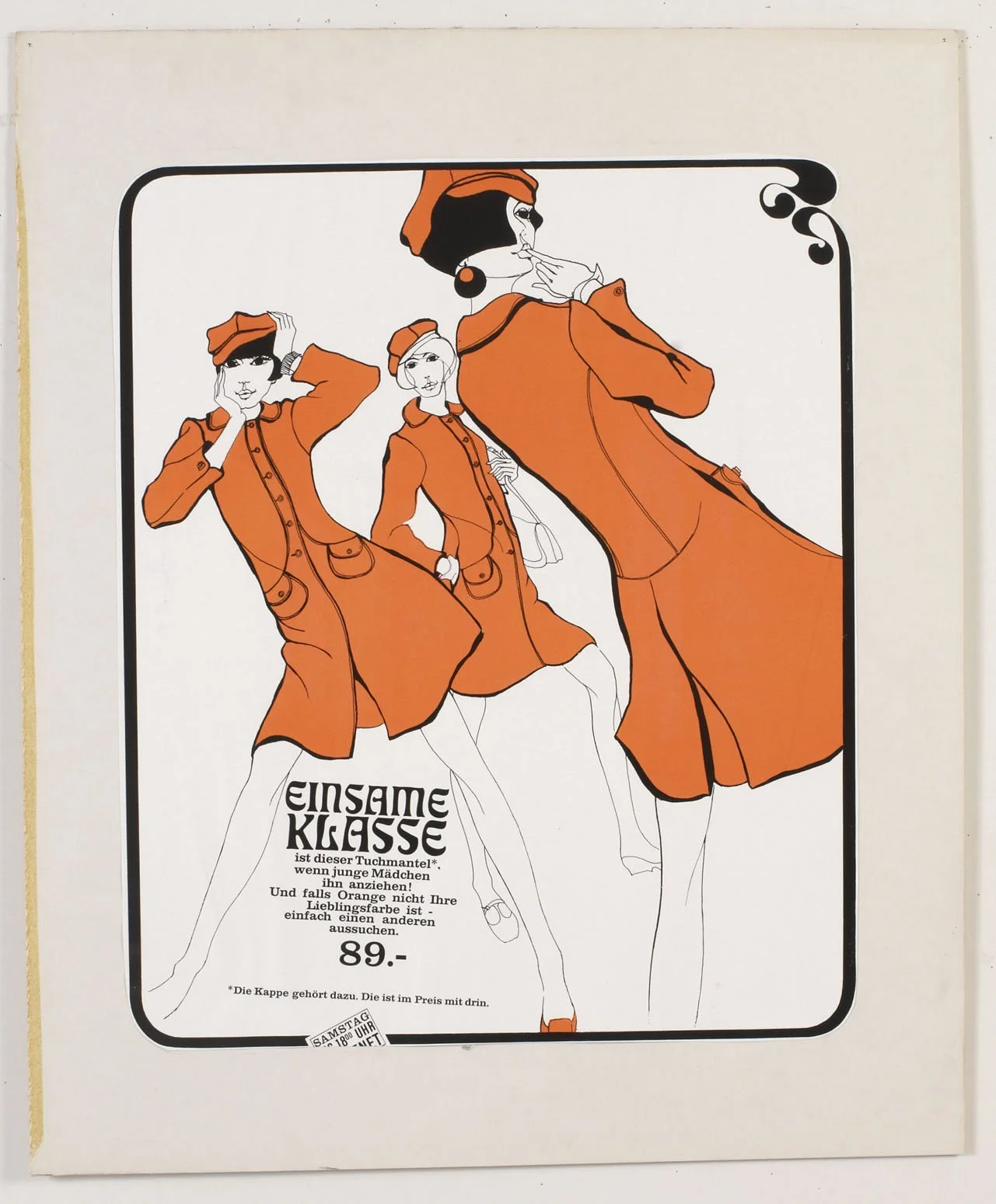
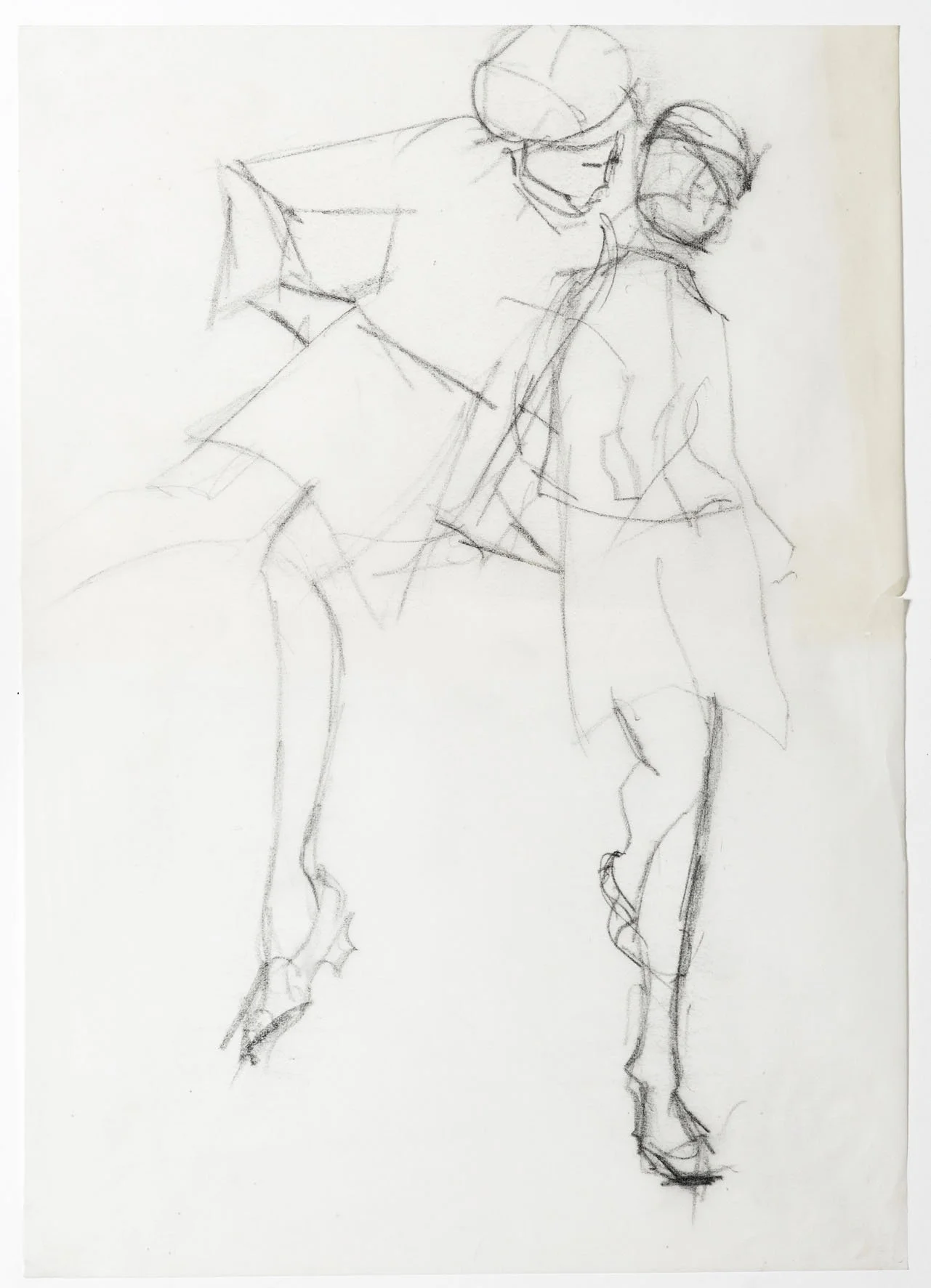
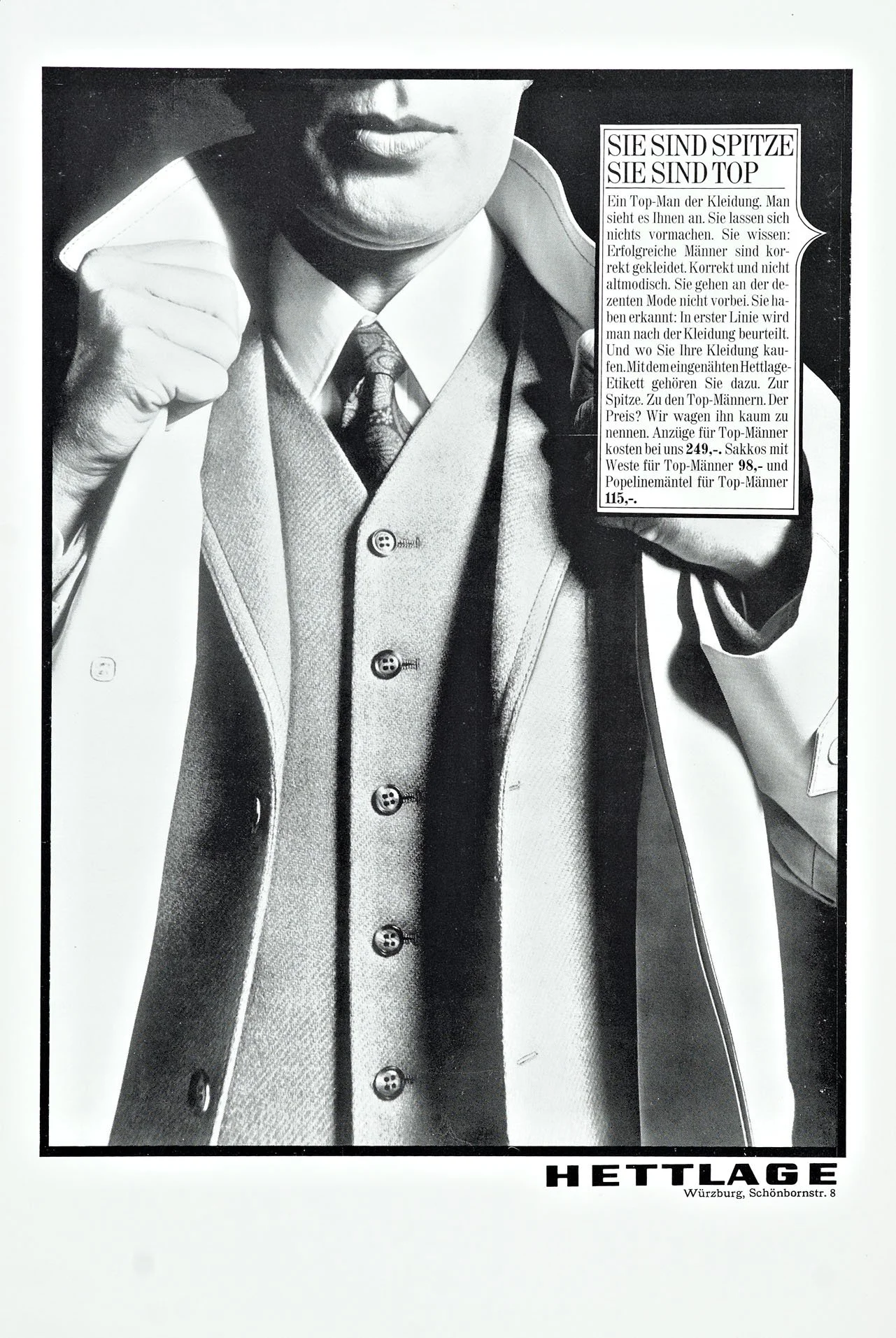
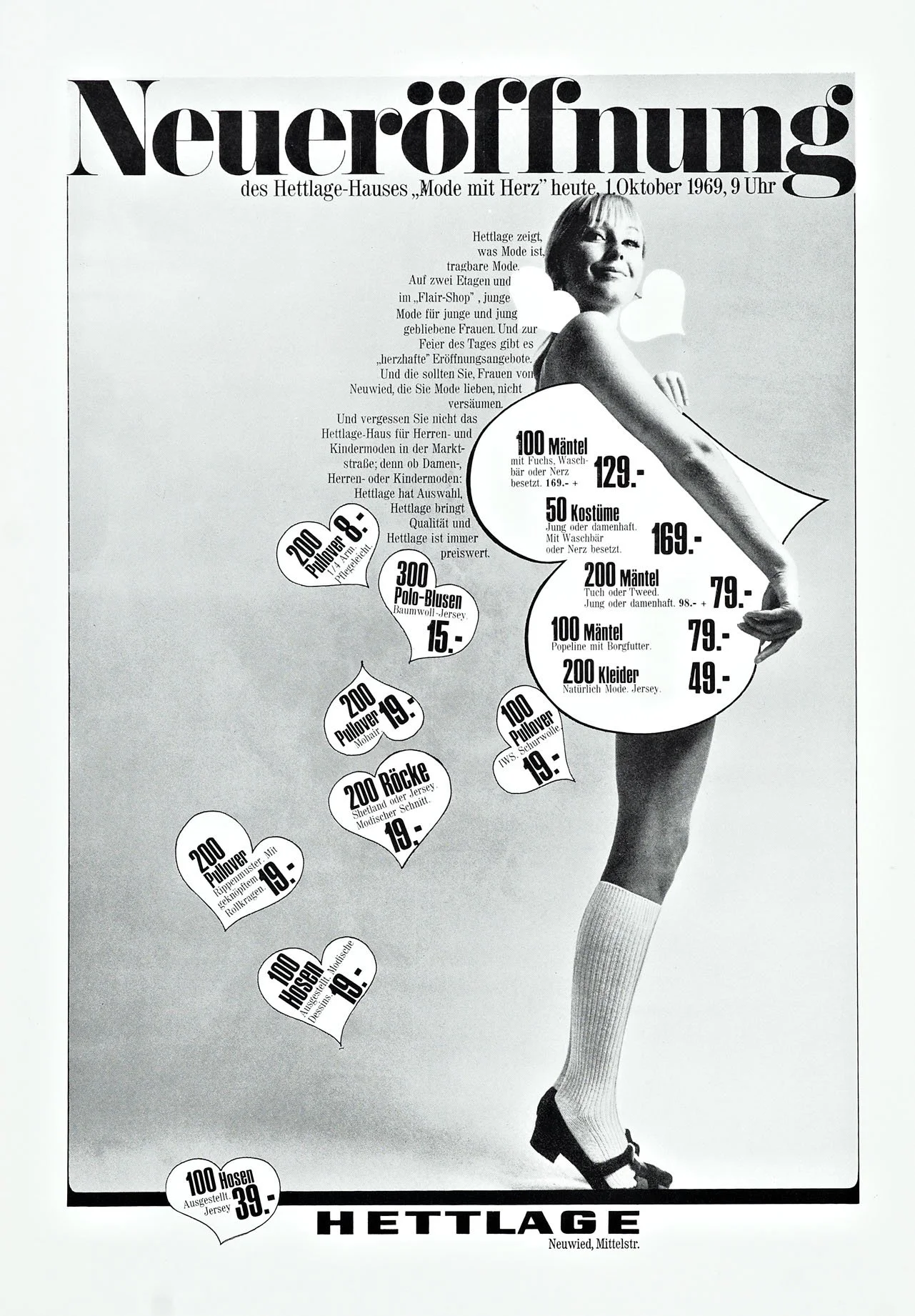
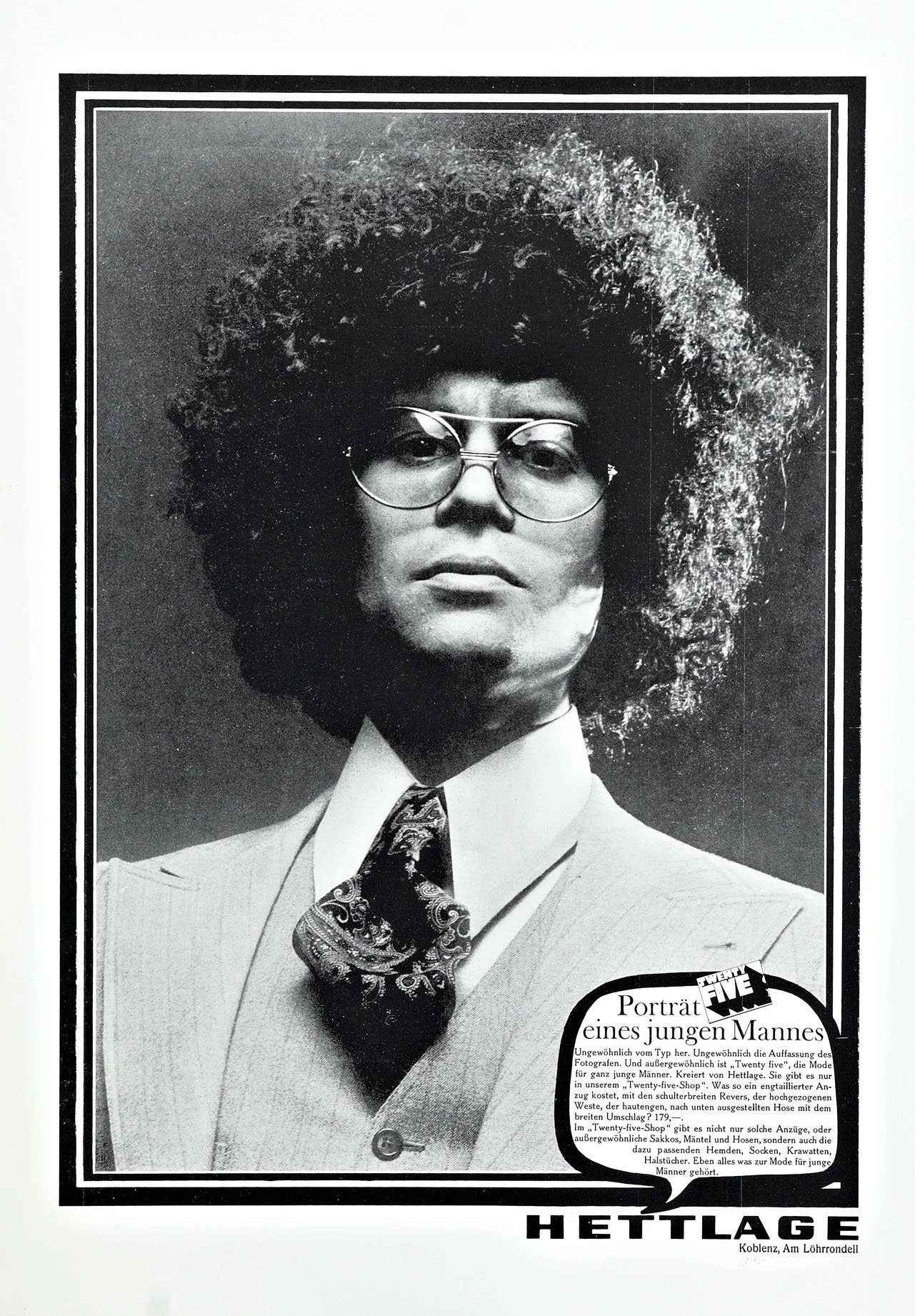
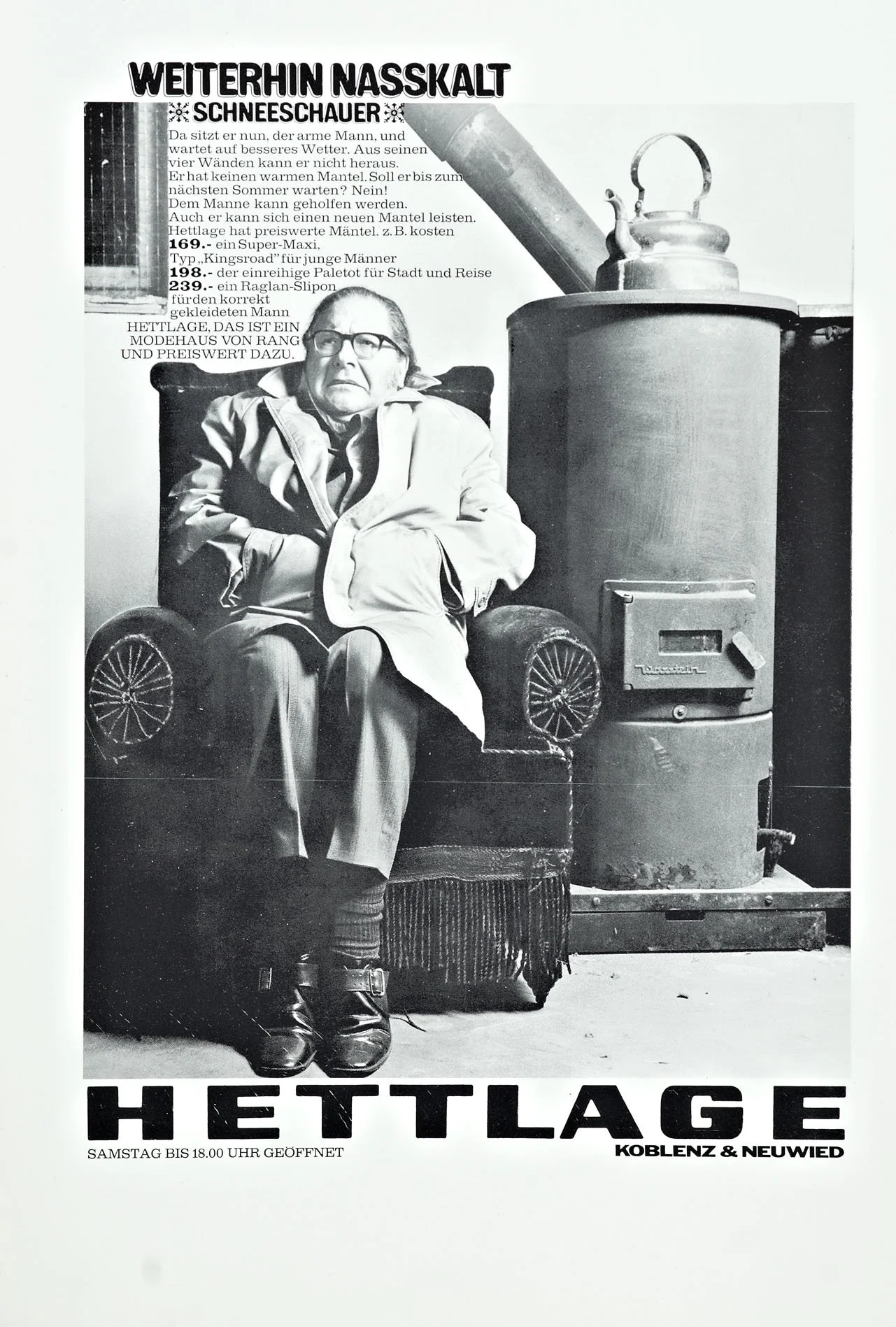
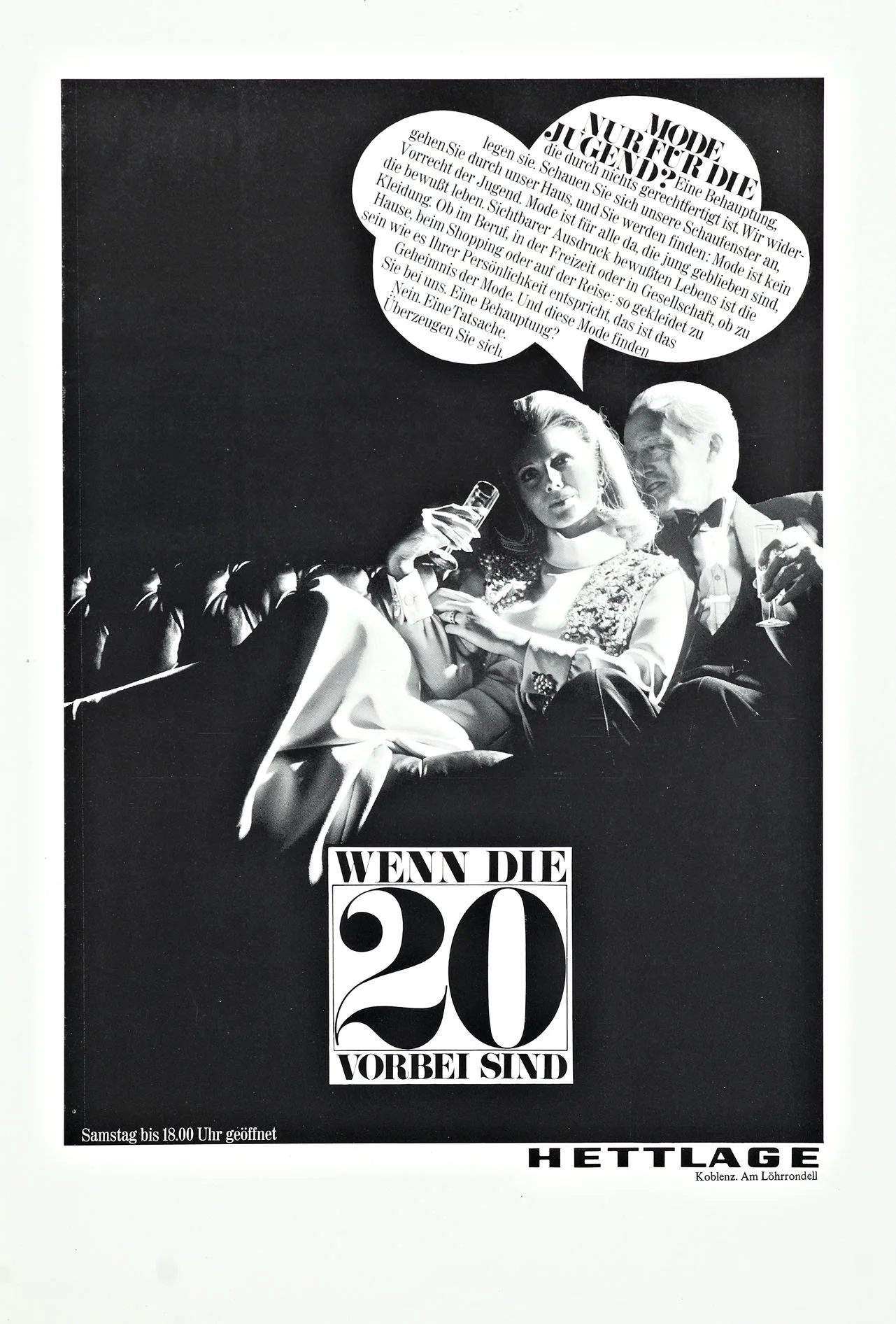
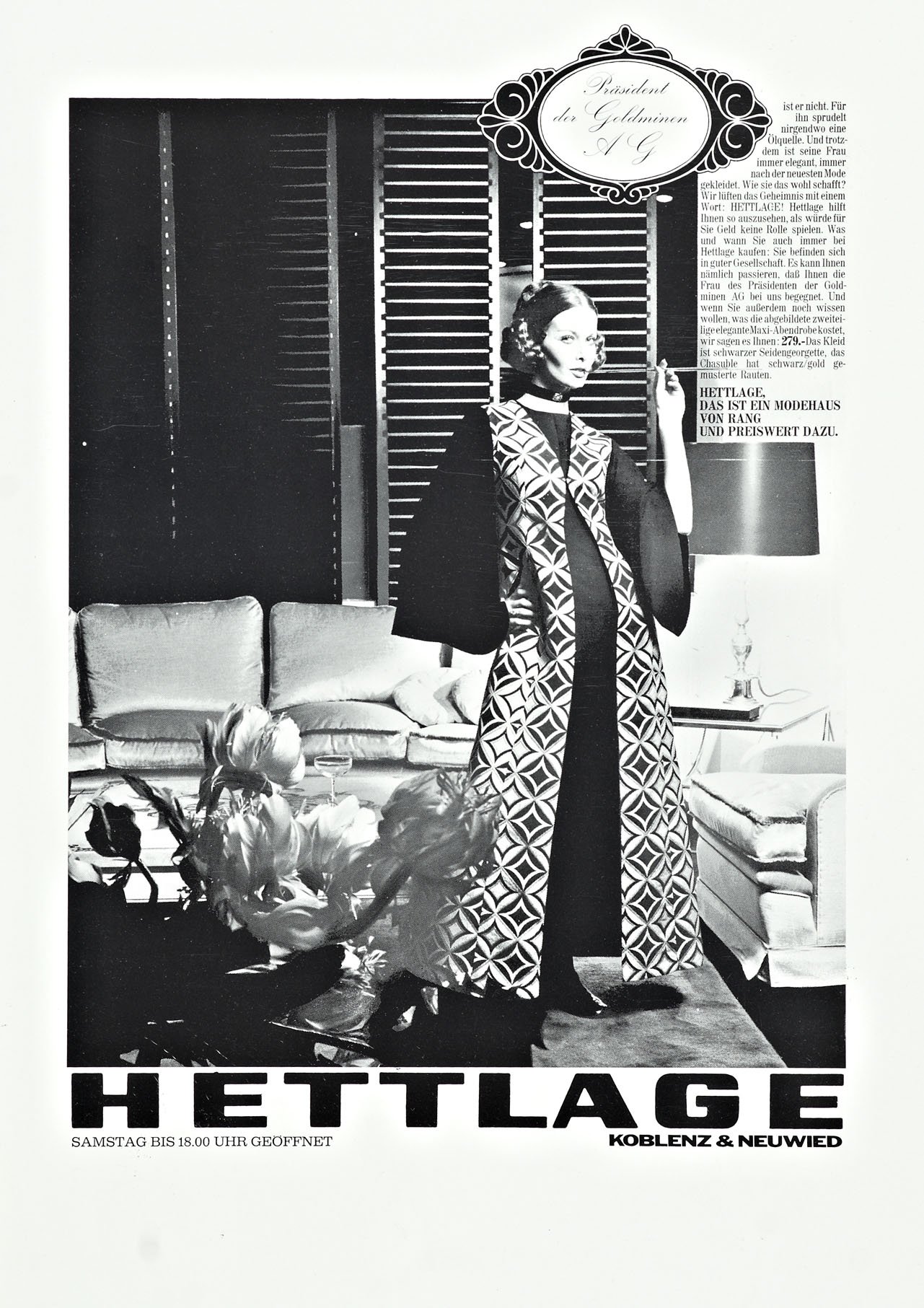
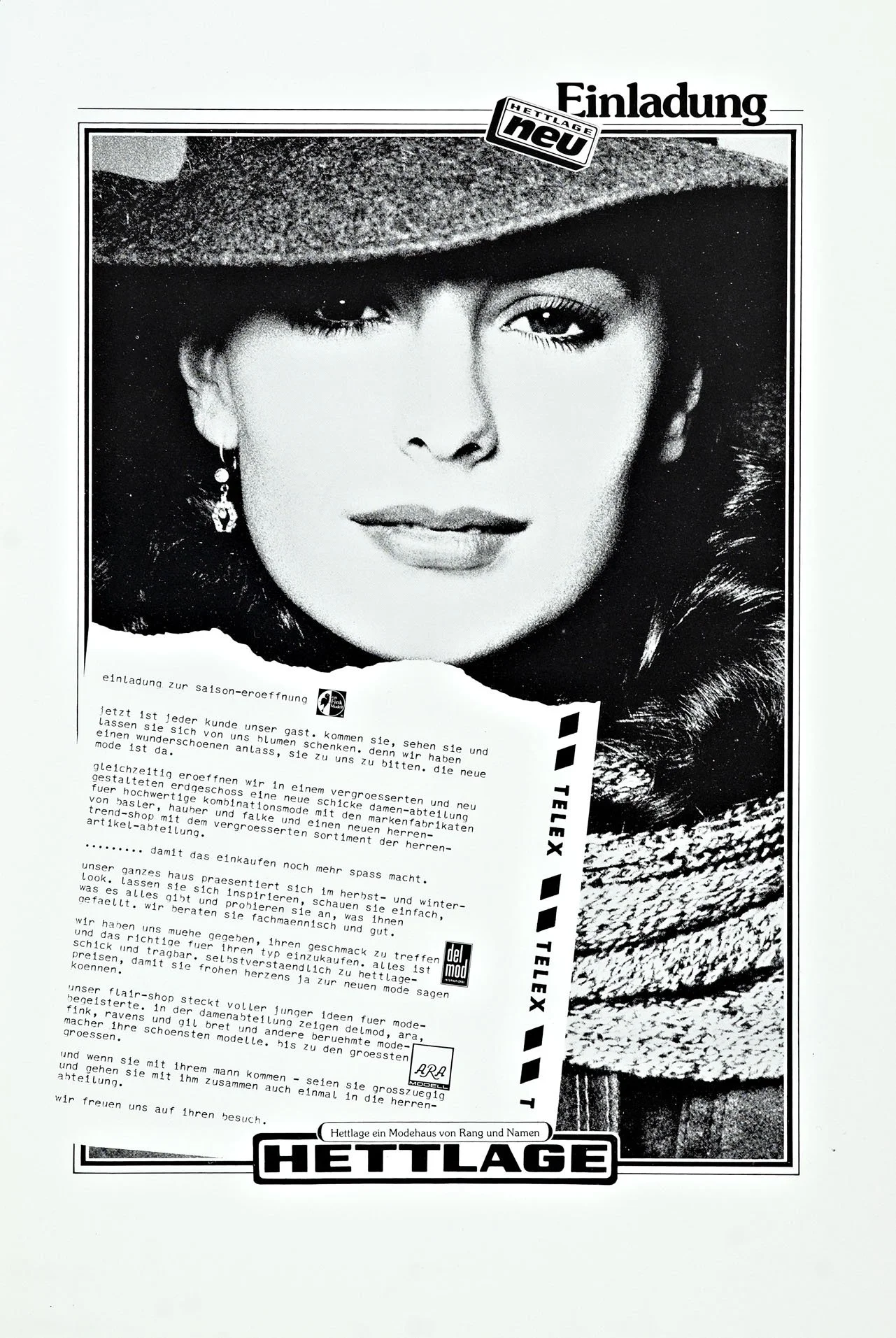
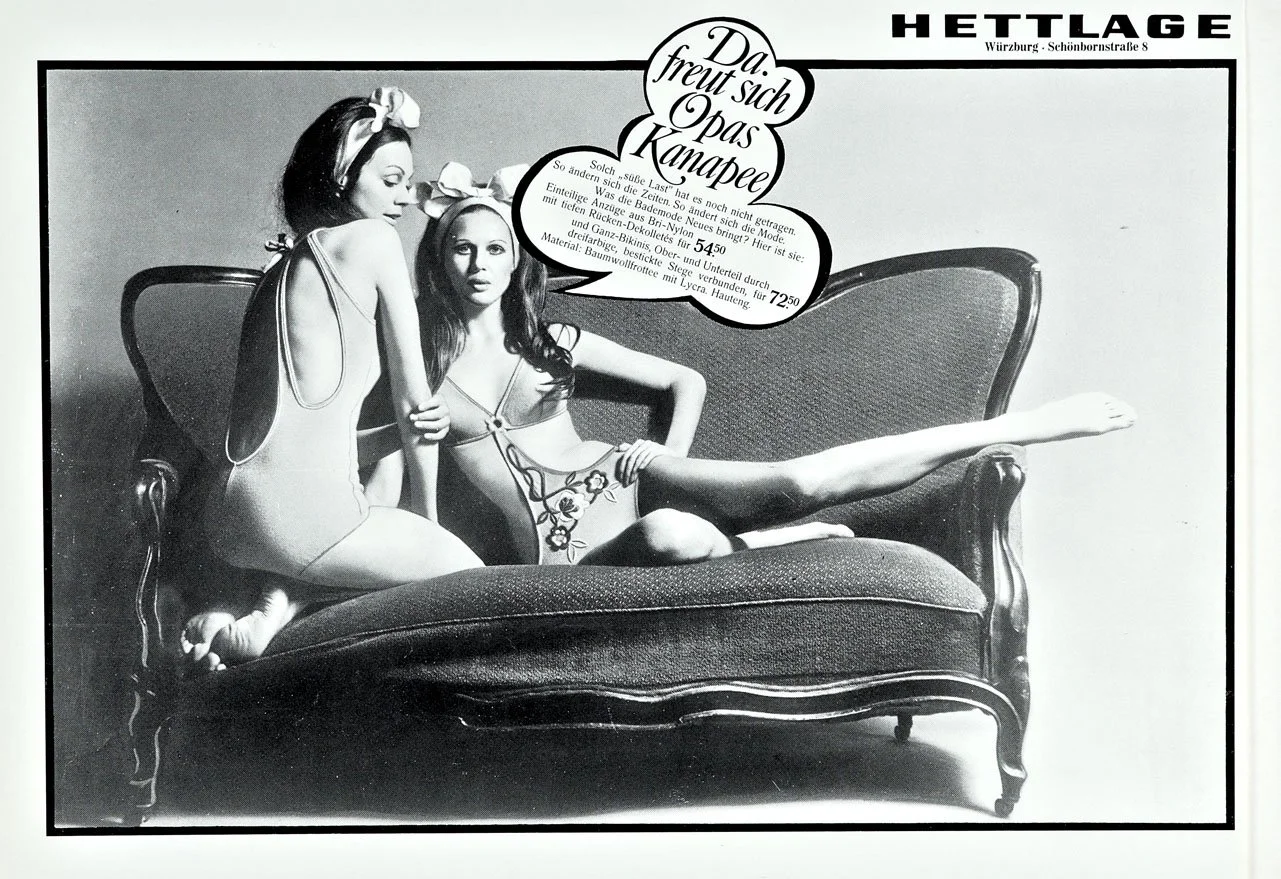
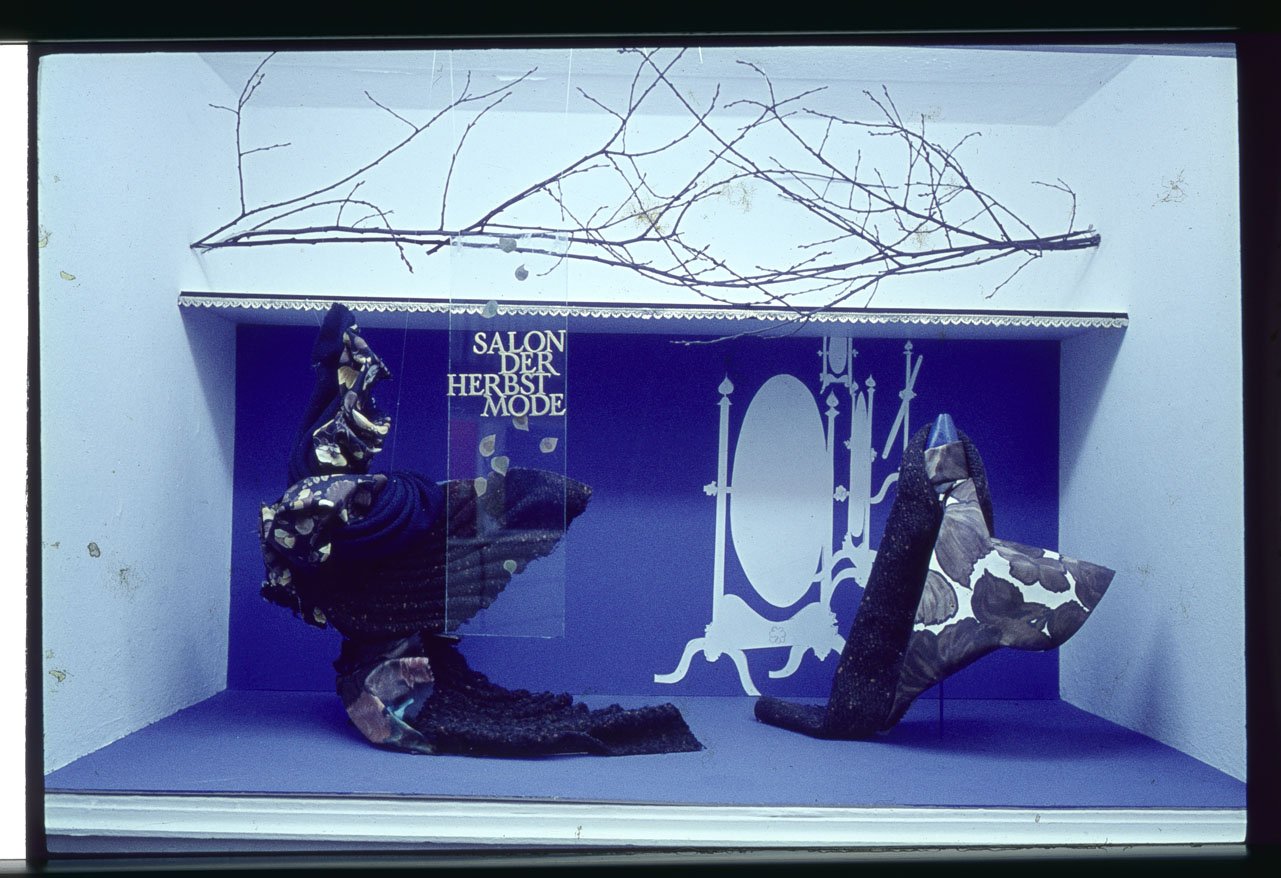
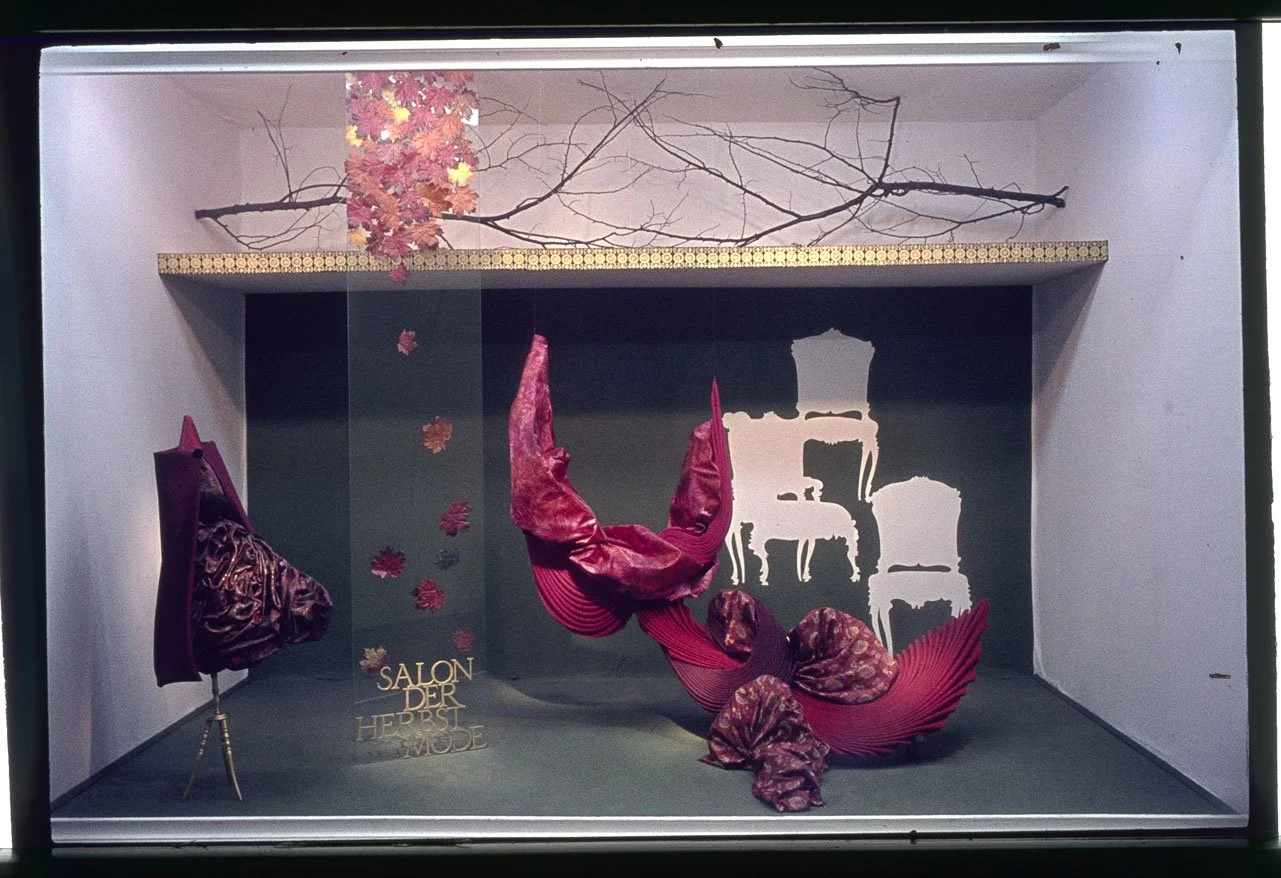
Even during his time as an employee at Karstadt, Ulrich Pracht was already "doing his own thing"—creating applied art for his clients characterized by immense creativity, innovative approaches, and spectacular staging. Work like that tends to stick in people's minds. It certainly stuck in the mind of Heinrich Schiller—formerly the advertising manager for Karstadt’s fashion department—who had since moved to Hettlage in Münster to serve as their advertising manager and marketing director. The textile retail company was on a growth trajectory; it would later operate 40 stores under the name Hettlage Nord Group. "I ran into Mr. Schiller at Limbecker Platz in Essen. We chatted, and I learned that he had moved to Hettlage." Unfortunately, the advertising budget had already been allocated, so Ulrich Pracht held out little hope of landing this intriguing client. A few weeks later, however, Schiller got in touch and asked if Pracht would be interested in creating some advertisements for Hettlage—the challenge being: "Let's see what you can do!" For the famous "Coat Sunday" event, Hettlage needed an advertisement to be published nationwide in the daily press. "Coat Sunday"—a fixture in the fashion industry among the purveyors of fine apparel—always took place on the first Sunday of October. On this day, retail chains such as C&A, P&C, Hettlage, and Boecker would vie with one another to showcase the superior quality and value of their products.
Ulrich Pracht tackled the assignment using a typographic approach: he stacked the word "Mäntel" (Coats) in white against a black background, using a variety of fonts and sizes. "Surely there’s one here that appeals to you..." read the accompanying text. "My design was of a caliber that allowed it to stand out so distinctly—visually—from all the image-heavy advertisements run by the competition that this particular Coat Sunday turned out to be a sensational success for the company. That marked the beginning of a decades-long collaboration, complete with all its highs and lows."
Now, the team at Hettlage had a clear idea of what Ulrich Pracht was capable of. He was summoned to Münster to formally introduce himself. Karl and Werner Hettlage—along with other board members, all of them older gentlemen hailing from the conservative Westphalian merchant class—initially received the young man from a working-class background with critical looks; indeed, they were willing to hire him only on the condition that he relocate to their hometown. “It was one of the greatest difficulties for me to say ‘no’ and remain in Düsseldorf, because I feared they would then decide against me.” Yet Heinrich Schiller—who himself enjoyed traveling from Münster to Düsseldorf to savor the charms of the big city in pleasant company after his business meetings—managed to ensure that, from that point forward, Ulrich Pracht was entrusted with shaping the Münster-based company’s advertising.




03.3
WDD
EHENISCID EST LAUT ET EATURI
SeOrumquidunt que pre quas aut platur, sequatur sequiat iuscient, solorem eumque poribus dereius sint et erferumet qui a quas volute consequ aectorest, asitaecero et officto reperae net eles eatur a et facesequatem fuga. Ignis reria voluptatiae prae
nonsent, exernate ilicipidebis earumquiduci occab int volum sunt ipsunt entium, autas dolorem restrum ea sam volume cus, et, asperunt plit ea sit, velitiam dollore molendus, eicium ent untiam exerfer aecatur, omnisque exeribus peria inienis seque inist eum siti- bus antibusanis molupta tustemq uidebisin nitaque veliqui doluptam audae consequas velit omnis is es nusamen diorum volum quis ipsam ute sandaer fersper spelit qui officab inullabor aut liquias pidigendae everspi enienit atiaessit alignih iliquos as eseque volorun tincium voluptatus, nam voloritibus.
Gendio essunt eicillacest dolorem facias aut hil earchiliqui commodi sitat mollia quodi aut arunto dolorum commoluptas estiossum fugit asit quatium, aut faccaborit et ute nimos dellat am volore, nusanda vent estius, nos eum intur se pel idusam qui dolorentiae. Ne- quatustrum dolentia quidem nos sit, qui blacipsum, sus.


03.4
C&A
Realism of a DREAMER
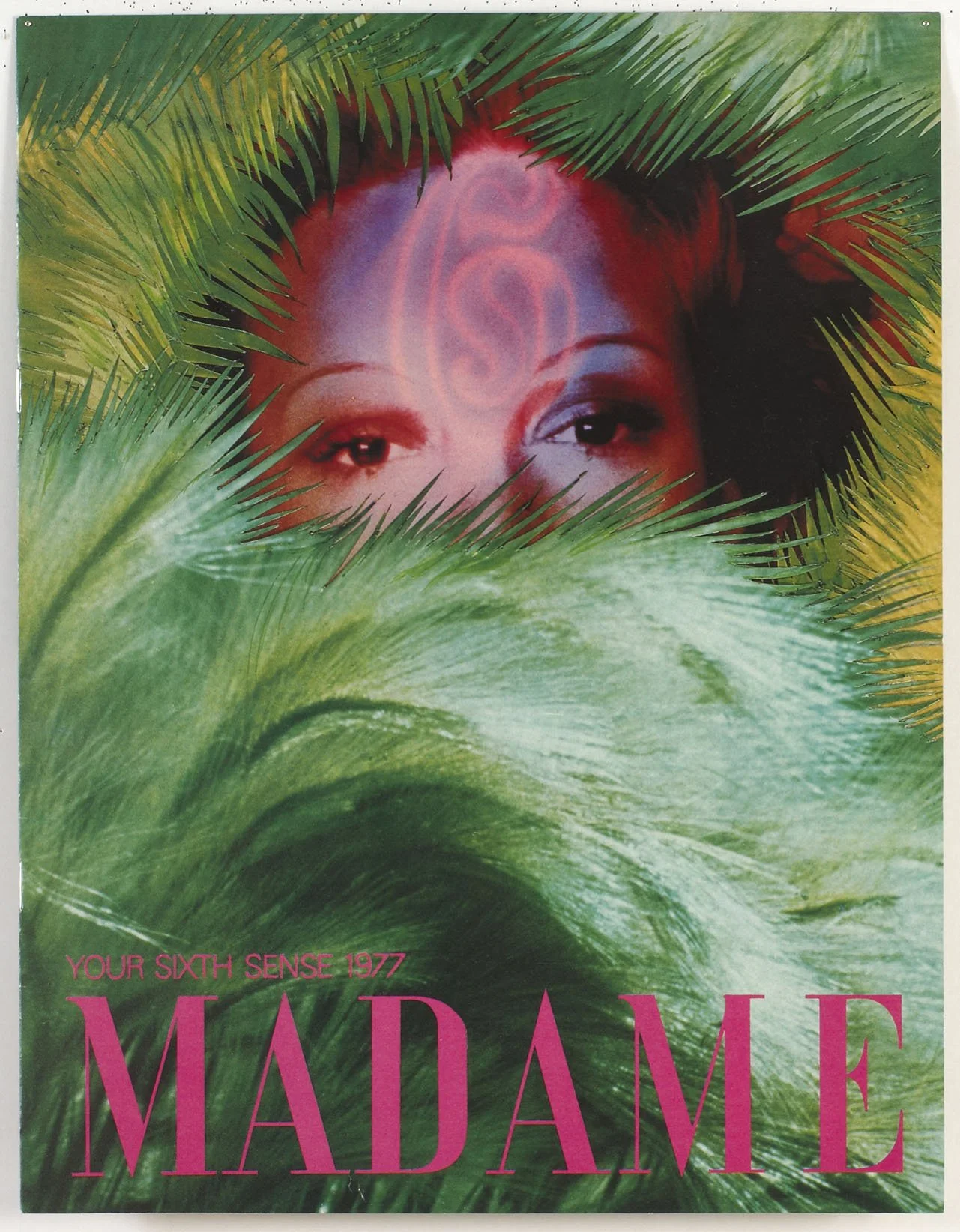
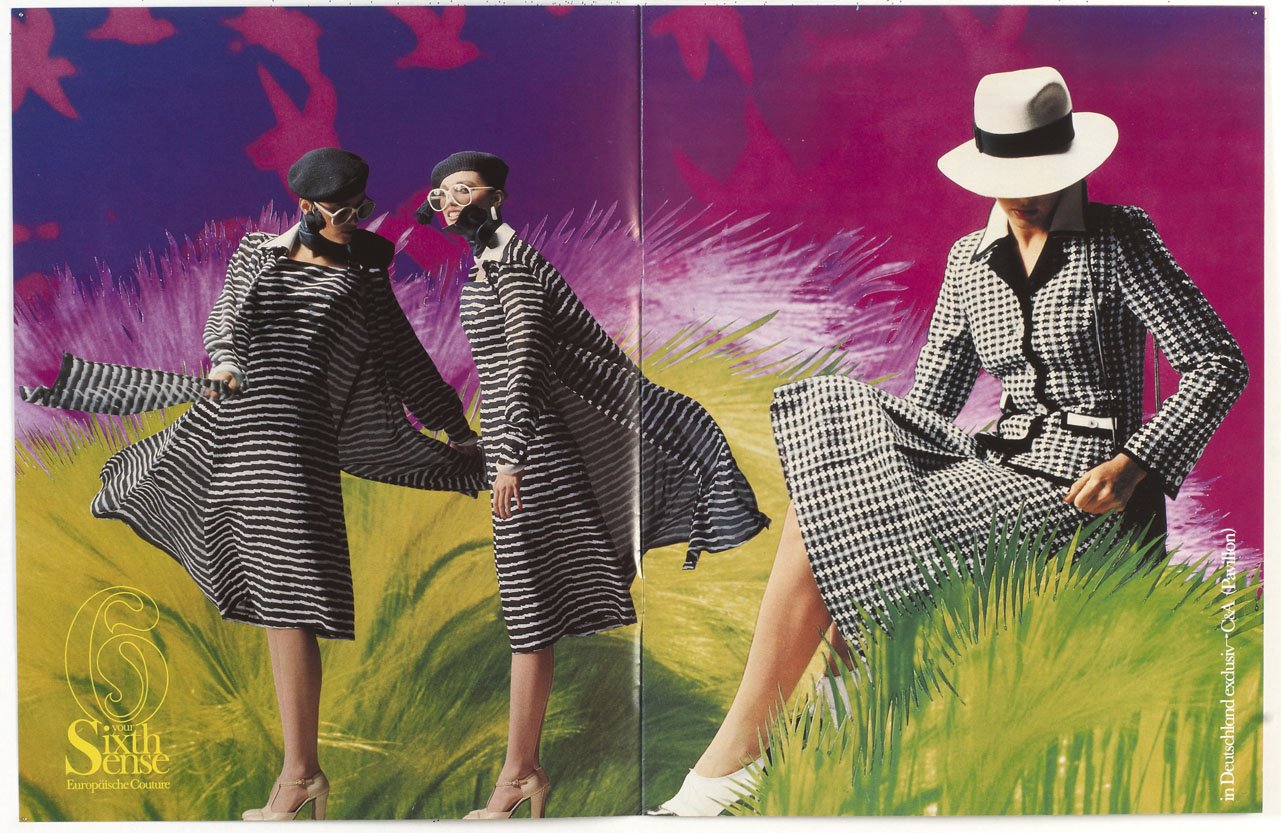
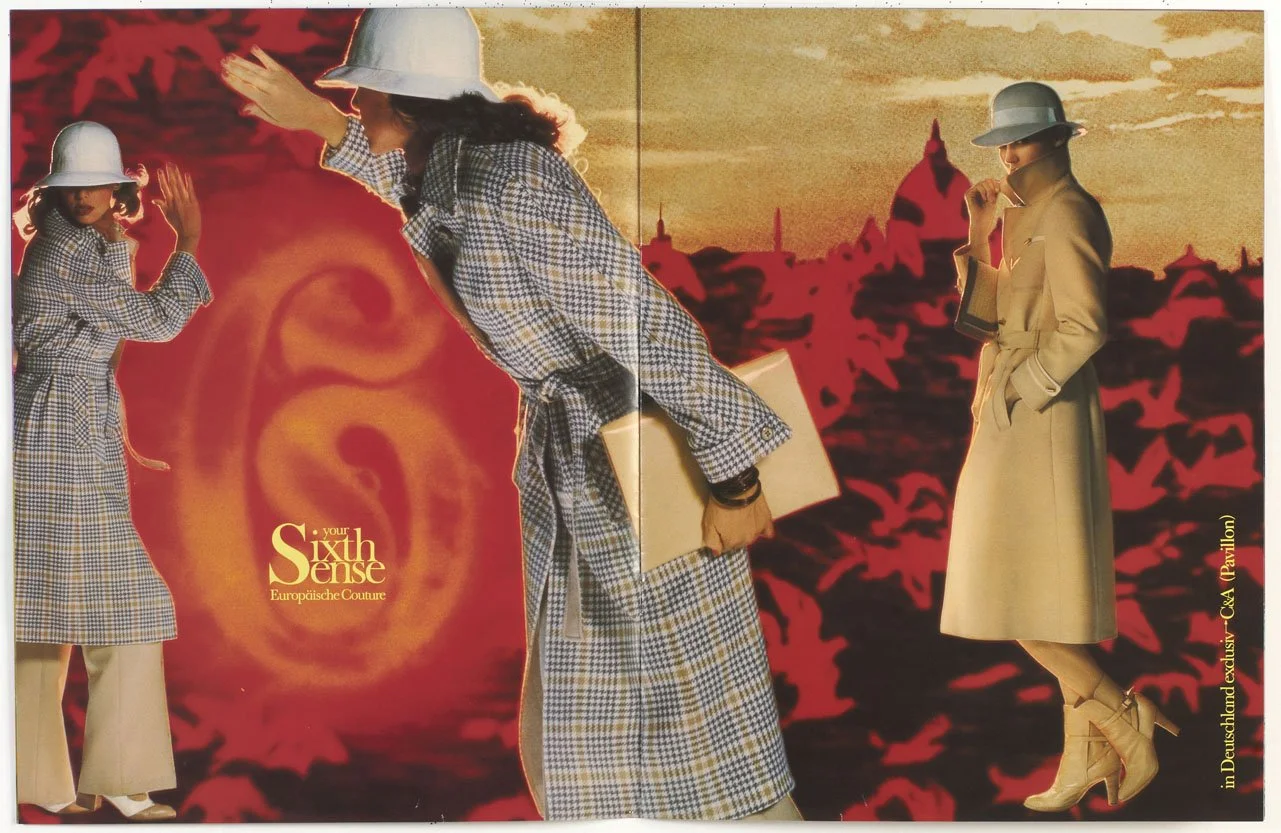
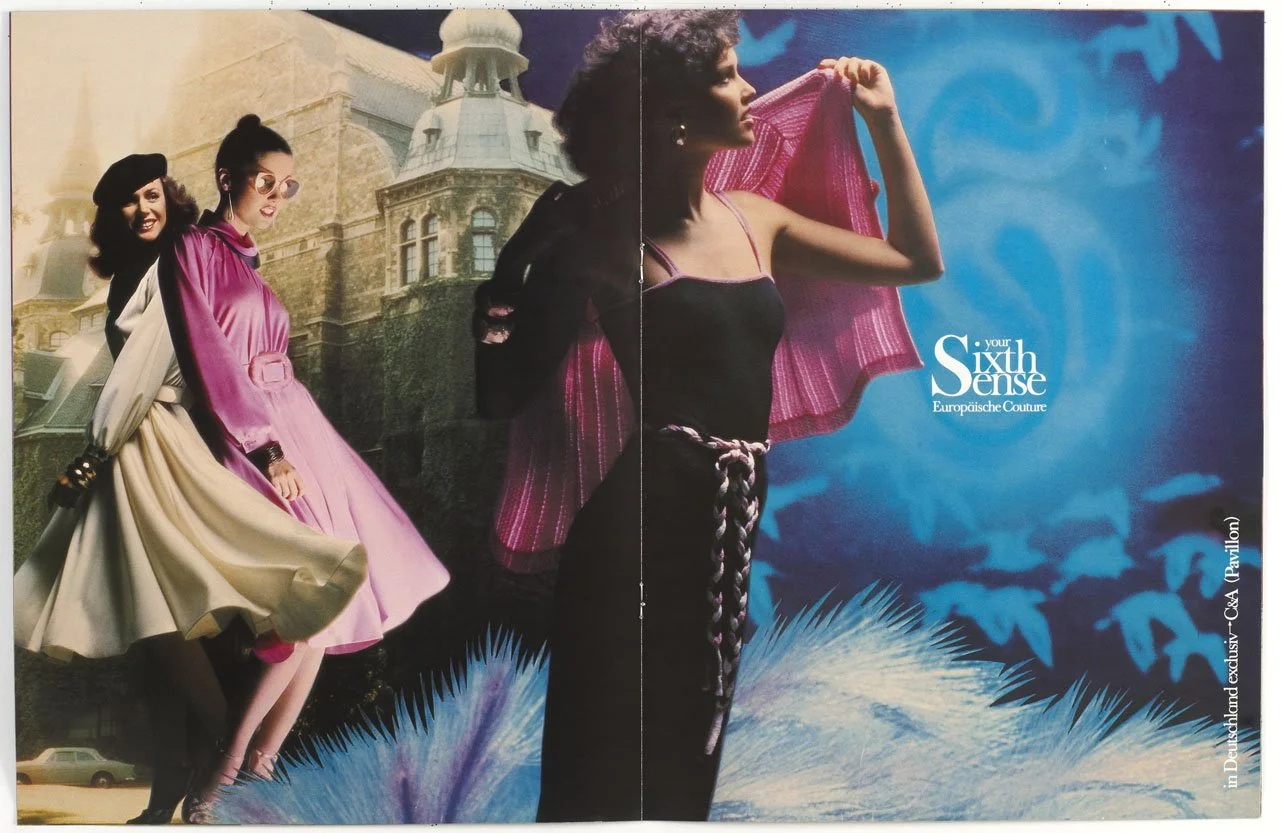
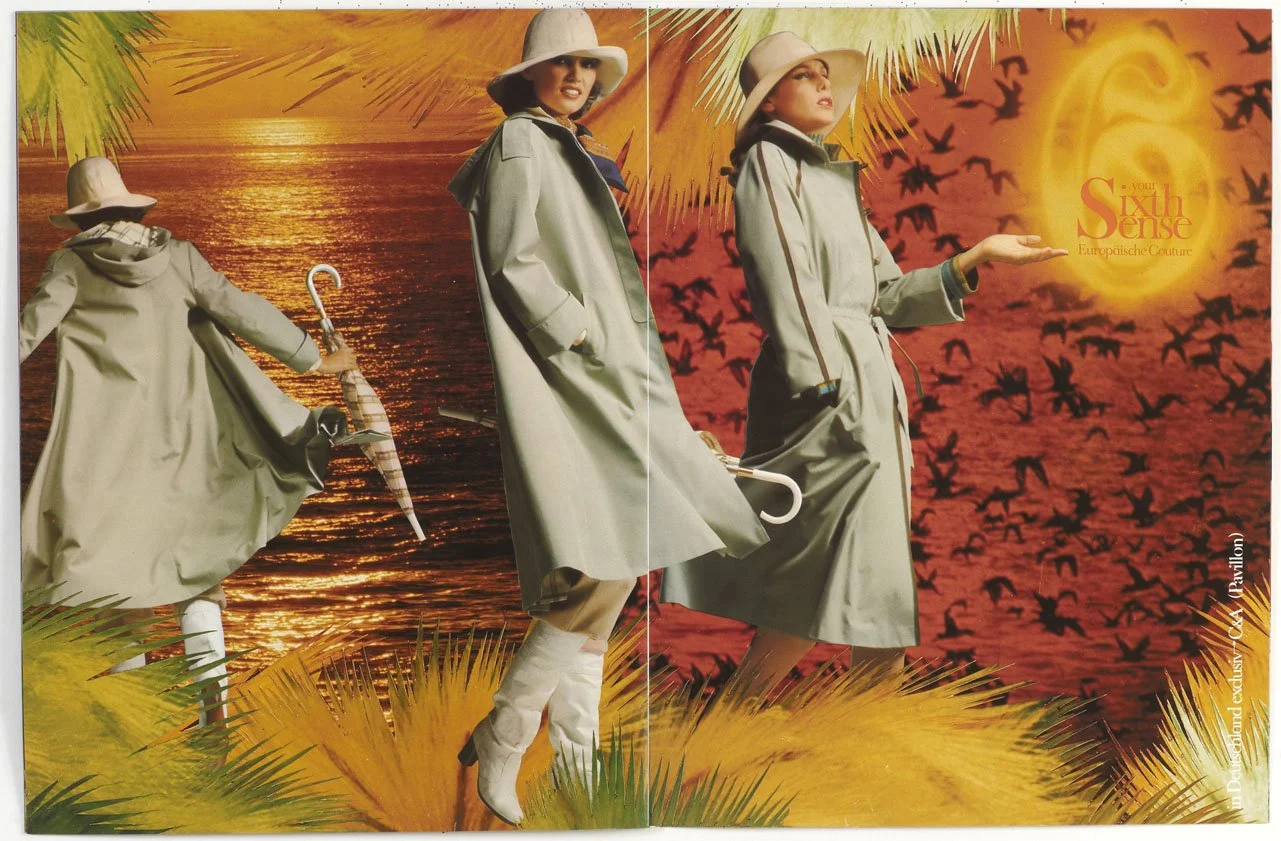
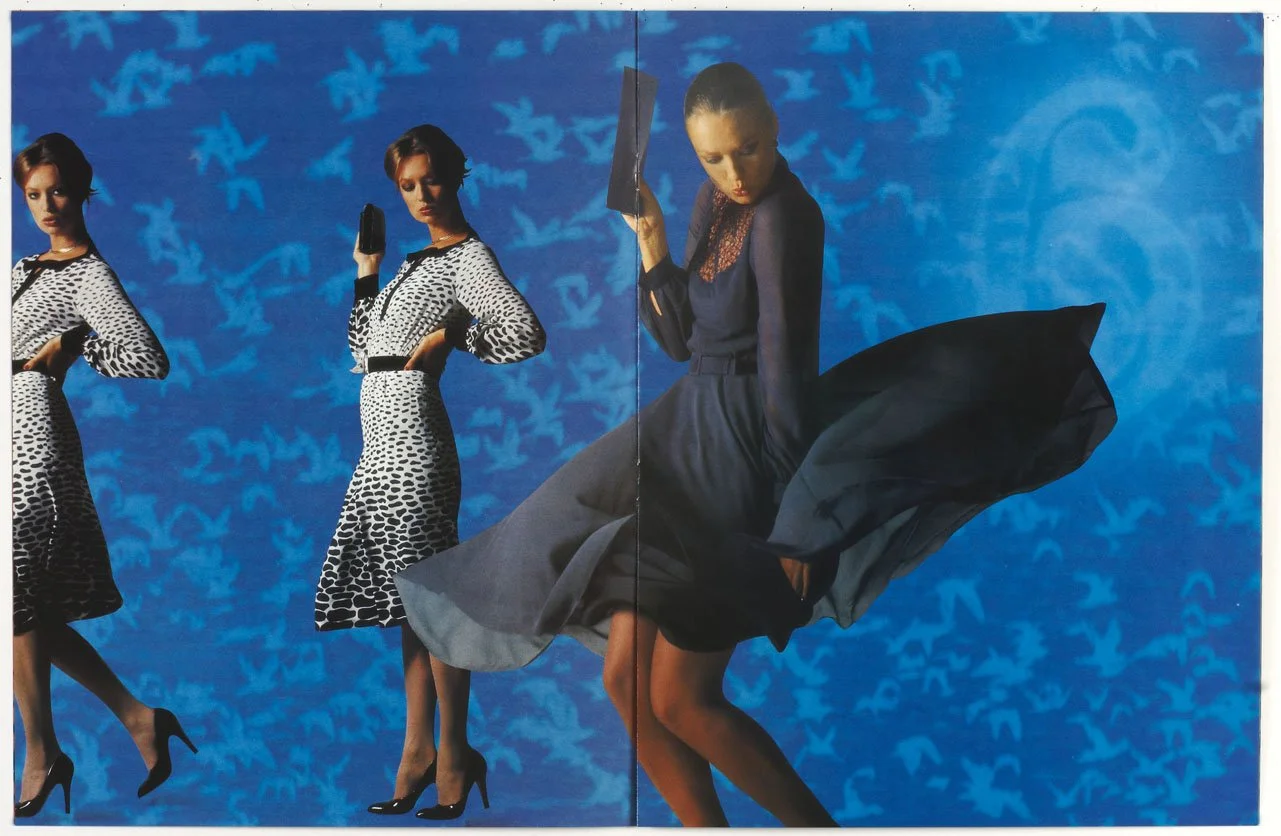
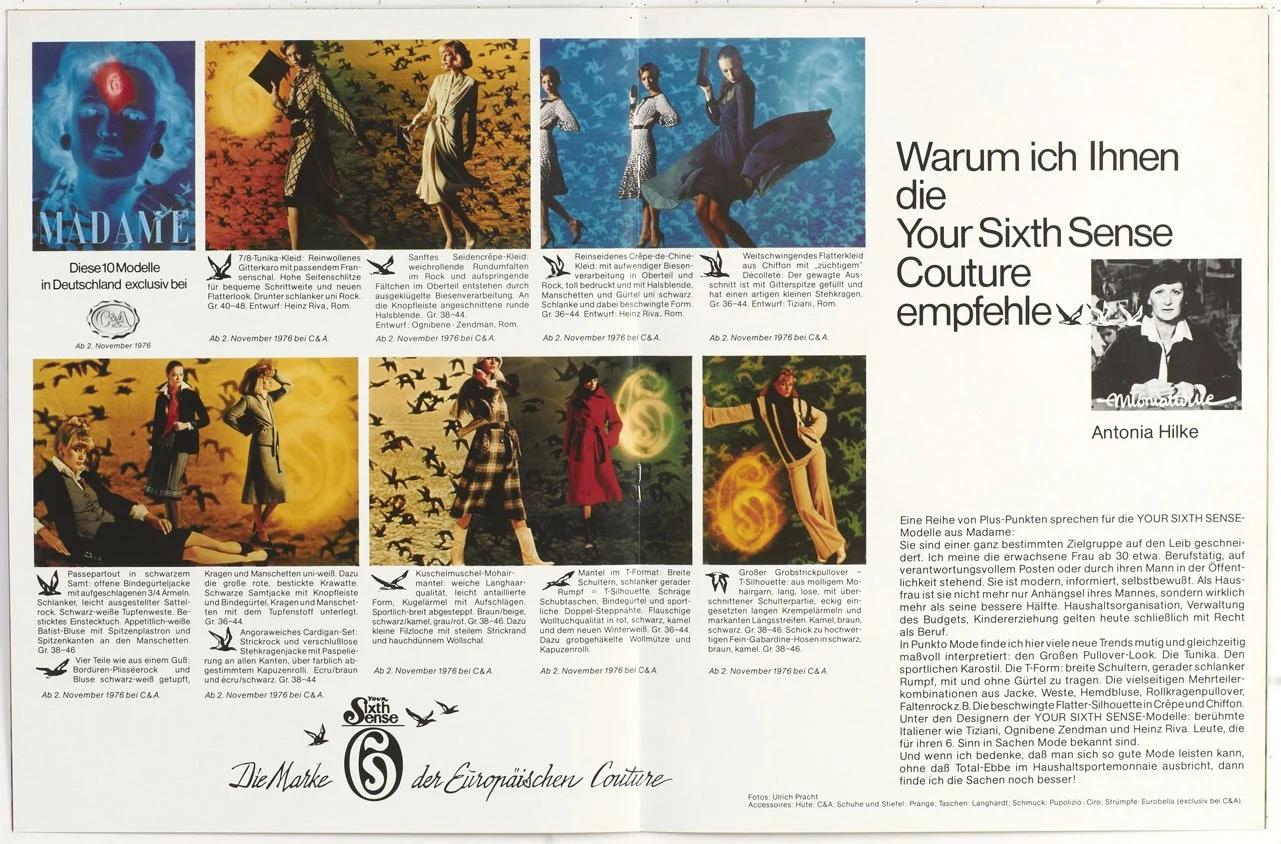
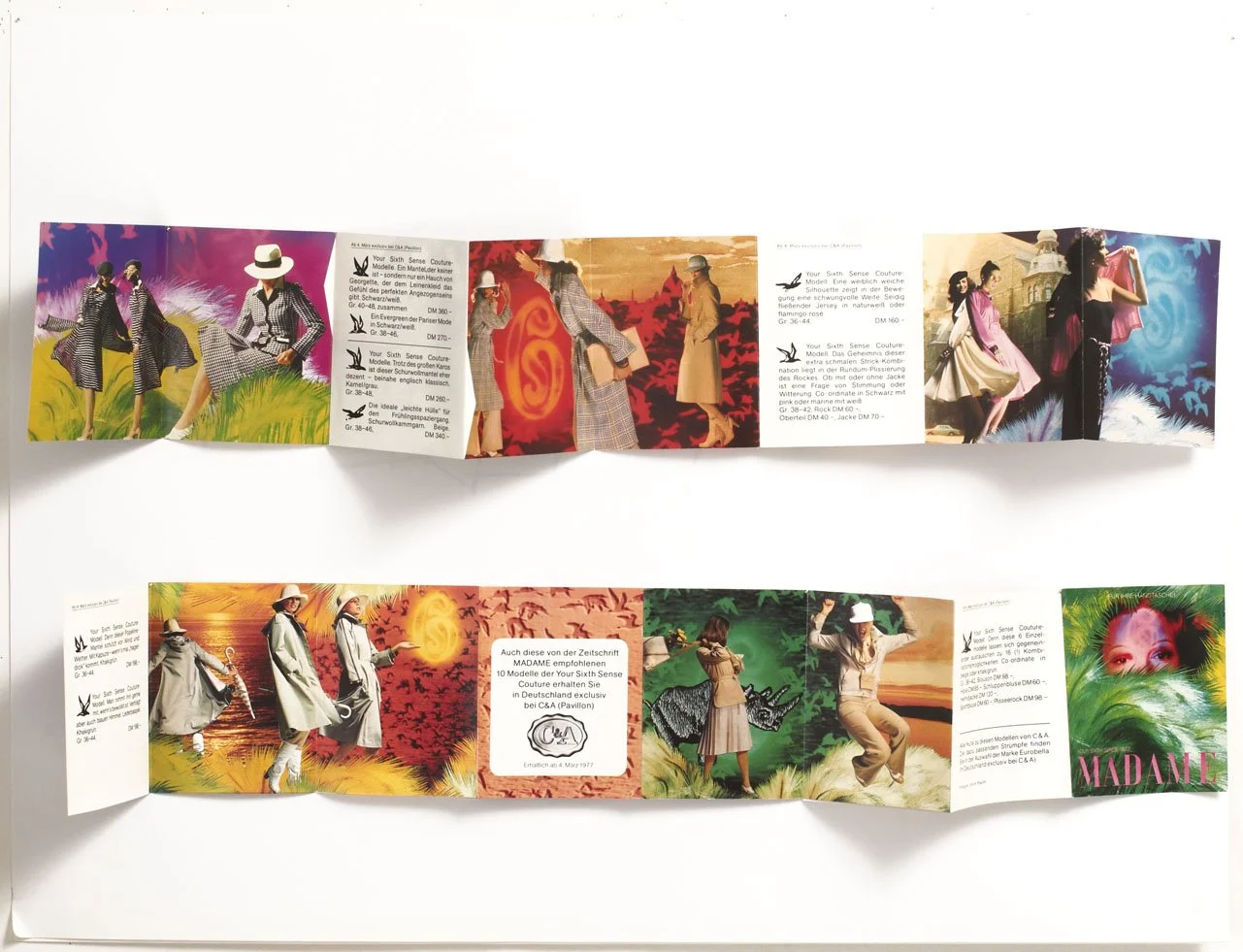
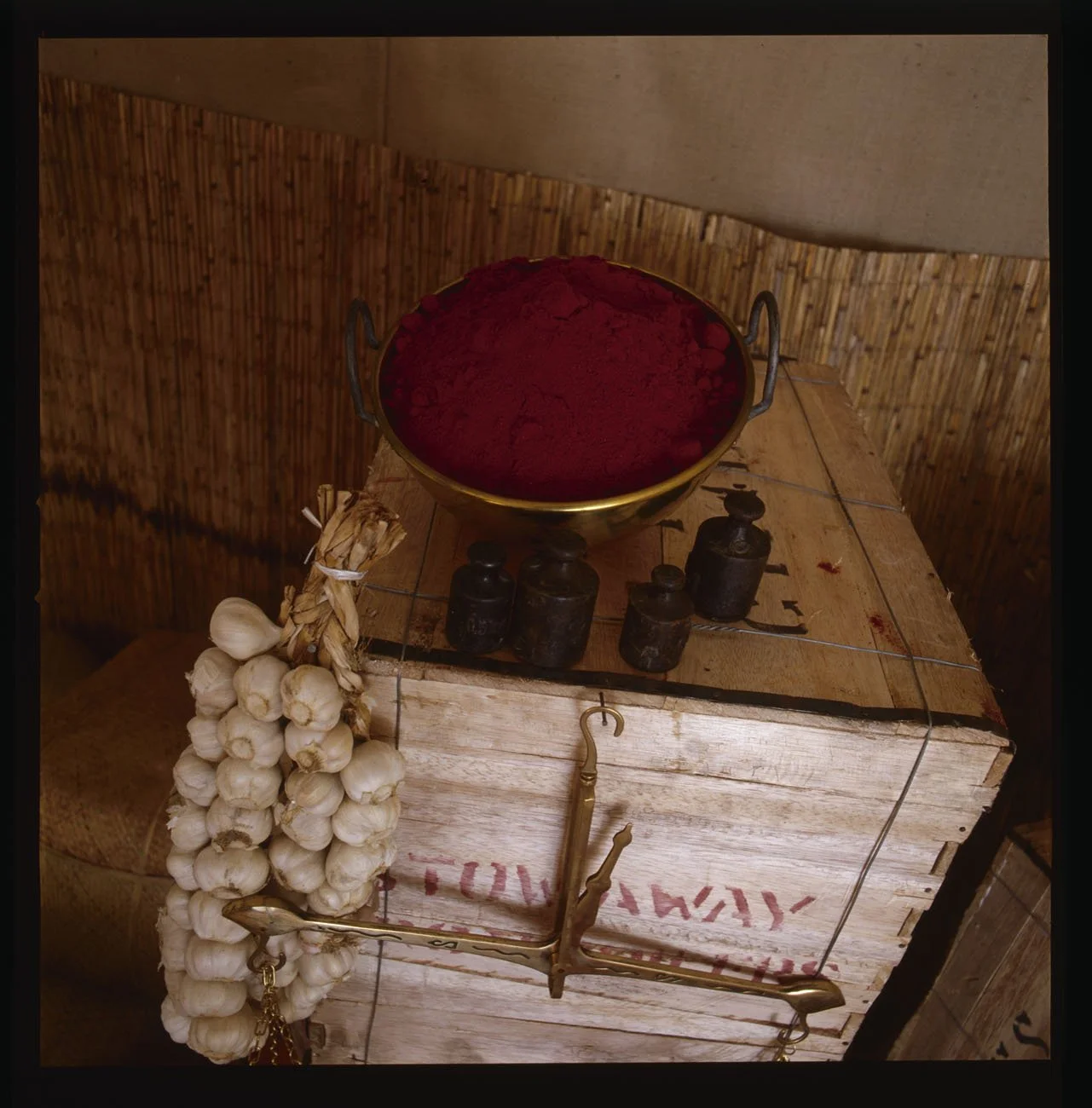
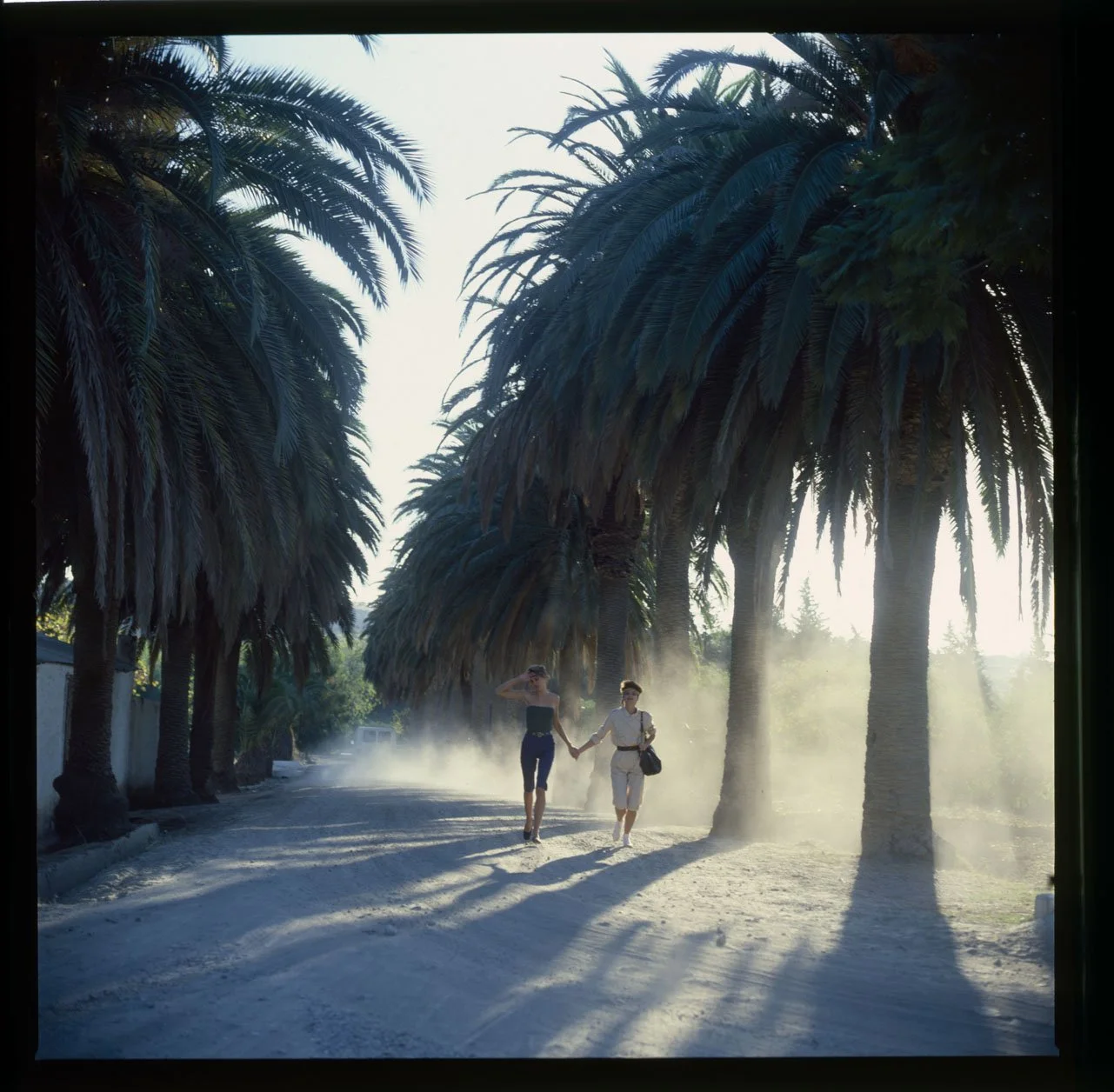
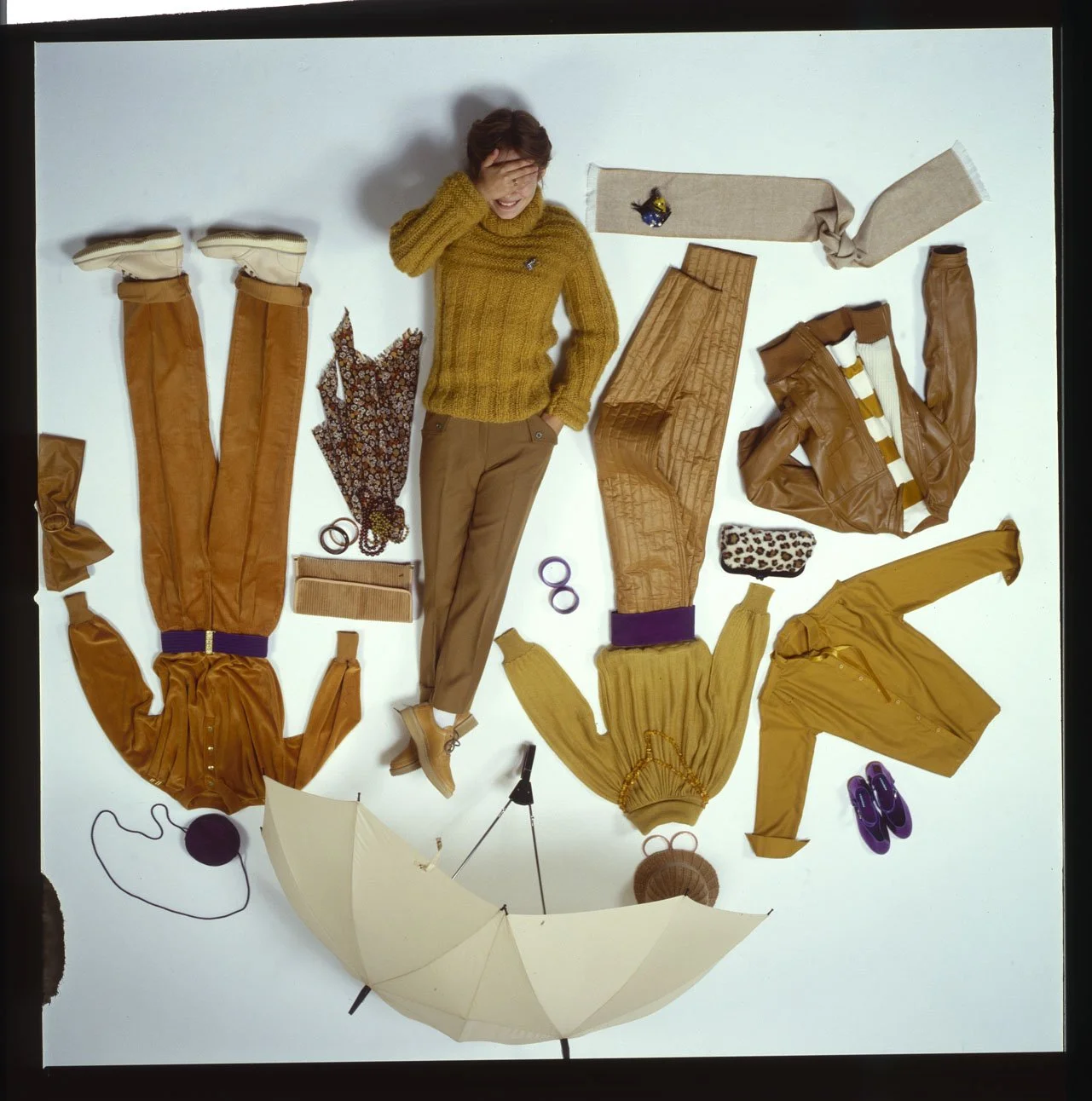
At the headquarters of C&A—at the time one of Europe’s largest fashion companies—one of the firm’s fashion editors discovered the "Night & Day" photographs that Ulrich Pracht had produced for Alba Moda. Together with the advertising director—the in-house executive responsible for print ads and catalogs—she decided to put the successful photographer to the test before entrusting him with a larger assignment. "I ended up shooting for C&A every now and then, though I didn't realize what was really behind it all." Money was no object during those years; for one particular shoot, for instance, he had Gunilla Lindblad flown in—a Swedish style icon, four-time Vogue cover girl, and Helmut Newton’s favorite model. Another fashion spread—intended for point-of-sale displays—was created in Marbella, where Ulrich Pracht once again demonstrated his spontaneous creativity, adhering strictly to his motto: "Take the Situation!" Against the evening backdrop of an illuminated mosque—beneath a deep-blue Mediterranean sky where the vivid orange of the setting sun still lingered on the distant horizon—he discovered his ideal settings. He found them just as readily in the shade of a crimson bougainvillea or amidst the dusty atmosphere of a palm-lined path—places where this dreamer, who always remained a realist at heart, captured effortlessly cool shots of his models: images of magical moments that never failed to delight his clients.
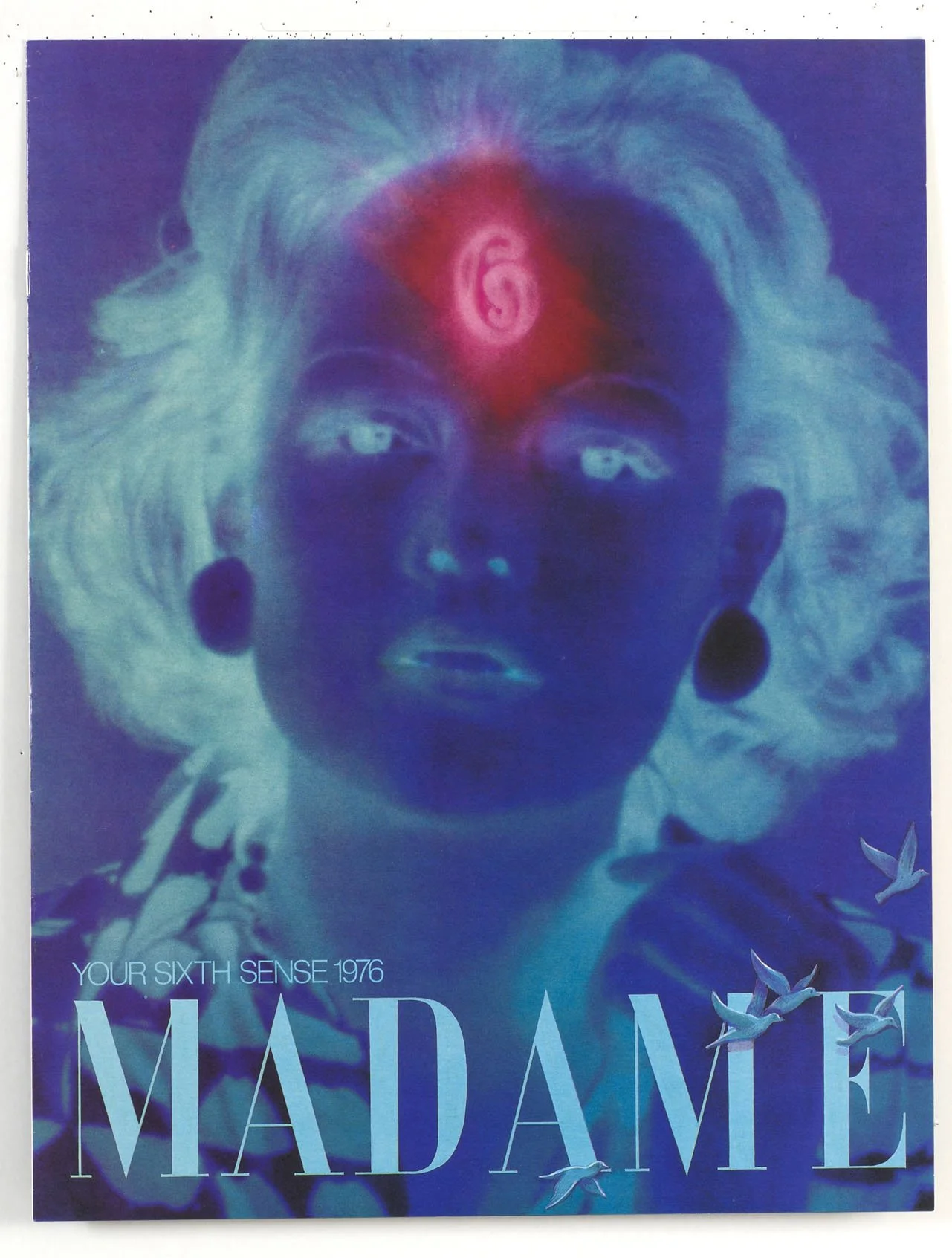
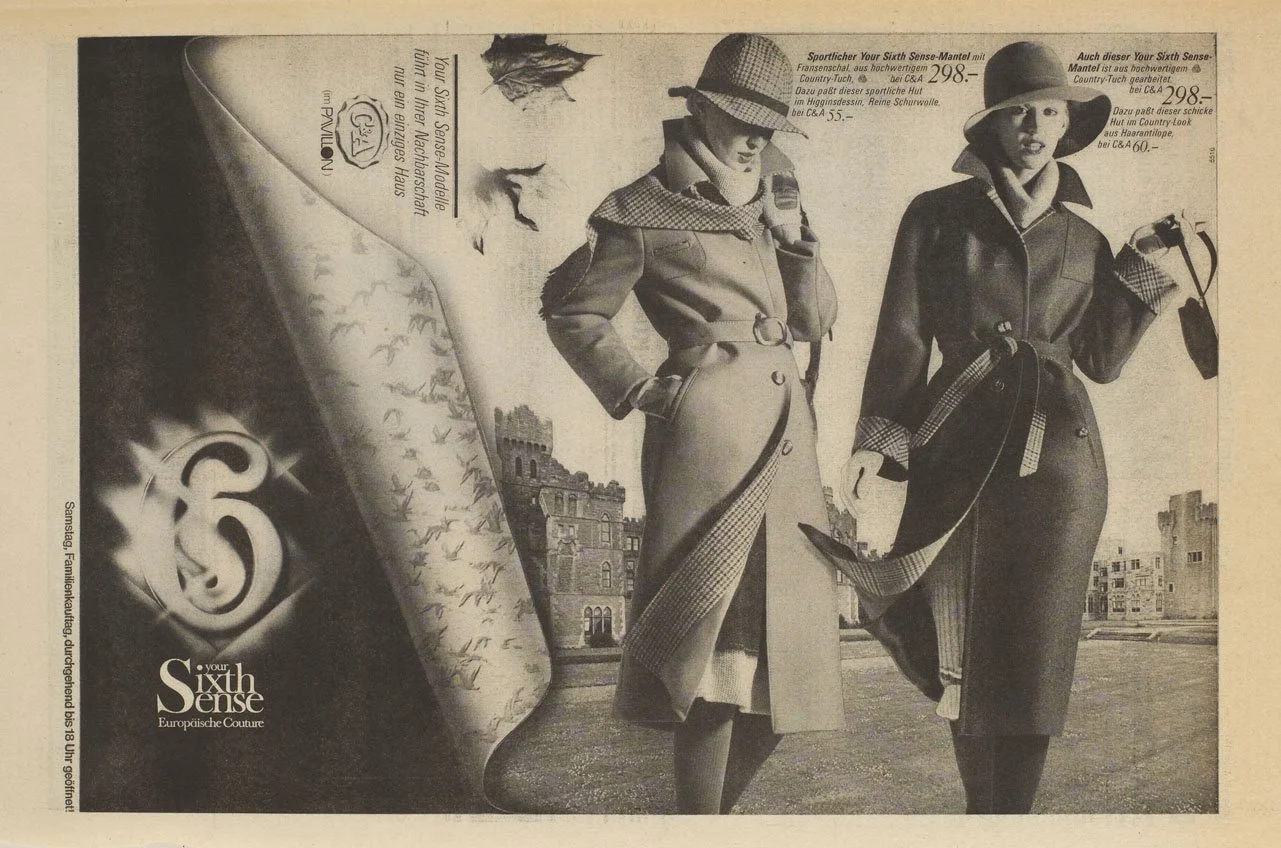
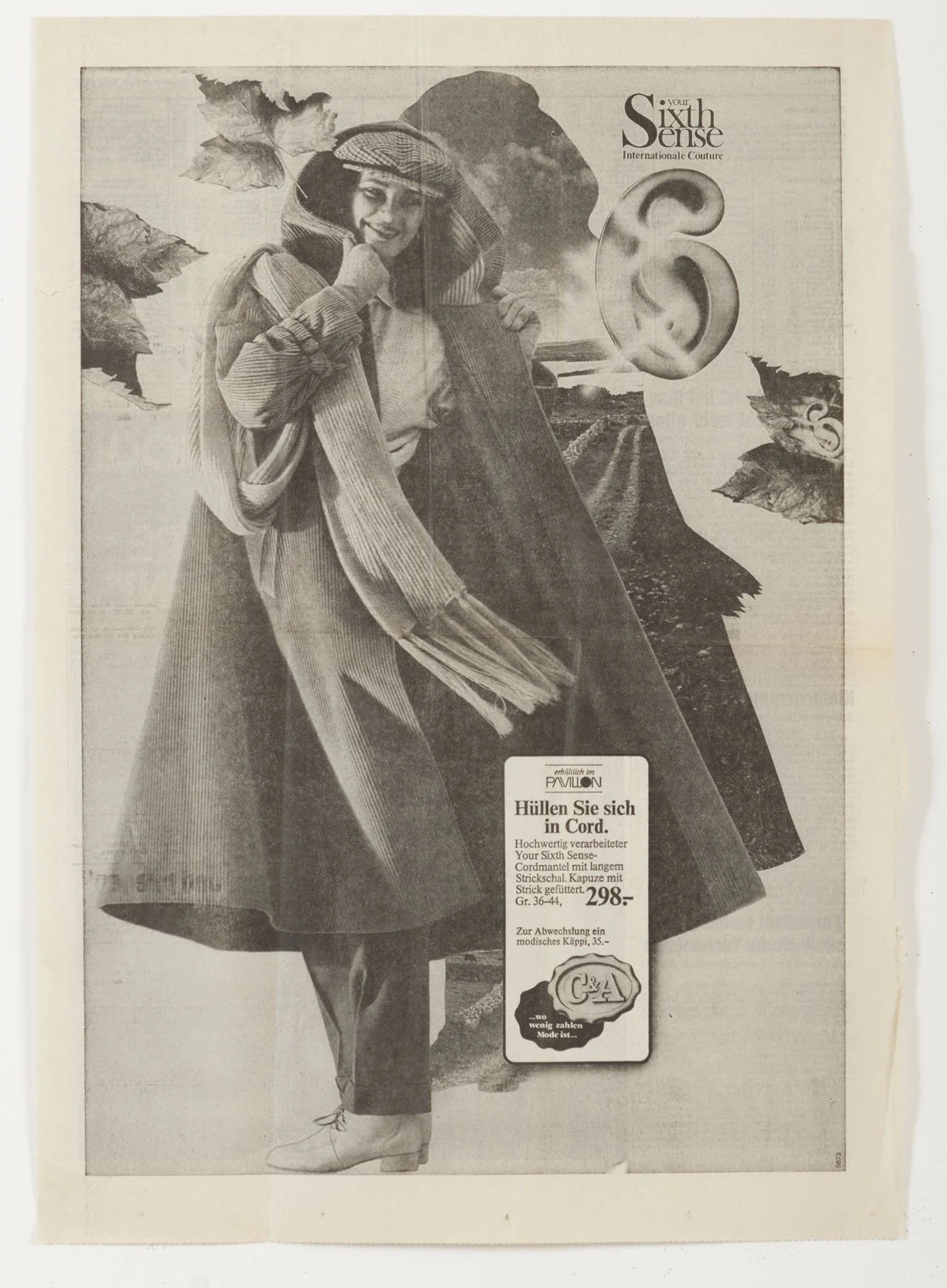
Nevertheless, it took some time before Ulrich Pracht received official confirmation that he would be photographing C&A’s premium brand: Your Sixth Sense—described in C&A’s advertising copy as "the brand for women of the world who love to dress with elegance and style." The advertising department paired his fashion product shots—images that were simple yet beautiful, and innovative in their dynamic energy—with colorful backgrounds designed to visually represent the supernatural element: the "sixth sense."
During the shoots, an entire battalion of the Spanish Foreign Legion suddenly appeared; the soldiers took a keen interest in my work with the young woman. I simply could not turn down their request for a group photo with the model and me—even though only a fraction of the soldiers could actually fit into the frame. Unfortunately, the garrison commander, who happened to be present as well, did not find this amusing in the slightest and demanded that we hand over the film. And indeed, we did place a roll of film into his hands—an unexposed one.











03.5
BOECKER
A New Image with Lifestyle
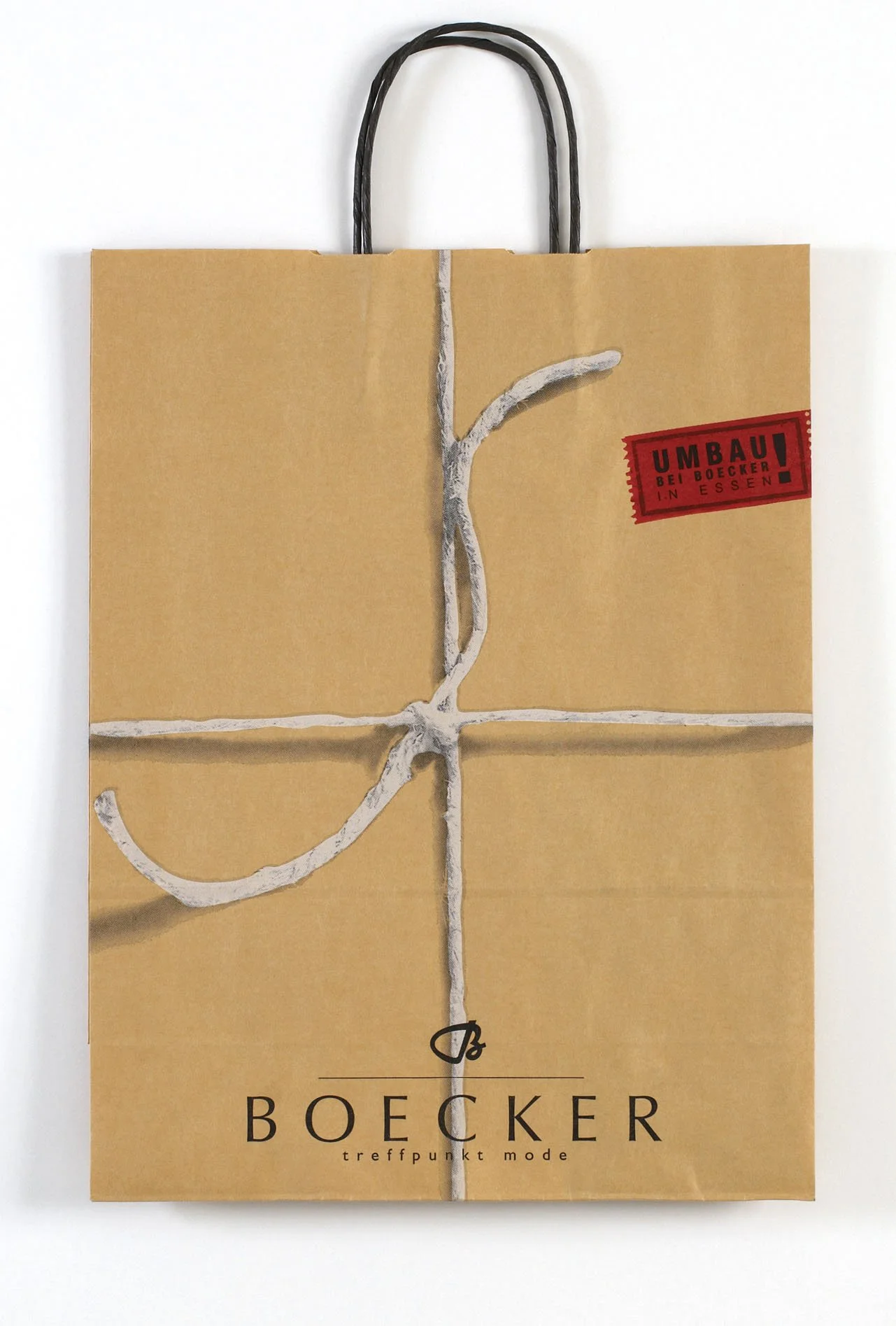
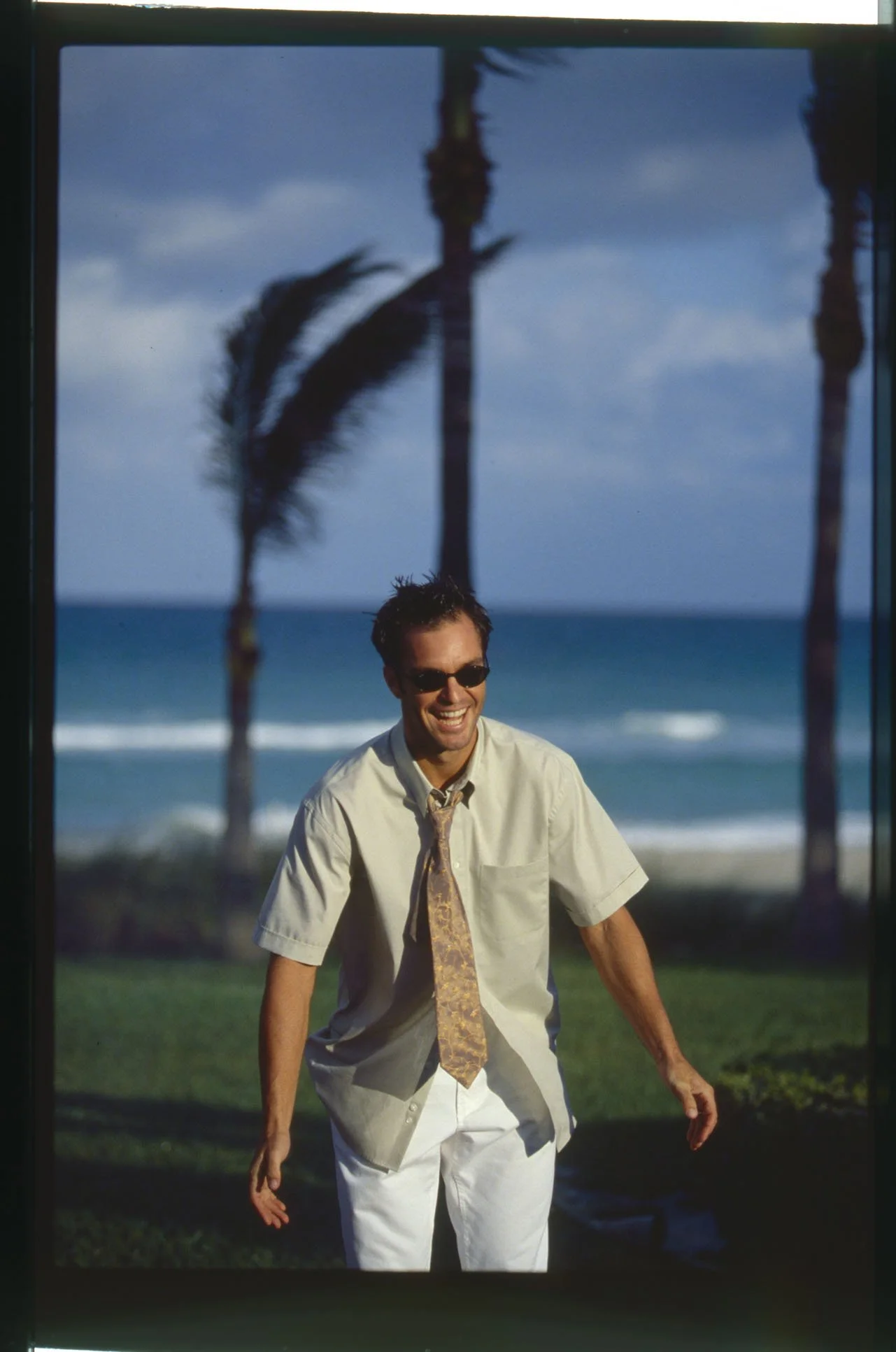
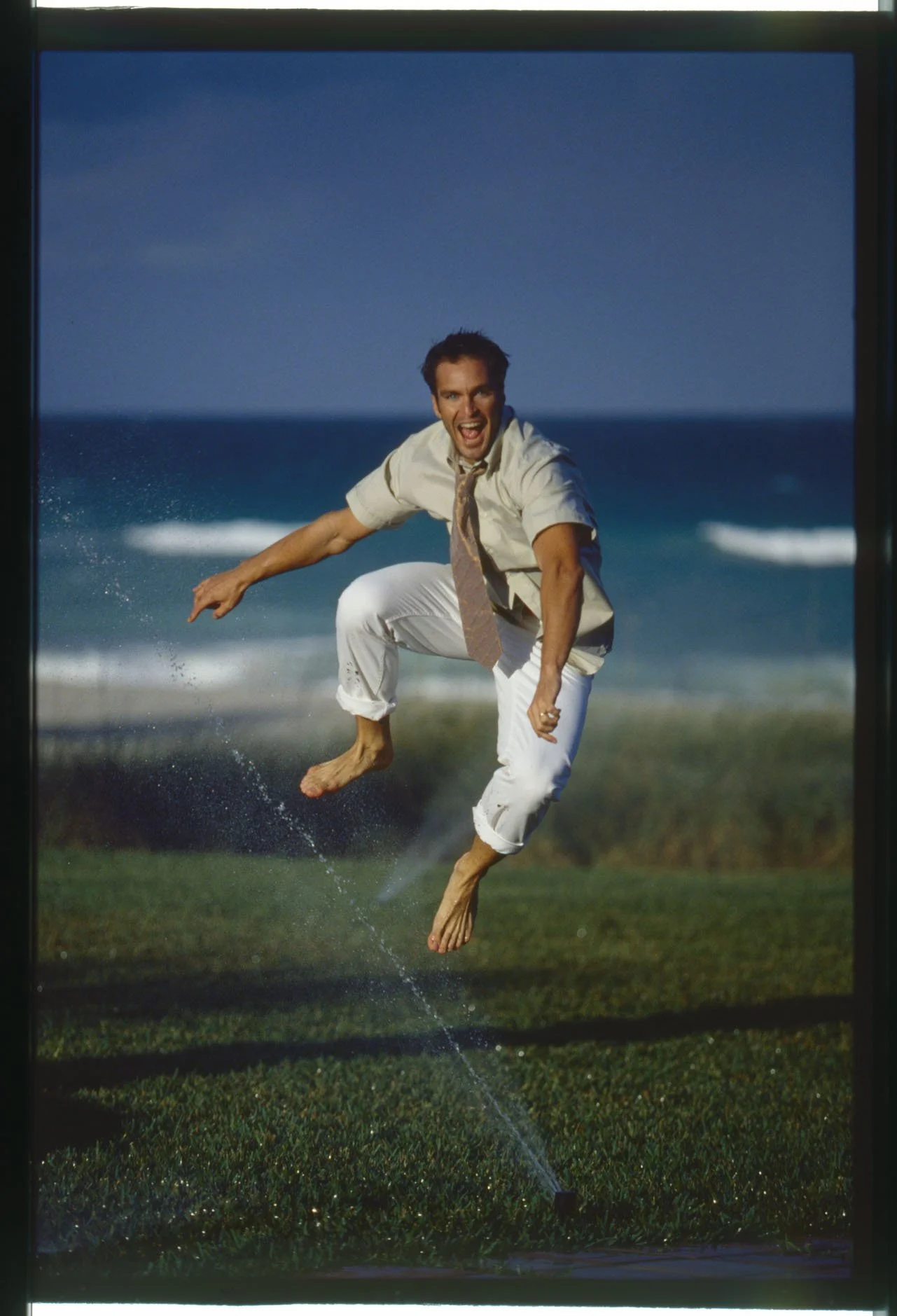
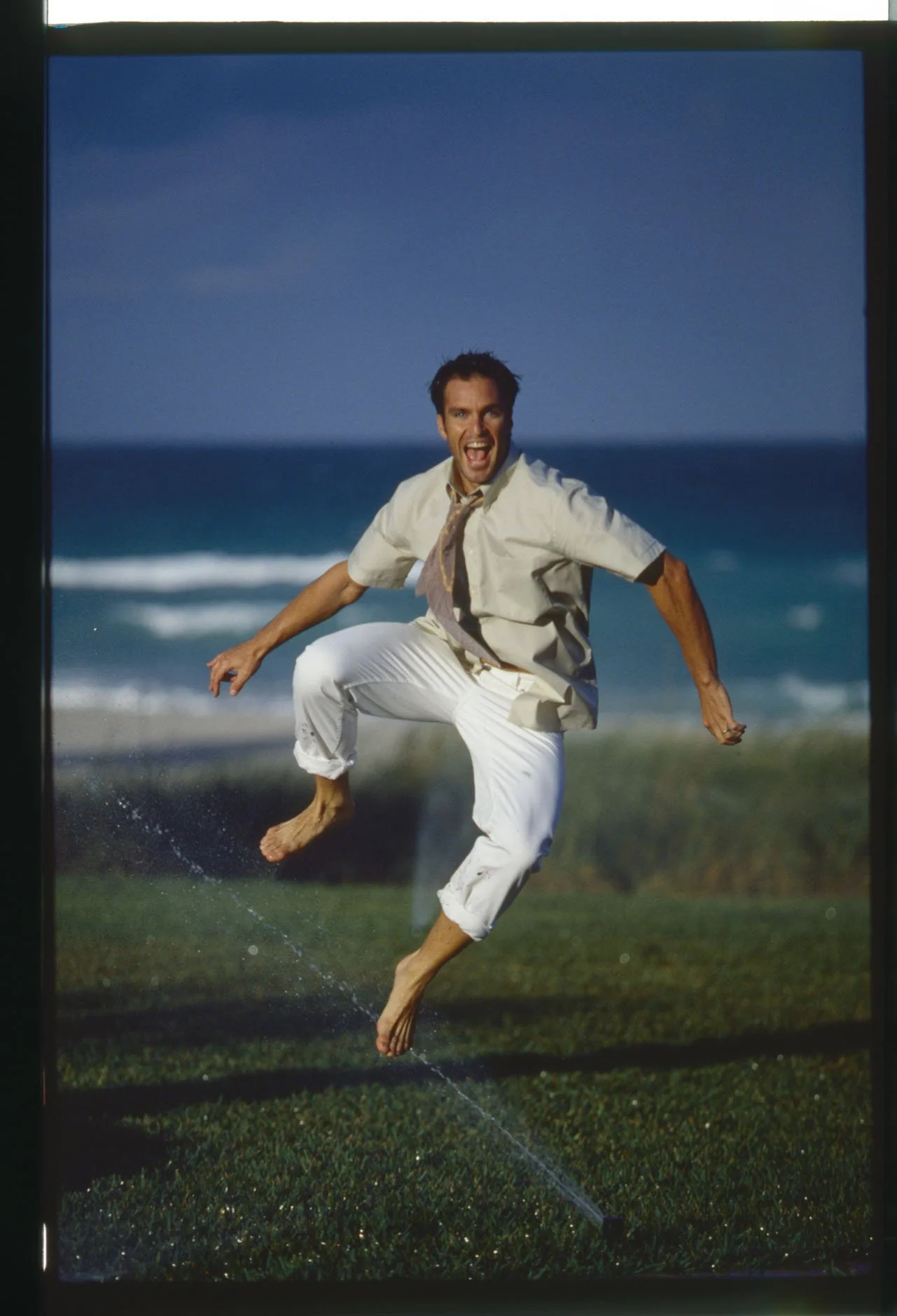
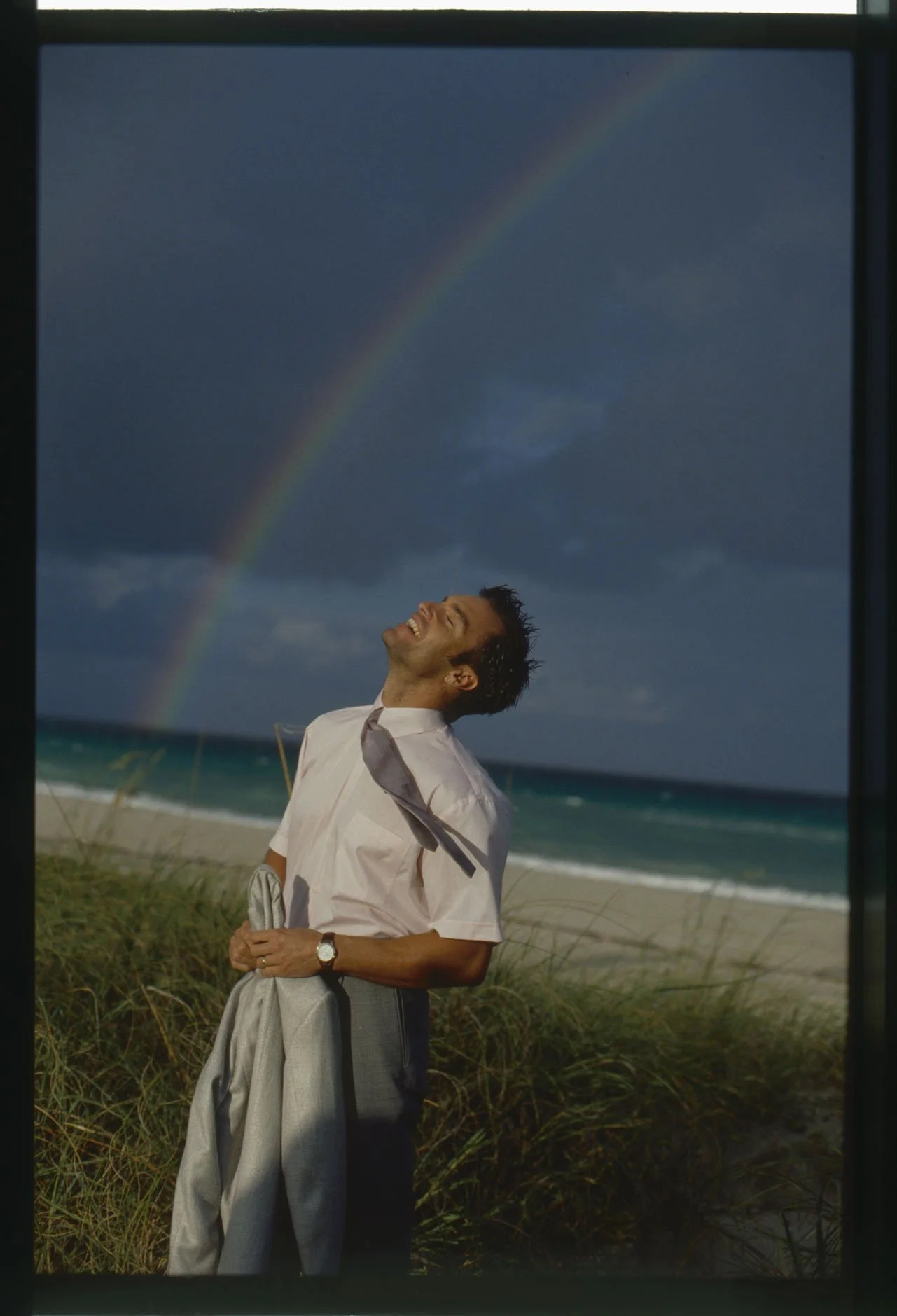
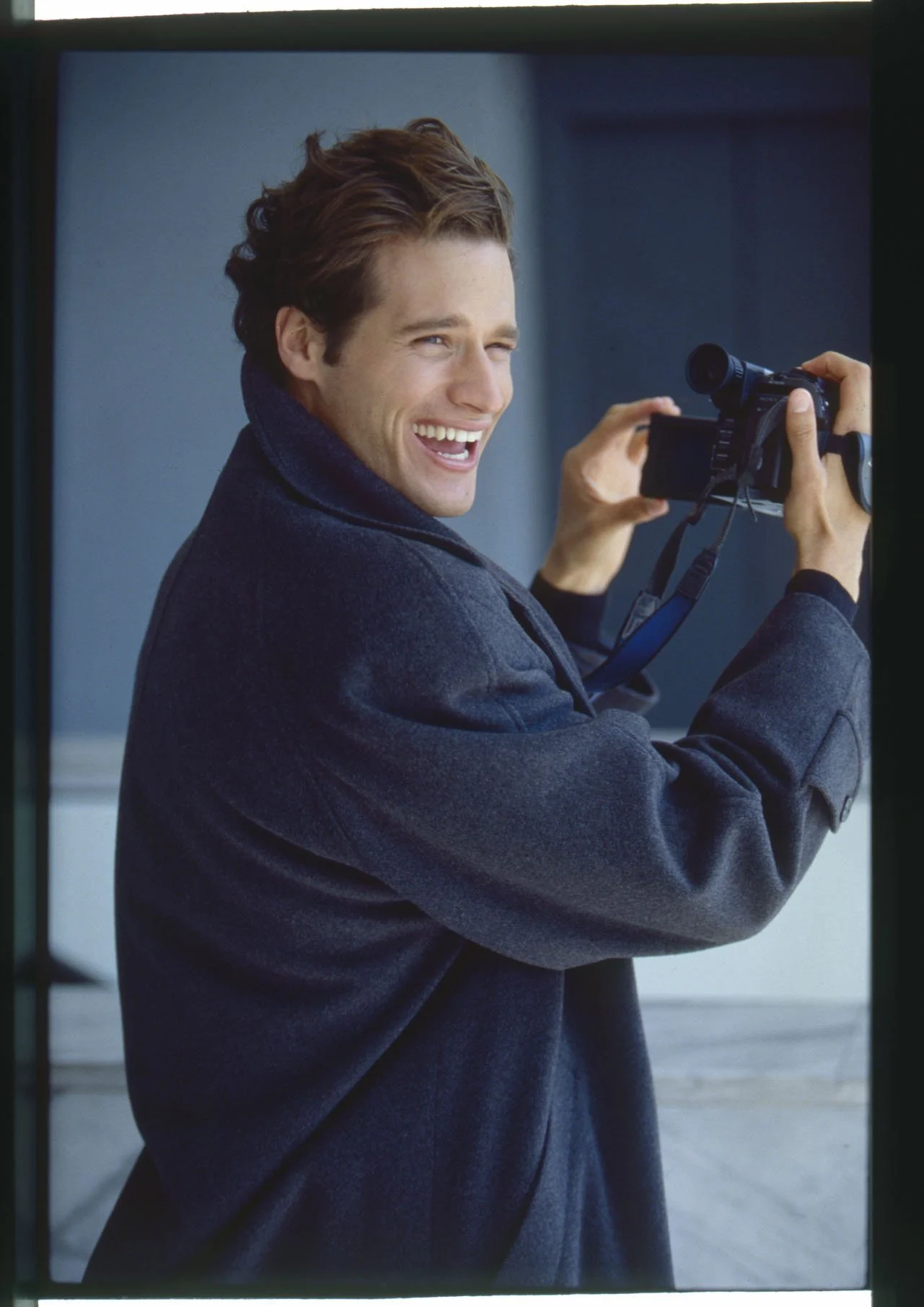
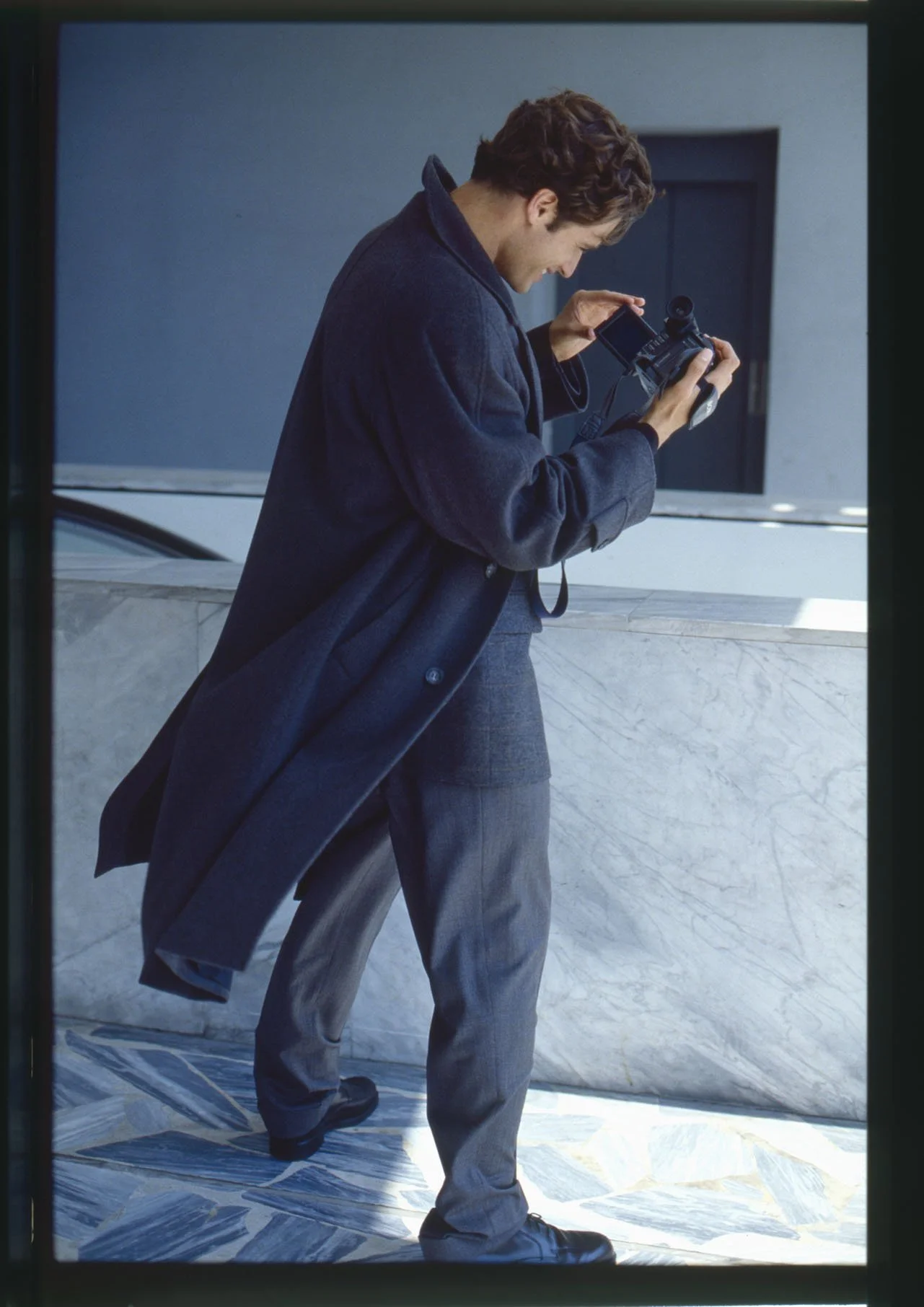
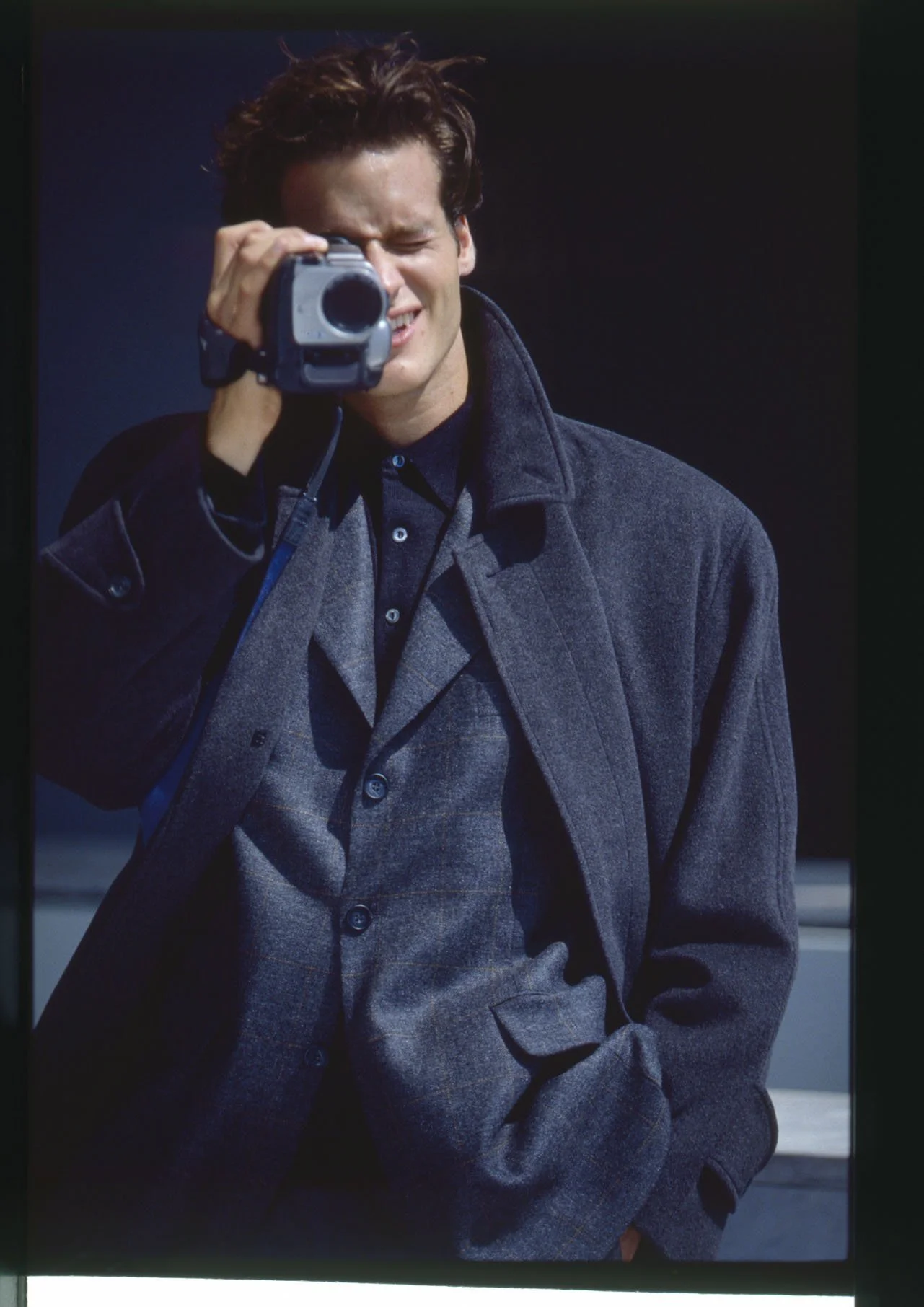
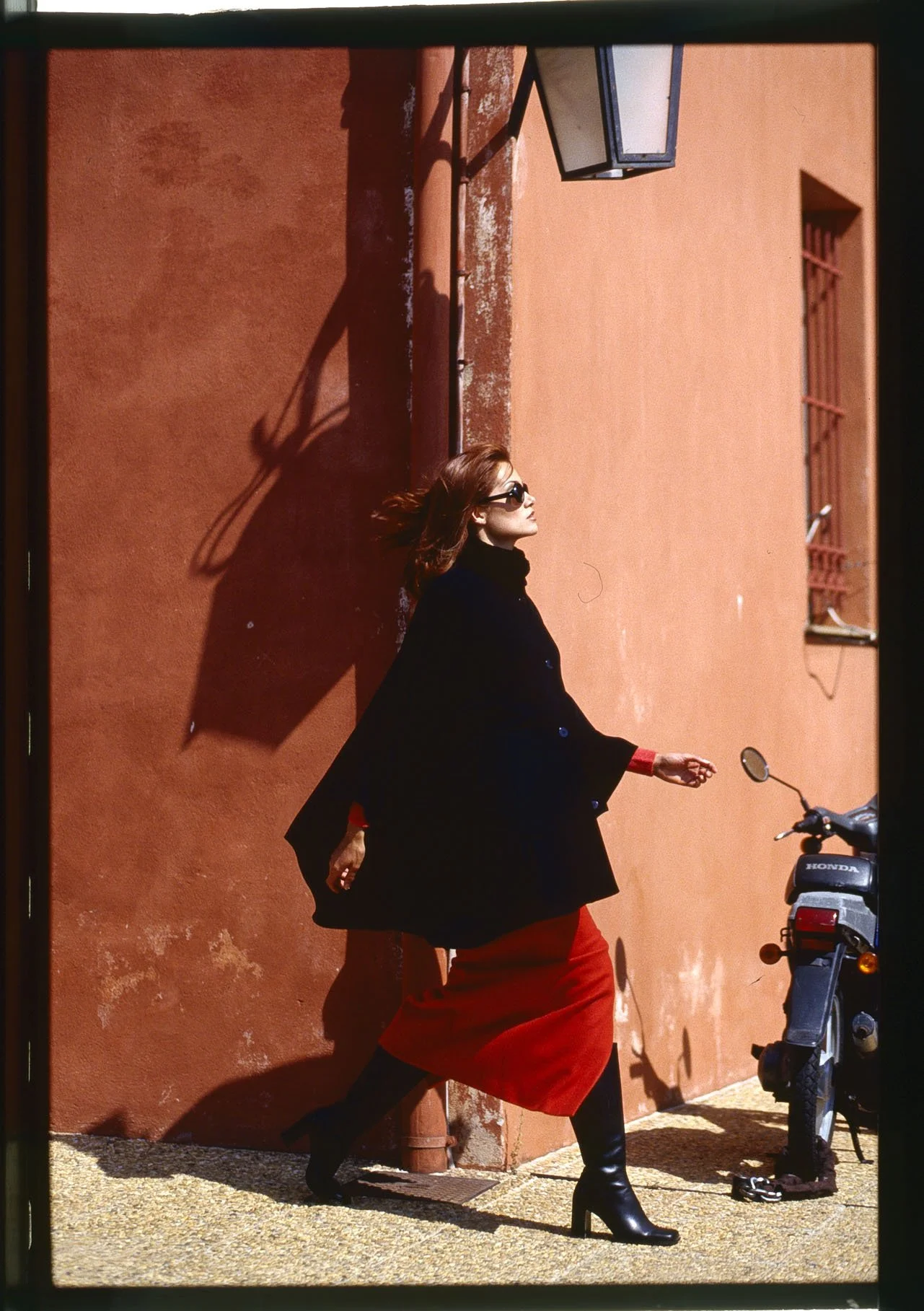
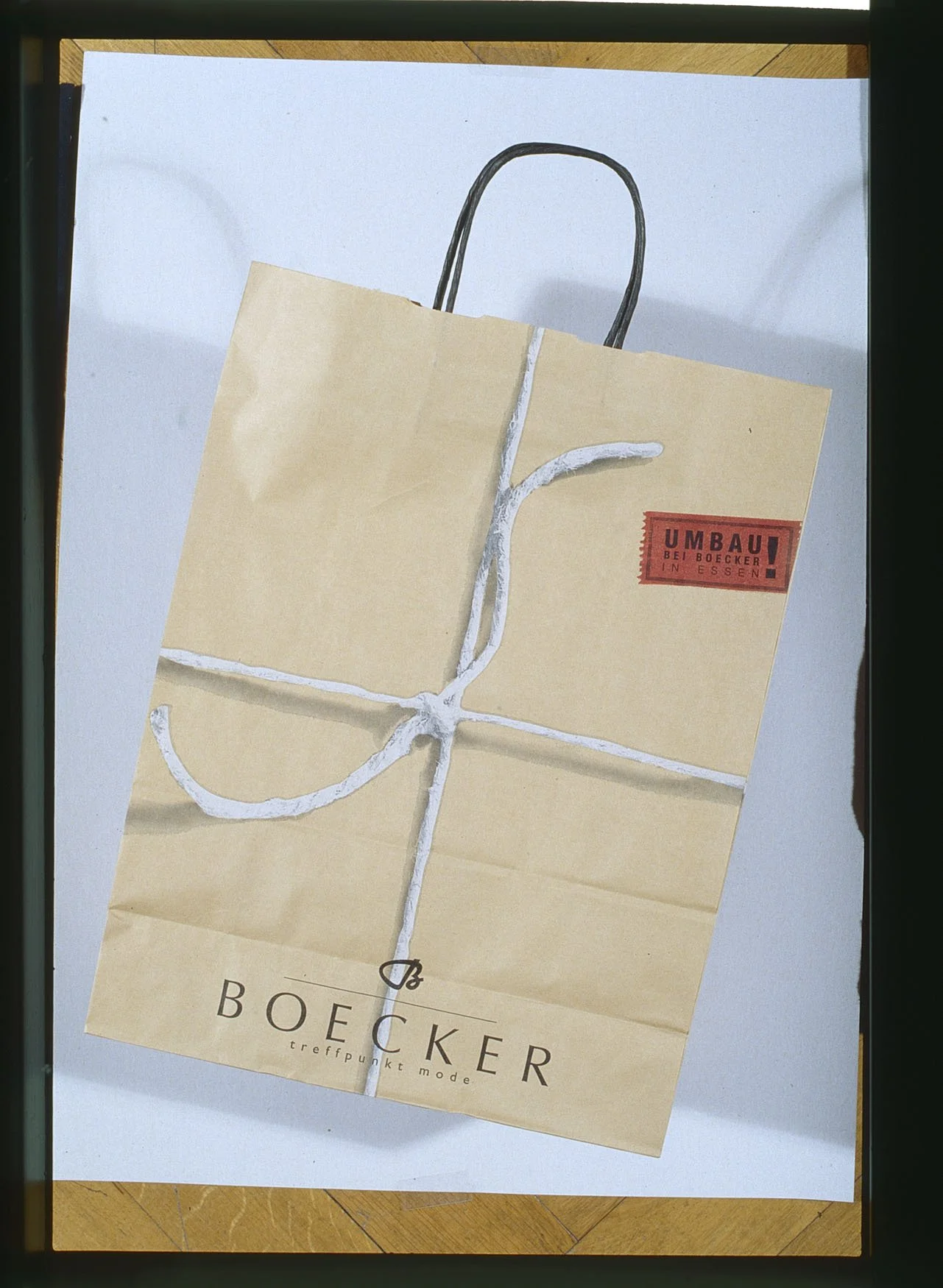
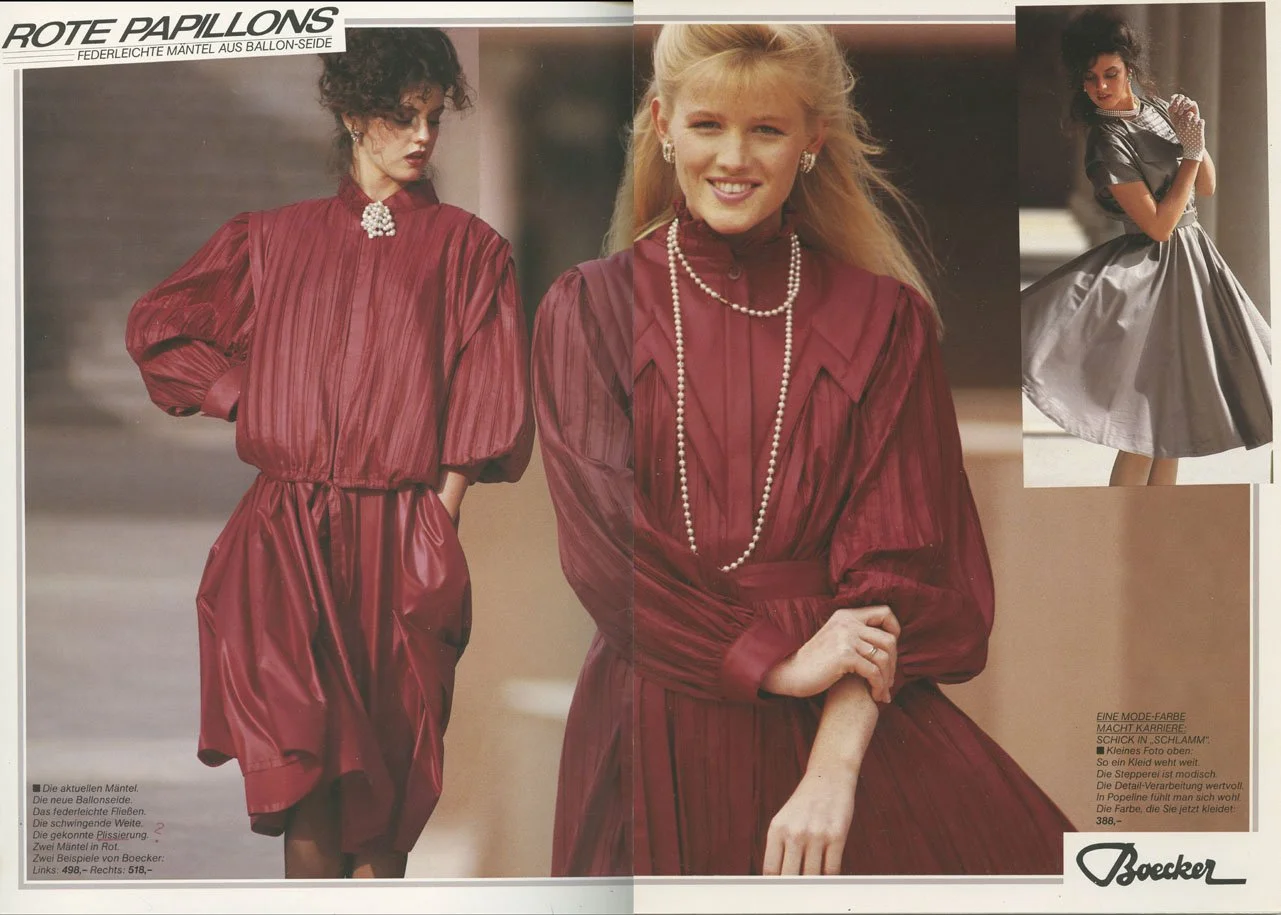
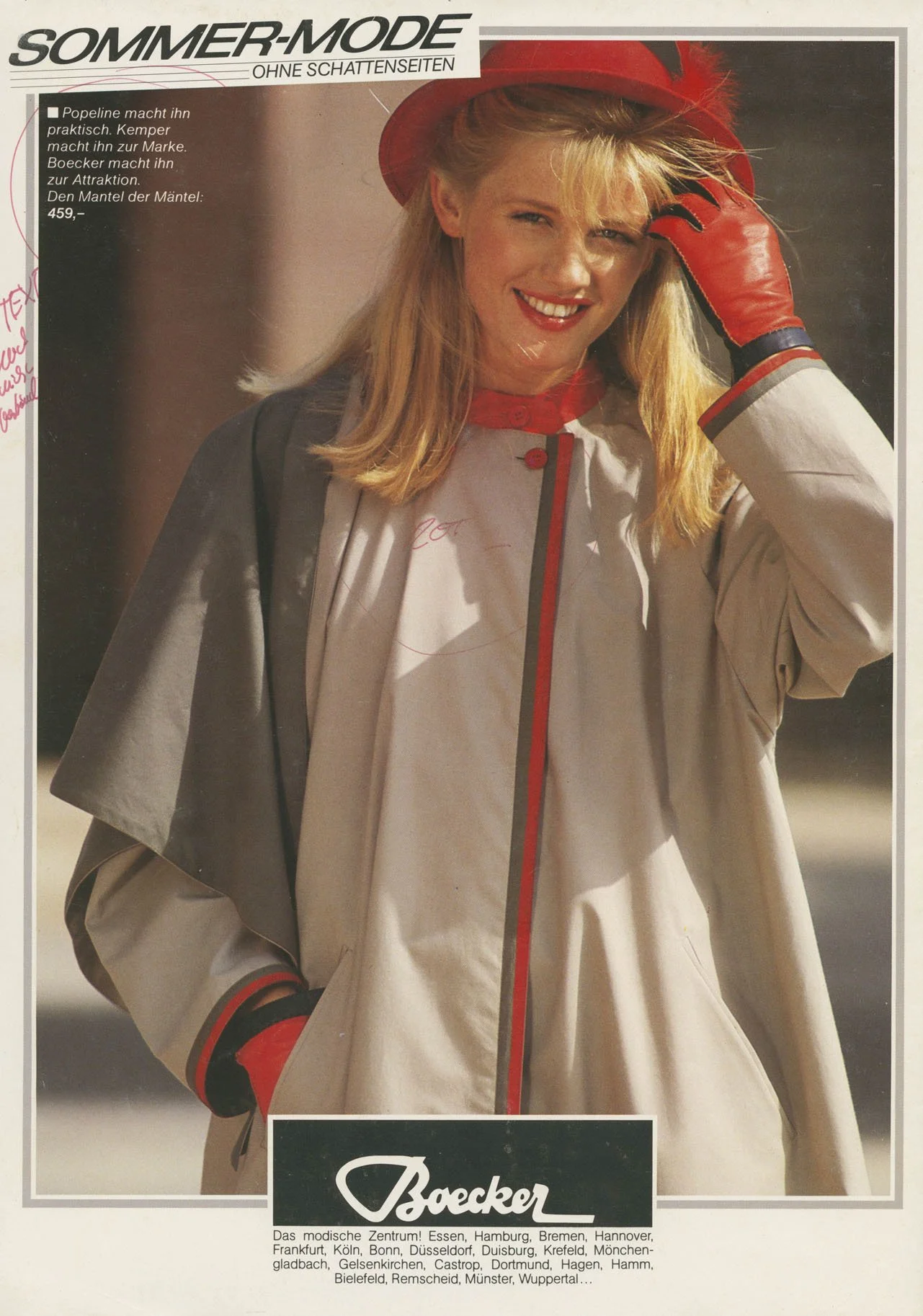
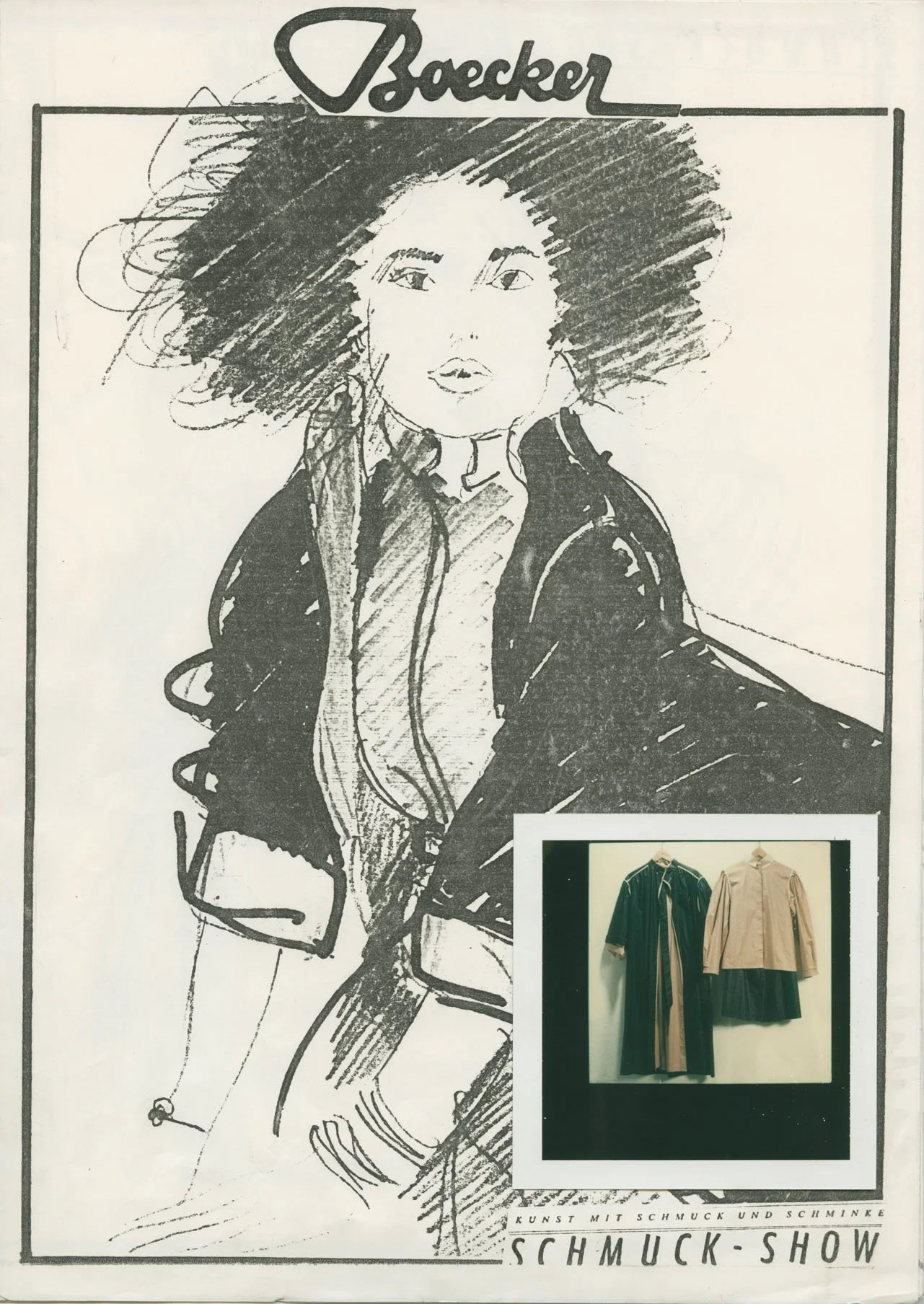
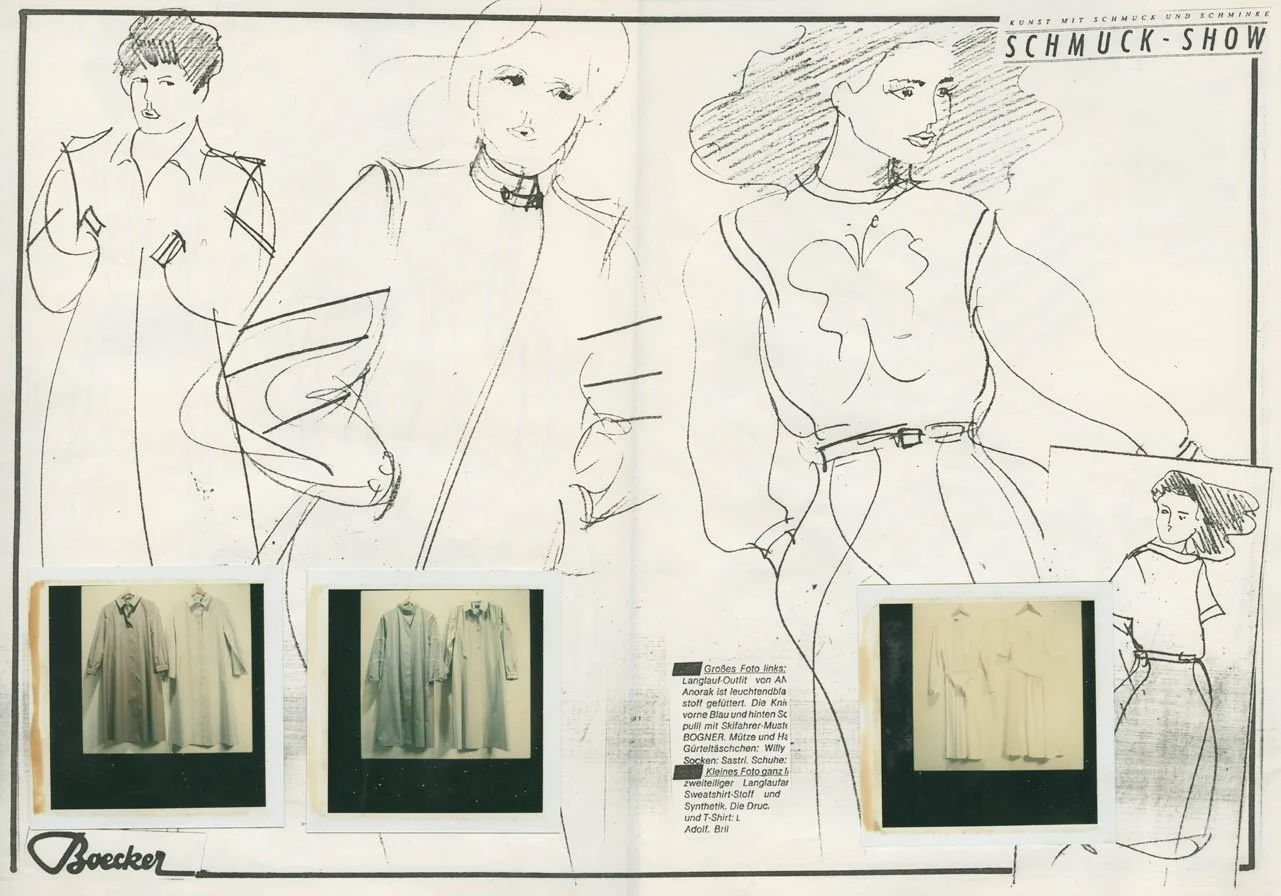
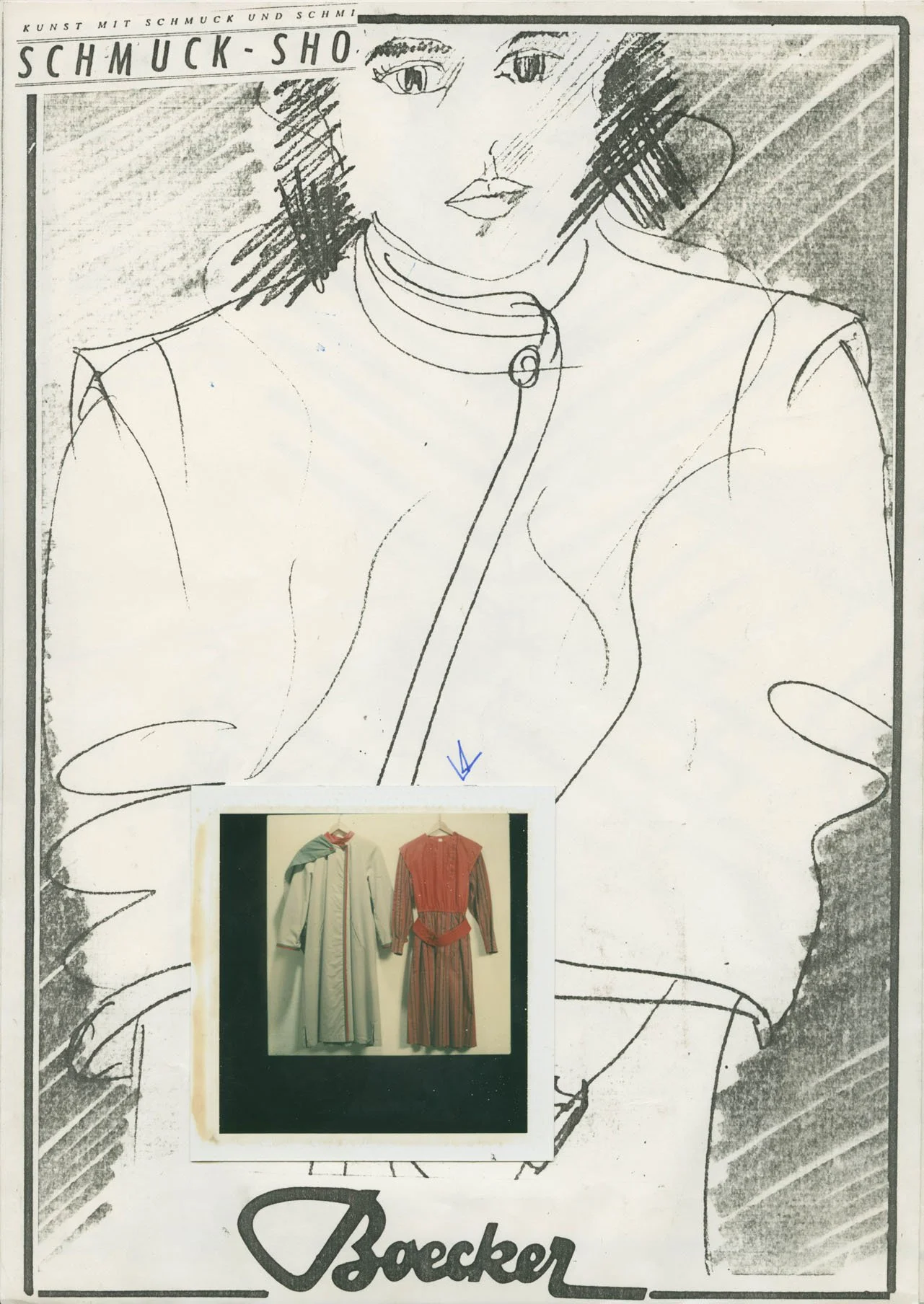
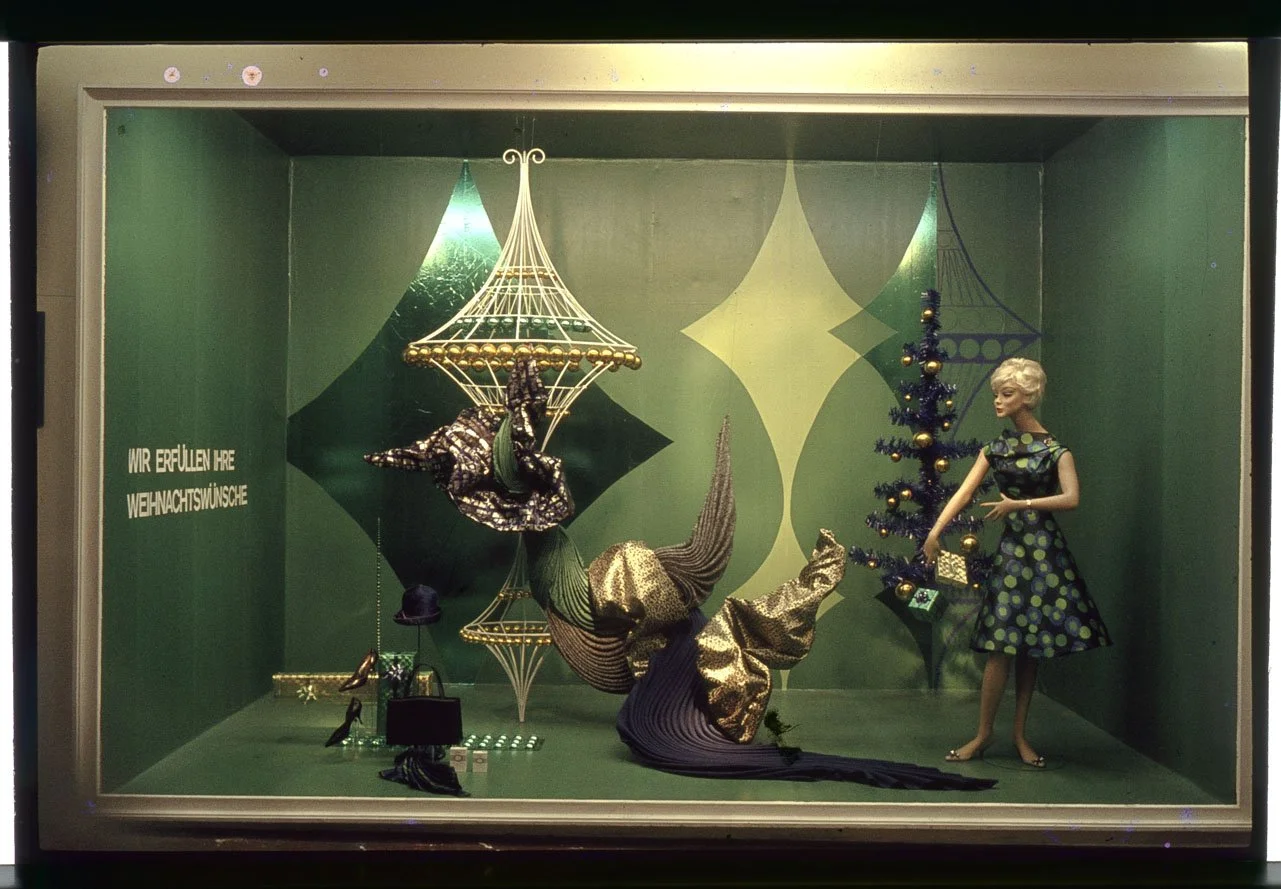
One of the most prominent German fashion houses of the second half of the 20th century was the firm Boecker. One of its co-owners was Werner Hüster, who, in the early 1970s, conceived the idea of launching image campaigns. "Back then, most fashion retail chains didn't yet have a marketing concept. They simply couldn't procure enough merchandise to keep up with their sales volume. There might have been a few advertisements, but brochures and catalogs didn't come along until later." Ulrich Pracht remembers Boecker from his days as an apprentice window dresser at the Westfalenkaufhaus department store in Gelsenkirchen during the 1950s.
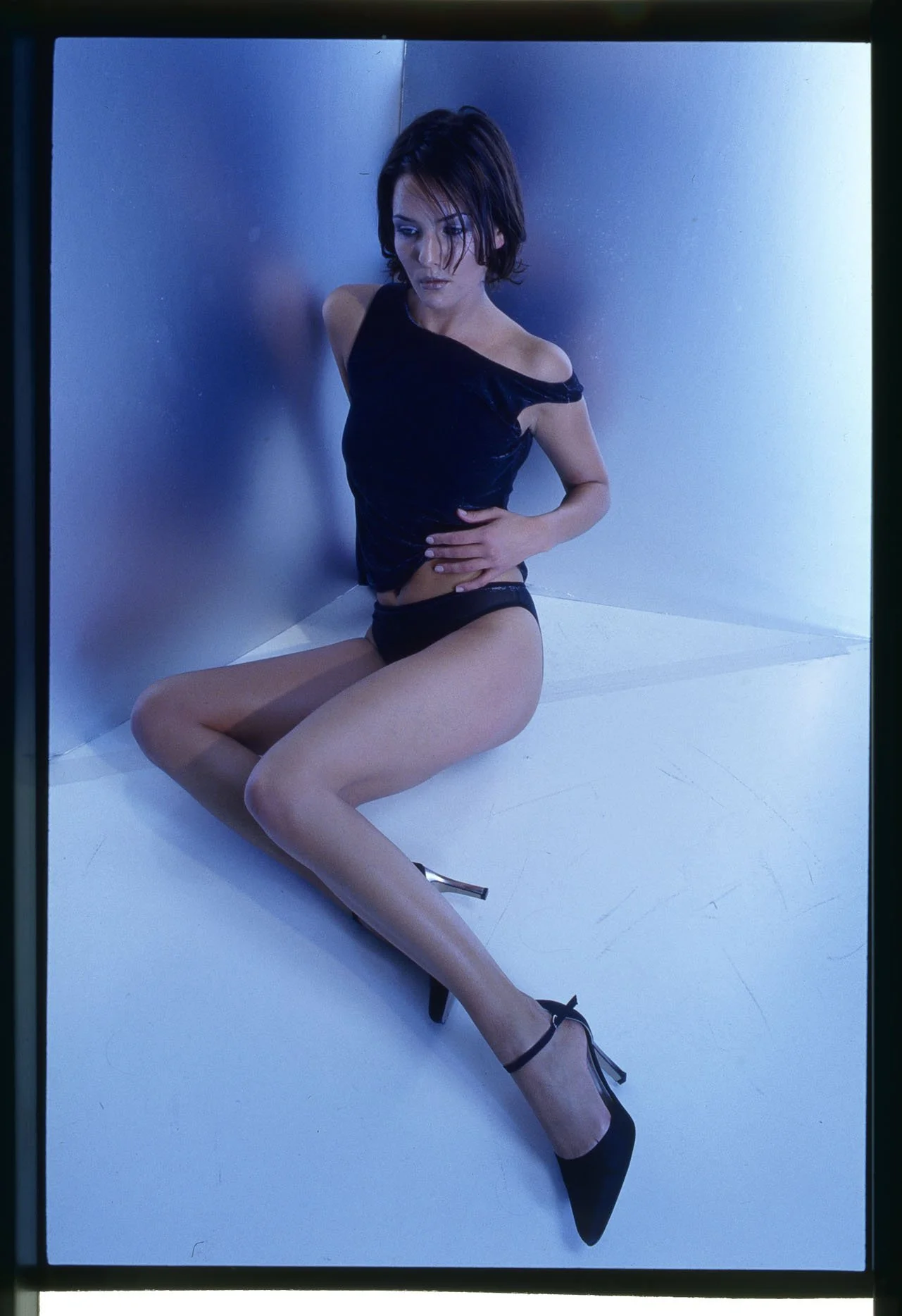
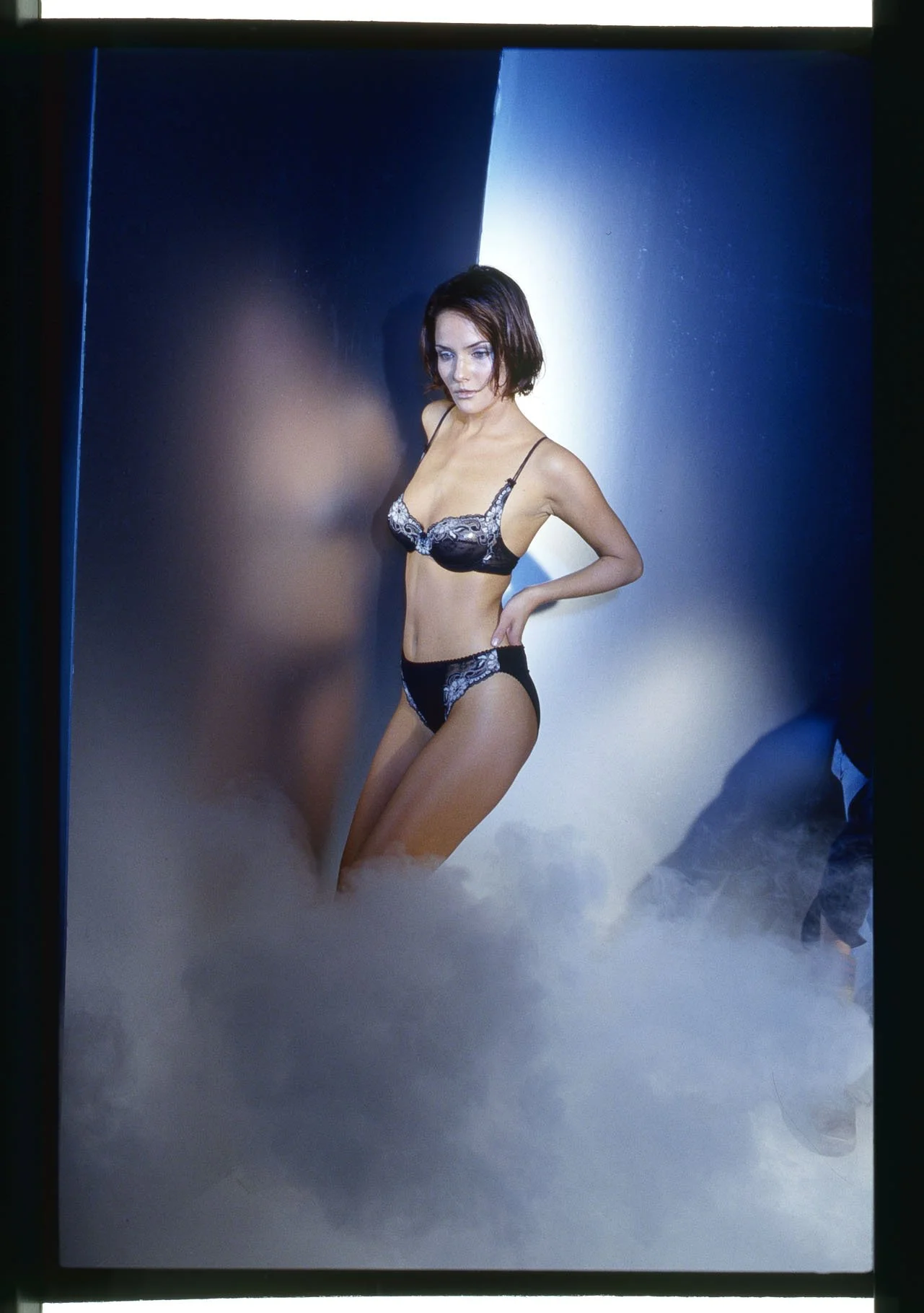
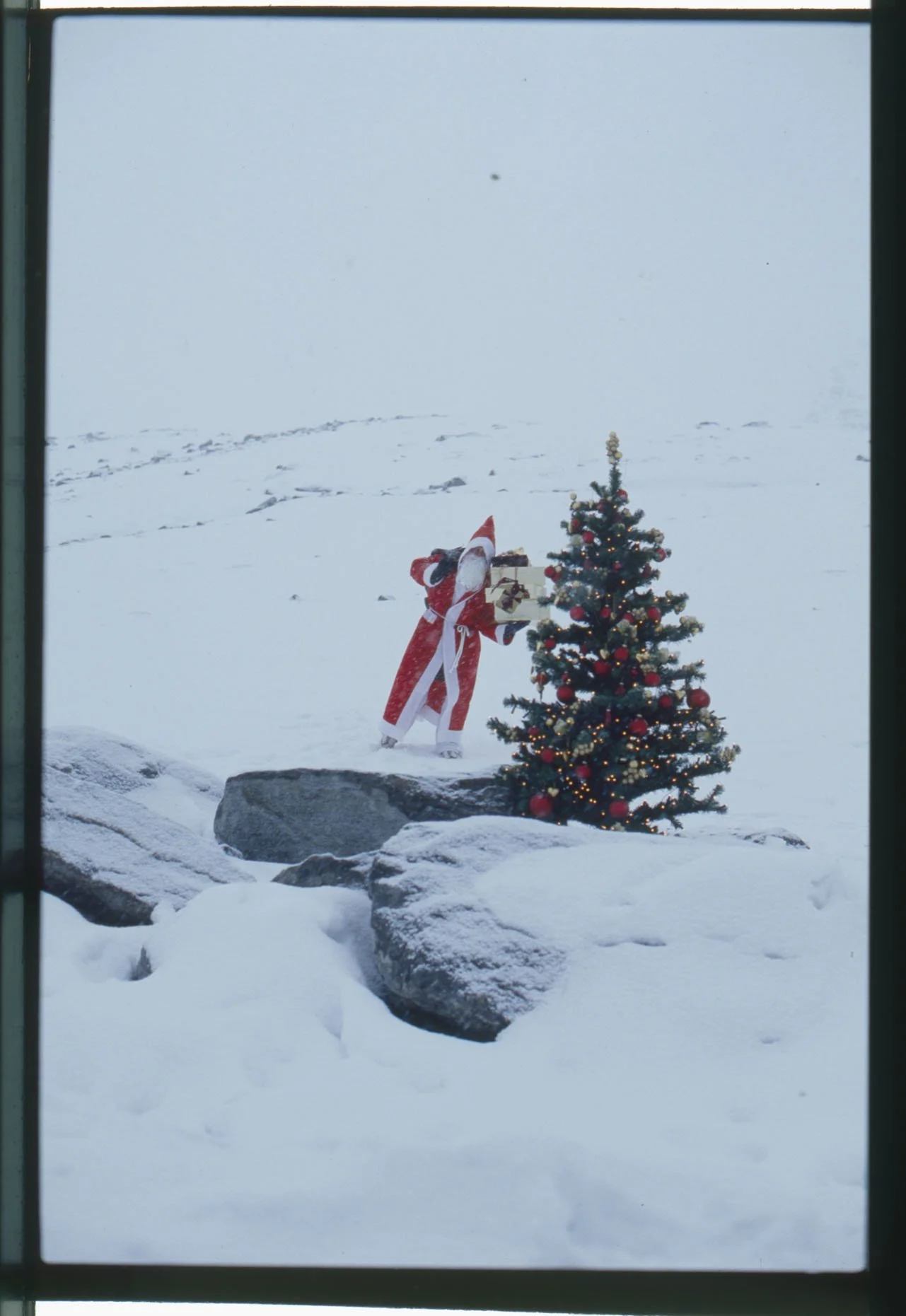
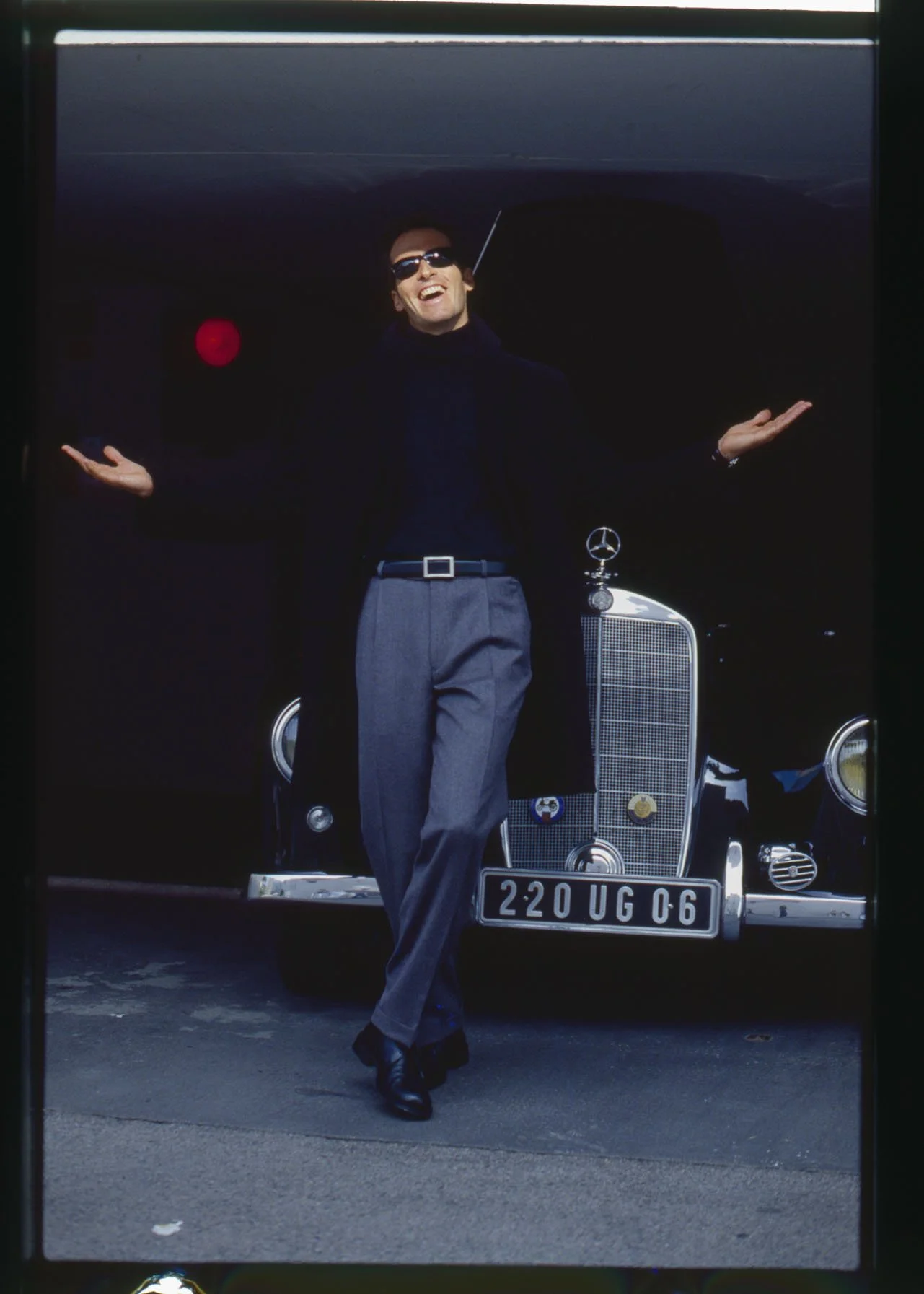
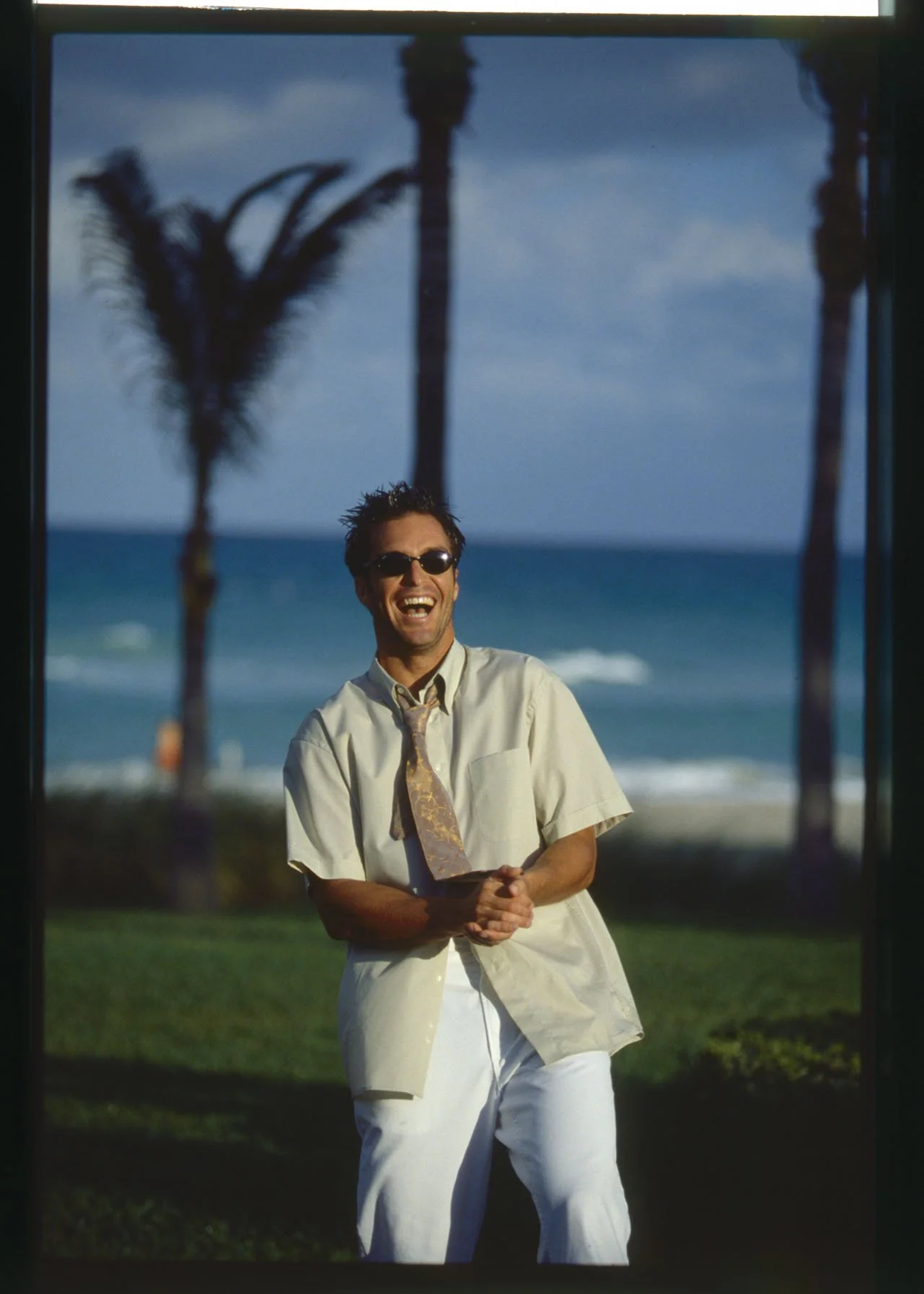
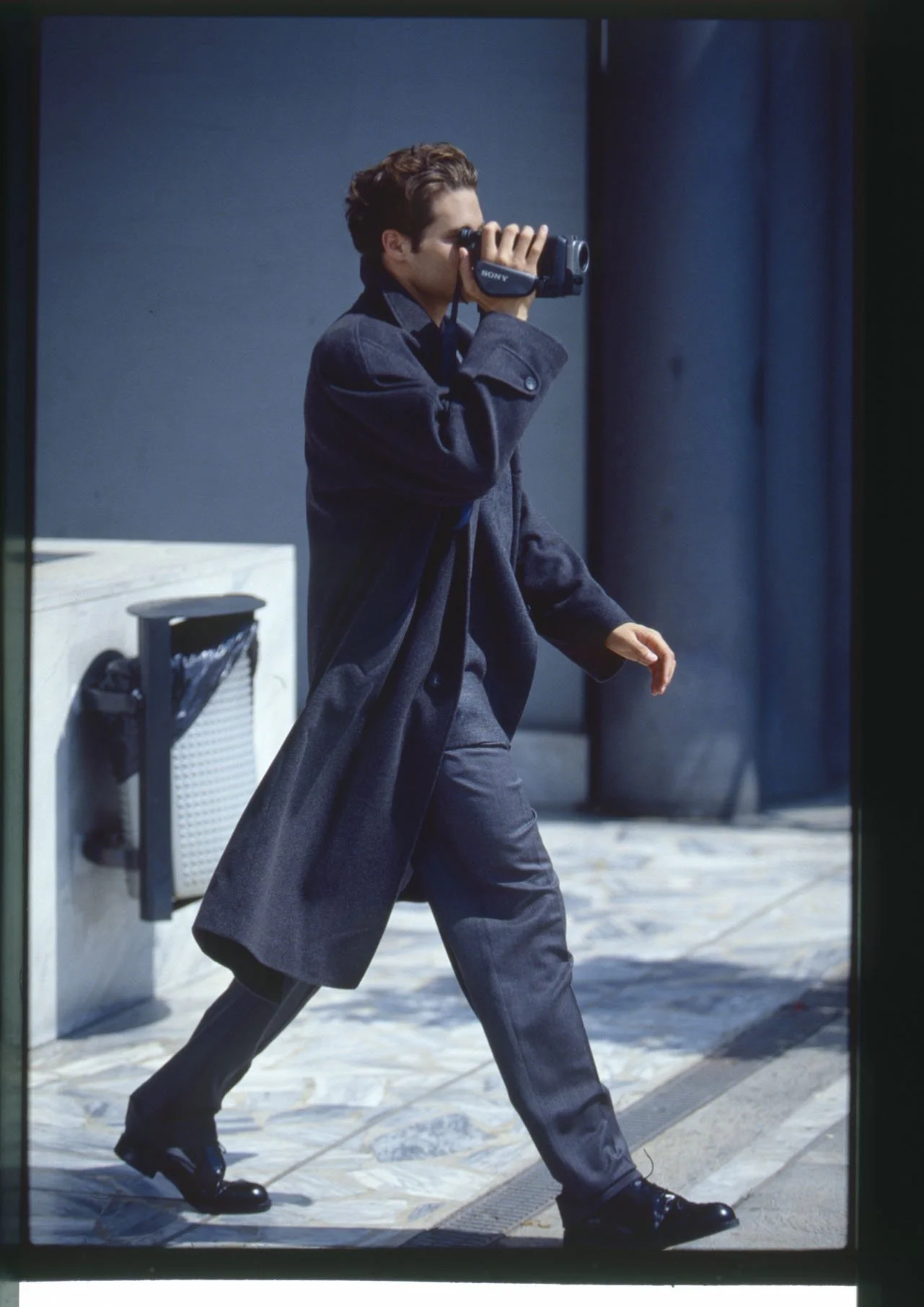
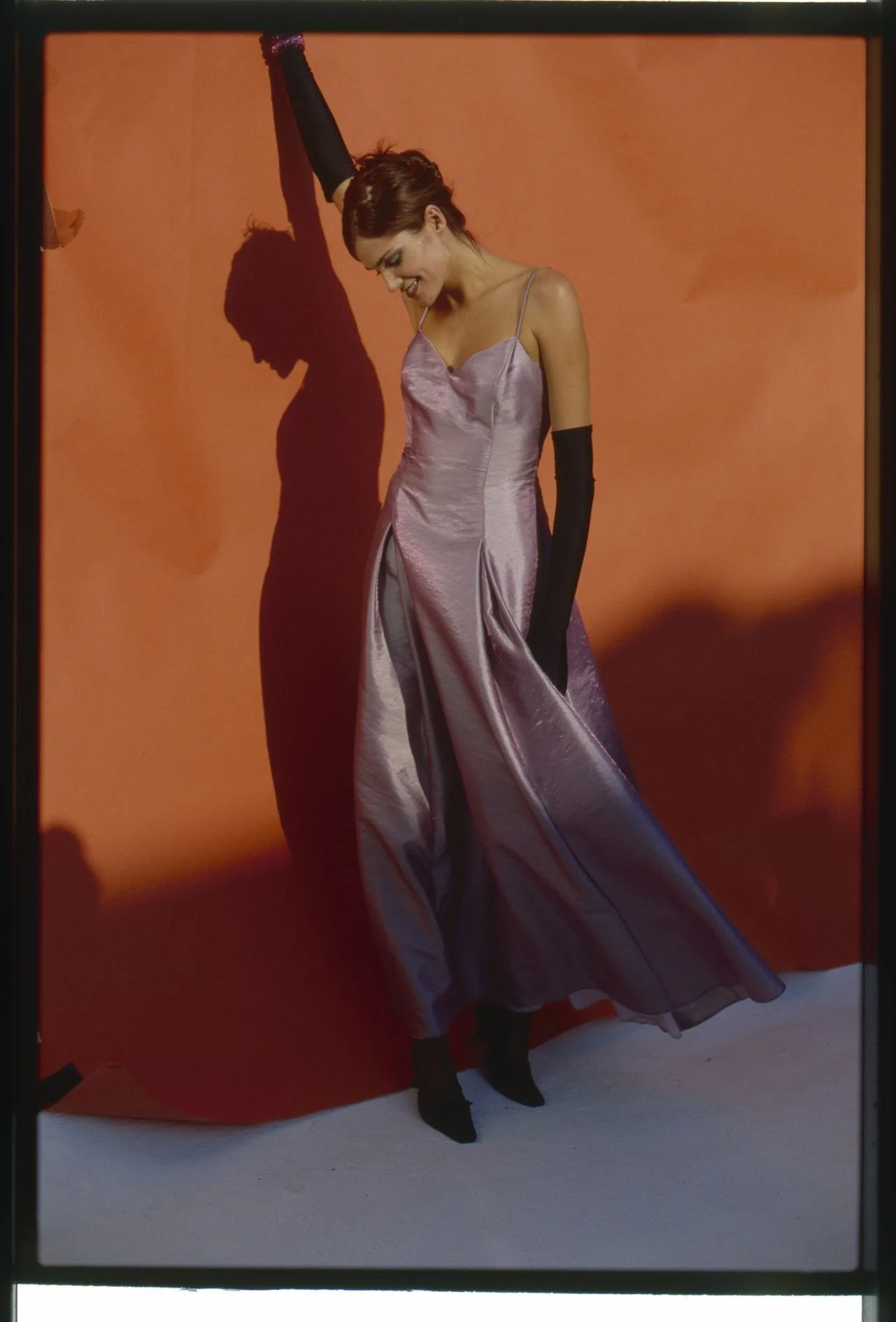
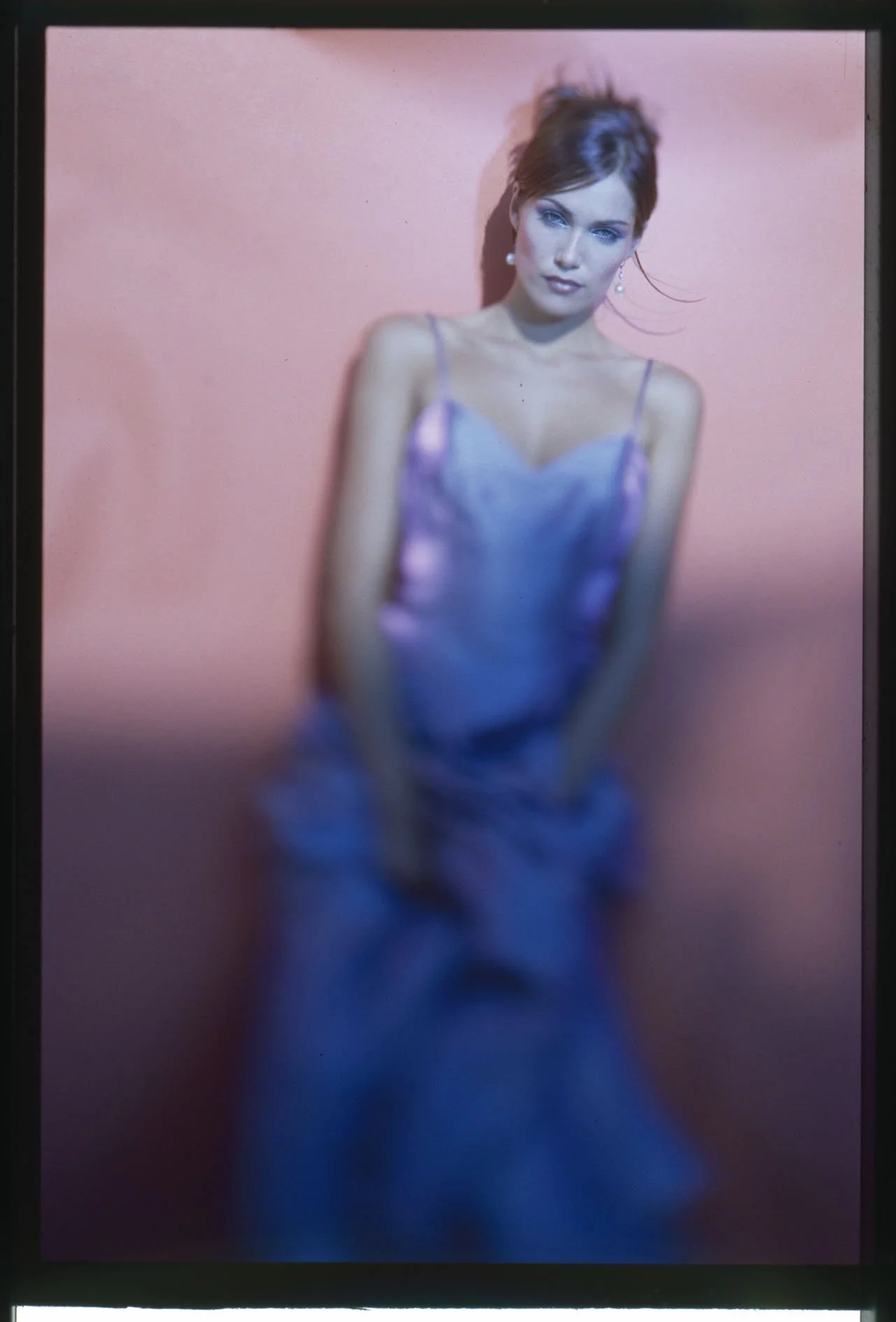
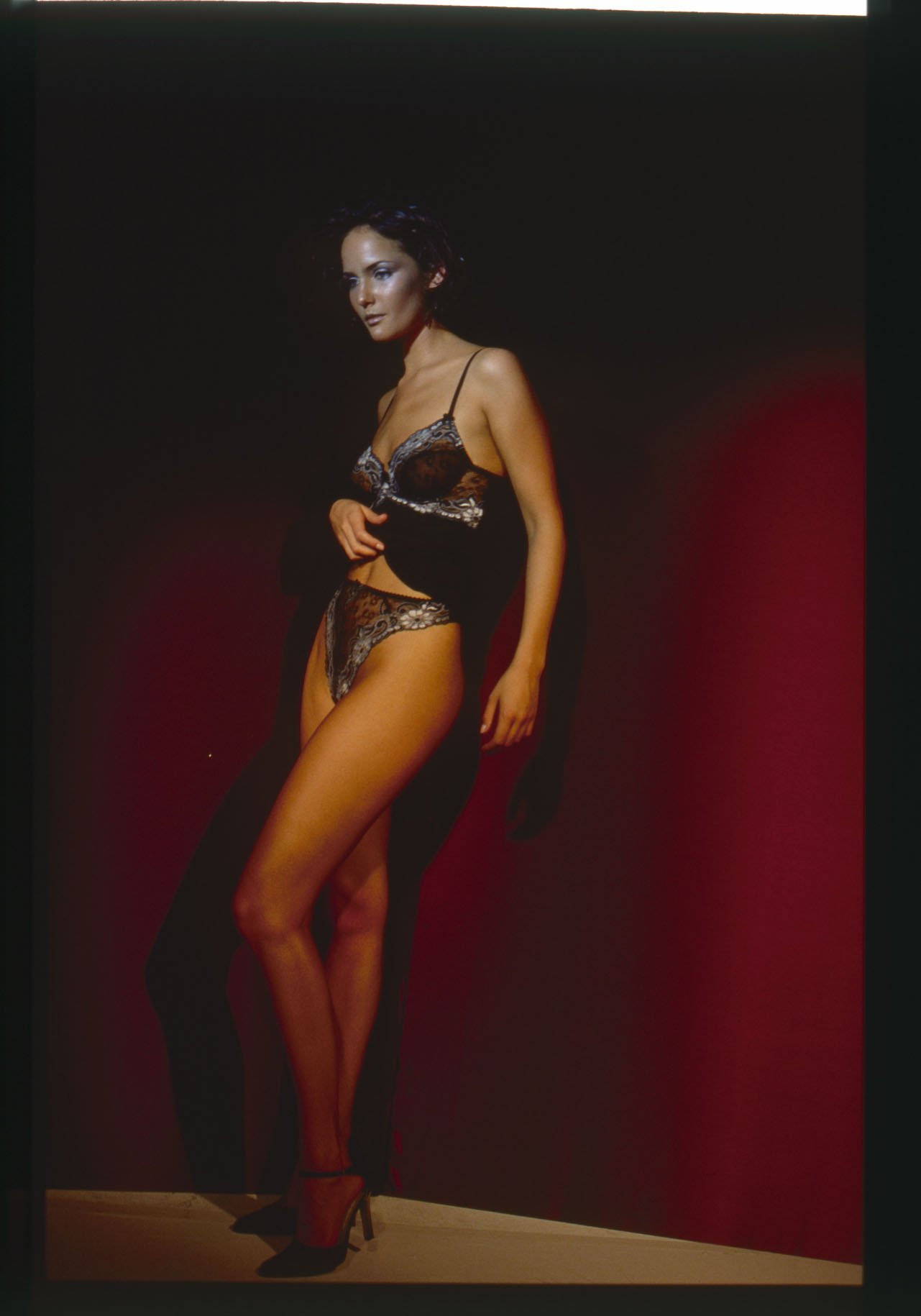
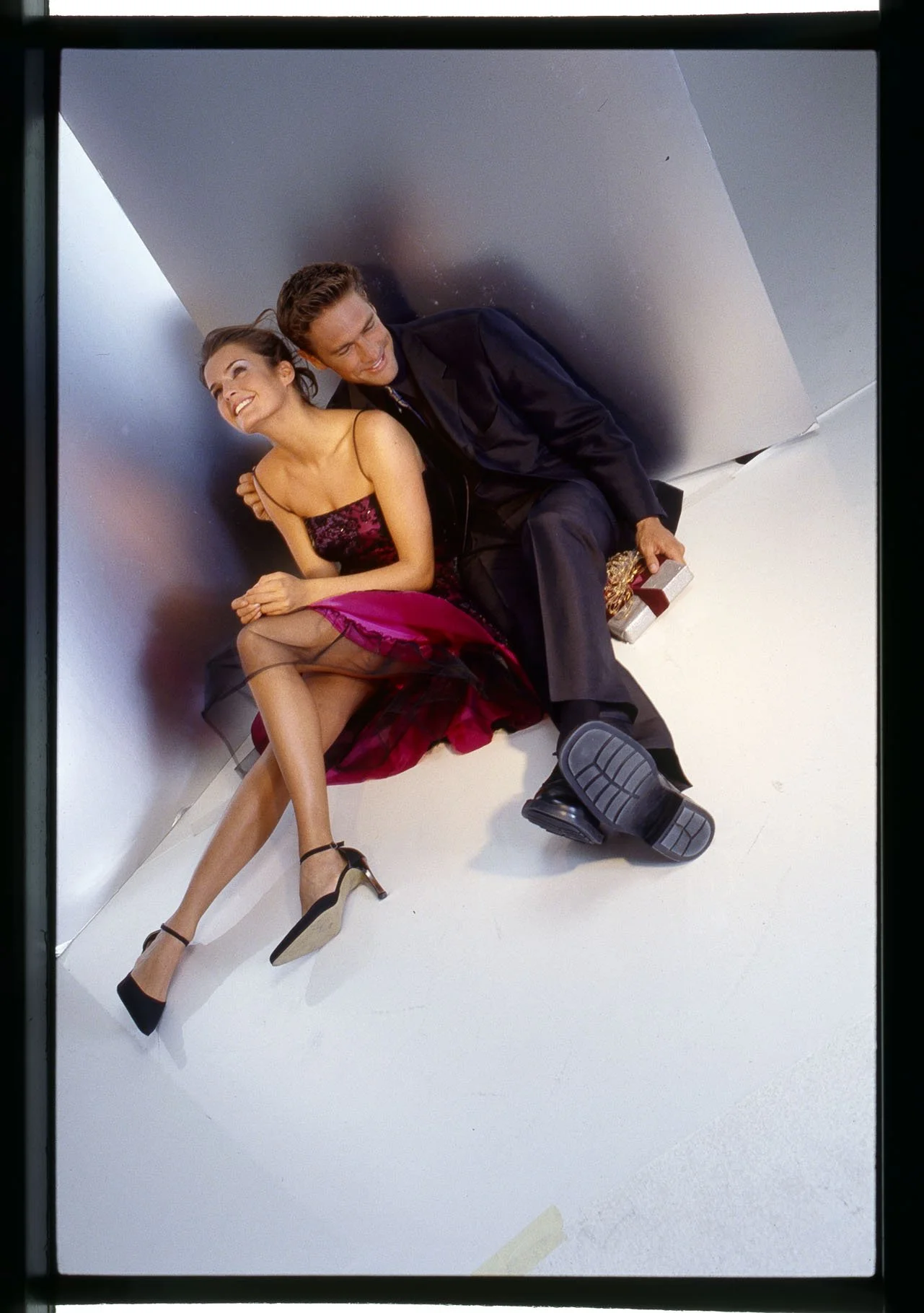
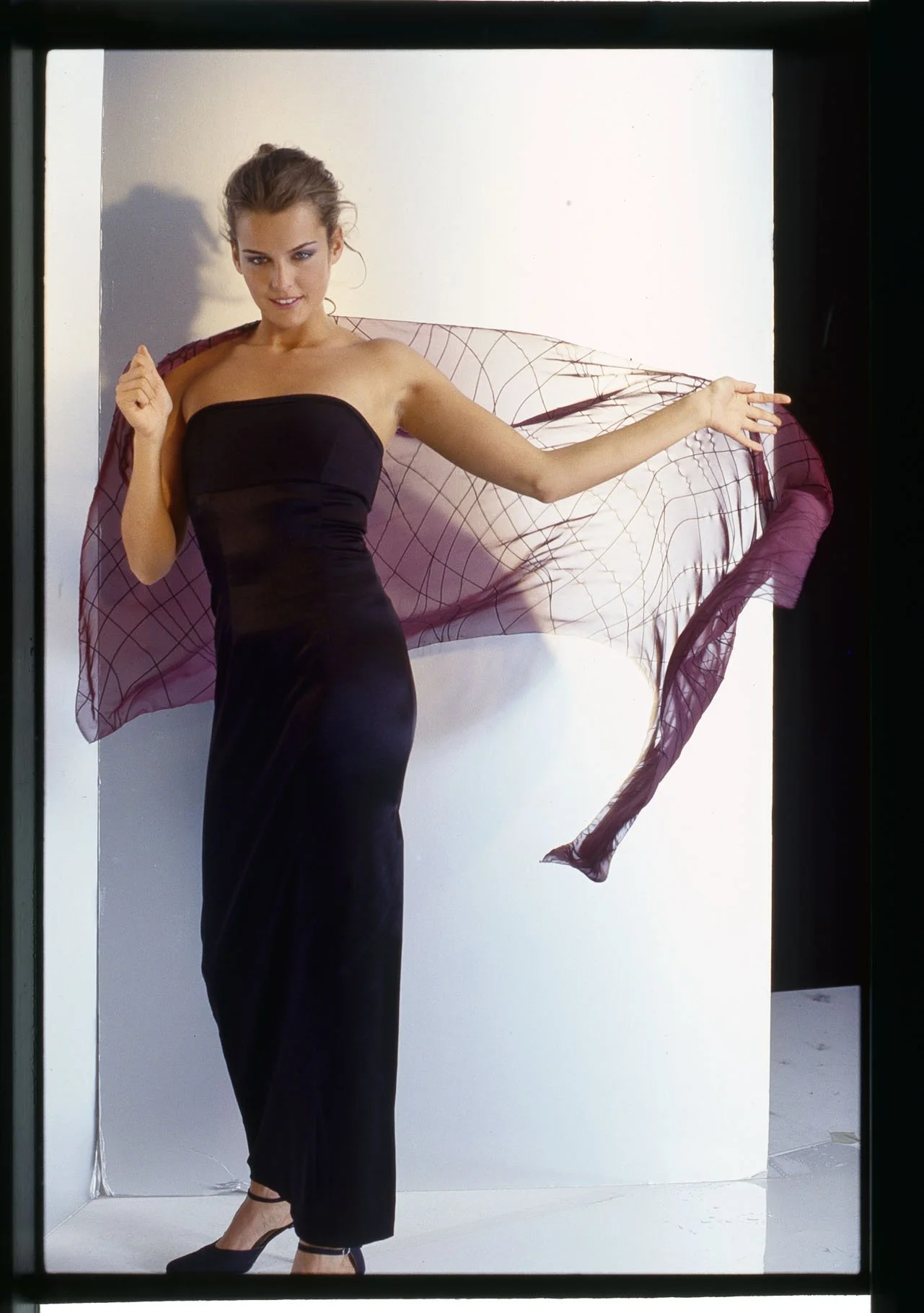
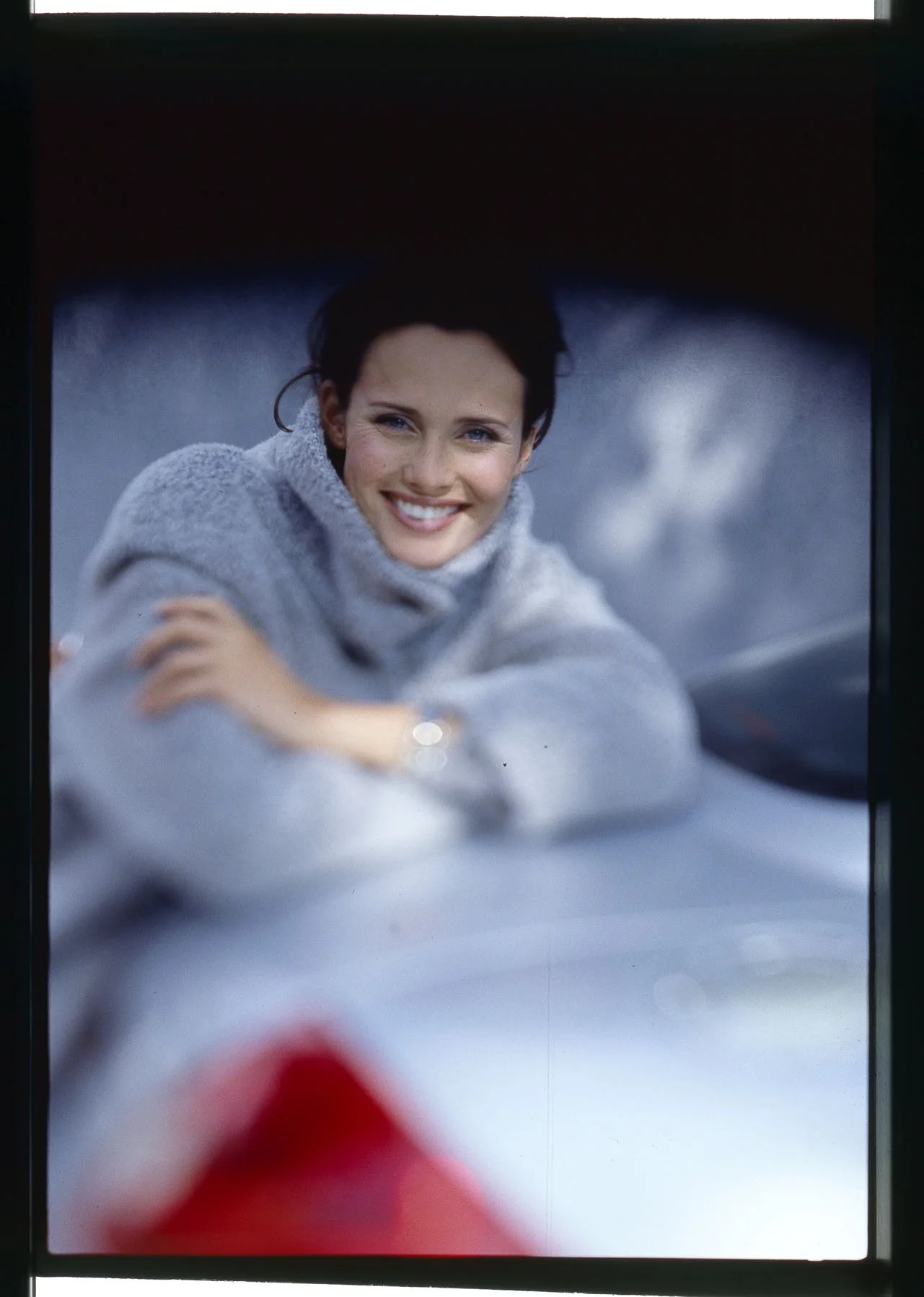
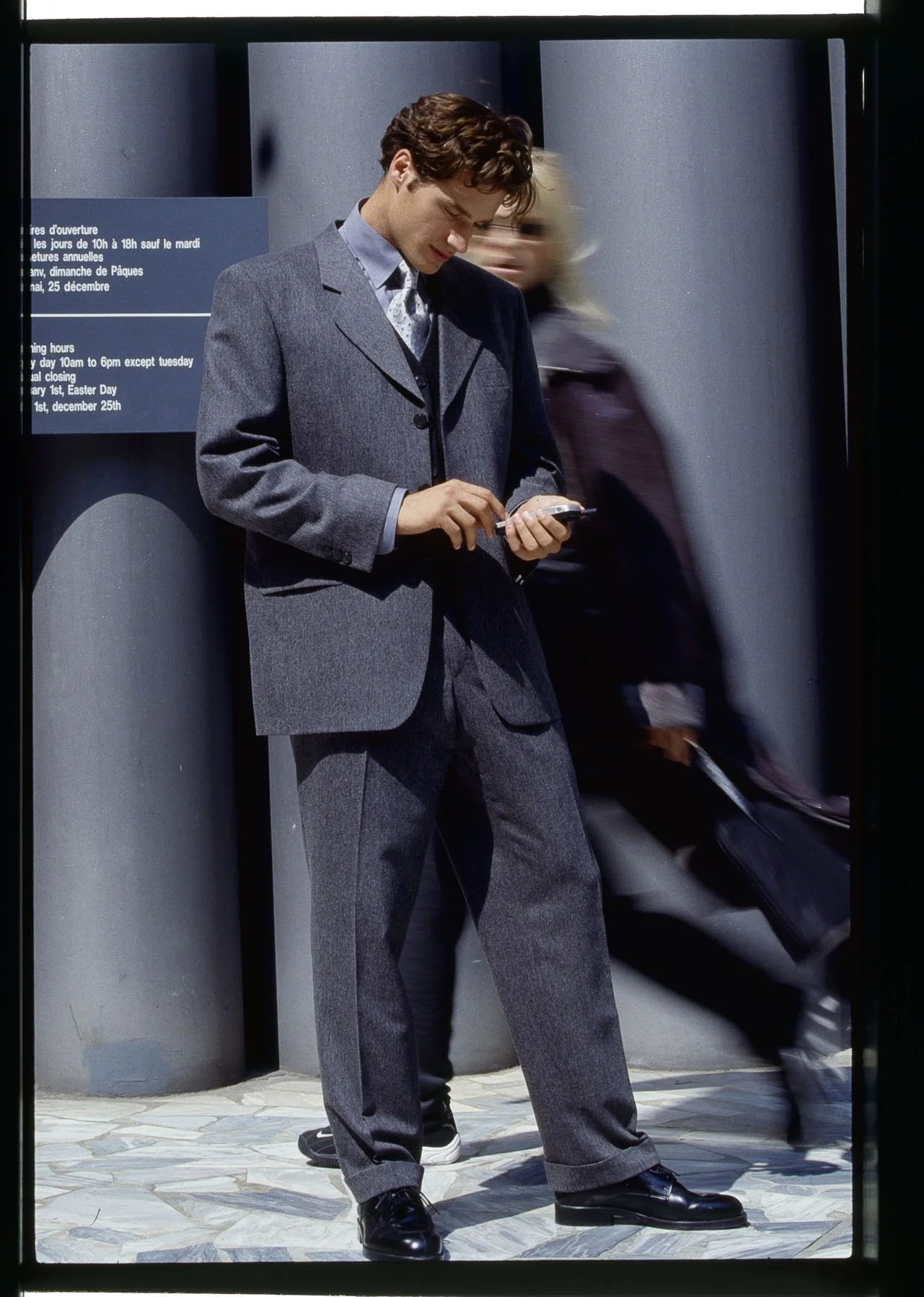
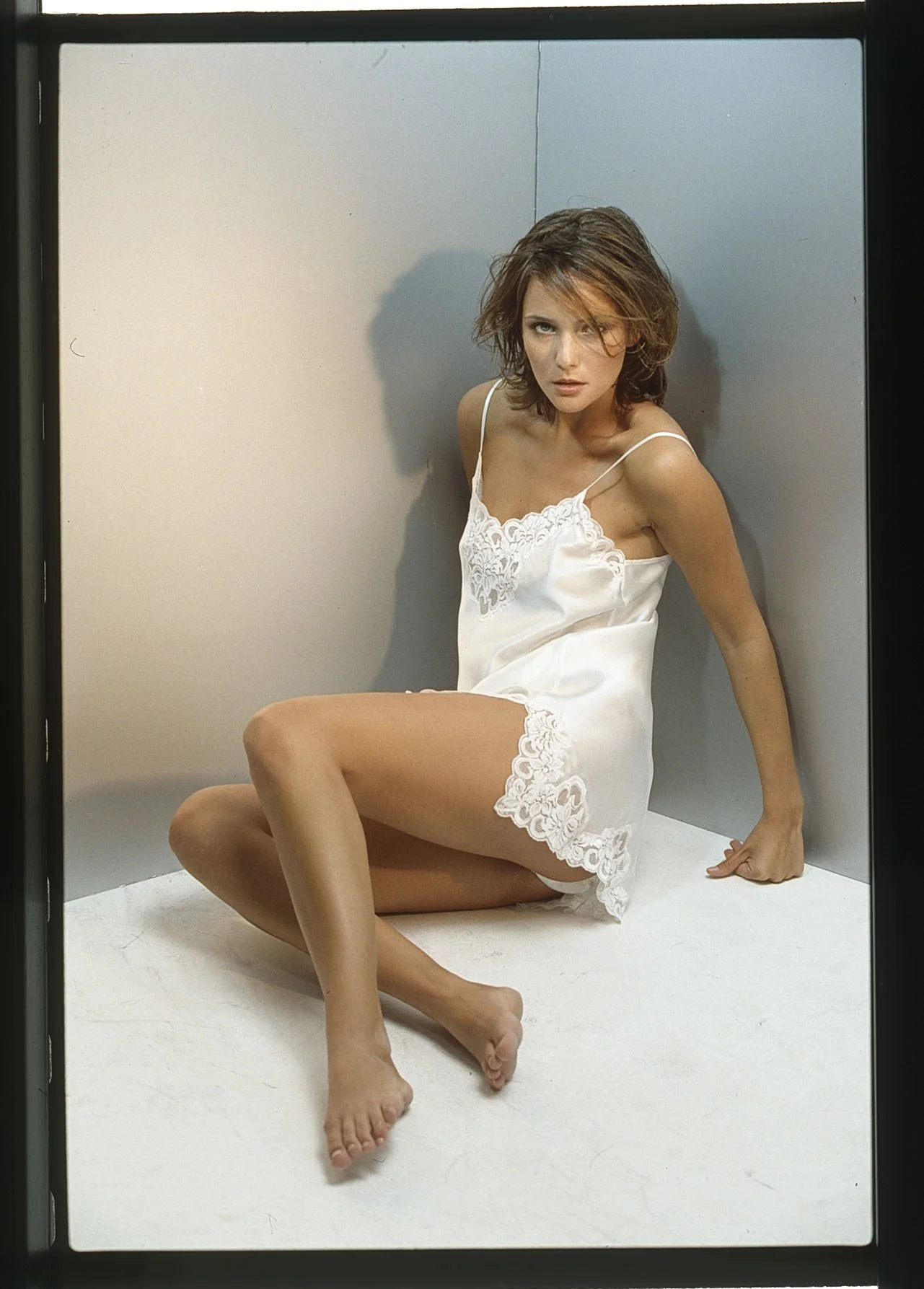
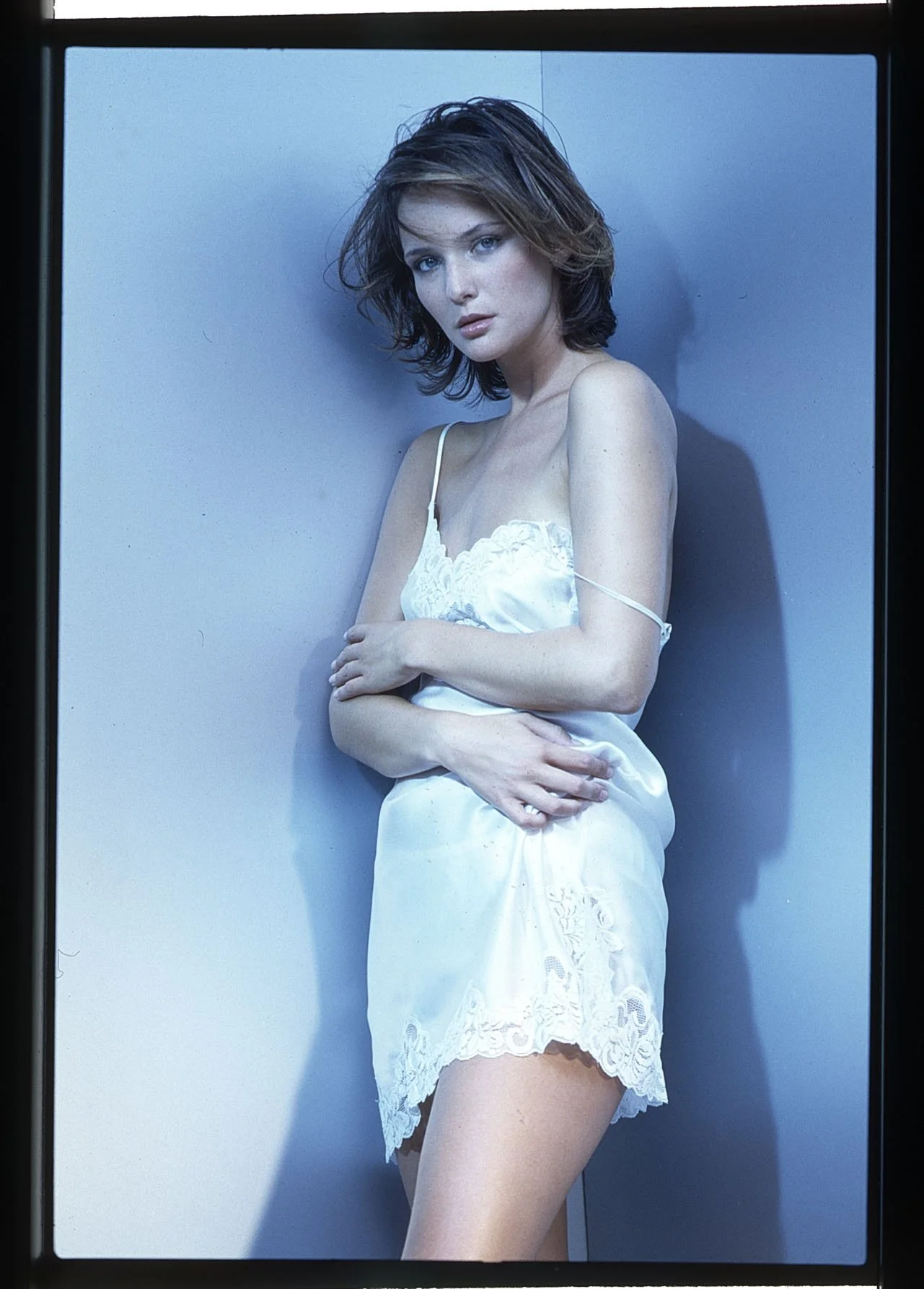
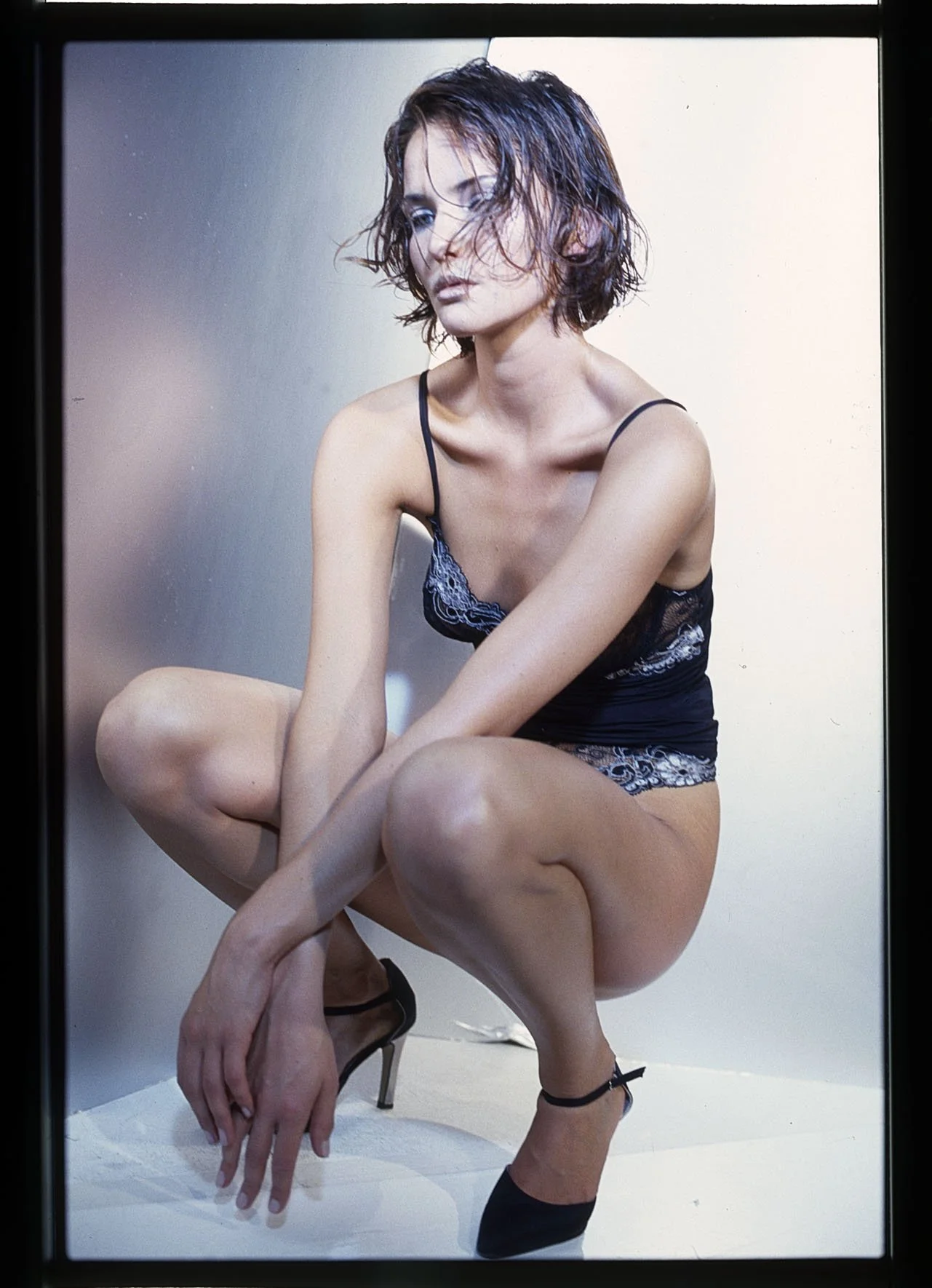
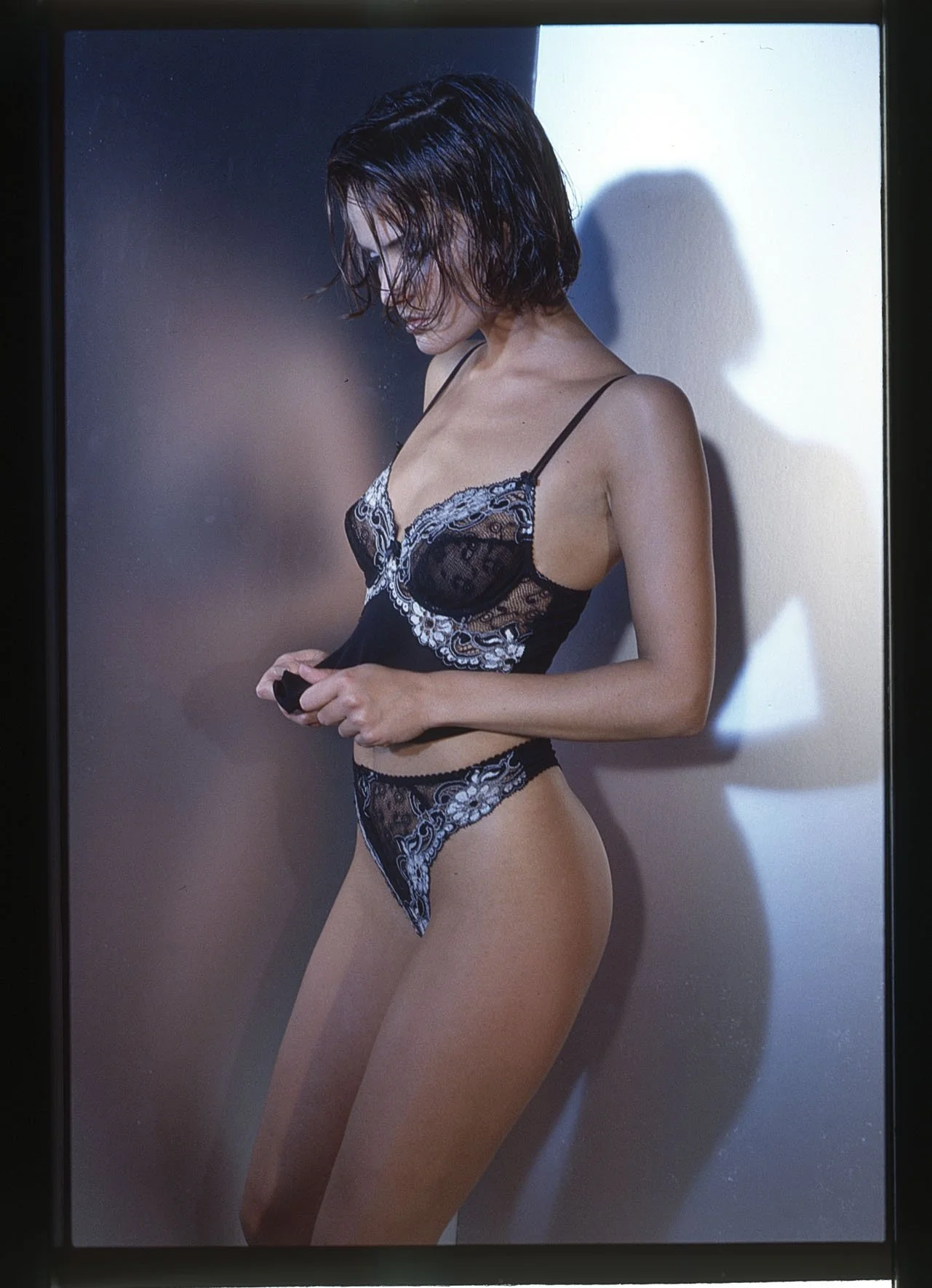
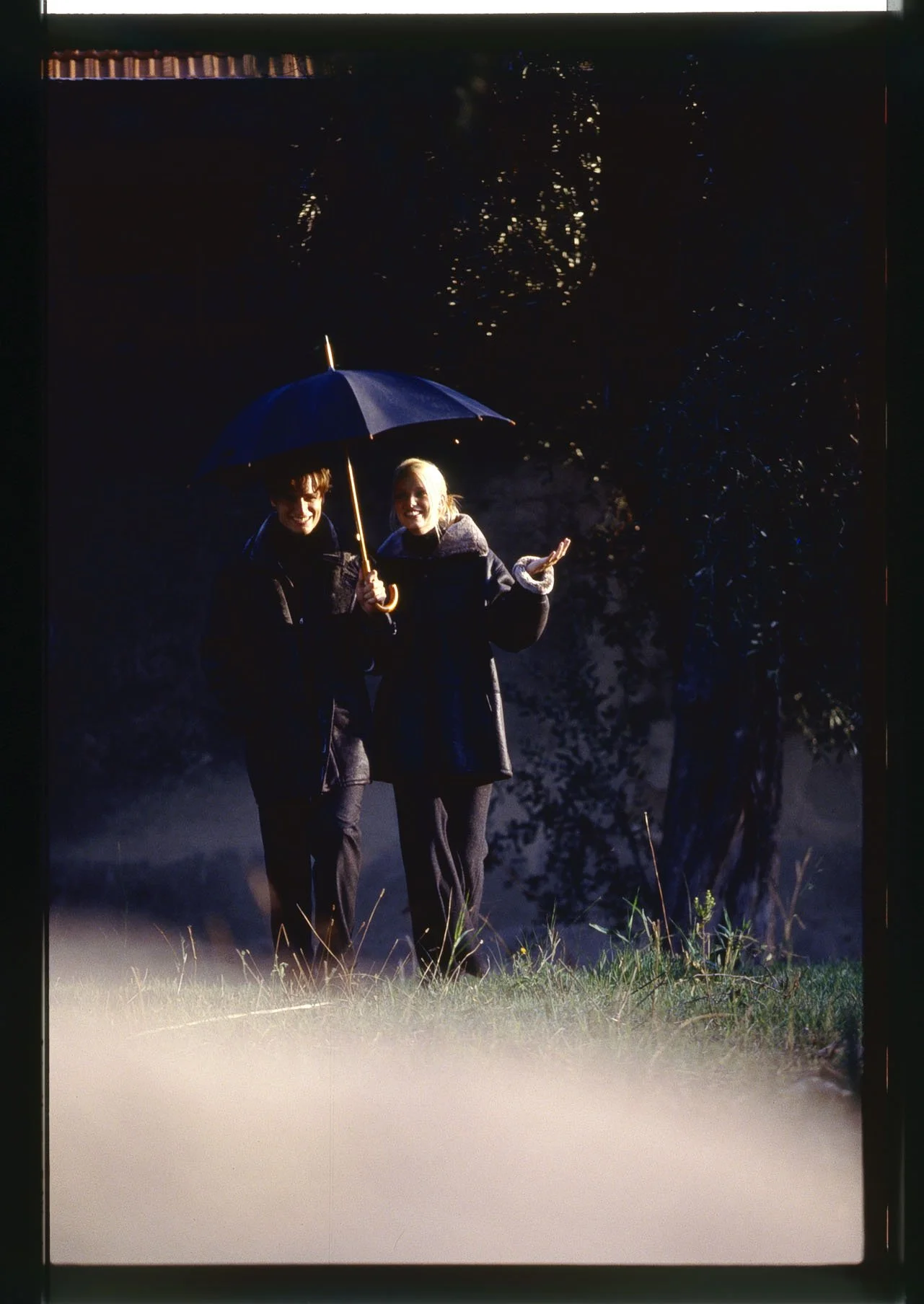
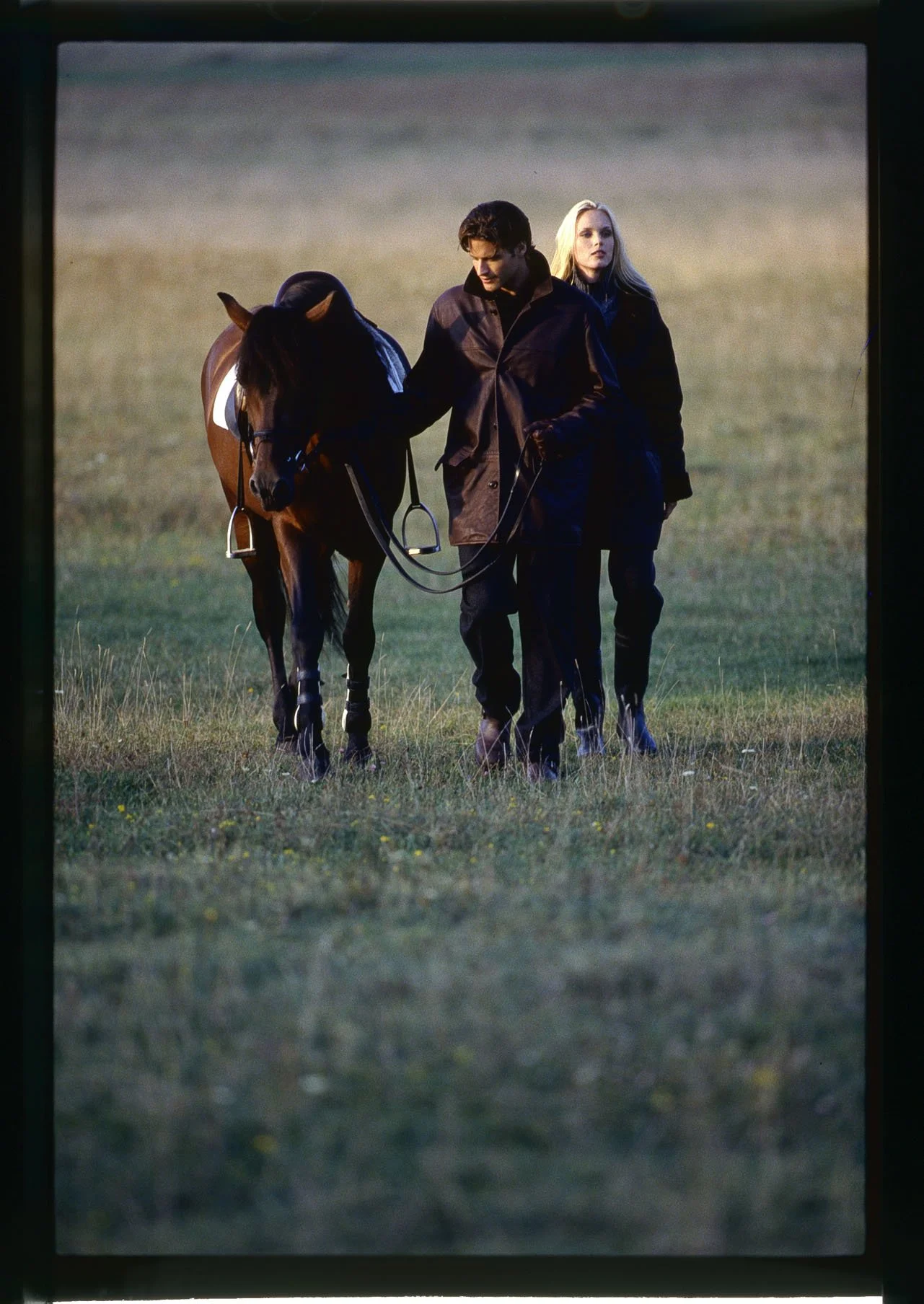
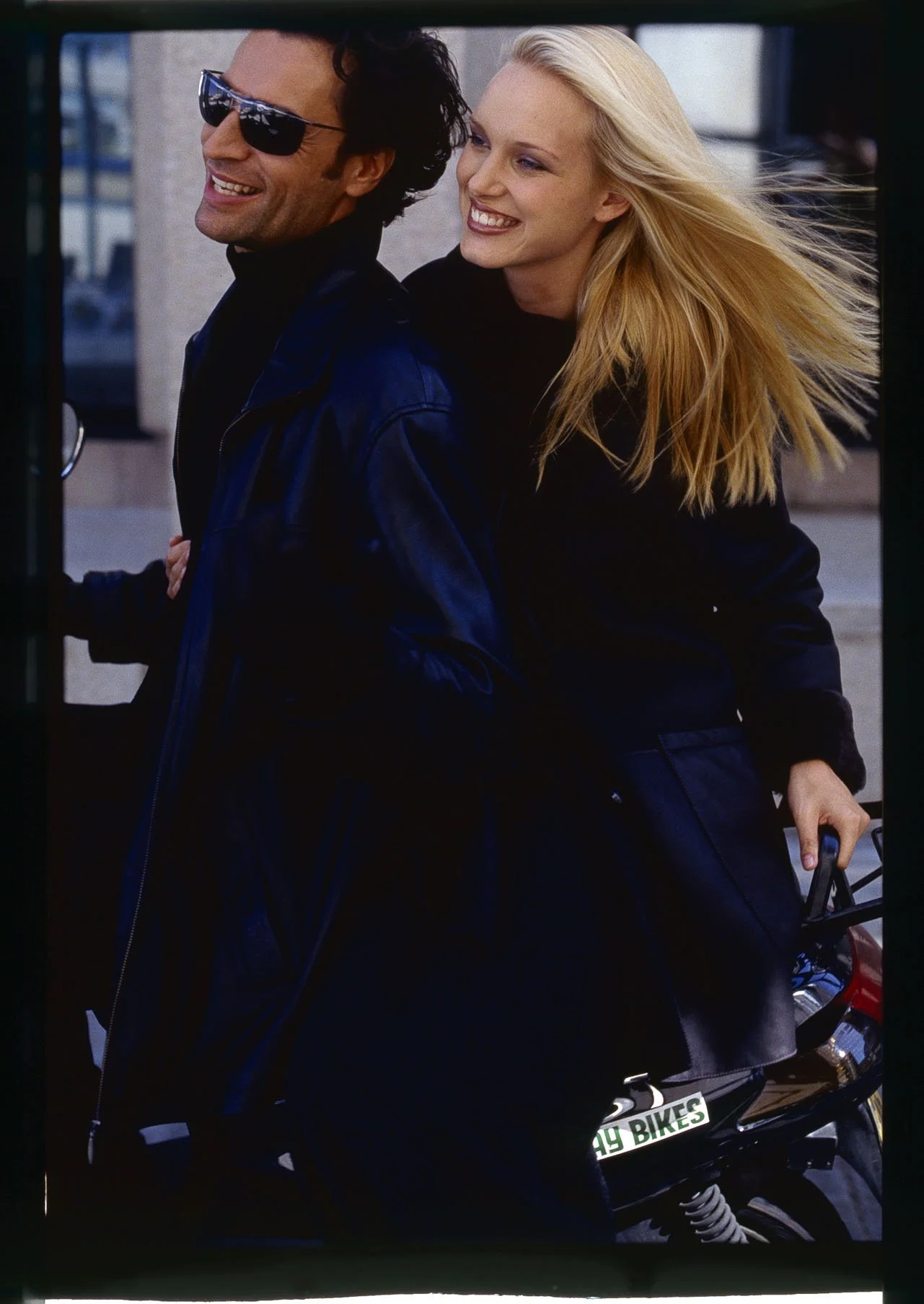
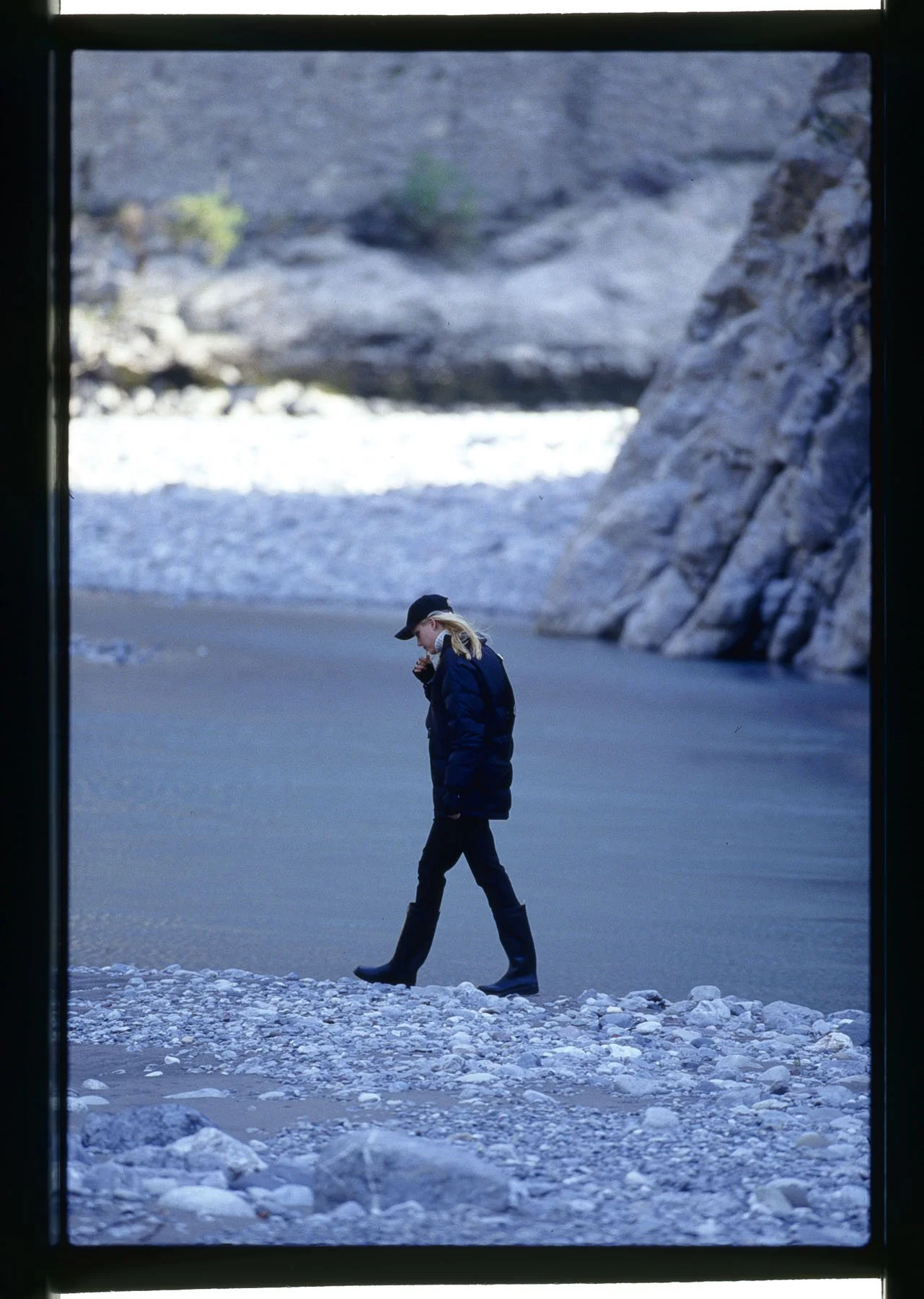
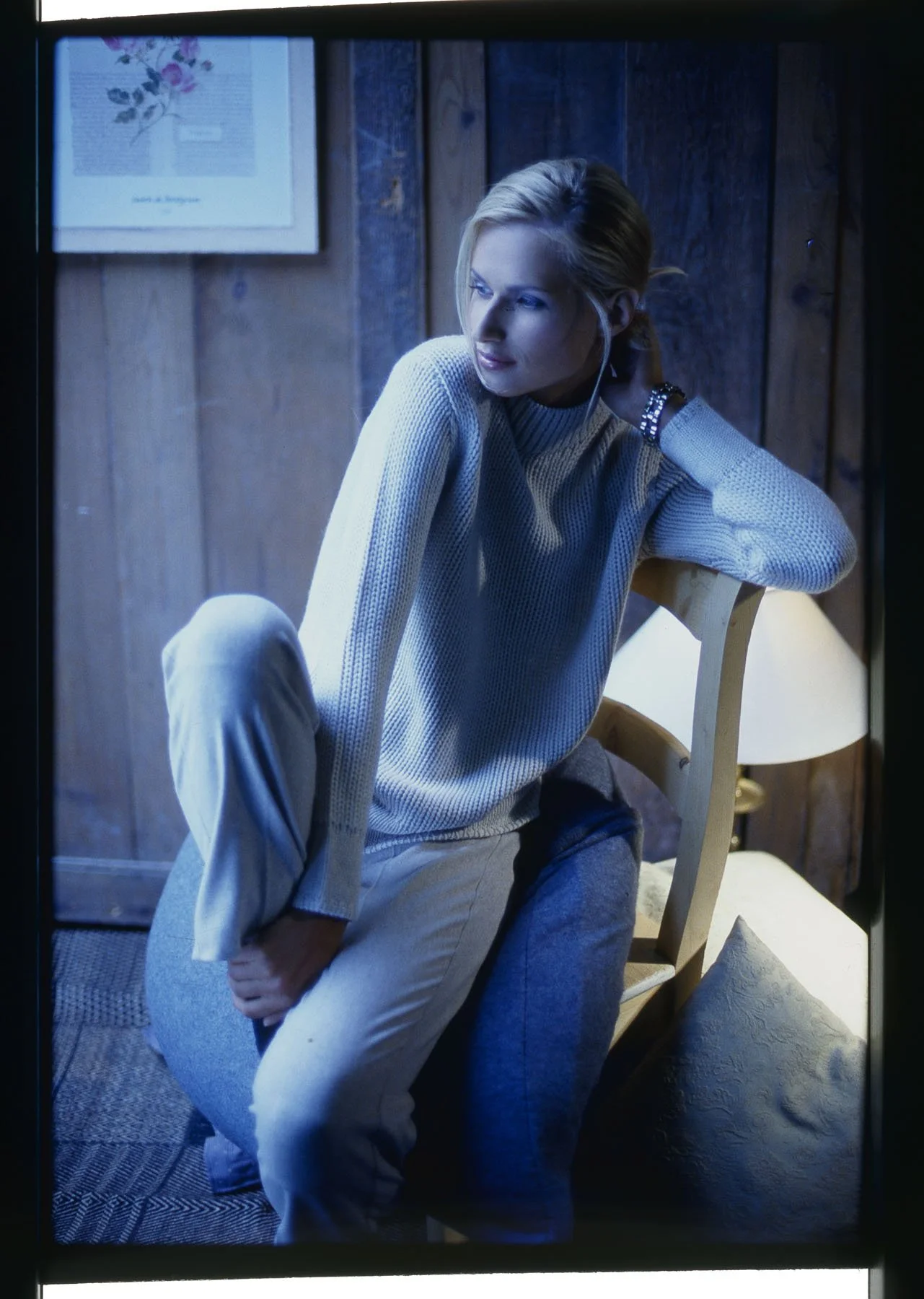
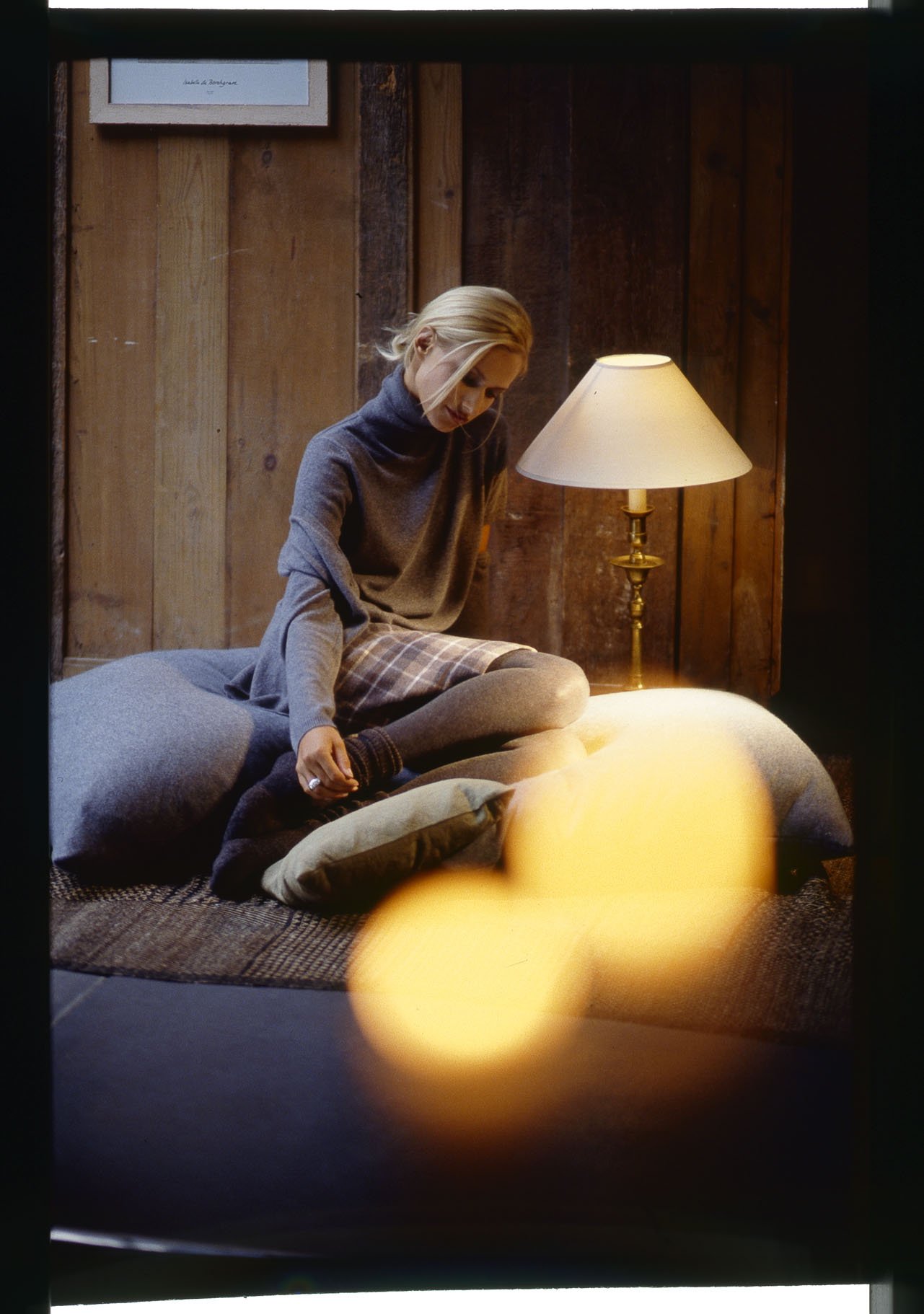
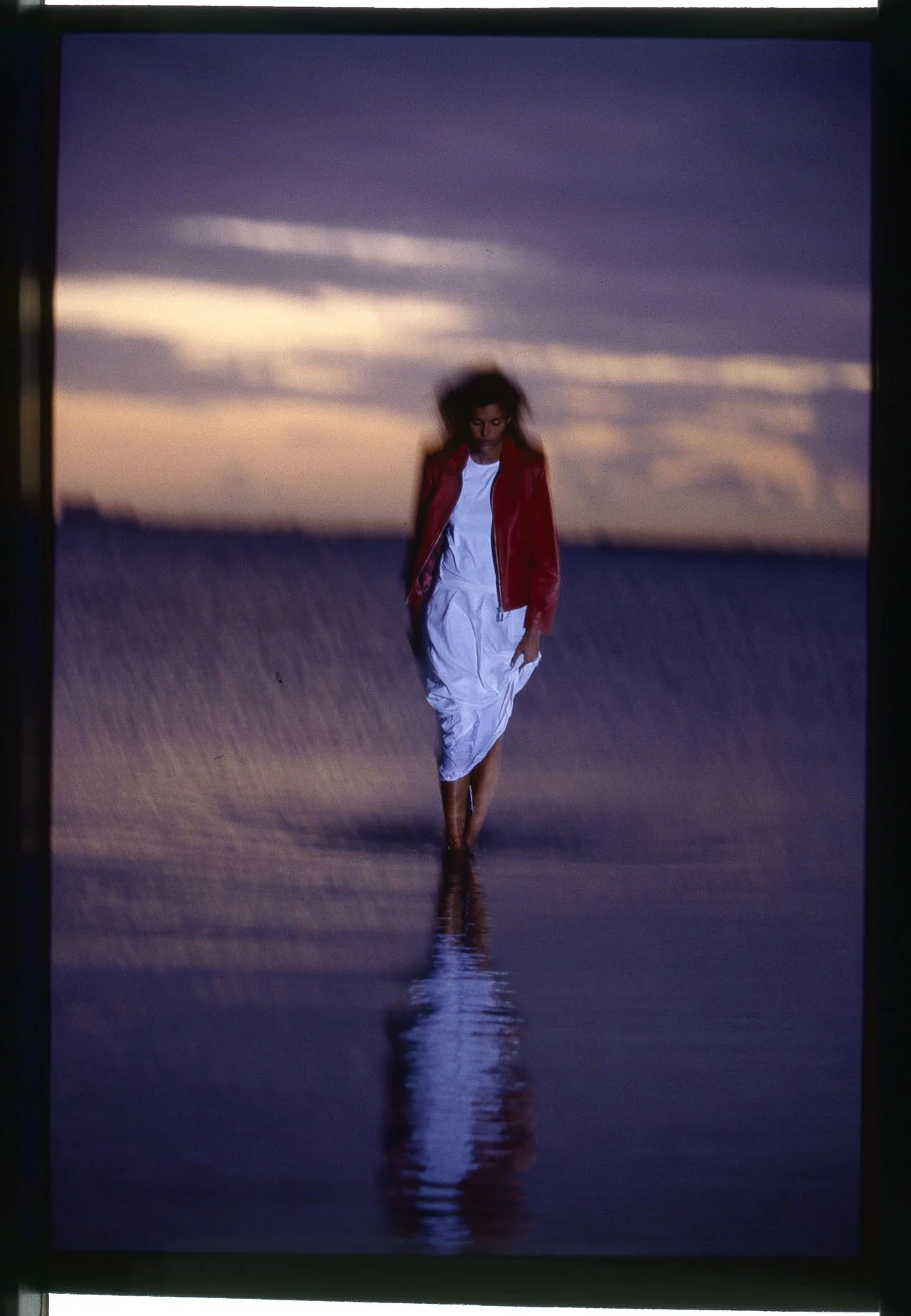
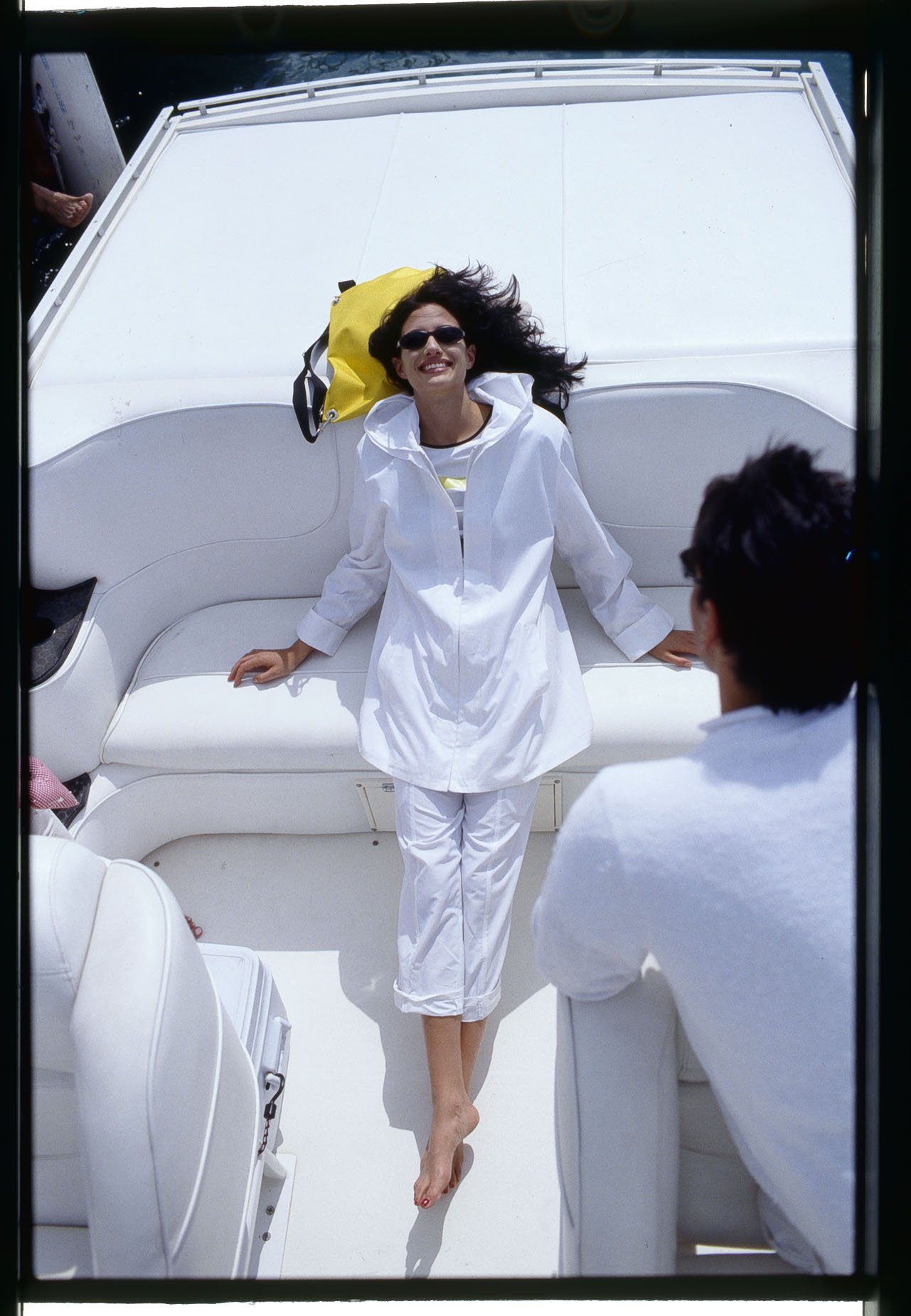
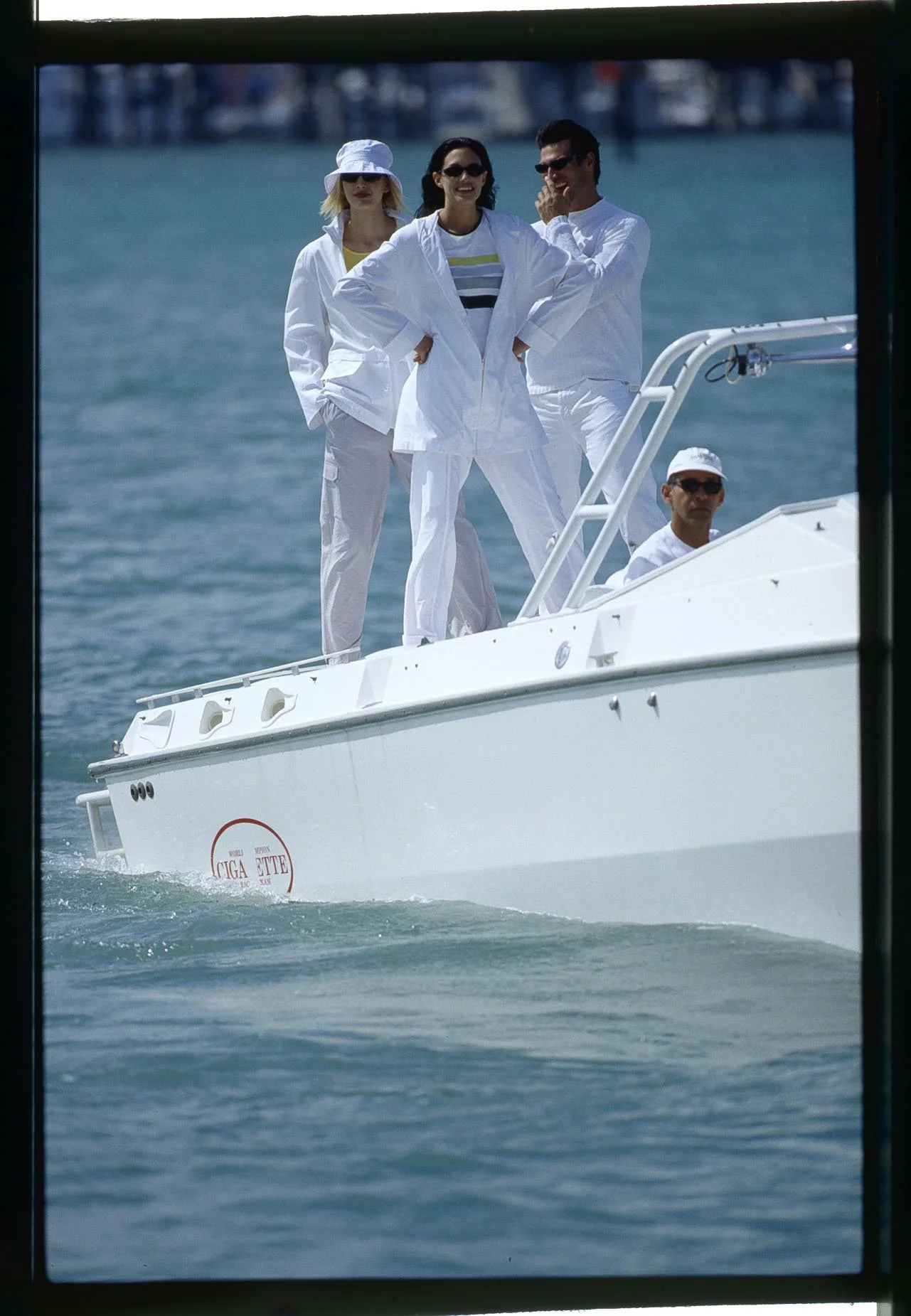
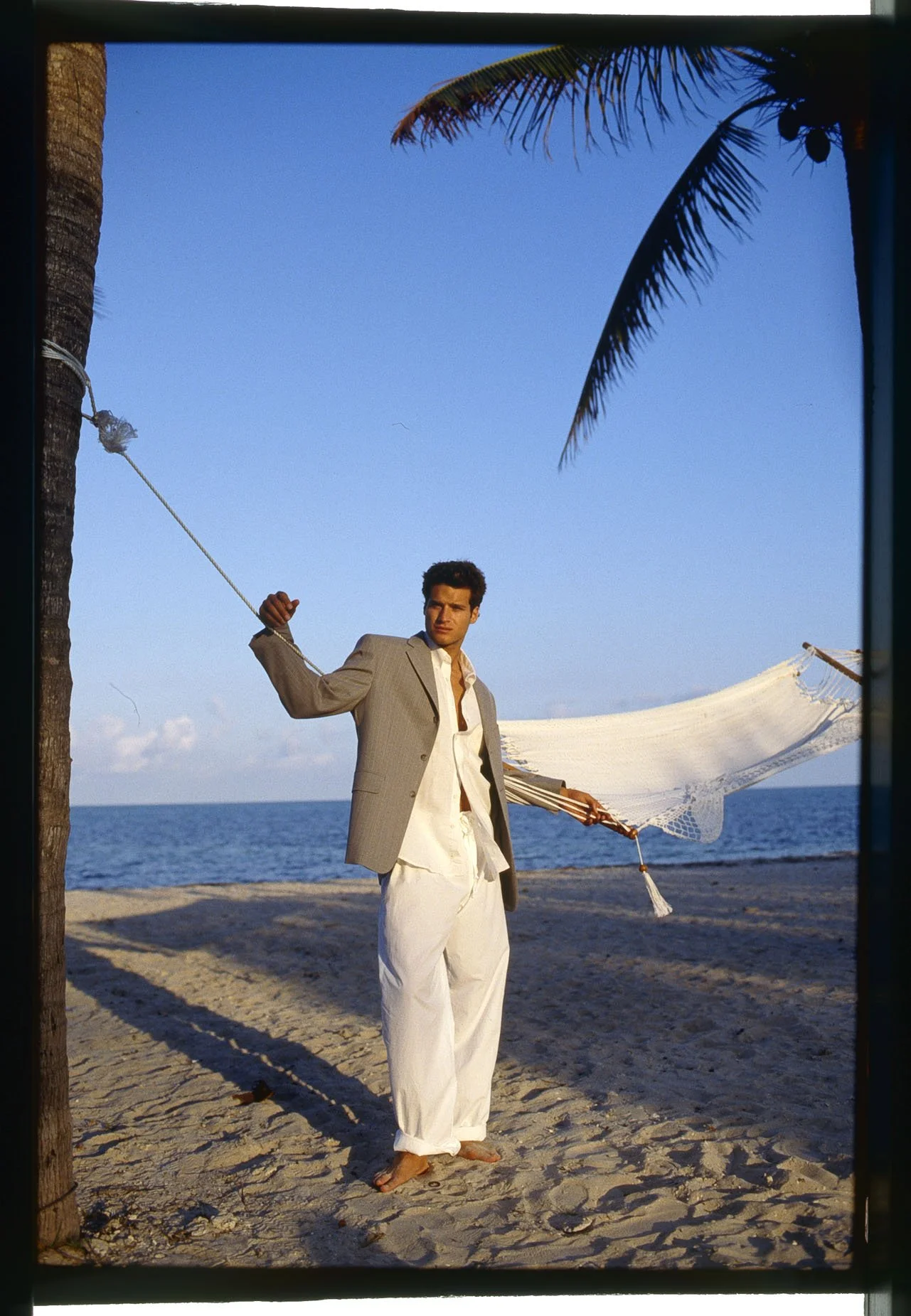
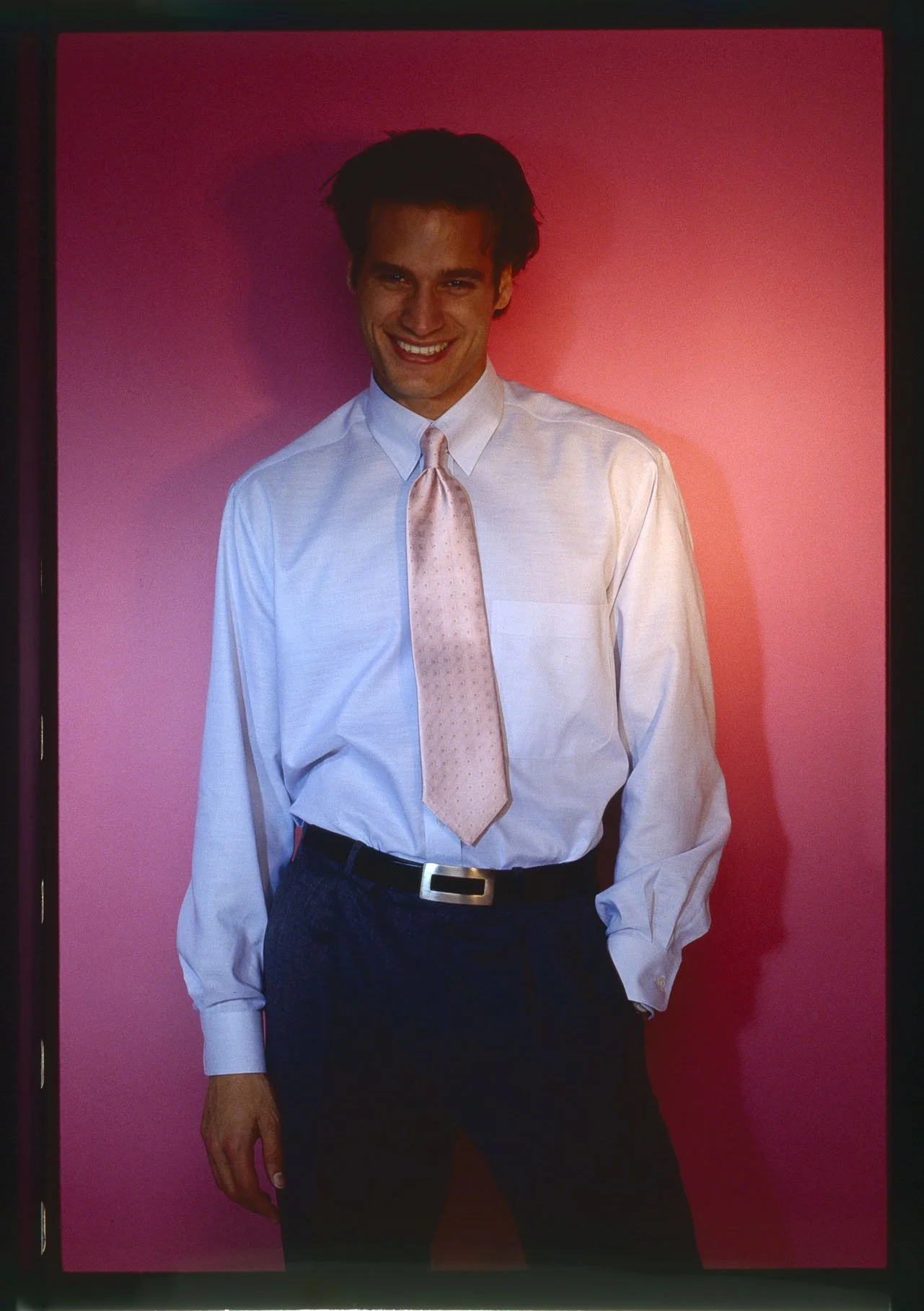
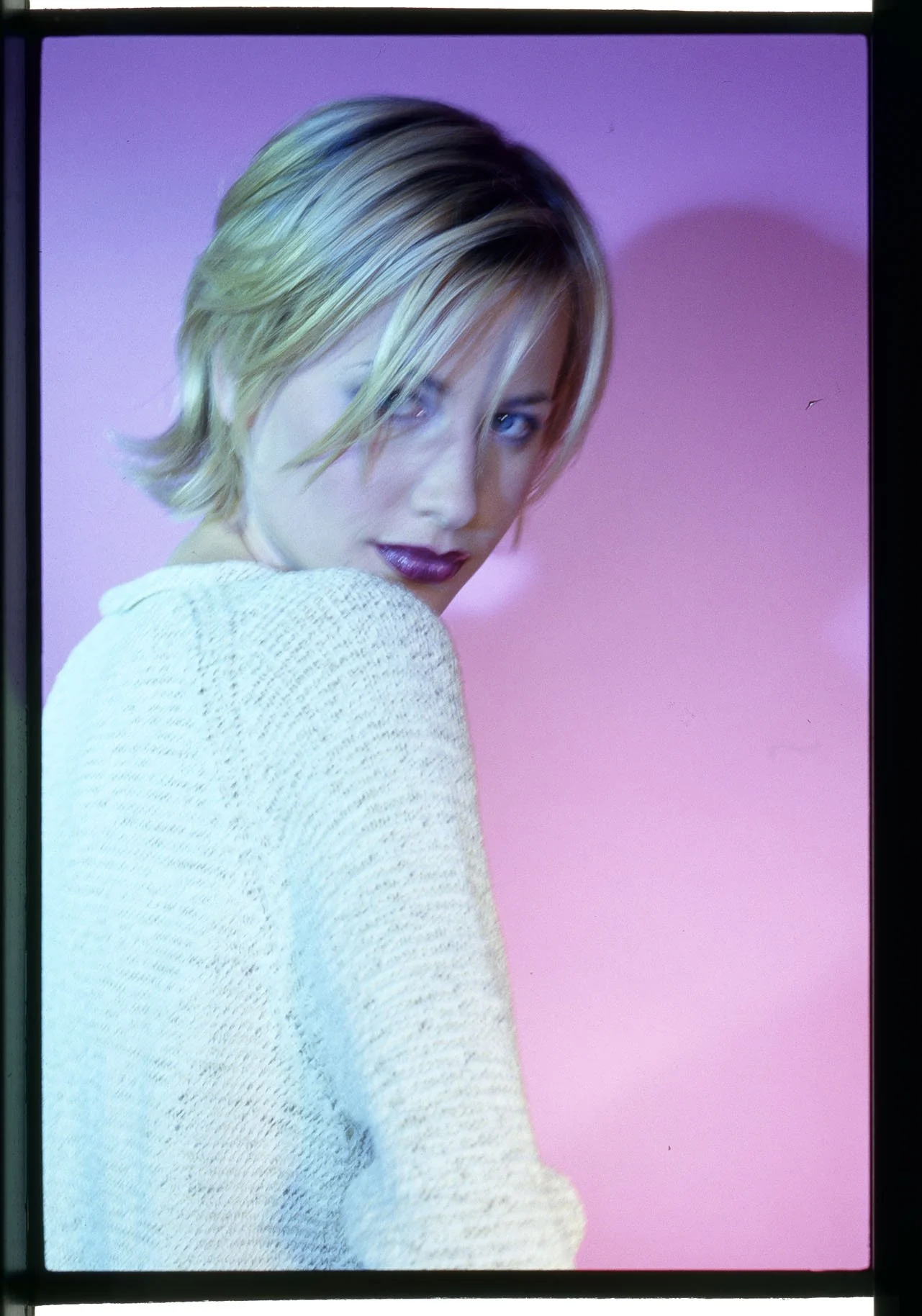
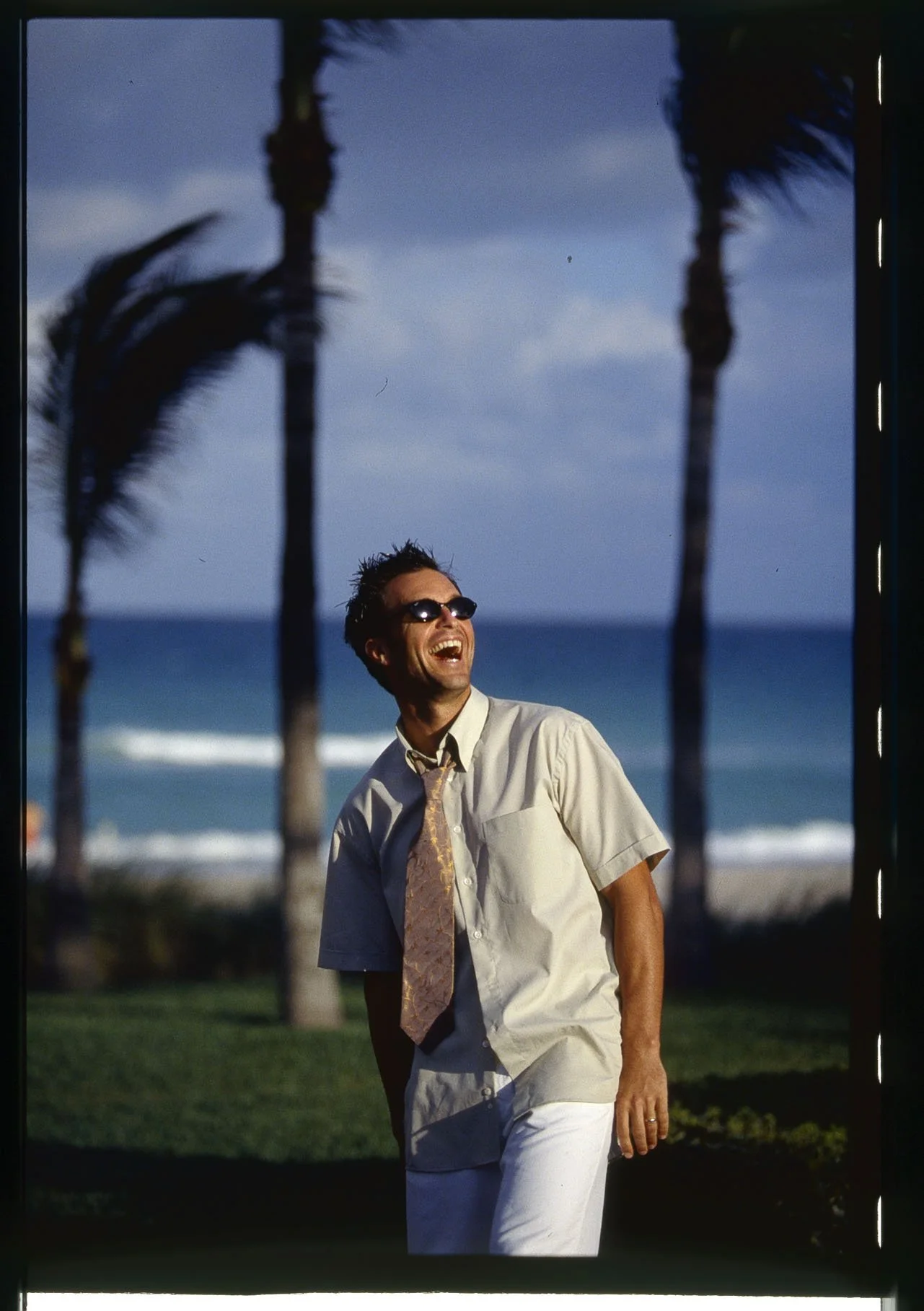
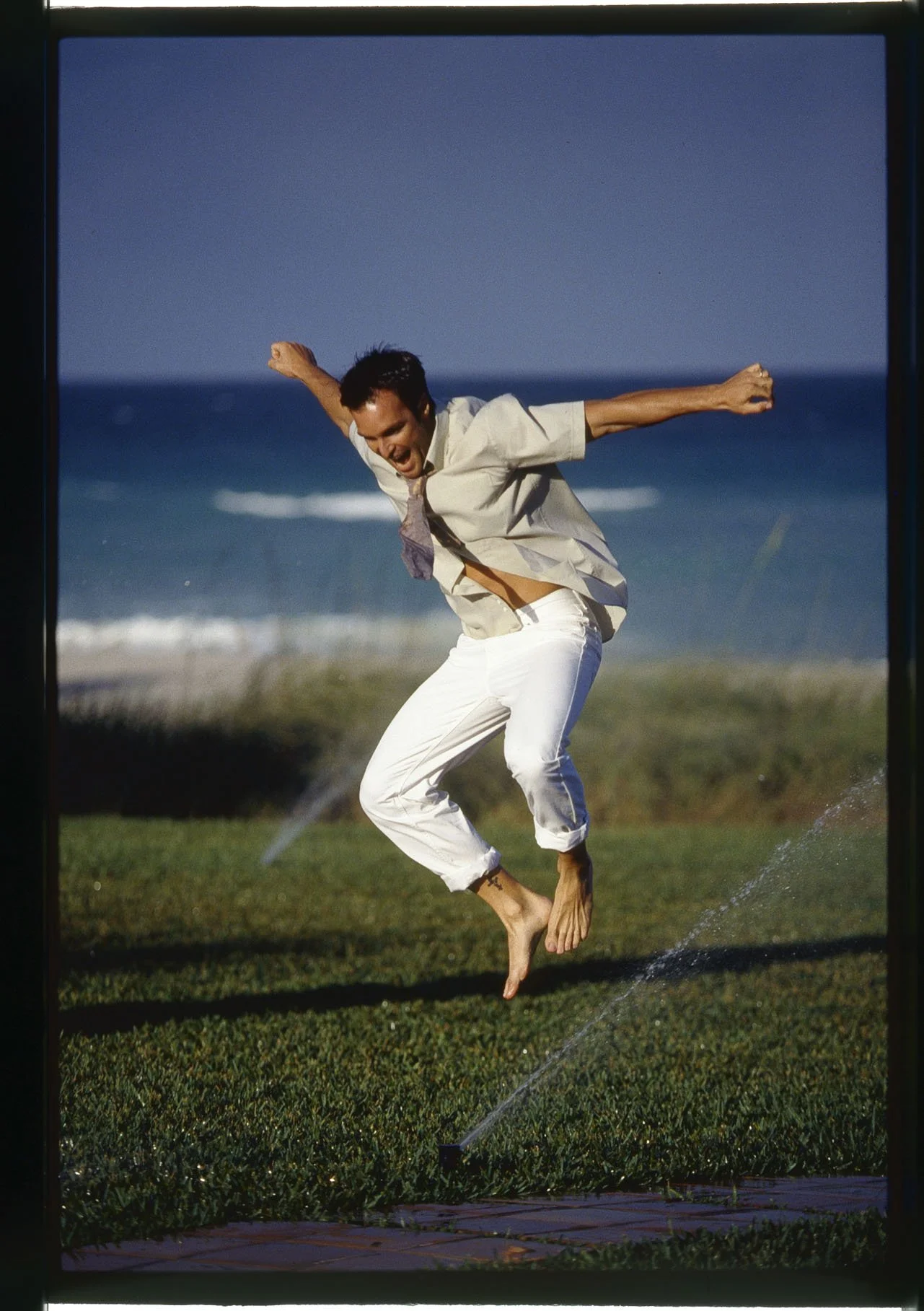
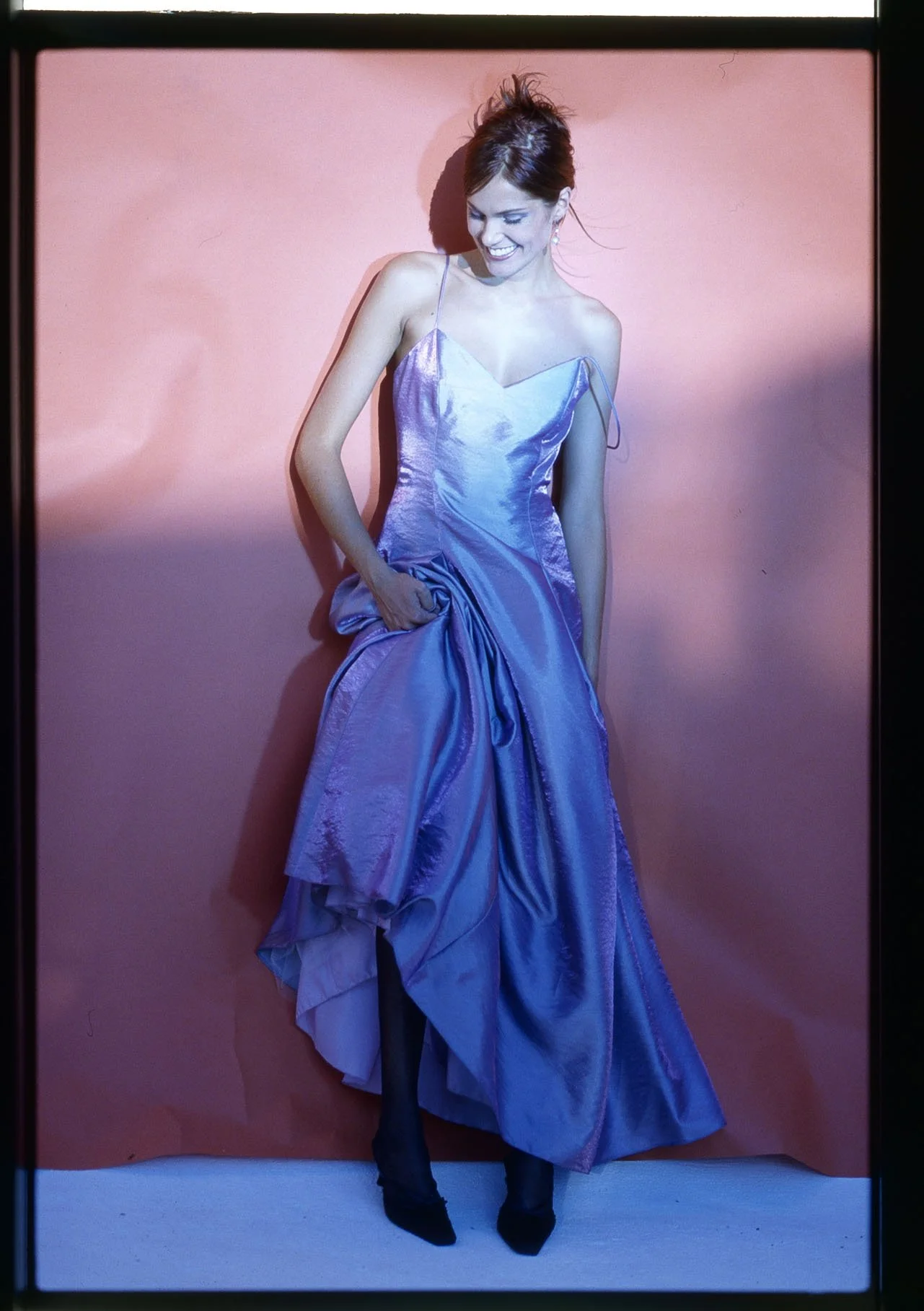
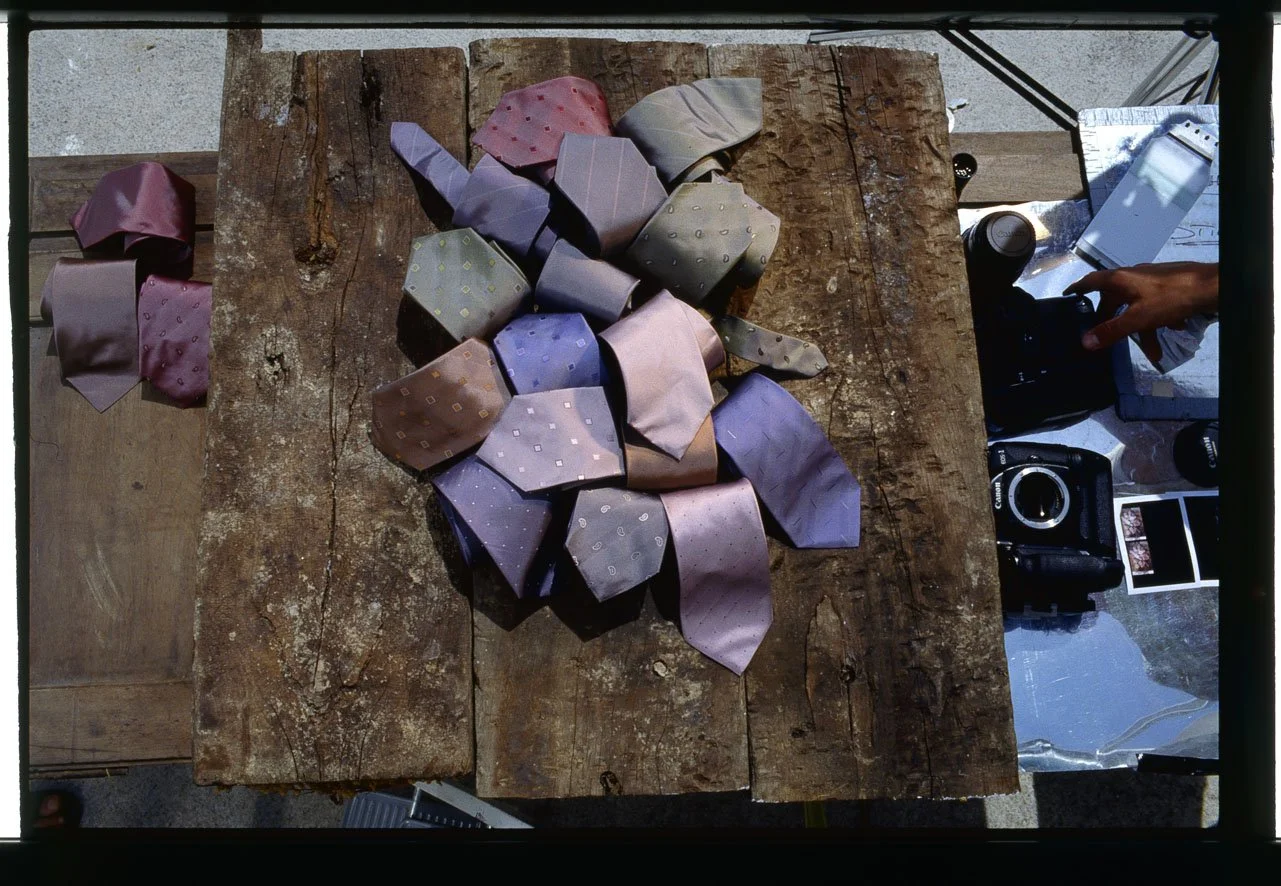
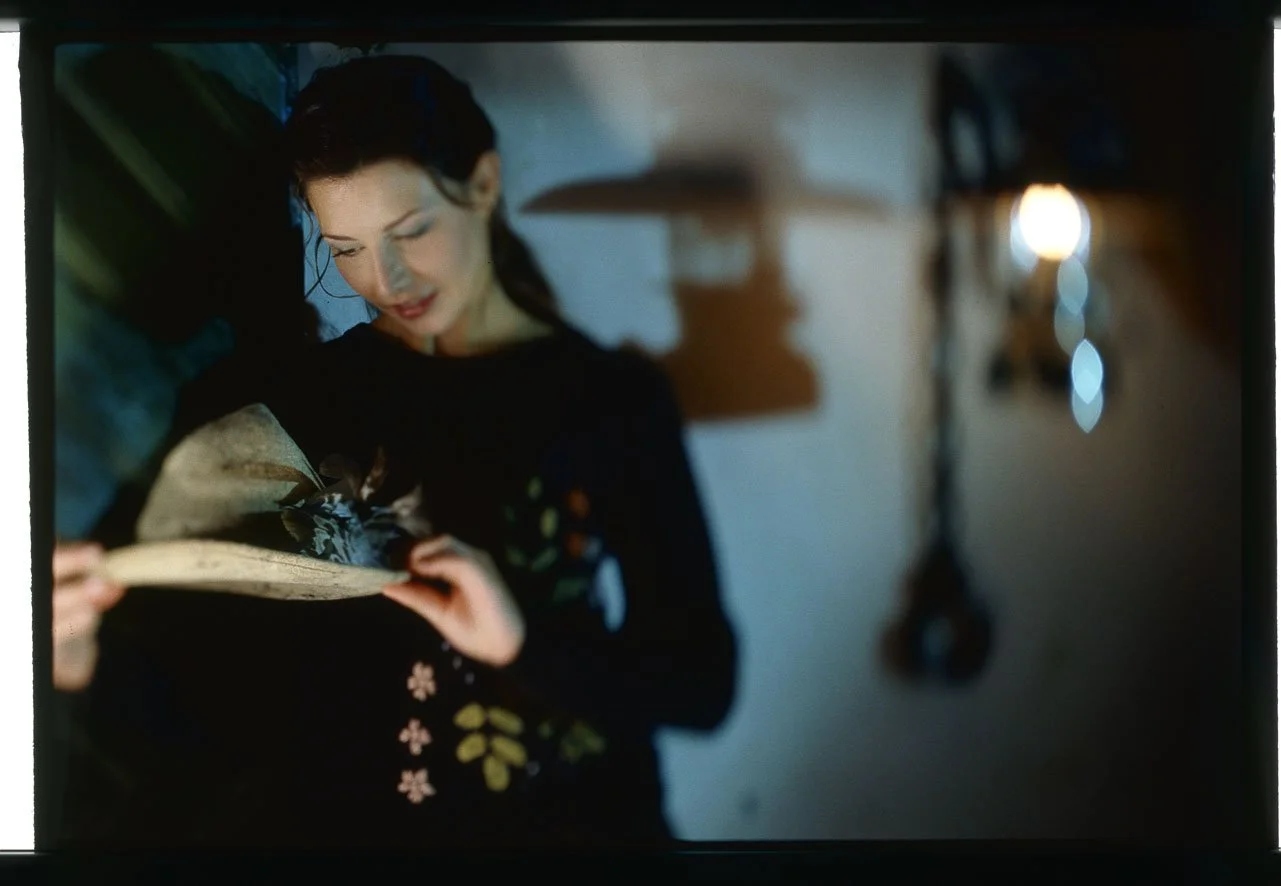
"Right across the street on Bahnhofstraße stood a Boecker fashion house that already possessed that certain 'boutique touch'—something I found absolutely fantastic. I had always dreamed of working there as a window dresser." However, it would be another two decades before Werner Hüster finally brought this creative talent on board—this time as a photographer. His mission was to use his innovative lifestyle photography to propel both Boecker’s products and its brand name to the forefront—initially focusing on furs, and later expanding into the realm of sophisticated mid-range fashion. He succeeded brilliantly: through a veritable fireworks display of creativity and enchanting lighting, Ulrich Pracht’s images evoked a sense of desire that potential buyers from the middle-class society of the time could scarcely have imagined on their own. Infusing his work with glamour and a distinct lifestyle aesthetic, he crafted enchanting, seductive images—constructing and defining visual concepts of value that remain unparalleled in the industry to this day. This fruitful collaboration would endure for more than a decade and a half.










03.6
KARSTADT
Developing a Brand Portrait with Character. A Jeep Disappears.
Early in his career, Ulrich Pracht worked for Karstadt—at the time one of the world's largest department store chains—first as an employee at the so-called "training house" in Recklinghausen, and later, while studying at the Folkwang School in Essen, as a window dresser and graphic designer in the advertising department at Karstadt’s headquarters on Limbecker Platz. However, it was entirely unforeseeable that, just a few years later, he would—as a freelancer—be taking on major, fascinating commissions from the very colleagues and supervisors he had worked under back then.
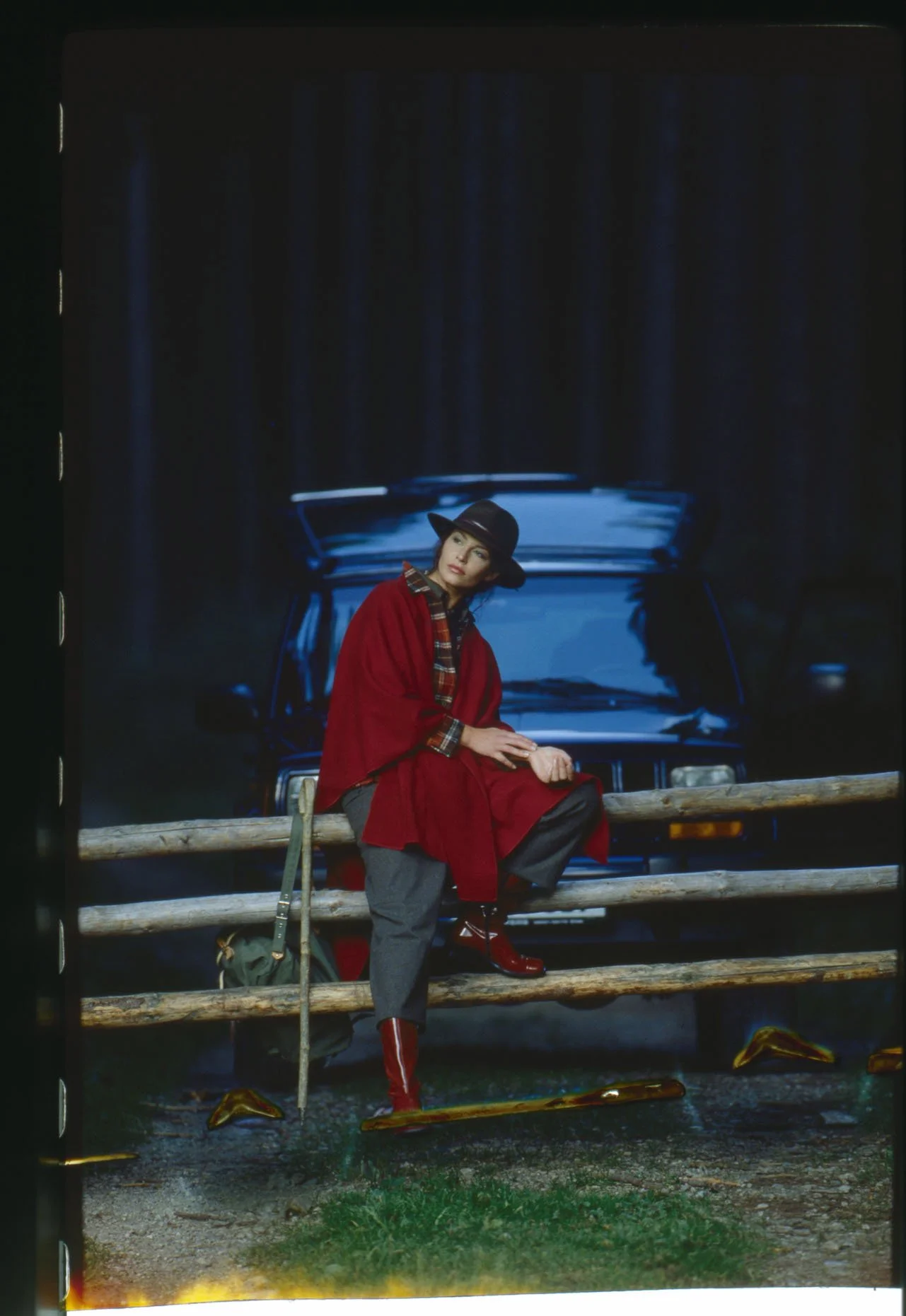
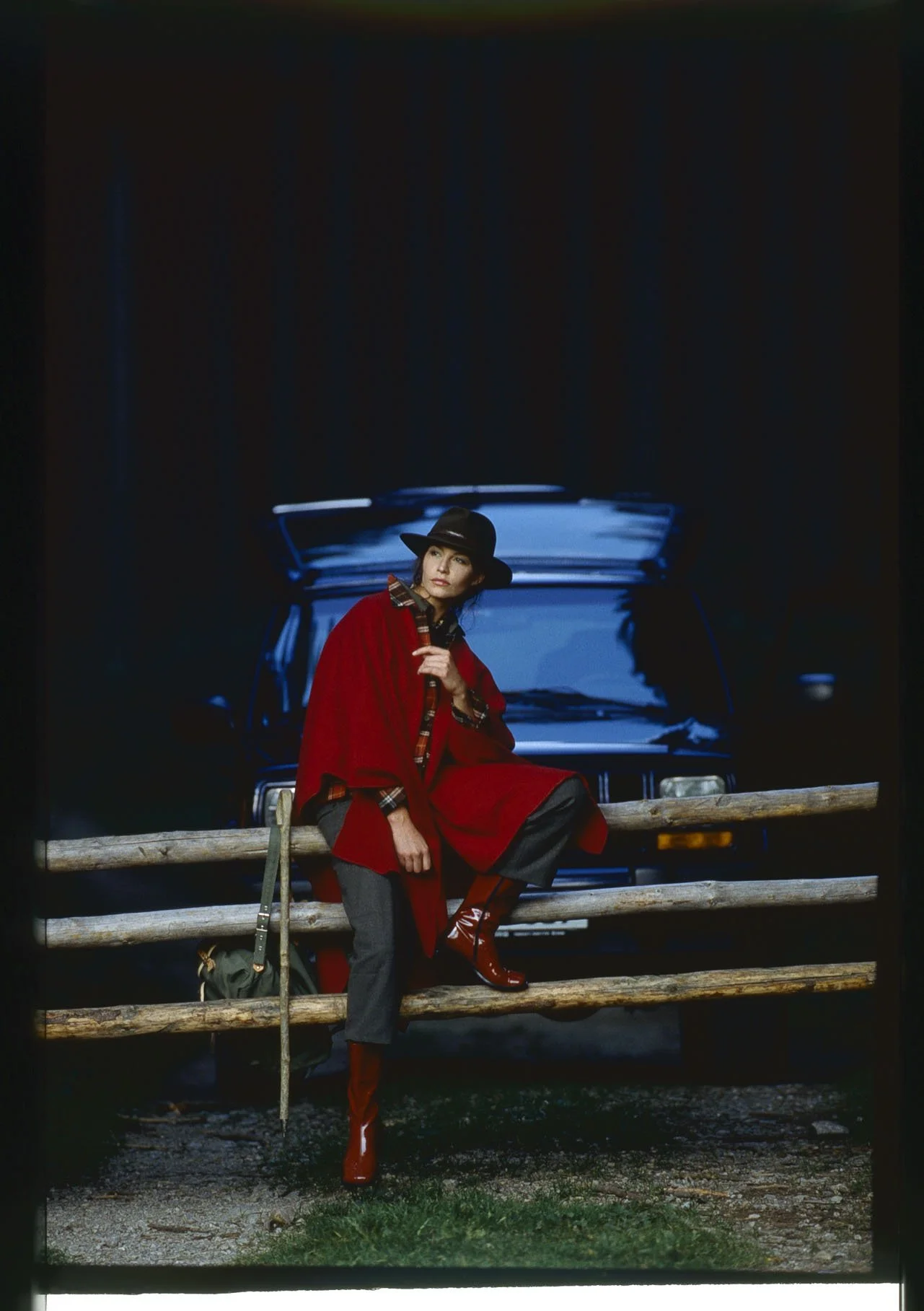
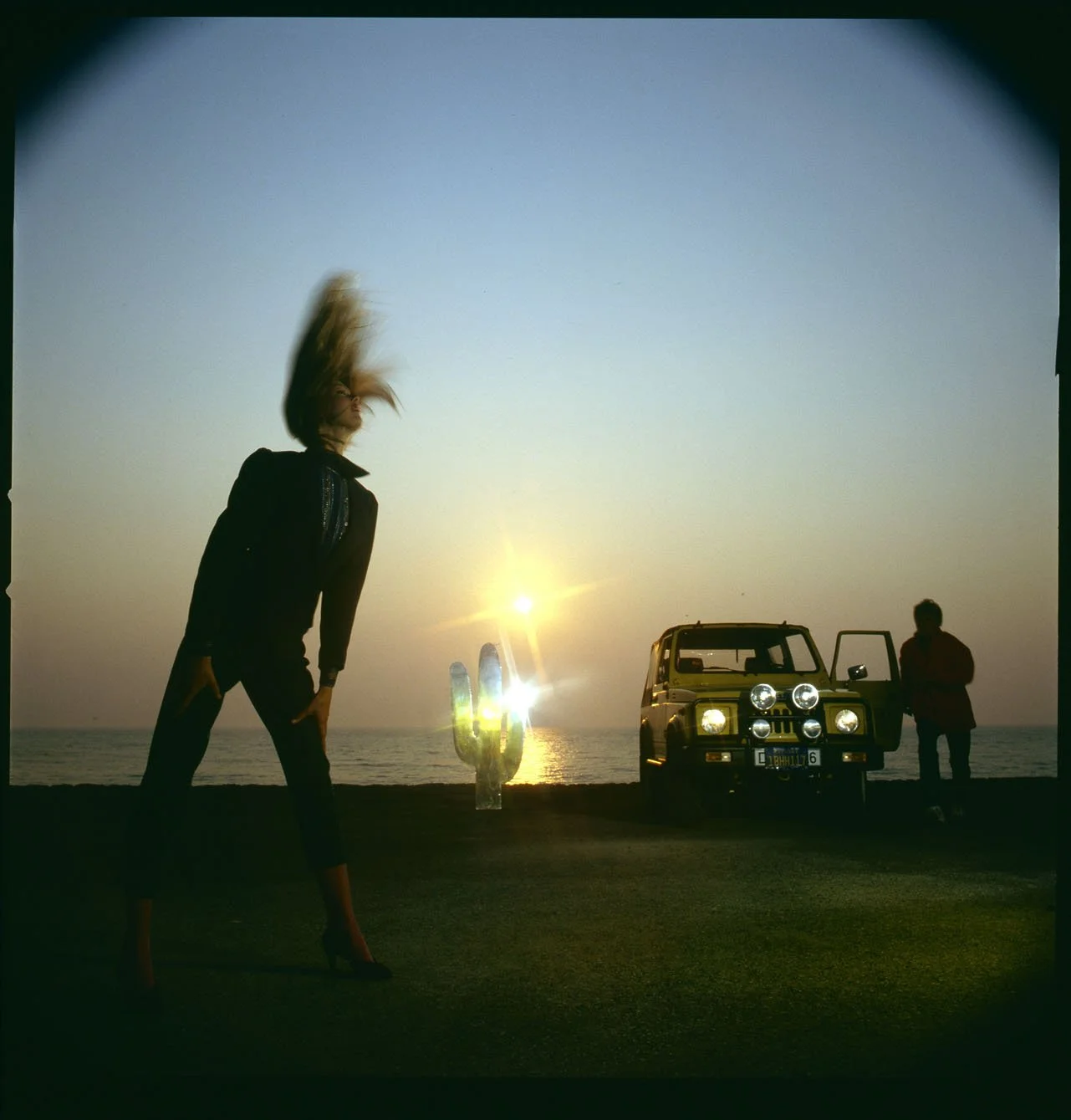
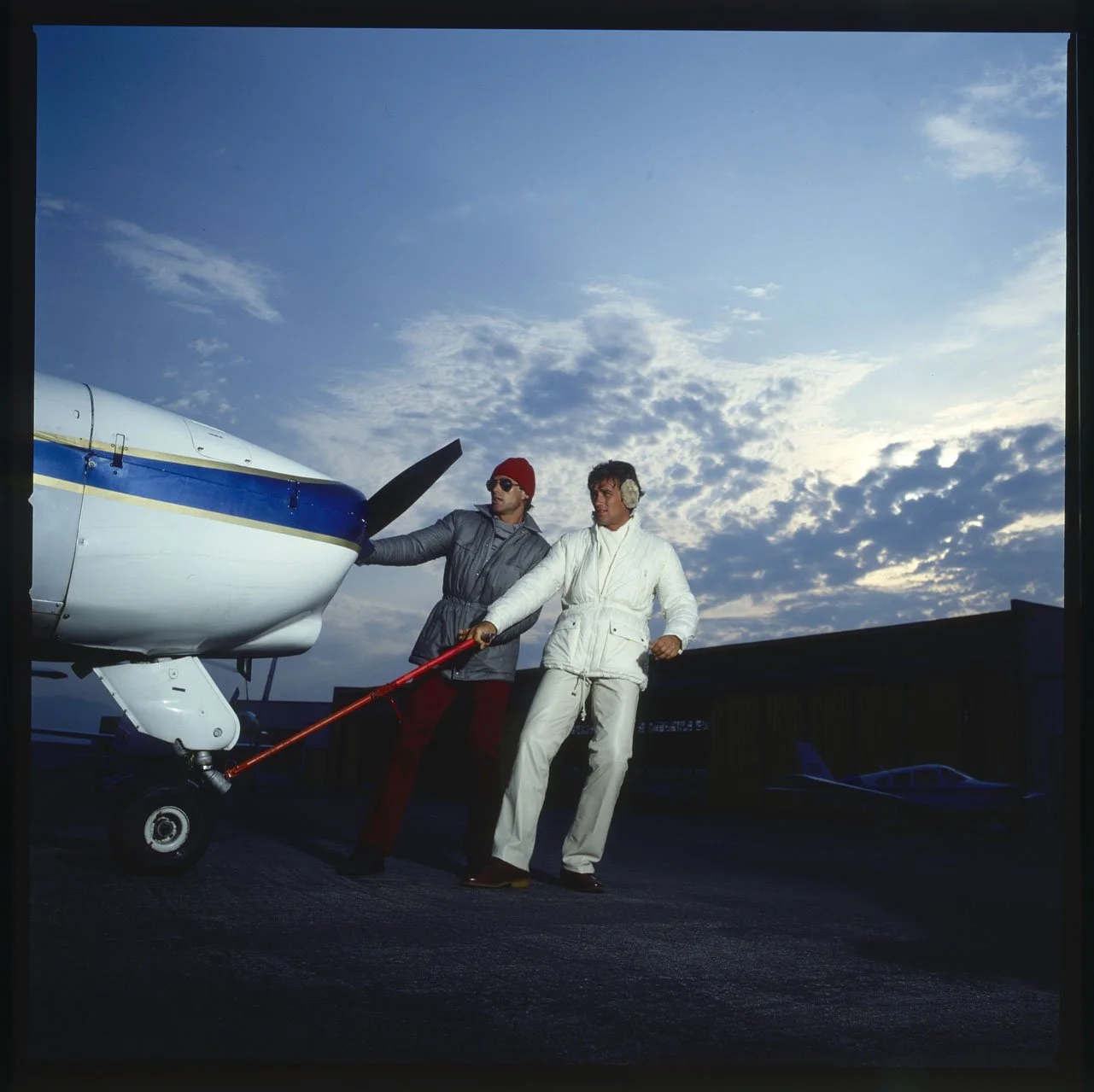
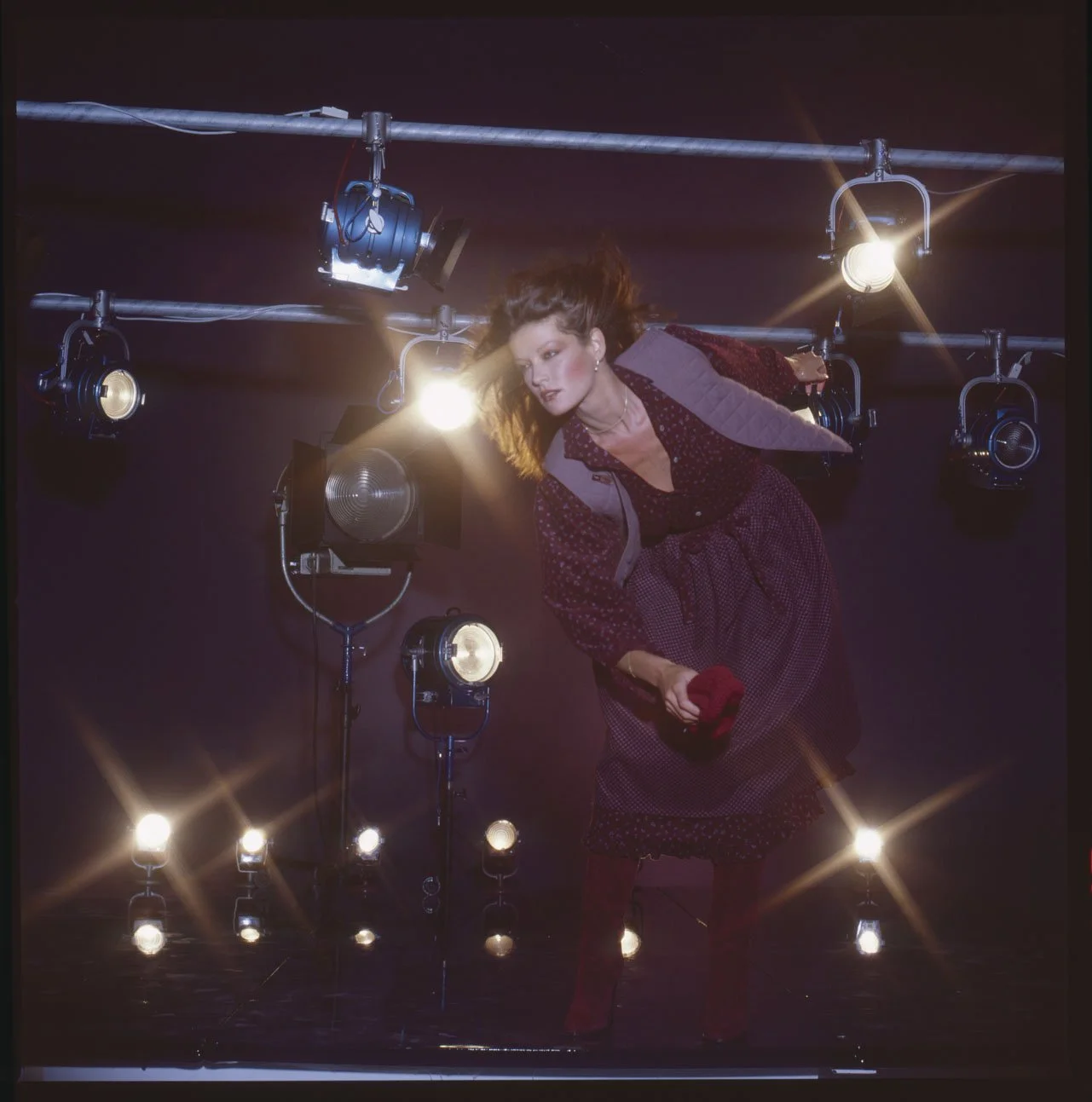
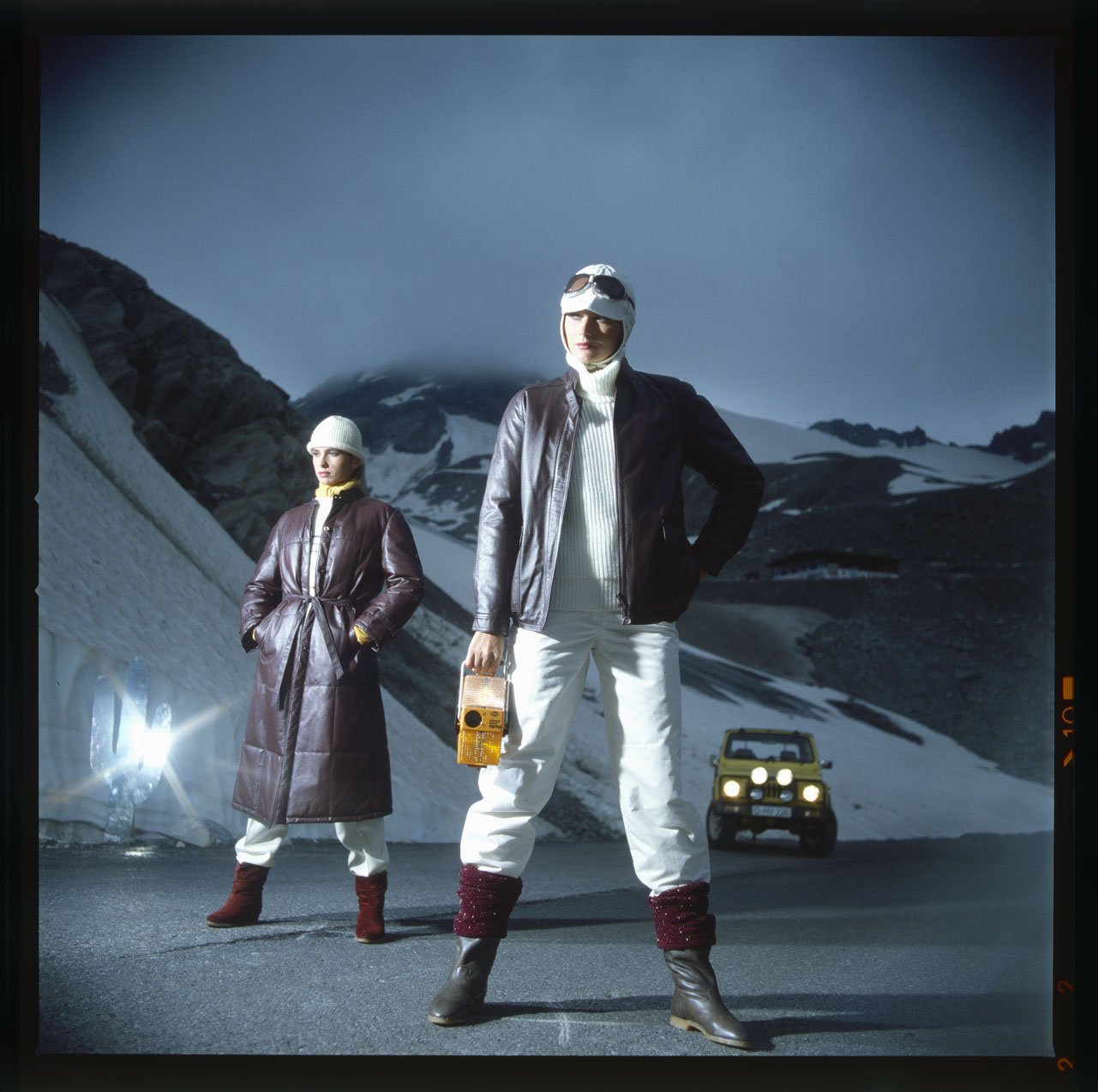
For Karstadt’s private label, "Globetrotter," Ulrich Pracht was tasked with developing a "brand identity and visual profile with character." Casual outfits and a country-style aesthetic defined the look of this brand concept, for which a substantial advertising budget had been allocated. The first Suzuki Jeep in Europe was chosen to serve as the campaign's signature symbol—paired with the Globetrotter brand’s distinctive logo: a green cactus. "A classic case of 'cronyism' landed me the assignment of personally purchasing this Jeep from a car dealership in Monte Carlo," Pracht recalls. Initially, his joy knew no bounds when he went to pick up the vehicle:
With its striking black-and-yellow paint job, it instantly stirred the "Borussia heart" of the avid football fan from Germany. Yet, the good spirits were not to last. When his assistant, Michael Schellenberger, rose at three o'clock in the morning to prepare for the first photo shoot at sunrise, the Jeep was gone. The entire team was immediately roused from their beds, and Ulrich Pracht—accompanied by his French-speaking stylist, Christine von Pahlen, and two visibly nervous Karstadt employees—drove to the local prefecture to report the theft. A laid-back plainclothes police officer quickly calmed their nerves, explaining: "You’ll have your car back by eight o'clock!" It turned out that local young men had made a sport out of hot-wiring flashy cars to use them to impress girls outside the local nightclubs—after which they would simply abandon the vehicles somewhere nearby. And sure enough: Ulrich Pracht and his team were just sitting down to breakfast at their hotel when the police officer was chauffeured right up to the entrance. “That was the kickoff for the Globetrotter campaign—and I wouldn’t trade a single second of it!” Employing surreal lighting, Ulrich Pracht staged the fashion brand’s presentation as a dramatic visual spectacle. With their imaginary and ethereal motifs, the images commanded maximum attention. Beautiful, expressive, and imaginative shots—styled with an adventurous flair—evoked the era’s yearning for the unknown, for exotic vistas, and for distant lands. “The fact that the ‘fashion’ aspect took a bit of a backseat was simply because, unfortunately, the collection itself lacked any character—let alone any spirit. It was an abstract presentation of nondescript, run-of-the-mill casual wear. The Karstadt employees found my images ‘utopian’—because they failed to grasp their underlying message—and demanded a reshoot. I refused; under my contract, I held full creative responsibility, and I wasn’t about to let anyone interfere.”
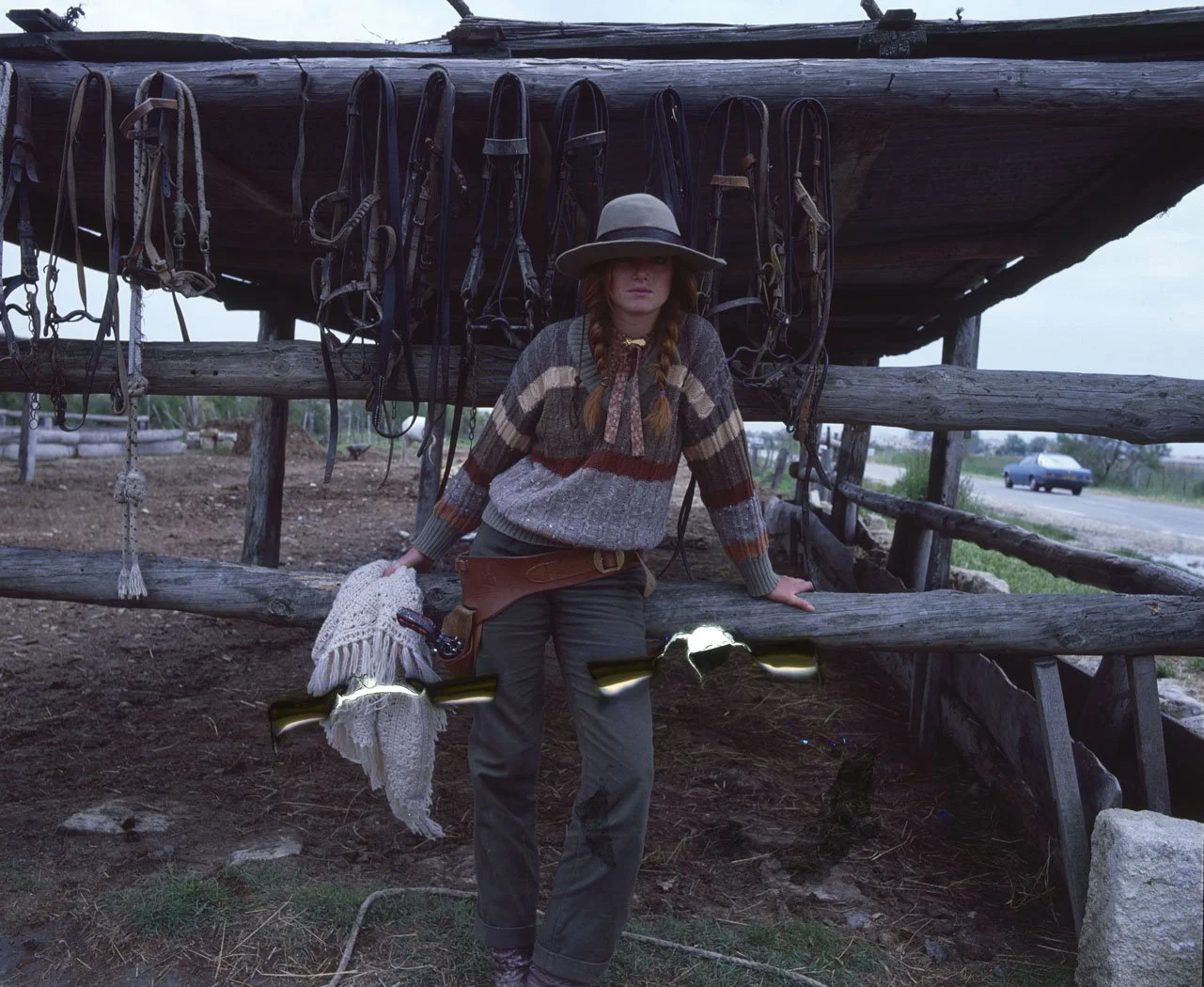
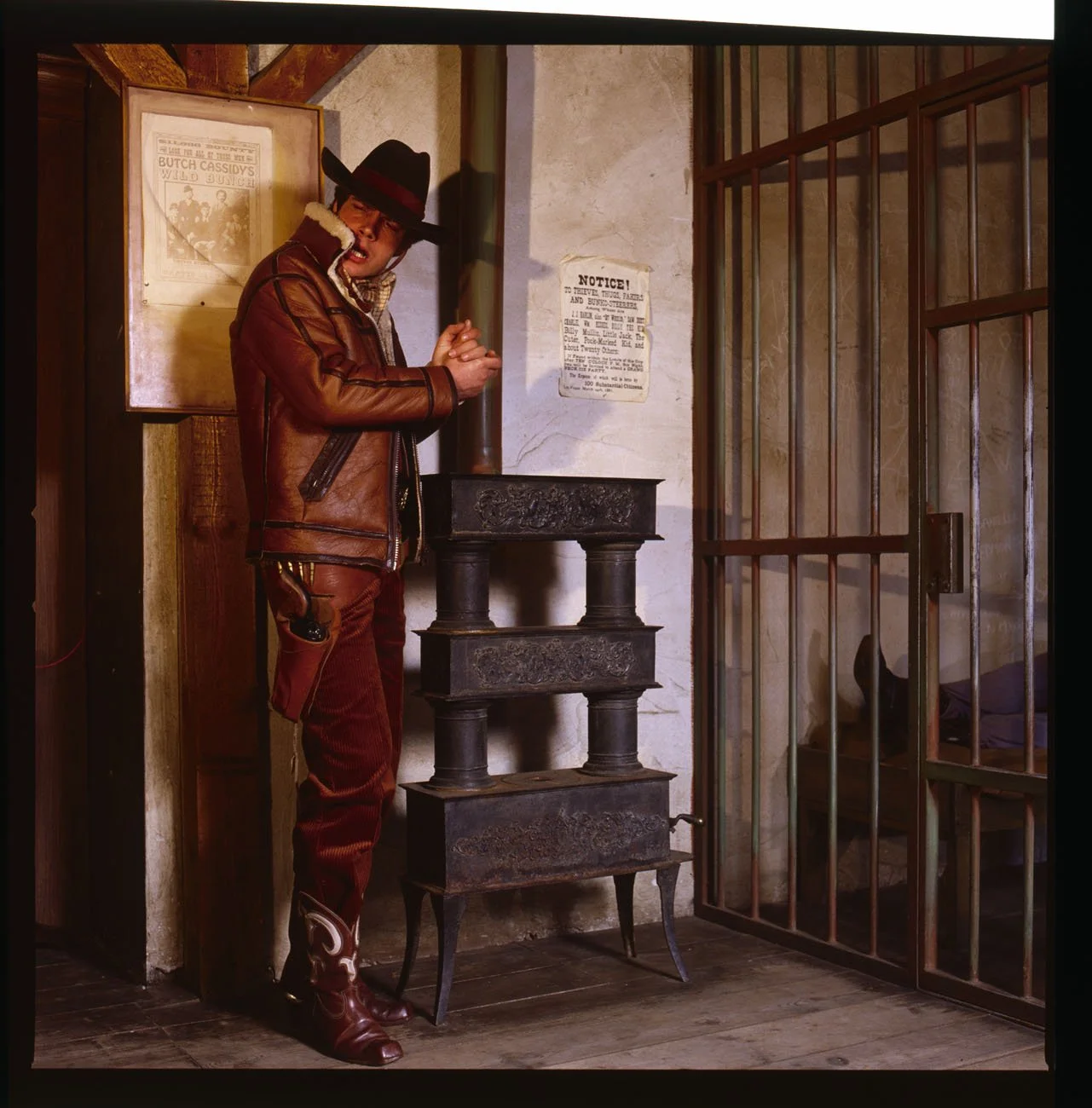
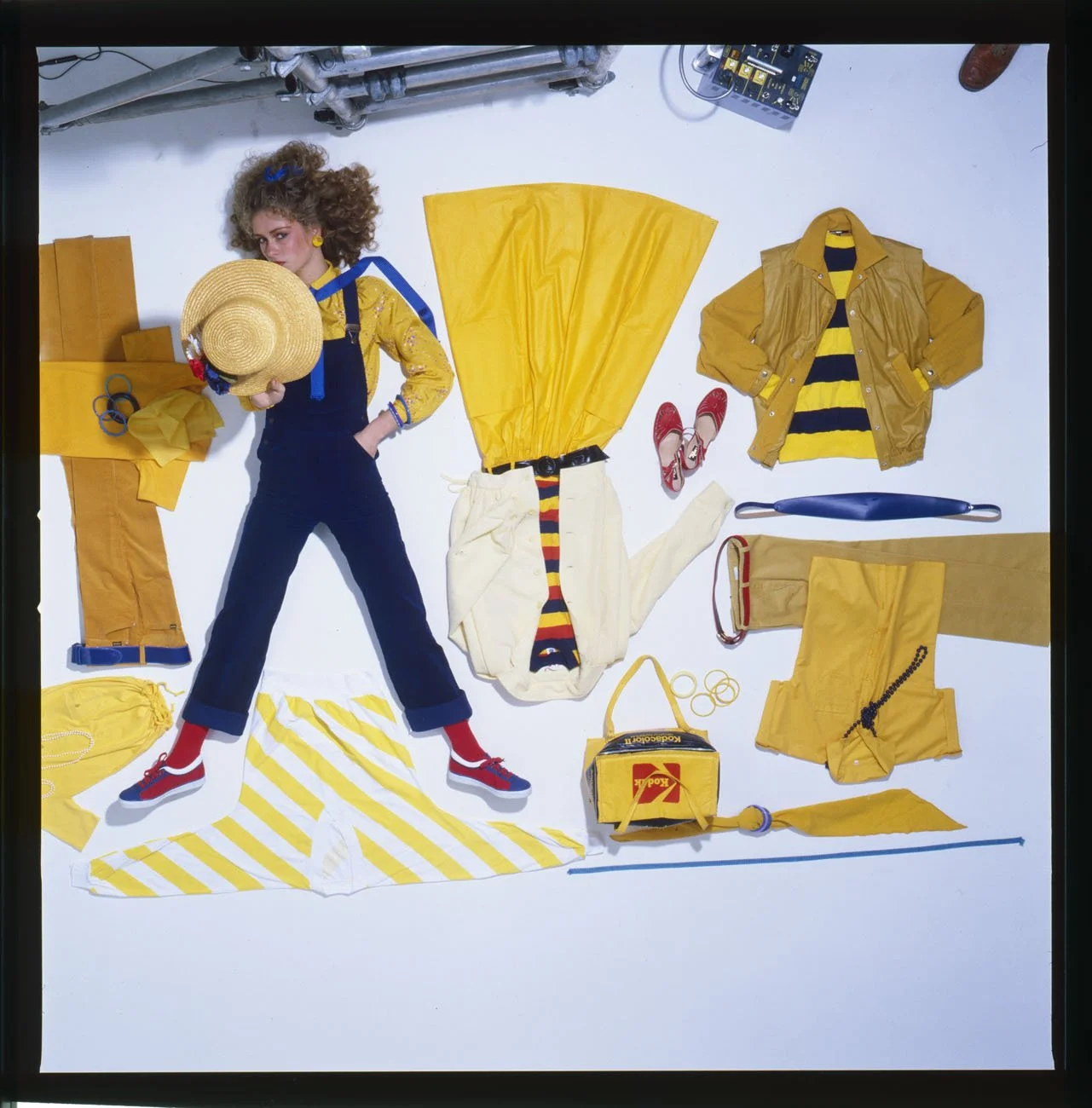
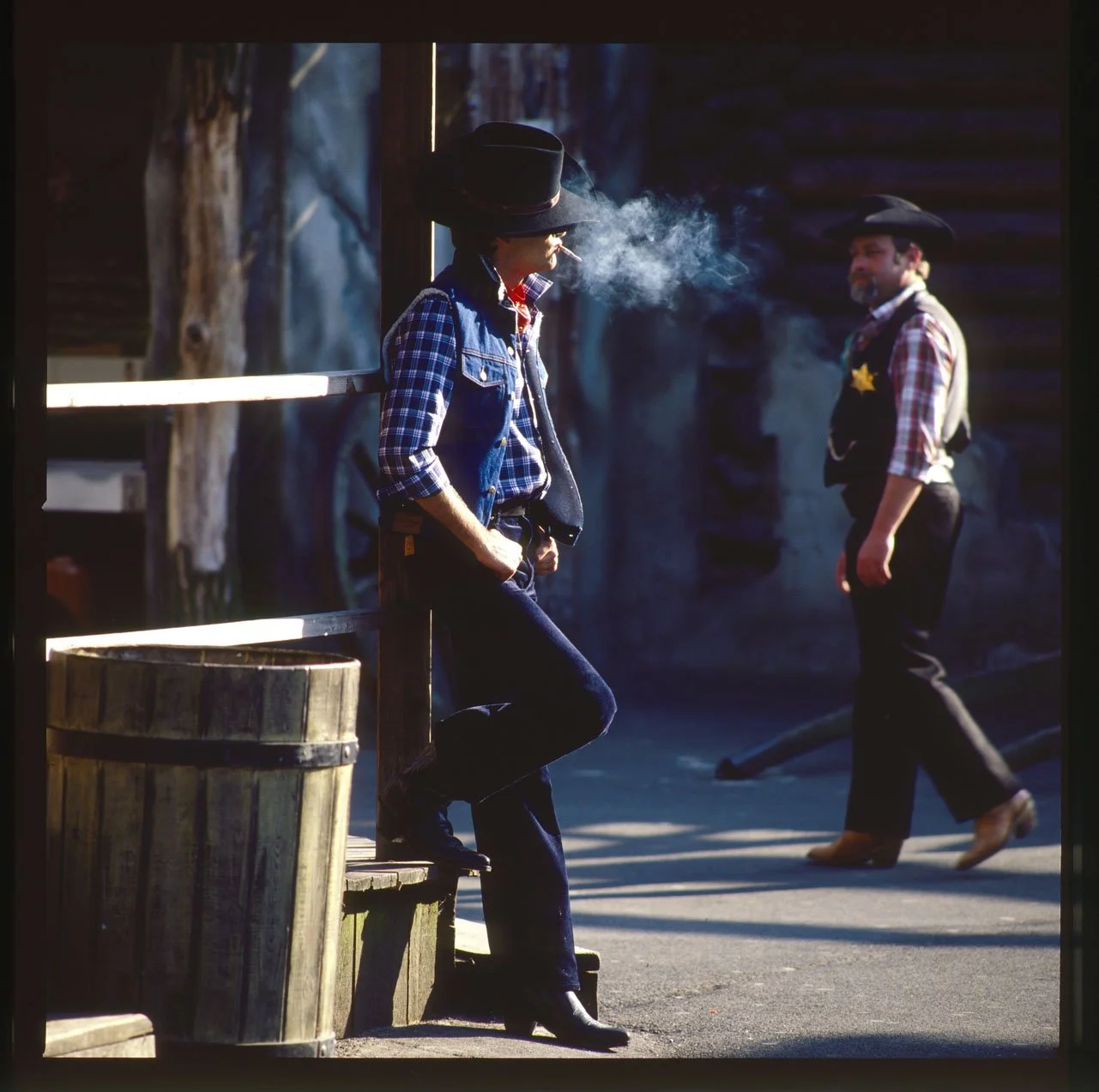
A subsequent attempt to portray the “Globetrotter” theme in a more naturalistic vein—using a Western or cowboy aesthetic—also failed to meet with success. In contrast, however, Ulrich Pracht’s artistic and creative work within the realm of youth fashion for Karstadt—specifically for their well-known brand, Dress In—proved to be all the more triumphant. Through expert product presentation—executed both in the studio and on location—he celebrated successful fashion, infusing it with a distinct sense of style and joie de vivre.
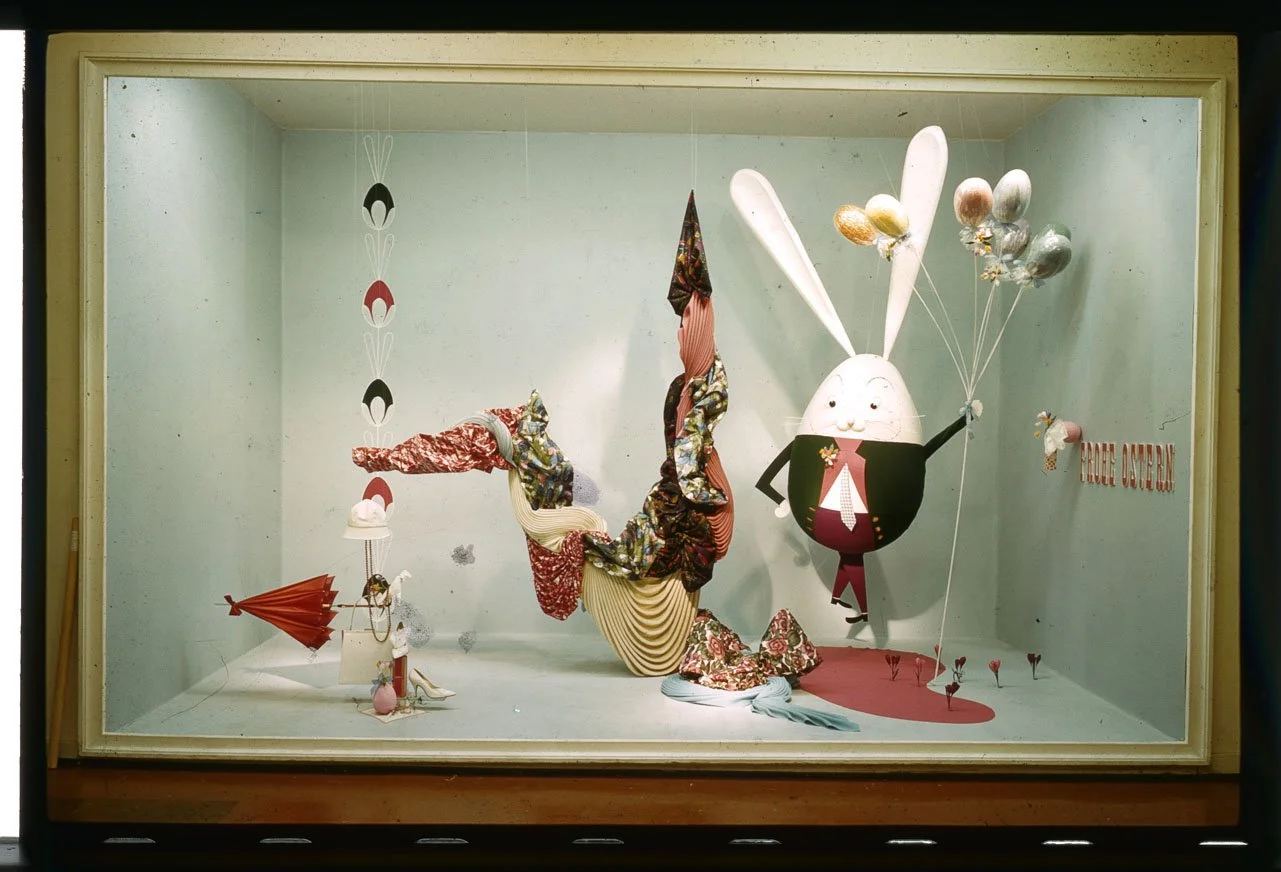
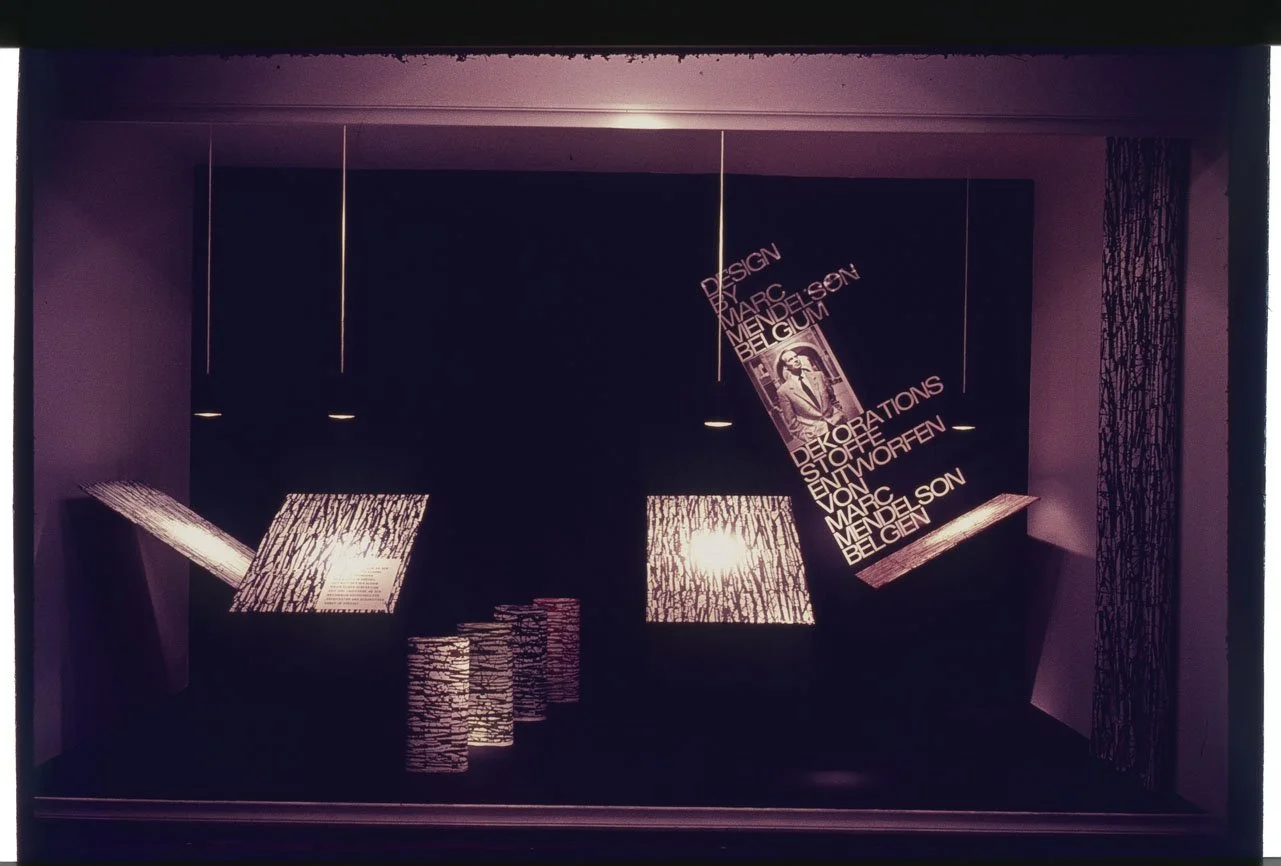
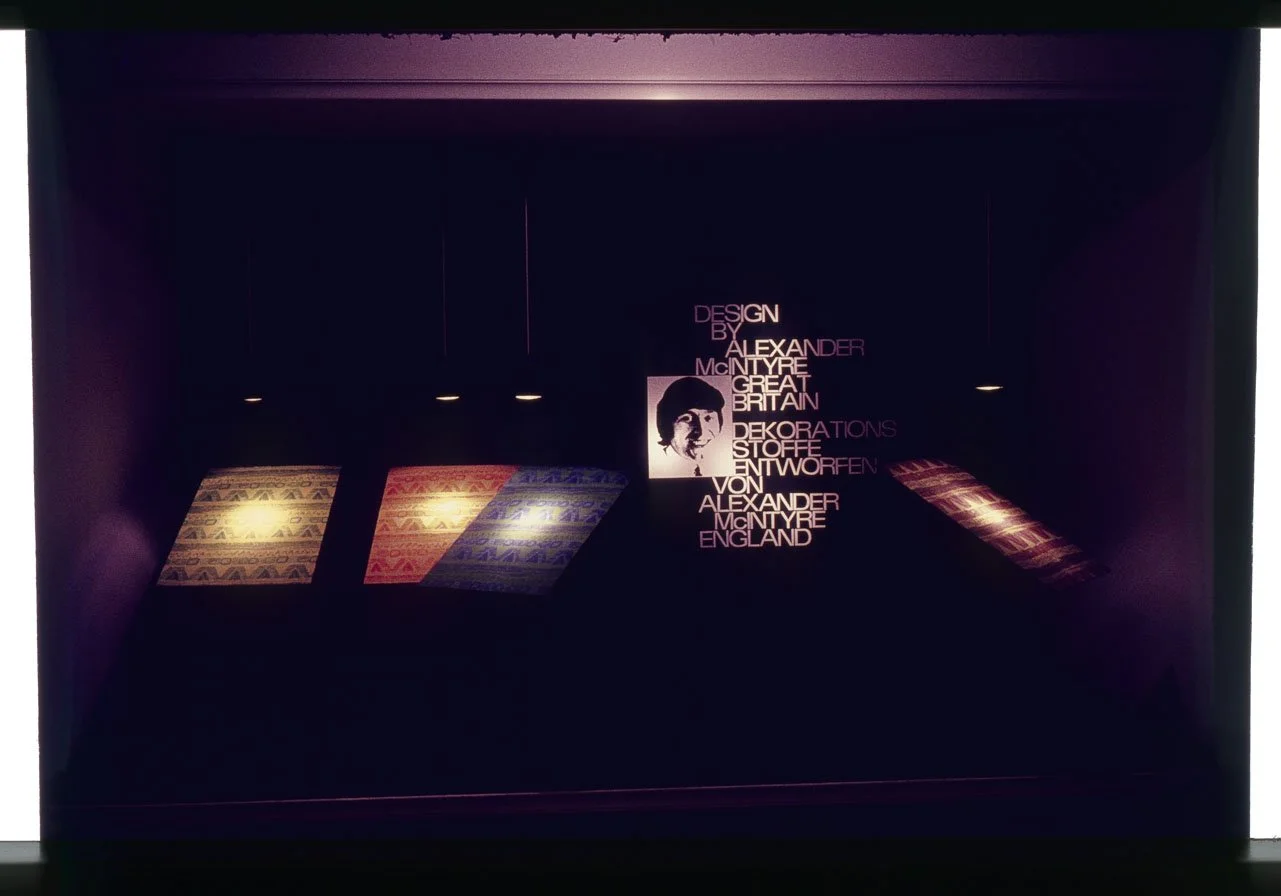
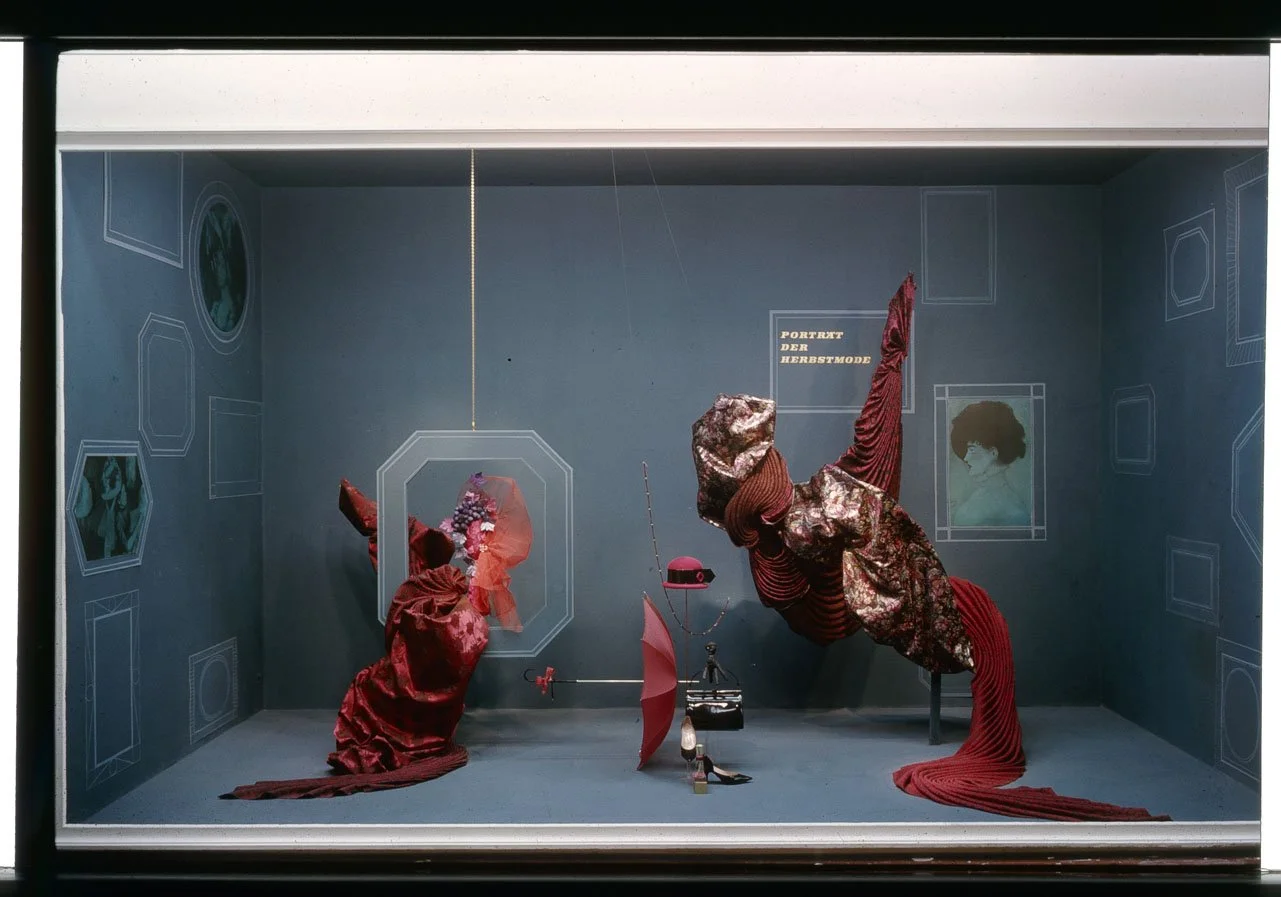








03.7
APPELRATH CÜPPER
Exquisite and pure.
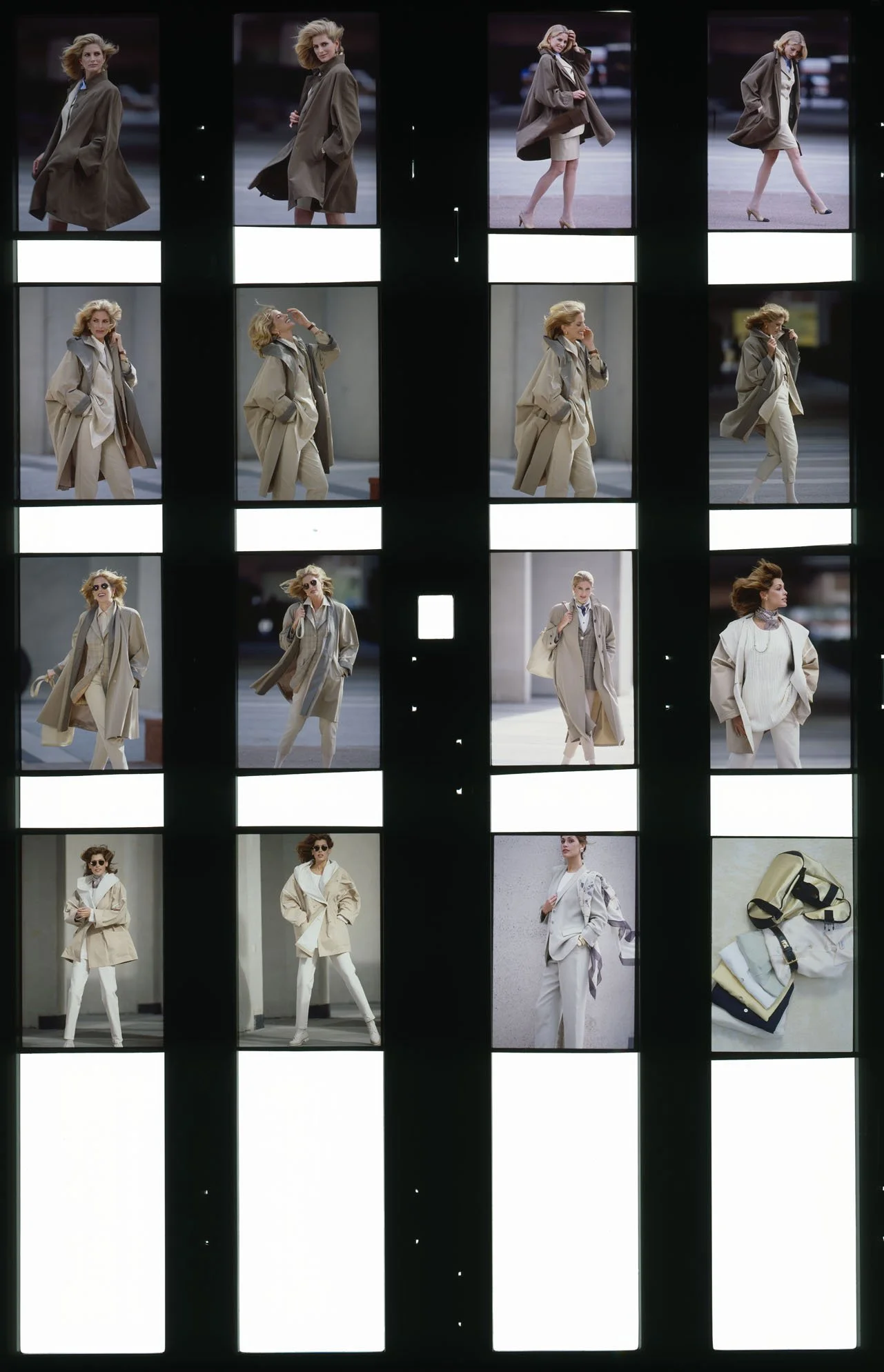
Exquisite and pure, clean and exclusive—this is the philosophy of Appelrath-Cüpper, which Ulrich Pracht was tasked with visually embodying. During their collaboration, he shared a dynamic yet constructive creative tension with the then-owner, Heinz Kruse—who remains a close friend to this day—whenever it came to translating this philosophy into reality. "Kruse always had good arguments." Ulrich Pracht employs a conservative visual language for his imagery, which he subtly enhances with nuanced lighting effects. On the covers of the elegant brochures produced by the UP Studio, he allows his photographs—featuring fantastic models—to speak for the company’s philosophy; he distills the core message of this fashion retailer into the slogan "Das ist – Appelrath-Cüpper" ("This is – Appelrath-Cüpper"), which, presented across two lines, serves as the perfect graphic complement to the visual statement. For the opening of the Appelrath-Cüpper branch in Essen in 1994, Ulrich Pracht devised a communication concept that clearly demonstrates how he tailors his creative strategies in a holistic and sustainable manner to meet the unique requirements of his clients. "In Essen—a city renowned for its shopping—every major fashion retailer is already represented. No one is expecting Appelrath-Cüpper, nor is anyone exactly waiting for a new fashion house of this kind to arrive in the city. Anyone venturing into this 'lion's den' must present a truly exceptional concept—one compelling enough to make the people of Essen say, 'This is exactly what we’ve been missing.' And rightly so. For Appelrath-Cüpper embodies a philosophy that sets it apart from other department stores. We simply need to make this clear to the people of Essen. And we must do so right from the very start... That is why, with our launch campaign, we are presenting ourselves differently than the competition—with absolute consistency and conviction. And that is why this new establishment—once it is finally 'unwrapped'—will feel like a gift to the city of Essen. The core objective of all our sales efforts will be to convey to the consumer those specific values that define Appelrath-Cüpper—values they will soon come to associate inextricably with this store. Unlike (almost) every other retailer—most of whom rely more or less exclusively on aggressive price-based strategies—we will credibly, engagingly, and clearly demonstrate our genuine advantages in performance and quality. At Appelrath-Cüpper, the consumer receives more than just the latest fashion; they receive true value—in terms of quality, aesthetic appeal, class, and sophistication—that stands head and shoulders above the surrounding retail landscape. Our advertising presence must fully reflect—indeed, fully permeate—the store’s entire upscale aura. As I said: in a manner befitting a discerning clientele..."






03.7
KMT
Young and sophisticated.
Annie Lennox, David Bowie, and Grace Jones are regarded as the androgynous stars of the 1980s and remain fashion icons to this day. Ulrich Pracht interprets their attitude in his photograph of an androgynous model, whom he shot for KMT. The subject appears as a cool, worldly pop star—sporting a tousled short hairstyle and an unbuttoned men’s shirt—who, with an elbow casually propped on a raised knee, completely ignores the presence of the almost intrusive photographer. What seems to matter more, rather, is the activity taking place outside the frame—the focus of the thoughtful gaze of the model, who is taking a drag from a cigarette. A pop concert might be taking place there, or perhaps a fashion show. The dark-haired model—whom Ulrich Pracht captured on Fujichrome Velvia 50 slide film—represents a different archetype of the "young and sophisticated woman": sporting a bob haircut and a simply cut dark sweater, she stands confidently with her arms crossed in the cool glare of a spotlight that mirrors the color of her cat-like eyes. "Fashion photography should... not be a mere carbon copy of banal reality, but rather interpret new trends," once remarked Walter E. Lautenbacher, one of the leading fashion photographers of his era. Both portraits by Ulrich Pracht do precisely that: the fashion message—which only becomes evident within the context of the catalog—recedes into the background, just as Lautenbacher advocated, in favor of an interpretation of the contemporary trend of female self-confidence.