
09
UP to THE FUTURE
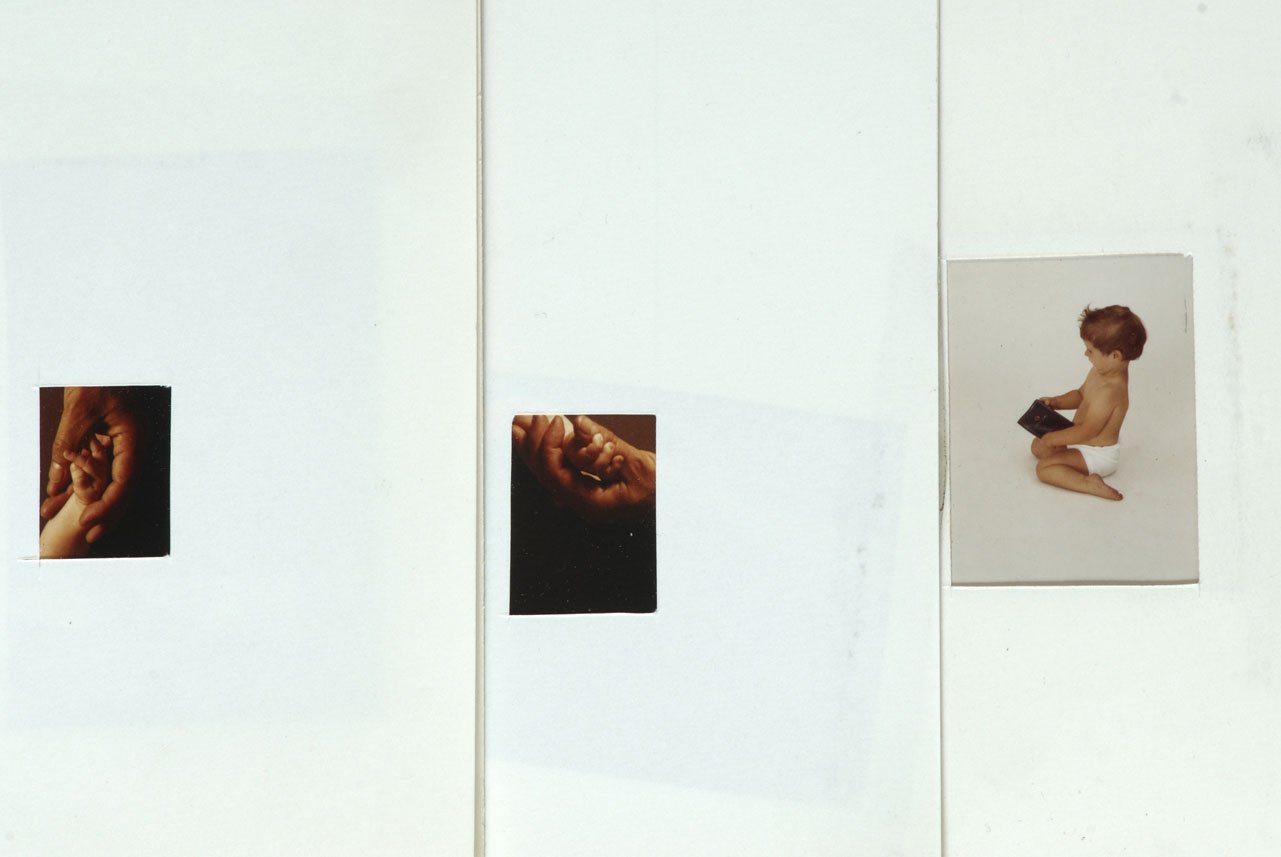
Everything in one hand.
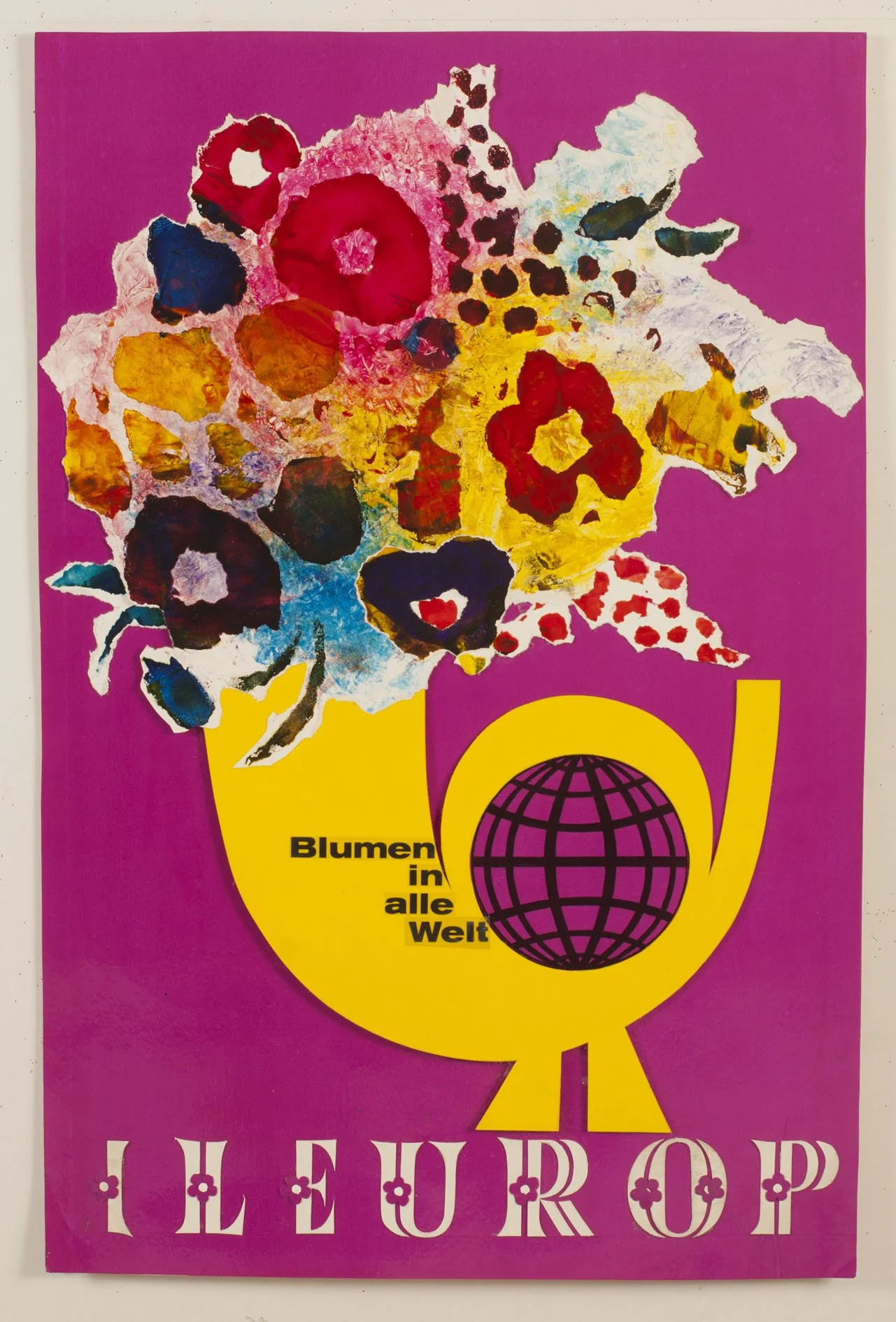
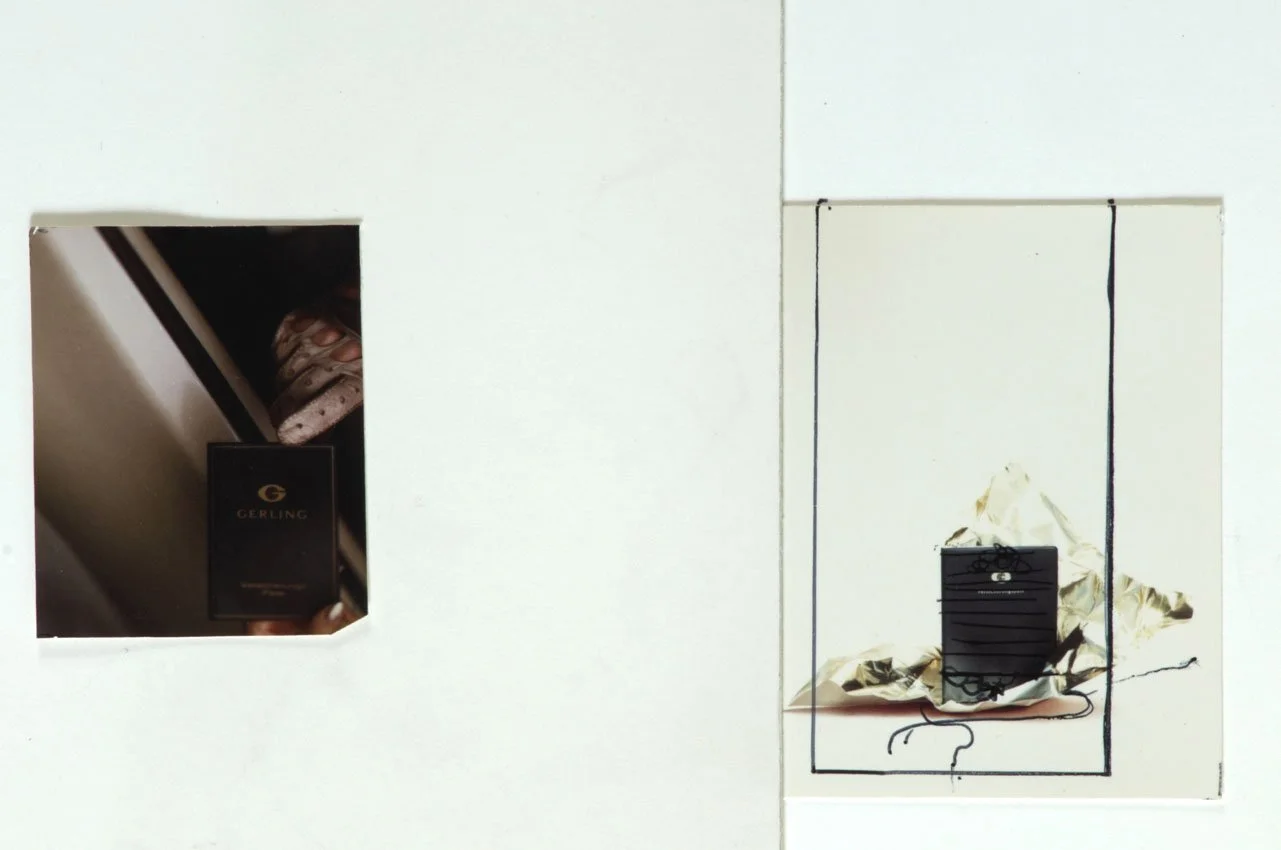
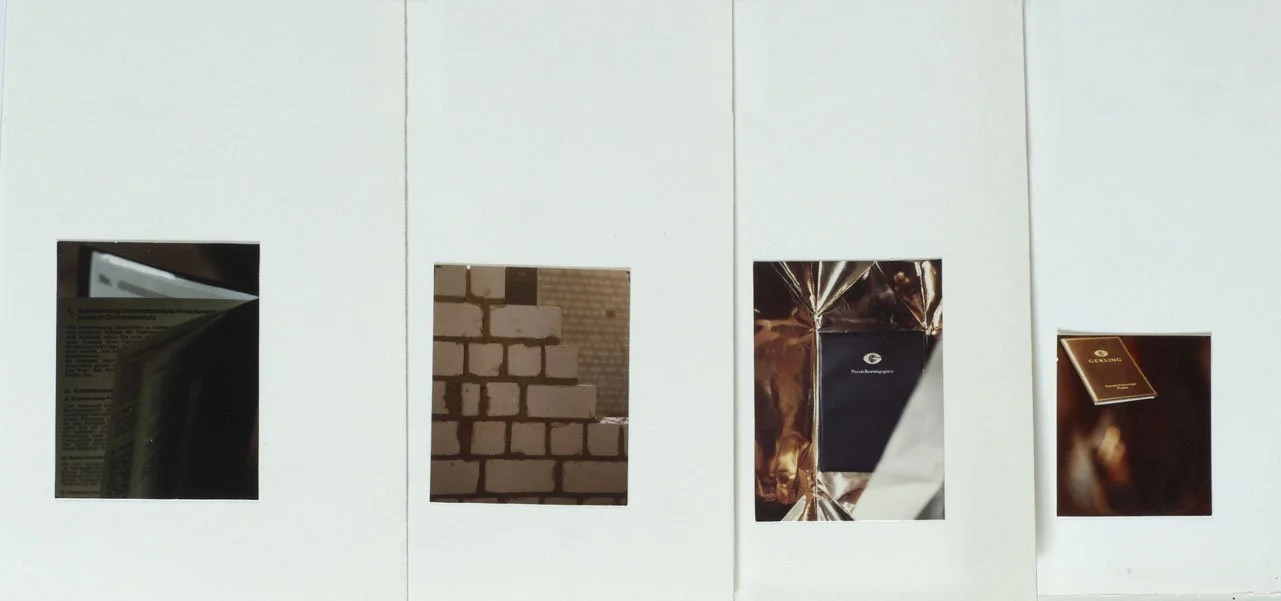
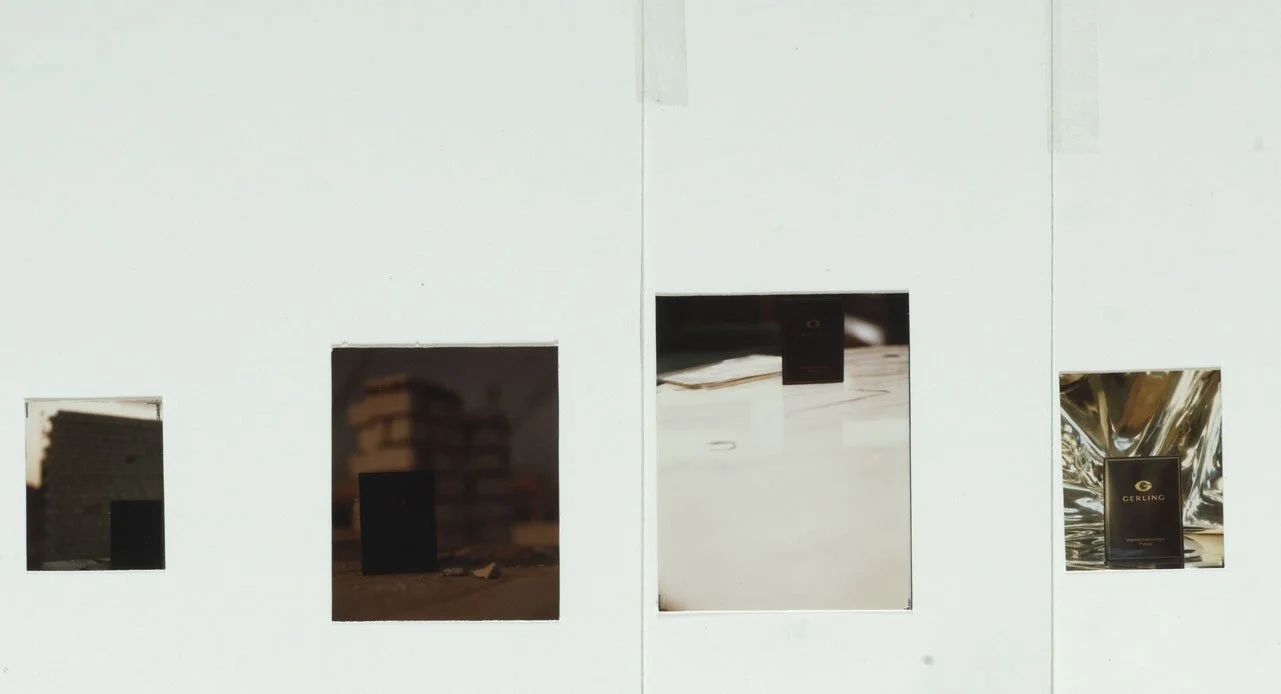
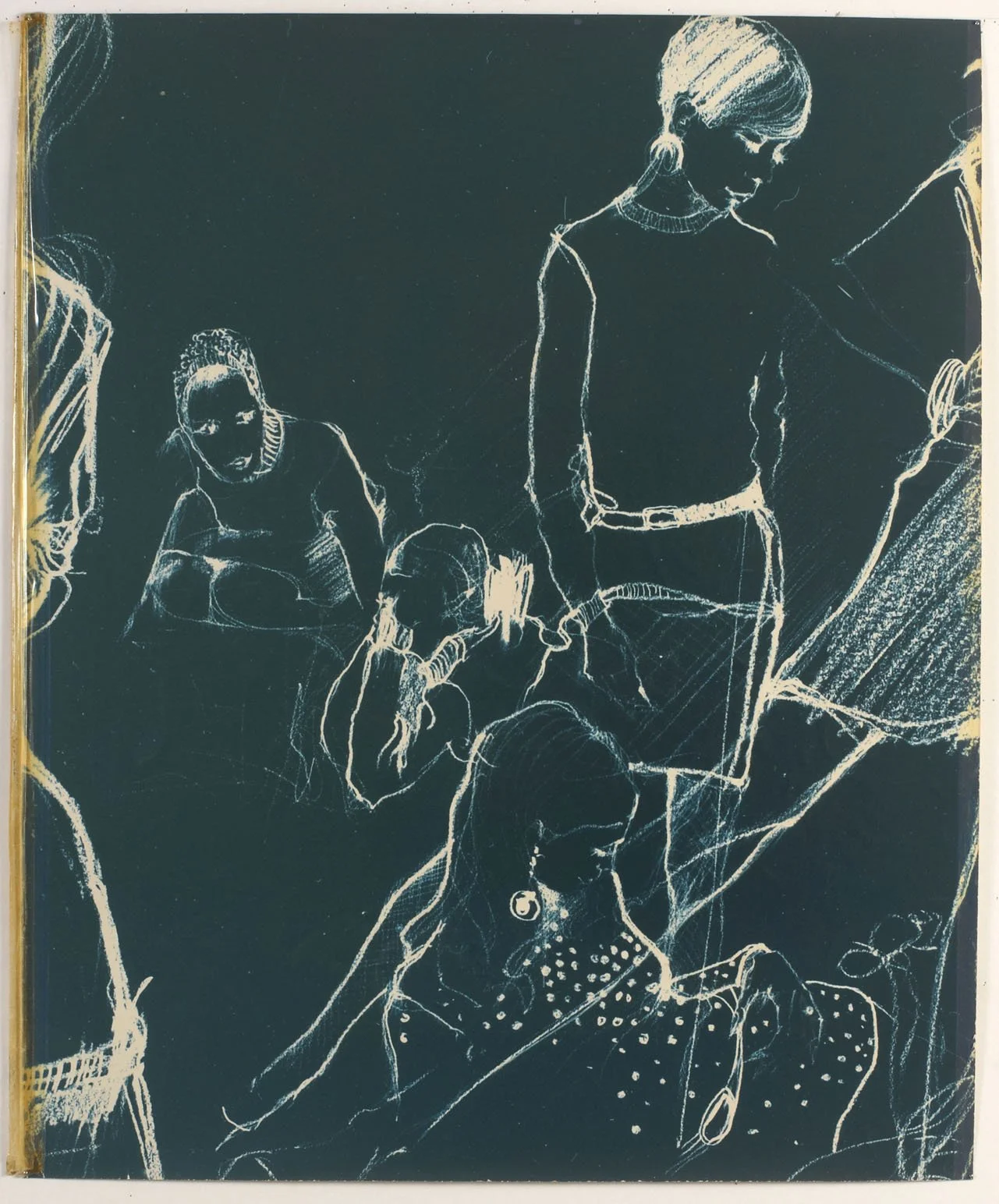
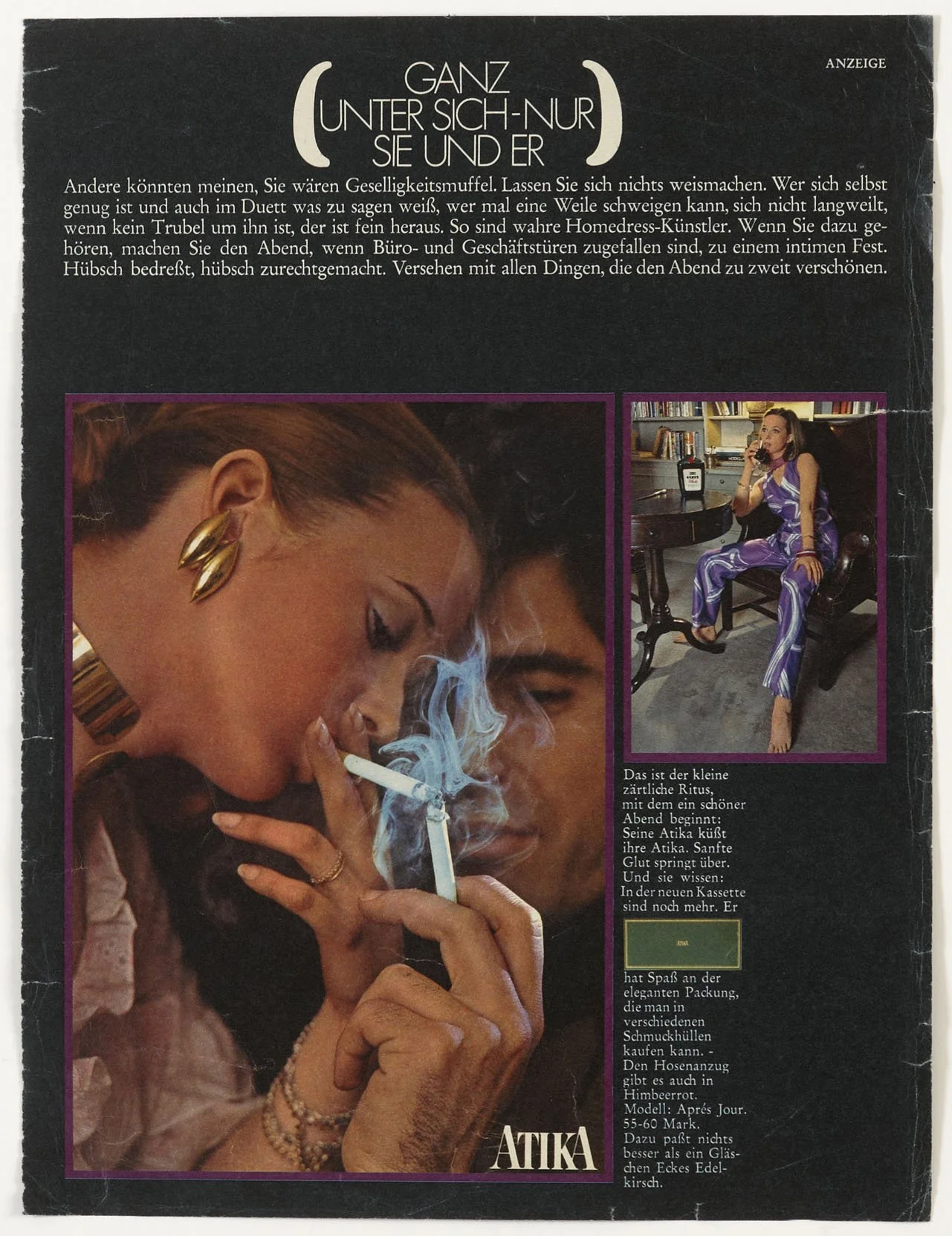
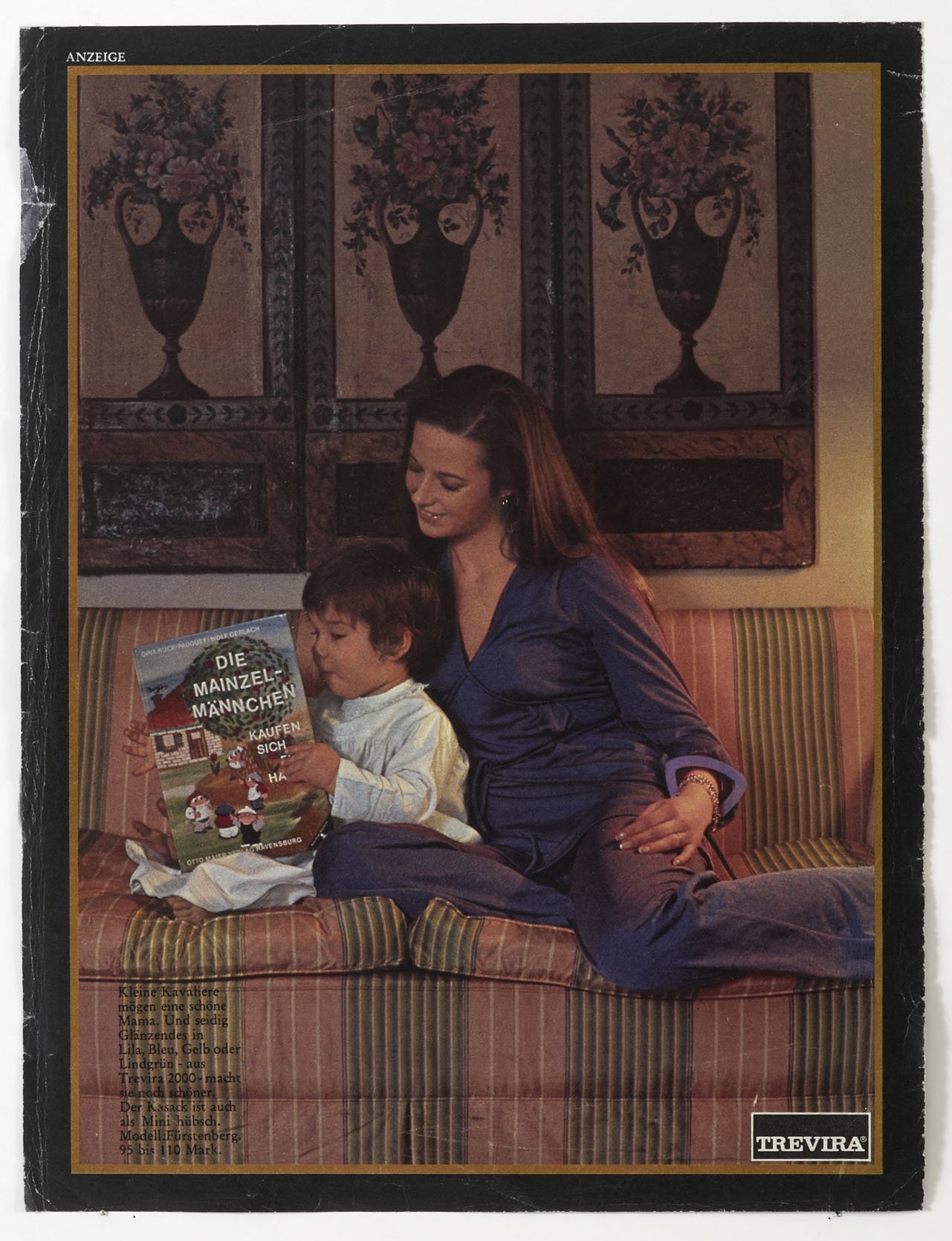
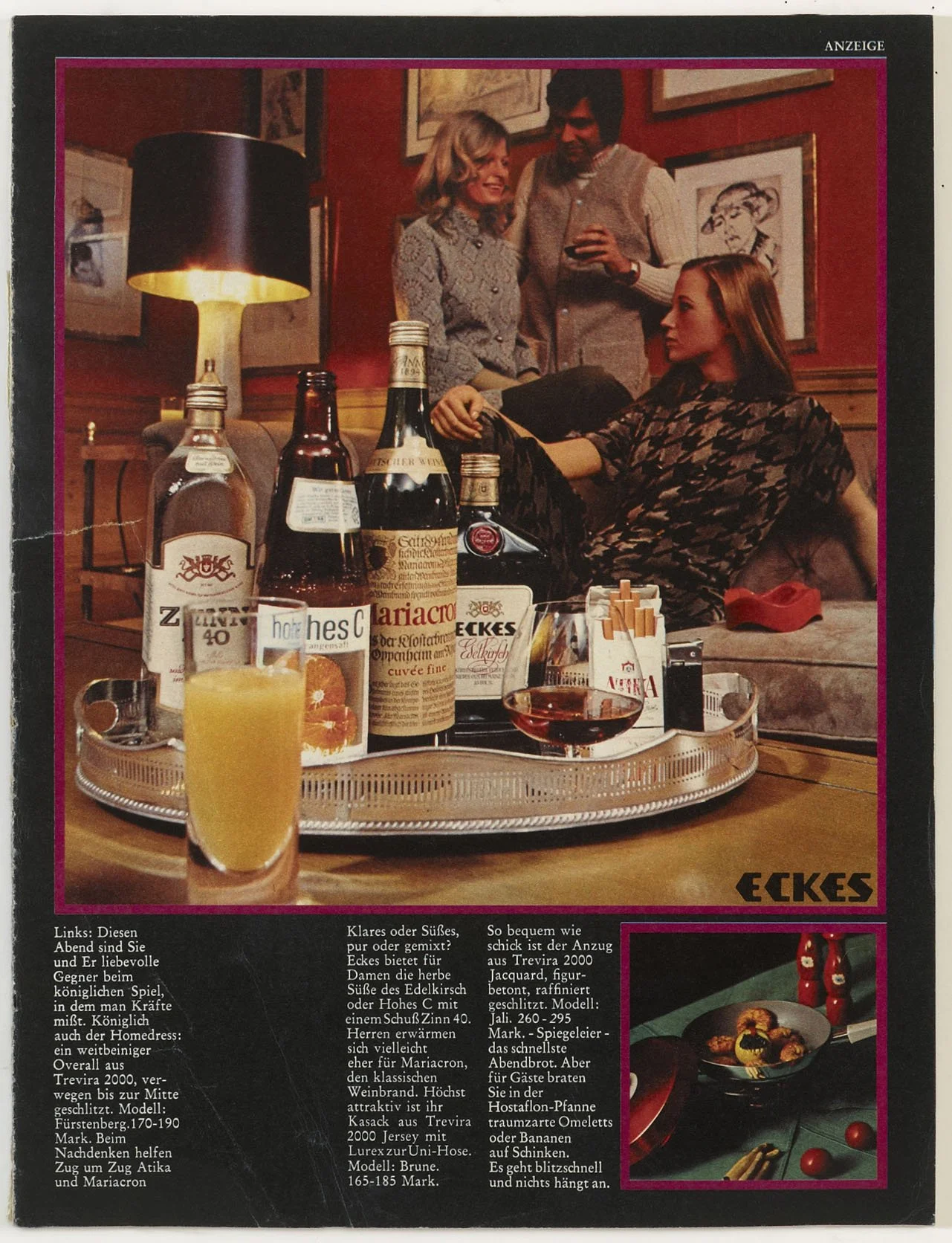
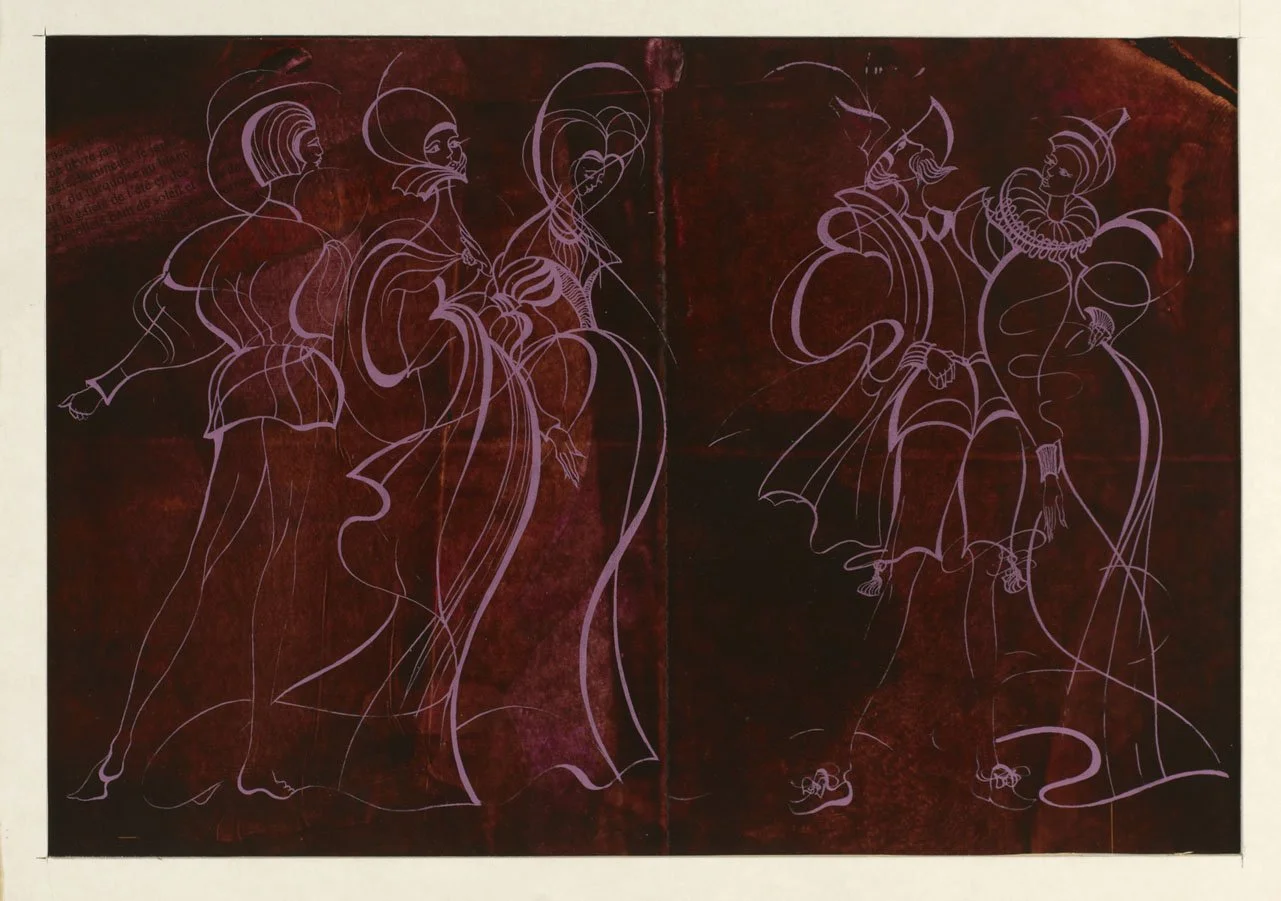
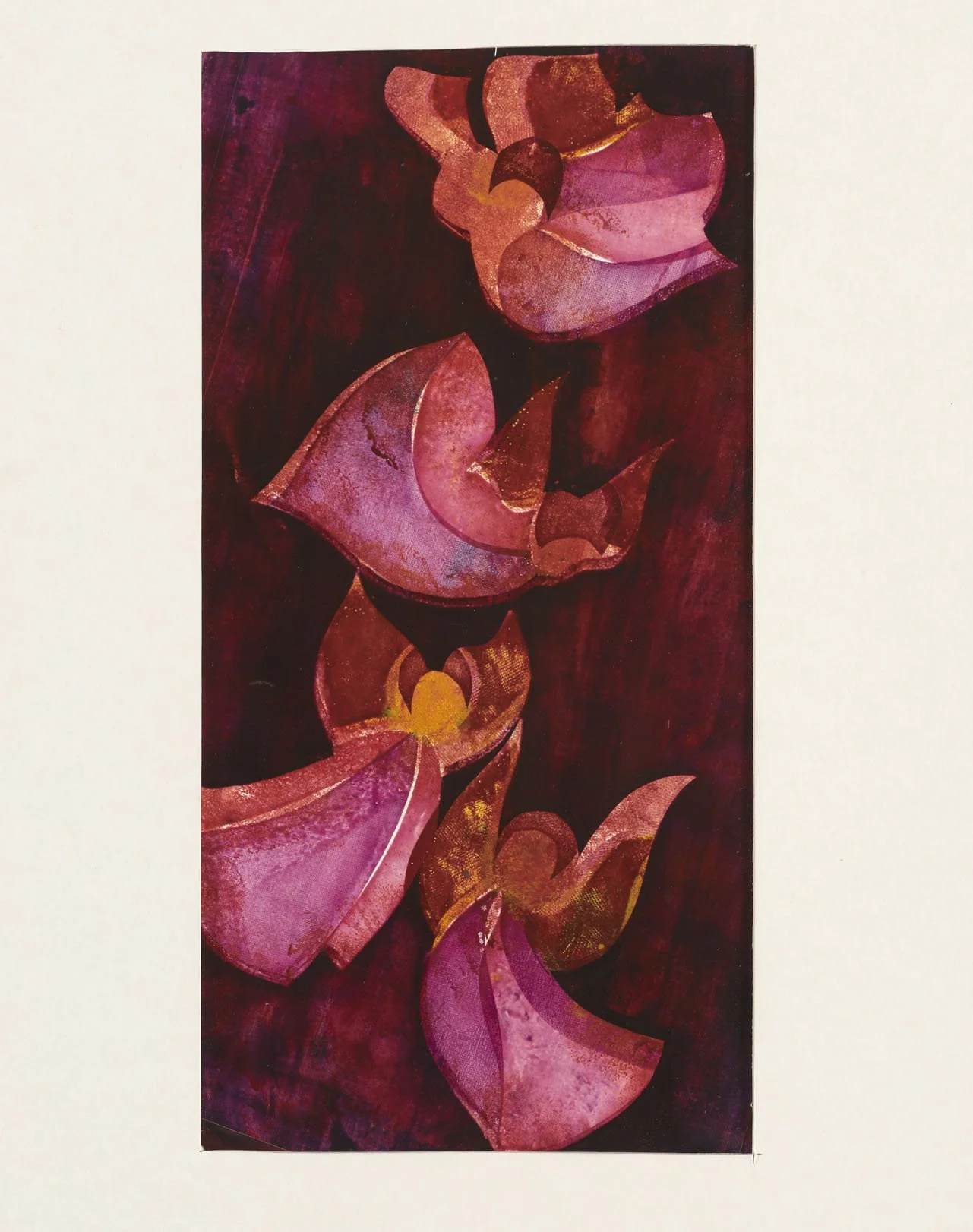
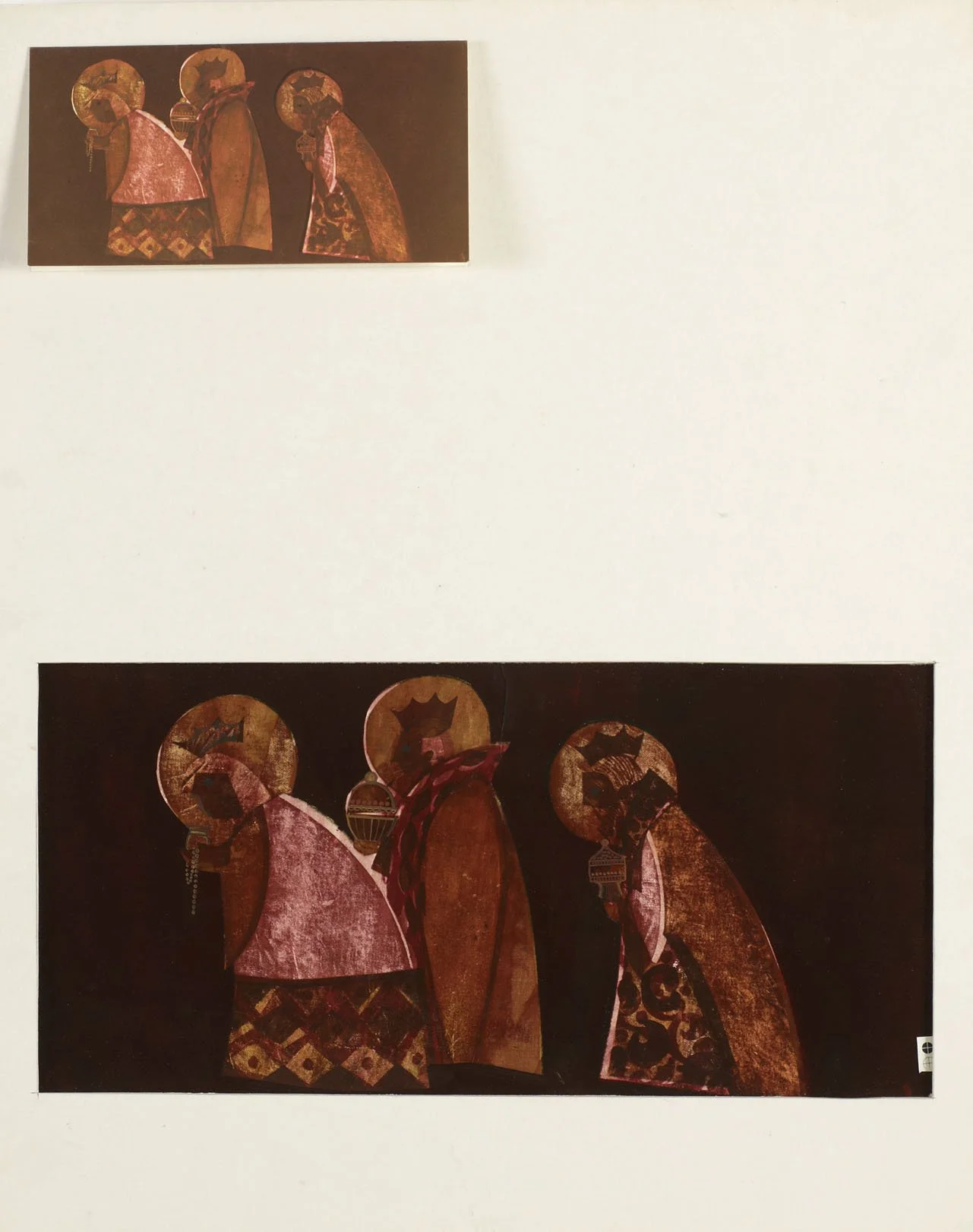
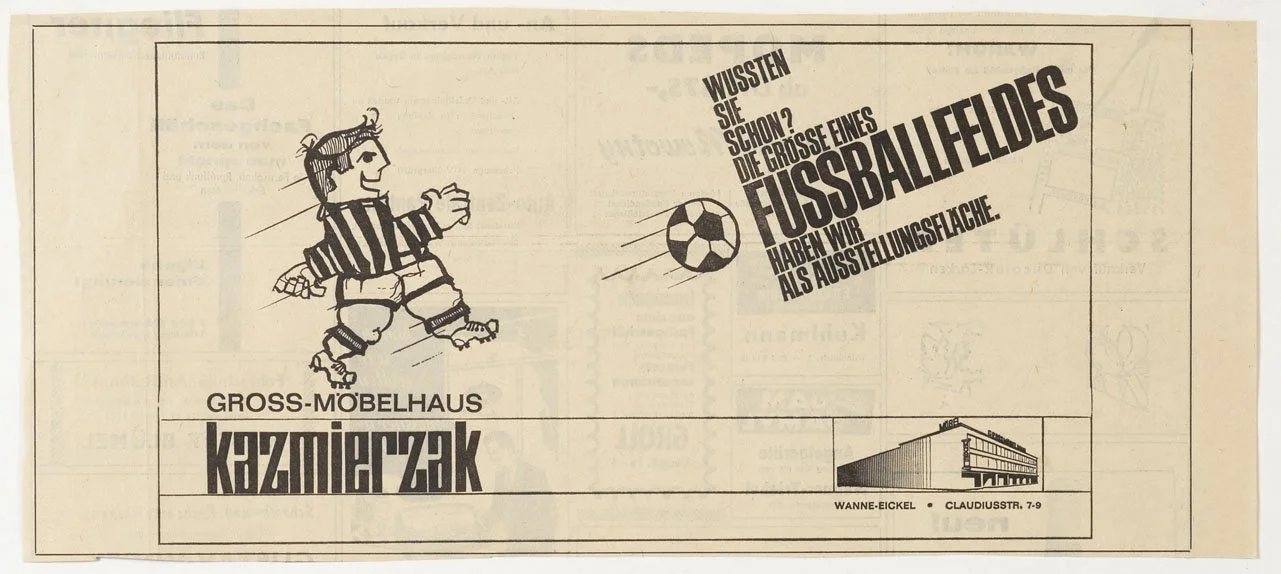
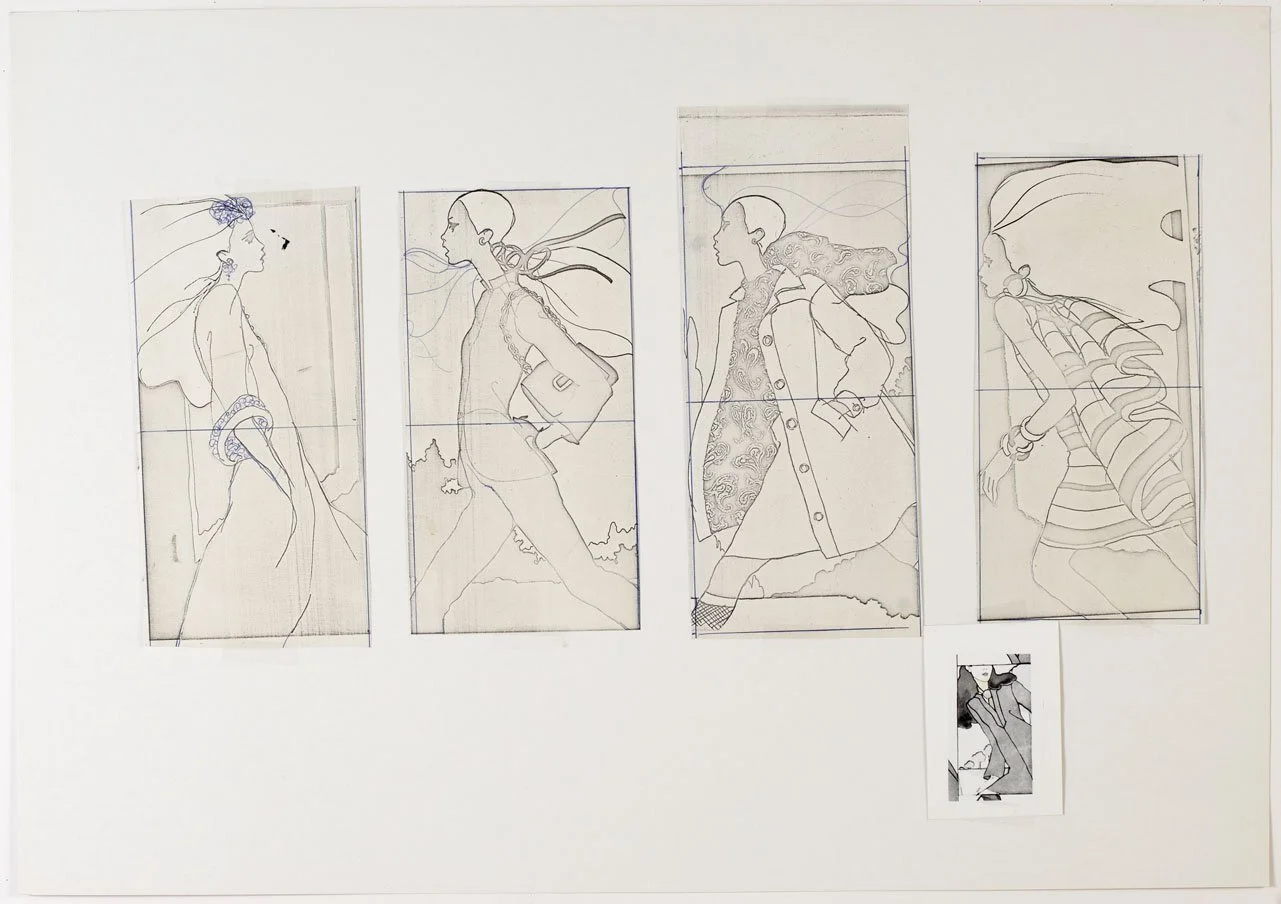
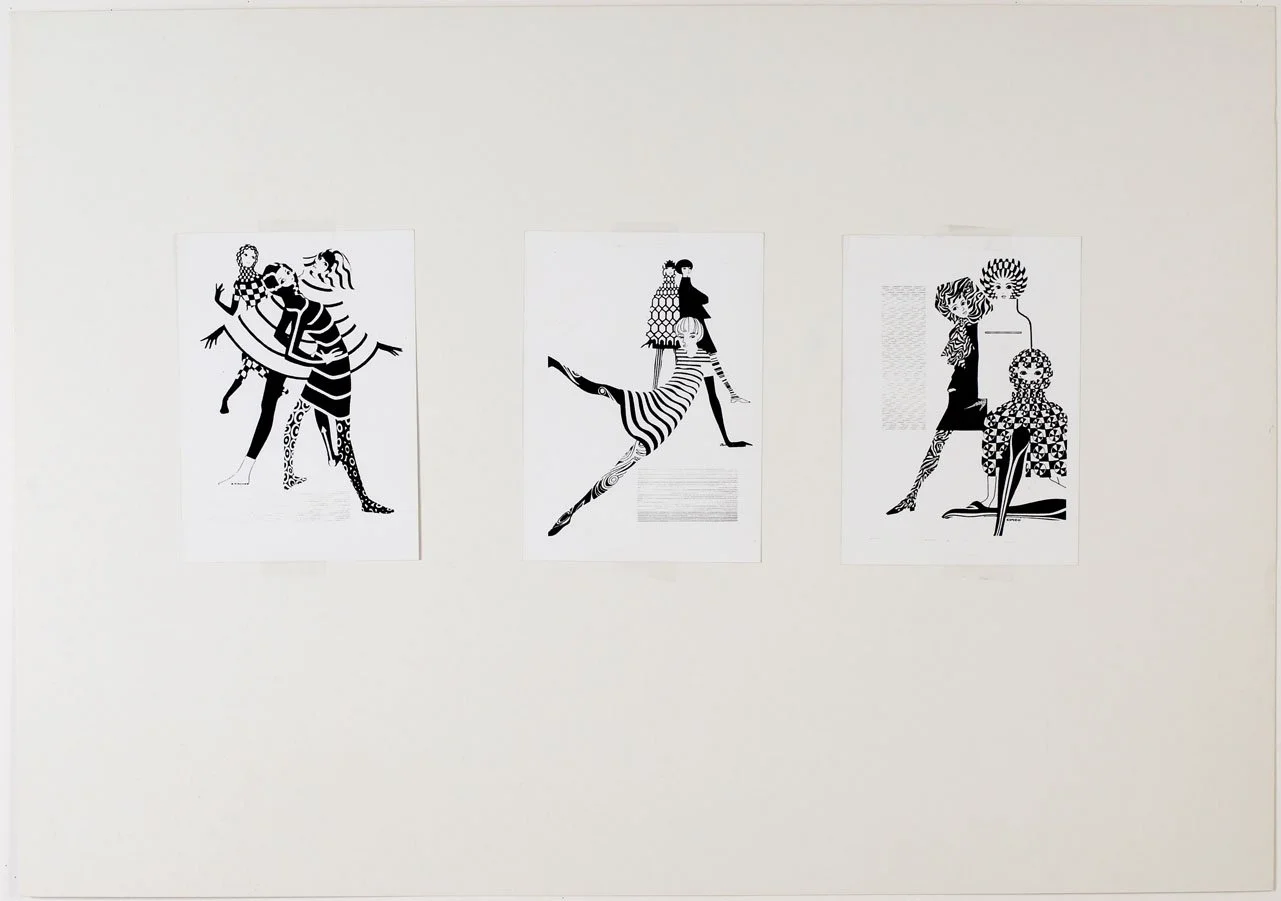
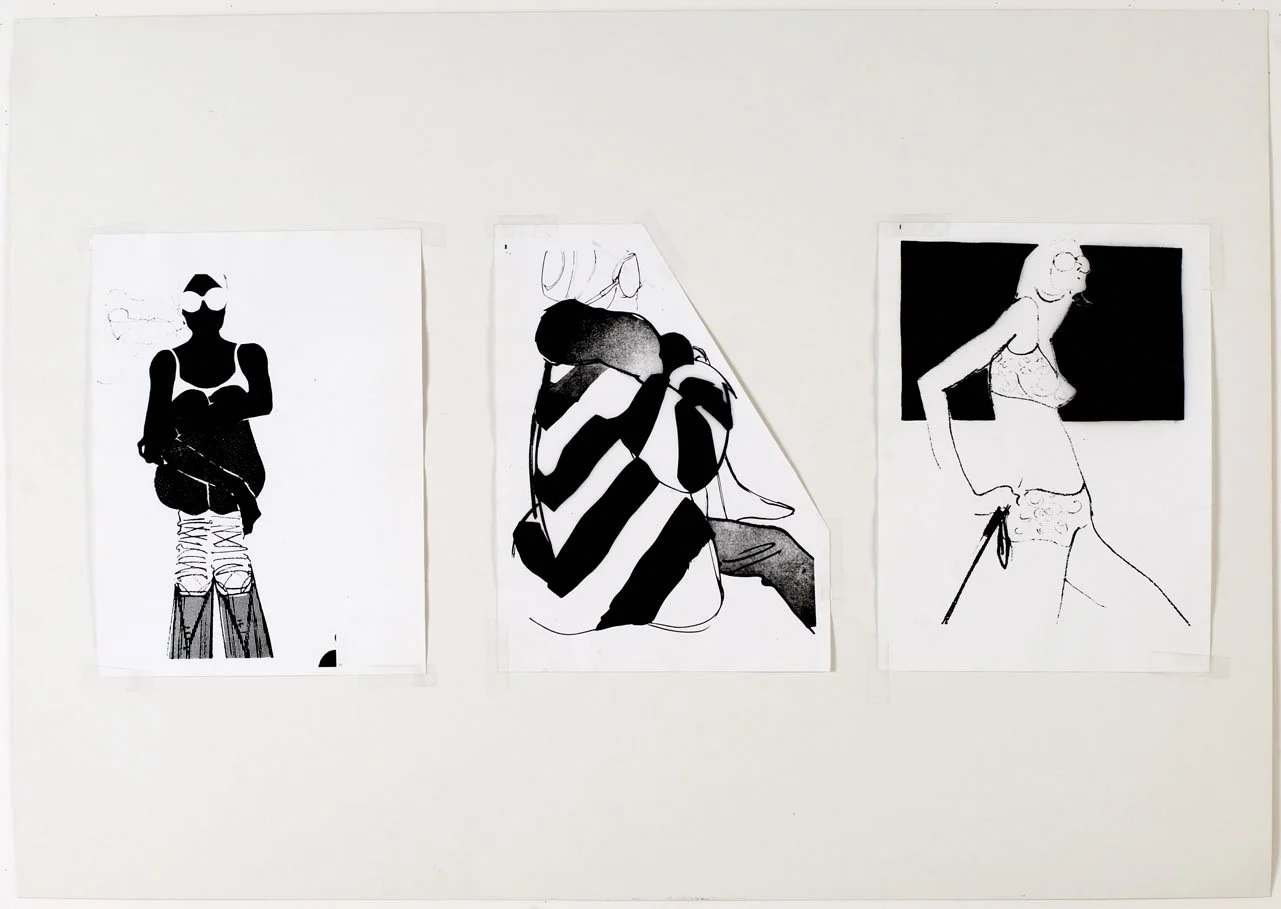
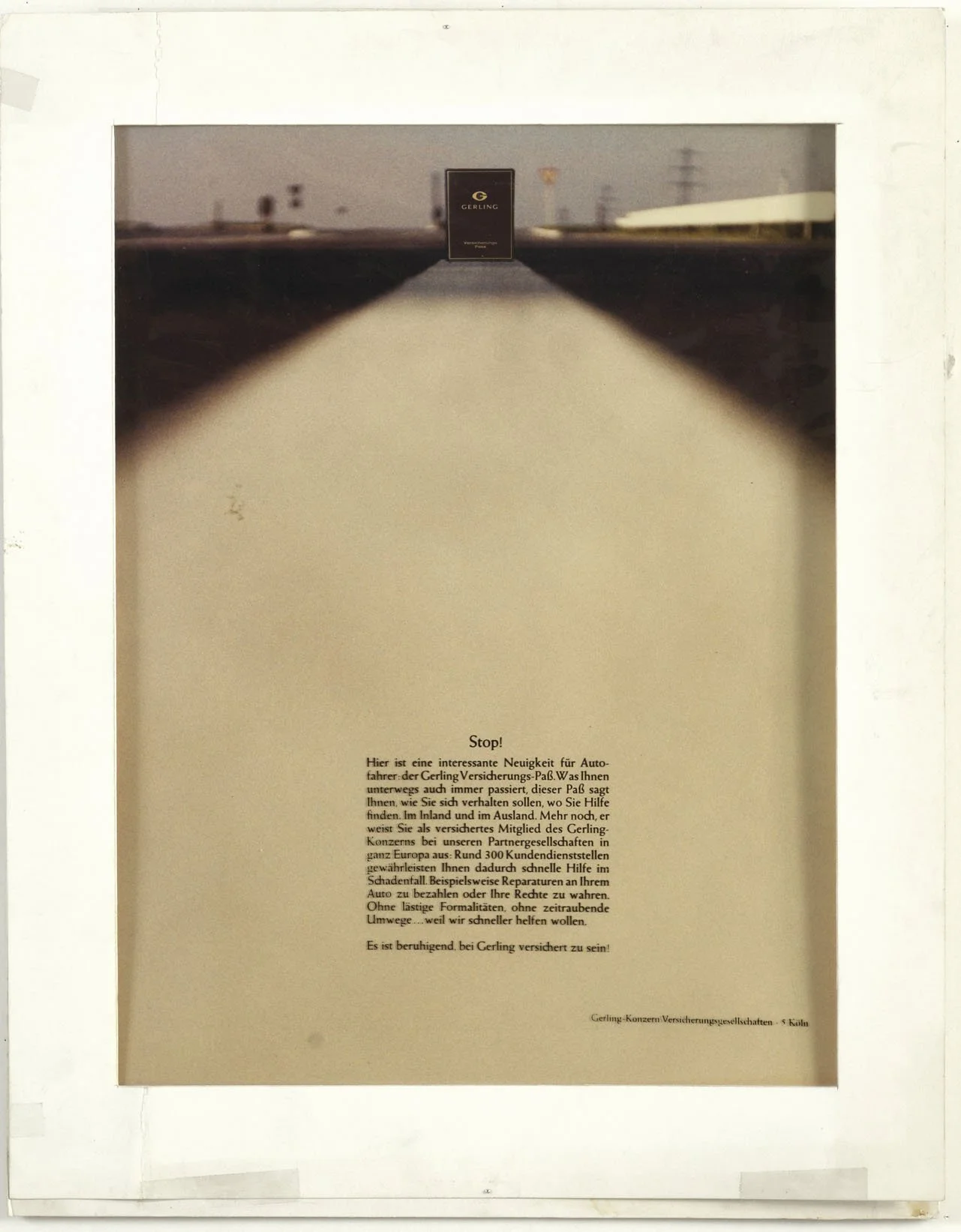
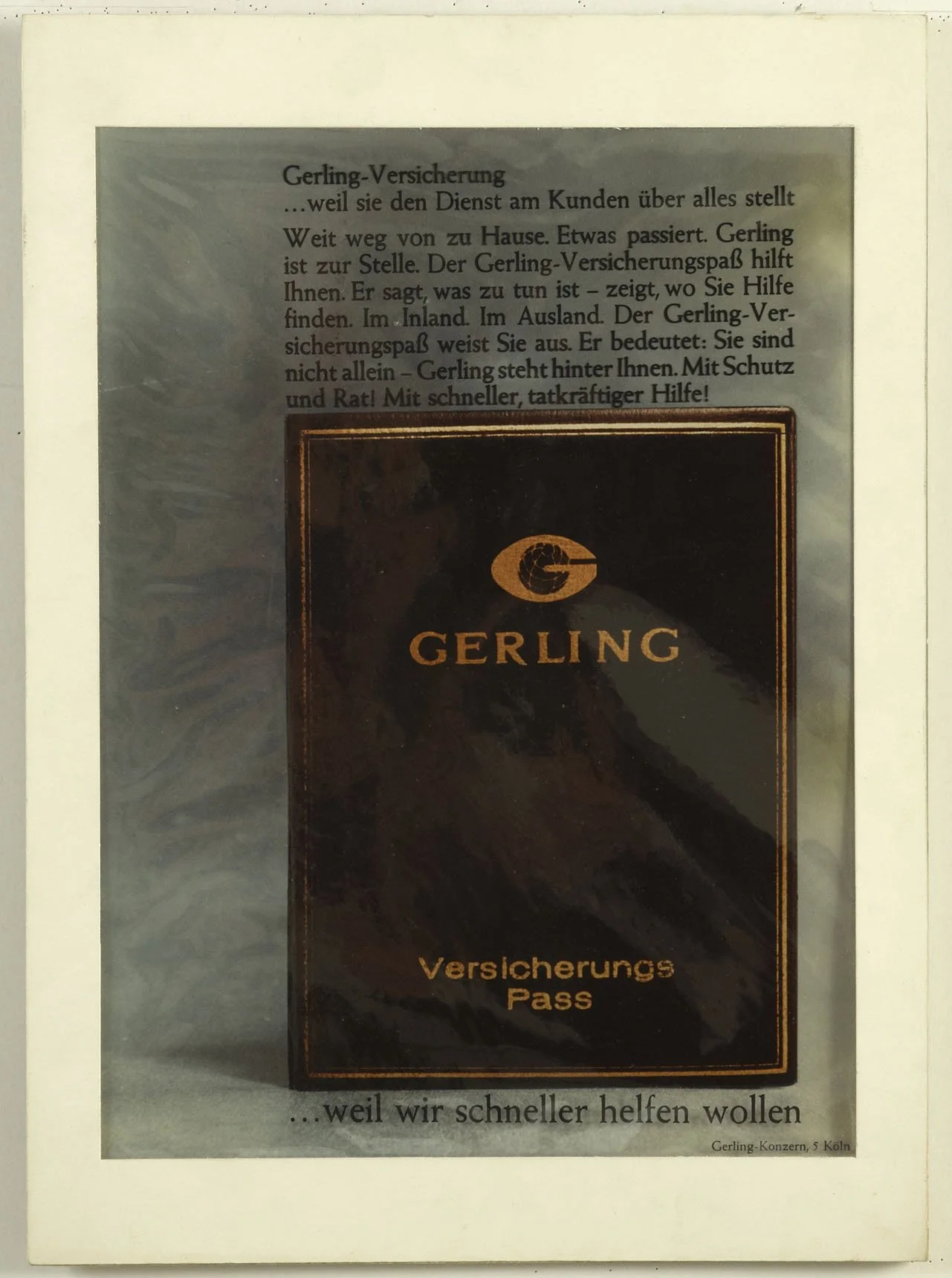
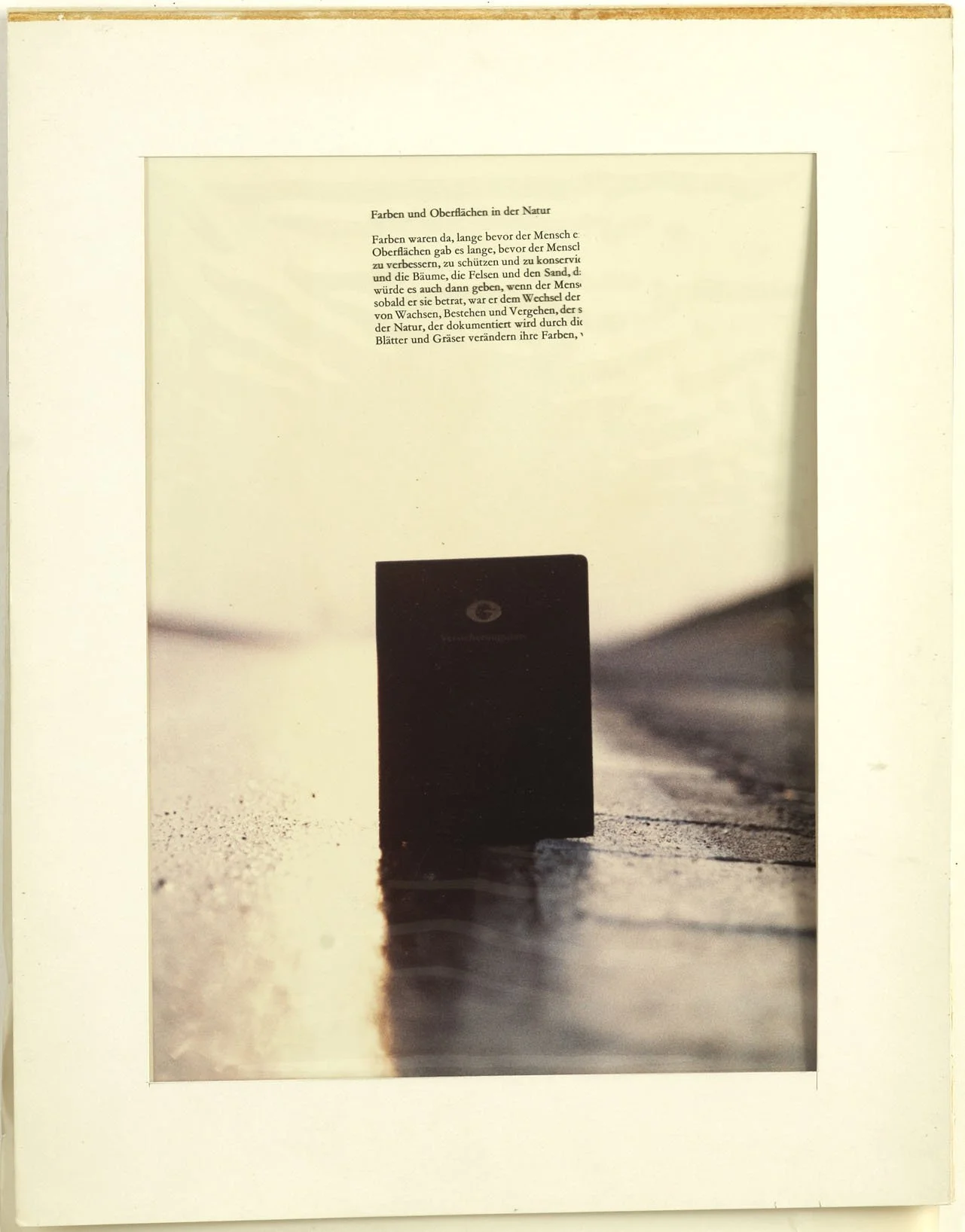
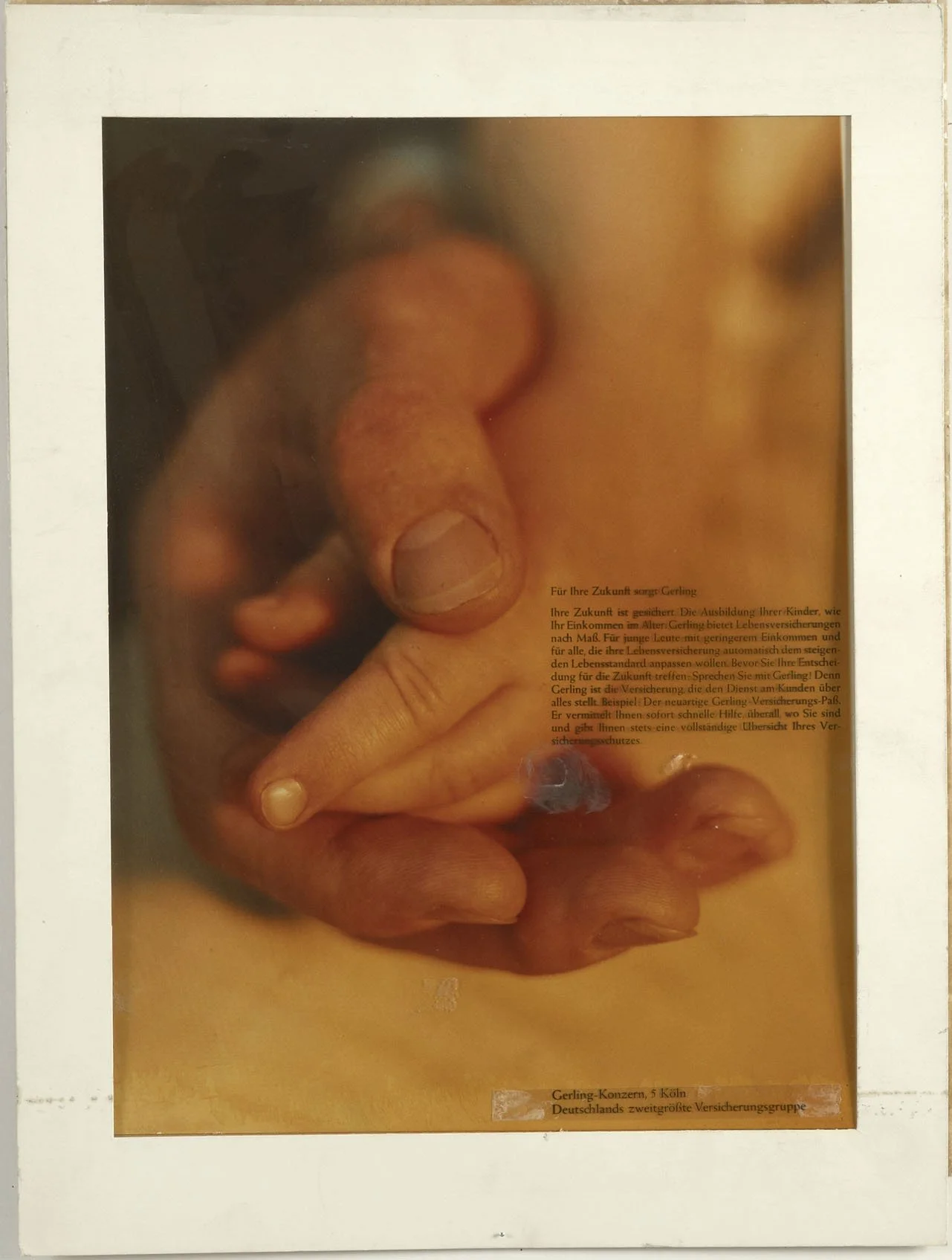
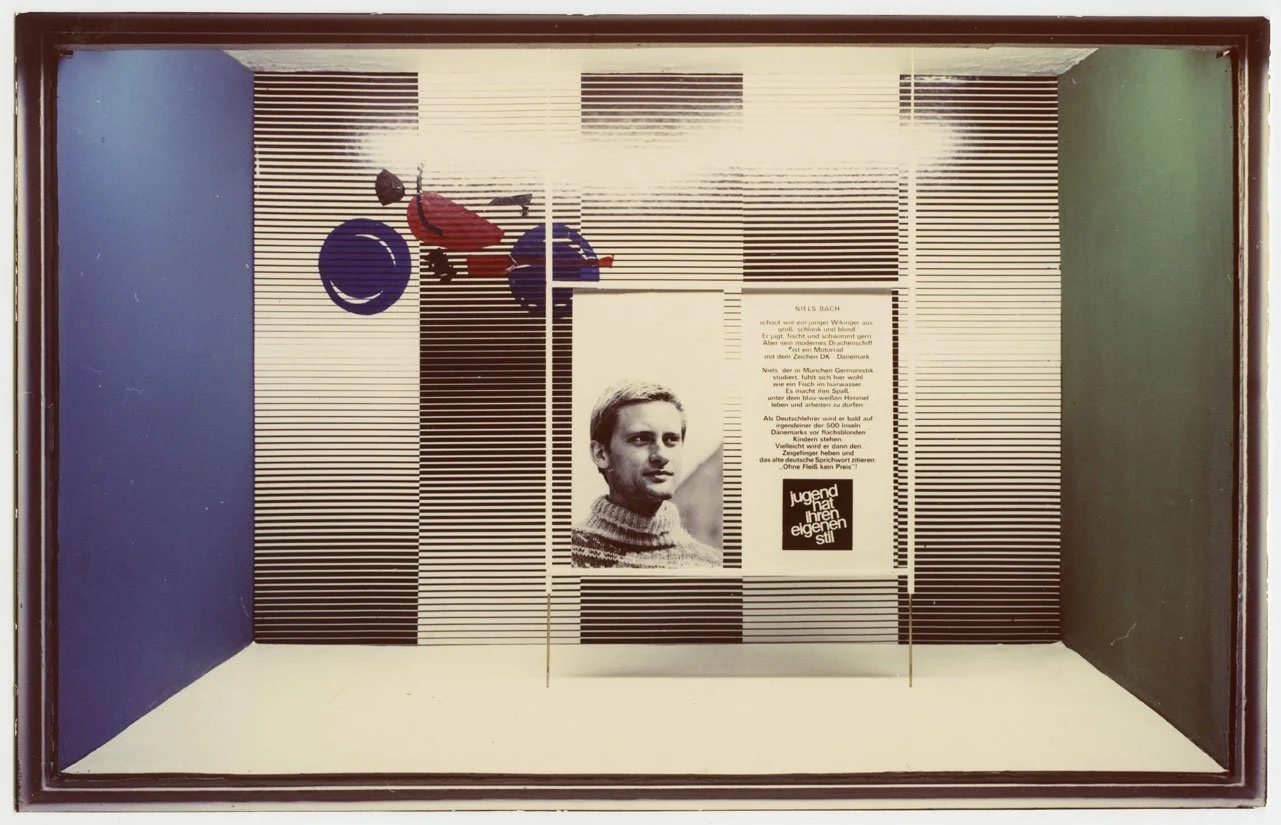
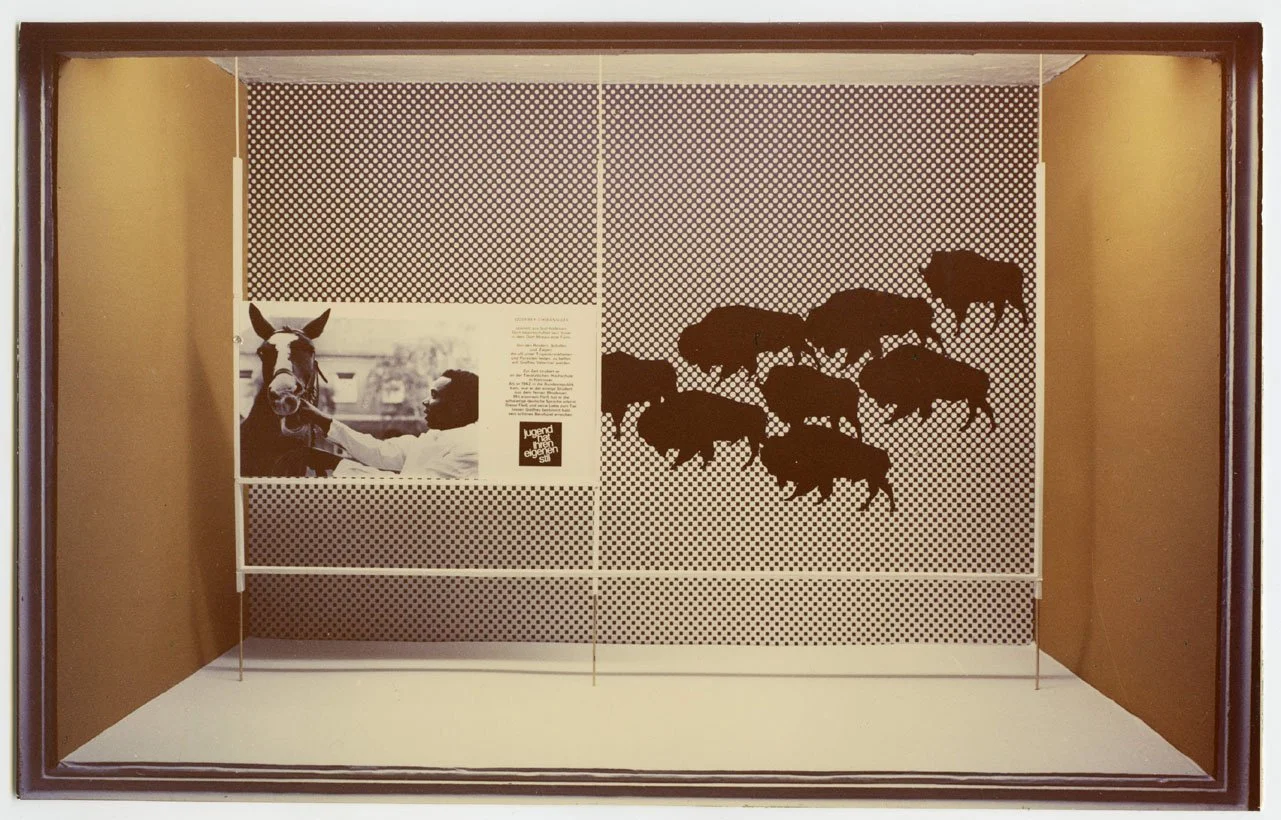
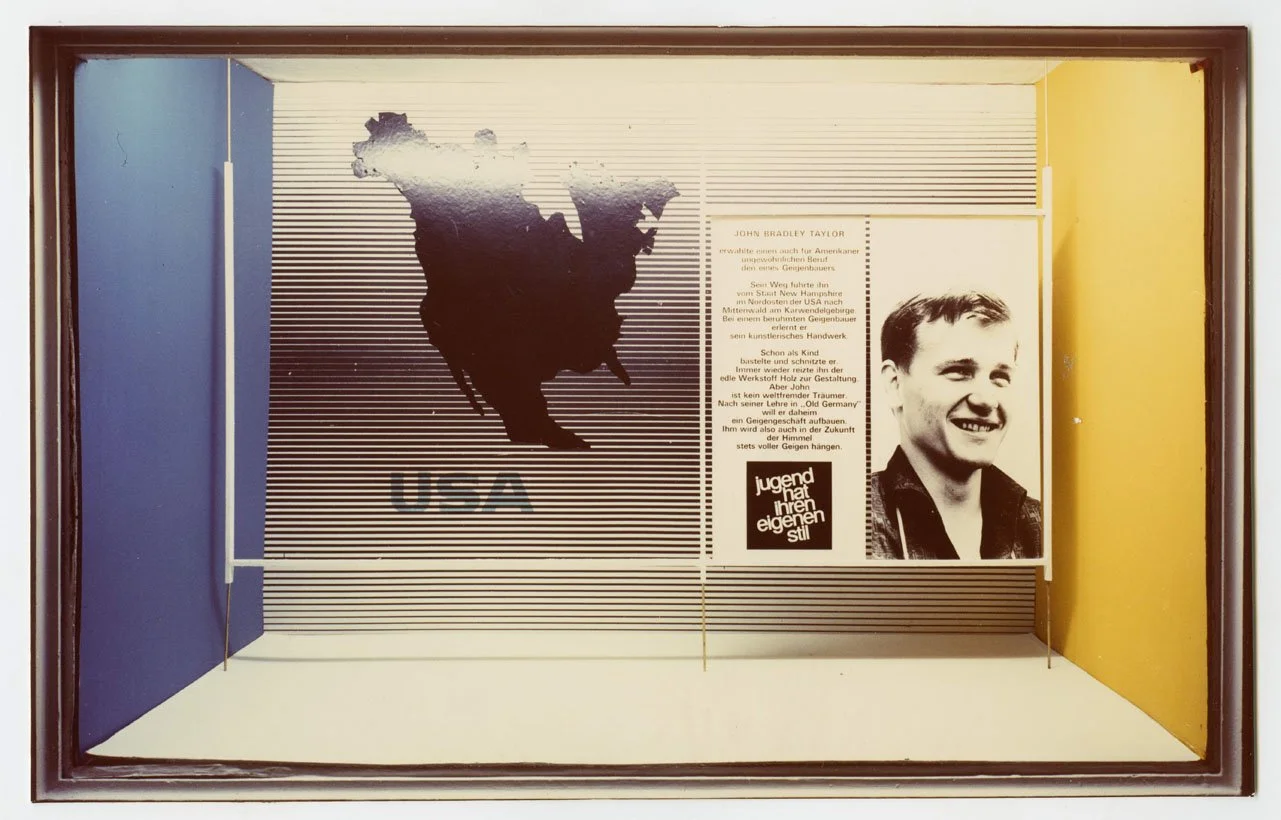
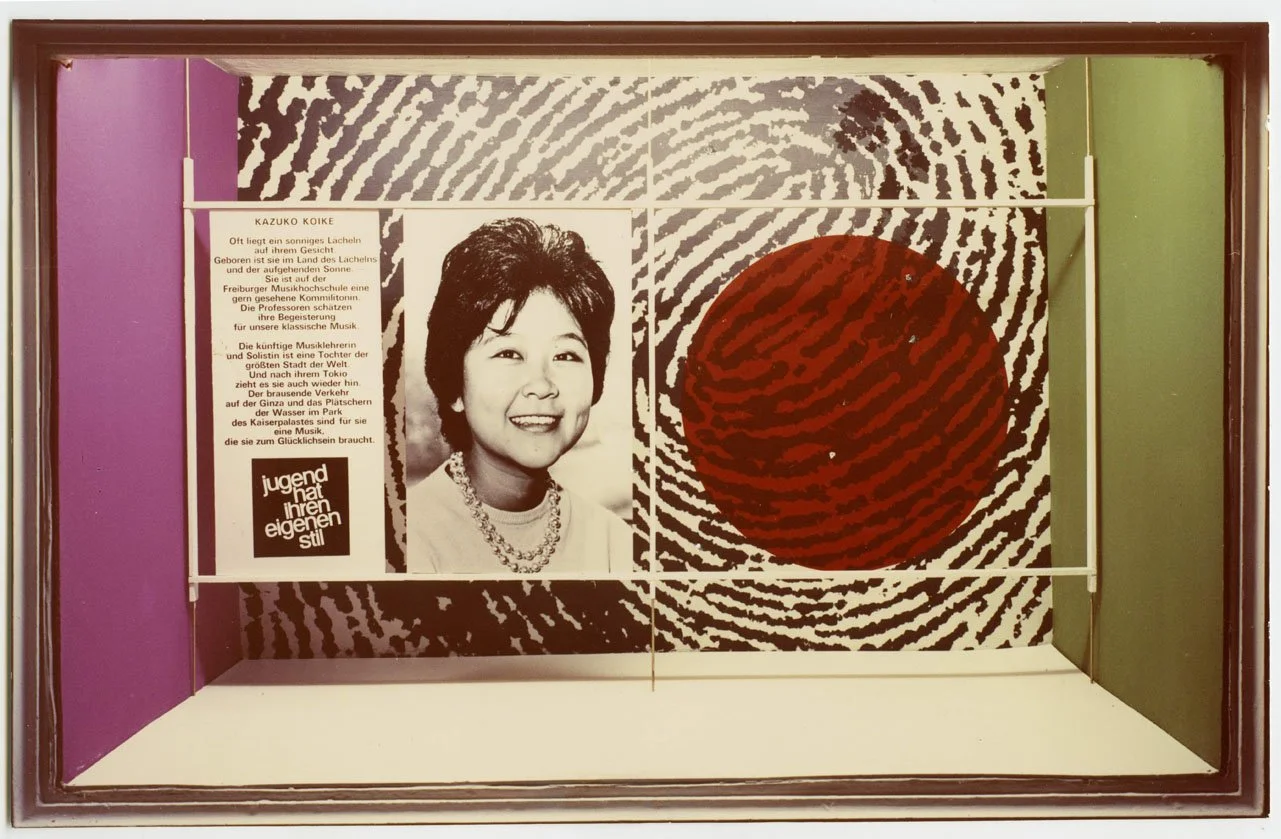
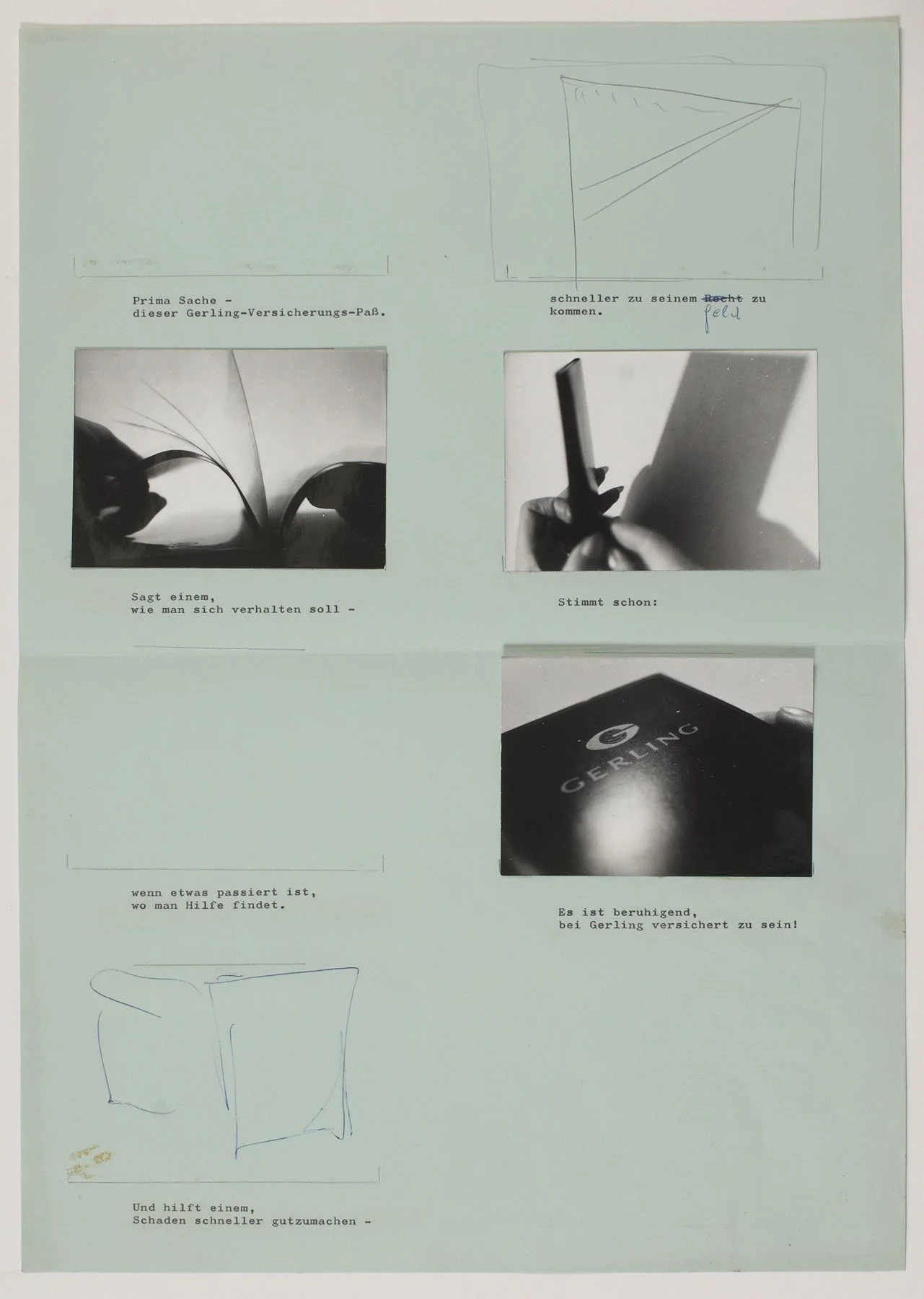
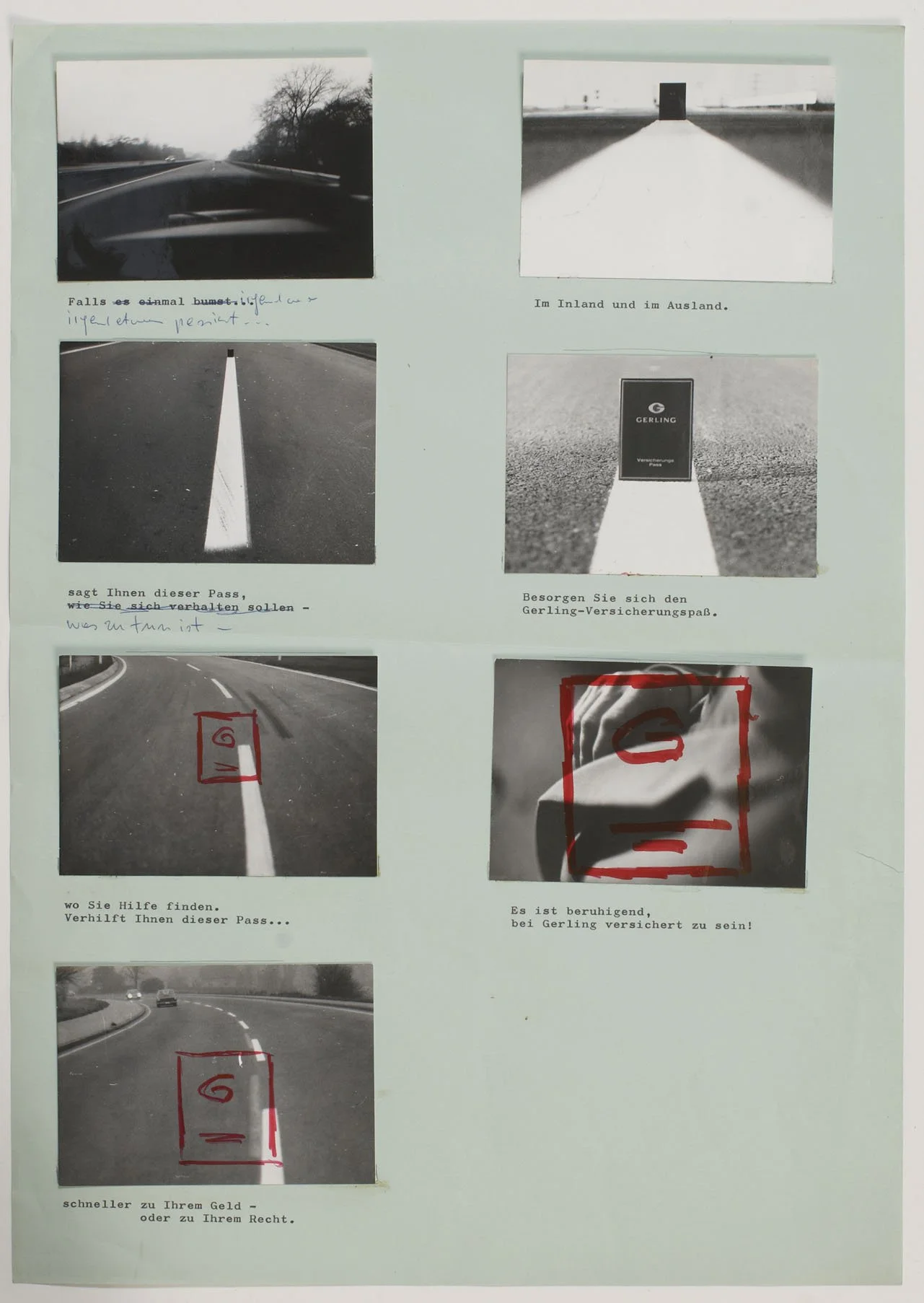
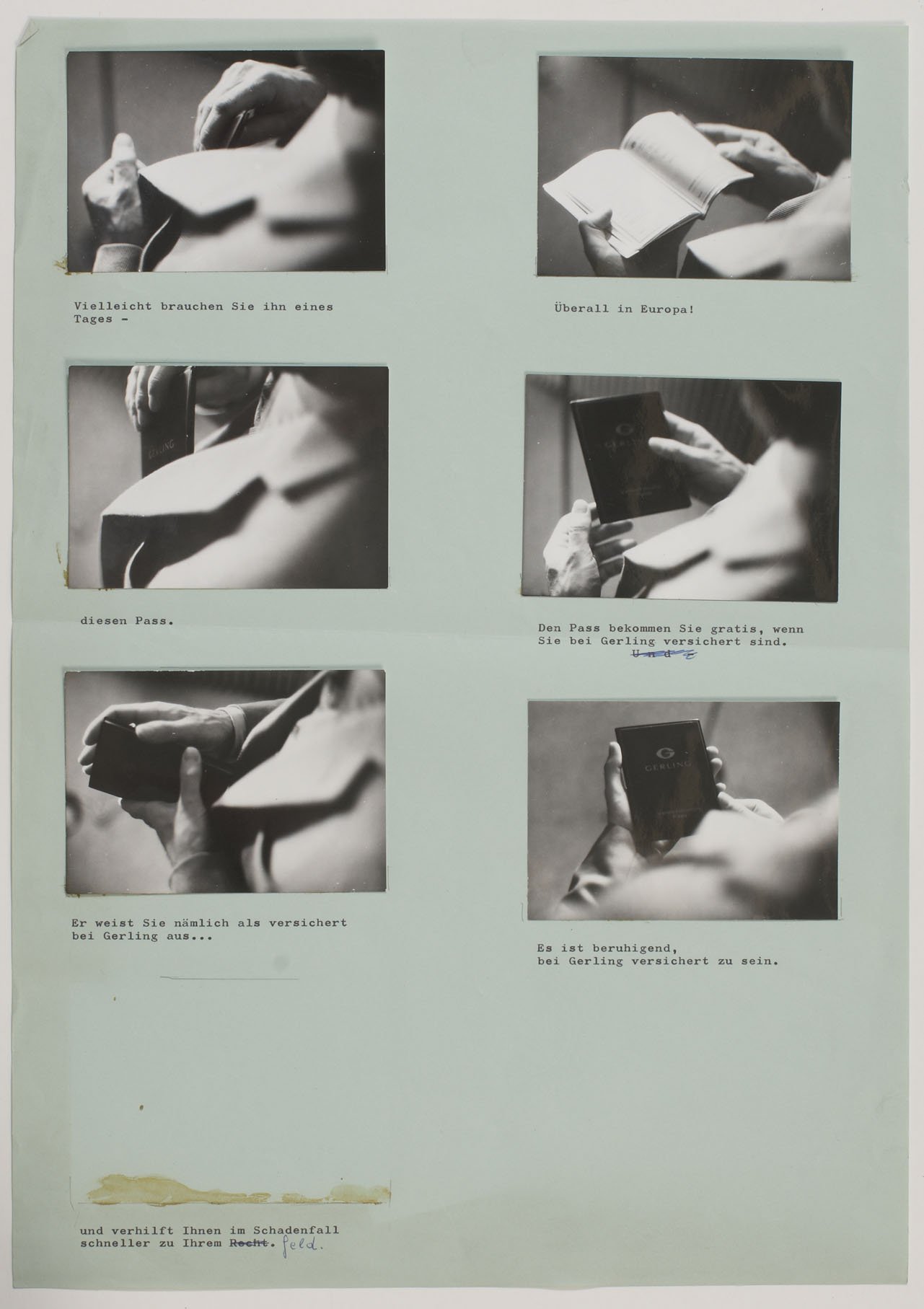
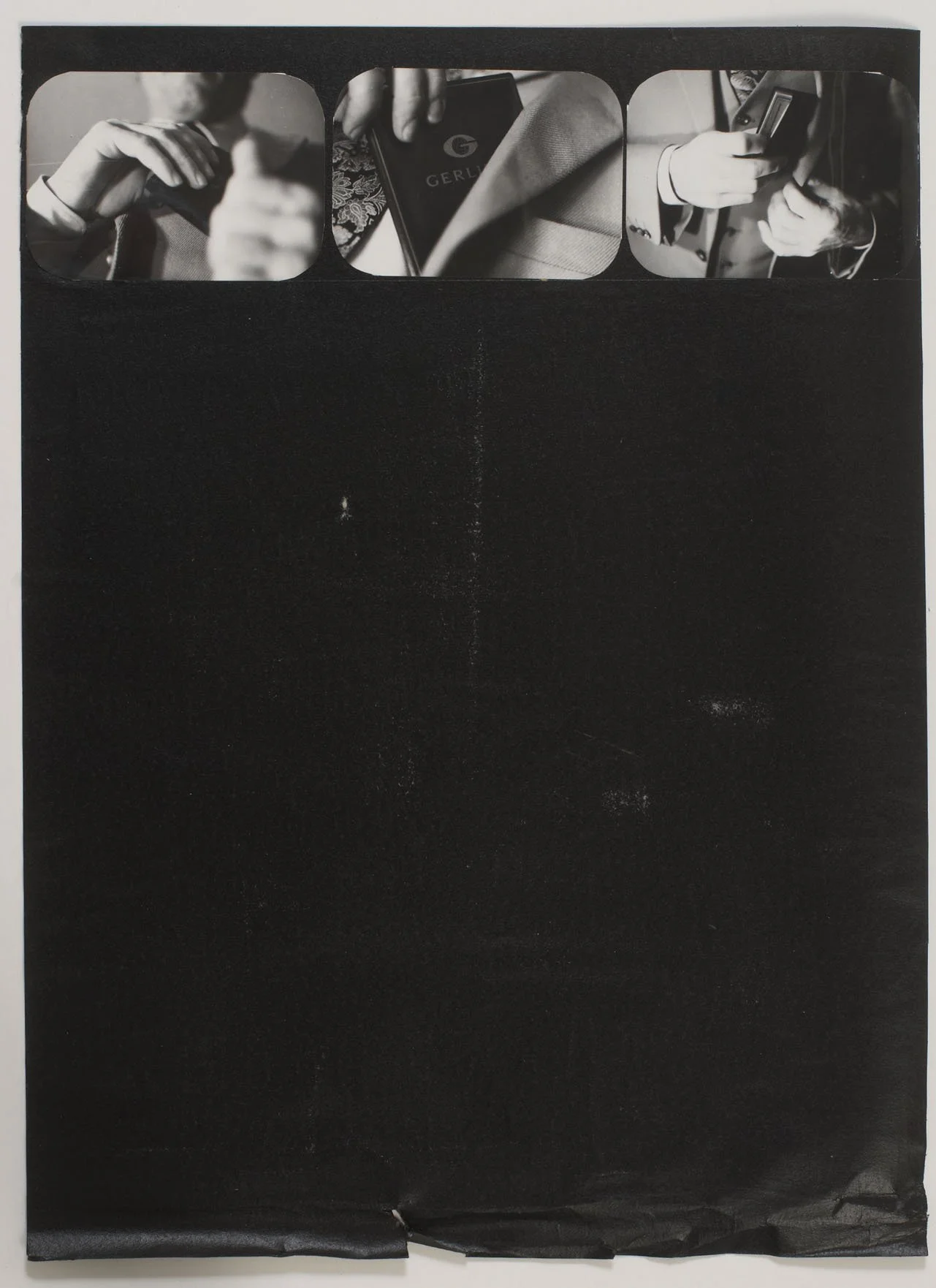
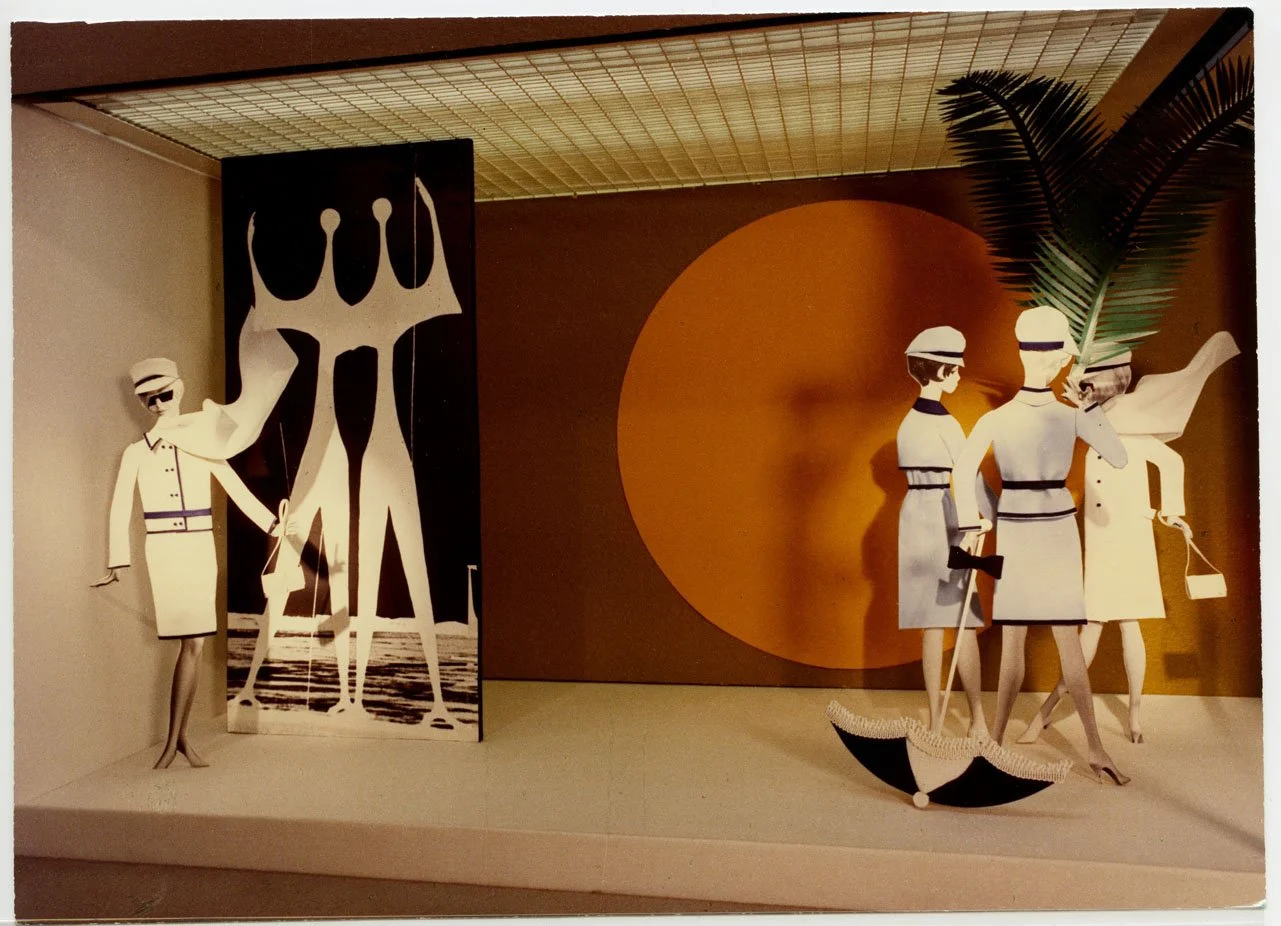
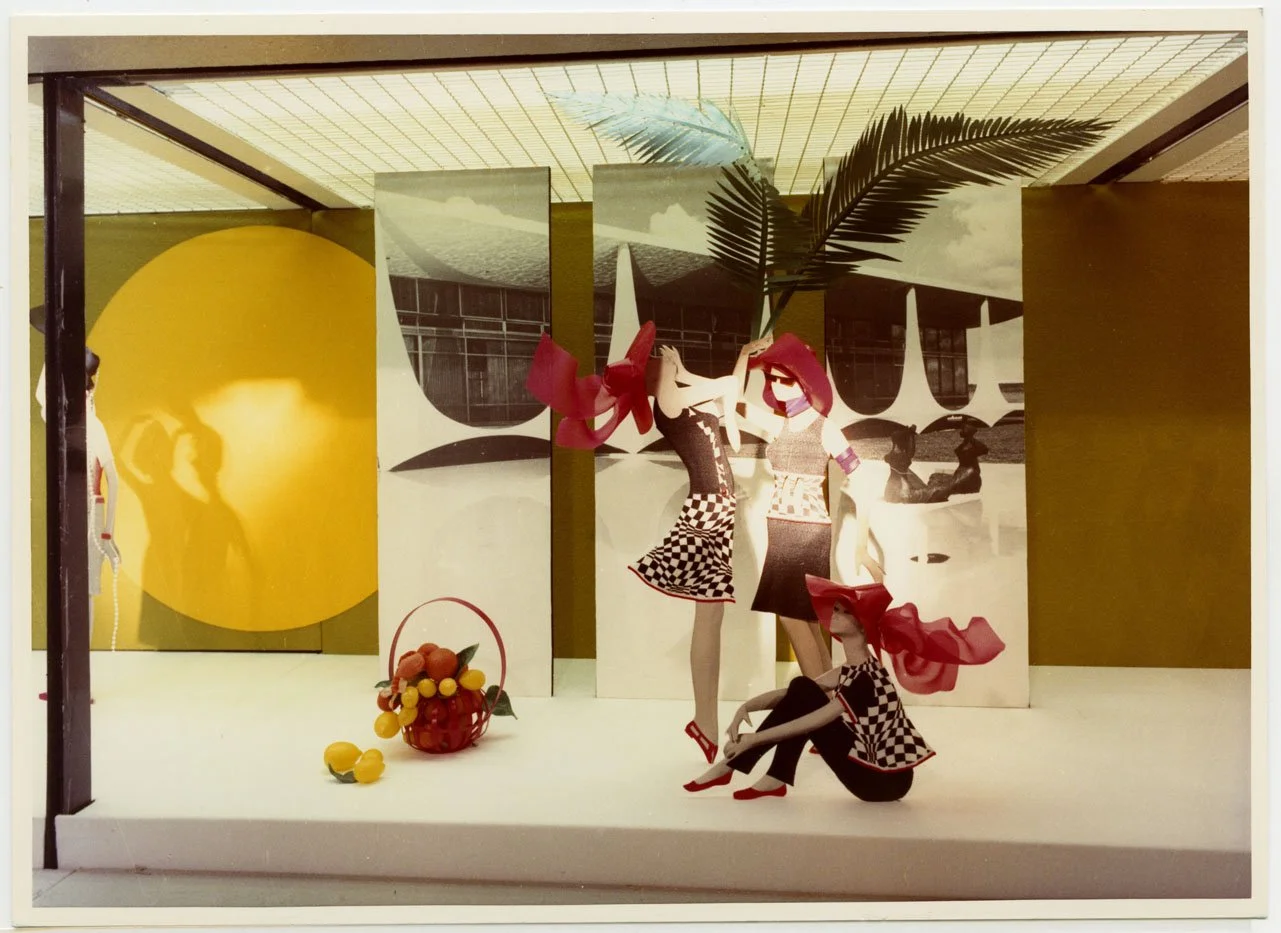
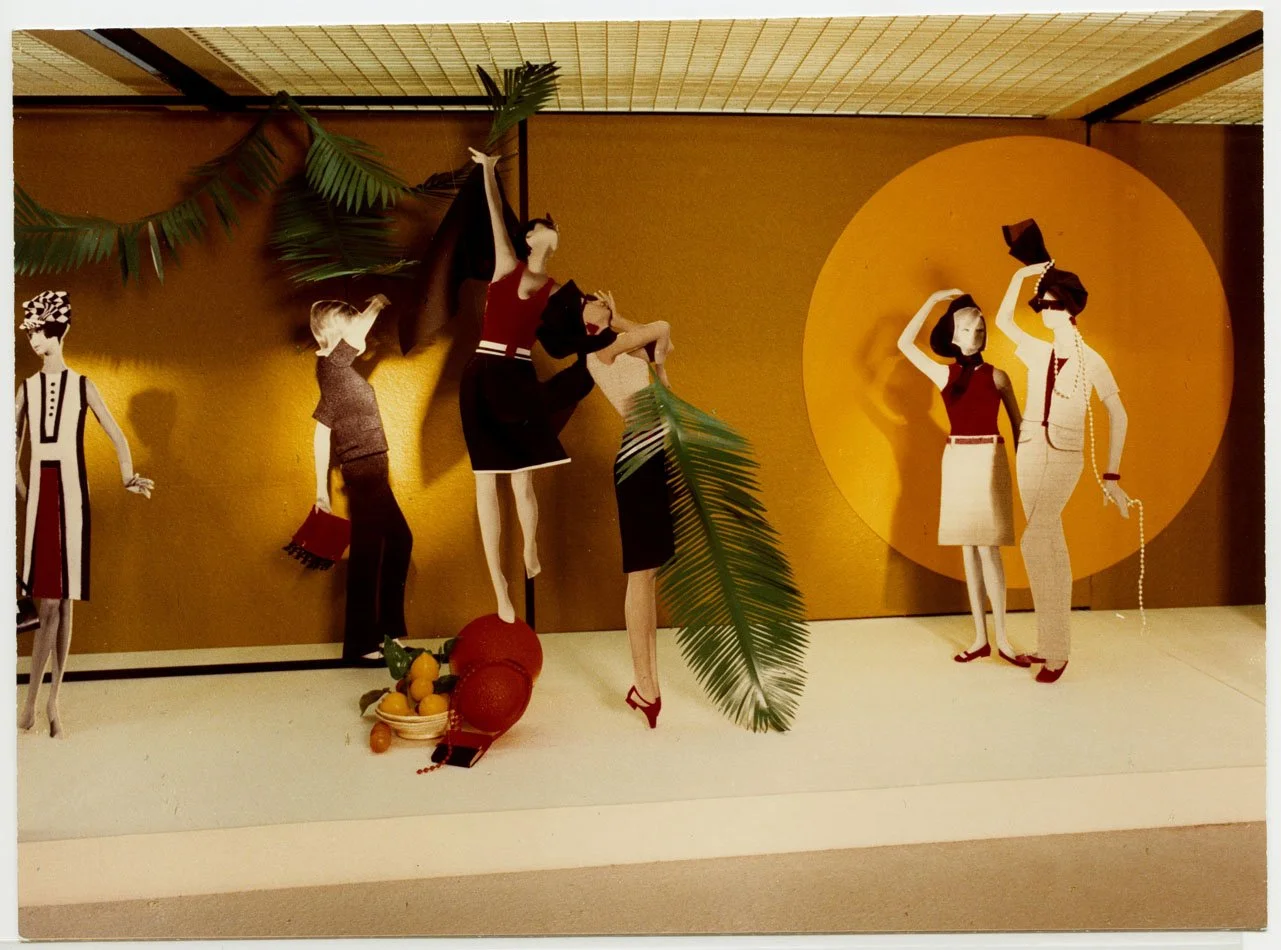
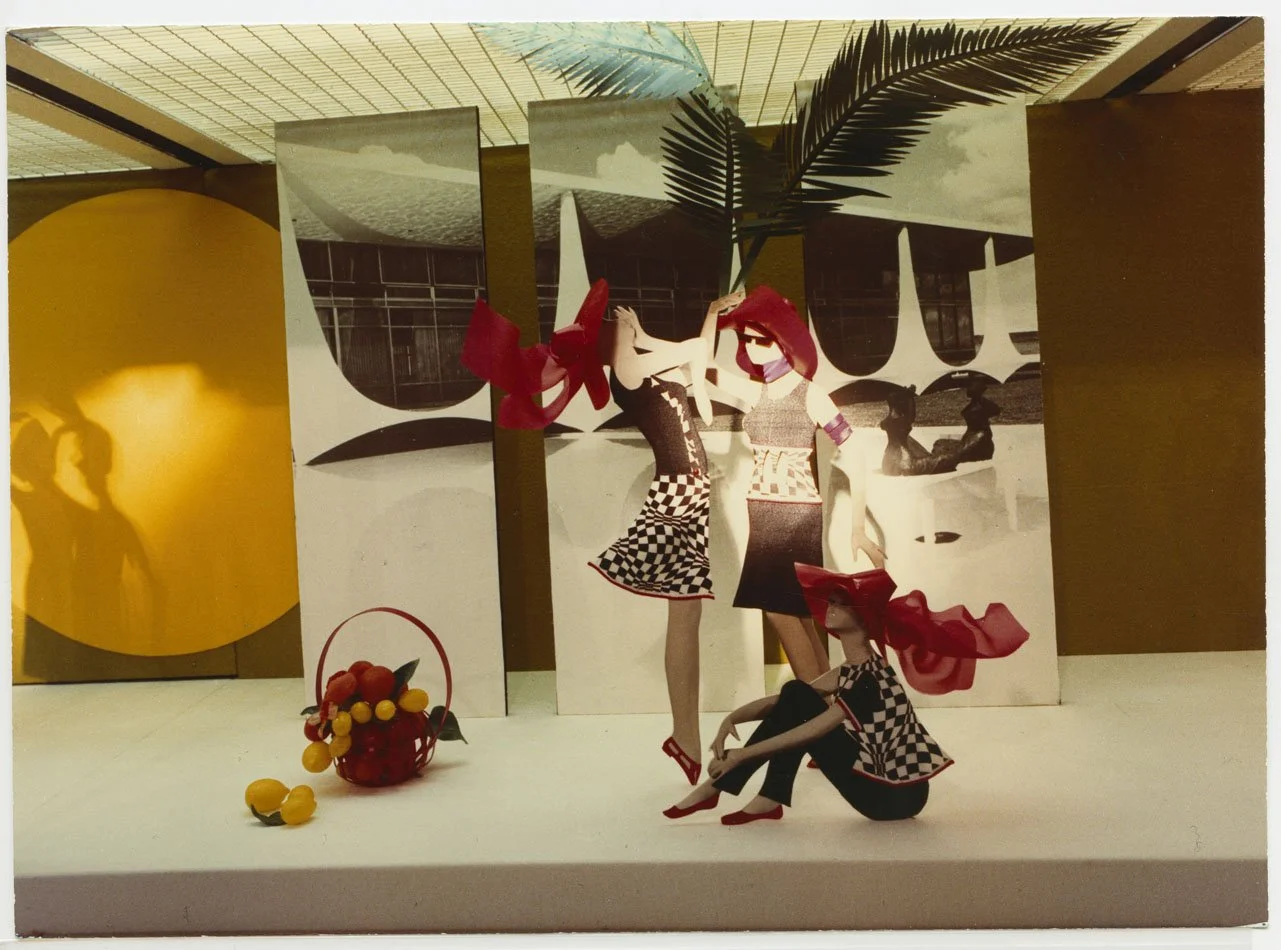
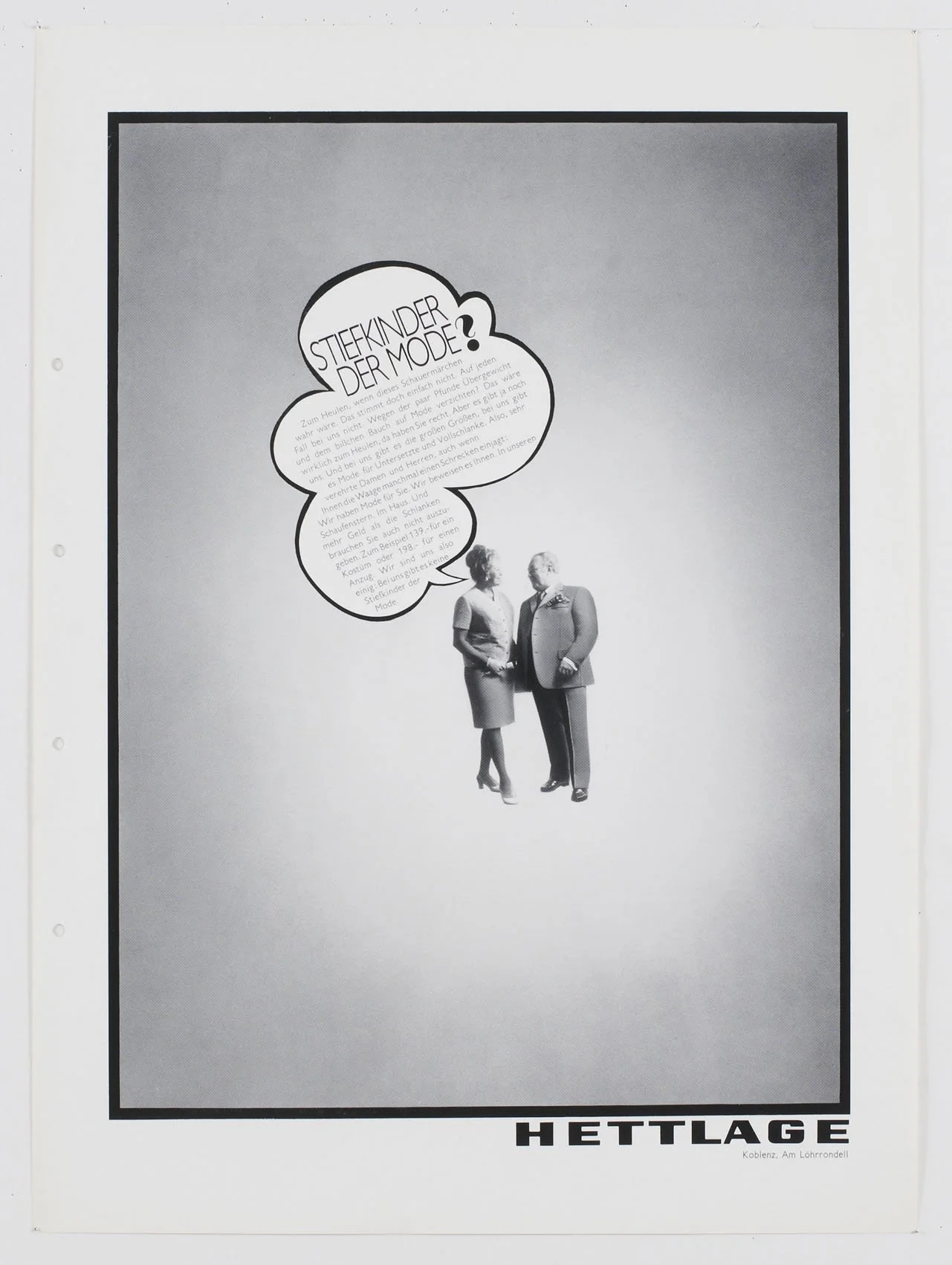
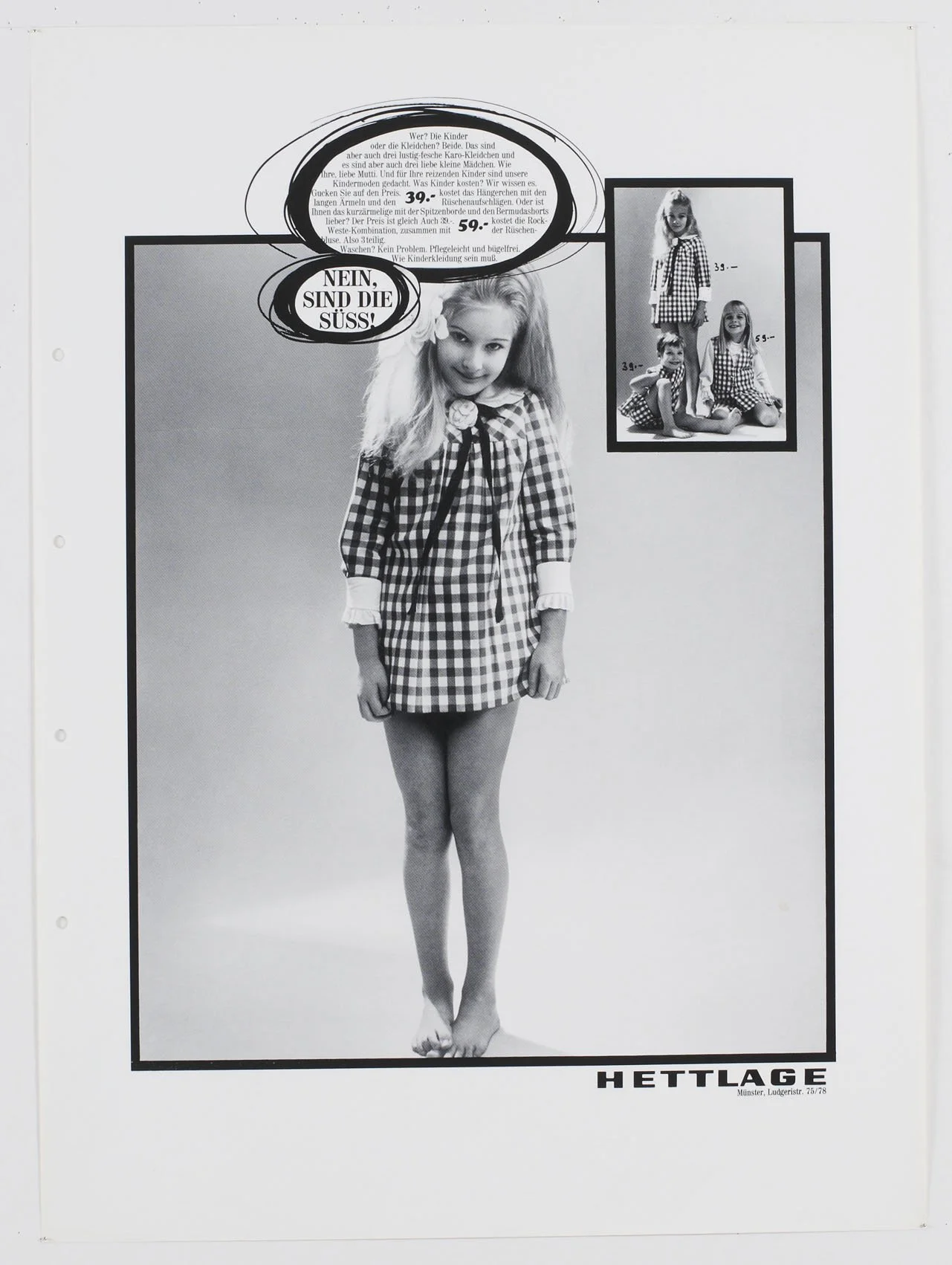
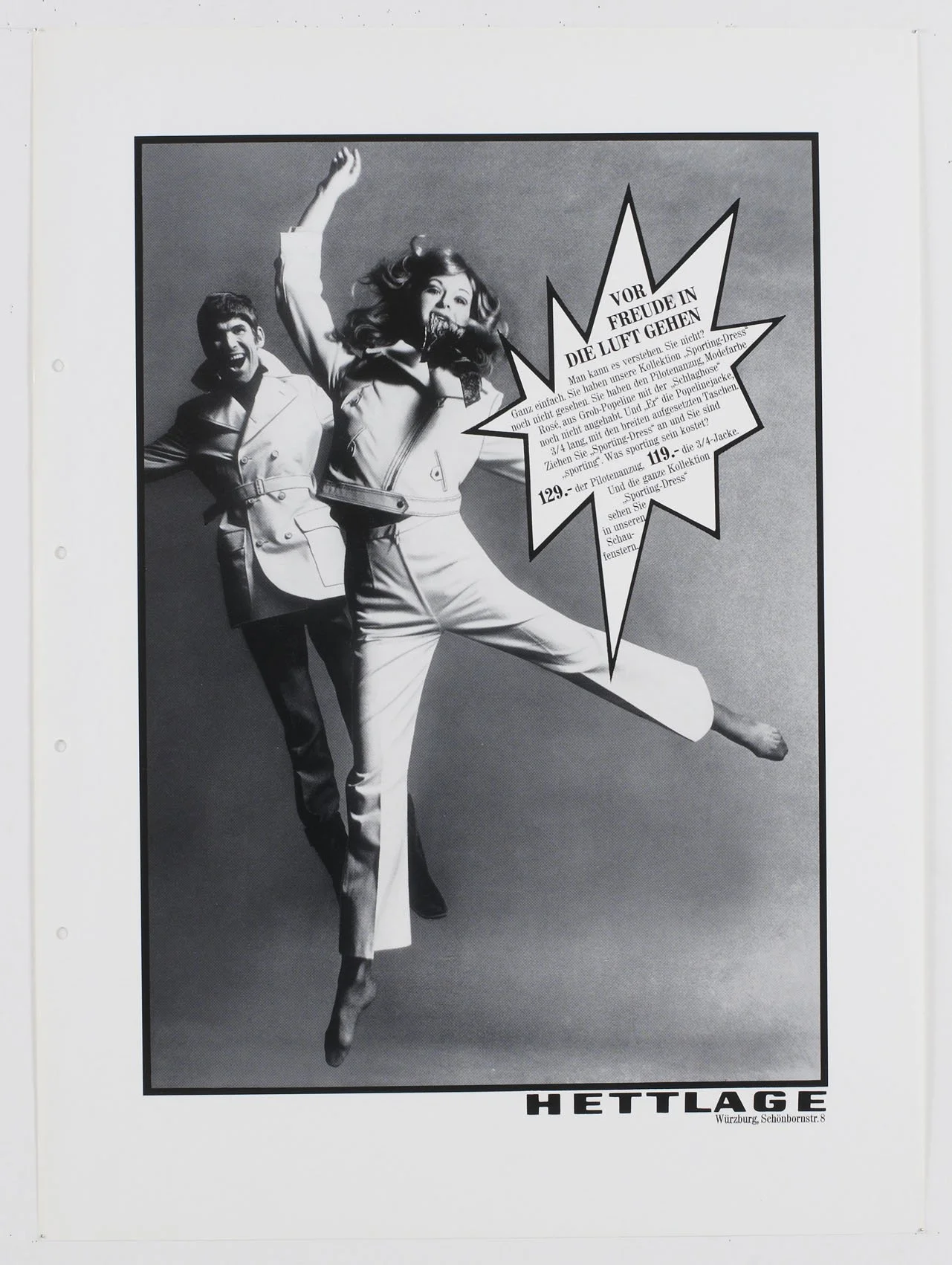
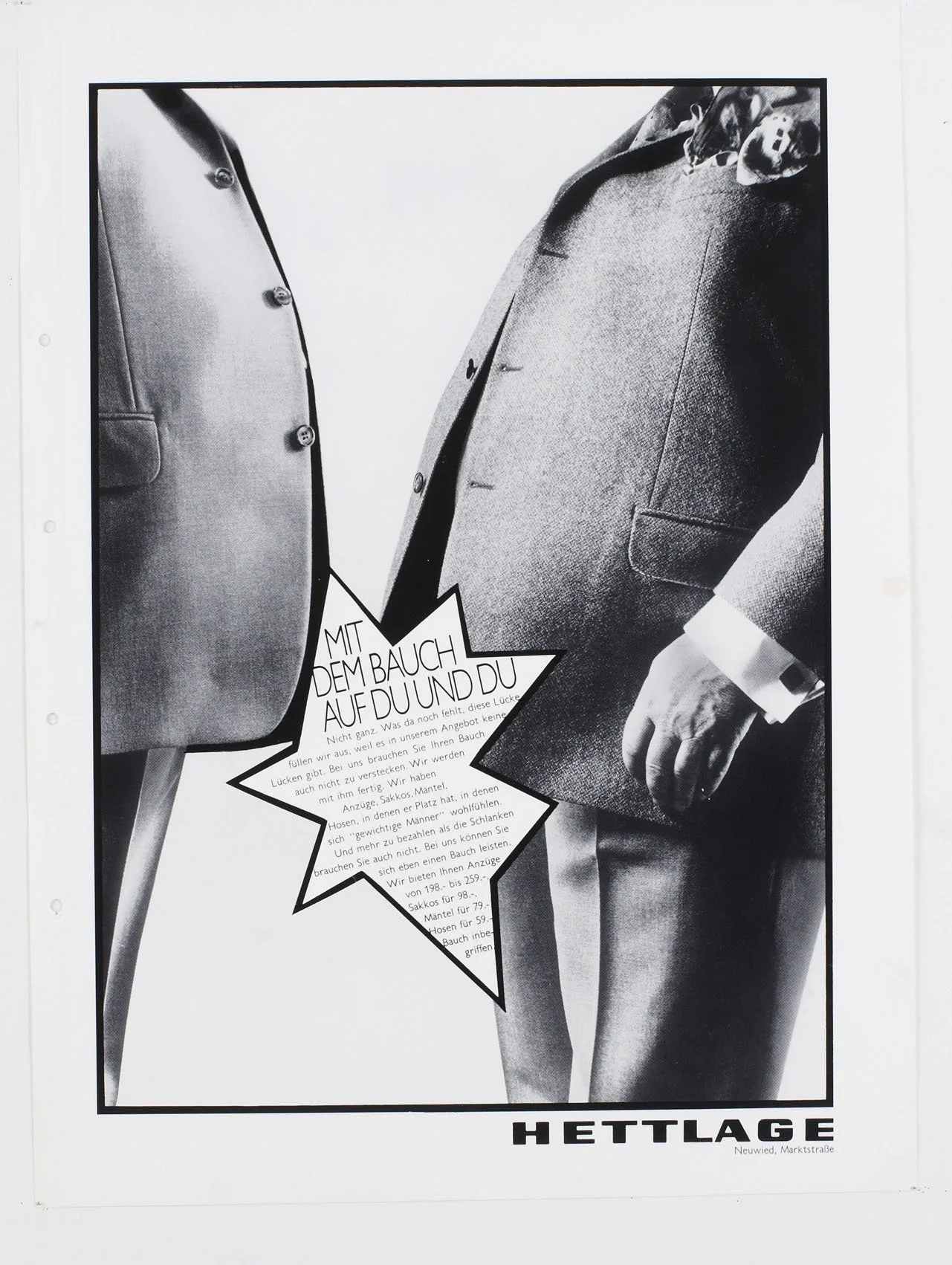
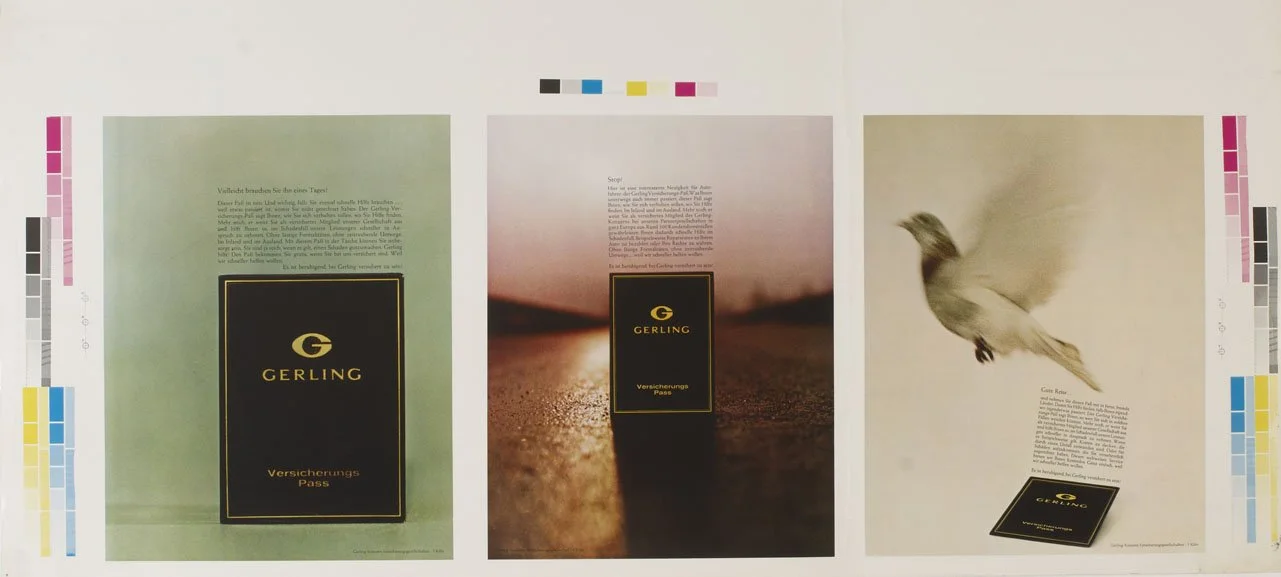
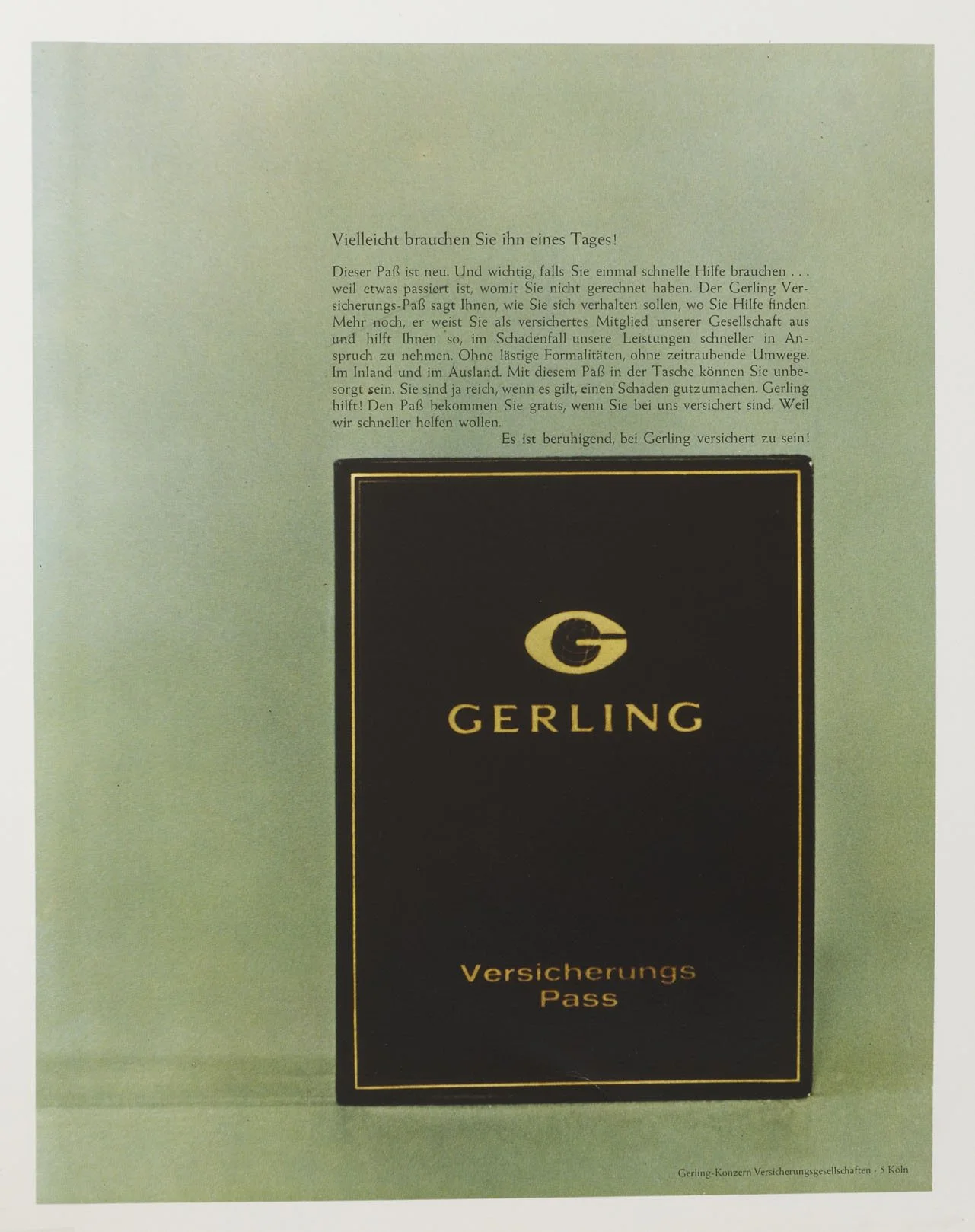
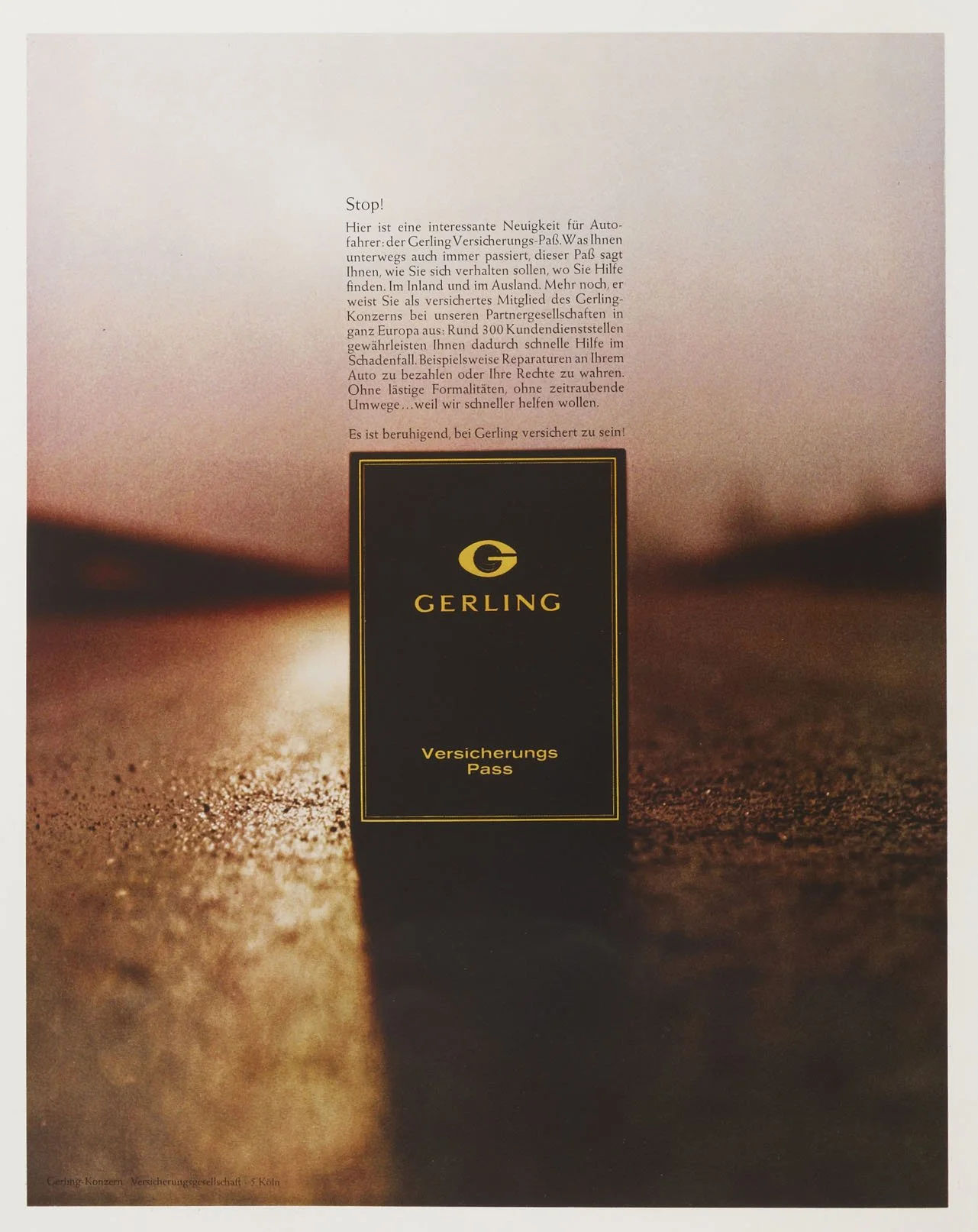
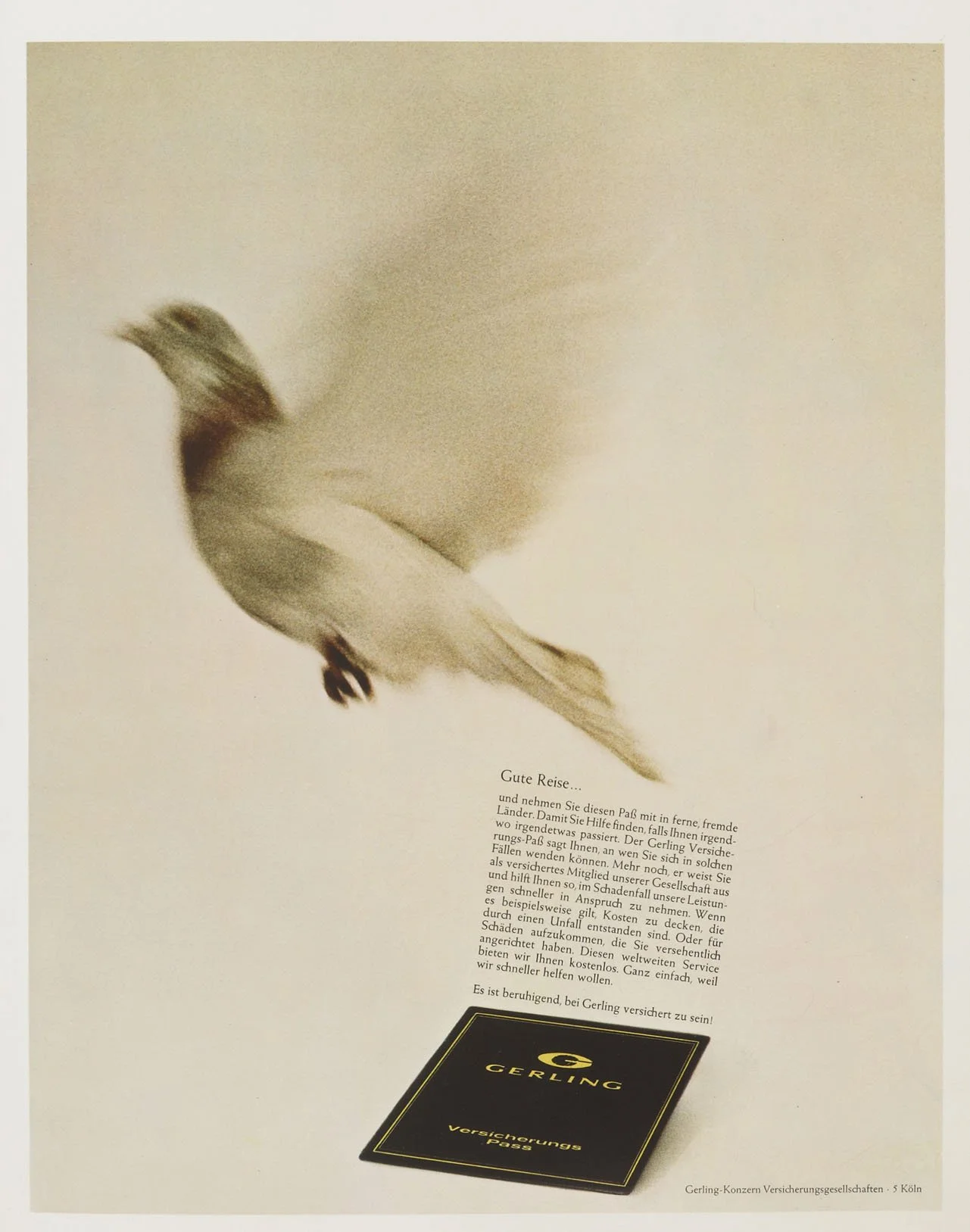
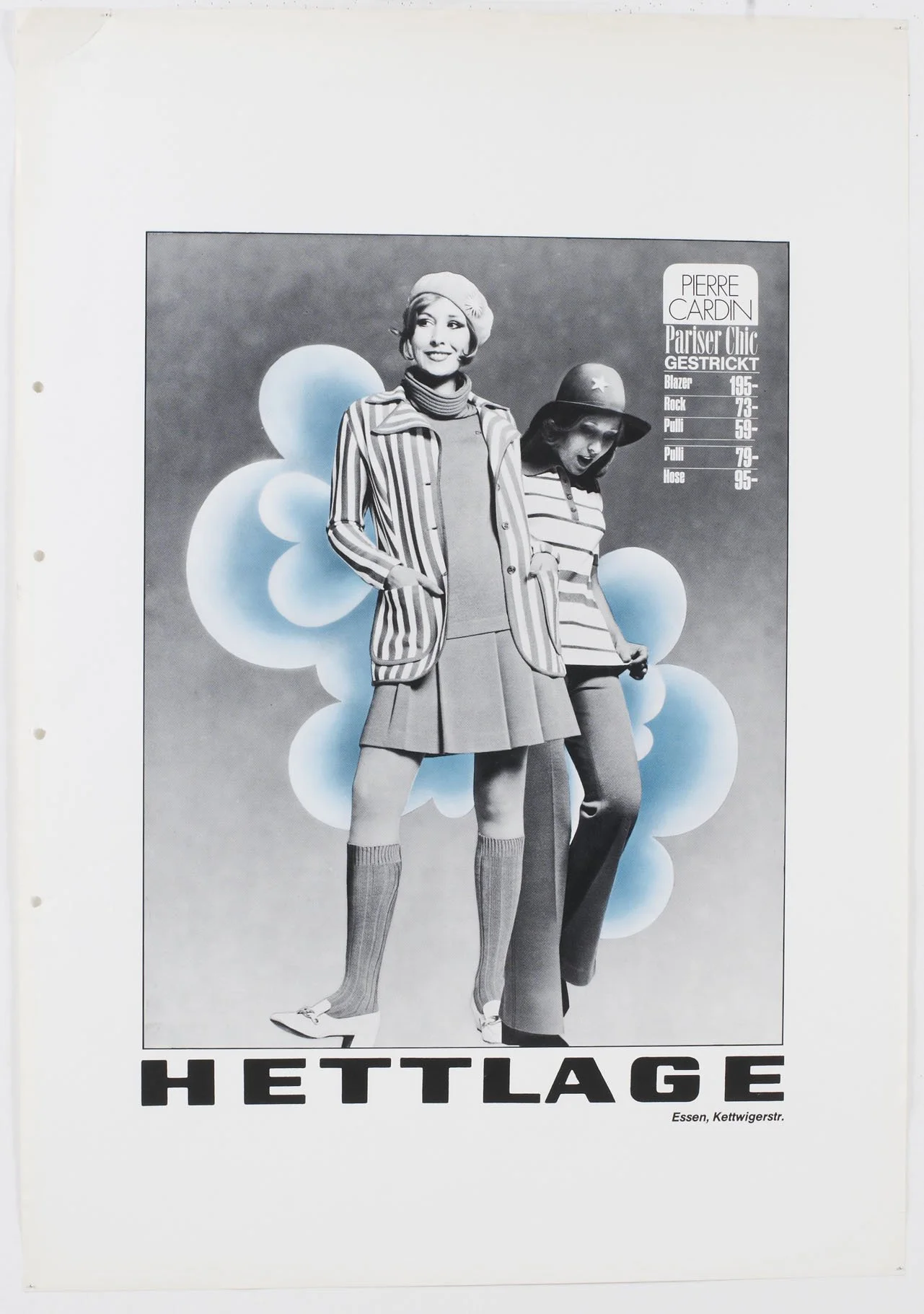
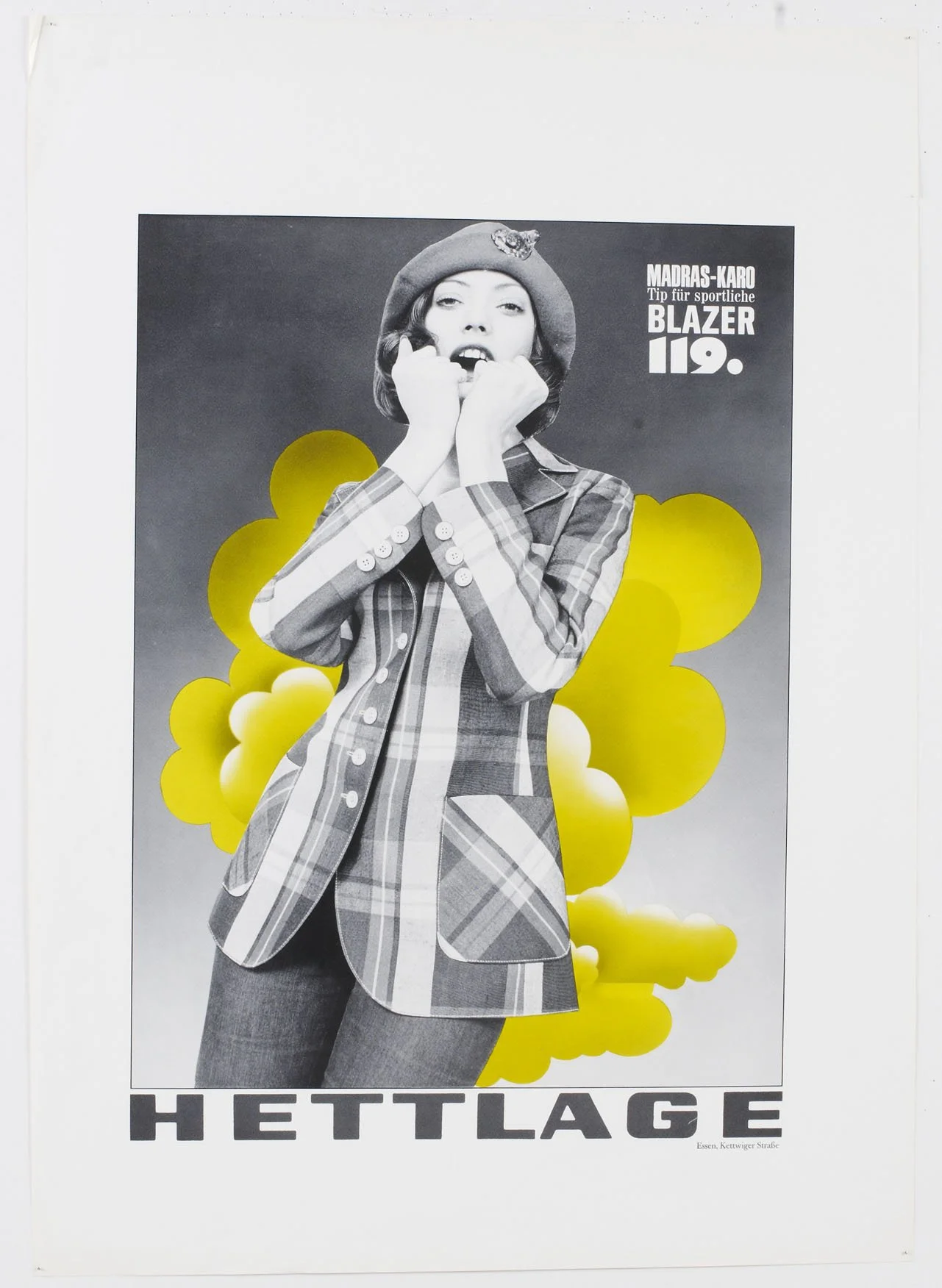
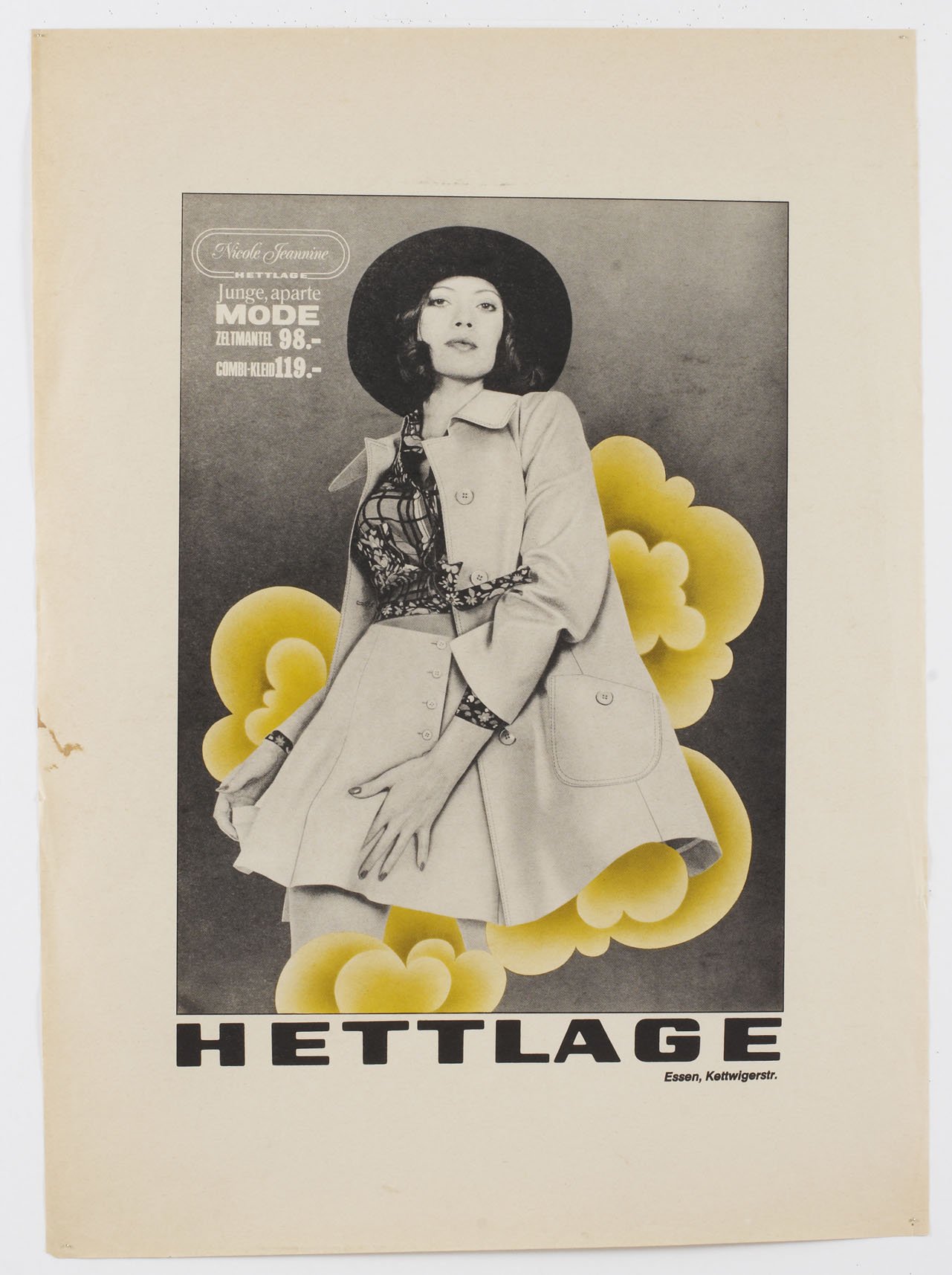
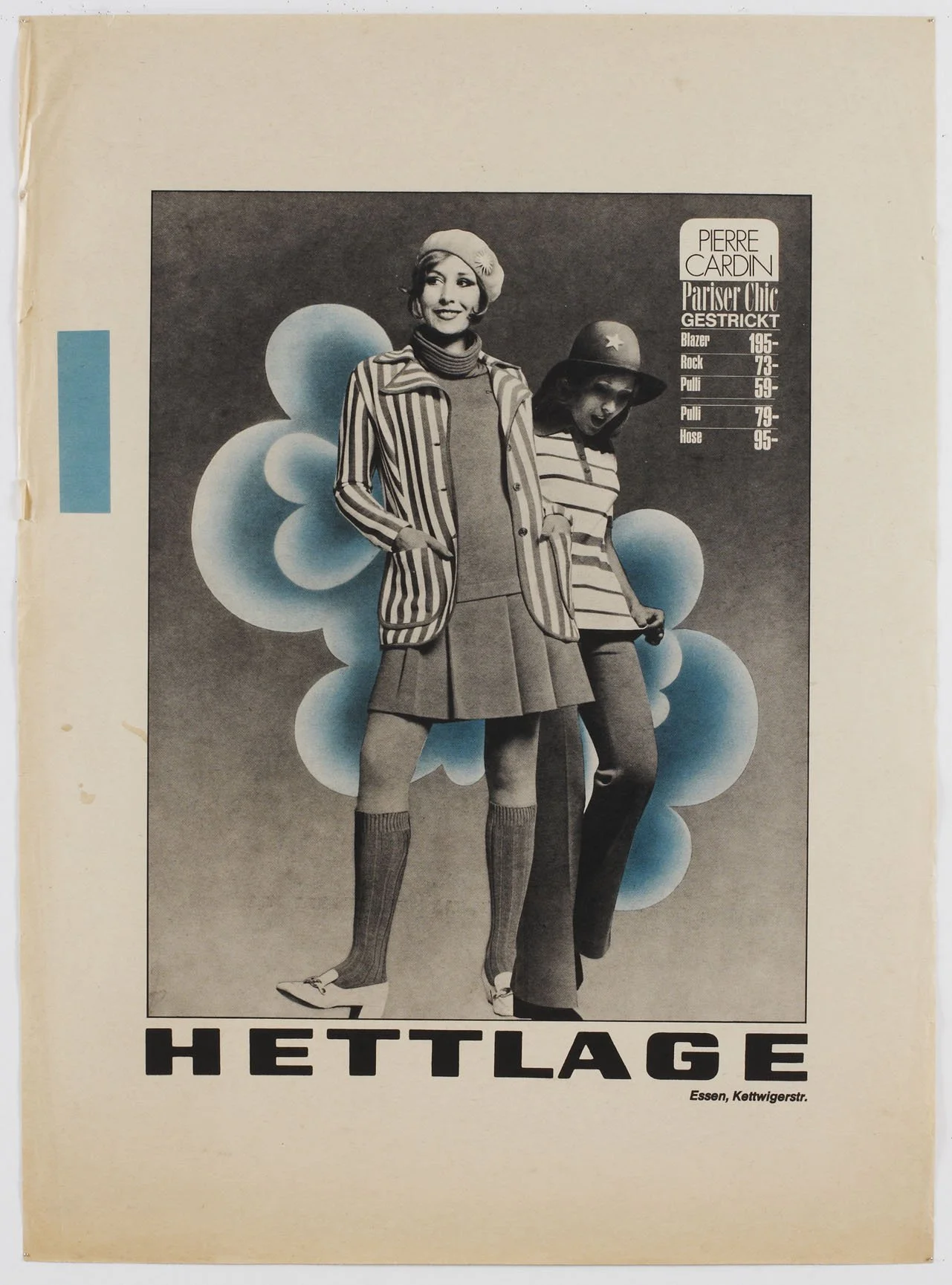
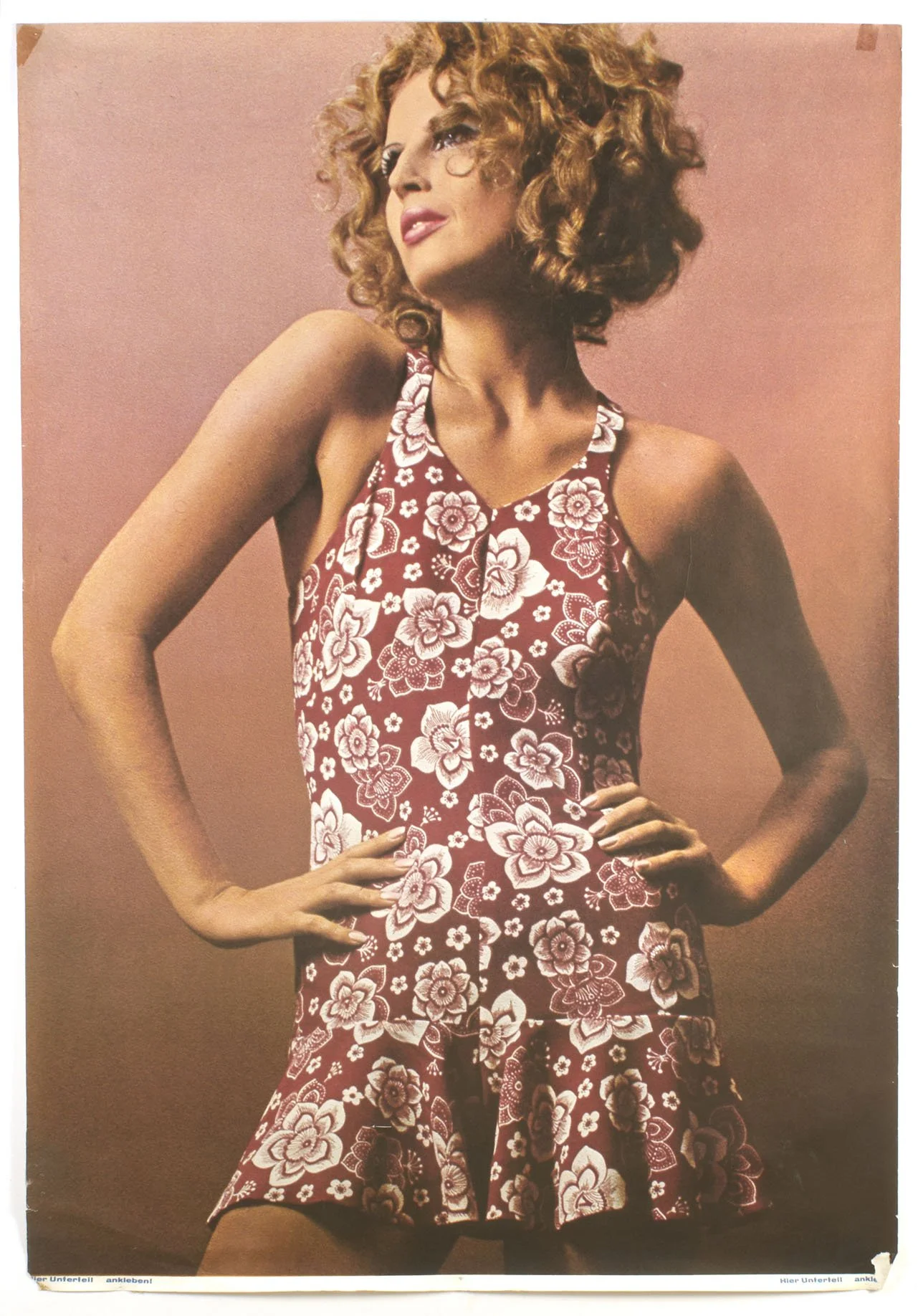
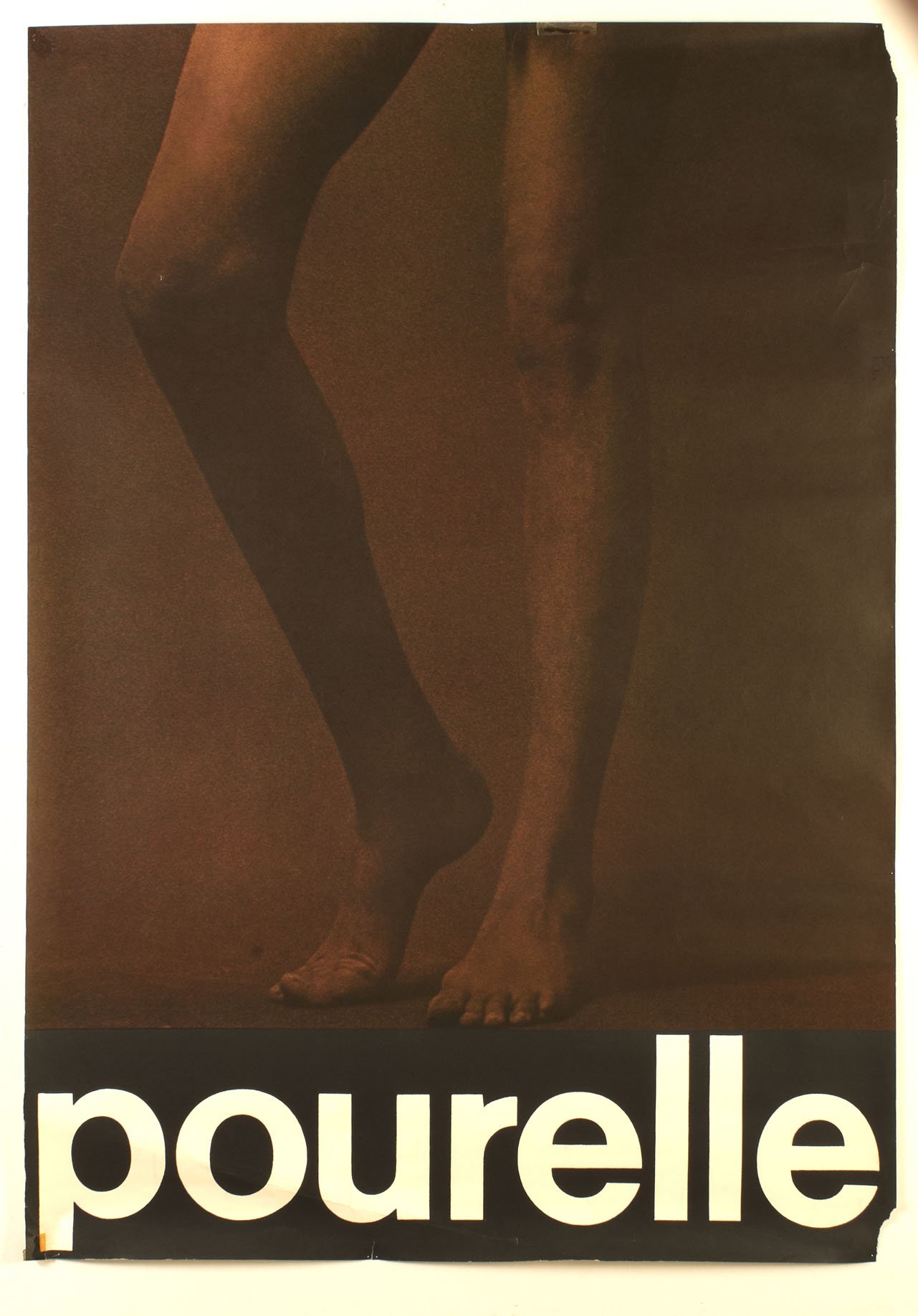
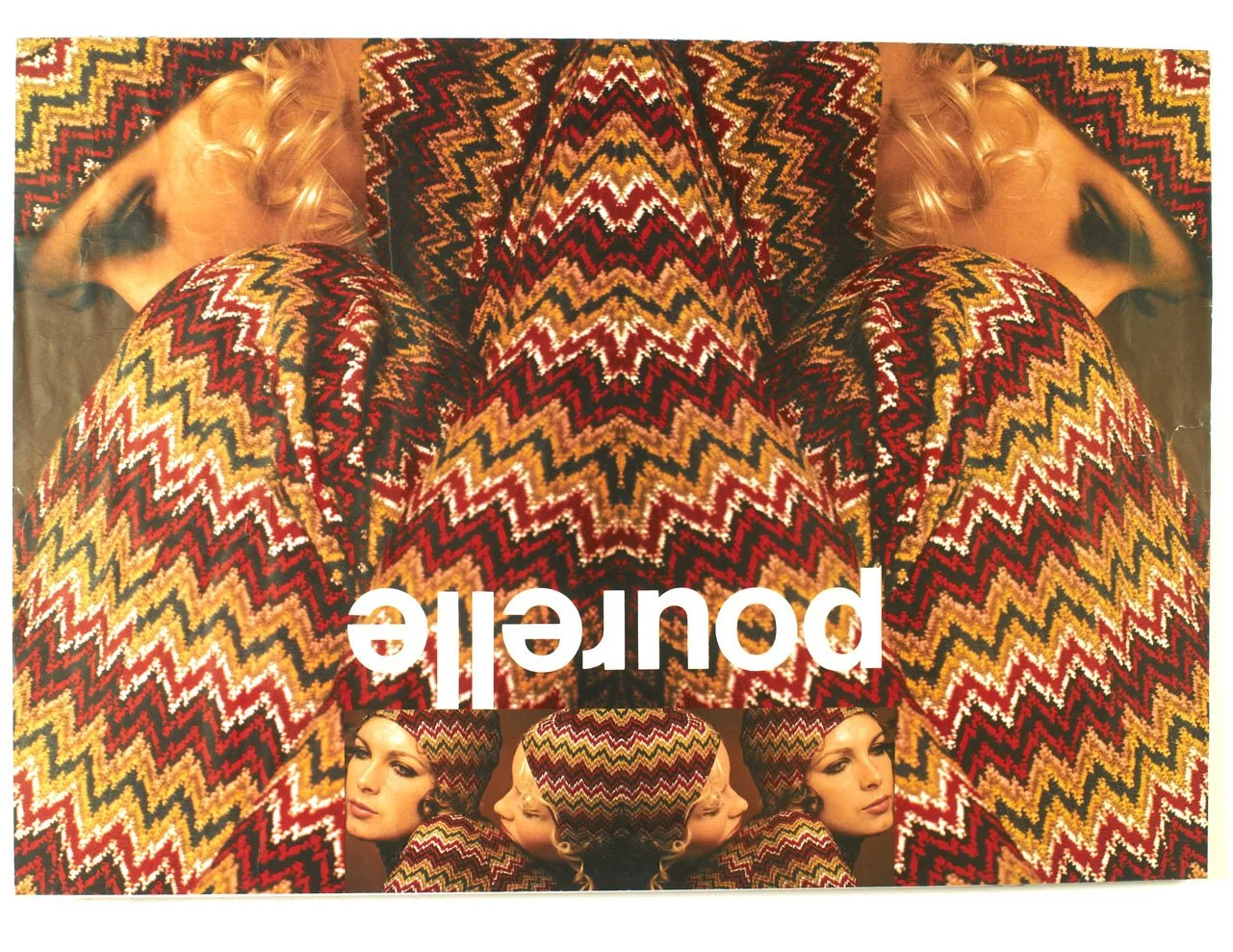
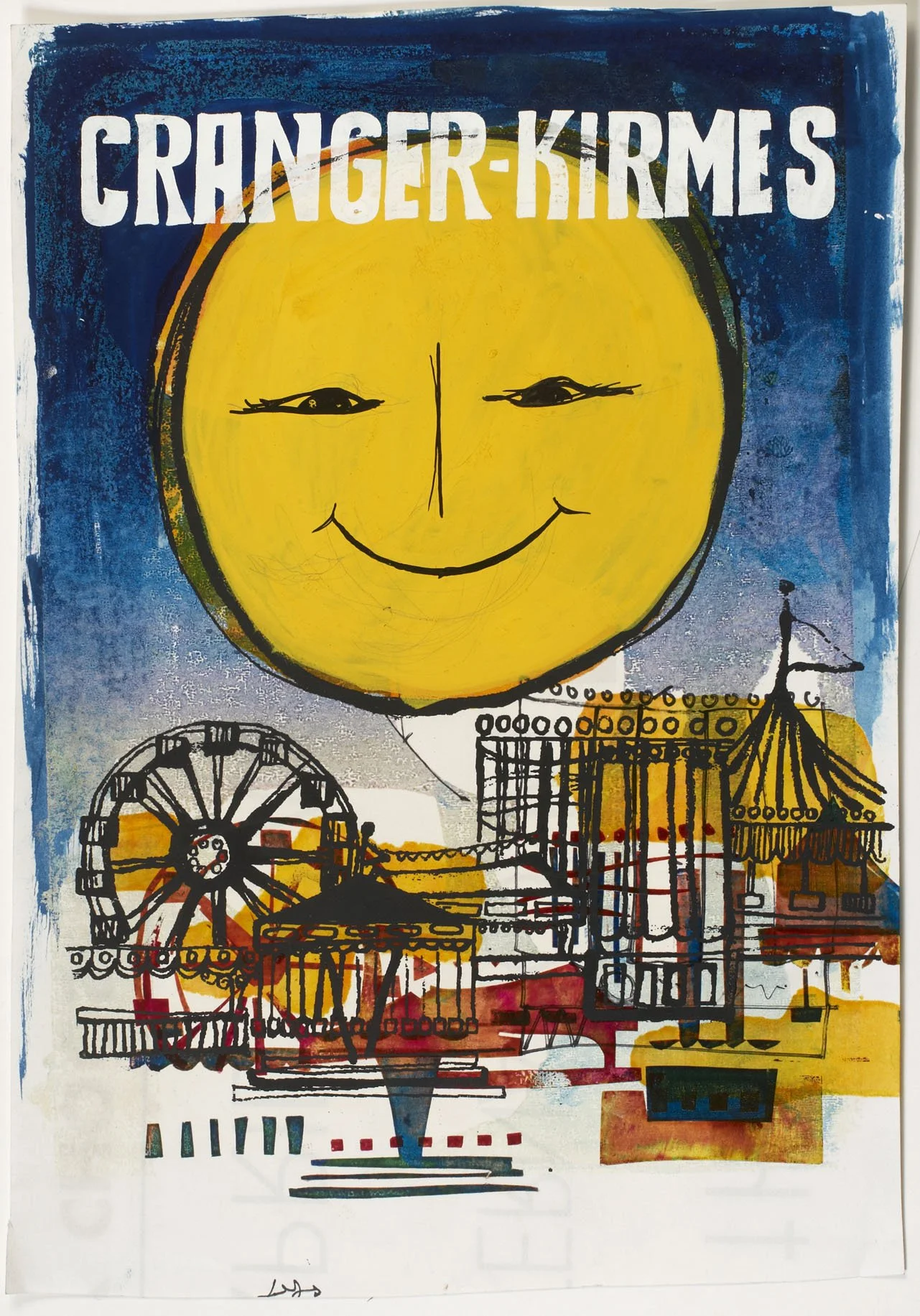
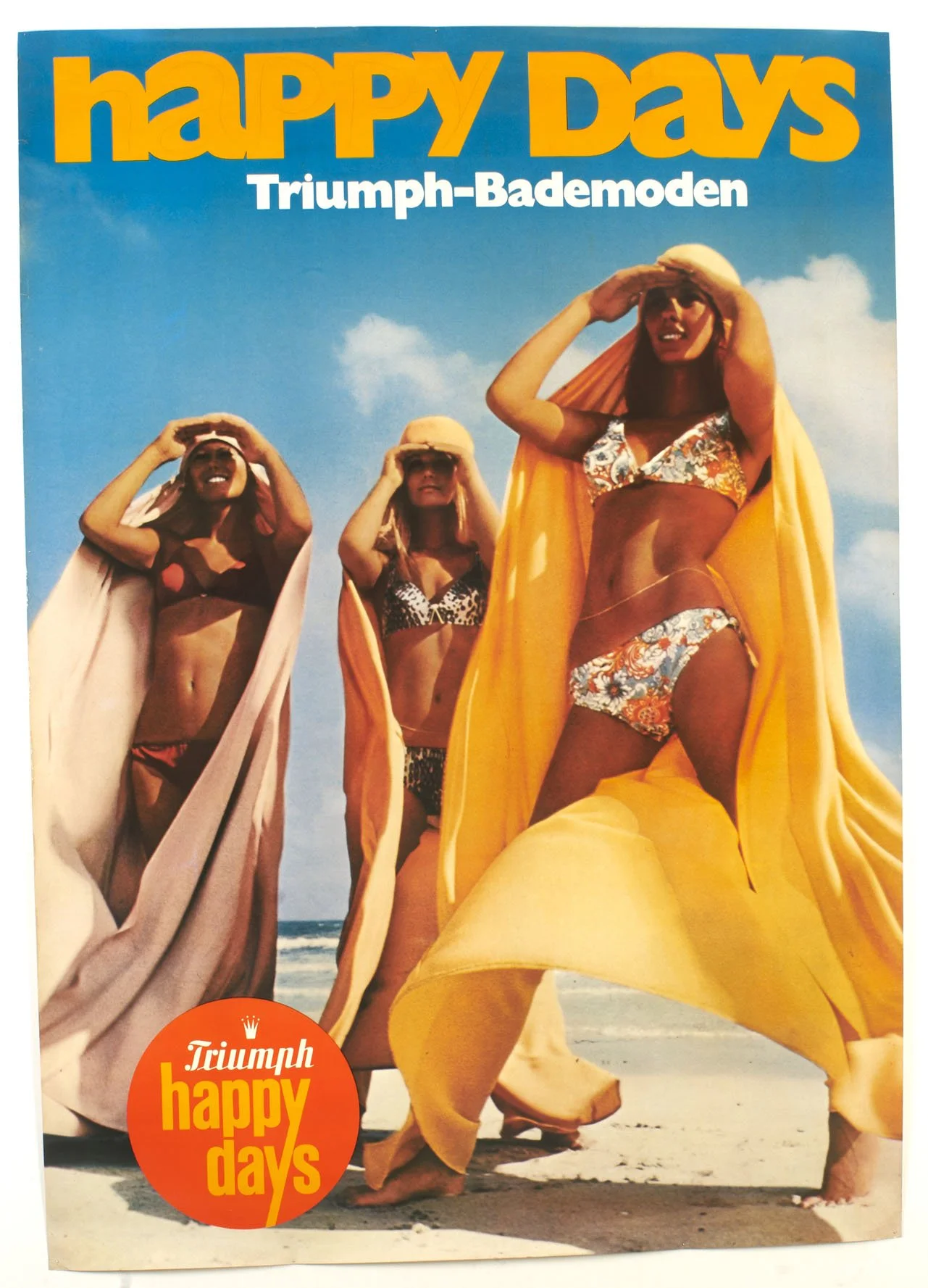
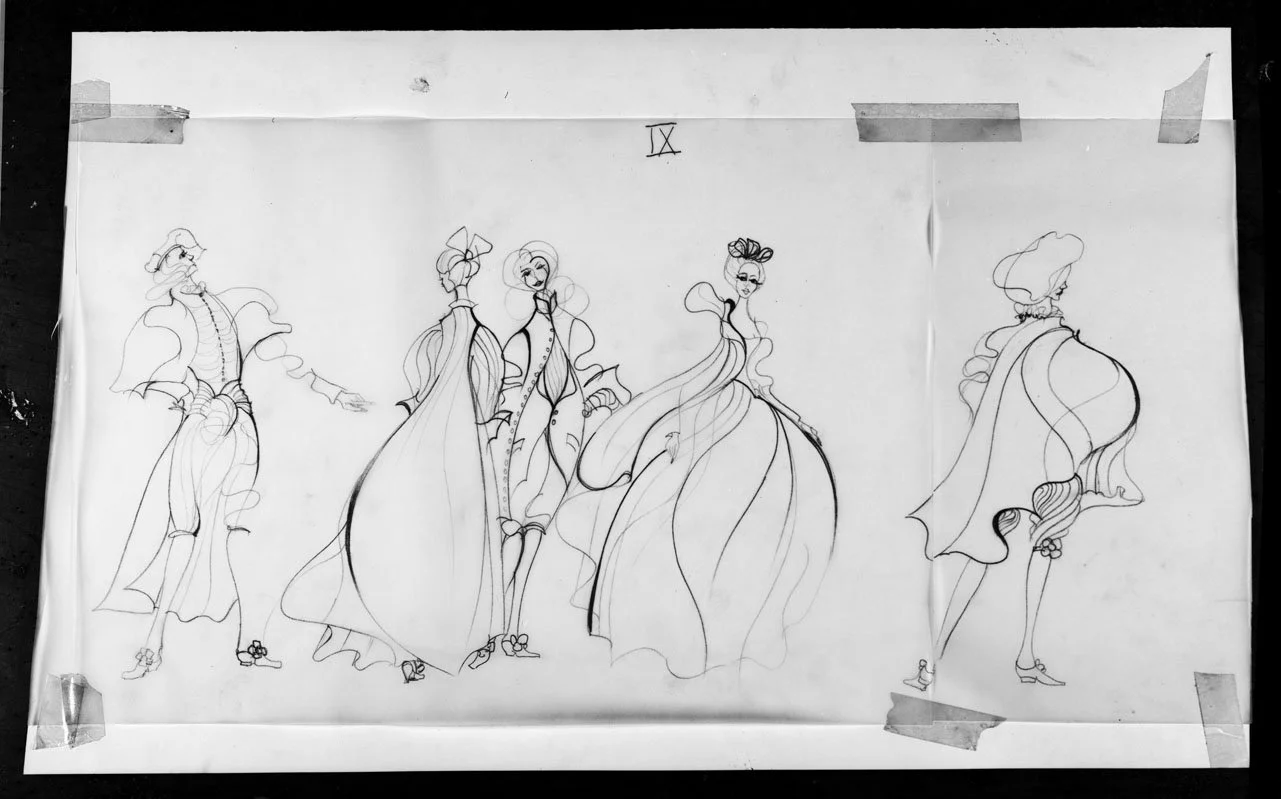
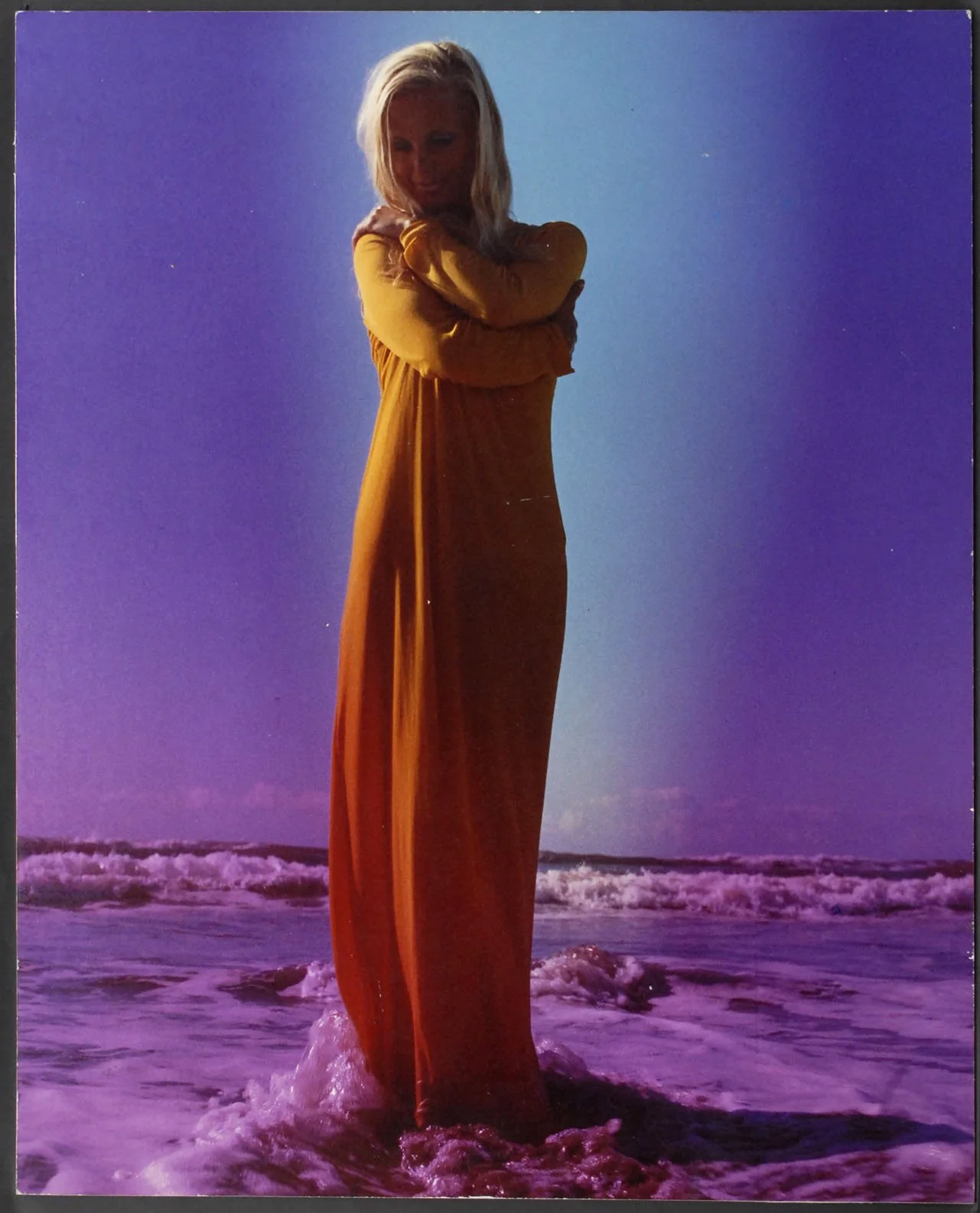
Alongside his "primary colors"—black, red, and white—other color palettes provide important accents in Ulrich Pracht’s artistic oeuvre. Gold is one of them. The luster of this precious metal appears in subtle nuances—in opulent jewelry or the elegant gowns of beautiful women—or as the vivid gold-yellow of a beach dress, or the multicolored golden foliage of a Glücksmarie figure. Yet, in terms of its symbolic power, the color gold in Ulrich Pracht’s work also represents the human greed for gold and money. Having grown up in modest circumstances himself, the trained "decorator" knows full well the energy that the pursuit of such wealth consumes. "As an apprentice at the Westfalenkaufhaus department store, I earned 15 DM in my first year, 30 DM in my second, and 45 DM in my third—per month." He left his first, poorly paid position as a journeyman decorator to earn more money at Karstadt in Recklinghausen. "Once you’ve finished your window display, you’re free to go," was the offer from his new employer—a proposition that seemed enticing enough for him to accept. The reality, however, proved quite different: "We worked unpaid overtime until we were utterly exhausted." Later, as an independent professional, Ulrich Pracht realized that he needed financial success—not merely to get ahead, but to achieve a sense of personal well-being. His goal was to collaborate with each client to develop a distinctive, enduring visual identity—and to insist on the premise that the entire creative process—encompassing concept, layout, sketches, rough drafts, photography, and graphic design—should remain in a single pair of hands: his own. He did so in the full knowledge that this balancing act between art and commerce was fraught with considerable risk. Yet, this was the only way he could successfully bring the full spectrum of his creative, artistic, and commercial vision to bear. At some point in his career, he would hear the words: "Mr. Pracht, if you wish to engage in self-realization—by all means do so—but please, not on our dime." This sentence is striking because it reveals more about Ulrich Pracht’s artistic-commercial concept than many thousands of words of explanation.
09.1
DIE FRÜHEN JAHRE
No room for aesthetes.
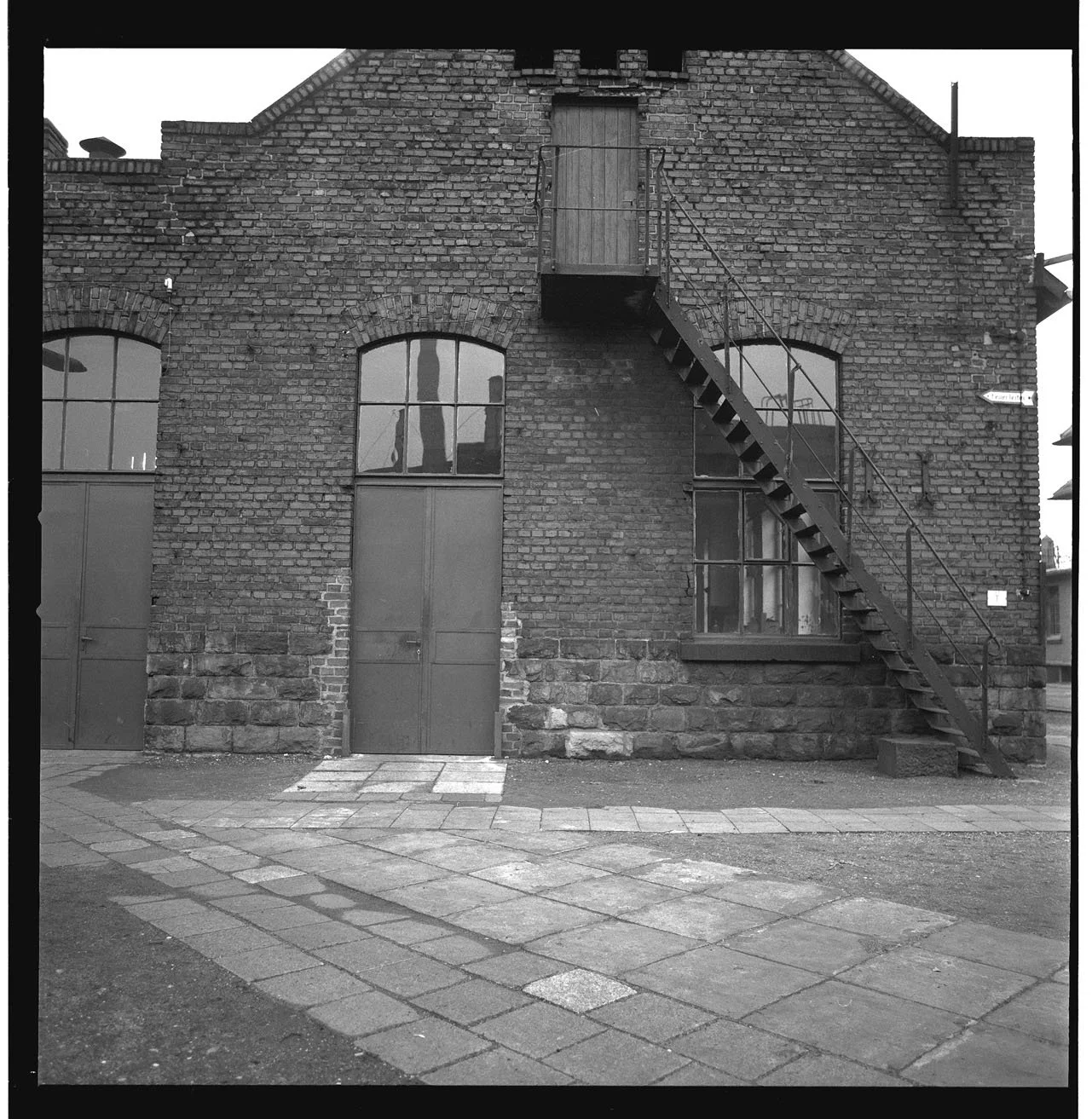
Eighty years ago, the heart of the Ruhr region beat underground. The rhythm was set by the pneumatic hammers with which the miners, in the dim light of their lamps, hewed coal from the seams. This "black gold" fueled the blast furnaces of the heavy industry, from which—during the tapping process—bright-red glowing pig iron, at temperatures between 1,400 and 1,600 degrees Celsius, flowed into the "fox": a channel where the pig iron was separated from the slag. It was no place for aesthetes. Nor was it a place for them at the Flottmann Works in Herne, where those very pneumatic hammers were manufactured. Nevertheless, Otto Heinrich Flottmann—holder of the patent for the "compressed-air pneumatic hammer with ball control and automatic reversal"—cared deeply for his 1,000 employees. Sanitary and social facilities, a canteen, a works kitchen, apprentice training (conducted for a time in the company’s own vocational school), housing initiatives, and charitable foundations for employees were all integral to his vision of sound corporate management. Here, a man could work his way up if he had the will—much like August Pracht, who began his career as a toolmaker and, over the course of his working life, rose to become the head of his department. For his son Ulrich—born on September 27, 1941—he envisioned a similar path.
"Wearing a hand-knitted sweater and with my father’s satchel on my back—the very satchel he himself had carried to school back in 1912—I entered my classroom on the first day of school and met my teachers. I never could have dreamed that this experience would lead me to join a schlagende Verbindung—a dueling fraternity." The teachers did not shy away from physically disciplining their students. There were slaps across the face, blows to the hand with a cane, and brutal knocks to the head delivered with a large, thick eraser. “When my music teacher—a nasty piece of work—asked me in elementary school what an ‘open note’ was, I replied: ‘A hollow nut!’ Wham! He whacked me over the head with his violin bow.” The pastor who leads Ulrich’s confirmation classes is also a rotten character. “We were required to attend church services regularly. Shortly before my confirmation—on Ascension Day—I was helping my father wallpaper my grandparents’ bedroom, so I didn’t go. A few days later, during confirmation class, the pastor screamed at me and threw me out—and right out of the church, too. Naturally, that instantly became the talk of the town. That was the one and only time my father ever completely lost his temper. He gave the pastor a very clear piece of his mind.”