
16
UP to BRASIL IV
Land of dreams.
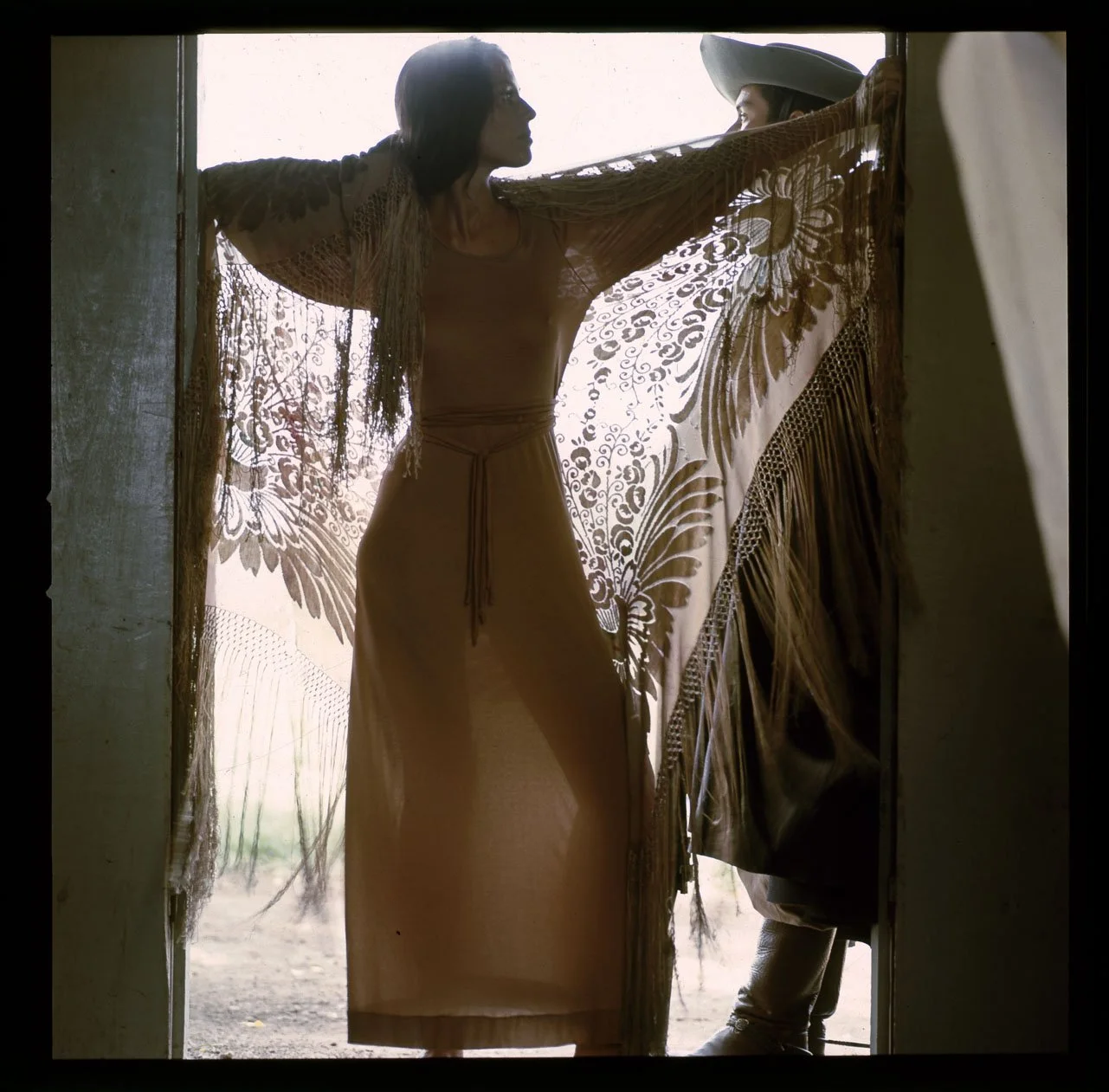
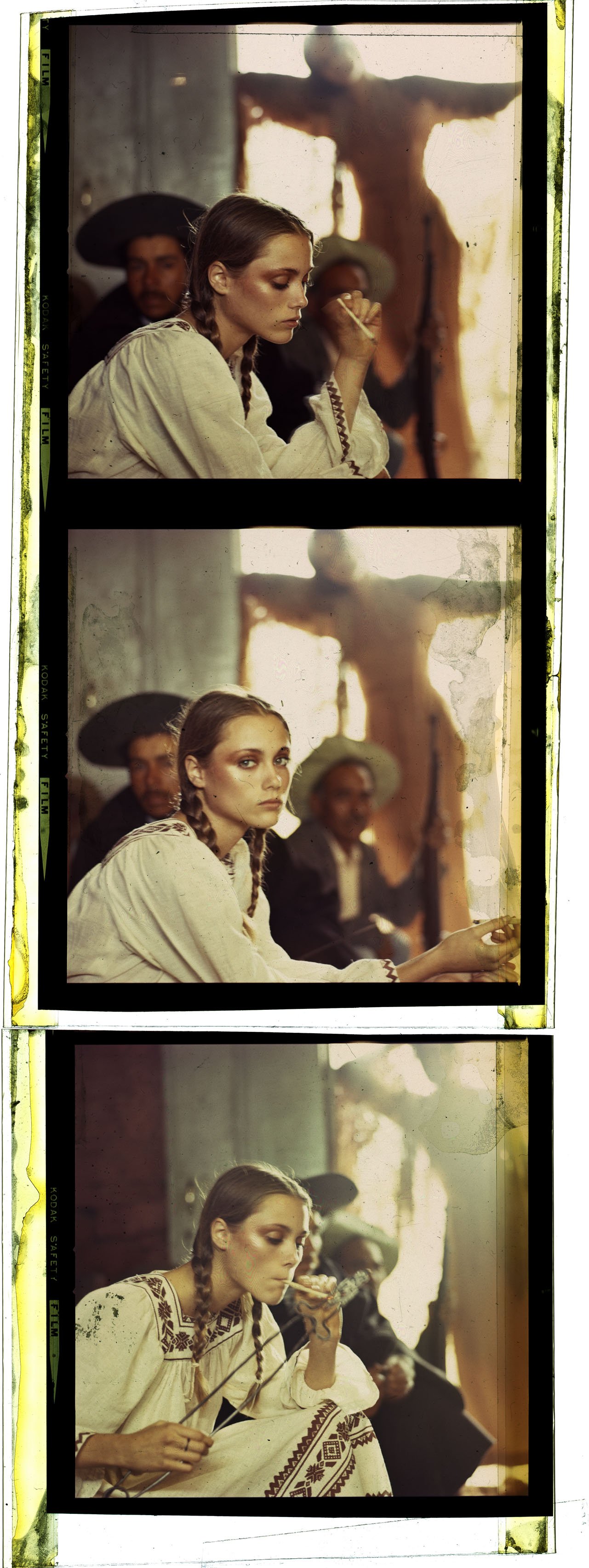
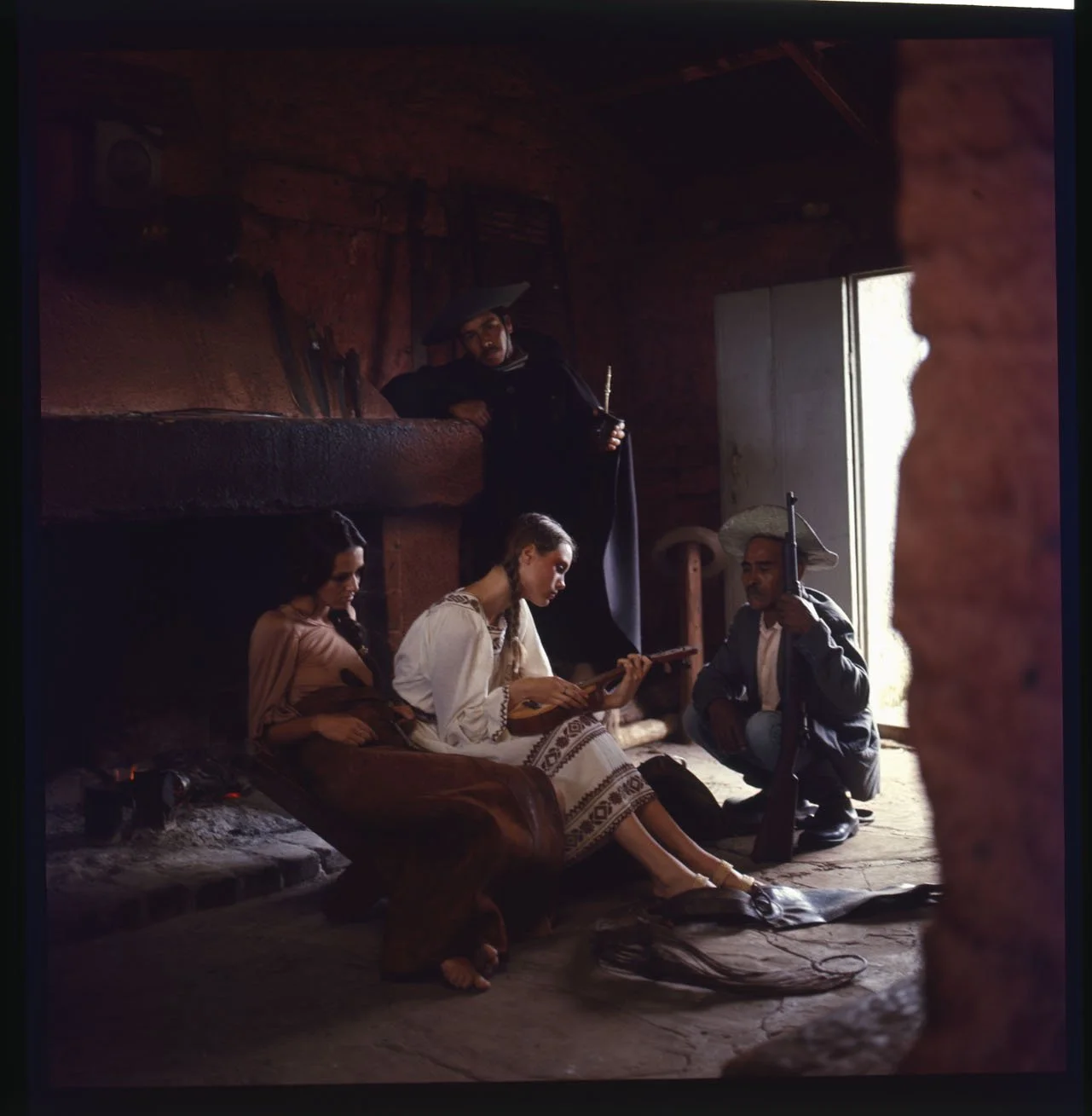
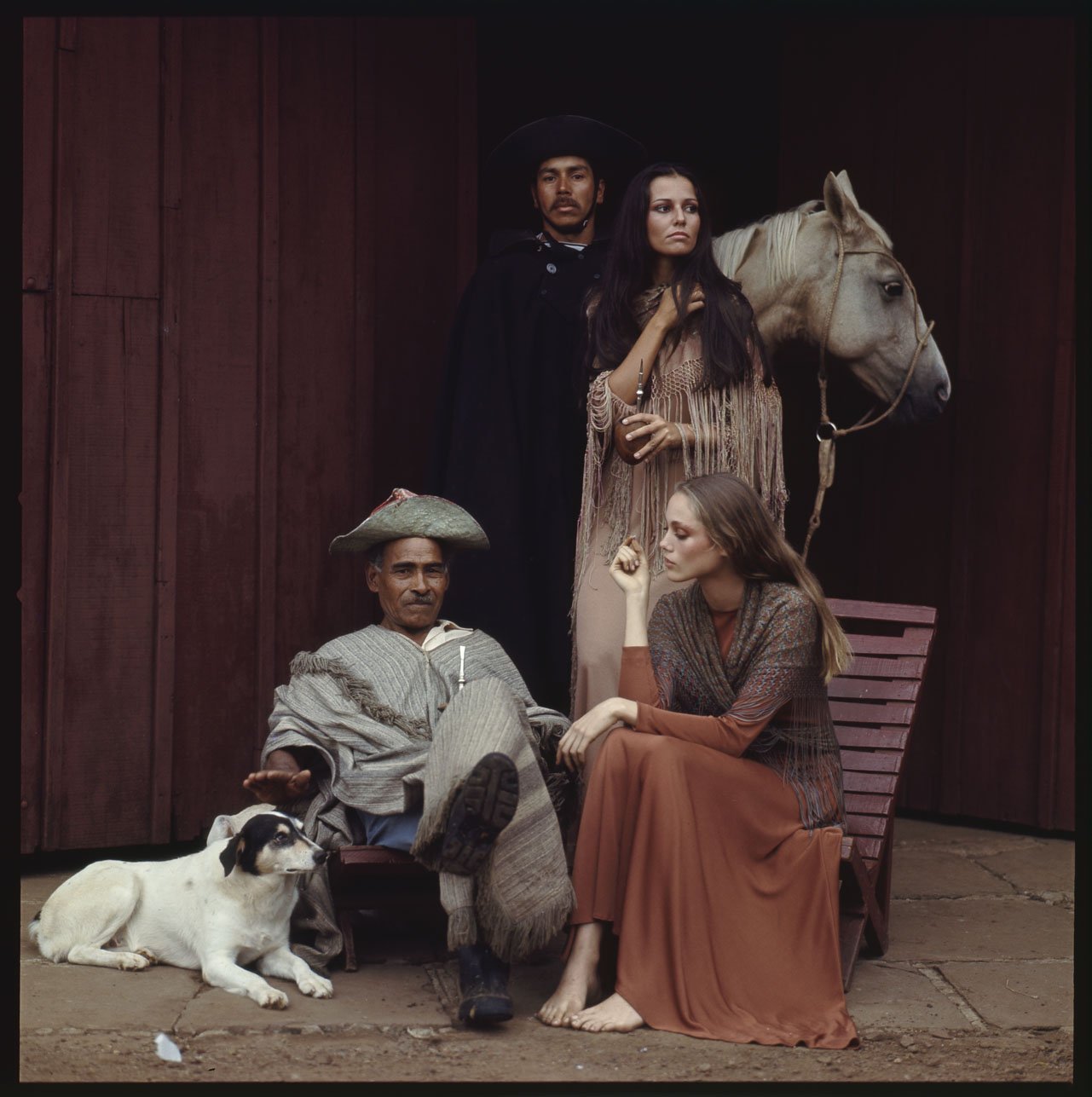
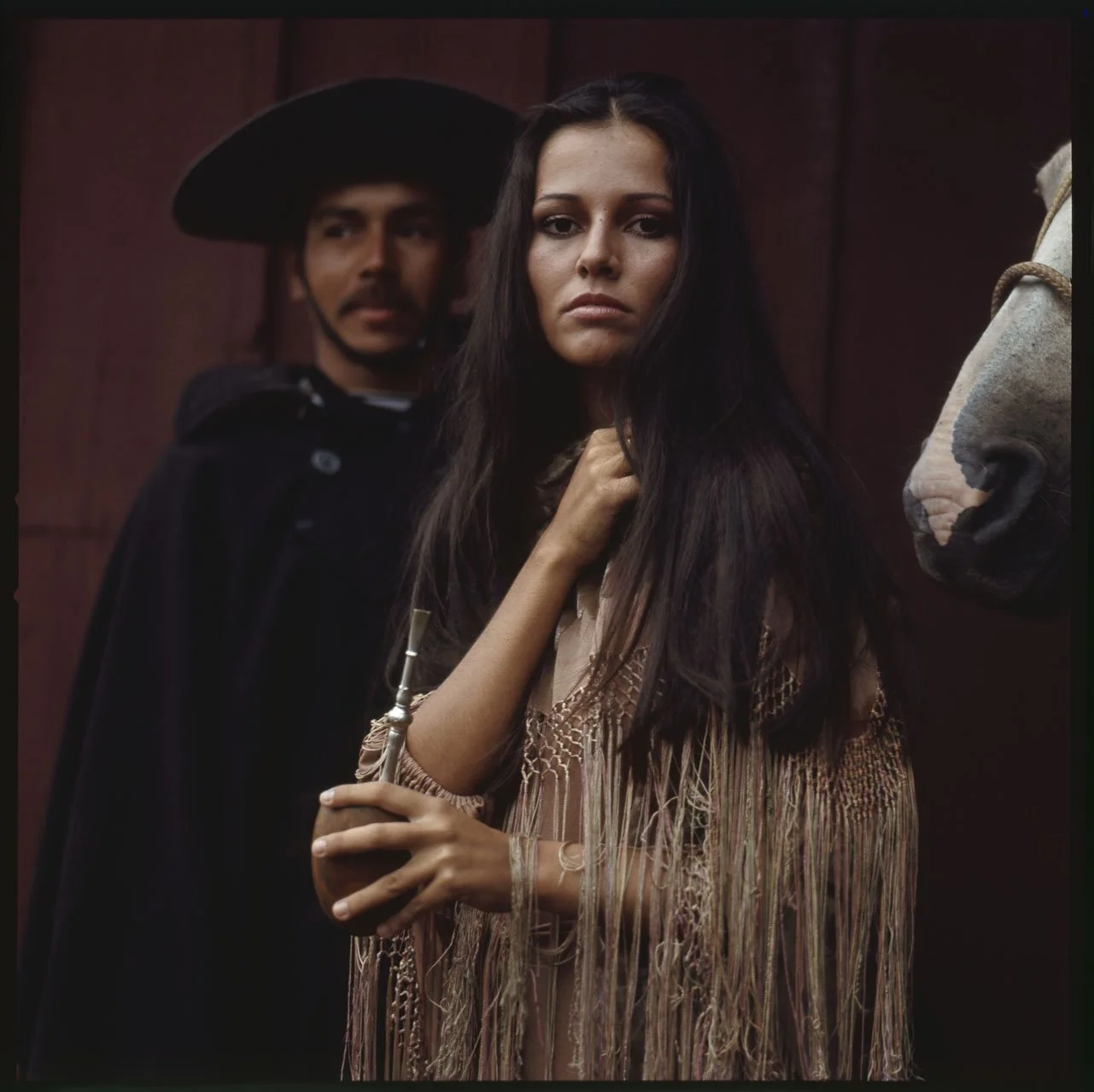
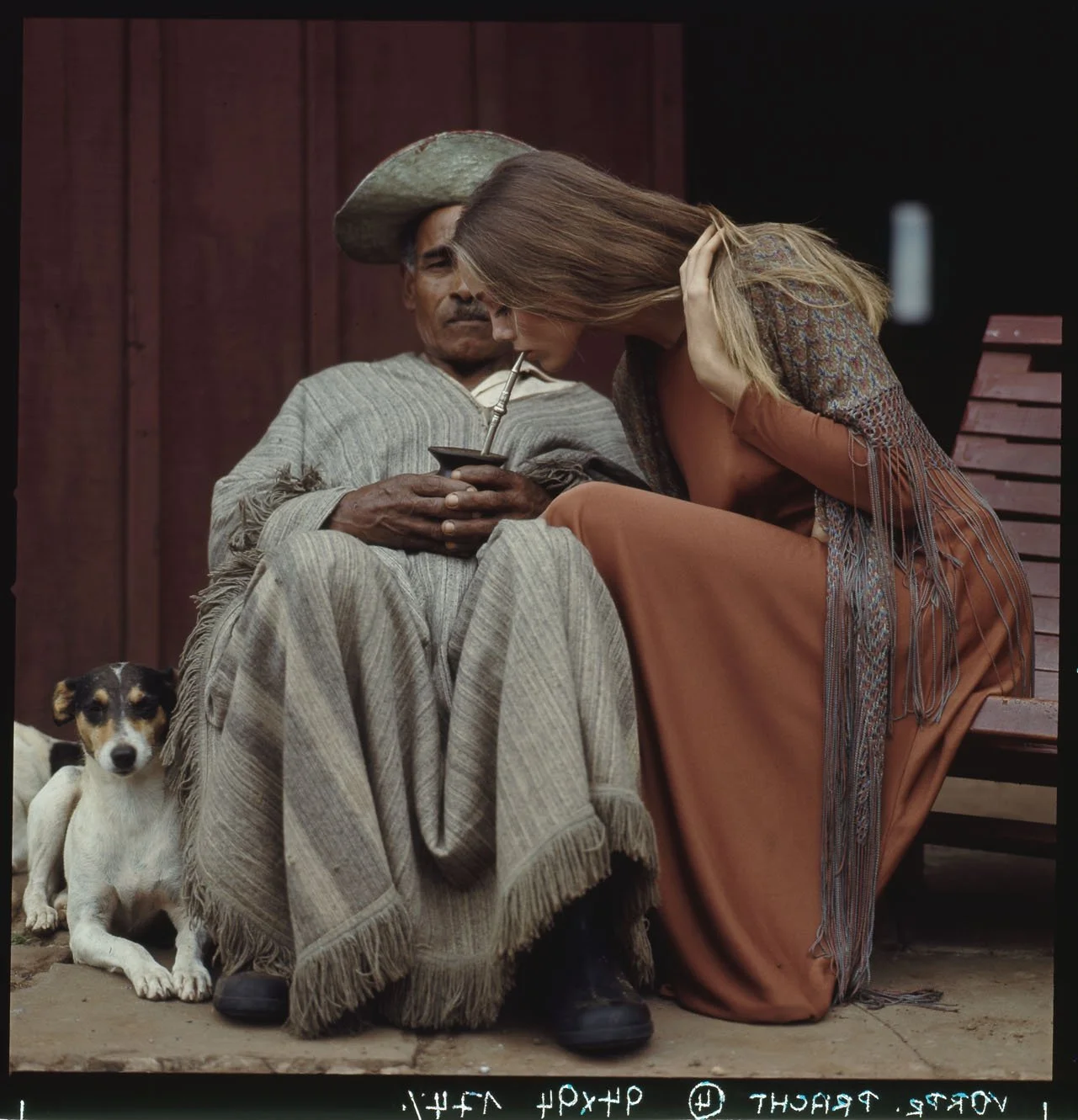
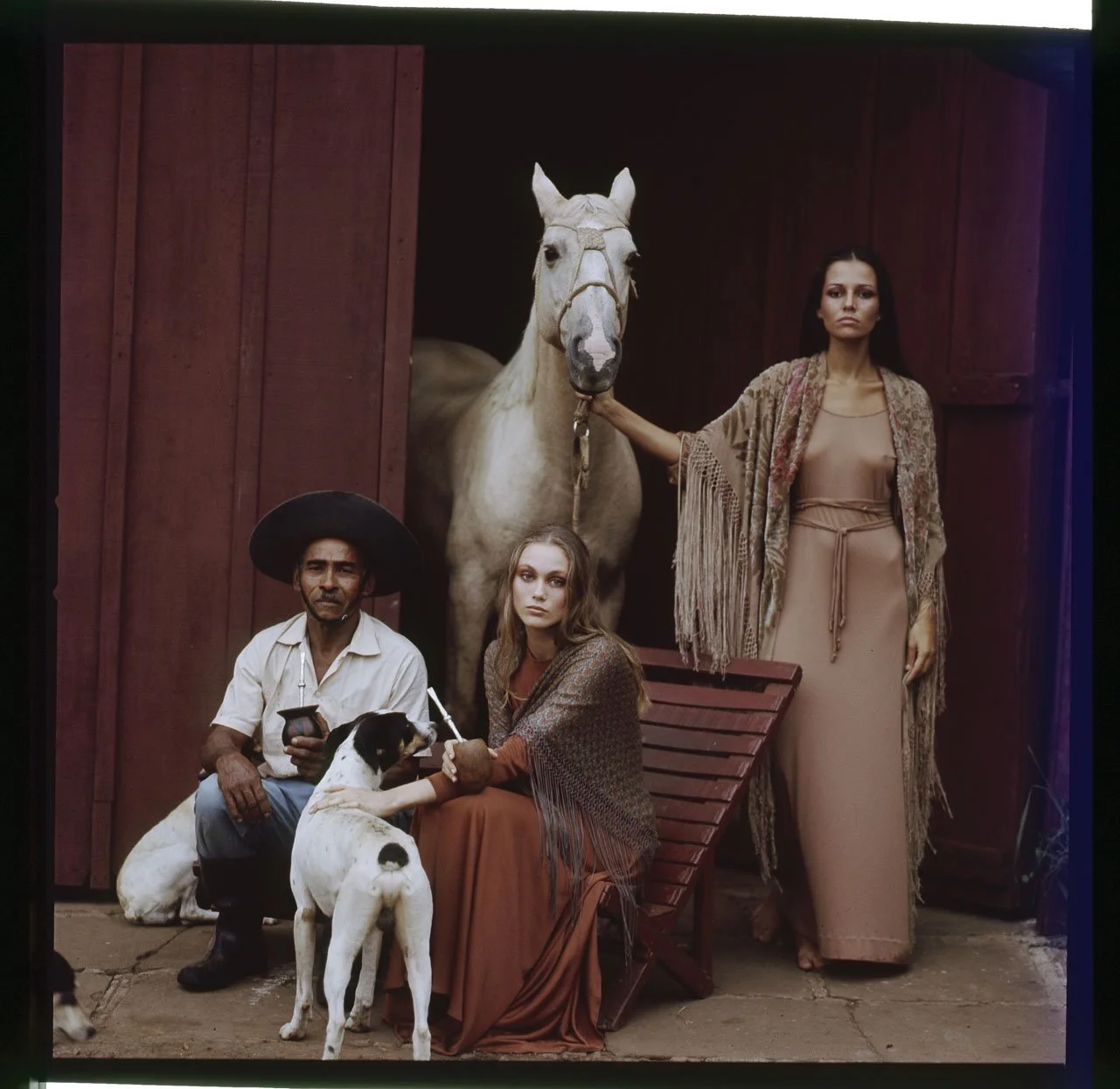
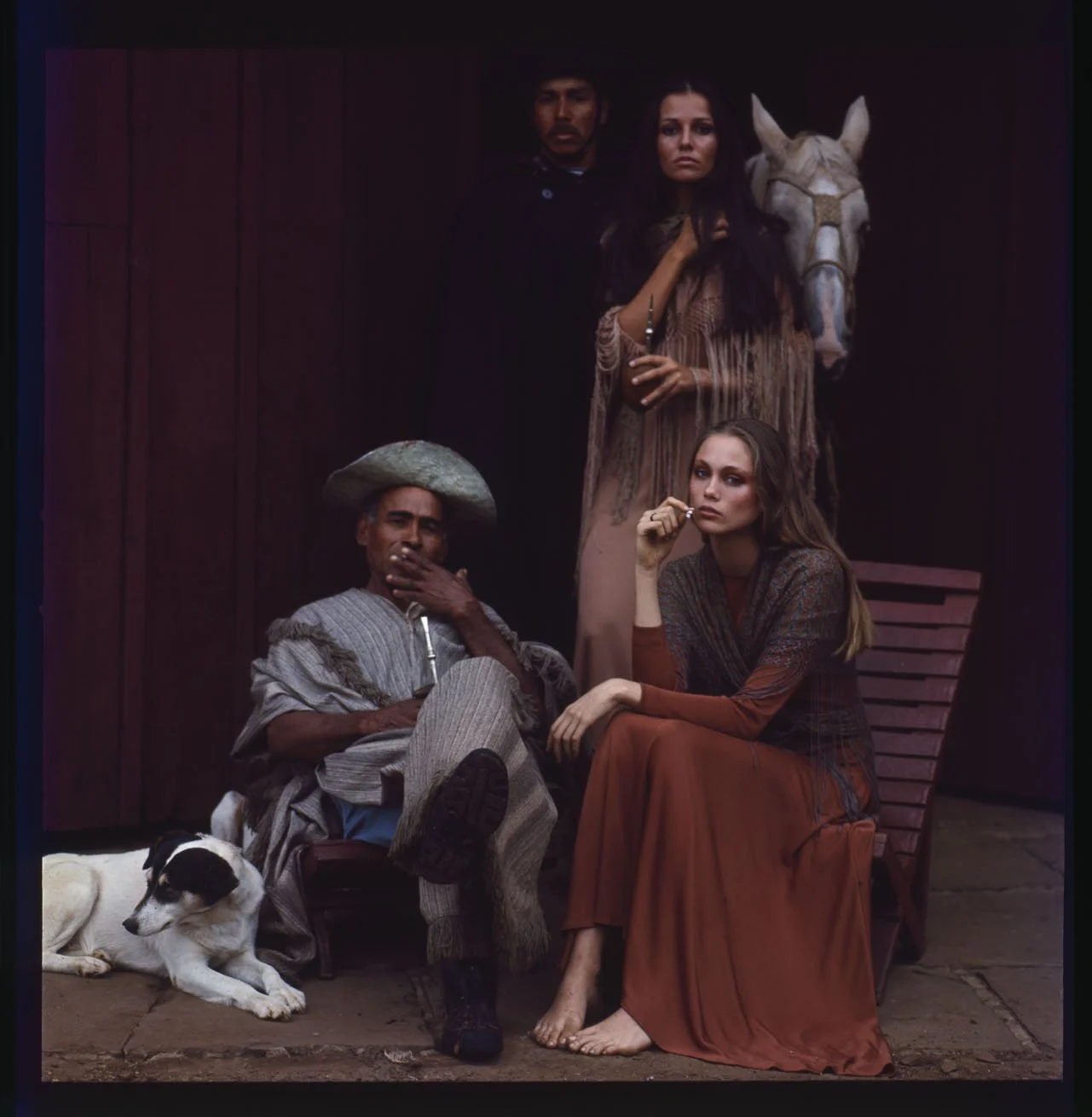
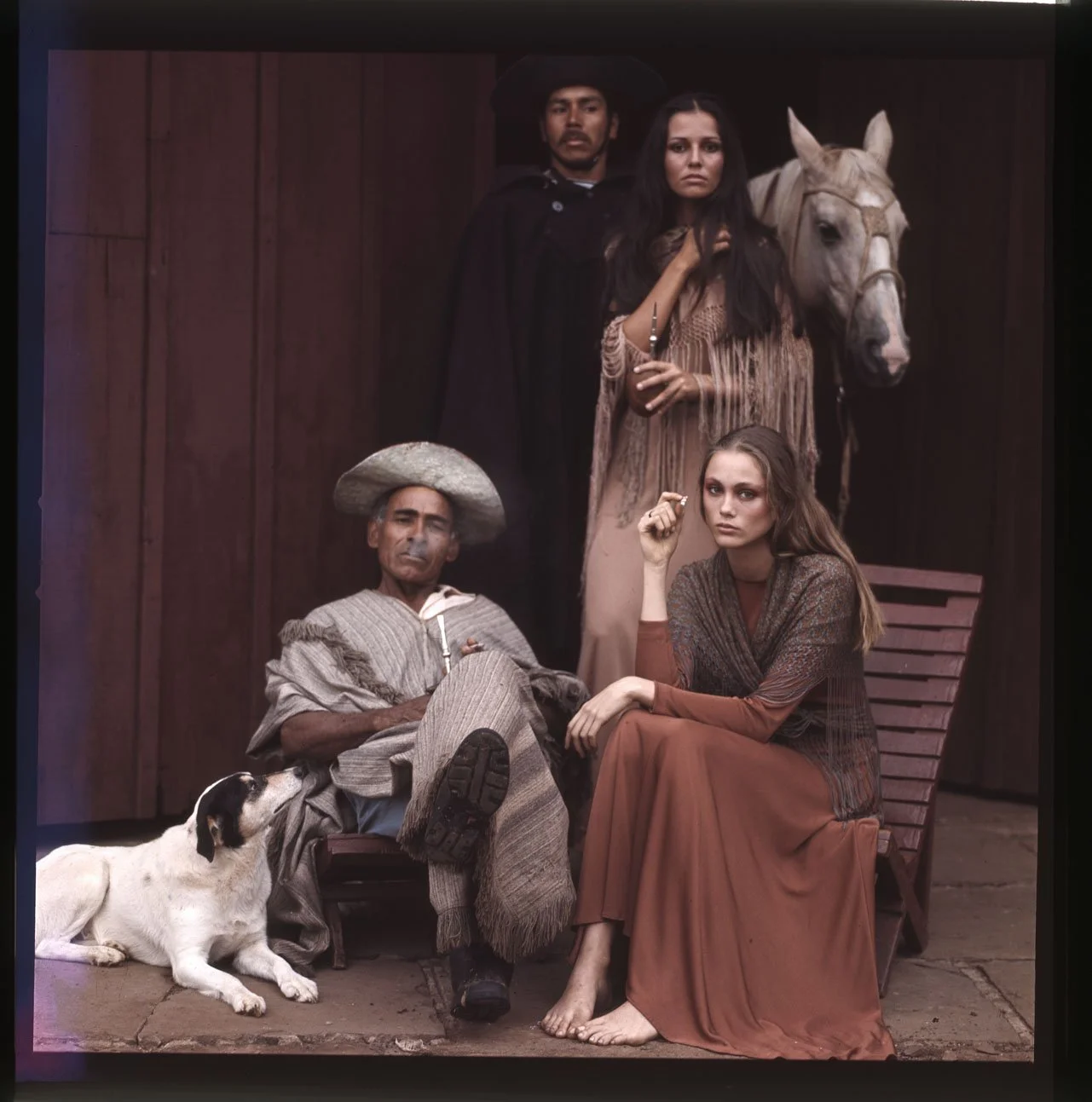
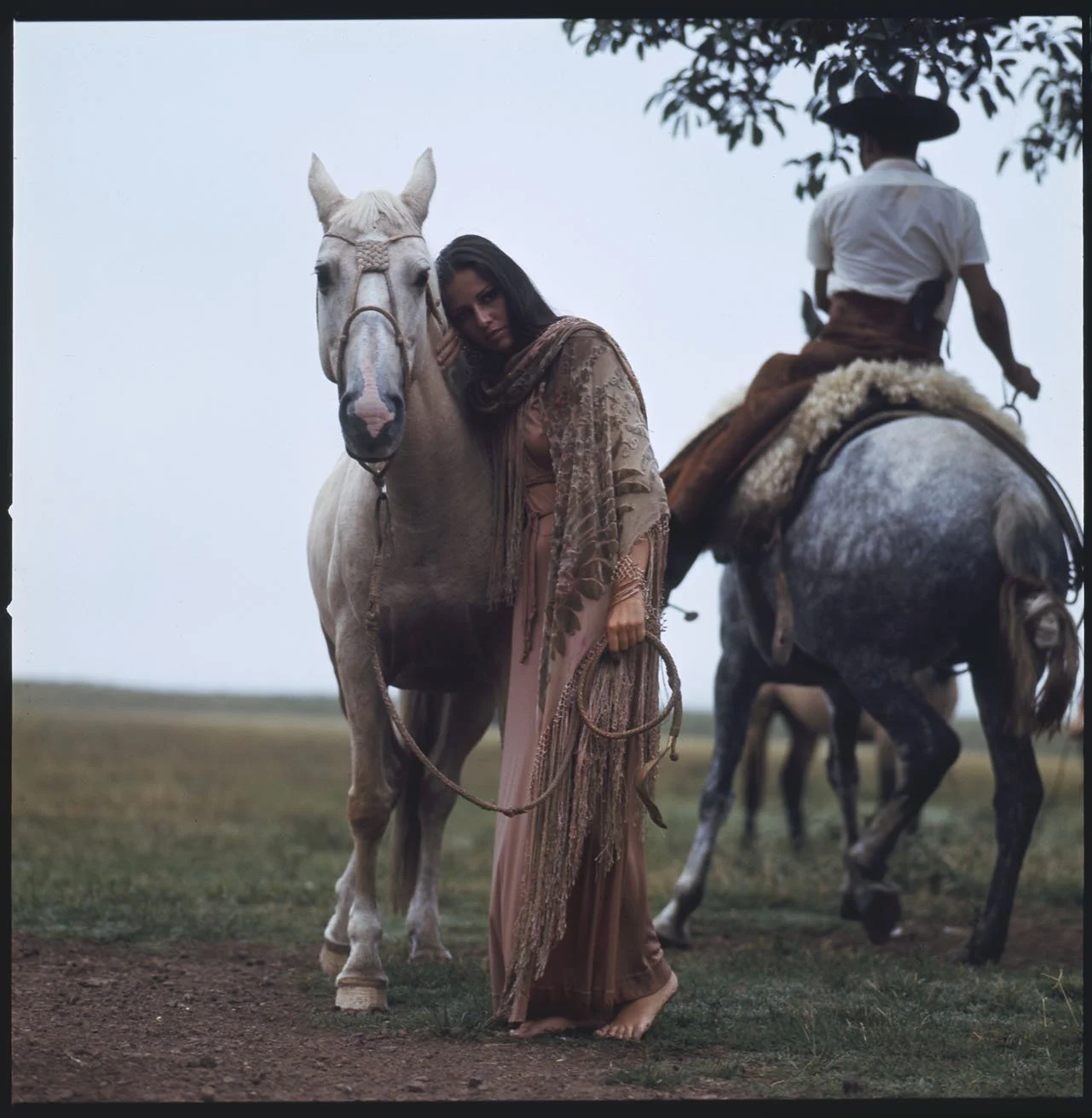
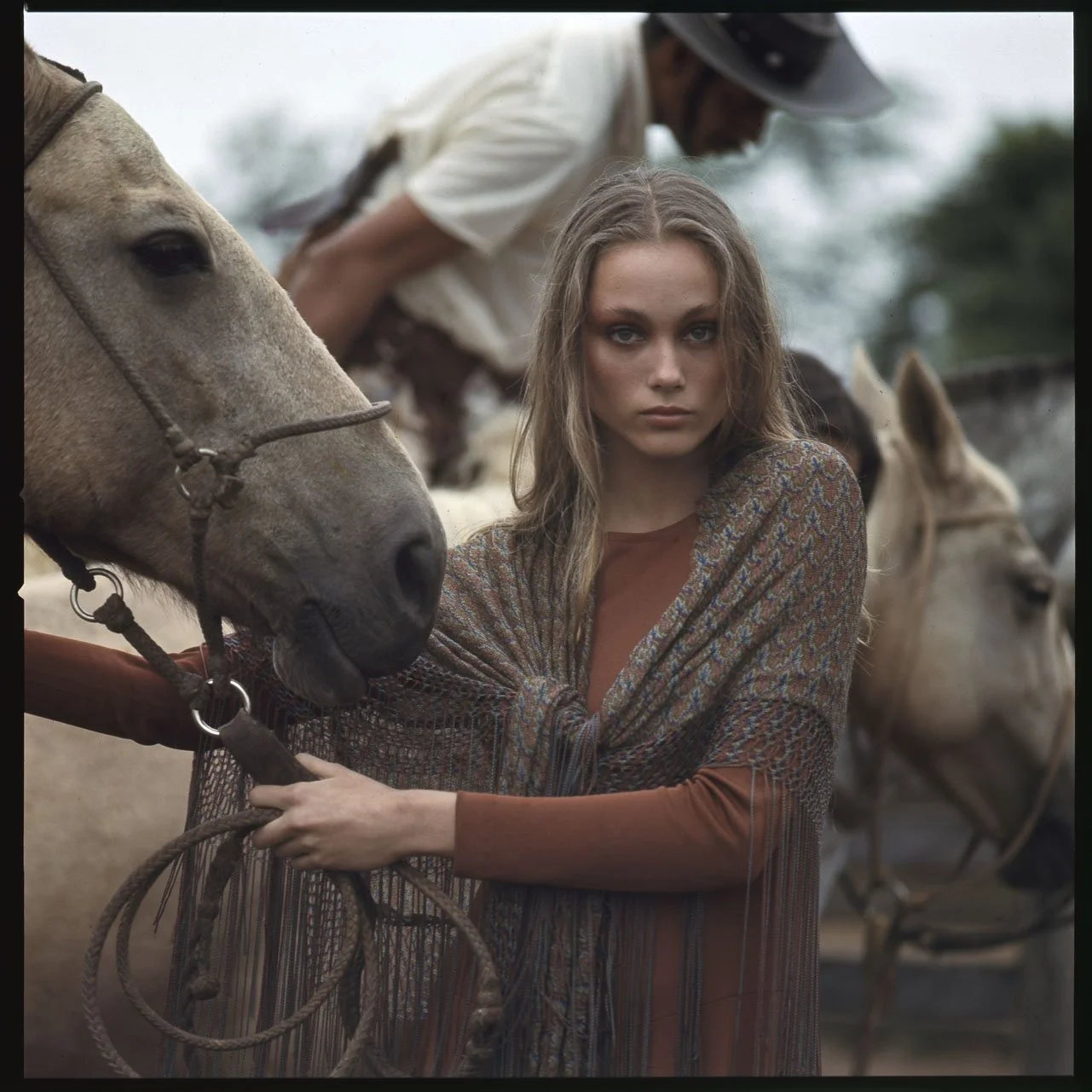
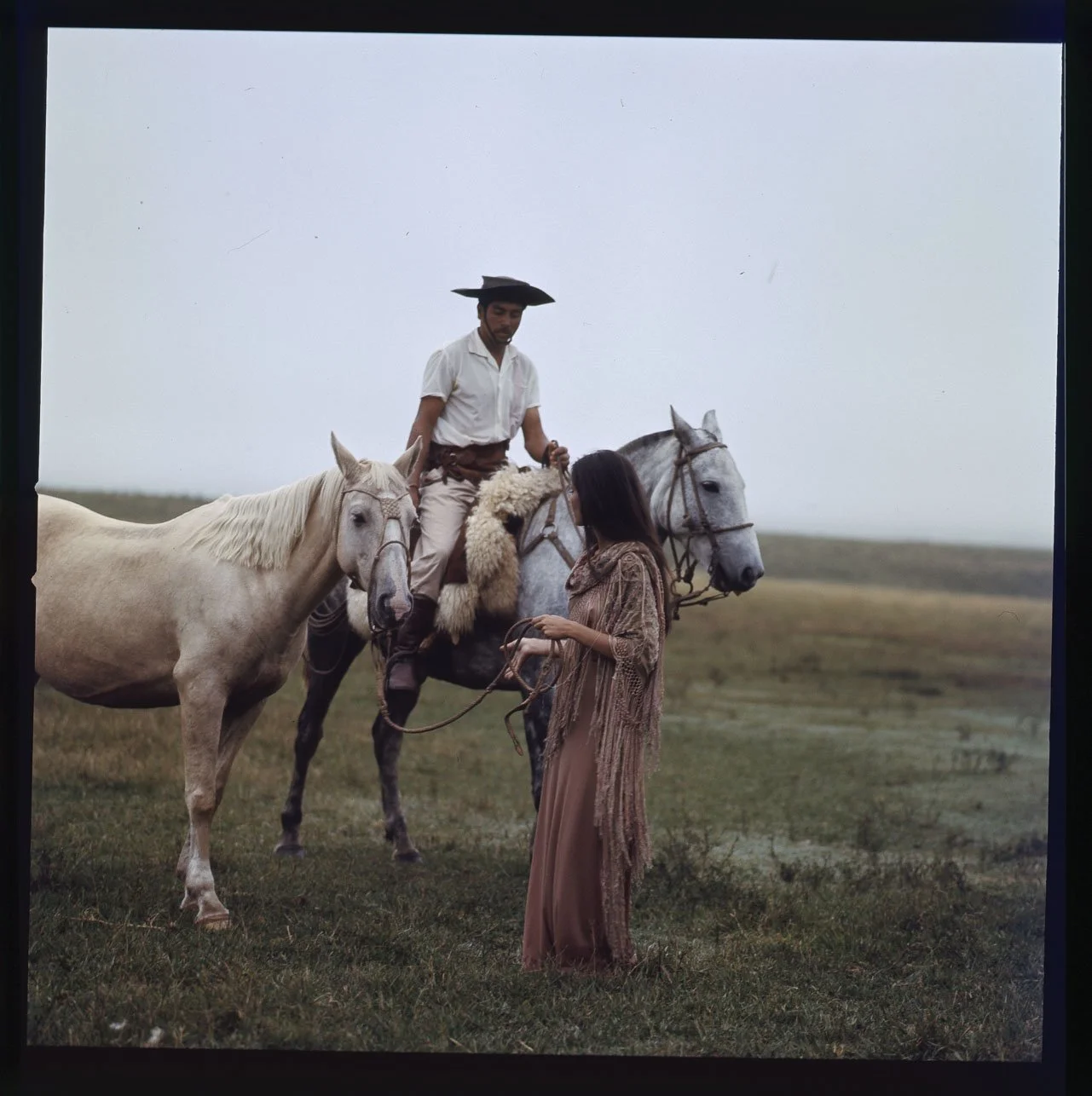
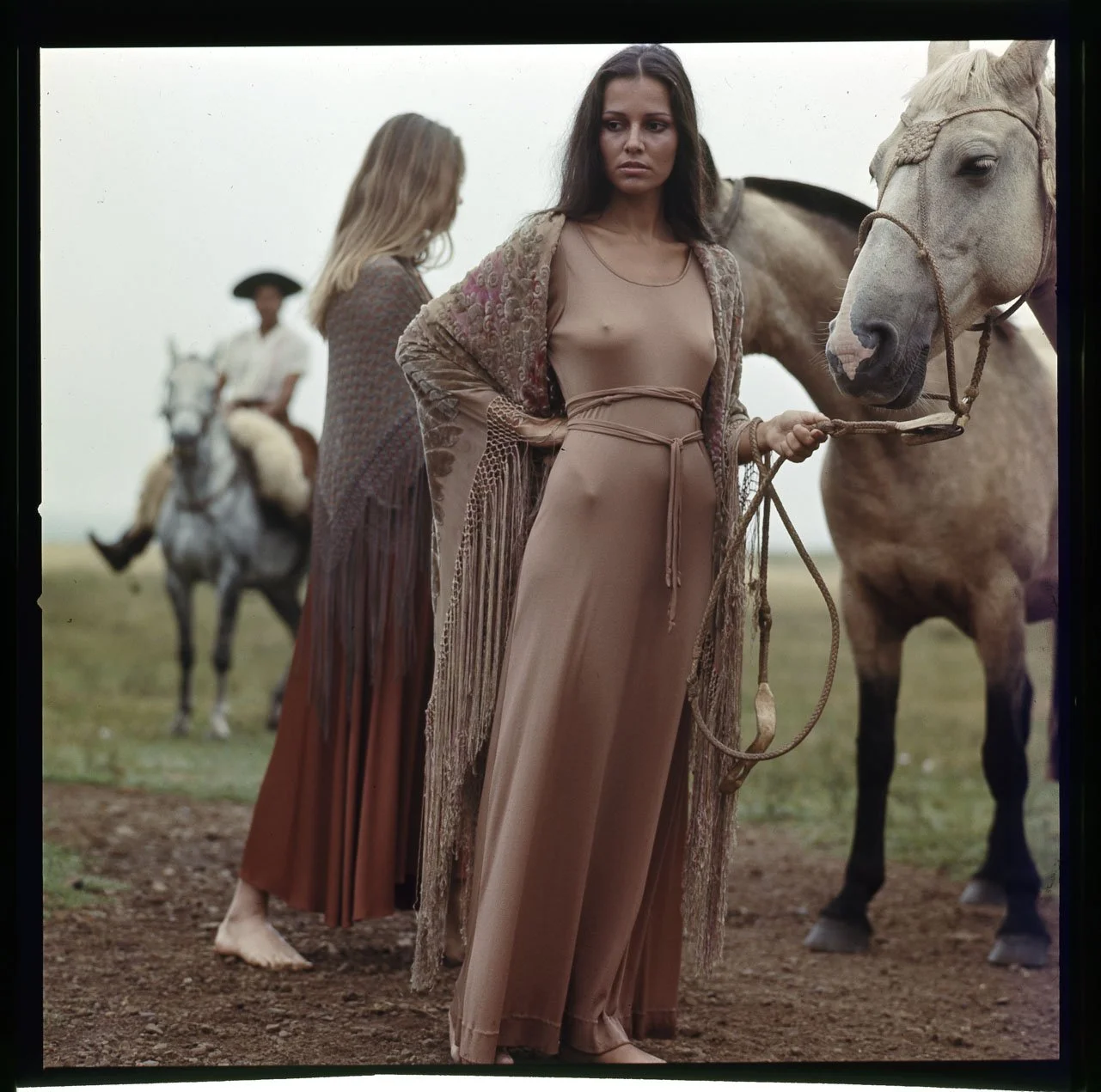
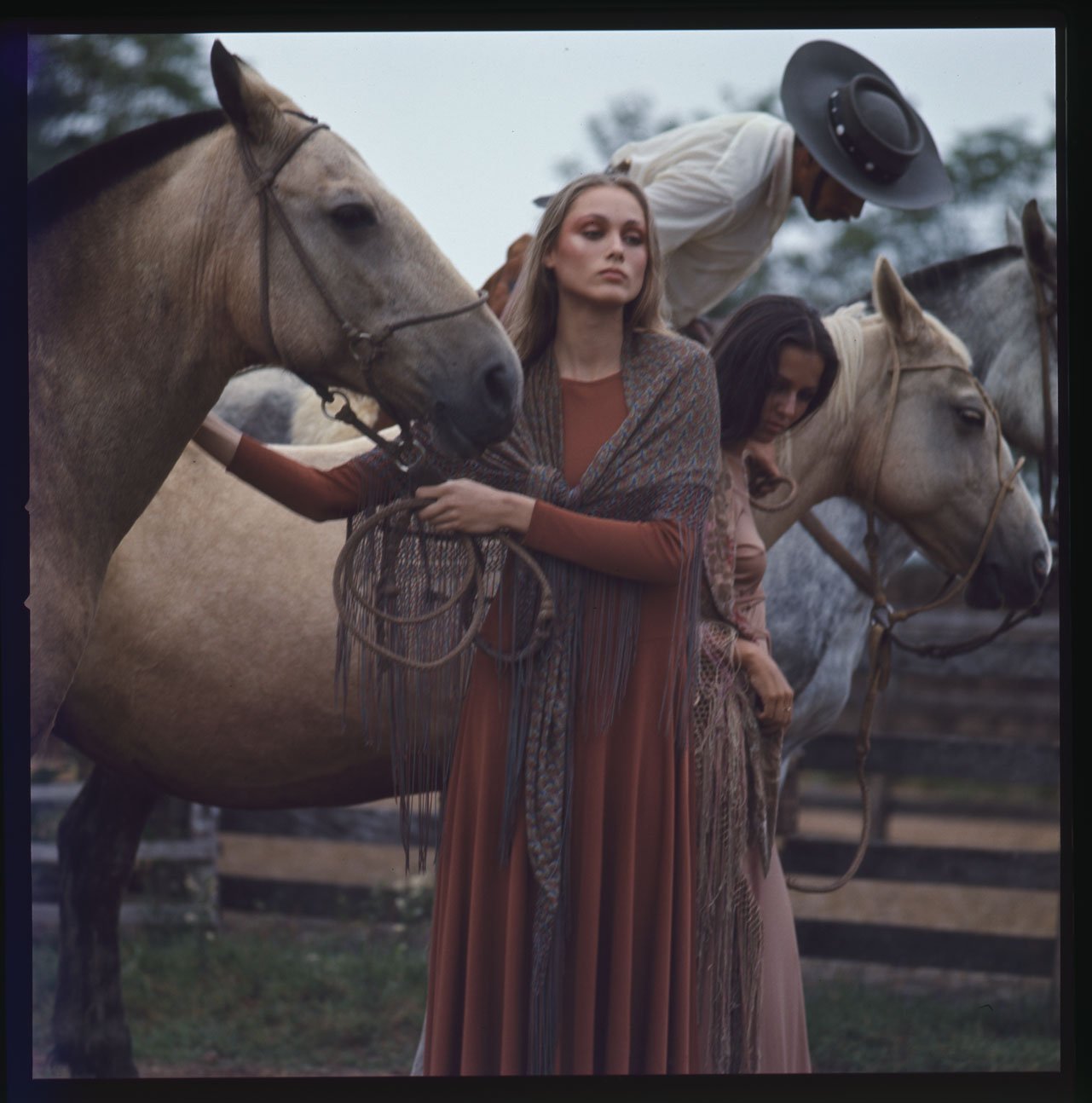
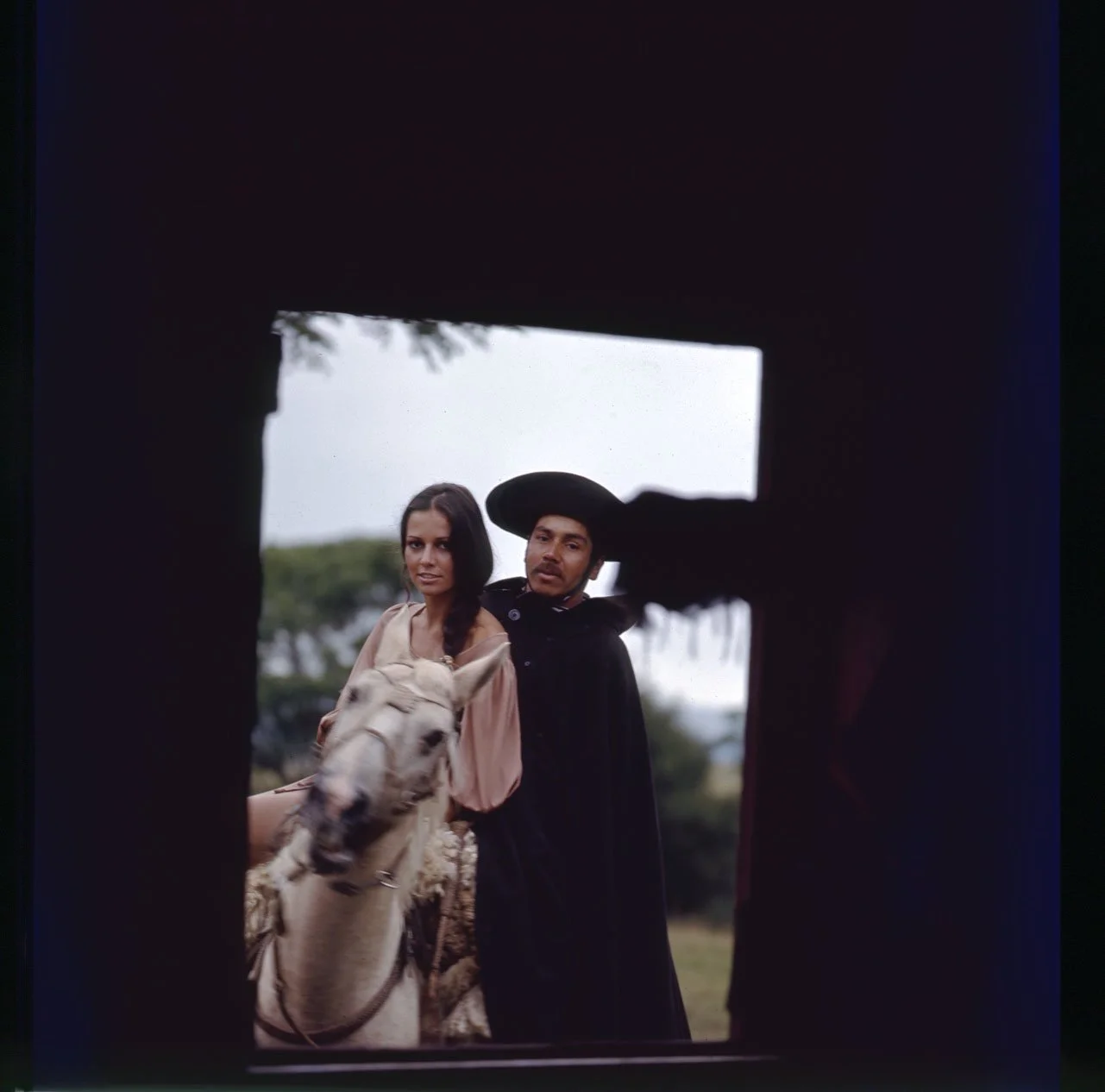
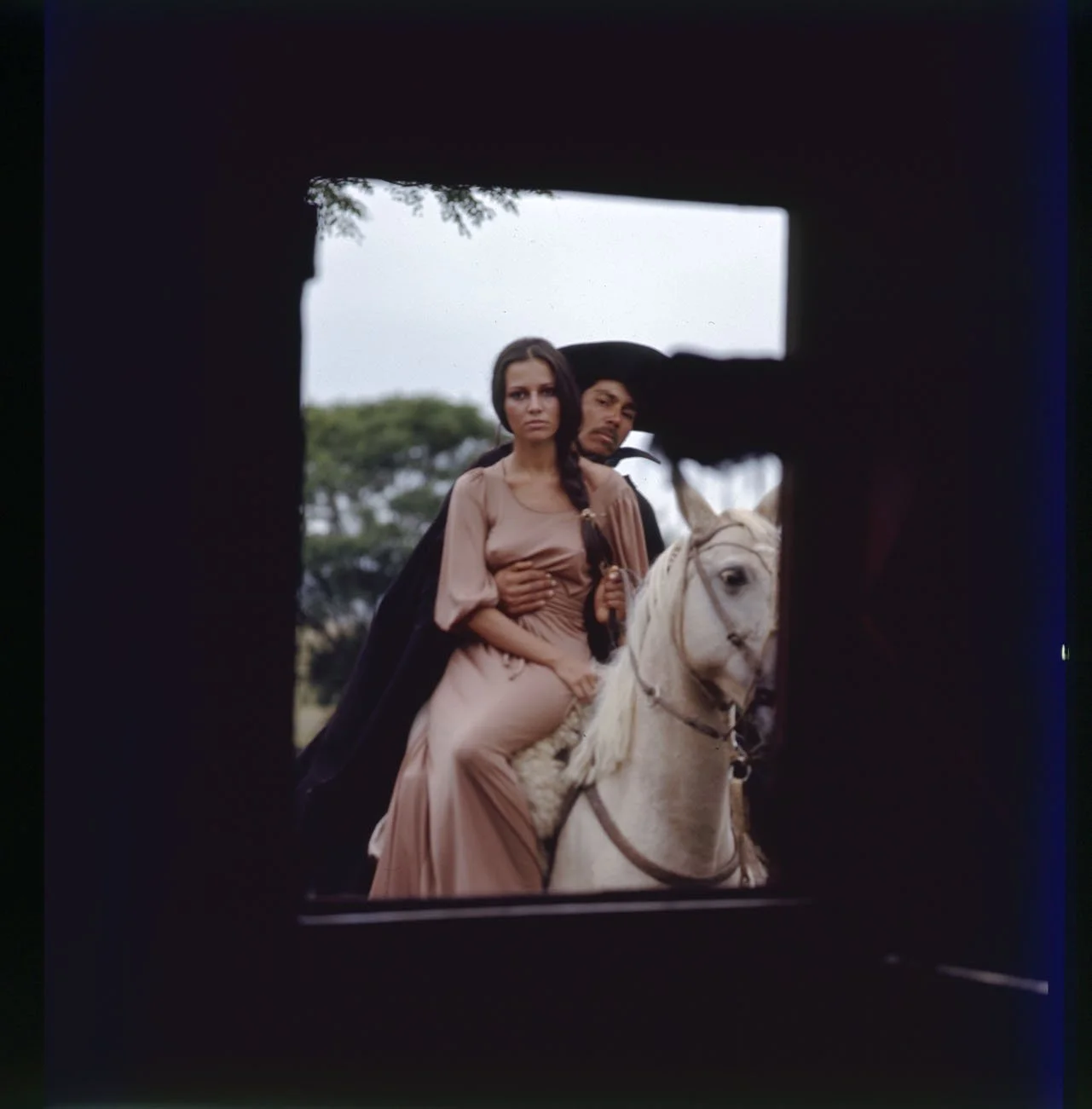
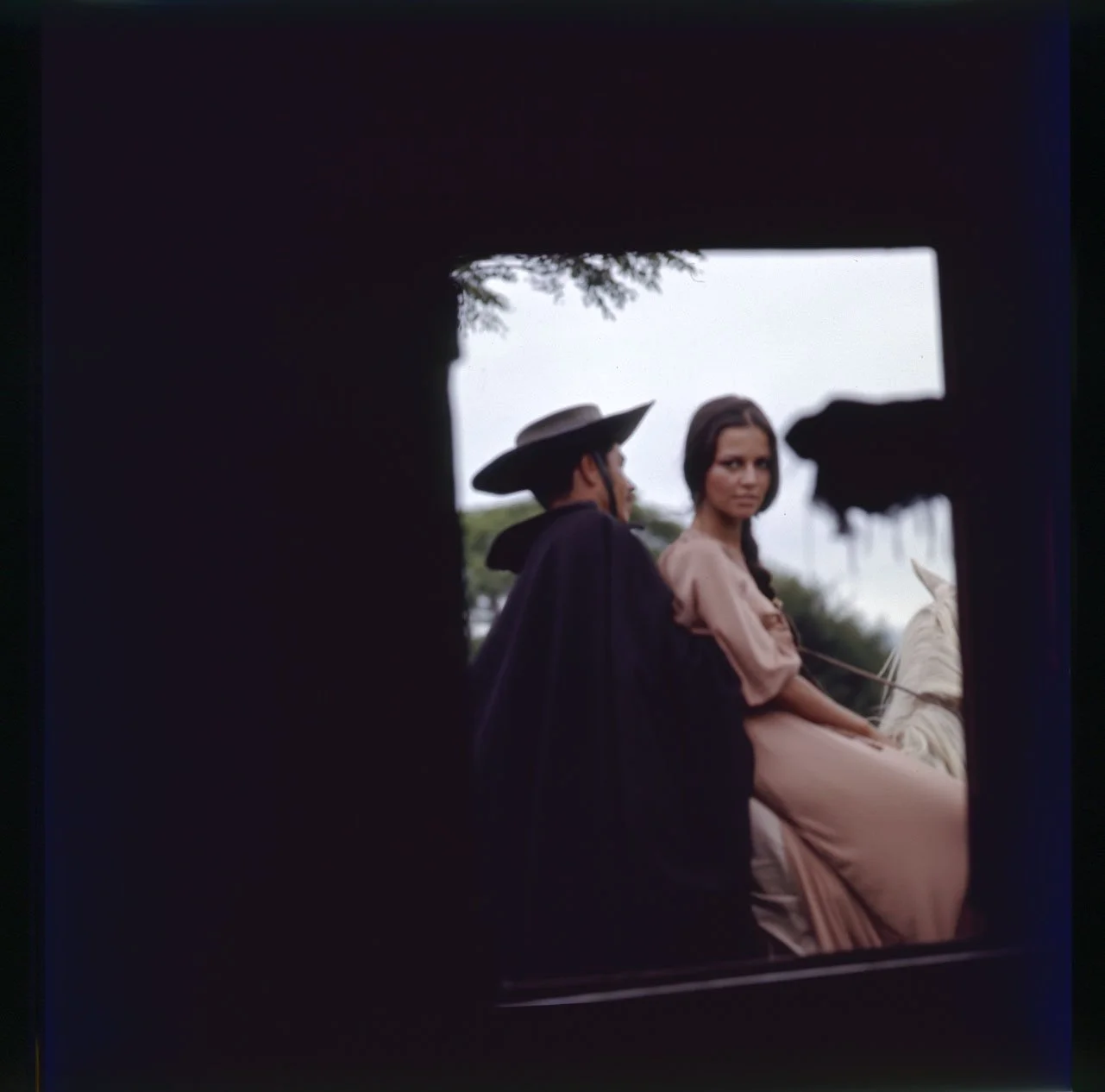
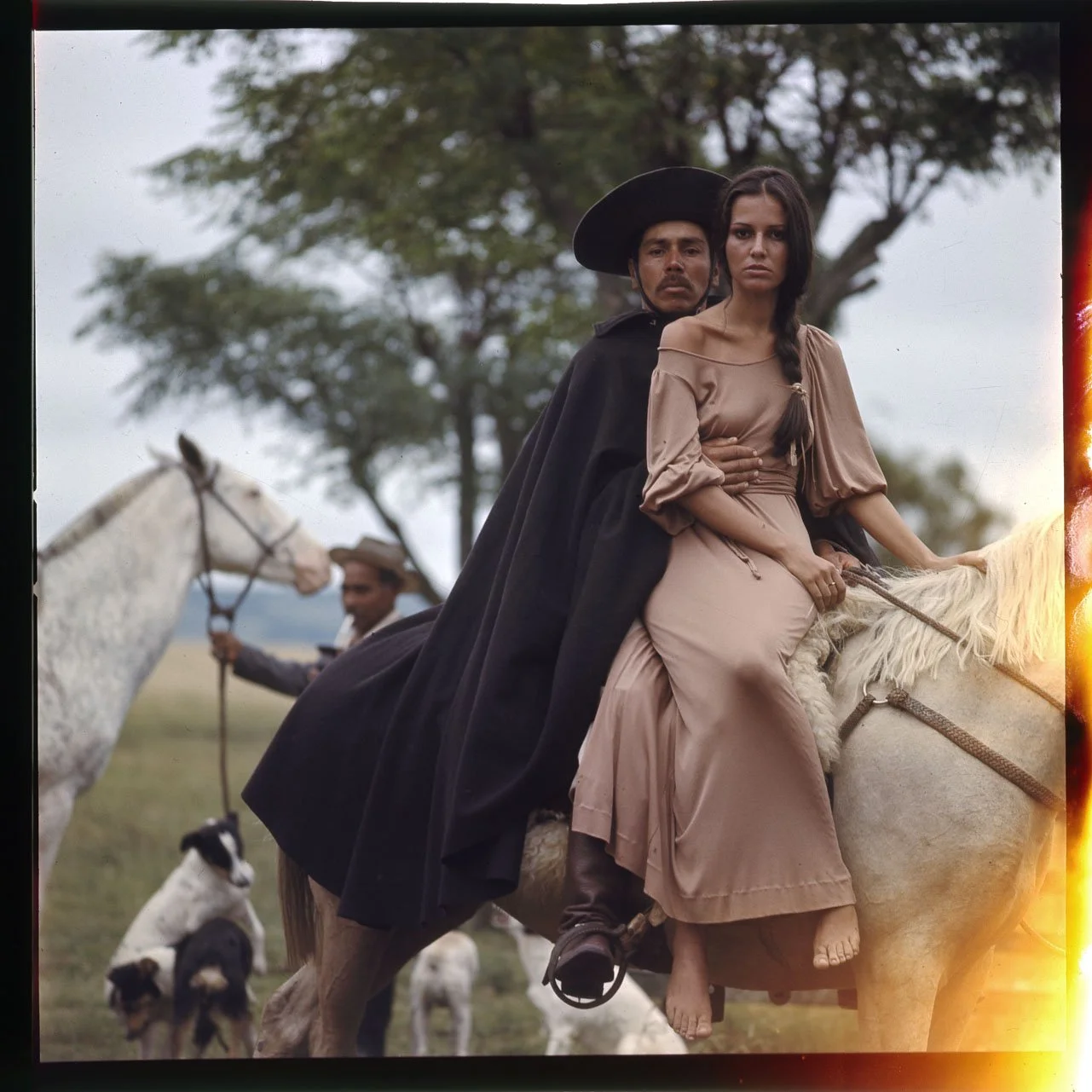
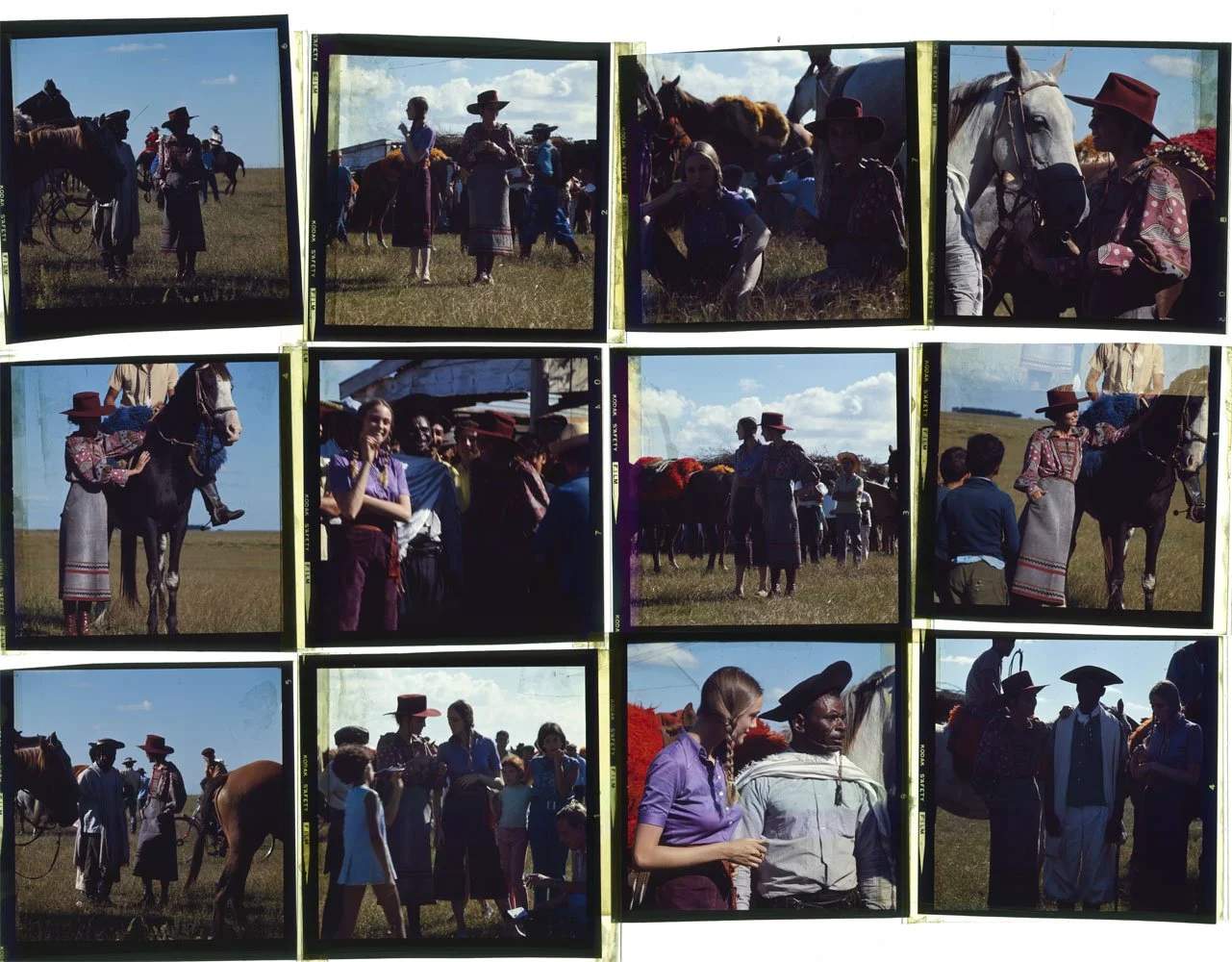
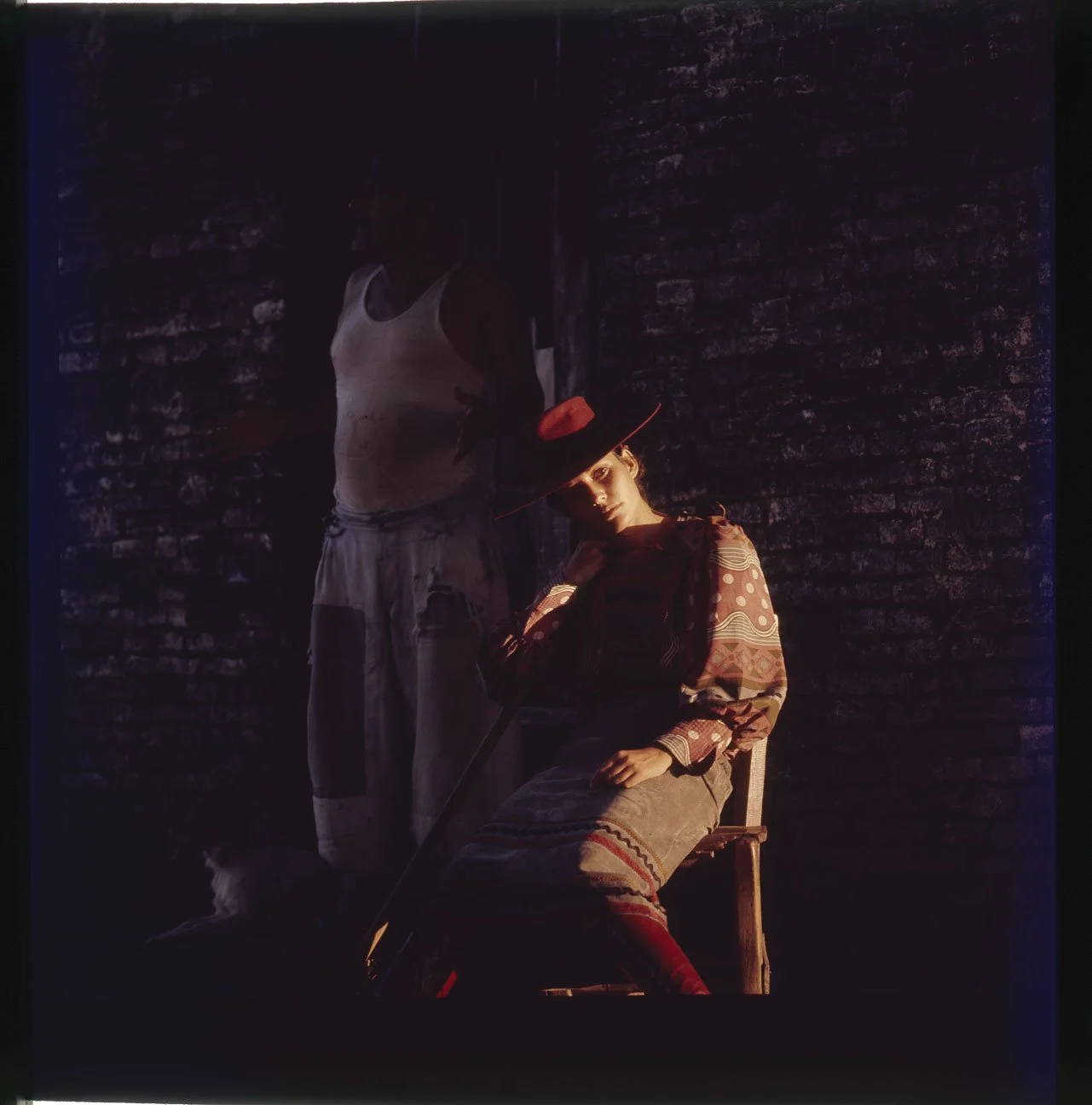
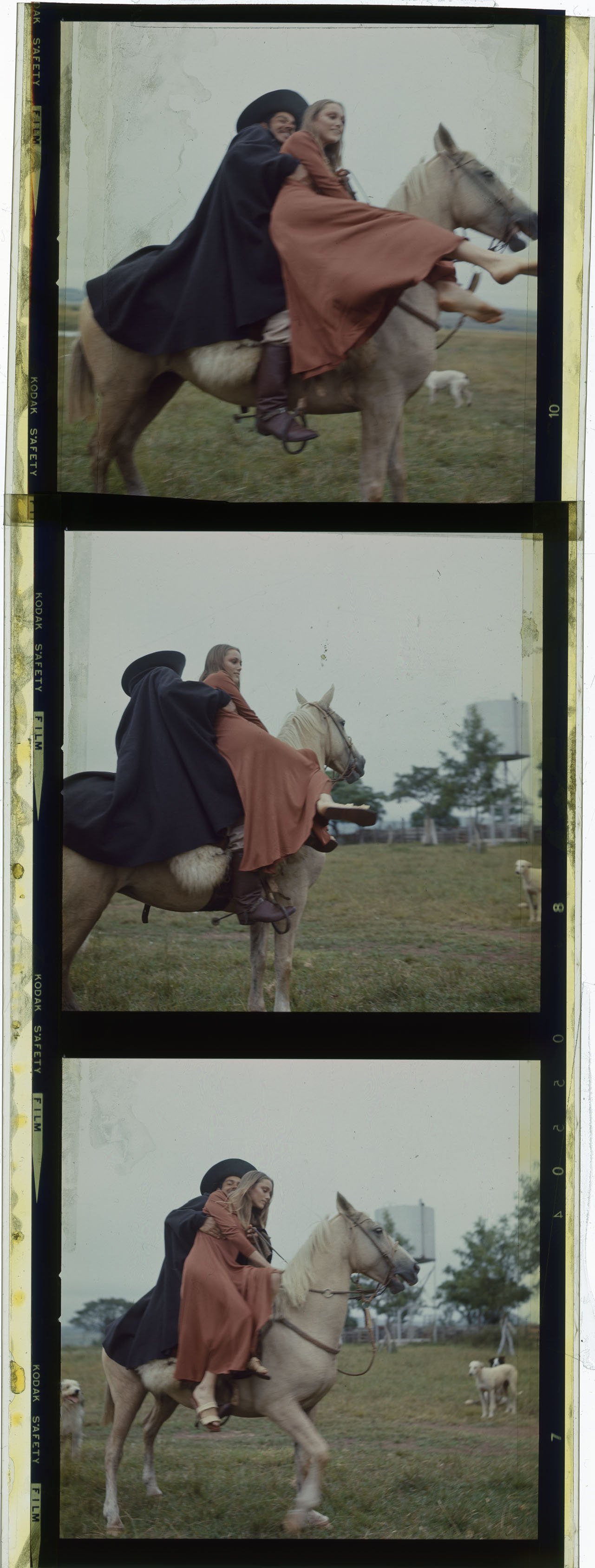
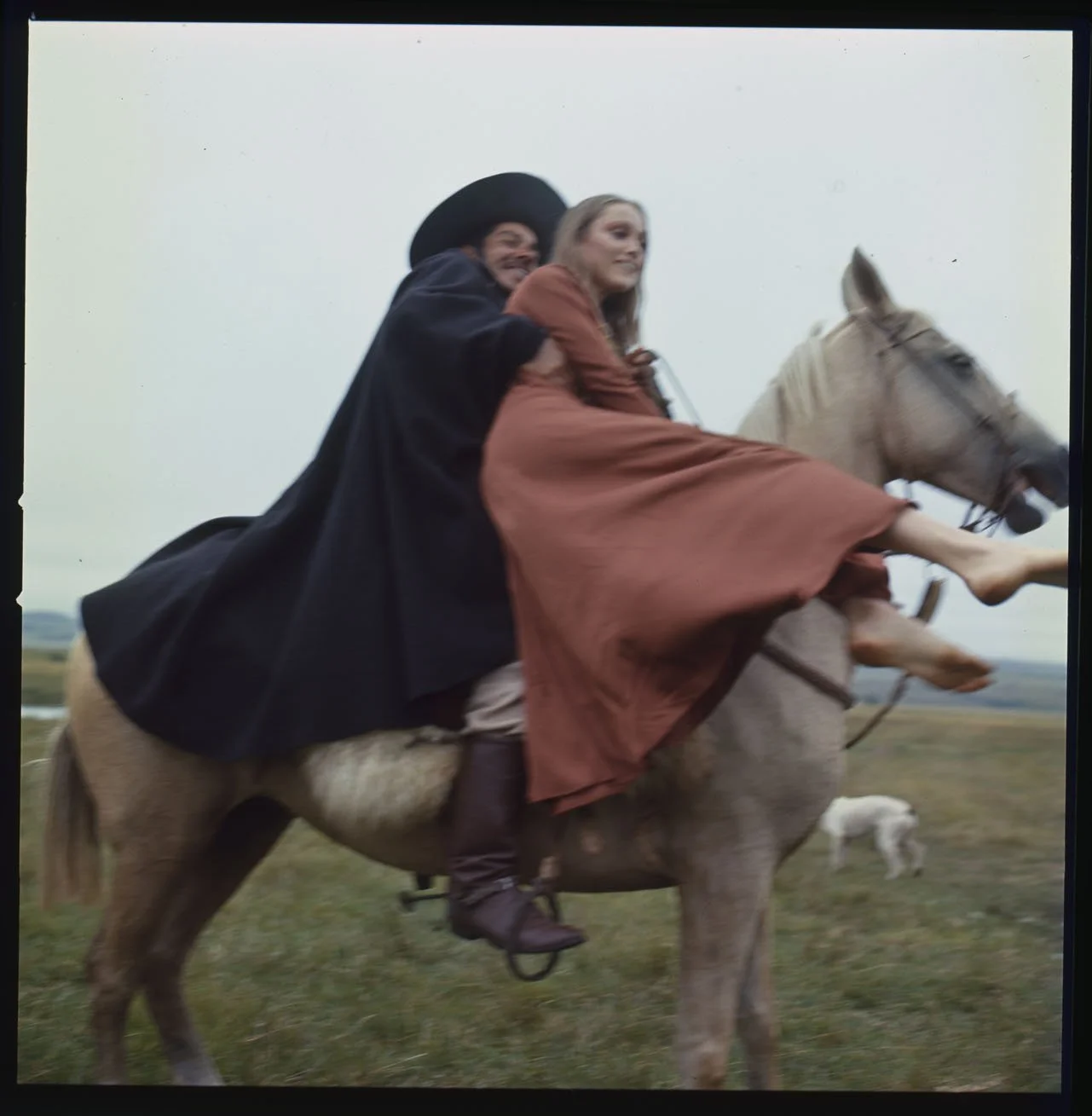
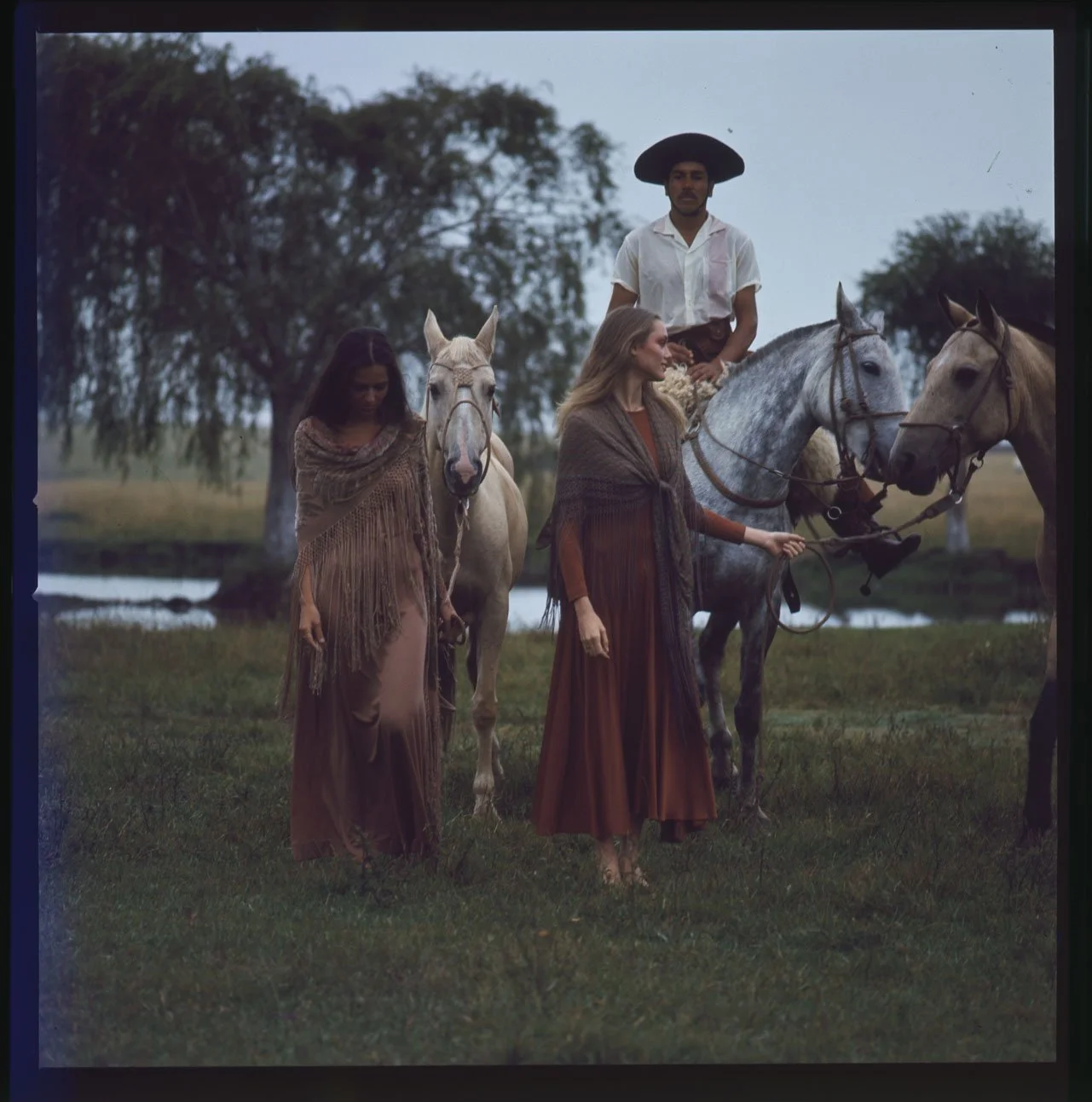
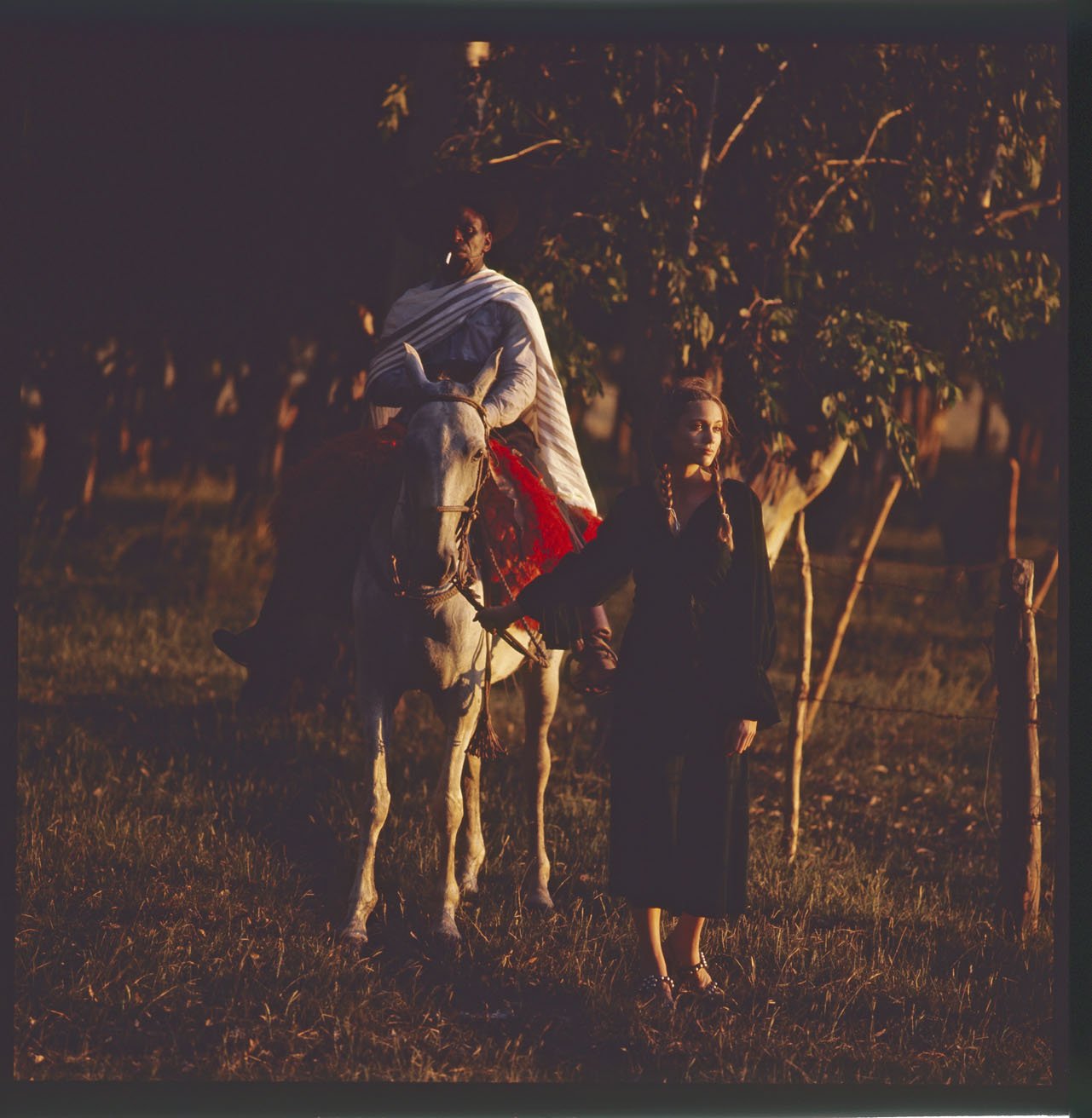
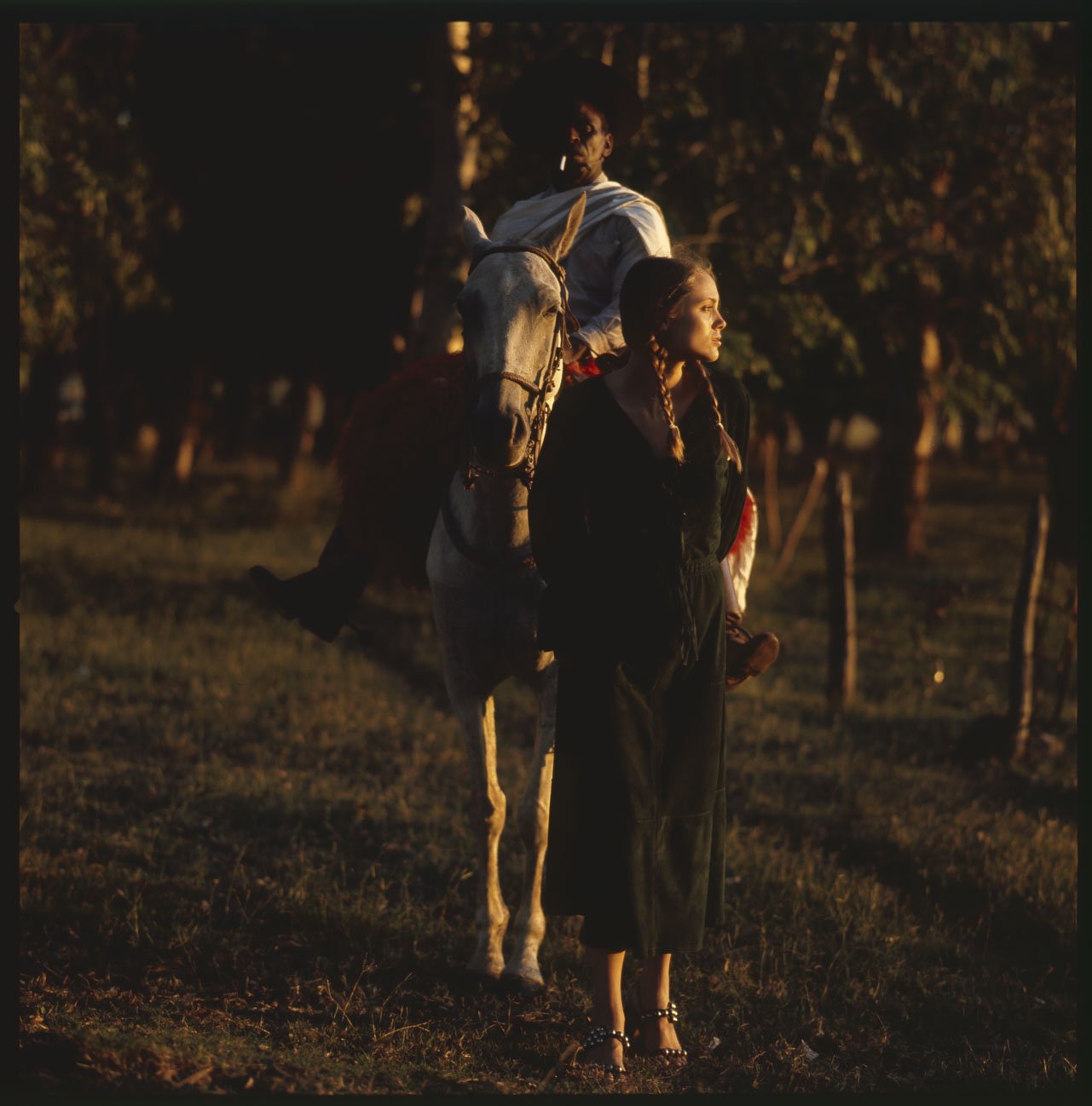
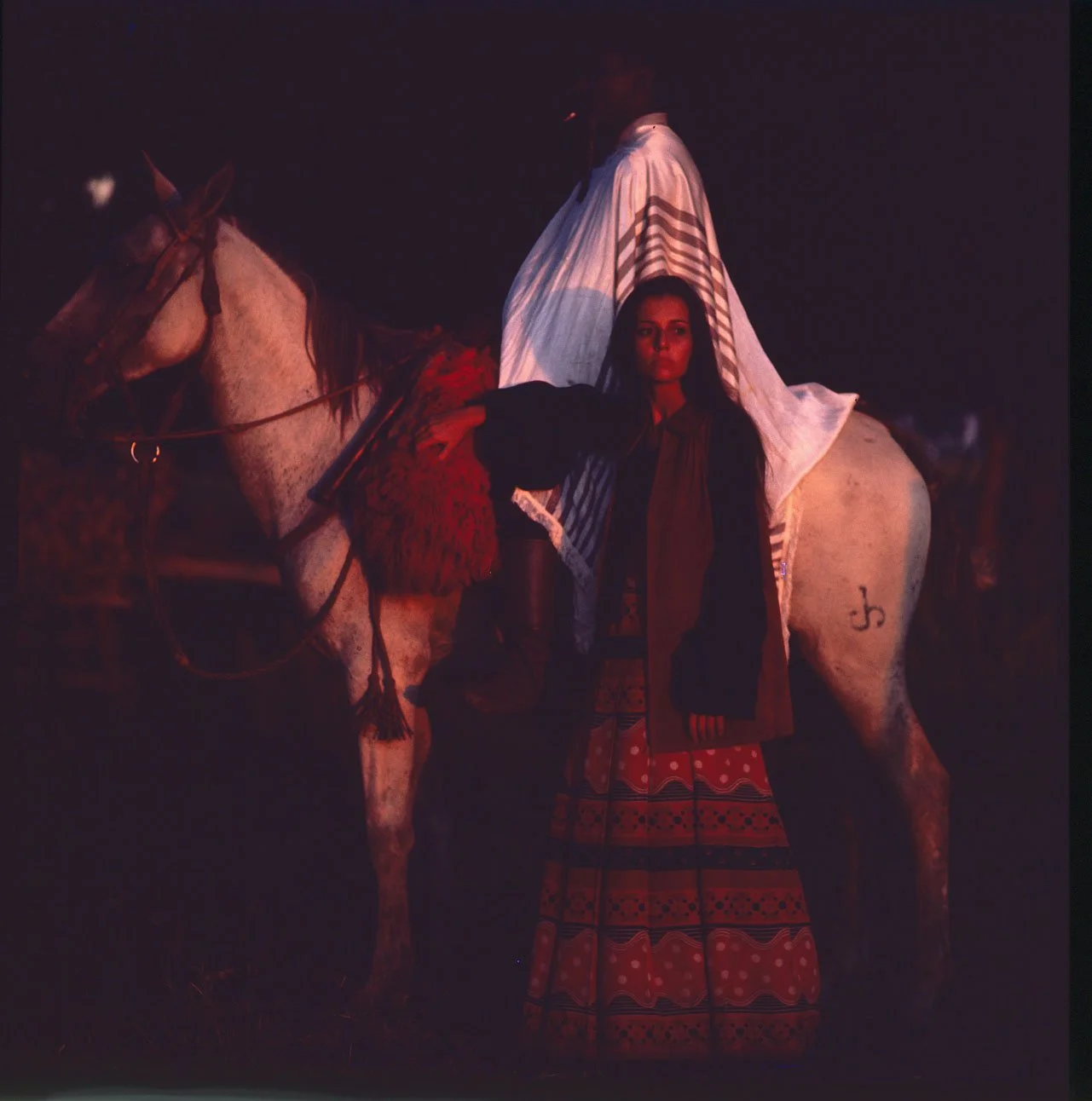
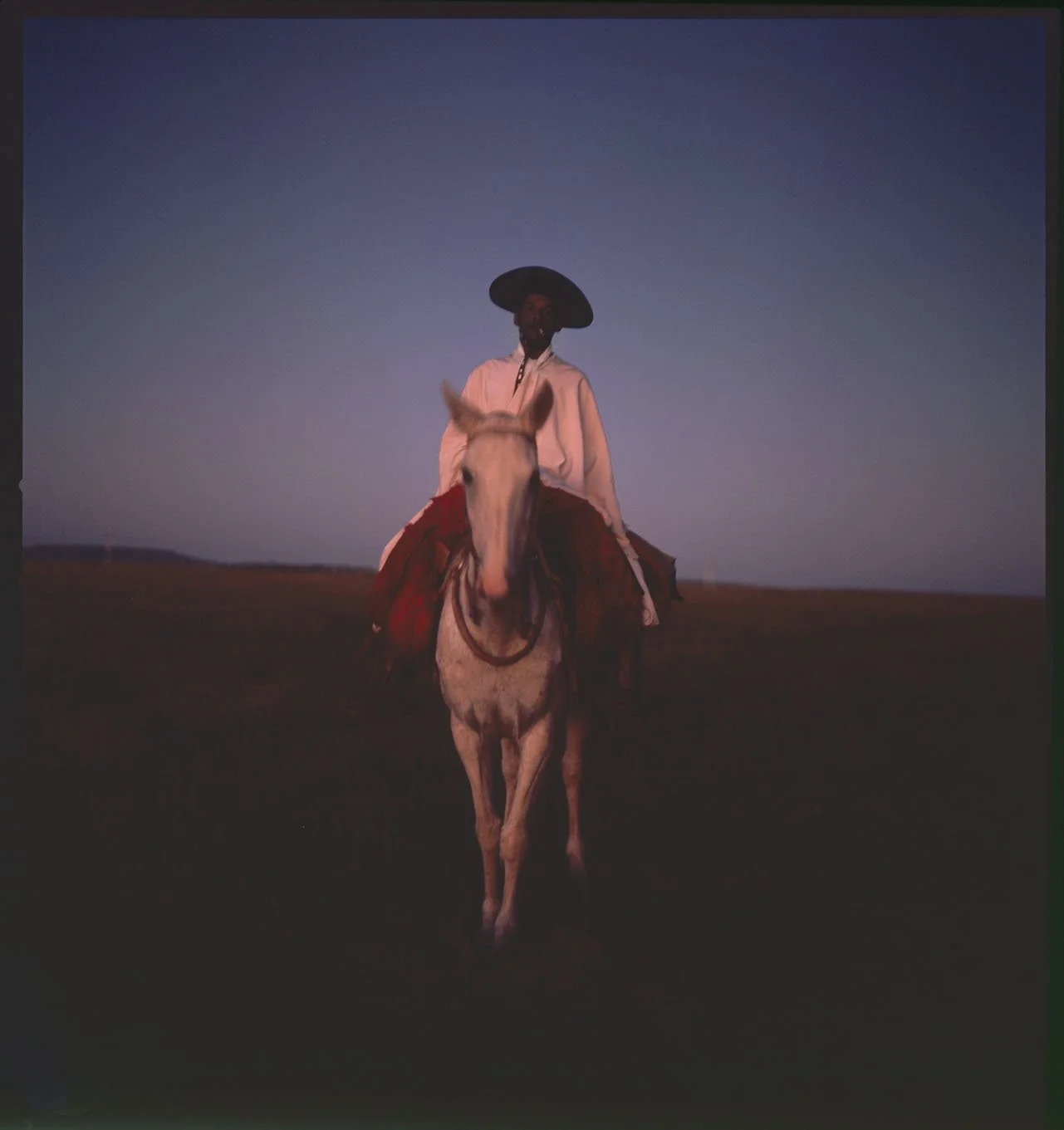
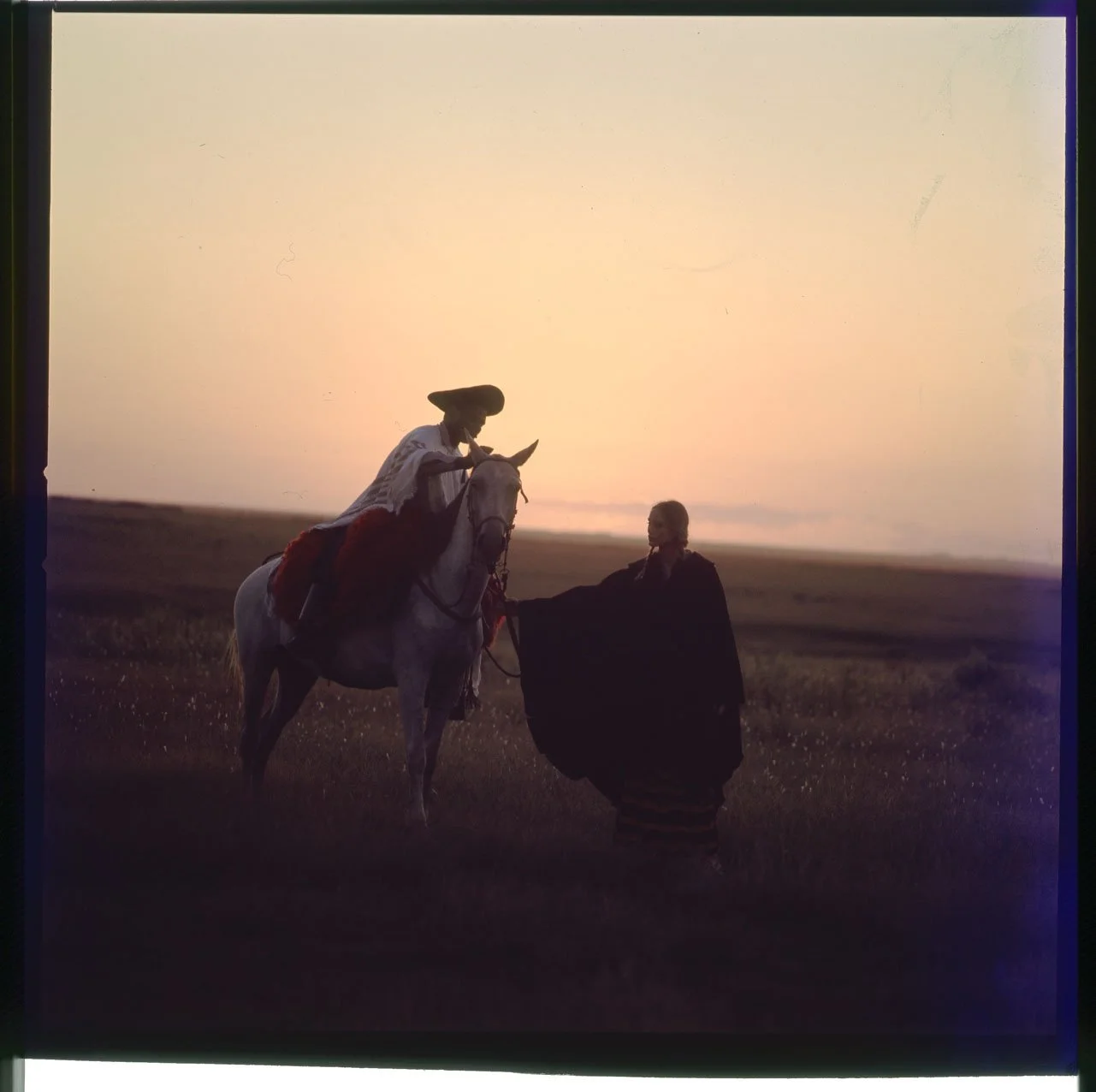
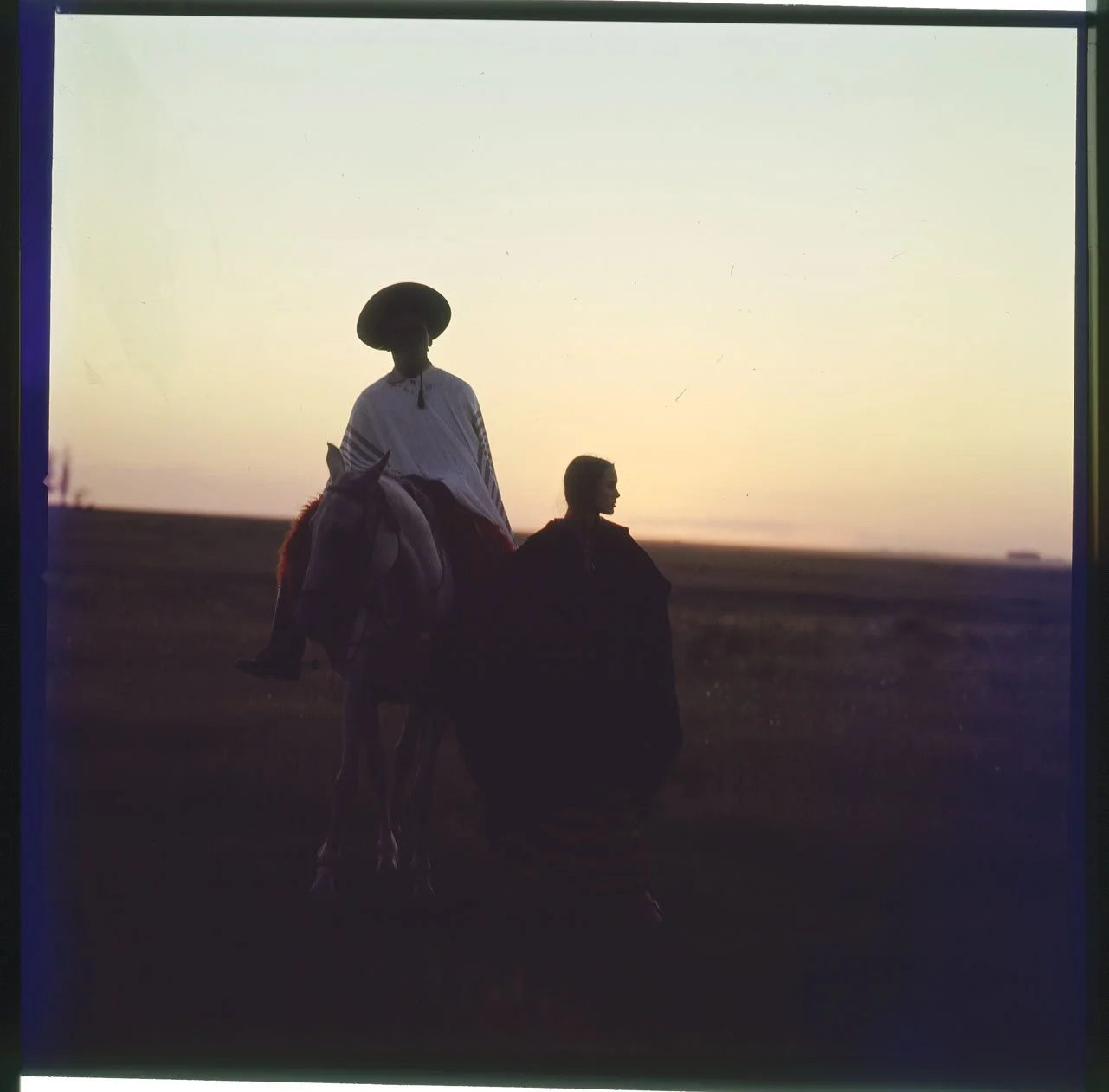
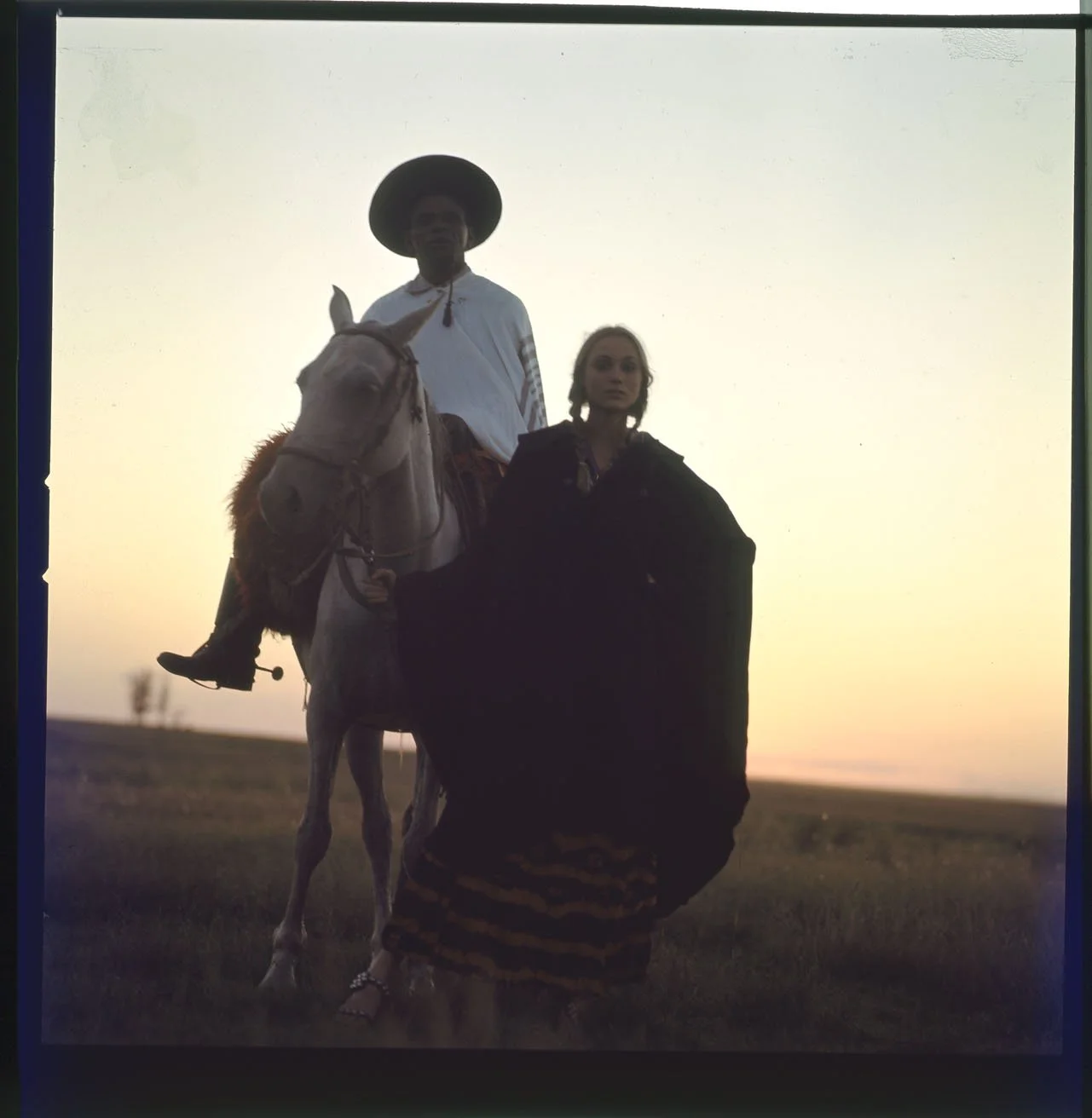
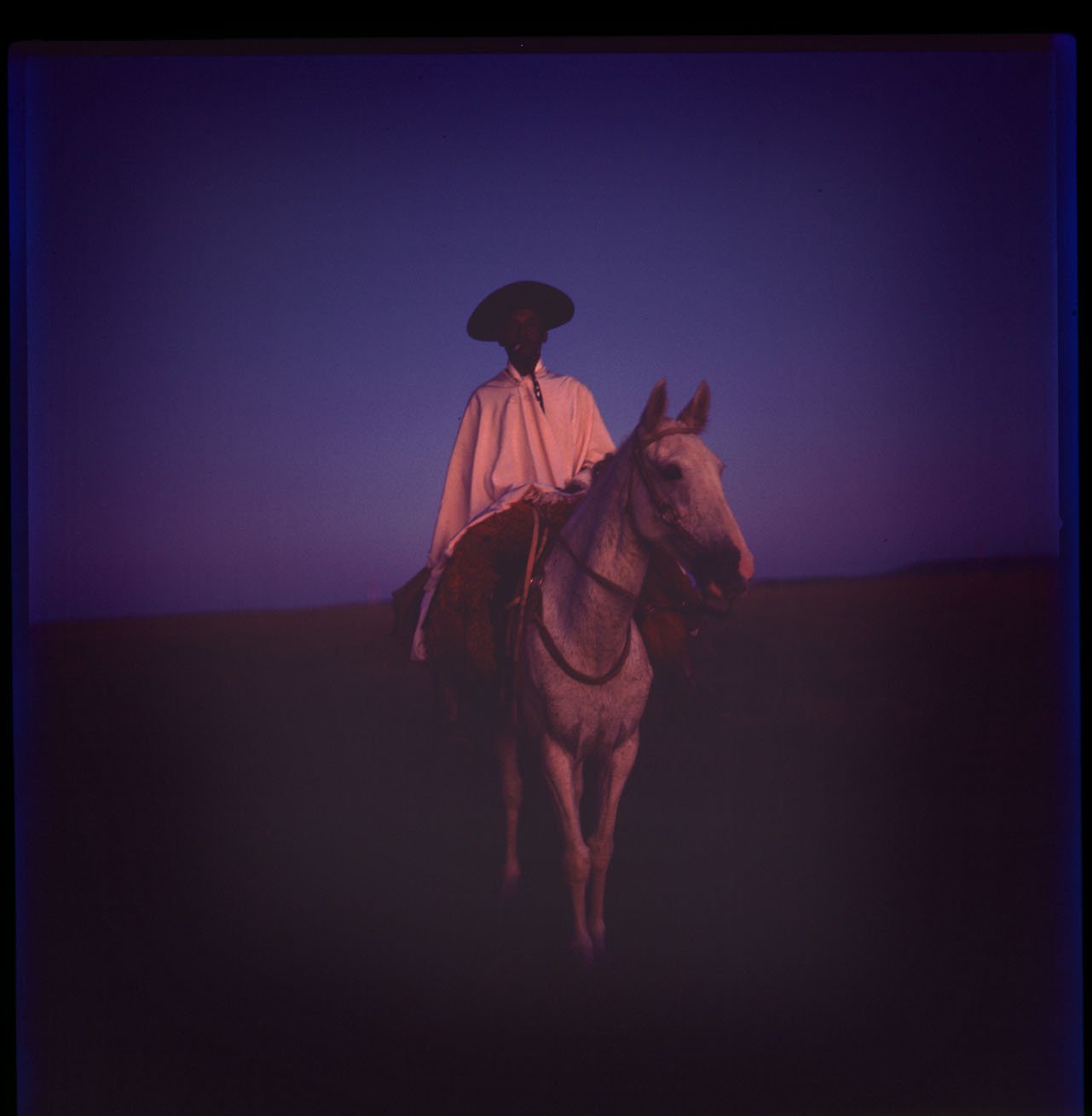
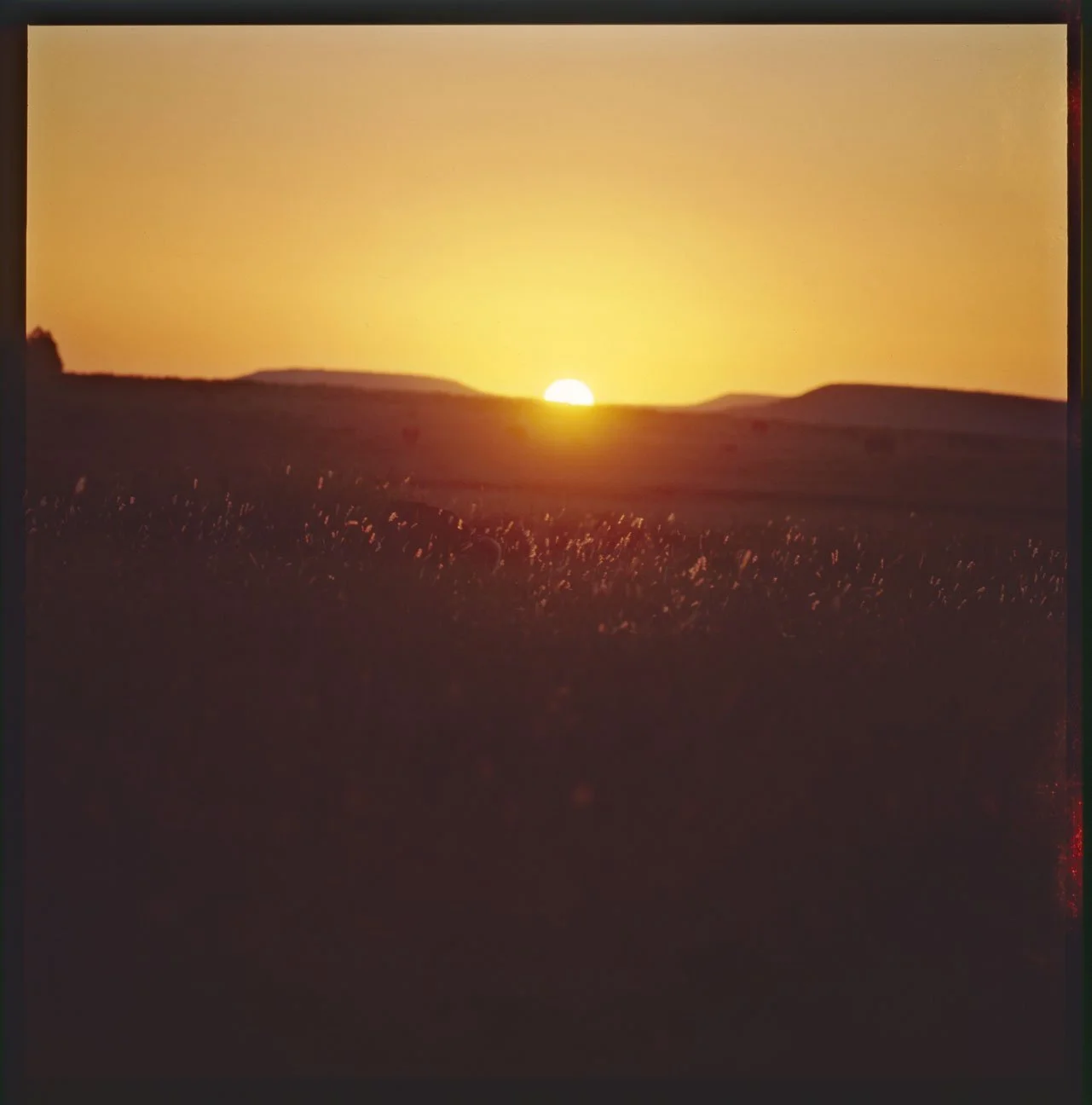
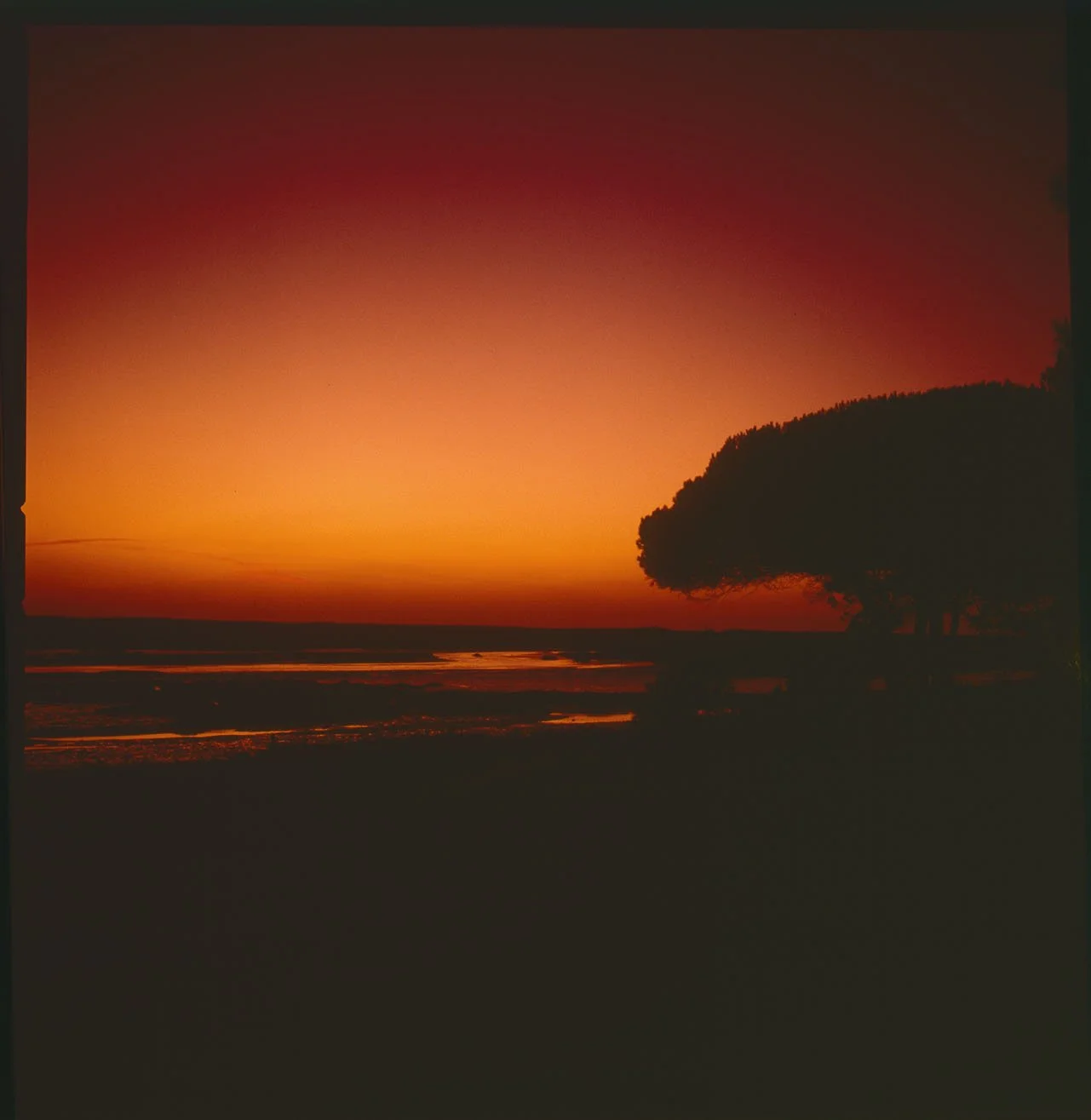
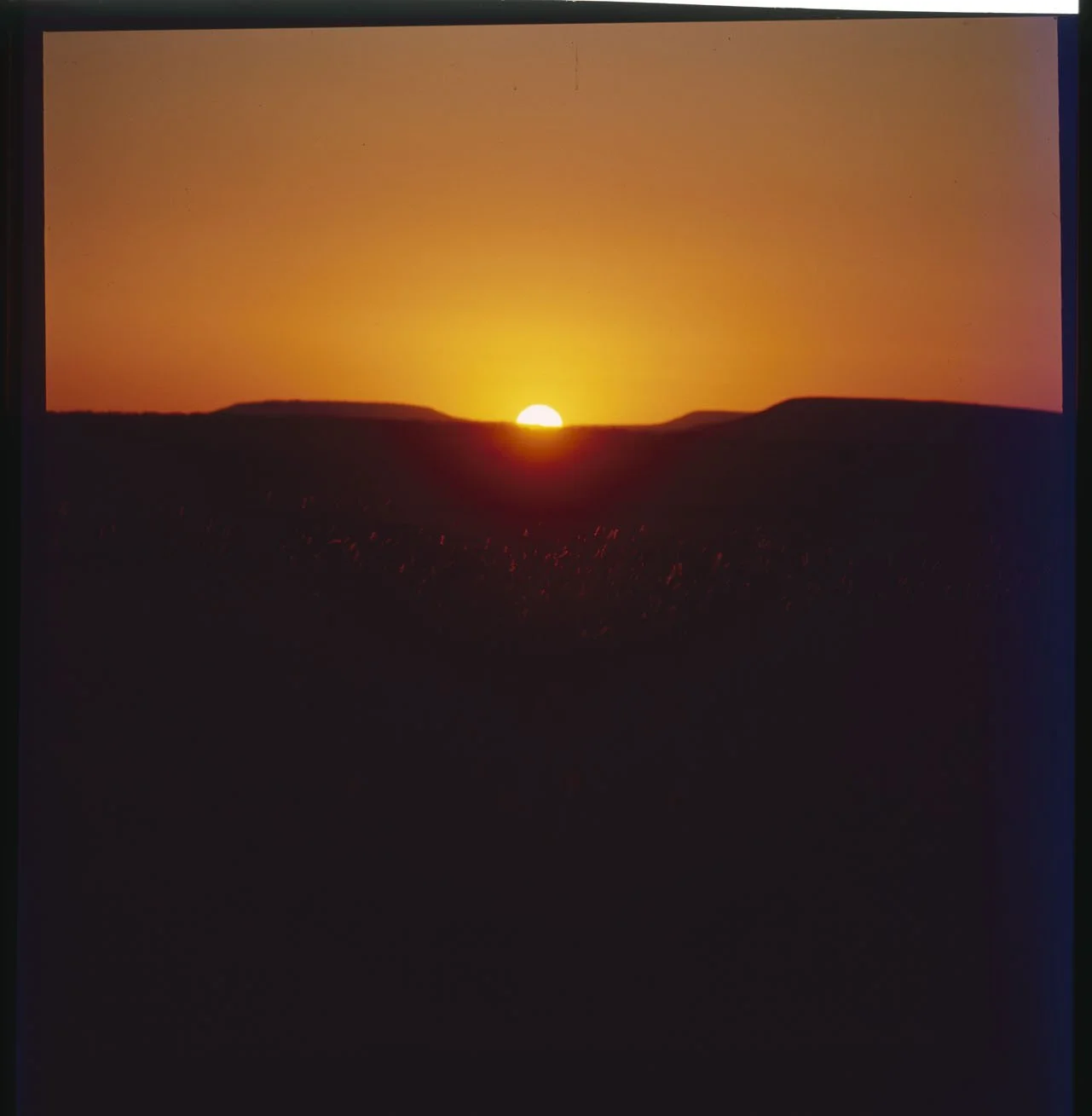
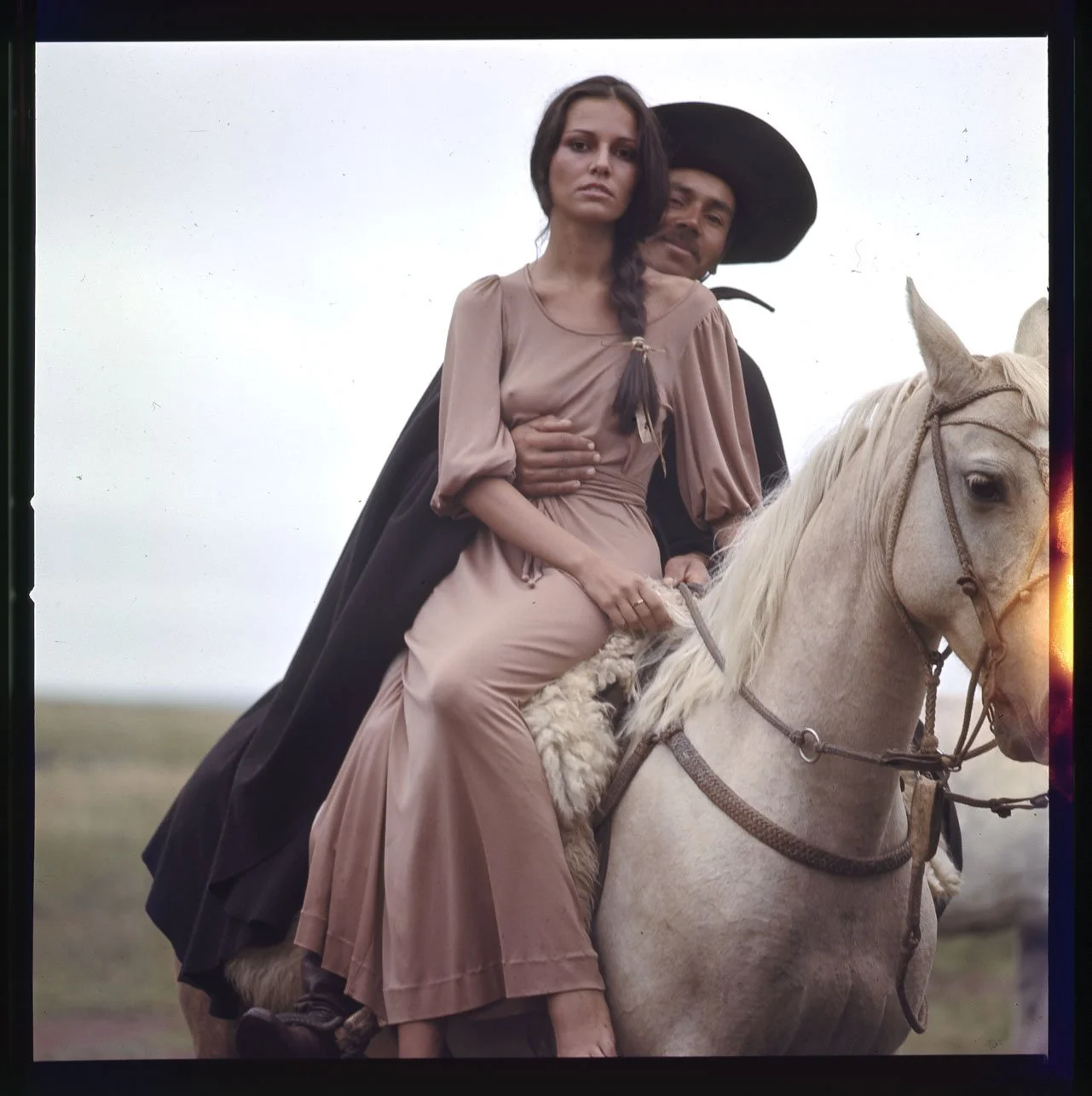
Fernweh describes the human longing to leave behind familiar surroundings and set out for unknown places—destinations that promise freedom, exoticism, and adventure. They evoke the allure of limitless possibilities and a life lived off the beaten path—much like the homeland of the gauchos on the high plateaus of Brazil, where the bustle of everyday life has vanished beyond an orange-red horizon. The roar of the world feels distant here; the landscape is defined by proud men riding solitary across the endless grassy steppe, high in the saddle. Ulrich Pracht embarked on a photographic journey into the vastness of the Pampa, discovering its soul in the weather-beaten skin of these men, the rich red of the earth, and the warm glow of the setting sun. In his images, one can almost hear the stillness of this secluded region—a silence broken only by the rhythmic beat of hooves and the occasional whinny of horses. Amidst the bustling atmosphere of early morning, as the mist gradually lifts, the moment arrives for Ulrich Pracht to use his camera to trace the very essence of freedom. He captures the industrious activity of the gauchos and the spirited readiness of the horses against a backdrop of pristine nature. He embraces the vastness of the land and the ethereal quality of the dissipating clouds, observing how the dew clings to the grass of the steppe. Yet, this austere existence appears romantic only from a distance. Ulrich Pracht’s perspective offers us intimate glimpses into a reality that lies far beyond mere folklore. The majestic dominance of the horse within these images portrays it as the true master of time and space; it is the measure of all things—determining the rhythm, setting the pace, and defining the distance. At the same time, it is the most intimate friend and companion of the gaucho, whose life in the campos is governed by the laws of nature and the traditions of his forefathers: At dawn, he dons his round hat, mounts his saddle, and begins his day’s work with both passion and professionalism—his days mirror one another; in this desolate expanse, yesterday and today flow nebulously into one another. And there, amidst this vastness, stands a young woman—motionless—gazing at us with bright, questioning eyes. "What you think you will find," she seems to call out to us, "you will not find!" Her posture is upright, one shoulder slightly raised; her gaze burns with a blend of innocence and promise. Yet she herself seems unsure exactly what has led her here. Curiosity? A thirst for adventure? Pracht has captured this moment perfectly: The clouds have vanished, yet the sense of diffusion remains. Reflected in the girl’s eyes is the disillusionment we have long feared: We dream of a homeland in the distance, yet once we have found it, it remains, after all, a stranger to us.
16.1
Among the GAUCHOS
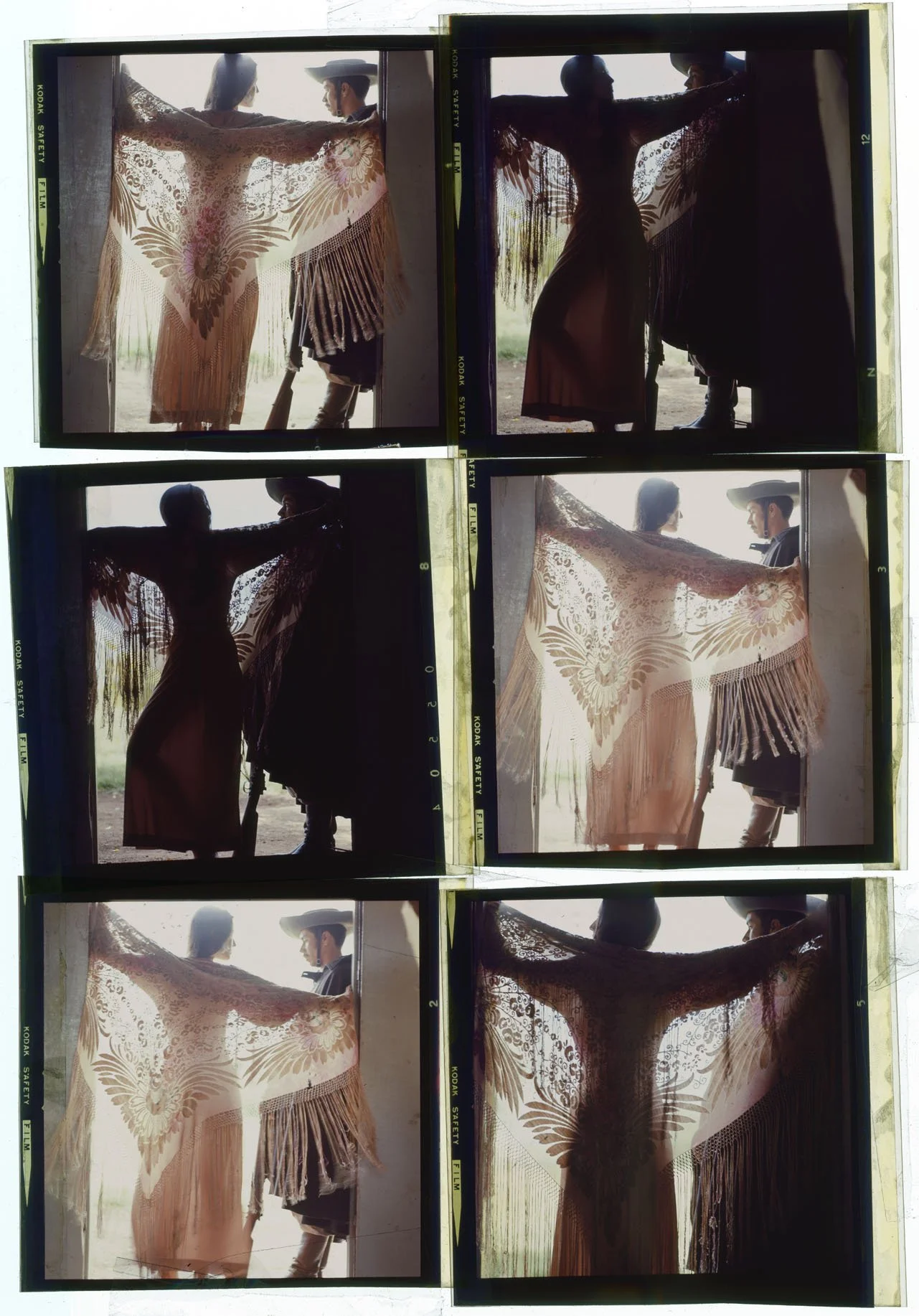
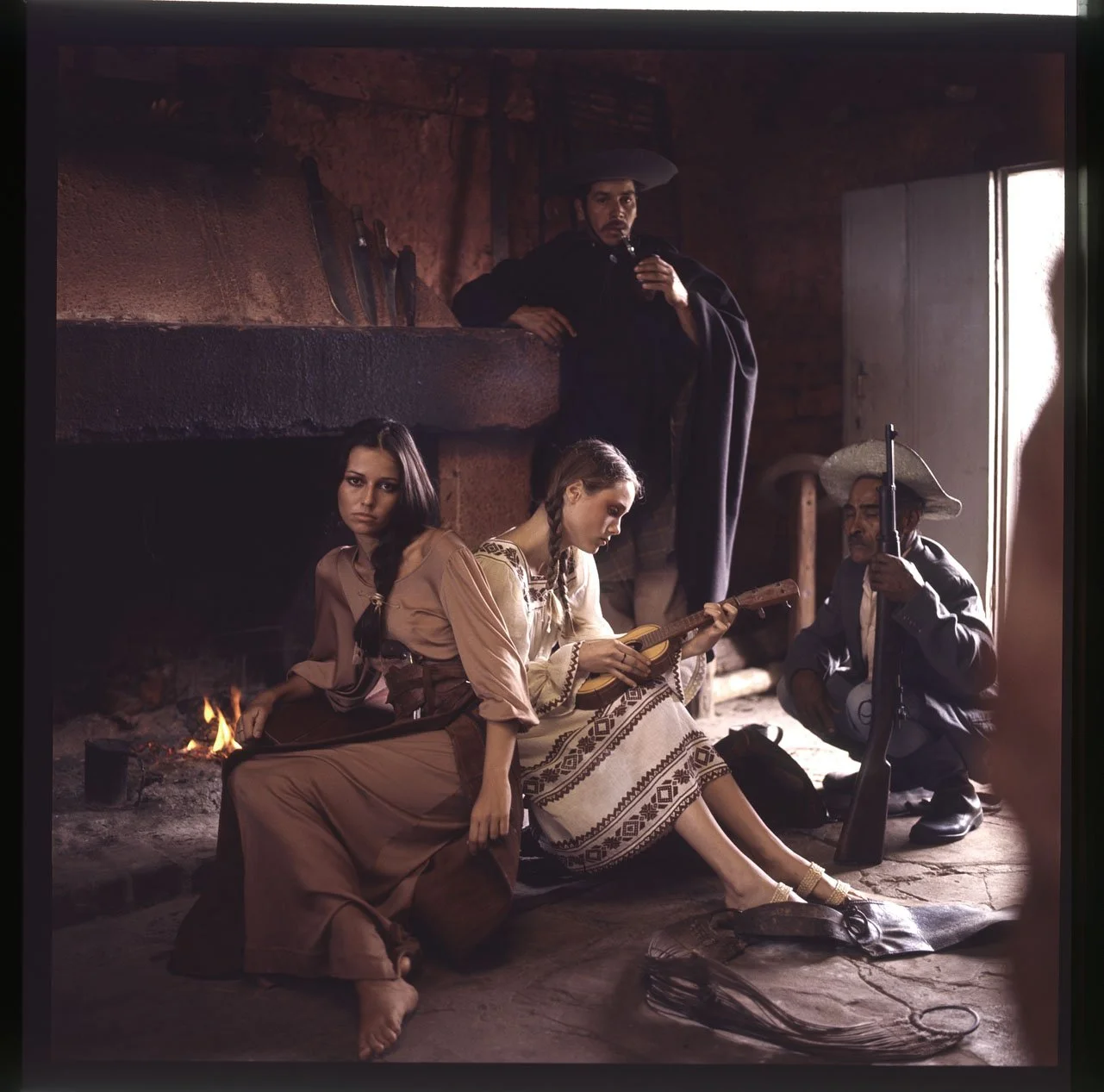
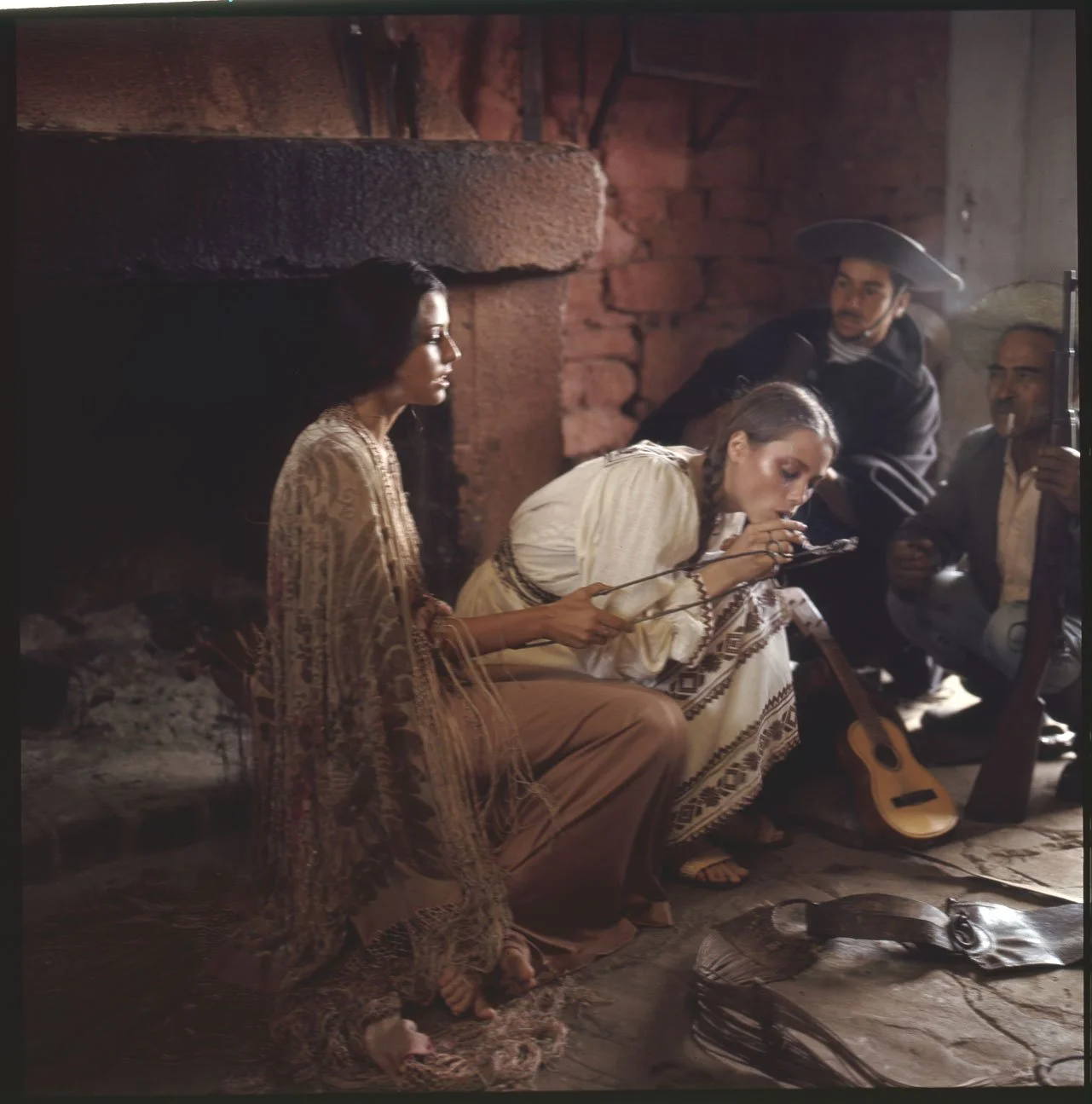
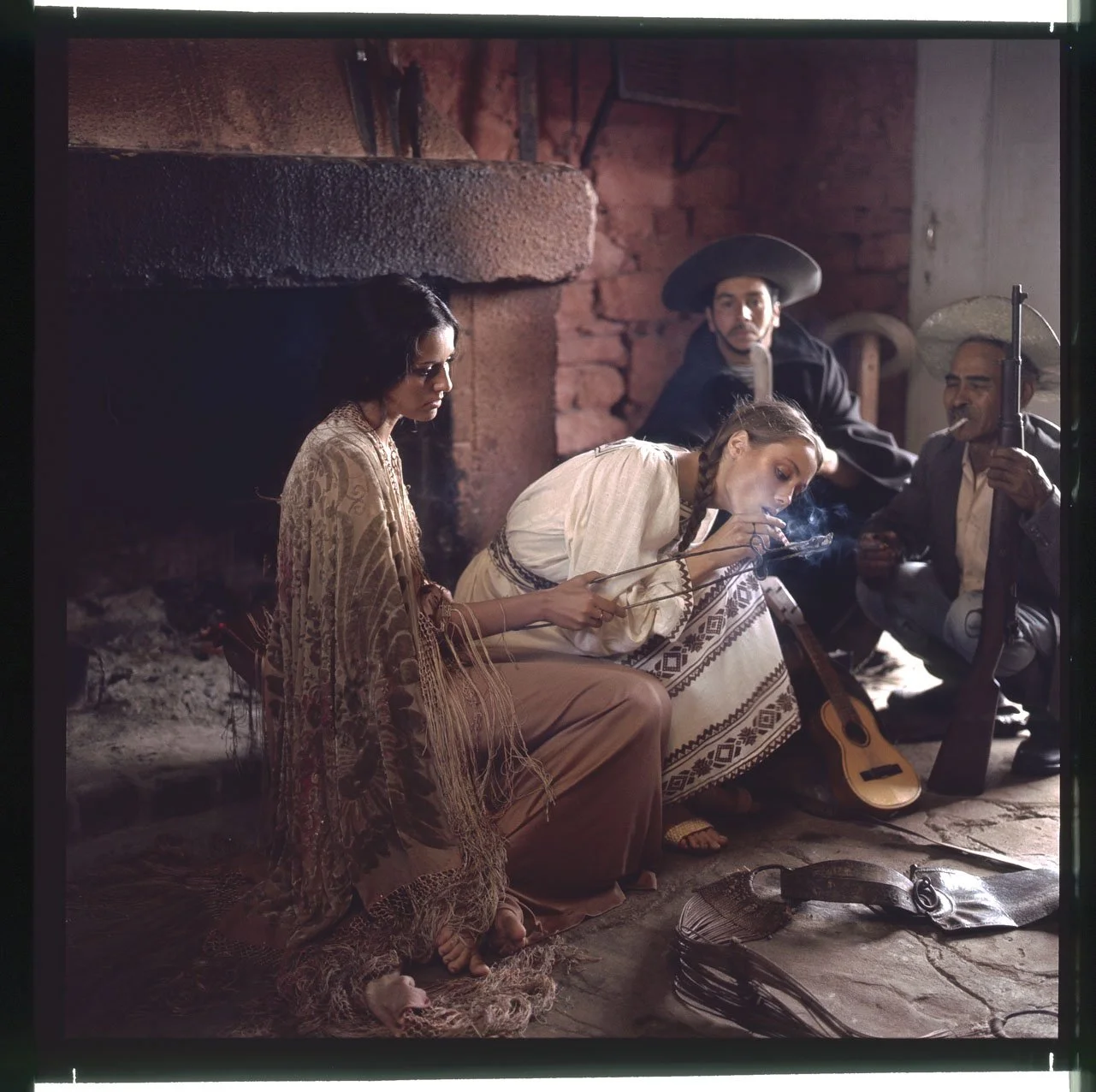
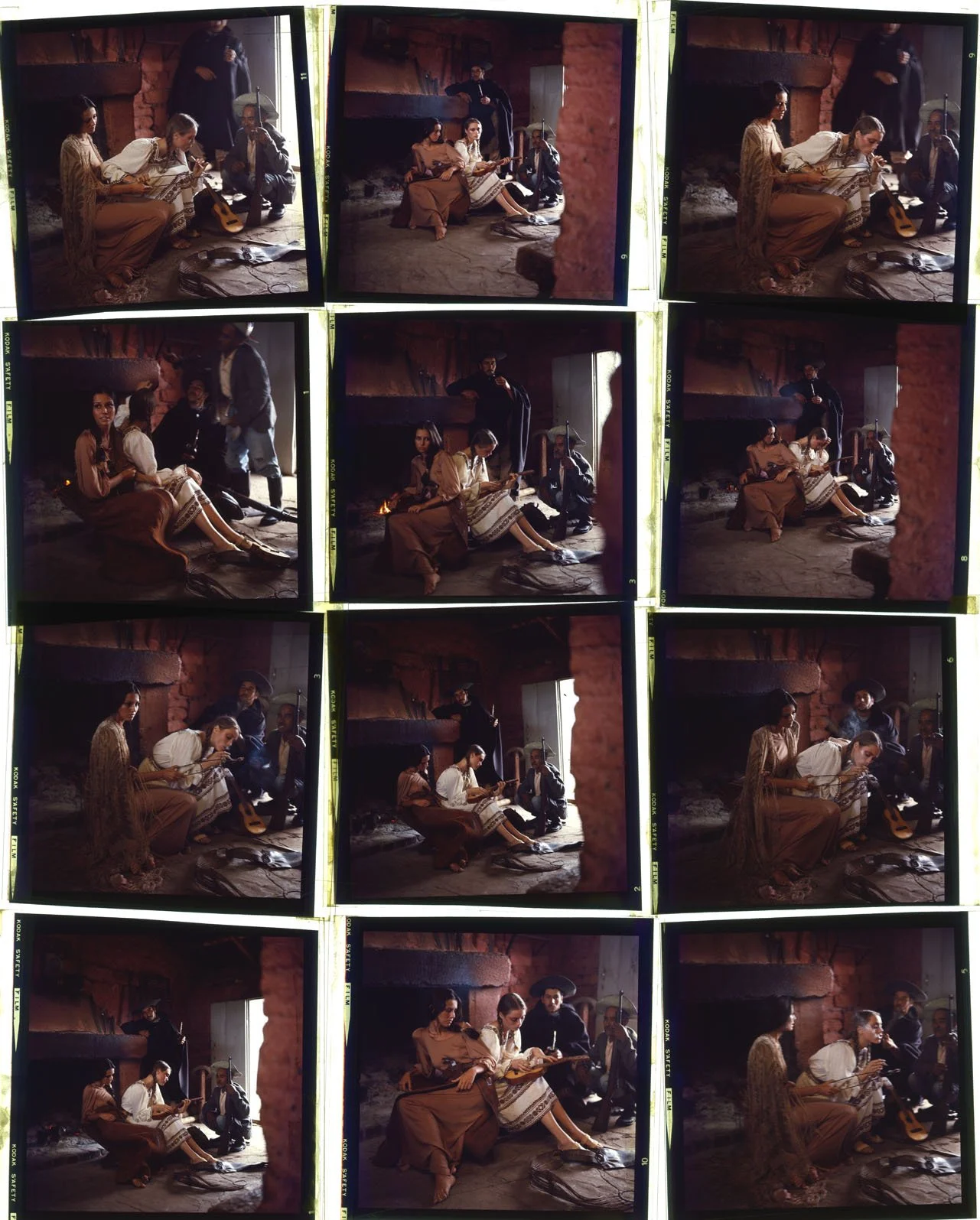
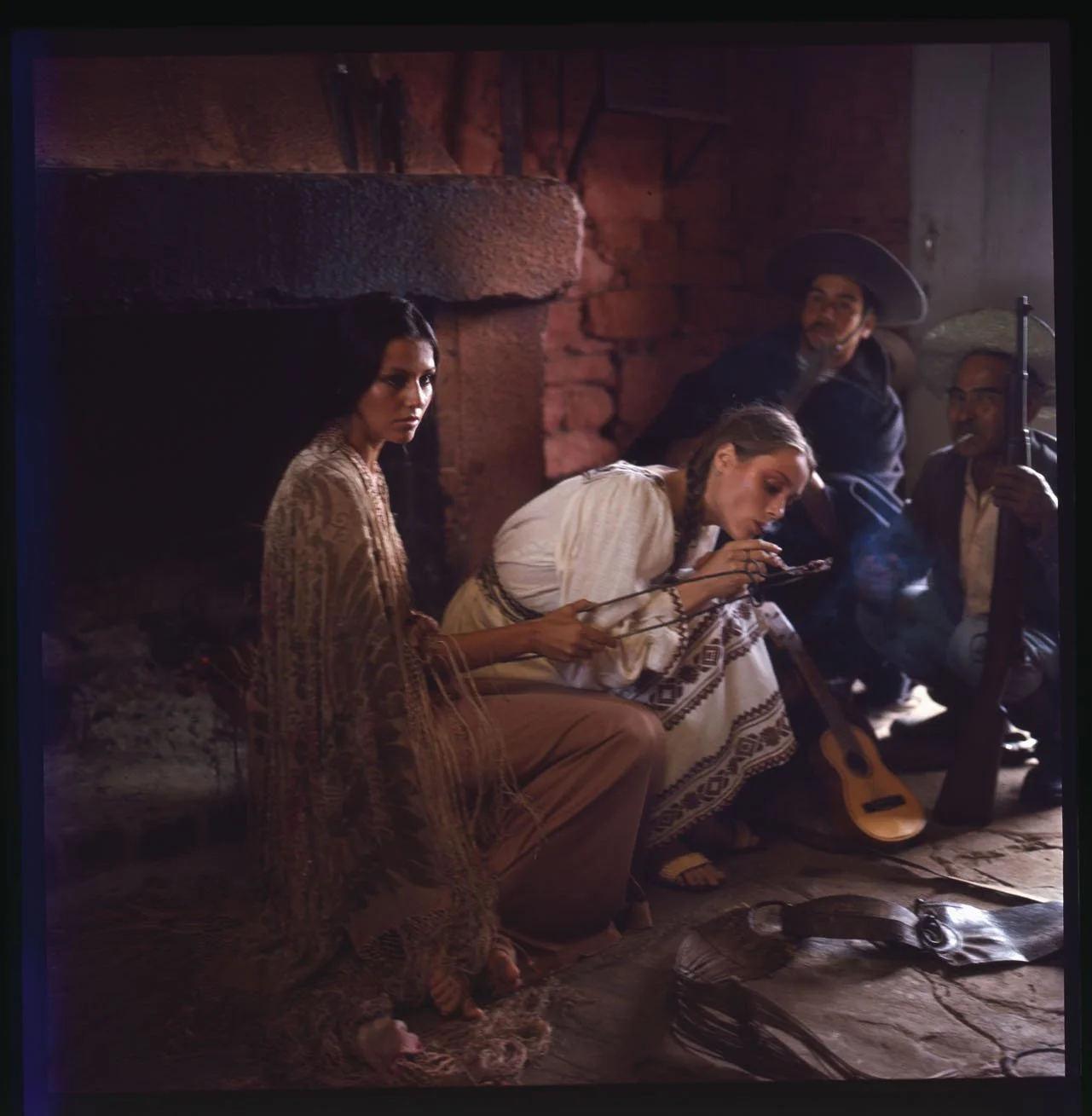
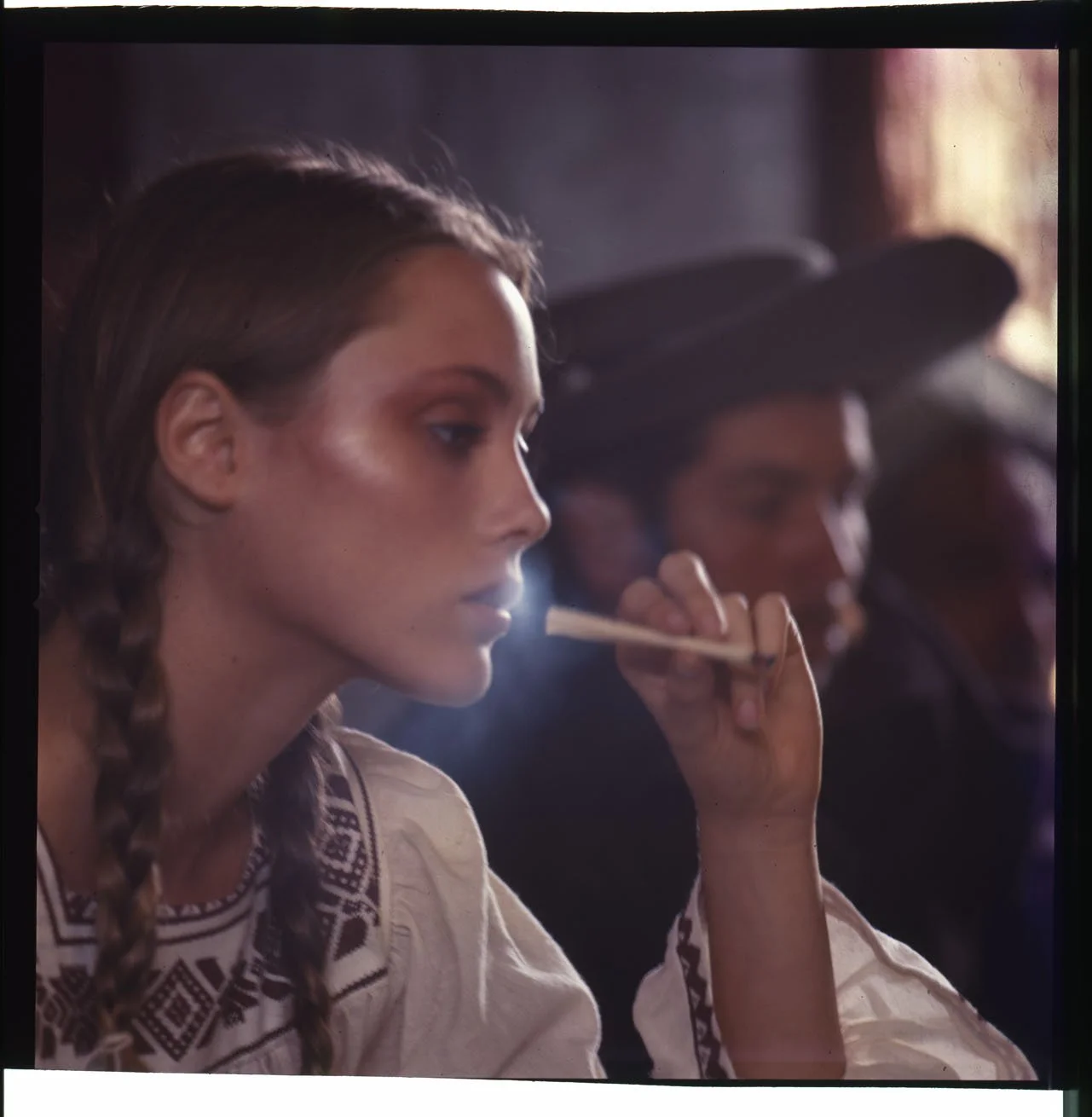
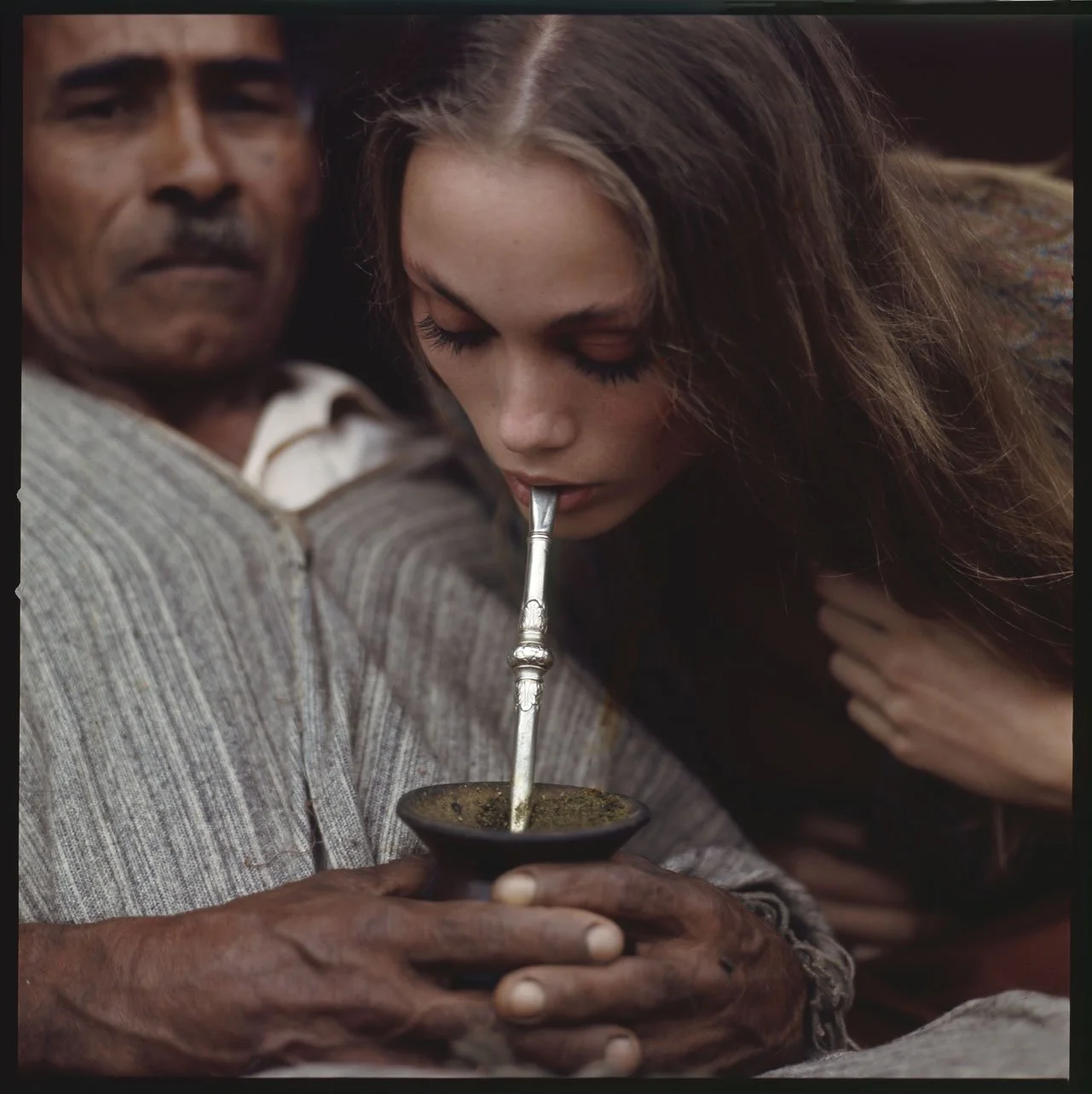
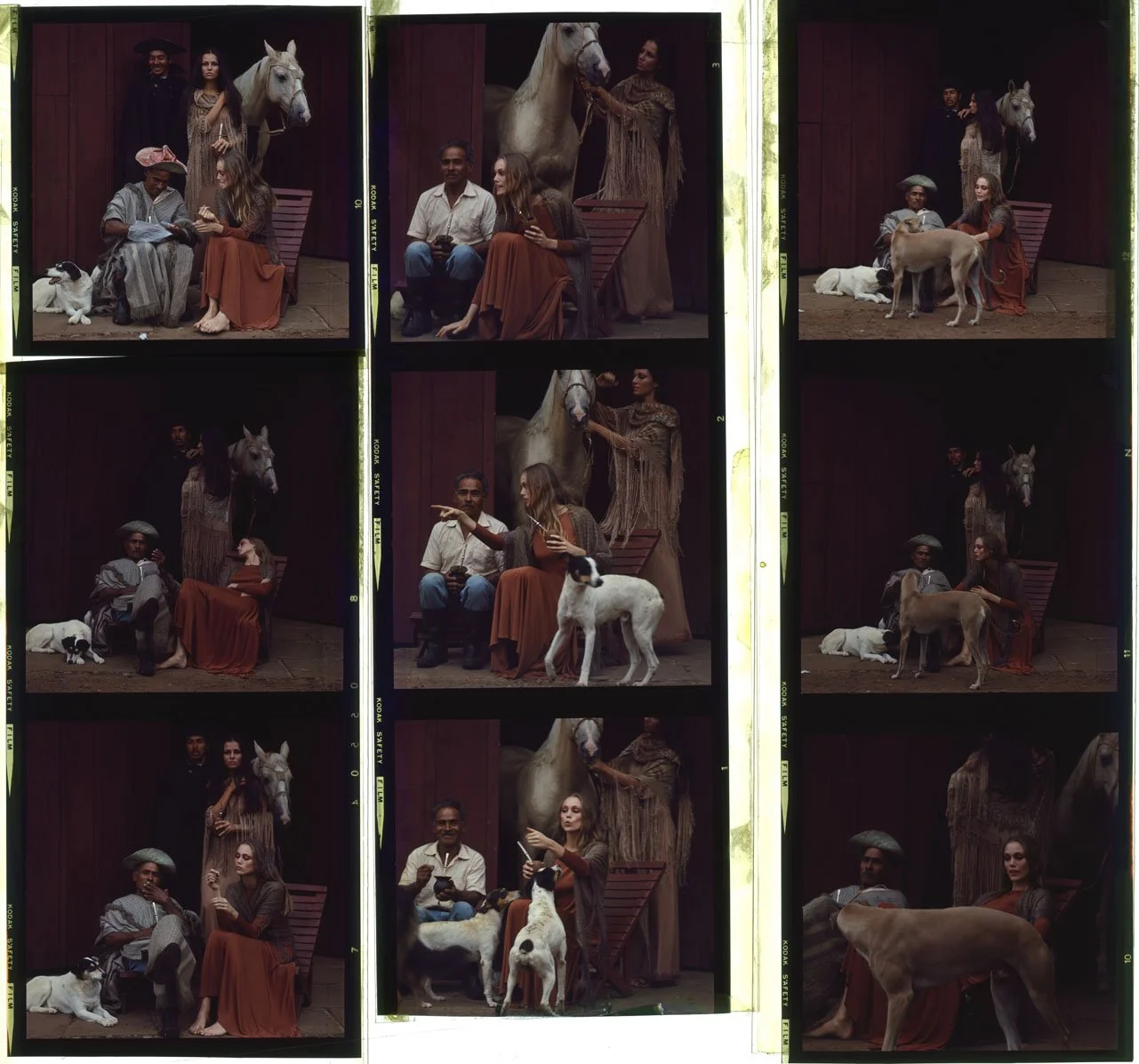
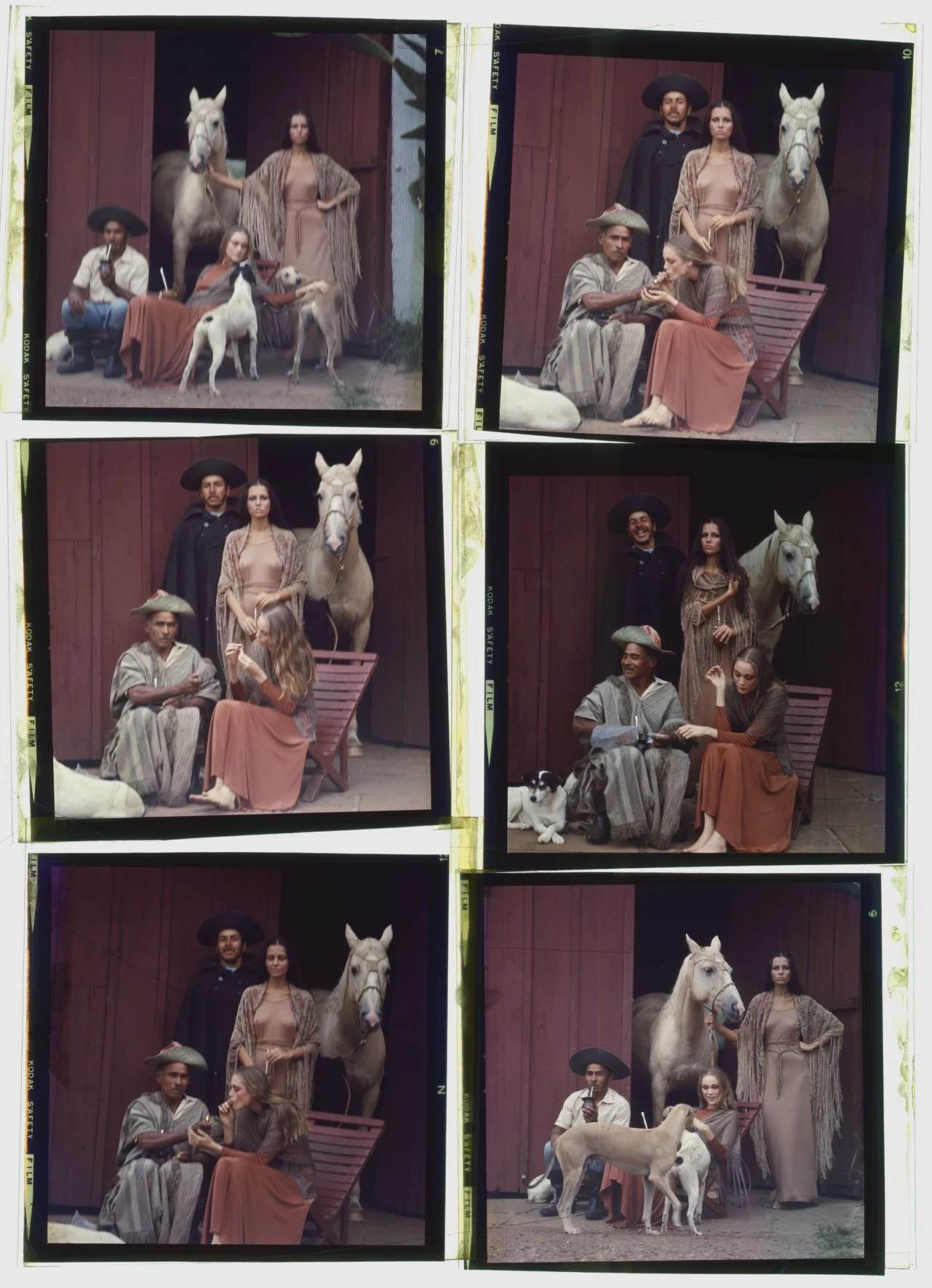
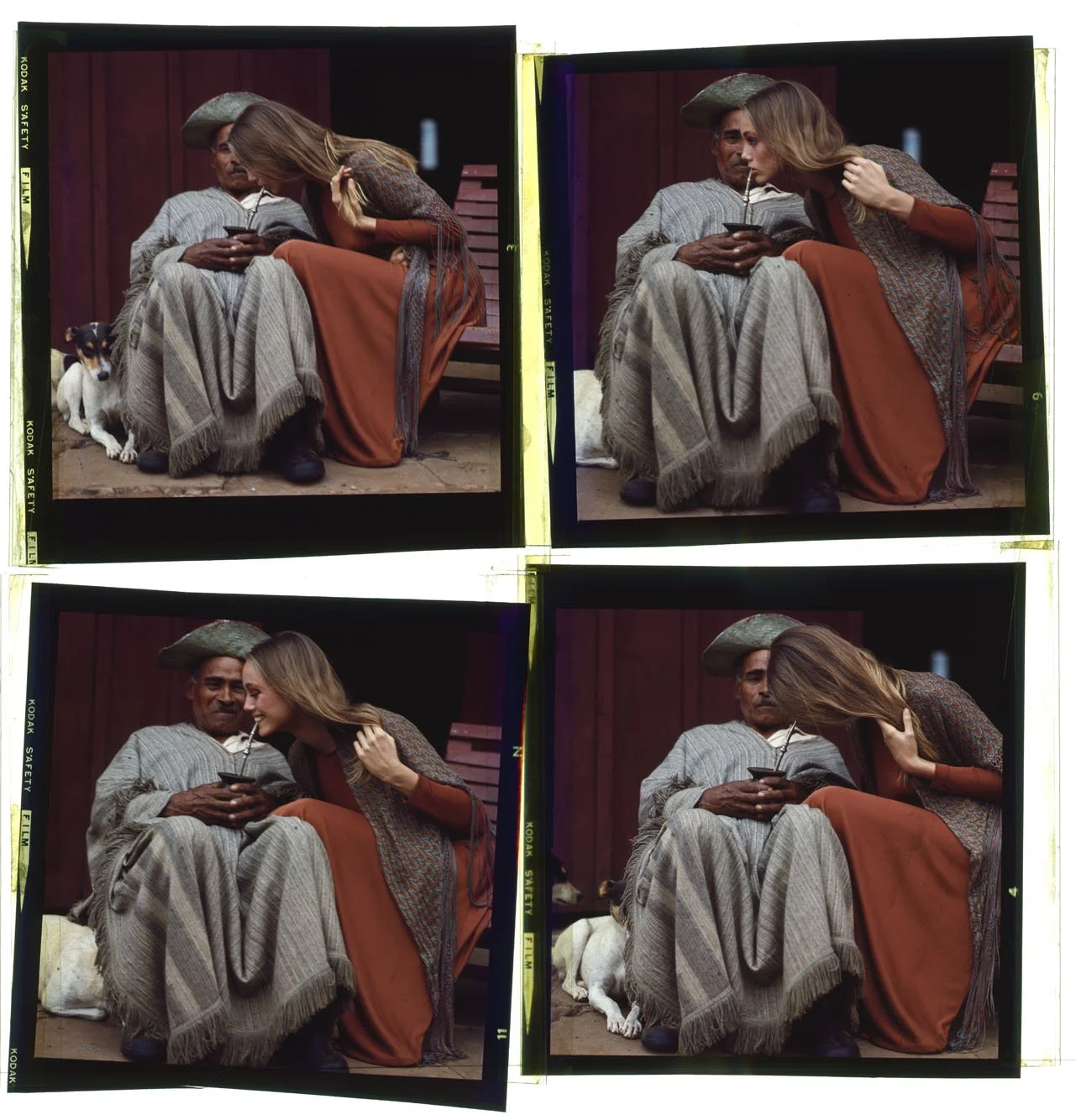
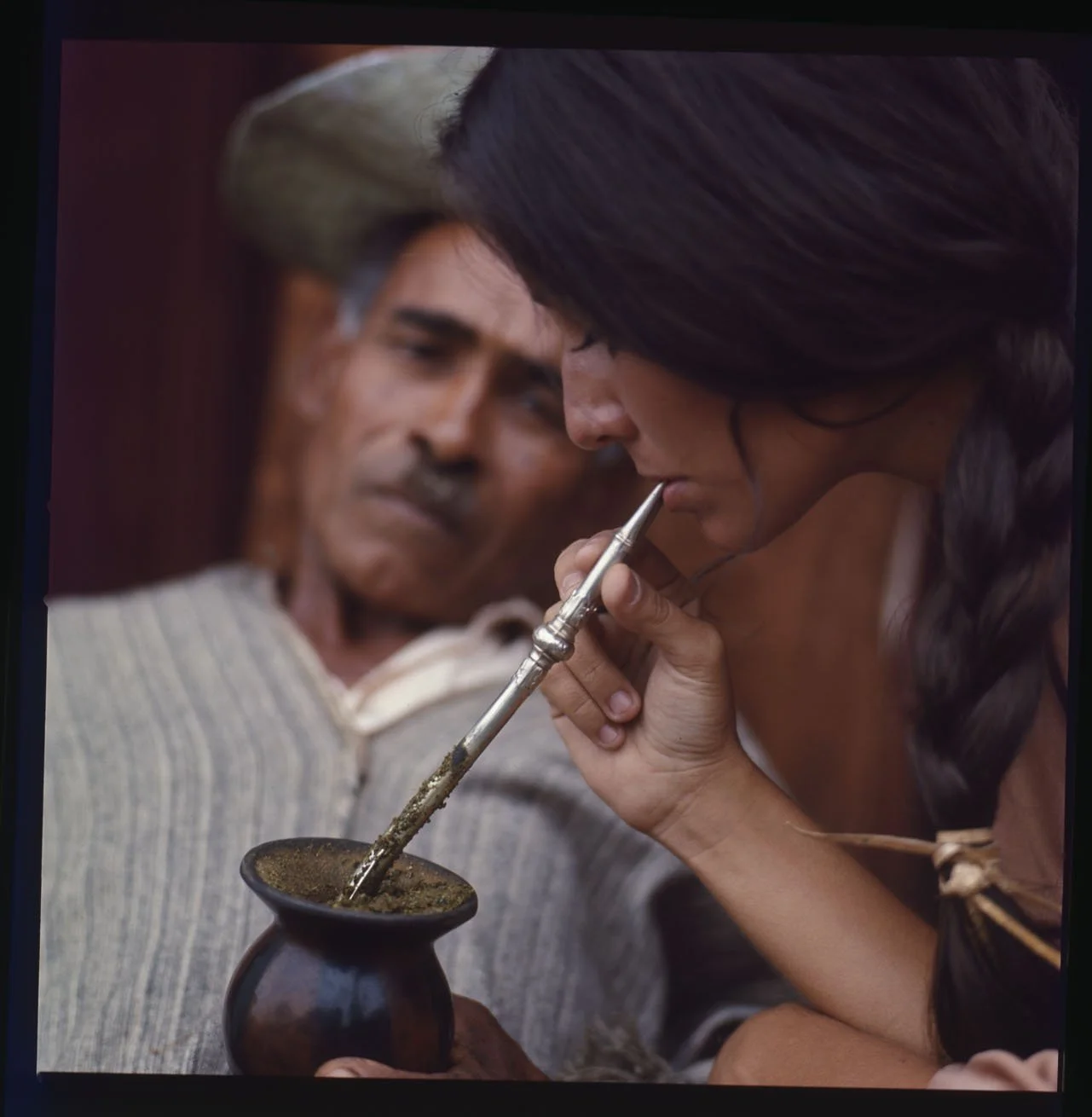
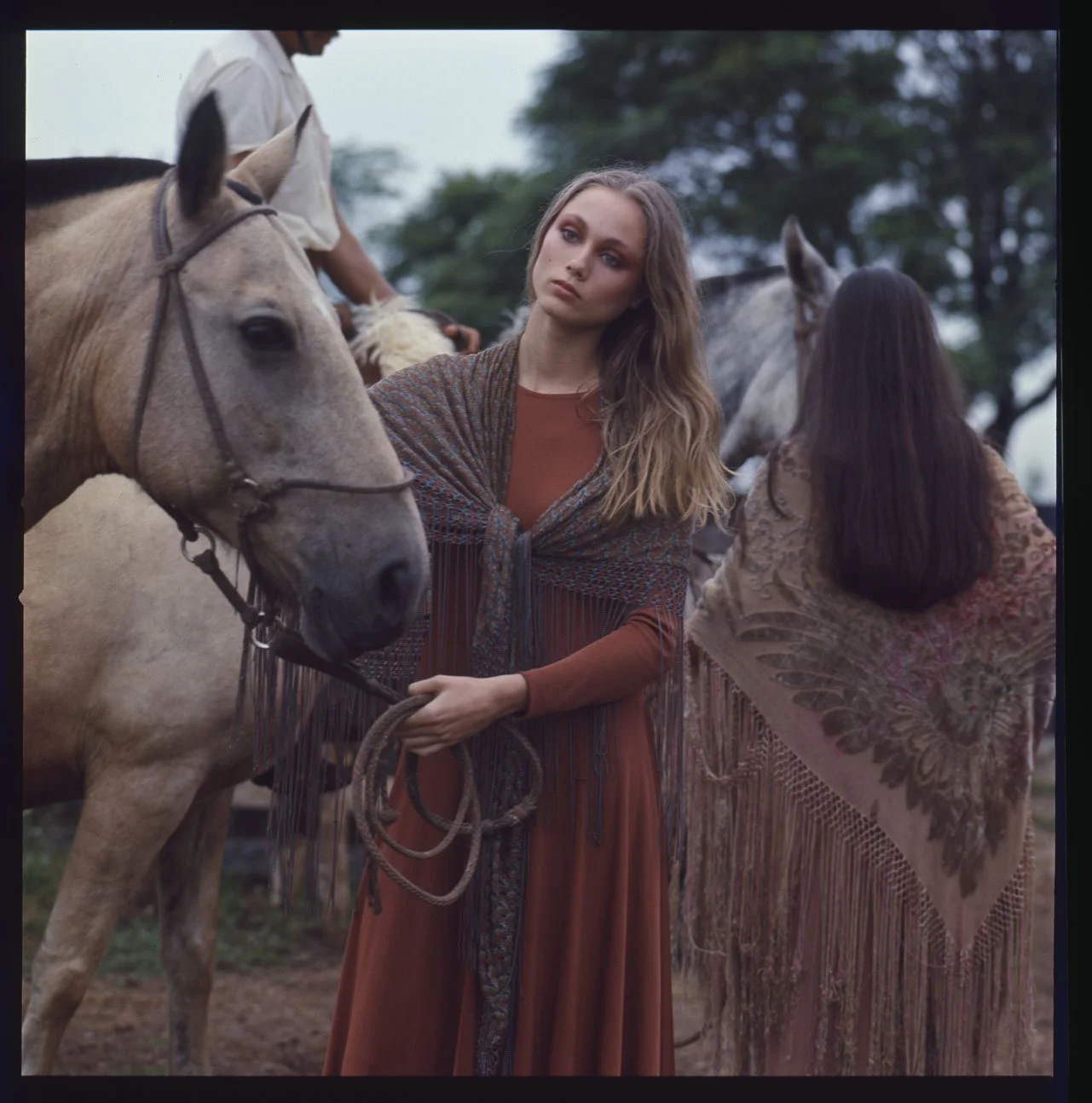
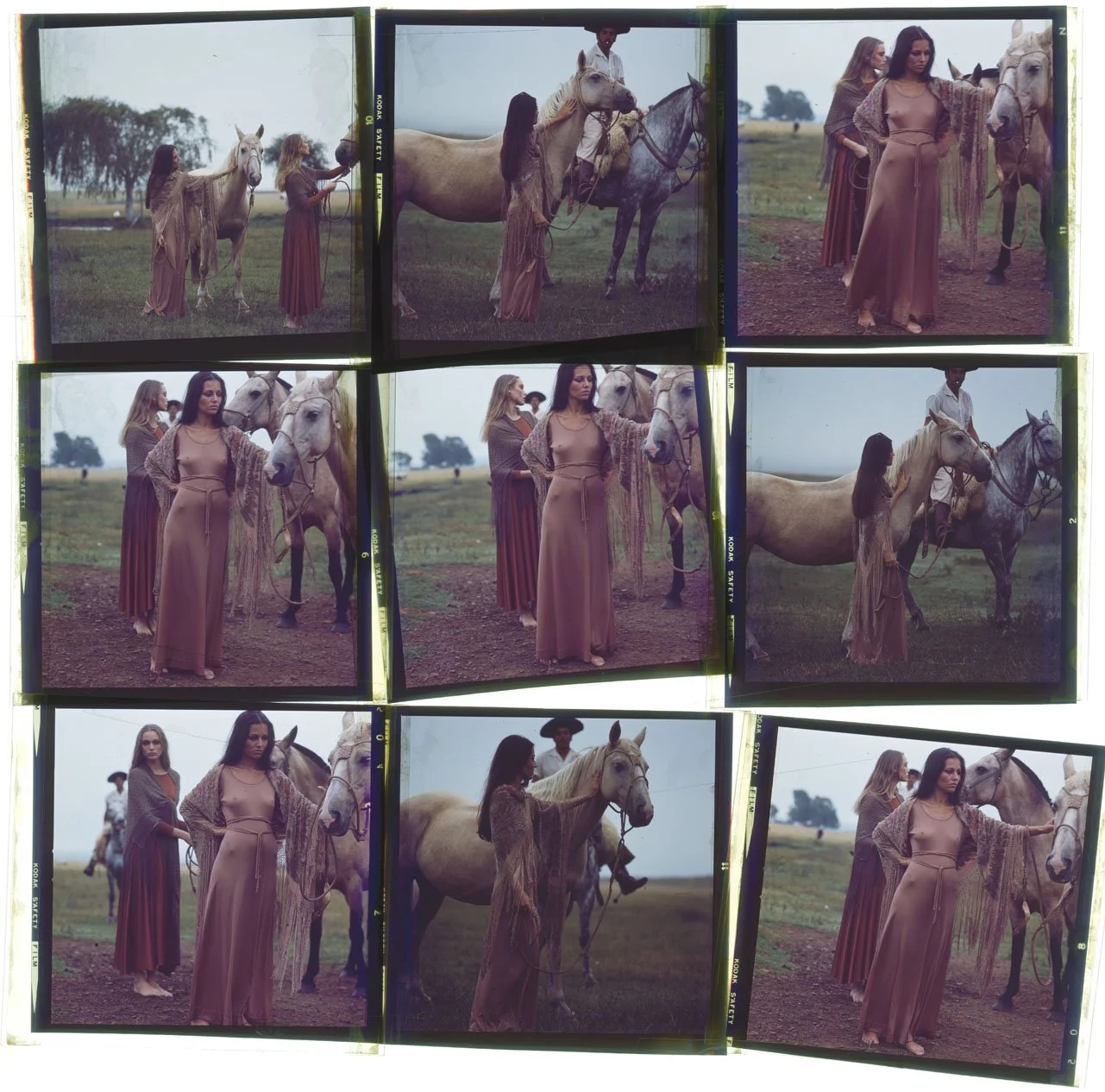
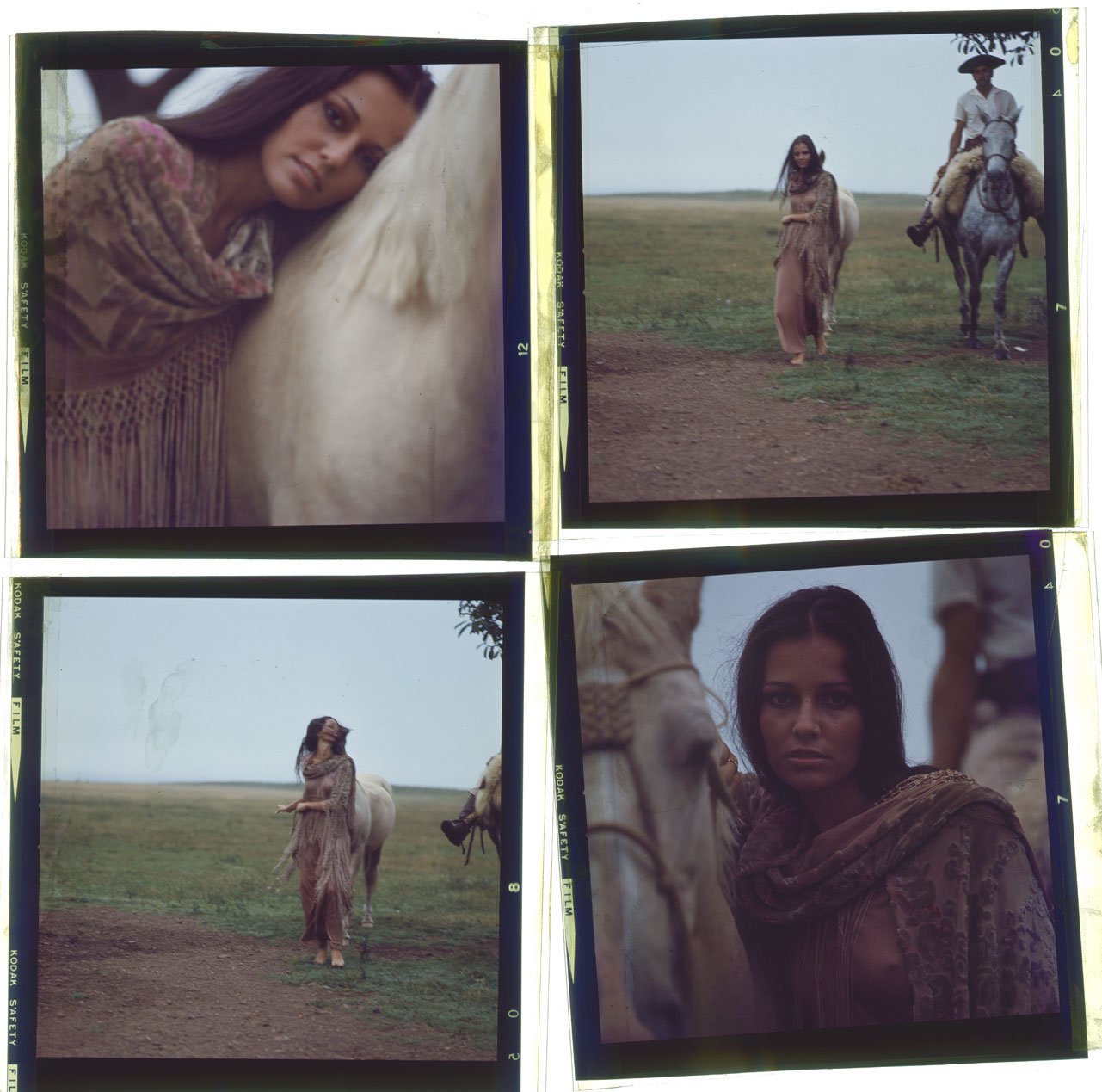
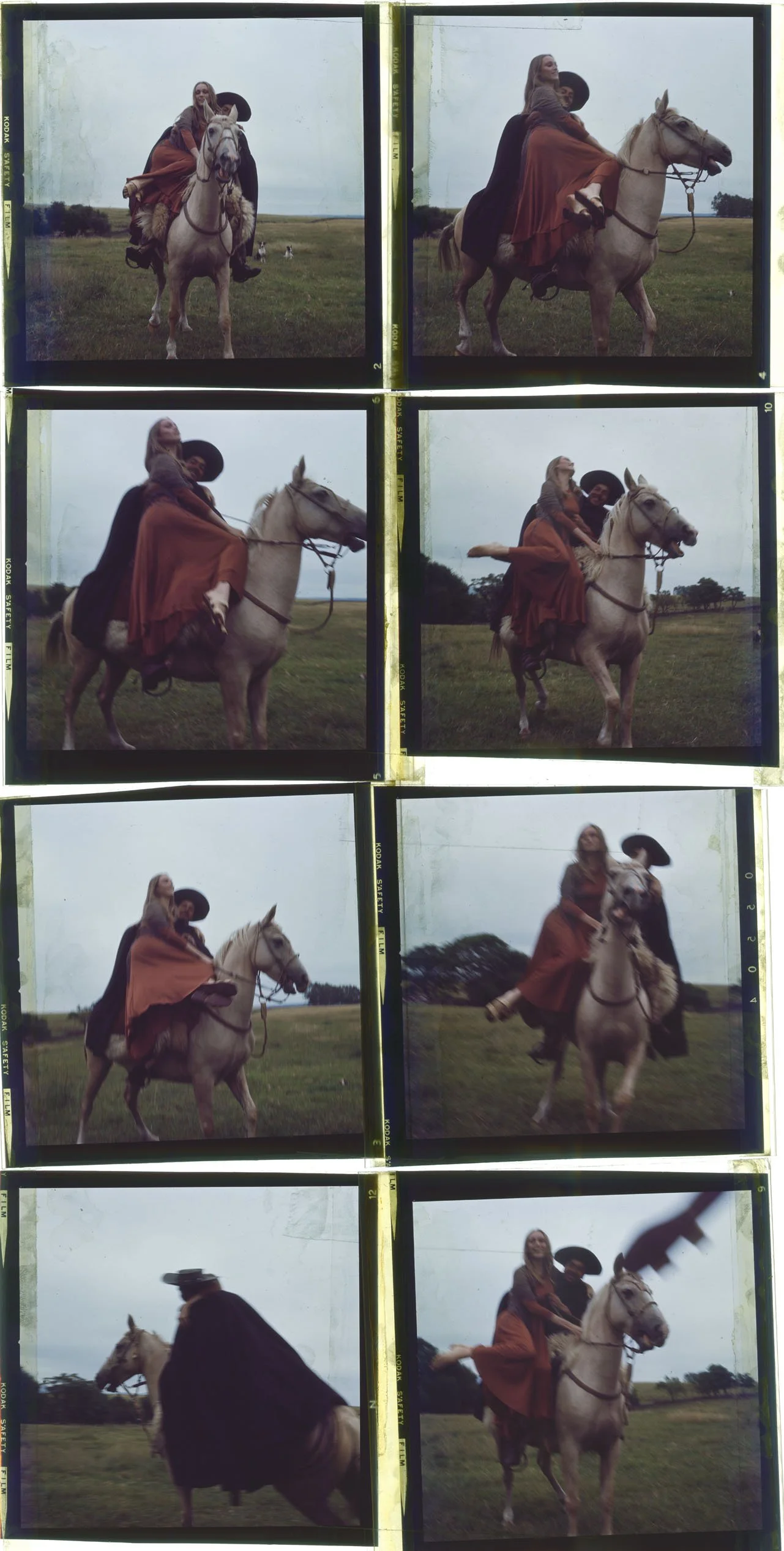
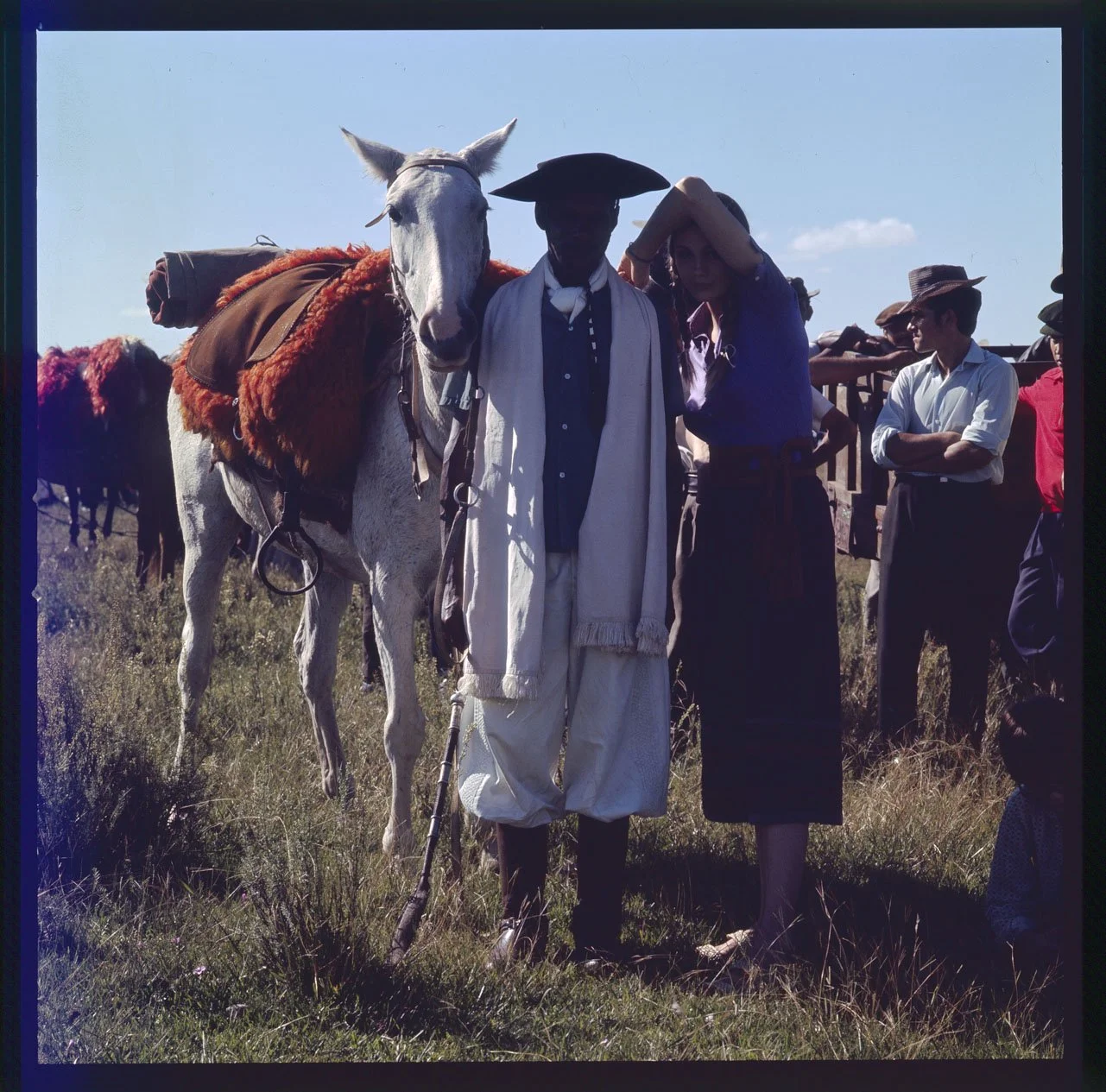
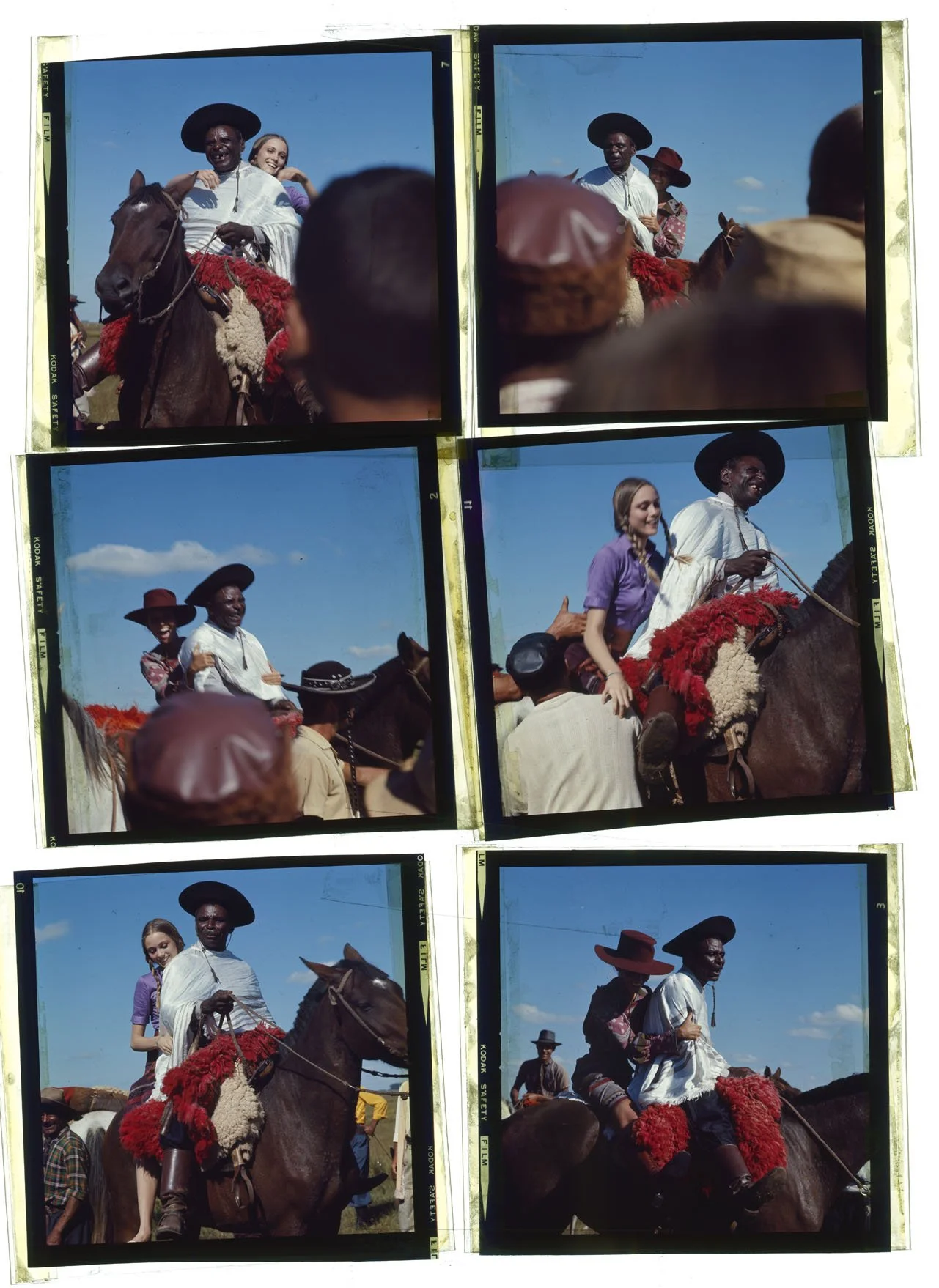
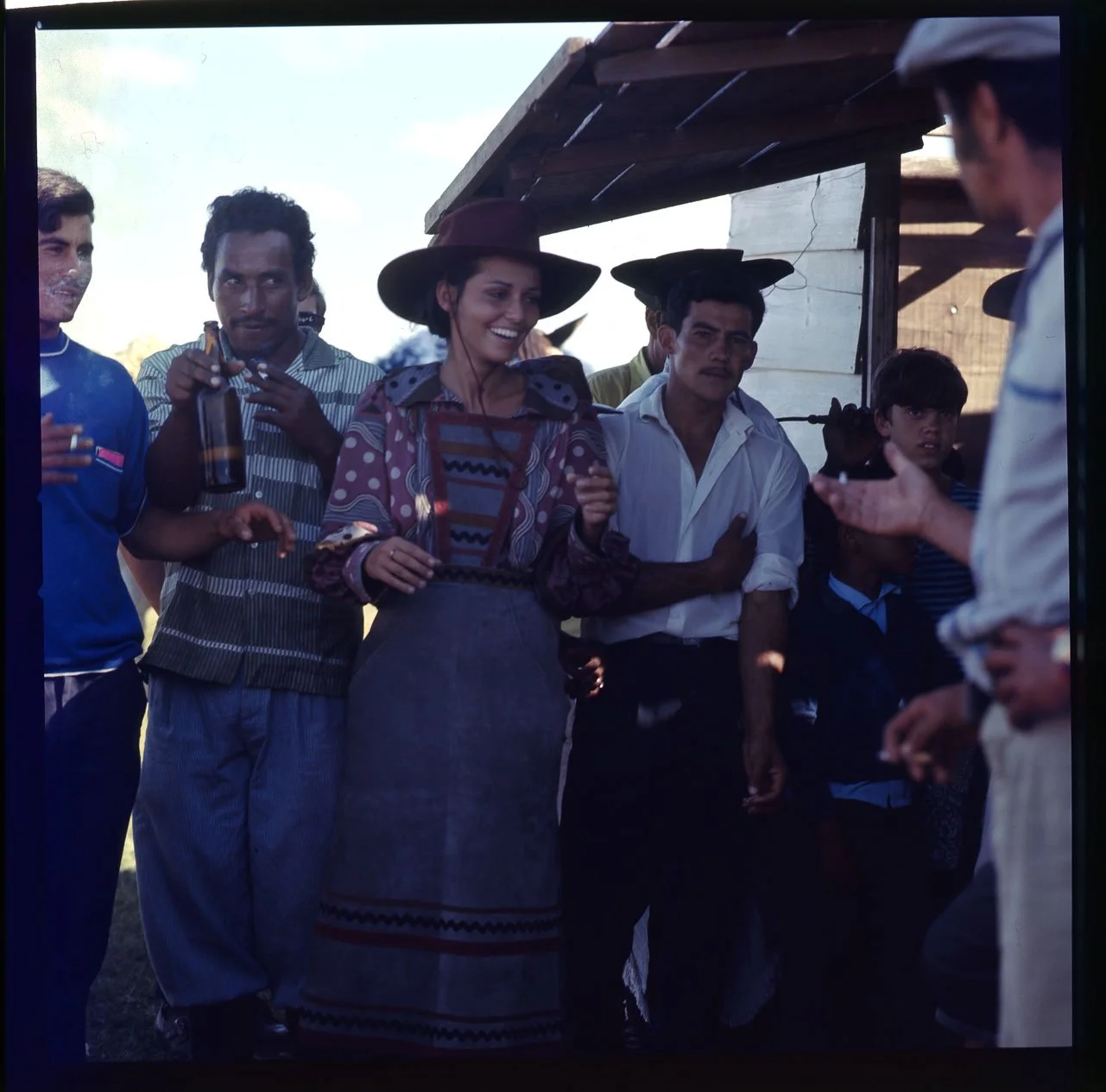
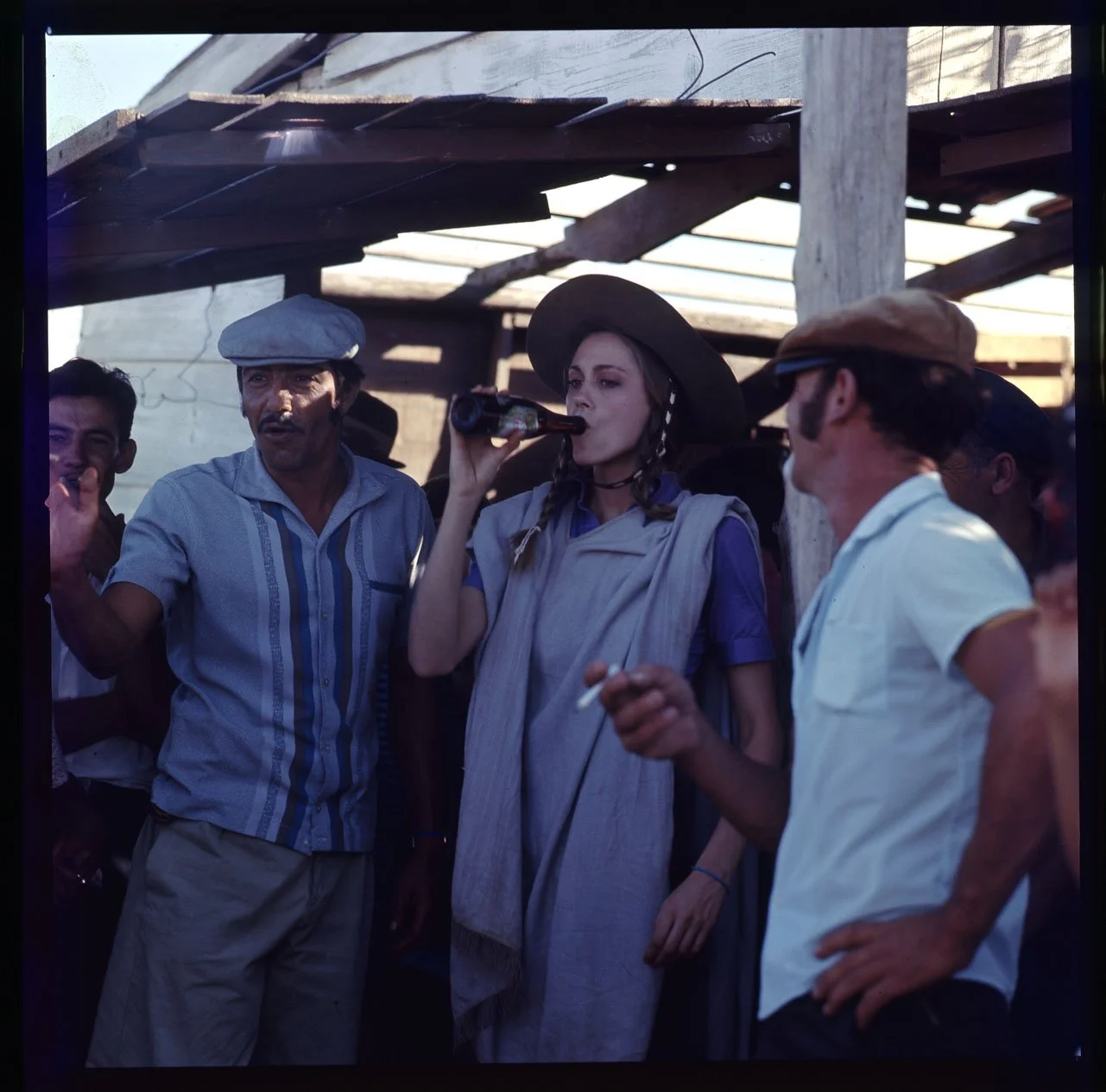
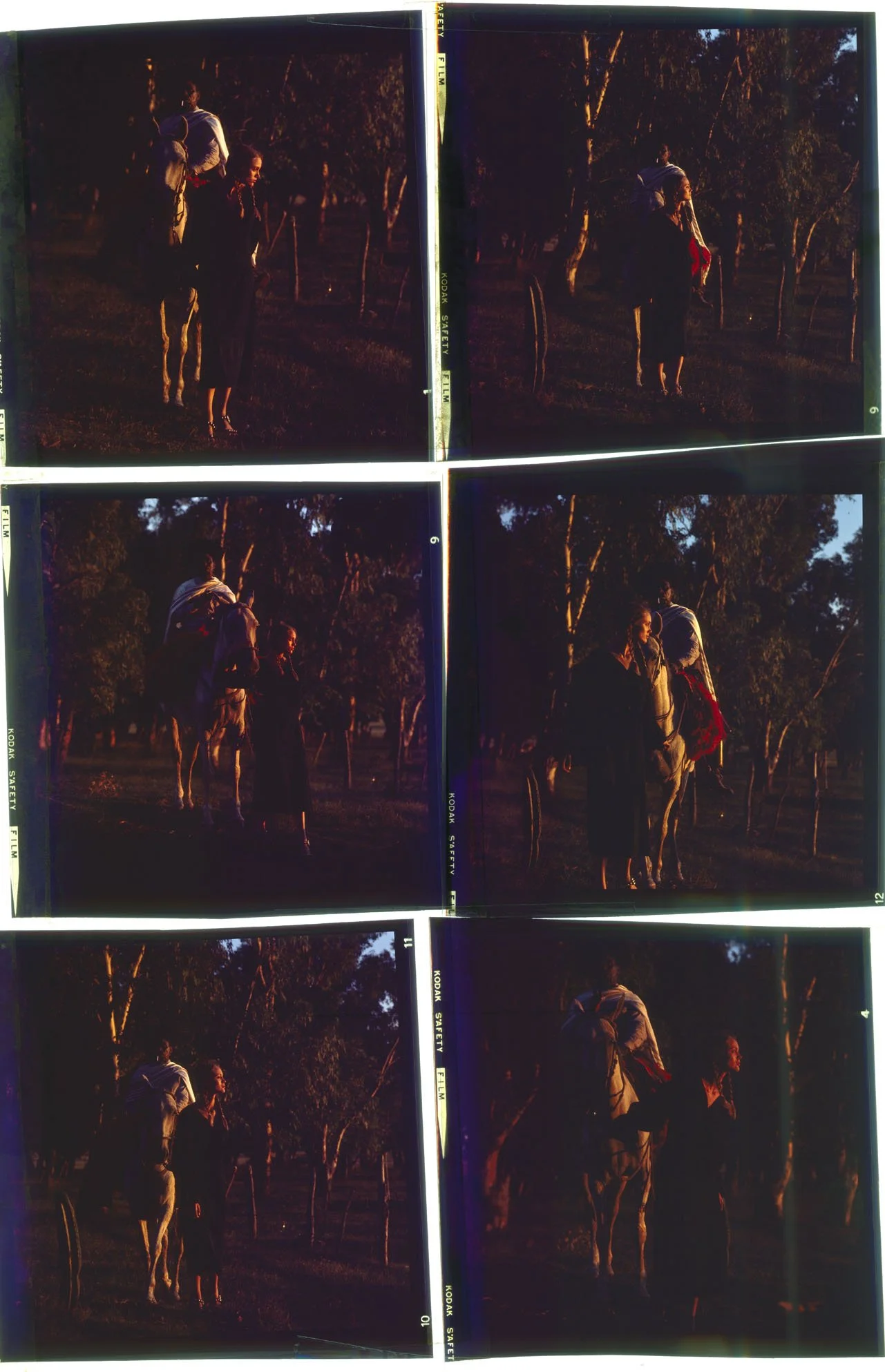
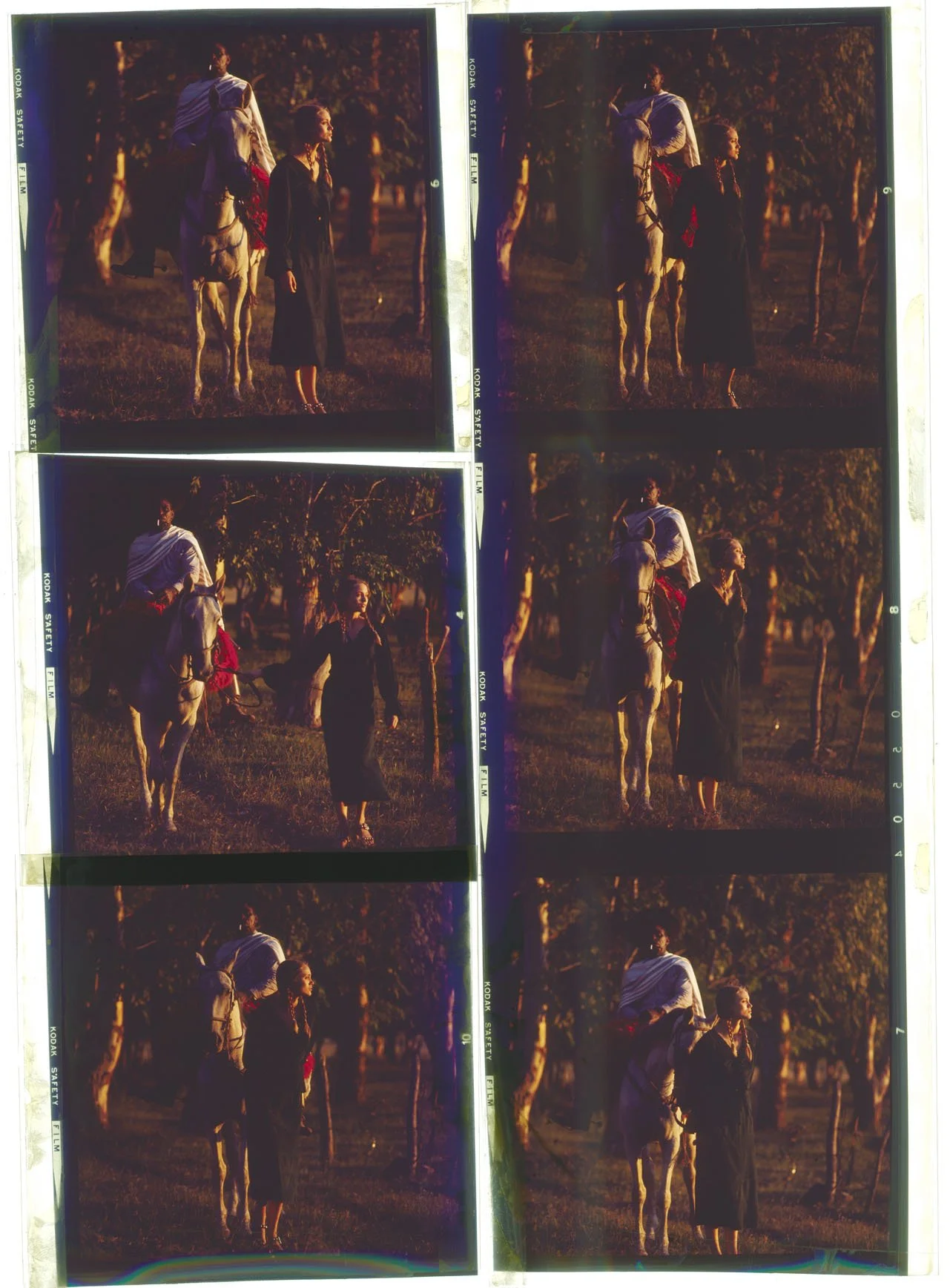
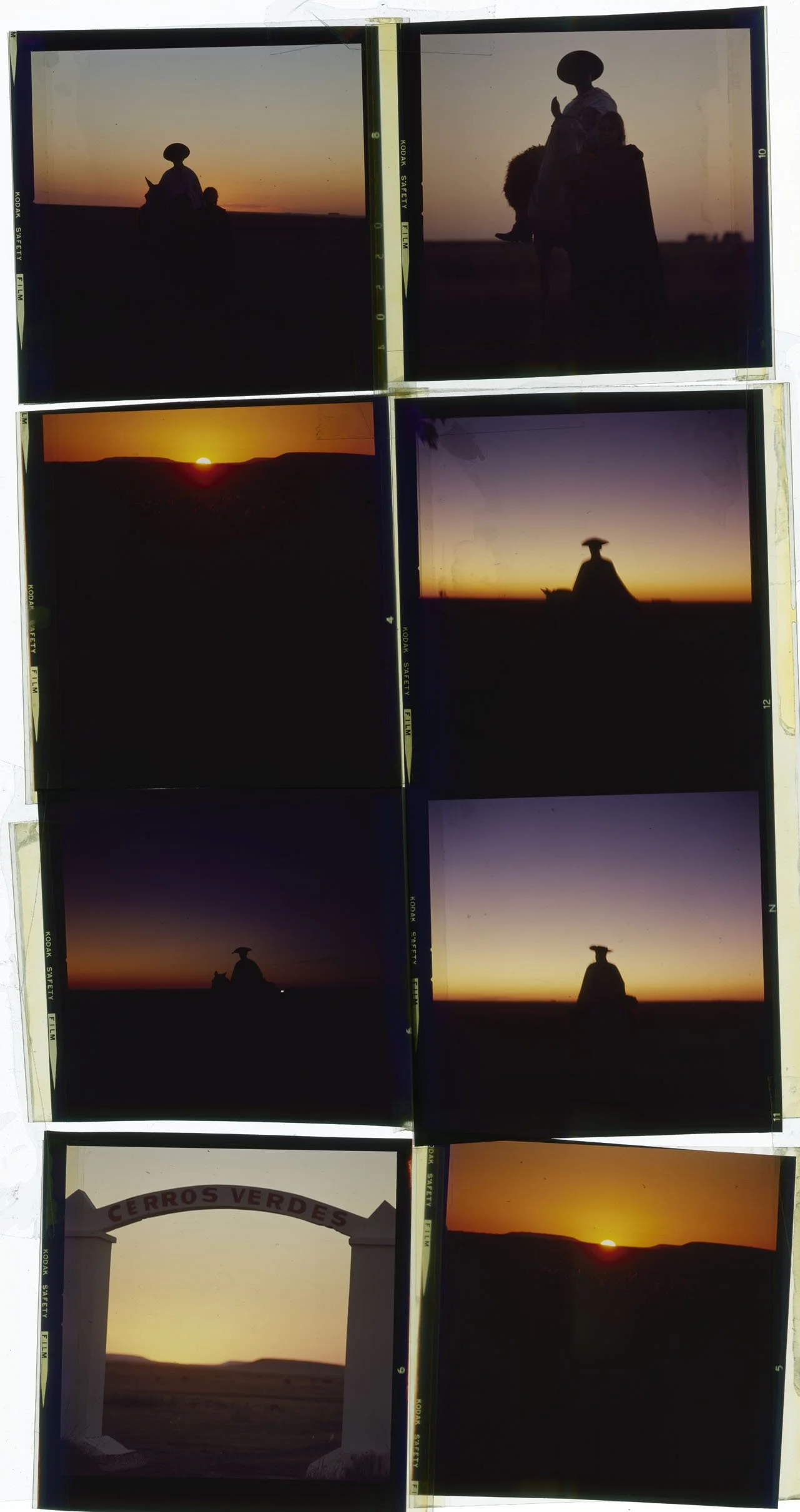
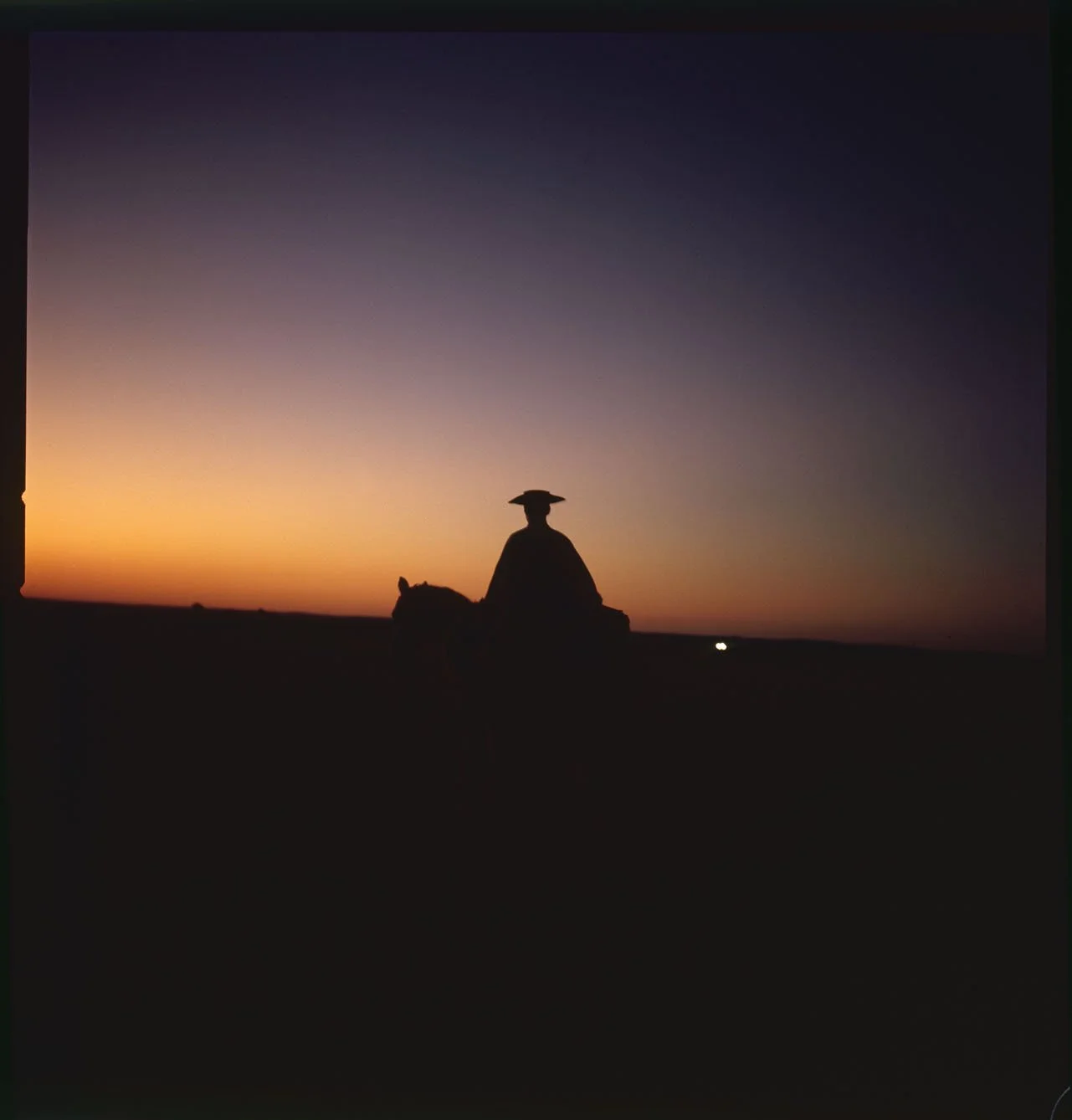
Ulrich Pracht—the photographer hailing from distant Germany—experiences Brazil in all its diversity, not least thanks to the local Rony Sussmann, who is able to offer invaluable tips and establish useful connections. The son of Lothar Sussmann—who had built a life for himself in South America’s advertising industry—counts the owner of a fazenda among his friends. On this vast agricultural estate, situated amidst Brazil’s sprawling grasslands, cattle are raised—an operation for which the owner employs numerous gauchos: the legendary cowboys of South America. Together with their horses, these men are to serve as the extras for a major editorial shoot featuring Angela Catramby and Jane Hitchcock for Twen magazine. The rancher—whom Rony can only reach via radio—grants his permission with a terse: "Do whatever you like!" The four travelers drive for miles through uninhabited grasslands until, in the middle of nowhere, they pass beneath an archway bearing a sign that signals the path ahead leads to the farm. After another hour, massive cattle barns suddenly loom into view, seemingly out of thin air. The inhabitants of the fazenda know nothing of electricity or running water; yet, there are guest rooms available for the night—a night that proves to be a short one for everyone involved. "At five o'clock sharp the next morning, I hustled my team outside, for the gauchos were already hard at work." By the fireplace, mate is served for breakfast alongside roasted meat. This scalding-hot, intensely bitter beverage—sipped through a silver straw—serves to awaken the spirits. Amidst the cool morning air, the group sets off for the shoot accompanied by two shivering models. Continuing well into the evening, they capture a series of striking images—pictures imbued with a sense of tranquility and serene beauty. The fact that two entirely different worlds are colliding here remains entirely concealed. In the parallel world orchestrated by Ulrich Pracht, stories unfold—tales of humans and animals united, for this one fleeting moment, in a harmonious ensemble—stories that stir the imagination and leave one wondering what happens next. In real life, the day ends with equestrian games, horse races, Caipirinhas, and heavy wine. And—just like in a classic Western—with the mysterious gaucho riding off into the distance at sunset. In the closing credits, one unfortunately has to read that the photographs were never published. Twen was discontinued shortly after the shoot.