
10
UP to BRASIL III
LIGHT and SHADOW.
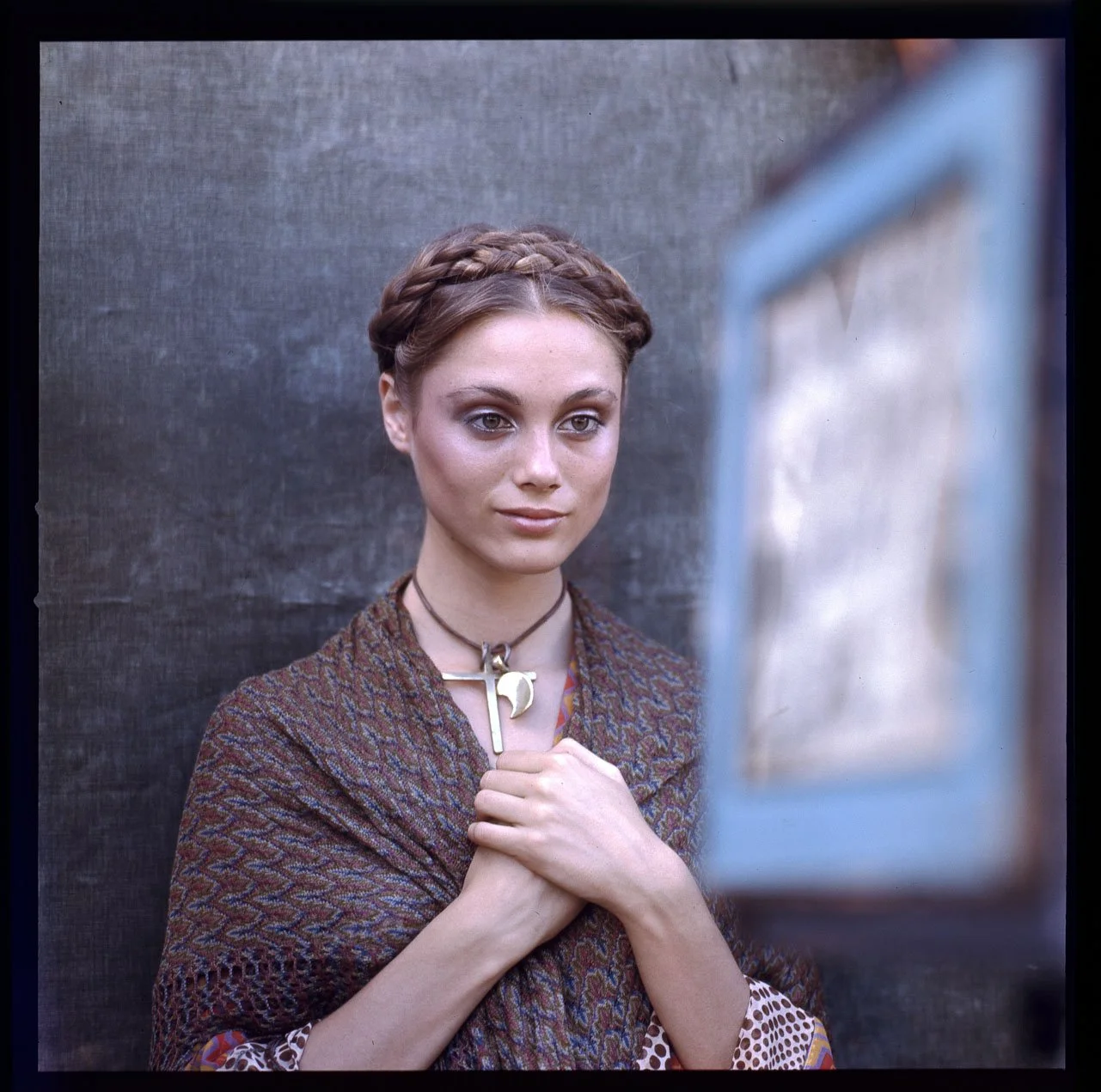
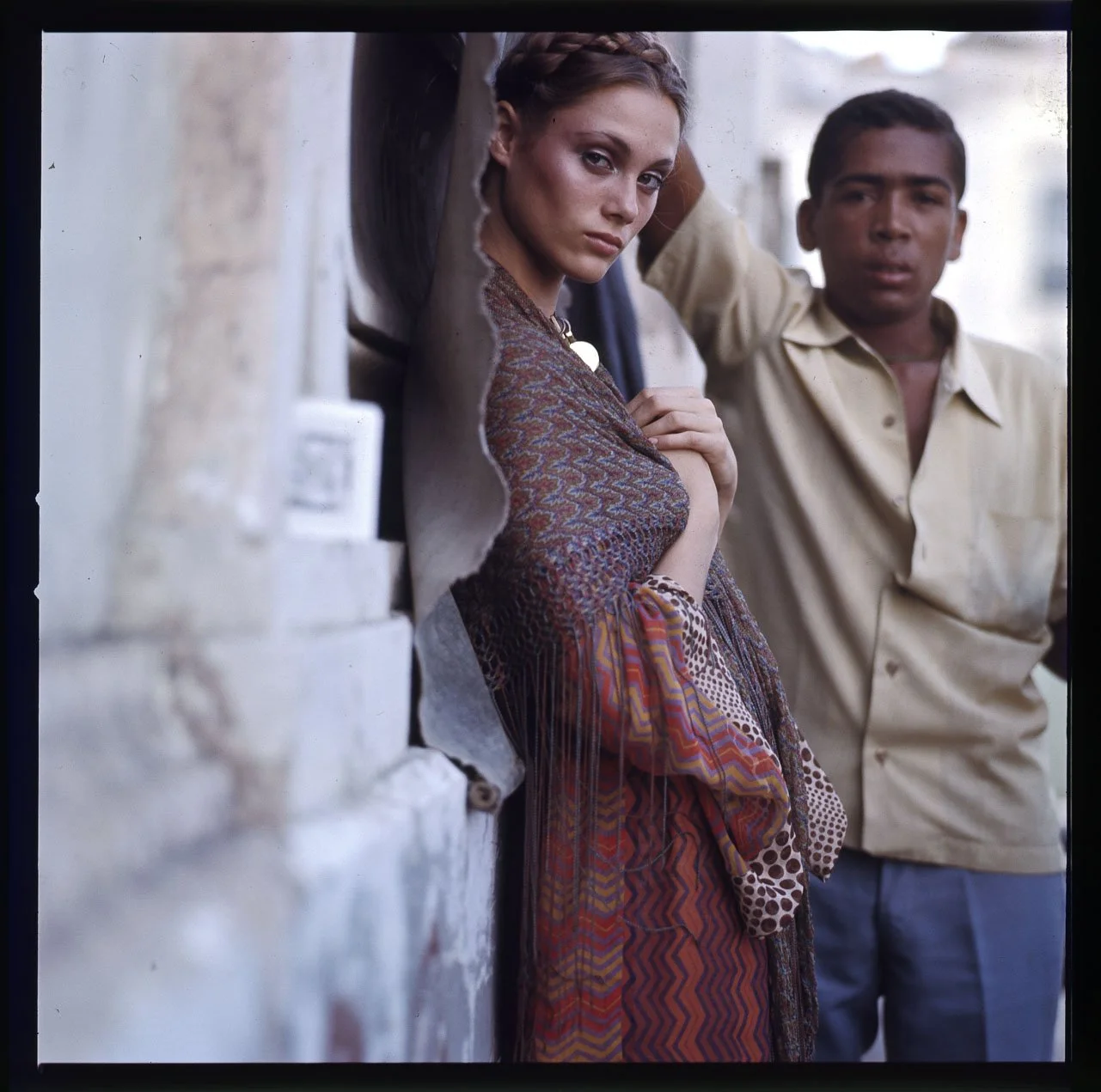
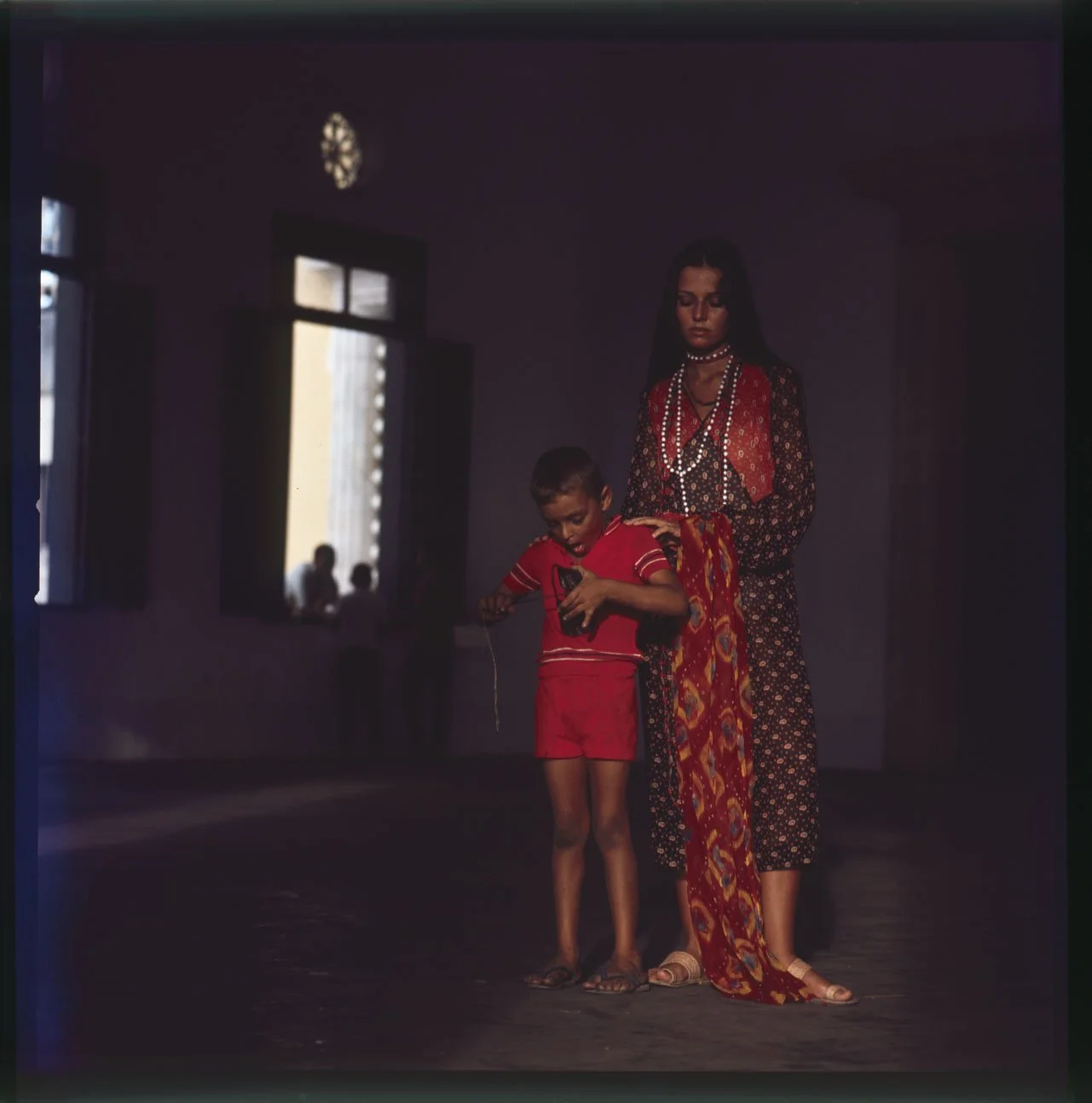
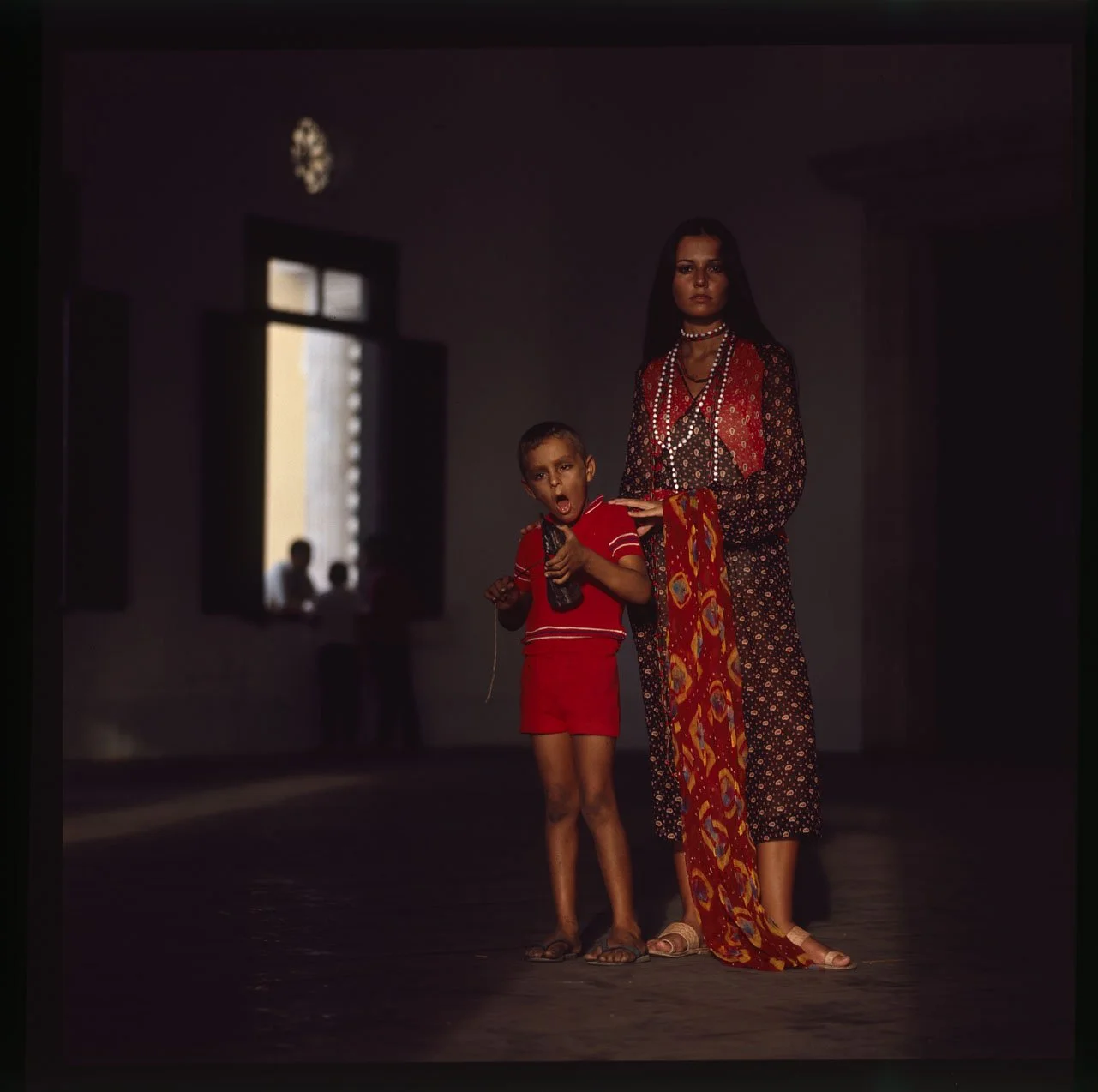
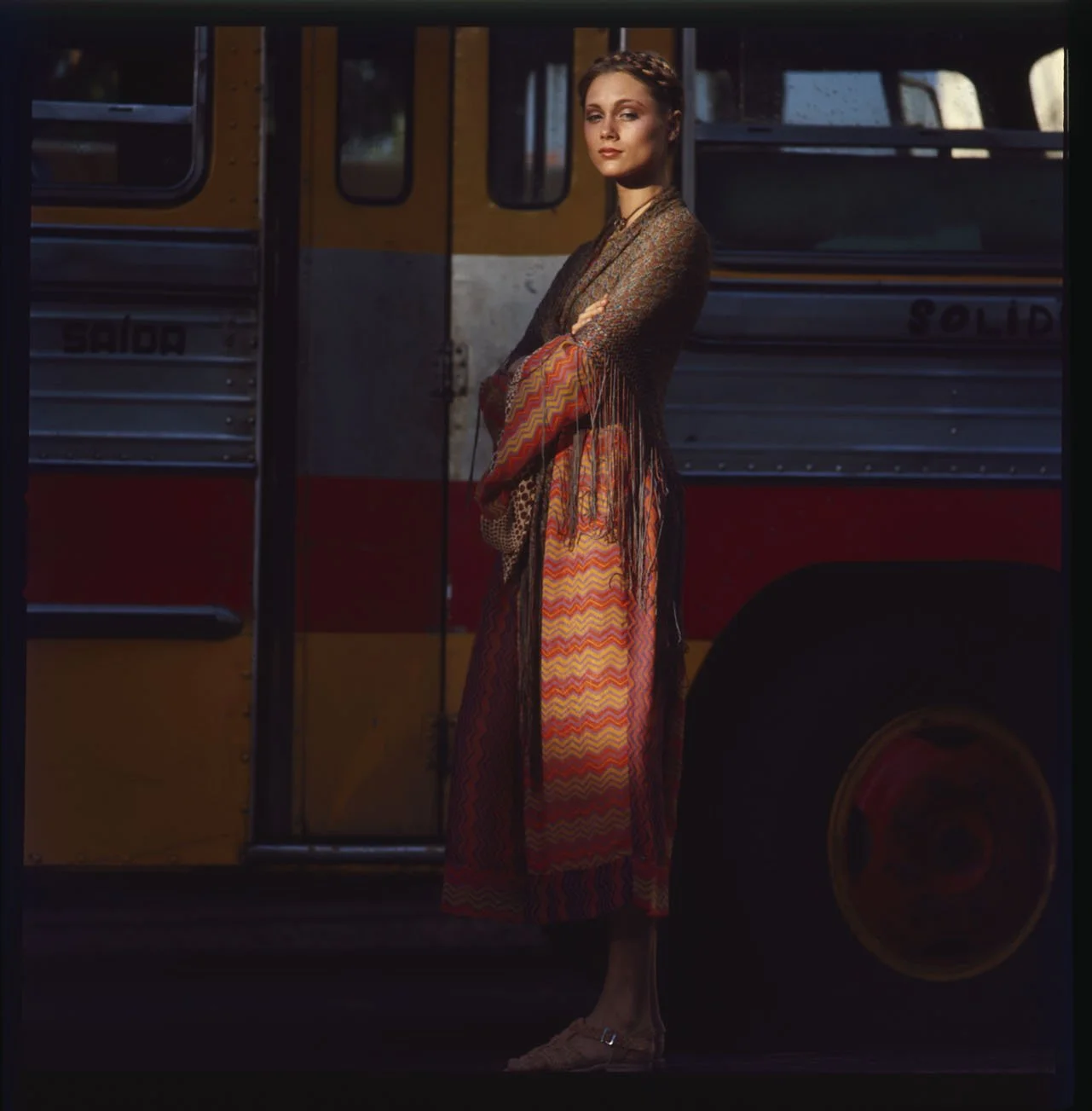
During the 1960s, a youth-driven fashion—characterized by colorful and experimental designs—gradually supplanted the conservative suits and dresses of the post-war era. The rebellion of the youth against the traditional image of bourgeois society was reflected in the miniskirt—designed by Mary Quant in 1965—and in the hippie style, which stood for joie de vivre and pacifism. While this development was long ignored by established women's and fashion magazines, editors of new publications—who embraced the avant-garde lifestyle of teenagers and young adults—broke with convention, ensuring that youth fashion and the spirit of the times were given their own distinct "showcase."
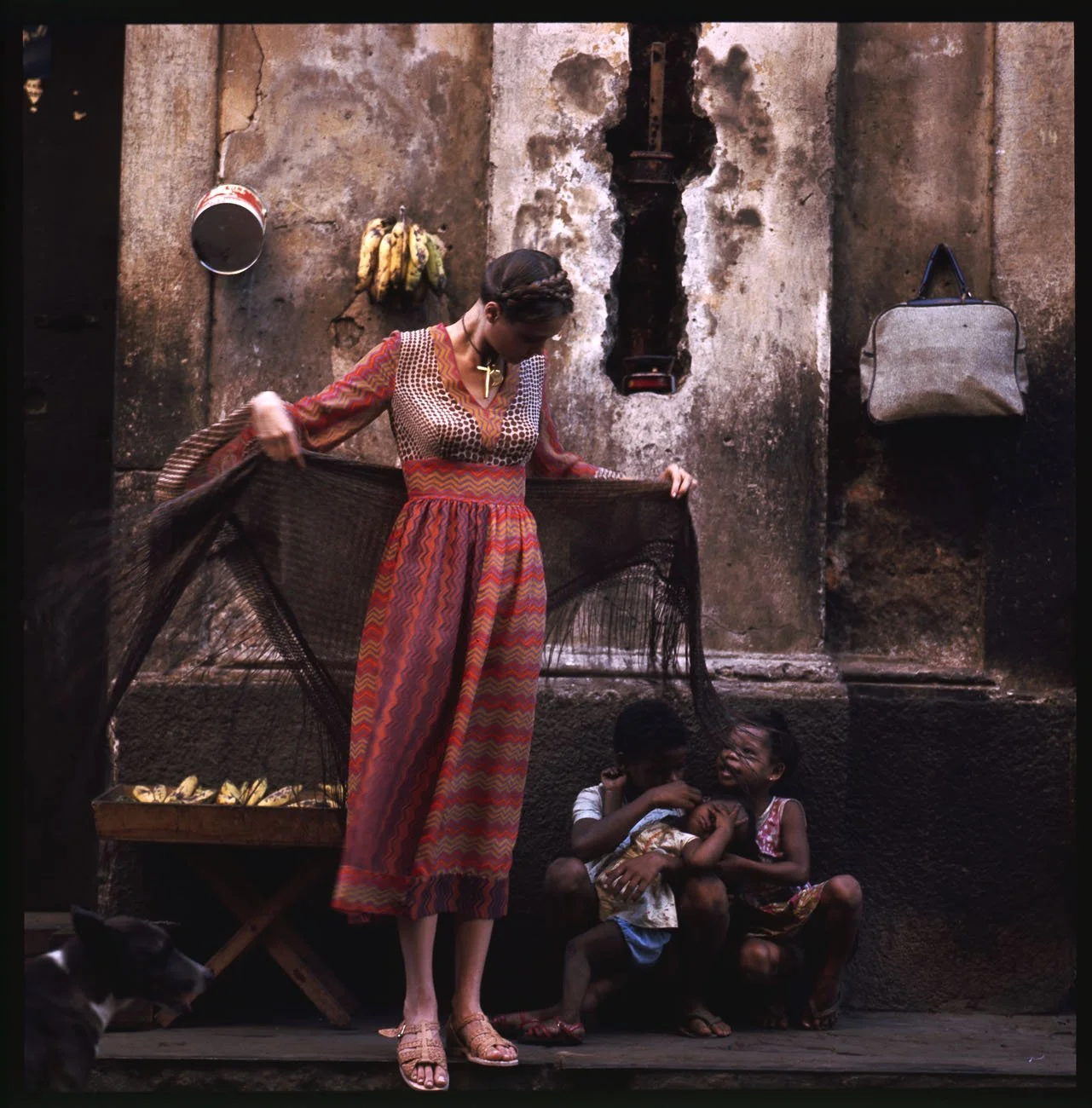
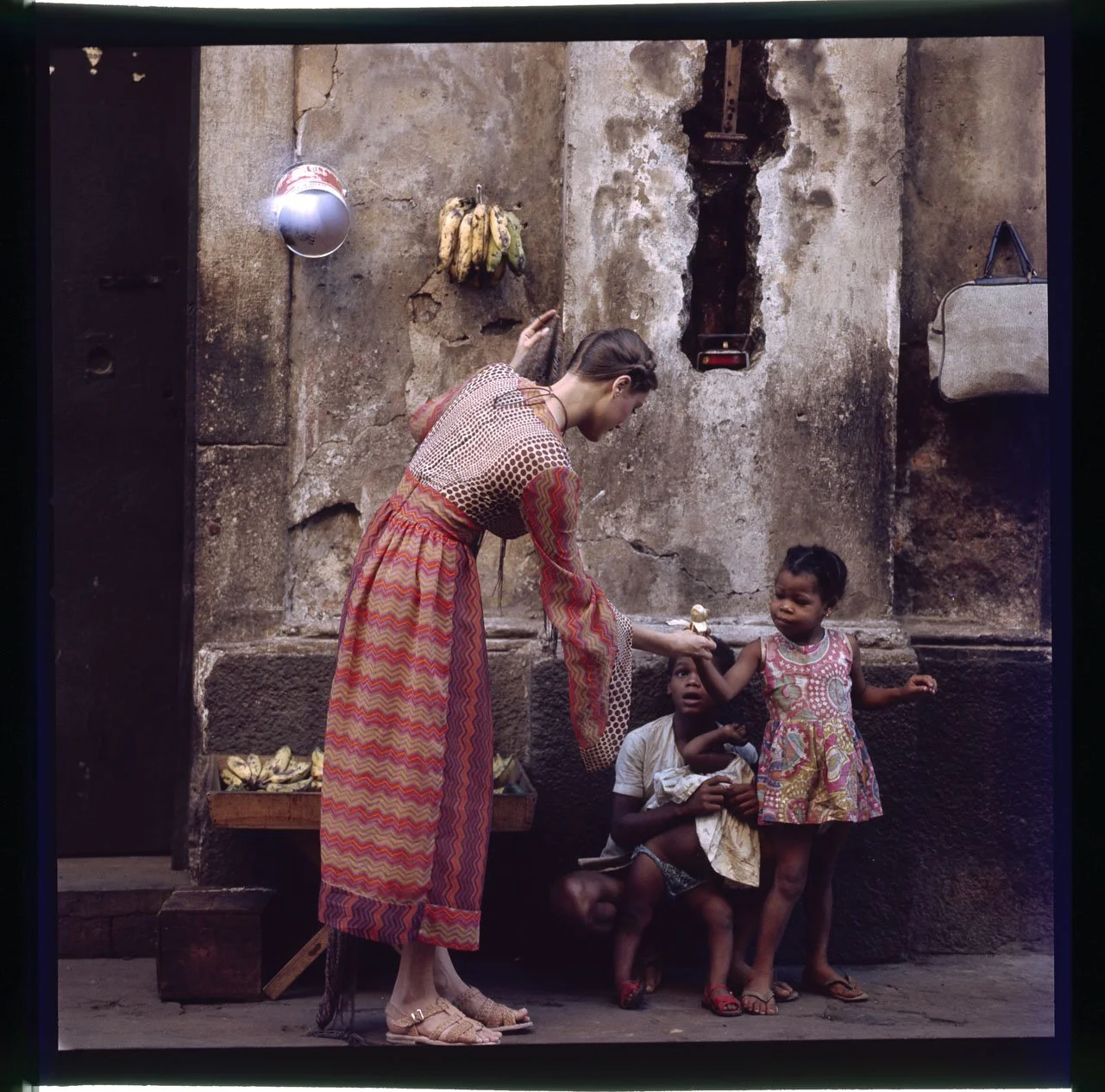
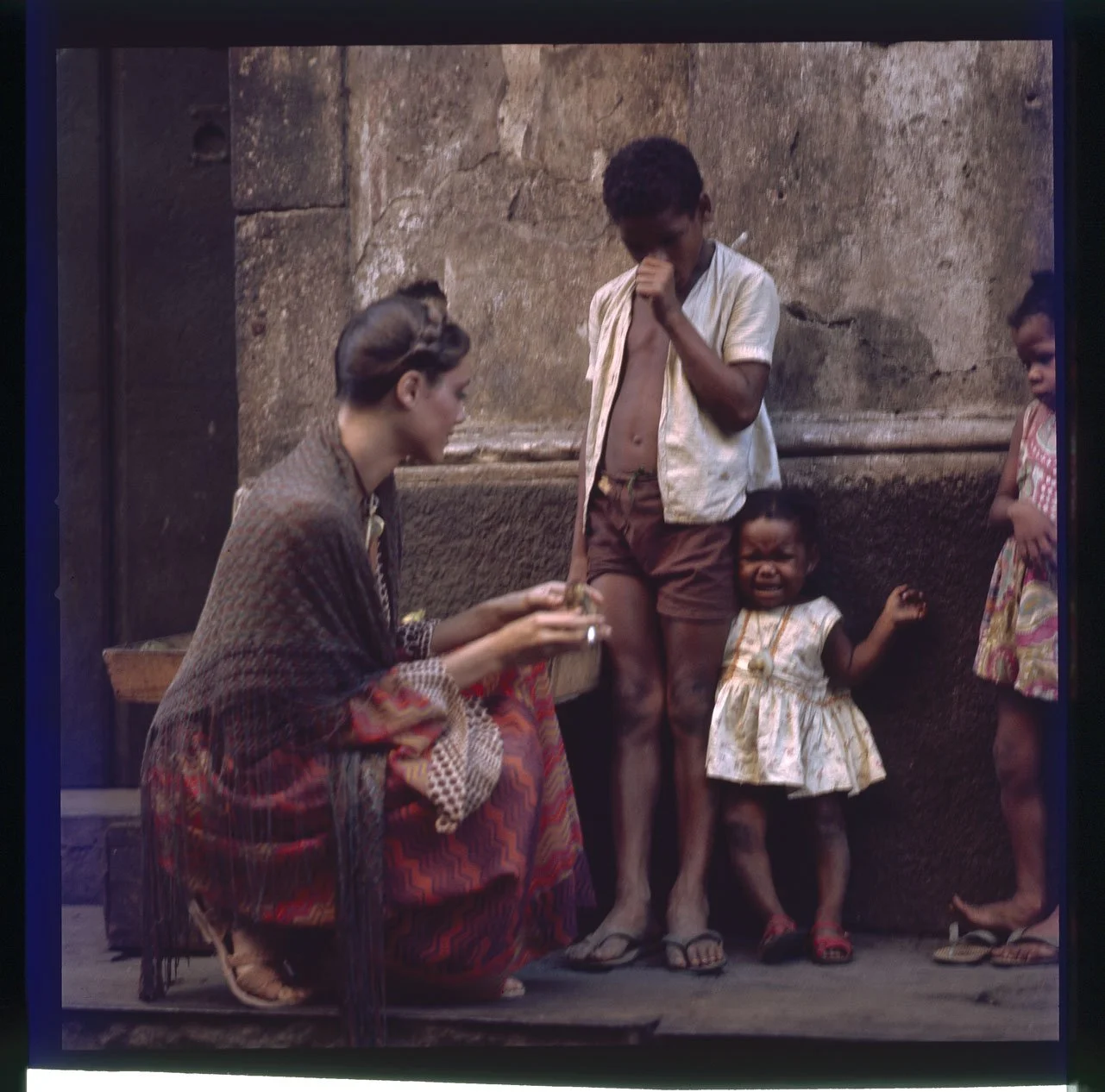
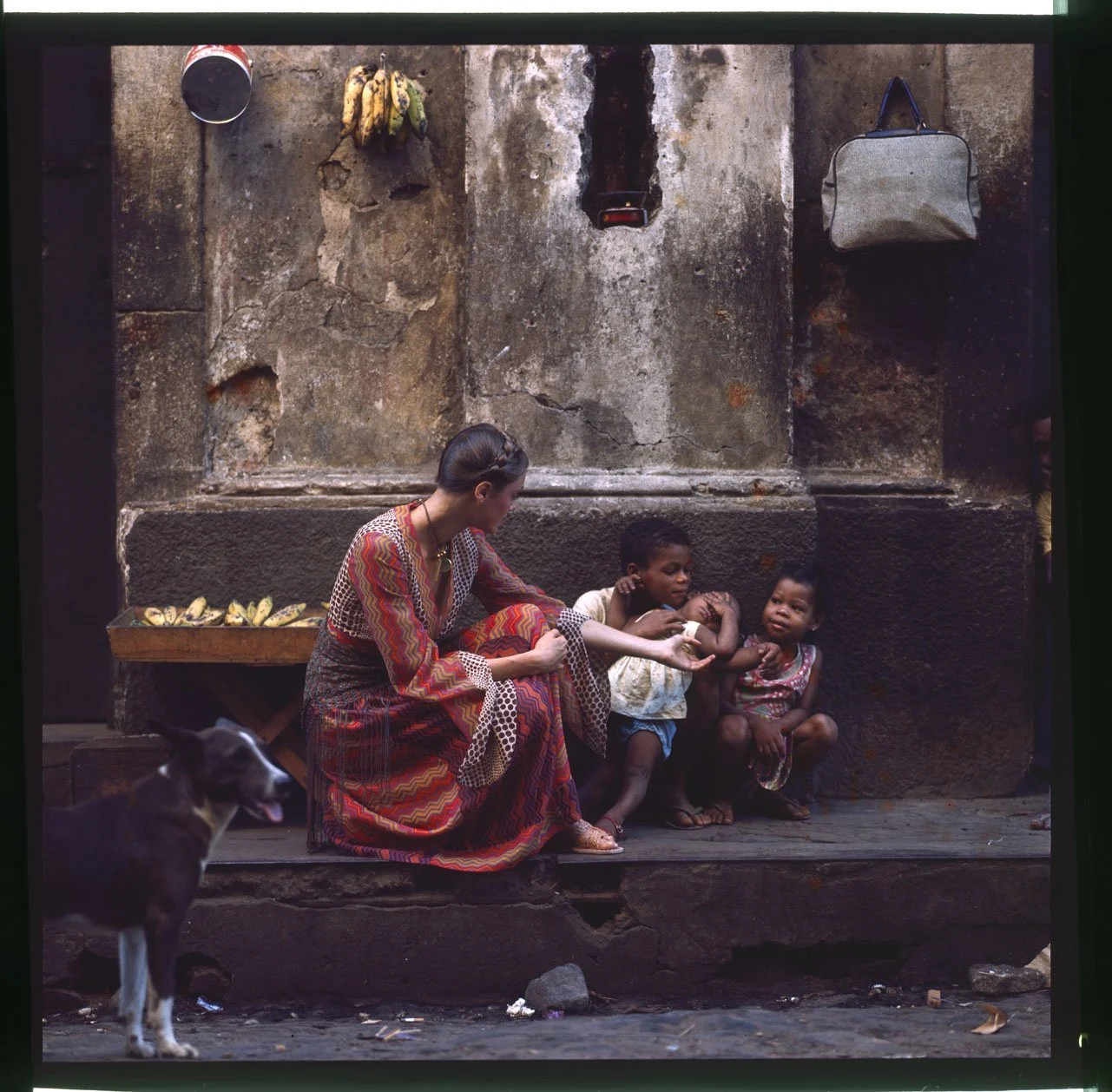
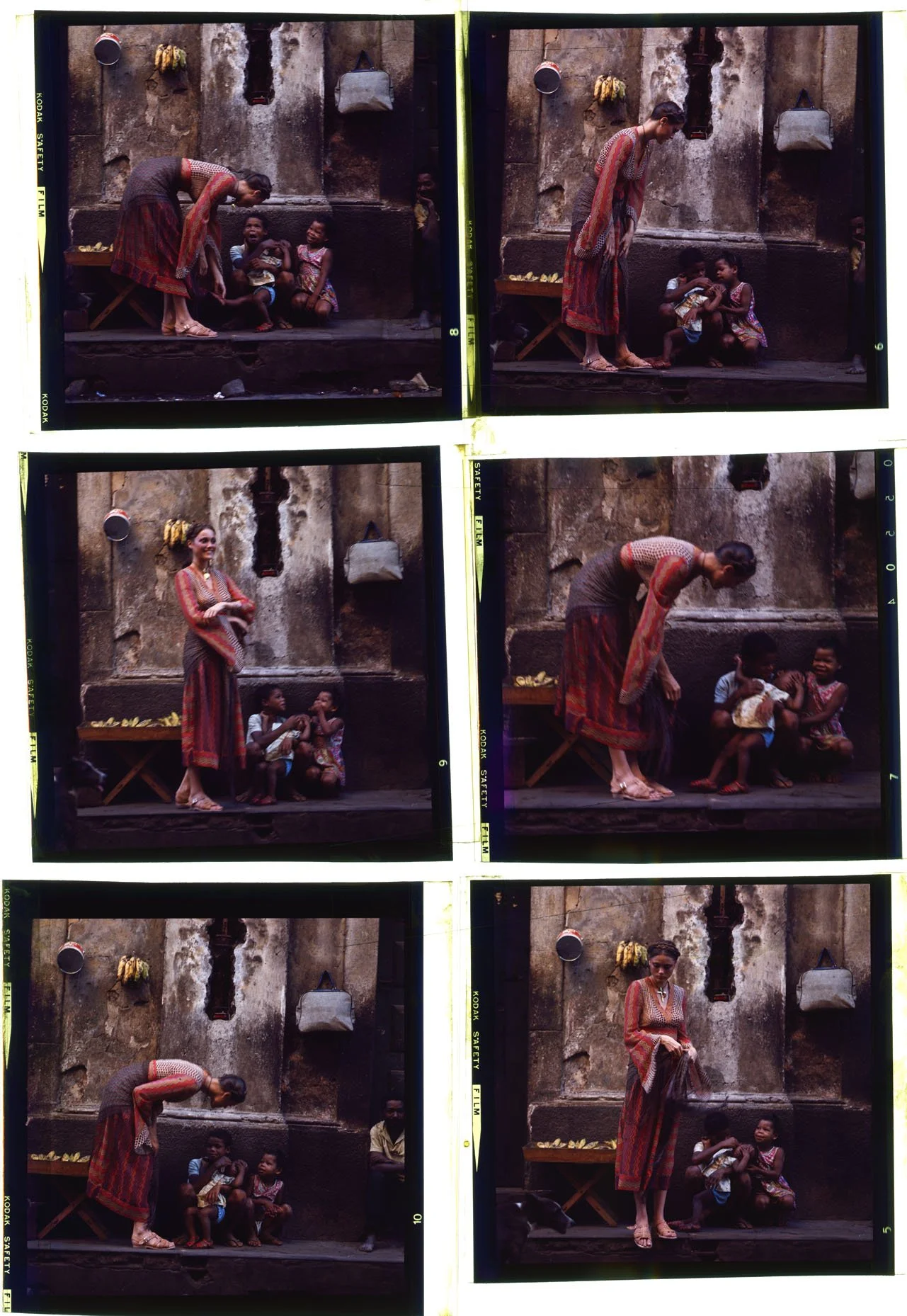
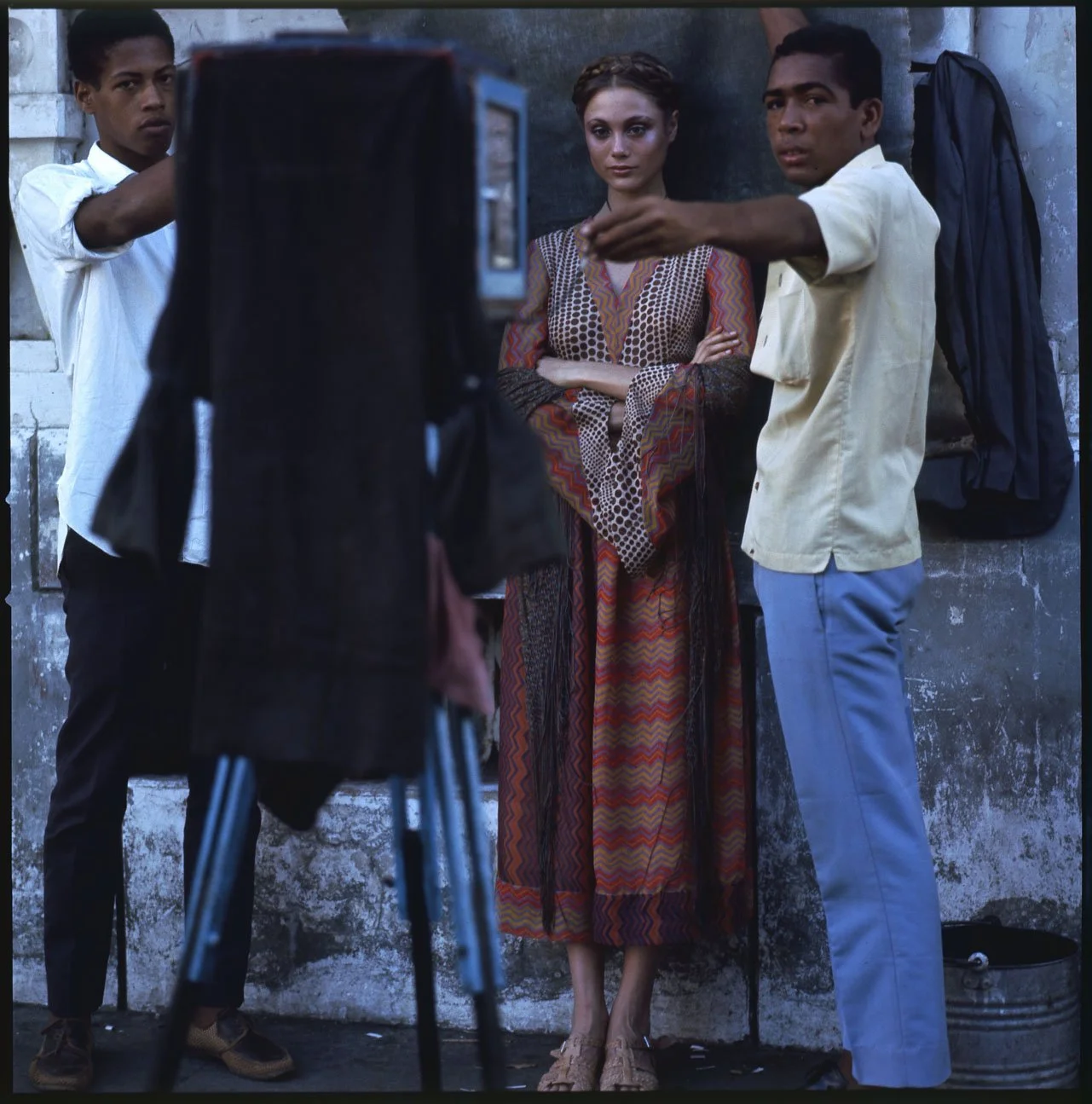
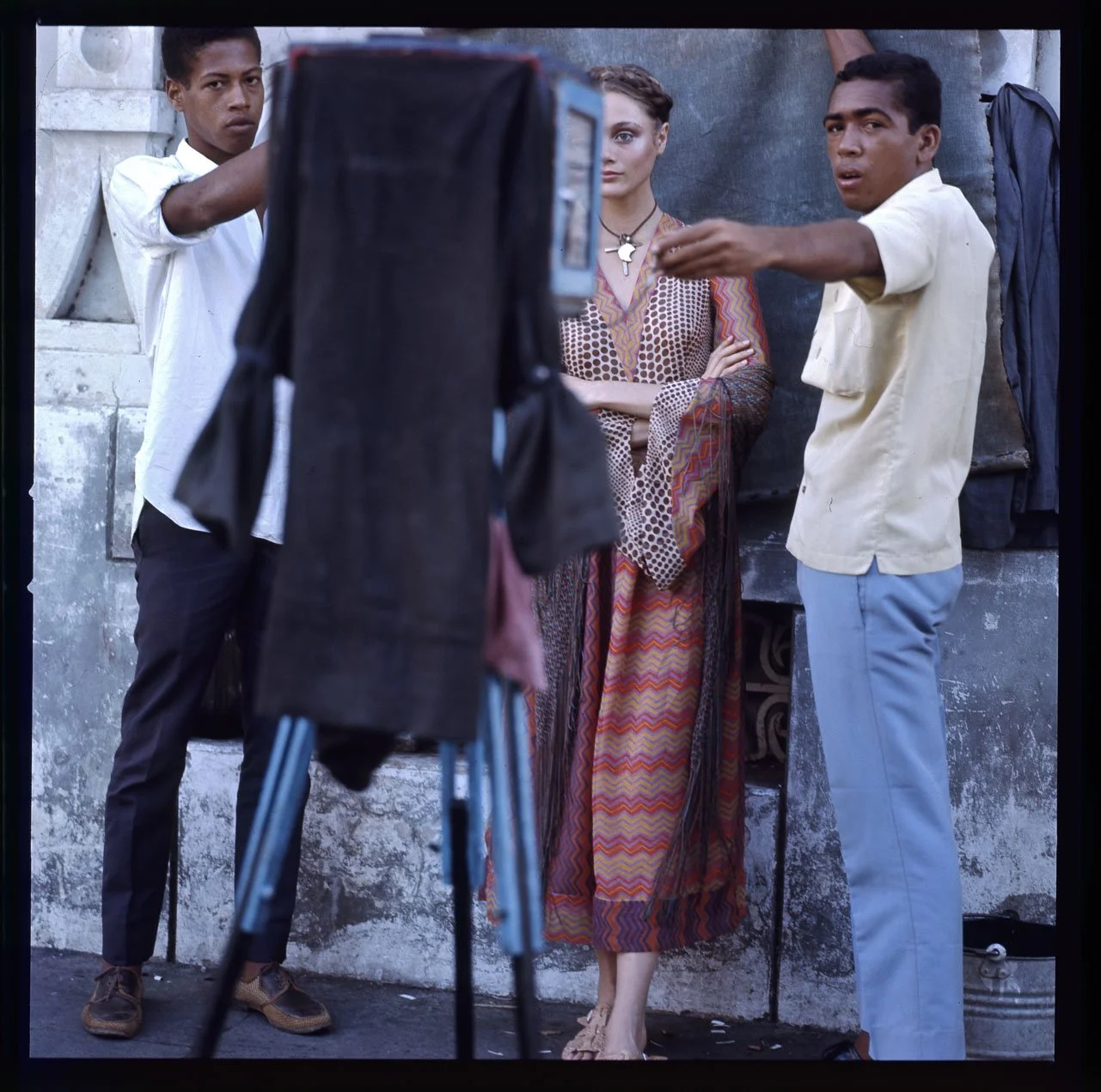
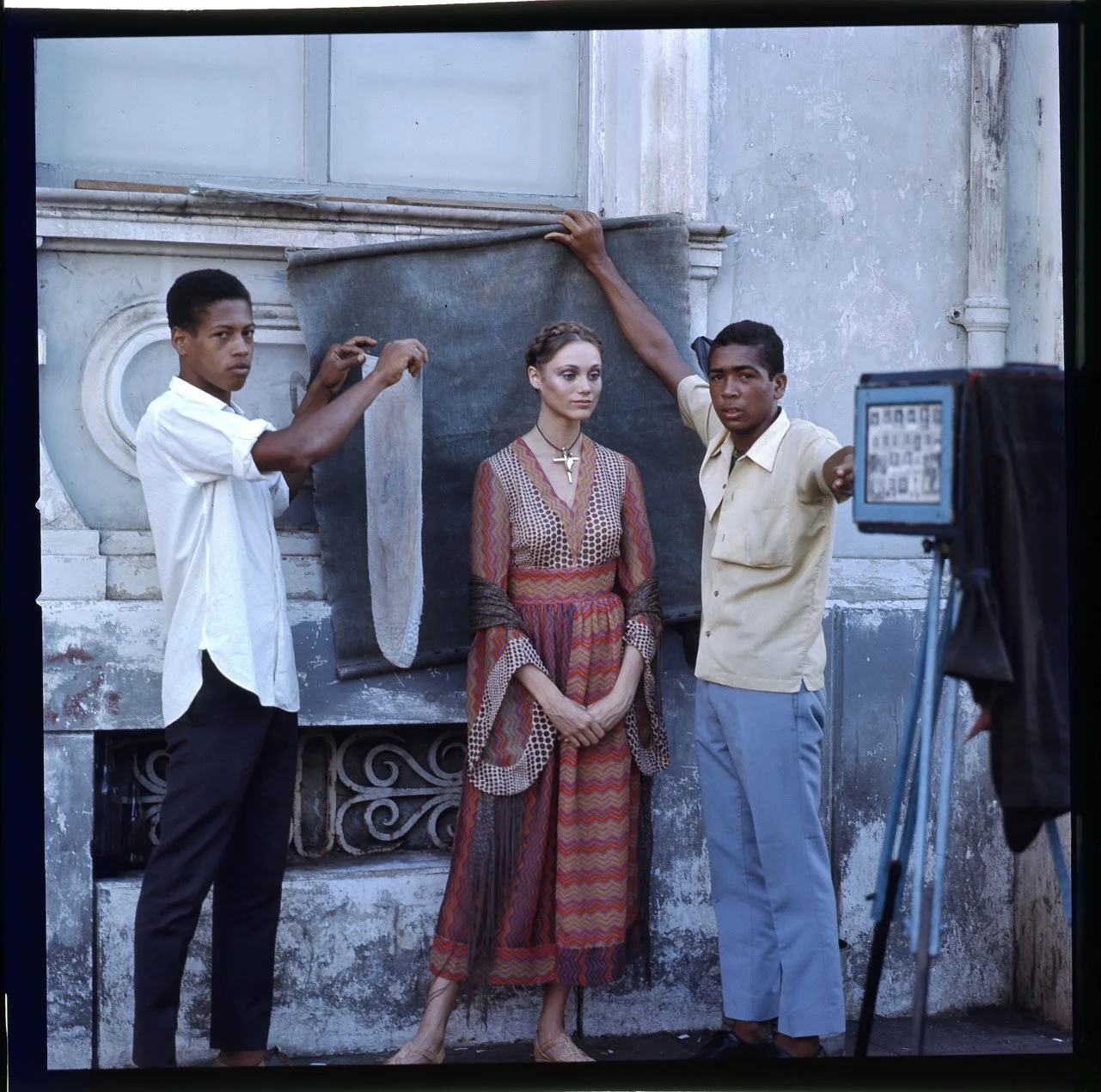
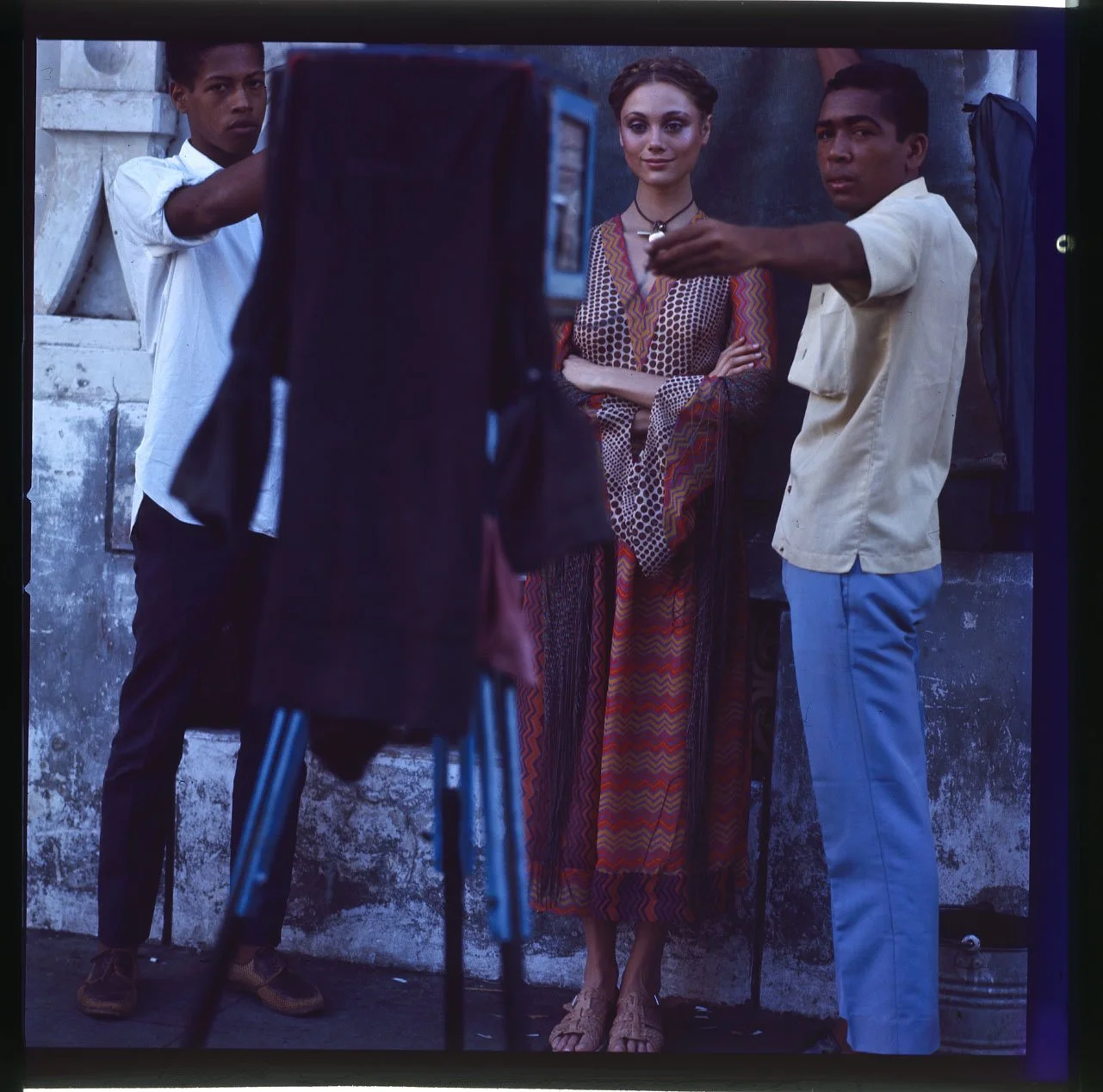
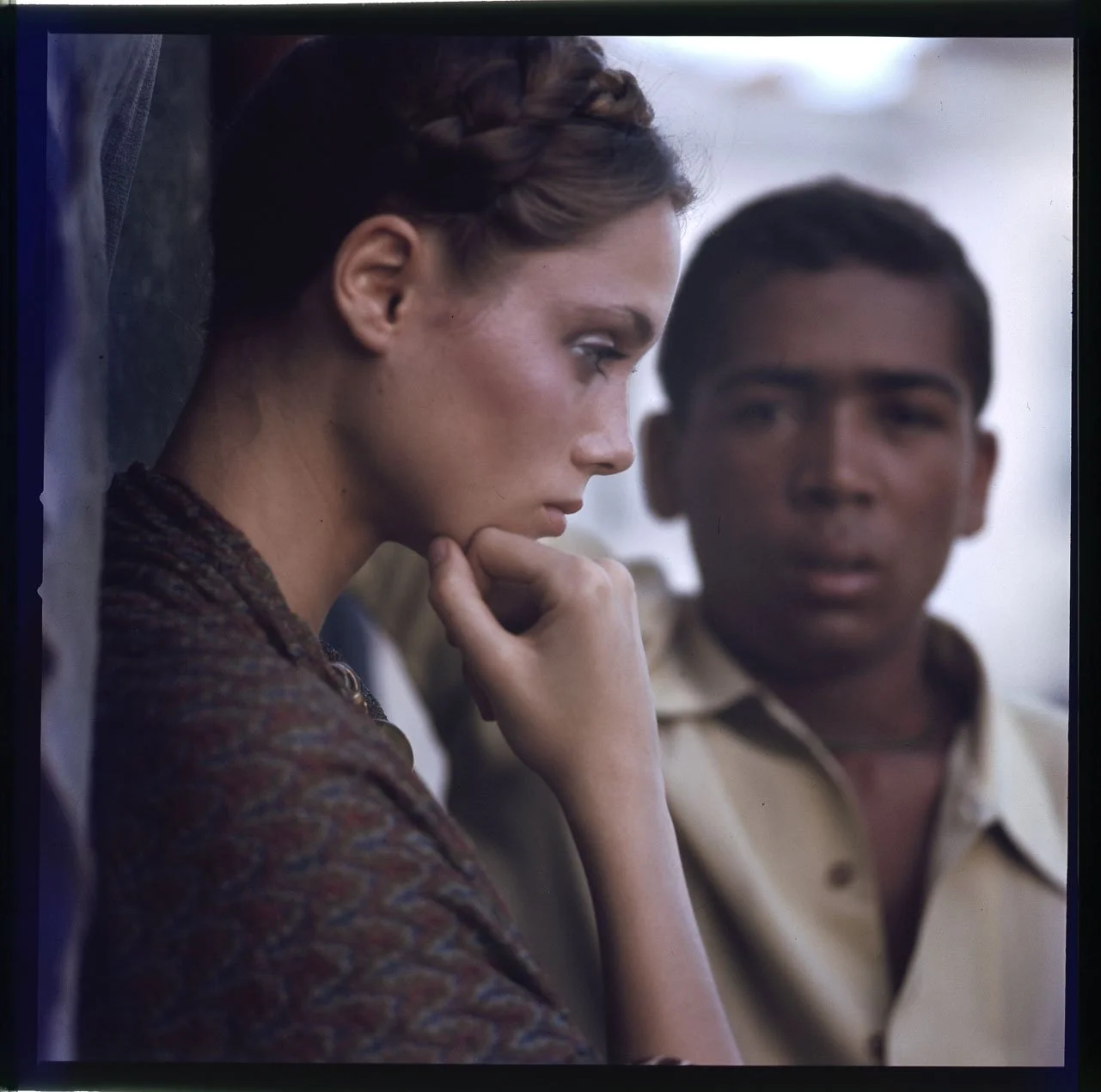
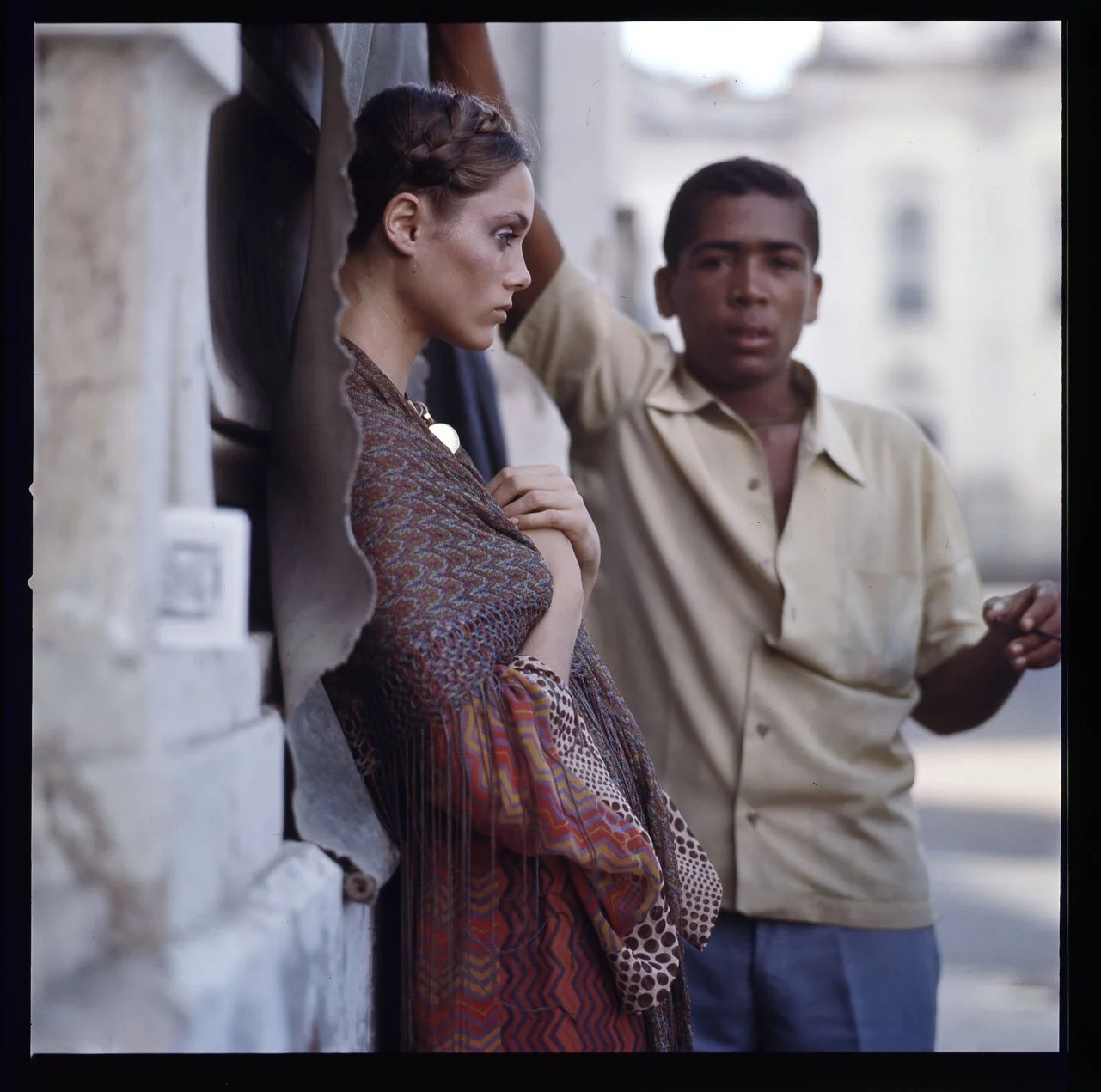
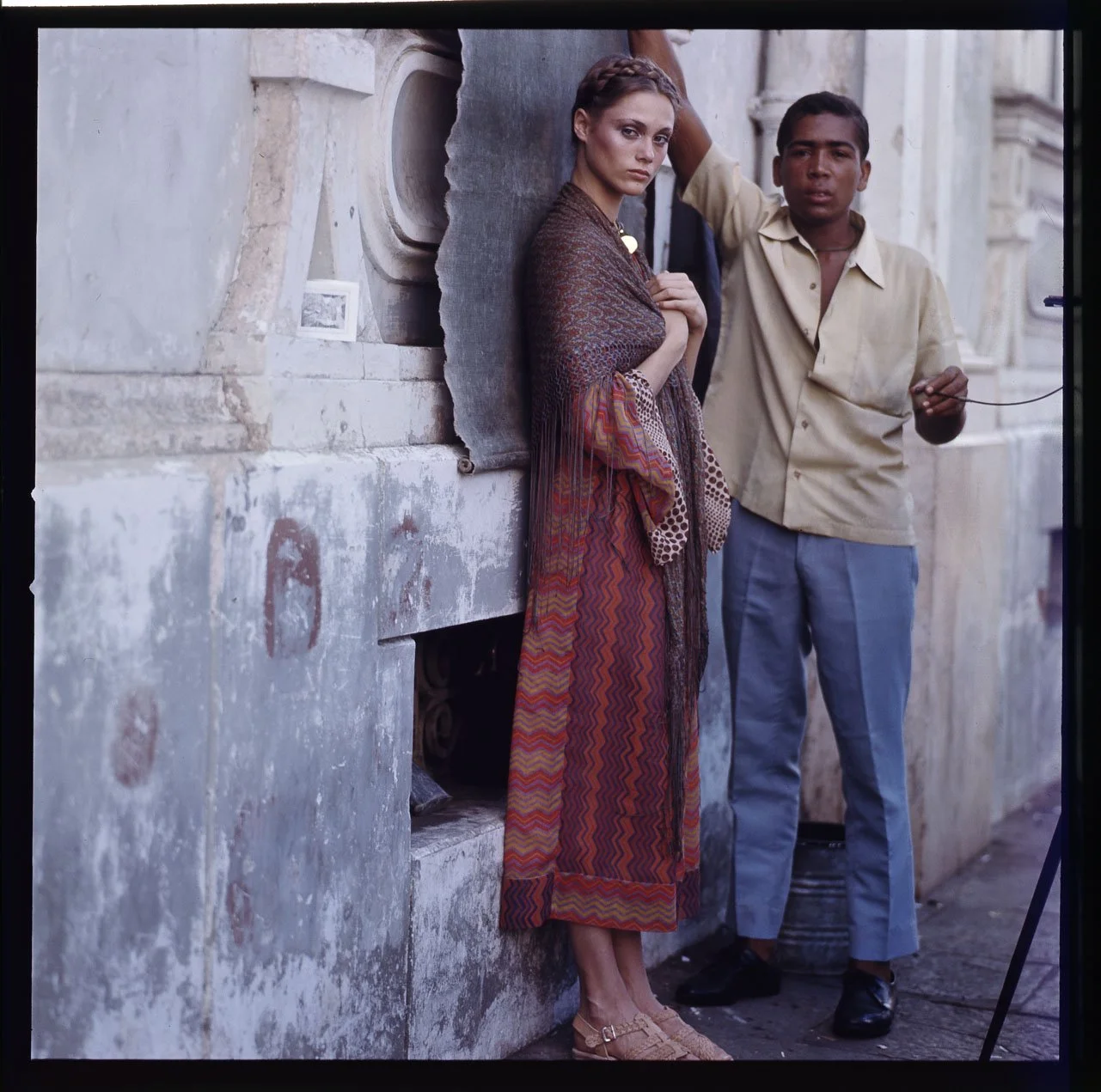
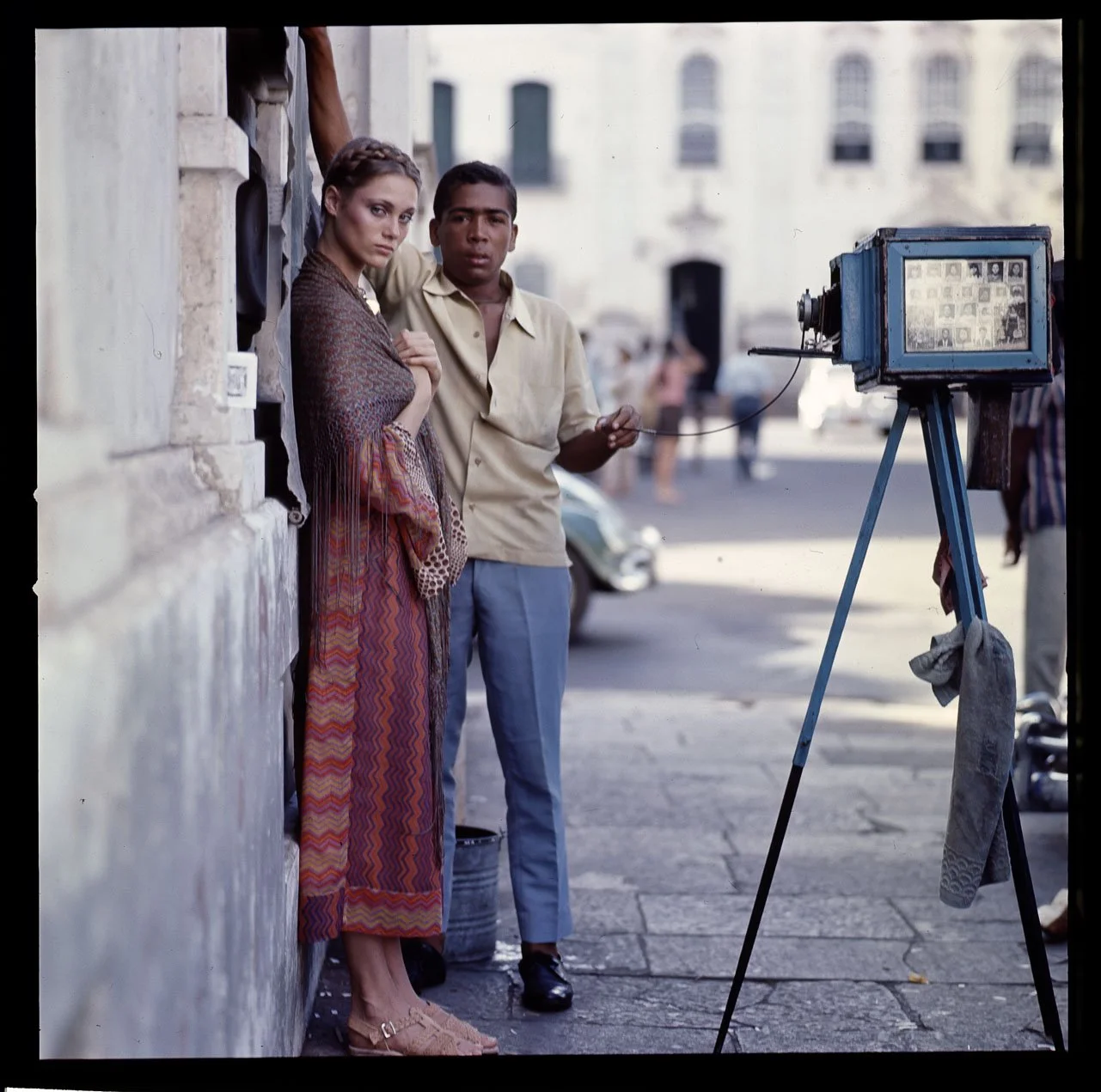
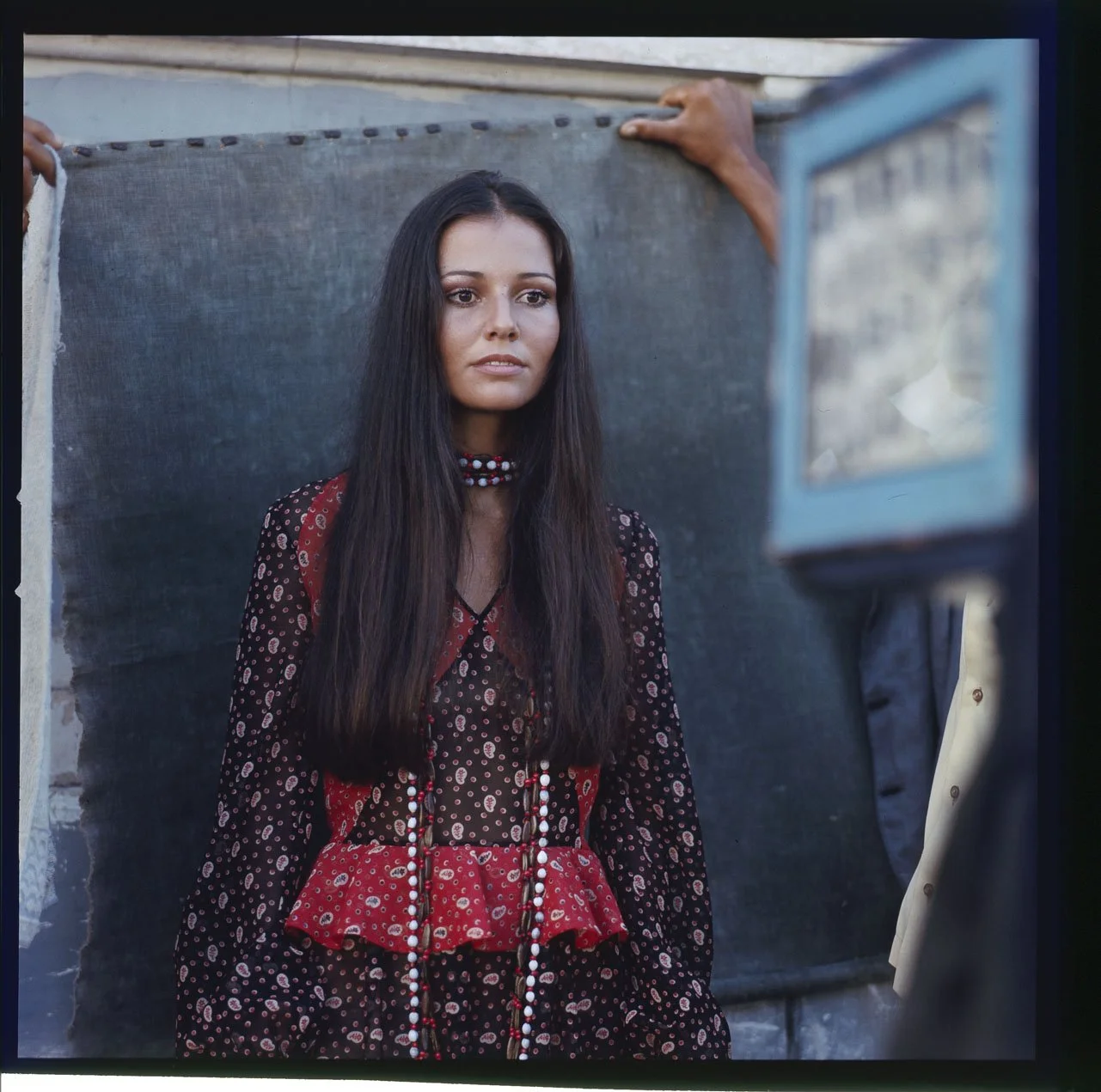
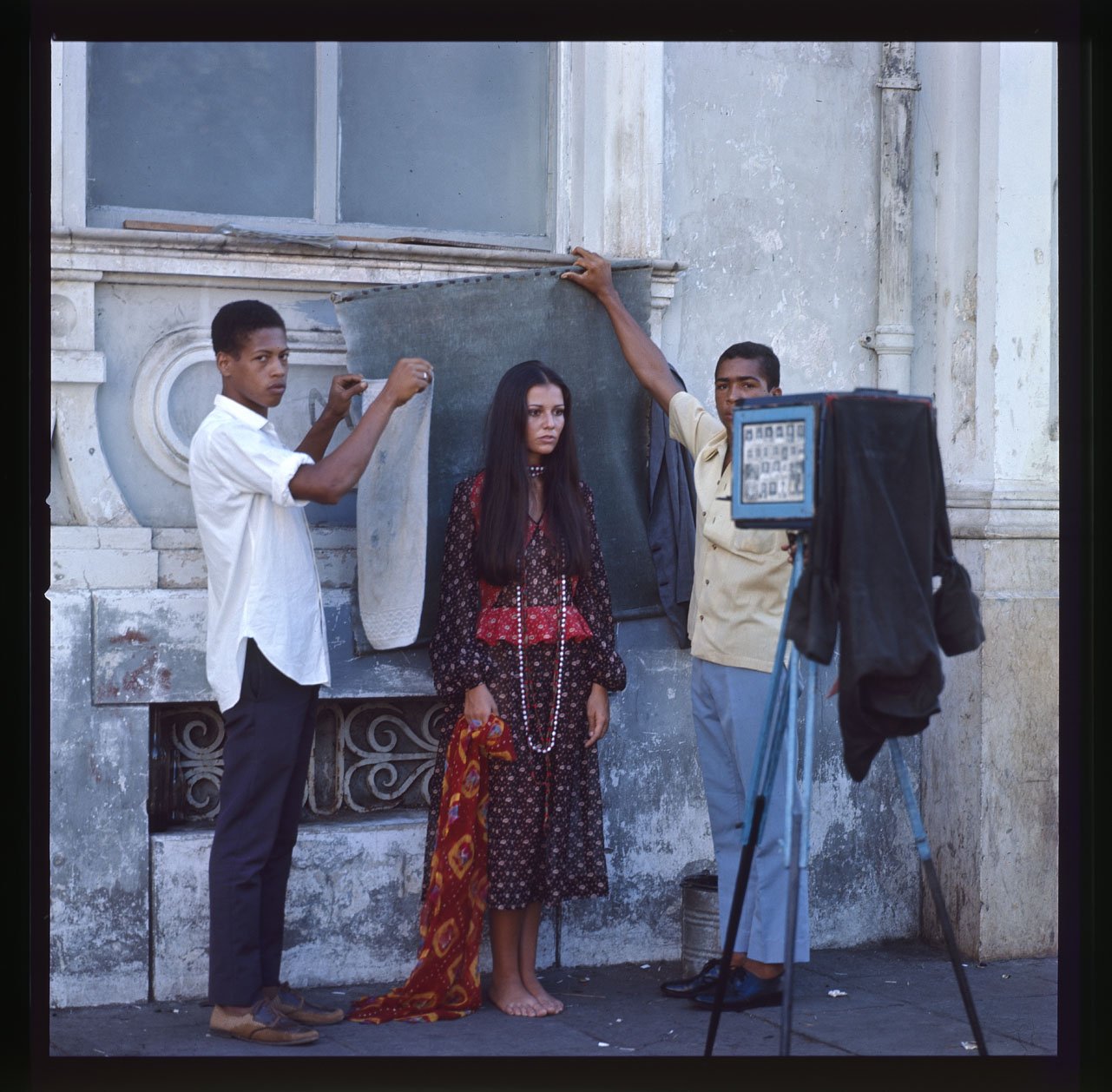
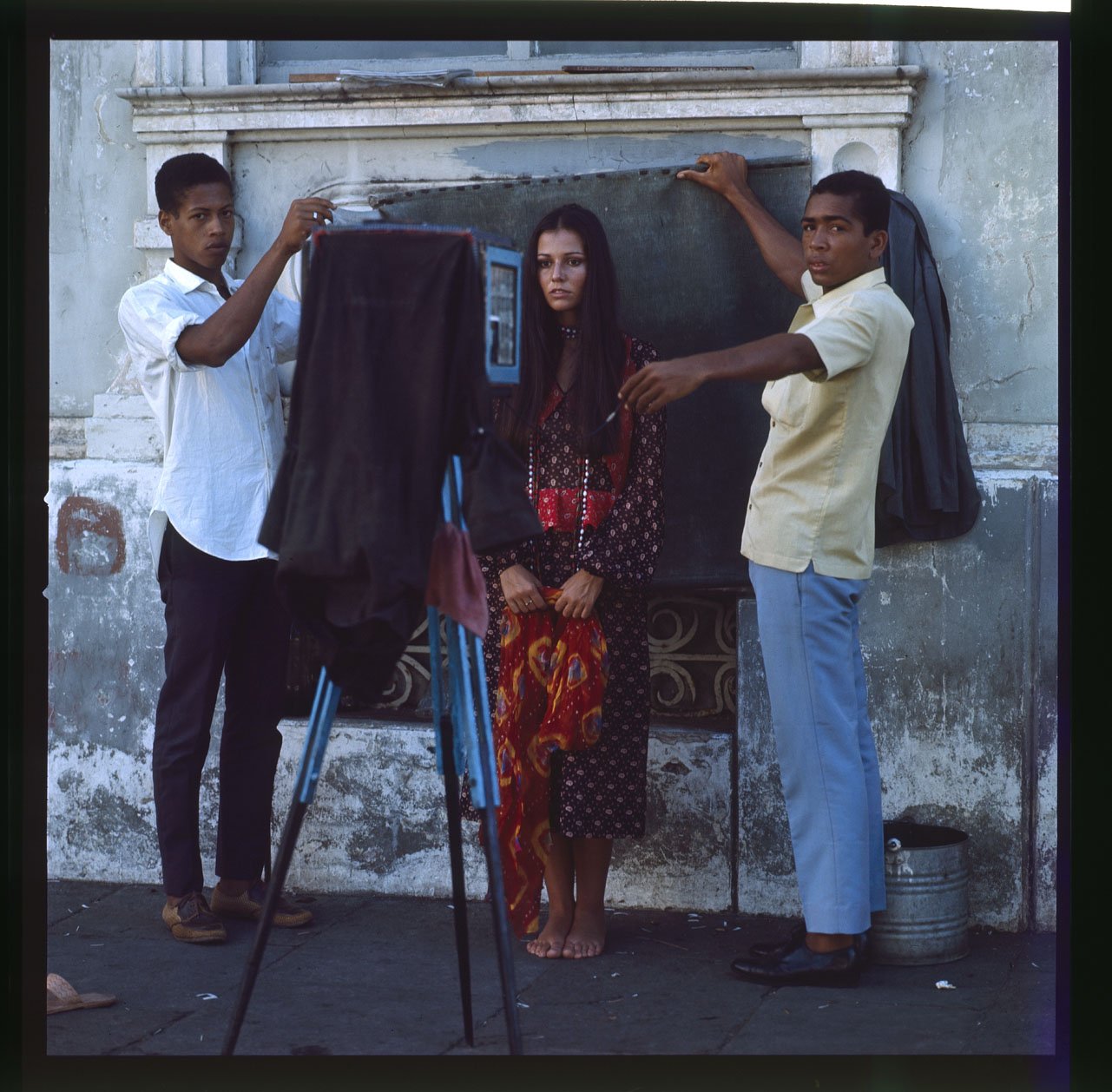
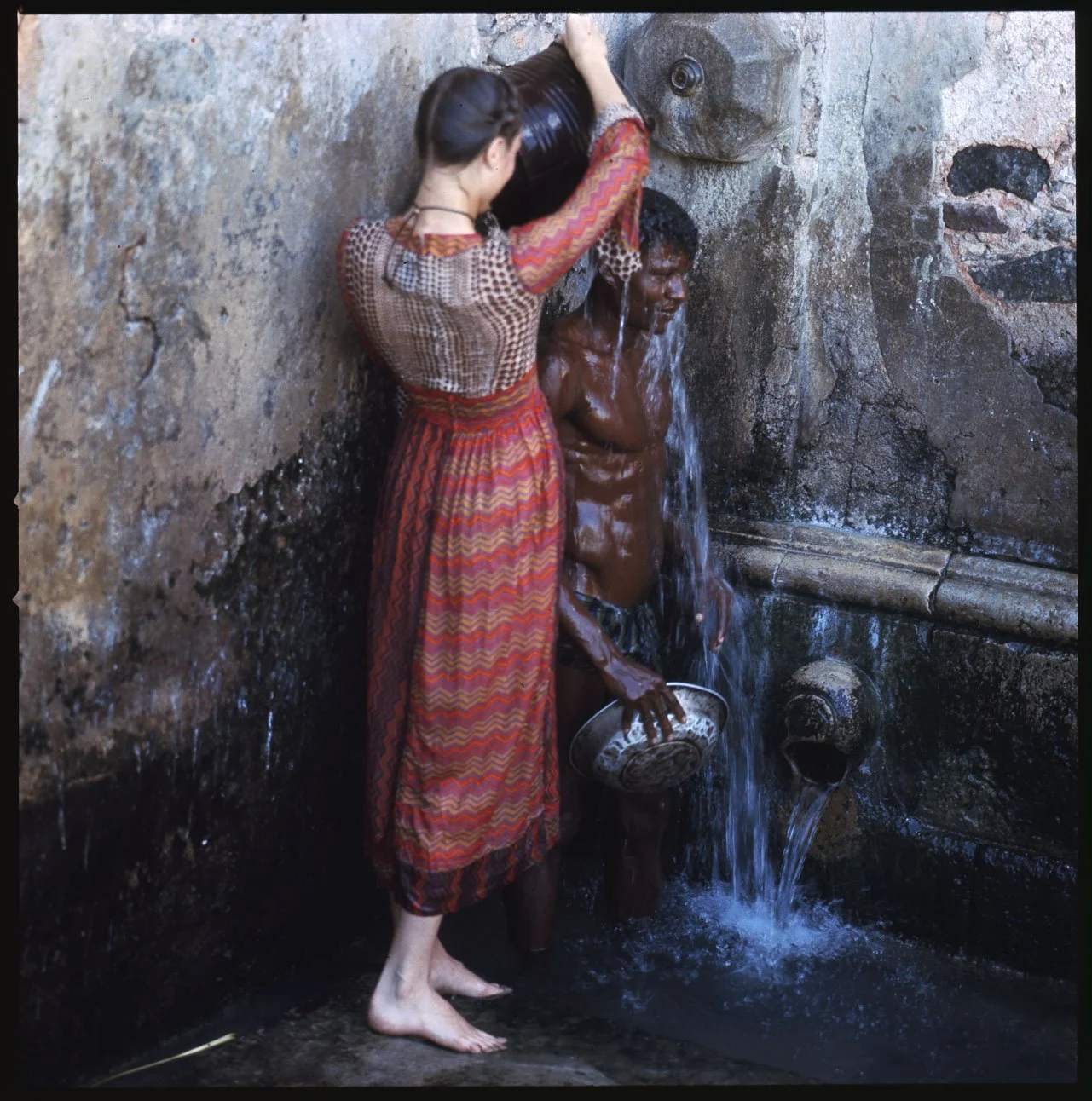
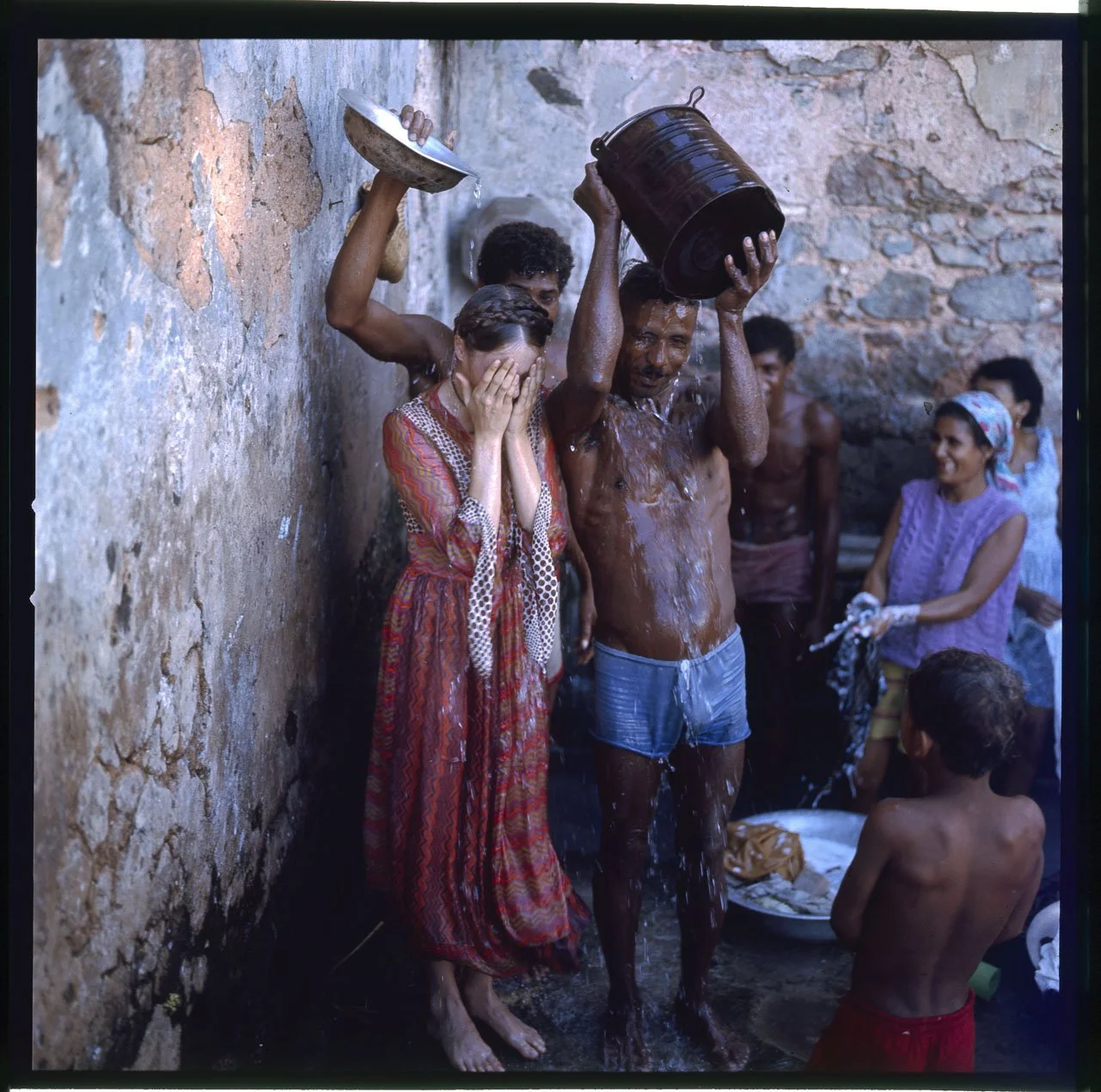
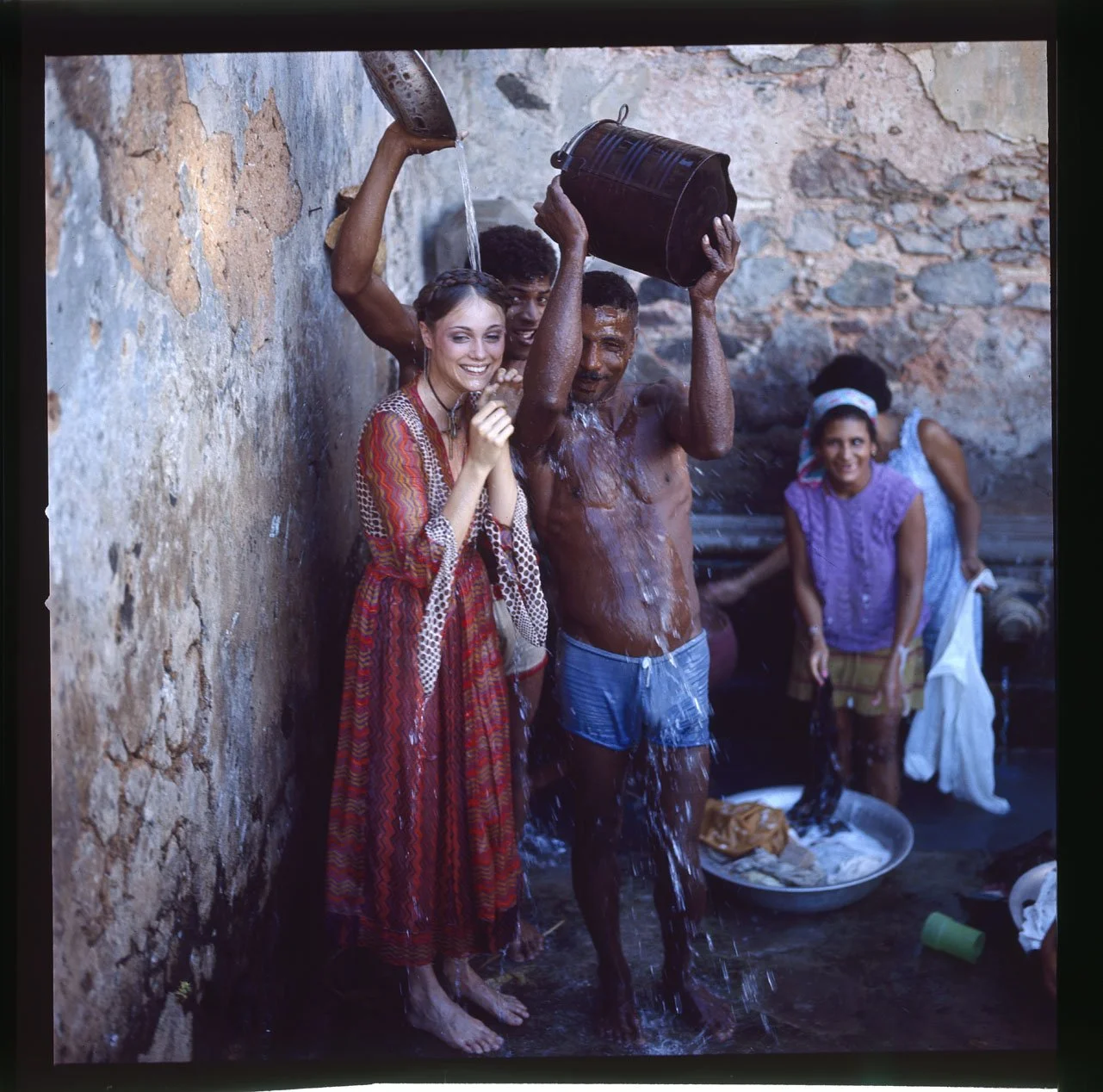
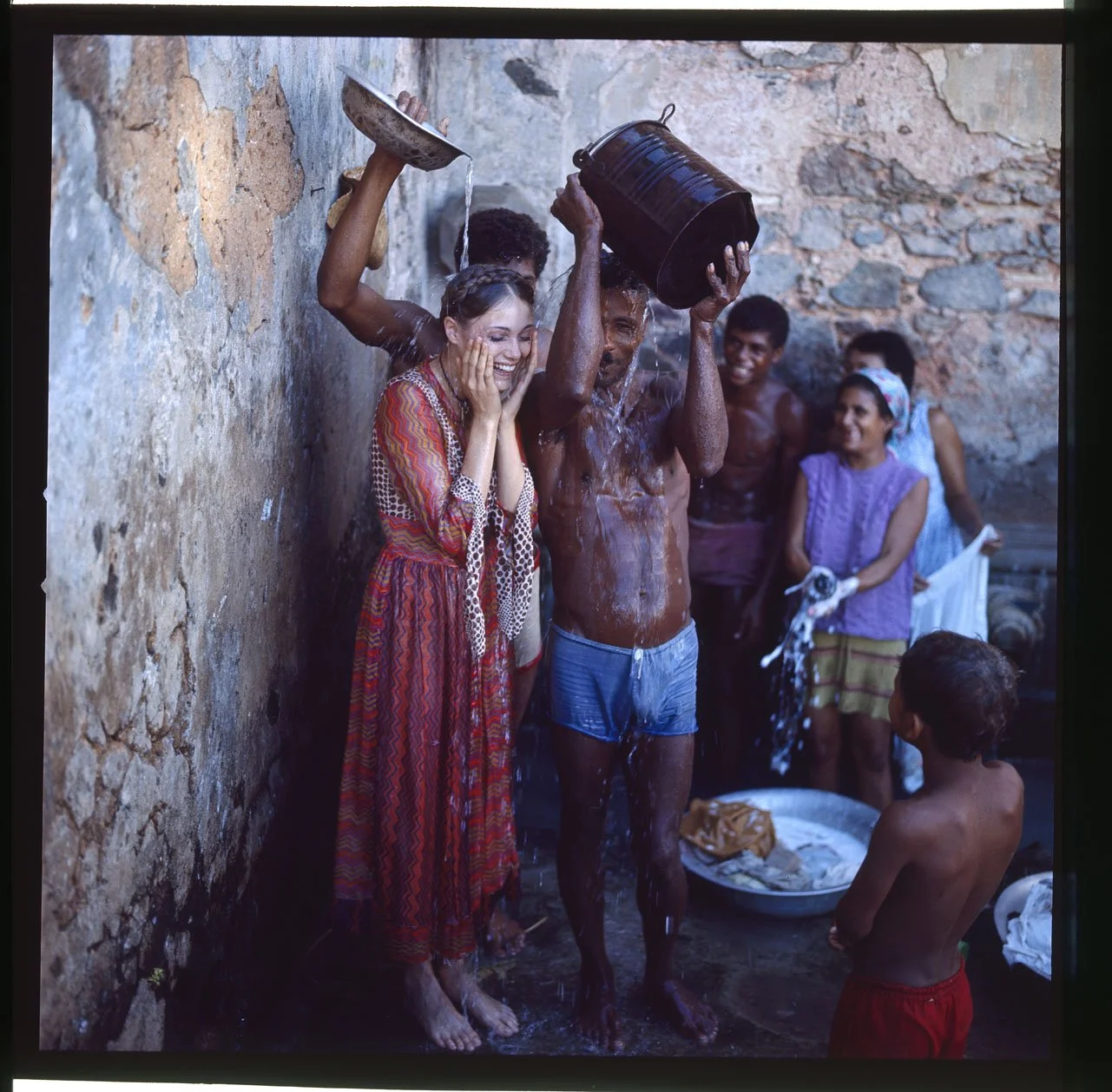
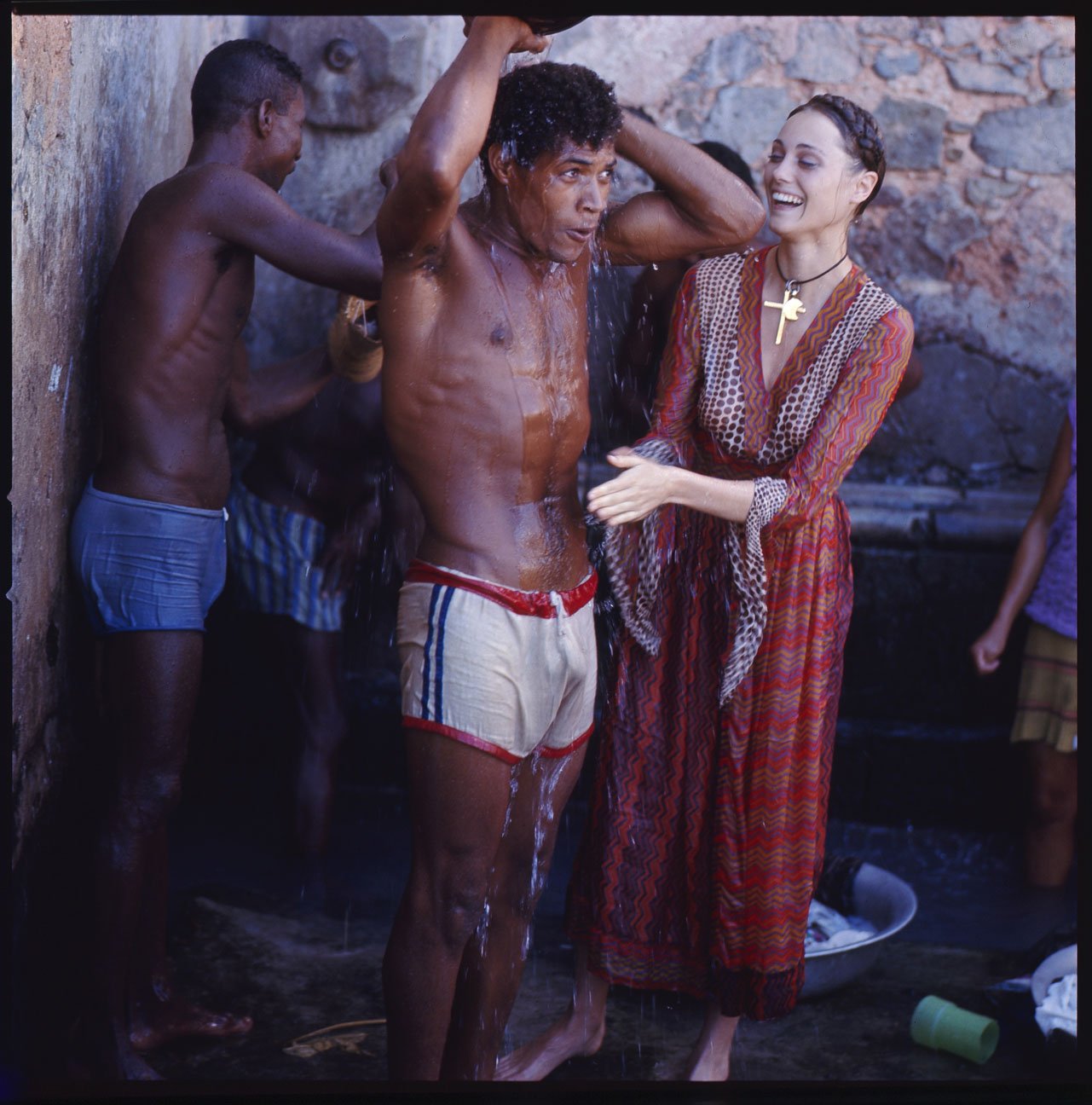
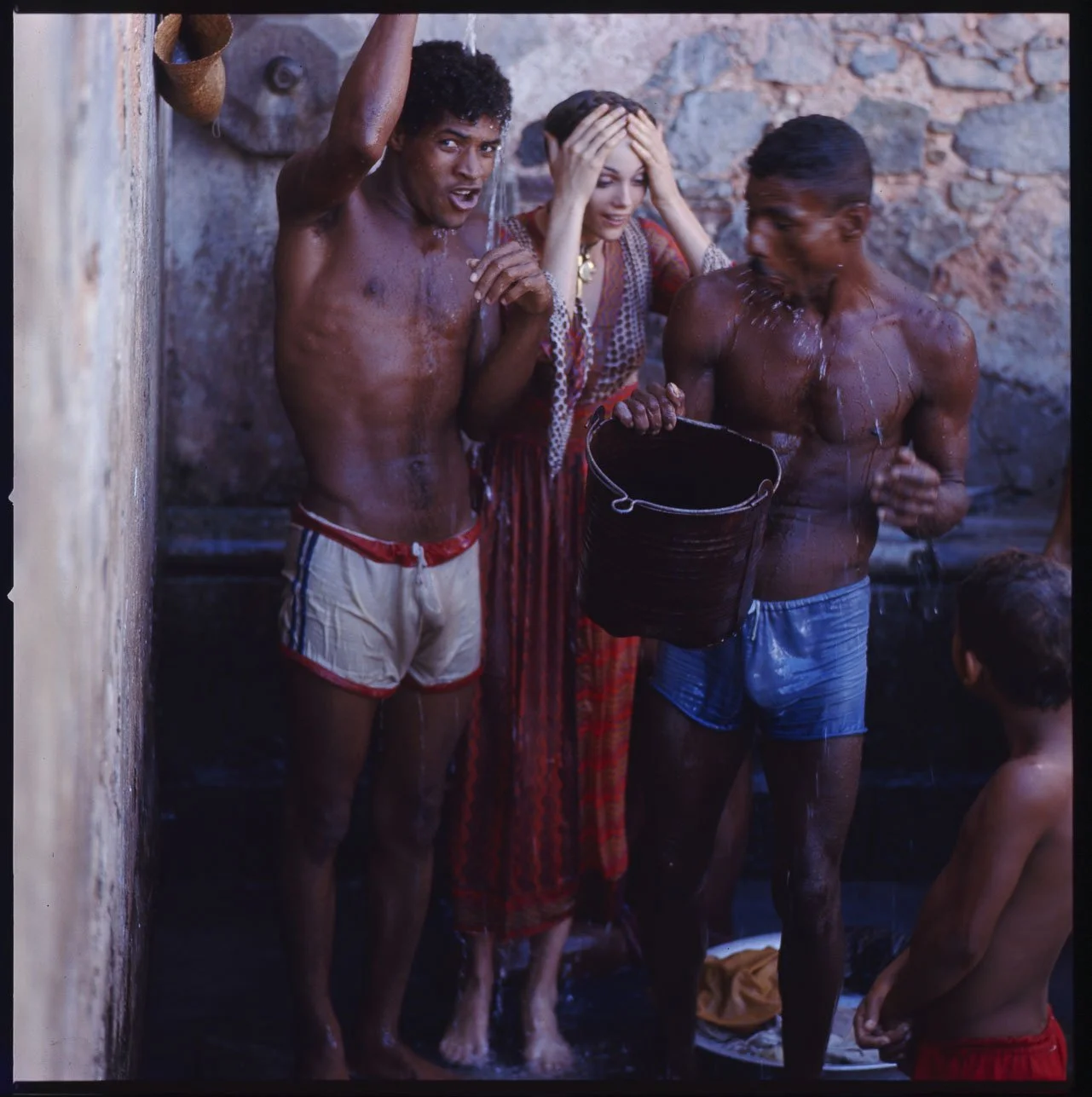
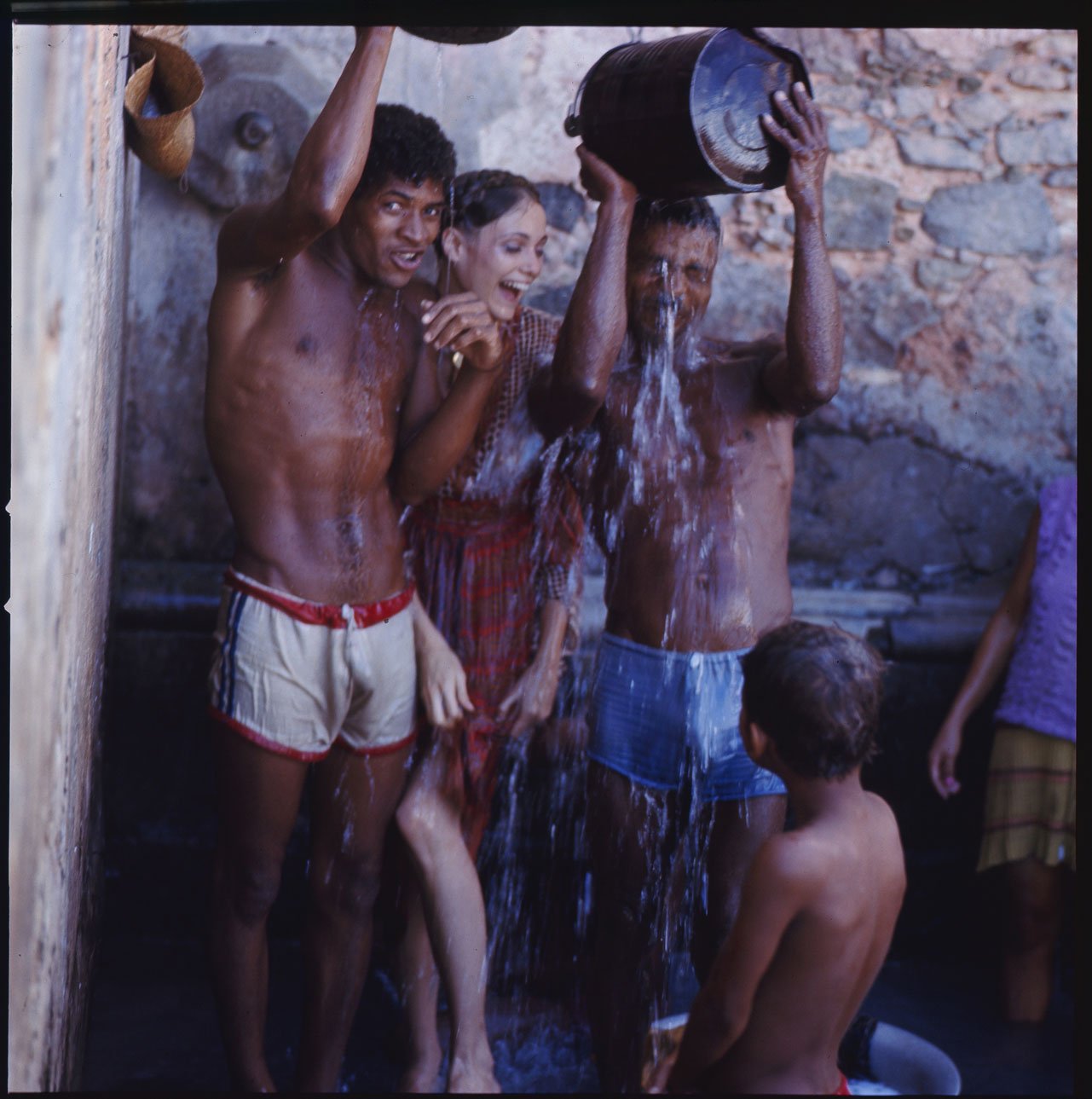
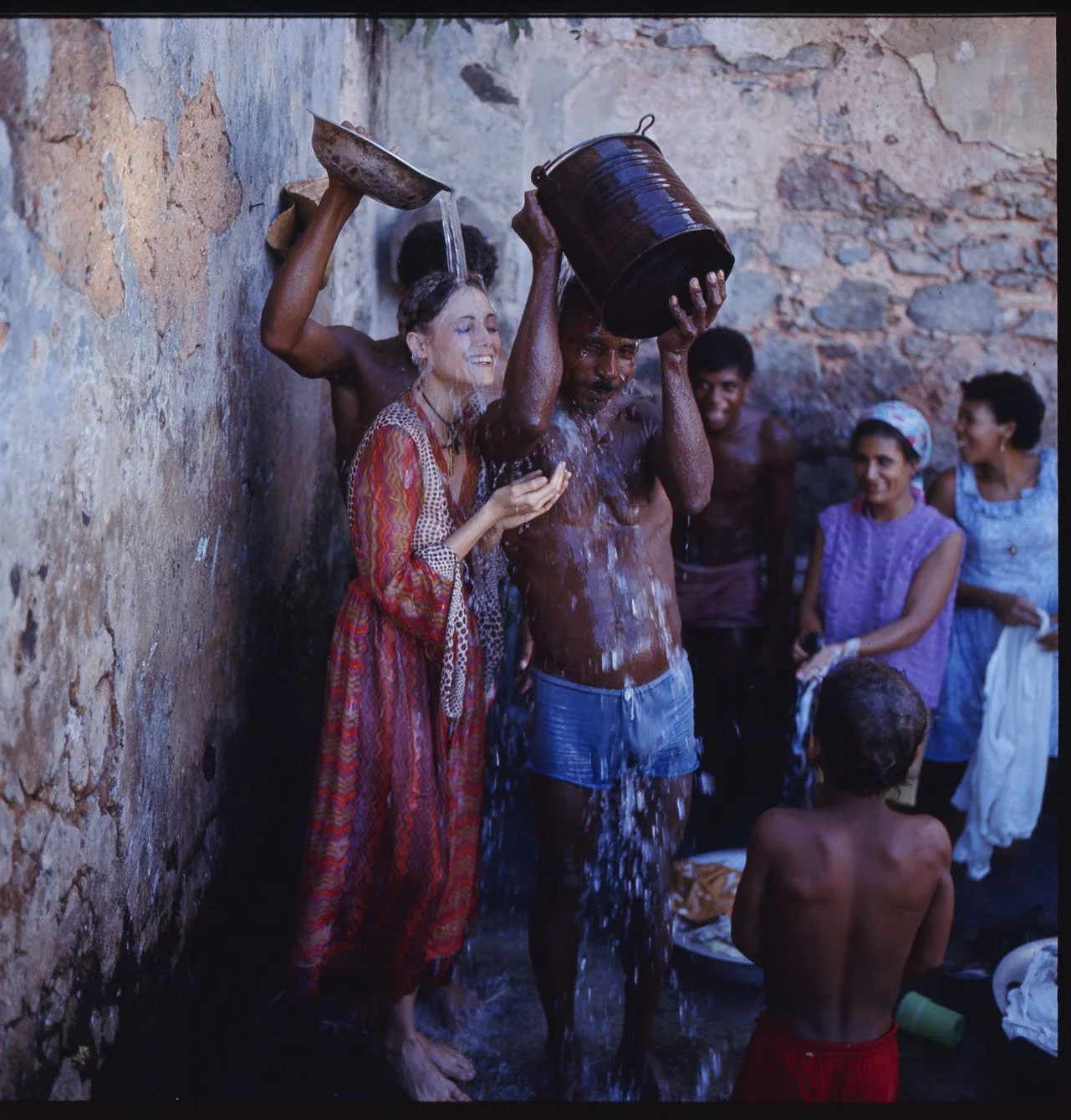
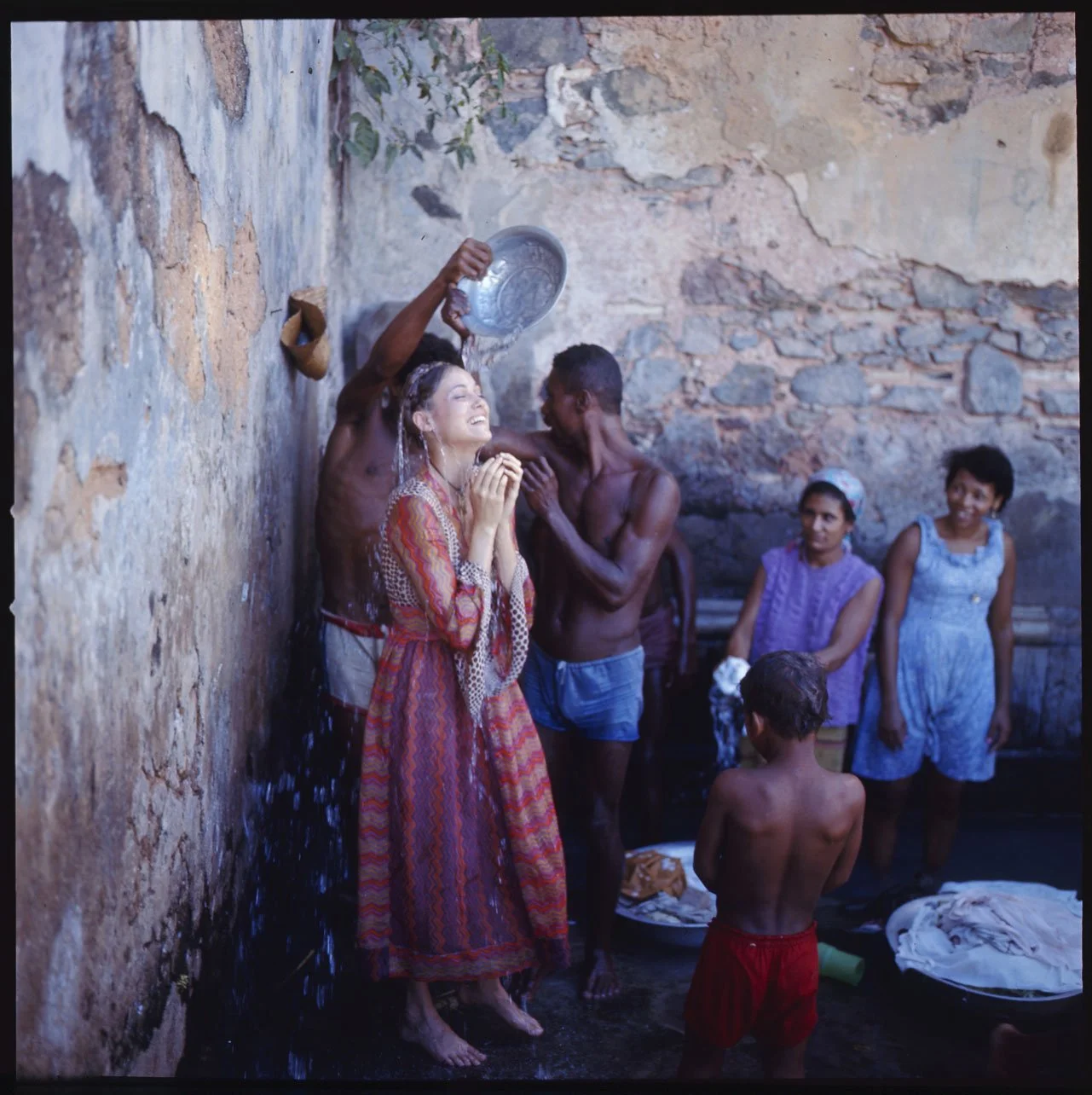
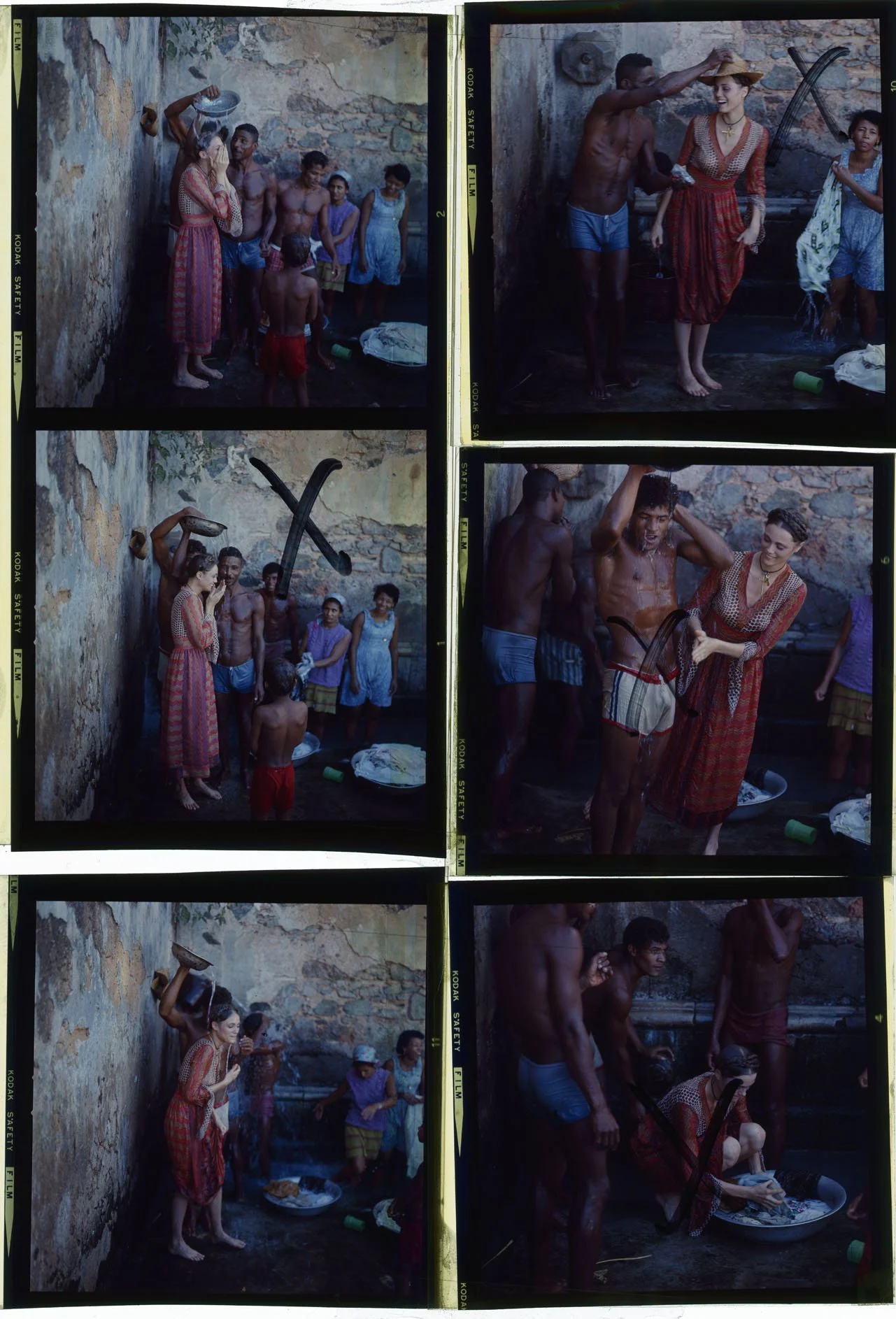
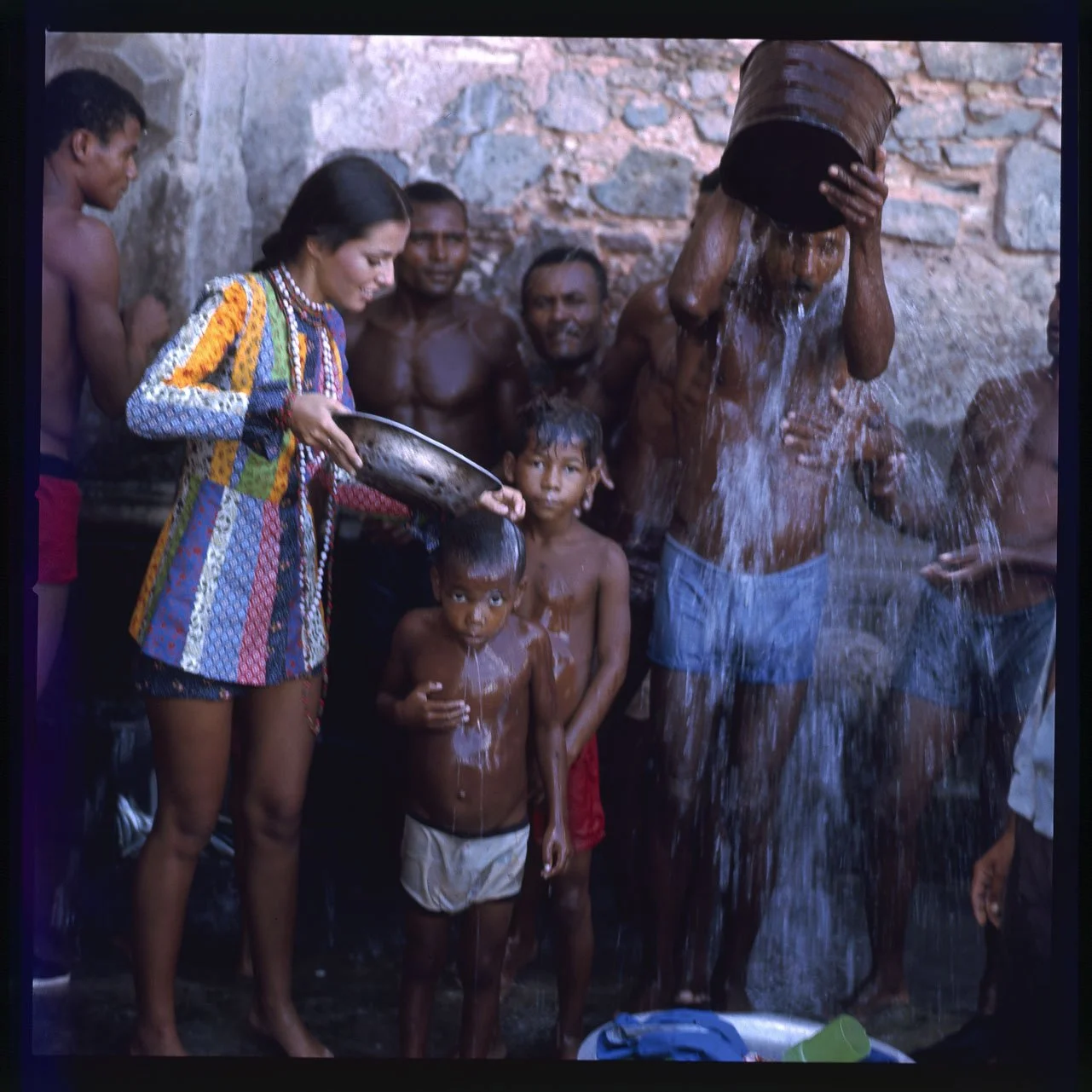
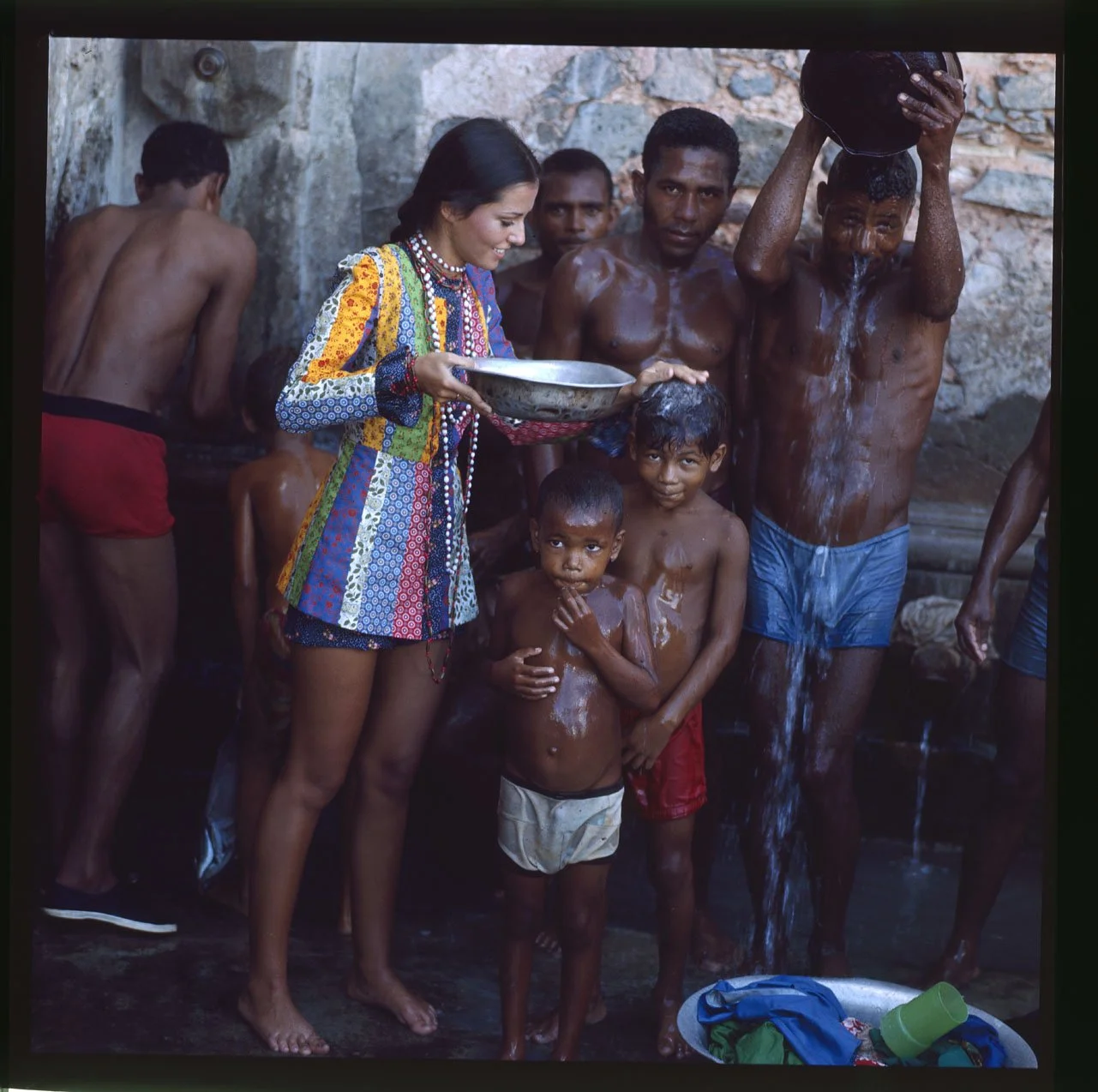
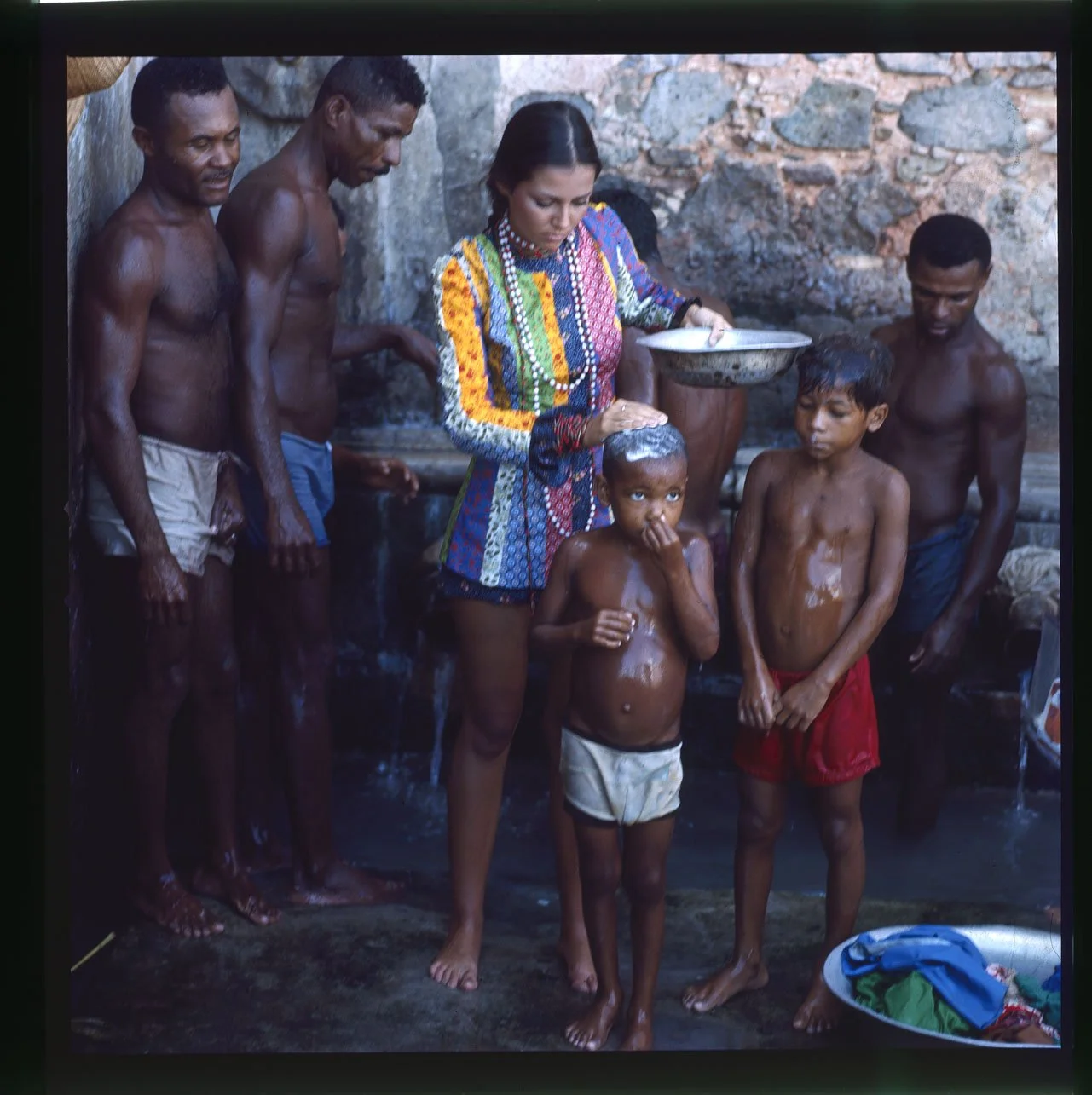
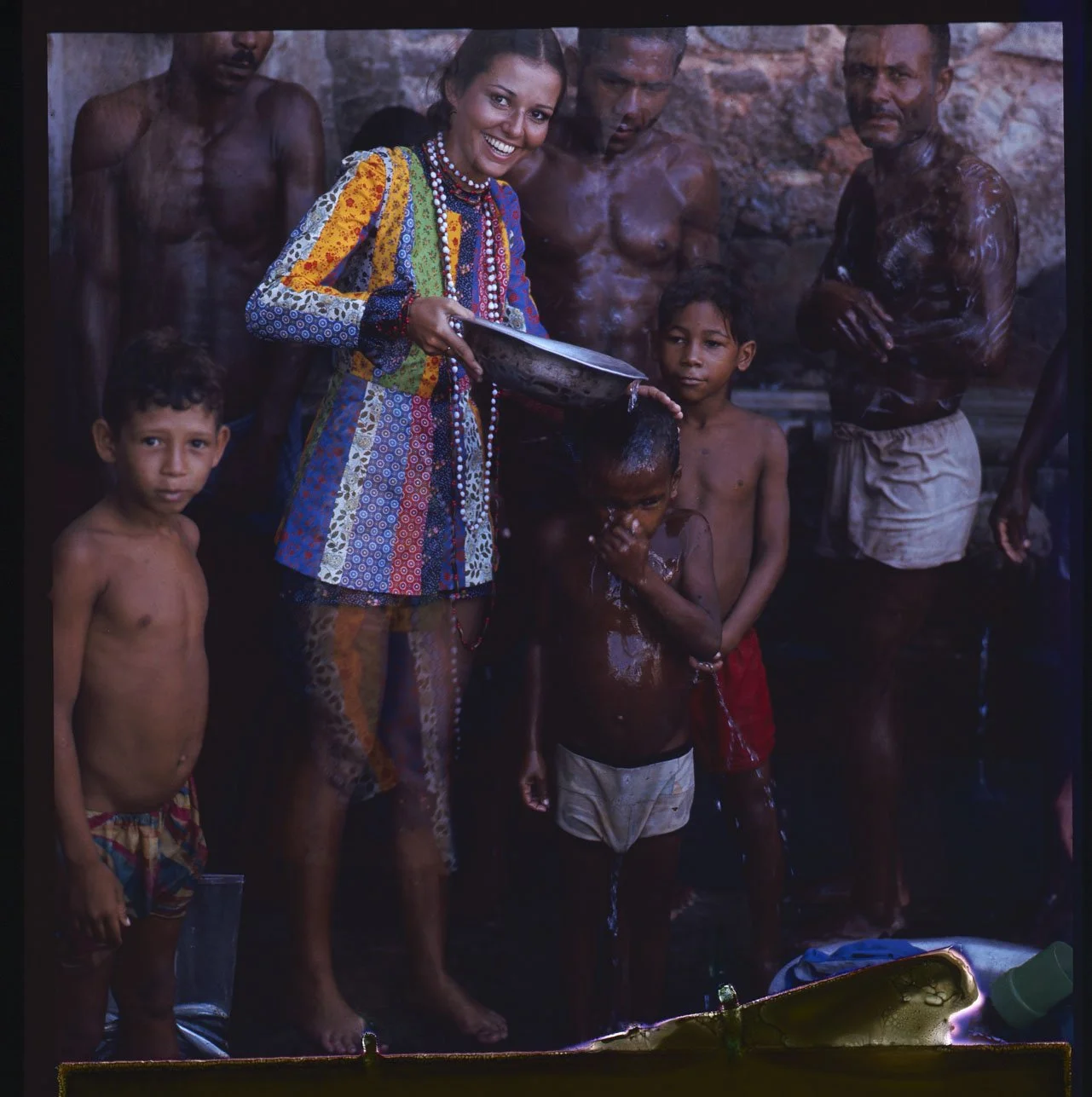
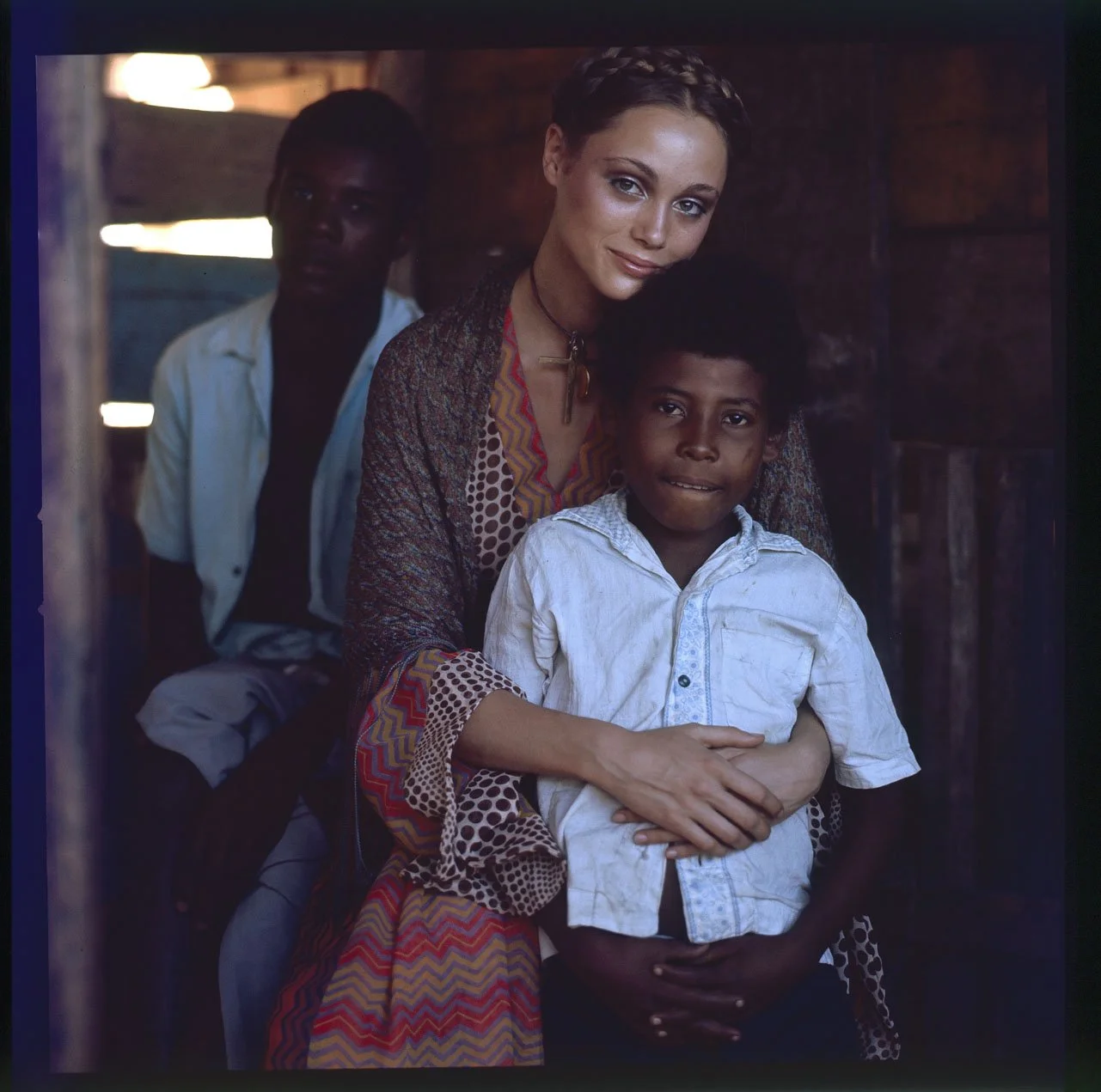
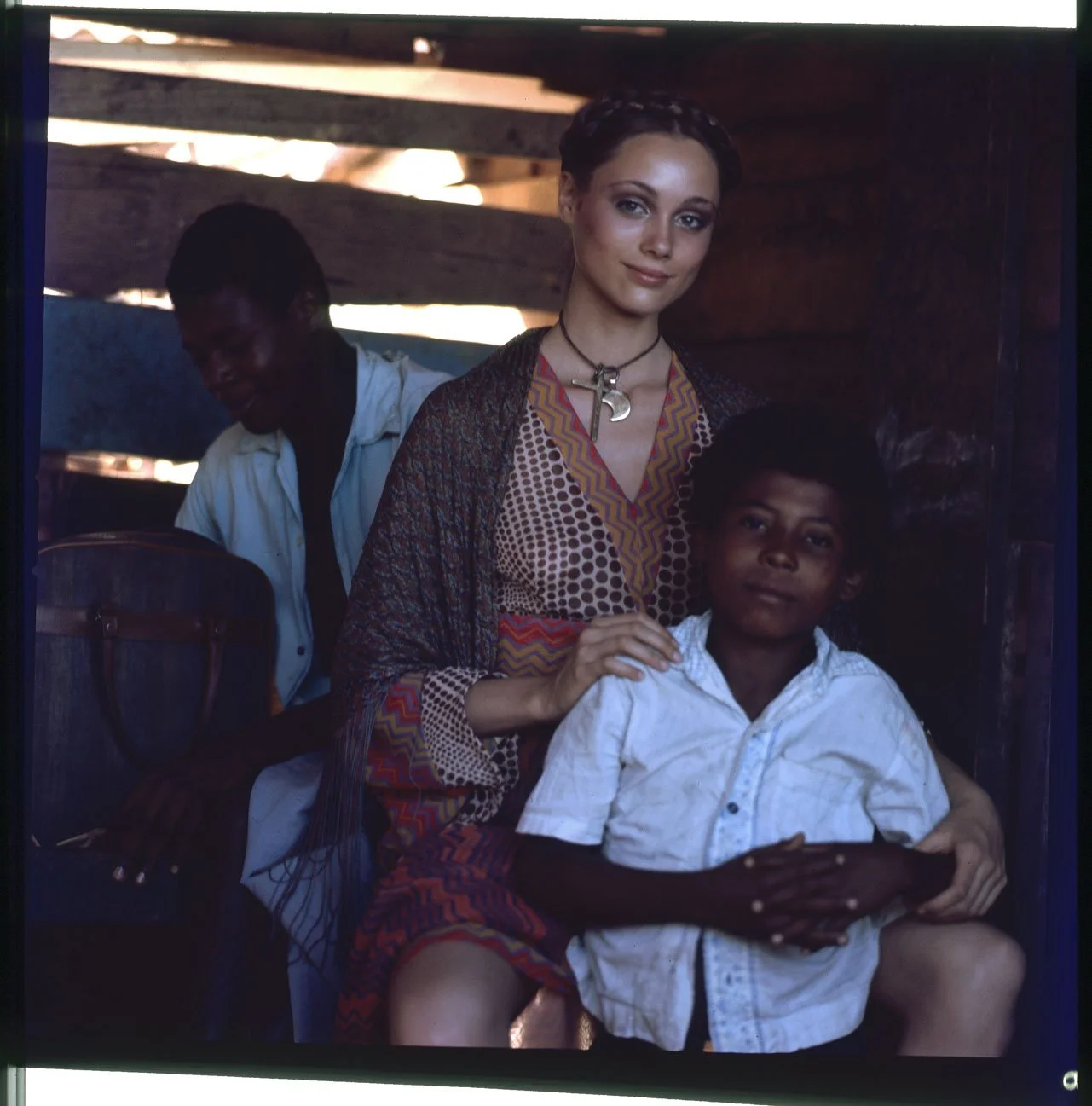
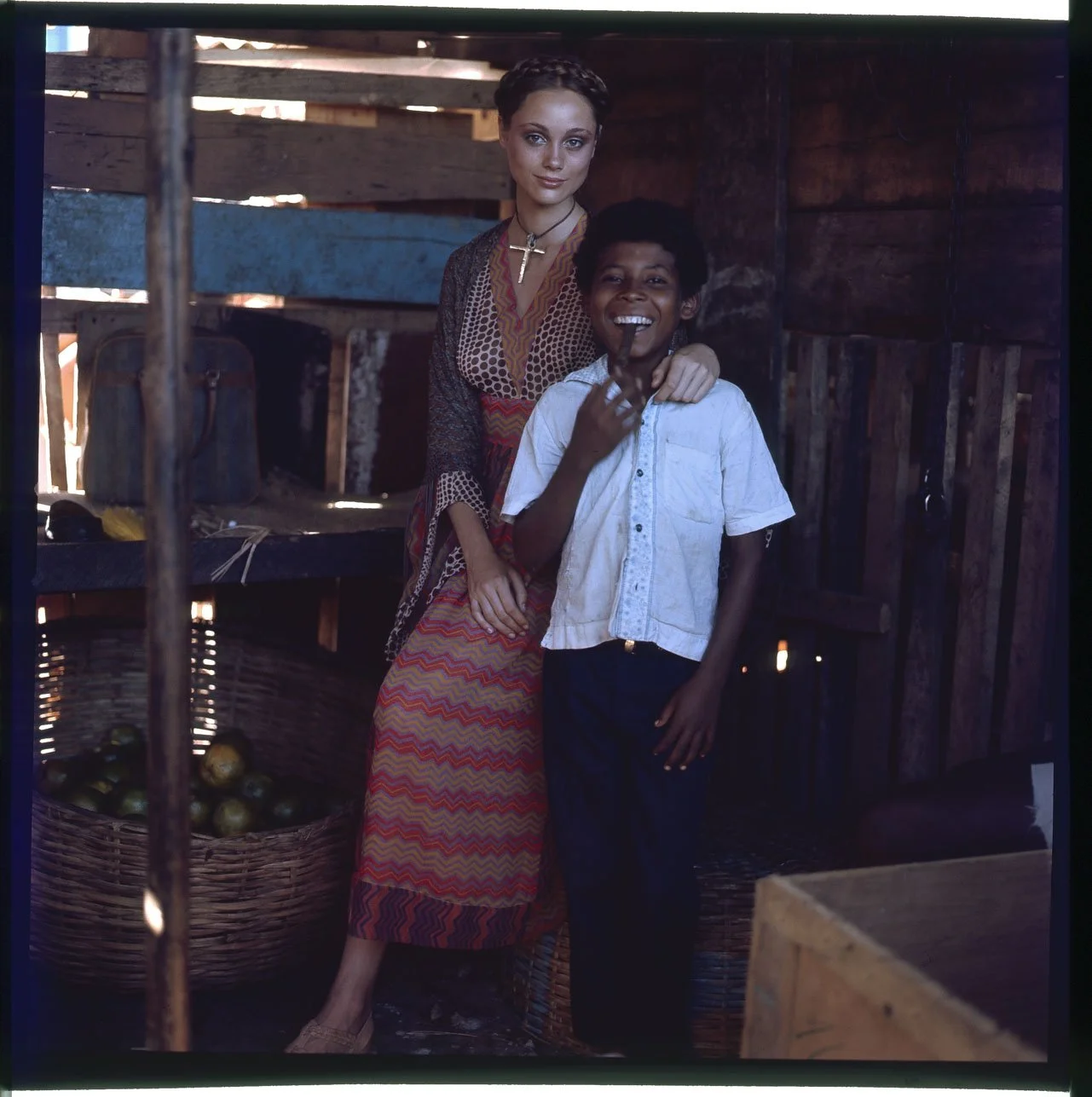
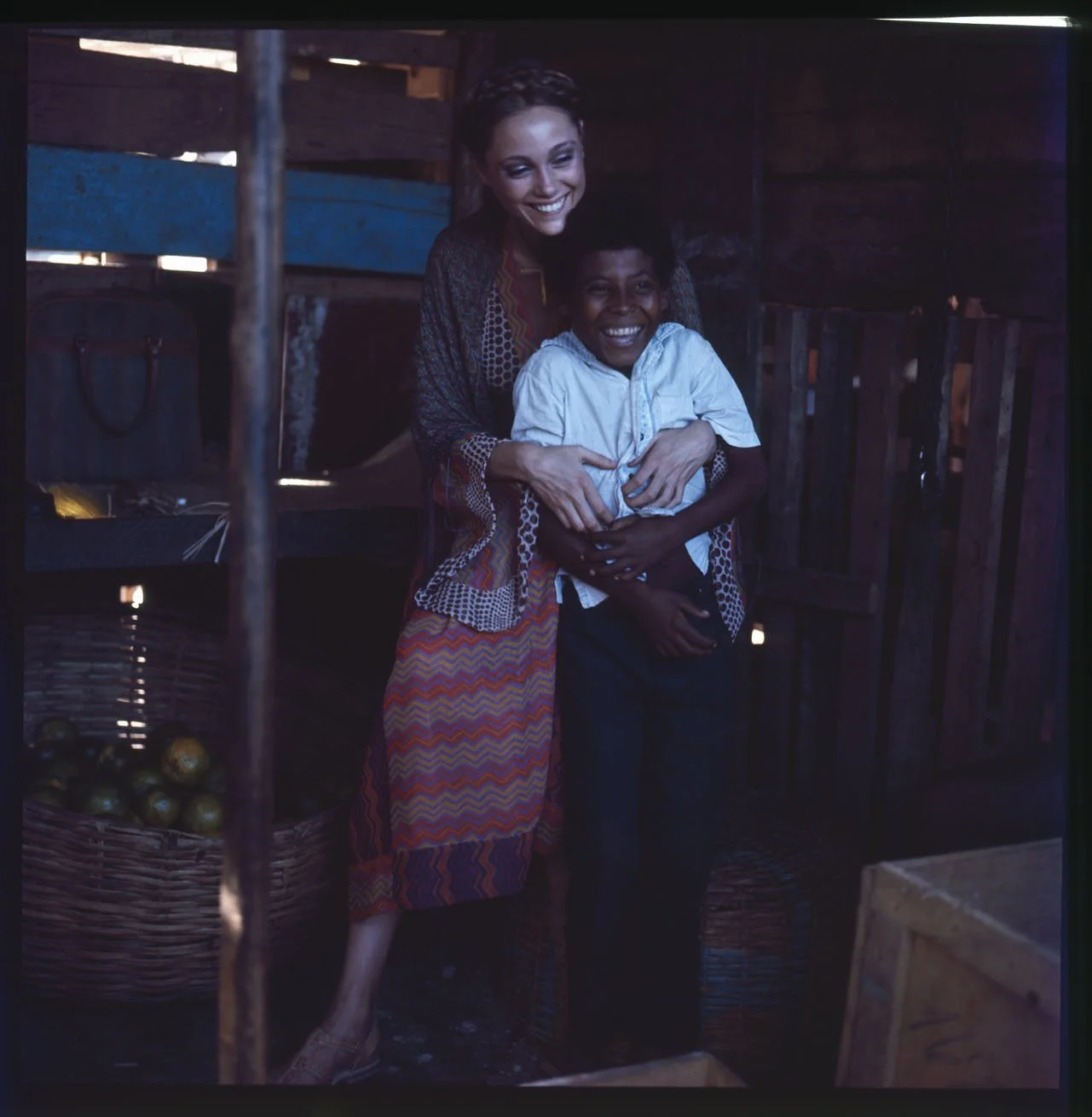
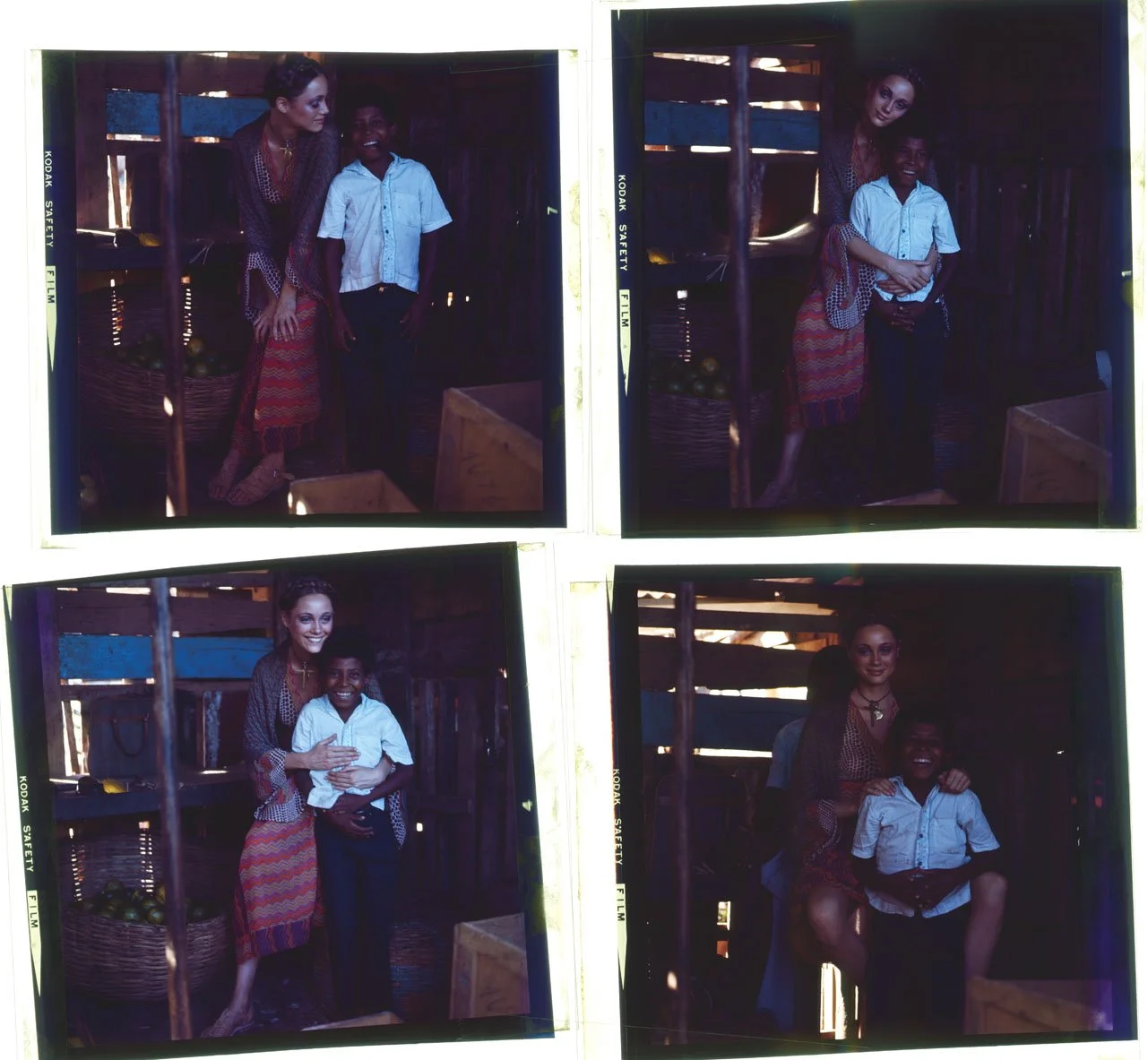
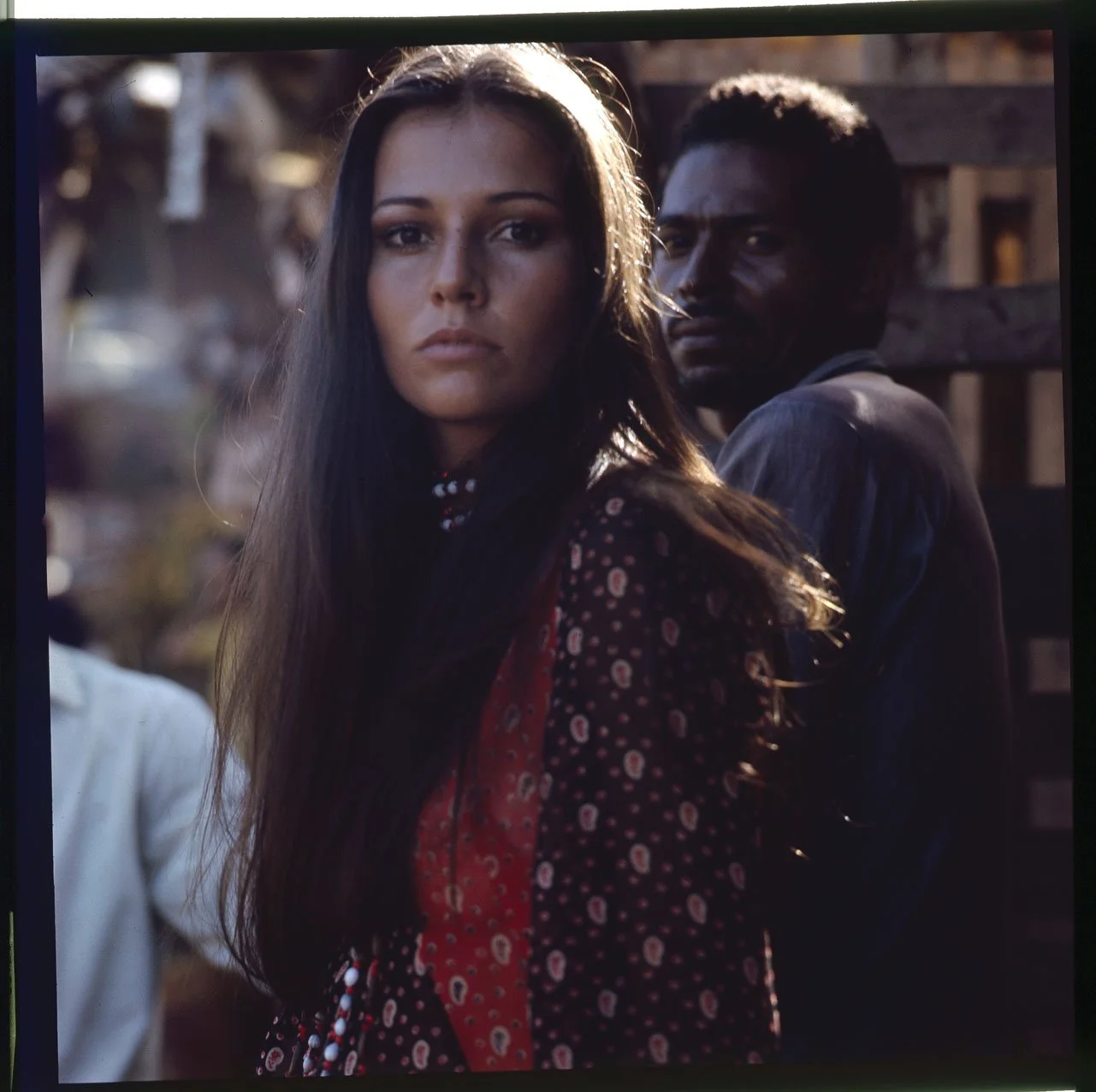
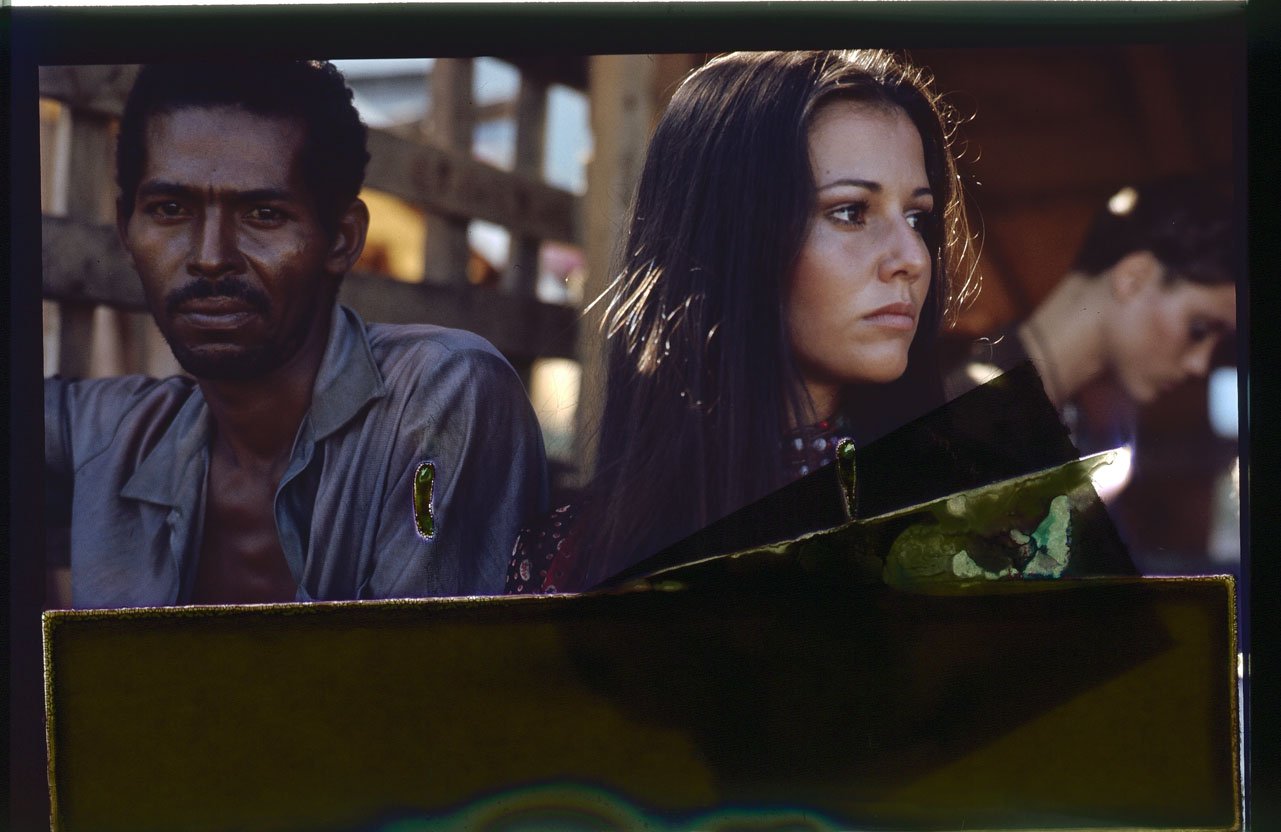
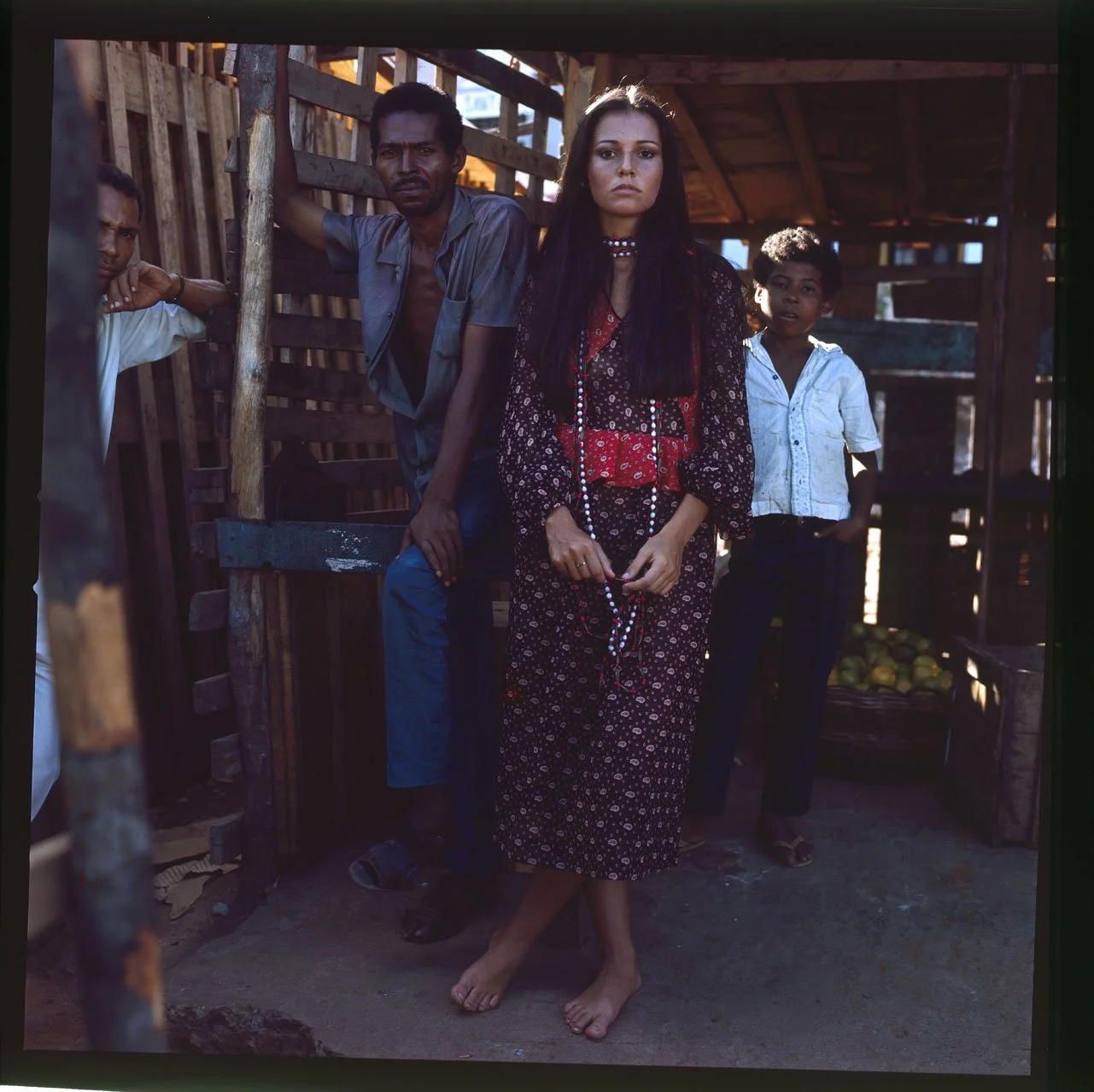
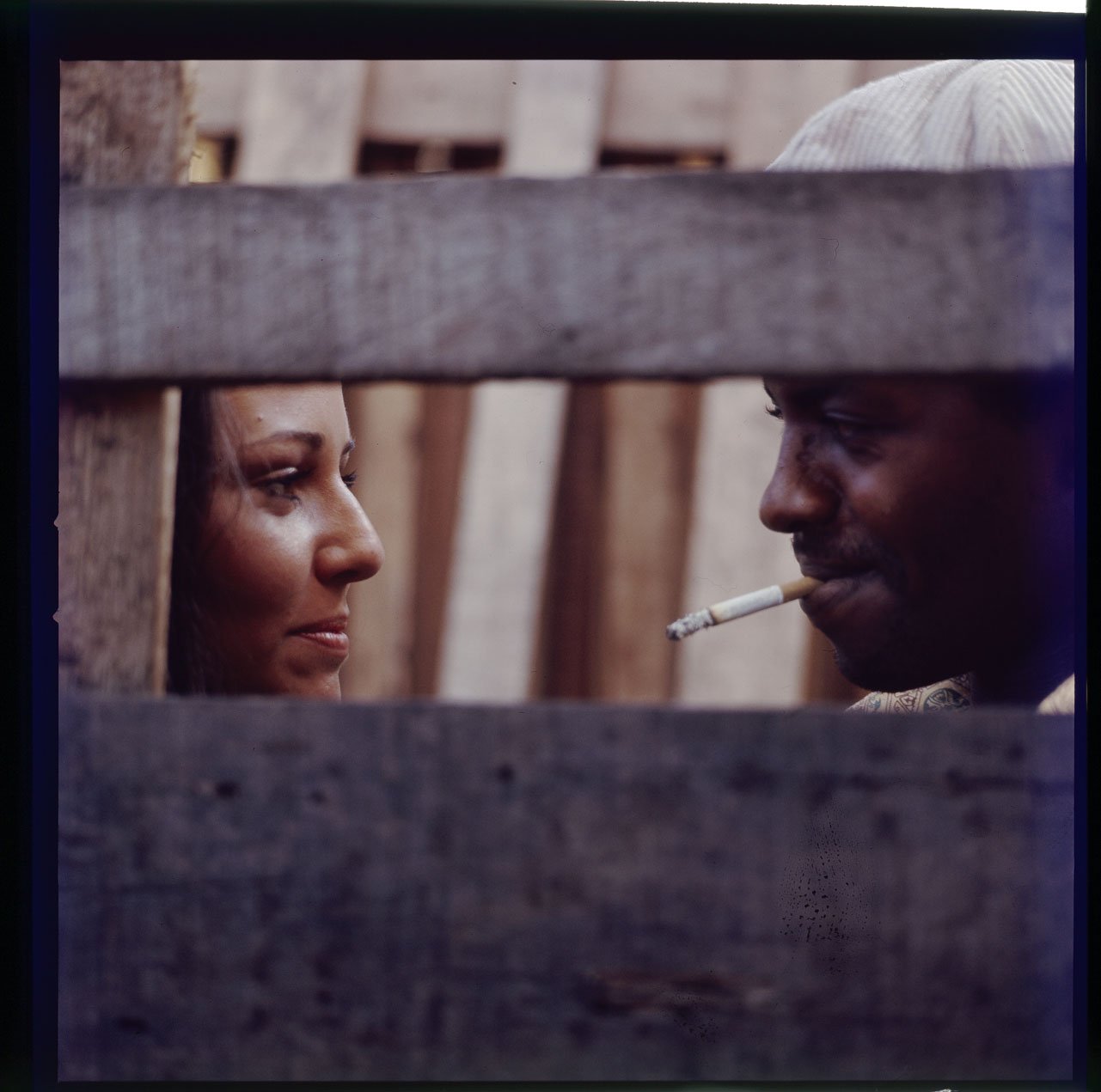
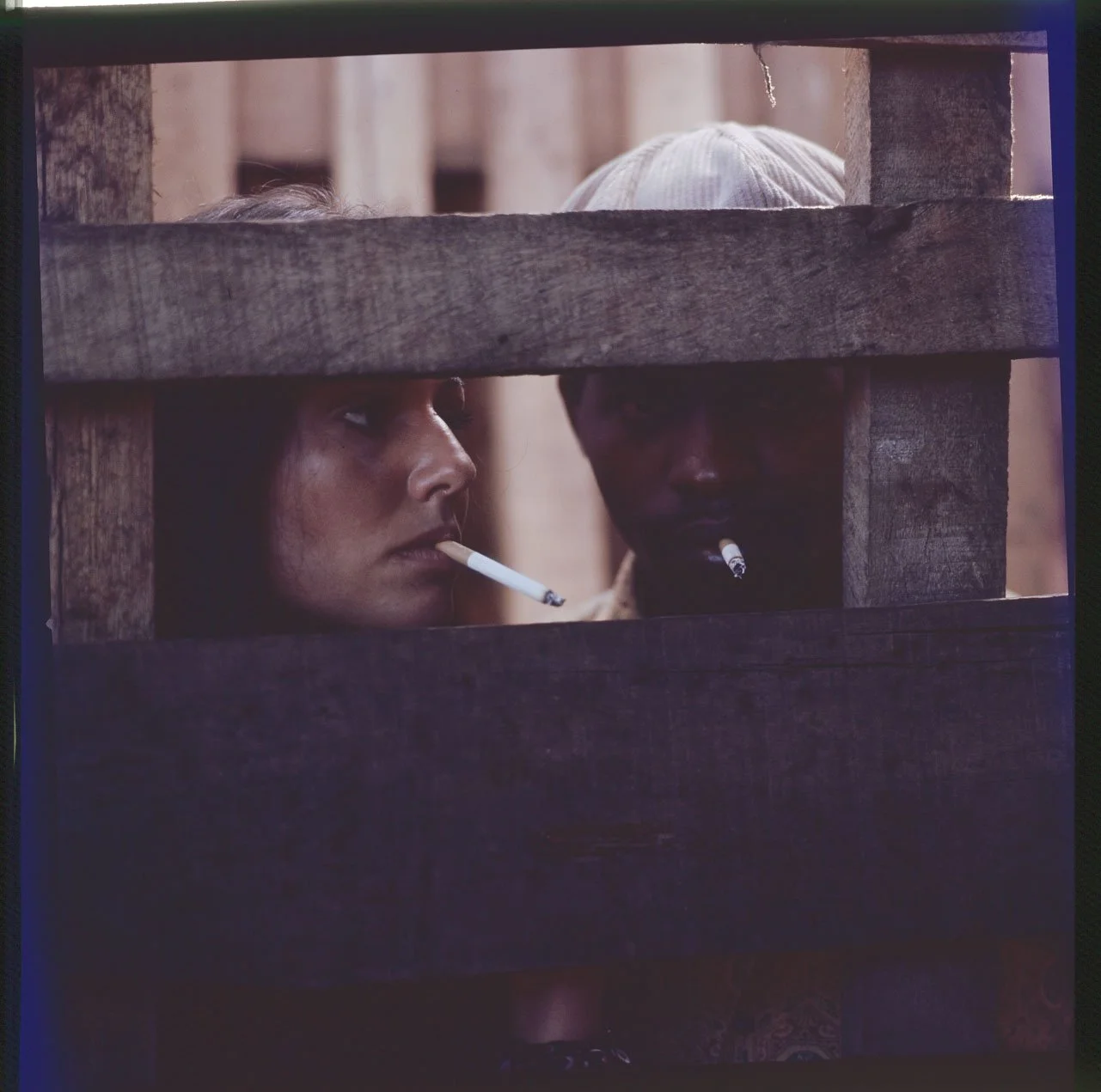
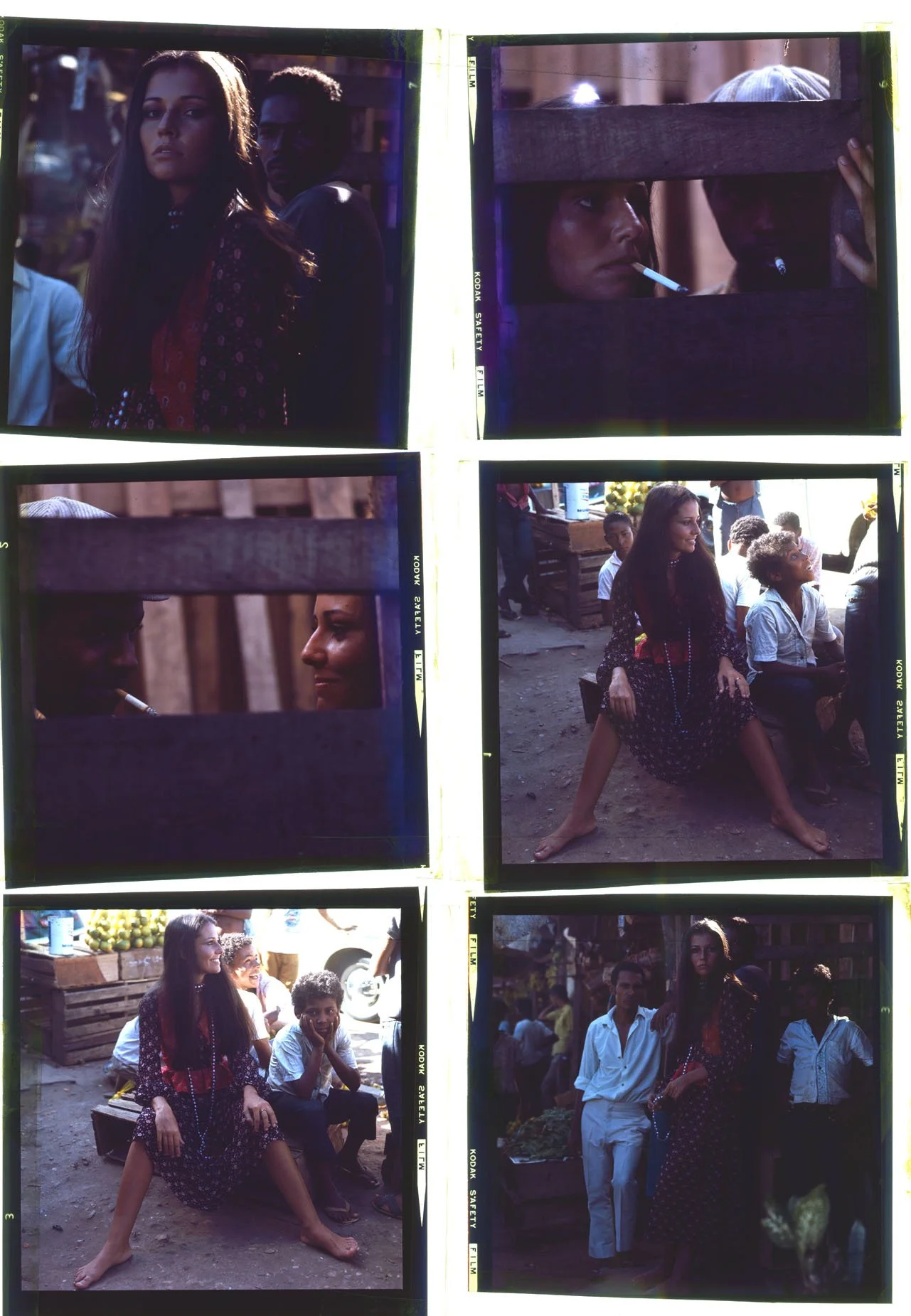
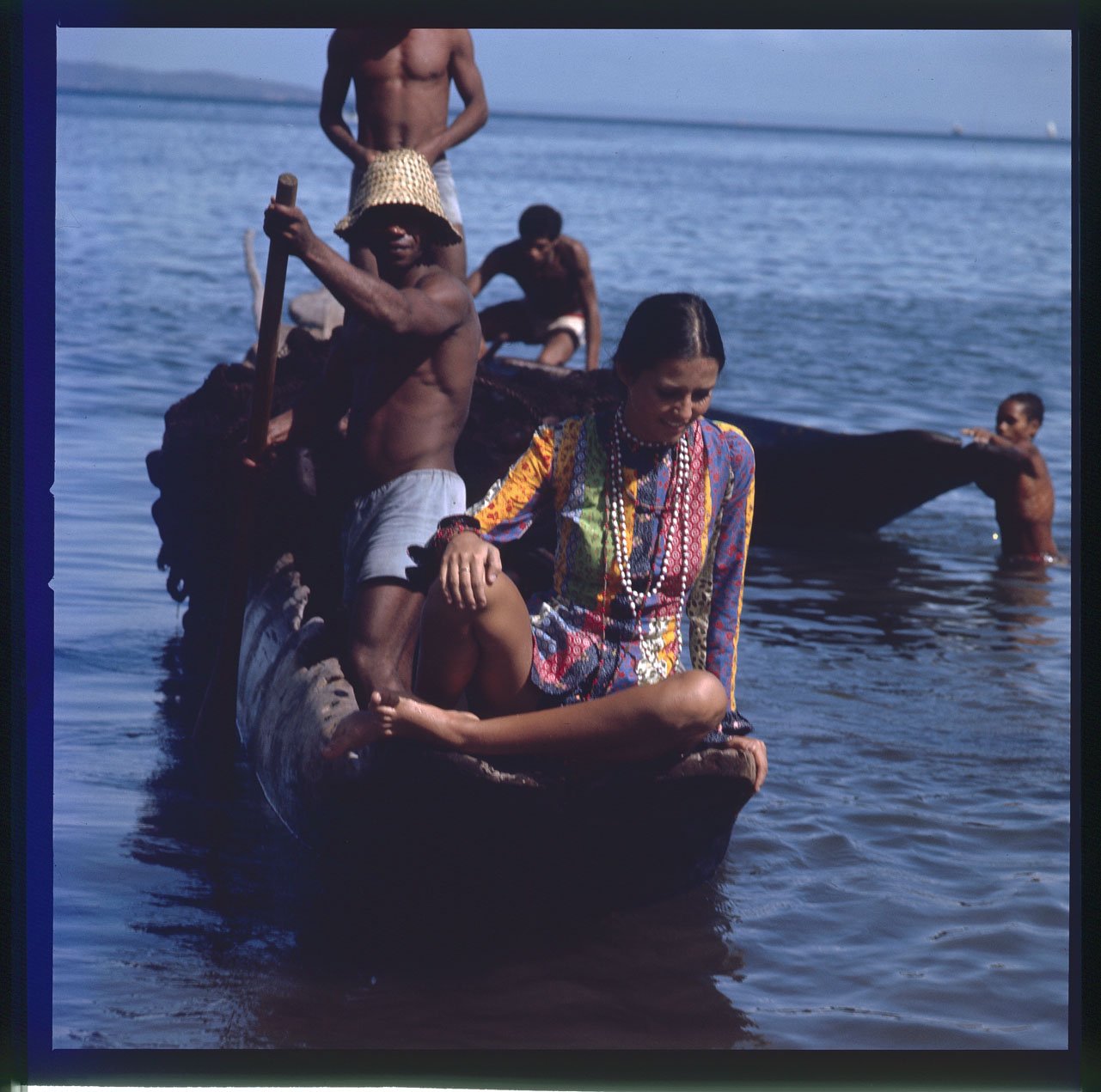
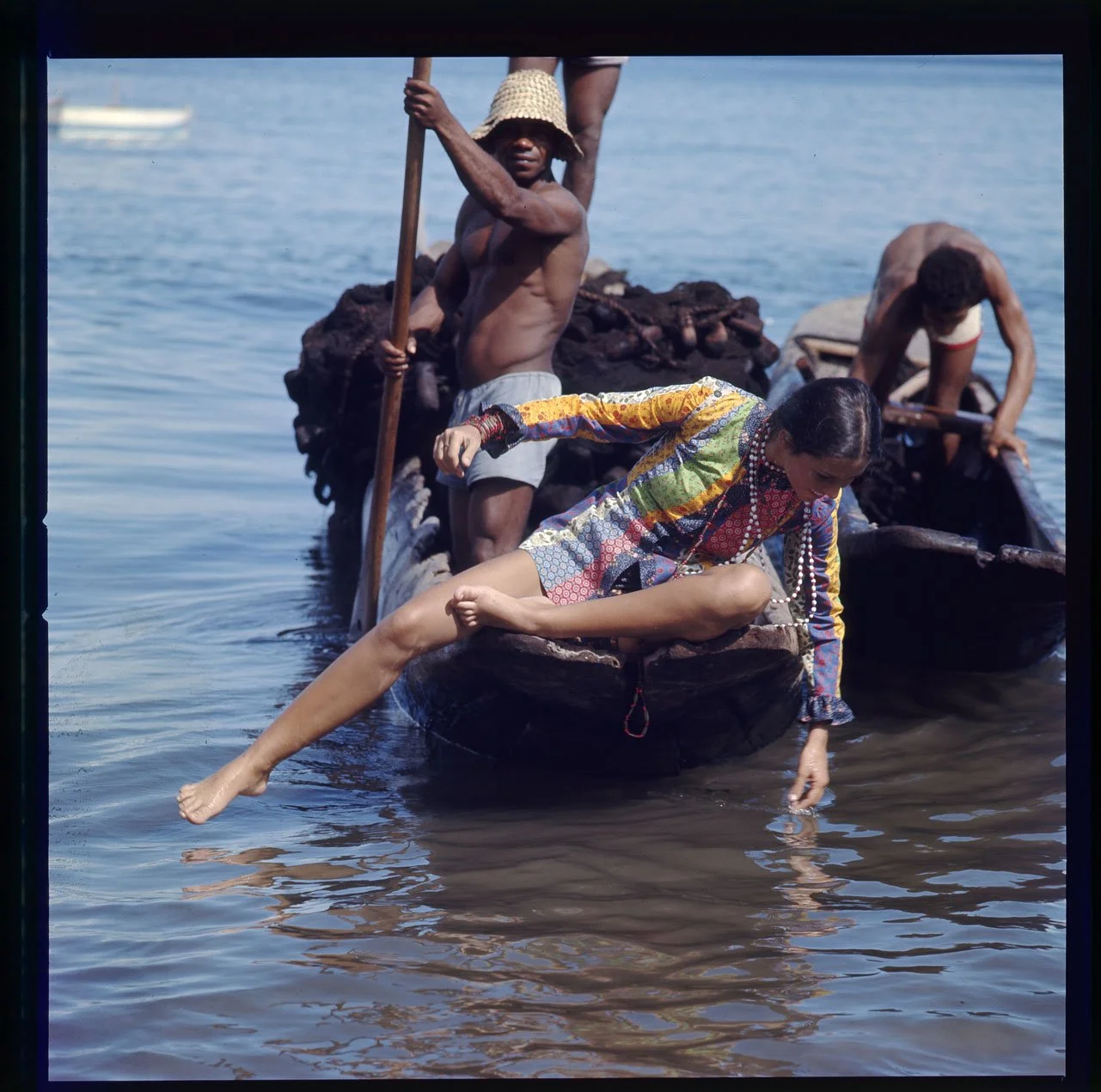
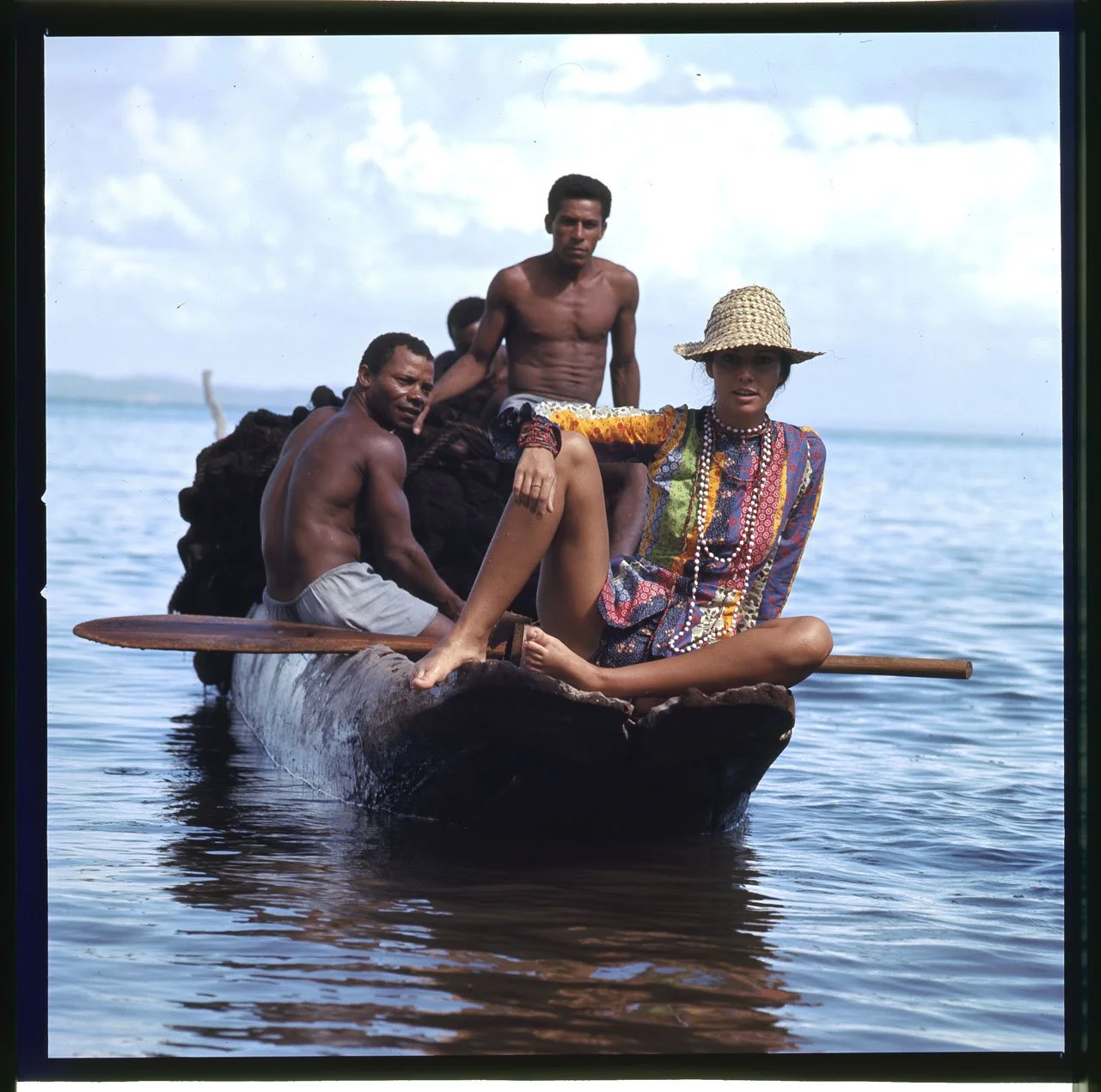
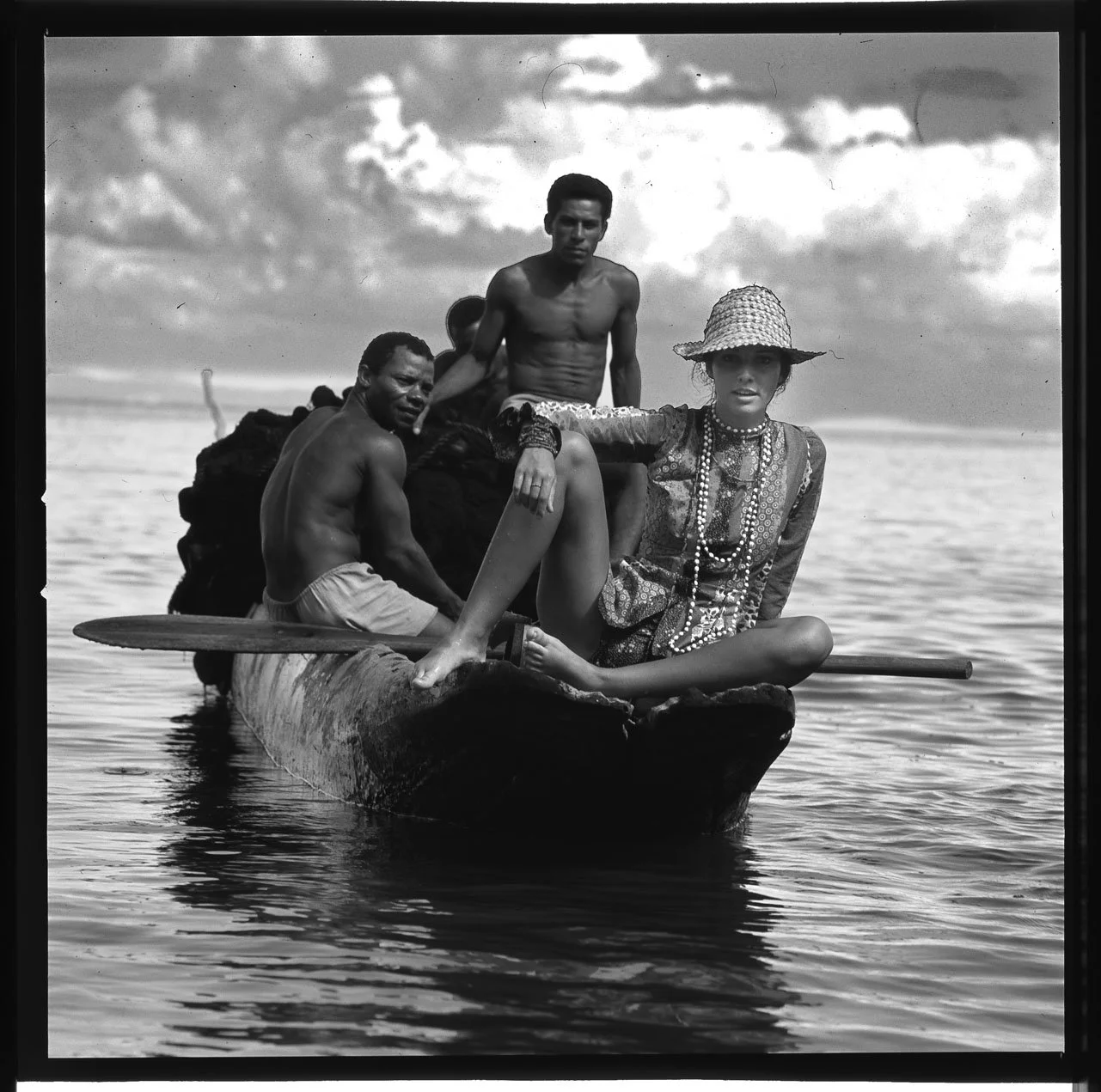
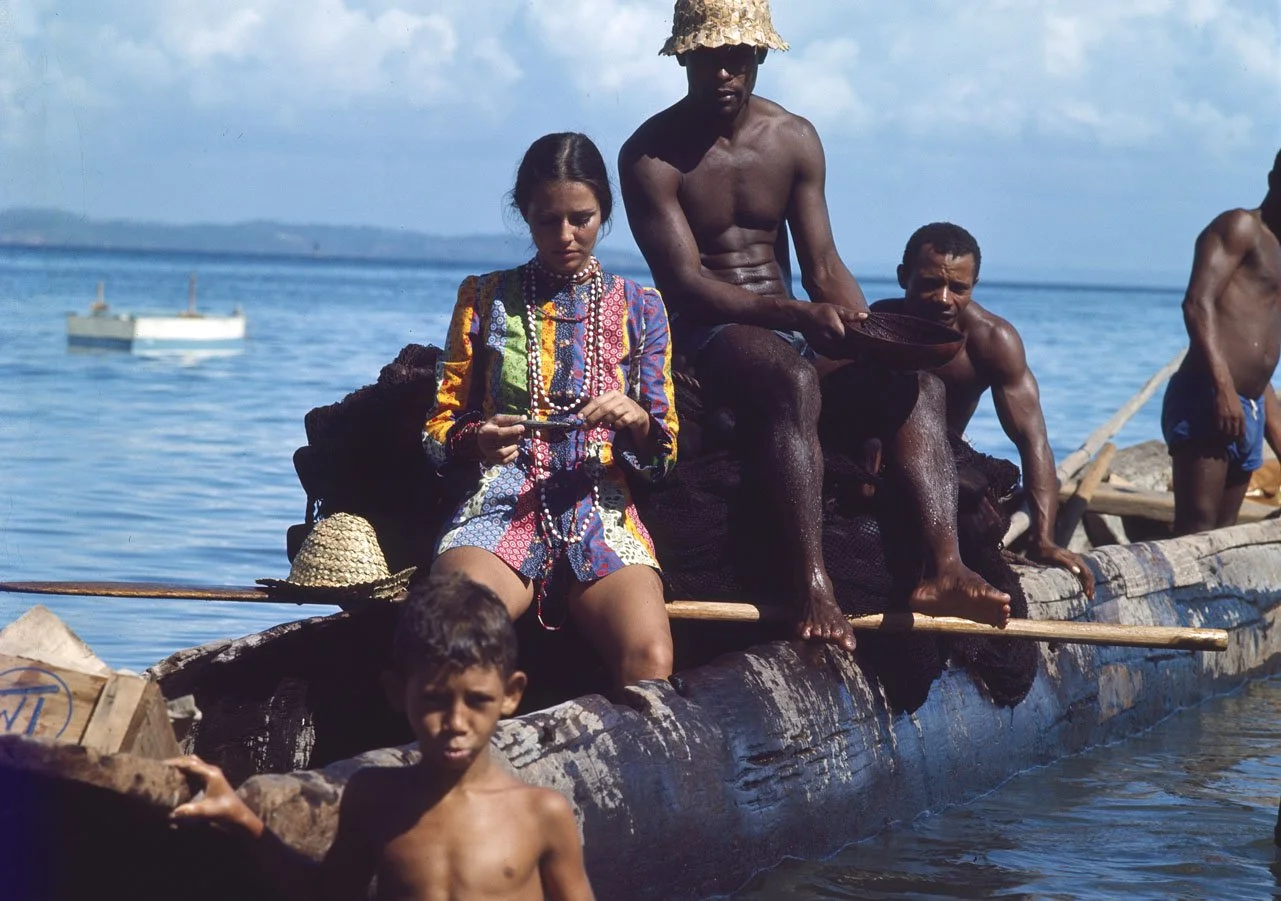
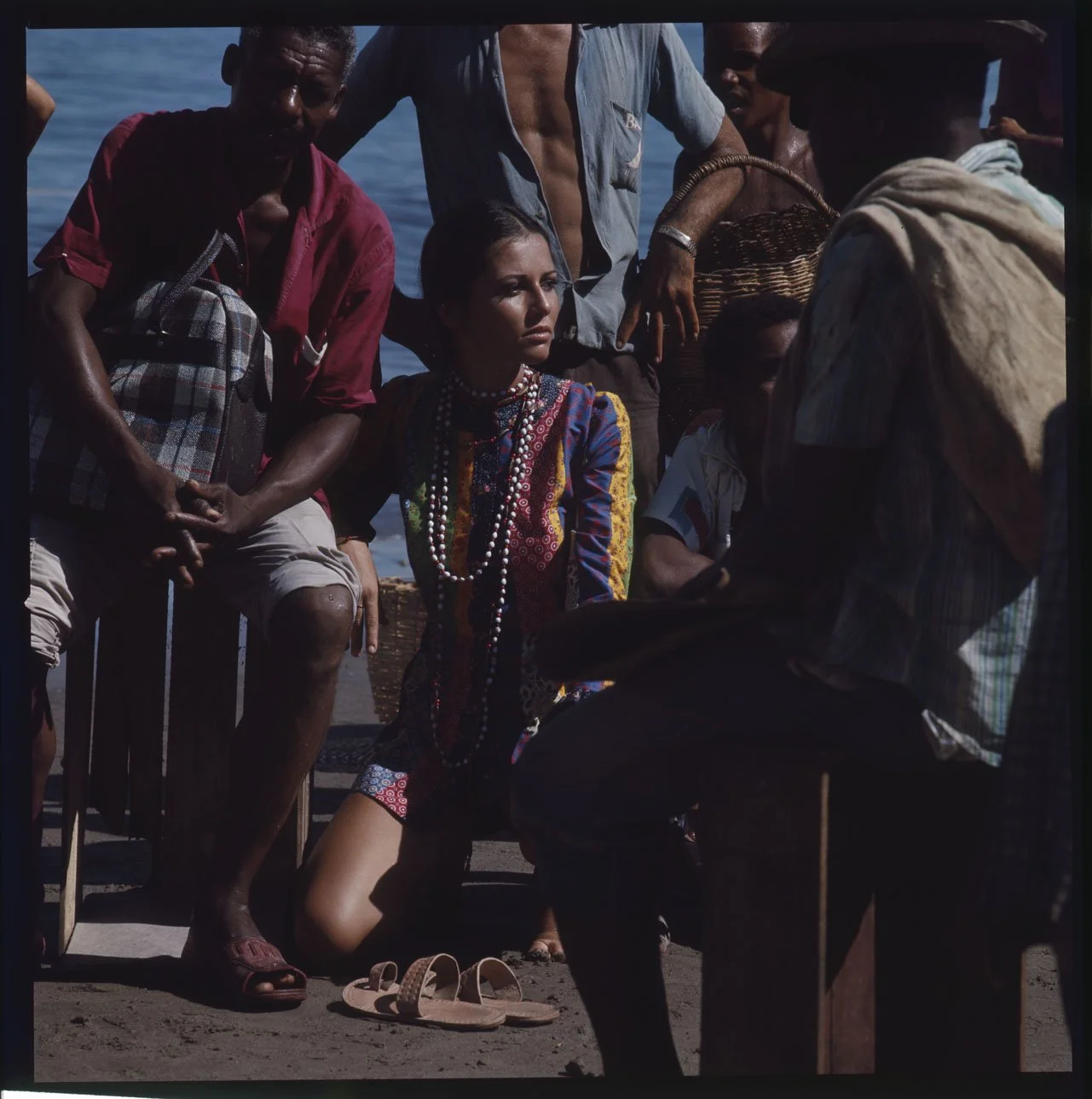
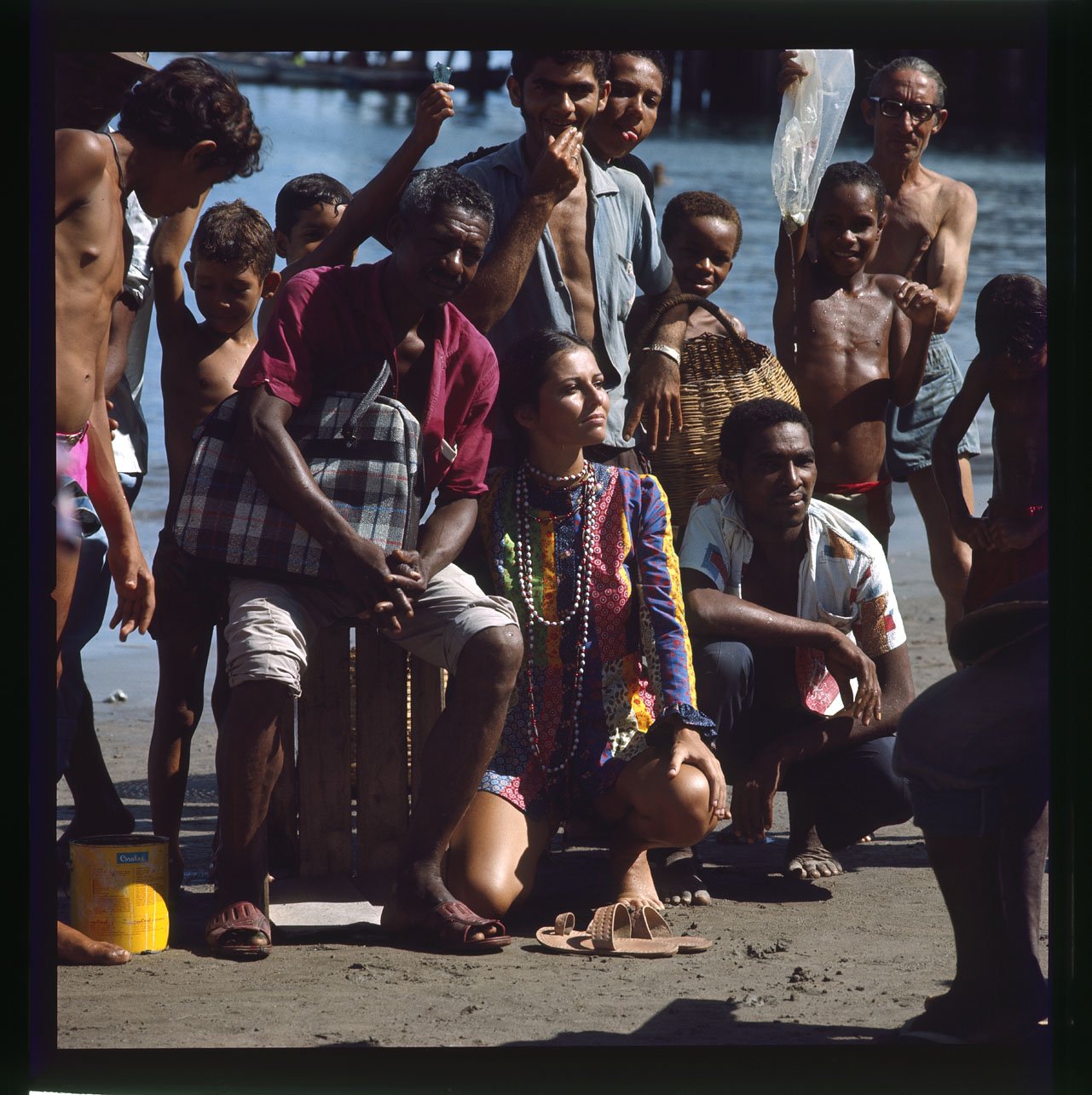
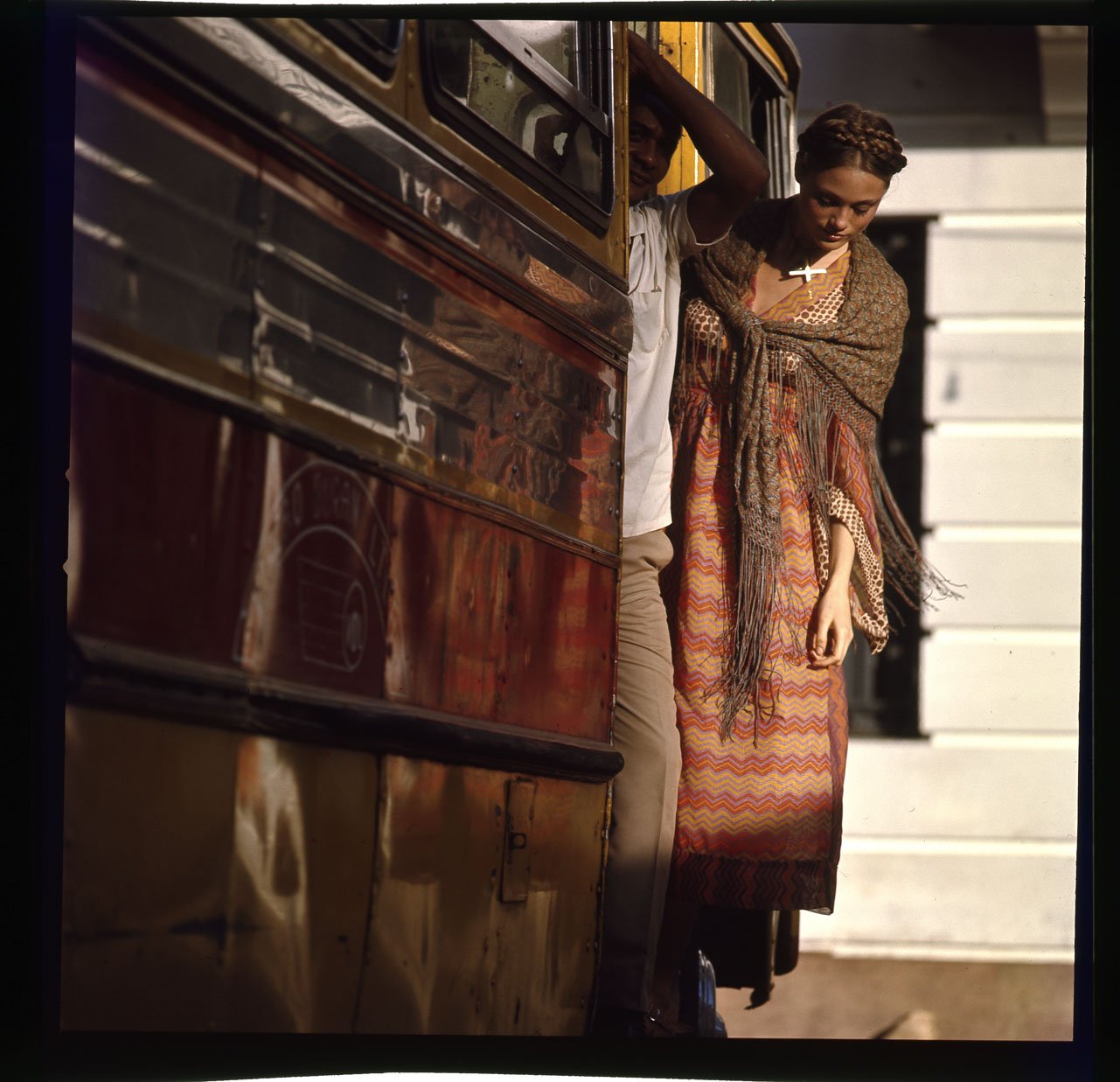
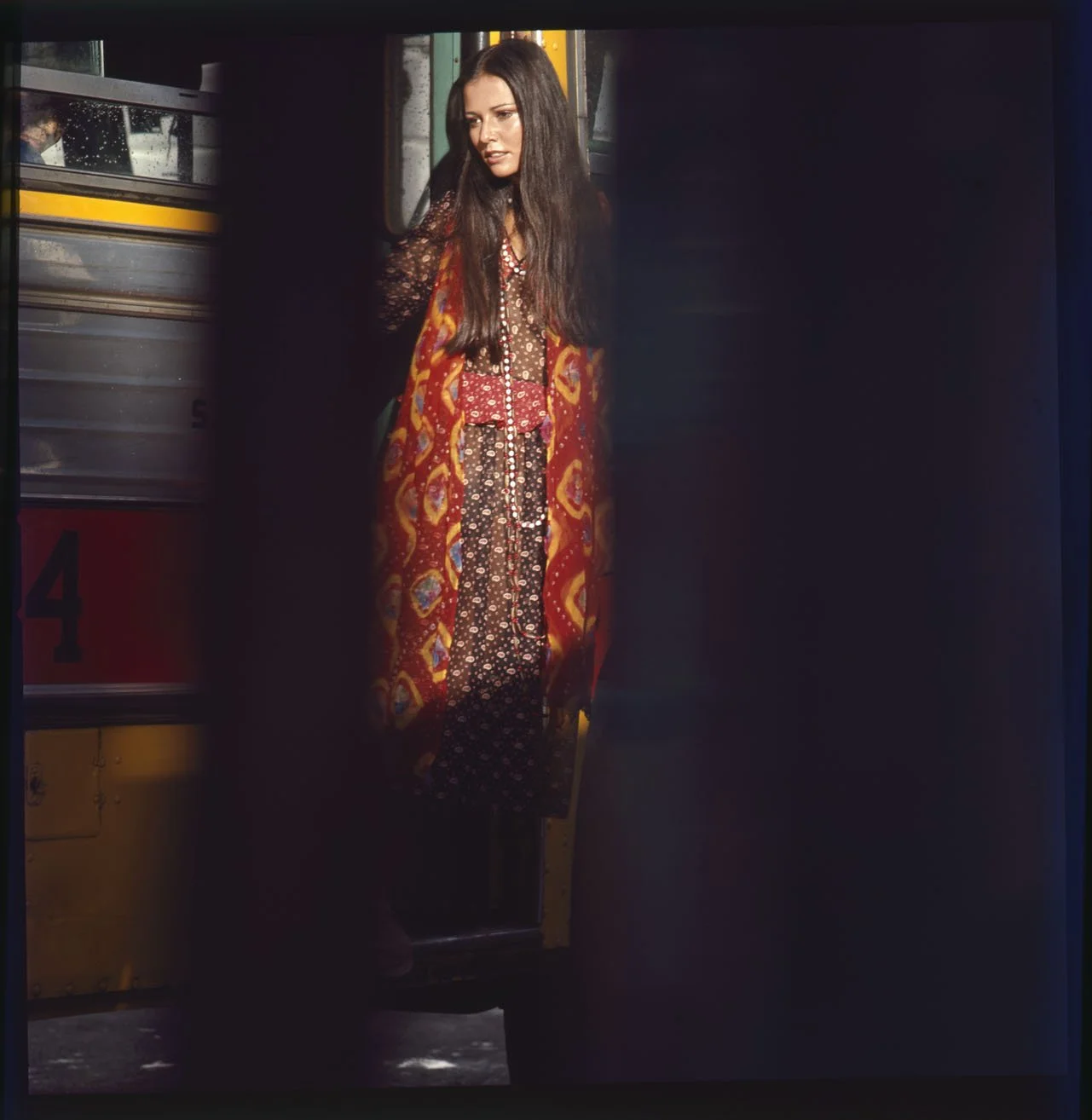
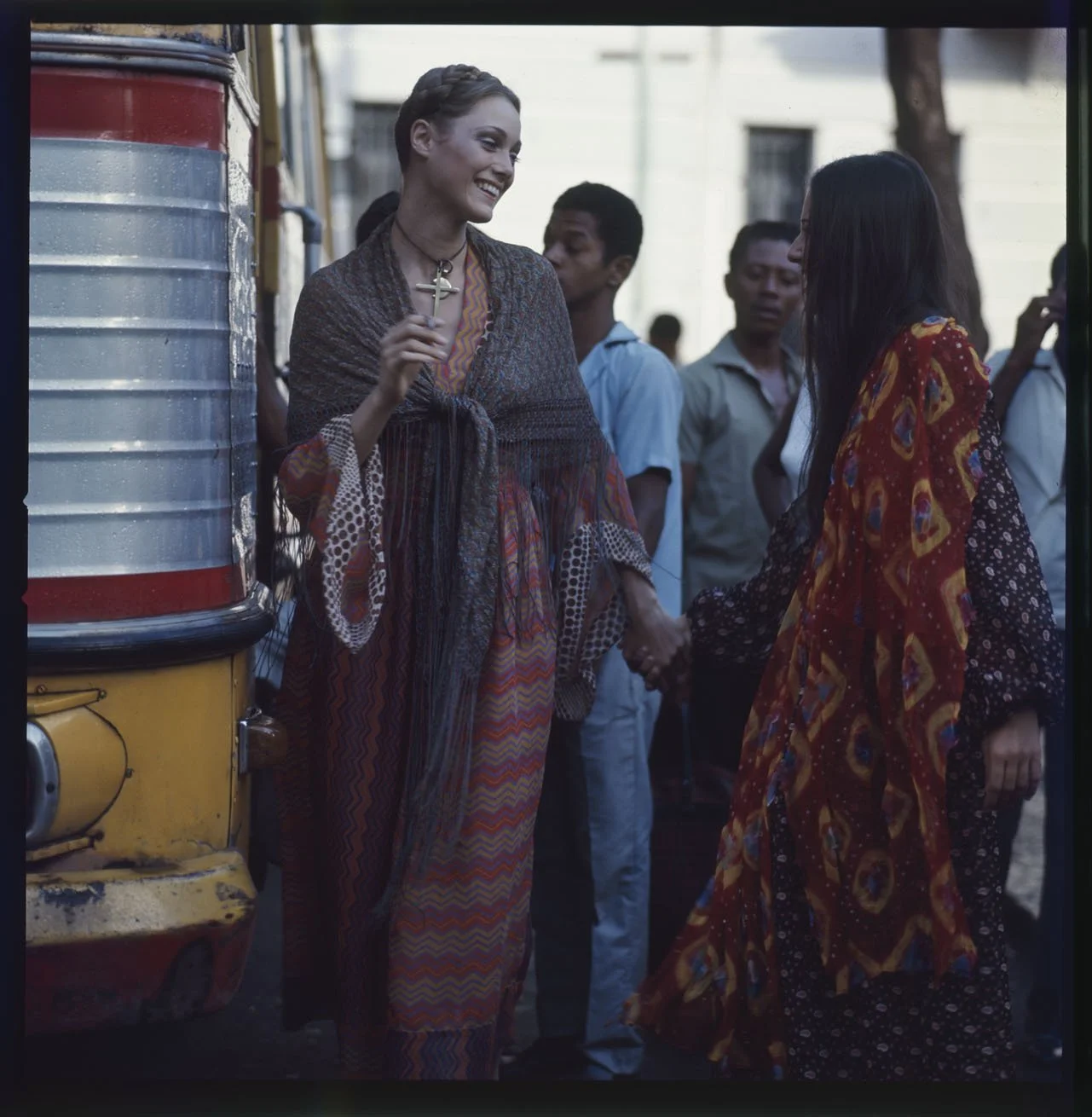
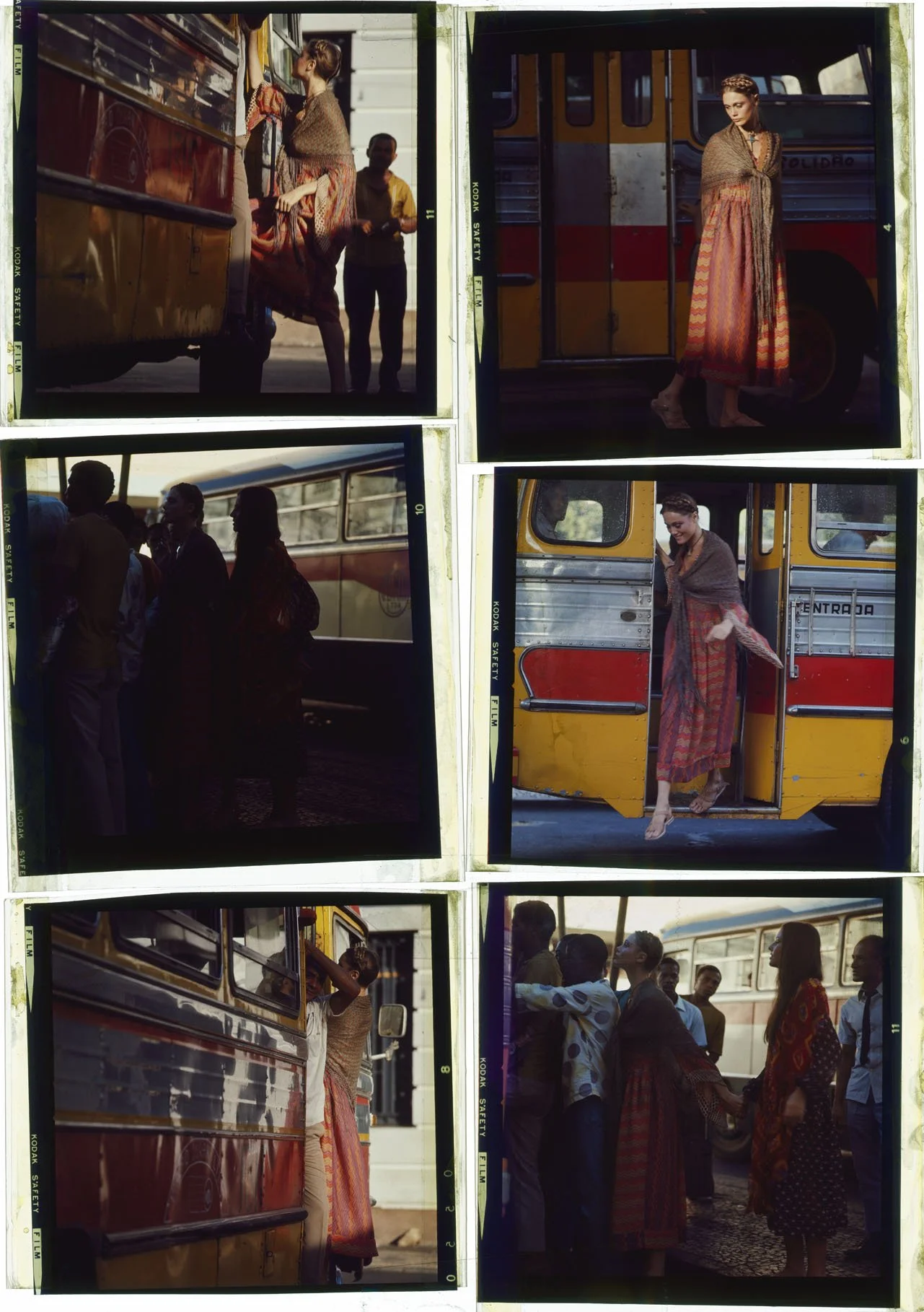
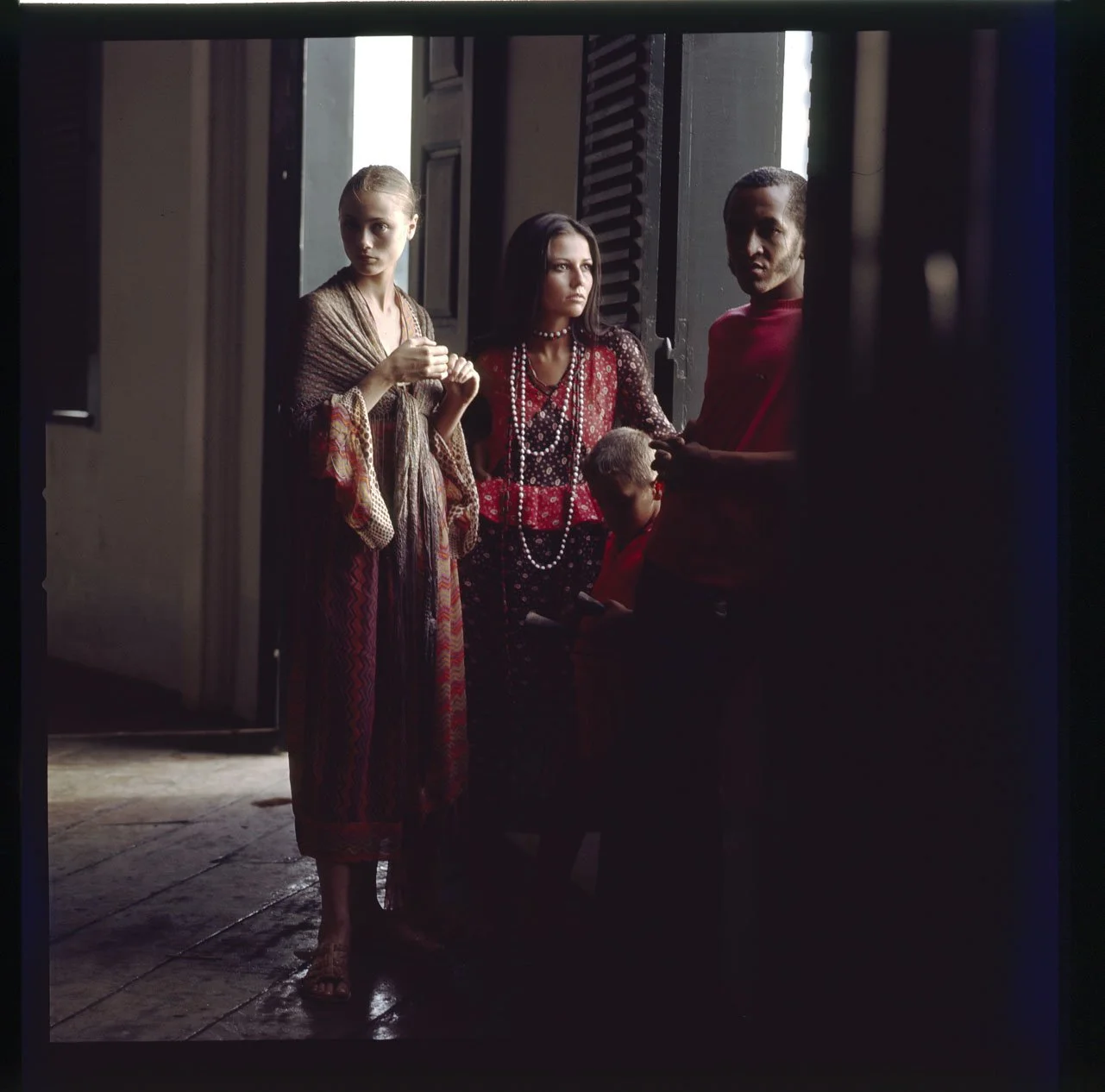
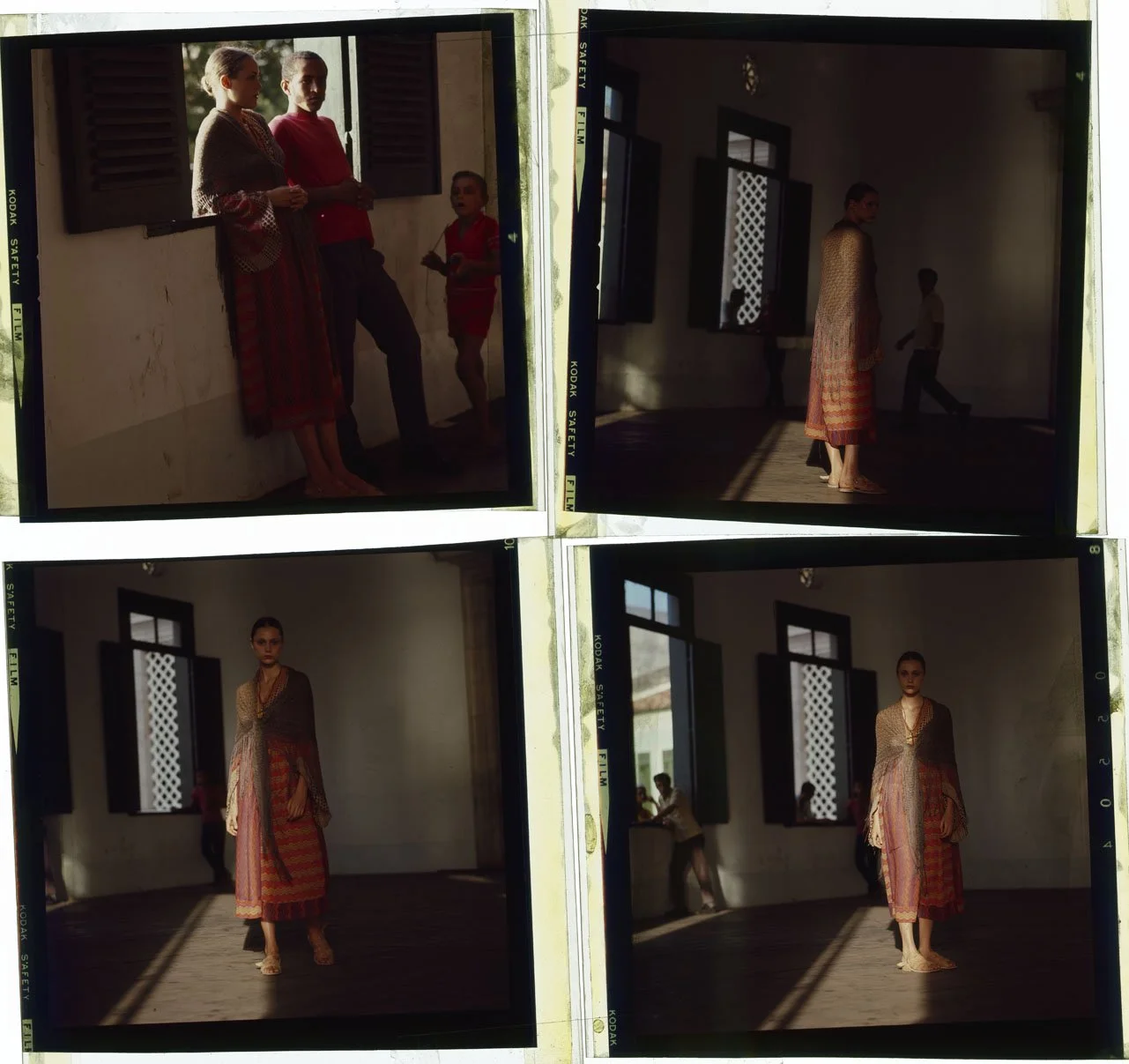
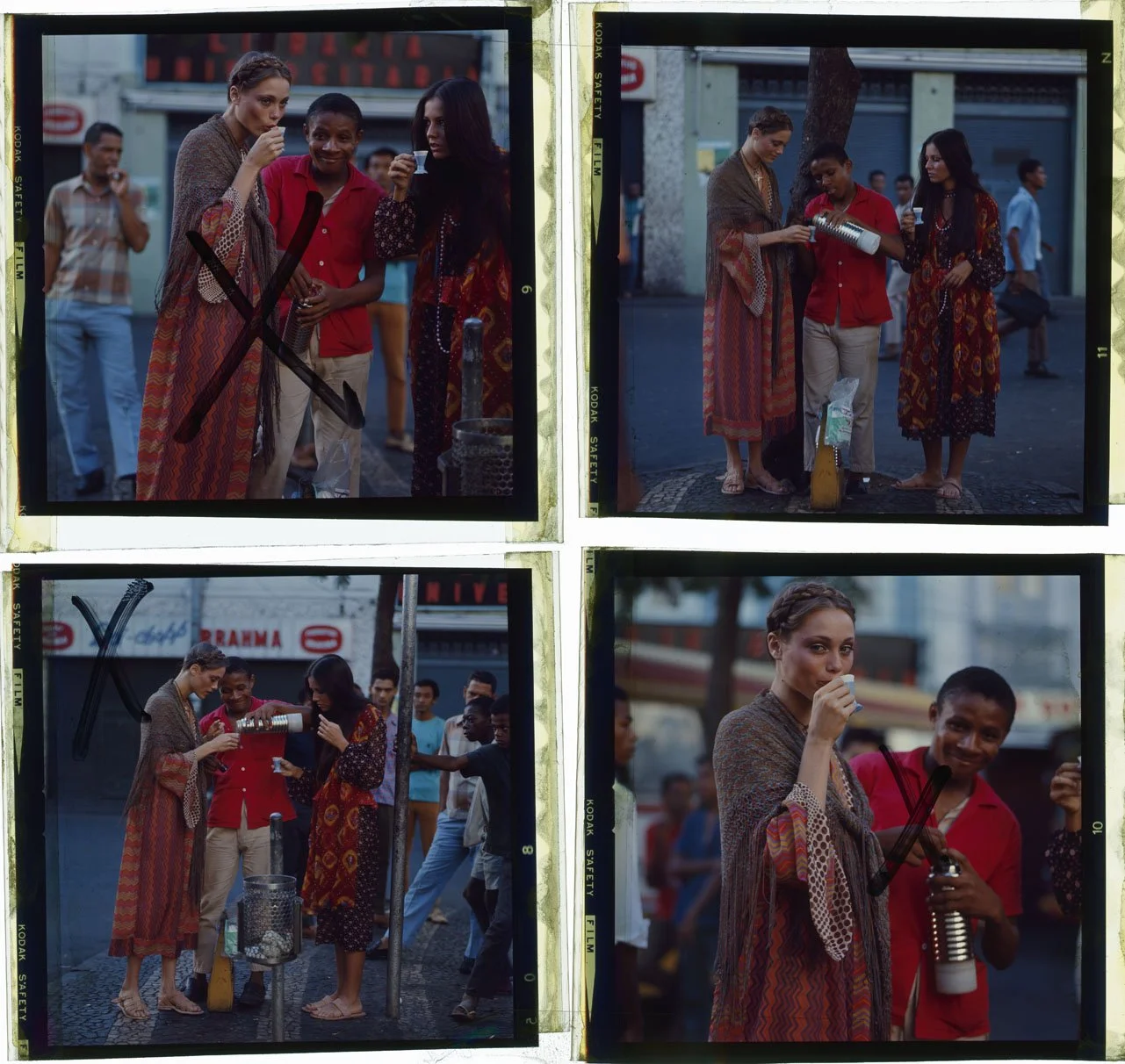
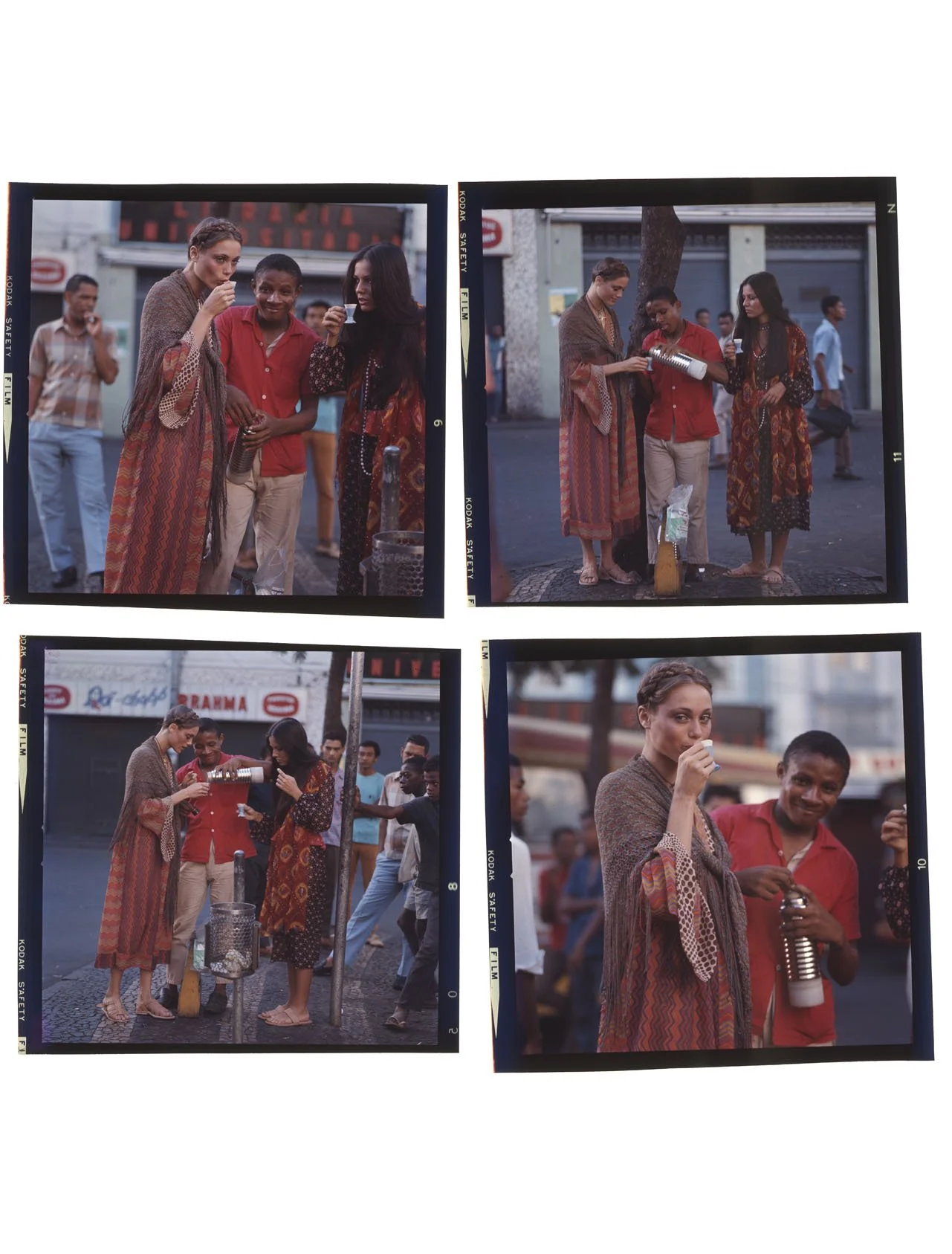
In his editorial photography for the English lifestyle magazine Honey and the German magazine Twen, Ulrich Pracht succeeded in finding subjects in Brazil that went far beyond the usual gauchos, indigenous people, and Macumba dancers. Accompanied by his two models, Jane Hitchcock and Angela Catramby, he ventured into the poorer districts of Salvador de Bahia. Brazil’s third-largest city is home to over two million inhabitants—many of whom, alongside those of Spanish and Portuguese descent, are descendants of former African slaves. Their cultural heritage is omnipresent, as is the profound poverty that prevails in this city on the Atlantic coast. Anyone leaving the historic upper town—with its colorful colonial-style houses—to descend 80 meters into the lower town by bus or via the Elevador Lacerda (a hydraulically operated elevator) encounters this poverty at every turn. Dilapidated dwellings, a scarcity of central water taps and sanitary facilities (often shared by multiple households), and people whose faces bear the indelible marks of their precarious circumstances formed the scenic backdrop for the photo shoot. “In the sparse light of the shadowy surroundings, our gaze focused on the essentials. That is why—in this rather dubious setting—I staged my models at a heavily frequented public water and washing point, alongside the children and adolescents bathing and fetching water there,” says Ulrich Pracht regarding the most striking subjects of this series. Joining this scene—which was unusual both for the photographer and for the many onlookers—was a Brazilian itinerant photographer with his old plate camera, busily offering portraits for sale. Waving old, soiled towels, his assistant provided the subjects with a bit of fresh air and a cosmetic touch-up. “It was an unrepeatable, striking situation—one that I eagerly captured for my story and incorporated into my visual narrative, under the motto: ‘Take the situation.’”
10.1
STREETLIFE
“Despite my images being mostly staged, the idea of also harnessing chance—or an unforeseen situation—so as not to overlook the grace of a great moment, became part of my philosophy. It was a balancing act between artistic endeavor and social critique. In doing so, you get to the very root of your emotions. Nowadays, I could no longer photograph such a scene. I would feel a sense of guilt—something I didn’t feel back then.”