
07
UP to BRASIL II
Pampa, Poetry, and Splendor.
Fernweh describes the human longing to leave behind familiar surroundings and set out for unknown places—destinations that promise freedom, exoticism, and adventure. They evoke the allure of limitless possibilities and a life lived off the beaten path—much like the homeland of the gauchos on the high plateaus of Brazil, where the bustle of modern life has vanished beyond an orange-red horizon. The drone of the outside world feels distant here; the landscape is defined by proud men riding solitary across the endless grassy steppe, high in the saddle.
Ulrich Pracht embarked on a photographic journey into the vastness of the Pampa, discovering its very soul in the weather-beaten skin of these men, the rich red of the earth, and the warm glow of the setting sun. In his images, one can almost hear the stillness of this secluded region—a silence broken only by the rhythmic beat of hooves and the occasional whinny of horses.
Amidst the bustling atmosphere of early morning, as the mist gradually lifts, Ulrich Pracht finds the perfect moment to use his camera to explore his own sense of freedom. He captures the industrious activity of the gauchos and the spirited readiness of the horses against a backdrop of pristine nature. He embraces the sheer expanse of the land and the ethereal quality of the dissipating clouds, observing how the dew clings to the grass of the steppe.
Yet, this austere way of life appears romantic only from a distance. Ulrich Pracht’s perspective offers us intimate glimpses into a reality that lies far beyond mere folklore. The majestic dominance of the horse in these images portrays it as the true master of time and space. It is the ultimate measure of all things—determining the rhythm, setting the pace, and defining the distance. At the same time, it is the most intimate friend and companion of the gaucho, whose life in the campos is governed by the laws of nature and the traditions of his forefathers: At dawn, he dons his round hat, mounts his saddle, and begins his day’s work with both passion and professionalism—his days mirror one another; in this desolate expanse, yesterday and today merge nebulously into one another. And there, amidst this vastness, stands a young woman—motionless—gazing at us with bright, questioning eyes. "What you believe you will find," she seems to call out to us, "you will not find!" Her posture is upright, one shoulder slightly raised; her gaze burns with a blend of innocence and promise. Yet she herself seems not to know exactly what has led her here. Curiosity? A thirst for adventure? Pracht has captured this moment perfectly: The clouds have vanished, yet the sense of diffusion remains. Reflected in the girl’s eyes is the disillusionment we have long feared: We dream of a homeland in the distance, yet once we have found it, it remains—after all—foreign to us.
07.1
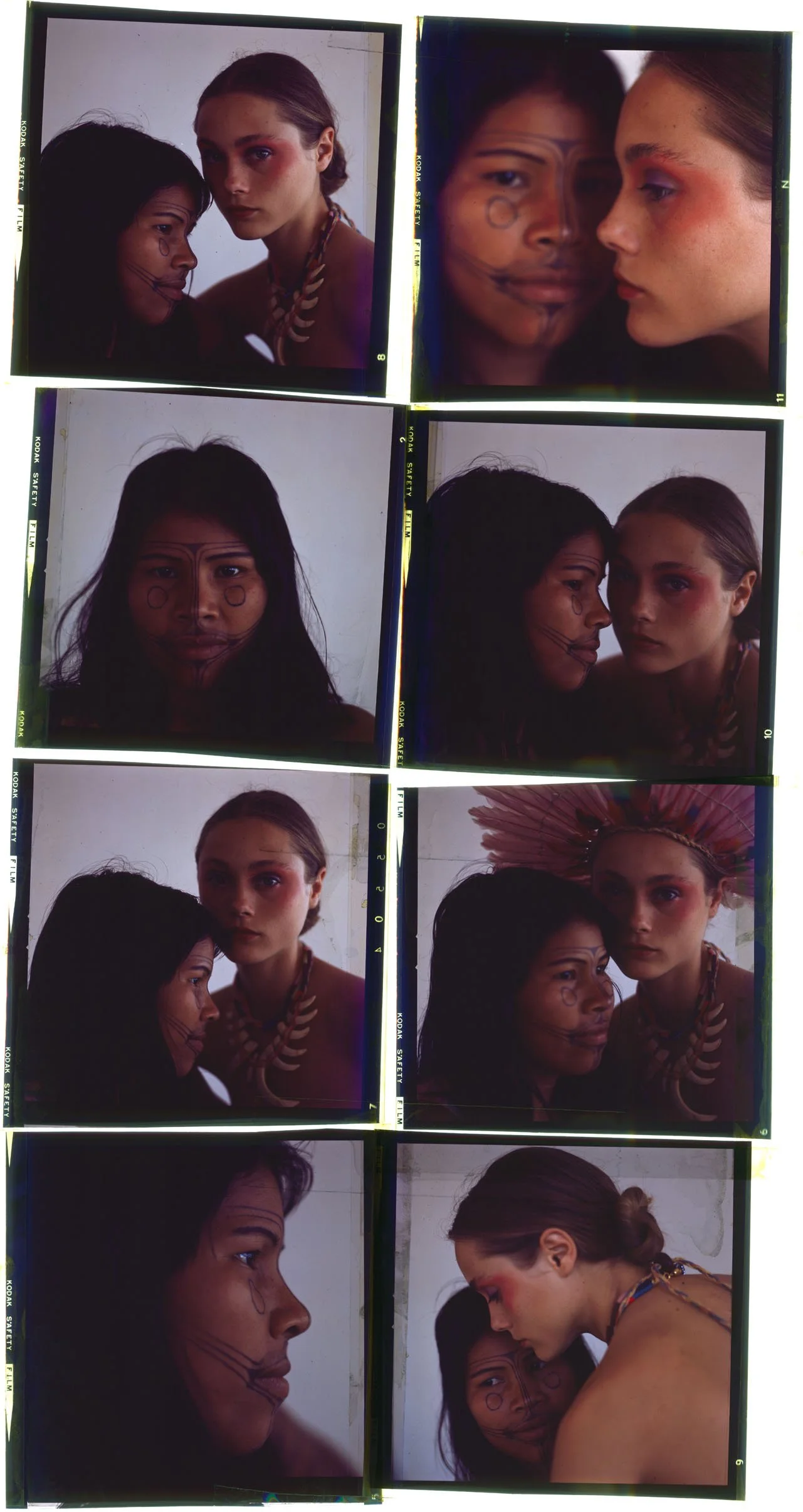
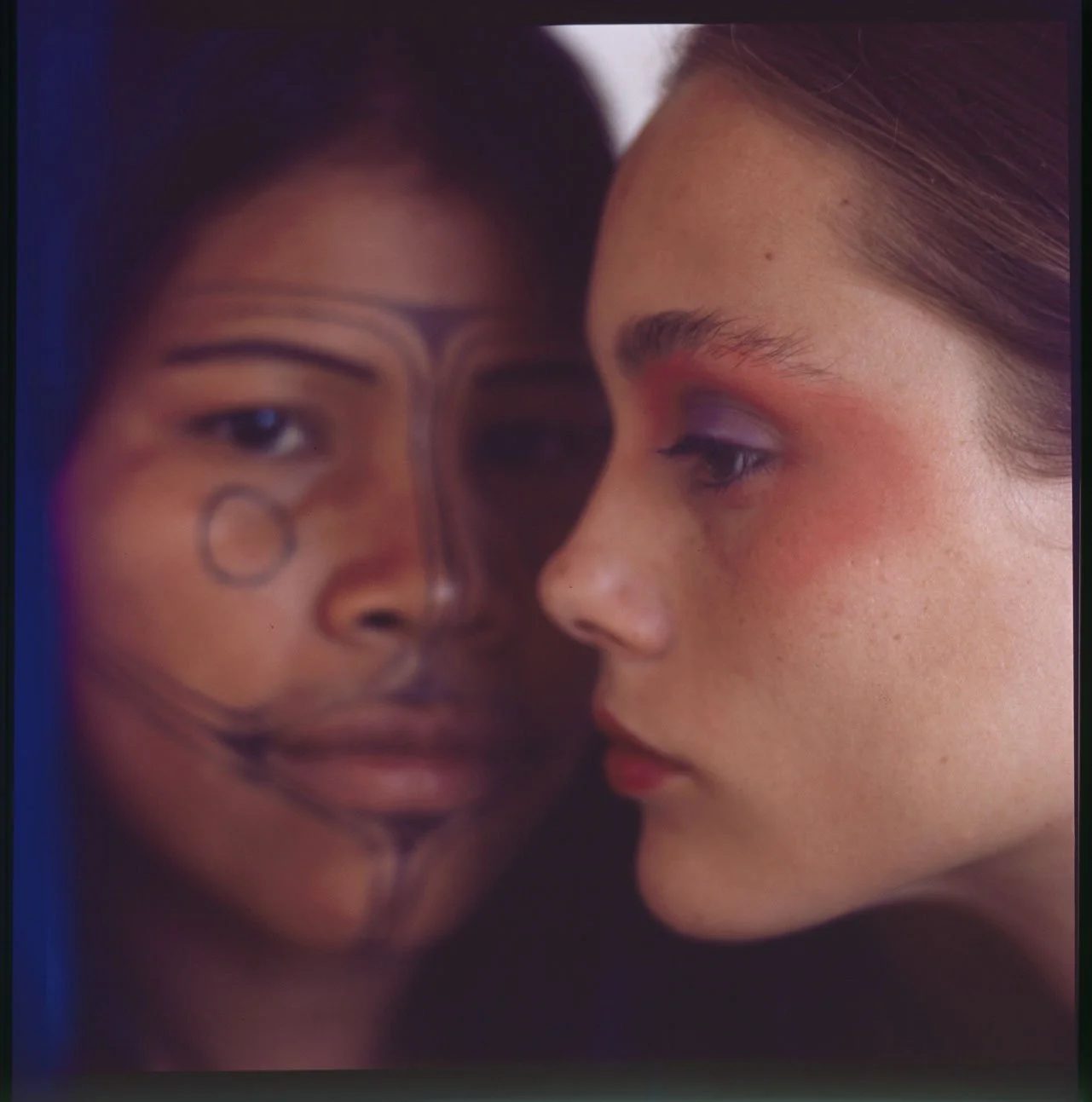
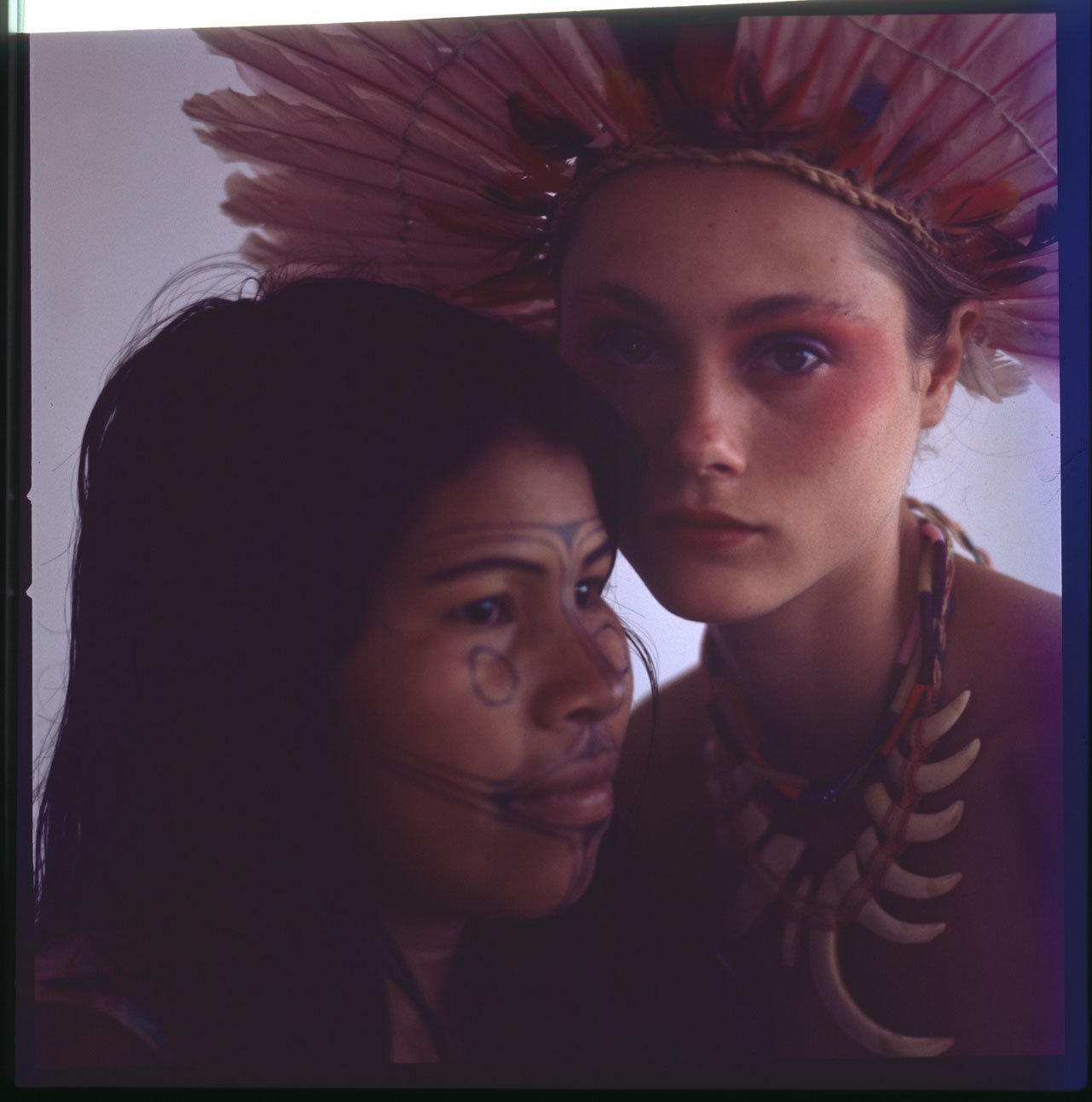
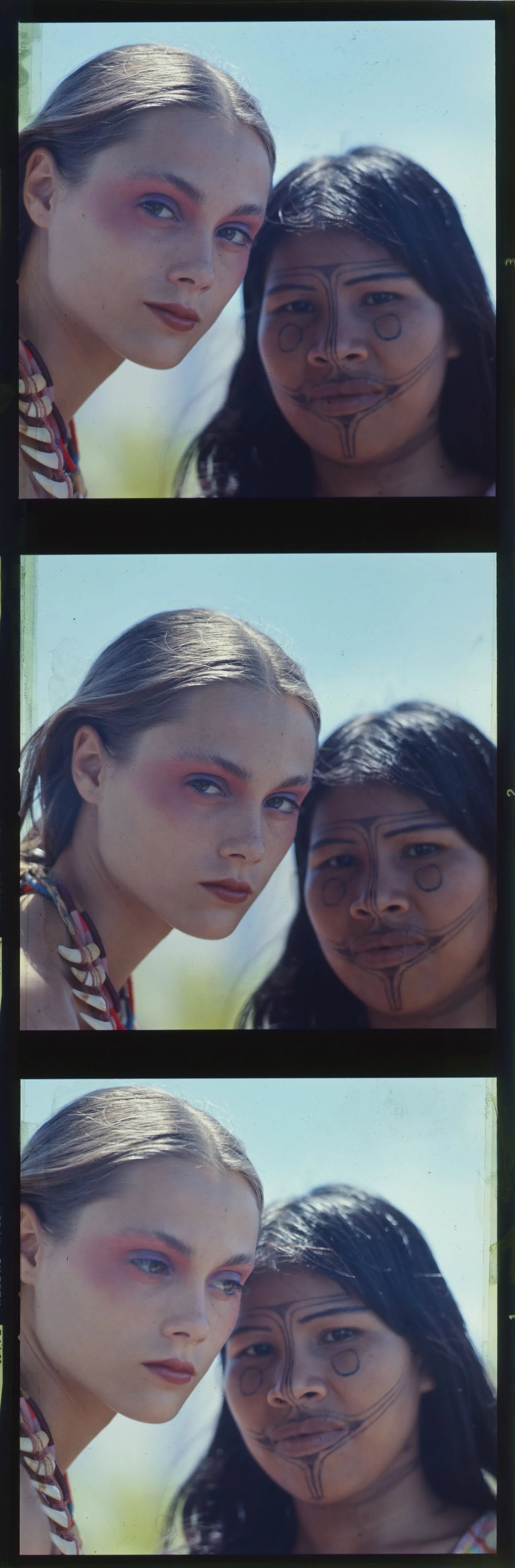
INDIAN BEAUTY
Colorful Brazil: The Discovery of a Beauty Queen
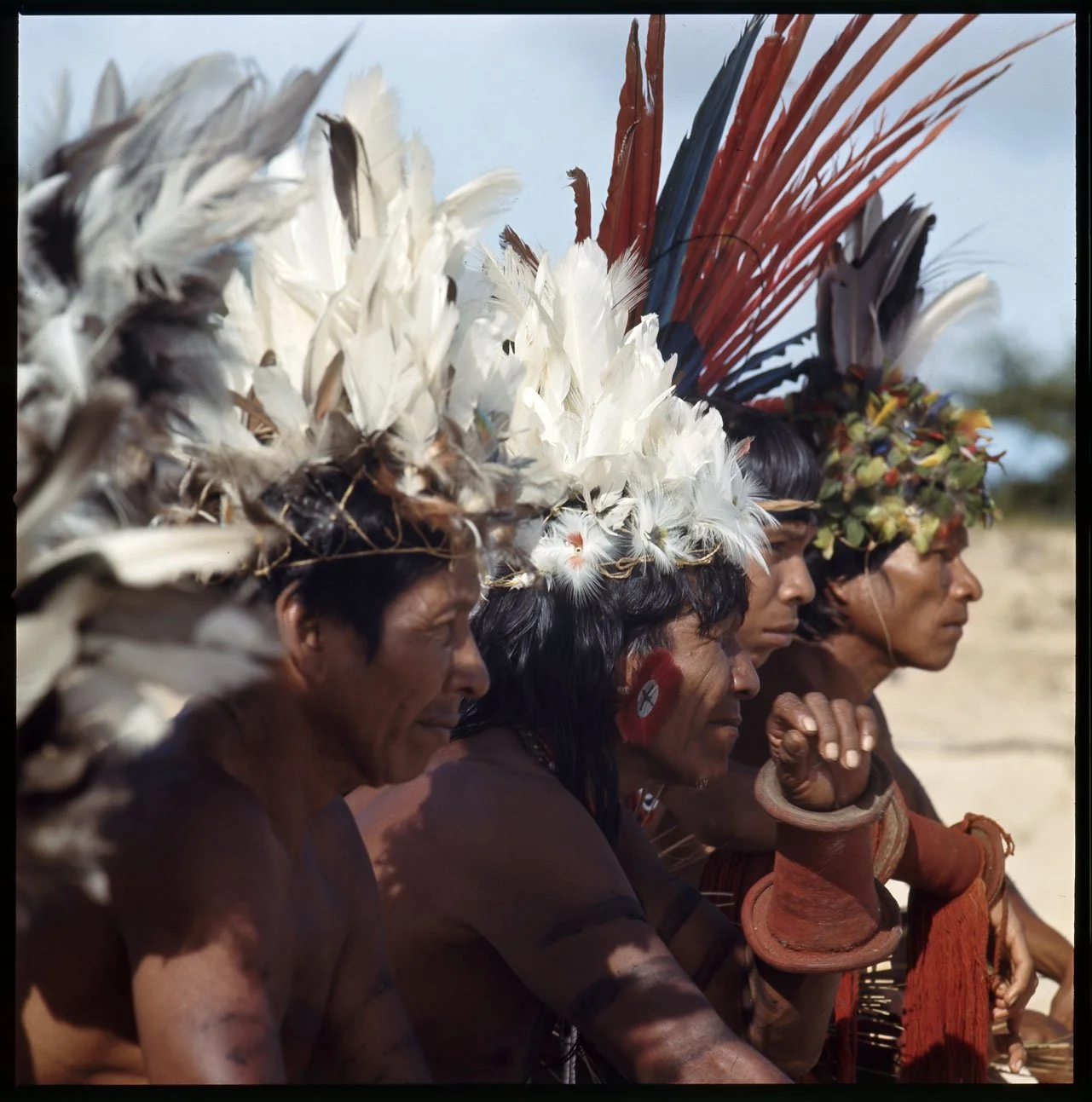
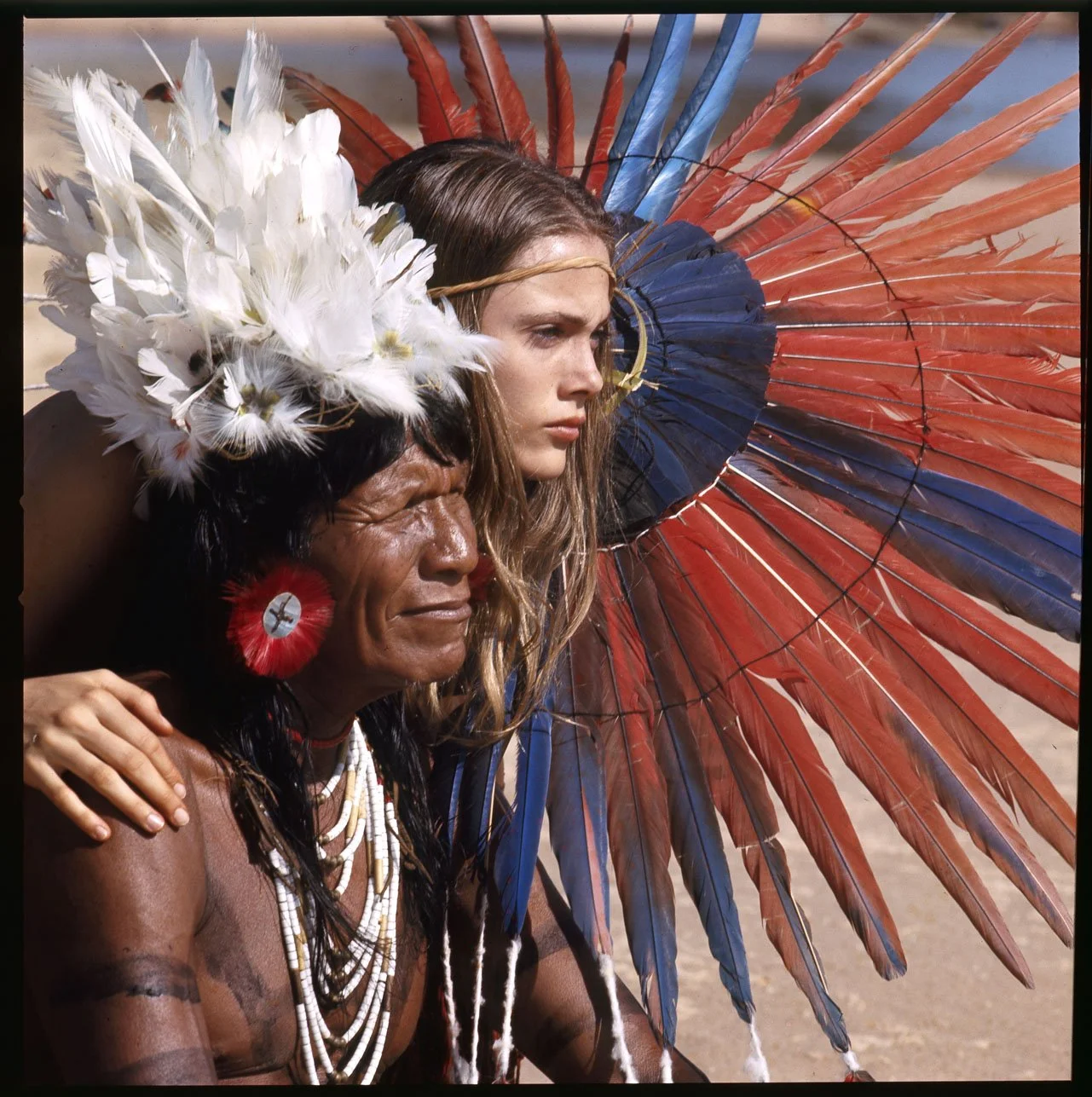
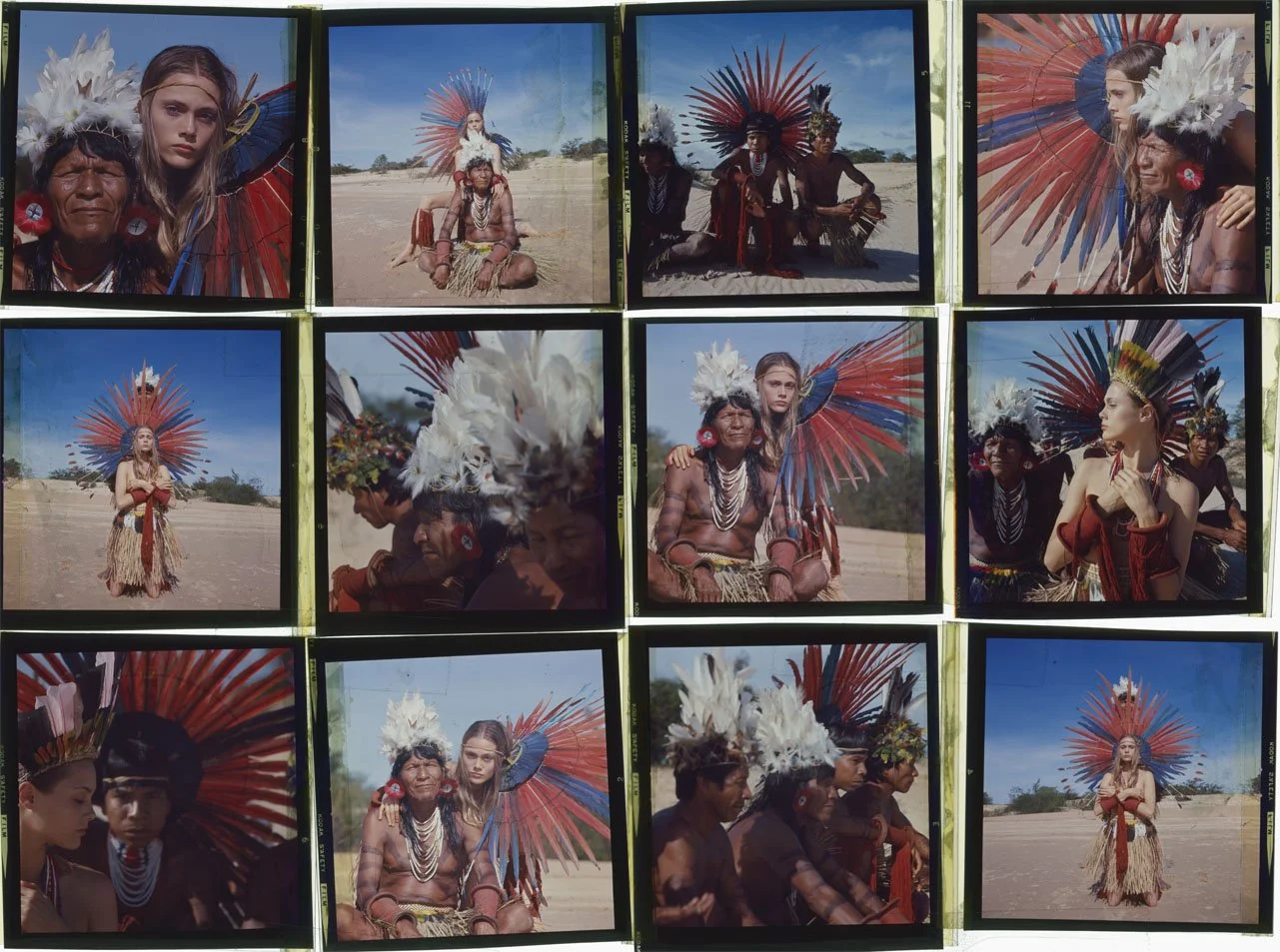
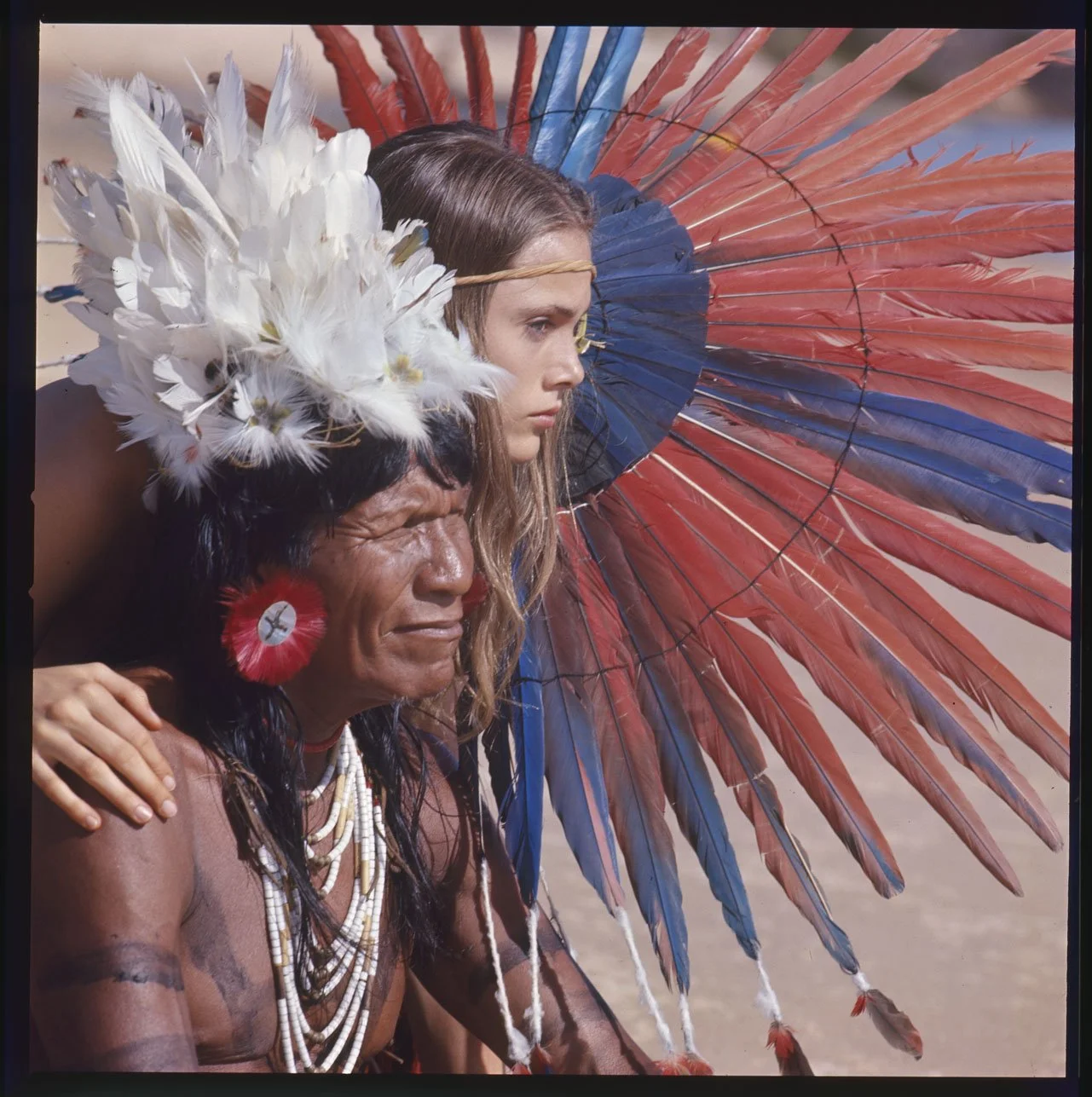
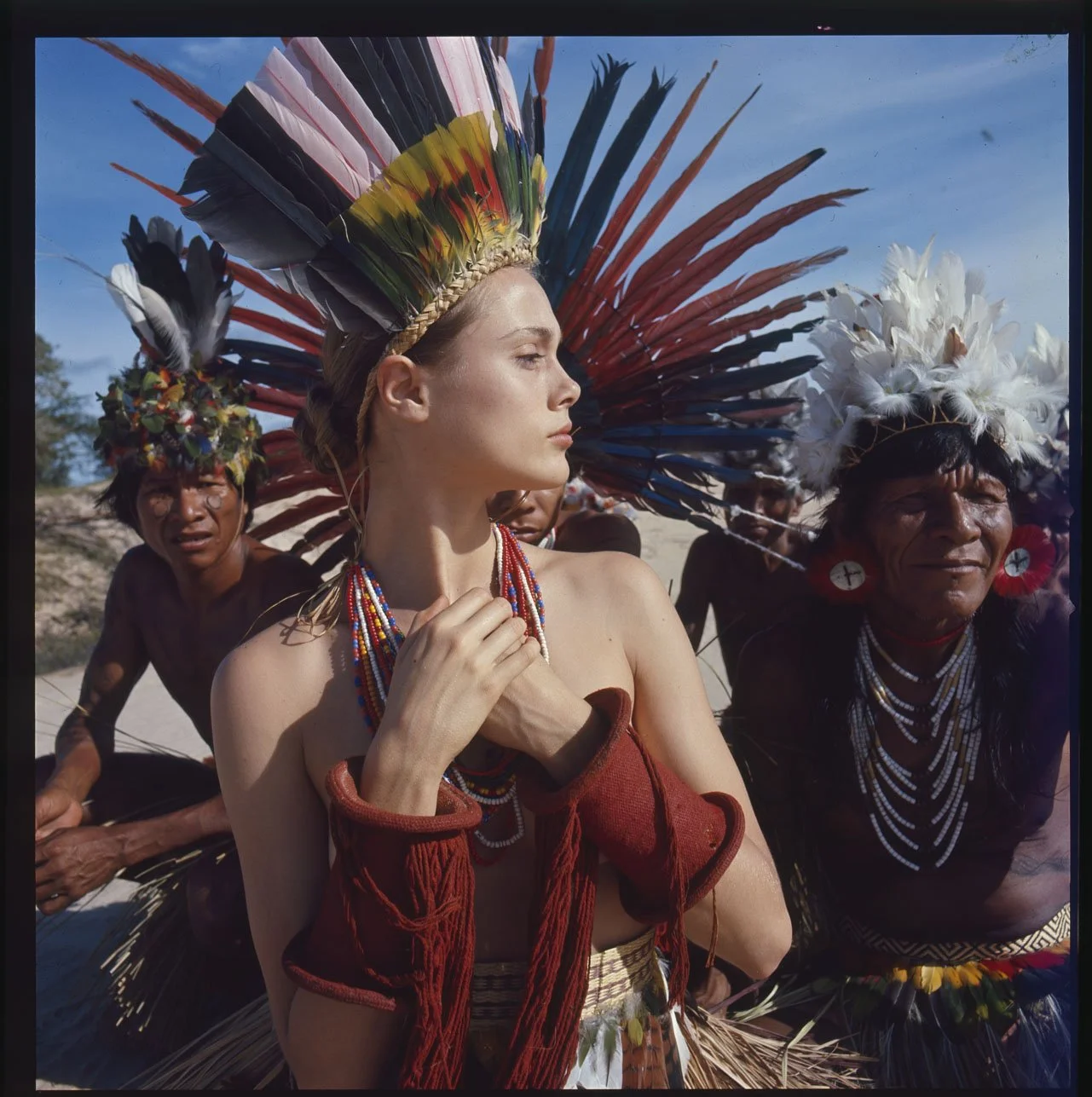
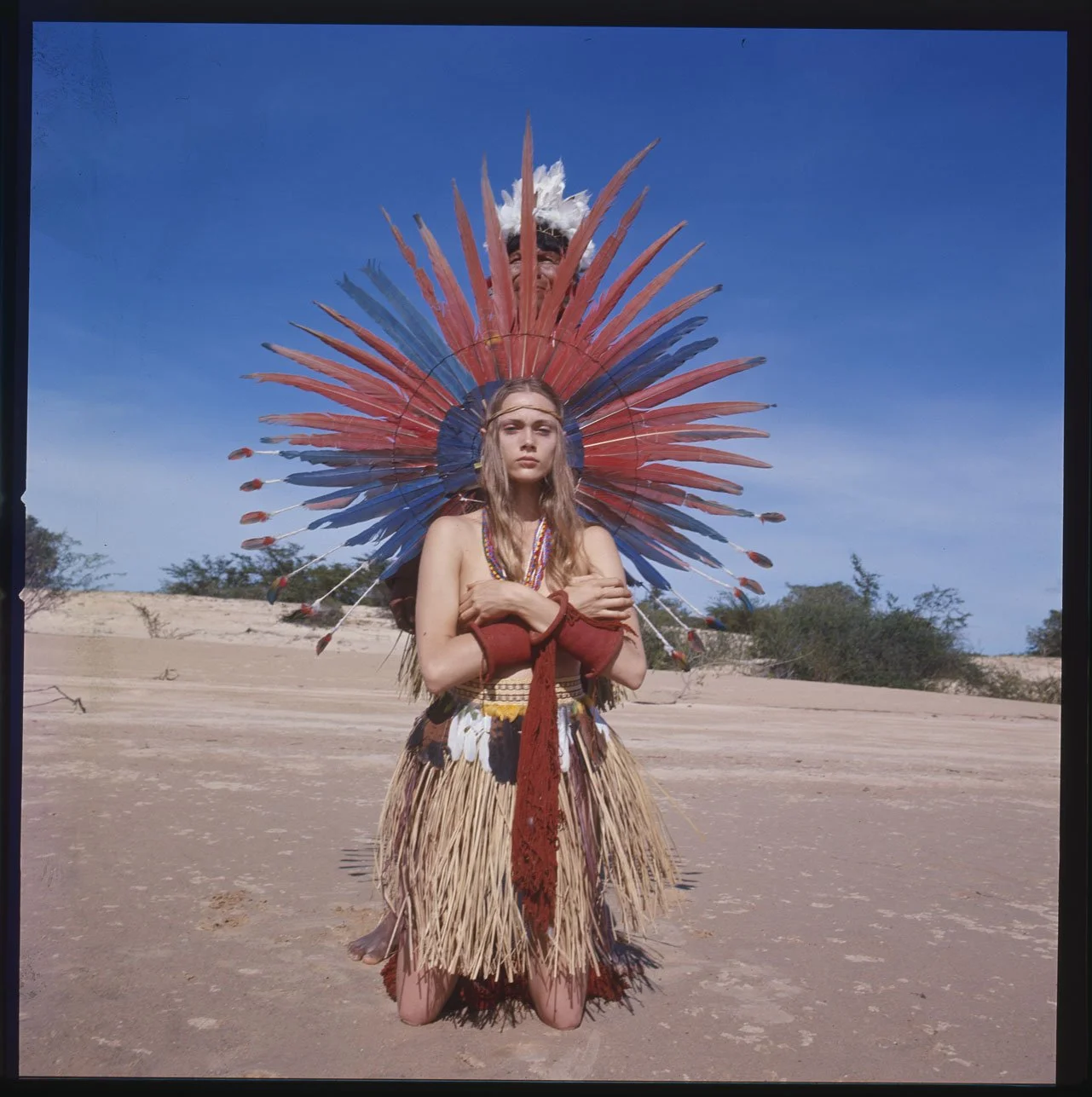
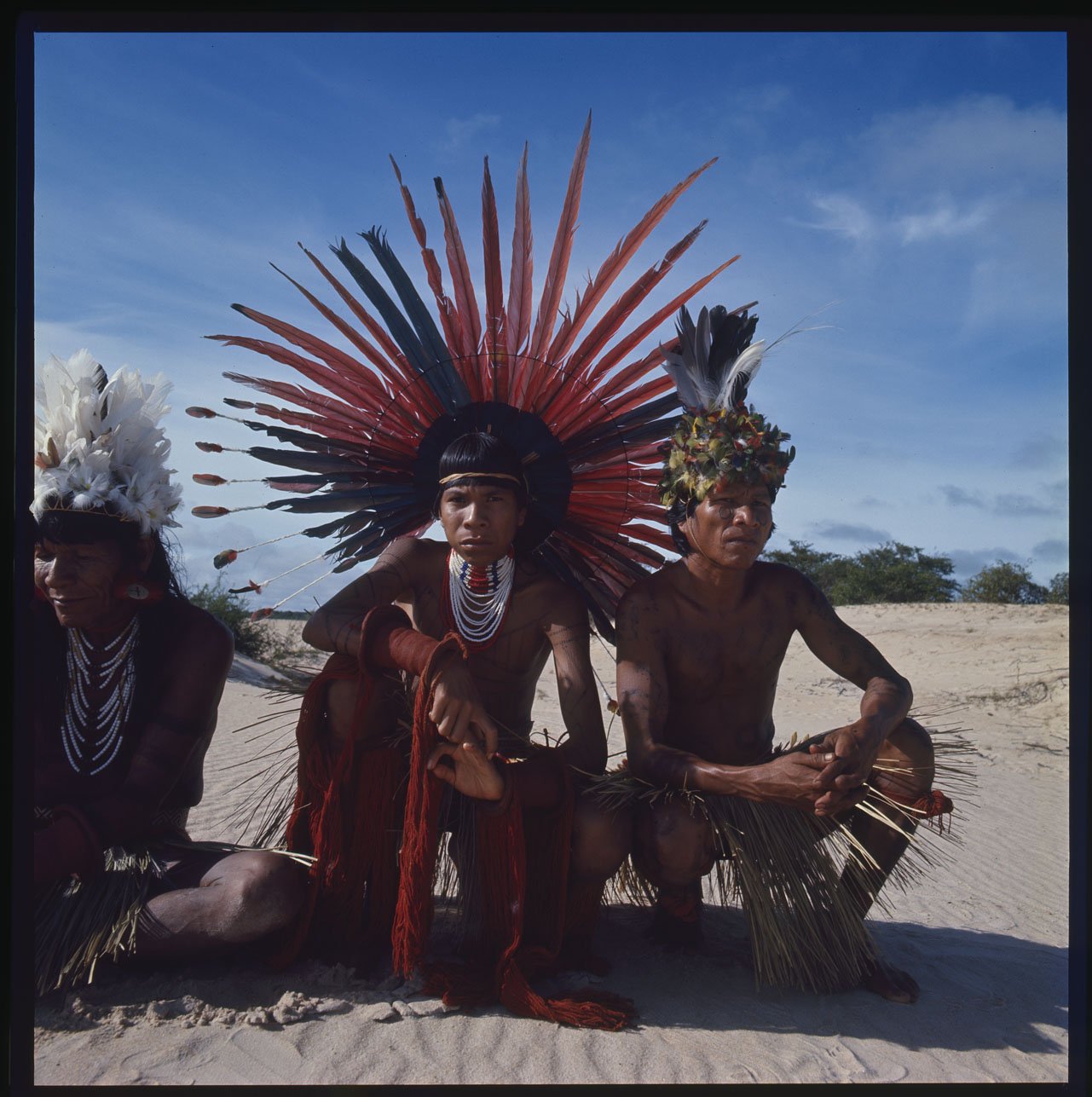
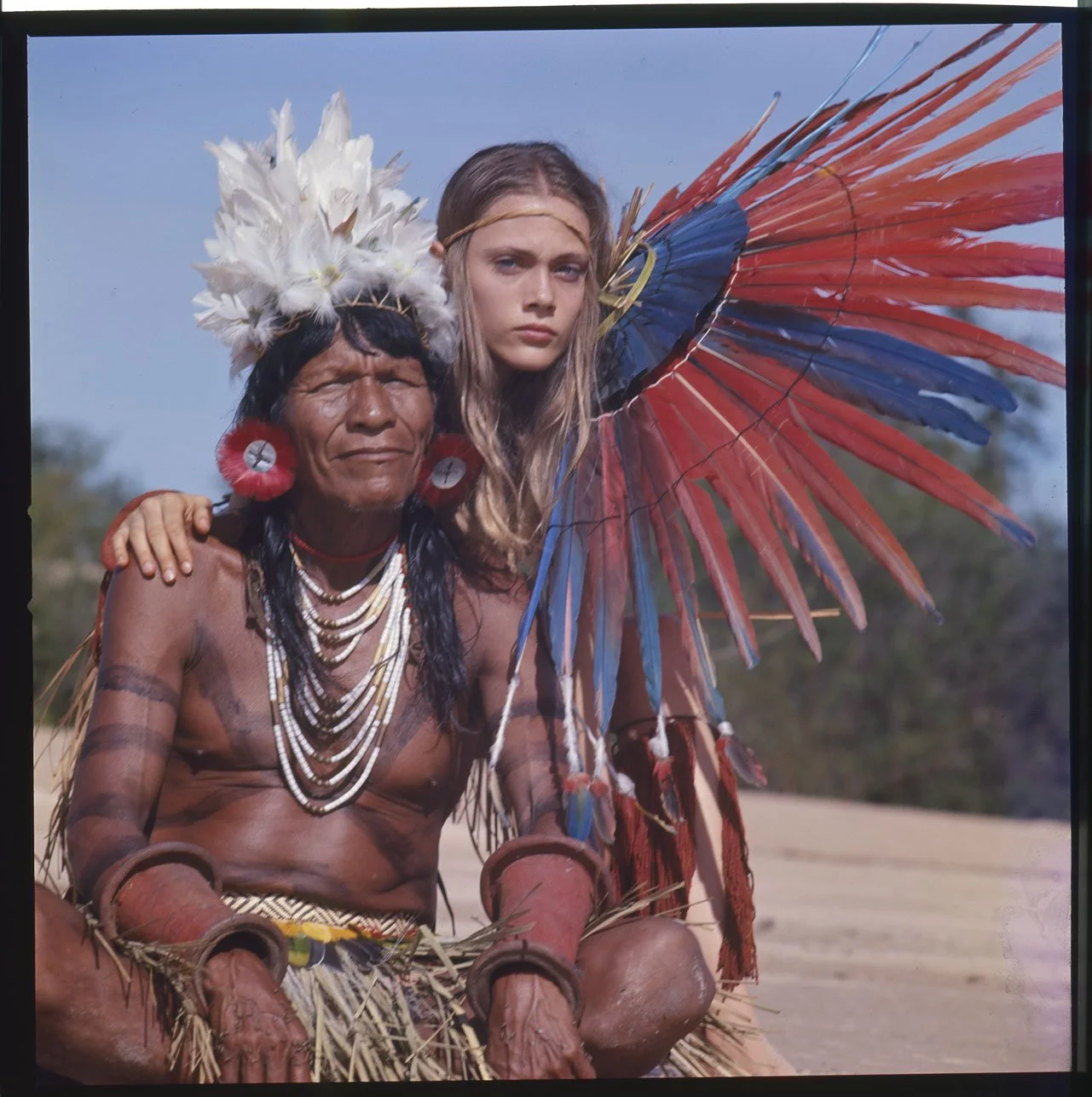
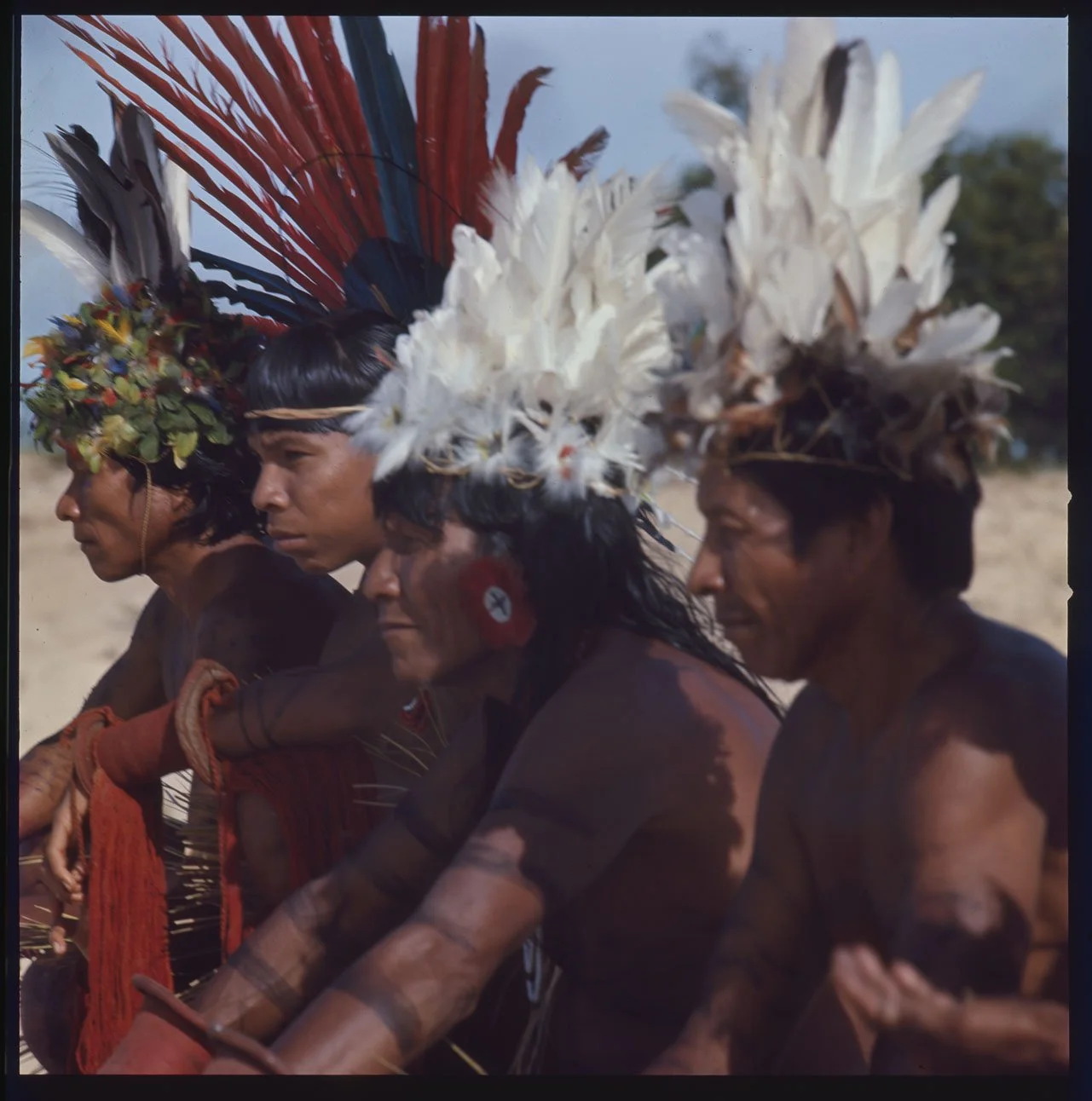
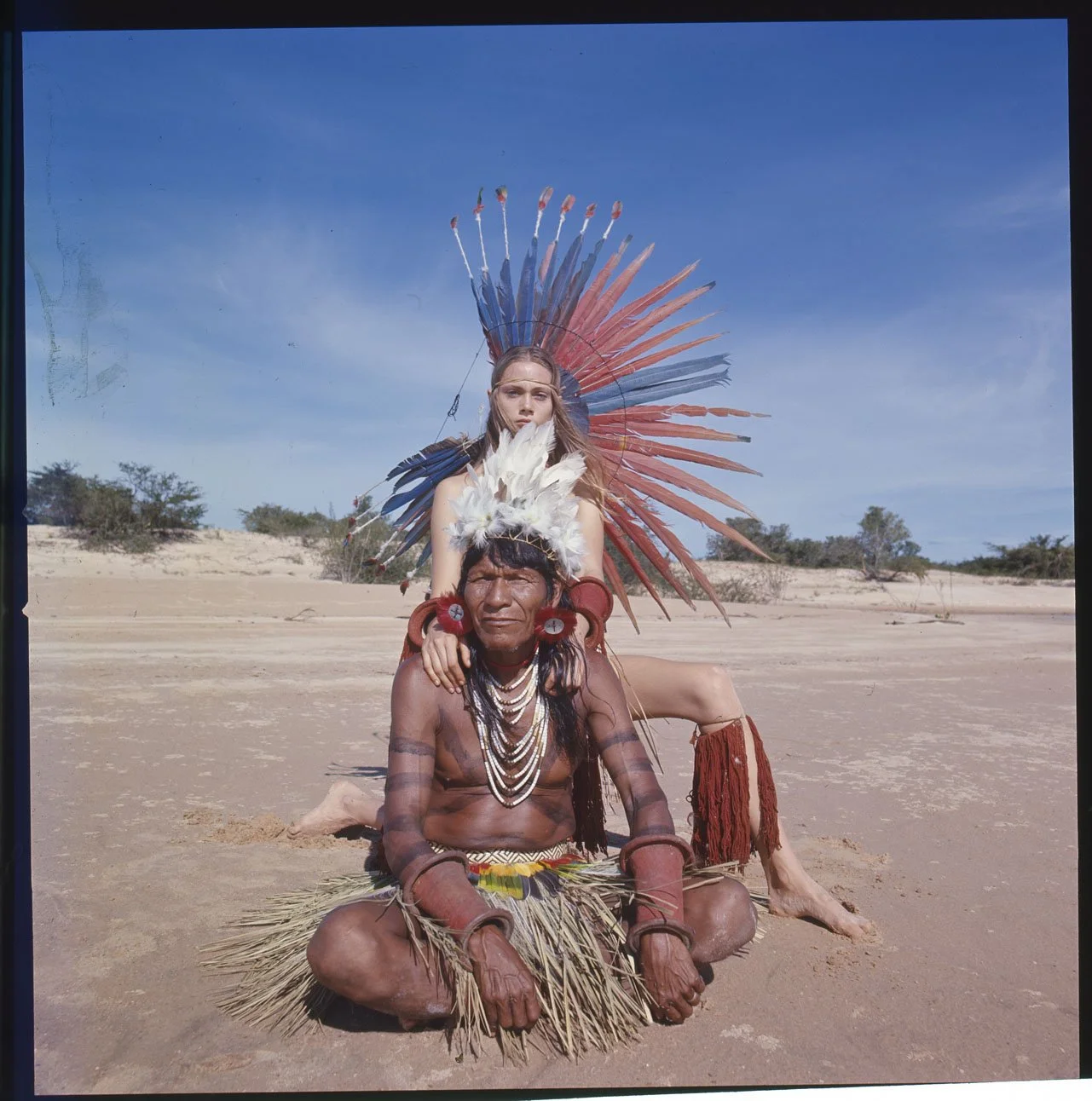
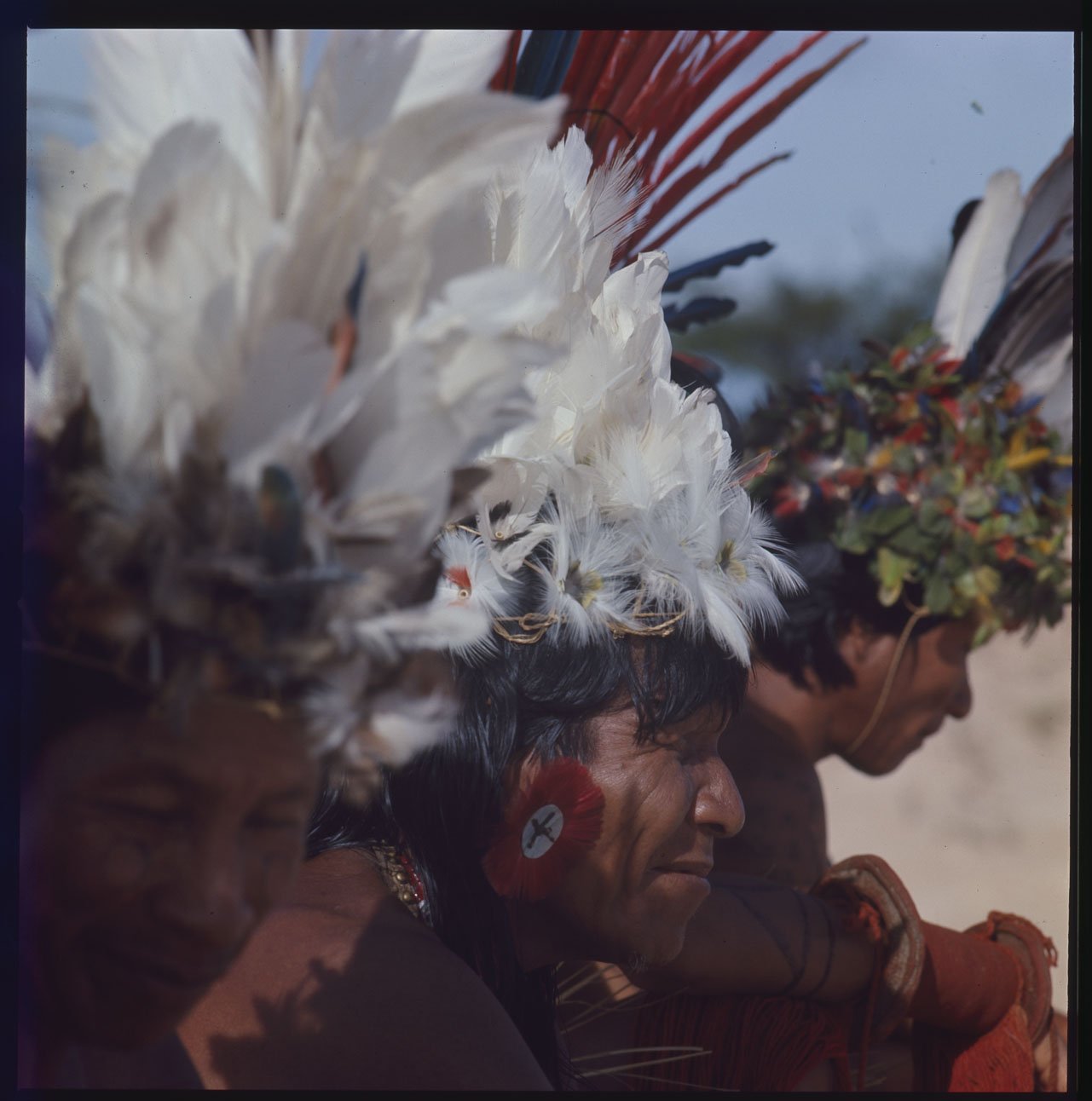
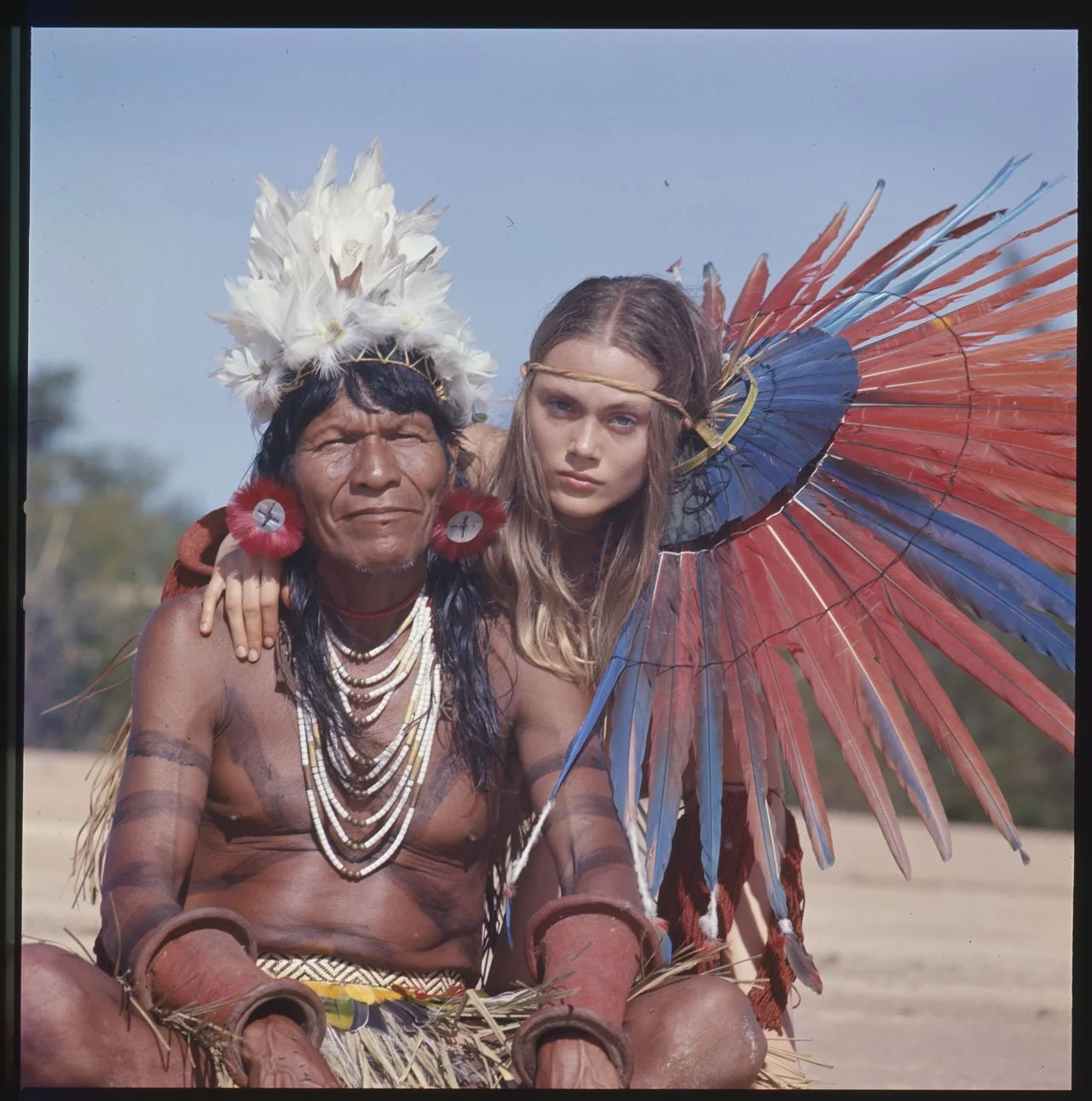
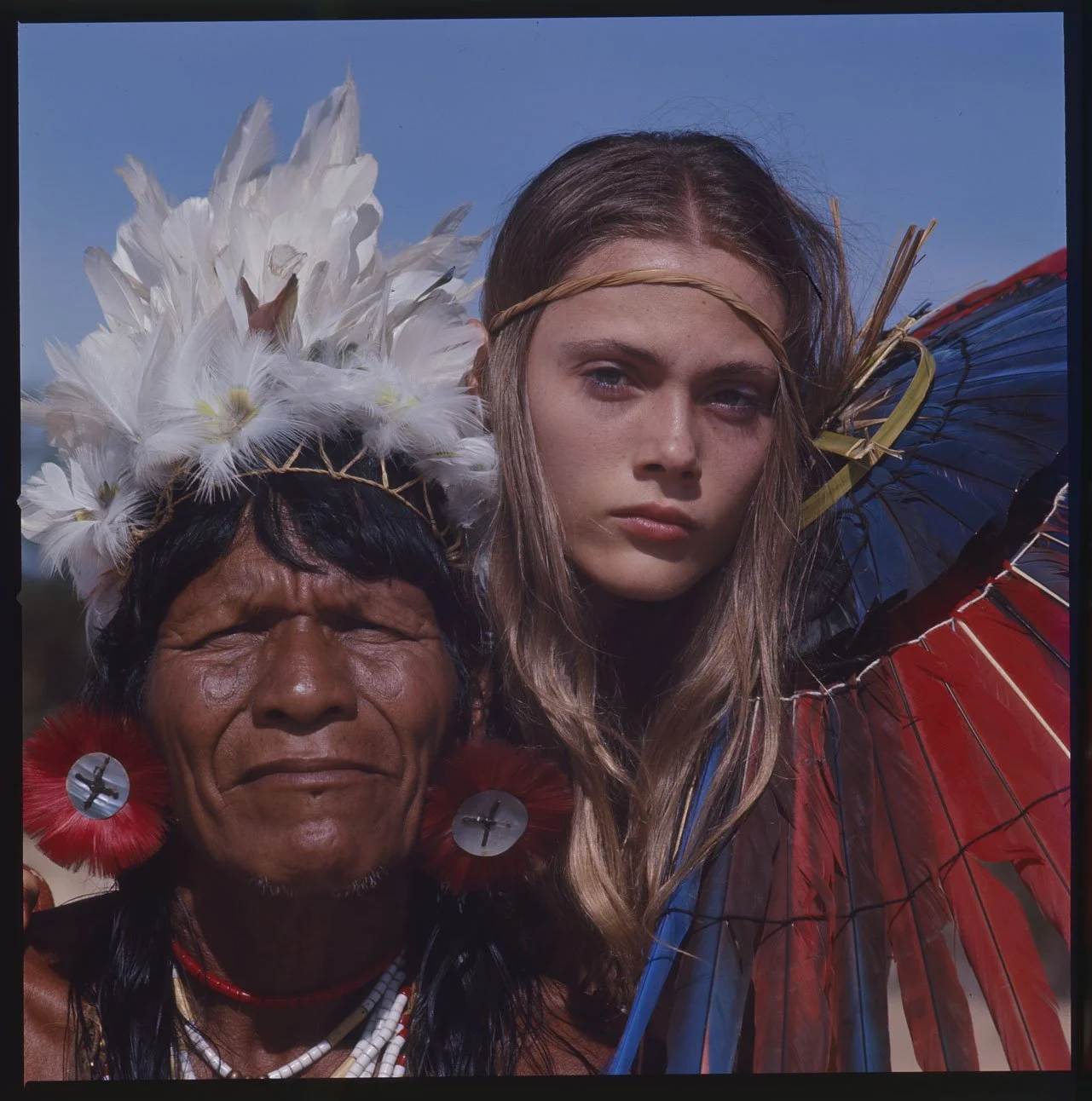
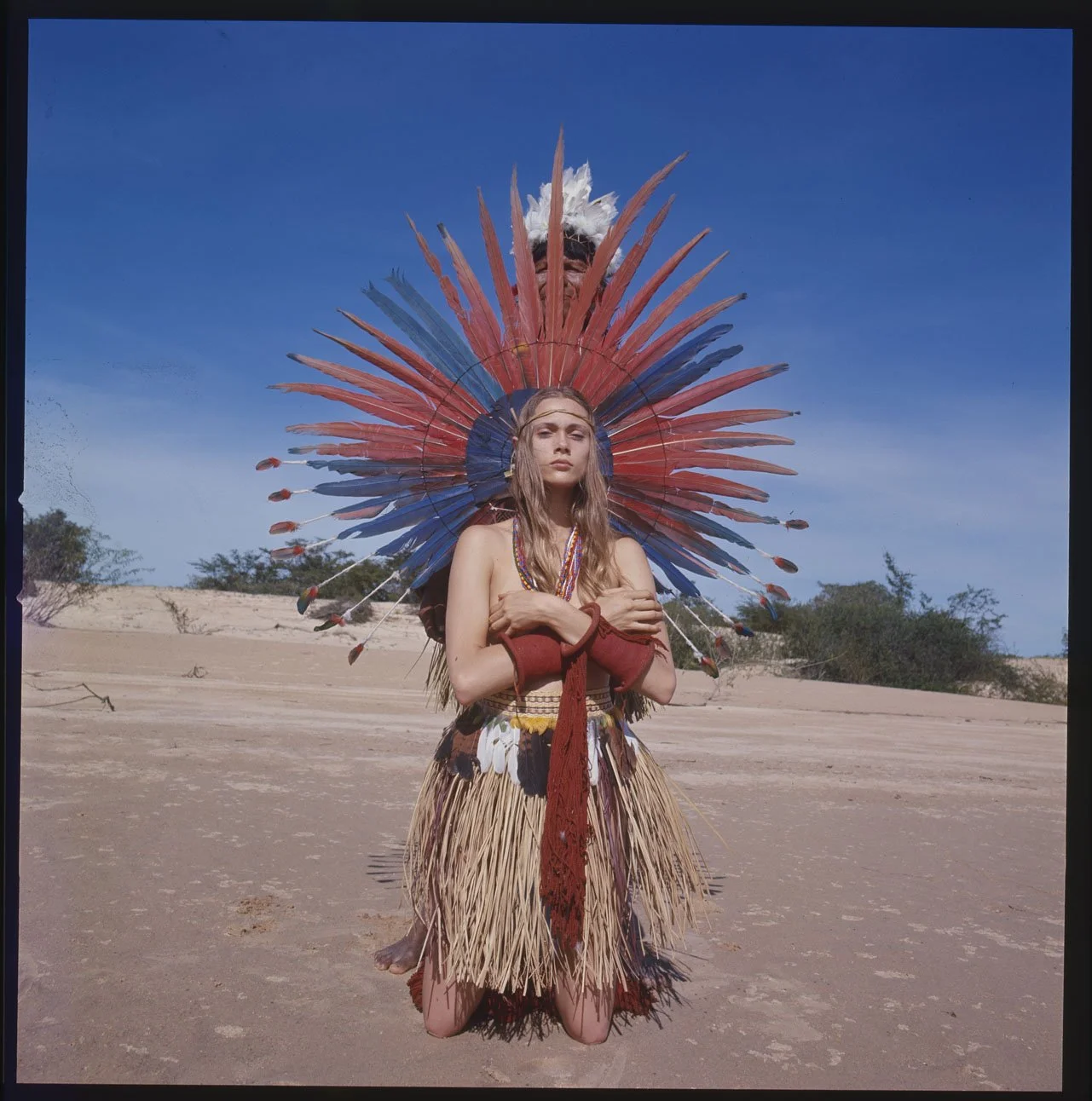
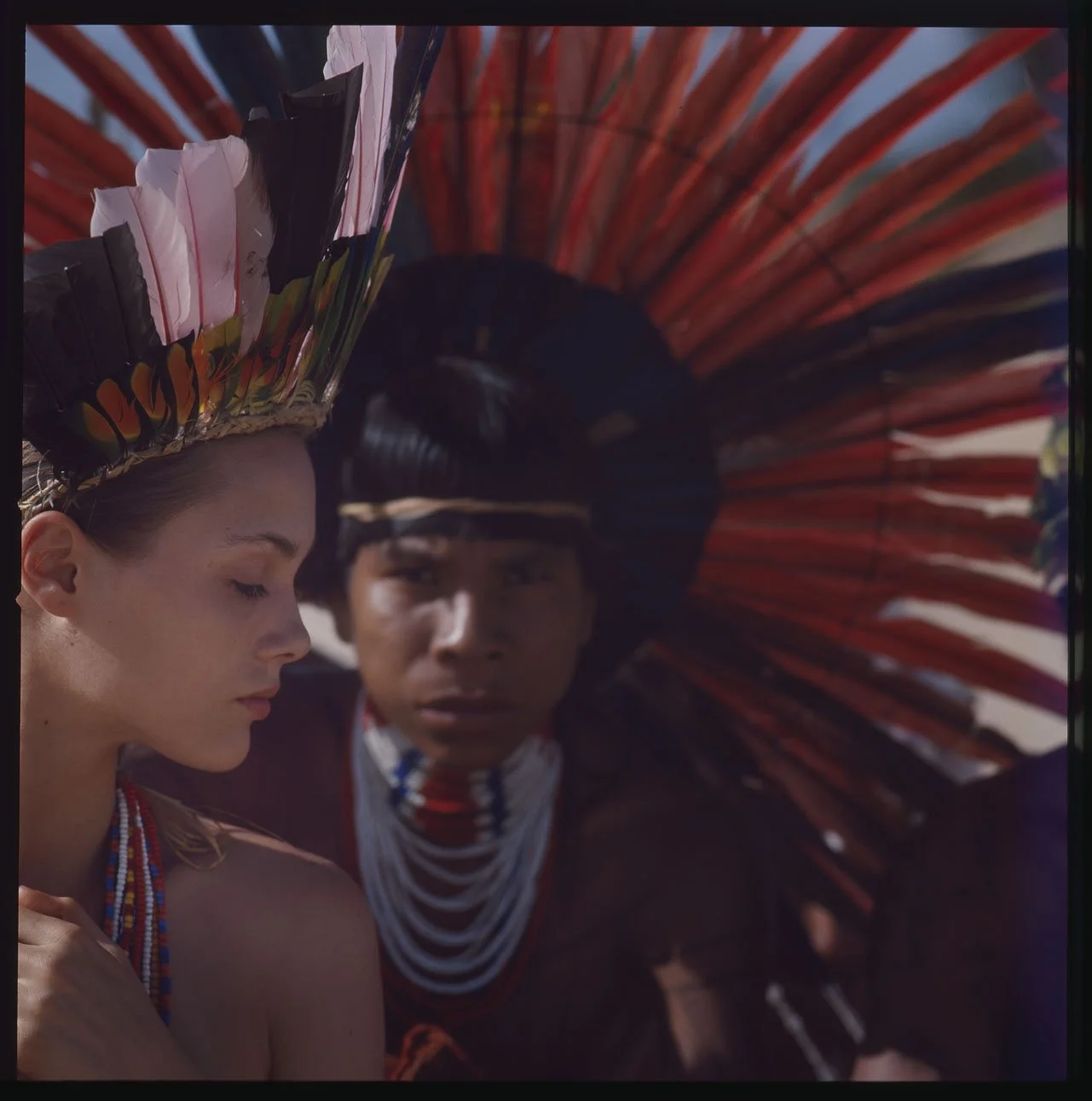
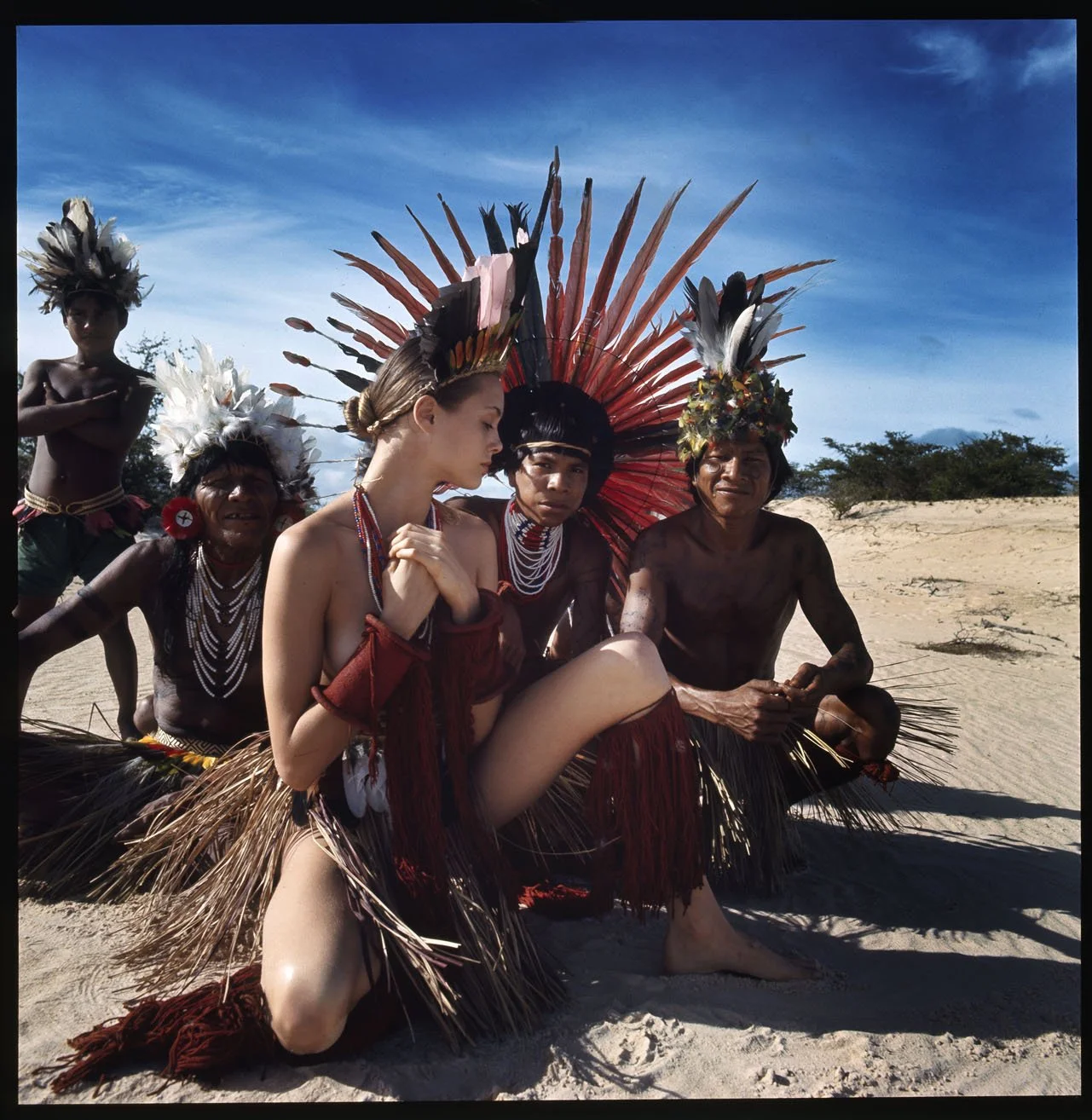
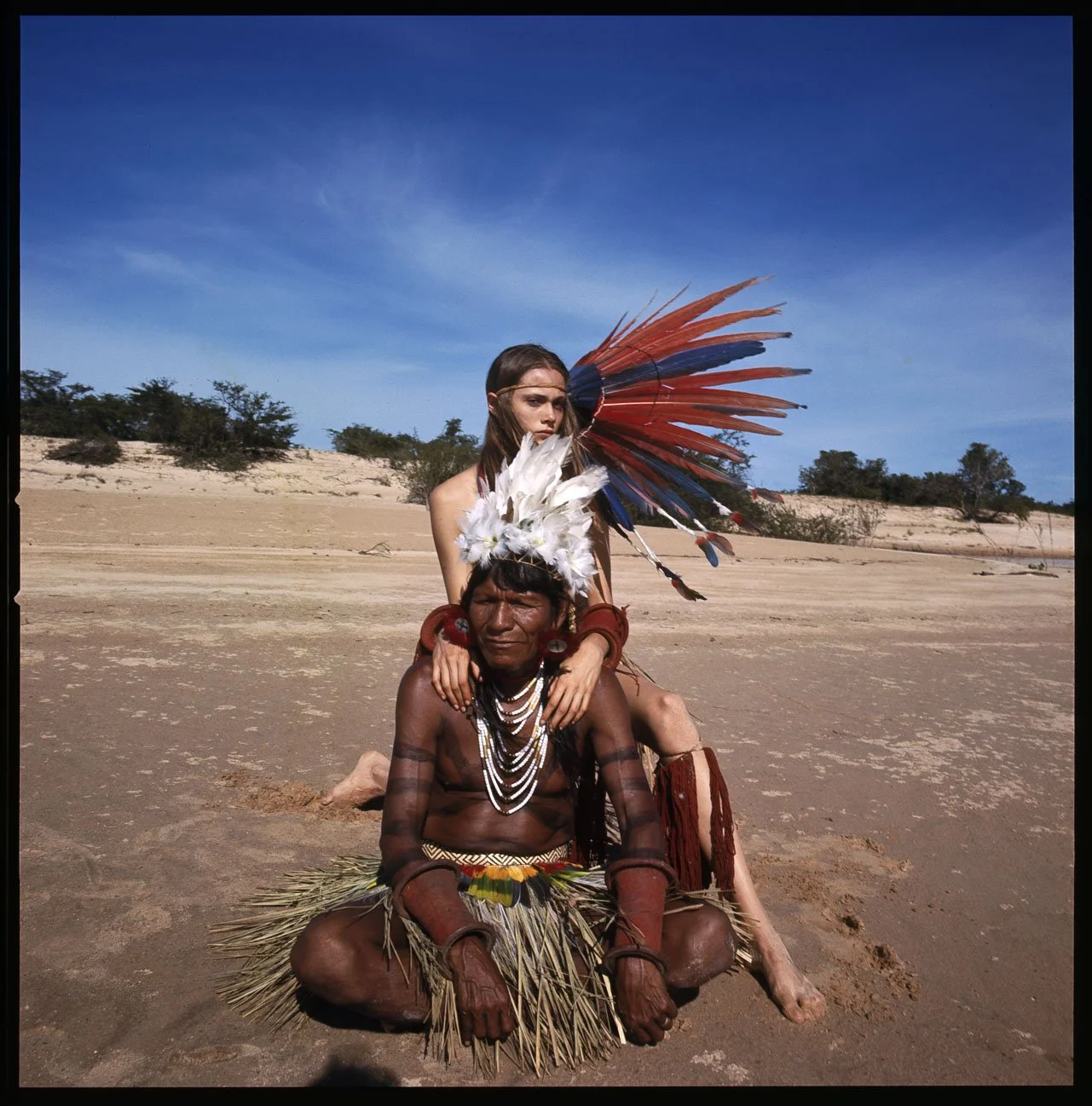
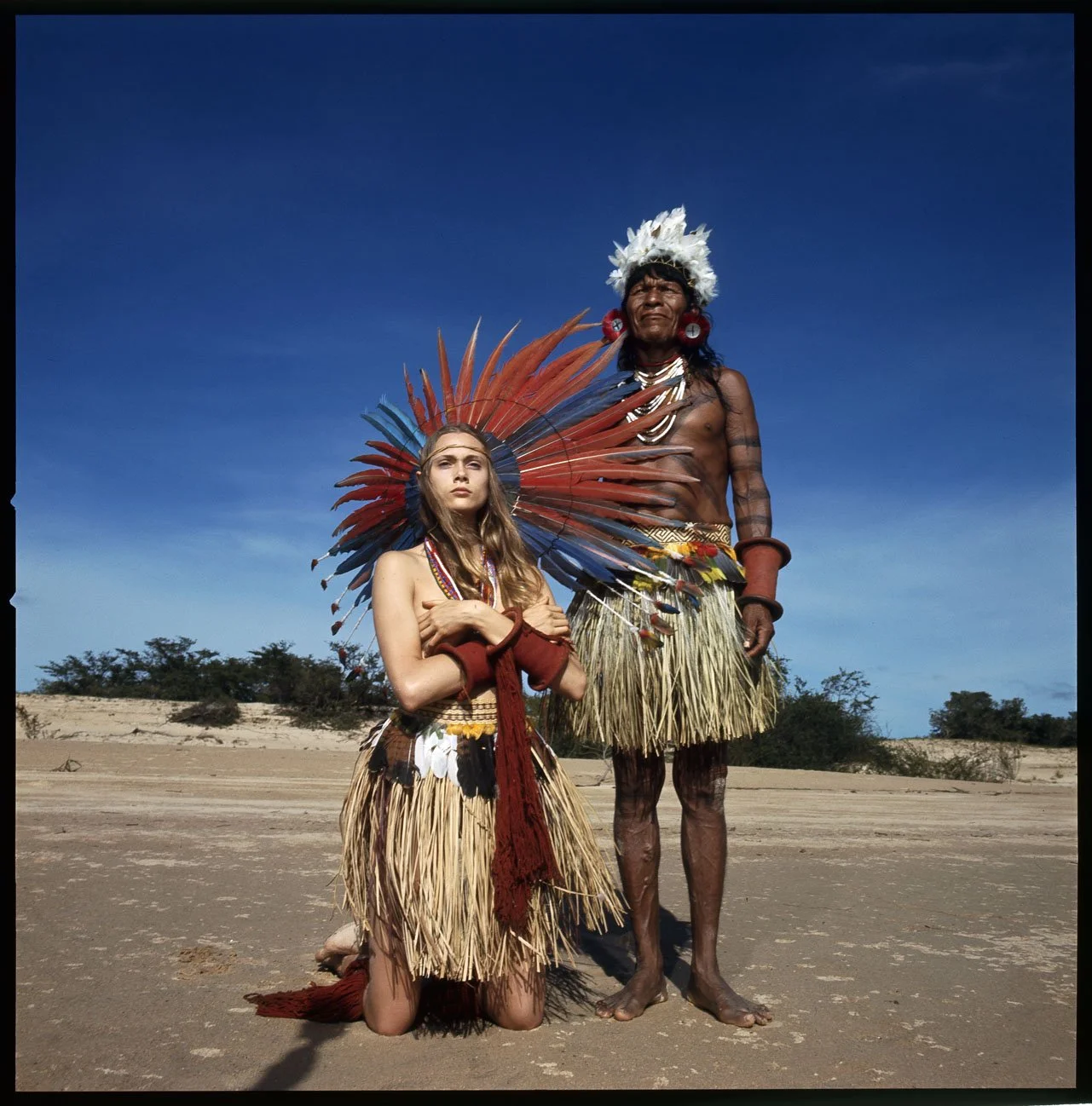
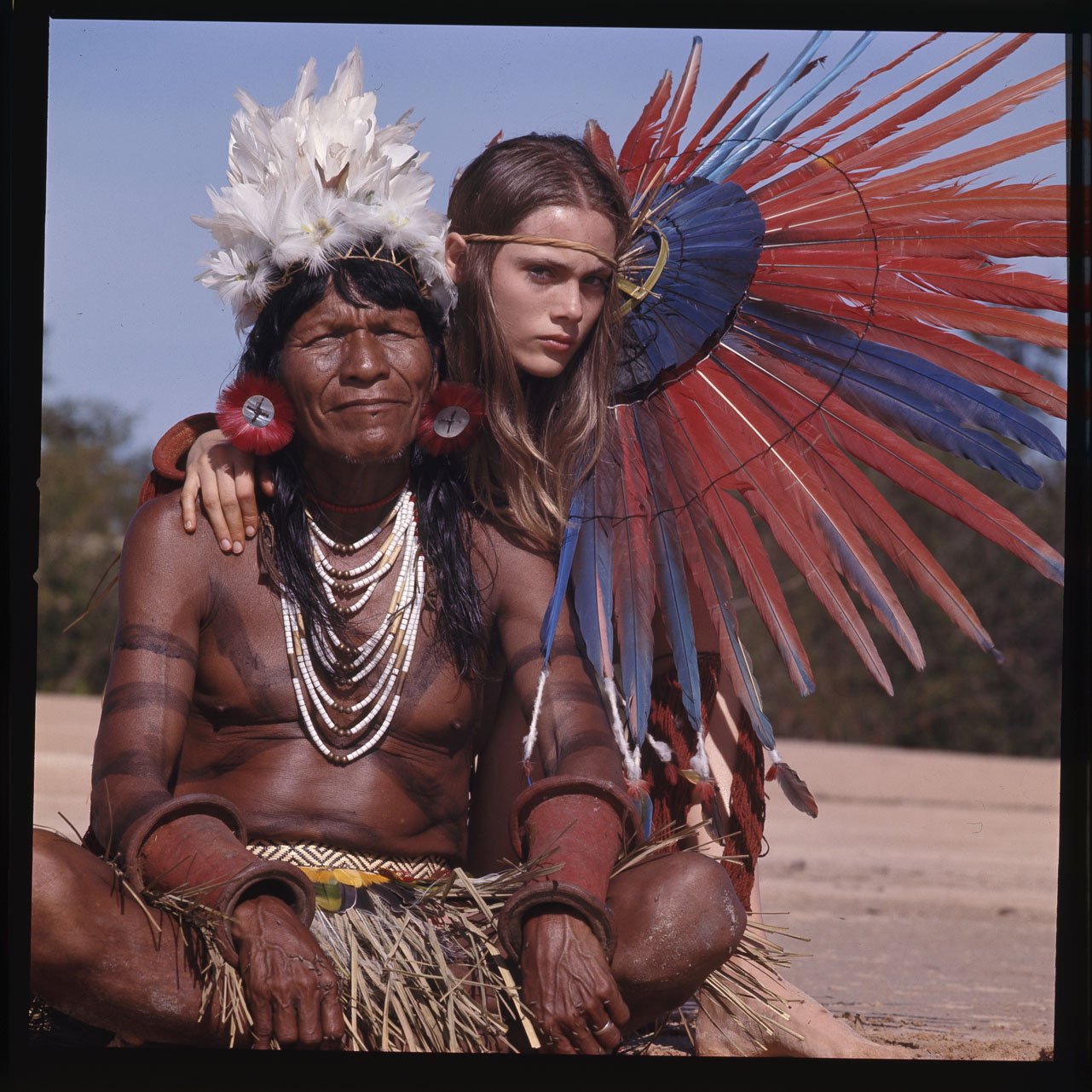
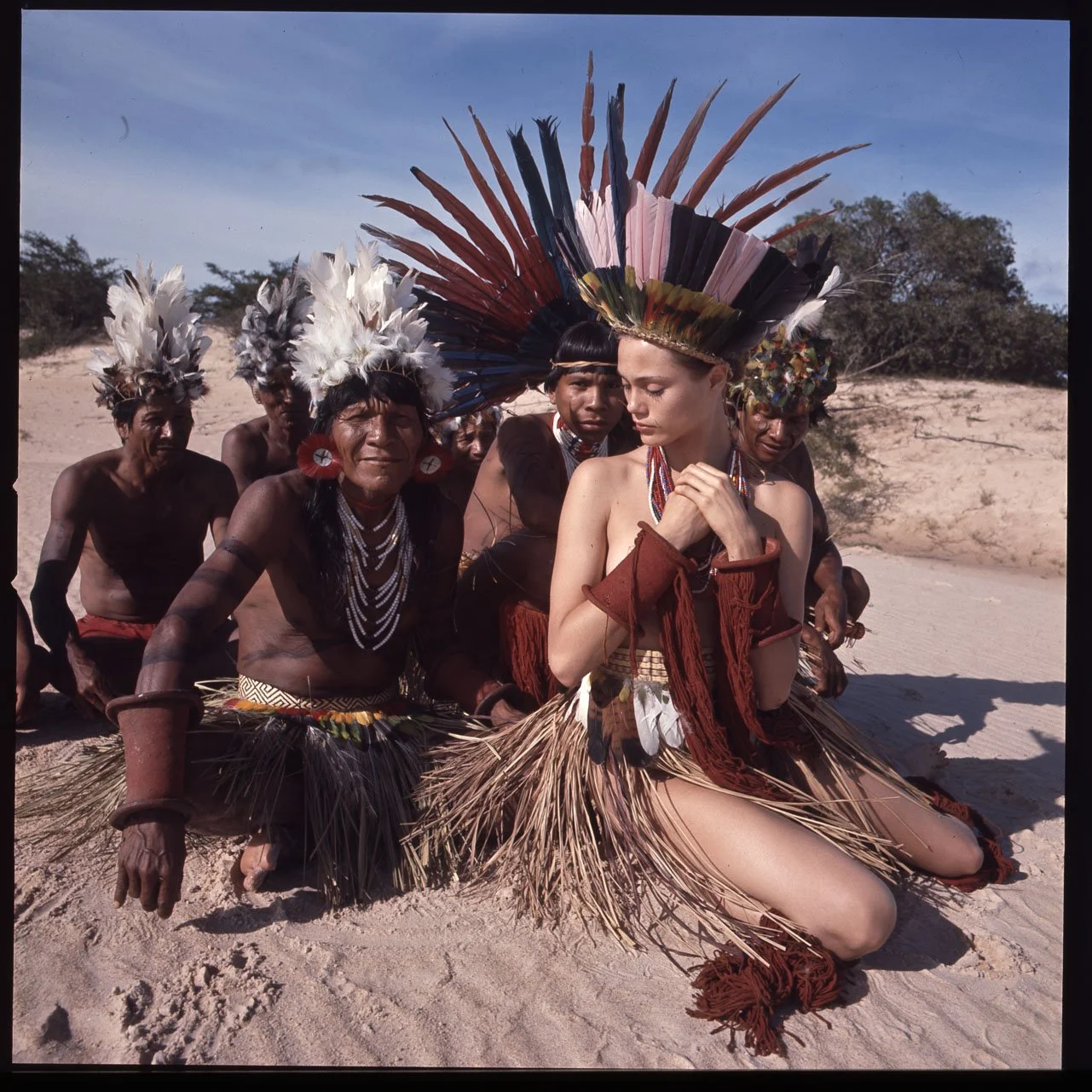
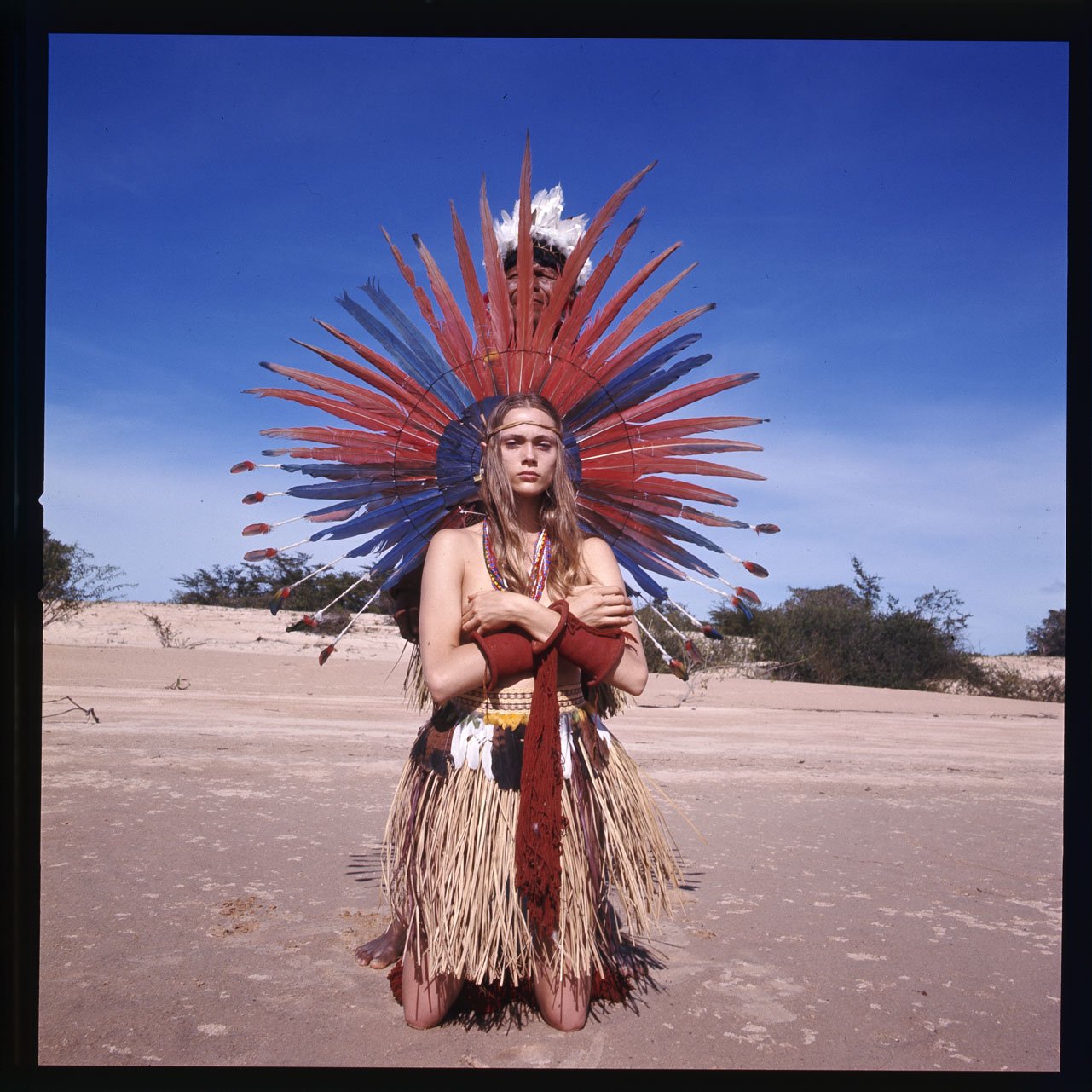
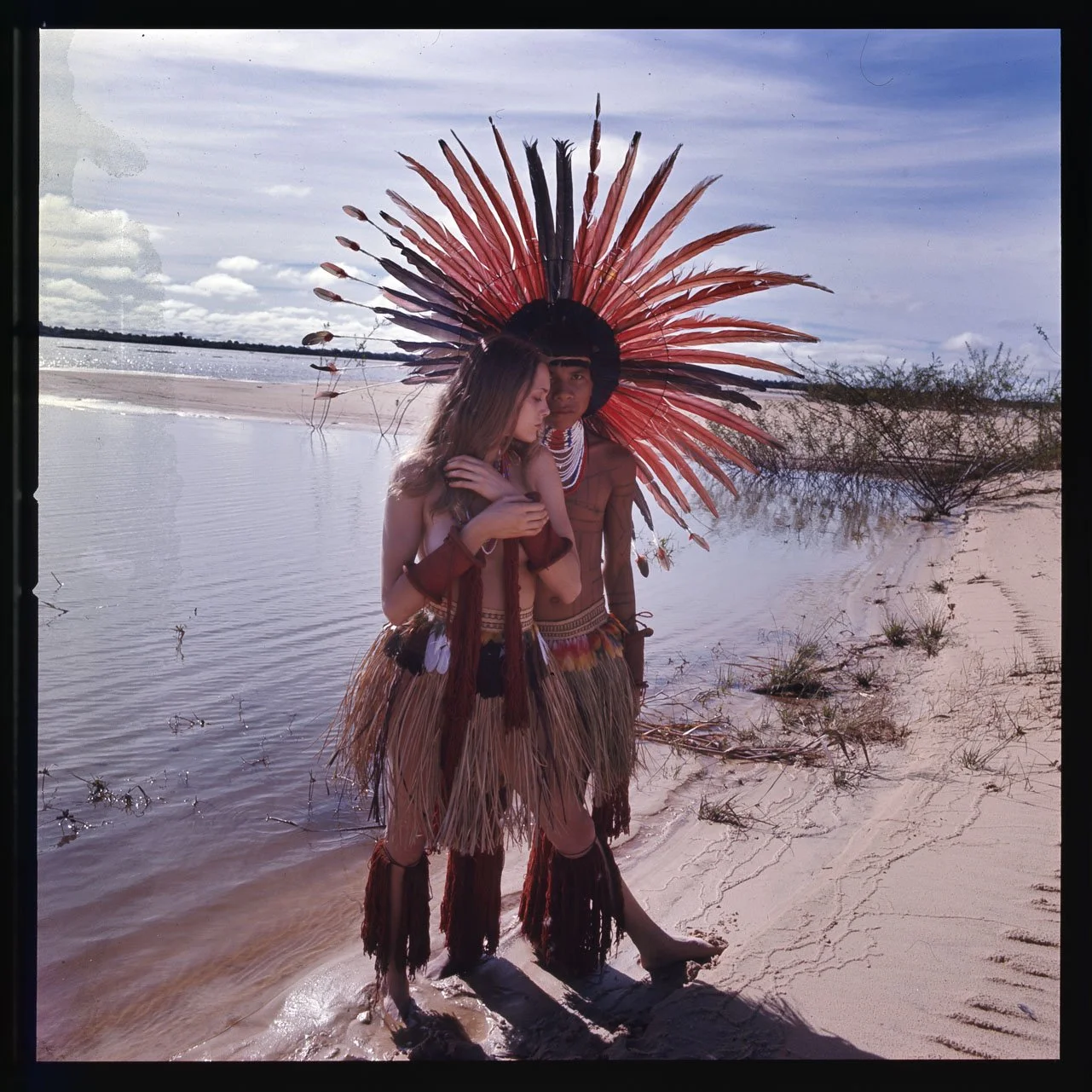
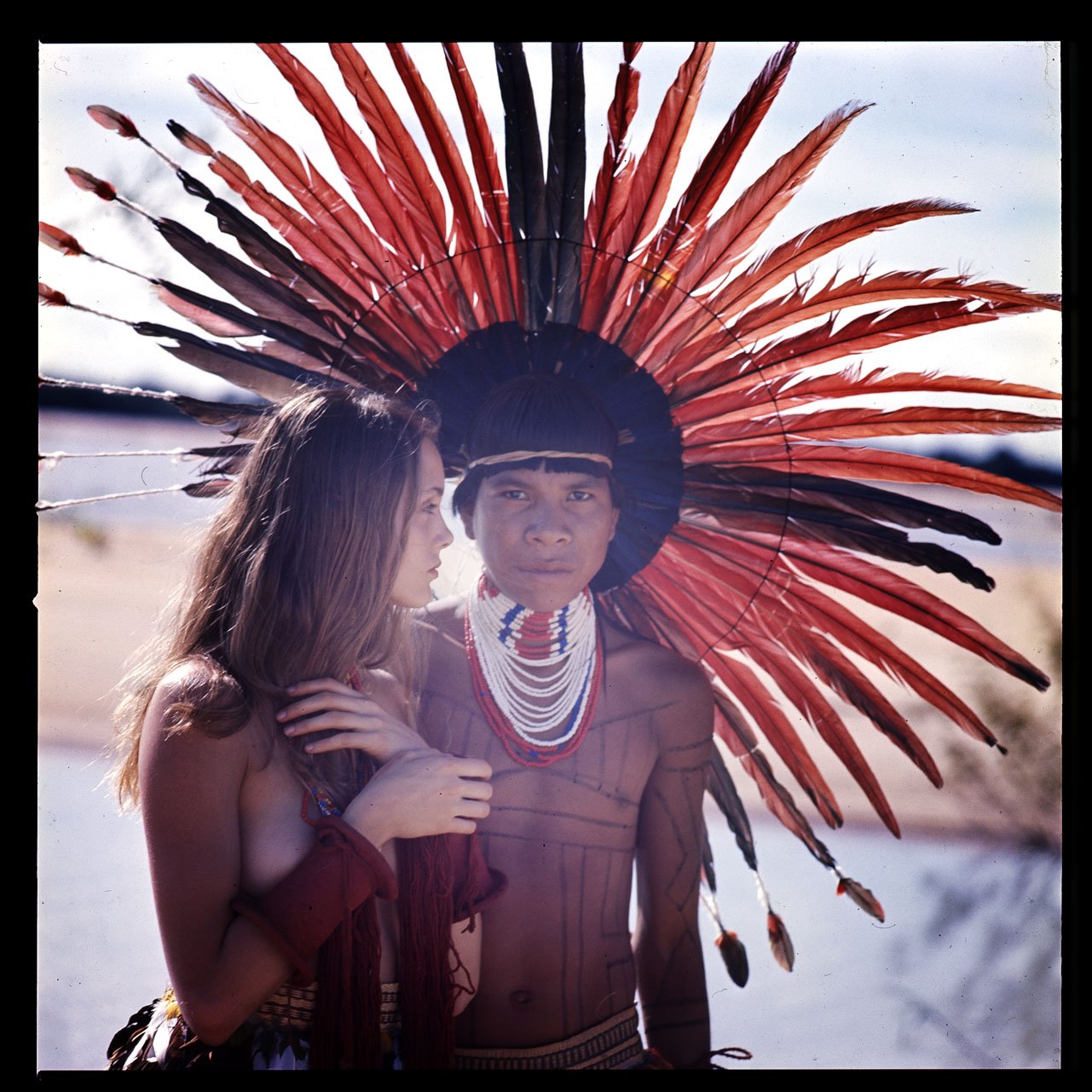
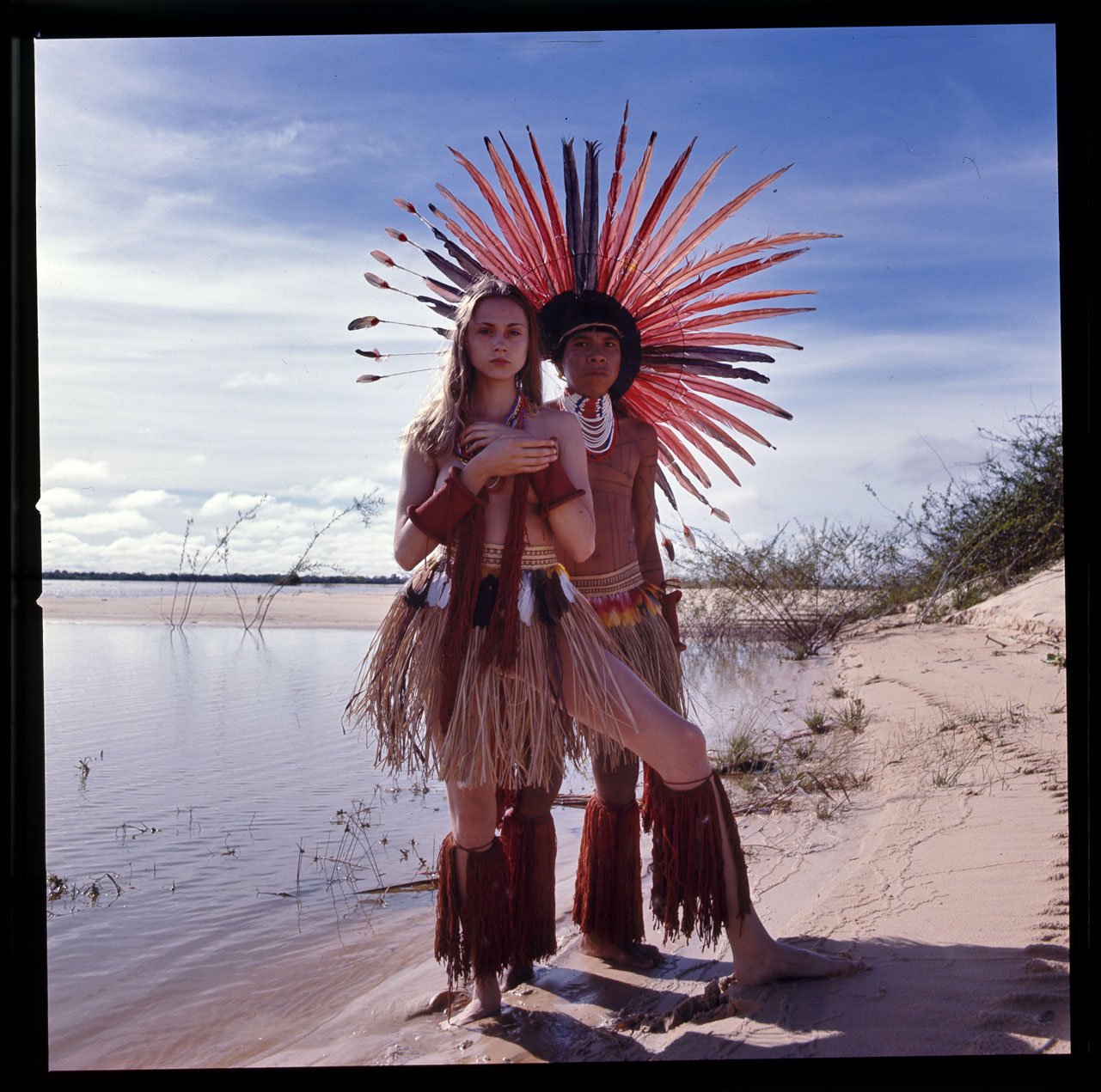
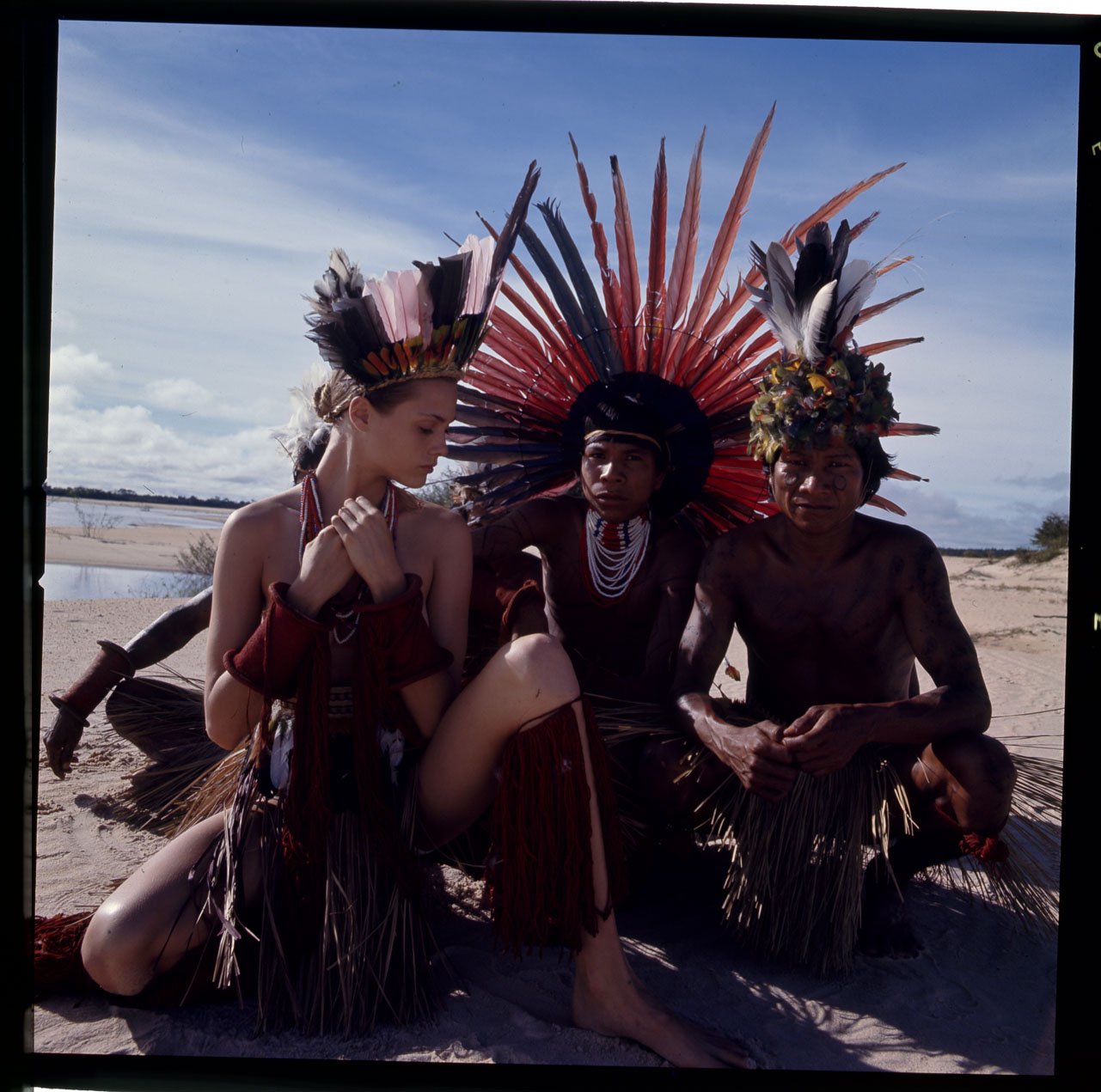
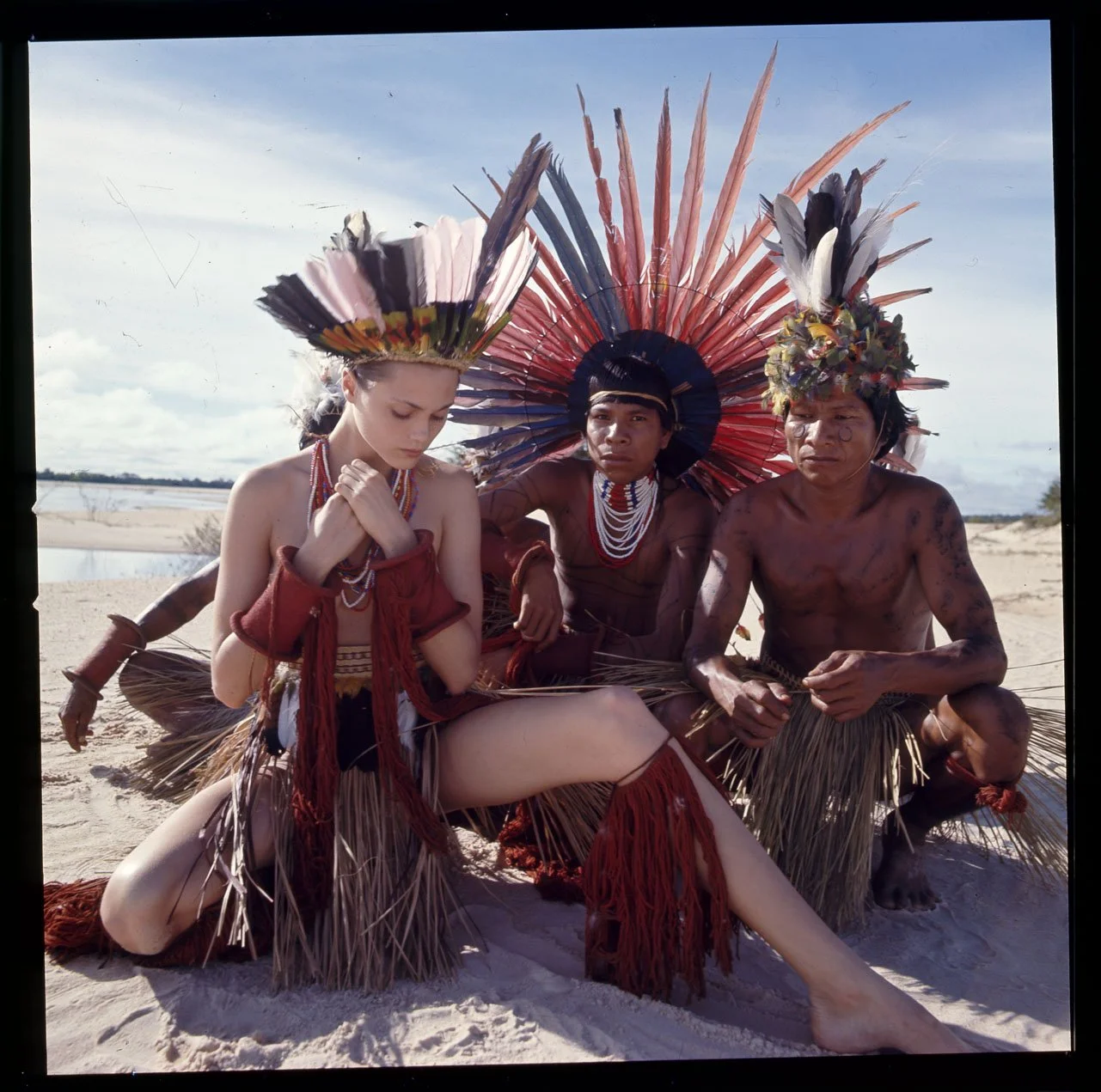
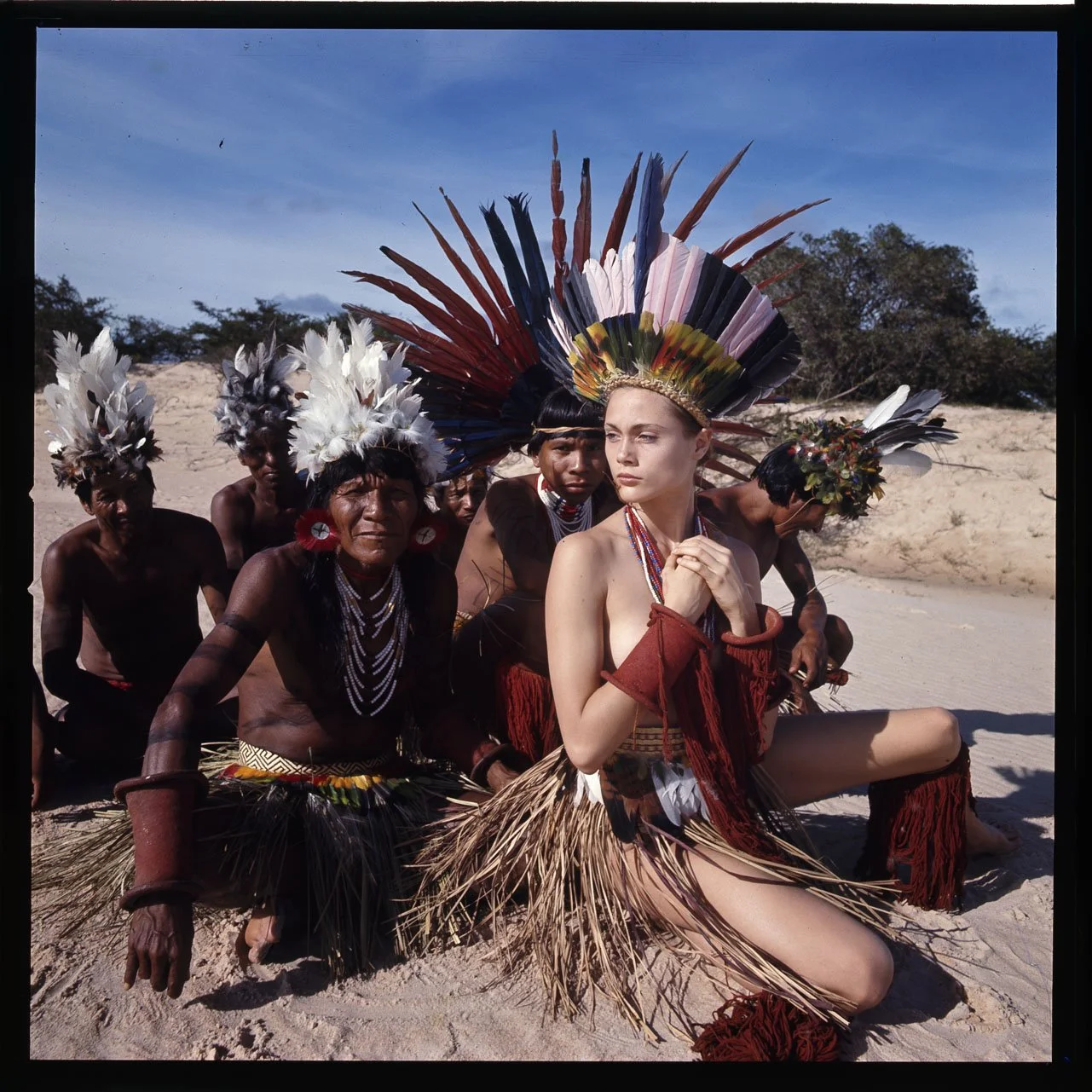
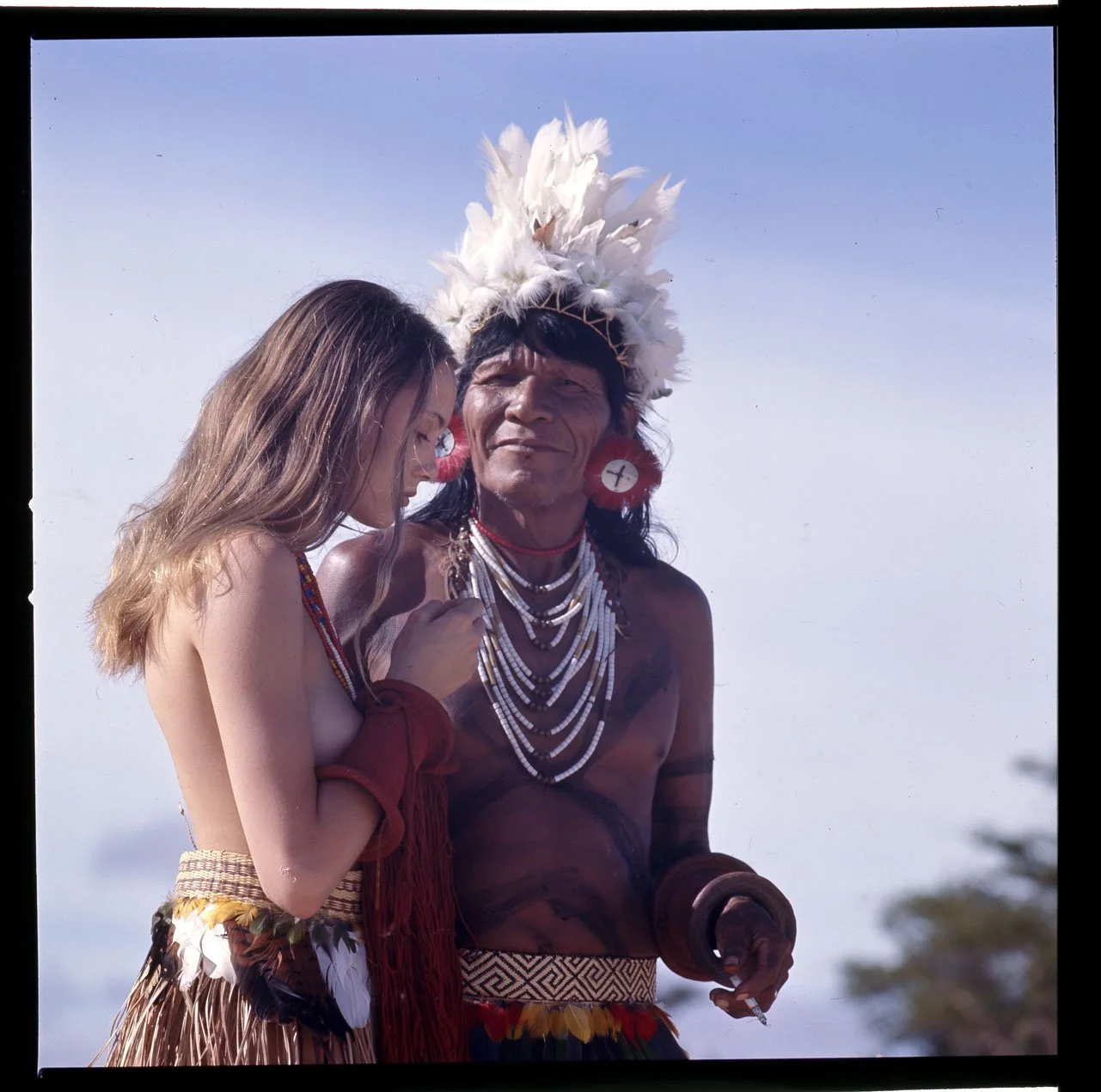
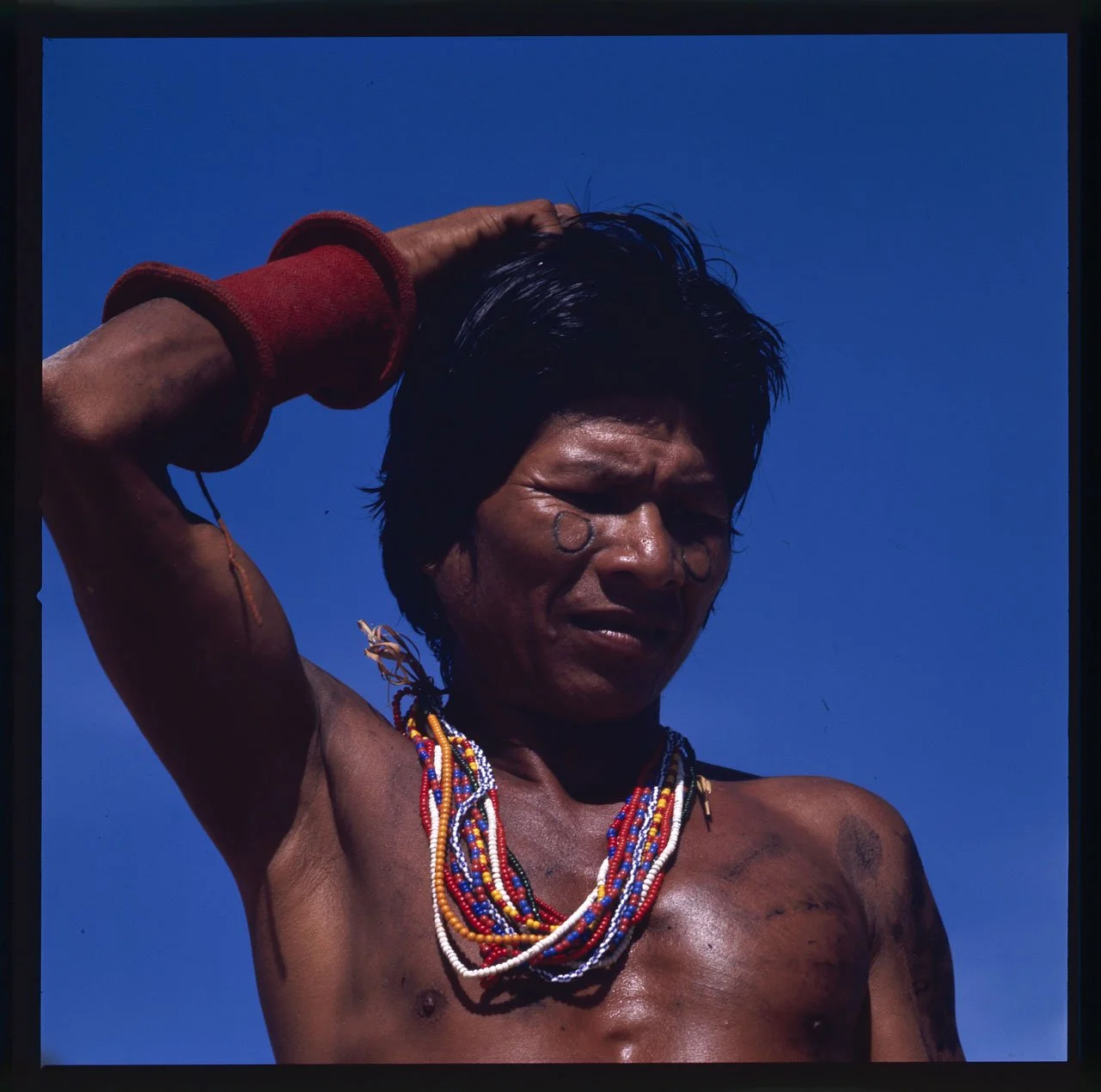
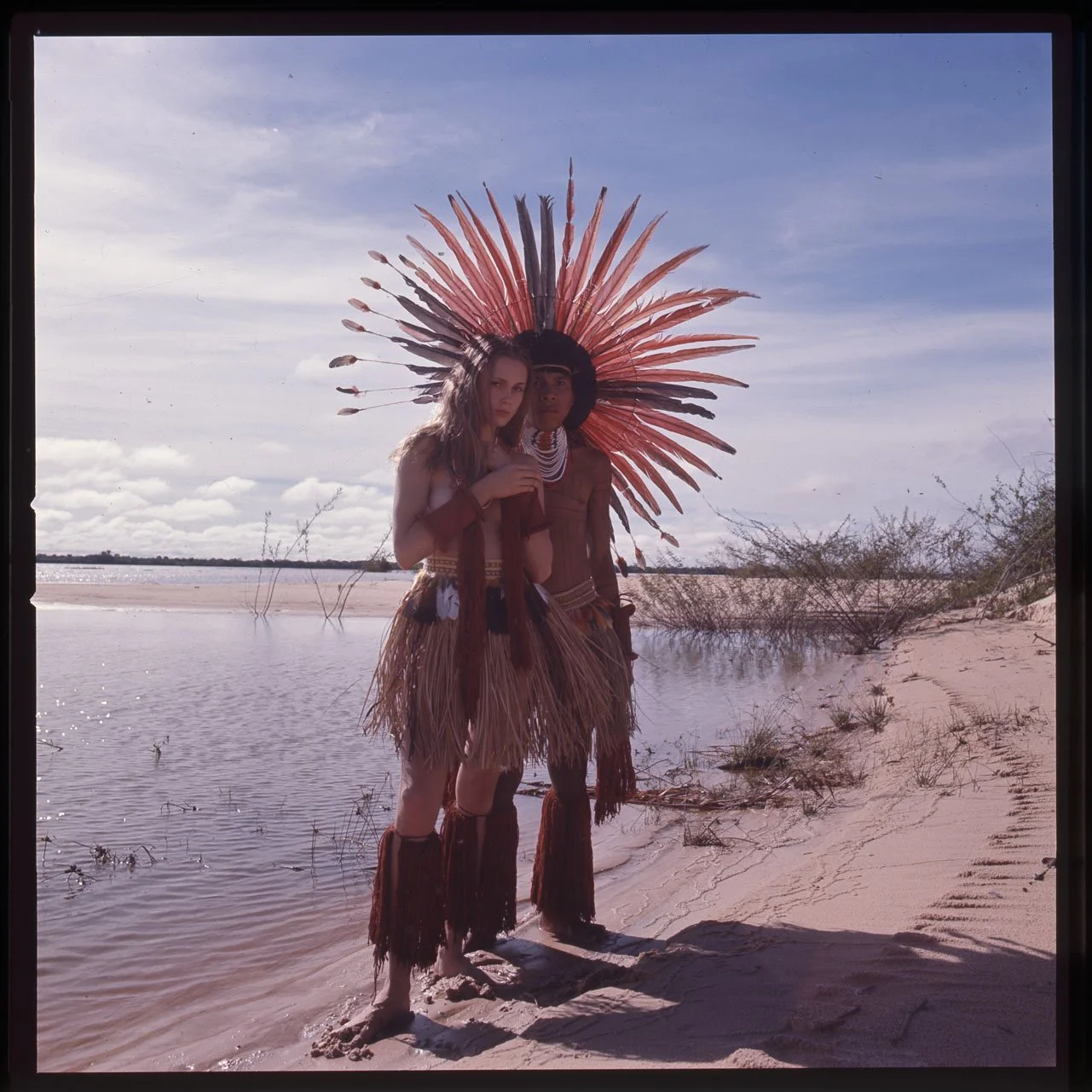
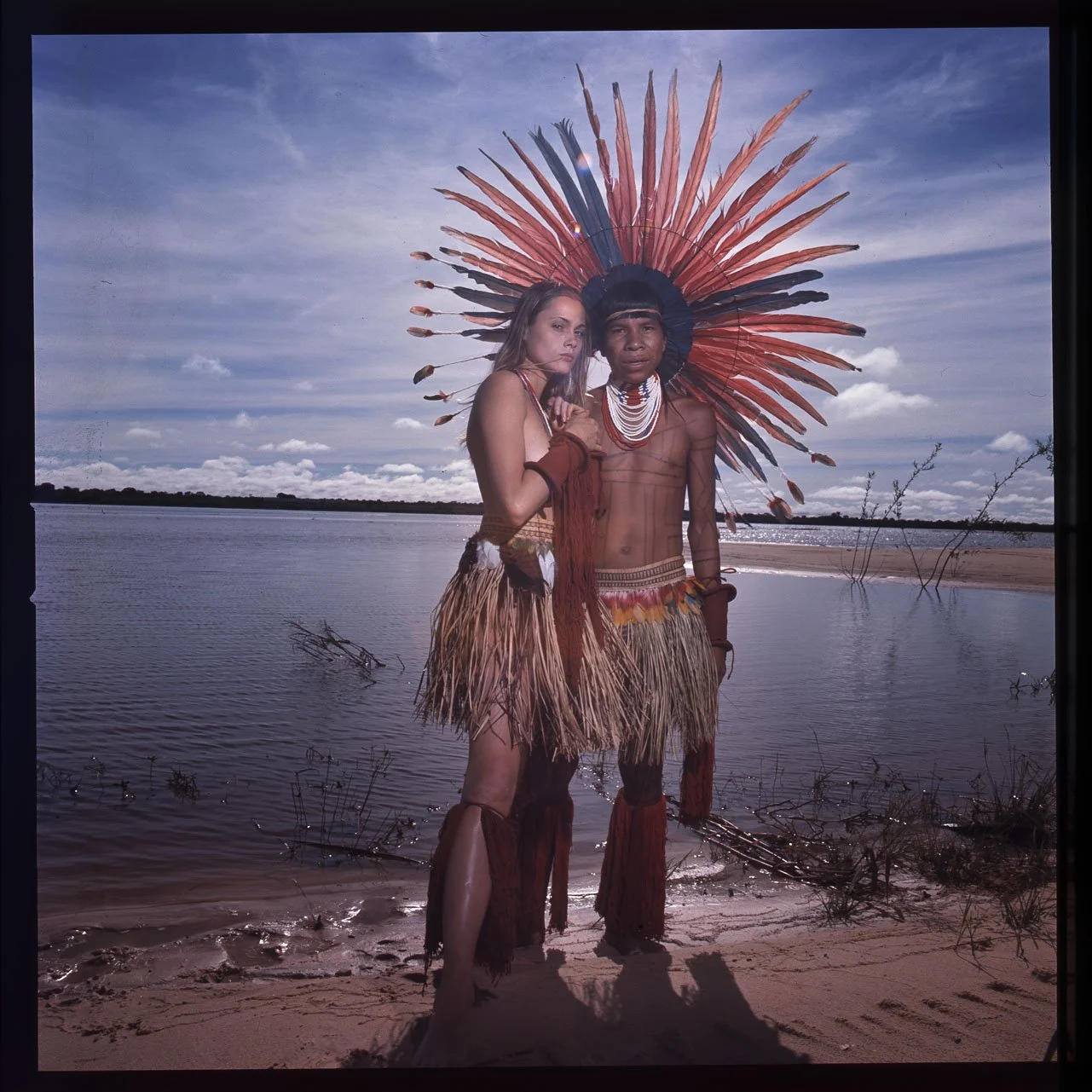
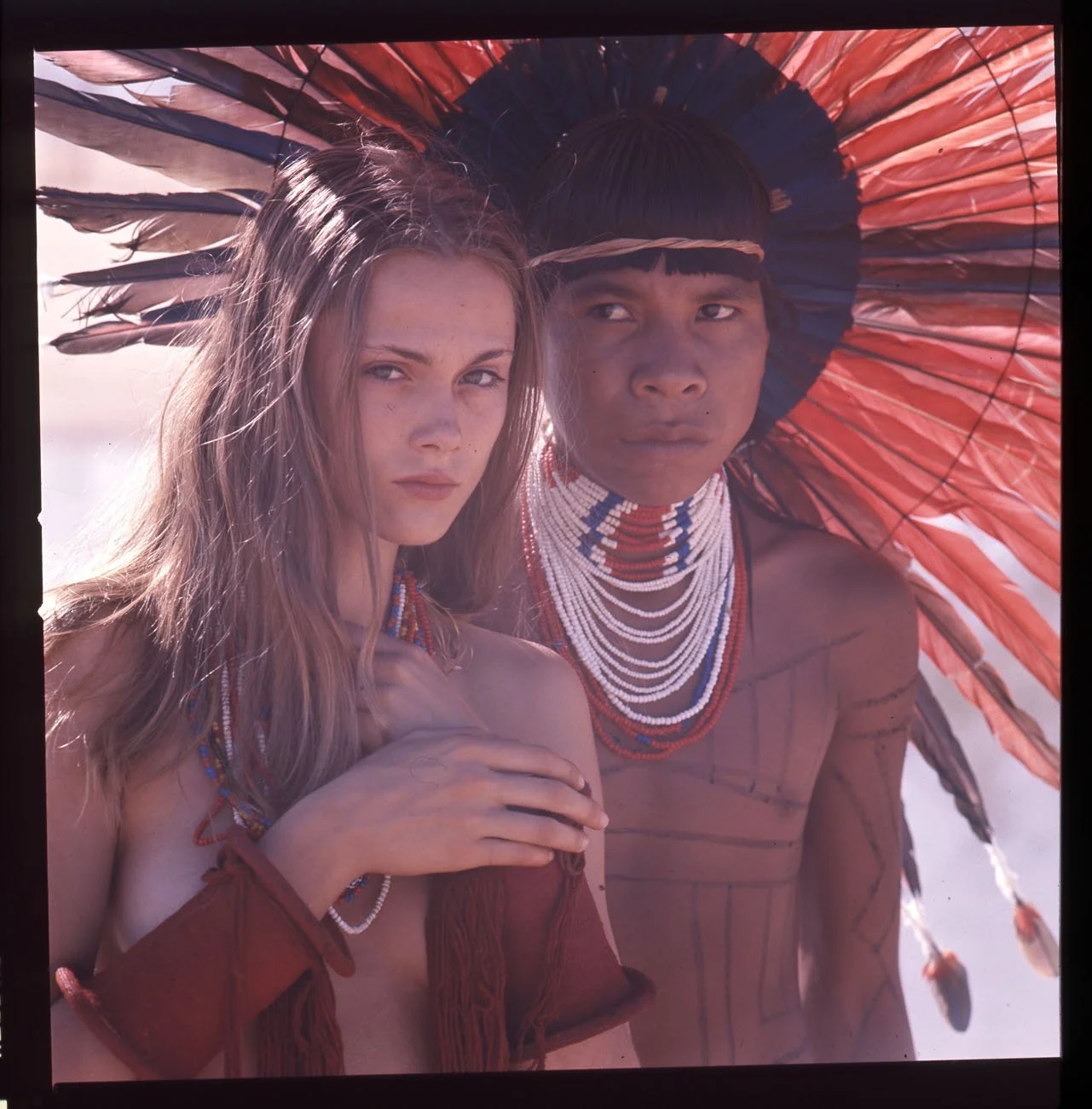
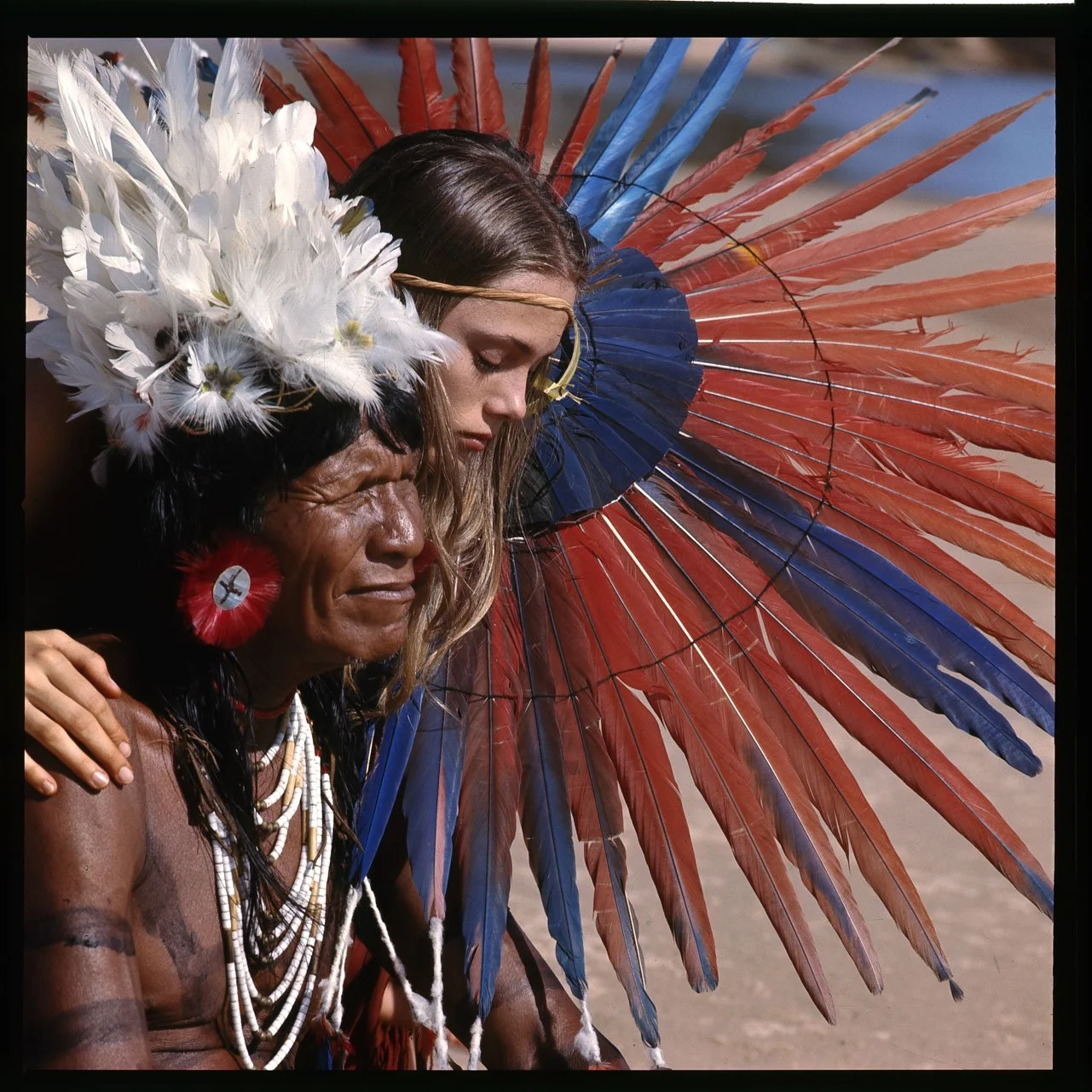
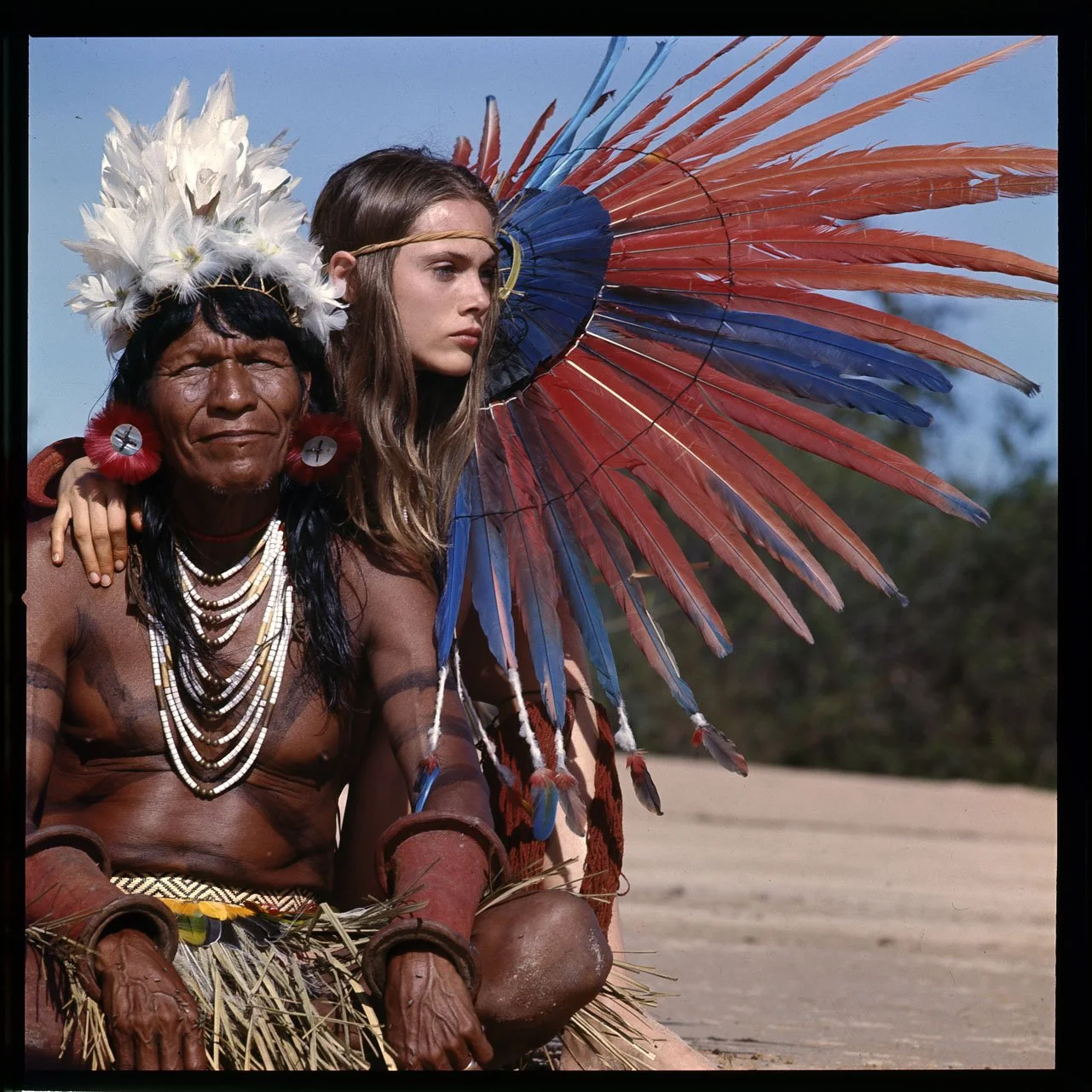
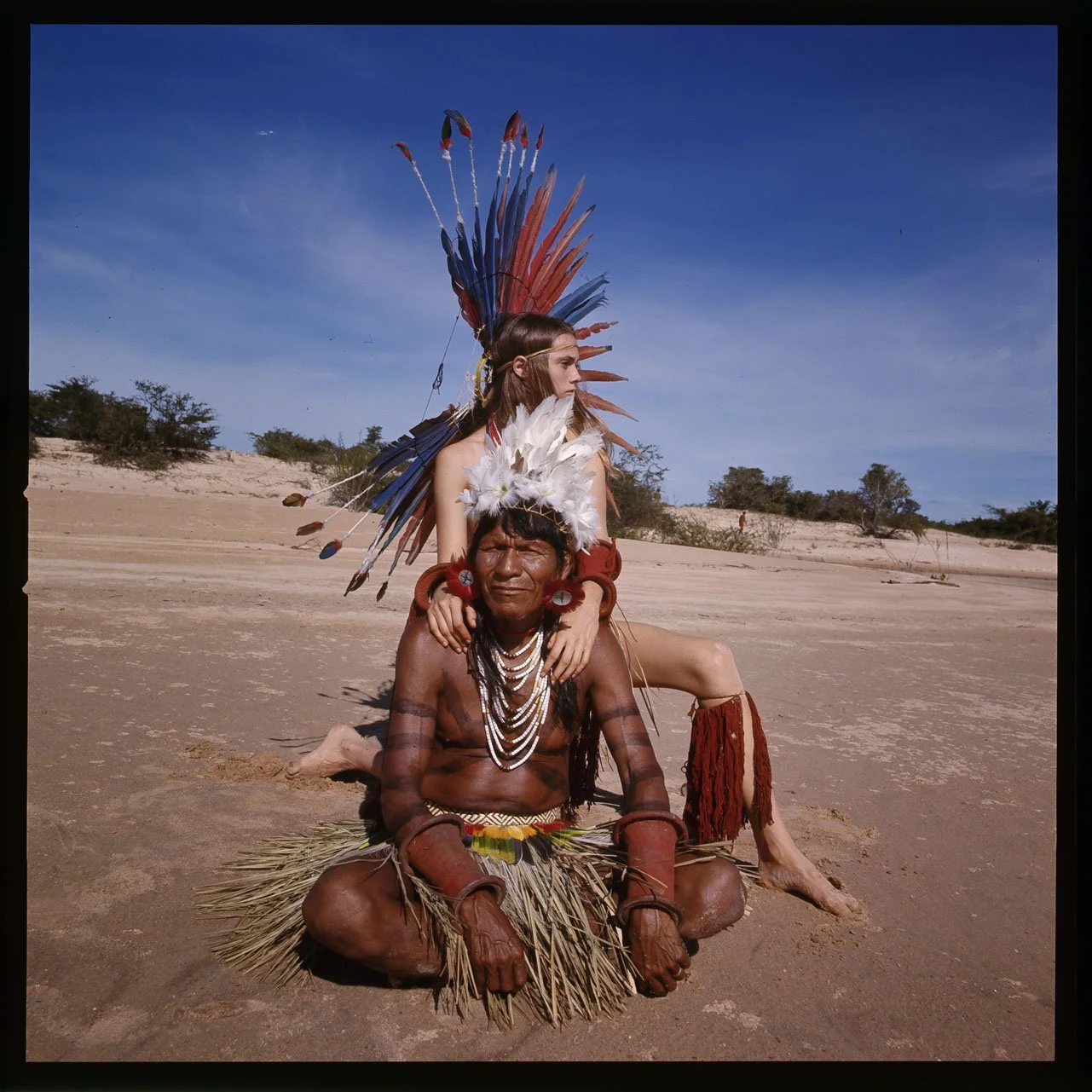
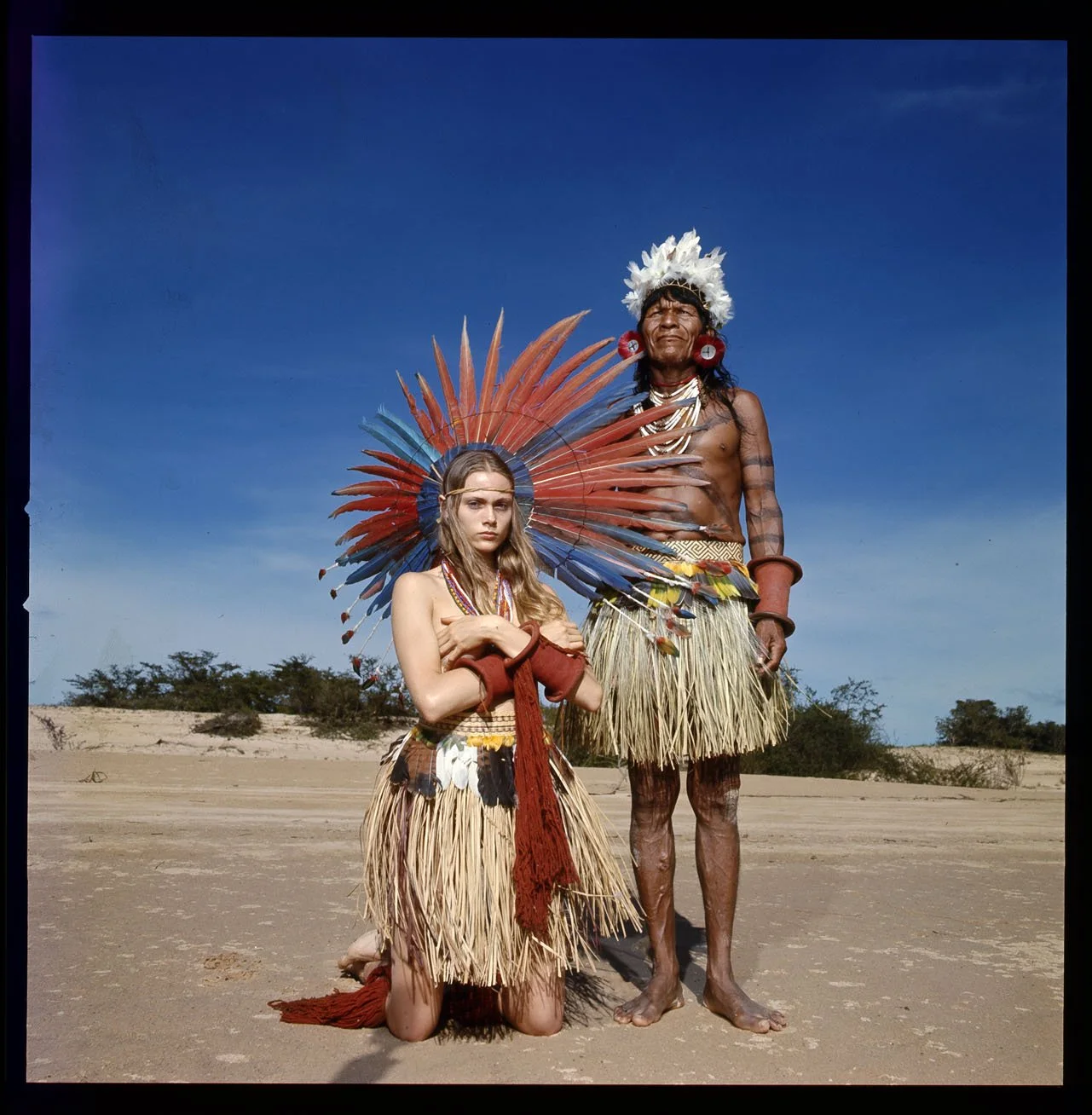
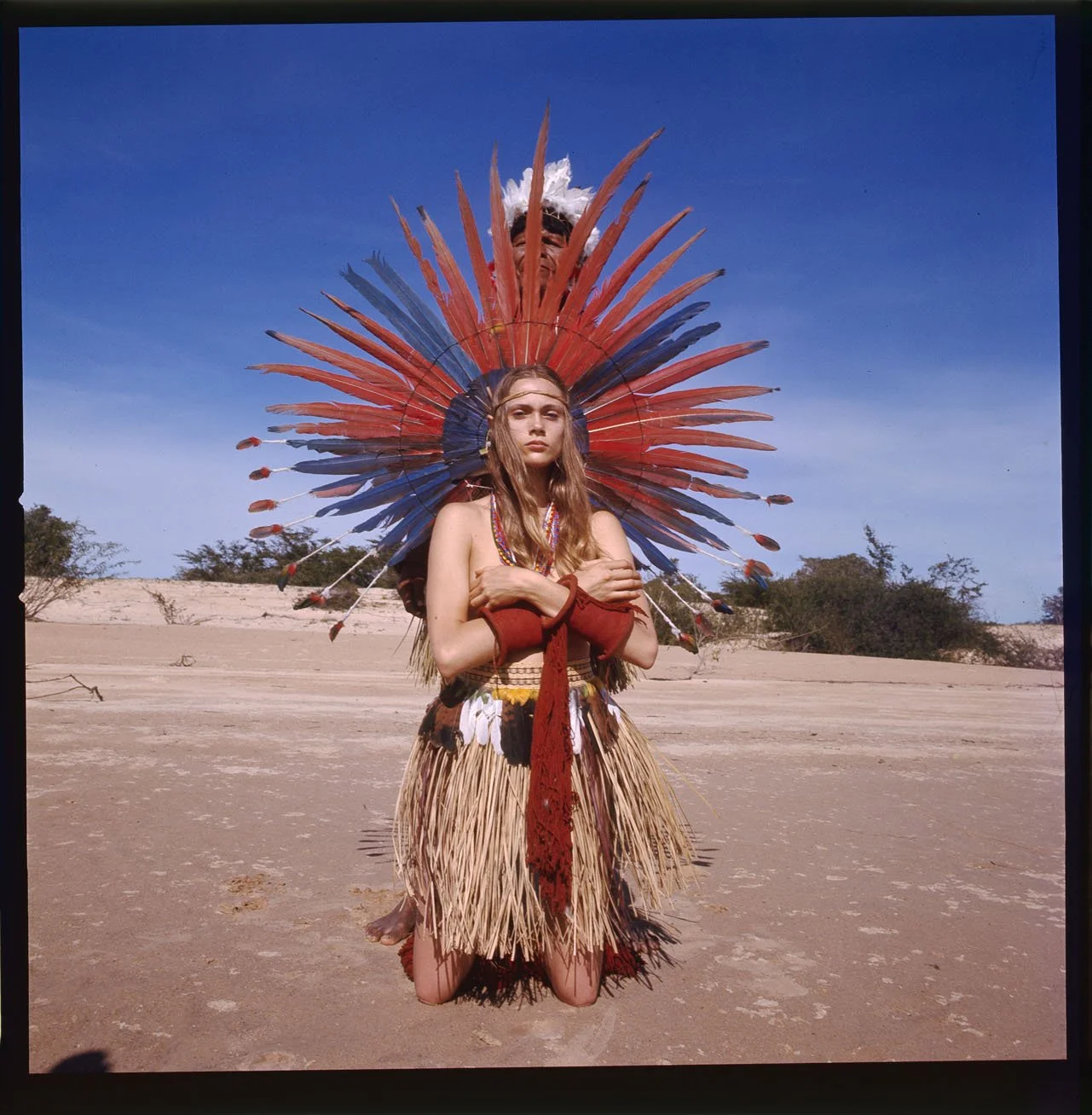
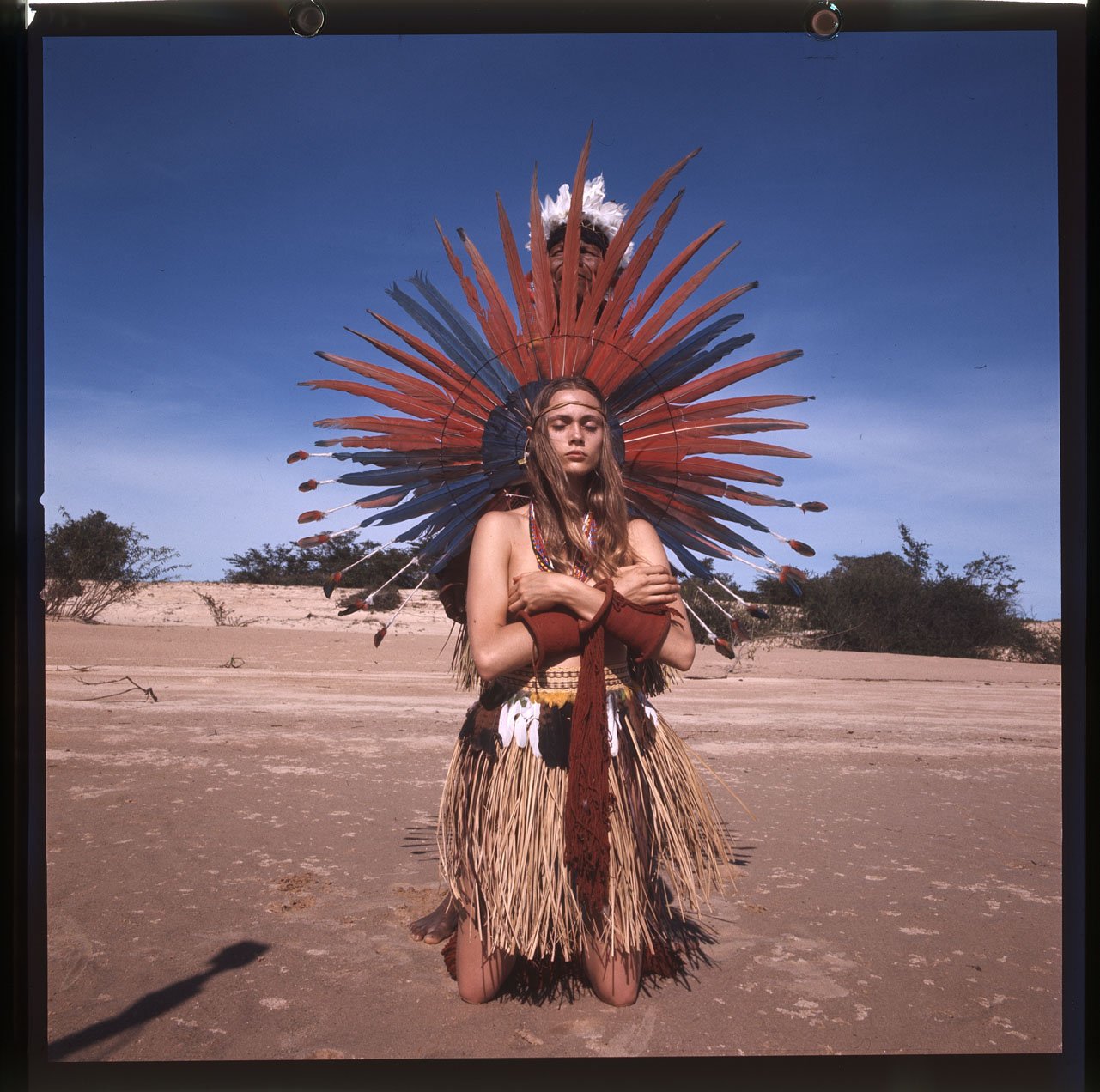
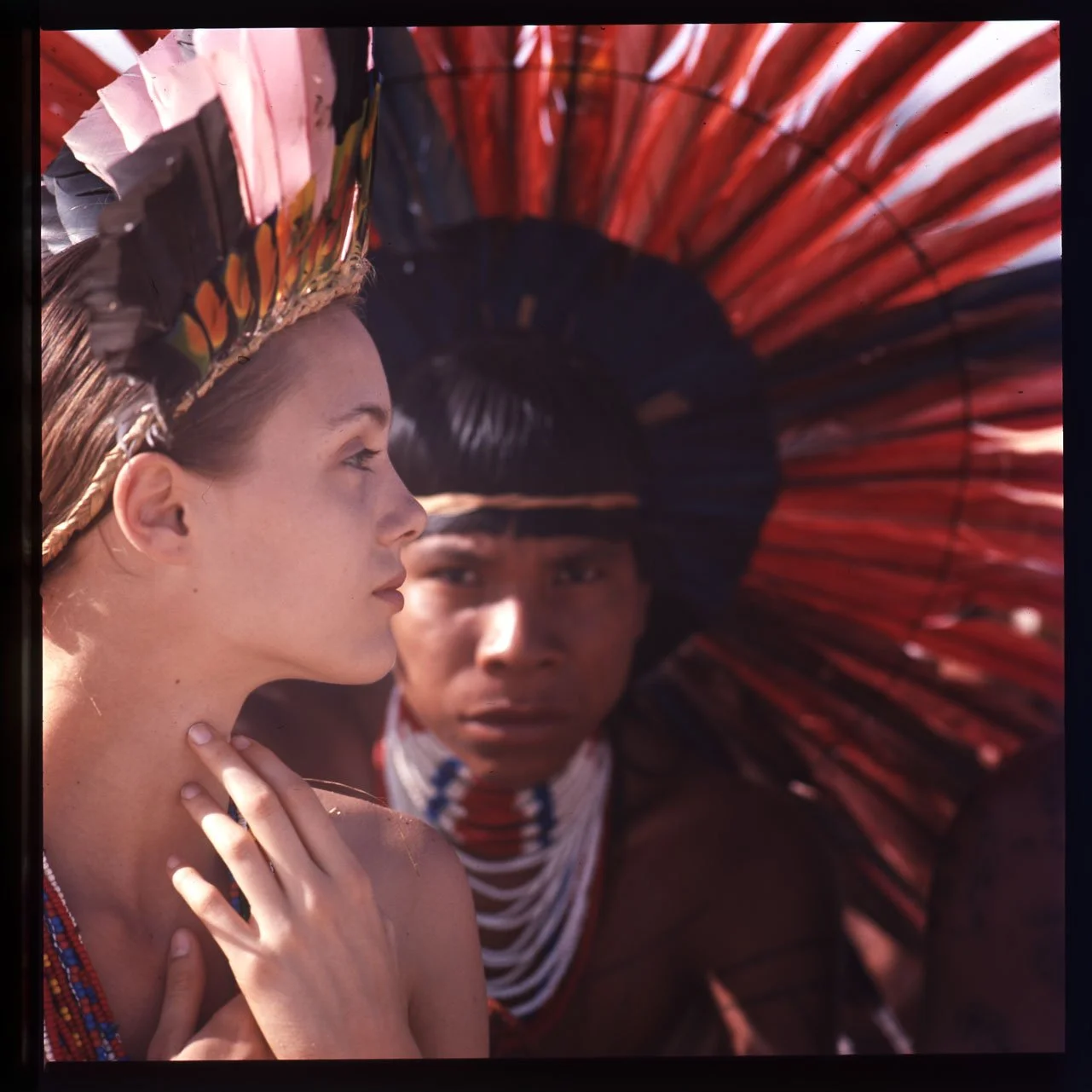
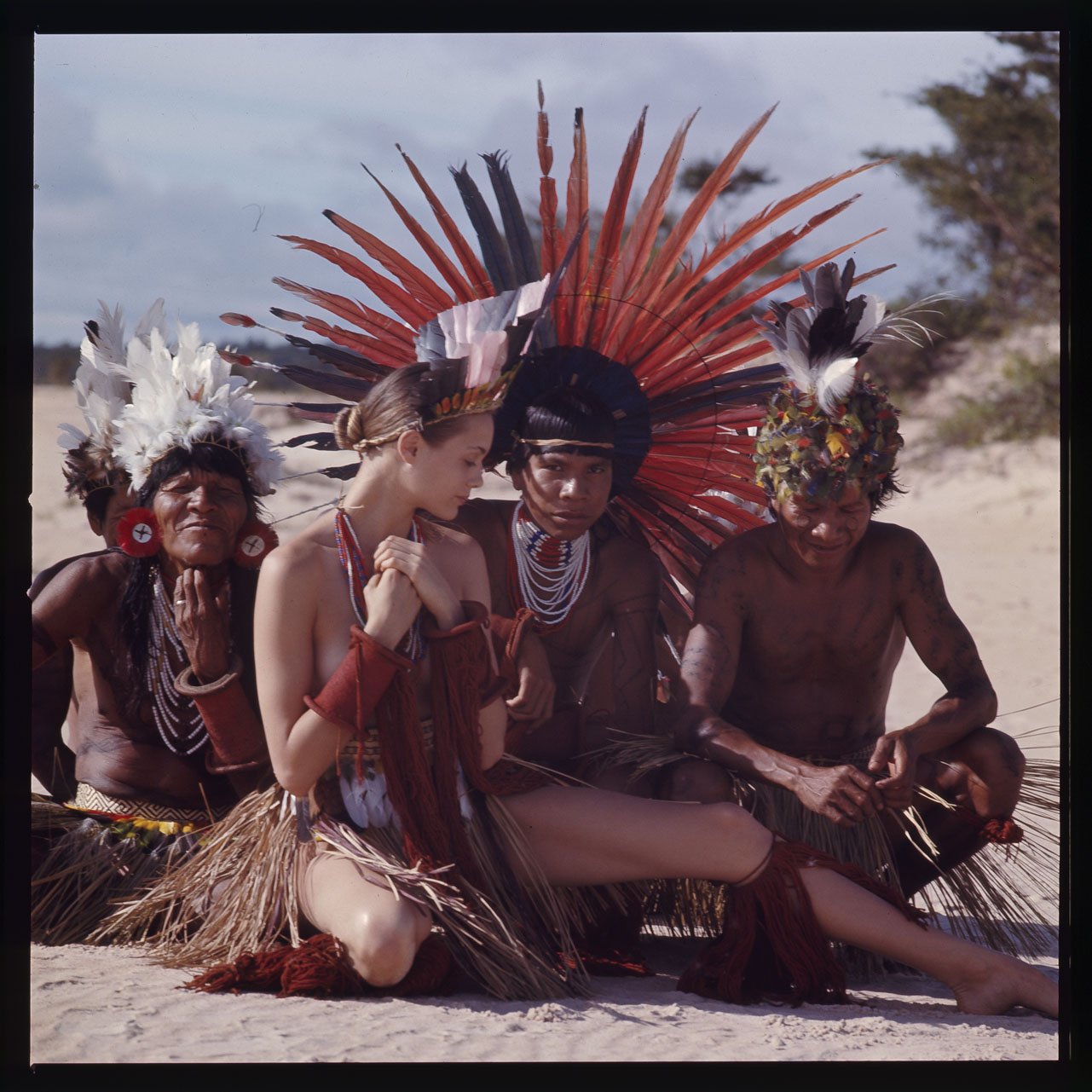
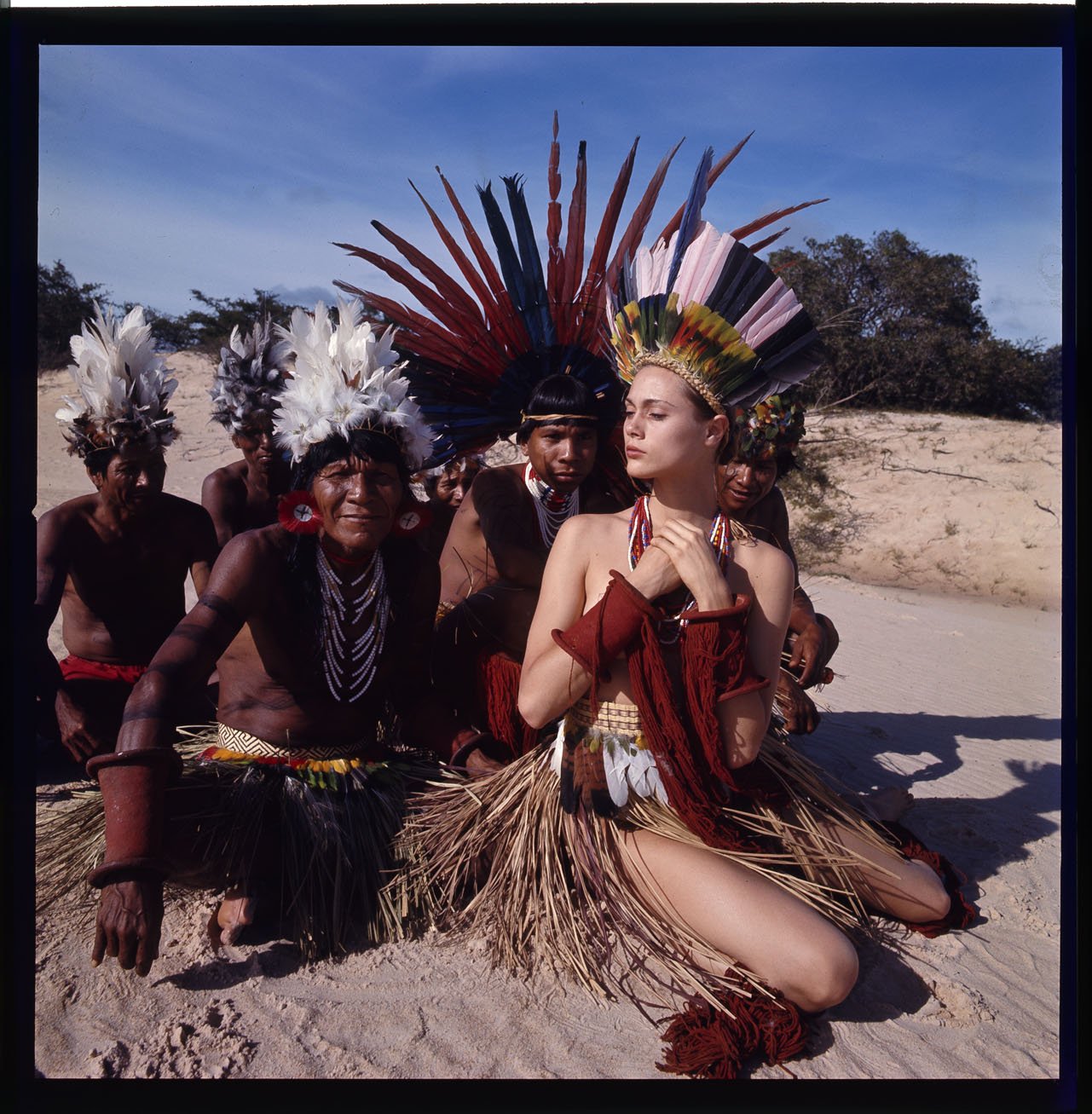
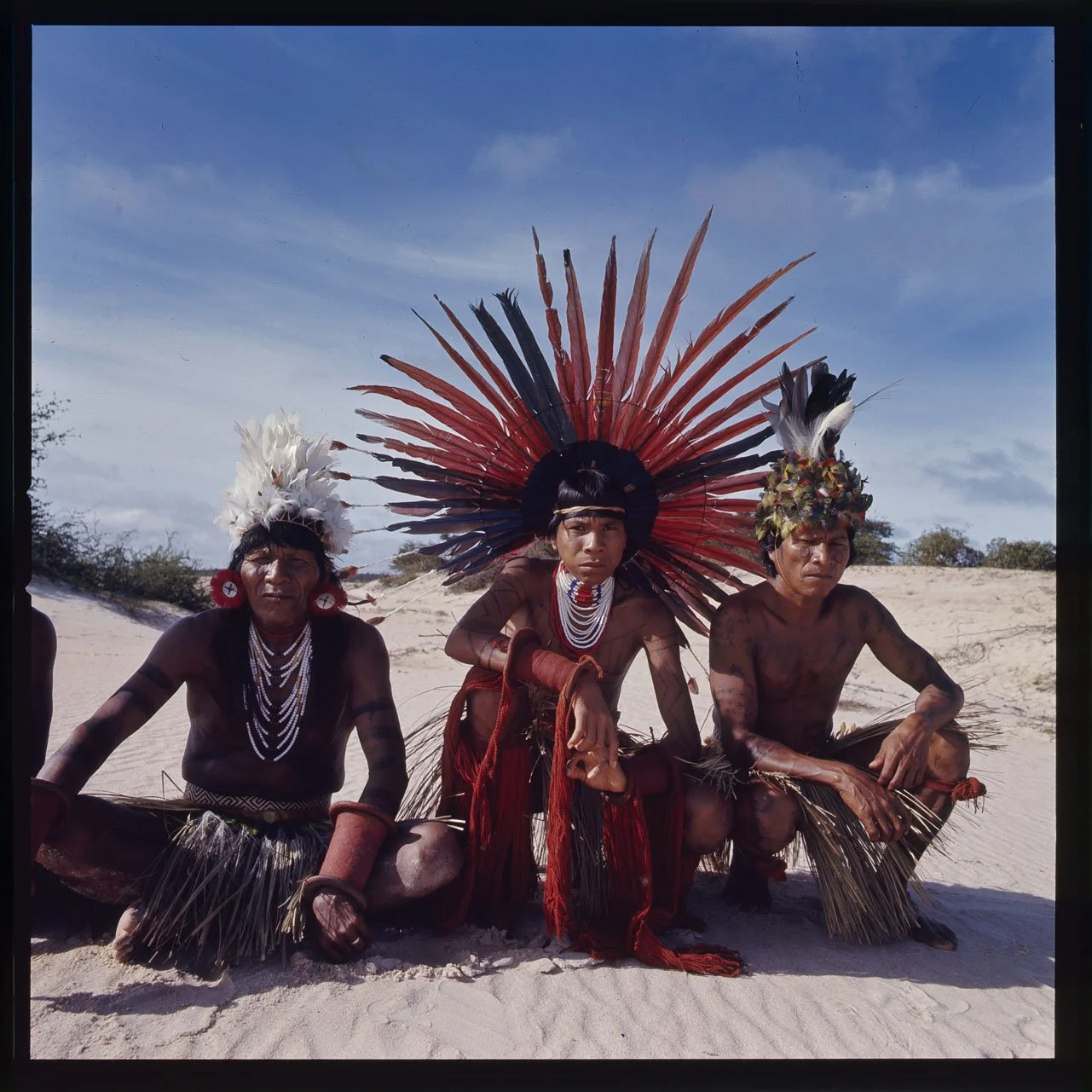
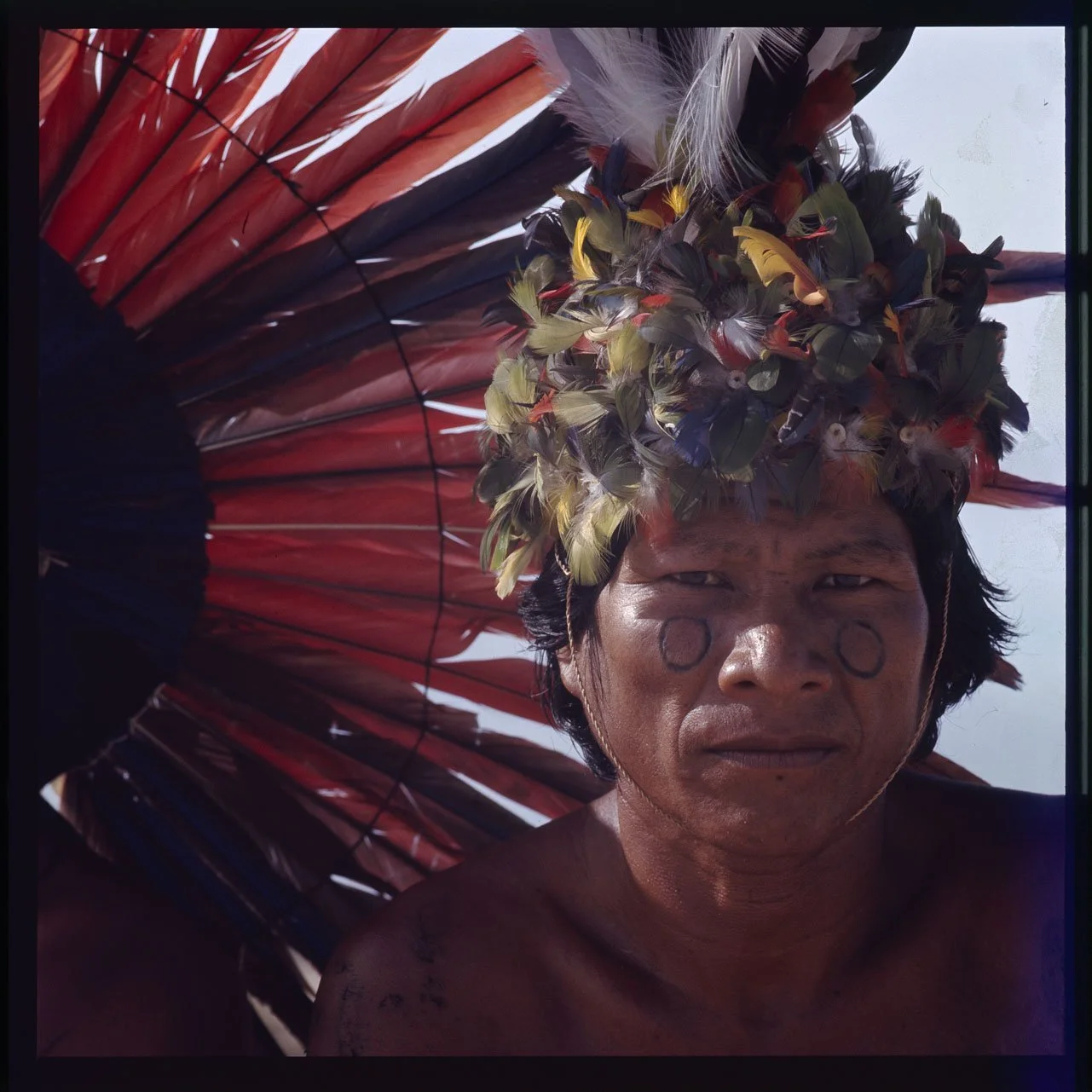
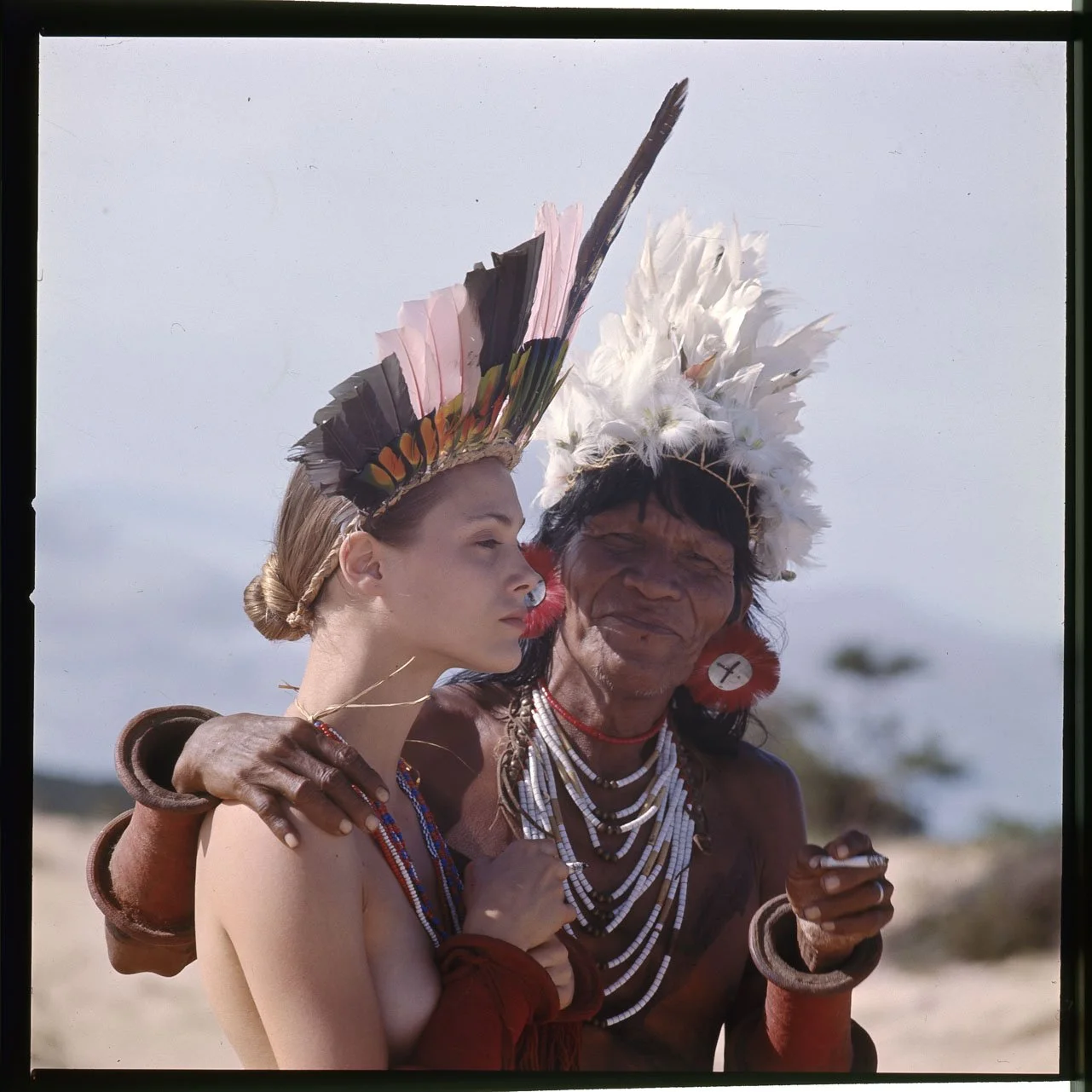
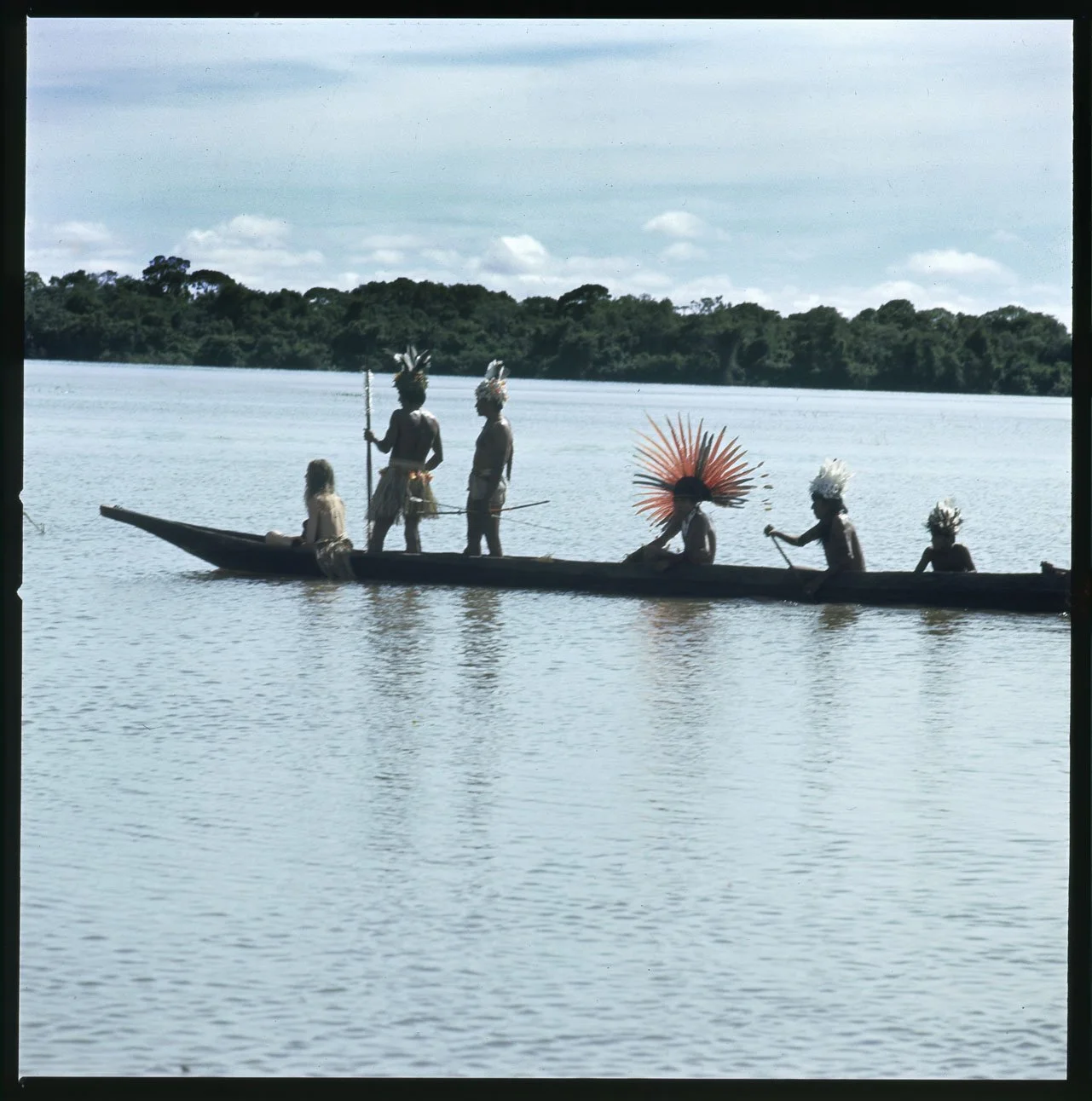
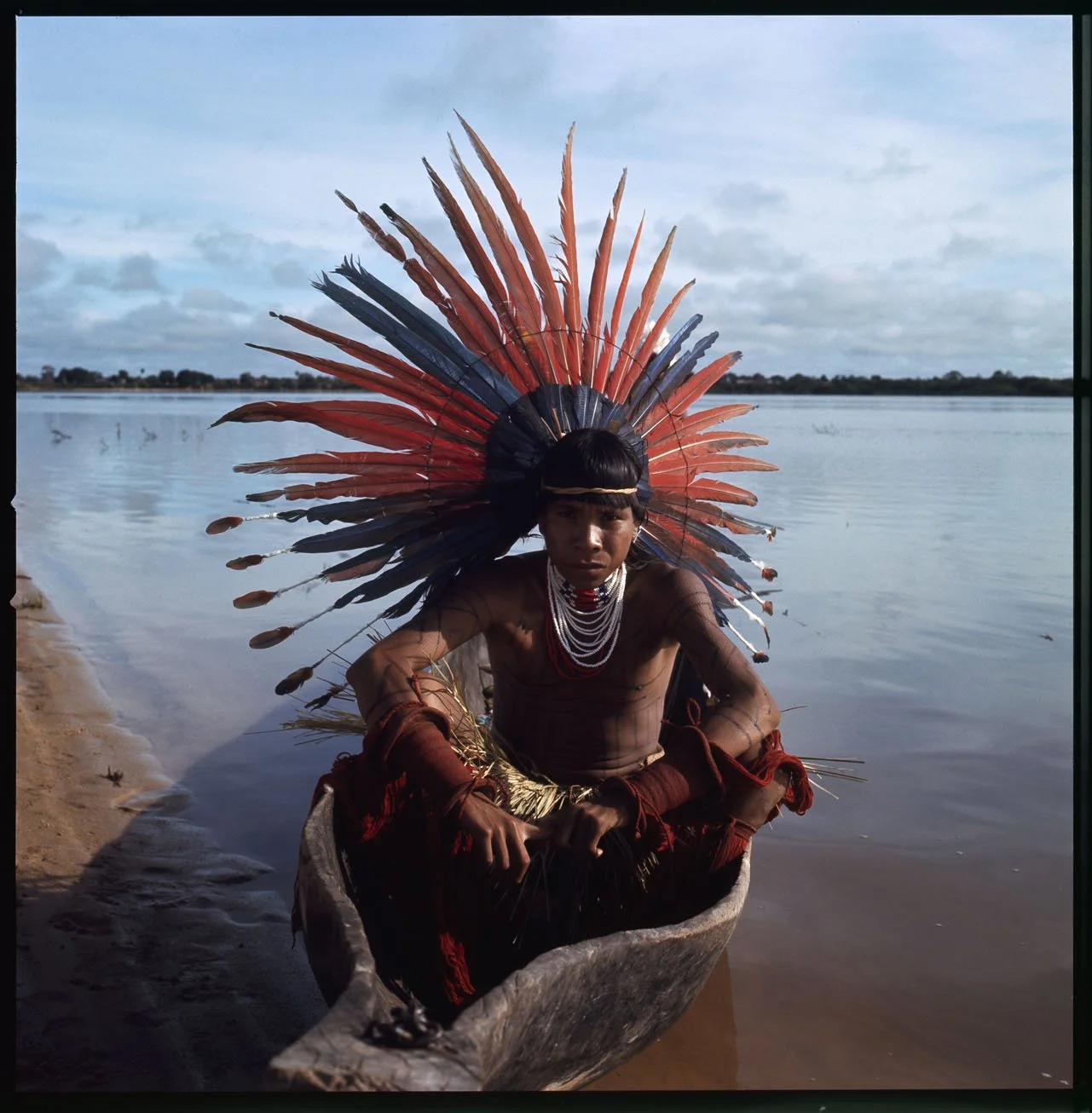
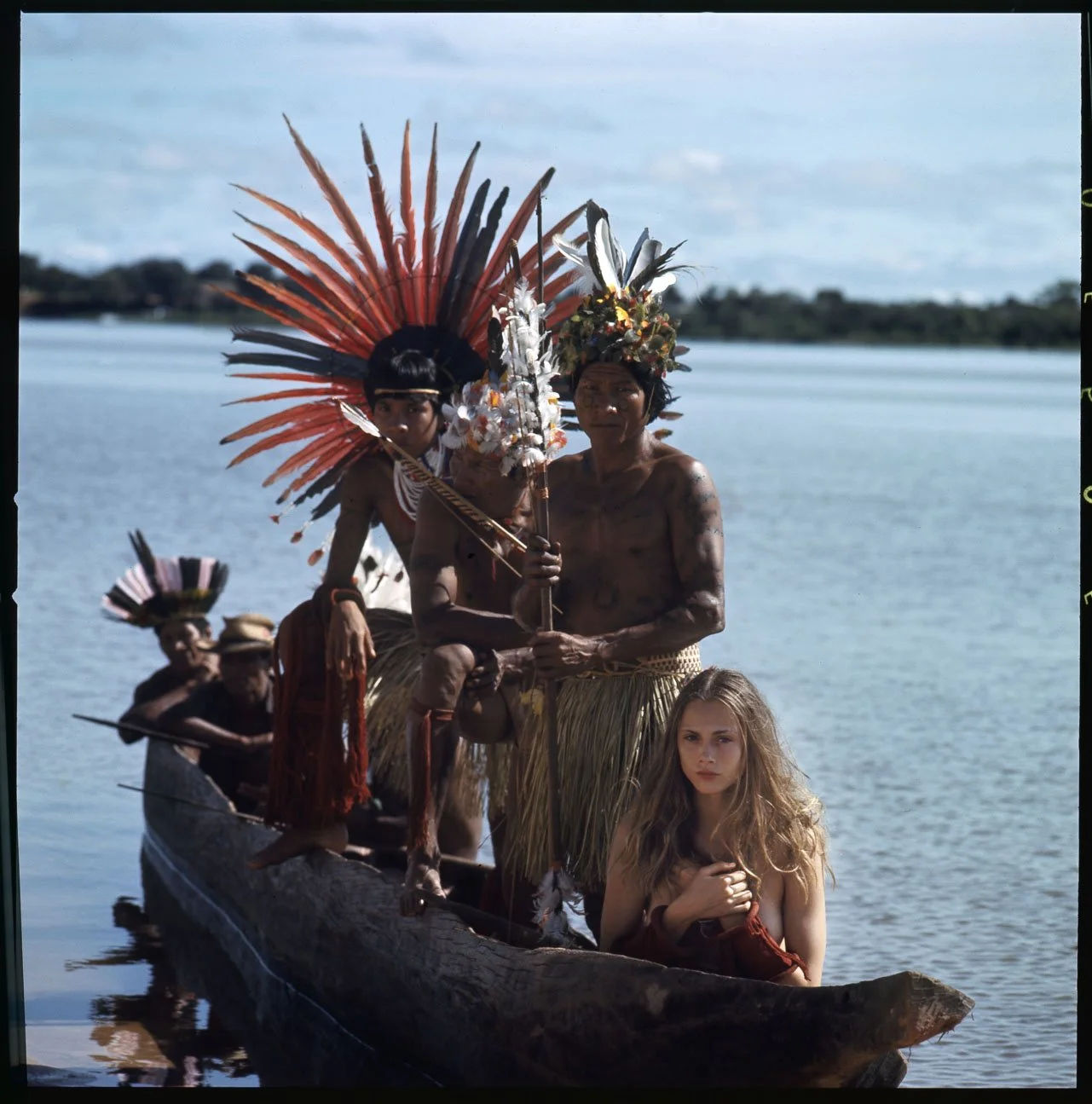
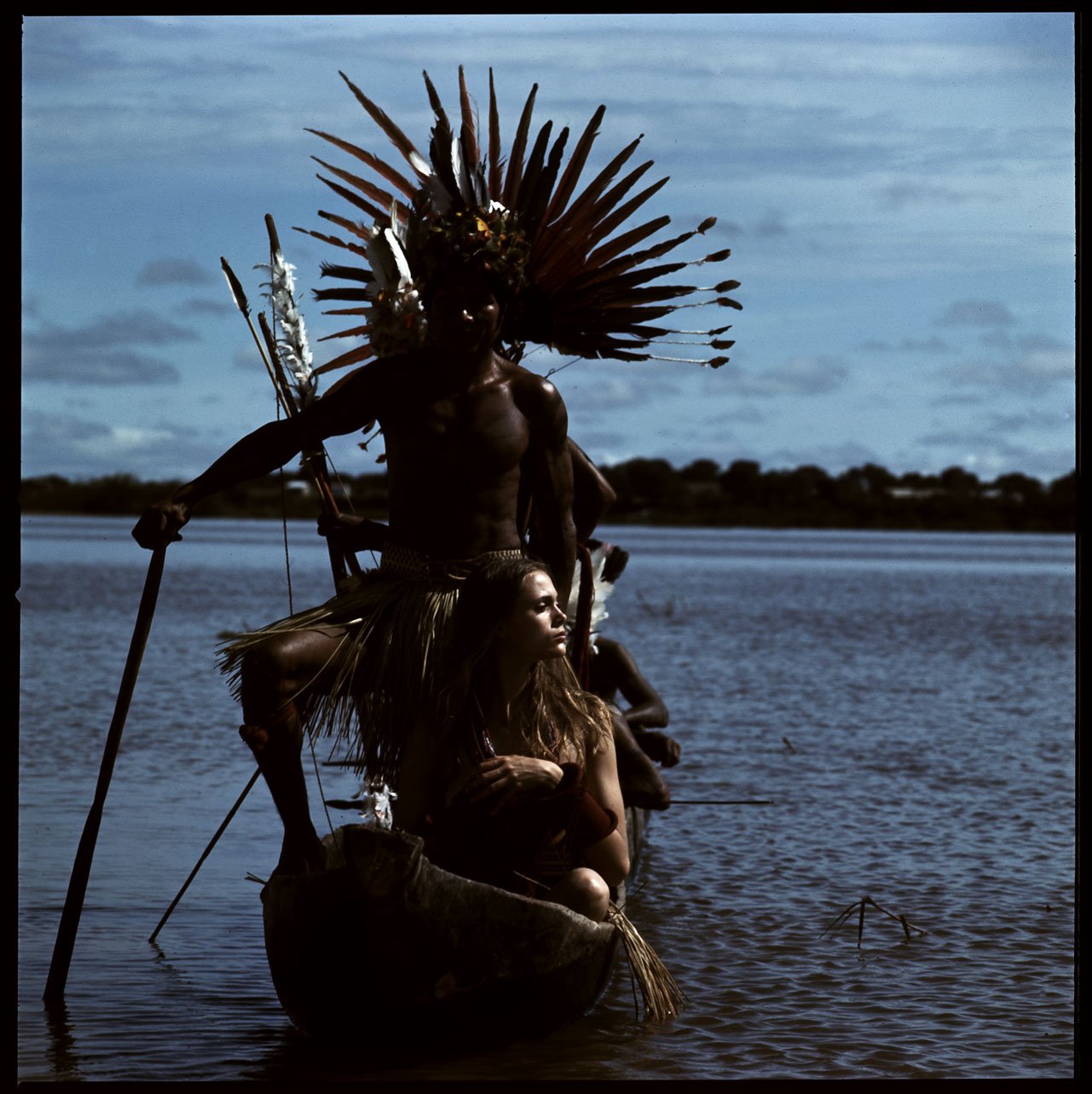
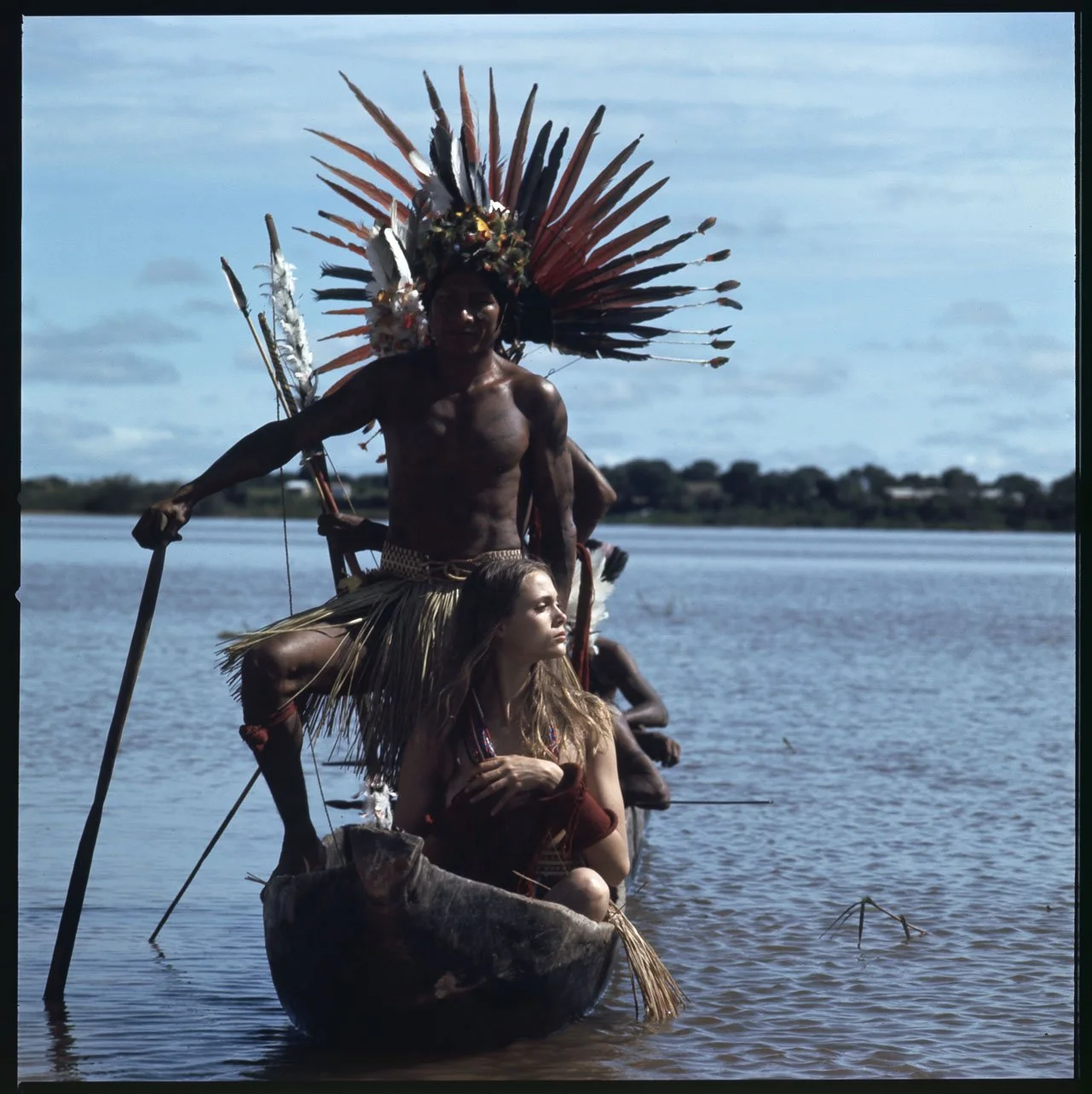
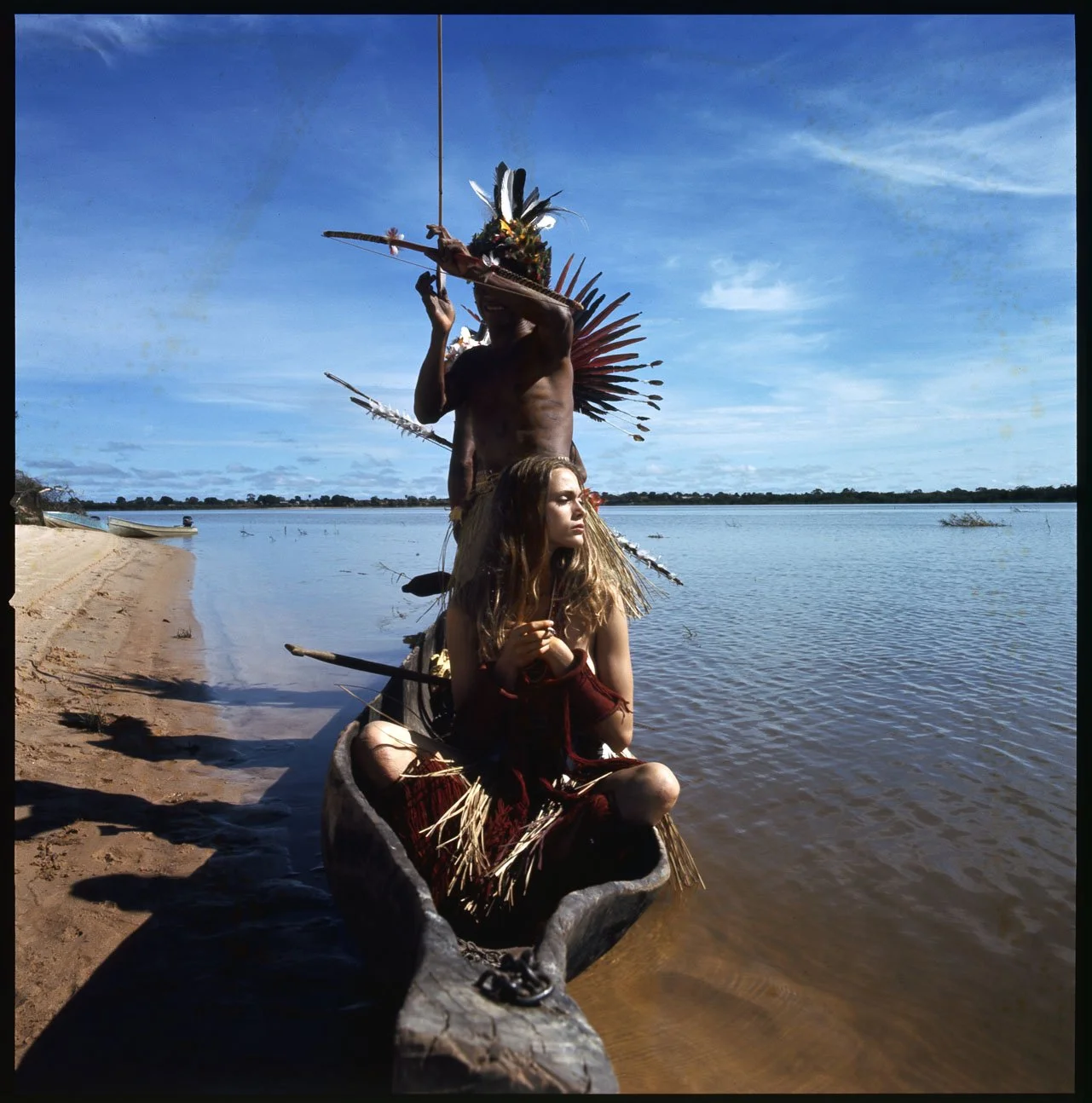
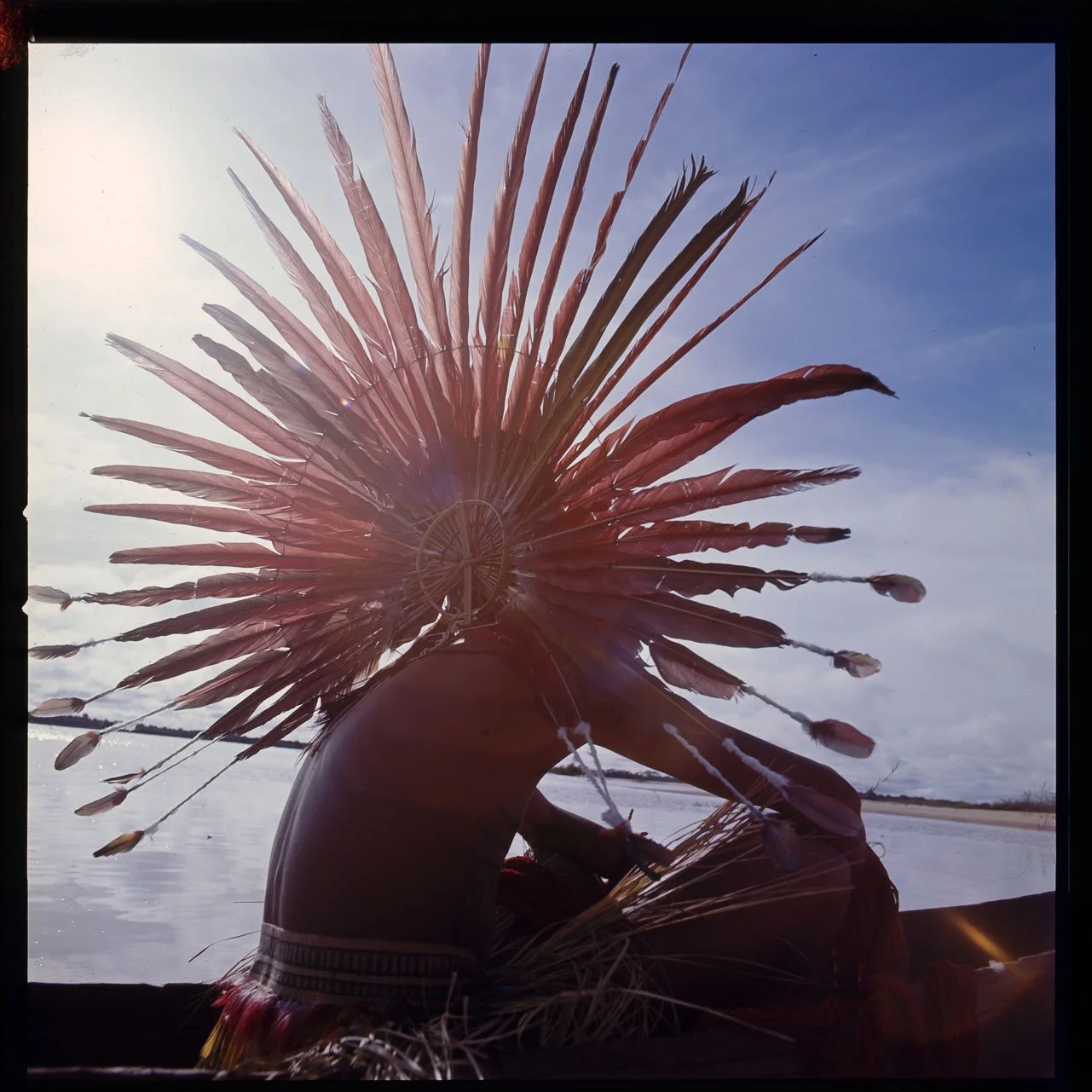
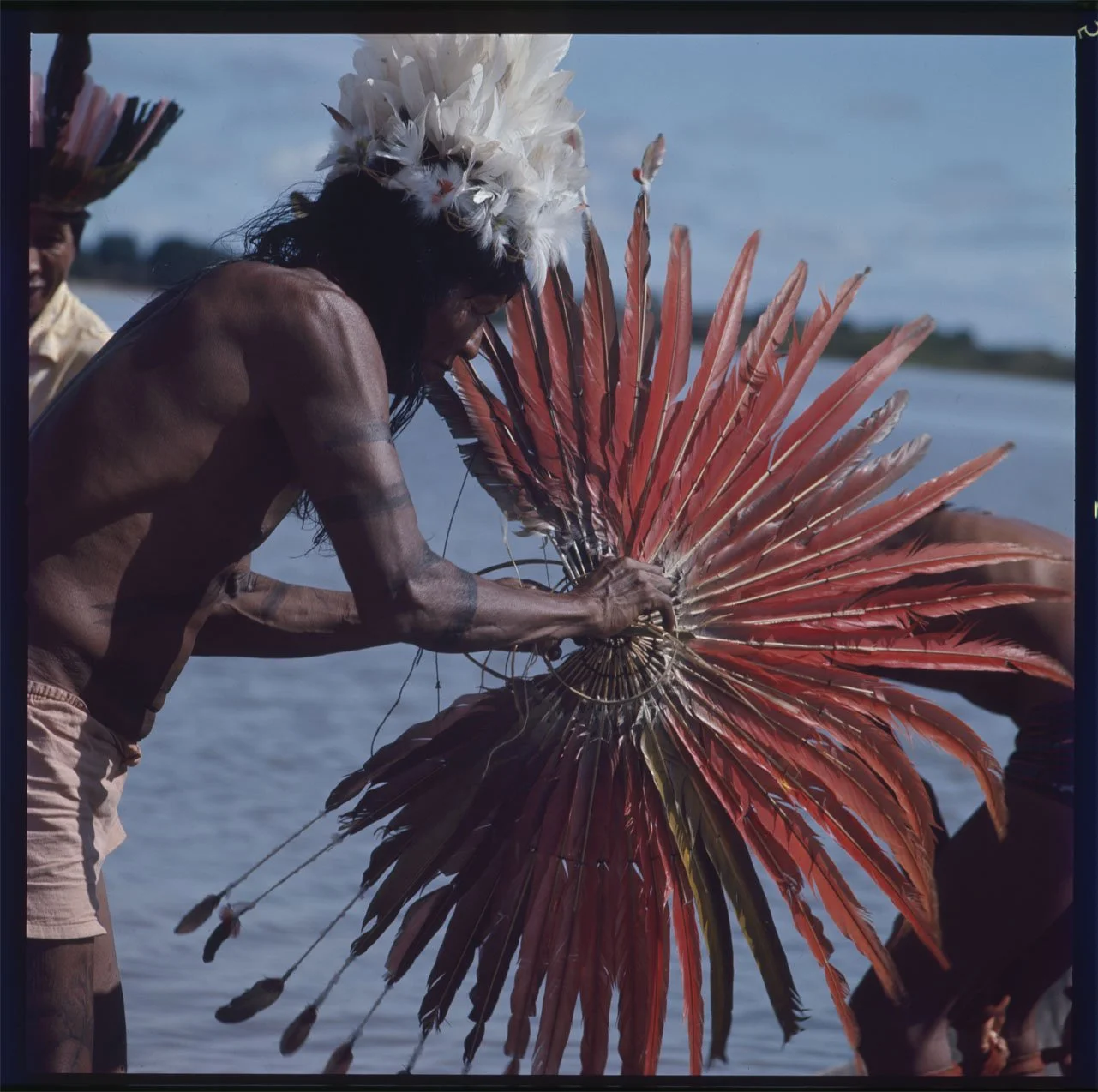
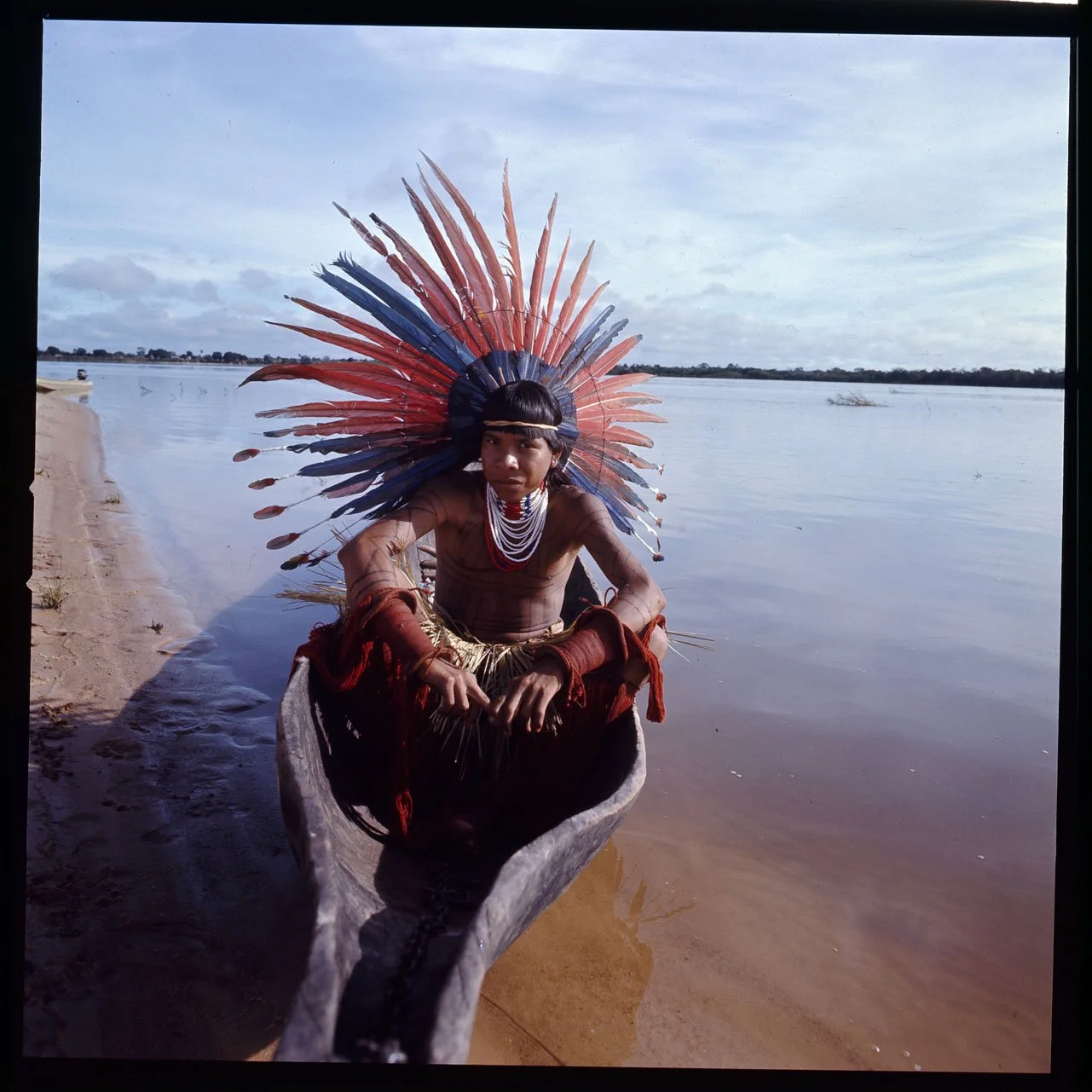
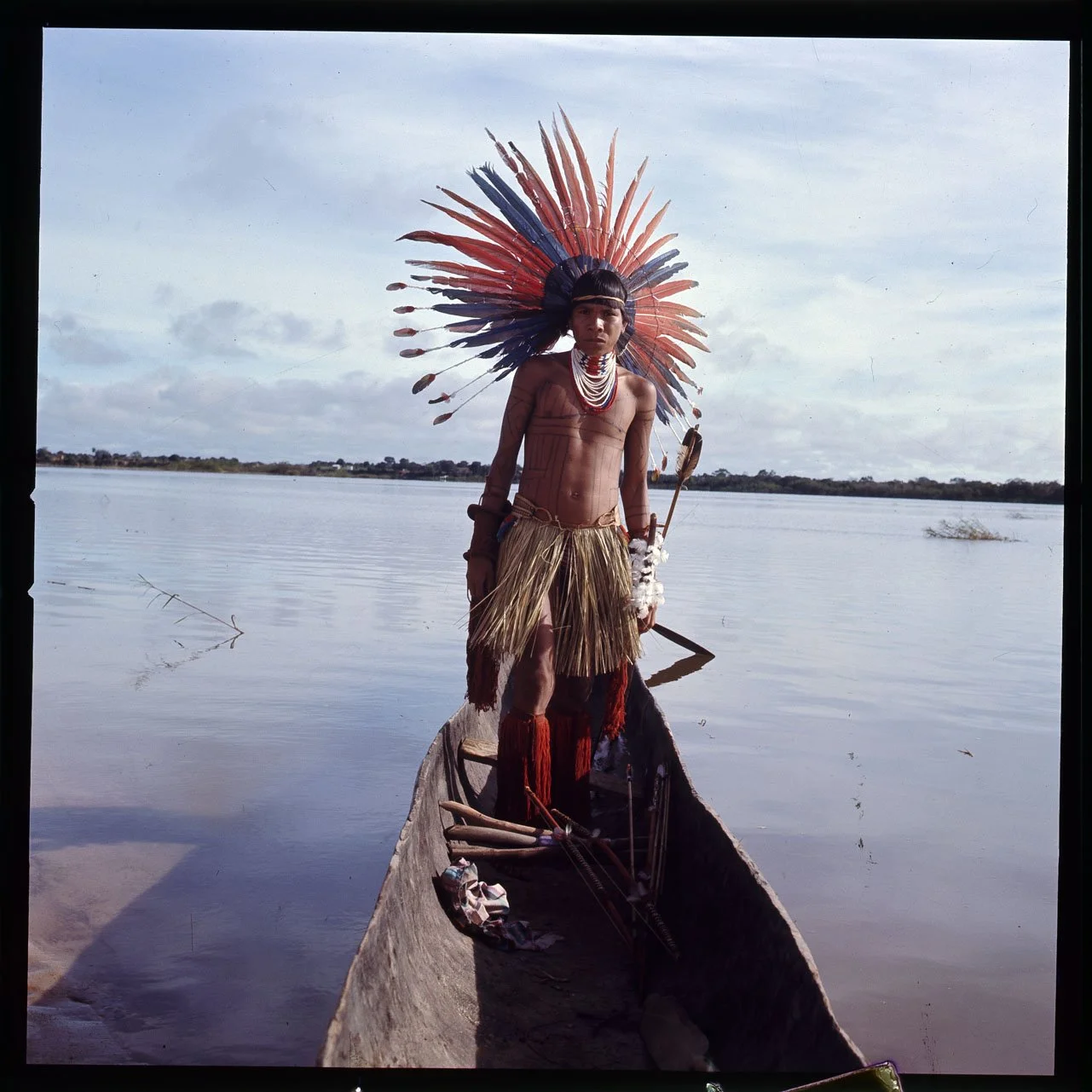
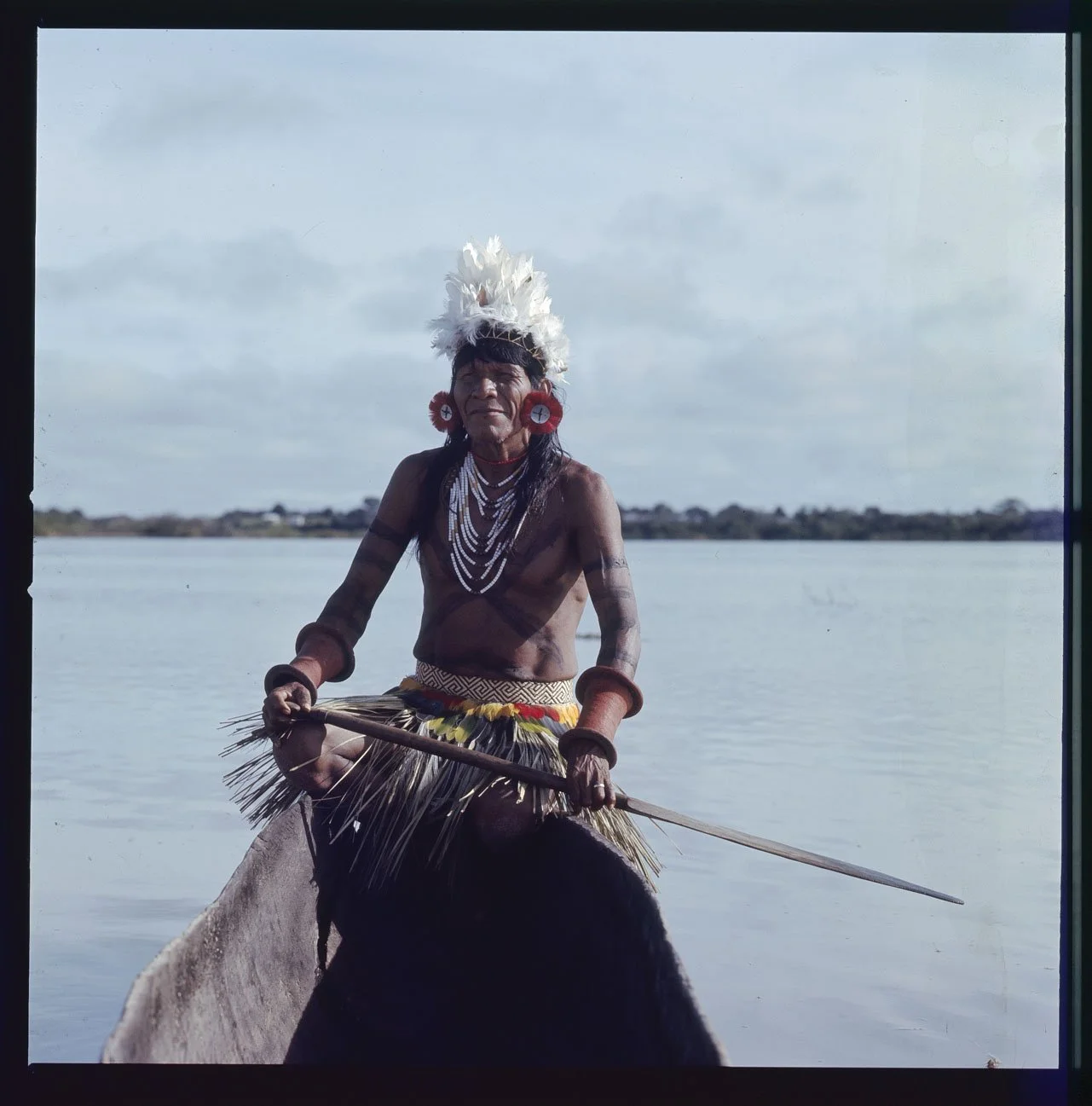
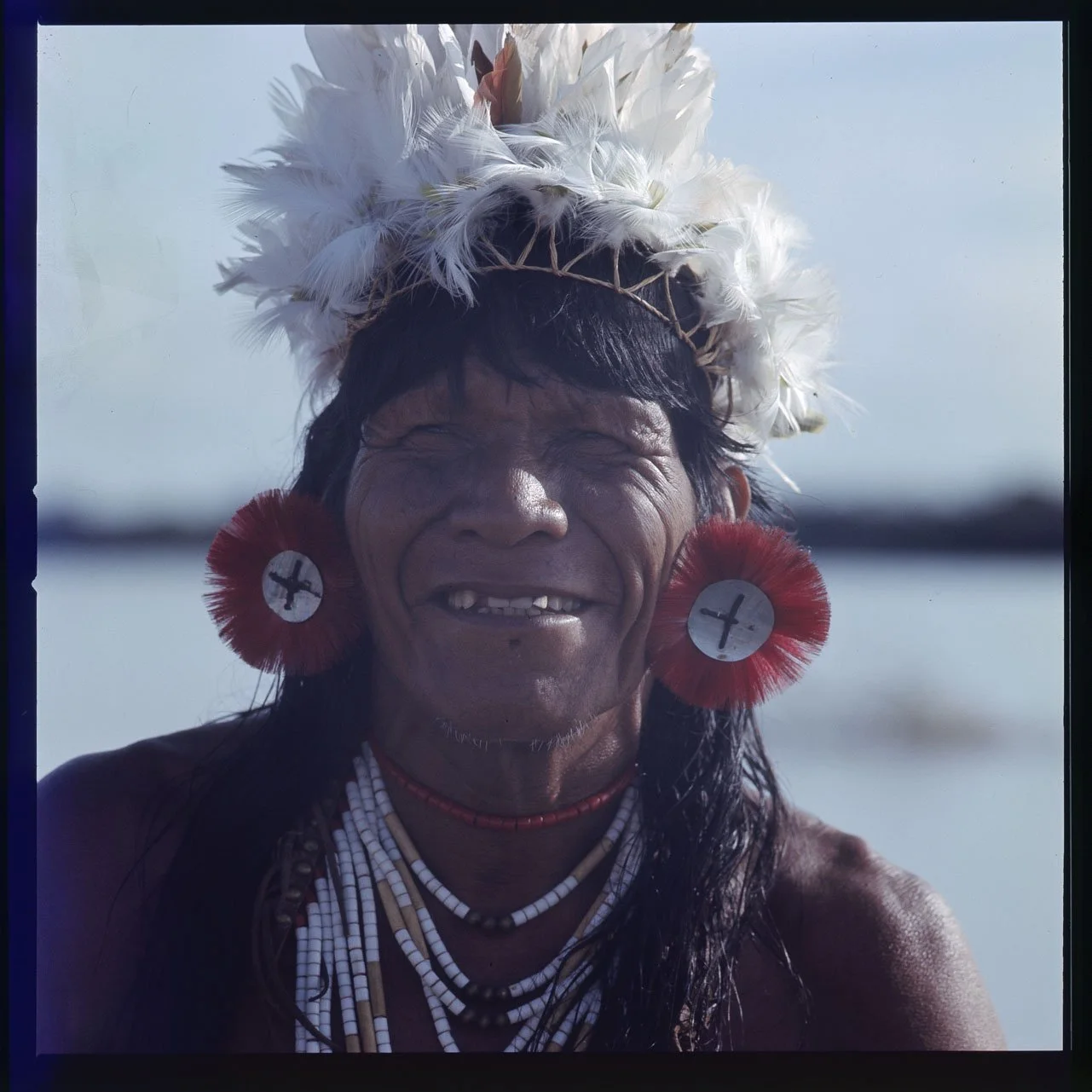
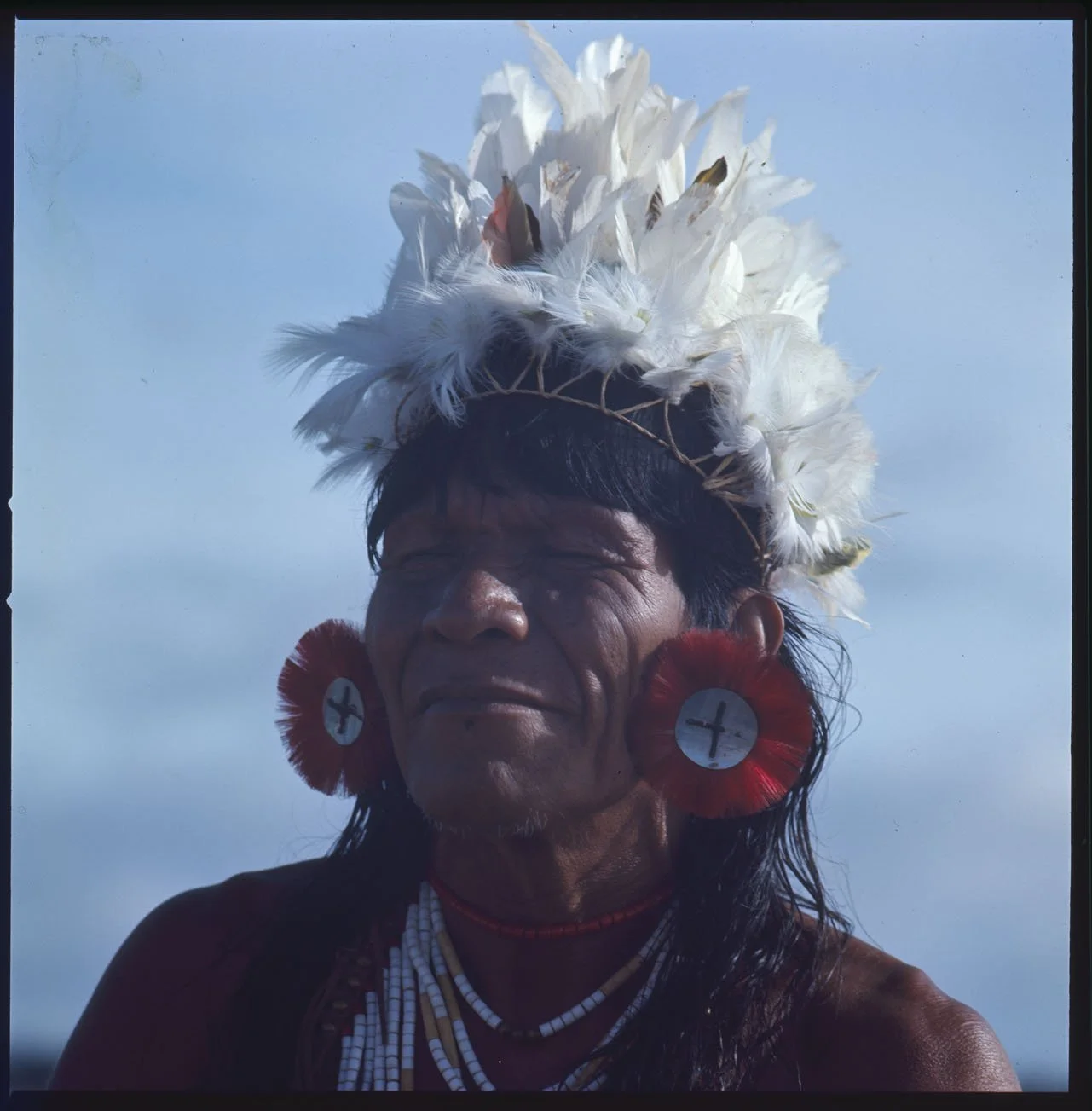
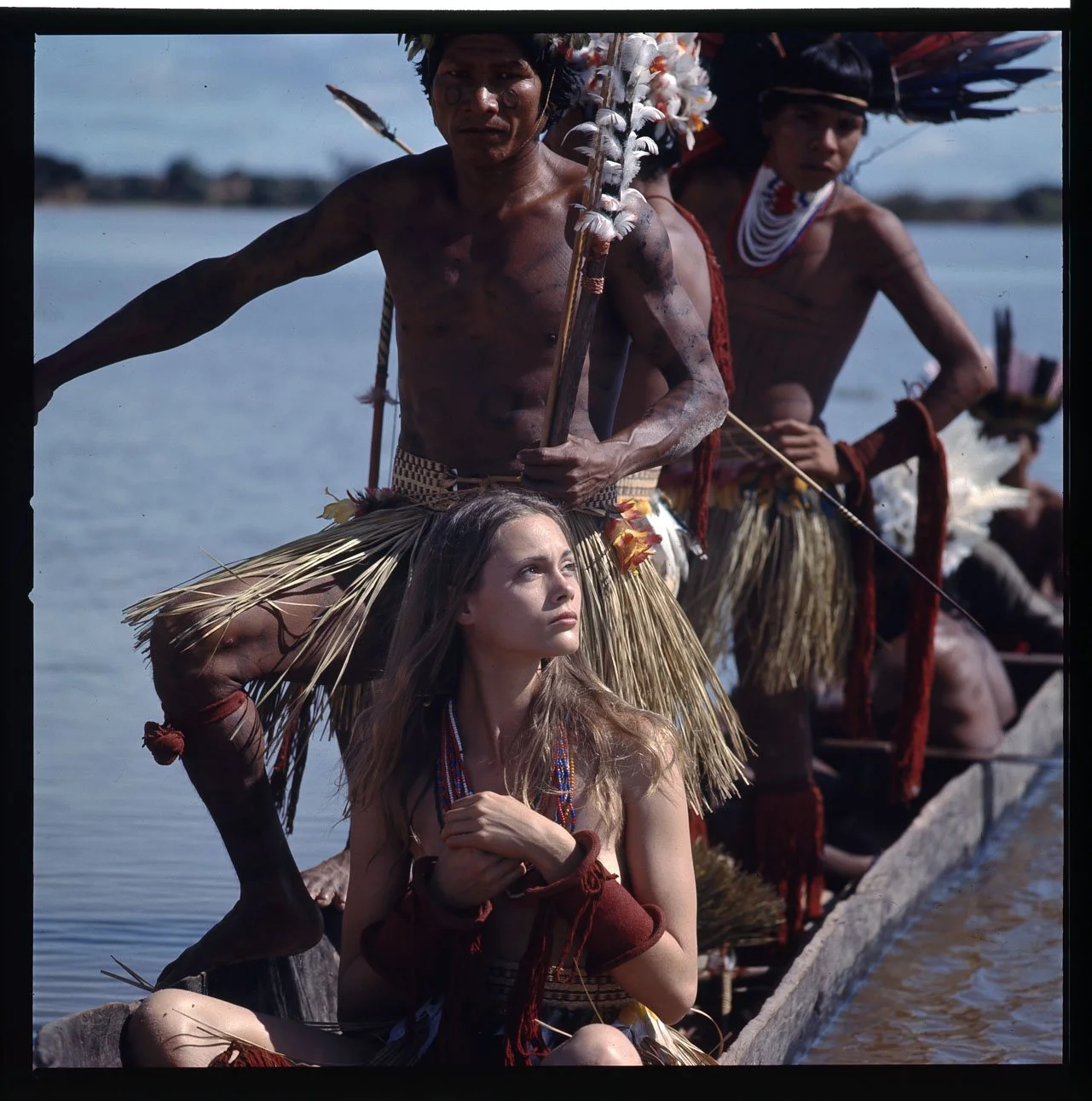
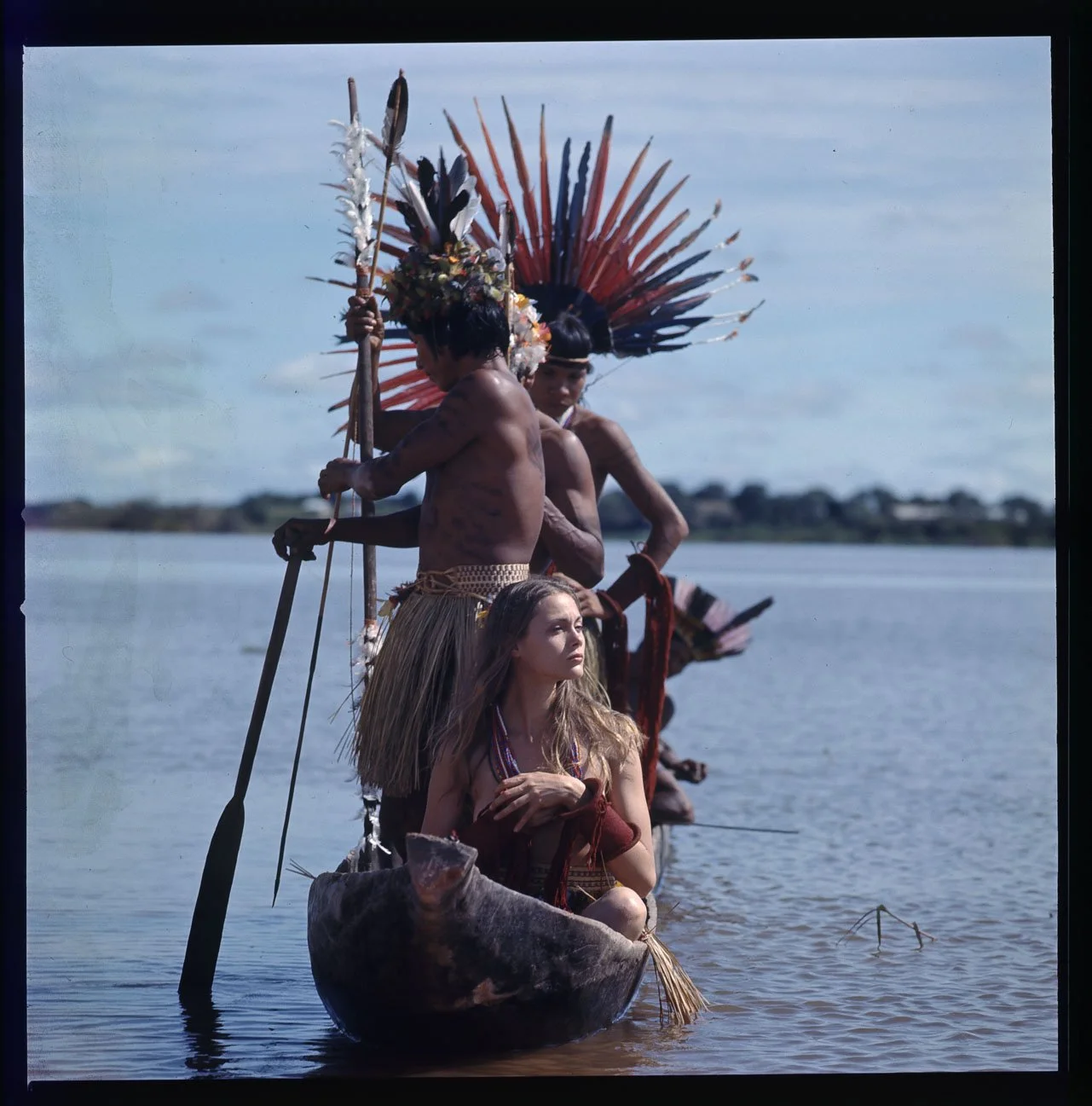
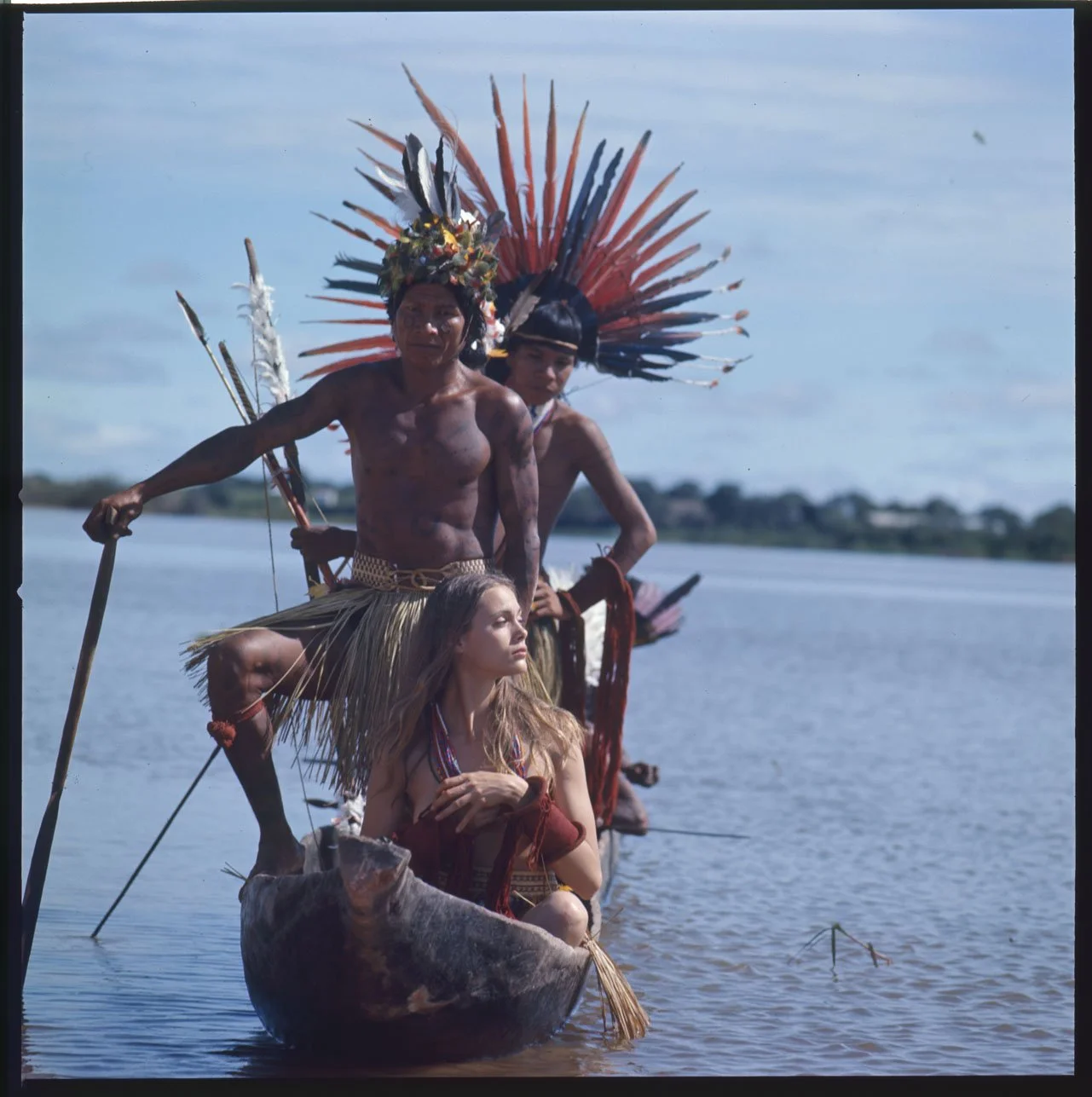
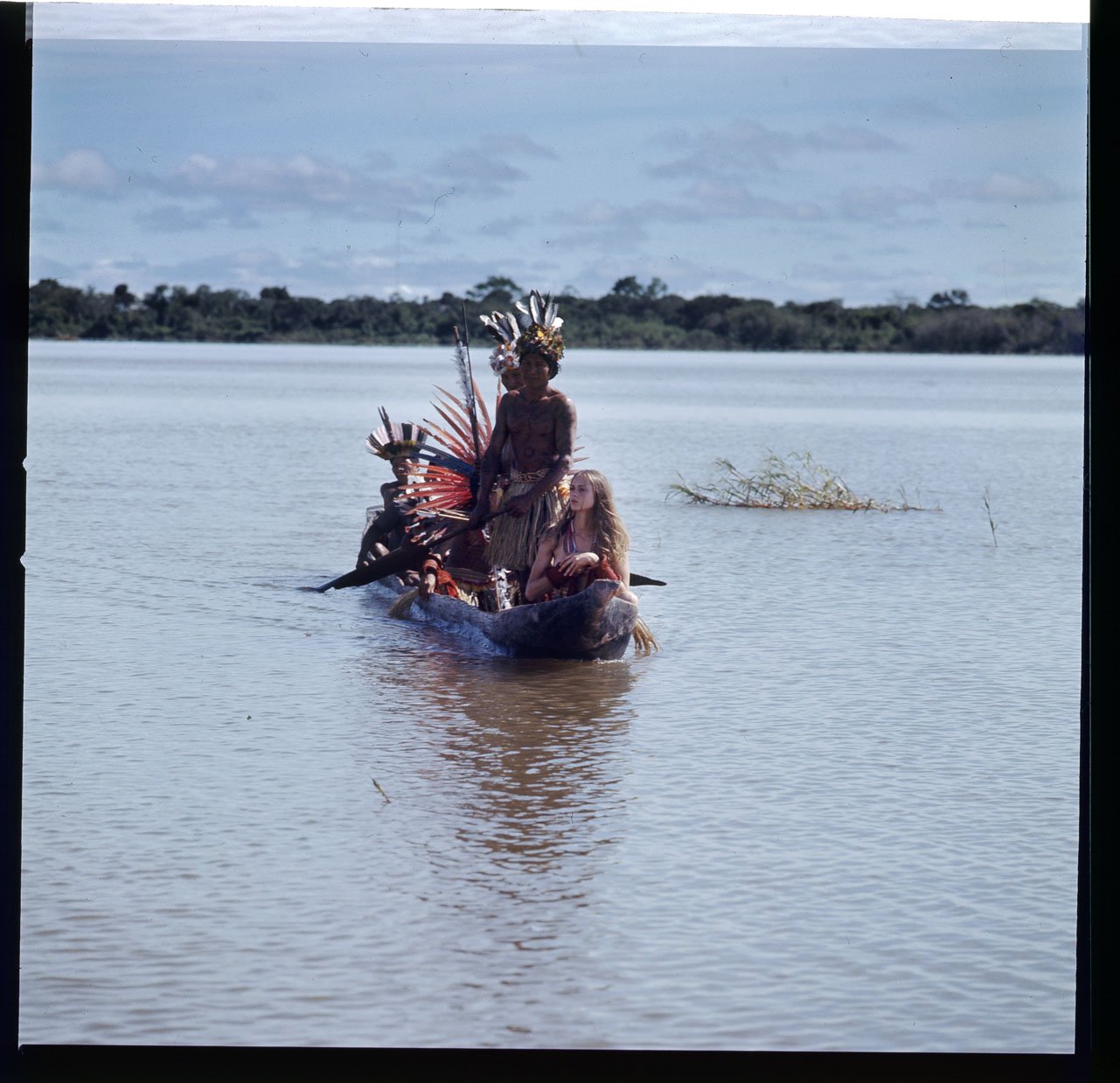
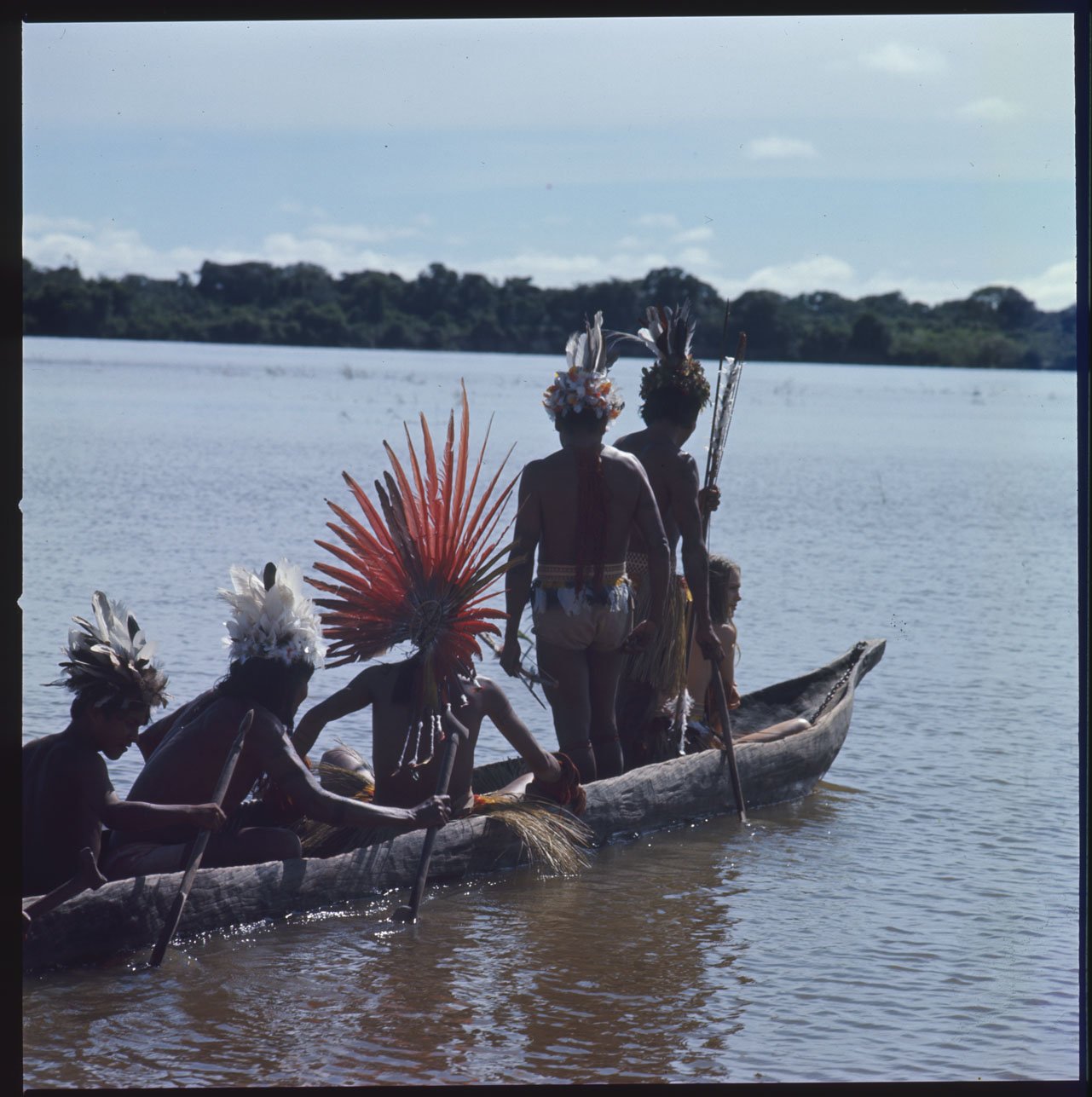
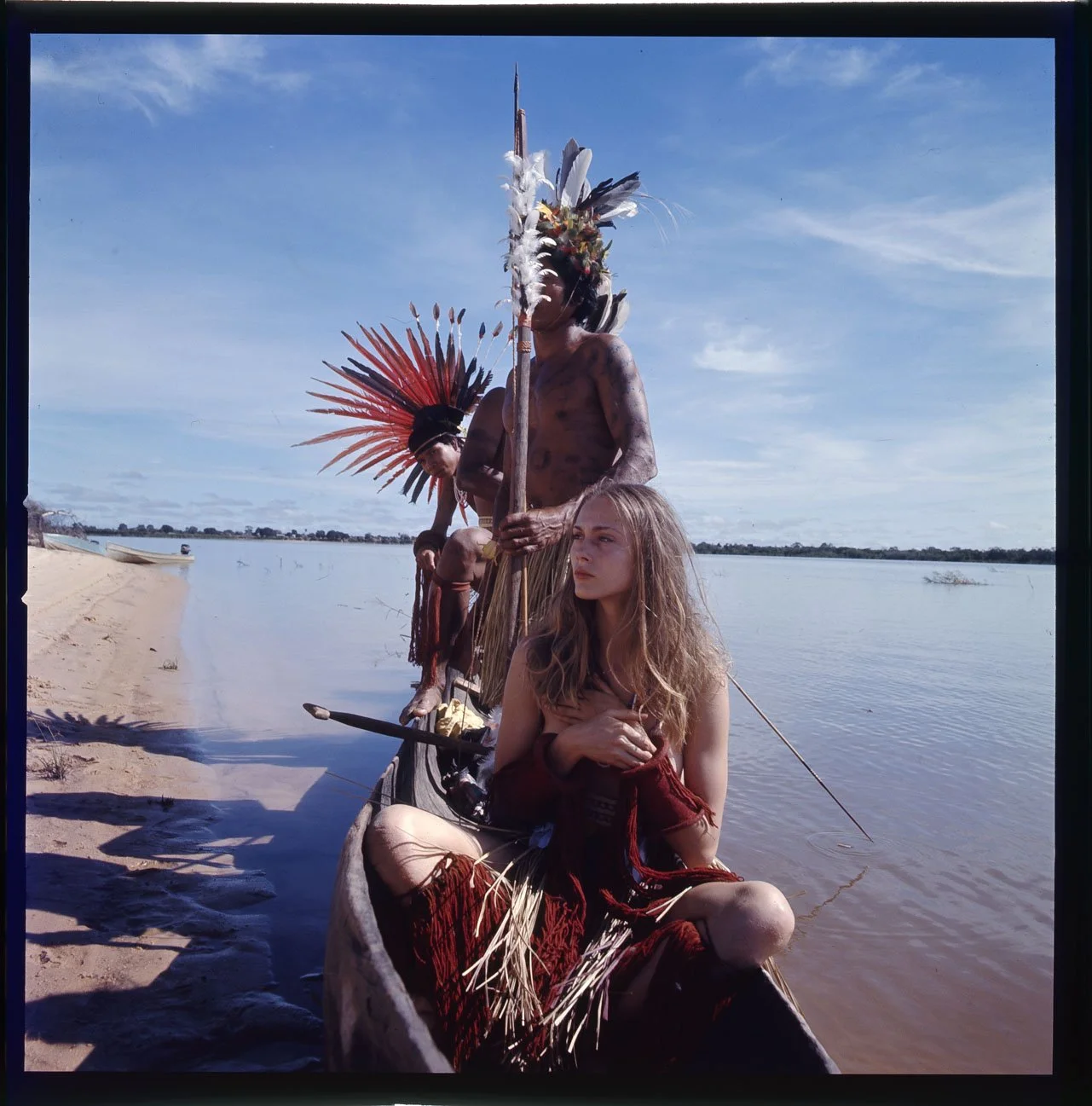
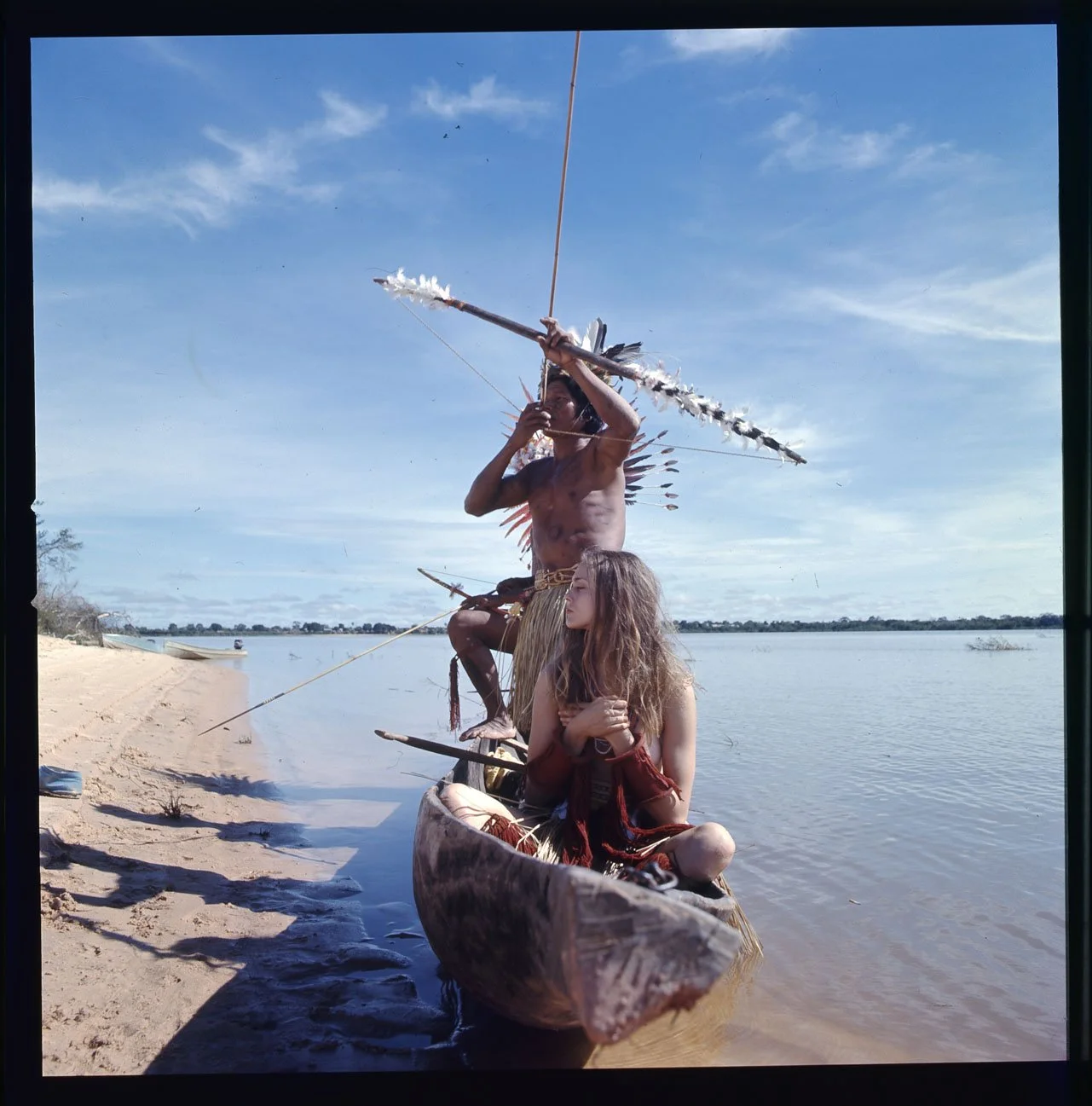
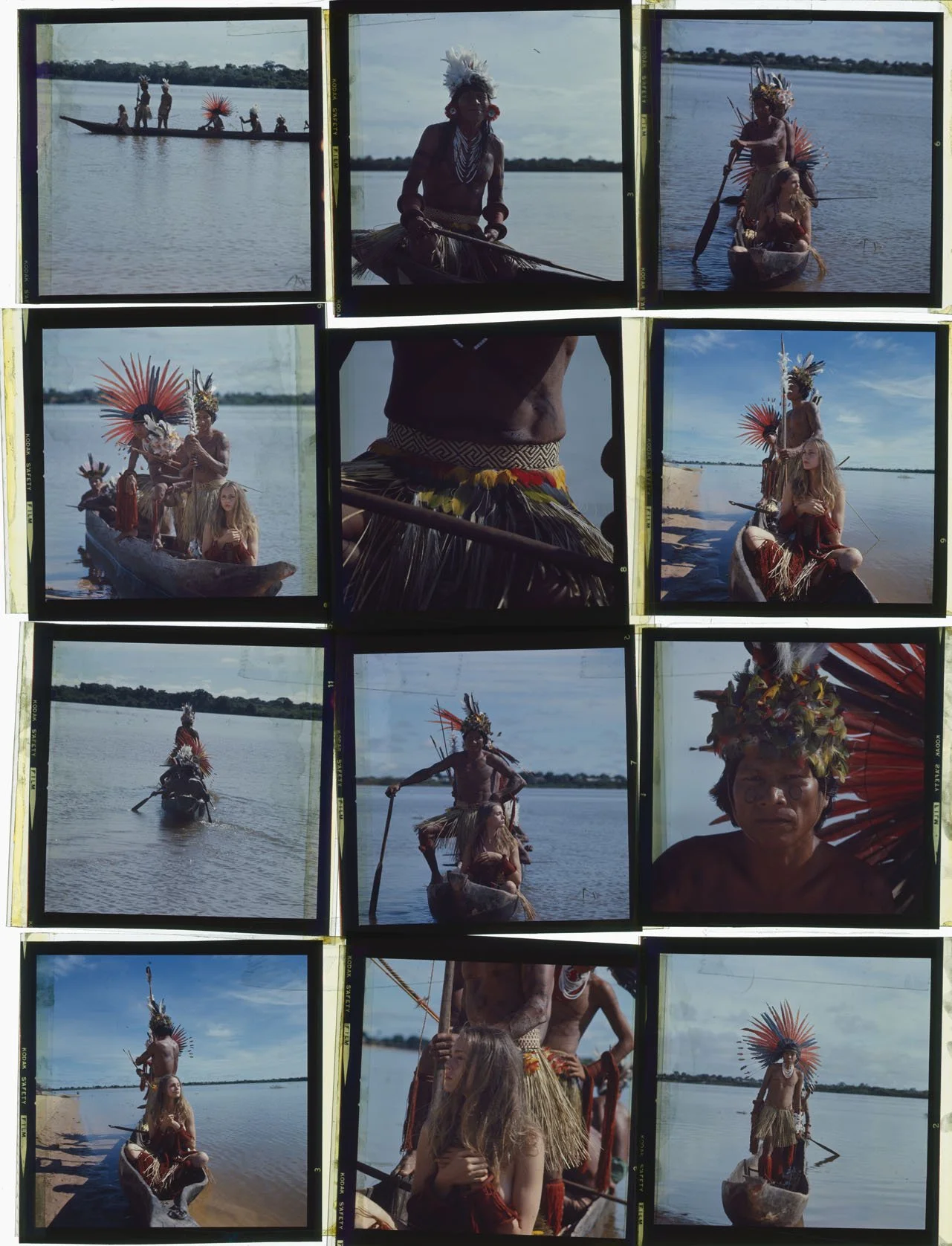
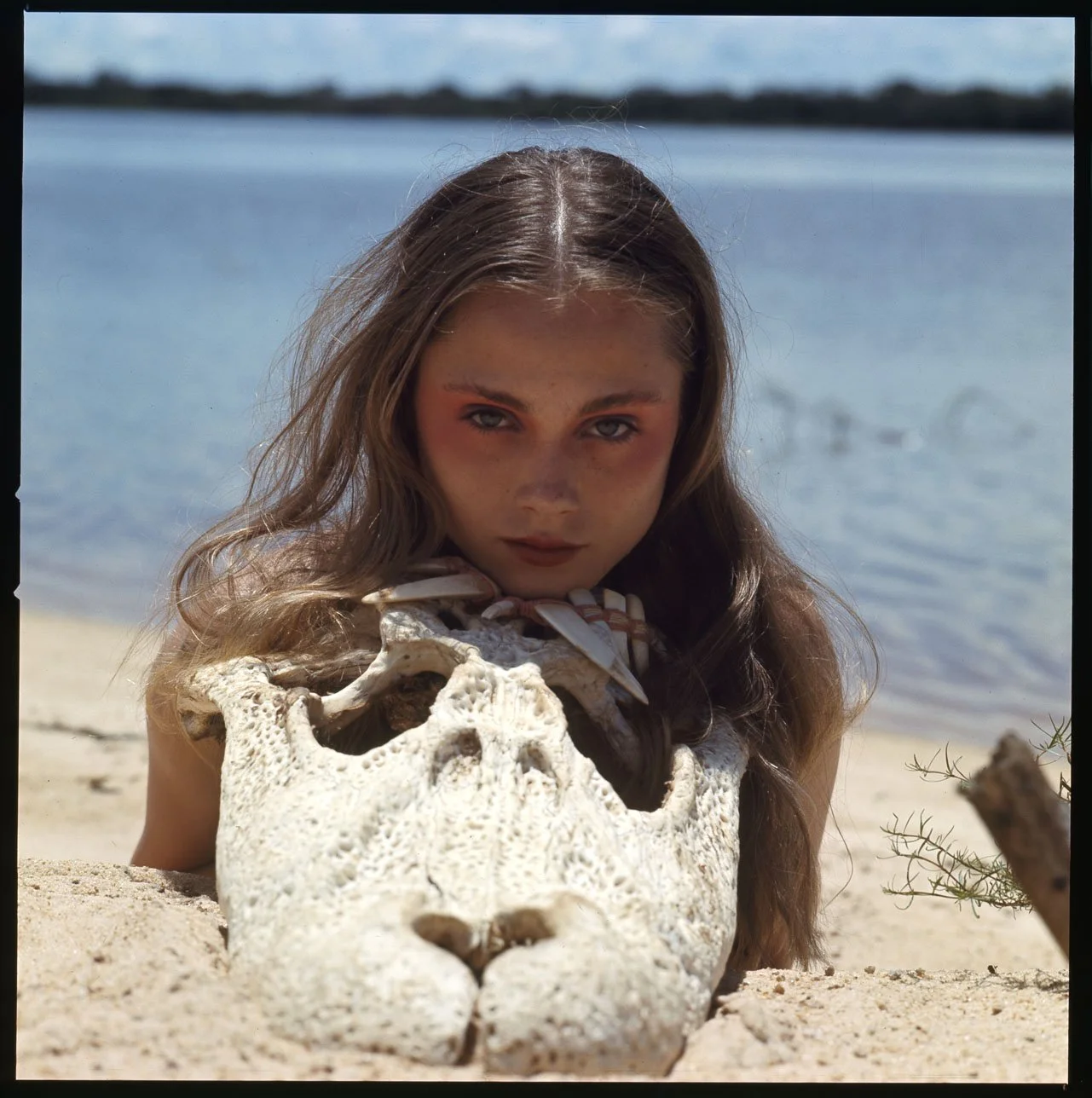
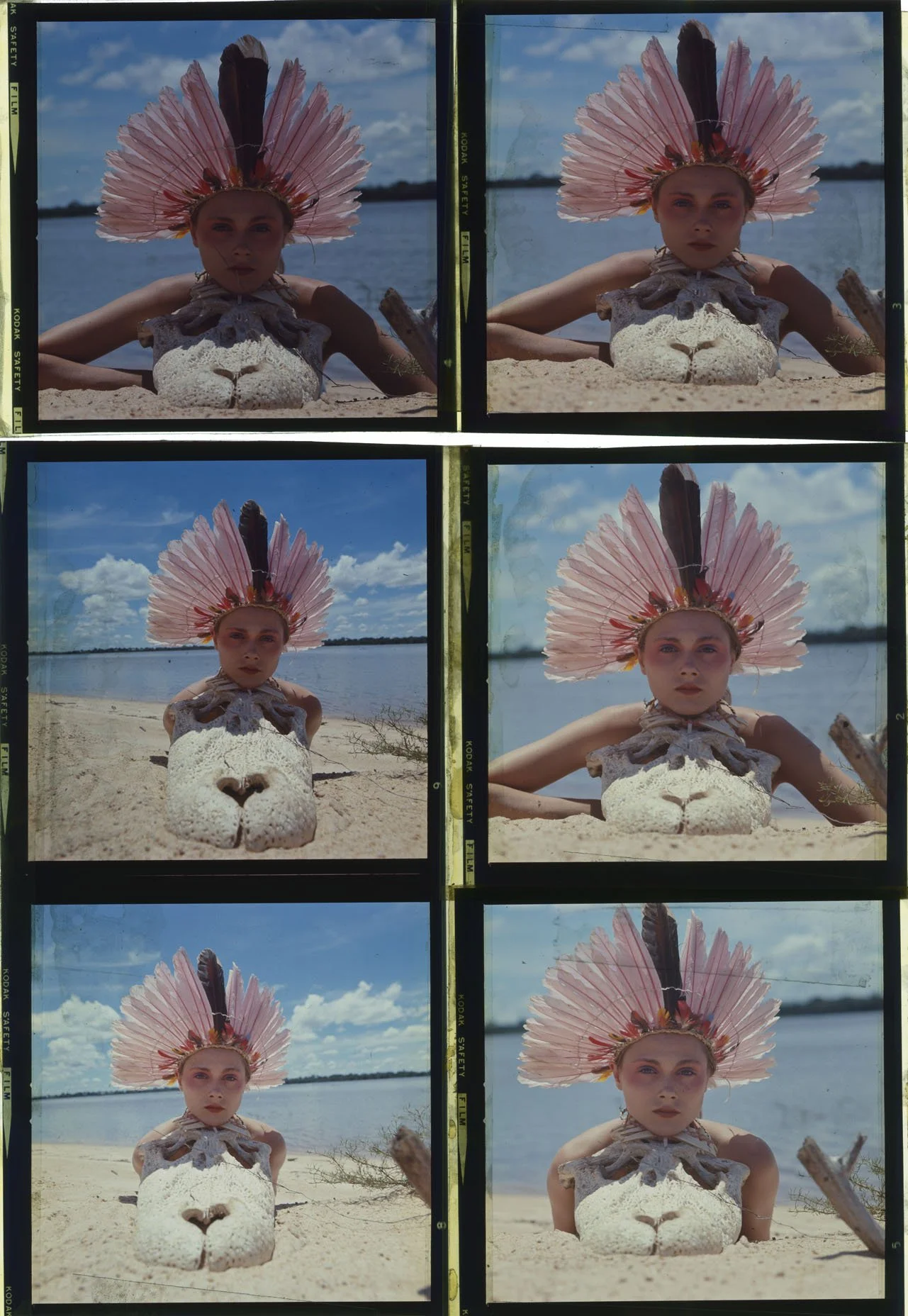
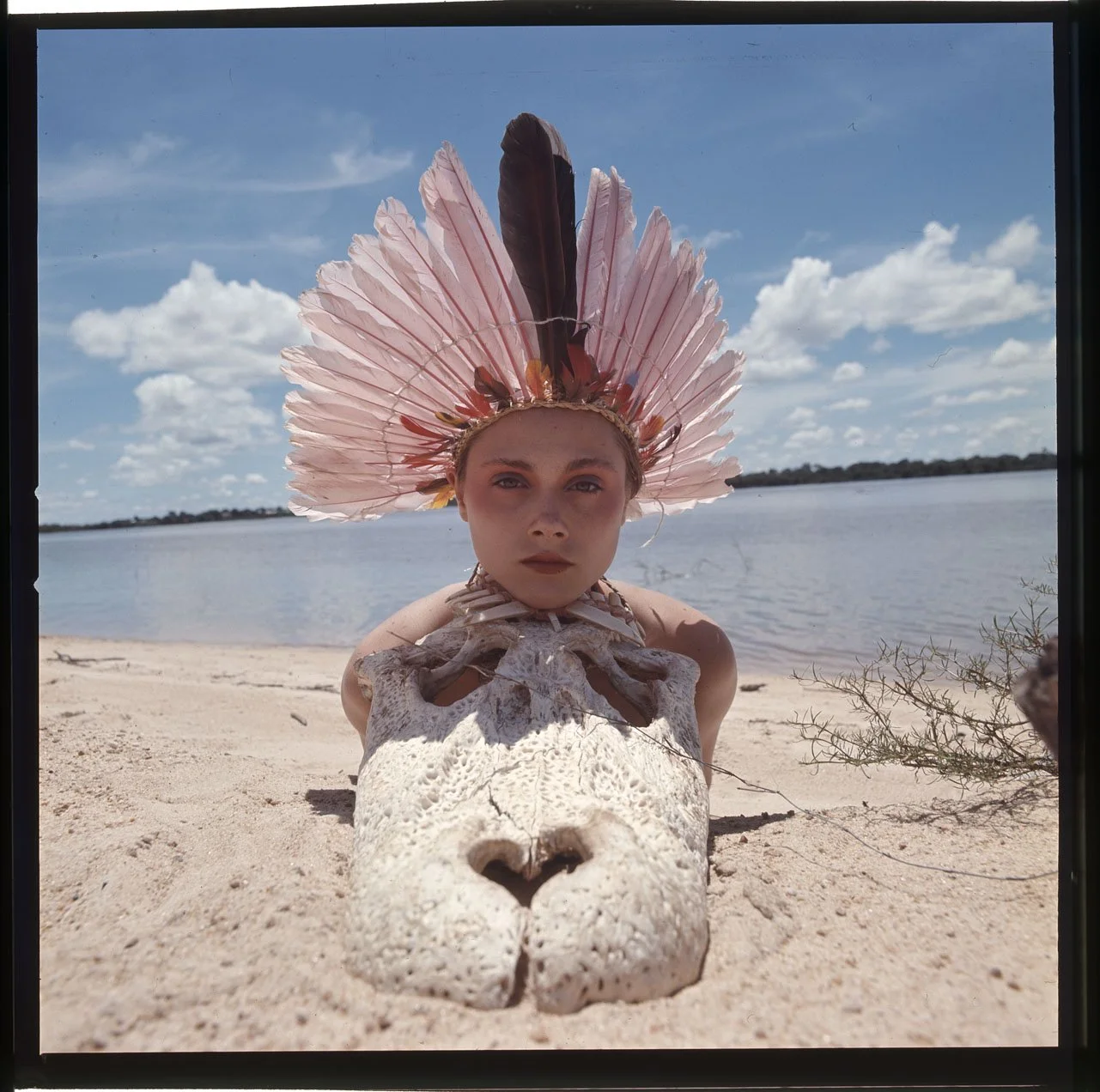
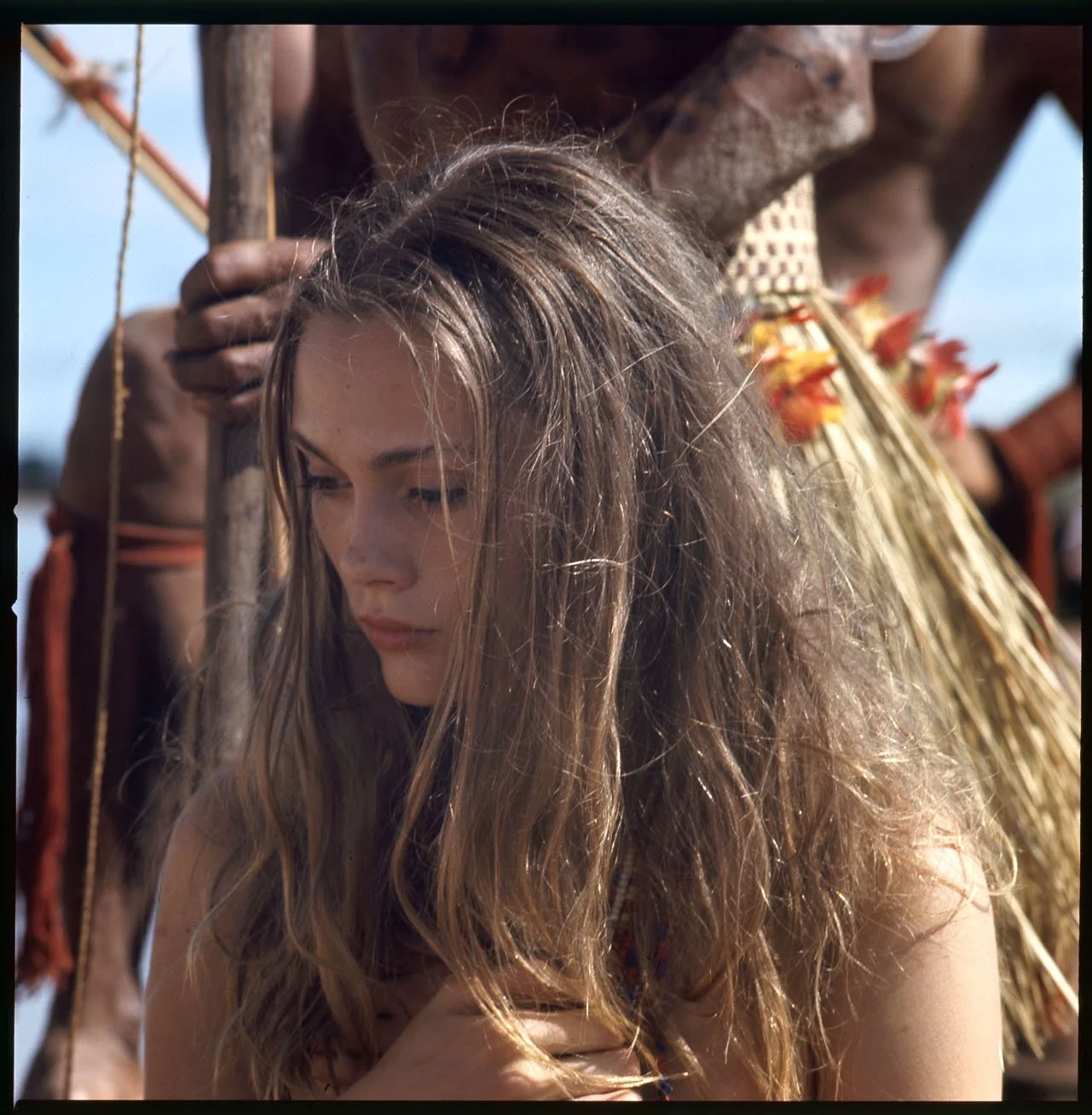
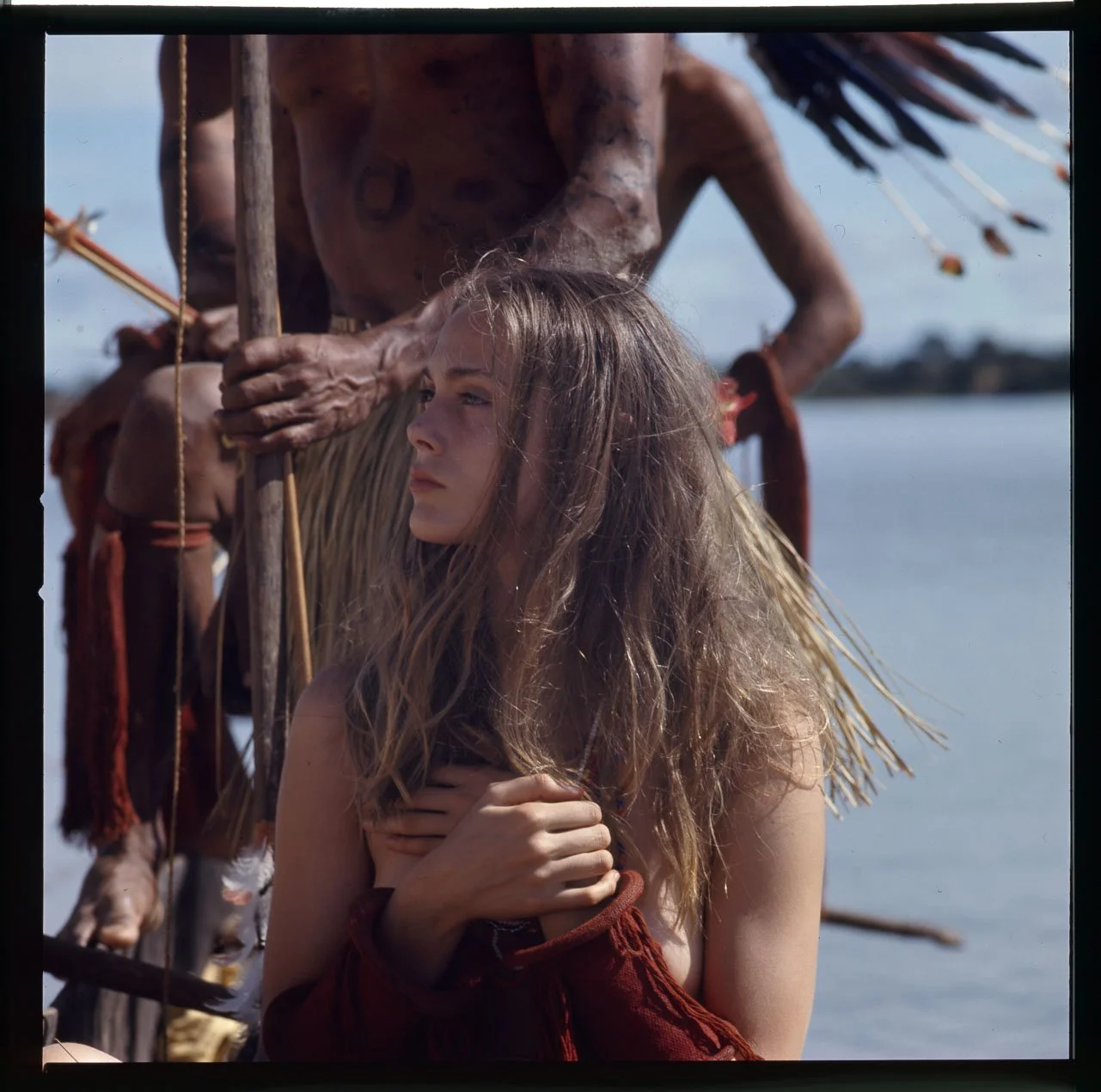
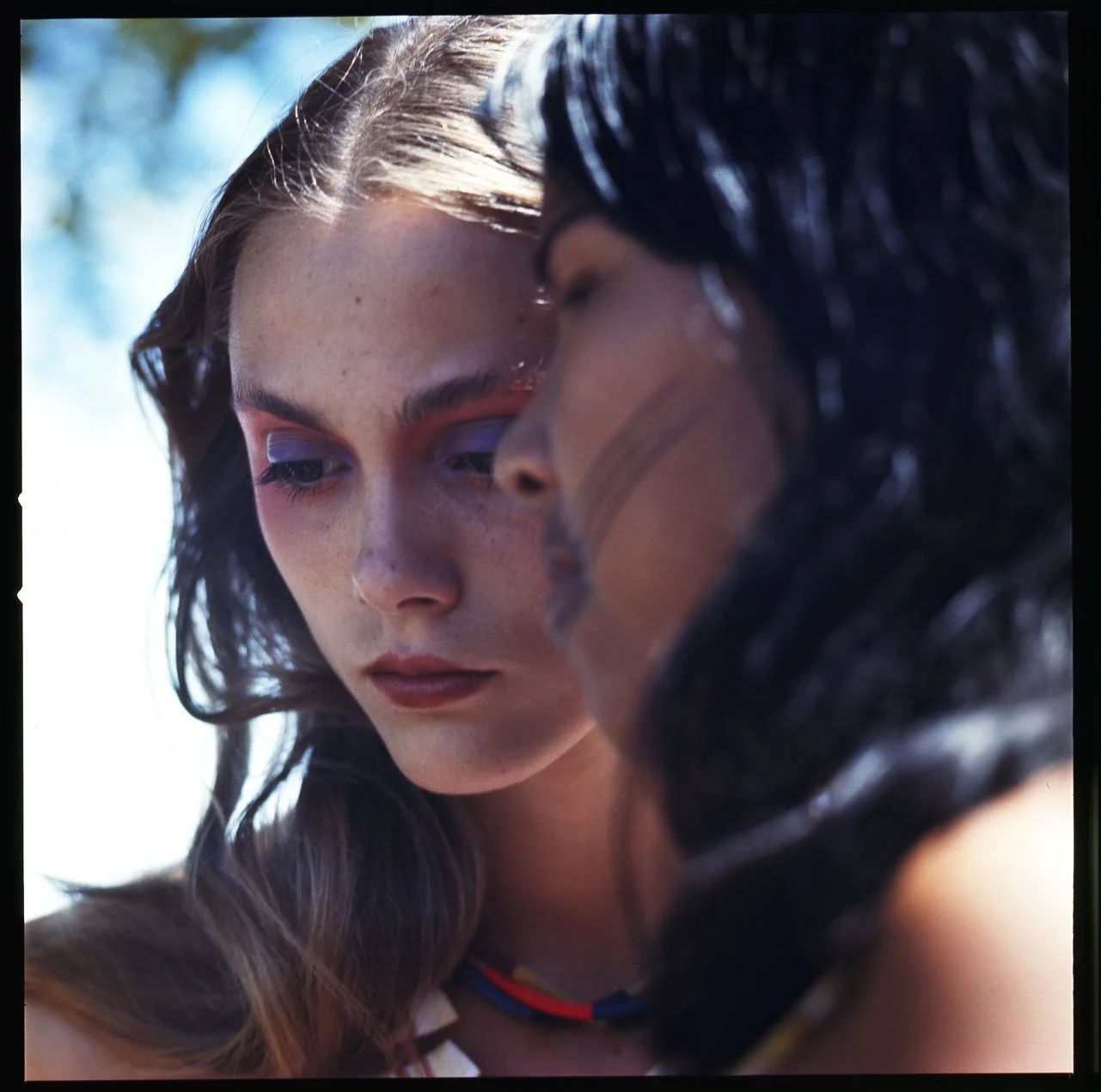
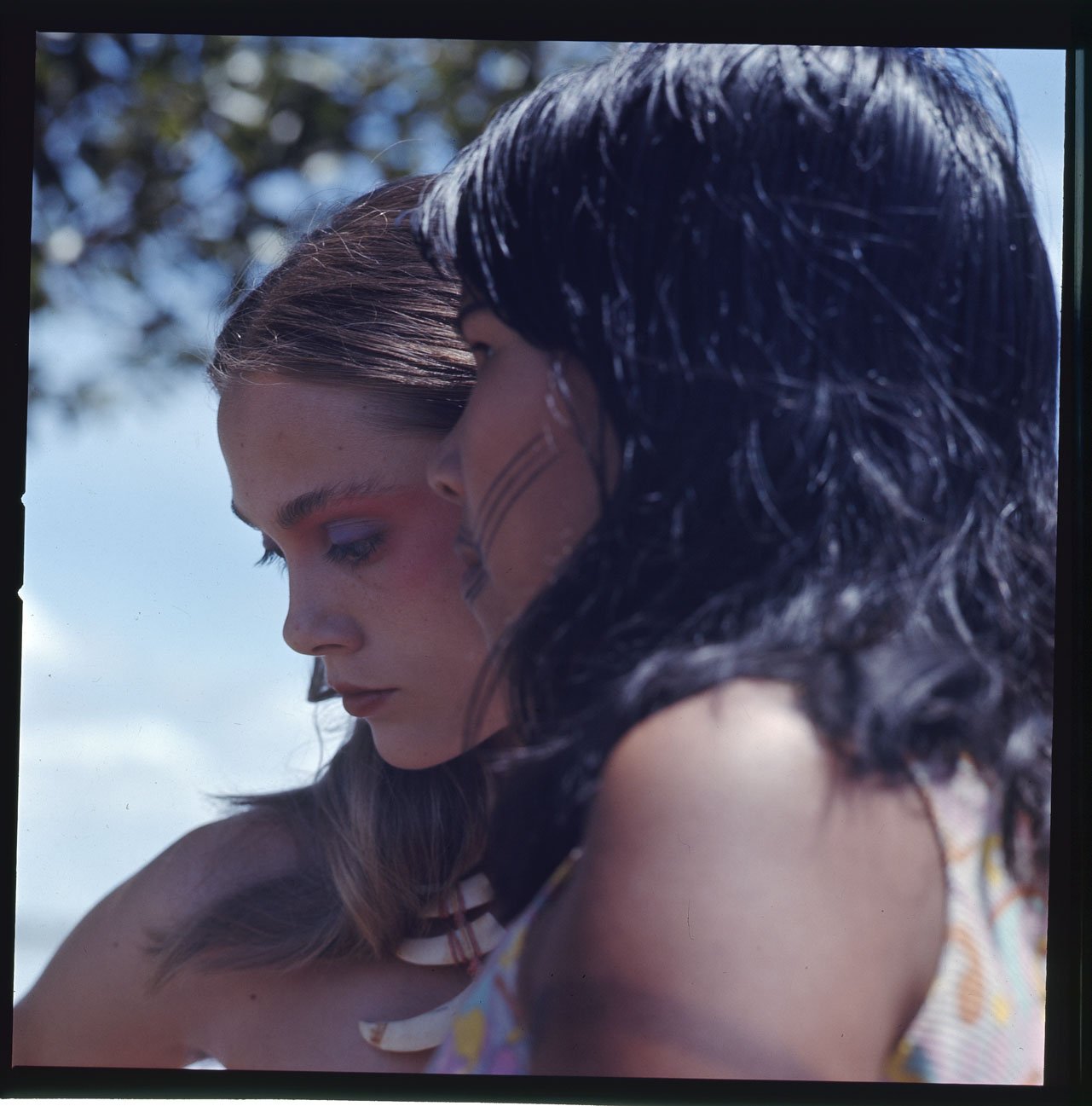
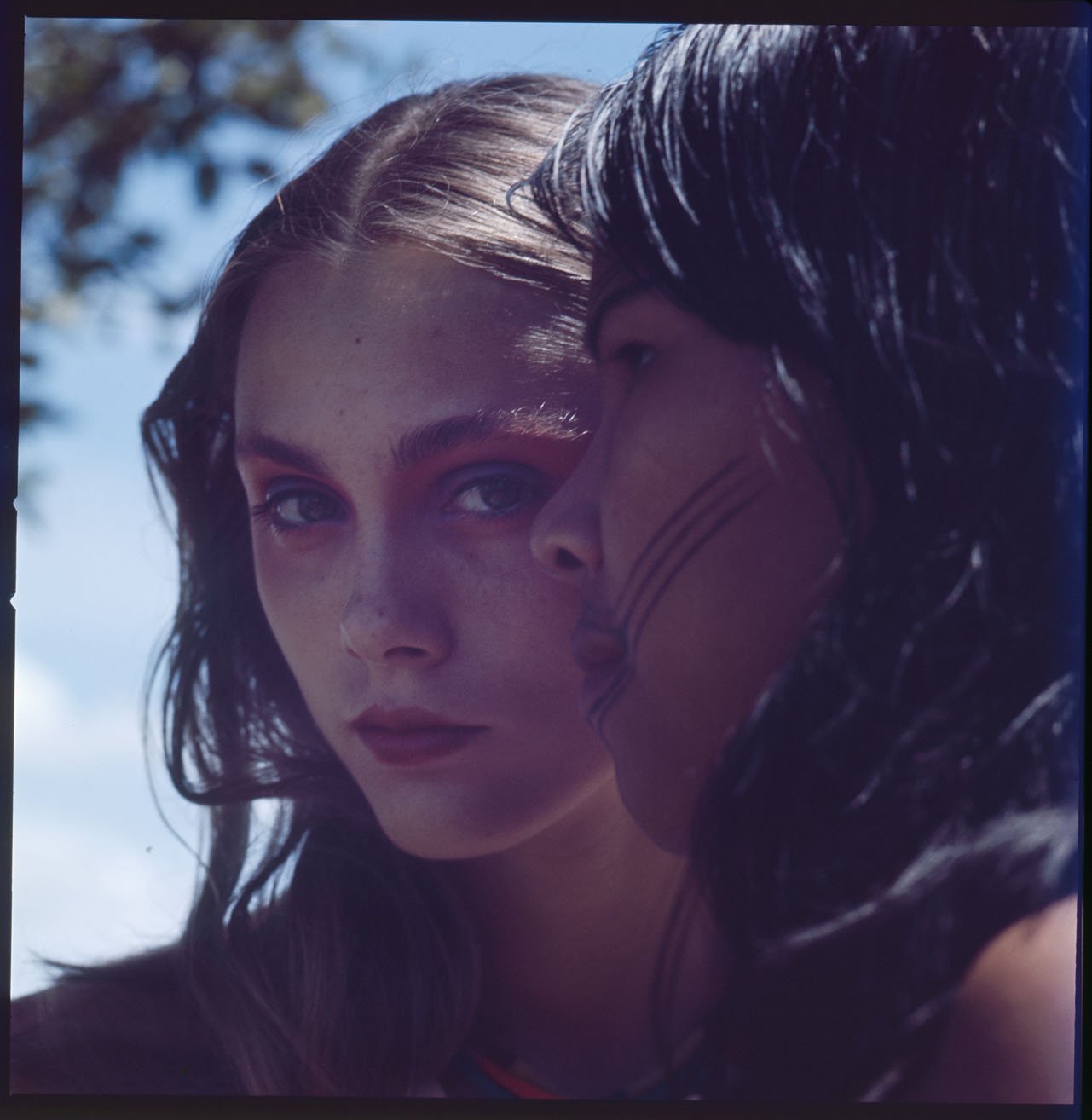
Brazil offers a veritable riot of color—with its lush green rainforests, picturesque historic districts, vibrant Carnival costumes, and the traditional tribal attire of the country’s indigenous inhabitants. Ulrich Pracht has harbored a fondness for this South American nation ever since he first immersed himself in it—poring over travelogues and photographic documentation—while researching a summer advertising campaign for the department store chain Horten, under the slogan "Viva Brasilia." "The fact that the former Hoechst AG sent me to Brazil in 1970—tasking me, as Creative and Art Director, photographer, and filmmaker, with producing advertising campaigns for Schwarzkopf/Silueta and Trevira for their subsidiary, Hoechst do Brasil—was the absolute crowning glory of my love affair with Brazil." Serving simultaneously as Creative Director, photographer, and cameraman, Ulrich Pracht would showcase the Silueta product line in posters, print campaigns, and cinema and television commercials—thereby conquering the Brazilian market. Yet Brazil also appealed to him because, for the first time, it offered him the opportunity to realize his ambitions in the field of editorial photography on a grand scale, entirely on his own terms.
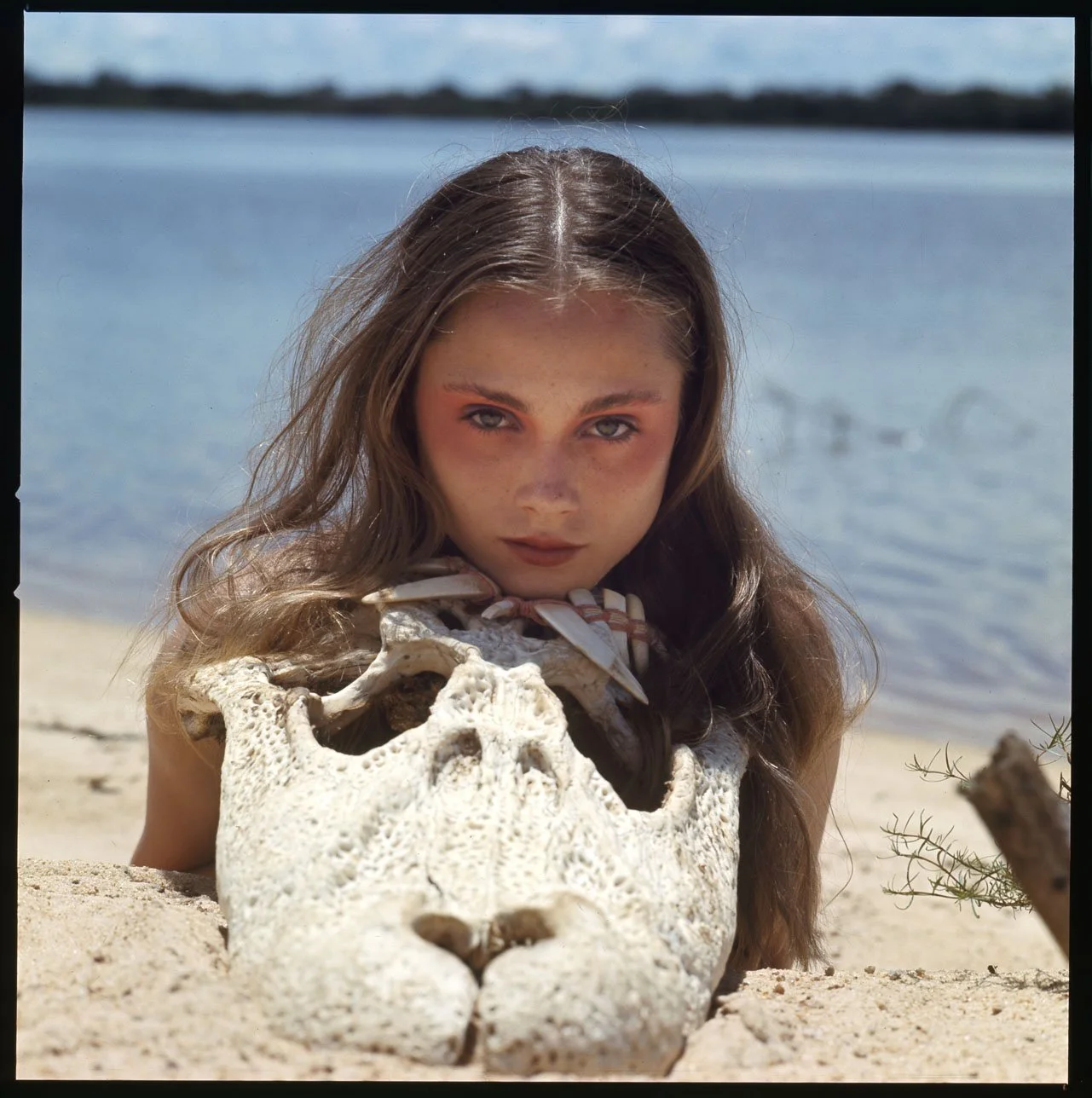
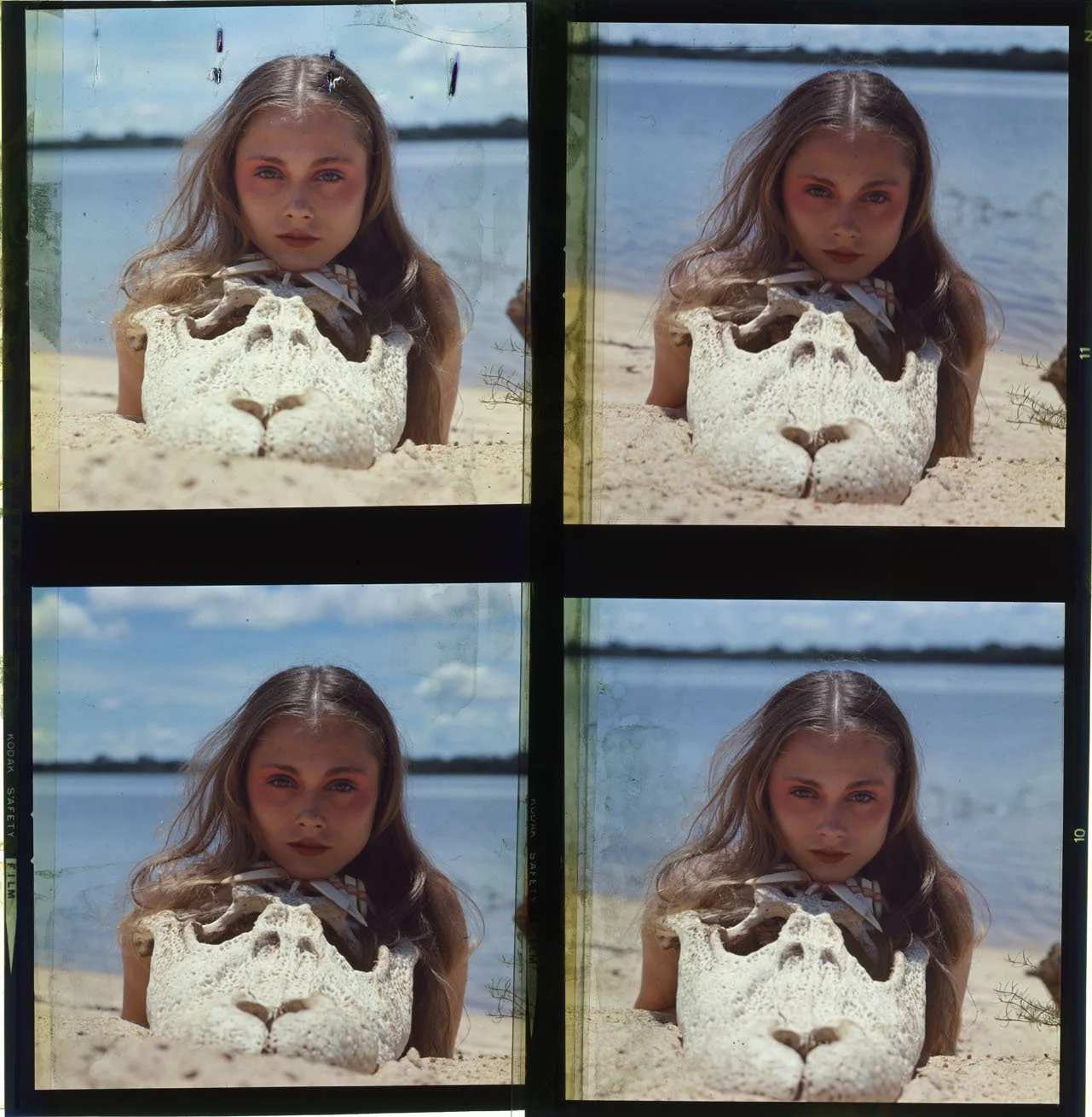
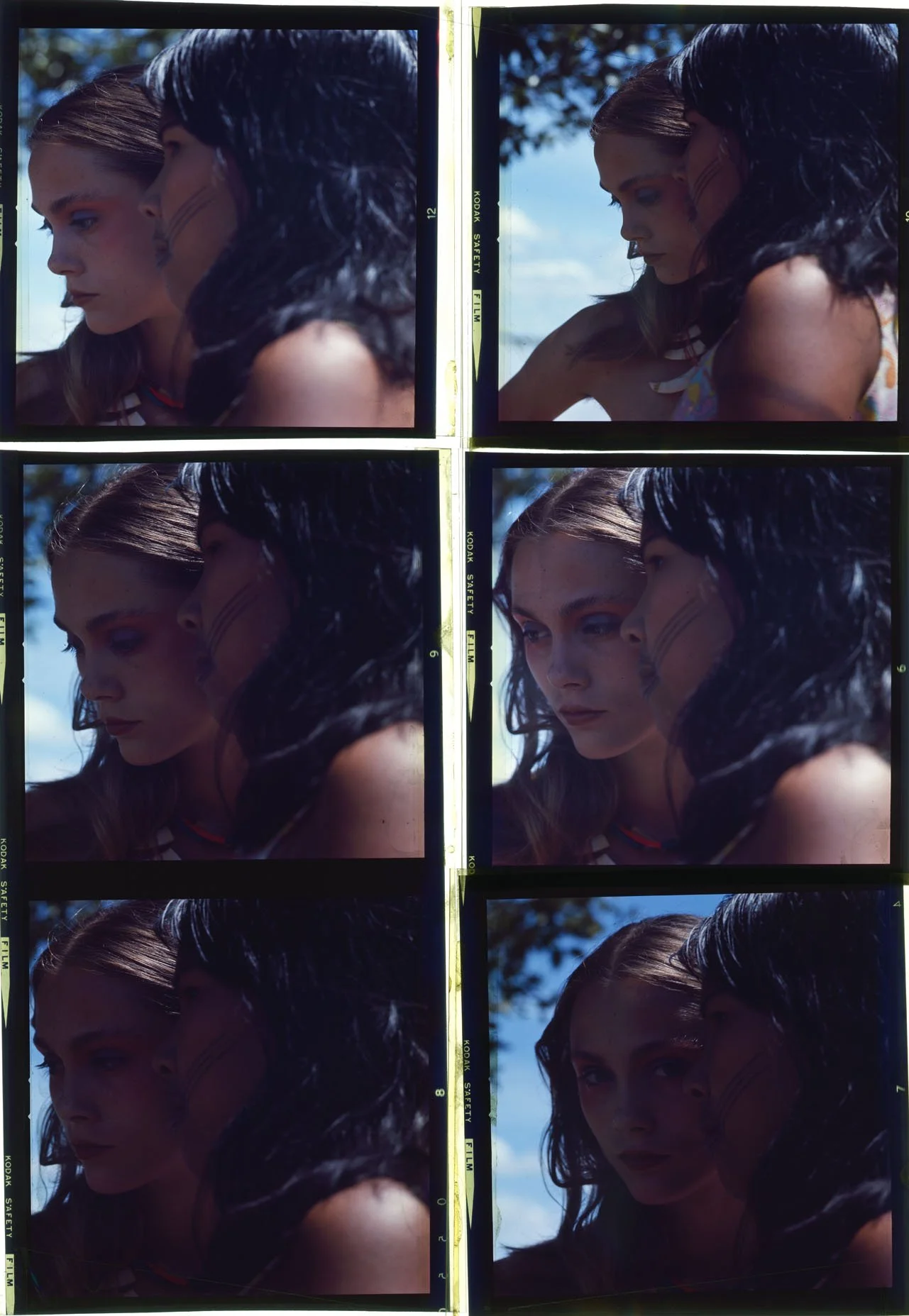
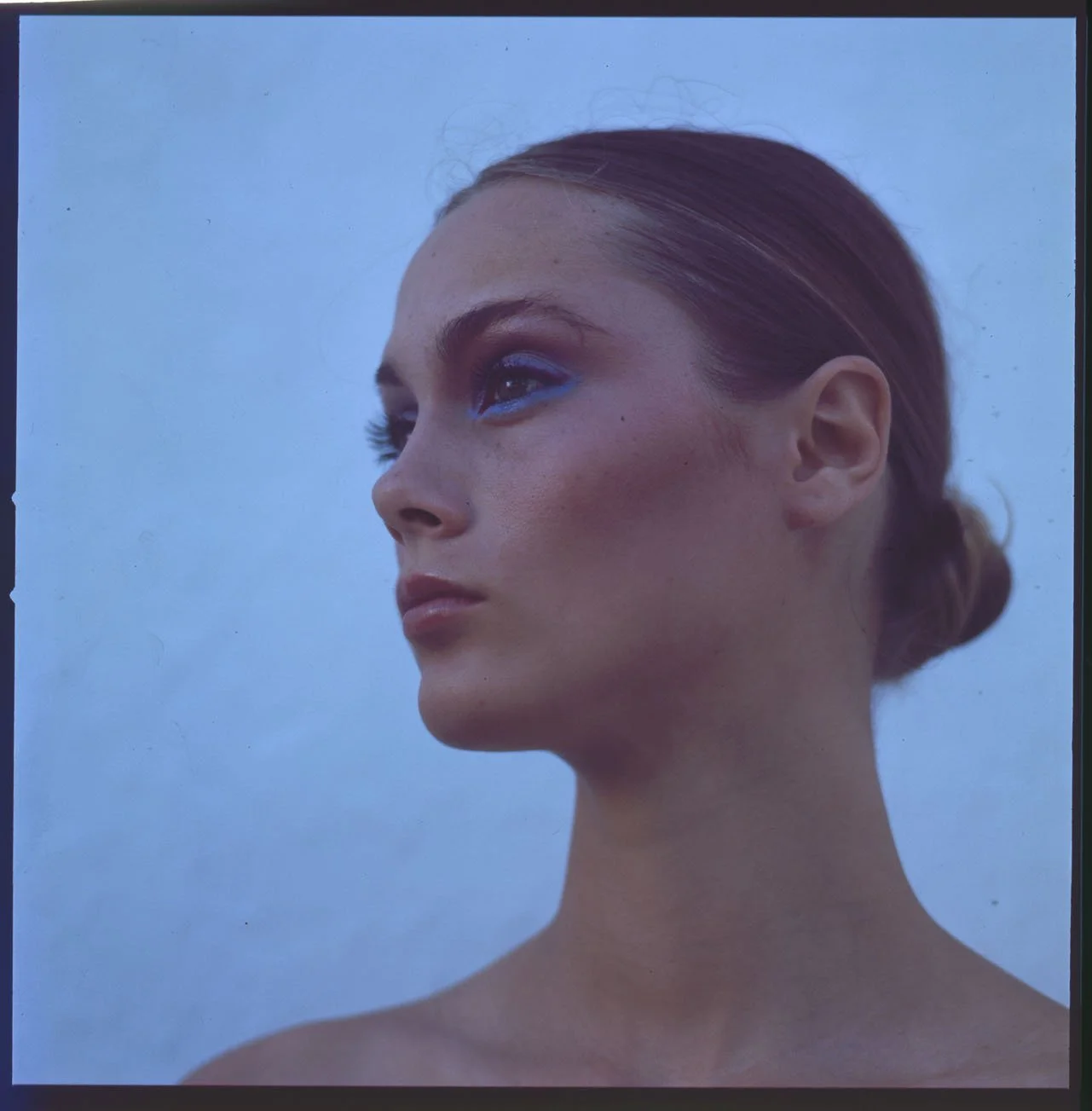
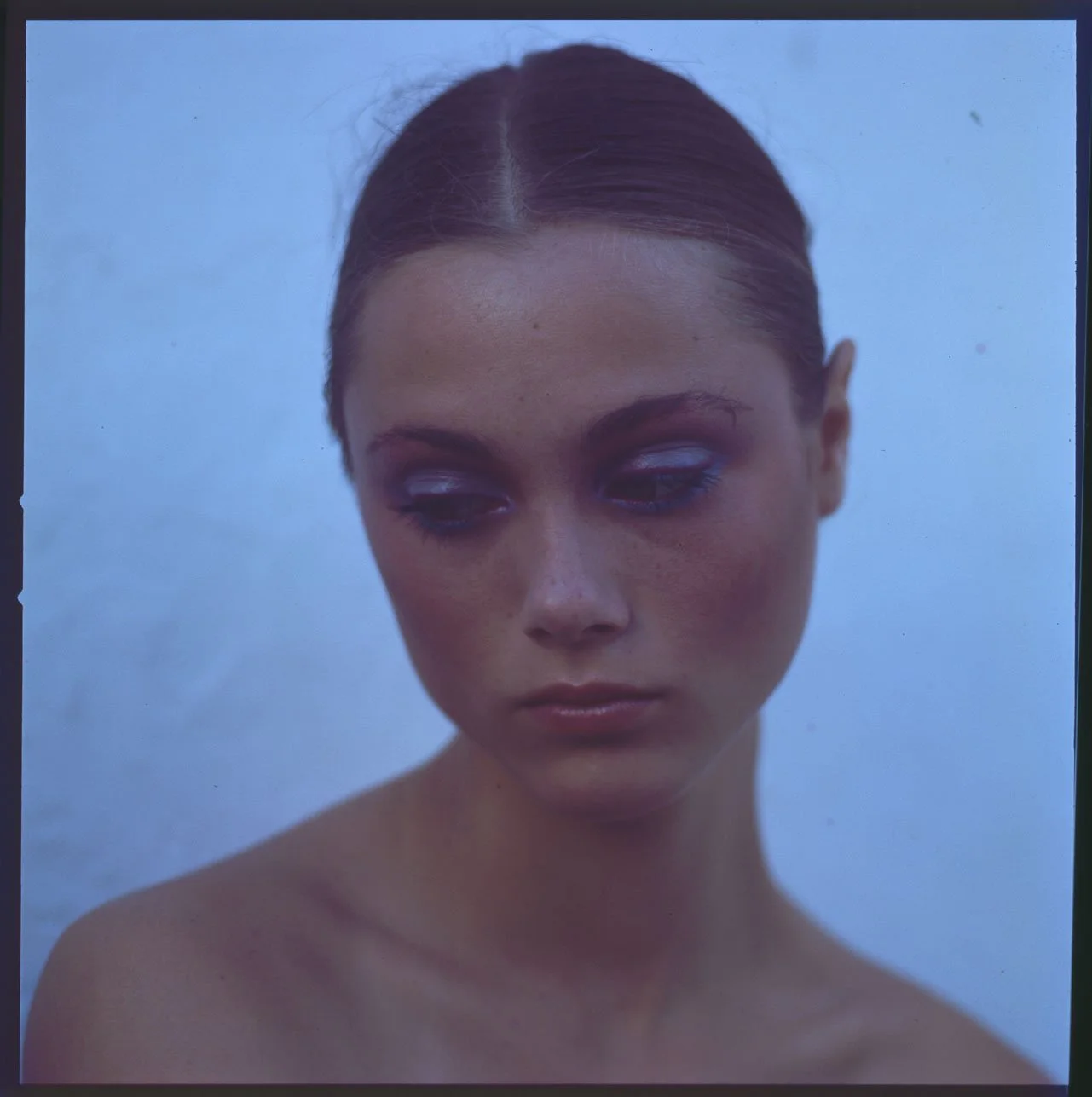
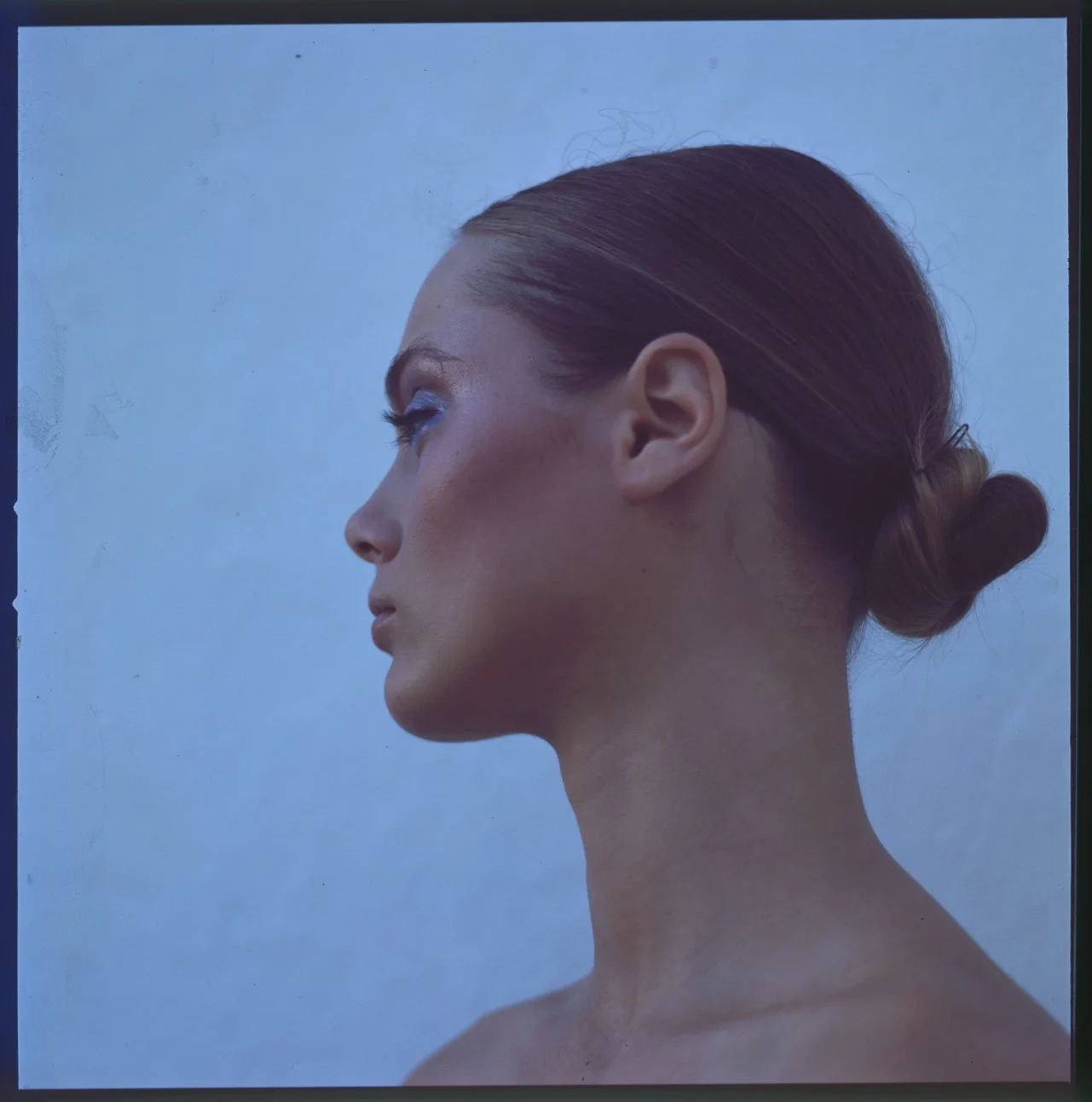
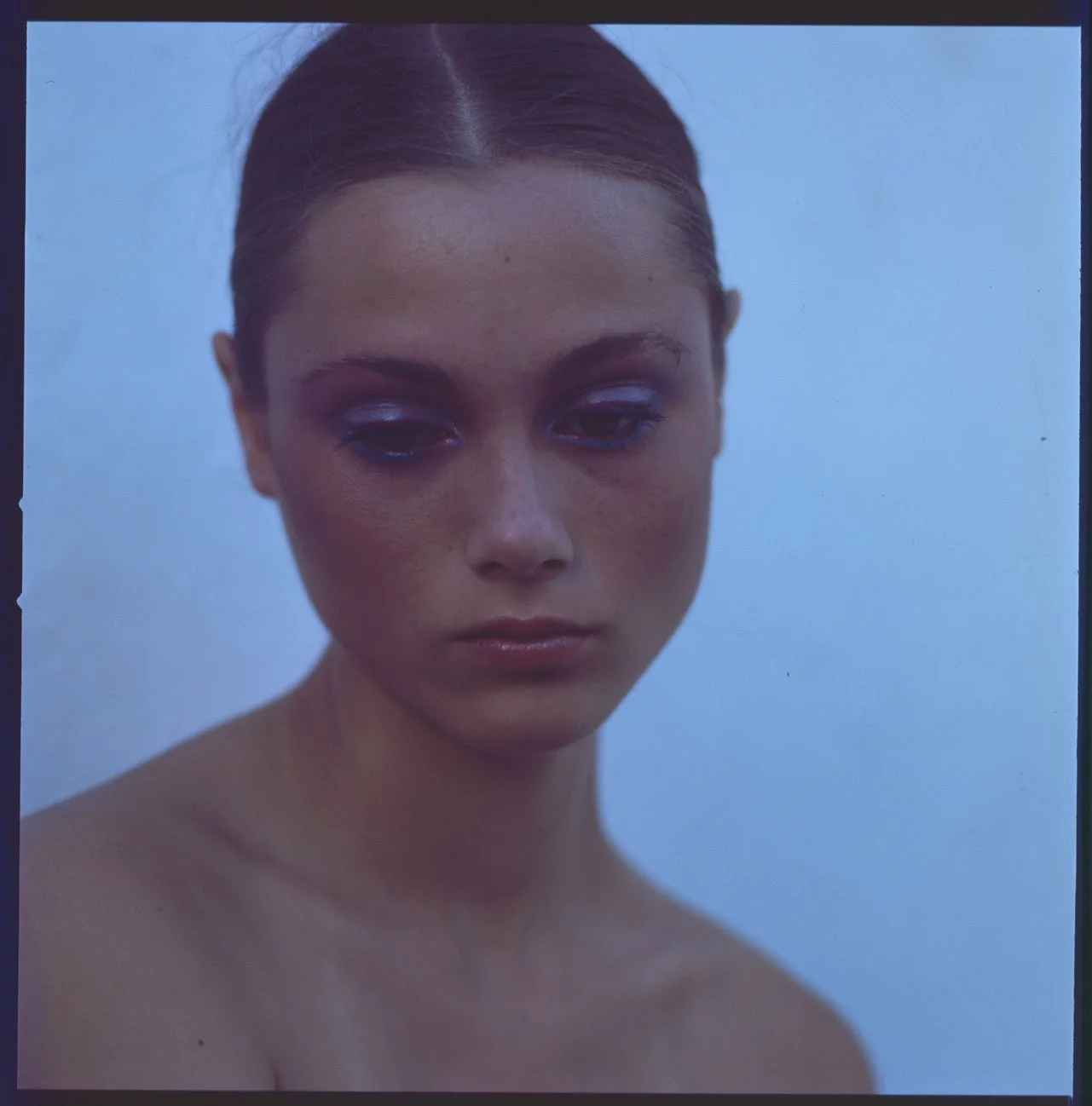
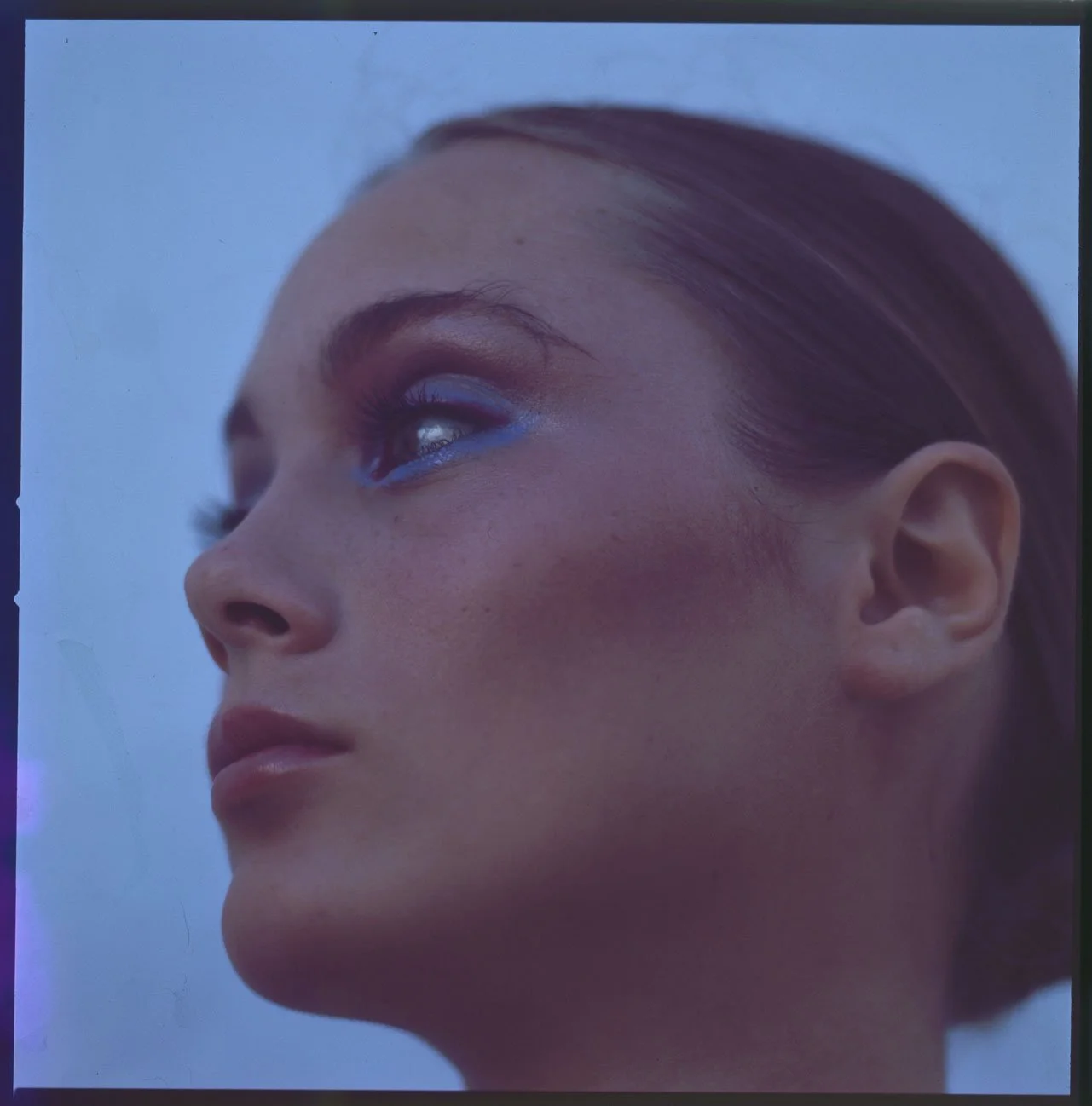
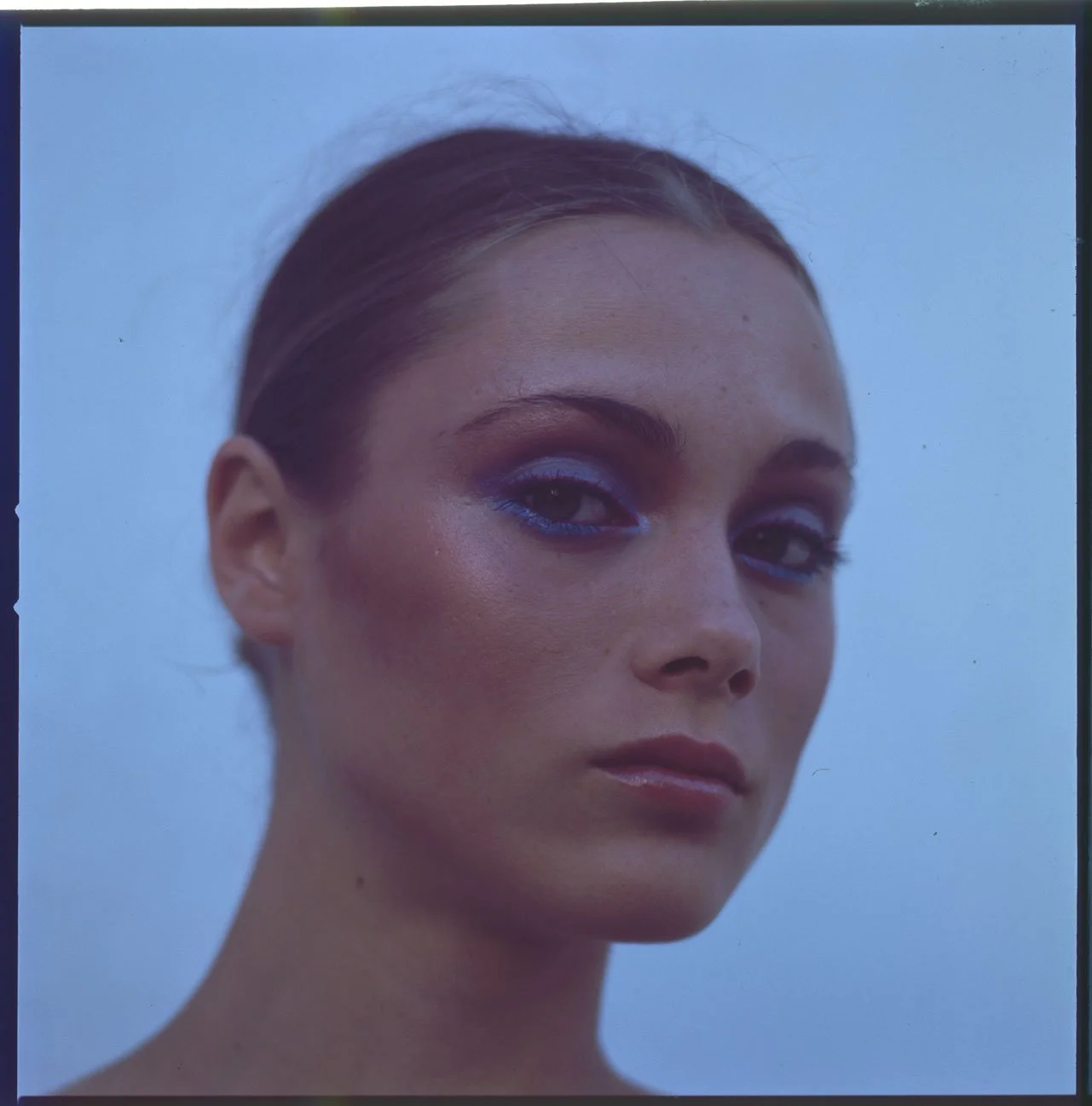
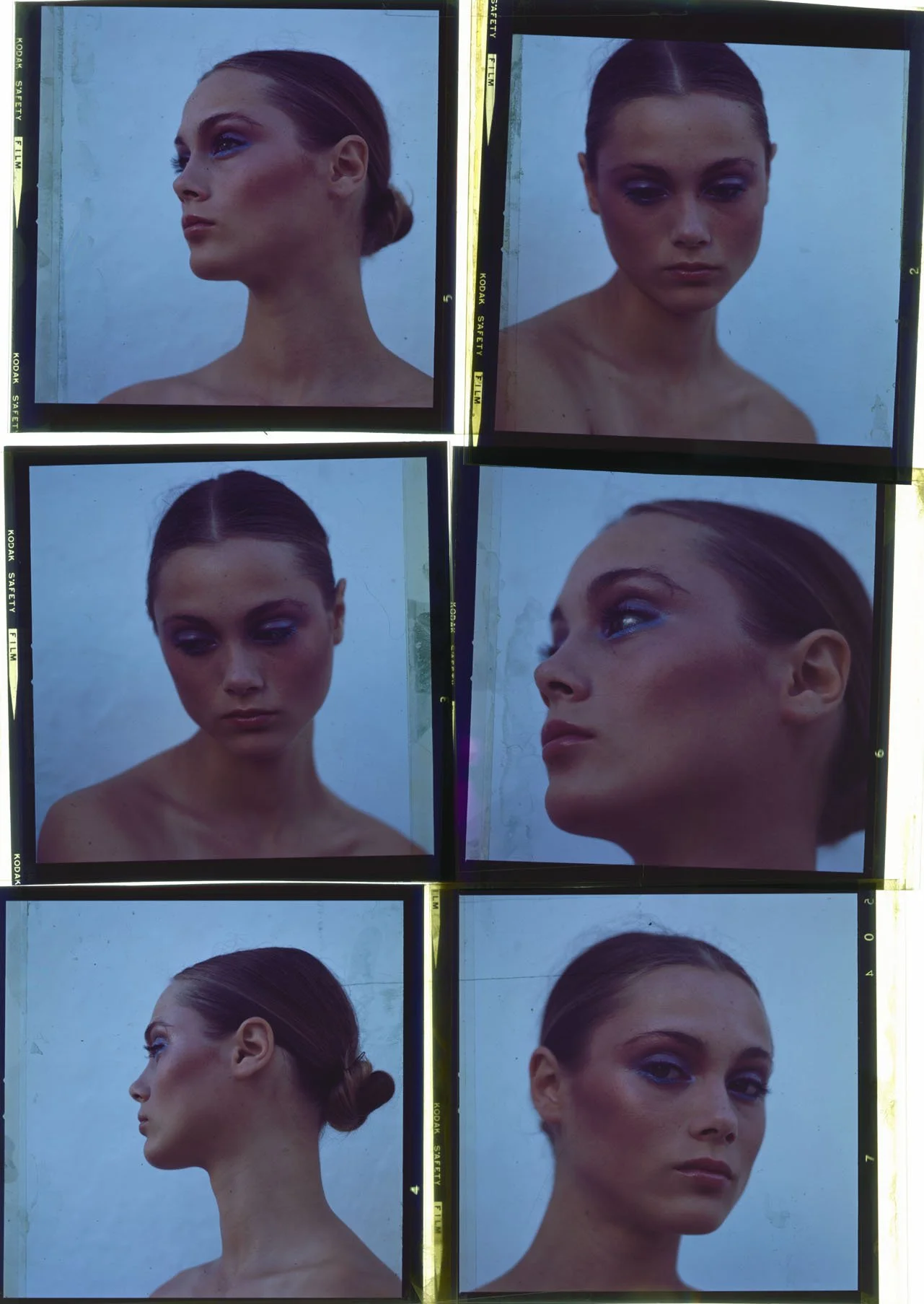
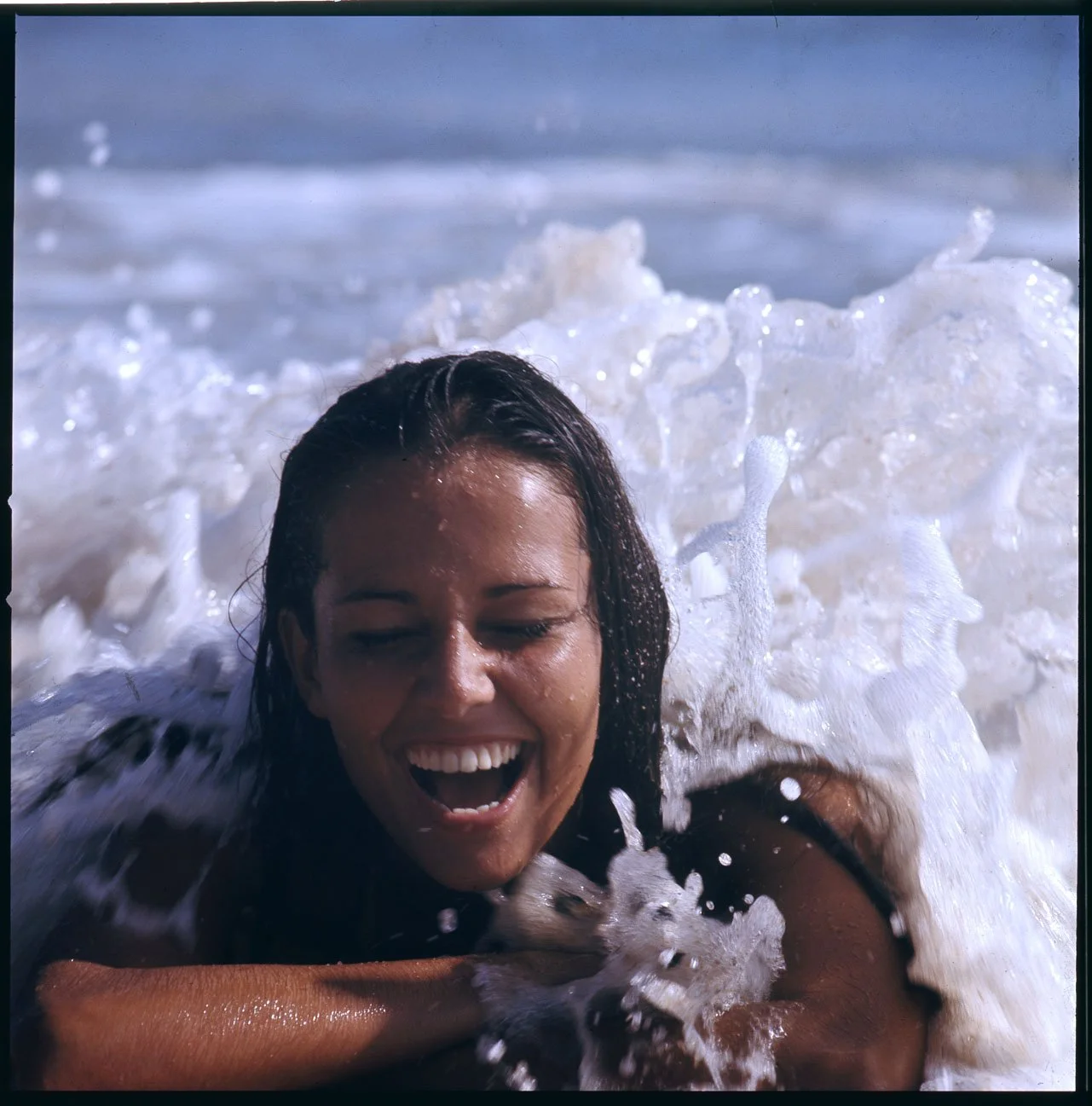
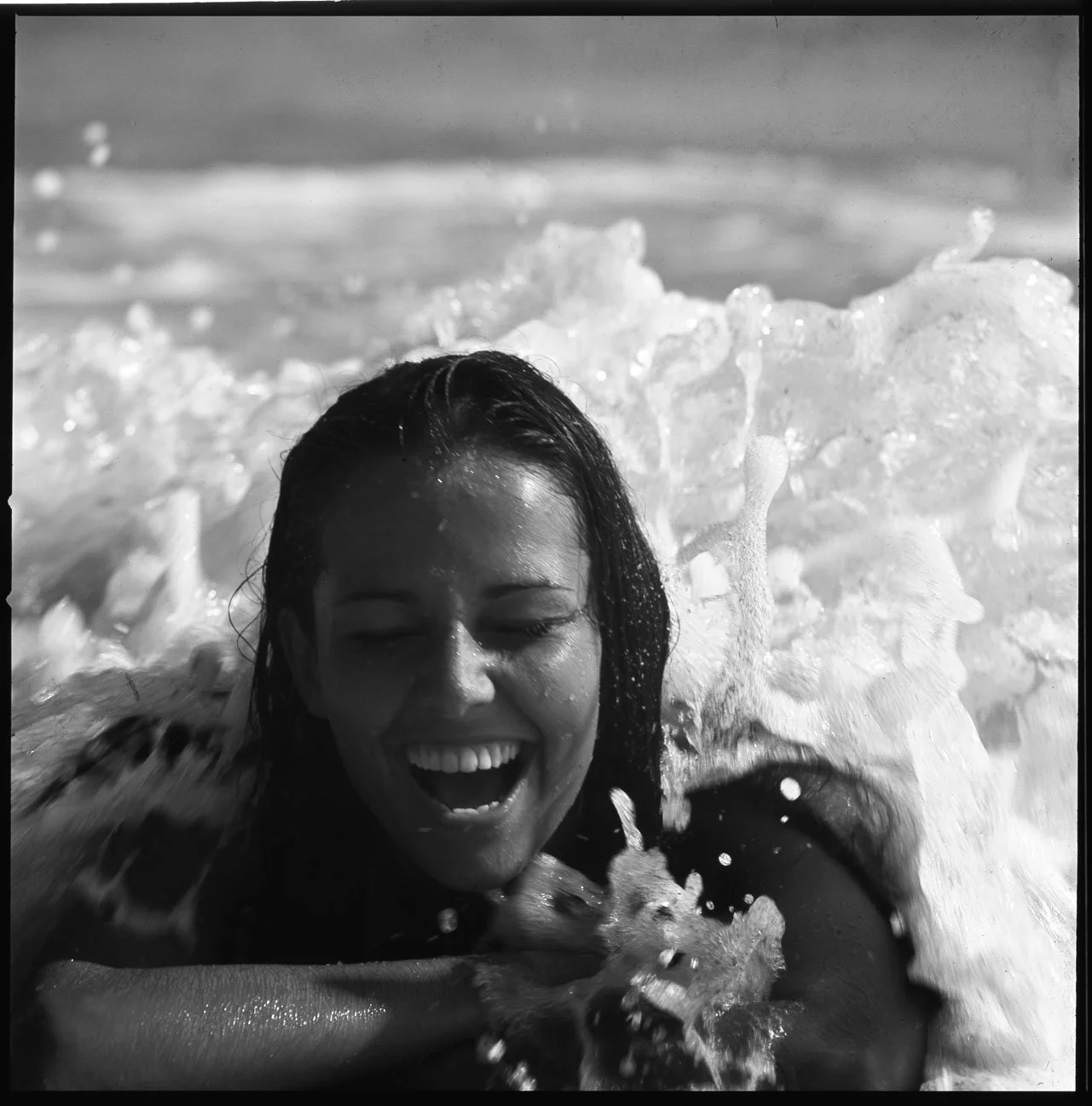
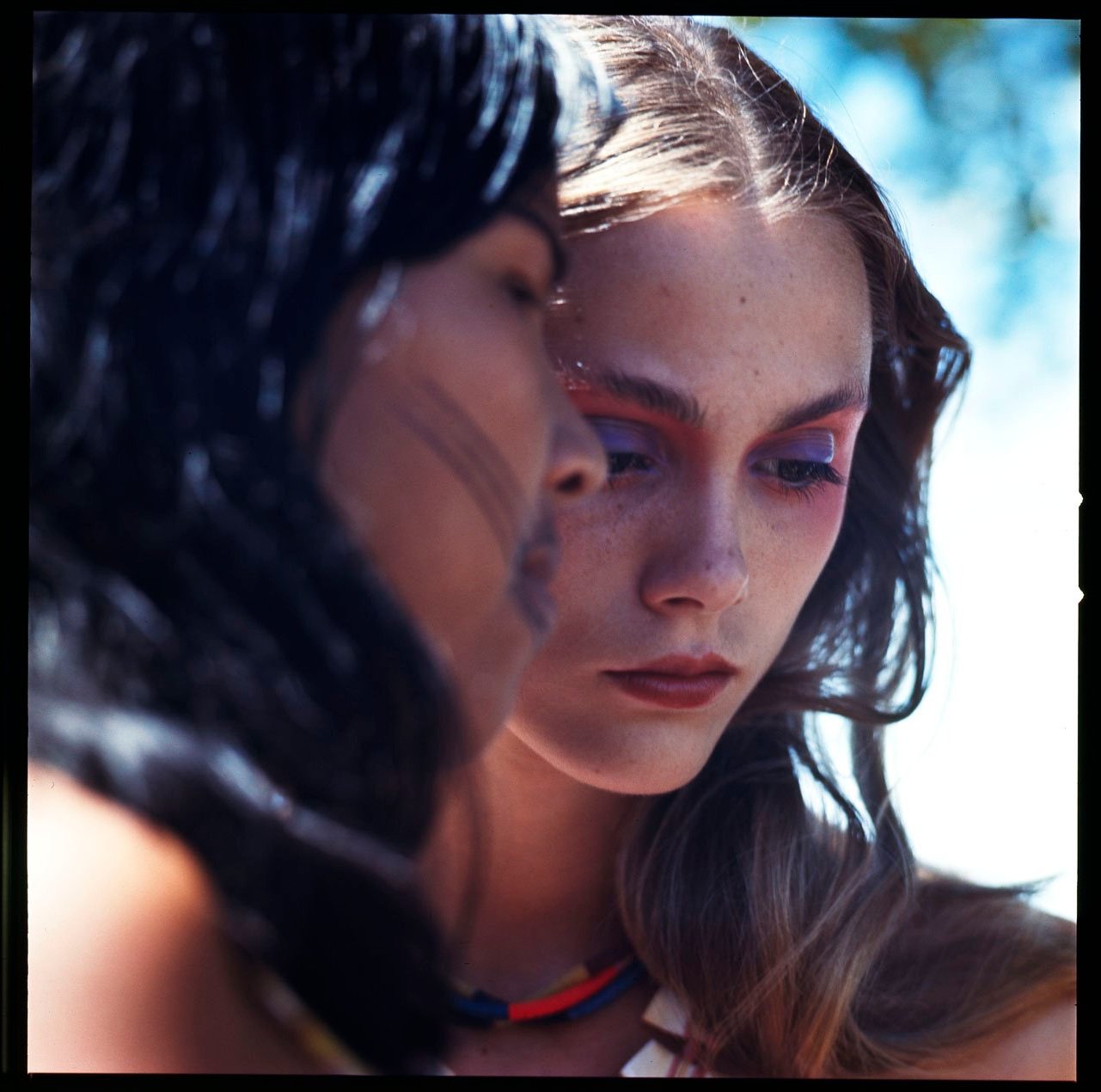
While browsing Desfiles—a Brazilian glossy magazine styled after Vogue—he discovered Angela Catramby, who had been crowned "Senhorita Rio" in 1968 at the age of sixteen. At the time, she held a significance for Brazil comparable to that of Brigitte Bardot for France during the 1960s; her image influenced an entire generation of young women. To Ulrich Pracht, this dark-haired beauty embodied the very essence of Brazil’s magic. He hired Jane Hitchcock—a 16-year-old New York model in the mold of Kate Moss, already on her way to a career as a top model and cover face for major international fashion magazines—to serve as their blonde counterpart. “The fashion editor at Desfiles—who was also responsible for the ‘Cosmetics’ column—suggested that, since I was already traveling with the two models, I could photograph a feature on ‘natural cosmetics’ for her while I was at it. So, my trip had already proven worthwhile.”