
05
UP to BRASIL I
The Grace of the Great Moment
During the 1960s, a youth-driven fashion—characterized by colorful and experimental designs—gradually supplanted the conservative suits and dresses of the post-war era. The rebellion of the youth against the traditional image of bourgeois society was reflected in the miniskirt—designed by Mary Quant in 1965—and in the hippie style, which stood for joie de vivre and pacifism. This development was long ignored by established women's and fashion magazines; however, editors of new publications—which embraced the avant-garde lifestyle of teenagers and young adults—broke with convention, ensuring that youth fashion and the spirit of the times were given their own distinct "showcase."
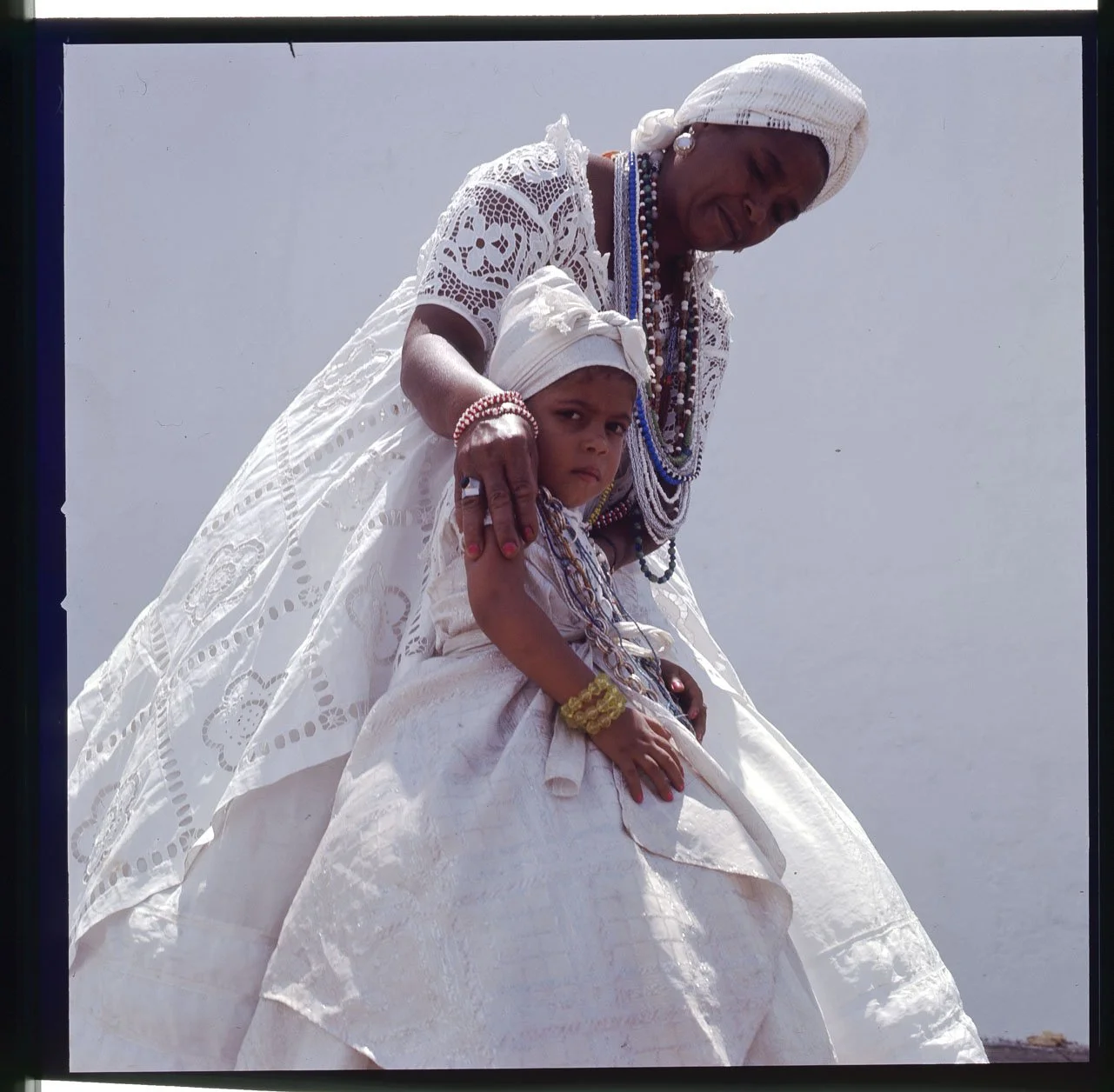
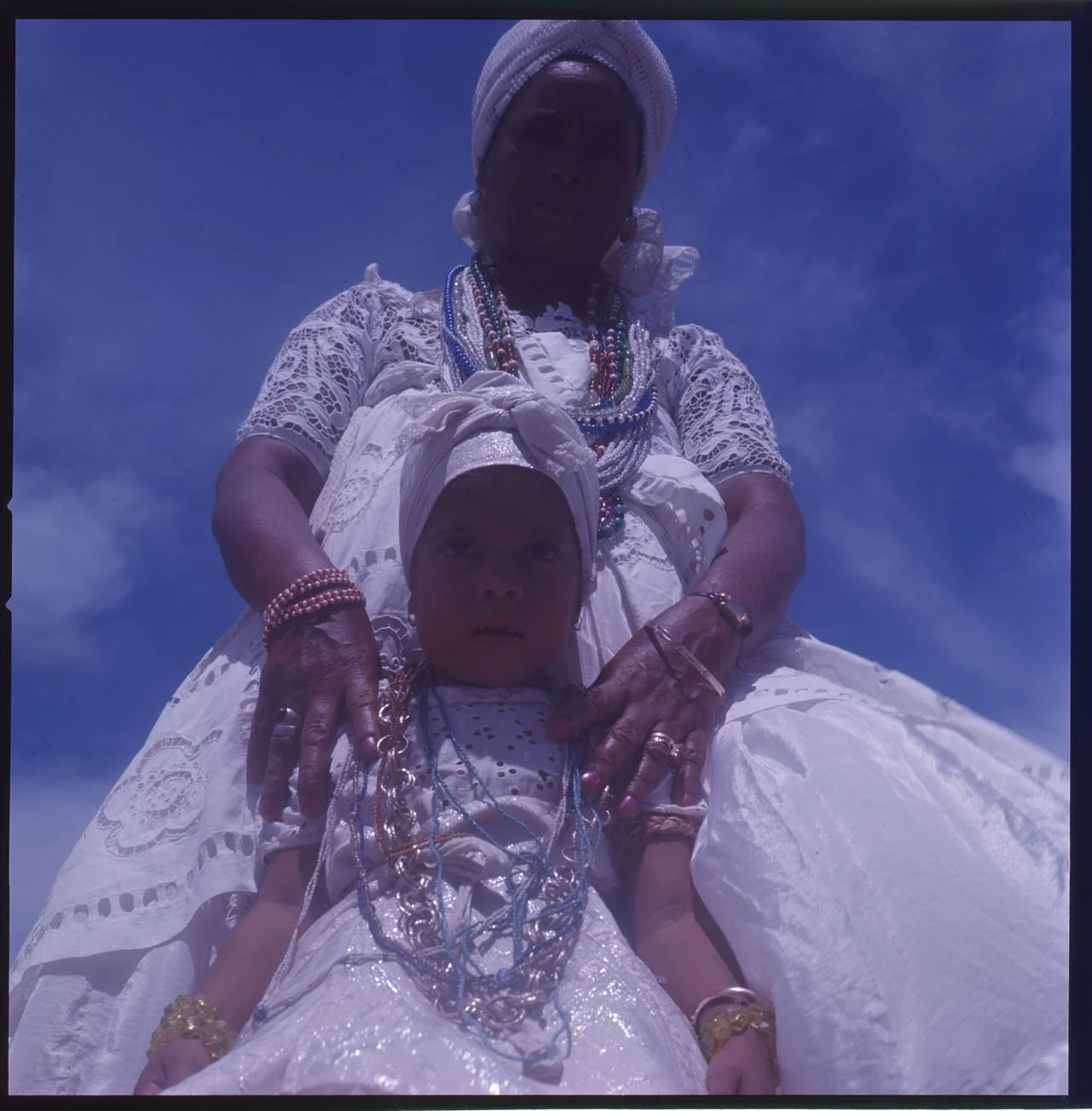
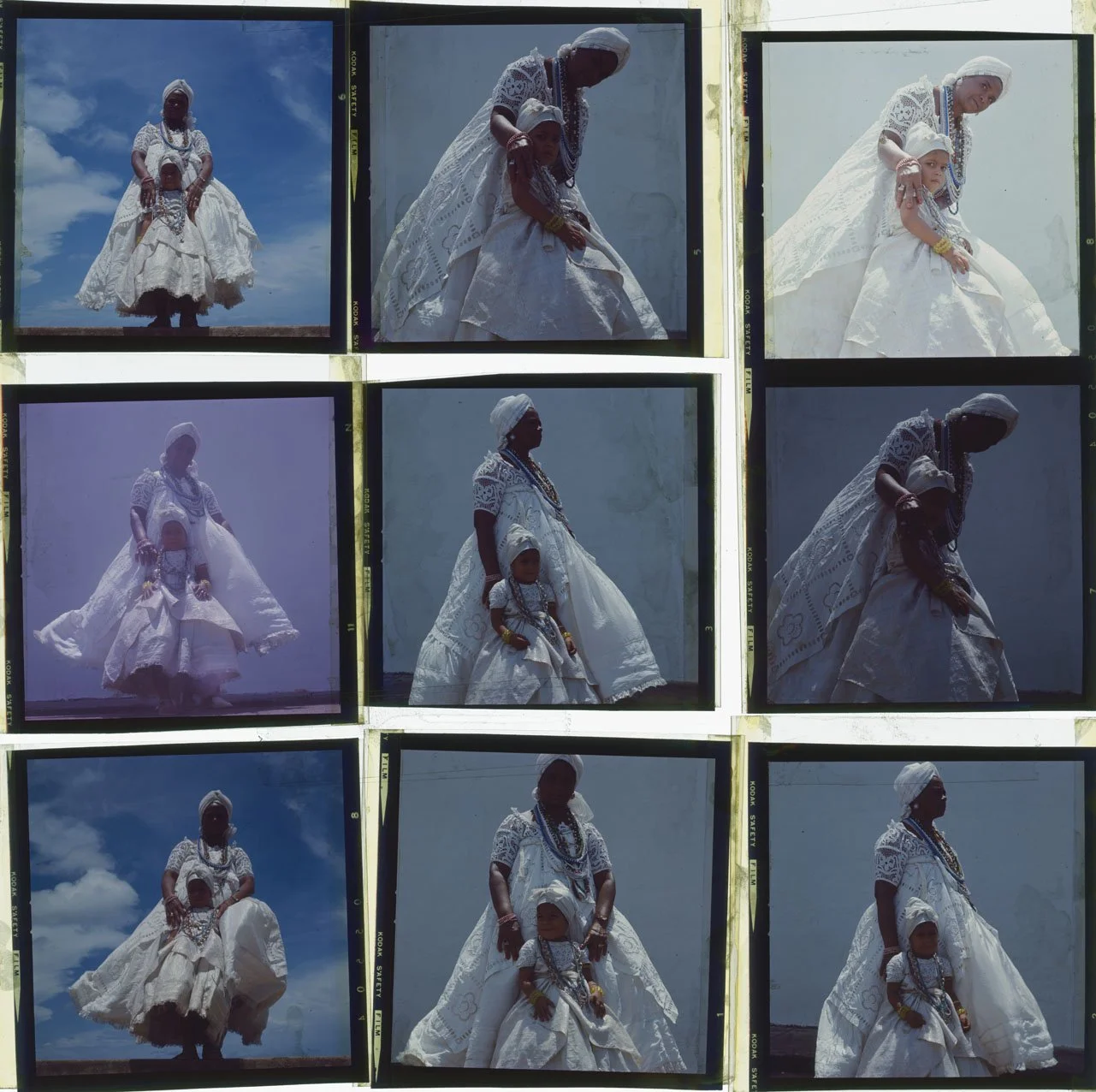
In the course of his editorial photography for the English lifestyle magazine Honey and the German magazine Twen, Ulrich Pracht traveled to Brazil, where he succeeded in capturing not only gauchos, indigenous people, and Macumba dancers as subjects. Accompanied by his two models, Jane Hitchcock and Angela Catramby, he also ventured into the poorer districts of Salvador de Bahia. Brazil’s third-largest city is home to over two million inhabitants—many of whom, alongside those of Spanish and Portuguese descent, are descendants of former African slaves. Their cultural heritage is omnipresent, as is the widespread poverty that prevails in this city on the Atlantic coast. Anyone leaving the historic upper town—with its colorful colonial-style houses—to descend 80 meters into the lower town by bus or via the Elevador Lacerda (a hydraulically operated elevator) encounters this poverty at every turn. Dilapidated dwellings, a scarcity of central water taps and sanitary facilities (often shared by multiple households), and people whose faces bear the visible imprint of their precarious circumstances formed the scenic backdrop for the photo shoot. “In the sparse light of the shadowy surroundings, our gaze focused on the essentials. That is why—in this rather dubious setting—I staged my models at a heavily frequented public water and washing point, amidst the children and adolescents bathing and fetching water there,” says Ulrich Pracht regarding the most striking motifs of this series. Joining this scene—which was unusual both for the photographer and for the many onlookers—was a Brazilian itinerant photographer with his old plate camera, busily offering portraits for sale. Waving old, soiled towels, his assistant provided the subjects with a bit of airflow and a cosmetic touch-up. “An unrepeatable, striking situation—one that I greedily captured for my story and incorporated into my visual narrative, under the motto: ‘Take the situation.’”
05.1
MACUMBA
Into another world.
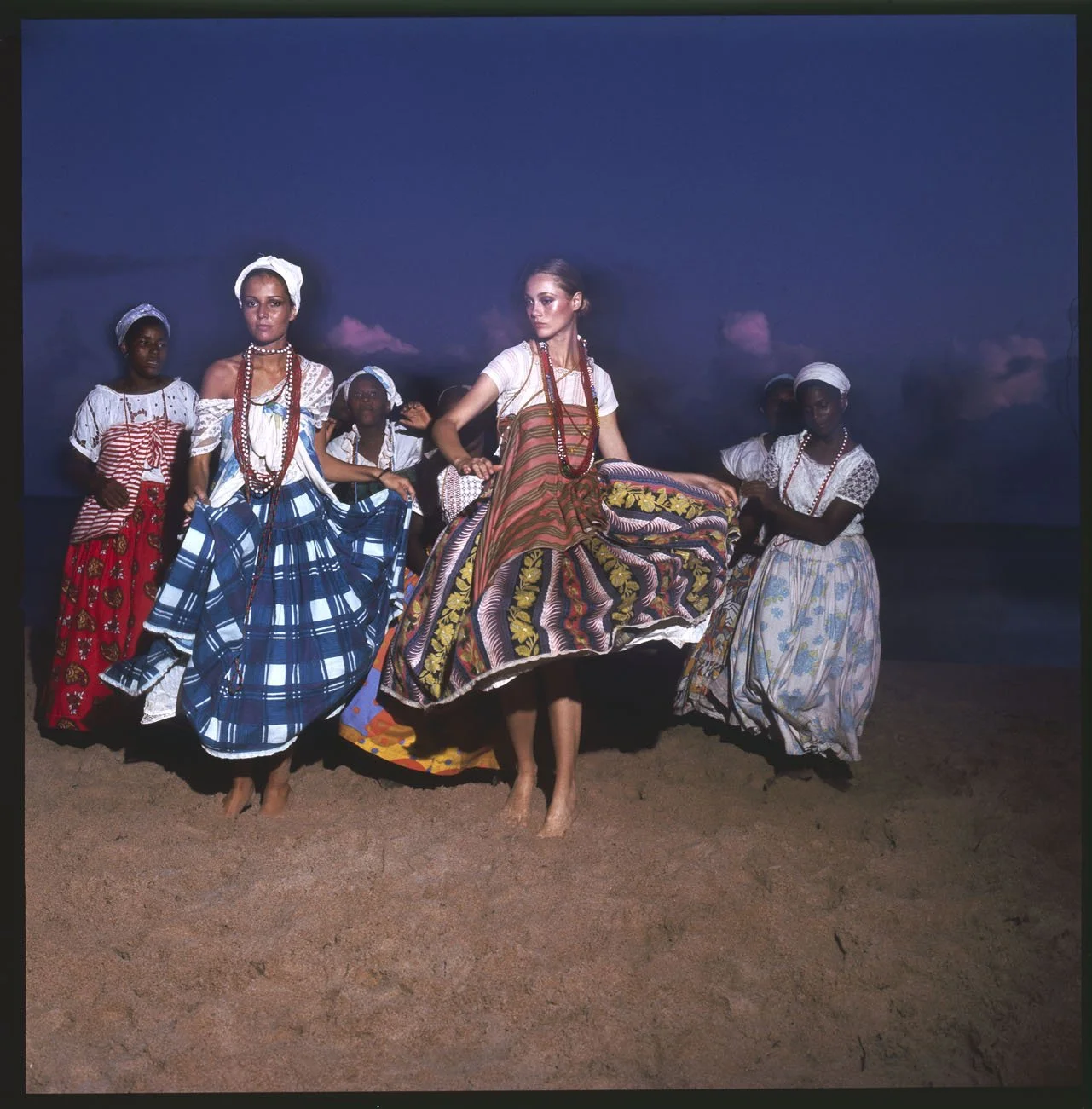
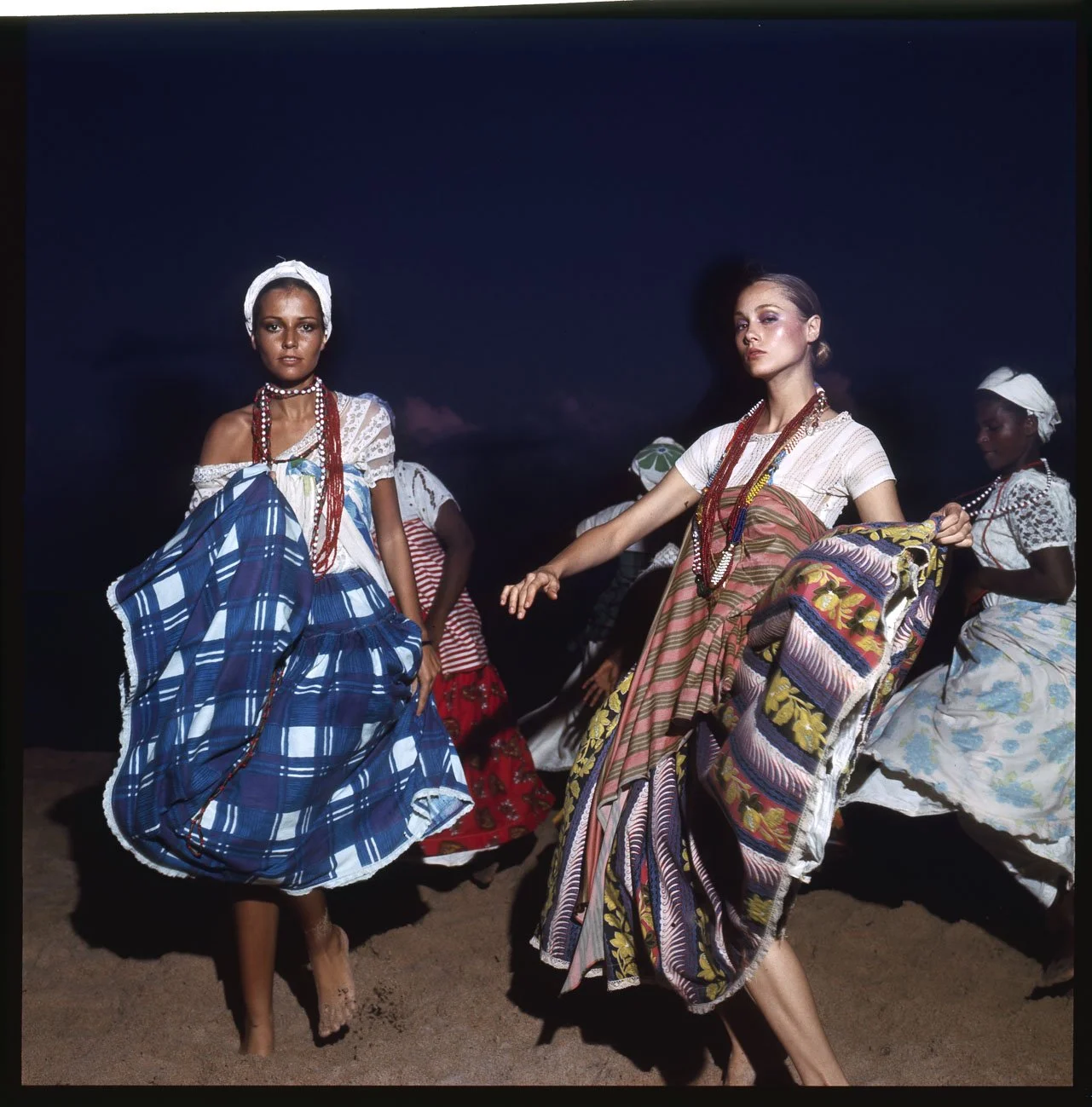
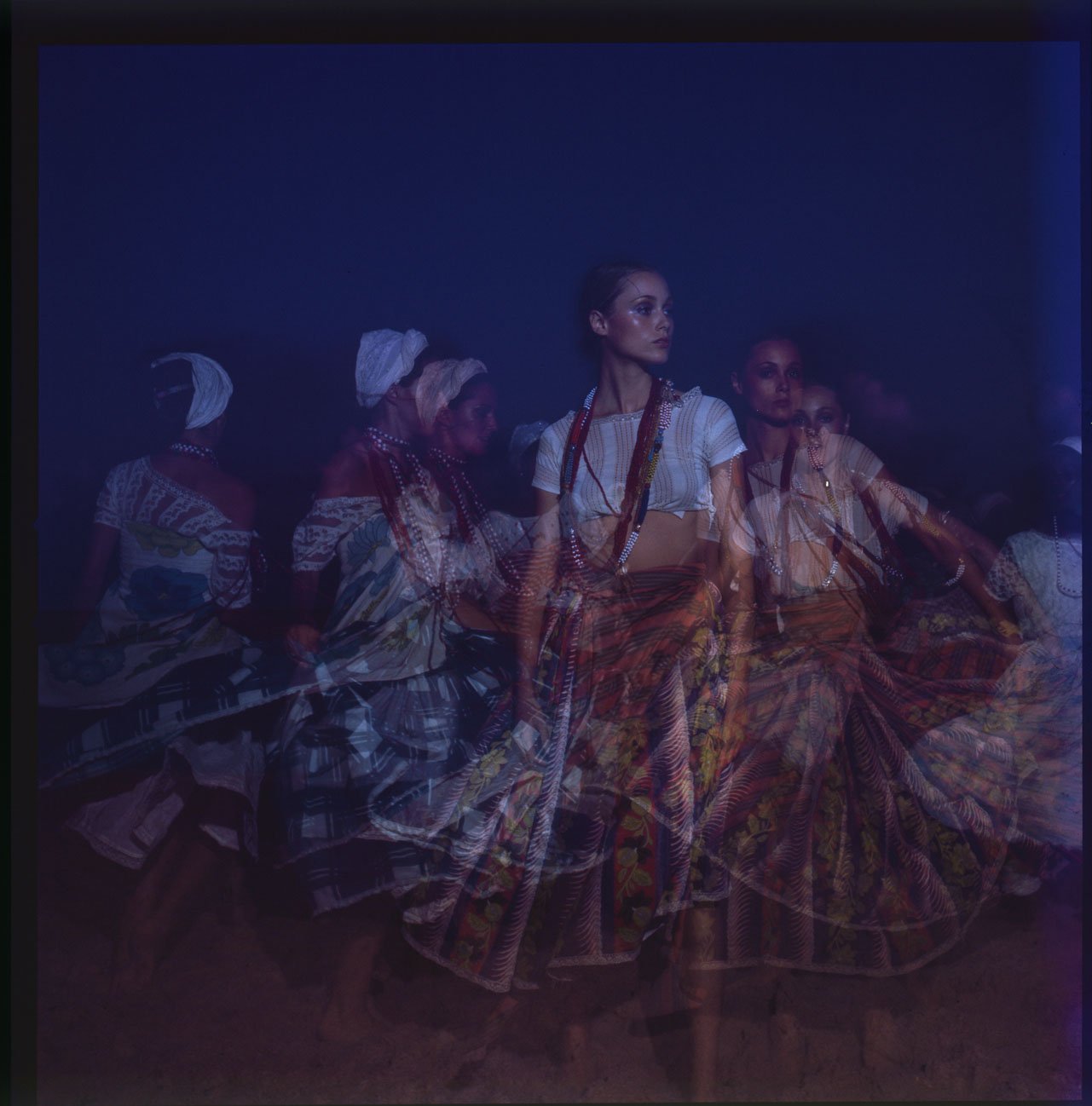
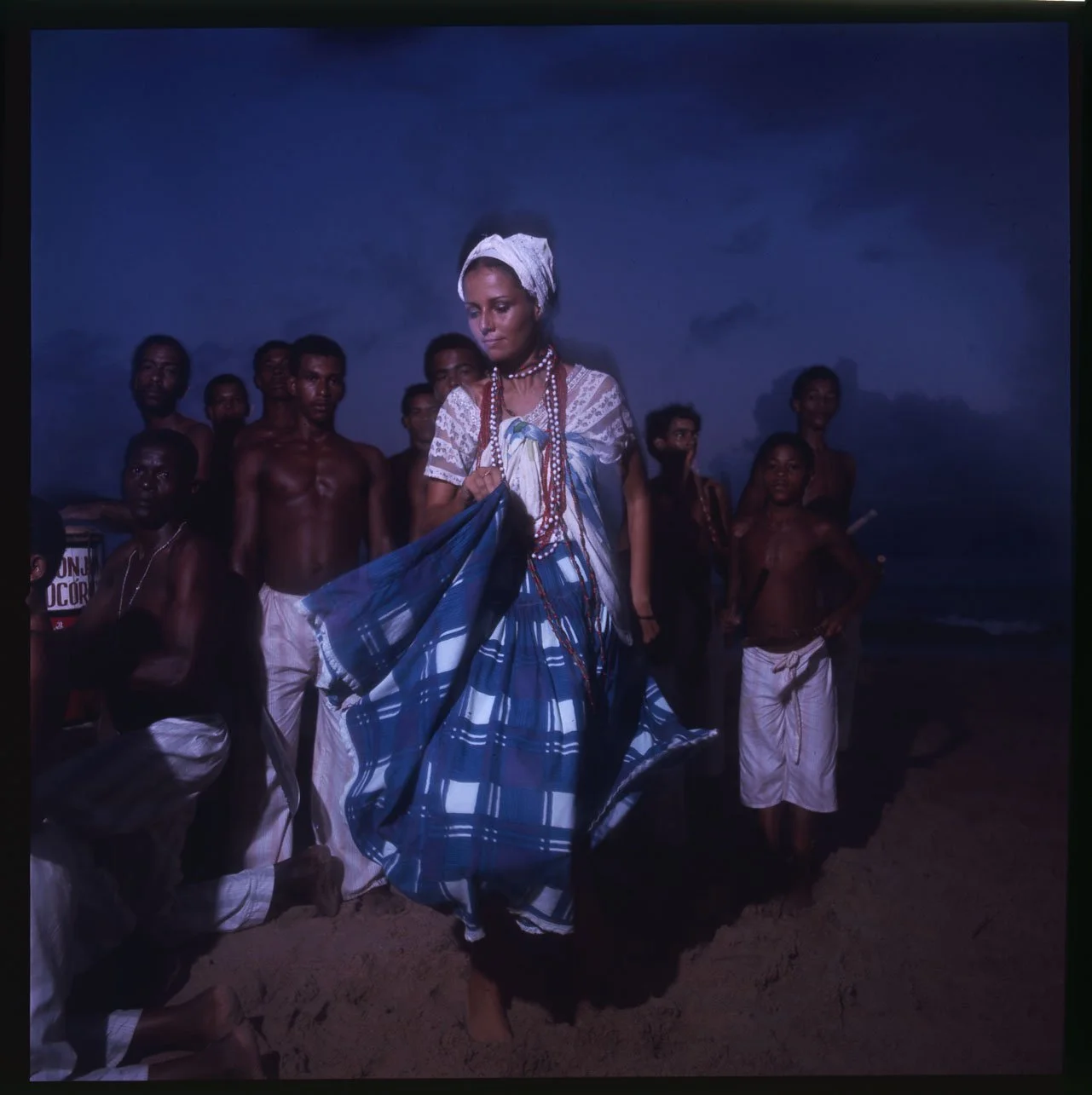
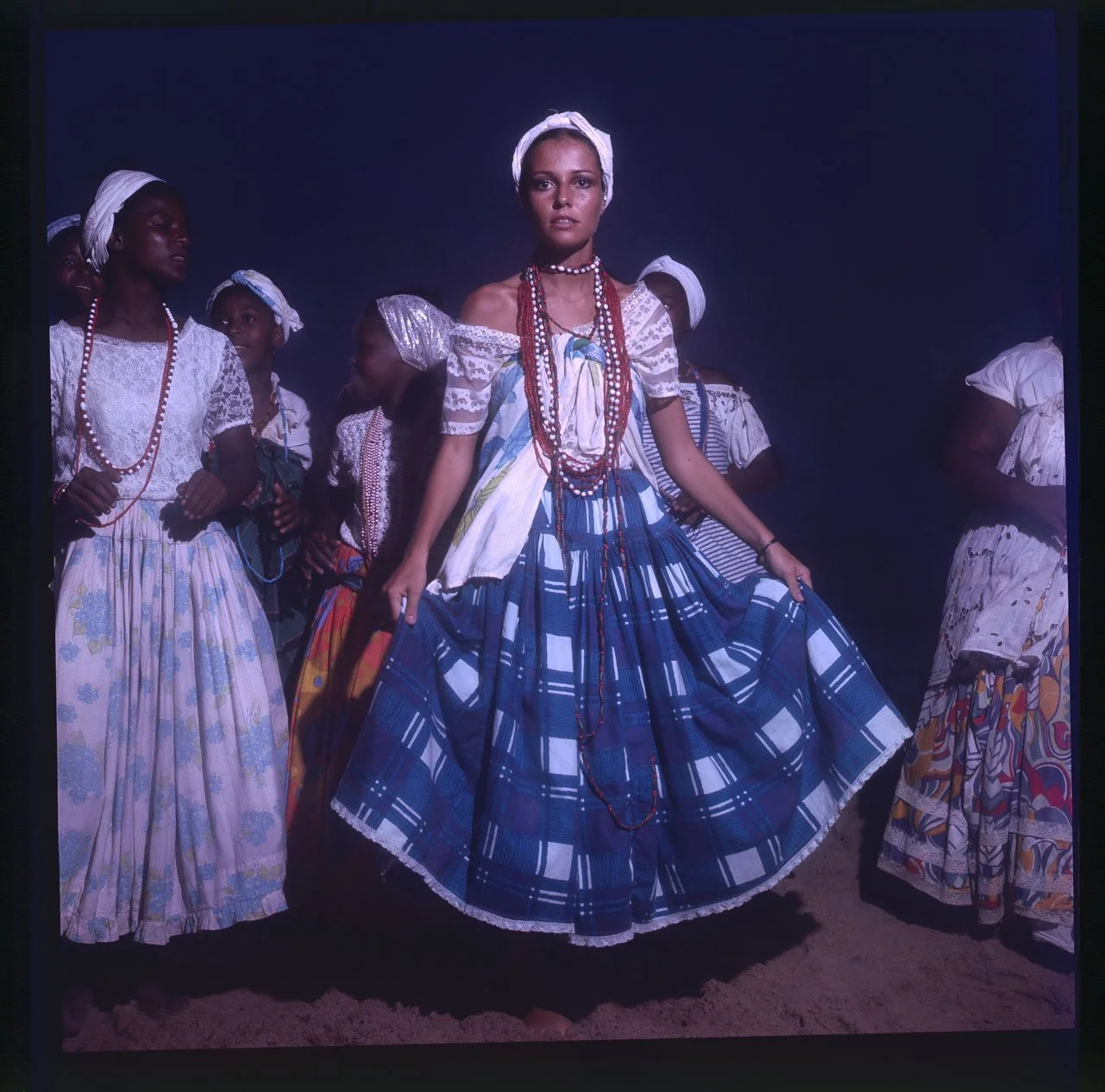
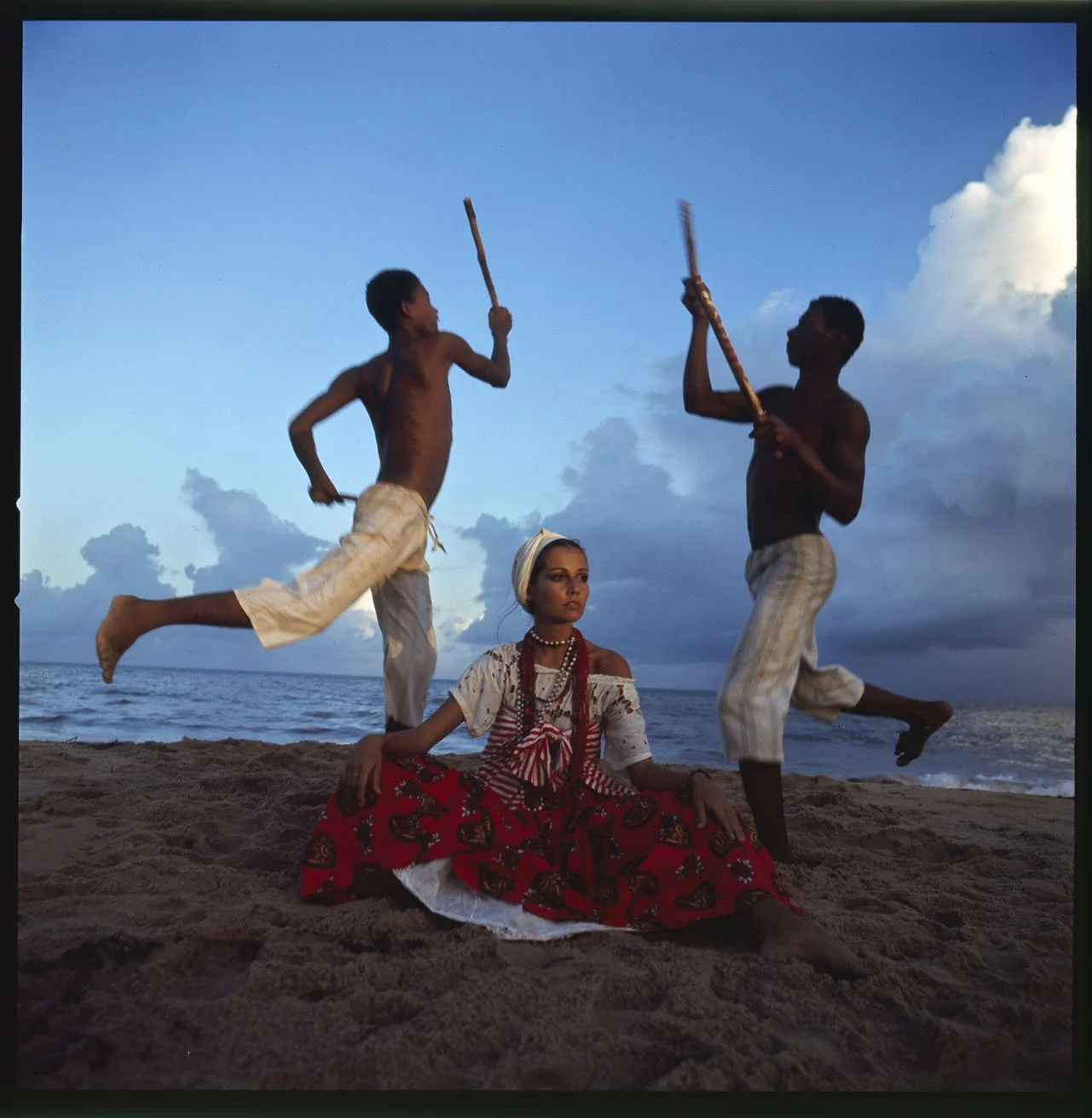
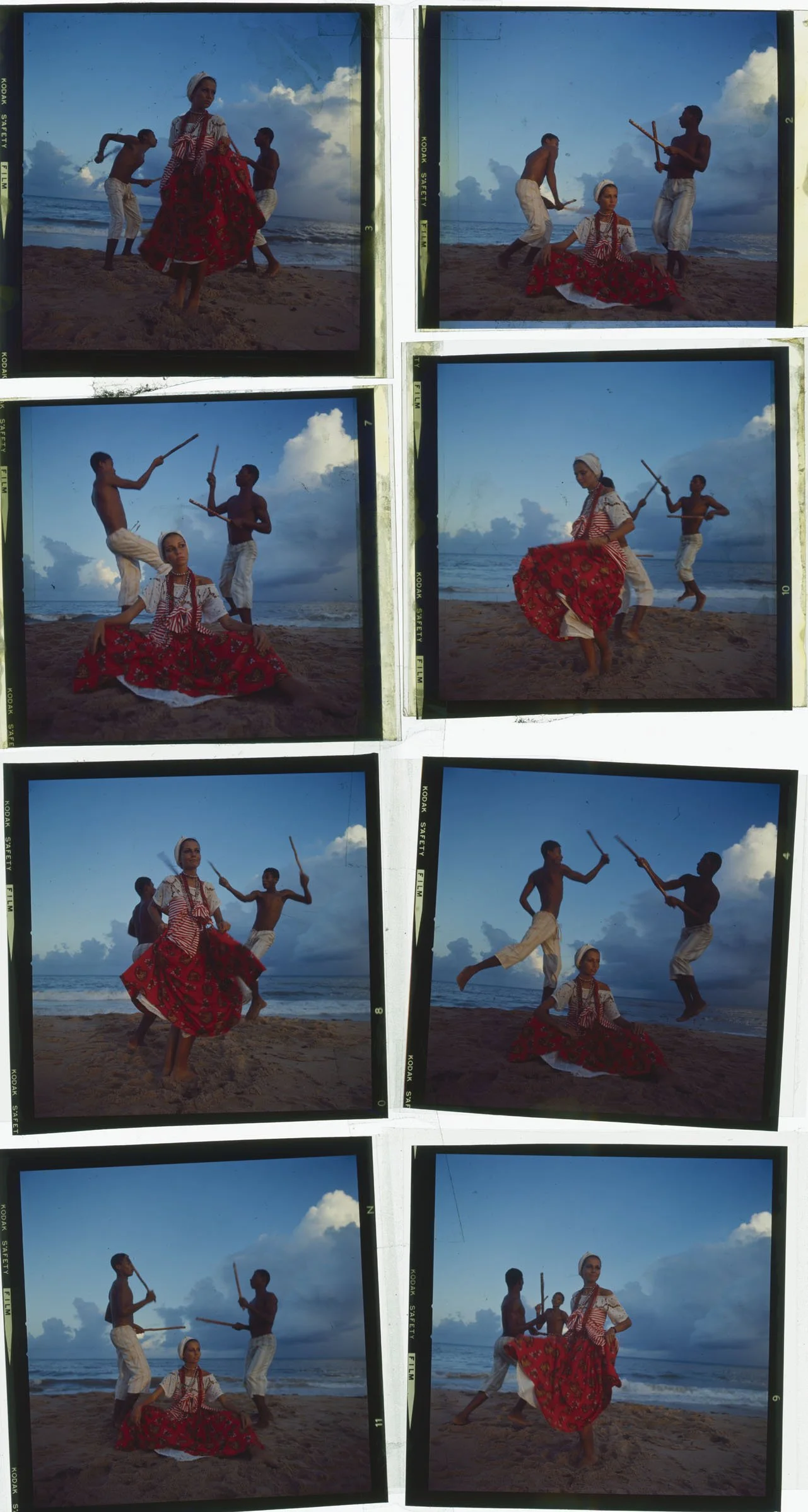
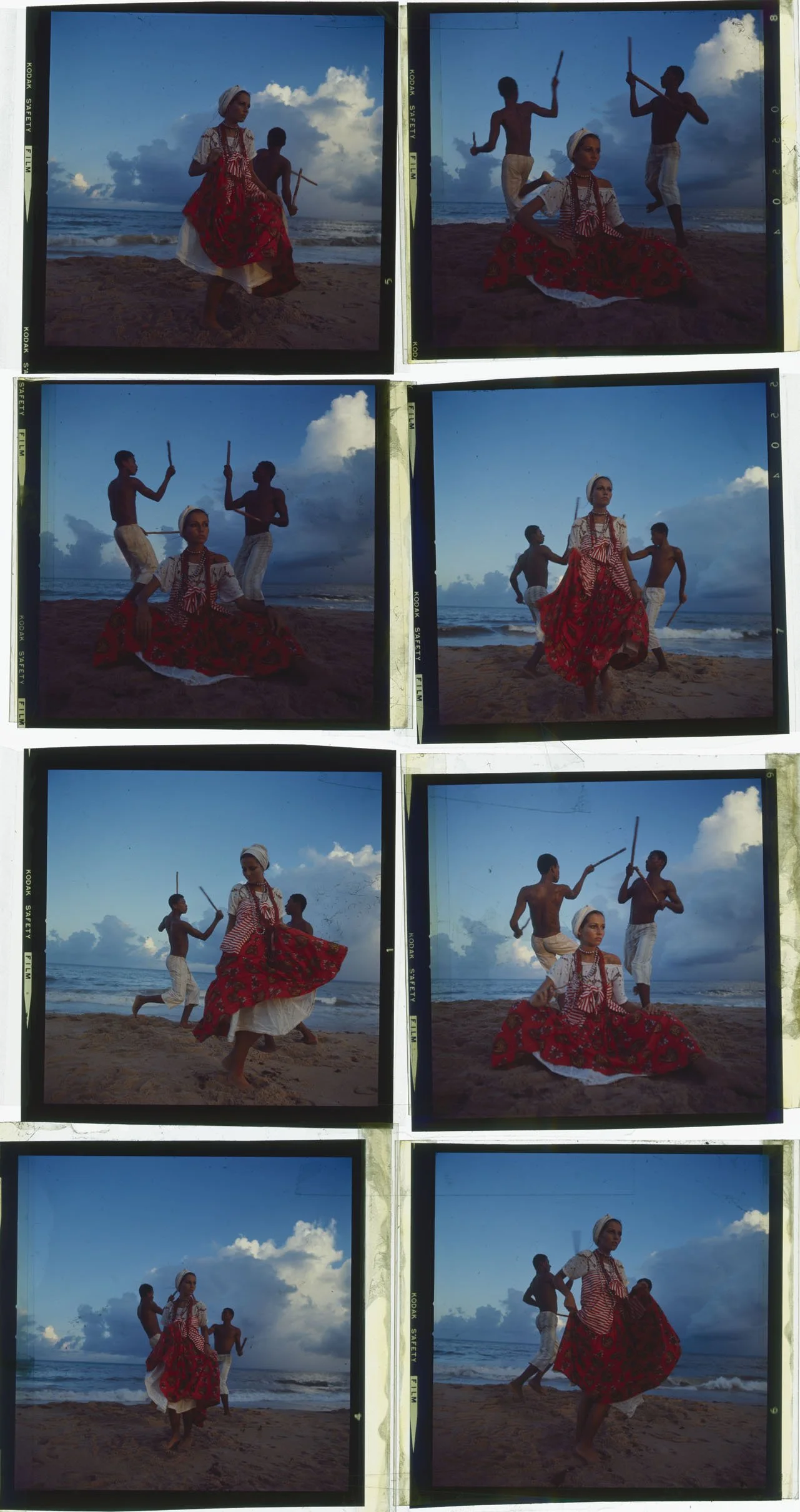
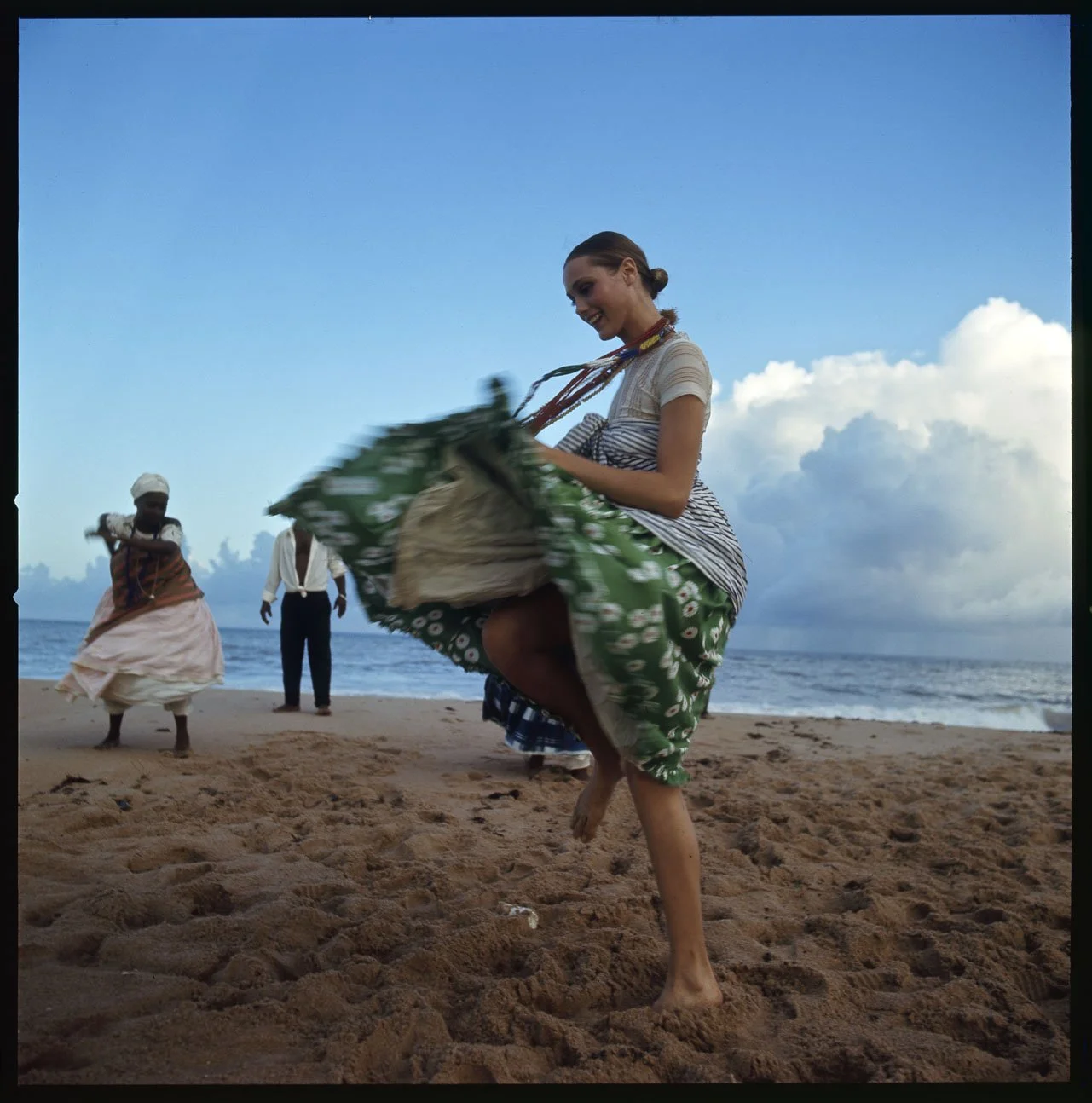
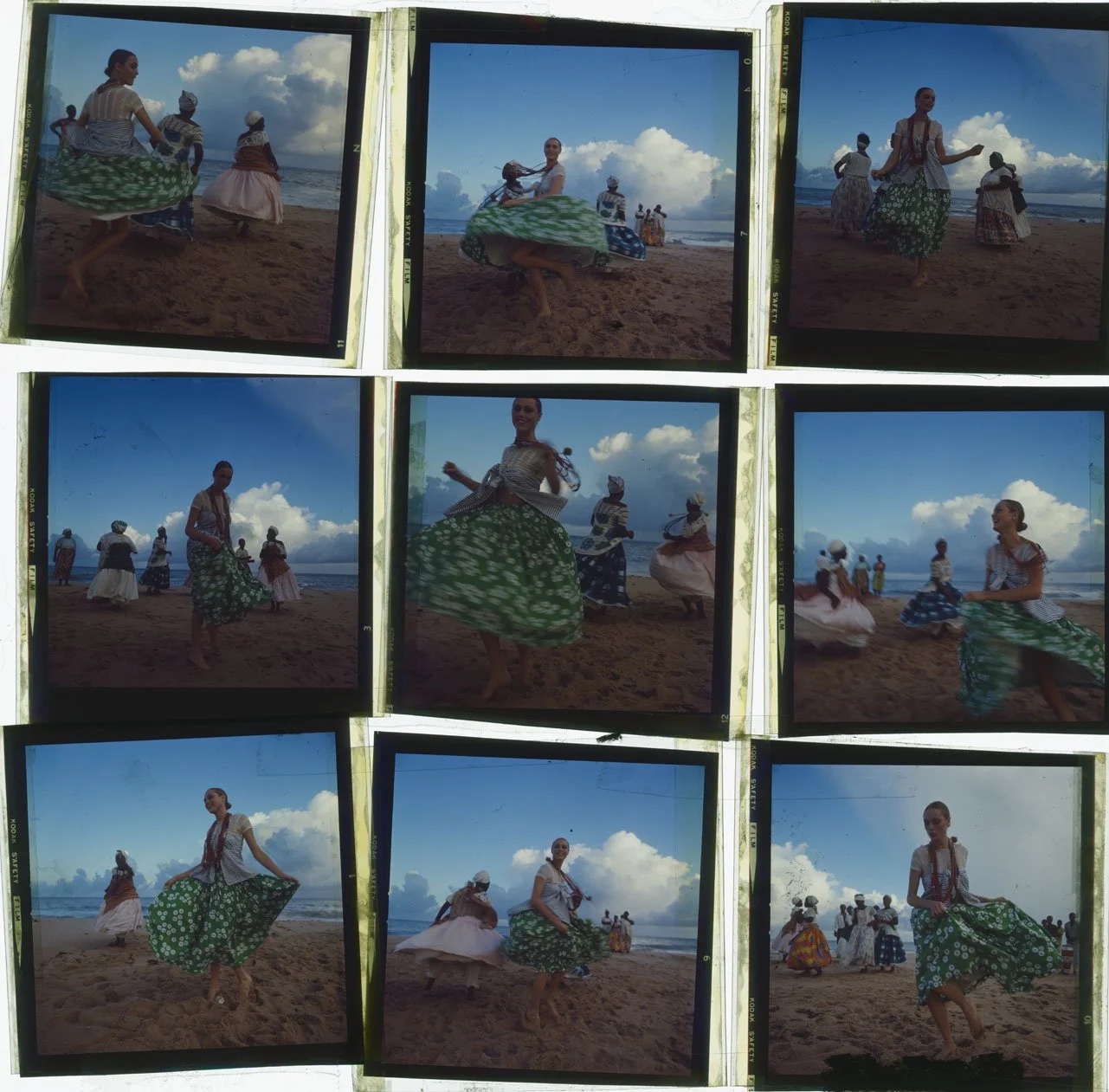
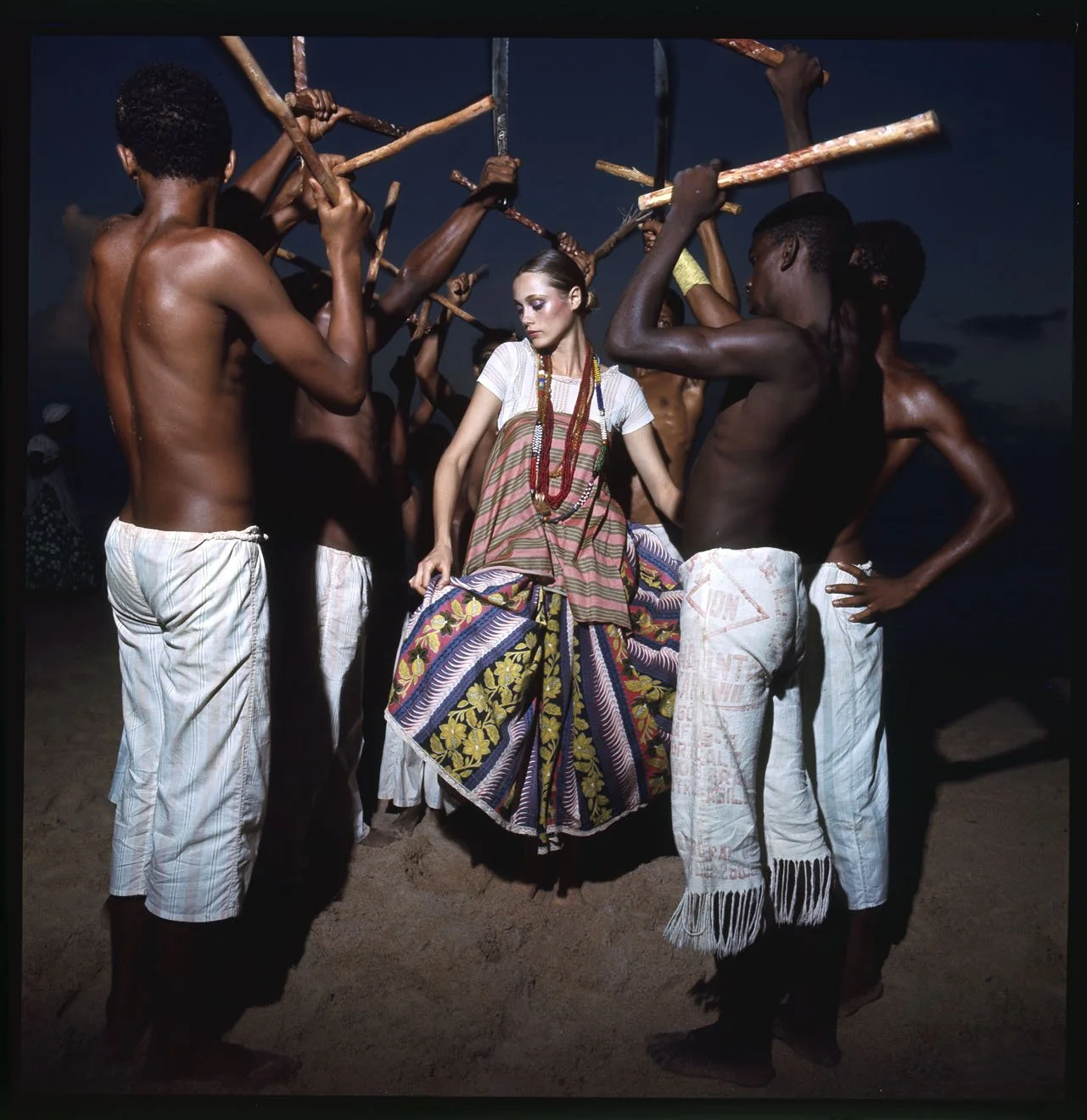
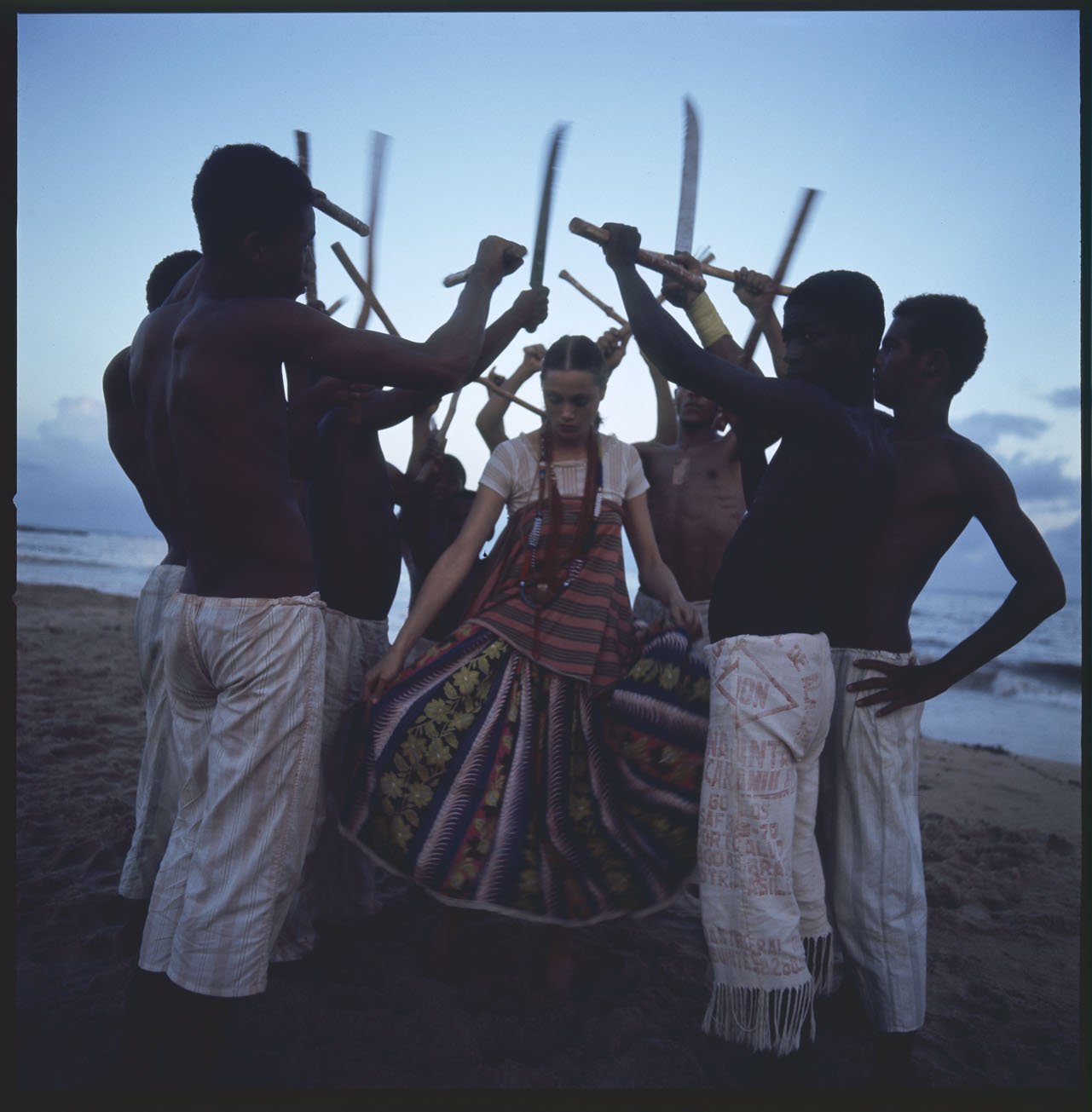
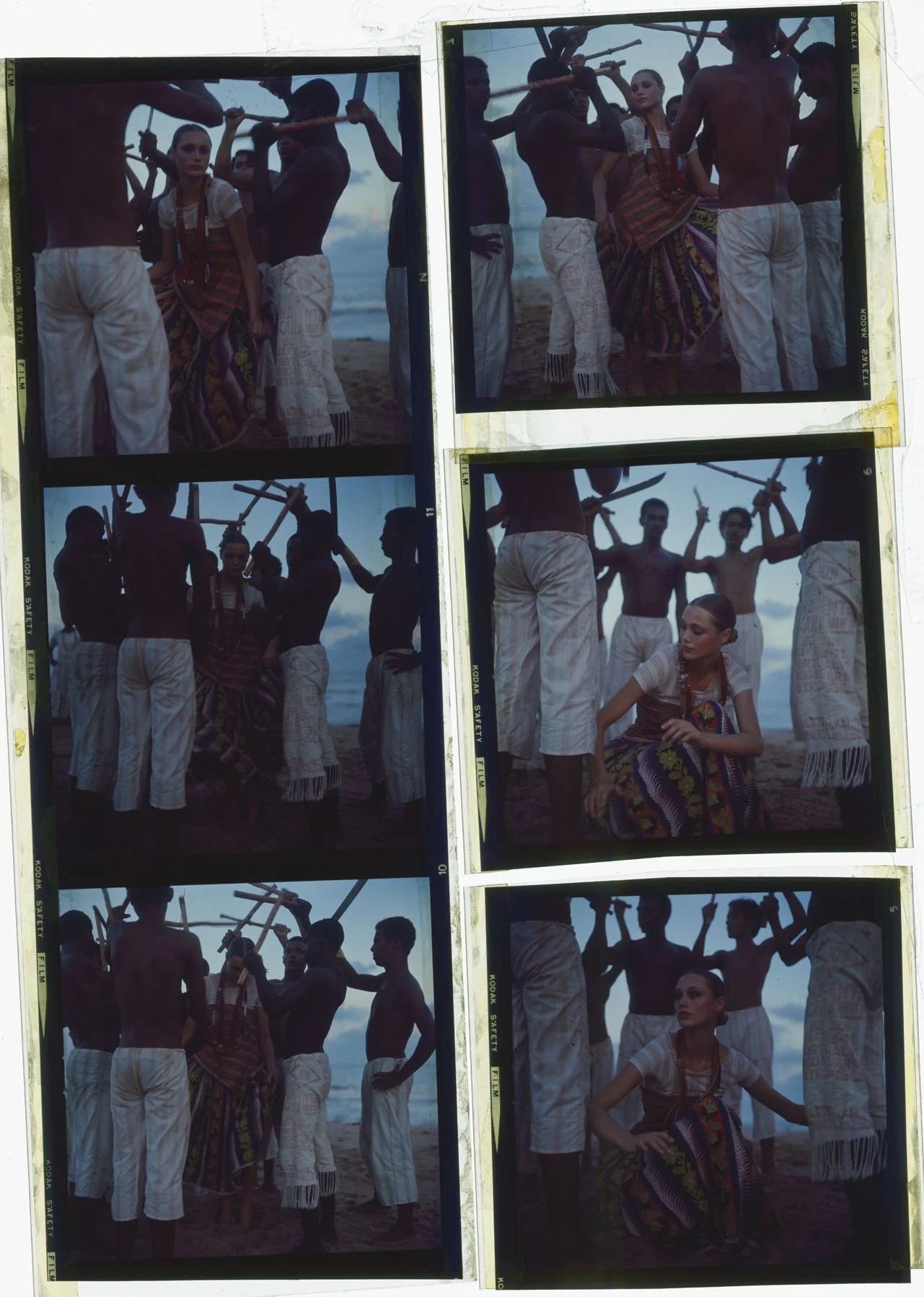
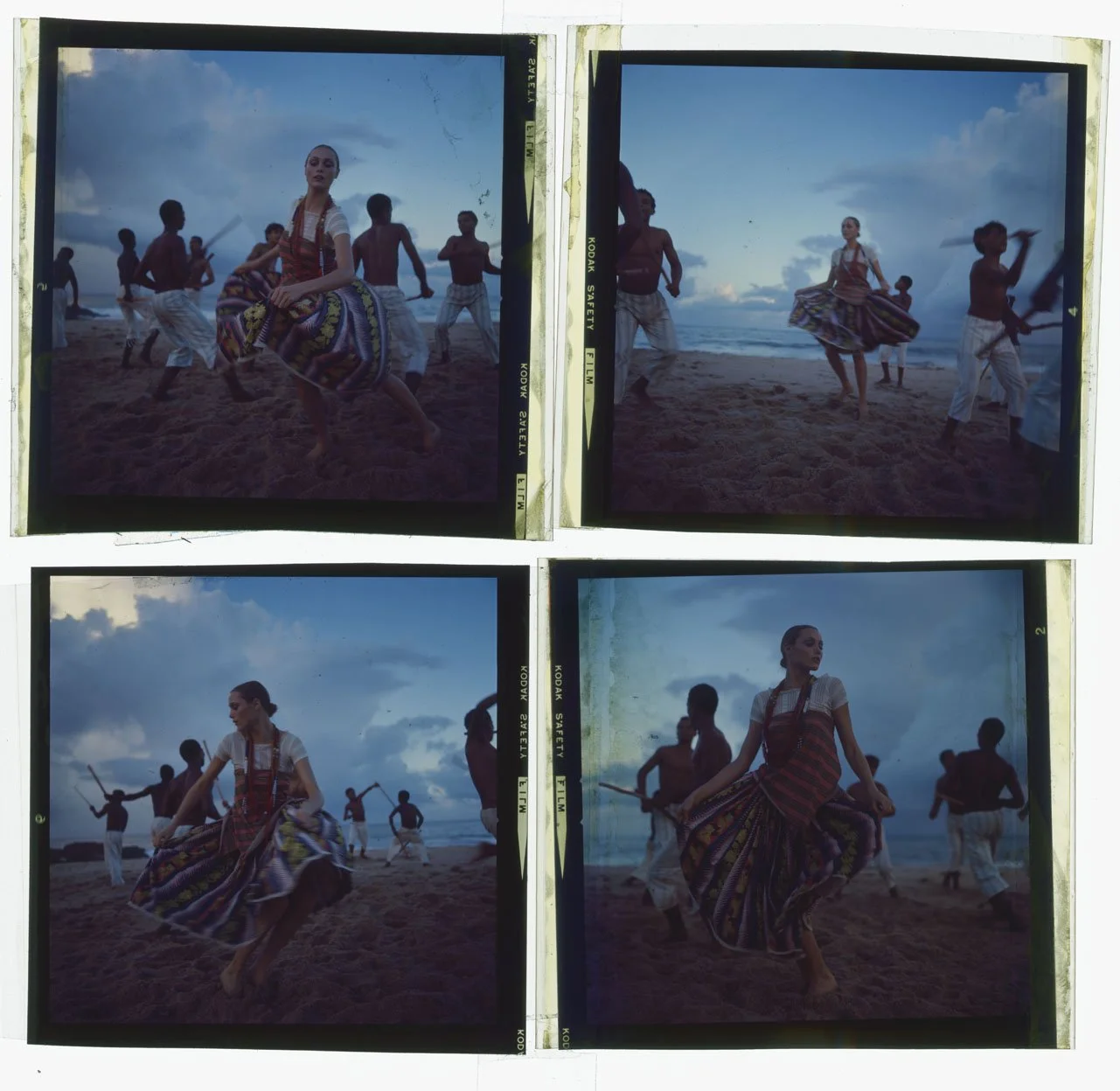
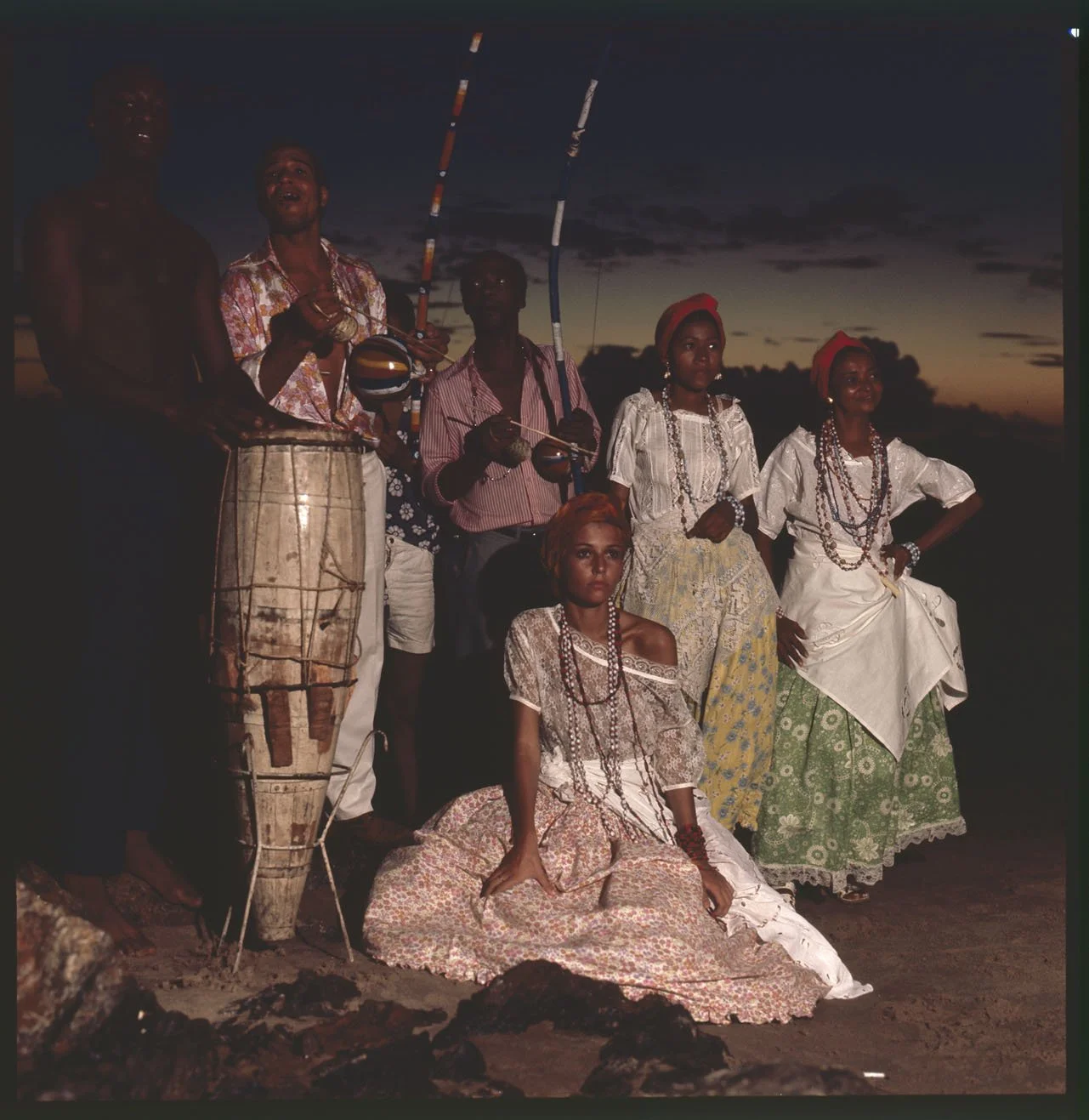
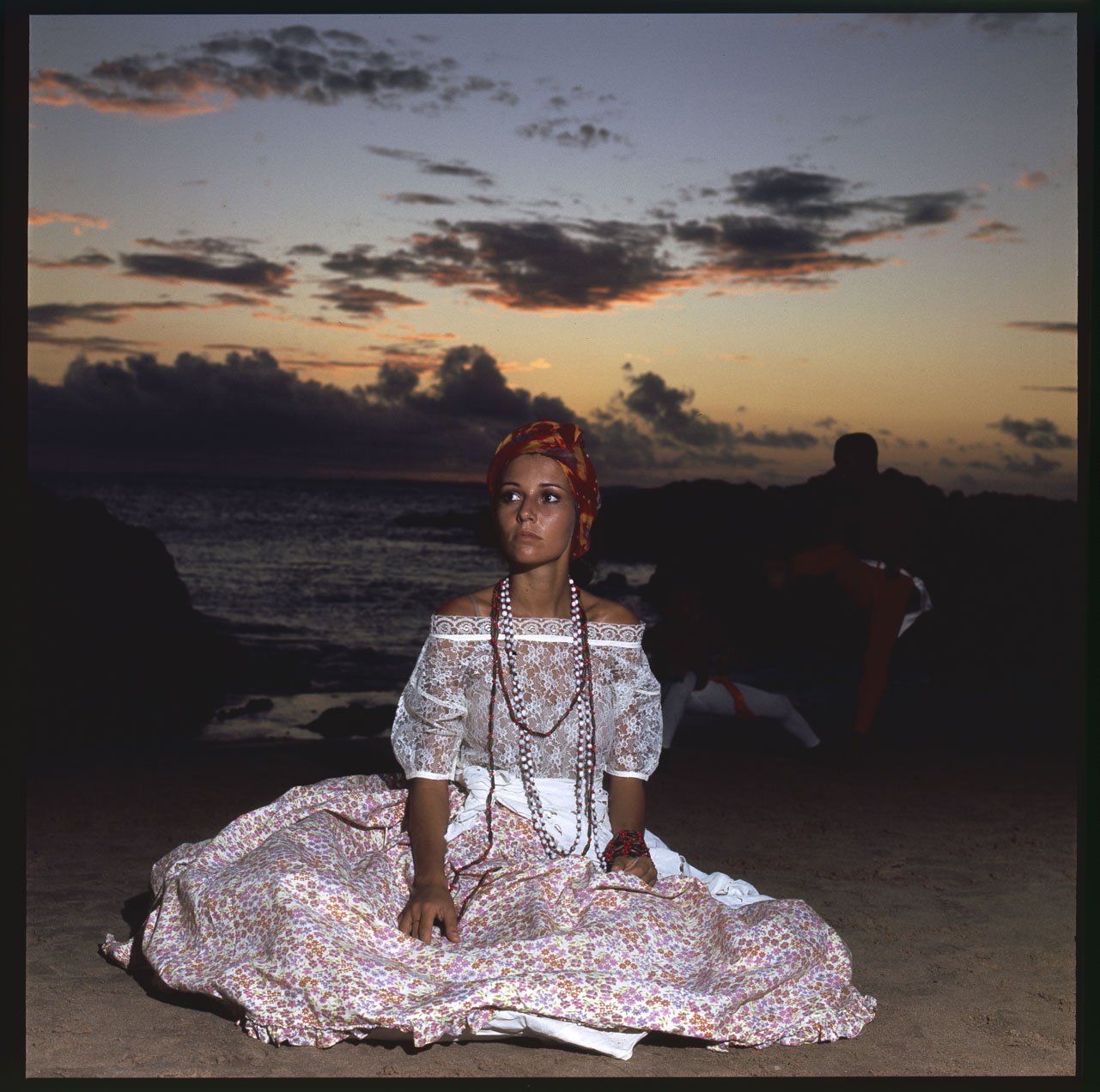
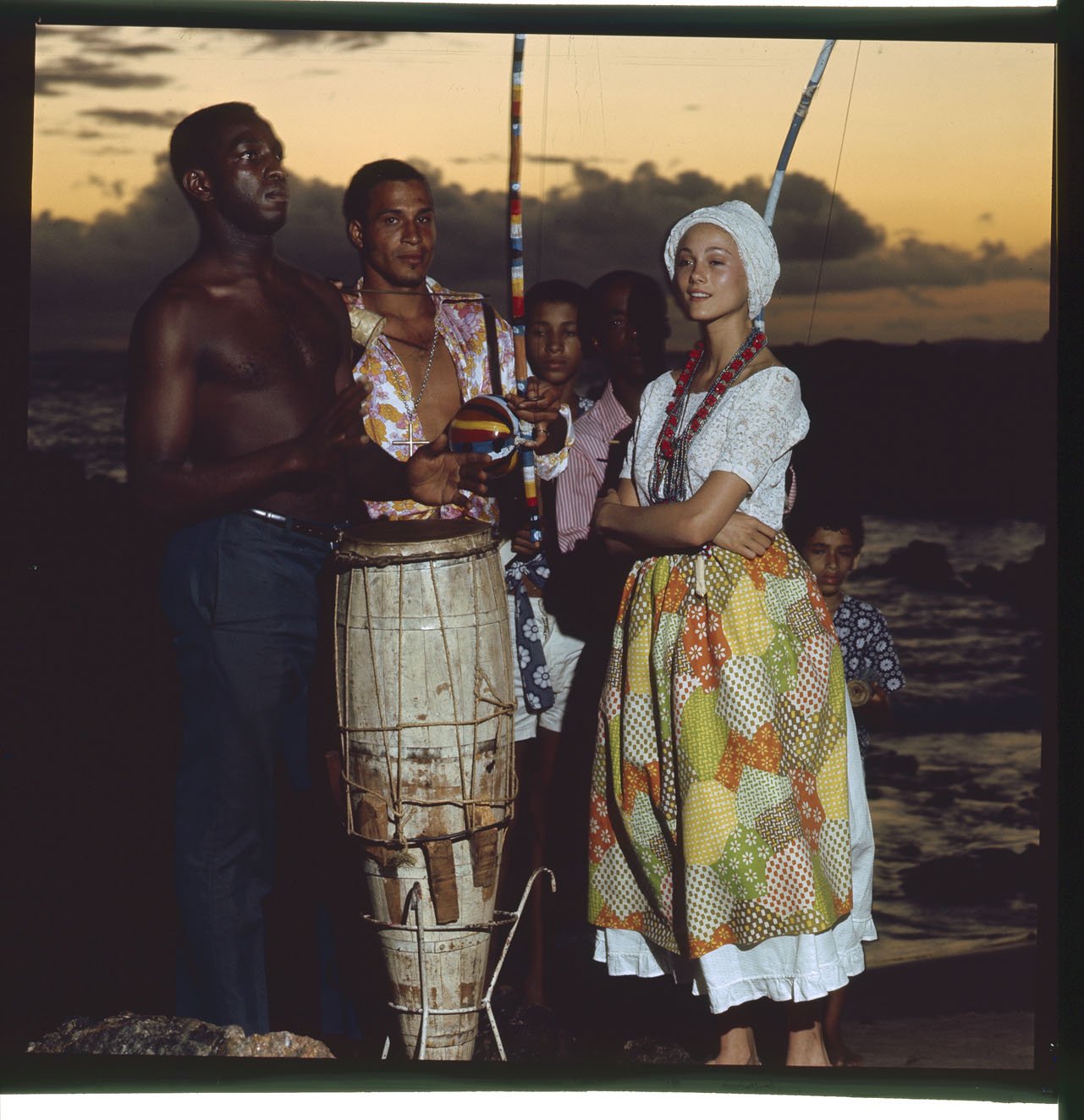
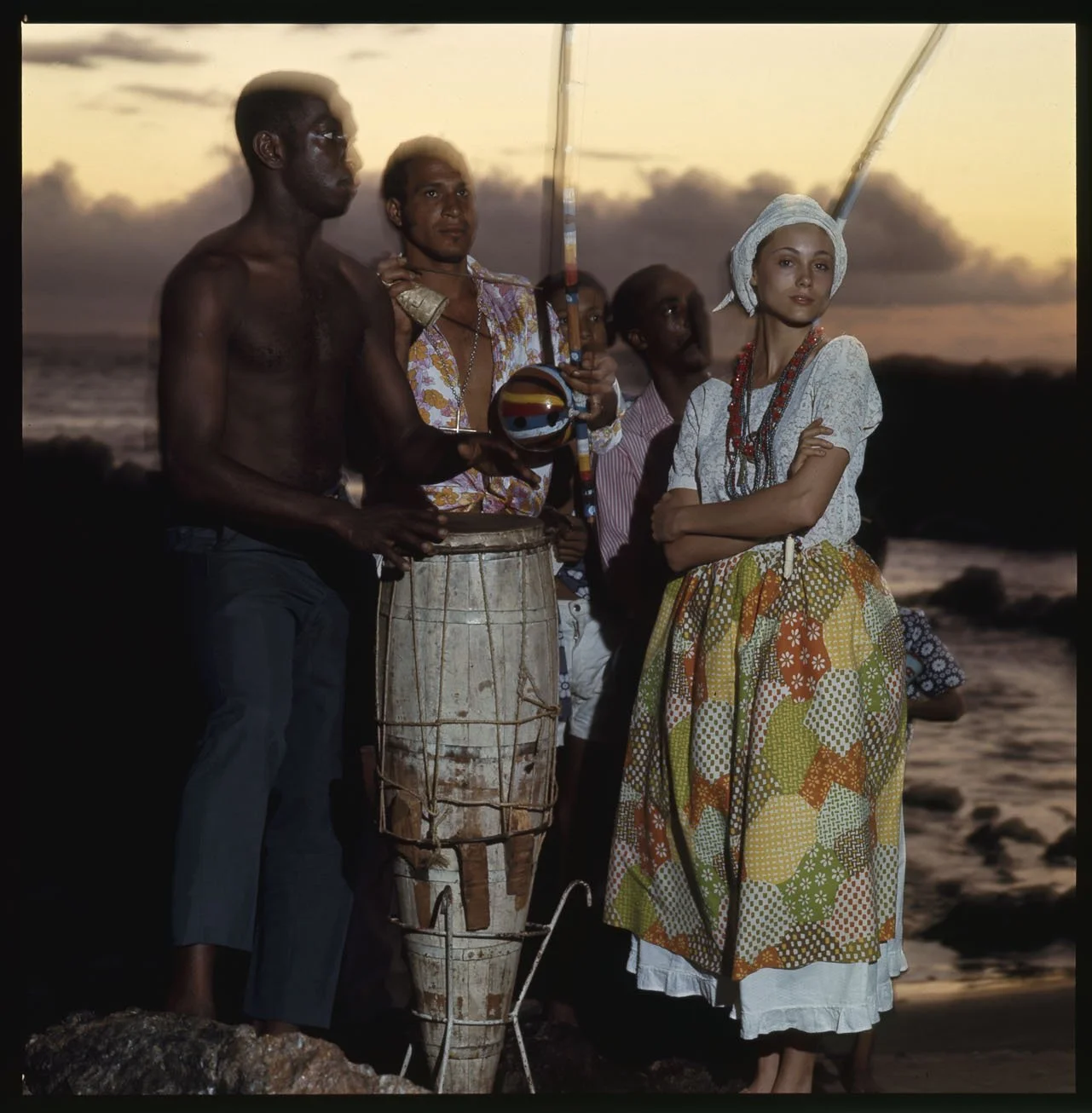
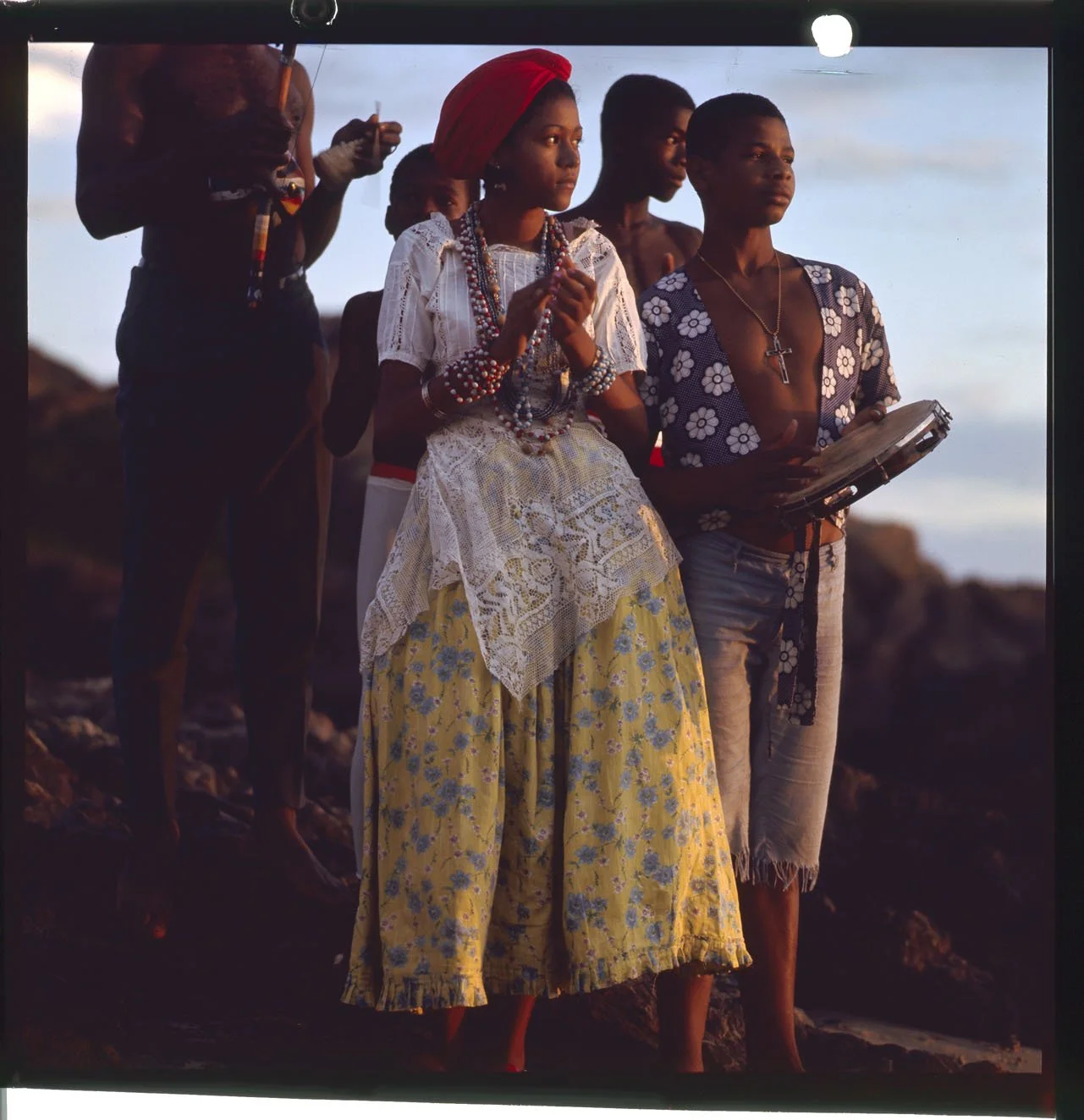
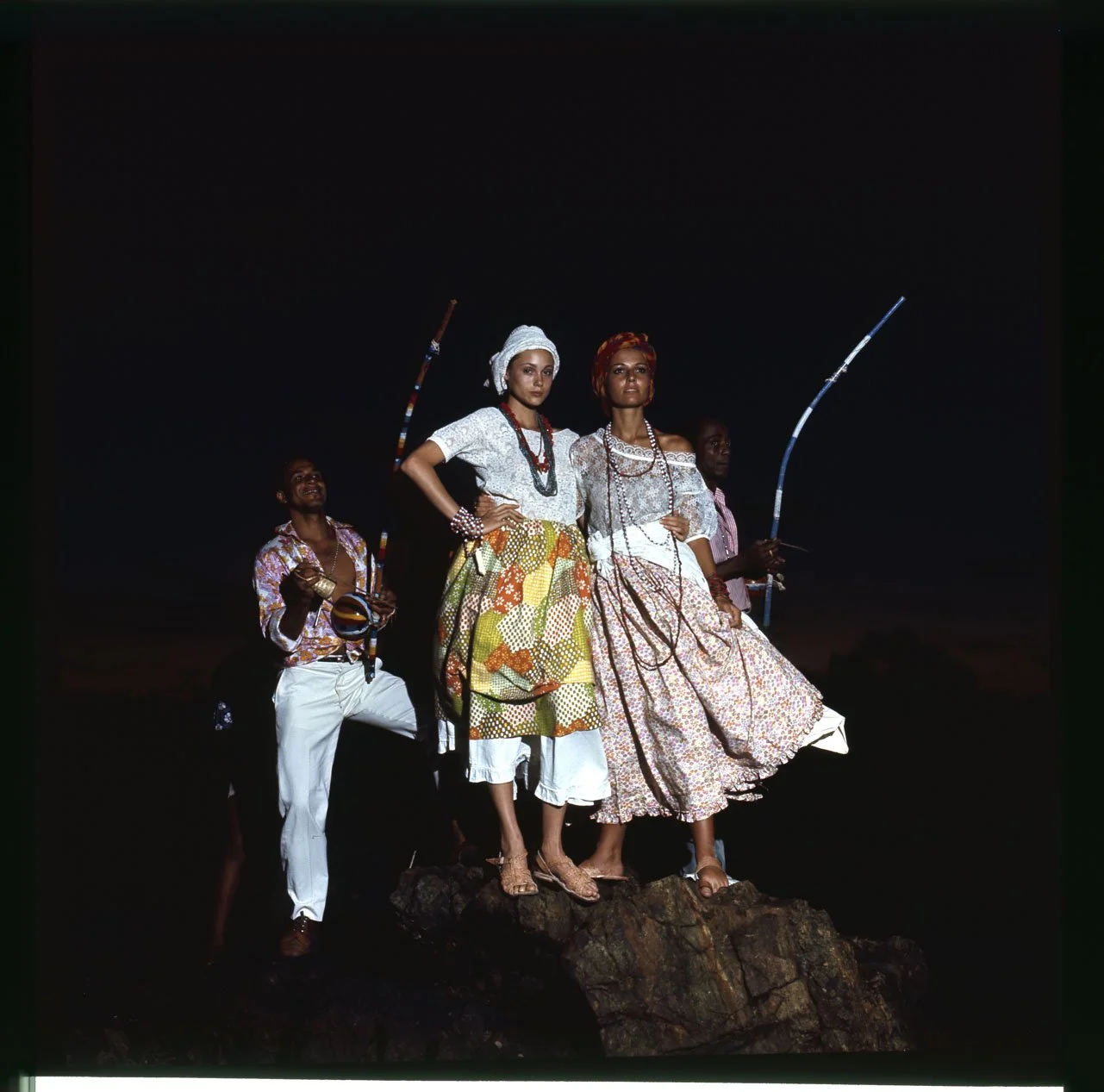
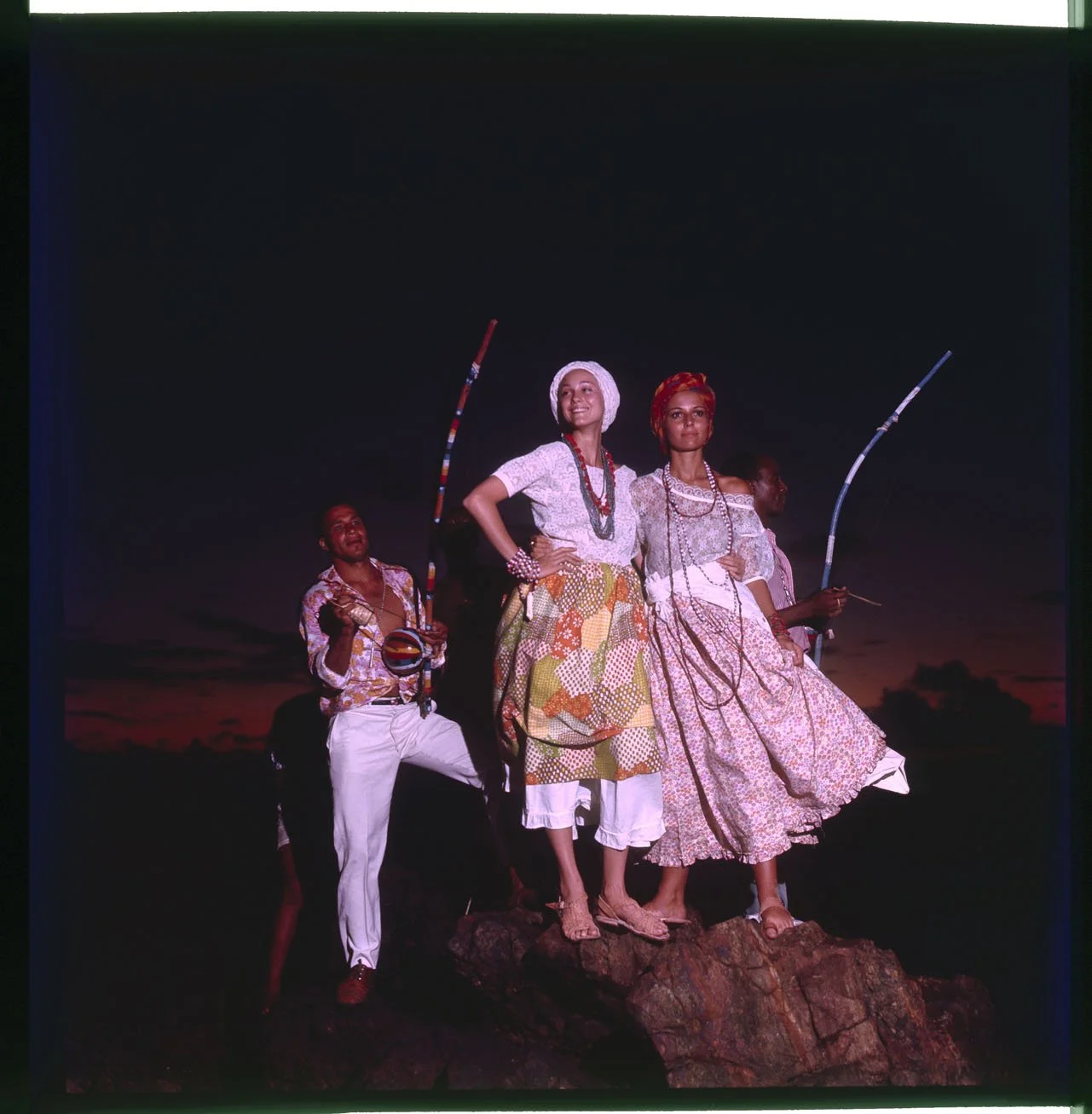
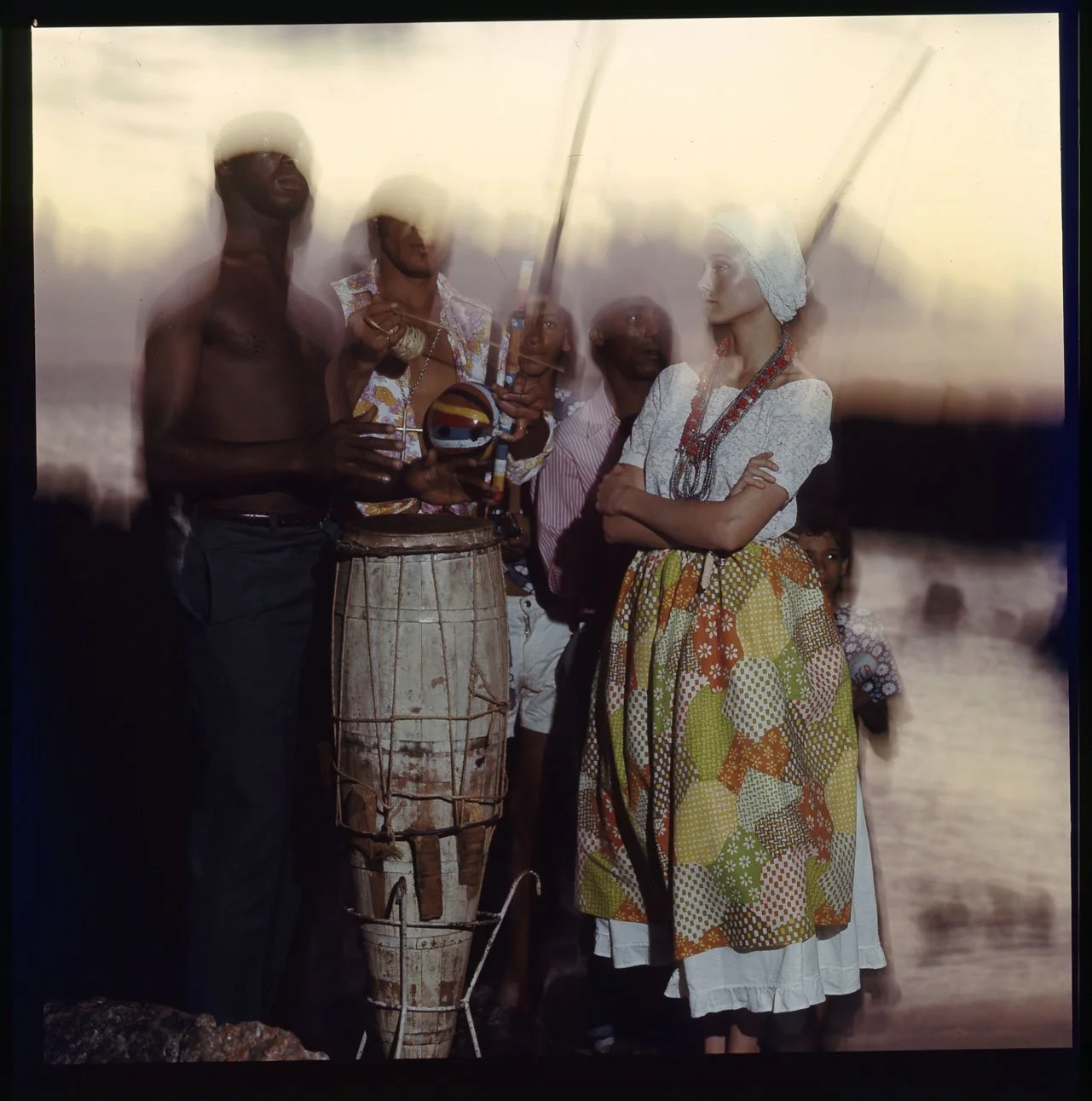
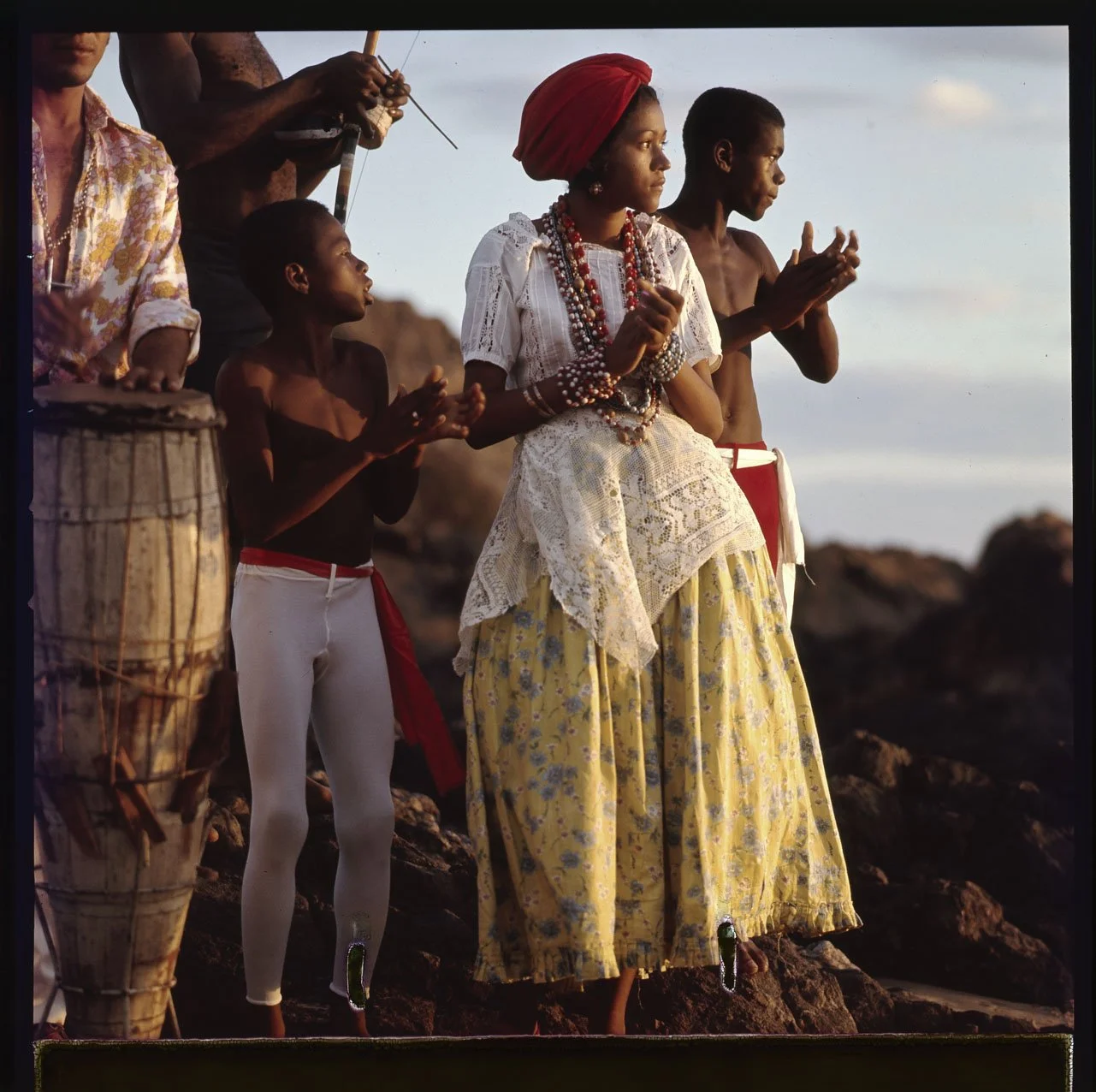
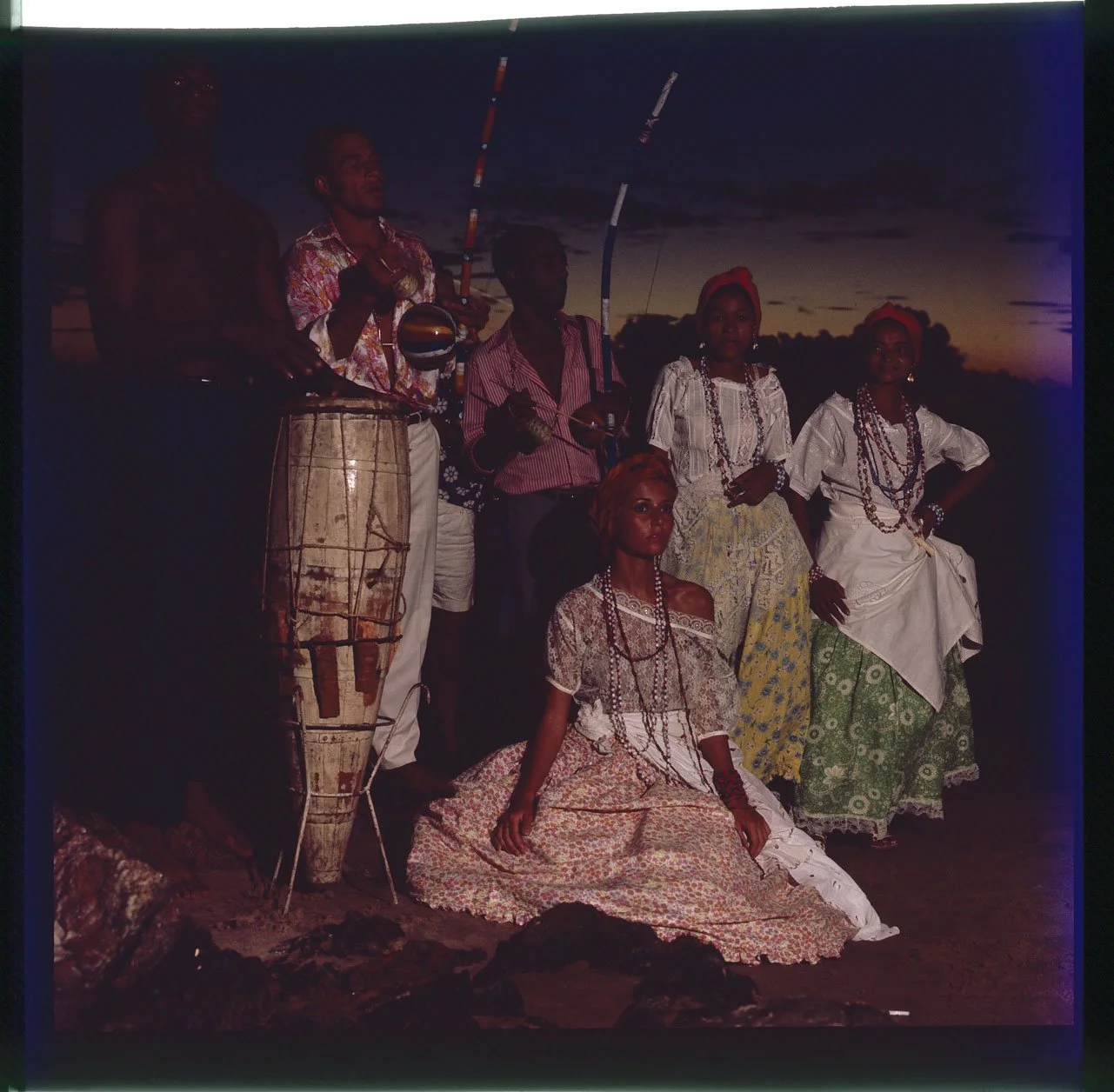
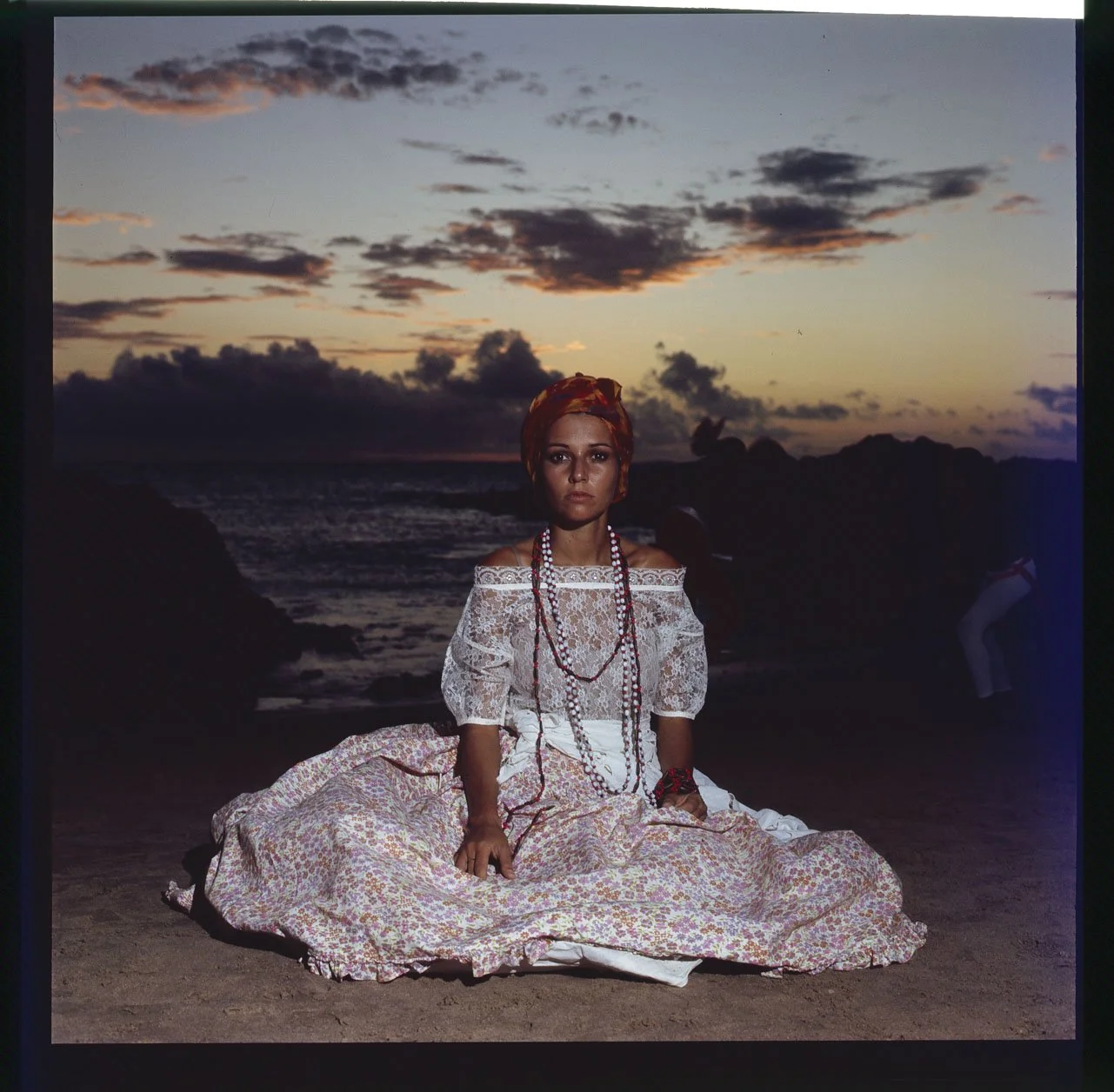
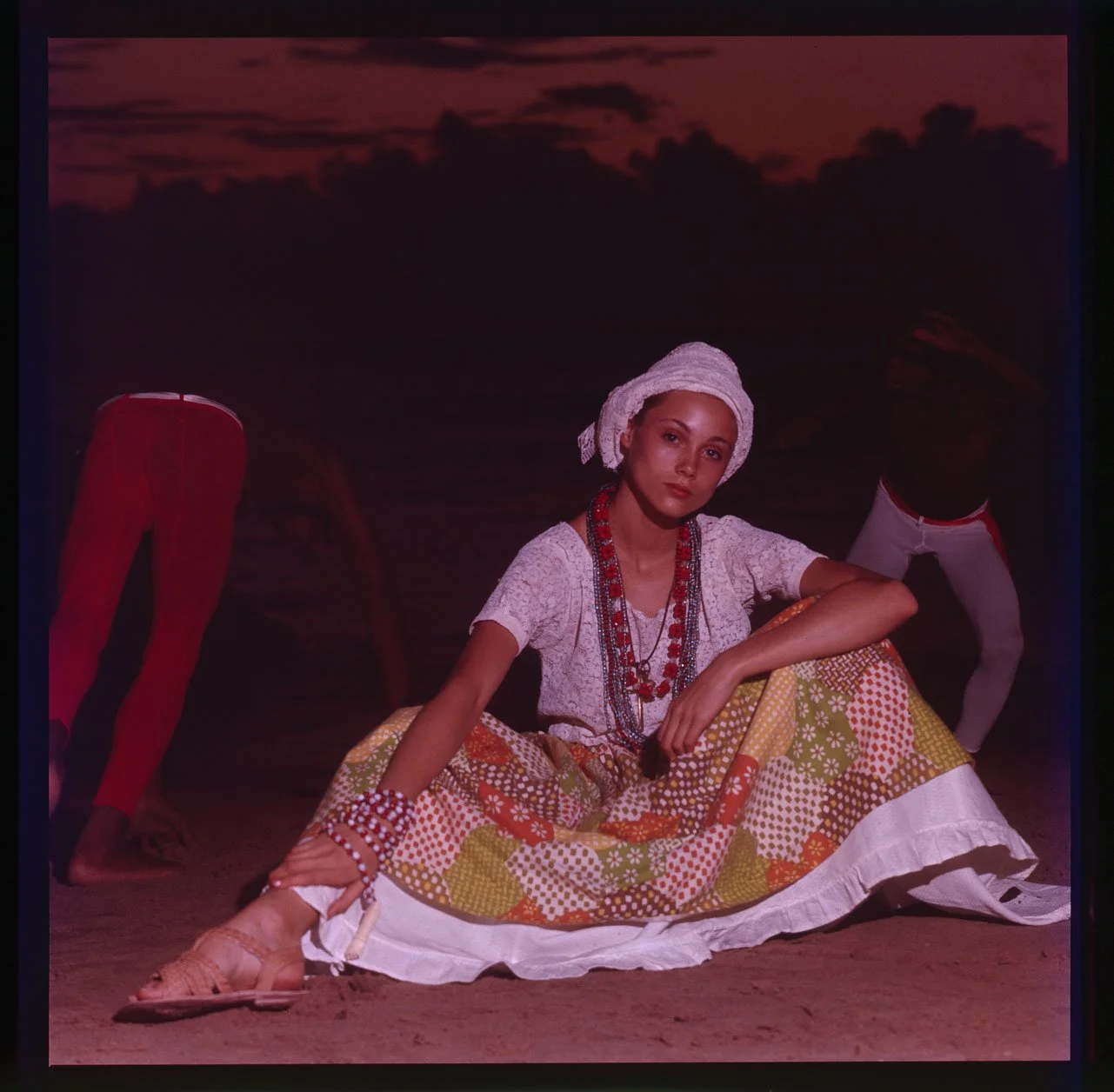
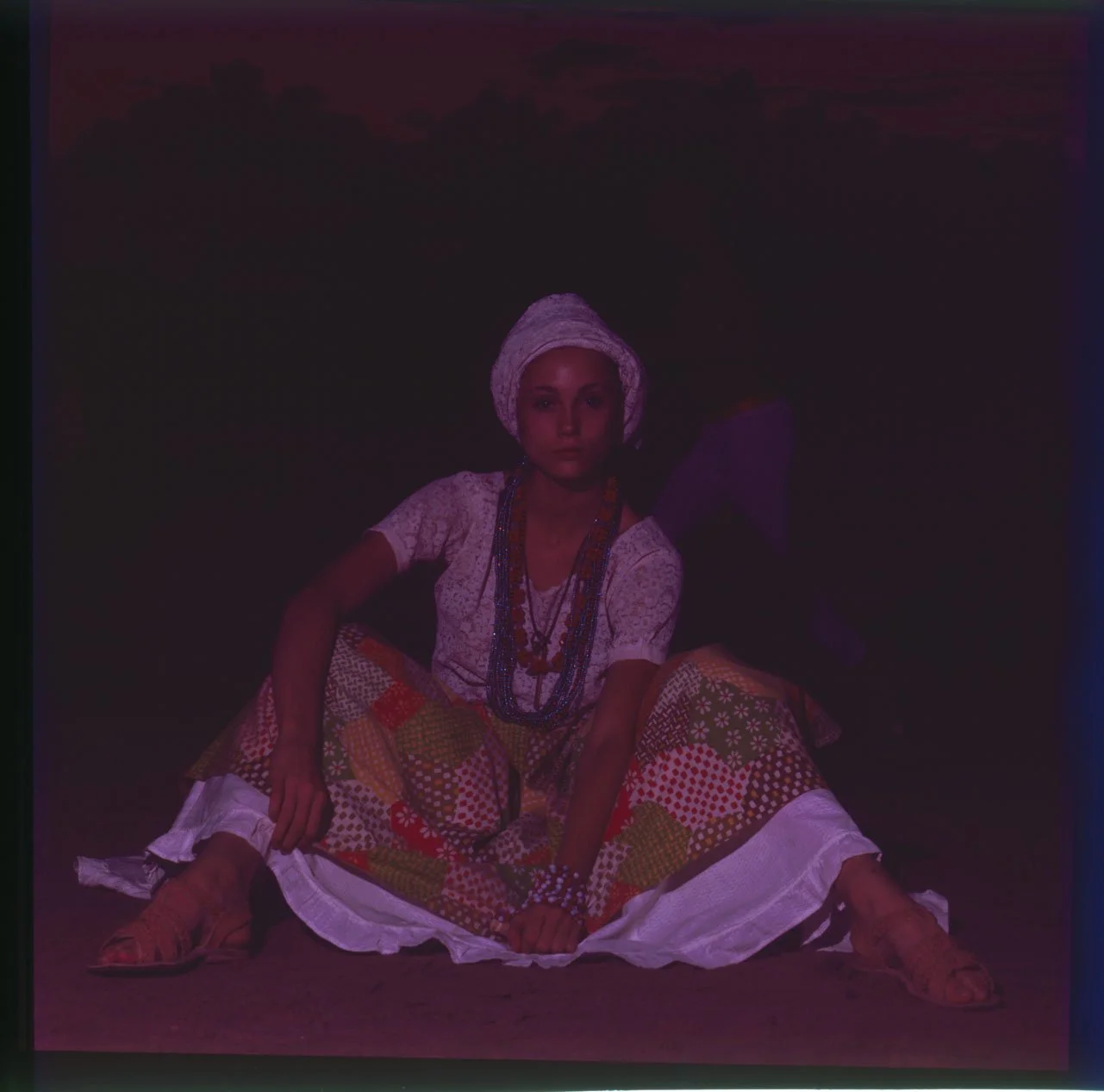
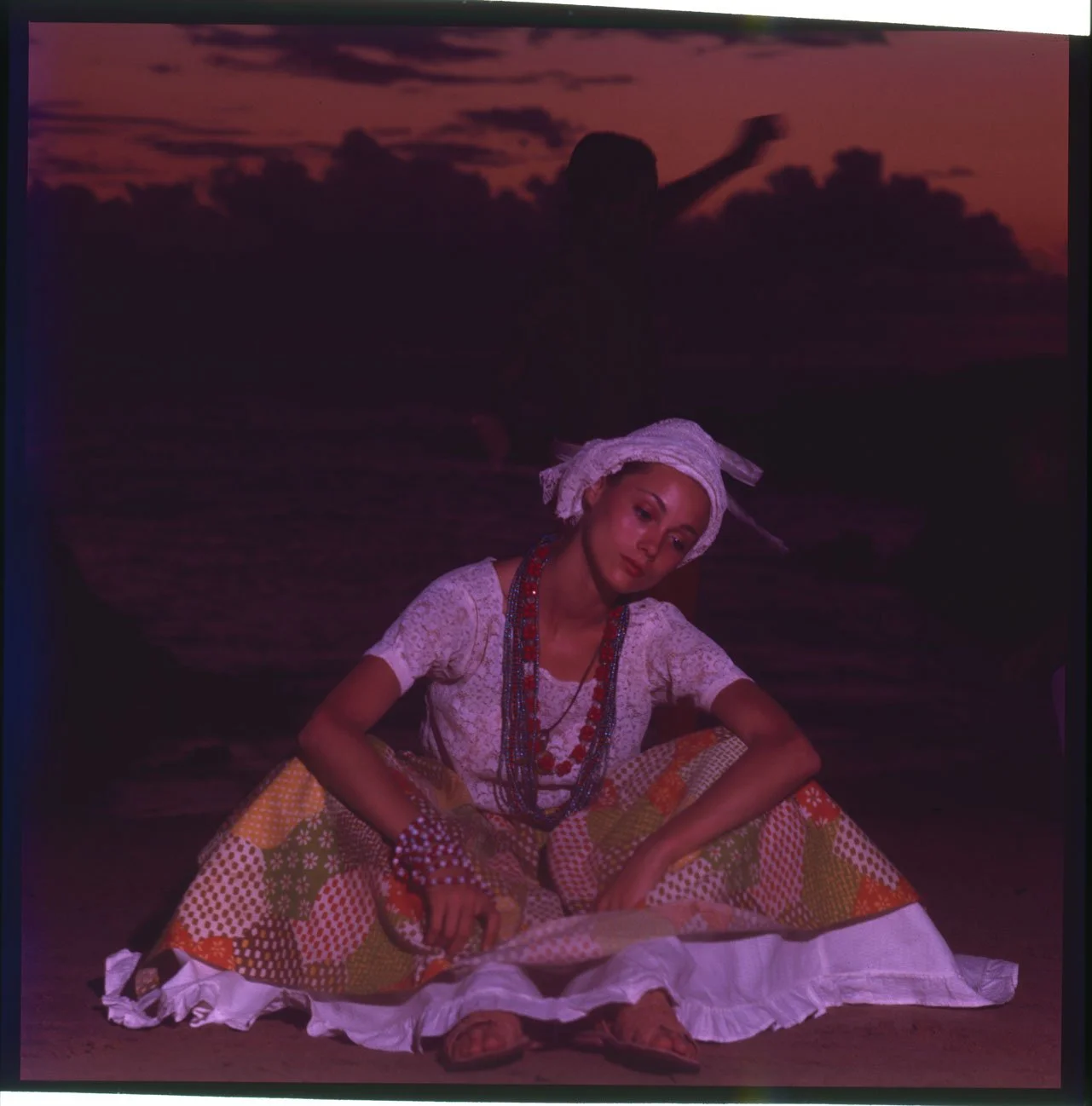
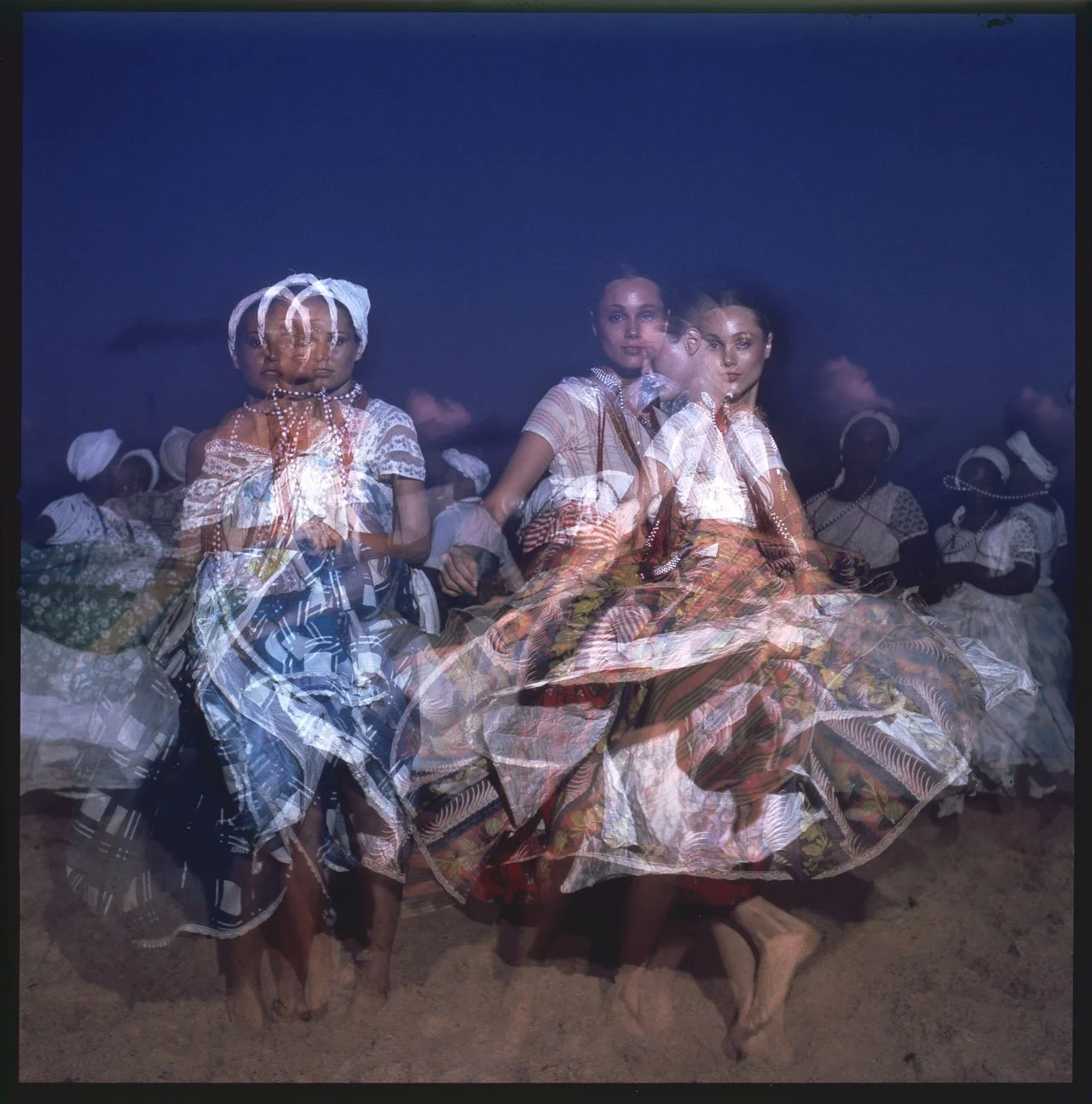
In the established women’s and fashion magazines of the time, the powerful zeitgeist of the 1960s and 70s was long ignored; yet editors of new magazines—those capturing the lifestyle of teenagers and young adults—broke away from well-worn paths, ensuring that youth fashion and lifestyle were given their own distinct "showcase." Later, the breaking of taboos was employed deliberately, with themes such as sexuality, violence, and aggression staged within fashion spreads—a world far removed from Ulrich Pracht’s own. A man of boundless energy and drive, he preferred to craft aesthetic Gesamtkunstwerke—total works of art—that often captured the power and action of the prevailing zeitgeist in a single, unique moment. Rony, the son of Brazilian advertising guru Lothar Sussmann, suggested to Ulrich Pracht that they organize a photo shoot on the beaches of Bahia featuring the local Macumba community. During their rituals—in which they dress entirely in white—adherents of this Afro-Christian religion use fire, drums, and dance to induce a state of ecstatic trance. Men and women participate on equal footing. During these ritual dances and acts of worship, many of the participants ingest Ayahuasca—a psychedelic jungle brew permitted for ritual use in Brazil. In an era when "Flower Power," "Love and Peace," and mind-expanding drugs played a significant role in Western civilization, this provided a perfectly fitting backdrop for the two top models, Jane Hitchcock and Angela Catramby, clad in their folkloric-style dresses. For a fee of a few hundred dollars, Rony was able to persuade the group to stage such a ritual. "So we met on the beach, and as dusk began to fall, things slowly got underway. They performed a beautiful ceremony for us—one that led them right into a trance state. The girls changed outfits repeatedly, stepping in to join the group. During the shoot—for which I worked using only a flash—I, too, felt as if I were in a trance, though I never needed drugs to get there." On the beach of the city that embodies the magic, the contrasts, and—above all—the mystique of Brazil more enchantingly than almost any other place, captivating images emerge that—this time, free from the commercial dictates of a client—reveal yet another beautiful facet of the photographer Ulrich Pracht.
“In Bahia, the beach was completely contaminated with tar—something you didn't even notice at first glance. Consequently, every hotel room had a bottle of kerosene in the bathroom for cleaning; with its label, it looked just like a bottle of sparkling water. I arrived back at the hotel that evening, utterly exhausted after a long stretch of filming Macumba, and I was parched beyond belief. So, I spotted this bottle, popped it open, and took a big swig. It tasted absolutely terrible. Drinking kerosene can, after all, be fatal. In that moment, I remembered something my grandmother used to say: "If you ever swallow gasoline, kerosene, or anything like that, eat a piece of soap immediately—no matter how awful it tastes." So I rushed into the bathroom, ate some soap, and proceeded to vomit like a heron—foaming at the mouth all the while. It saved my life.”