
02
SET UP
GRAND STAGE against a surreal backdrop.
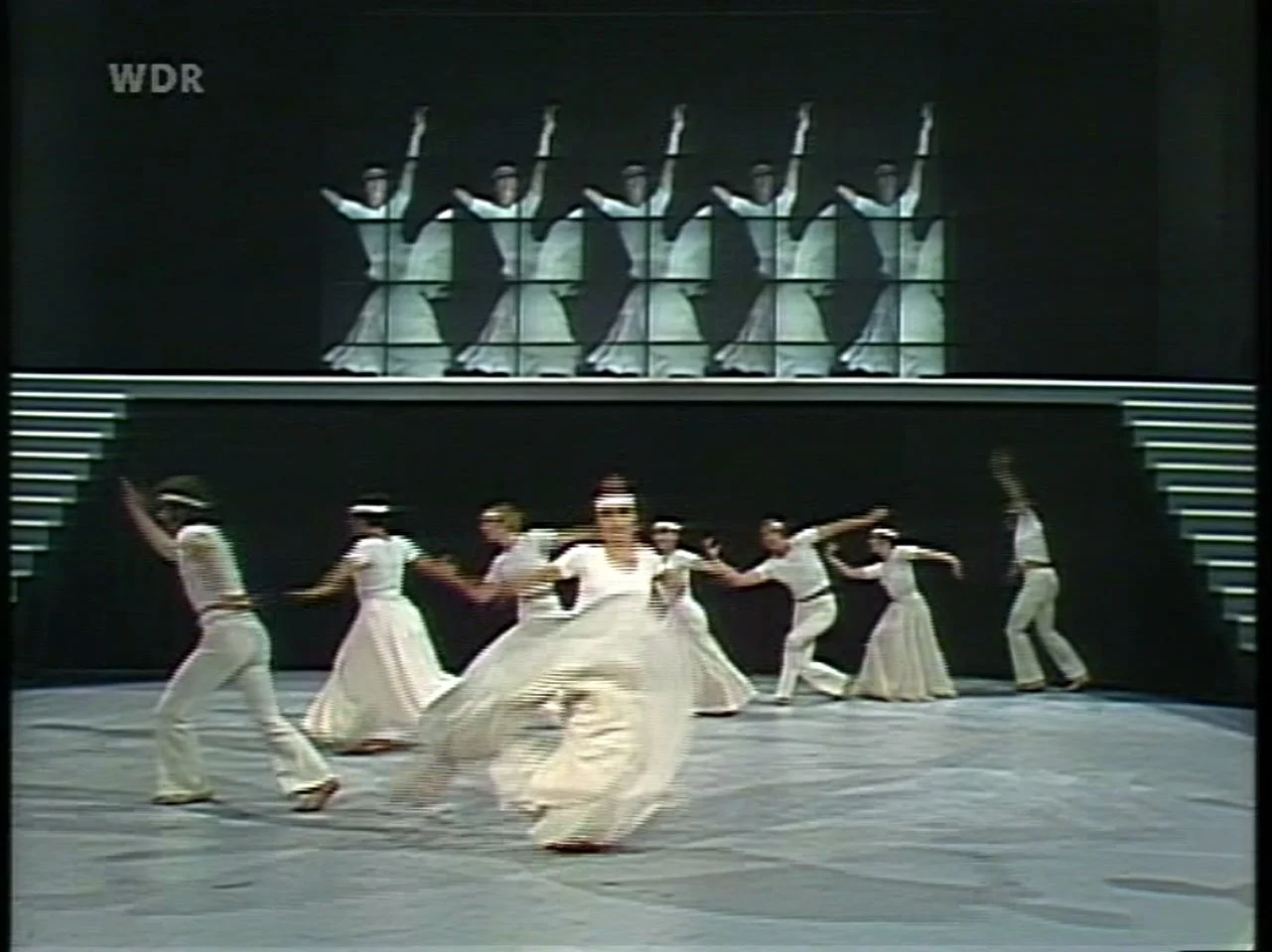
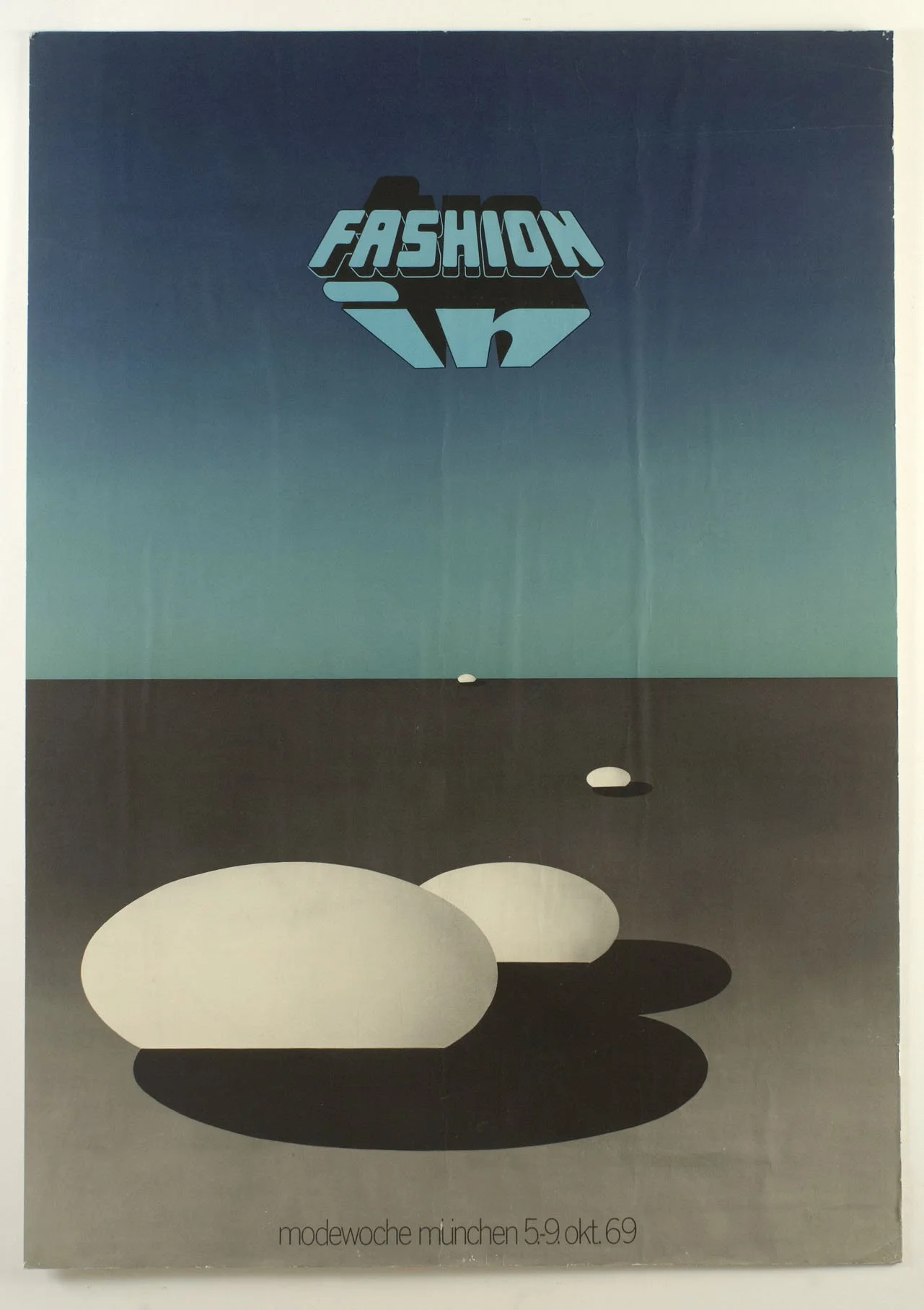
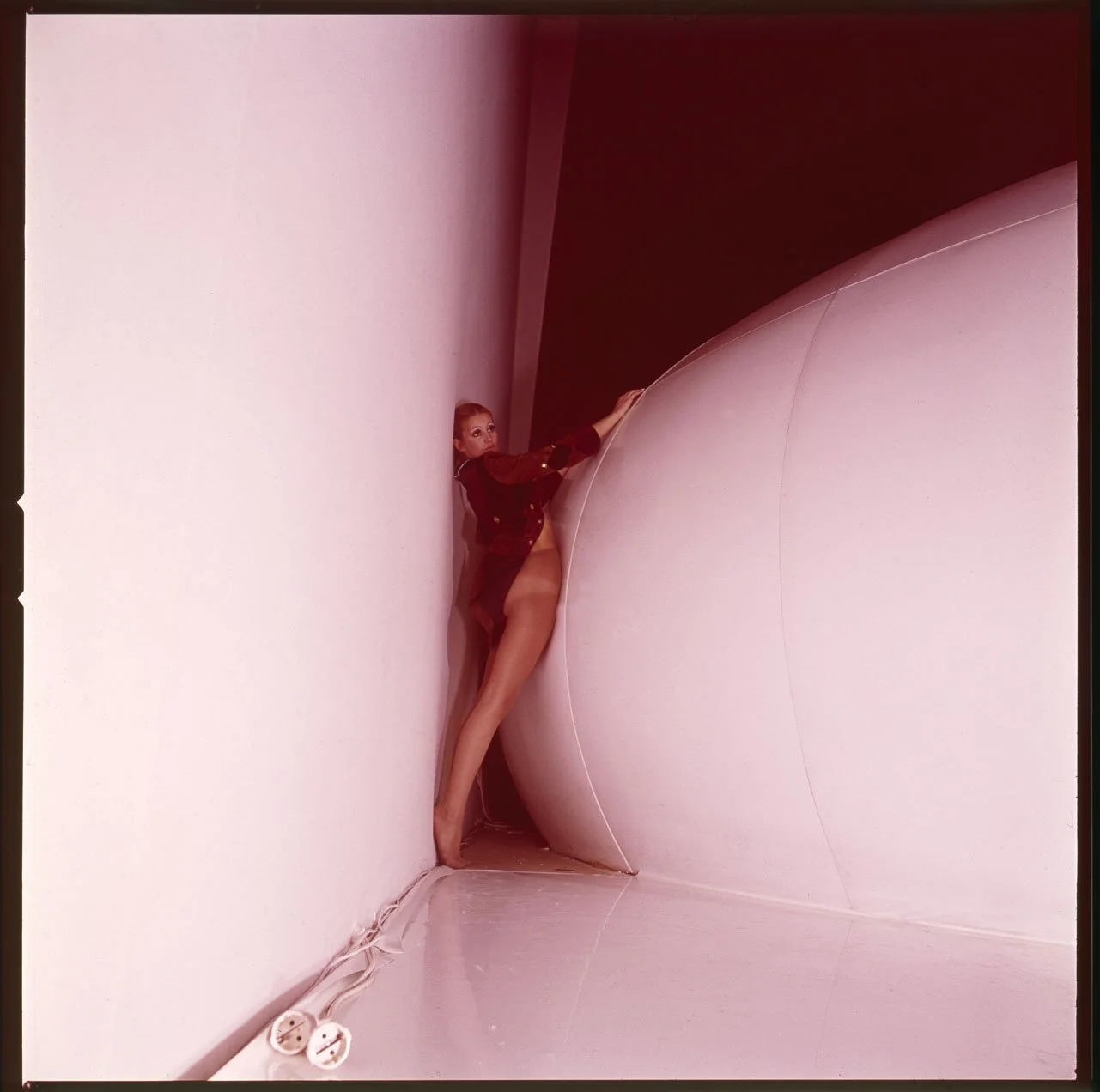
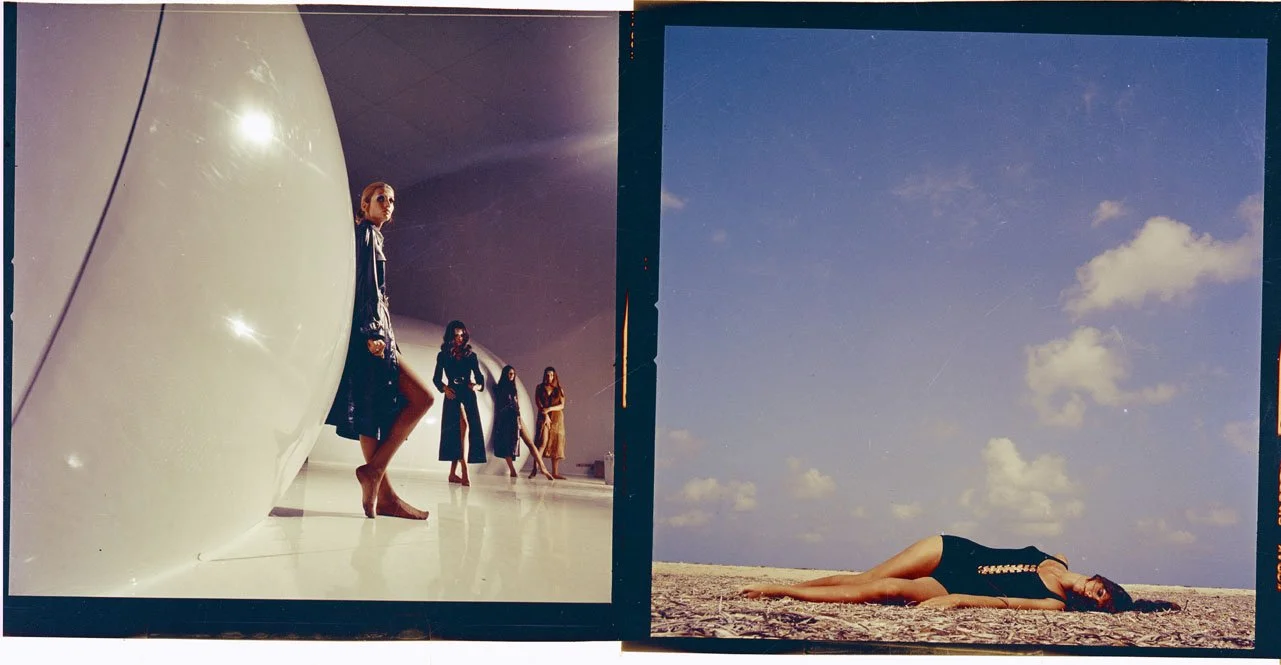
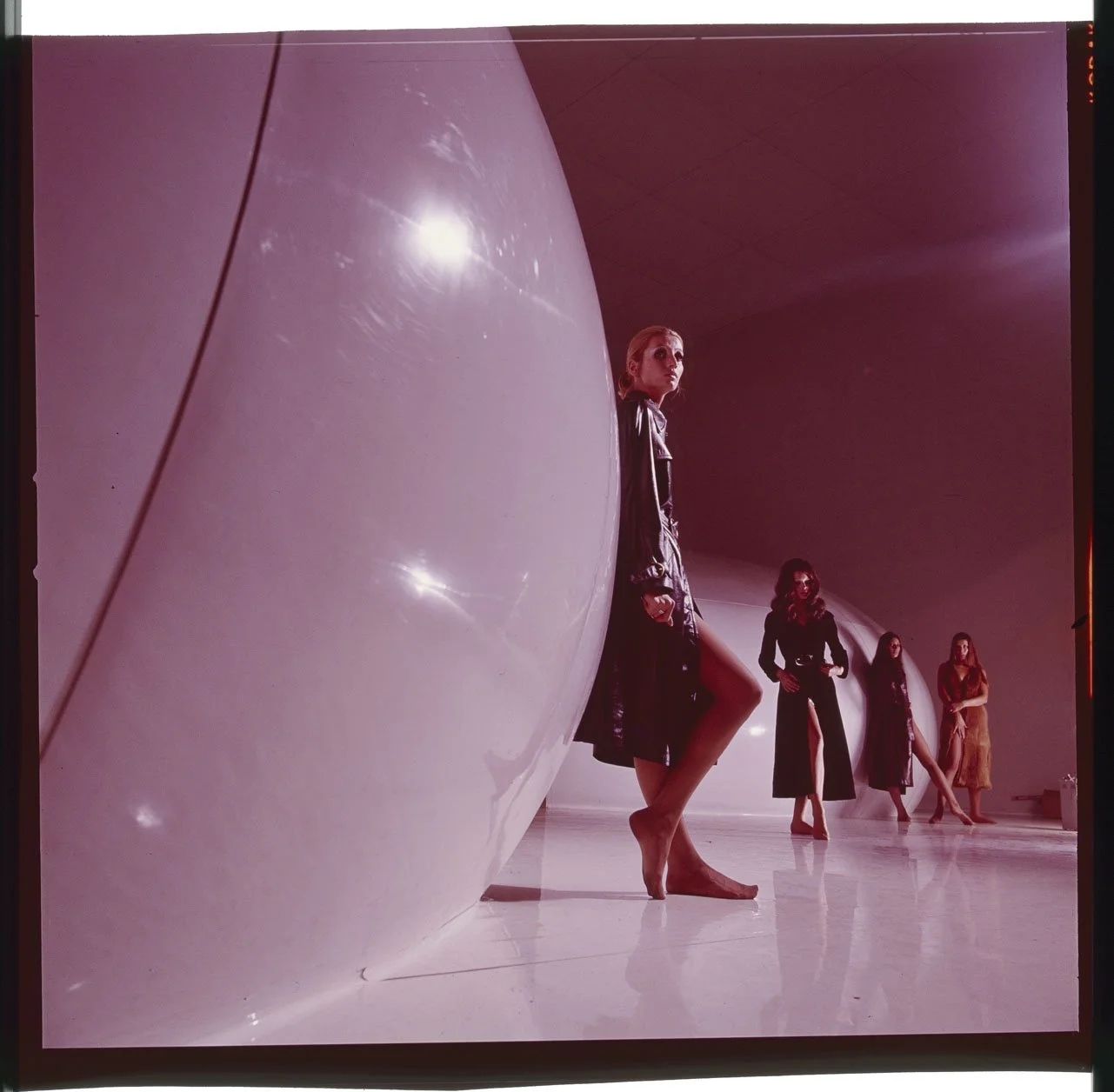
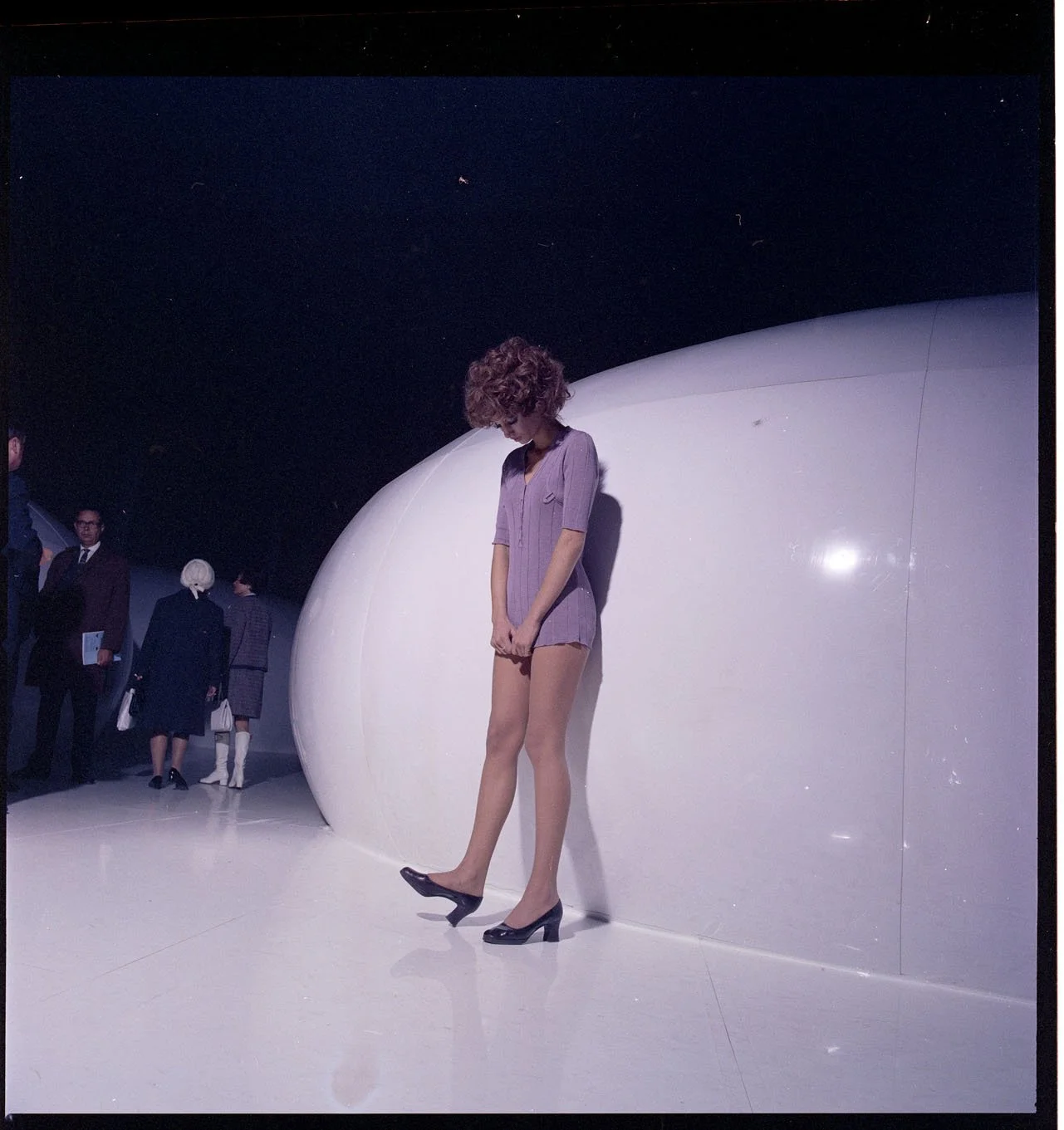
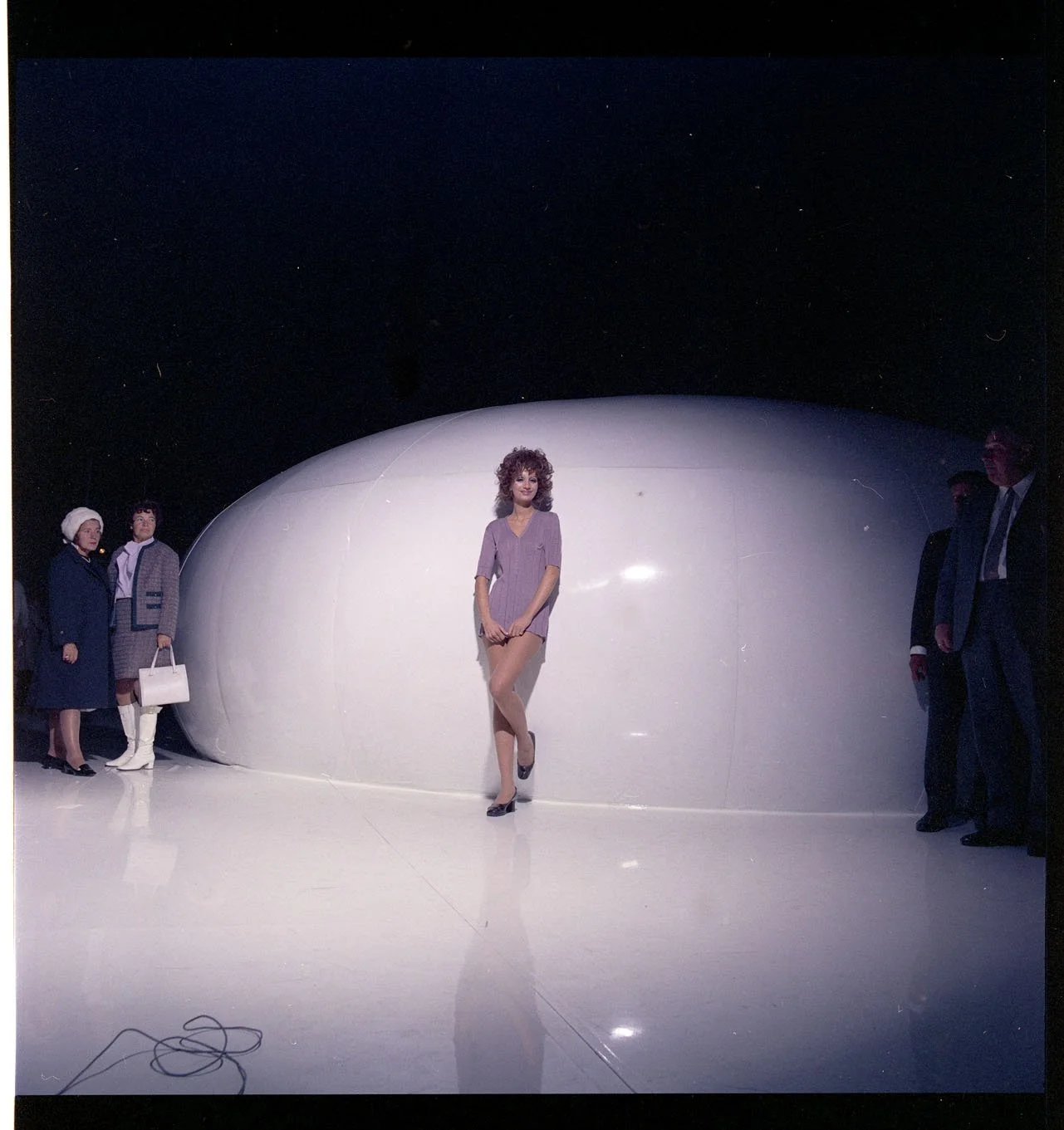
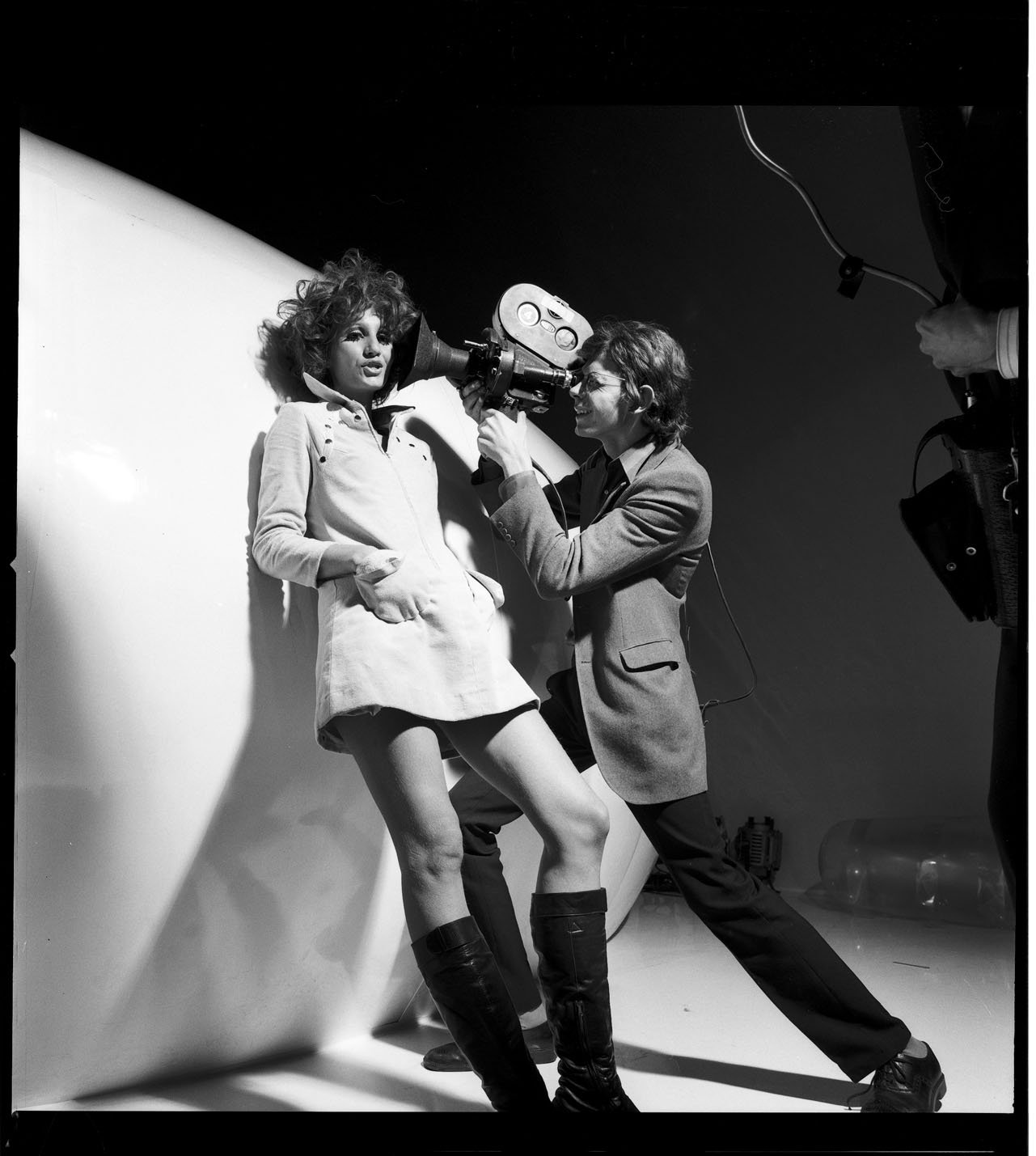
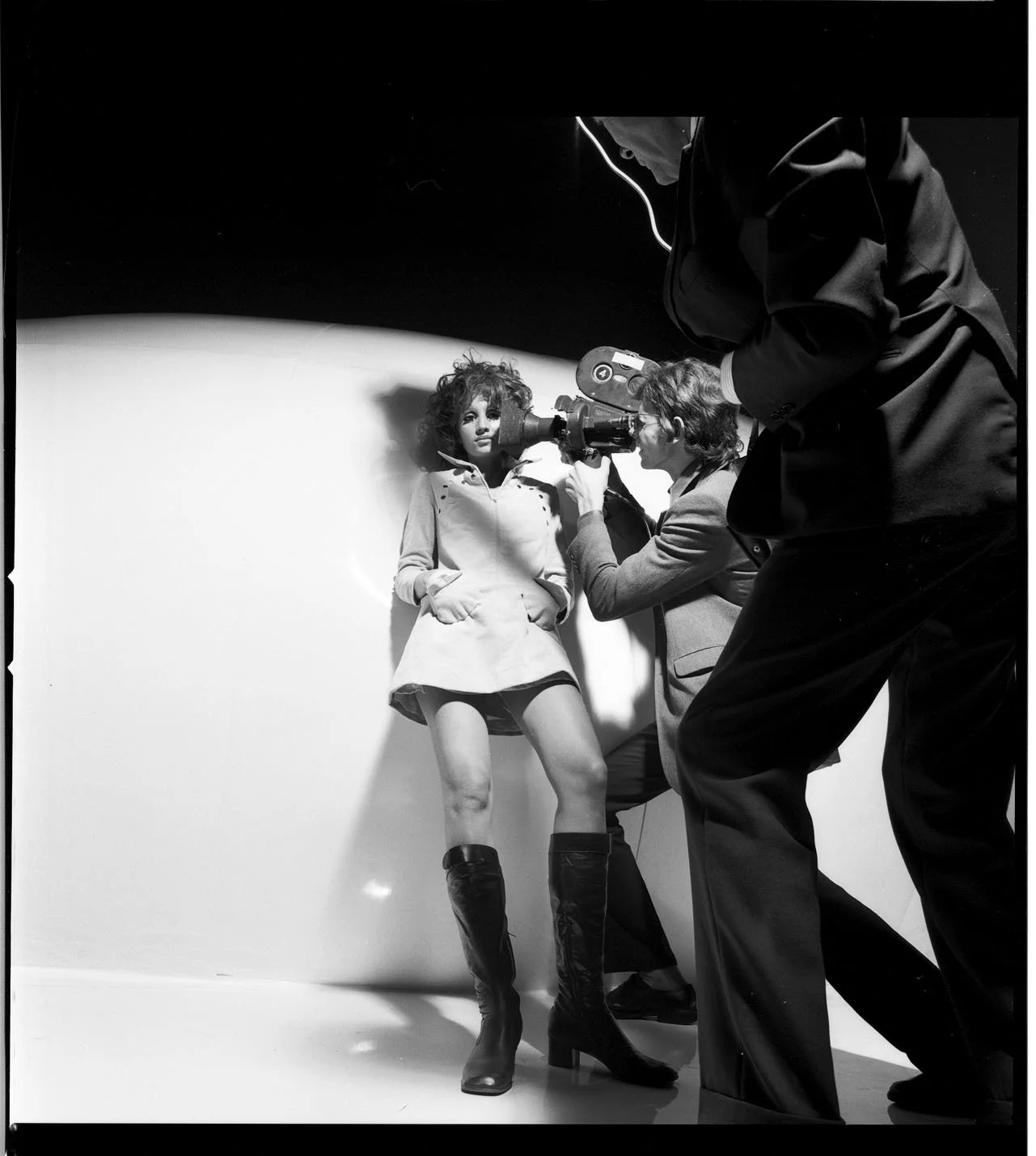
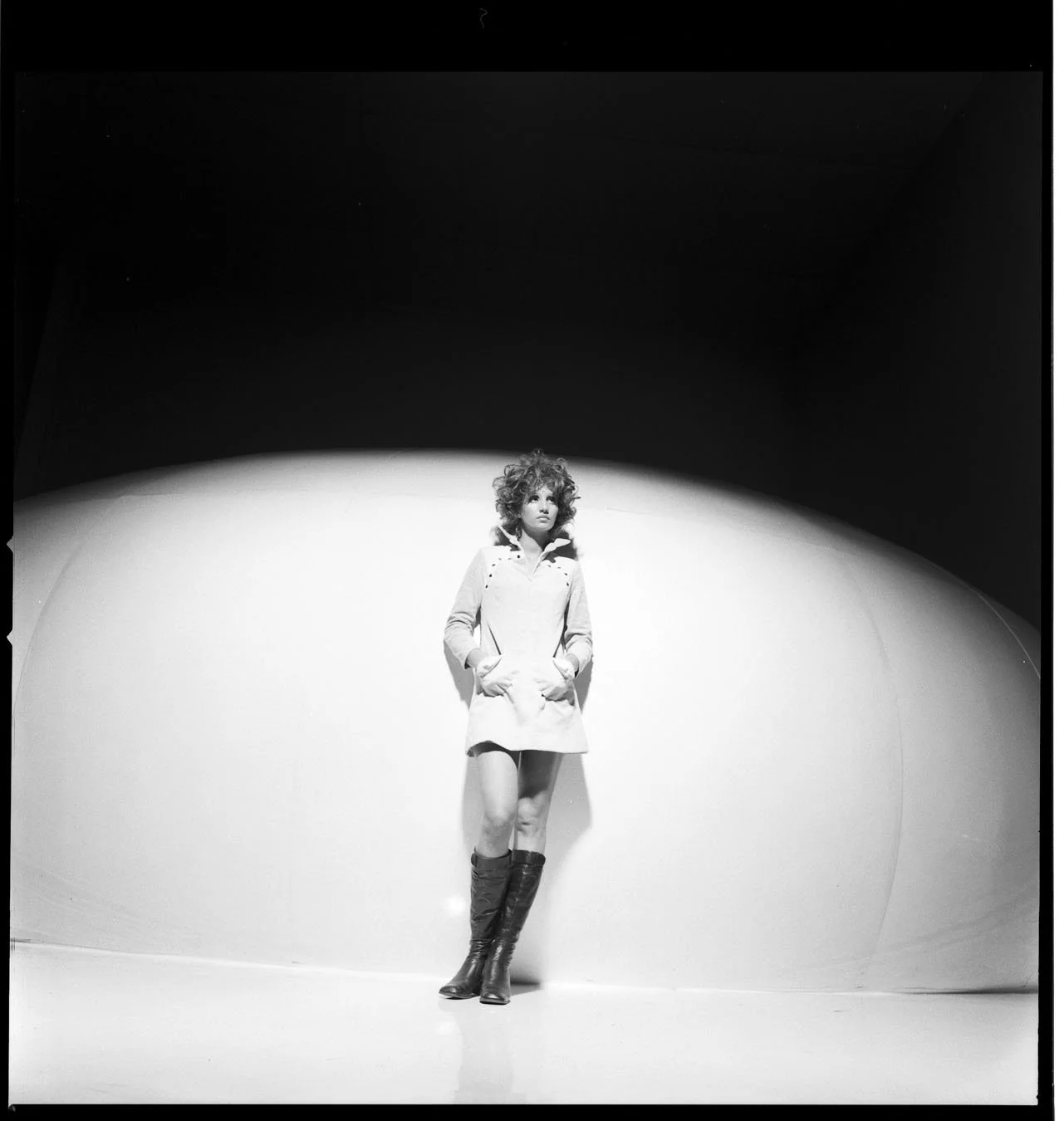
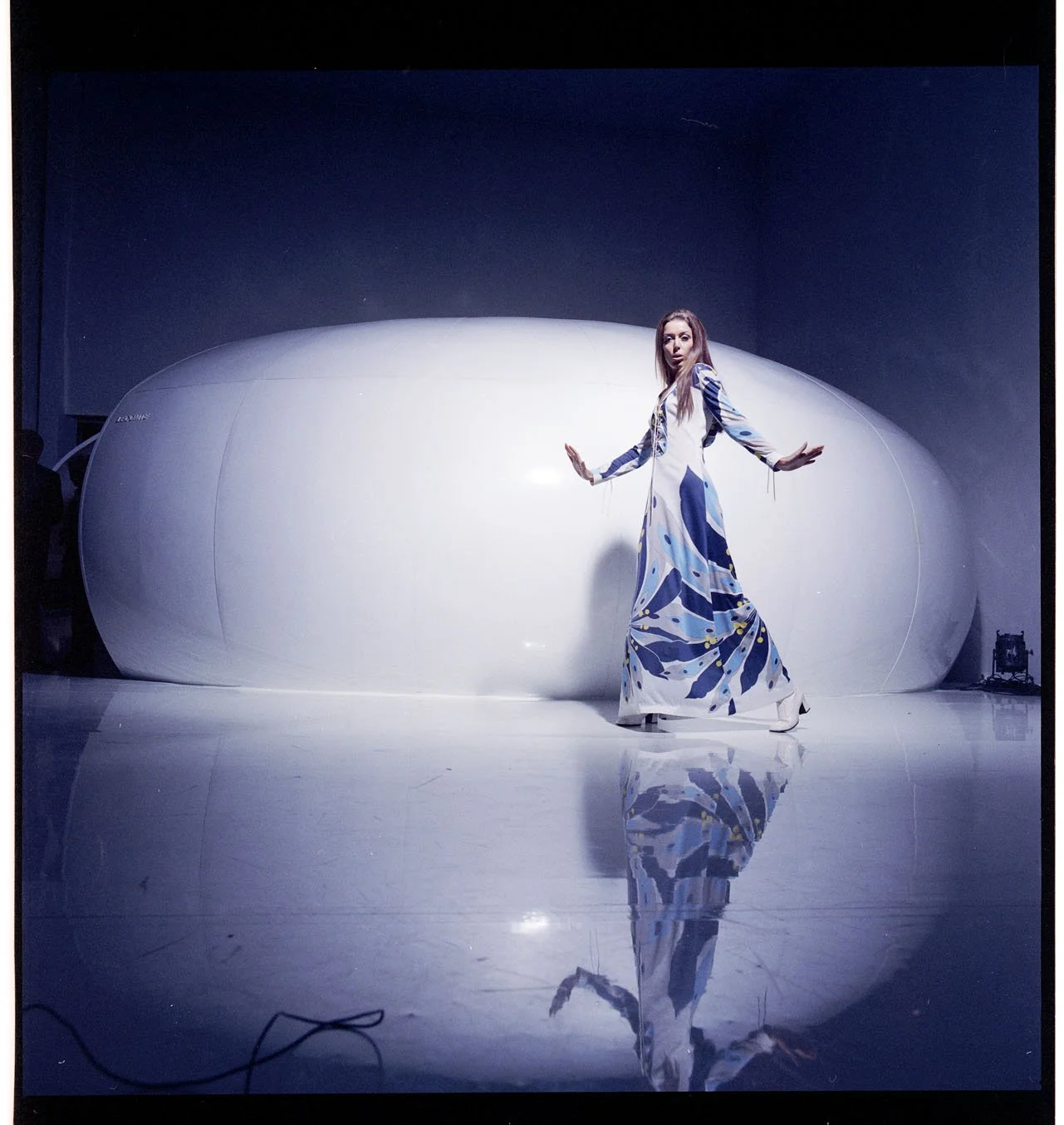
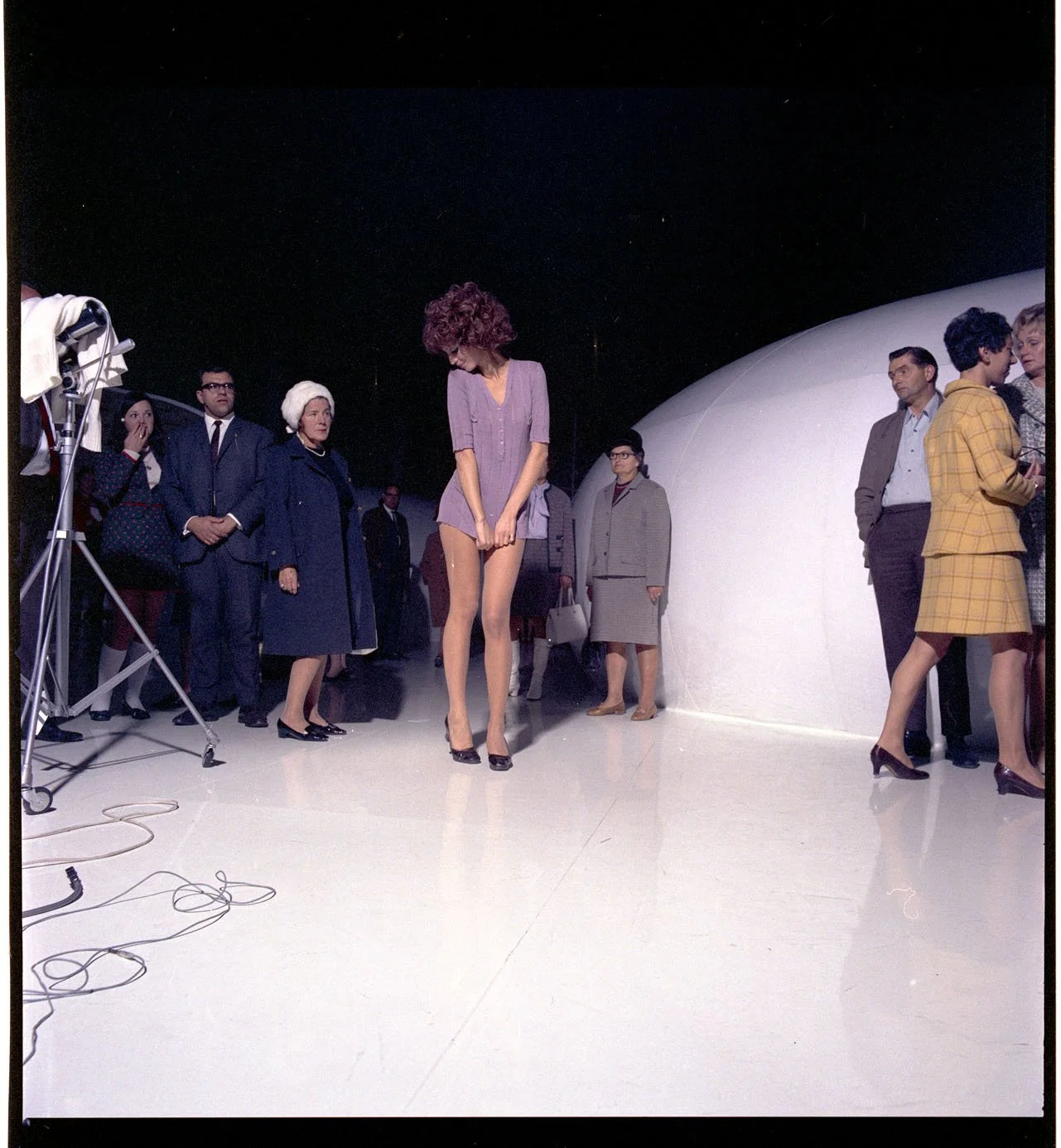
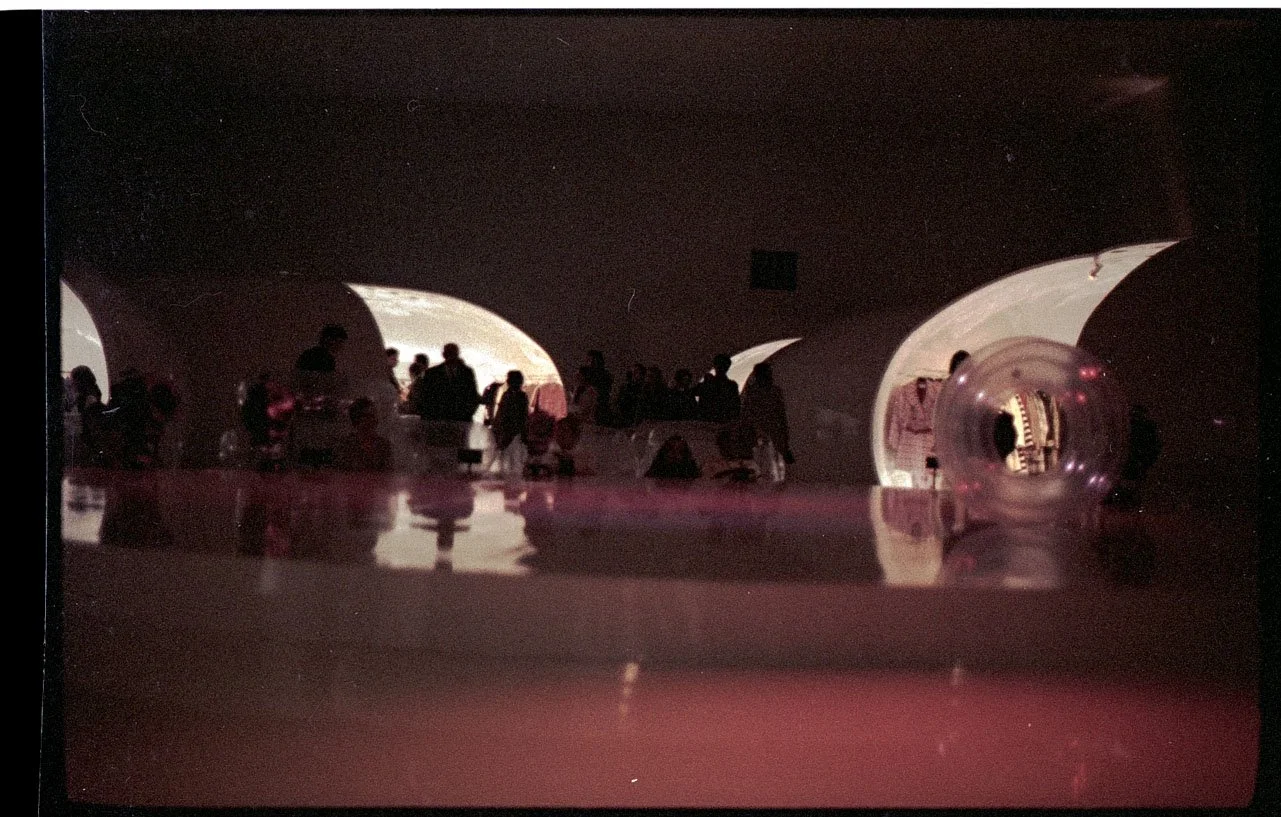
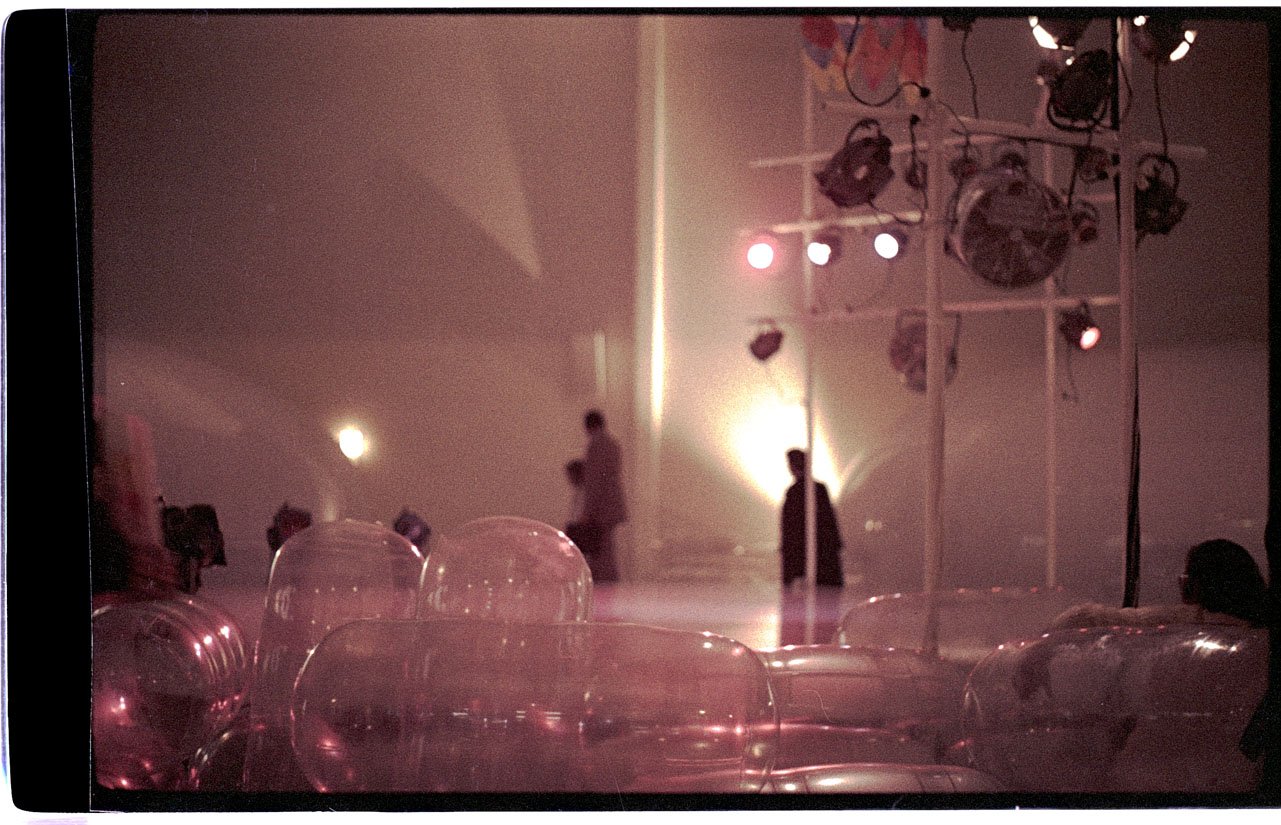
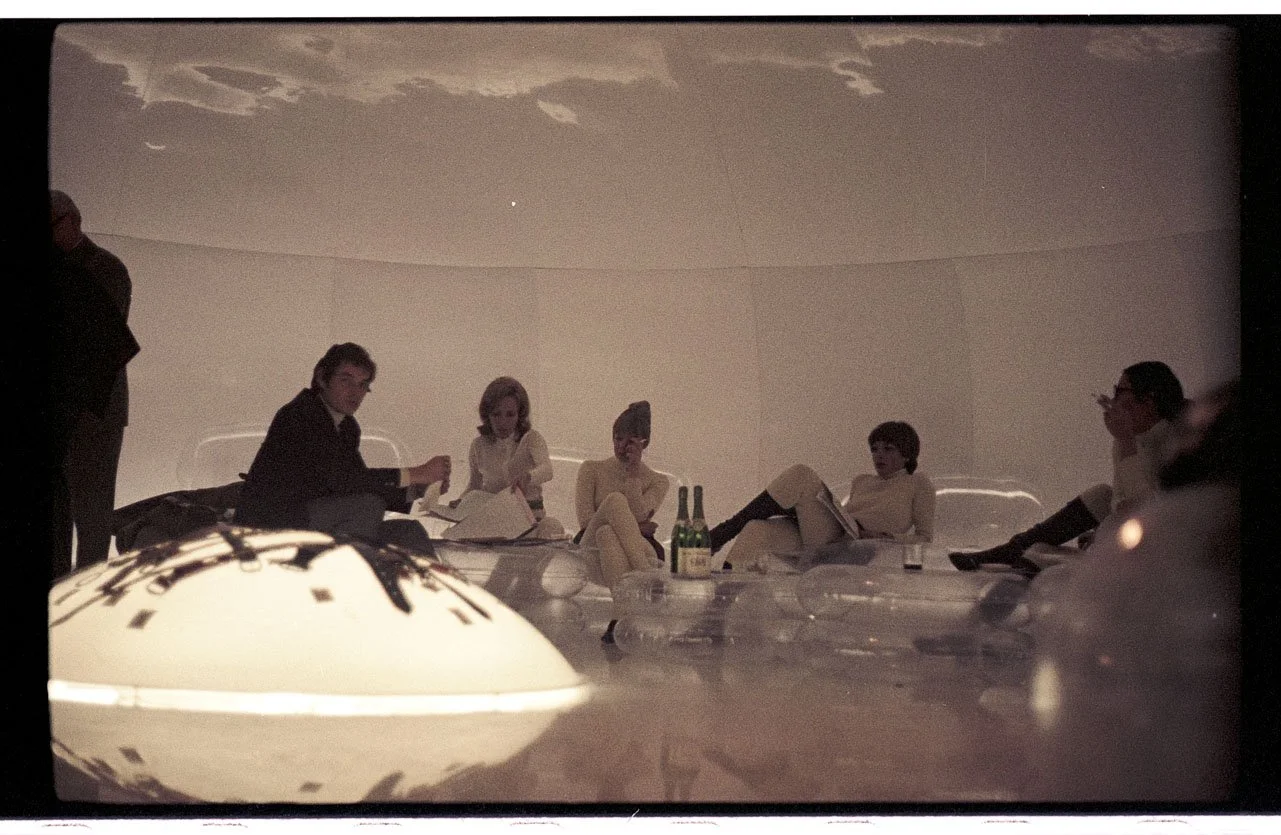
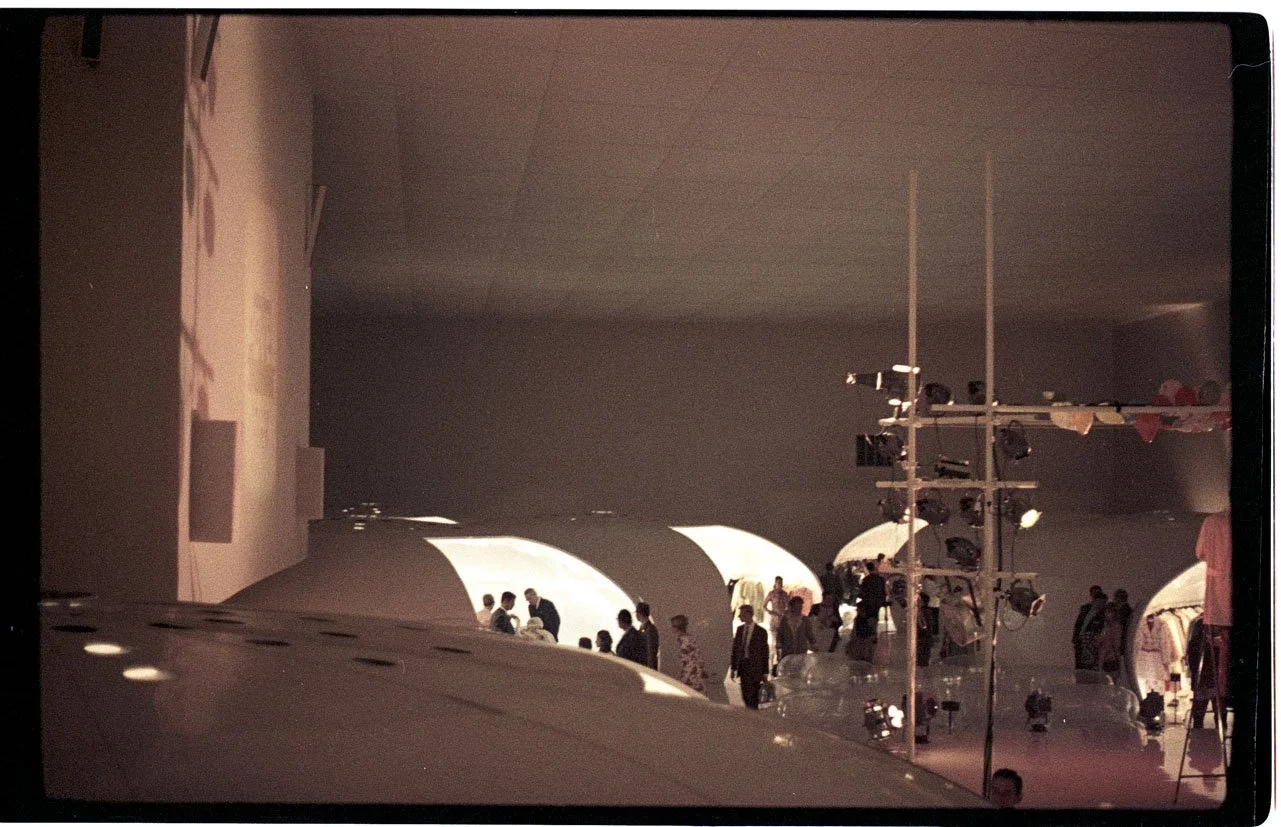
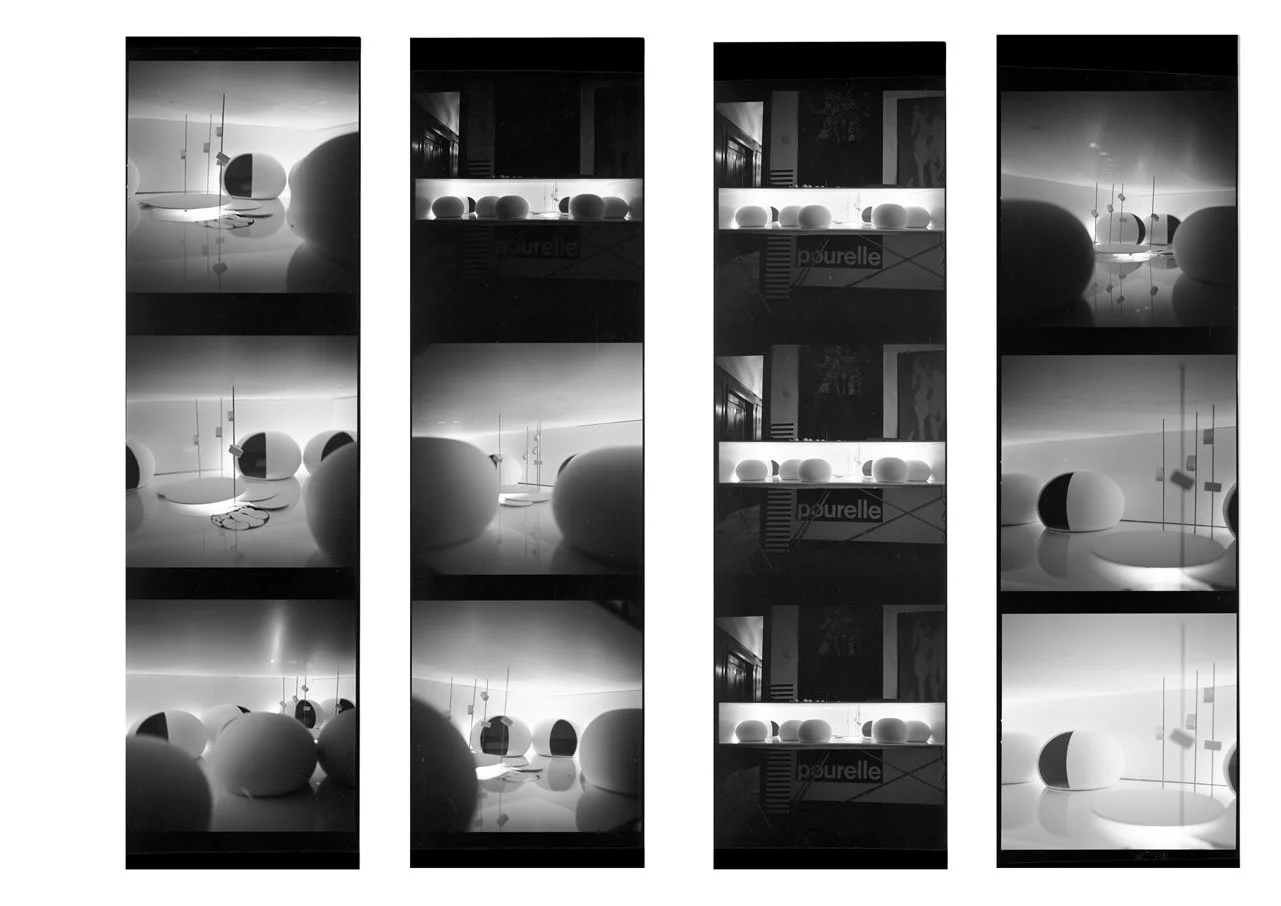
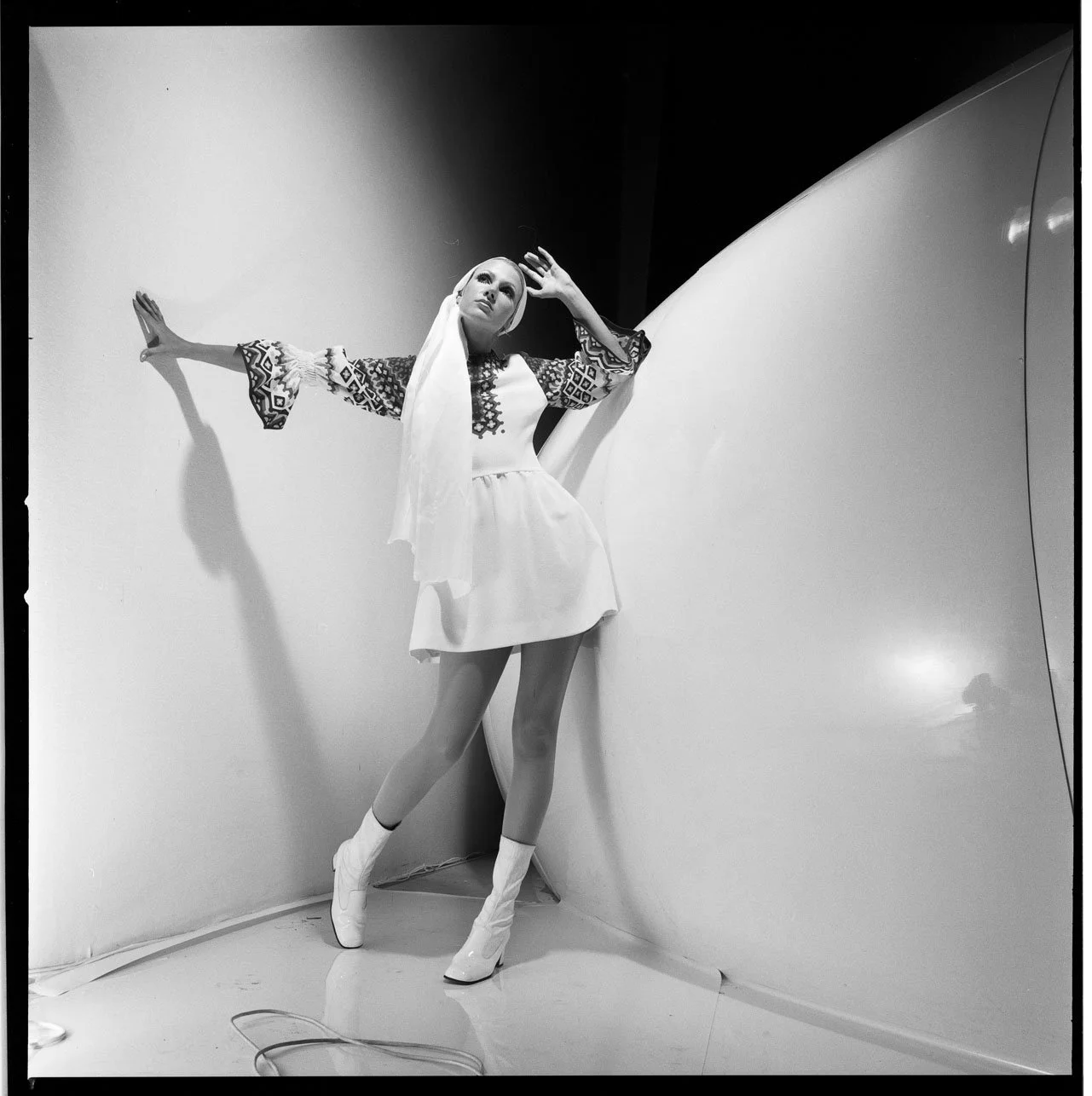
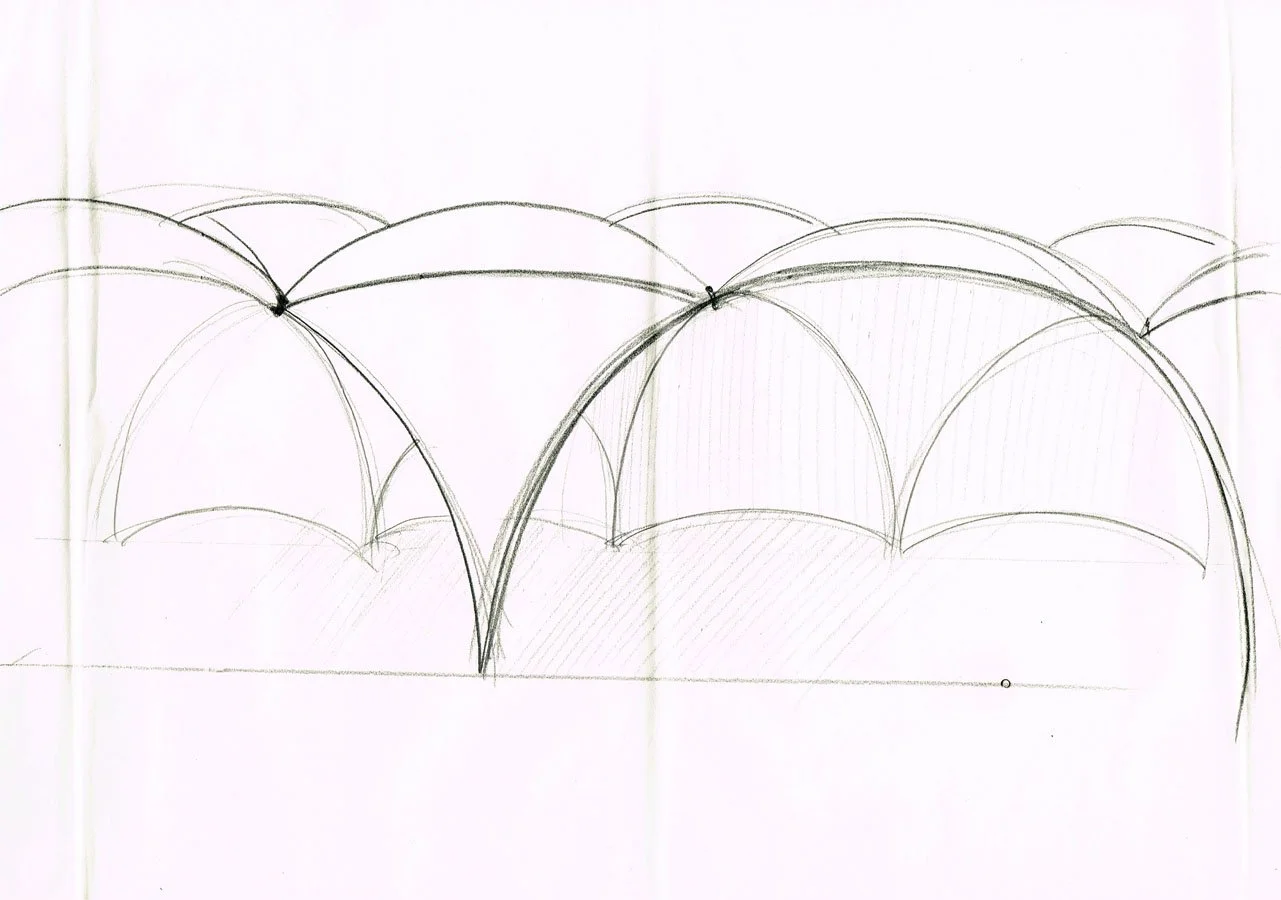
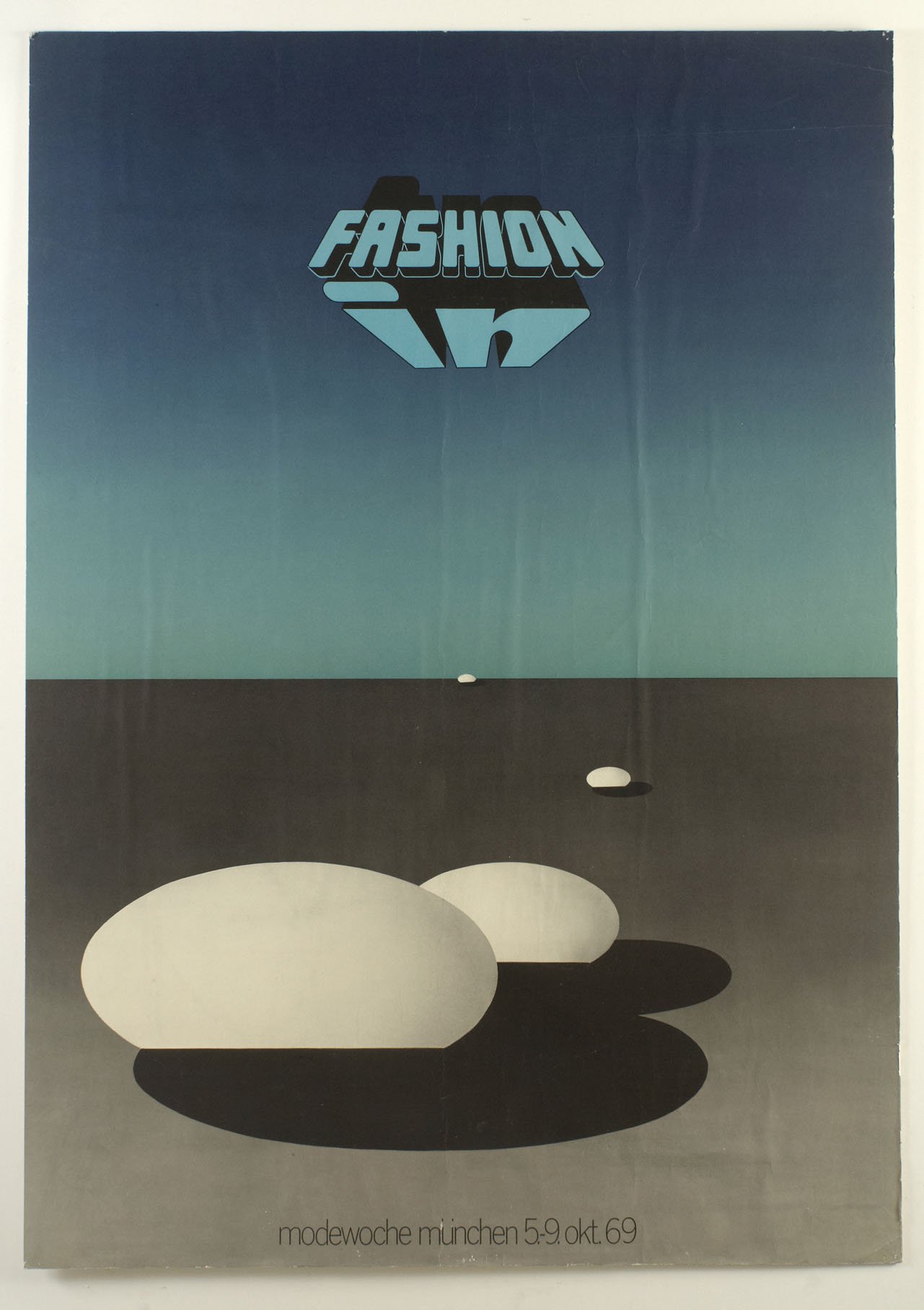
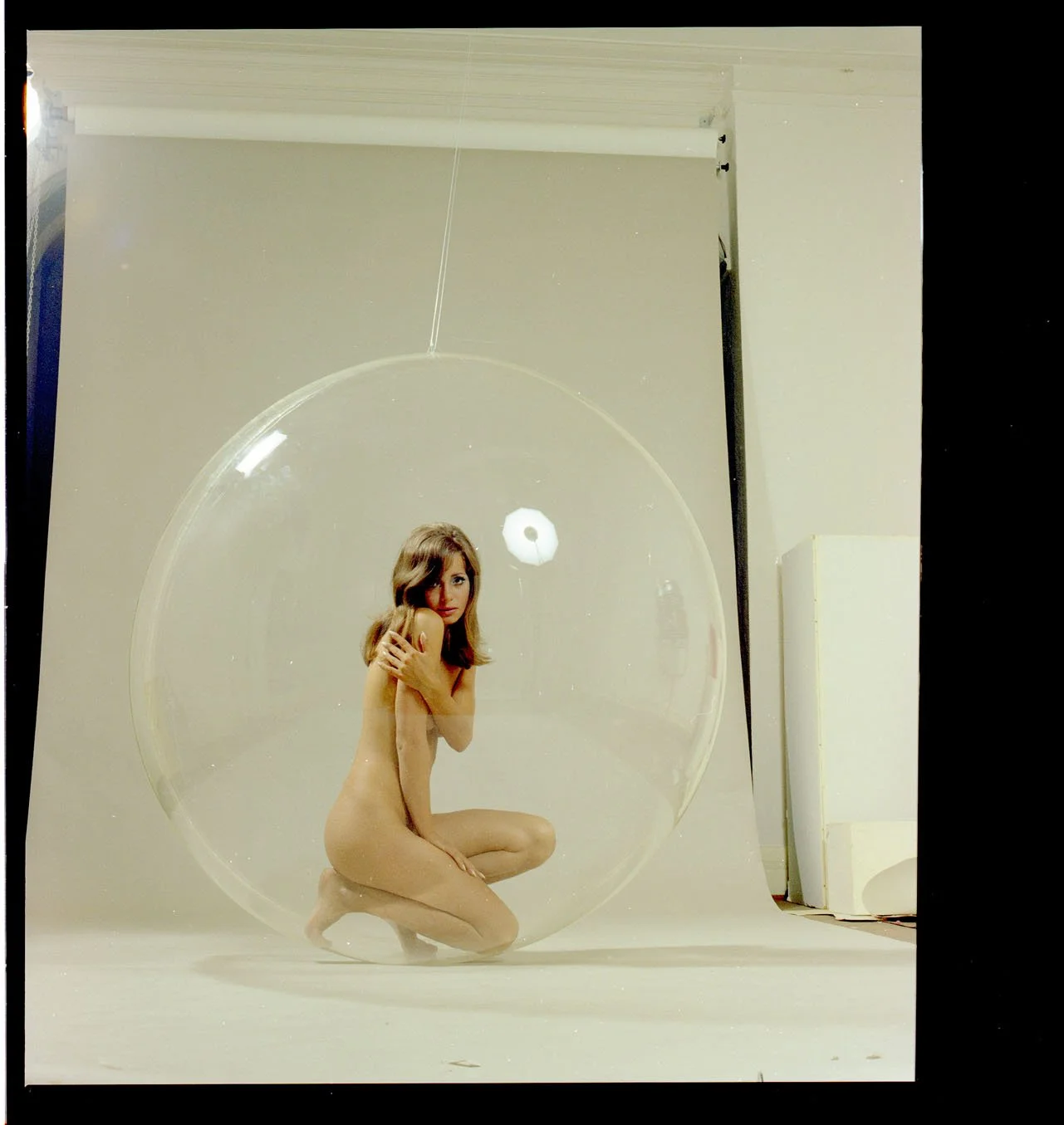
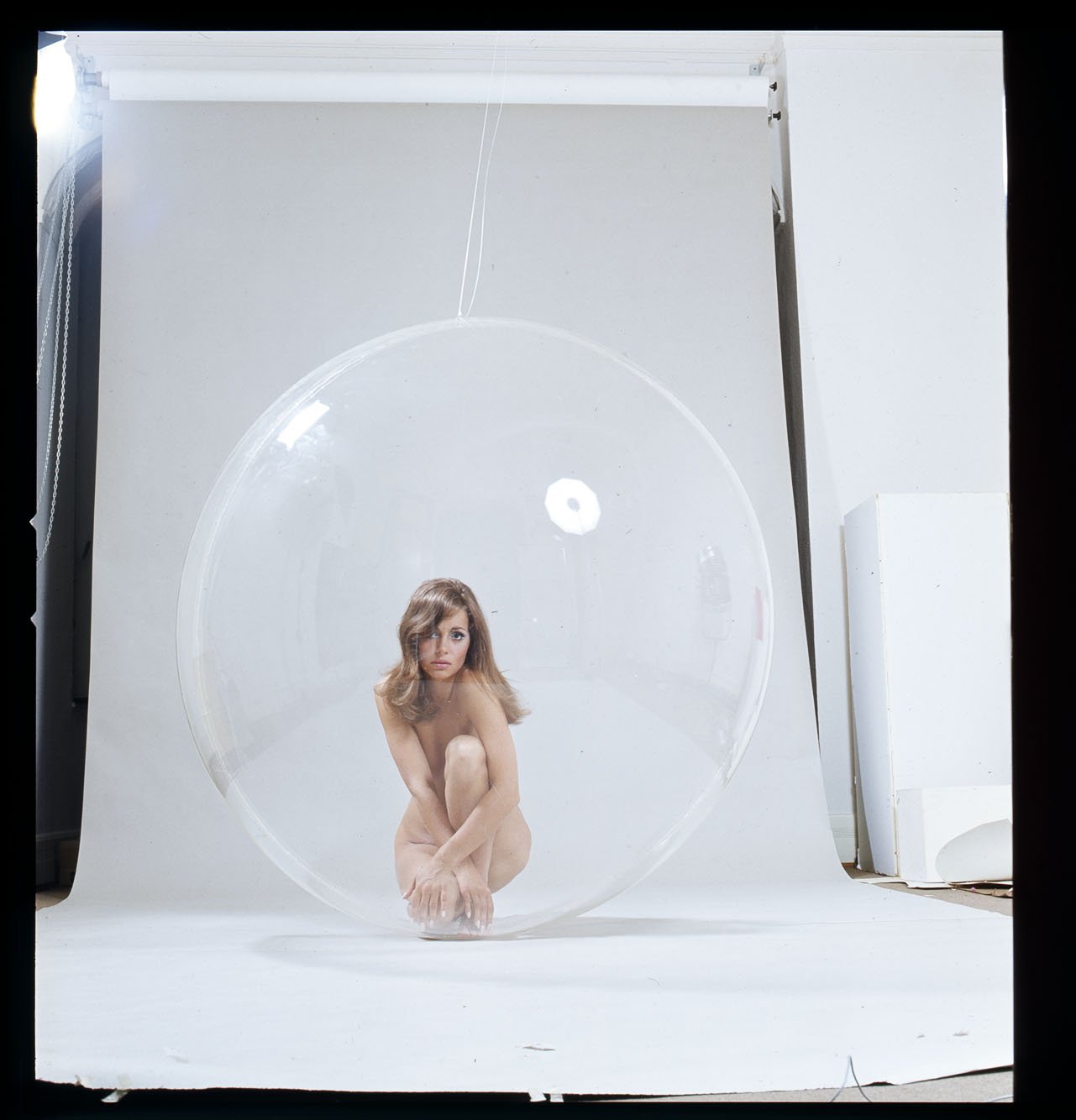
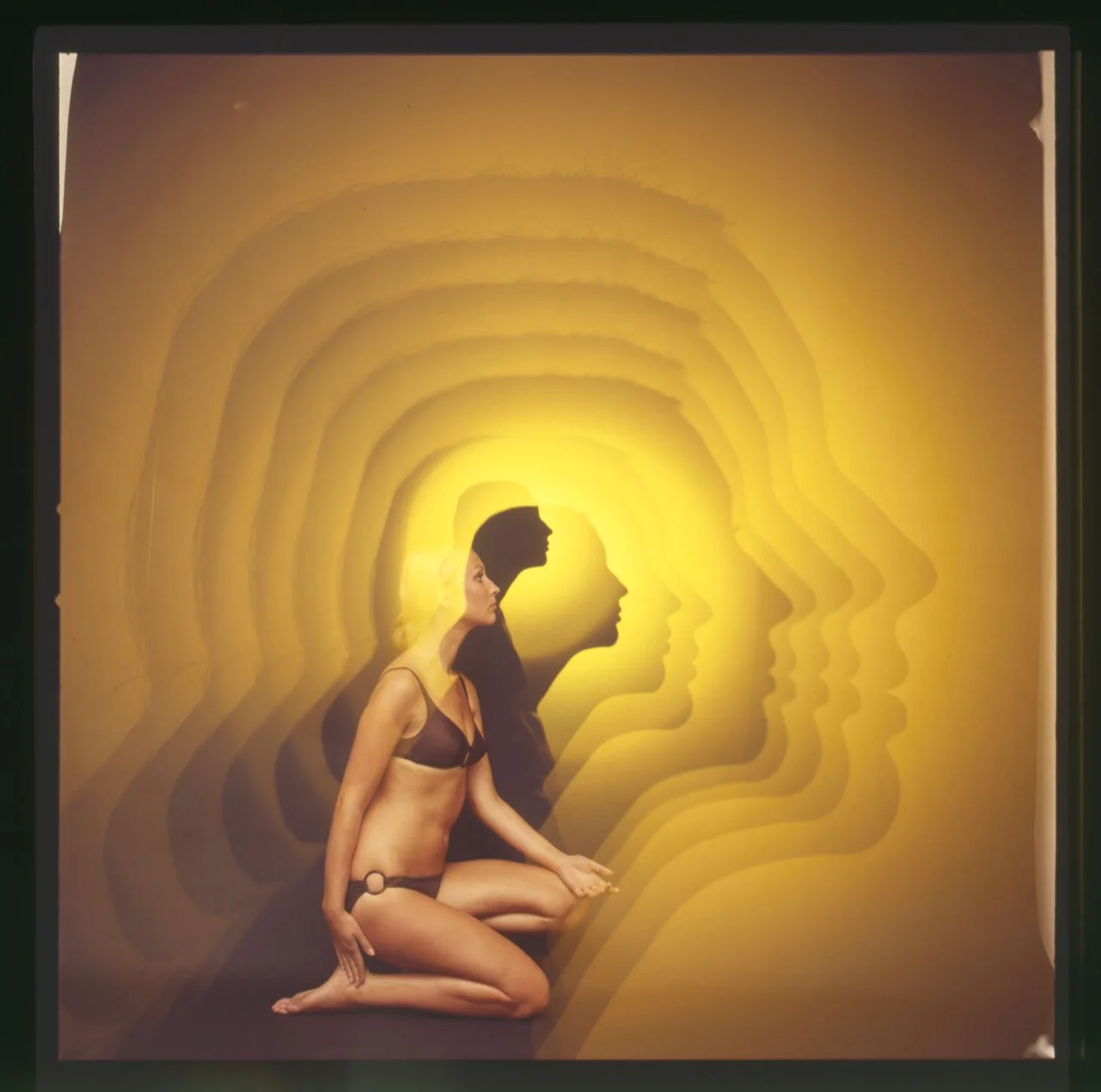
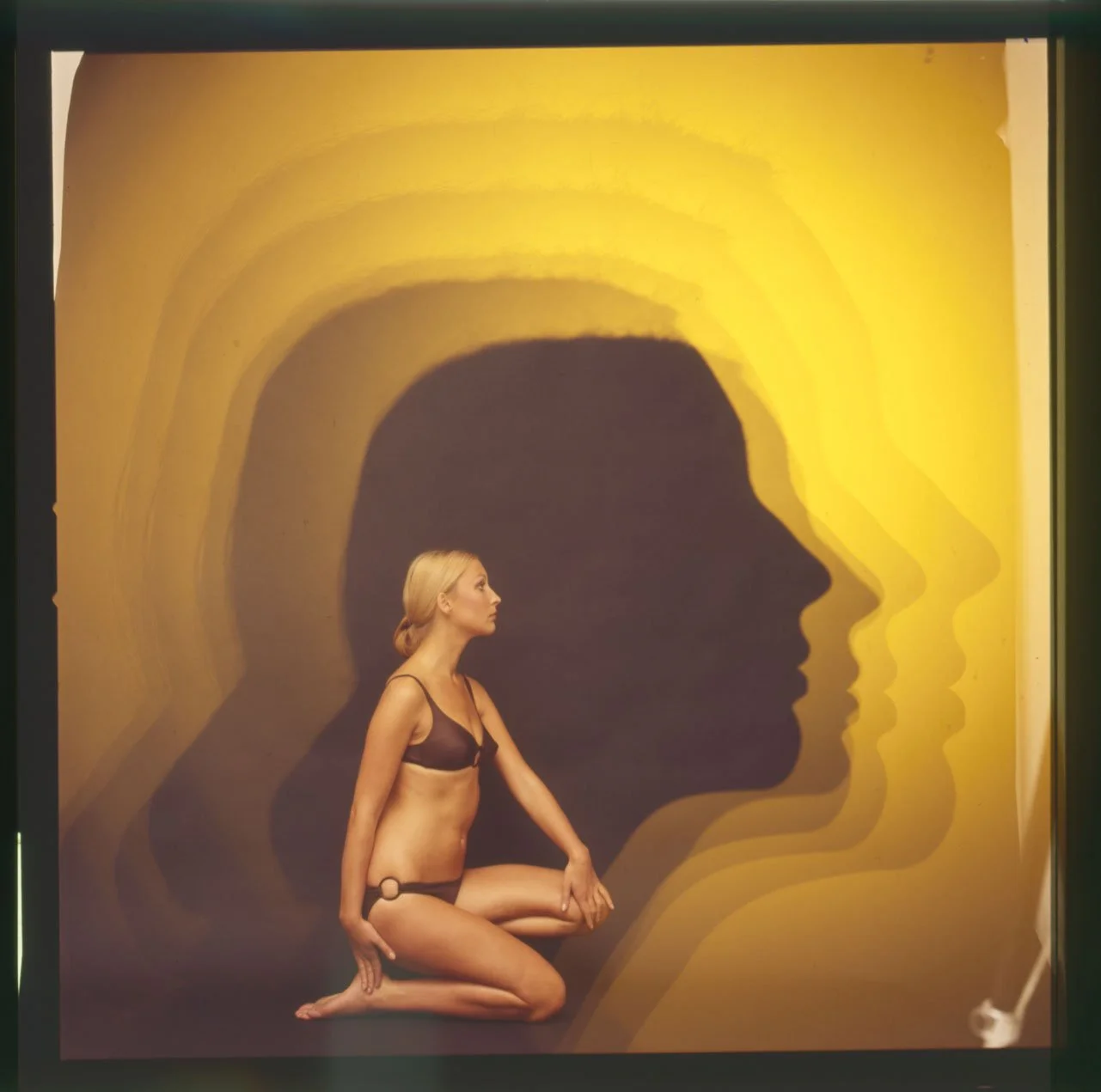
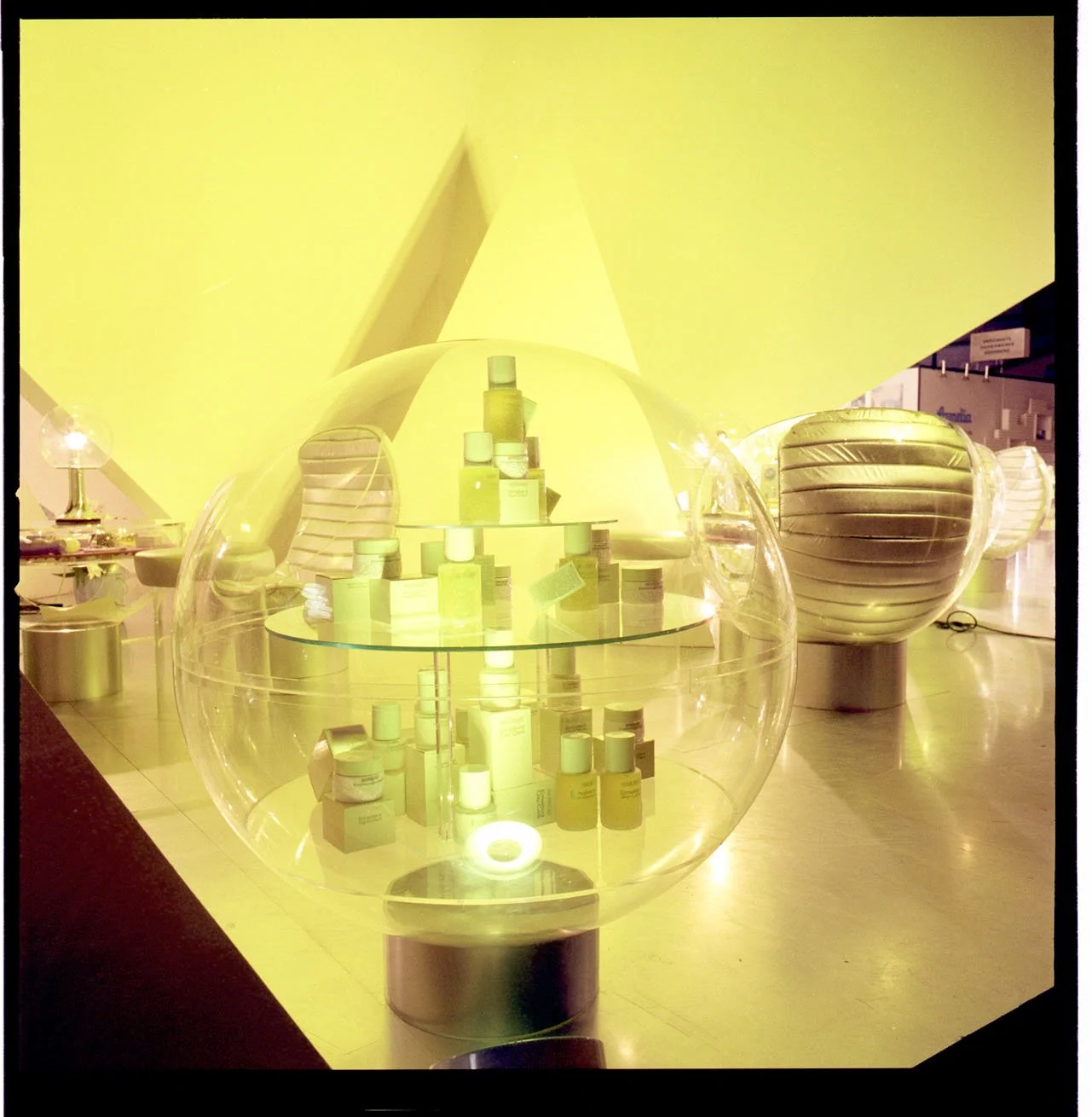
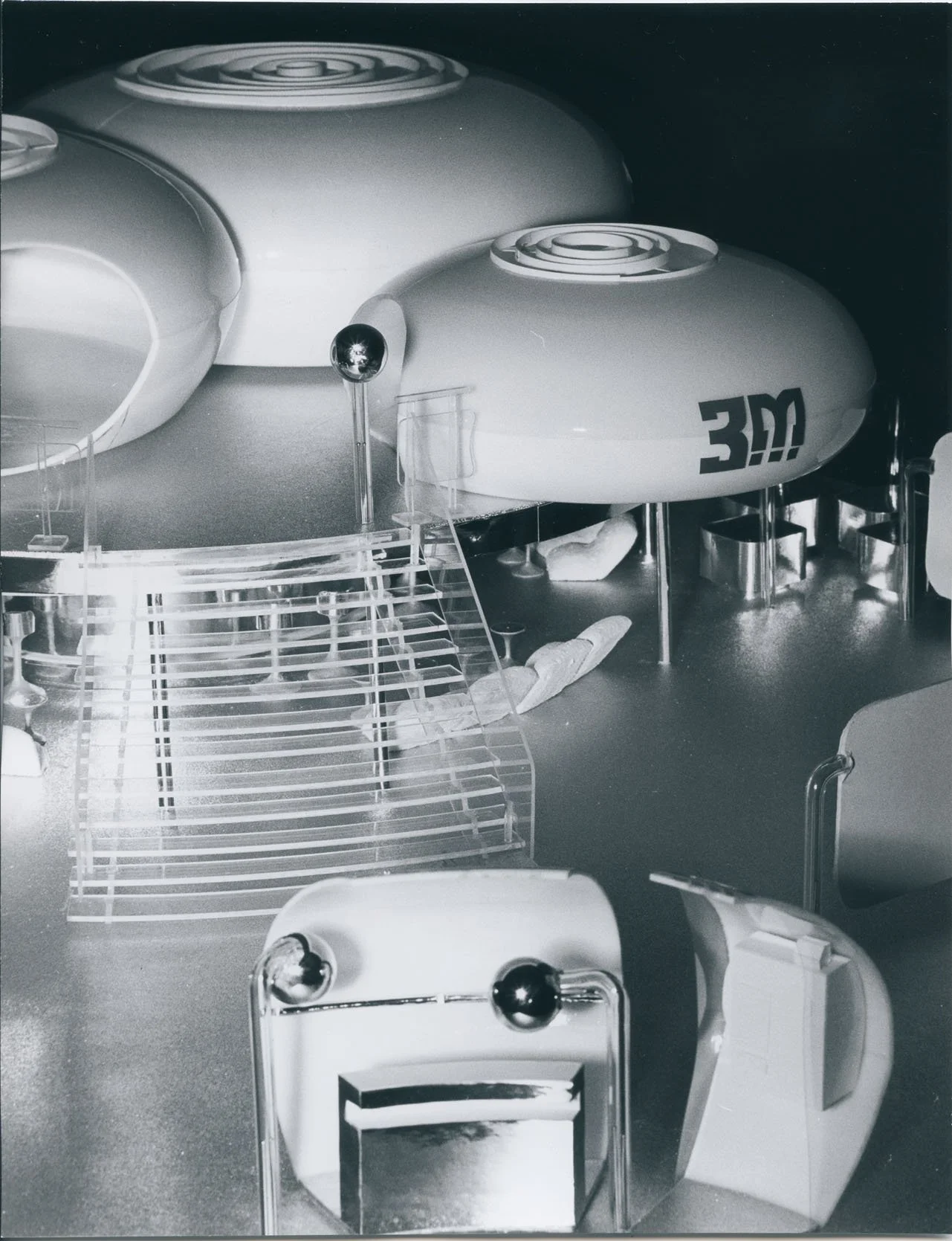
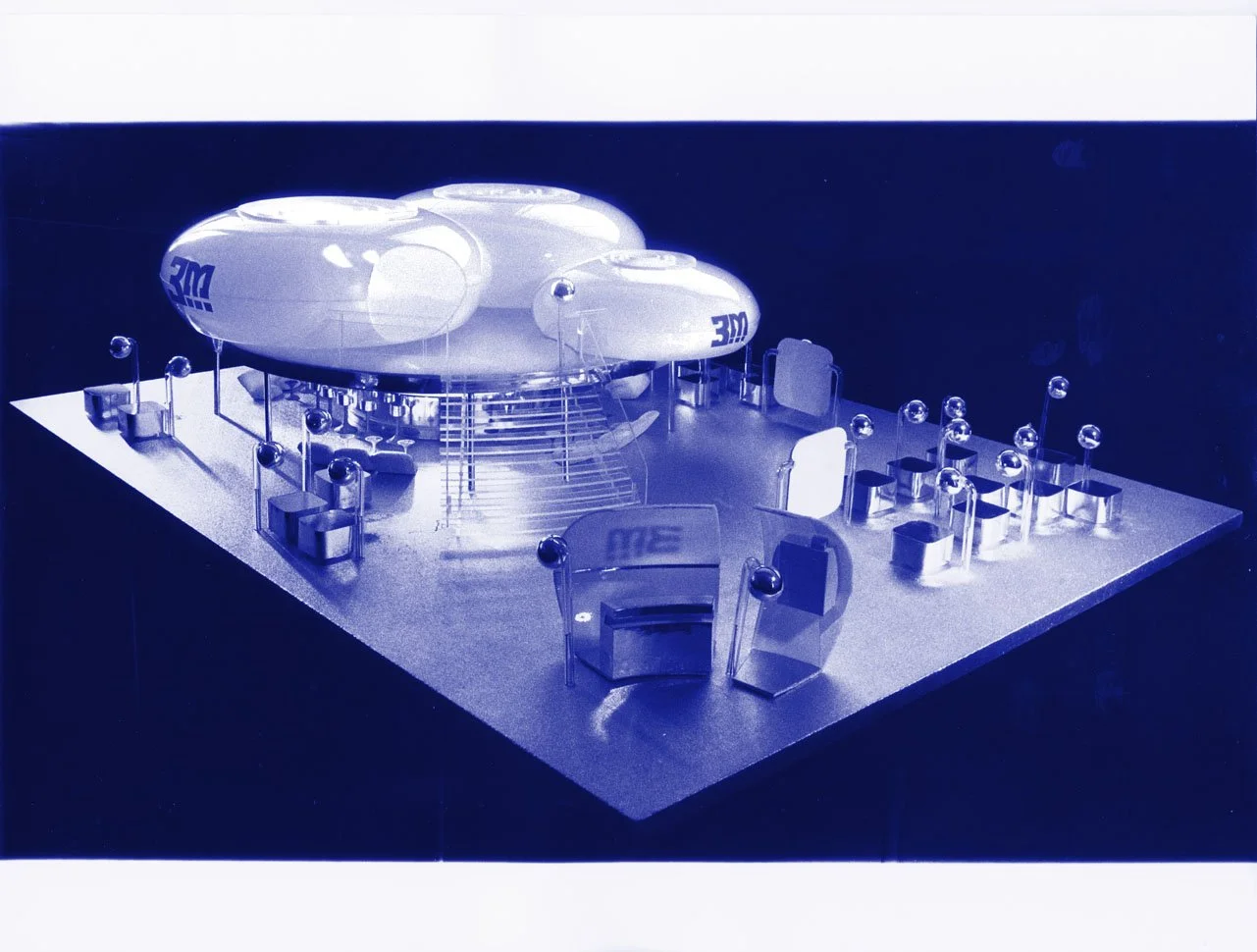
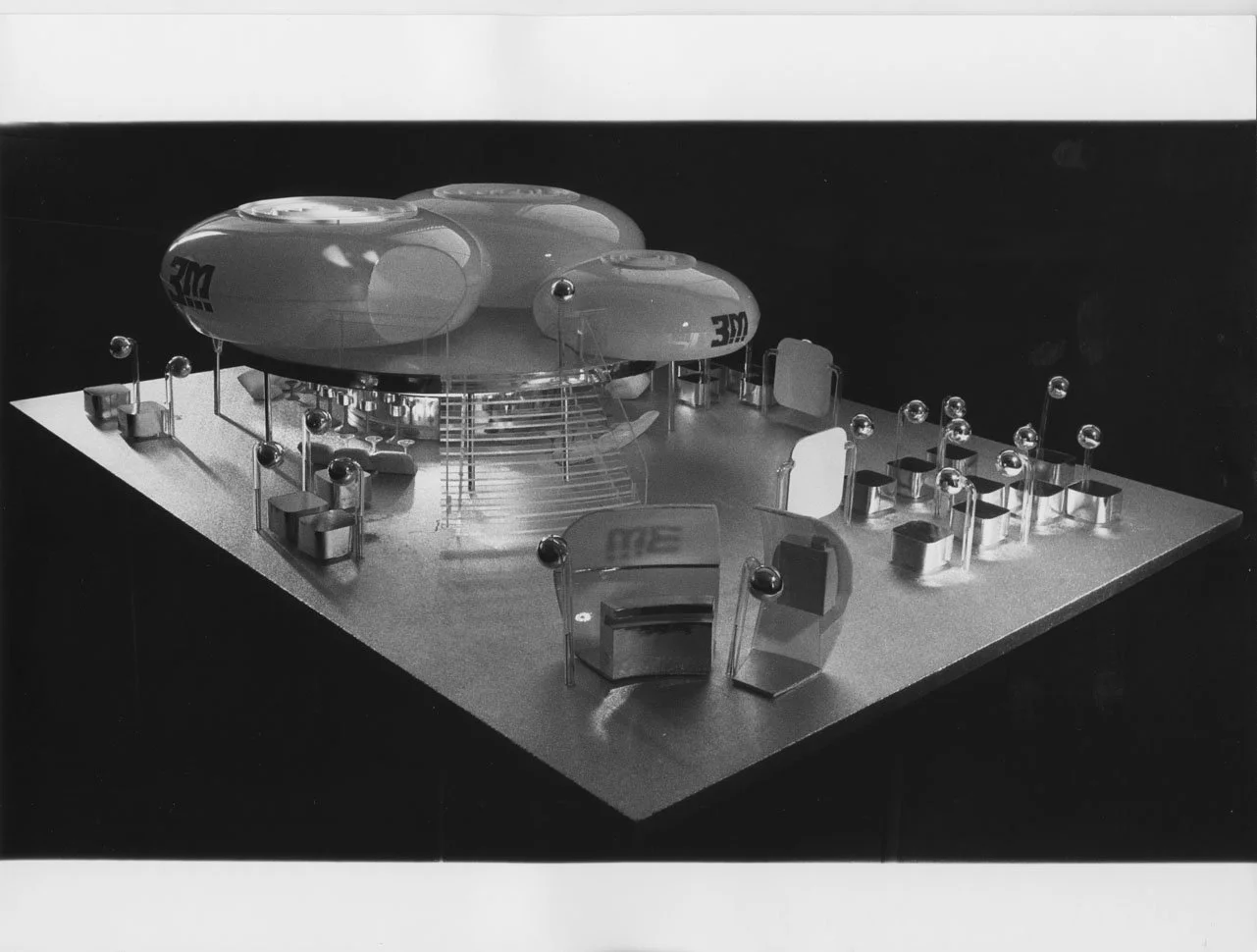
Alfons Vieten opened the stage of the exhibition halls to Ulrich Pracht. The owner of Alvilette facilitated the connection with Alfred Wurm. This German publisher, journalist, and executive served as the Director General of Munich Fashion Week and was keenly interested in further bolstering Munich’s reputation as a fashion capital against its rivals in Düsseldorf and Cologne. Together, they planned "Fashion in" as a spectacular fashion extravaganza. While Vieten took on the role of organizing a coalition of Germany’s trendiest fashion brands of the era—such as Blacky Dress, Patt Patty, and pourelle—Ulrich Pracht, together with his assistant Hartwig Niejahr, developed the overall concept for the massive exhibition hall. "When a graphic designer is at a loss for ideas, he draws a circle—and that is where I started. In an architectural magazine, I had discovered round houses on stilts that were available for purchase as vacation homes. Unfortunately, the French manufacturers were too inflexible and could not deliver quickly enough." At the firm Wülfing & Hauck—which Ulrich Pracht discovered shortly thereafter—he found a partner willing to manufacture ten of these utopian plastic capsules. He arranged these "space-age houses" around a large central platform, where fashion shows were held both in the morning and in the afternoon. Inside the capsules, transparent inflatable armchairs and Plexiglas tables invited visitors to sit back and relax. Colored spotlights illuminated the exhibition hall—rendered entirely in white—where demure buyers rubbed shoulders with sassy models clad in minidresses. However, Ulrich Pracht missed the grand opening. "During the setup phase, I was in Tunisia shooting for Triumph International. I arrived in Munich on Saturday morning and reached the exhibition hall just as the first fashion show was drawing to a close. My only thought was: This is your idea. This is you. We had succeeded in creating an exhibition hall that showcased a new way of life—a different world—and it was a resounding success, both artistically and commercially."
02.1
FASHION IN
The Fascination of Three-Dimensional Work
Ulrich Pracht is the artistic photographer and filmmaker, the creative designer, the sensitive decorator – on the surface. Behind this, however, there is always another Ulrich Pracht: the entrepreneurial marketing strategist, the ingenious project developer and manager, the meticulous planner. This great versatility enables him to quickly grasp new tasks in all their complexity, to create and visualize perfectly tailored ideas, and to implement them professionally and with lasting success for the client, together with his team.
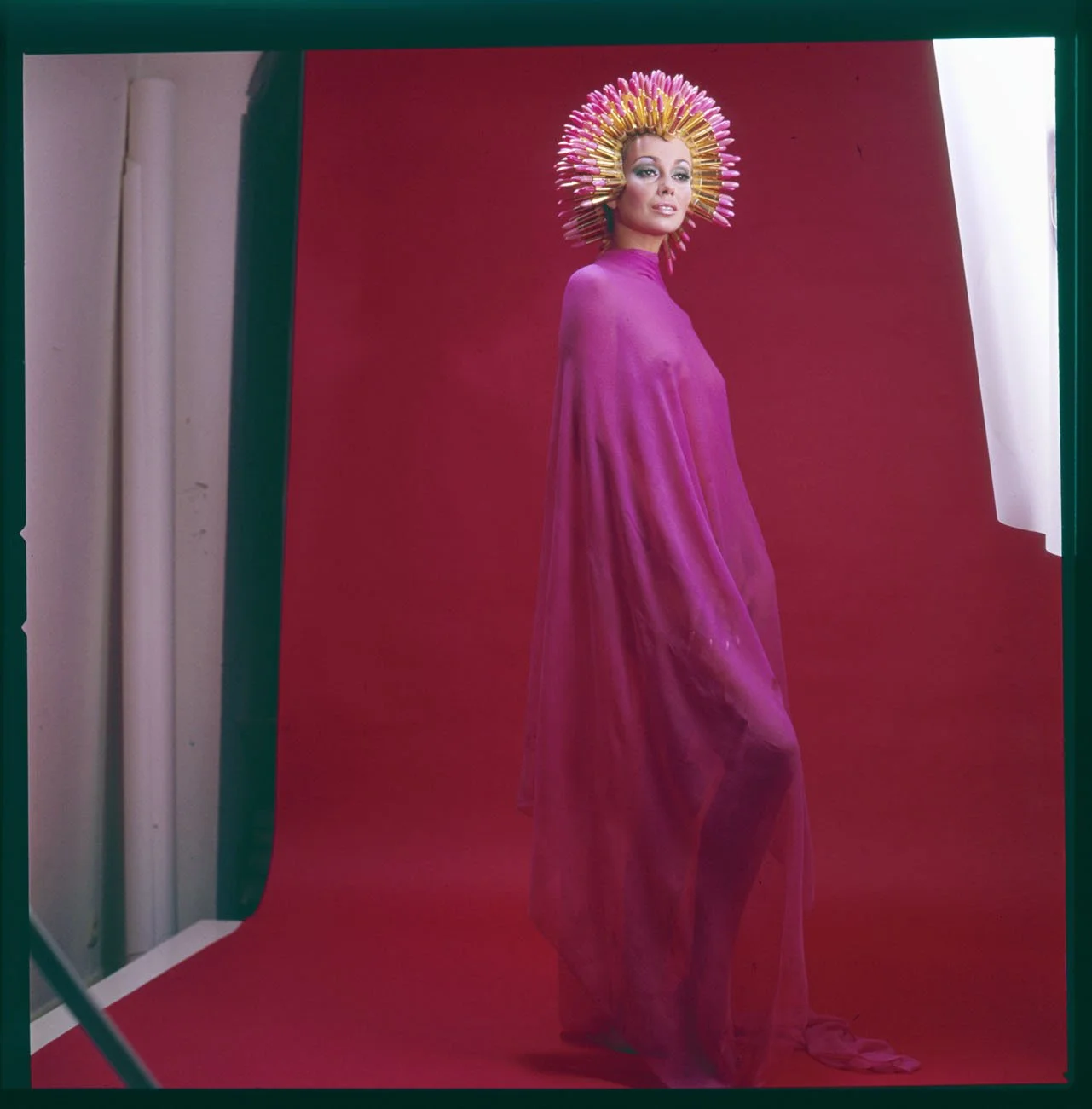
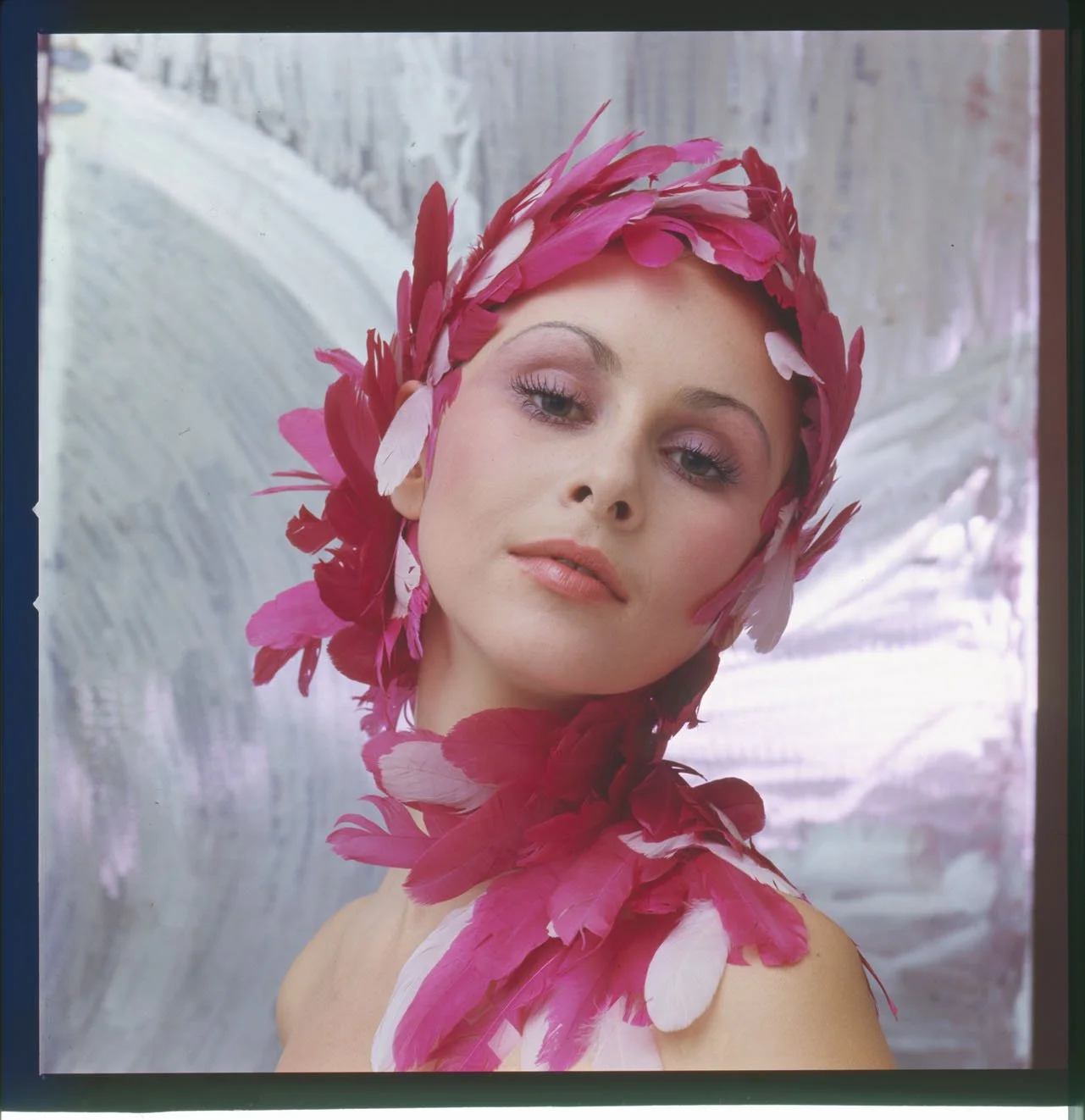
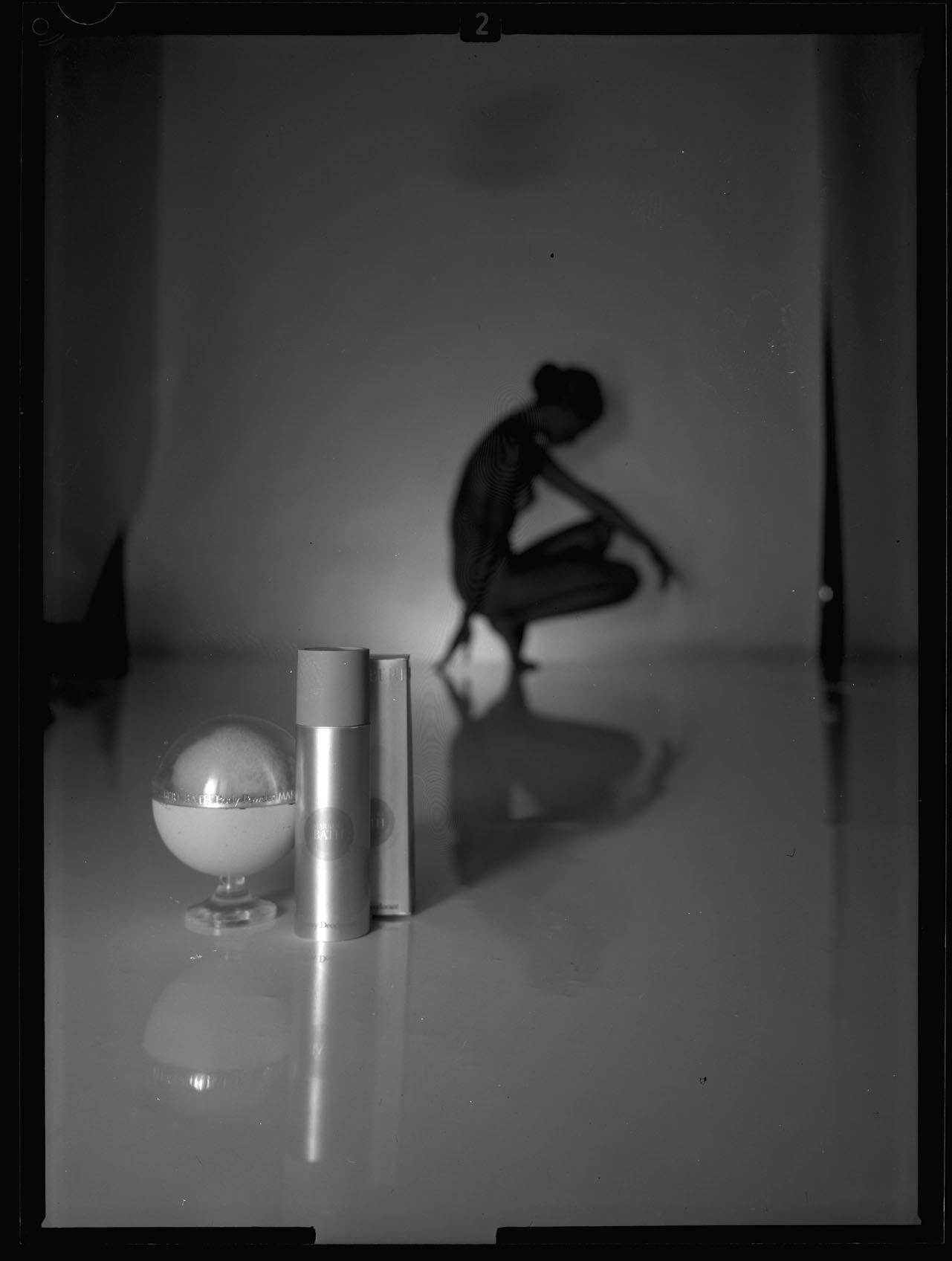
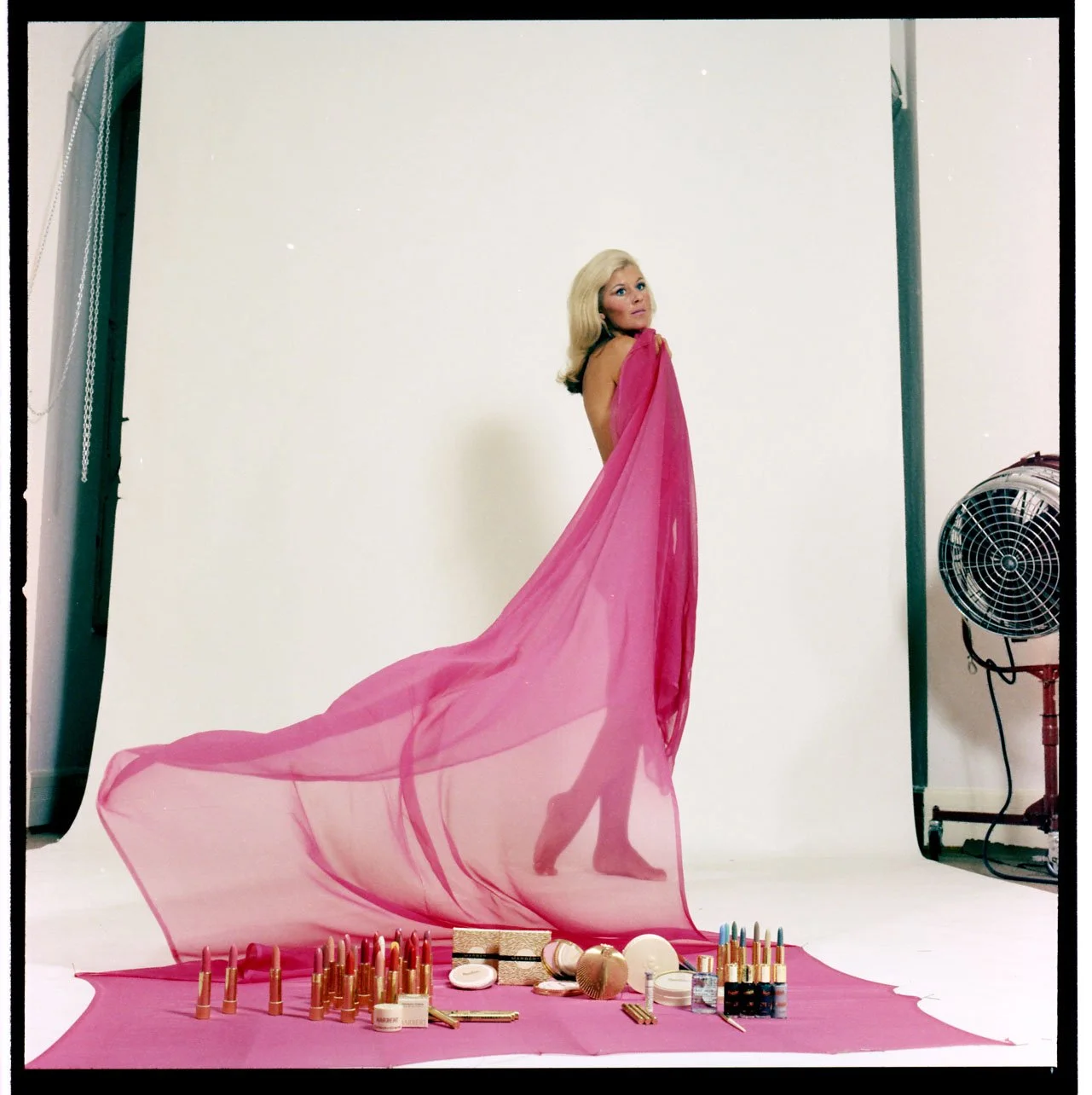
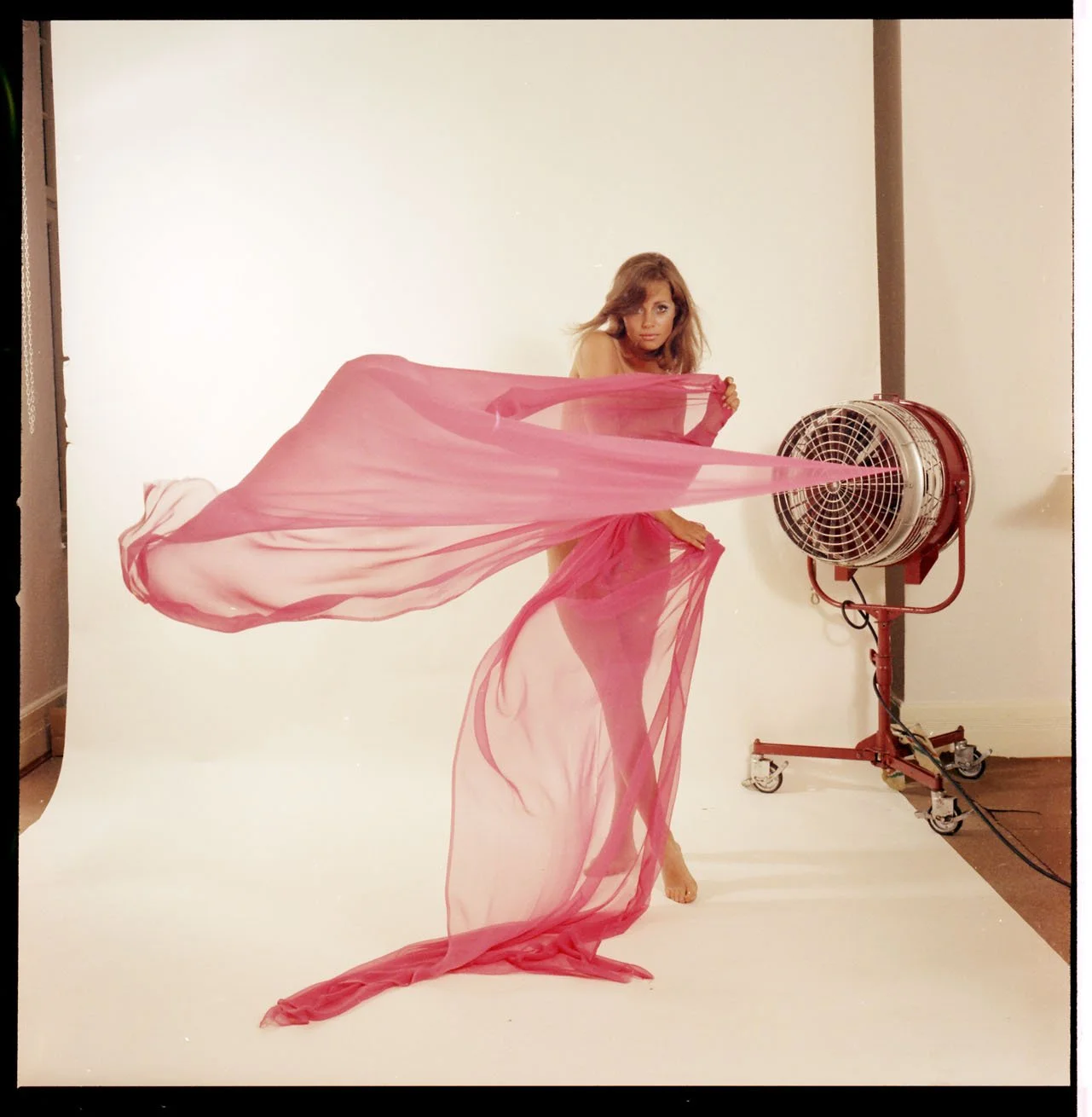
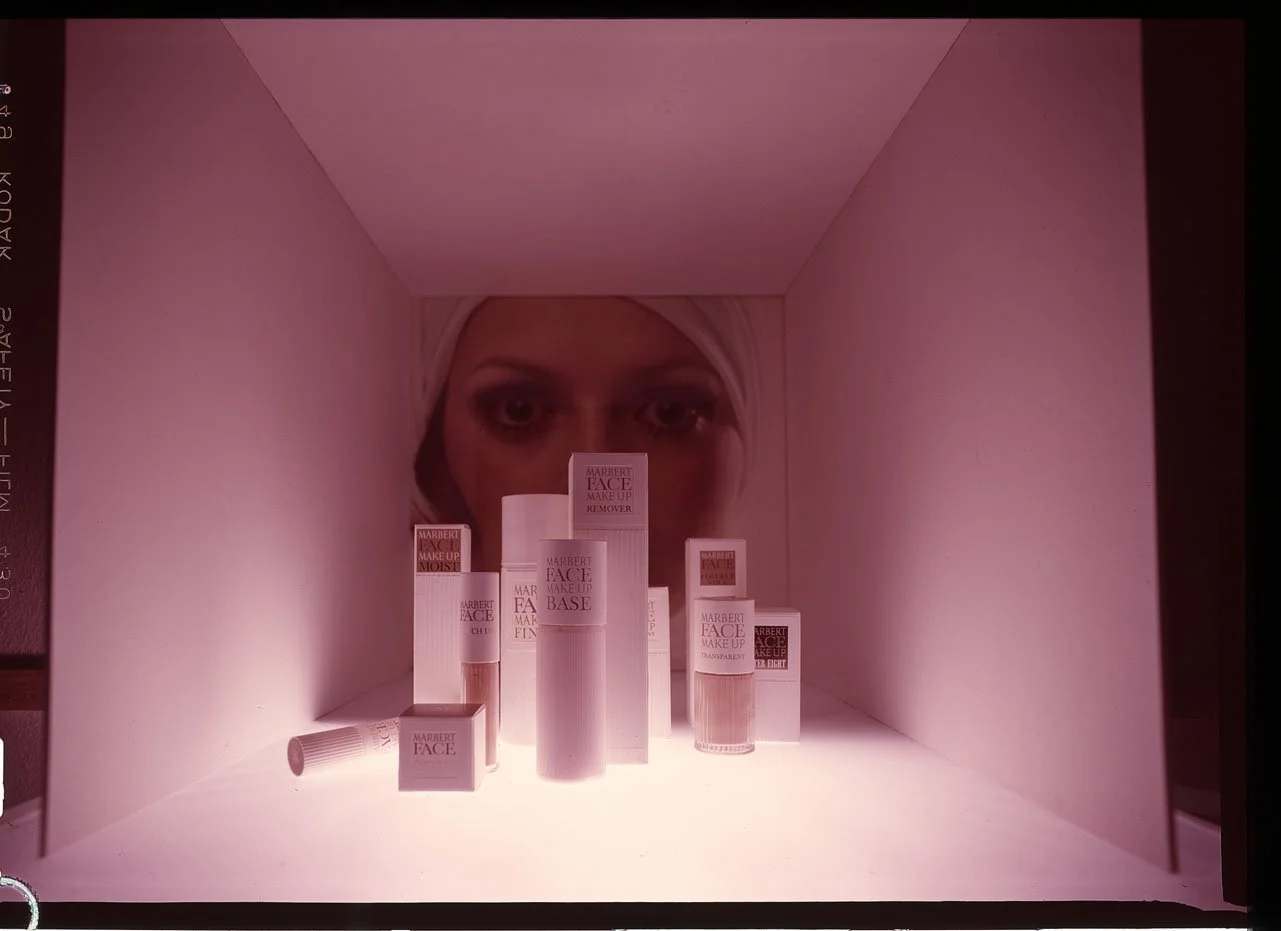
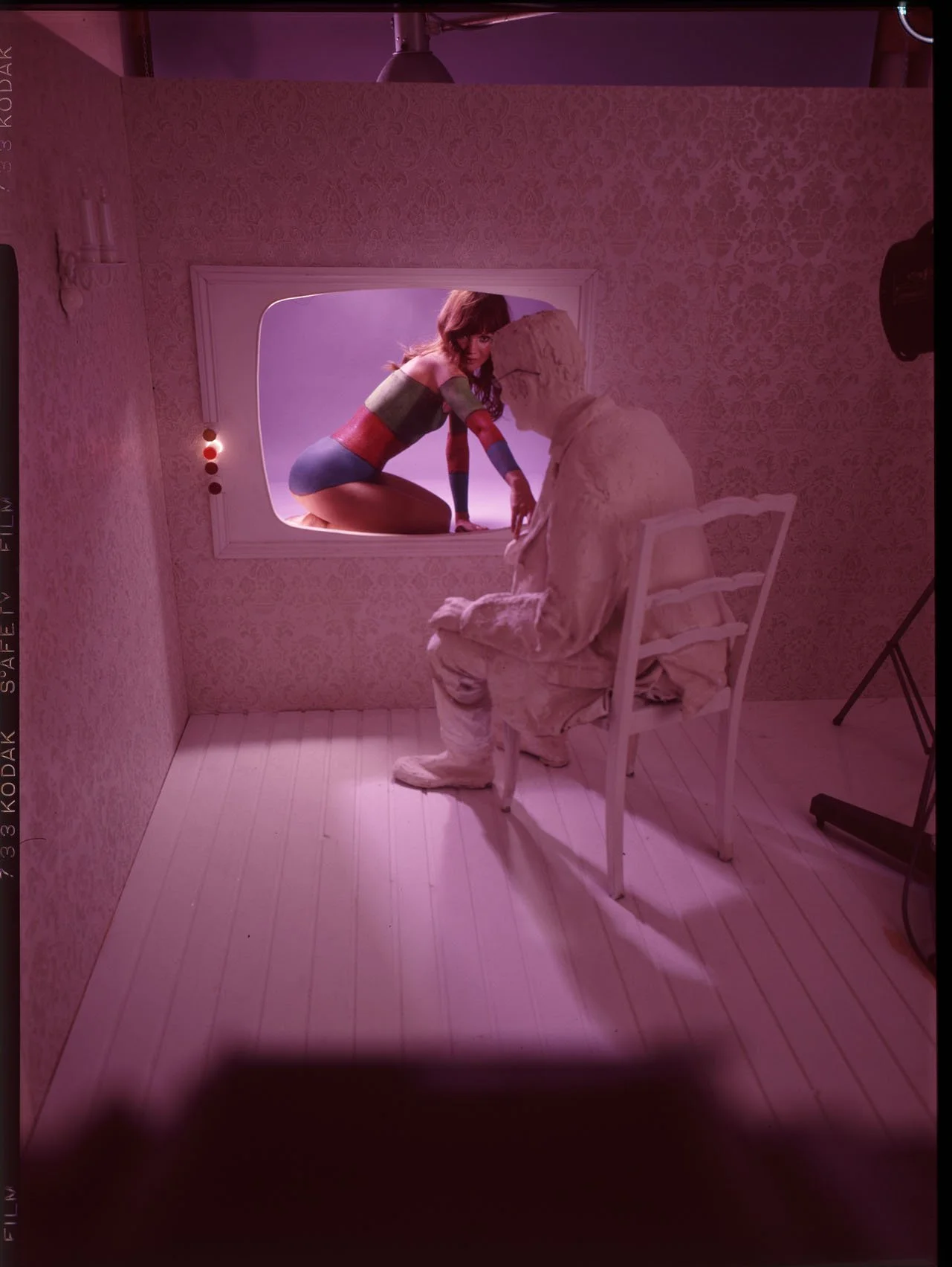
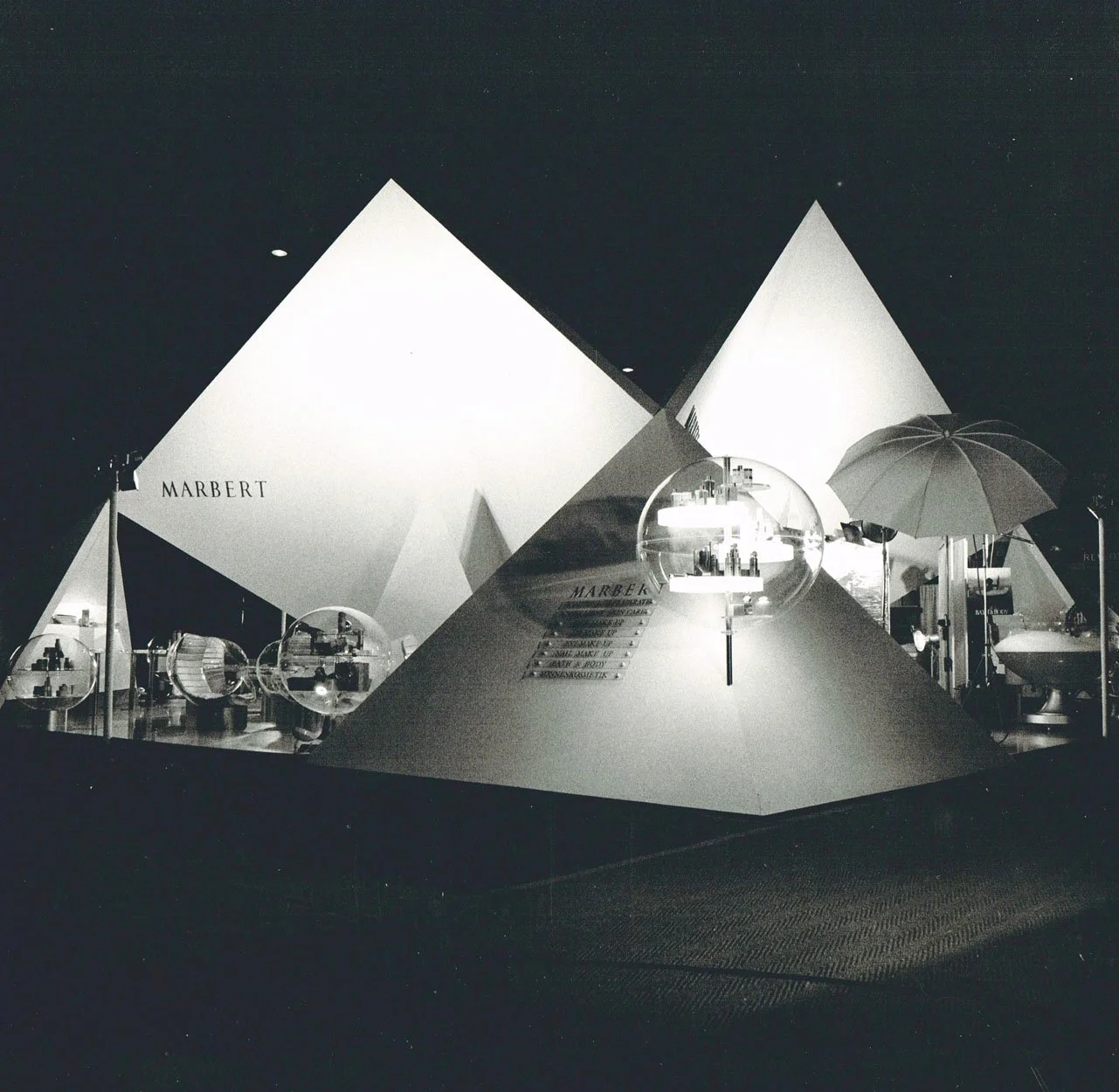
The "Fashion in" project from 1969 impressively demonstrates this ability for the first time. As if for a shop window, Ulrich Pracht first developed the unusual concept for the futuristic design of the Munich trade fair hall, where fashion companies could present their products with maximum individuality in shows with the highest degree of visual unity. The visual concept encompassed branding, advertising, and press photography. Ulrich Pracht and his team handle the trade fair architecture and interior design, the procurement of the necessary building components, the furnishing, lighting and sound design, as well as the selection of the choreographer and the direction of the event. Nothing is left to chance, which leads firstly to a success accompanied by enthusiastic press reviews and satisfied customers, and secondly to interesting follow-up orders from major companies such as Marbert.
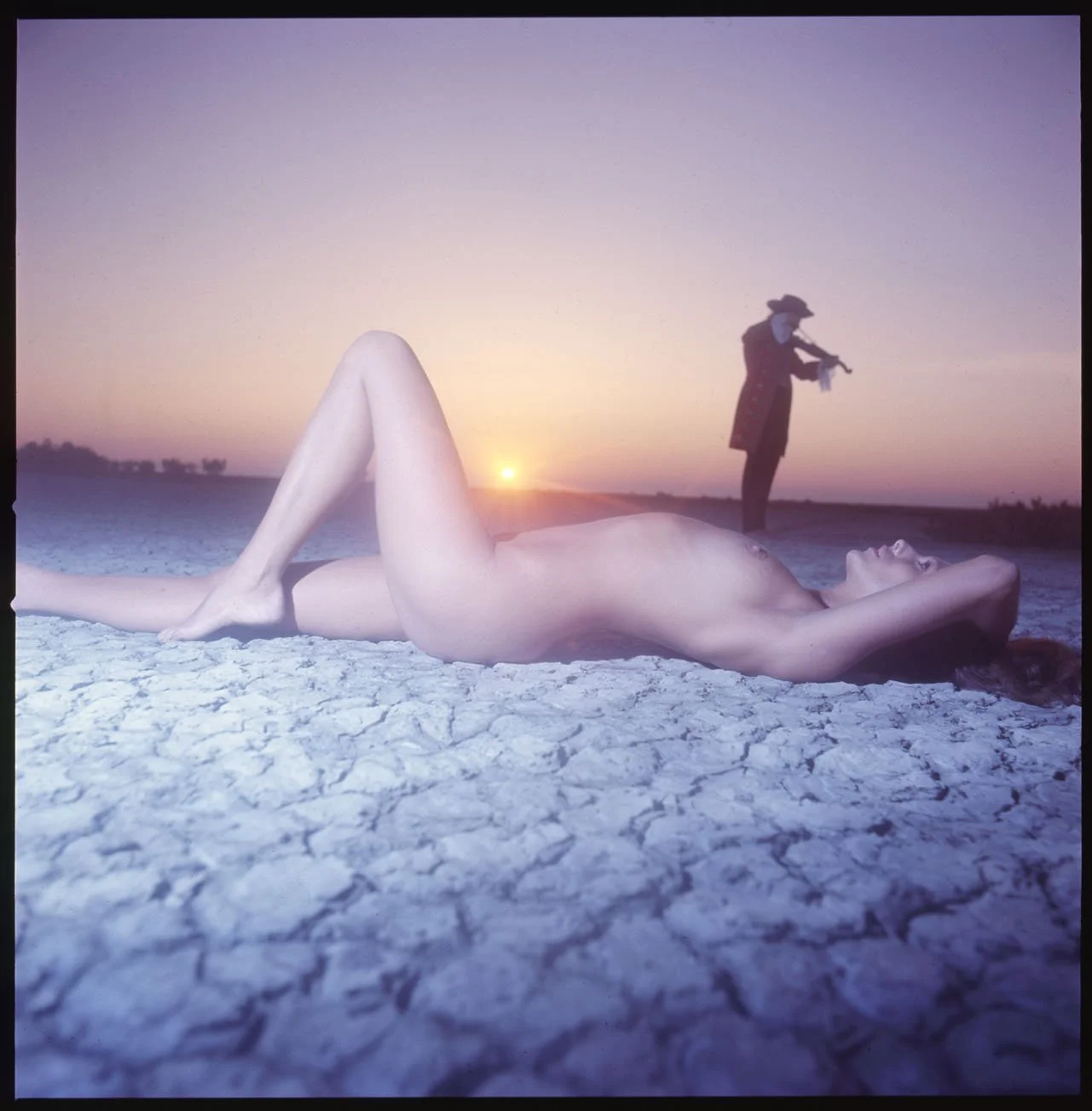
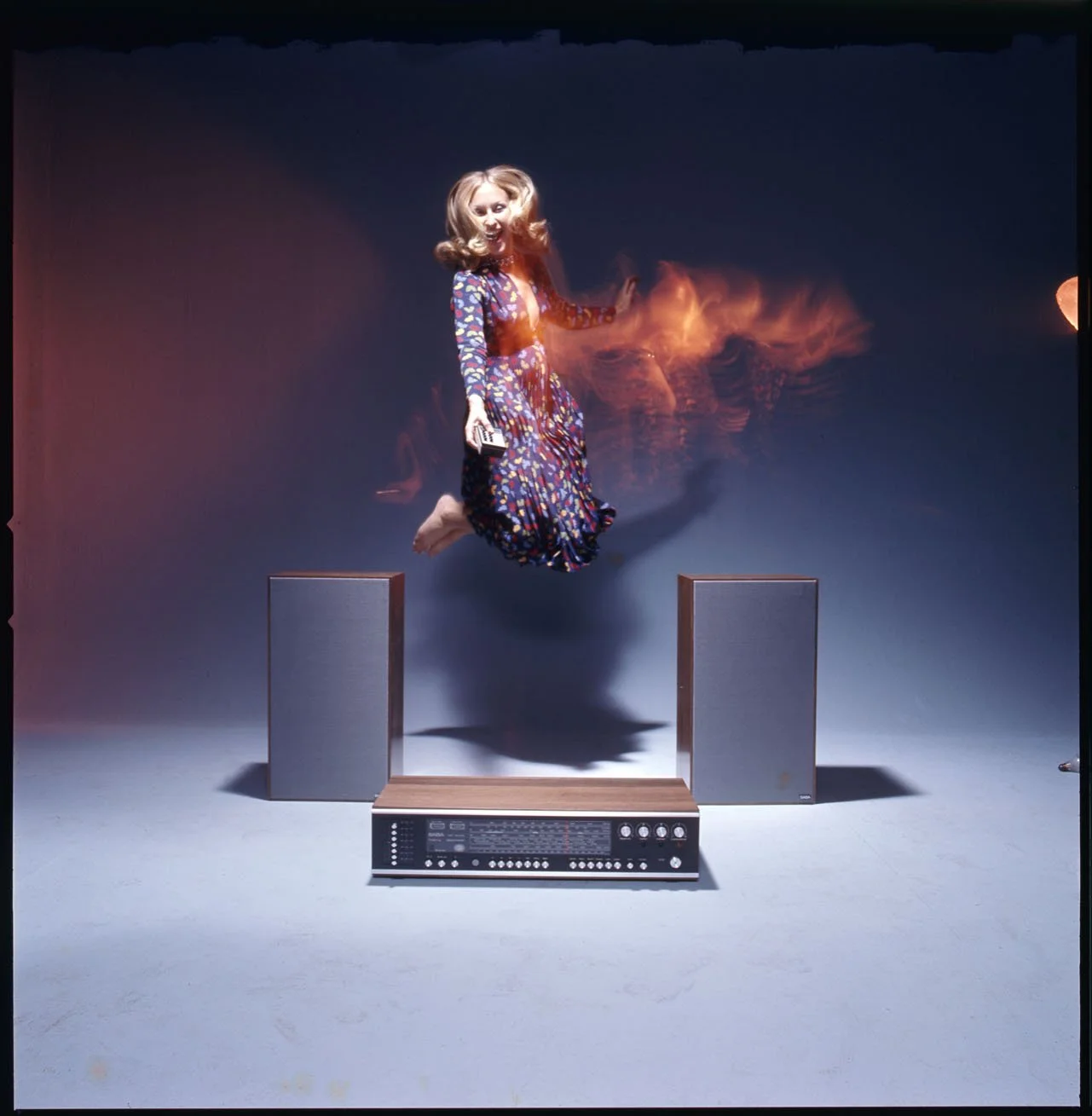
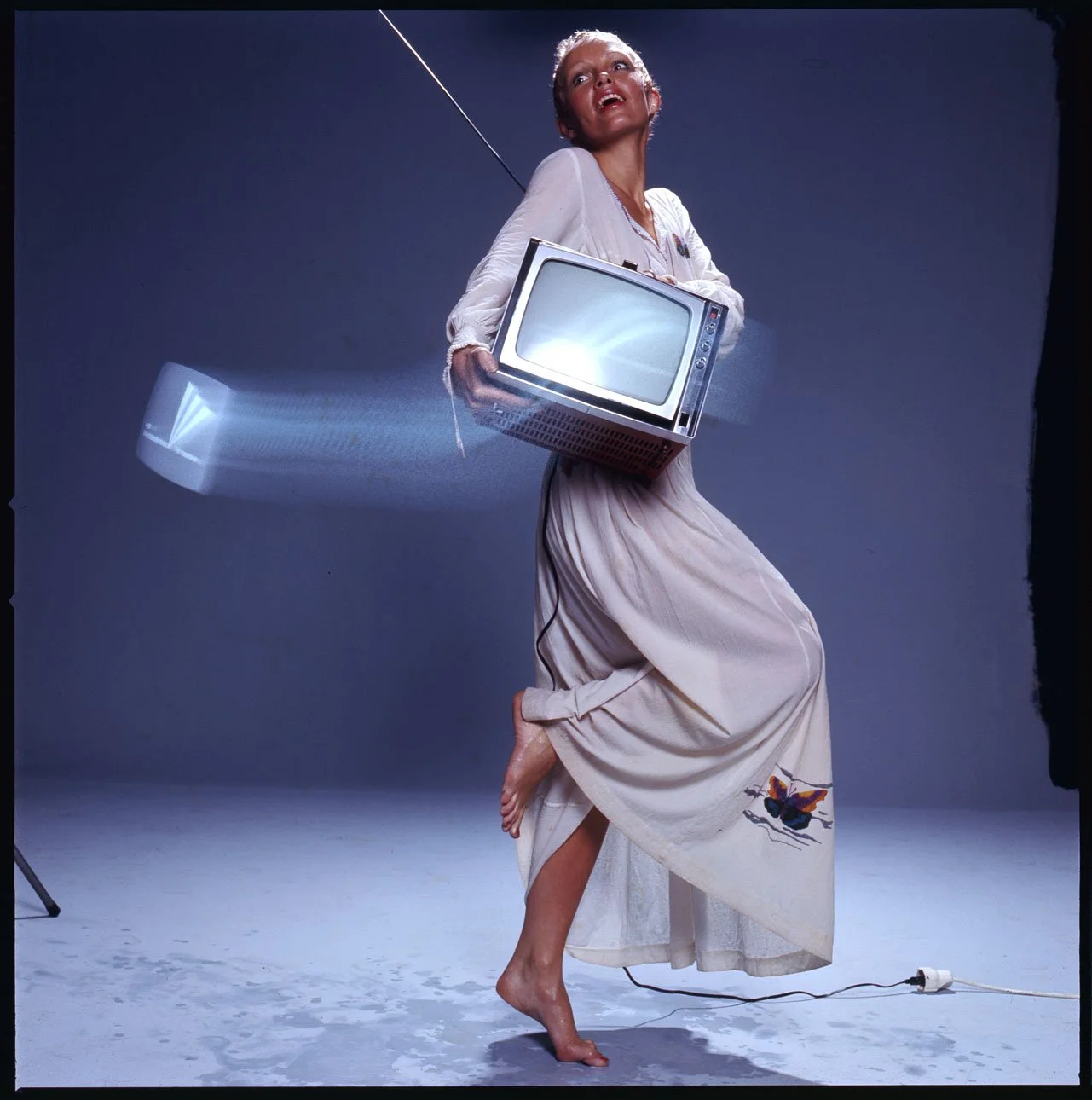
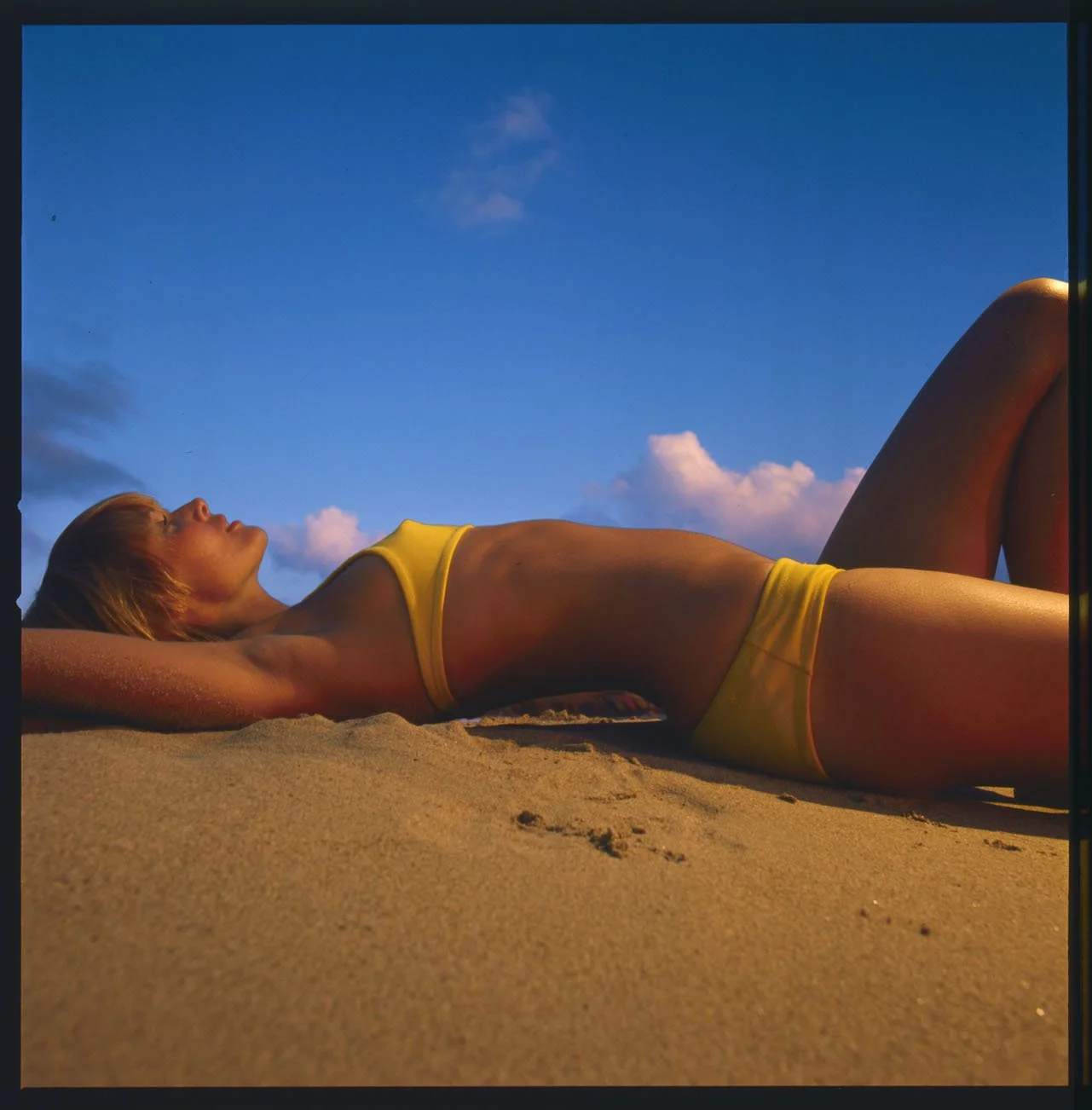
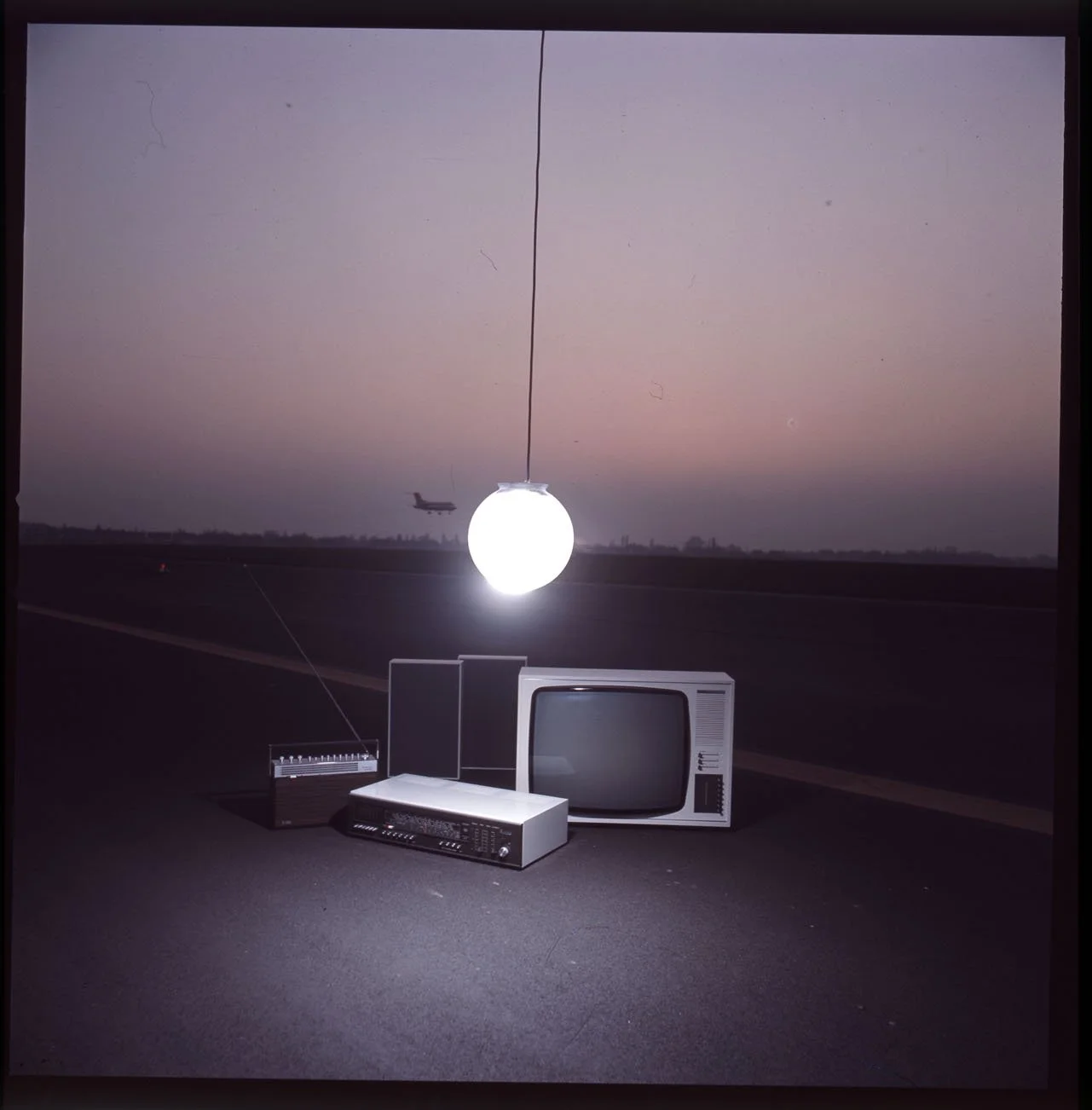
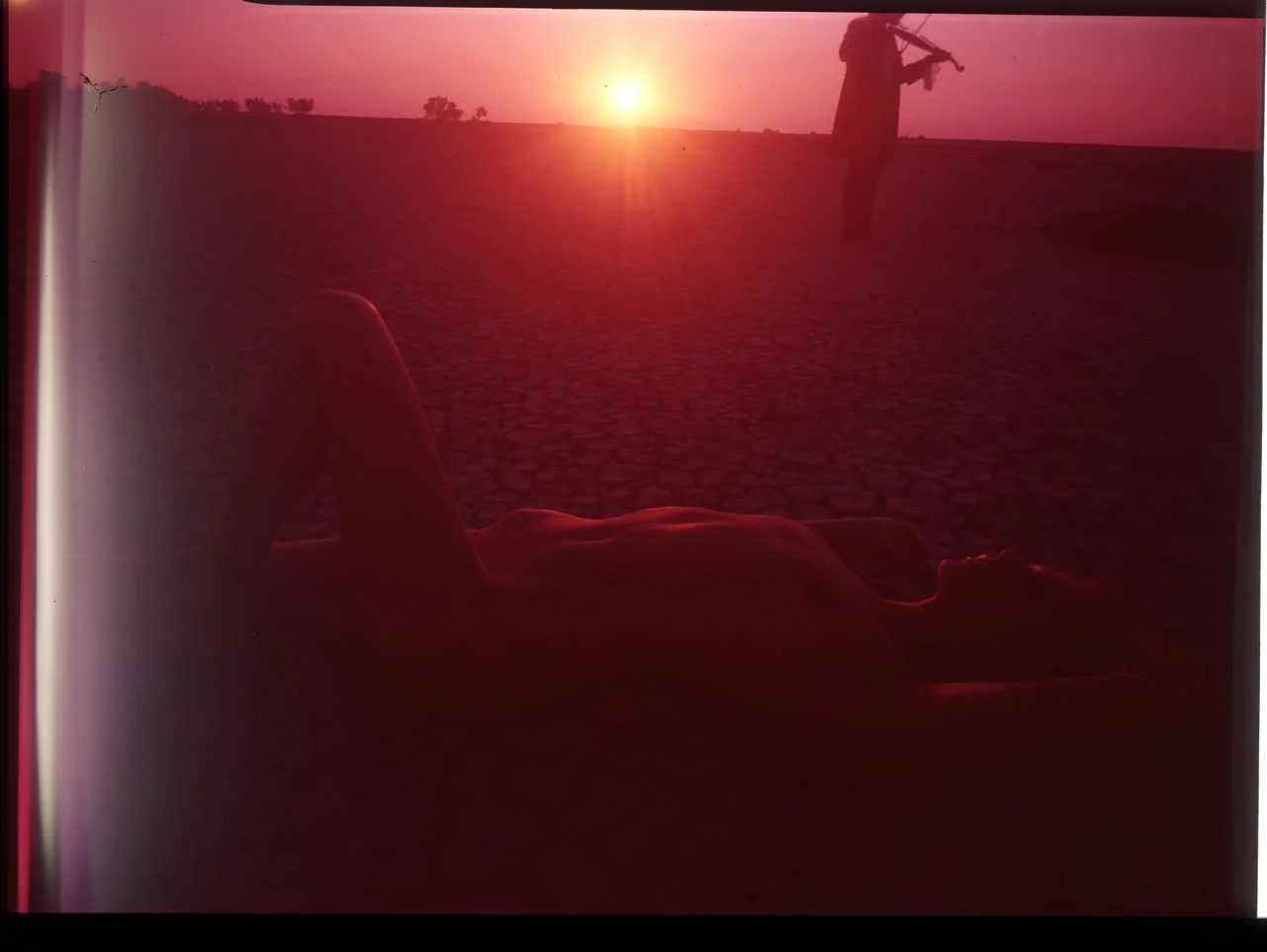
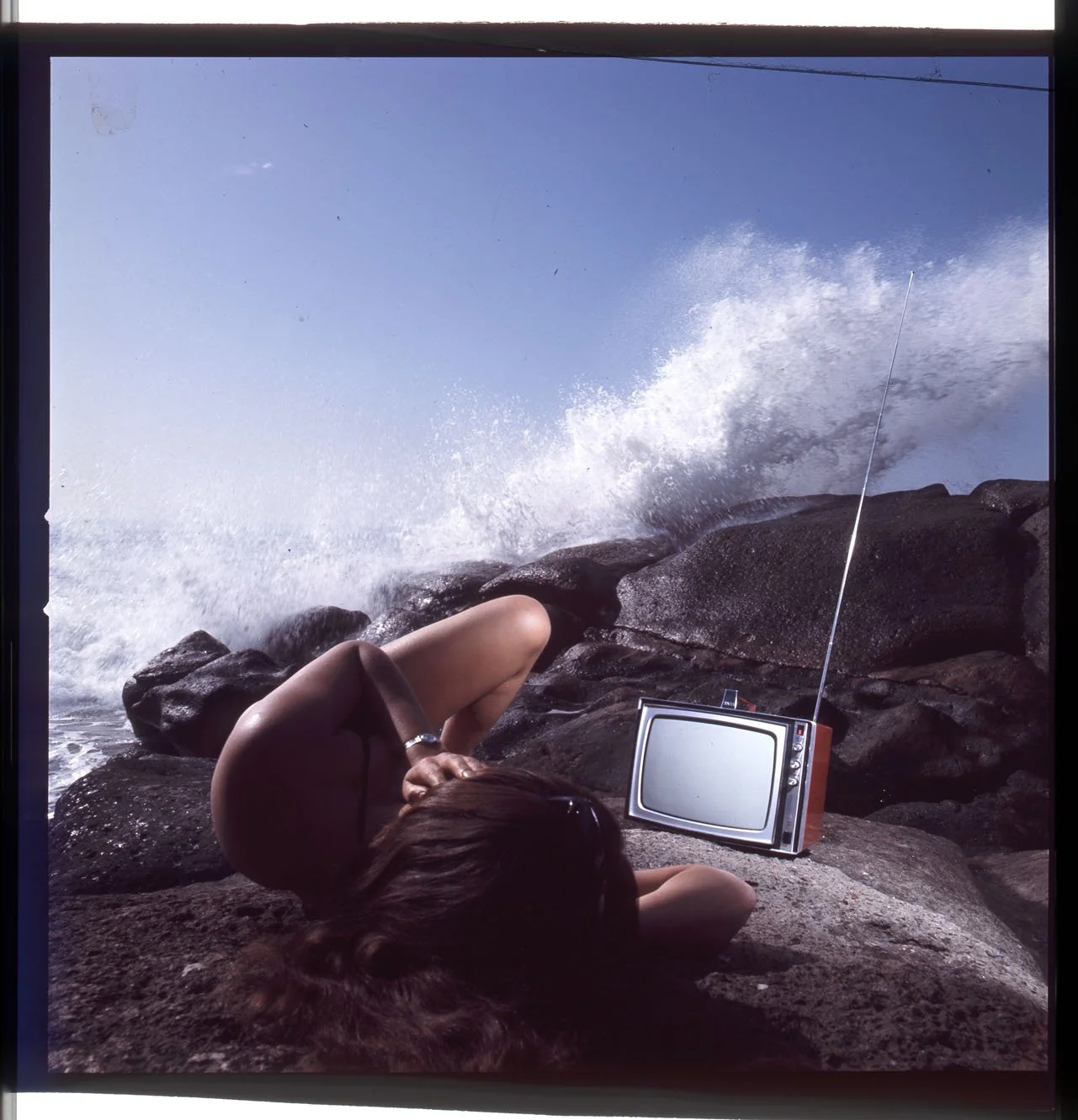
”Whether the subject is the design of fashion and music, or of rooms, studios, or exhibition halls: what I seek to capture—and preserve beyond the fleeting moment—are always staged scenes, bathed in soft light and imbued with great beauty. I was able to demonstrate the influence of spatiality, action, and light in my artistic work at the "Fashion in" event, held as part of the Munich Fashion Fair. In Munich—Germany’s "secret capital"—I collaborated with Alfred Wurm to develop a concept designed to rival Düsseldorf’s Igedo trade fair, aiming to enhance the city’s appeal and highlight its influence on the fashion world. The result was a spectacular fashion extravaganza—conceived and staged by me—featuring visionary exhibition design and architecture rendered entirely in white. It unfolded amidst dazzling light and was accompanied by a fittingly surreal fashion show, directed by theater director and choreographer Ernest Martin—a longtime artistic director in Düsseldorf and a key pioneer of experimental theater in Germany. I would also like to take this opportunity to express my deep gratitude to the production manager at the time, Hartwig Niejahr, whose contribution remains unforgettable to this day..”







02.2
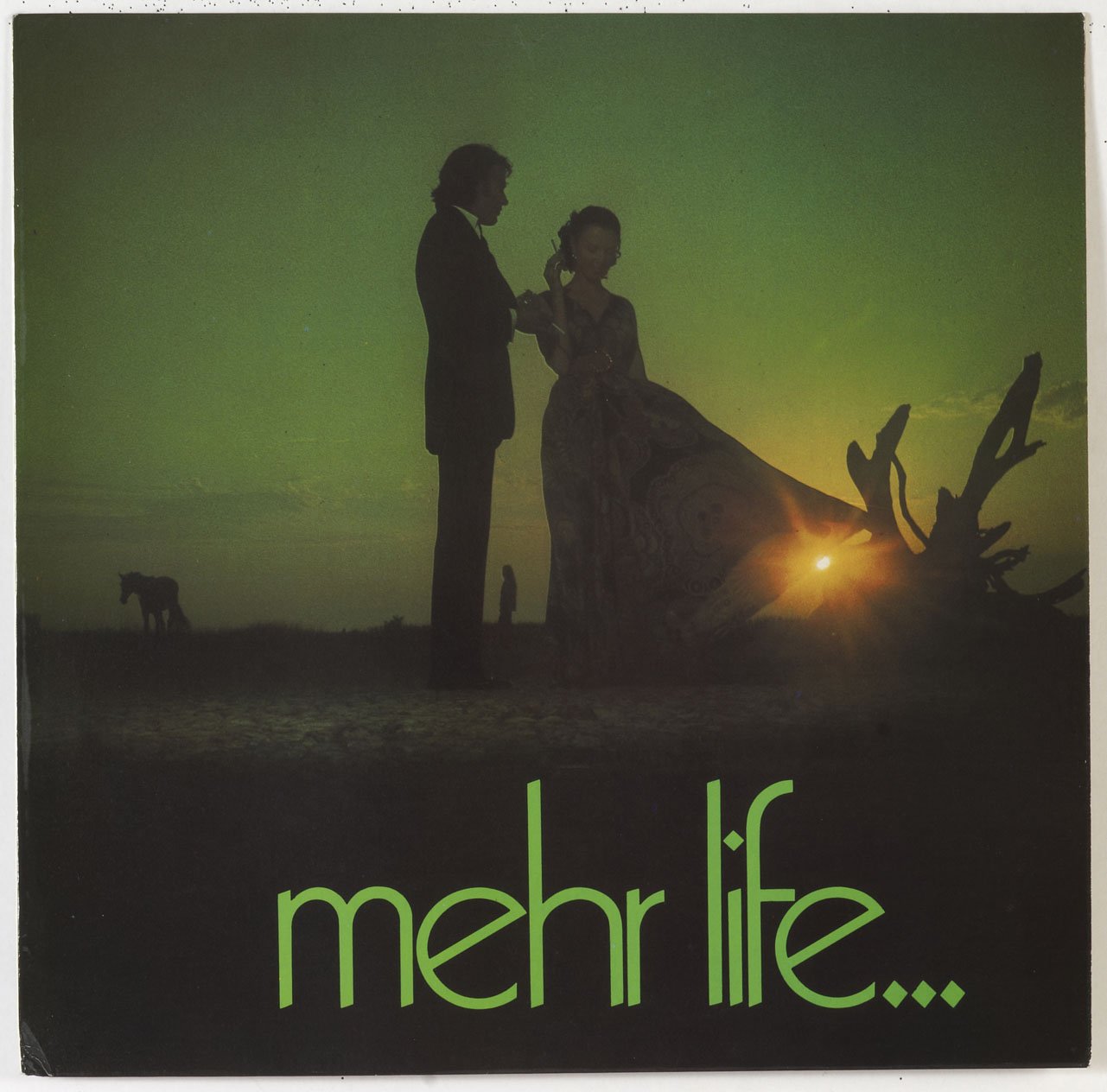
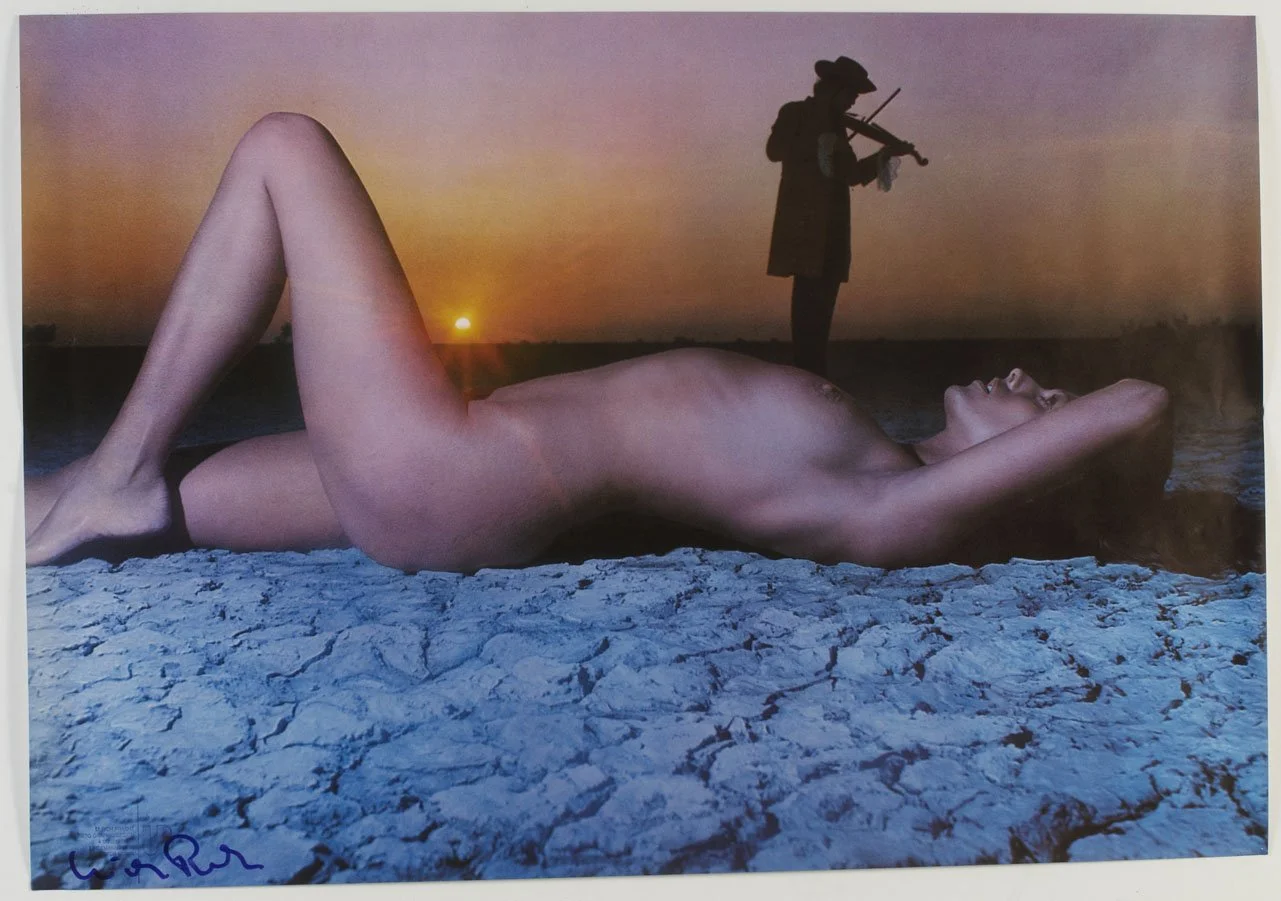
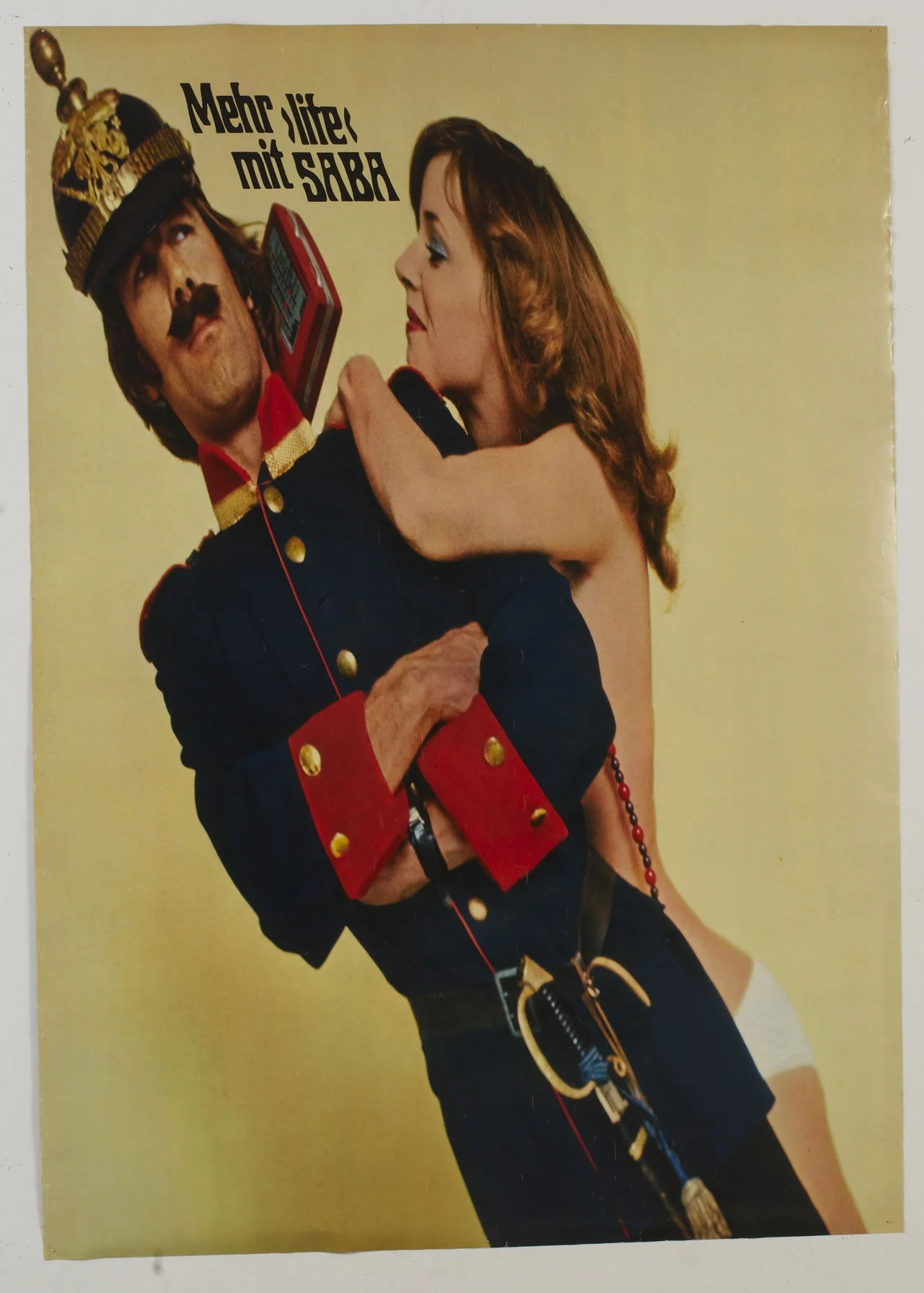
SABA
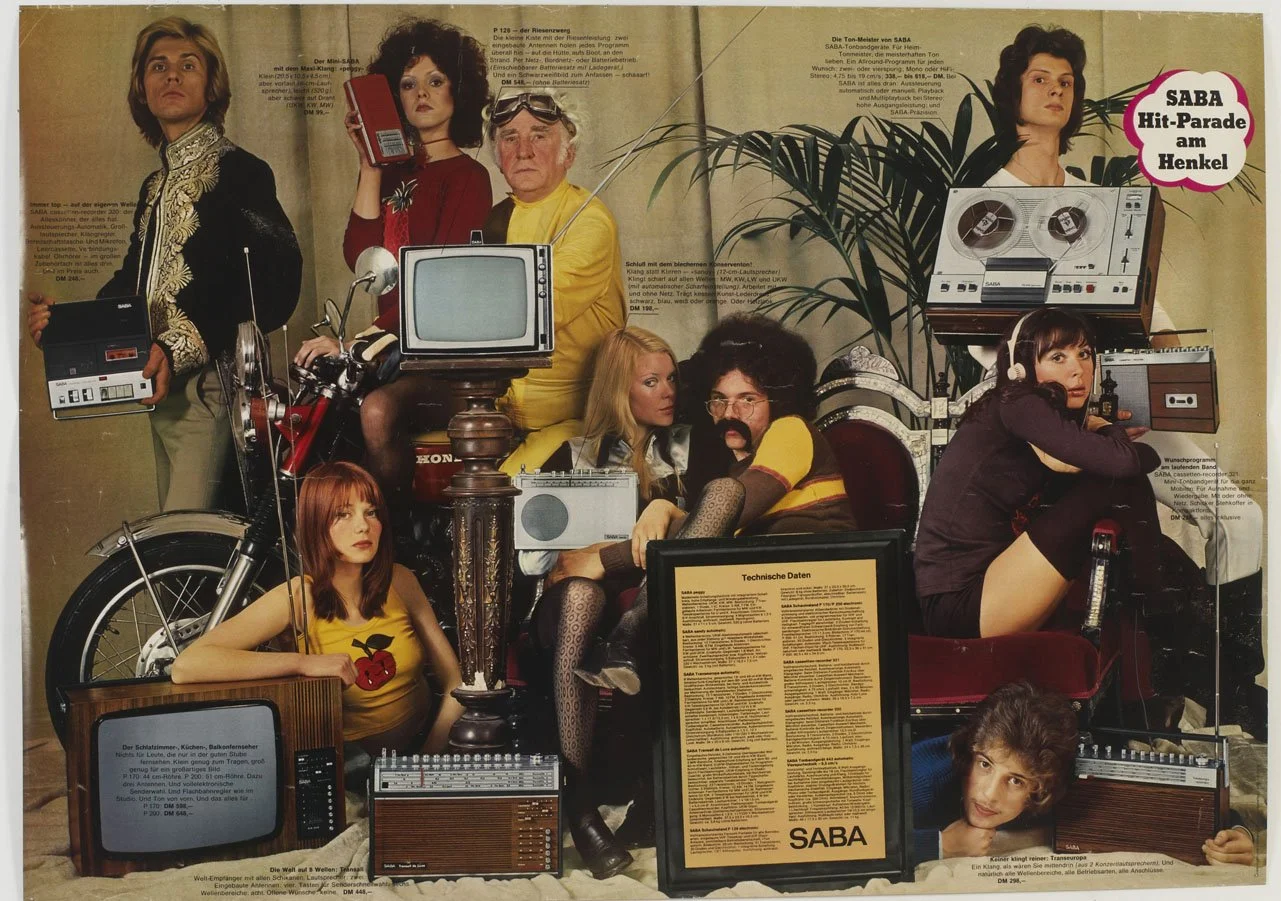
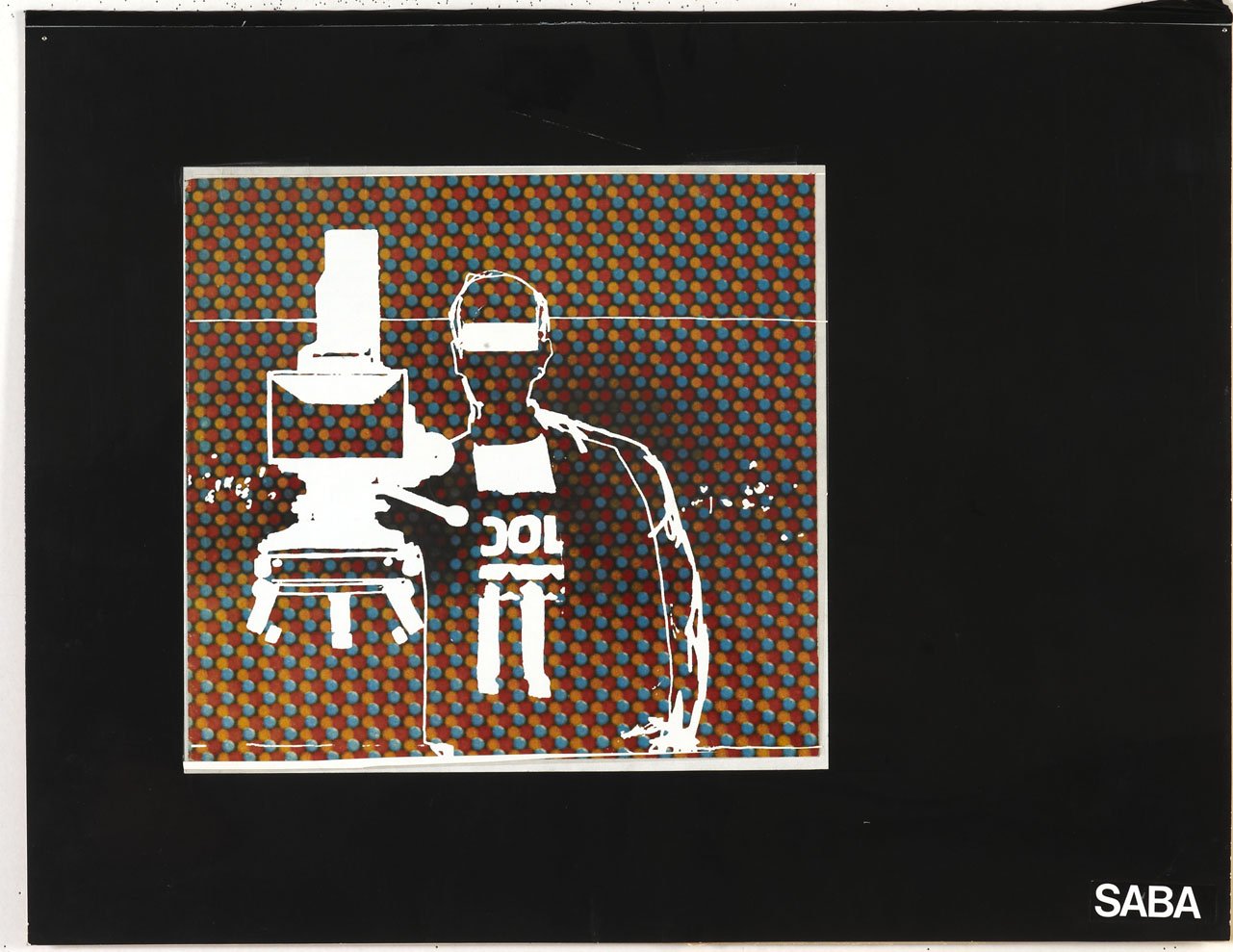
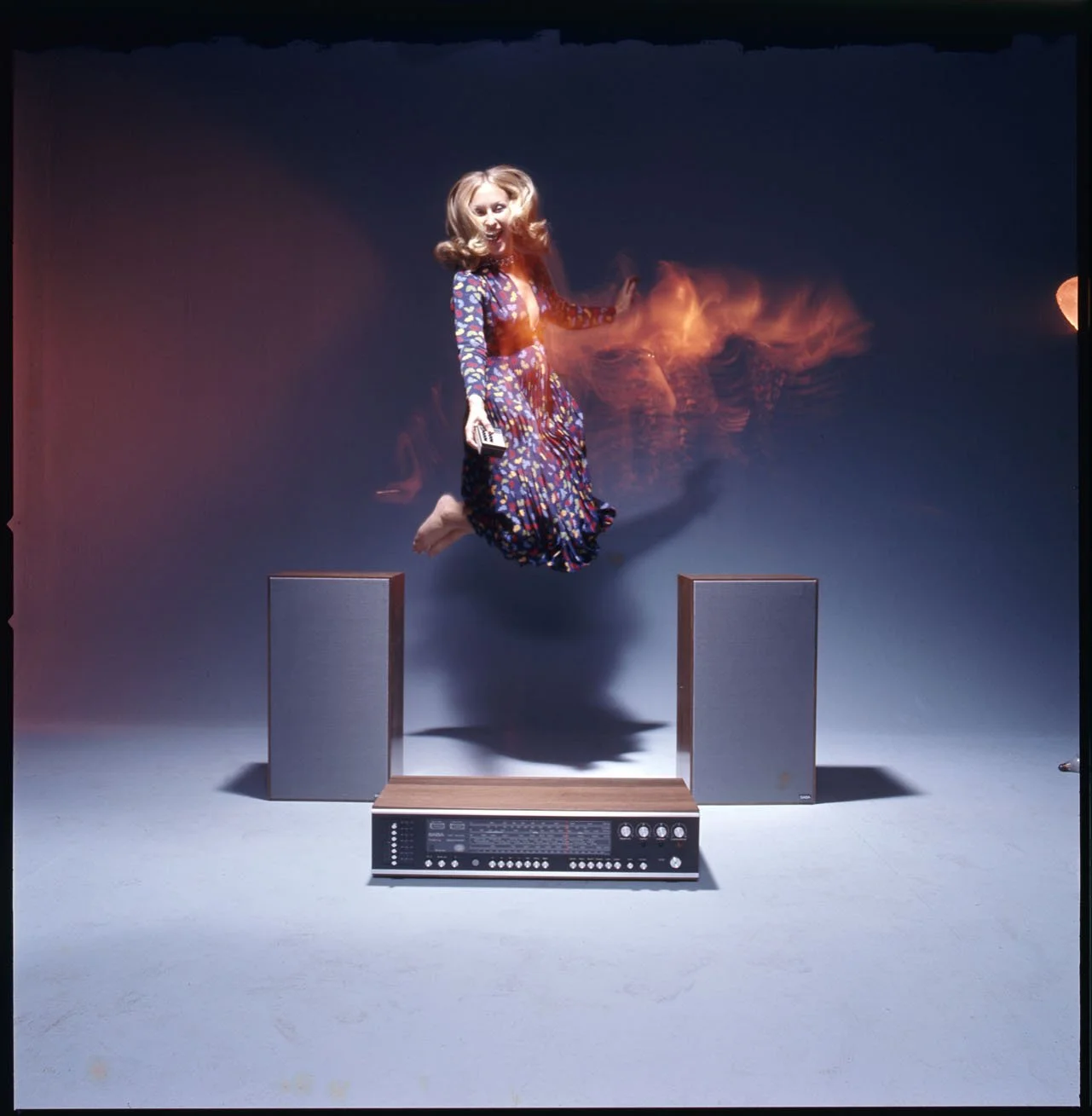
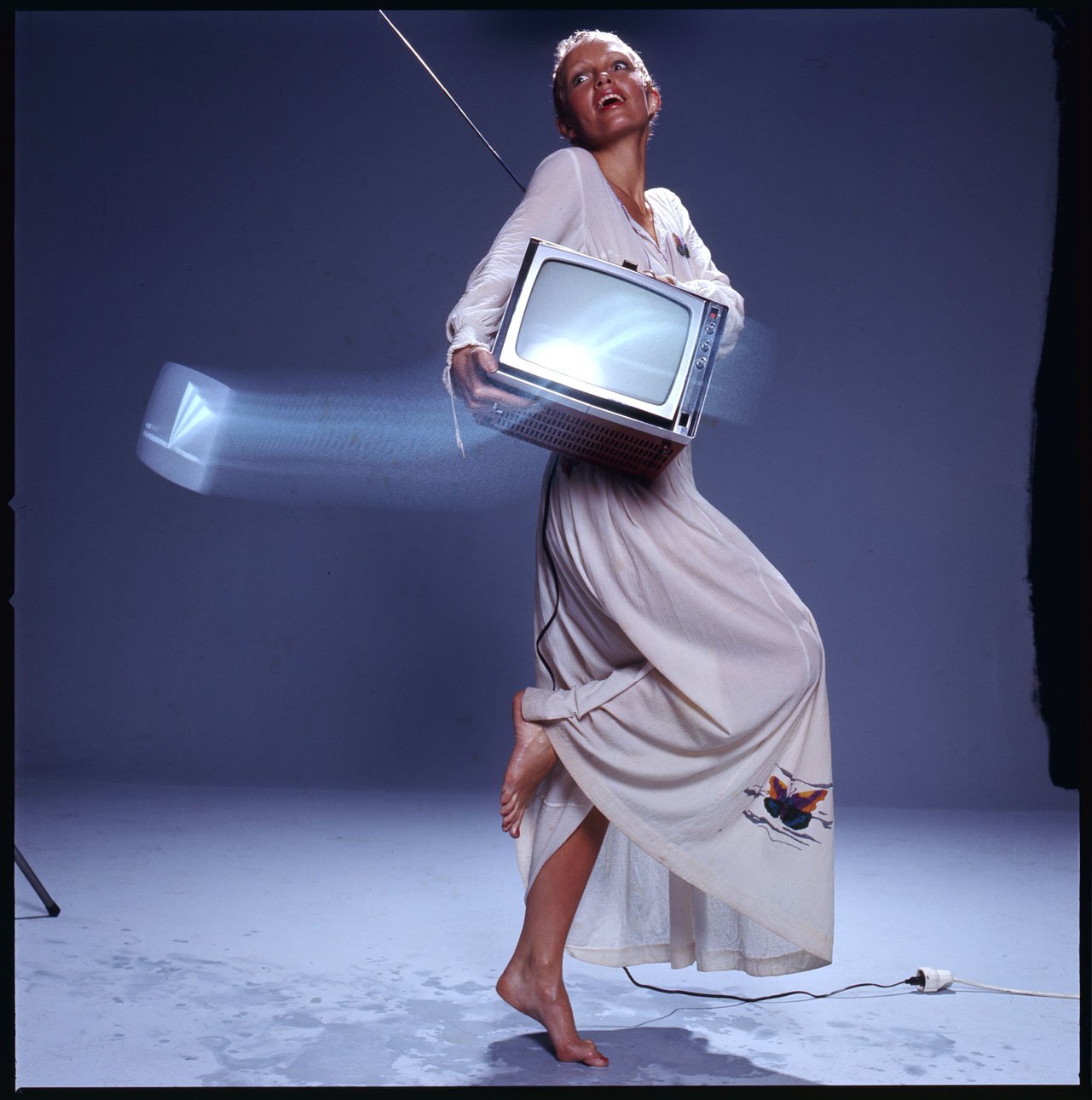
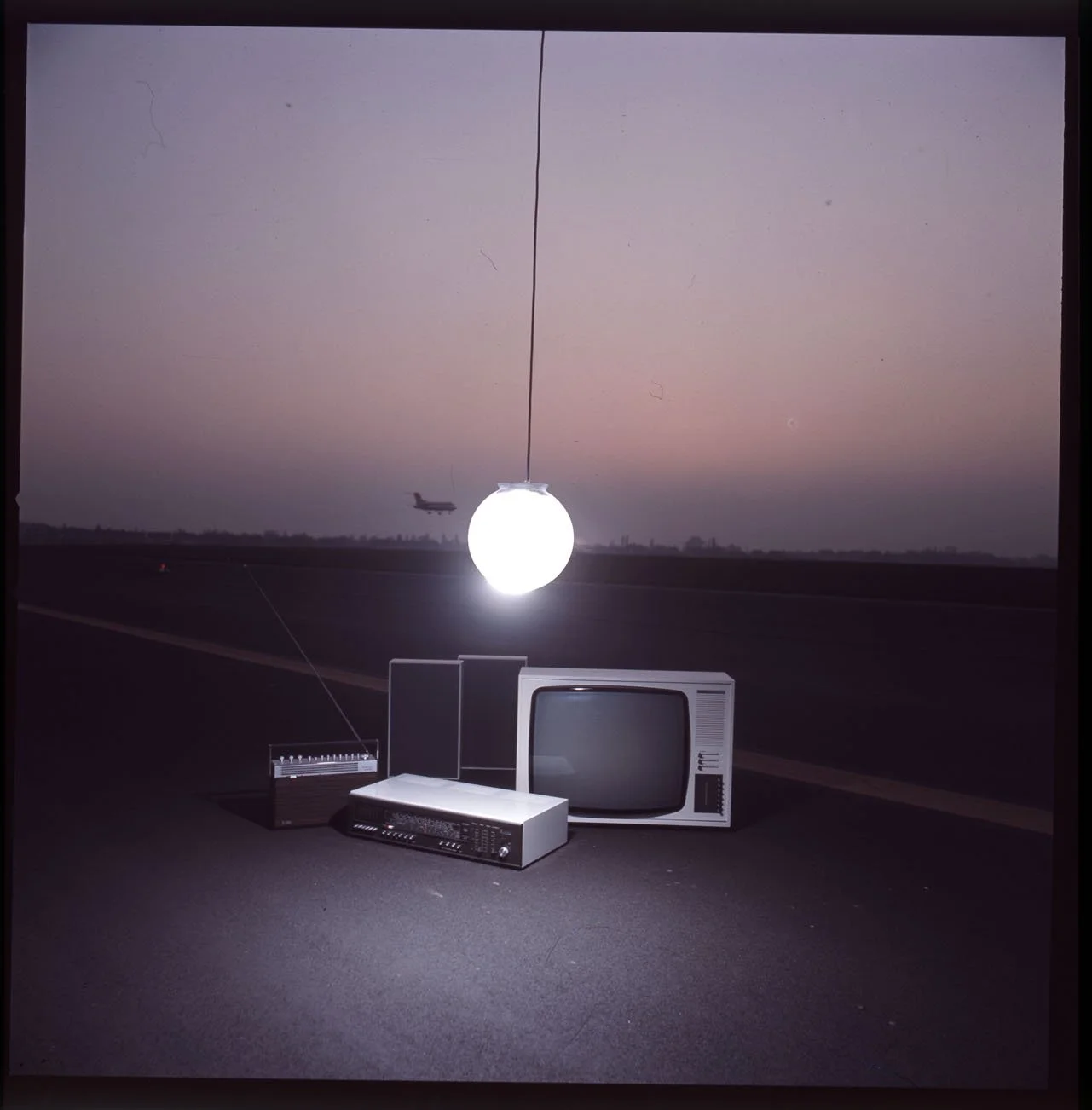
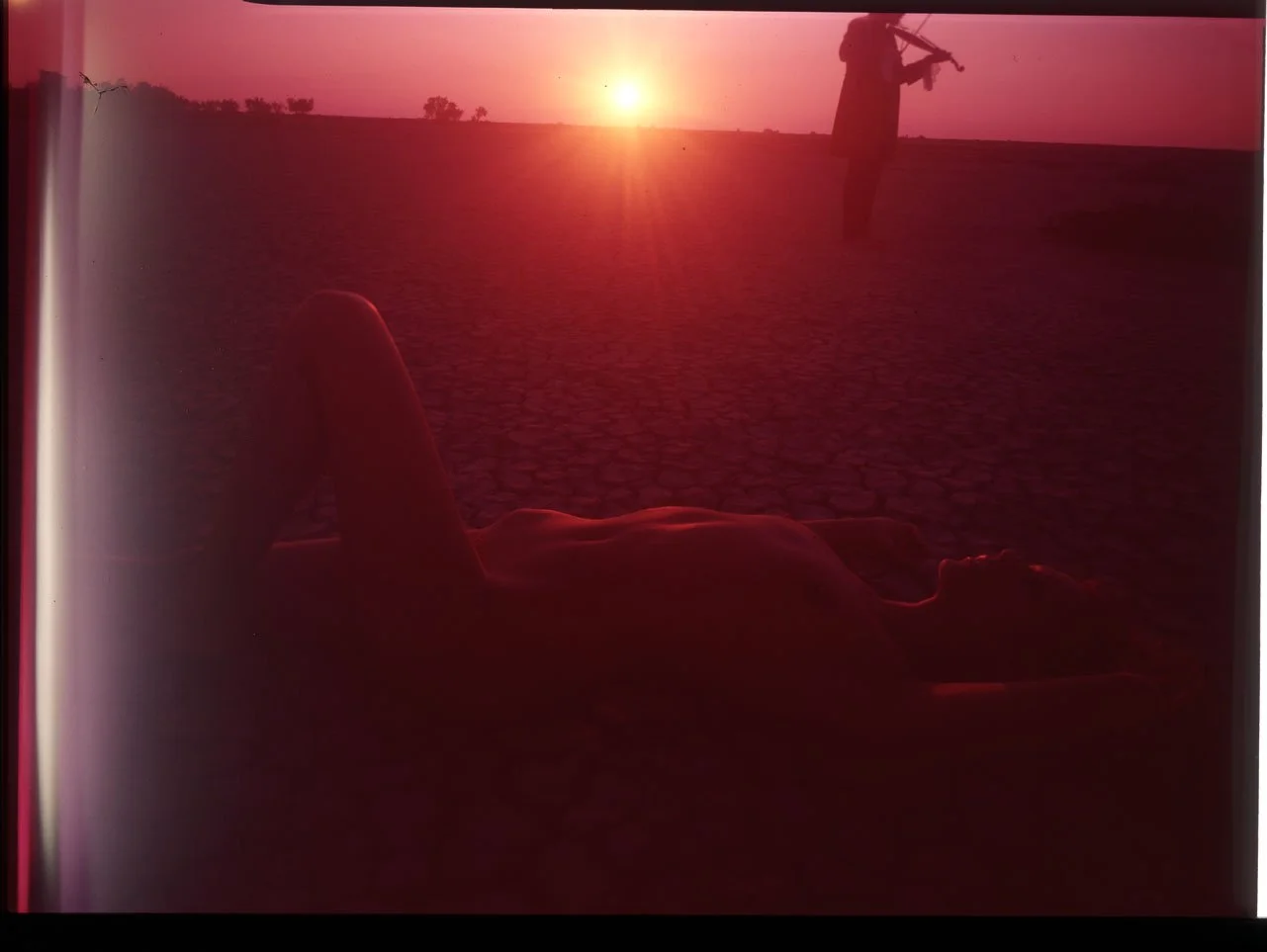
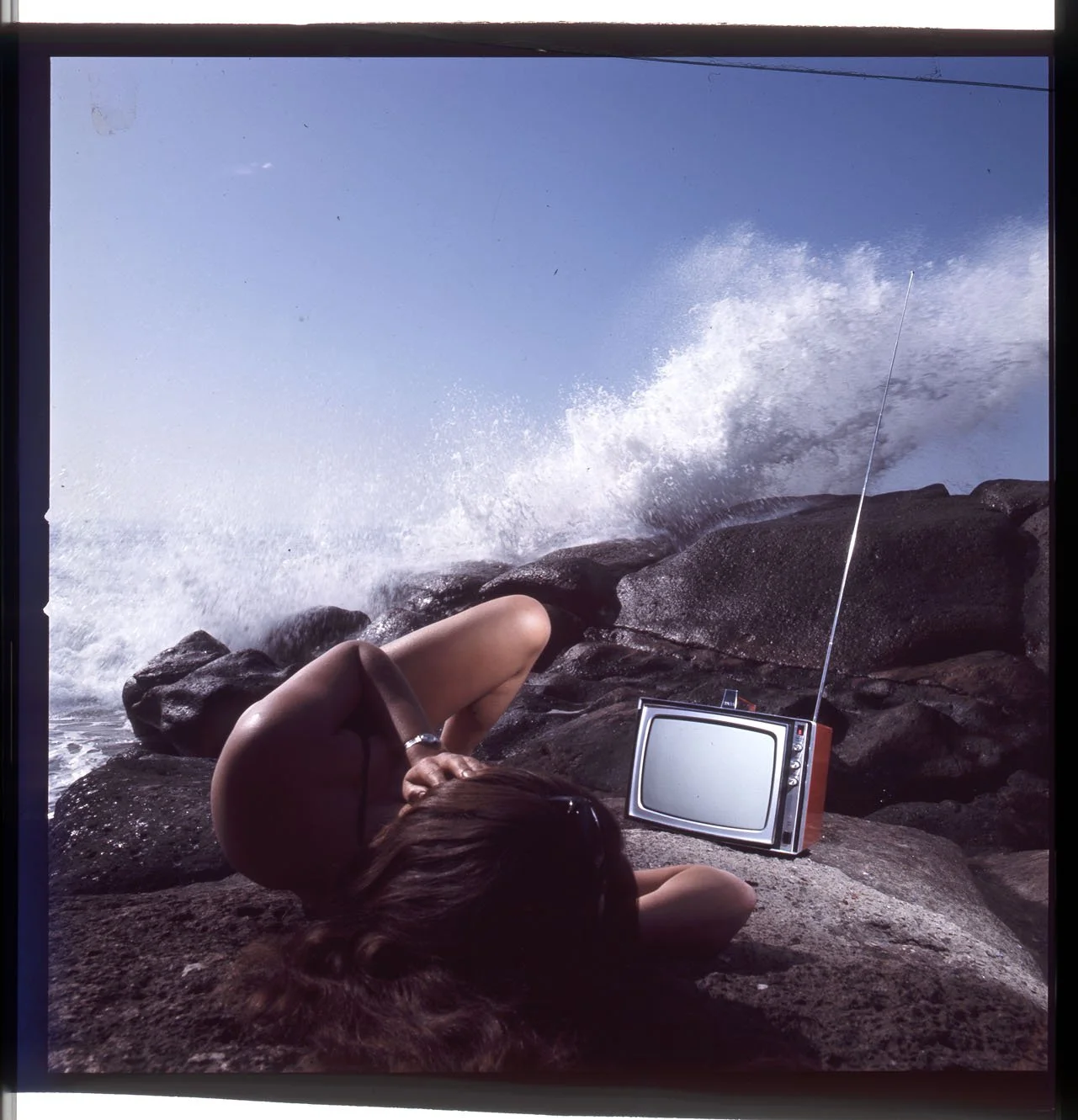
Commercial Products. Surreal Spaces.
The Essen-based archival publisher Hoppenstedt was seeking a freelancer to develop the concept for a new product for the Cologne-based insurance company Gerling: an insurance passport in which all of a policyholder’s policies would be recorded. Ulrich Pracht—who at the time was still working as an Art Director at Horten—applied for the job. Although he didn't have an idea yet, he gave no outward sign of it. The flash of inspiration wasn't long in coming: “Why look far afield when happiness lies so close at hand? When thinking about the subject of travel insurance, my father’s homing pigeons came to mind.” Armed with his first Hasselblad and a tripod, he climbed into the cramped pigeon loft, set up his flash units, and installed a white backdrop. “I hated working with a tripod, but there was simply no other way to get the shot. Thanks to Polaroid test shots, I knew that if I photographed at 1/30th of a second while firing the flash, I would capture a sense of motion blur—yet still retain a specific sharpness within the image.” His parents tossed the pigeons into the air again and again until, finally, a single photograph captured the entire composition in perfect alignment. This image—along with several other subjects photographed “merely” for layout purposes—was then presented to the client. “At the insistent request of the legendary Hans Gerling, my images were ultimately used in the actual advertising campaign. For me, as a self-taught photographer, it was a tremendous success—though, unfortunately, one accompanied by the fatal misconception that I now actually knew how to take photographs!”

02.3
MESSE ARCHITEKTUR
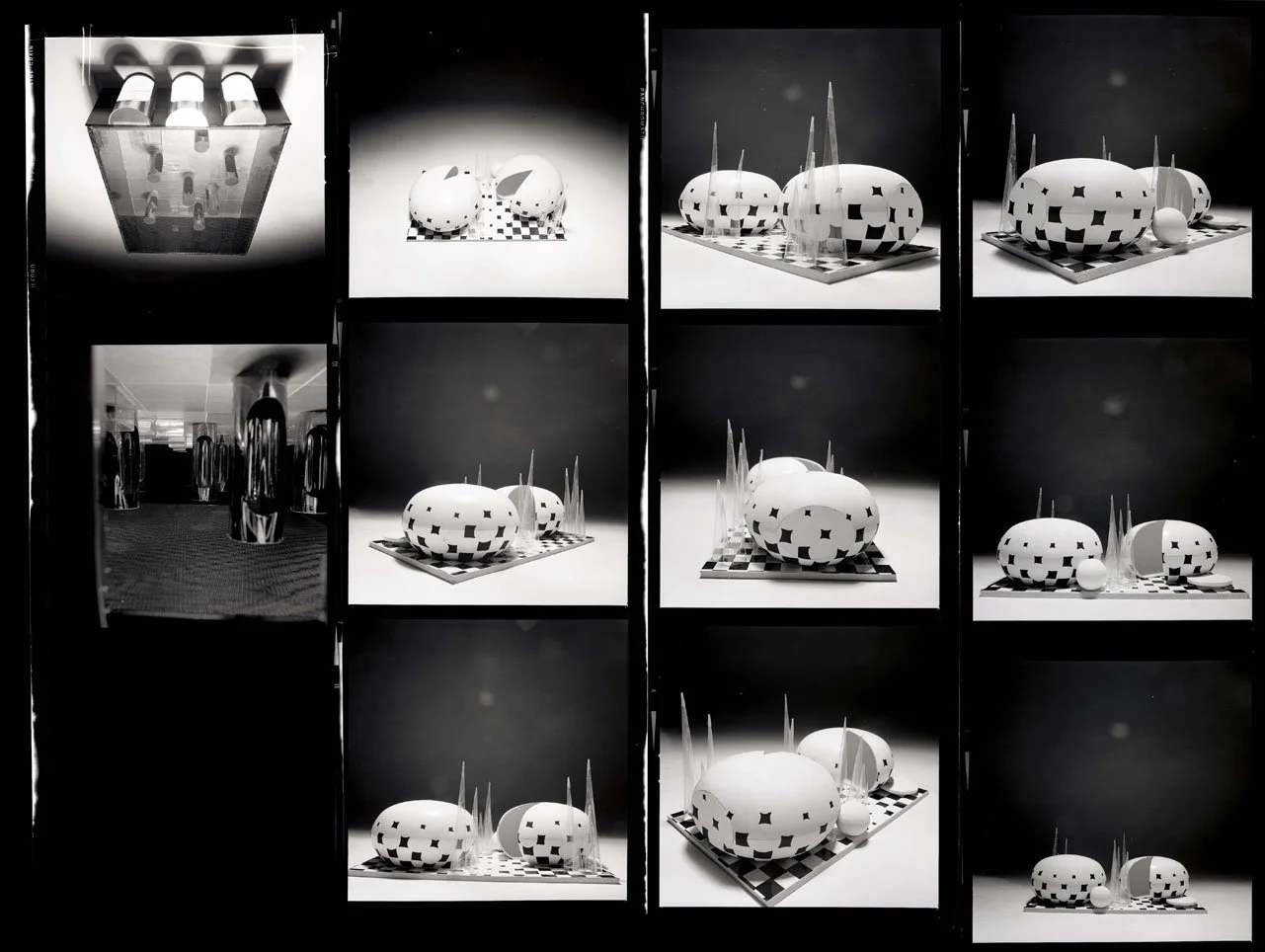
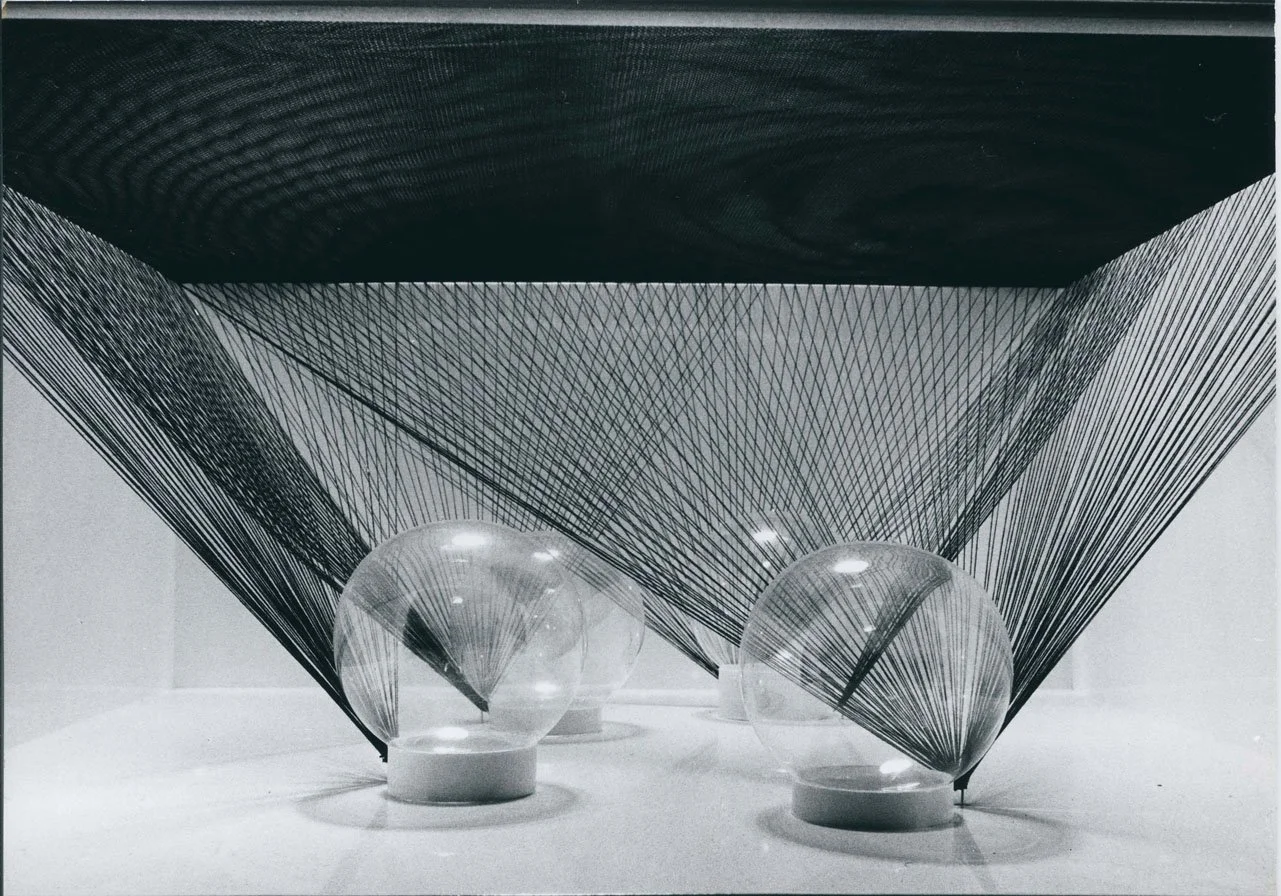
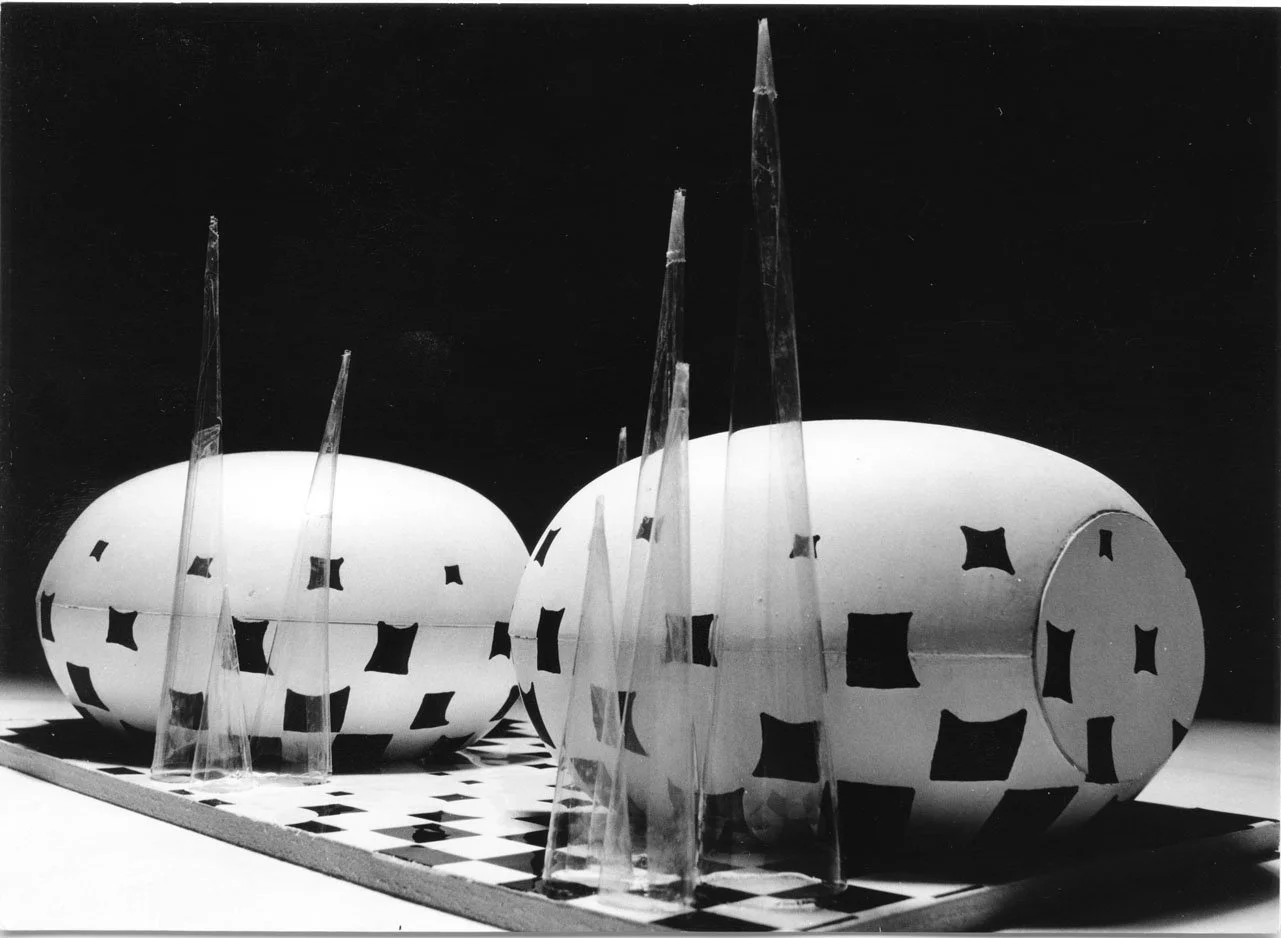
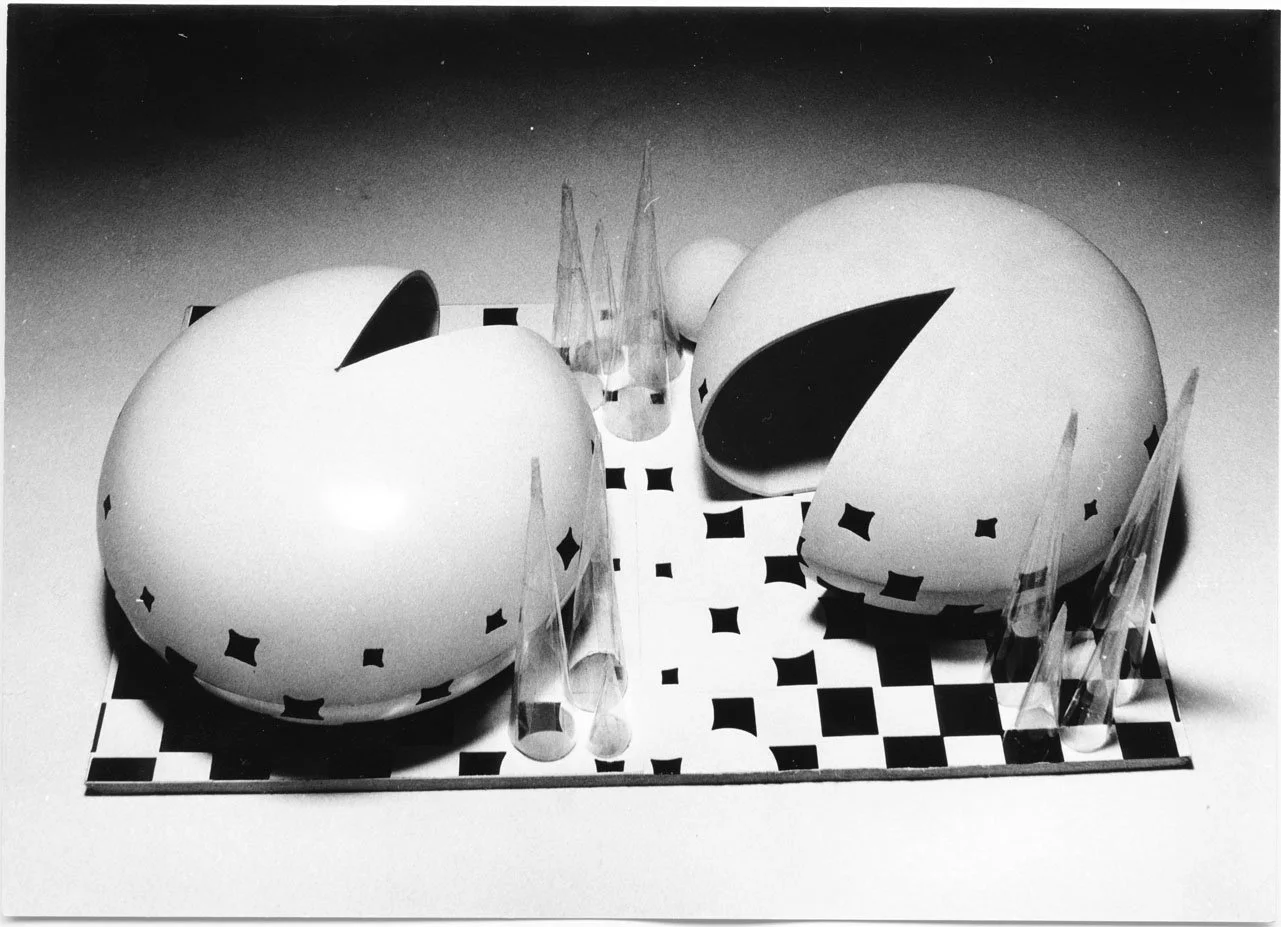
In the early years of the Federal Republic, department store display windows acted like magnets, drawing in masses of eager consumers and holding them spellbound. Within these elaborately designed display stages—hallmarks of the "Economic Miracle" years—the young Ulrich Pracht discovered a fascination with three-dimensional work that captivated him far more than working on a two-dimensional drawing board; three-dimensionality was his true world. The all-white "Couture in Spring" window display, the grid-patterned "Youth with Style" display, the "Flairshop" in Münster, and the "Foam Sphere" on the beach in Ibiza—bearing the slogan "Bathe in the Sea of Your Dreams!"—all exemplify the creative diversity that characterizes his three-dimensionally staged scenes. Now, he faces the challenge of applying this expertise to multi-story exhibition booths situated within vast trade fair halls. A visual artist, architect, and photographer rolled into one, he approaches these projects much like a painter: drawing upon the spirit of the times, Ulrich Pracht channels his creativity, spatial intuition, and inspiration to craft a Gesamtkunstwerk—a total work of art—that points toward the future. Through projects such as Fashion In—along with other spectacular stagings of exhibition architecture that integrate futuristic lighting, sound, and special effects (as seen in his booth for Marbert)—and complemented by his own photographic work, he consistently and skillfully directs attention toward the positive image of his clients. His patrons can take pride in being portrayed as successful protagonists of progress. At the same time, they experience the tangible commercial impact of this artistic concept—not least because, through the positive reception of Ulrich Pracht’s work by the public and the media, they come to fully appreciate its exceptional value.







02.4
LES HUMPHRIES SINGERS
He has the advantage of not standing on one leg.
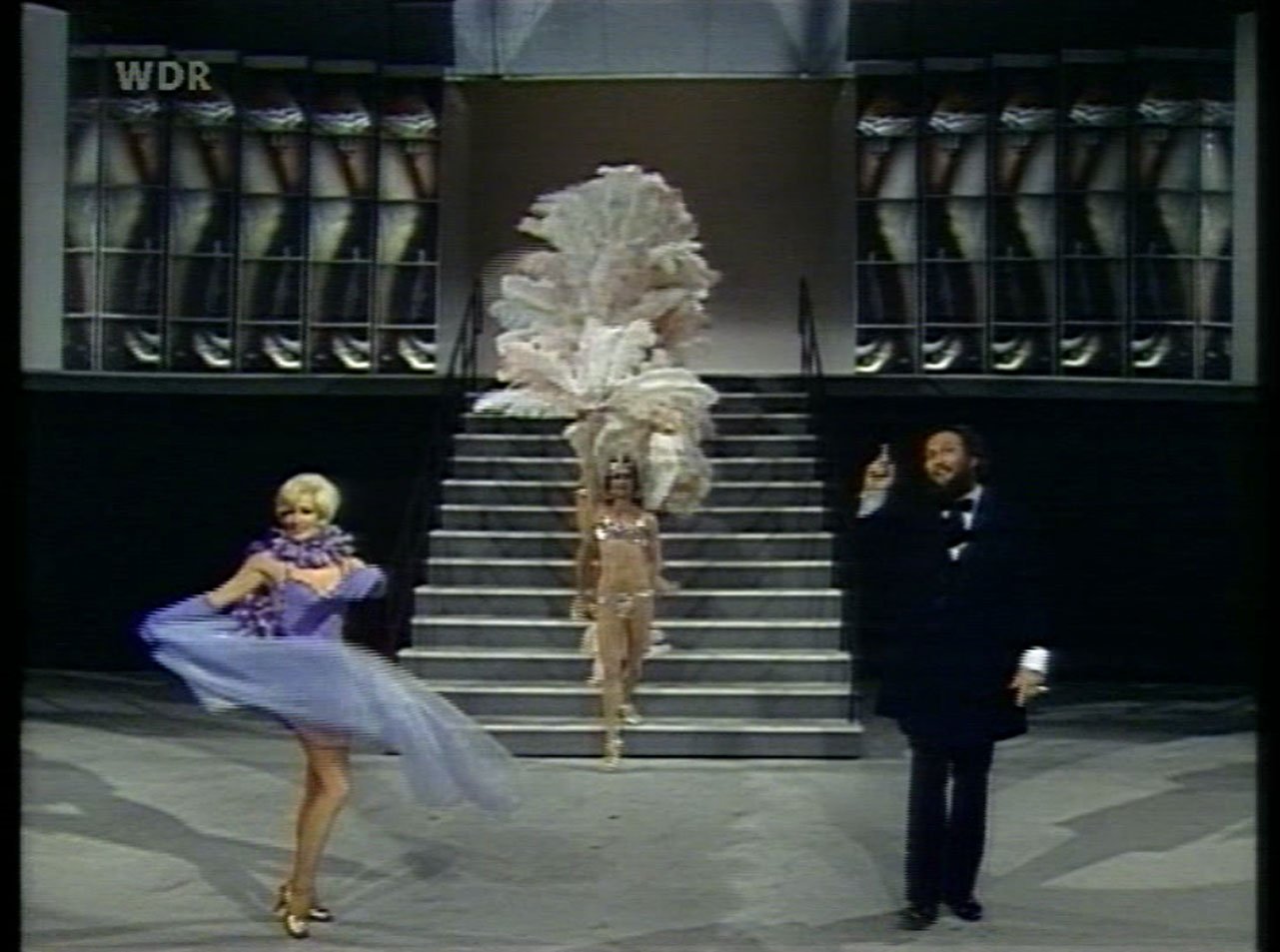
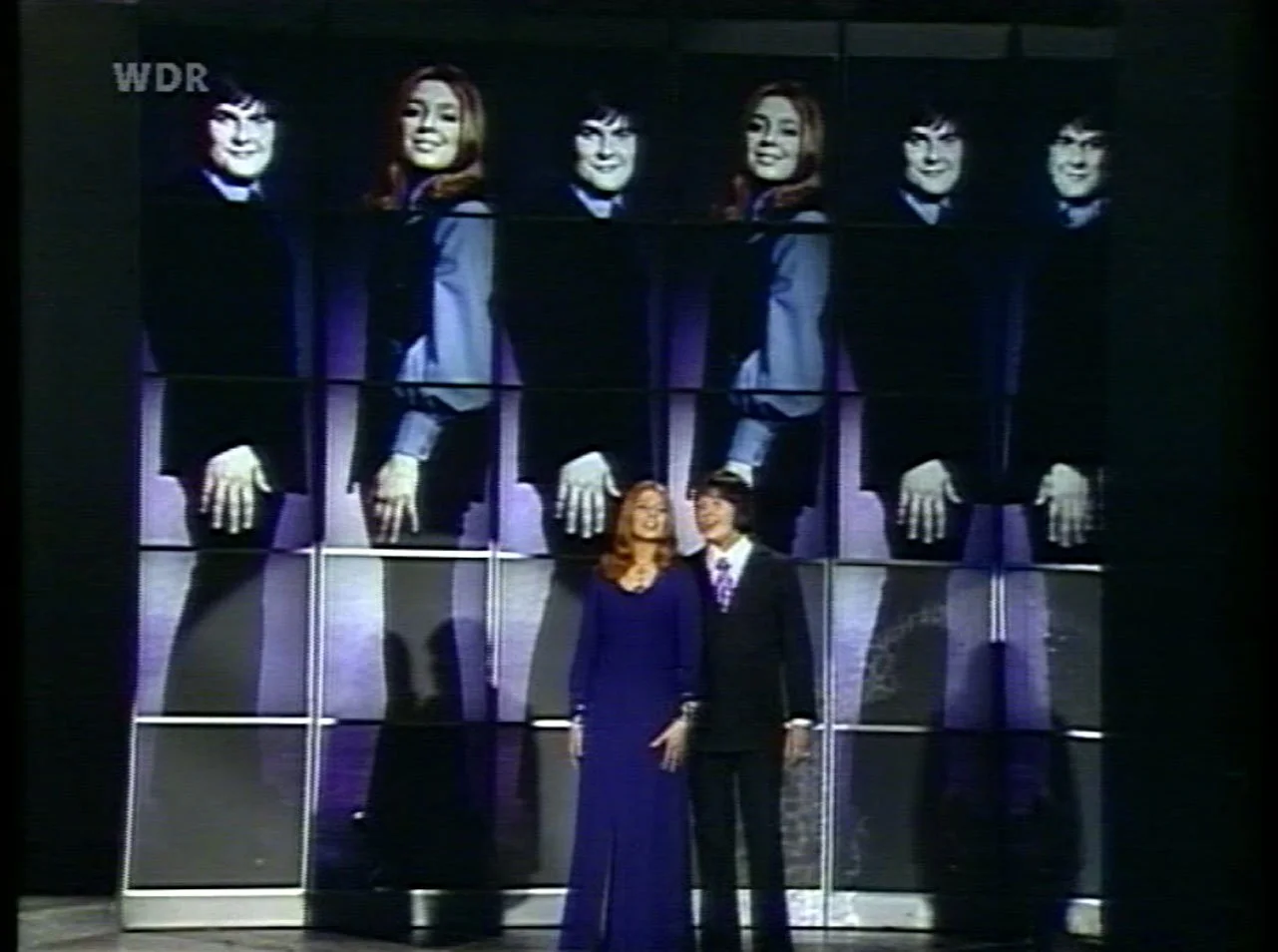
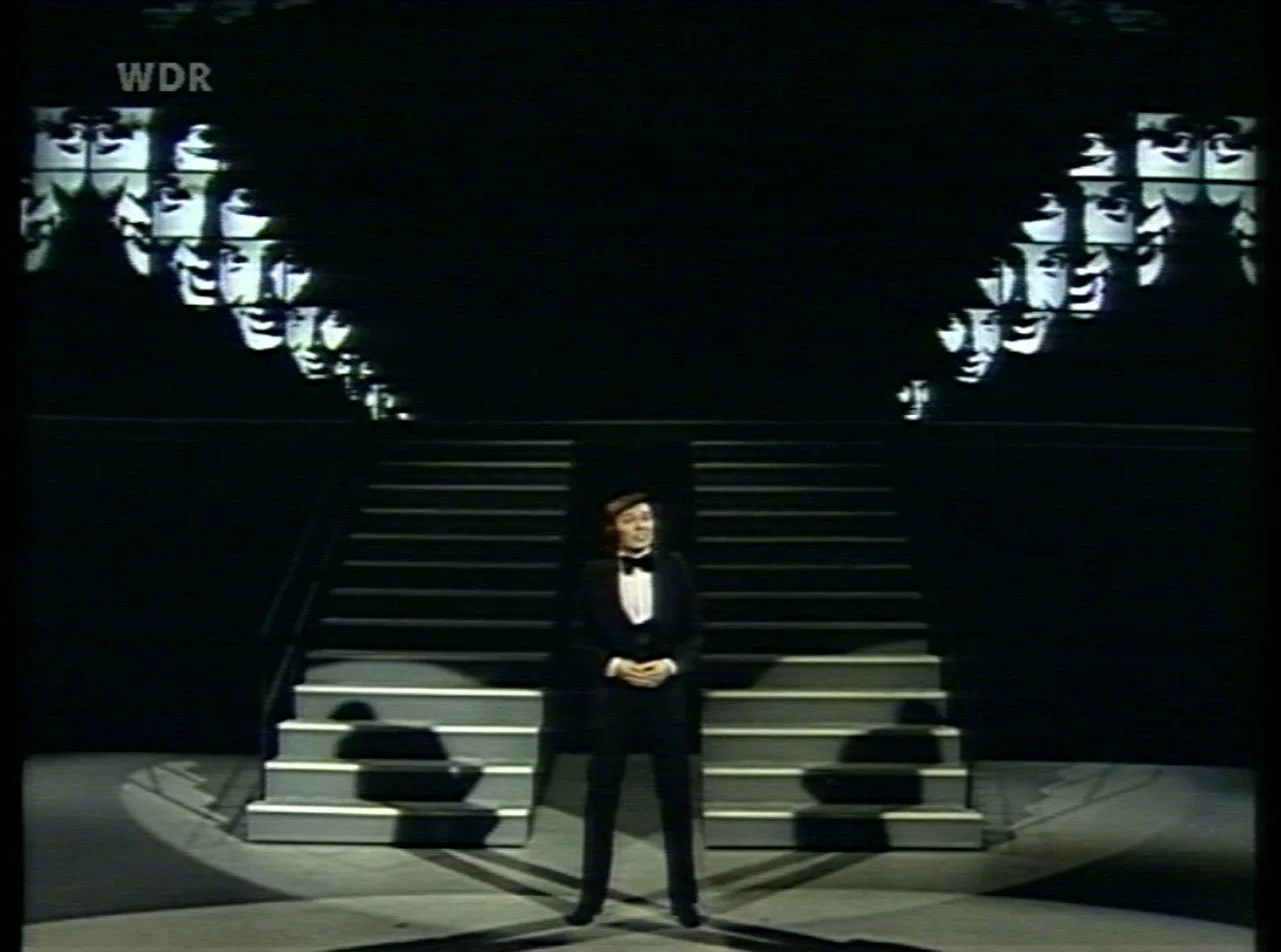
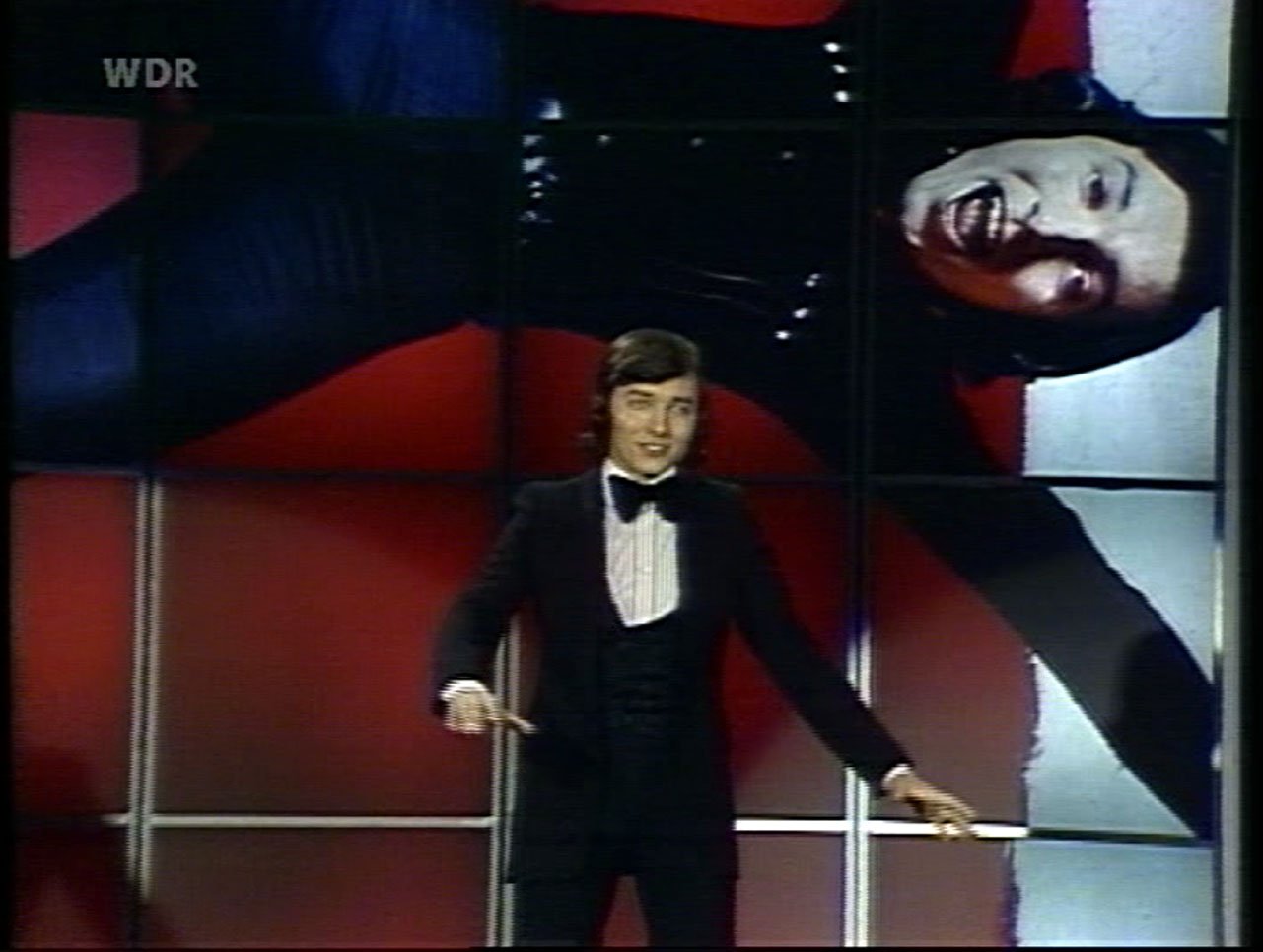
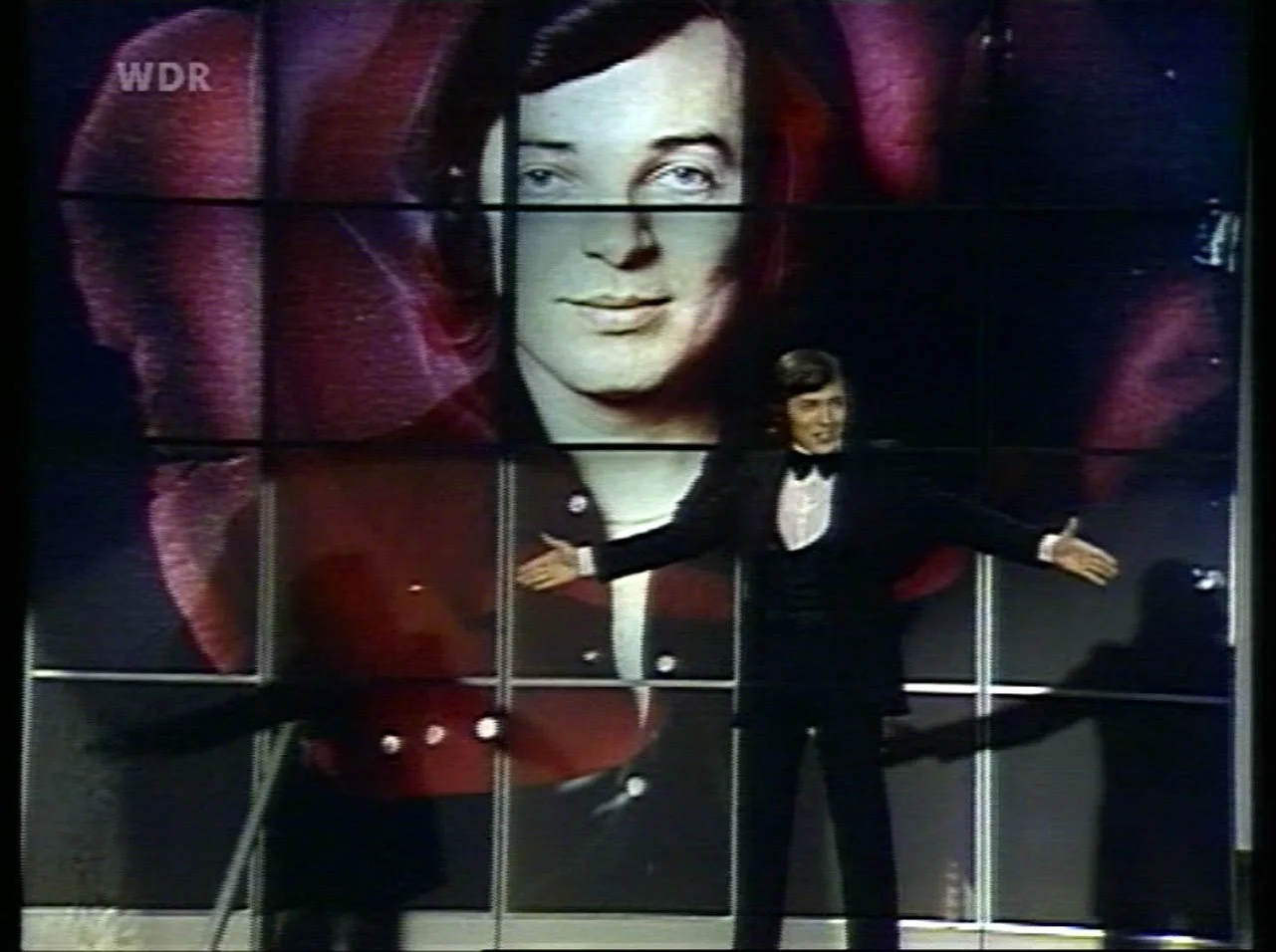
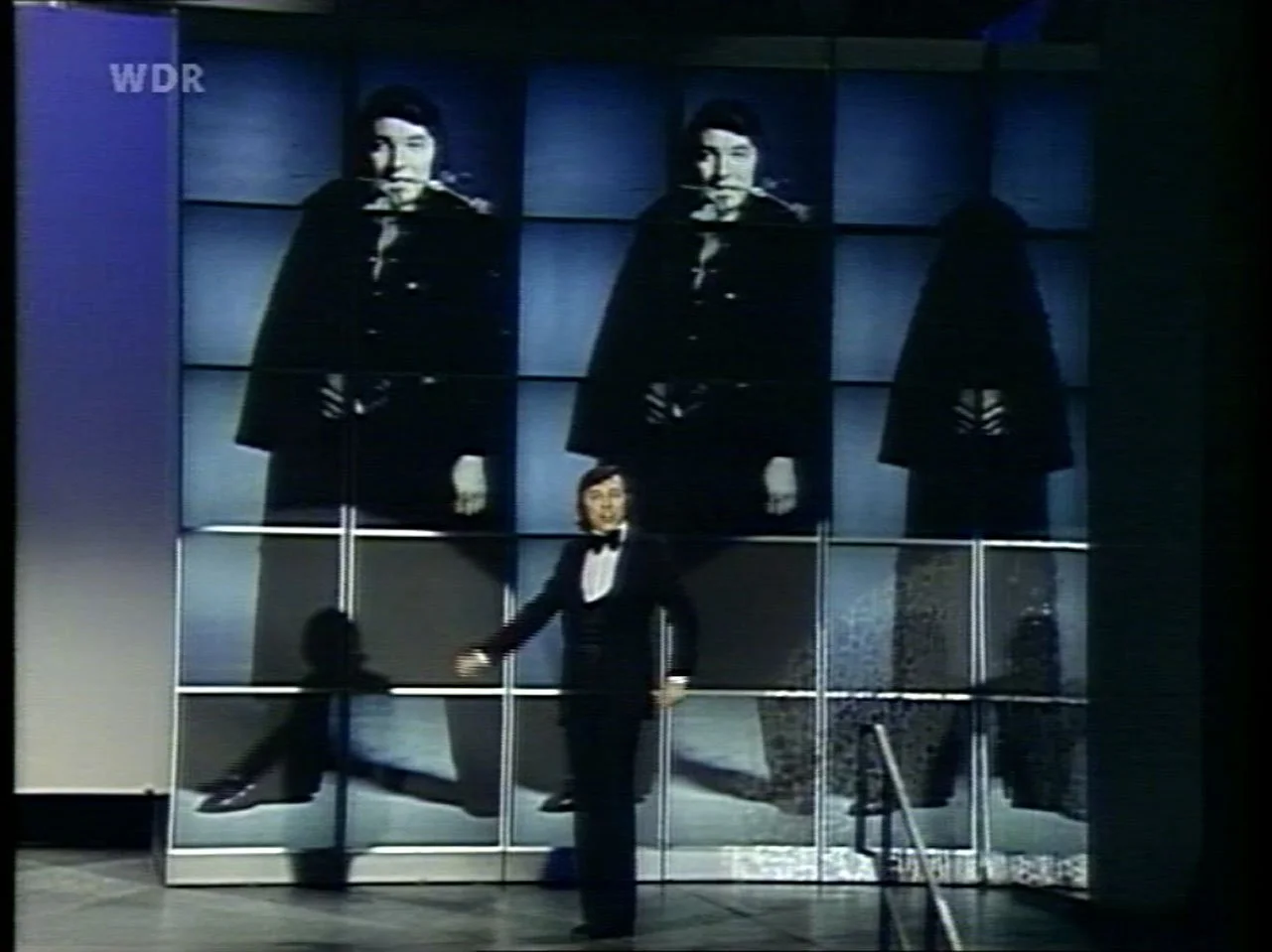
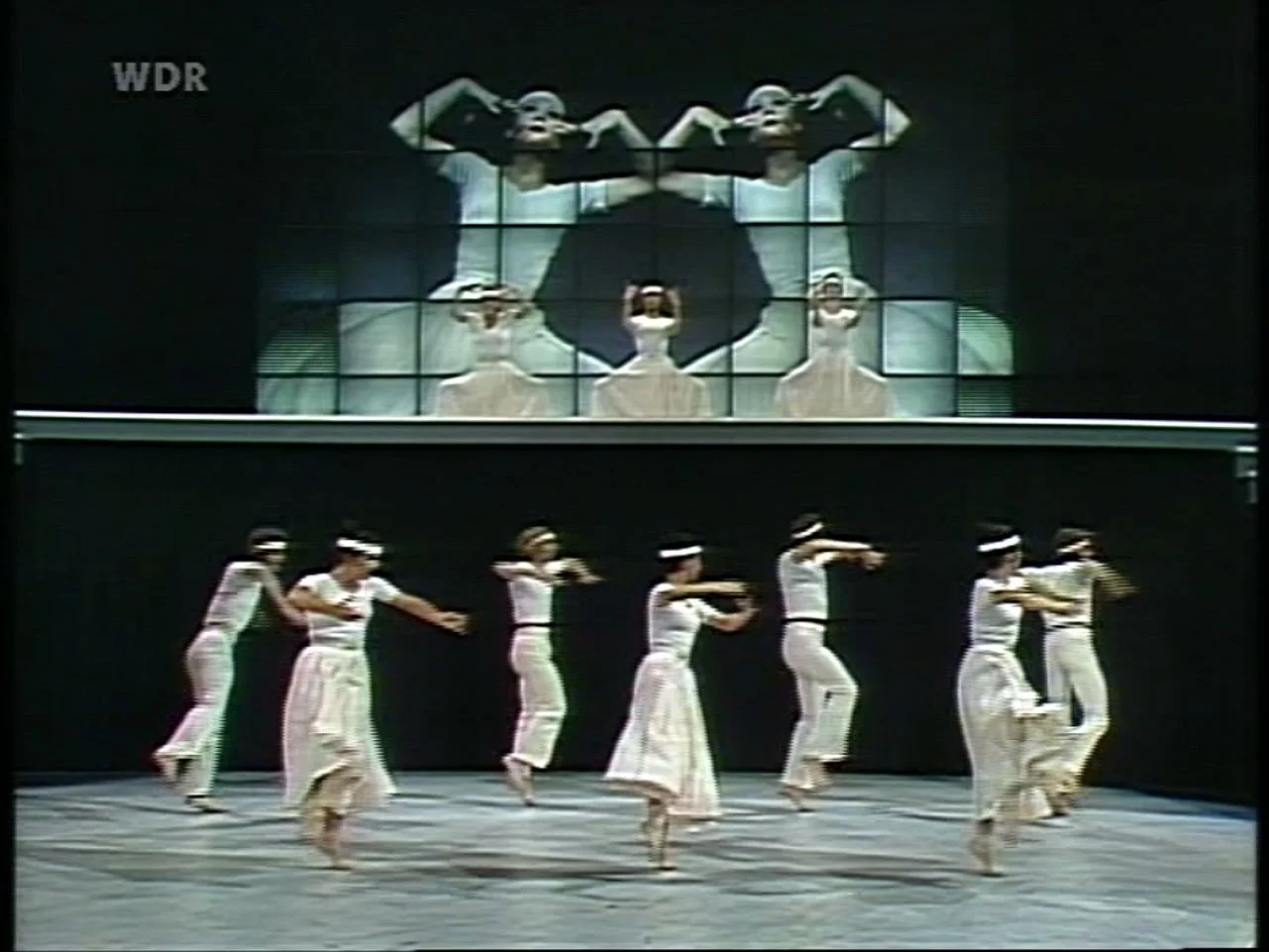
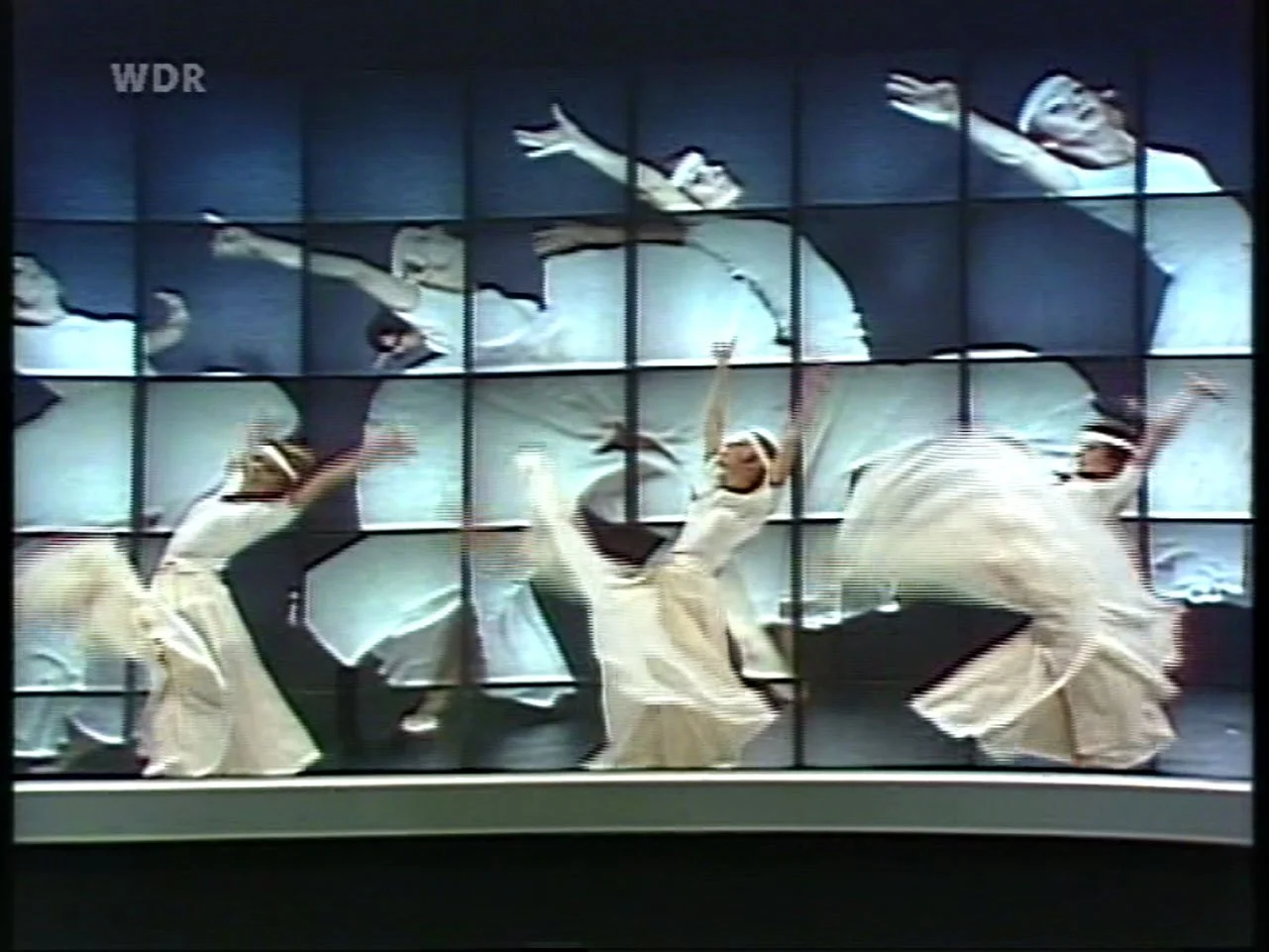
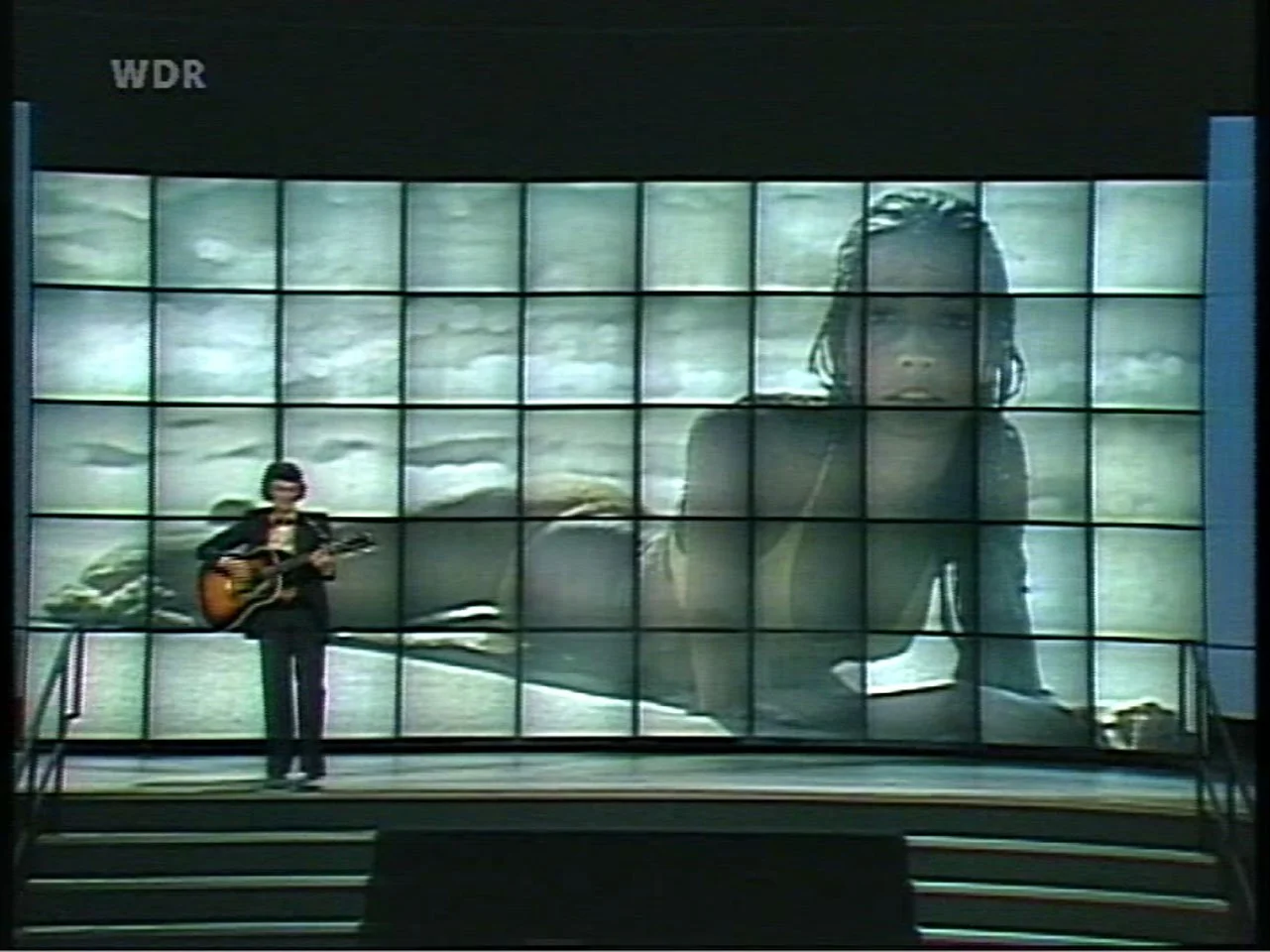
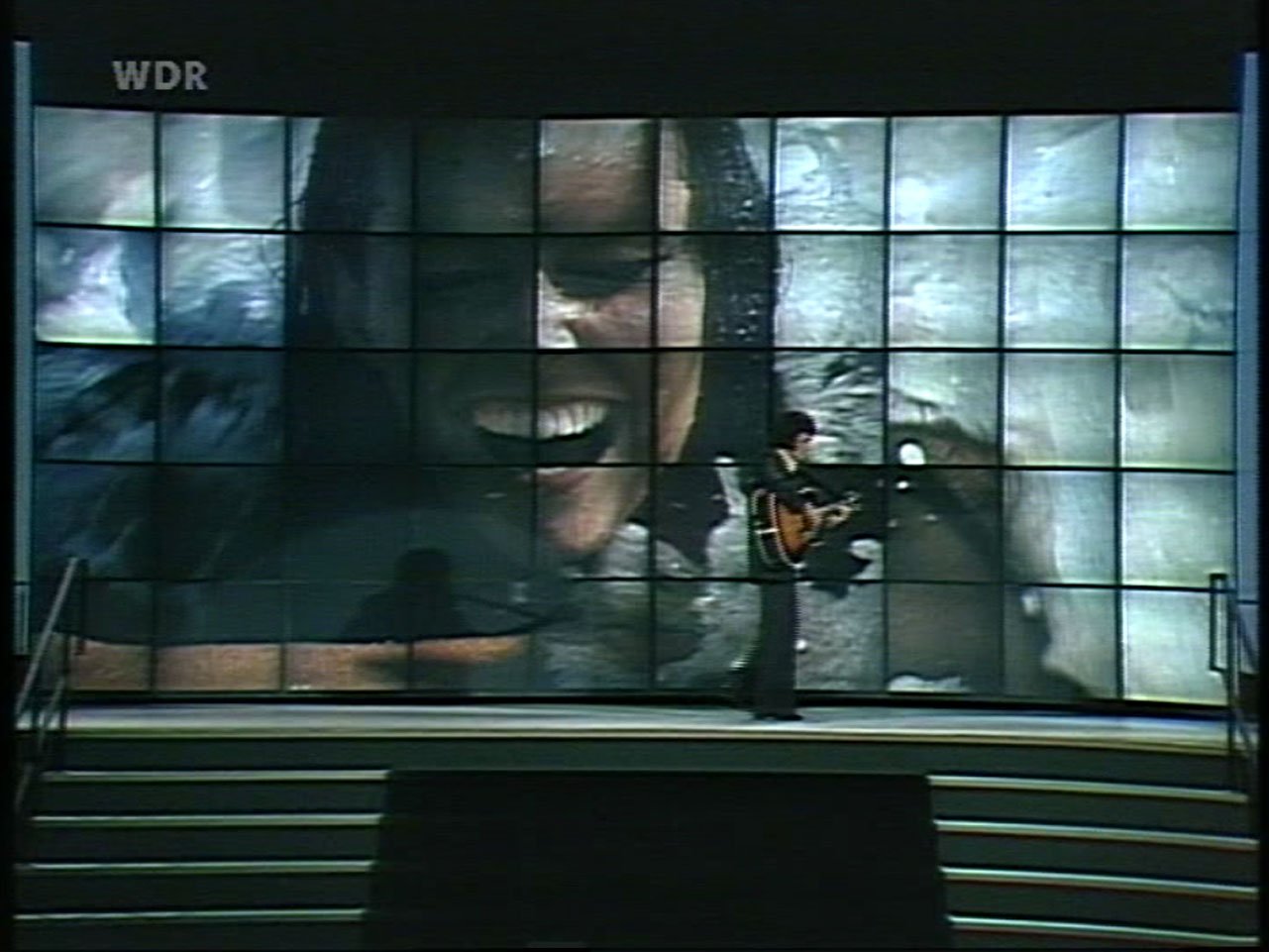
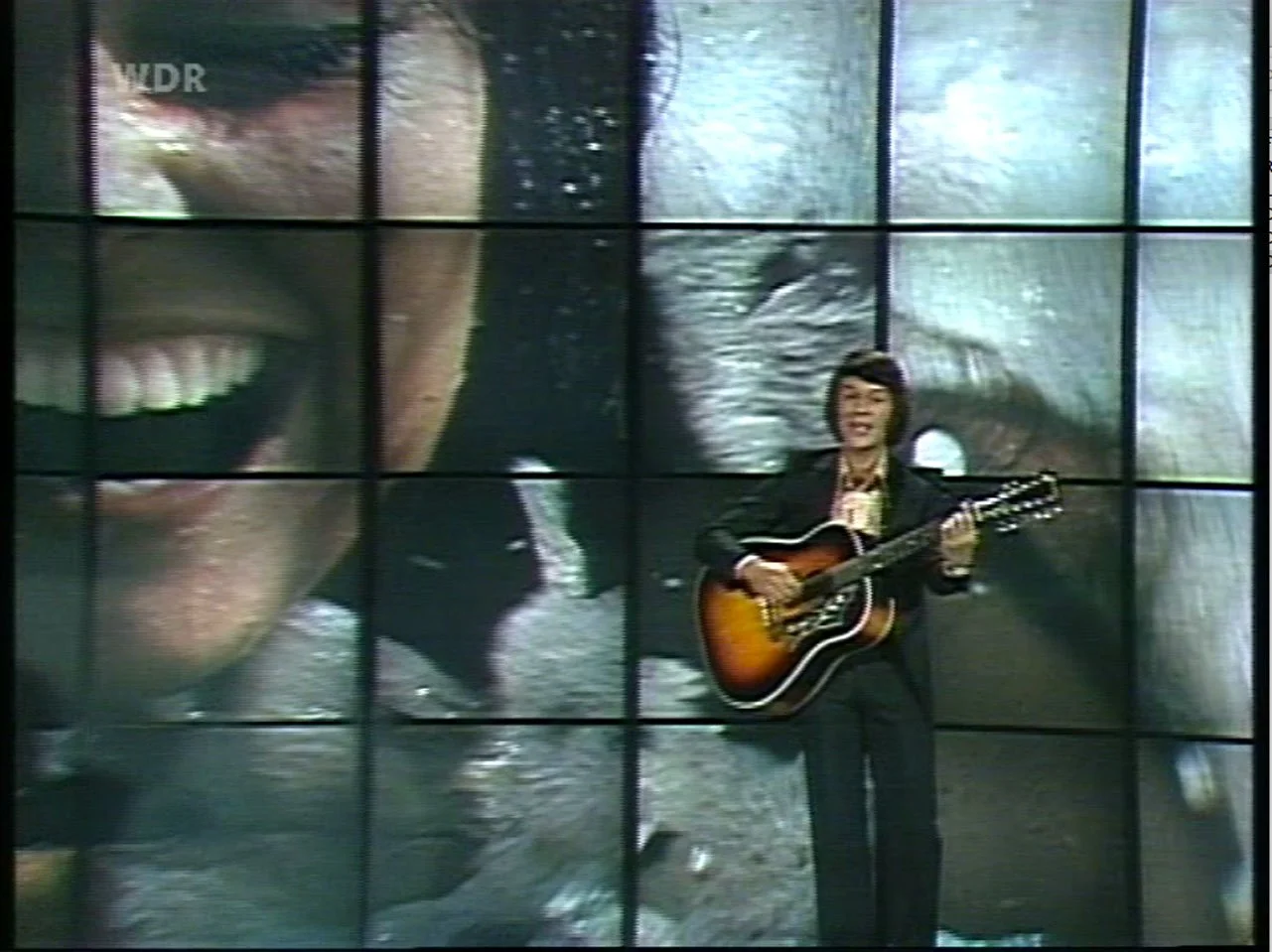
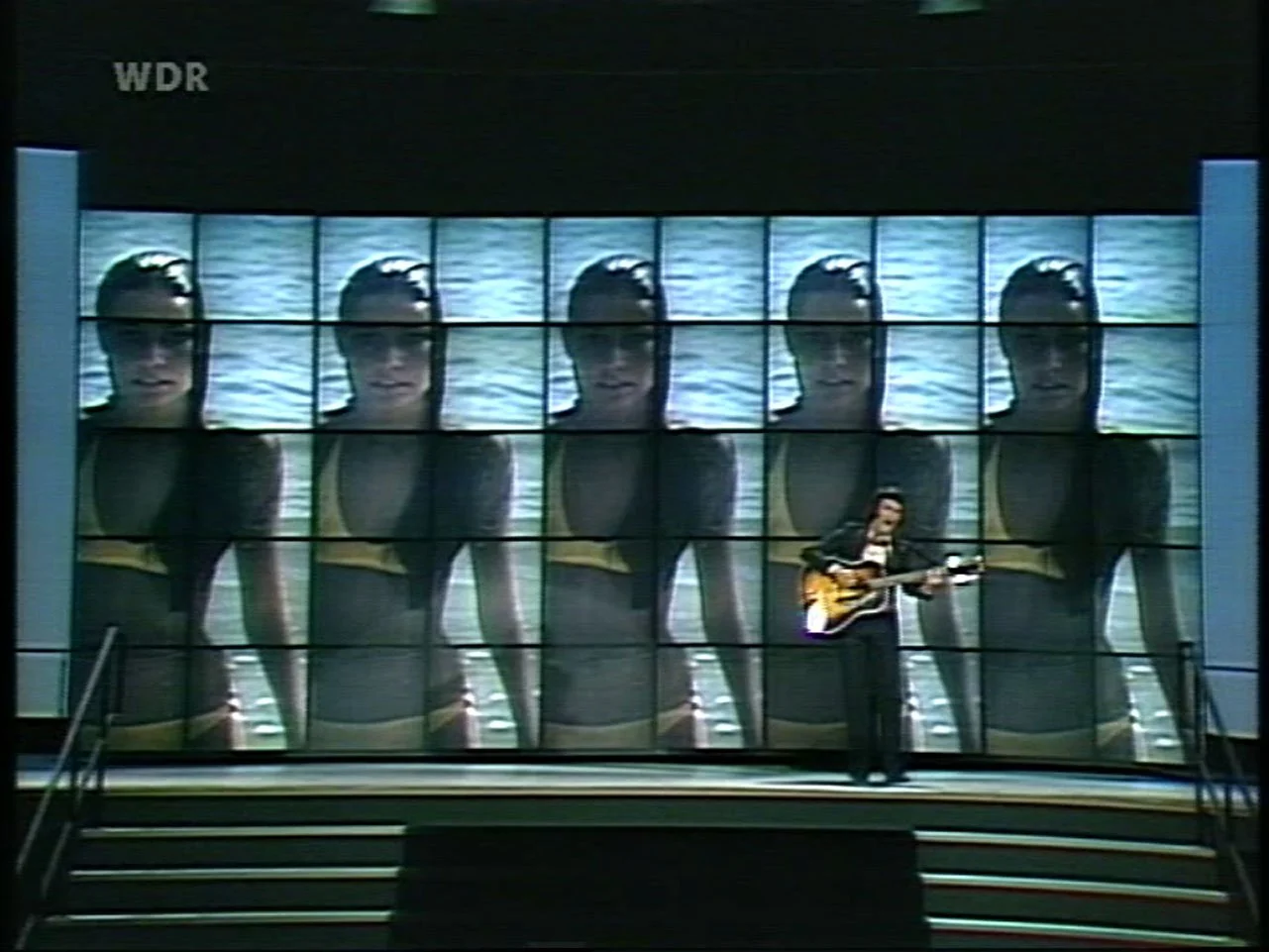
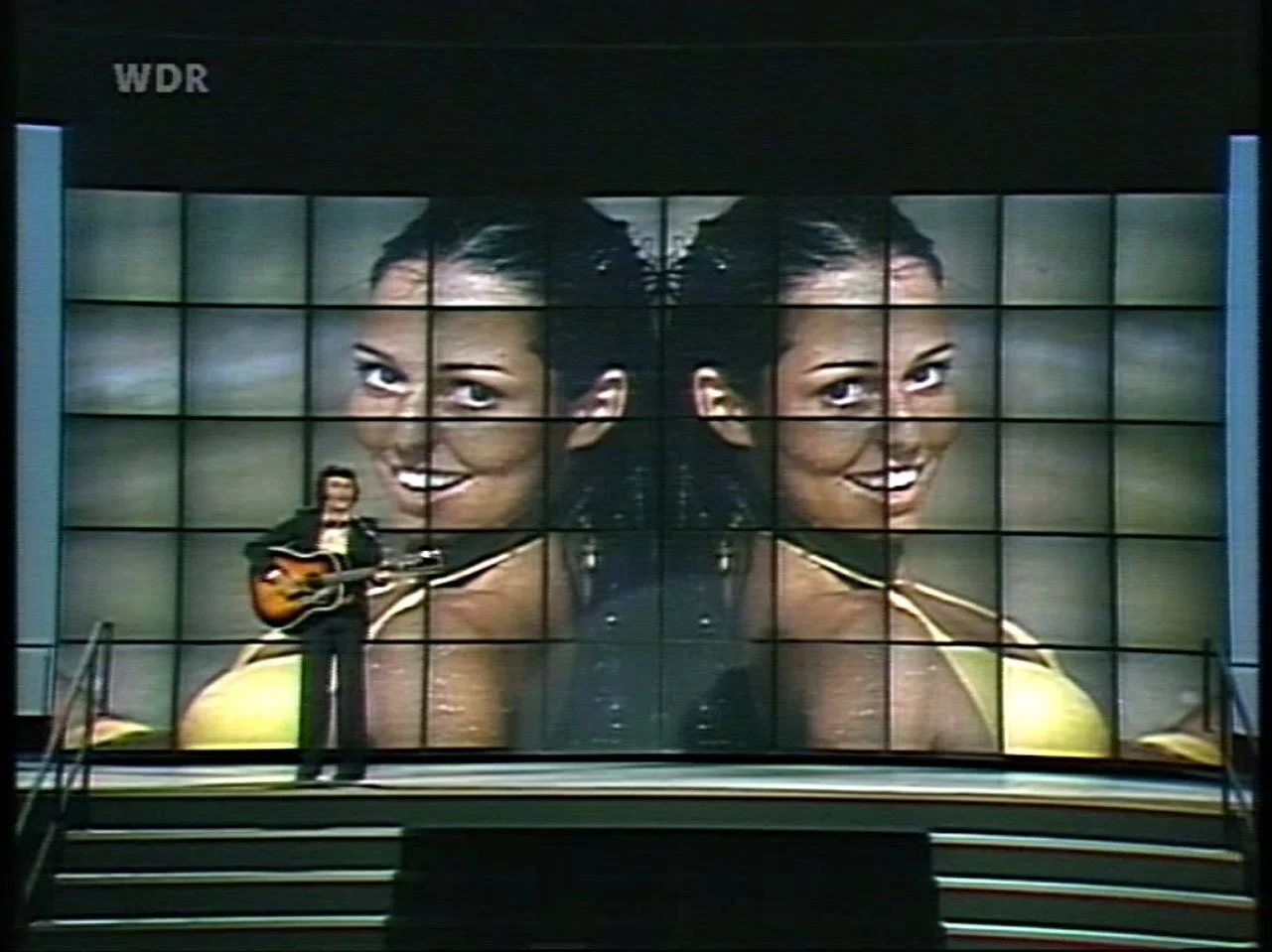
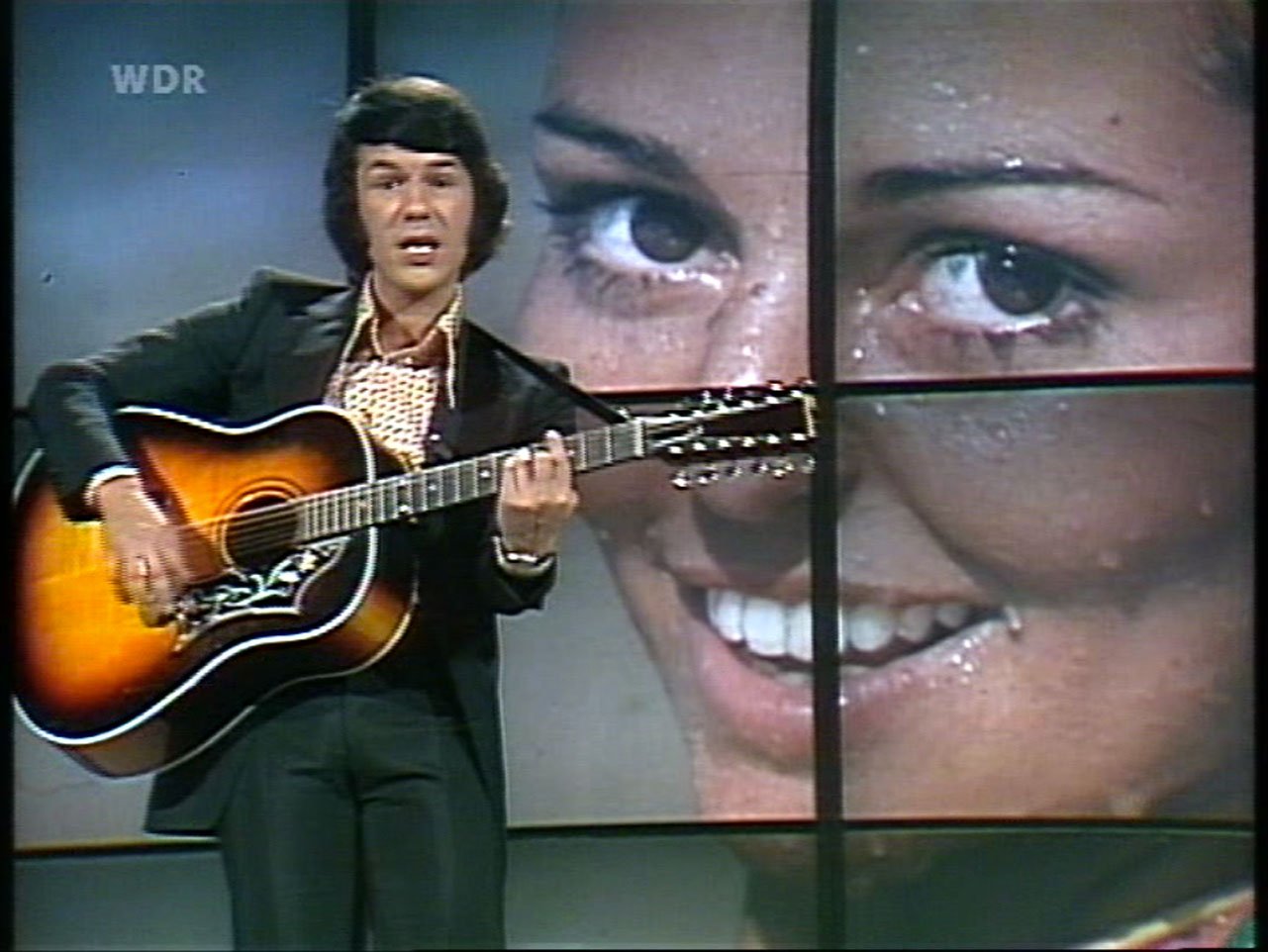
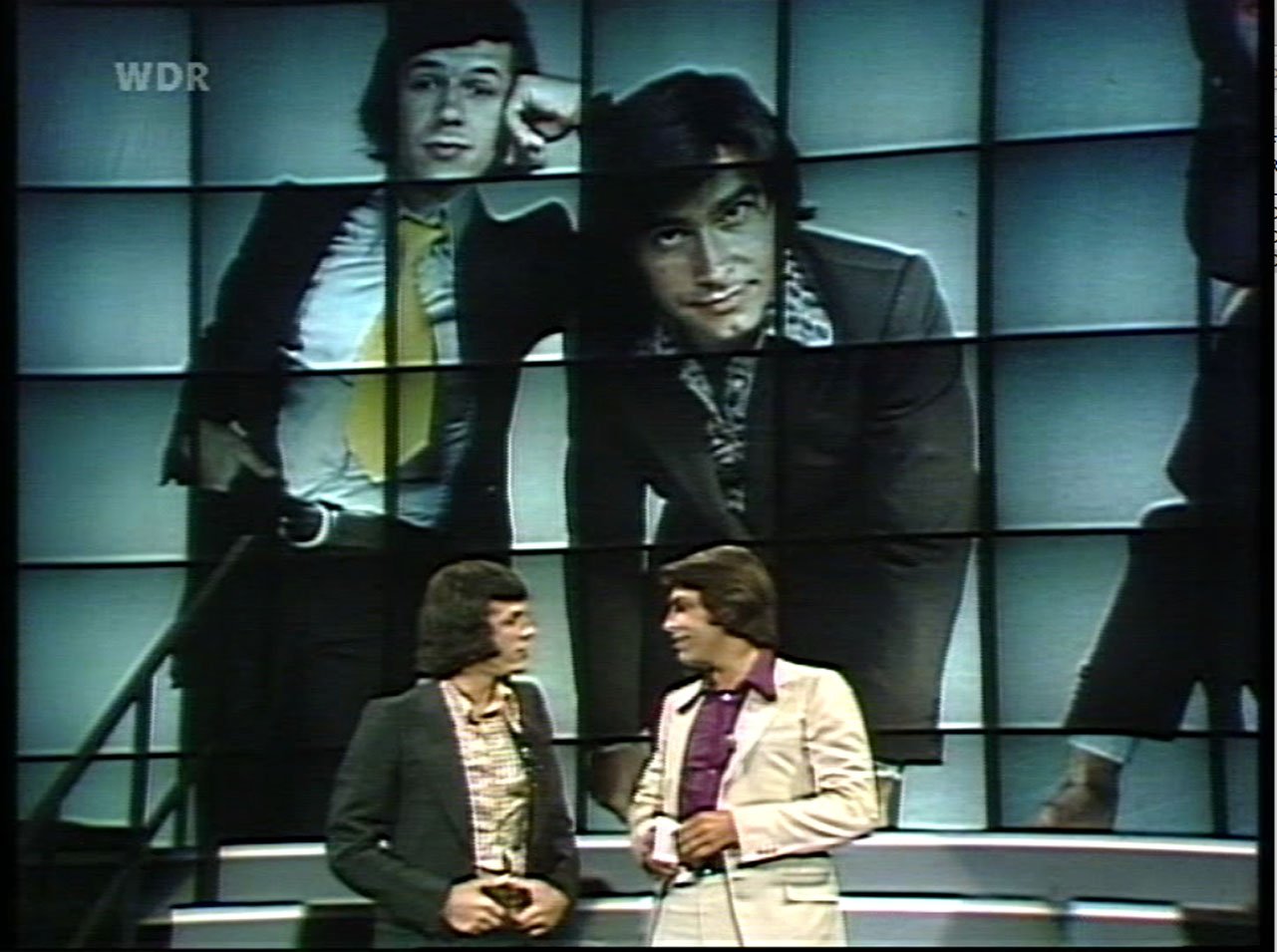
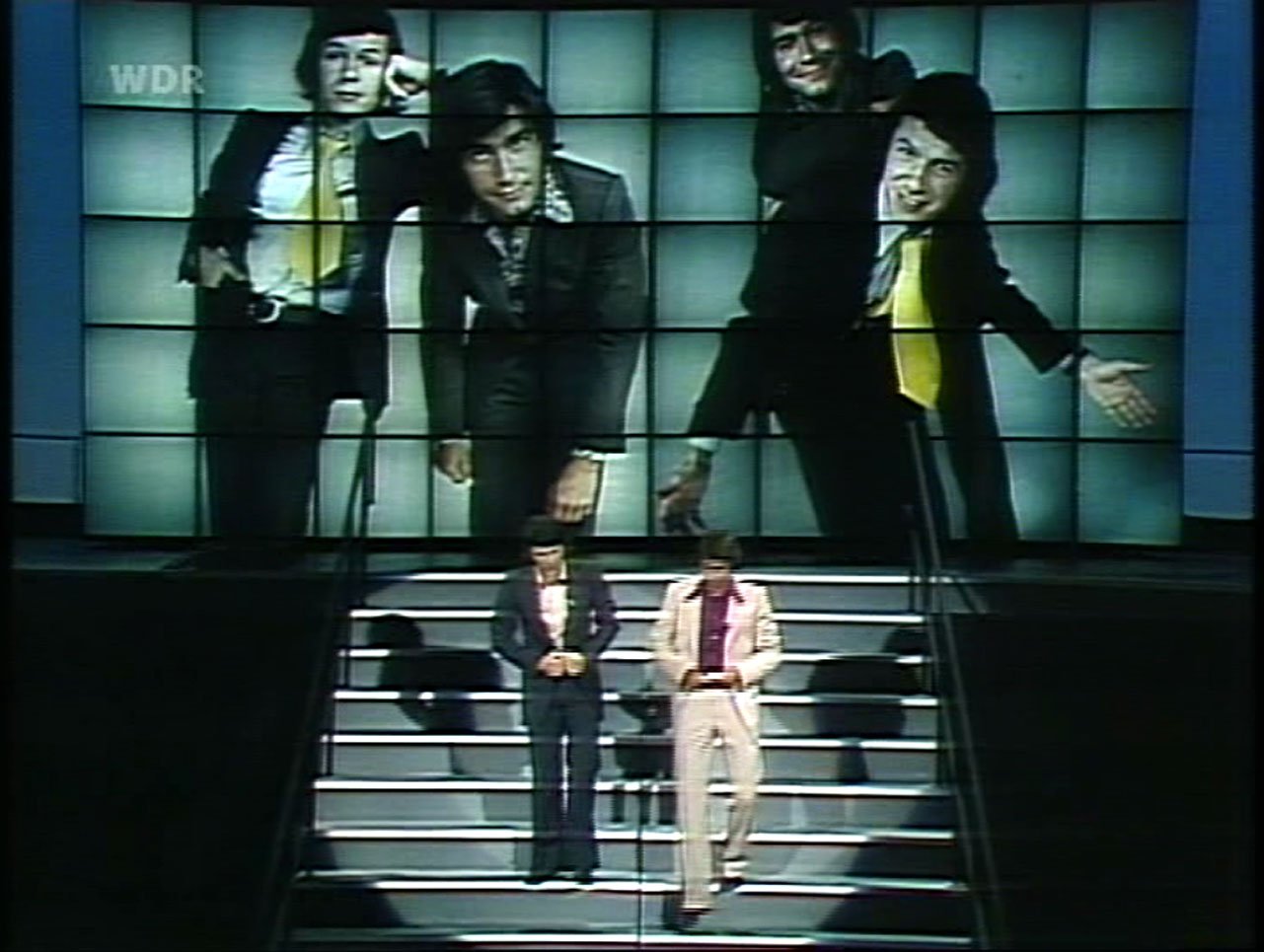
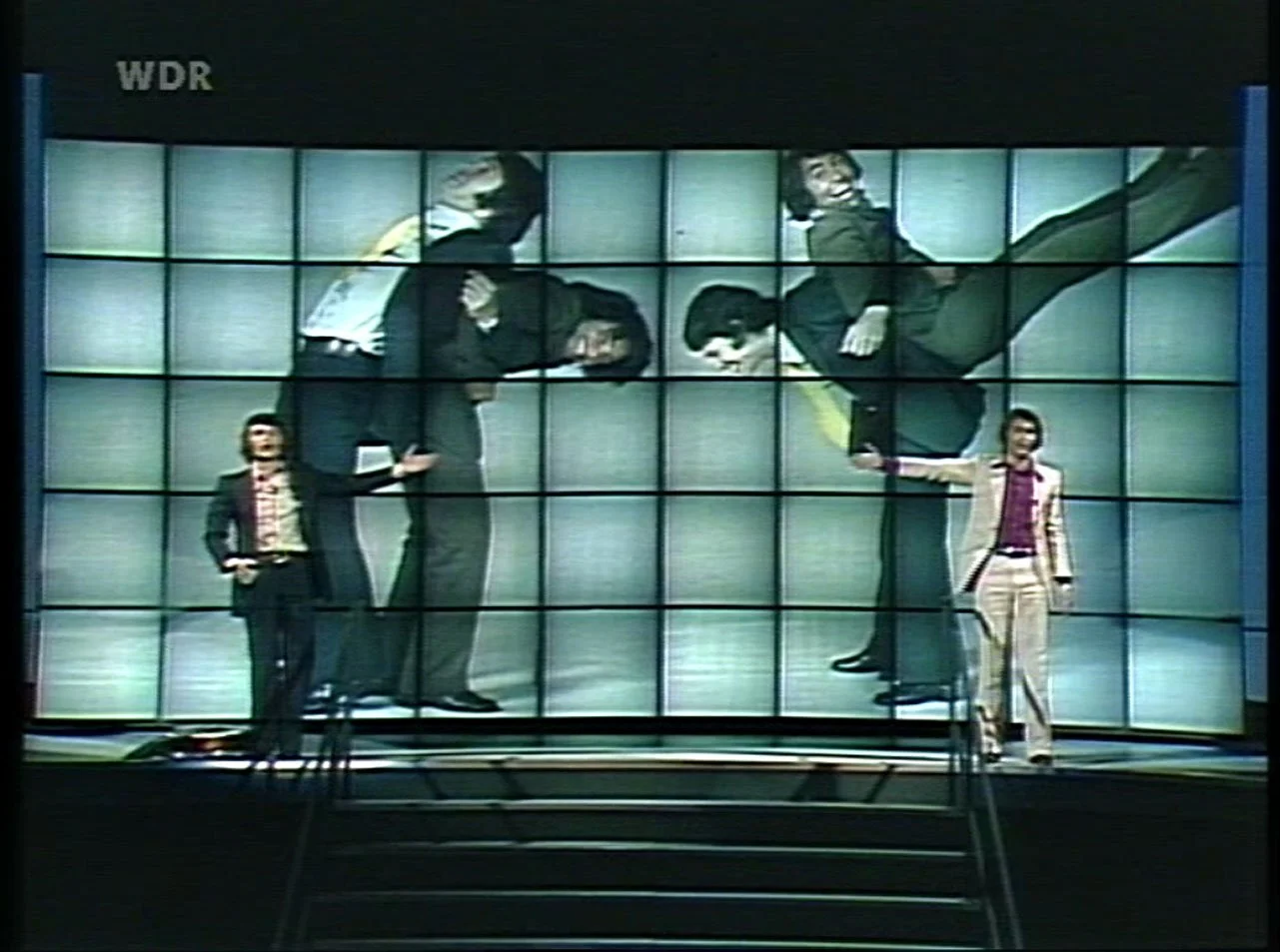
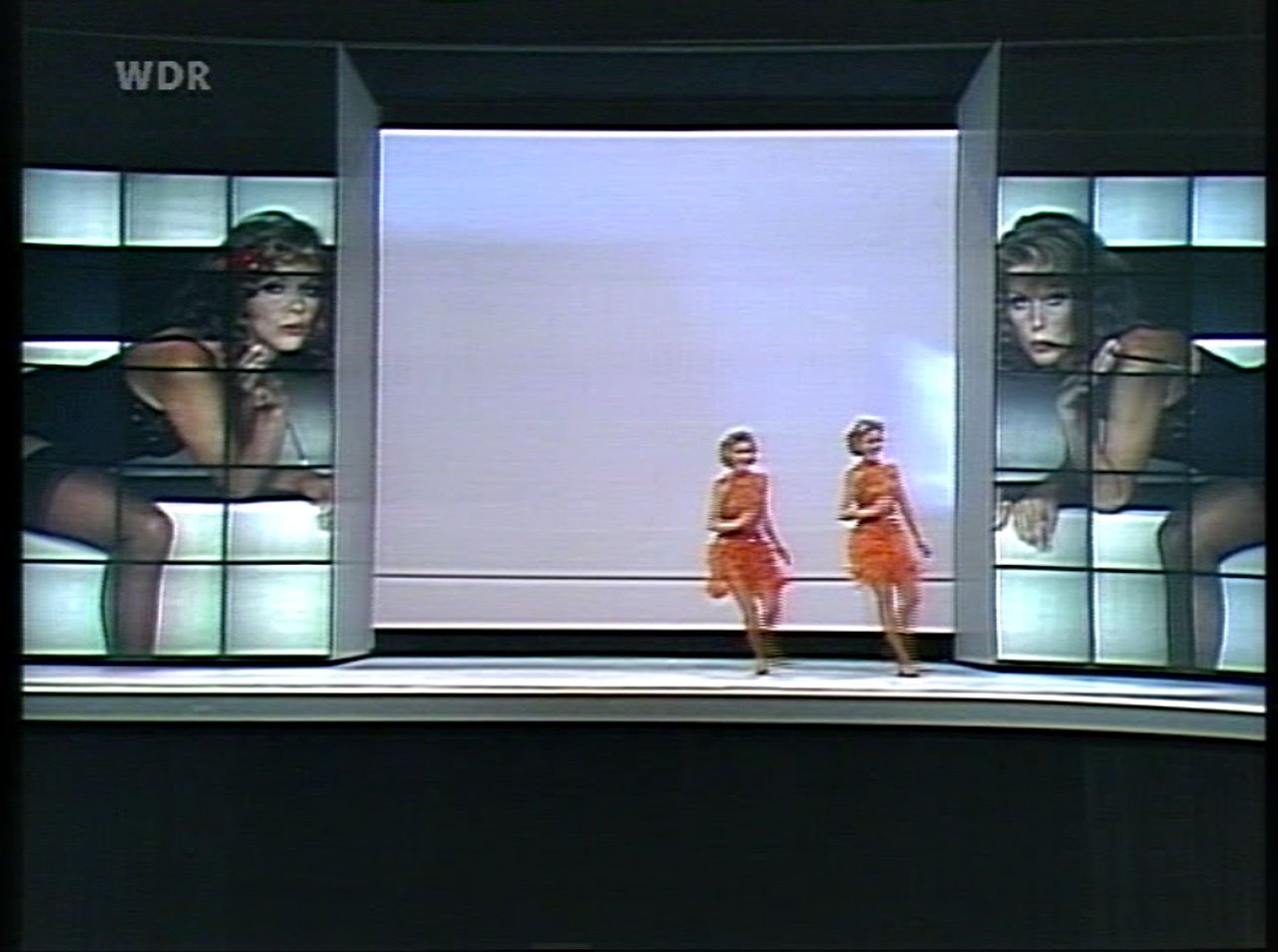
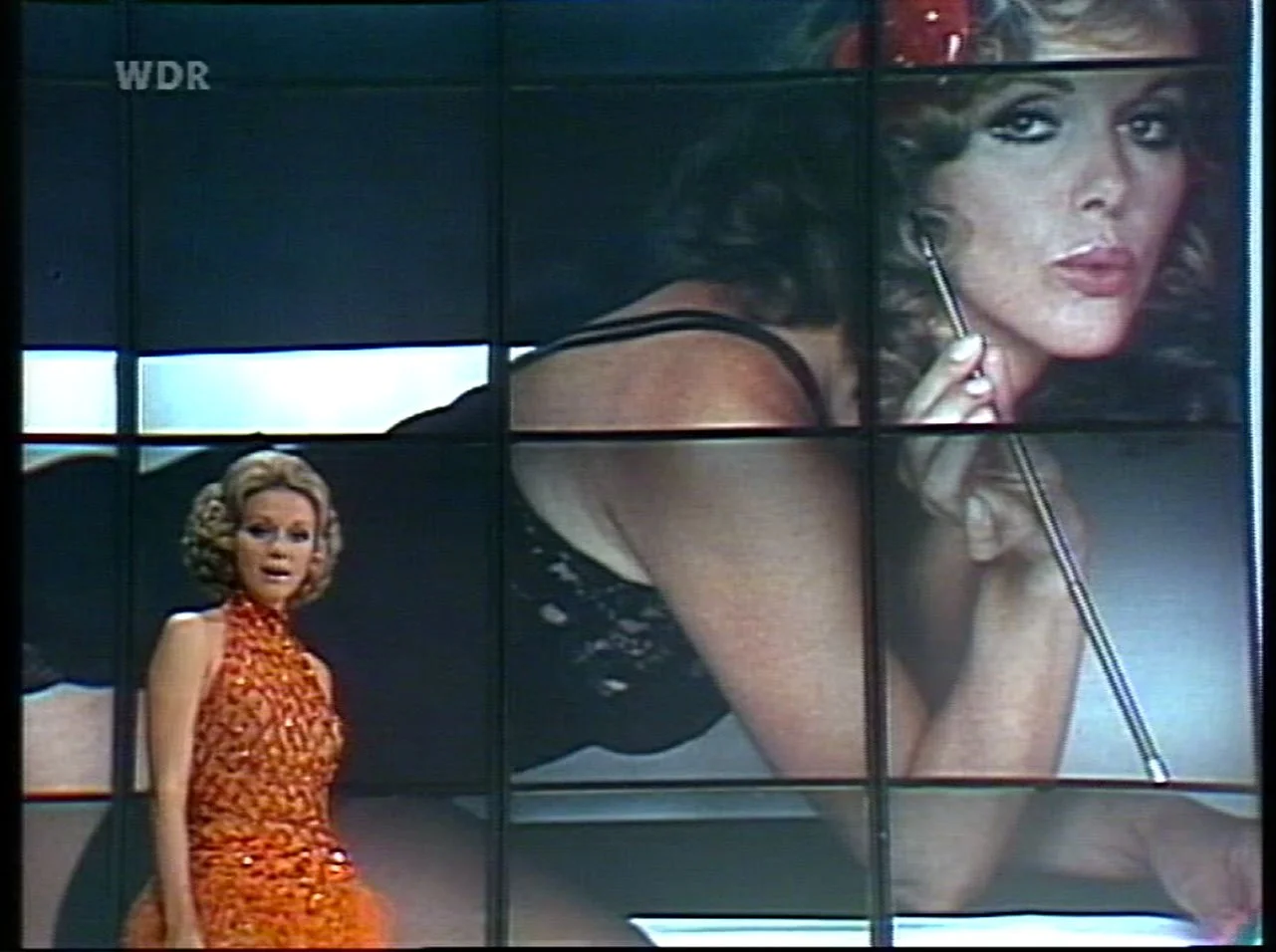
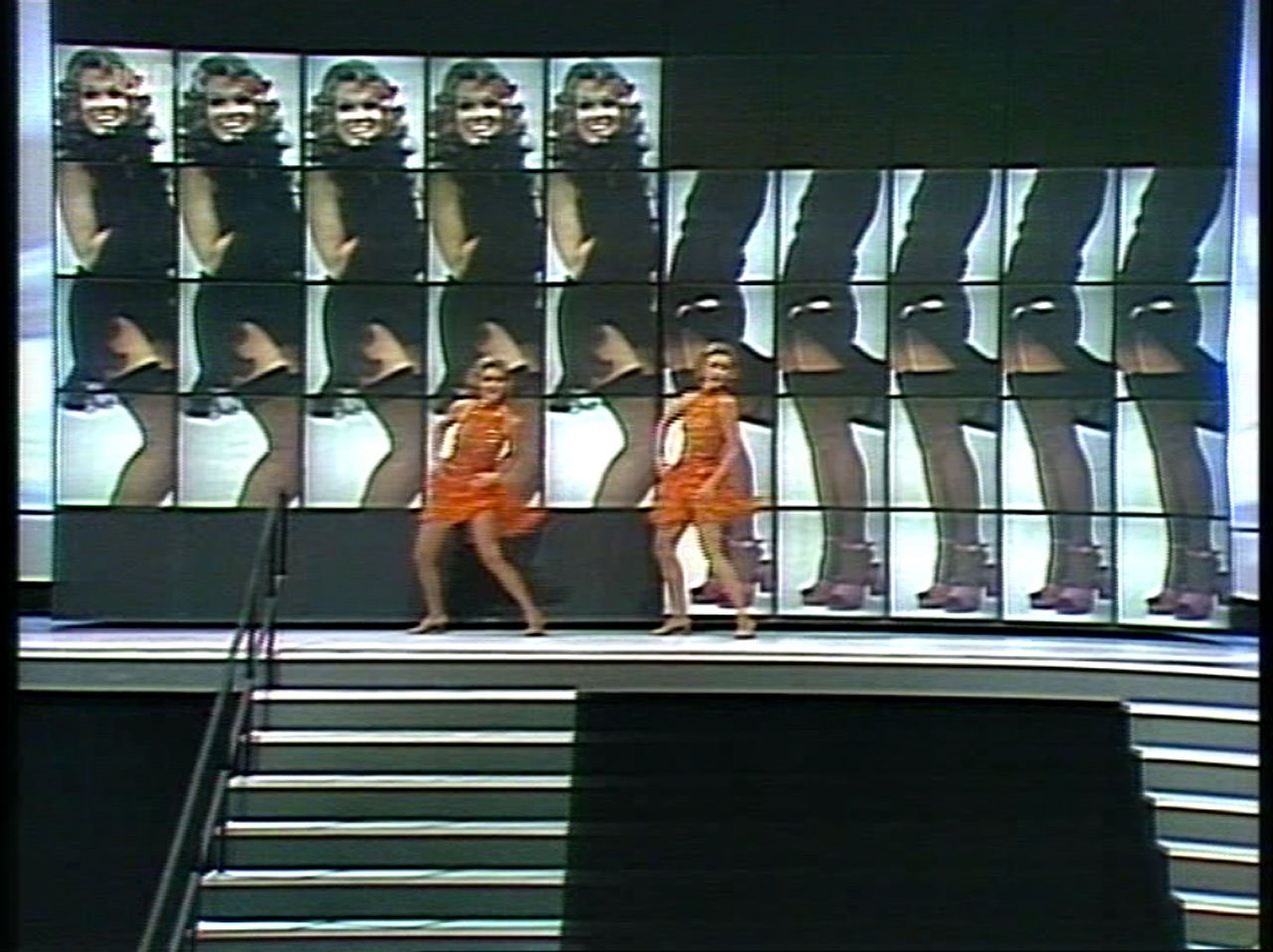
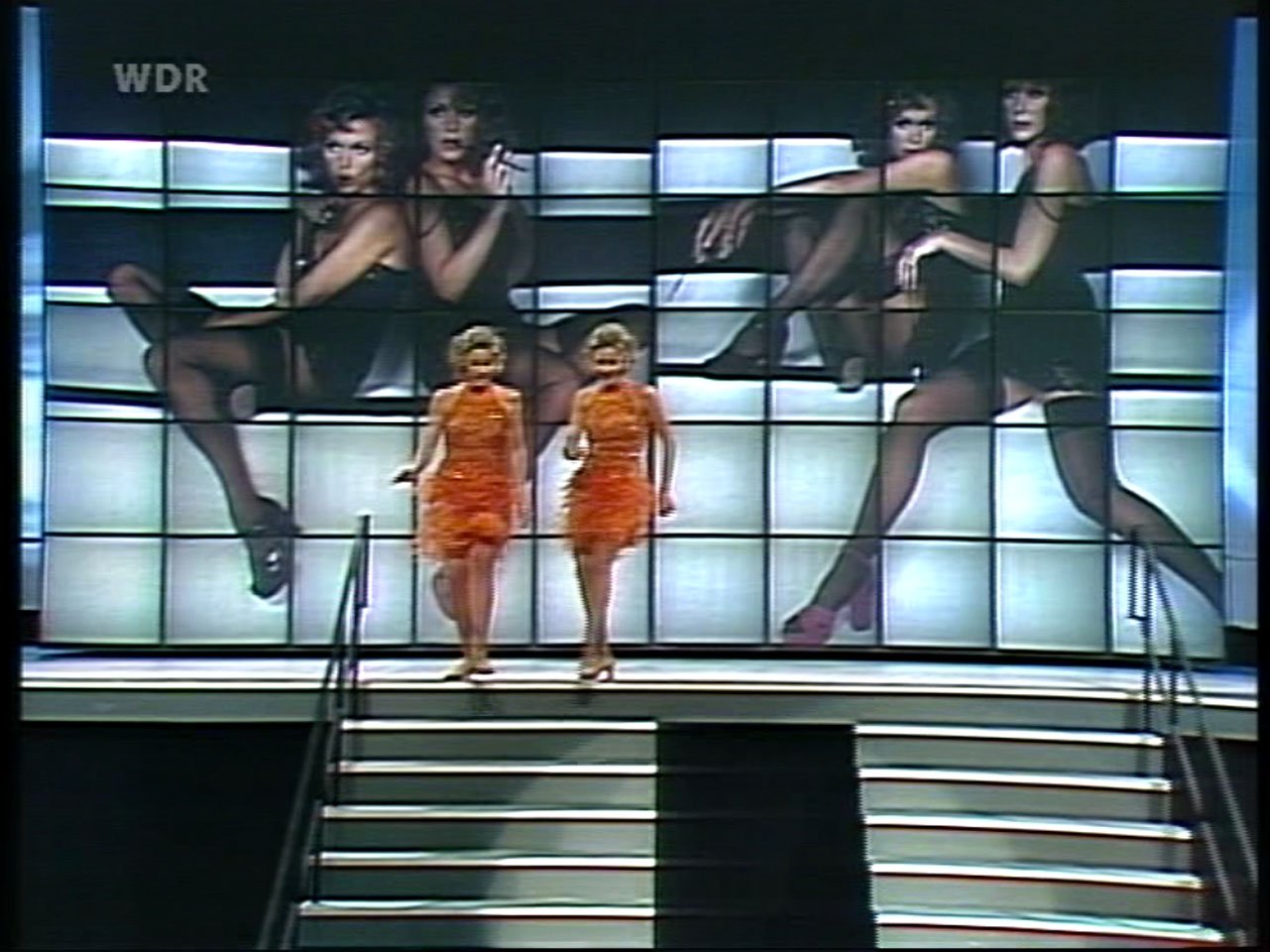
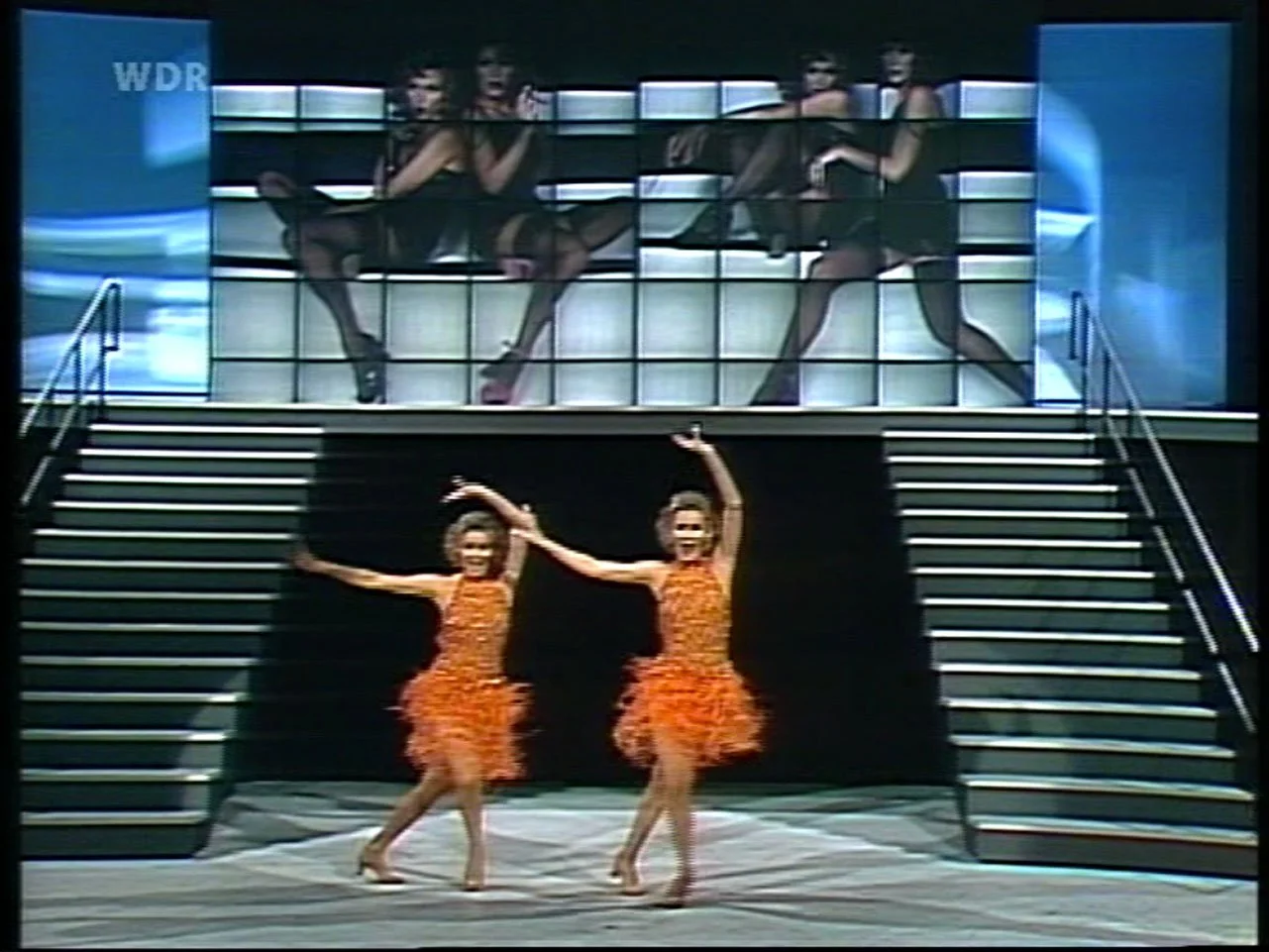
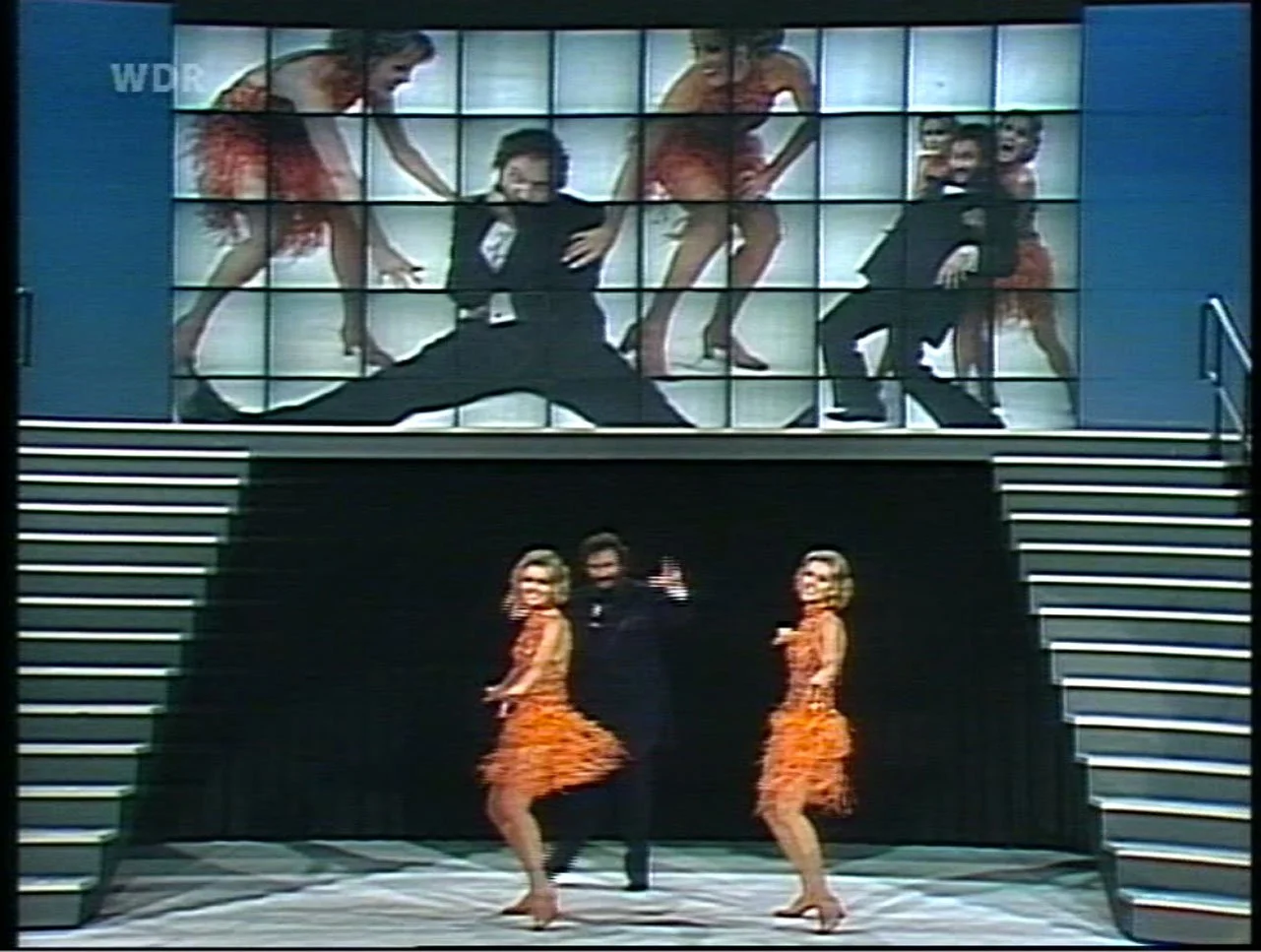
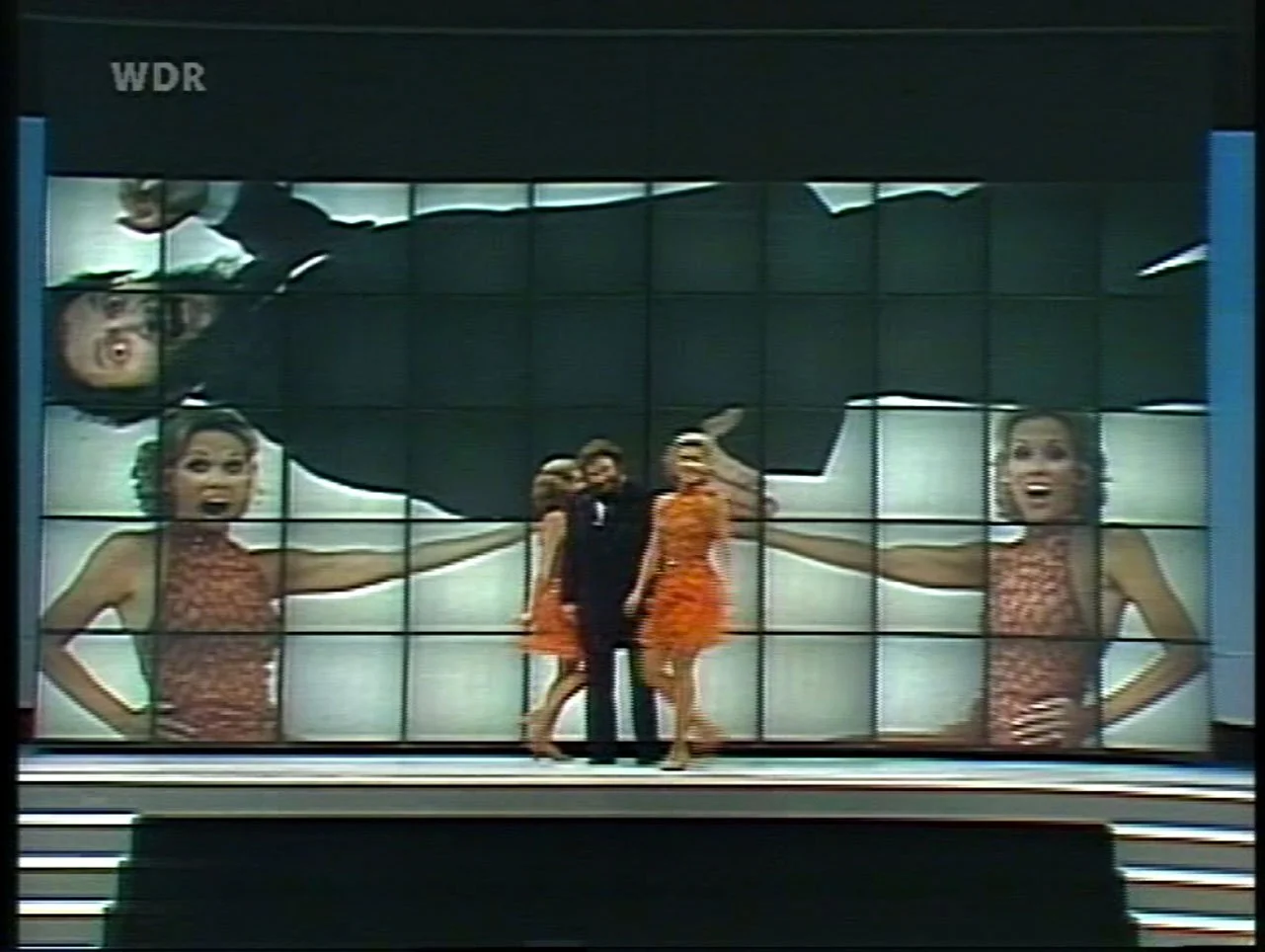
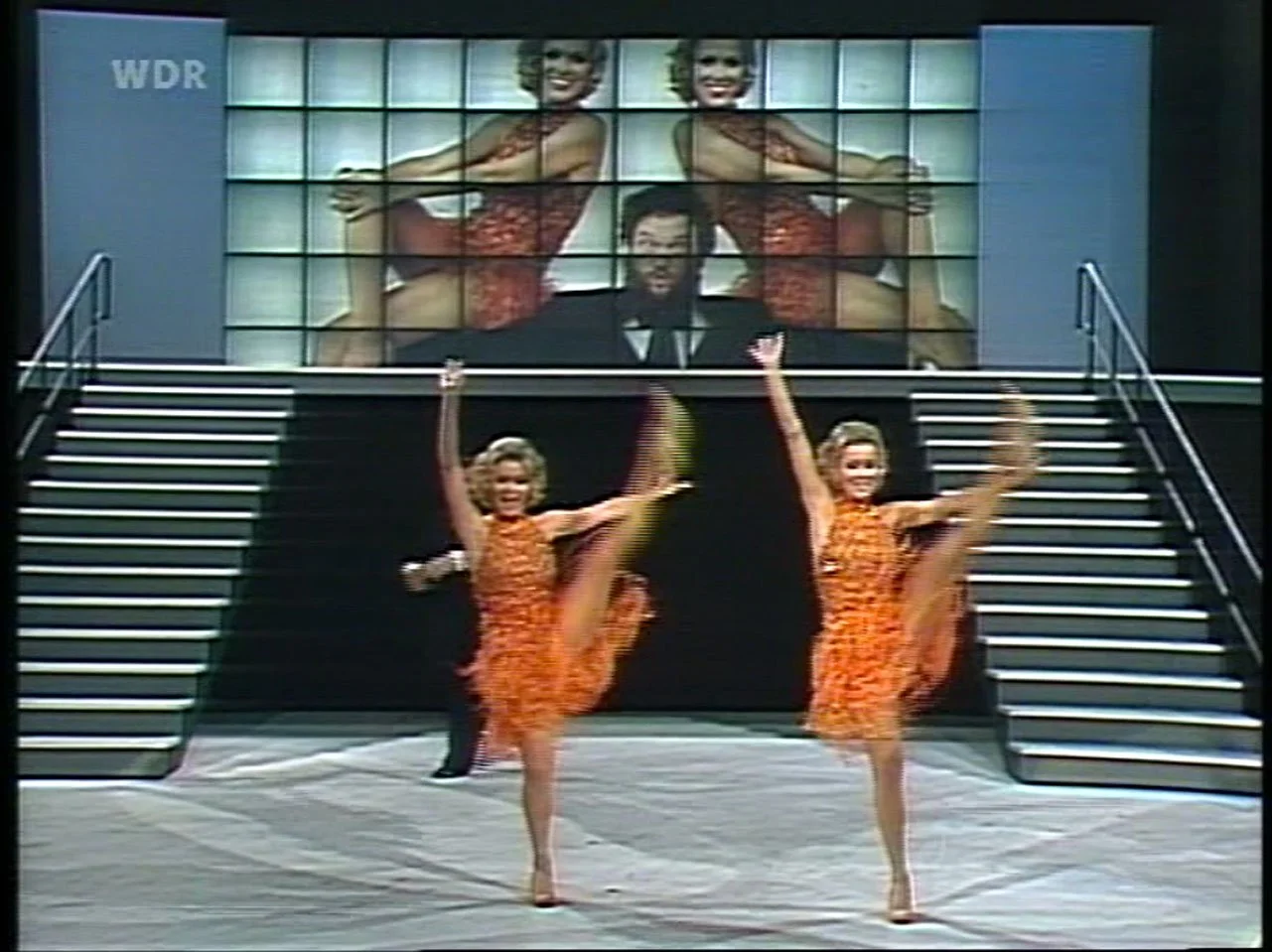
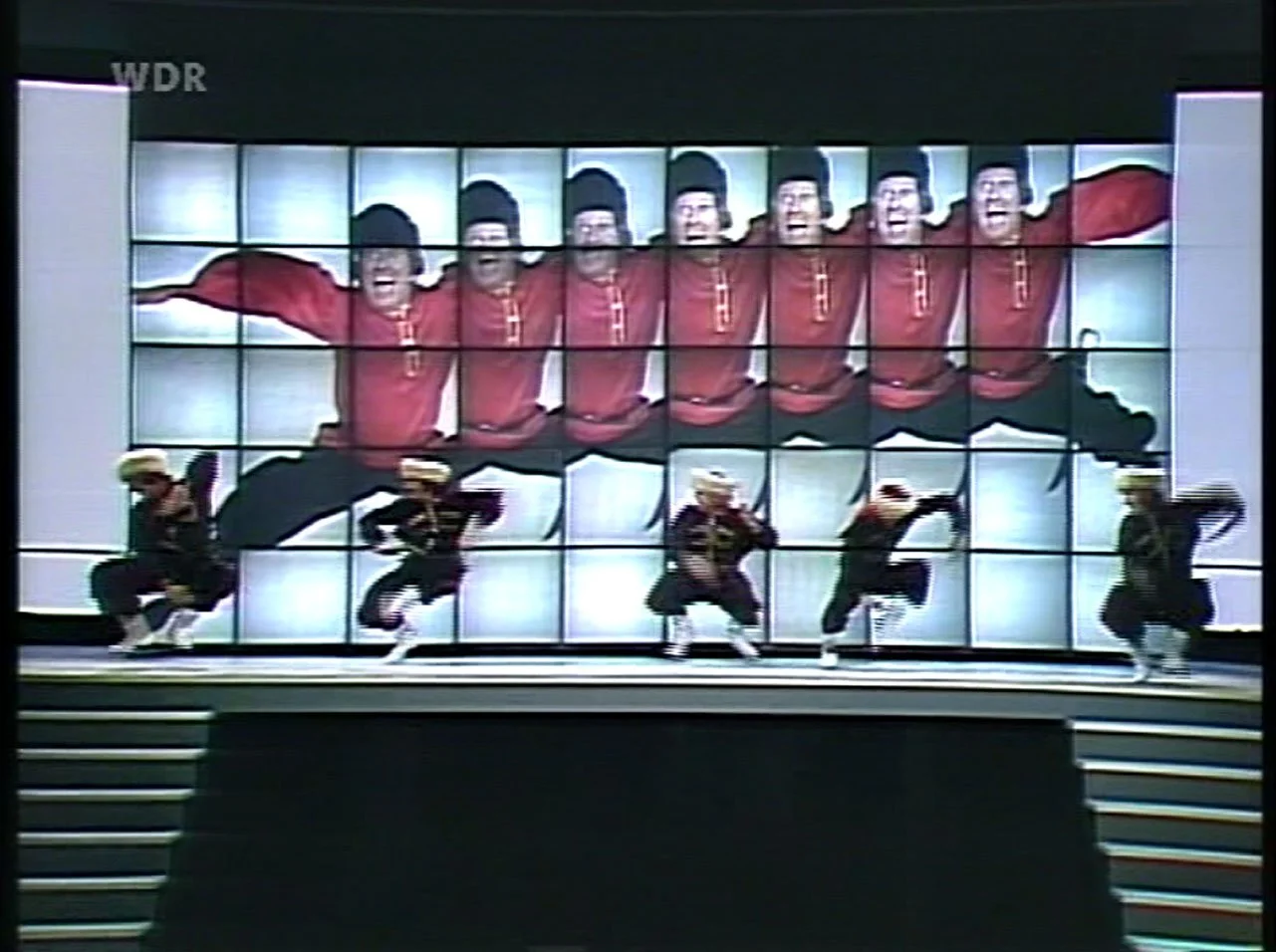
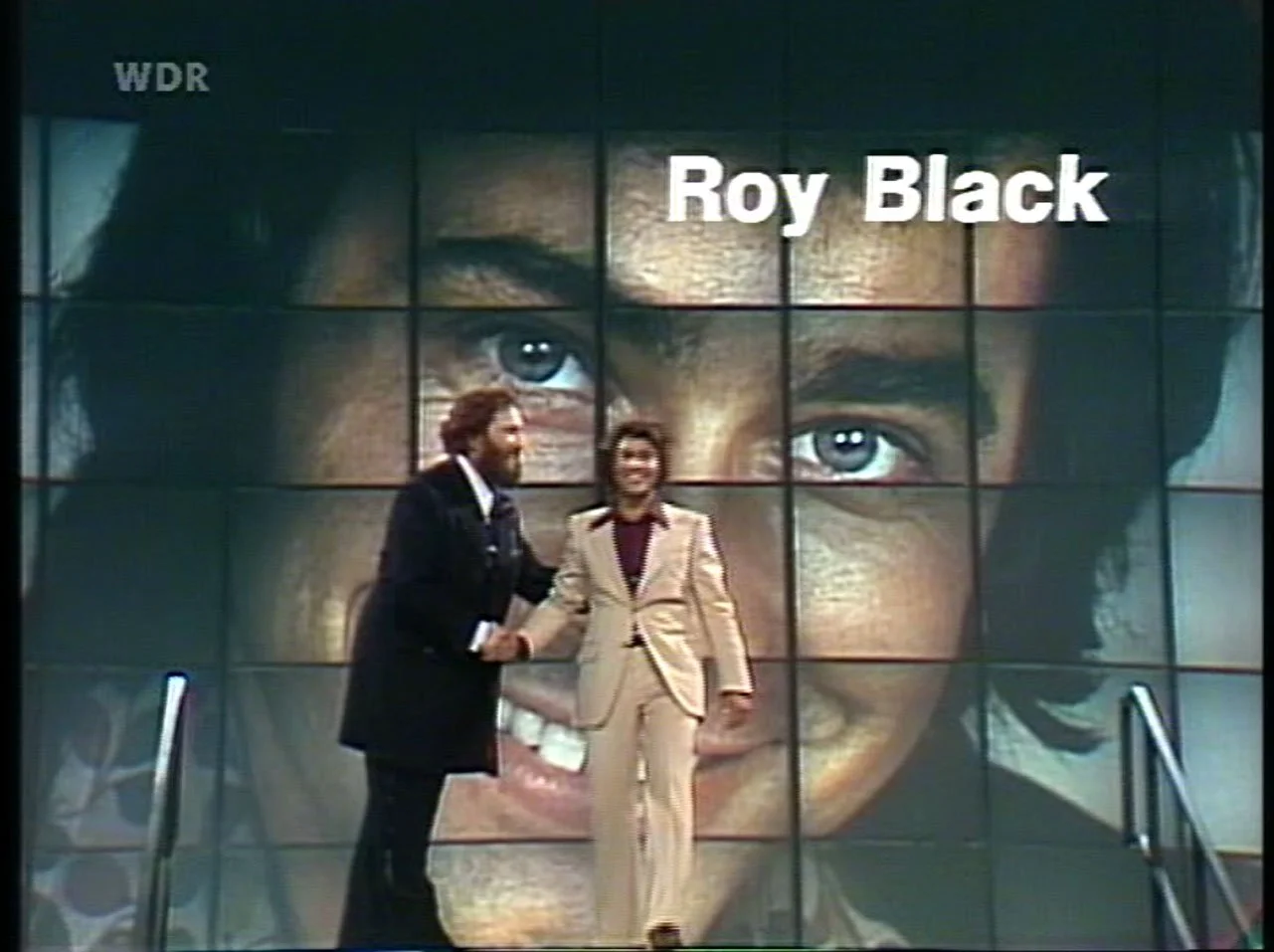
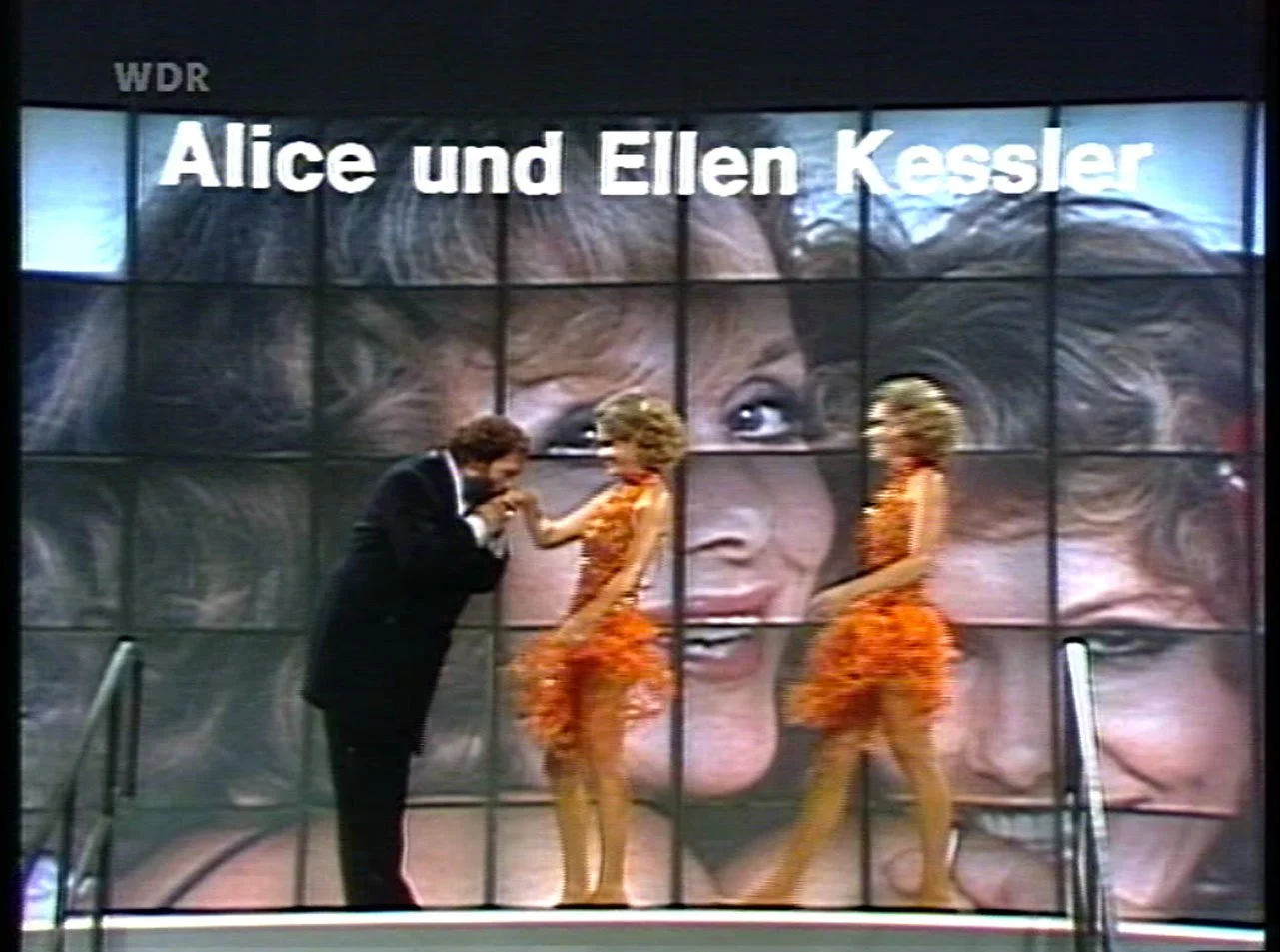
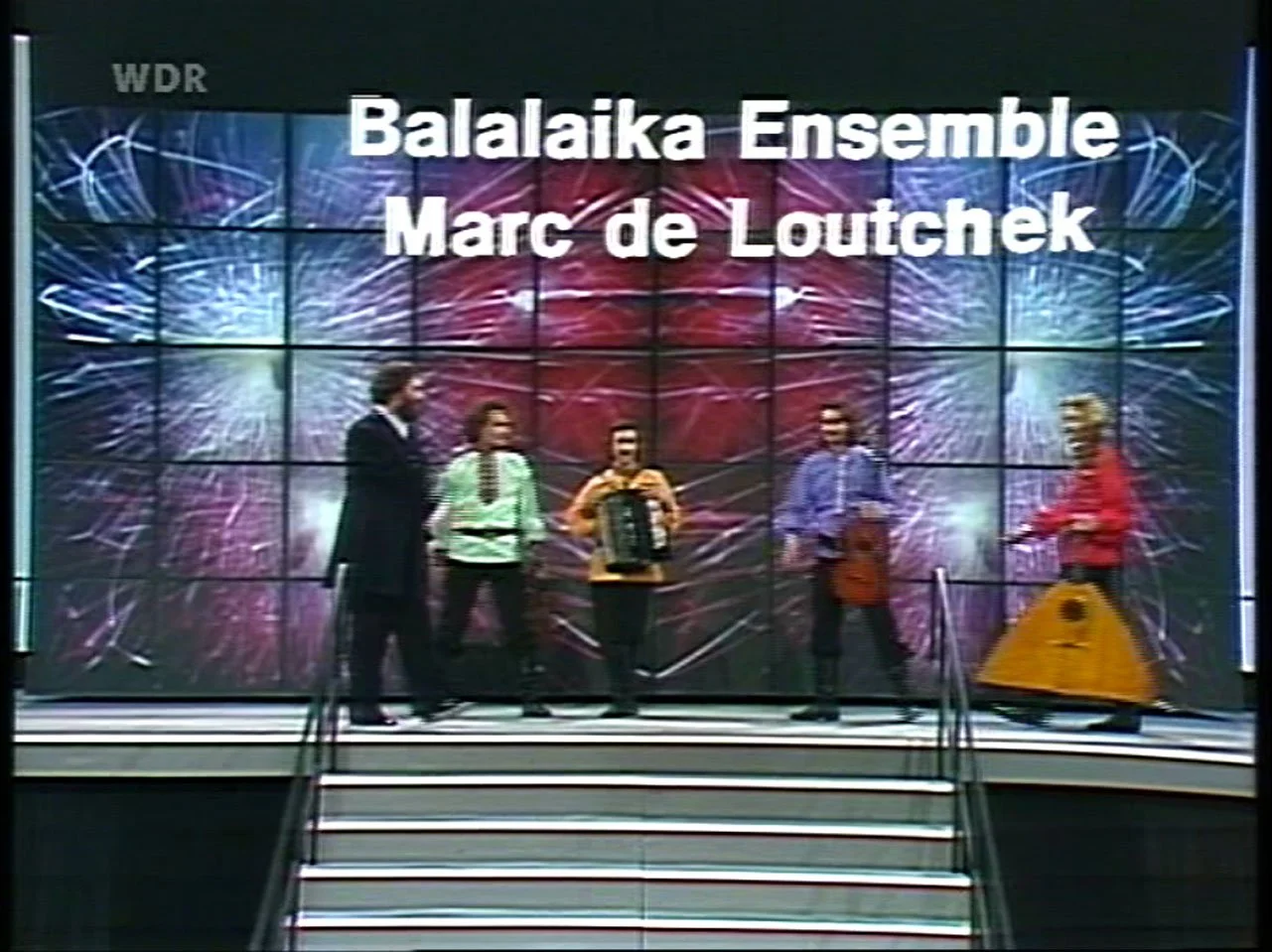
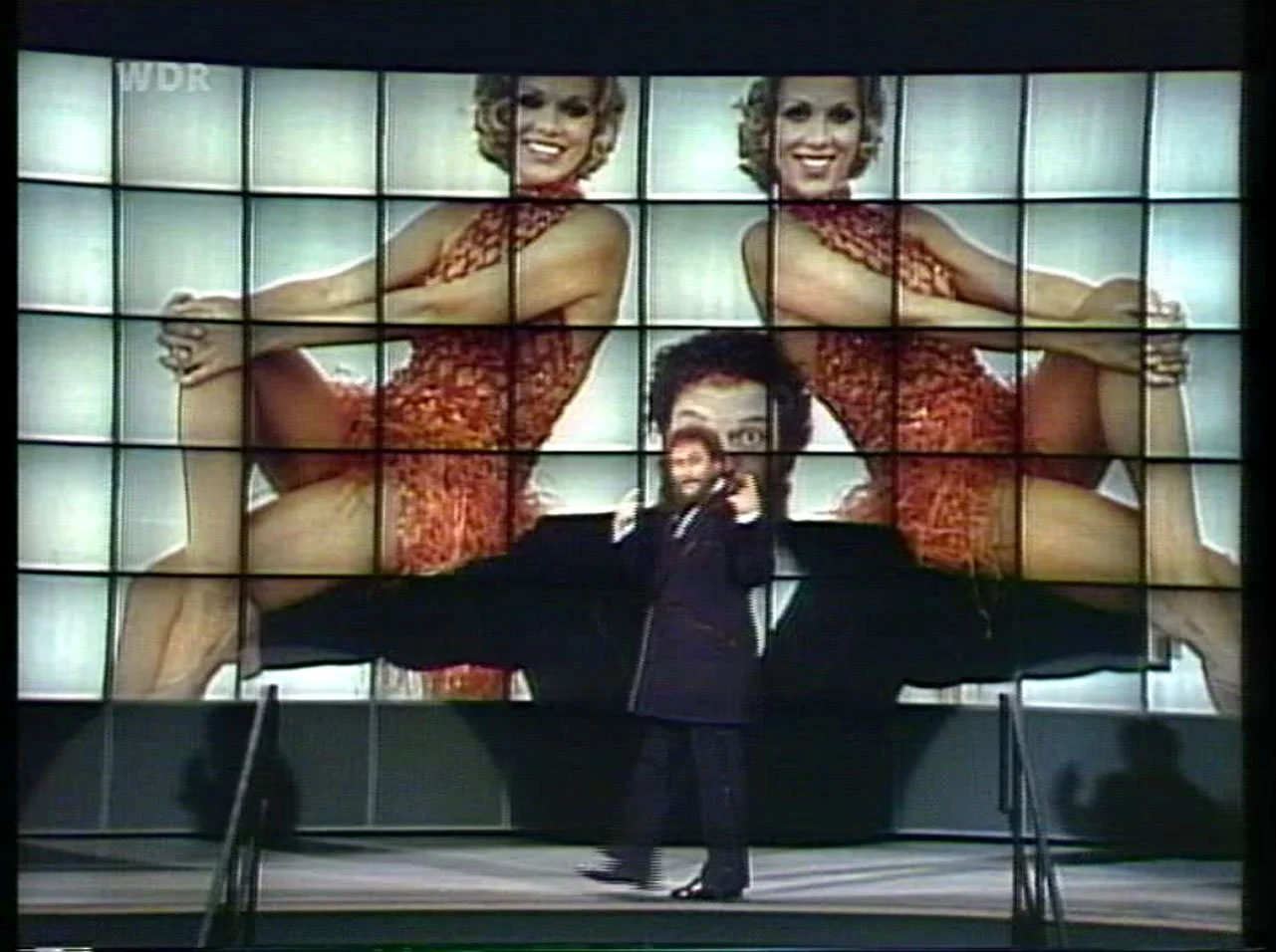
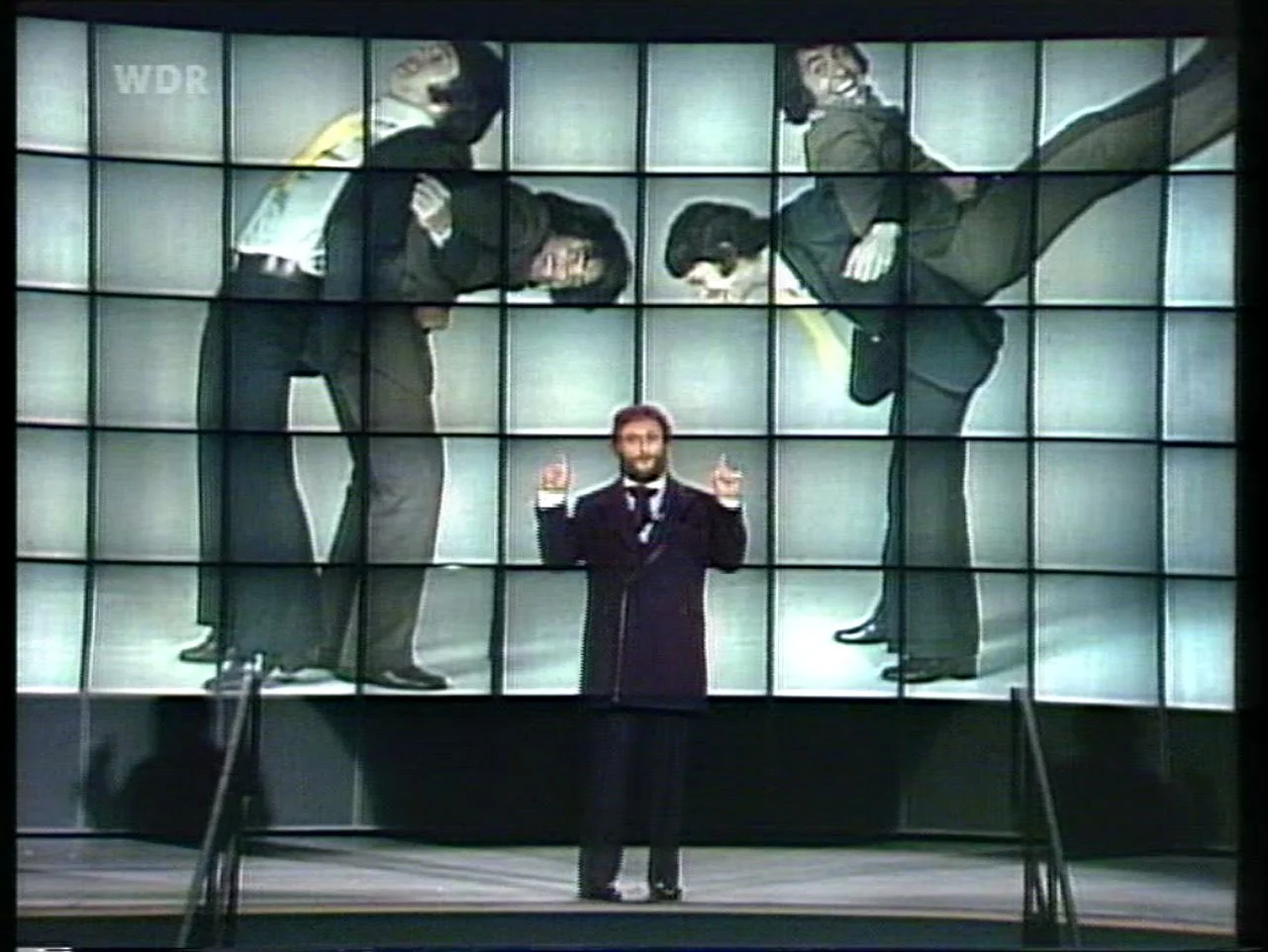
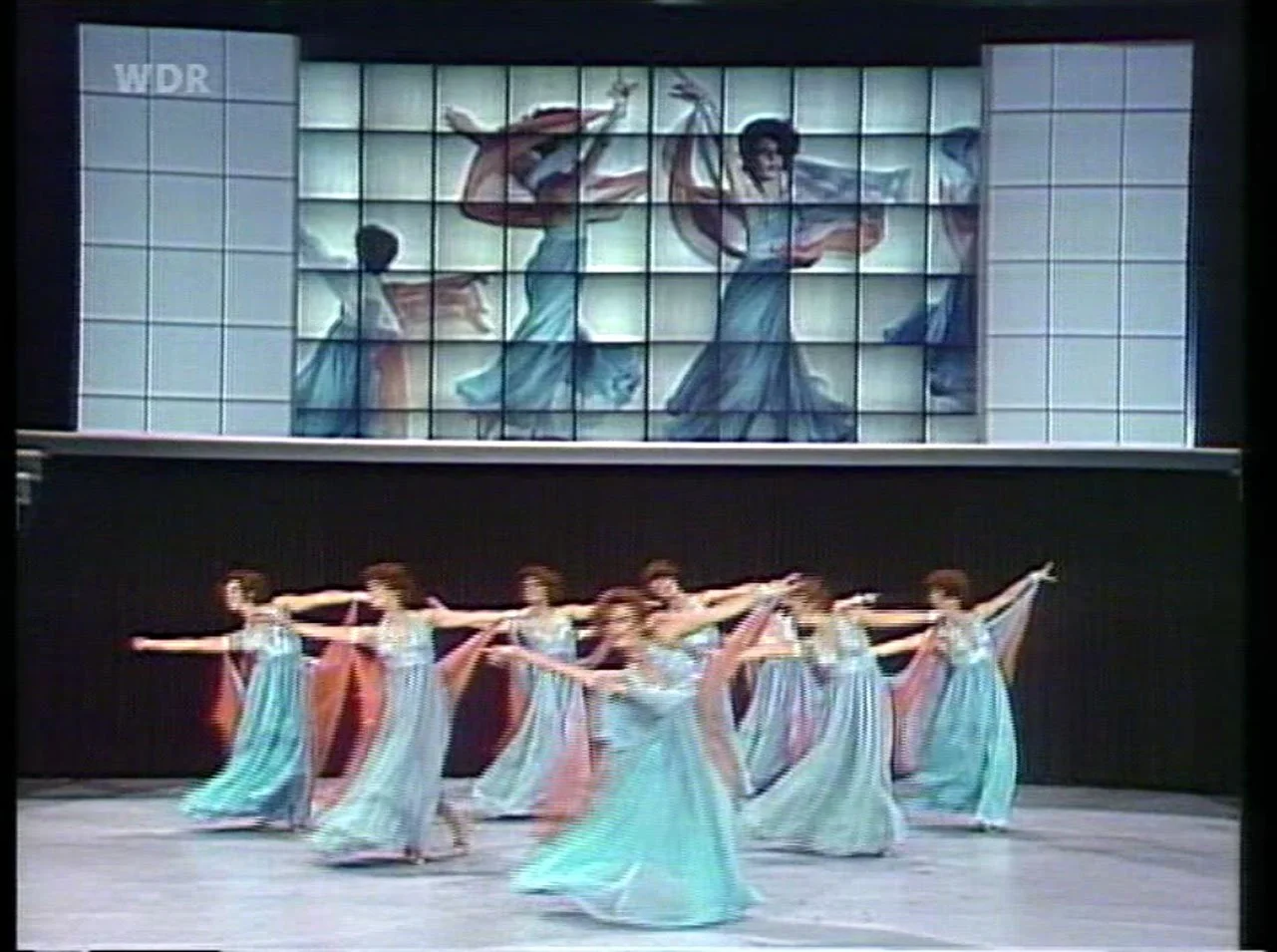
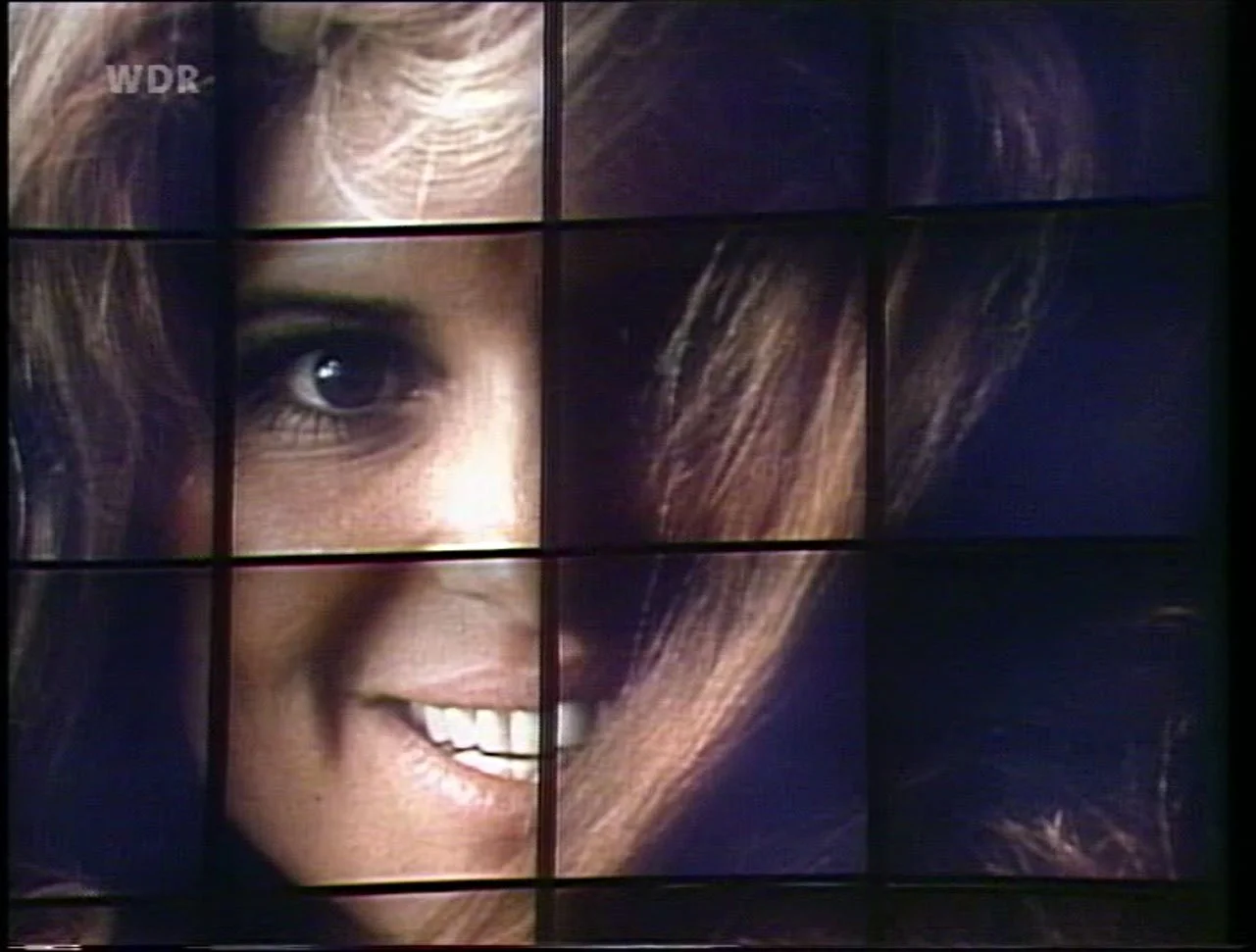
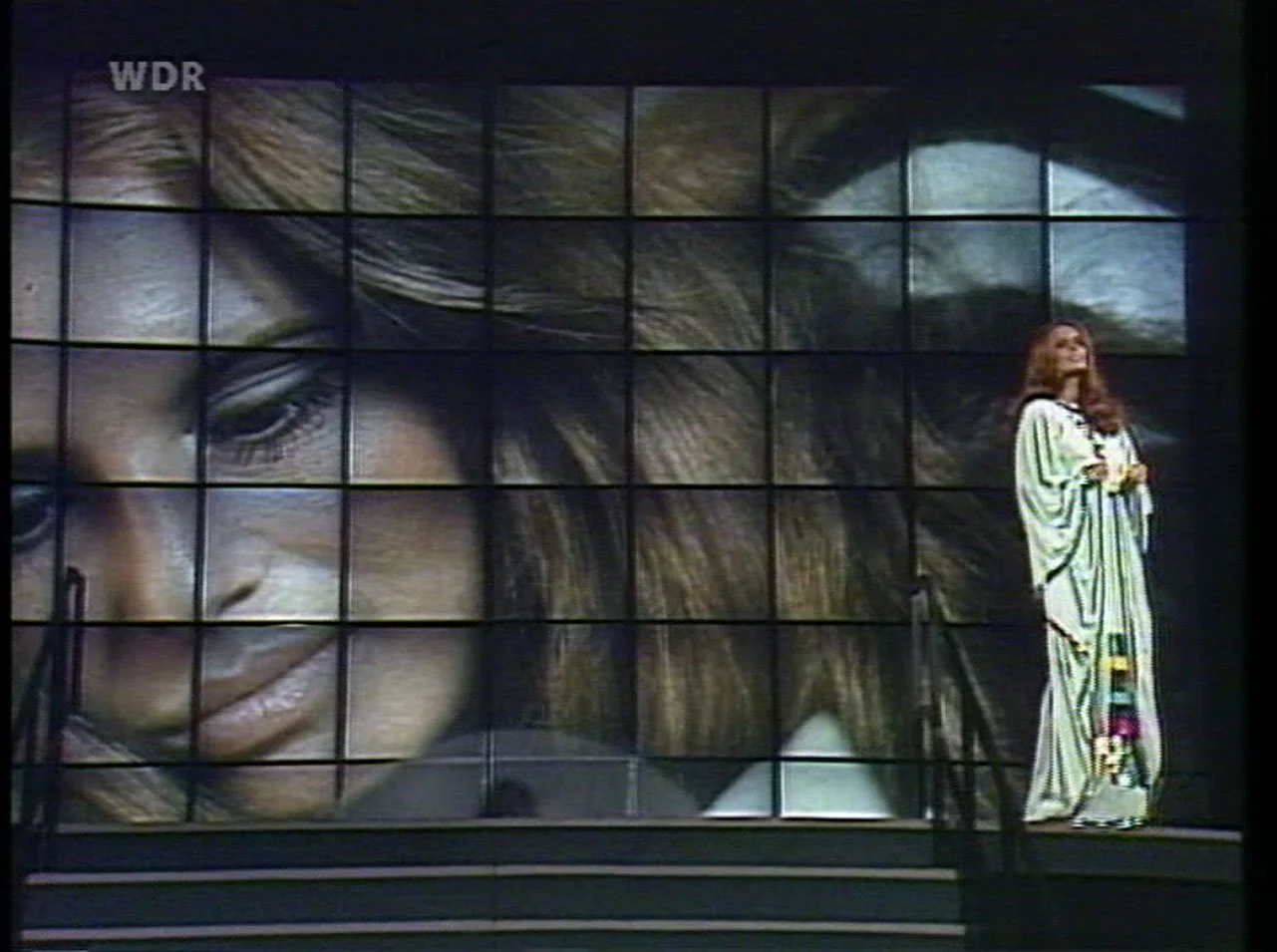
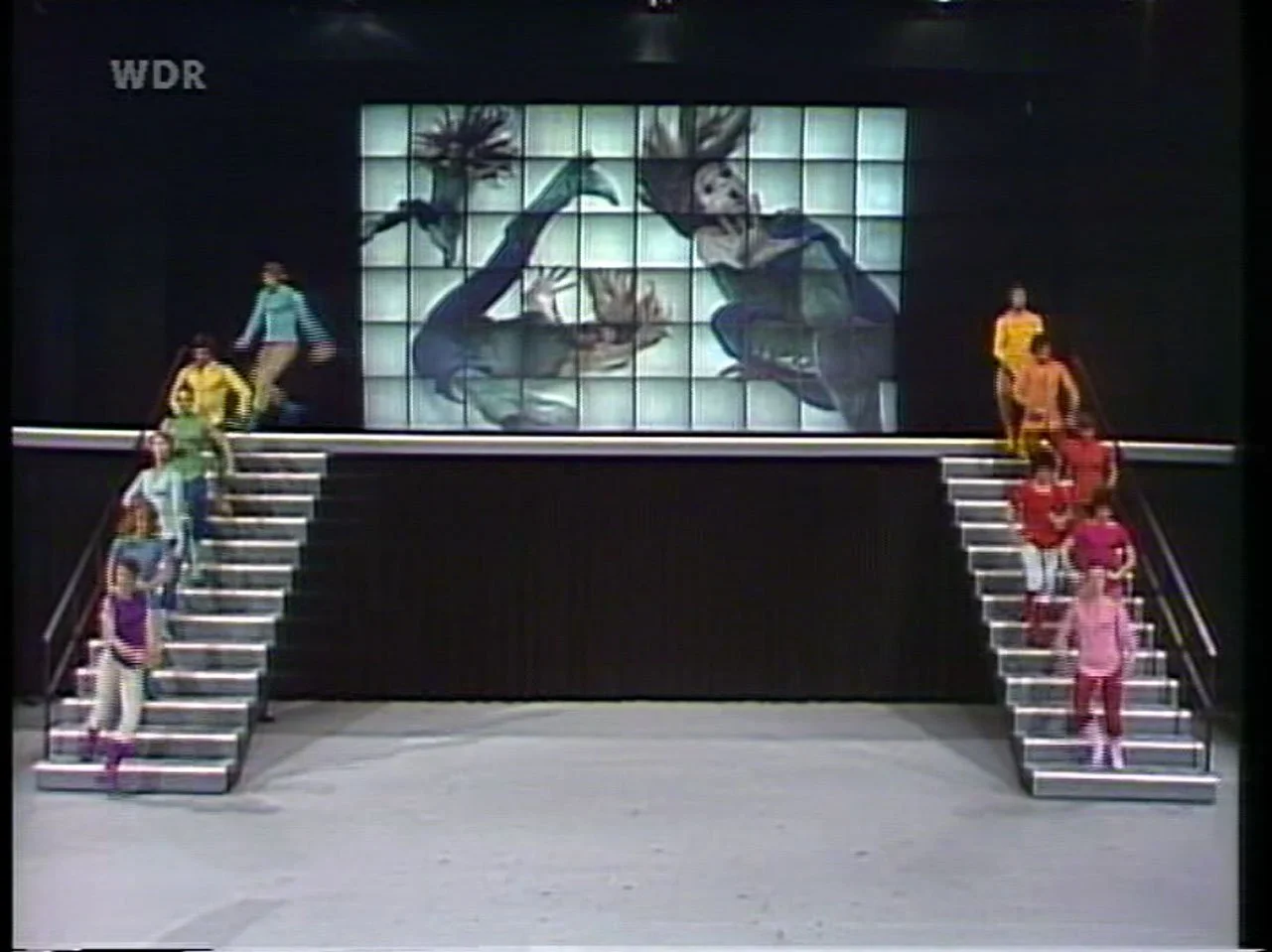
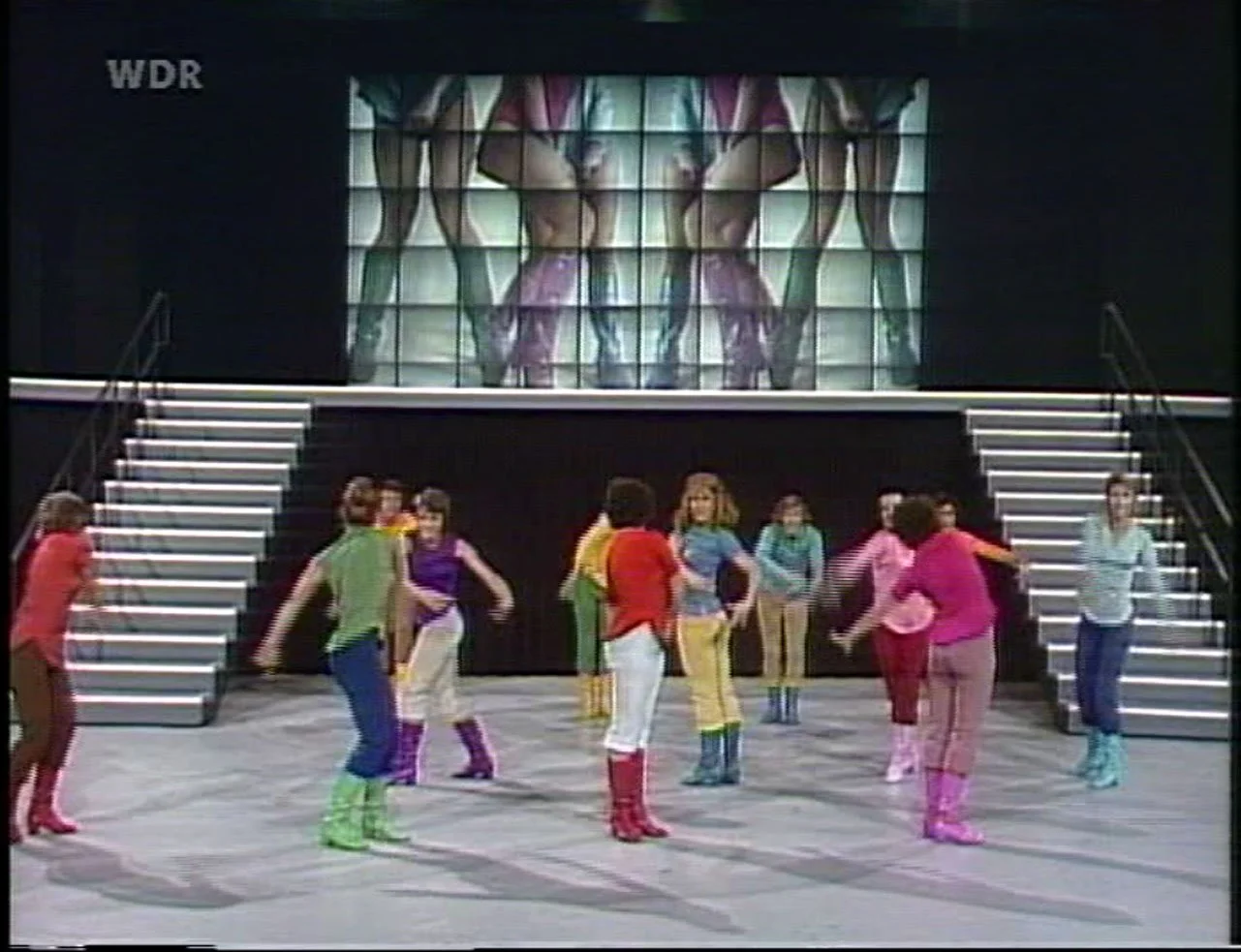
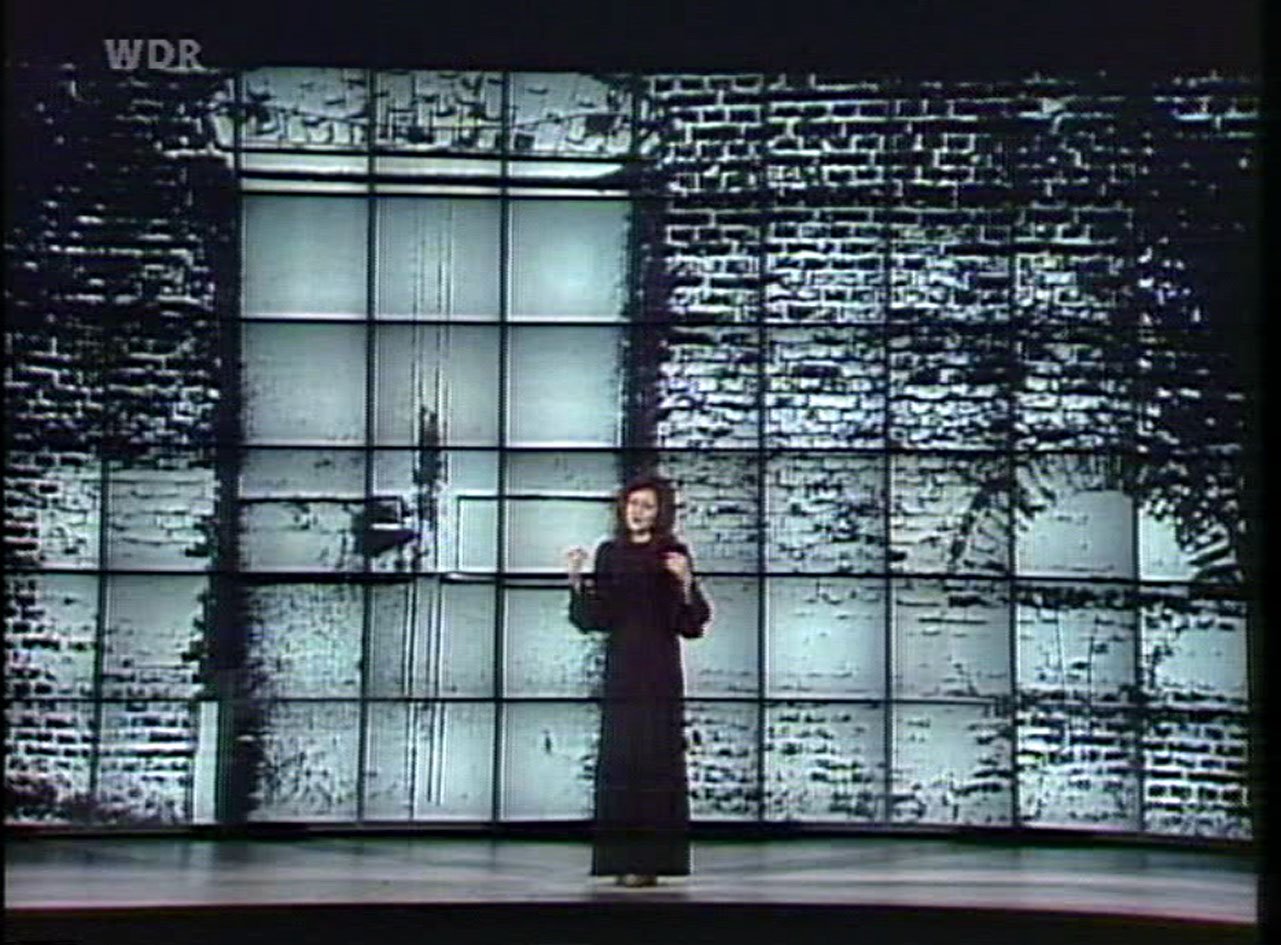
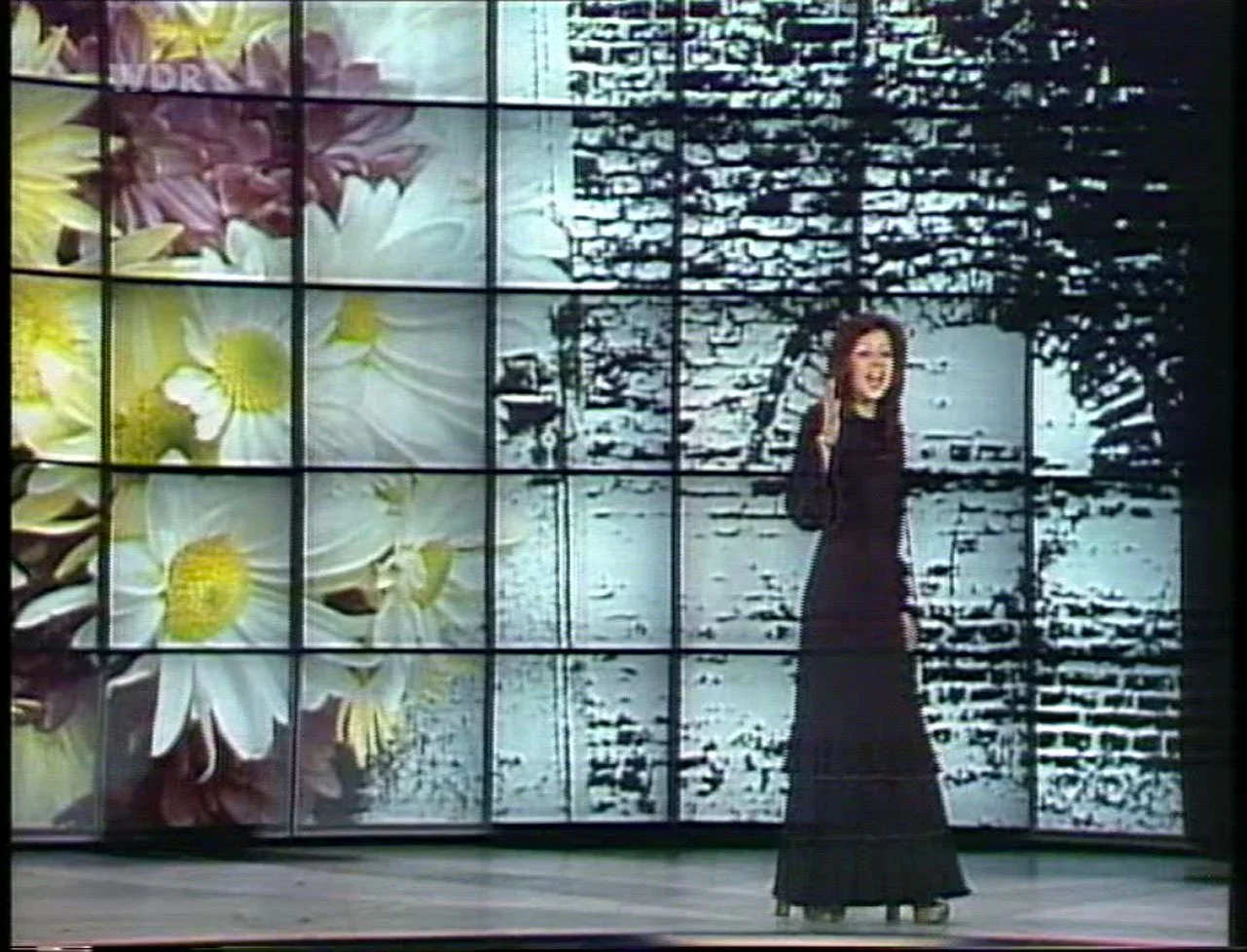
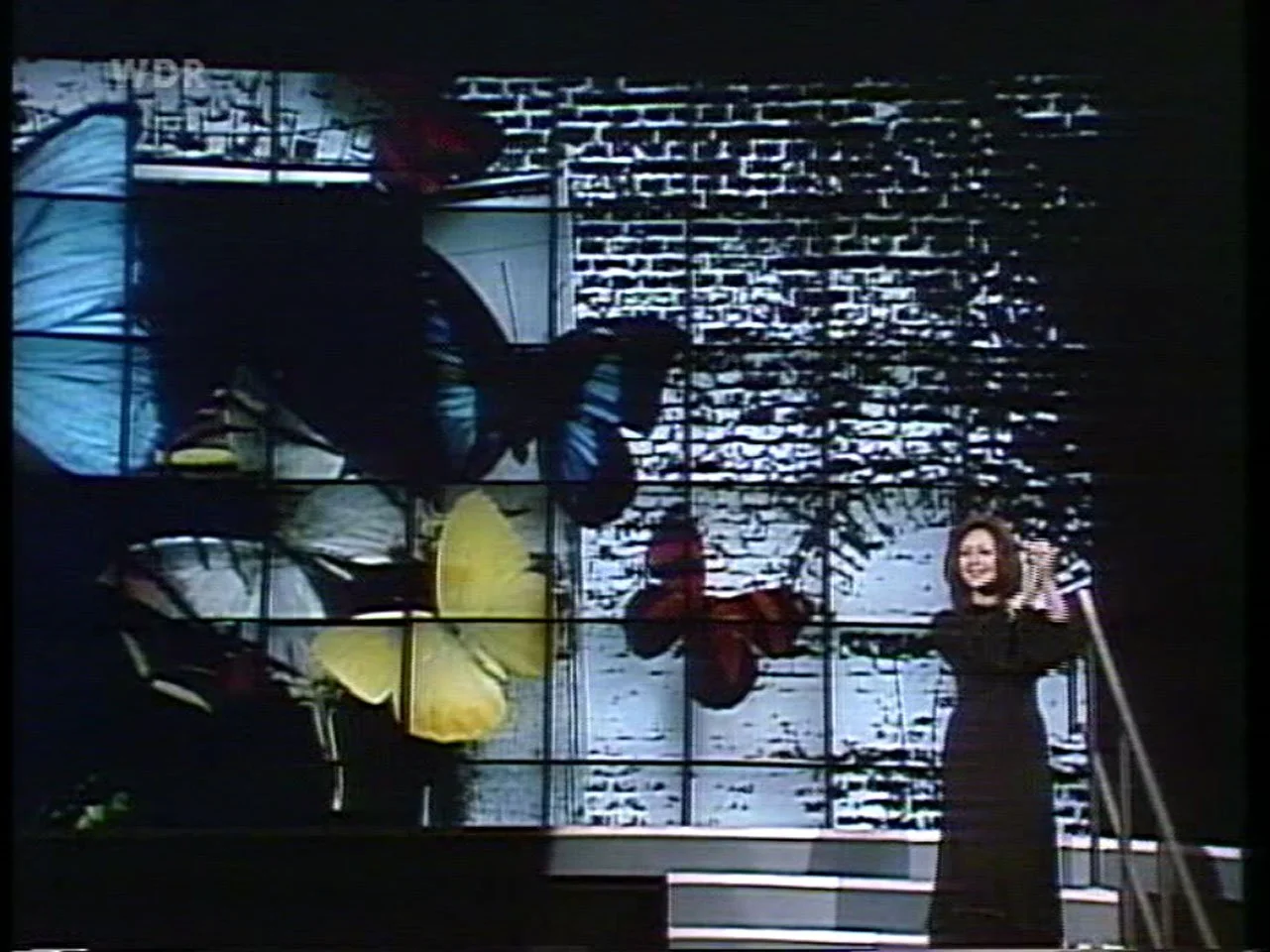
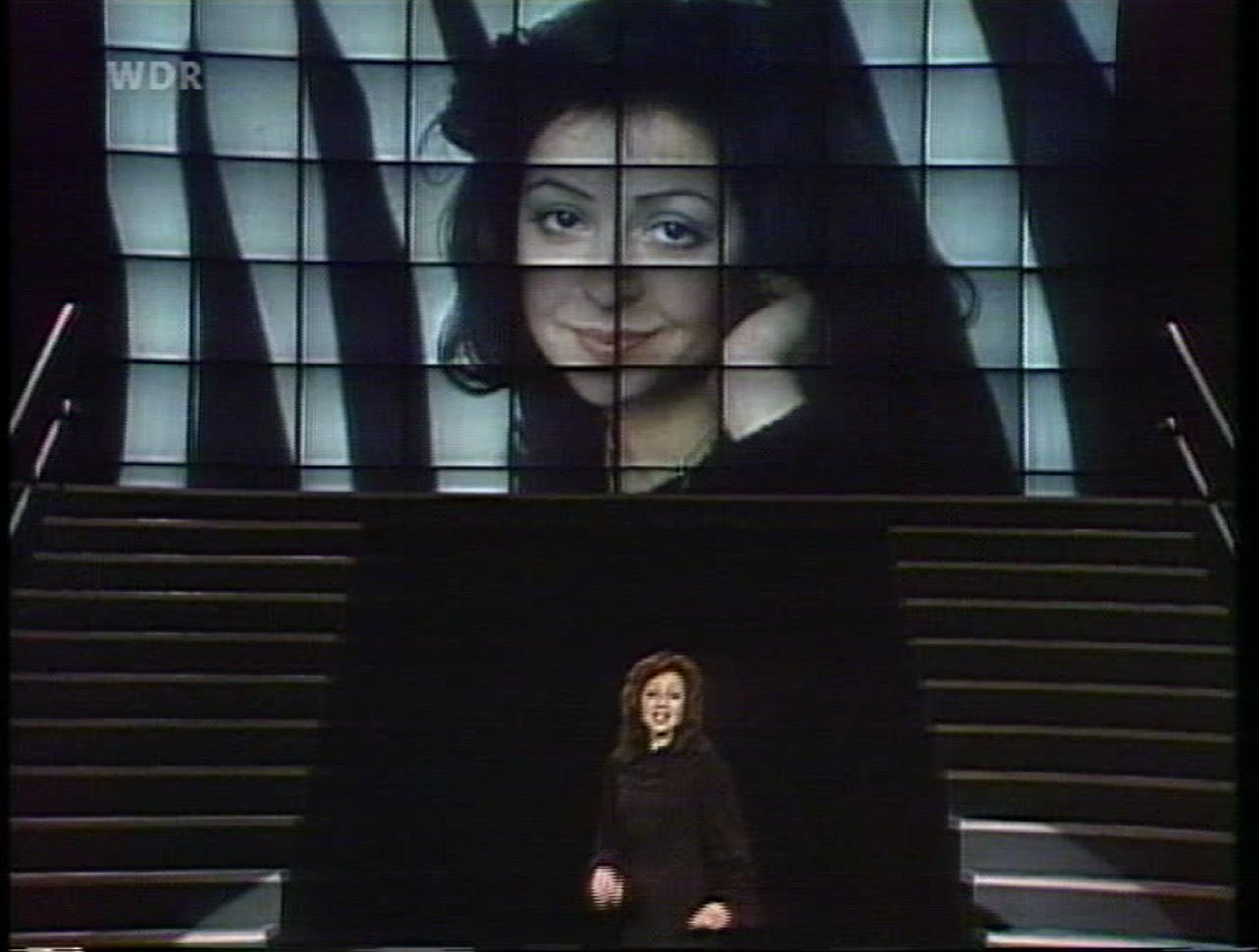
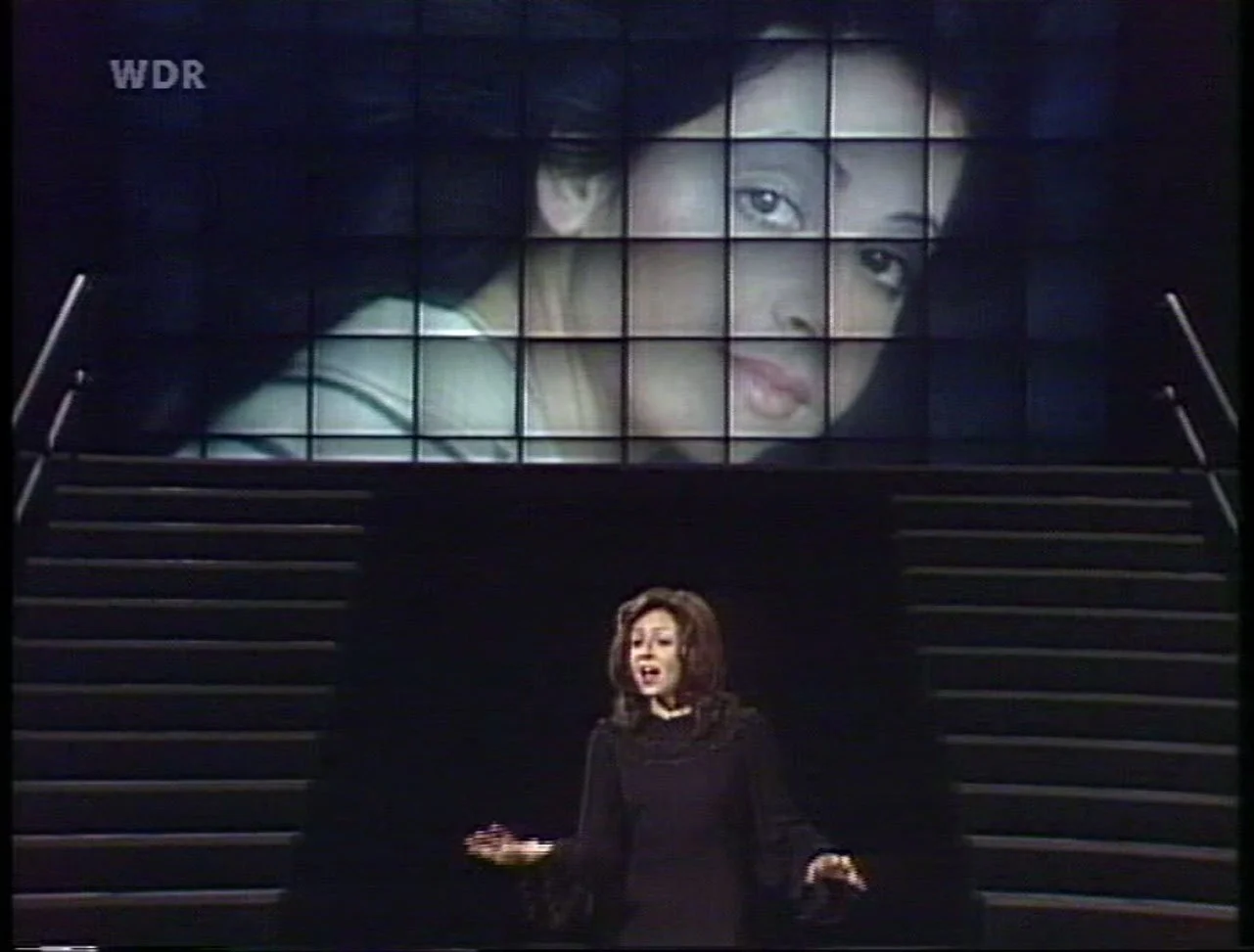
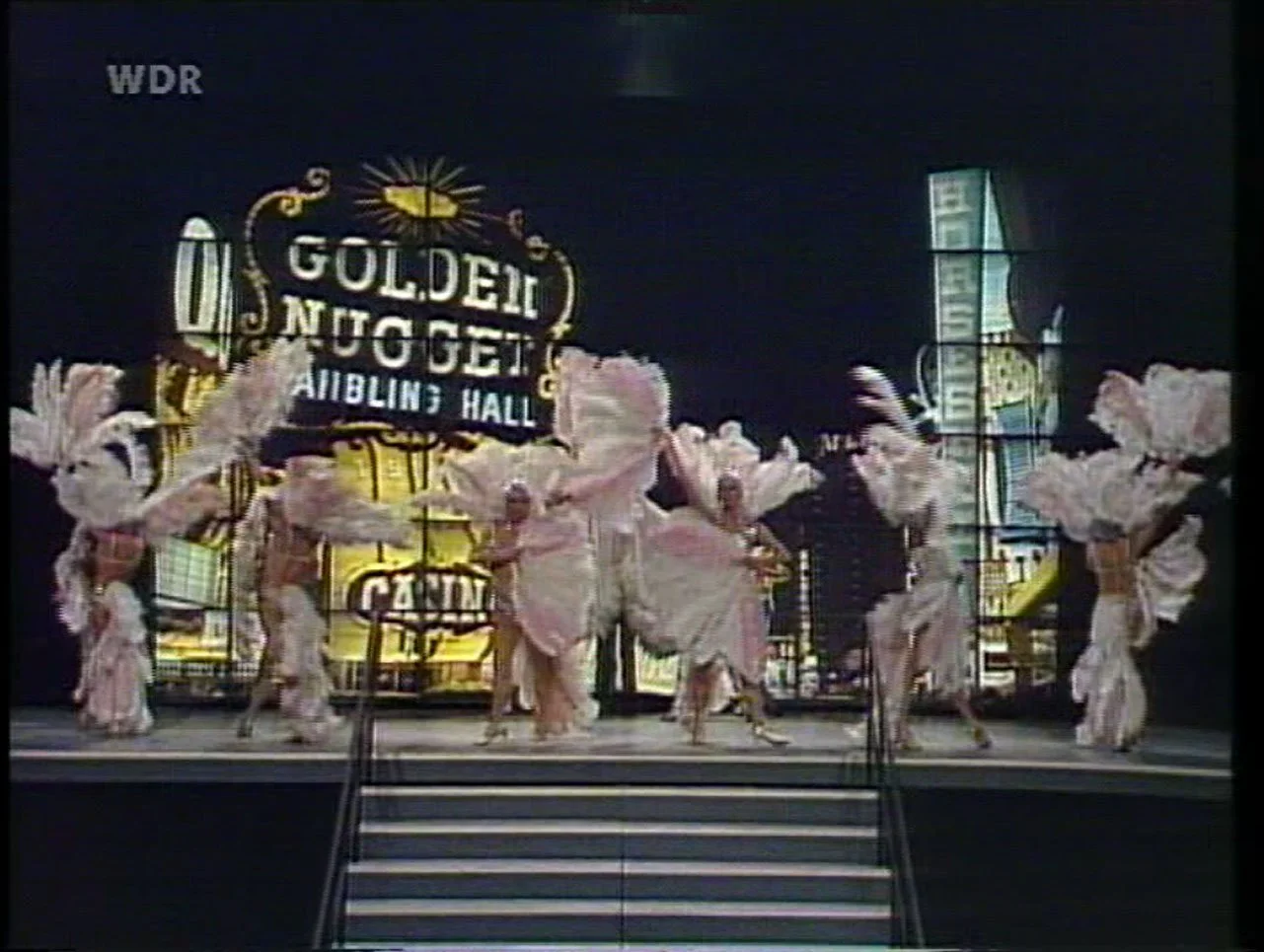
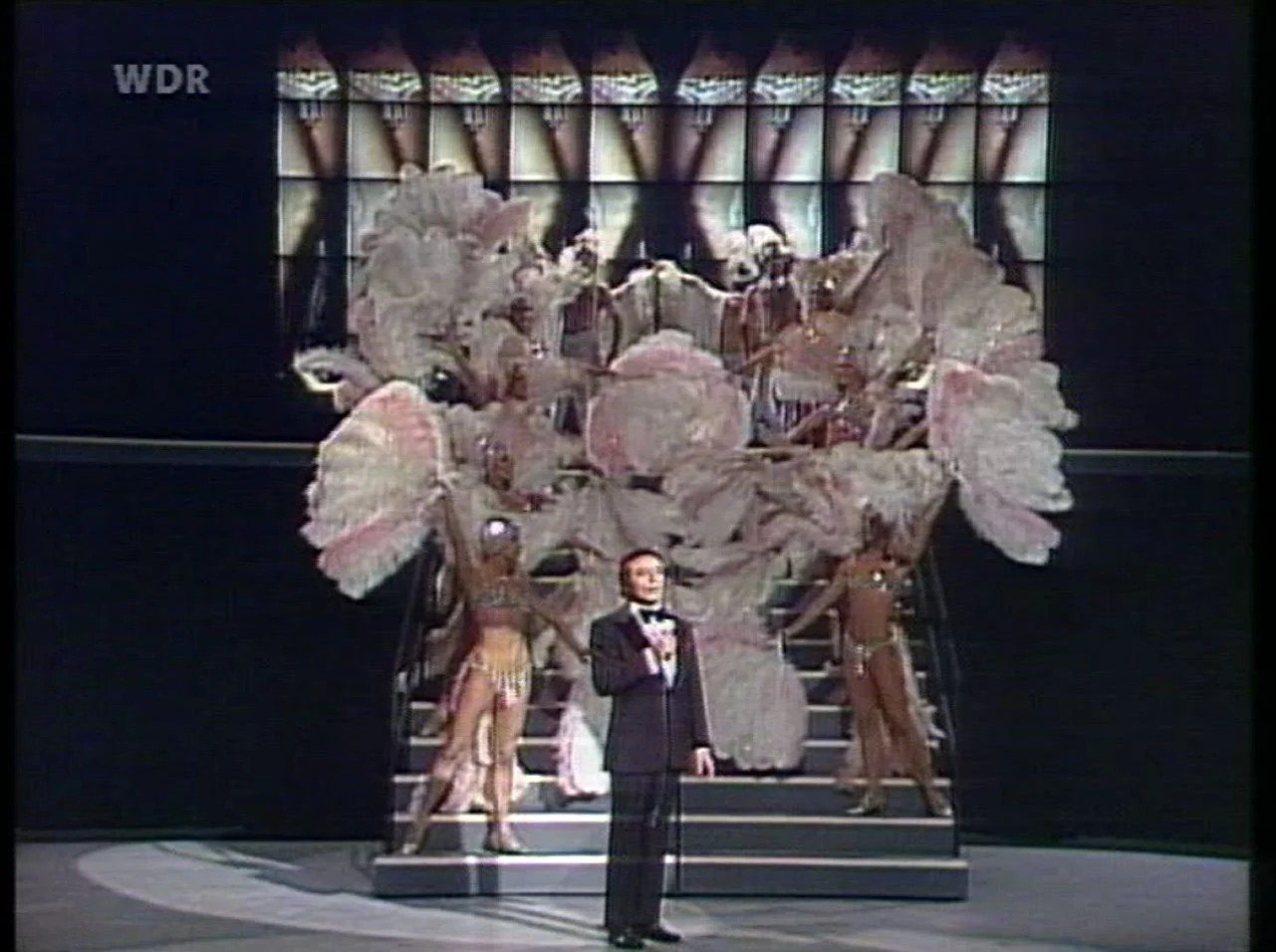
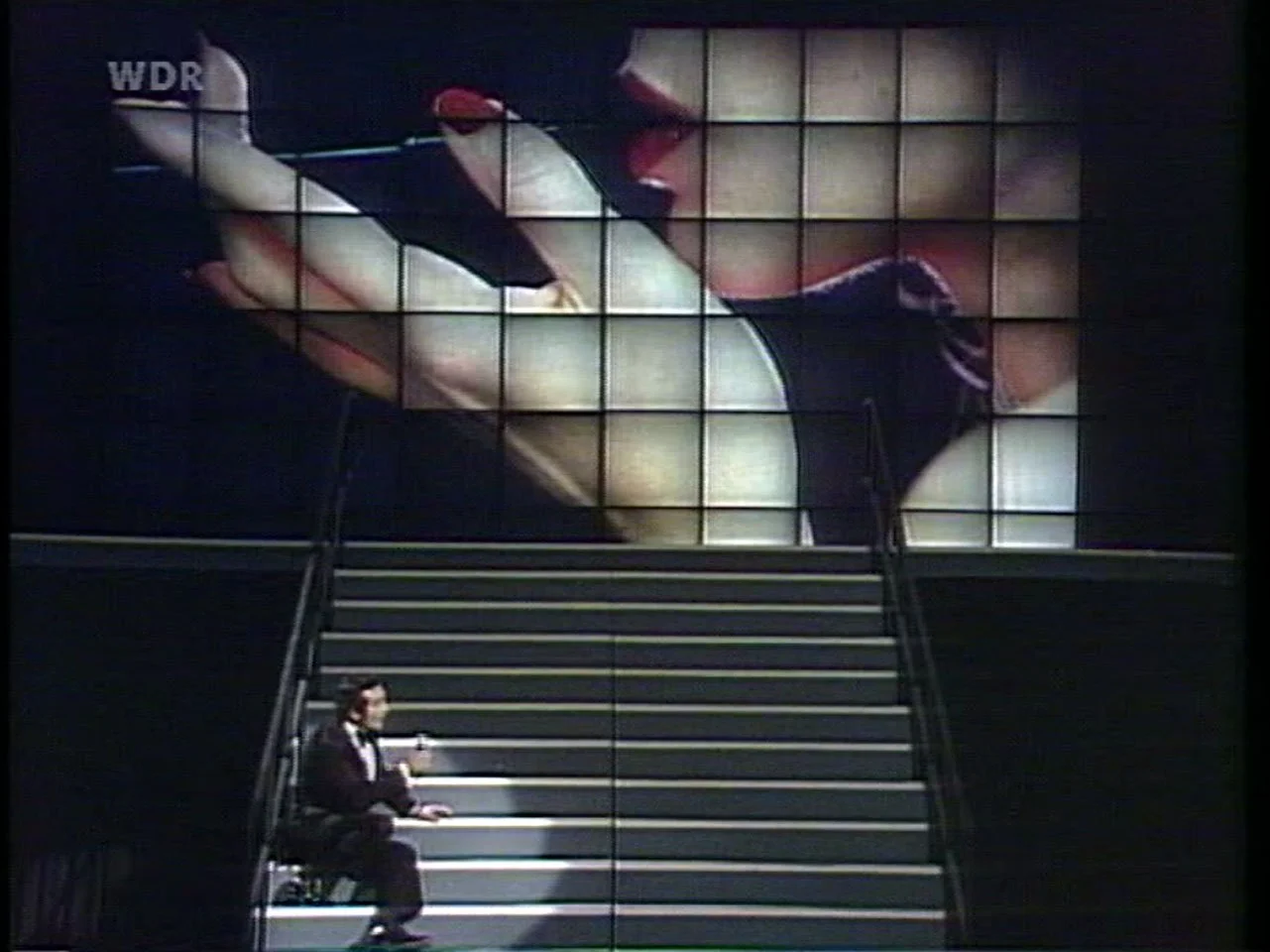
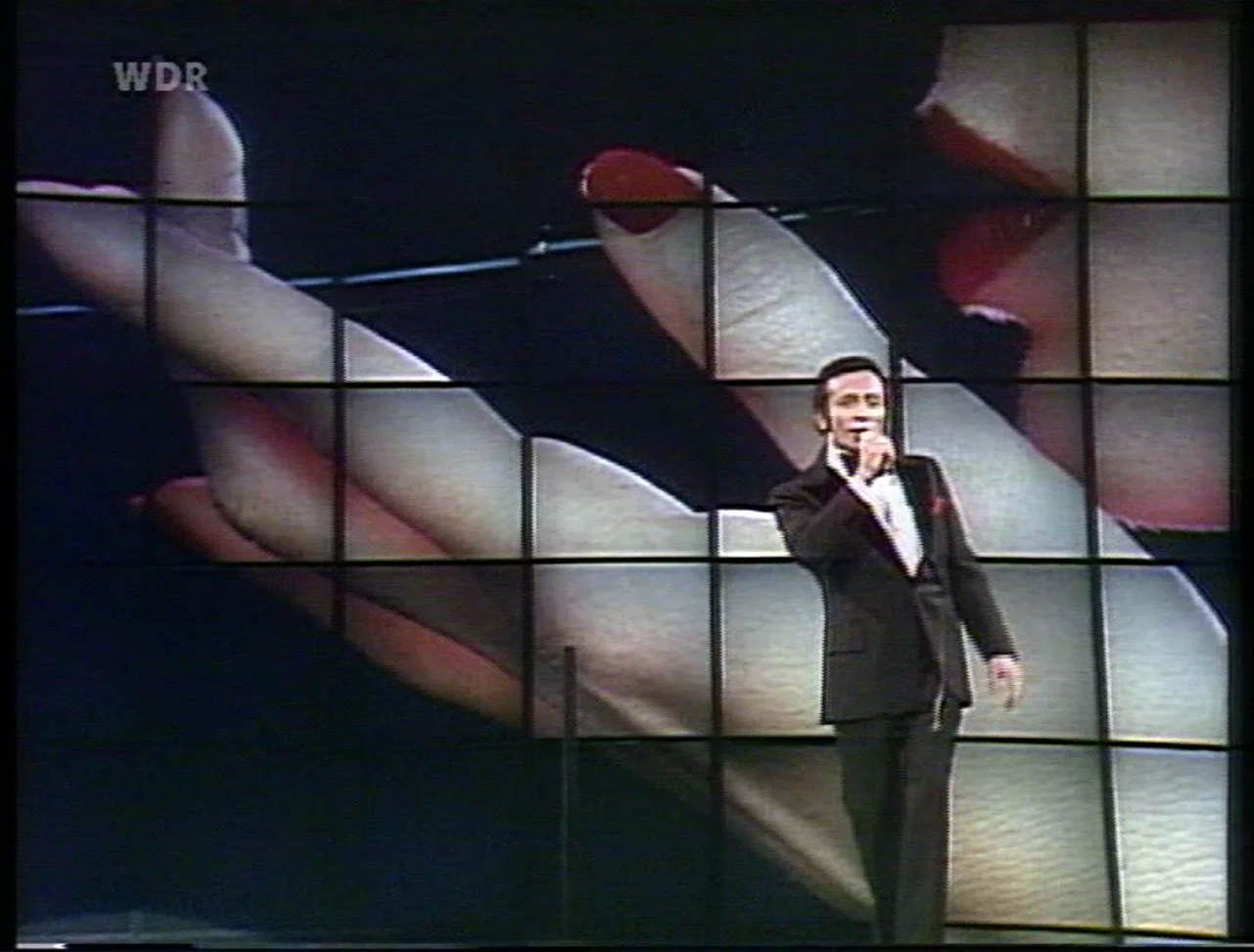
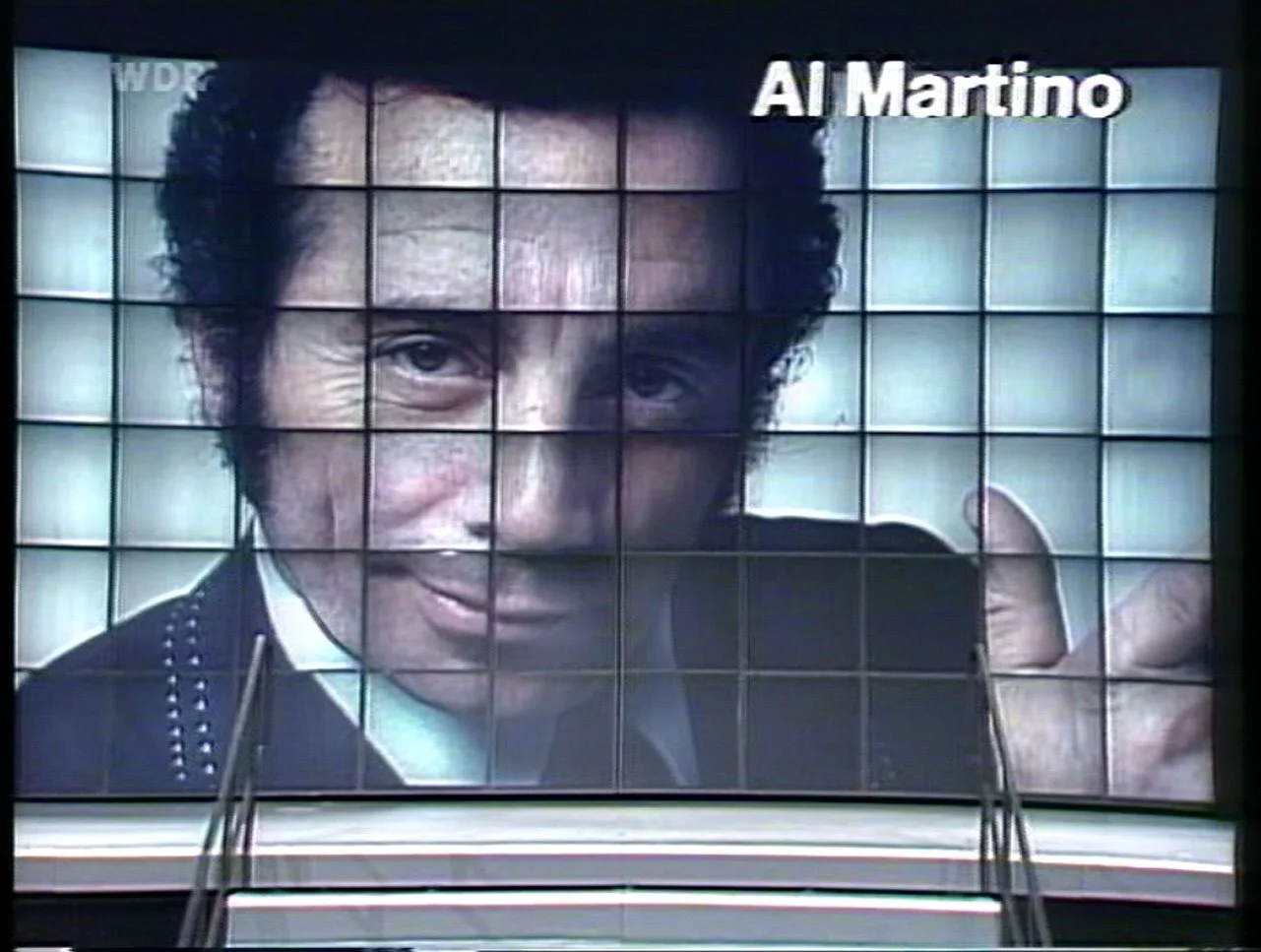
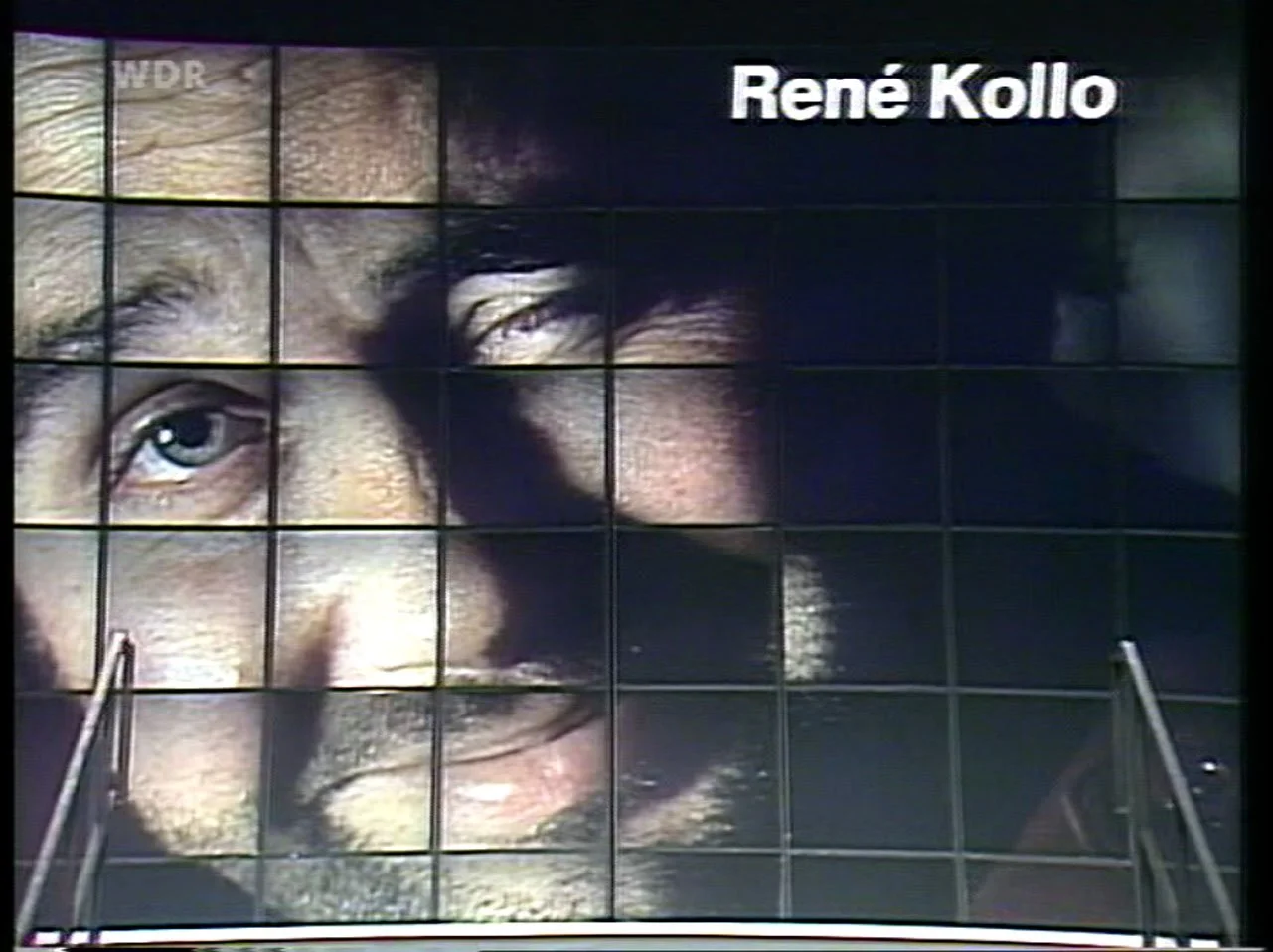
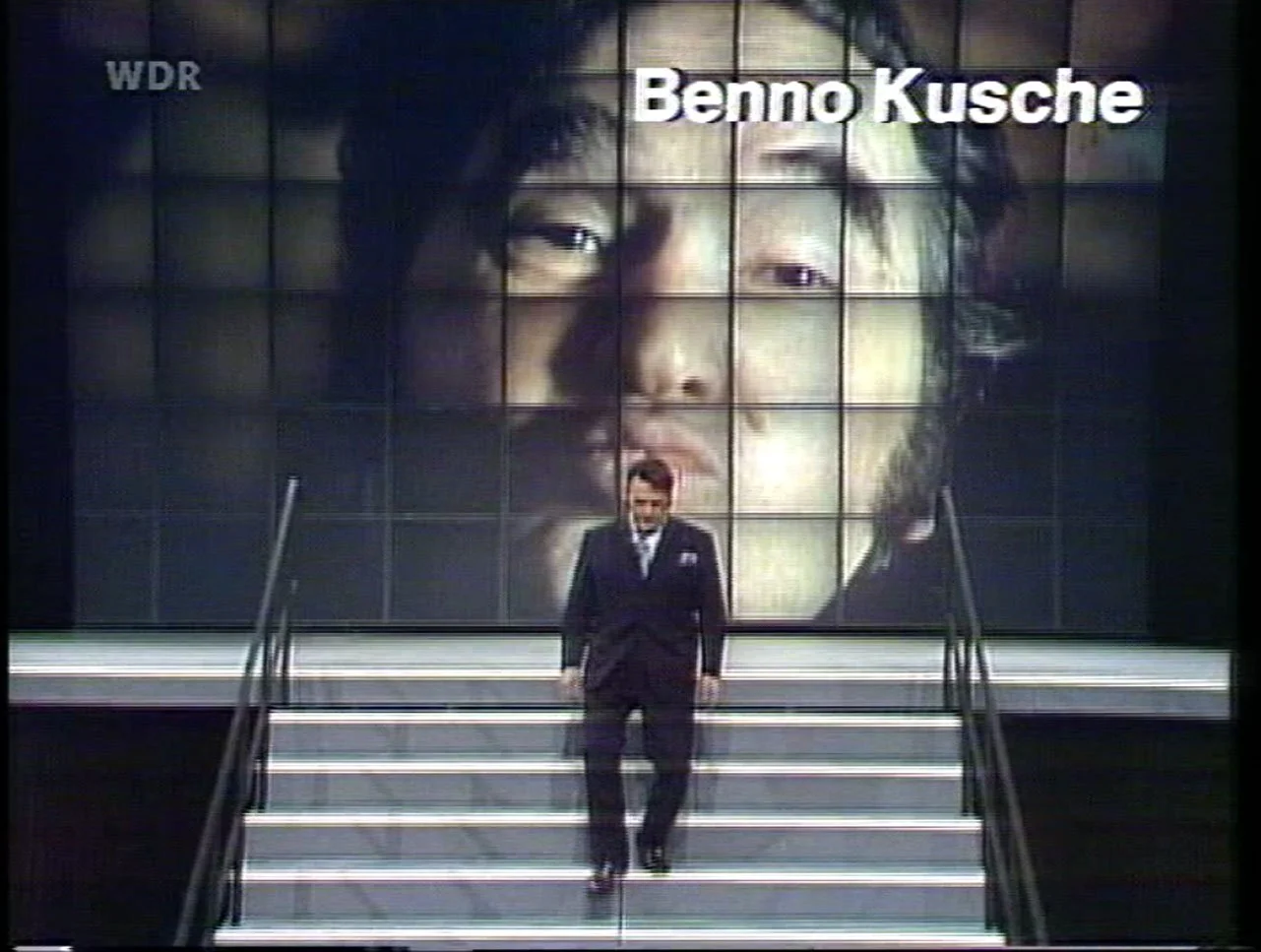
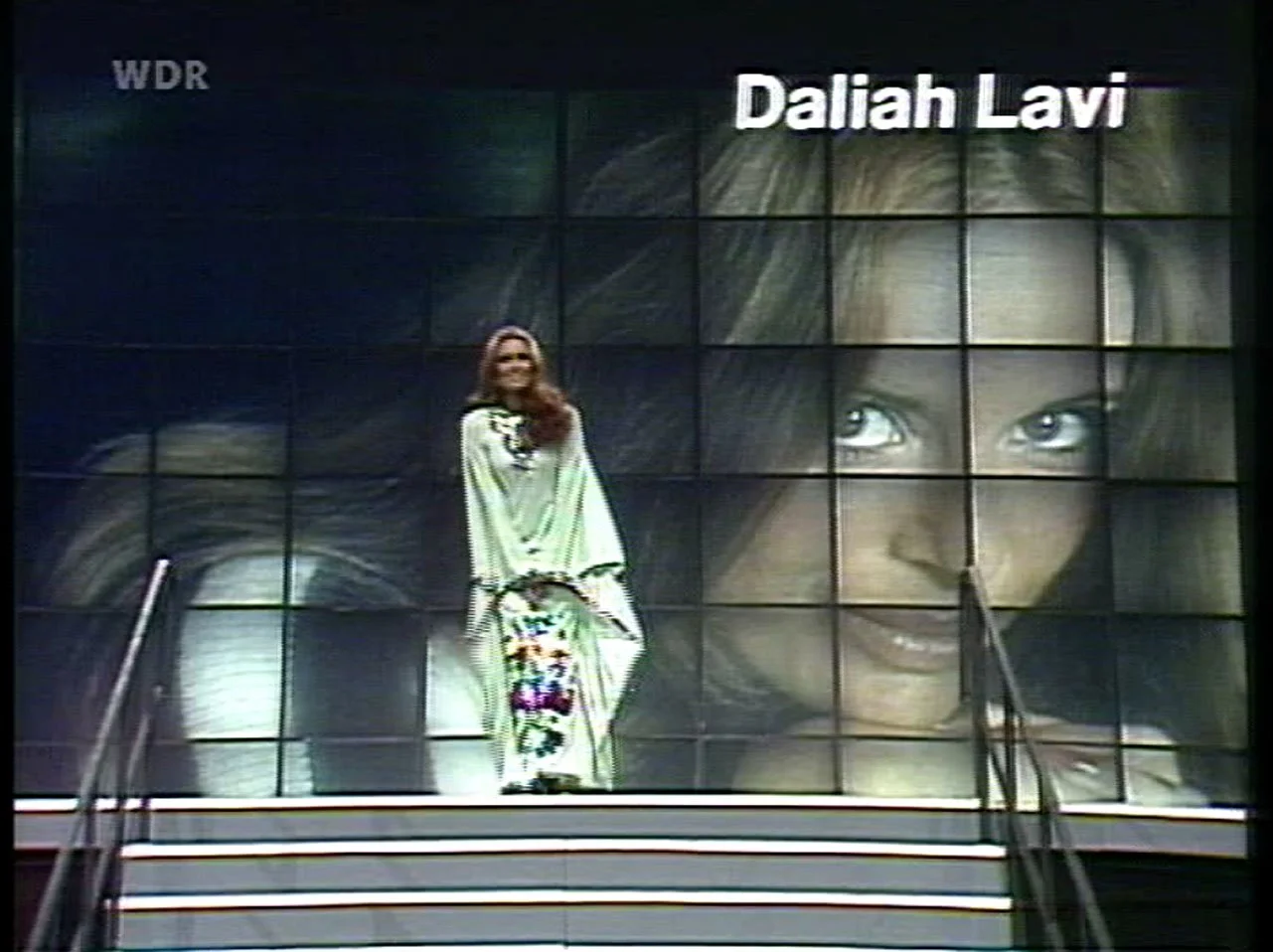
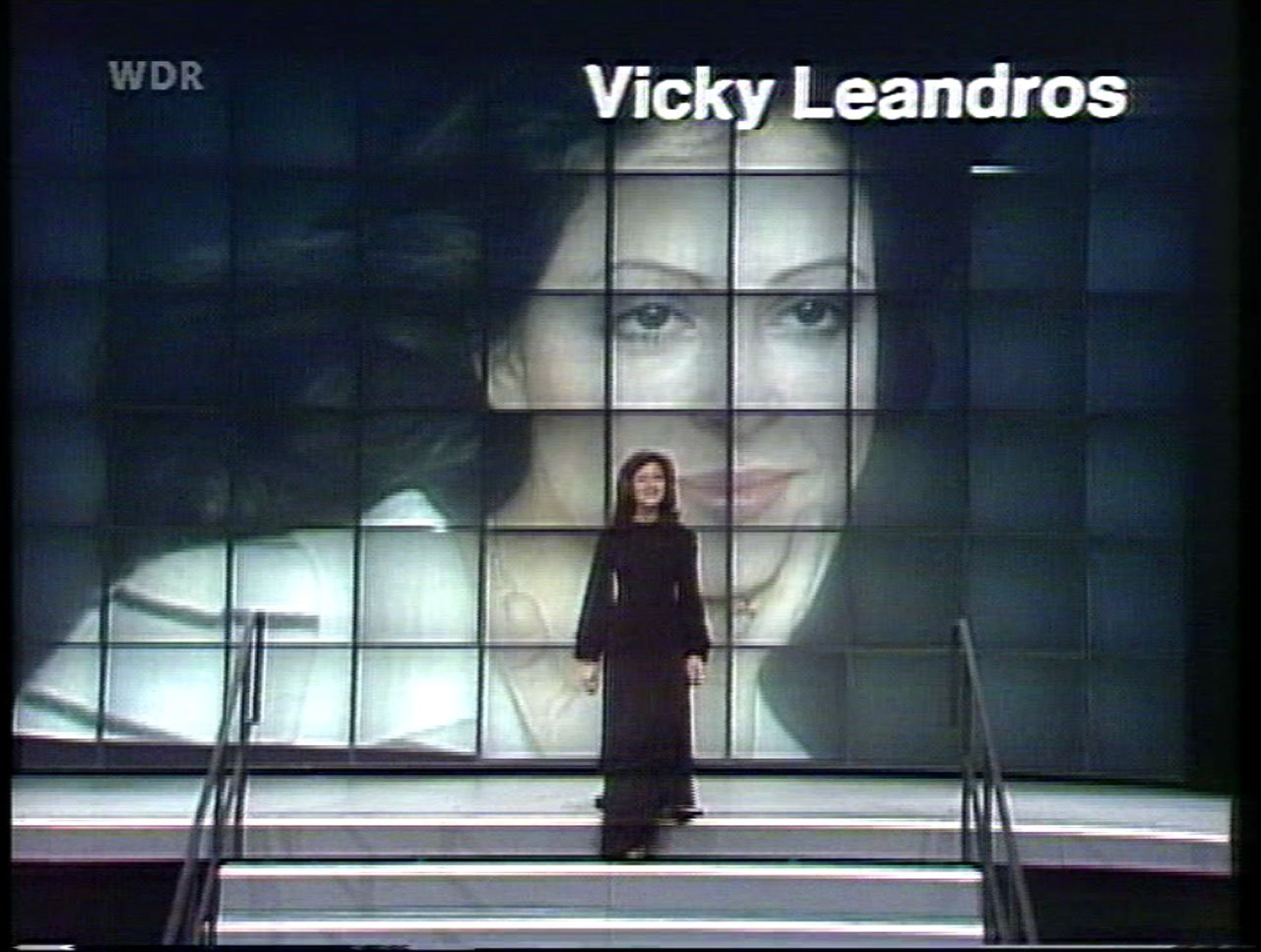
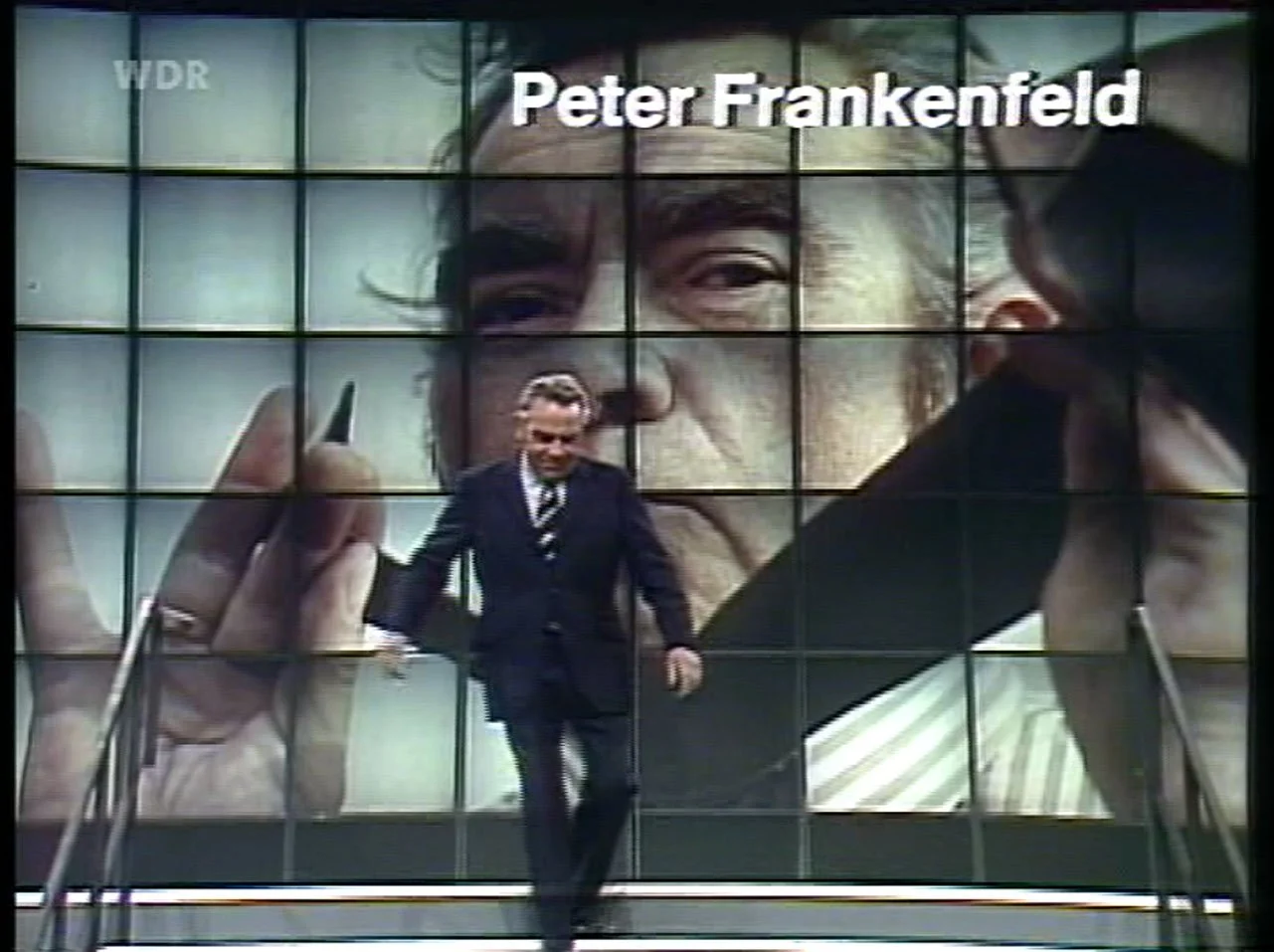
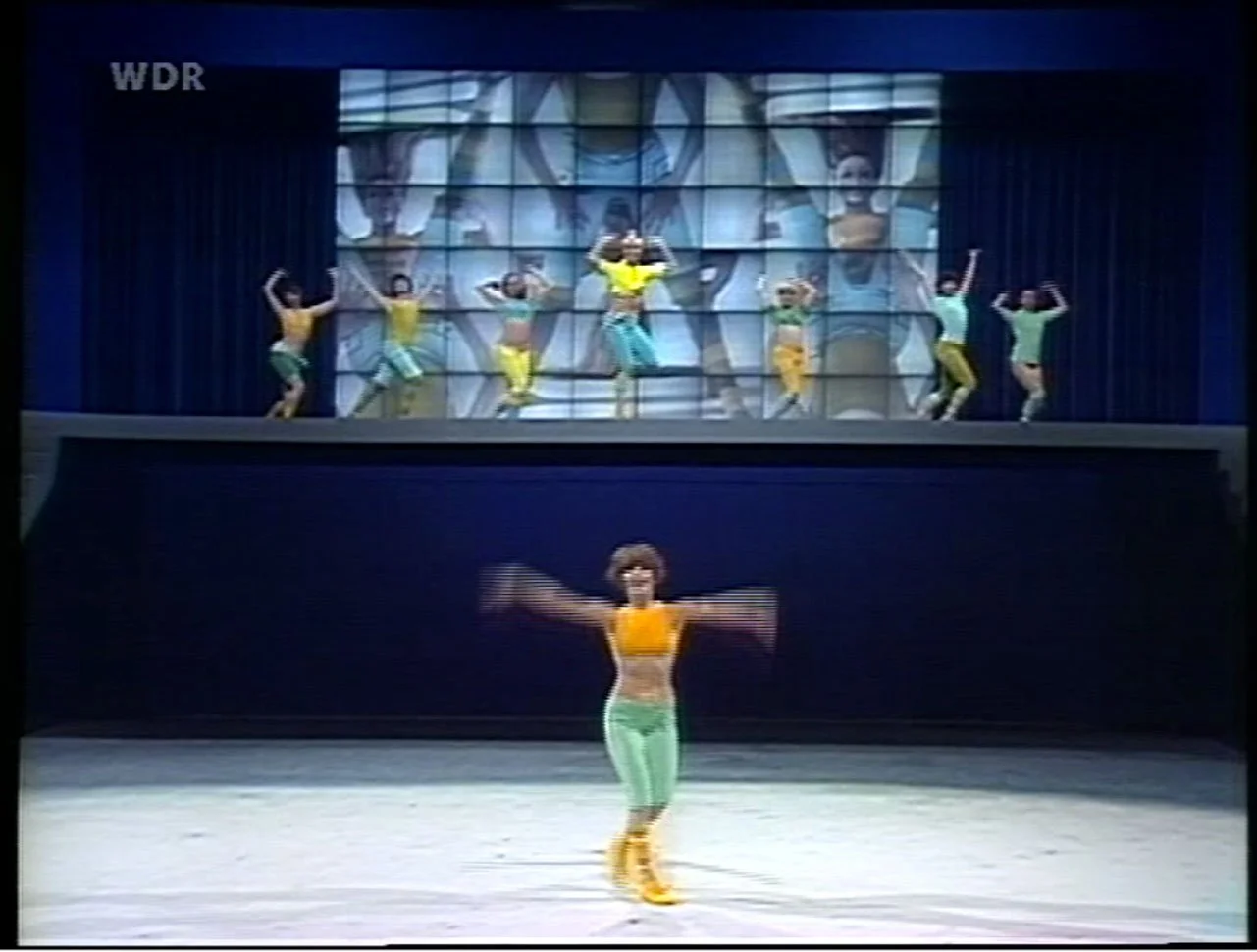
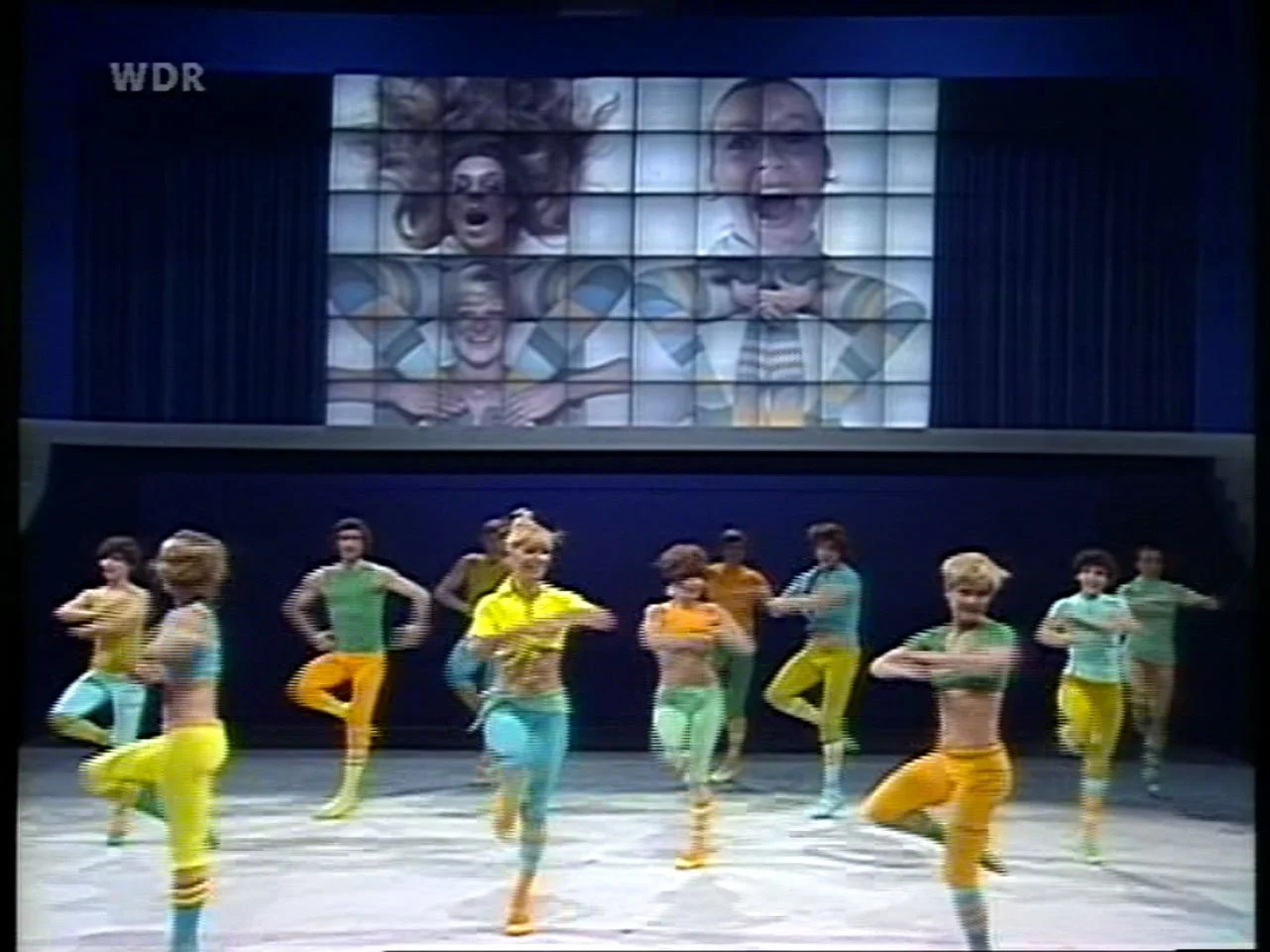
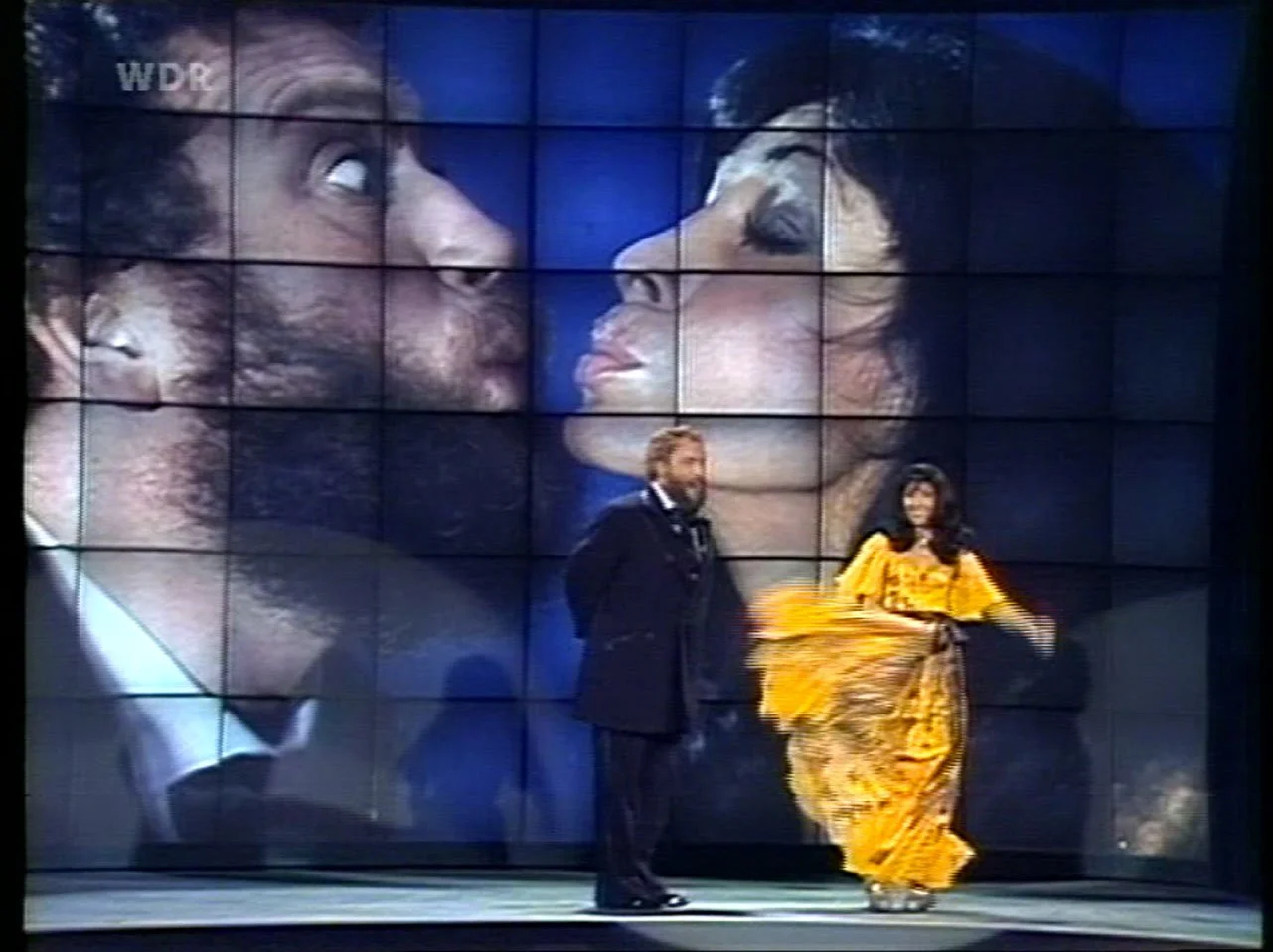
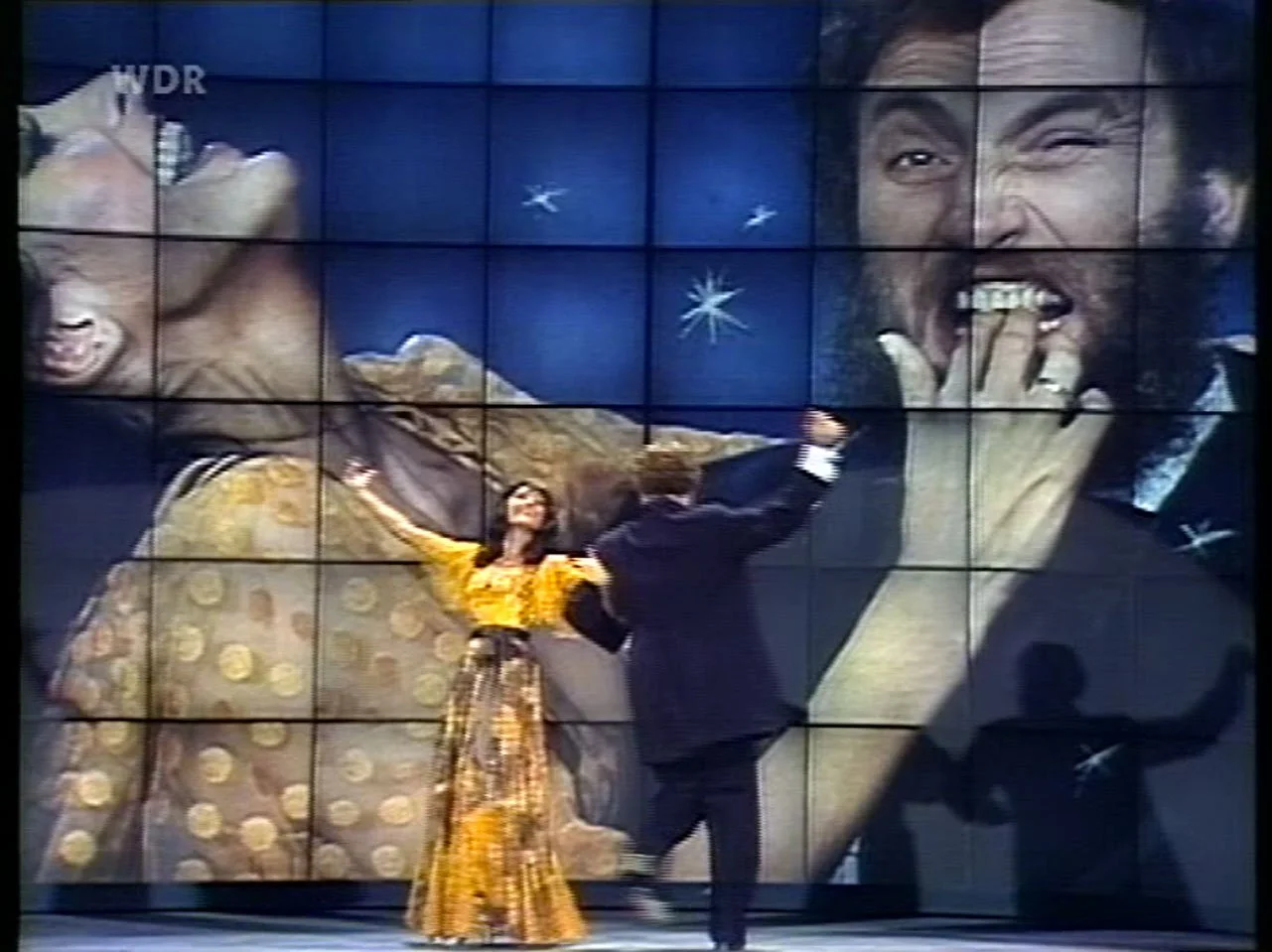
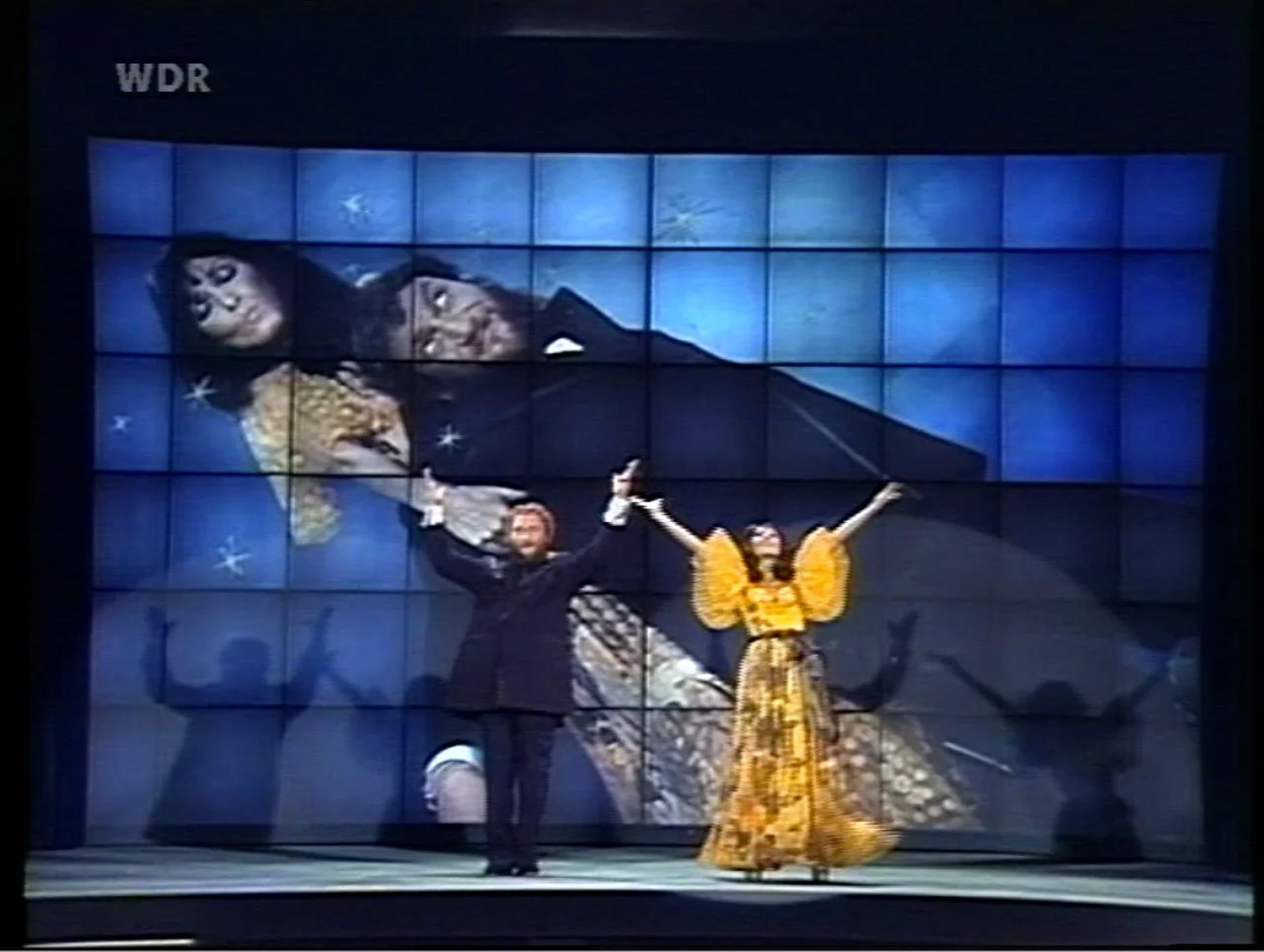
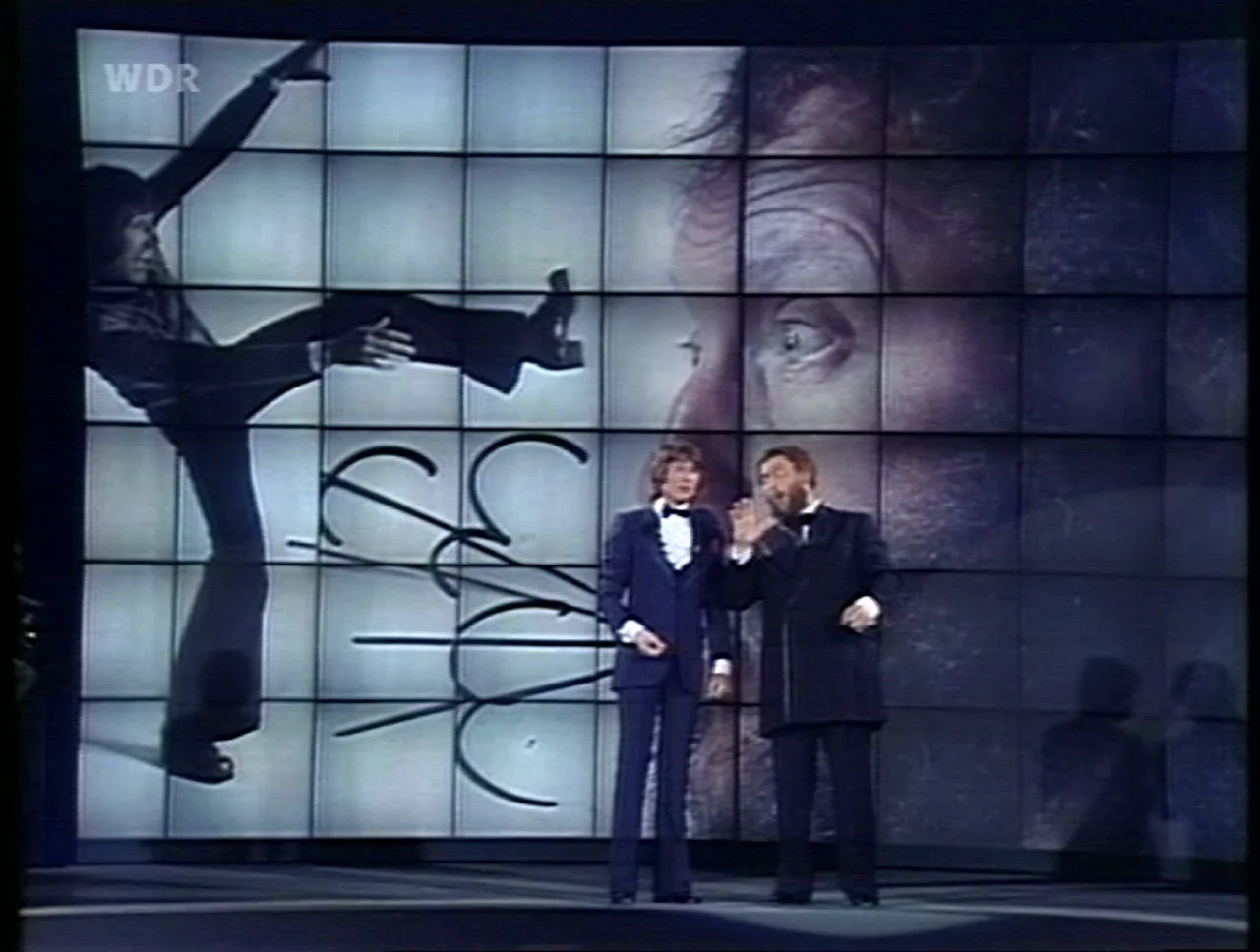
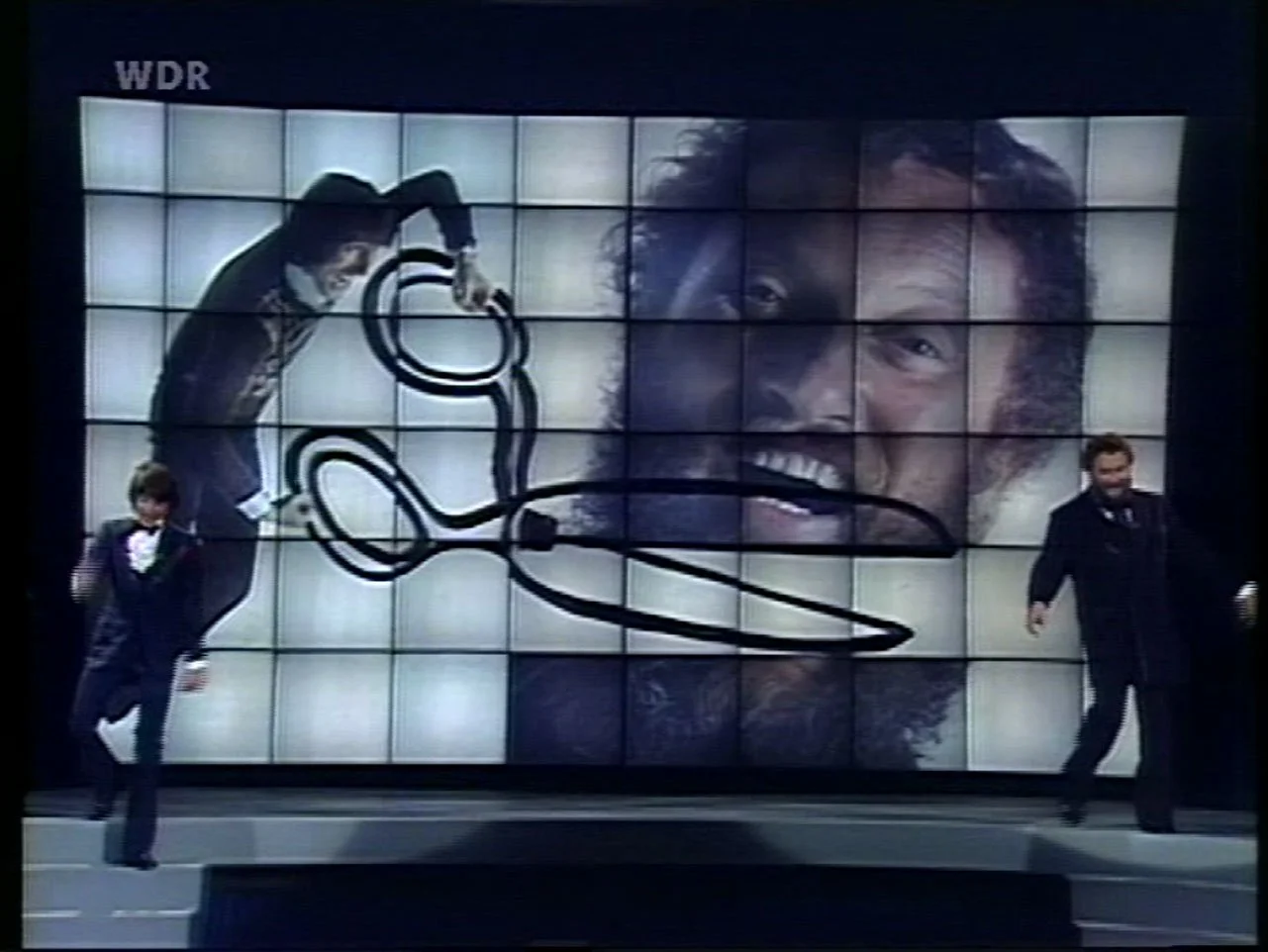
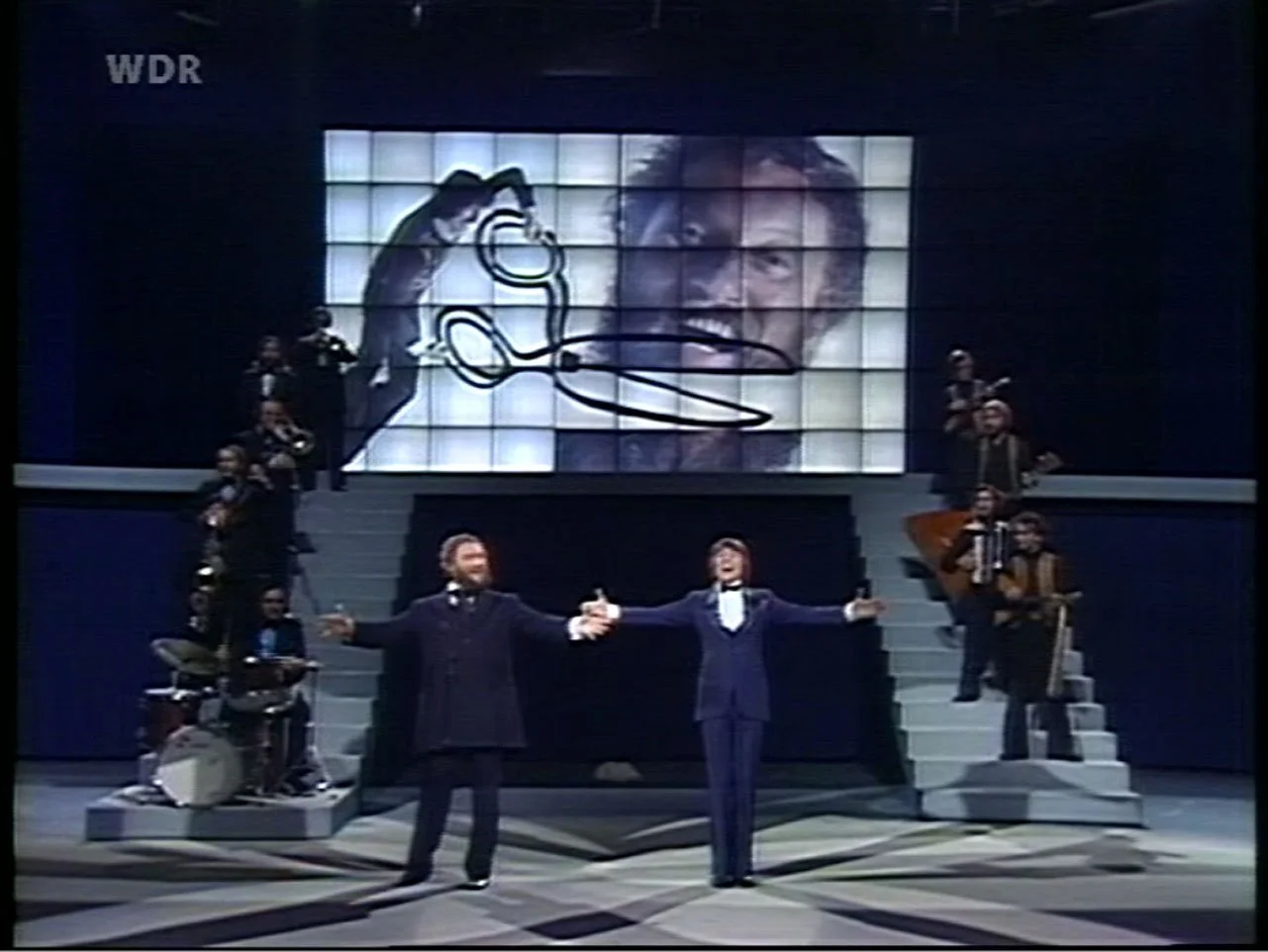
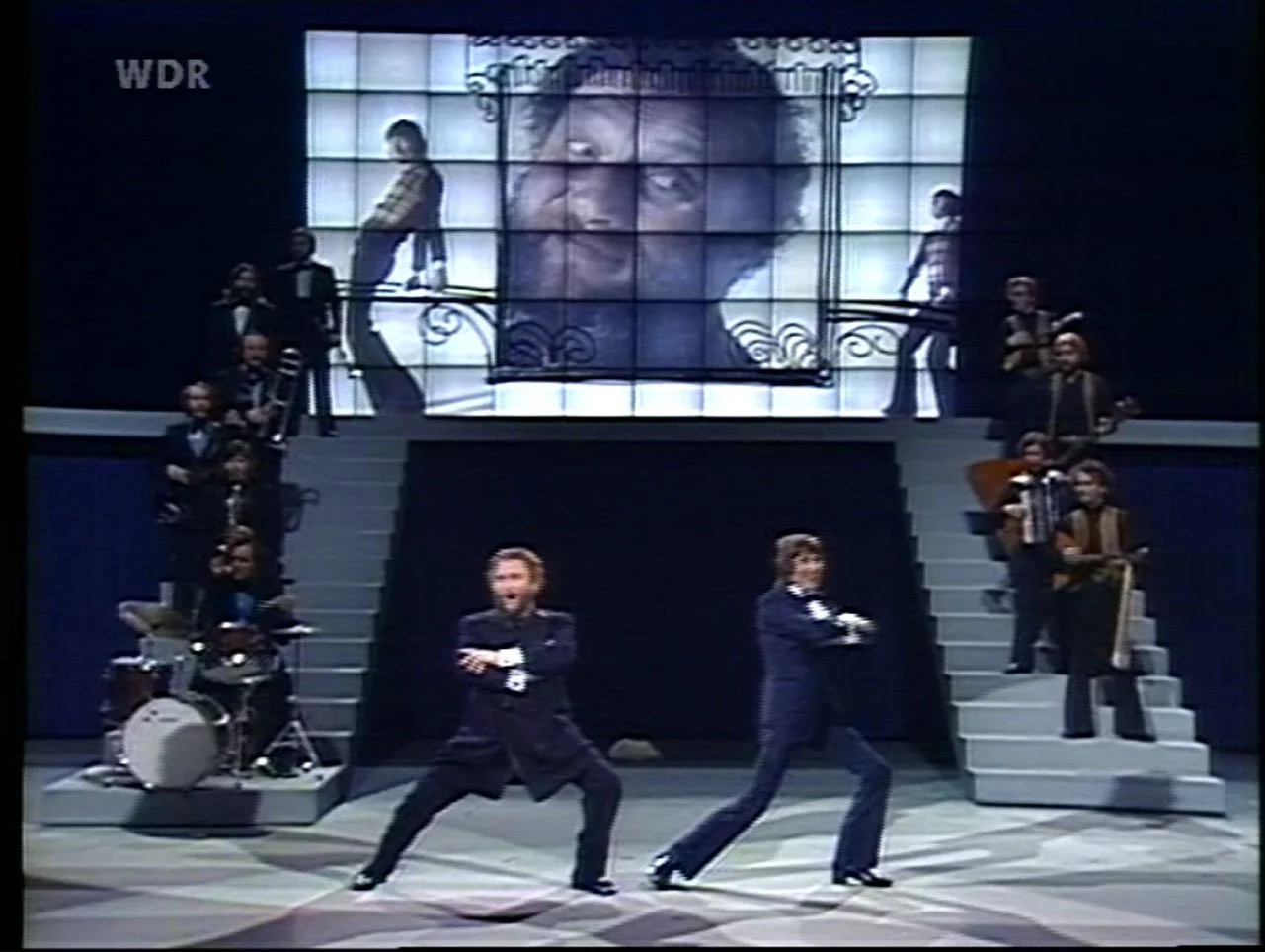
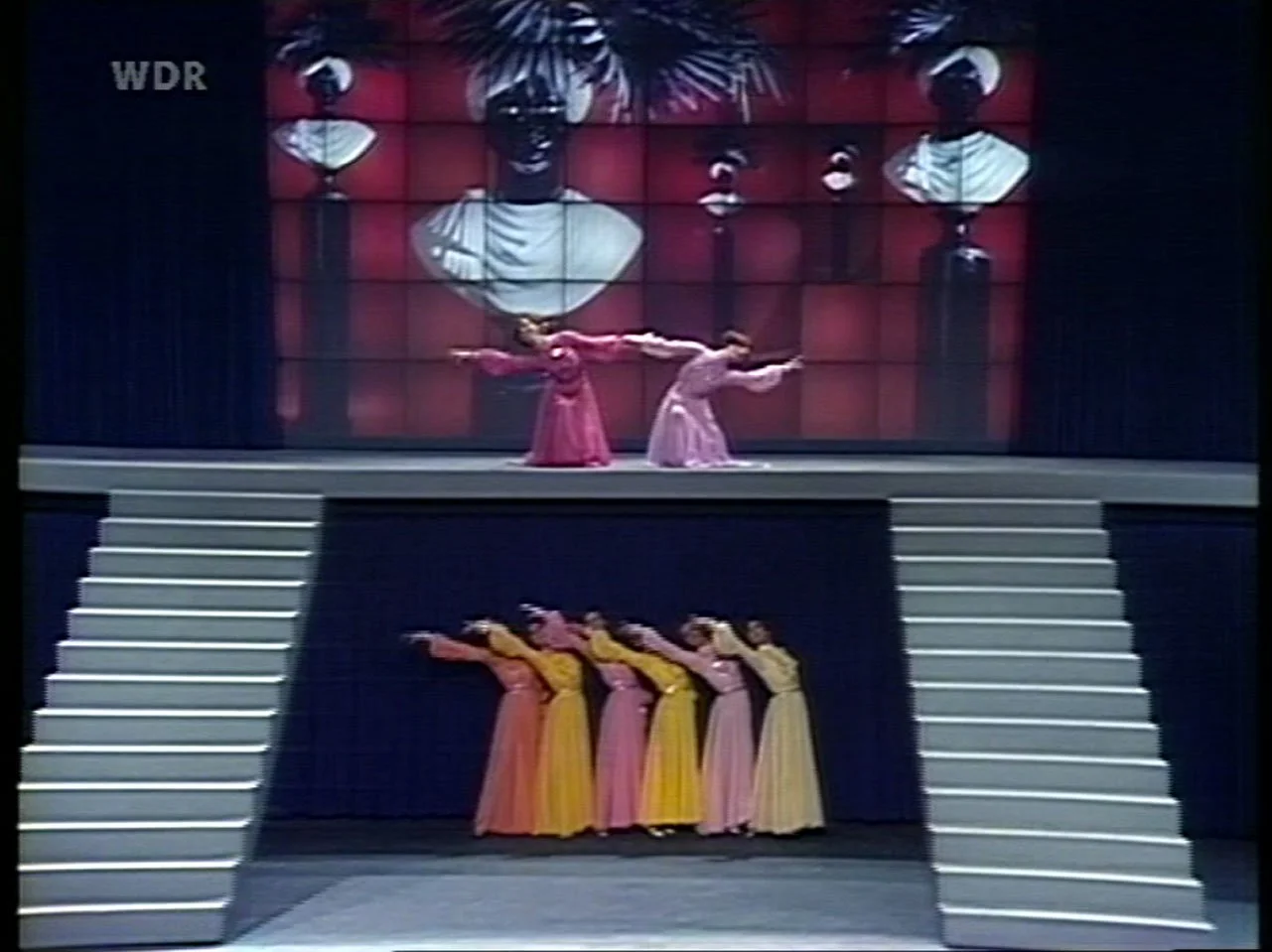
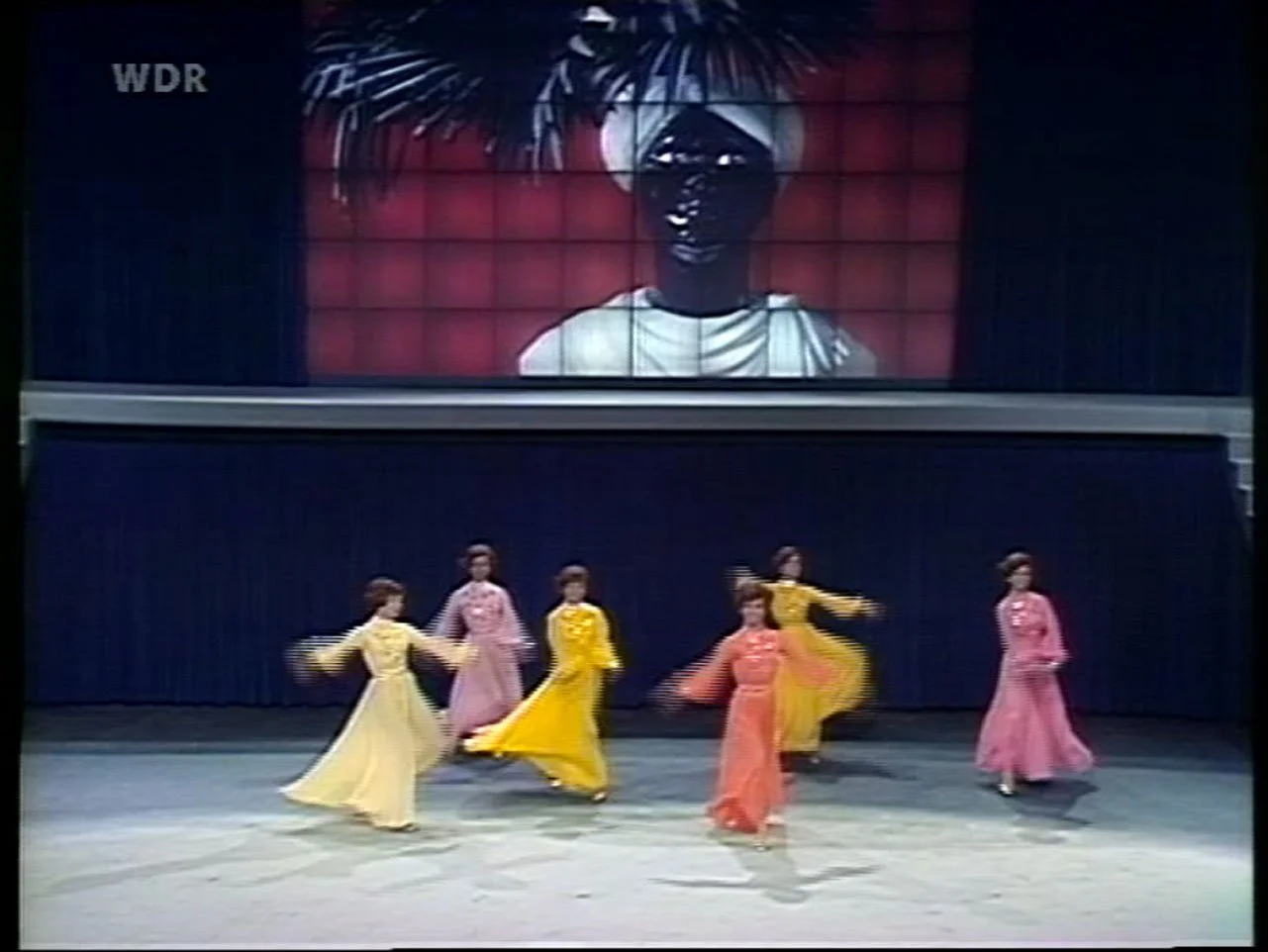
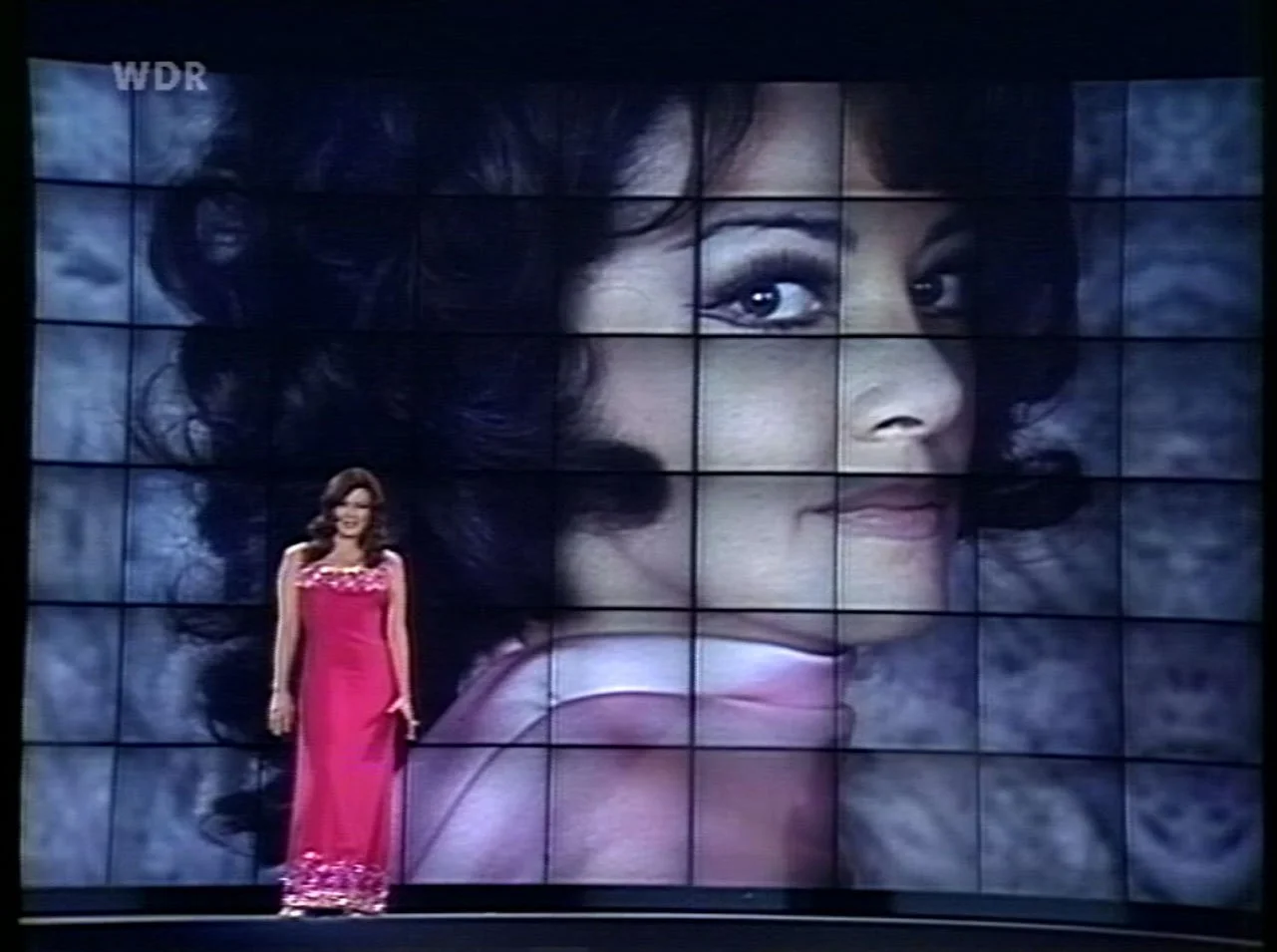
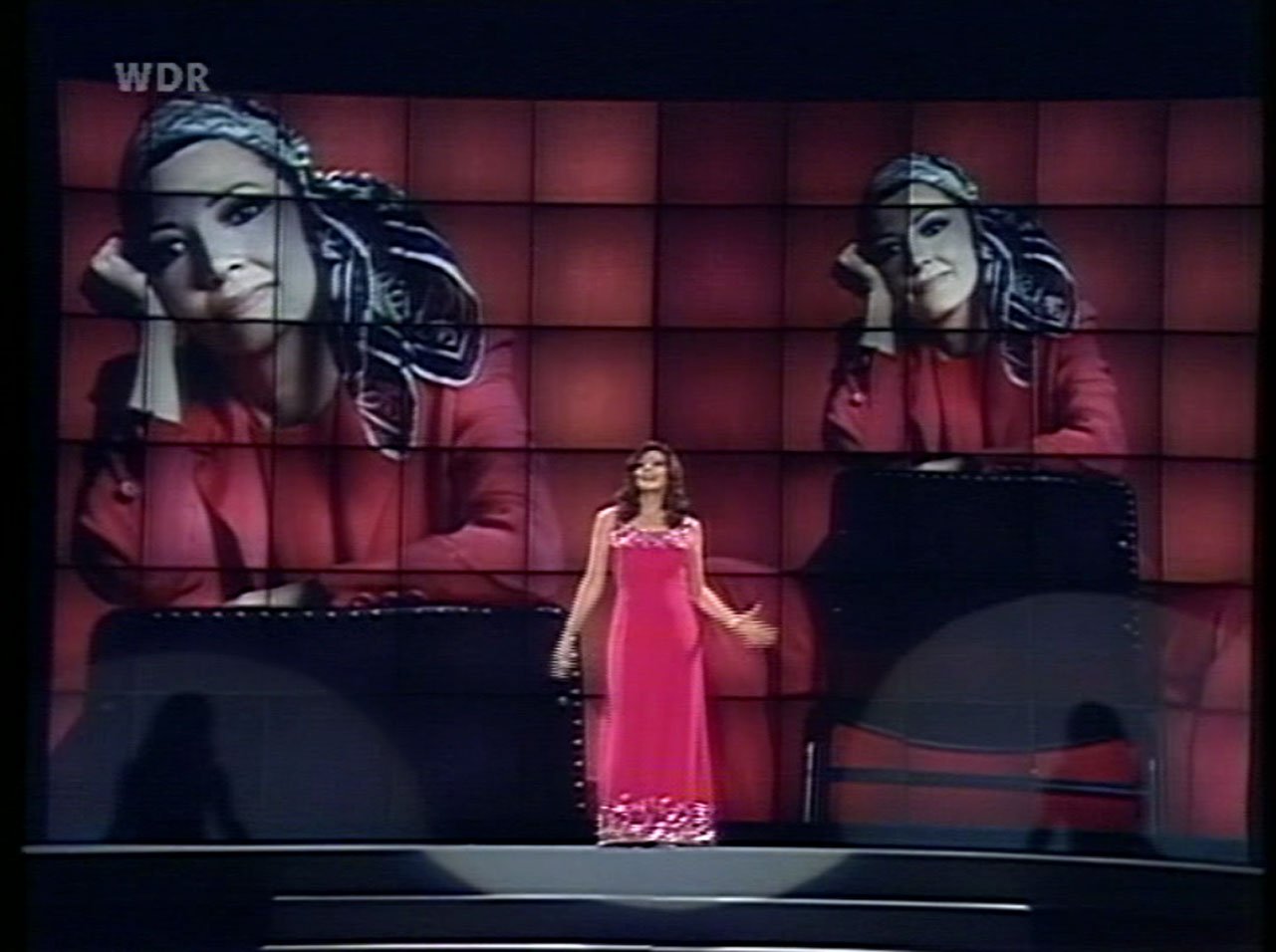
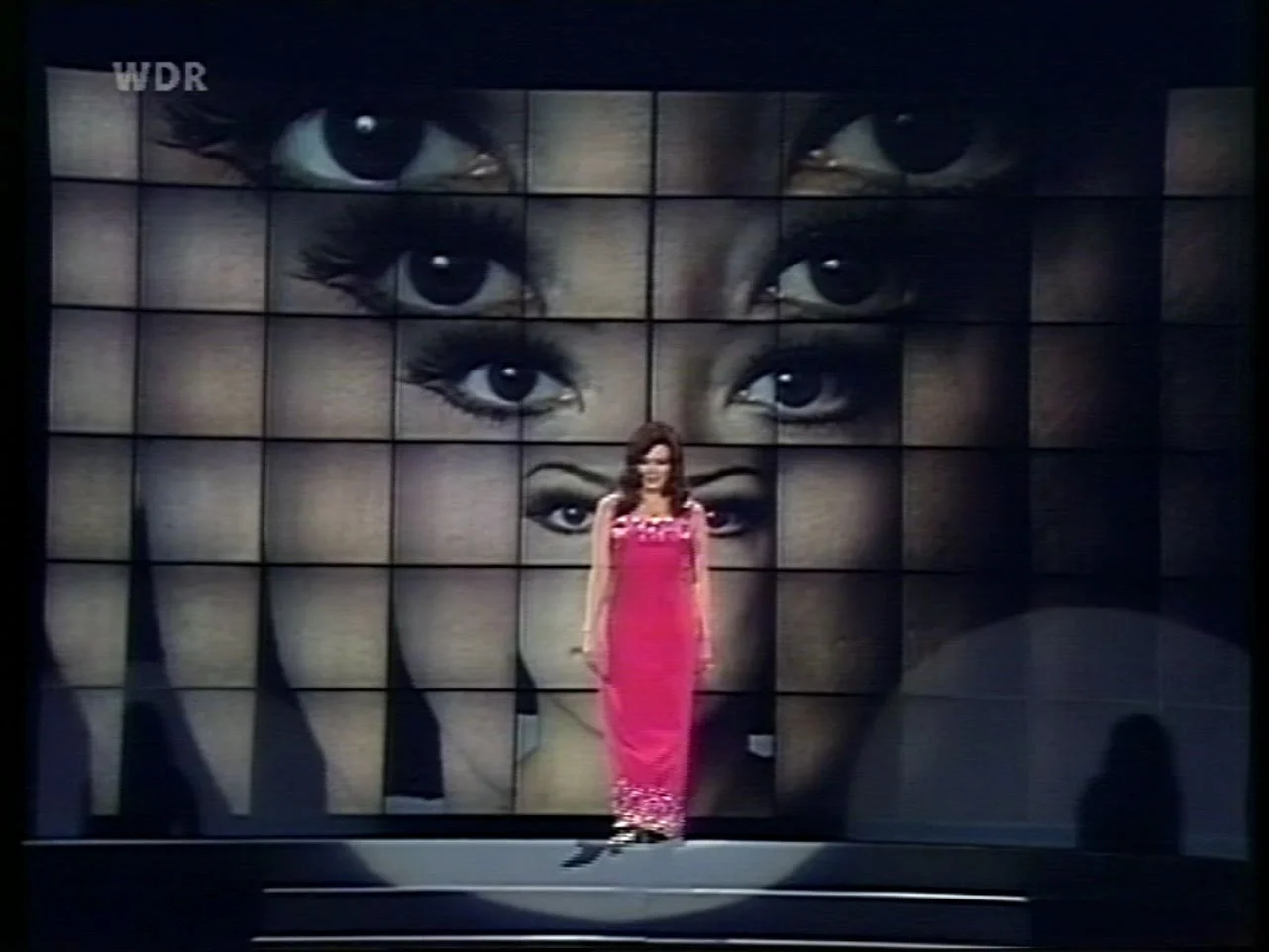
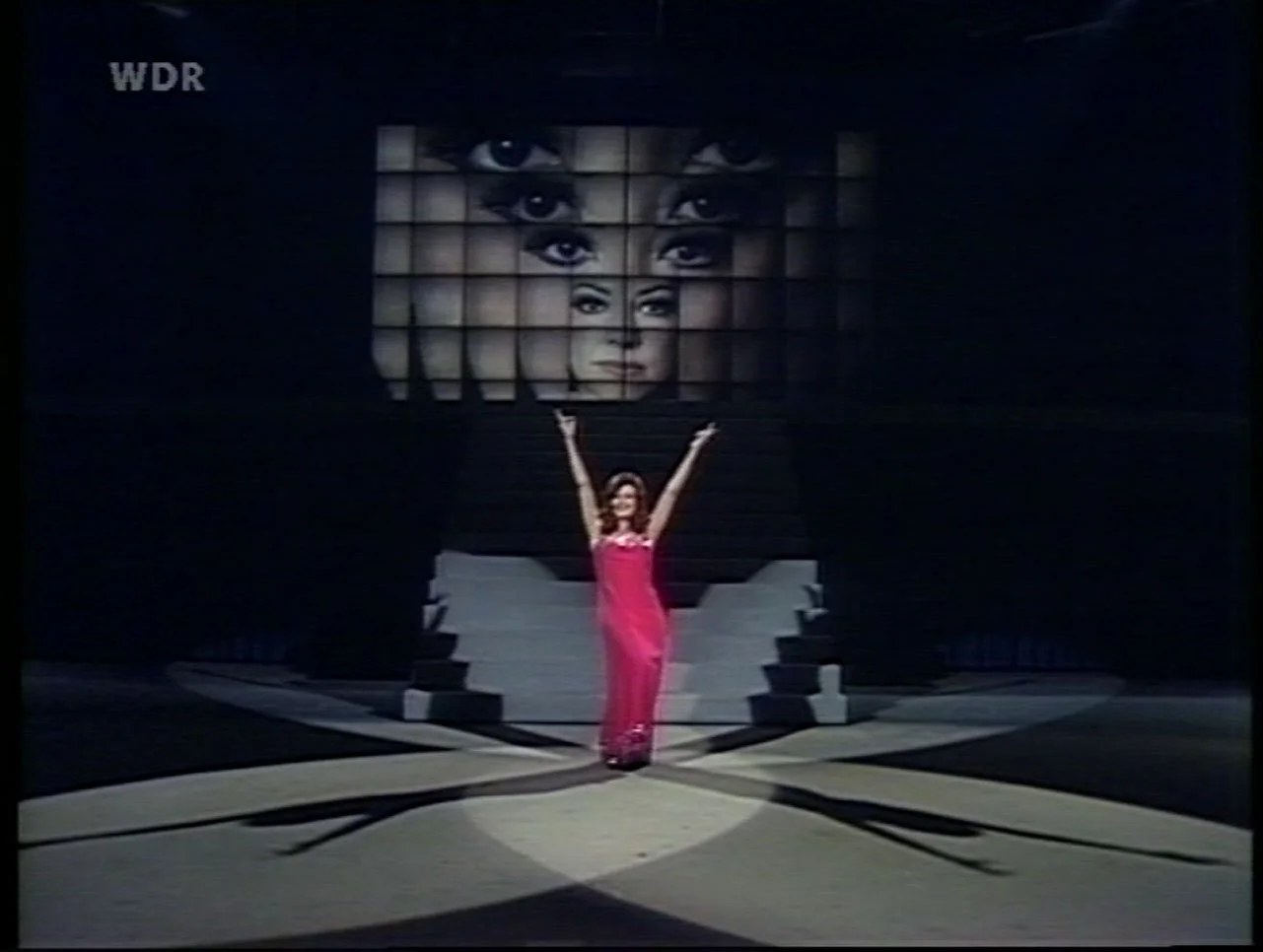
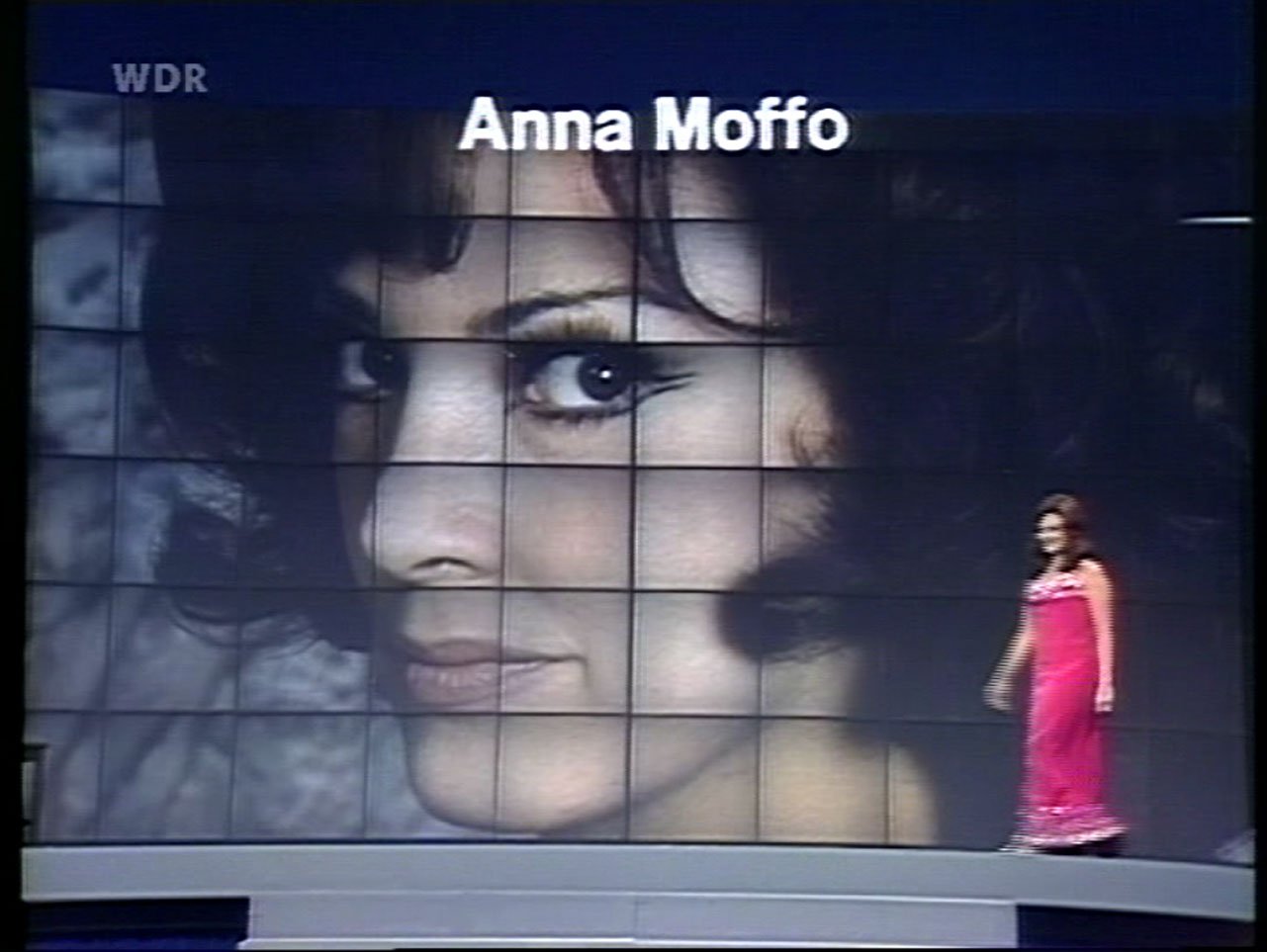
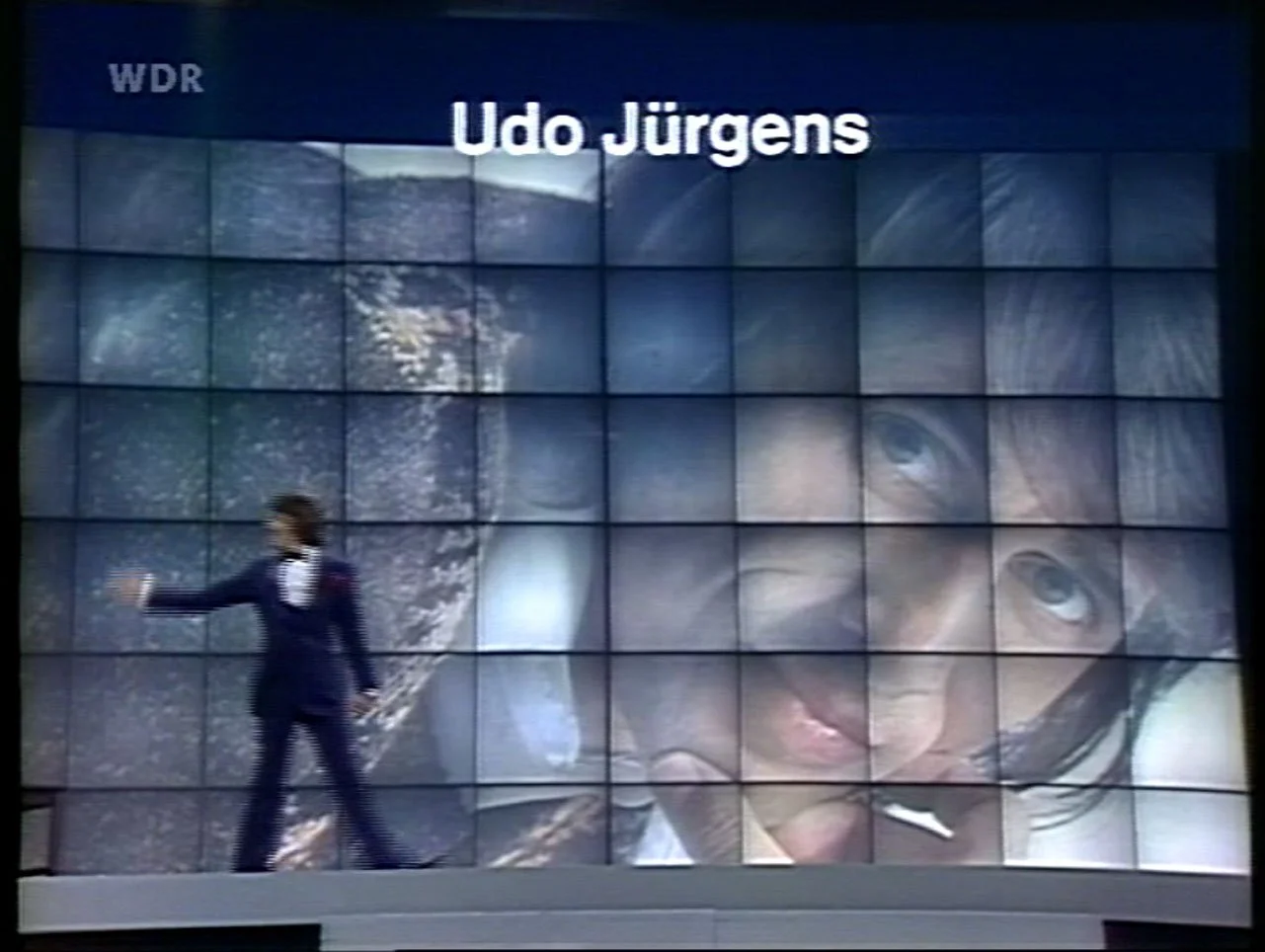
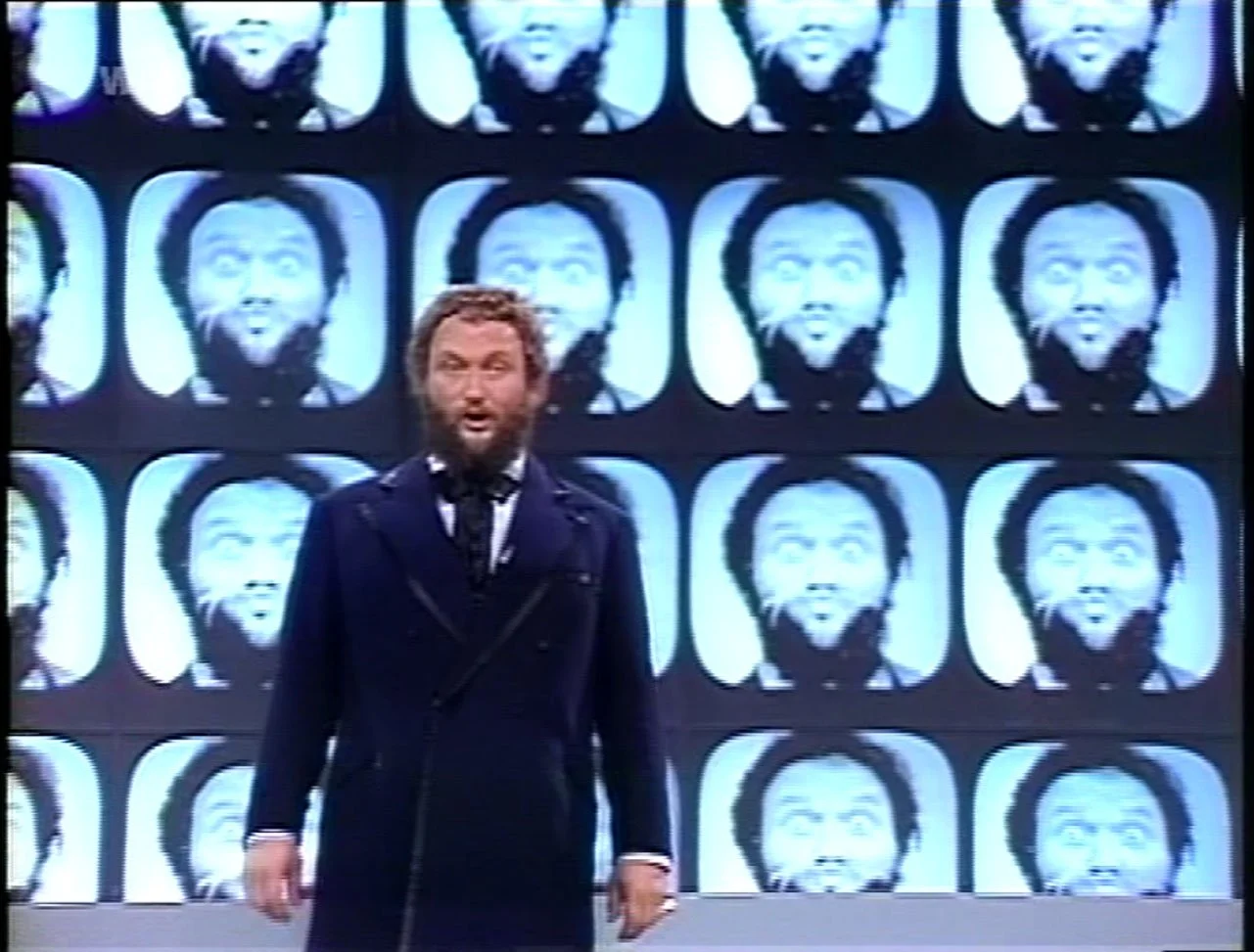
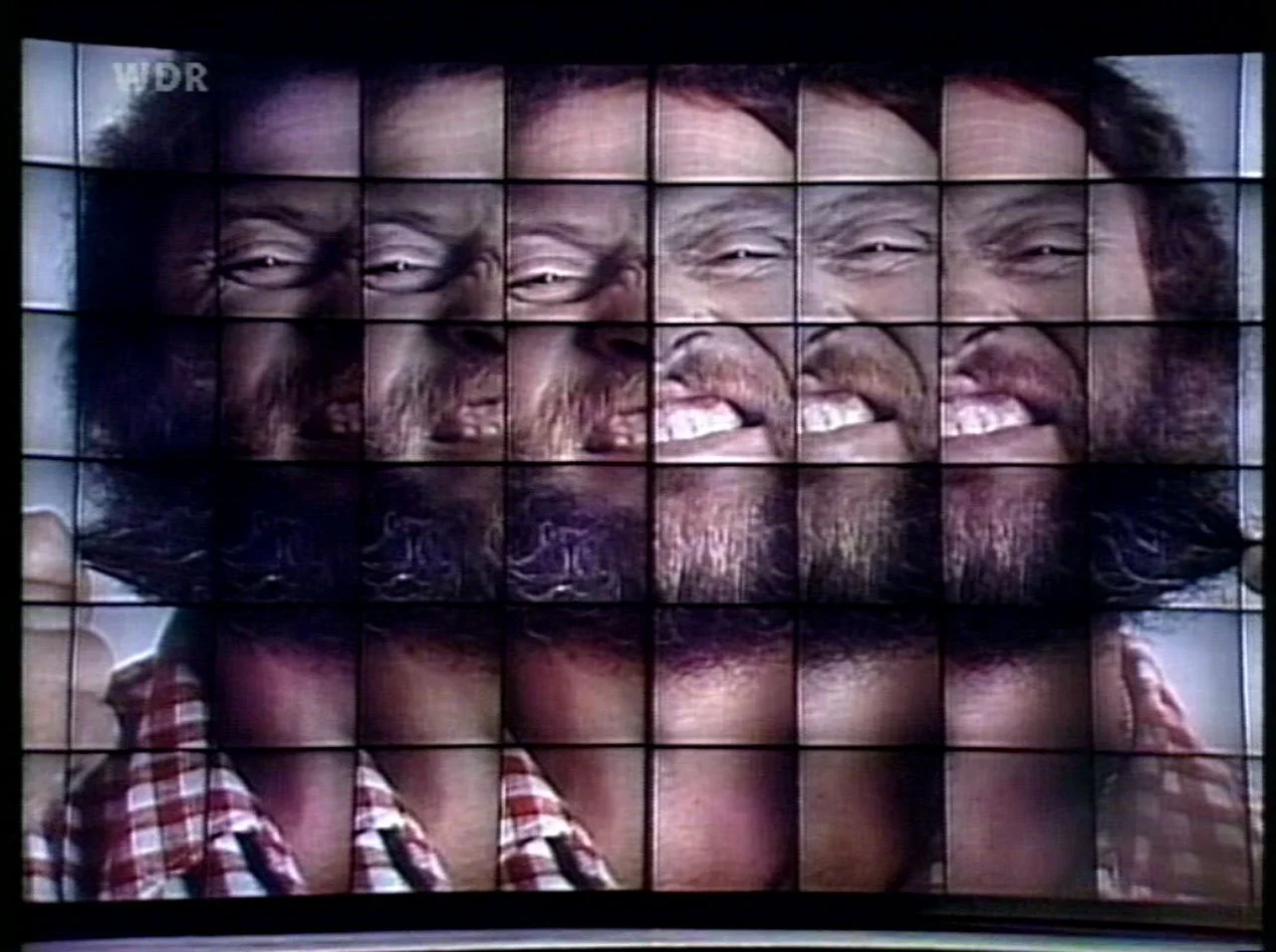
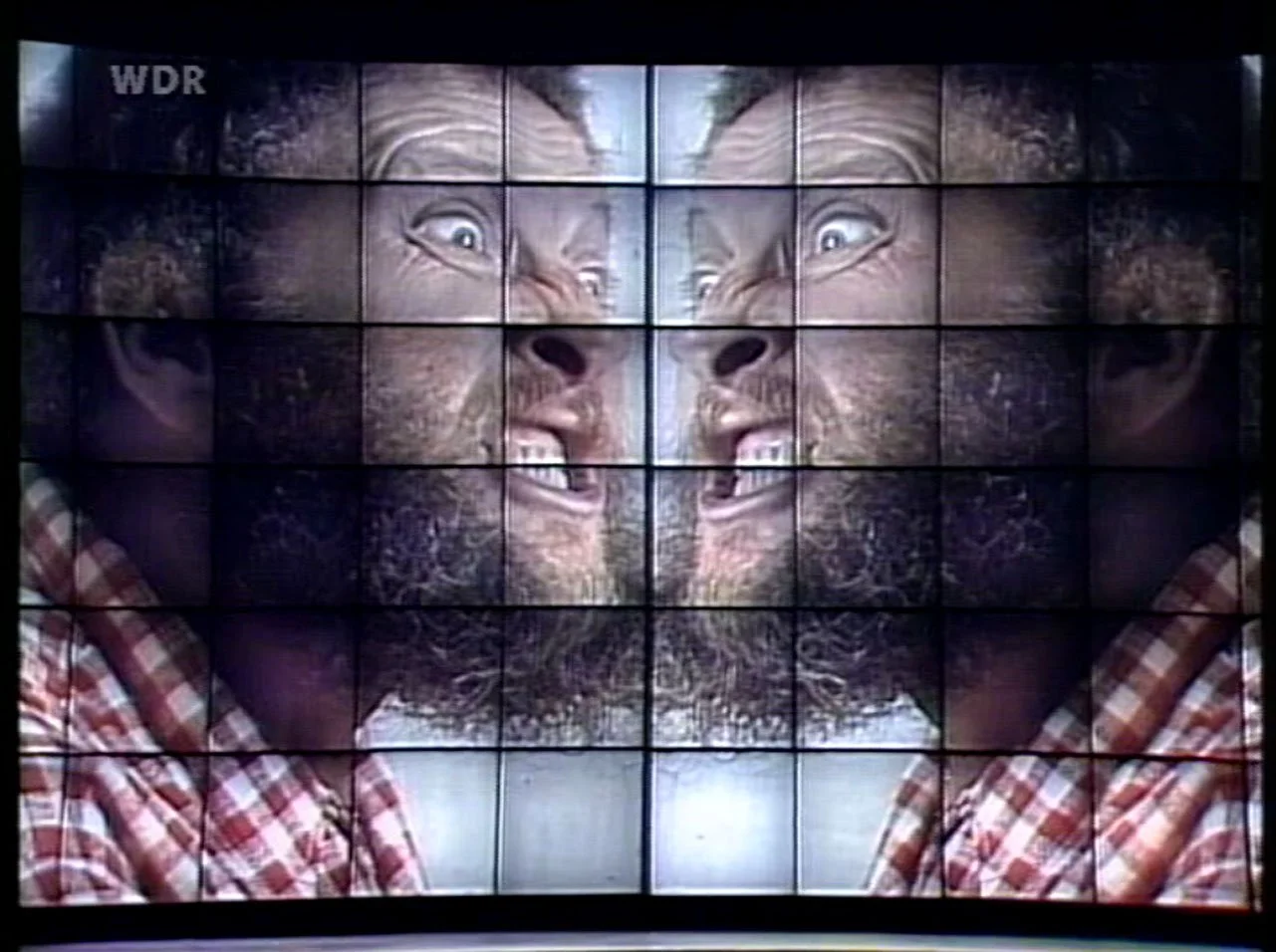
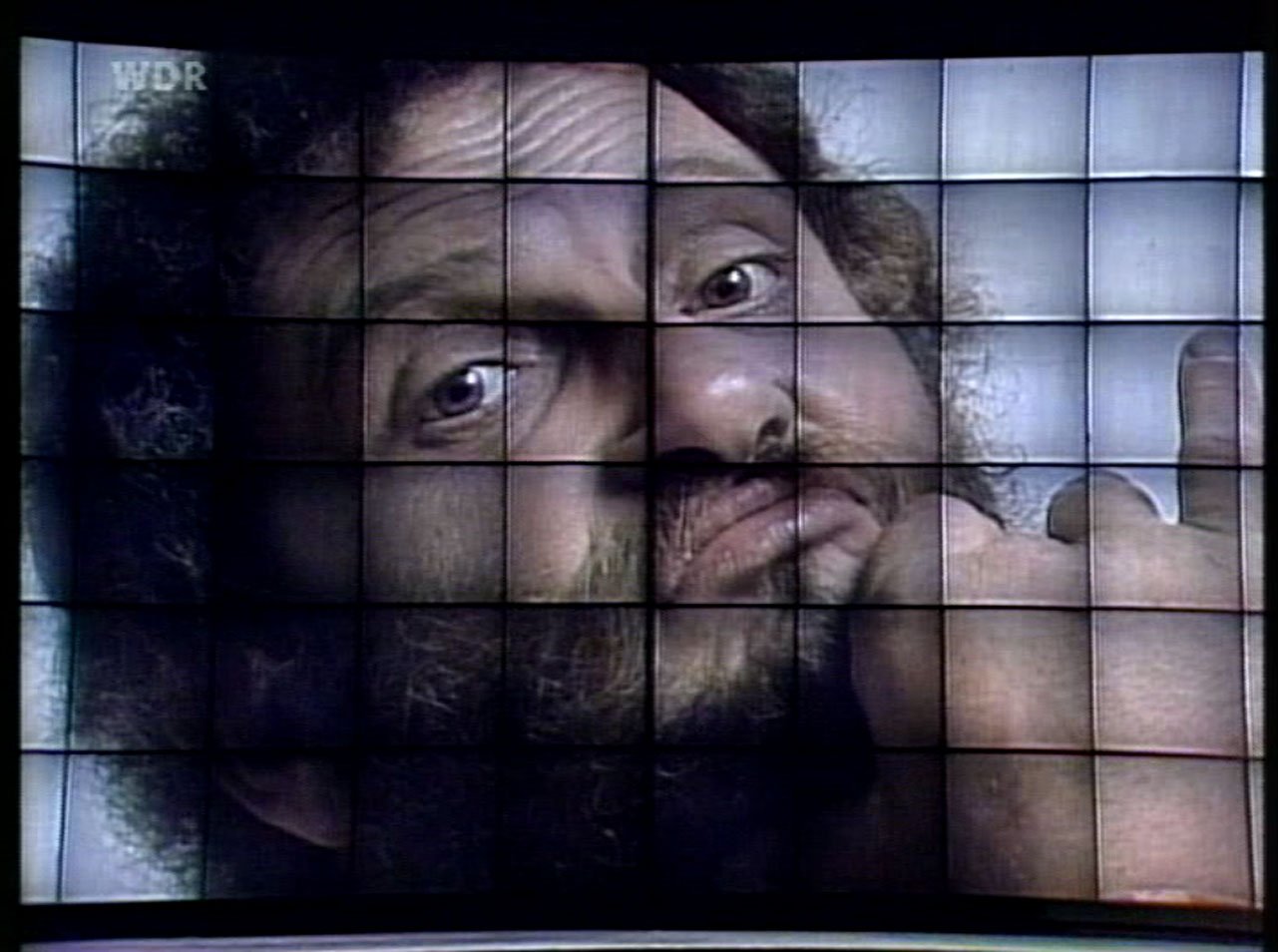
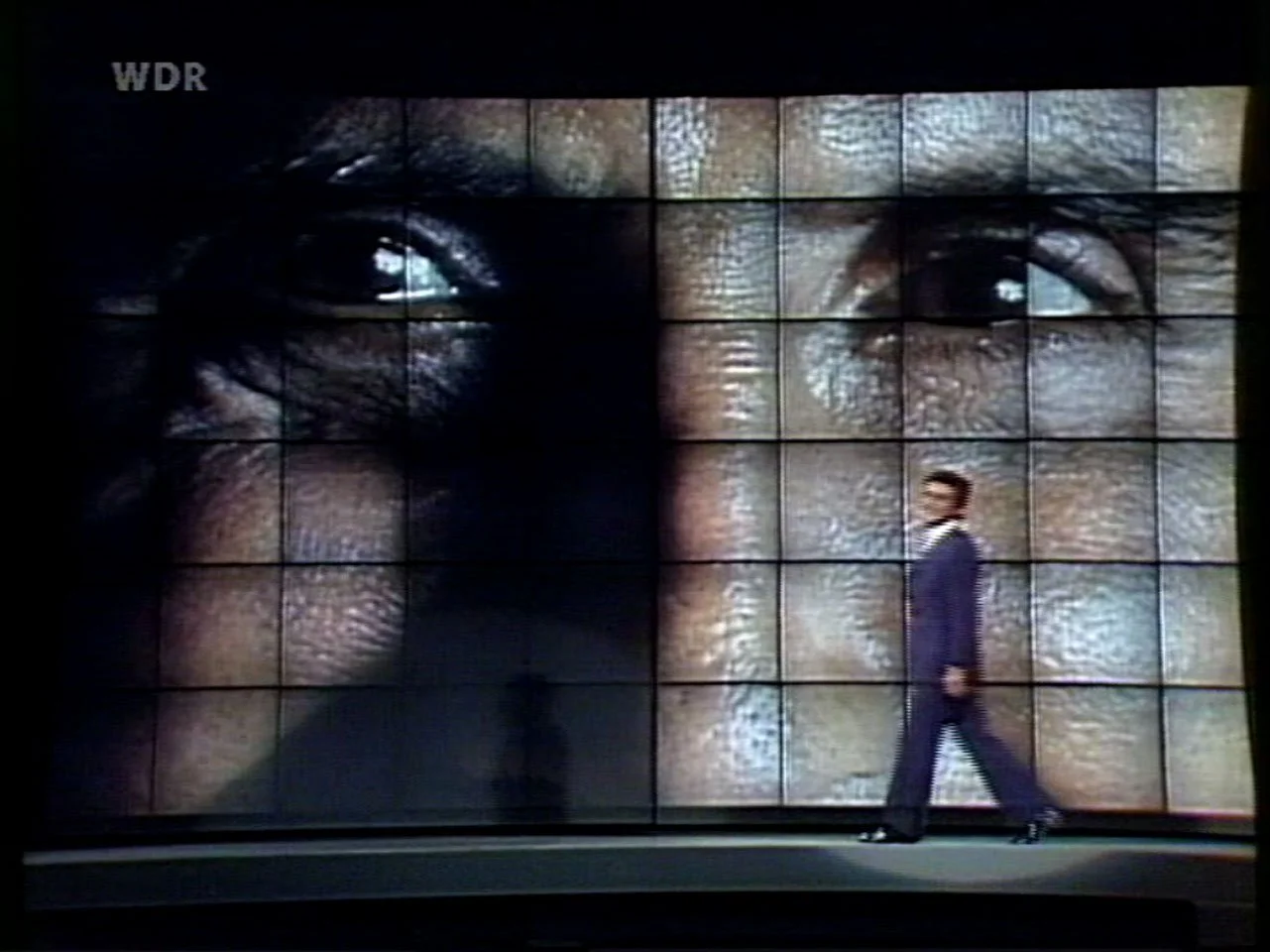
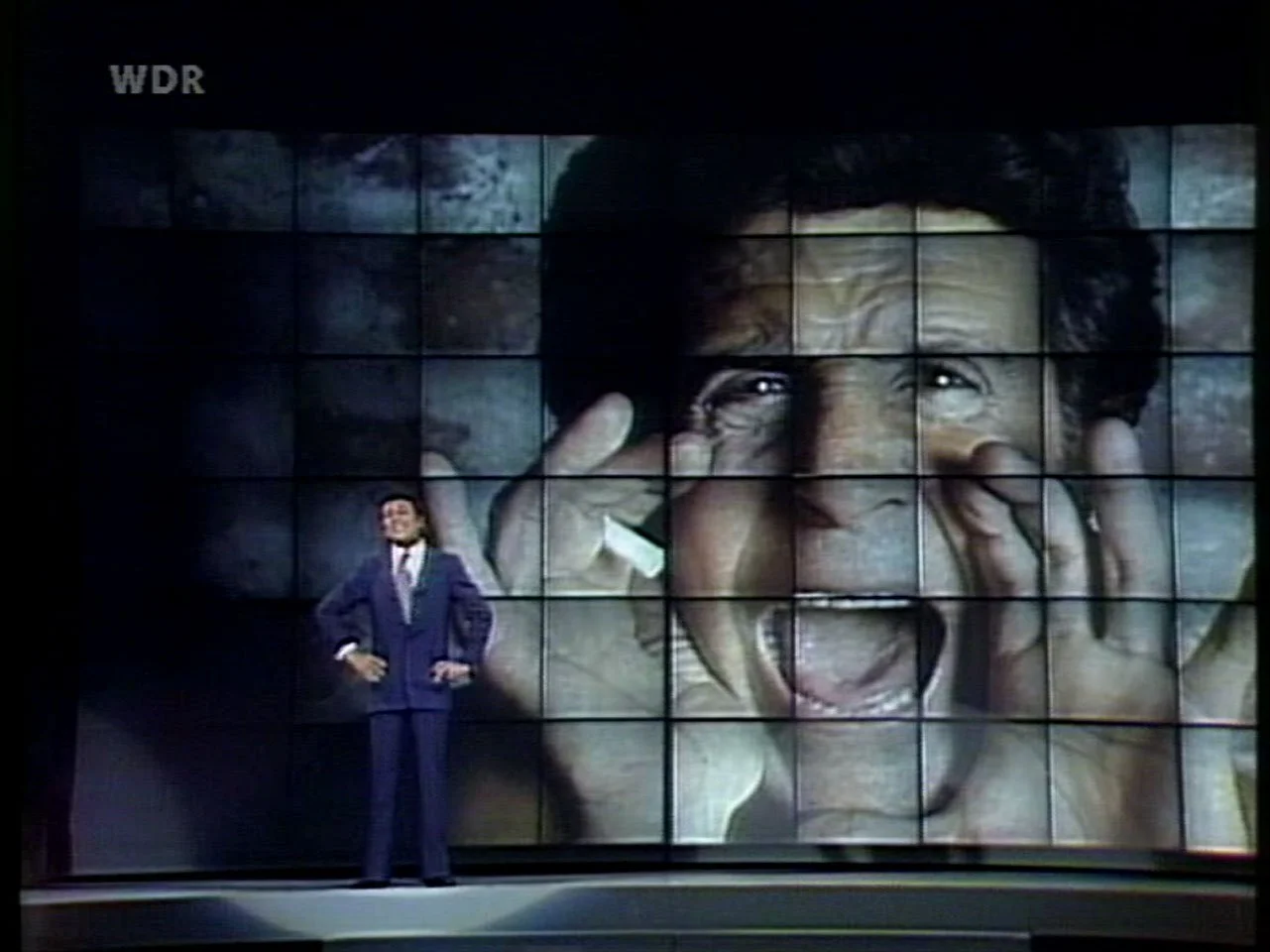
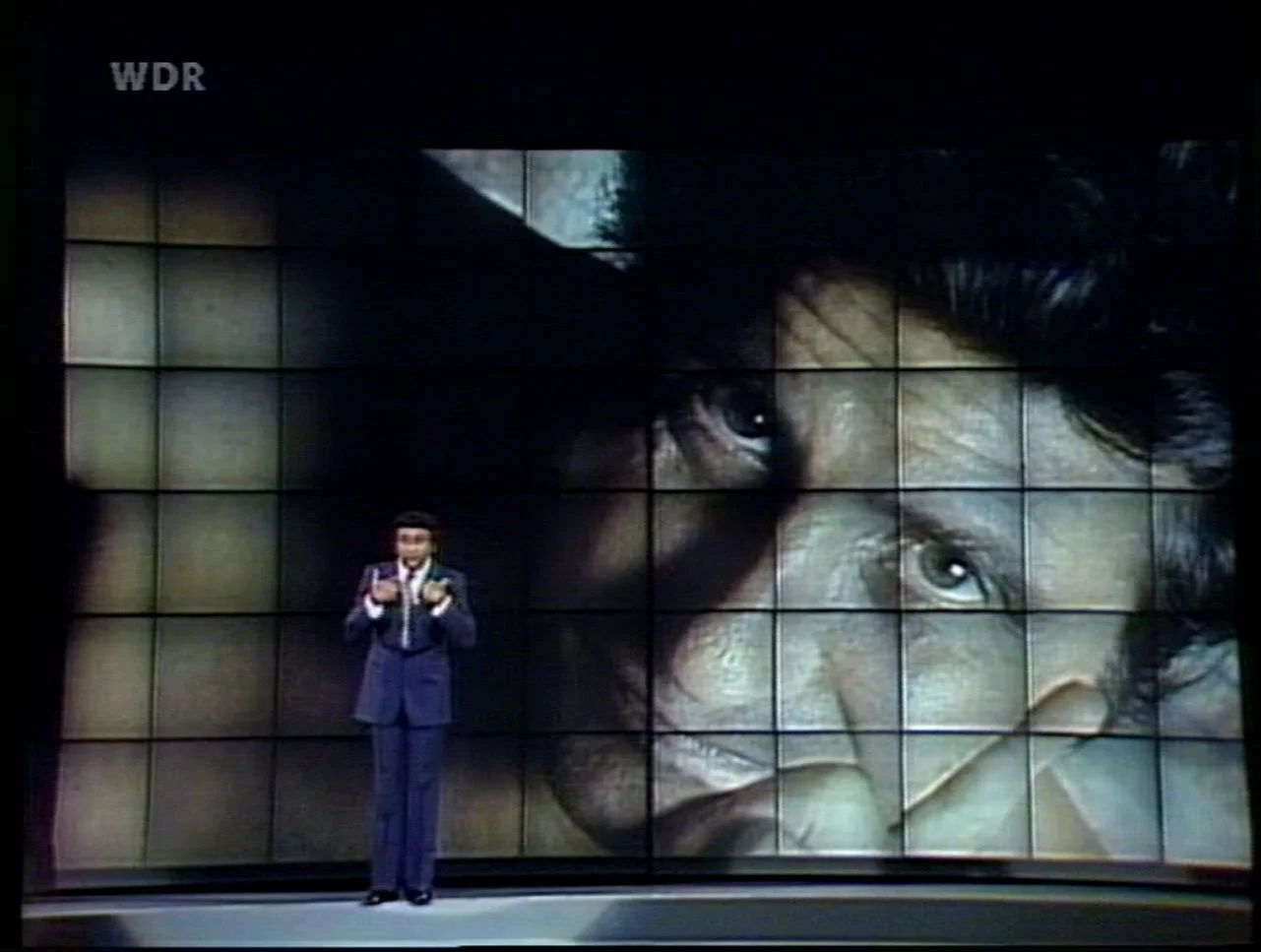
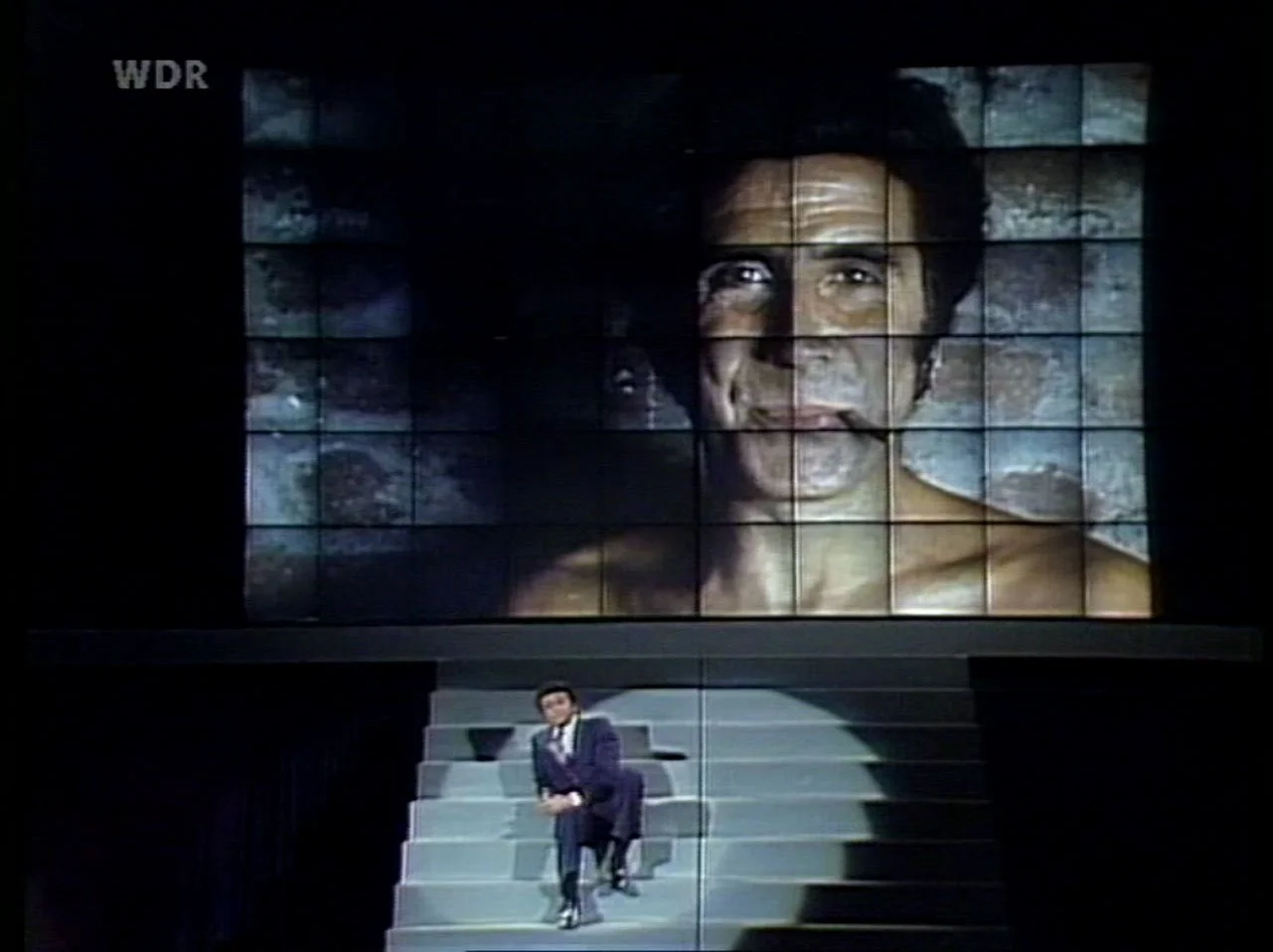
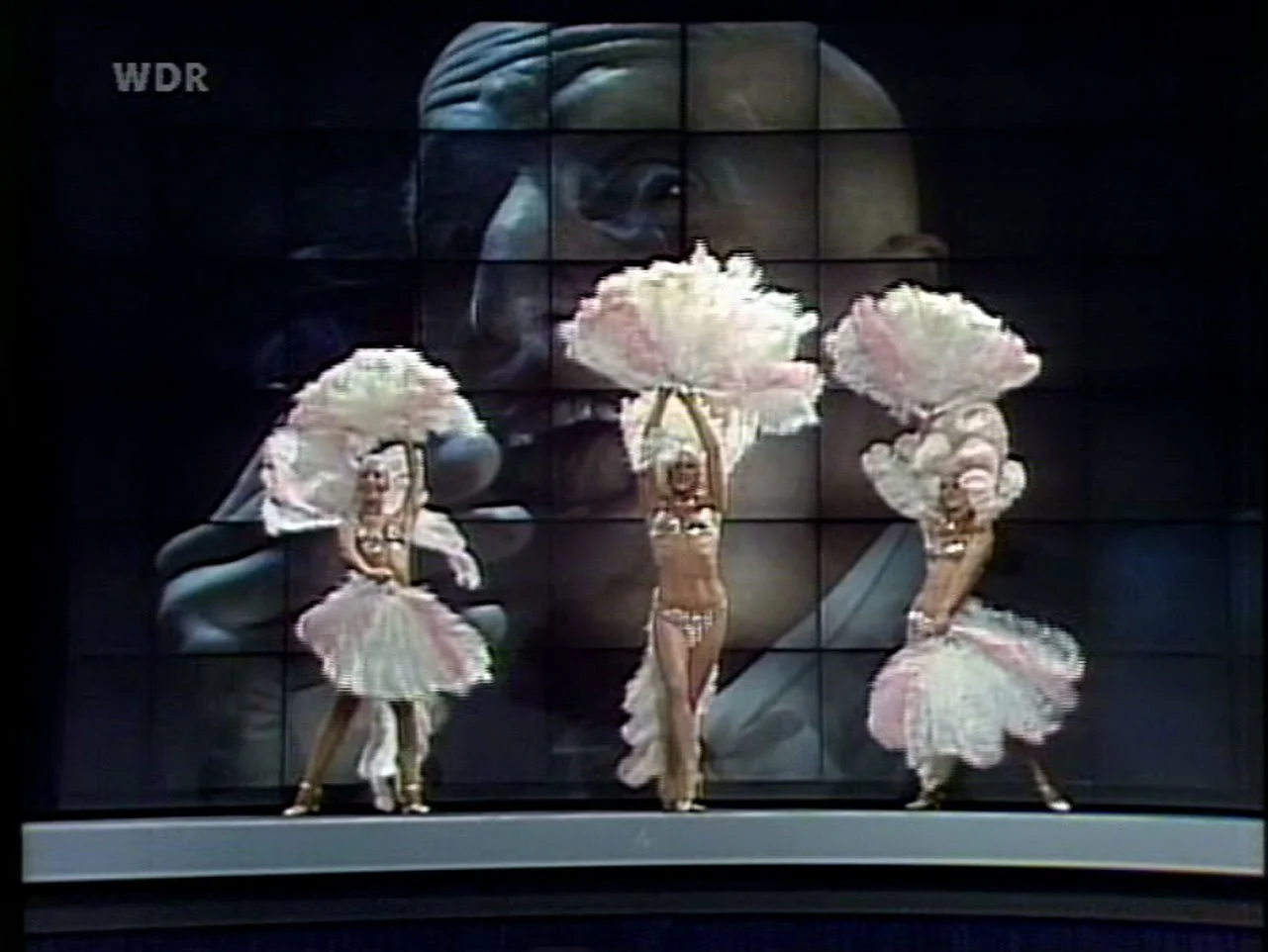
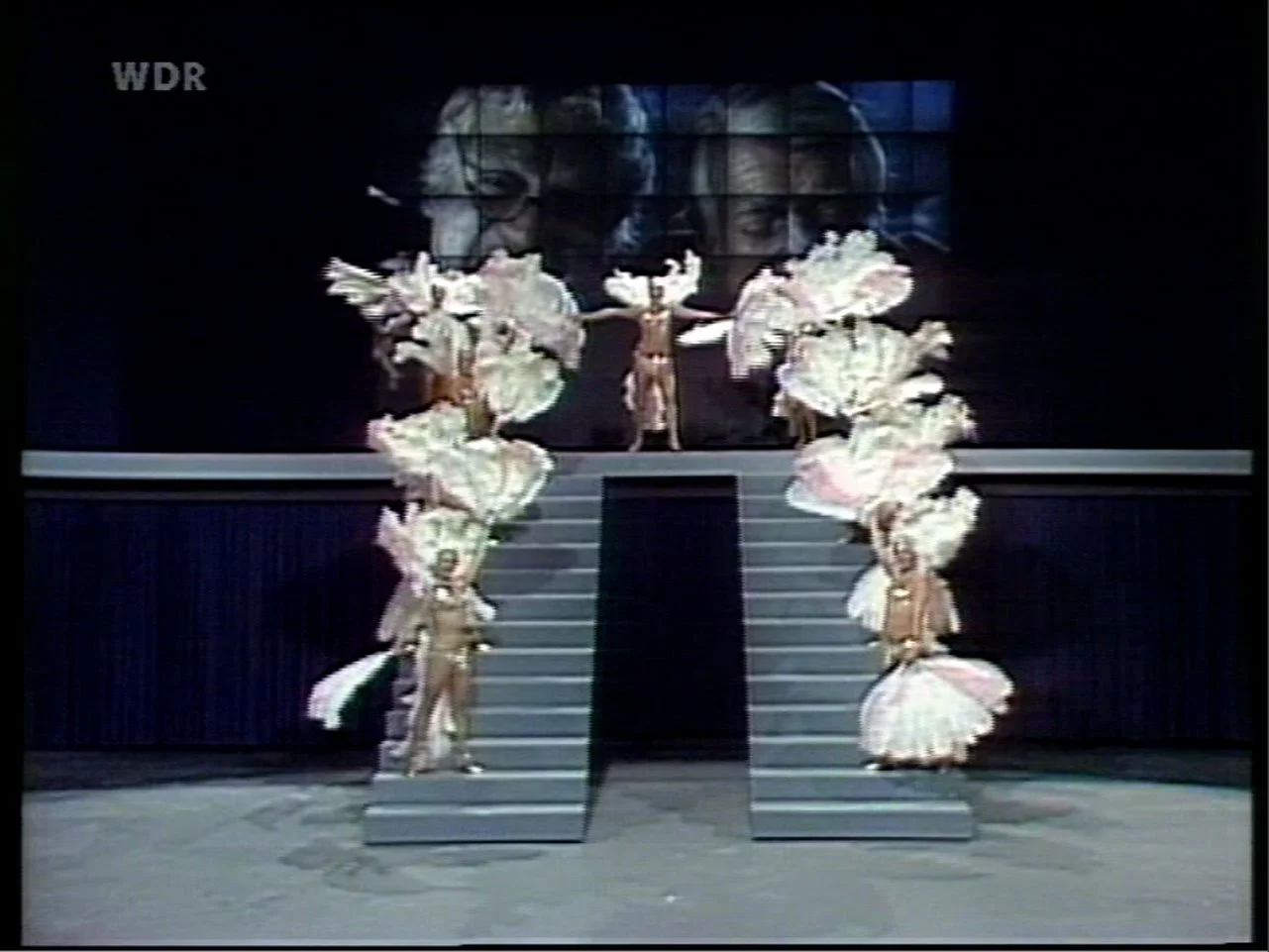
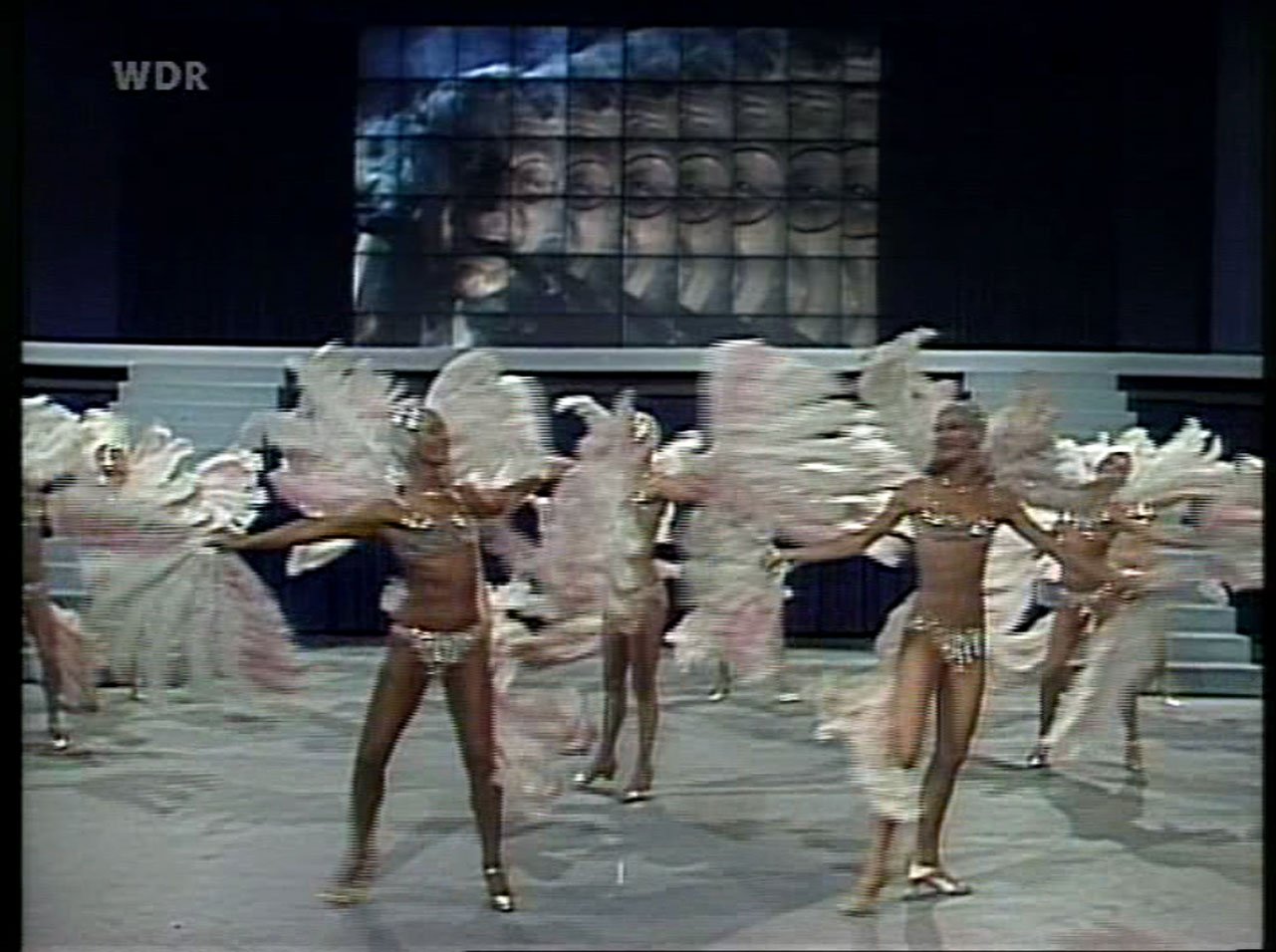
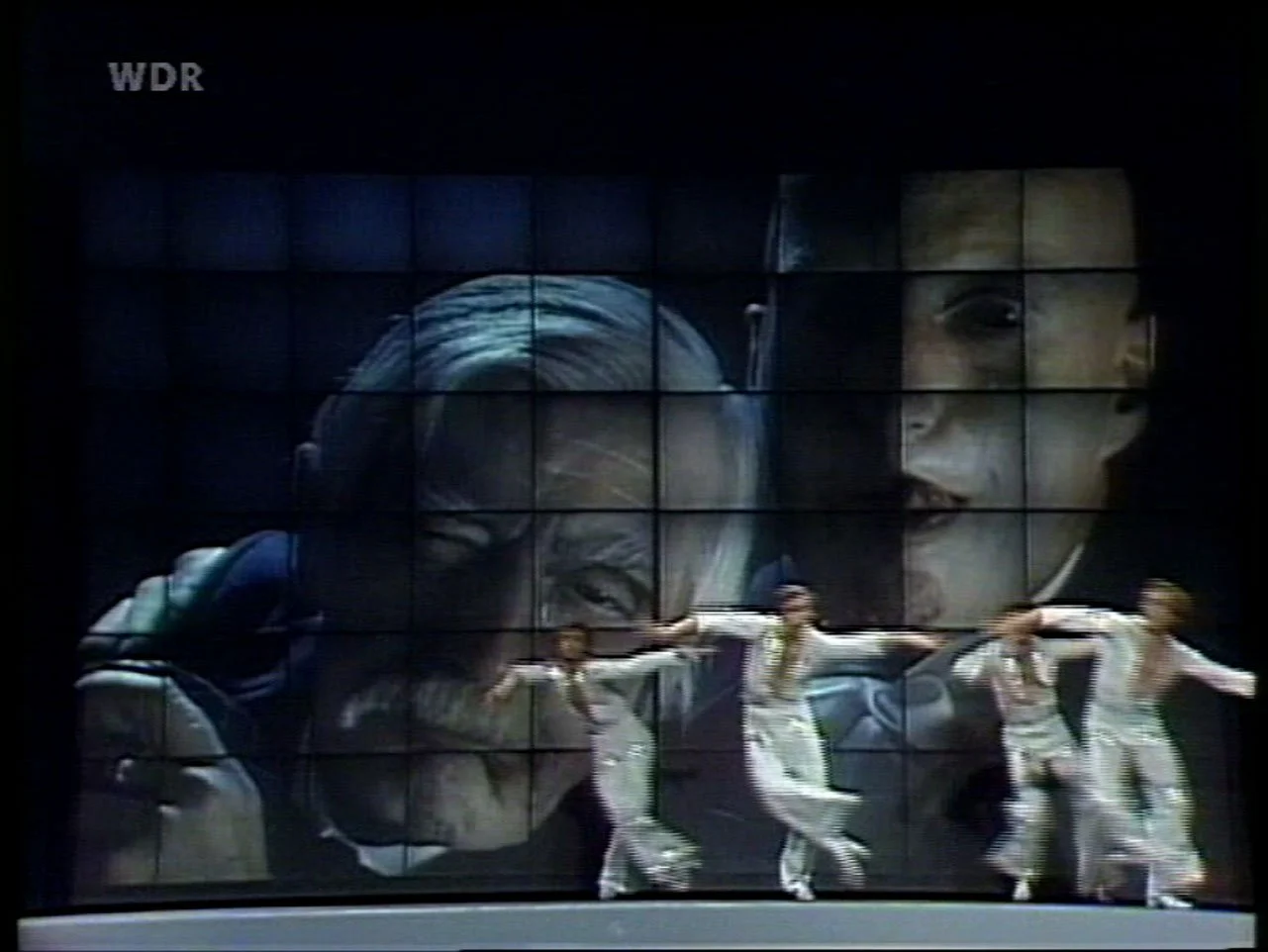
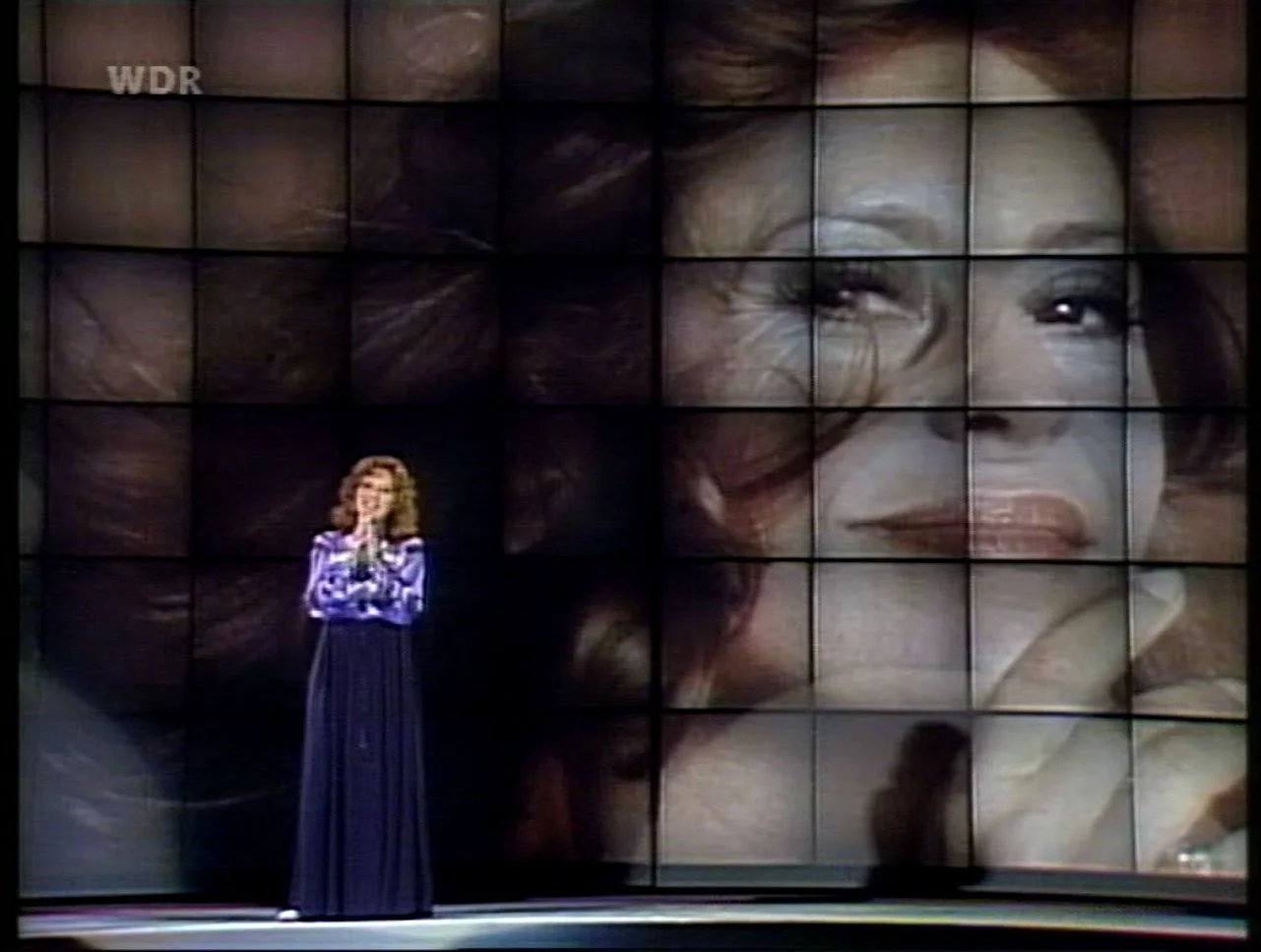
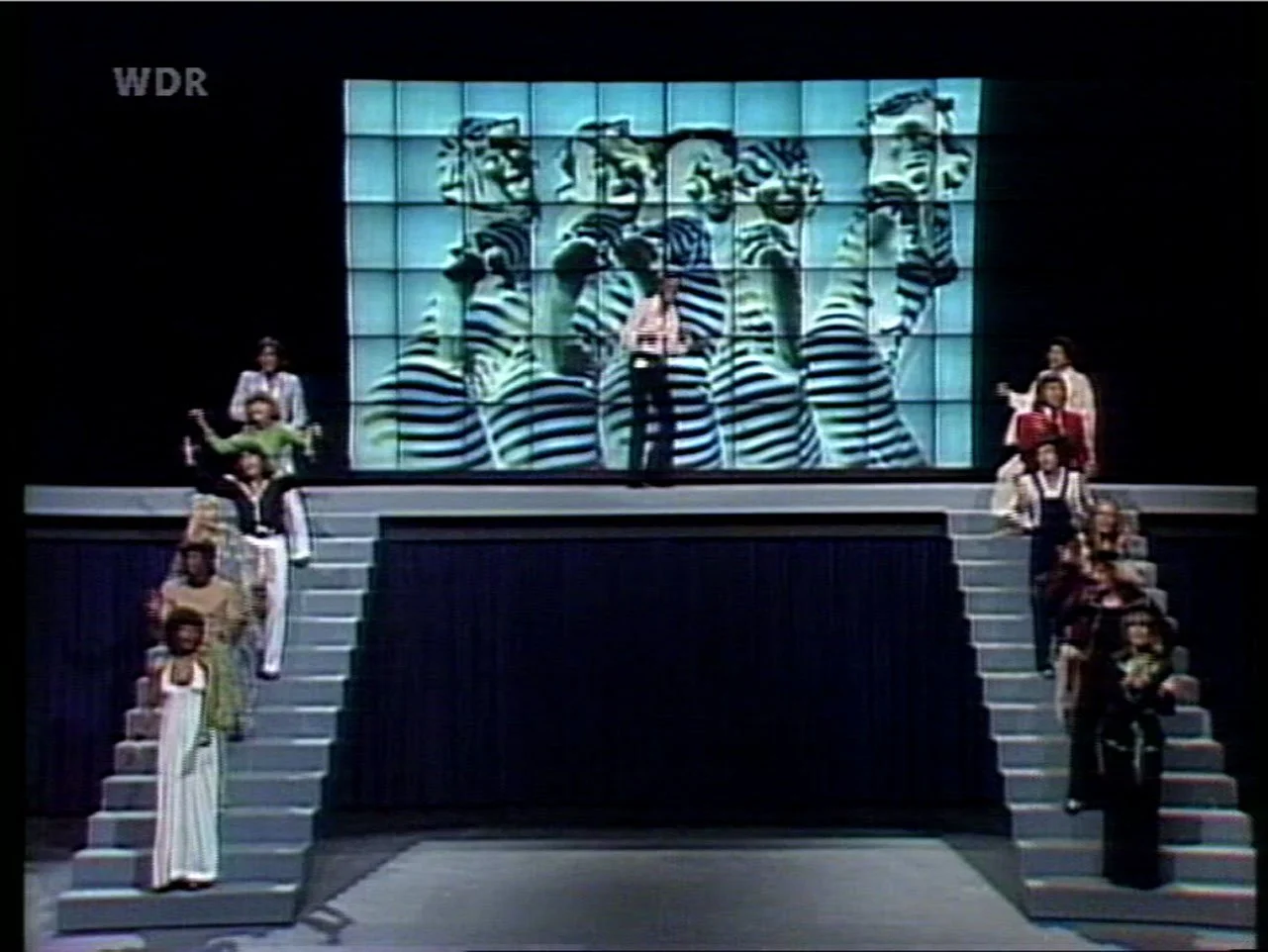
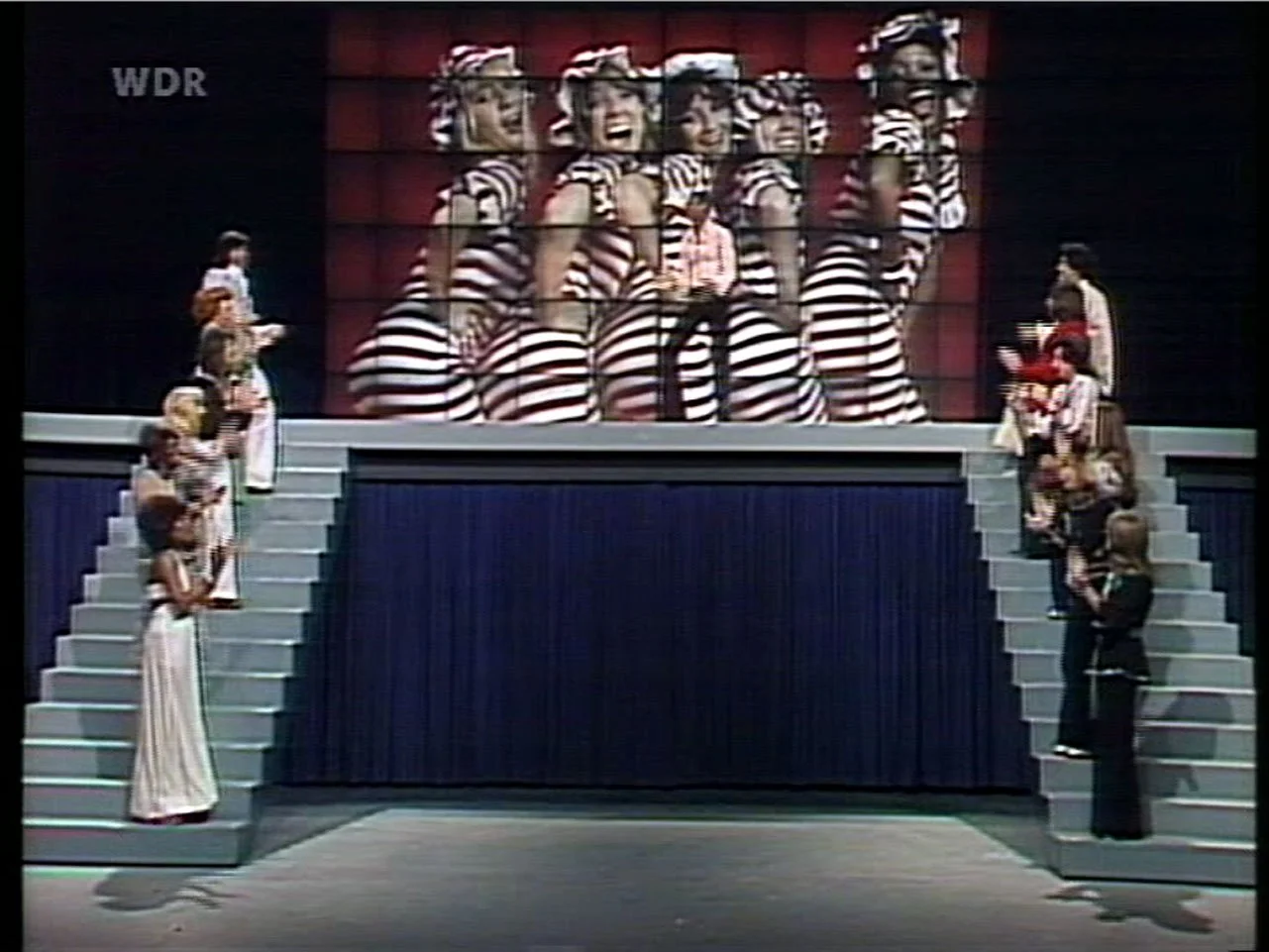
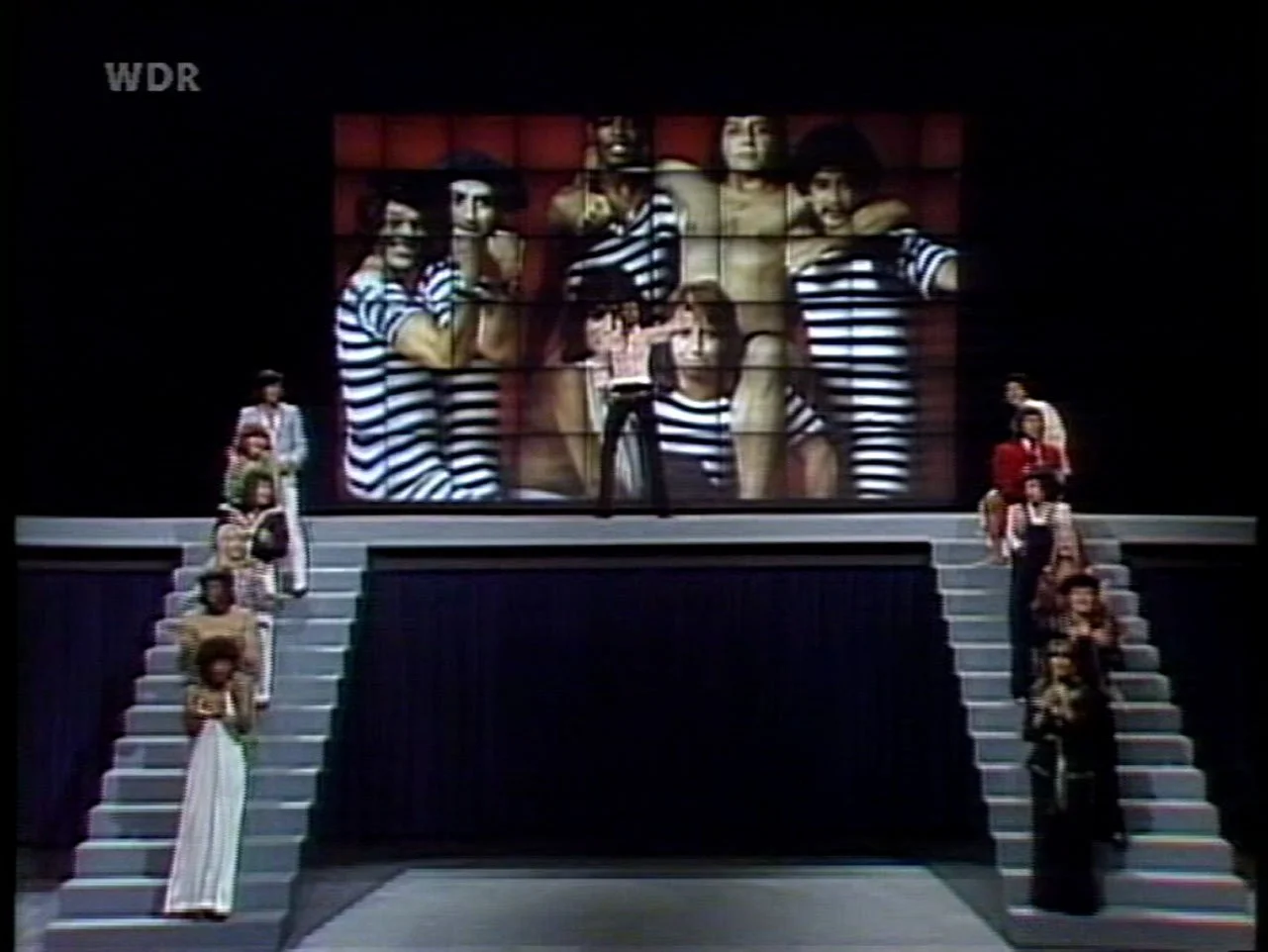
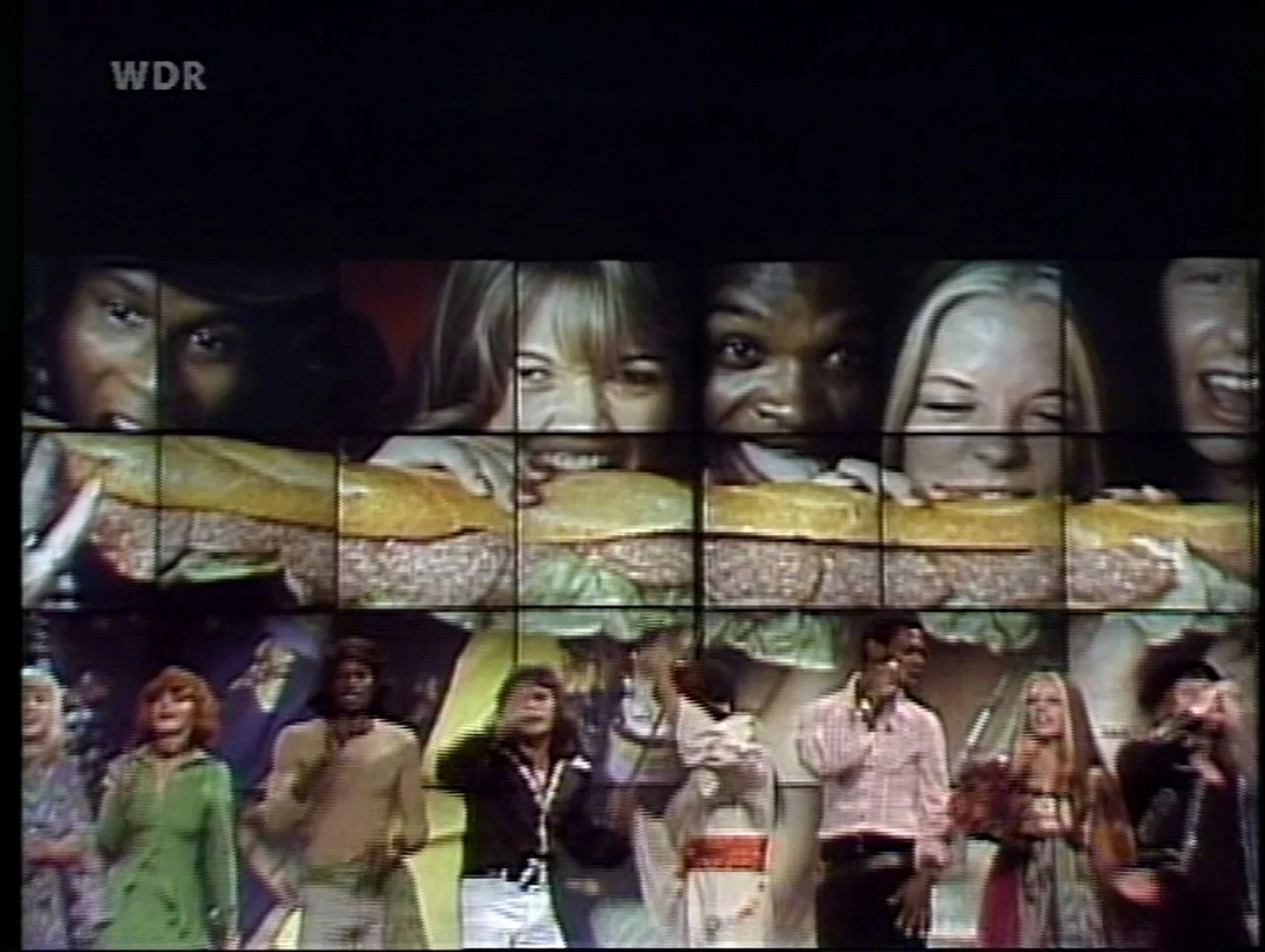
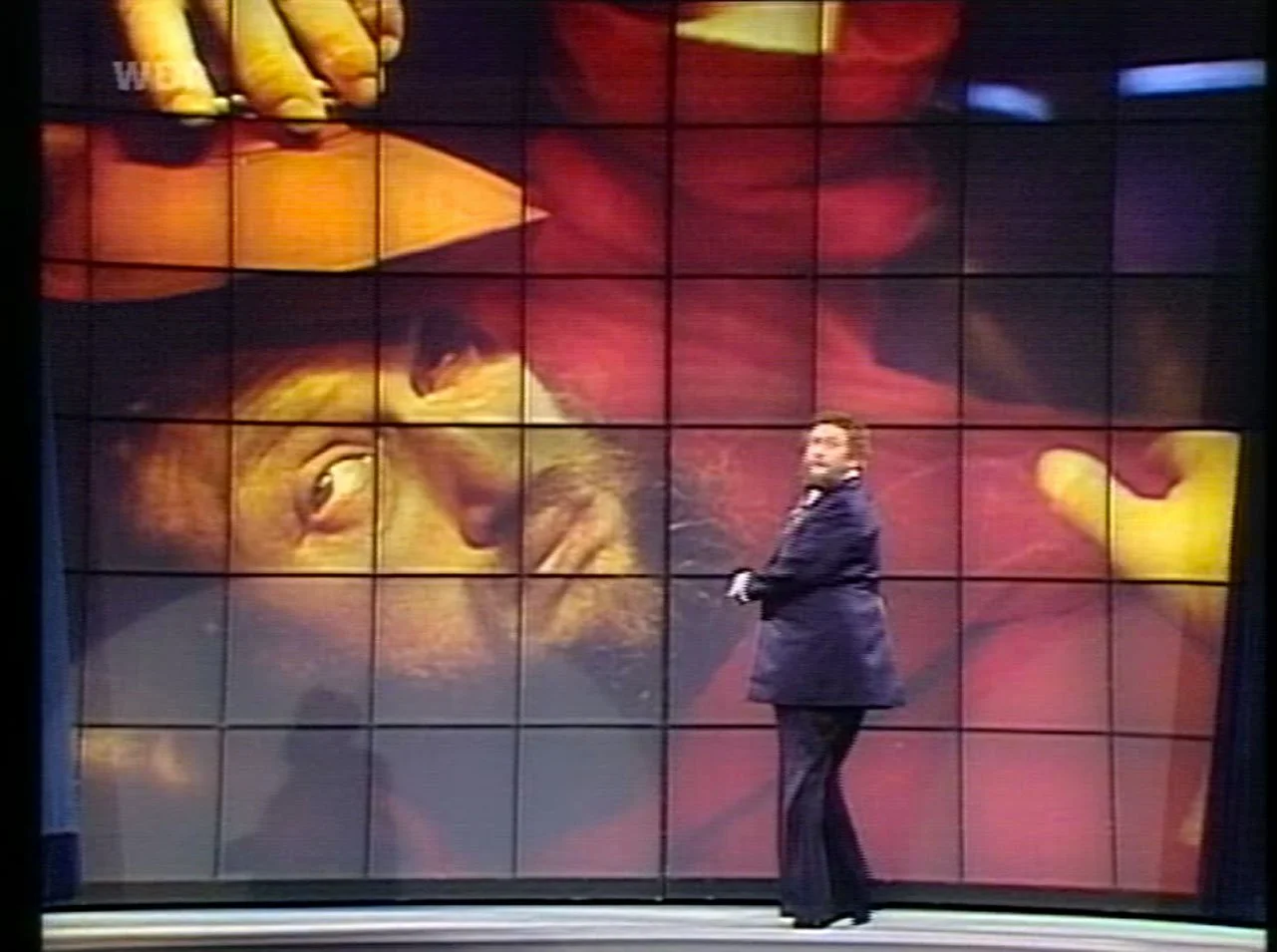
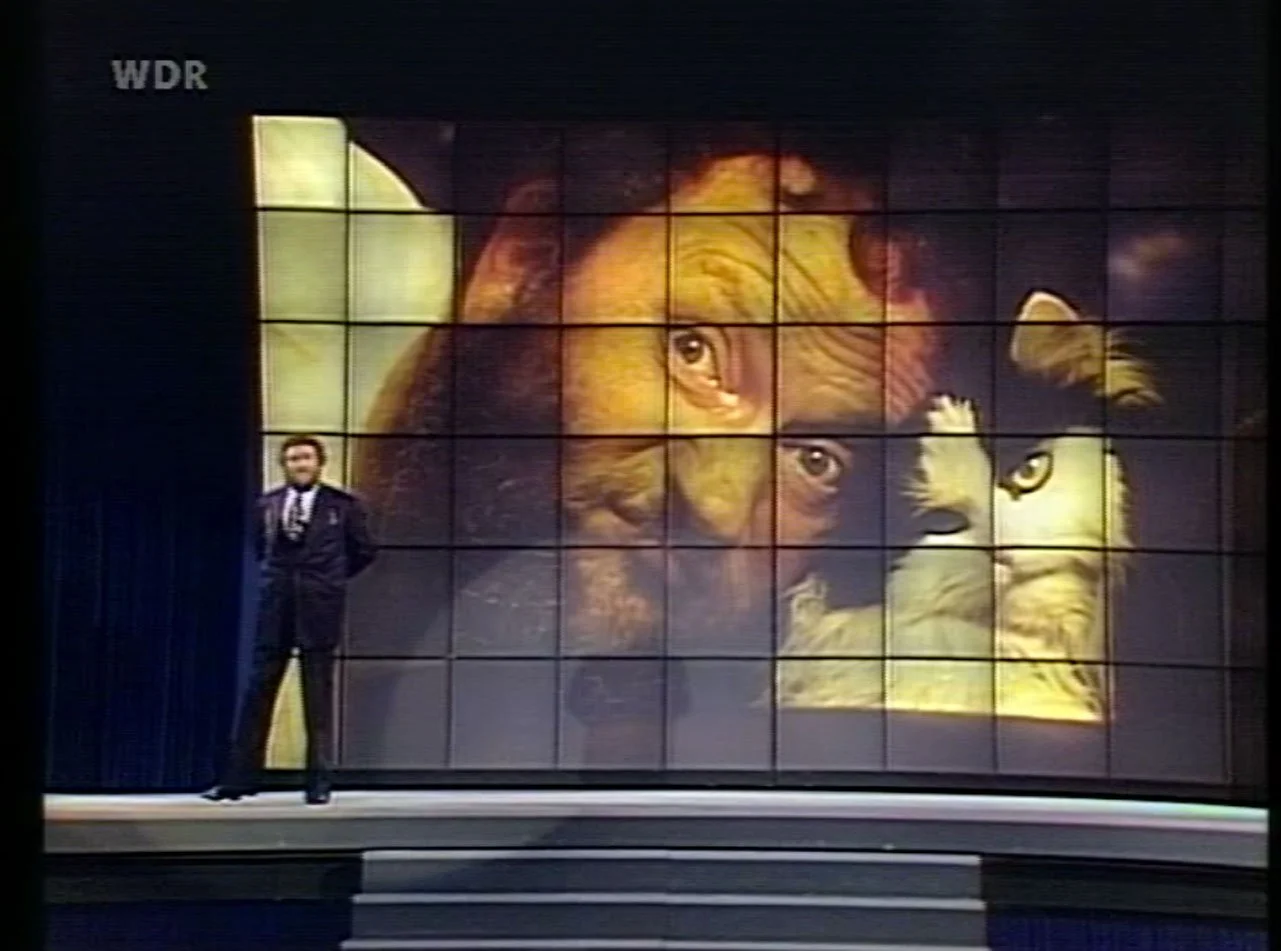
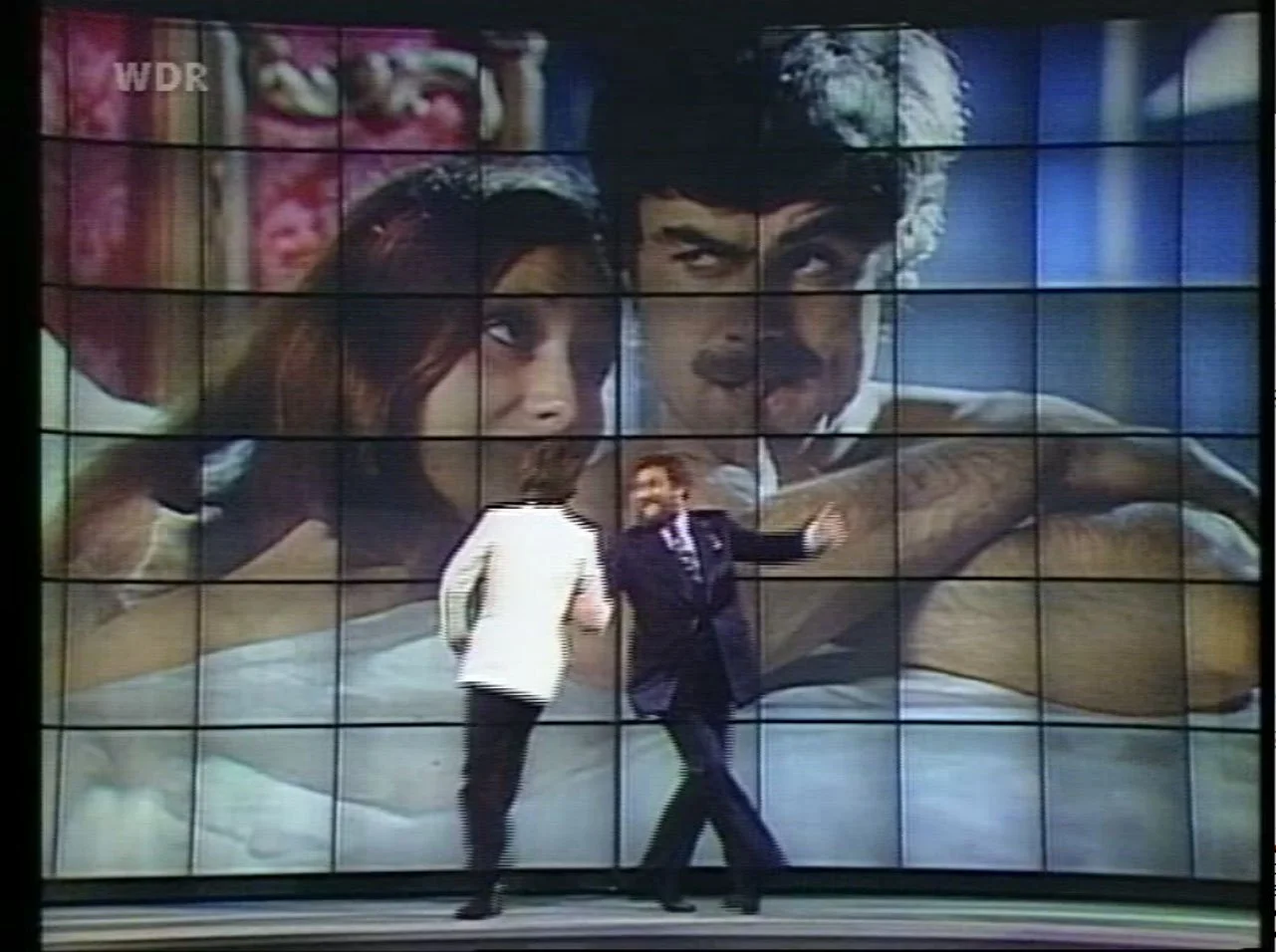
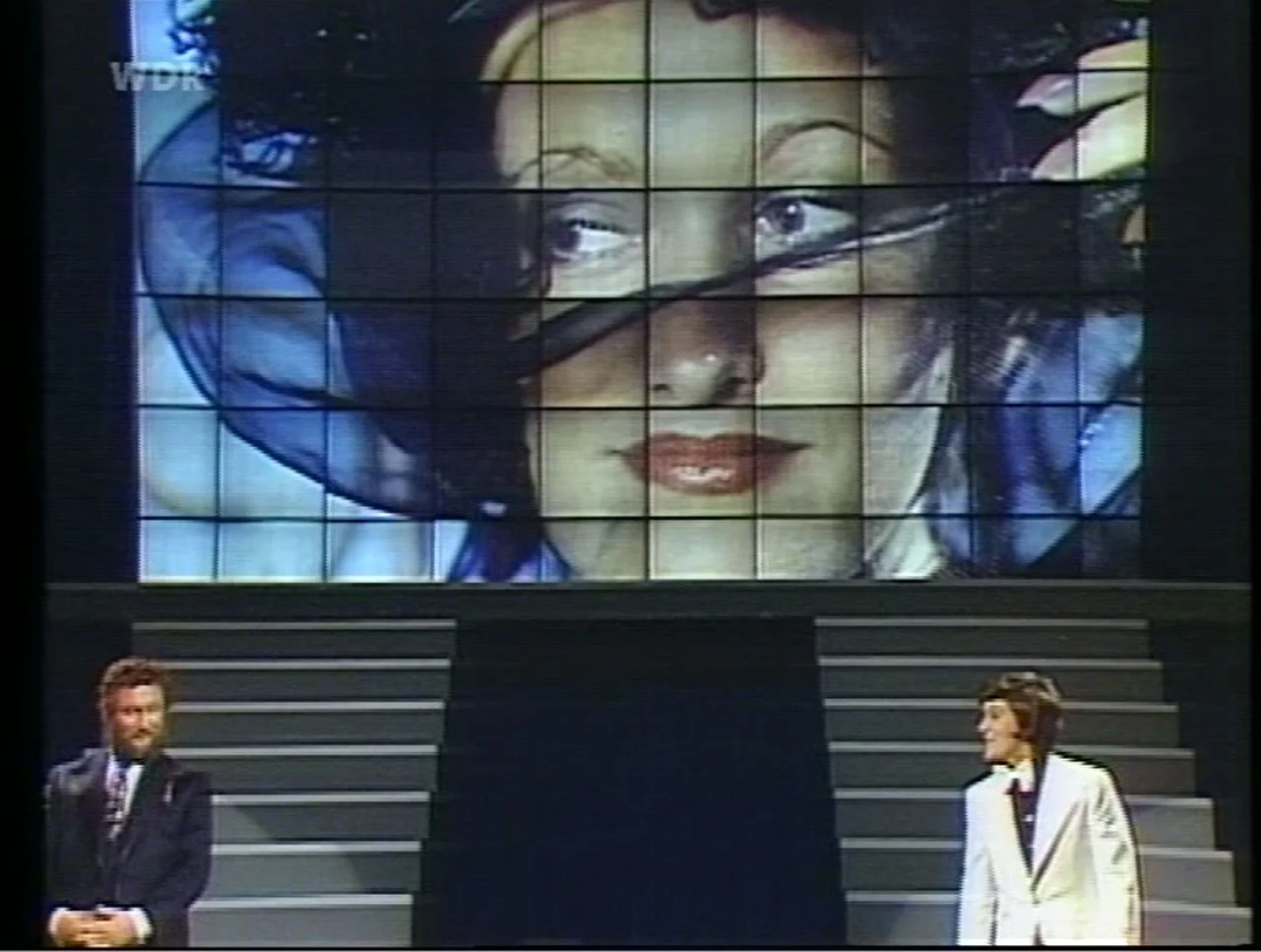
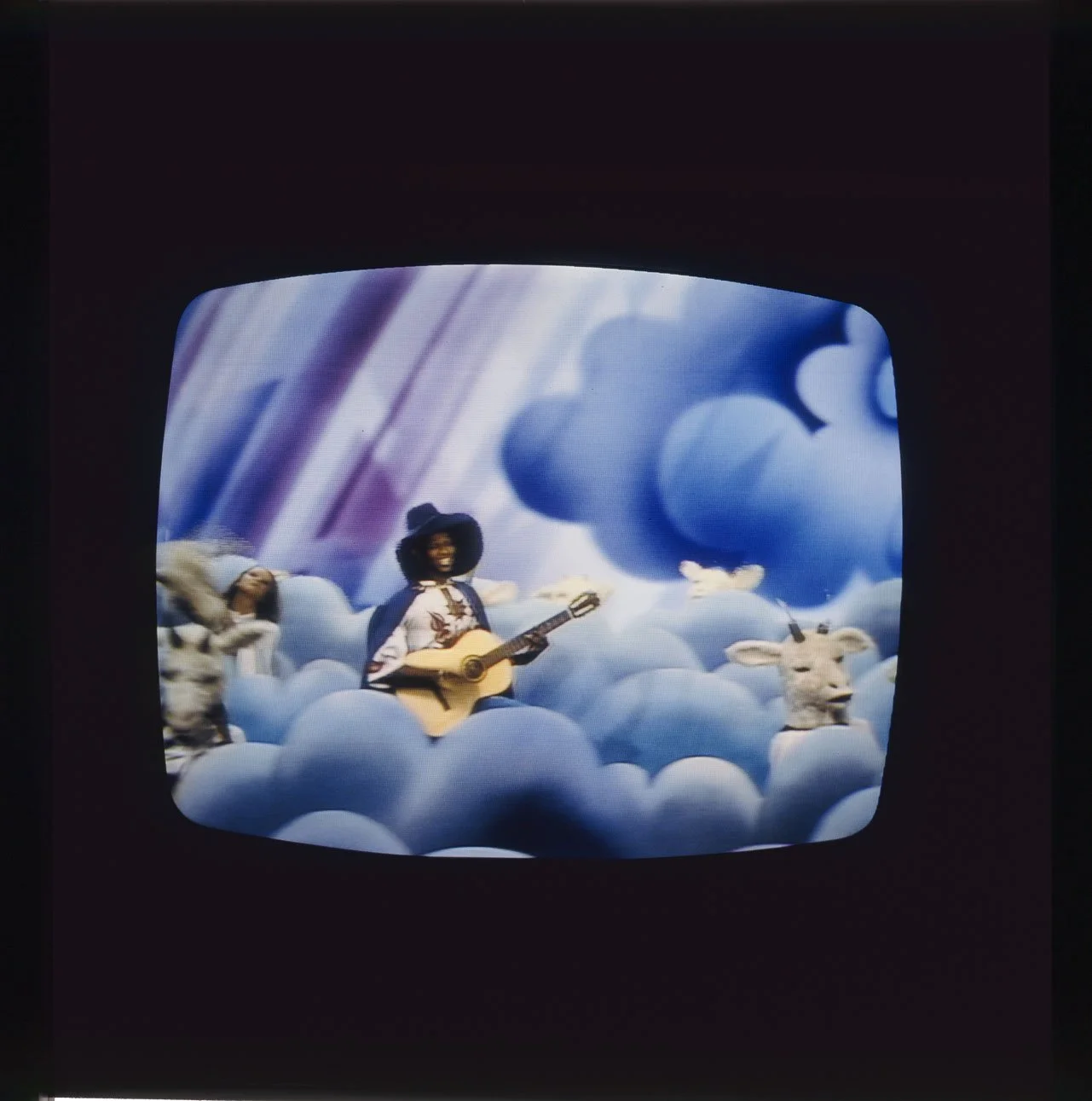
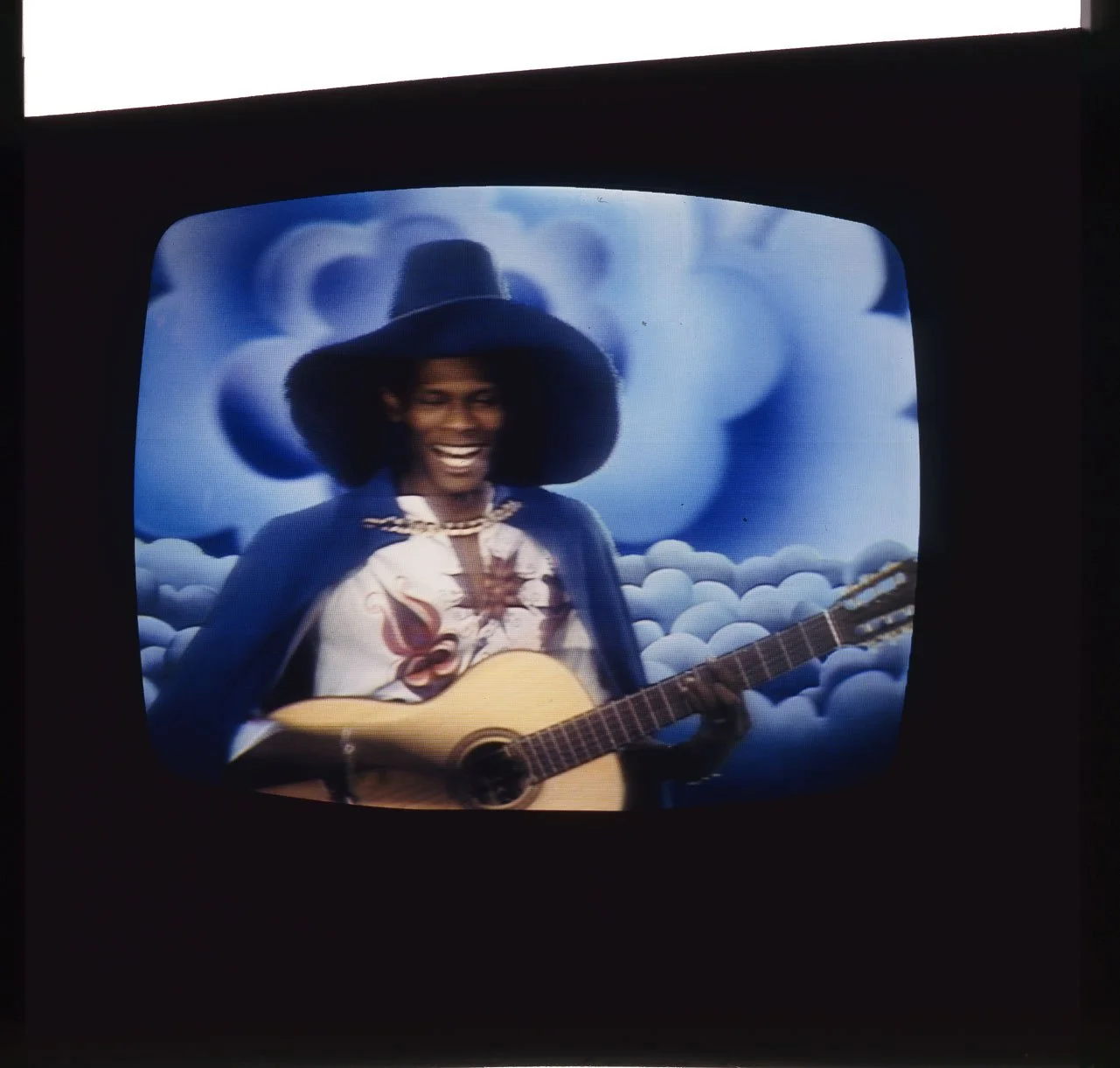
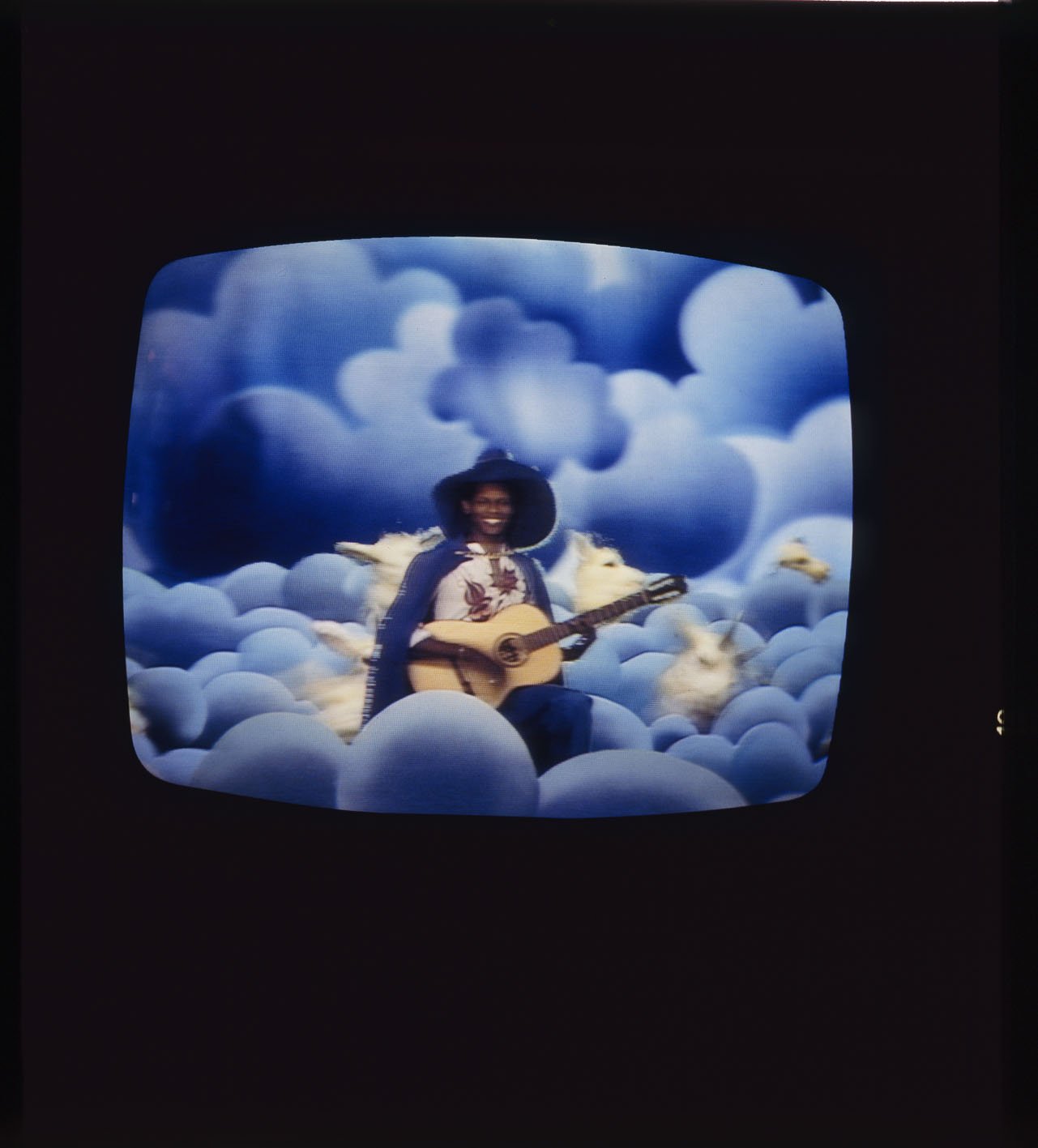
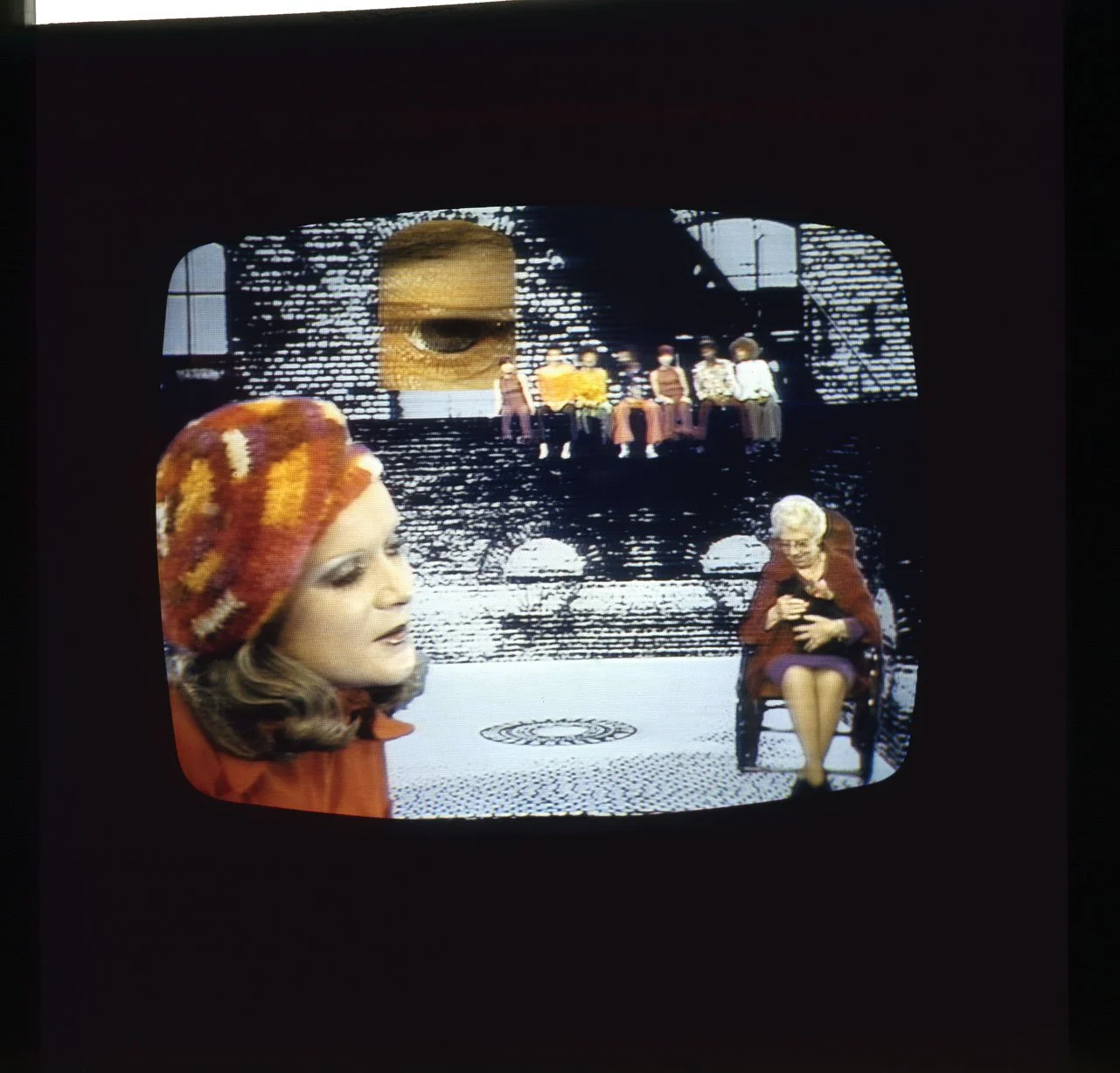
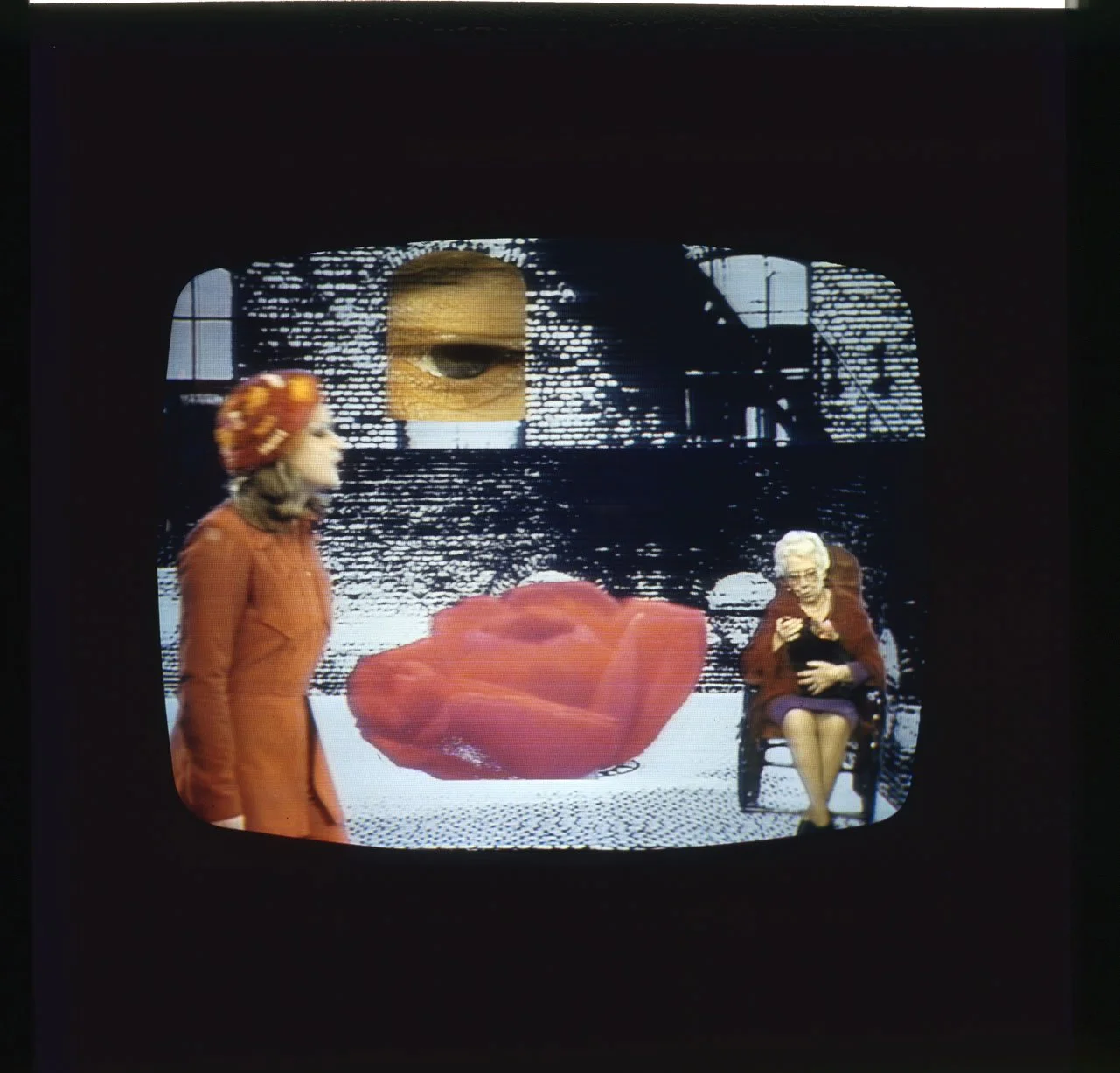
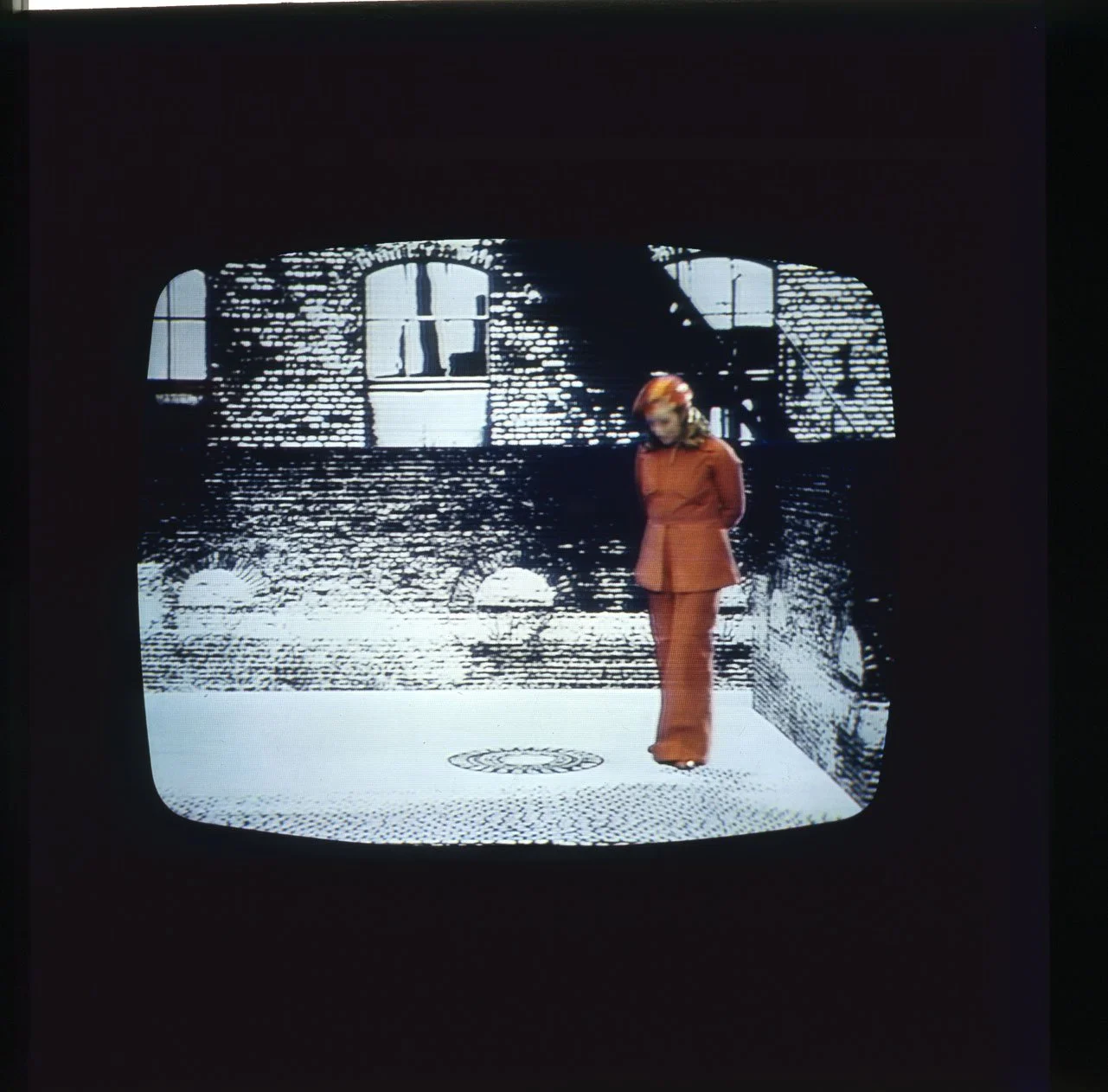
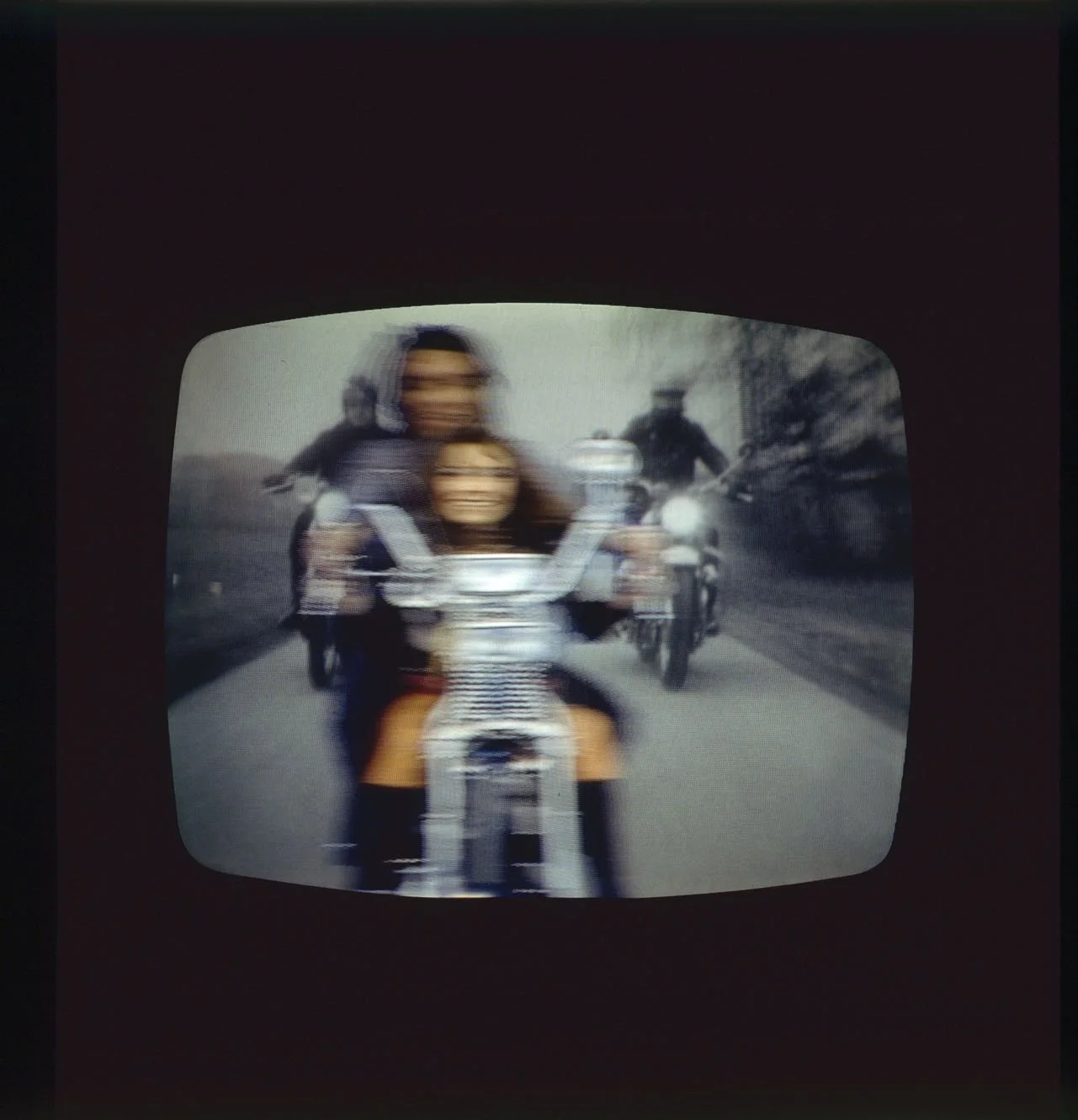
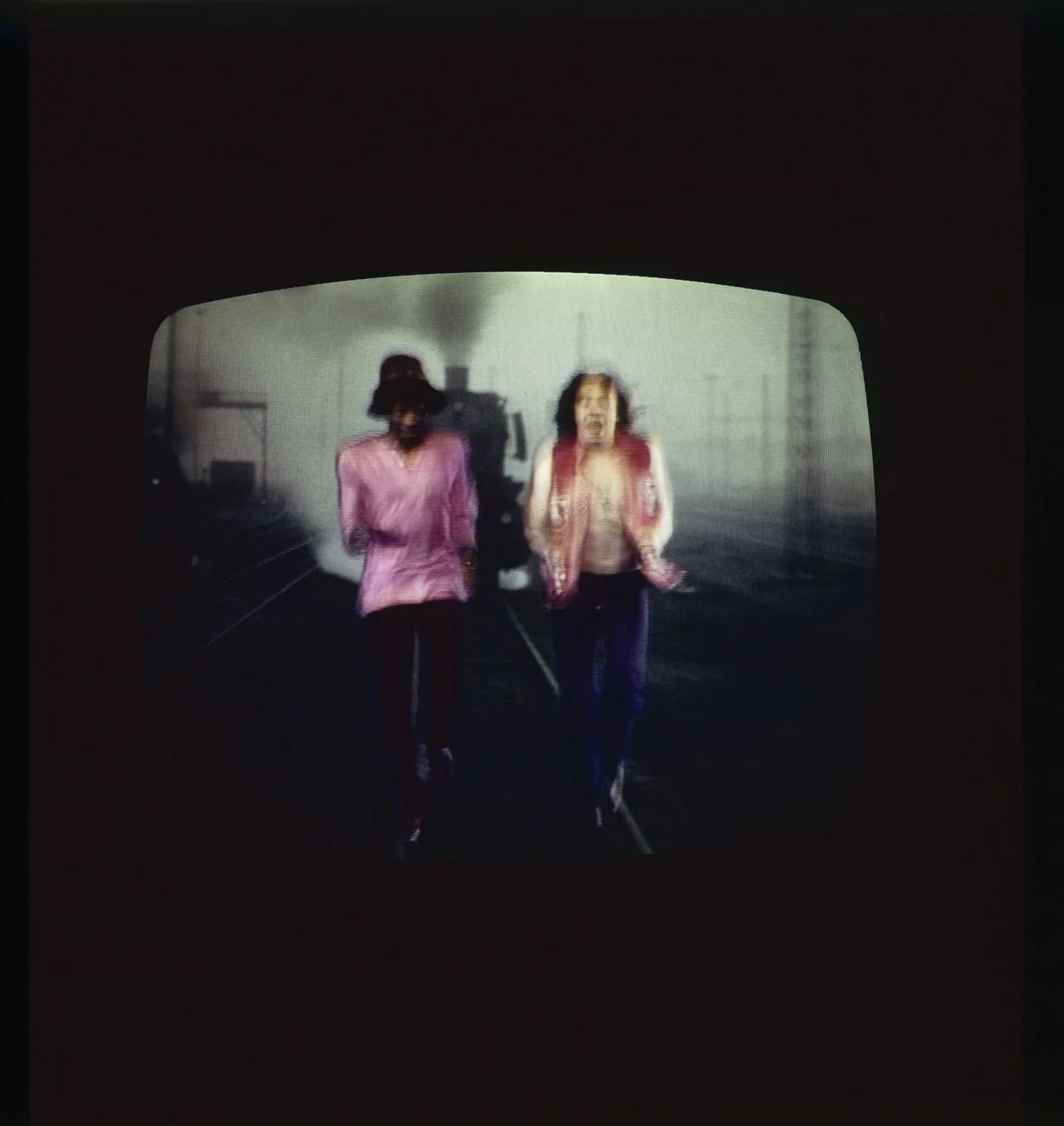
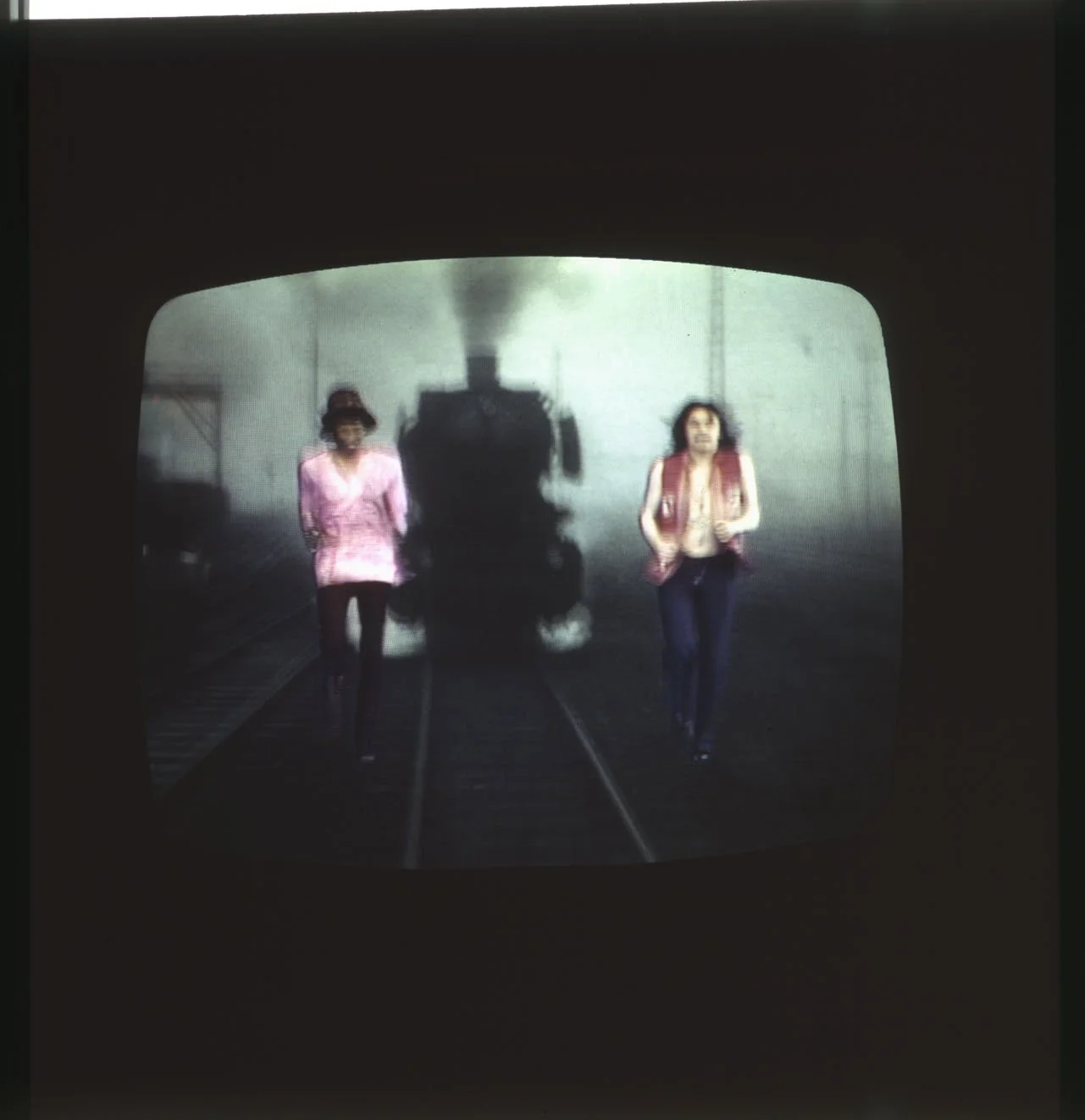
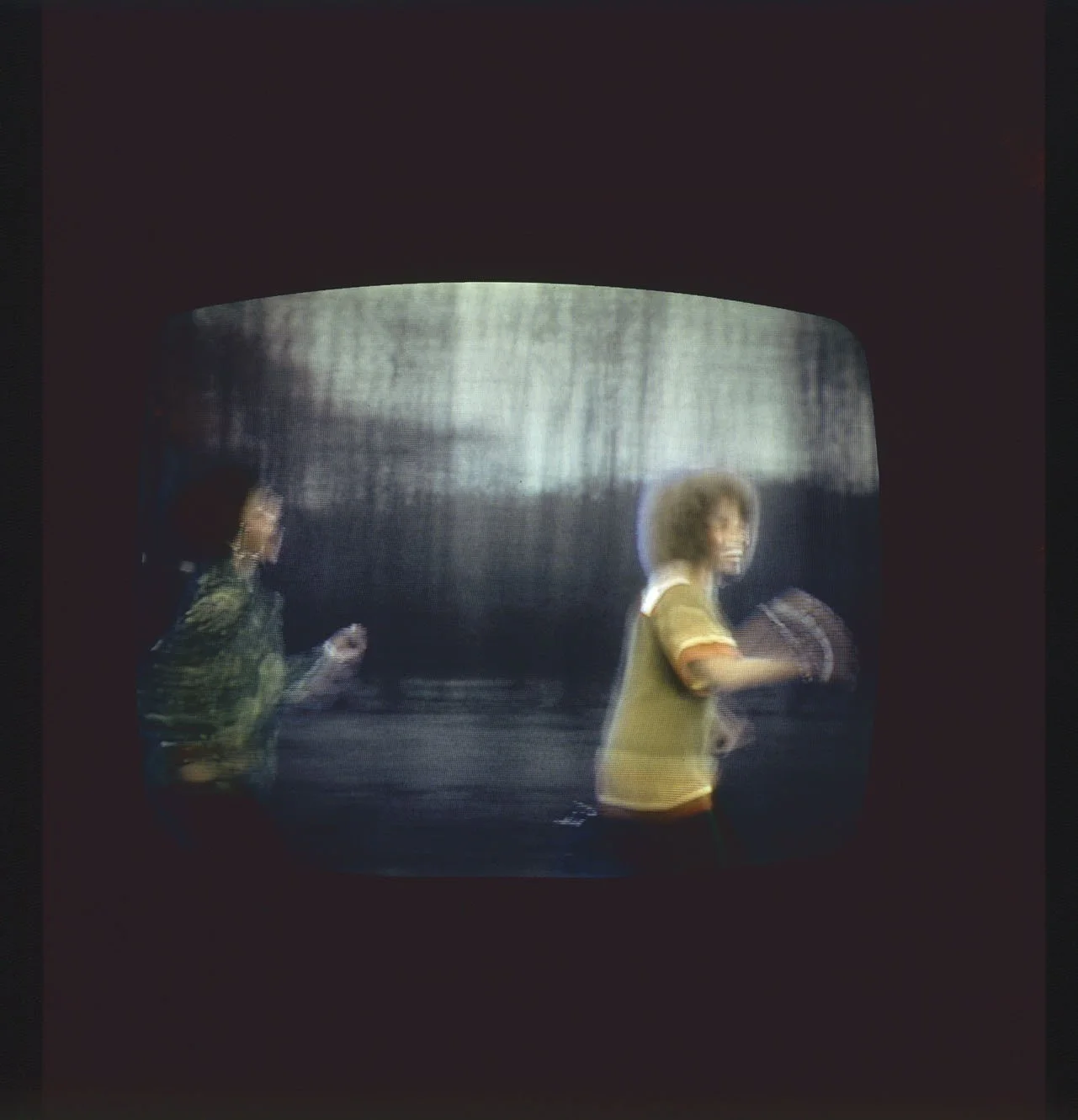
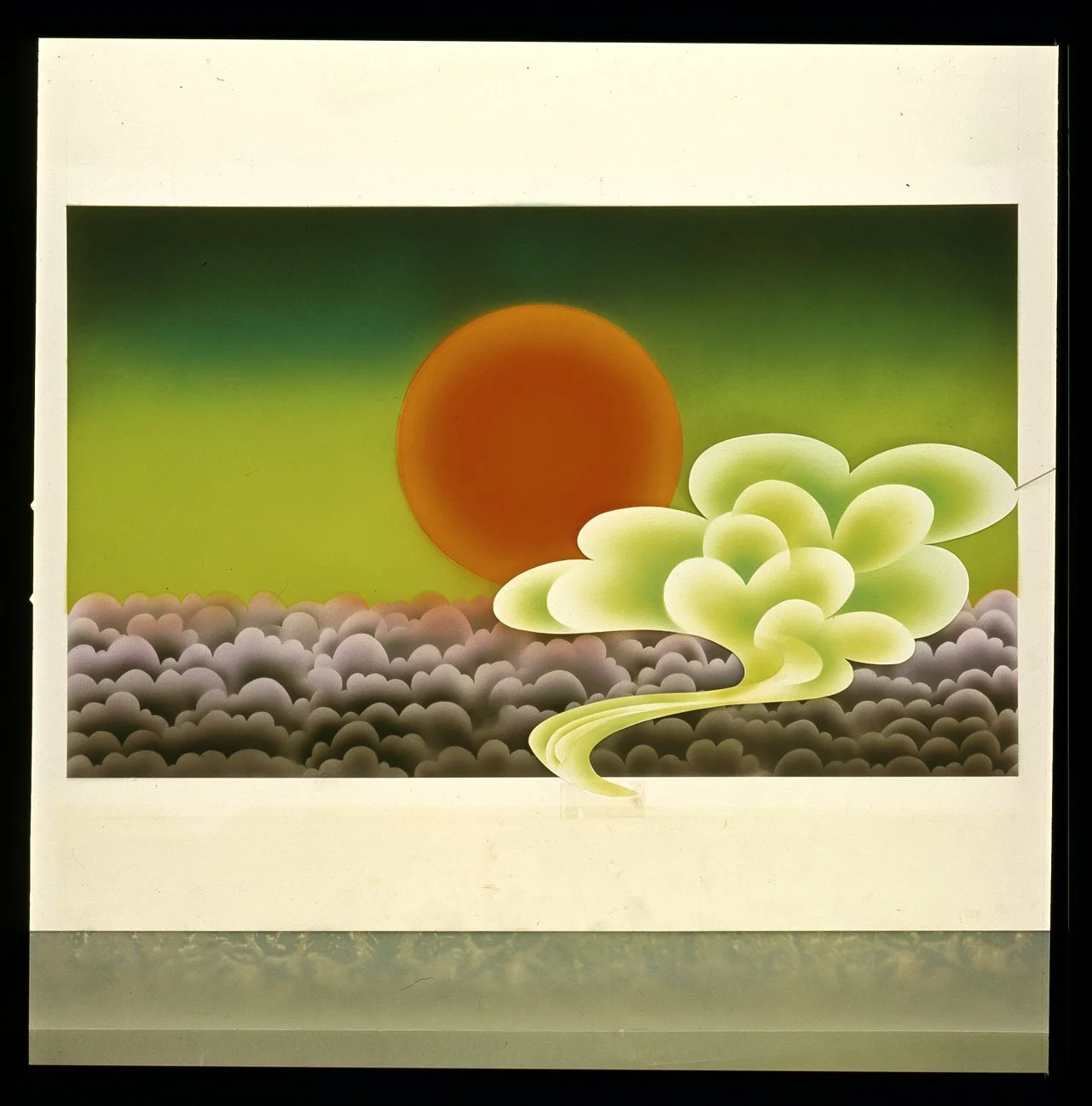
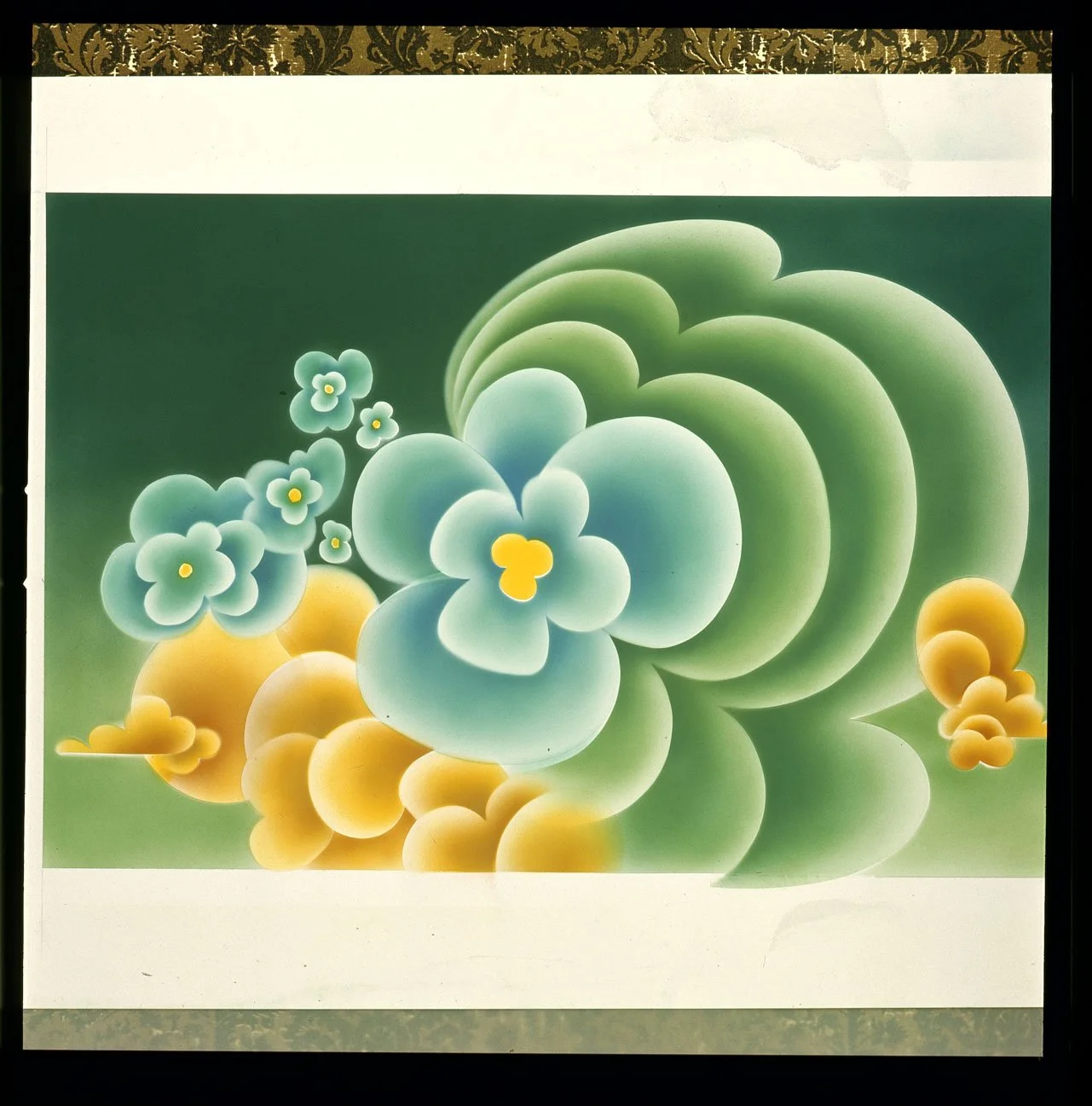
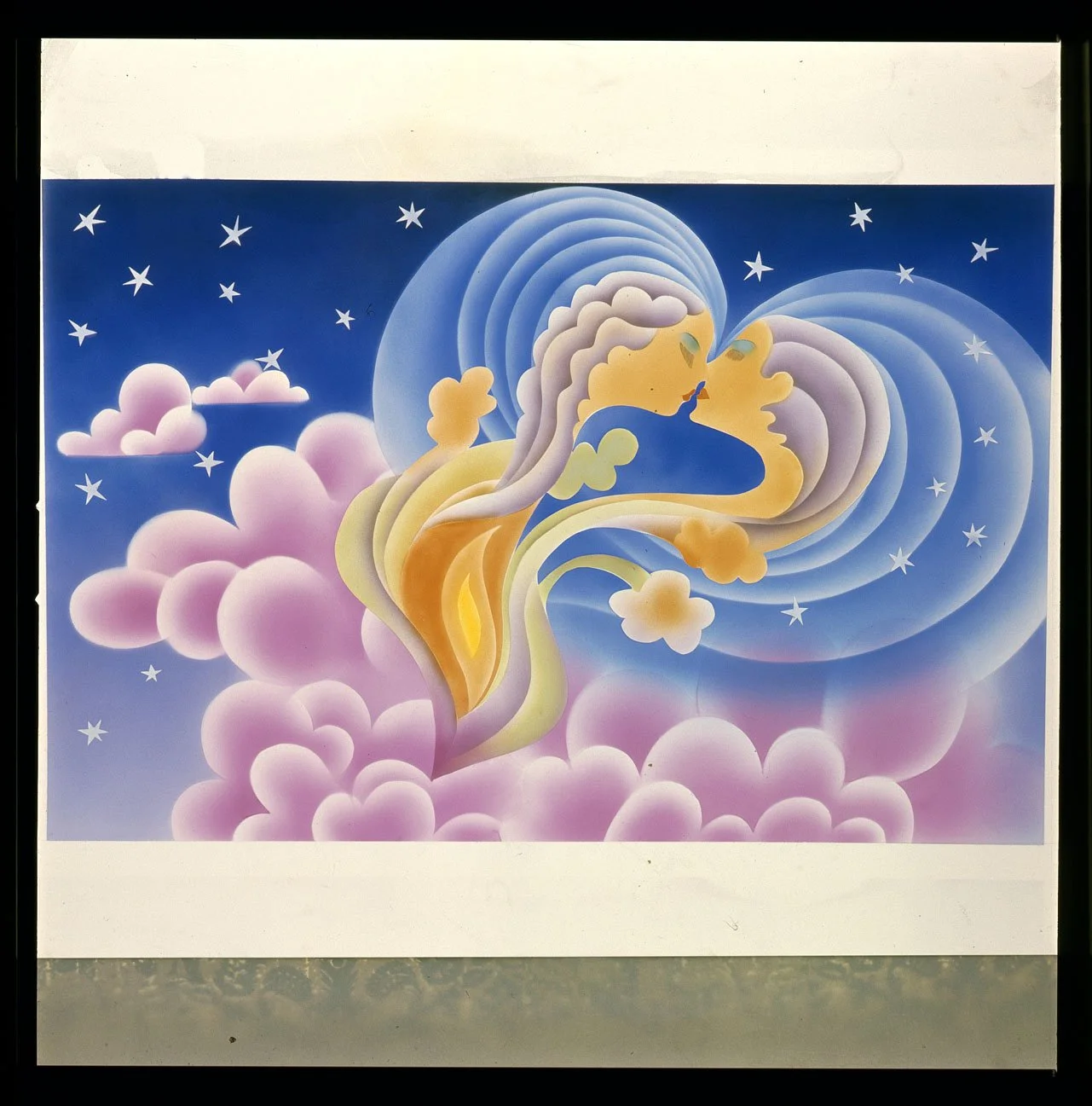
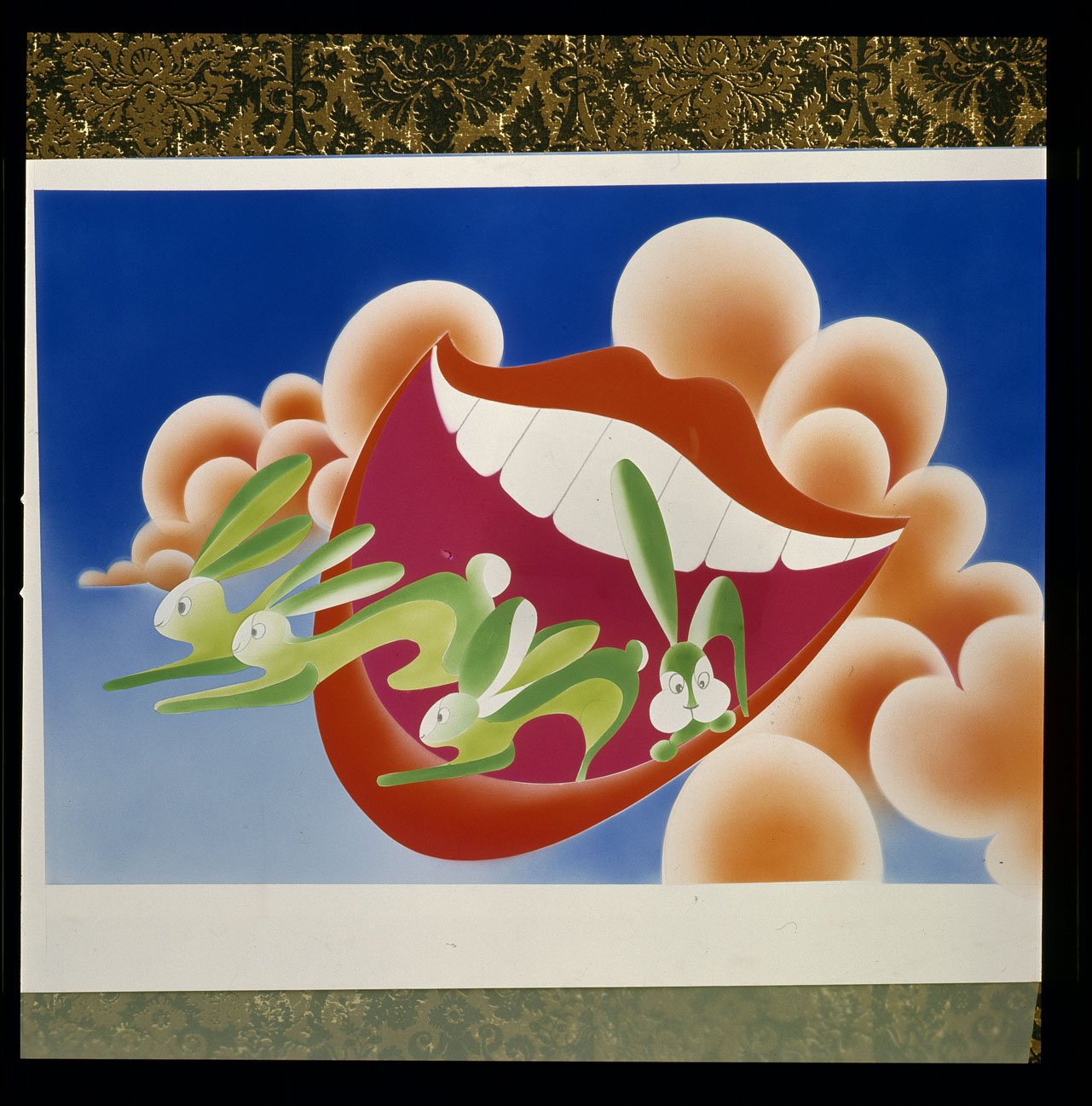
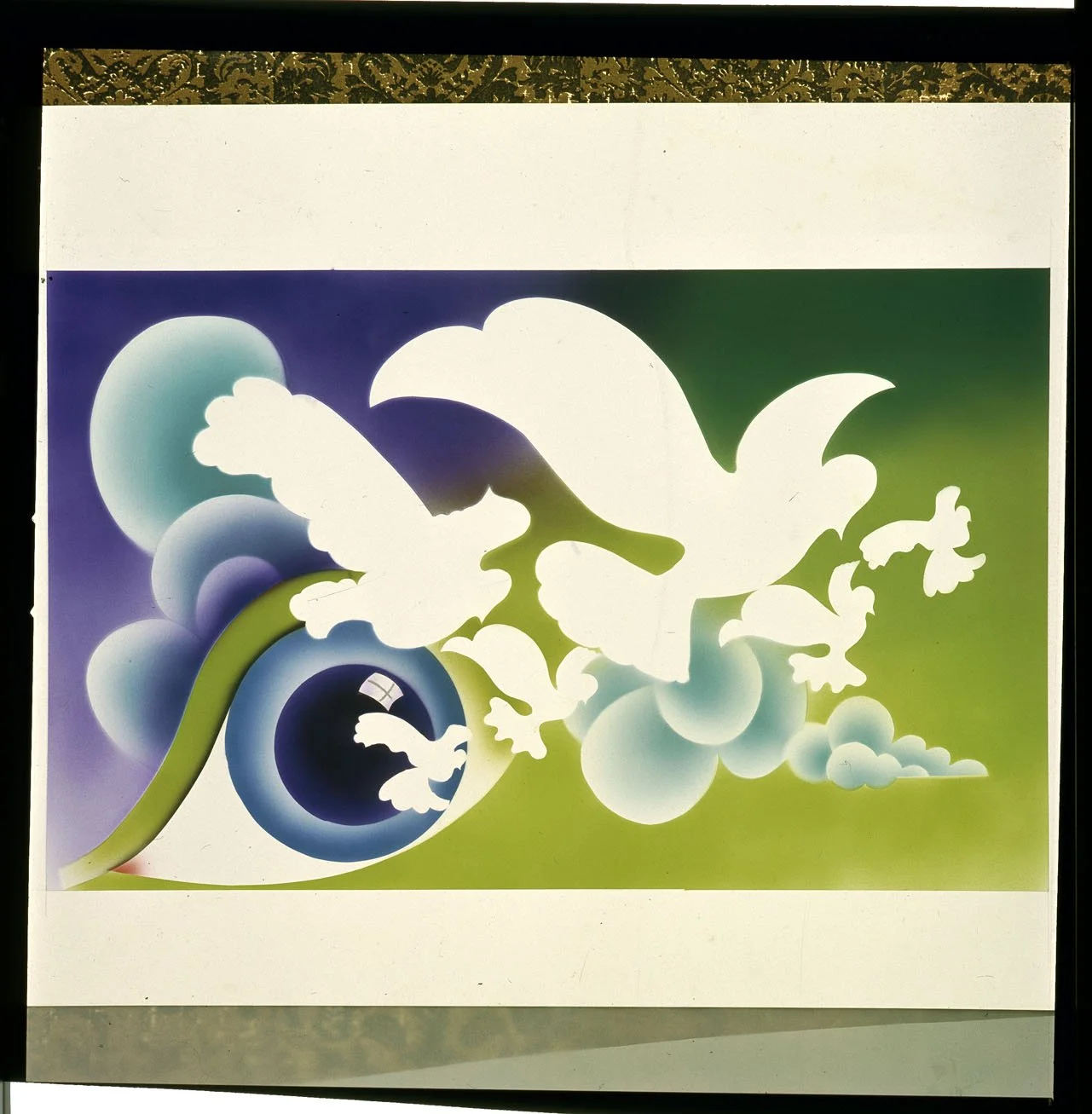
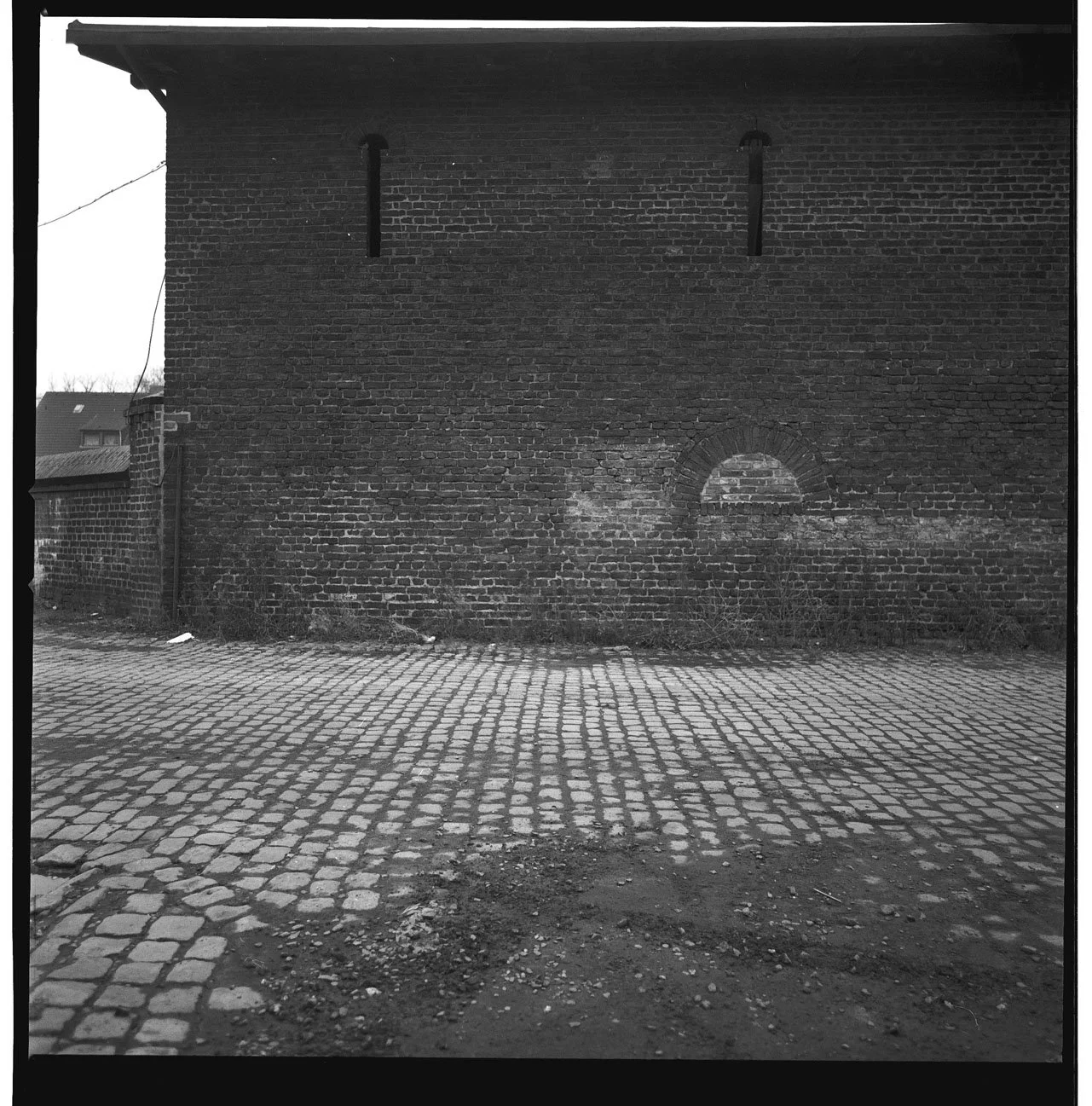
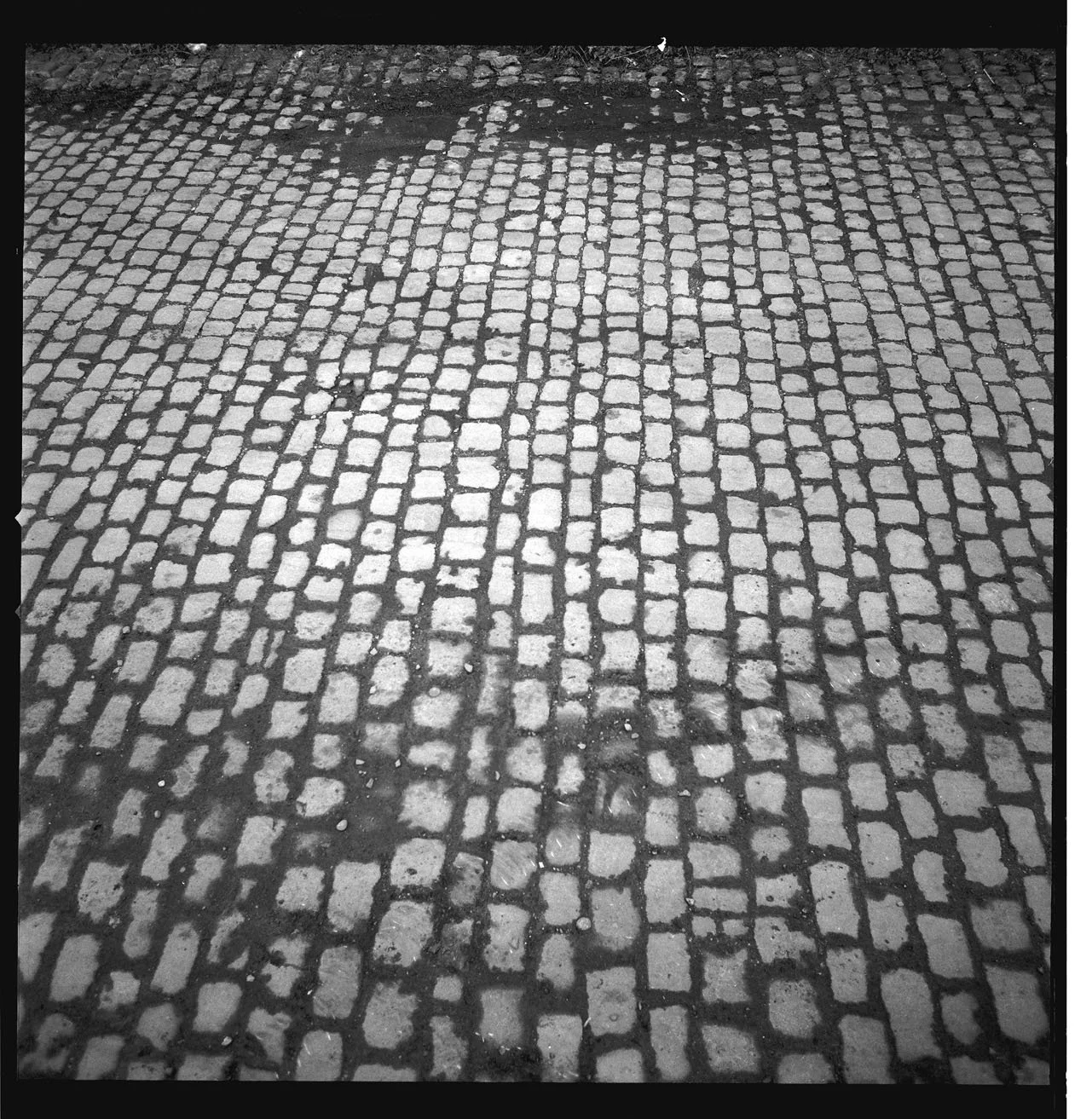
In the stage design for the WDR program Die Ivan Rebroff Show (March 25), photographs played a major role—appearing both to the left and right of the central stage area and as a full-surface background. They were projected using a multivision system which—distributed across ten portable columns—allowed for a constant rotation of scenic backdrops. Westdeutscher Rundfunk utilized this system for the first time in this production, following its successful application—albeit in a different configuration—on programs such as Guten Abend Nachbarn, Aktenzeichen XY, and Heute. Günther Hassert, the director of the Rebroff Show, worked with 50 individual projection screens distributed across these ten columns. The term "multivision" might be roughly translated as "multiple vision." This system has been a familiar sight at trade fairs and information exhibitions for several years now: the individual panels making up the wall consist of multi-layered Plexiglas. This material is capable of diffusing a projector's cone of light across the entire surface area of the panel (75 × 75 cm). The projector is mounted at a distance of 2.20 meters behind the panels and is fed with slides which—at least in the Rebroff Show—can be changed continuously at the push of a button using a dedicated control system. The entire installation was assembled for this show specifically to meet the director's specifications. It is likely to be utilized once again on July 8th for the second episode of The Ivan Rebroff Show; Günther Hassert is currently still experimenting with new ways to employ the system.
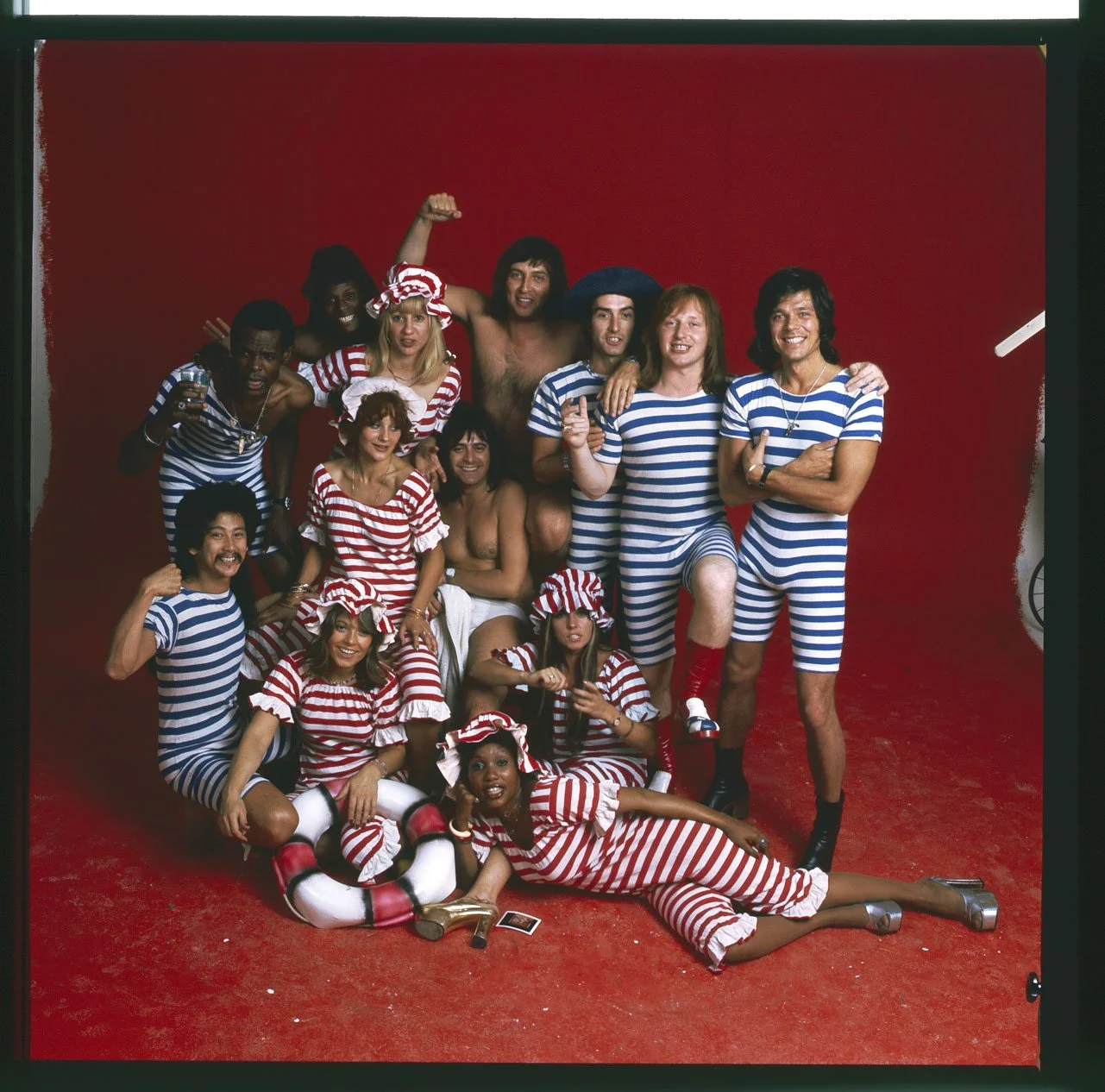
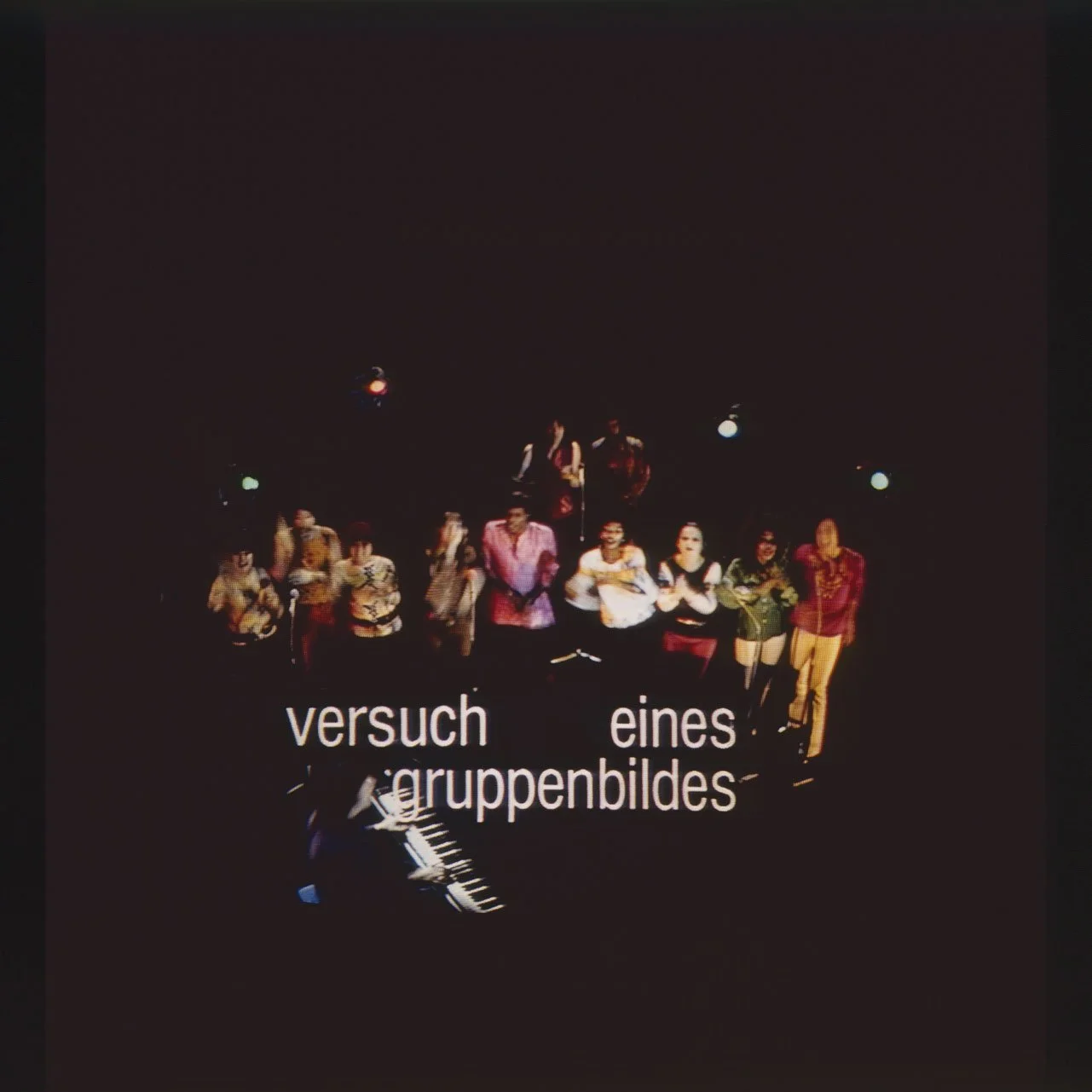
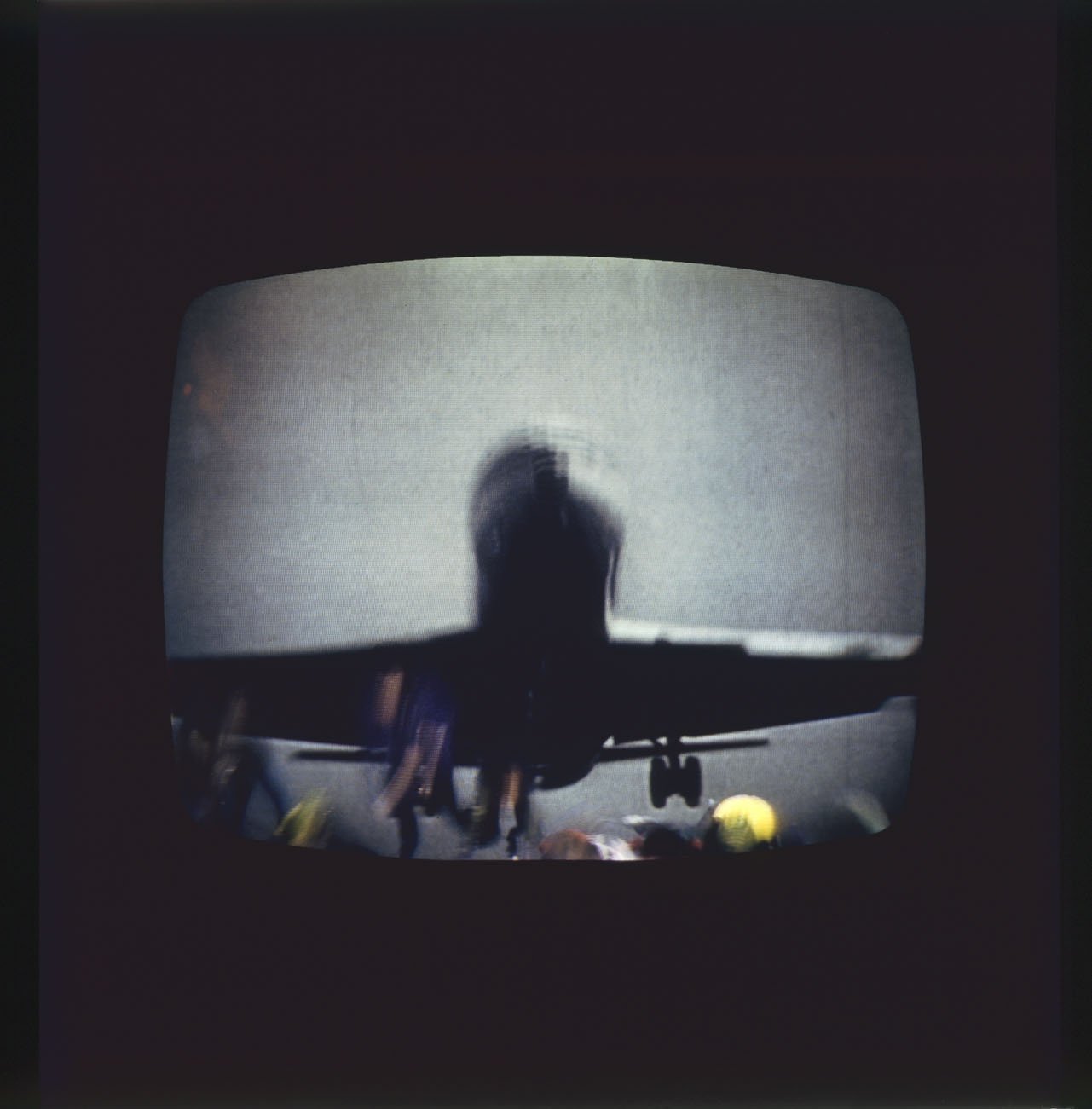
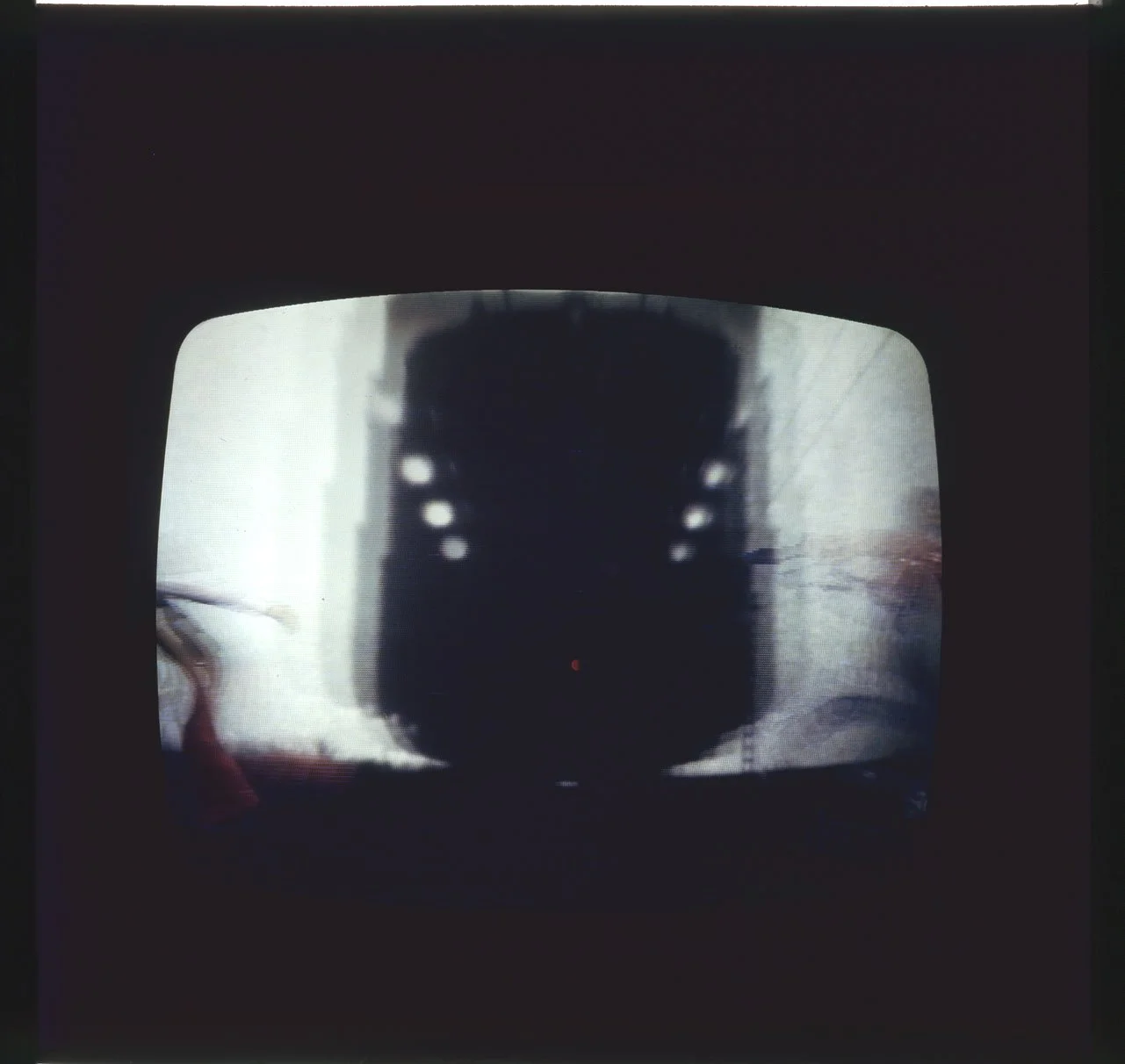
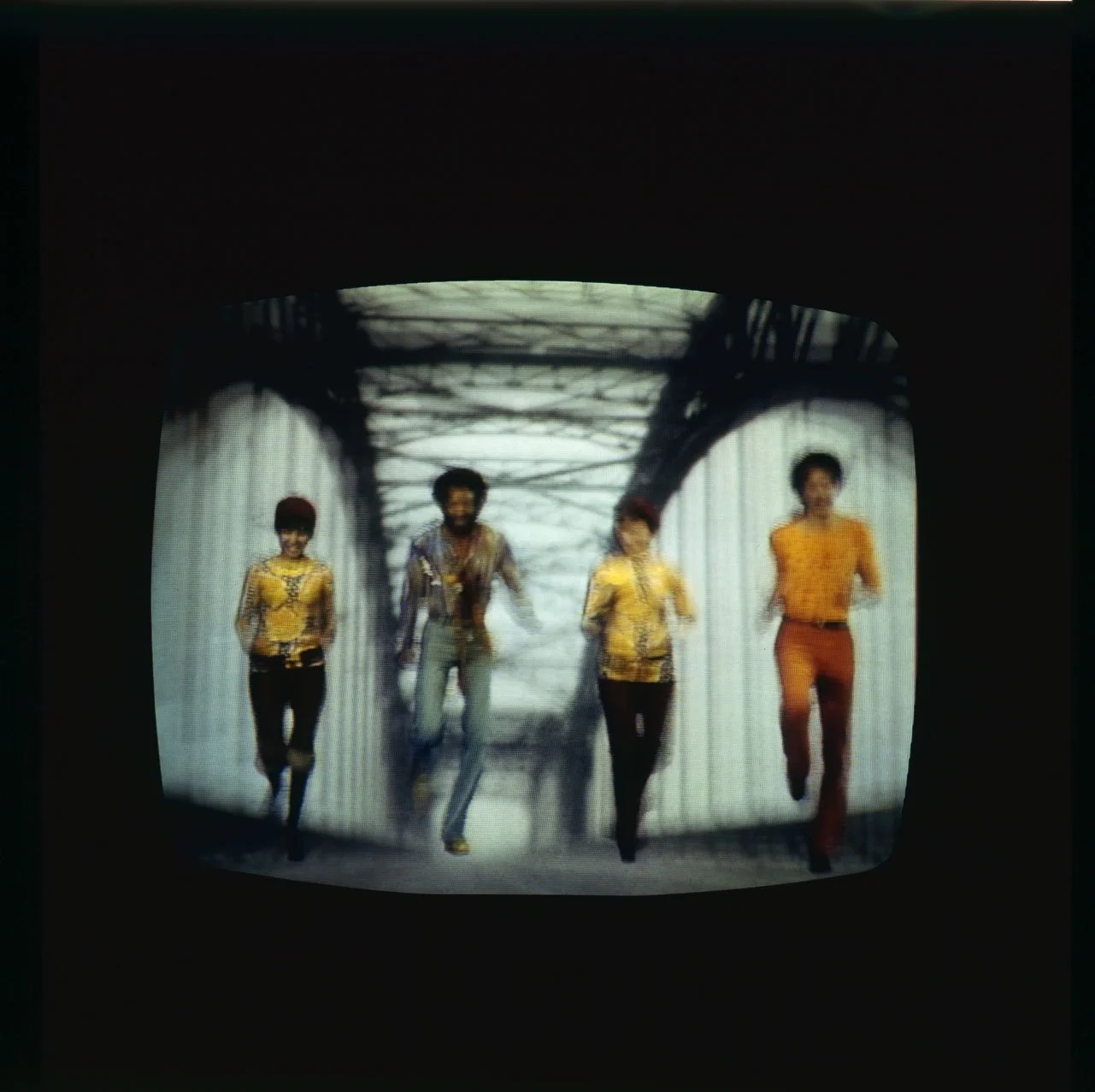
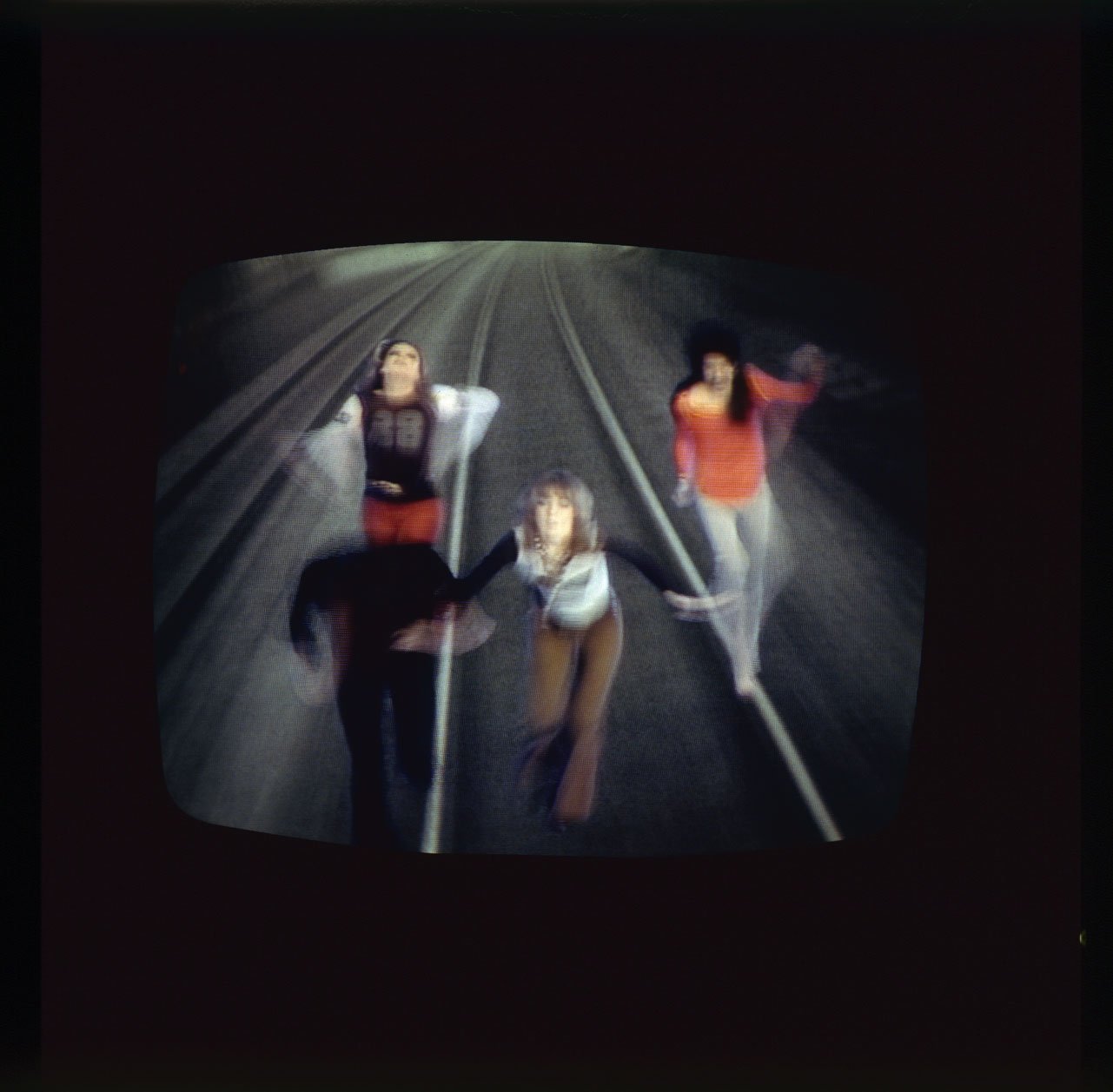
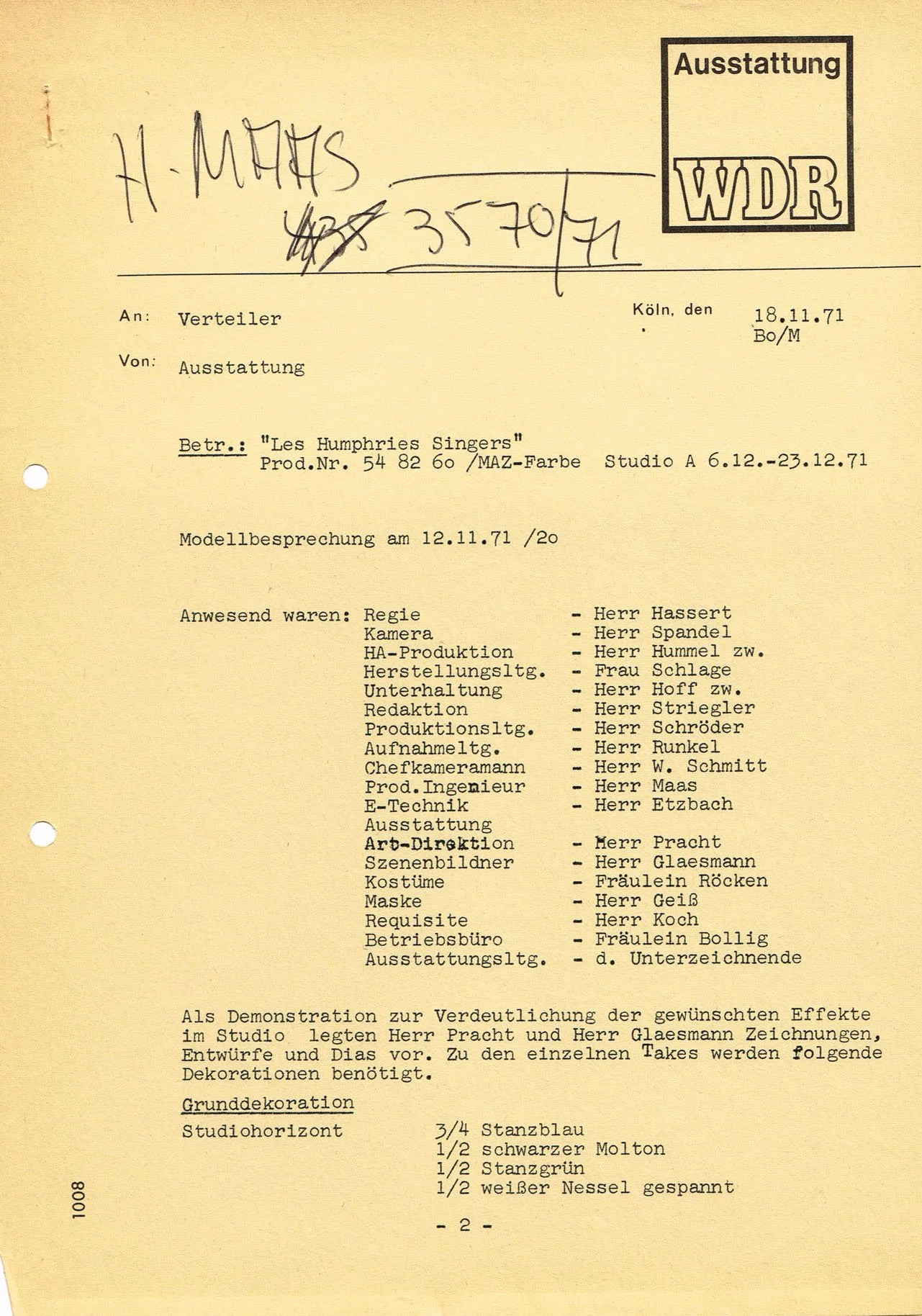
For Düsseldorf-based photographer Ulrich Pracht, setting up these multivision walls proved to be something of a puzzle. A single 6 × 6 cm slide had to be enlarged to such an extent that it would cover the entire display area of 3.75 × 3.75 meters (comprising five columns, each with five projection panels; the remaining section of the set was handled via a mirrored projection setup). After being enlarged, it was cut into 25 individual slides, which—when reassembled (or, more precisely, projected individually onto each of the 25 separate surfaces)—once again formed a complete image. Pracht had previously collaborated with Günther Hassert during their time with the Les Humphries Singers. He is renowned as a fashion photographer; readers of Twen and Vogue are familiar with his images. "I have a penchant for the beautiful," he says; "I am interested in the visual representation of beautiful things." Pracht describes himself as a "photographic graphic artist." Photographs, in his view, must be graphically conceived. One can extract graphic elements from a photograph and then, utilizing technology, multiply them. The stage design for the Rebroff Show was not his first foray into working with a multi-vision projection system. He speaks of his efforts to convey a visual statement through the interplay of photographic graphics and film. ...
Recently, images by Ulrich Pracht appeared for the first time in a Swiss photography journal—an annual publication that showcases the finest photographic work from around the globe. Pracht takes great pride in this achievement: "It serves as a powerful inspiration for so much of my work." What does the competition have to say about this? Pracht enjoys a distinct advantage: he does not have to rely on a single pillar of support.
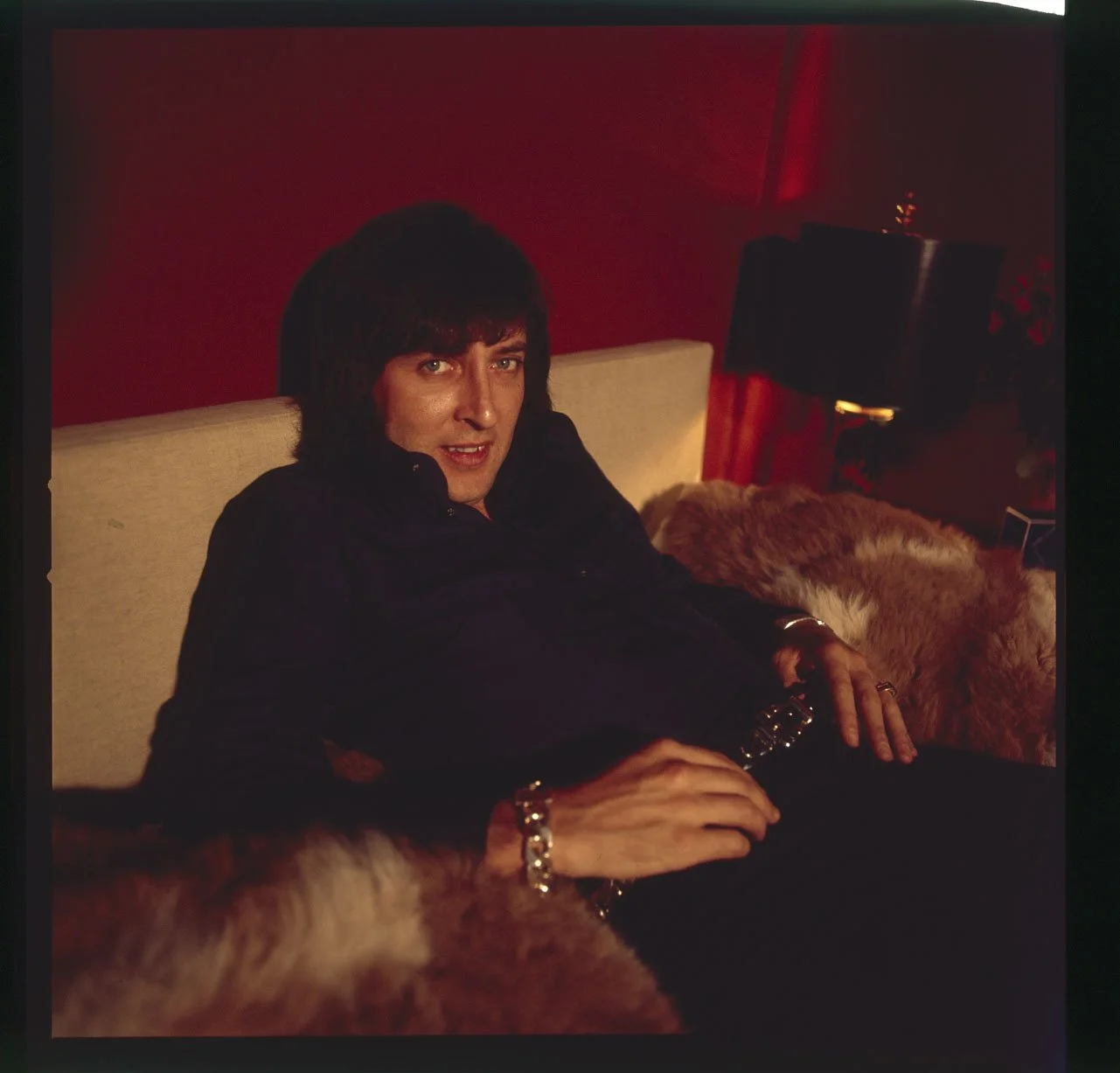
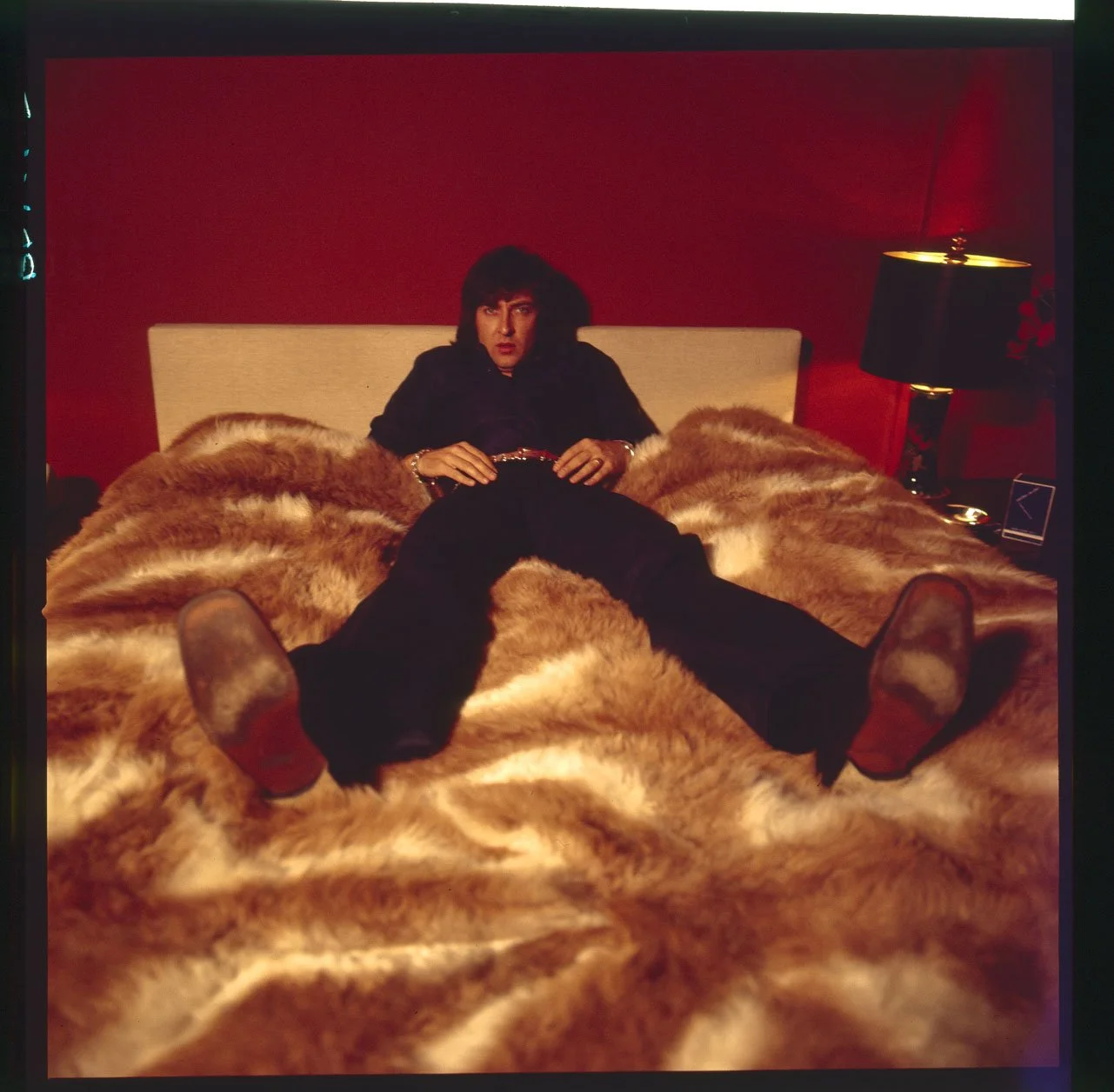
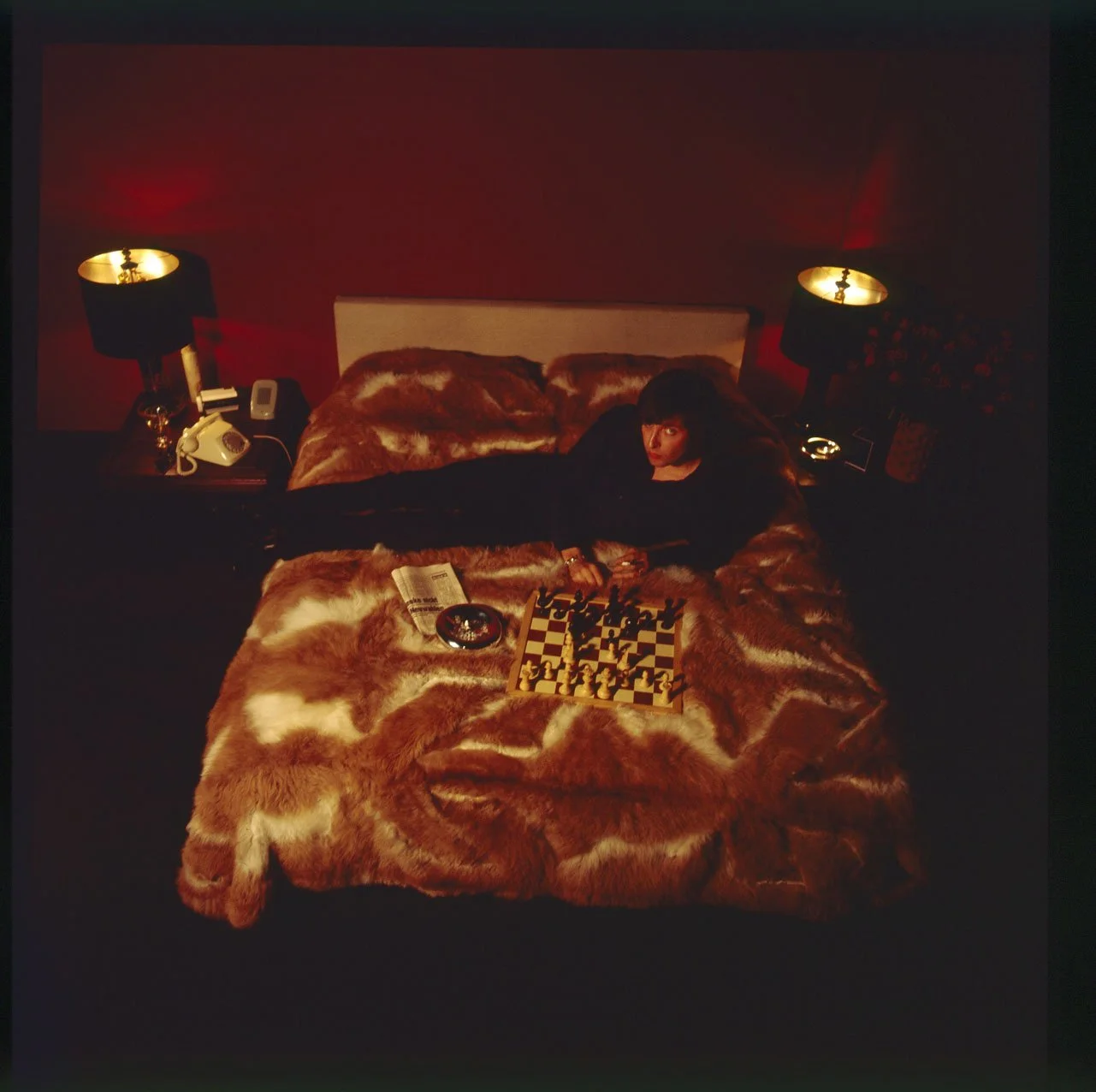
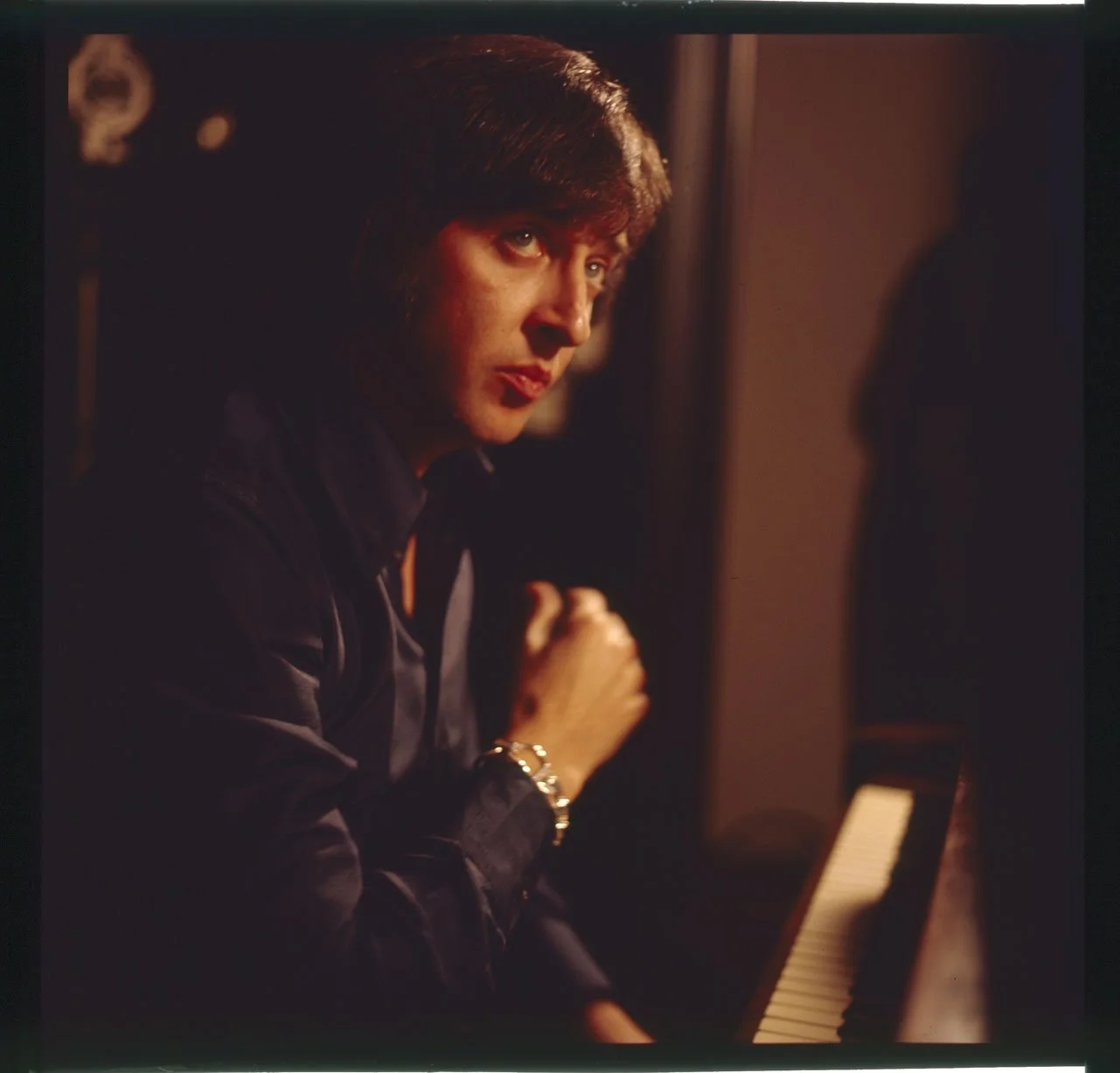





02.5
IVAN REBROFF
Multivision. The Ivan-Rebroff-Show.
For an exhibition booth at the Igedo trade fair in Duesseldorf, Triumph International commissioned the renowned film architect Rolf Zehetbauer. To him, Ulrich Pracht—who was simultaneously working as a photographer for the lingerie company—presented his concept for a "multivision wall": pairs of slide projectors would alternately project images from behind onto a projection surface. Several such surfaces, arranged side-by-side and stacked vertically, formed the wall, upon which viewers could experience an attractive presentation of the new products. For that era—devoid of digital technology and sophisticated software—this was a technical sensation, albeit one that entailed a tremendous amount of work: "I shot the images as 6x6 slides on the beach in Zandvoort. We then copied the subjects onto 24x36 film and cropped each image in such a way that, when displayed on the multivision wall, they coalesced into a single, massive photograph."
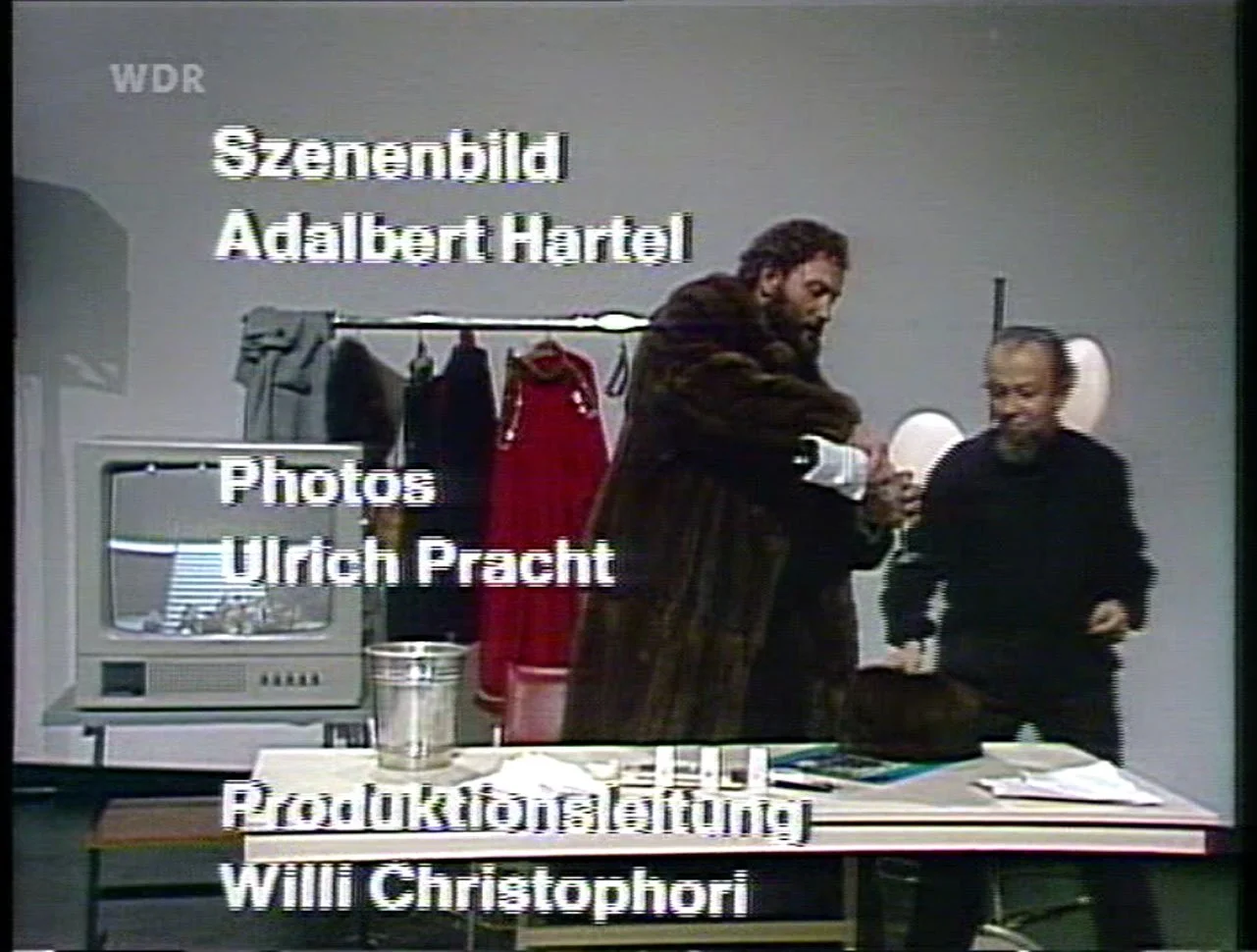
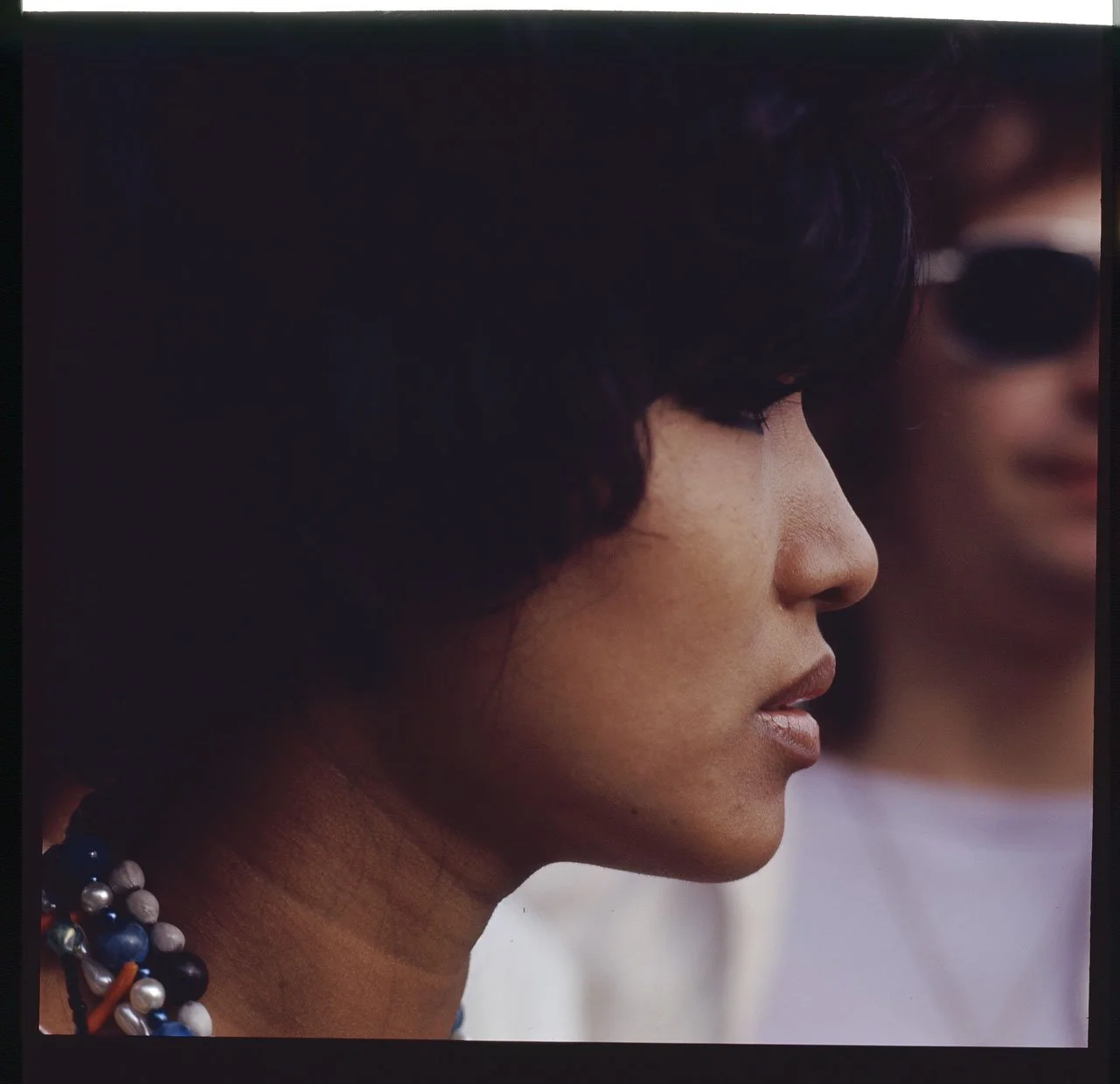
The ARD television network also took an interest in this new technology. For the Ivan Rebroff Show—a popular Saturday-night variety program first broadcast live in March 1972 from the Berliner Union Film studios, and later, on an even grander scale, from the Bavaria Studios in Munich—Ulrich Pracht collaborated with set designer Adalbert Hartel to create a two-tiered stage set incorporating his multivision concept. It was here, on Germany's First Channel (*Das Erste*), that the concept truly came into its own for the very first time. The centerpiece was a colossal, retractable wall featuring up to 60 projection surfaces made of multi-layered Plexiglas, situated atop a broad mezzanine. From there, two Hollywood-style staircases—also mobile—descended to the lower level of the studio. "The entire projection system in the background consisted of two slide projectors per projection surface to ensure a rapid succession of images; everything operated on analog technology back then," recalls Ulrich Pracht, who controlled the sequence of his images during the show simply by pressing a button. "I had serious doubts about whether it would all work out, but director Günther Hassert reassured me and placed his complete trust in my work." Ulrich Pracht visits the French chansonnier Gilbert Bécaud—known as "Monsieur 100,000 Volts"—at his studio in an old cinema in Paris to capture very personal snapshots of the great singer for the show.