

14
MAGIC UP
Visions of the Subconscious.
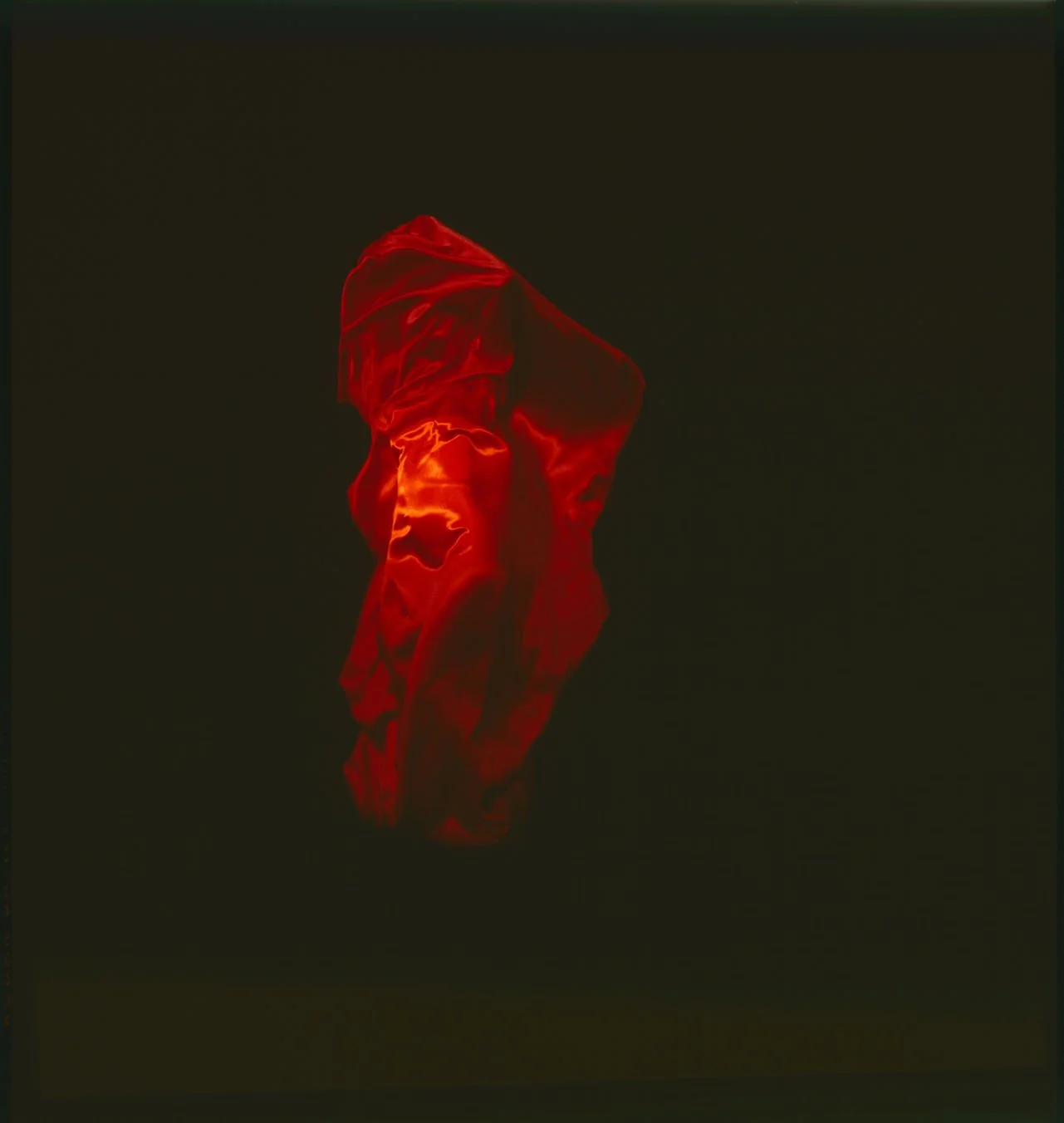
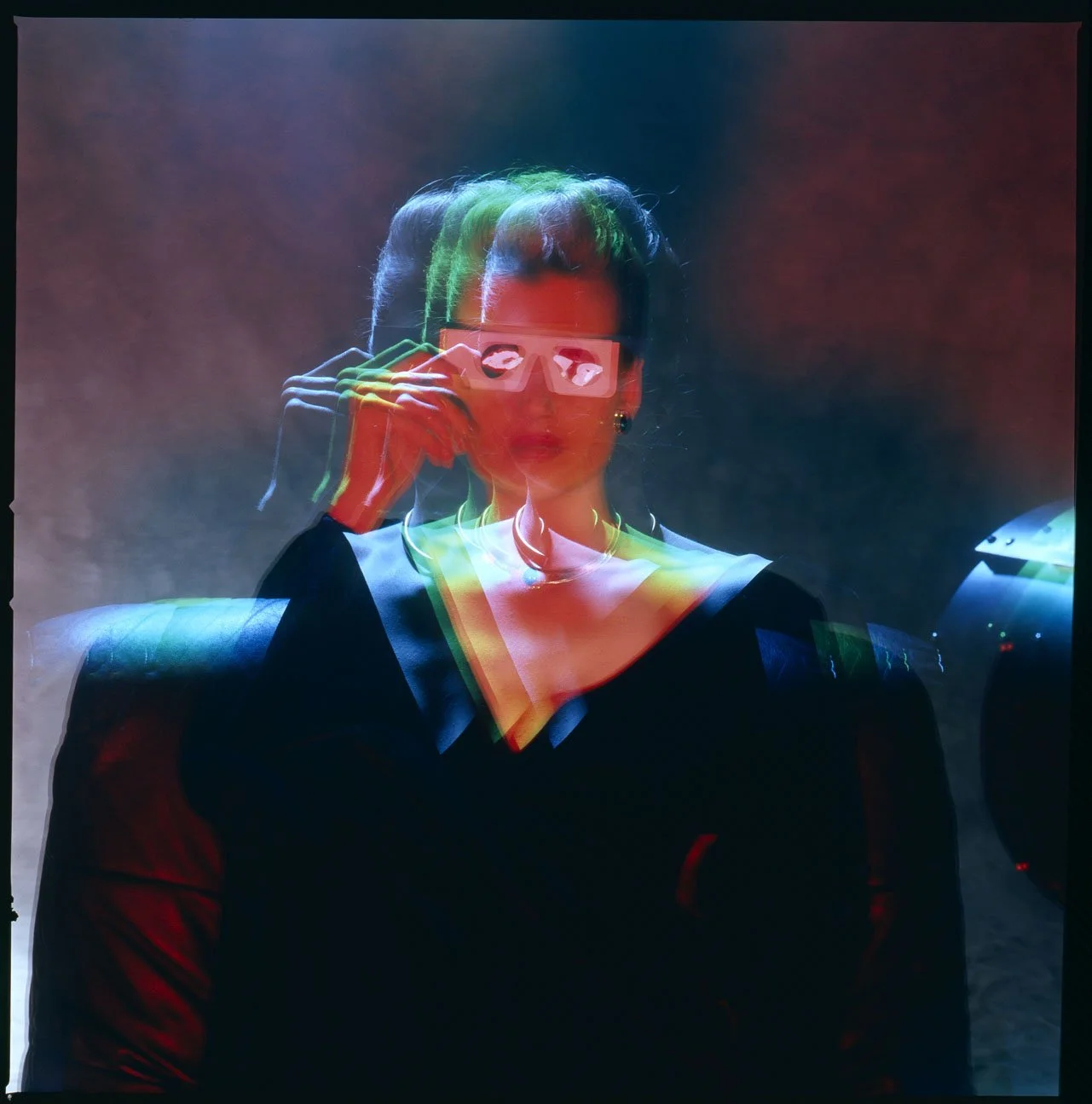
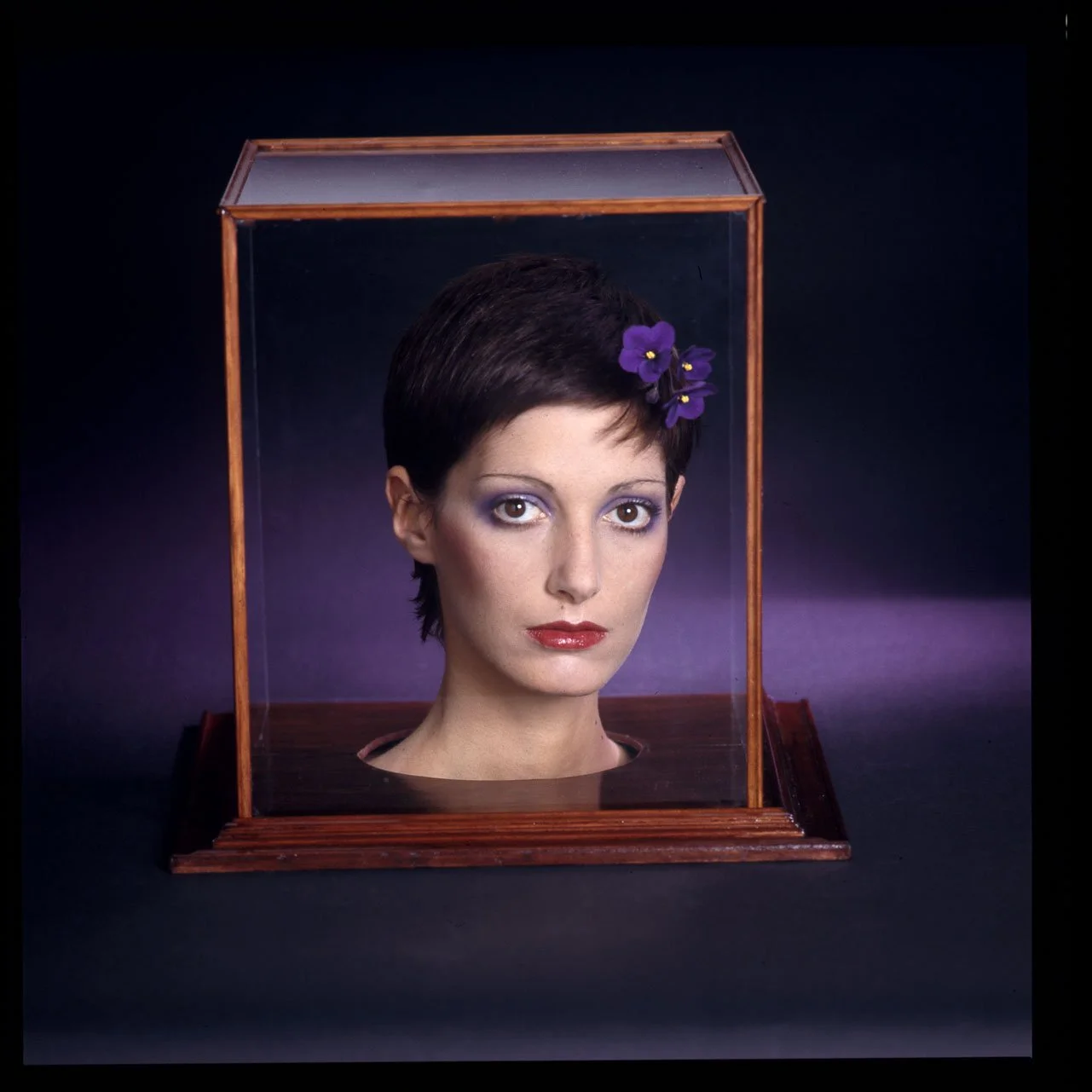
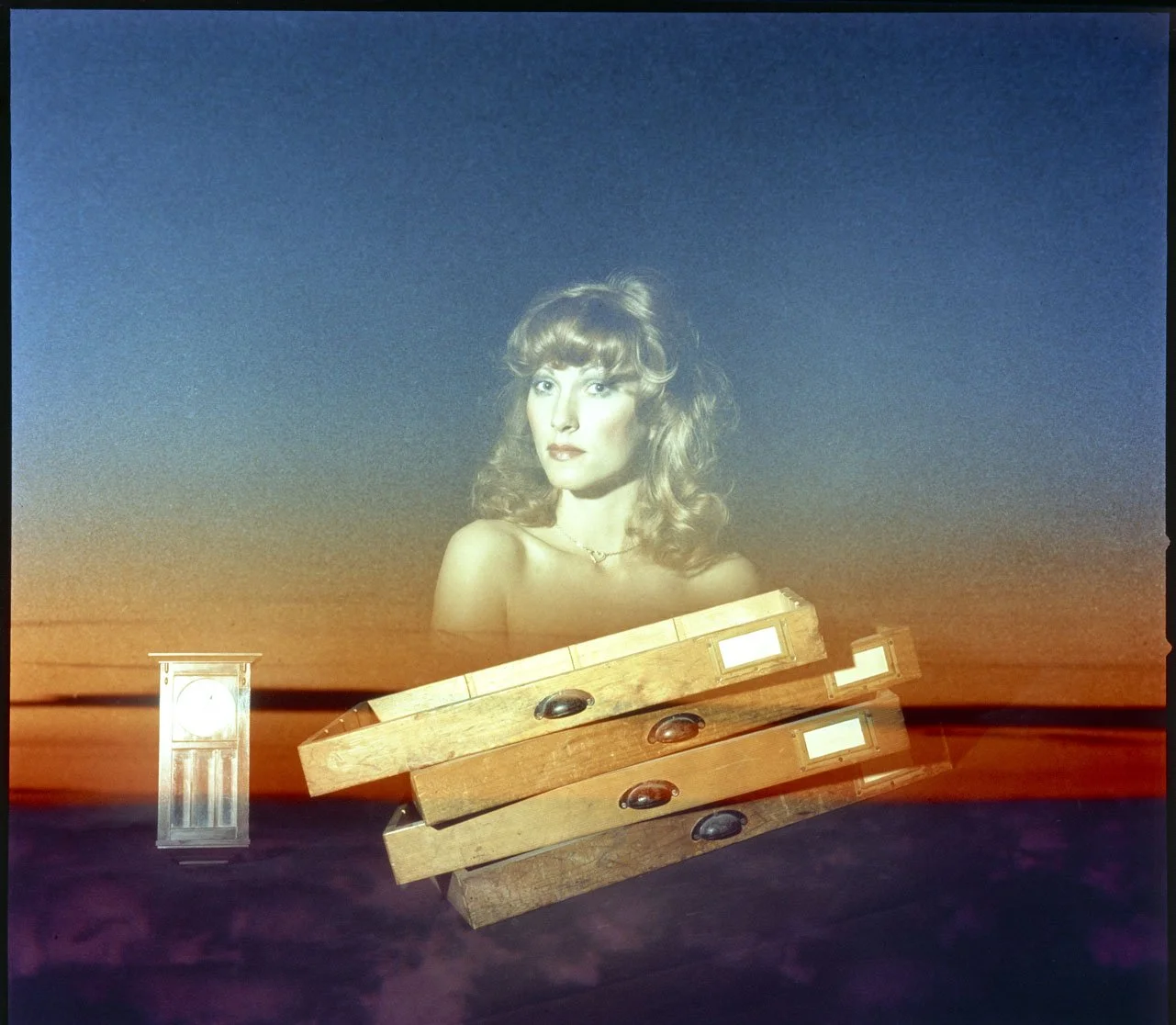
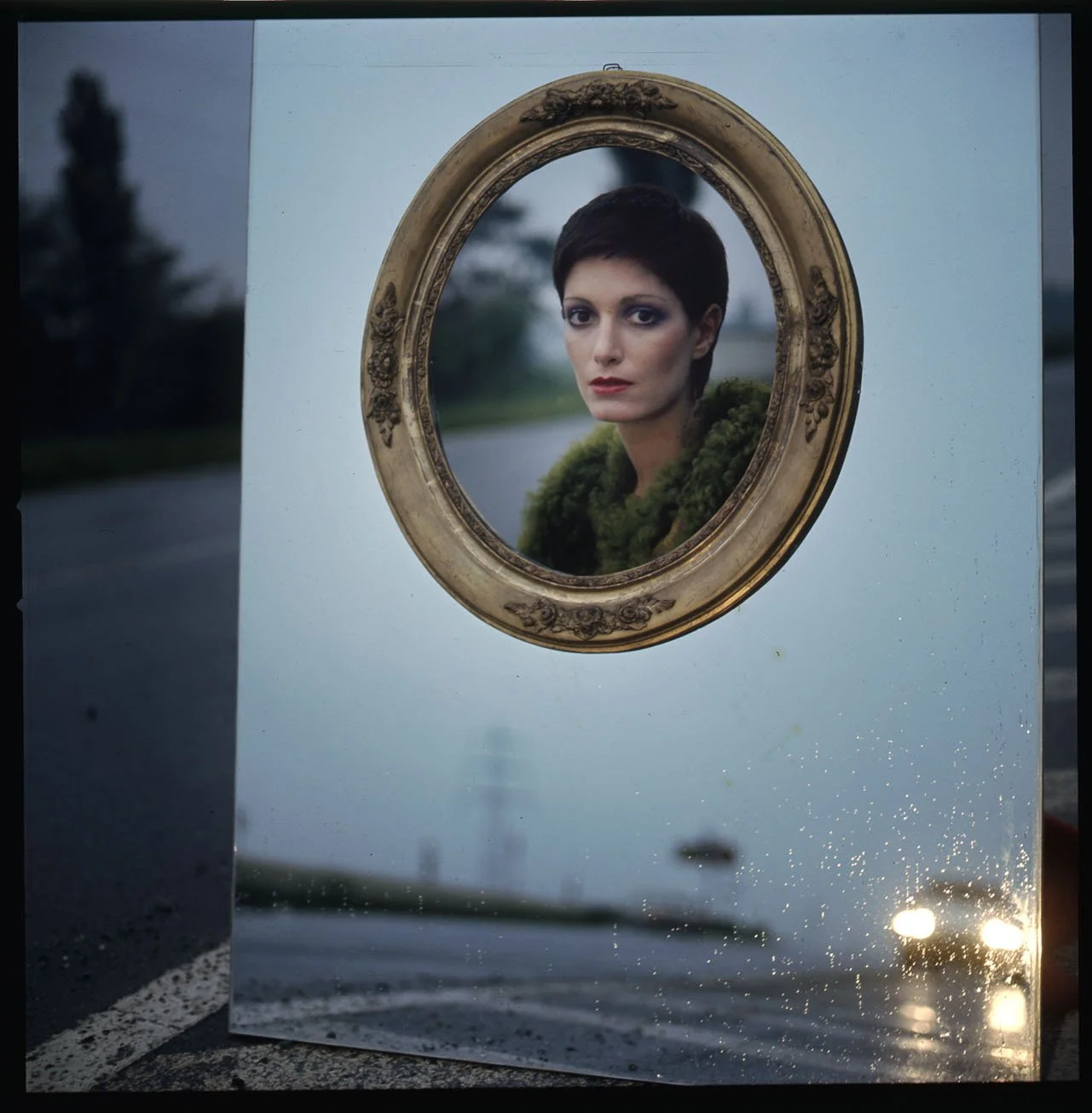
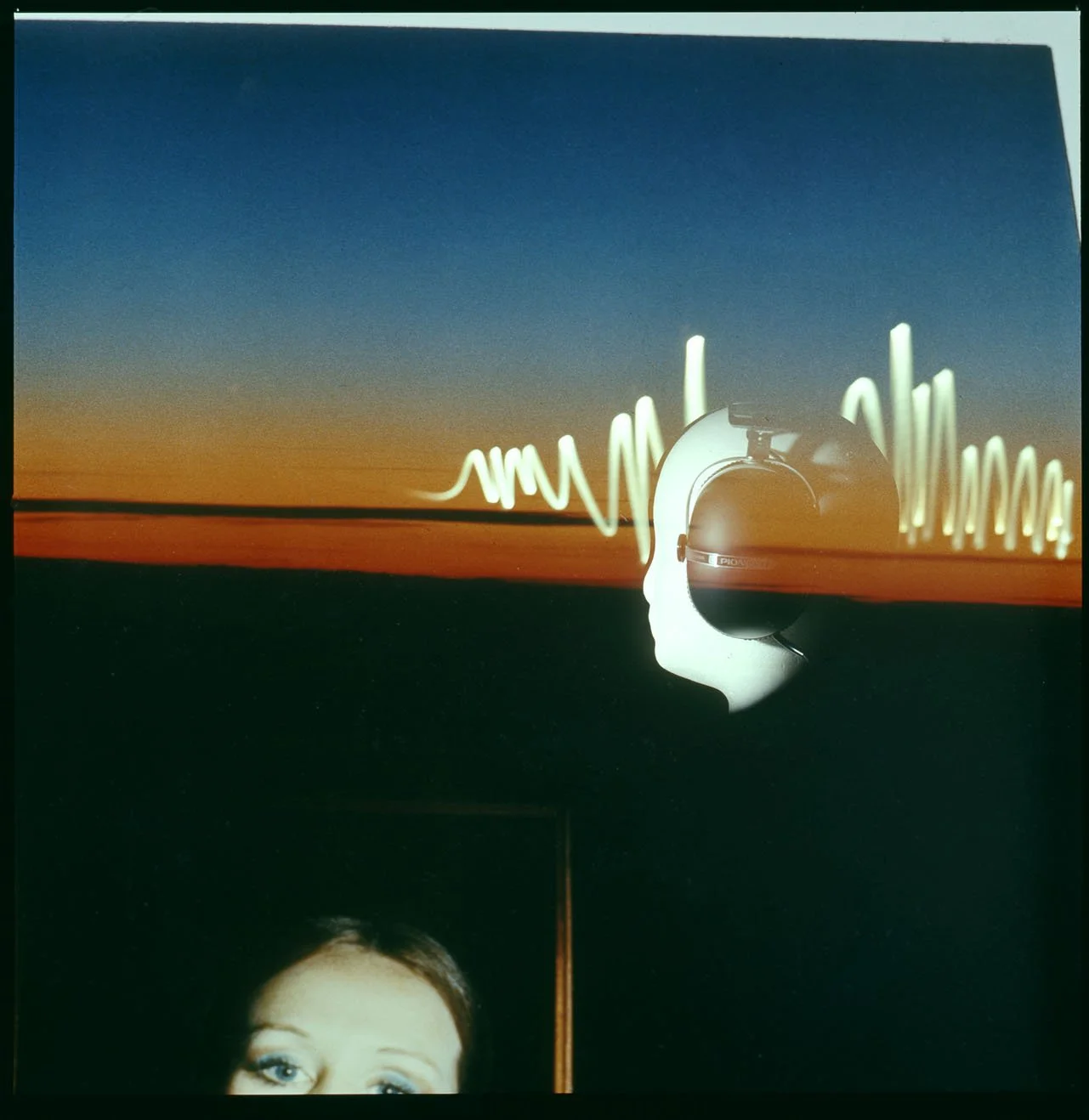
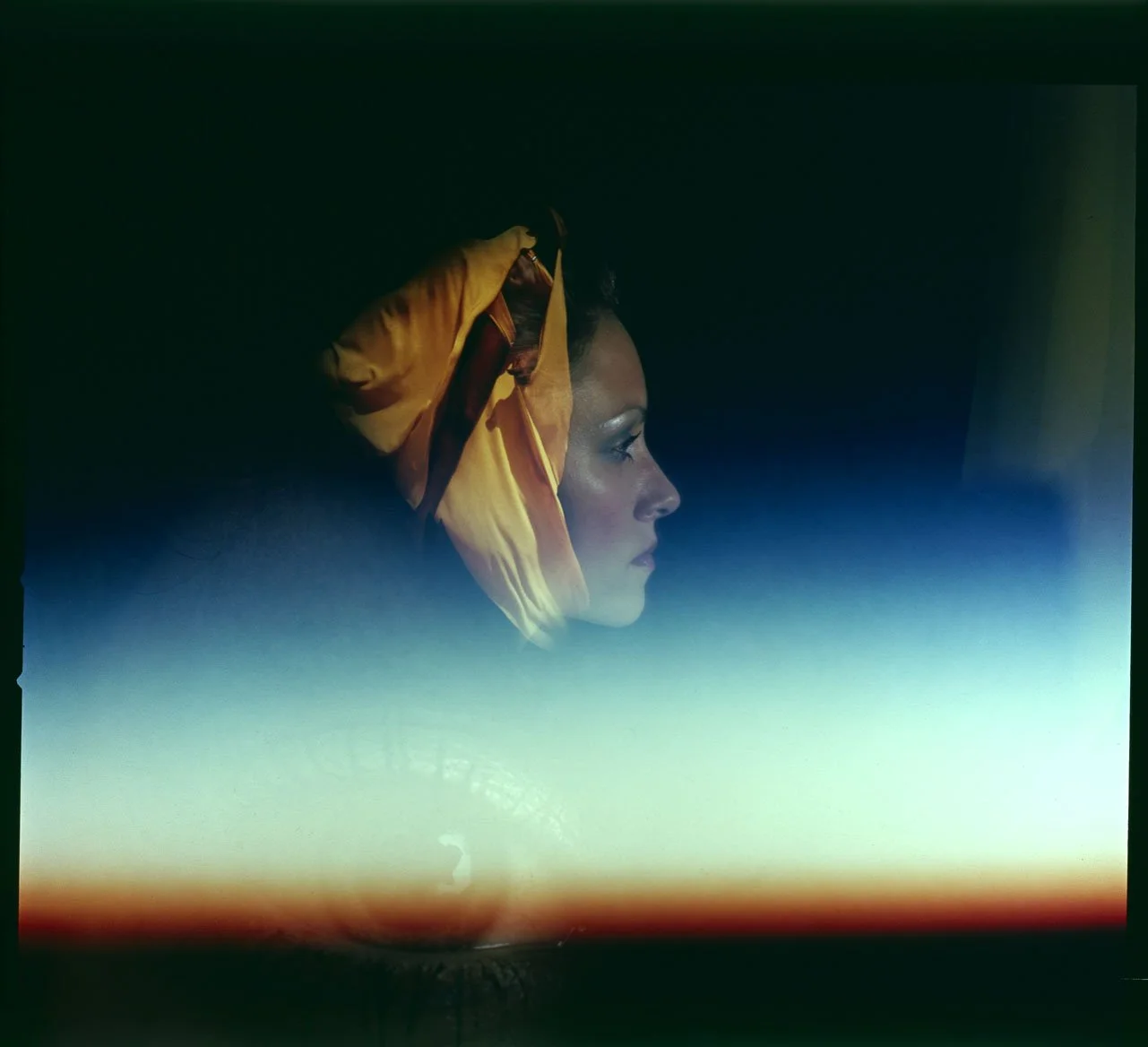
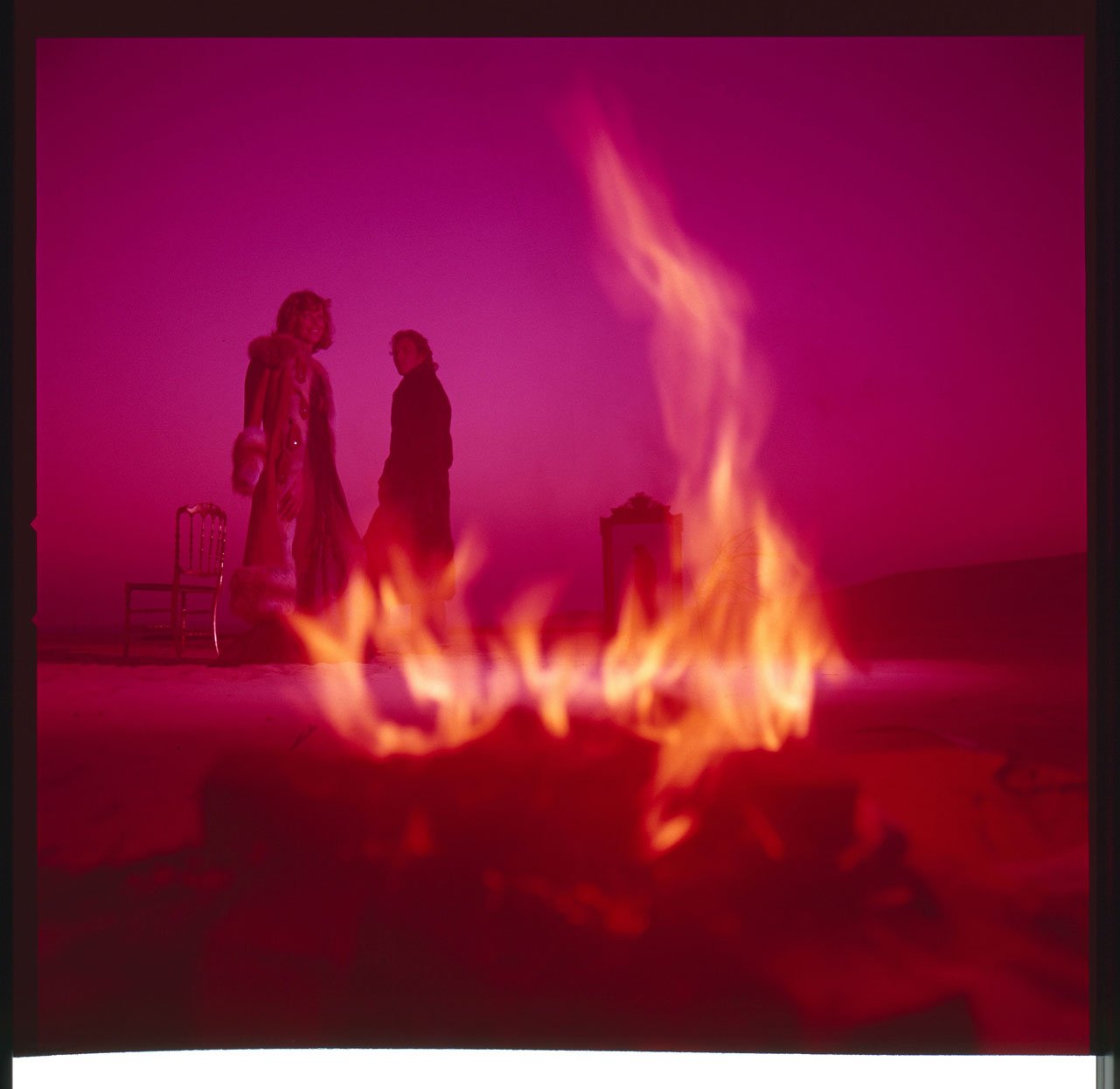
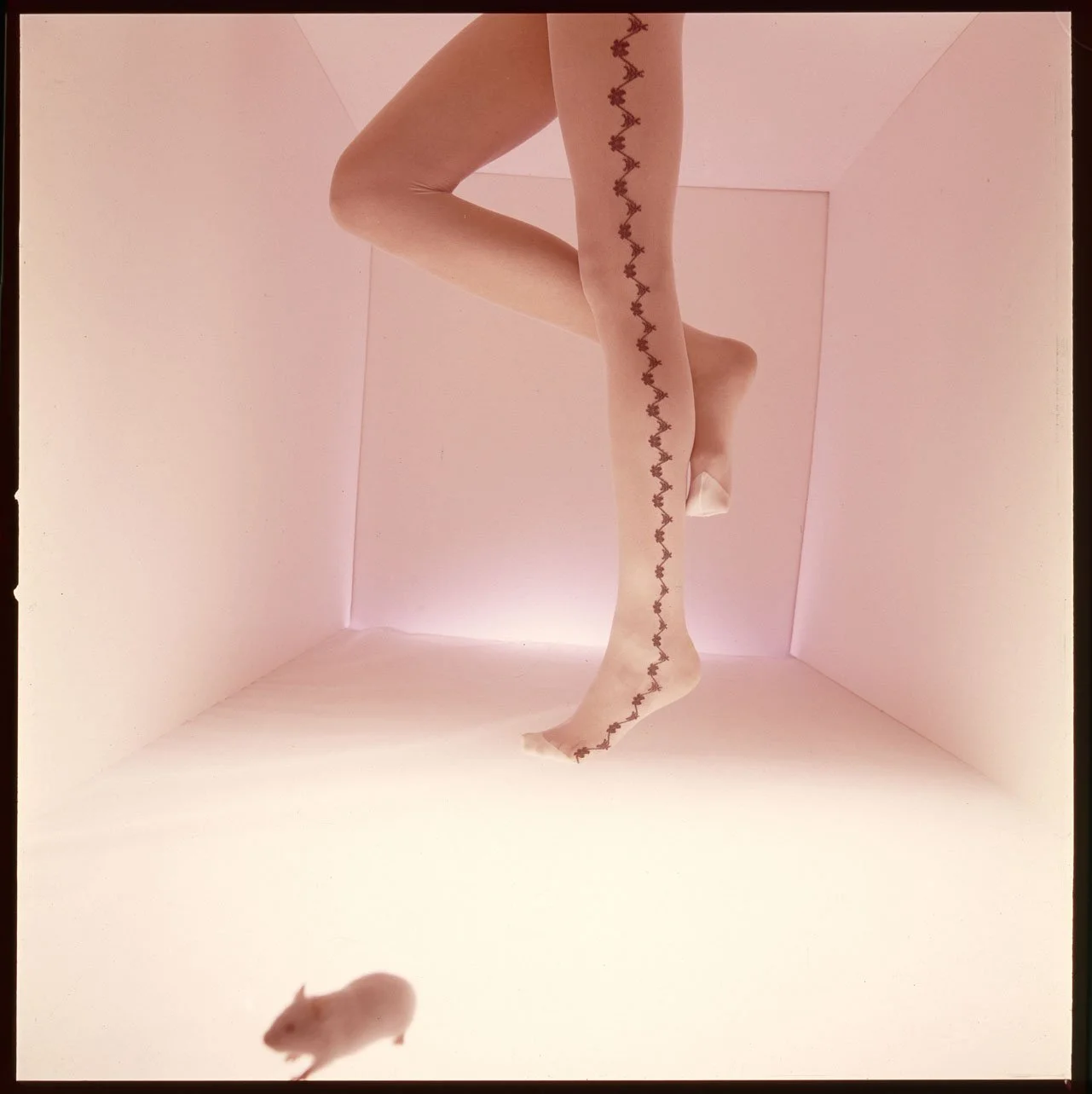
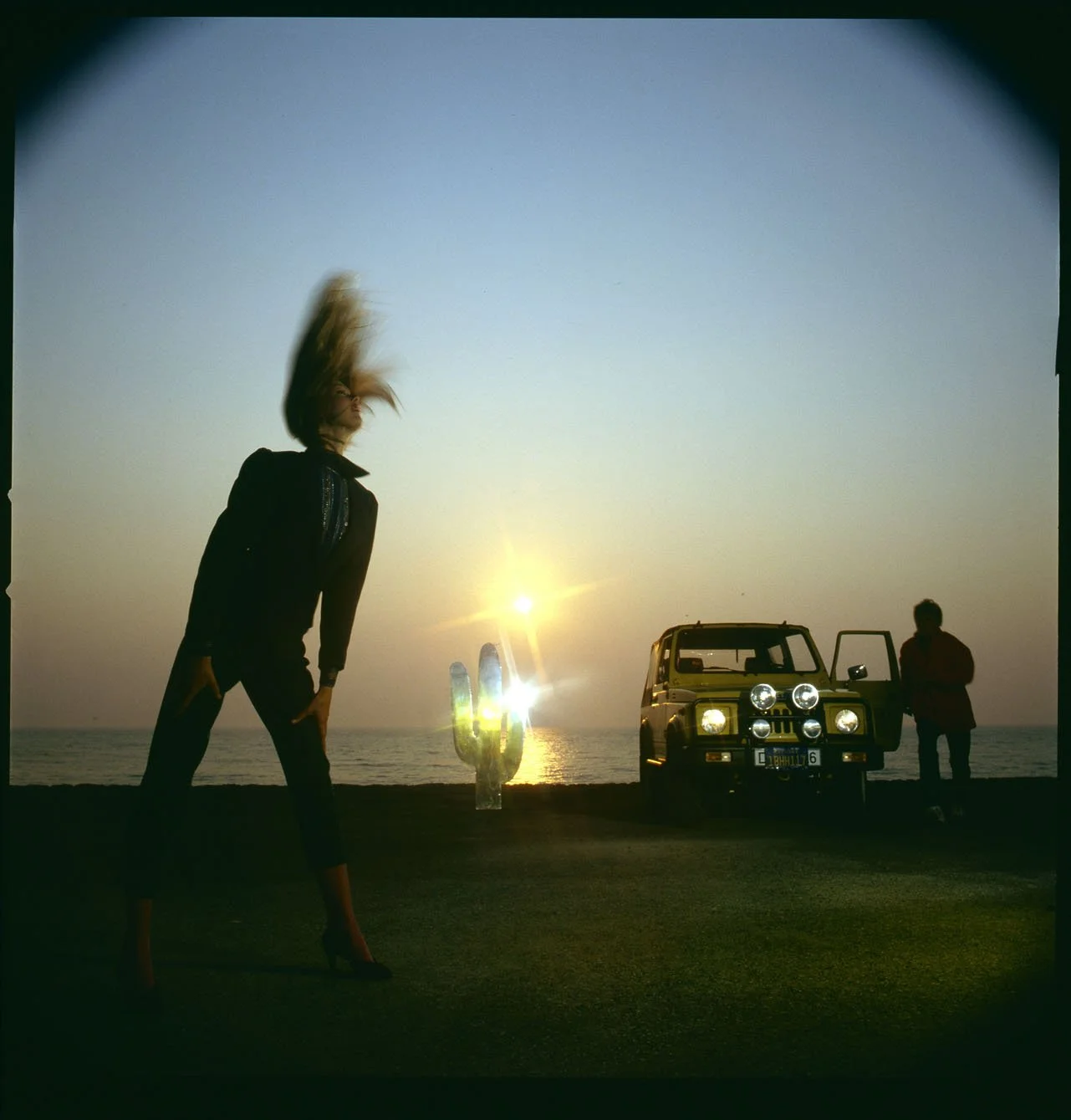
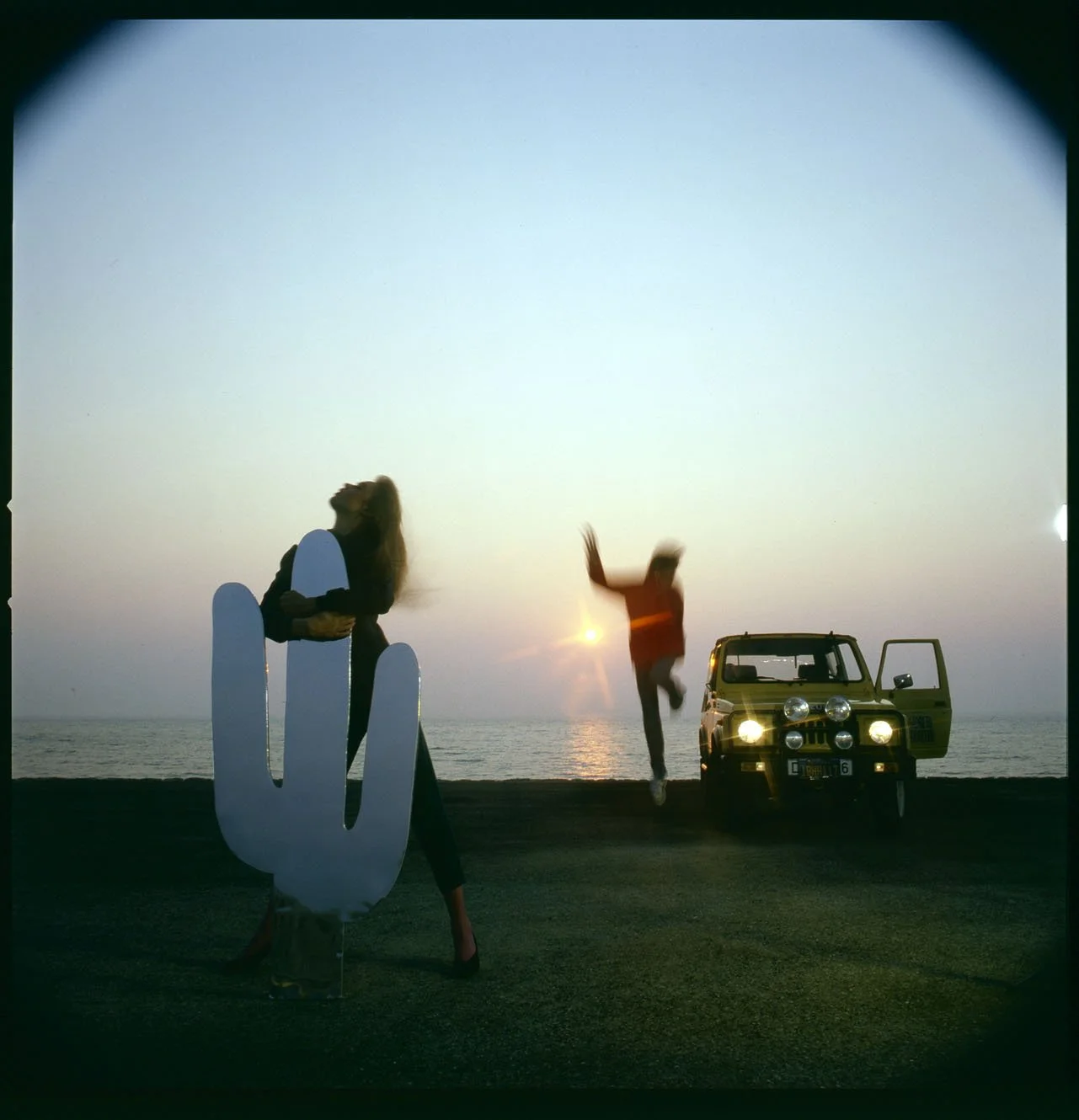
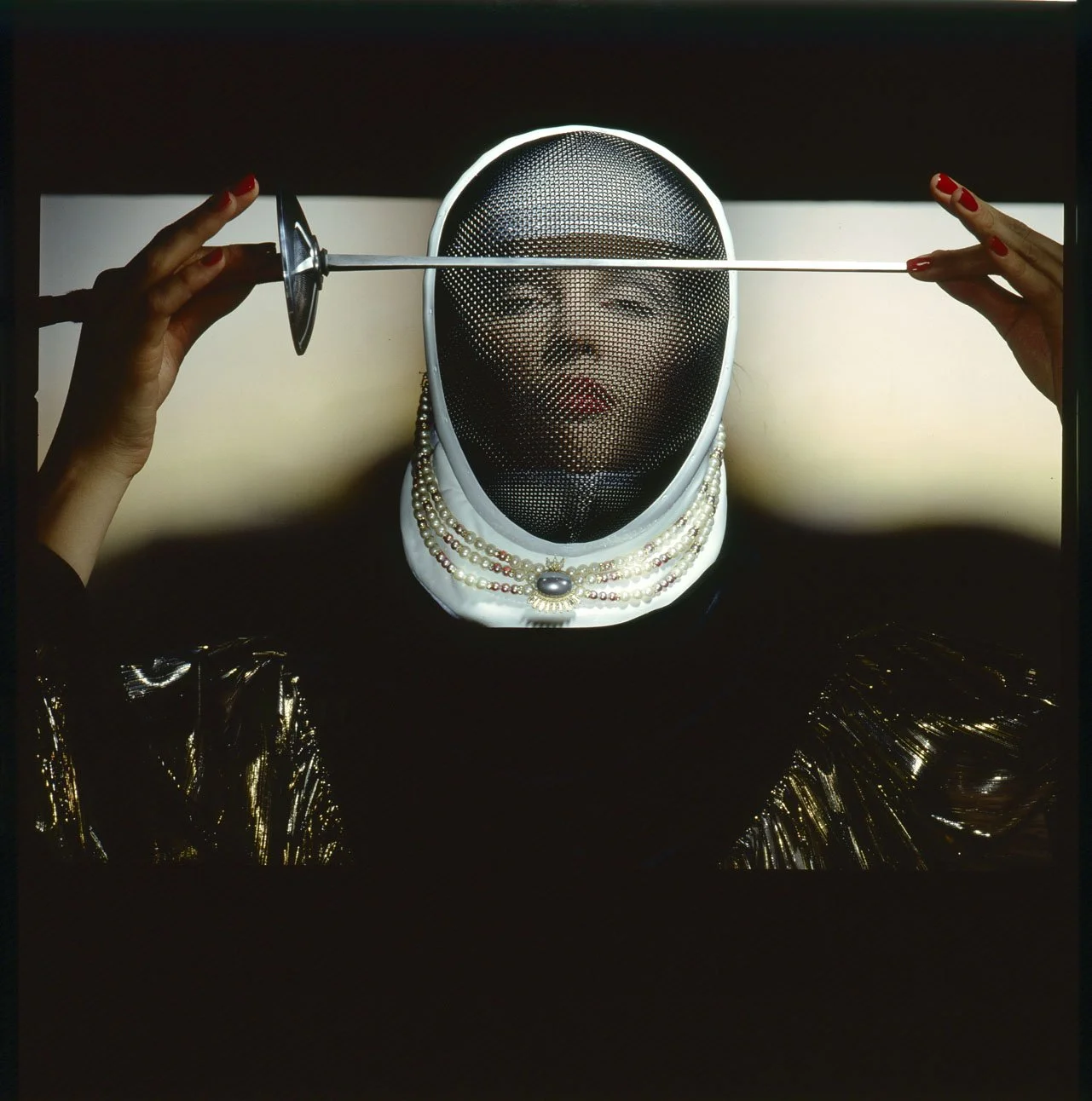
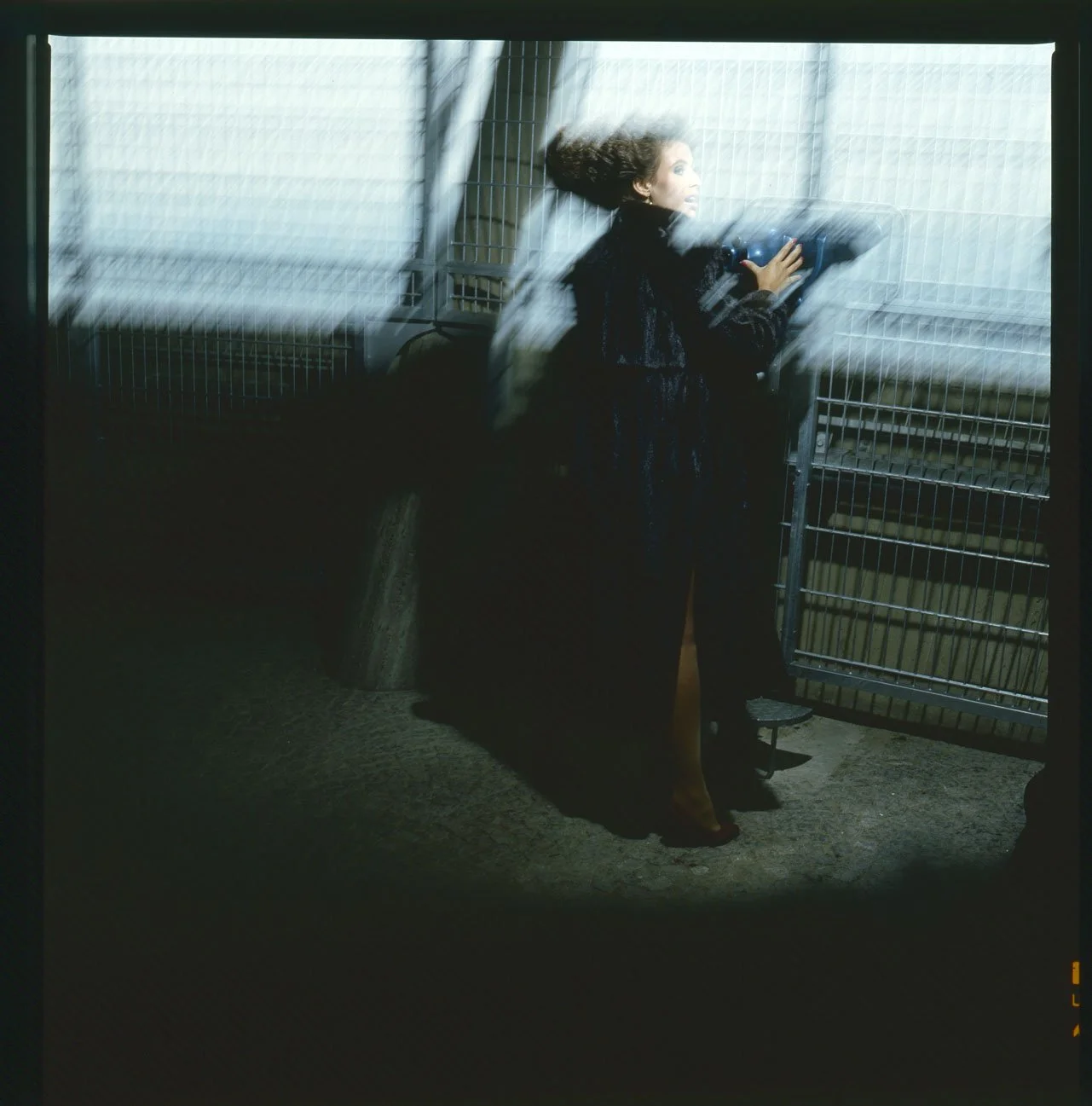
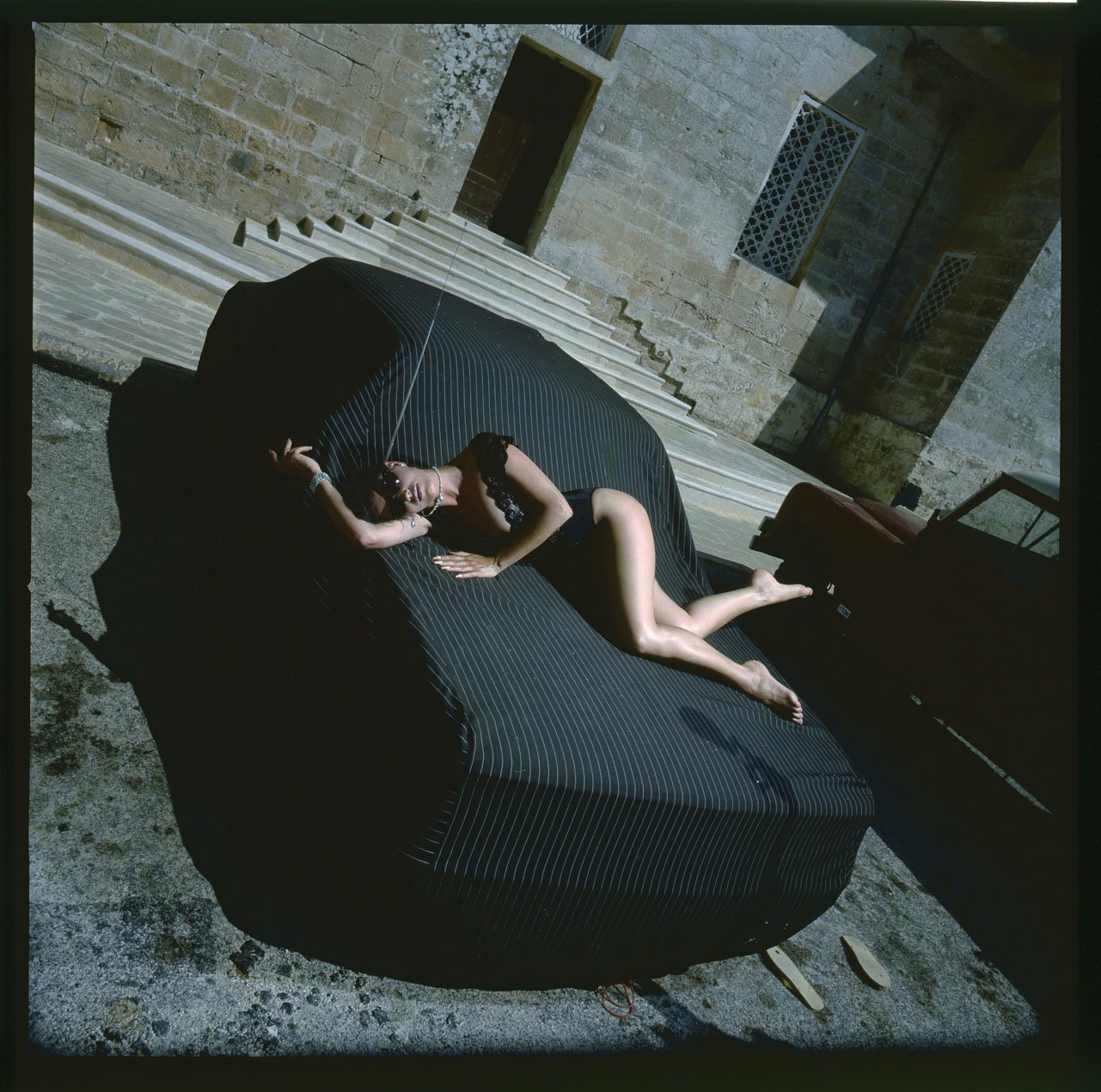
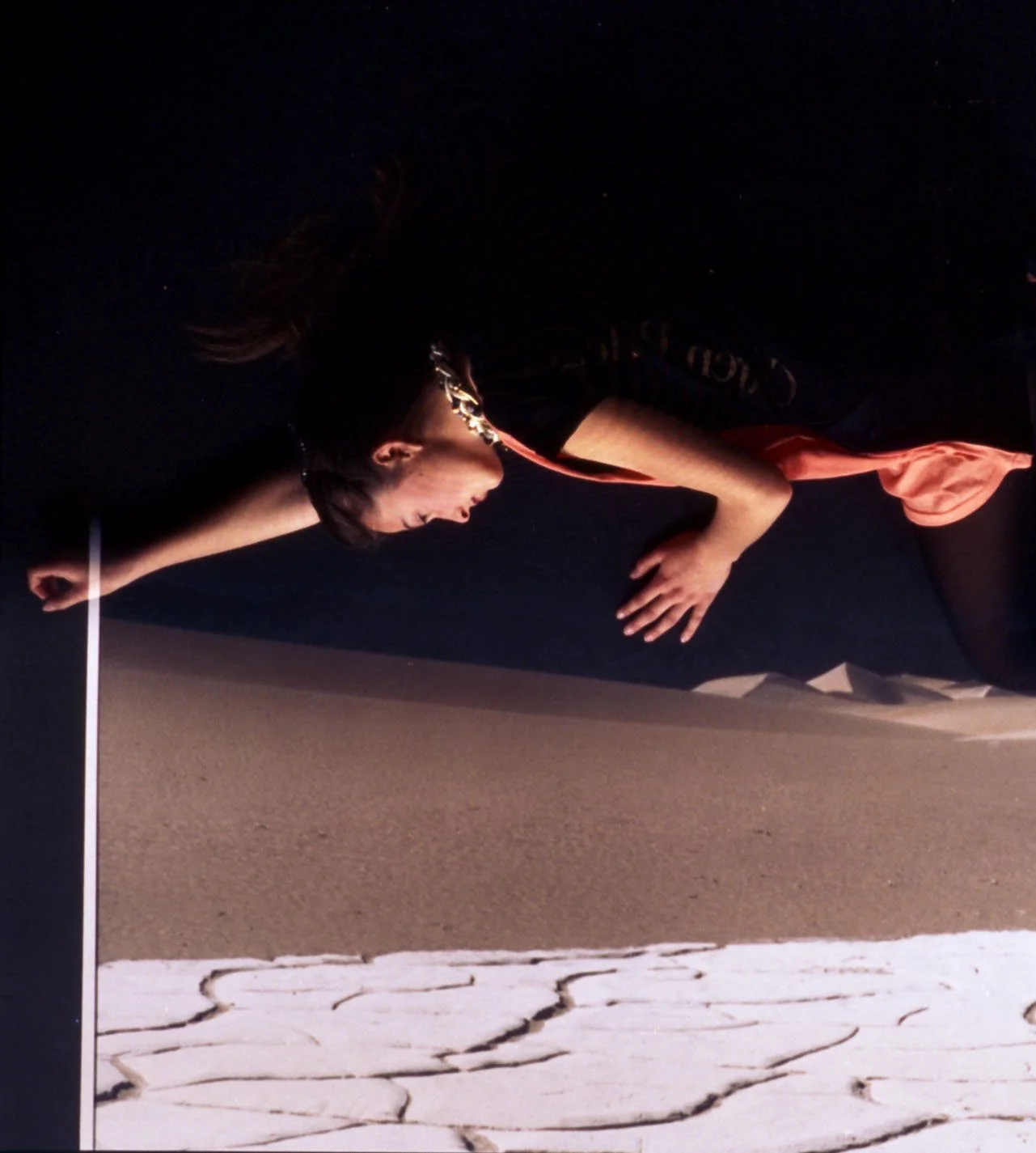
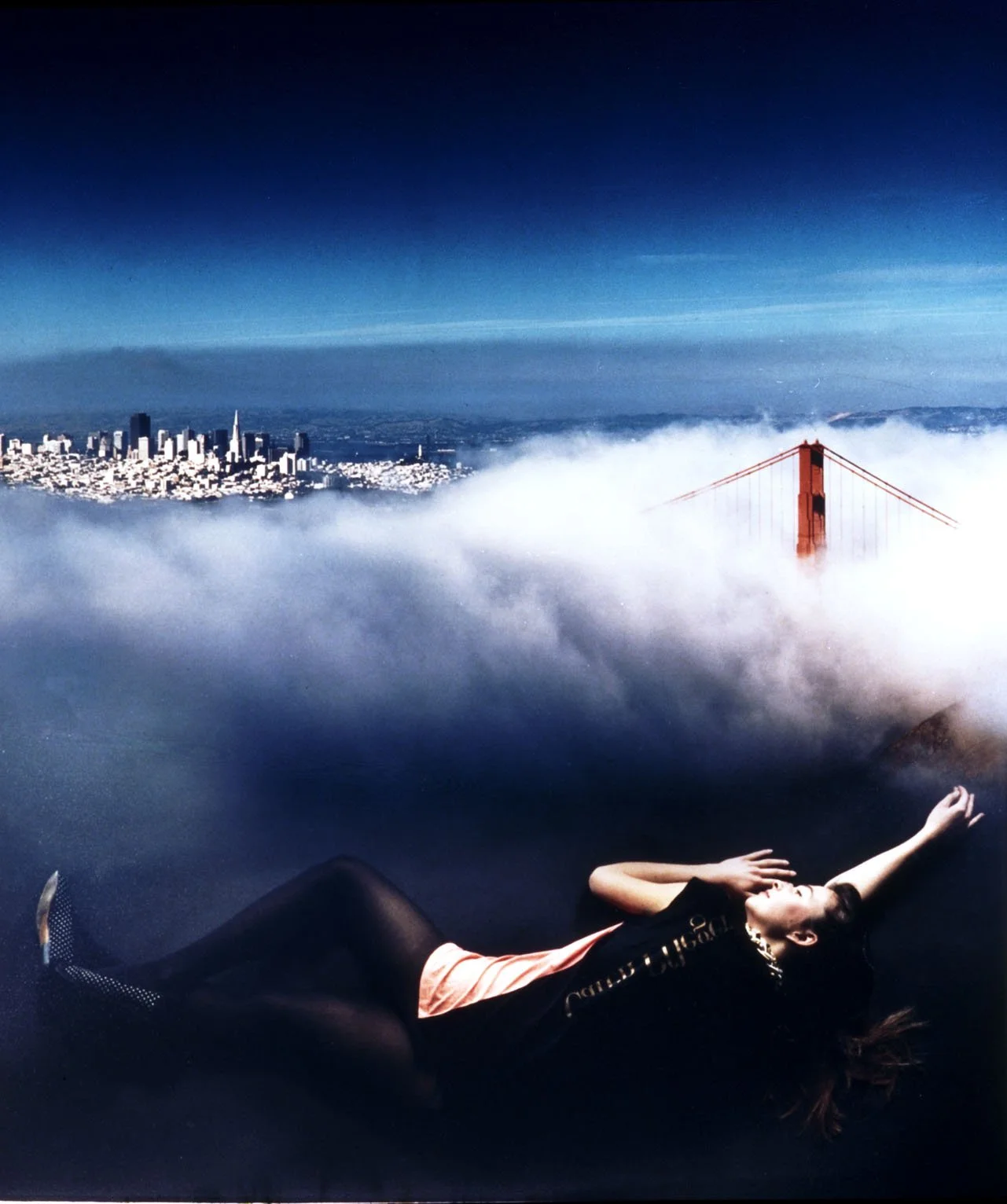
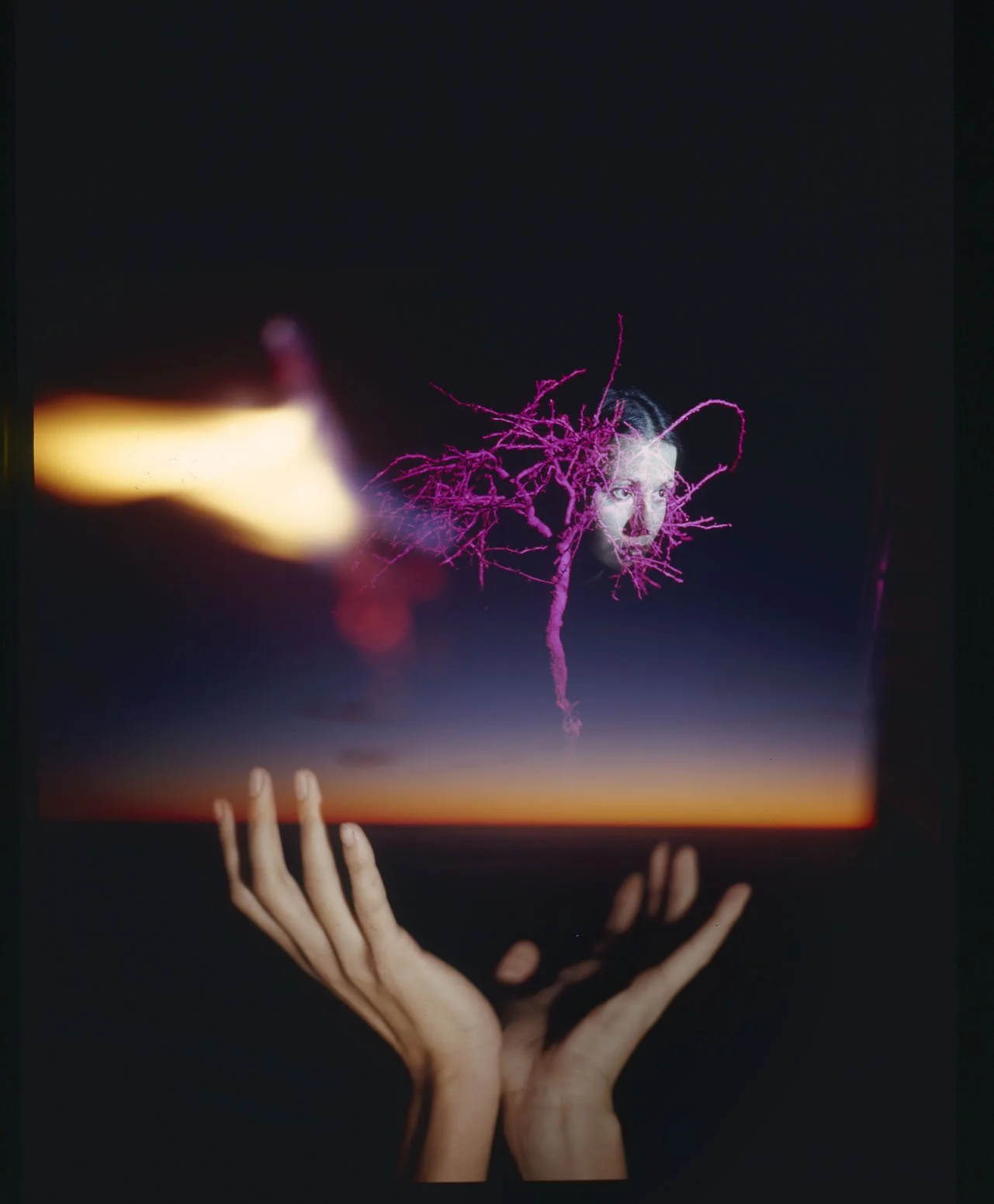
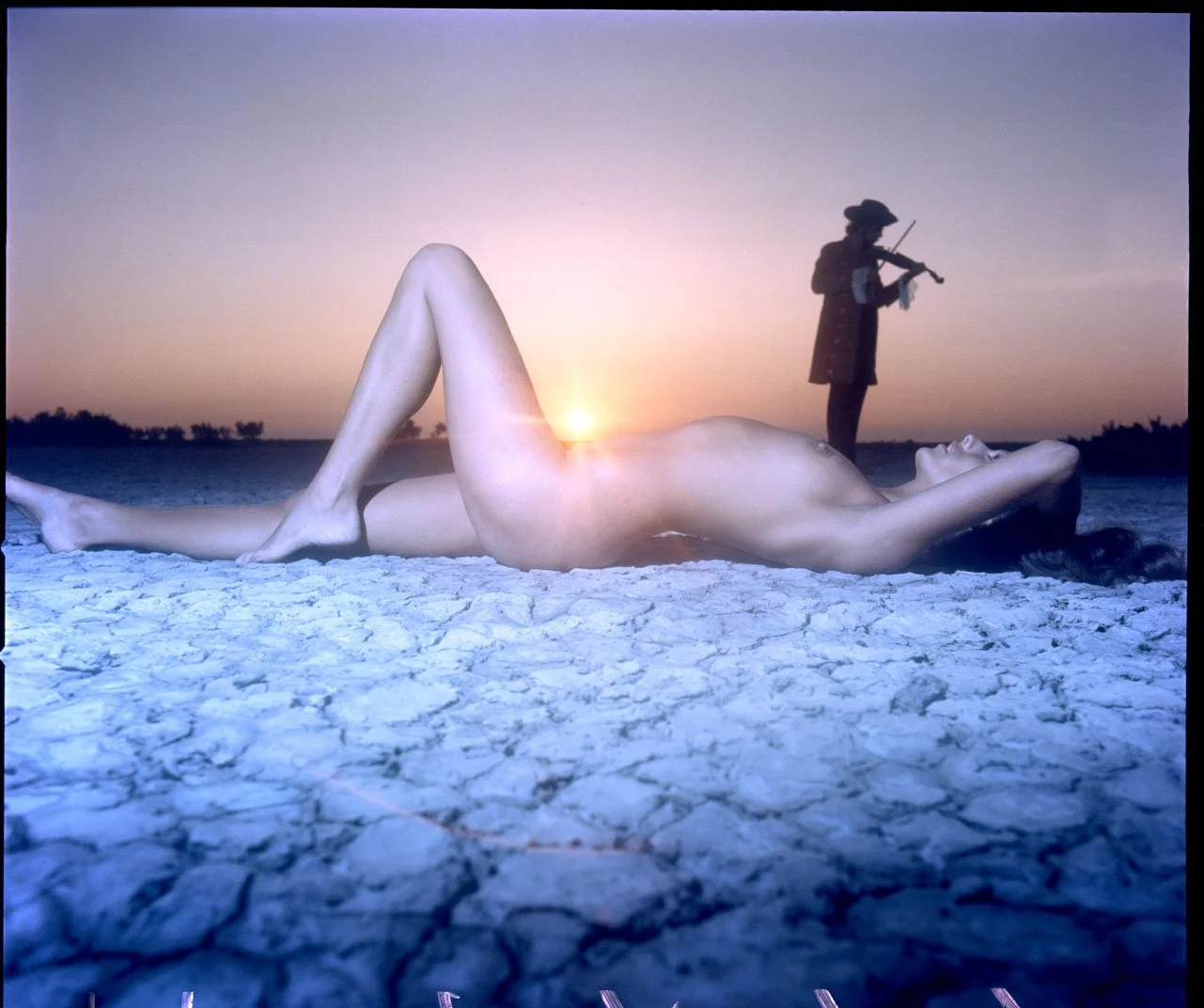
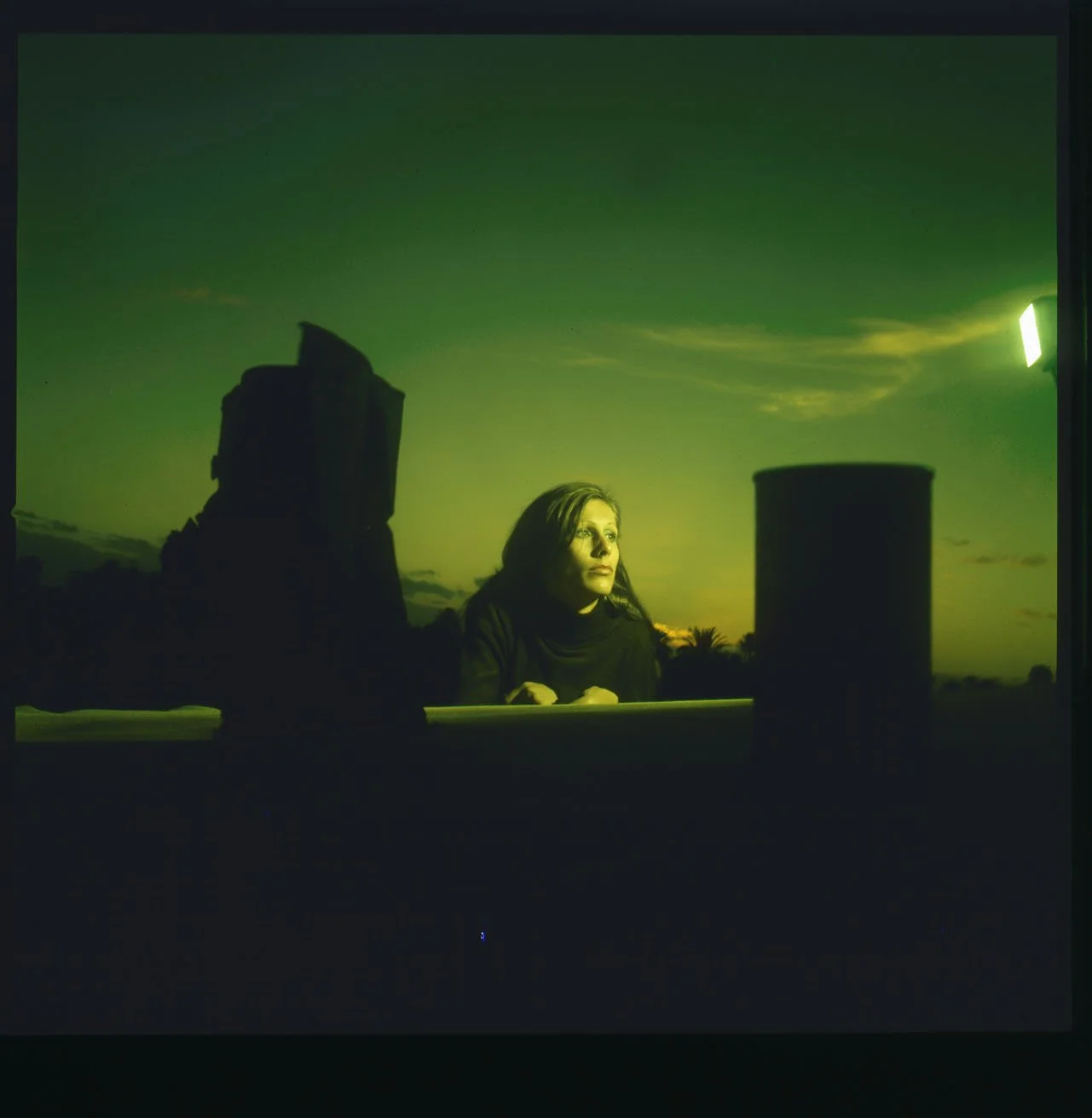
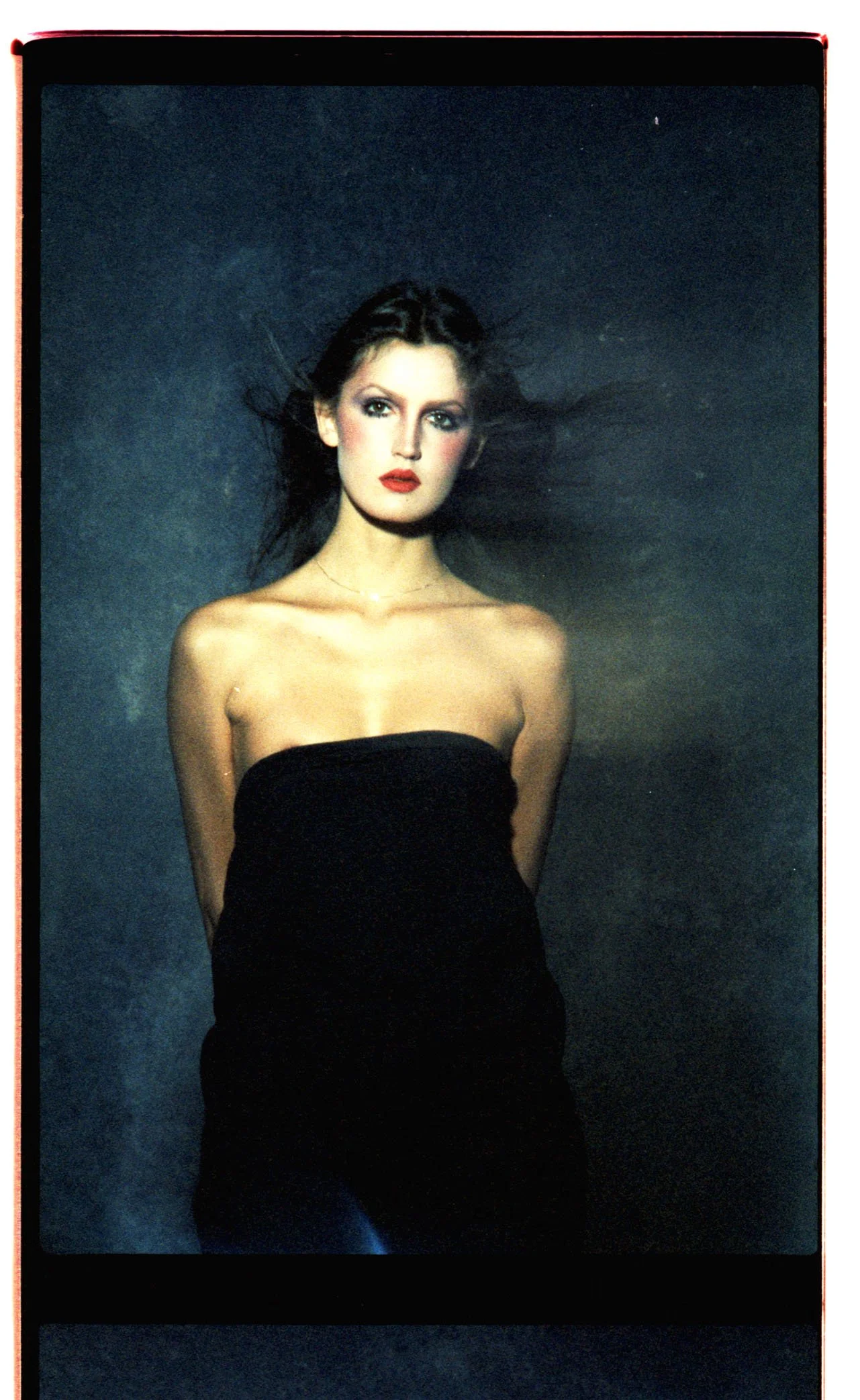
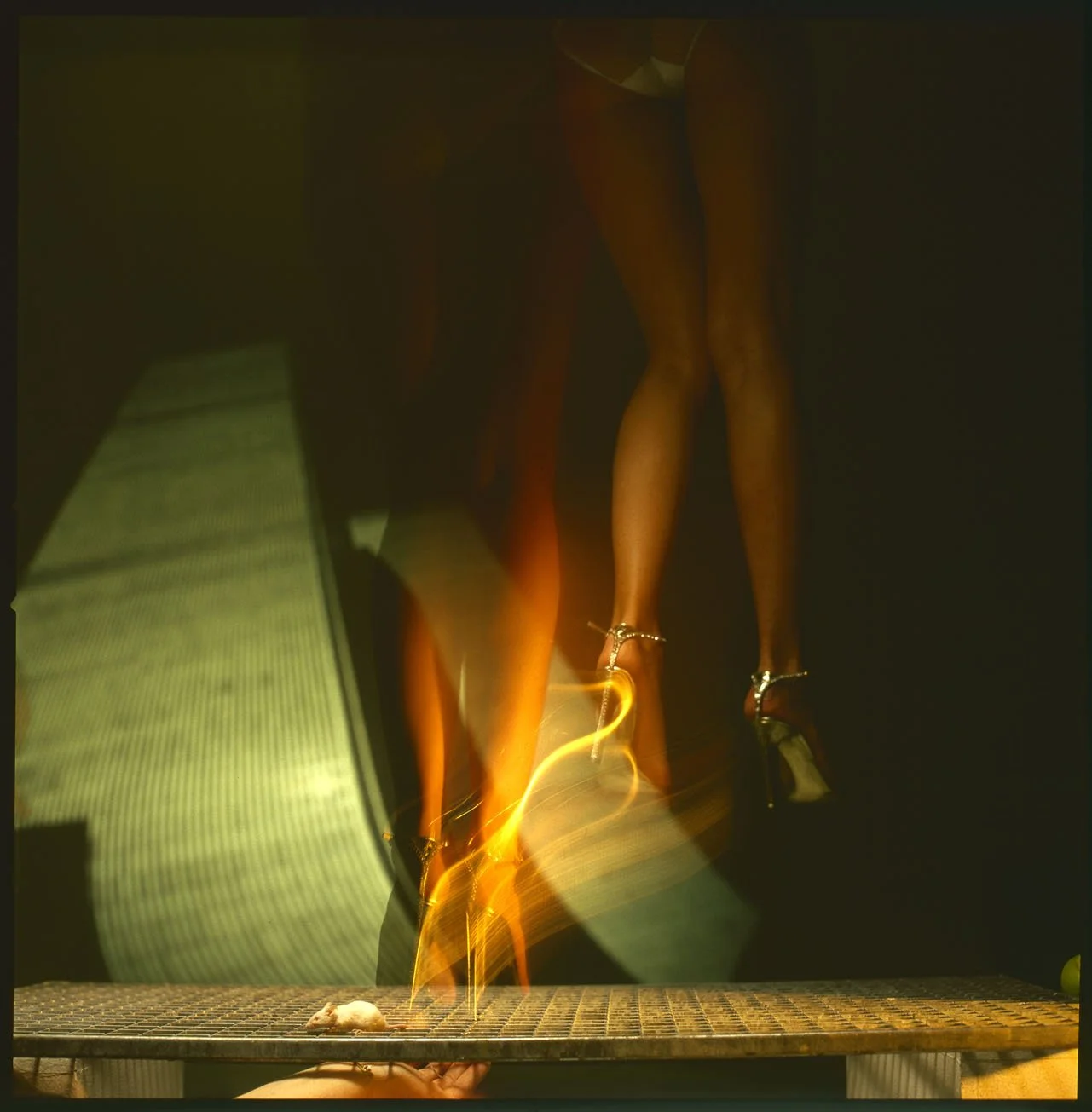
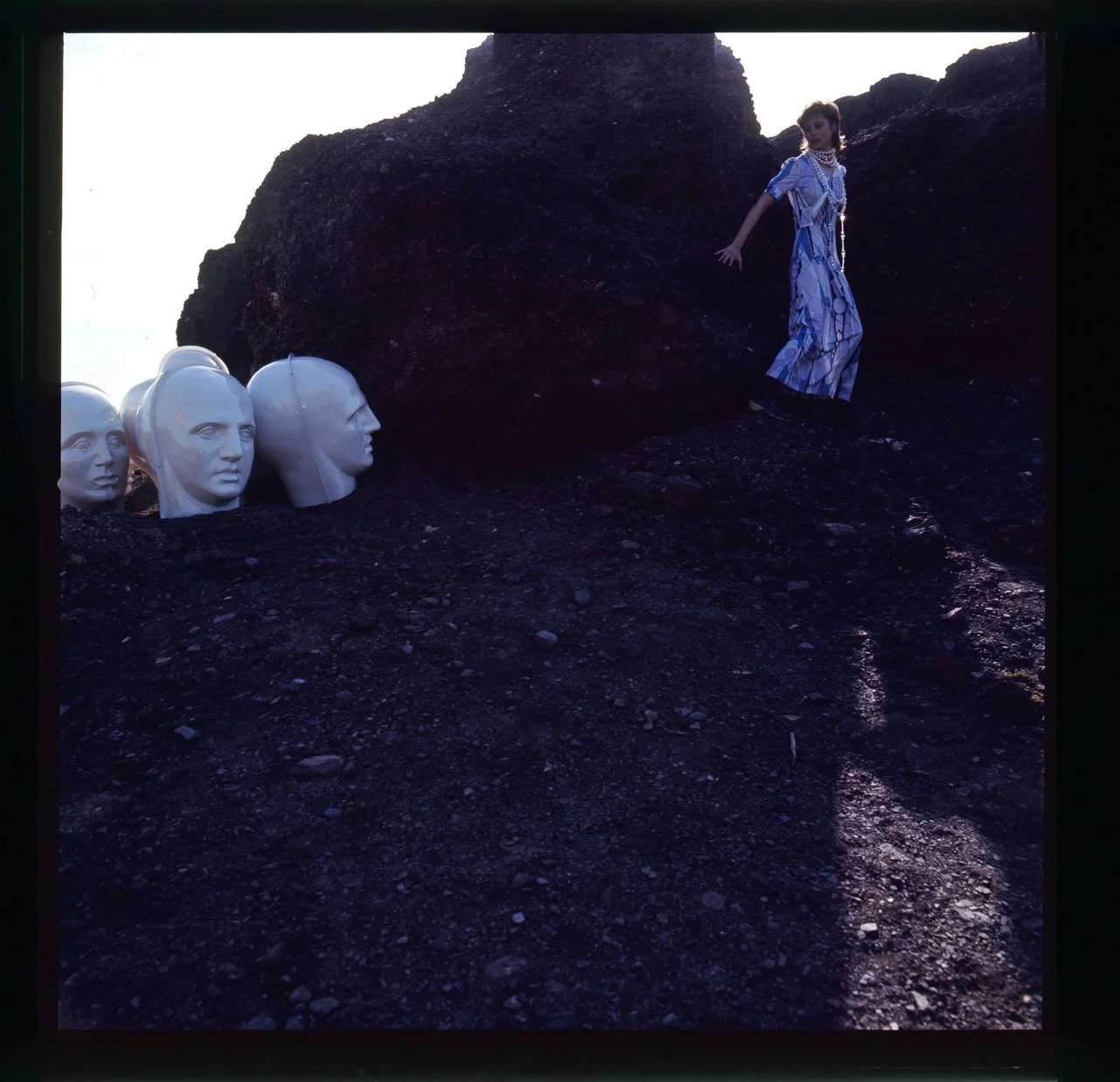
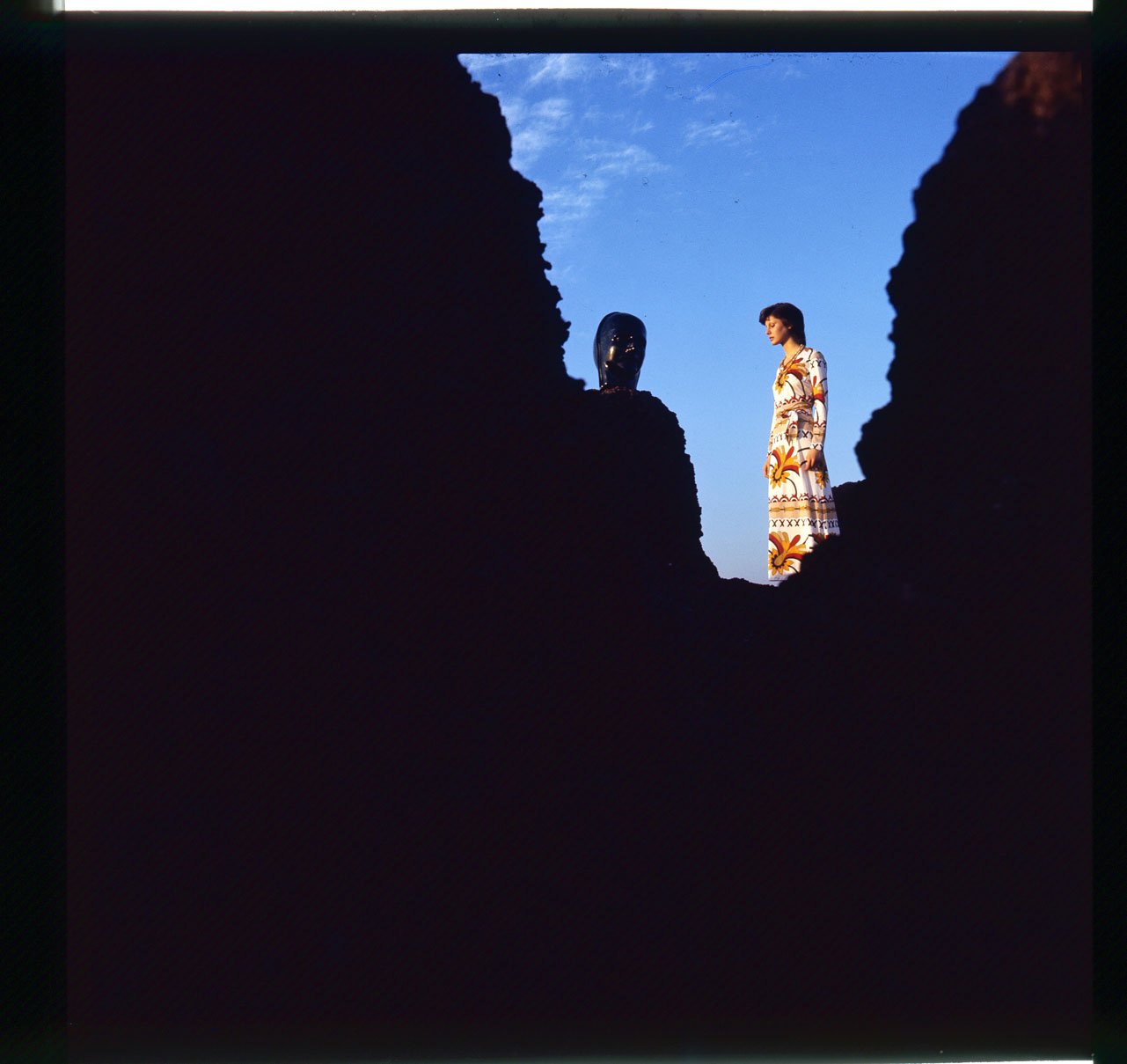
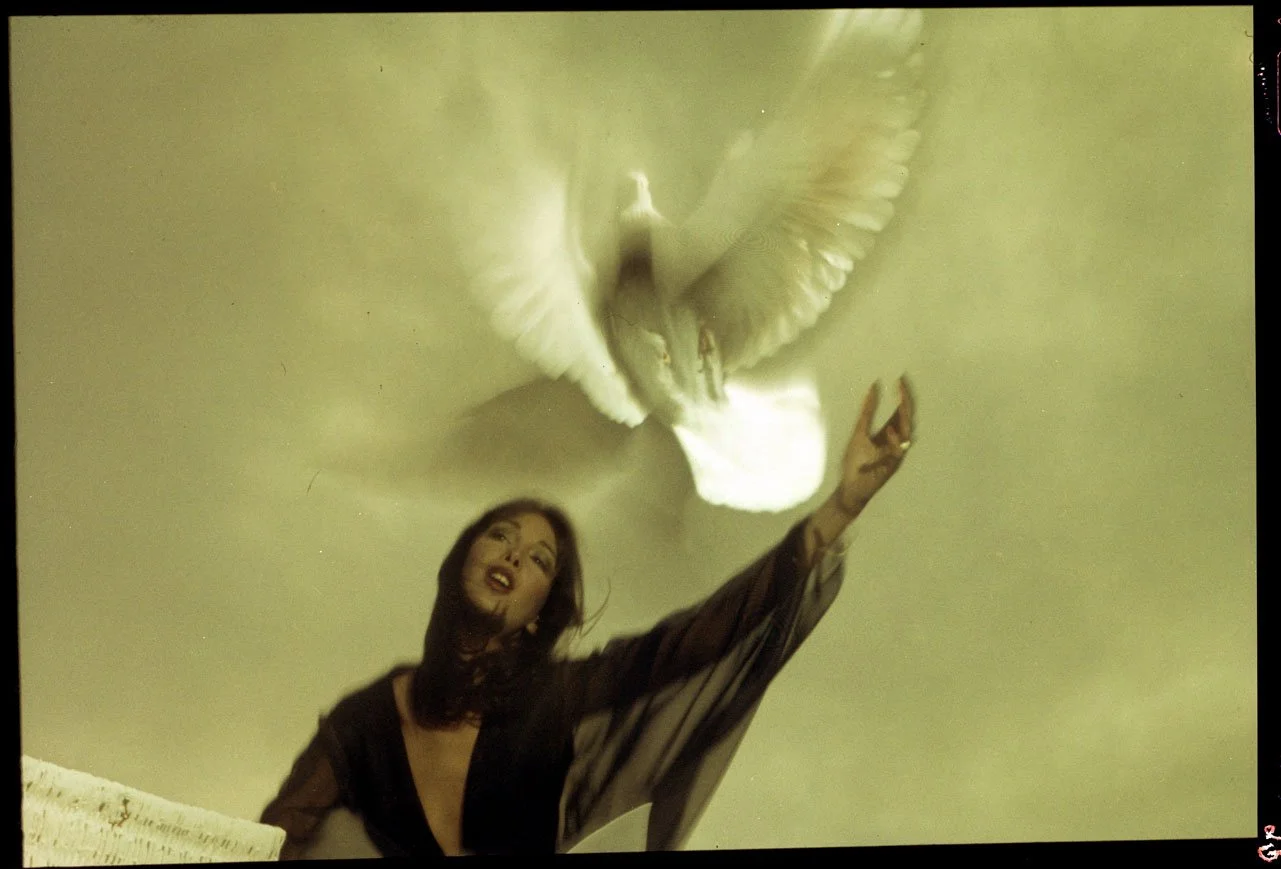
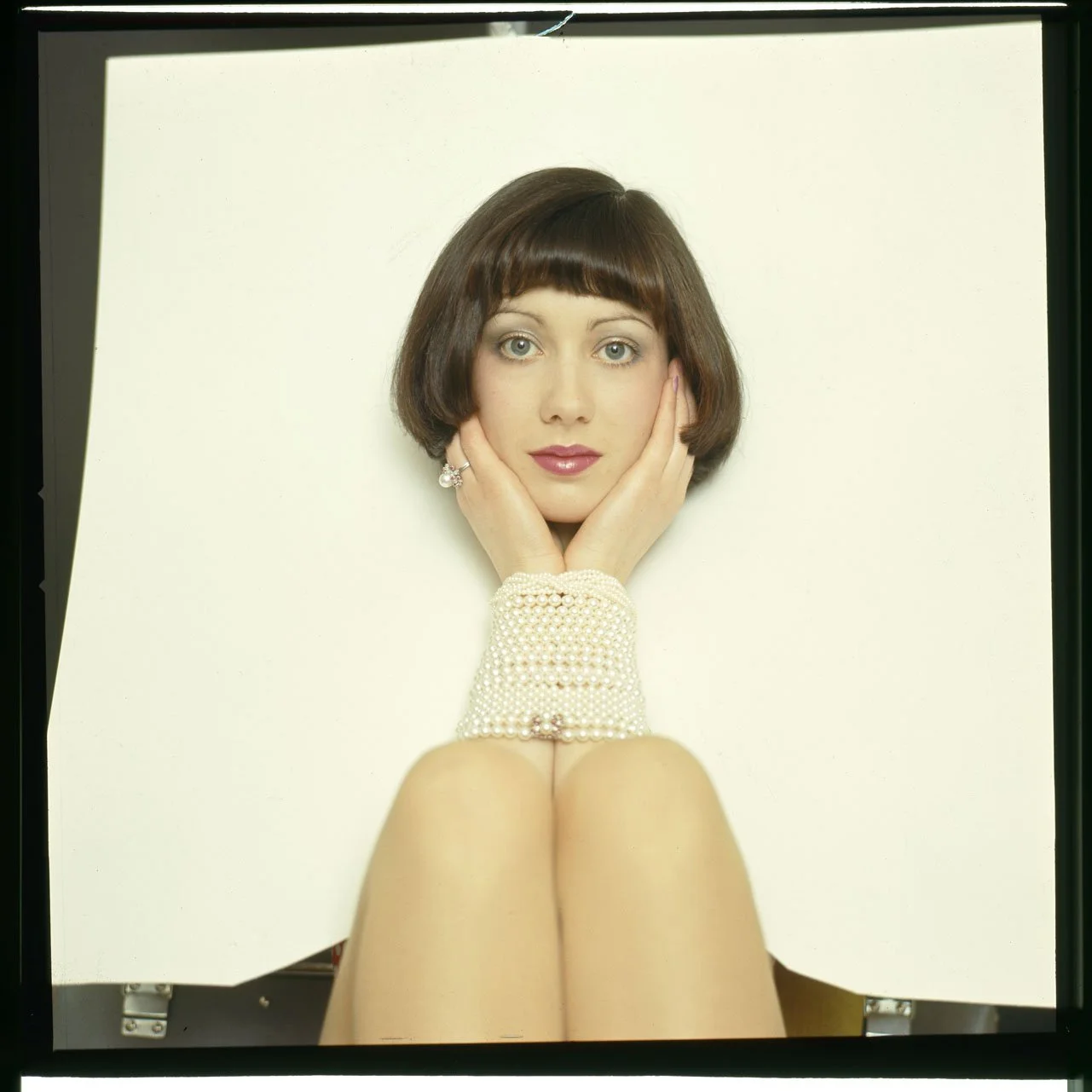
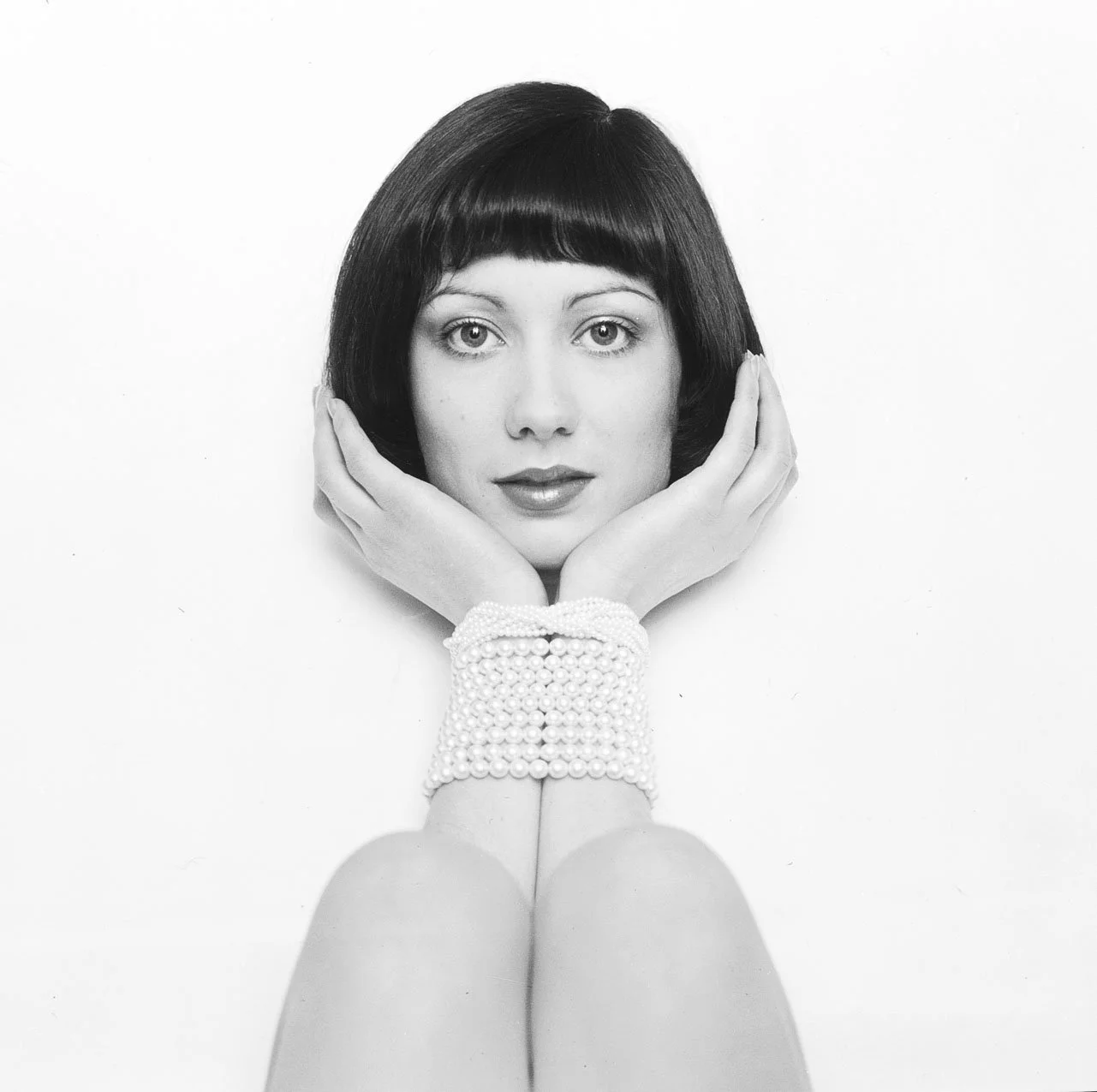
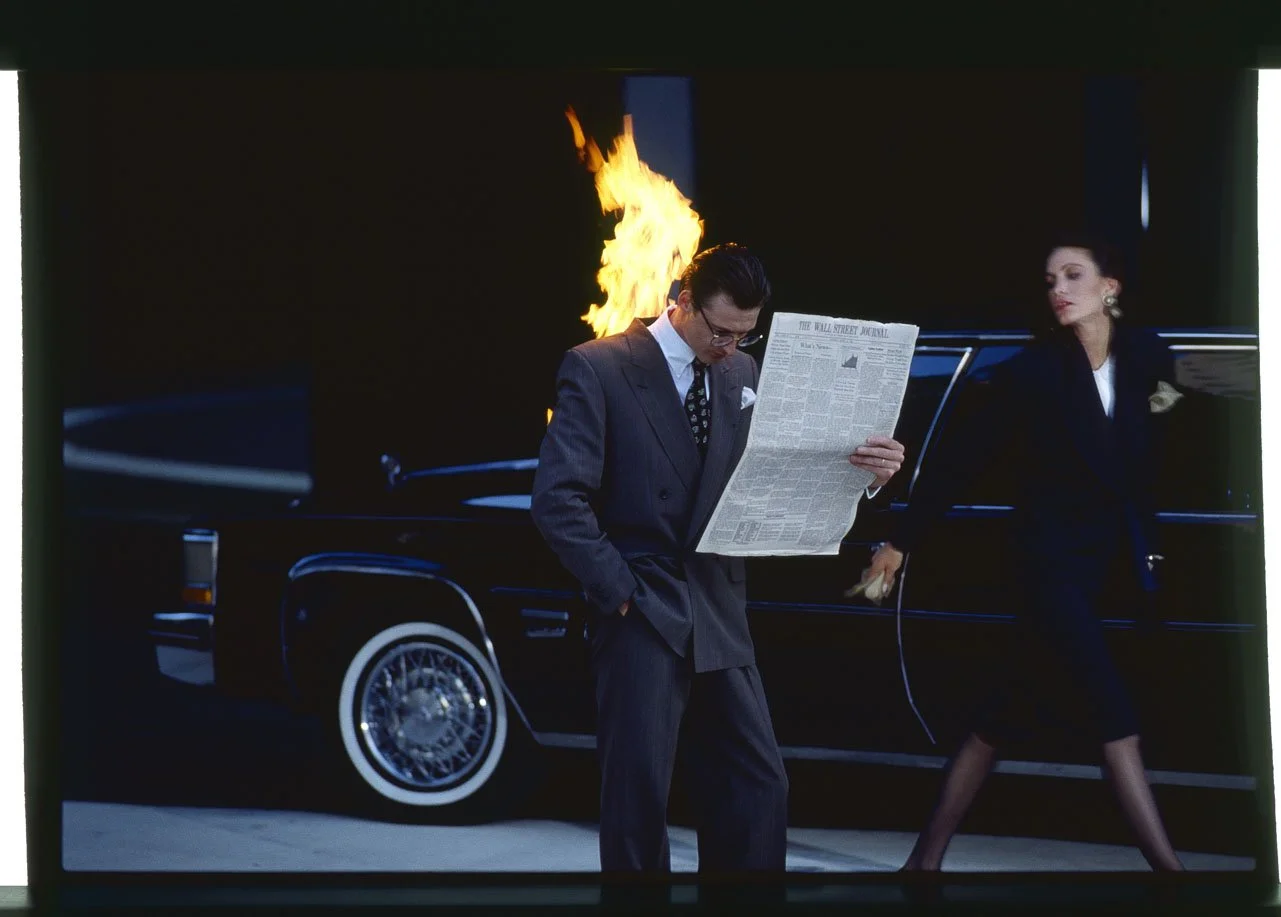
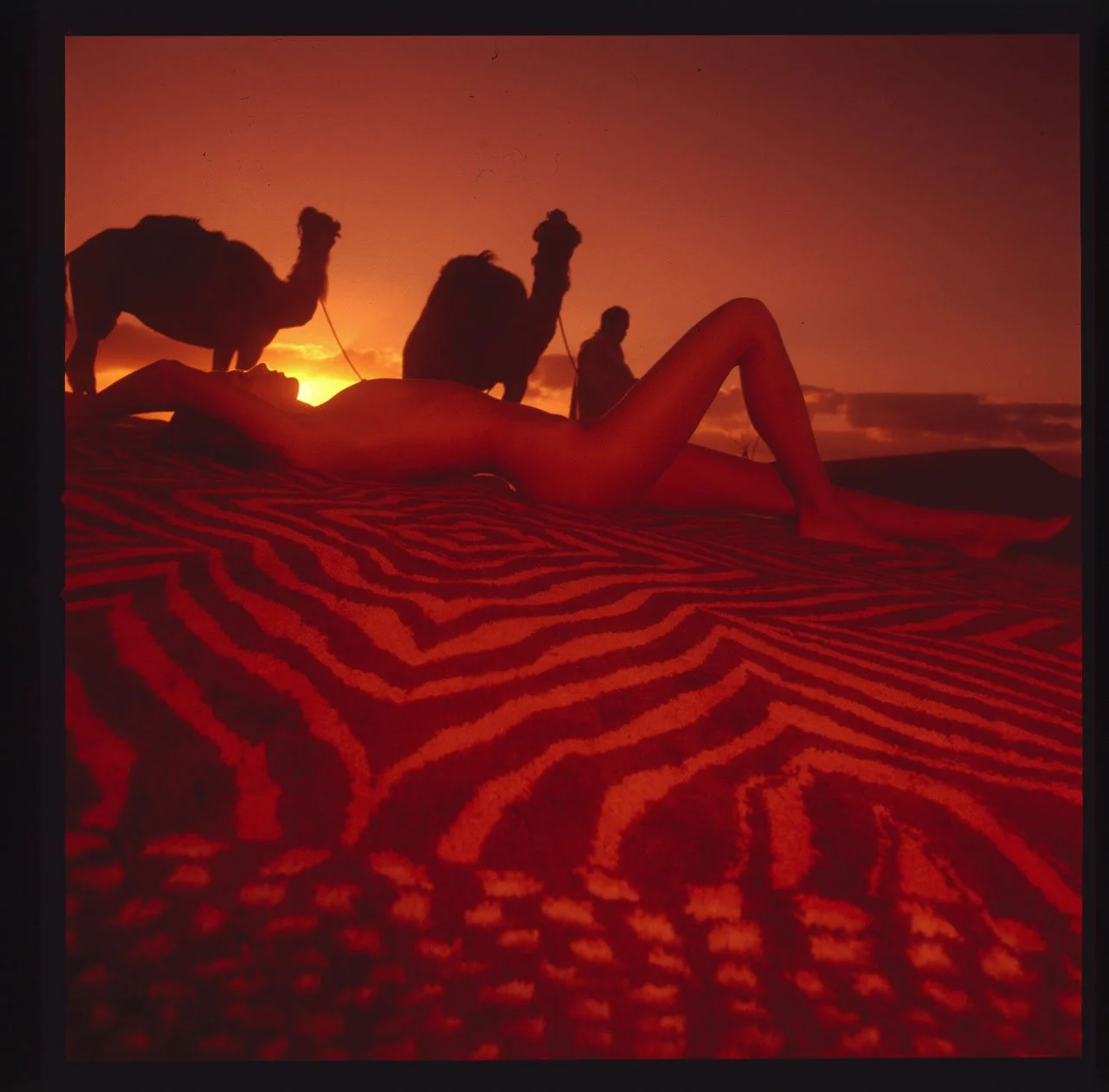
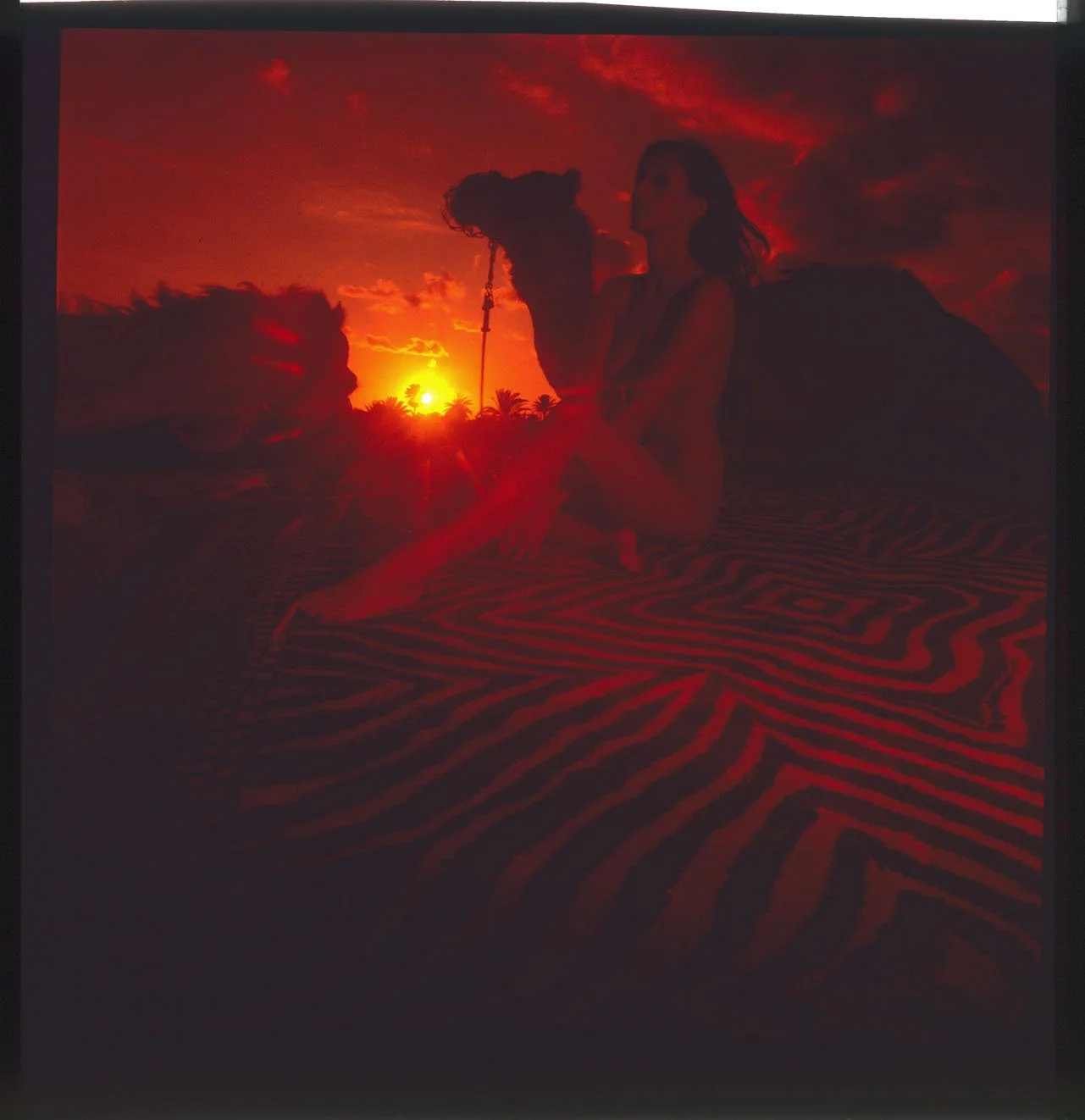
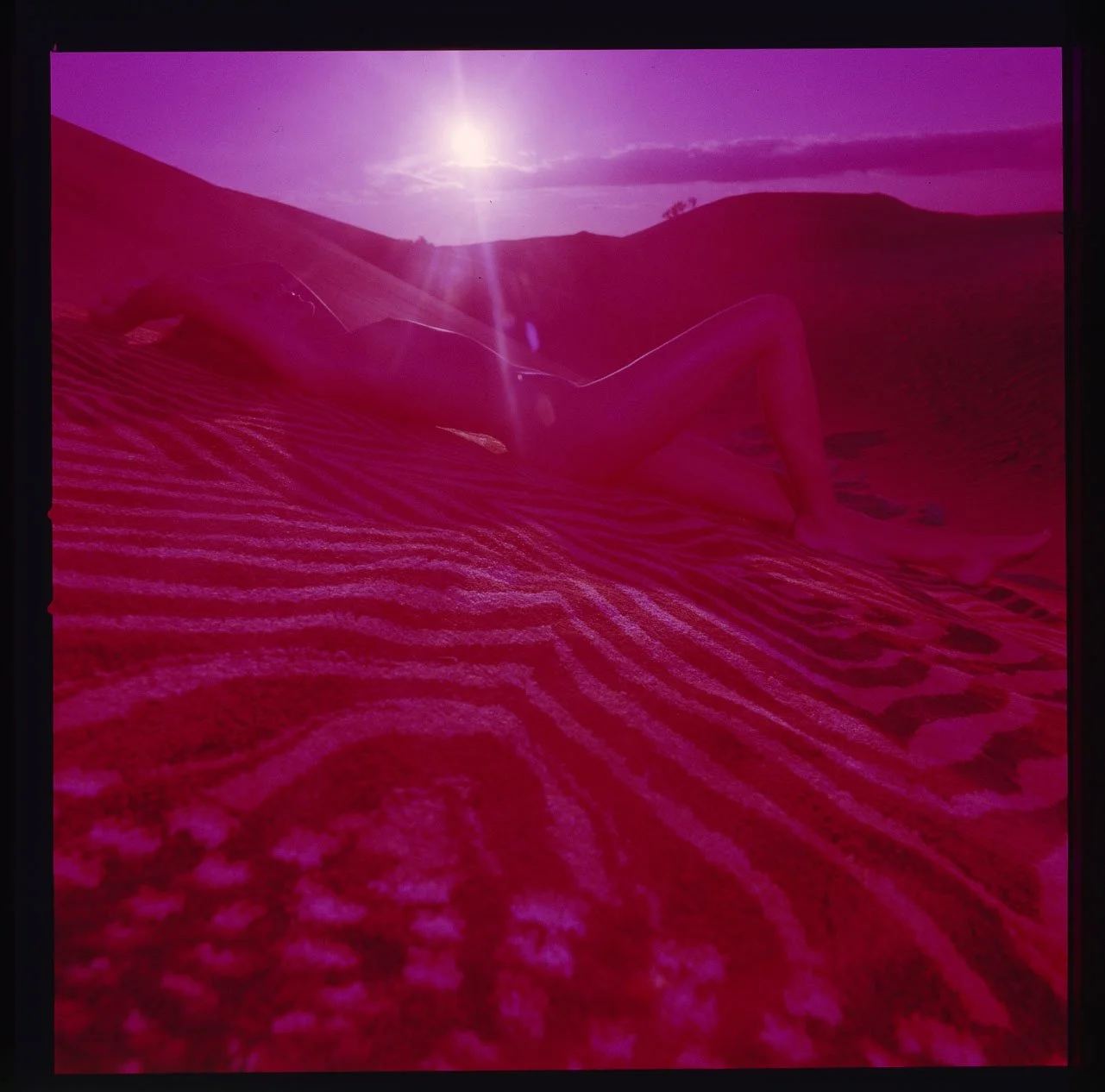
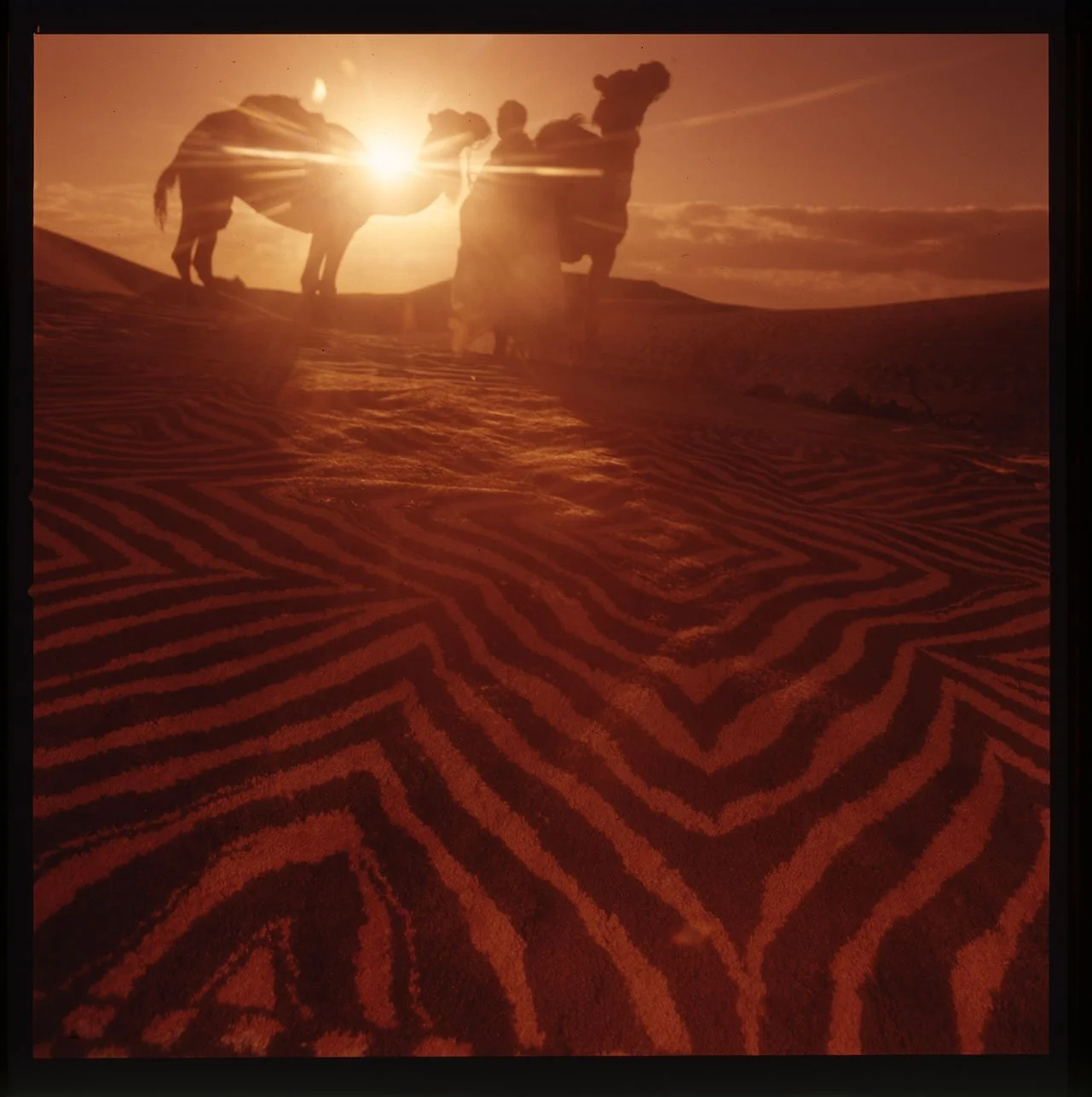
The intellect serves as a key: in the real world, it unlocks the doors to our own conclusions regarding plants, animals, objects, and people. The visual realms of dreams, symbols, and the artistic imagination—such as those of Surrealists like Salvador Dalí, René Magritte, and Yves Tanguy—cannot, however, be opened with this "key"; they elude rational explanation, representing instead highly individual artistic visions of the subconscious. Ulrich Pracht brings his own images and visions within this genre to life—both as commissioned works and independent studies—employing not the paintbrush, but the camera. Here, too, the viewer’s sober intellect offers no assistance; rather, one must surrender to unorthodox worlds brimming with beauty and eroticism. Ulrich Pracht’s masterful handling of fabrics is immediately apparent—a skill honed during his time as a window dresser. As a fashion photographer, he places particular emphasis on ensuring that the clothing in his images fits flawlessly. Using foam inserts and tissue paper, he shapes the sleeves of a jacket until their drape aligns precisely with his artistic vision. When staging images featuring draped fabrics, his deep affection for this soft, flowing material becomes especially evident. The dynamism radiating from these fabrics—and the interplay of light and shadow they cast—infuses these evocative images with an element of abstract beauty. Perfection and dreamlike emotion, in perfect symbiosis.
14.1
HANSGROHE
Dreams in the Commercial World
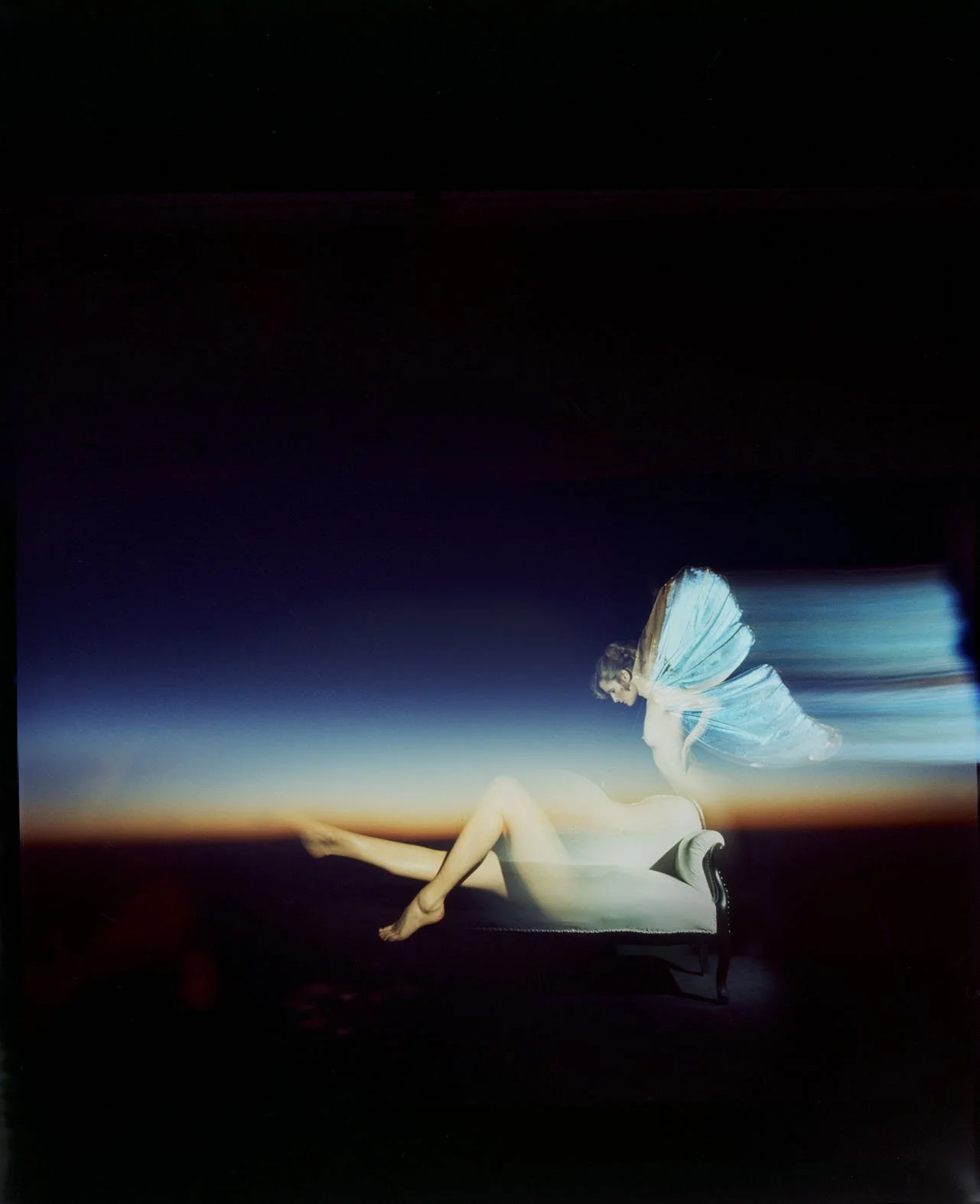
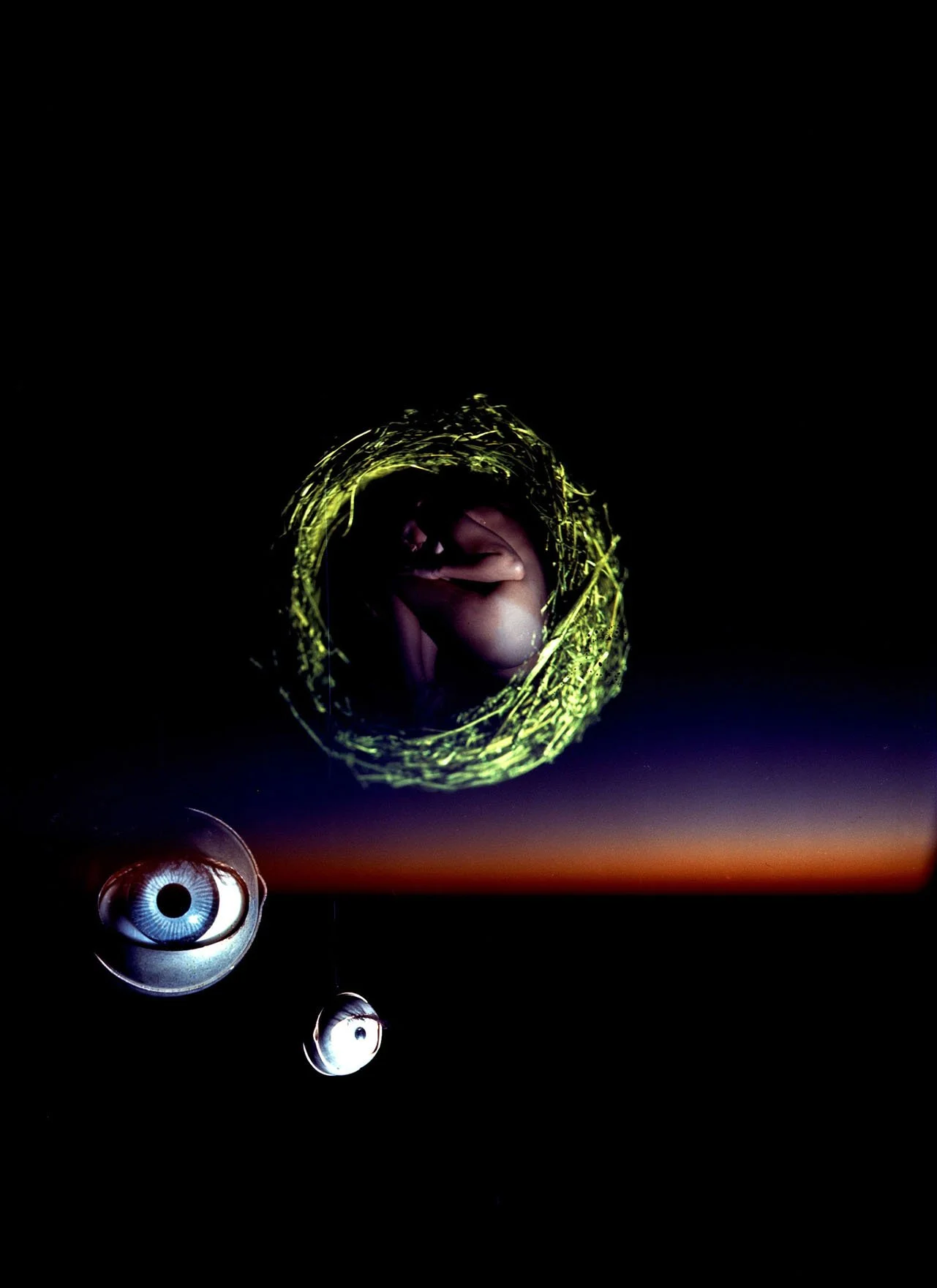
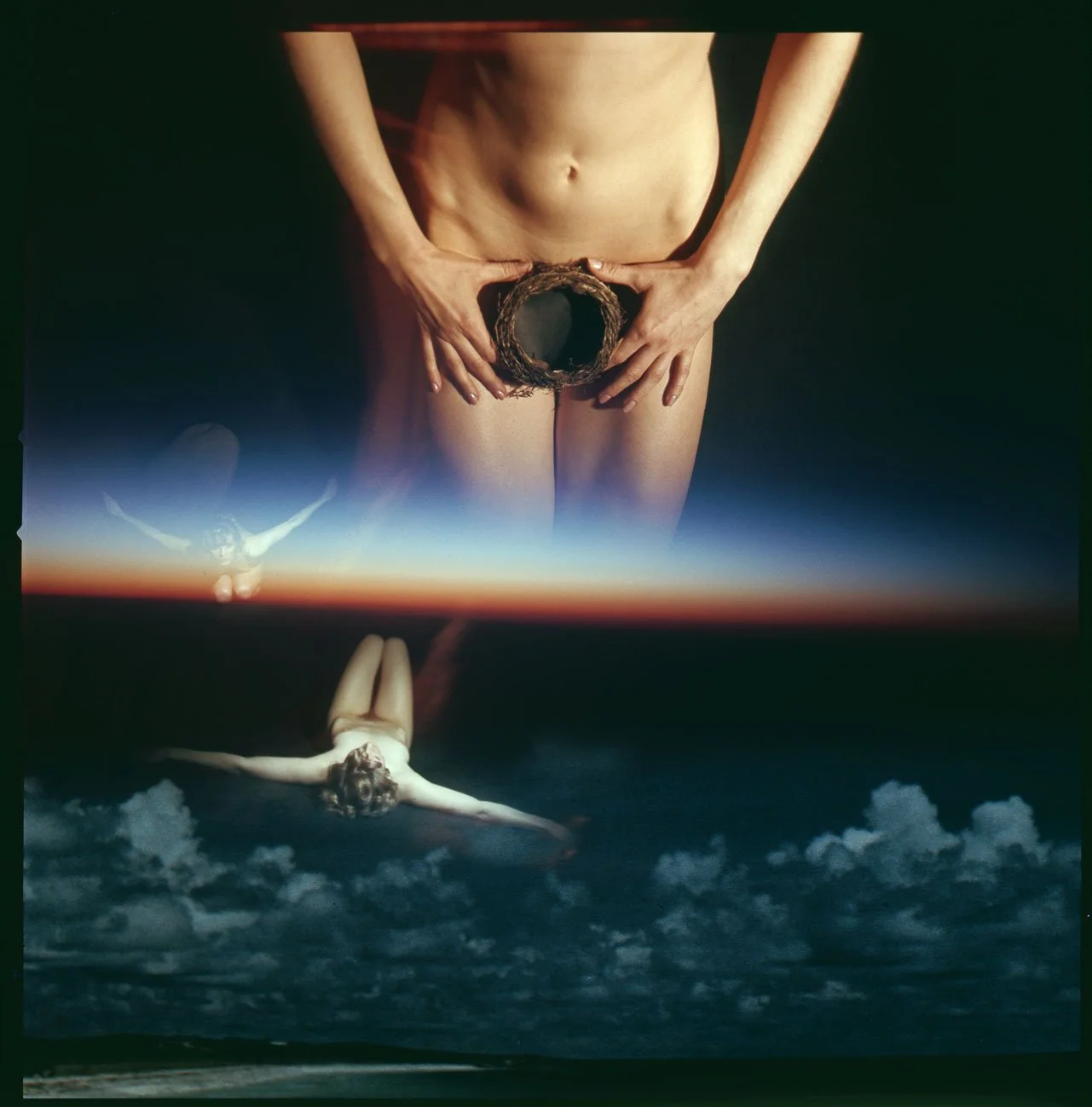
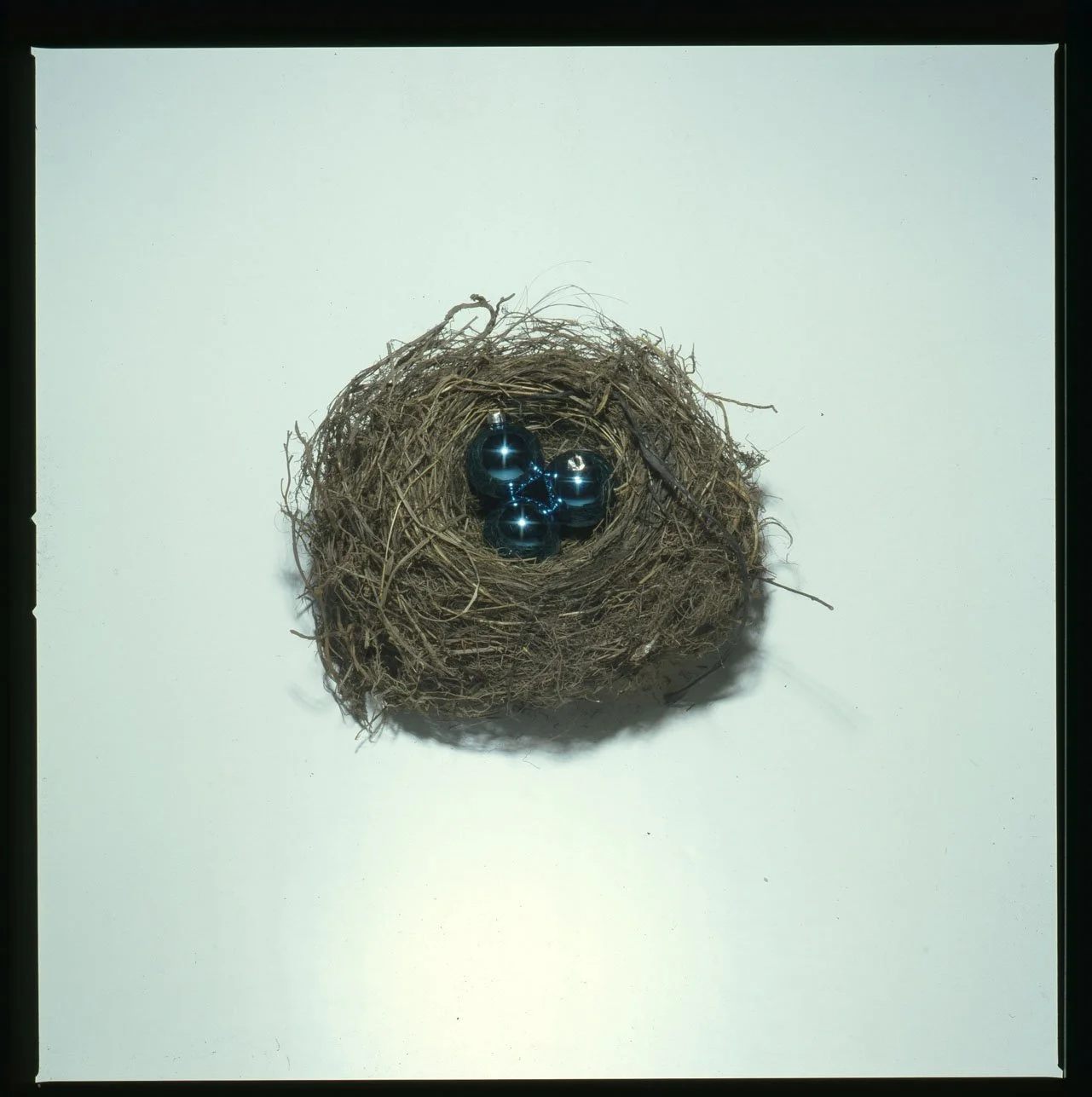
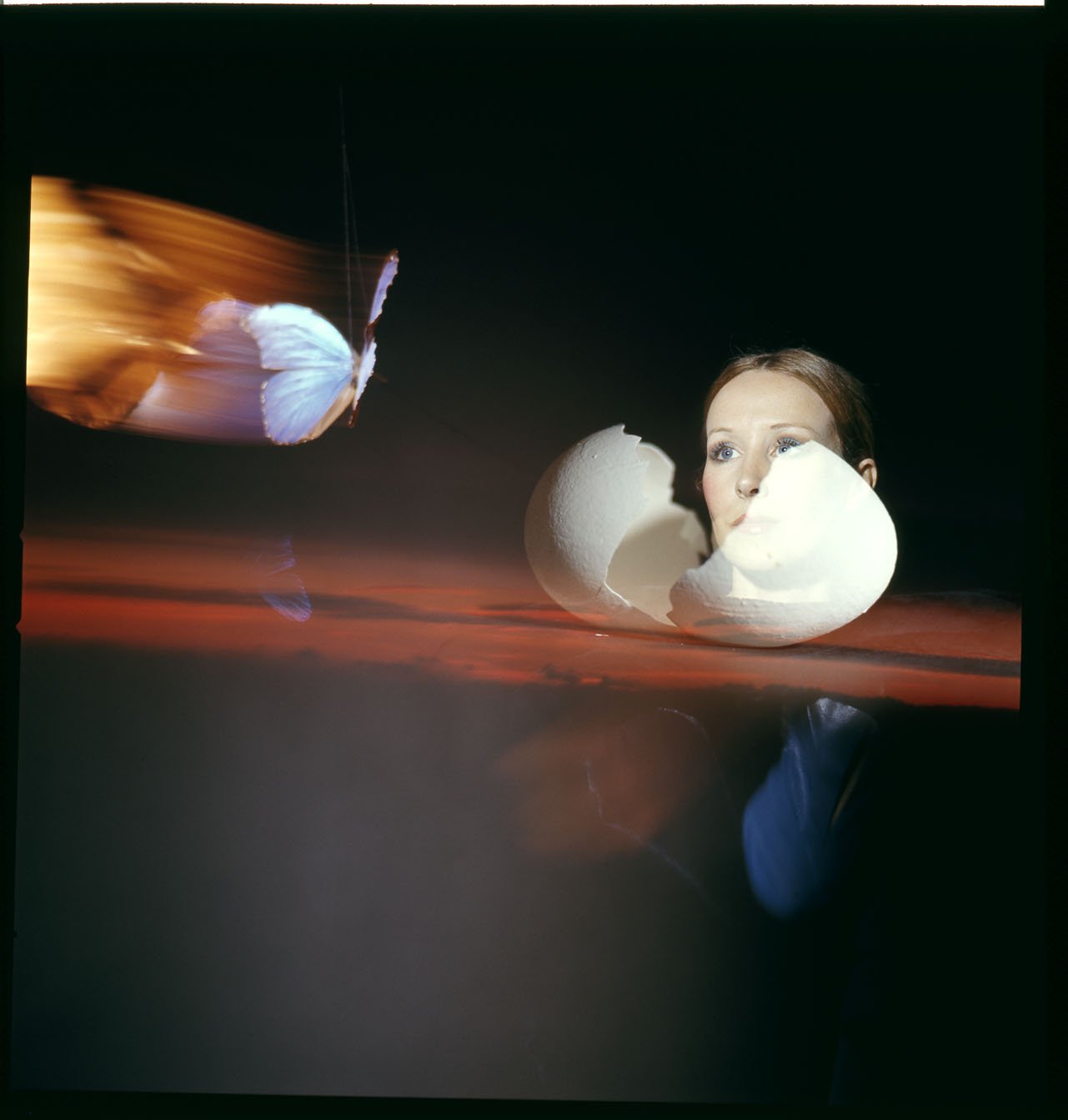
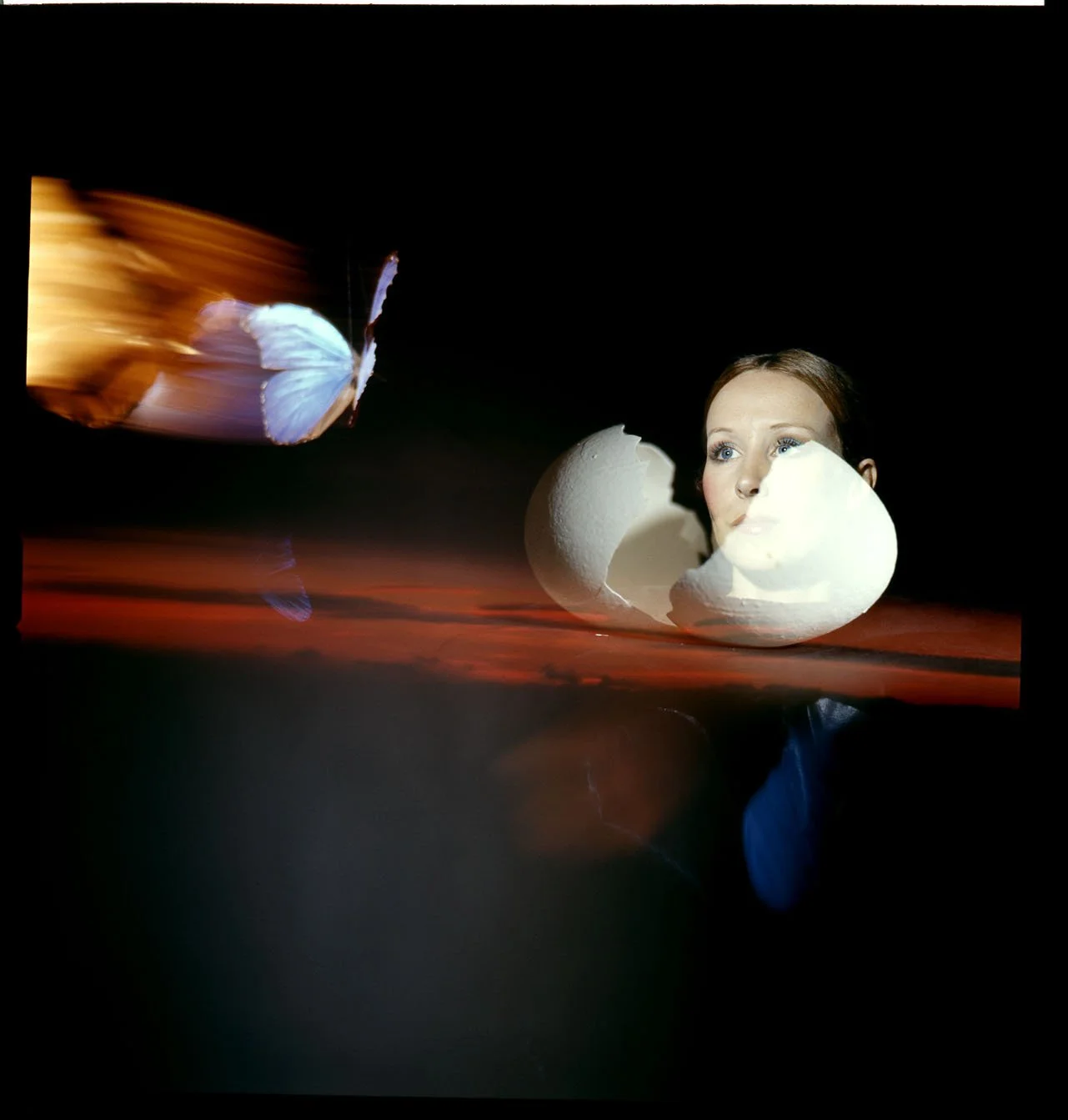
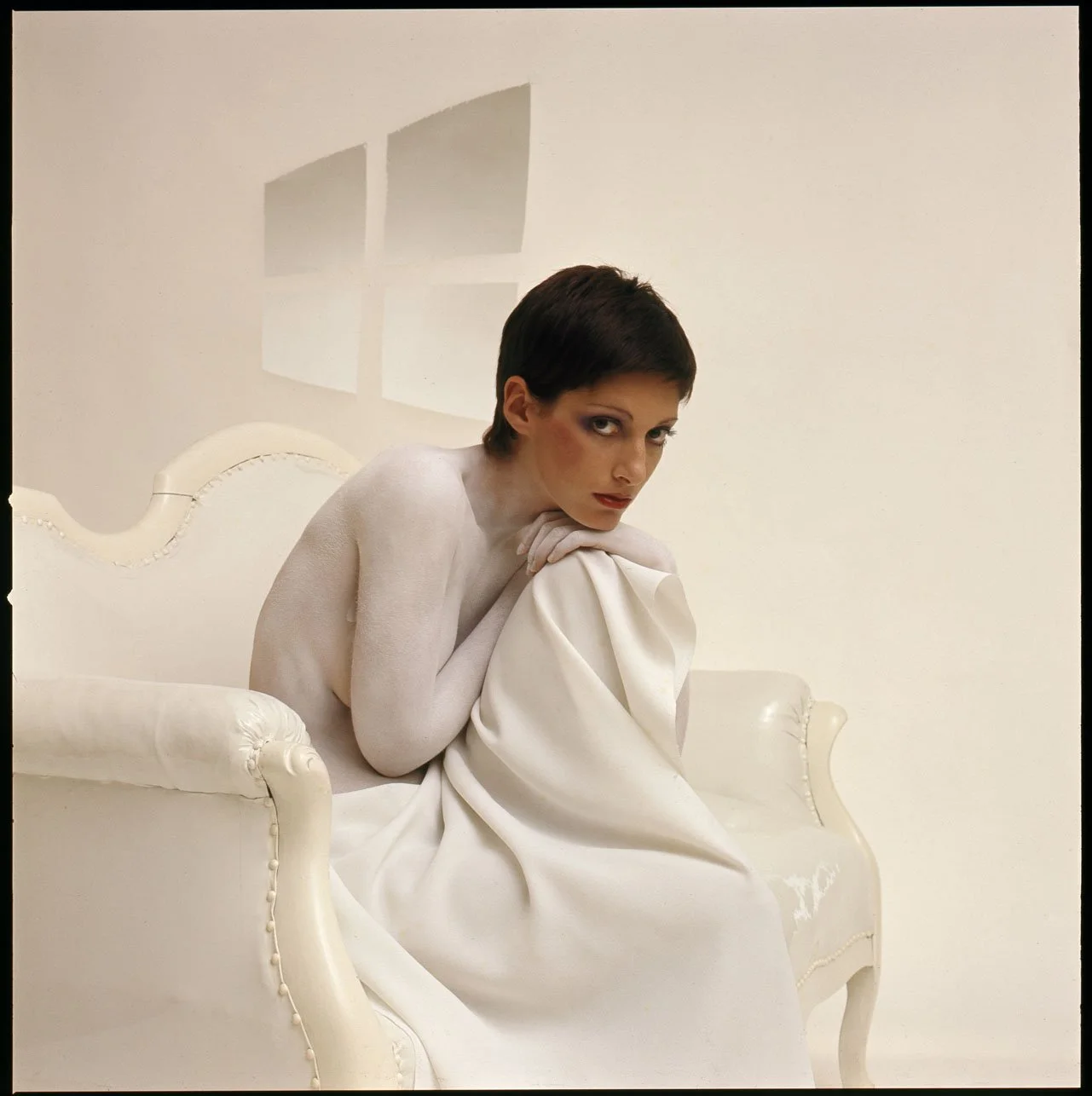
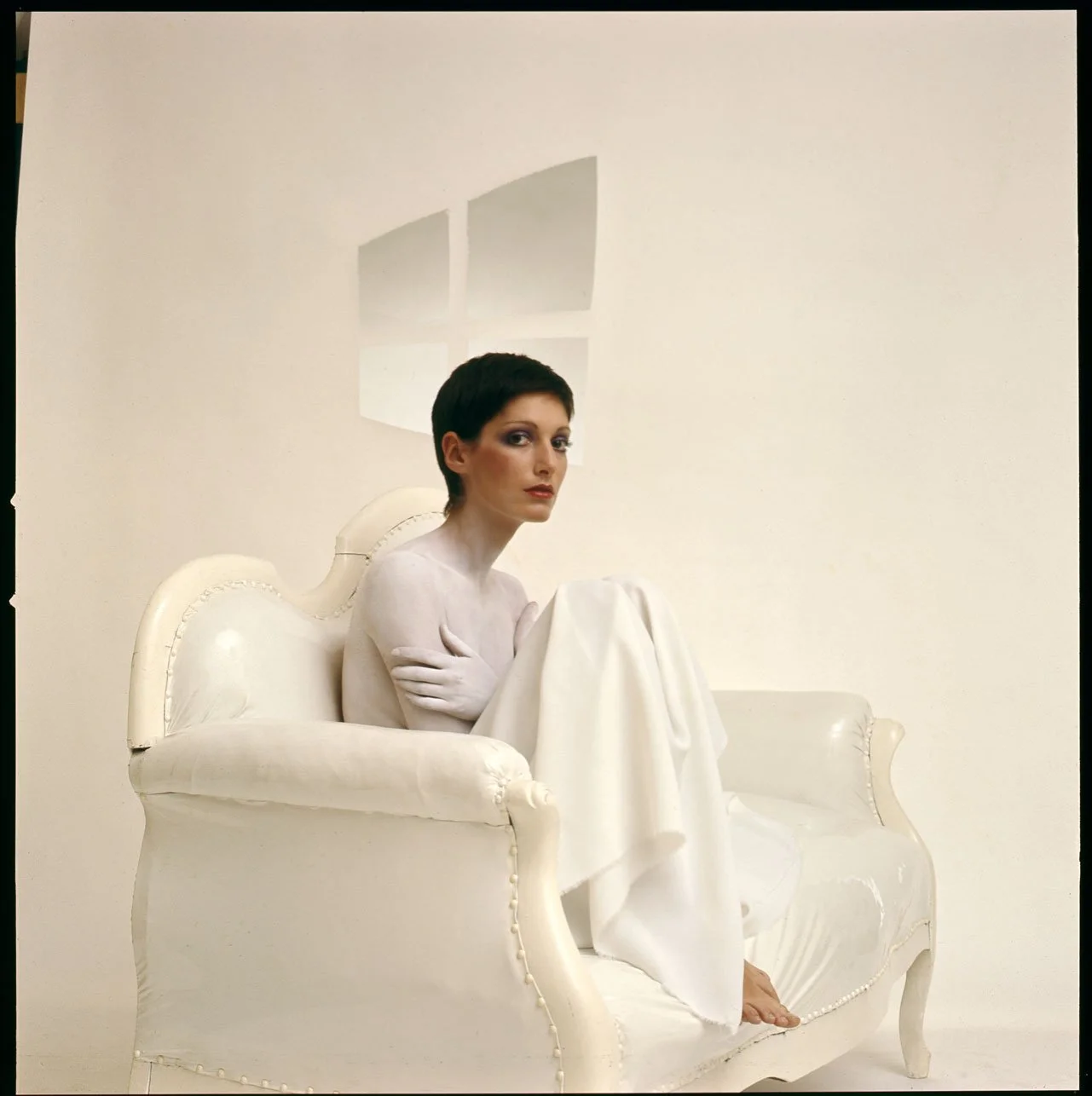
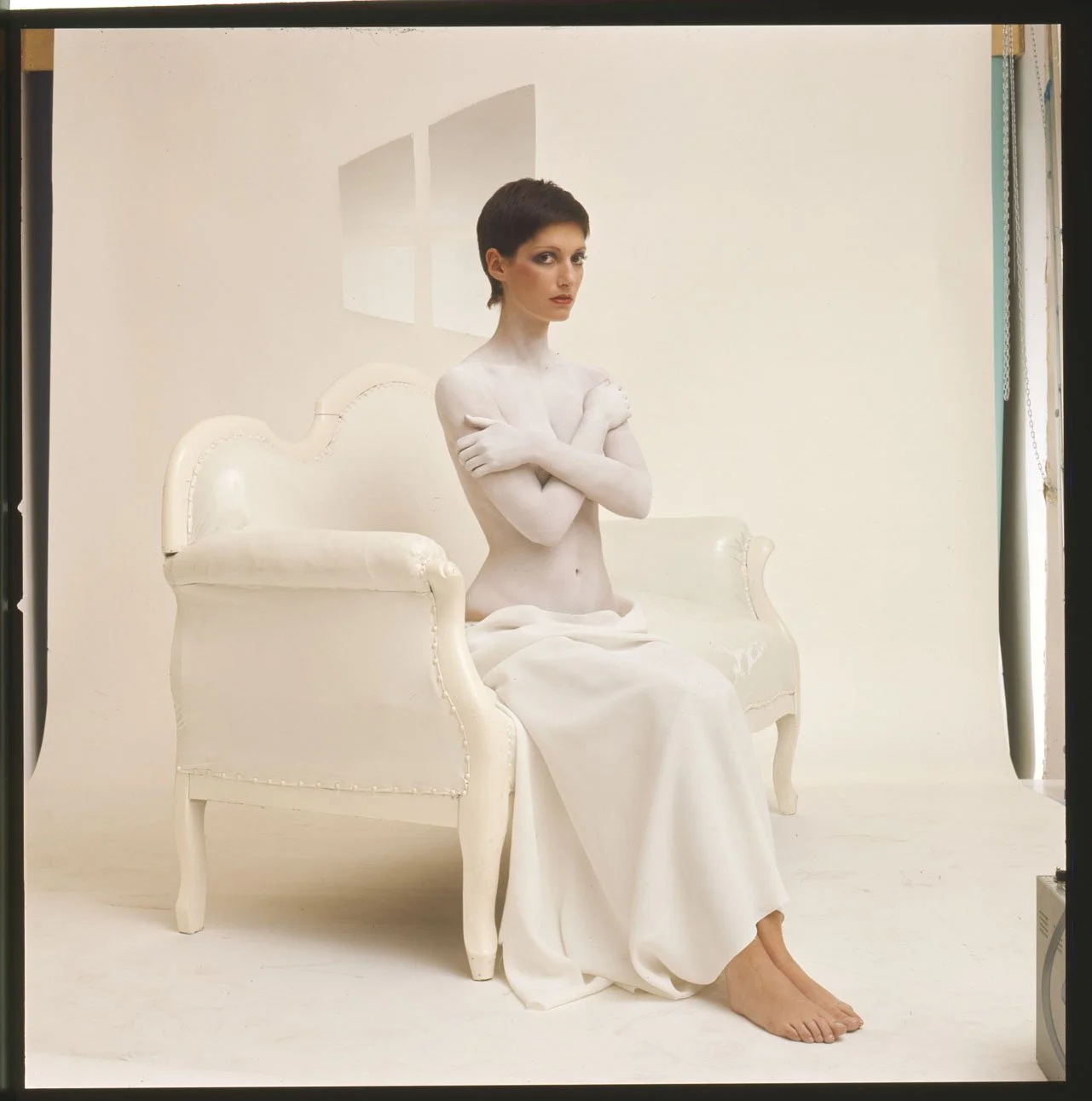
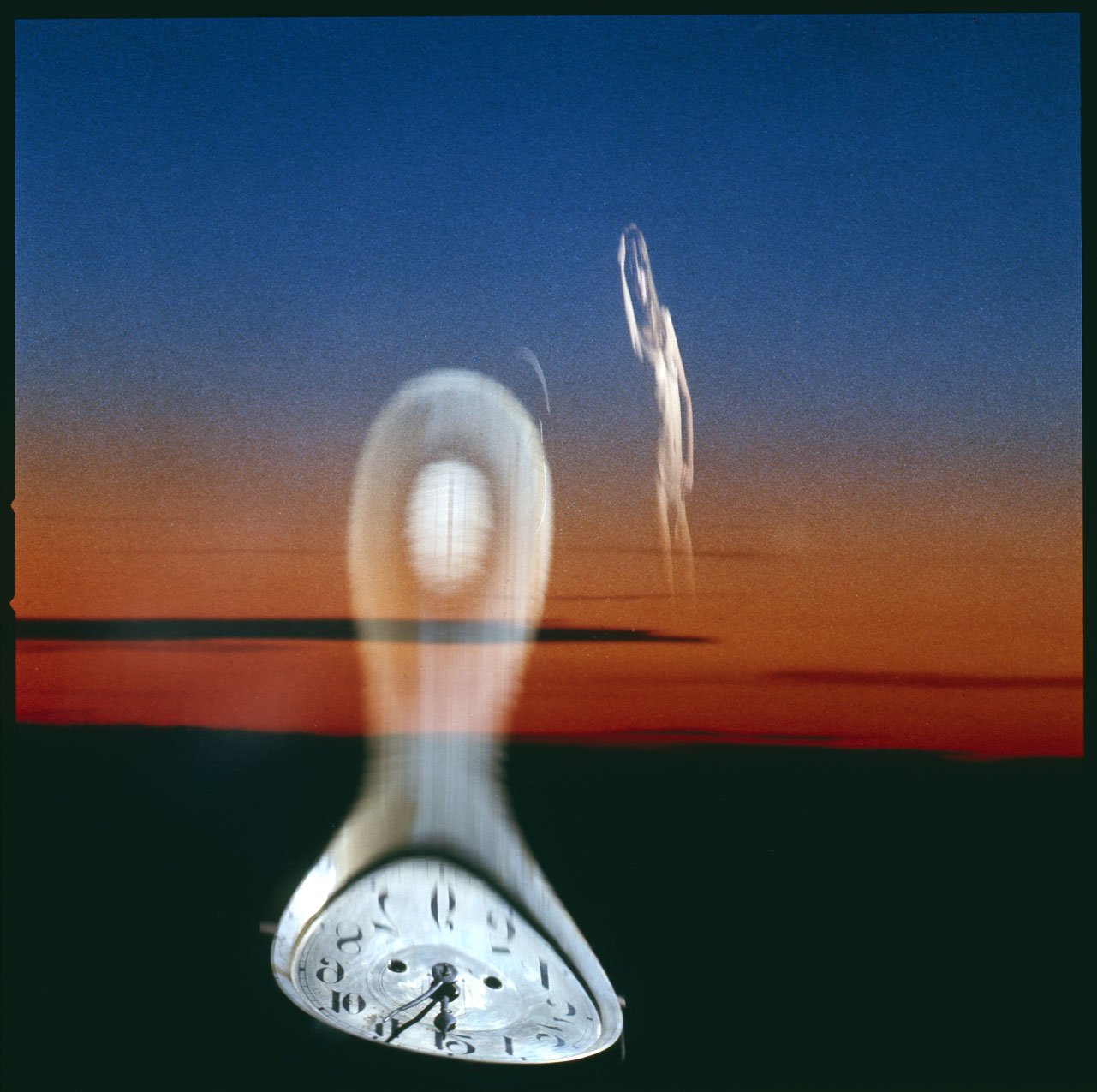
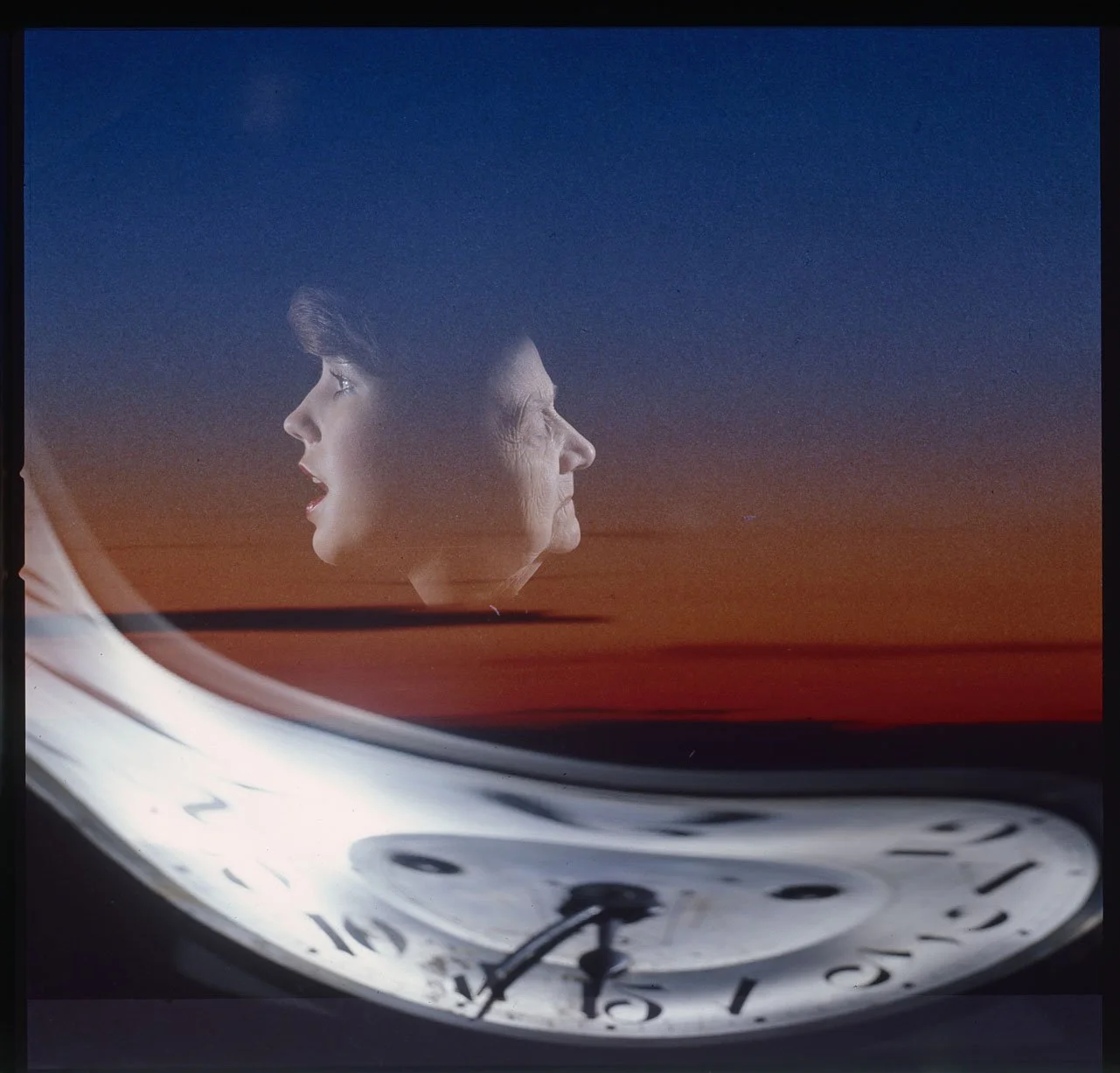
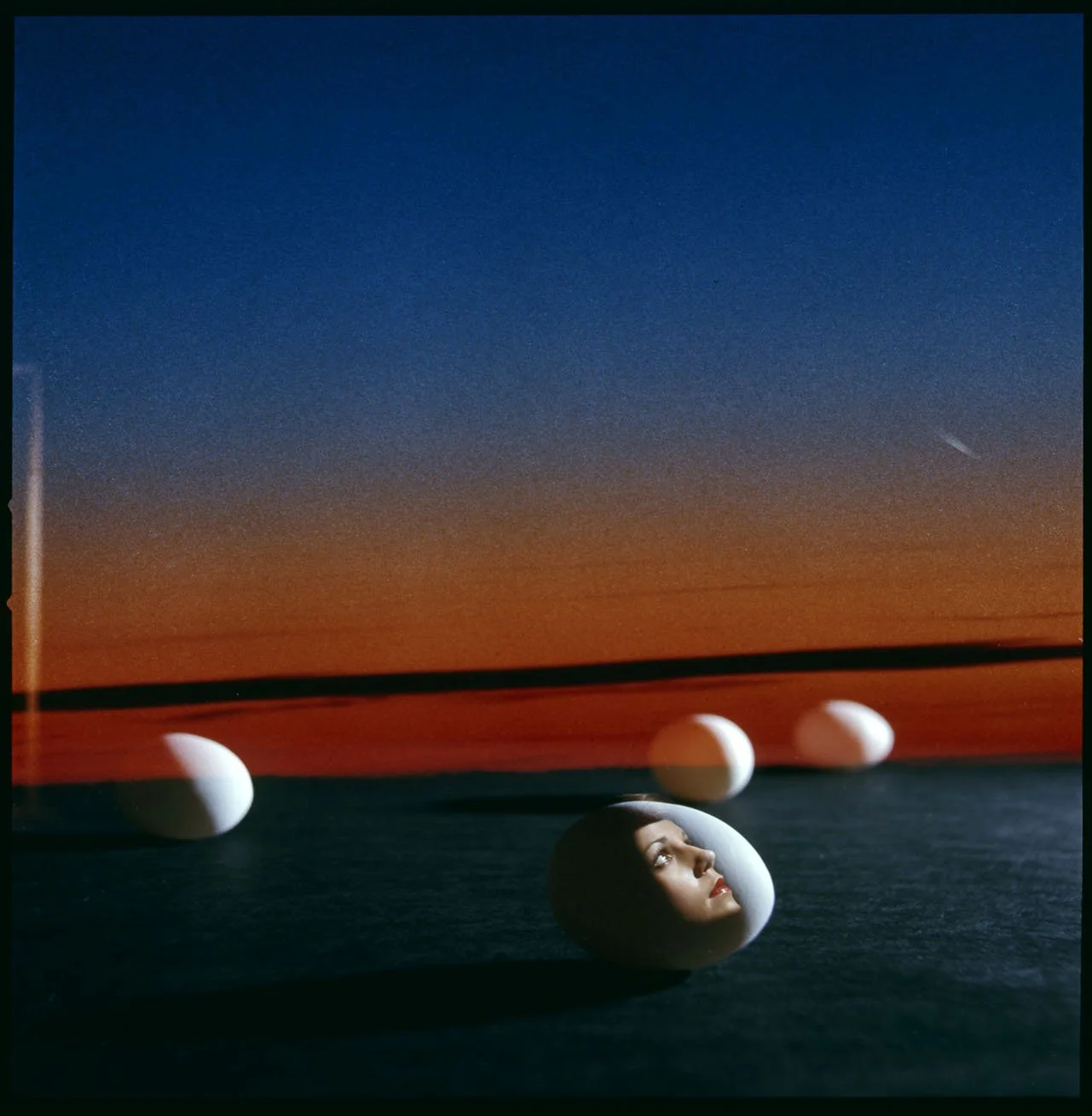
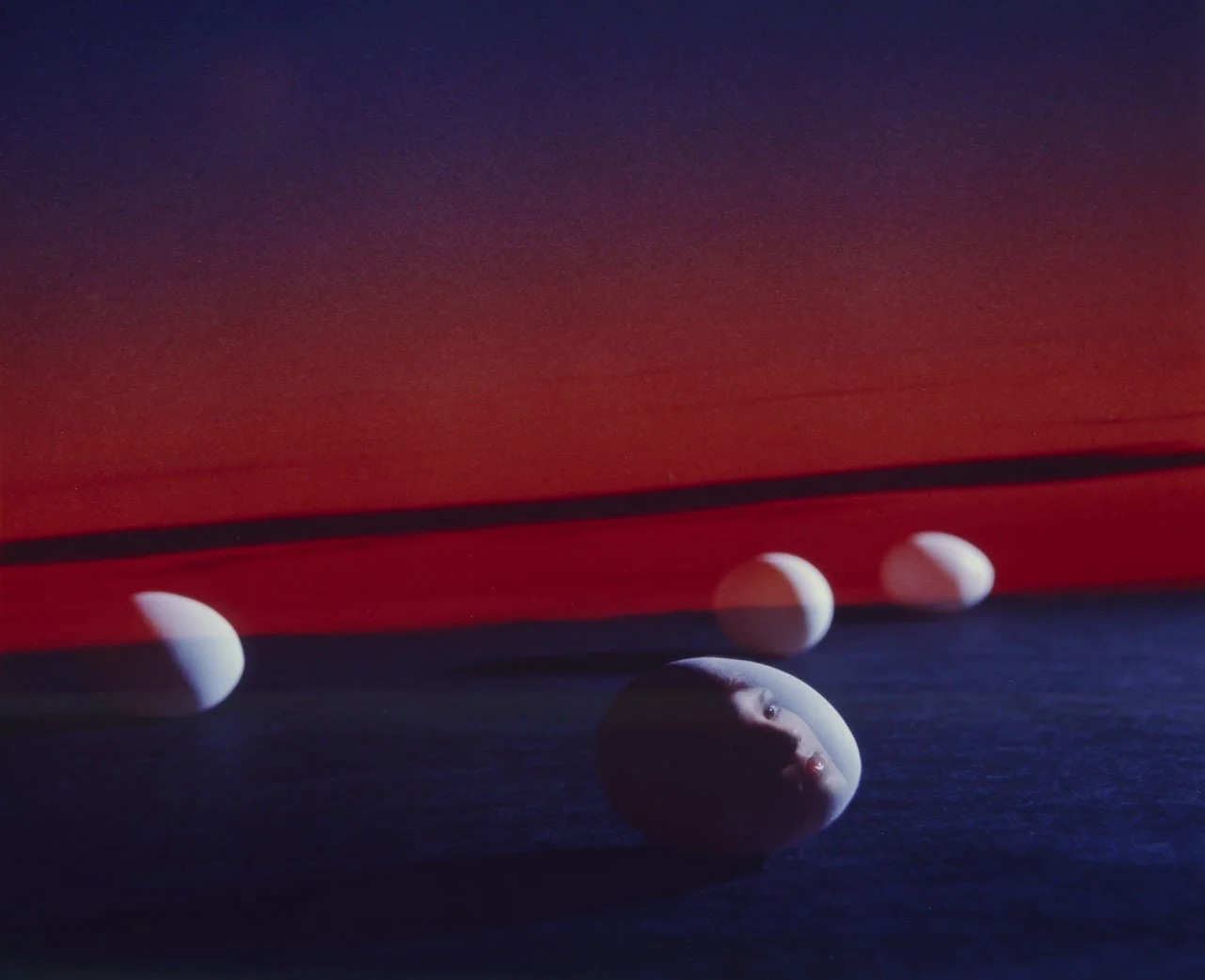
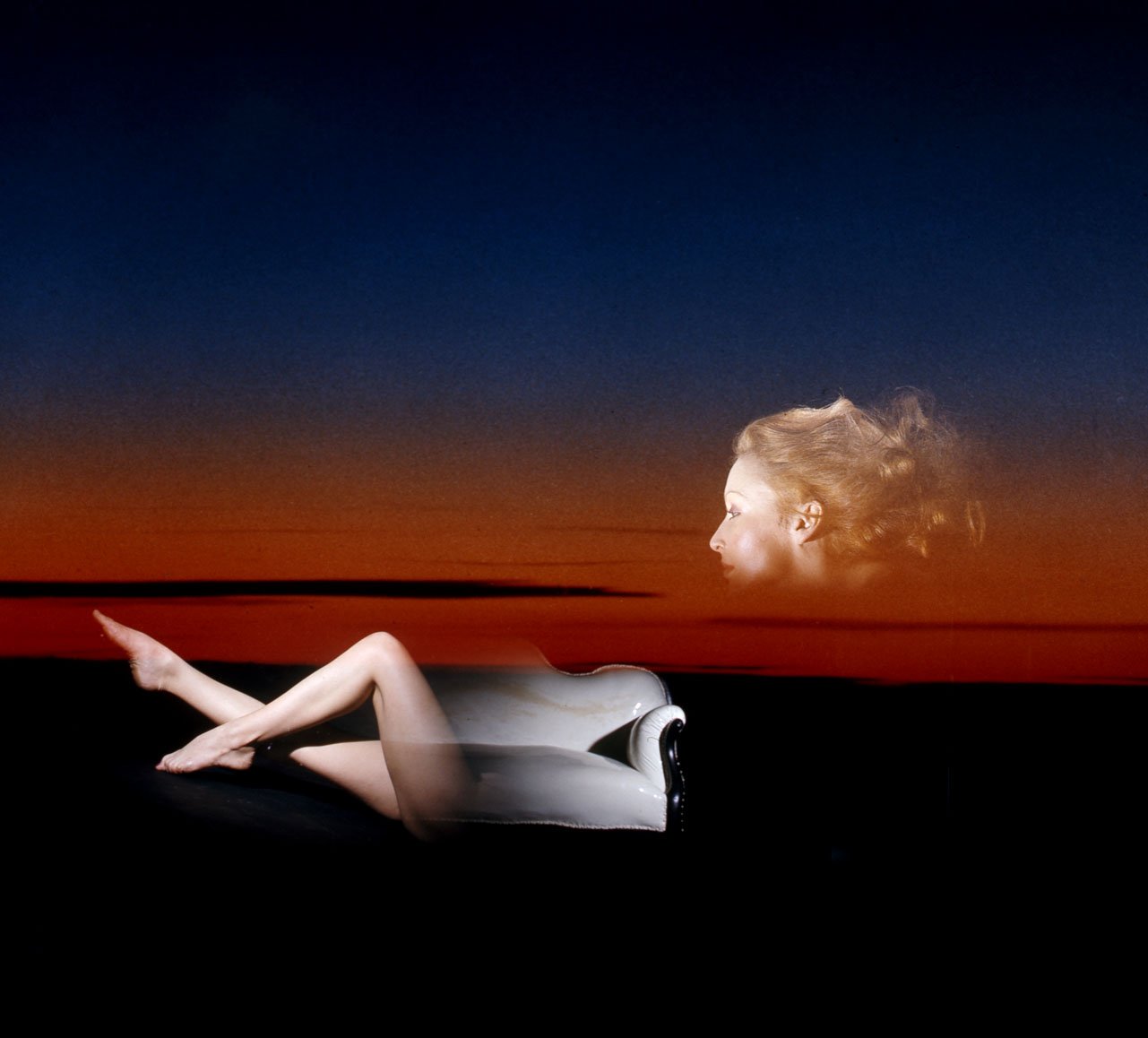
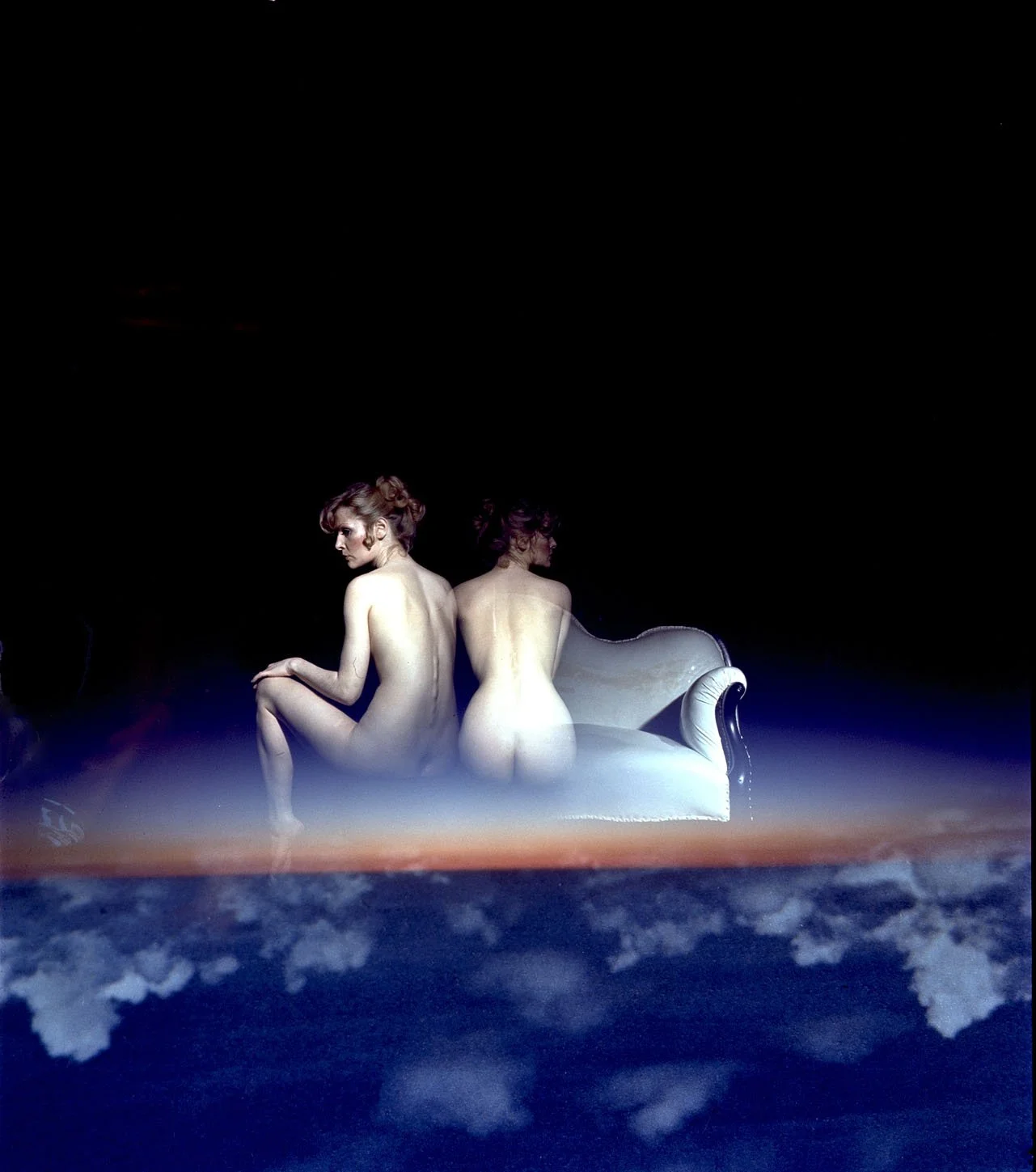
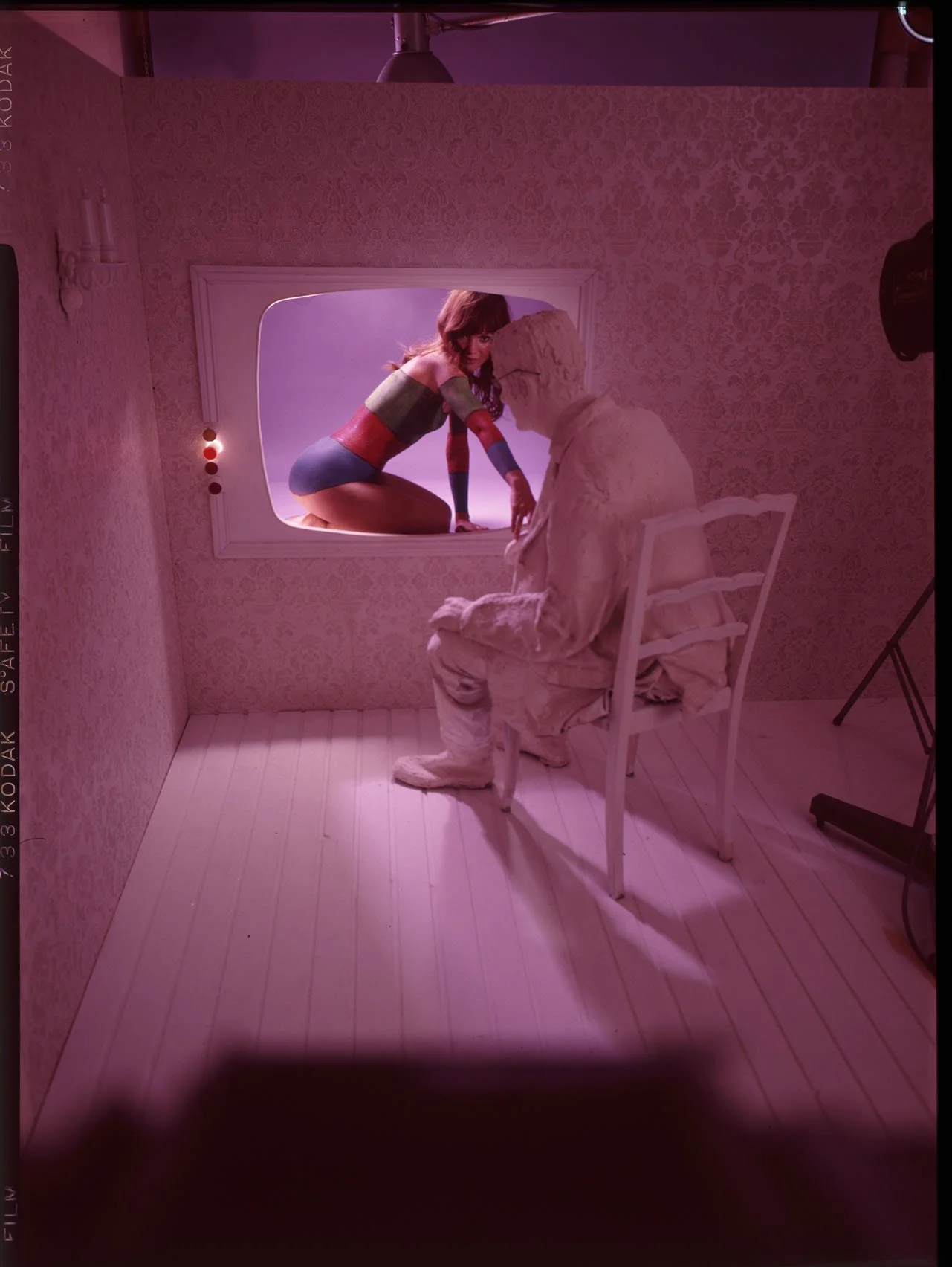
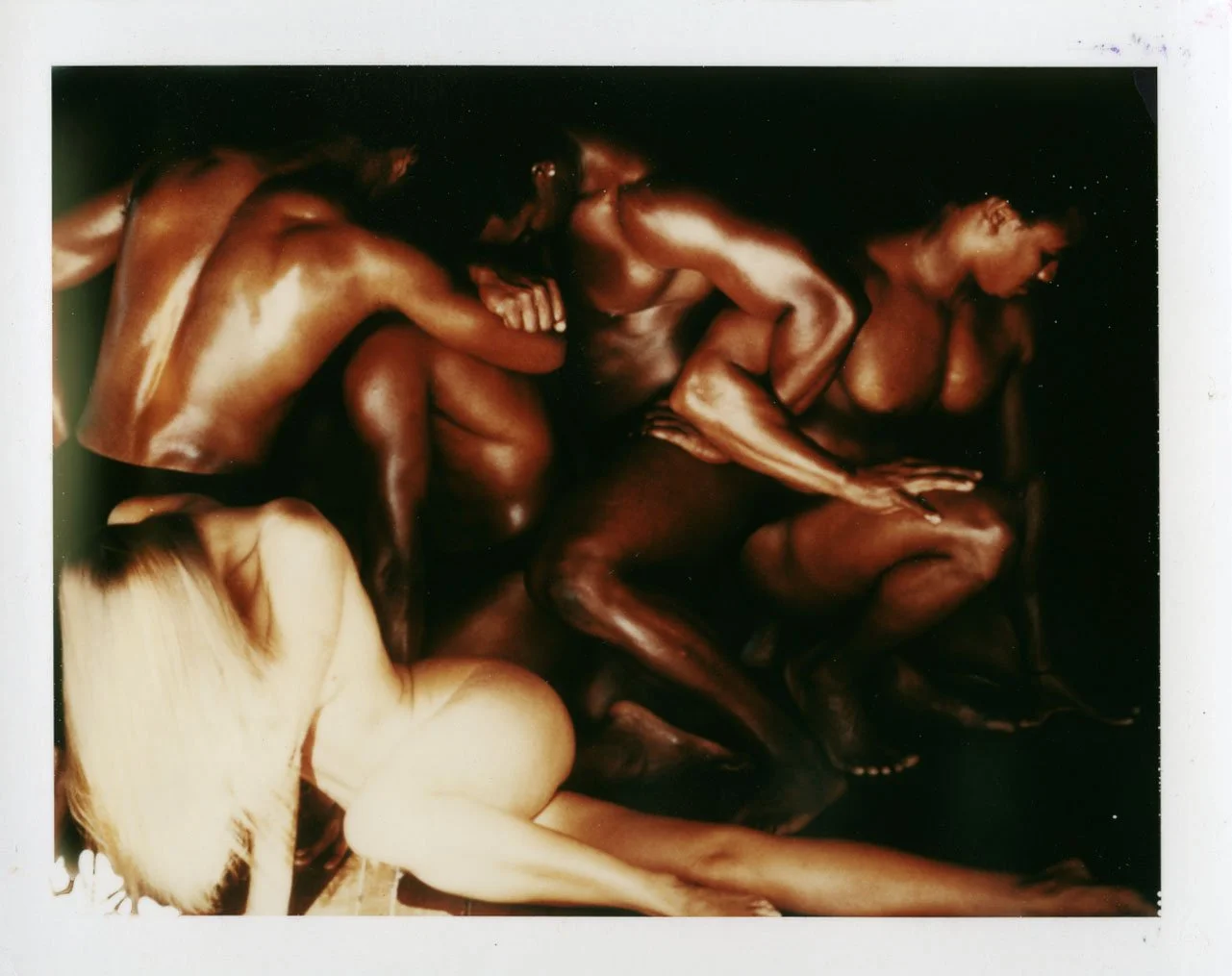
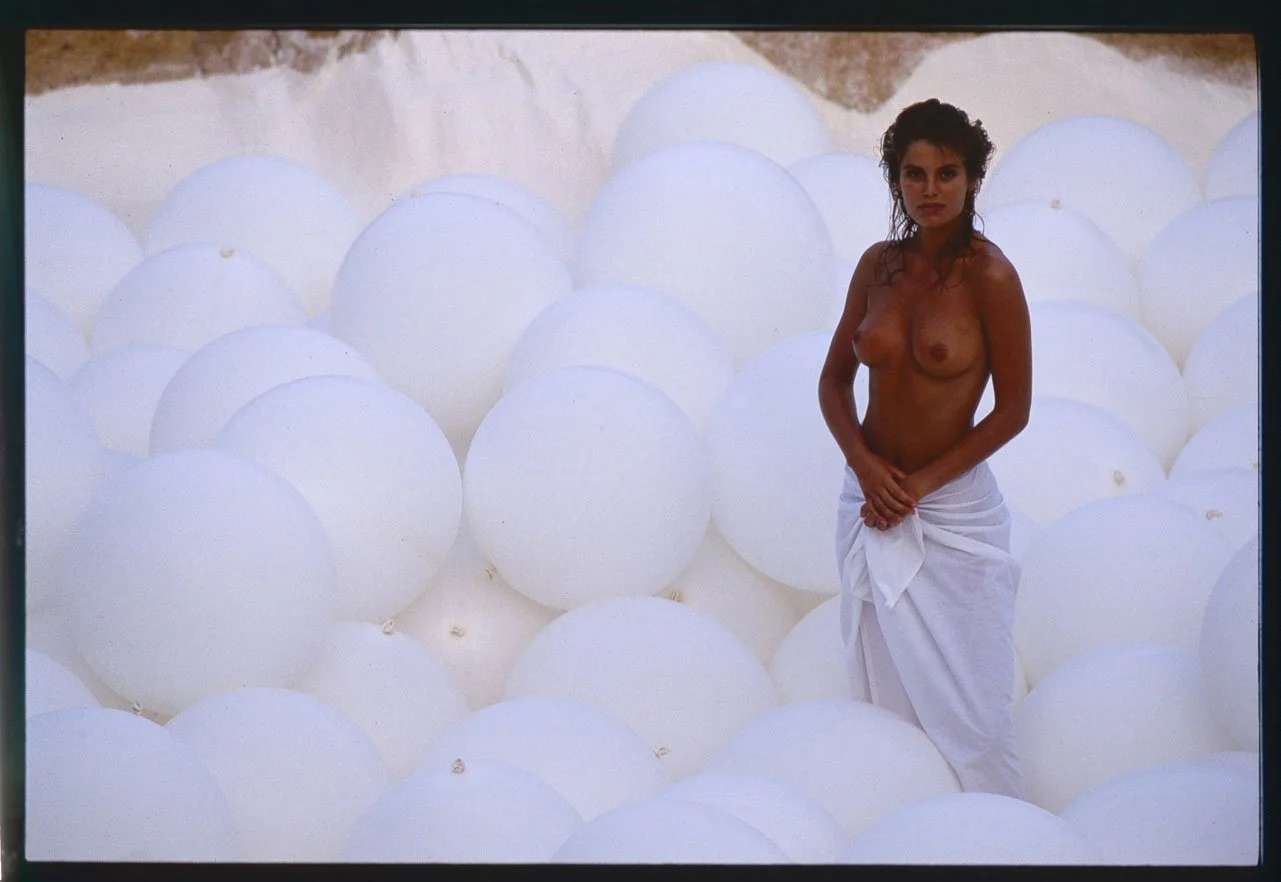
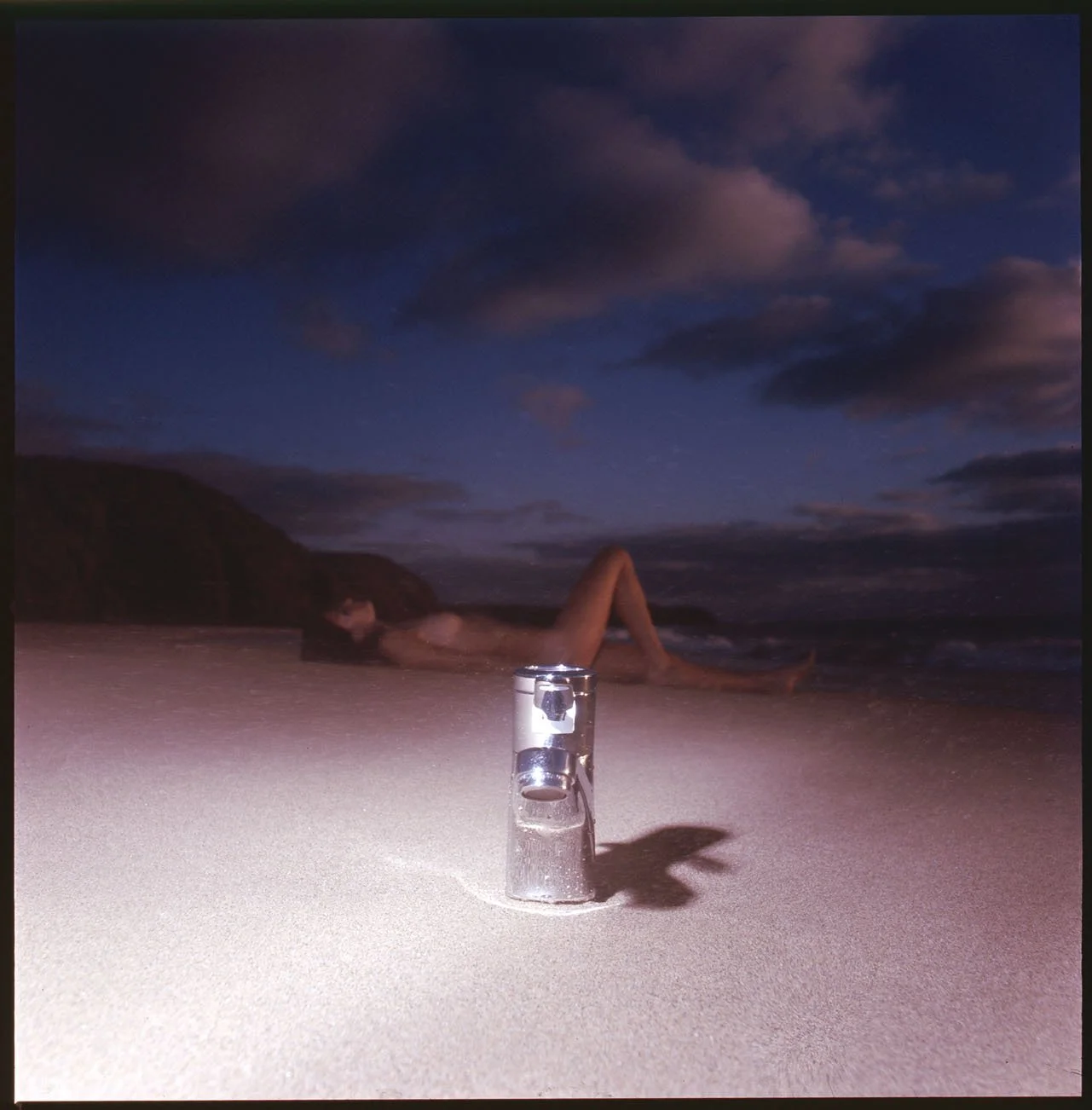
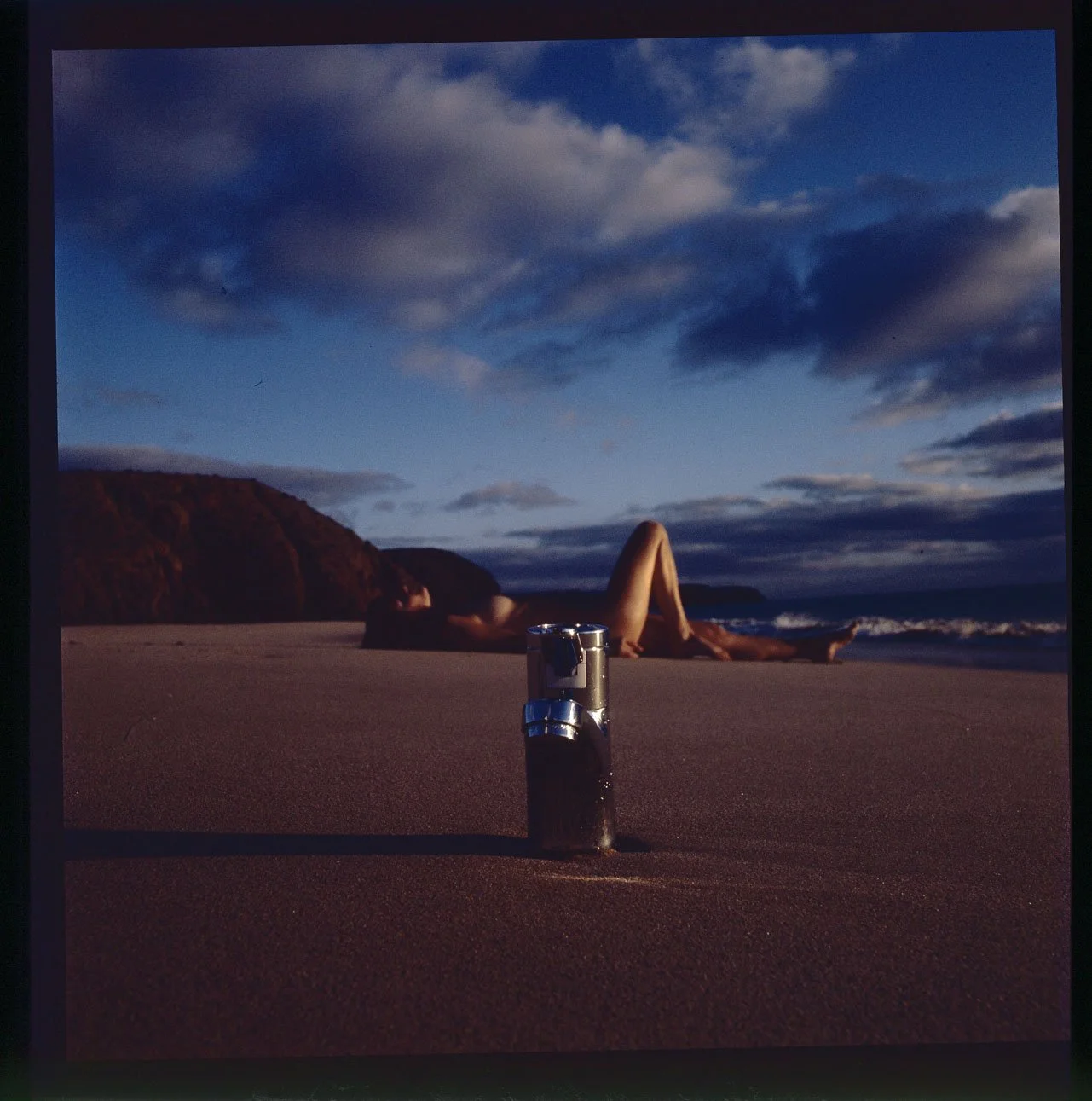
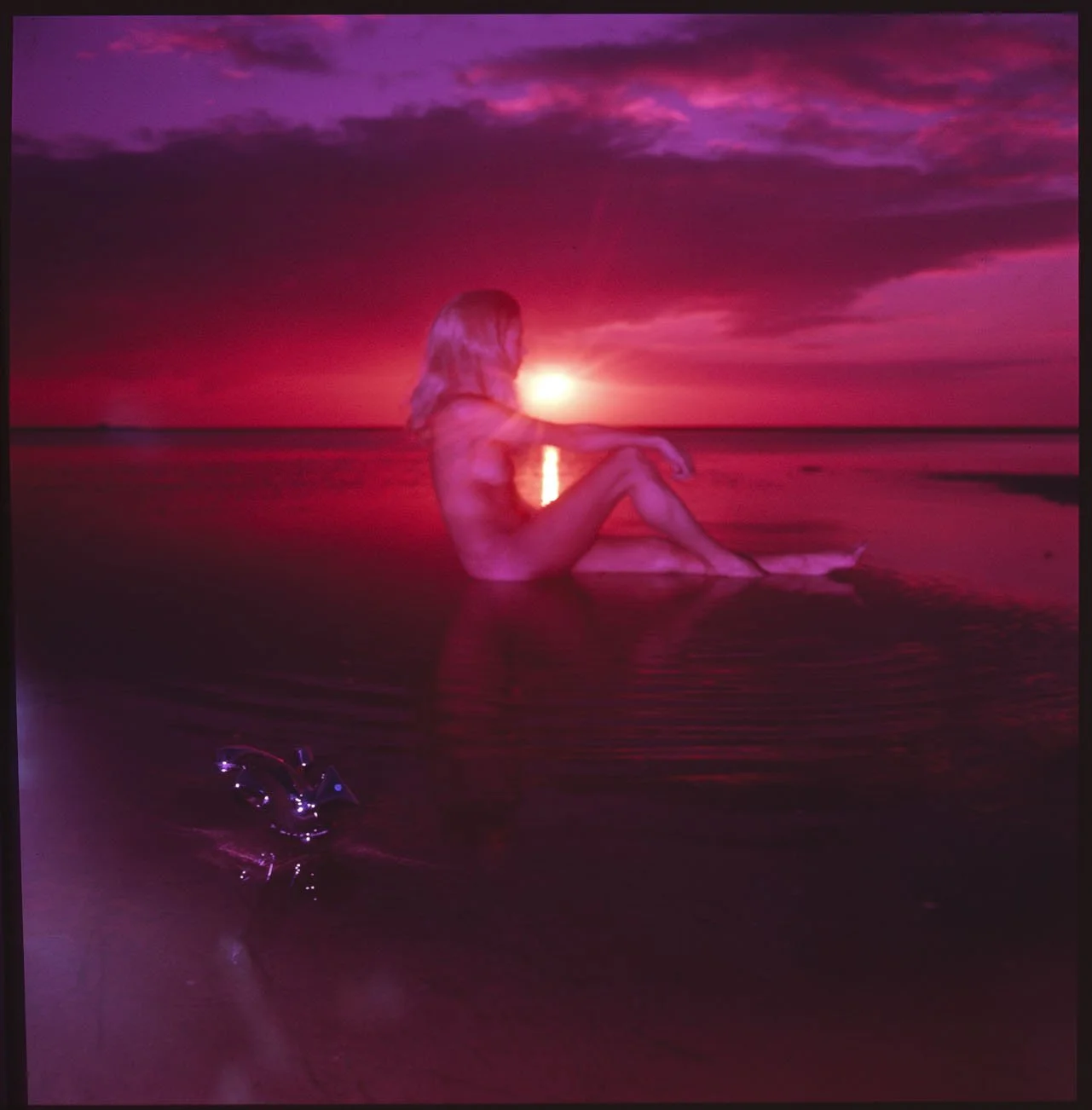
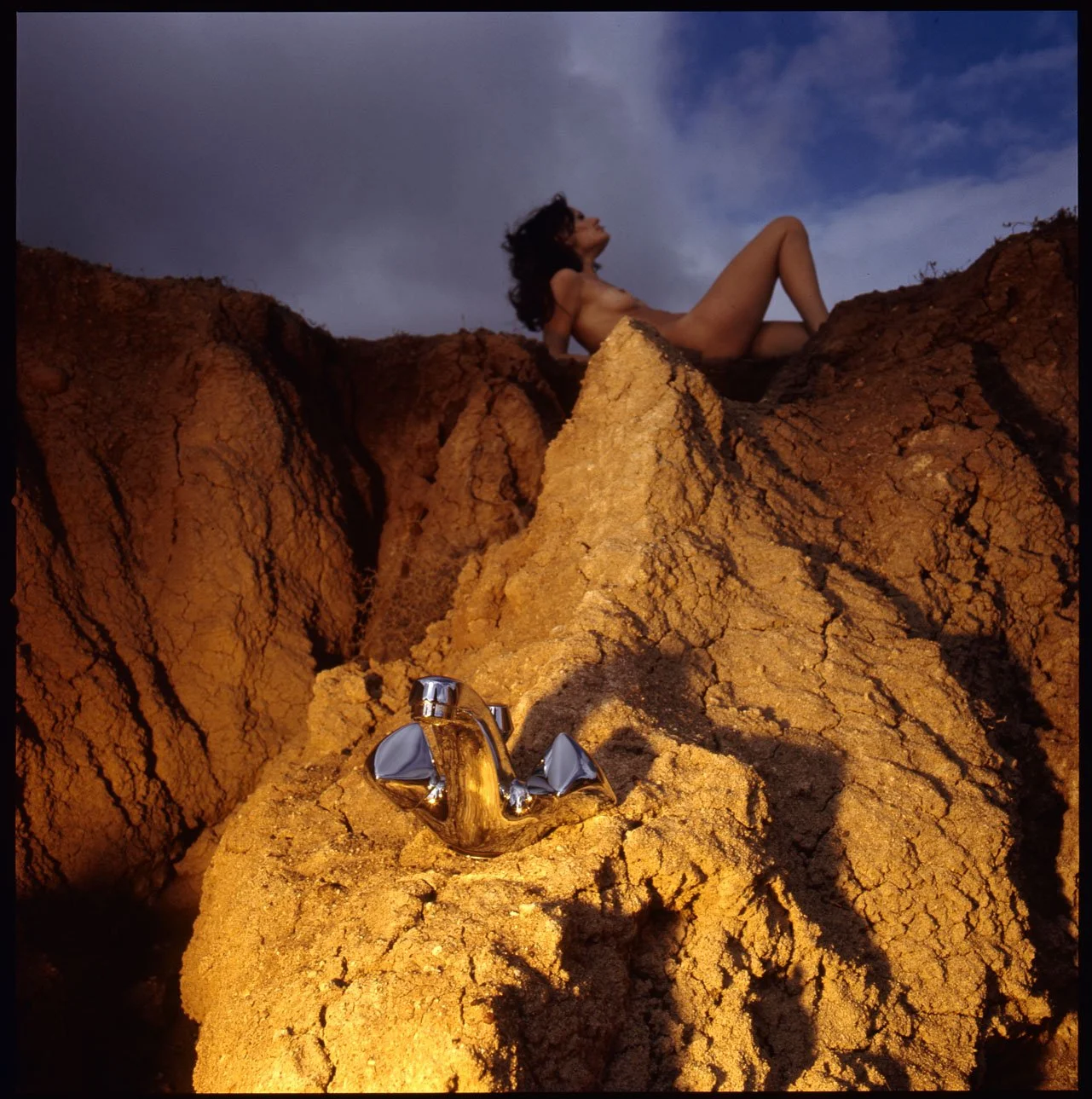
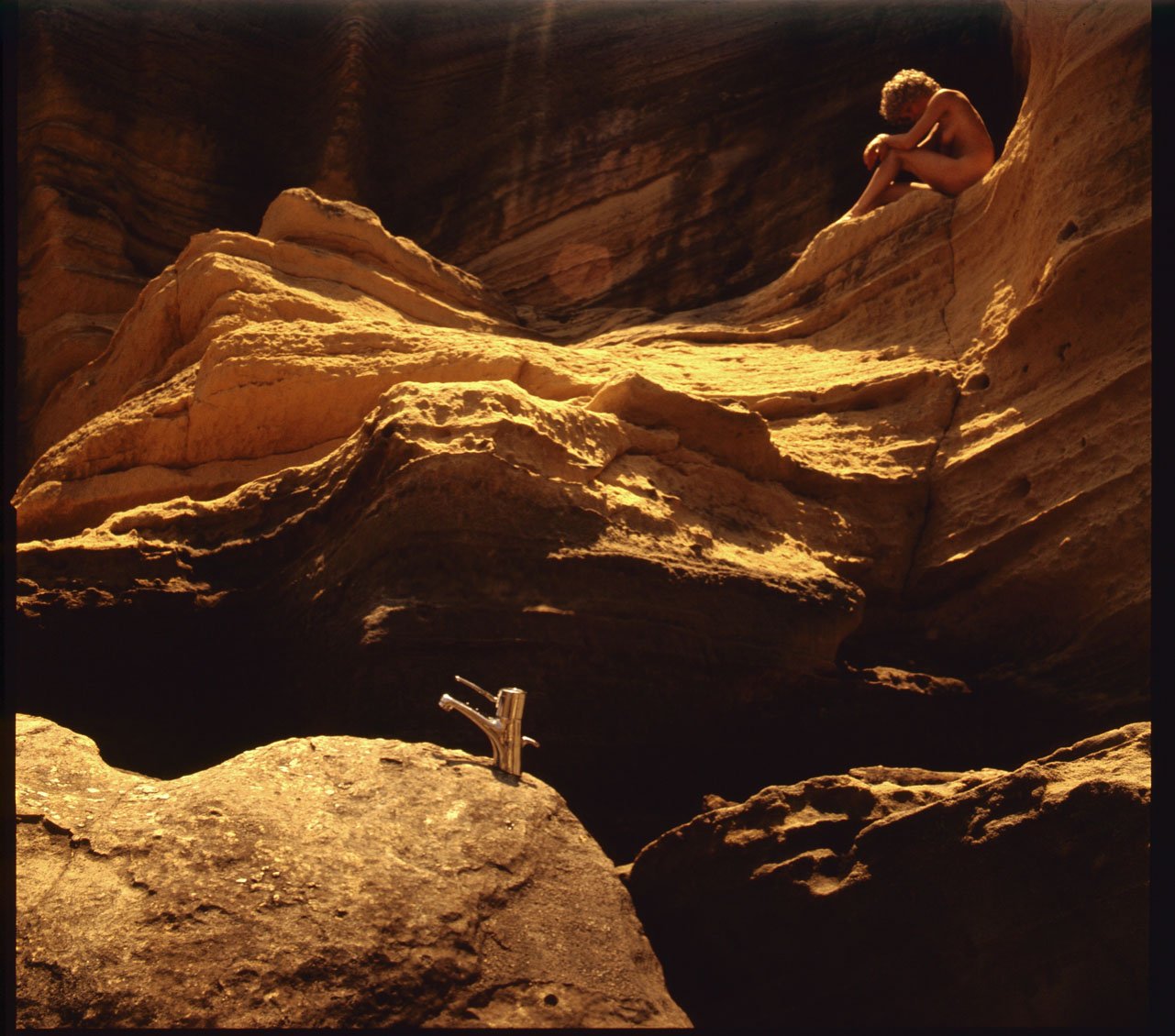
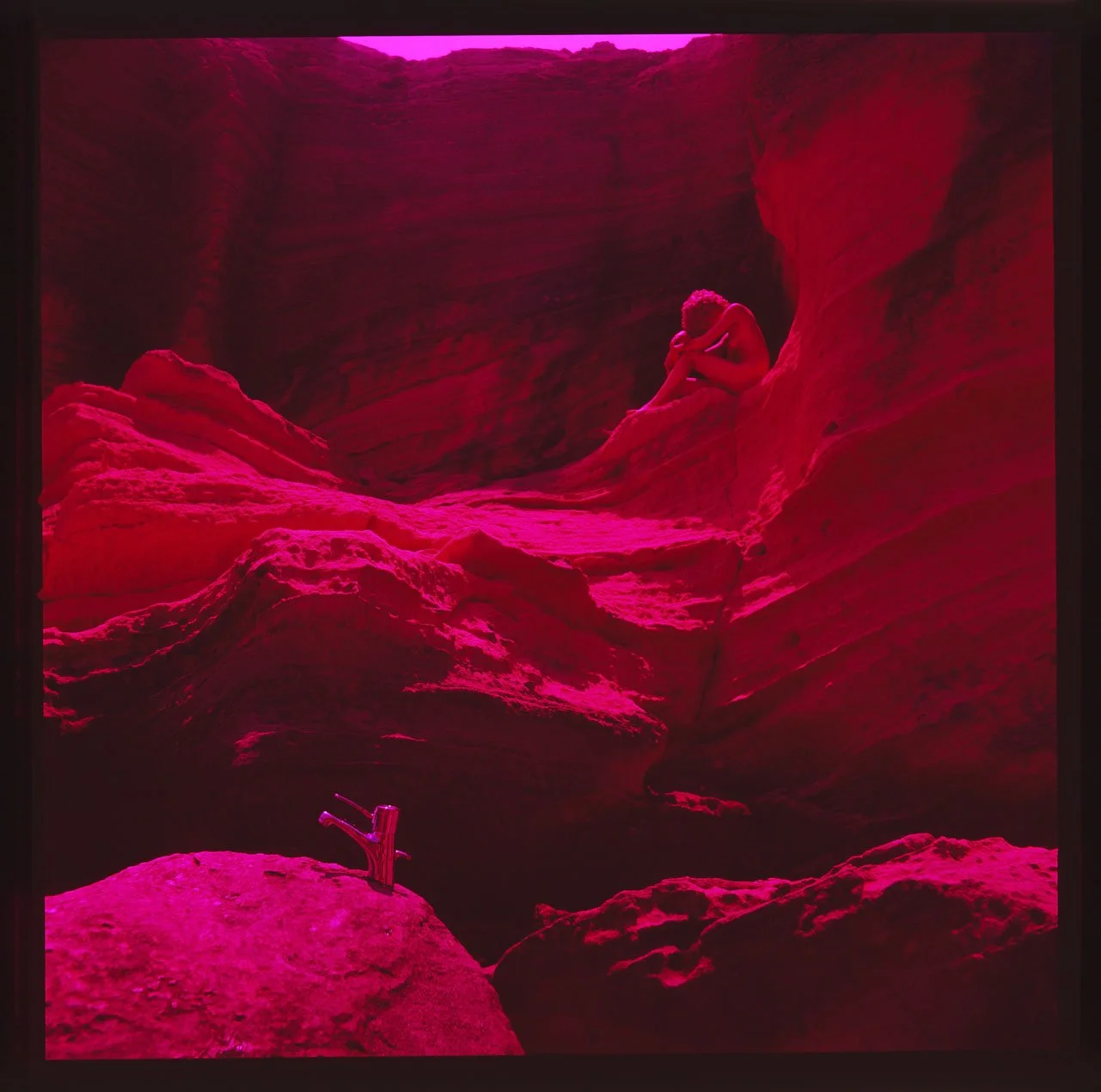
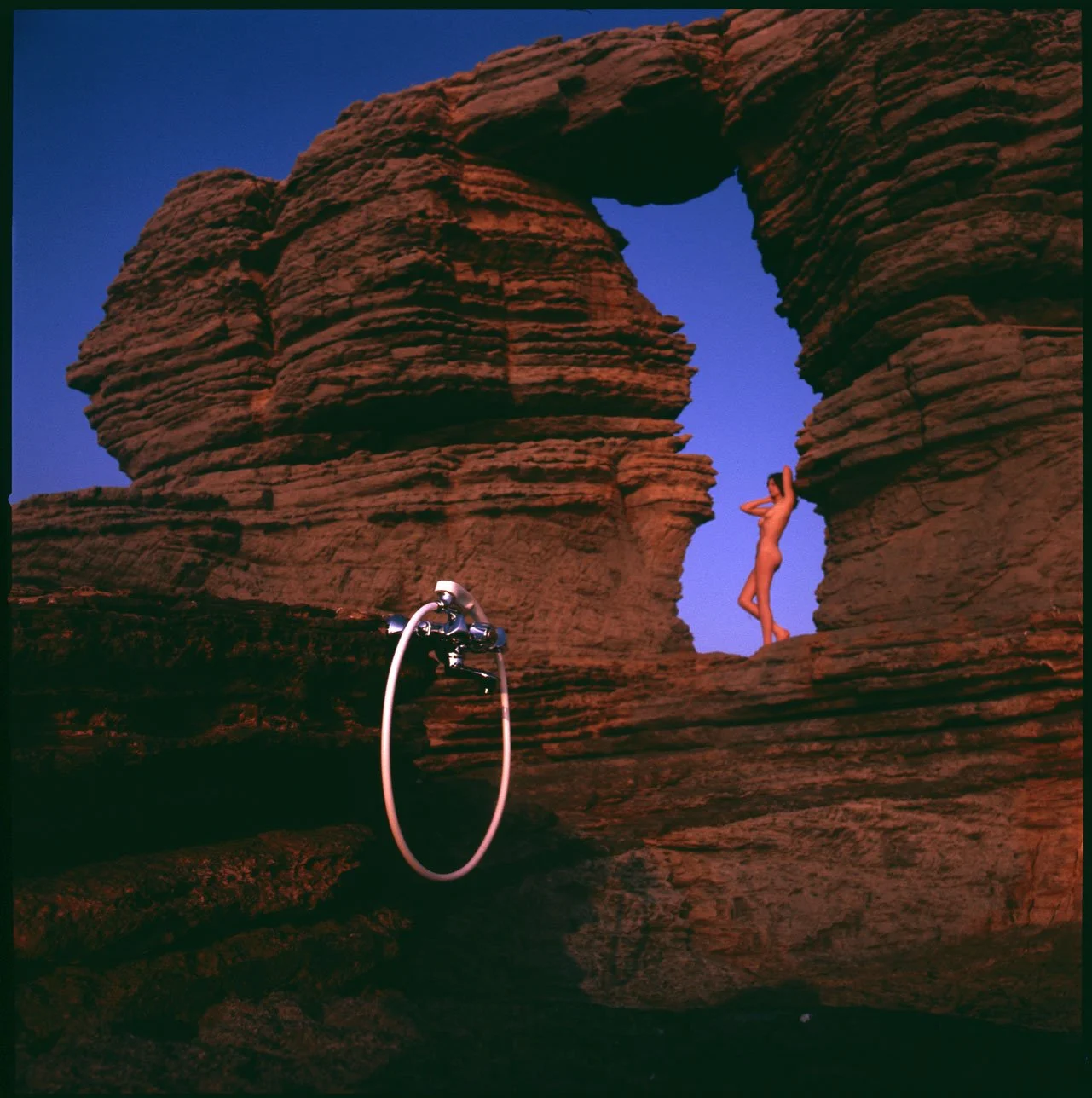
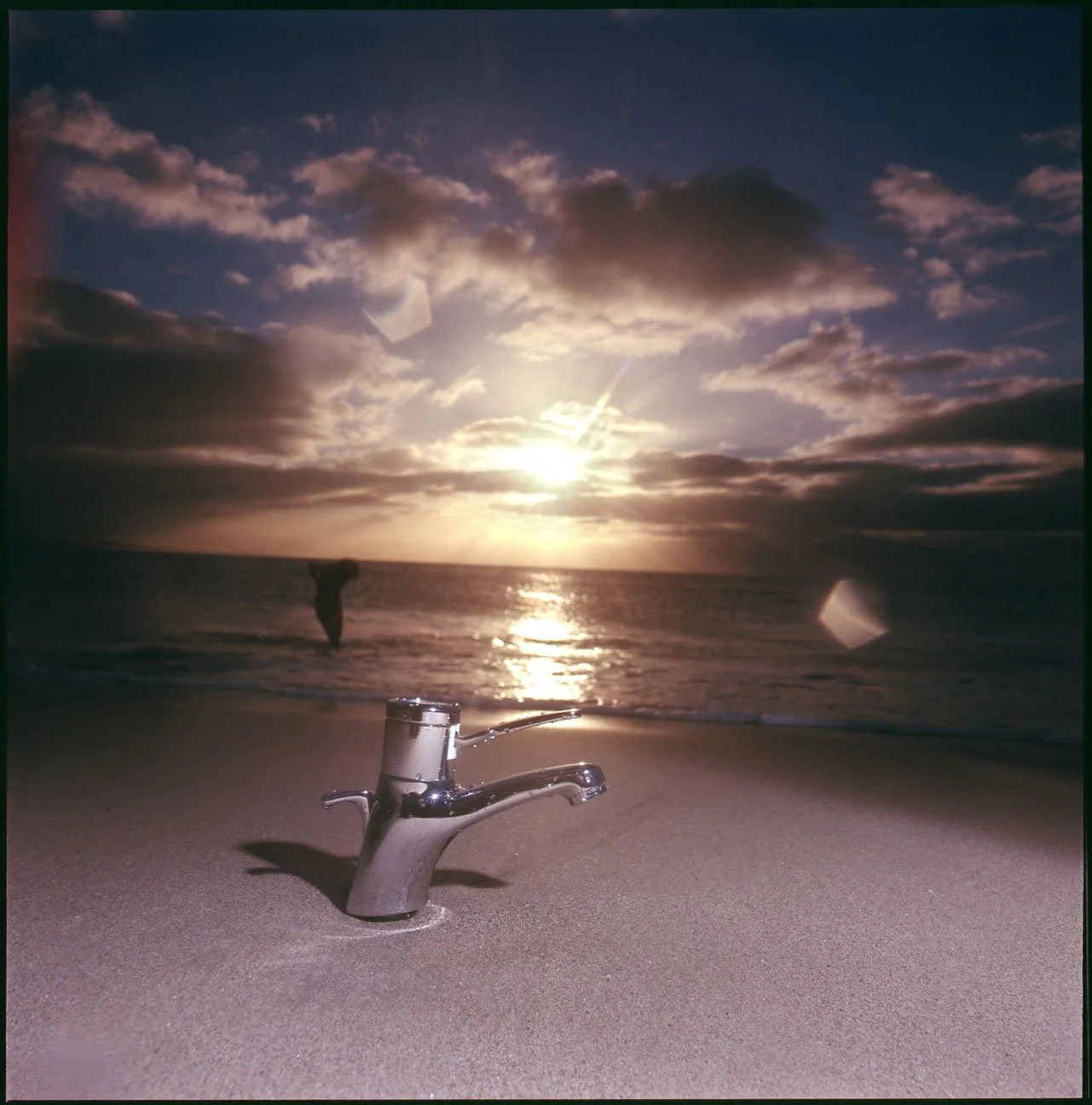
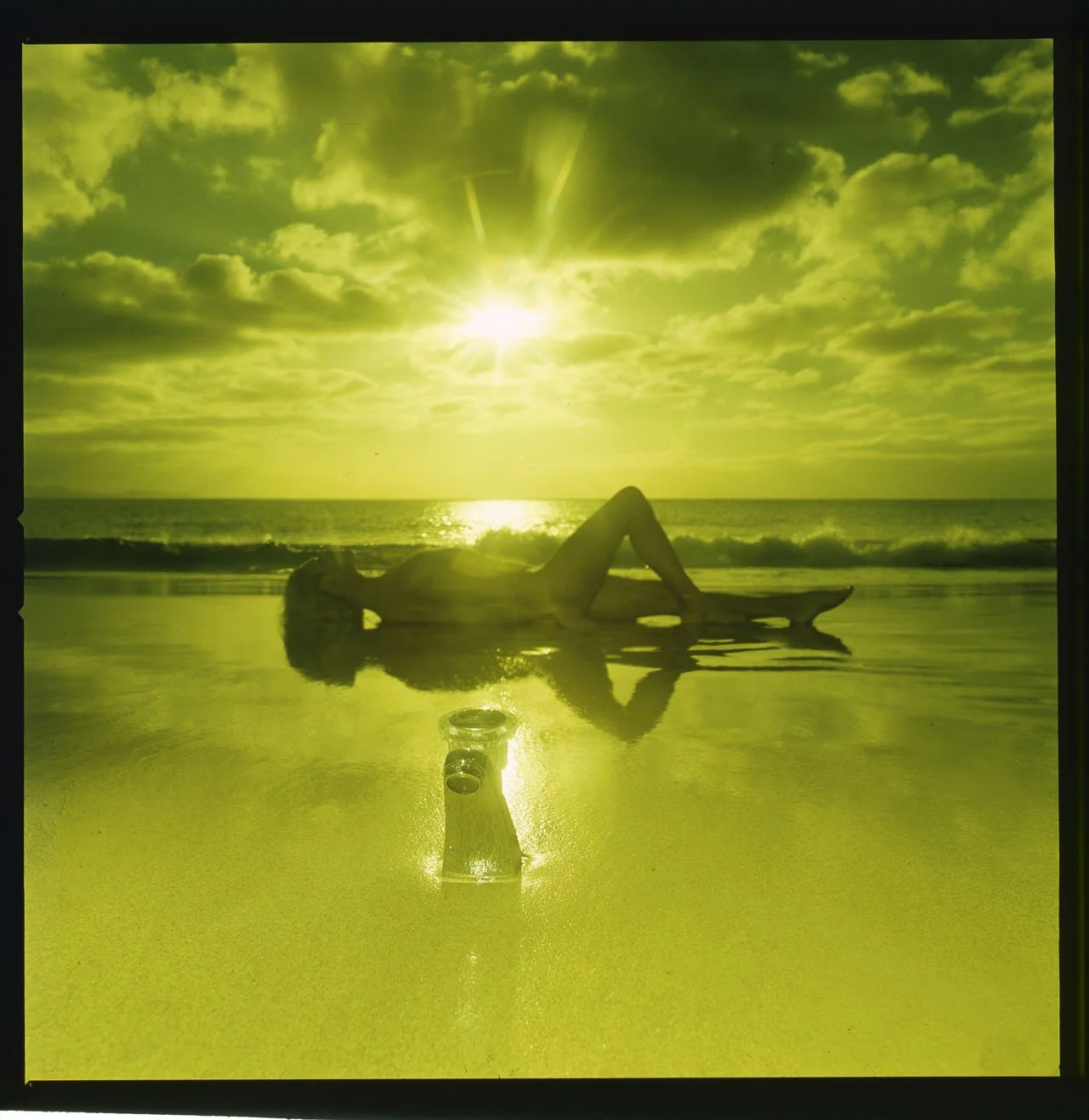
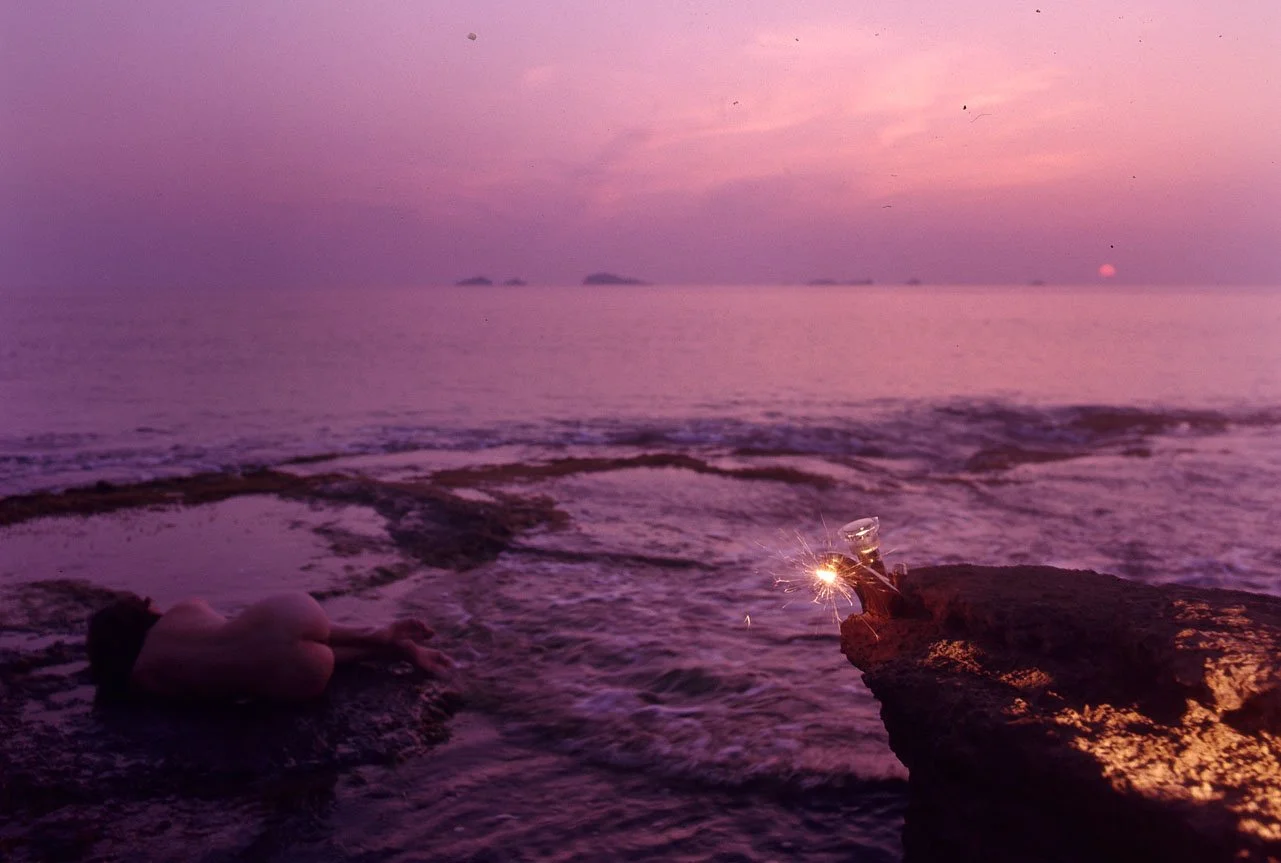
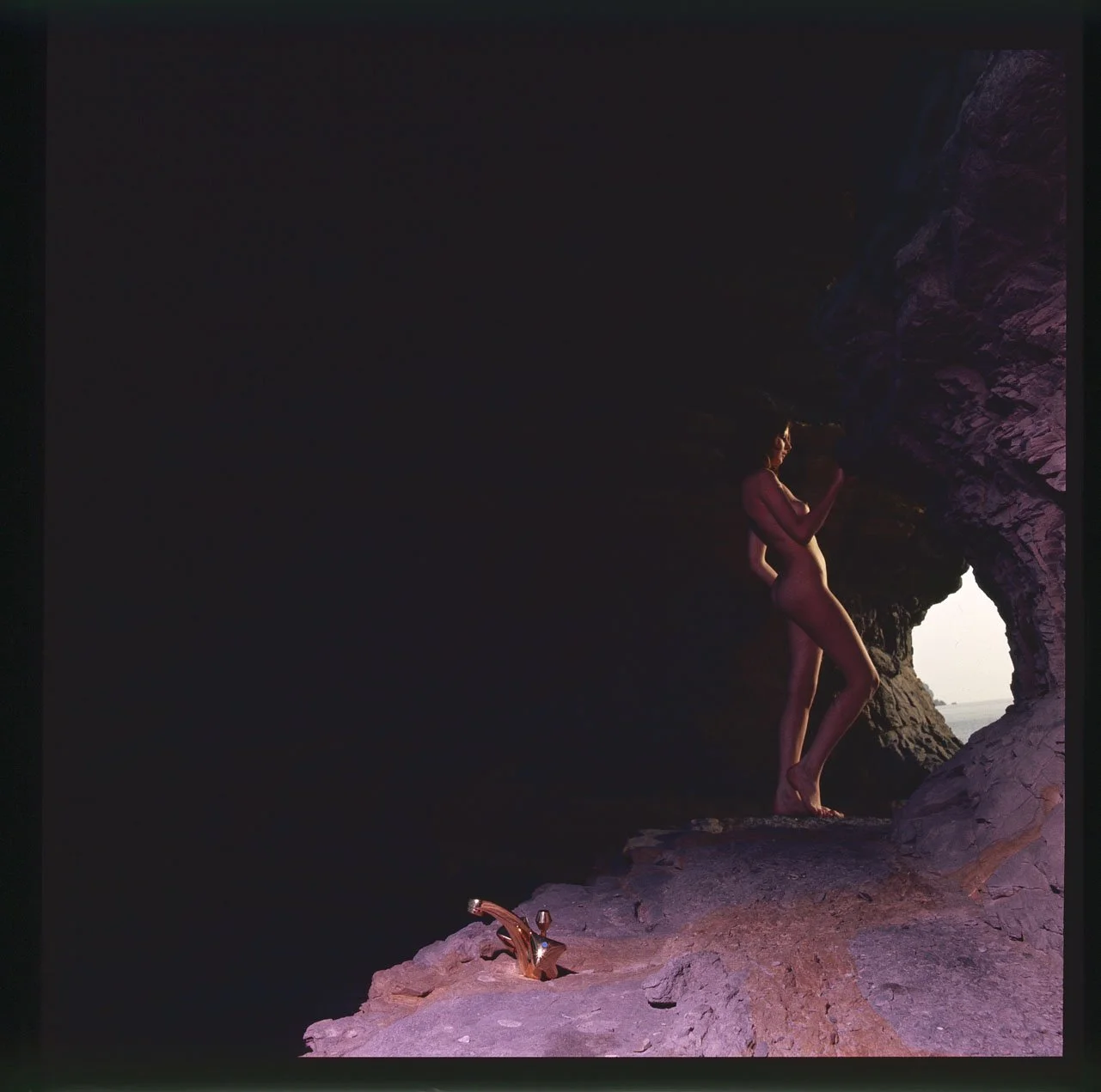
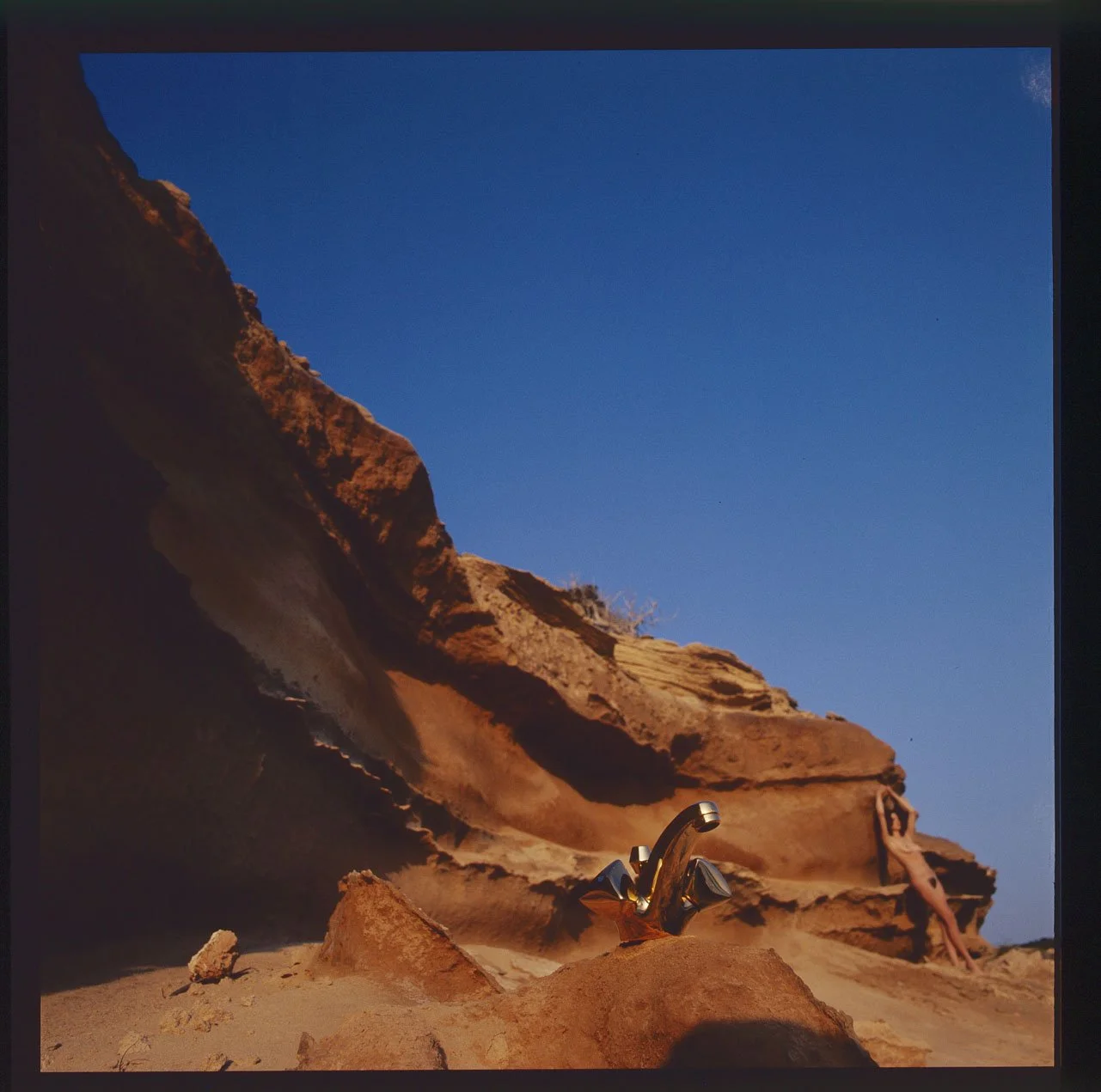
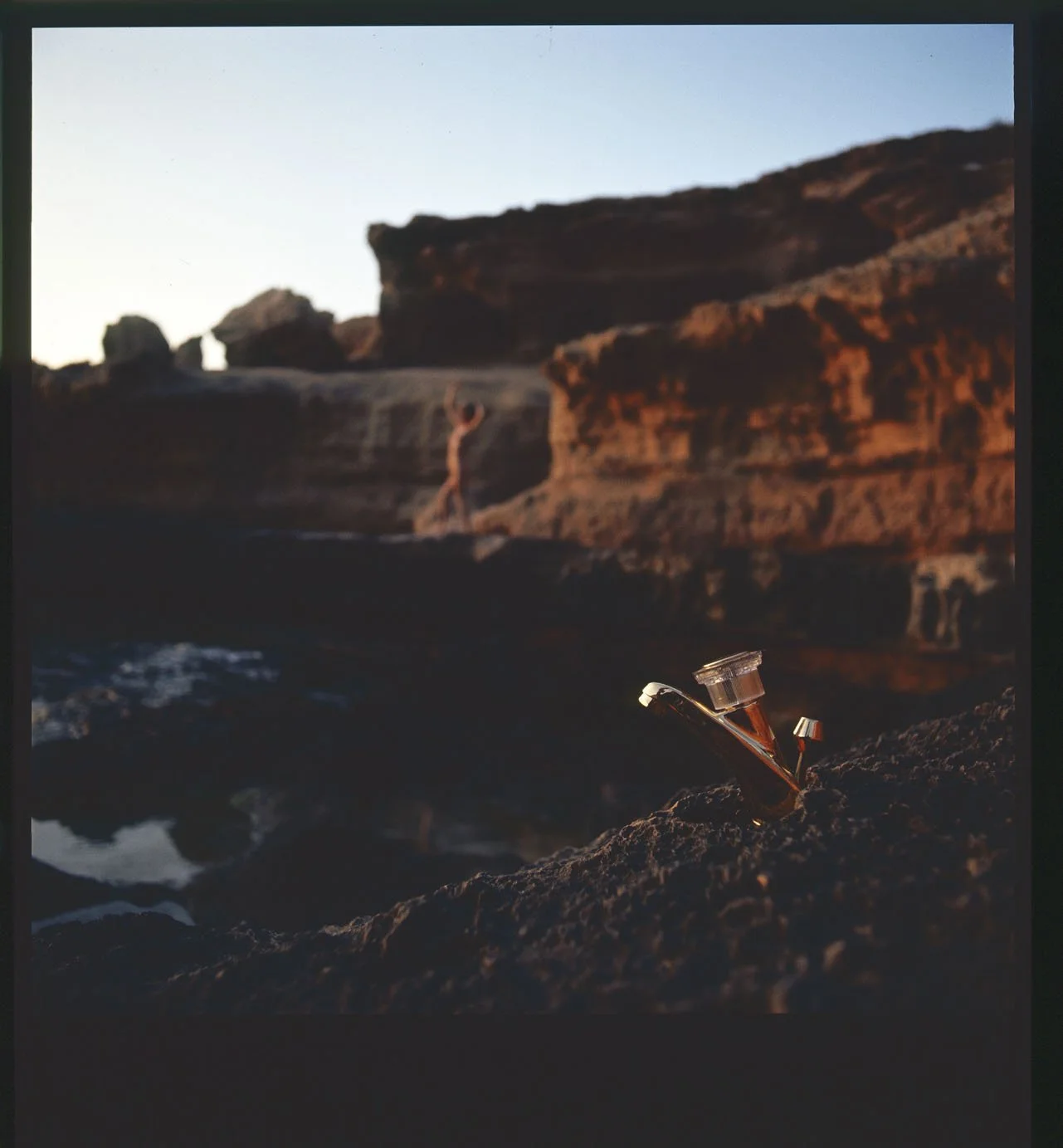
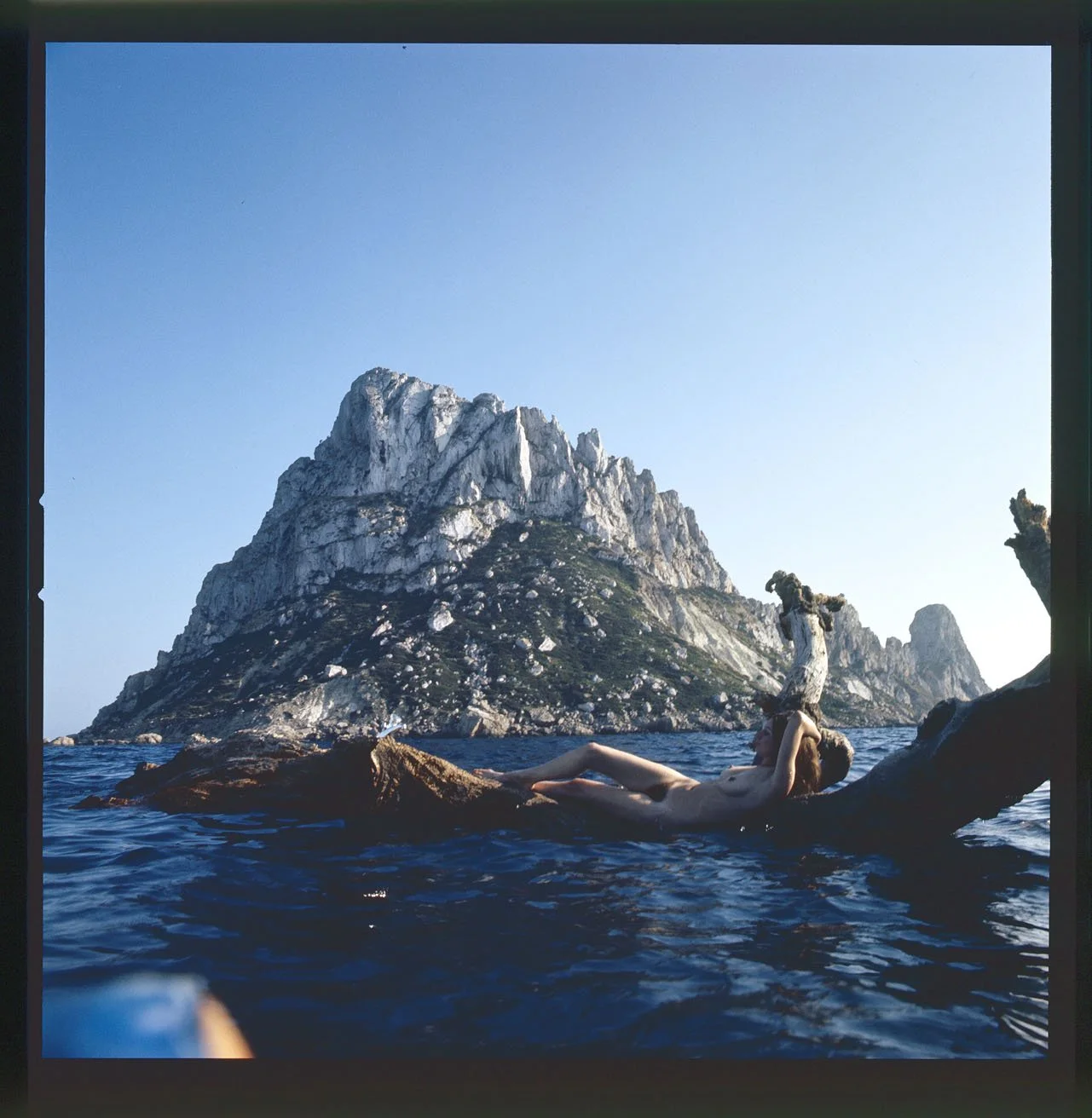
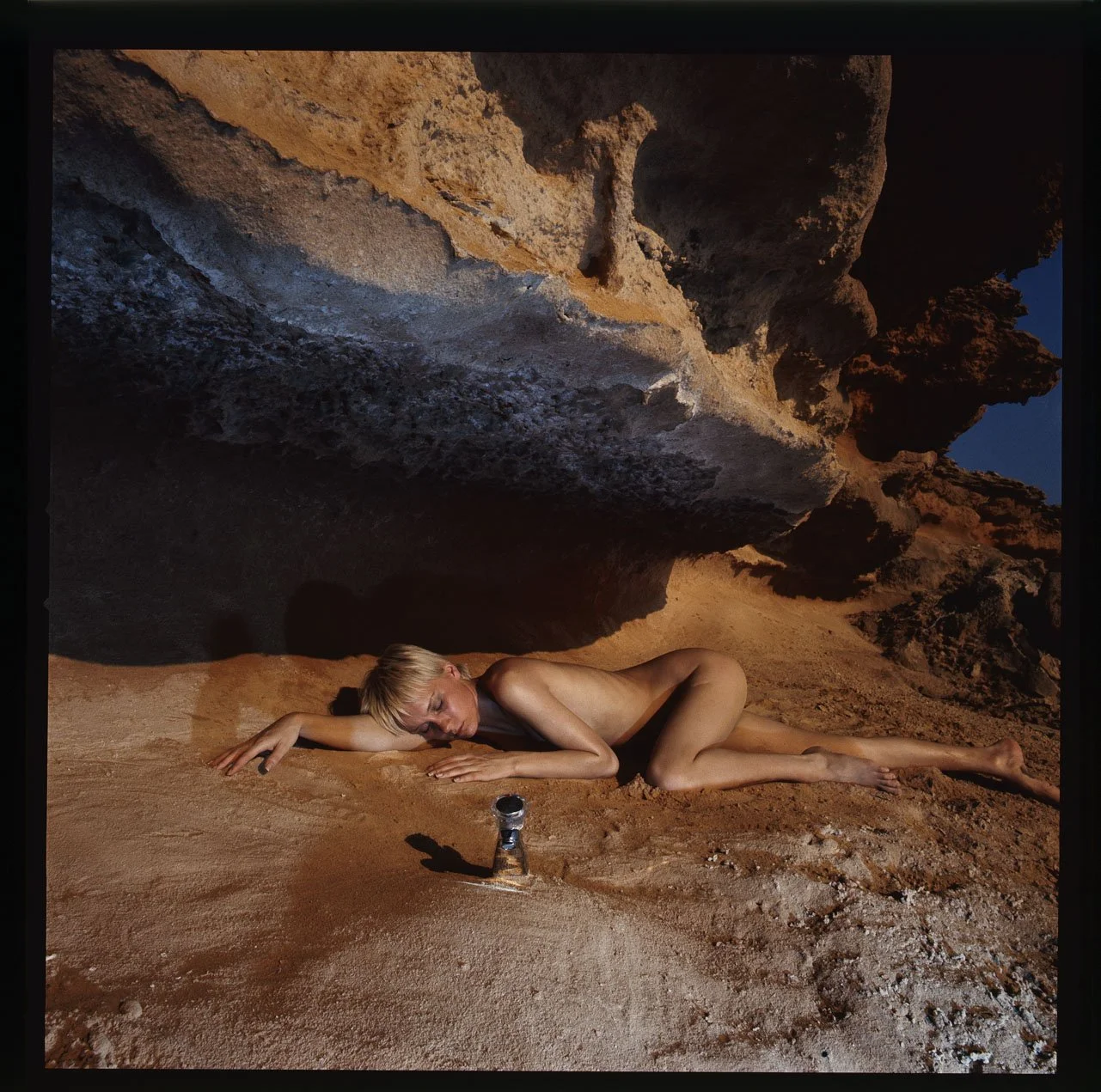
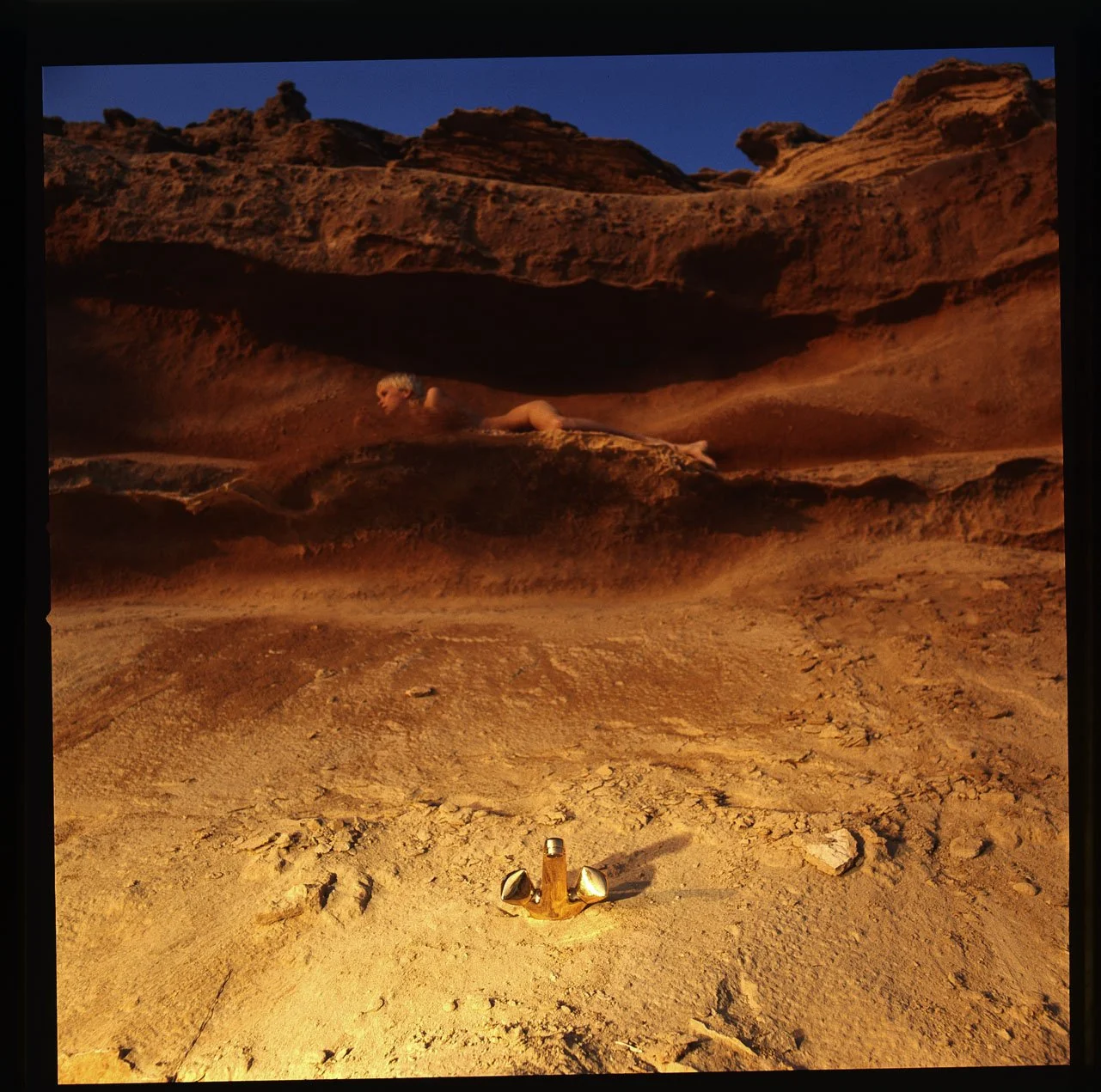
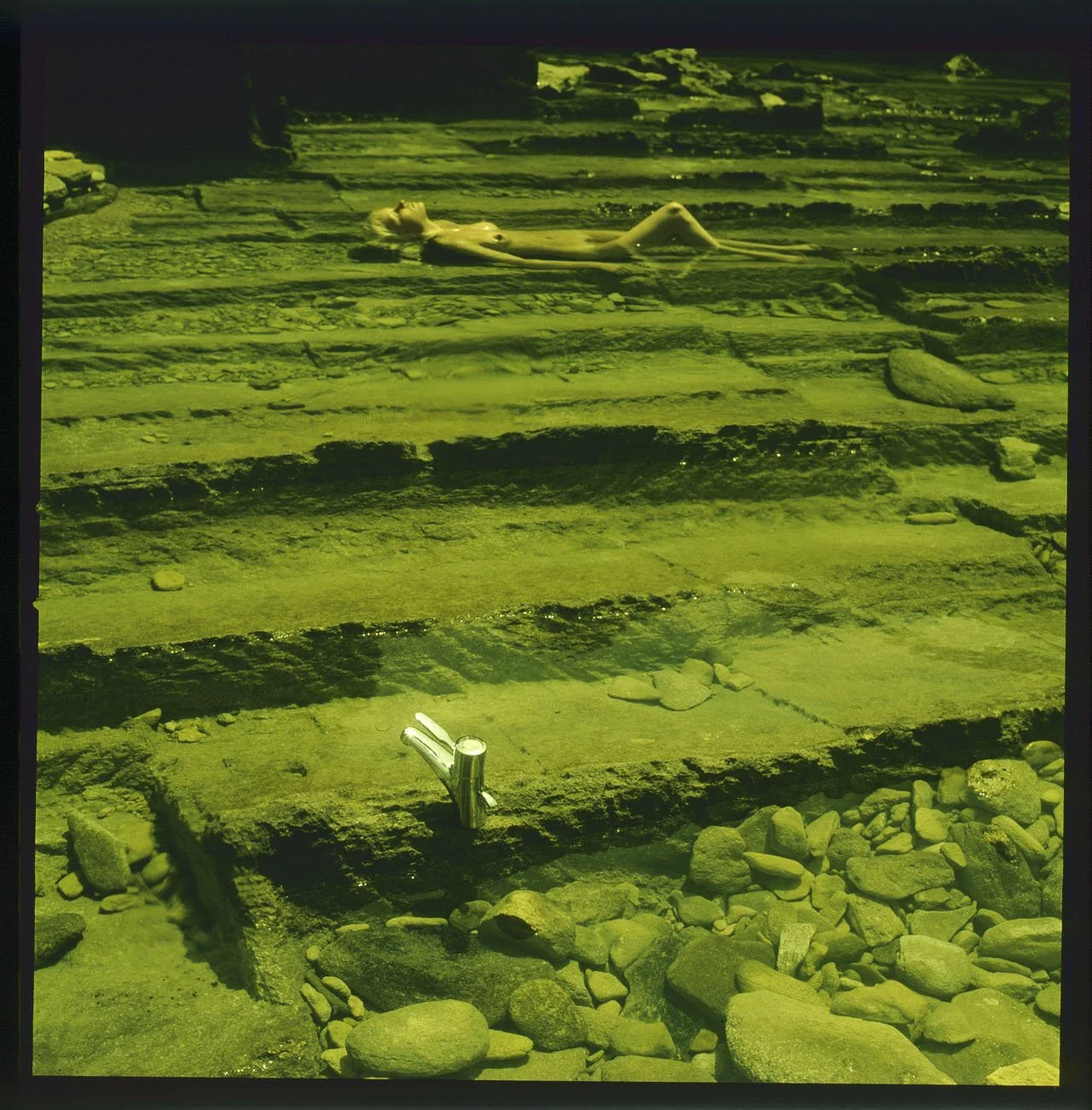
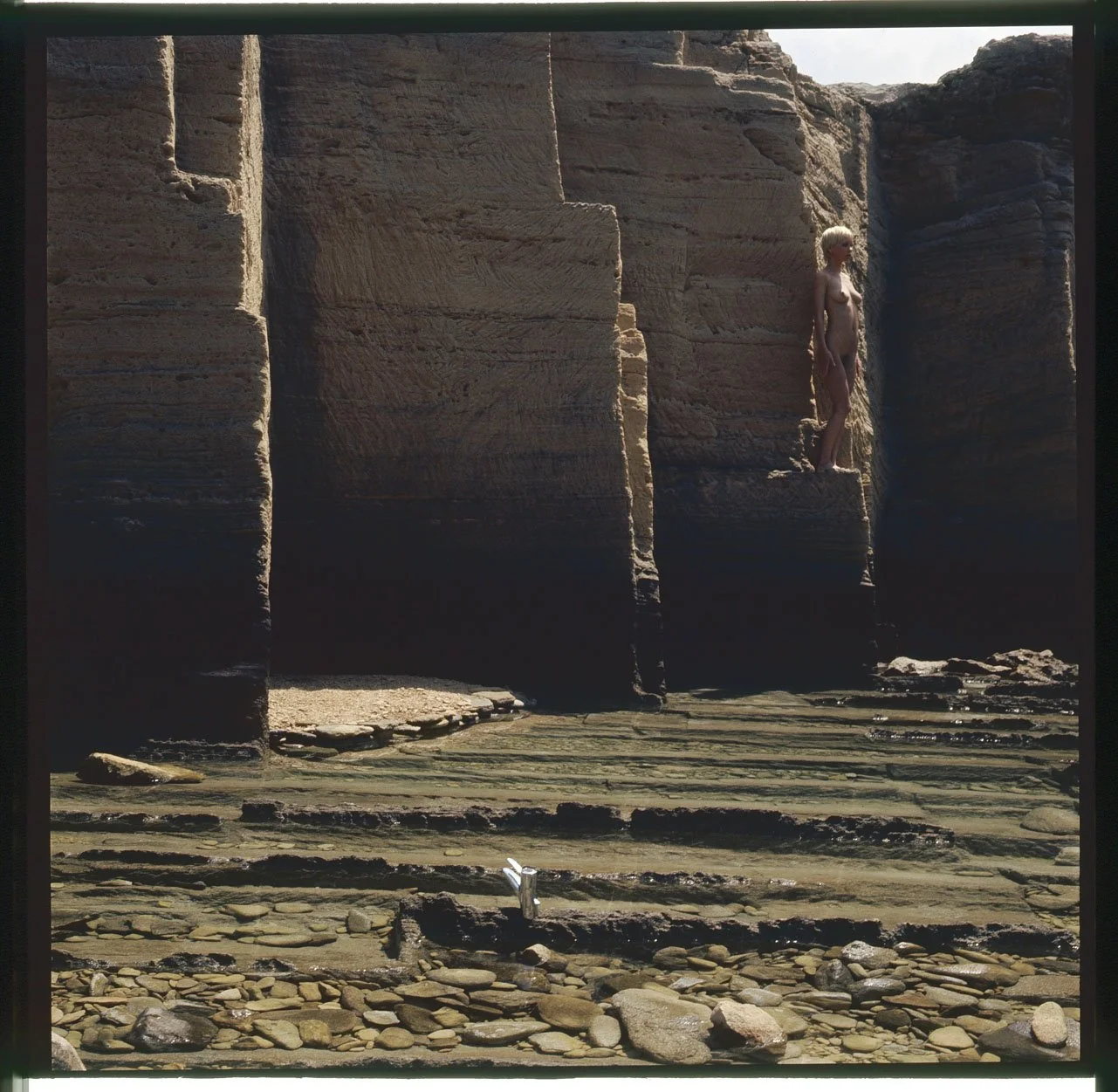
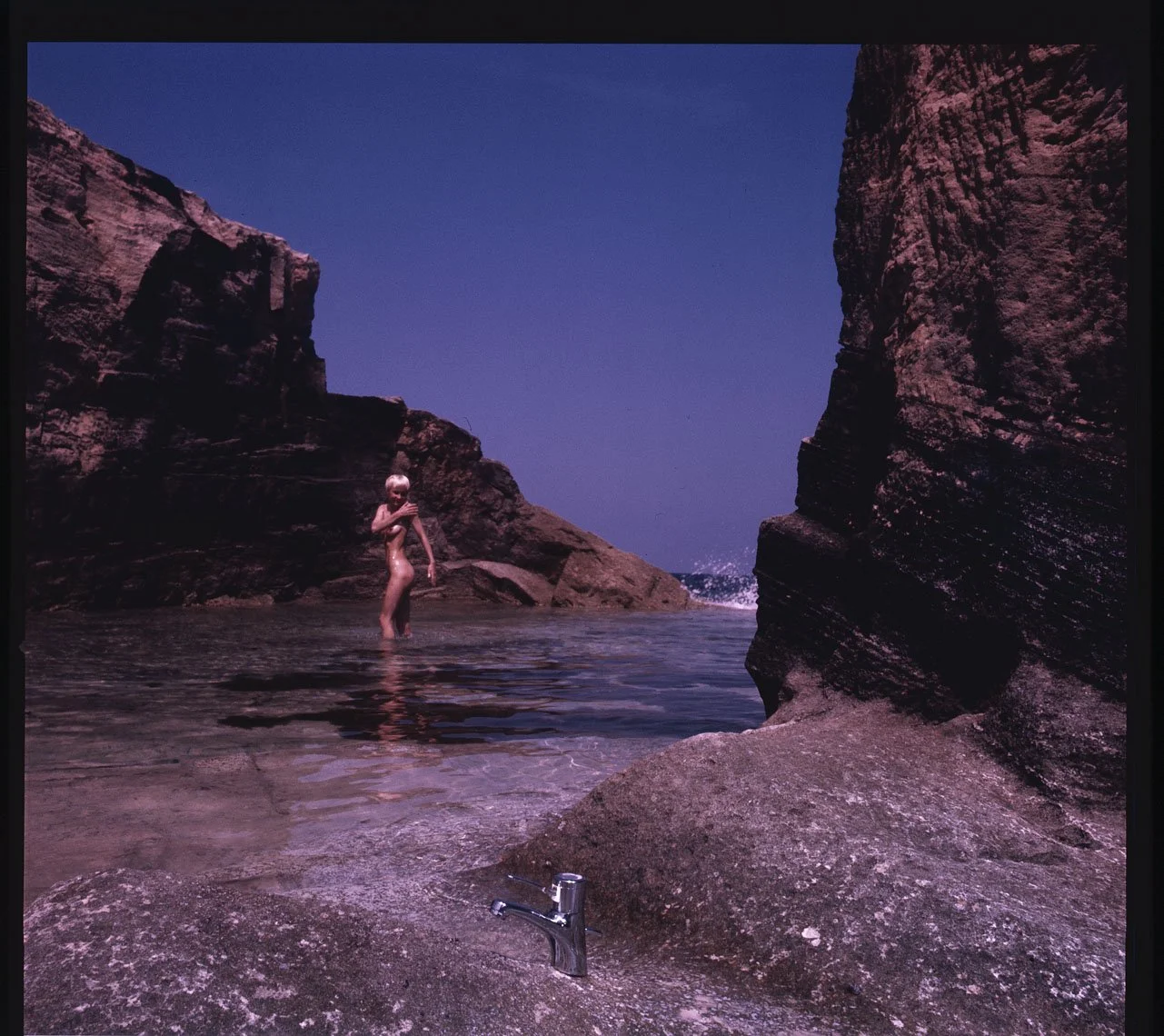
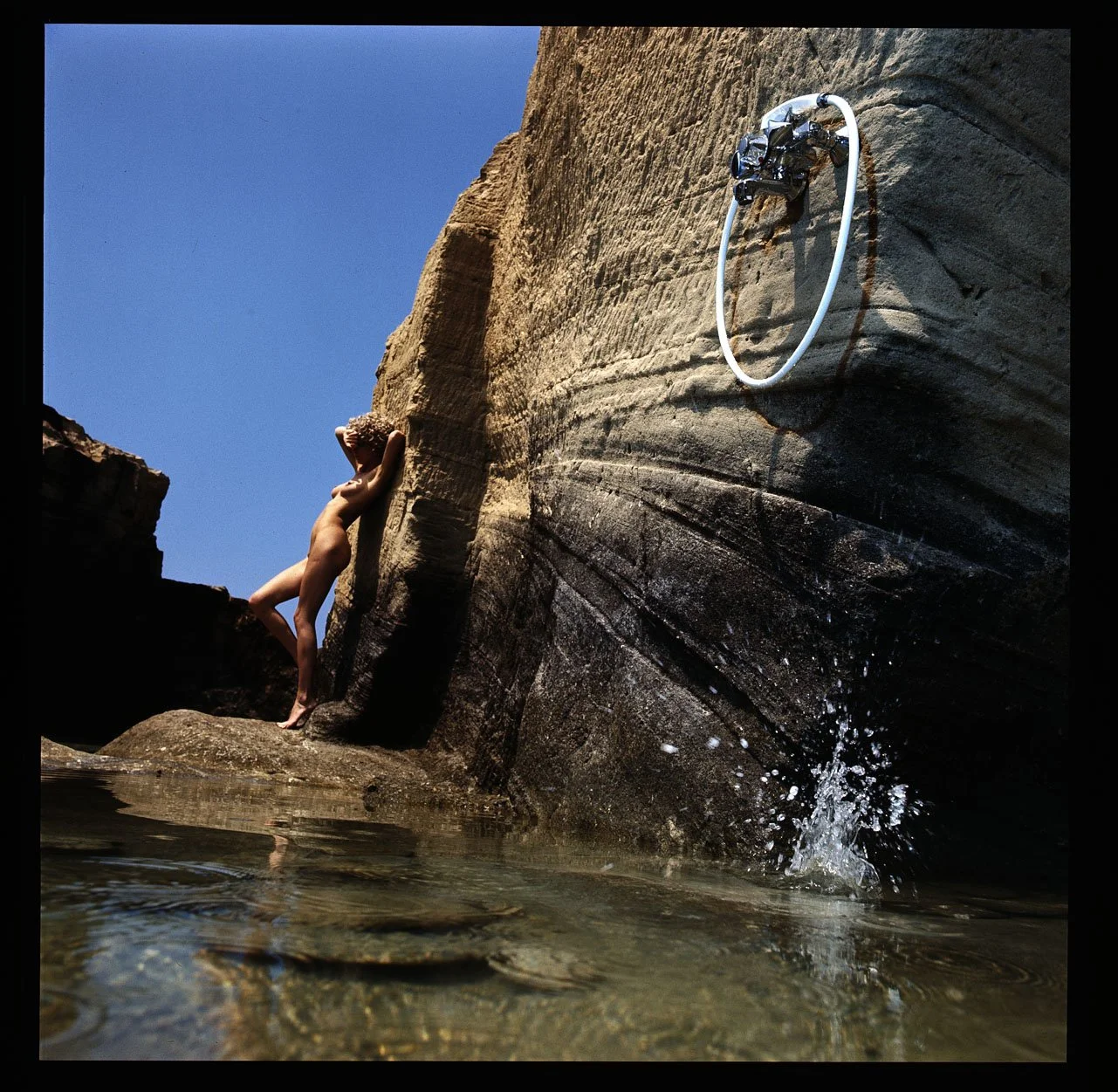
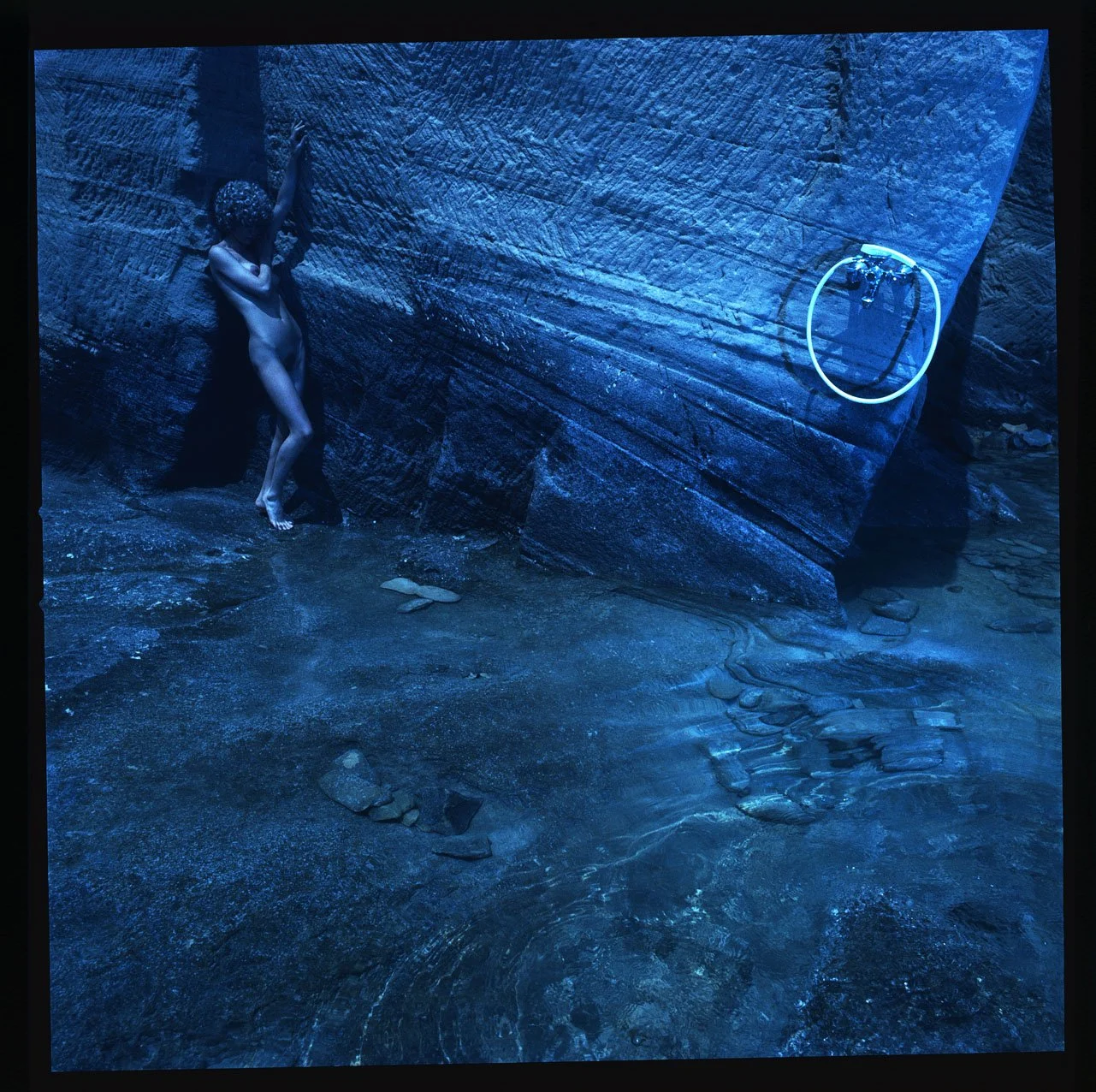
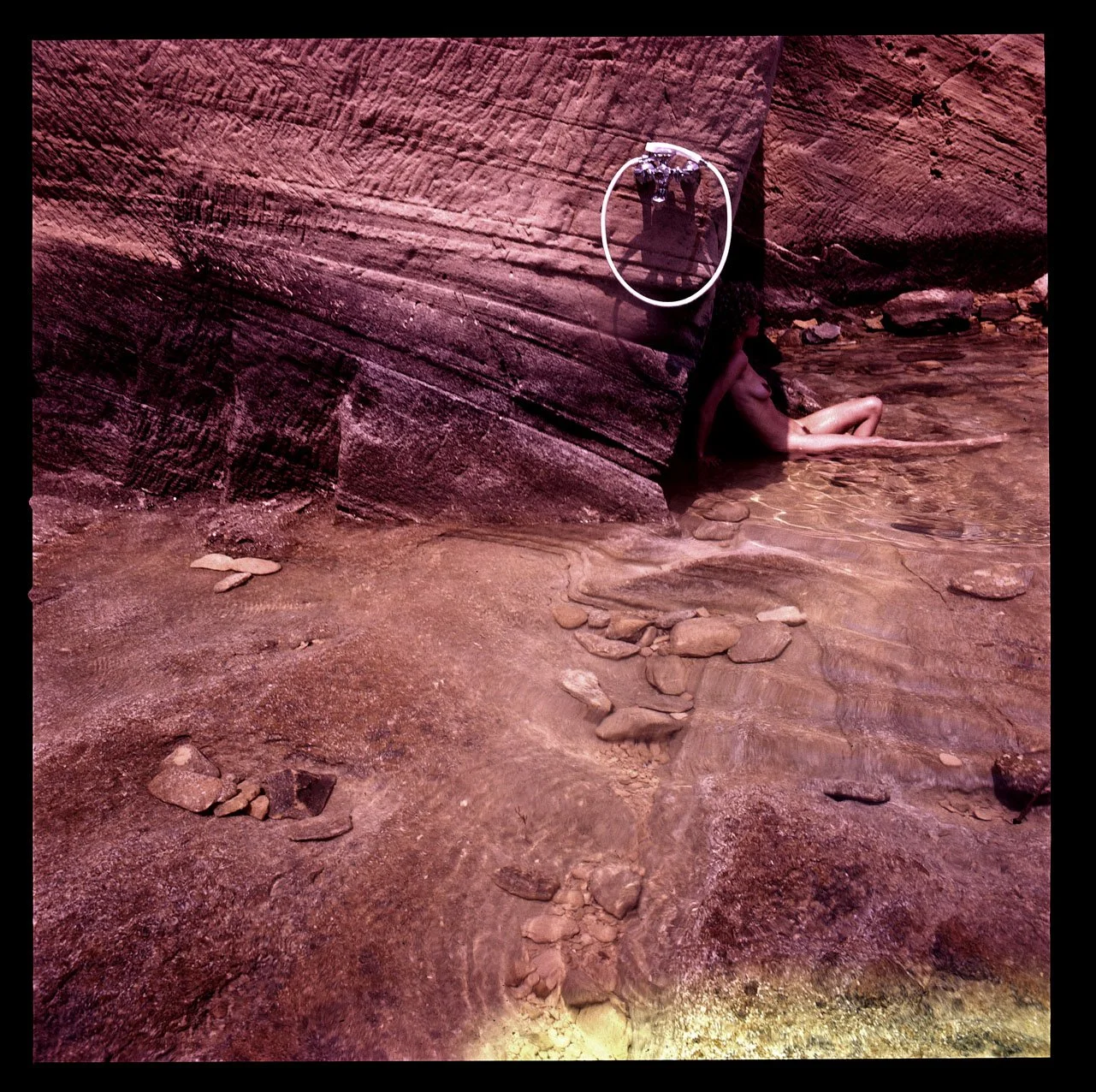
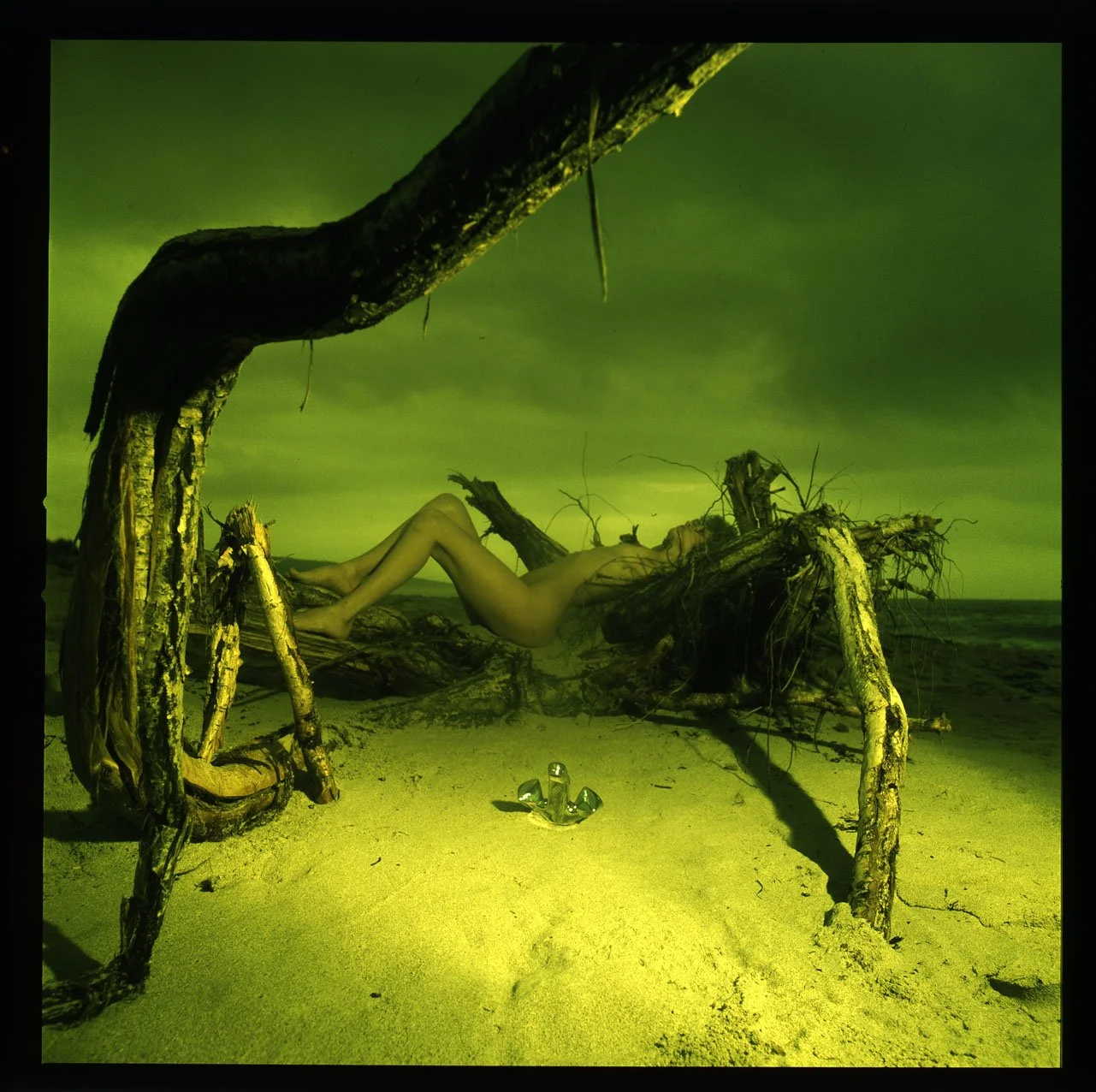
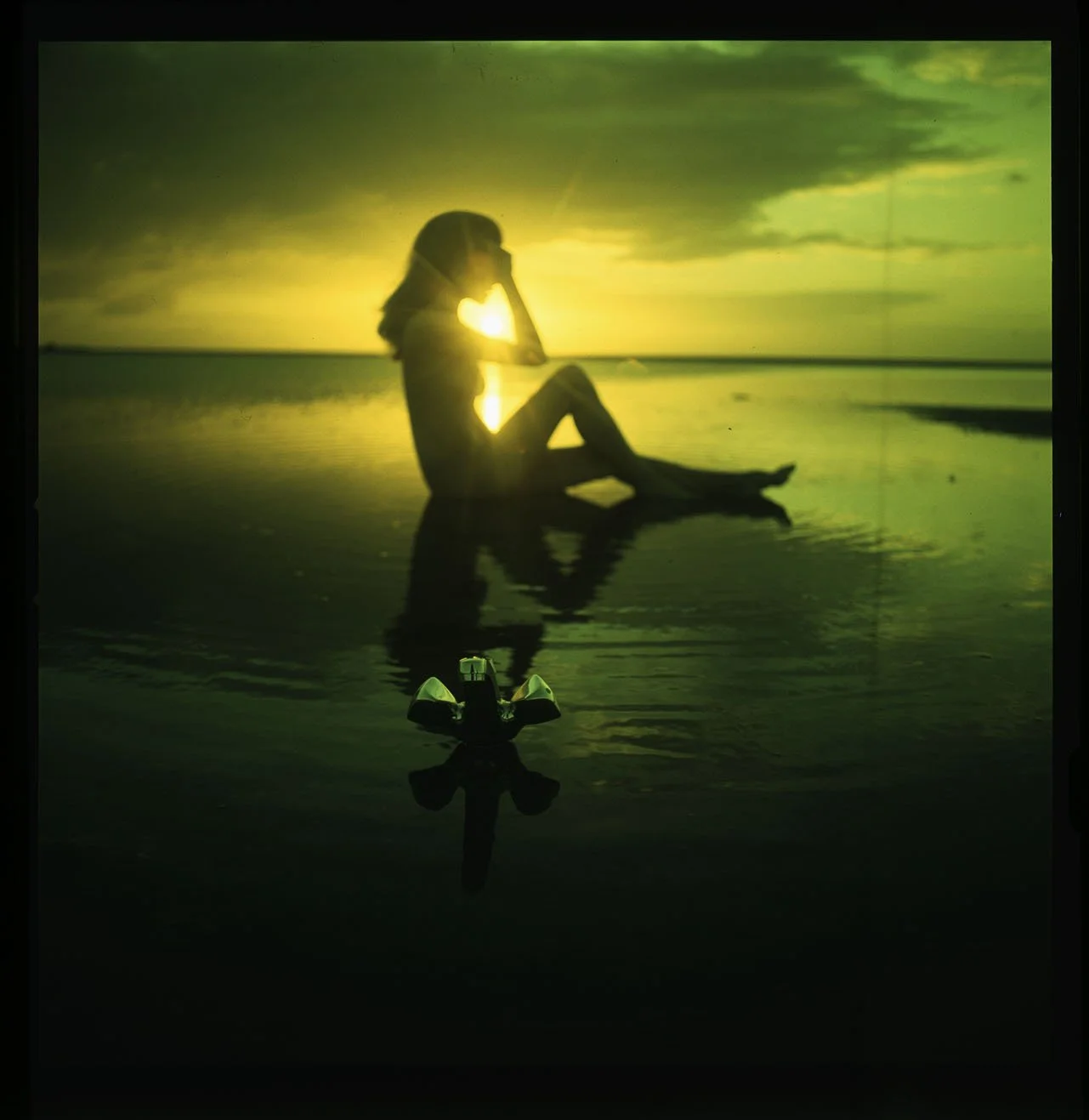
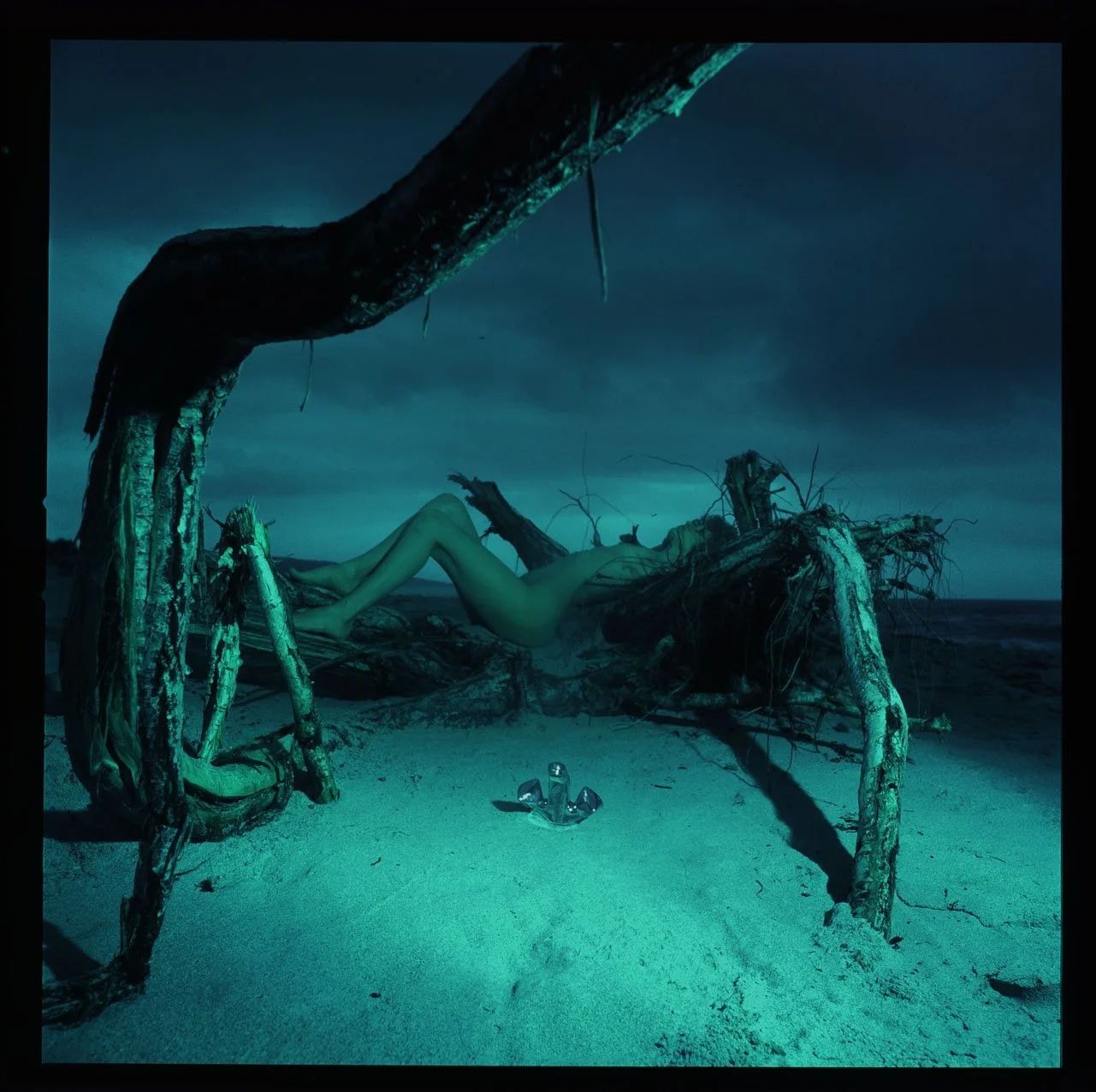
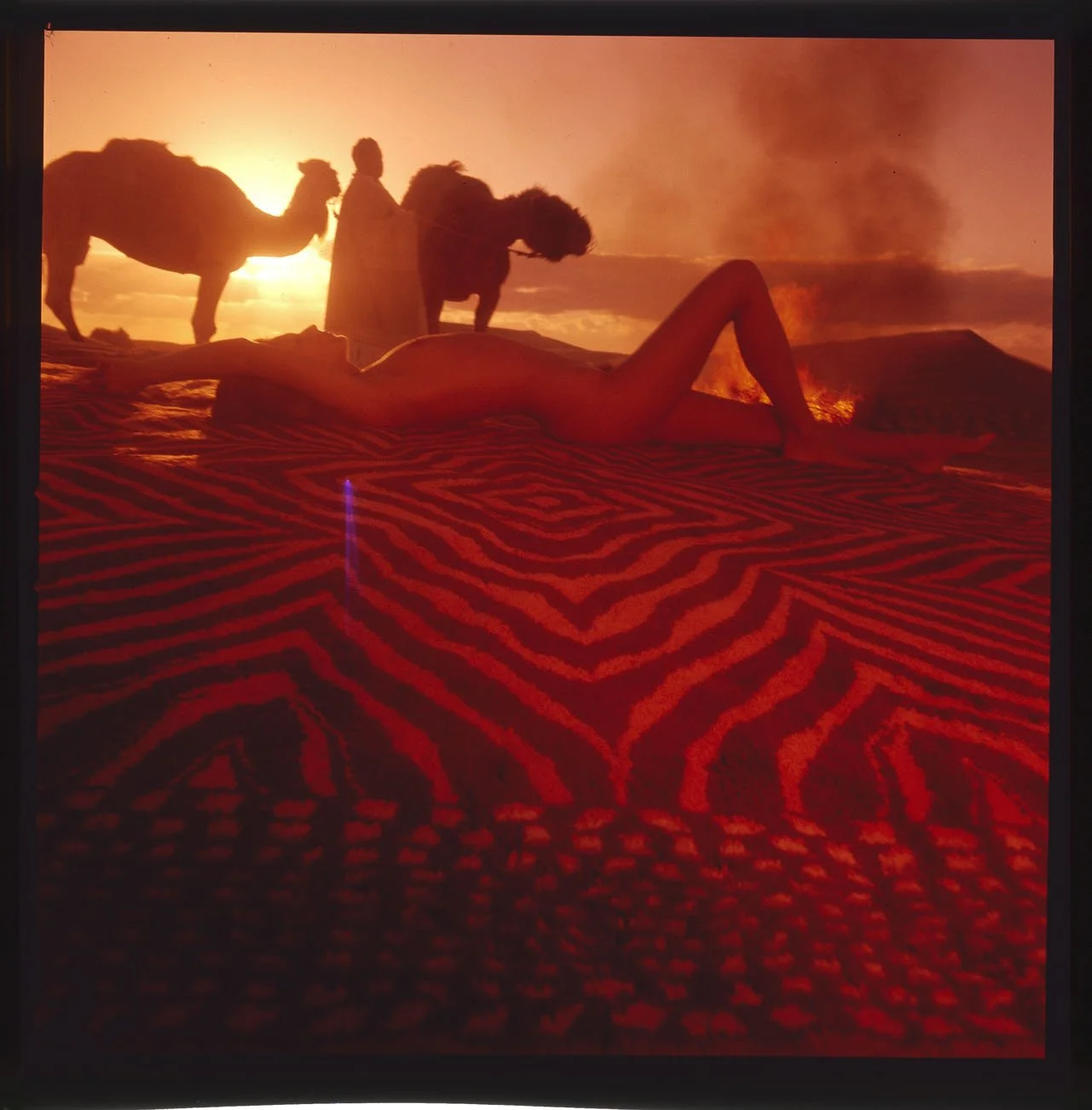
Clocks melt like liquid wax, a woman is born from a nest, a zebra assumes human form, and Eve emerges from an egg—in this sequence of associative images, which is by no means coincidental, Ulrich Pracht plays with visual riddles and pictorial wit. To do so, he employs the language we all understand: the language of dreams. The thematic core of his fantastical series is the transformation into another being. As far back as antiquity, the metamorphosis of a human or a deity into a mythical creature has been a popular motif. And in his photographs, Ulrich Pracht, too, creates spatial illusions in which he presents his models as otherworldly hybrid beings amidst dreamlike symbols. An example of this mode of representation can be found in his iconic images for Hansgrohe. In a secluded grotto, we see a woman emerging from a lake, her naked form merging seamlessly with the rocky landscape. As if peering through a semipermeable membrane, Ulrich Pracht uses his lens to look right through the outer skin. He constructs a seemingly accurate image—yet the subject depicted within it reveals itself to be an impossibility. The subconscious is brought into relation with the perception of visible reality; an inexplicable interconnectedness of things emerges. In doing so, Ulrich Pracht achieves an effect that seems almost too perfect to be real: capturing the sensual beauty of nature using a commercial bathroom fixture. In his photographs for Dior, Ulrich Pracht goes a step further: he undresses the model, allowing the whiteness of a Biedermeier sofa to transcend onto her white-powdered body. The material transitions into the organic; the inanimate passes into the human. Through this subjective interpretation of reality, the "graphic artist with a camera"—as the specialist magazine ColorFoto dubbed him in 1974—creates an ethereal tableau that captivates our gaze by blurring the boundaries between the inner and outer worlds. Ulrich Pracht has dared to dream even within the commercial realm, thereby demonstrating that artistic sensibility need not run counter to the demands of advertising. His surreal dreamscapes reveal to the viewer that previously held notions of artistic creativity have become obsolete. For the advertising industry, he has created an aesthetic art-product whose magical ambiguity is visible to those who have discovered what to look for—yet remains hidden from those who never even suspected there was anything to be found…
14.2
SURREALISMEN
When Pictures Lie
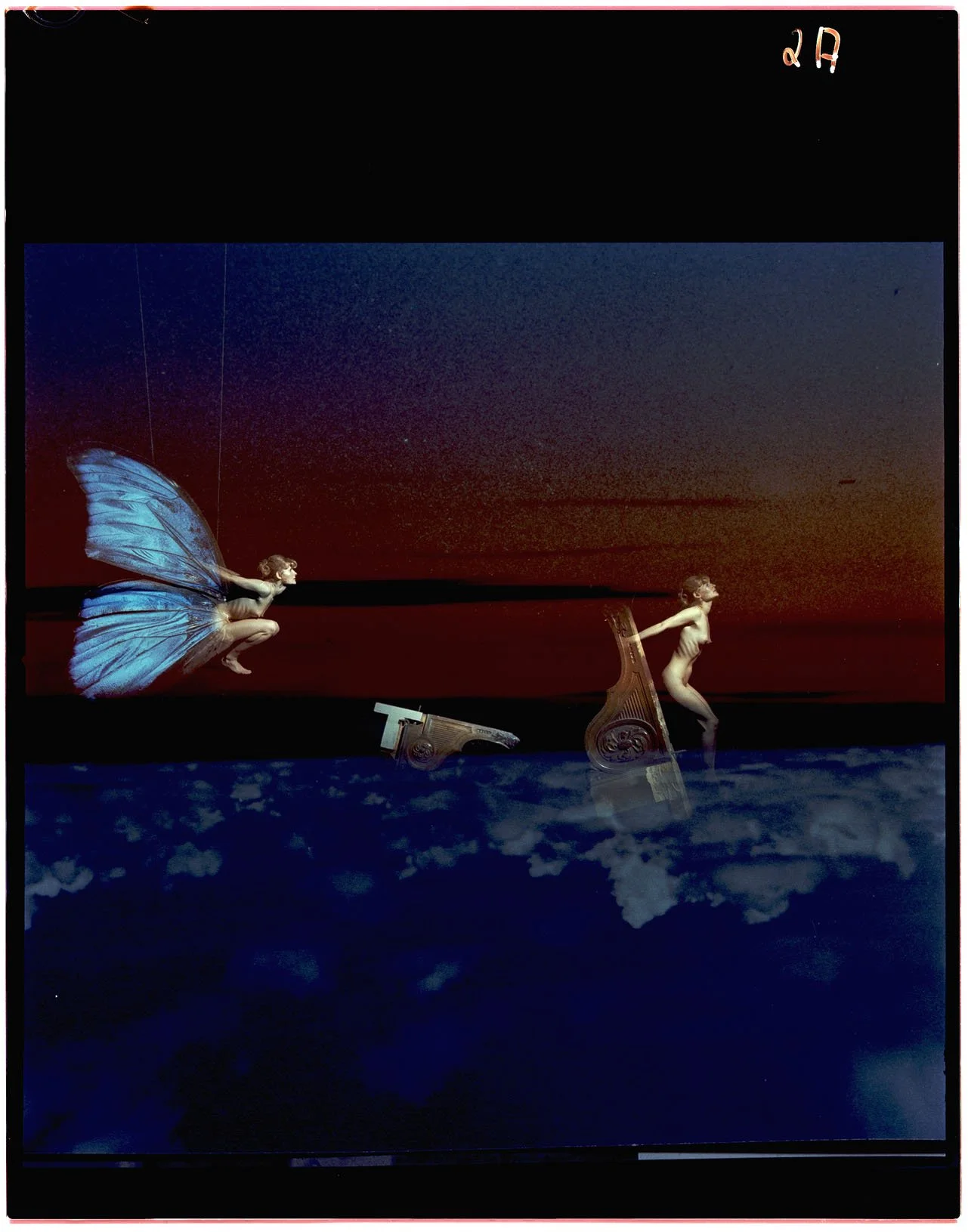
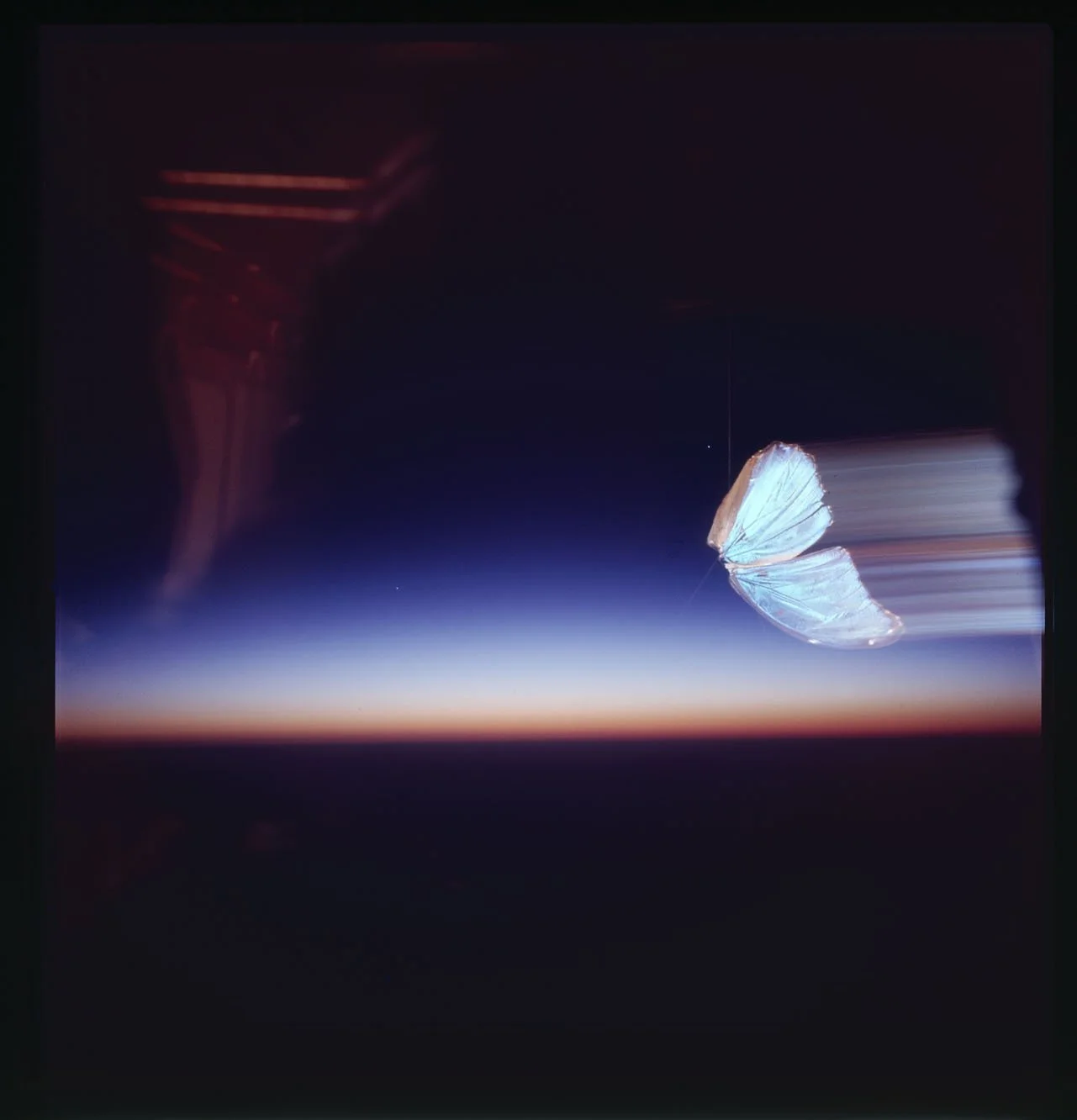
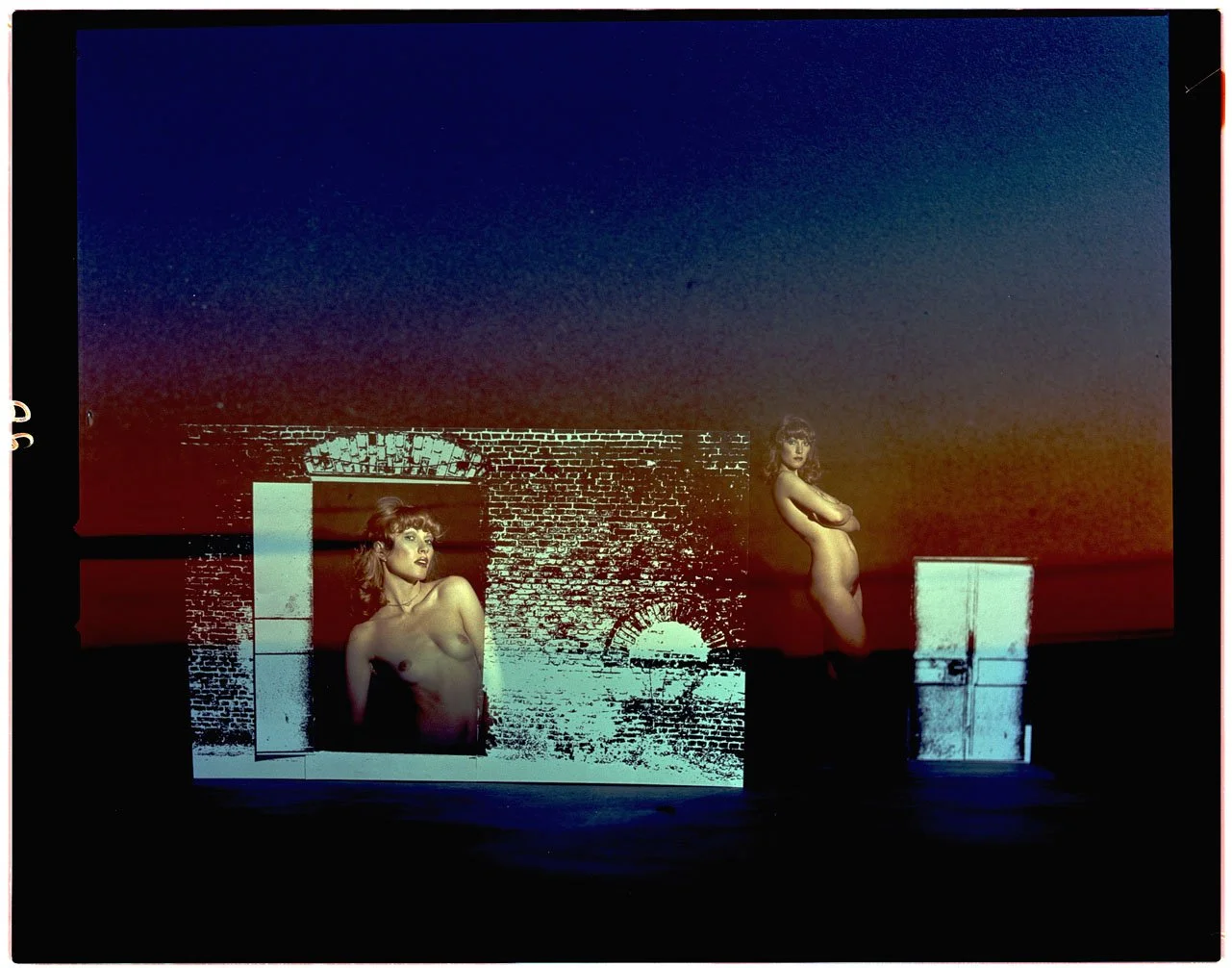
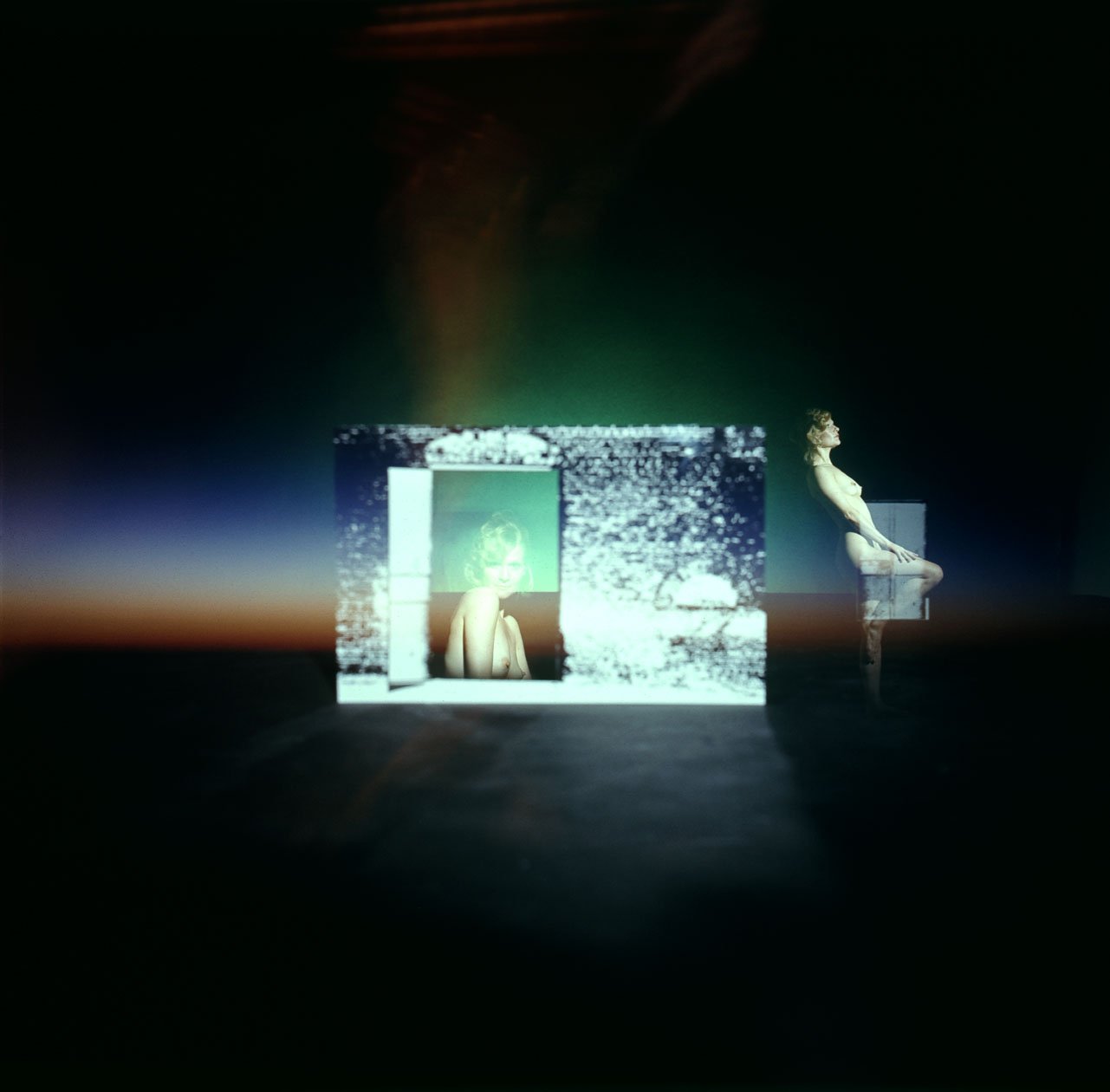
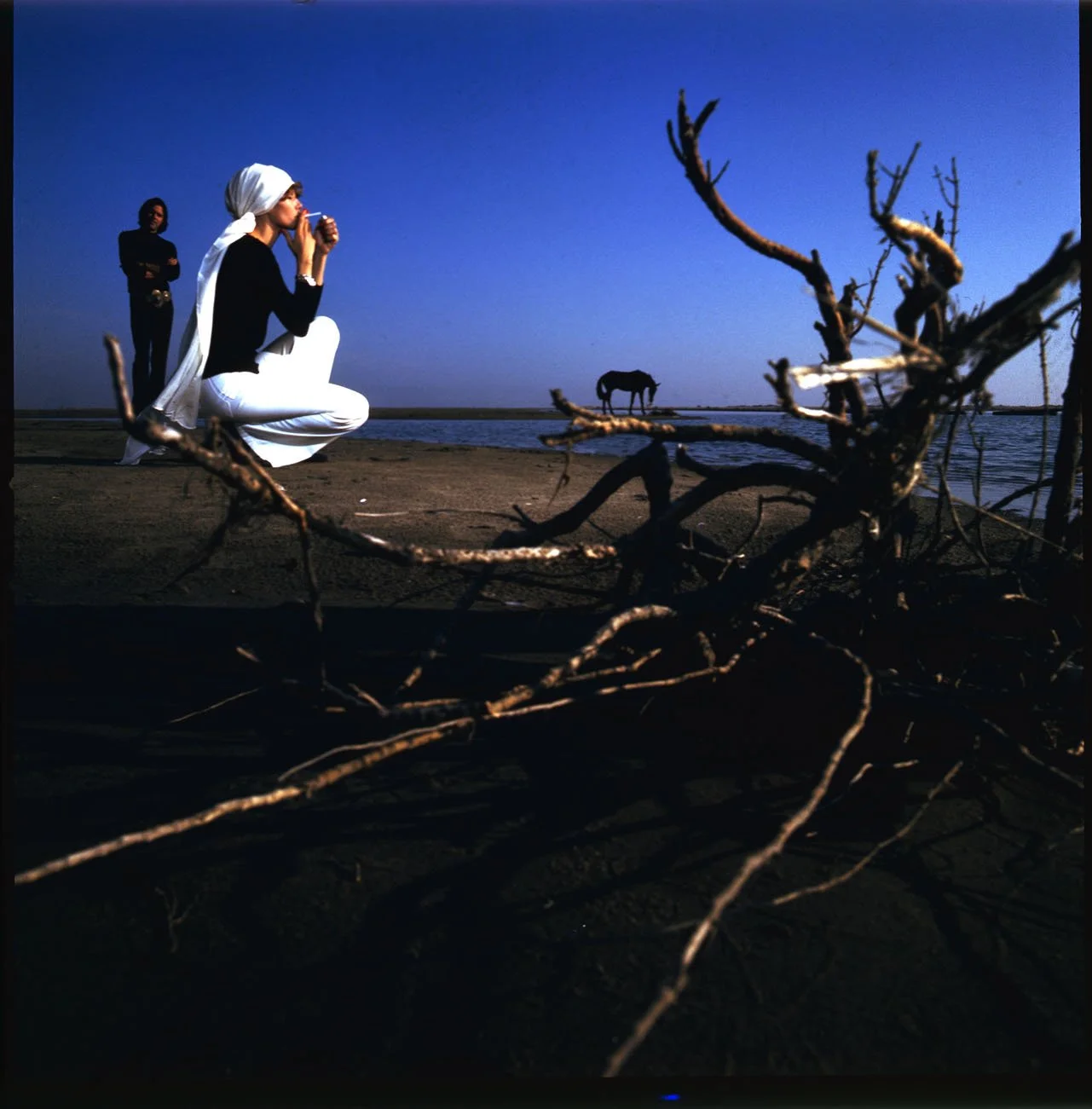
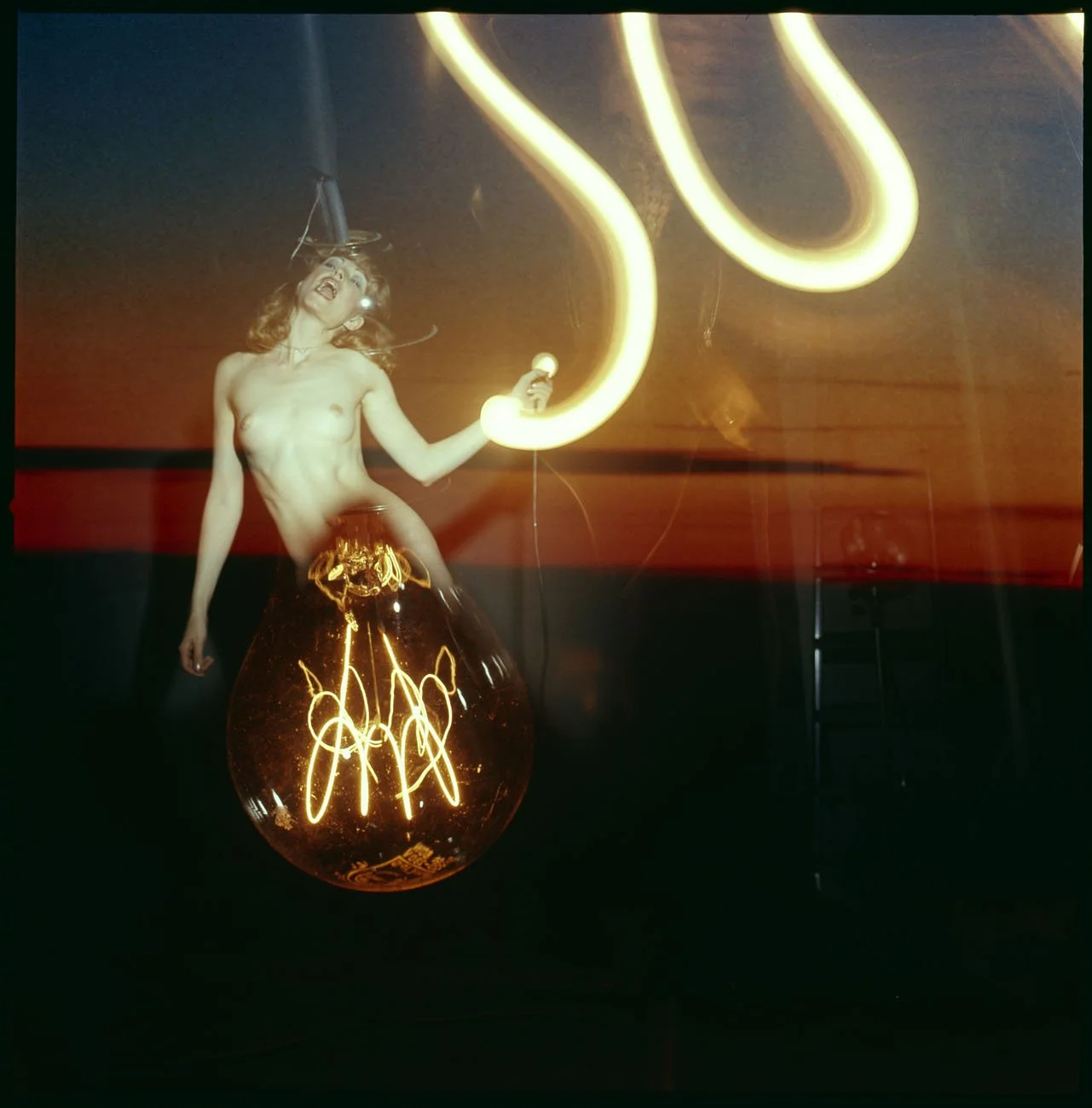
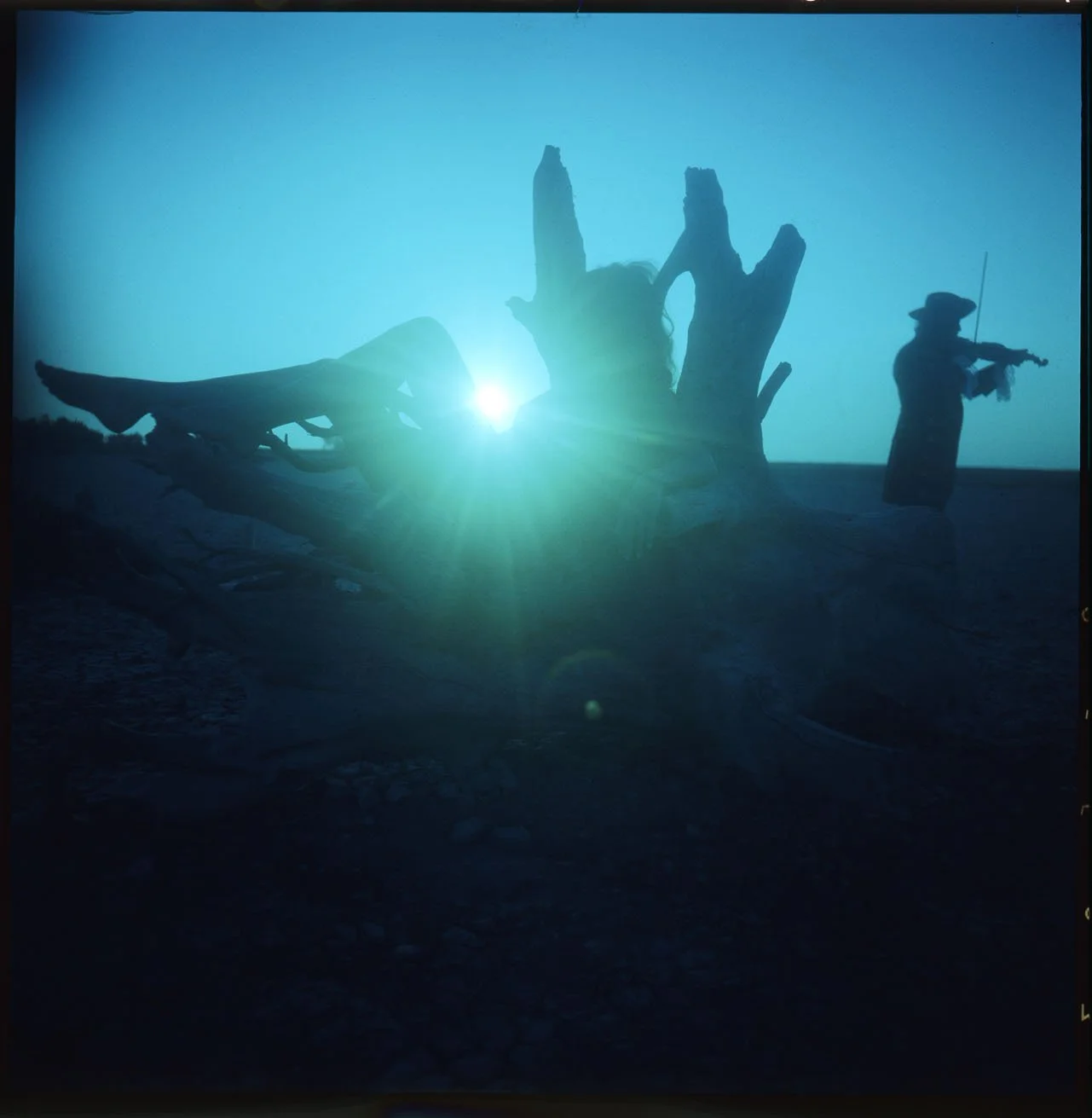
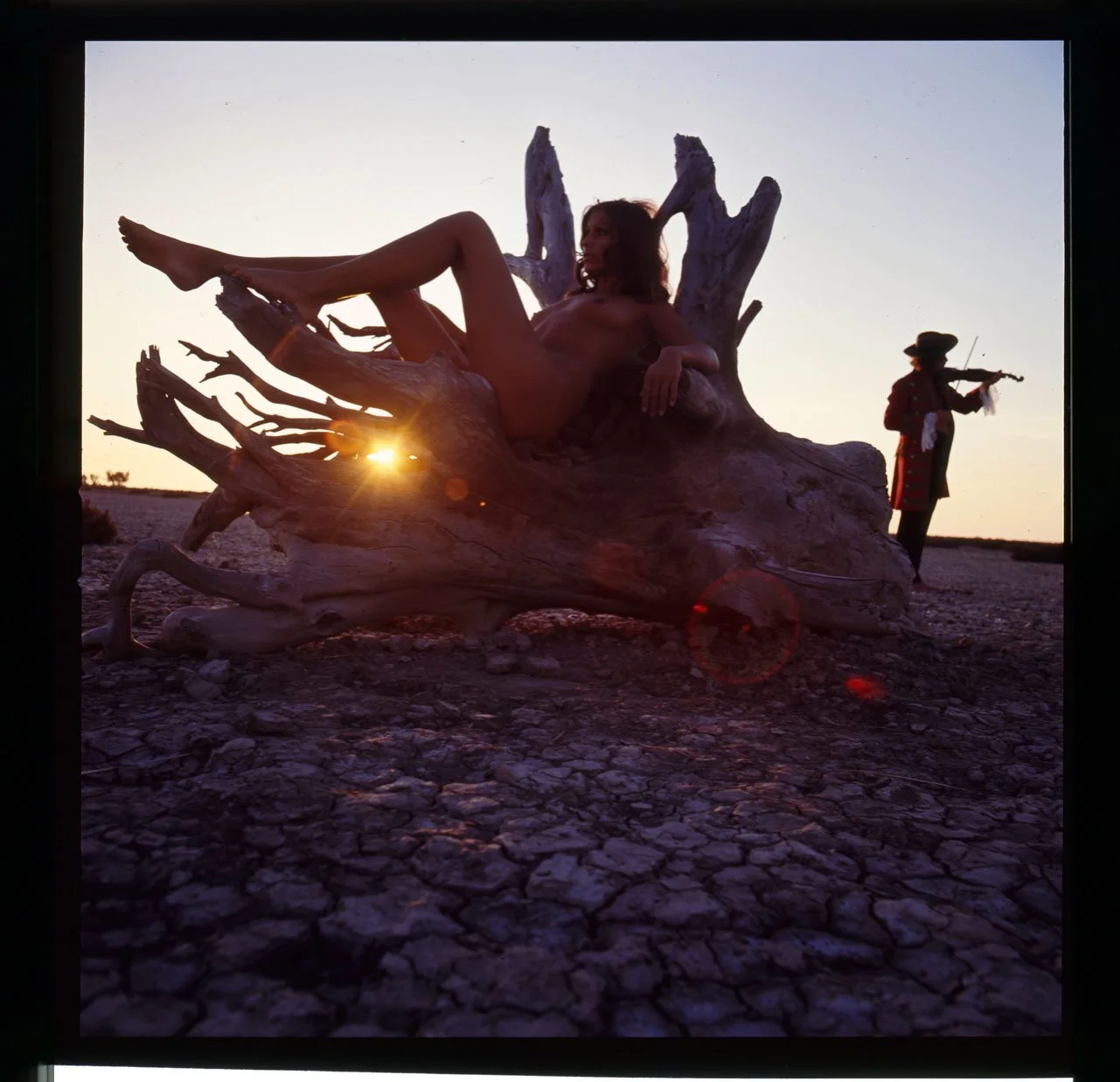
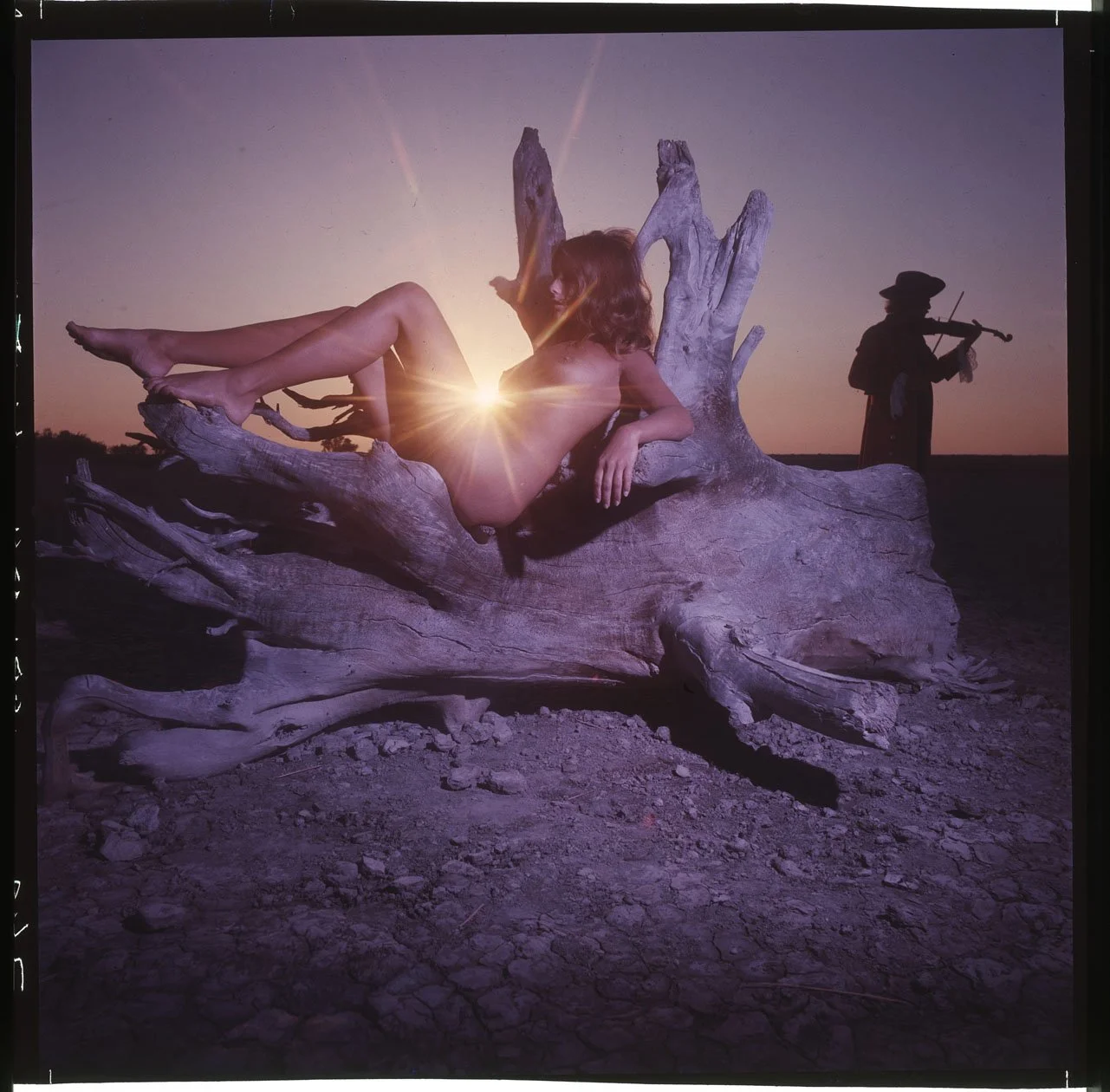
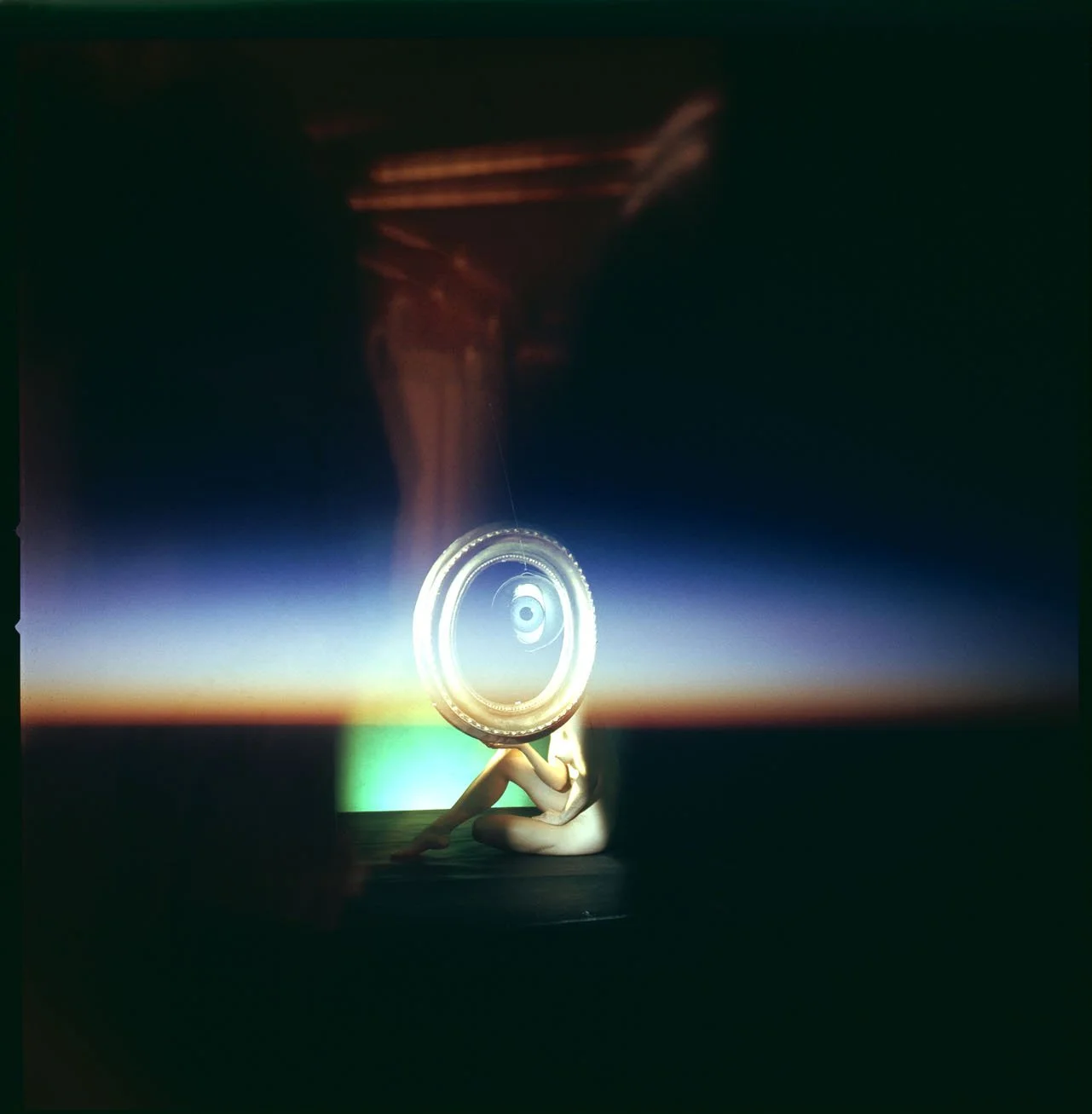
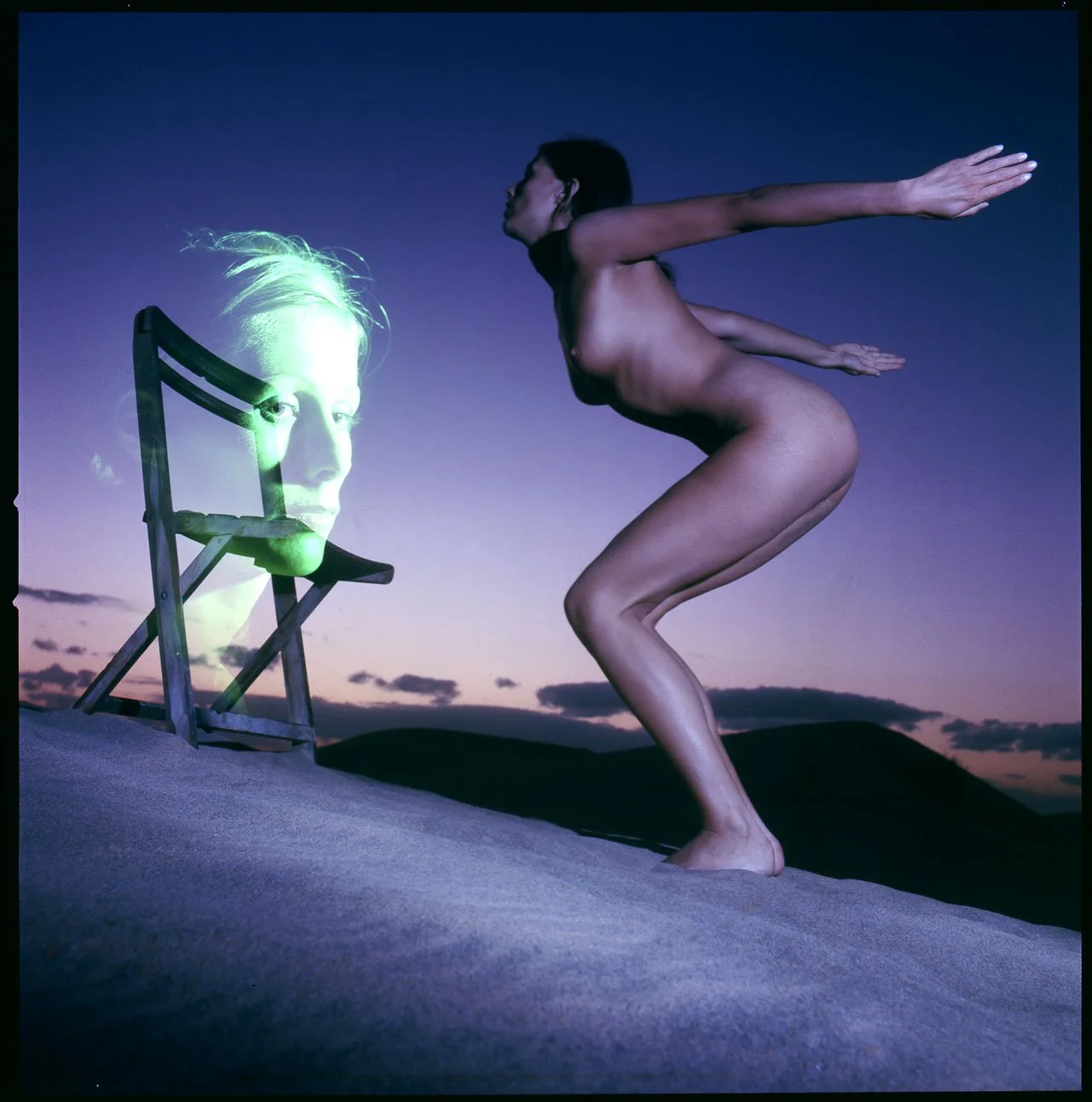
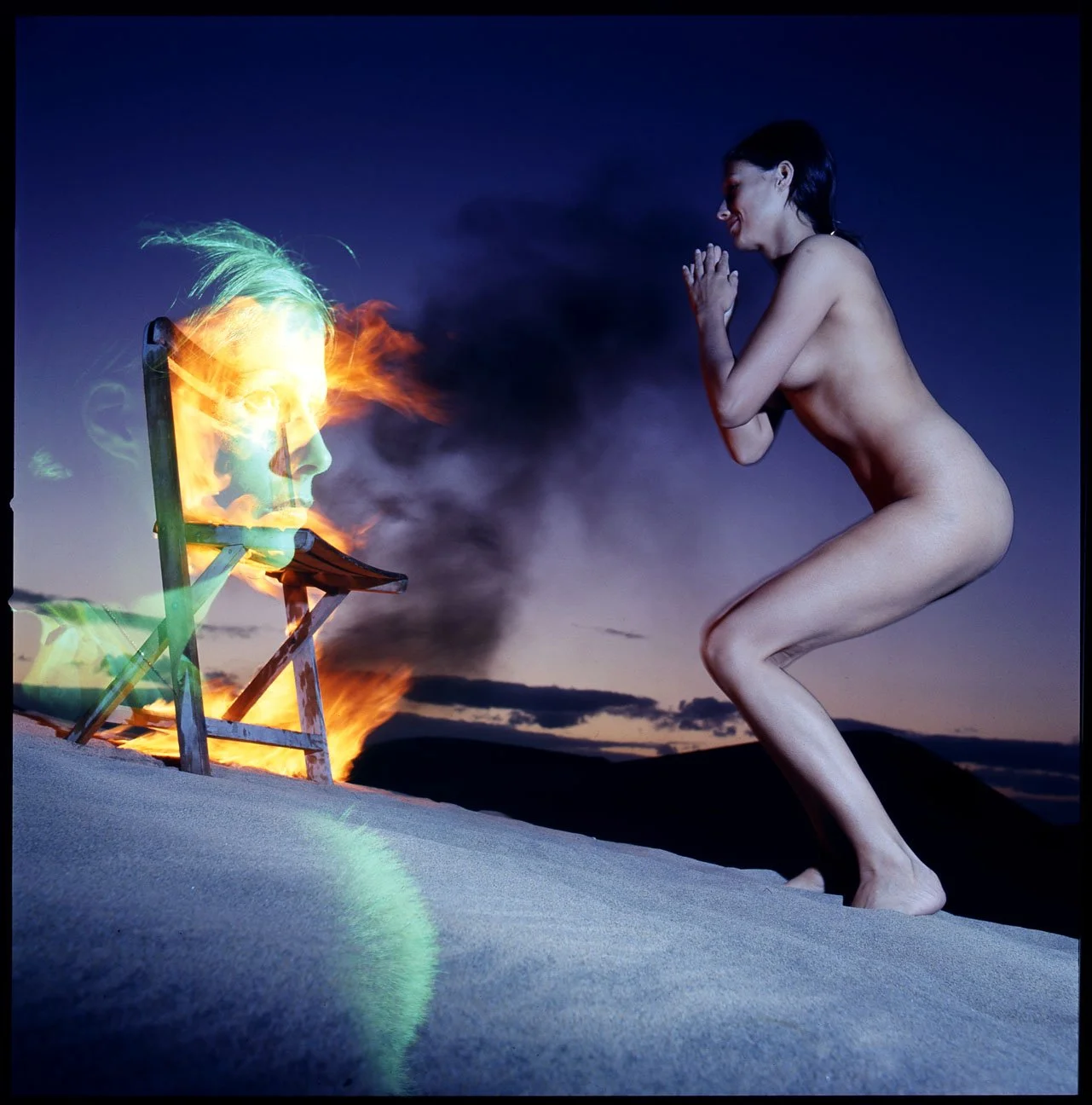
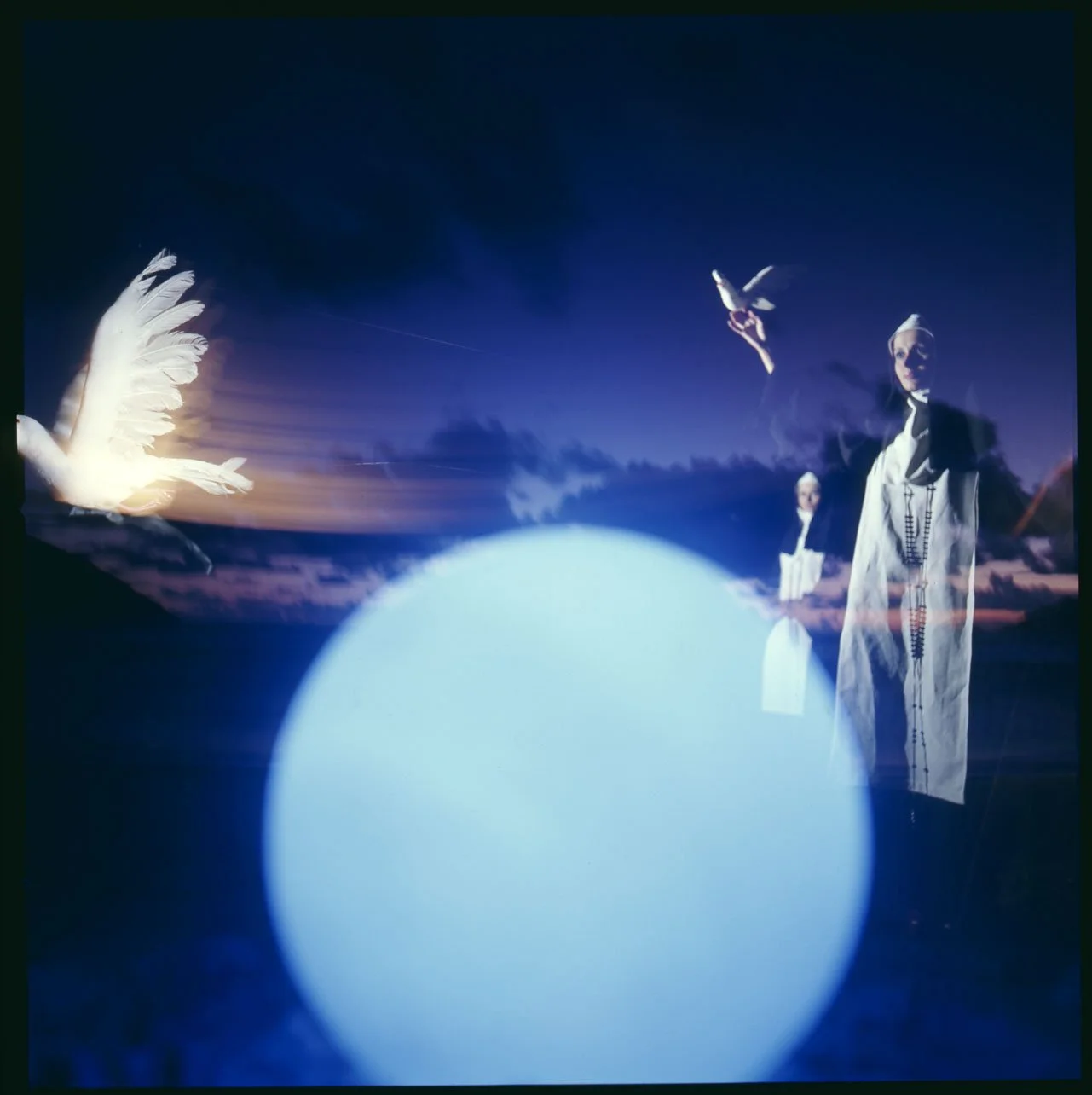
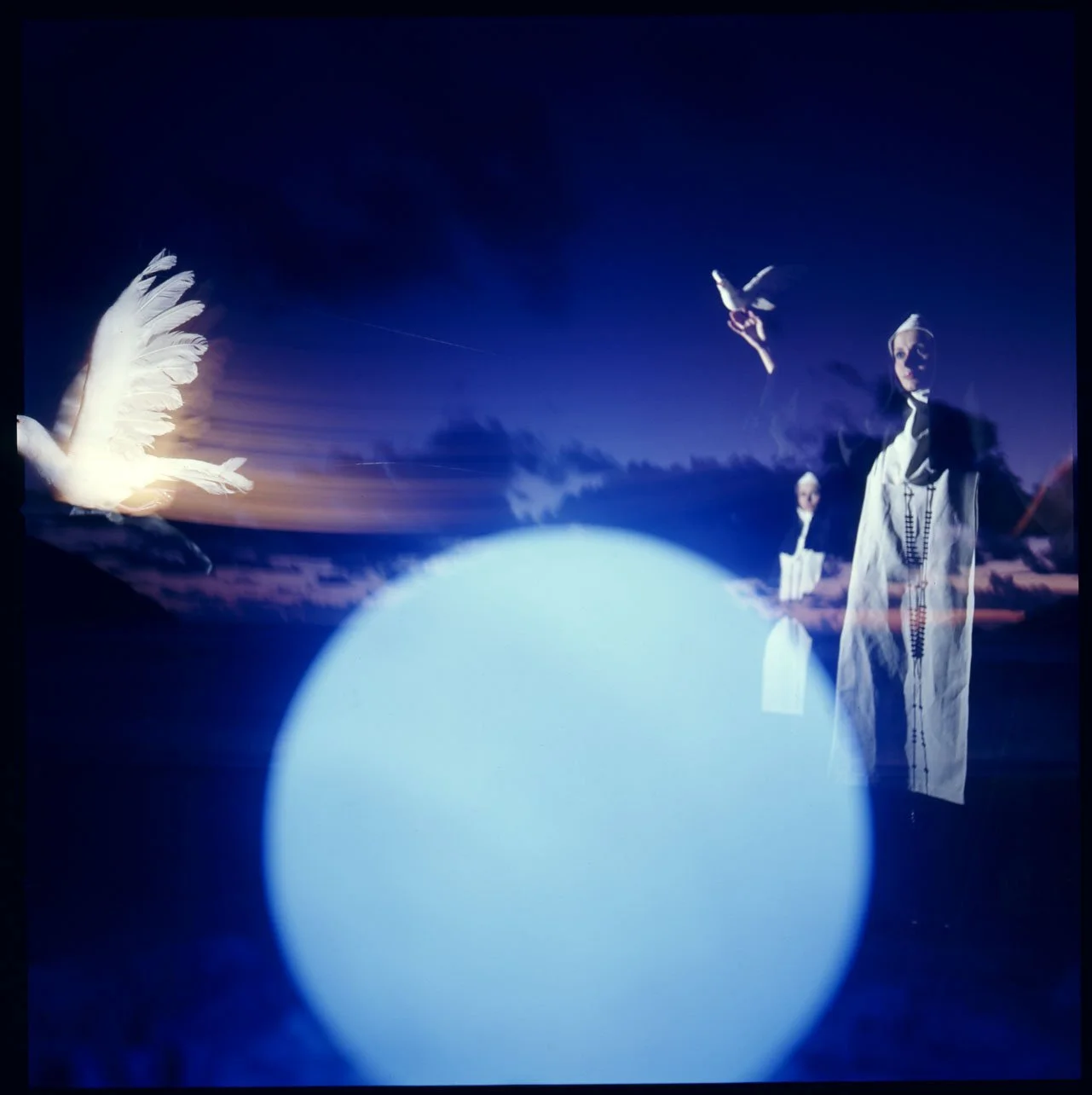
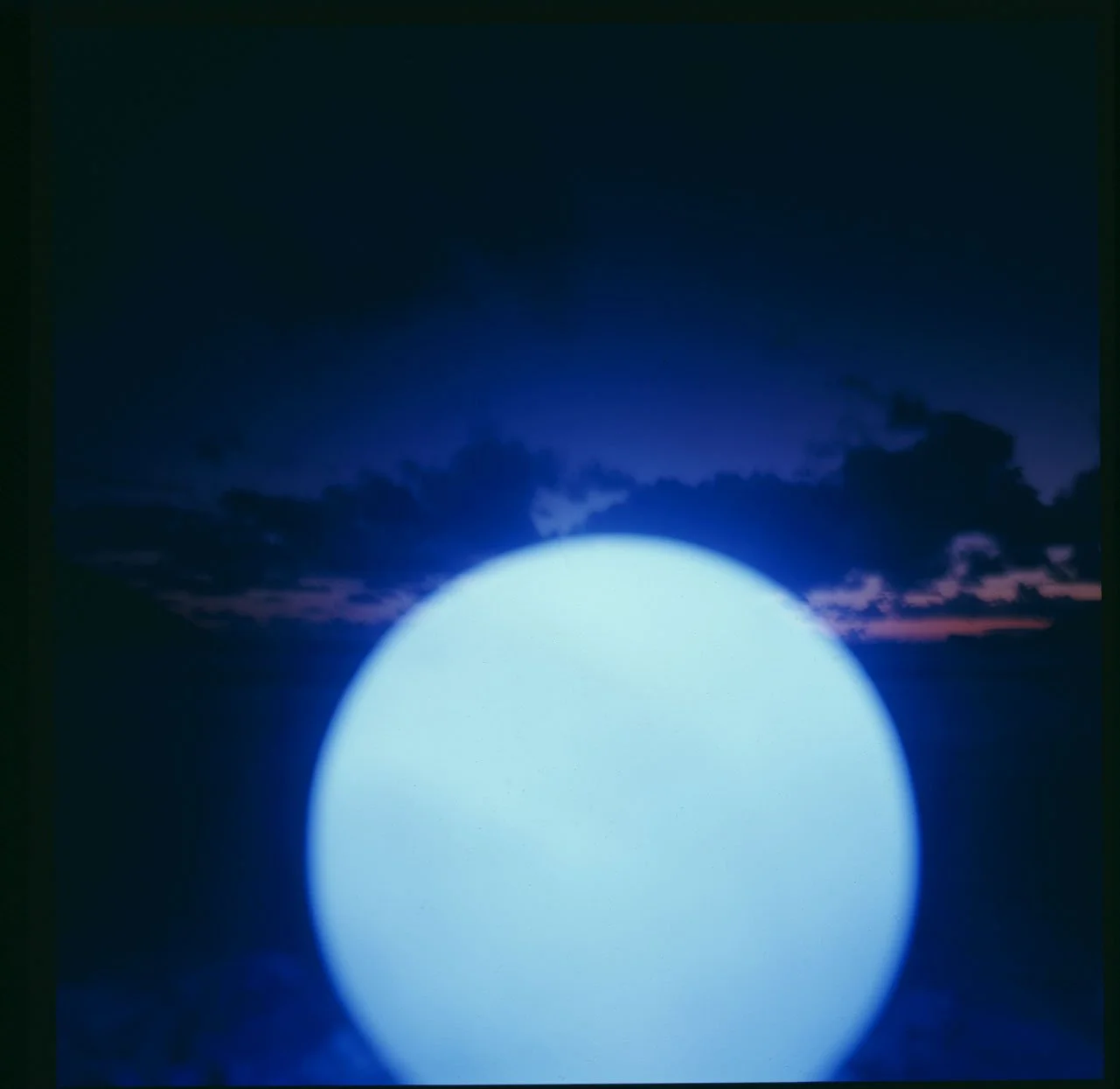
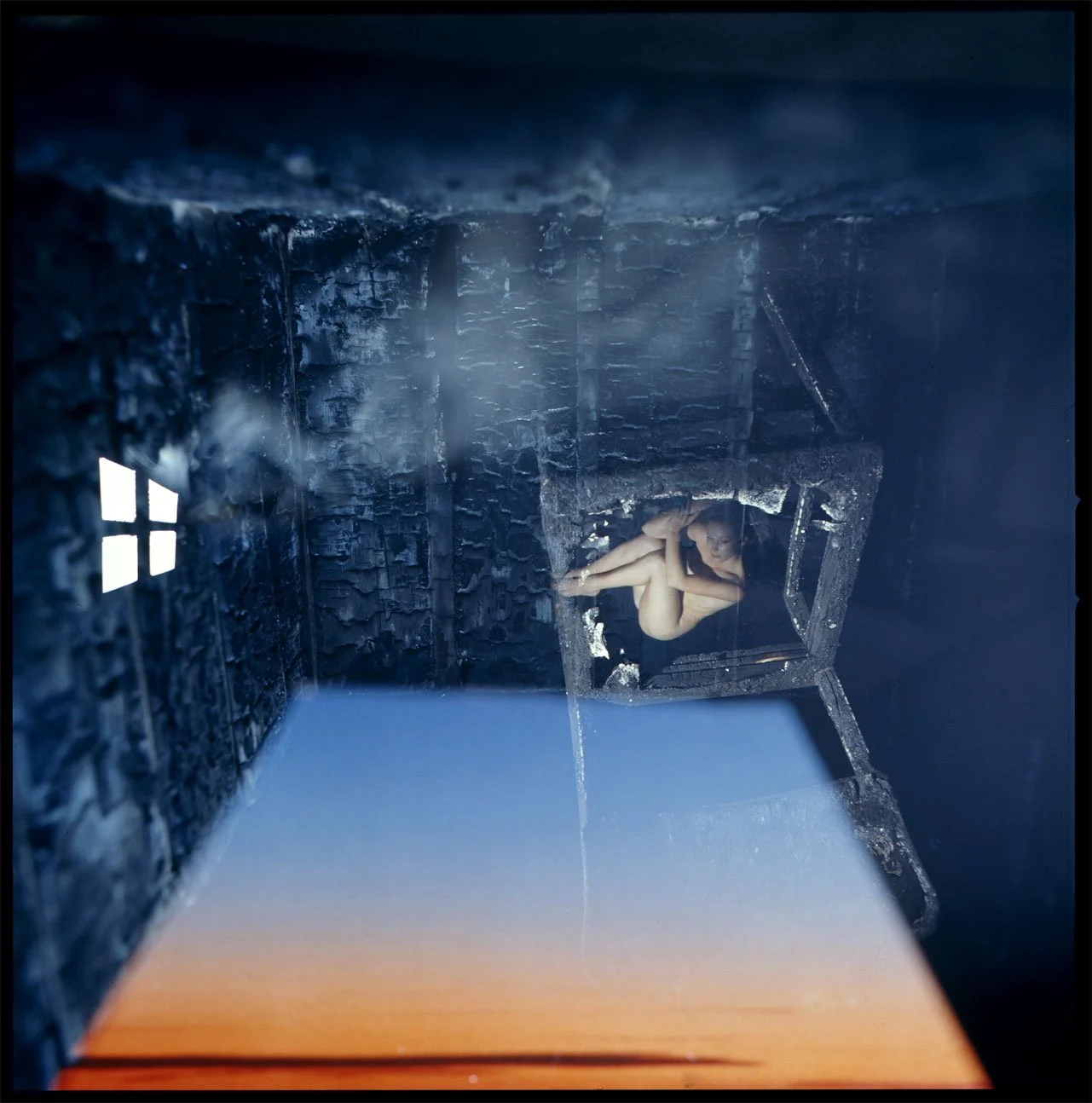
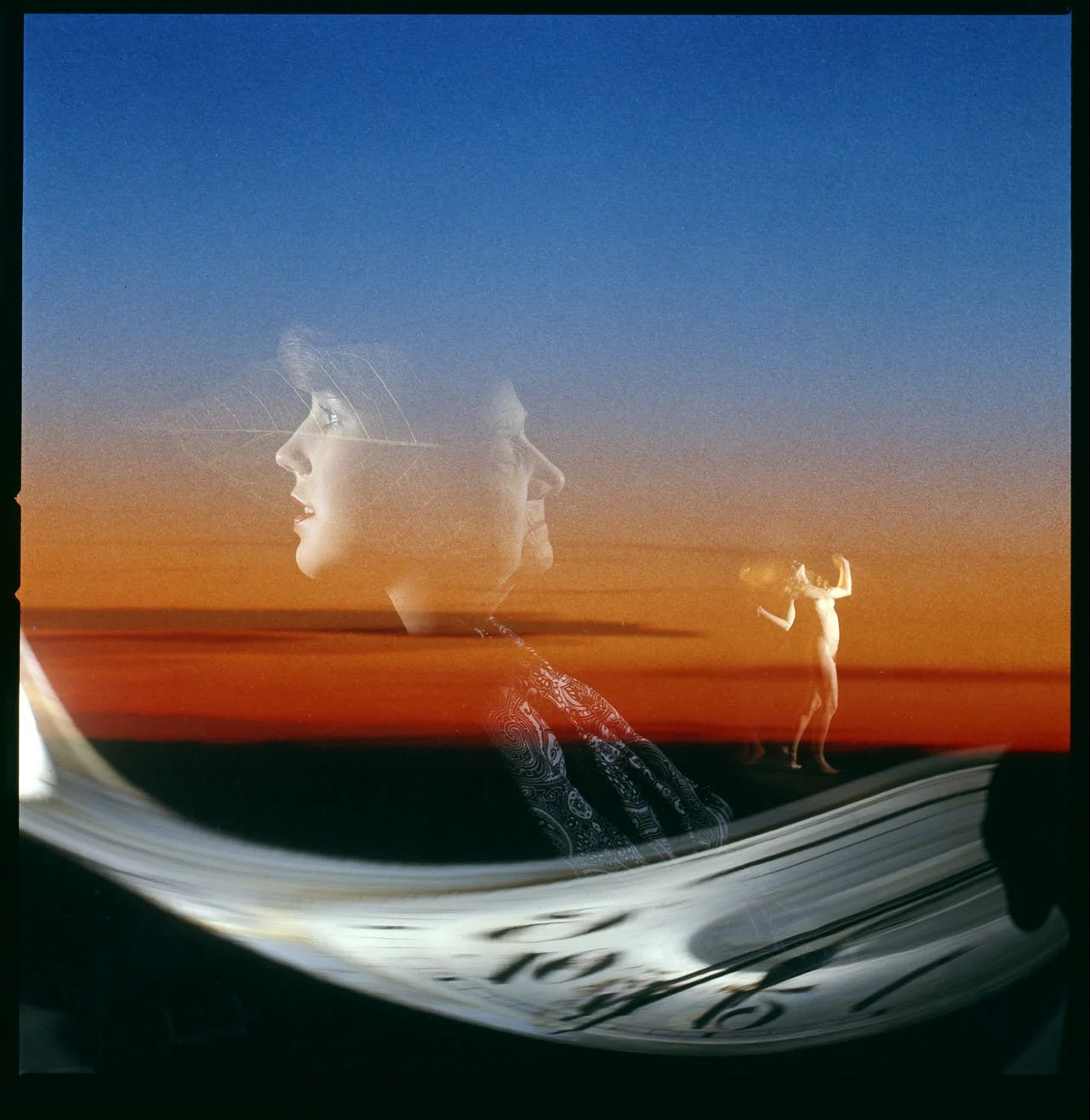
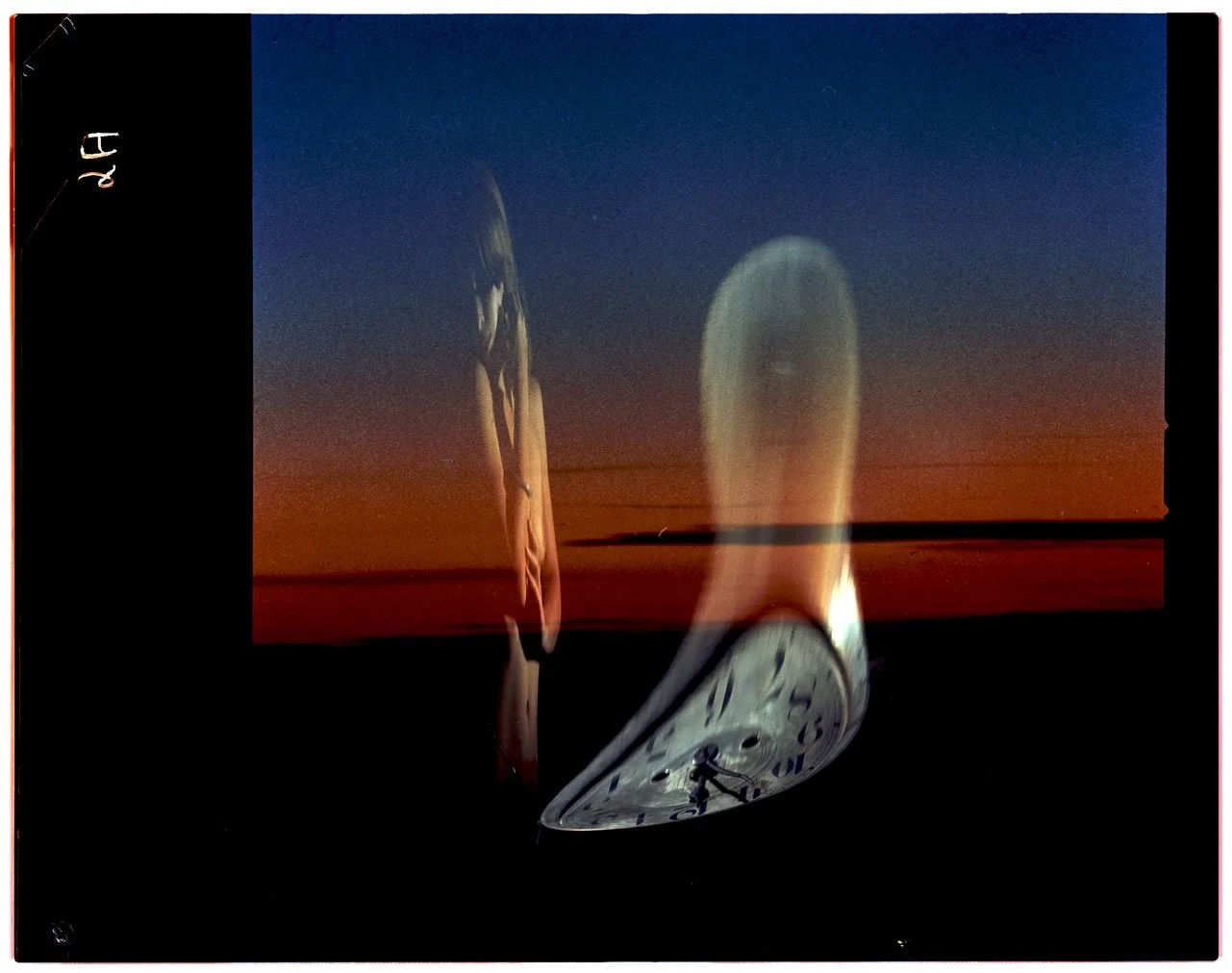
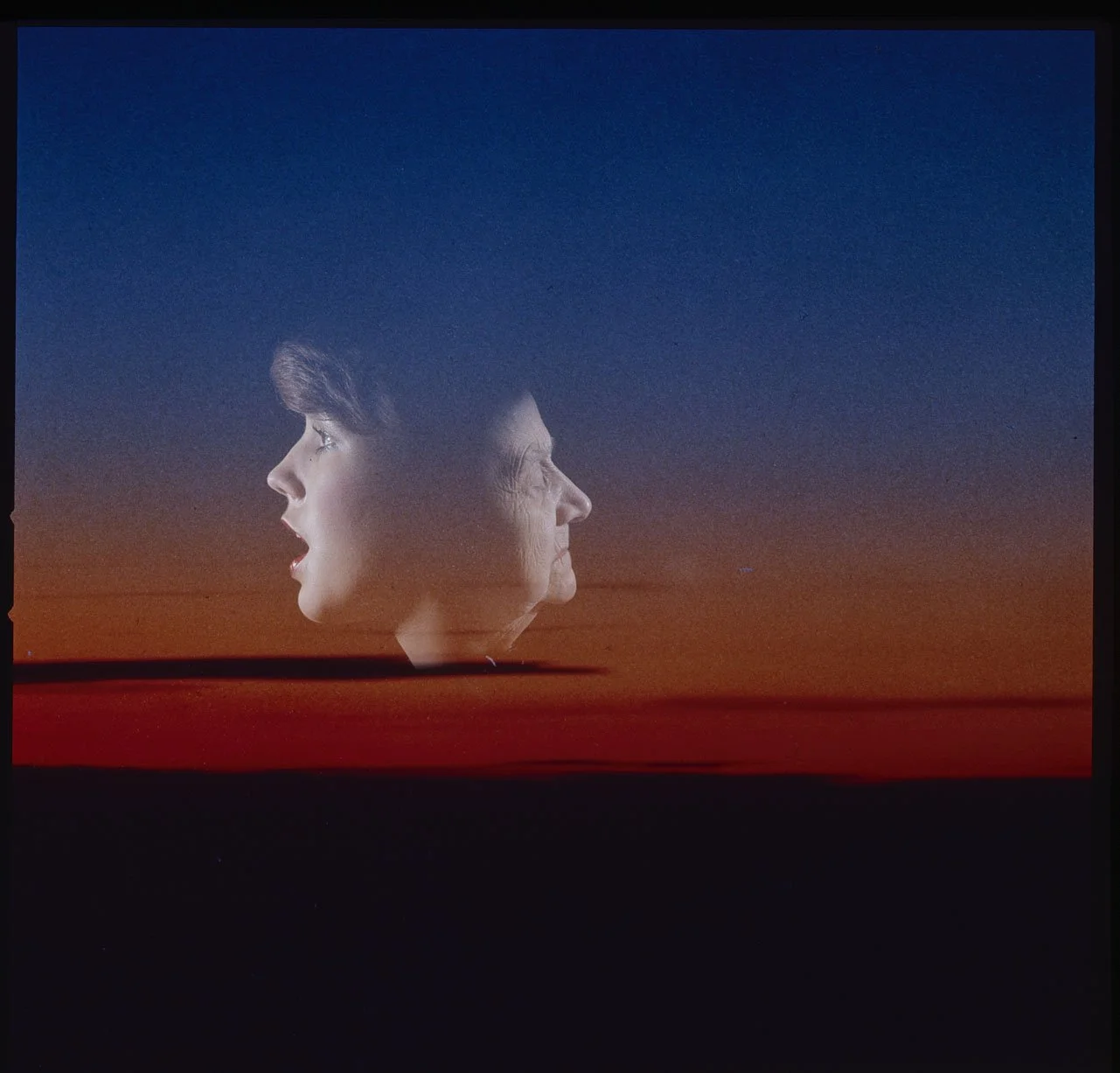
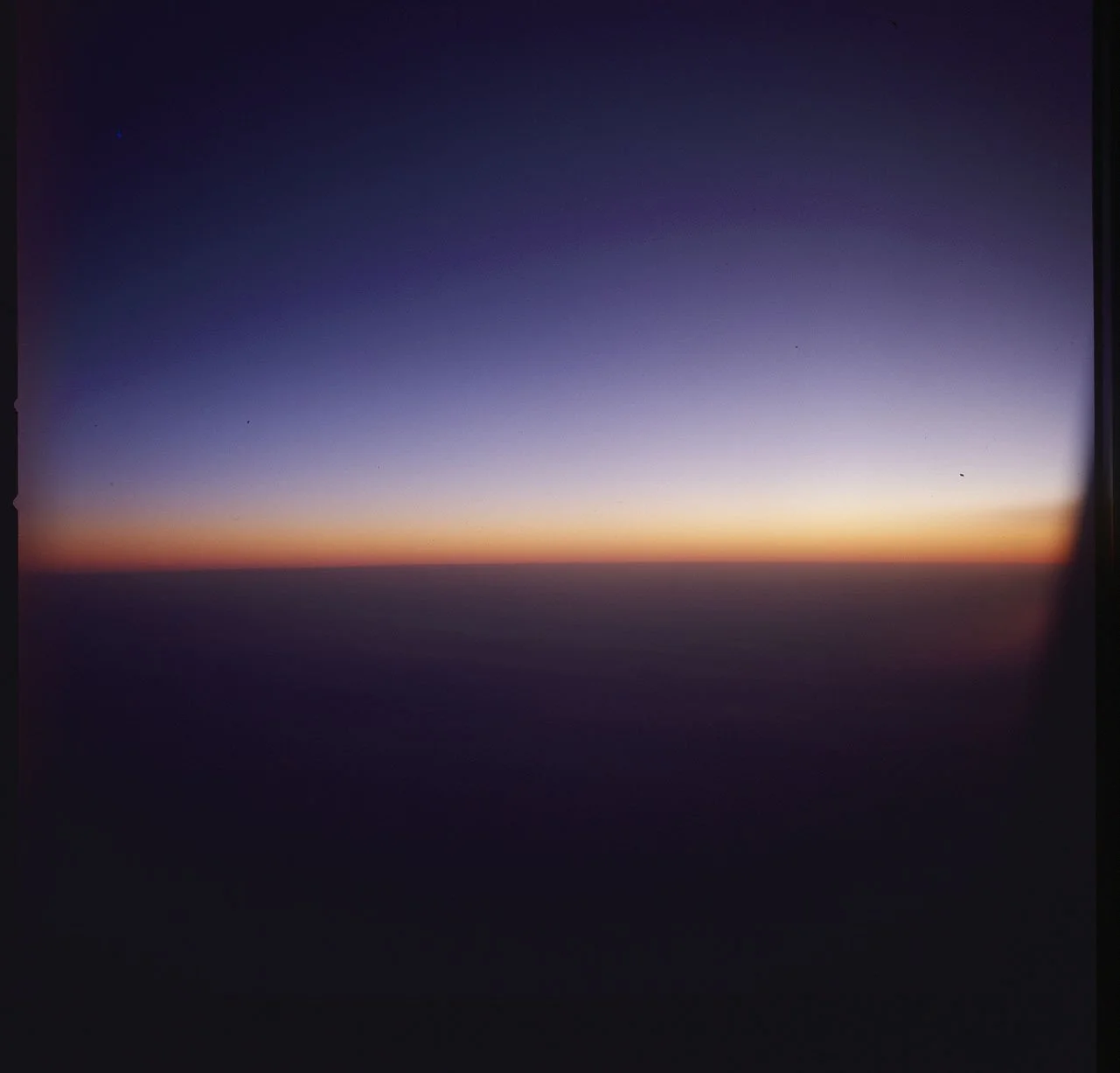
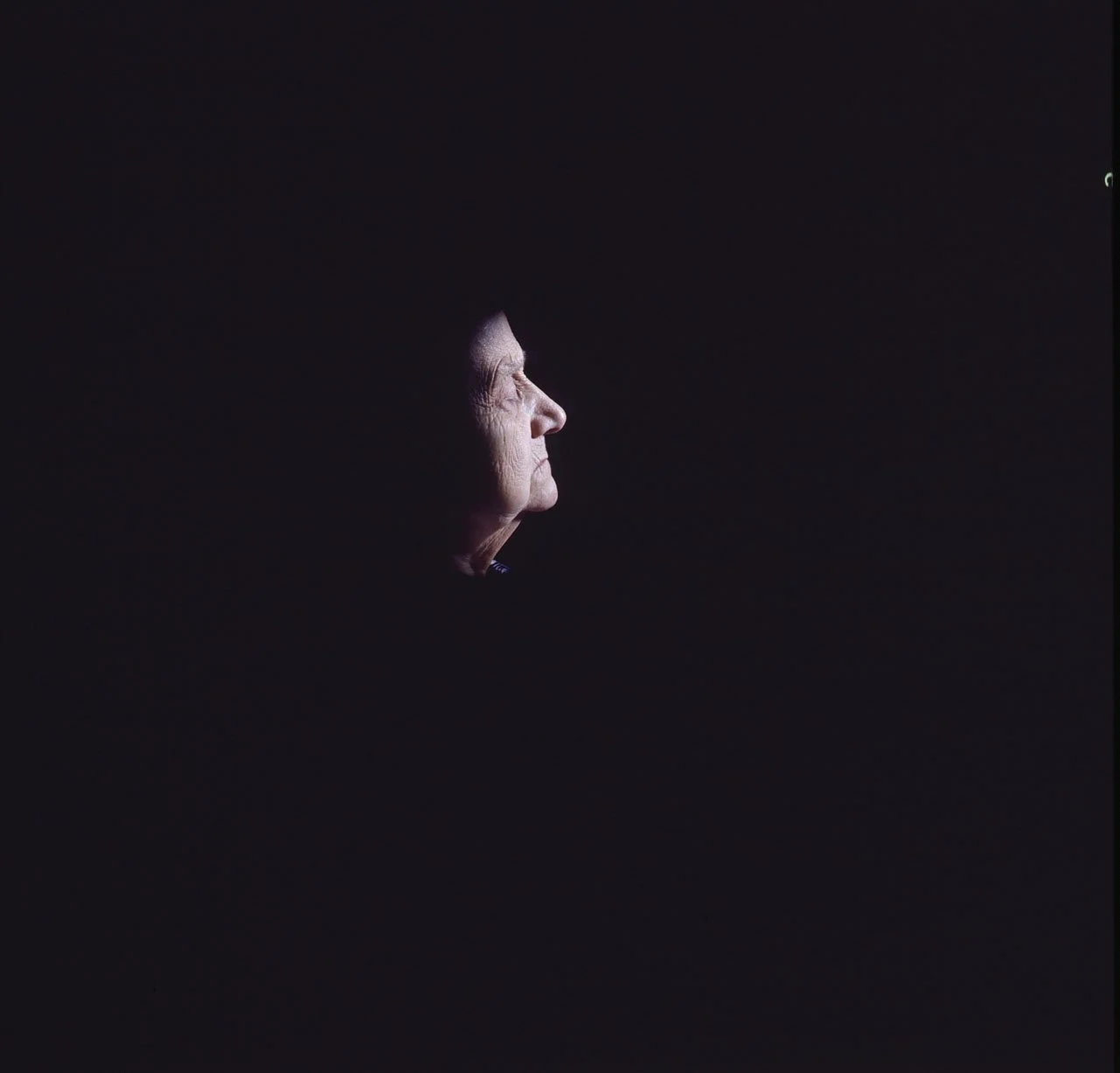
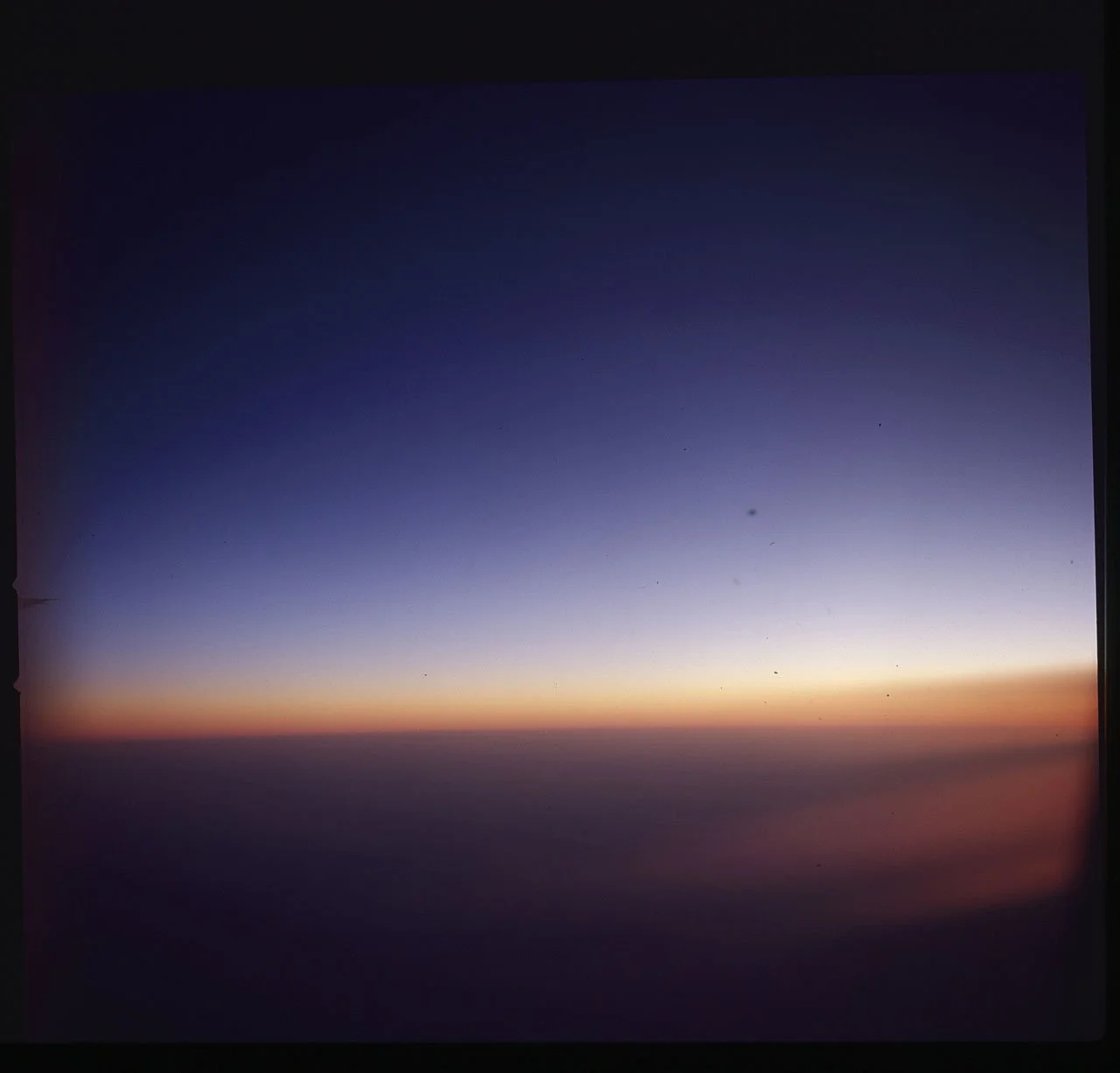
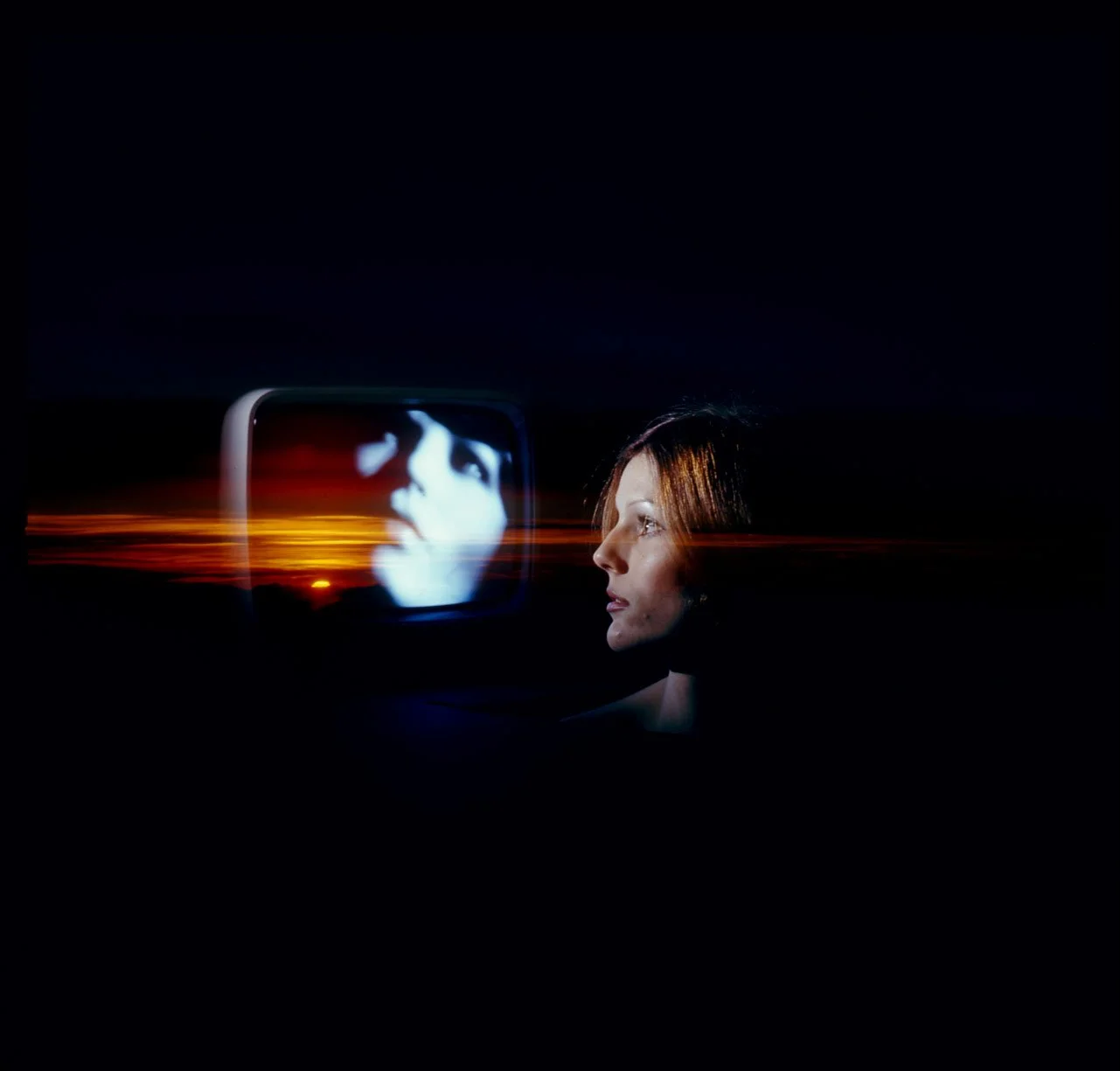
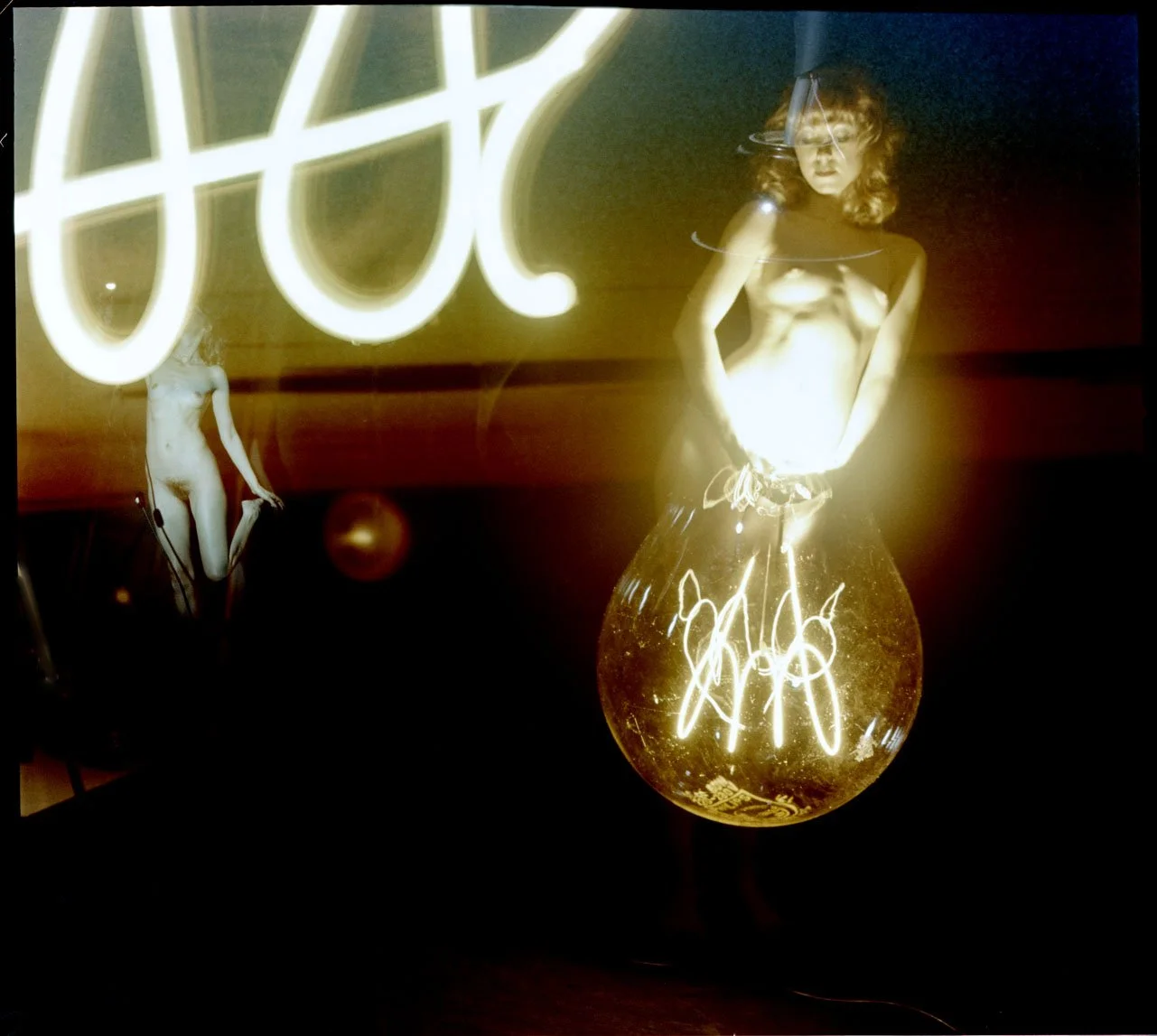
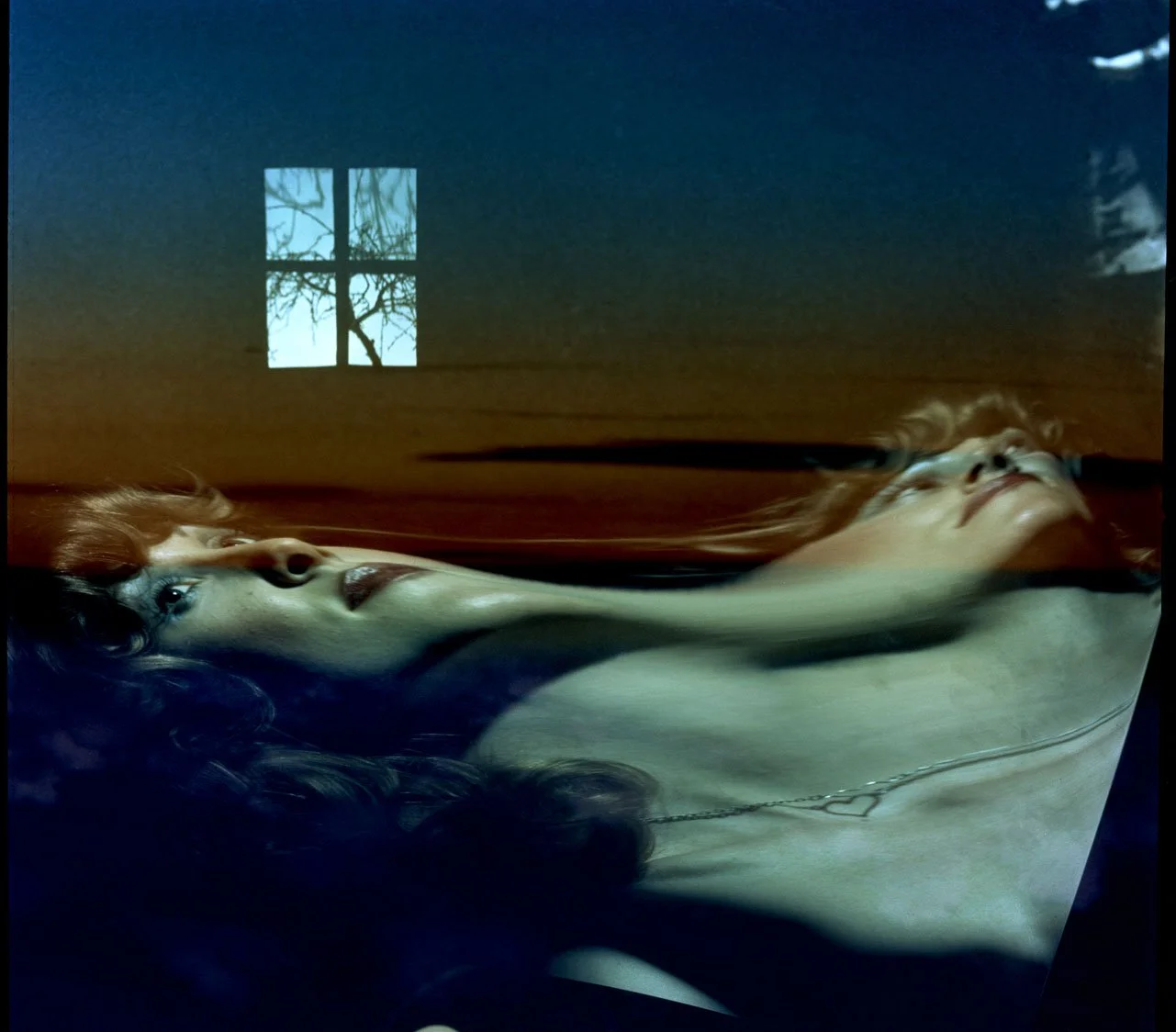
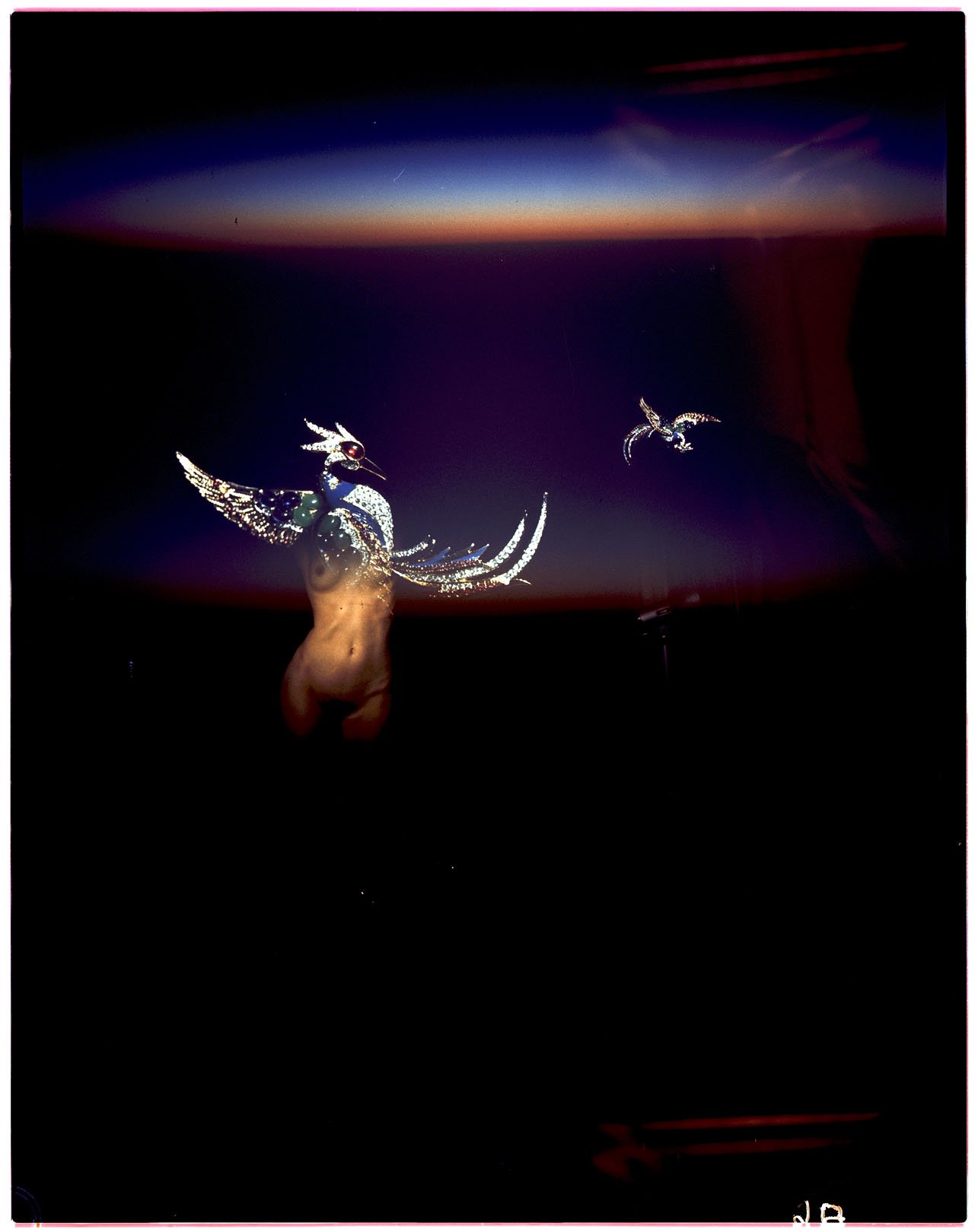
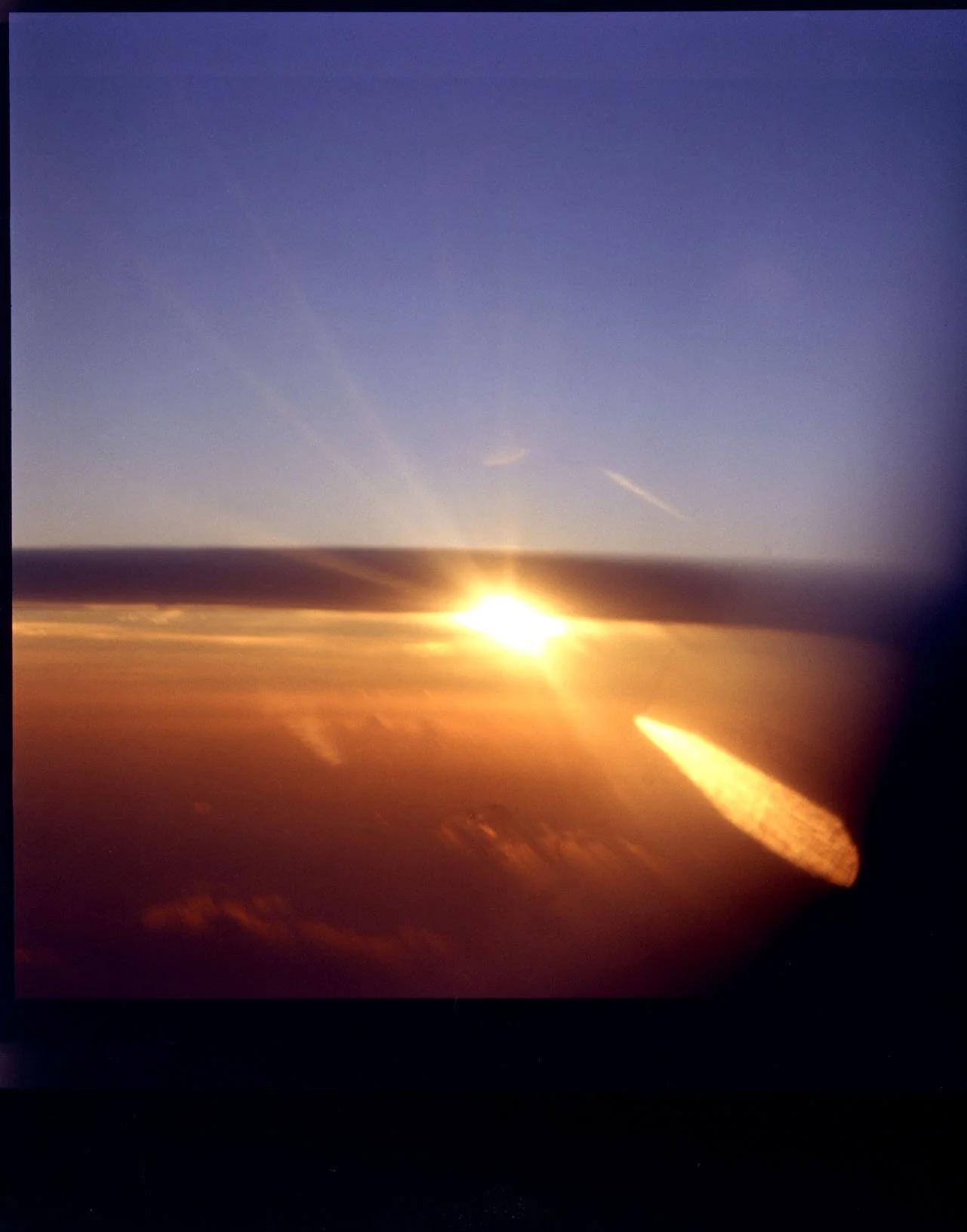
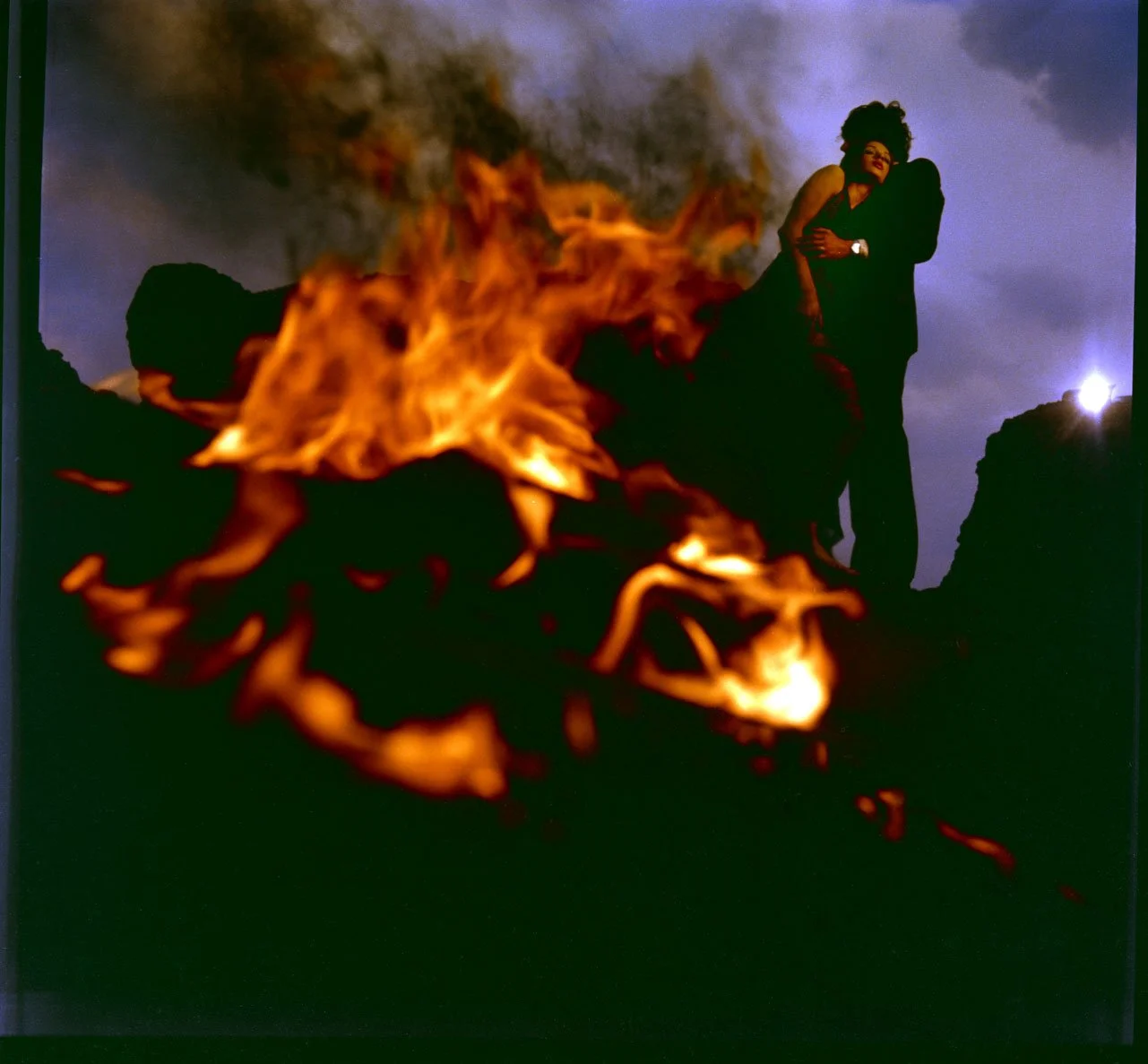
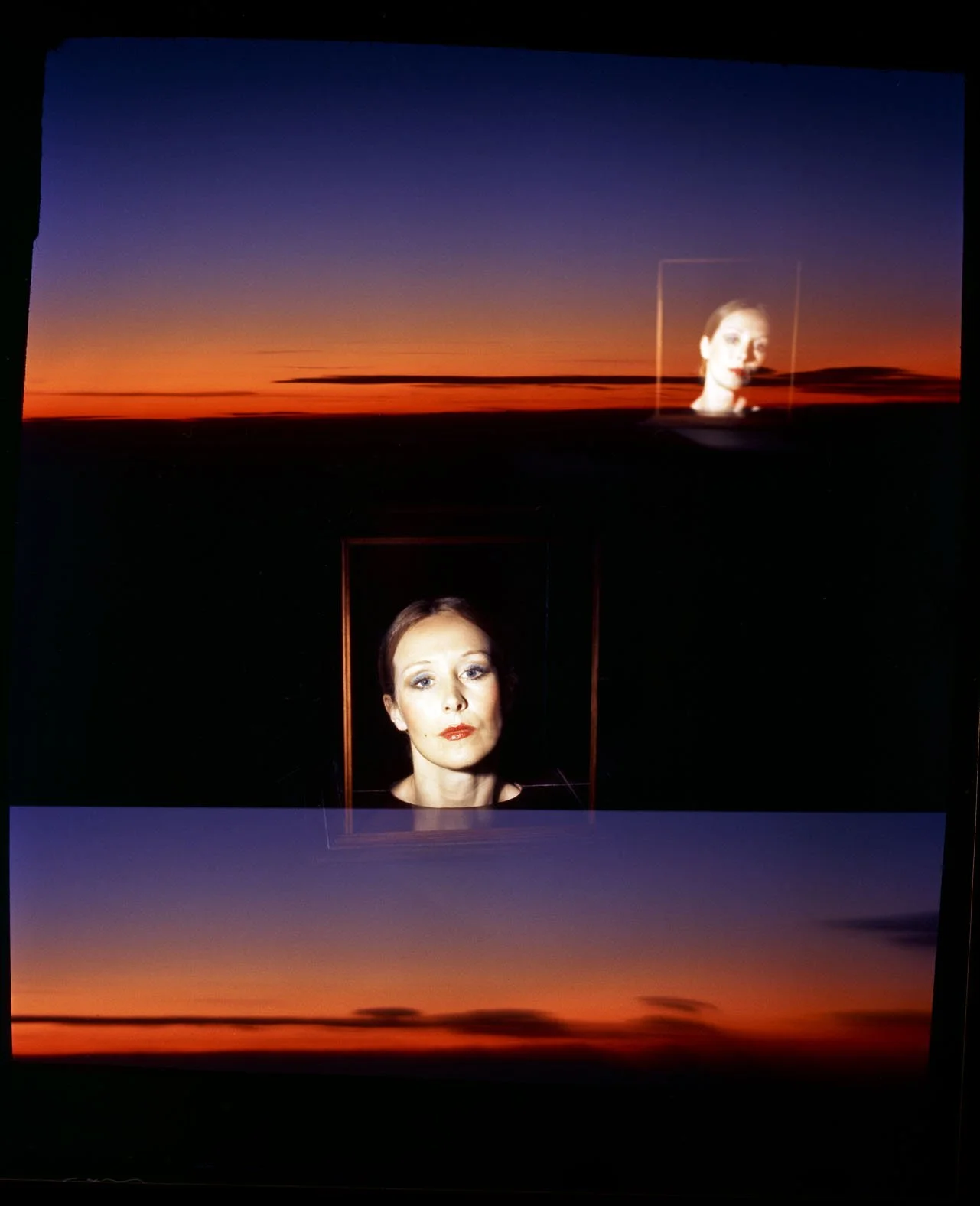
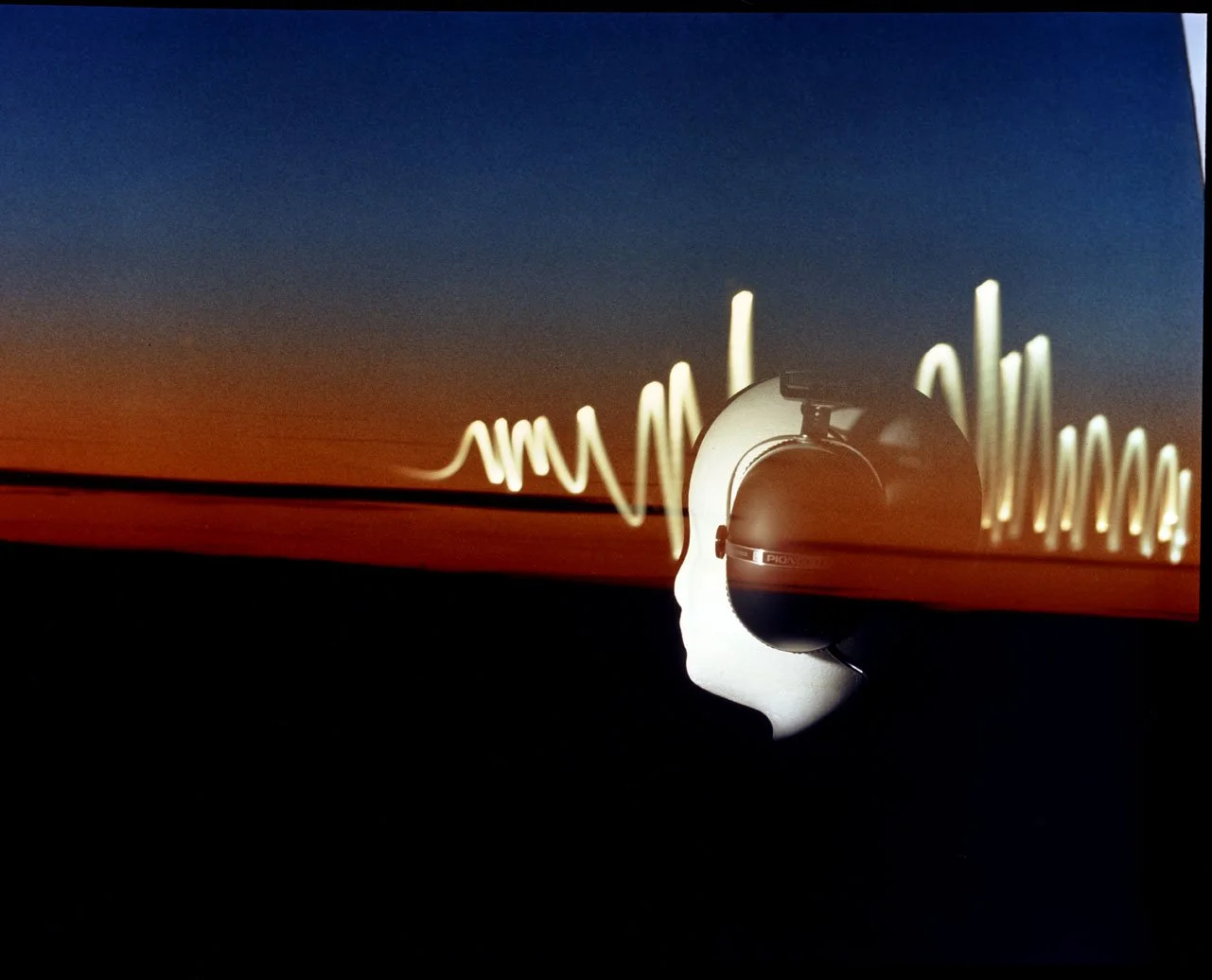
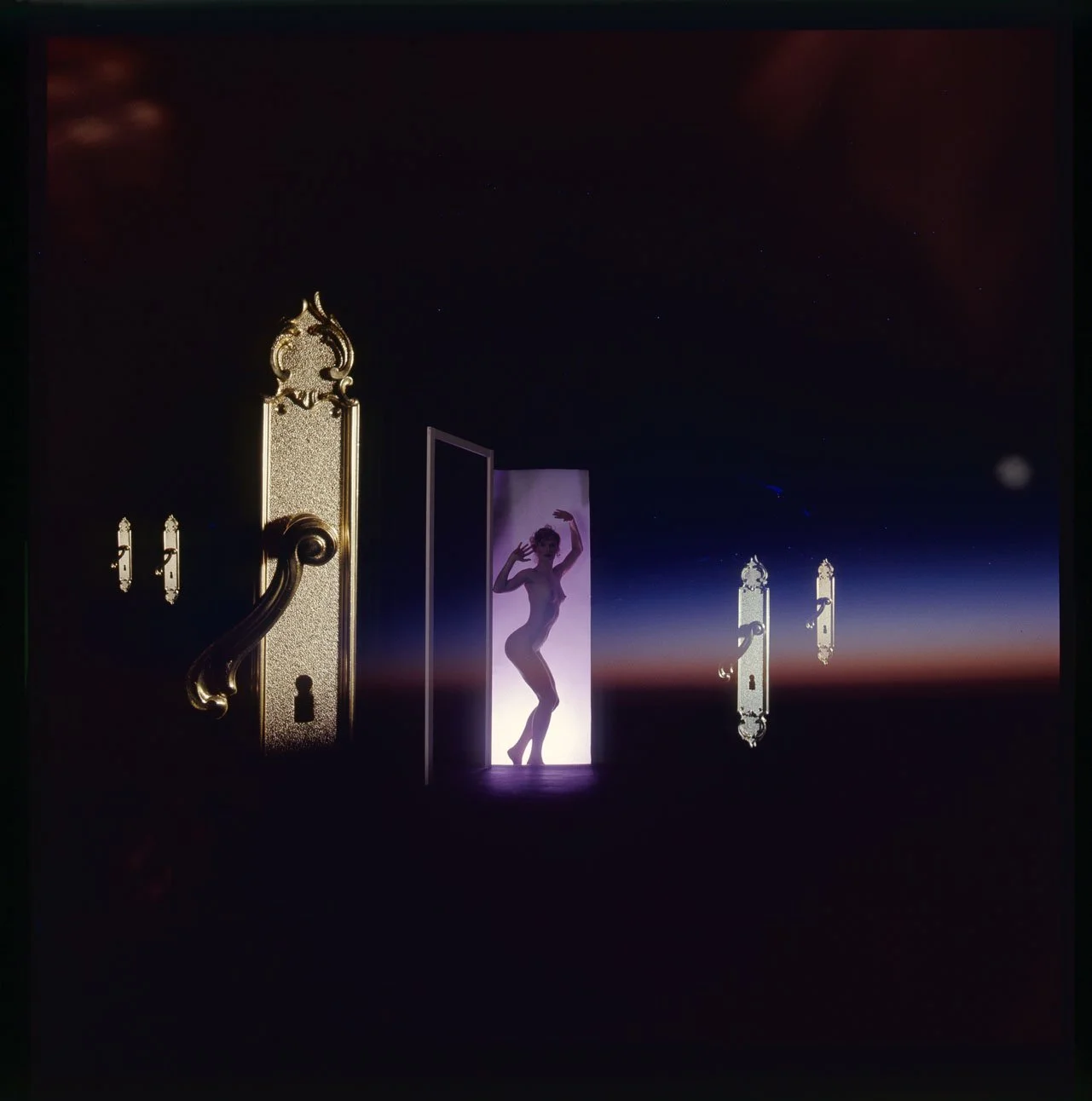
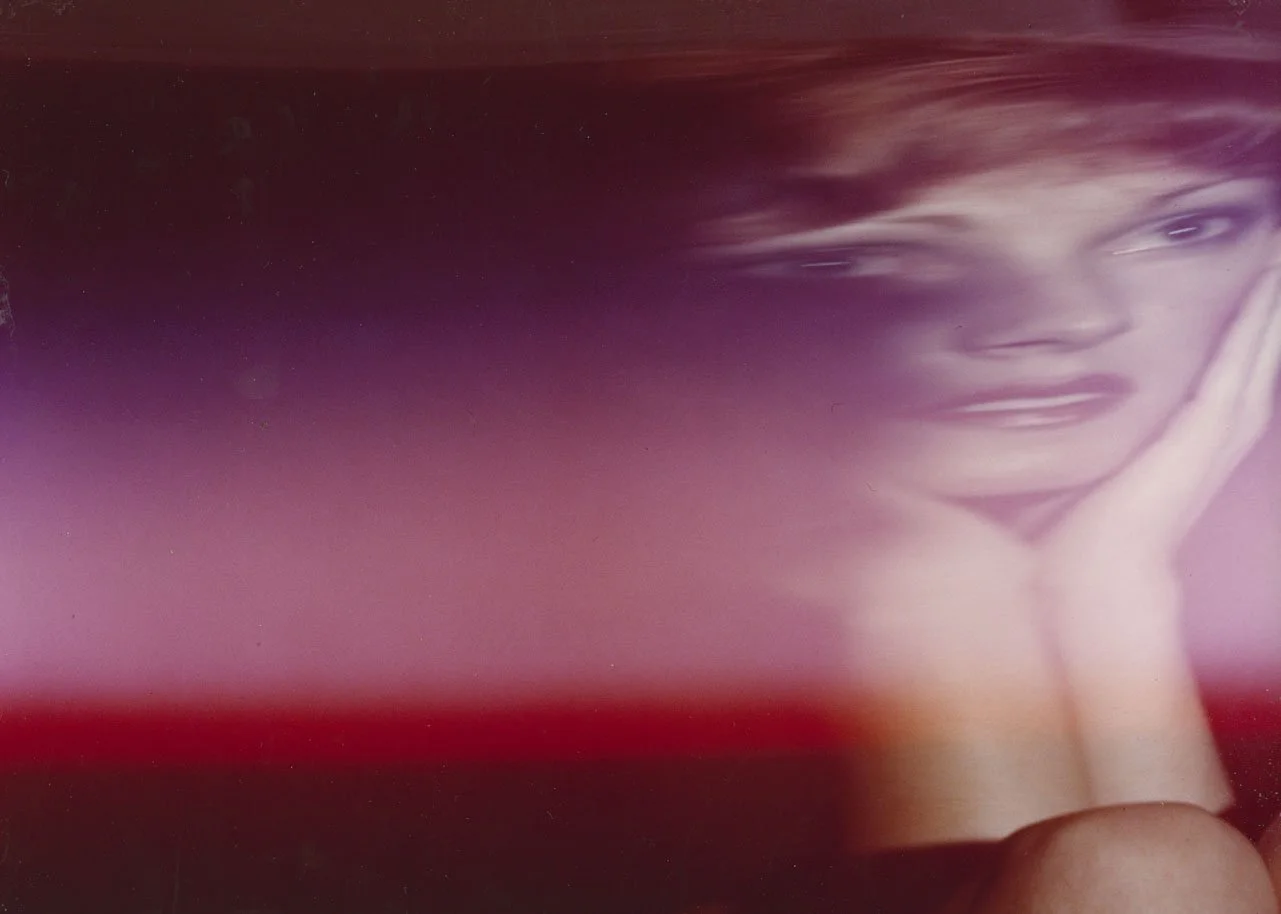
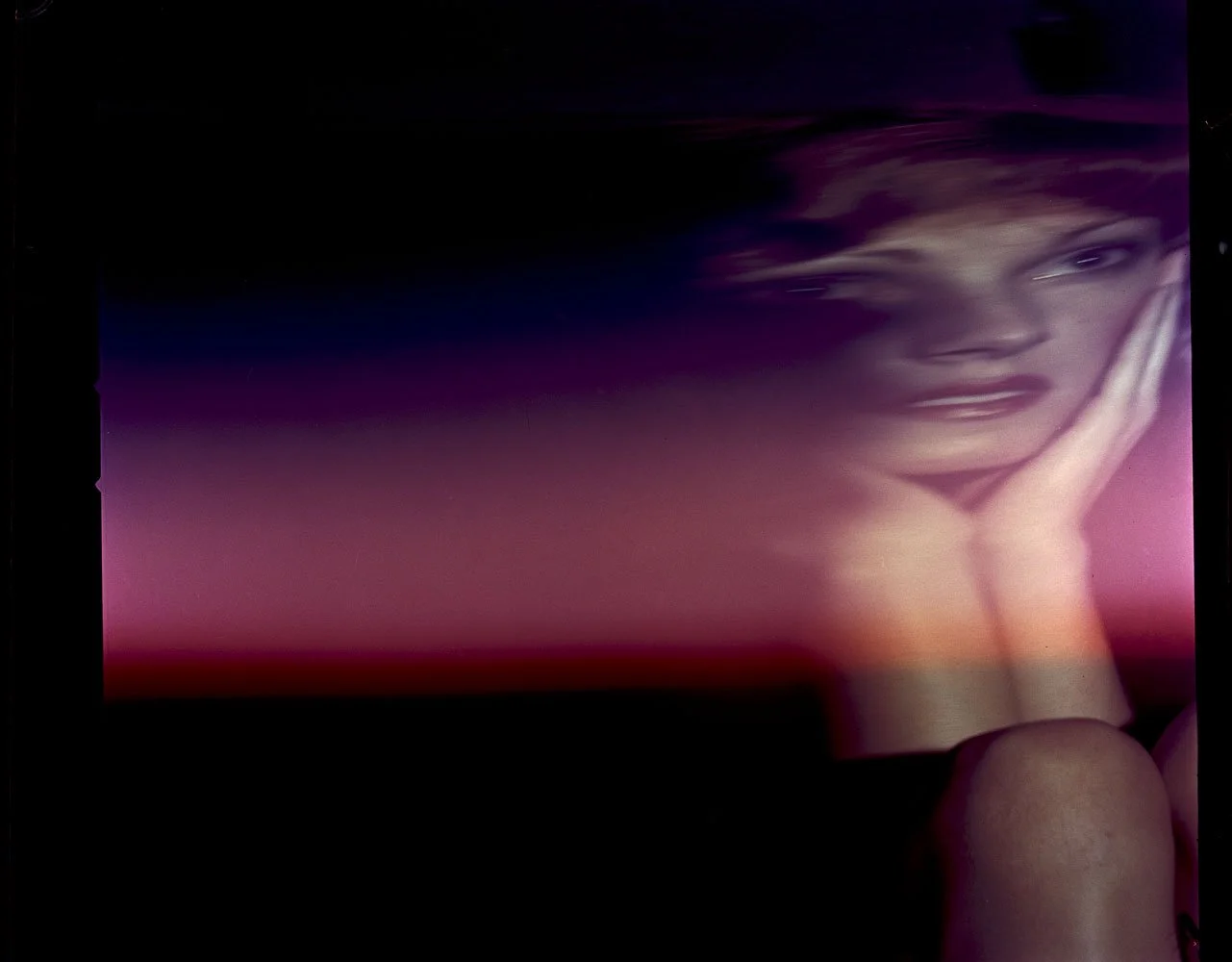
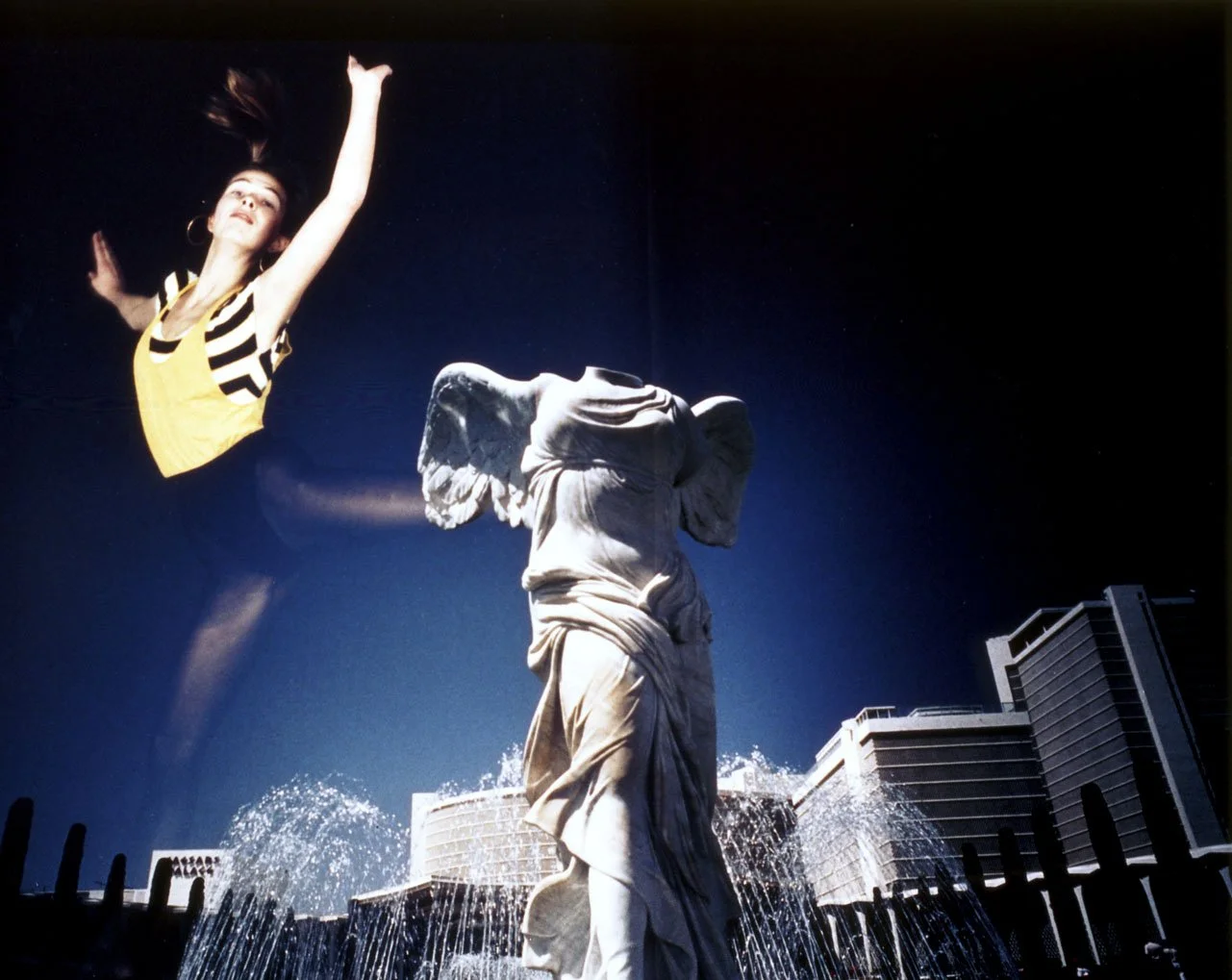
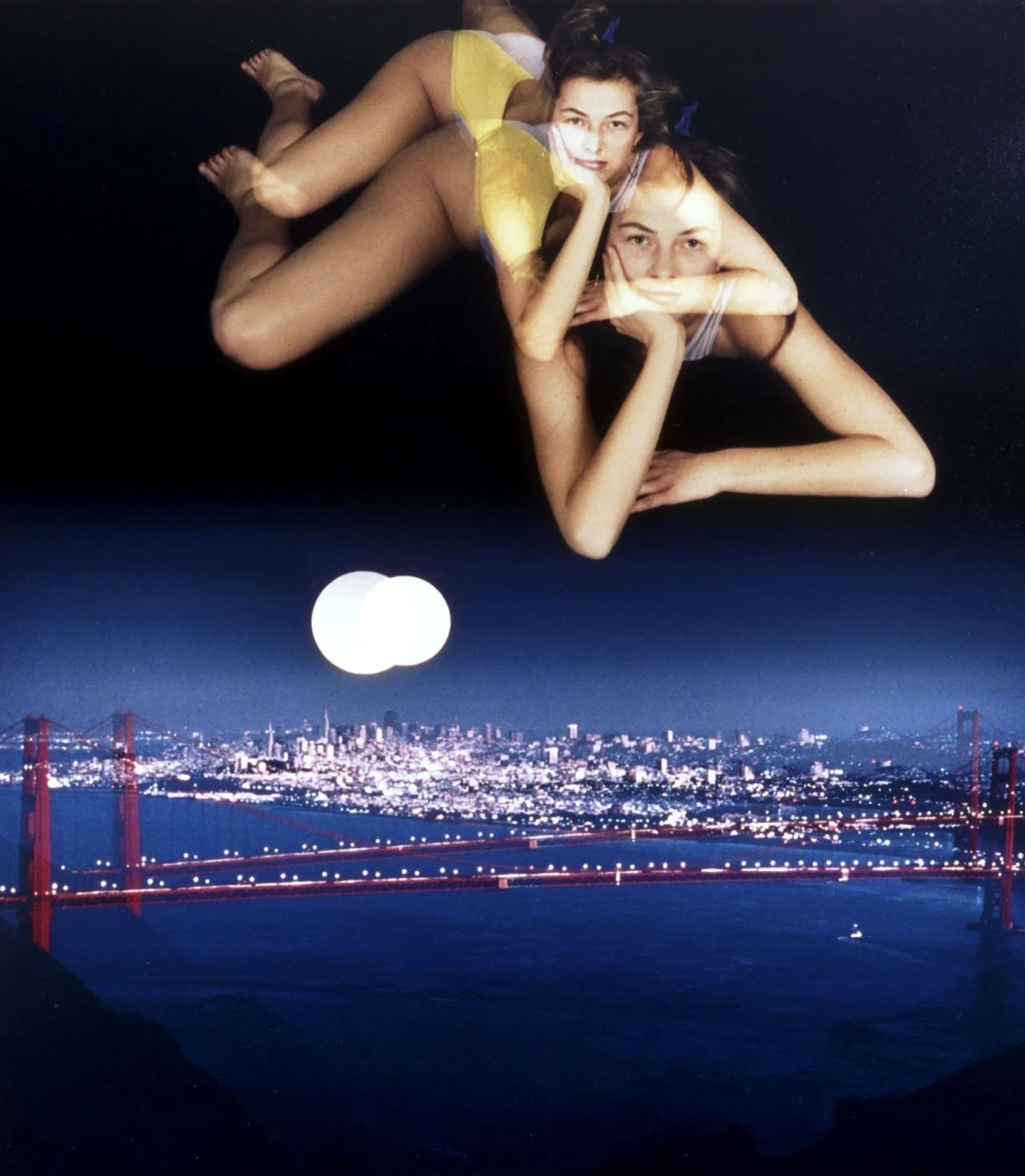
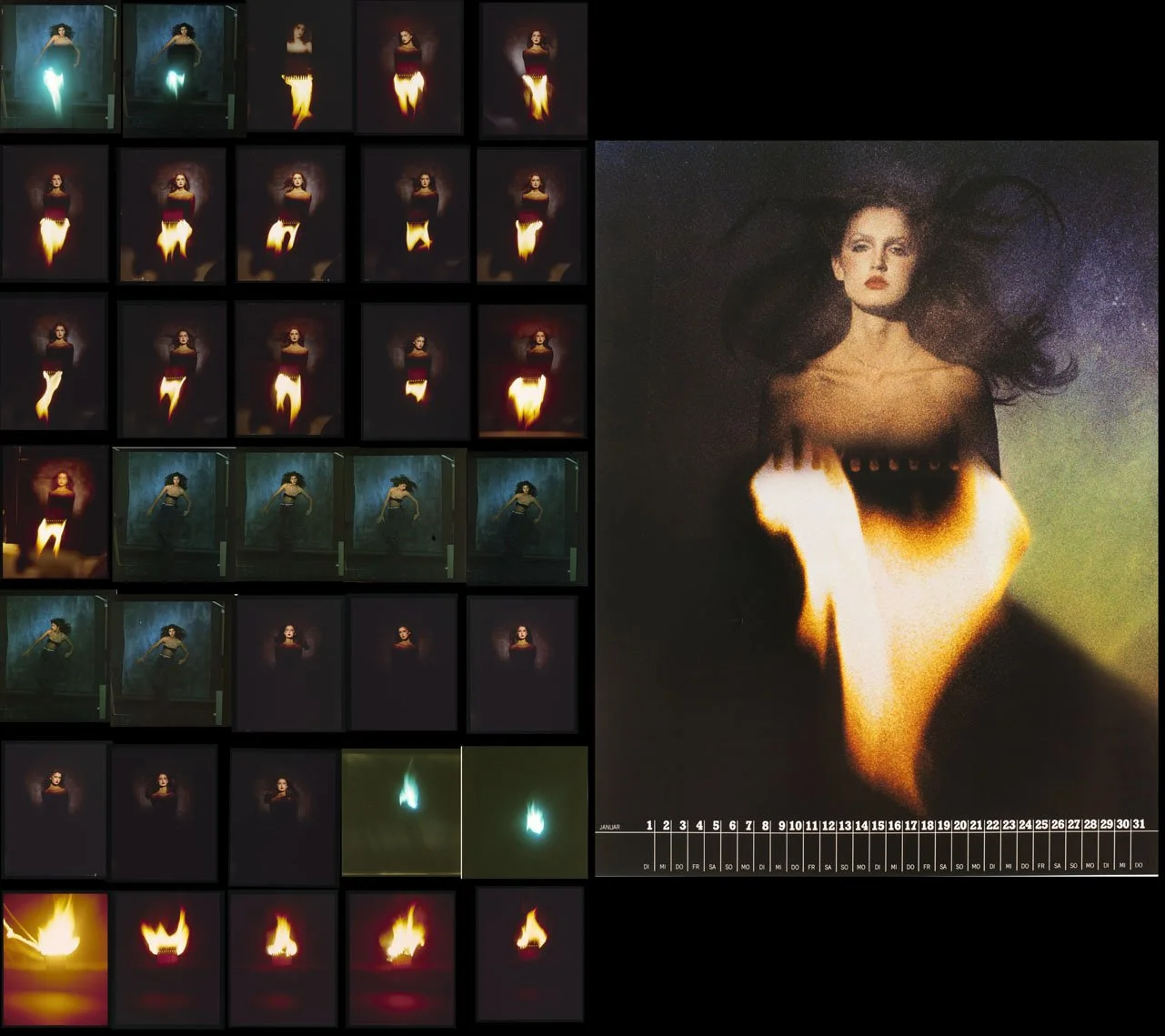
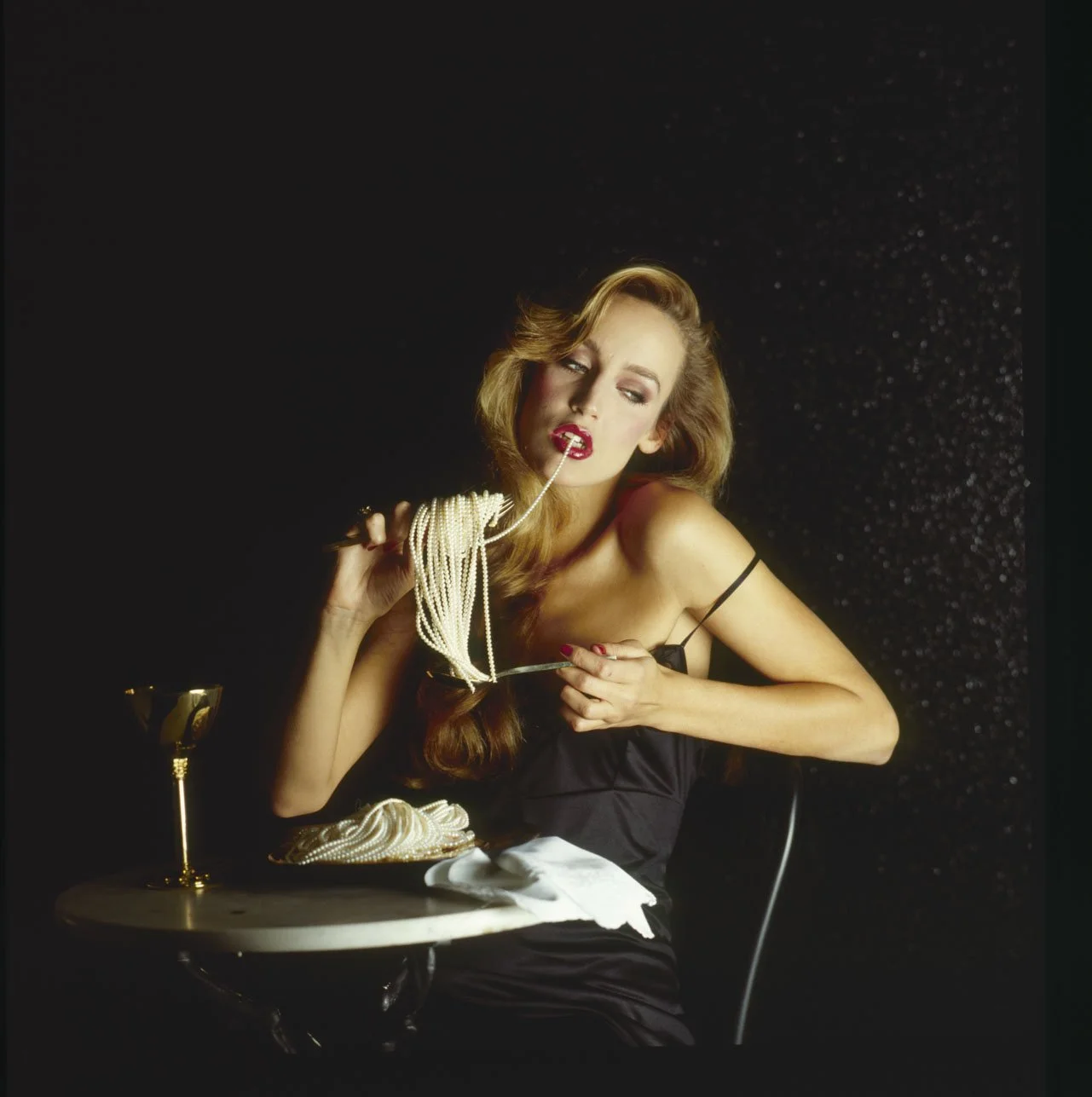
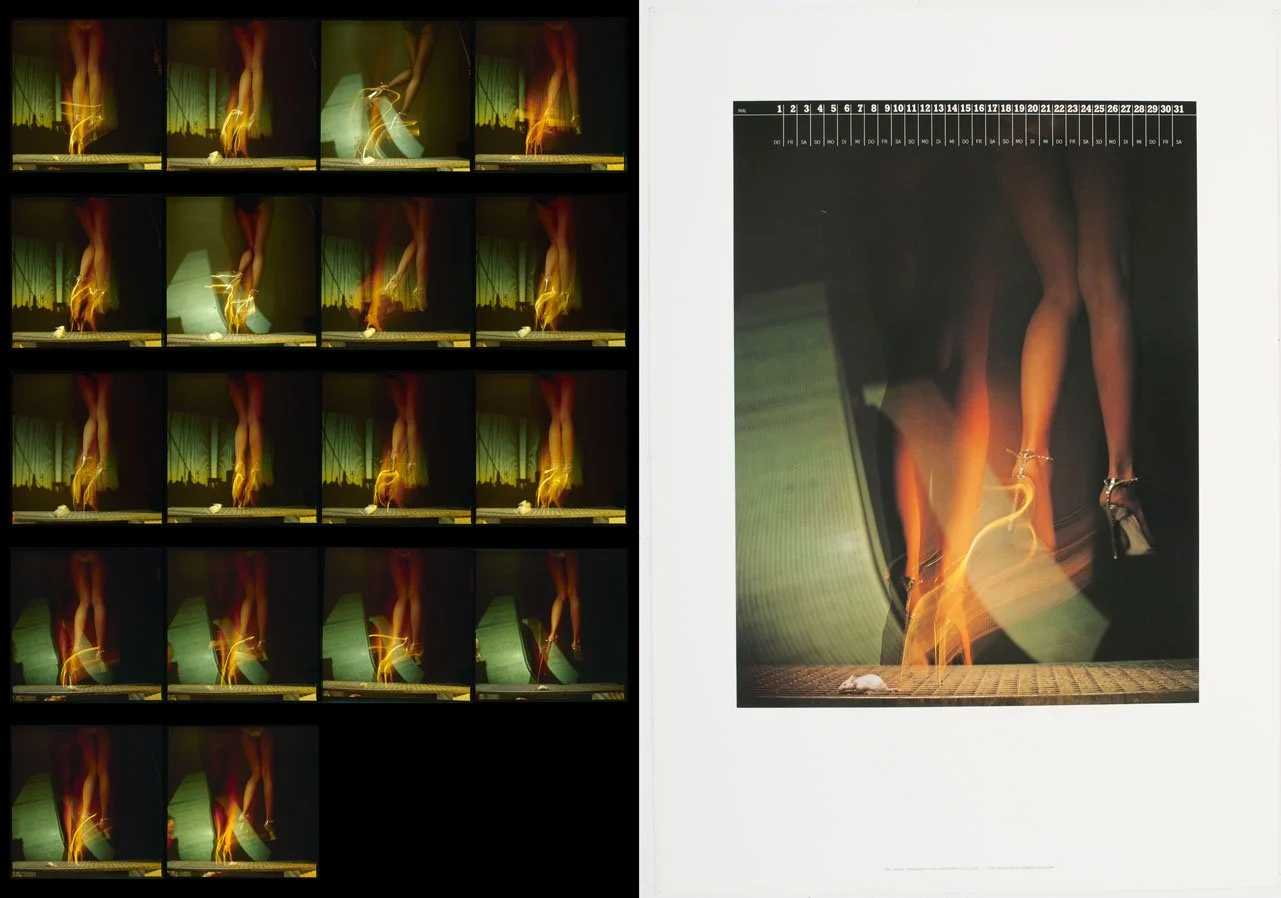
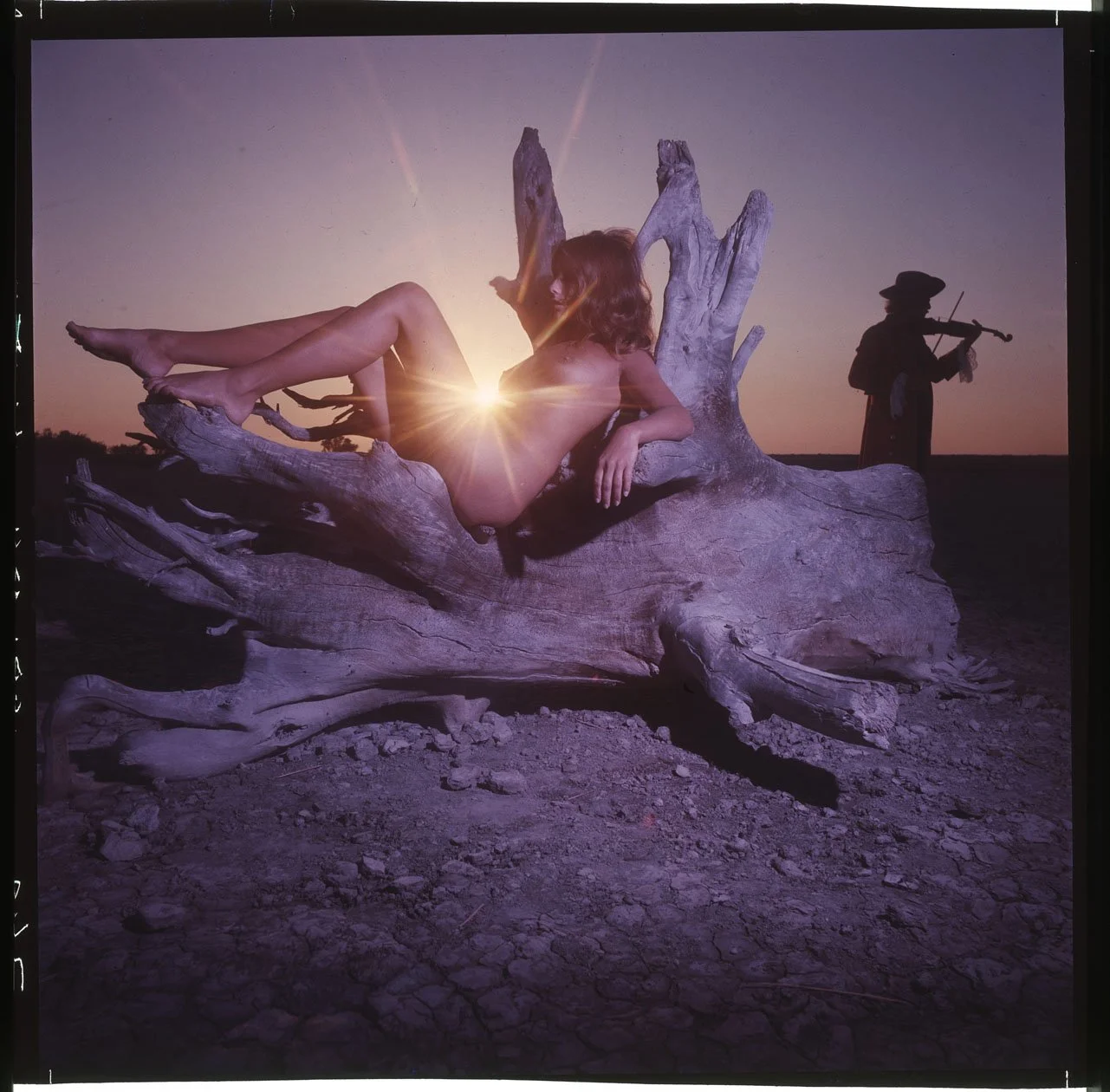
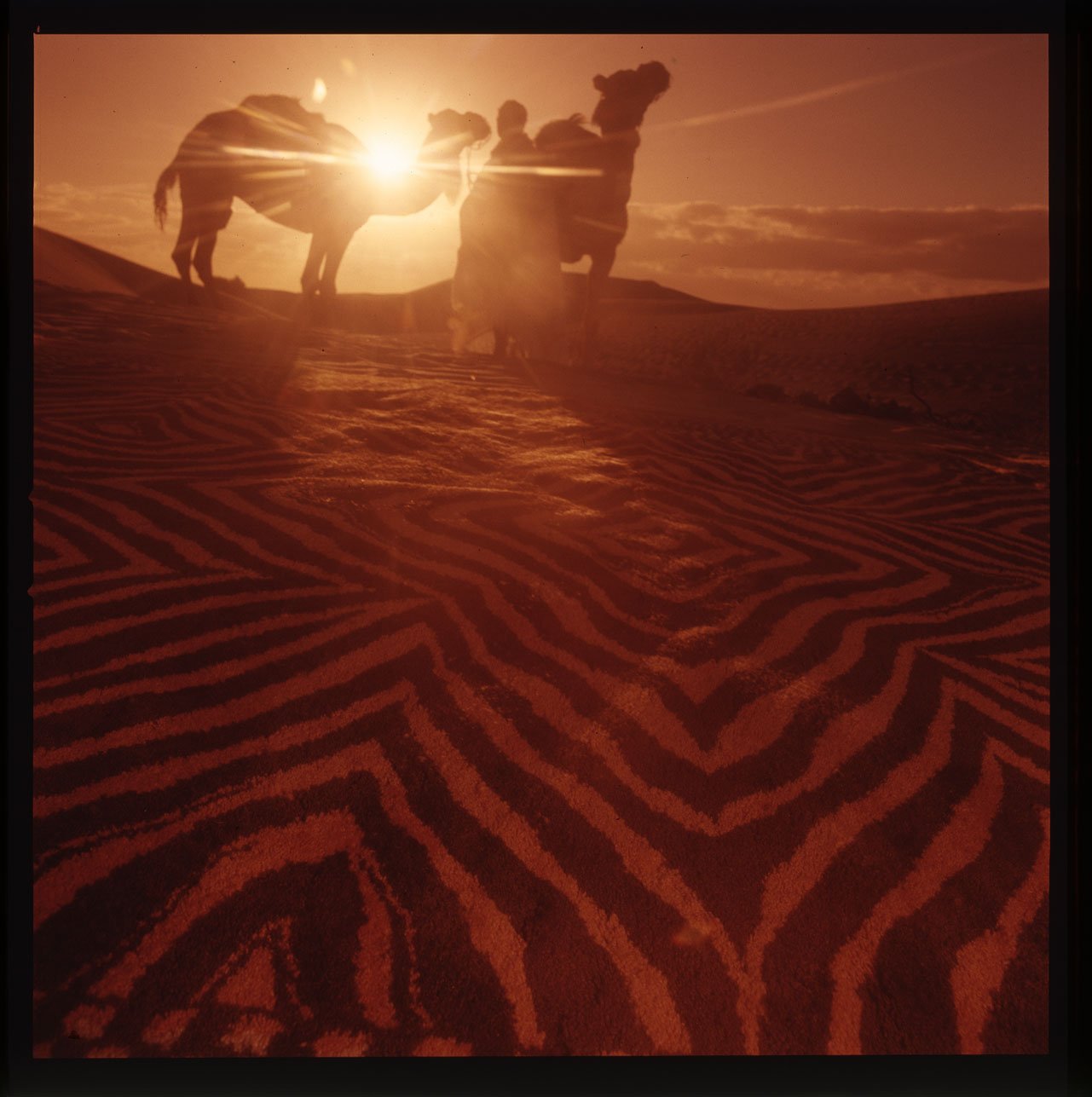
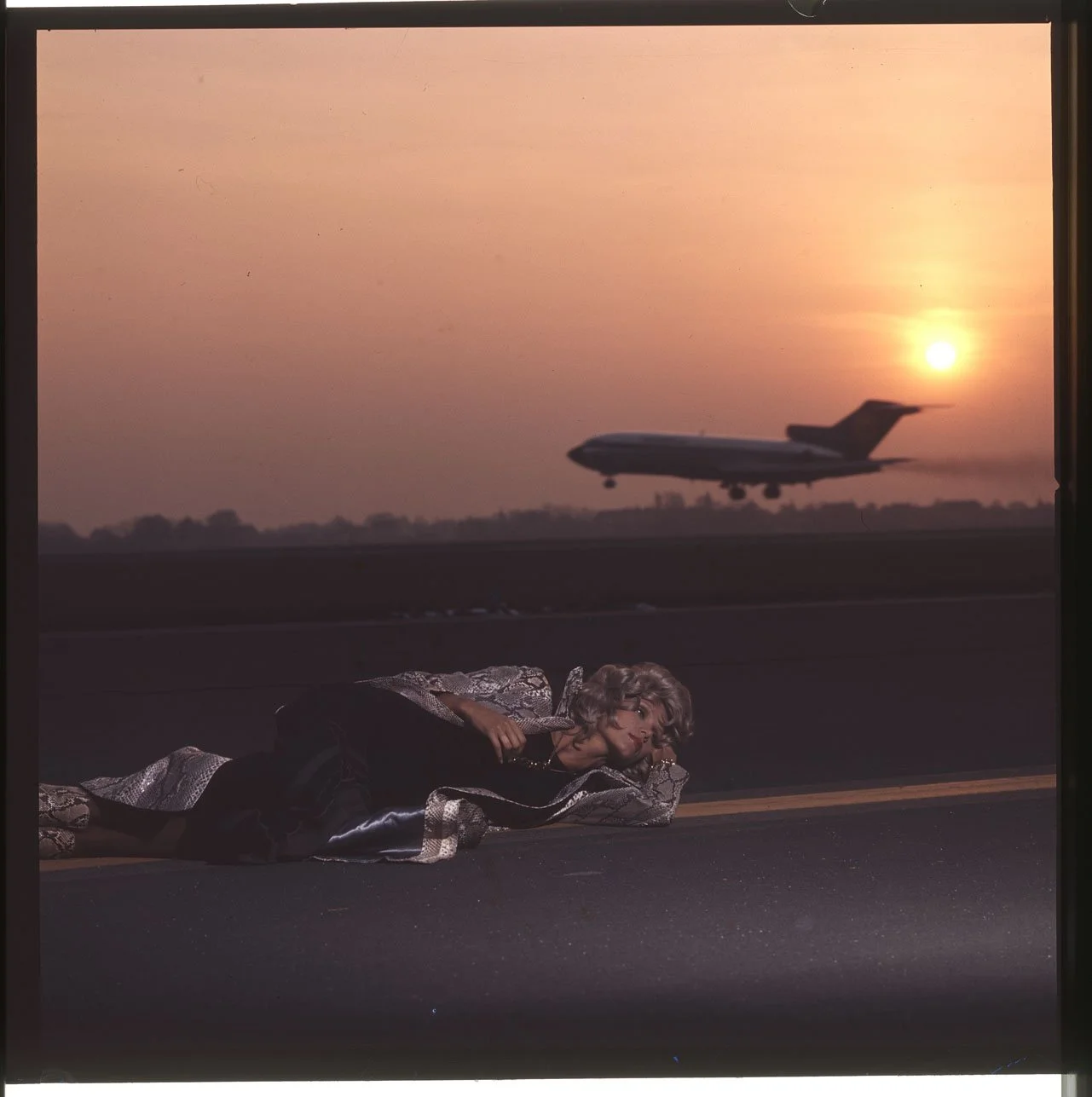
The photo series "Magic Vision" stands as one of the artistic centerpieces of Ulrich Pracht’s rich and multidisciplinary body of work. In an era when no one could have even imagined the existence of computer-based software like Photoshop, these "sandwich" photographs—which were incredibly complex to produce—were truly visionary and creative. Using stencils and masks, individual motifs were meticulously exposed onto the ground glass of a 6x6 format Hasselblad camera—layered across various planes and guided by a specific concept and layout—to merge into a single, unified image. The result was a collection of surreal motifs of incomparable expressiveness, created for editorials, magazines, jewelry and cosmetics campaigns, as well as for general illustration and advertising purposes. It is a body of contemporary work possessed of a truly magical quality. The deceptive, surrealist visual worlds of artists ranging from Dalí to Magritte fascinated and inspired Ulrich Pracht from his early youth. "To render altered realities visible through the medium of unassuming objects—to create compositions that seem to possess an inner luminescence—that is what truly captivated me." At times, the photographic artist creates experimental, subtly staged images; at other times, he pares them down to the point of absolute emptiness. Sometimes he seeks to evoke a wealth of associations and stimulate the viewer’s imagination; at other times, he visualizes the dissolution of space; and finally, through the use of imposing perspectives, he constructs entirely new realities. In his work, certain personalities take on a mysterious aura, while others are portrayed with a painterly quality—tender and poetic. Wit and glamour are reflected in all his surreal photographs, alongside beauty, eroticism, and a spirit of the unconventional. Ulrich Pracht’s distinct penchant for the exotic—and for an international flair—is once again made abundantly clear: "For me, my photographs have never been solely about fashion."