
06
LIGHT UP
Impression. Expression.
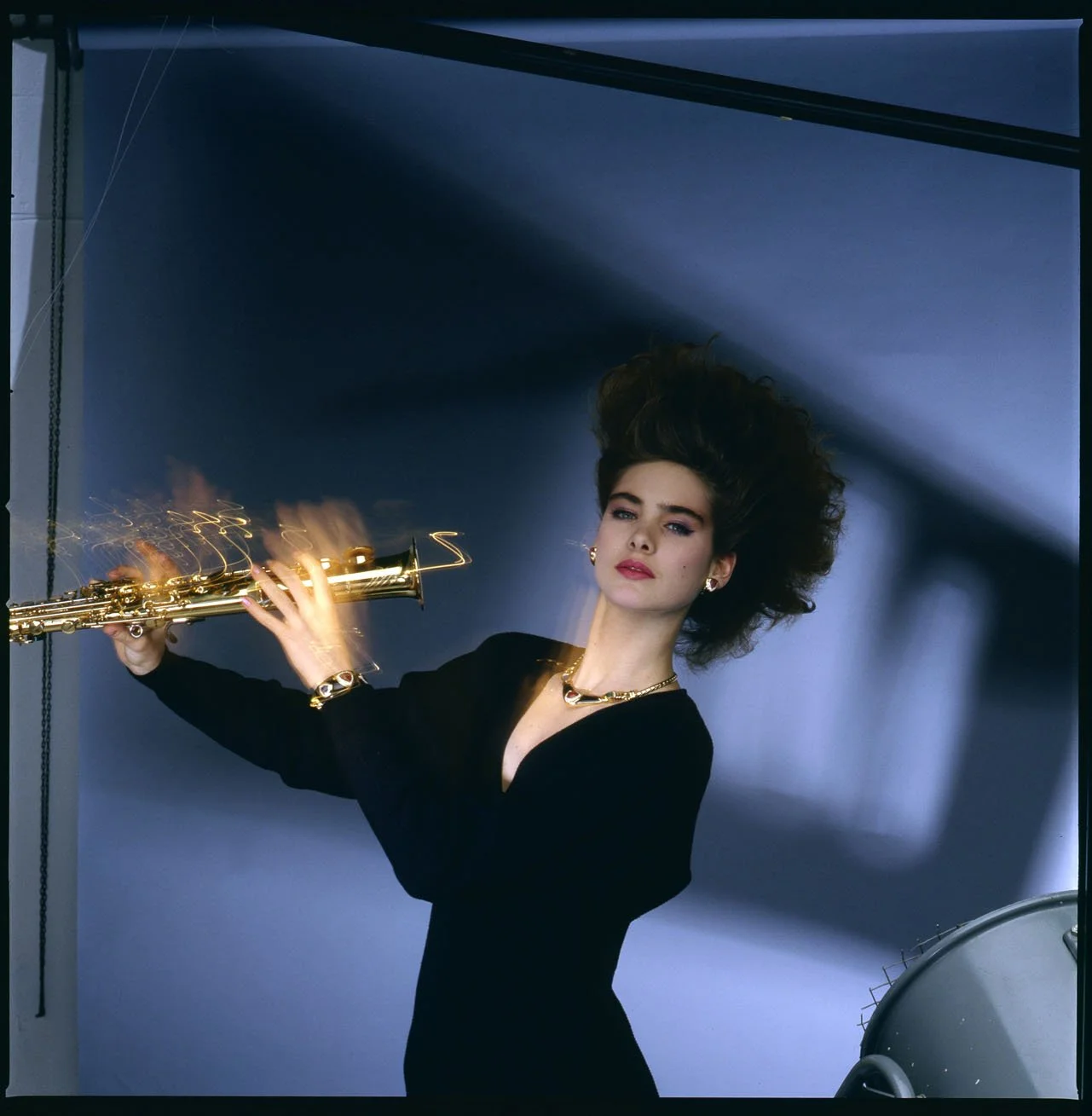
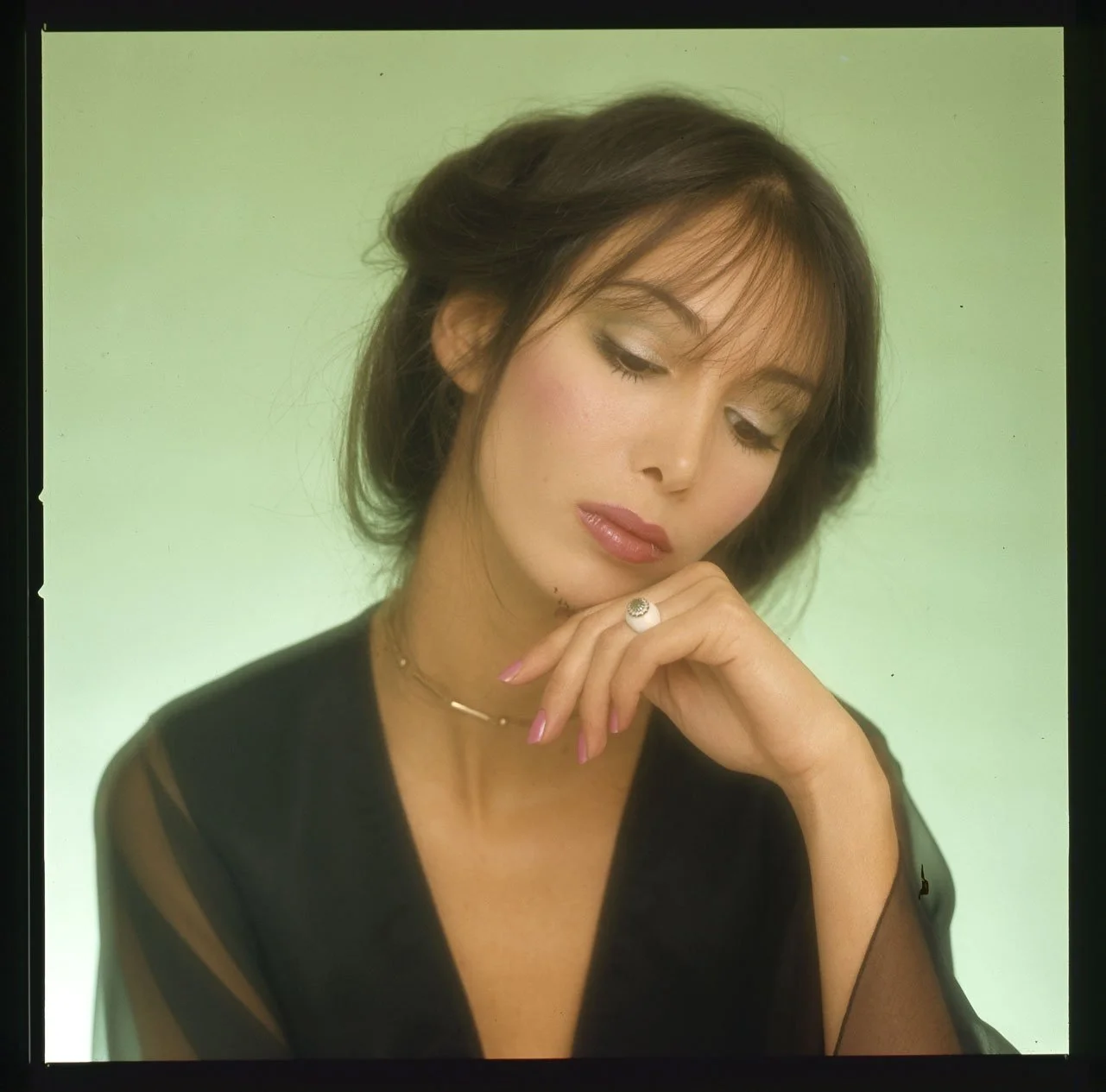
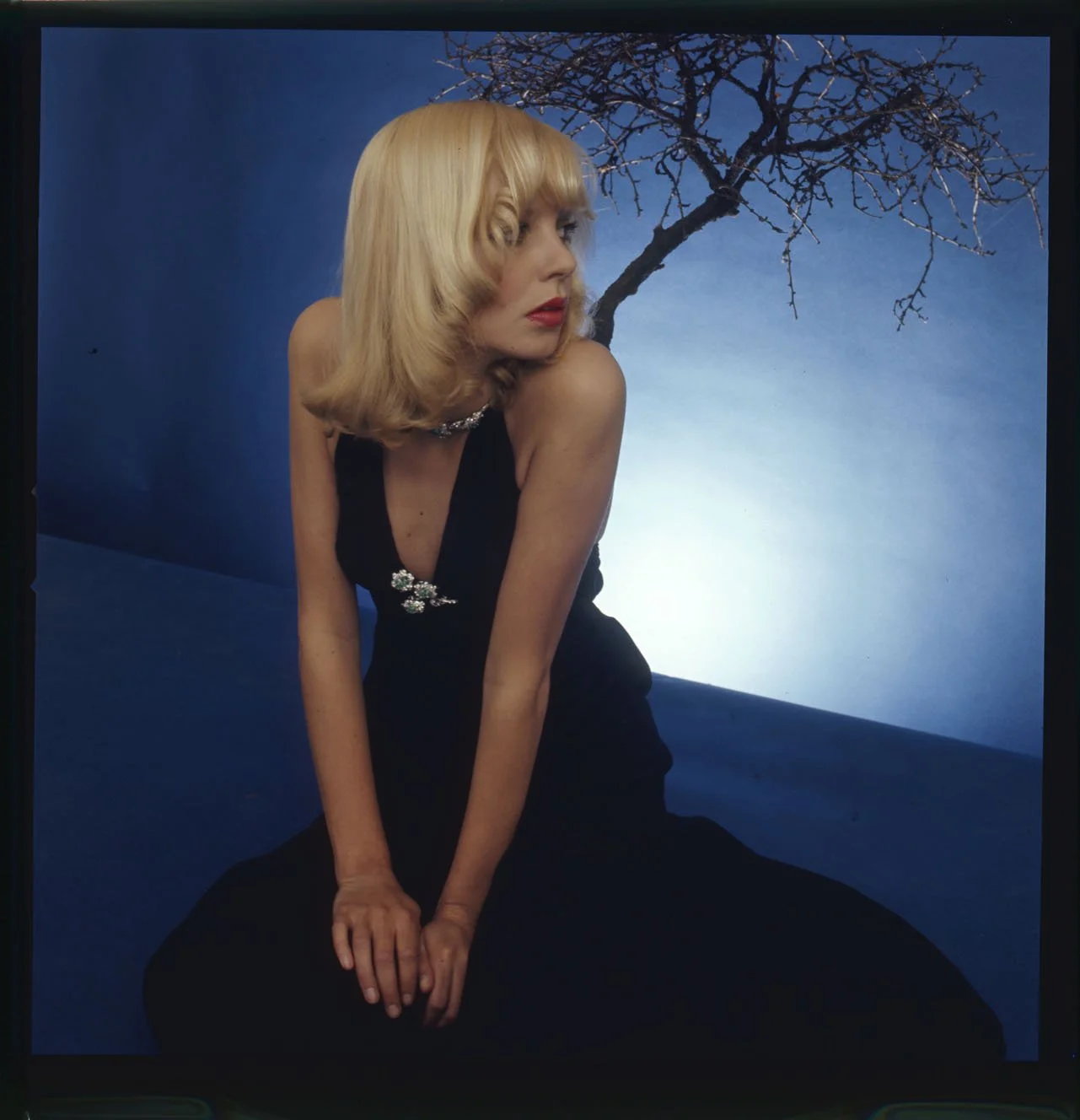
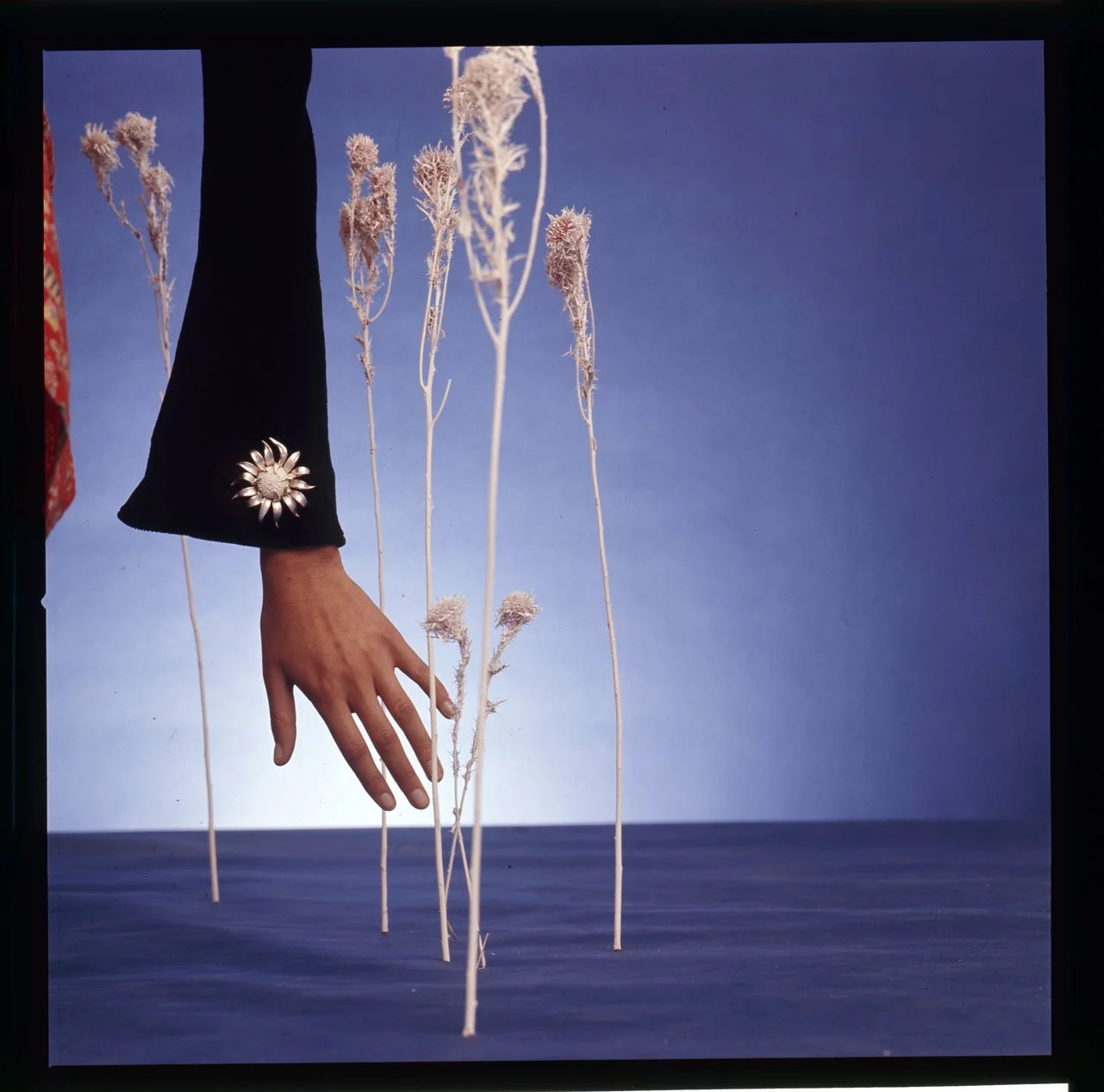
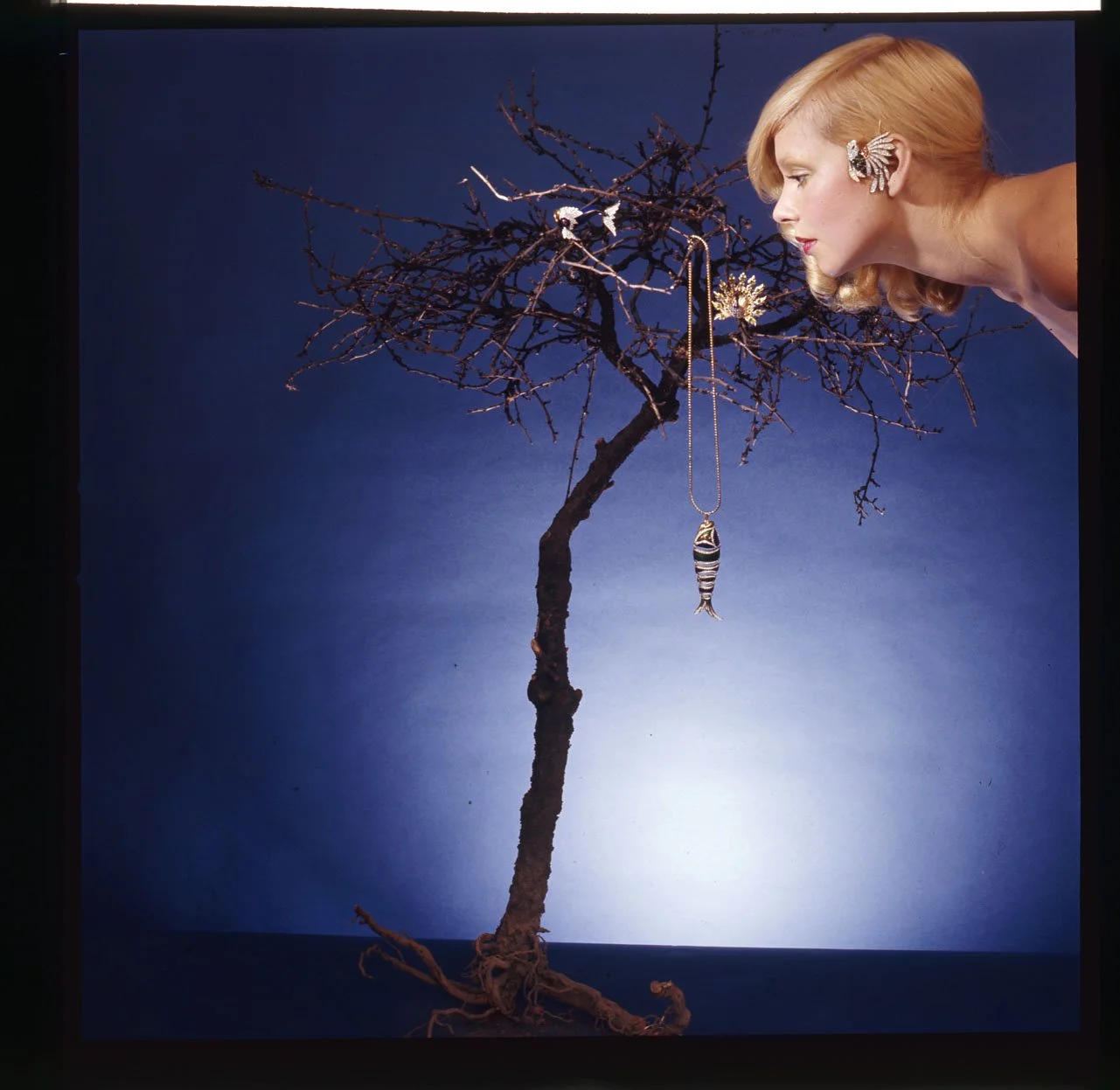
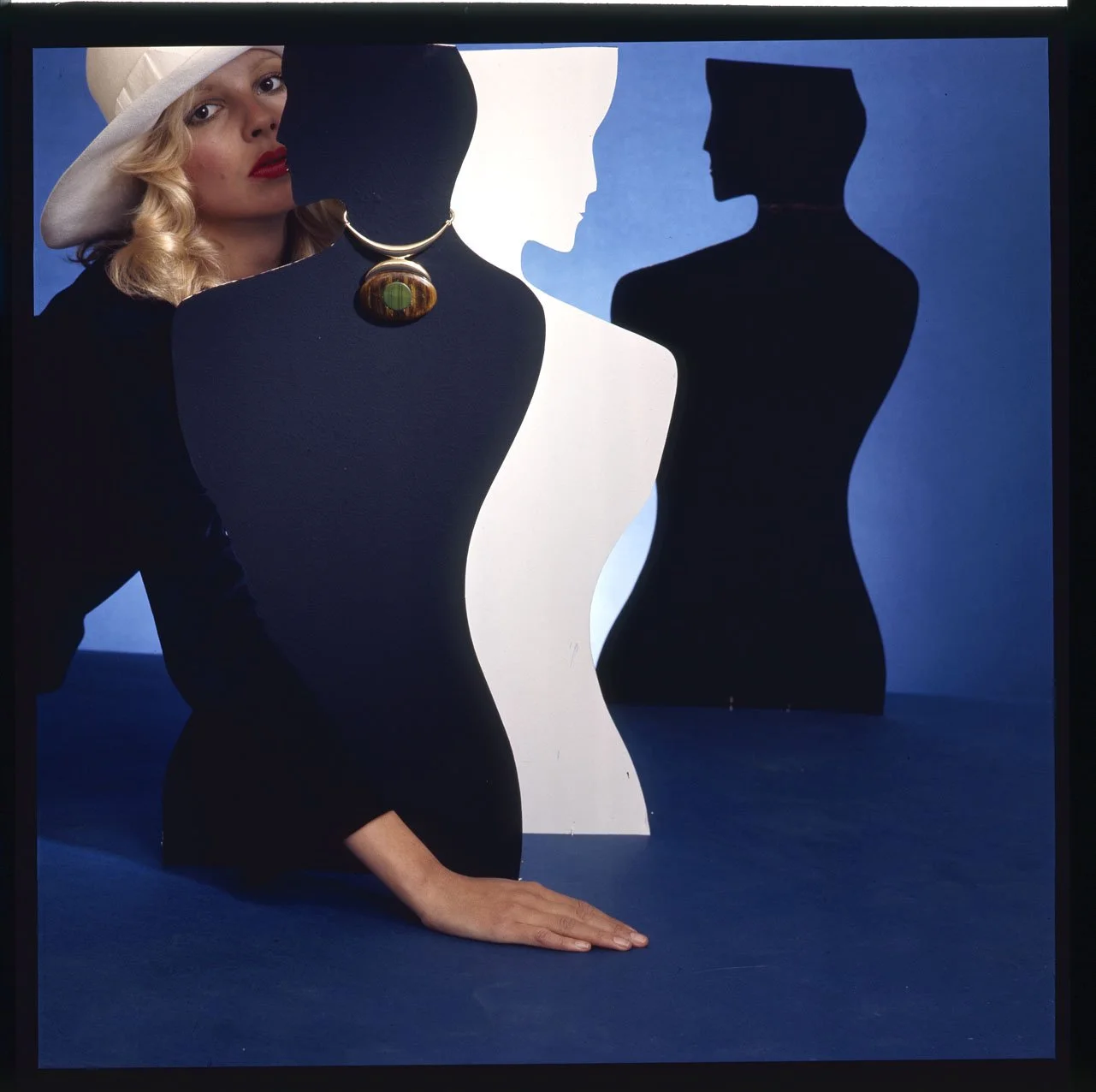
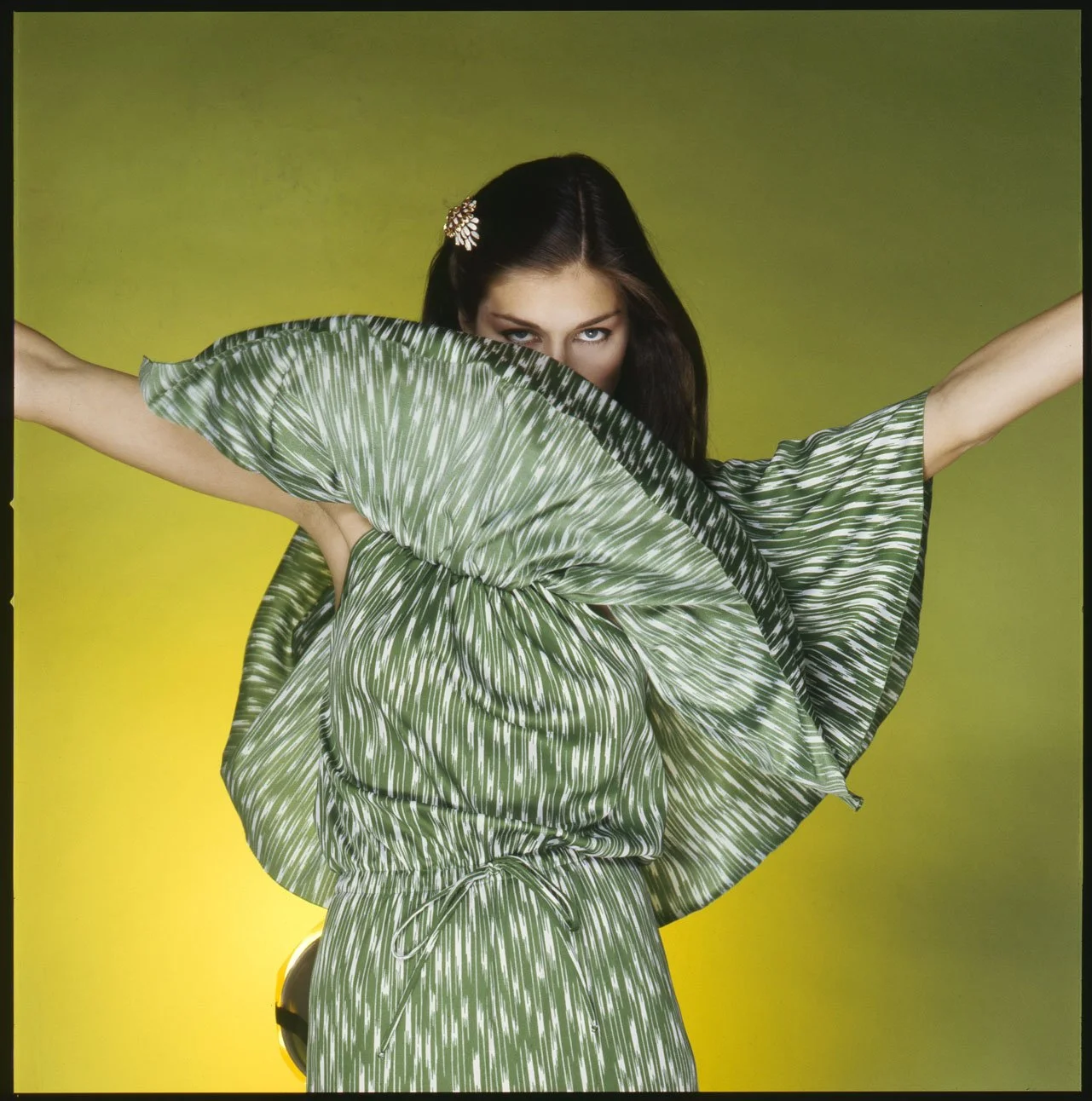
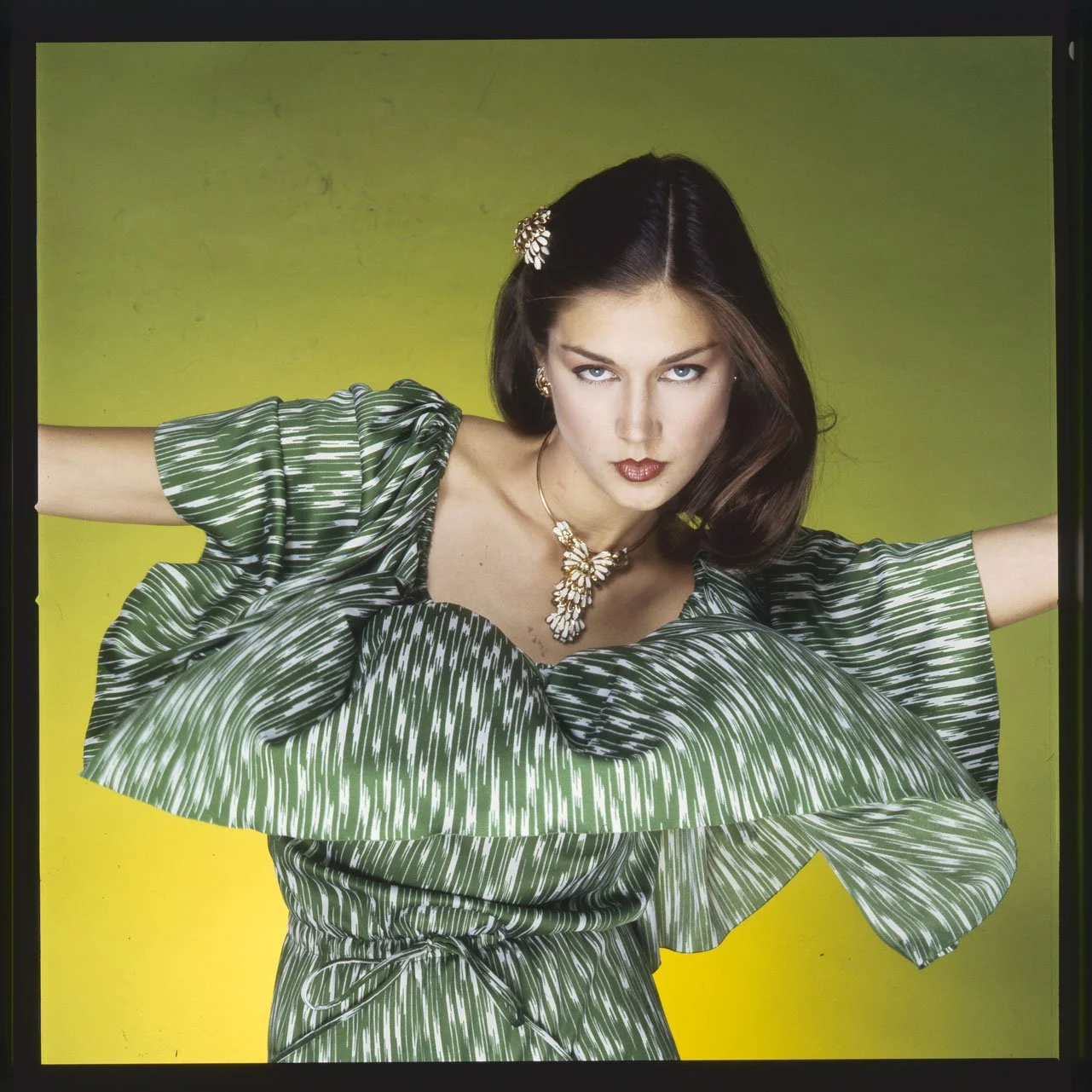
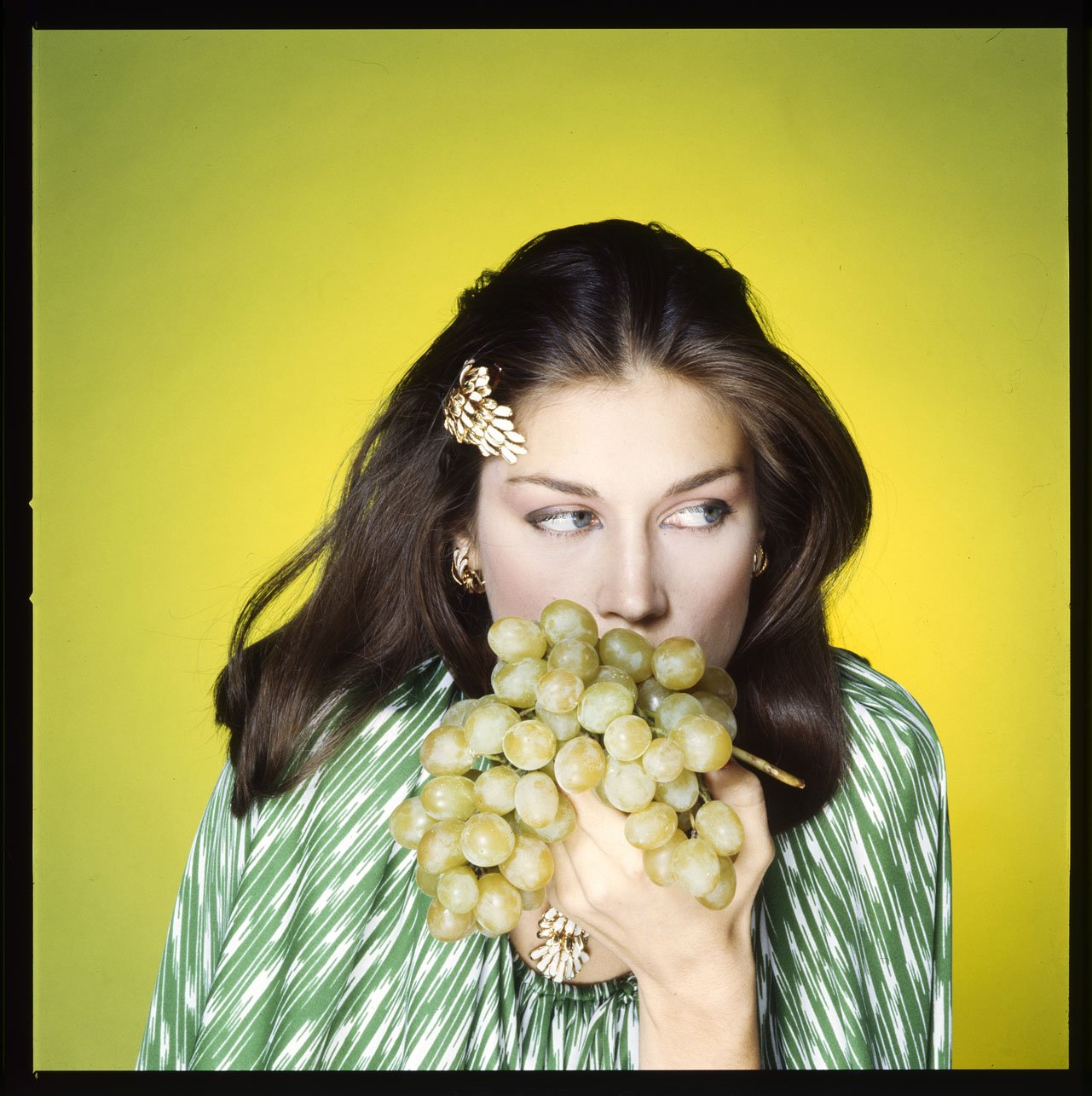
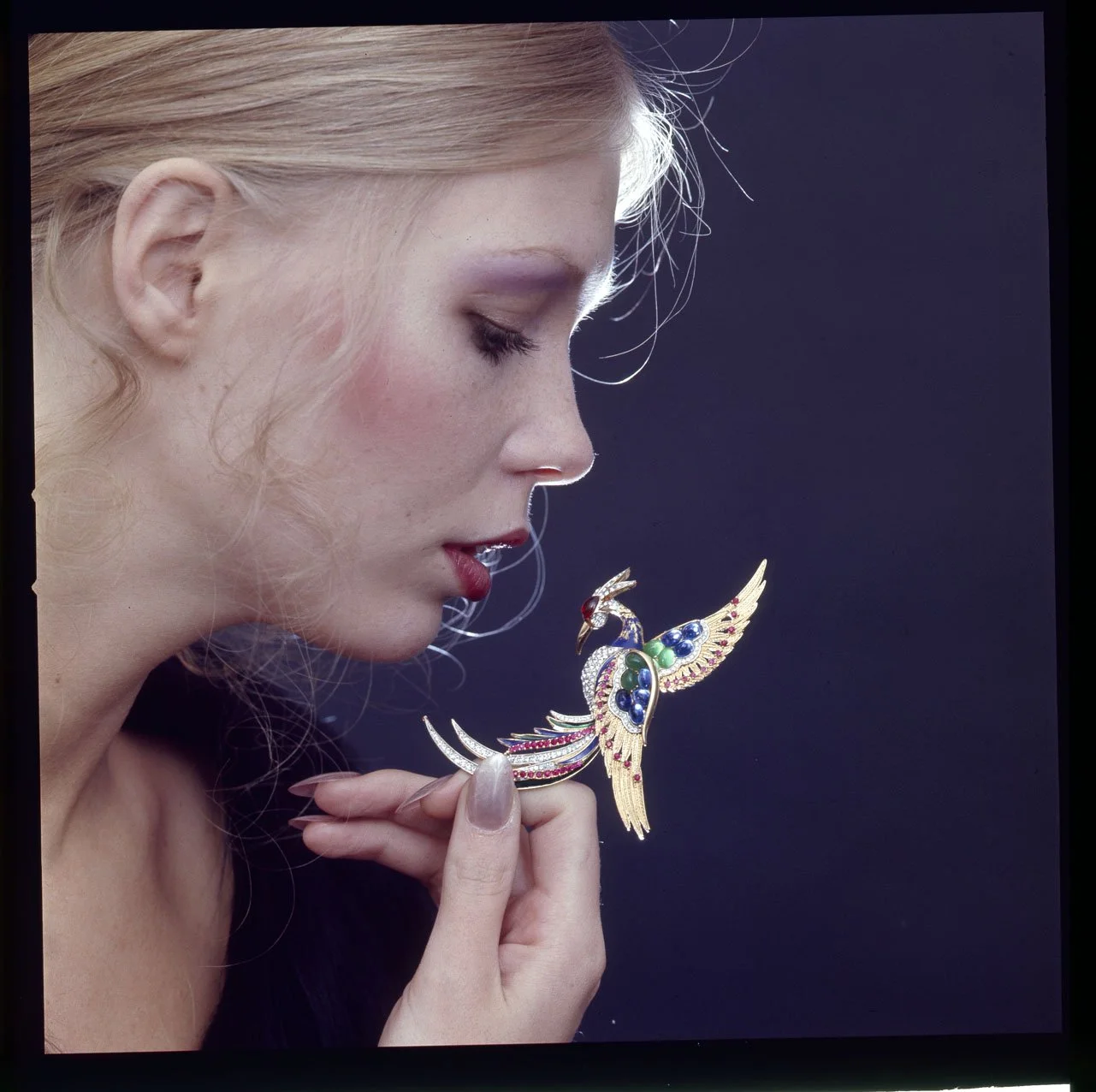
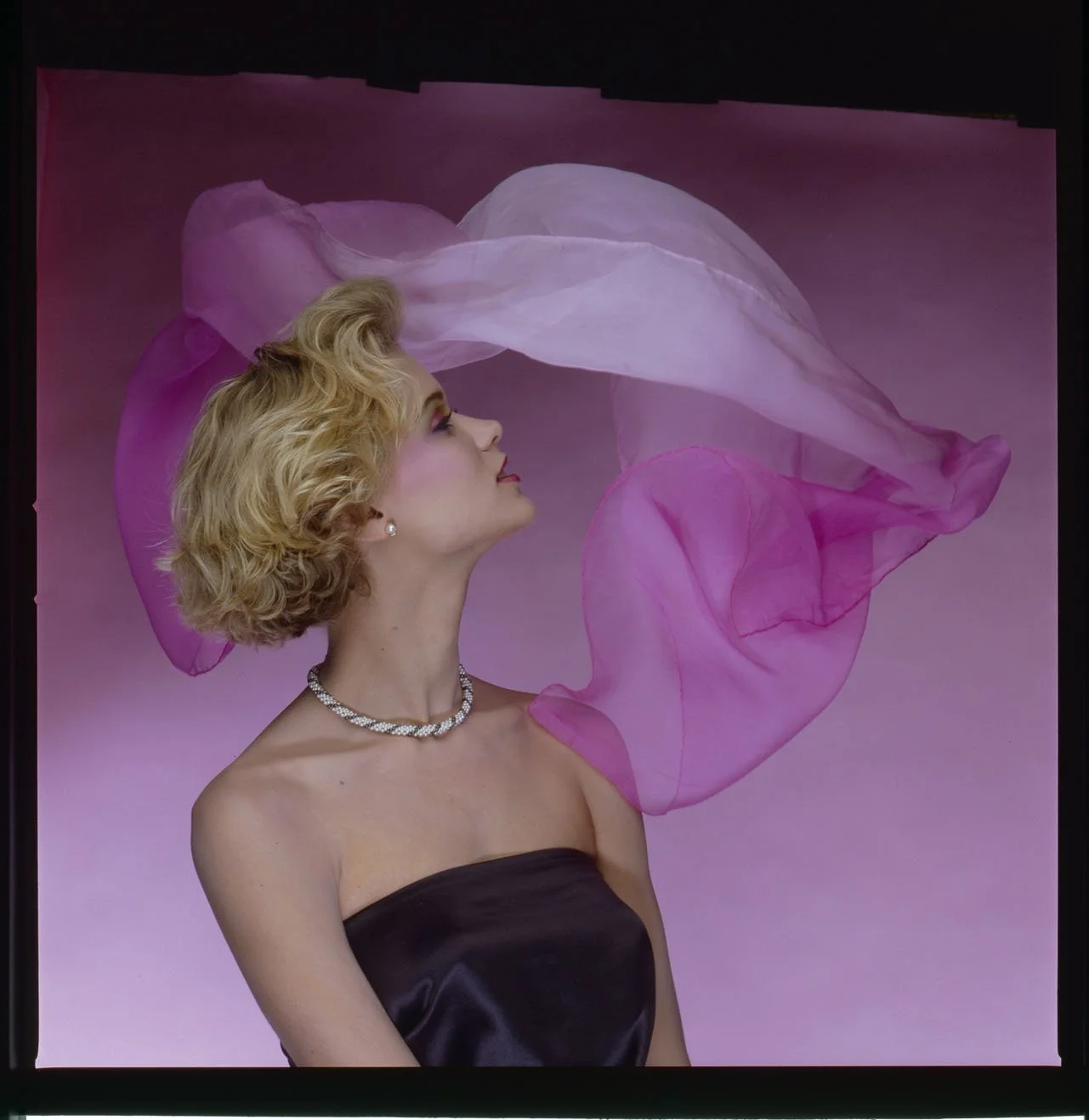
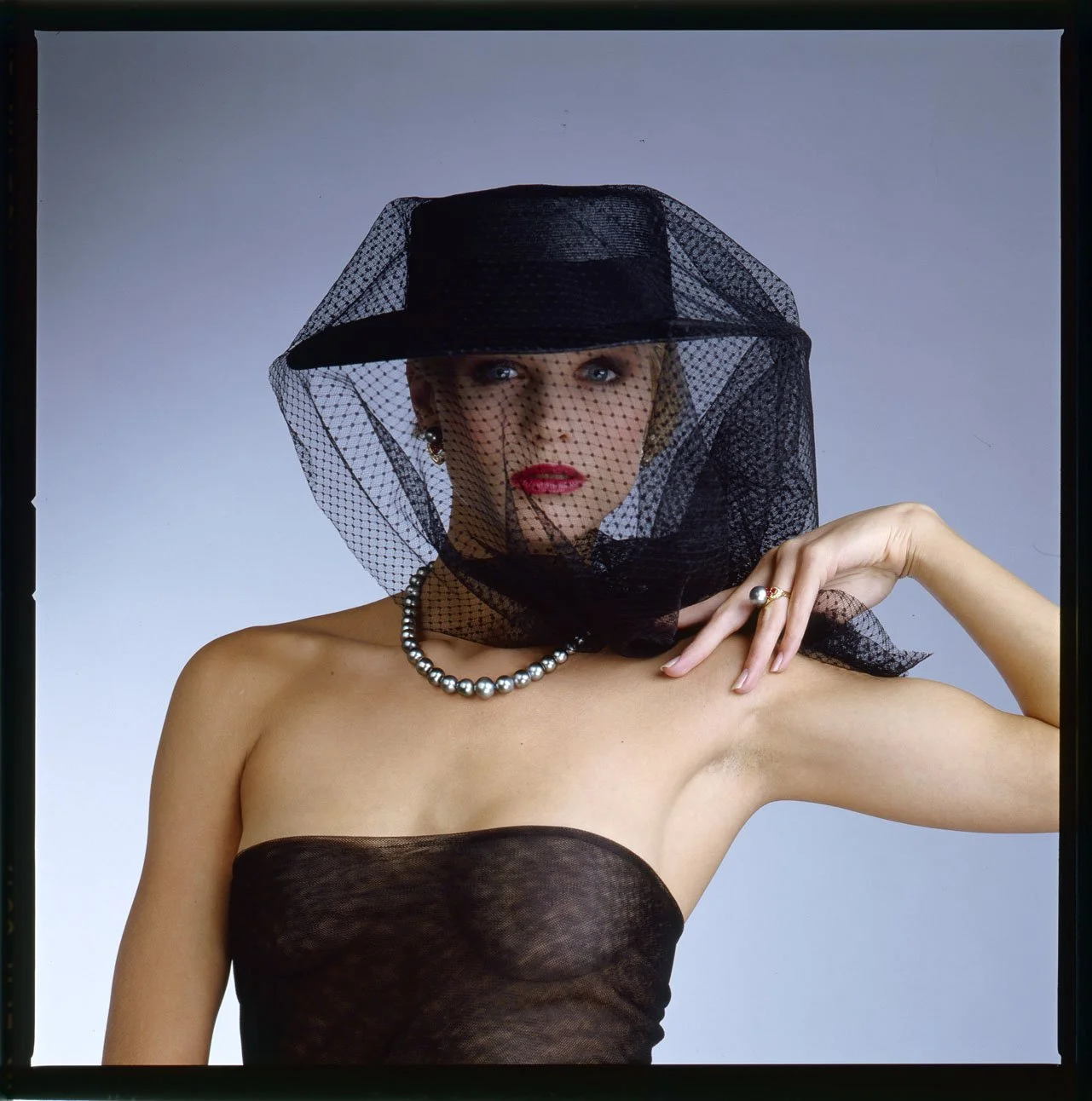
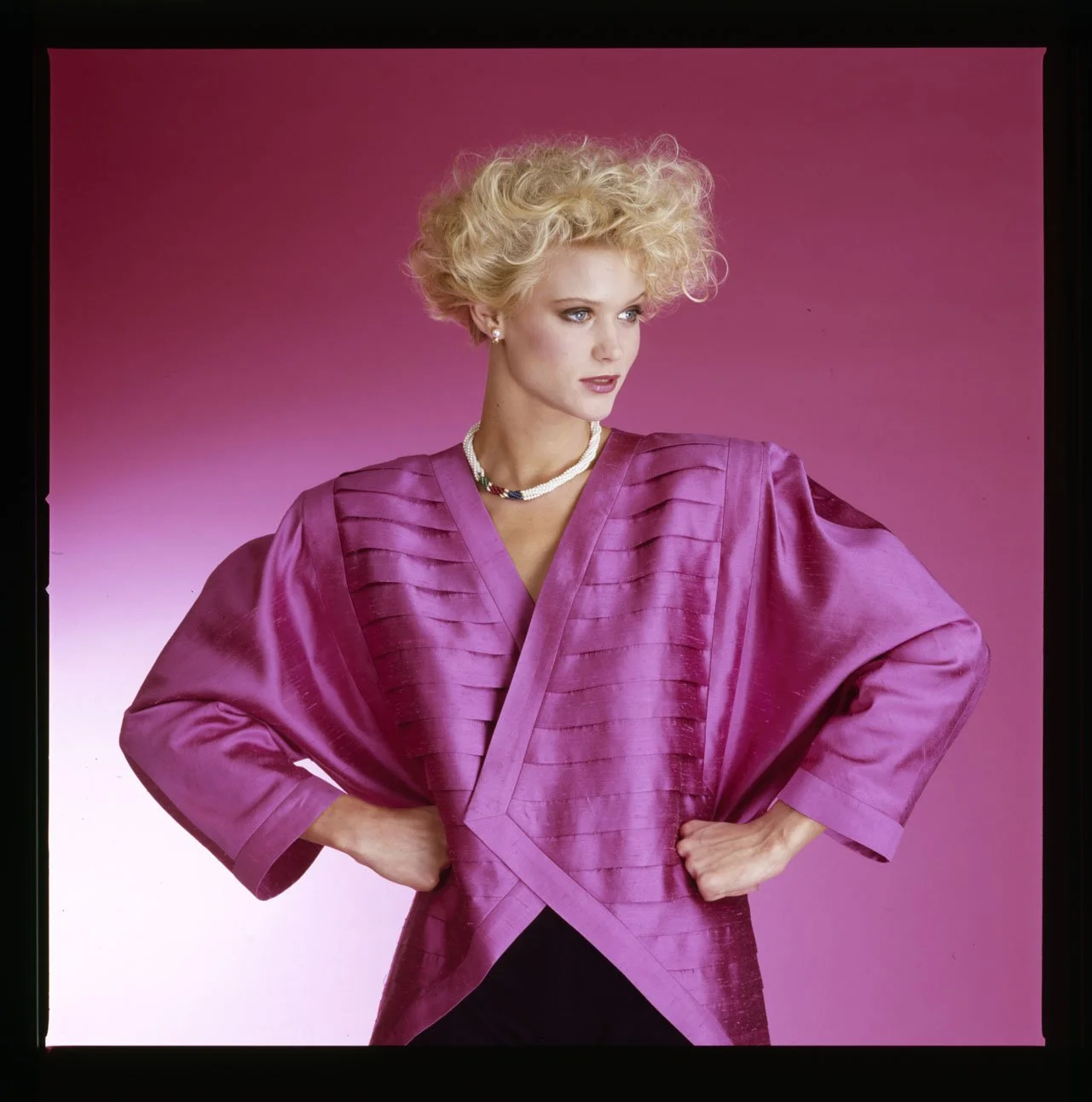
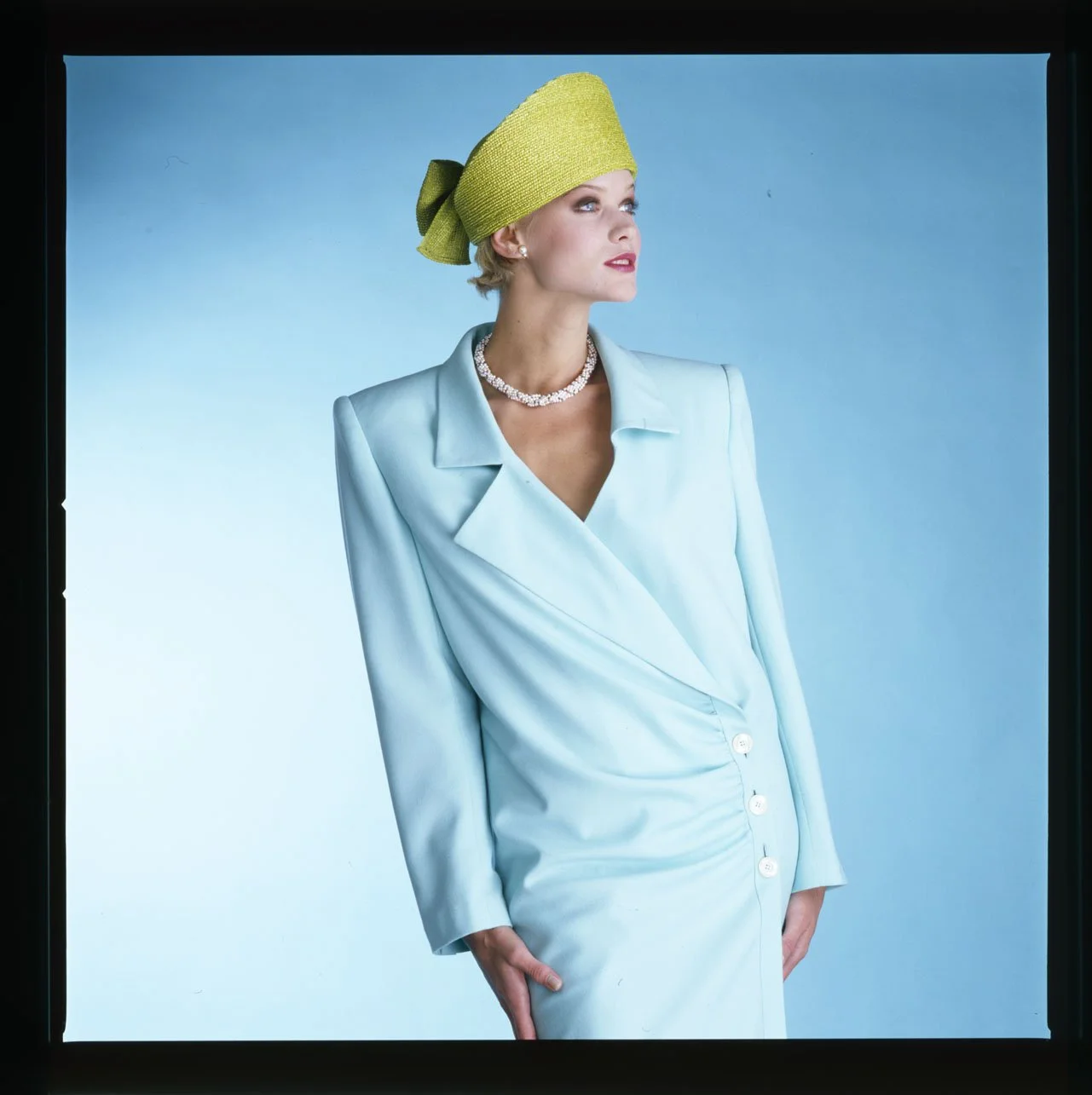
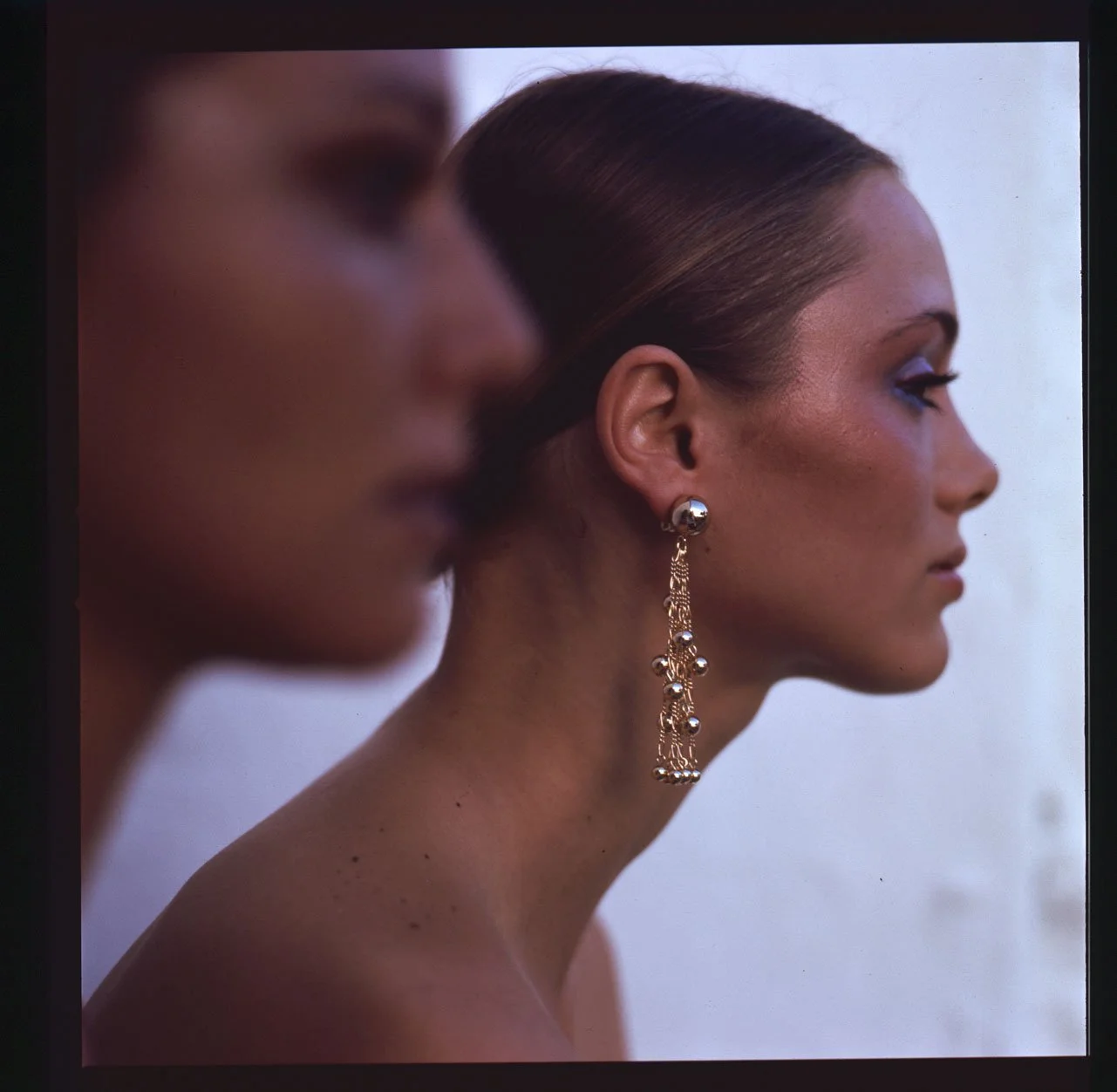
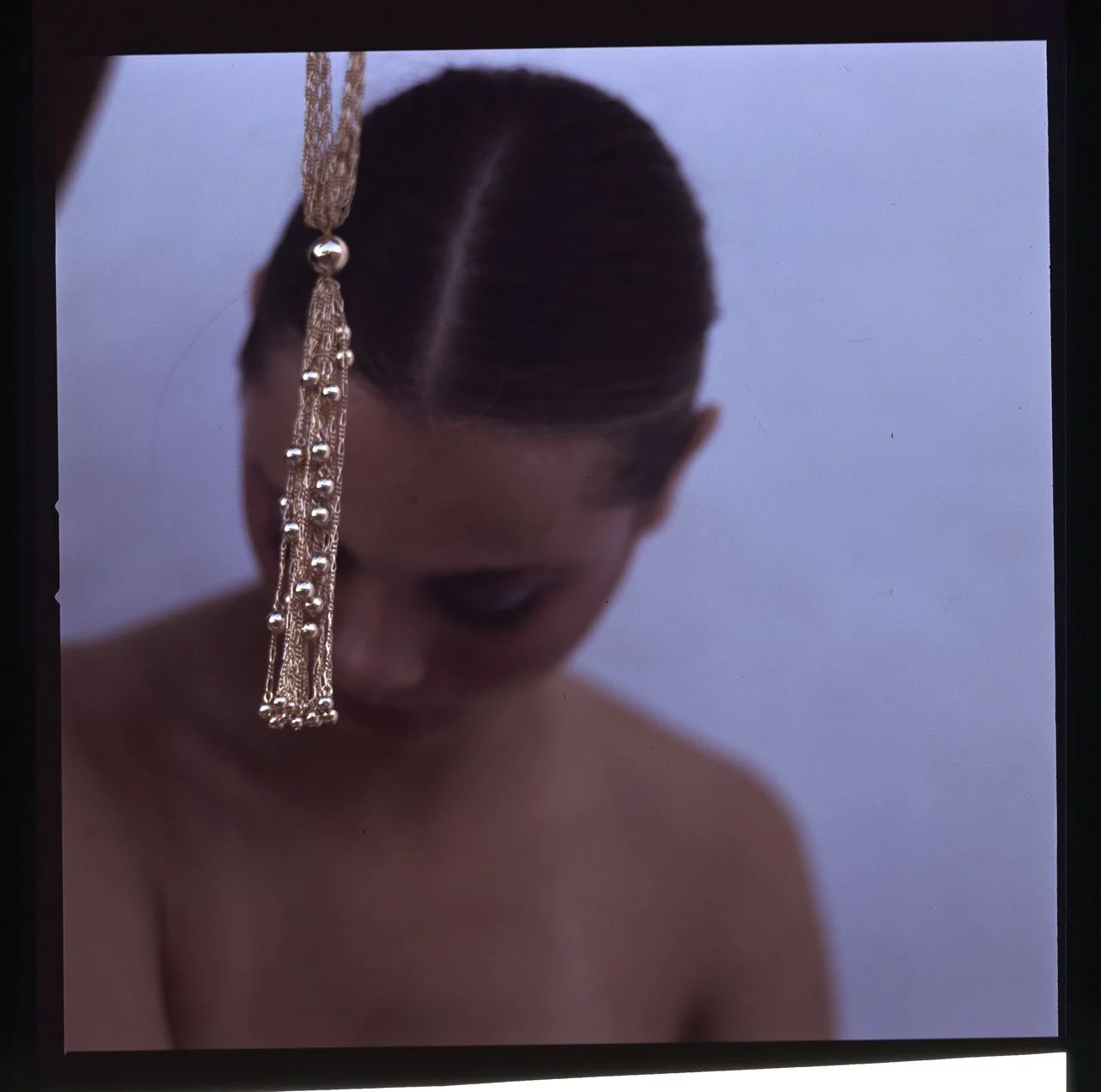
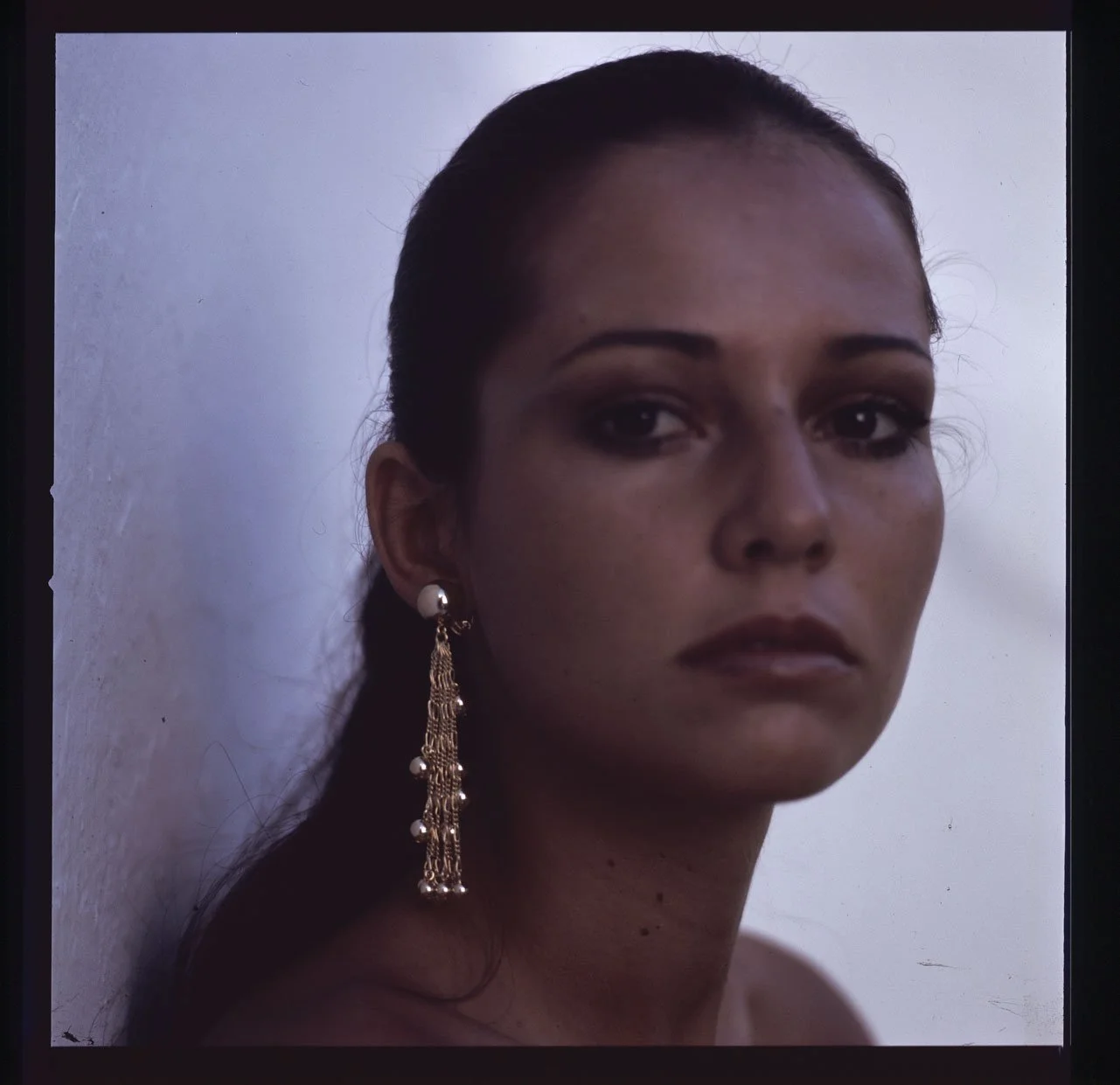
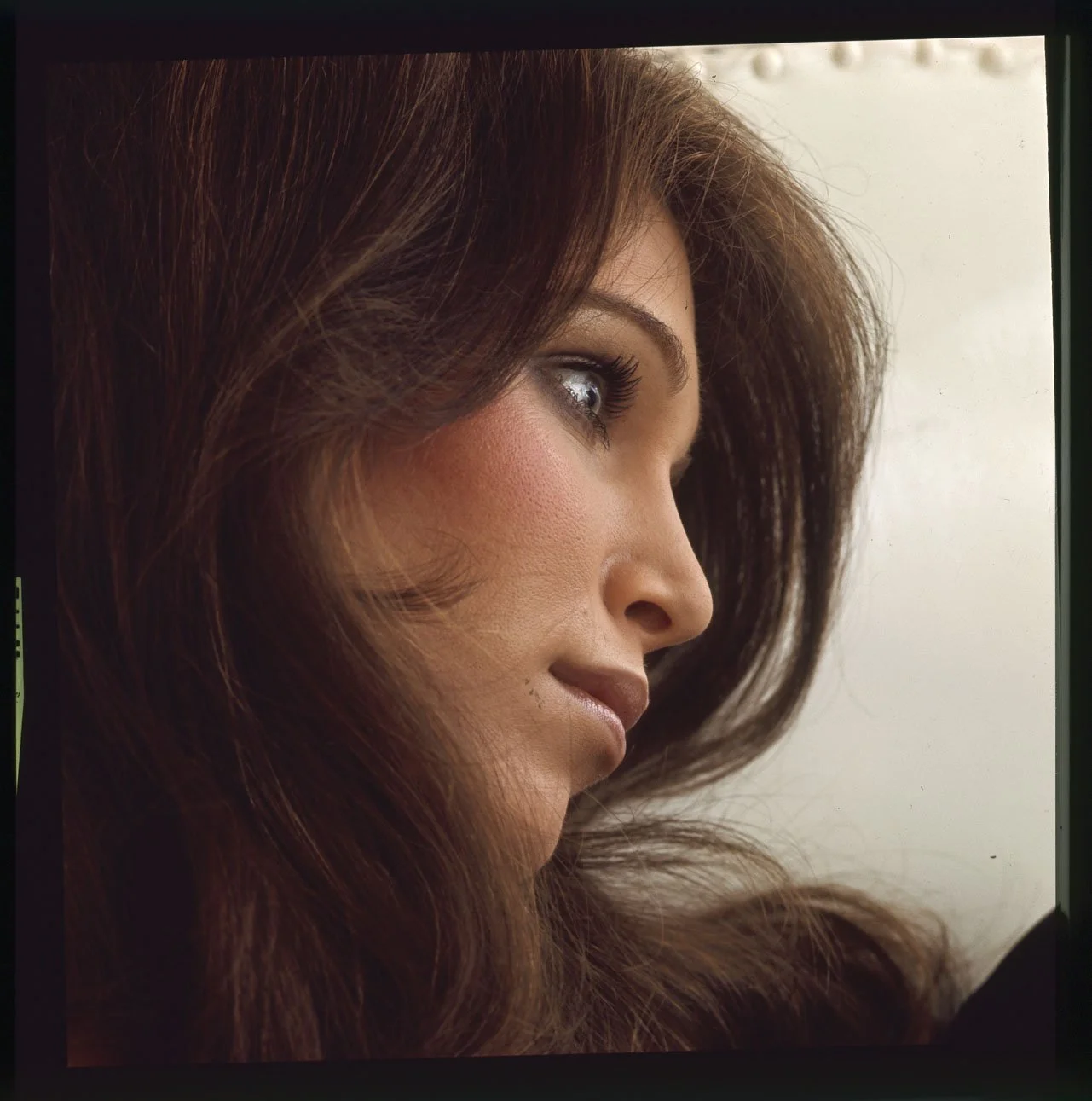
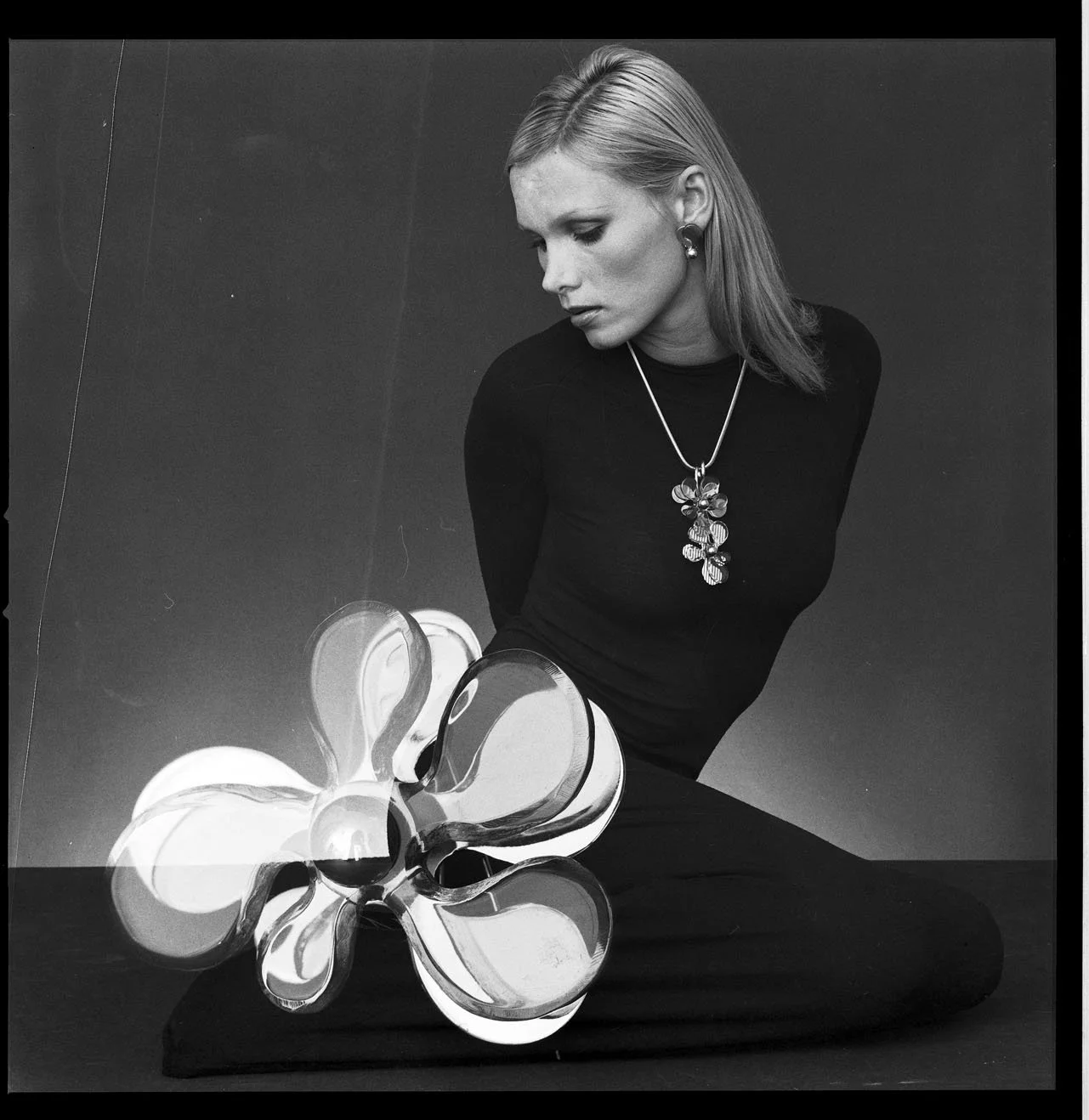
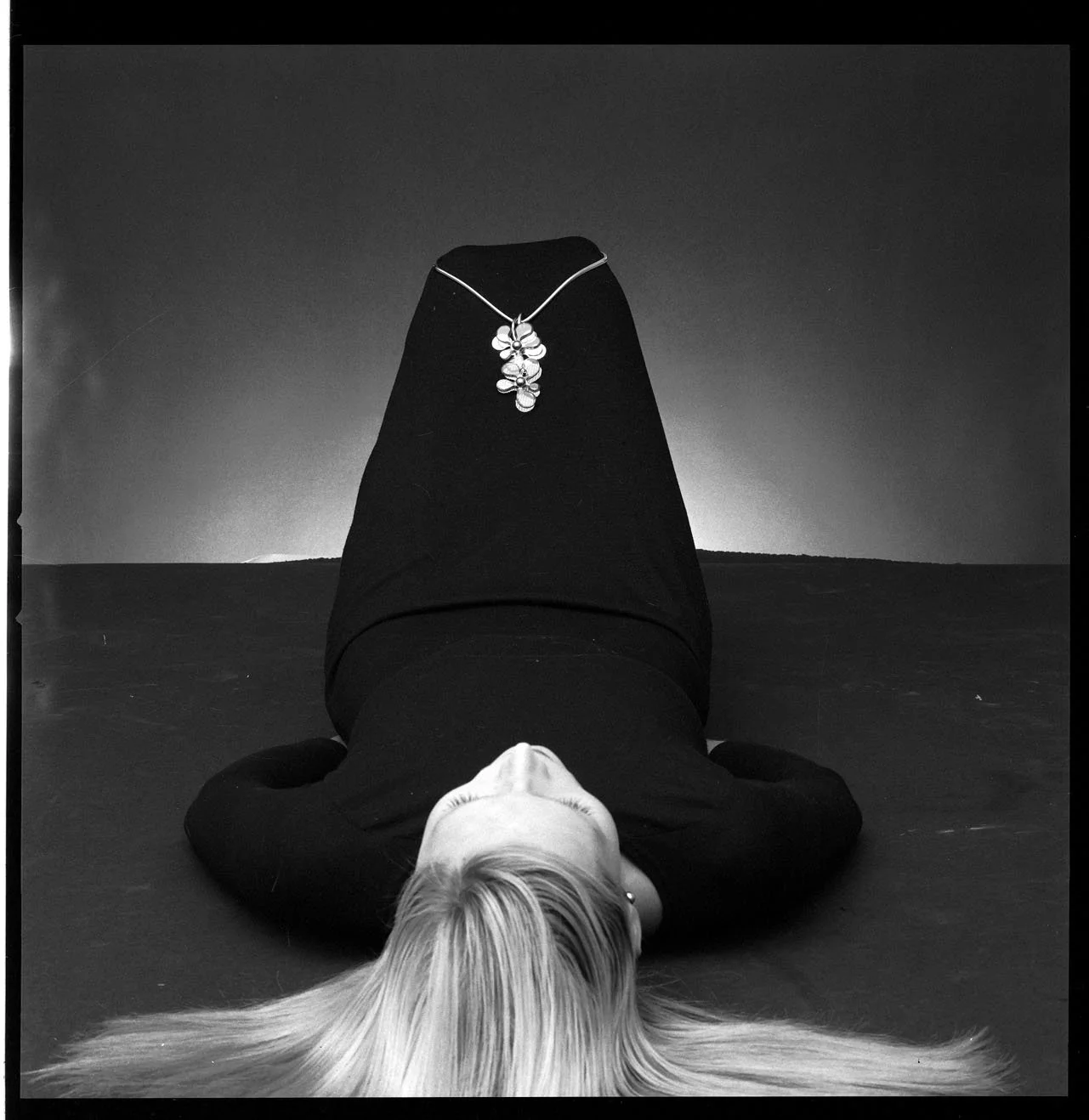
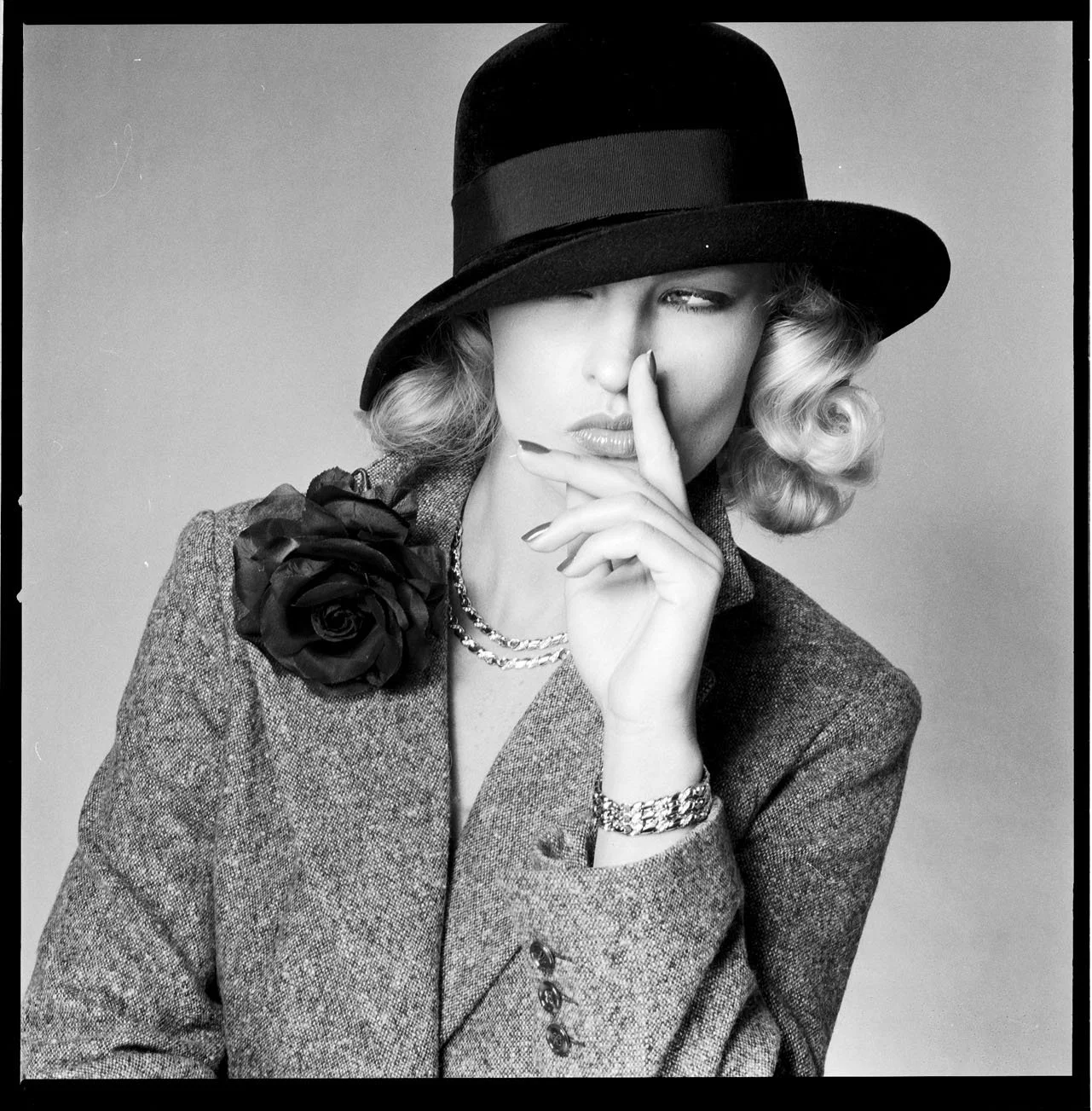
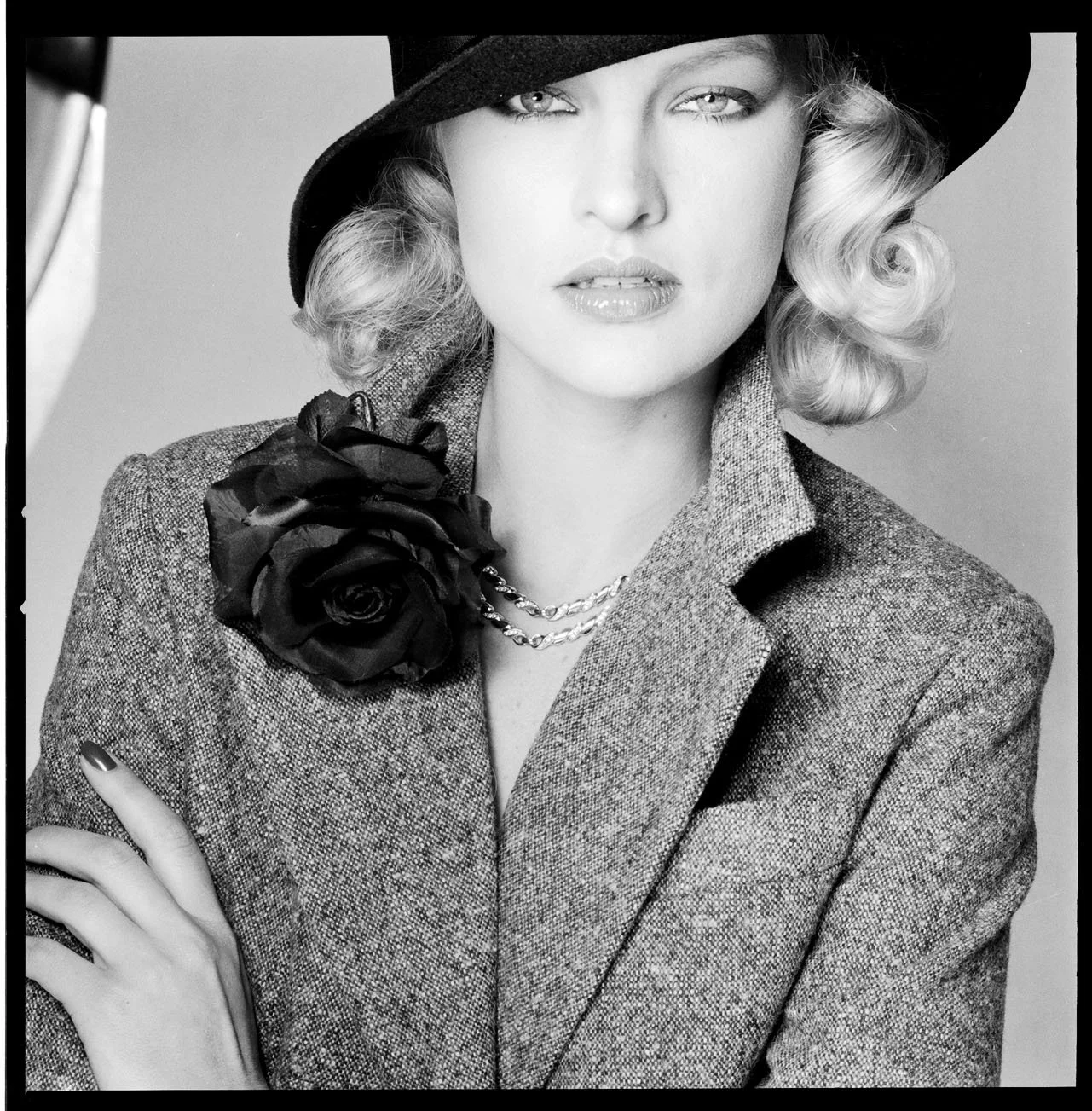
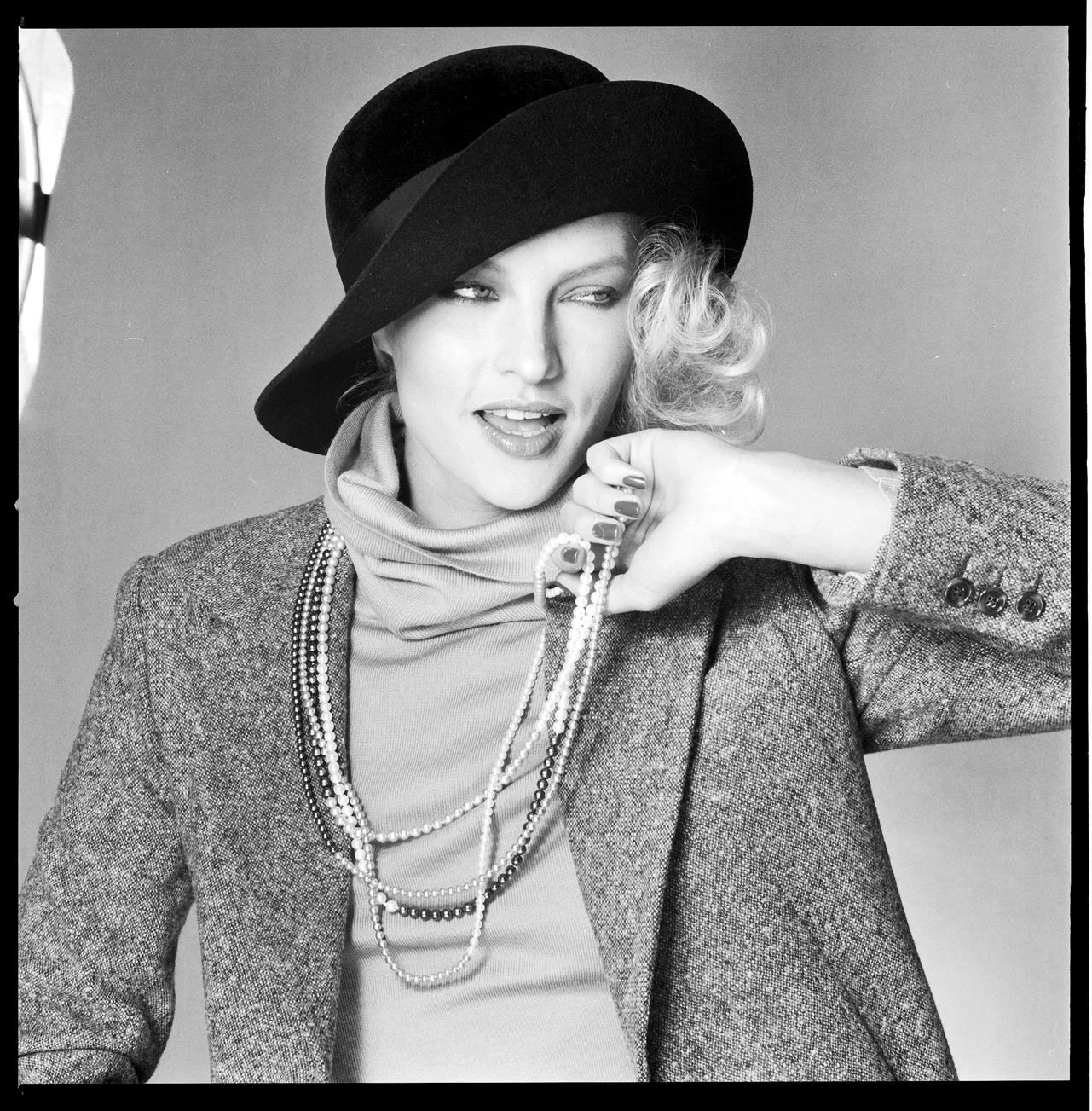
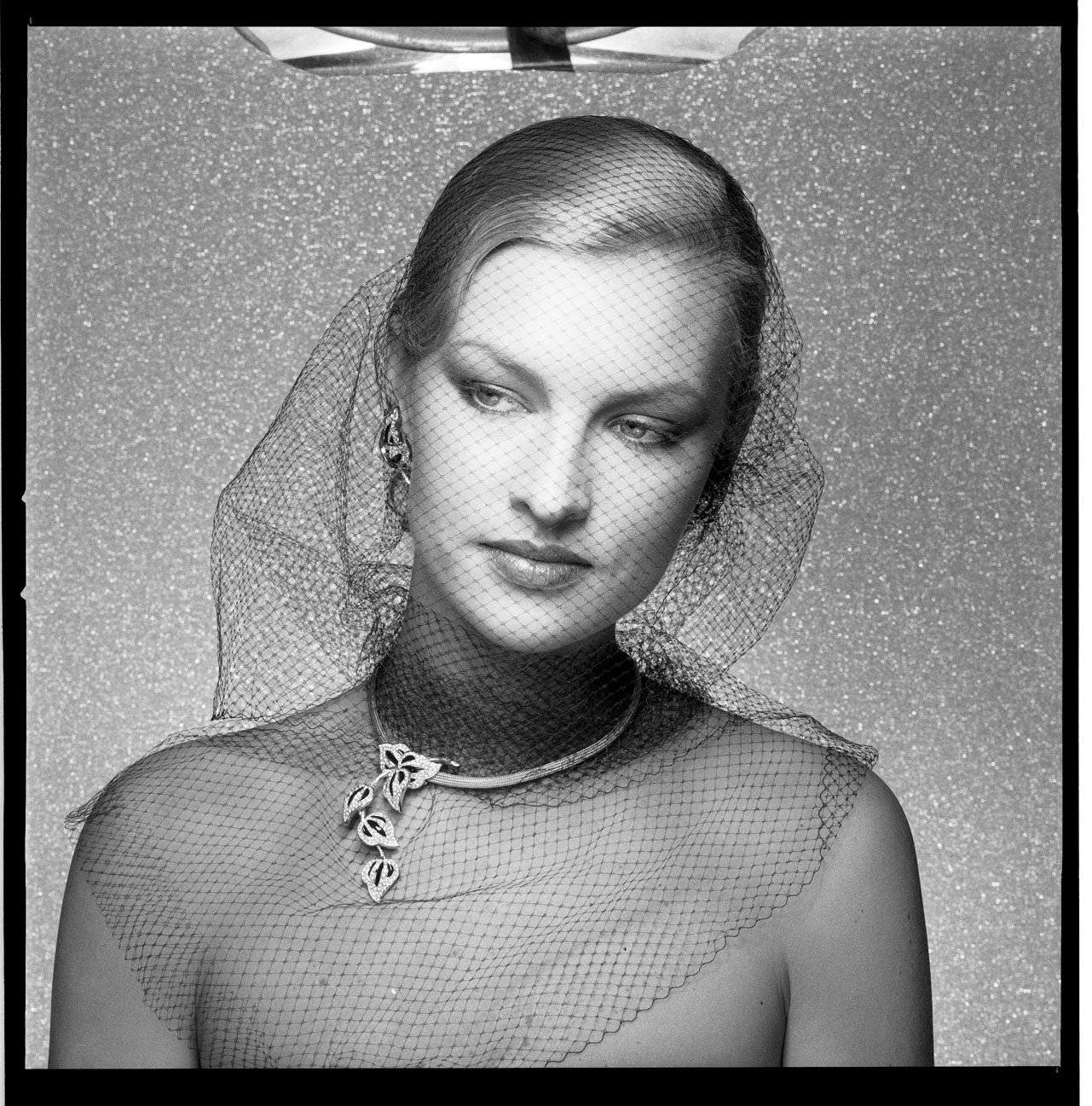
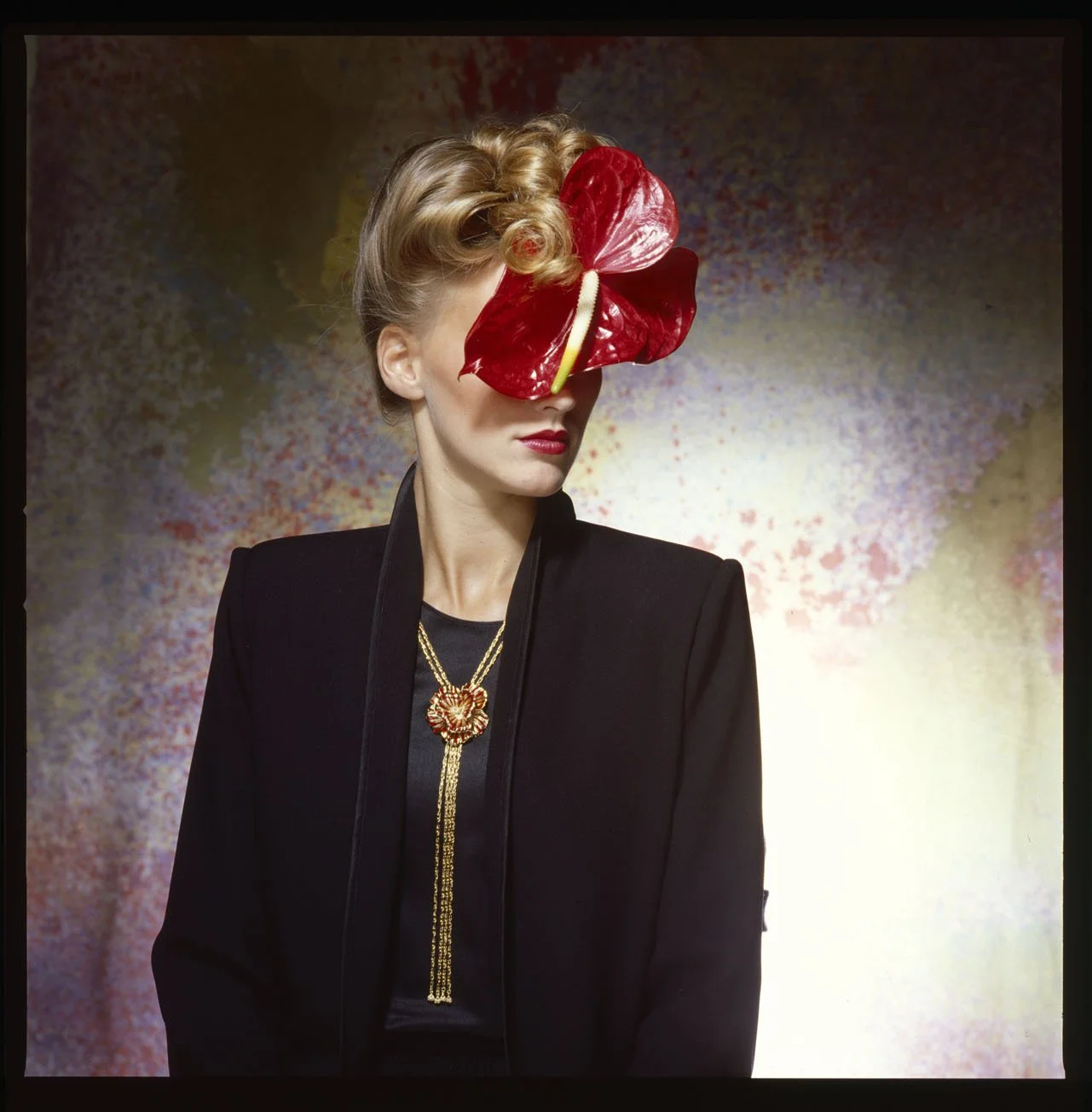
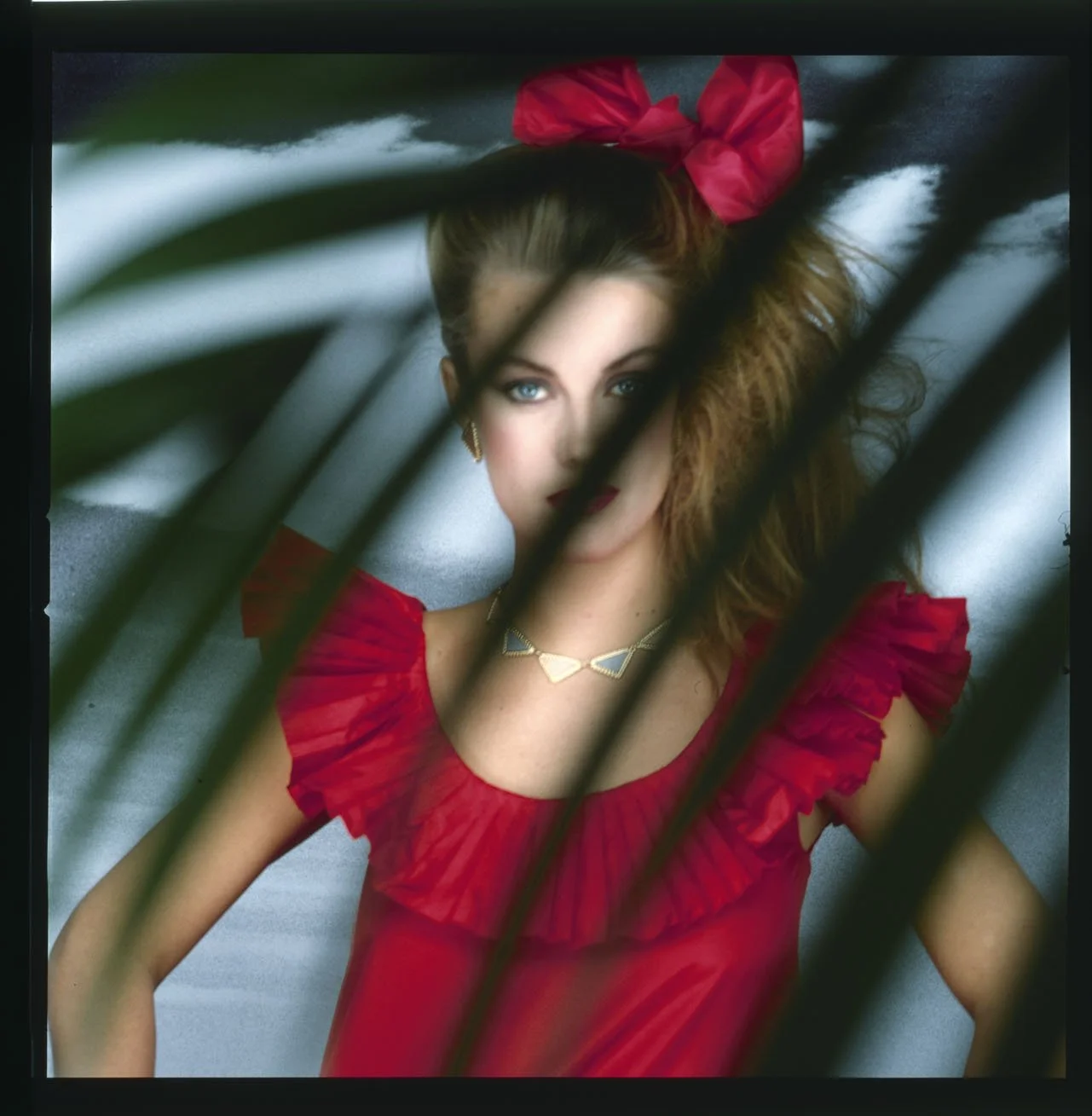
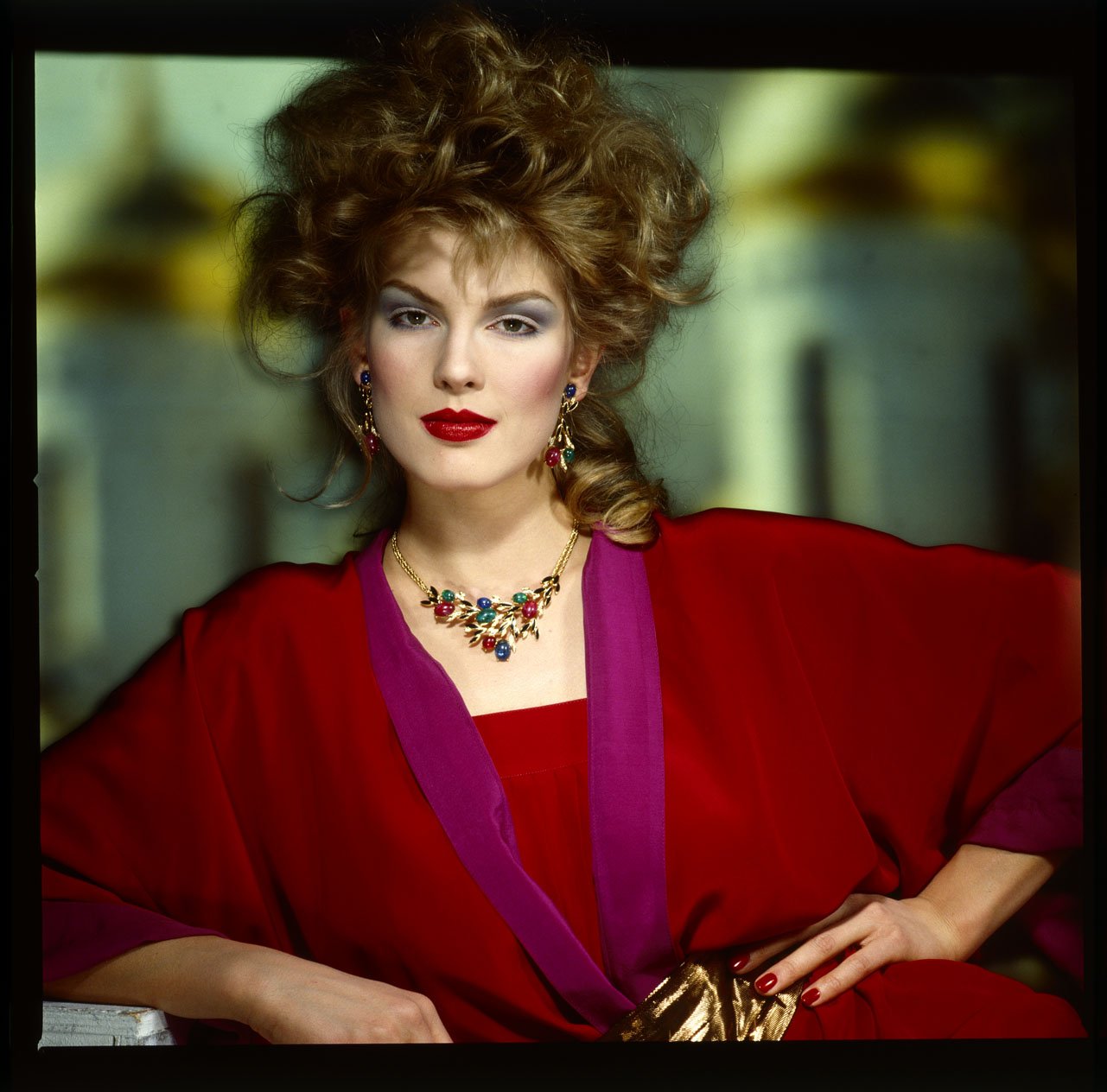
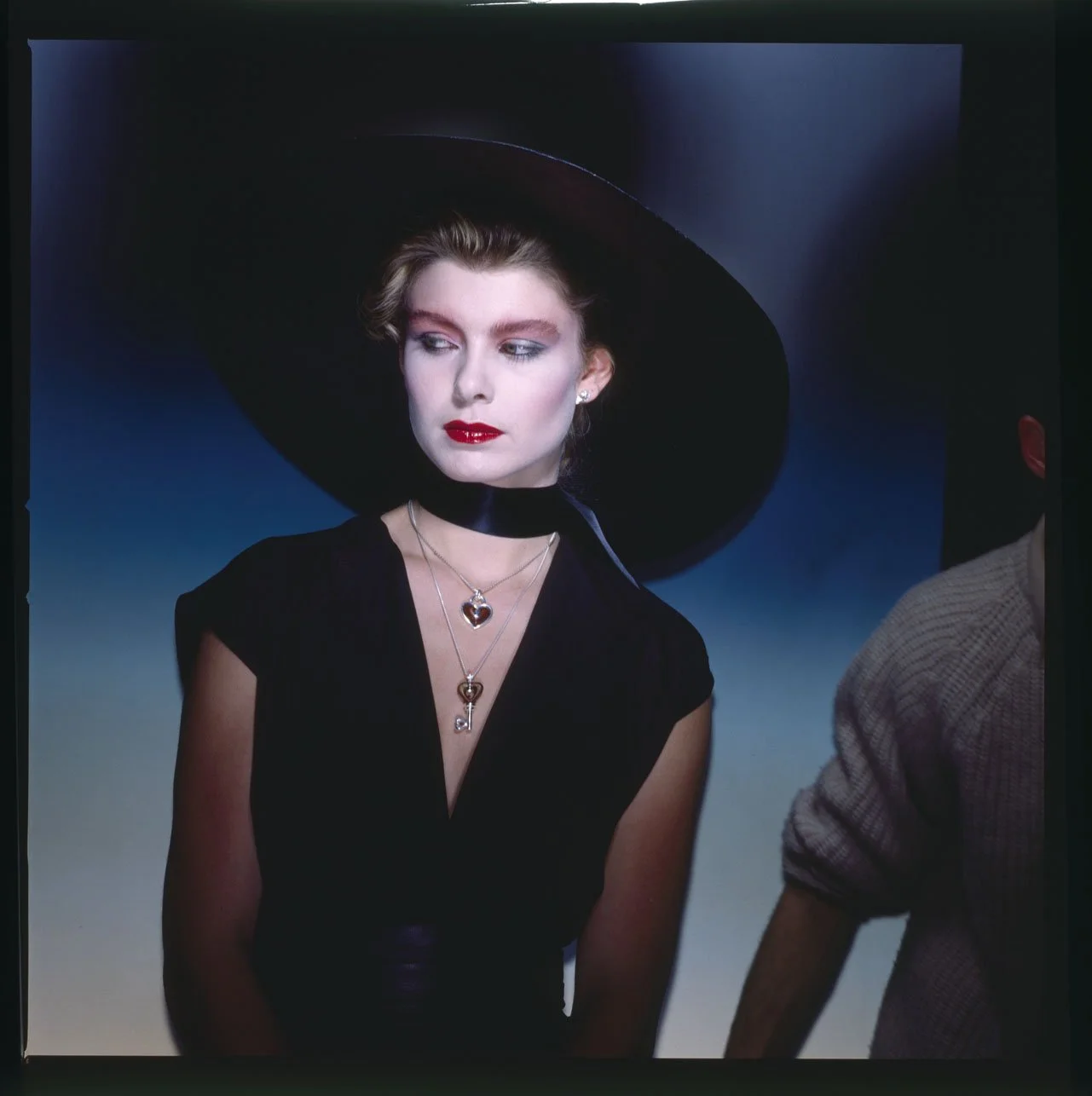
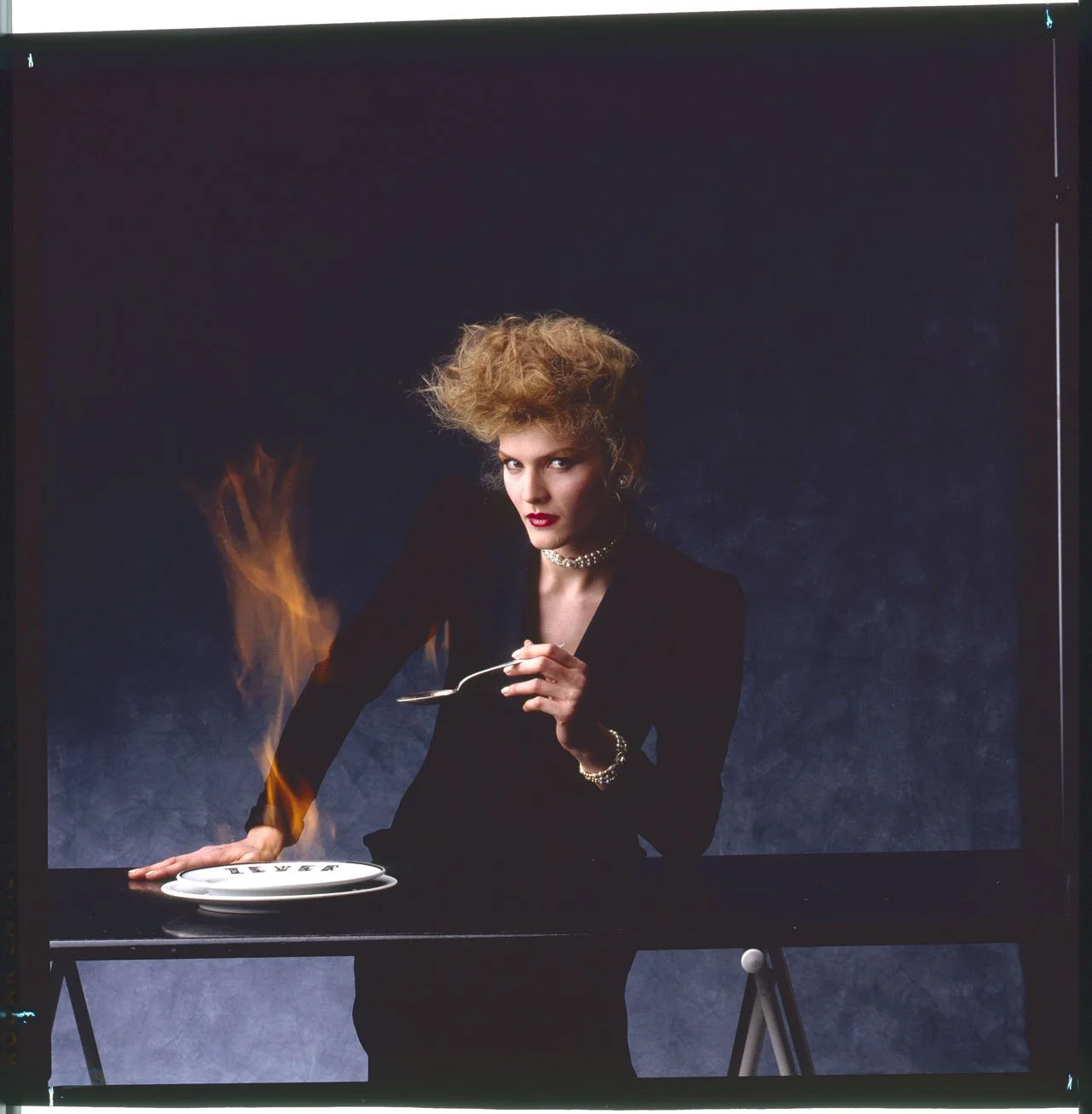
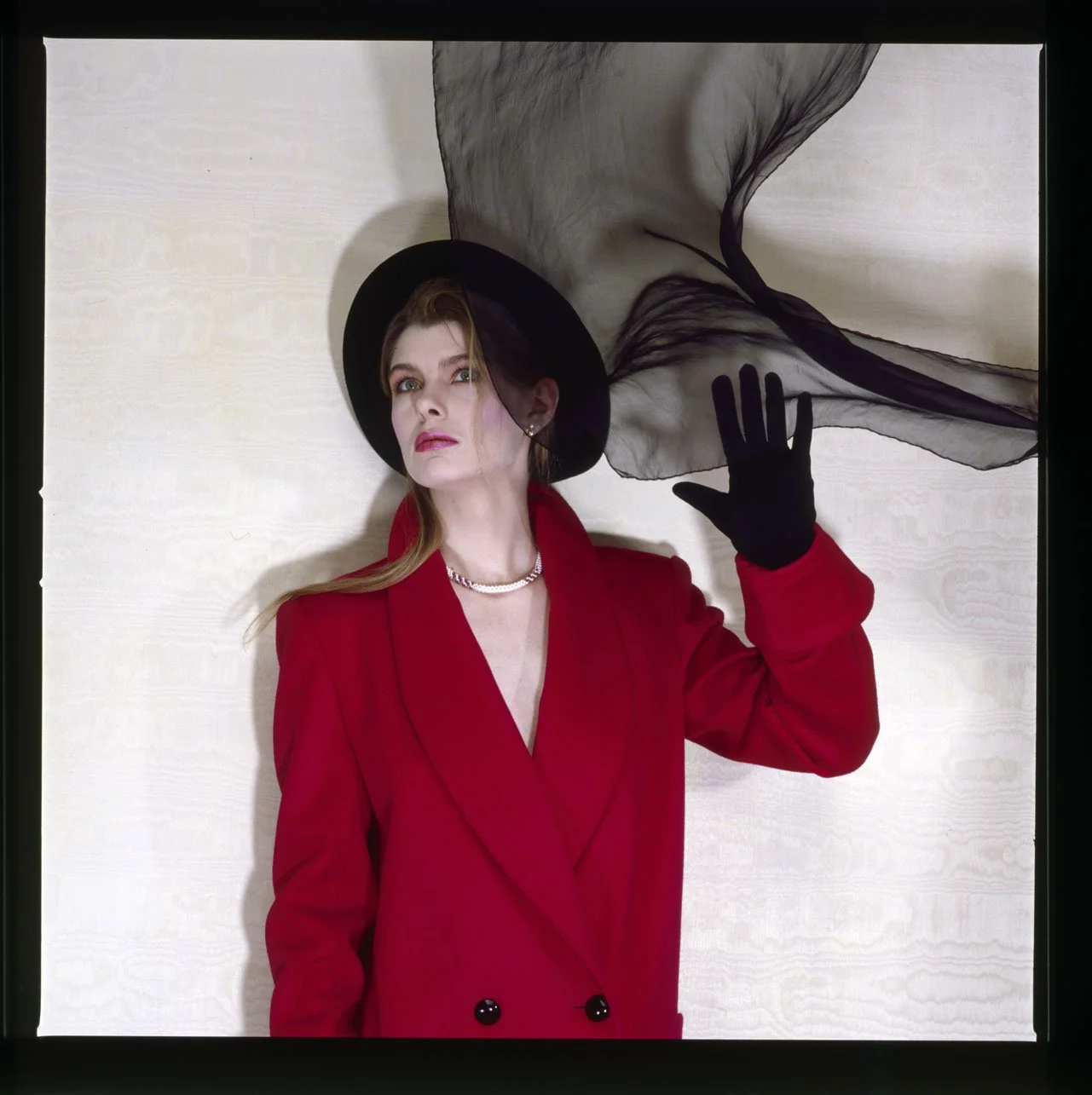
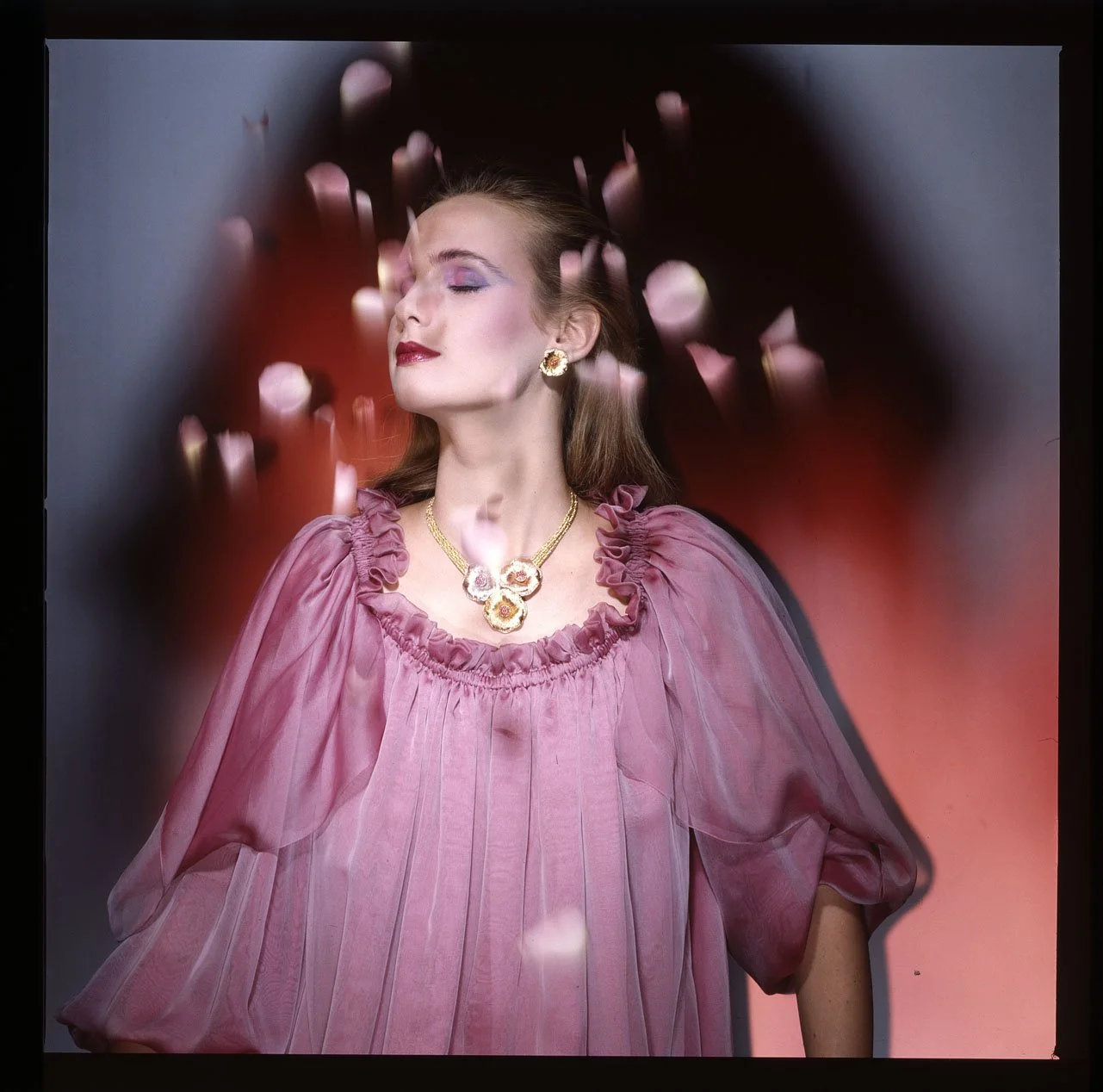
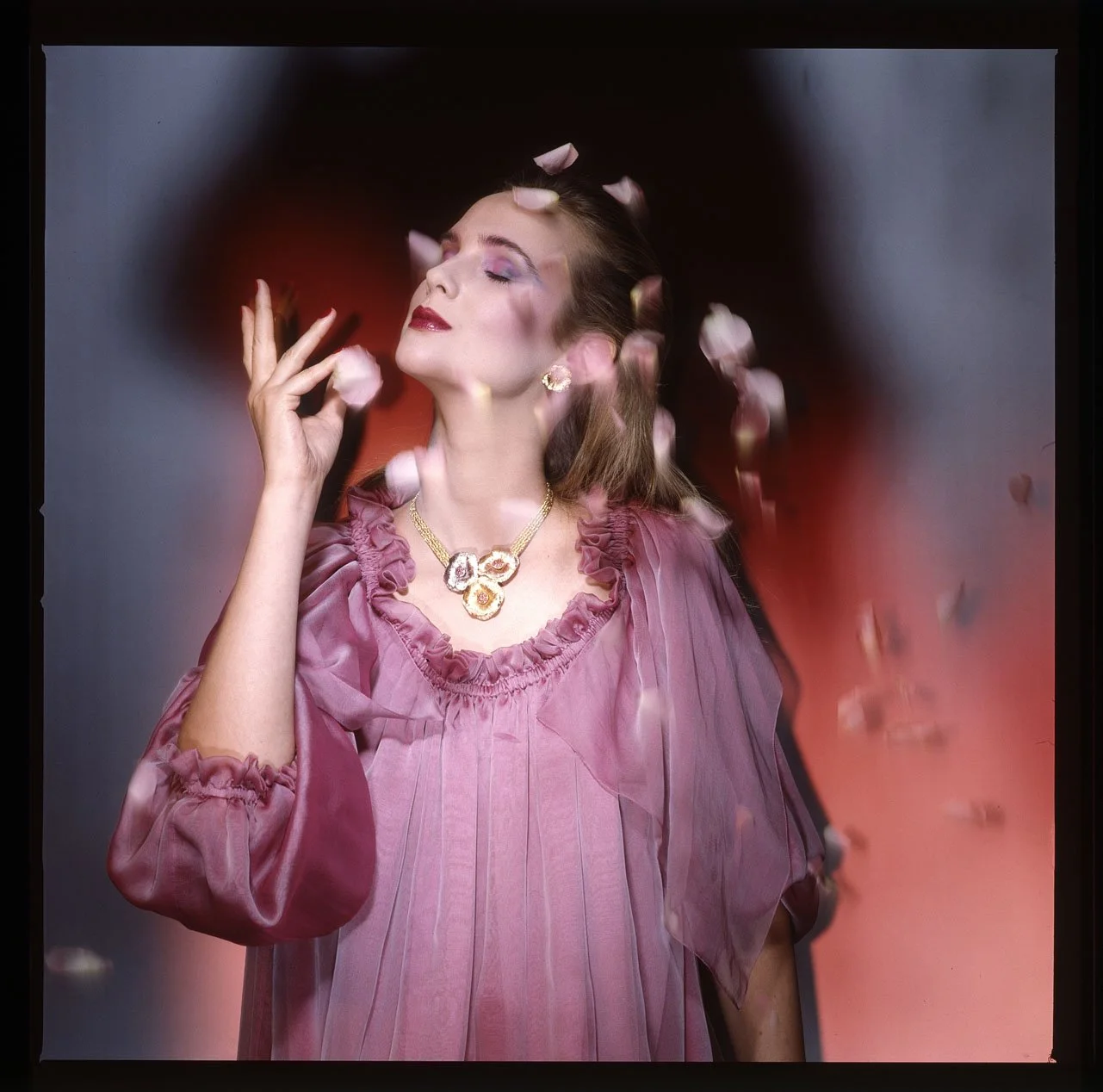
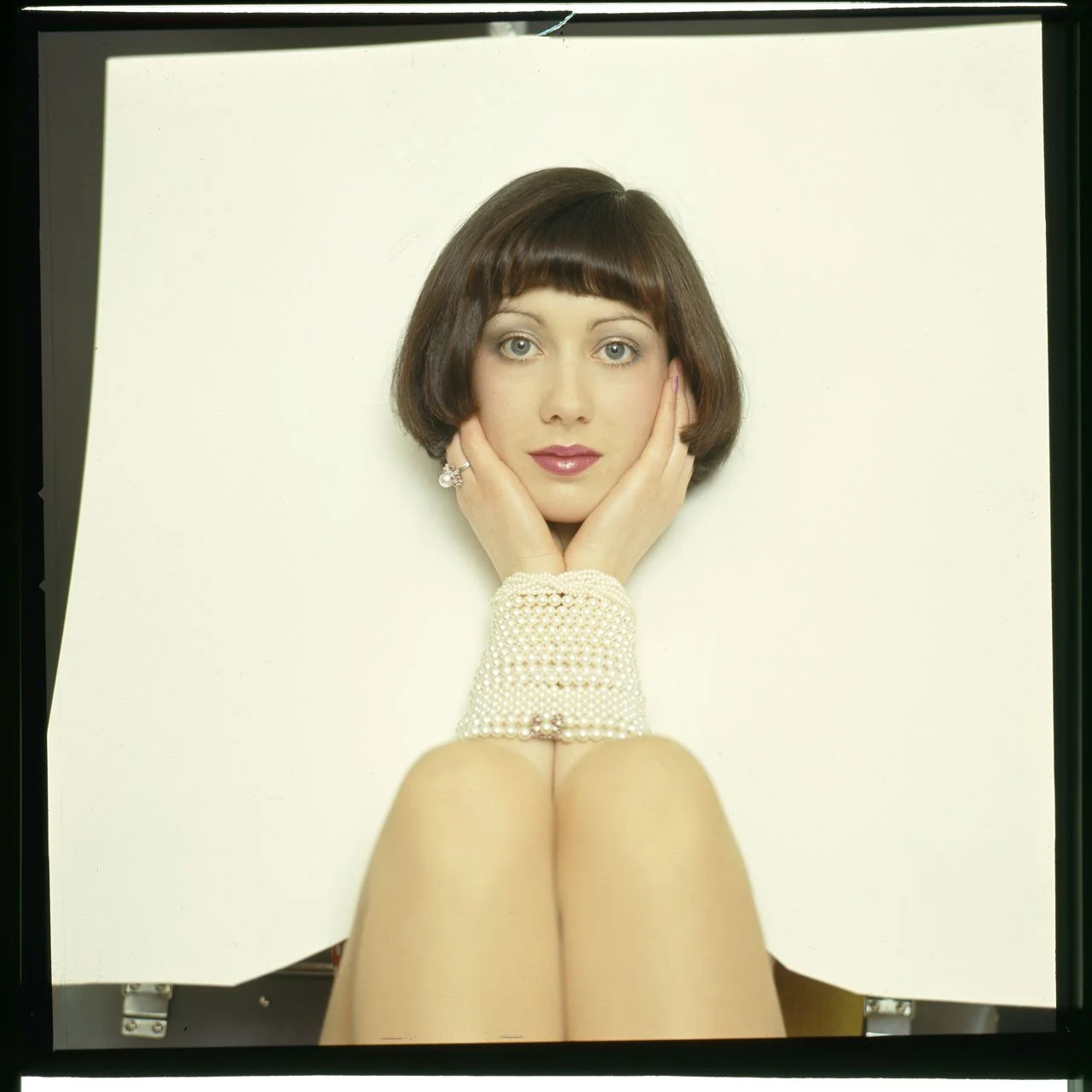
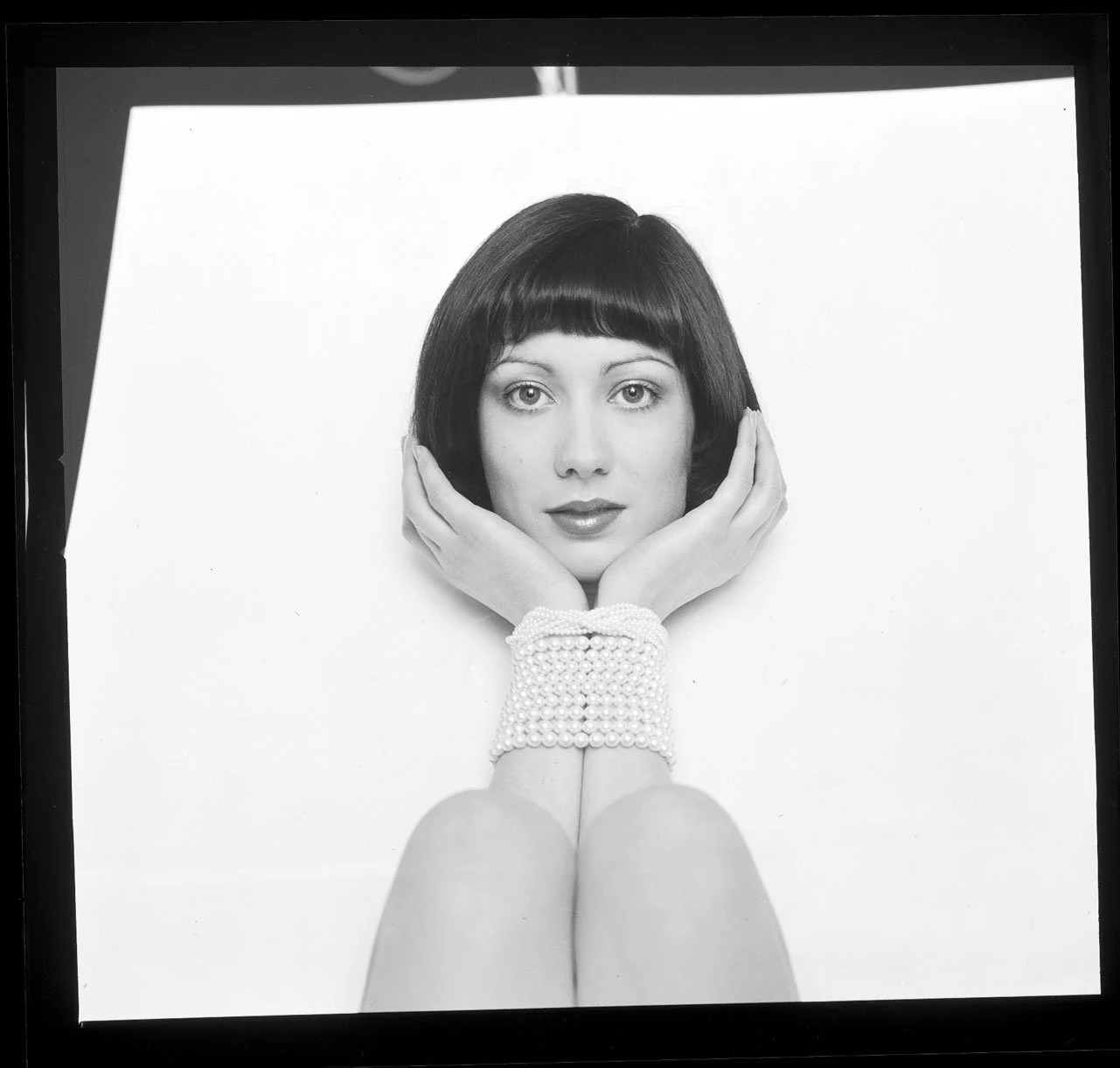
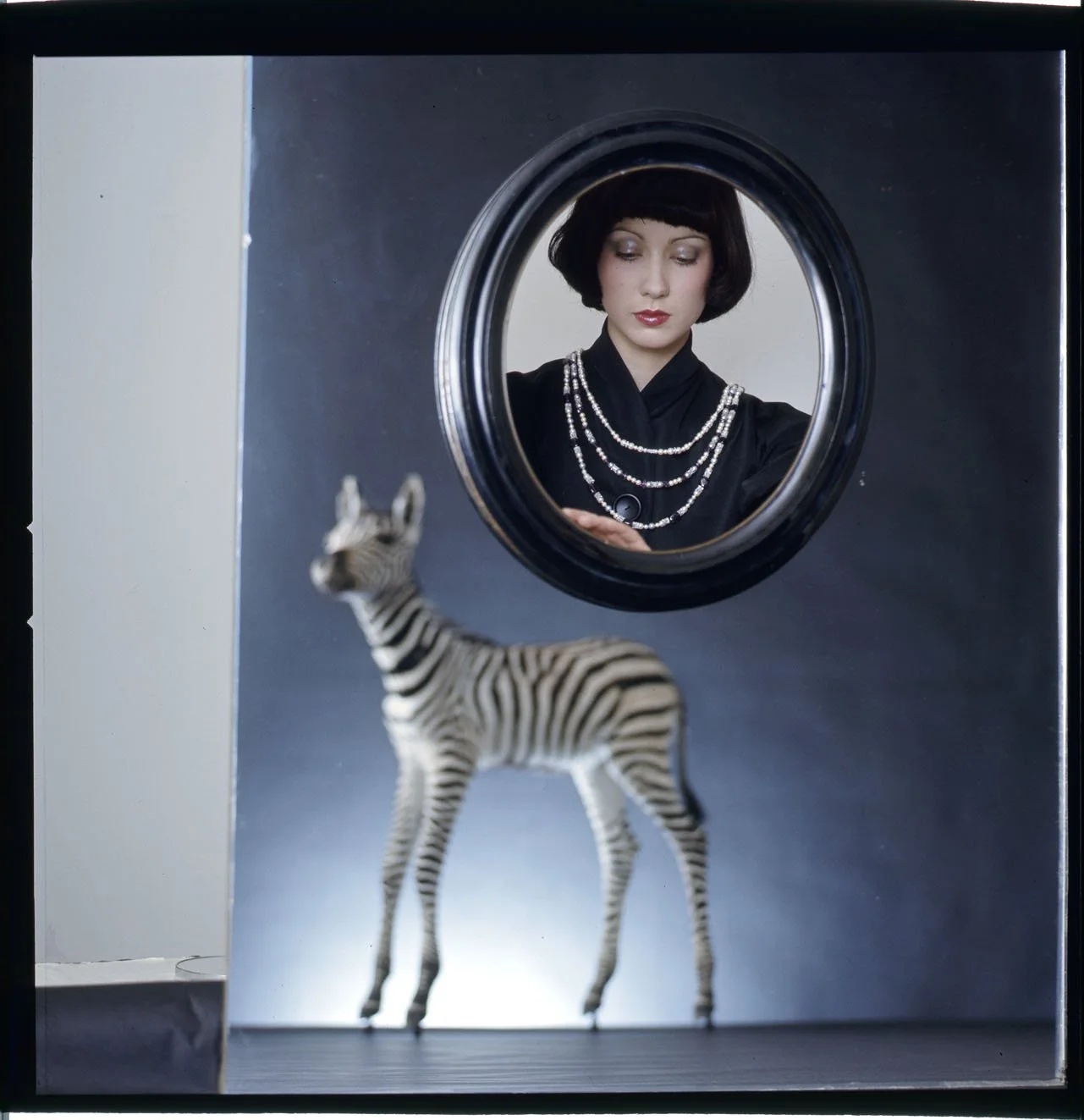
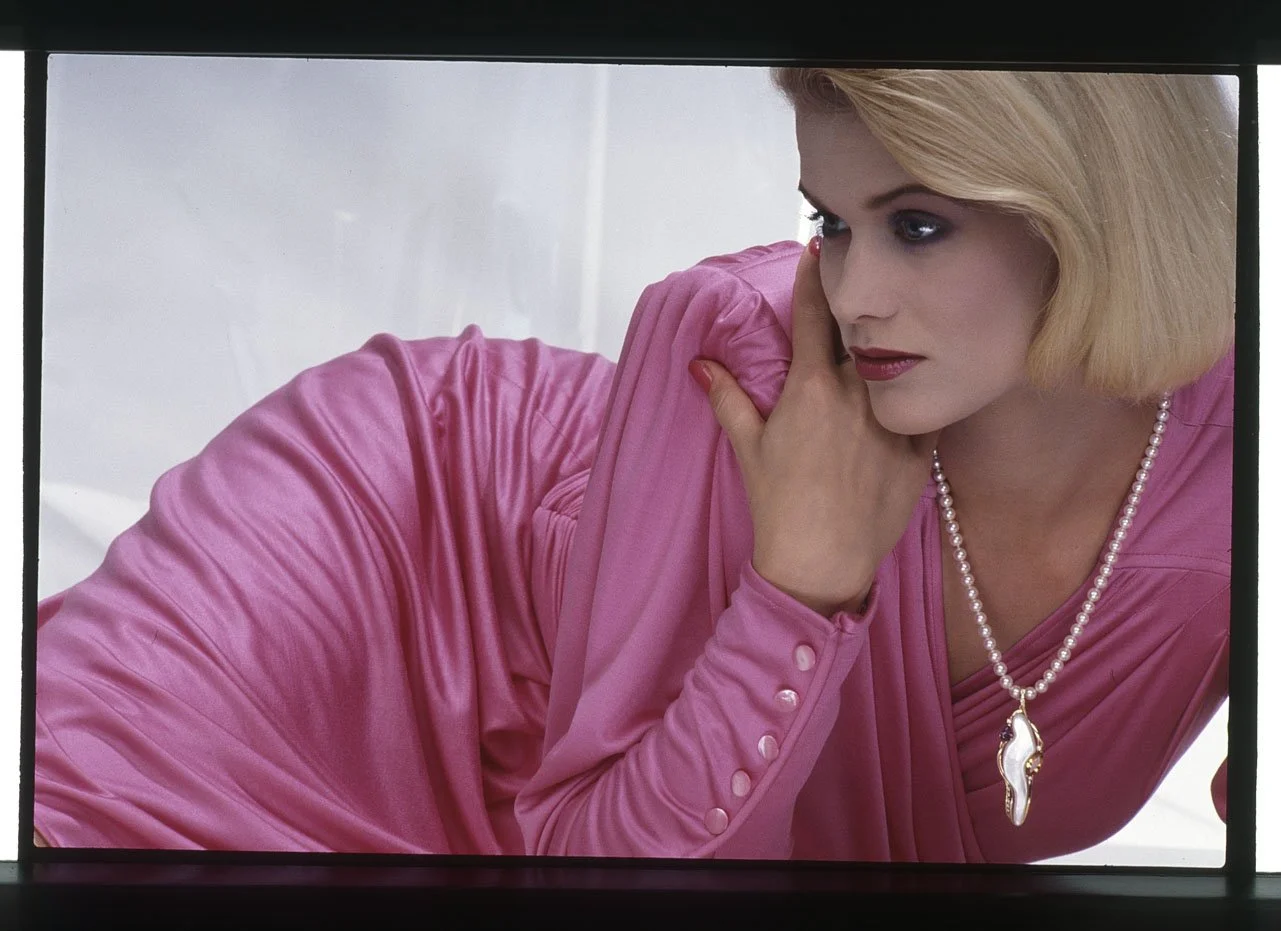
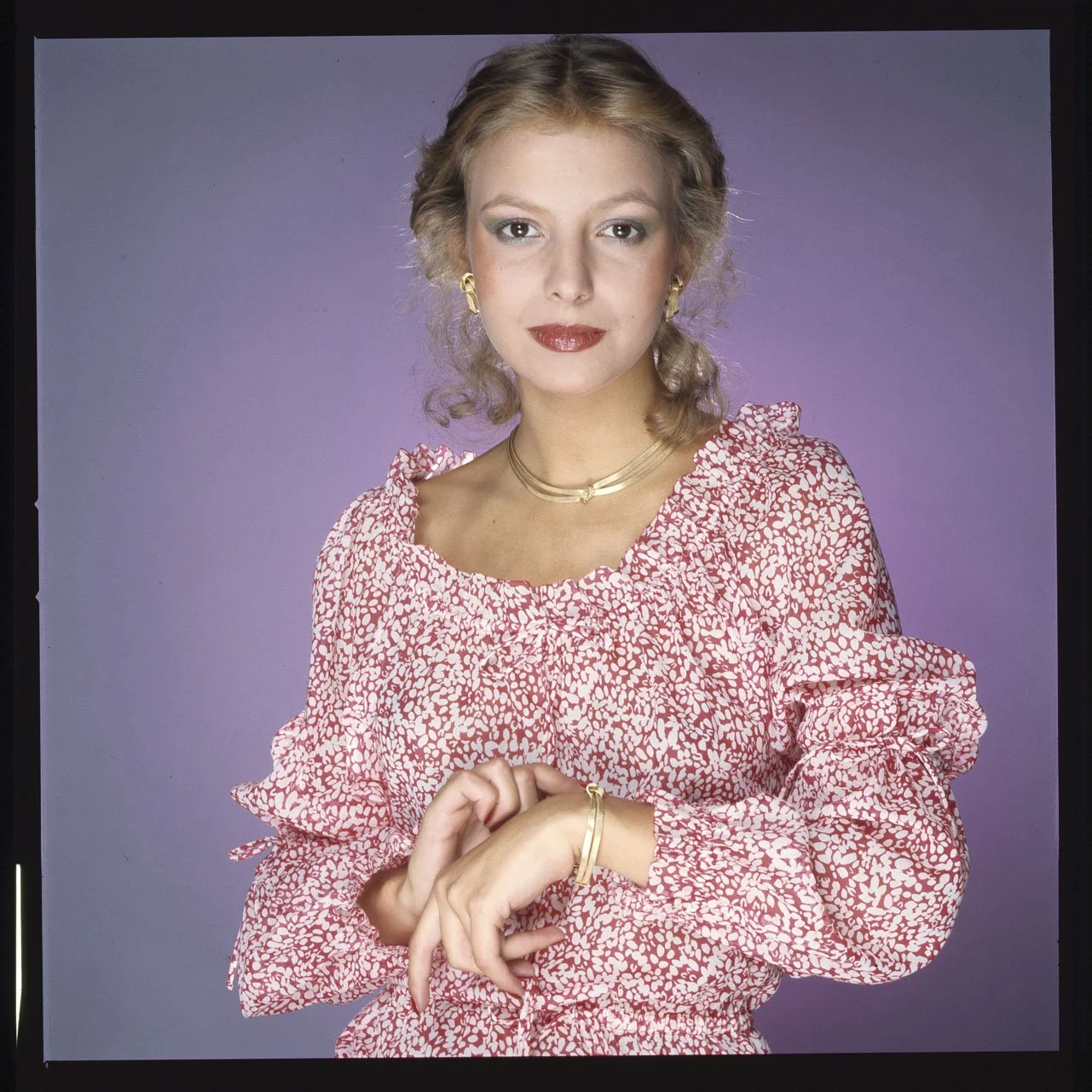
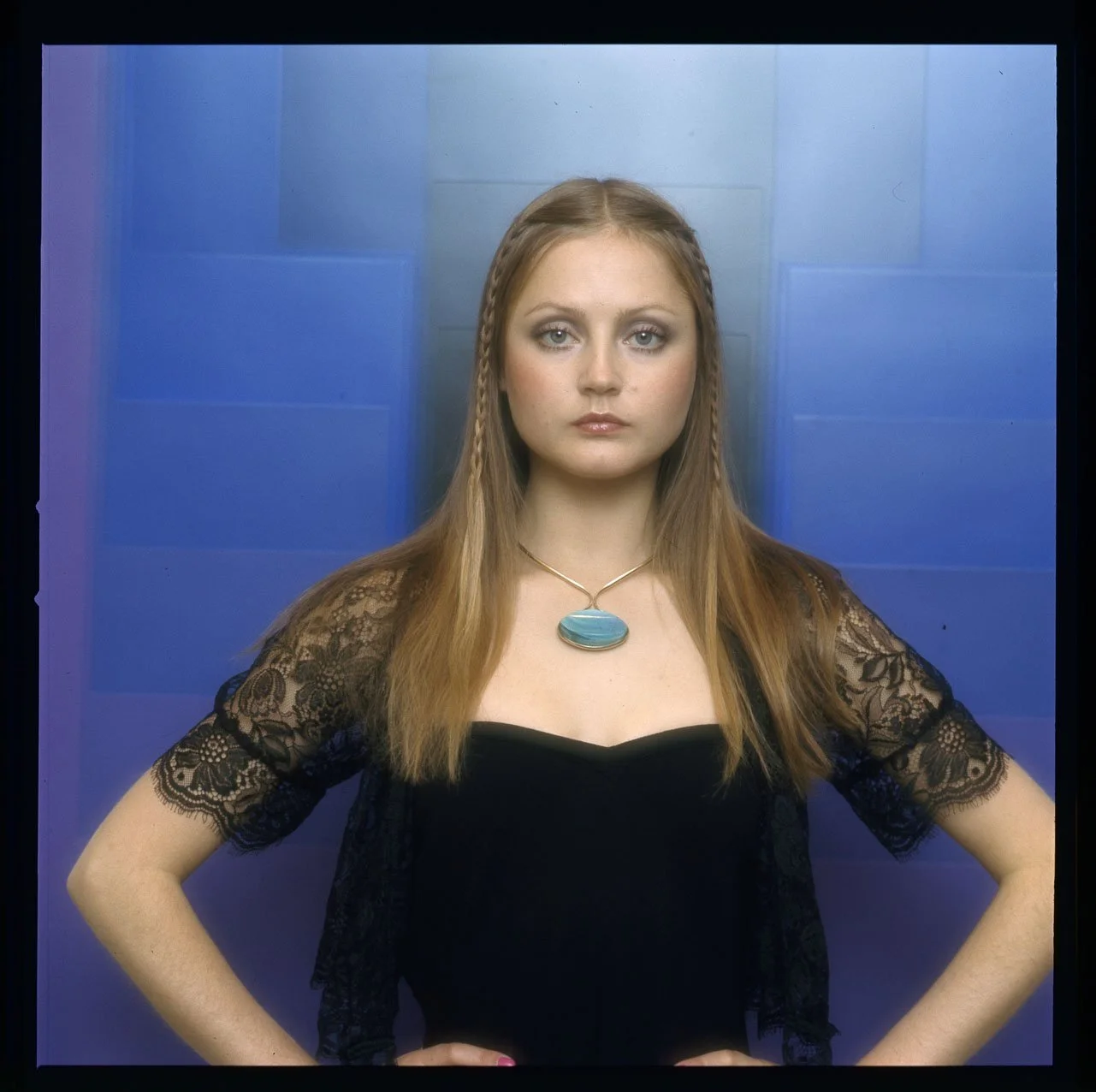
Two entirely different models, two entirely different photographic concepts: For Dior, Ulrich Pracht constantly—and enthusiastically—embraces new stylistic devices and female archetypes to showcase jewelry and high fashion with artistic variety—always with the declared objective of commercial success, even if this is not immediately apparent at first glance.
One of the models is Anne Bézamat, who today works as a New York-based interior designer, furnishing luxury residences around the globe. She began modeling at the age of twelve and rose to supermodel status in the 1980s, collaborating with luminaries such as Karl Lagerfeld, Jean Paul Gaultier, and Christian Lacroix. Her trademark—perfectly attuned to the zeitgeist of the era—was a feminine, sensually erotic allure that landed her on countless magazine covers. Ulrich Pracht positions Anne Bézamat as the star of his shoot at the Pin-Up Studios in Paris, placing the dark-haired model behind a director’s clapperboard—the quintessential iconic symbol not only of filmmaking but also of fashion photography shoots. Her focused gaze and expressive aura seem to signal: "Let's roll—I'm ready!"—though a certain vulnerability resonates subtly beneath the surface. Yet, the most important image is already "in the can": her flawless face and the simply elegant jewelry, framed within the open clapperboard.
Odile Broulard, by contrast—who, alongside her modeling career, appeared in several films (such as Armageddon) under the pseudonym Odile Corso and remains represented by international agencies to this day—represents a type of beauty quite distinct from Anne Bézamat: the more Nordic archetype of timeless, cool elegance, characterized by blonde hair and blue eyes. The striking gesture of the young woman in the elegant, strapless summer dress—her slender hand, with its subtly polished fingernails, reaching for her large summer hat, accompanied by an enraptured smile with eyes closed—suffices to render Ulrich Pracht’s understated composition—in which light, shadow, and a chair suggest spatial depth—truly impressive. With masterful skill, he highlights the gold-and-white butterfly and the playful earring resting against bare skin: jewelry whose feminine ornamentation contrasts wonderfully with the perfect anatomical lines extending from the torso up to the line of the chin. One wonders if he shared this insight with the model? Odile Broulard, at any rate, seems to suggest as much through her gesture.
06.1
KARL LAGERFELD
Voilà! – The Great Master.
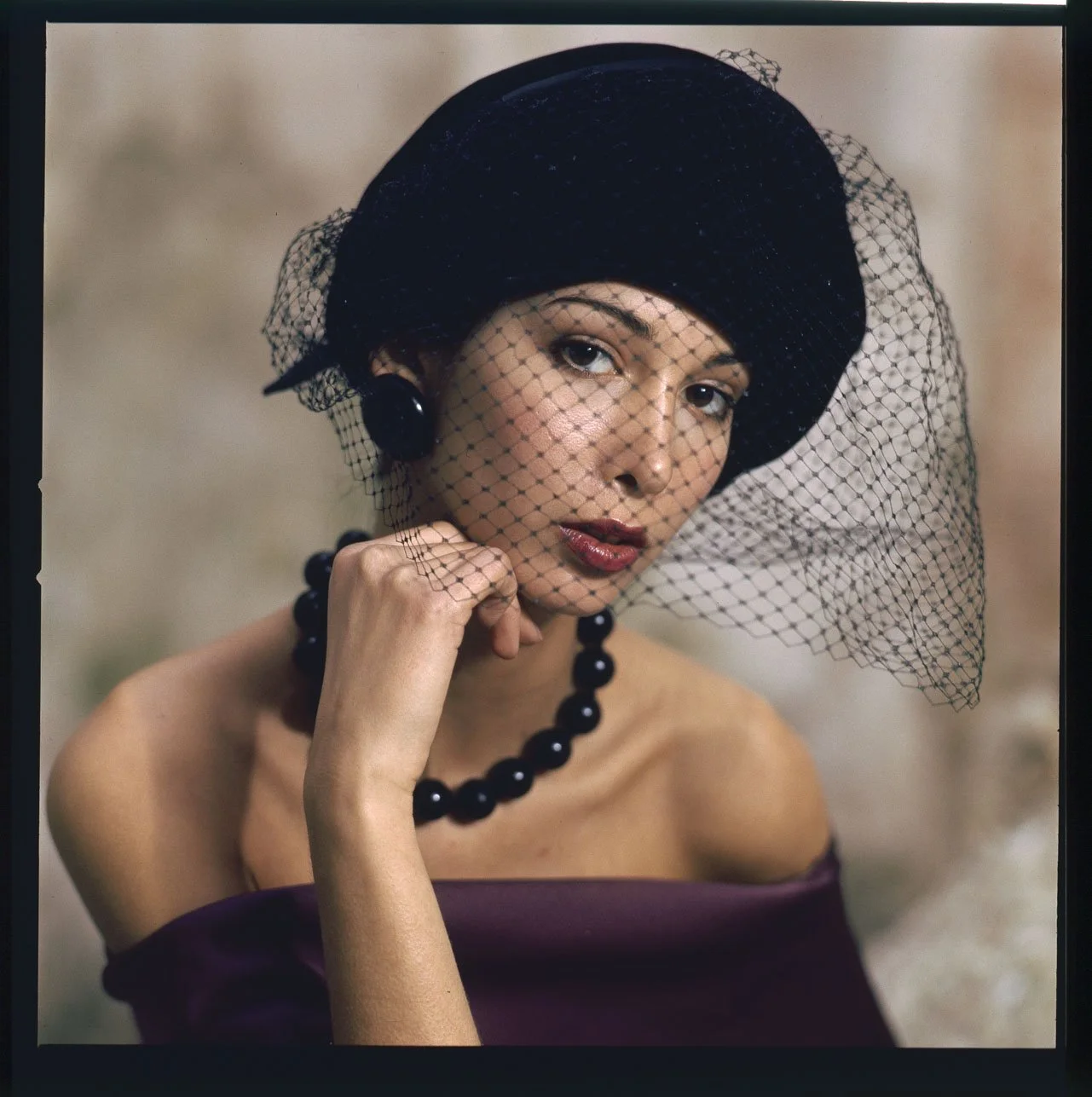
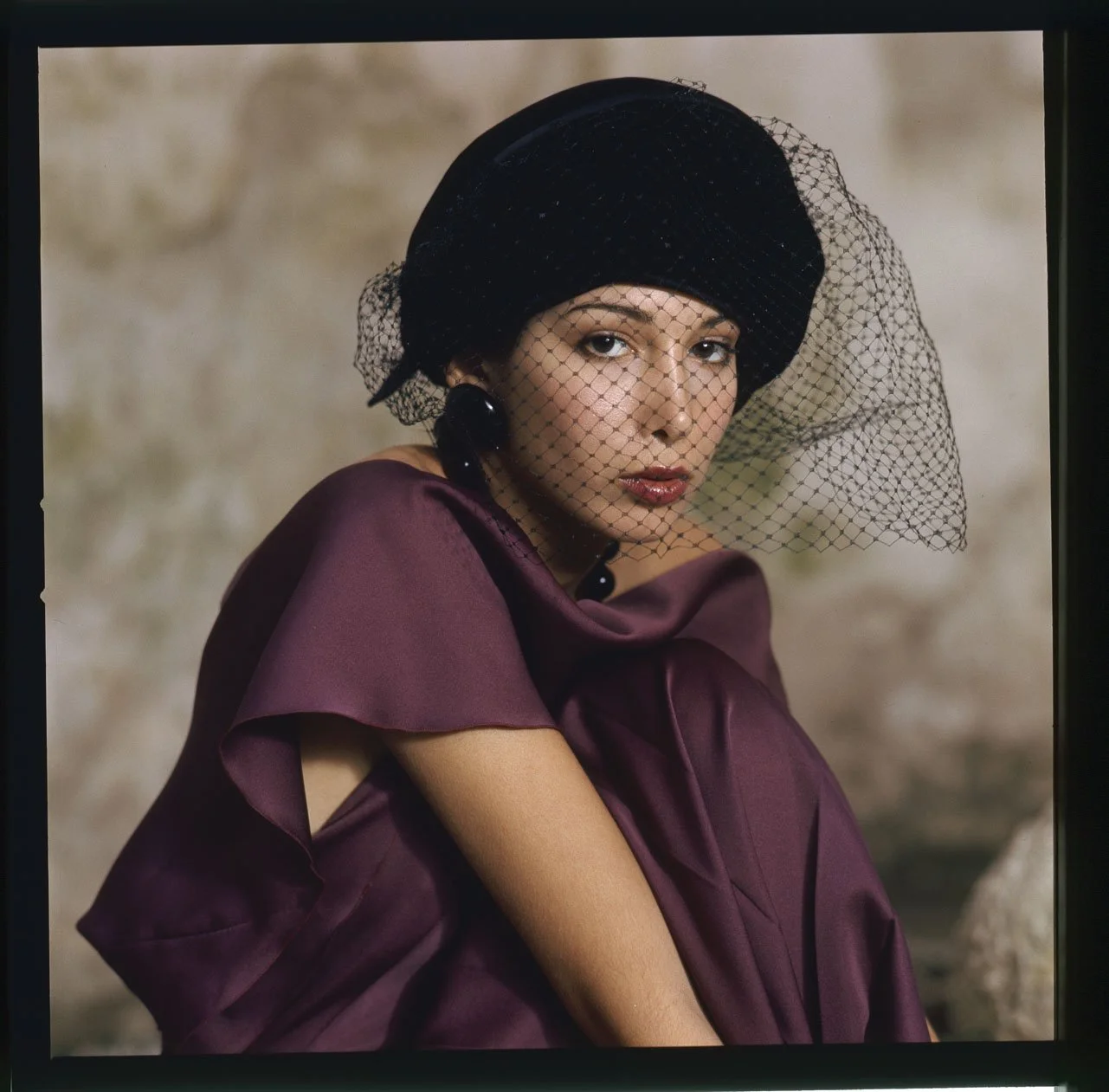
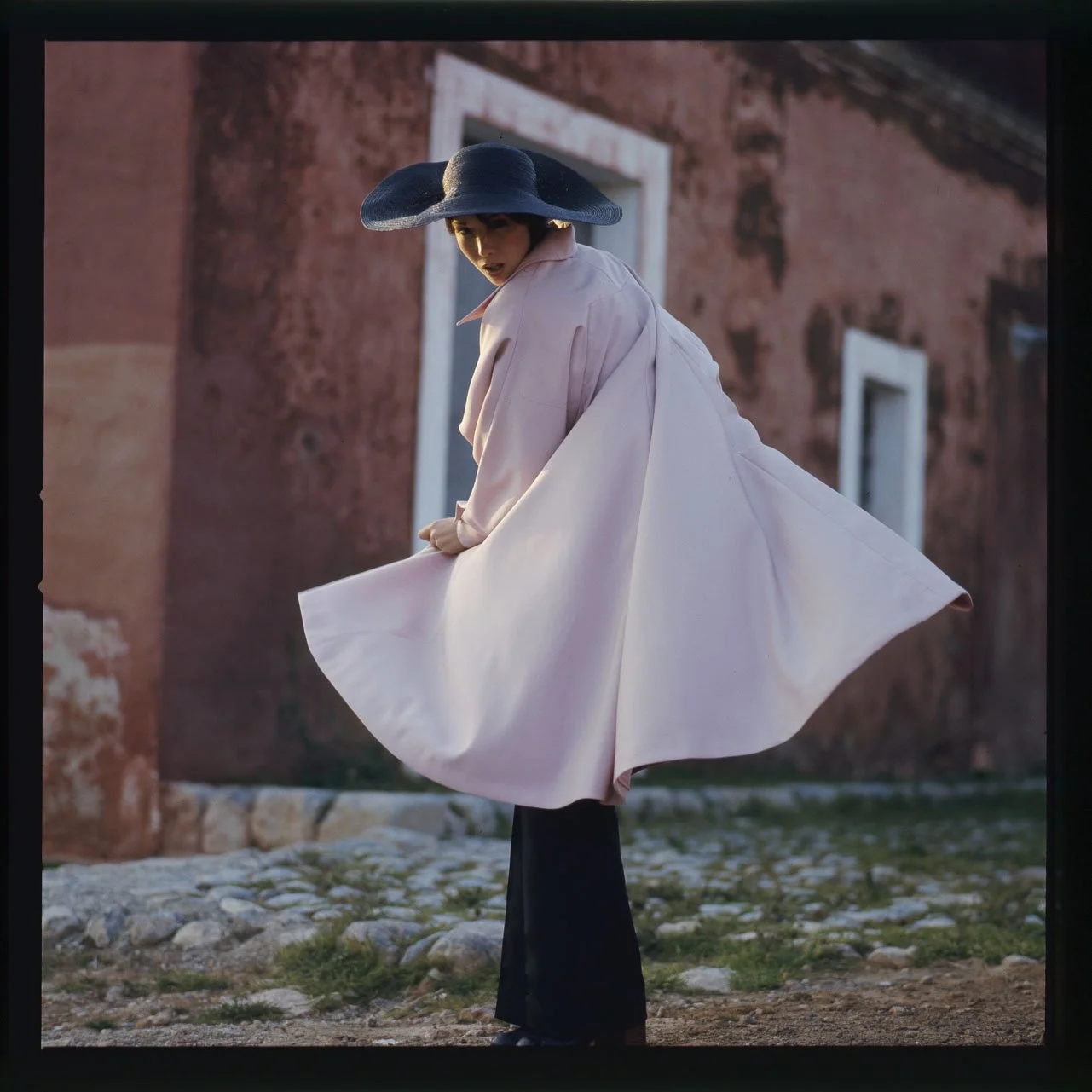
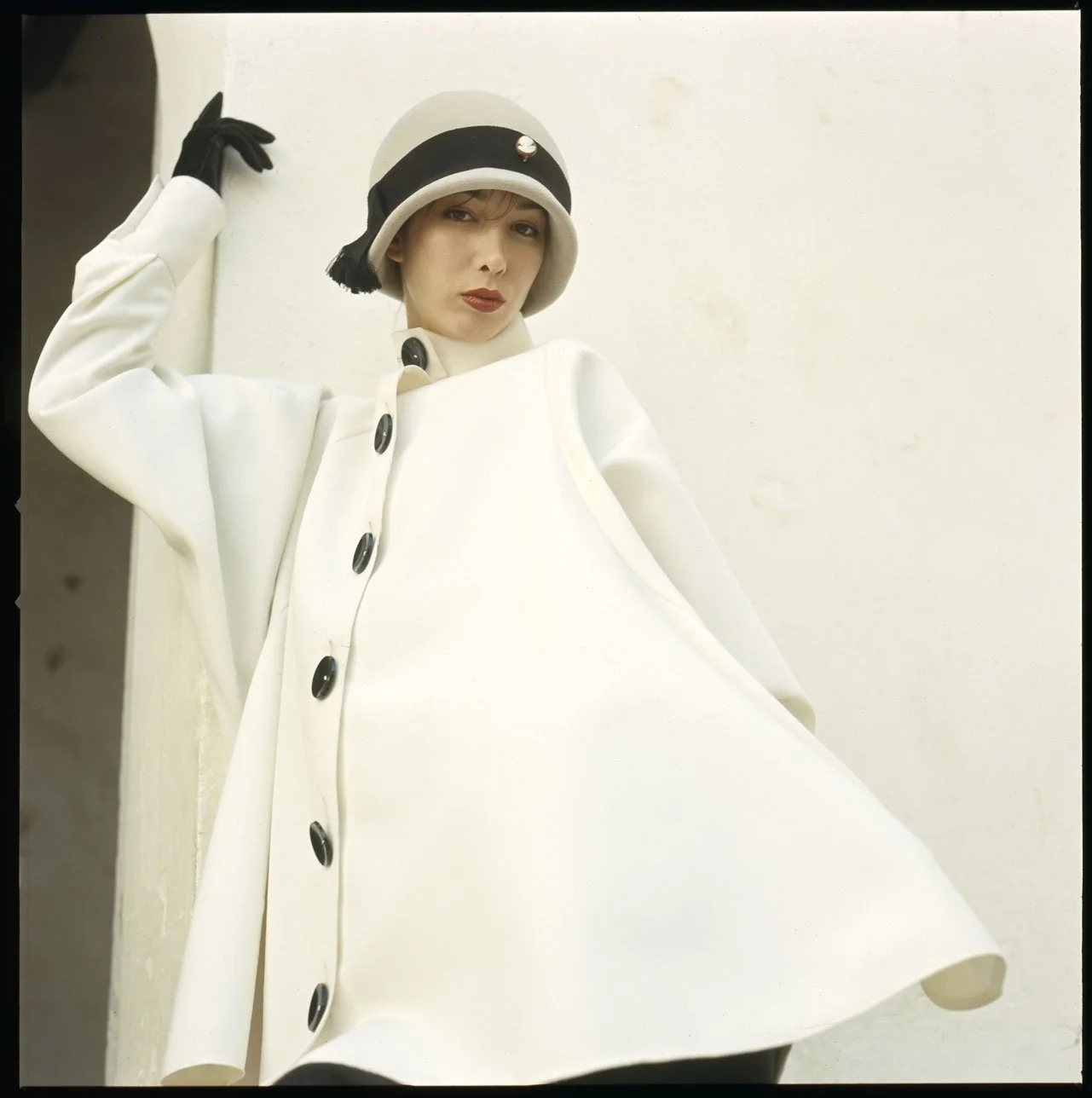
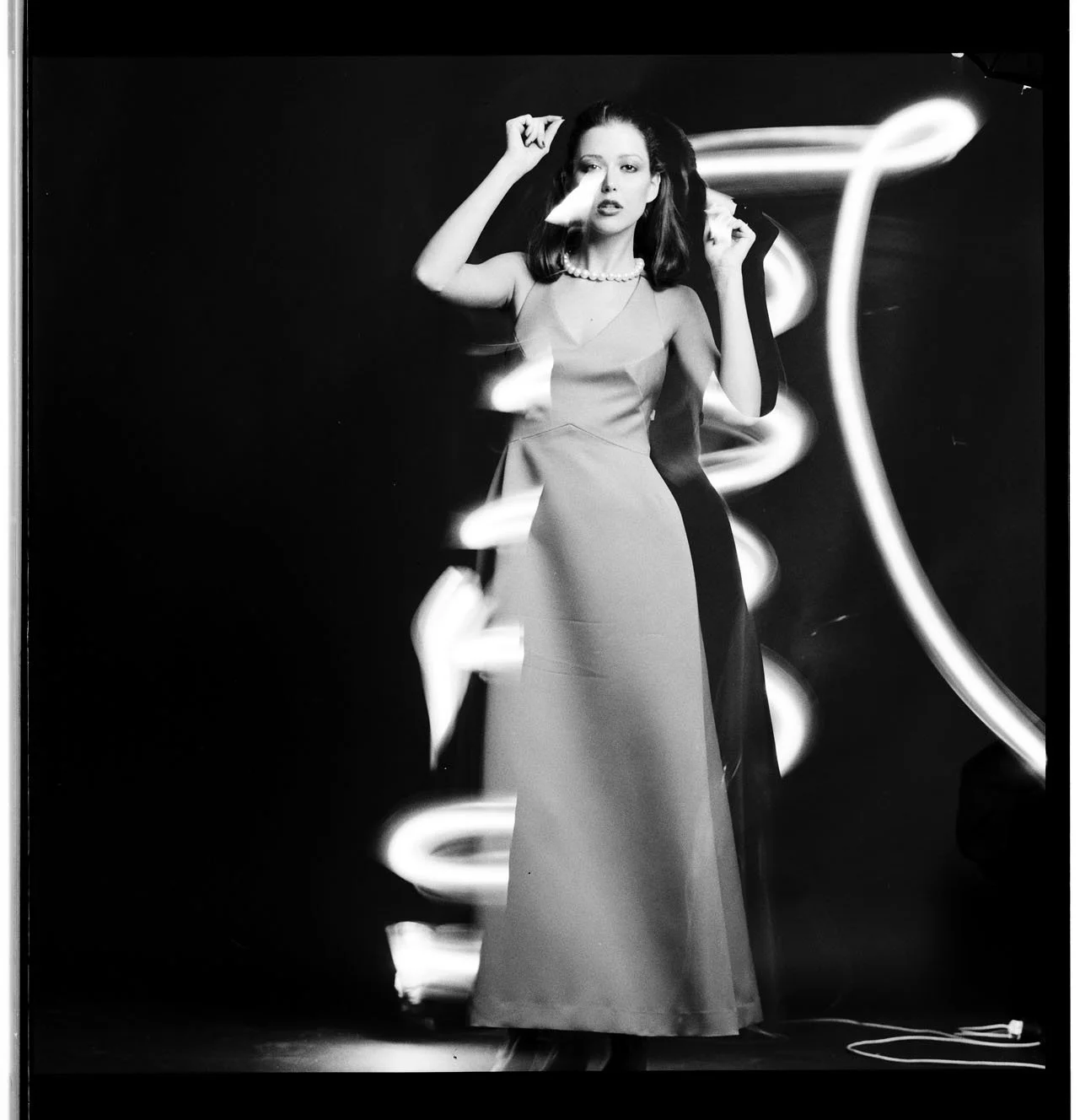
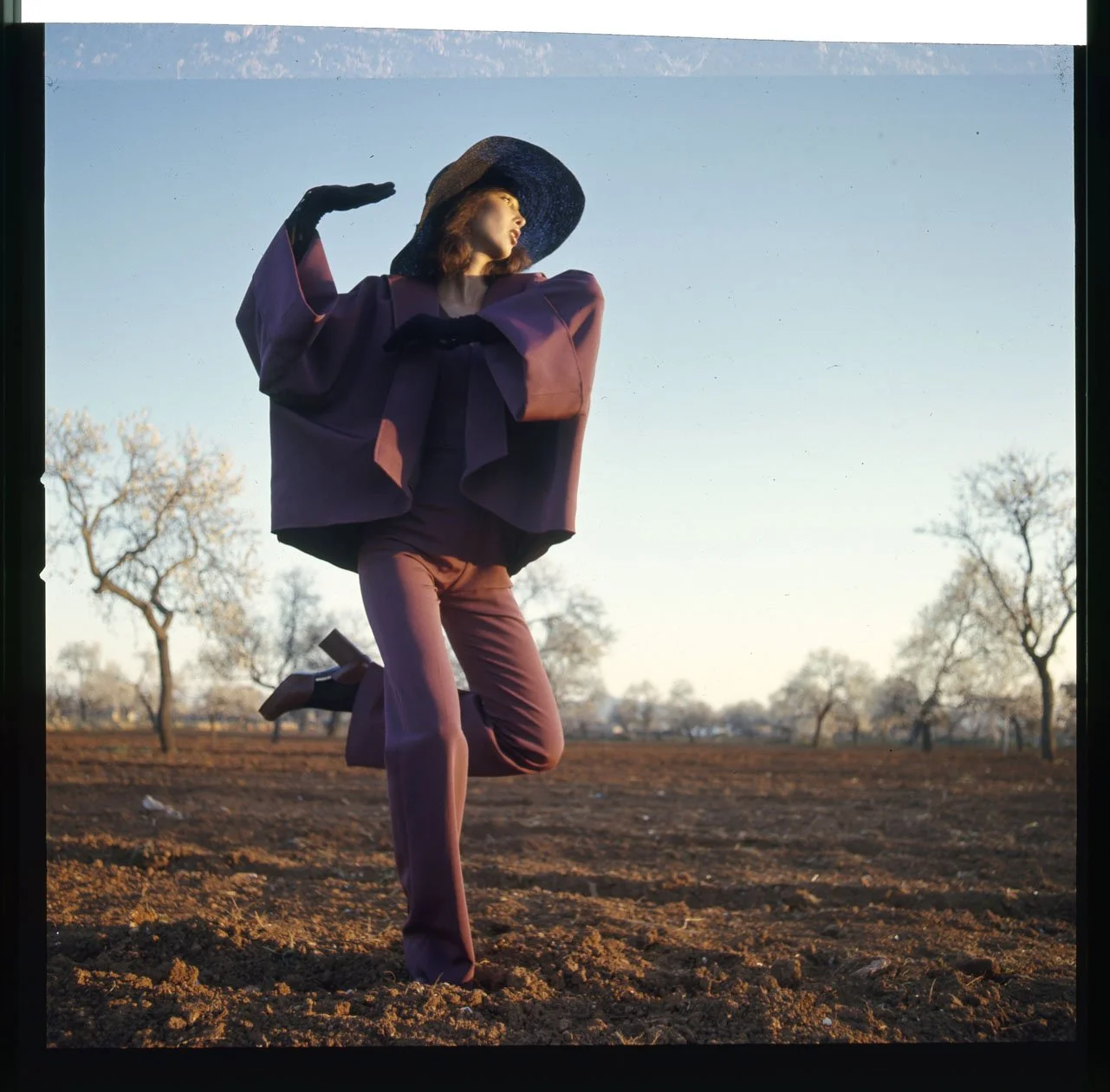
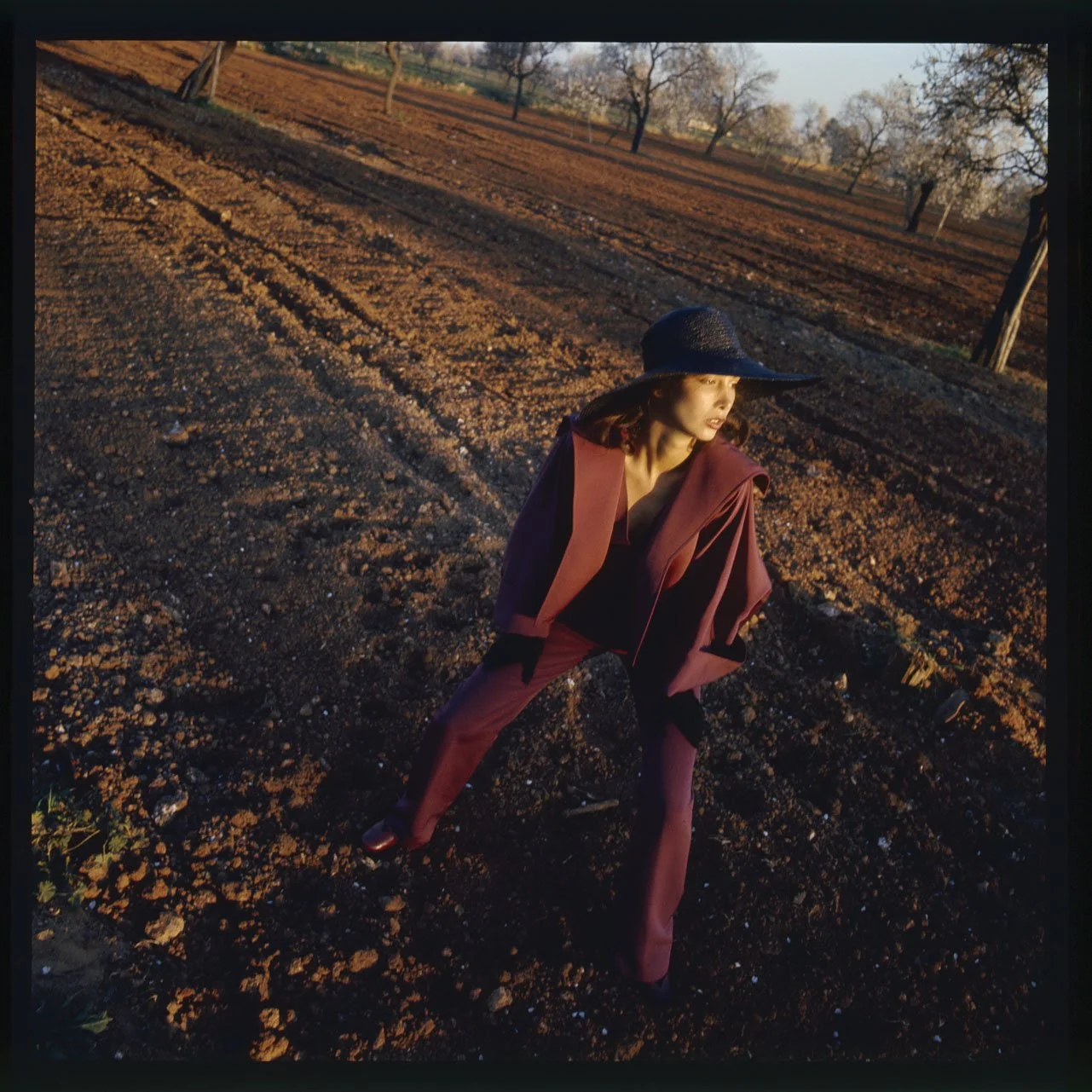
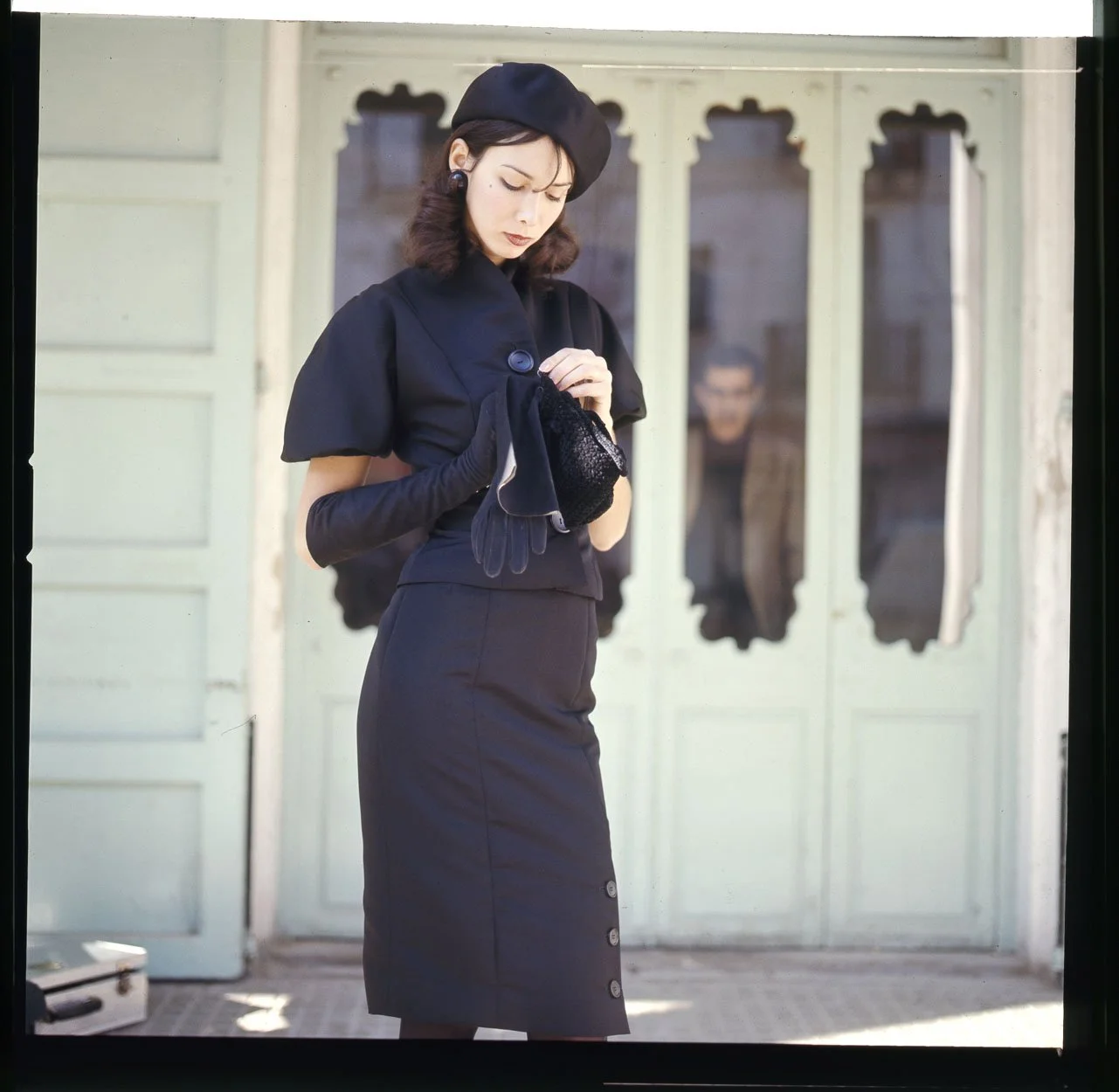
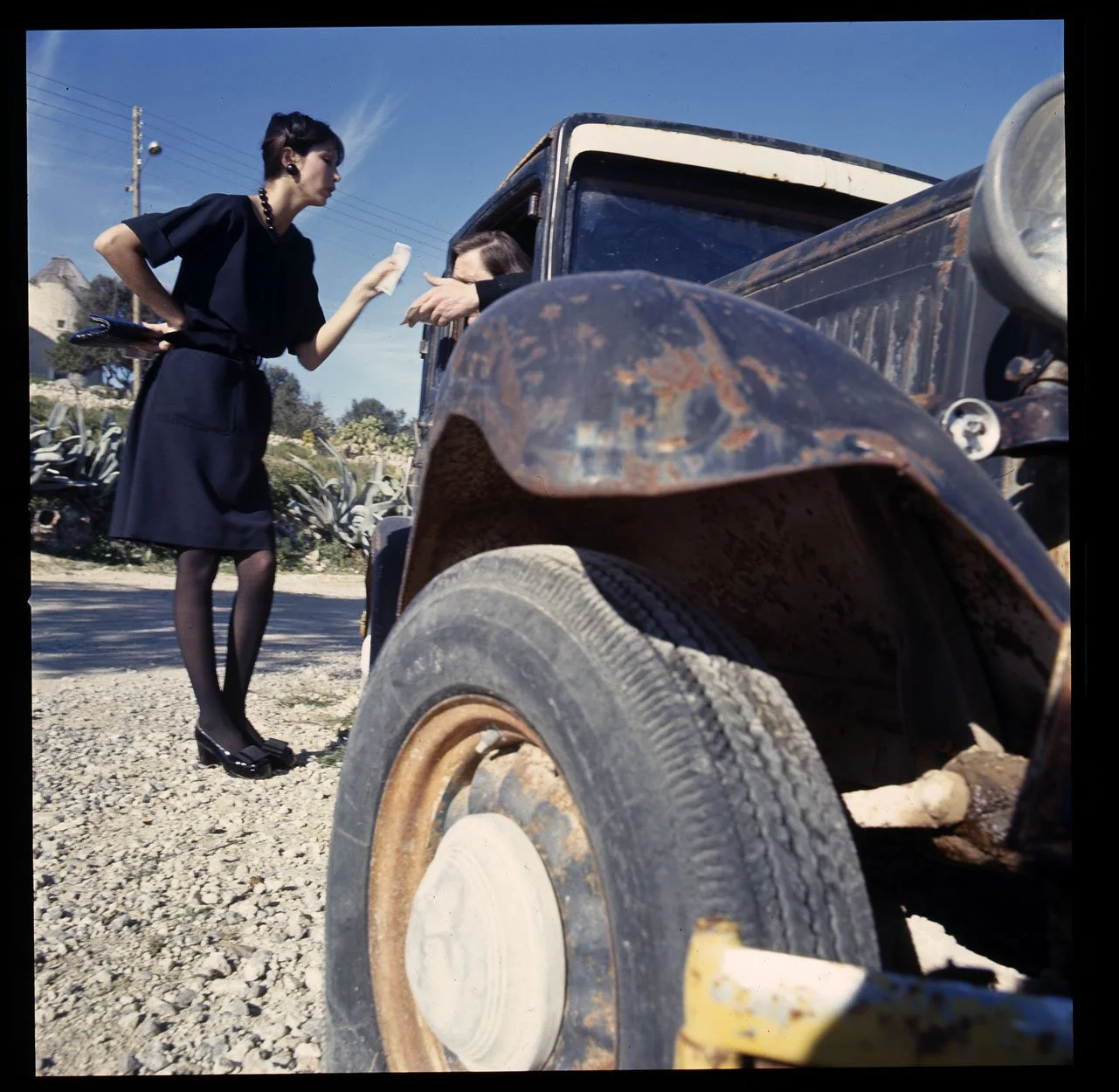
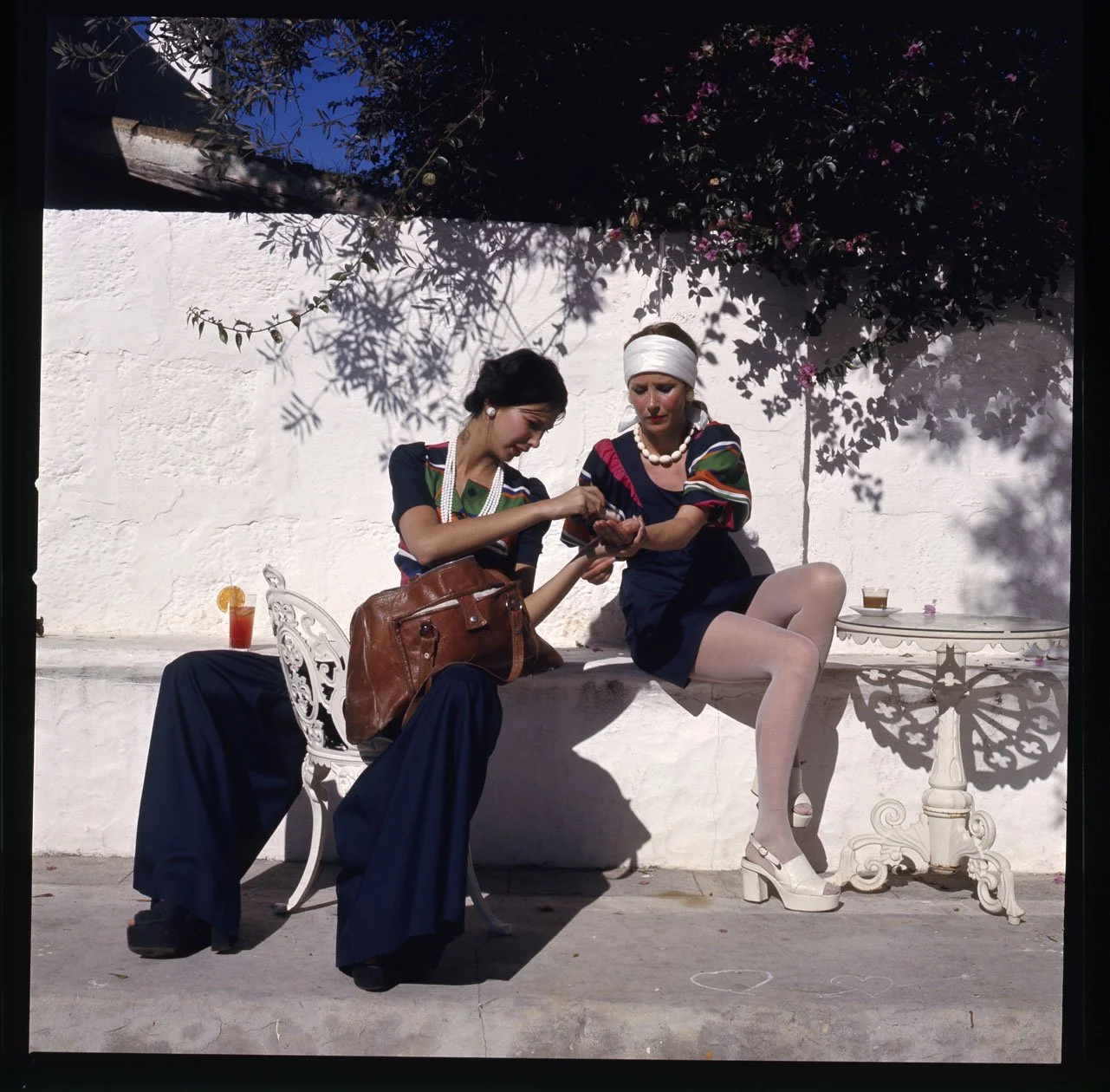
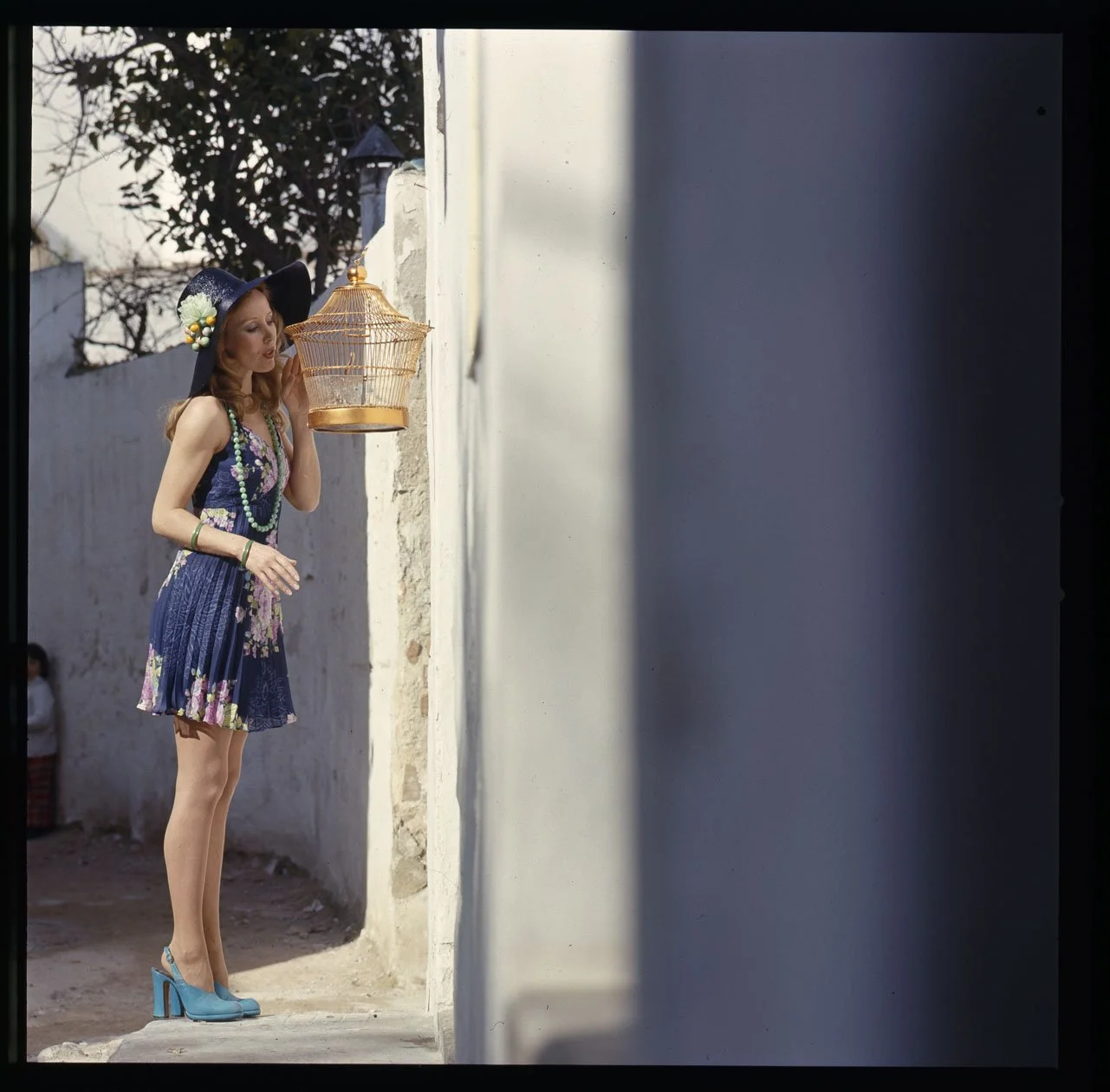
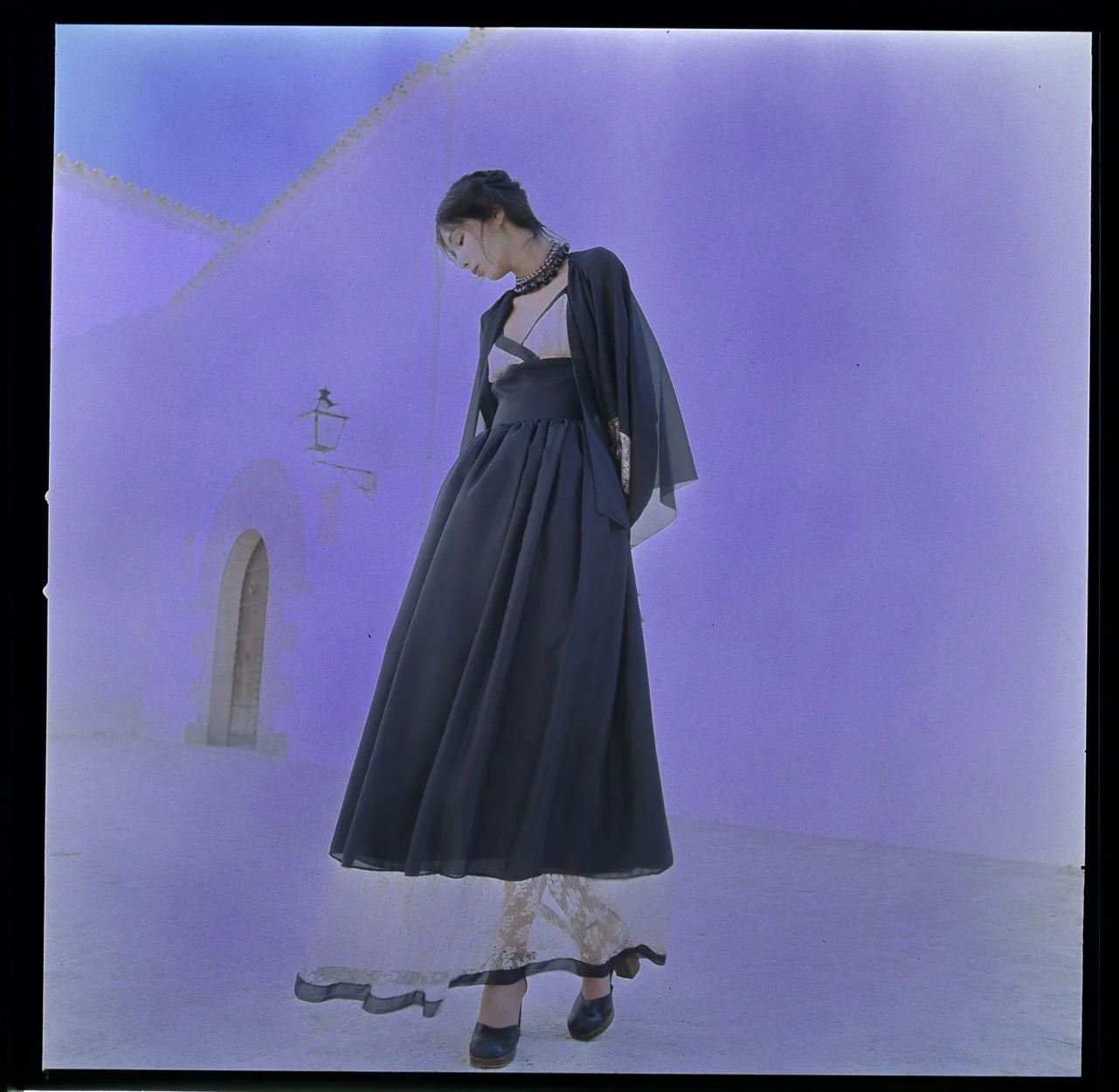
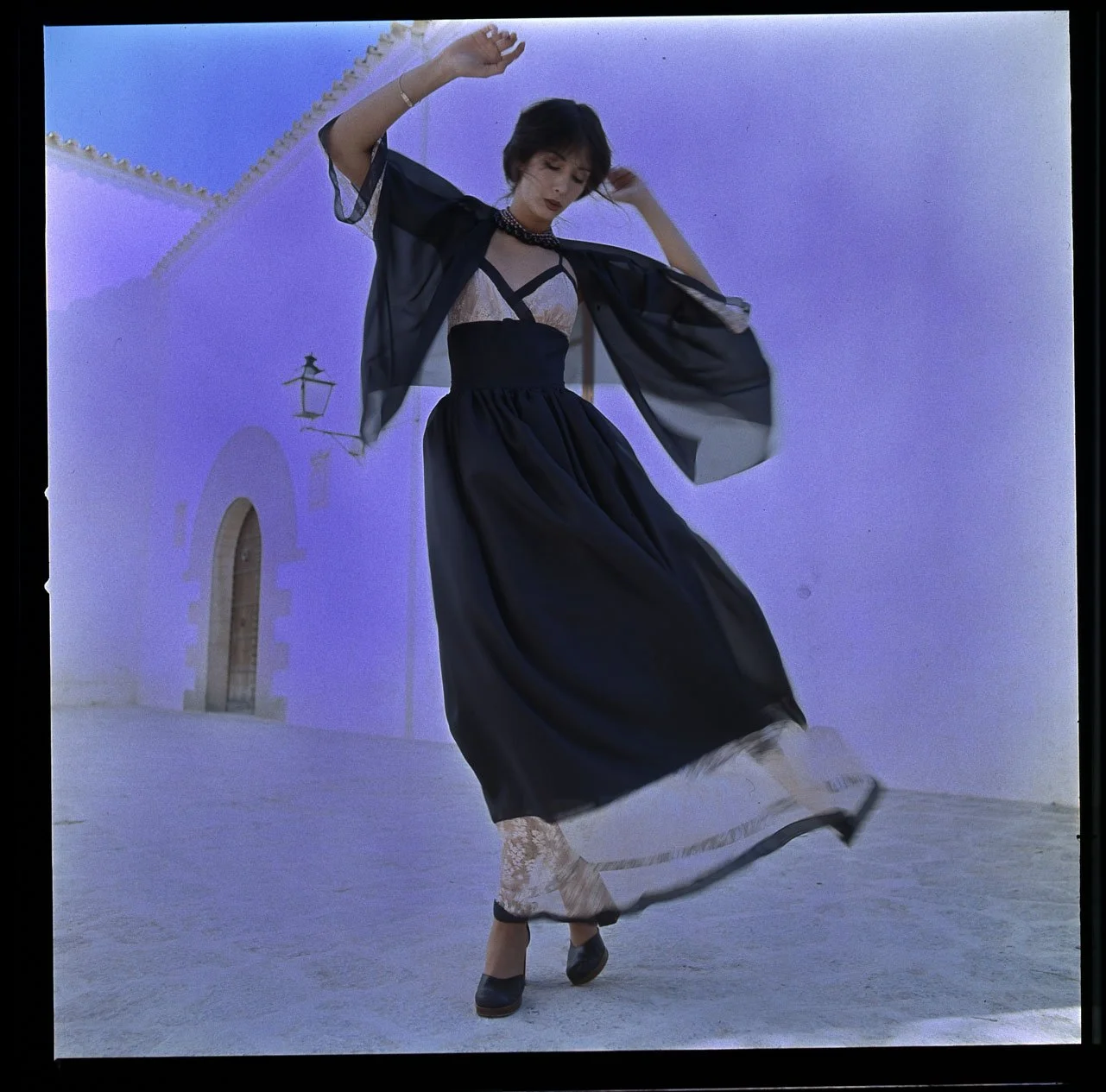
“I am grateful to life for the good fortune of having personally met many celebrities—indeed, geniuses—such as Karl Lagerfeld.” In the 1980s, Ulrich Pracht met the brilliant German fashion designer and master of self-promotion in his vast Paris apartment—furnished in impeccable Art Deco style—which offered a magnificent view of the Place Saint-Sulpice in Saint-Germain-des-Prés. There, he discussed with the great master the visual realization of the trend collections he had designed for Trevira over several seasons.
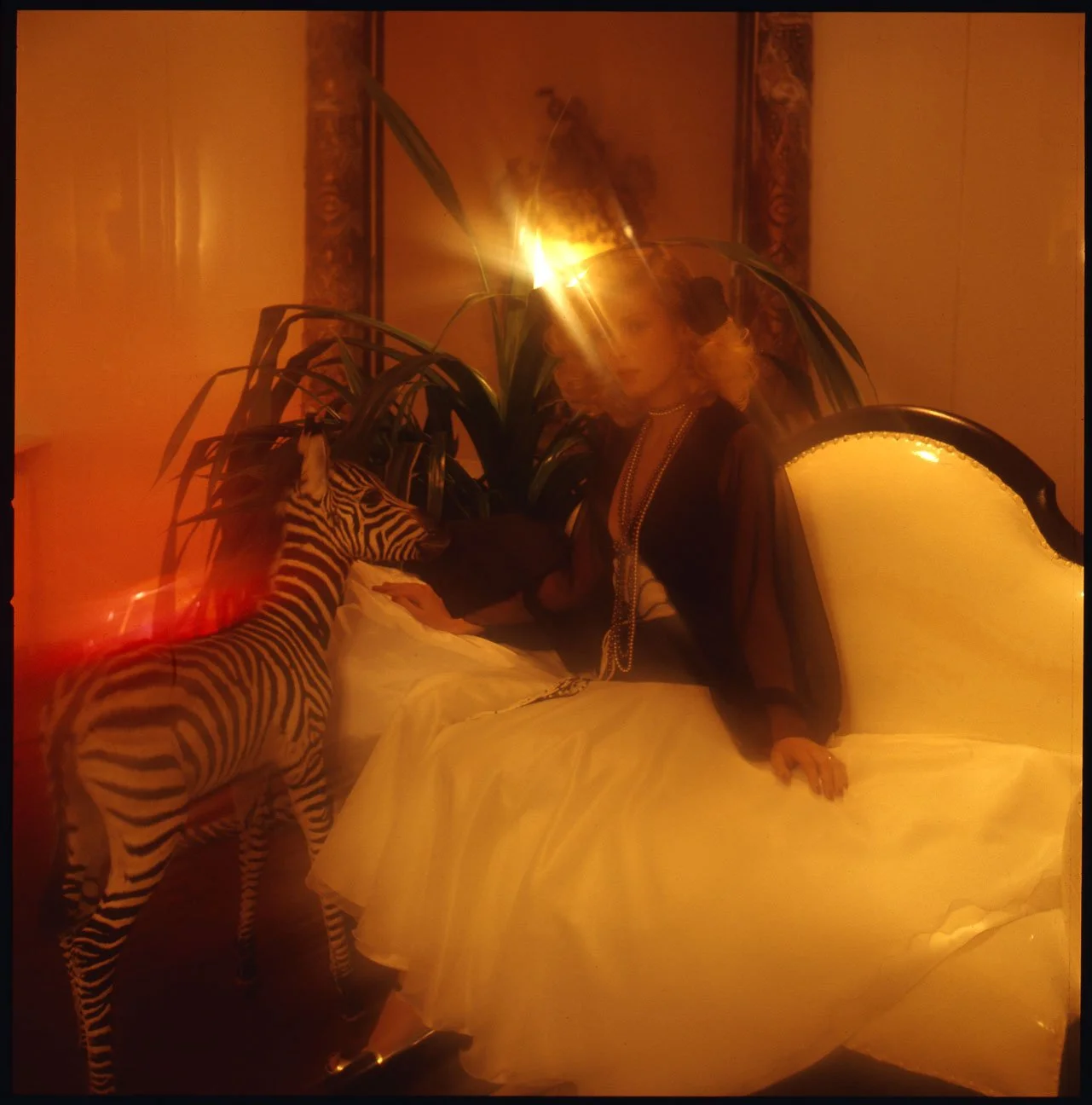
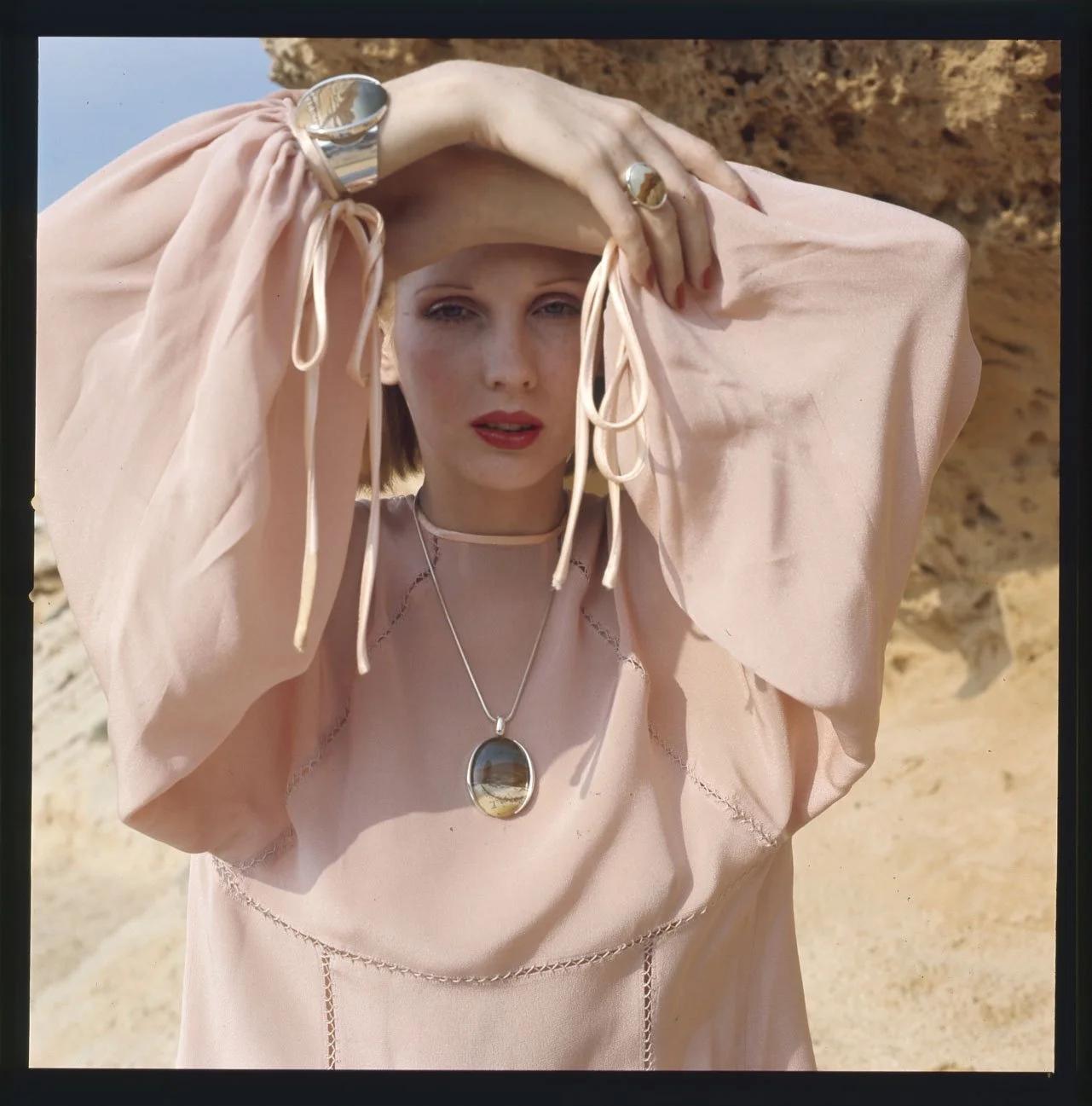
“An unforgettable brainstorming session gave rise to a successful public relations and promotional campaign for the then-named Hoechst AG, spanning several years. The visual execution—captured through photography and video—took place in various locations, including the legendary Hôtel des Beaux-Arts in Paris, as well as during a photo shoot in Ibiza amidst the almond blossom season.”
“What I like about photos is that they capture a moment that is gone forever and that is impossible to reproduce.”
Karl Lagerfeld
















06.2
CAREN PFLEGER
Caren‘s Care. Why an Ambitious Project Fails
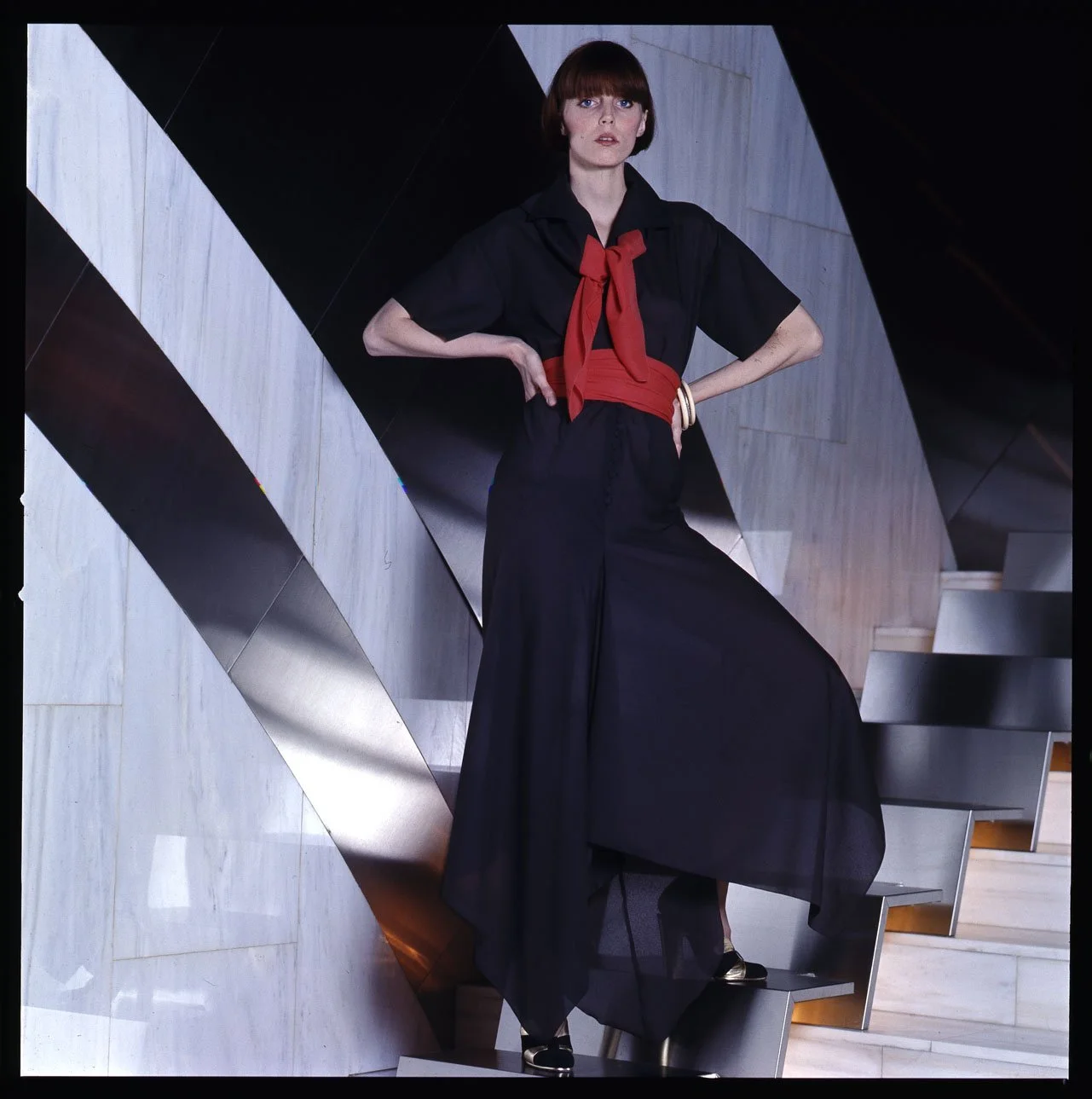
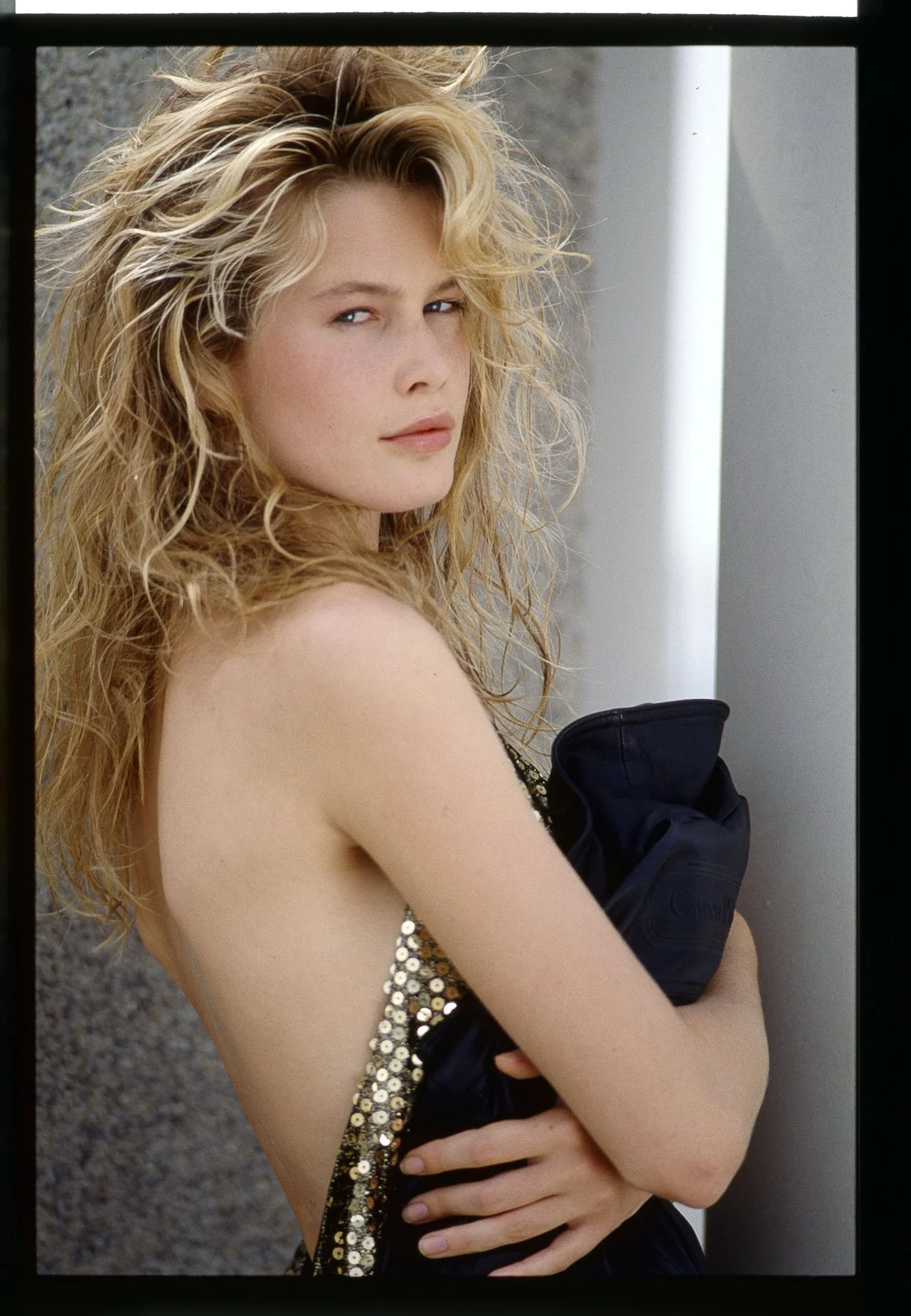
Caren Pfleger—the German fashion designer and Managing Director of Caren Pfleger Design GmbH in Cologne—studied at the Fashion Institute of Technology in New York from 1976 to 1981 and presented her first fashion collection in 1986. Through her company, she operated 49 of her own fashion boutiques worldwide until the year 2000. Since 2000, Pfleger published several books on the subjects of health and care, as well as wellness and beauty. She designed a fashion collection and jewelry line for Galeria Kaufhof. Her collections garnered numerous awards, including the Fil d’Or. In 1996, she was awarded the Federal Cross of Merit on Ribbon. Caren Pfleger passed away in 2019 following a serious illness. Source: Wikipedia
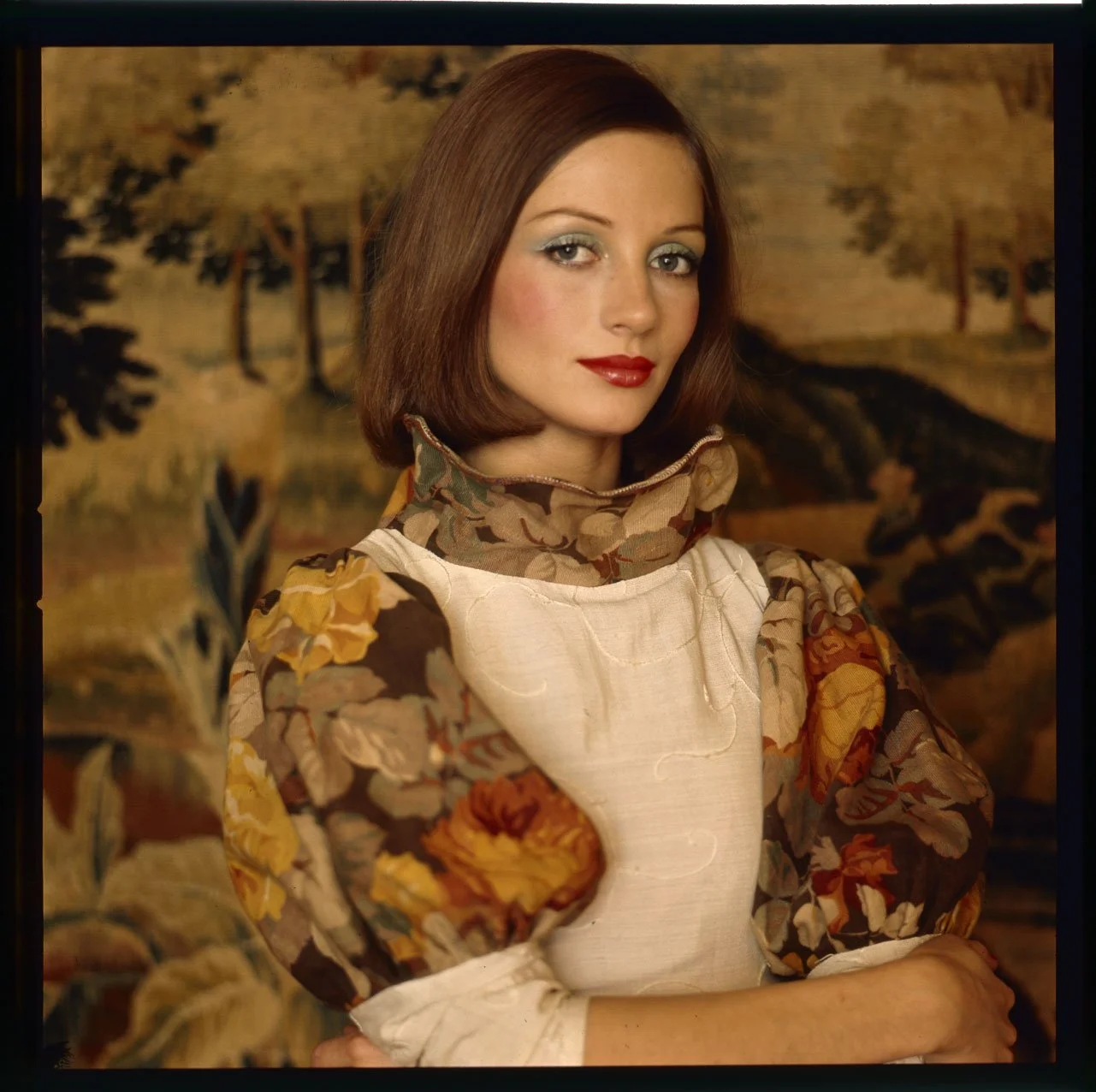
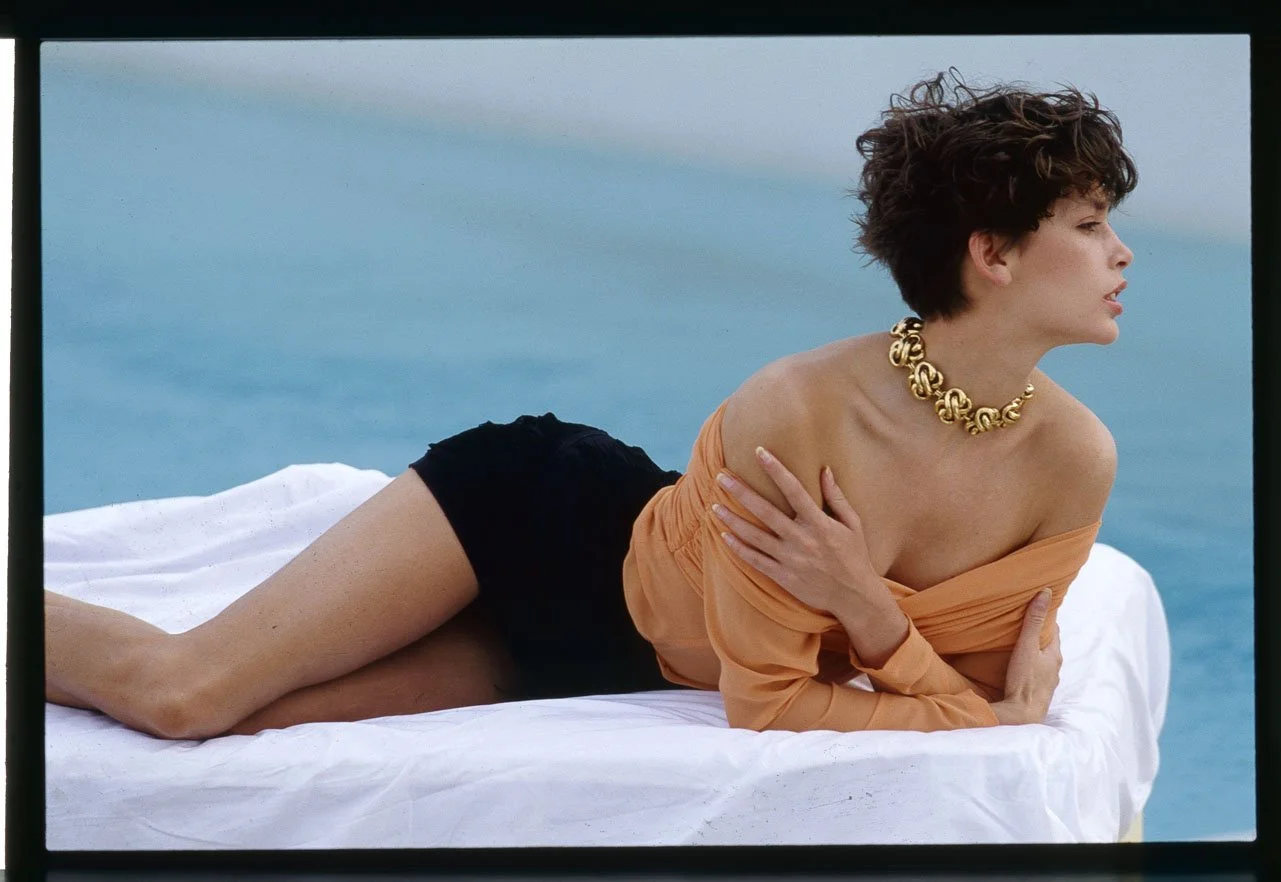
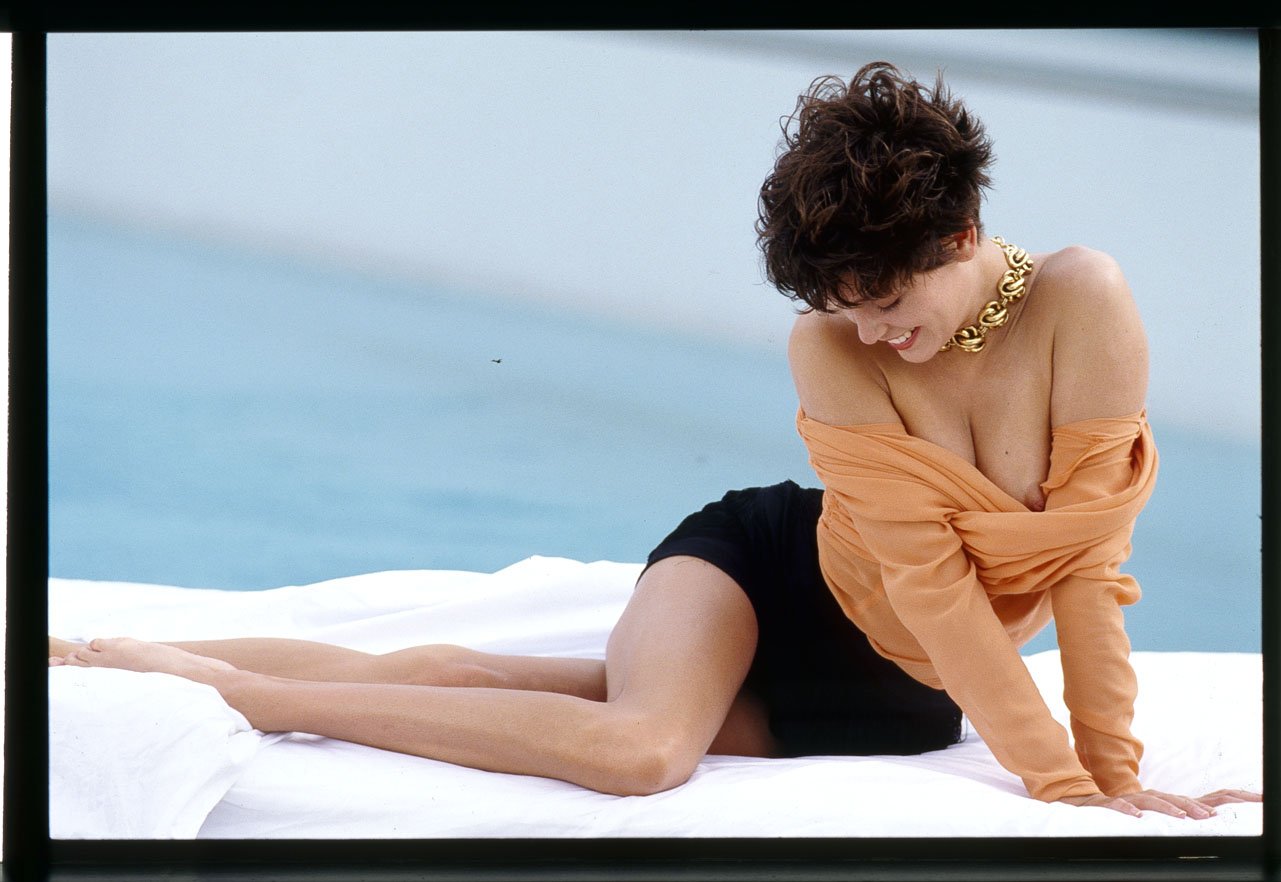
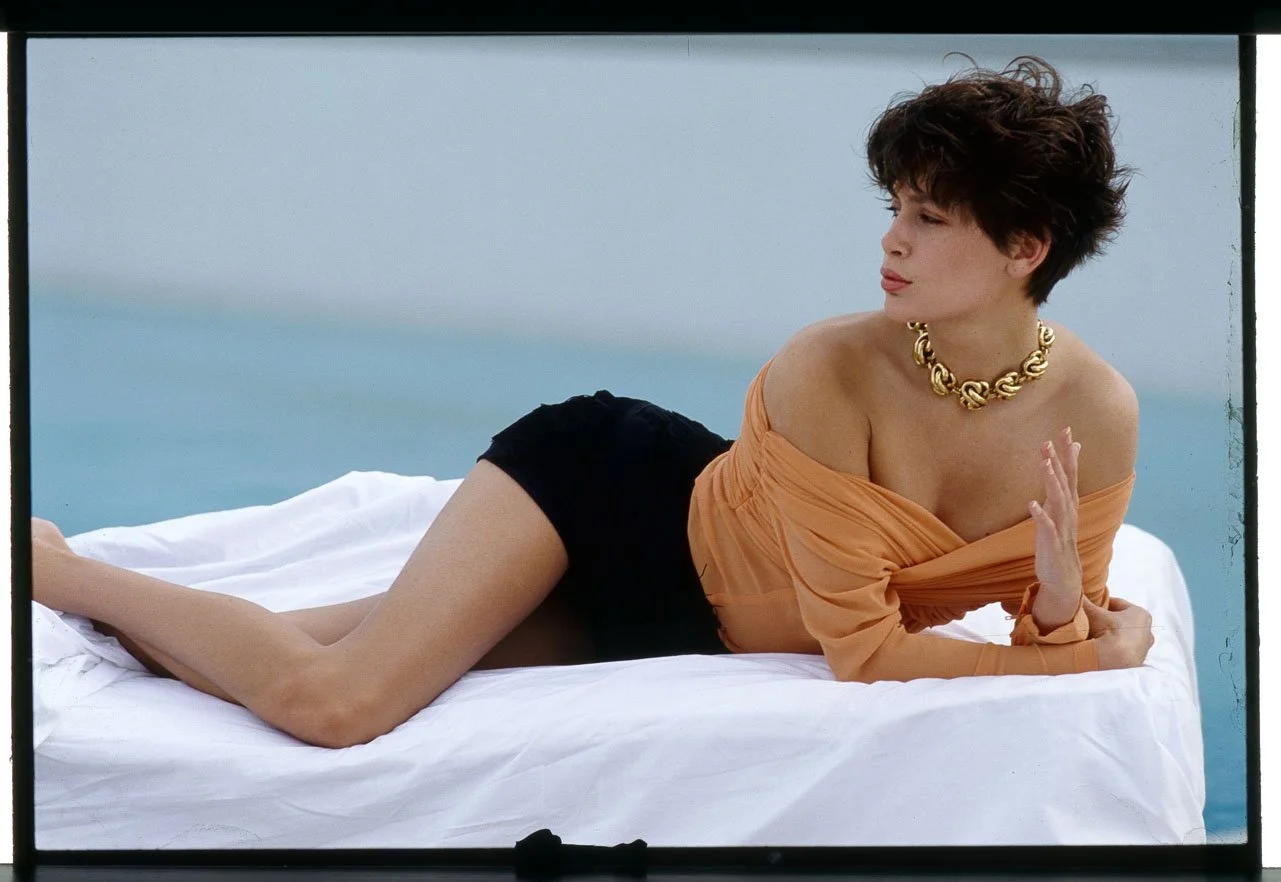
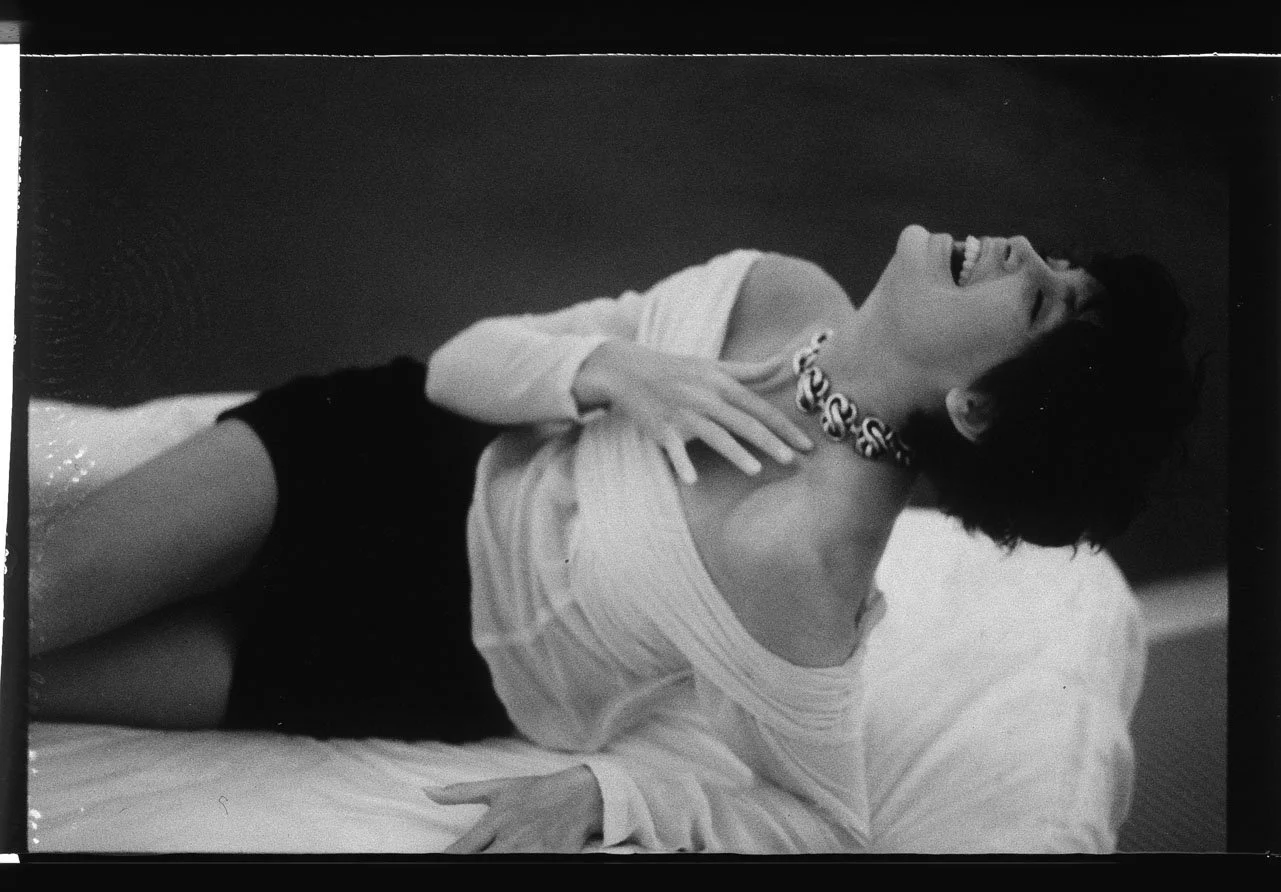
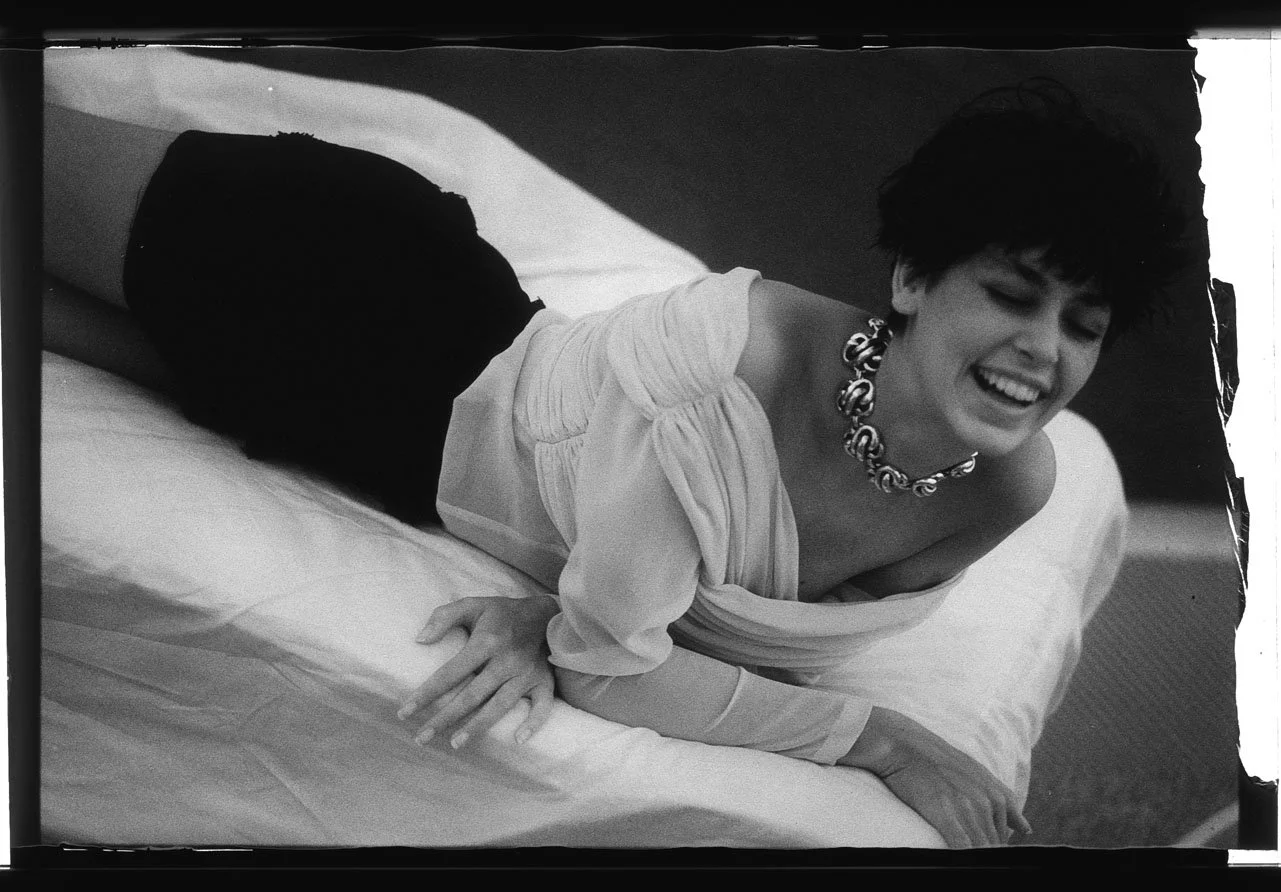
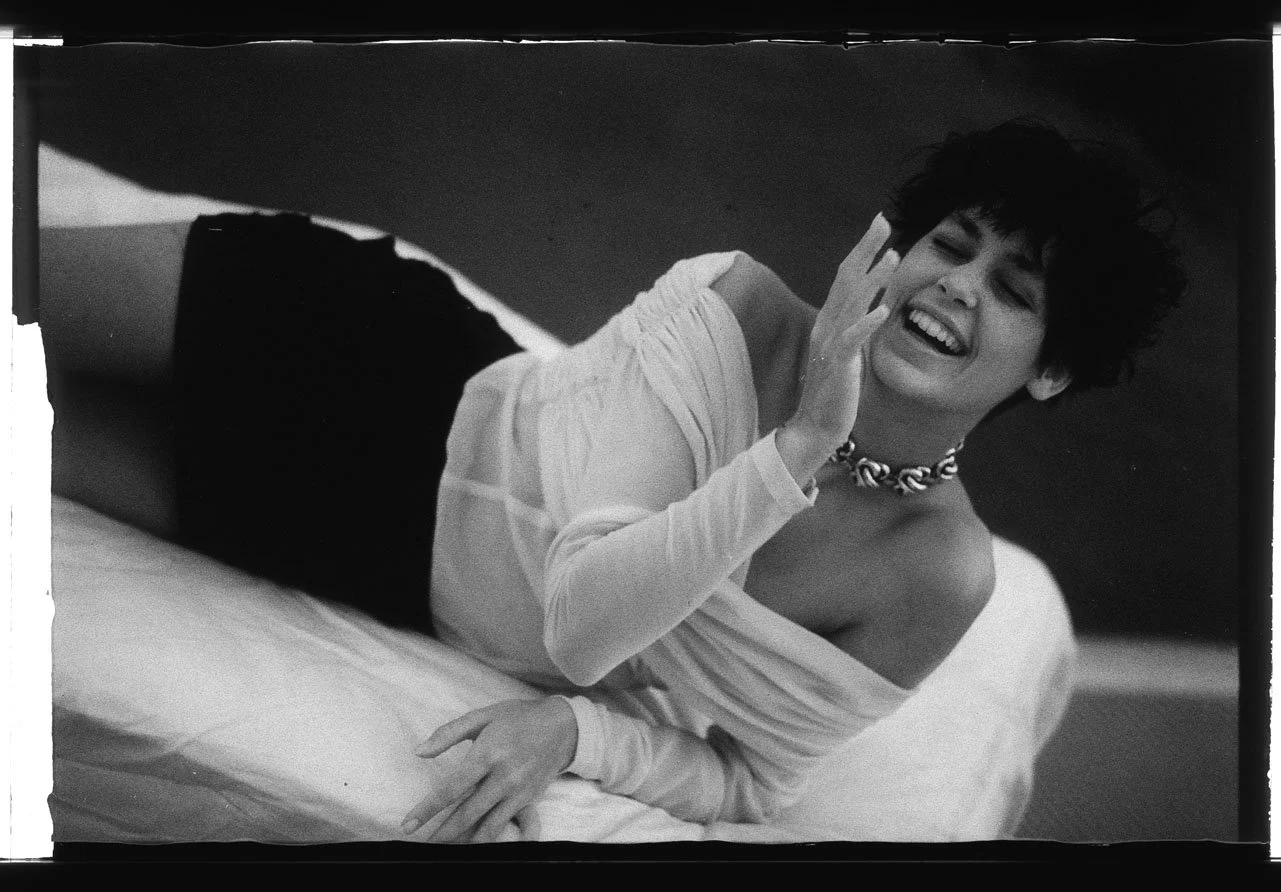
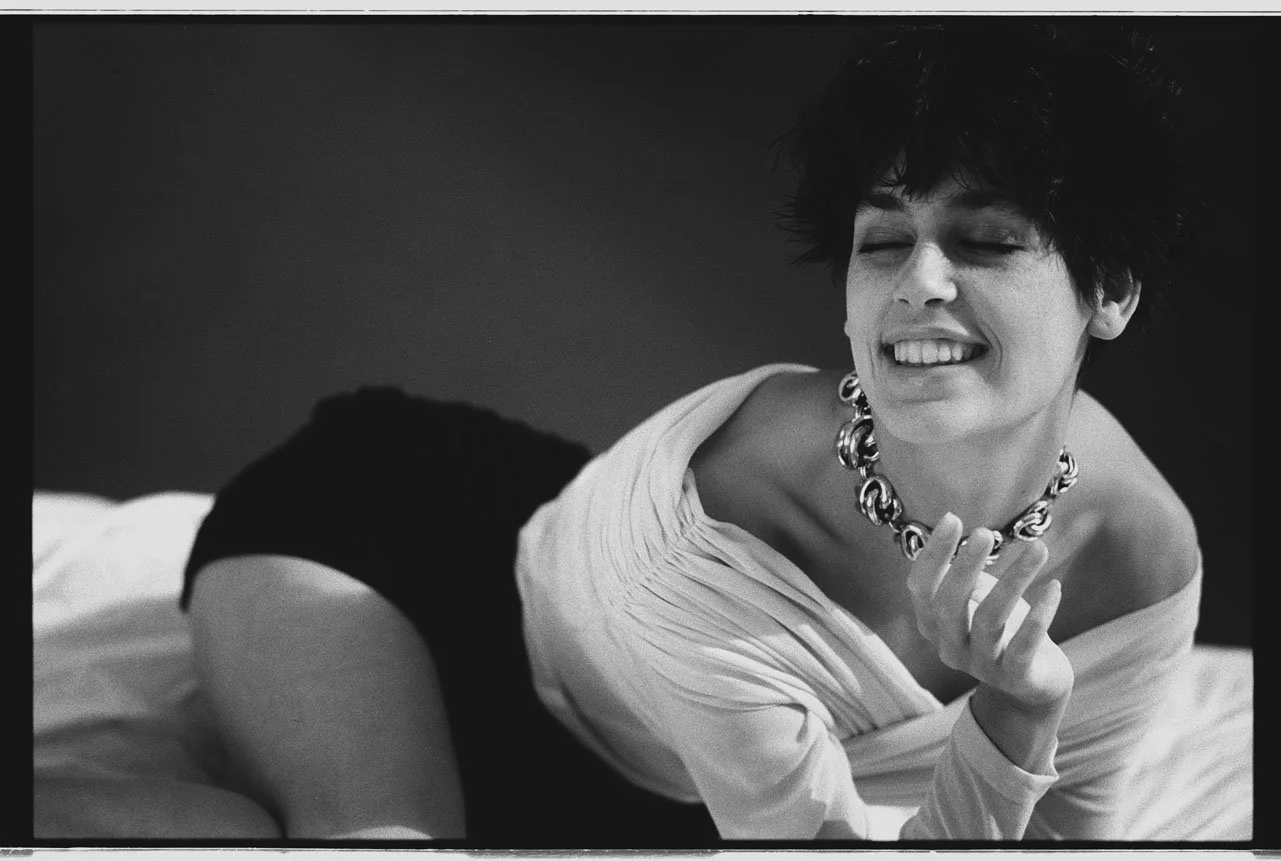
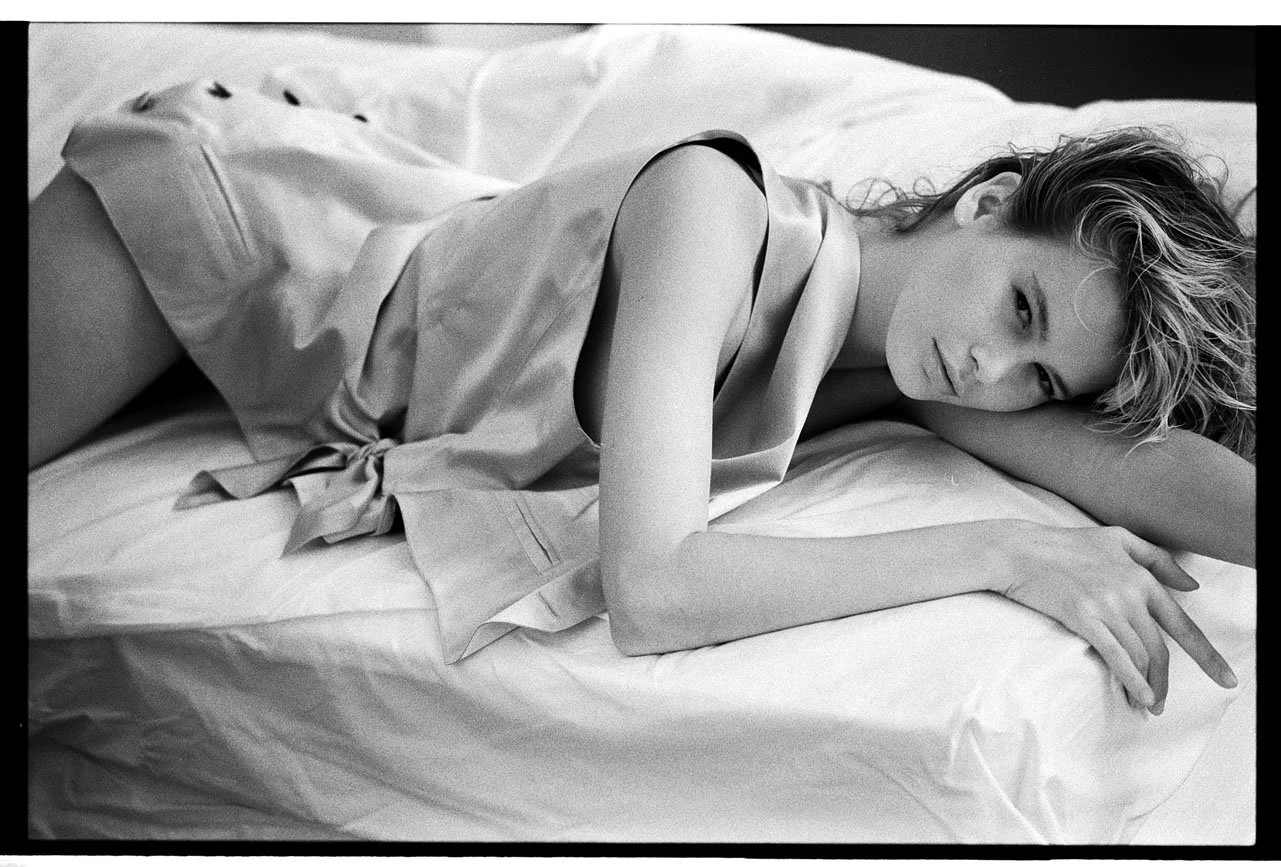
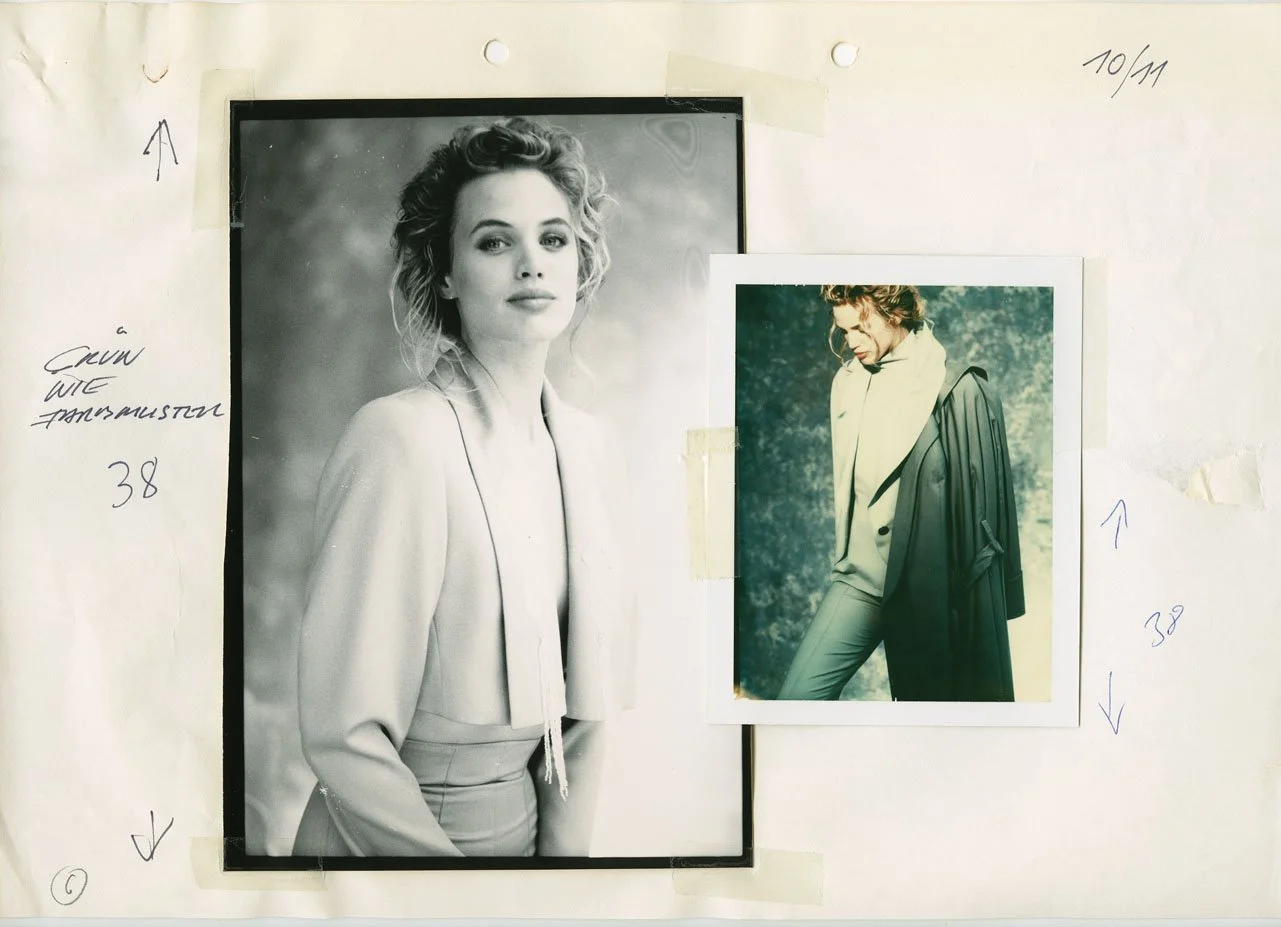
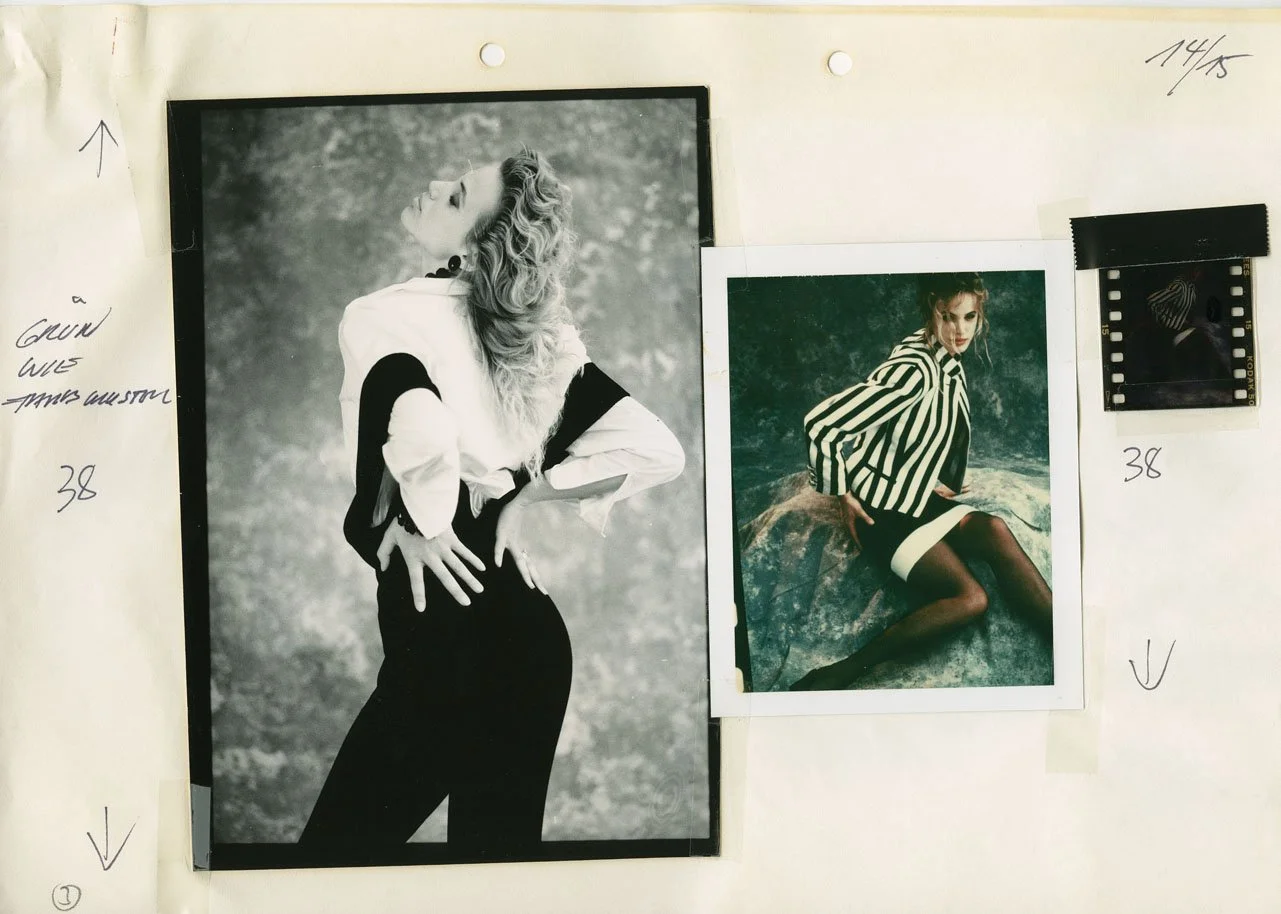
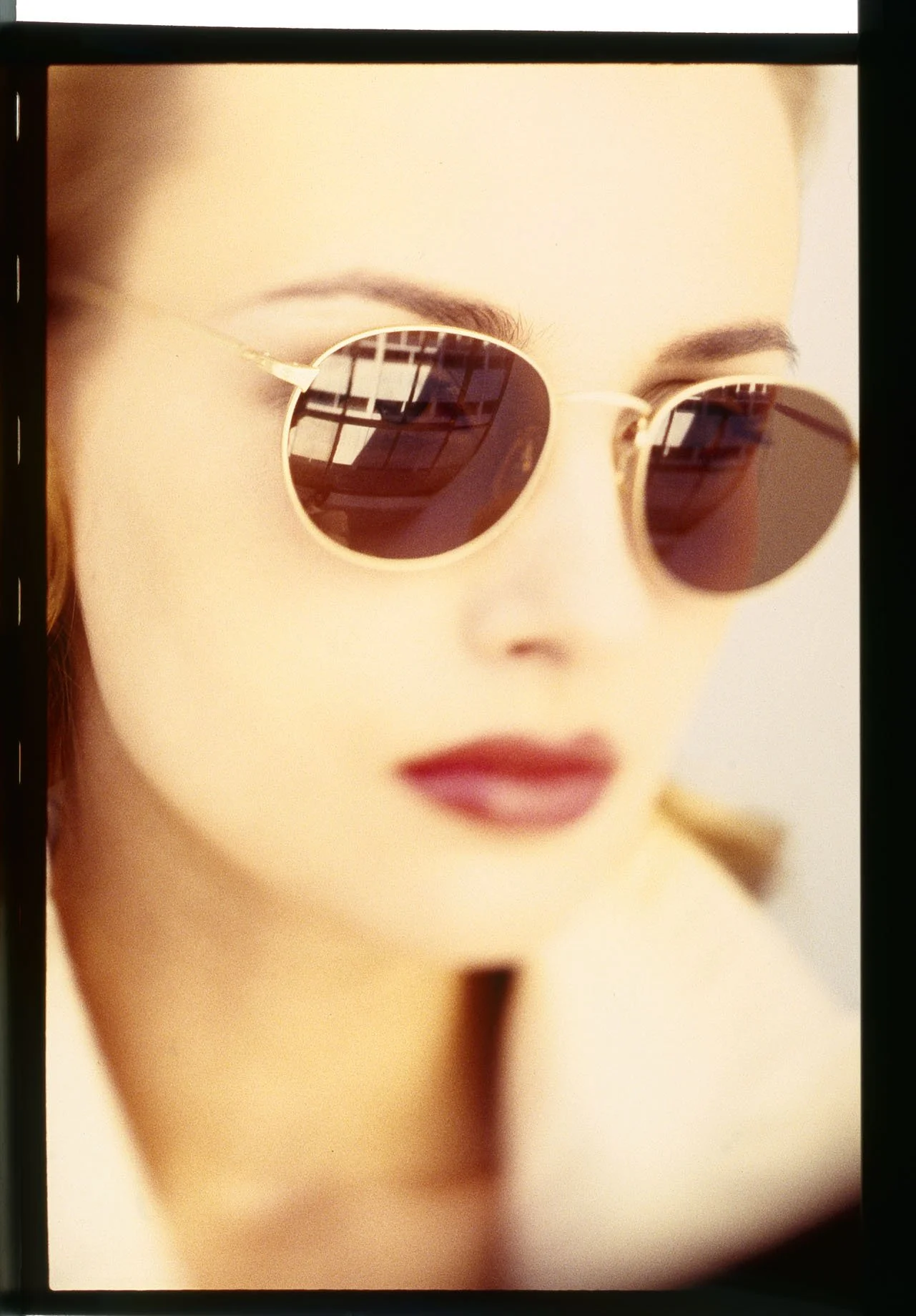
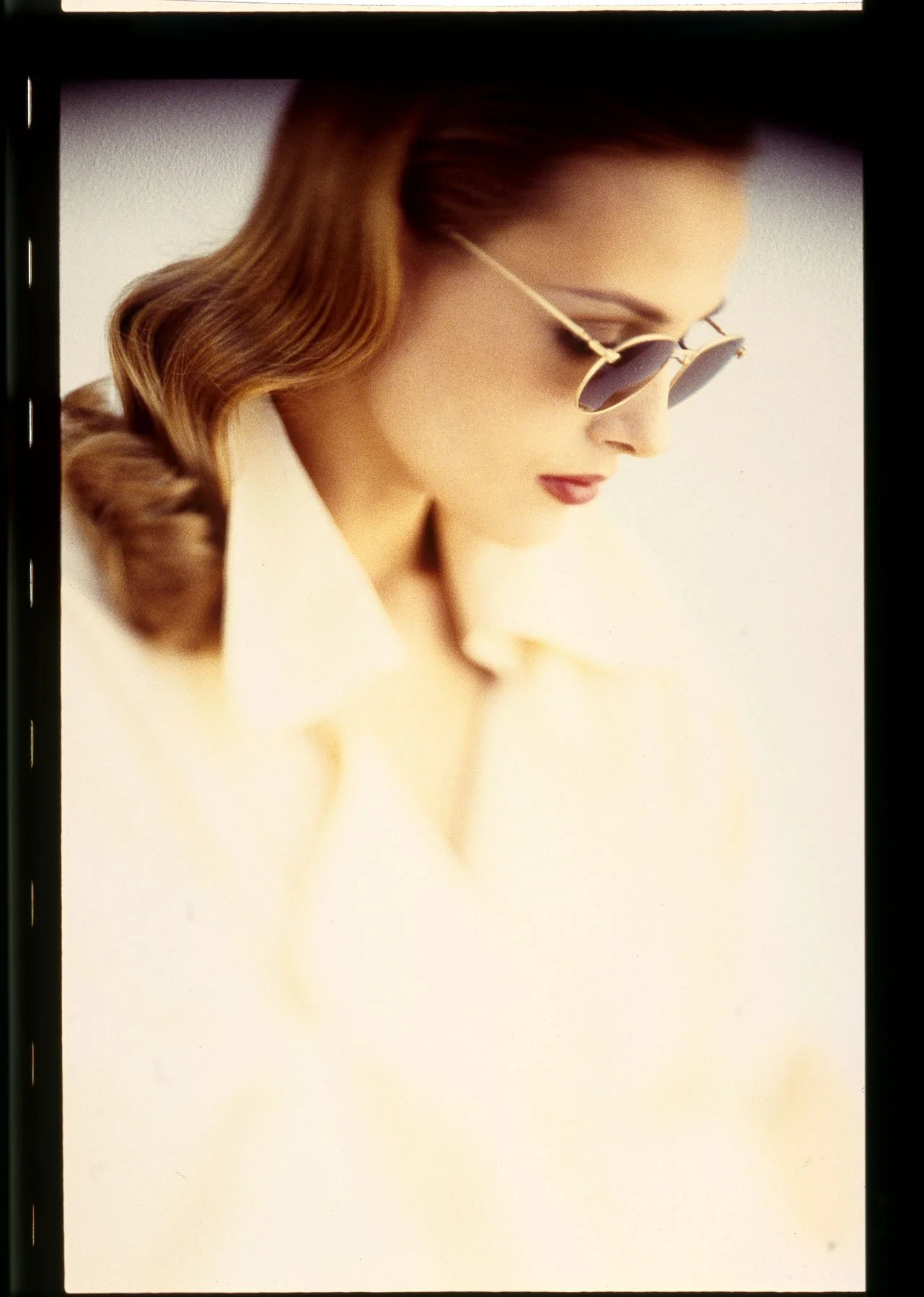
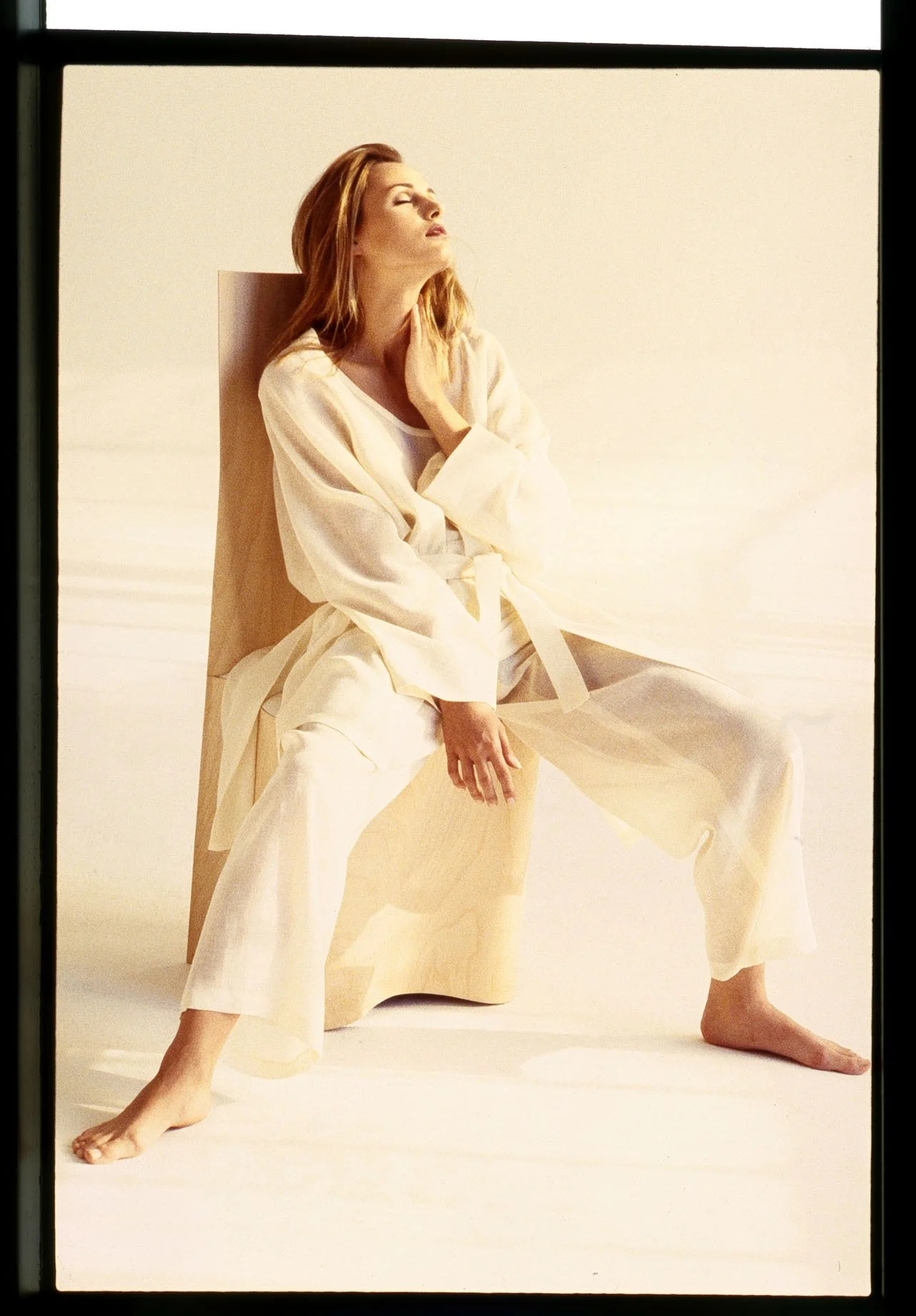
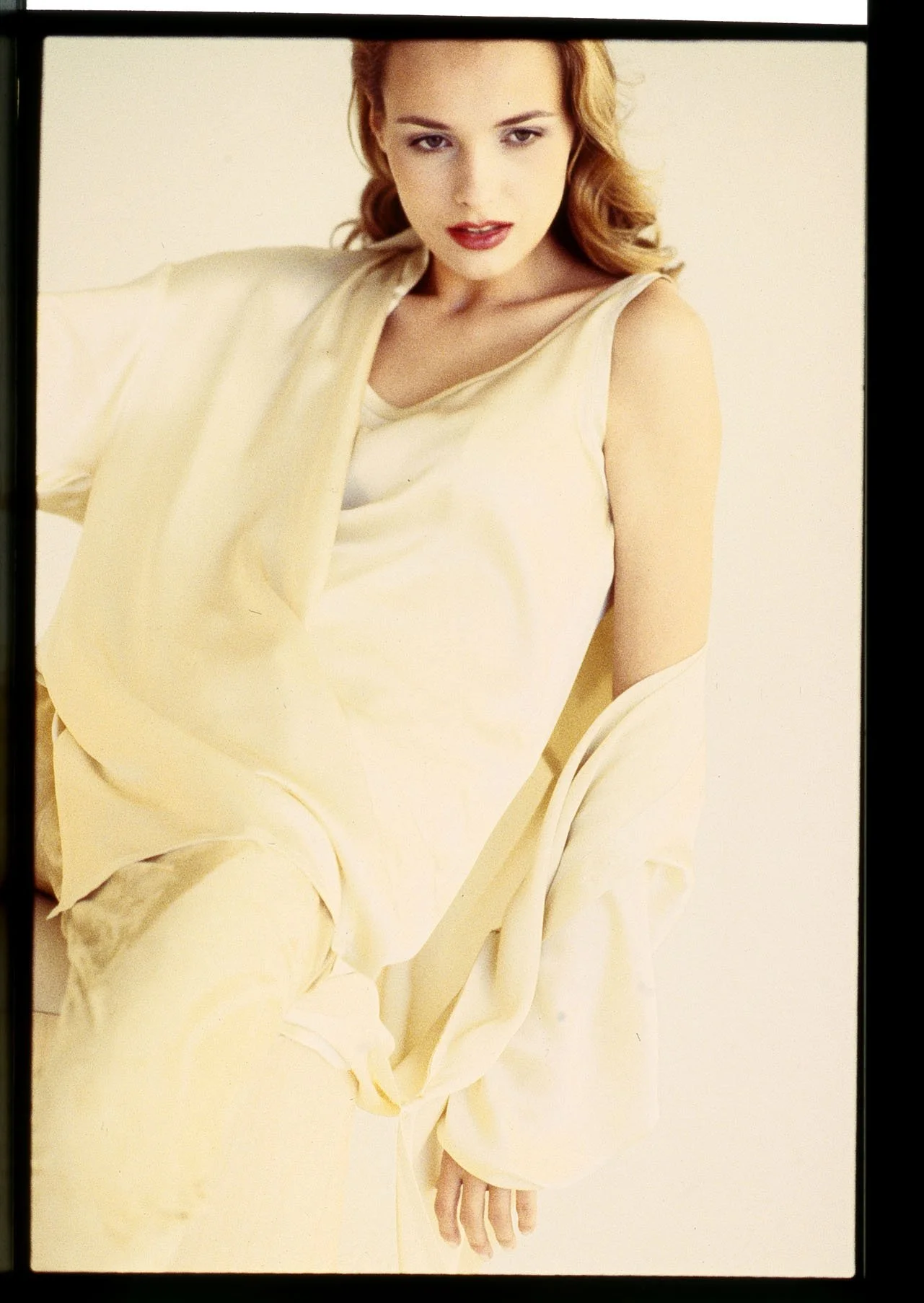
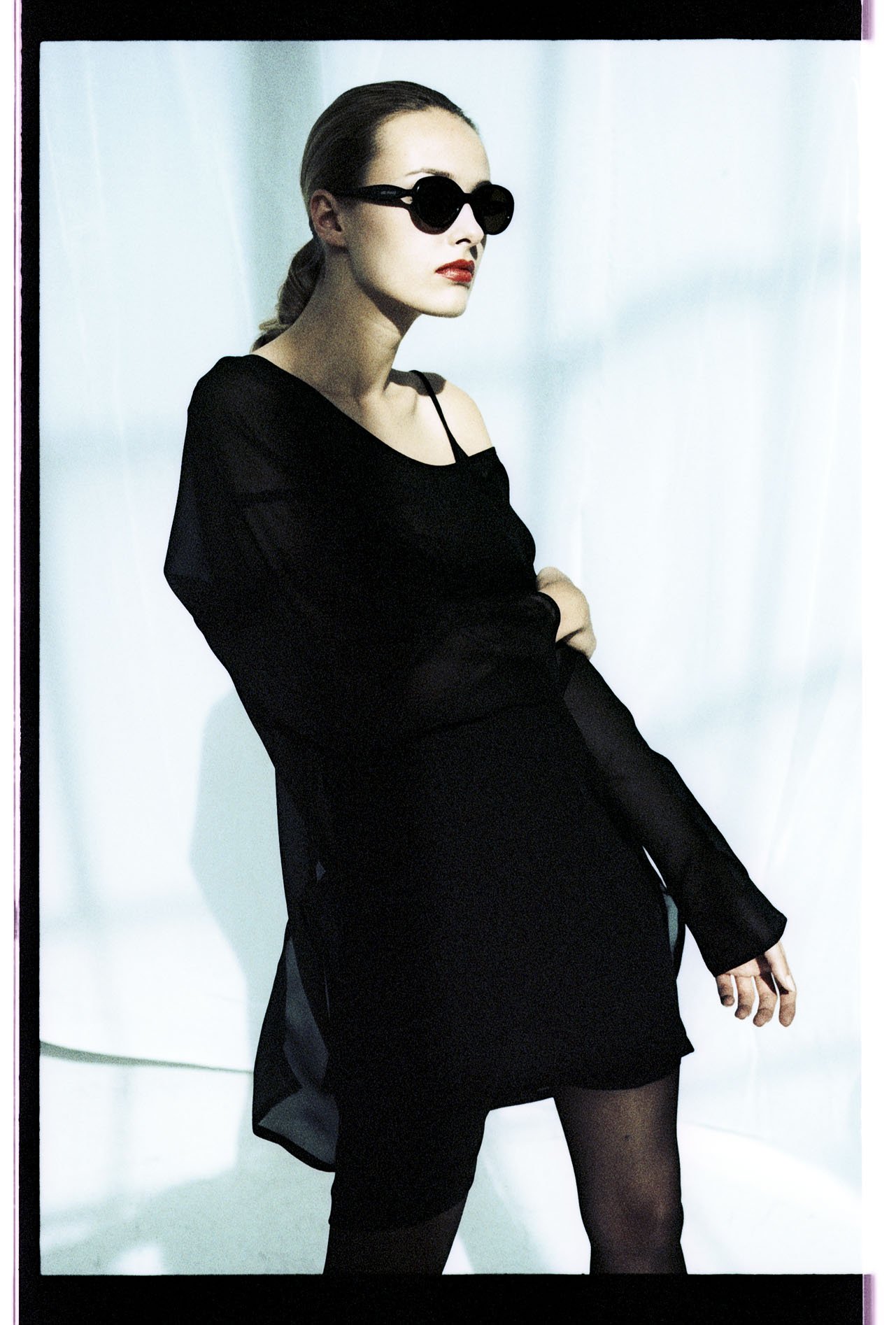
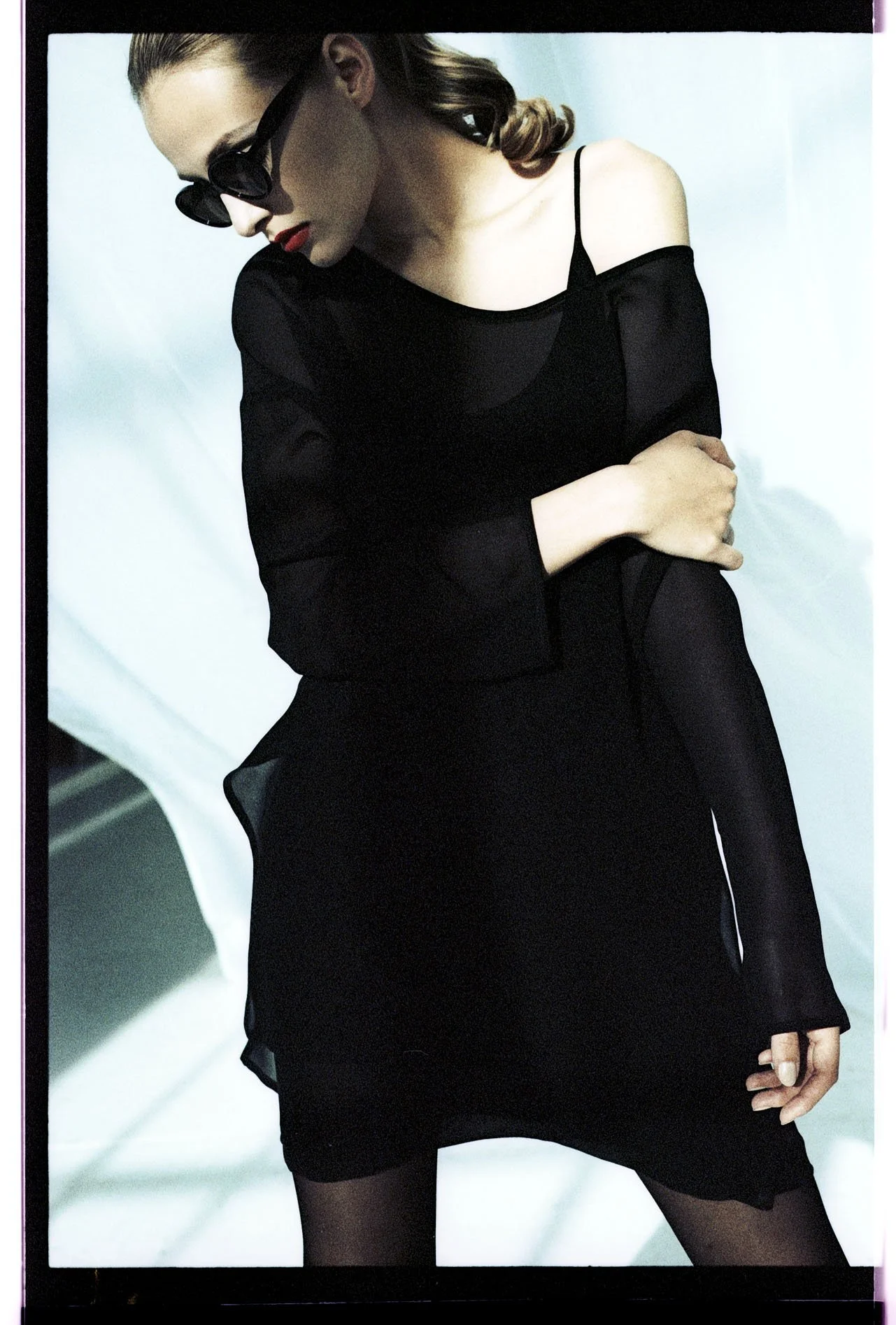
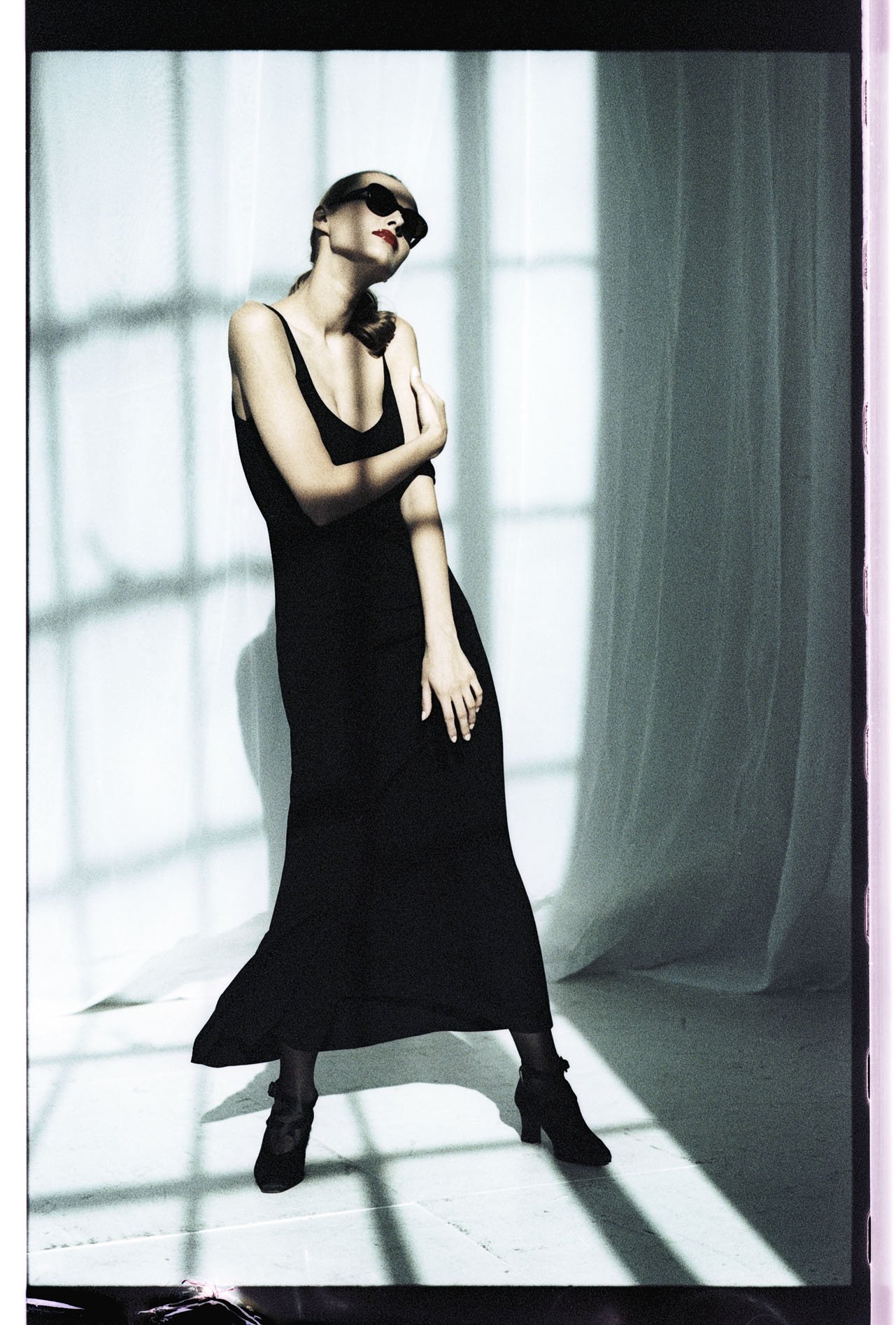
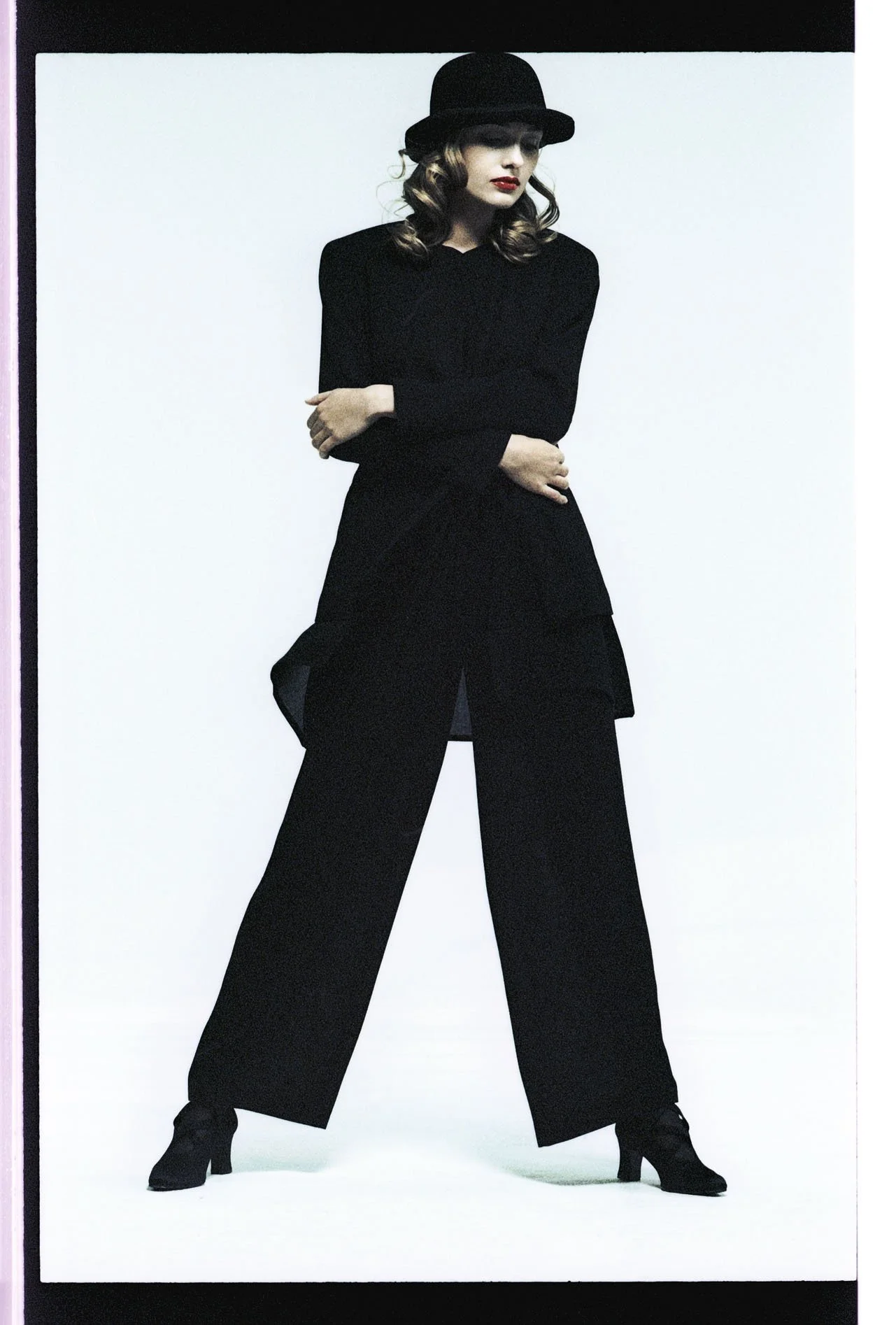
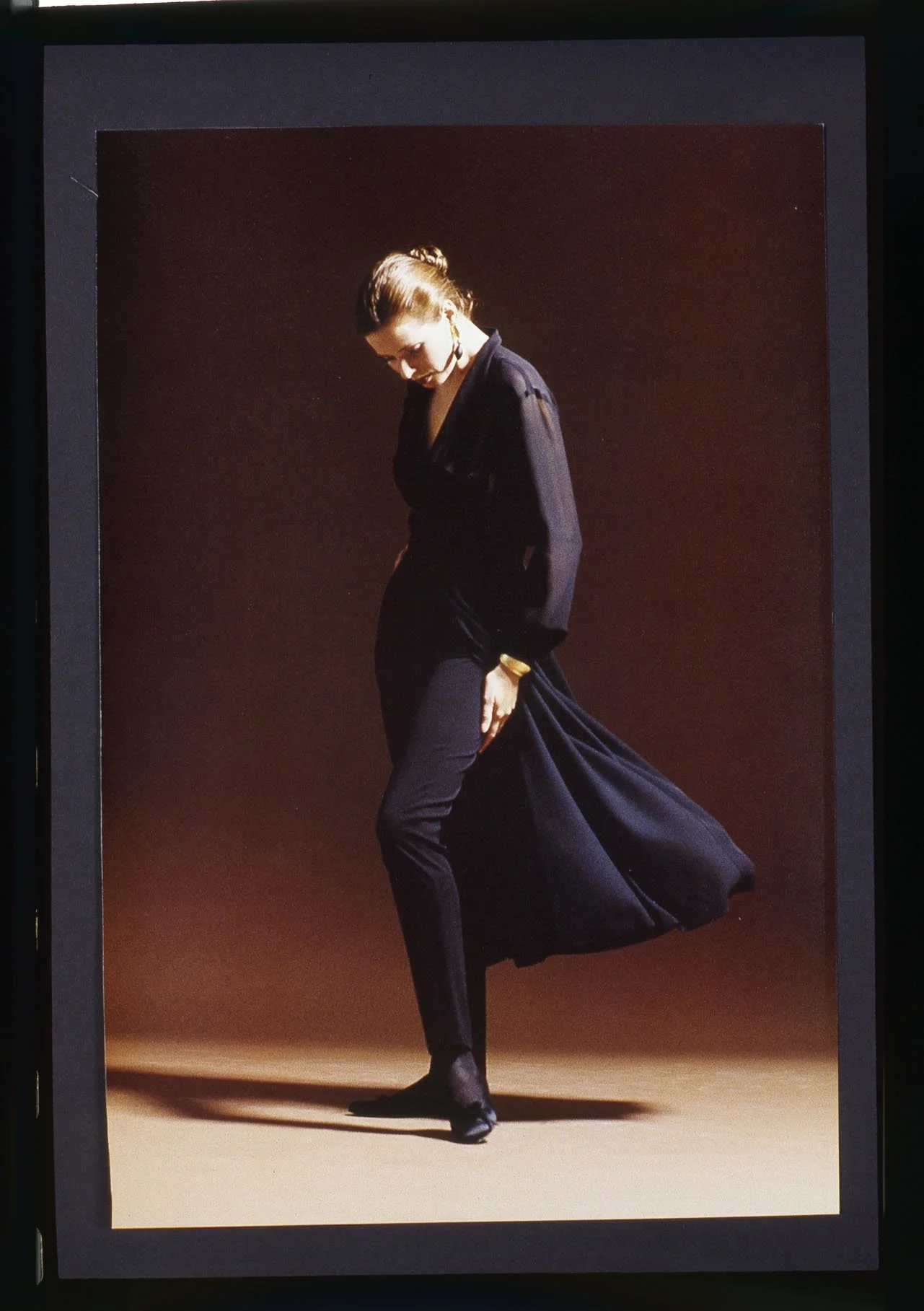
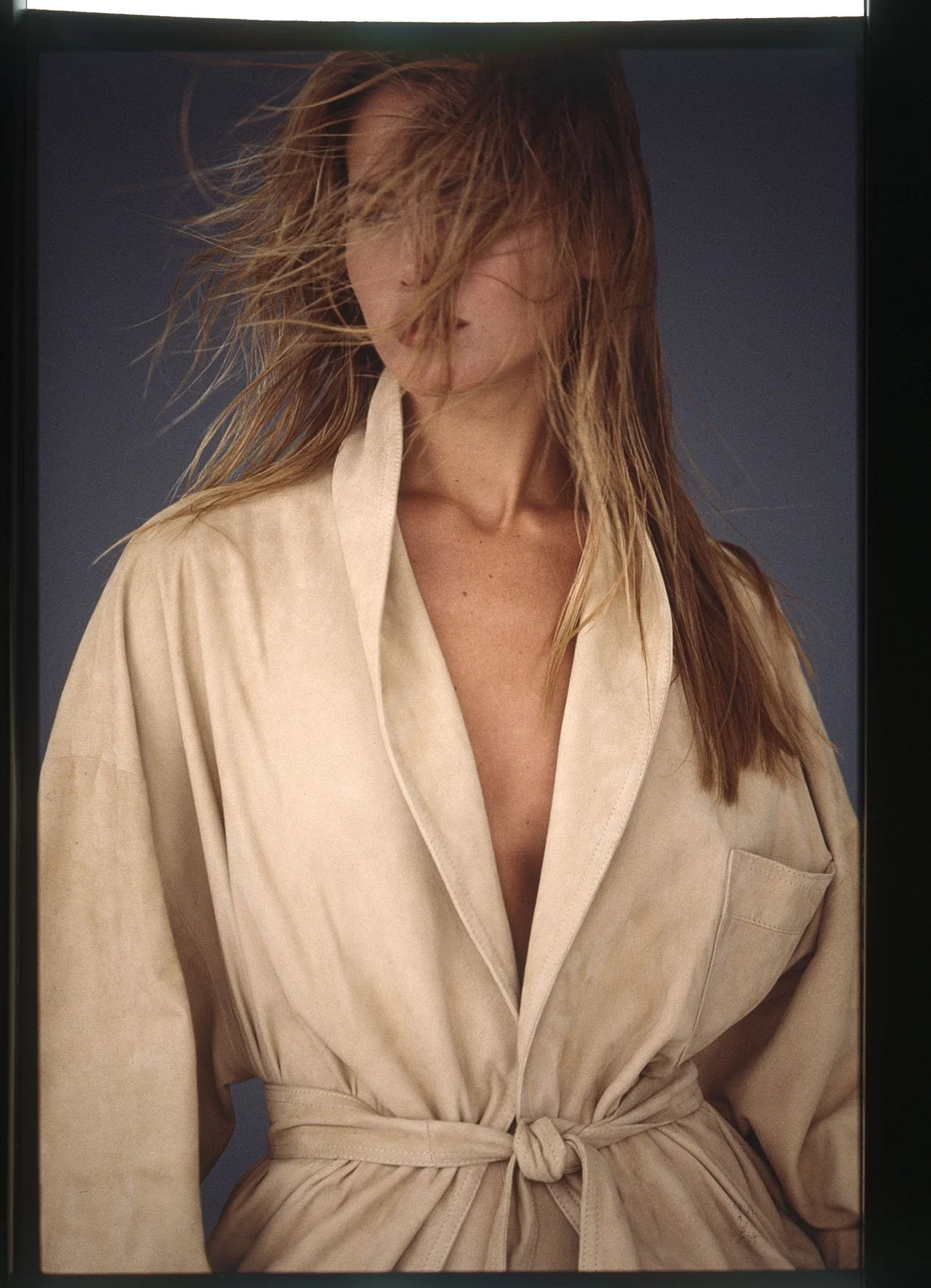
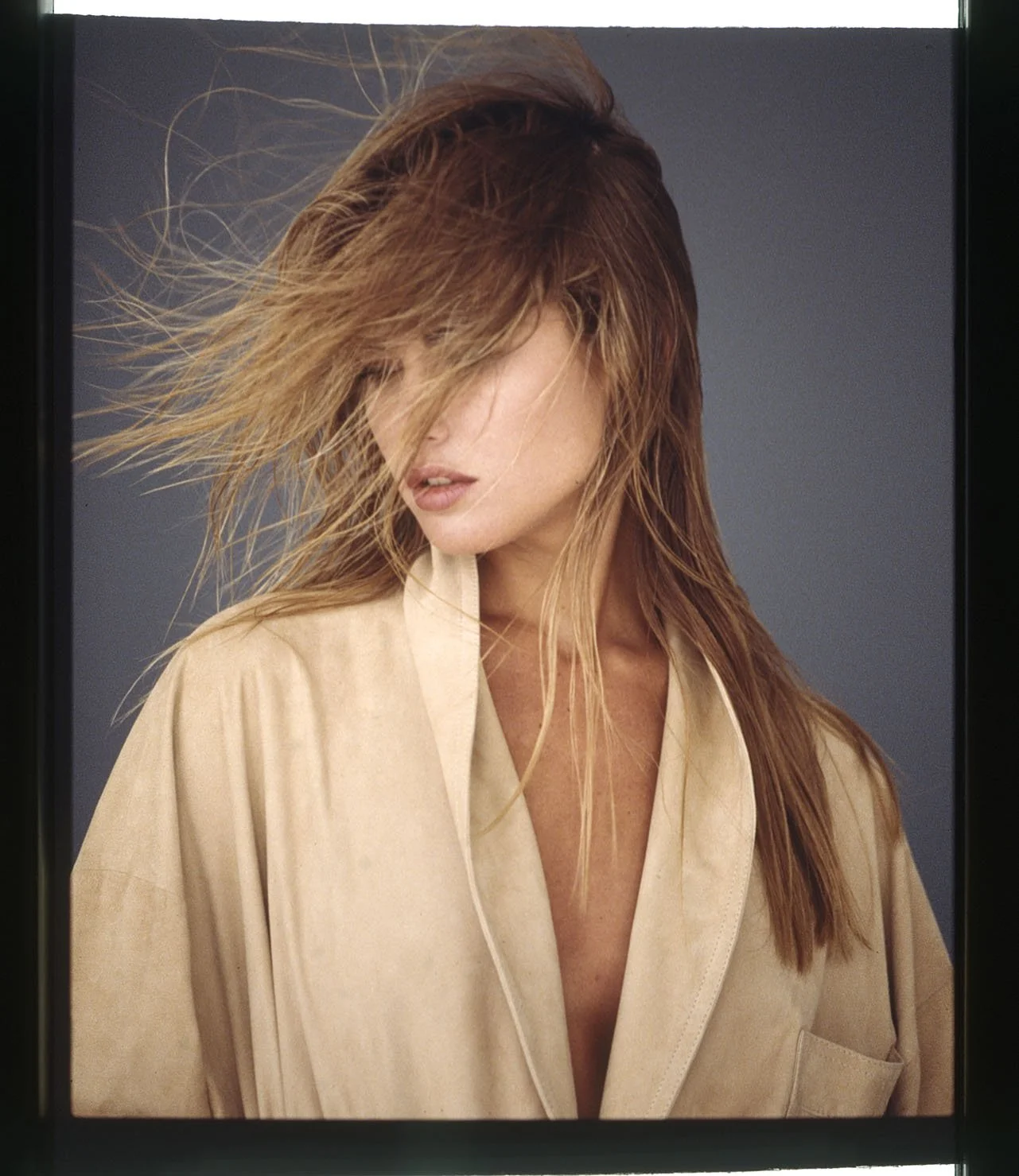
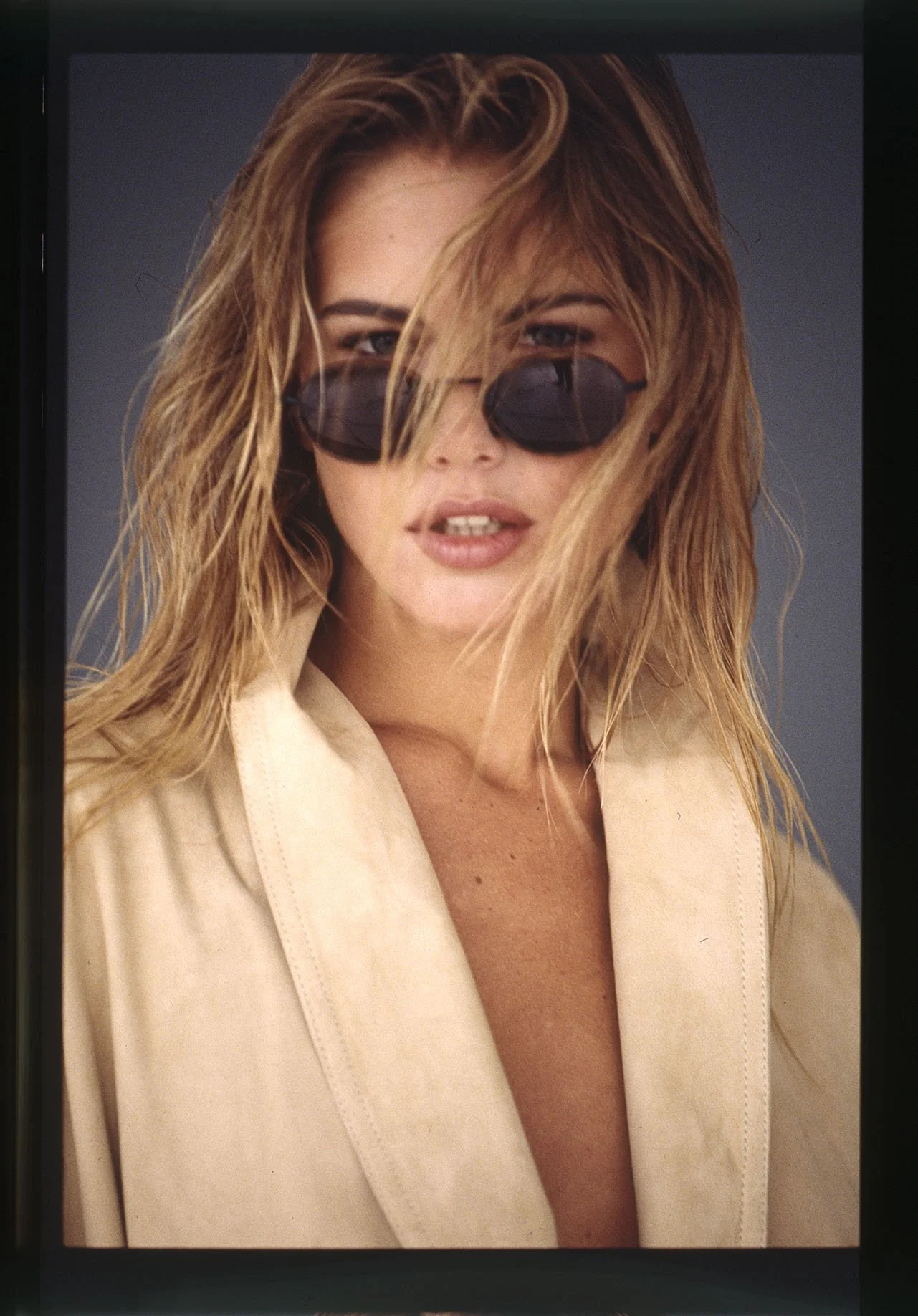
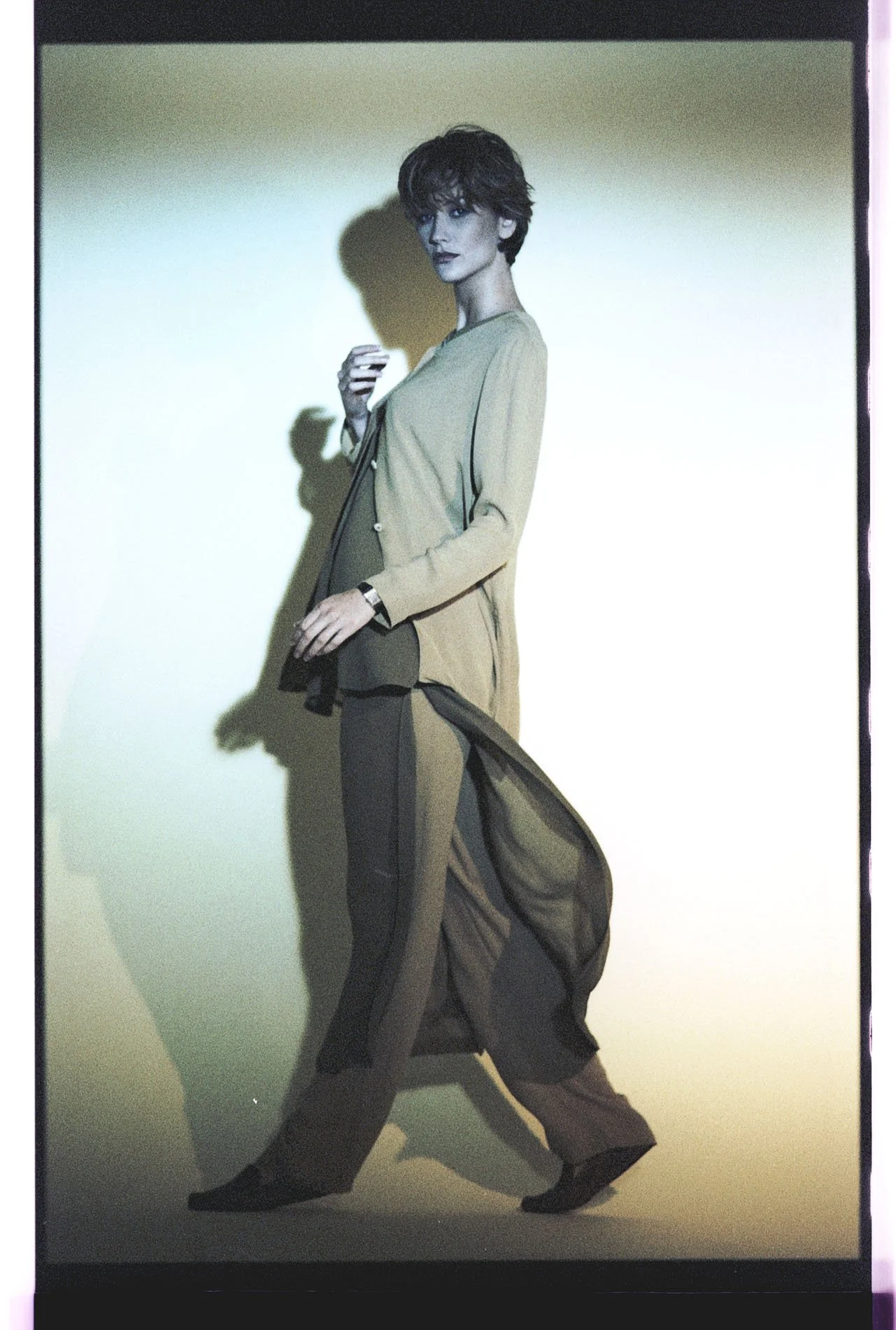
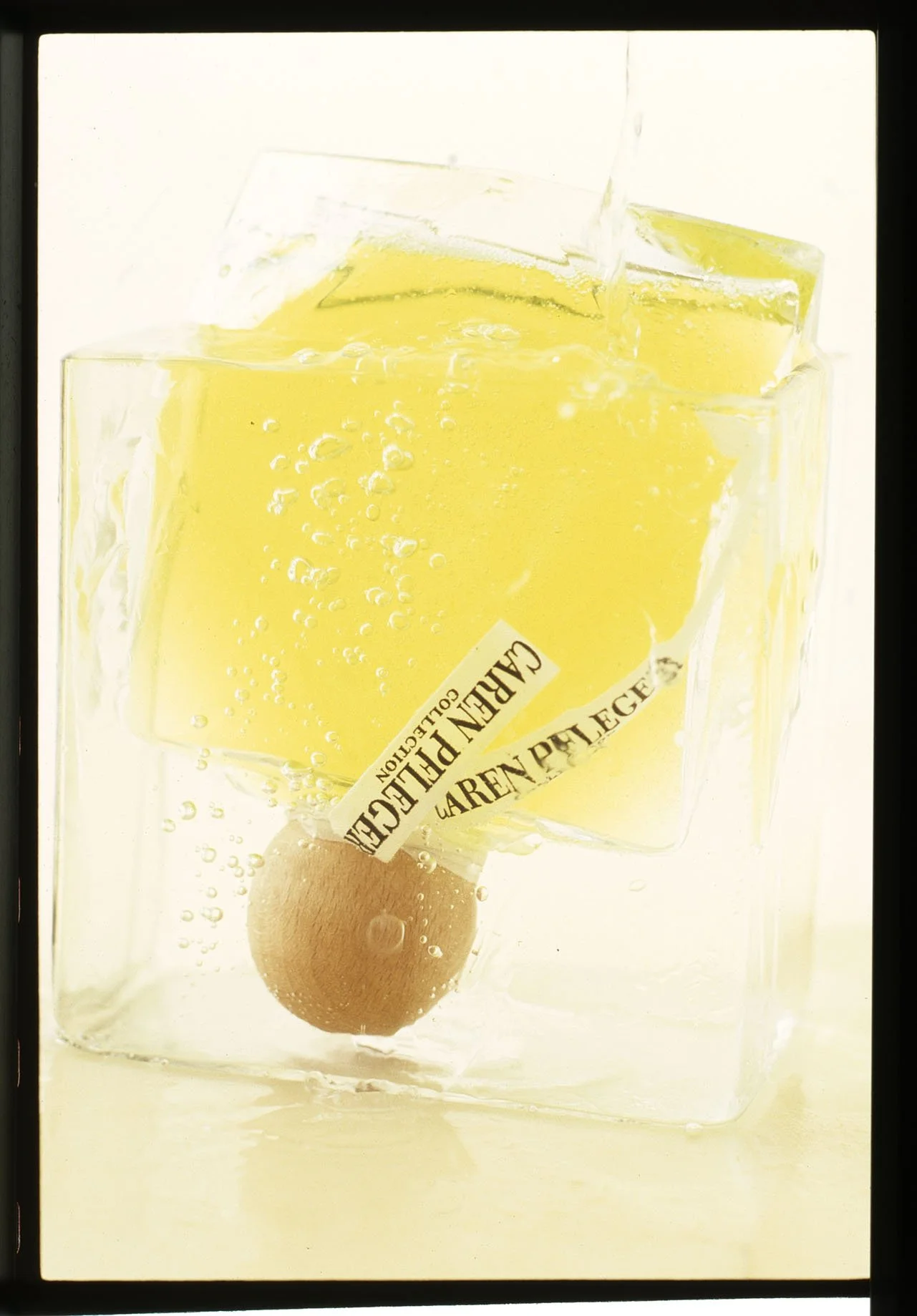
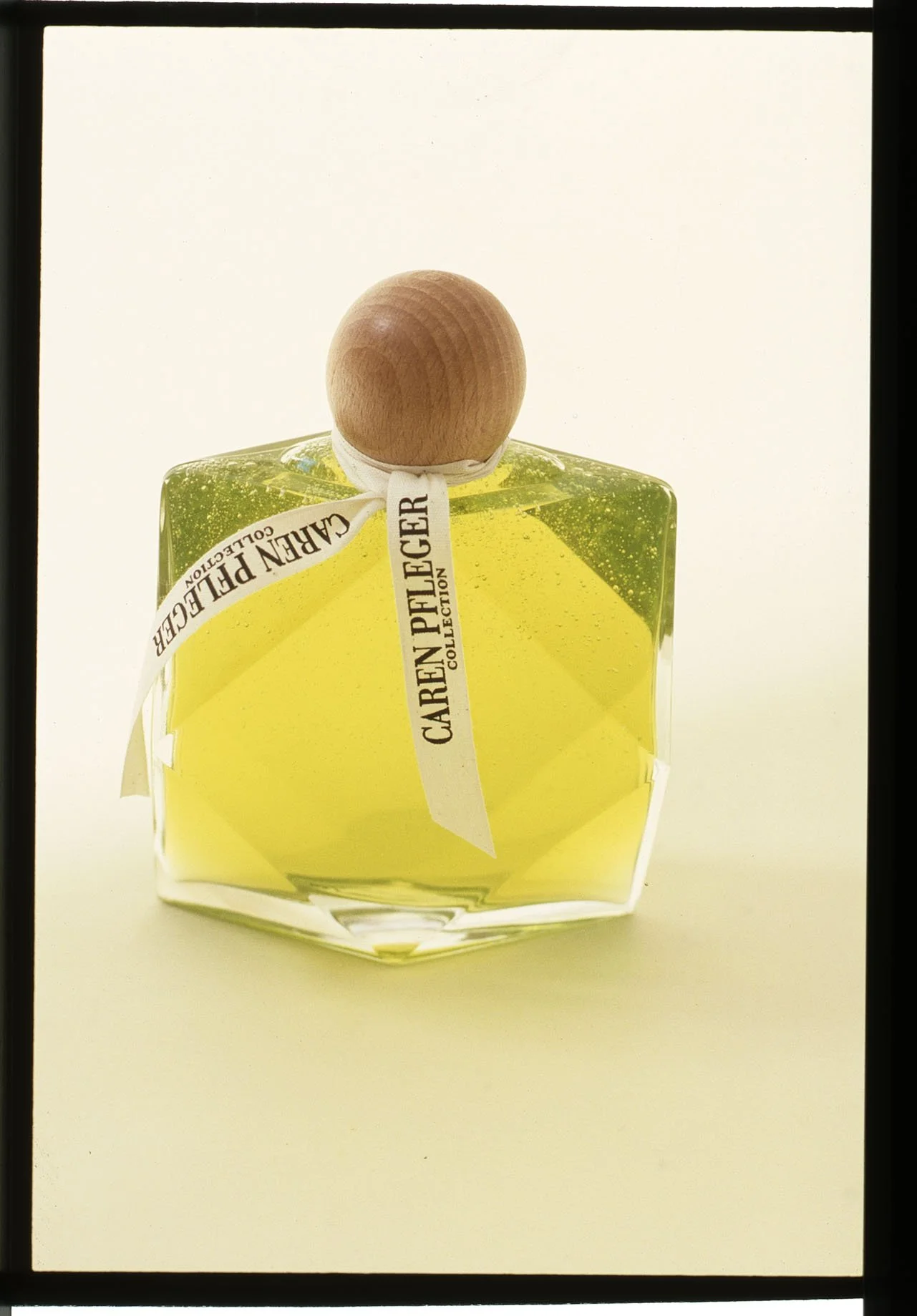
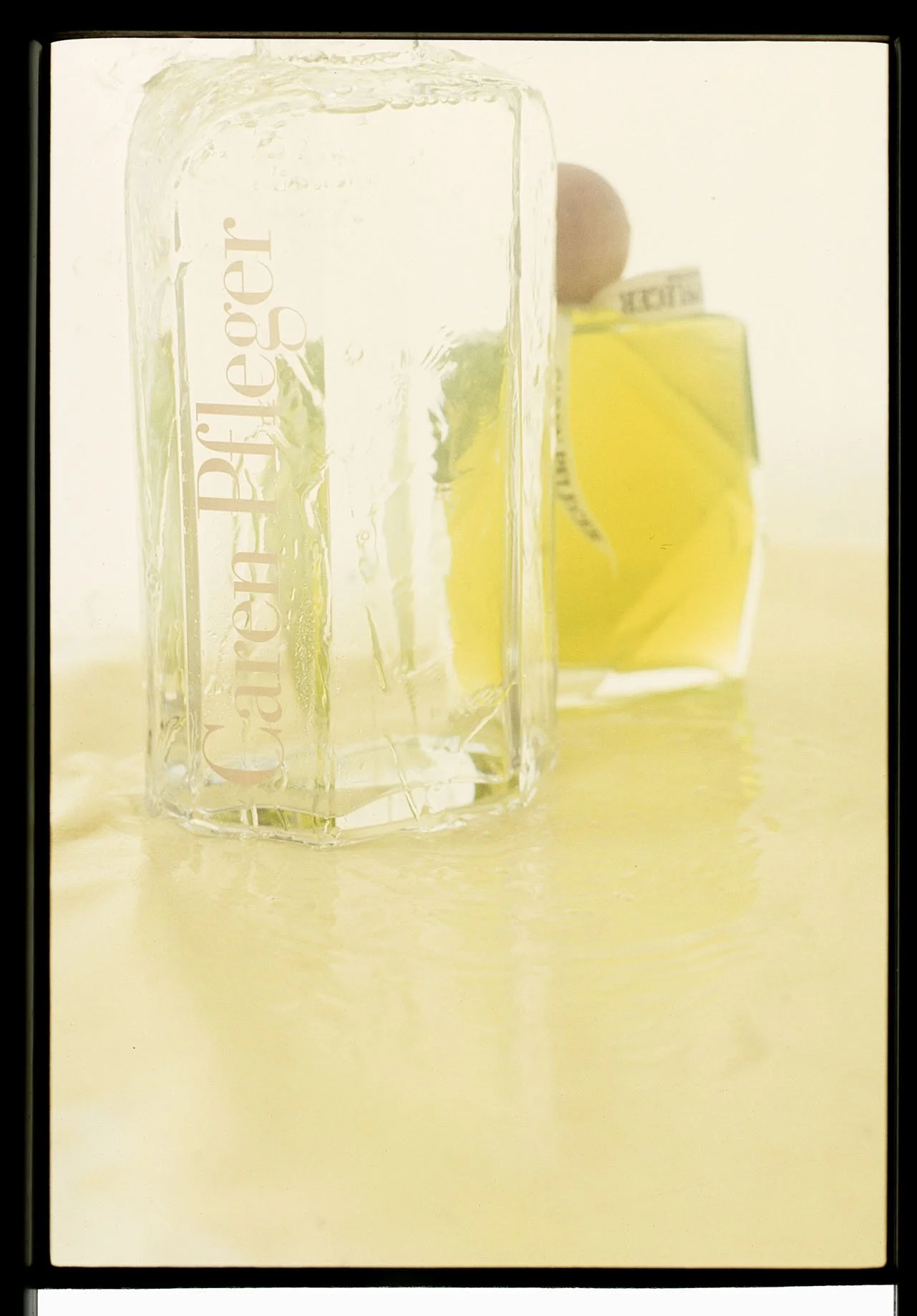
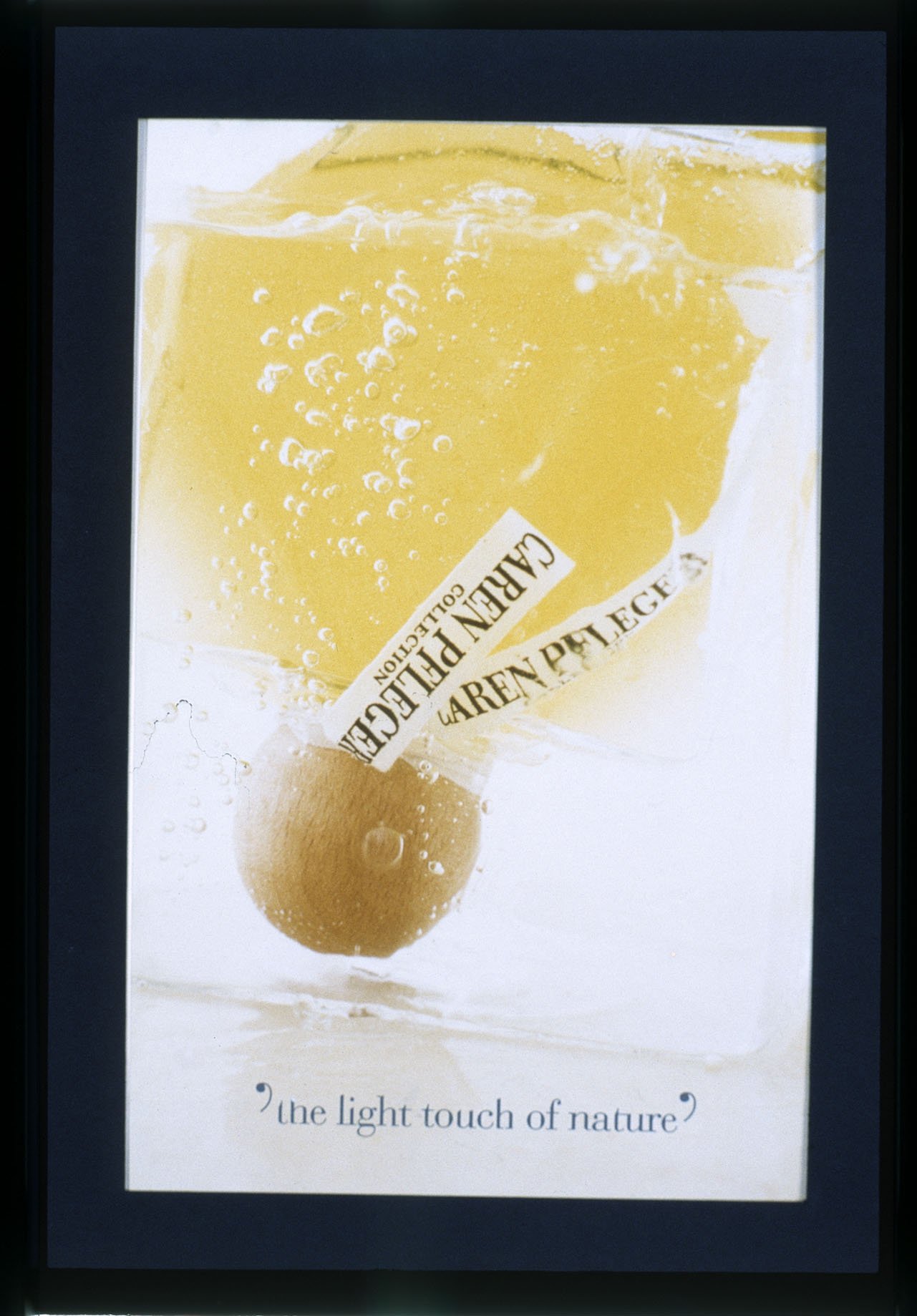
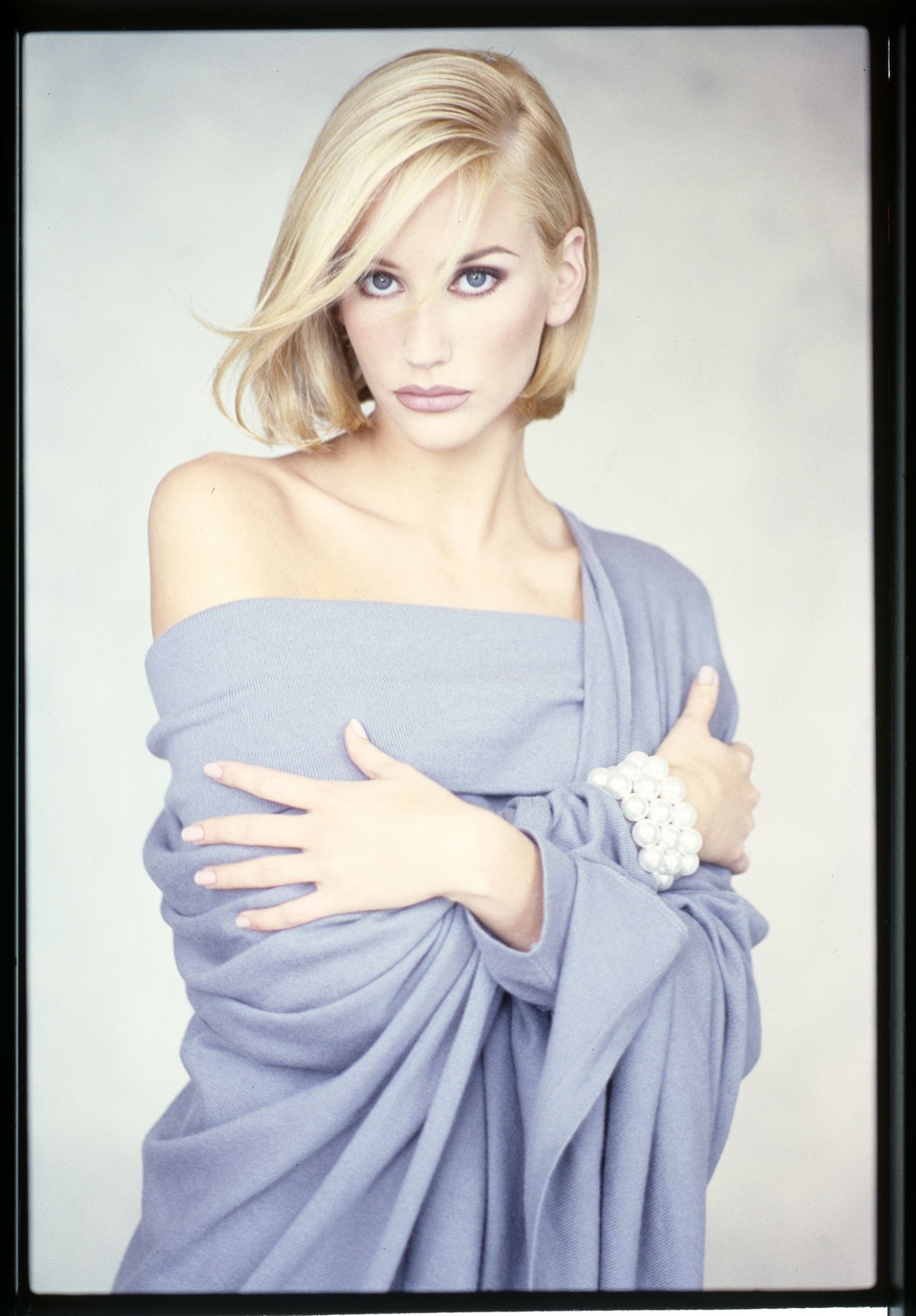
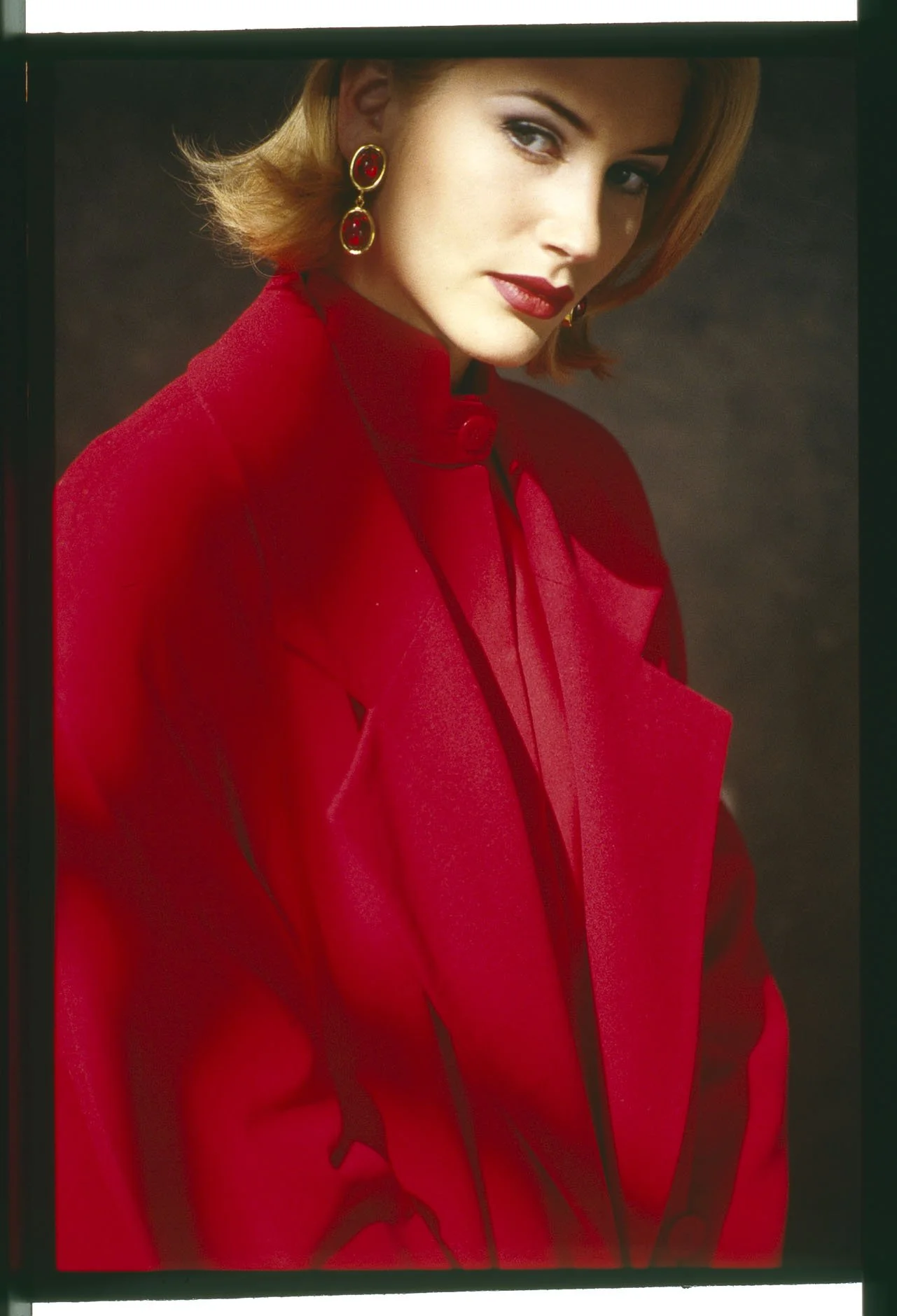
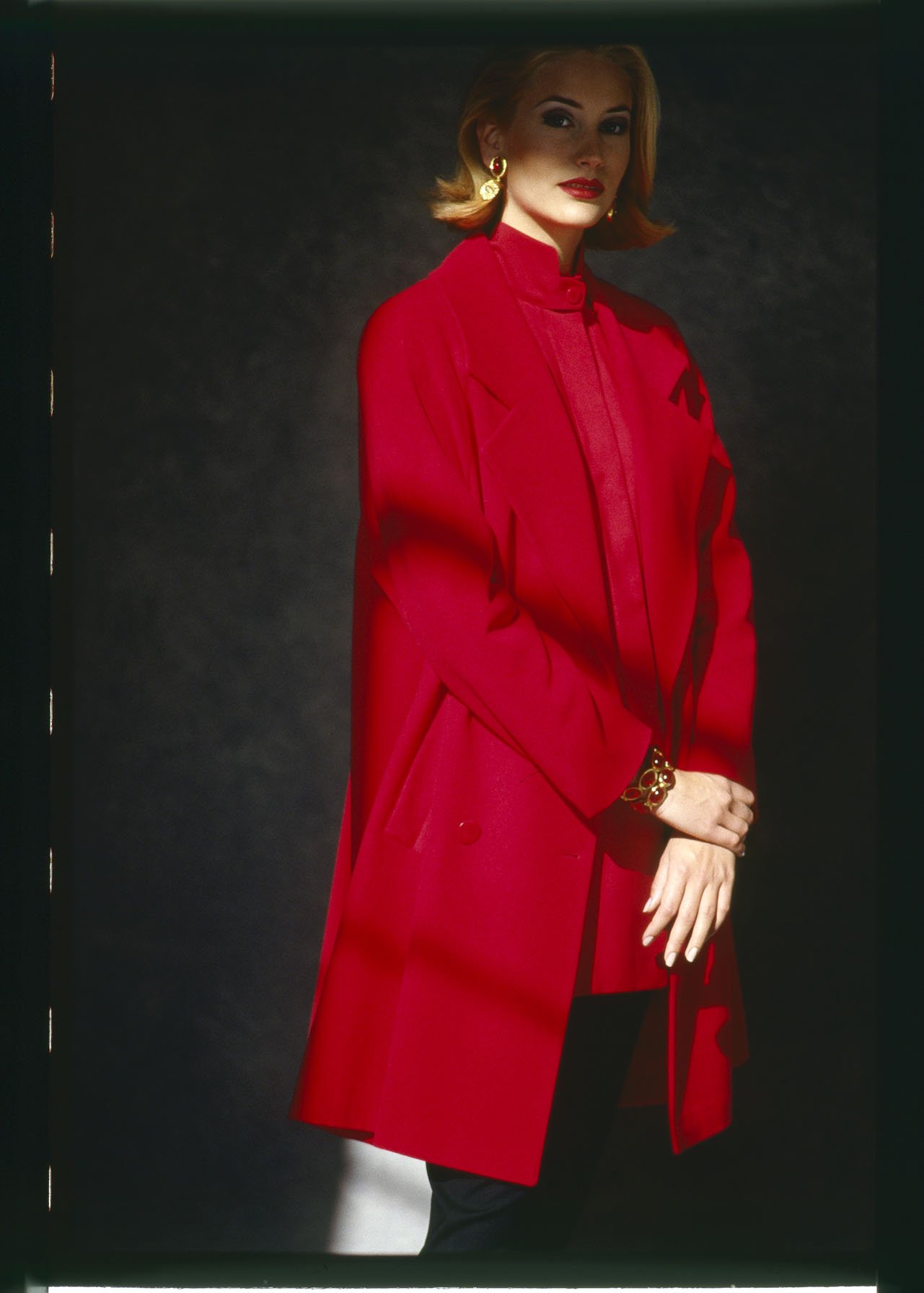
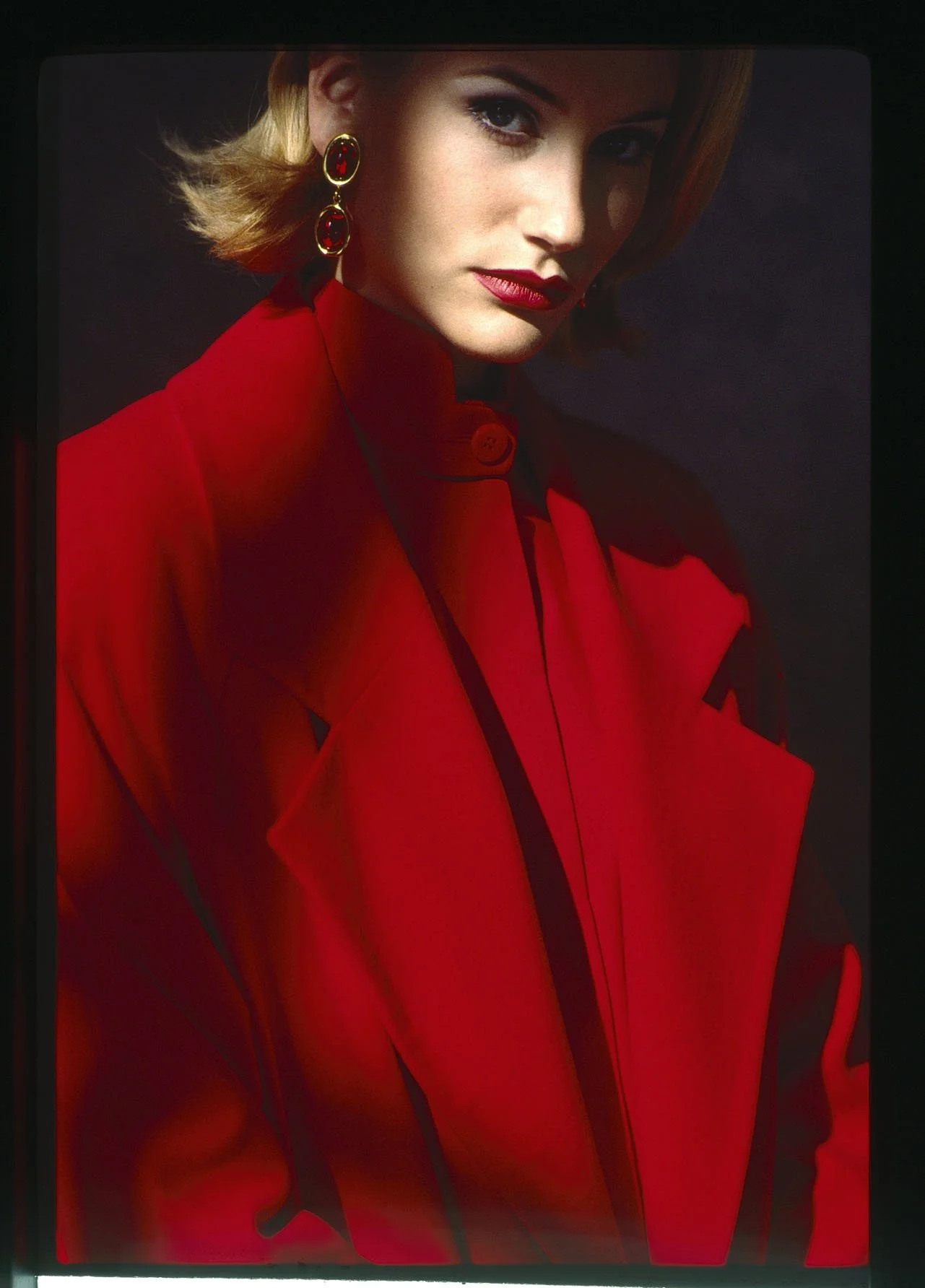
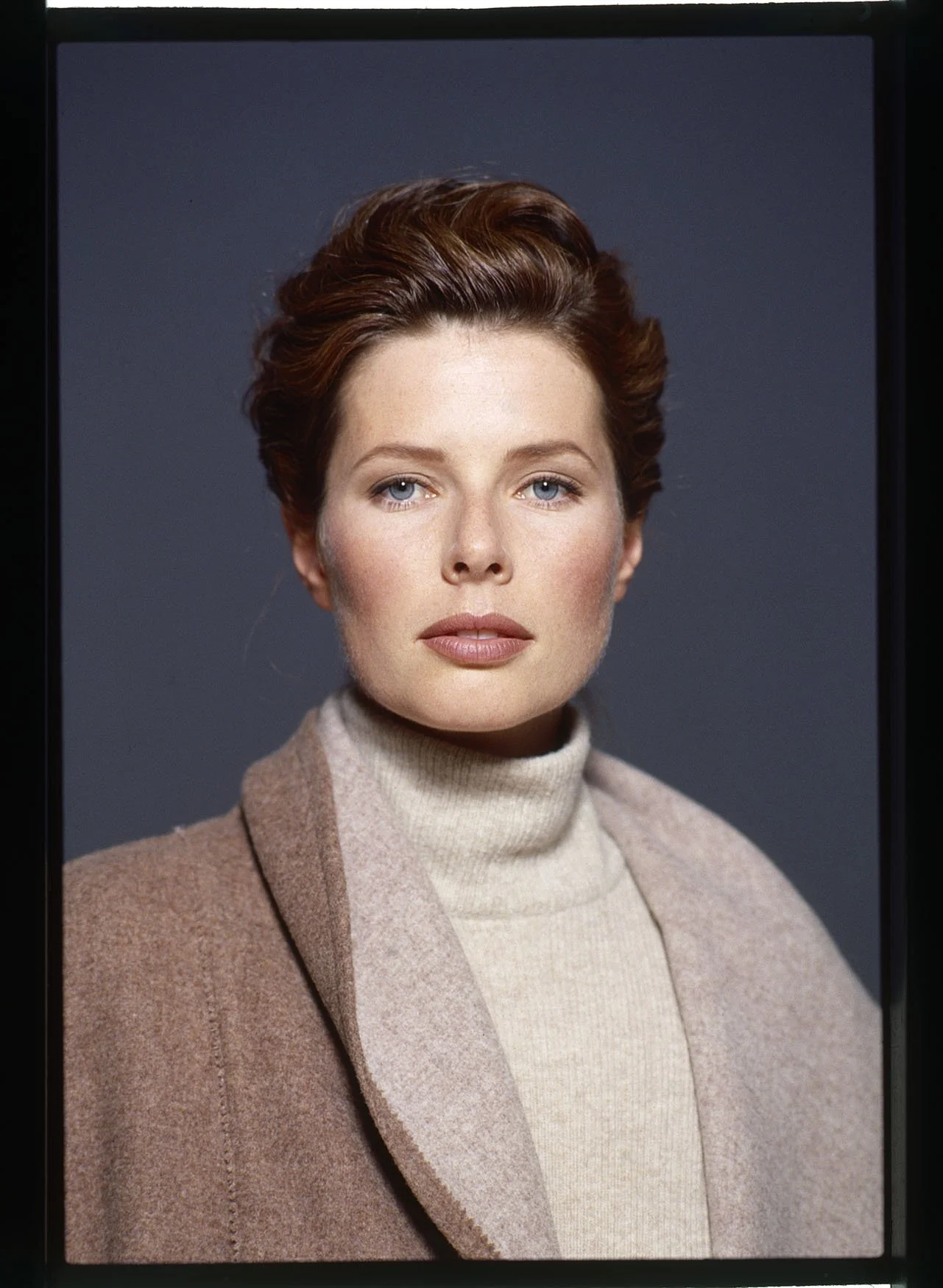
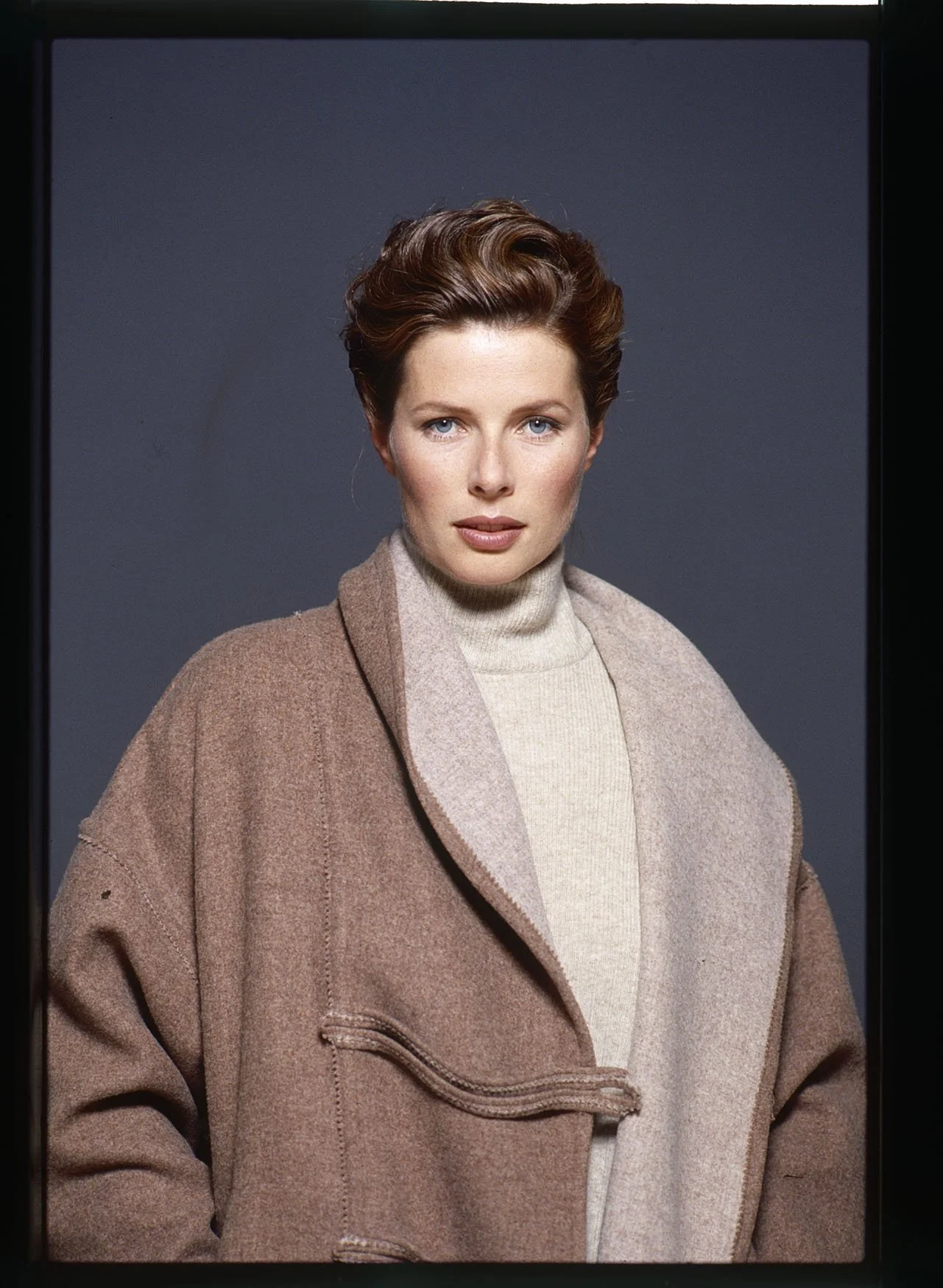
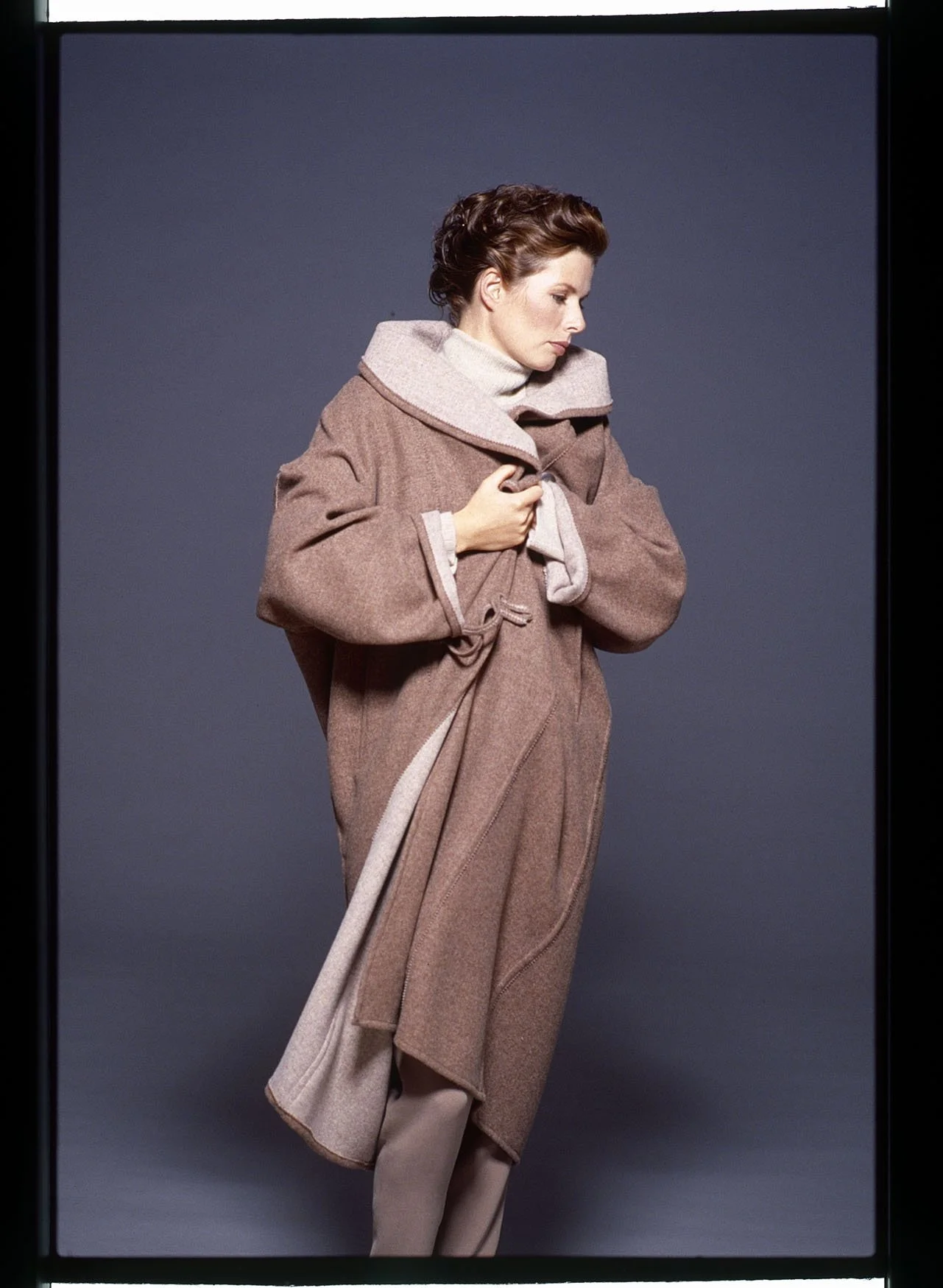
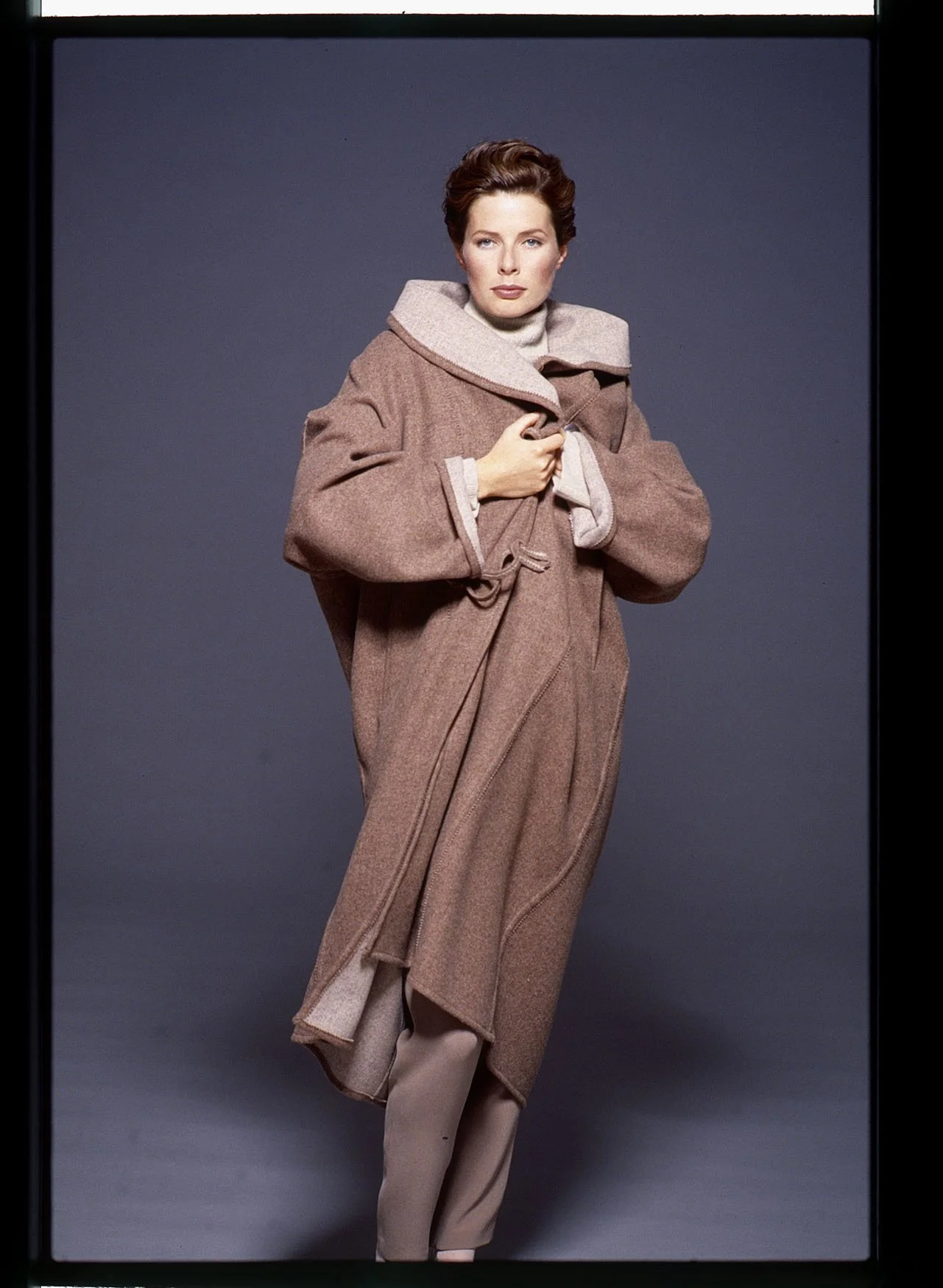
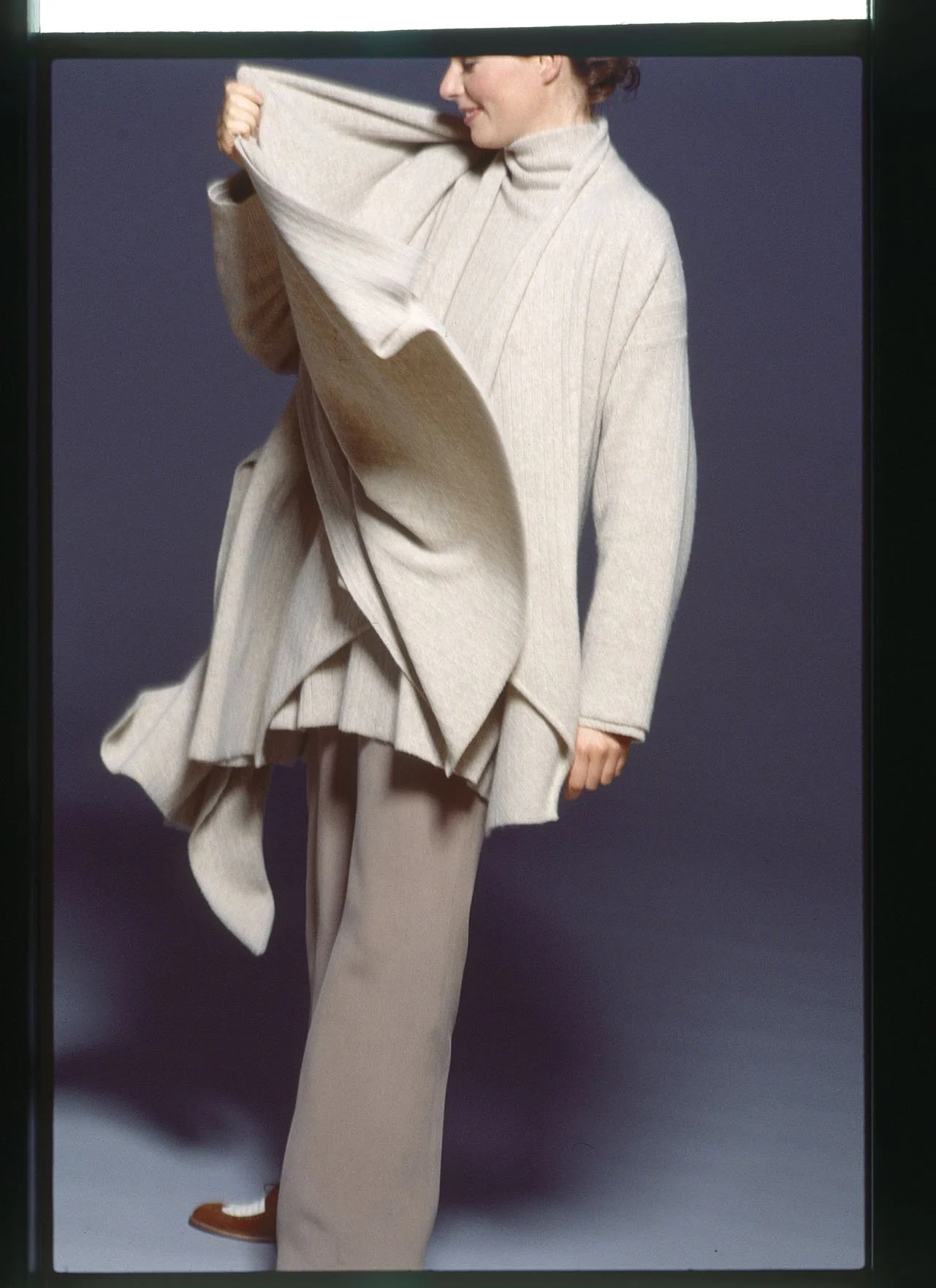
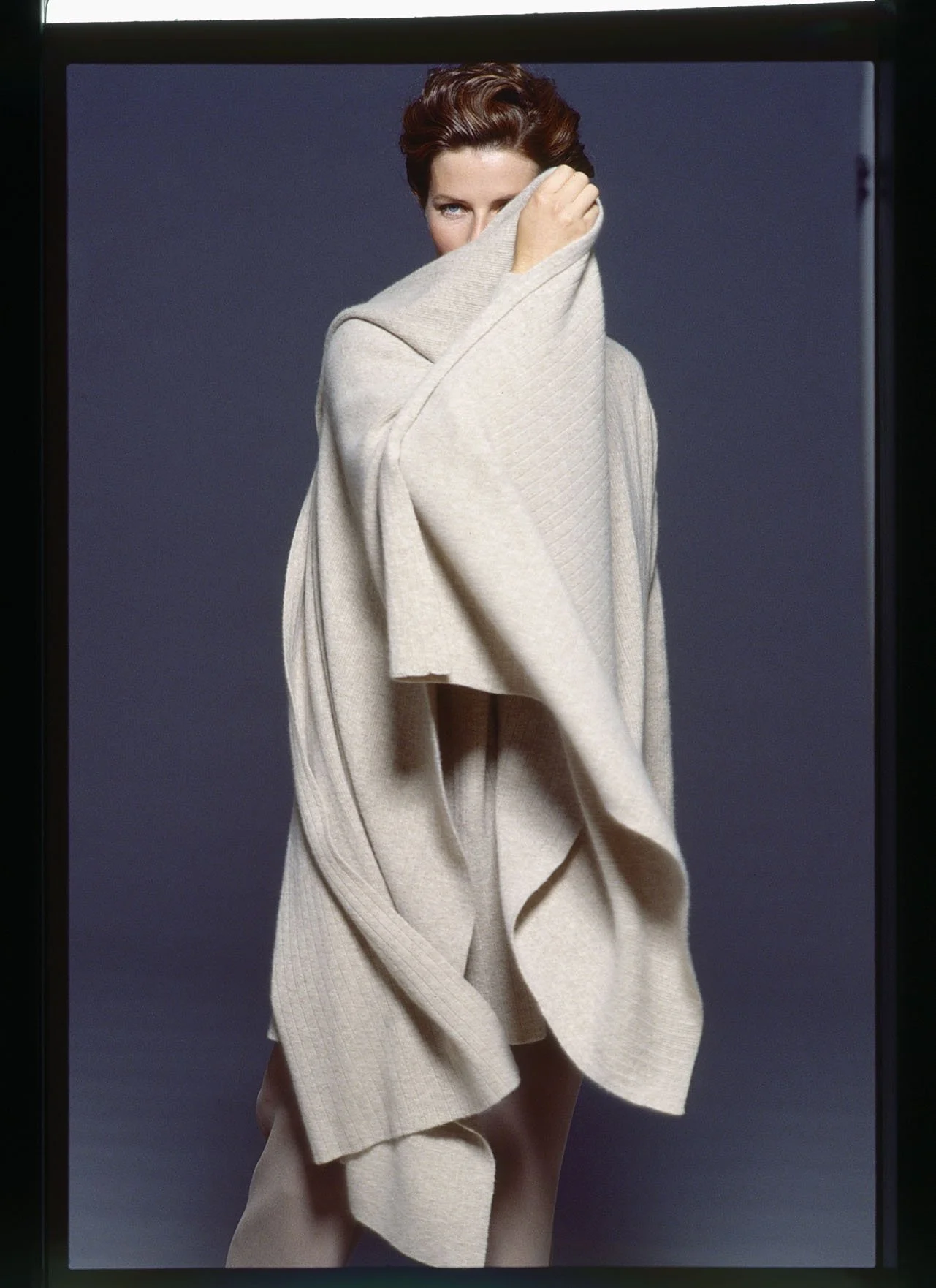
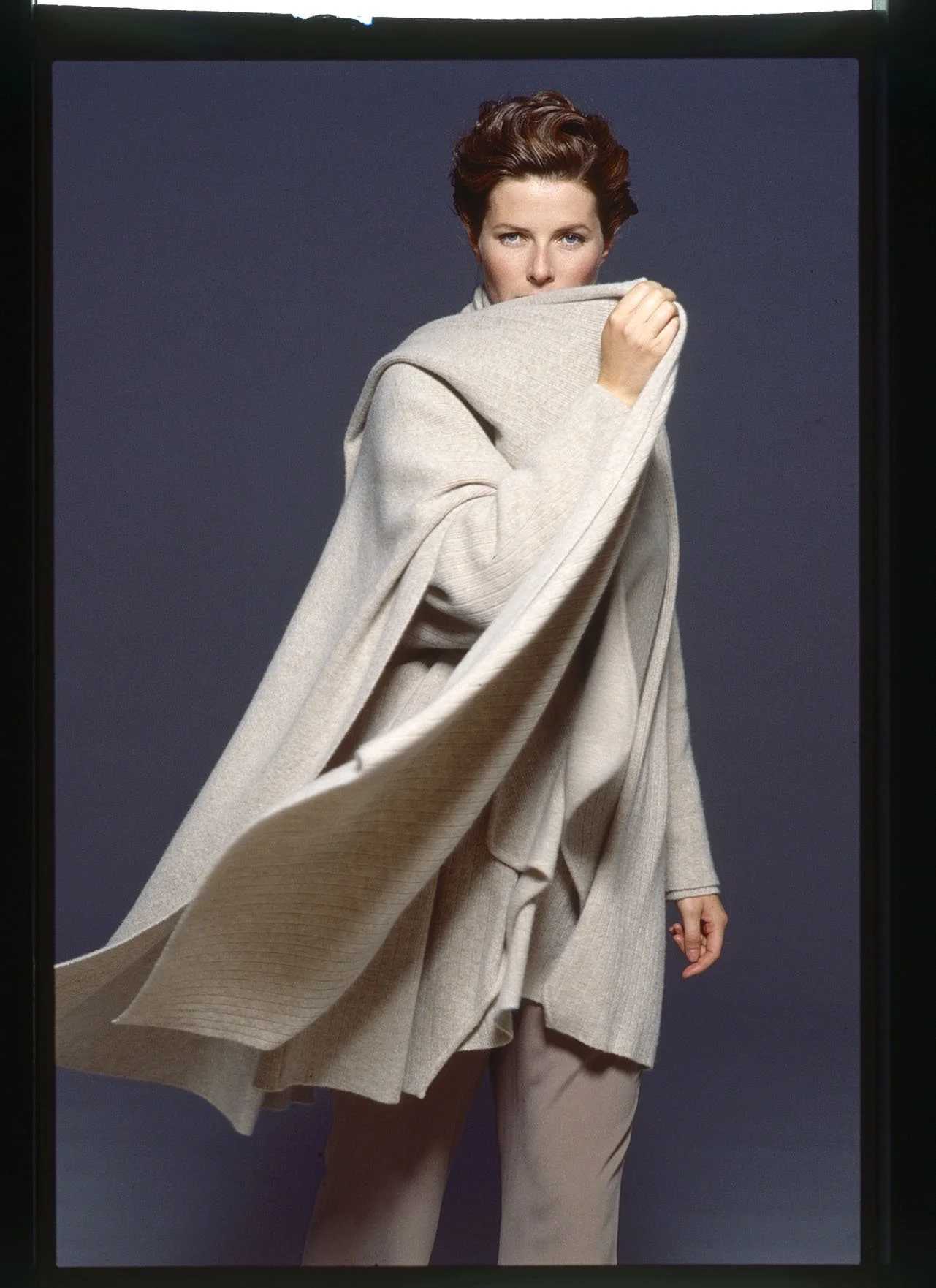
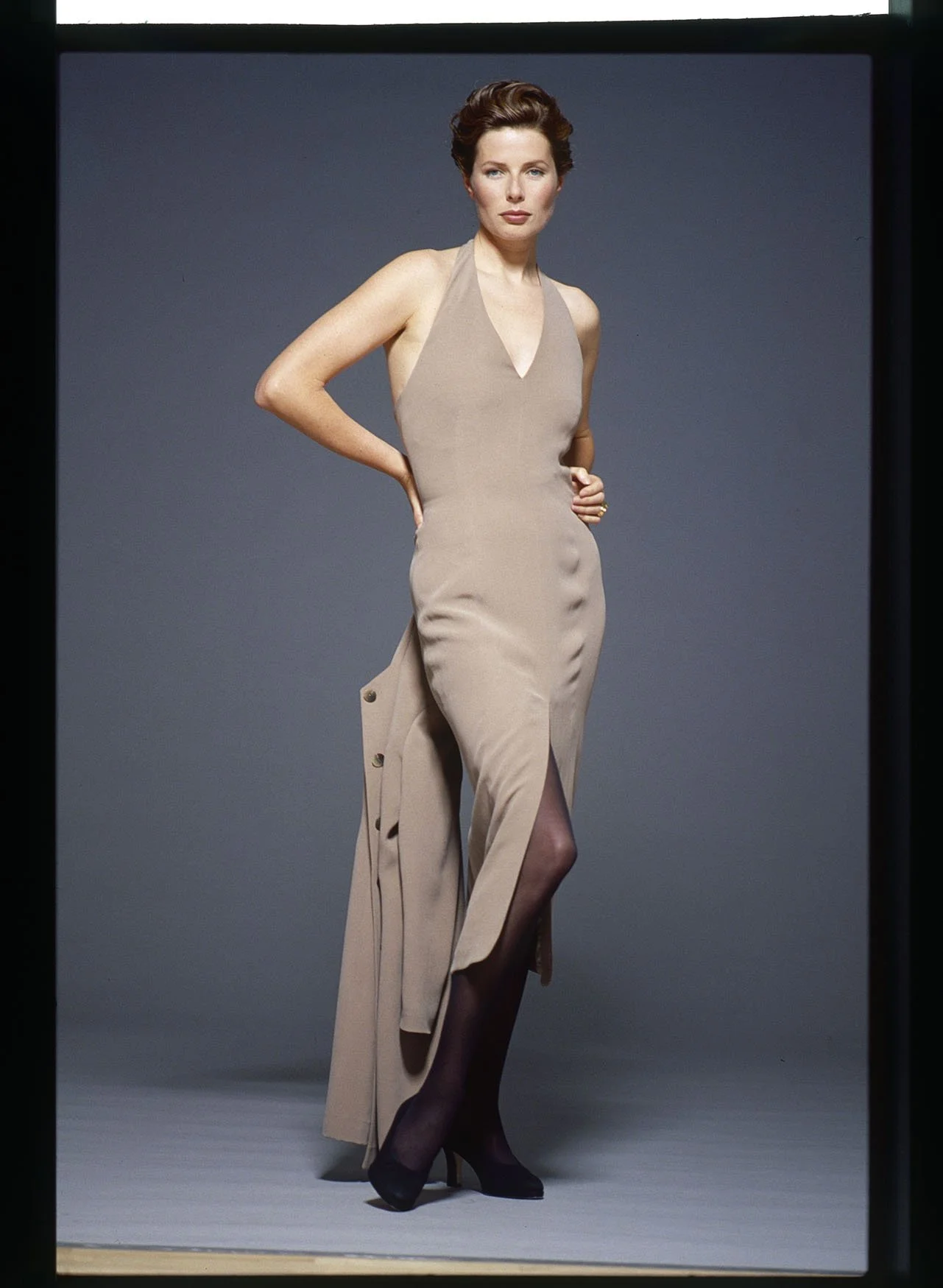
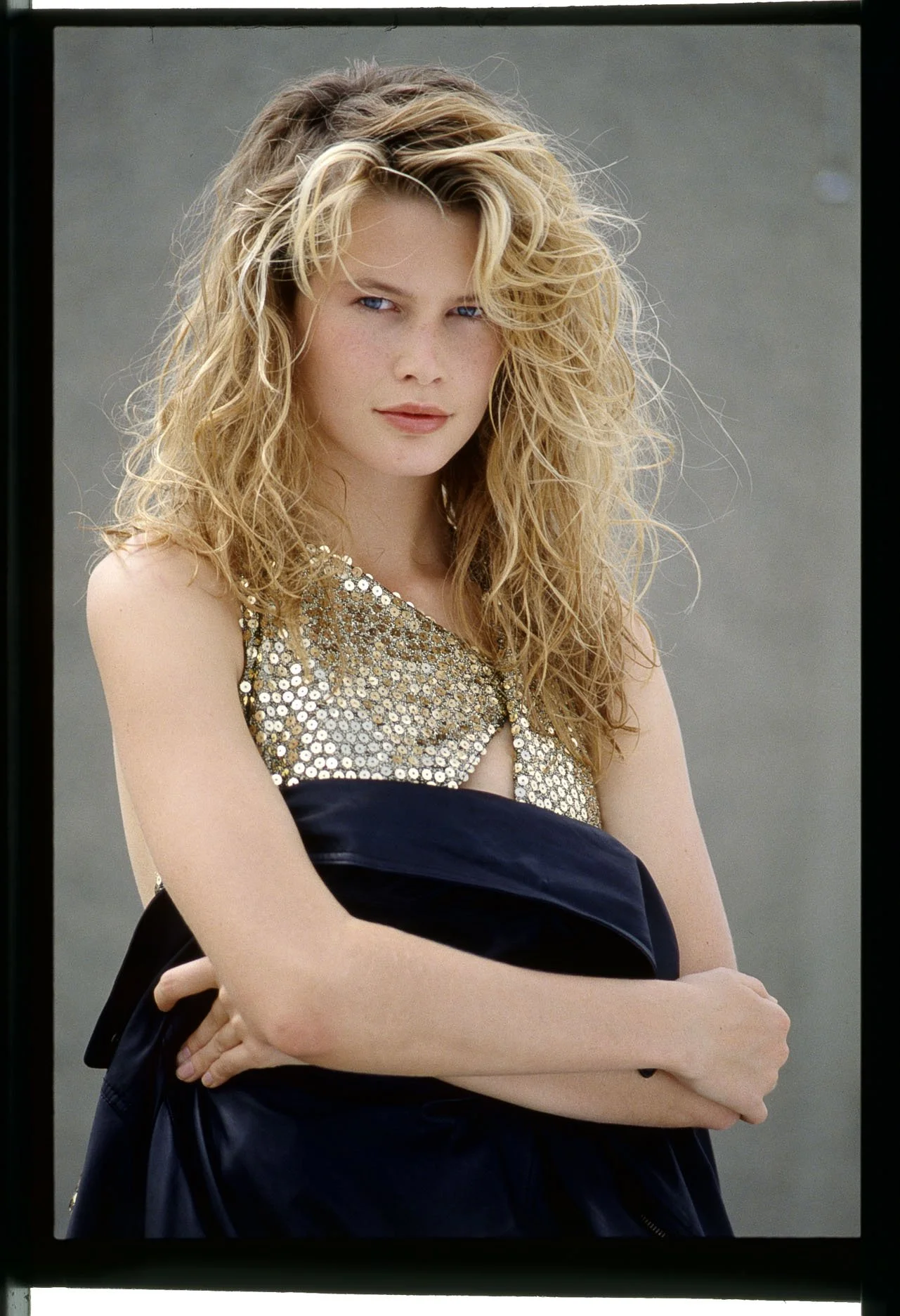
Caren Pfleger was one of the most creative people he had ever worked with, says Ulrich Pracht of the German designer, beauty, and lifestyle consultant who had originally begun her career as a model. "She was a friend—but, unfortunately, completely disorganized," he remarks, describing the nature of the fashion designer who—as the Frankfurter Allgemeine Zeitung noted—"much like Jil Sander, was able to distinguish herself from Italian and French fashion brands through an air of understatement; the difference being that Pfleger’s collections were less purist and 'North German' in style, and instead far more spirited and 'Rhineland' in character." Ulrich Pracht produced an editorial campaign for Caren Pfleger, in which he interpreted her fashion entirely in this spirit, applying his own distinctive creative signature. Nothing stood in the way of commercial success—or so it seemed. Unfortunately, however, the fashion designer was no businesswoman. When her boutiques were forced to close, she turned her attention to writing. Later, she sought to build upon the earlier successes she had achieved with a cosmetics line in the 1980s. Caren Pfleger developed a line of natural skincare and makeup products, which she intended to launch under the brand name "Caren’s Care." She enlisted Ulrich Pracht to help her. Drawing on his extensive expertise in developing successful campaigns, he and his team designed the packaging, photographed minimalist still lifes—in which he, once again true to his roots as a stylist, sensitively paired the products with natural elements—and secured celebrity faces for the campaign. Yet Caren Pfleger wanted—and needed—even more. She was seeking deep-pocketed investors who could bring the product line to market on her behalf. Through an intermediary, Ulrich Pracht managed to persuade Ferdinand "Ferdi" Mühlens—the Cologne-based heir to the 4711 fragrance empire and a trained perfumer—to meet for a private, one-on-one discussion, without the potential business partner present. "Mühlens liked it. He wanted the concept, and she was to supply the products to go with it. I was thrilled!" But things took a different turn. During a phone call with Caren Pfleger, Ulrich Pracht learned that she was already under contract with Wella AG—the very company that was, at that moment, preparing to acquire the historic House of 4711. "Mühlens’s idea, it seems, was to make a few extra million after the sale using Caren’s beautiful products. I was left looking like a complete fool!" And penniless, too; for out of pure friendship, he had never drawn up a formal contract with the businesswoman whose venture had ultimately failed.
























06.3
LEVA PARIS
Sexy and young.
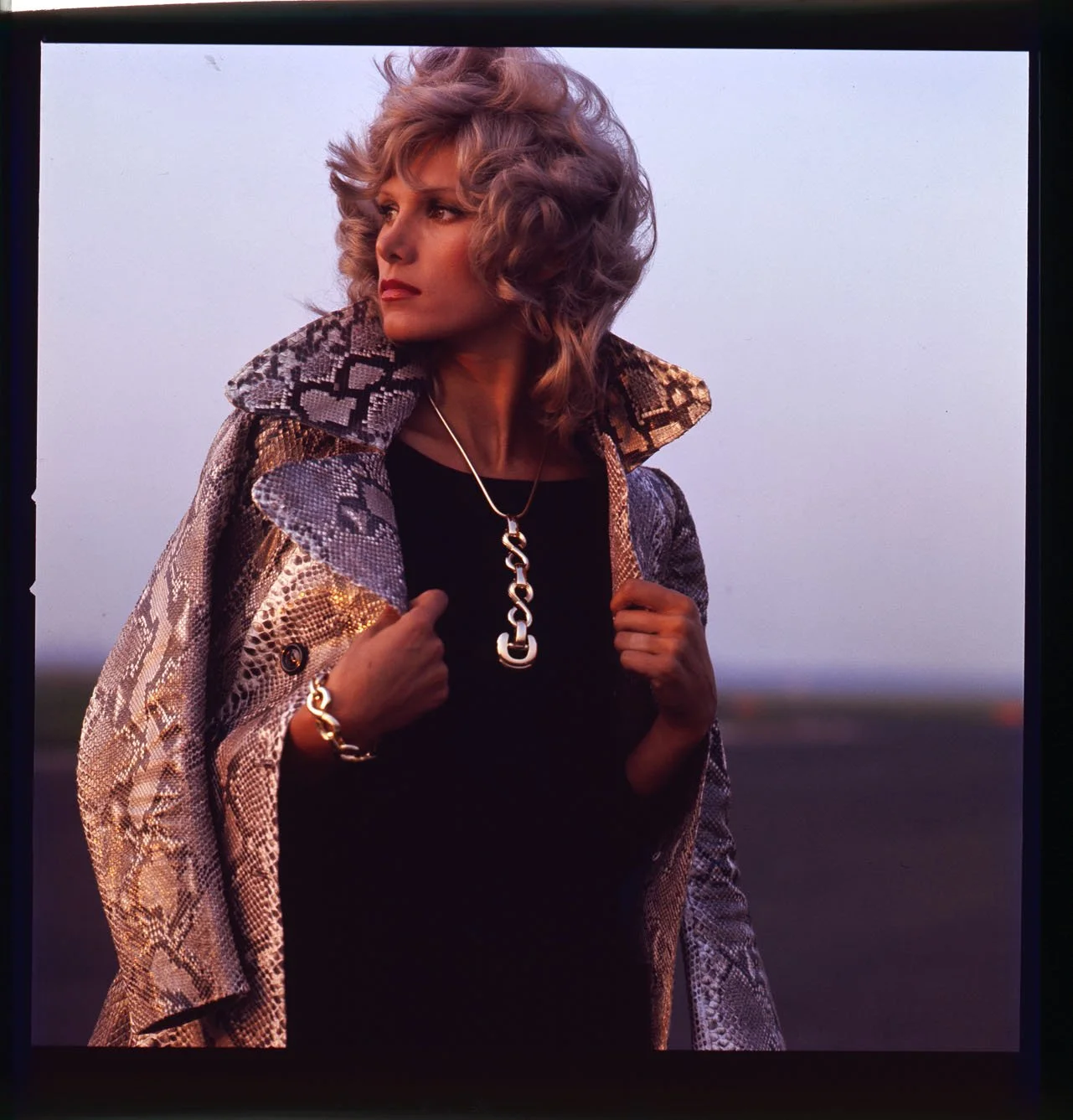
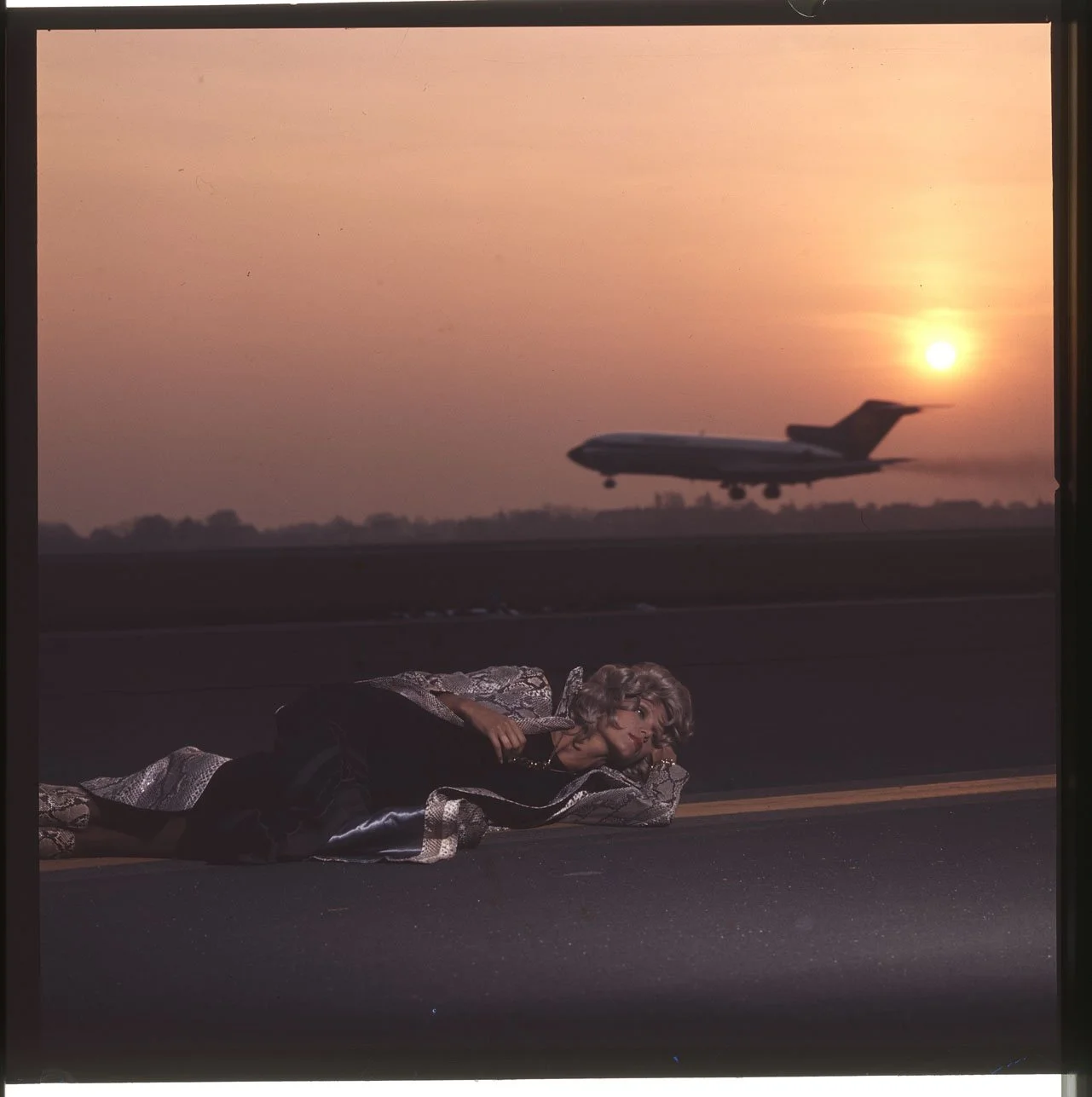
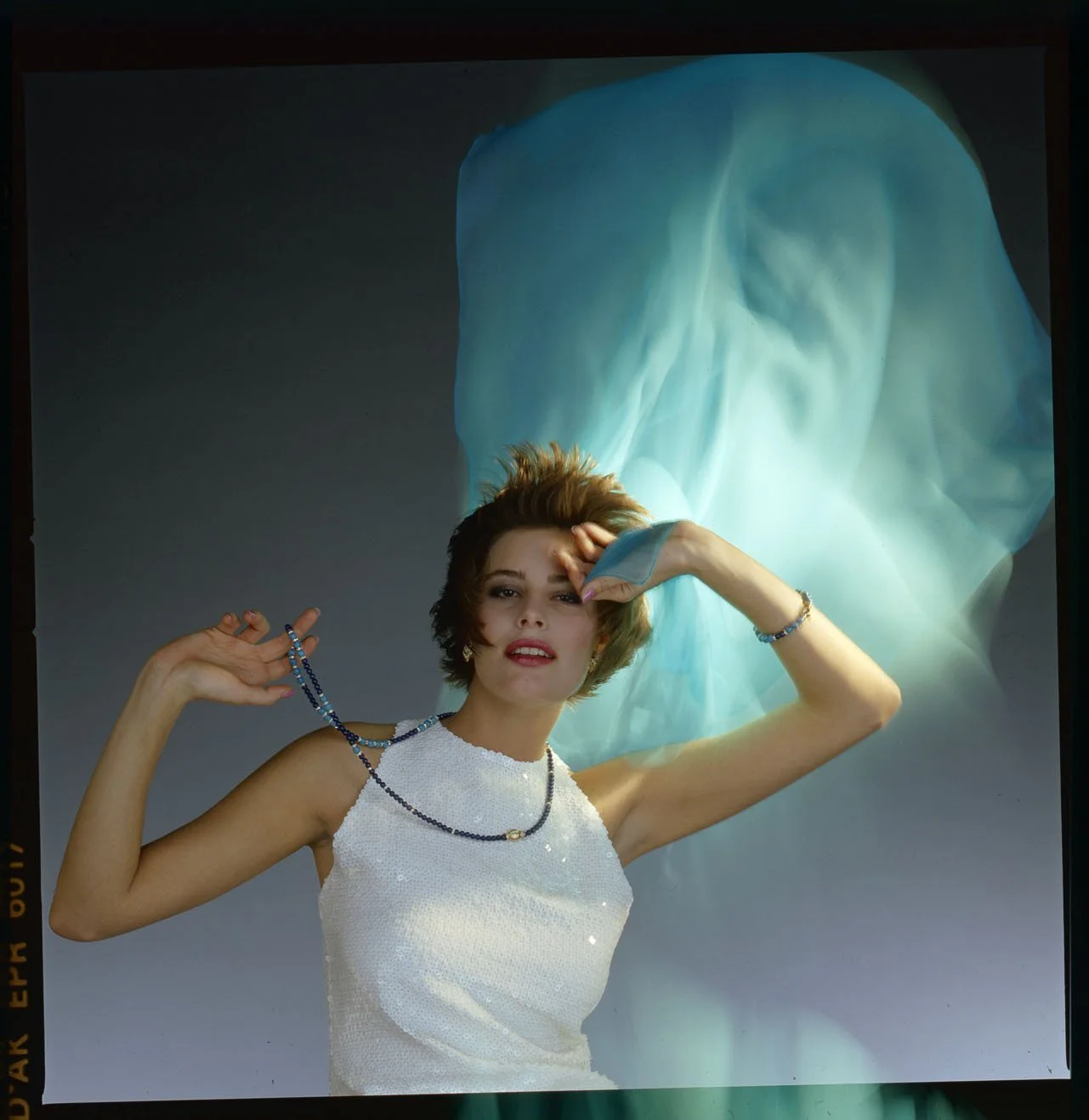
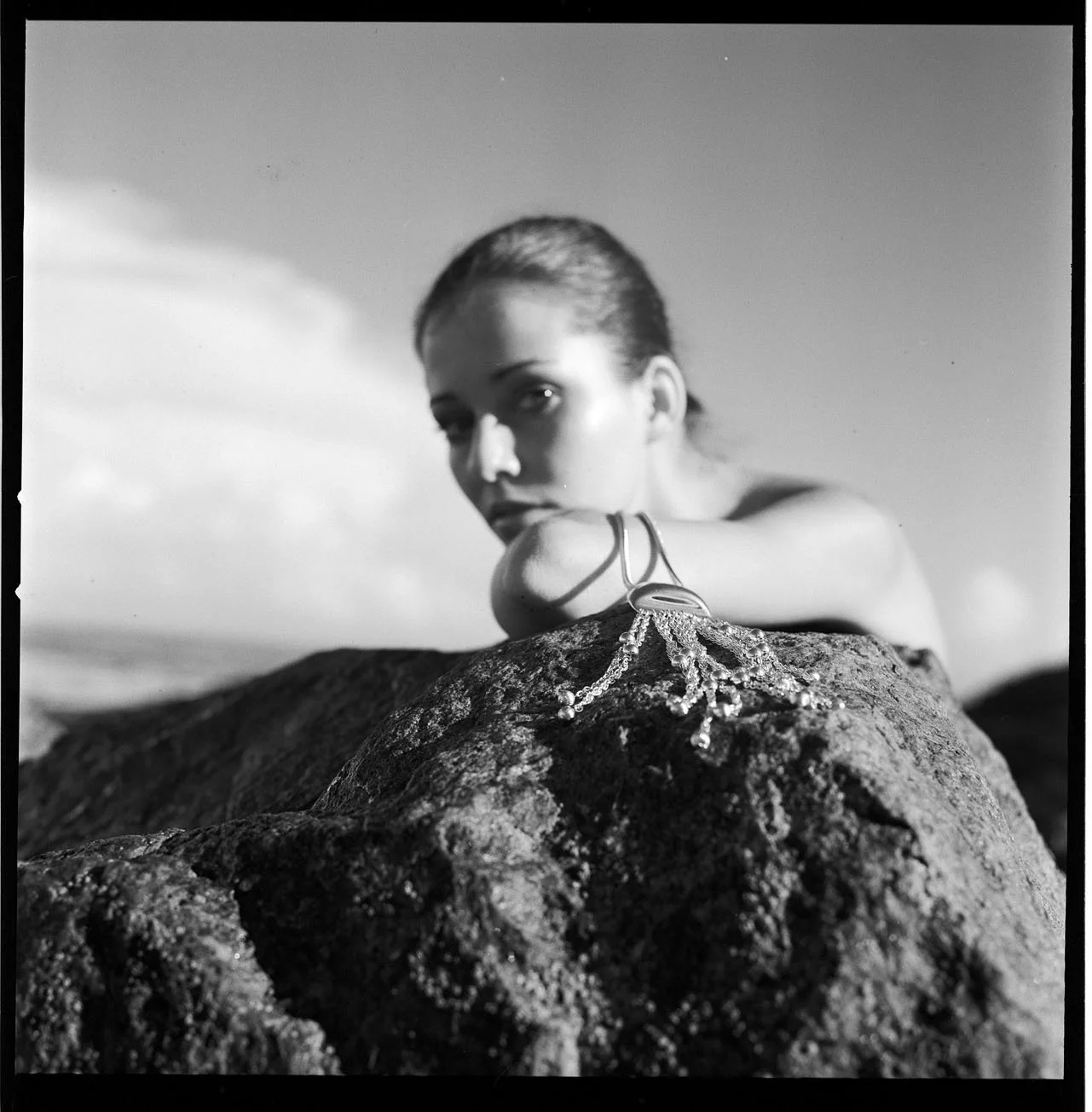
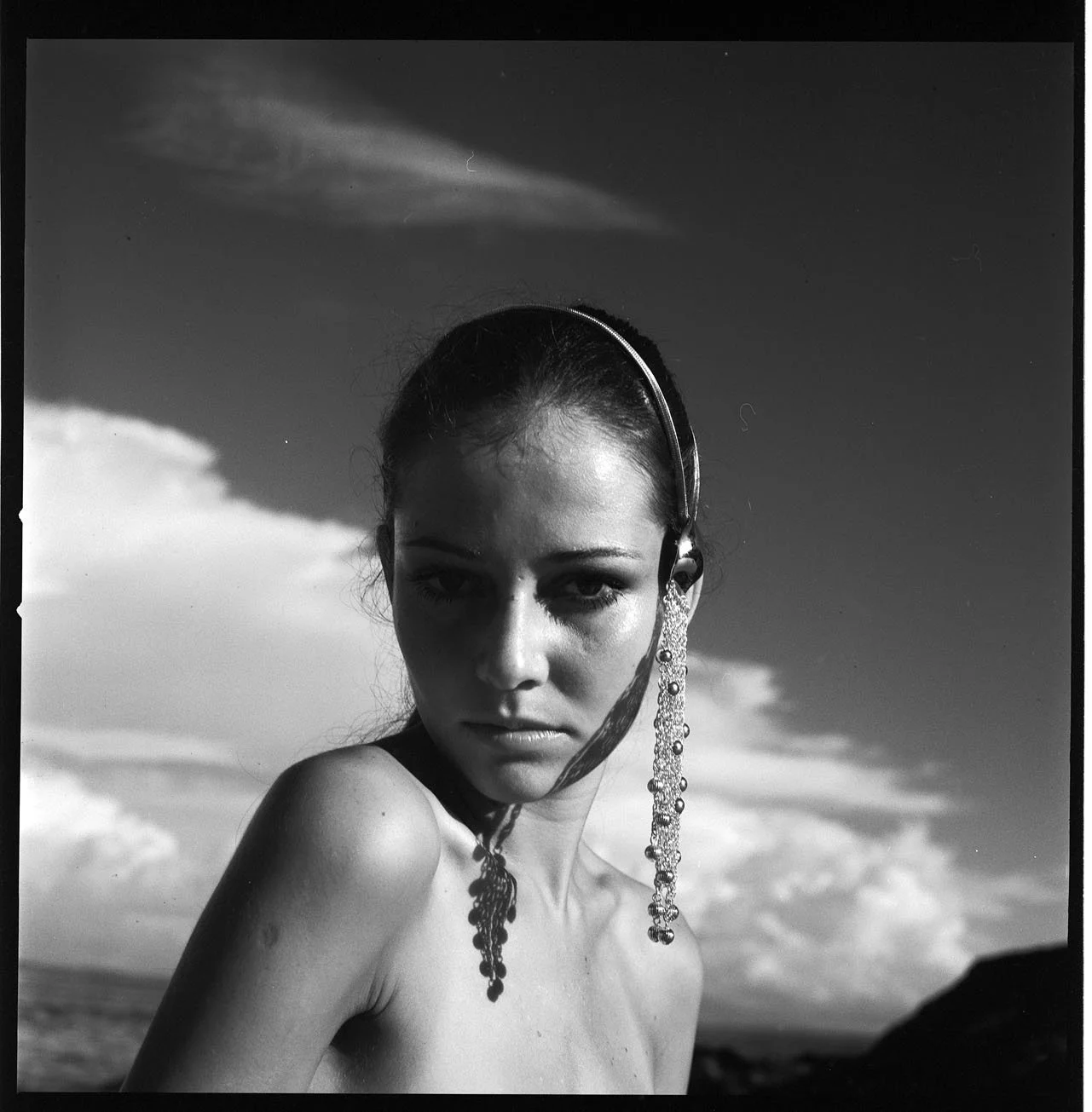
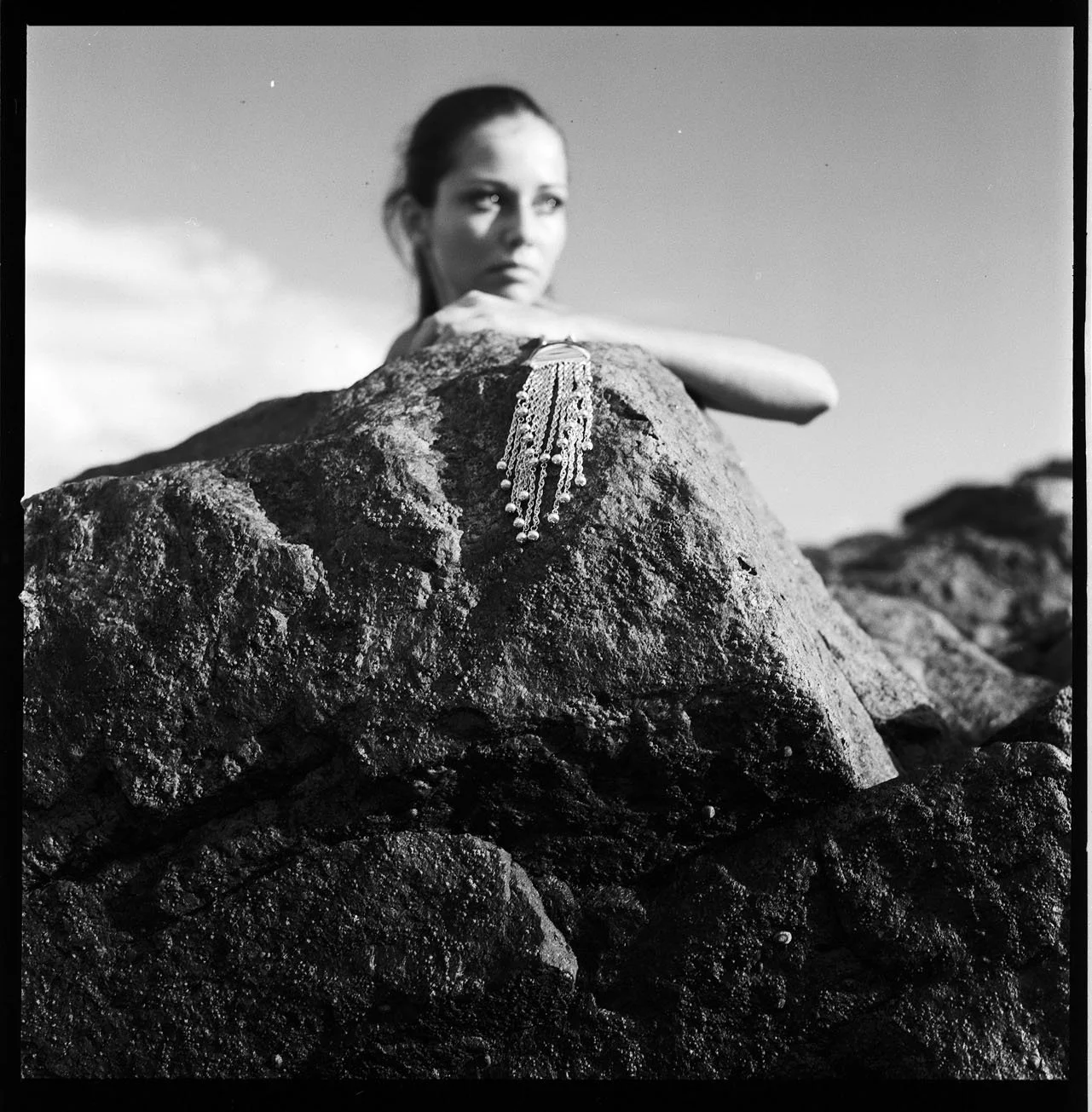
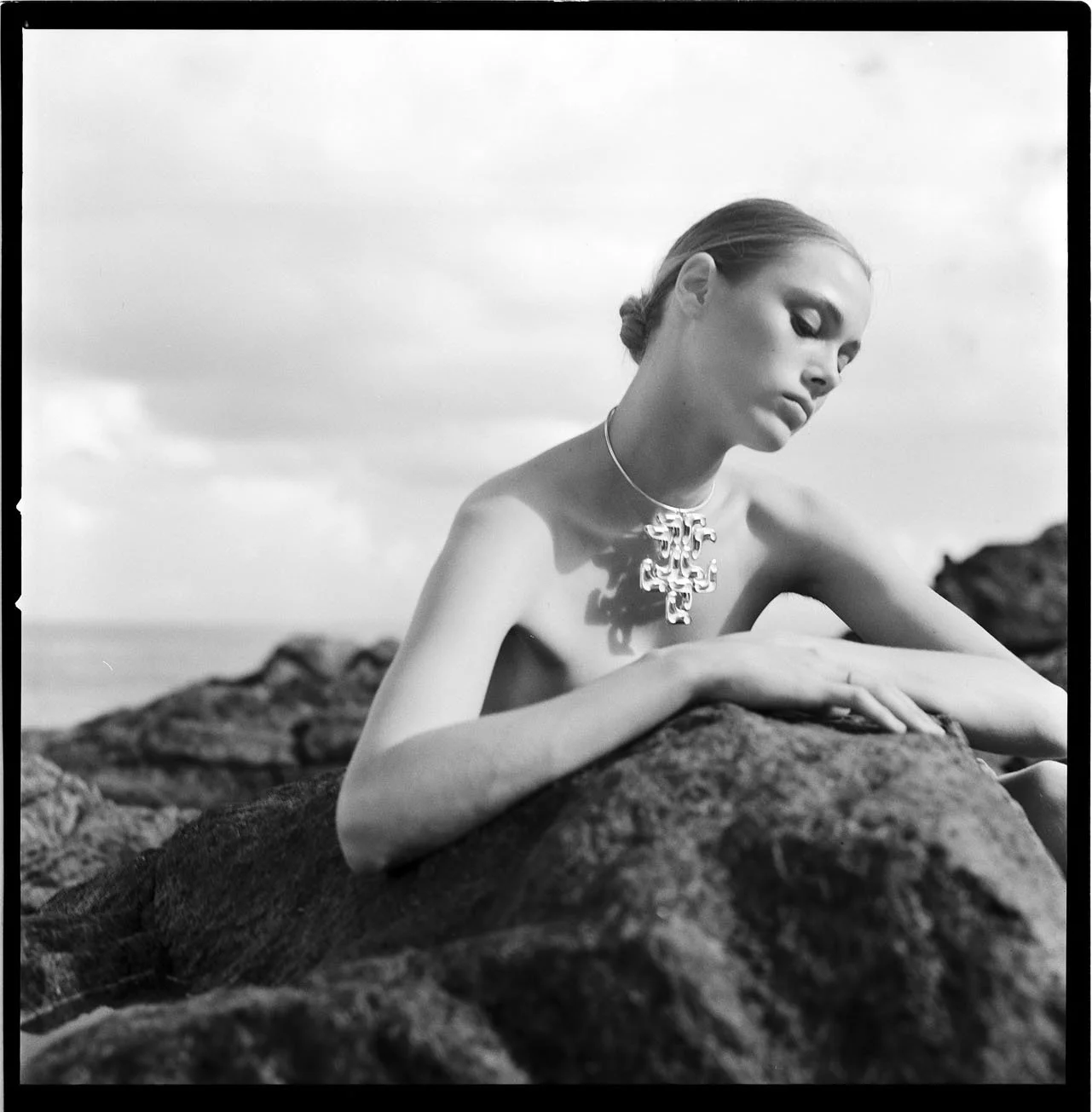
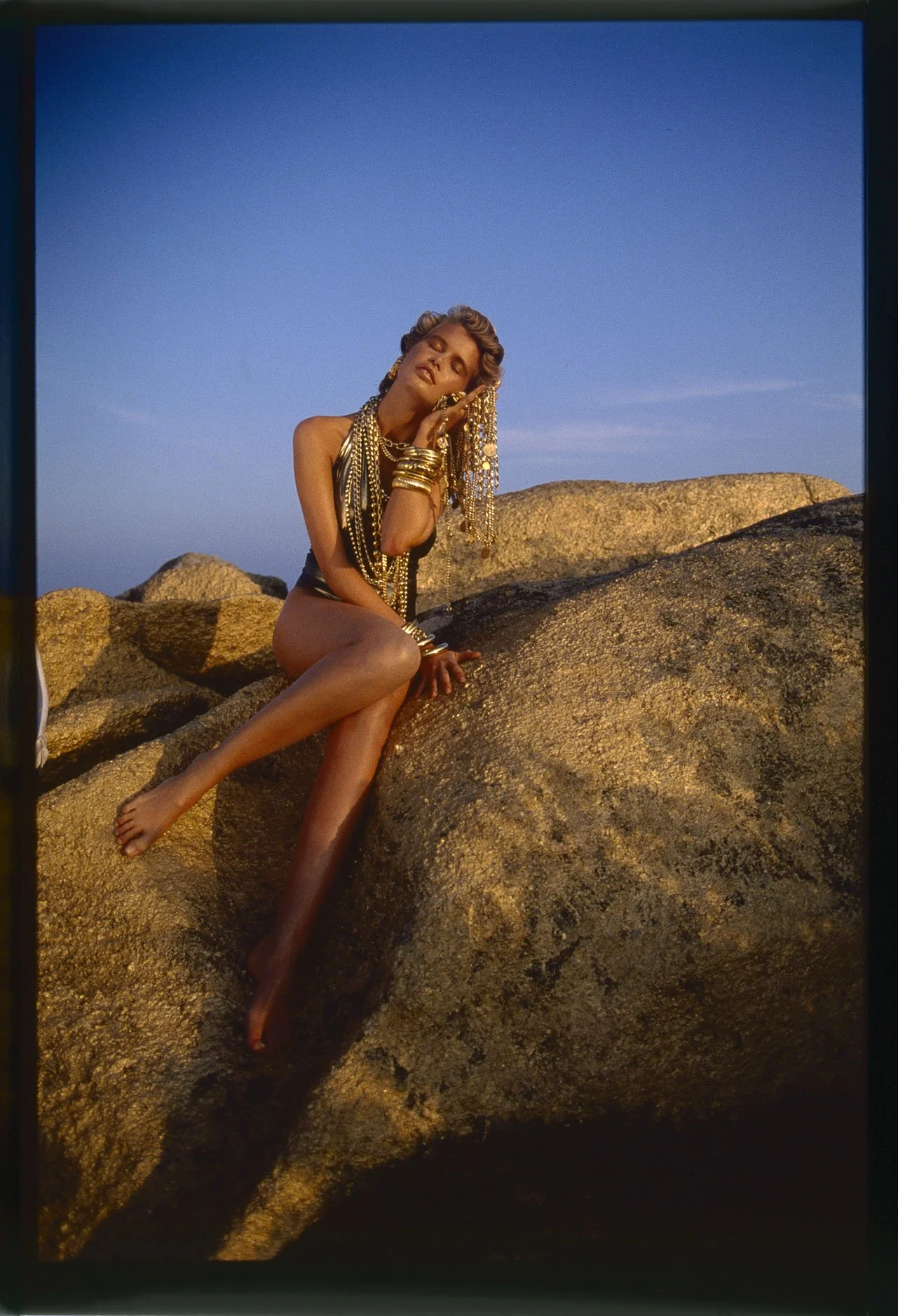
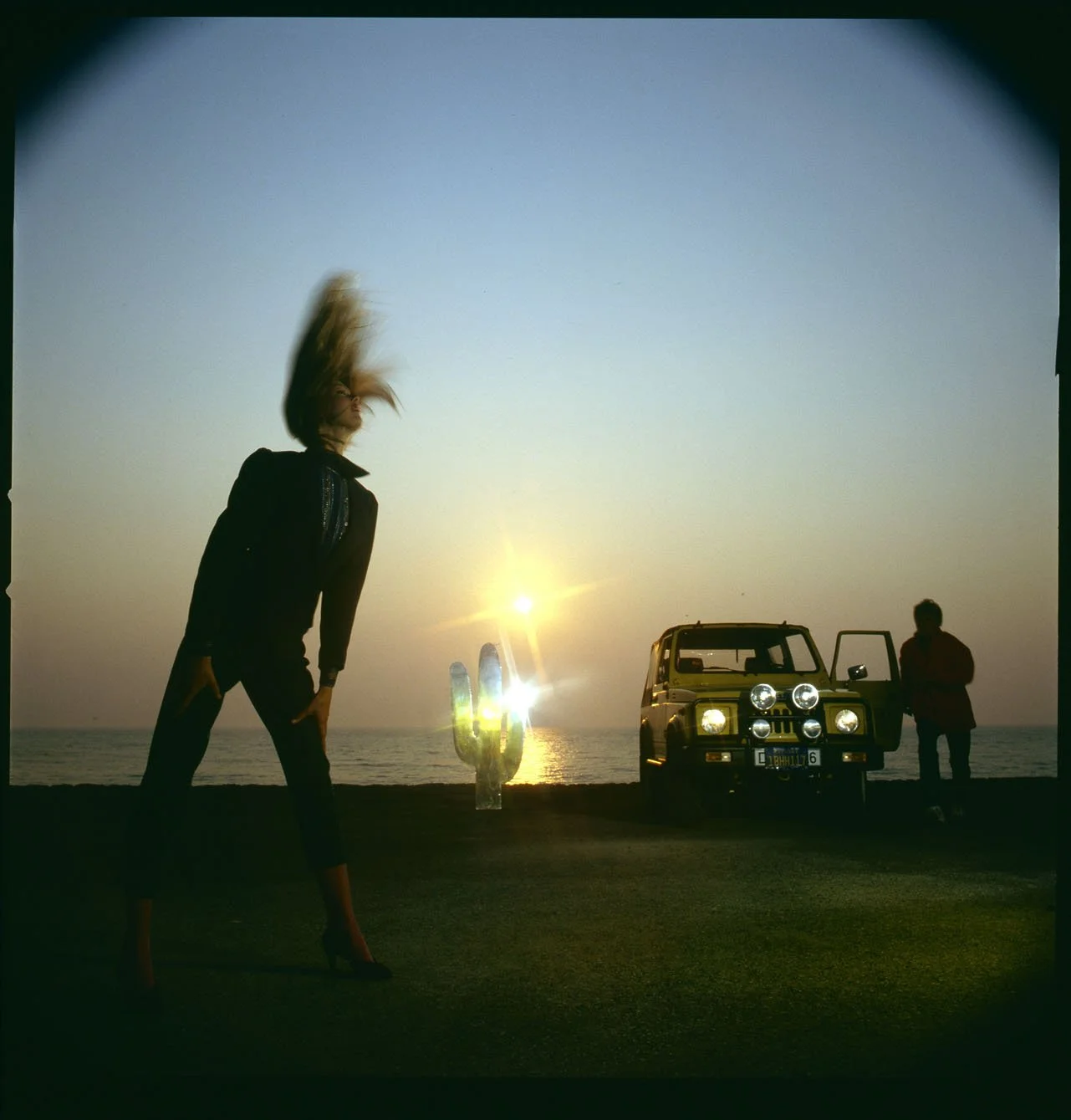
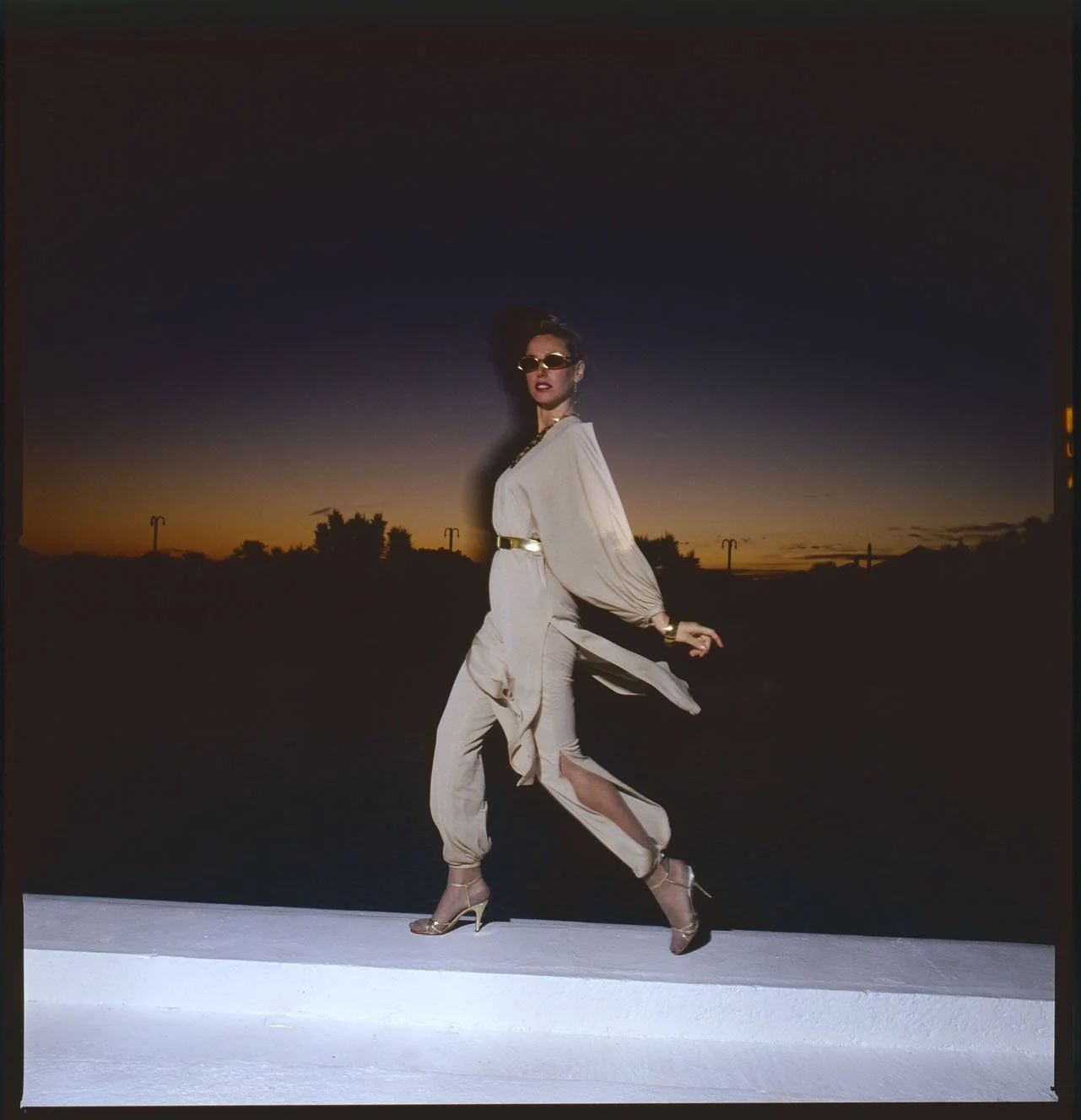
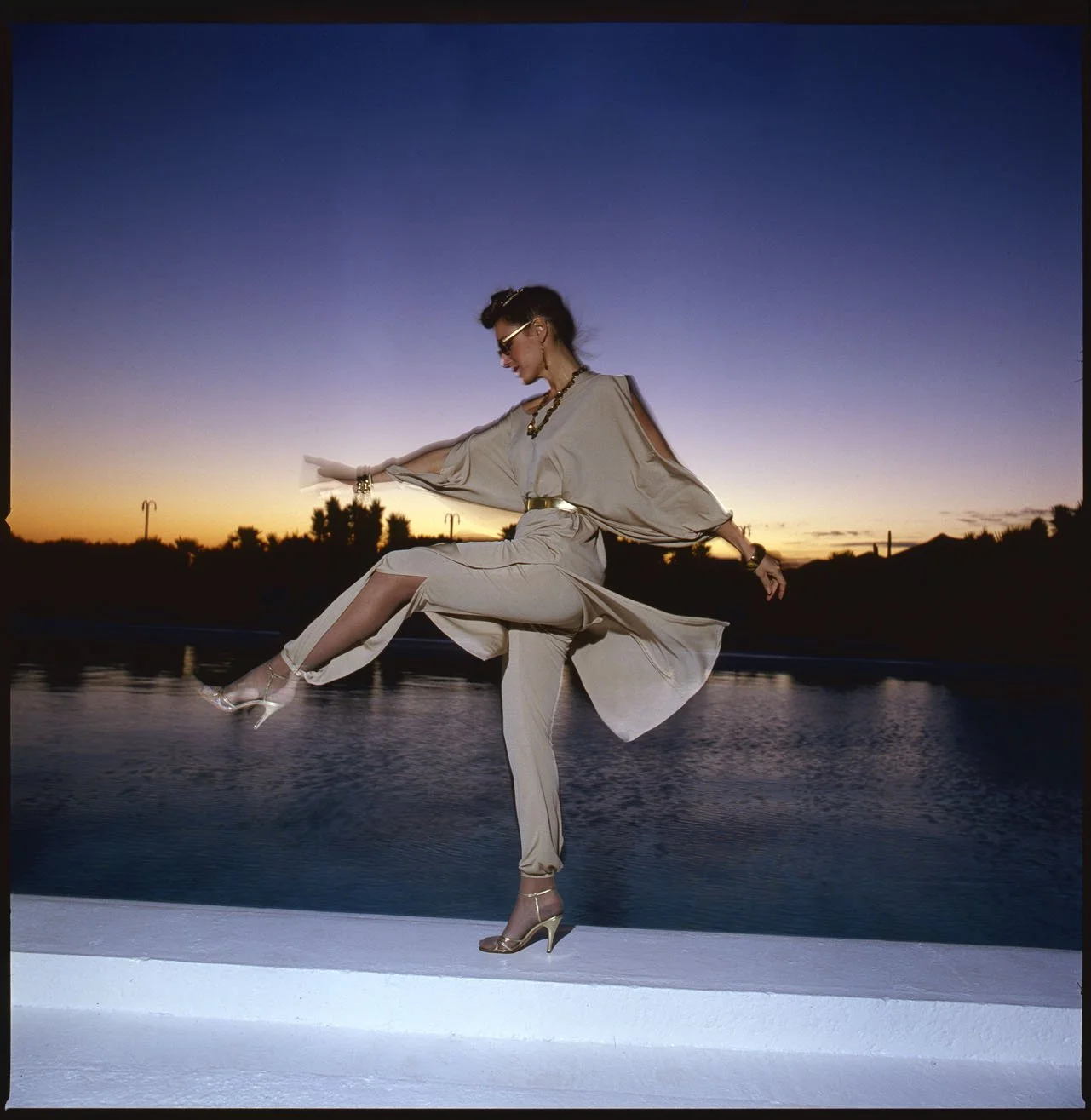
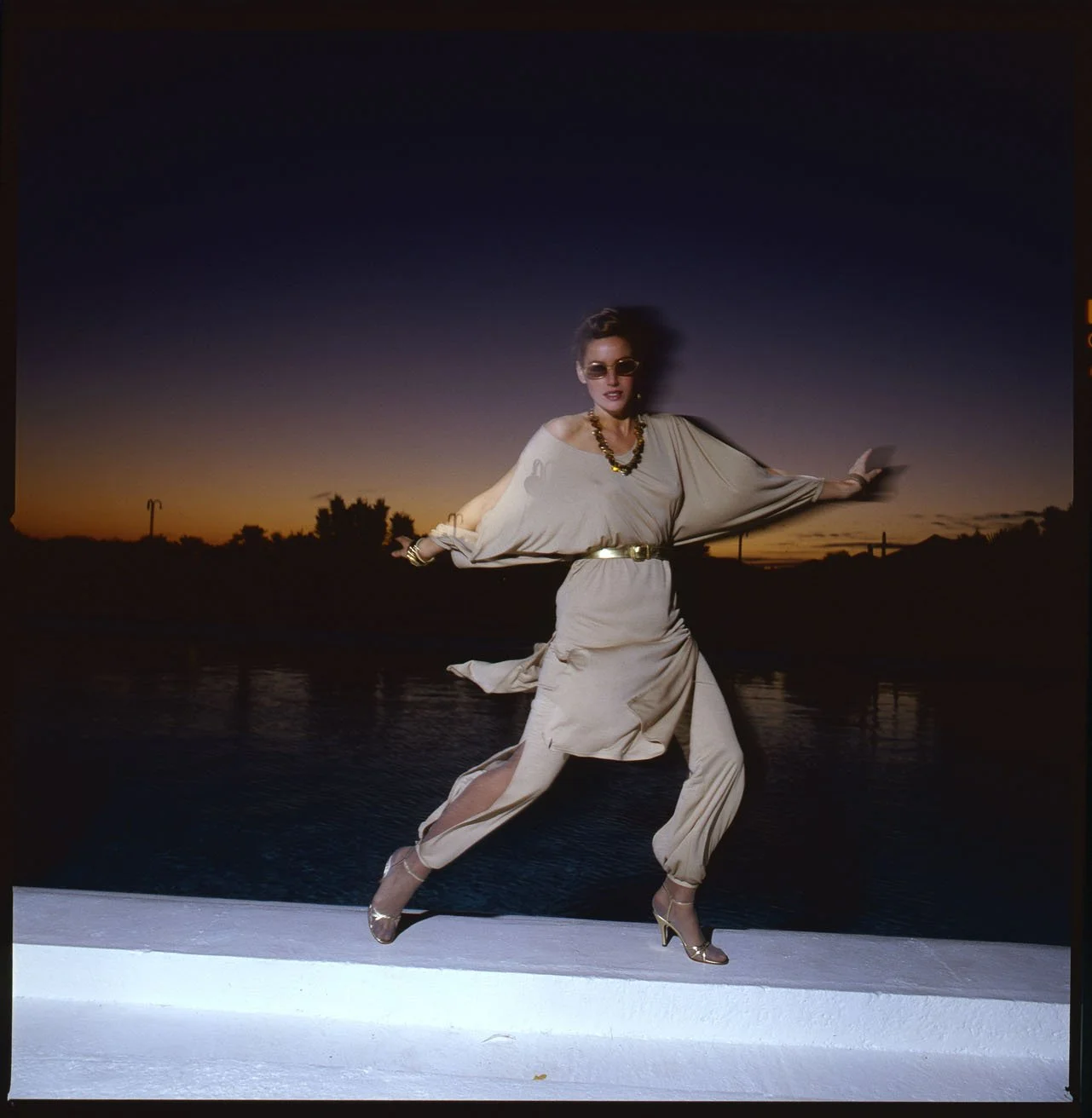
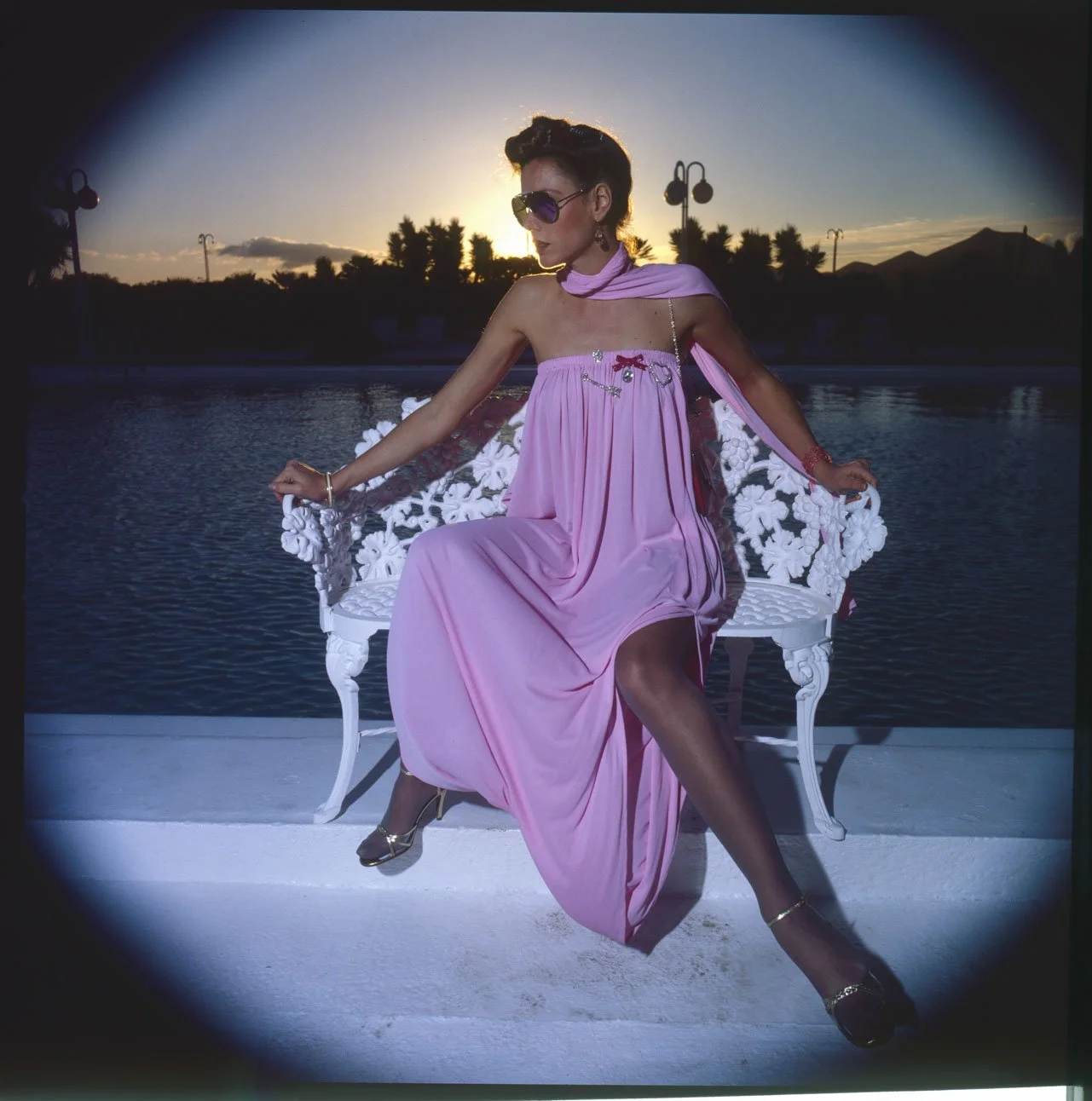
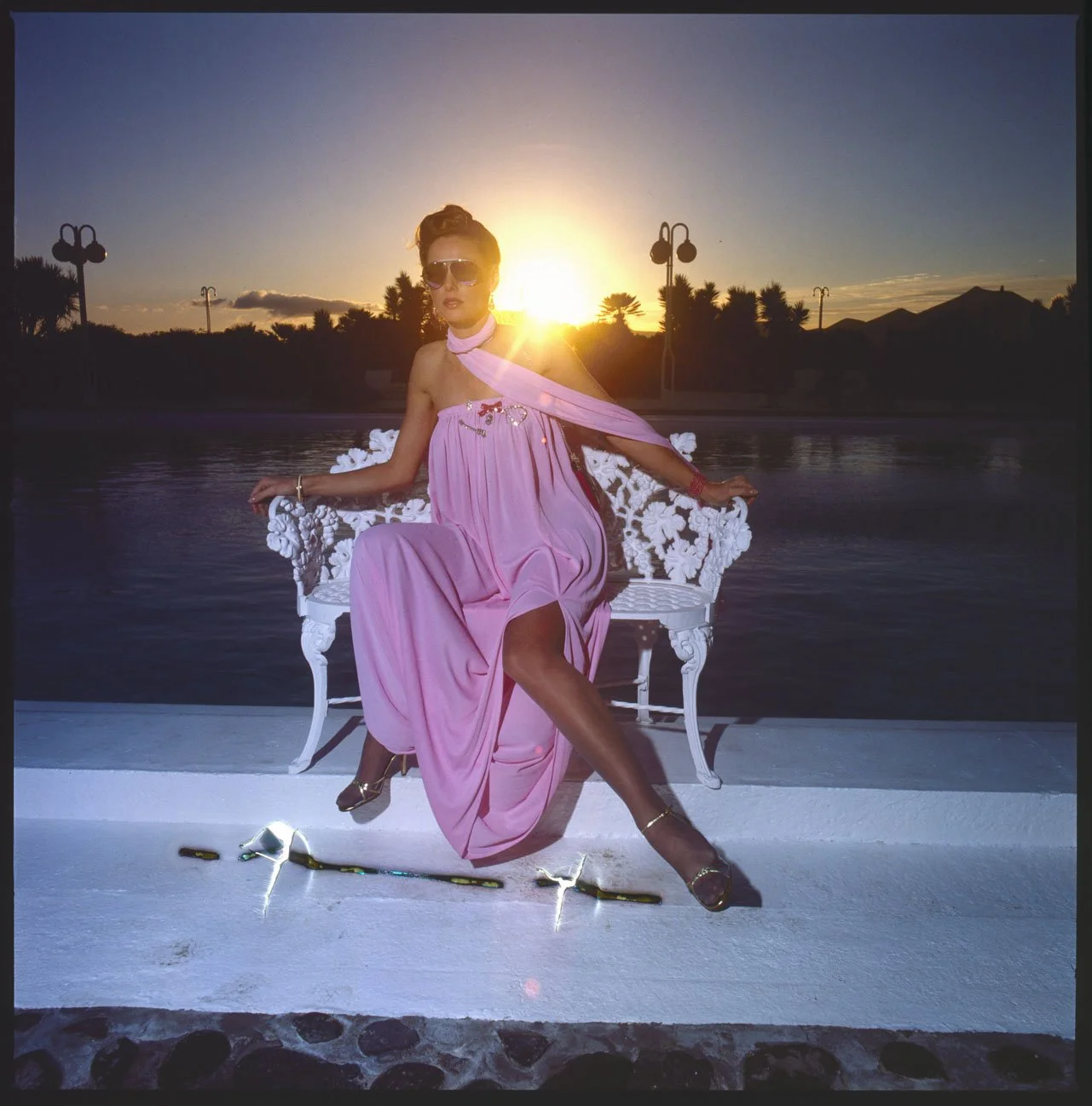
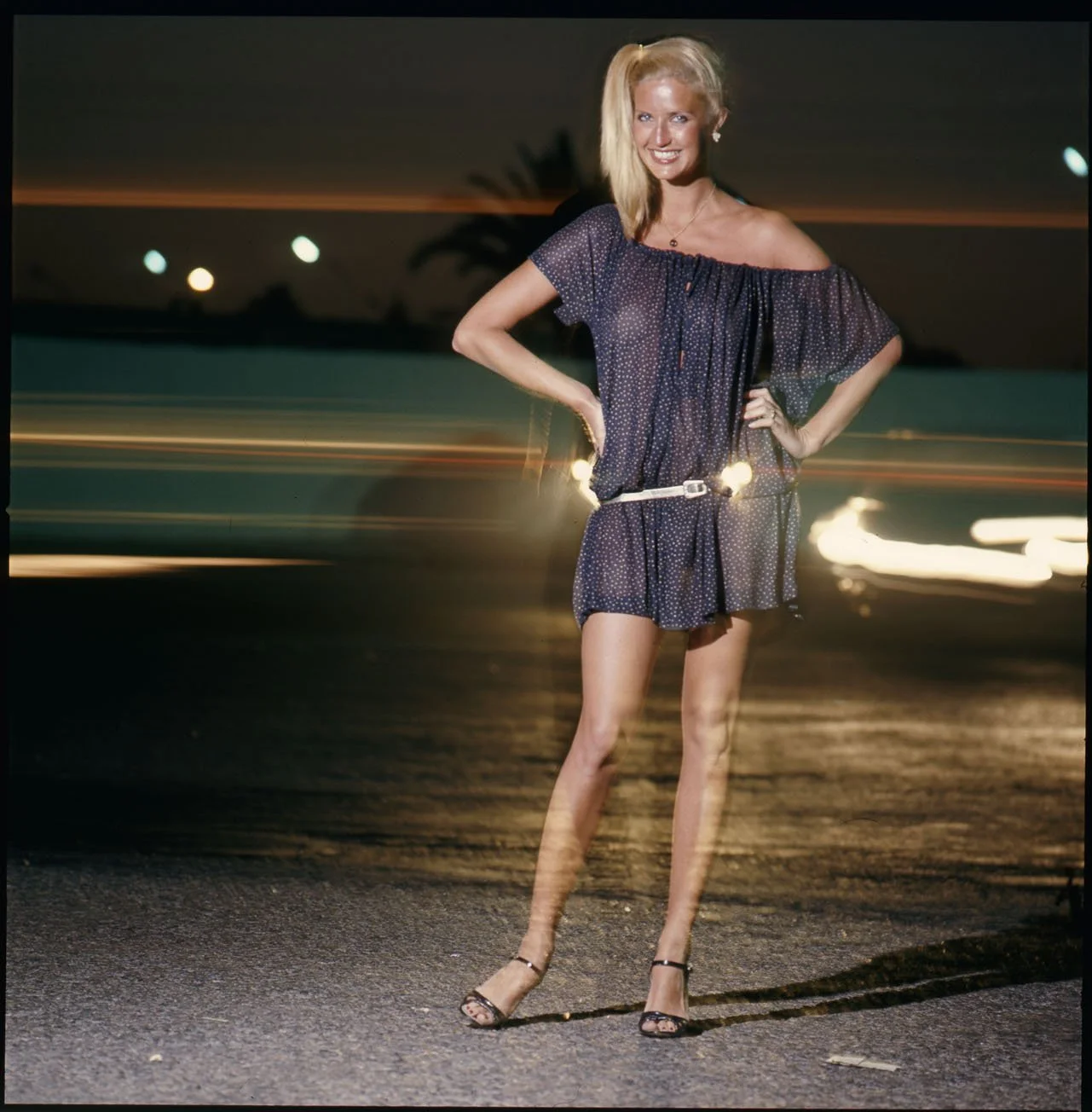
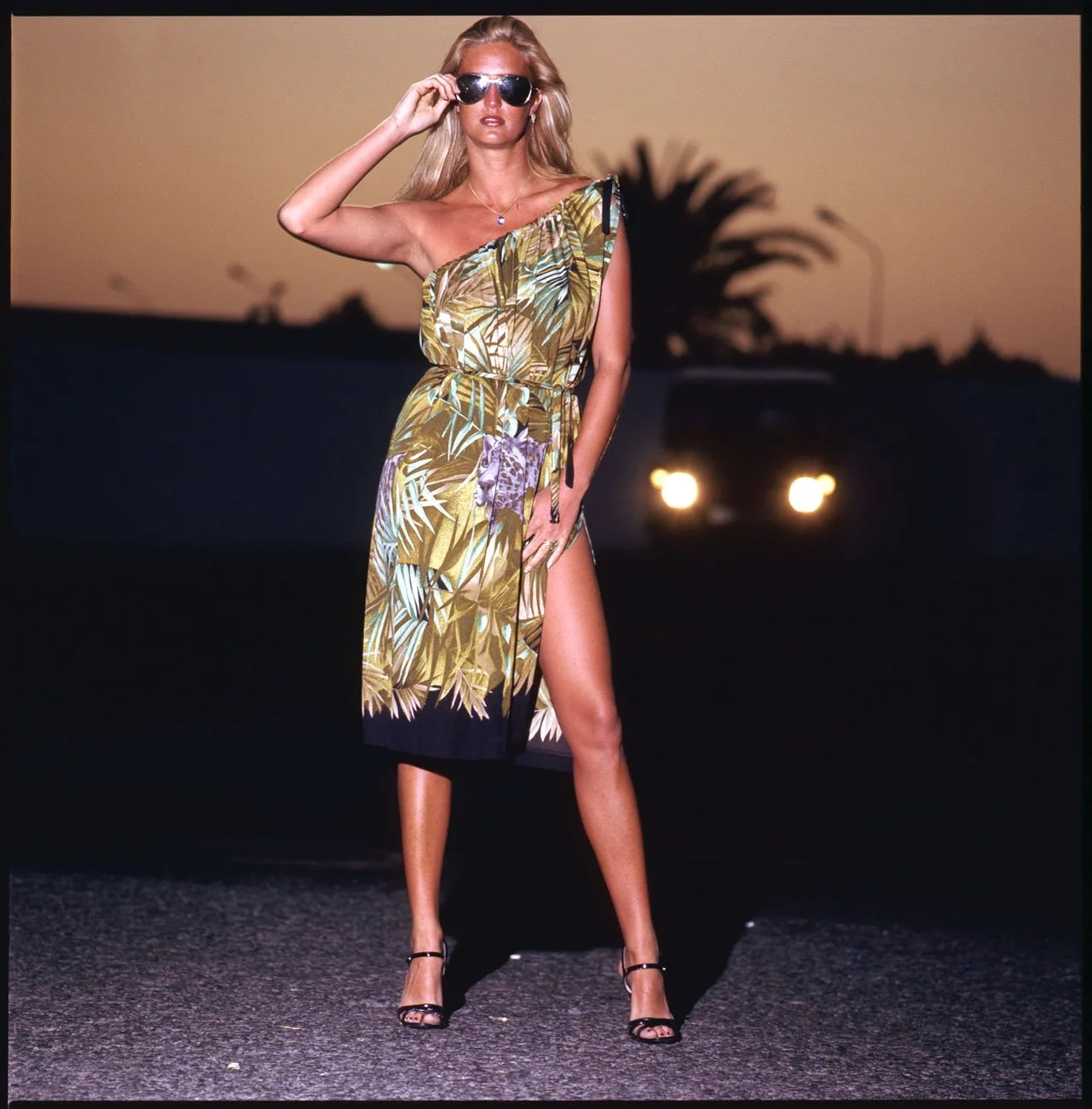
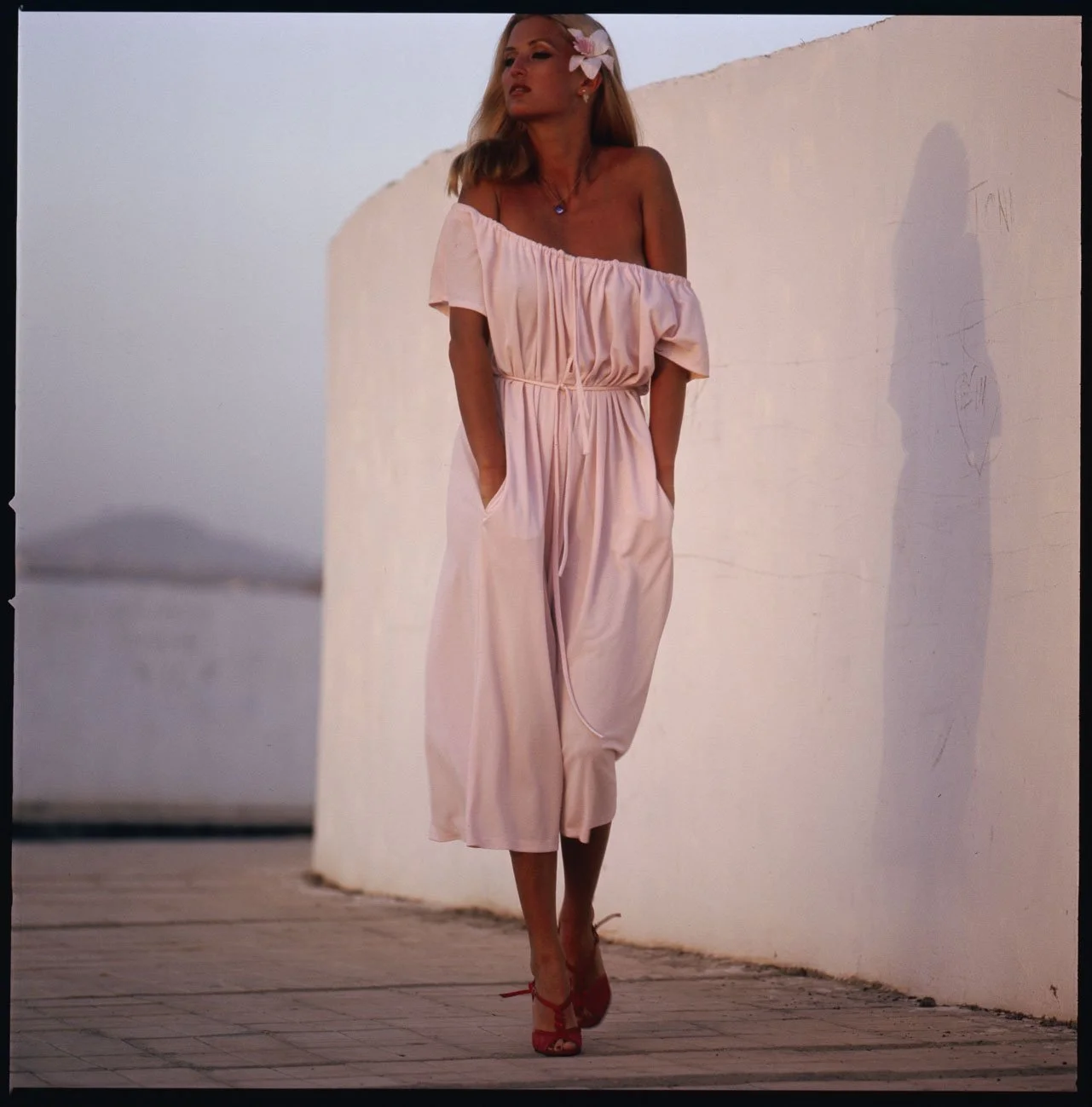
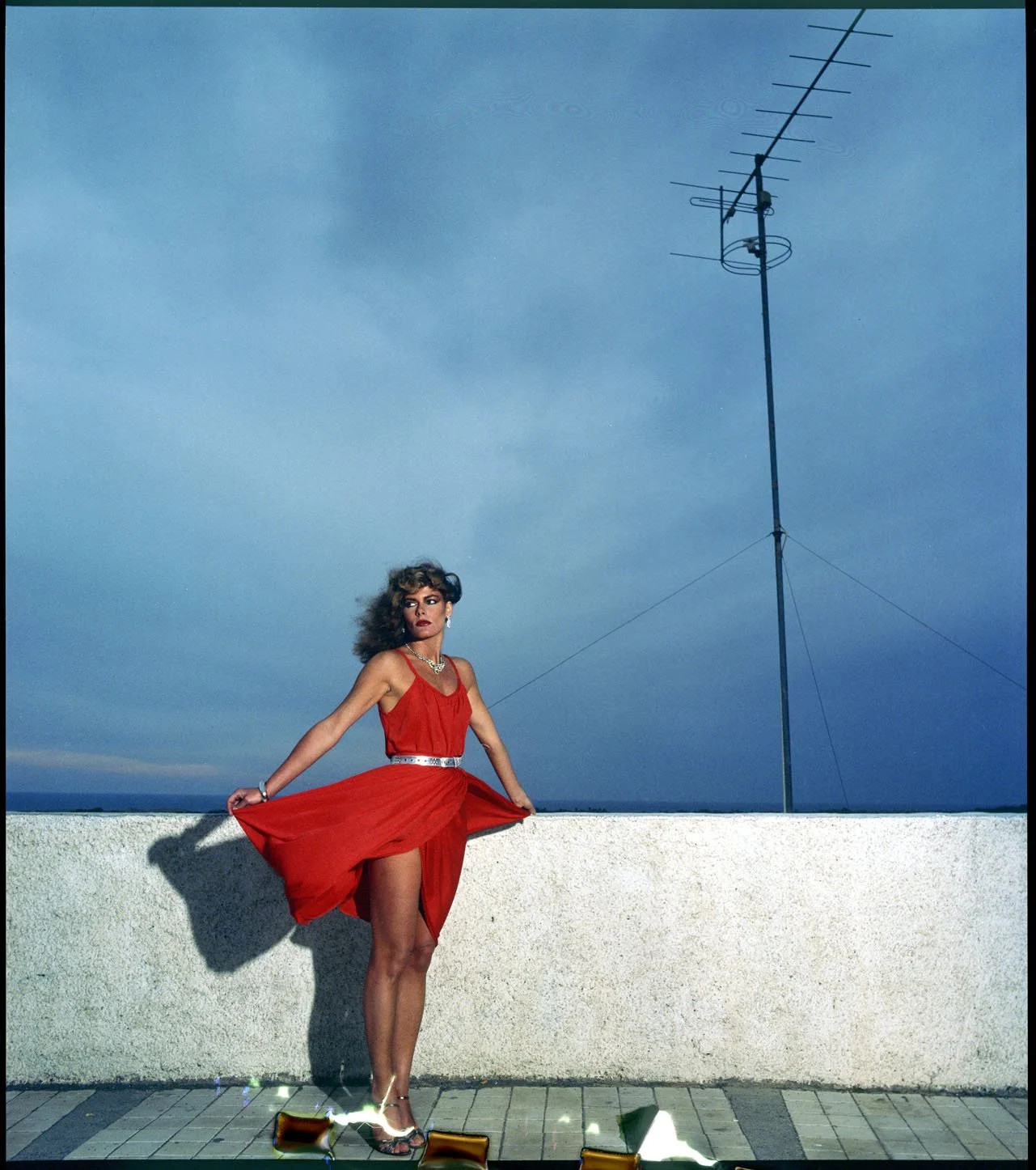
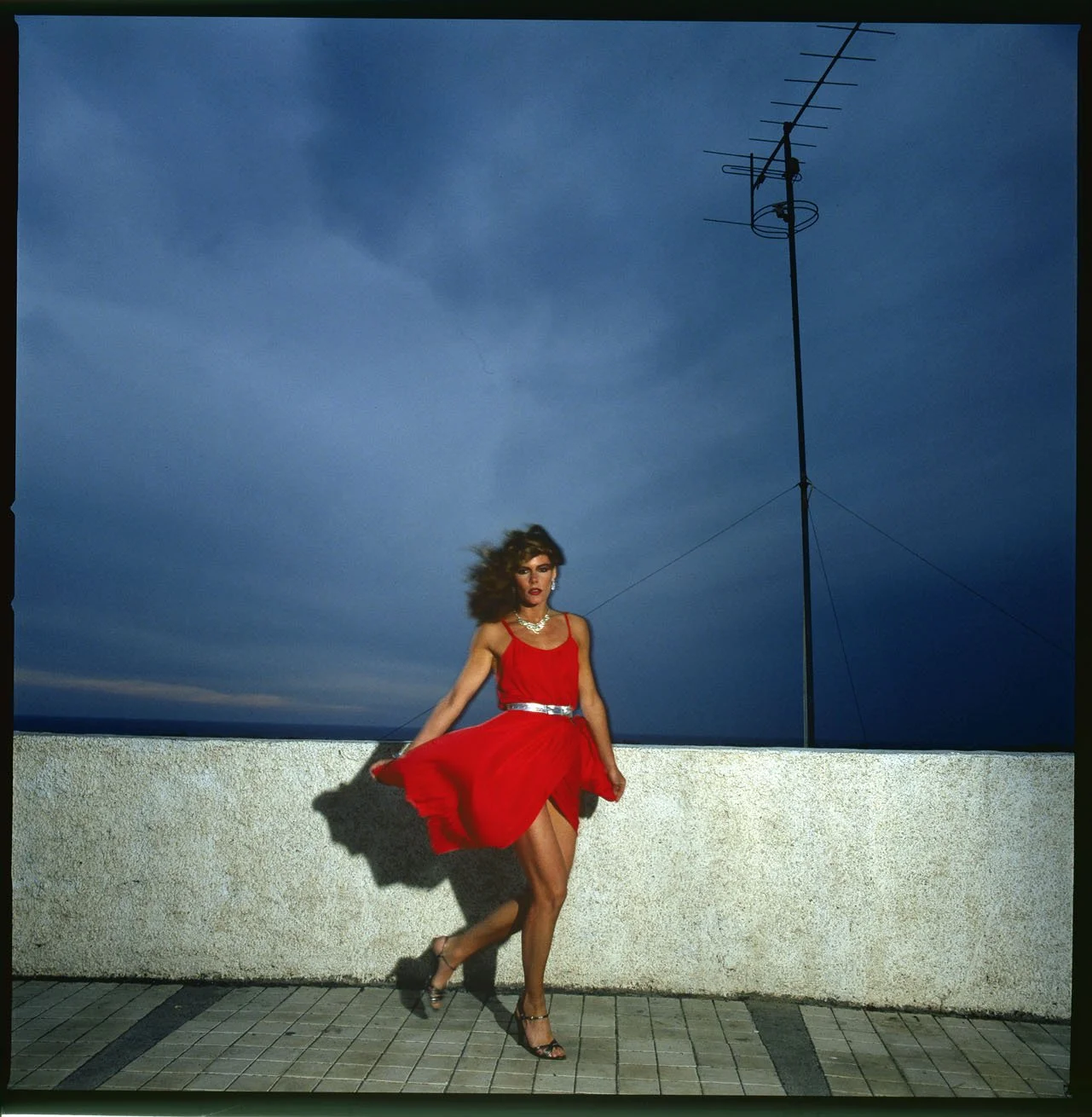
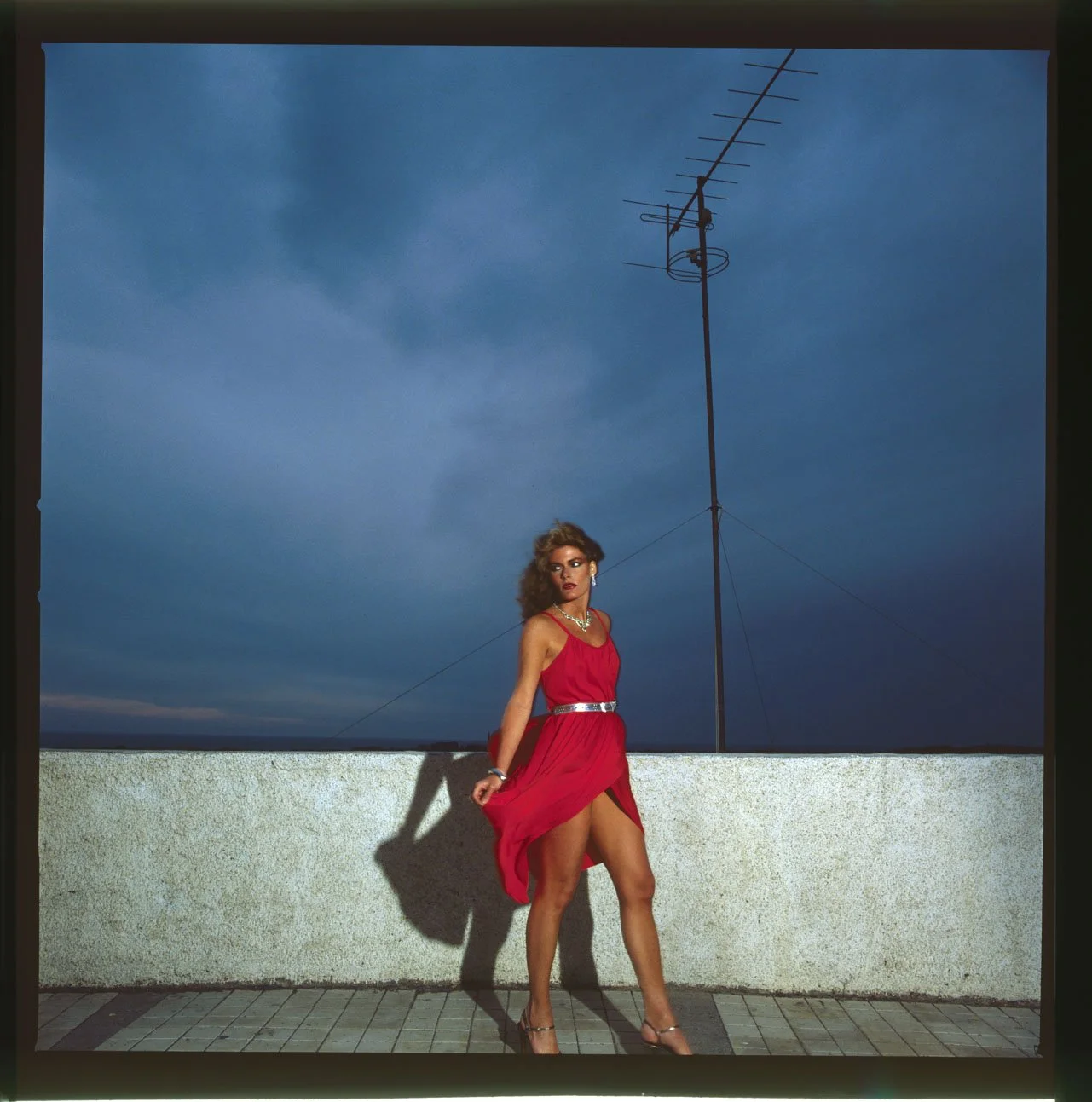
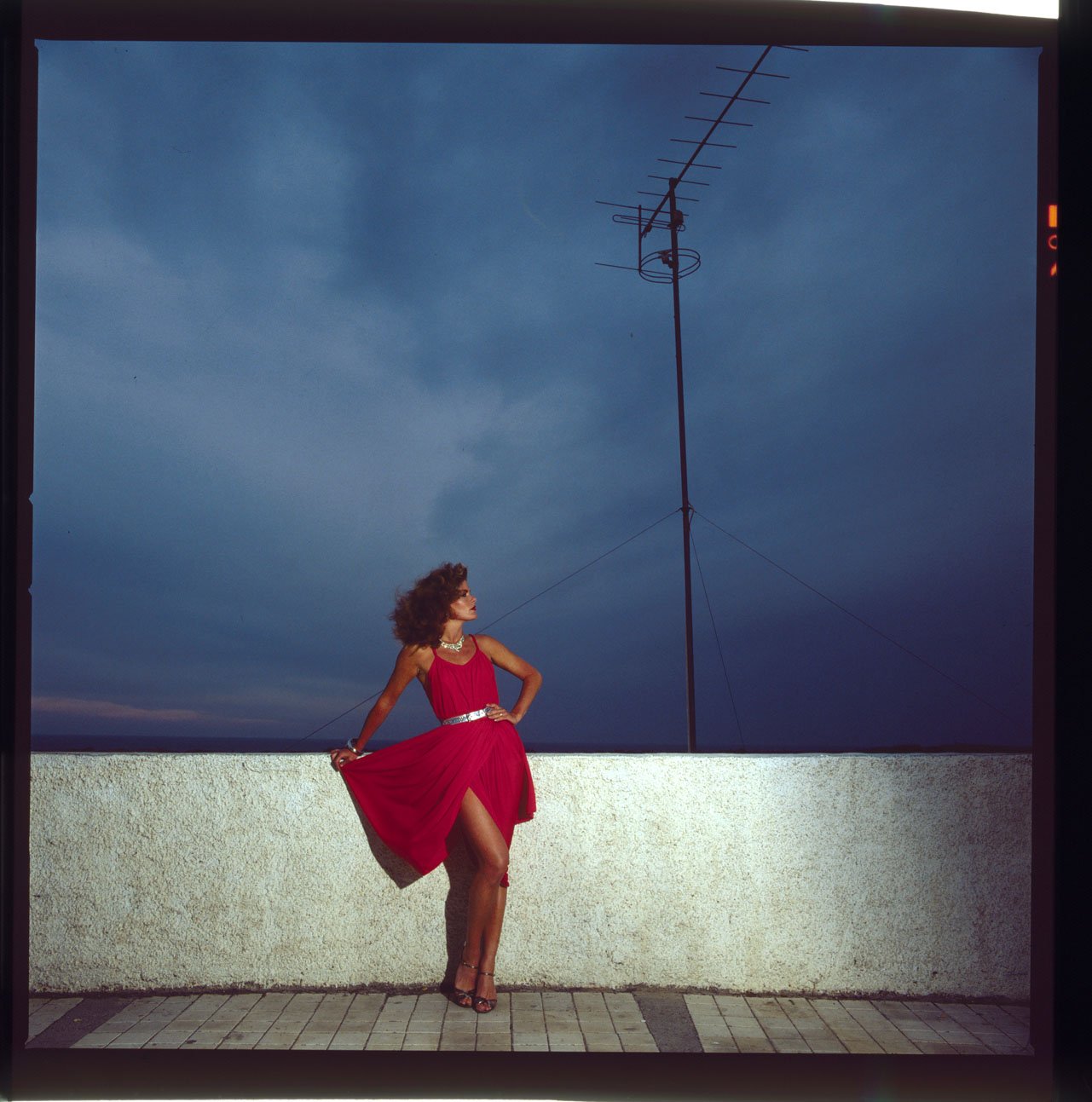
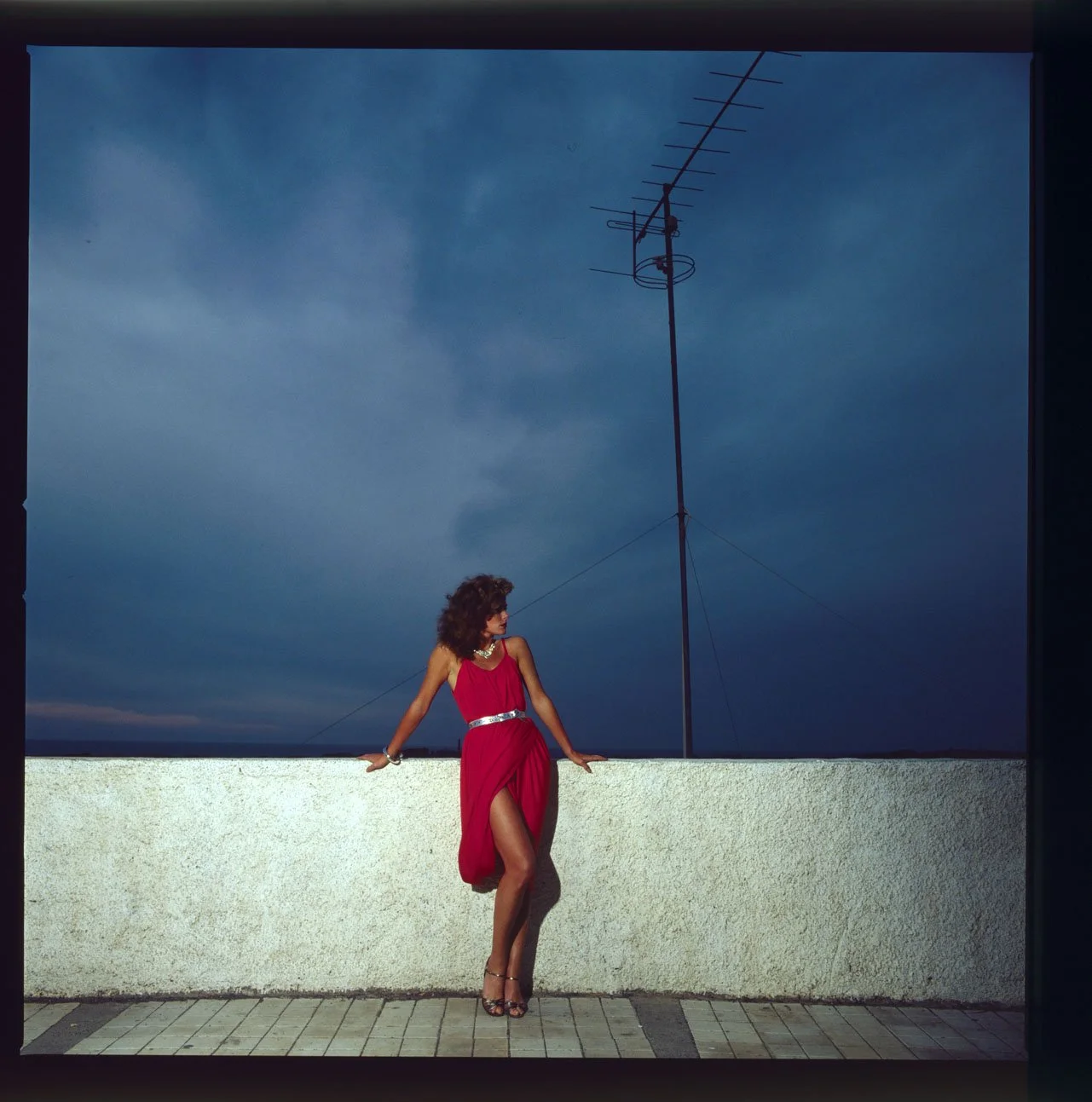
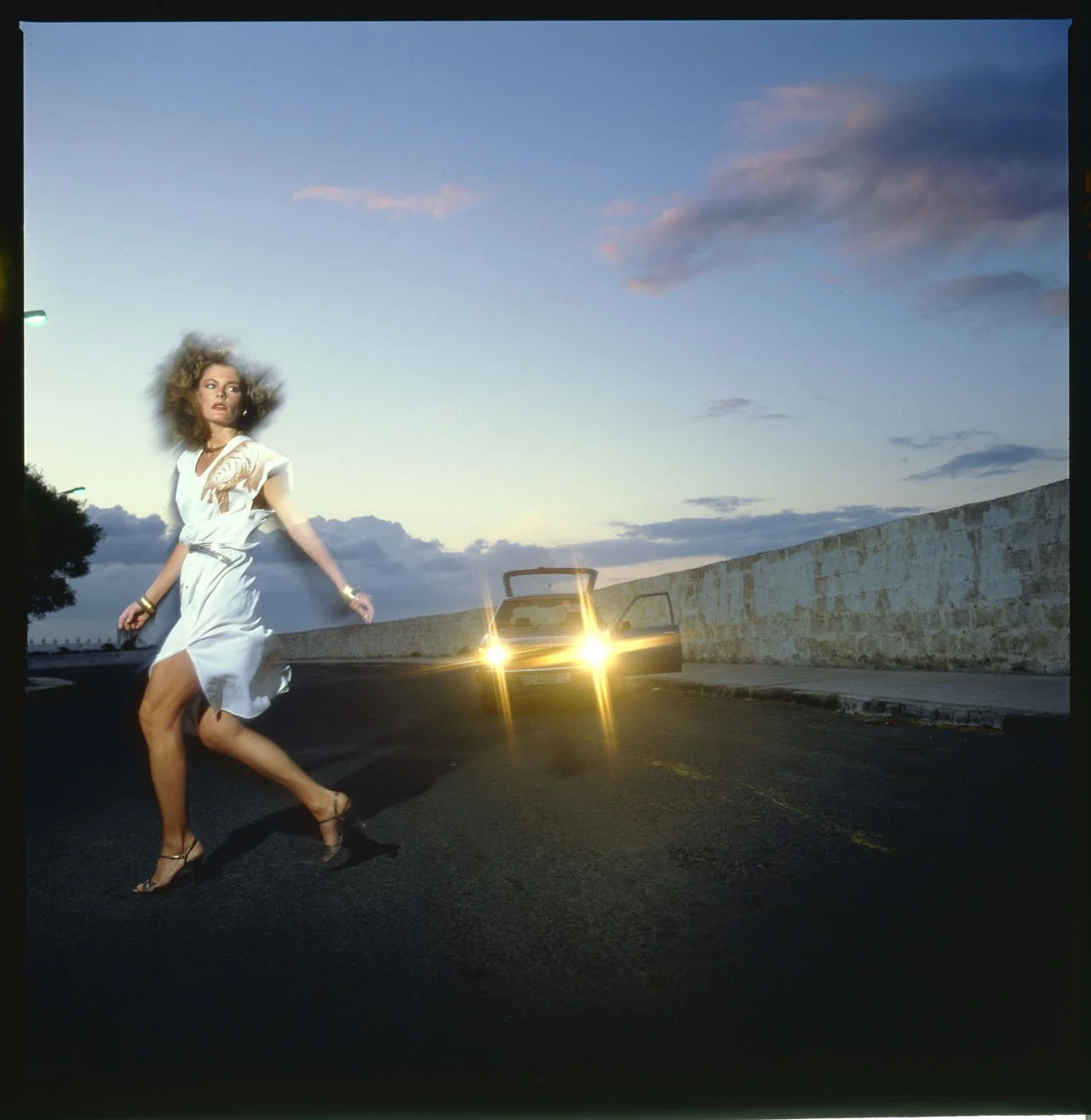
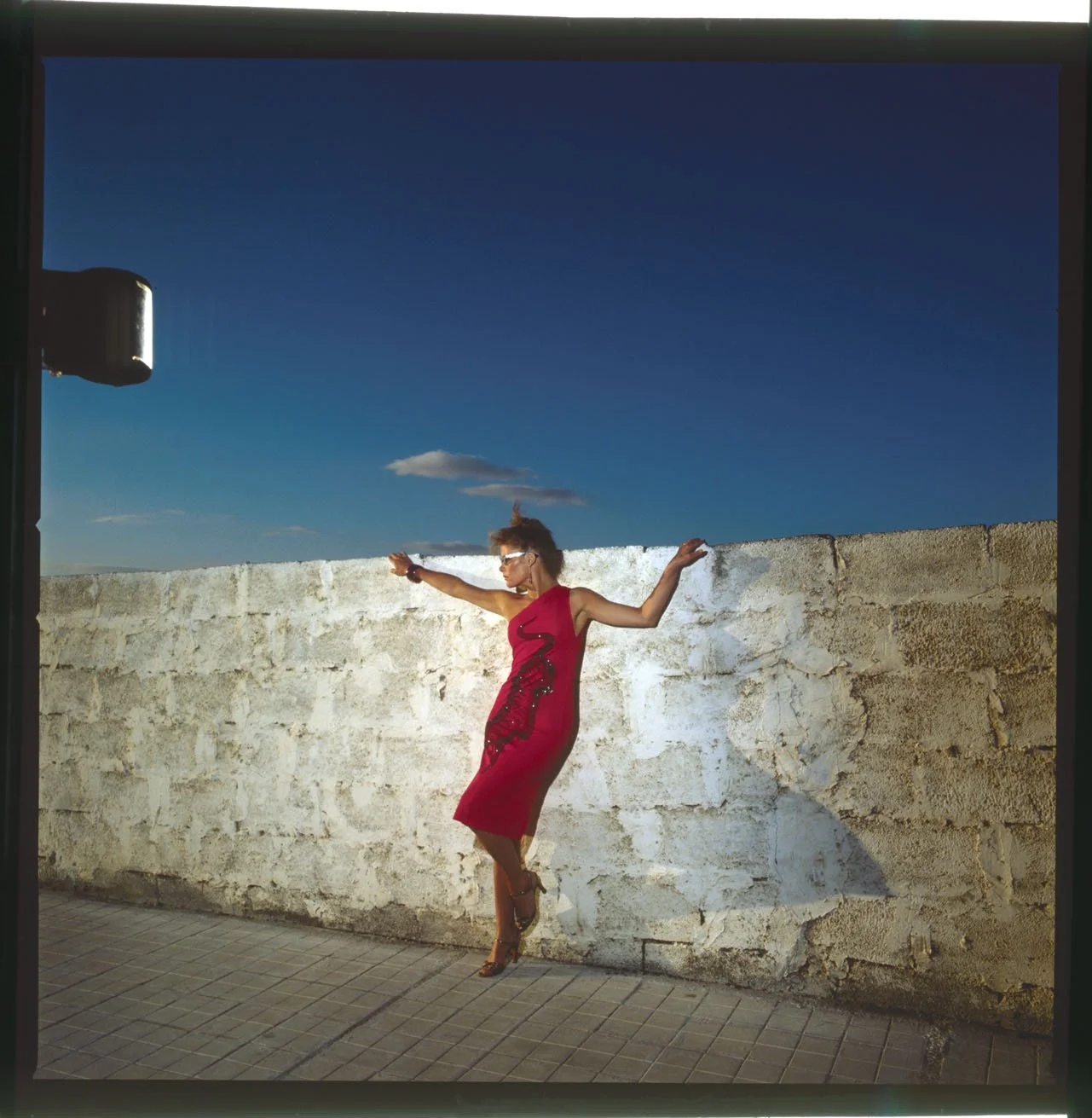
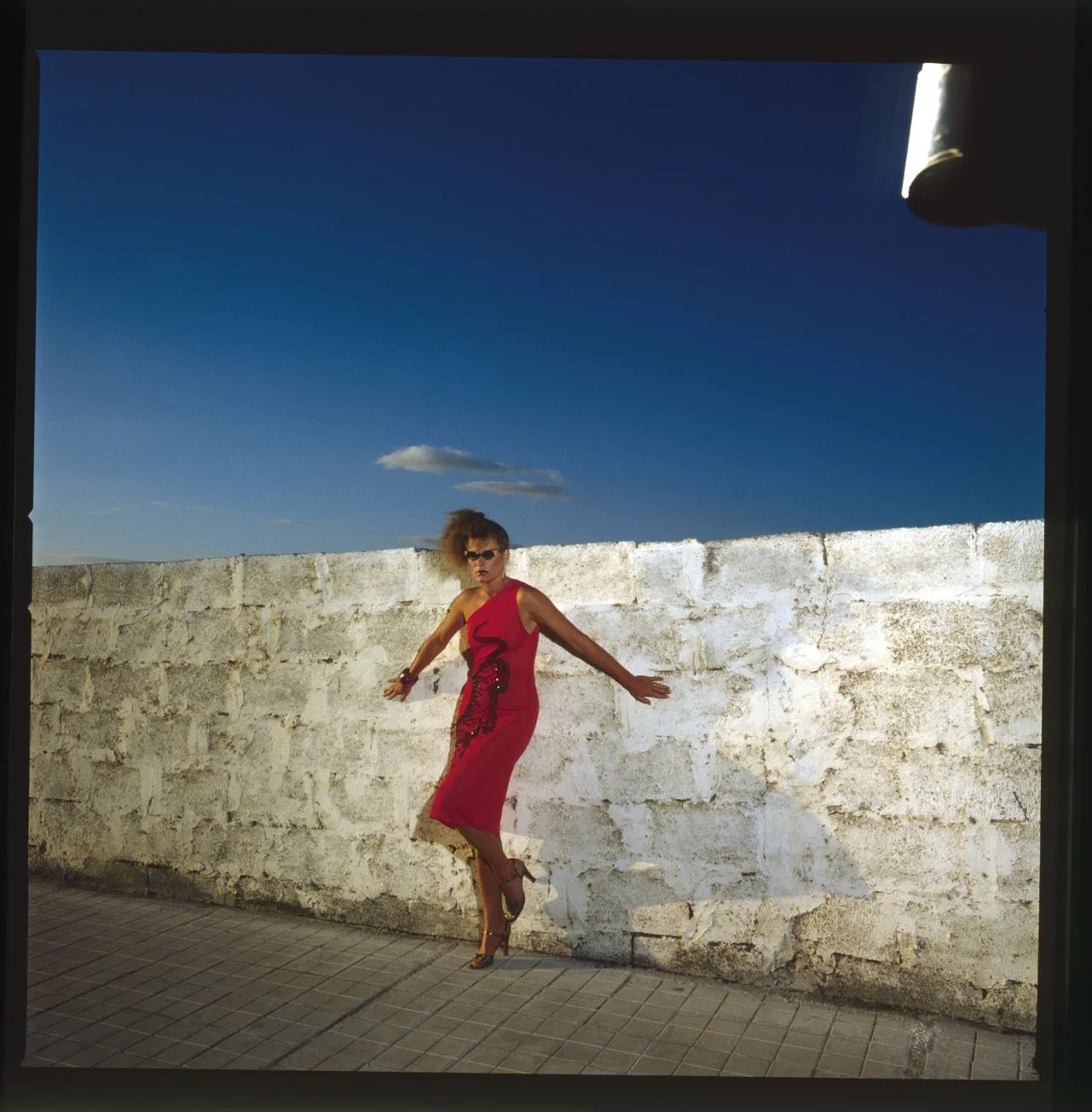
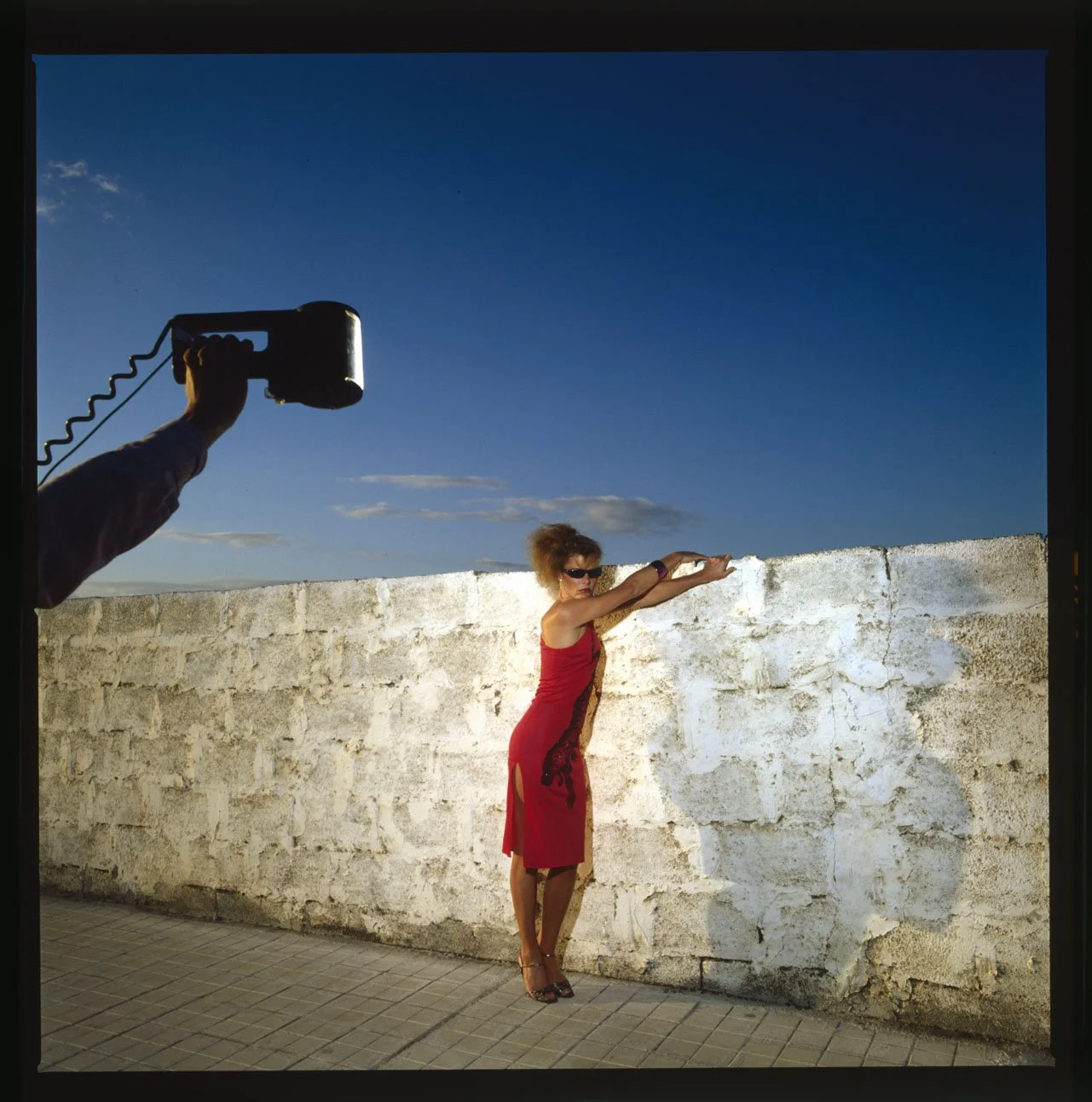
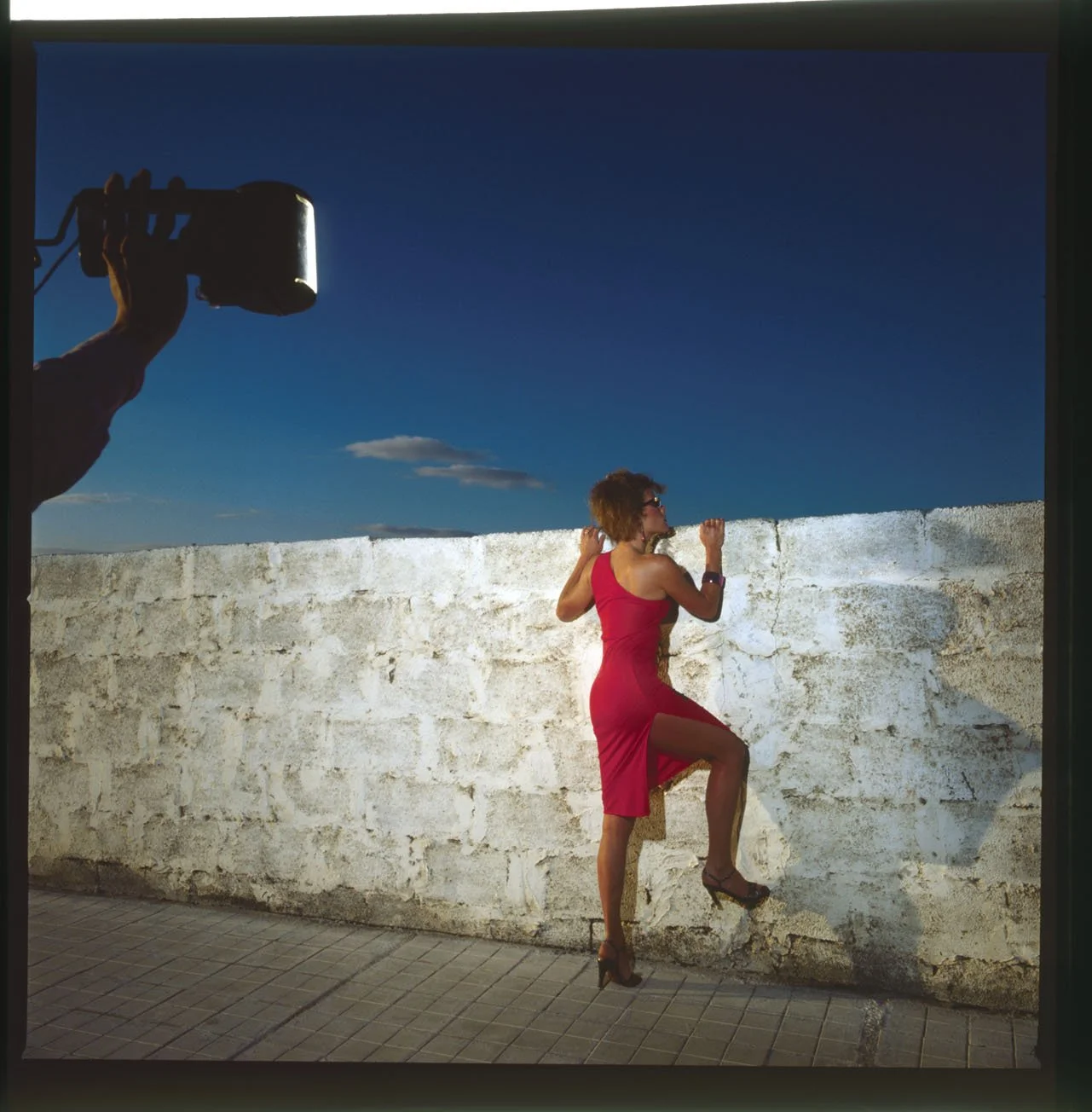
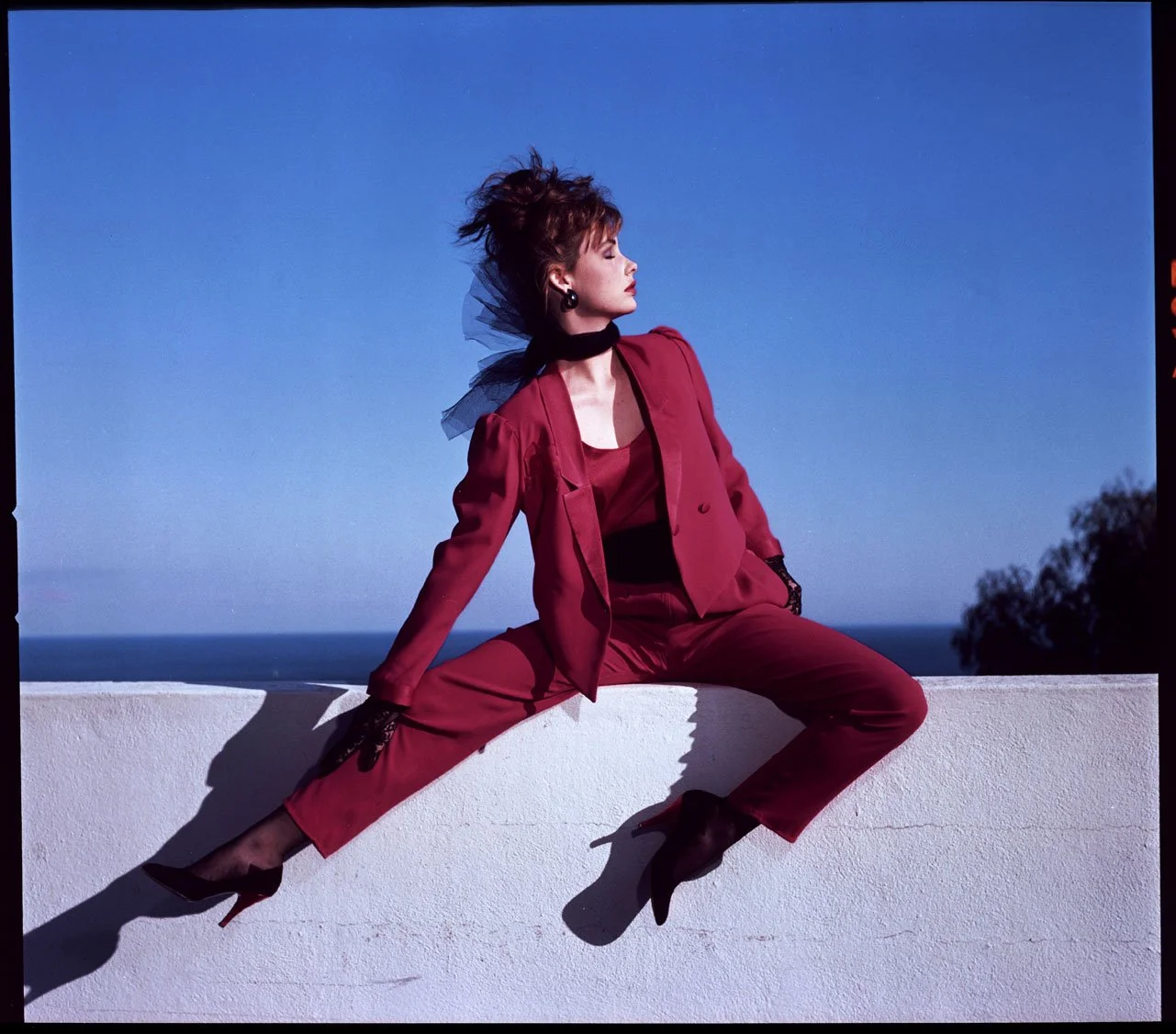
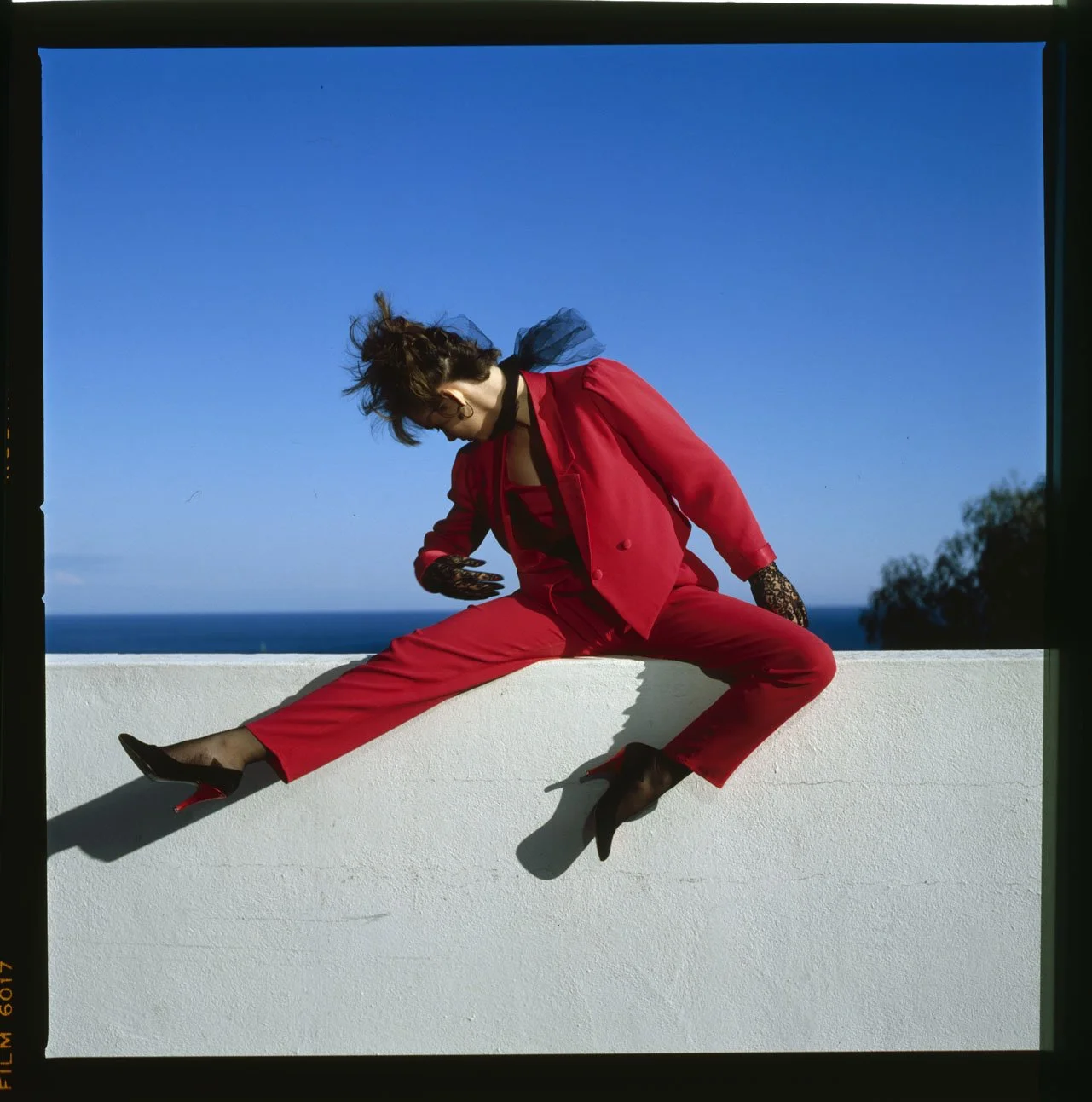
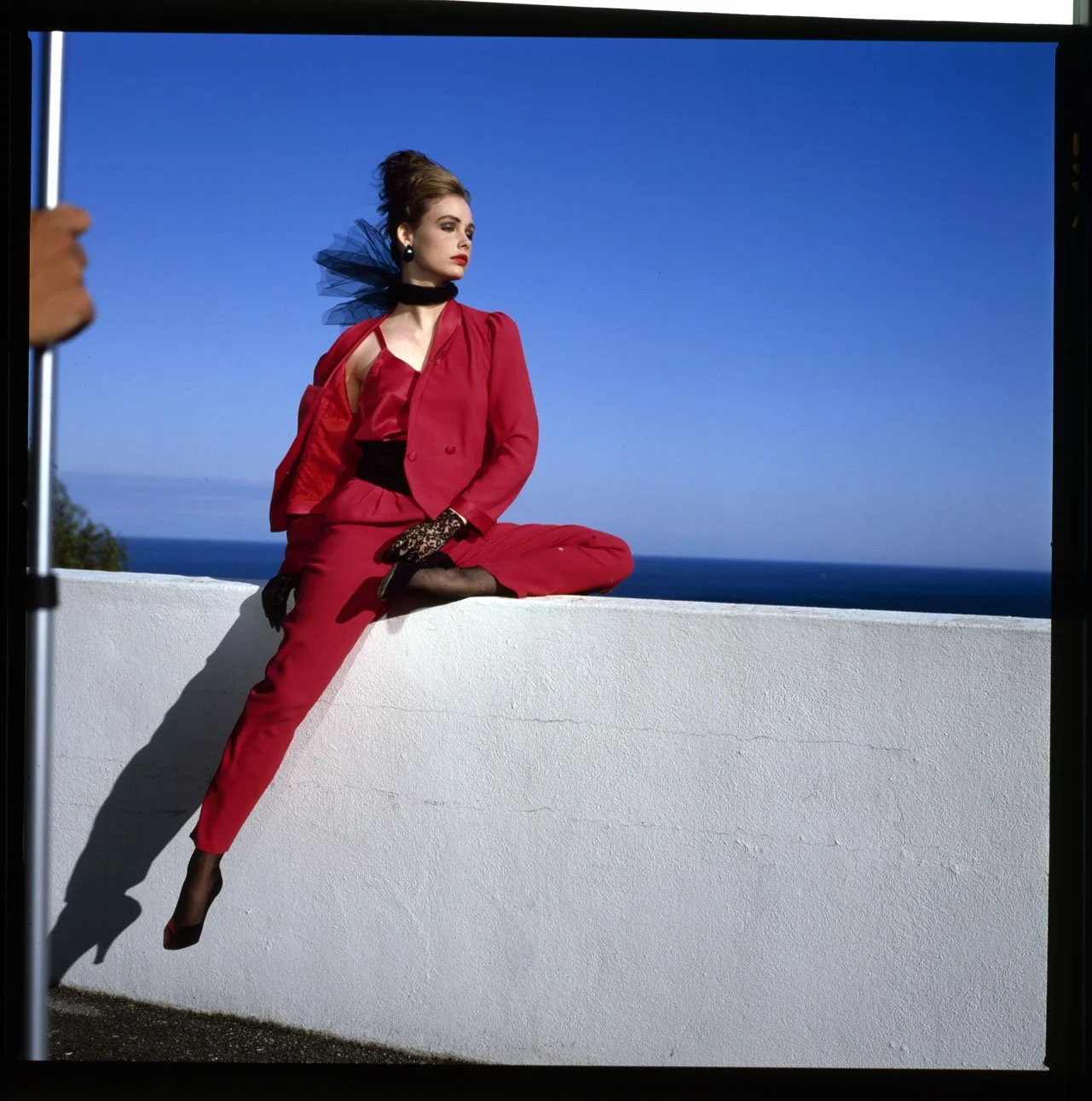
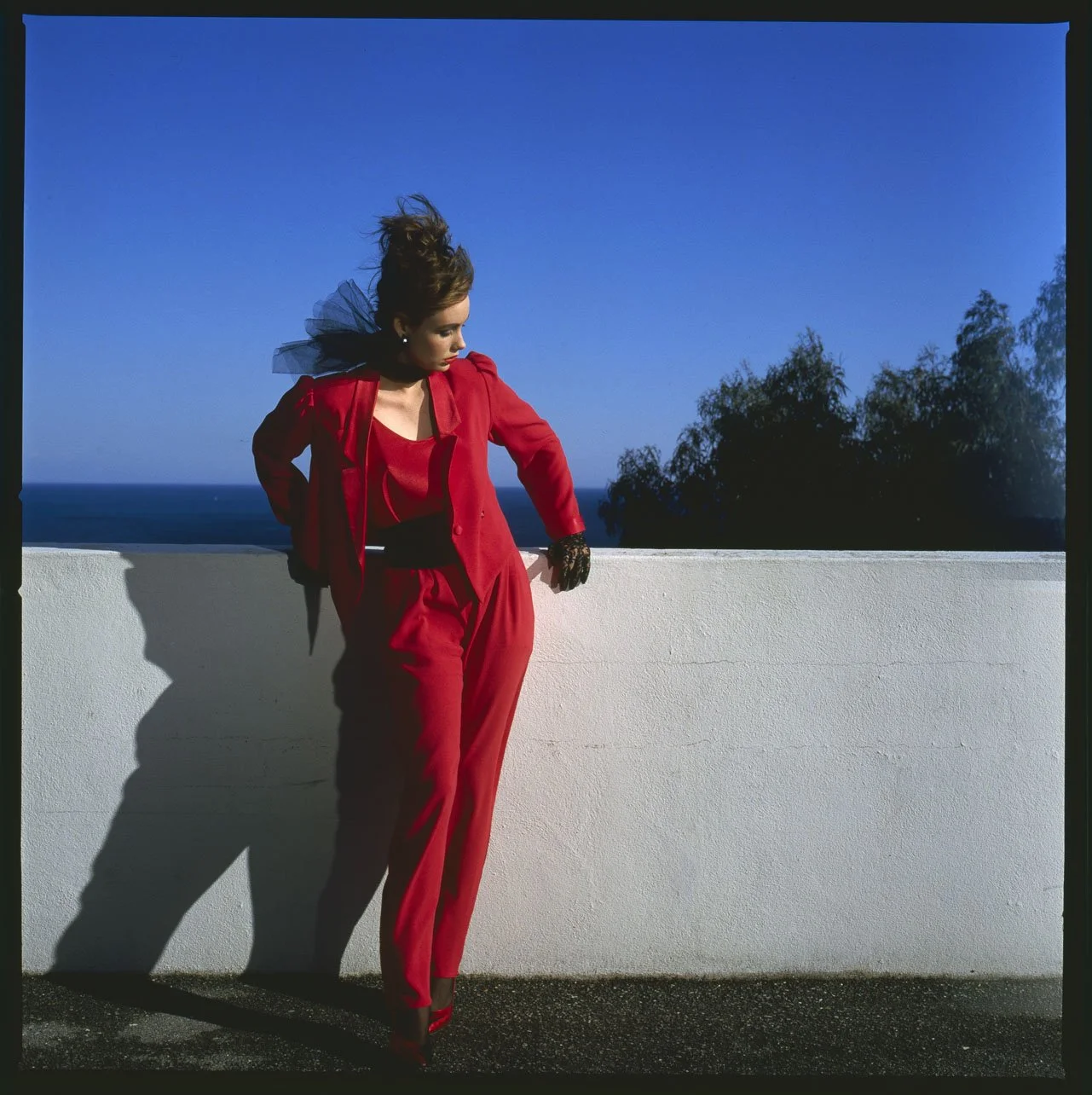
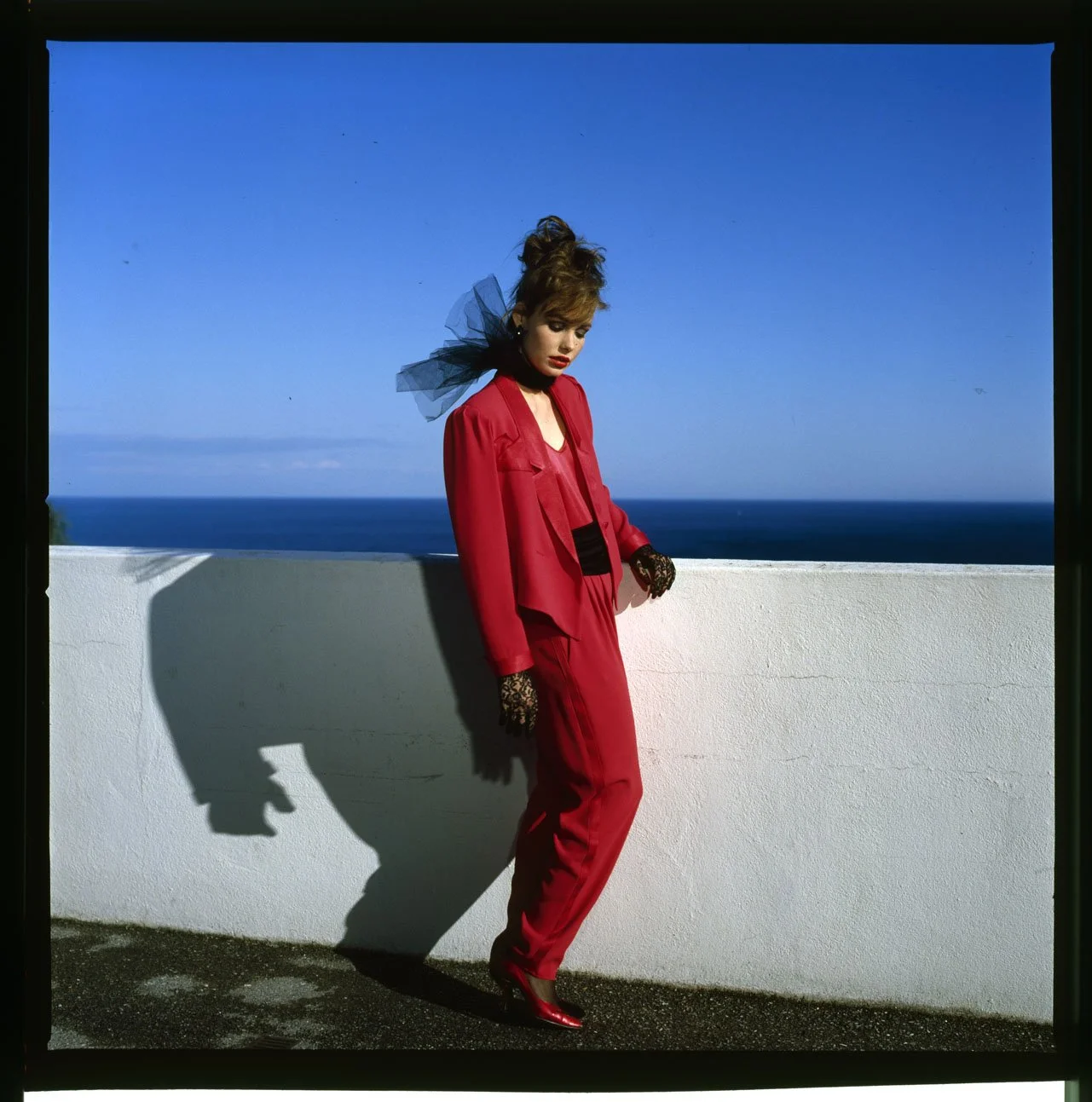
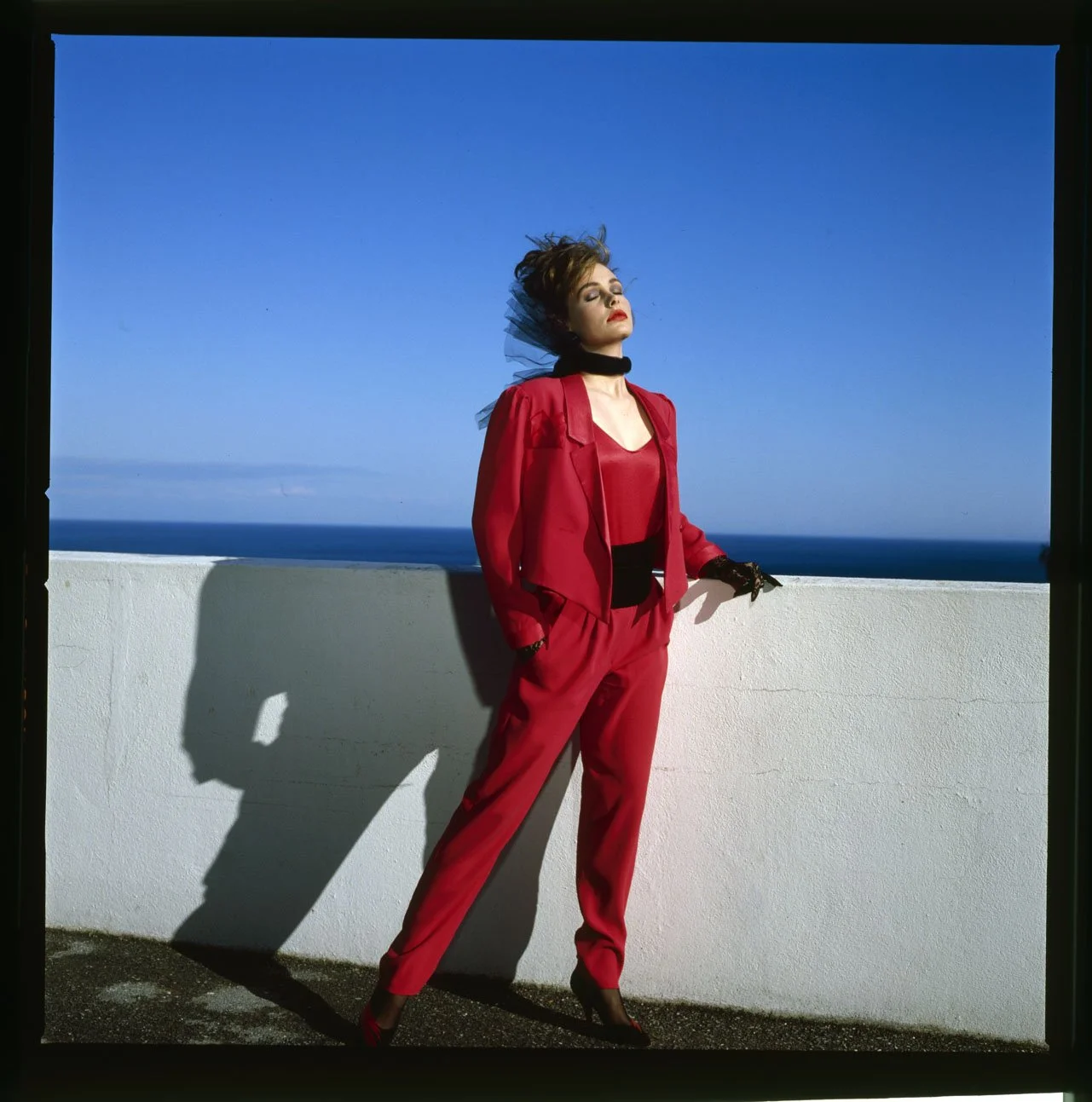
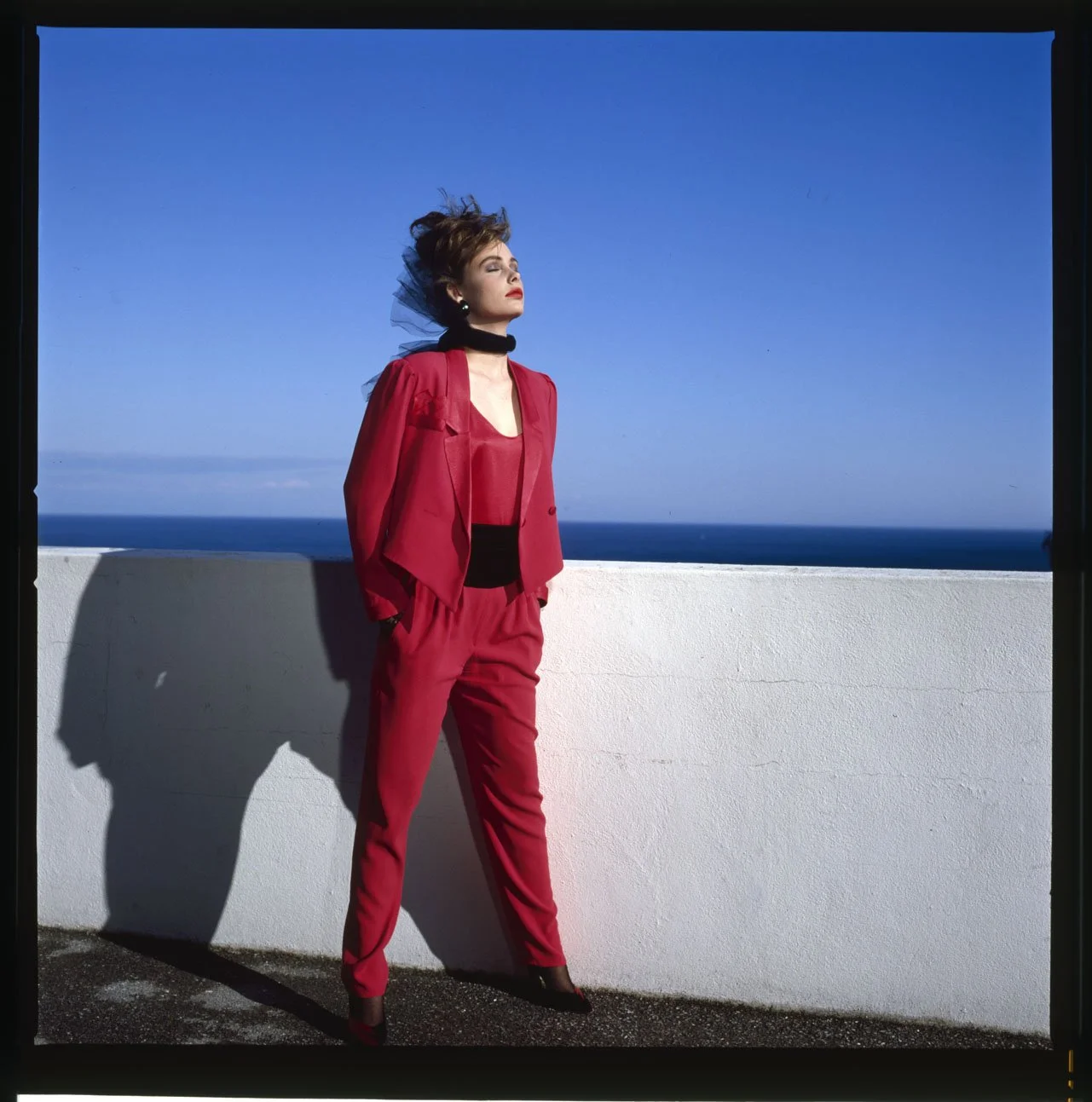
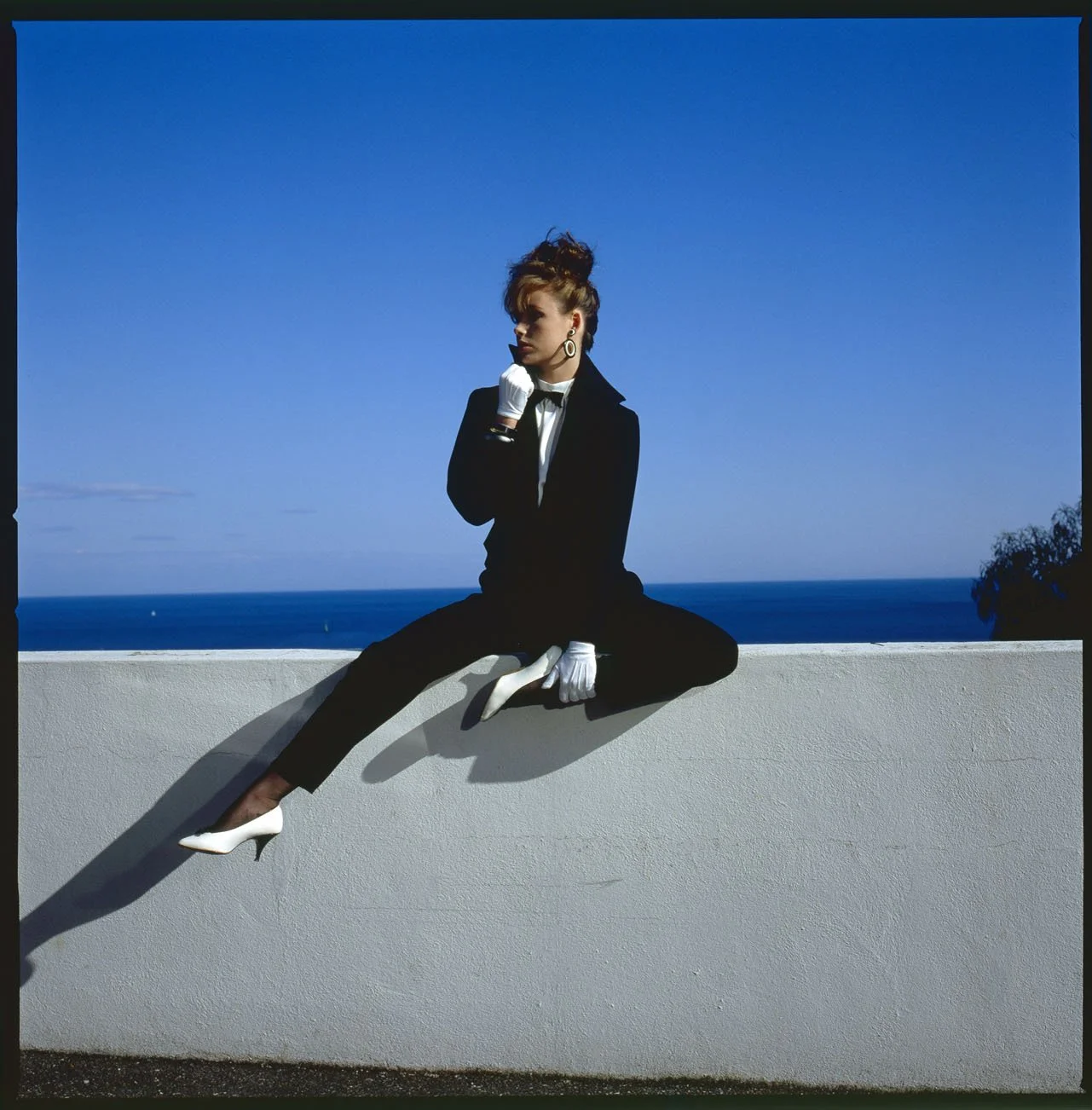
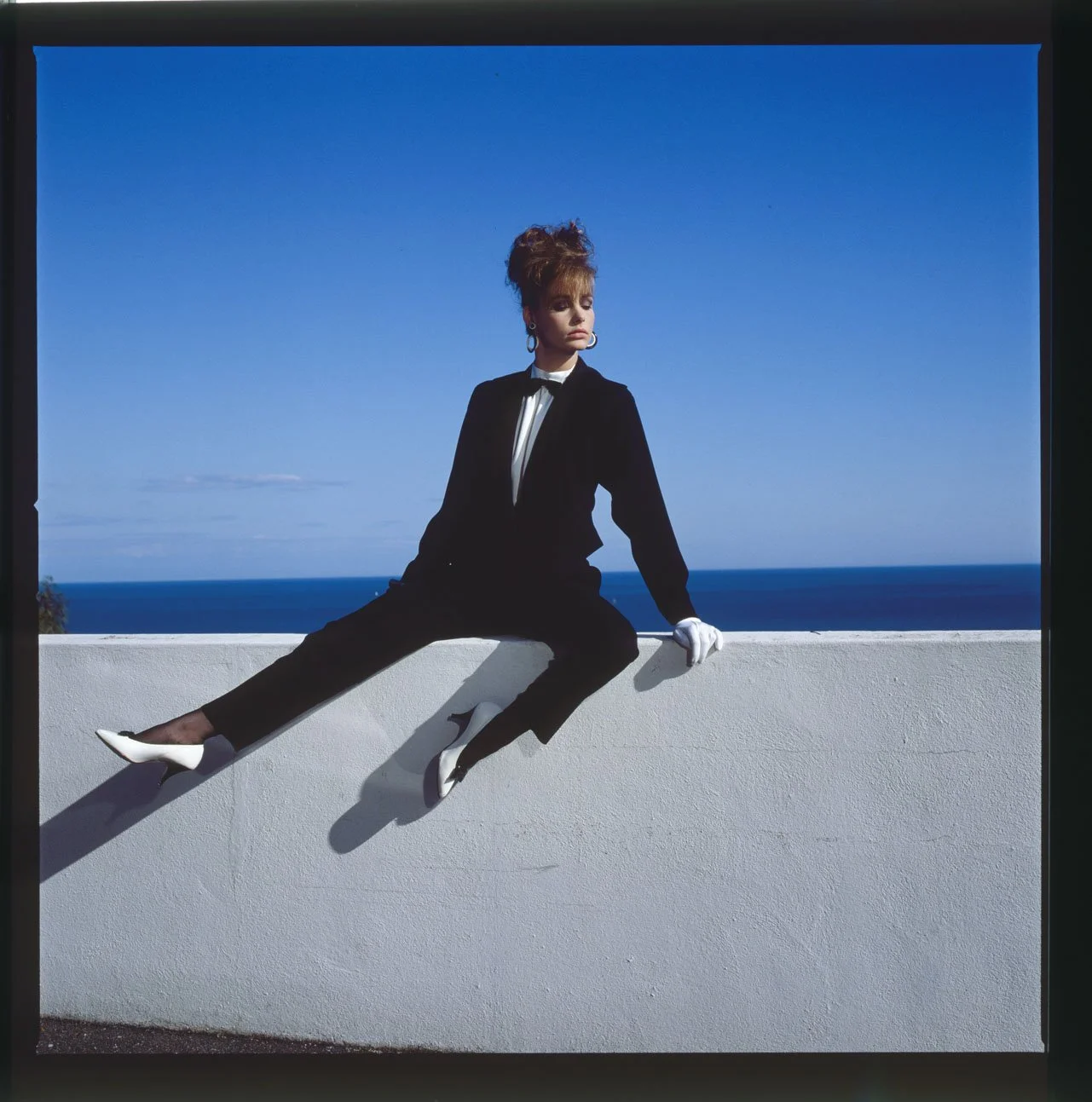
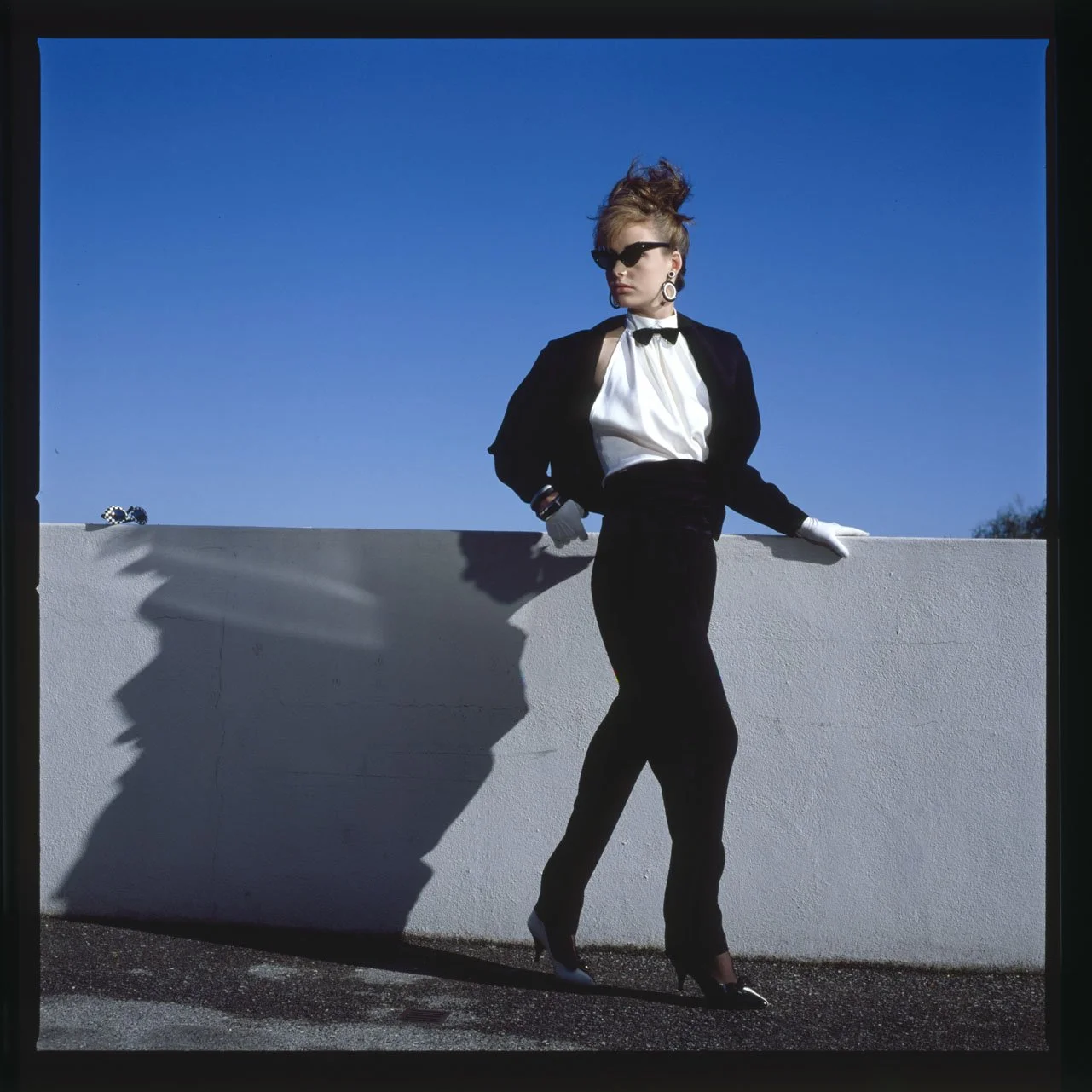
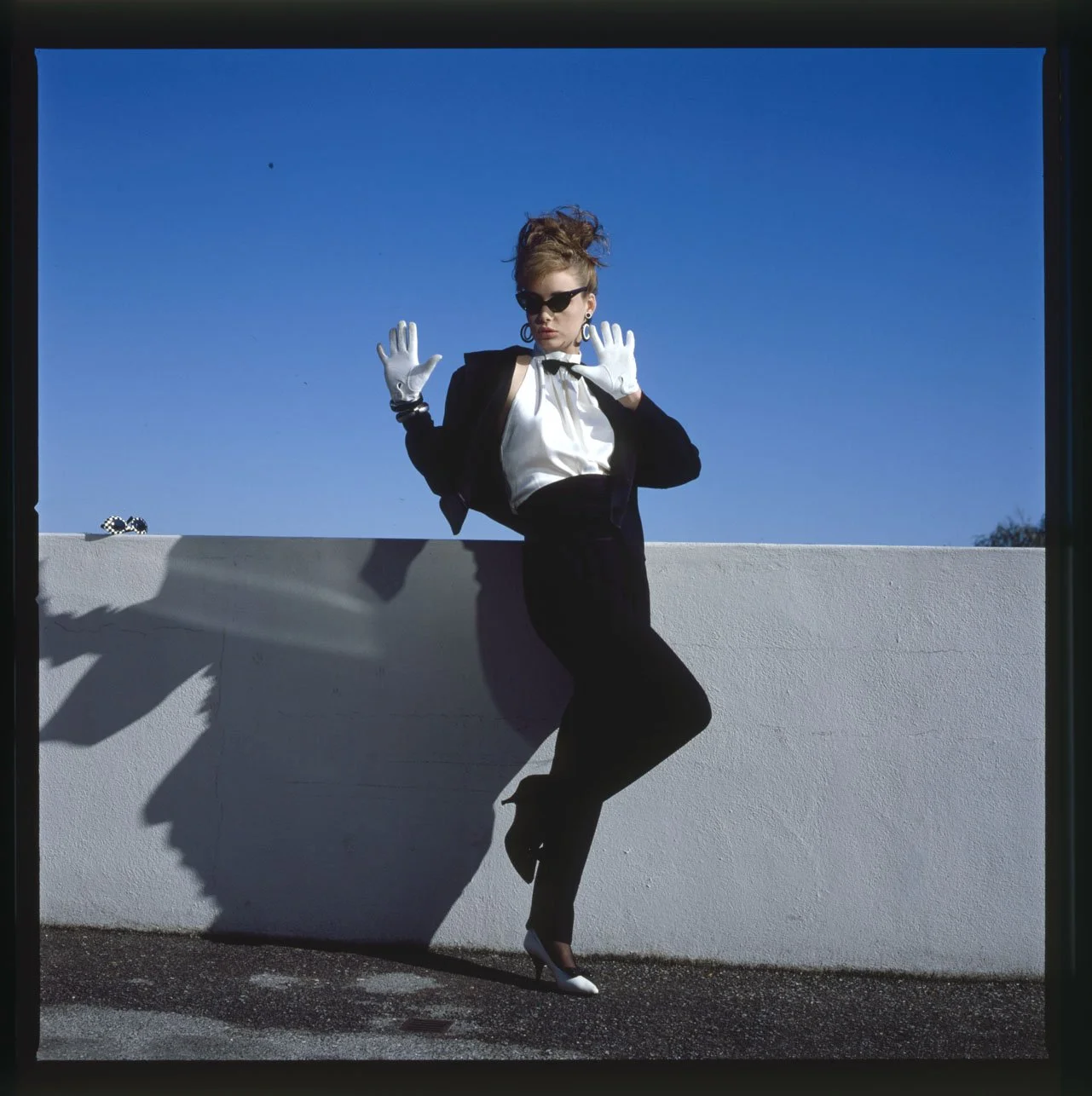
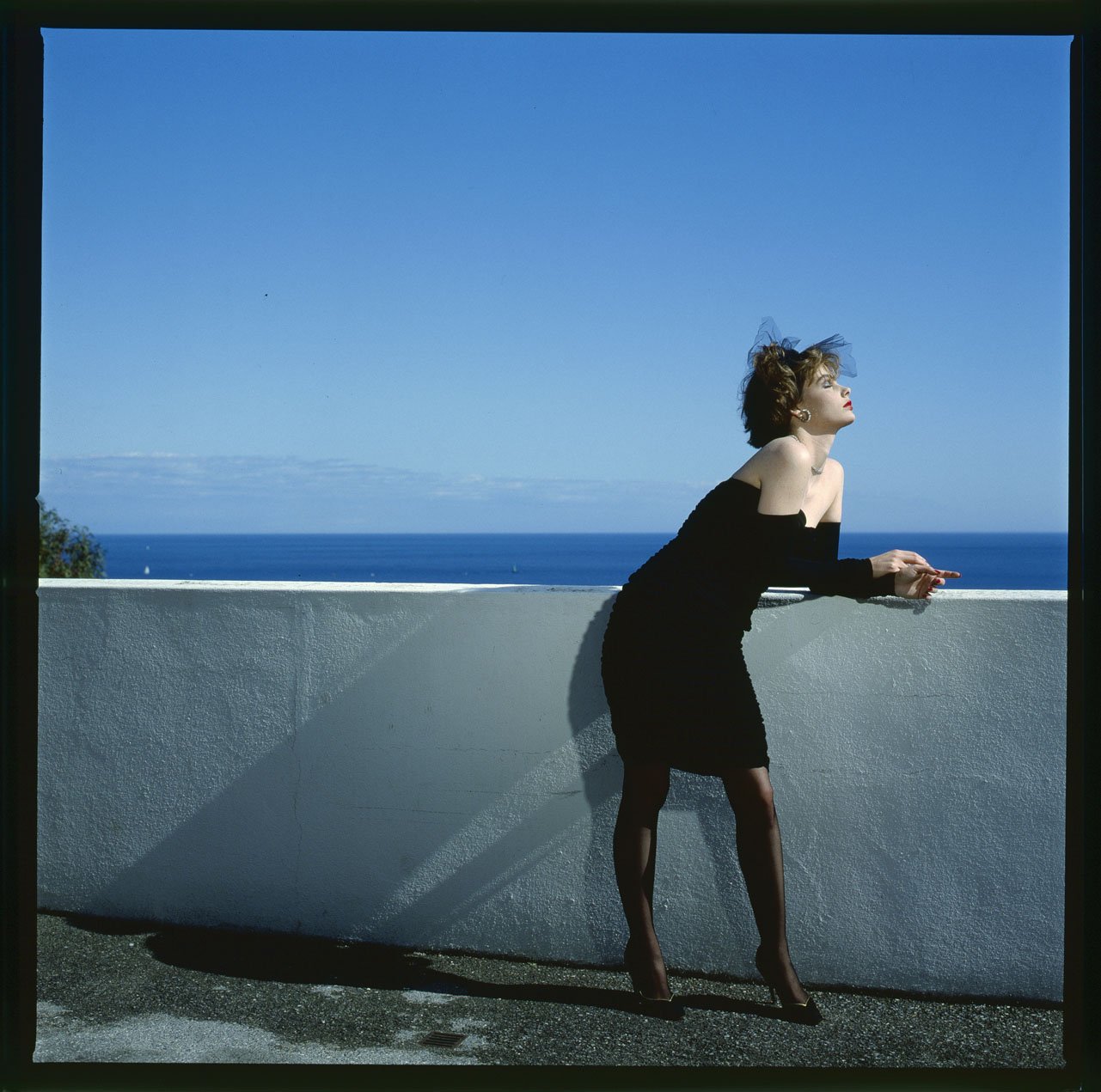
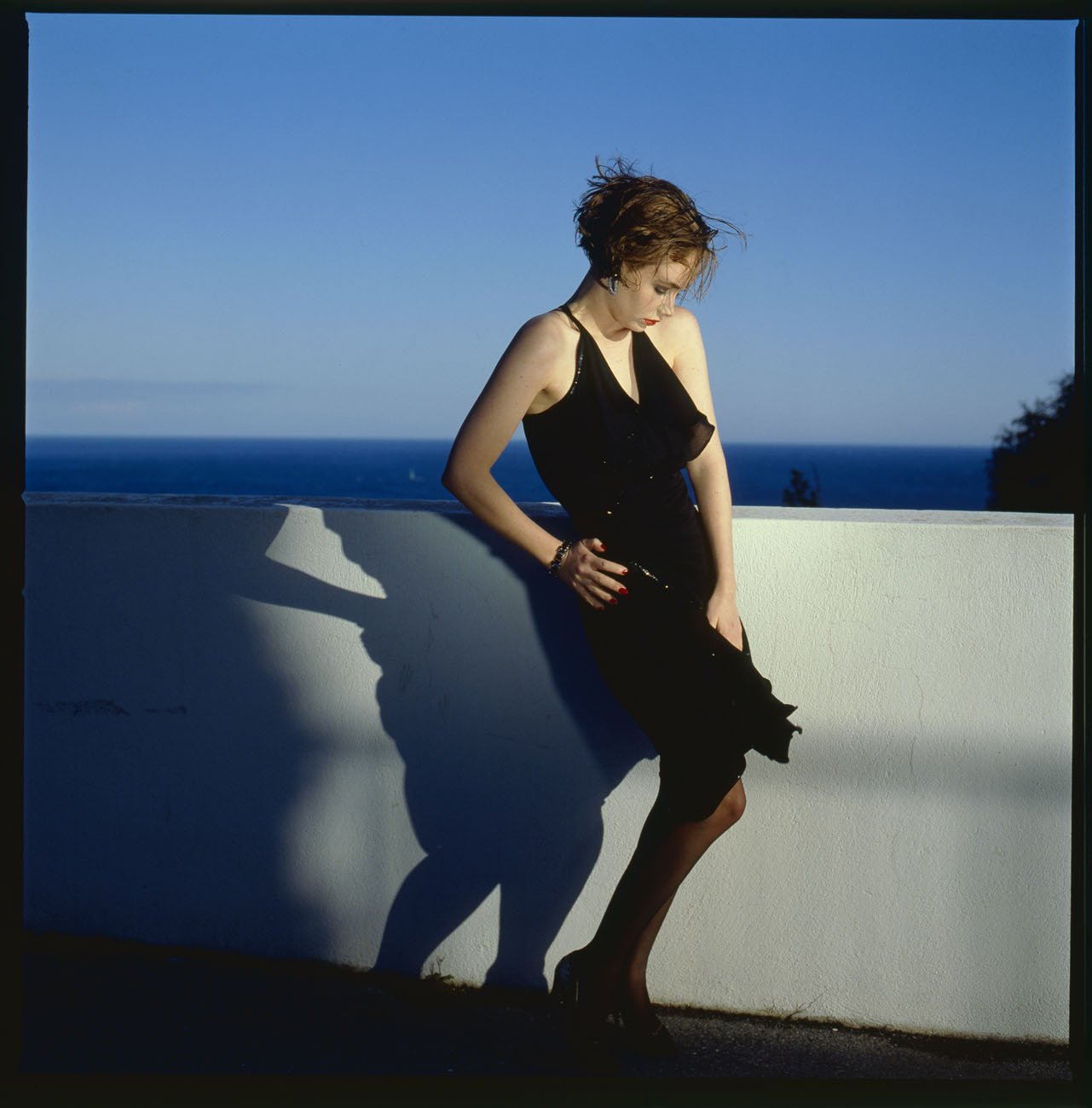
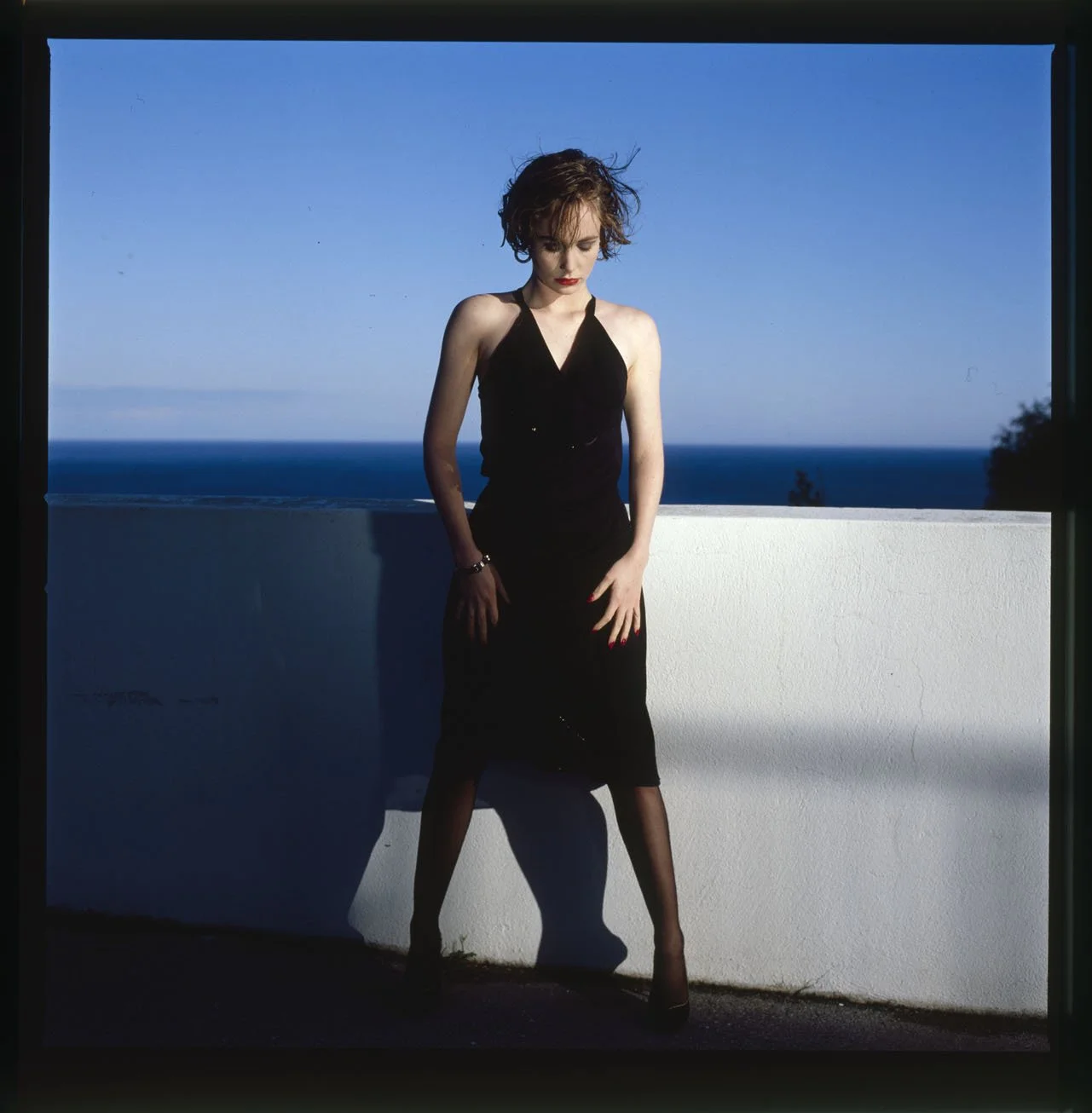
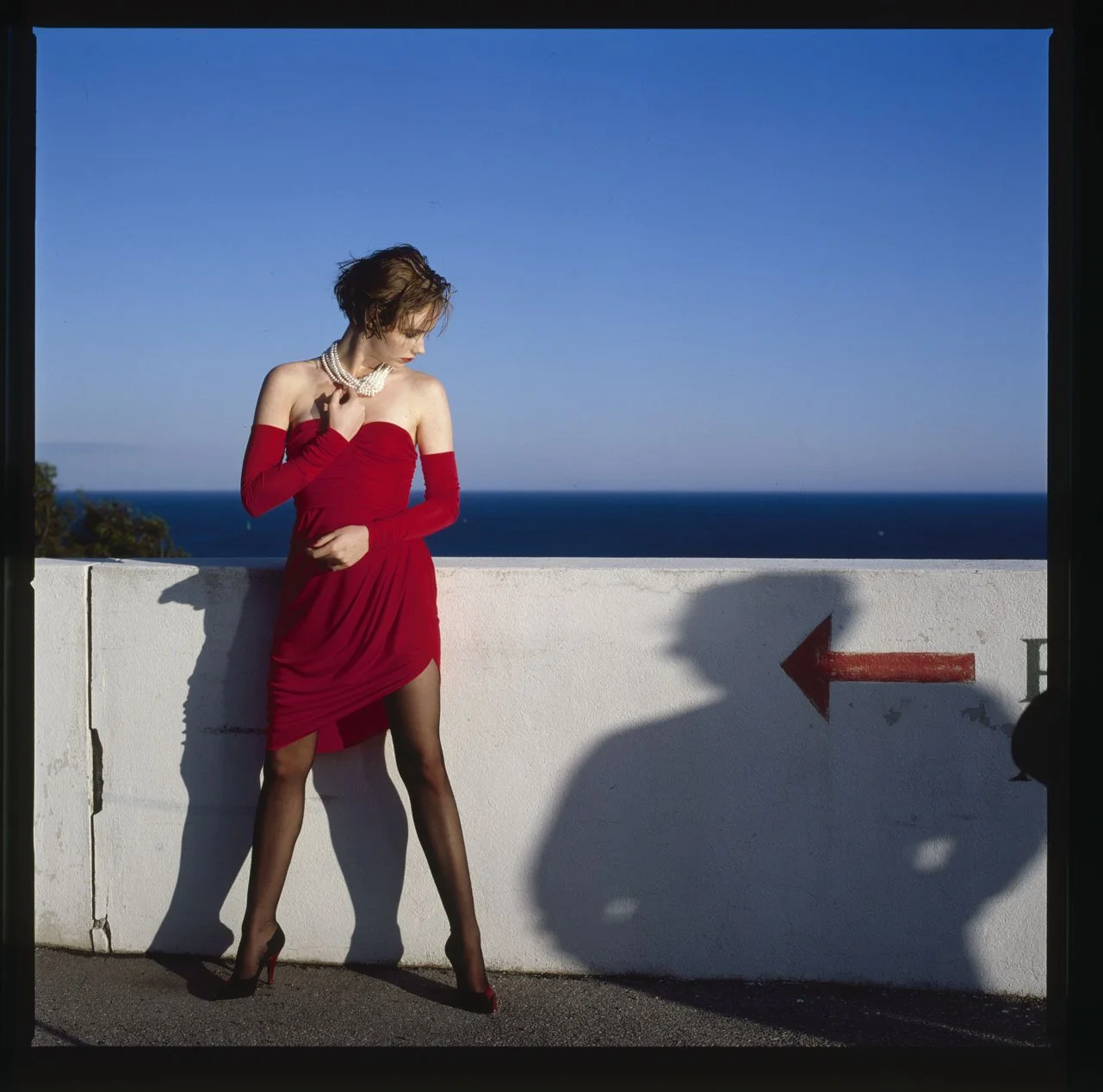
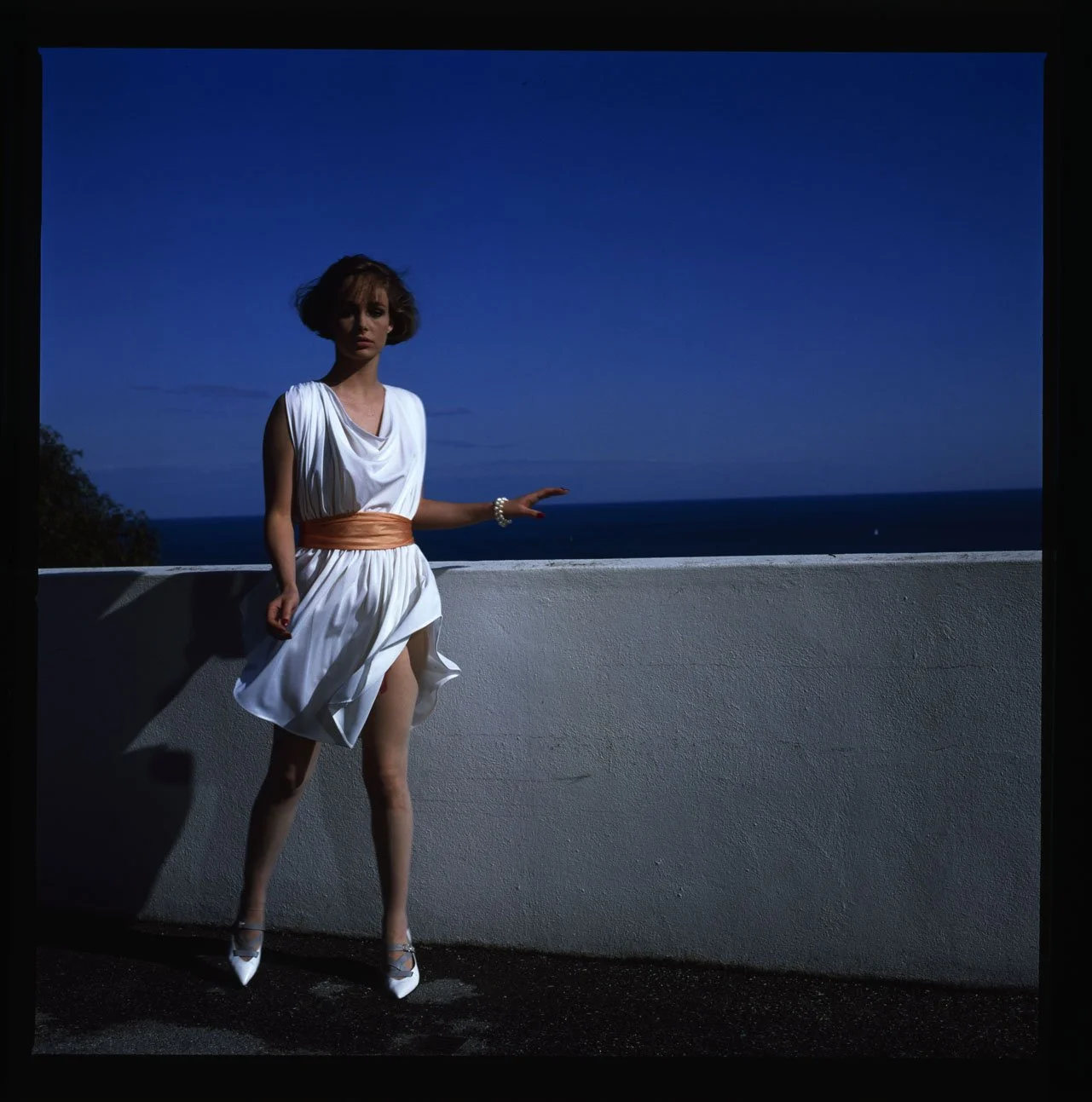
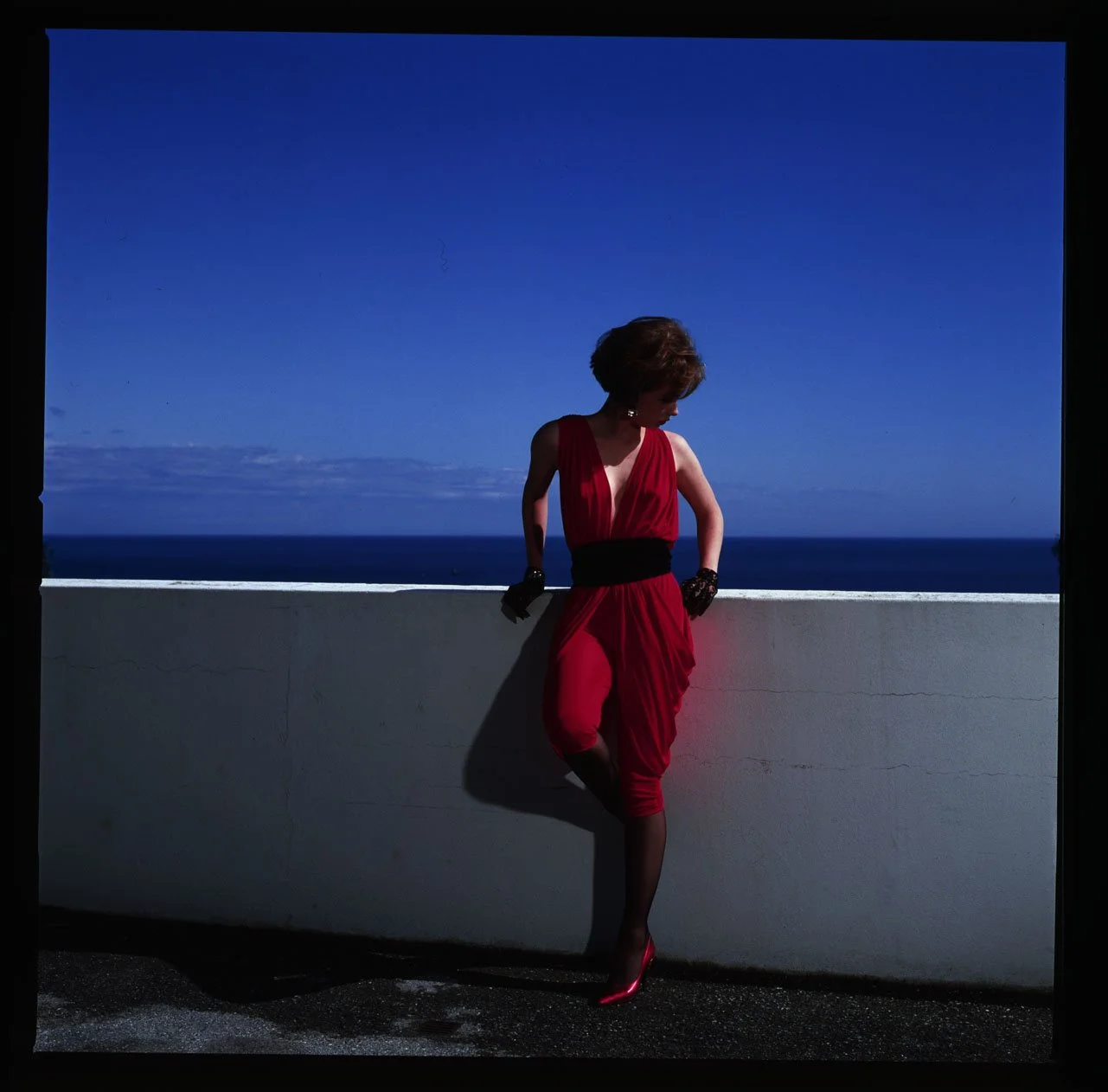
No one can truly explain it—this blue marvel of rays, waves, and vibrations. Everyone must experience it for themselves, or perhaps even endure it, for this light is not only fascinating but also harmful to the skin. "I took the plunge and, about five decades ago, ventured for the first time into this mysterious light of the South," says Ulrich Pracht. His destination: the South of France. Vincent van Gogh, Paul Cézanne, and Pablo Picasso had already prized this unique light. There, Ulrich Pracht found conditions—an atmosphere—similar to those one might encounter in Morocco, the Canary Islands, or in the Caribbean, Florida, and California.
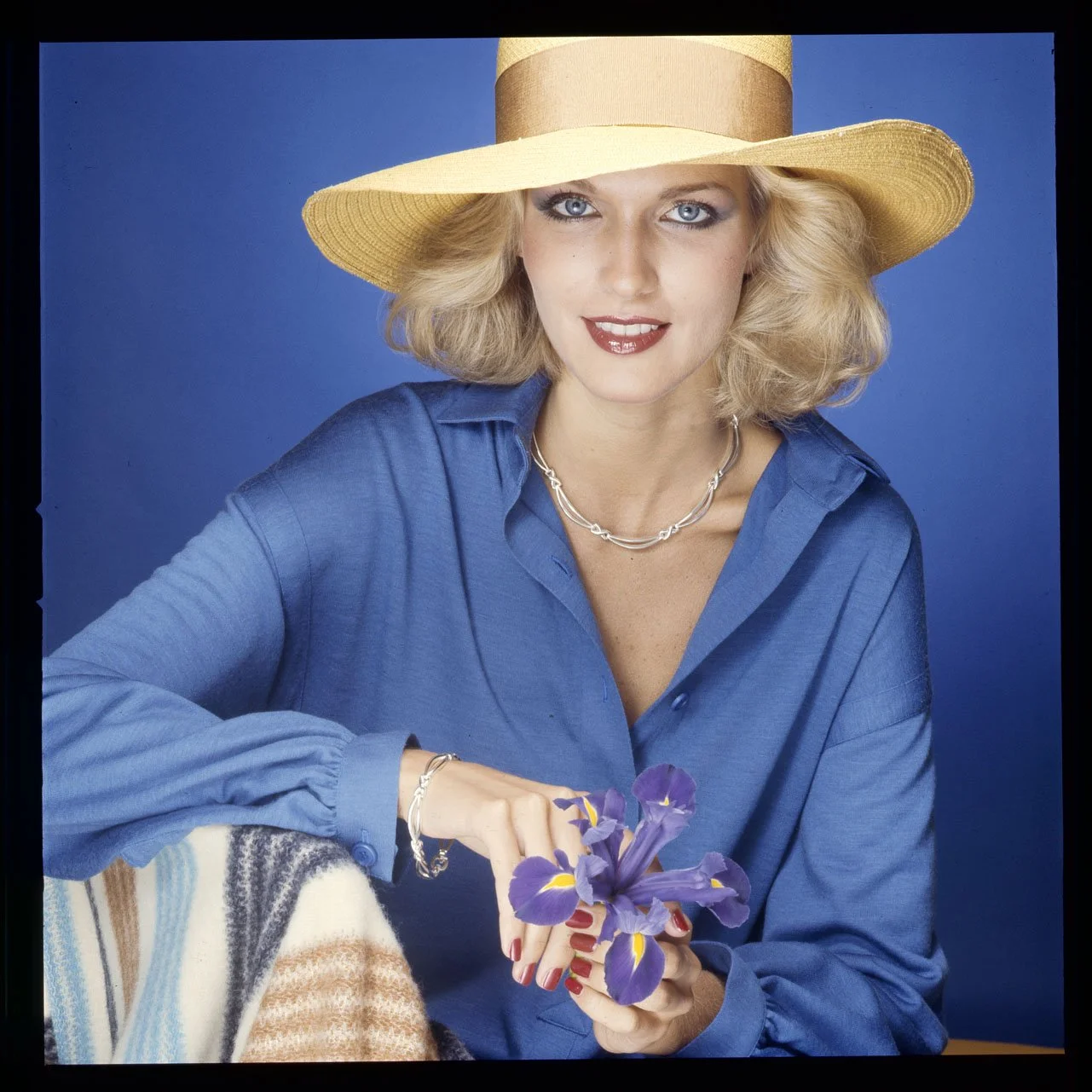
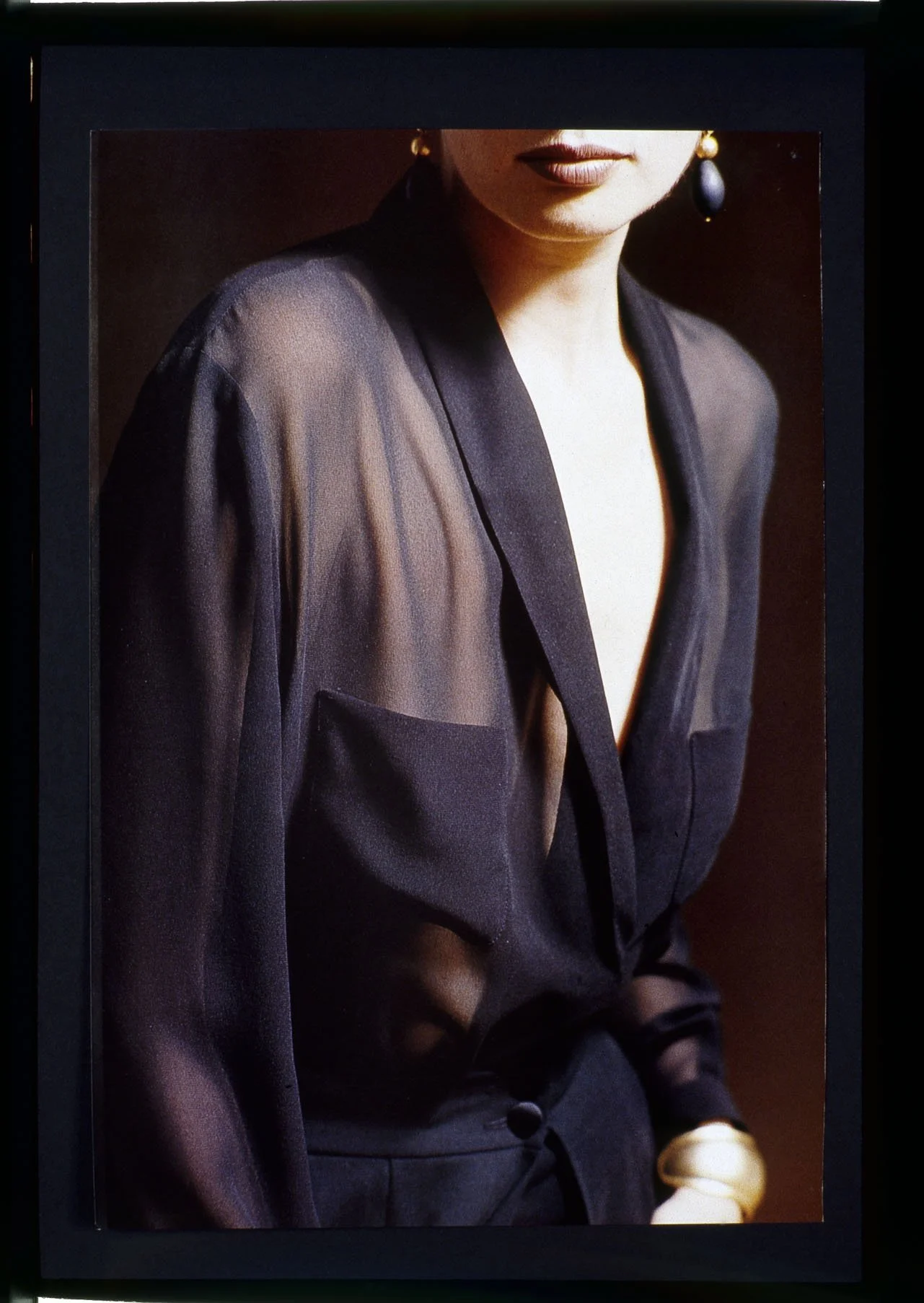
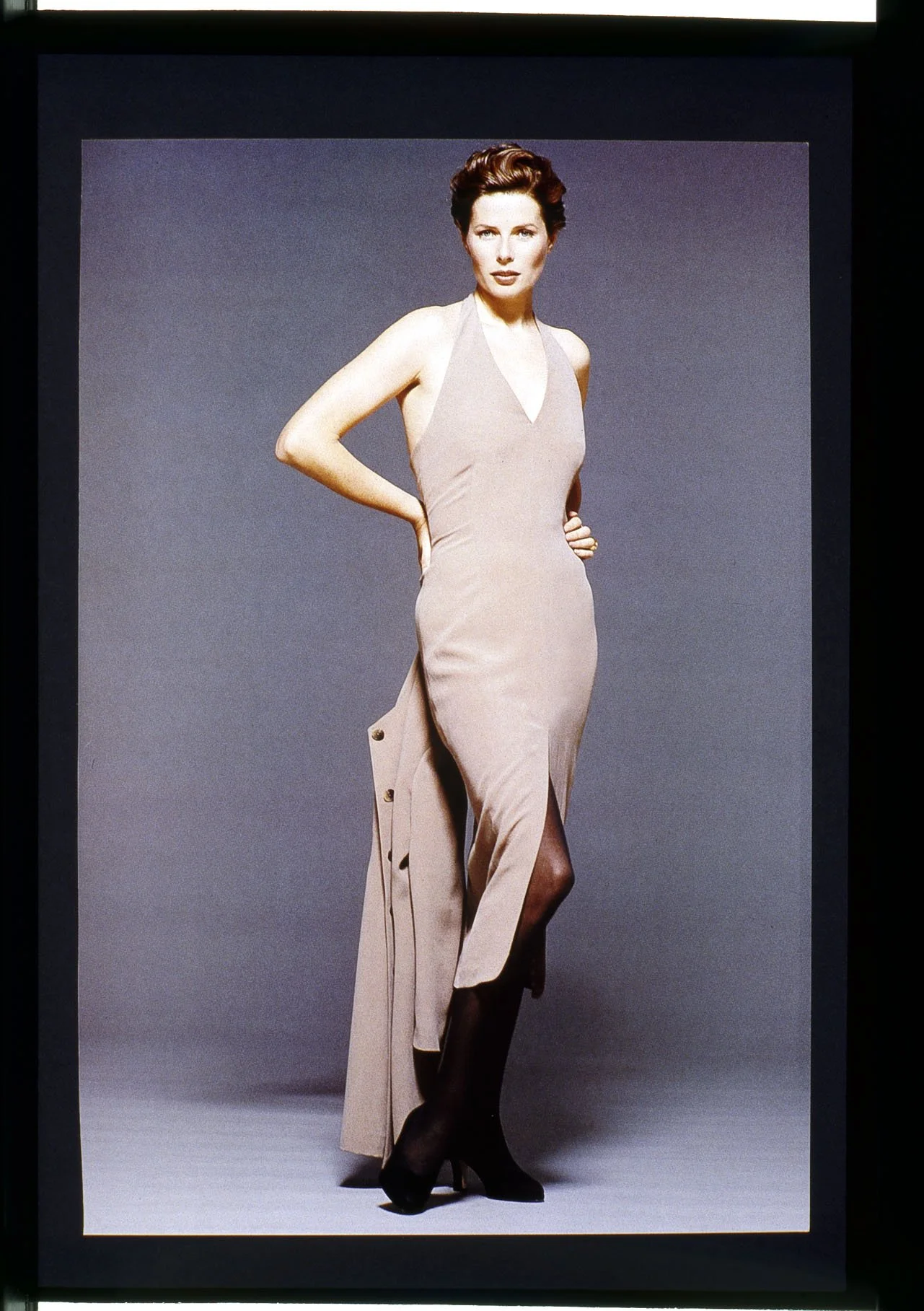
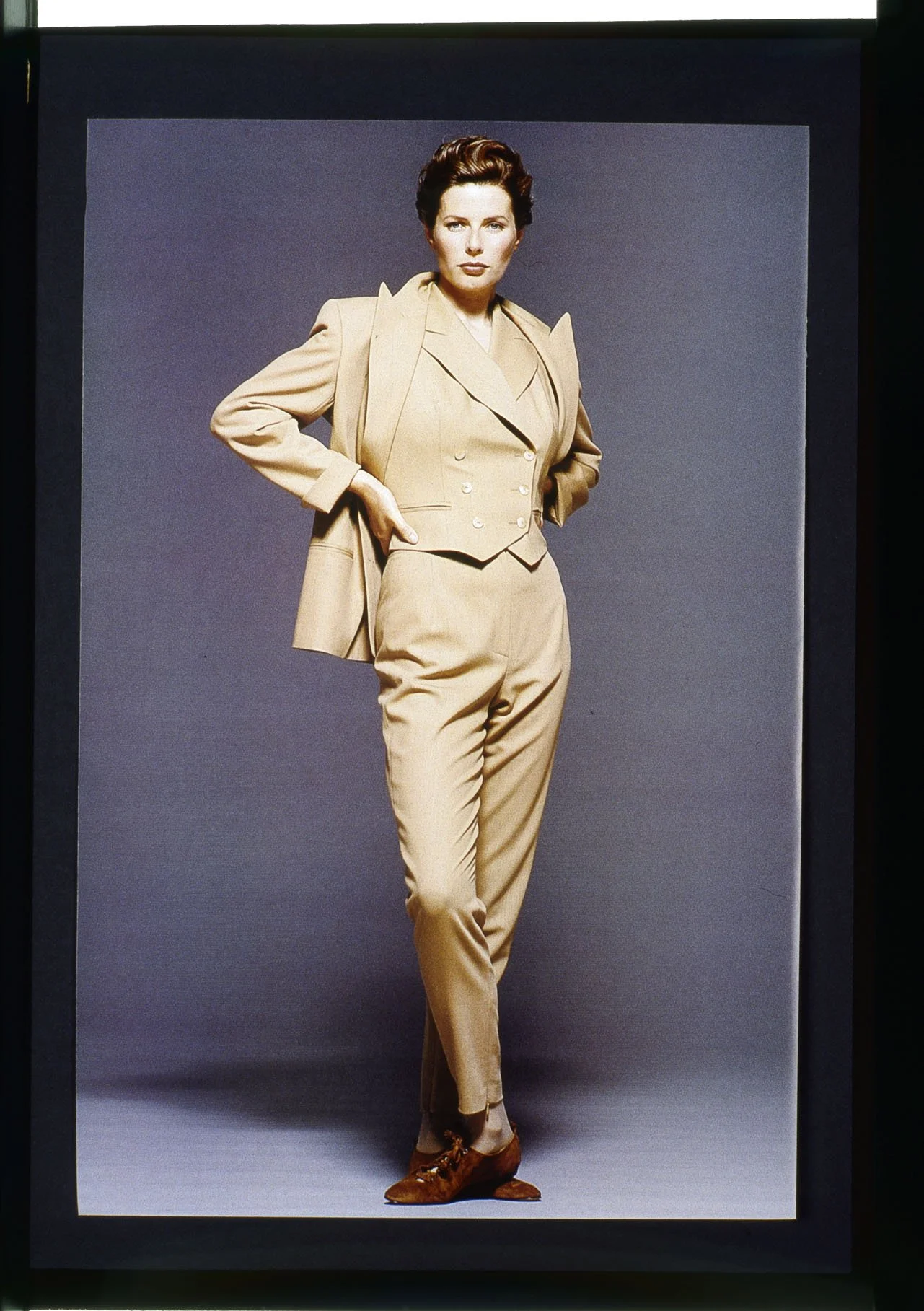
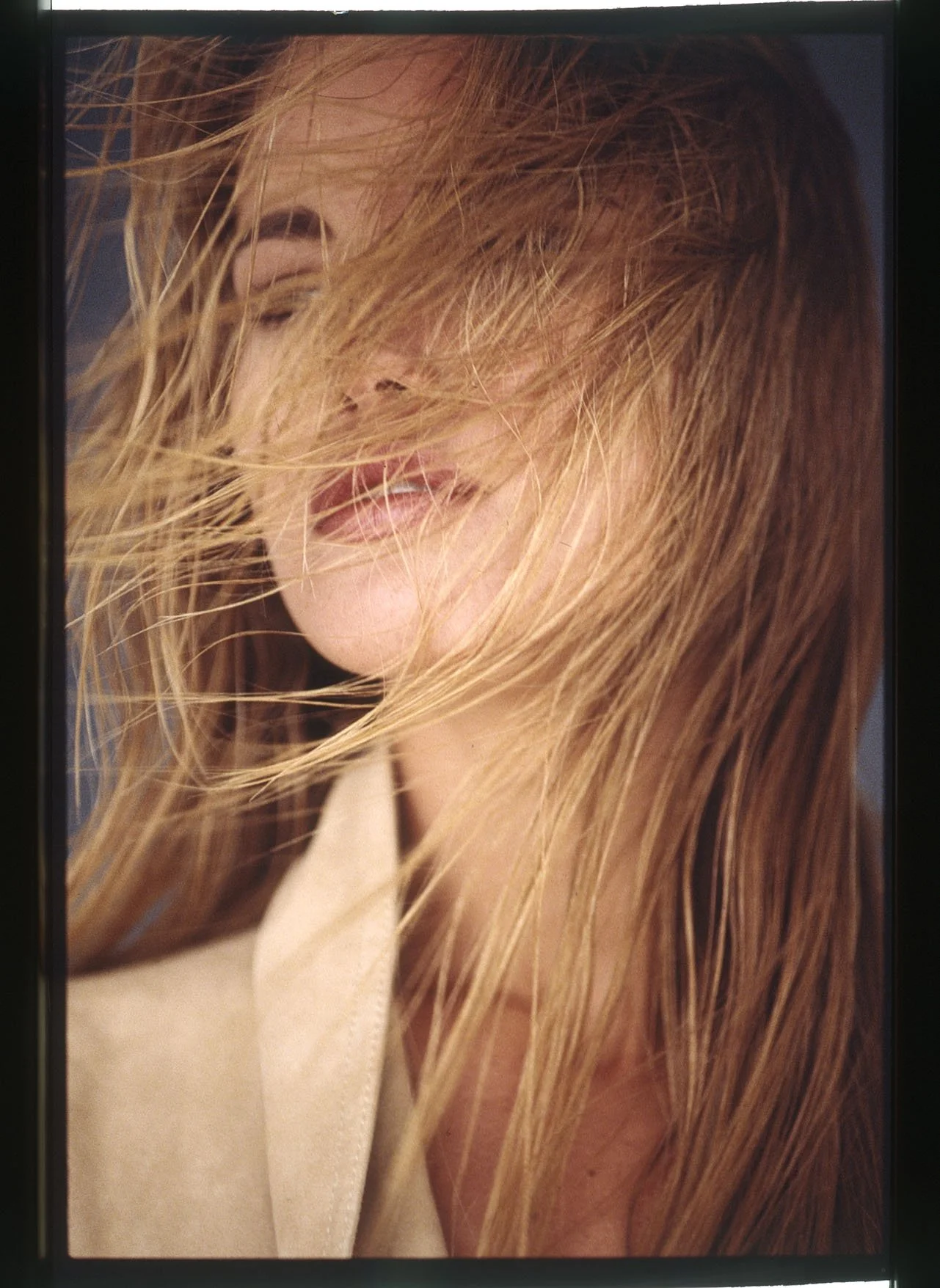
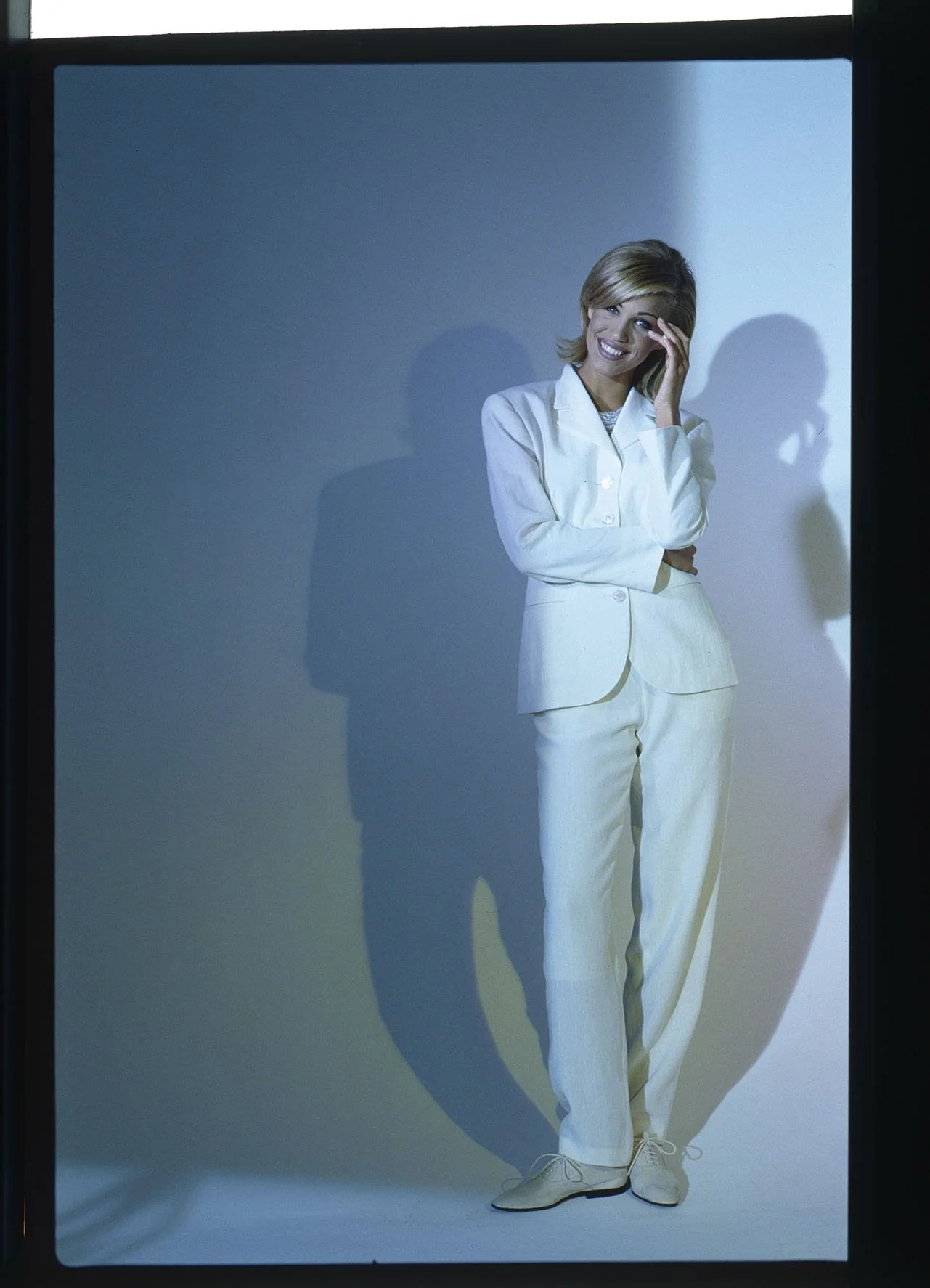
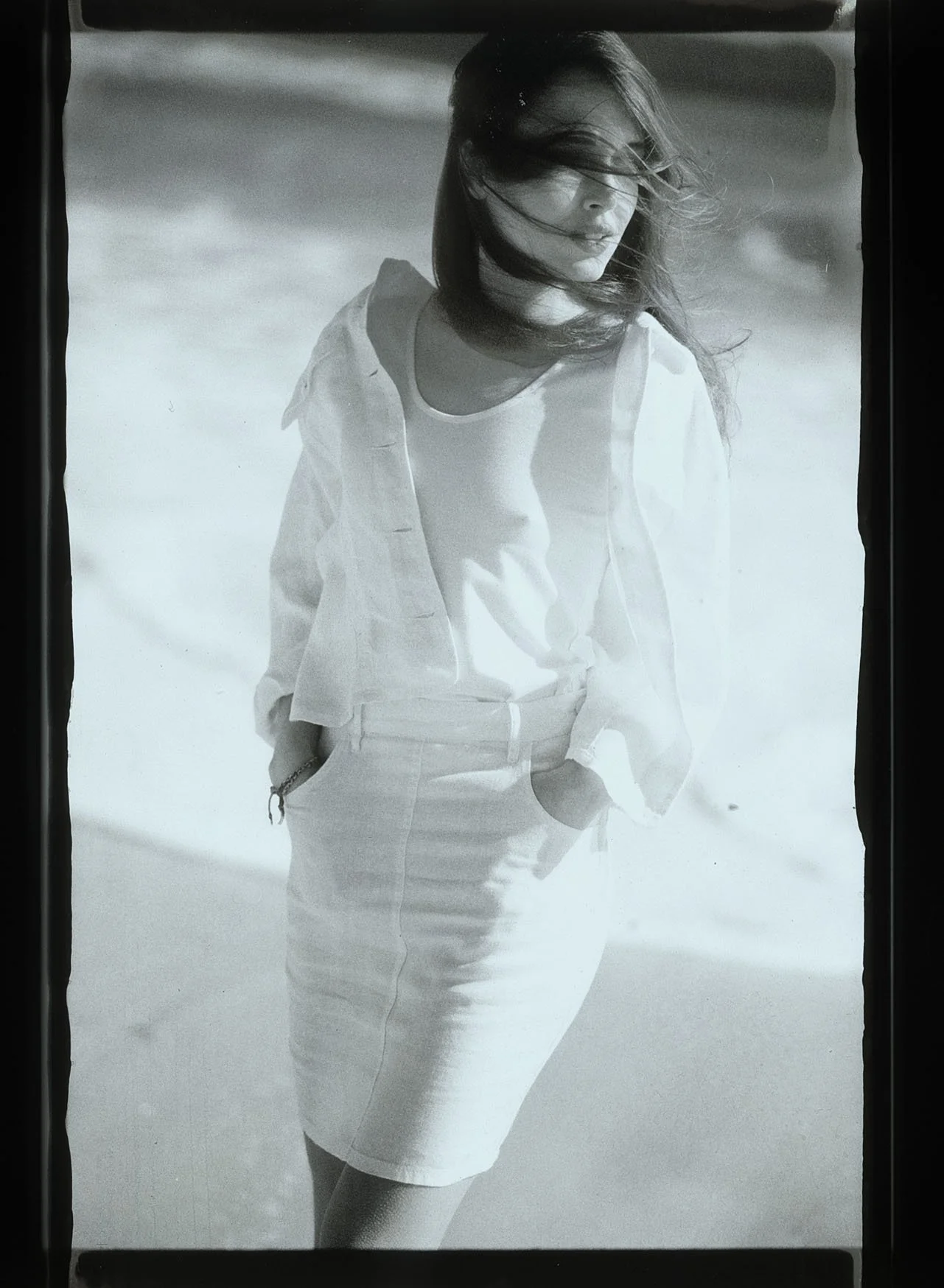
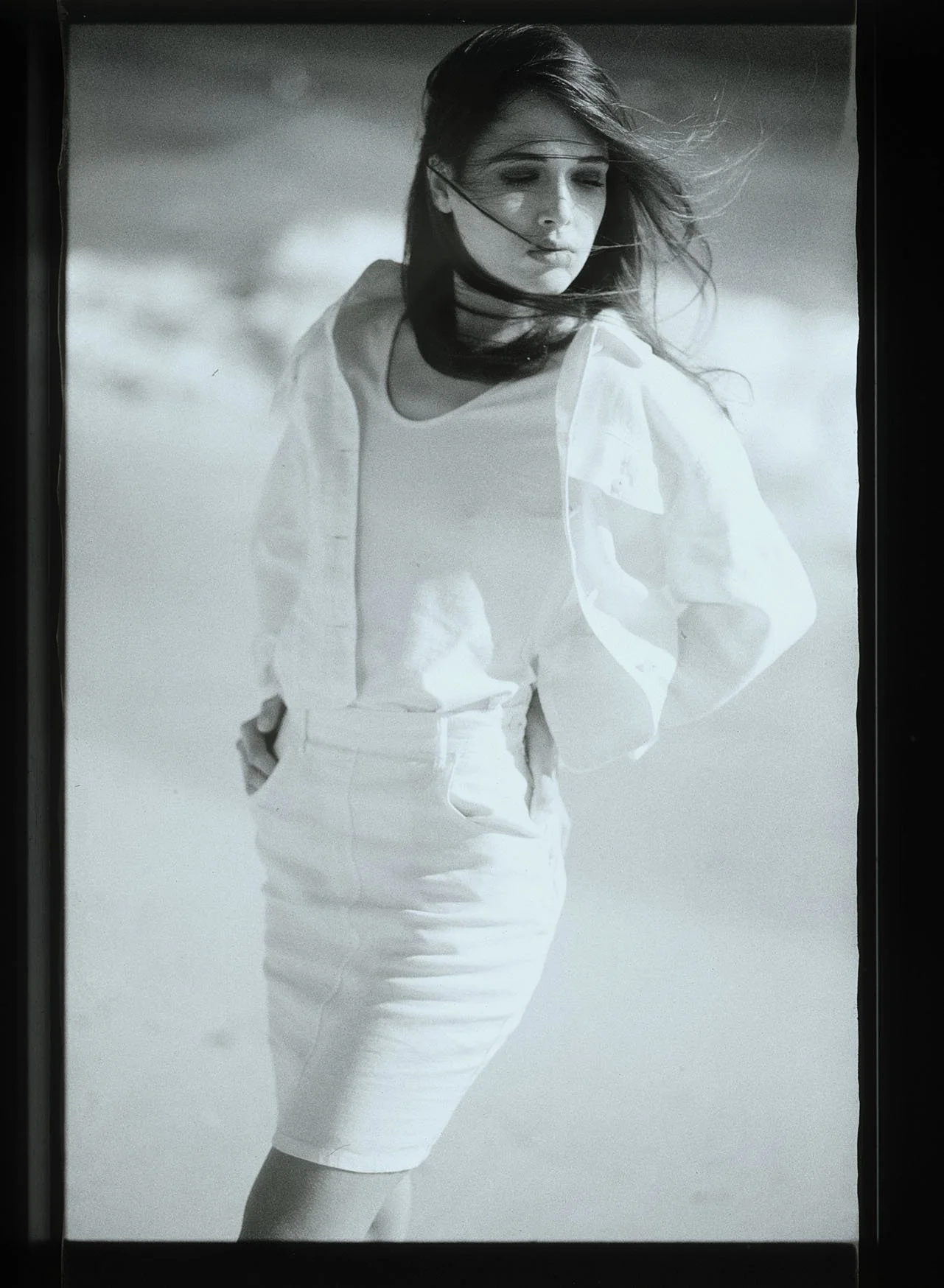
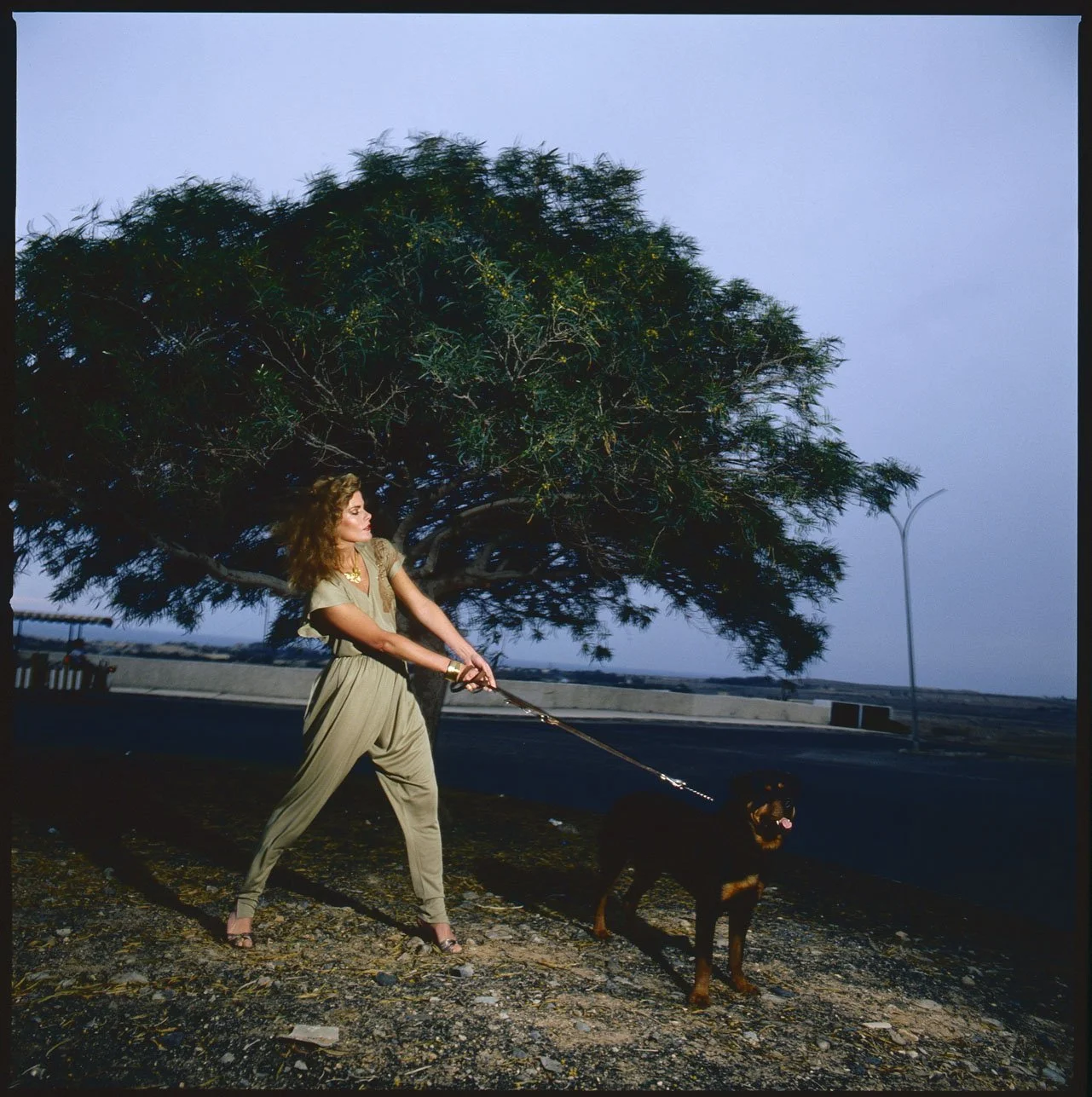
Hundreds of photographs and film productions followed, all set within this surreal, dreamlike atmosphere. His photo series from the eighties for the French fashion label Leva serves as both a historical document and a reflection of the zeitgeist. The founders of Leva created a look defined by glamour and eroticism—a style that profoundly shook up the Parisian fashion market of the era. Ulrich Pracht perfectly showcased the subjects for this Parisian label, bathing them in the light of the South. These images embody the attitude of an entire generation and remain just as stylish today as they were back then. Accompanied by the legendary fashion editor Peggy Roche of the Parisian fashion magazine Elle, Ulrich Pracht staged a series of spectacular photographs along the Côte d’Azur.
“Southern France—above all my dearly beloved Nice, with the Provence lying behind it, the mountains, and the Côte d’Azur—remained my favorite location when it came to the light..”
Ulrich Pracht
06.4
DIOR
Zeitgeist and Class.
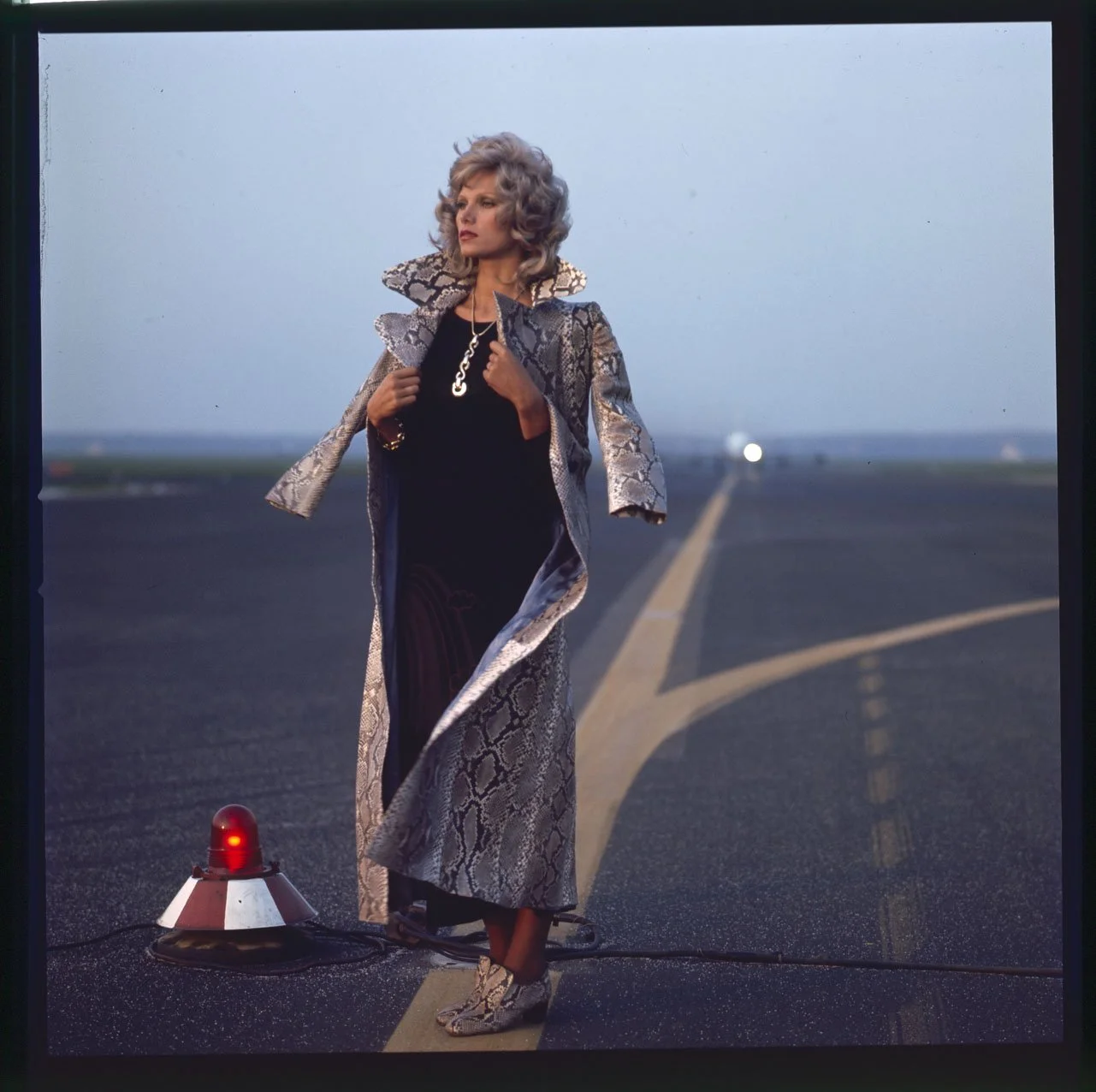
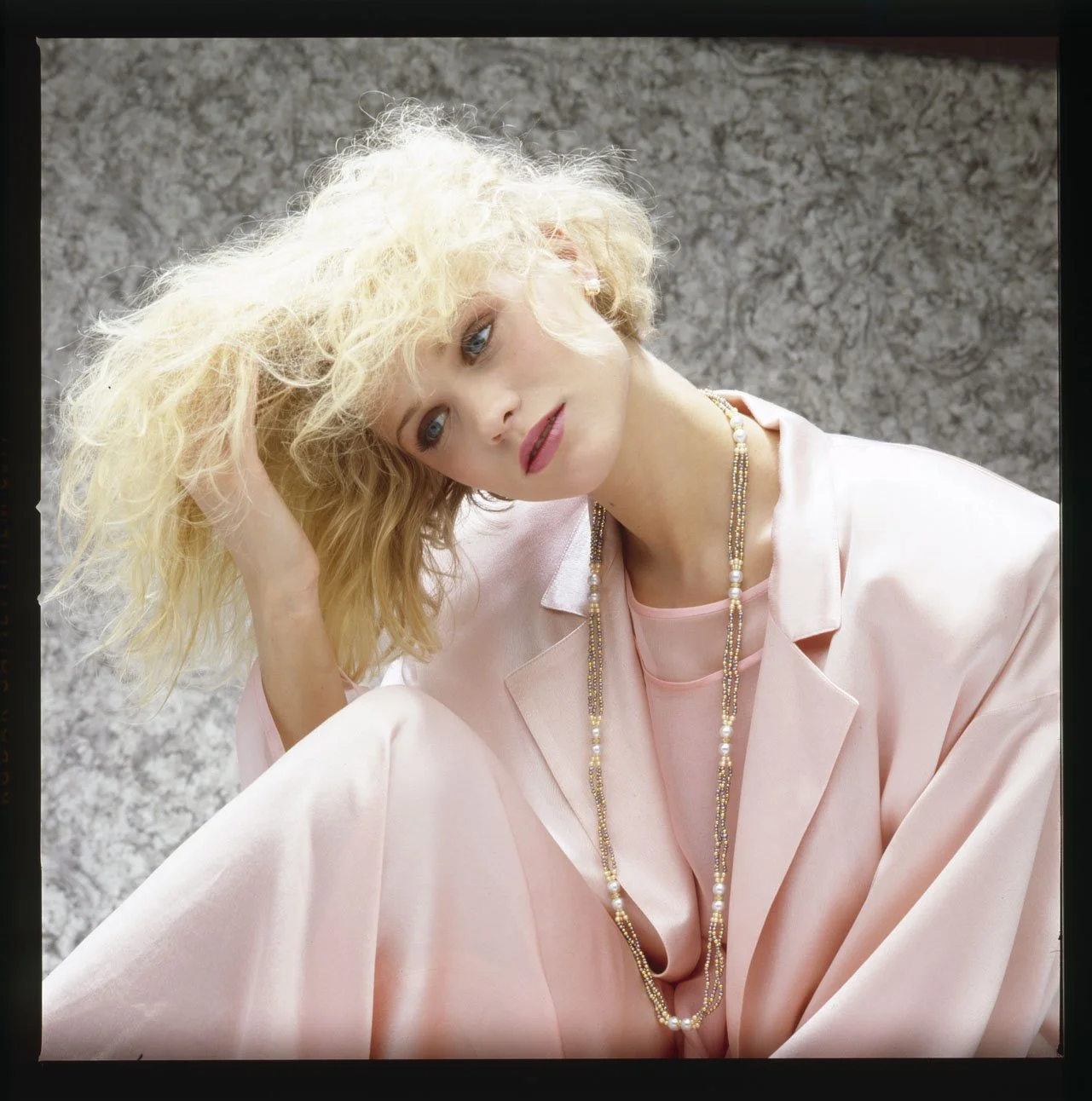
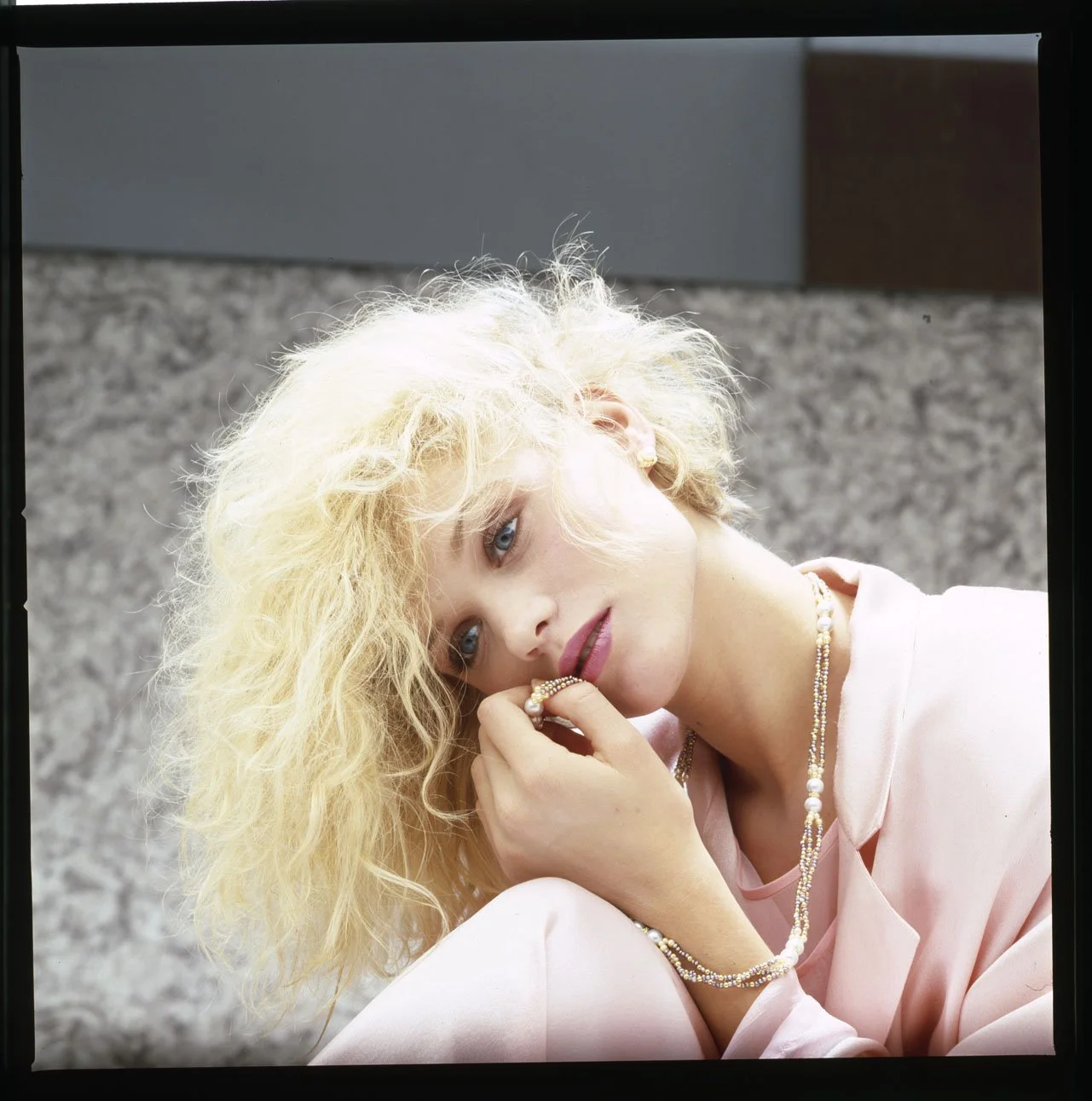
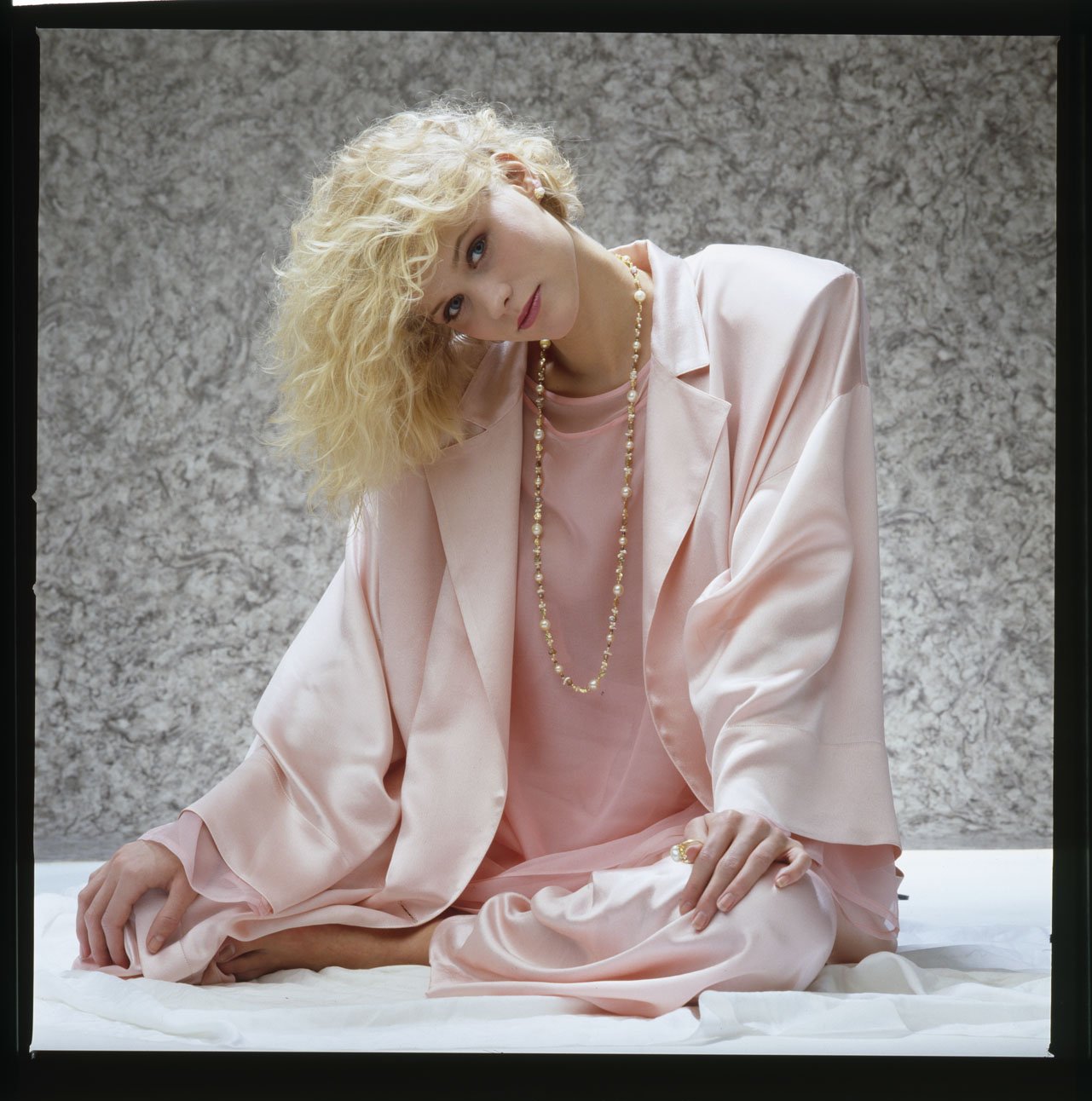
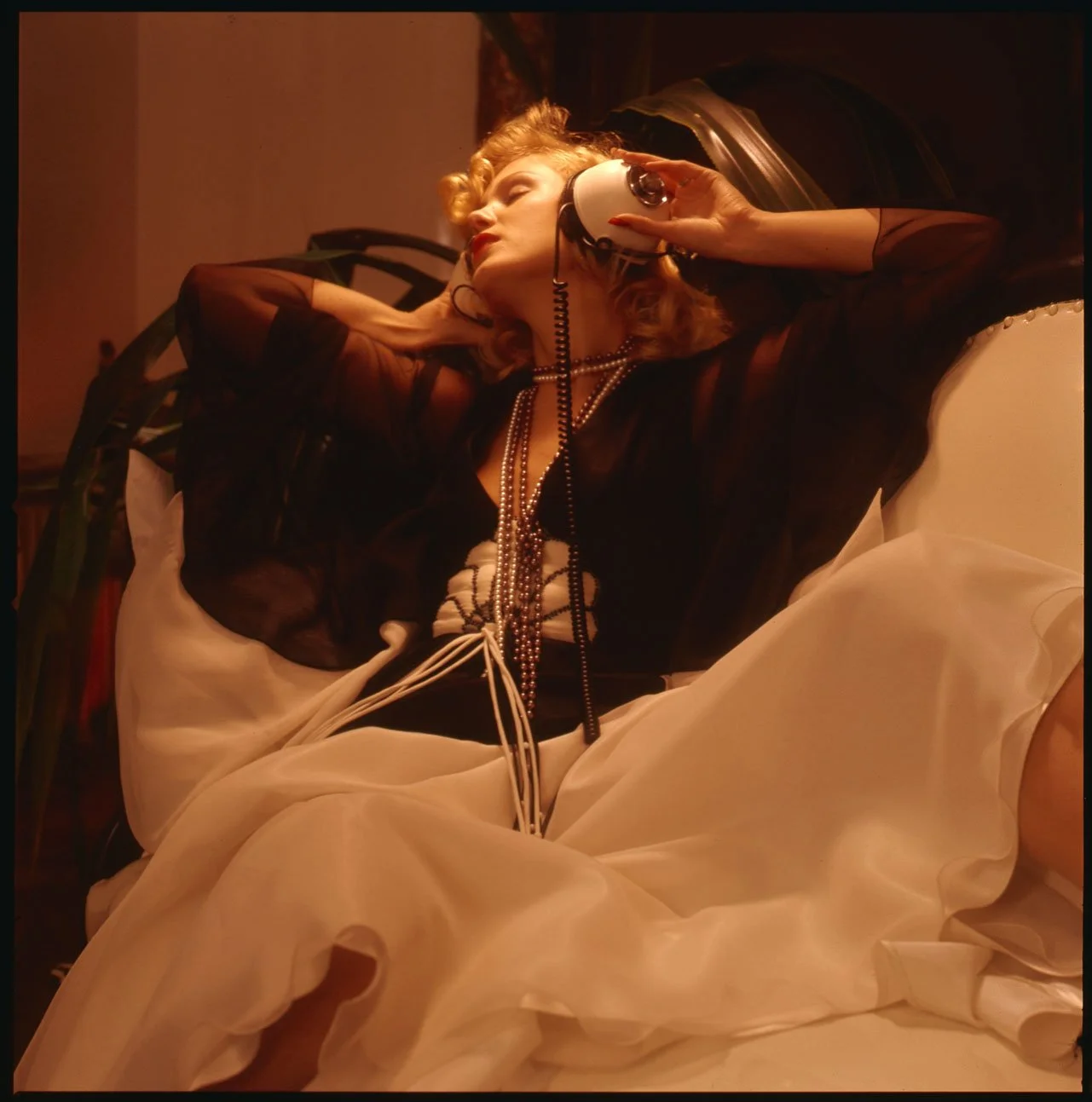
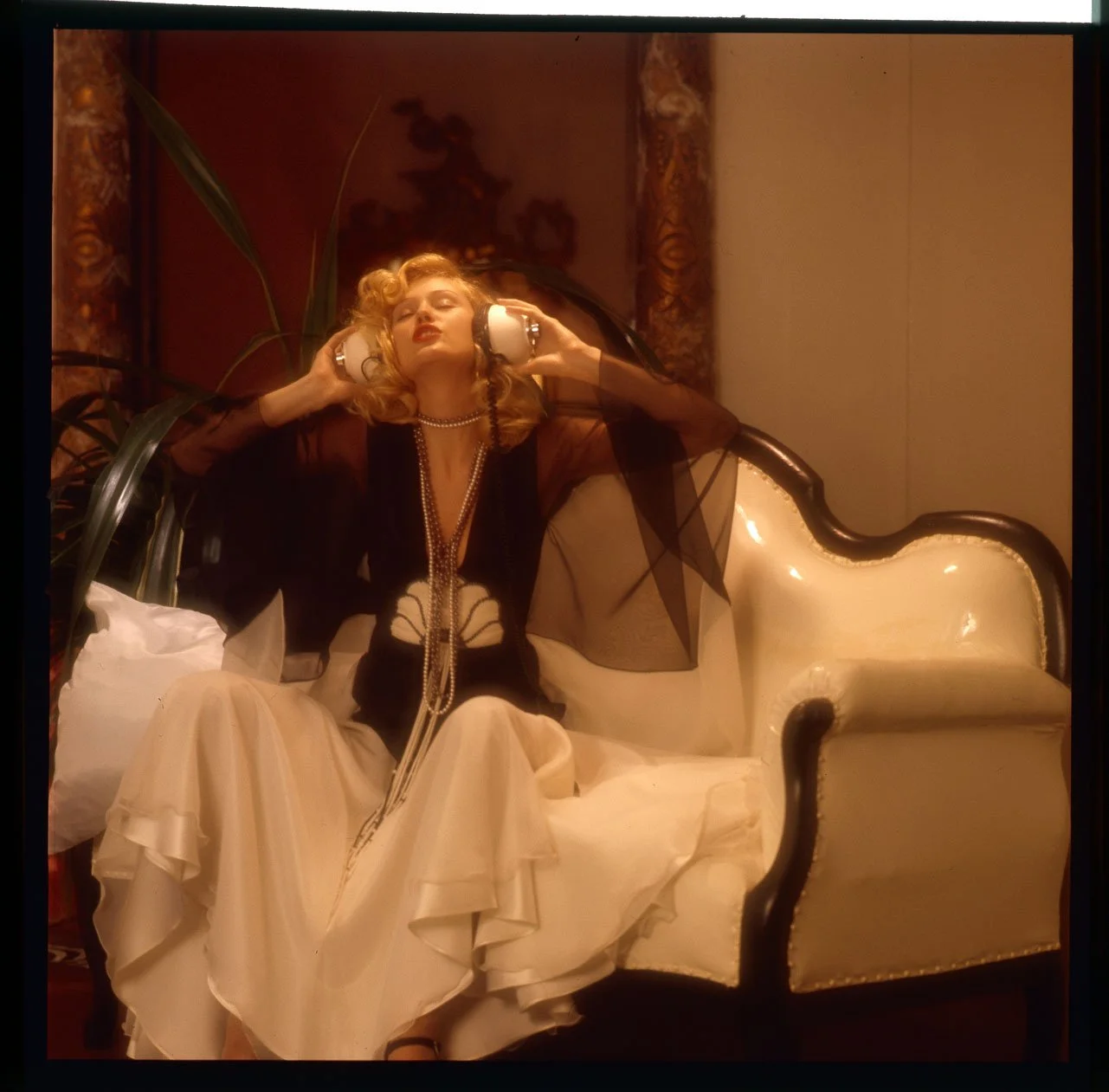
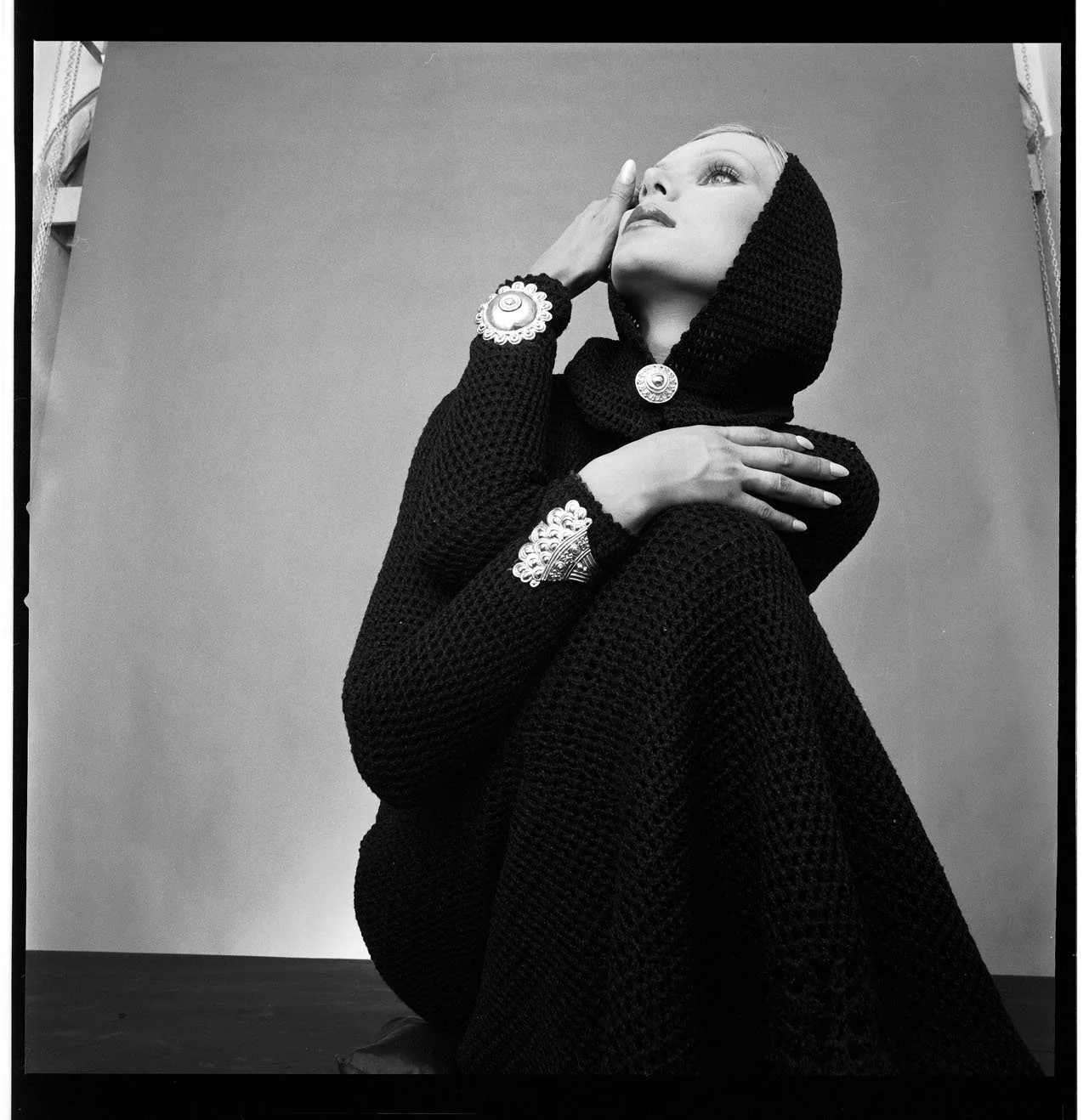
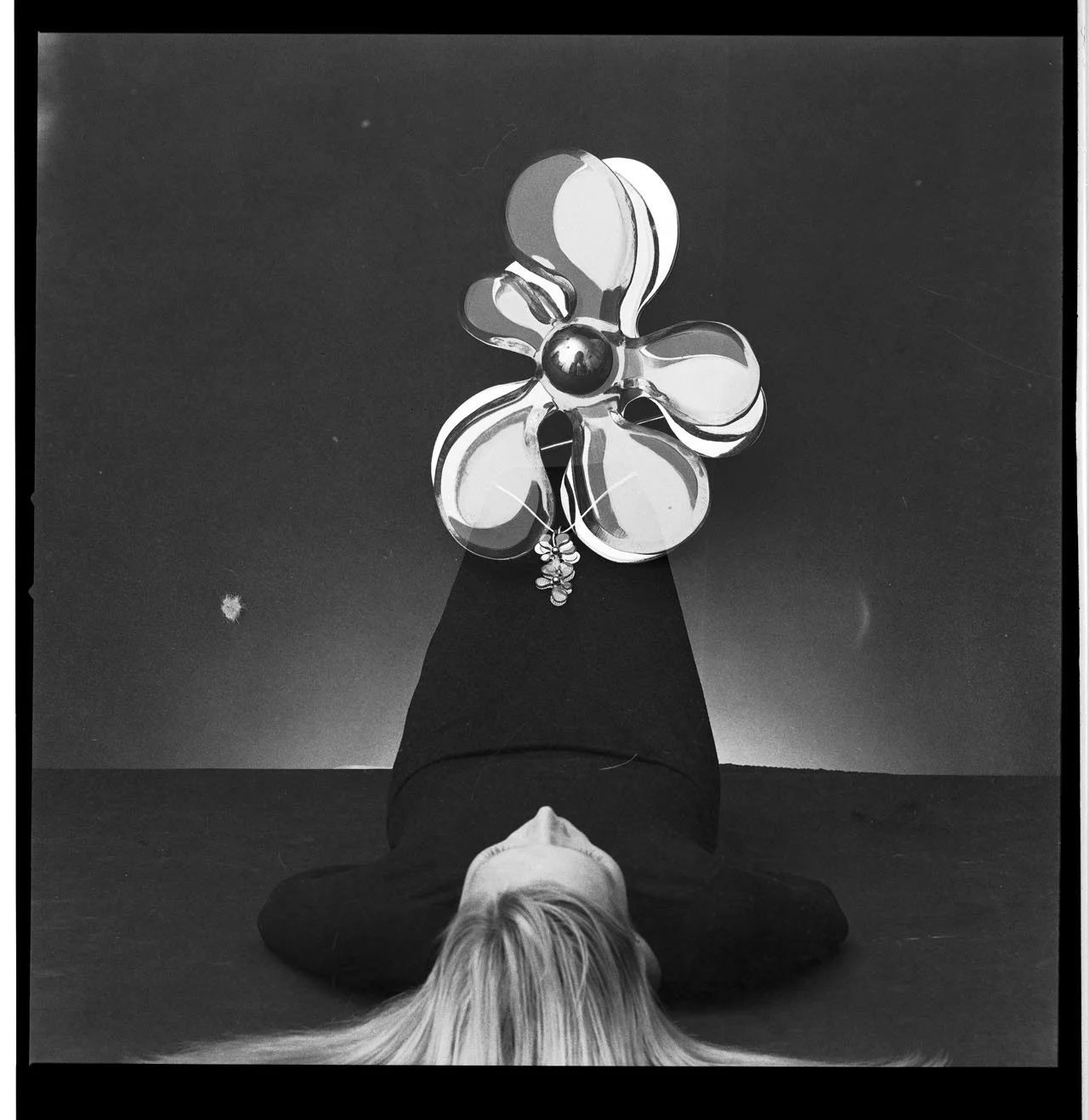
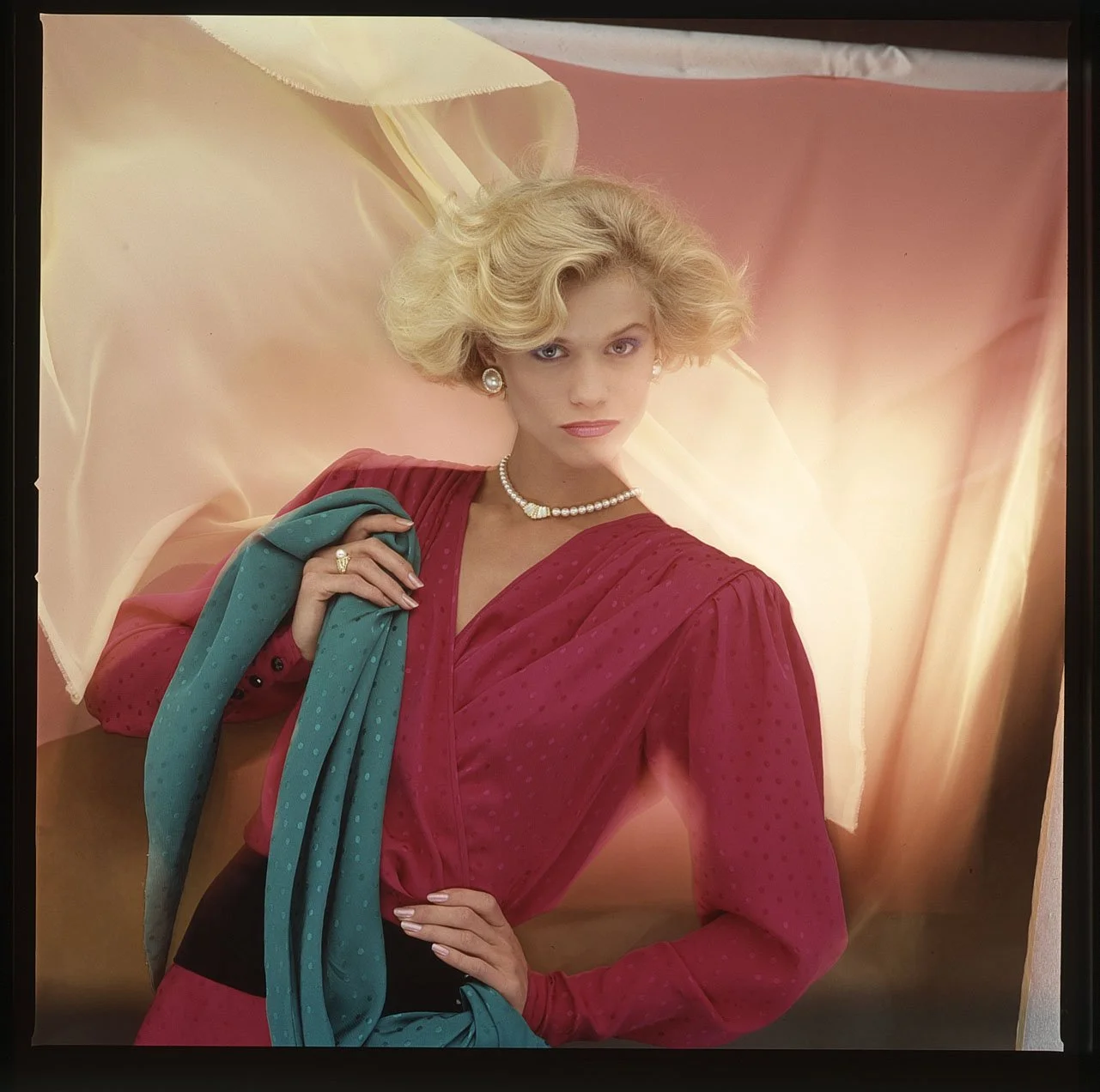
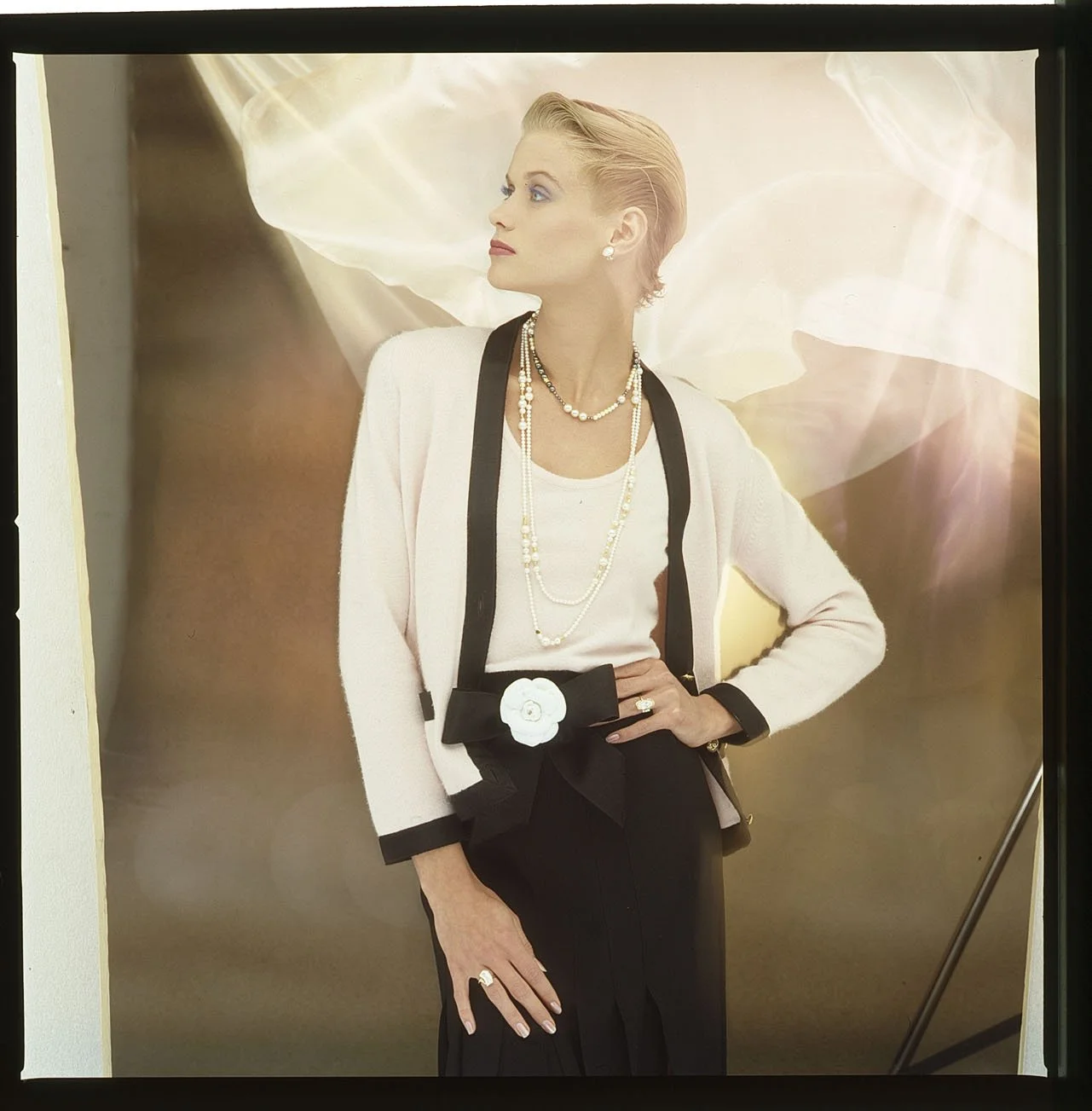
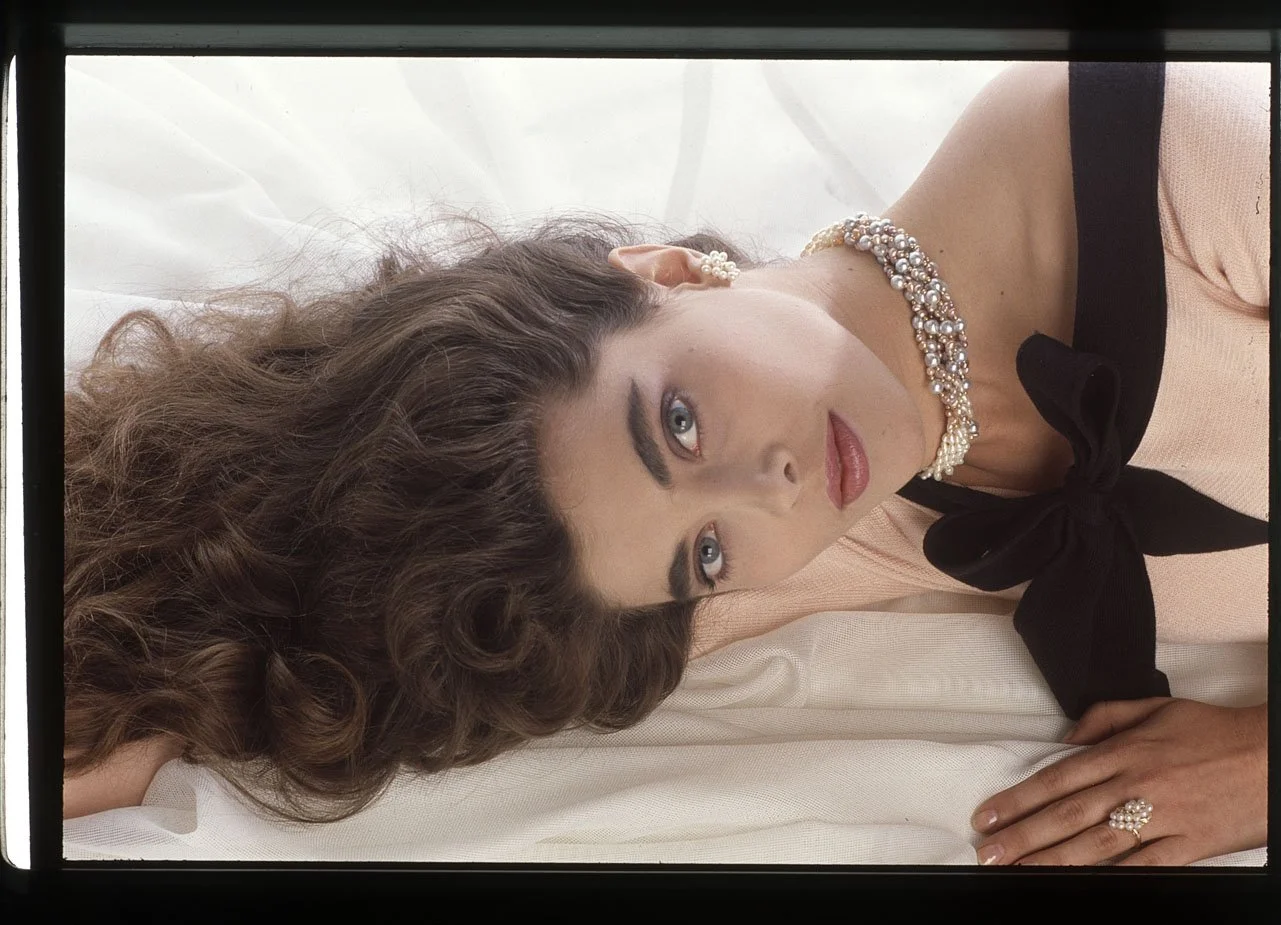
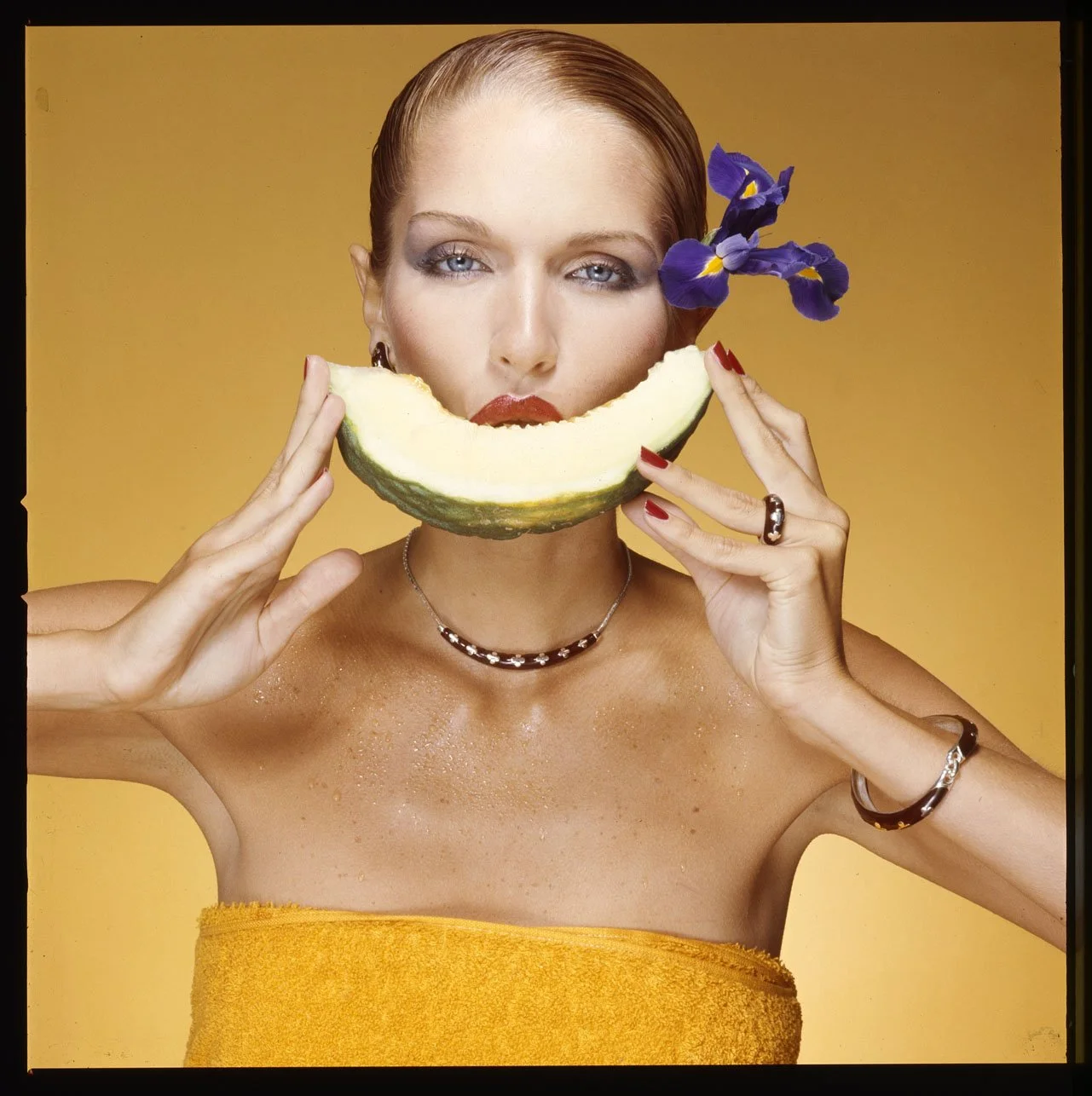
Dior—this name stands for high fashion par excellence. Throughout the 1980s and 90s, Ulrich Pracht staged his photographs for Dior Jewellery and Prêt-à-porter in Paris, at the legendary Studio Pin-Up—a place where trends were born; a place where, on any given day, the world’s greatest photographers—such as Patrick Demarchelier, Oliviero Toscani, and Peter Lindbergh—could be found working side by side. Pracht realized his photographs for Dior with the era’s "megamodels"—including Carla Bruni, Jerry Hall, Françoise Lamis, Vanessa Paradis, and Ann Turkel—creating images as effervescent as champagne: brimming with glamour, zeitgeist, and class. He worked for Dior in Paris for over a decade—without ever having spoken a single word of French correctly. For Dior High Fashion, Ulrich Pracht invented a new visual language. The boundaries between his artistic practice and his commercial imperatives remained fluid; art and commerce merged into a seamless whole.
“For me, a dream came true: fashion and Paris—the most beautiful combination that ever existed. At last, I was able to immerse myself in the zeitgeist and glamour—to photograph, and to work with the supermodels of the 80s. Together with the icons of that era and of that lifestyle—with superstars and celebrities—I created masterful photographs of the highest aesthetic caliber, set within the unmistakable milieu of this extraordinary location.
Ulrich Pracht