
13
FILM UP
He has the advantage of not standing on one leg.
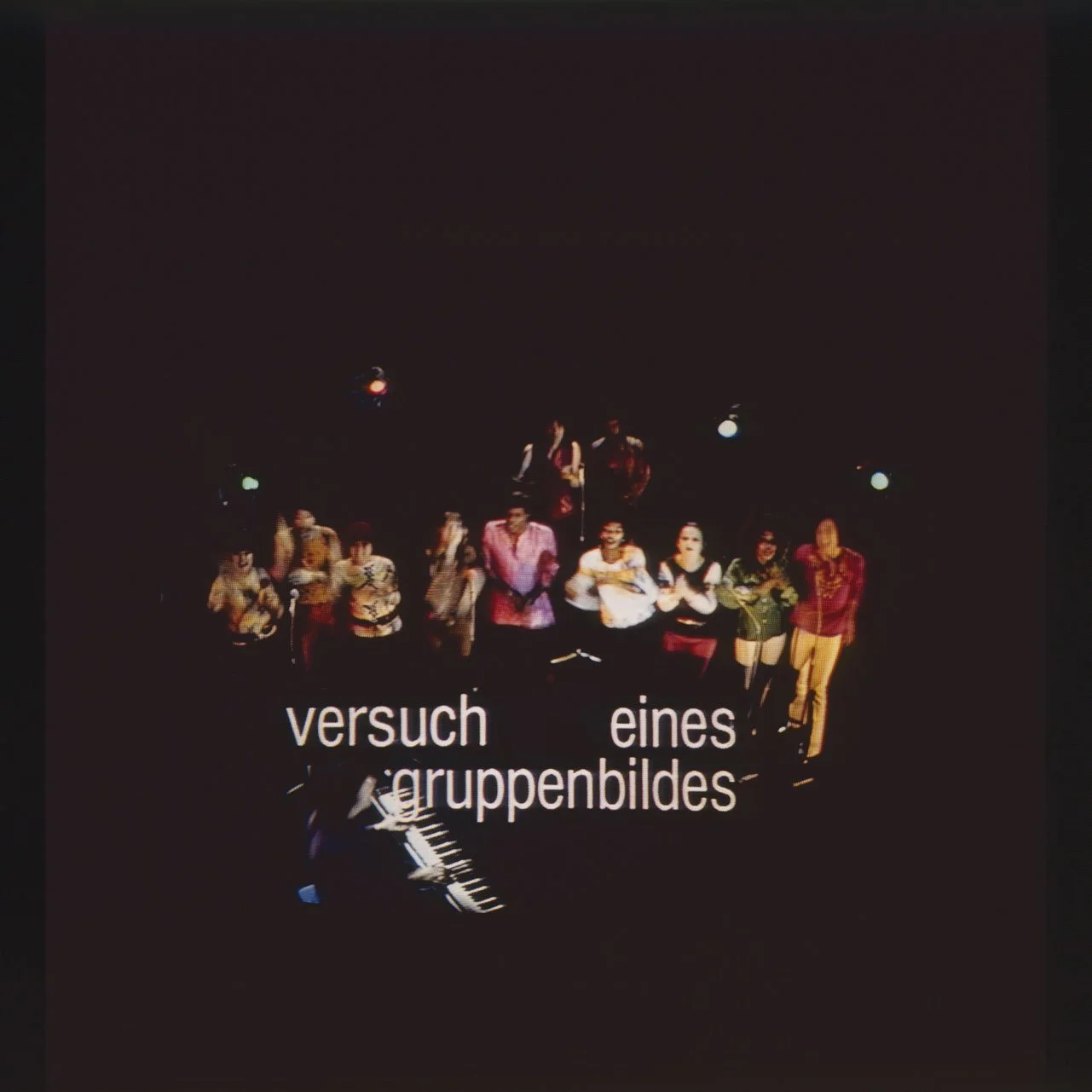
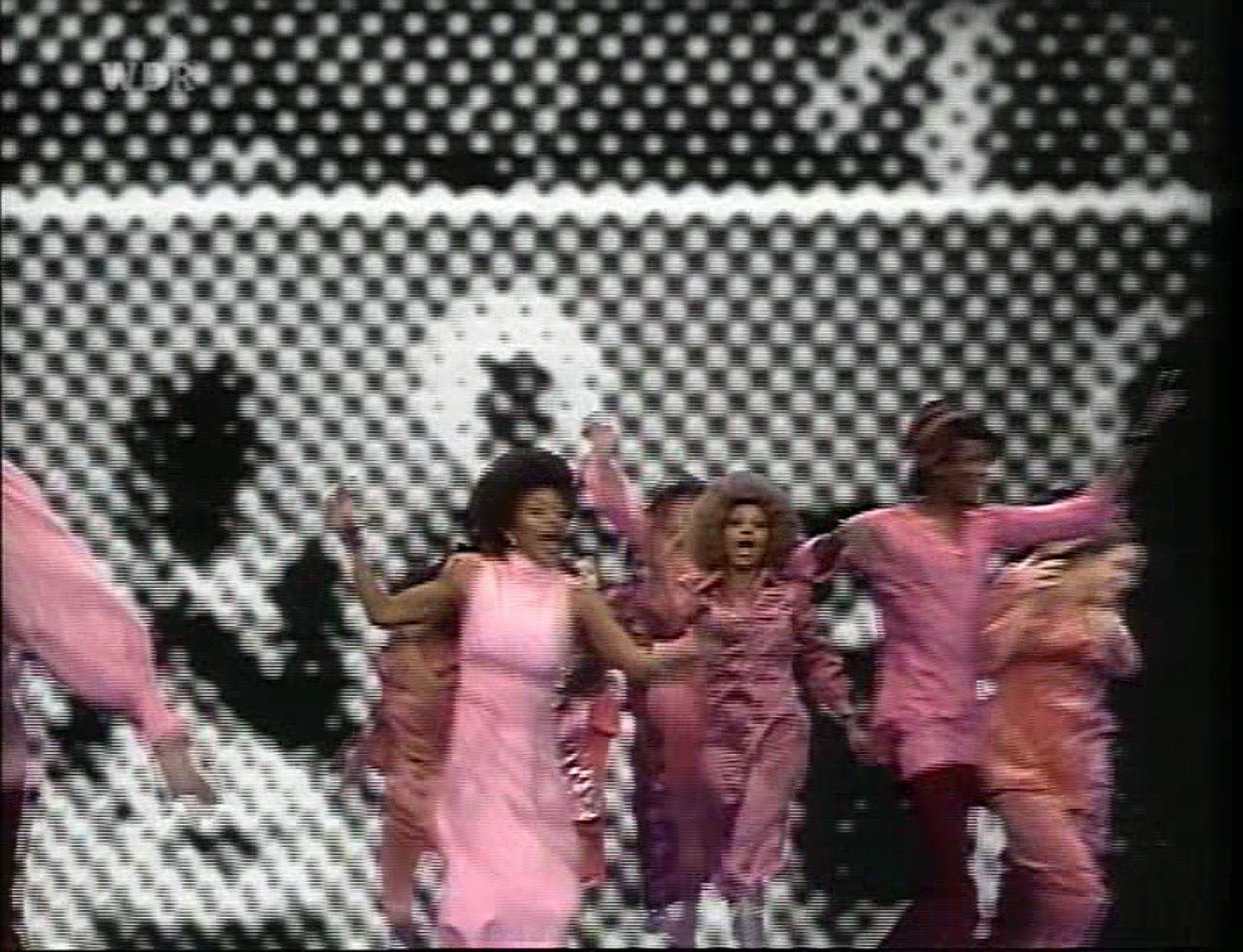
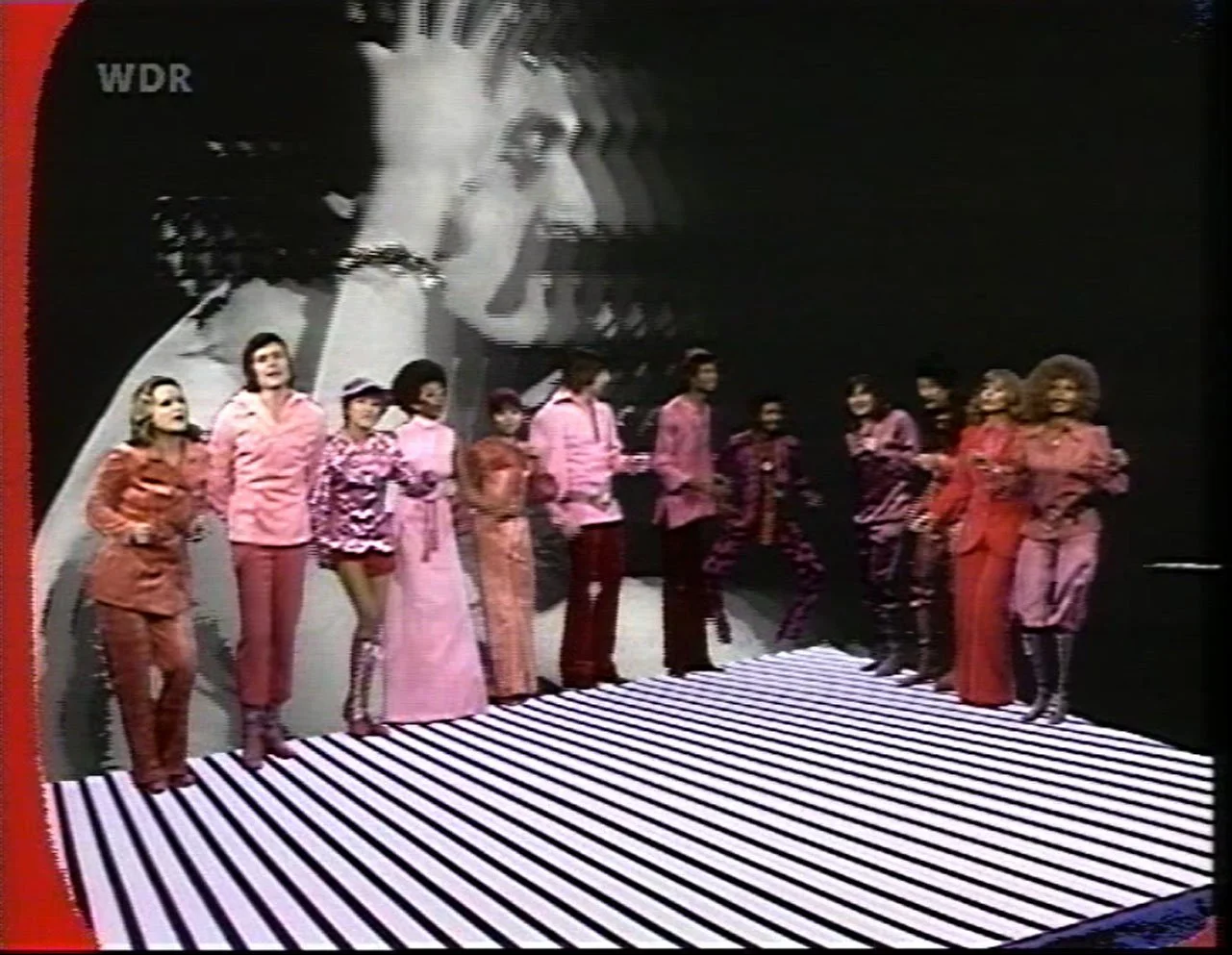
In the stage design for the WDR program Die Ivan Rebroff Show (March 25), photographs played a major role—appearing both to the left and right of the scene and as a full-surface background. They were projected using a multivision system which—distributed across ten portable columns—allowed for a constant rotation of the scenery. Westdeutscher Rundfunk utilized this system for the first time for this production, following its proven success—albeit in a different configuration—on programs such as Guten Abend Nachbarn, Aktenzeichen XY, and Heute. Günther Hassert, the director of the Rebroff Show, worked with 50 projection surfaces distributed across these ten columns. The term "multivision" might be roughly translated as "multiple vision." This system has been a familiar sight at trade fairs and exhibitions for several years now: the individual panels making up the wall consist of multi-layered Plexiglas. This material is capable of diffusing a projector's cone of light across the entire surface area (75 × 75 cm). The projector is mounted 2.20 meters behind the panels and fed with slides which—at least in the Rebroff Show—can be changed continuously at the push of a button using dedicated control units. The entire system was assembled for this show specifically to meet the director's requirements. It is likely to be deployed once again on July 8 for the second episode of The Ivan Rebroff Show; Günther Hassert is currently still experimenting with new ways to utilize the technology.
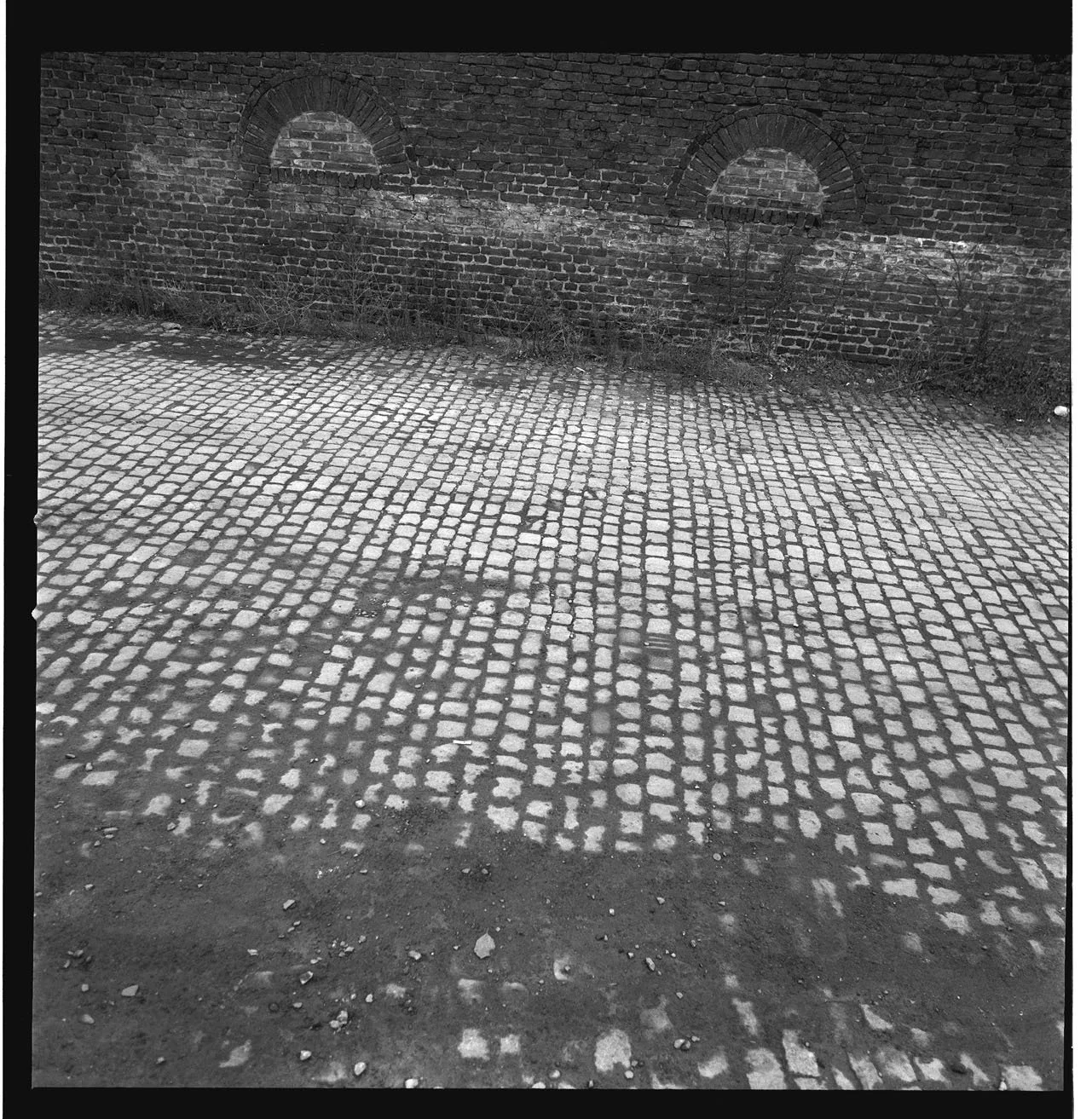
Setting up these multivision walls proved to be something of a puzzle for Düsseldorf-based photographer Ulrich Pracht. A single 6 × 6 slide had to be enlarged to cover the entire surface area of 3.75 × 3.75 meters (comprising five columns, each with five projection surfaces; the remaining section of the set was handled via a mirror-projection setup). After being enlarged, it was cut into 25 individual slides, which—when reassembled (or, more precisely, projected individually onto each of the 25 separate surfaces)—once again formed a complete image. Pracht had previously collaborated with Günther Hassert during their time with the Les Humphries Singers. He is renowned as a fashion photographer; readers of Twen and Vogue are familiar with his images. "I have a penchant for the beautiful," he says; "I am interested in the visual representation of beautiful things." Pracht describes himself as a "photographer-graphic artist." Photographs, in his view, must be graphically conceived. One can extract graphic elements from a photograph and then, utilizing technology, multiply them. The stage design for the Rebroff Show was not his first foray into working with a multi-vision projection system. He speaks of his efforts to convey a visual statement through the interplay of photo-graphics and film. …
Recently, images by Ulrich Pracht appeared for the first time in a Swiss photography journal—an annual publication that showcases the finest photographic works from around the globe. Pracht takes great pride in this achievement: "It serves as an inspiration for so much of my work." What does the competition have to say about this? Pracht enjoys a distinct advantage: he does not have to rely on a single pillar of support.
(Text, abridged: Wolfgang Darschin, Media Officer in the Program Directorate of ARD. 1972)
13.1
VIVA
A New Show Concept. Behind the Scenes.
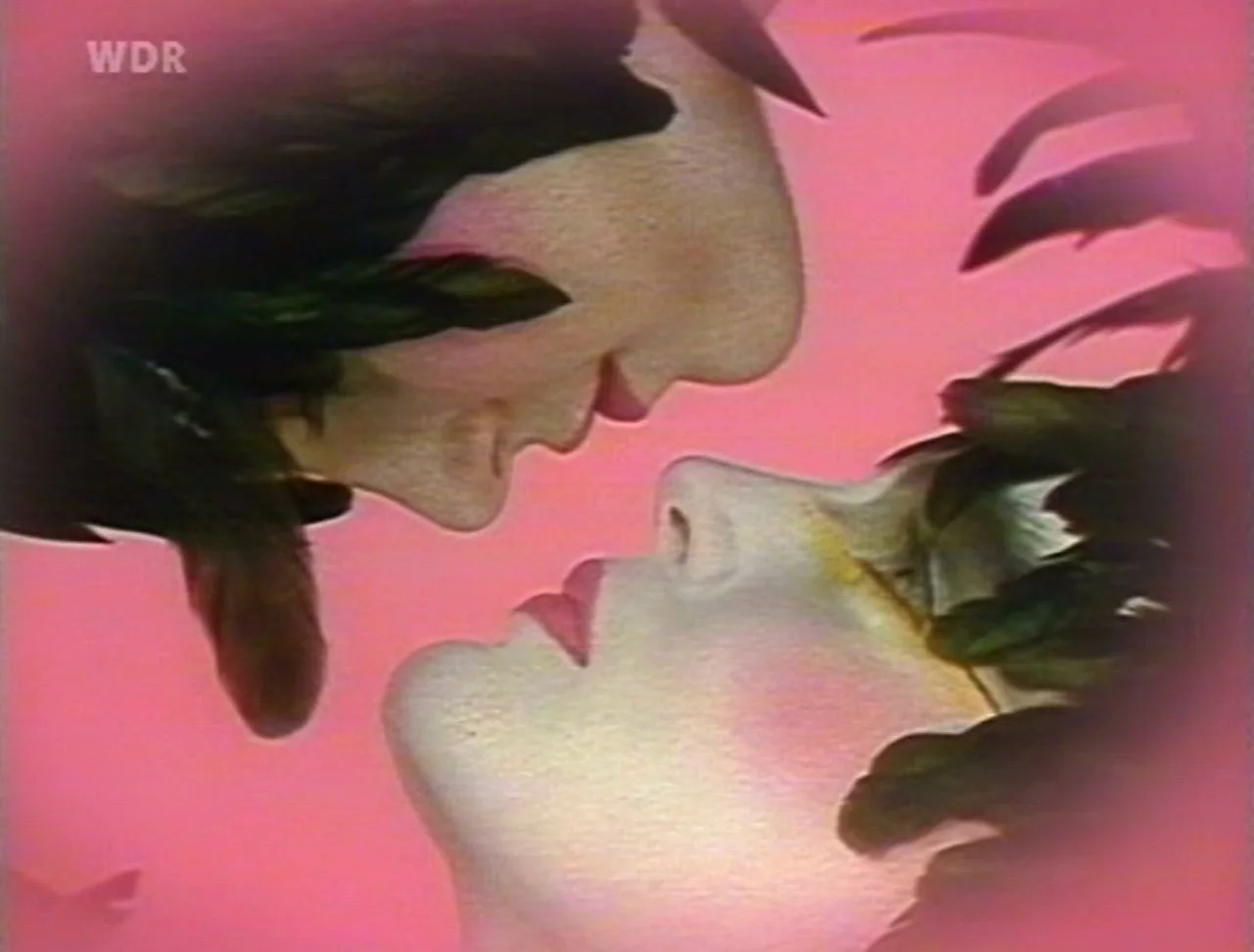
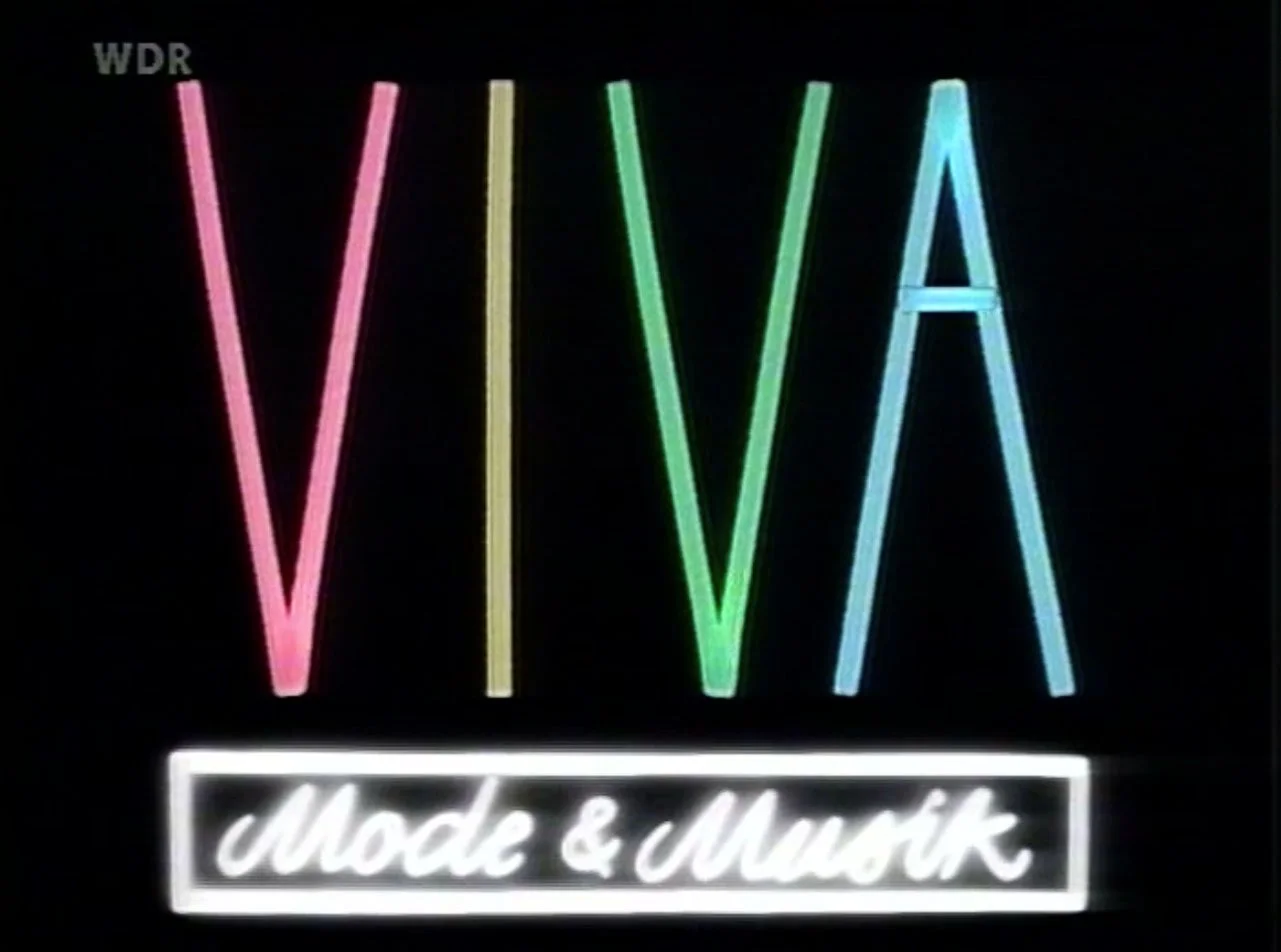
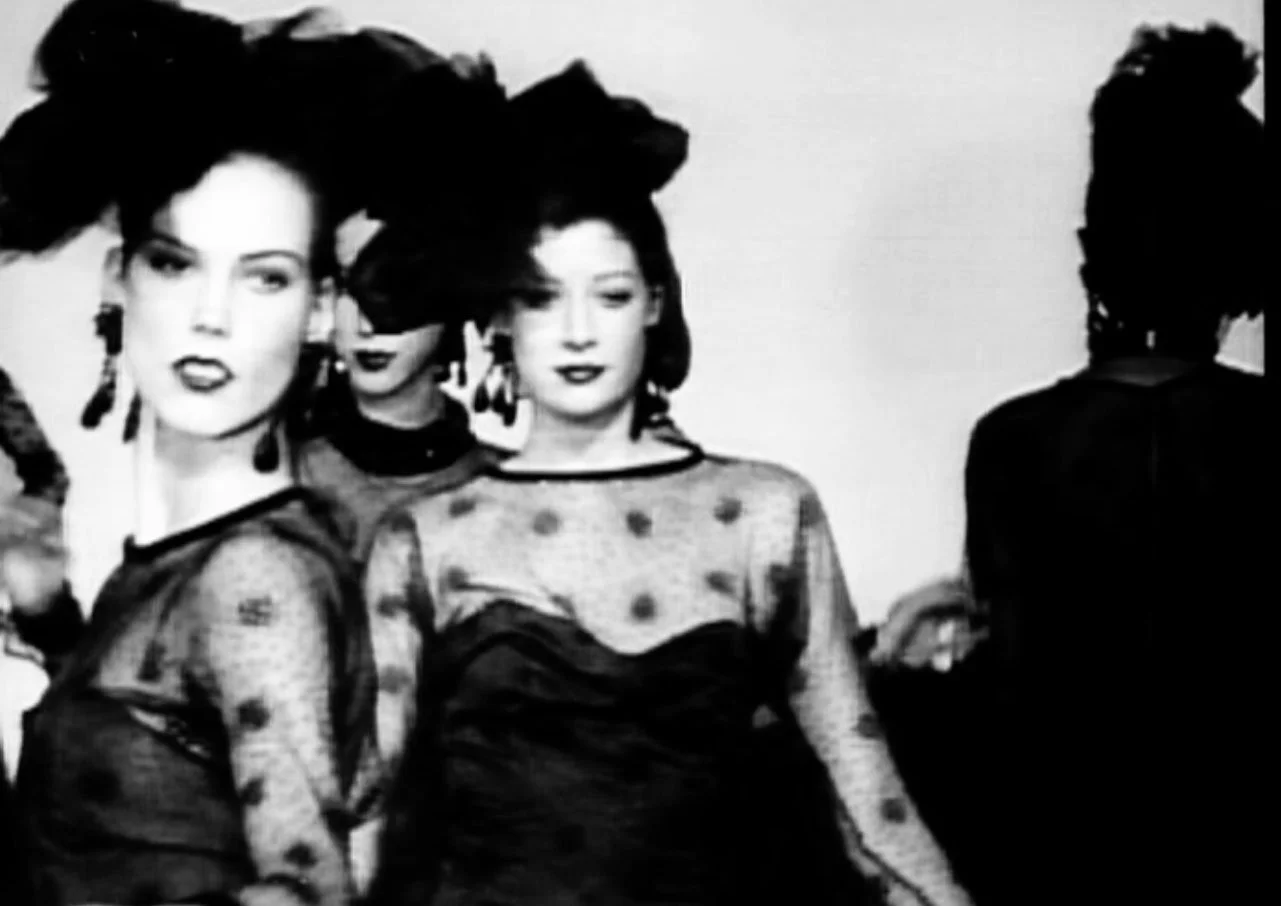
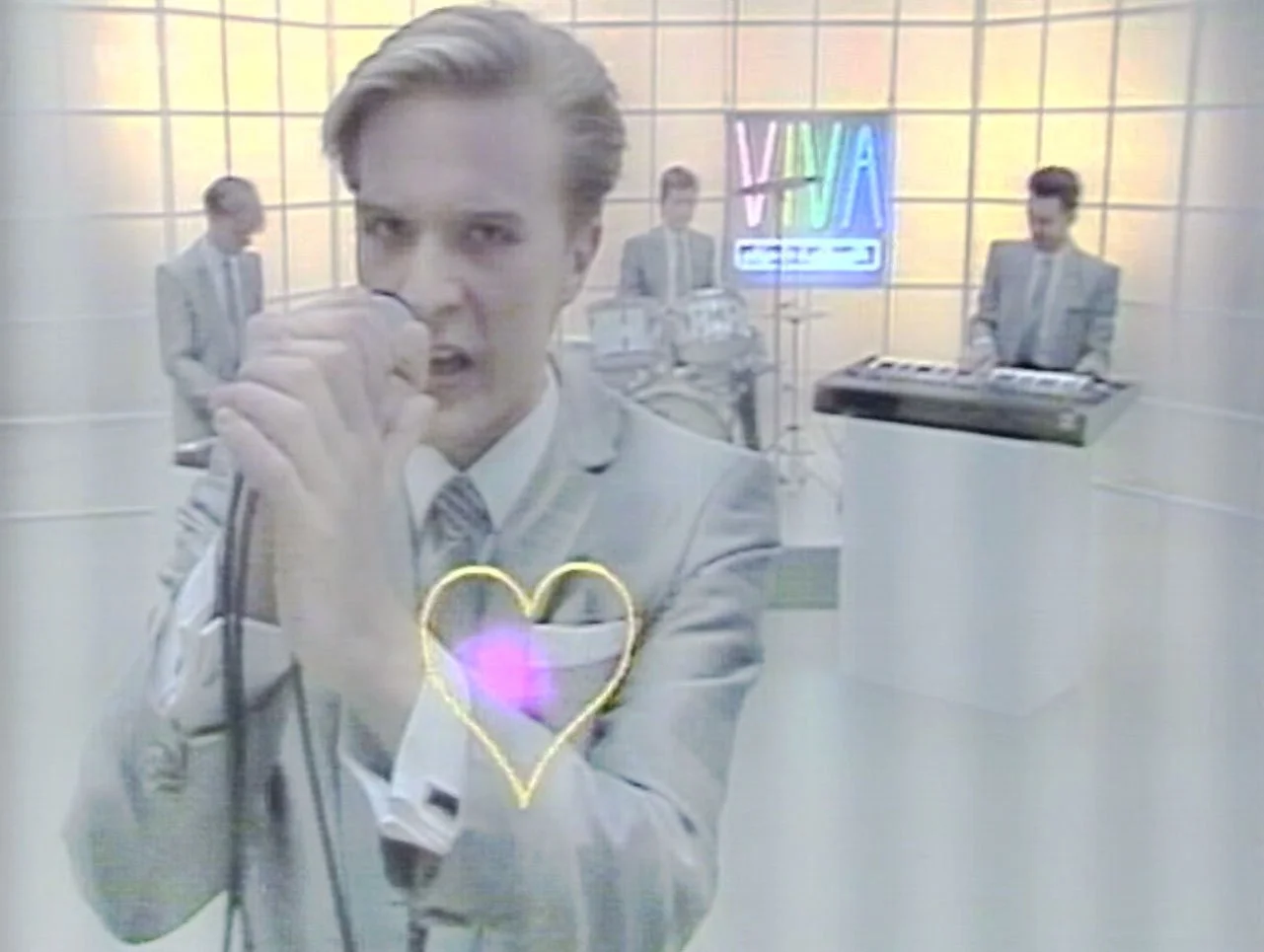
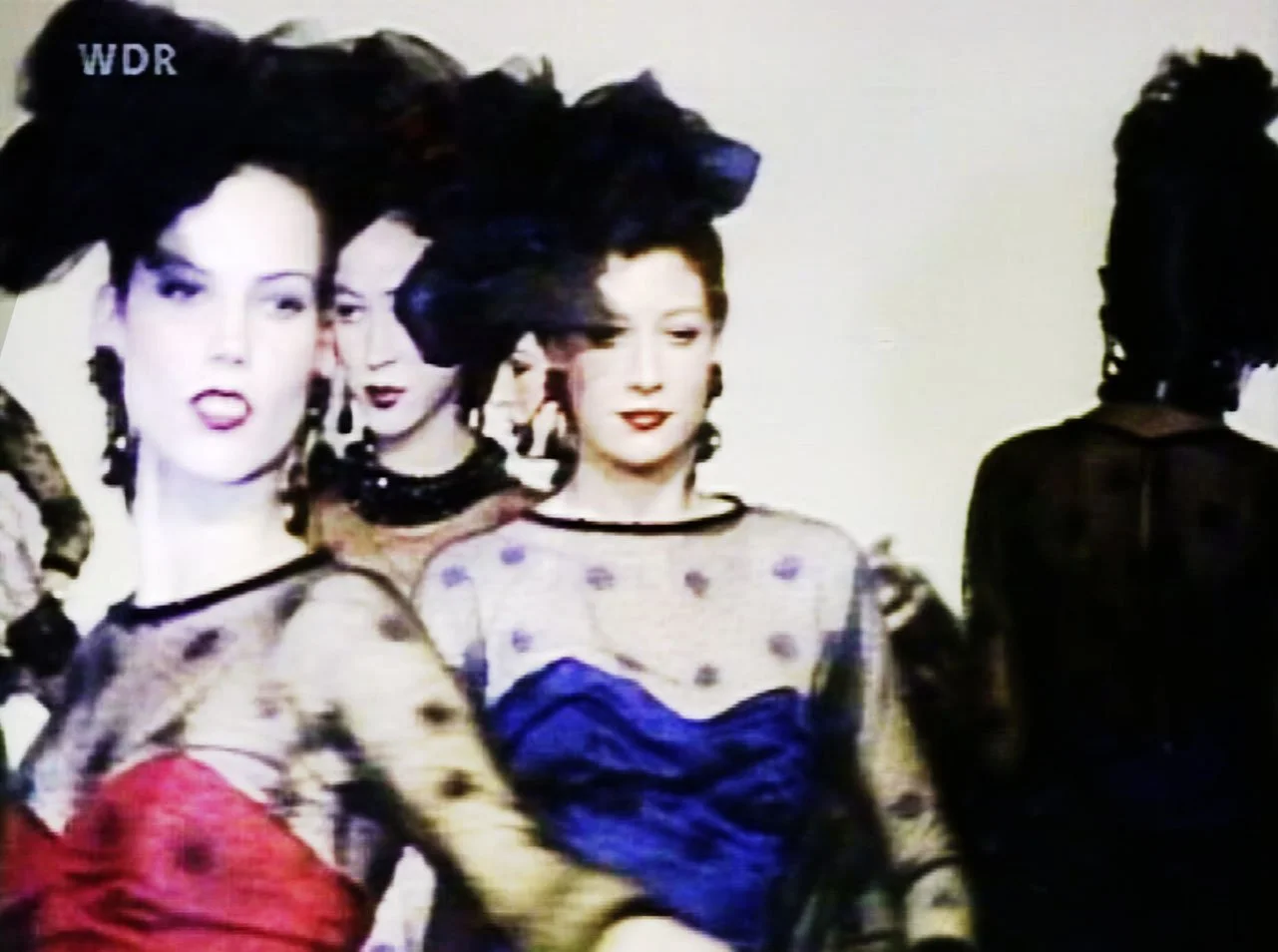
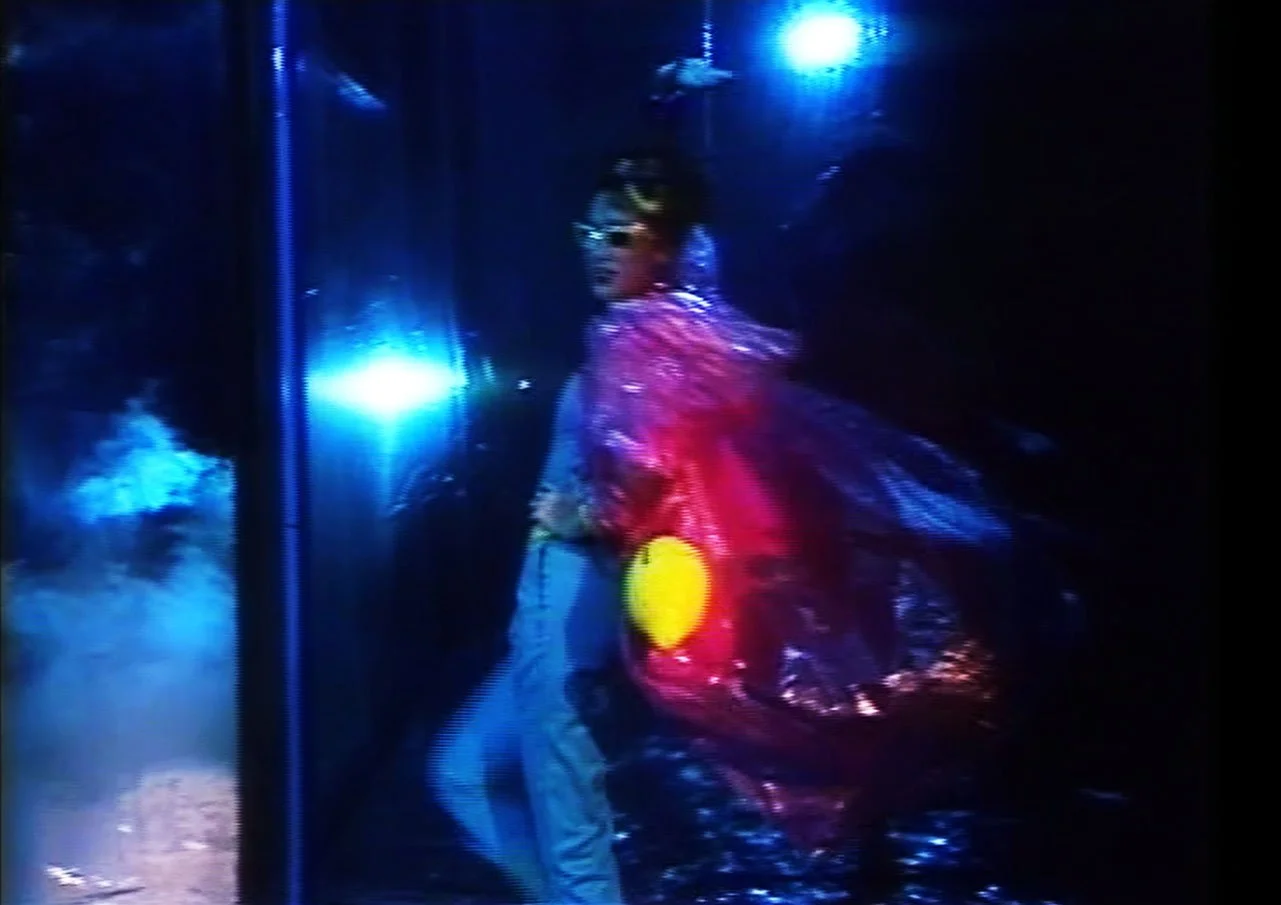
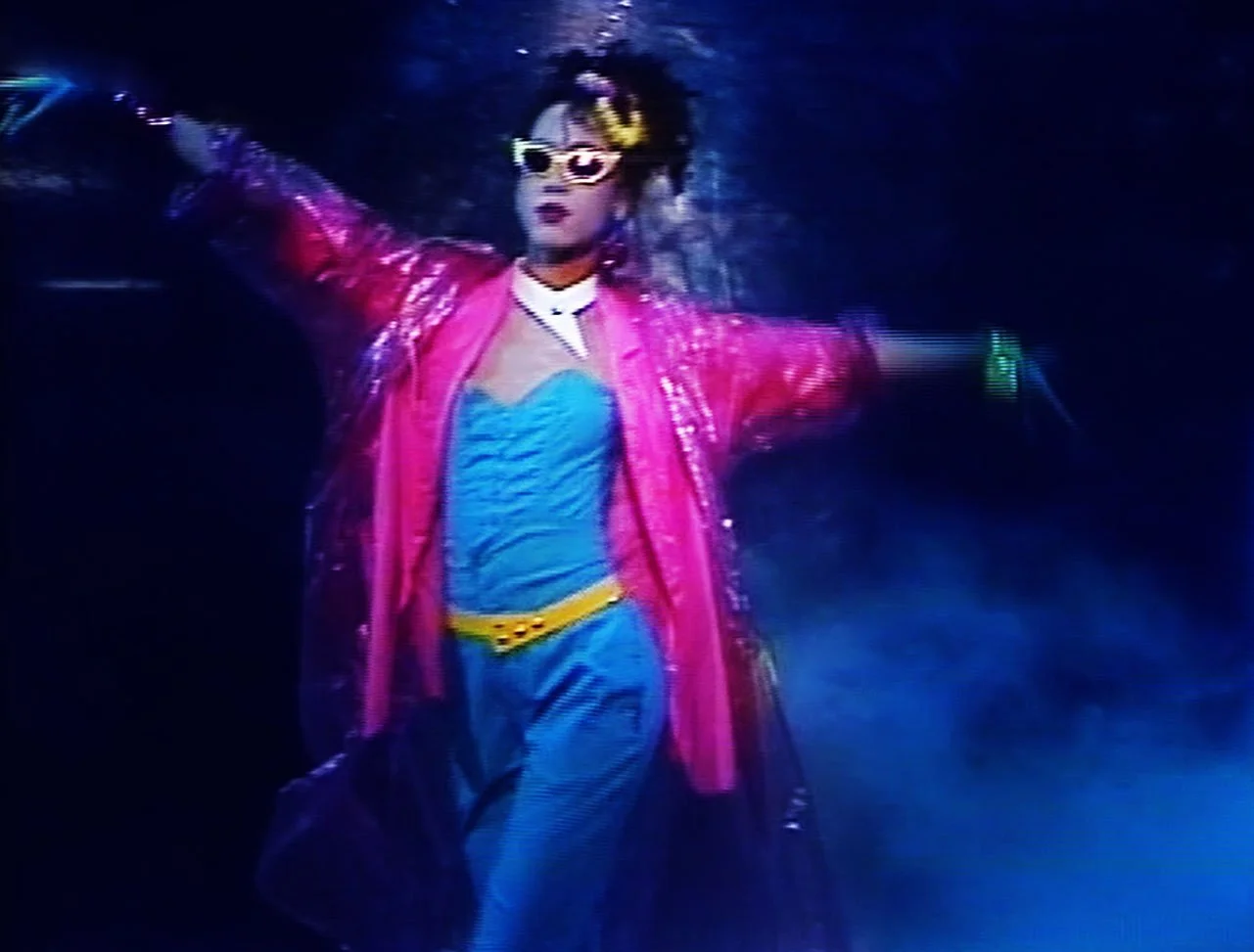
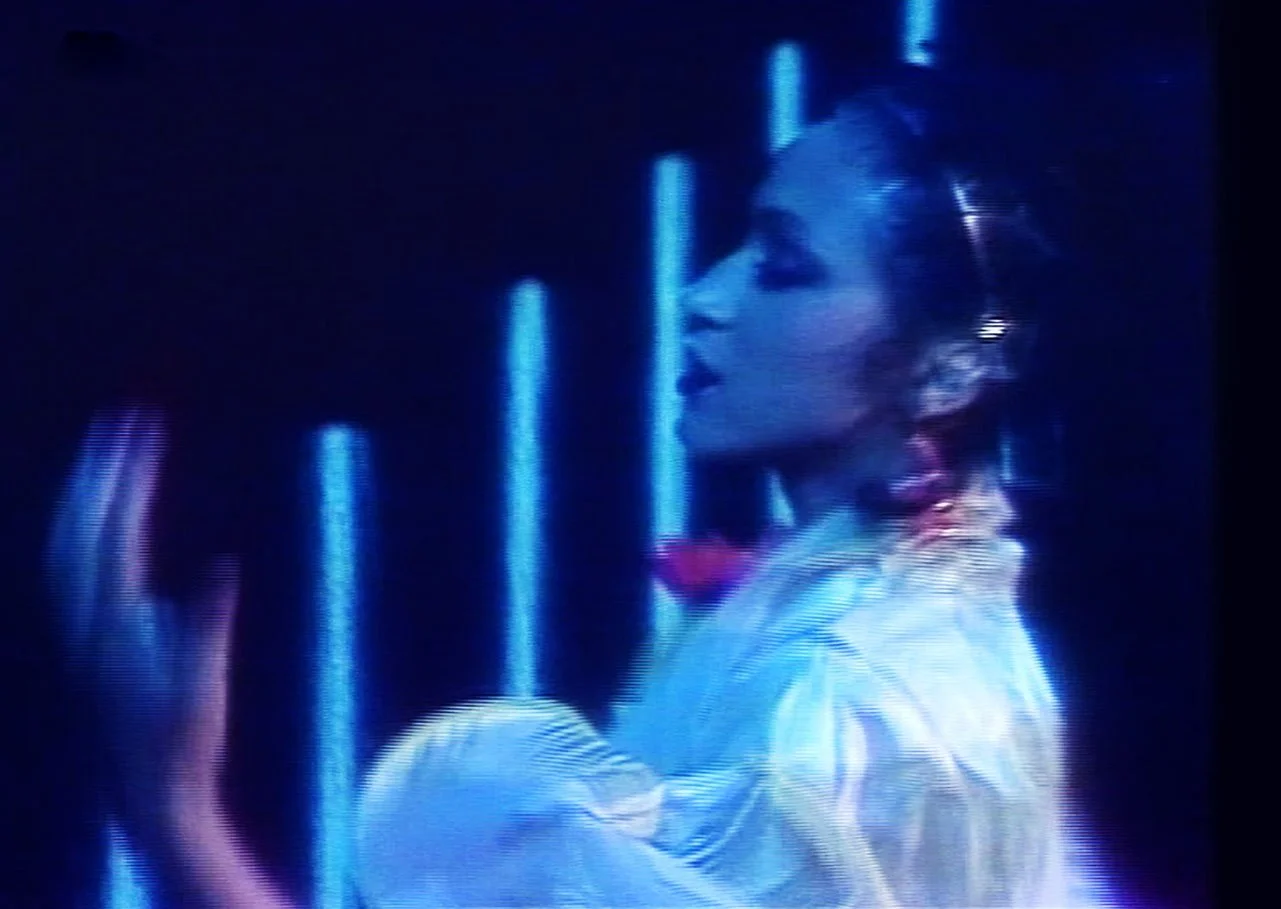
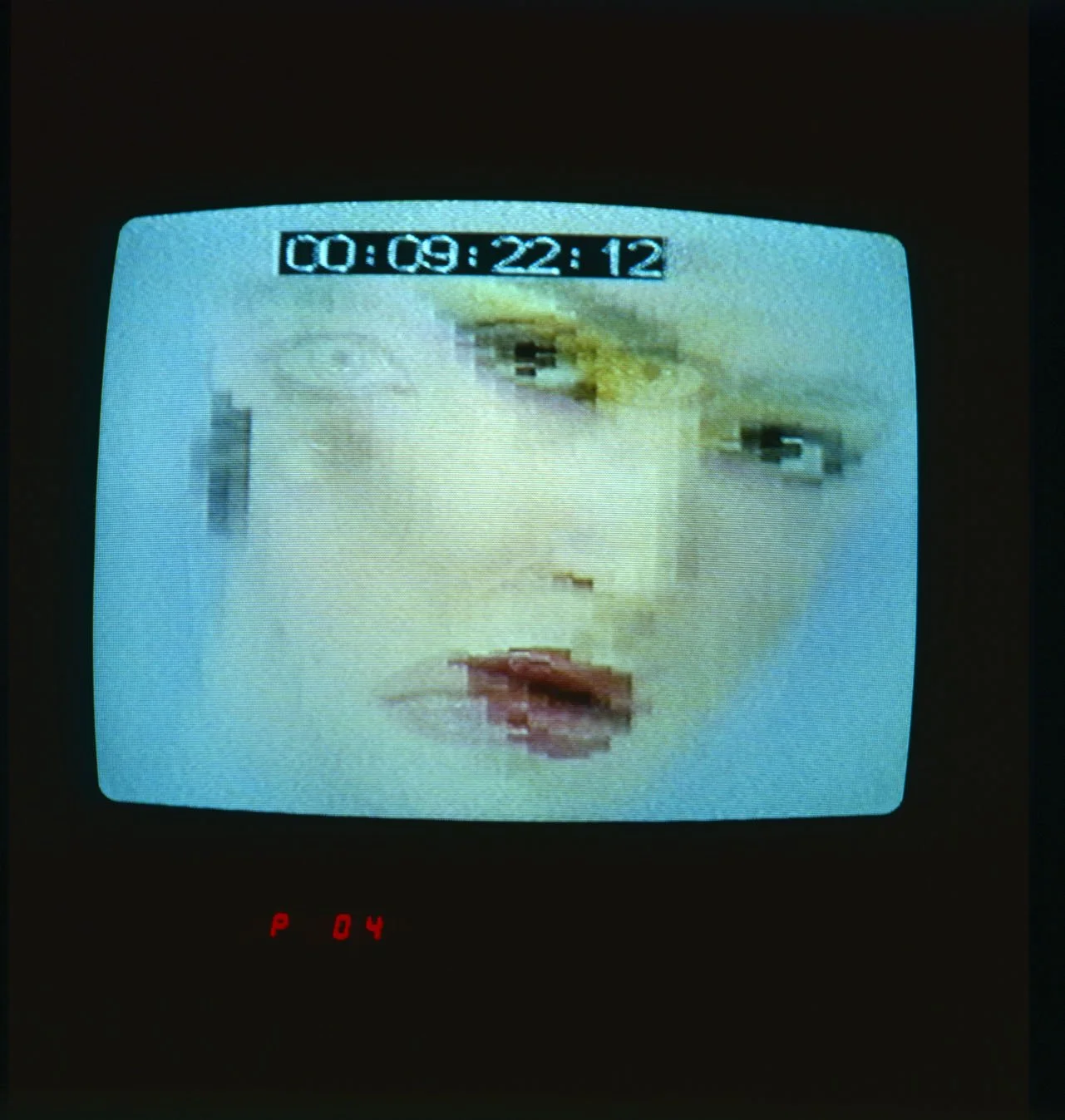
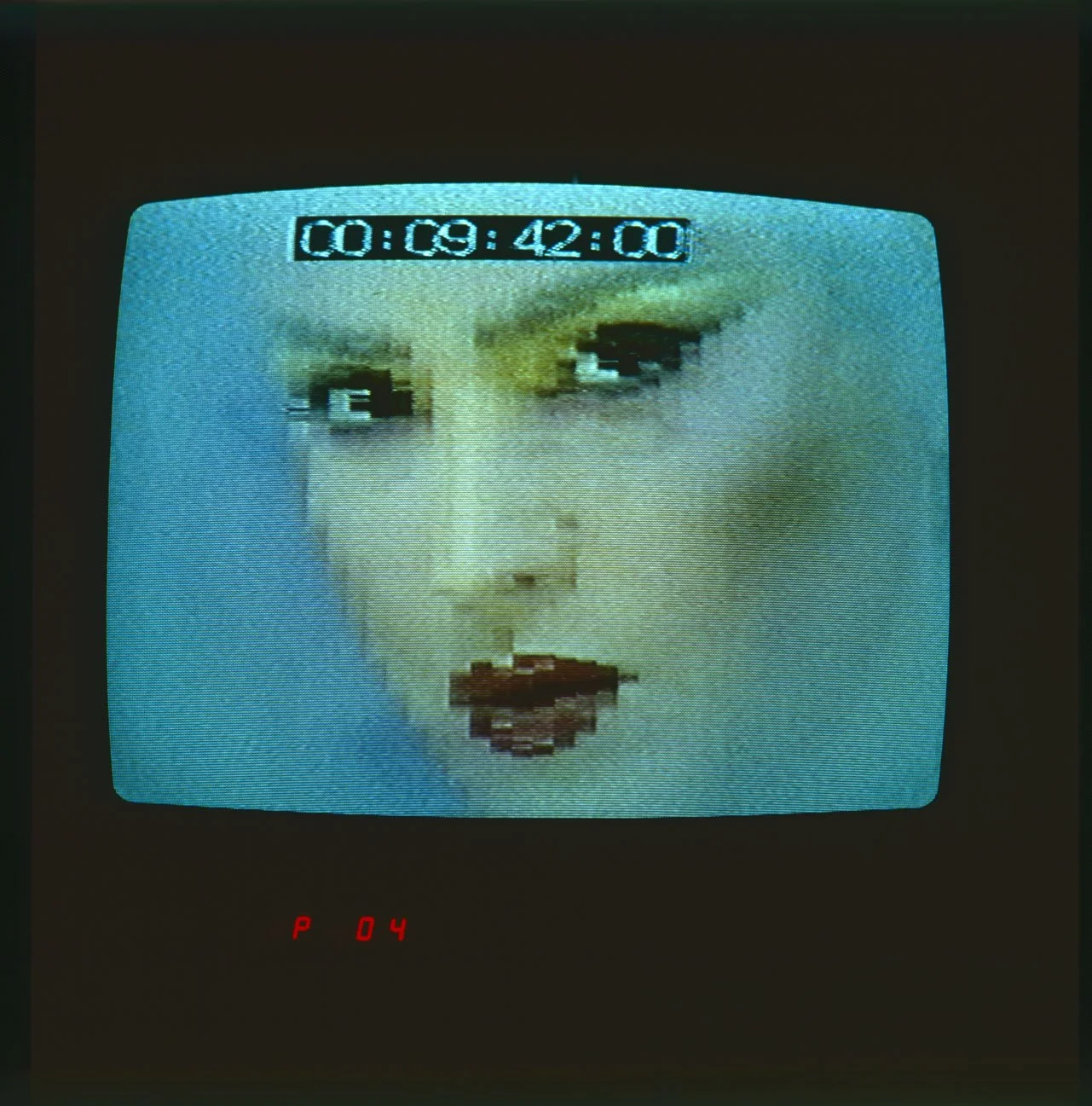
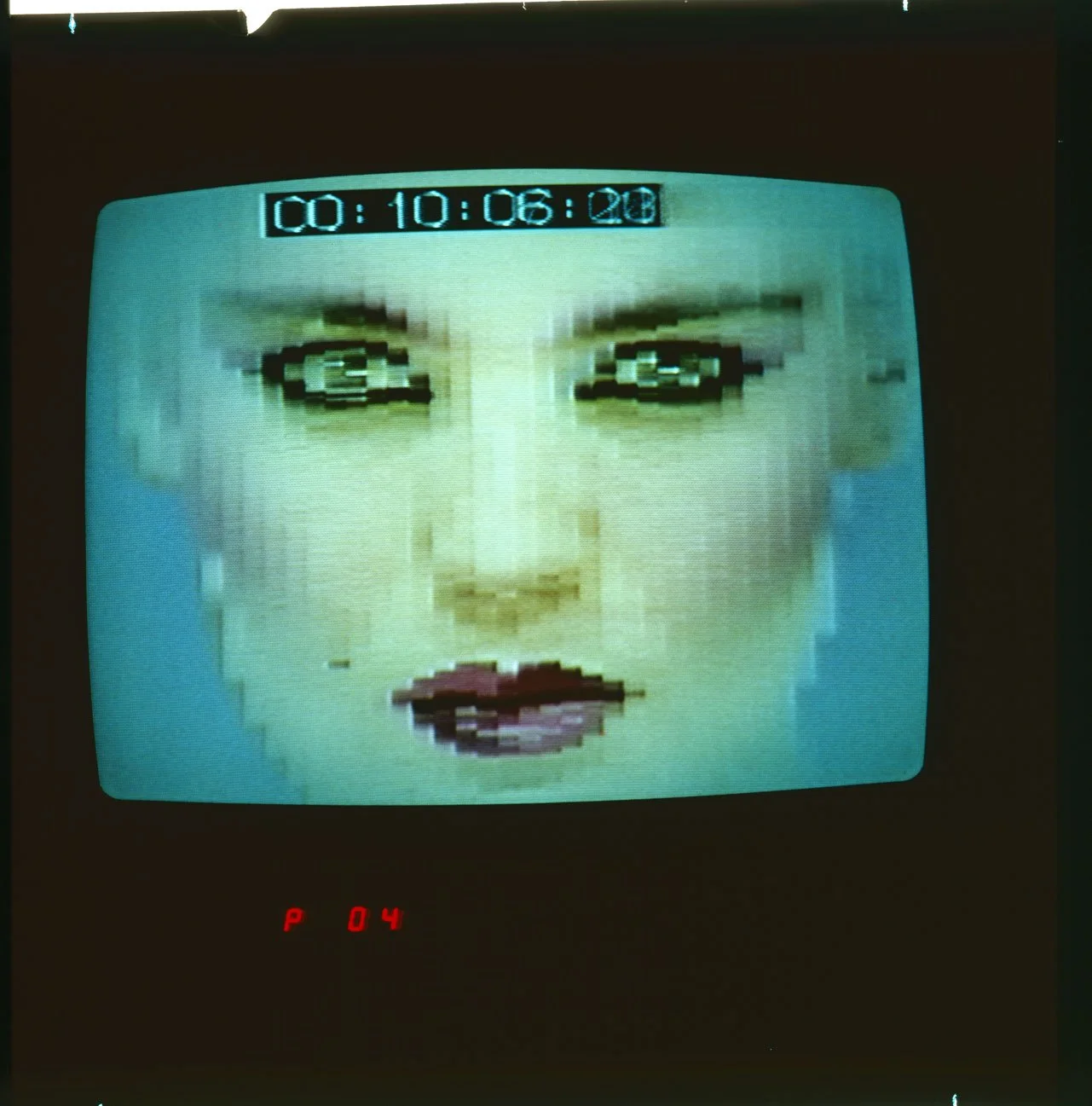
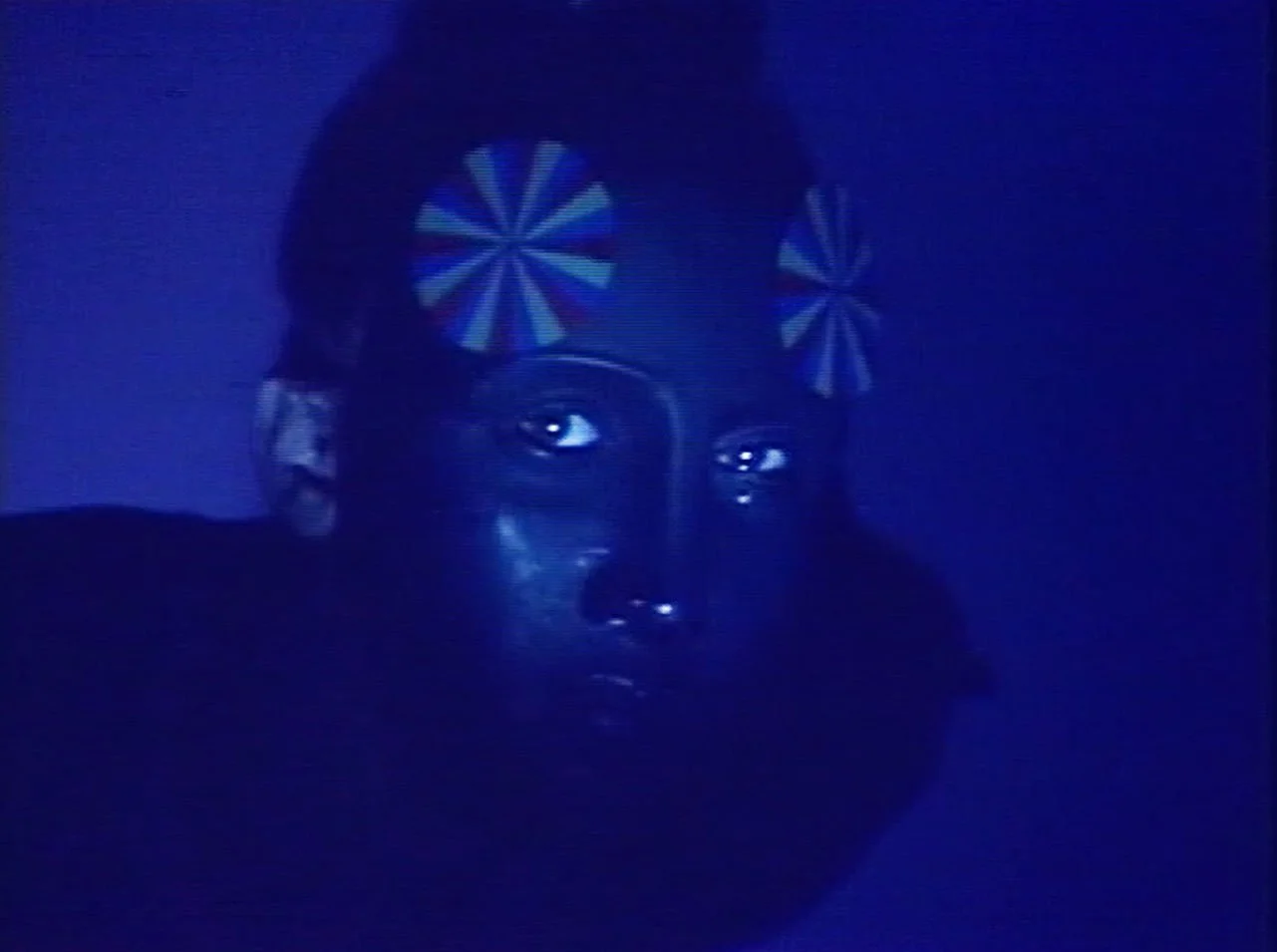
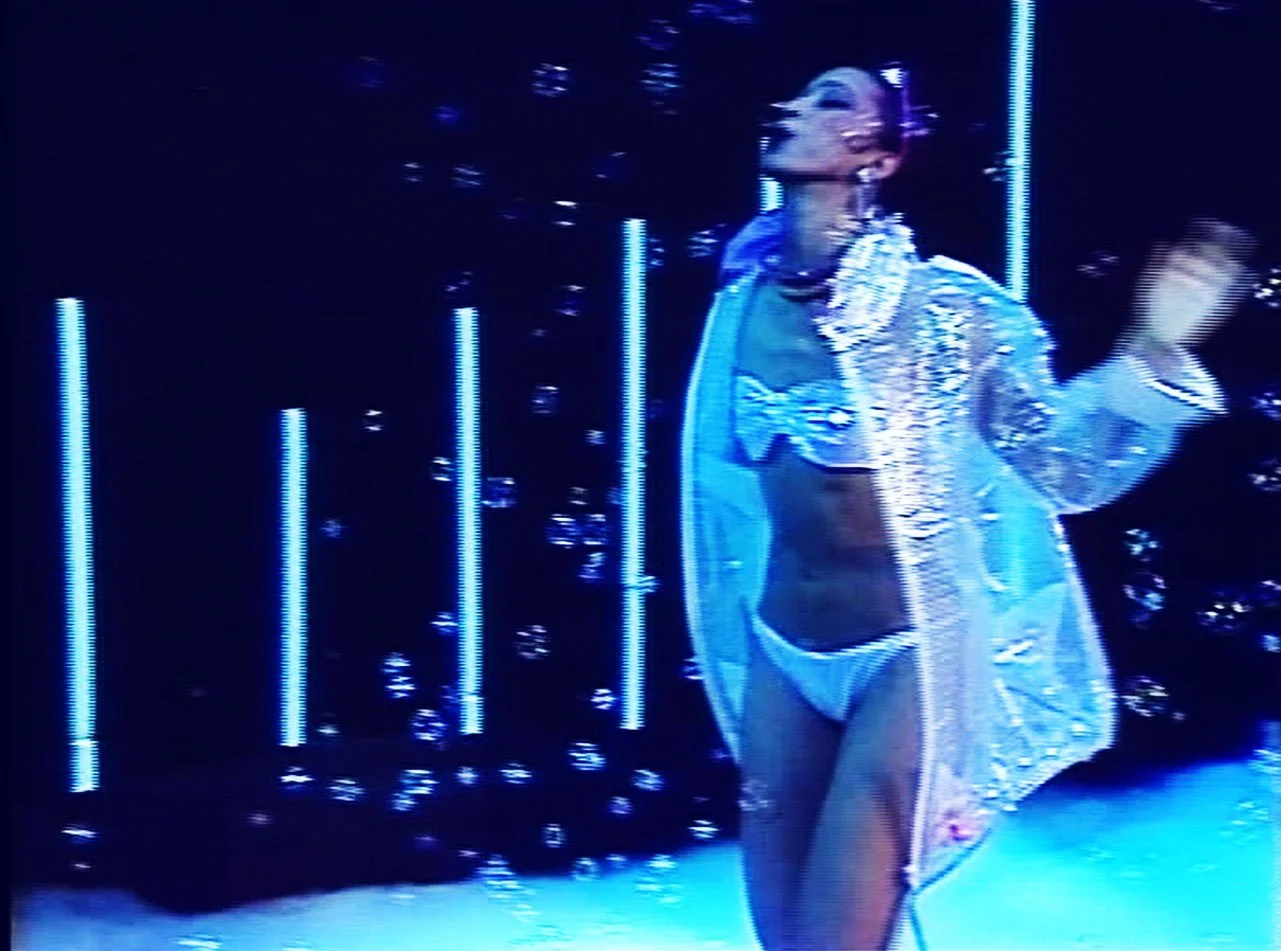
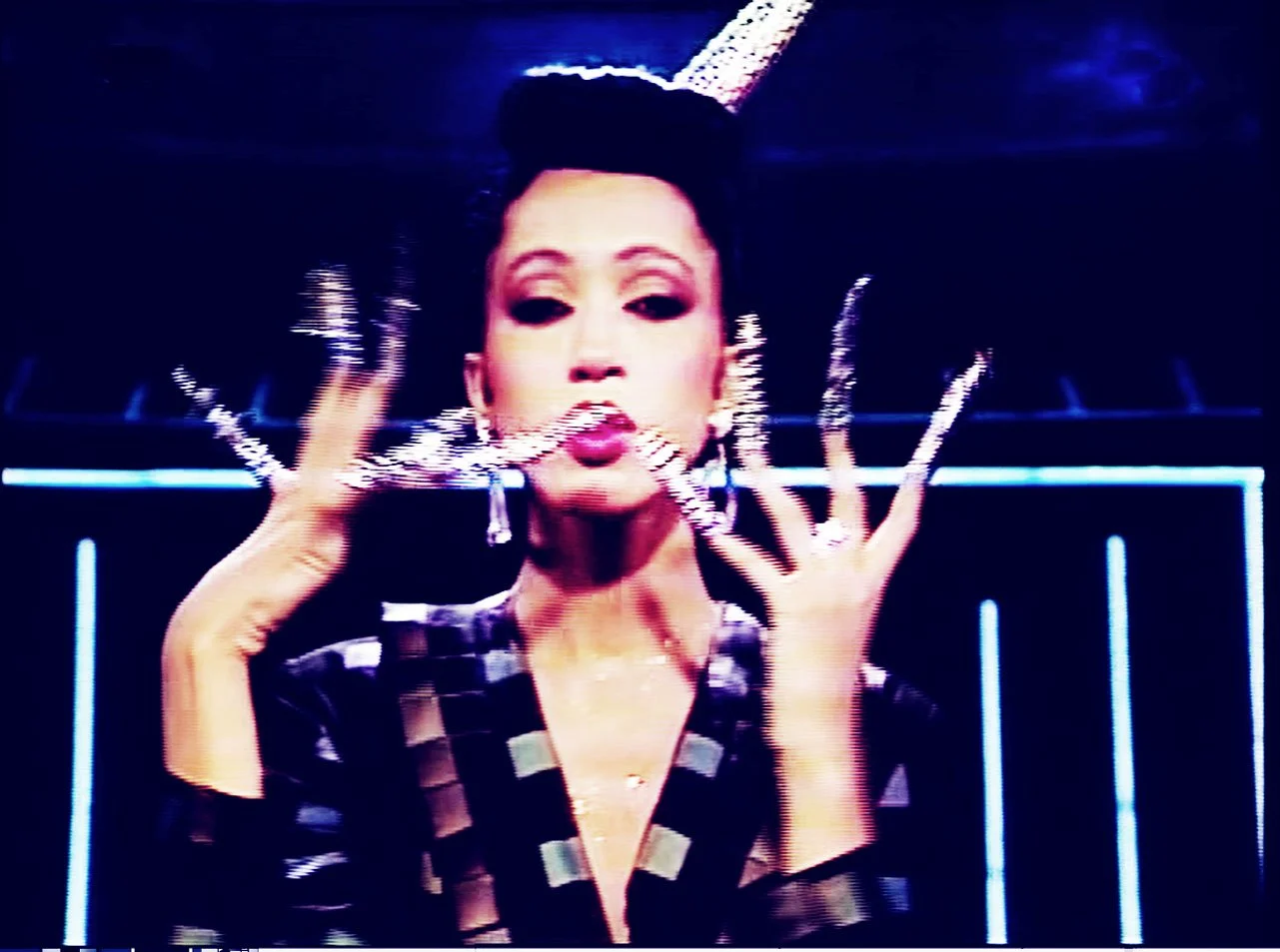
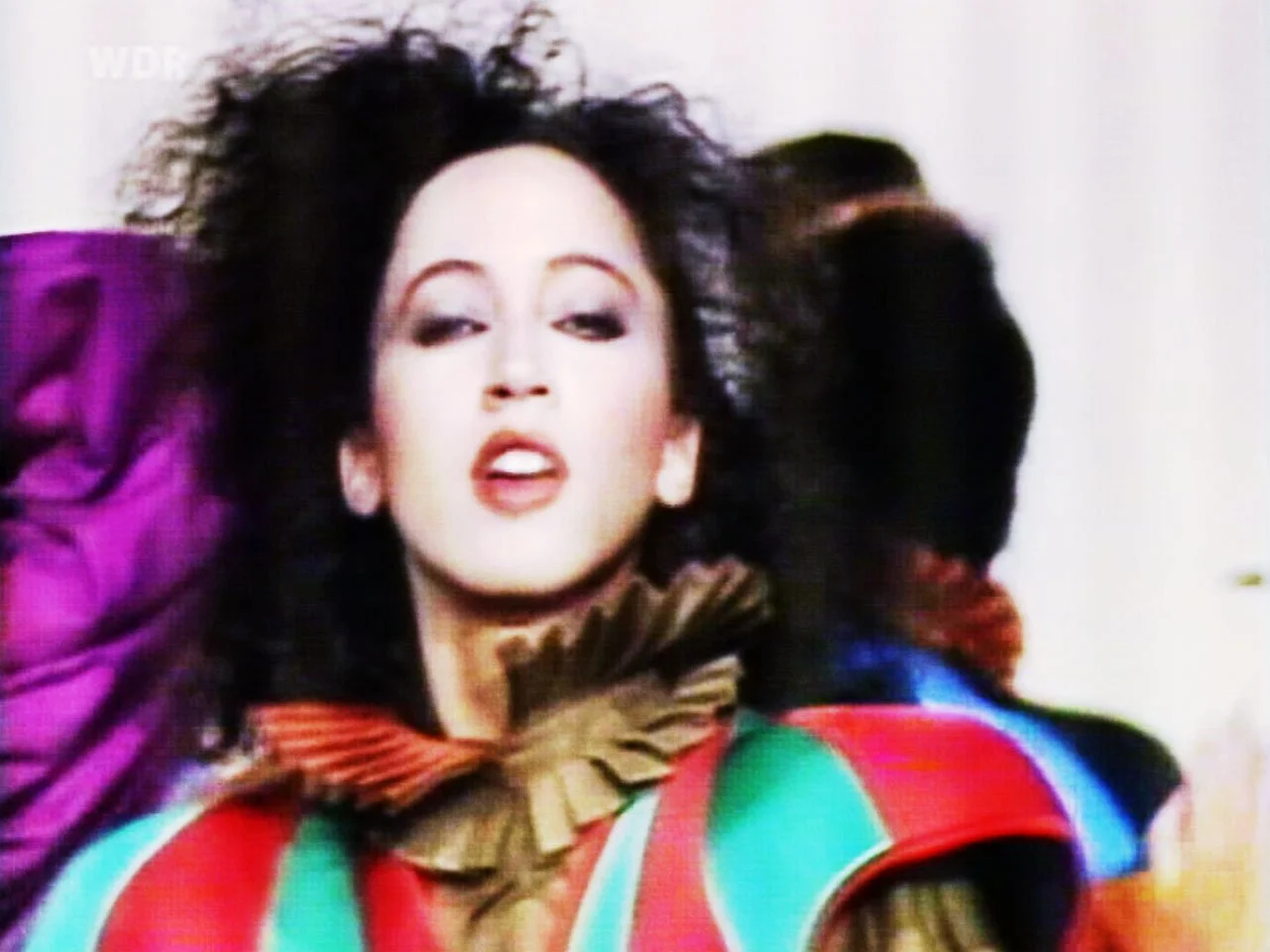
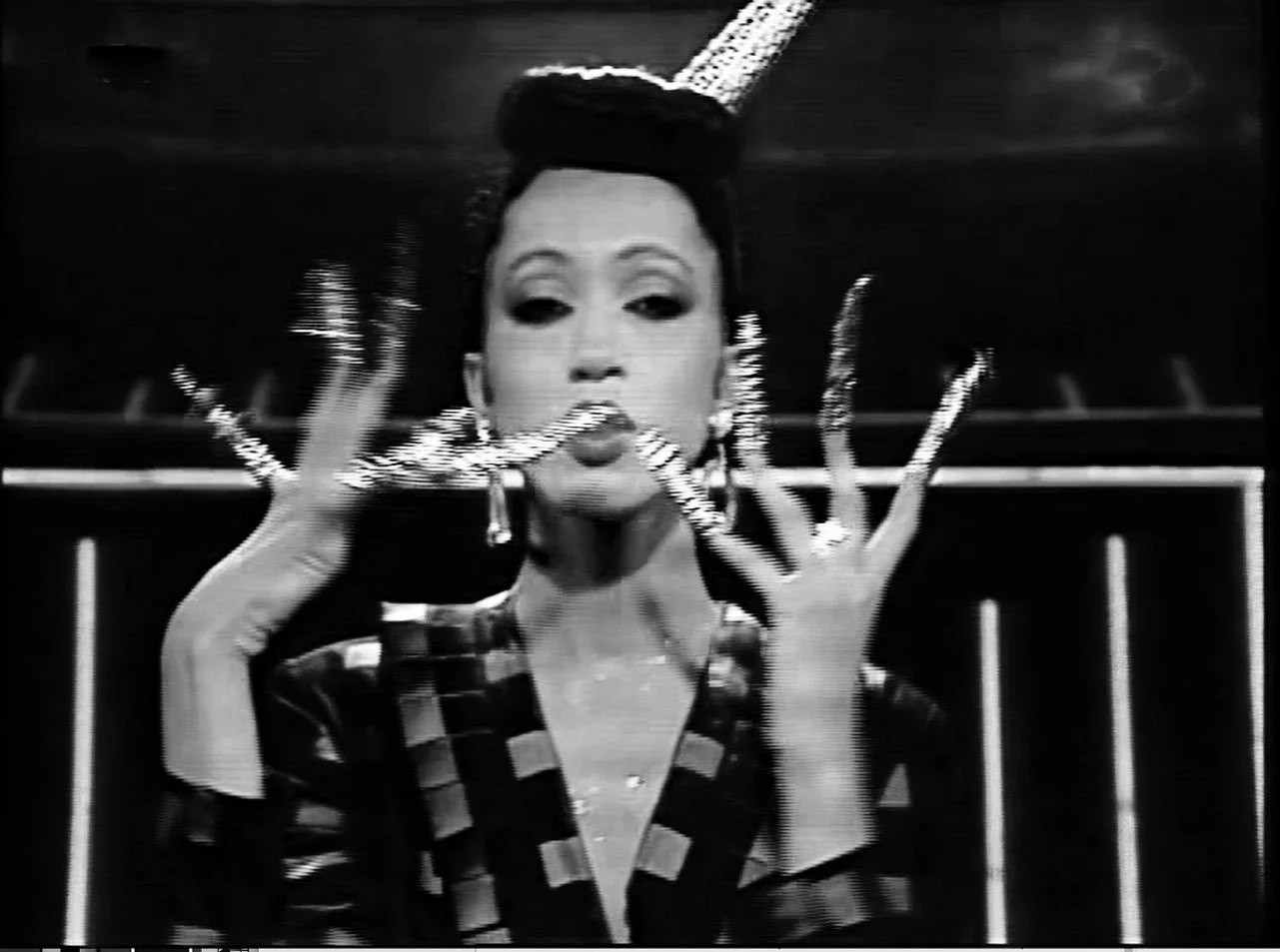
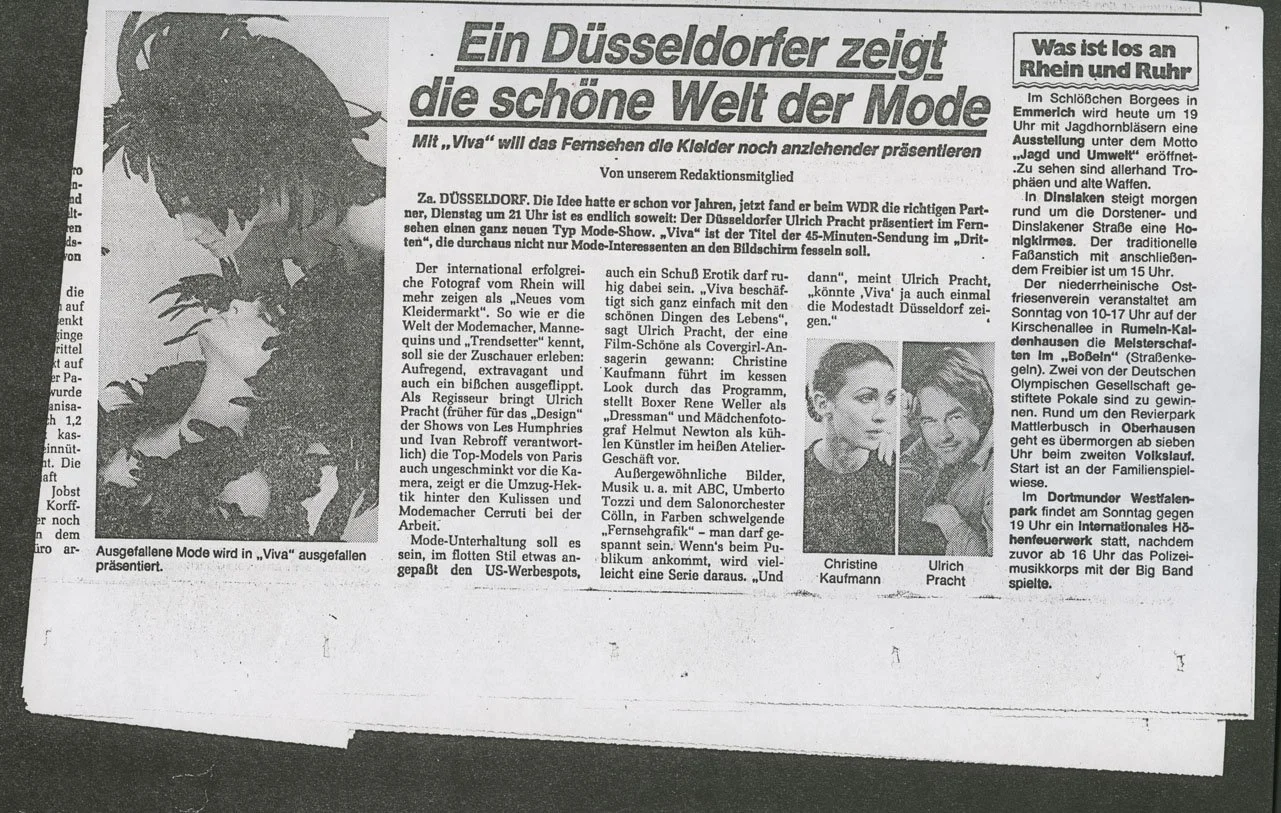
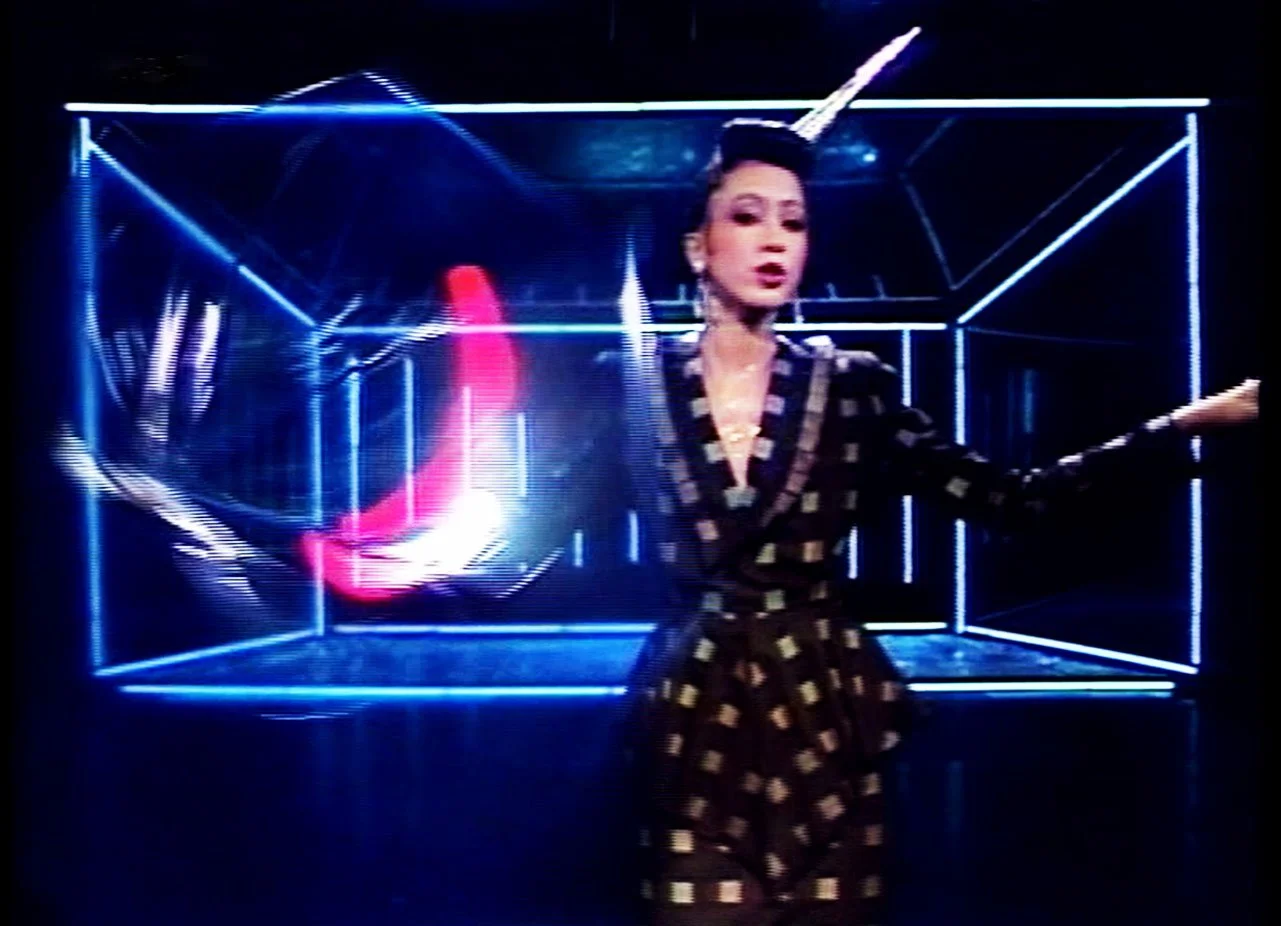
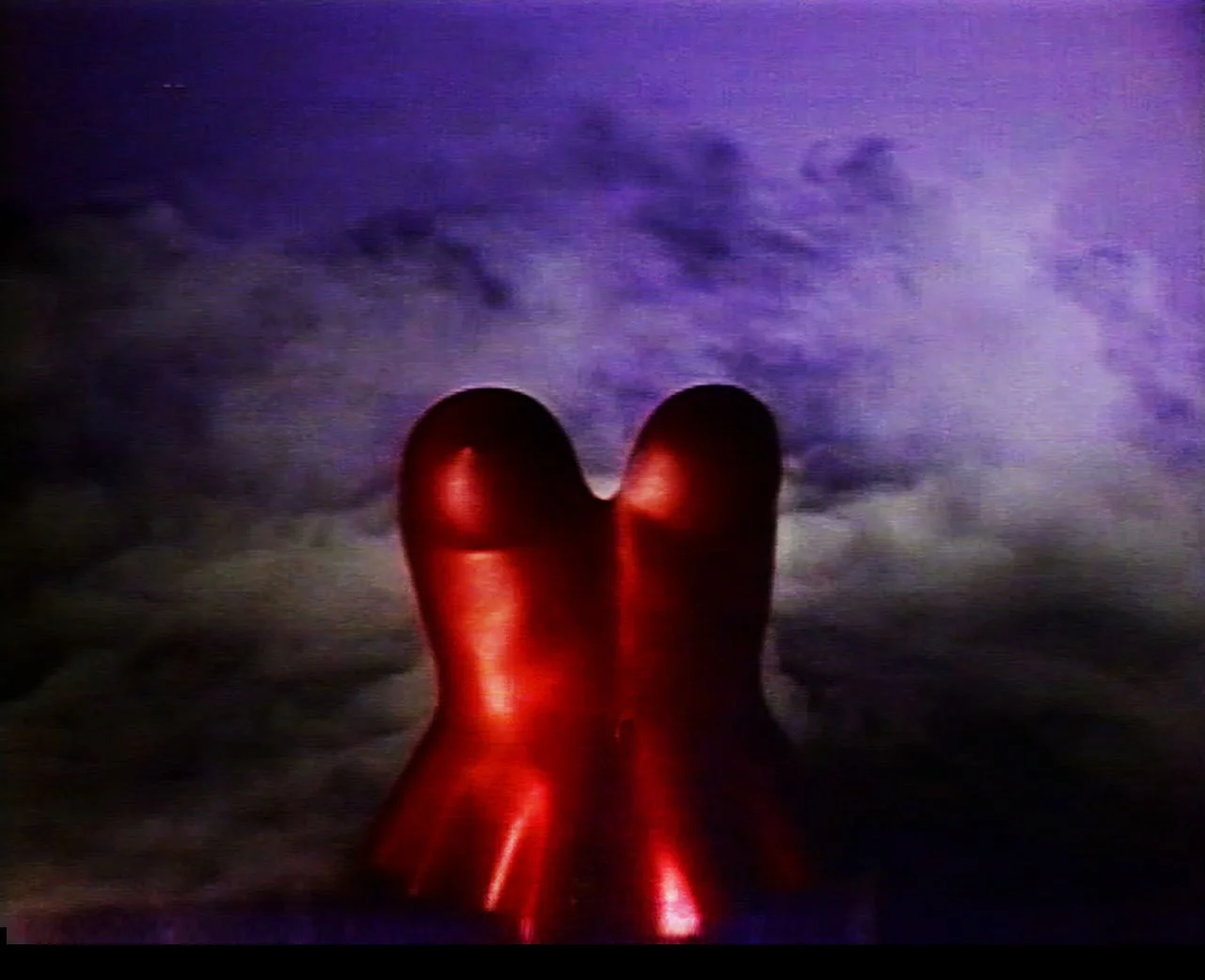
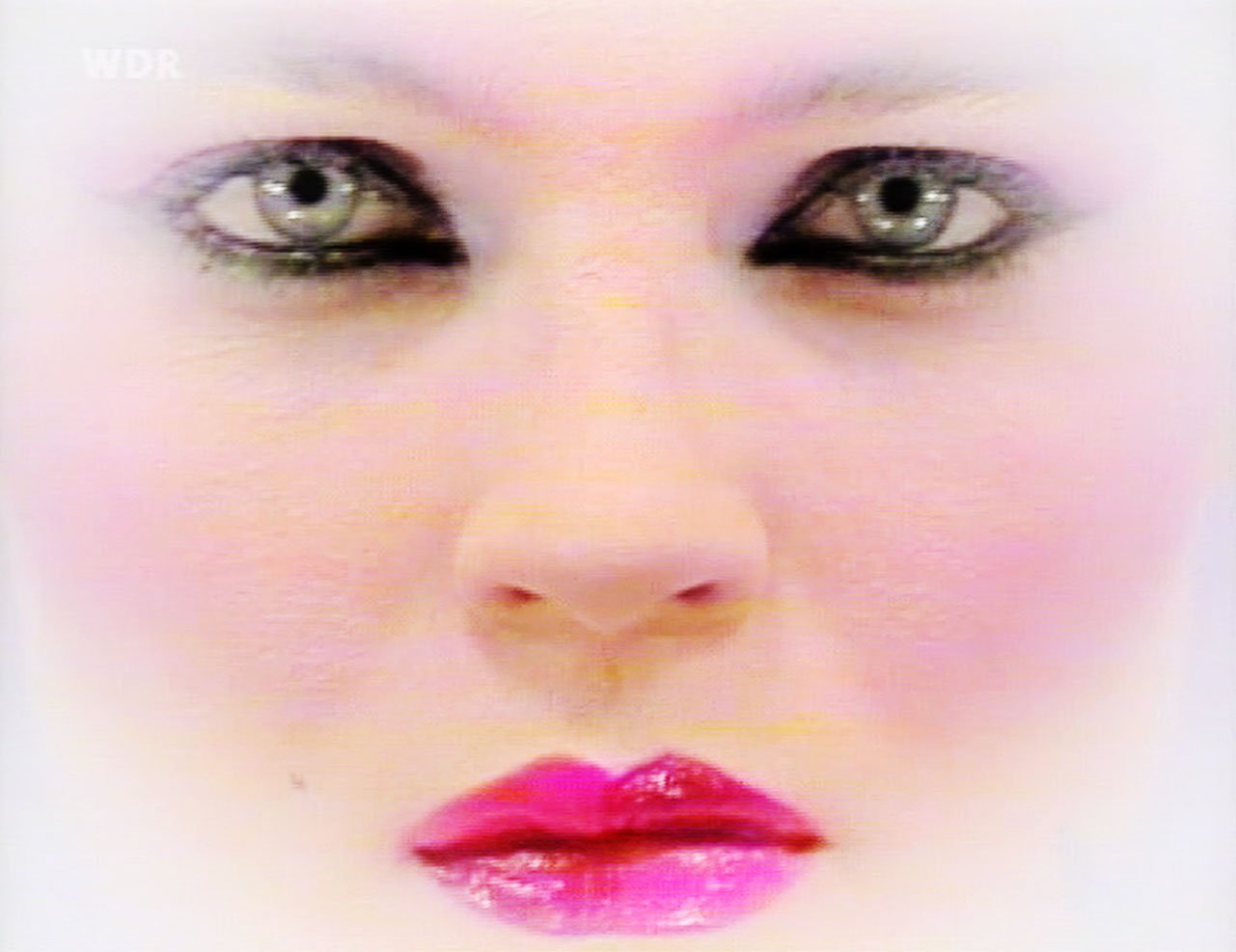
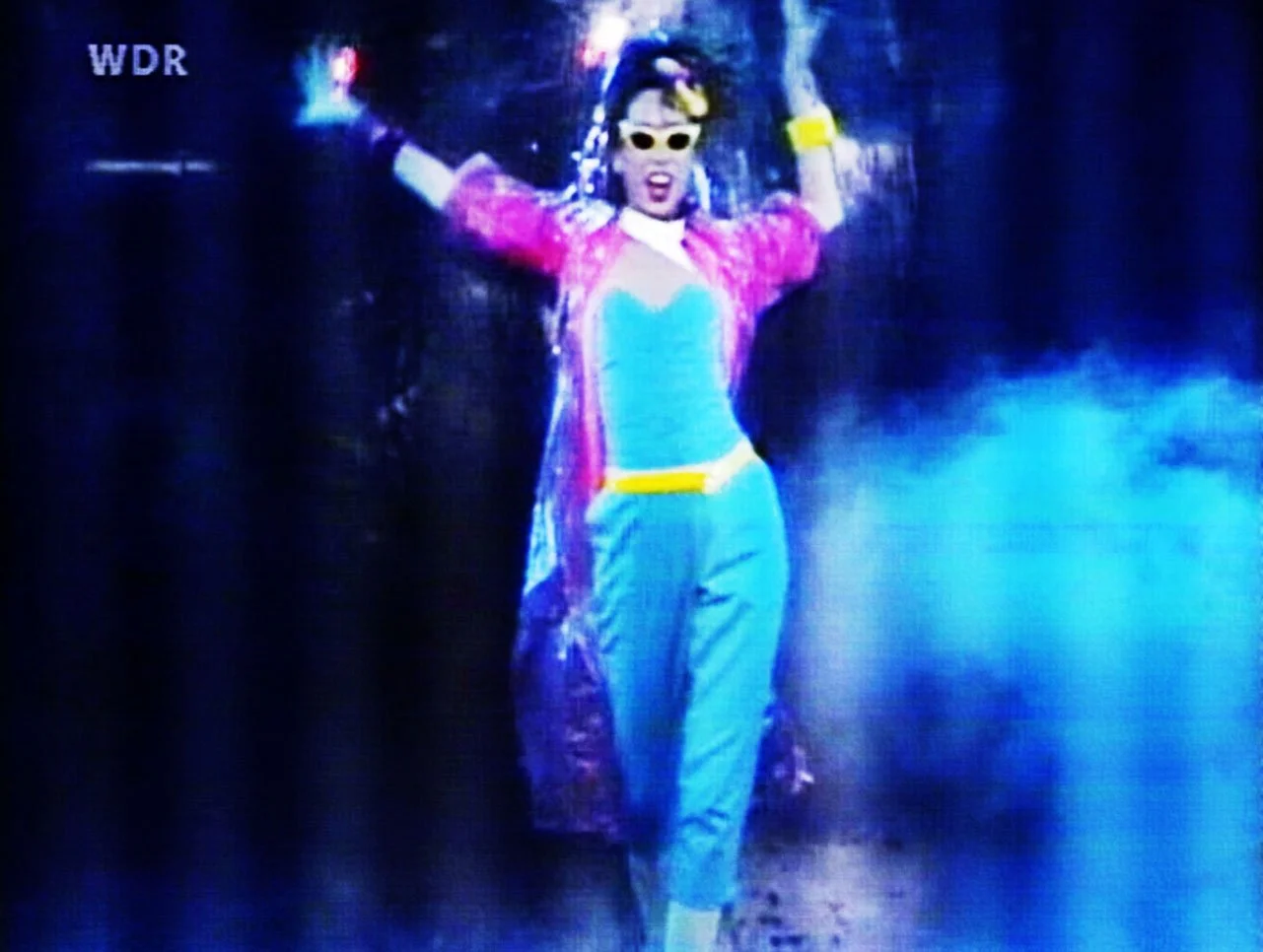
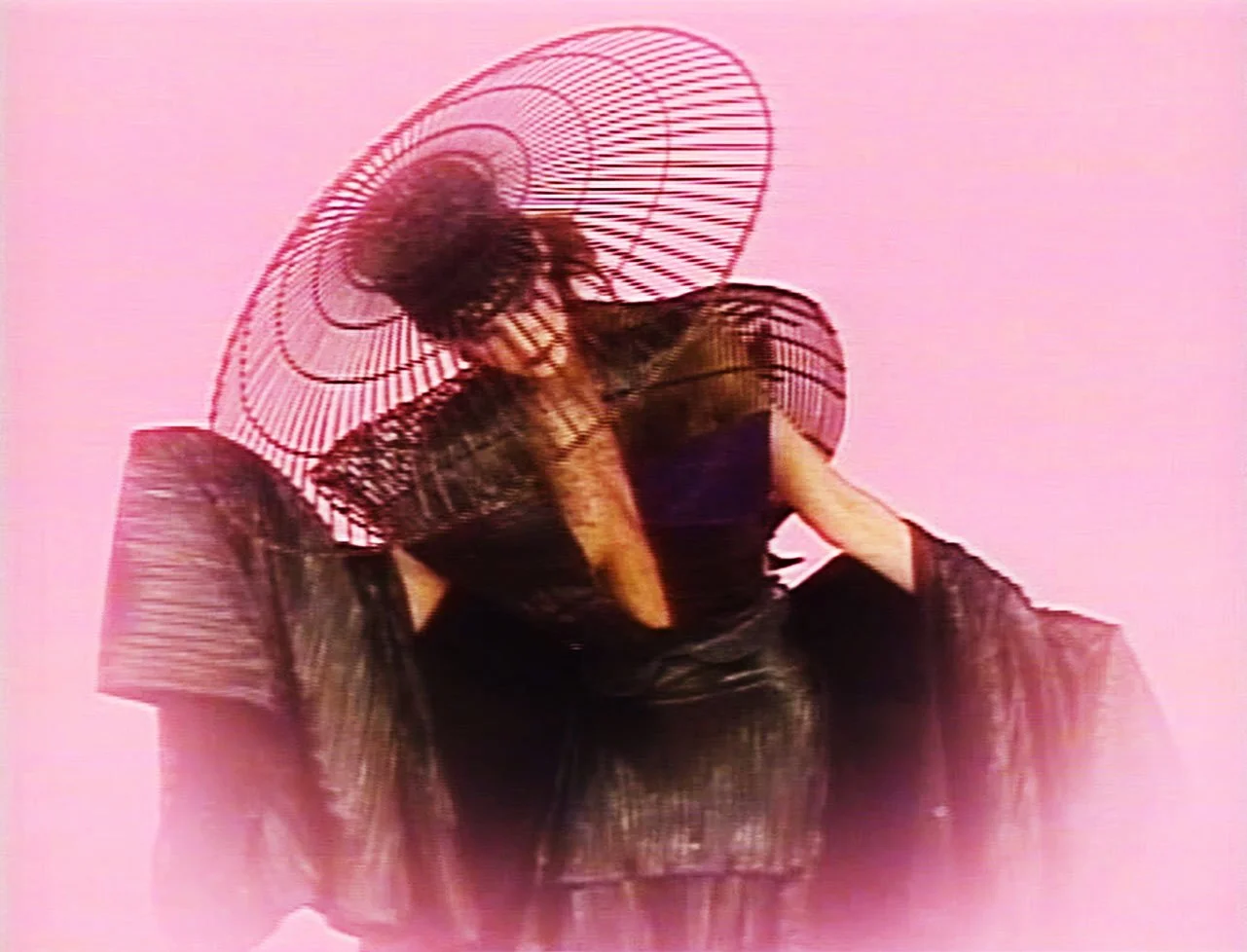
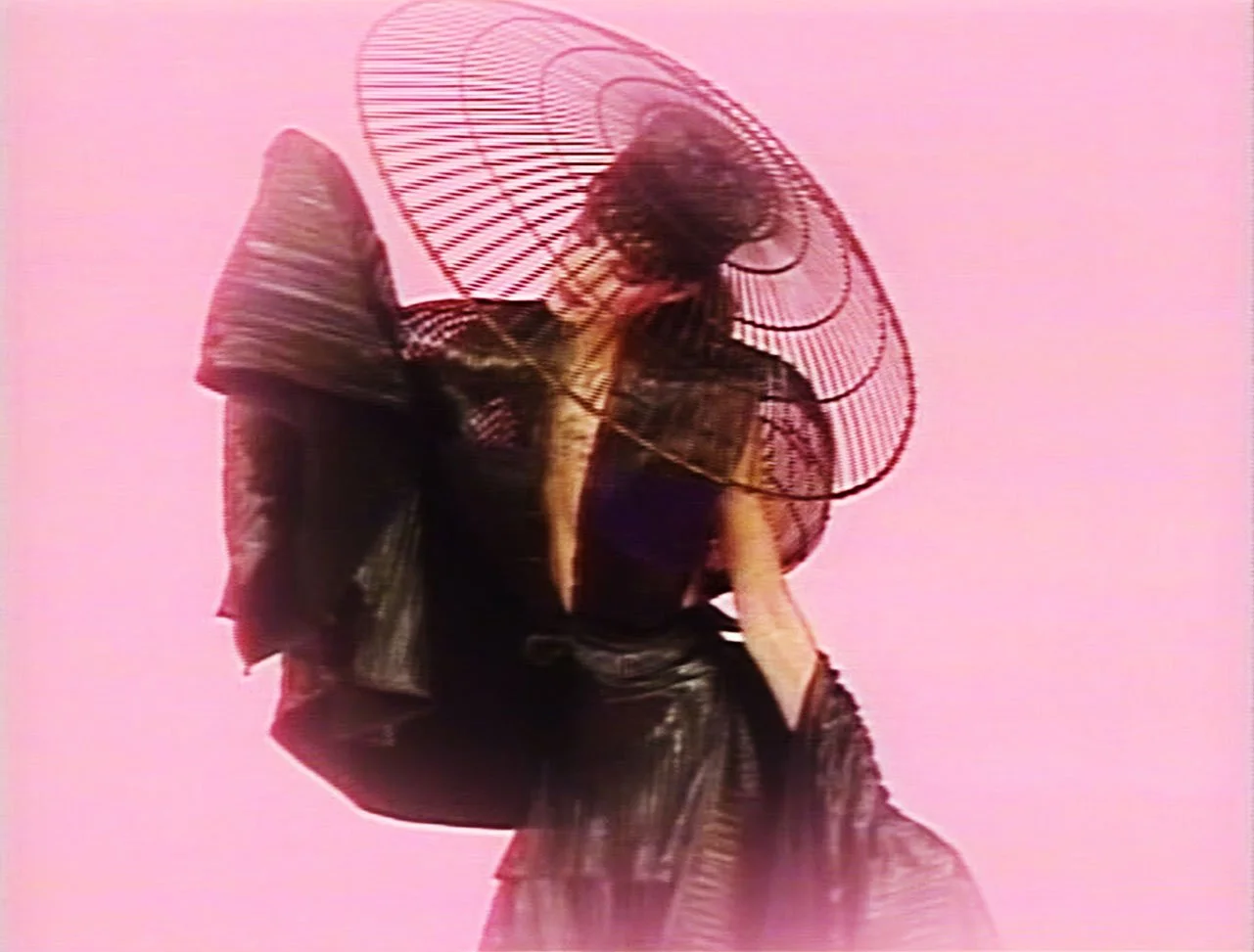
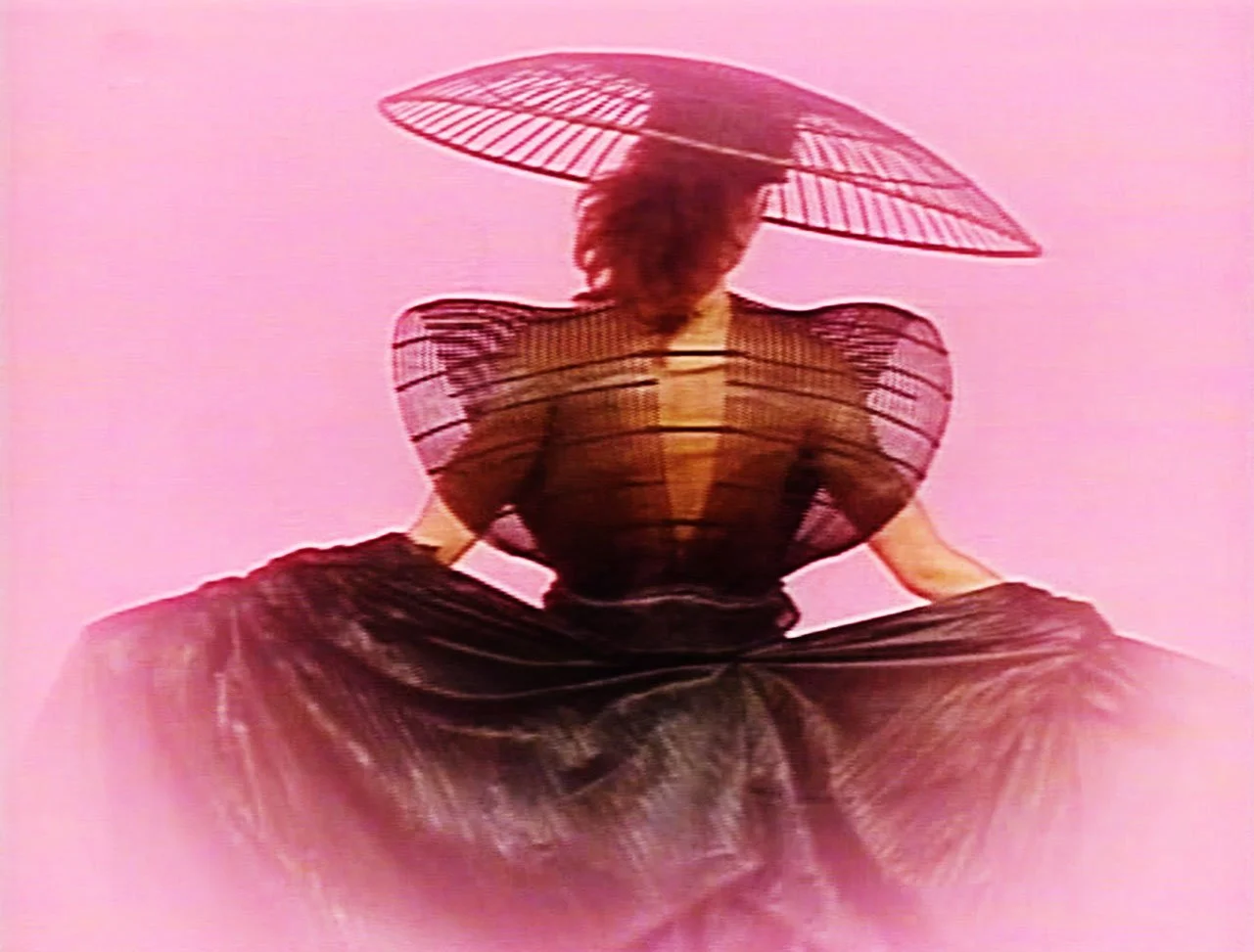
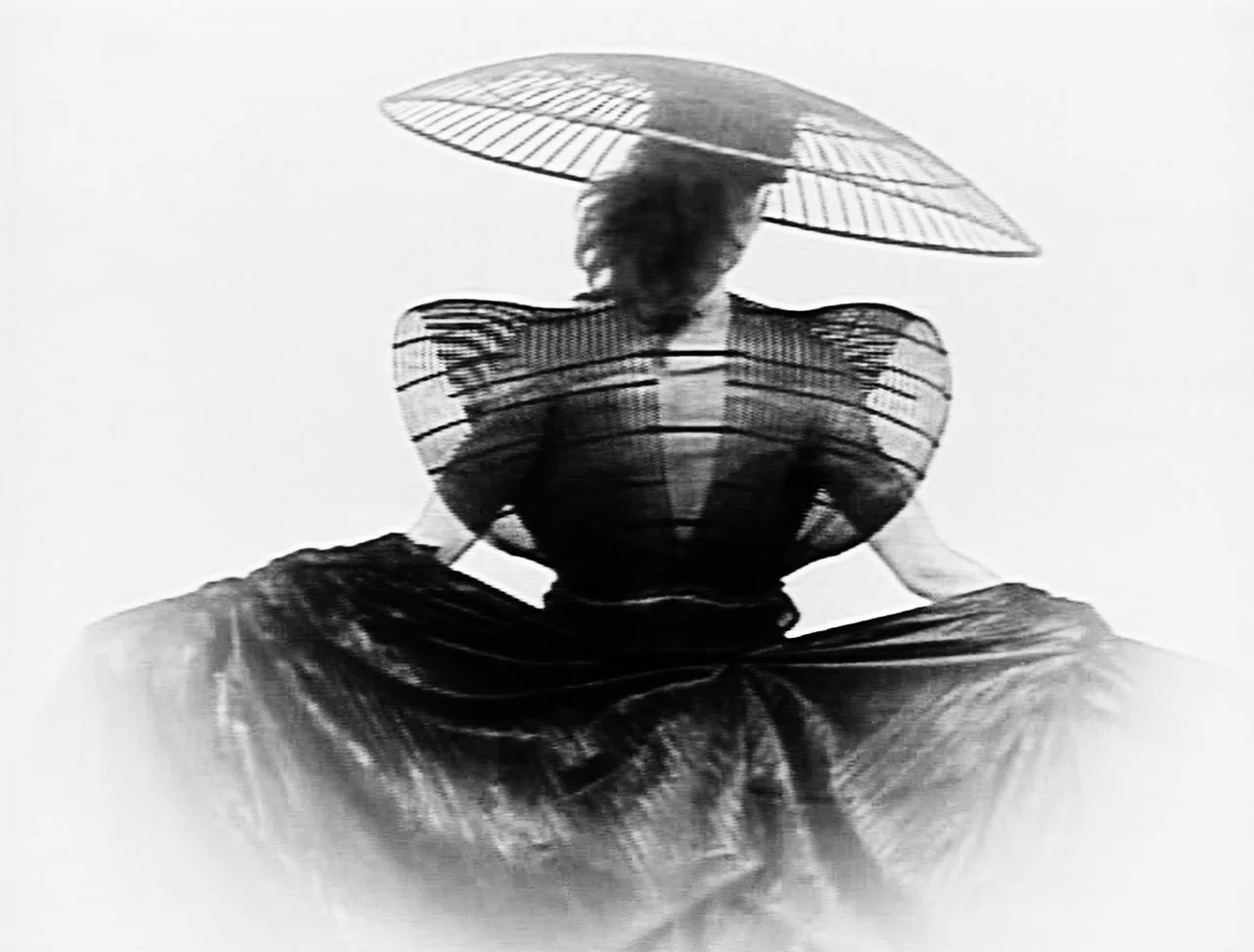
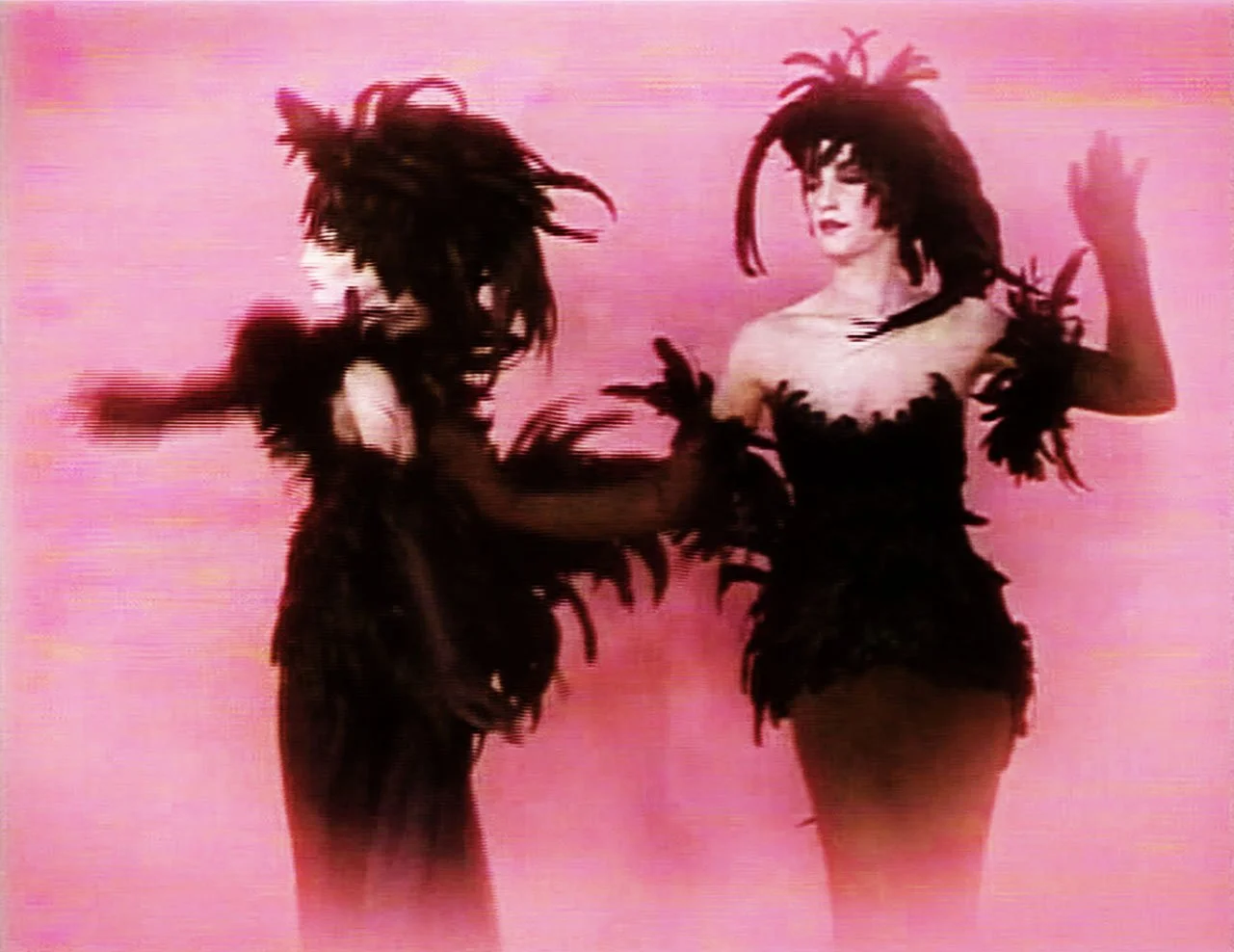
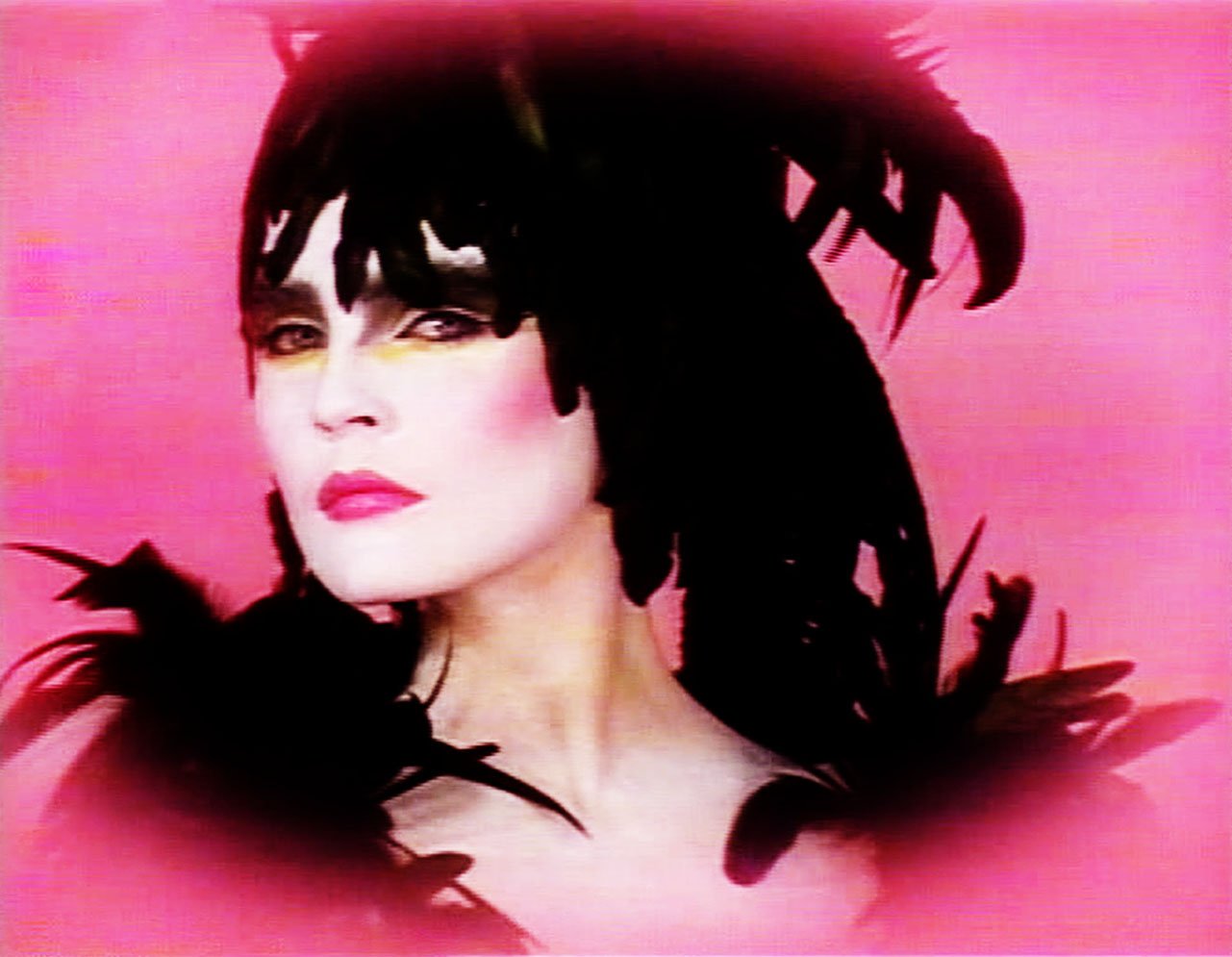
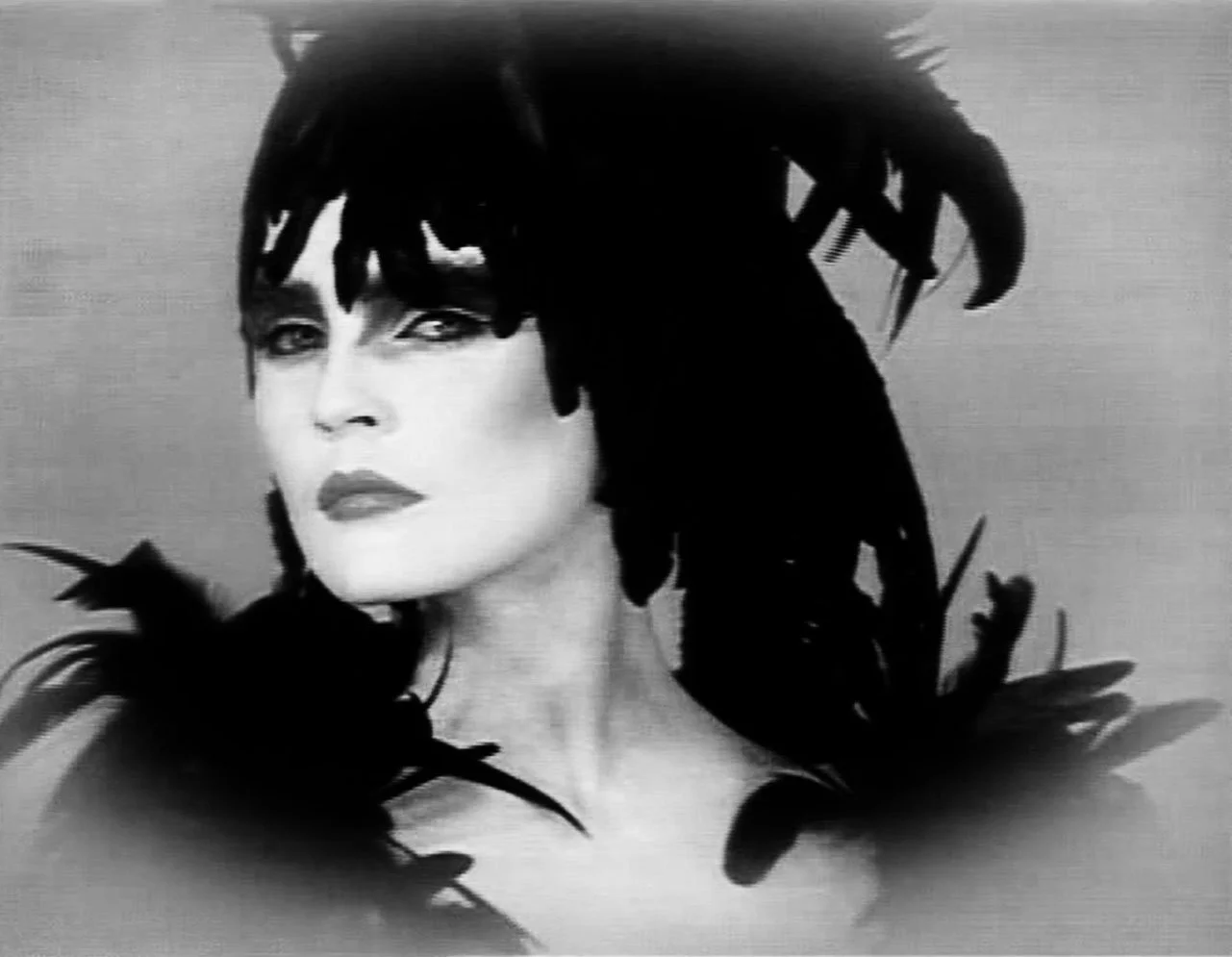
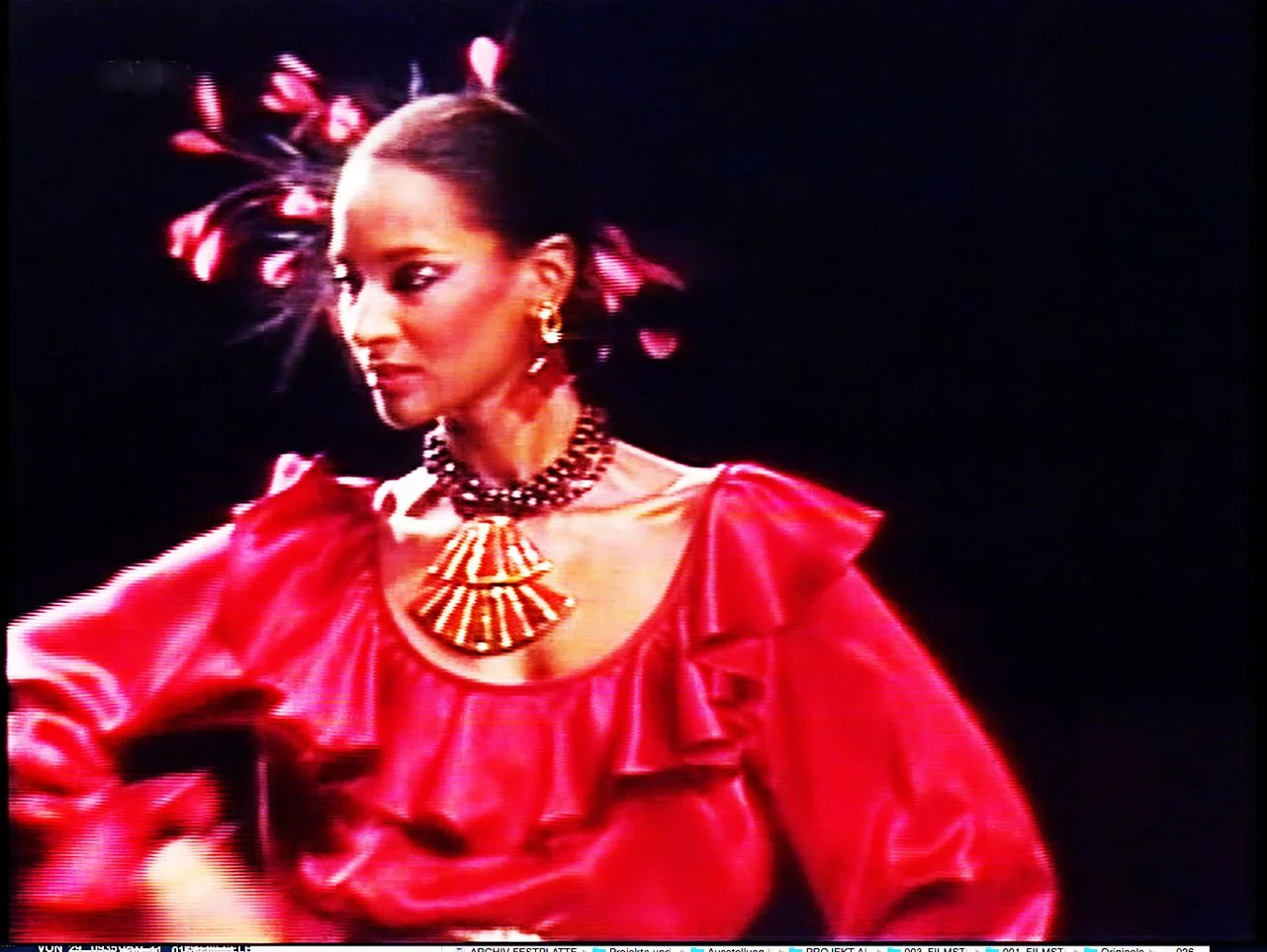
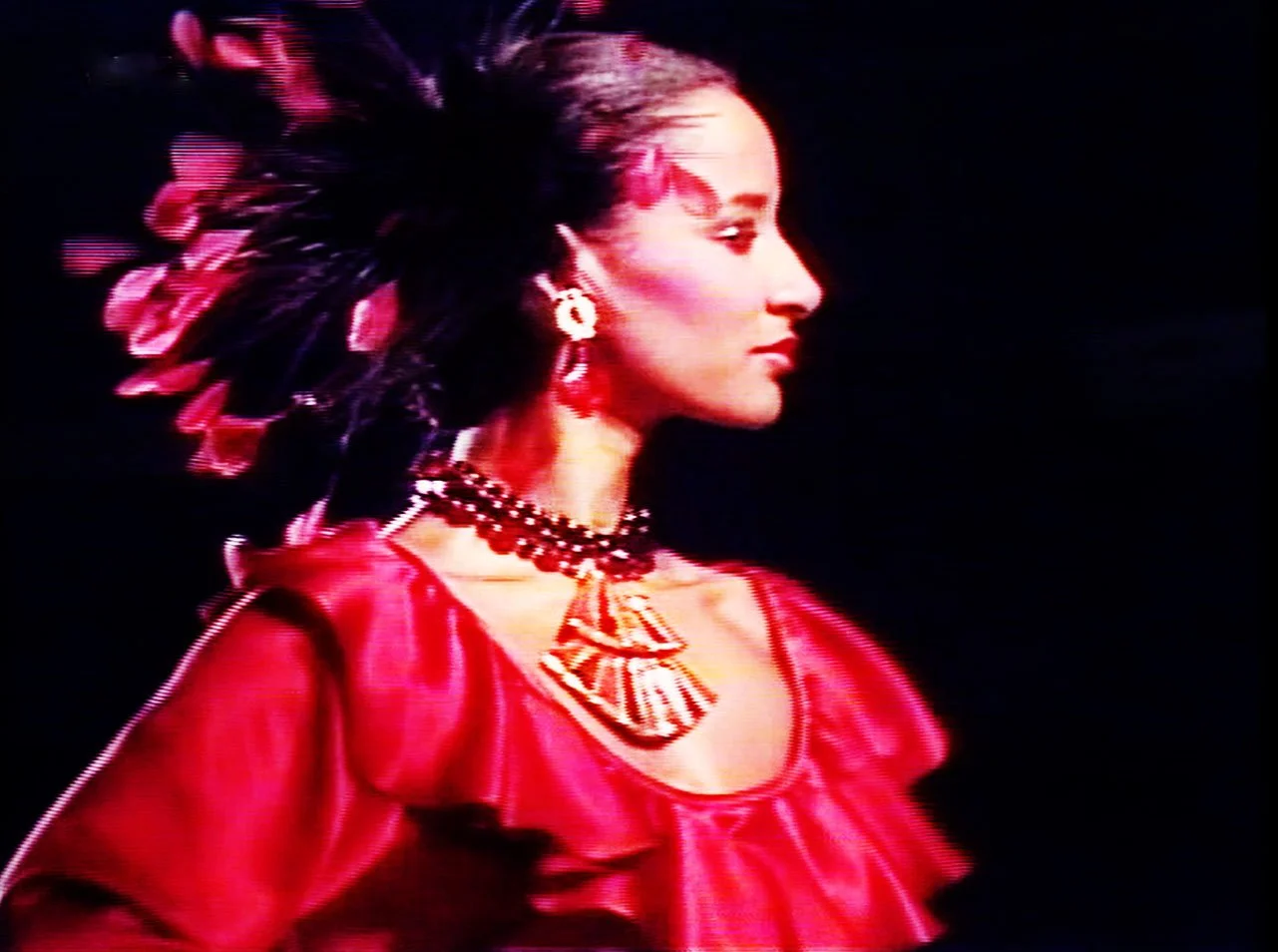
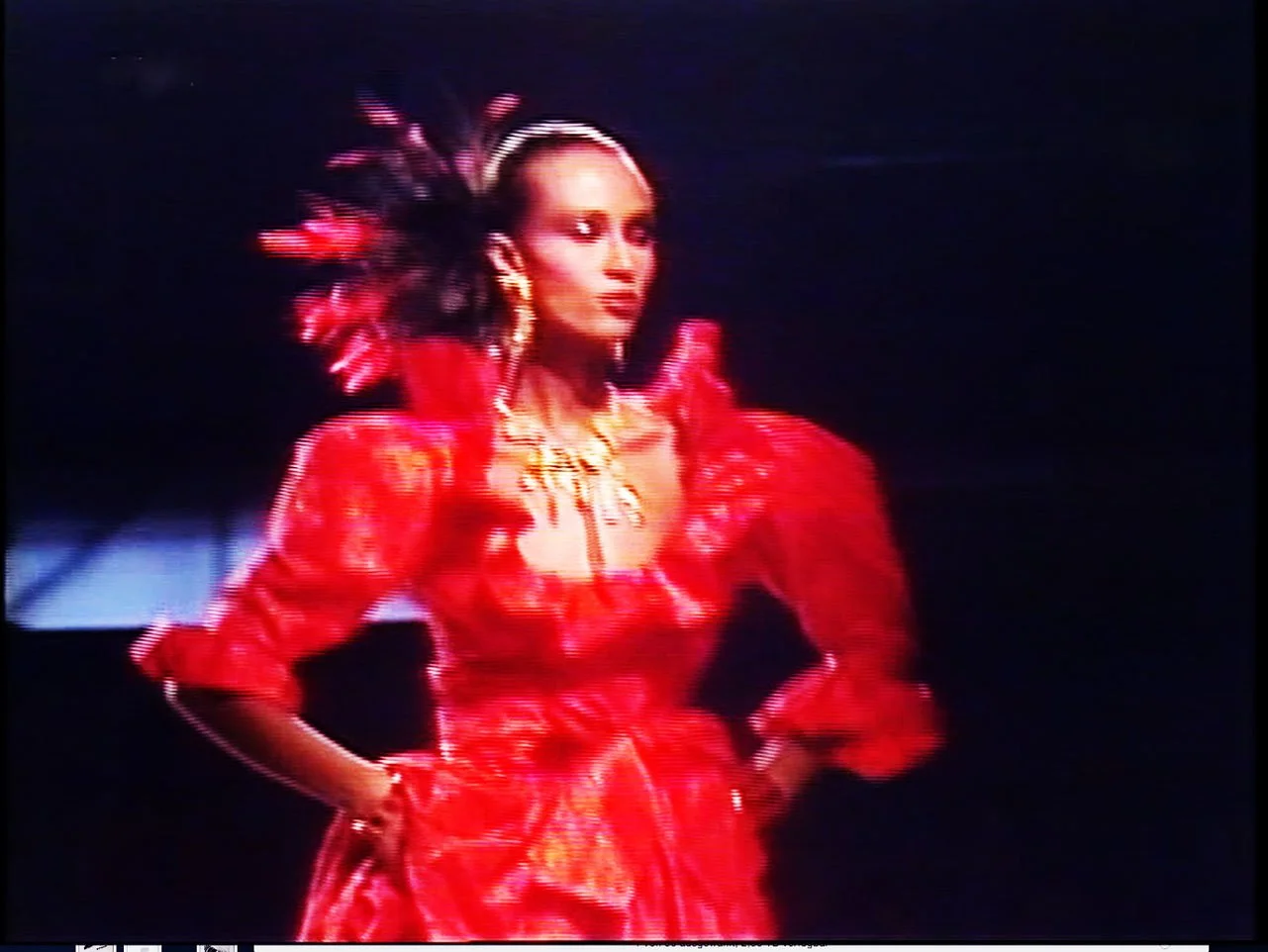
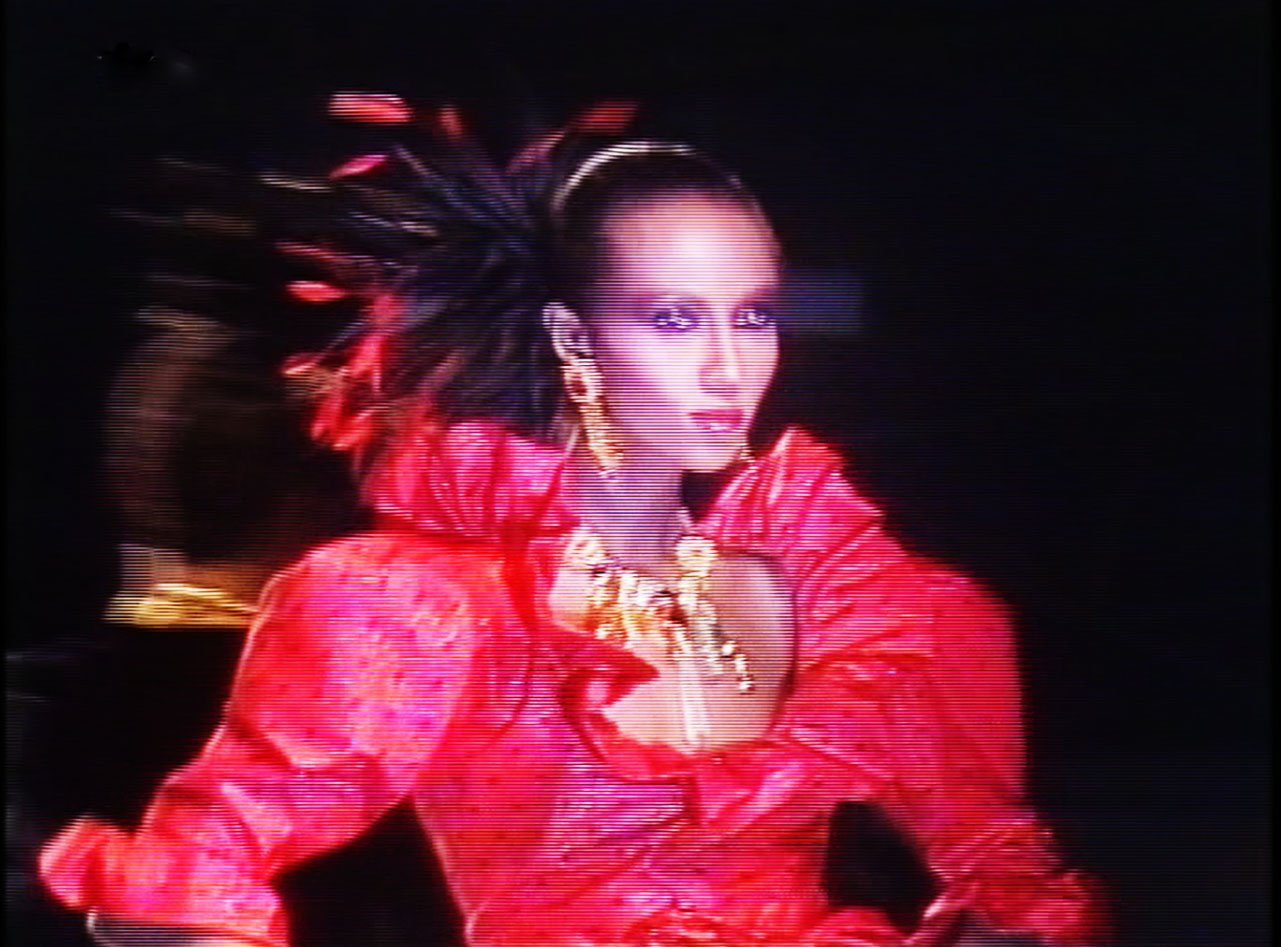
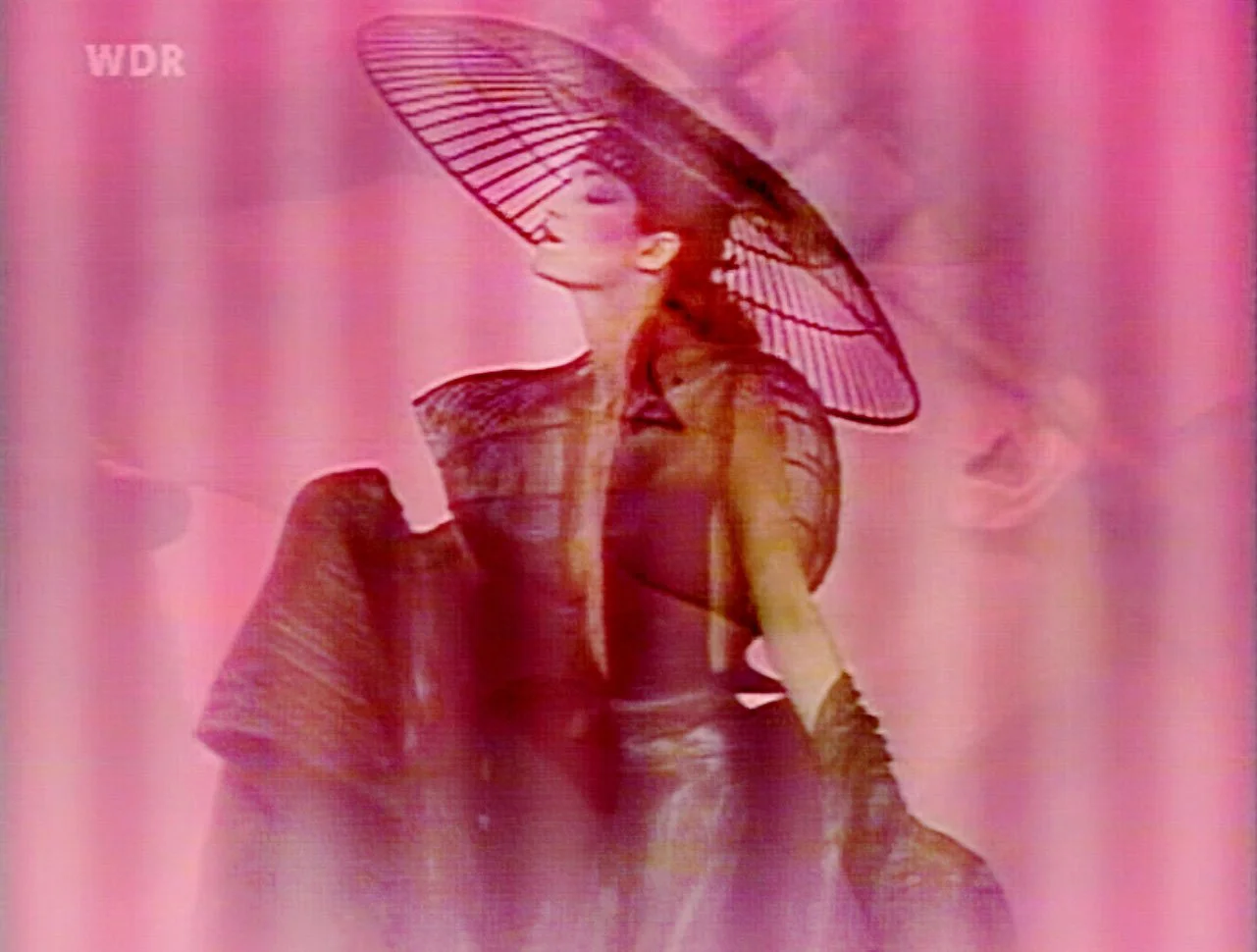
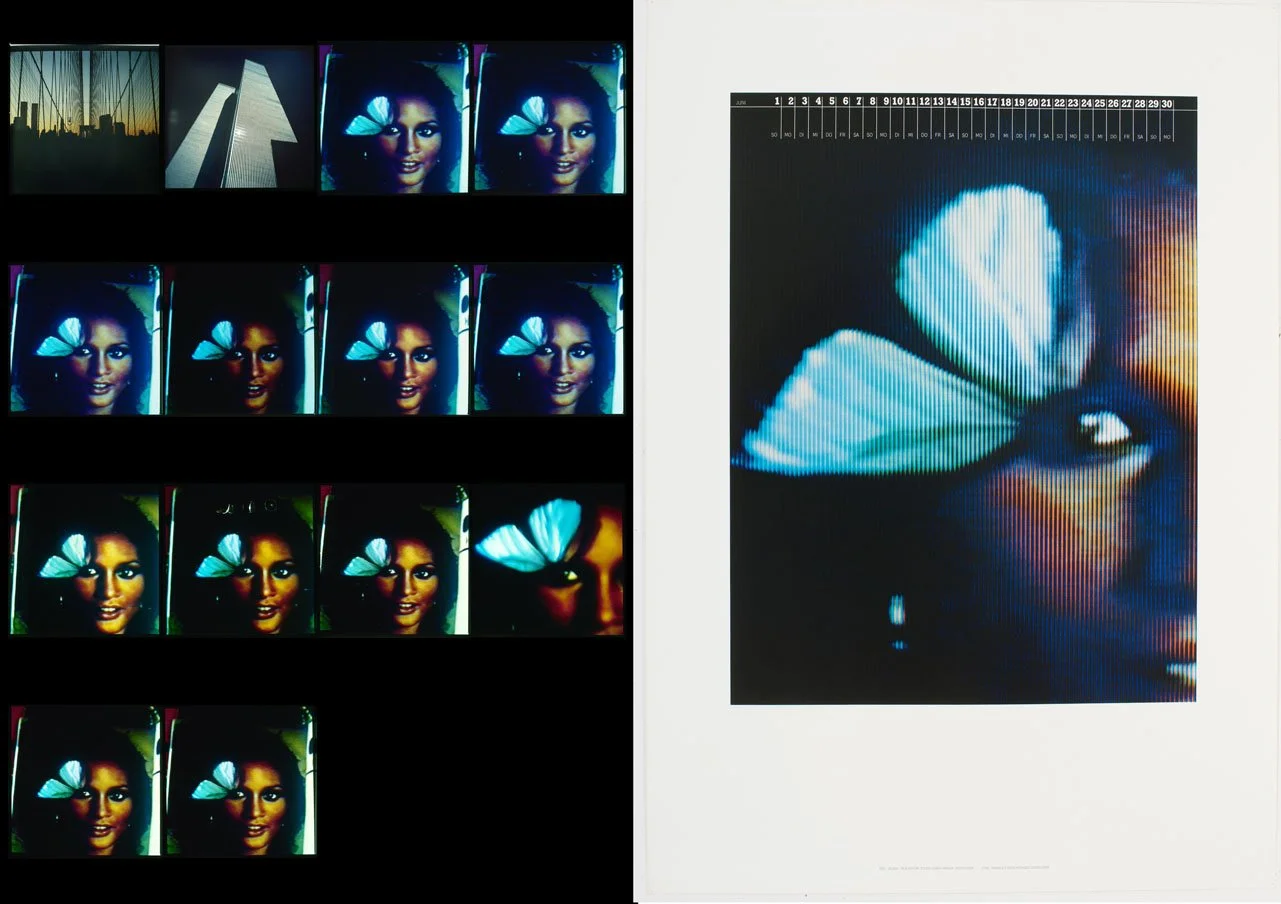
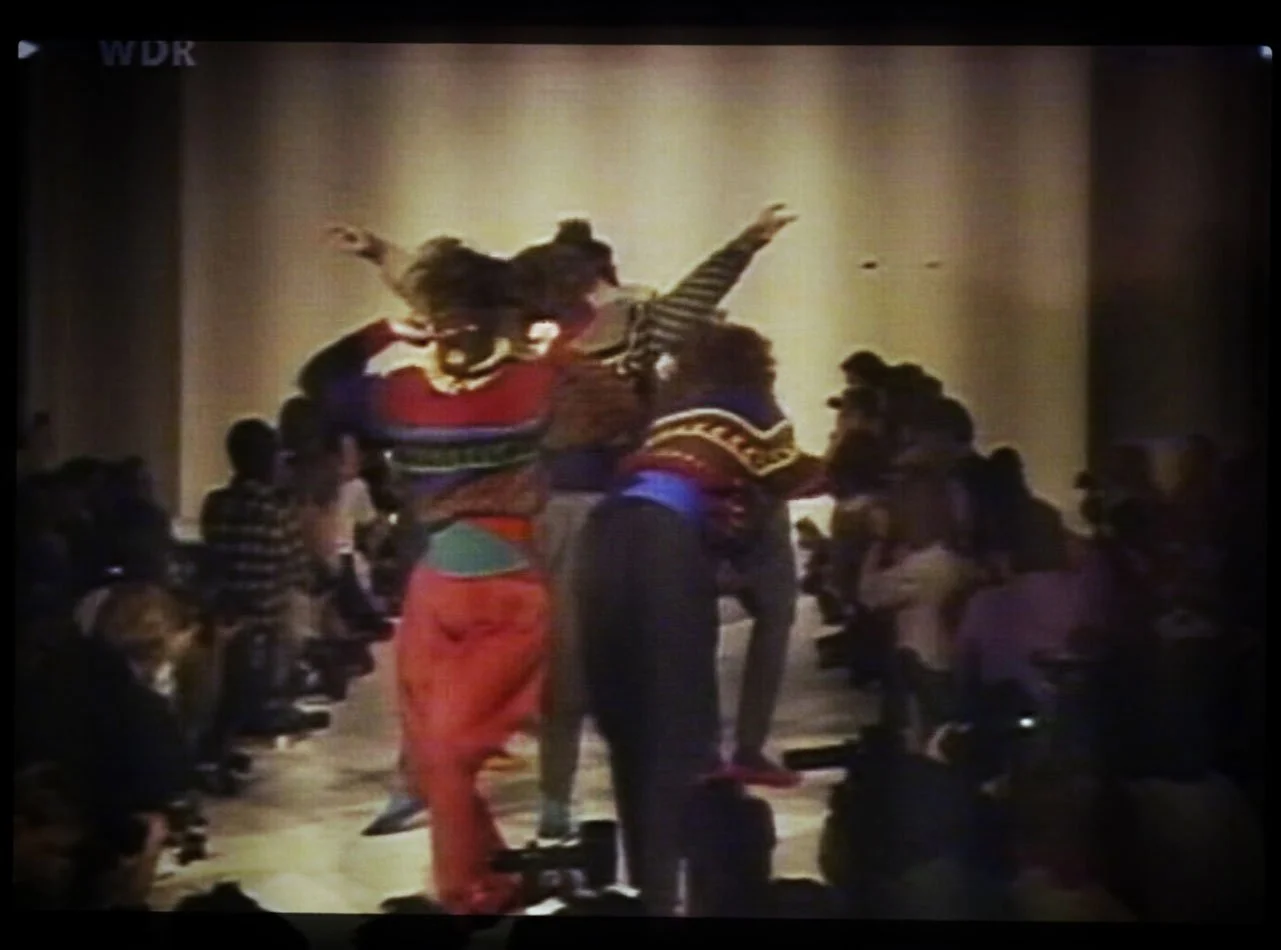
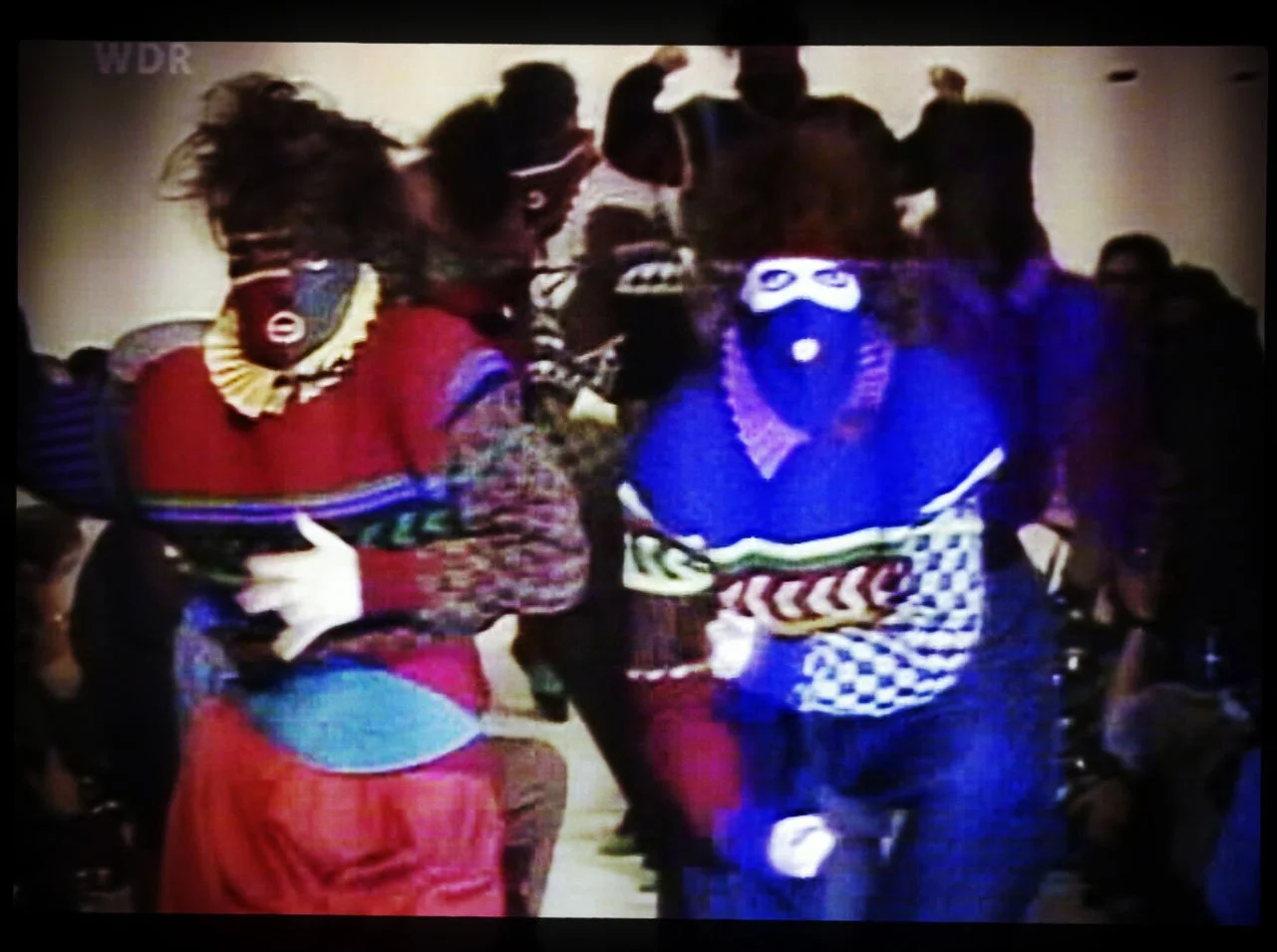
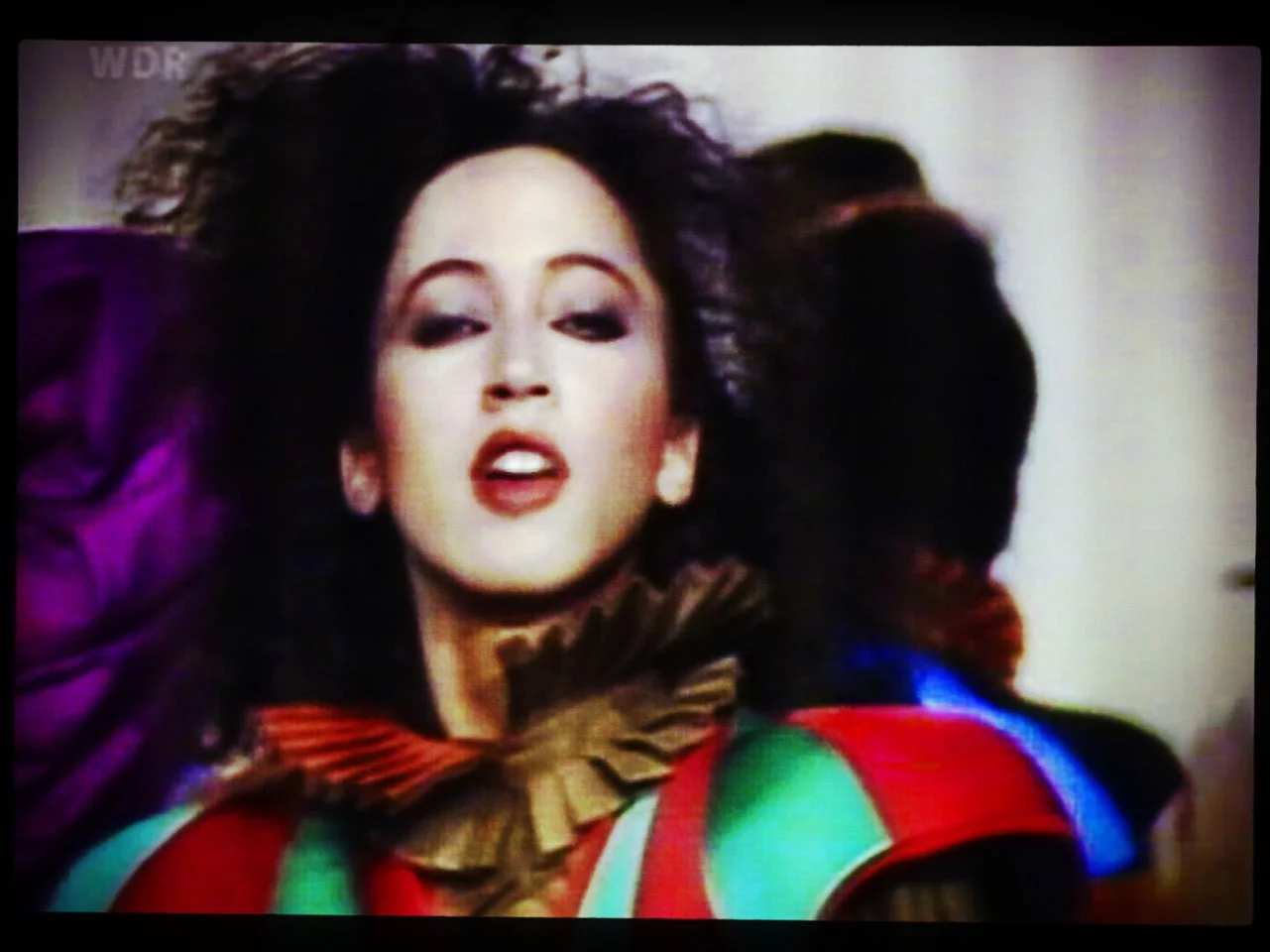
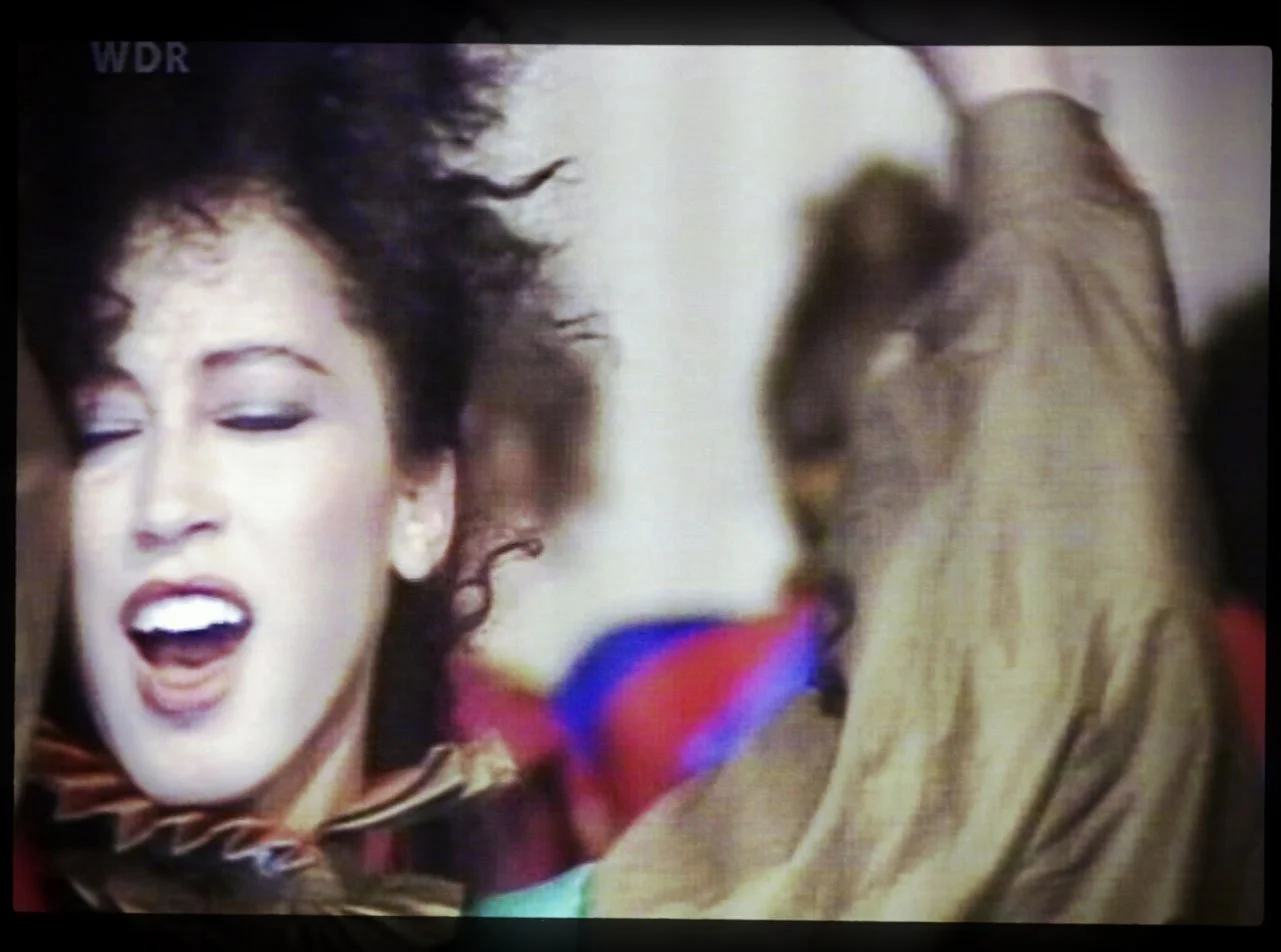
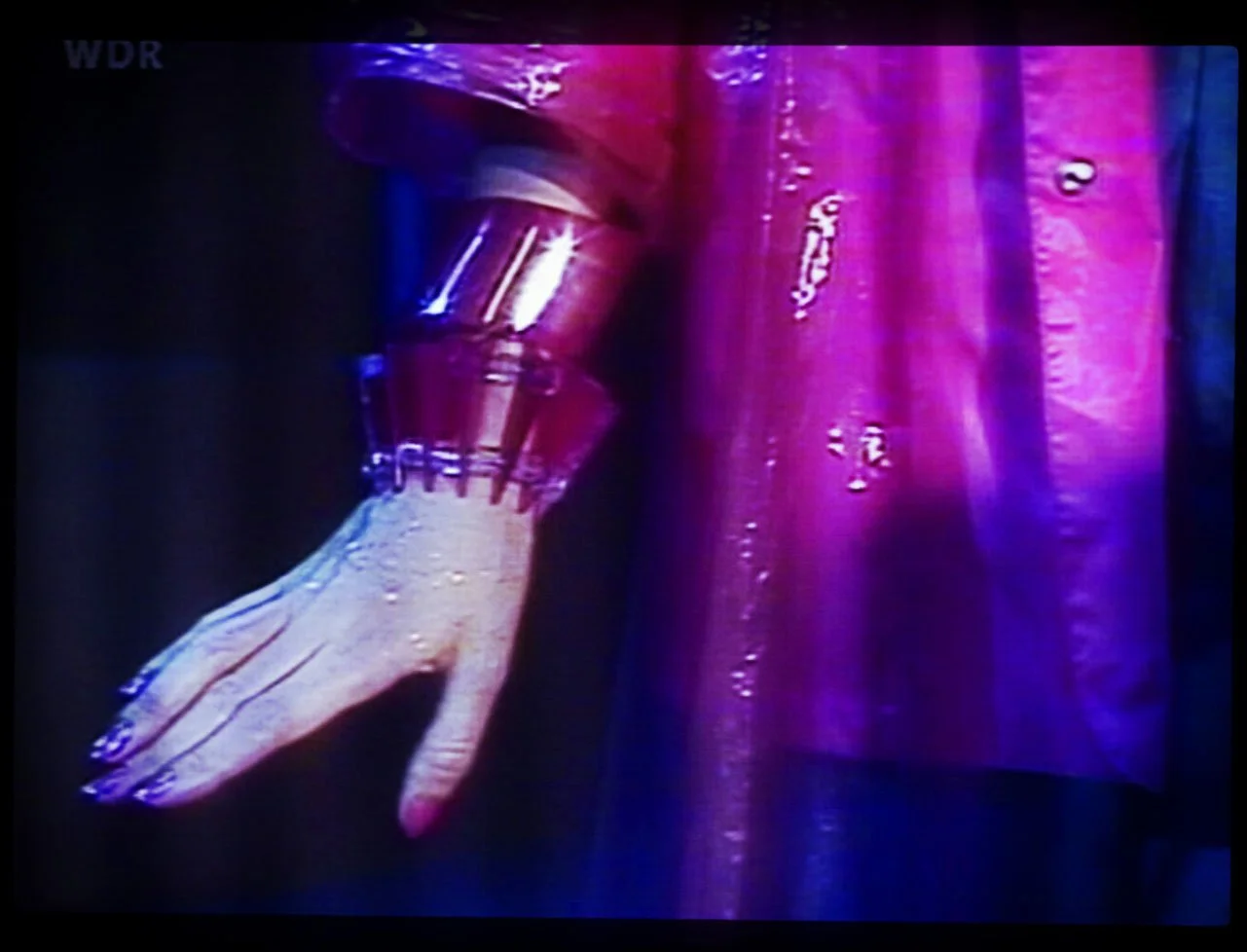
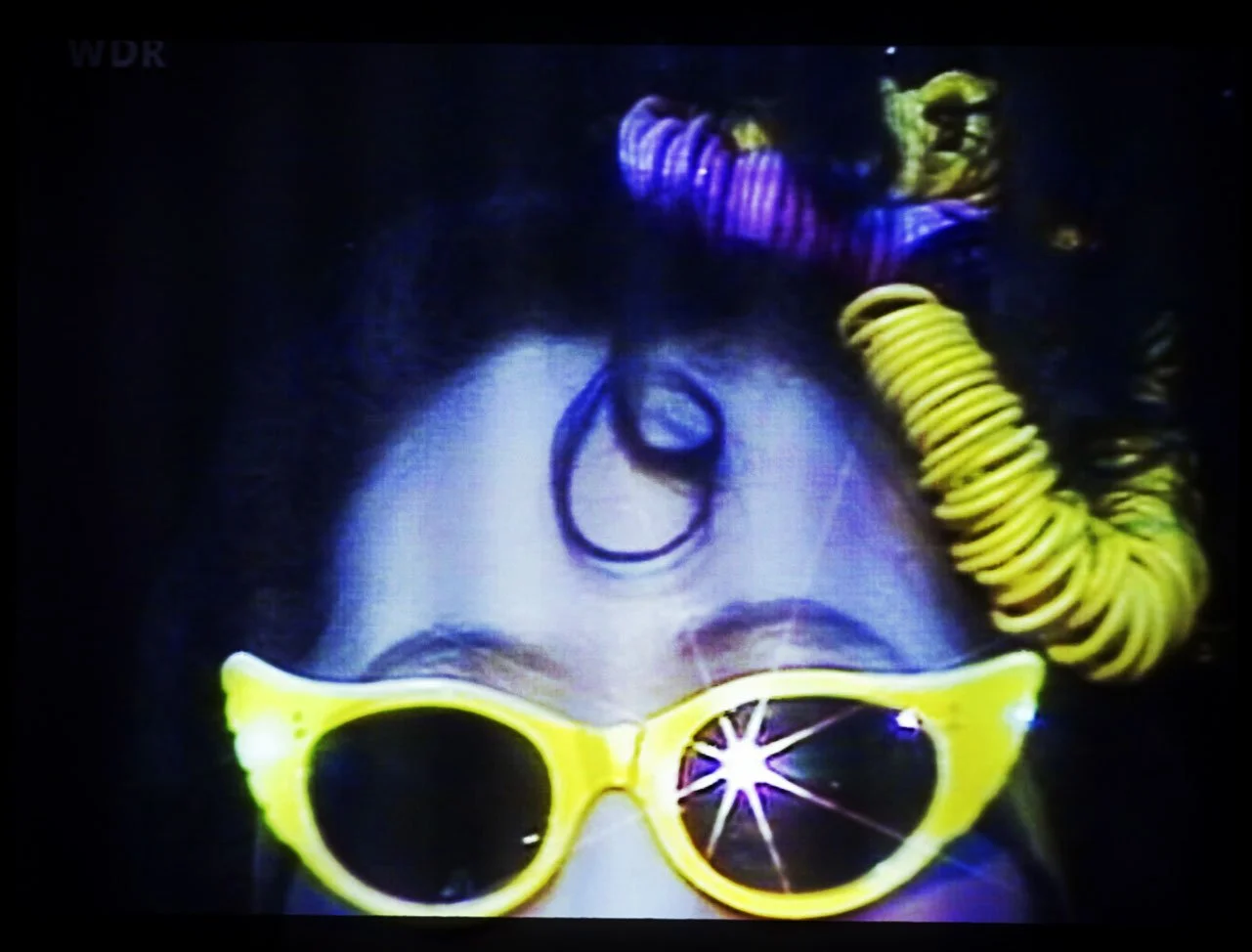
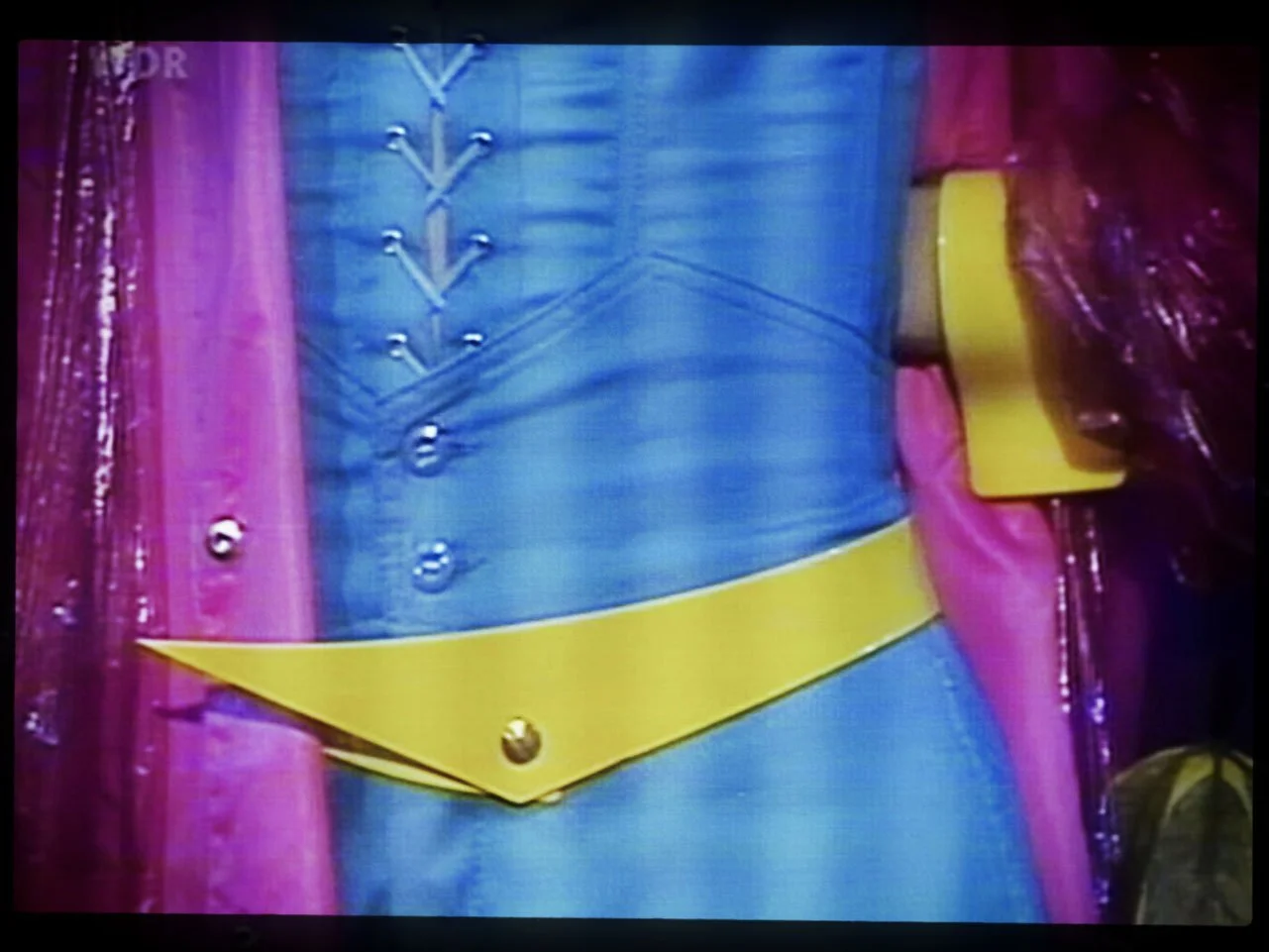
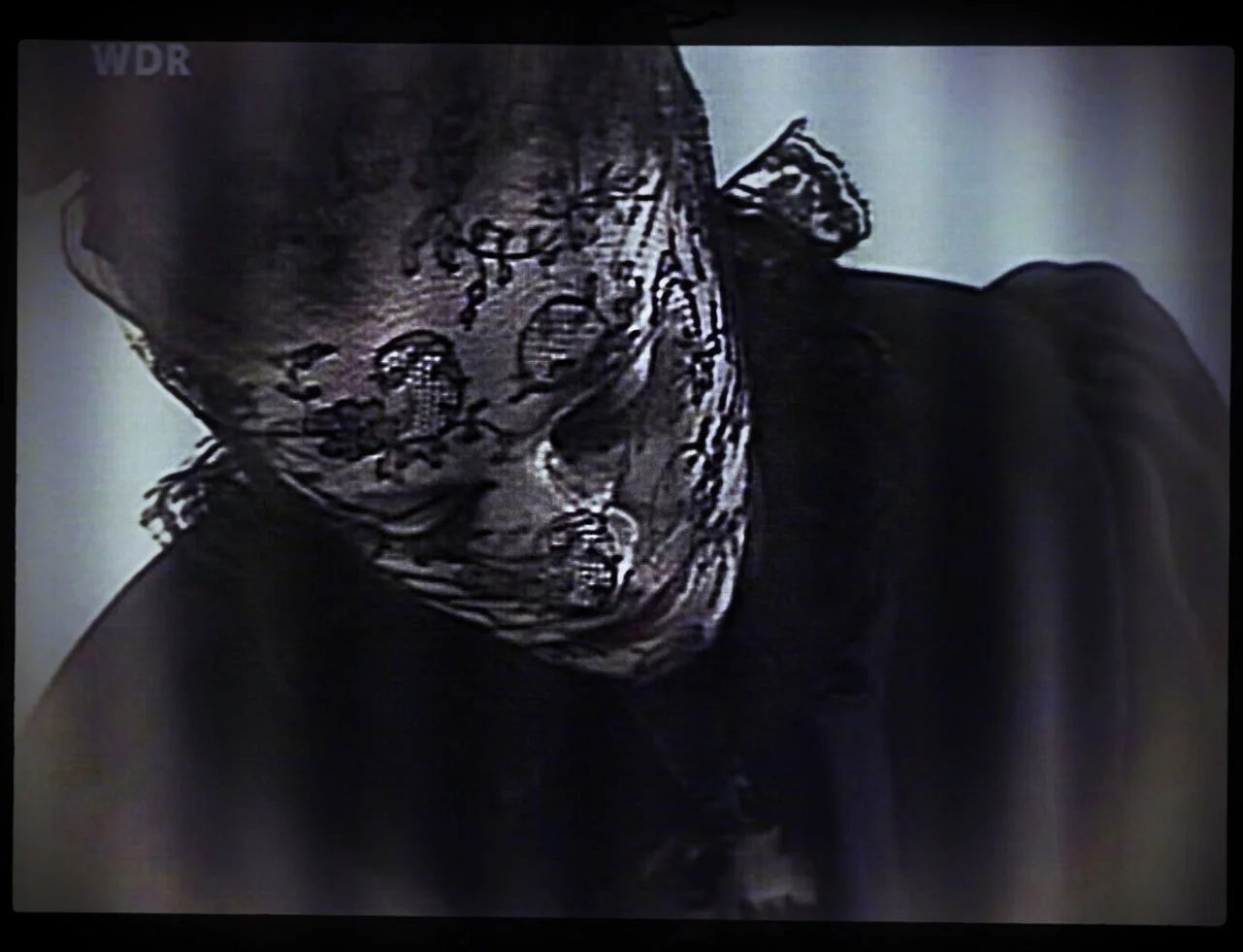
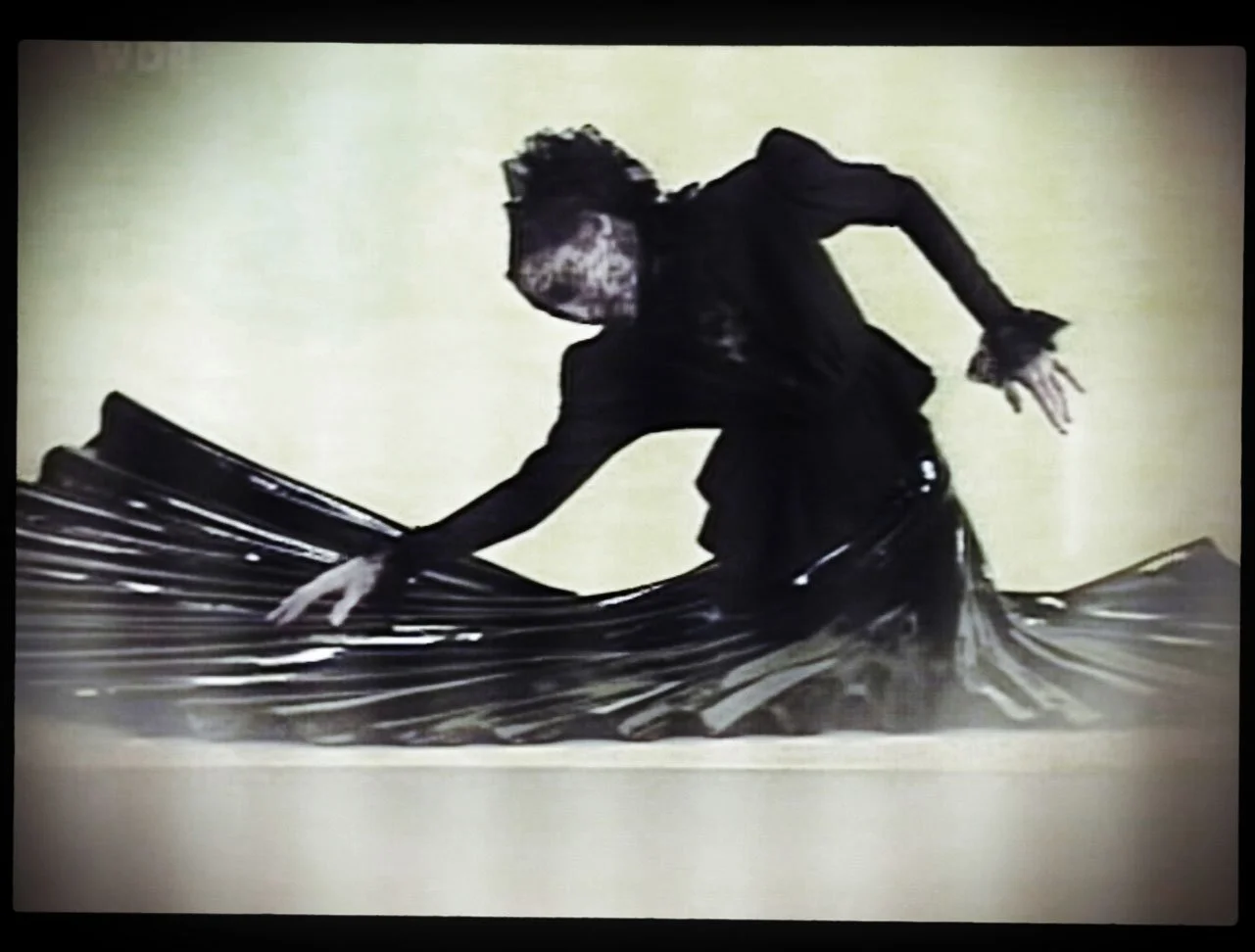
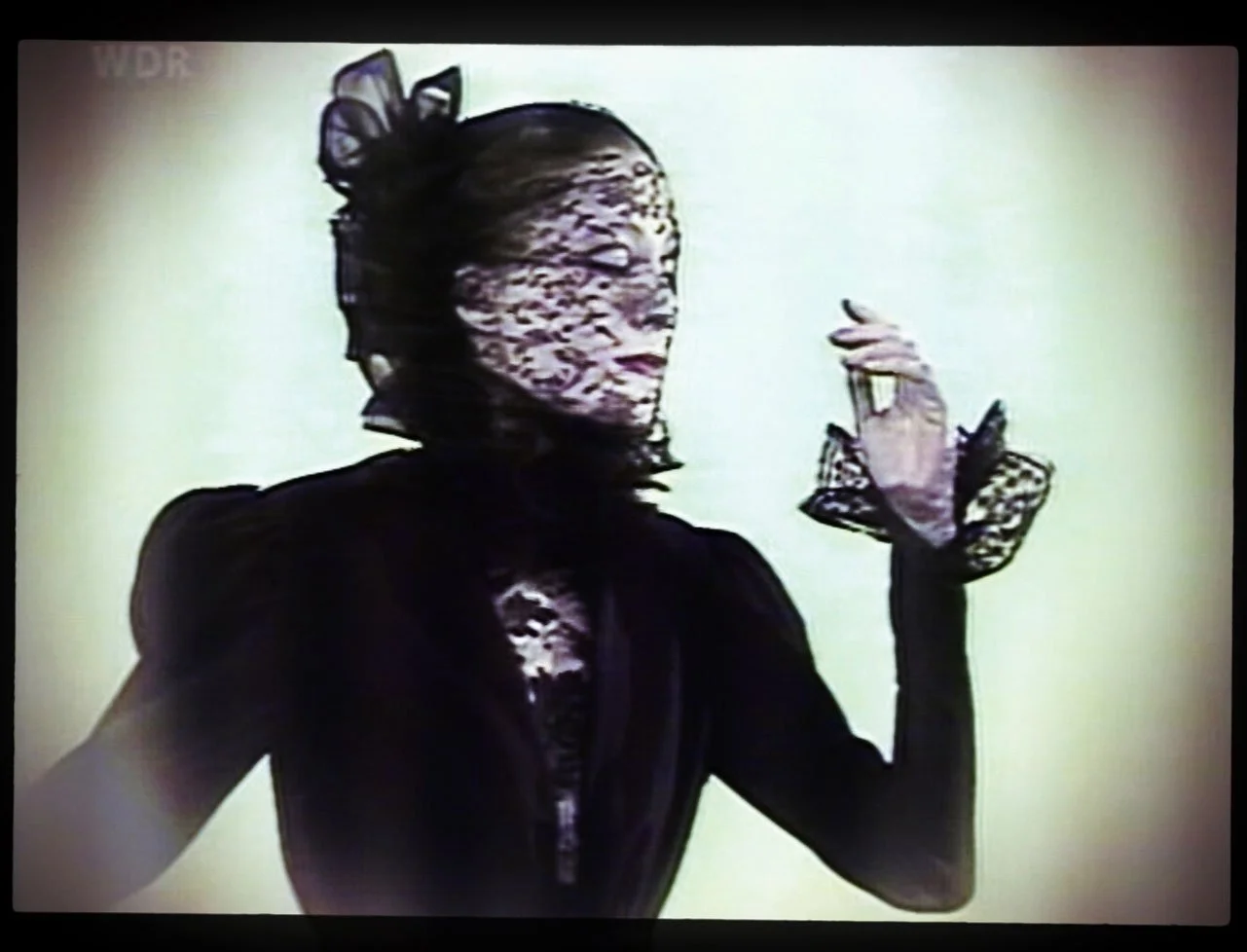
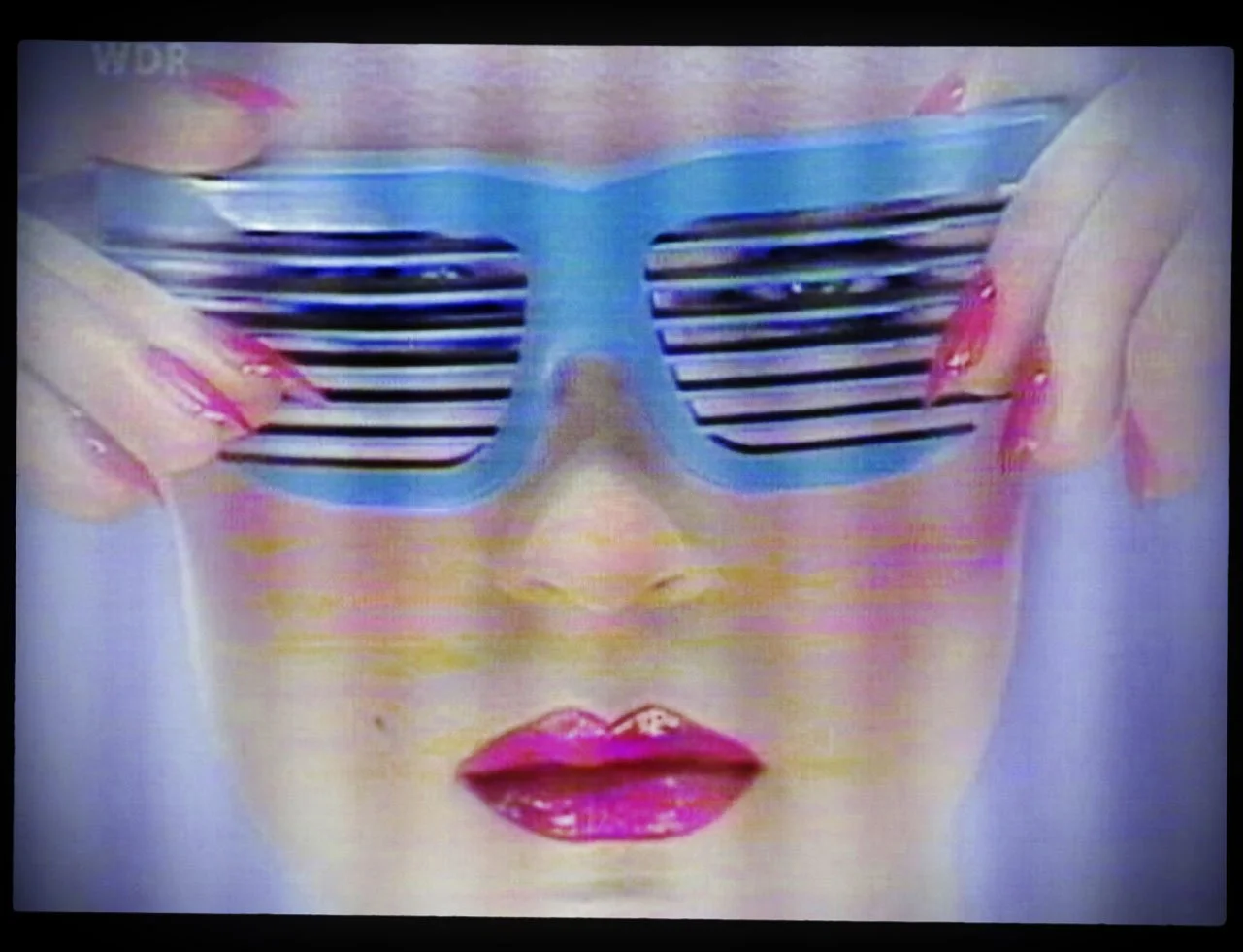
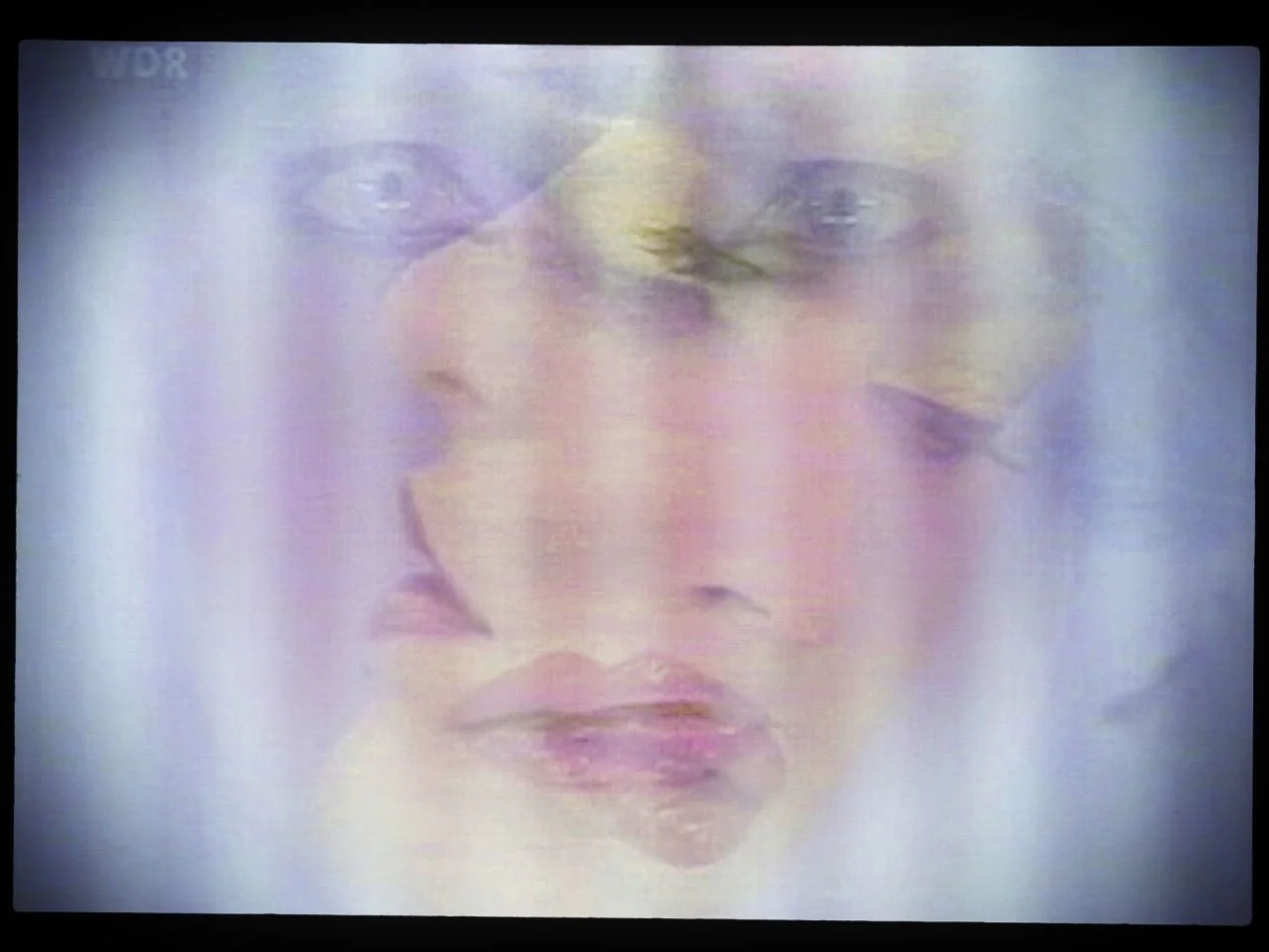
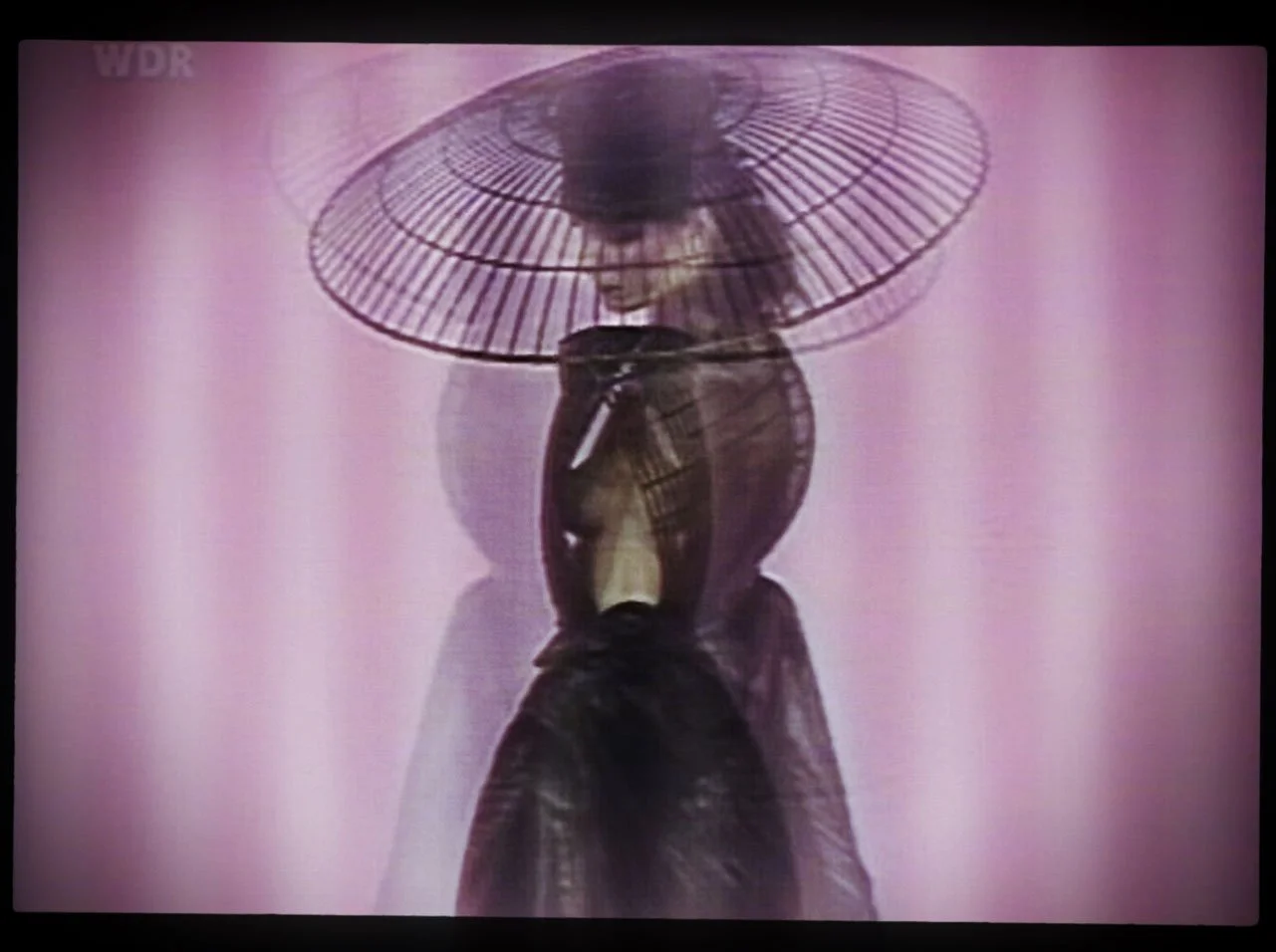
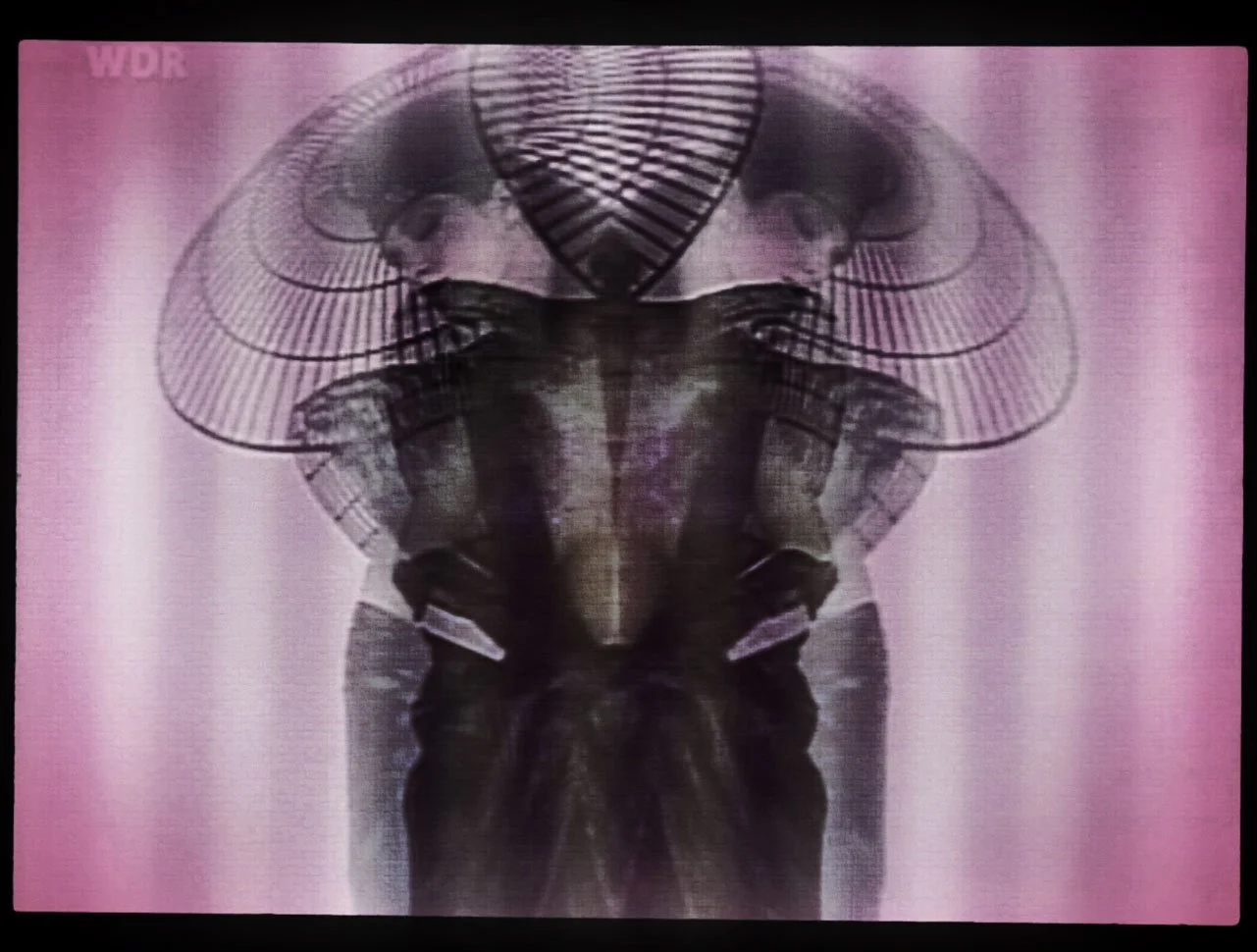
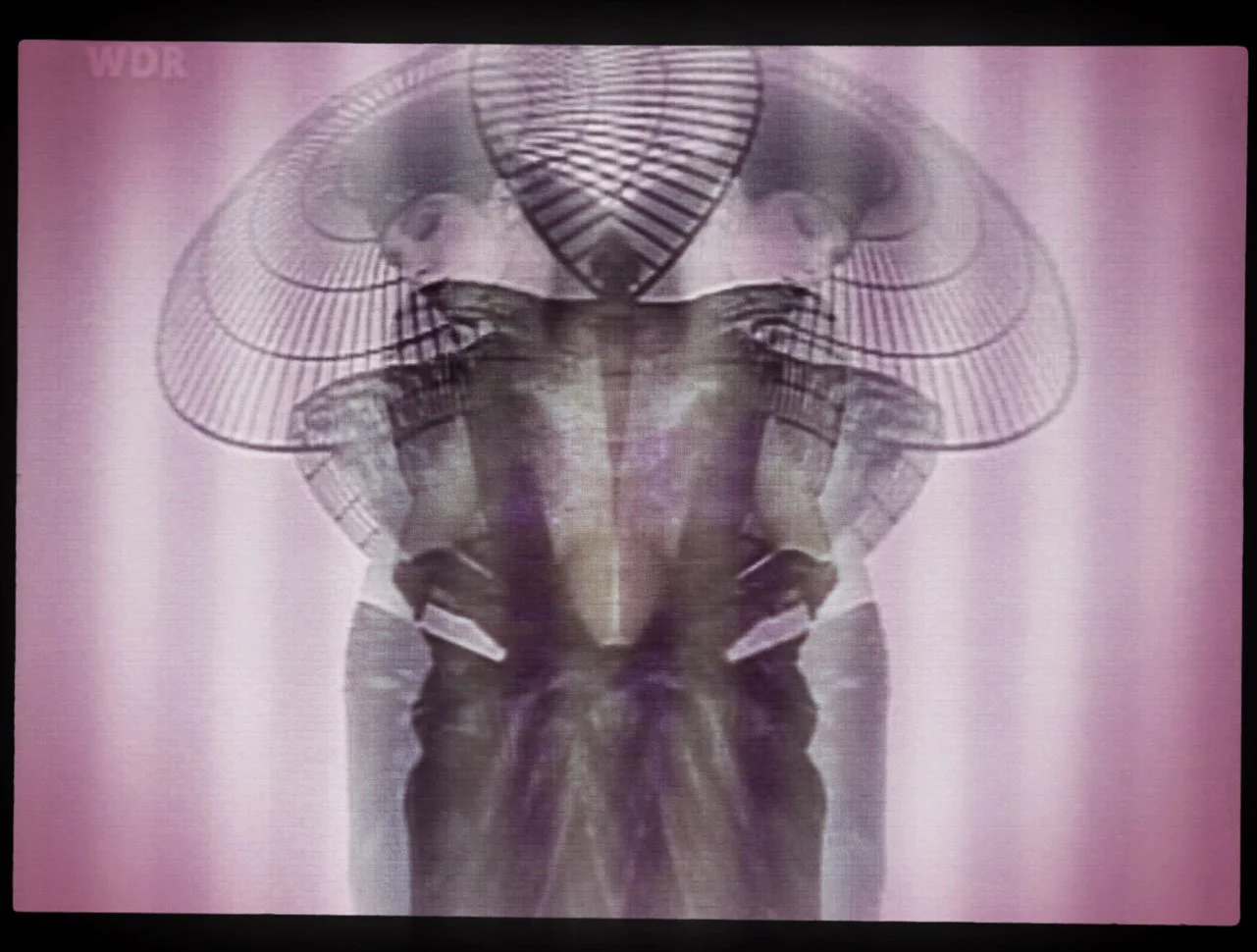
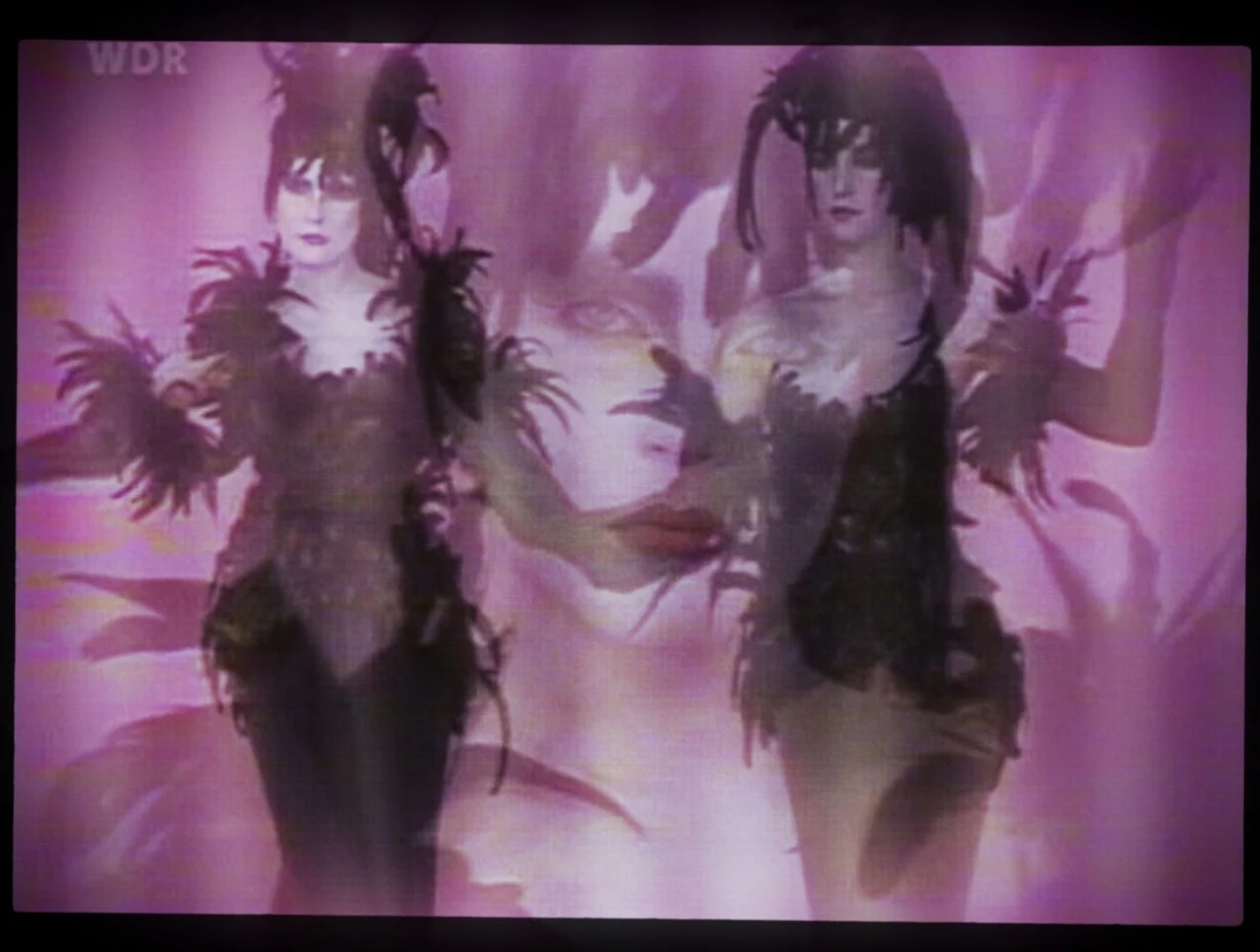
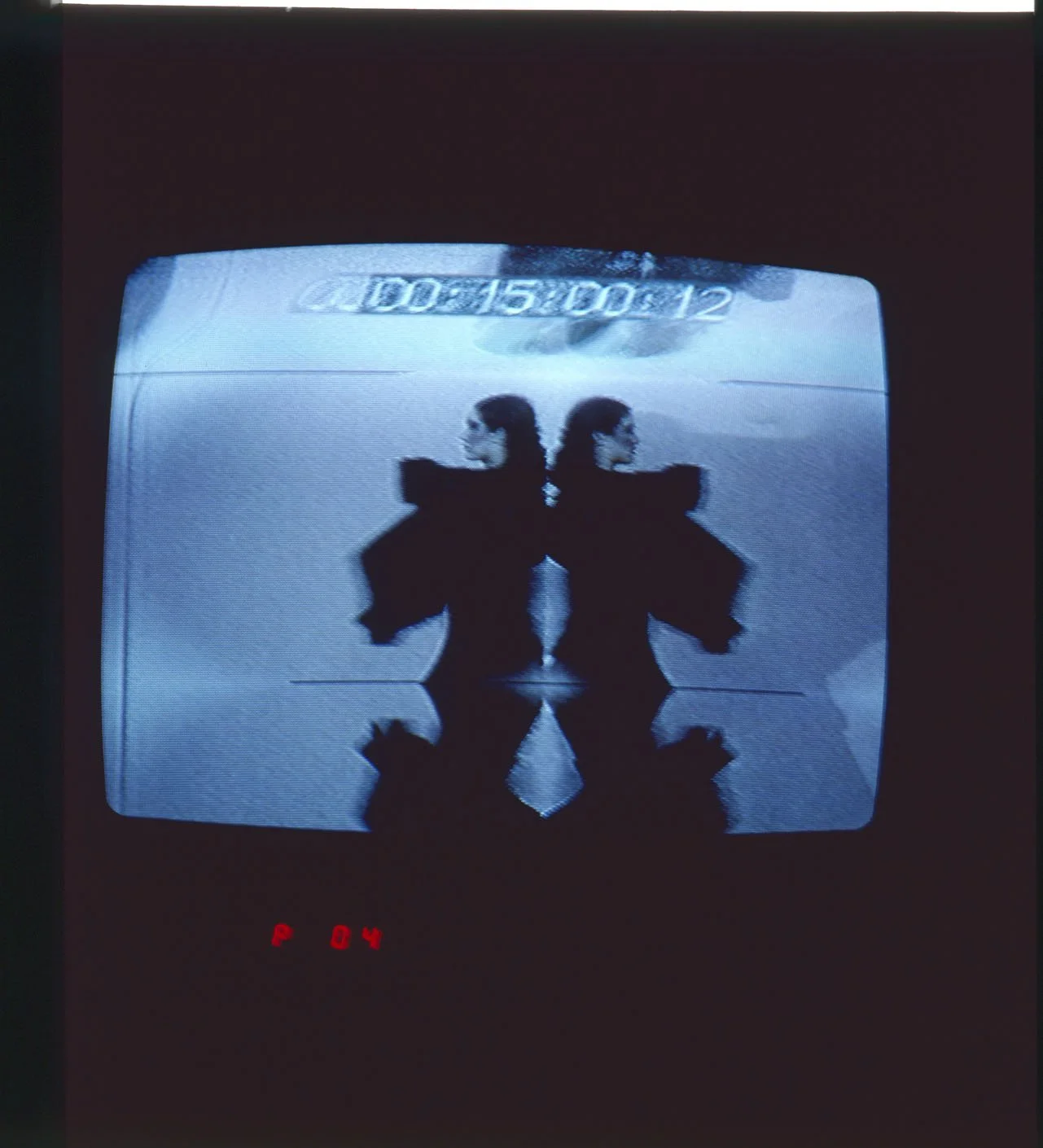
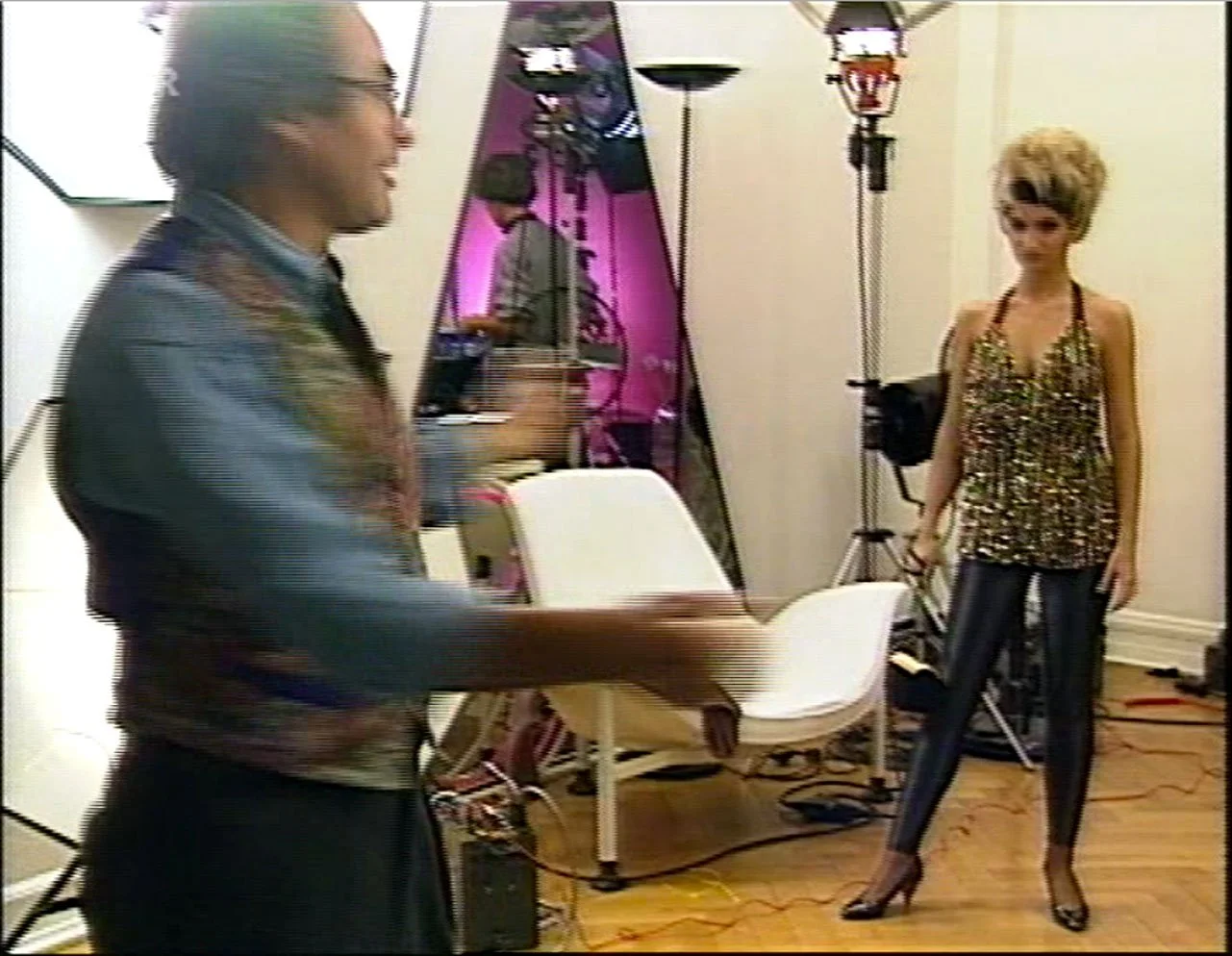
As an internationally renowned photographer traveling through all the fashion capitals of the world, Ulrich Pracht once again captured the interest of Hannes Hoff, the Head of Entertainment at WDR, in the 1980s. Hoff sought to realize Pracht’s concept for a groundbreaking new fashion program. He envisioned transforming the well-connected jet-setter into a "society director"—someone who would report directly from the runways on the fashion business, its key players, and its stories, while also offering a glimpse behind the scenes of the catwalks. Commissioned by the Cologne-based broadcaster, Ulrich Pracht traveled to Paris for the show VIVA – Fashion und Musik (VIVA – Fashion & Music), hosted by the celebrated German actress Christine Kaufmann. He had, however, been unable to push through his own preferred choice for the hosting role: Esti Mellet-Mass—a model and the first wife of racing driver Jochen Mass. Ulrich Pracht interviewed Helmut Newton—who, during a shoot for Yves Saint Laurent, directed his models from his chair using a long bamboo cane—and accompanied Pat Cleveland, the first African-American supermodel, during her legendary appearances in Paris. He brought the fashion capital’s top models—such as Iman—before the camera without makeup, captured the backstage frenzy of the shows, and filmed fashion designer Cerruti at work. Renowned artists such as Umberto Tozzi, the band ABC, and the Salonorchester Cölln provided the musical accompaniment. The fact that the show’s title was—rather timidly—styled as VIVA – Mode & Musik was entirely due to the program’s supervising editor: Manfred Tesch. Their collaboration was like fire and water—a constant tug-of-war that repeatedly reached an impasse, forcing Pracht to yield precedence to the "stronger" party. Nevertheless, Ulrich Pracht retained sufficient creative freedom to stage his dreams and illusions through the interplay of sound and fashion. In a masterpiece that is as musical as it is visual, the allure of neon-plastic fashion is celebrated alongside Pat Cleveland to the song "Just an Illusion"; alternatively, with the world-renowned makeup artist Serge Lutens, cosmetic masterpieces—styled in the vein of Jean Paul Gaultier or Issey Miyake—are arranged to the accompaniment of modern twelve-tone electronic music.










13.2
RUDI CARELL
From Cinderella to Top Model.
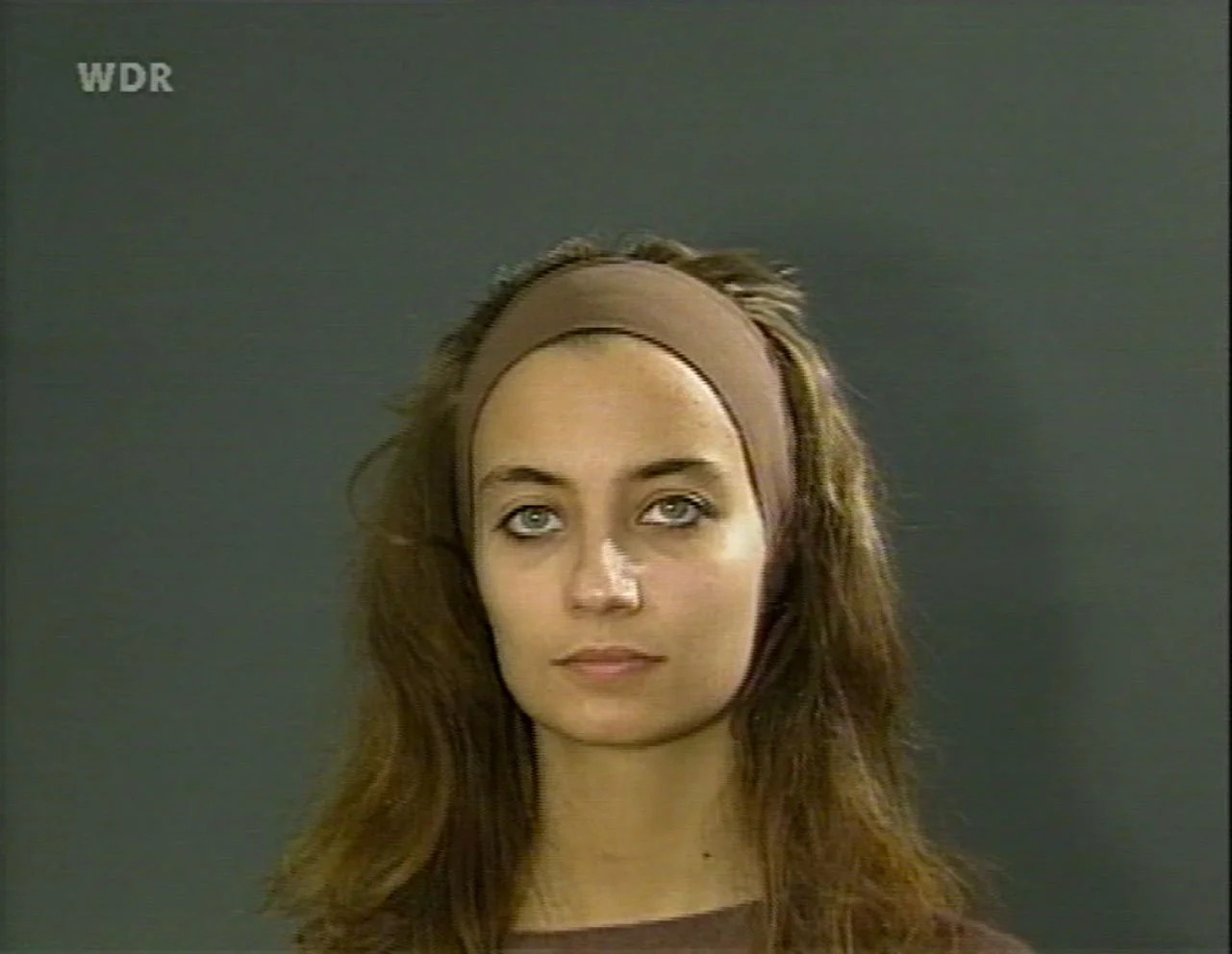
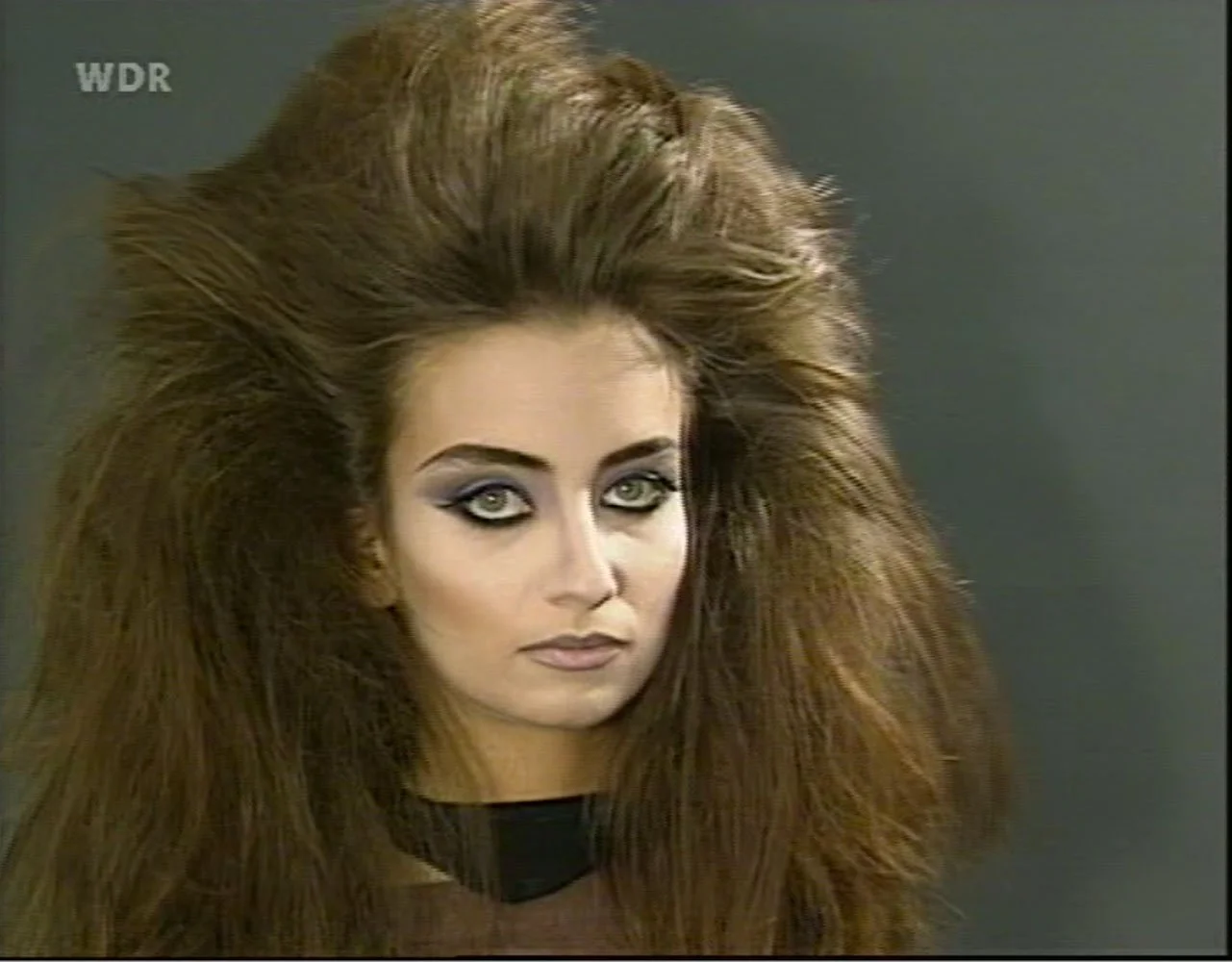
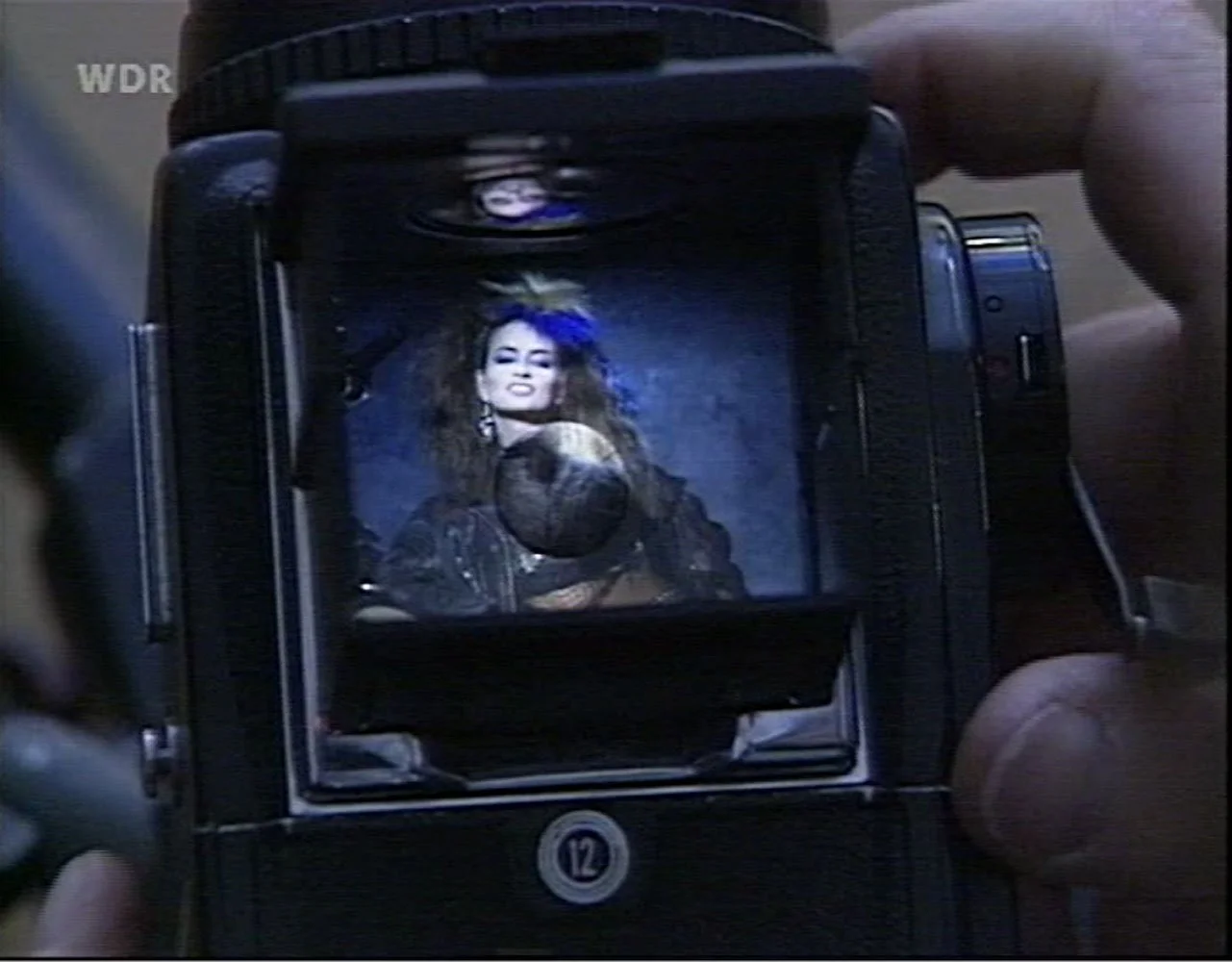
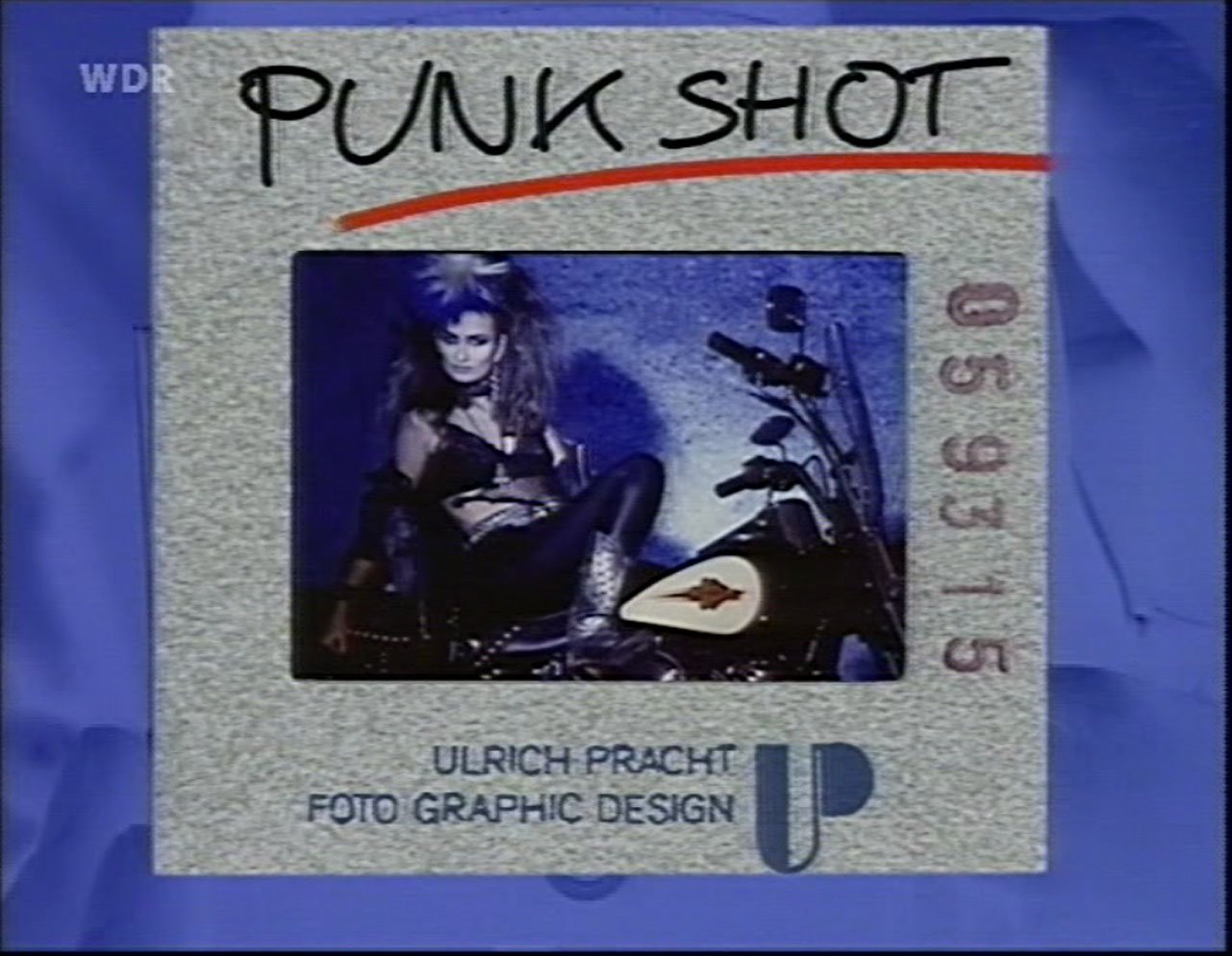
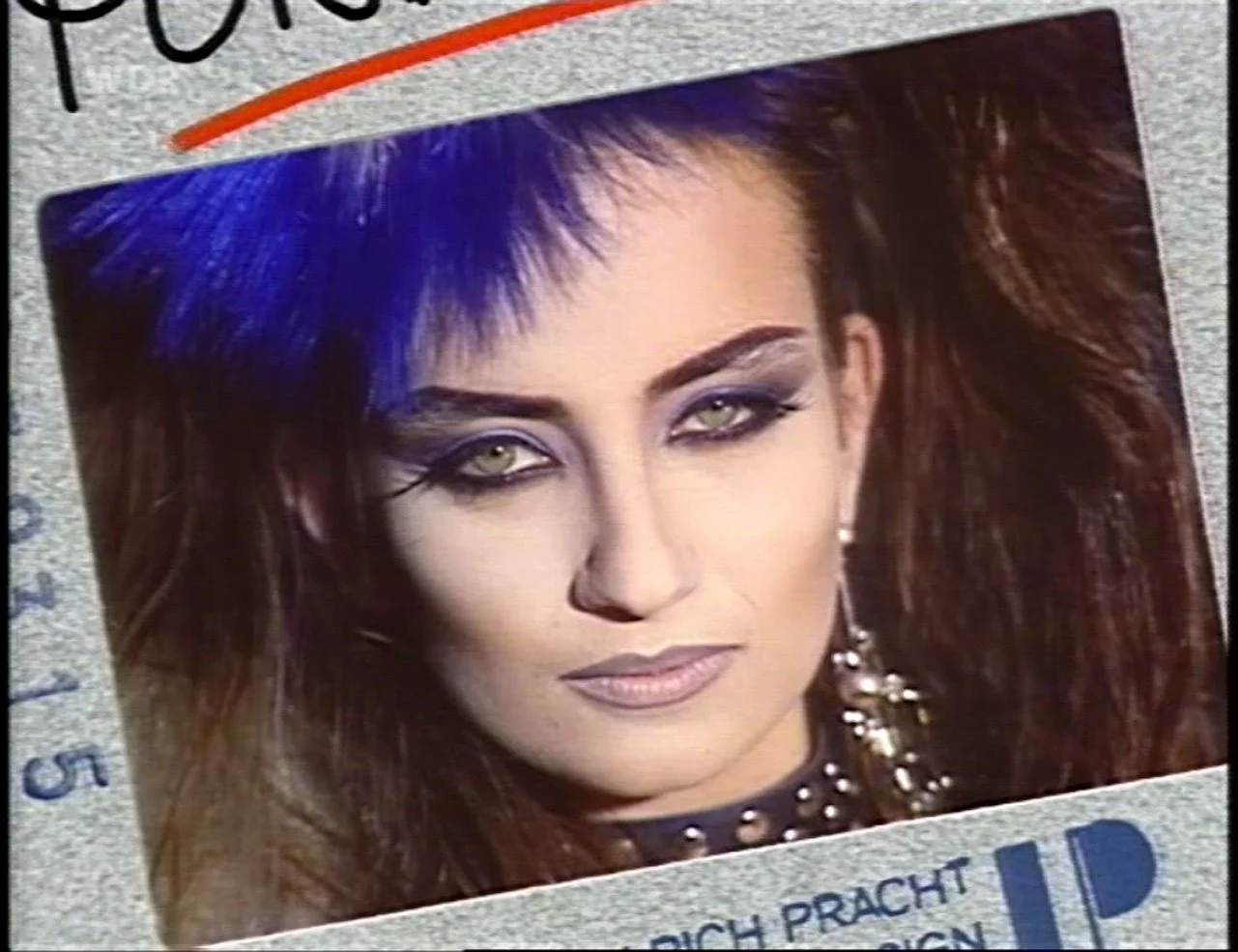
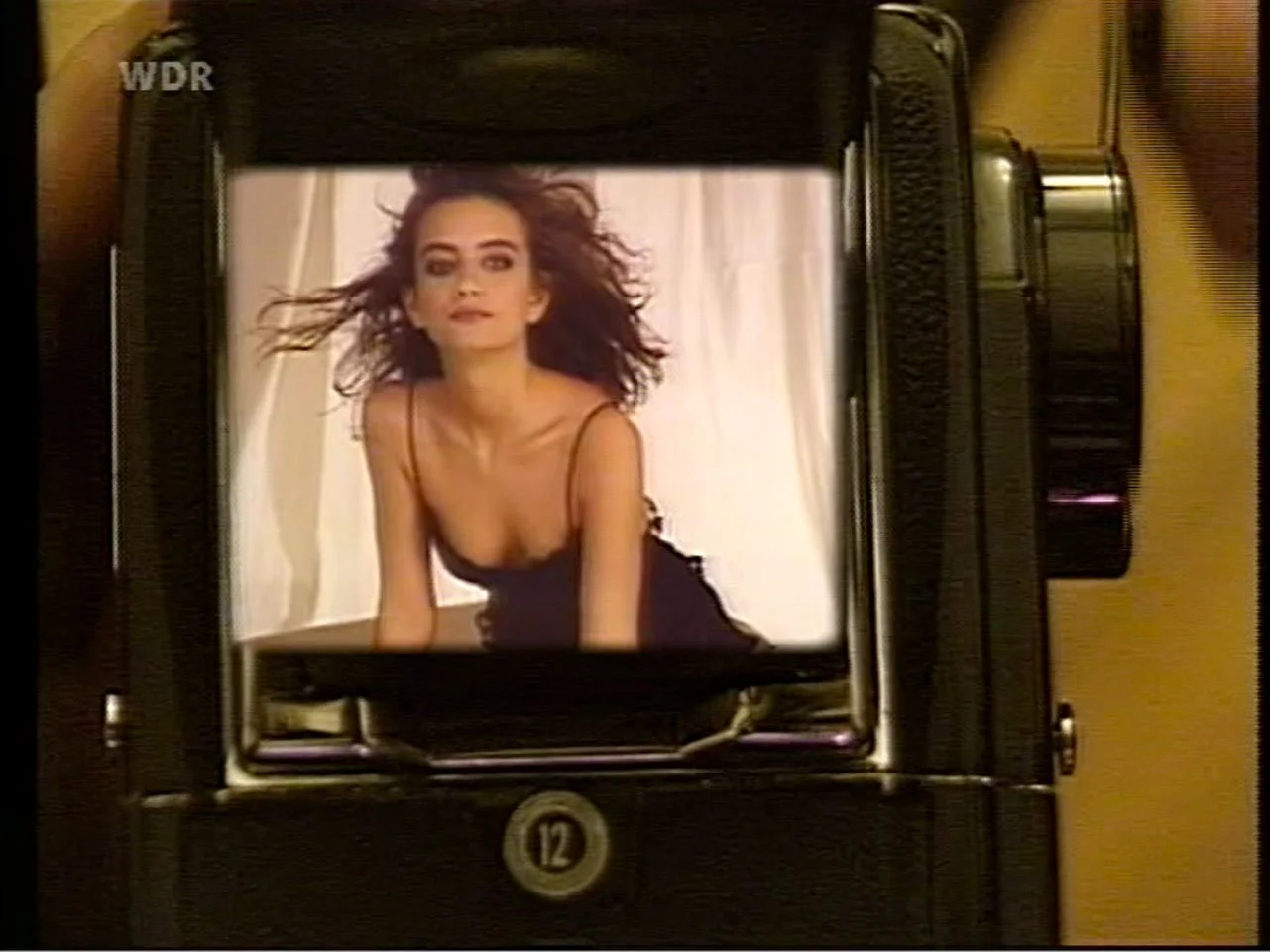
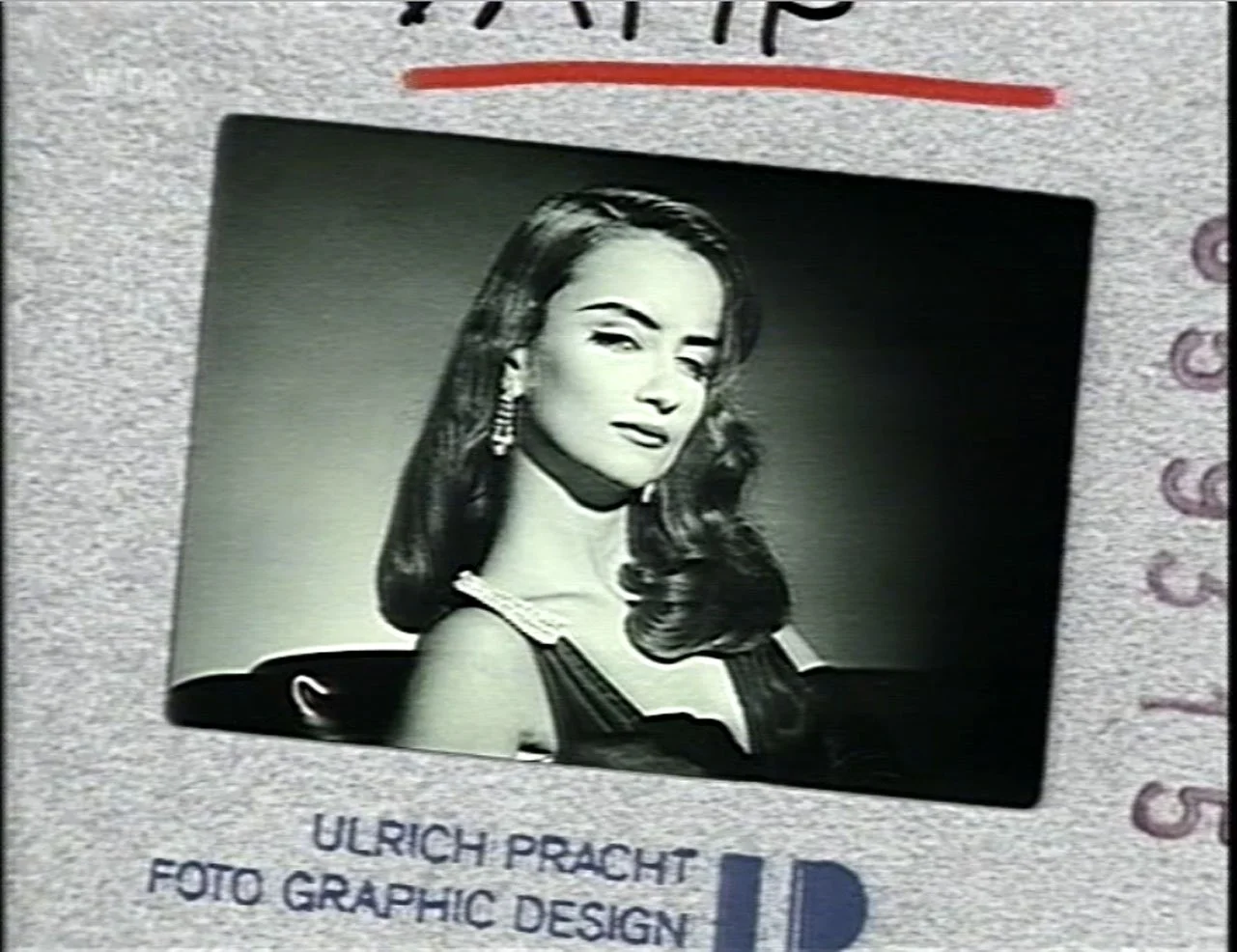
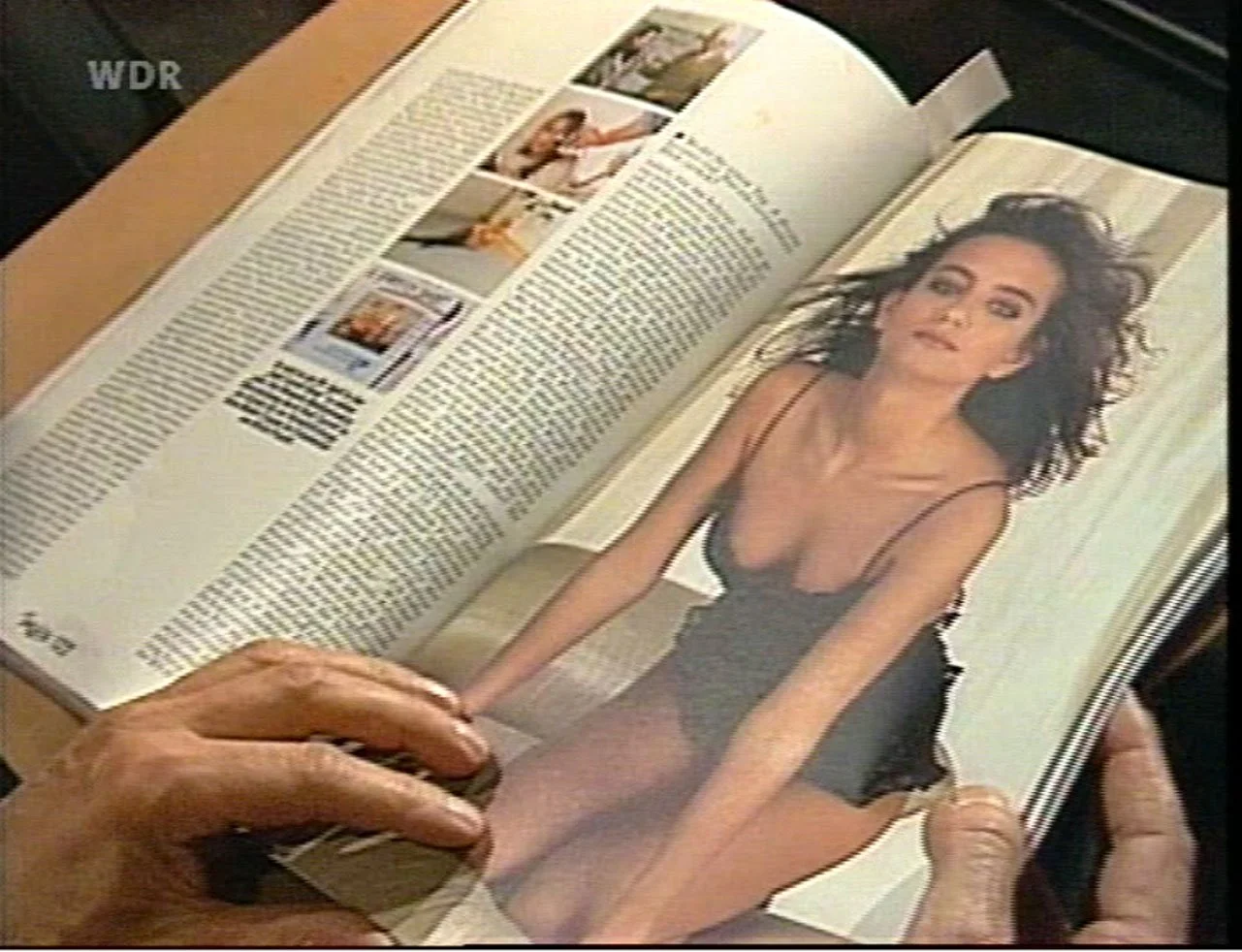
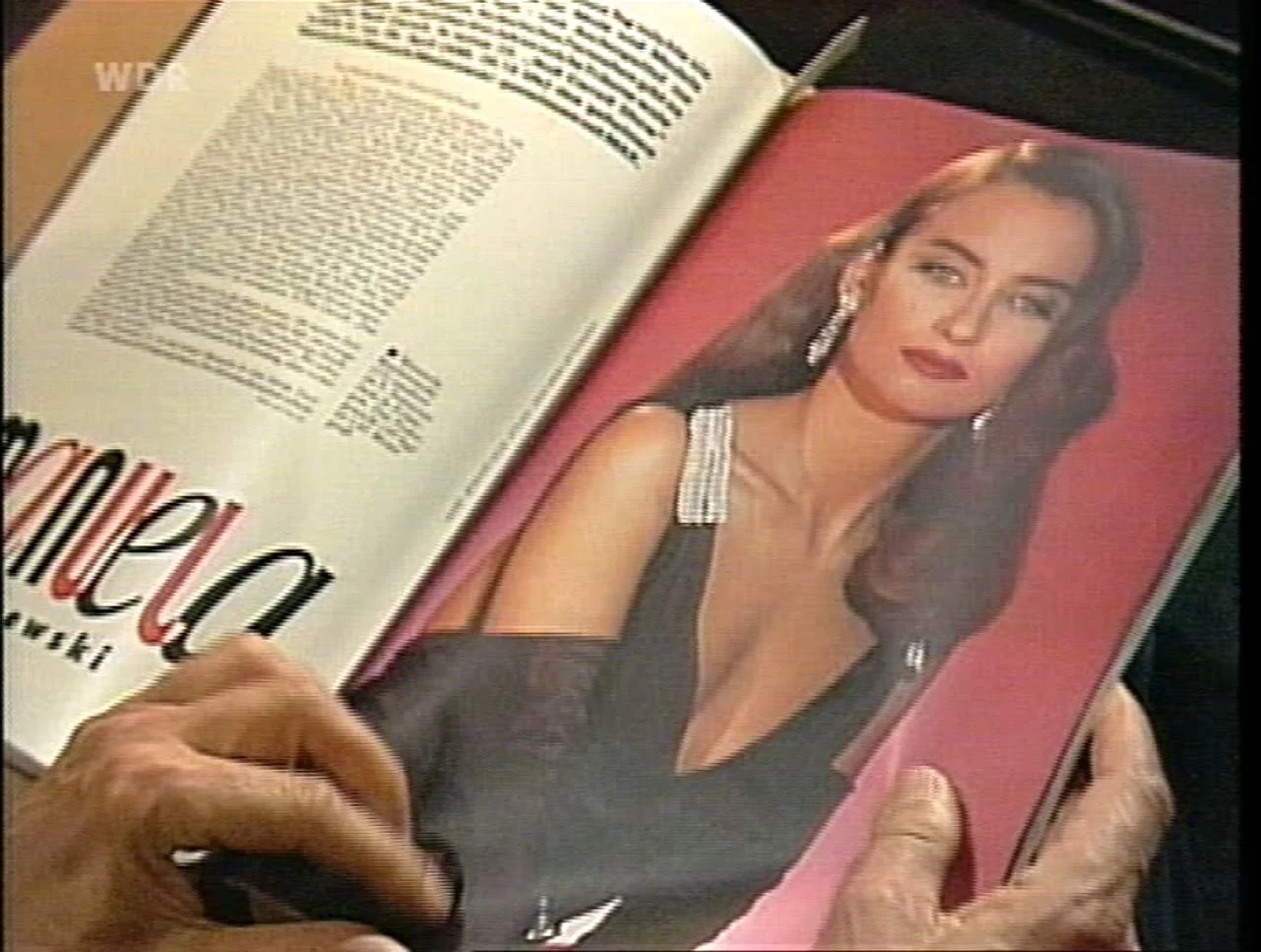
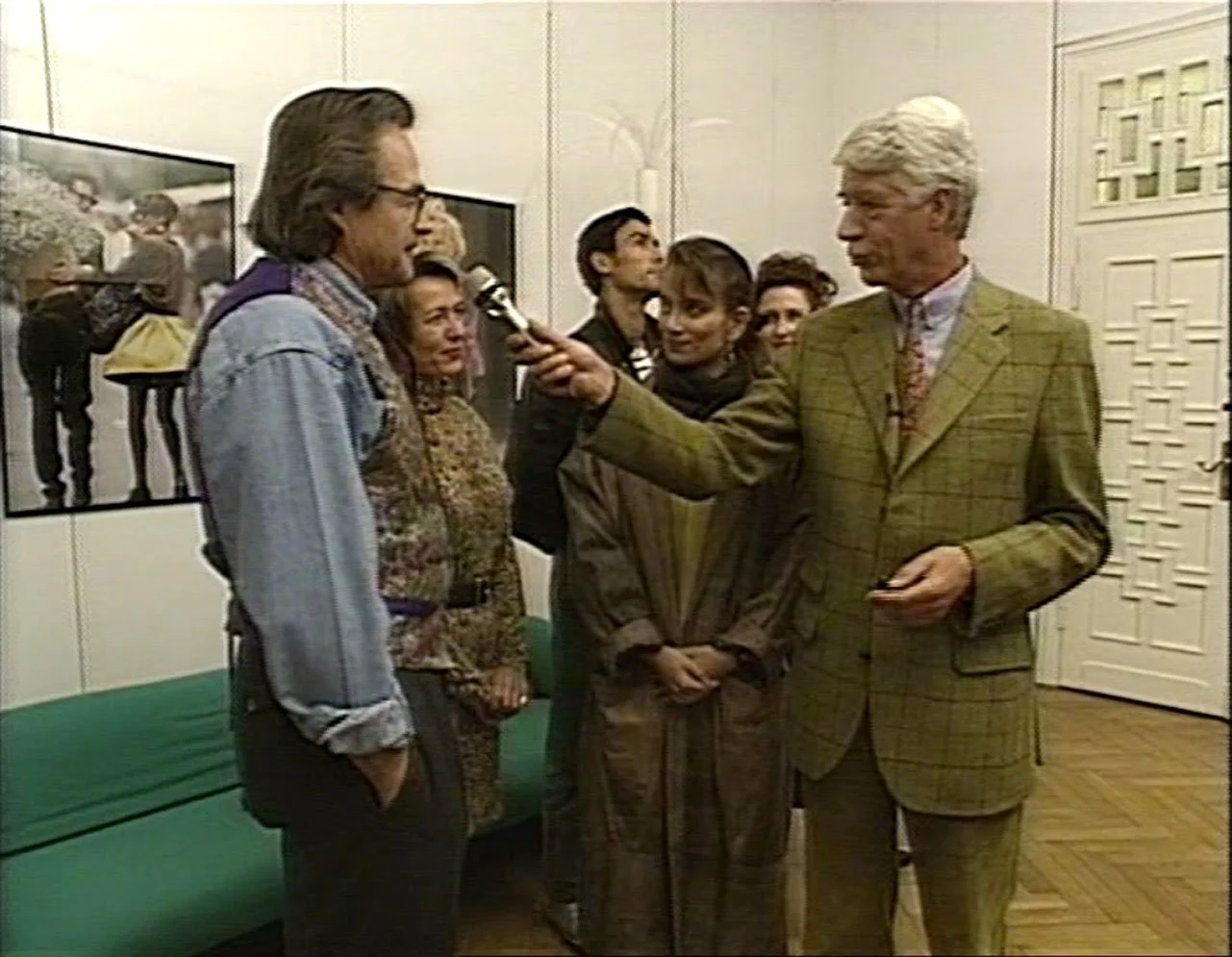
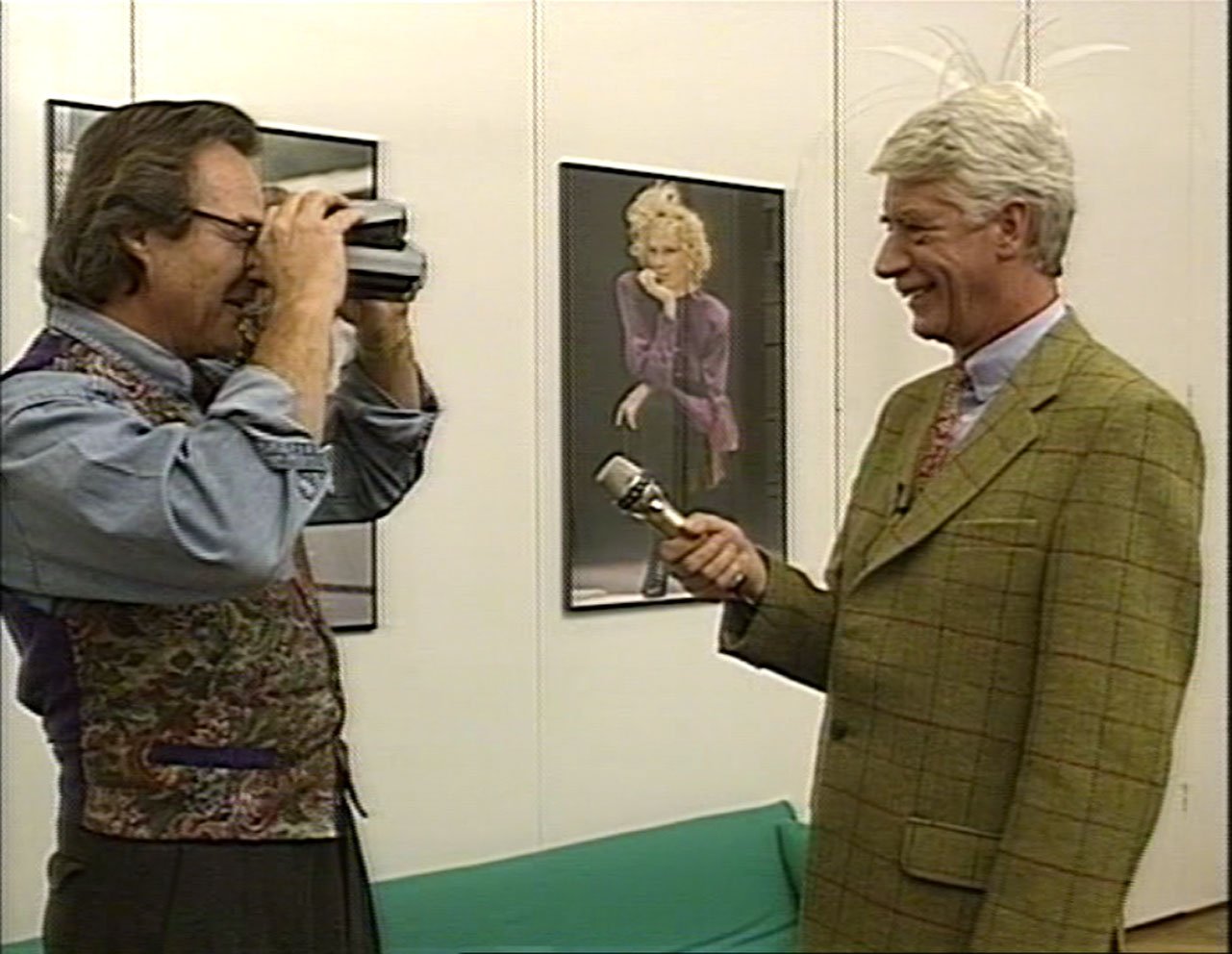
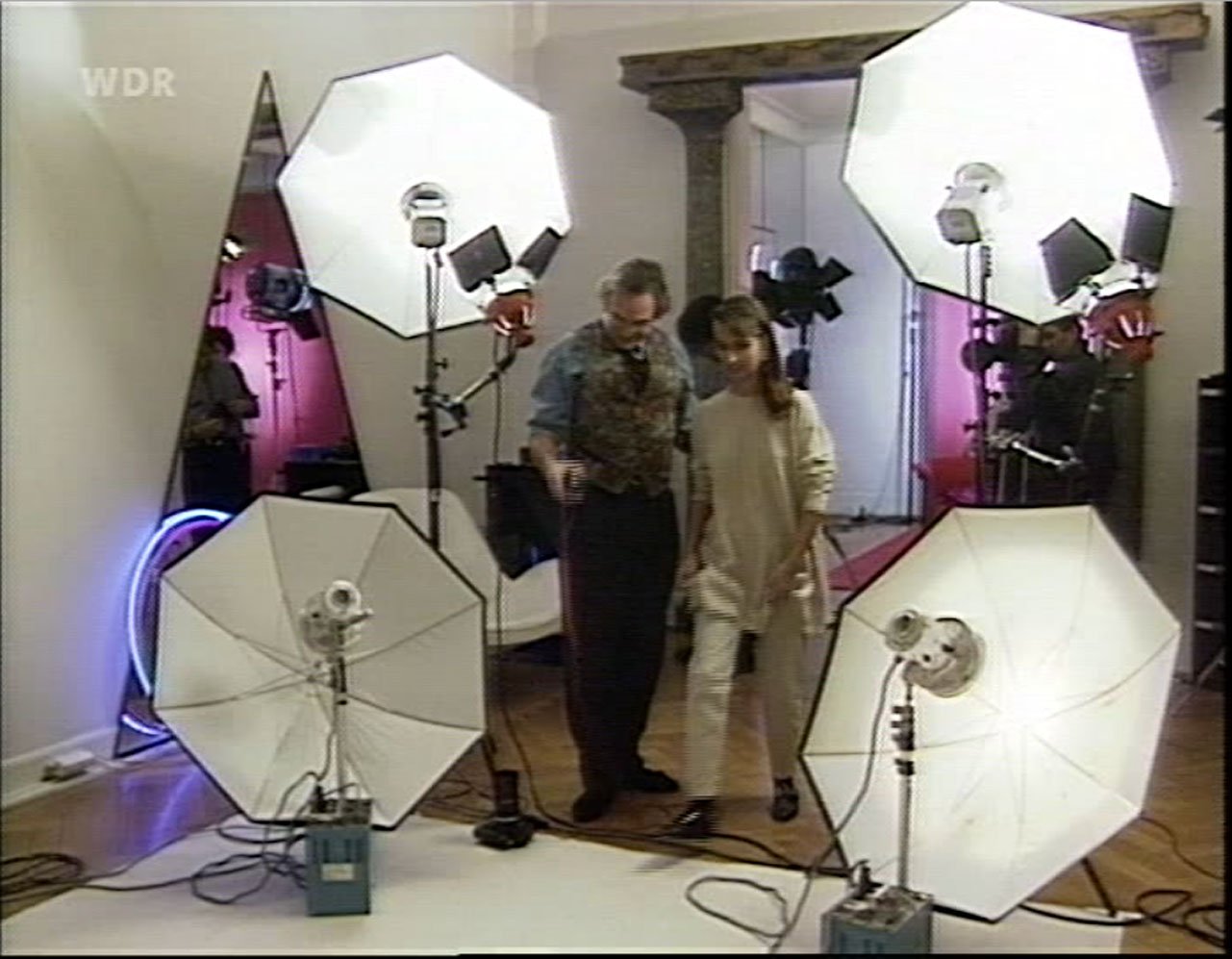
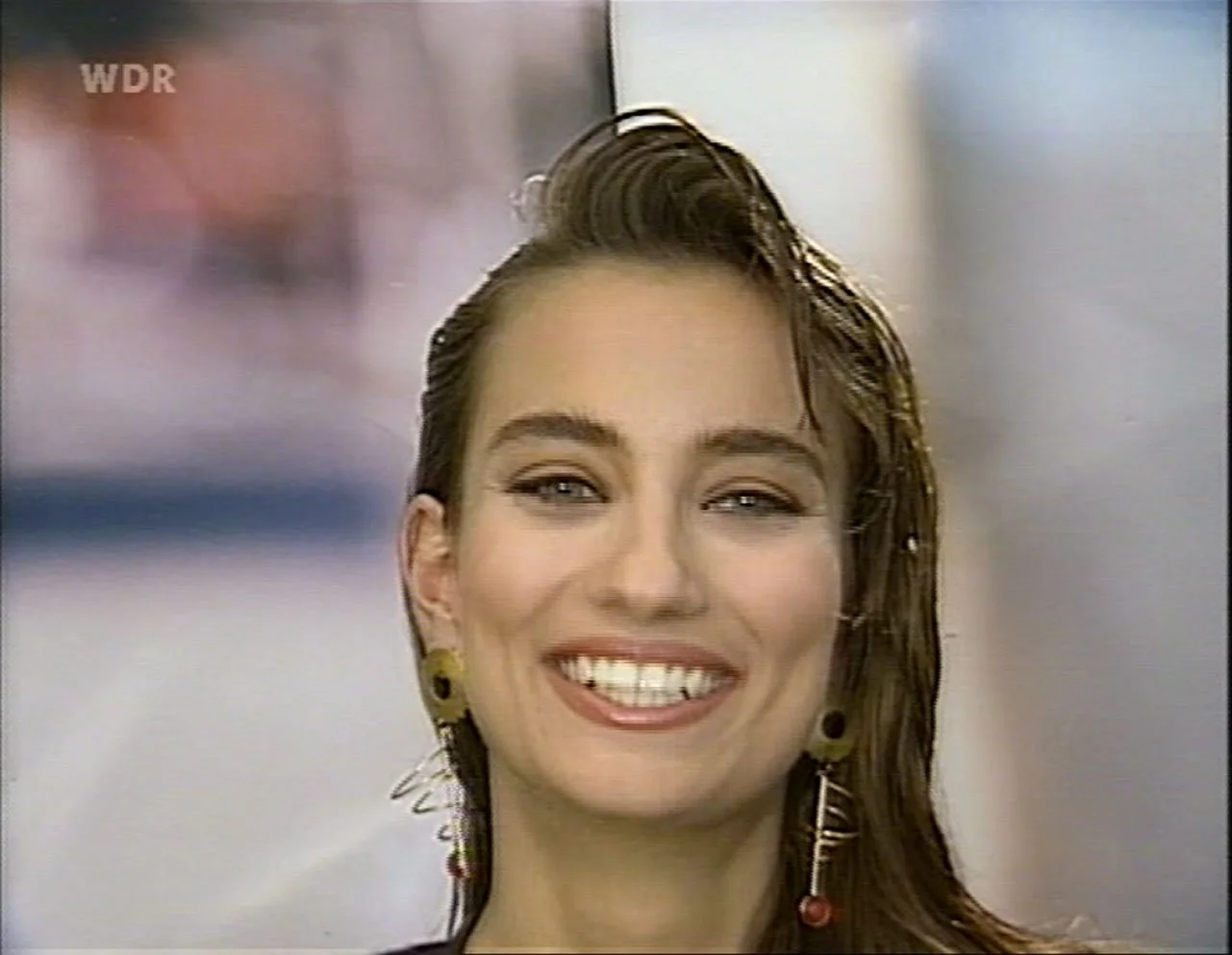
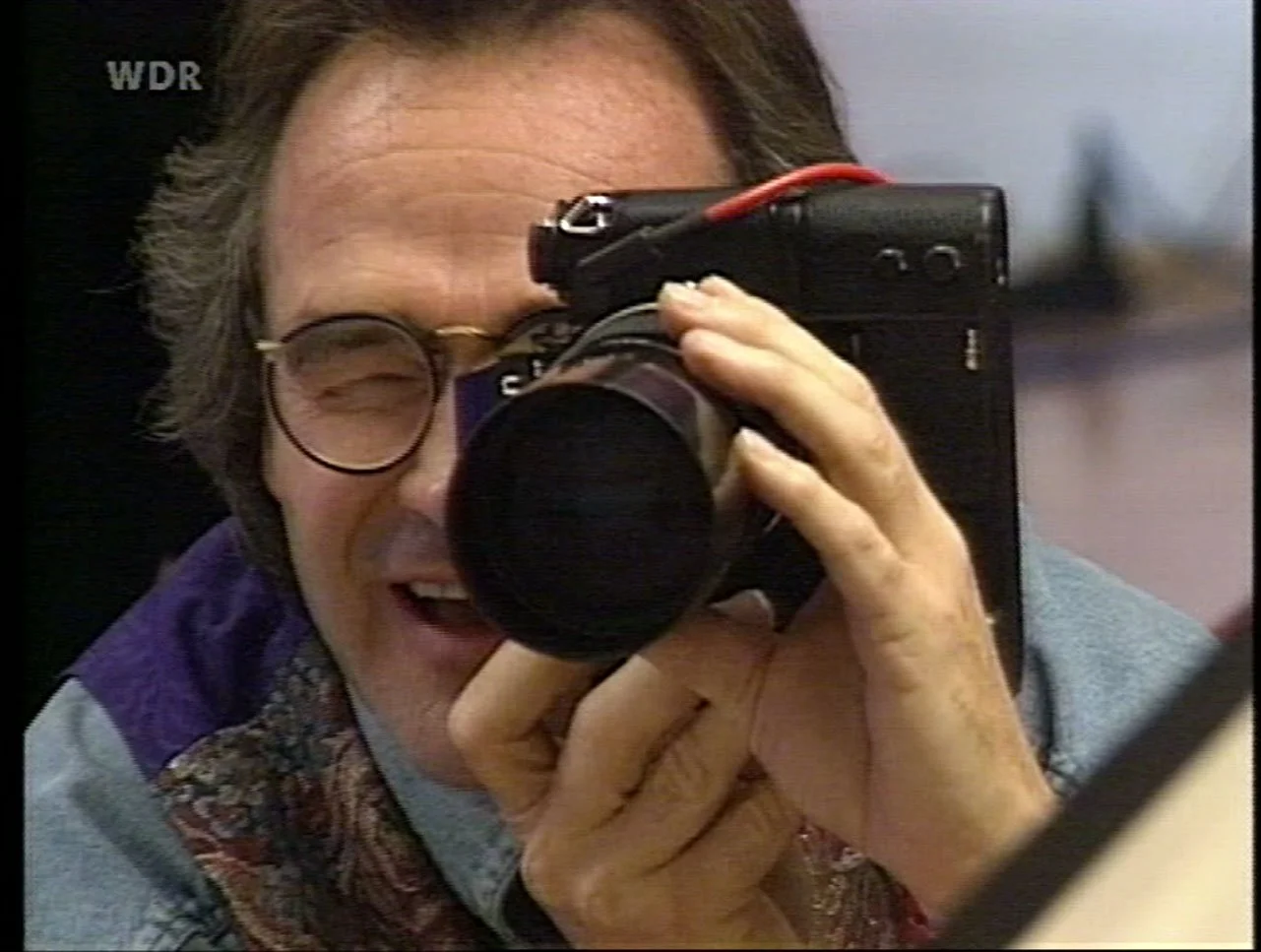
Rudi Carell stands as one of the truly great TV entertainers of 20th-century Germany. With his legendary television shows, he drew millions of people to their TV sets. It was from him that Ulrich Pracht received a special assignment. For a major Saturday-night variety show, a wish was to be granted to Manuela—an unsuspecting law student from Nuremberg: to stand in front of a camera as a fashion model just once in her life. Not to achieve fame, but simply to catch a glimpse behind the scenes and experience her own transformation. After a lengthy period of preparation, Rudi Carell surprised the young woman at her former school—the "Institute of the English Ladies," where she worked as a tutor—and invited her to the photo shoot. The goal was for her to feel just like Margaux Hemingway or Claudia Schiffer. Ulrich Pracht was the perfect man for the job, as many renowned models had already posed before his lens. The photographer and his makeup artist were captivated by Manuela. They transformed the demure Manuela into a seductive vamp, as well as a punky rock chick. Manuela saw the images—which were subsequently published in Max magazine—for the very first time during the show; she was just as delighted as the 16 million viewers sitting in front of their televisions that evening. Ulrich Pracht subsequently received more than a thousand letters from women of all ages who were absolutely determined to be photographed by him.
After six Ivan Rebroff Shows between 1972 and 1975—broadcasts that drew an audience of millions to their screens on Saturday nights—and a brief interlude on The Rudi Carell Show (where Ulrich Pracht styled the young student Manuela as a seductive model and punky vamp), his work for television came to a temporary halt. For Ulrich Pracht was, first and foremost, a businessman: "The fee paid for a full week of work amounted to barely more than the daily rate I earned in the fashion industry."
13.3
ZDF
ZDF-Film. Ruth.
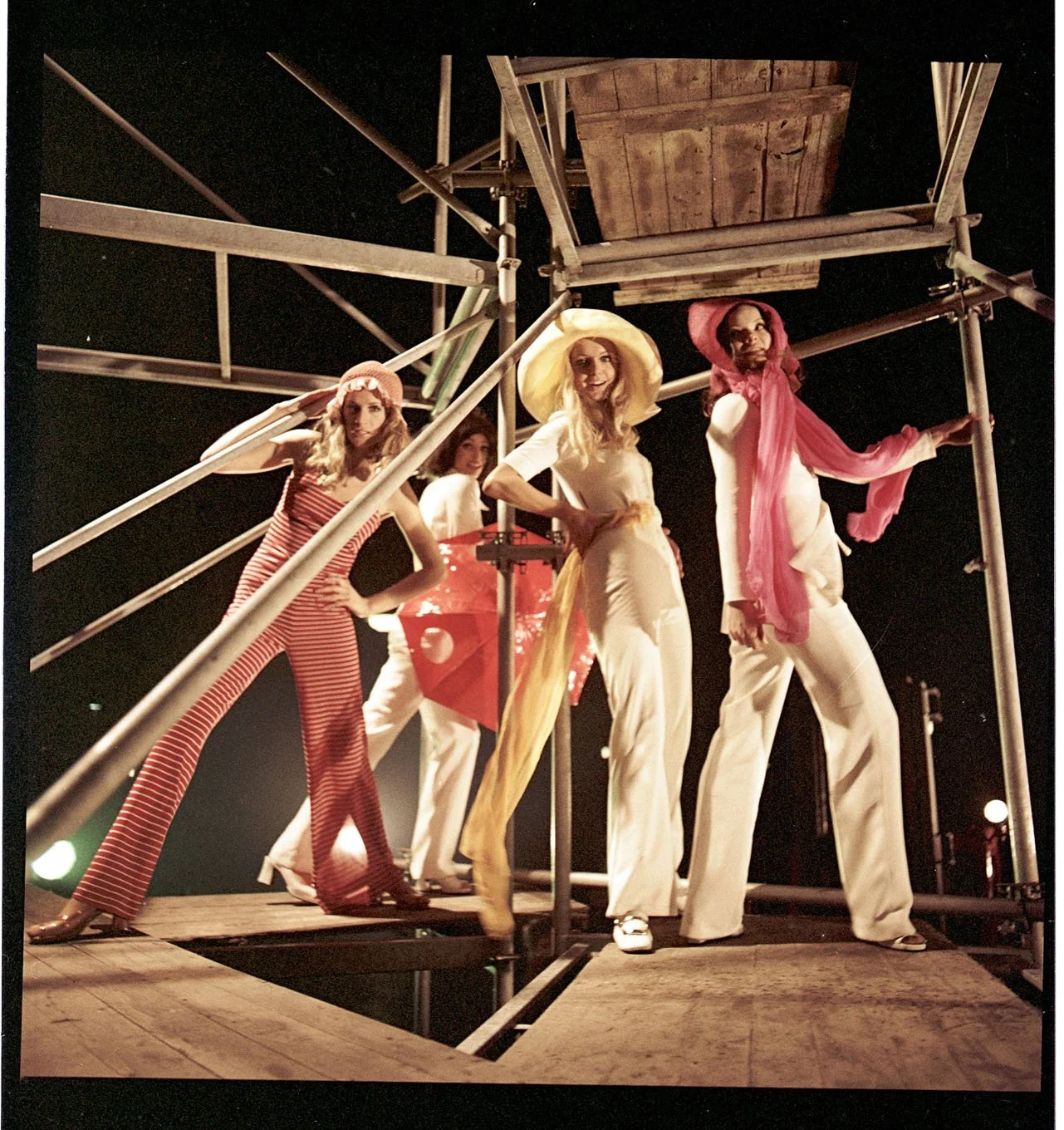
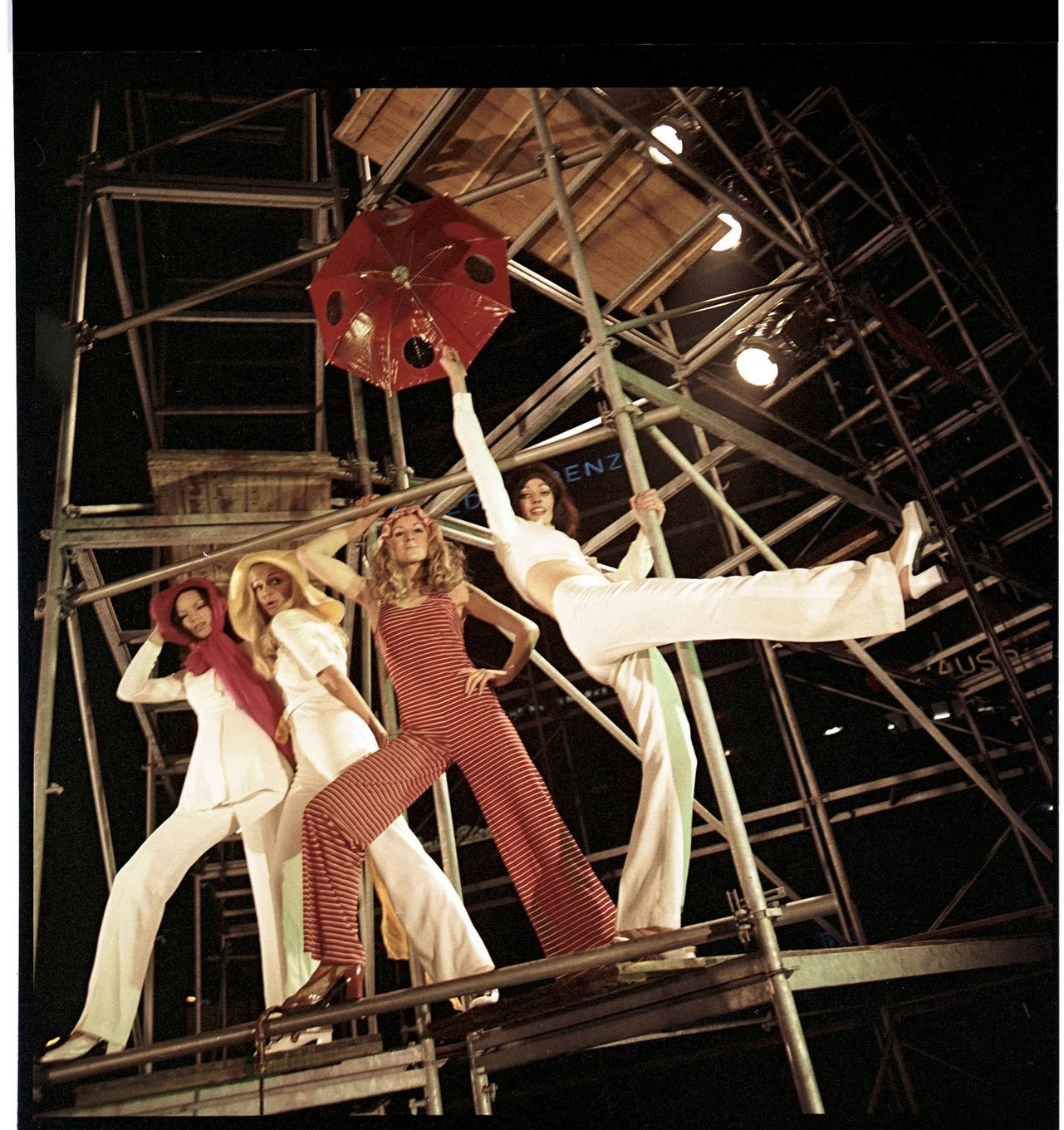
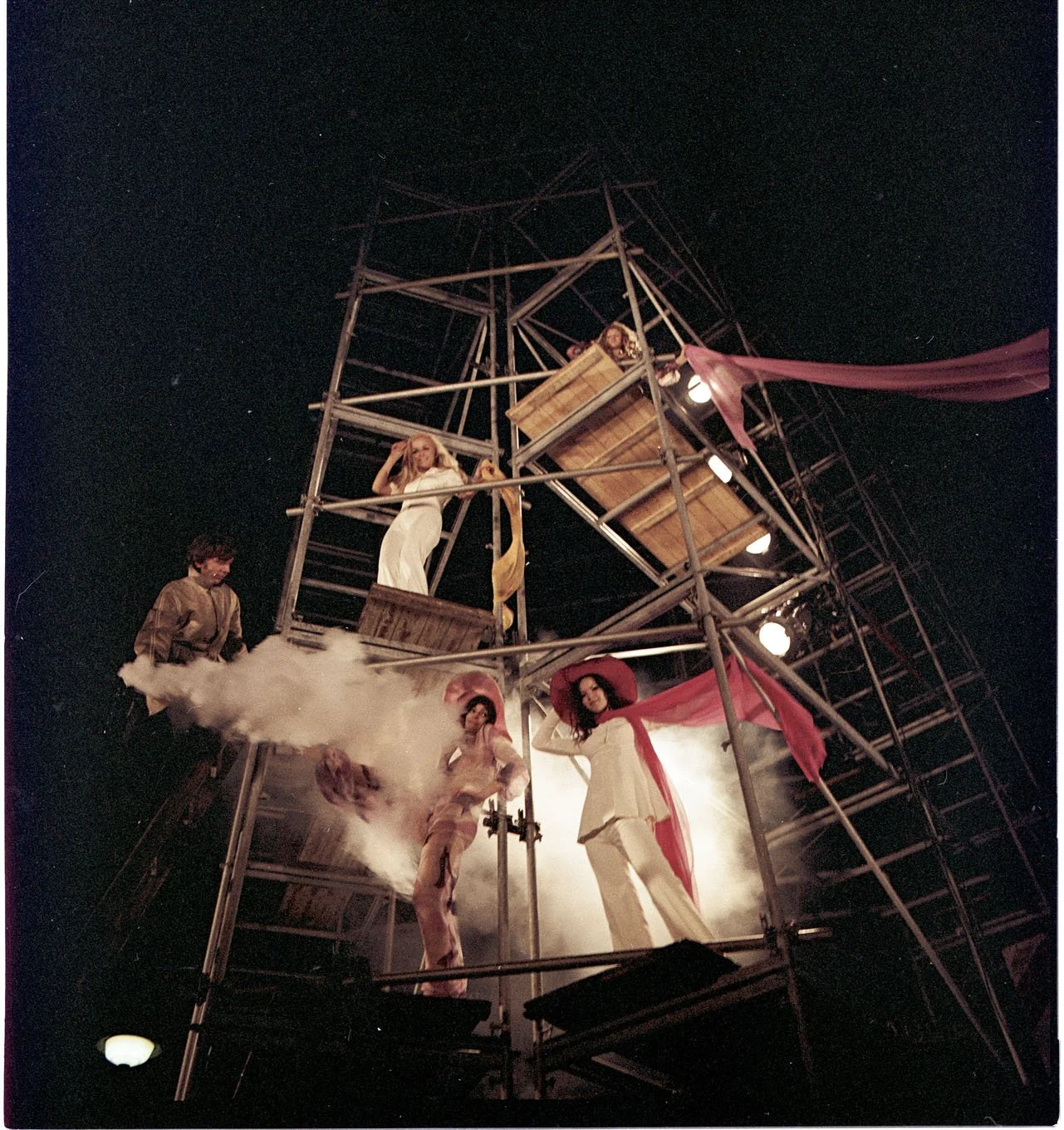
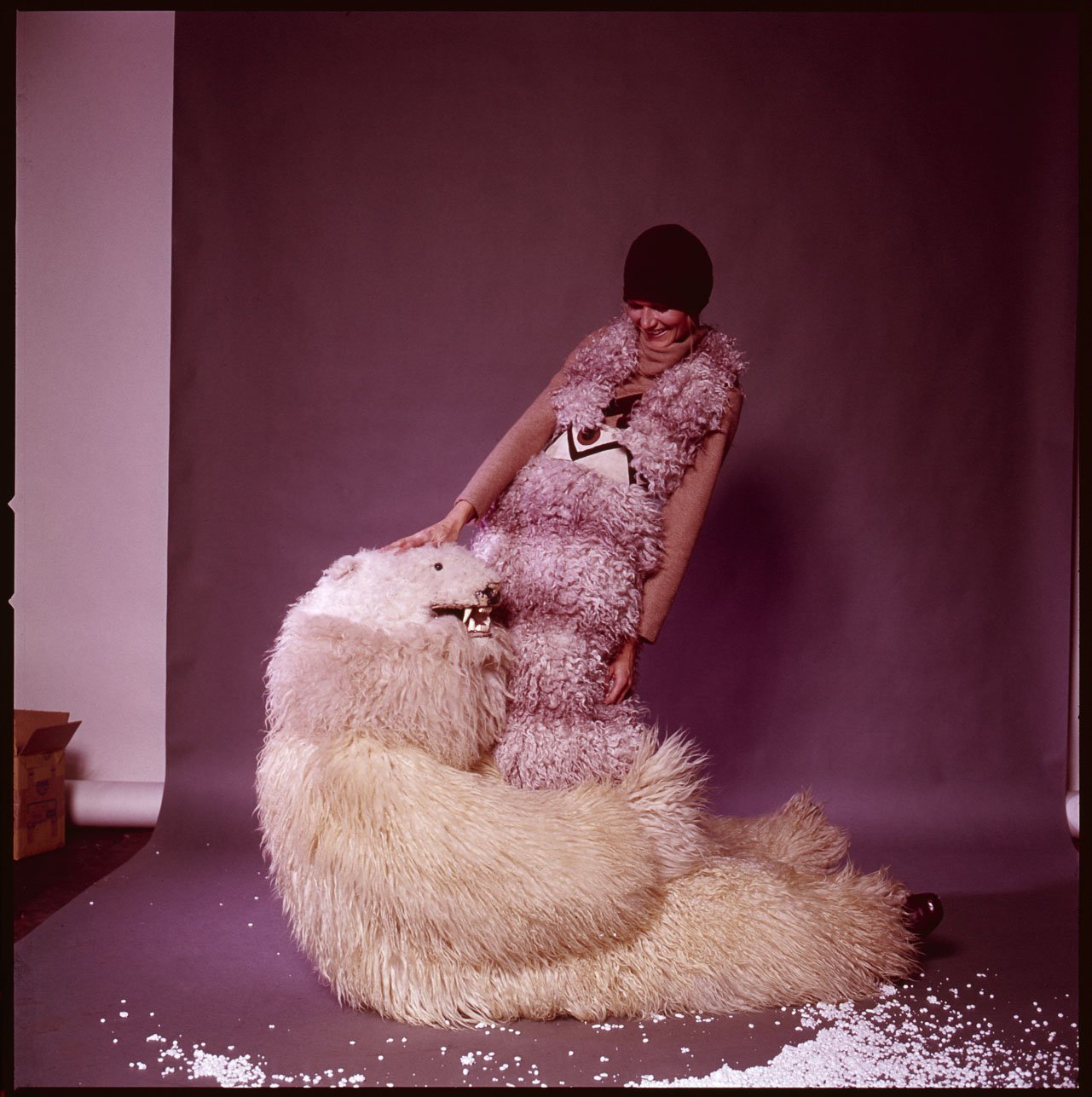
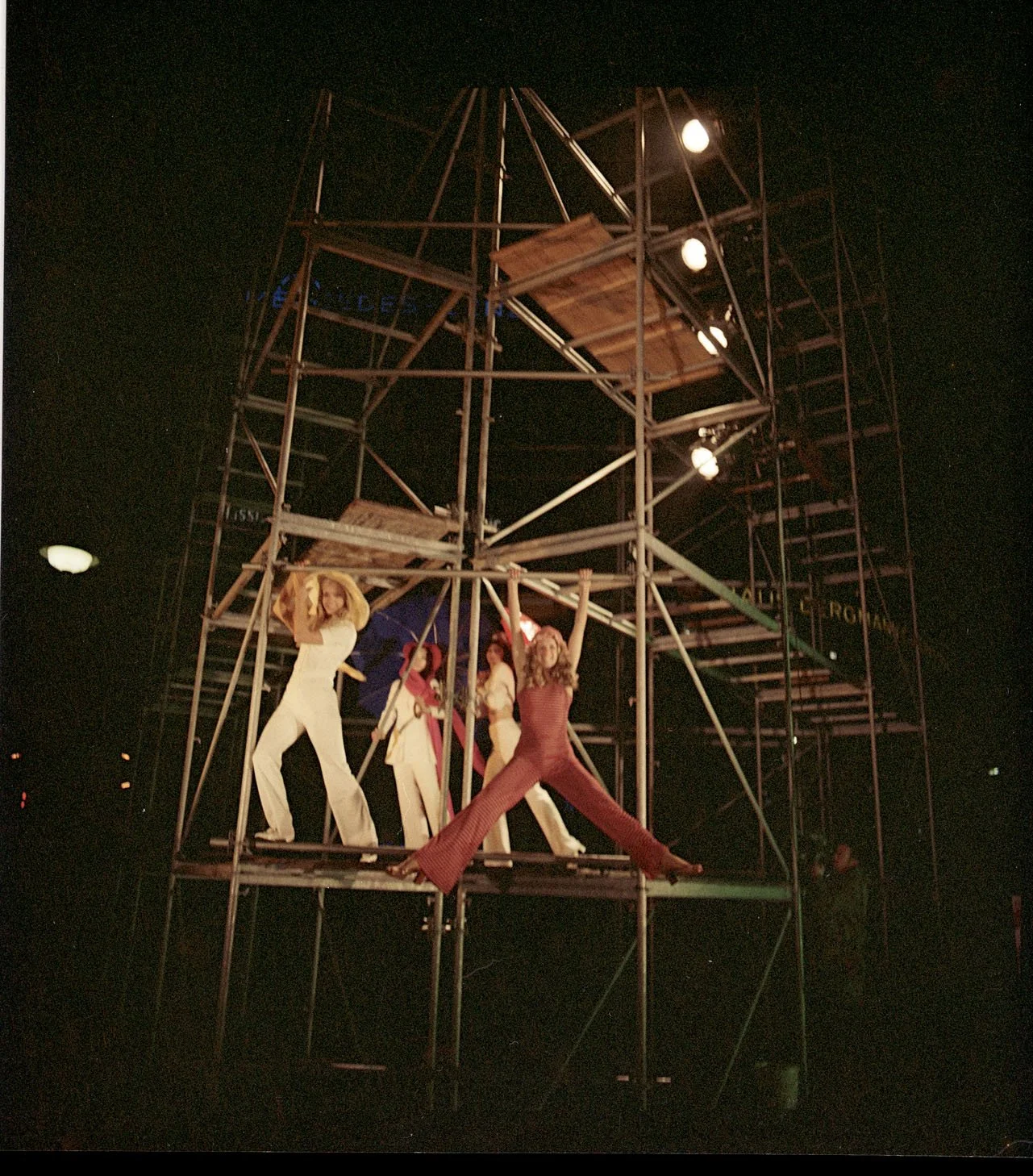
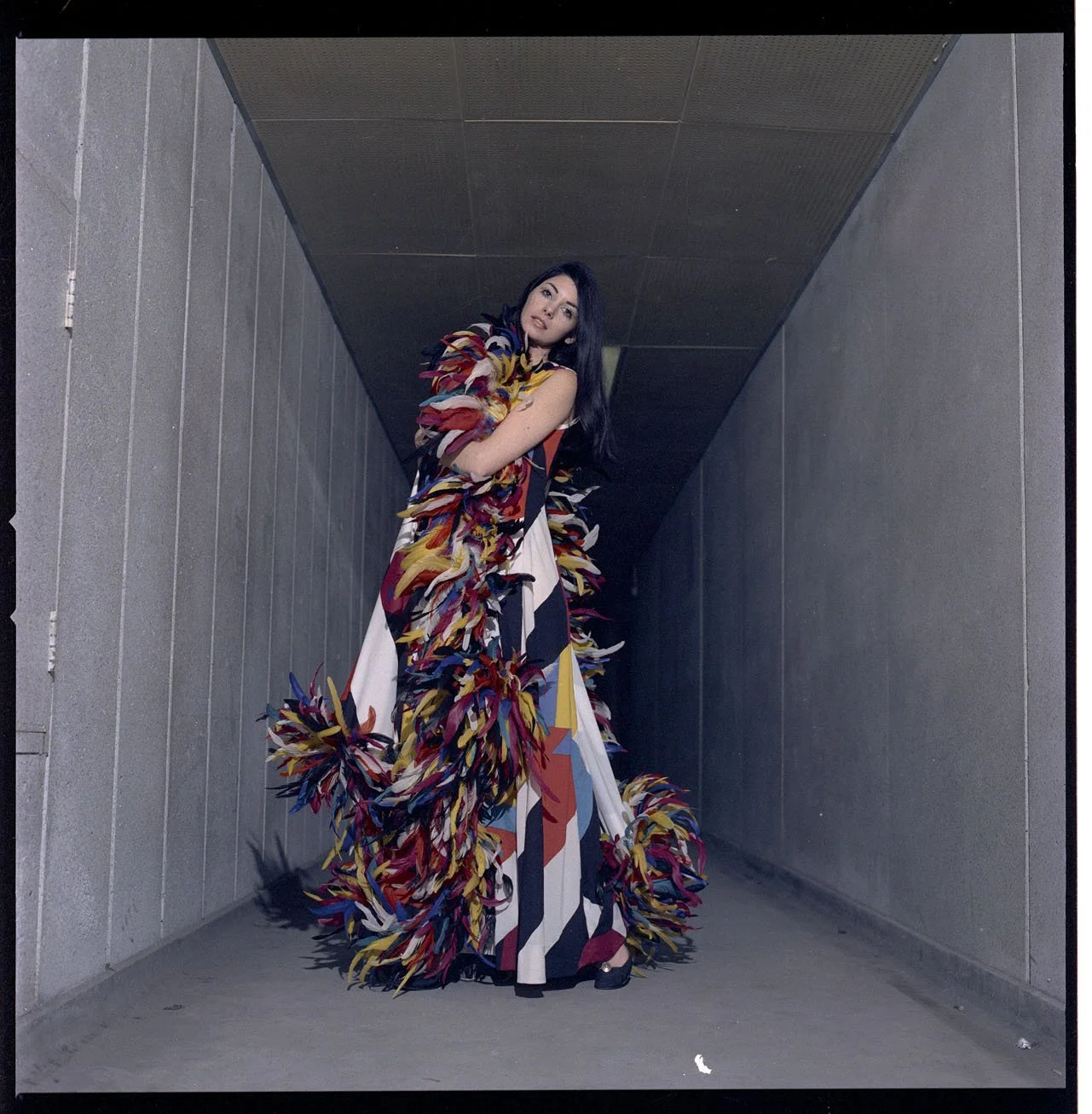
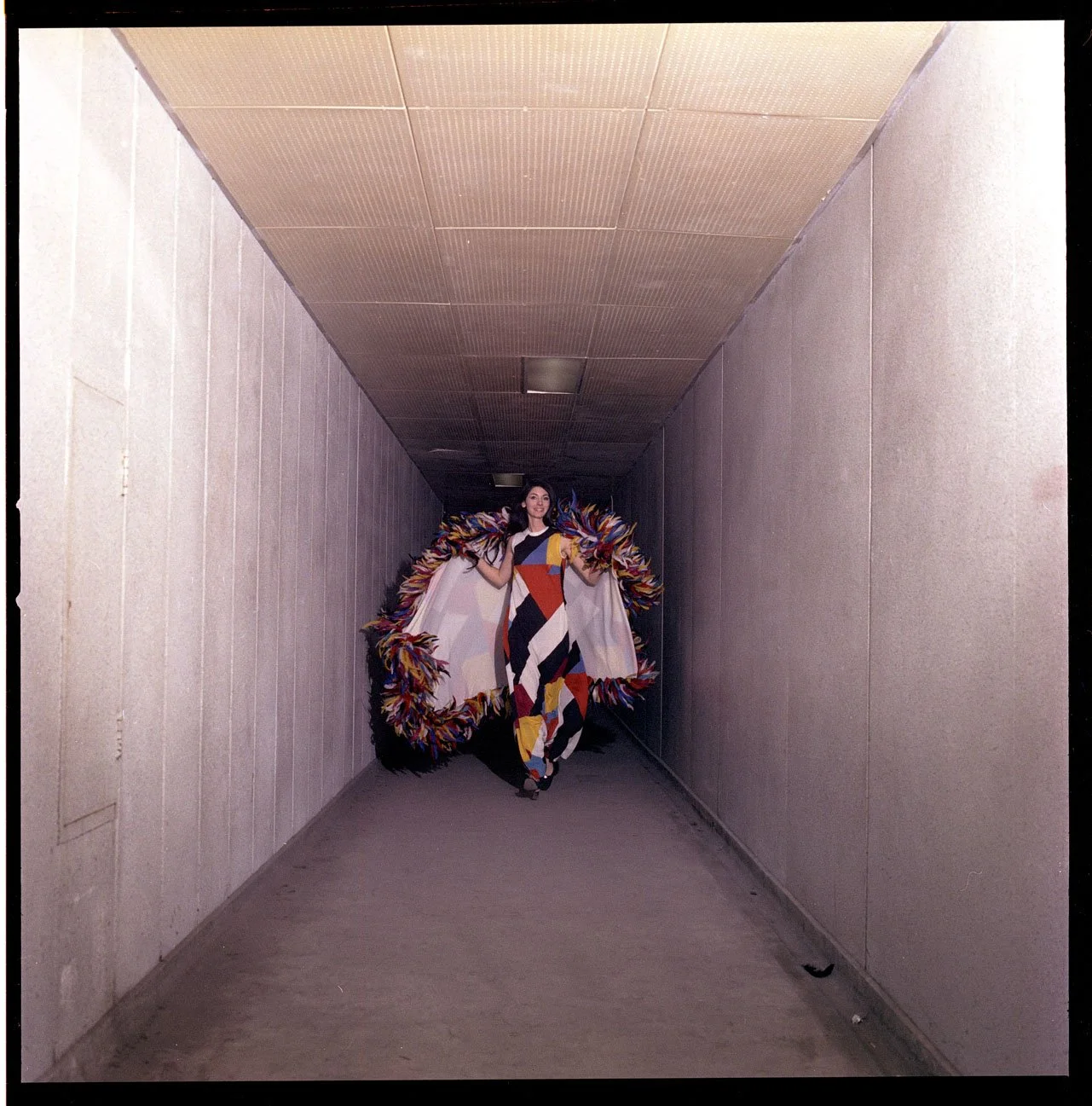
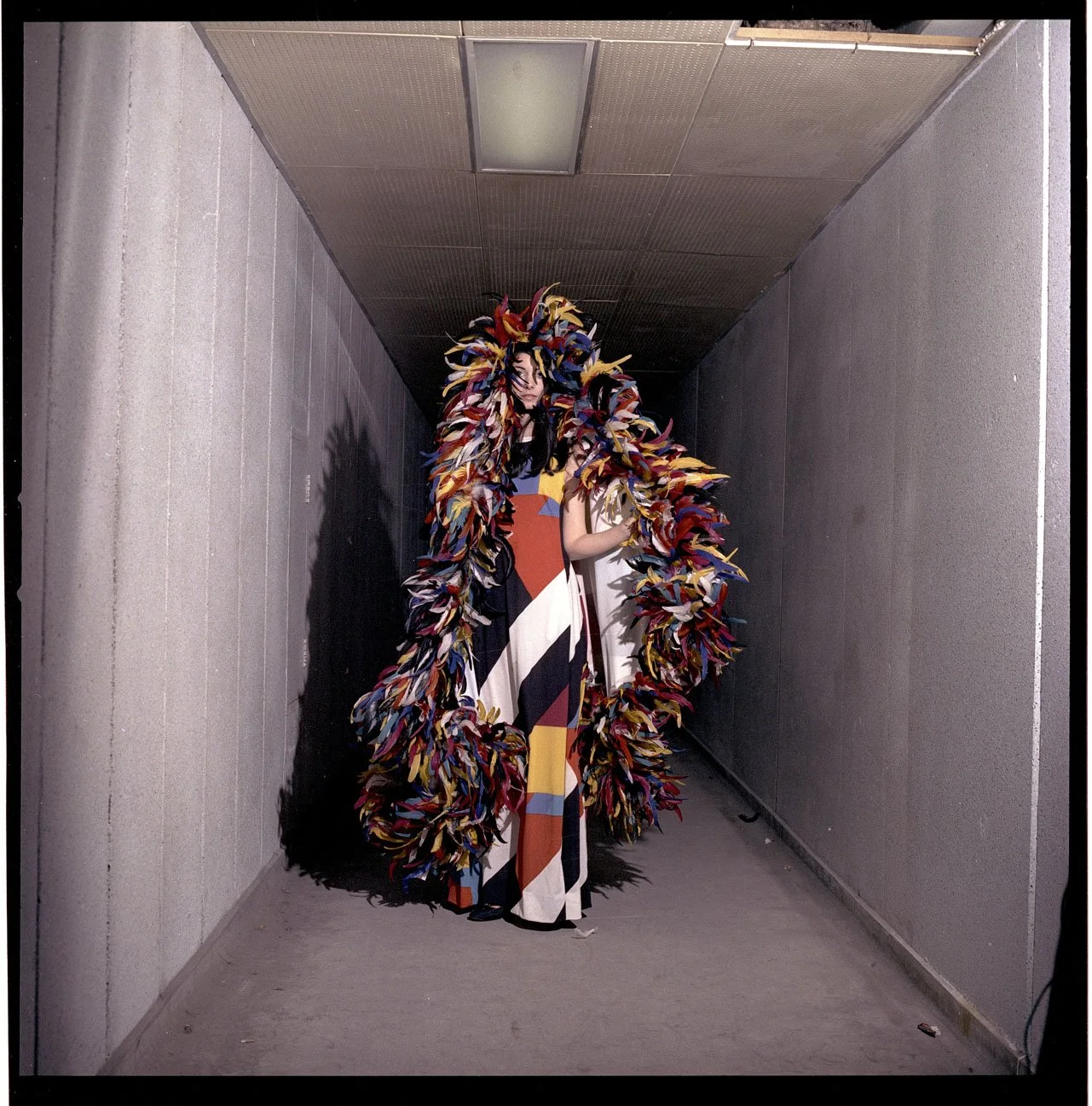
A massive scaffolding structure. Spotlights and a sound system form the backdrop for the fashion presentation that Ulrich Pracht is staging on behalf of the fashion label pourelle. The ZDF television network is keen to utilize this striking setting for its filming of a documentary about the model Ruth Köcher. In the 1960s, Gabriele Henkel—art collector, patron, author, and artist—embodied what would today be termed a "lifestyle lady." When she organized a fashion show for the artist and fashion designer Ken Scott at the Hotel Intercontinental in Düsseldorf, Ulrich Pracht was also on hand. There, he photographed the model Ruth Köcher—images that ZDF subsequently sought to incorporate into its documentary on the model's life. Additional footage for the film was shot in front of the Grugahalle in Essen, where a large scaffolding structure once again served as the backdrop. As Ulrich Pracht was scheduled to conduct a photo shoot for Trevira in London shortly thereafter—a job for which the model had also been booked—he agreed, at Ken Scott’s request, to take several pieces from the designer’s collection with him to the British capital to feature them in a PR campaign. "At these various locations, I captured a number of extraordinary images—photographs that, to this day, remain unrivaled within my portfolio." The fact that Ruth—who, as Miss Germany in 1967, placed in the top seven at the Miss World pageant—does not appear in these particular images was due to a scheduling conflict on the model's part. Nevertheless, ZDF captured it all on film.





13.4
WDR
Shows and Projections
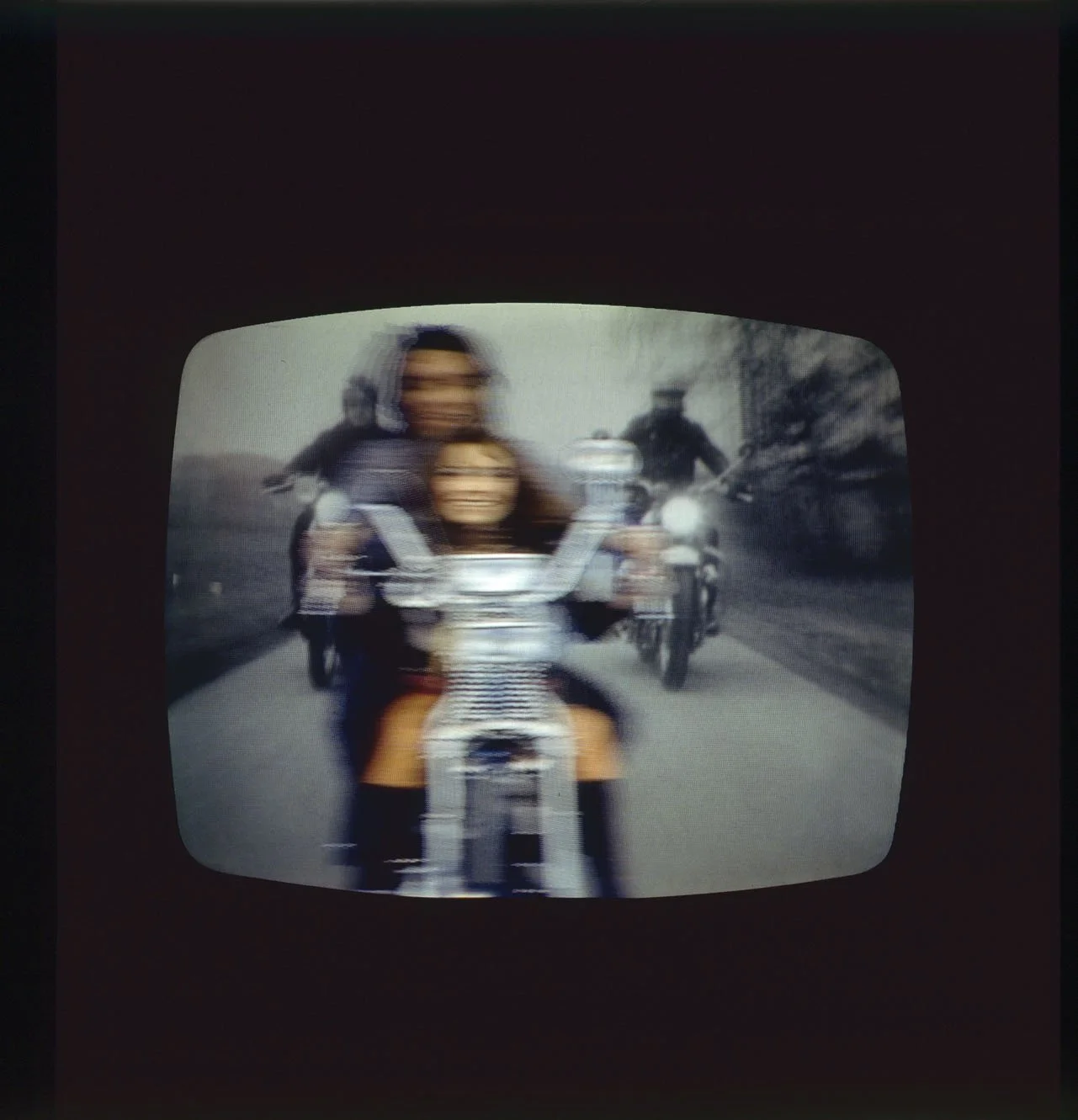
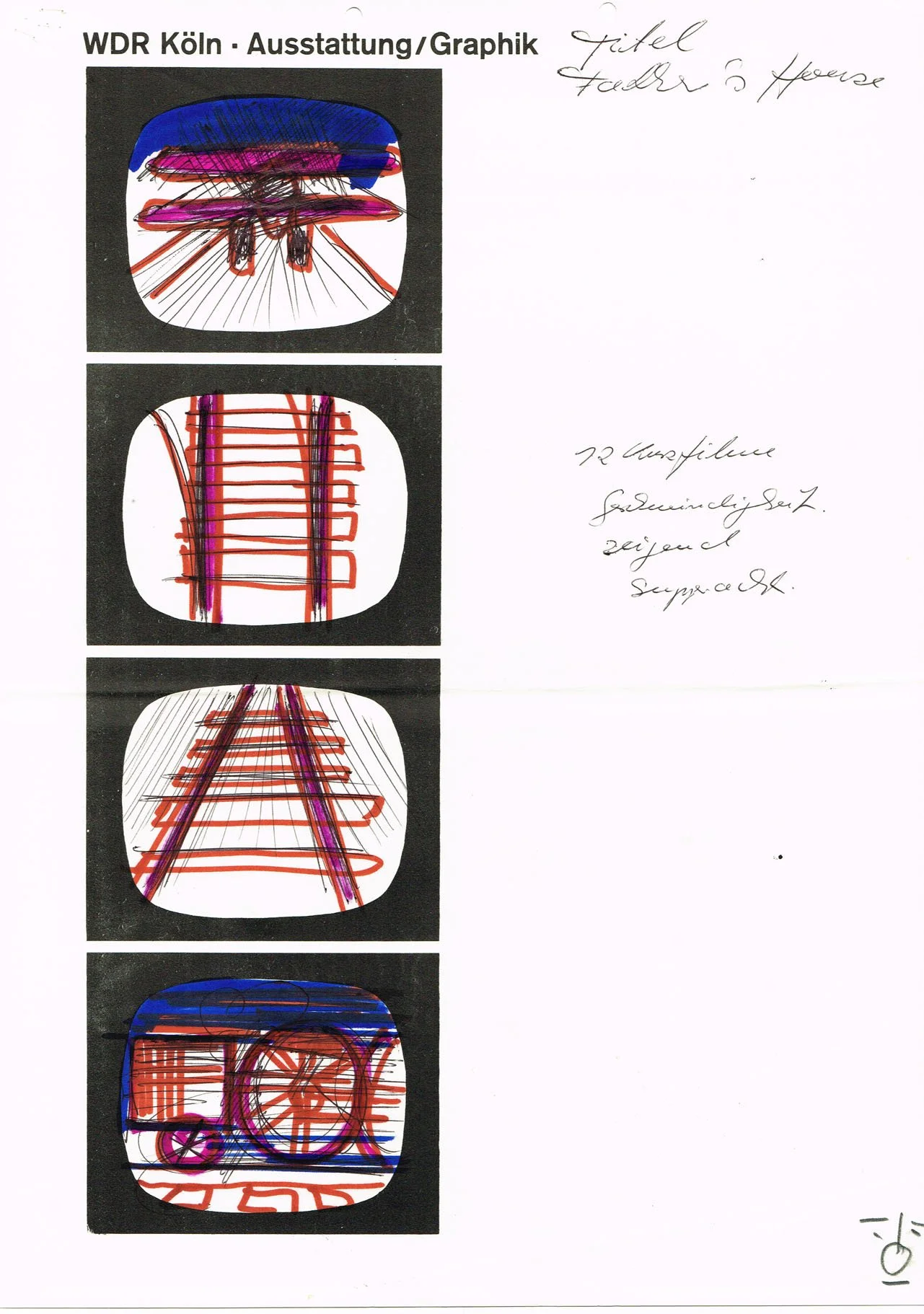
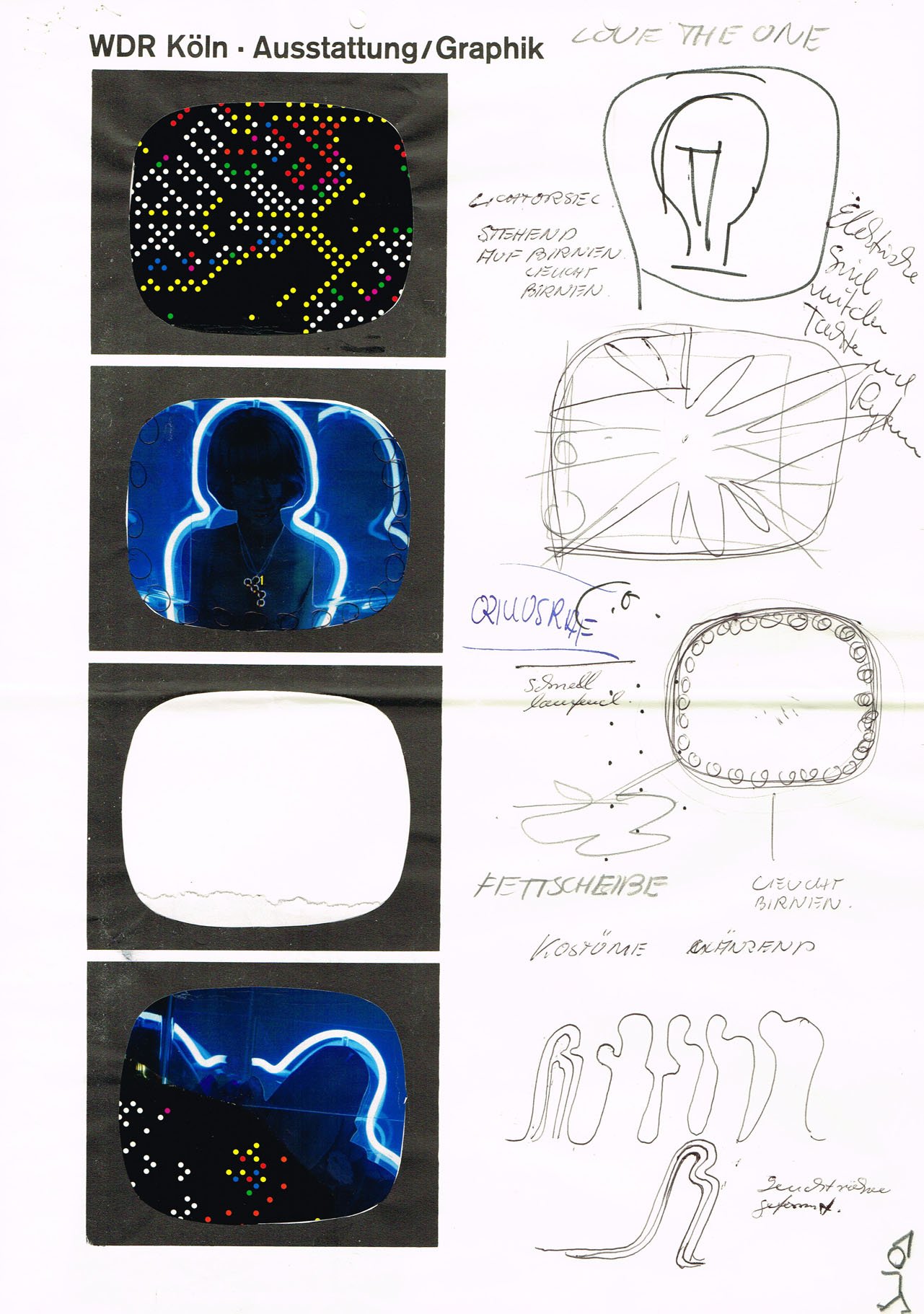
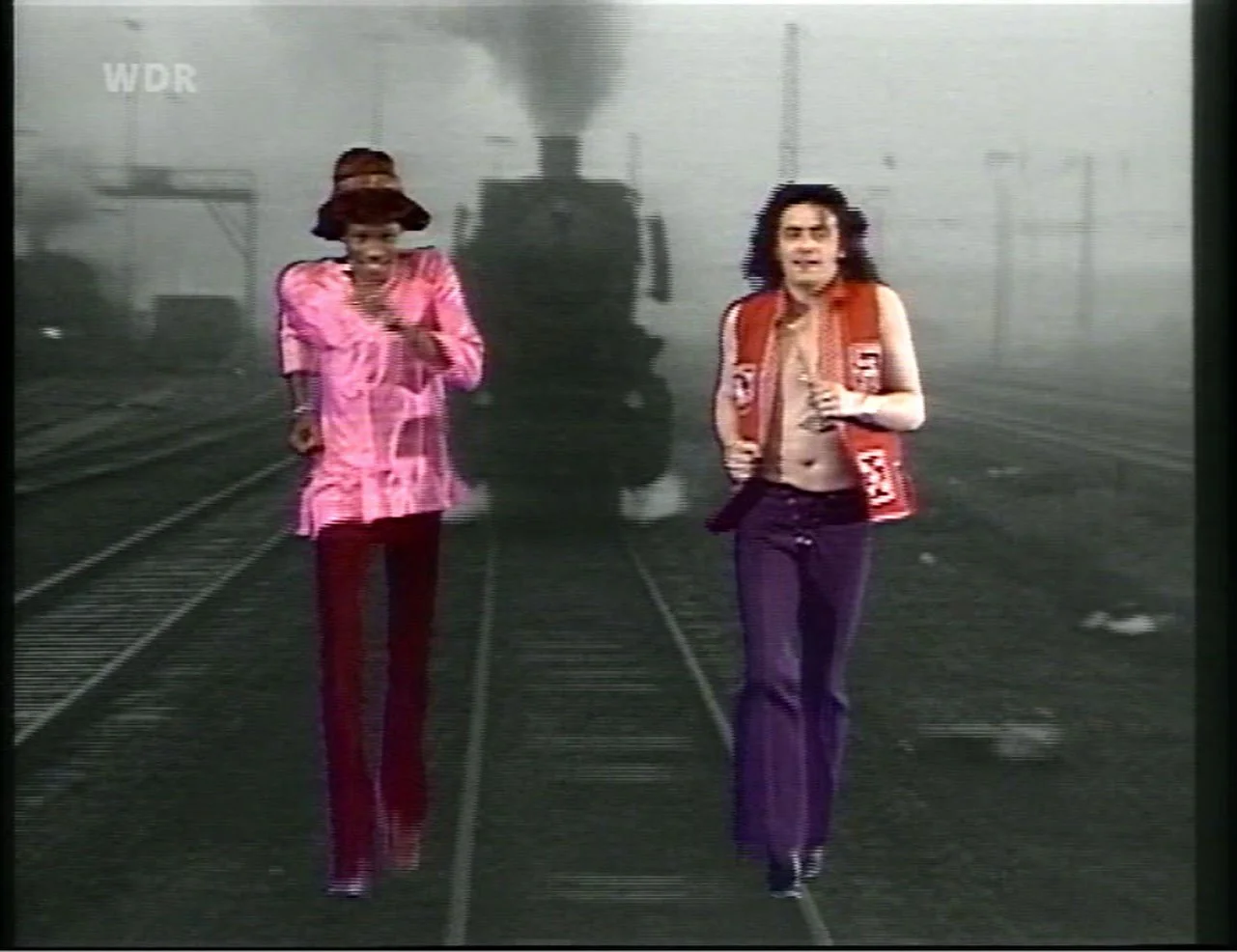
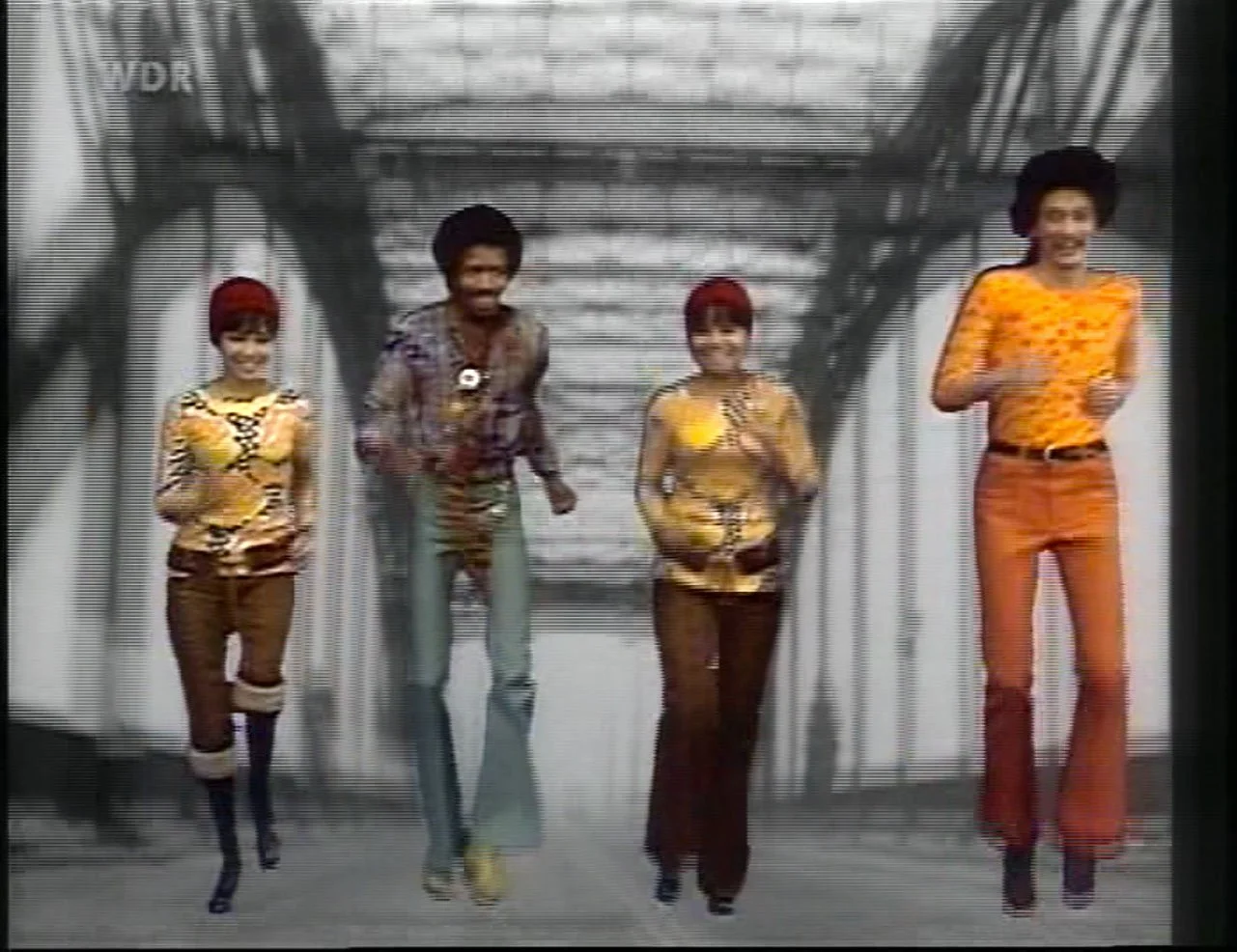
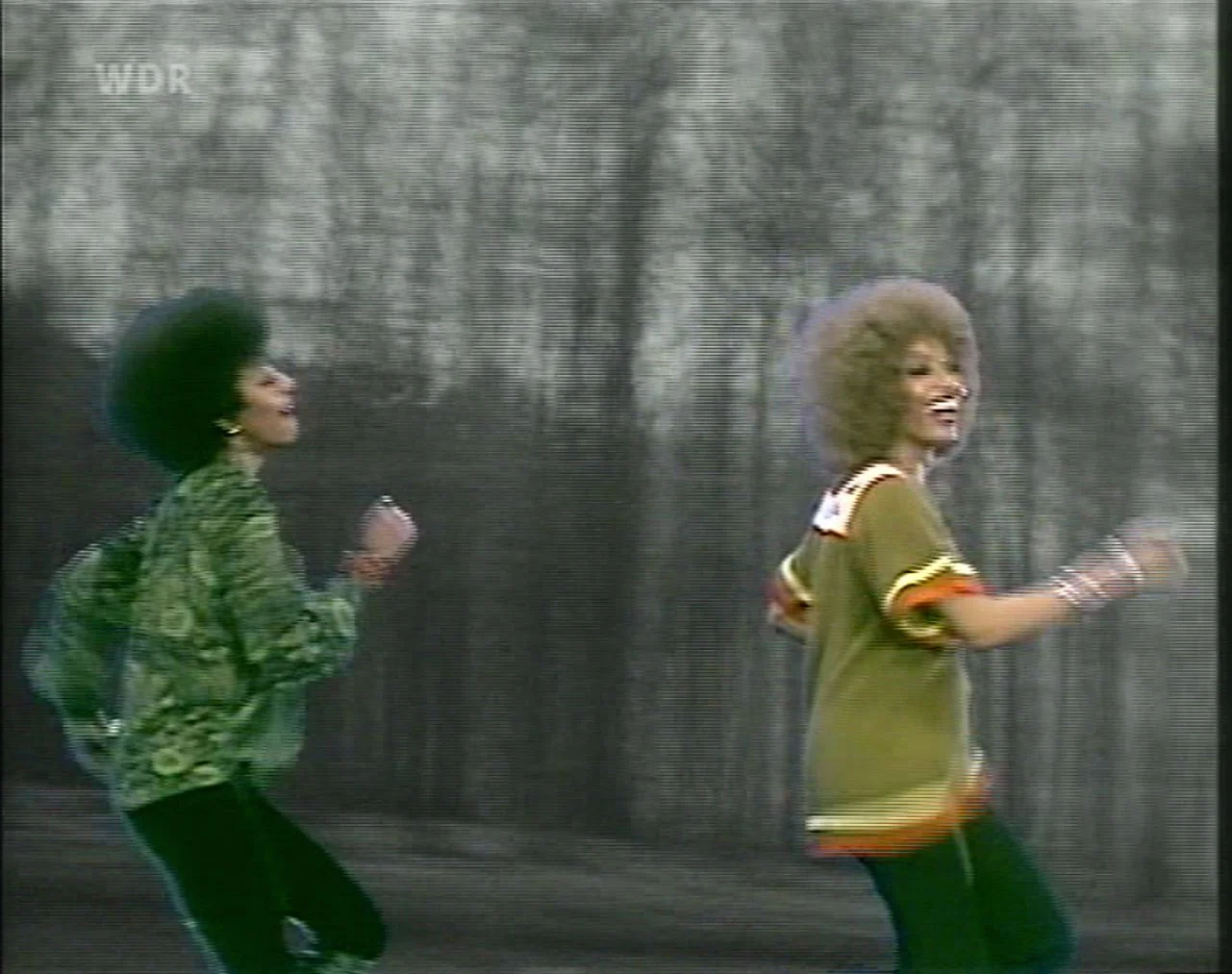
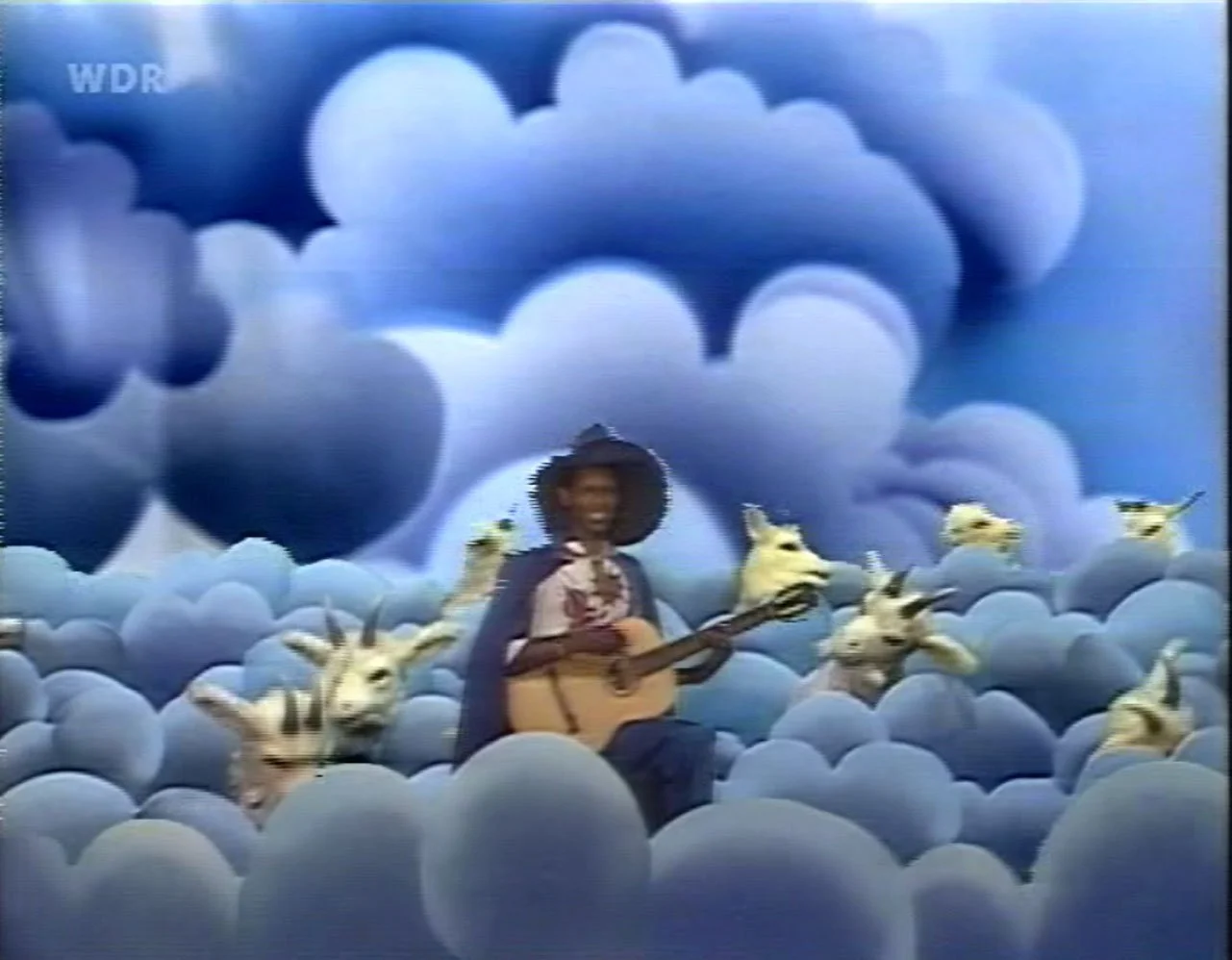
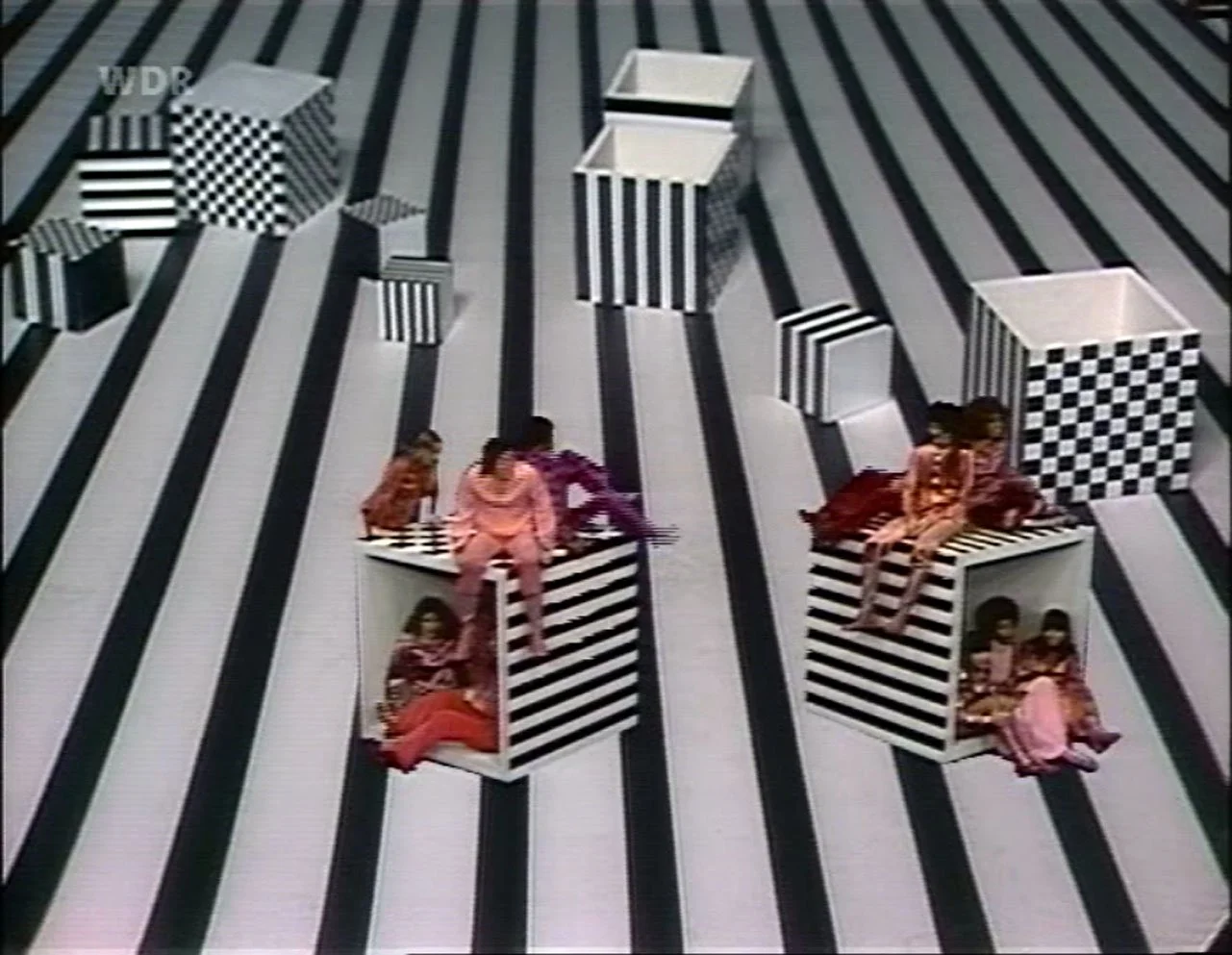
Ulrich Pracht owed his initial contact with the television industry to the surrealist trade fair booth he designed for Saba at the International Radio Exhibition (IFA) in Berlin. In 1971, the IFA served as a gathering ground not only for private technology enthusiasts—eager to see the first home video recorder or the first wireless remote control—but also for representatives of television and radio broadcasters. One of these representatives was Hannes Hoff, the longtime Head of Entertainment at WDR in Cologne. With his progressive approach—moving away from the saccharine sentimentality of traditional operetta—Hoff profoundly shaped the landscape of German television entertainment from 1961 to 1991. "Hannes Hoff called me after seeing the Saba booth I had designed," recalls Pracht. "He asked if I would be interested in serving as Art Director for a show featuring the Les Humphries Singers." Naturally, Ulrich Pracht accepted the offer. "I jumped at the chance," he explains, "so that I could creatively adapt and implement in Germany the visual concepts I had witnessed during my work in American television in the U.S." His innovative, surreal sets—created in Studio B at WDR in Cologne—featured everything from psychedelic-style backdrops and graphic grids to footage of speeding trains composited into the frame using blue-screen technology, as well as projections displayed on a multi-vision screen. Ulrich Pracht traveled across Europe to capture the photographs and film footage used in the show. "The Head of Set Design—Professor Harald Reichelt, a passionate Harley-Davidson rider who was very supportive of my work—assigned a classically trained set designer to assist me, ensuring that my wild ideas could be brought to life using traditional analog techniques."