

15
CRAZY UP
Timelessness and the Spirit of the Age.
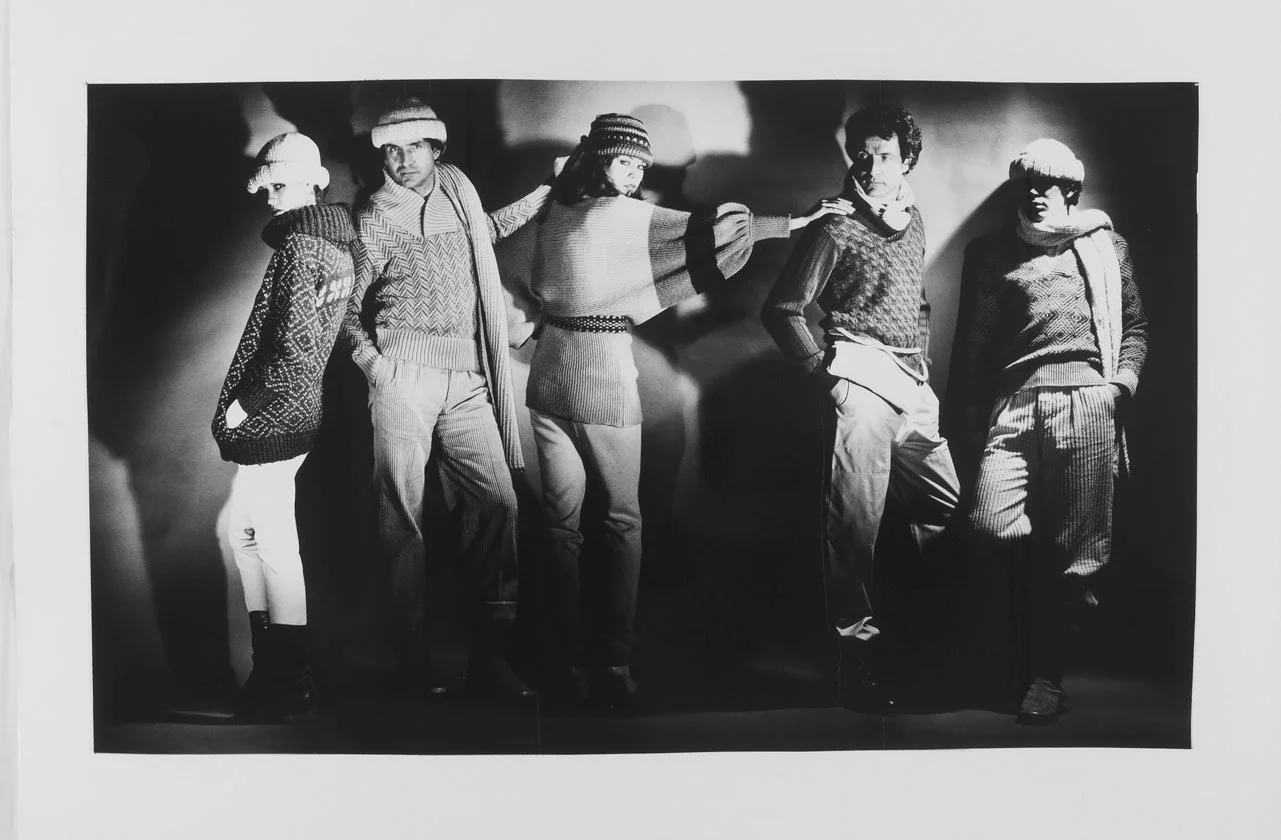
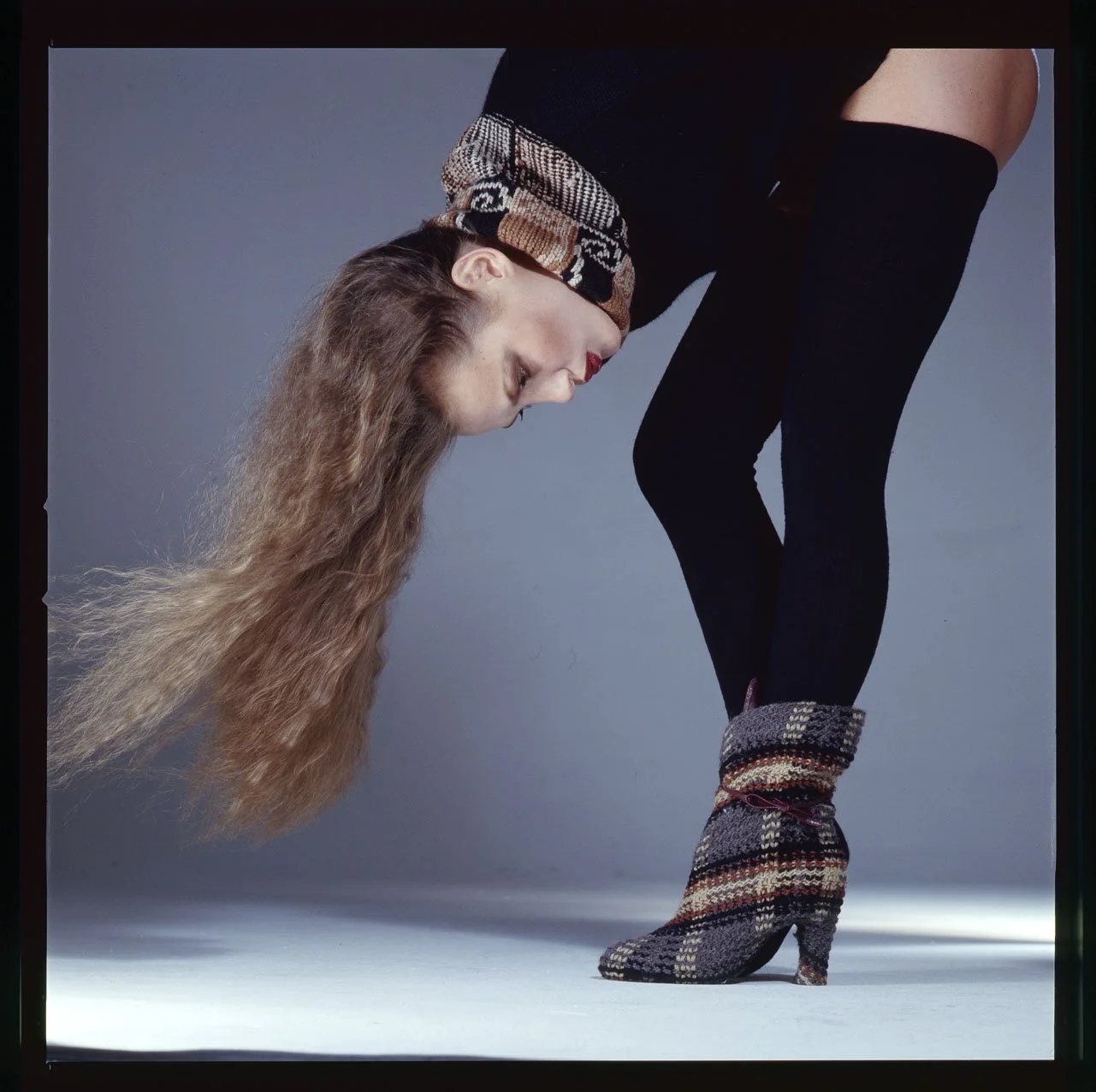
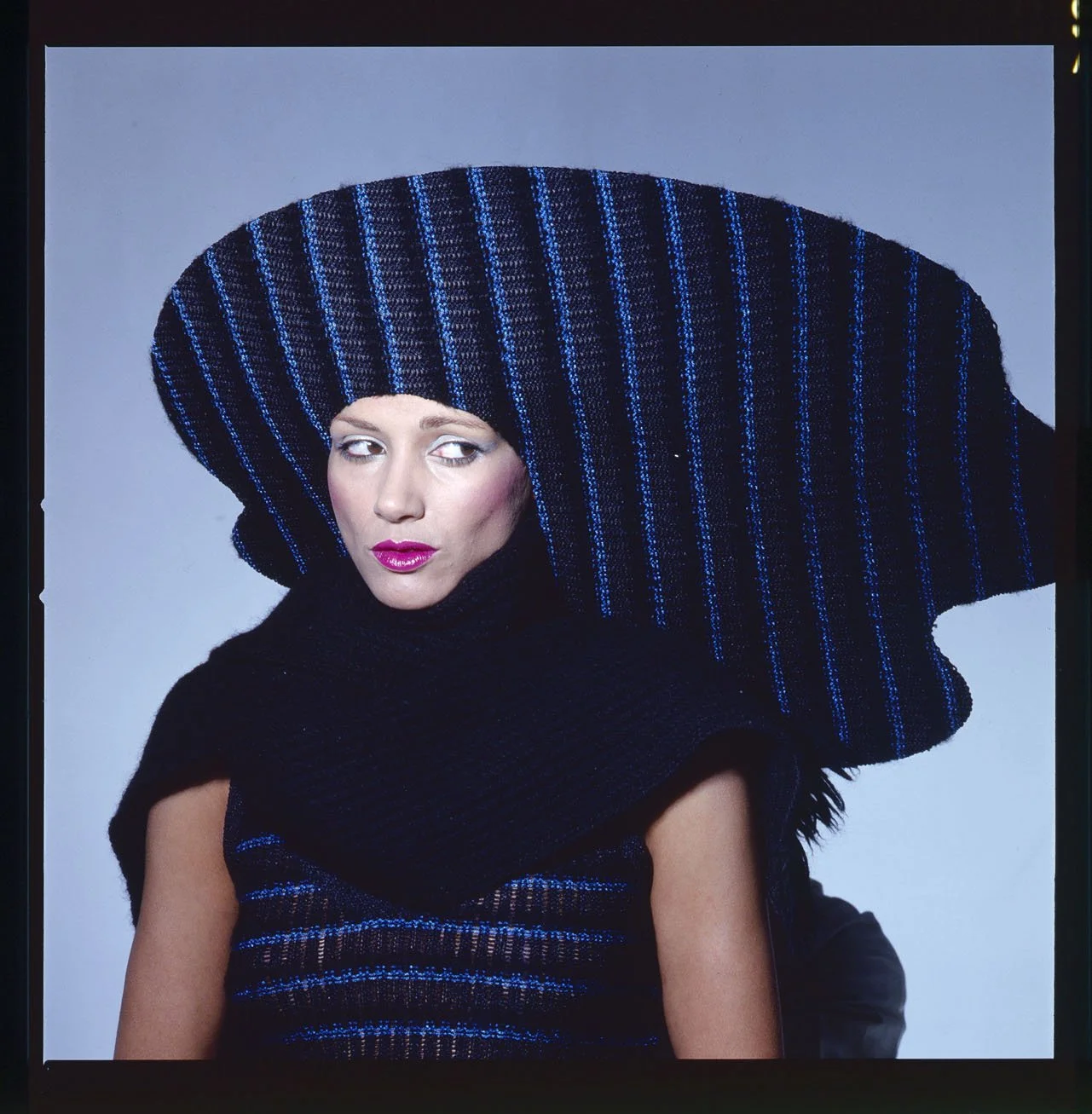
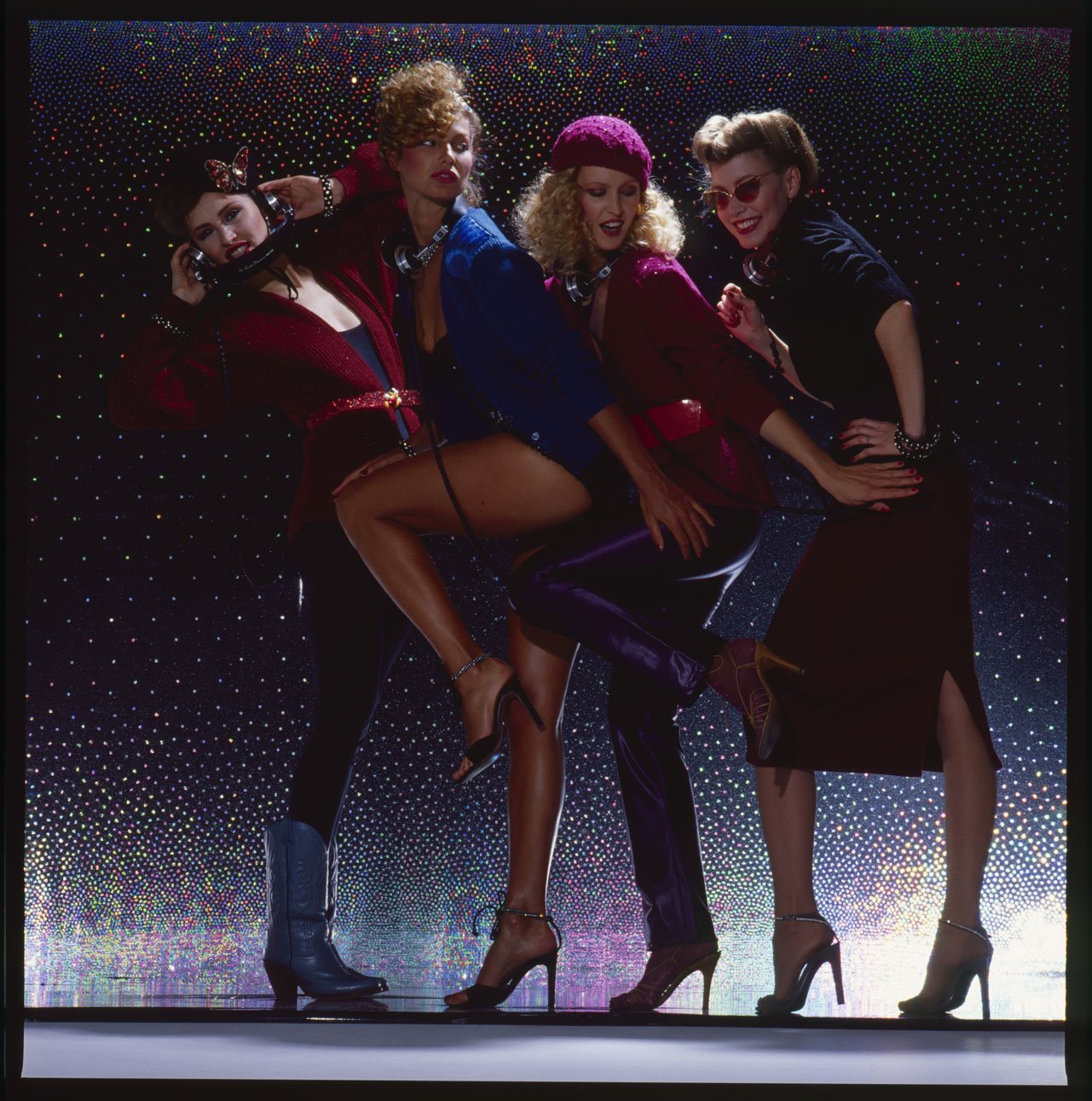
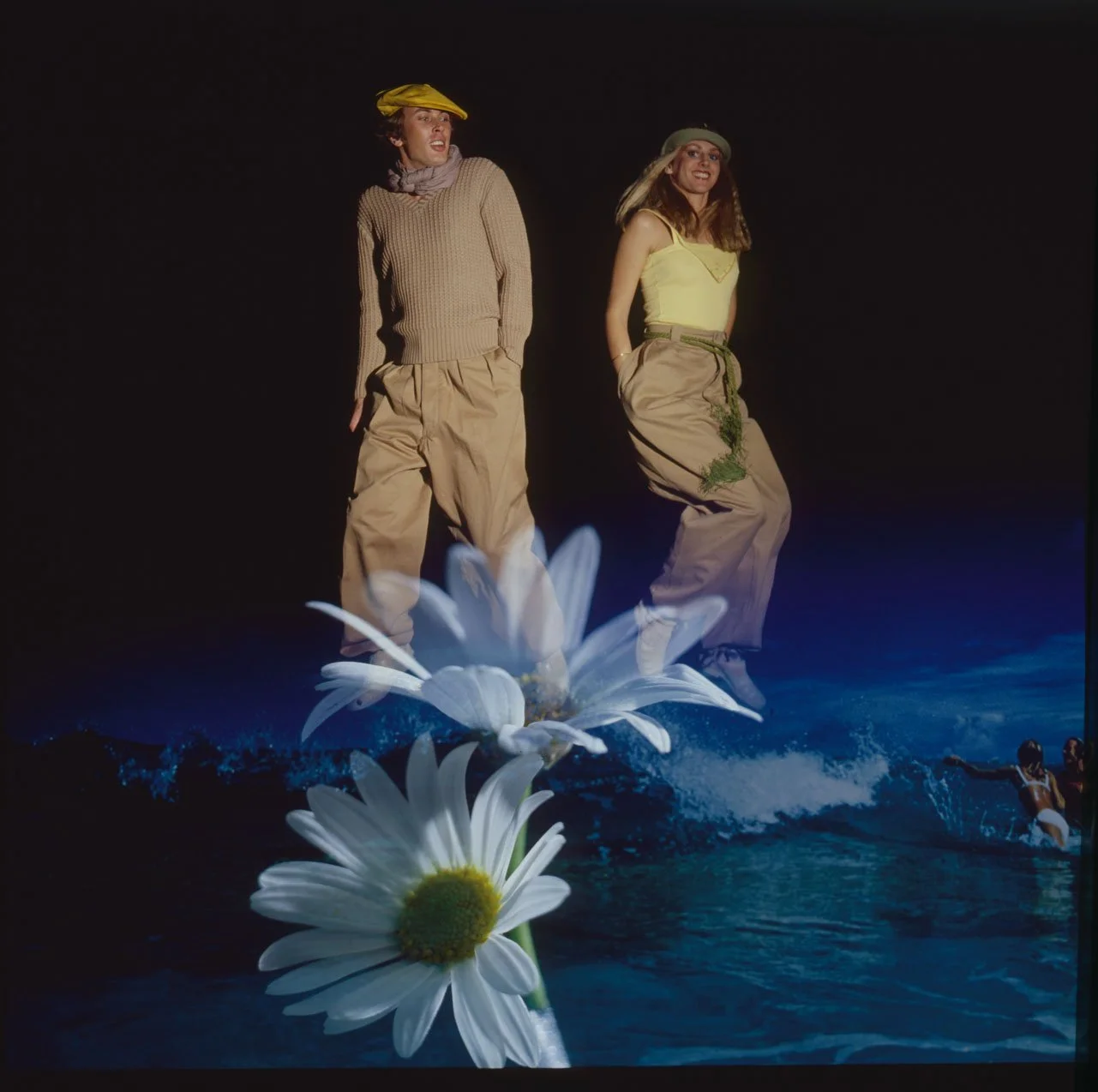
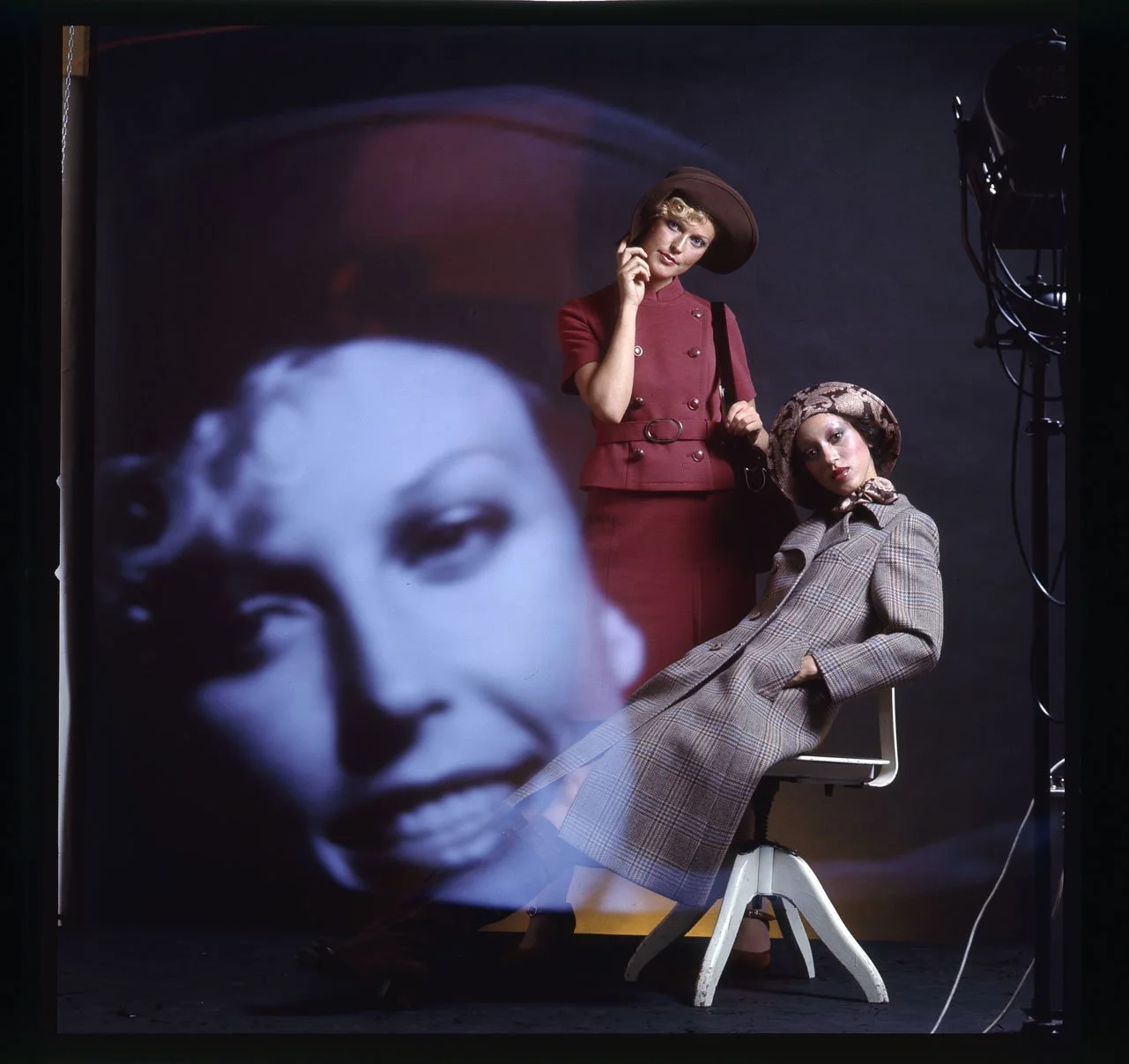
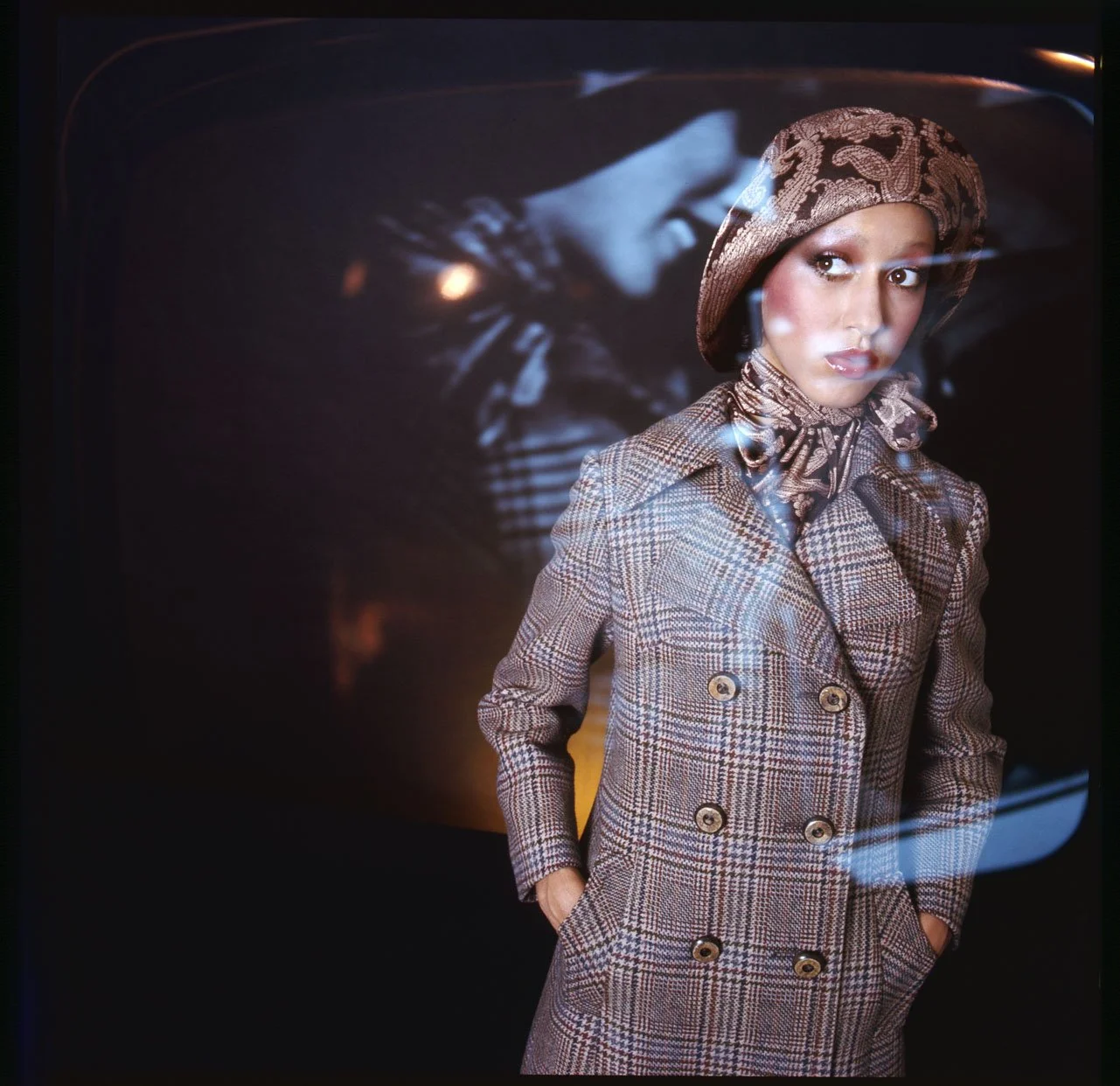
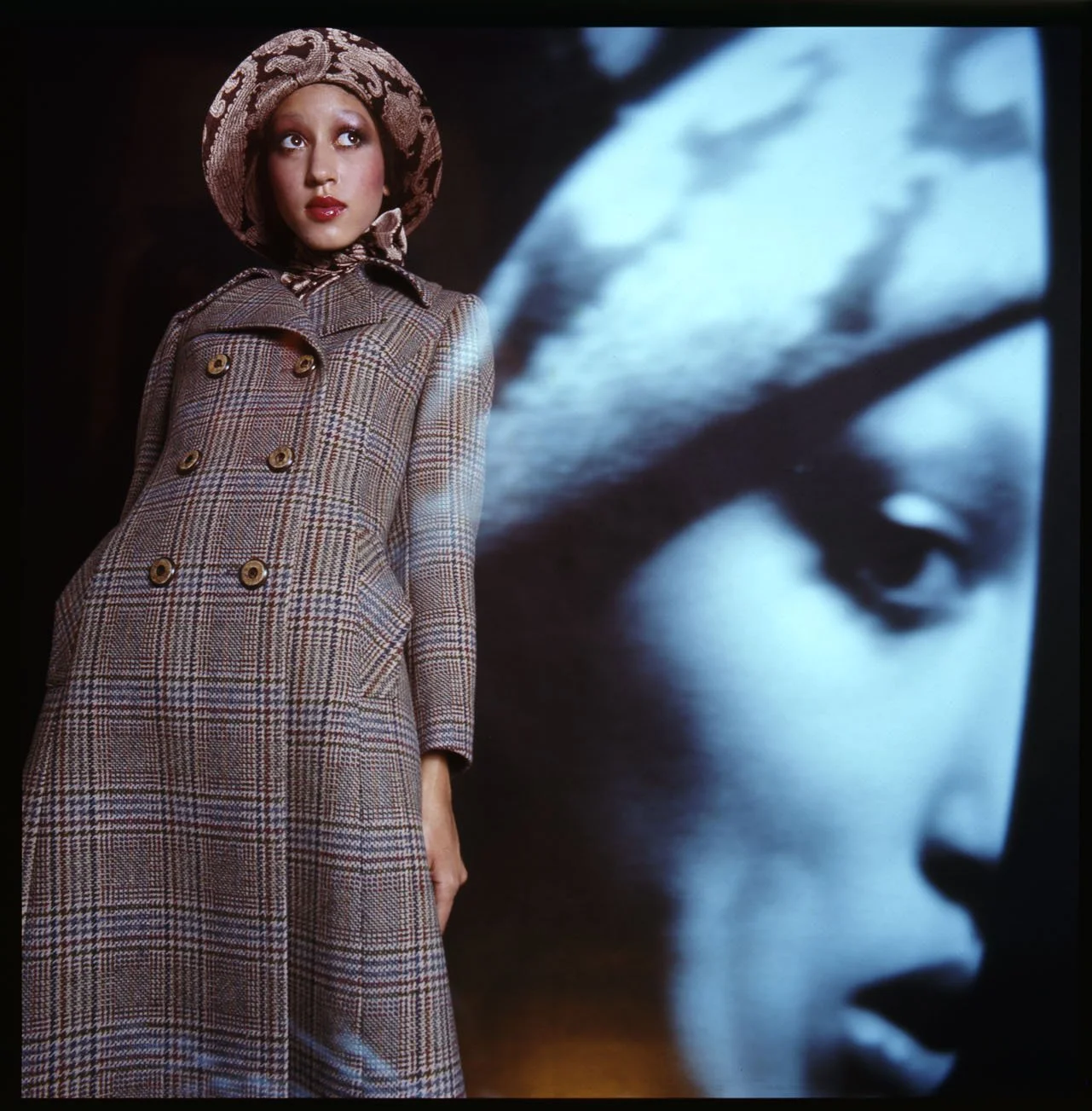
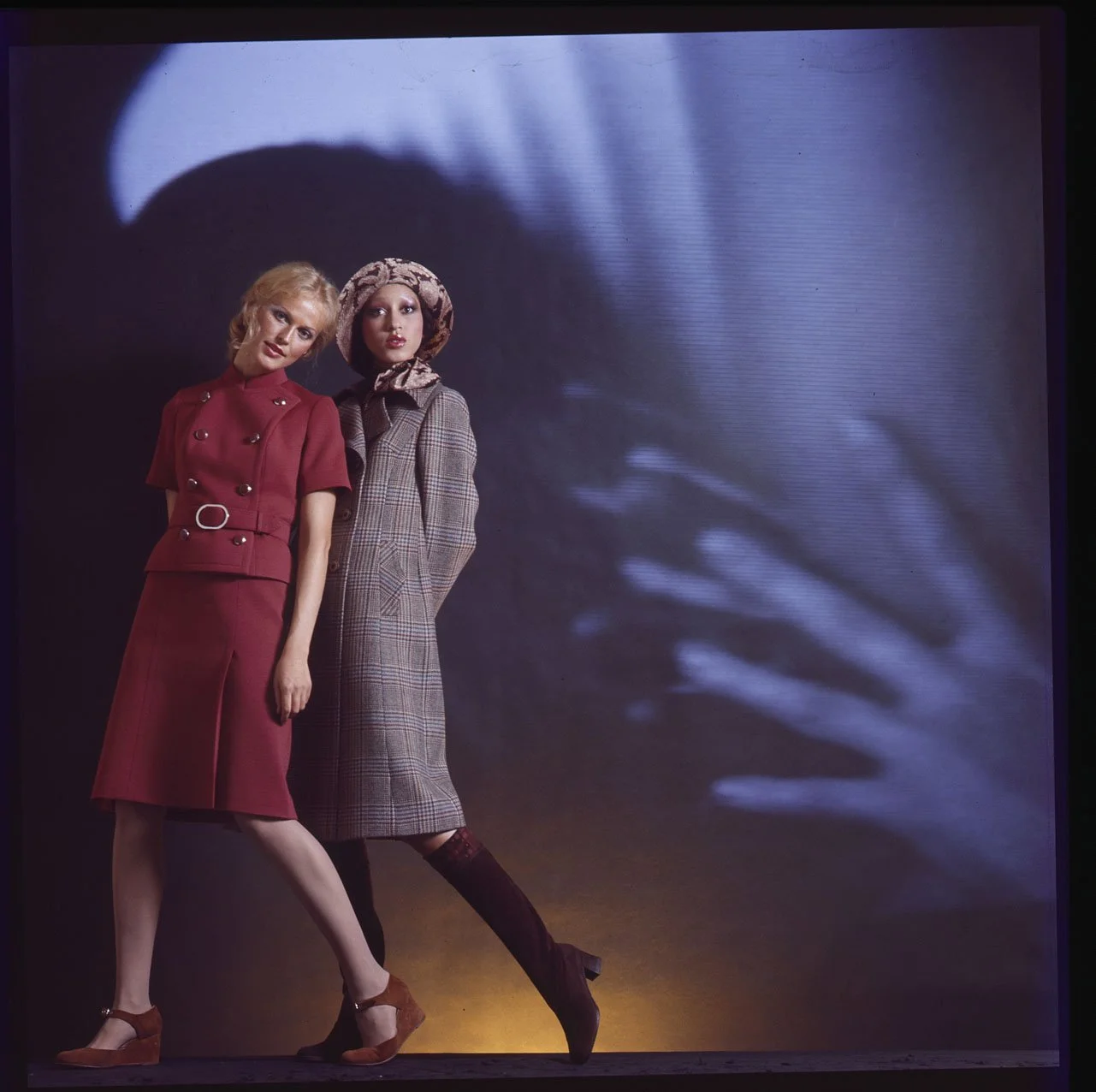
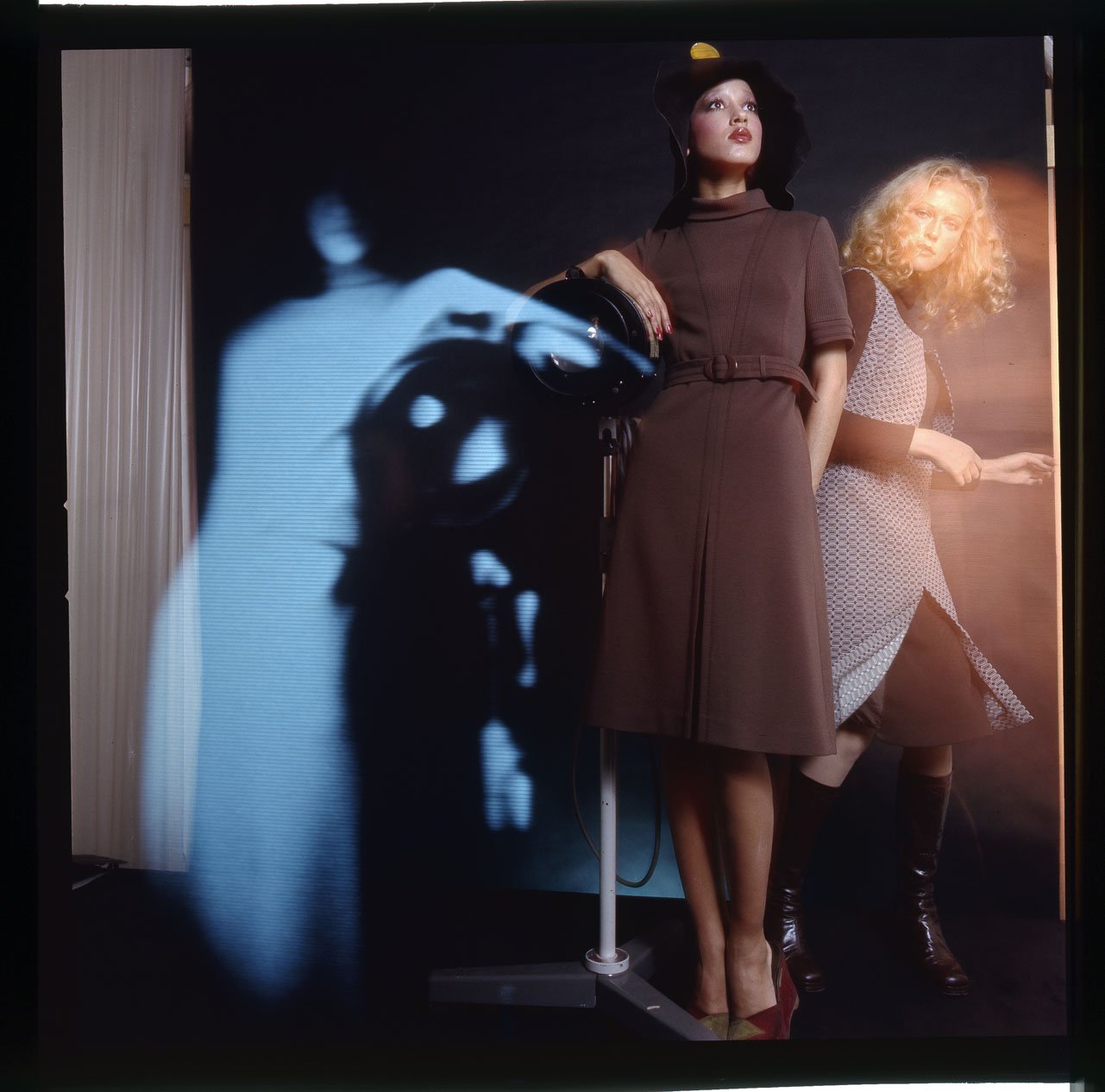
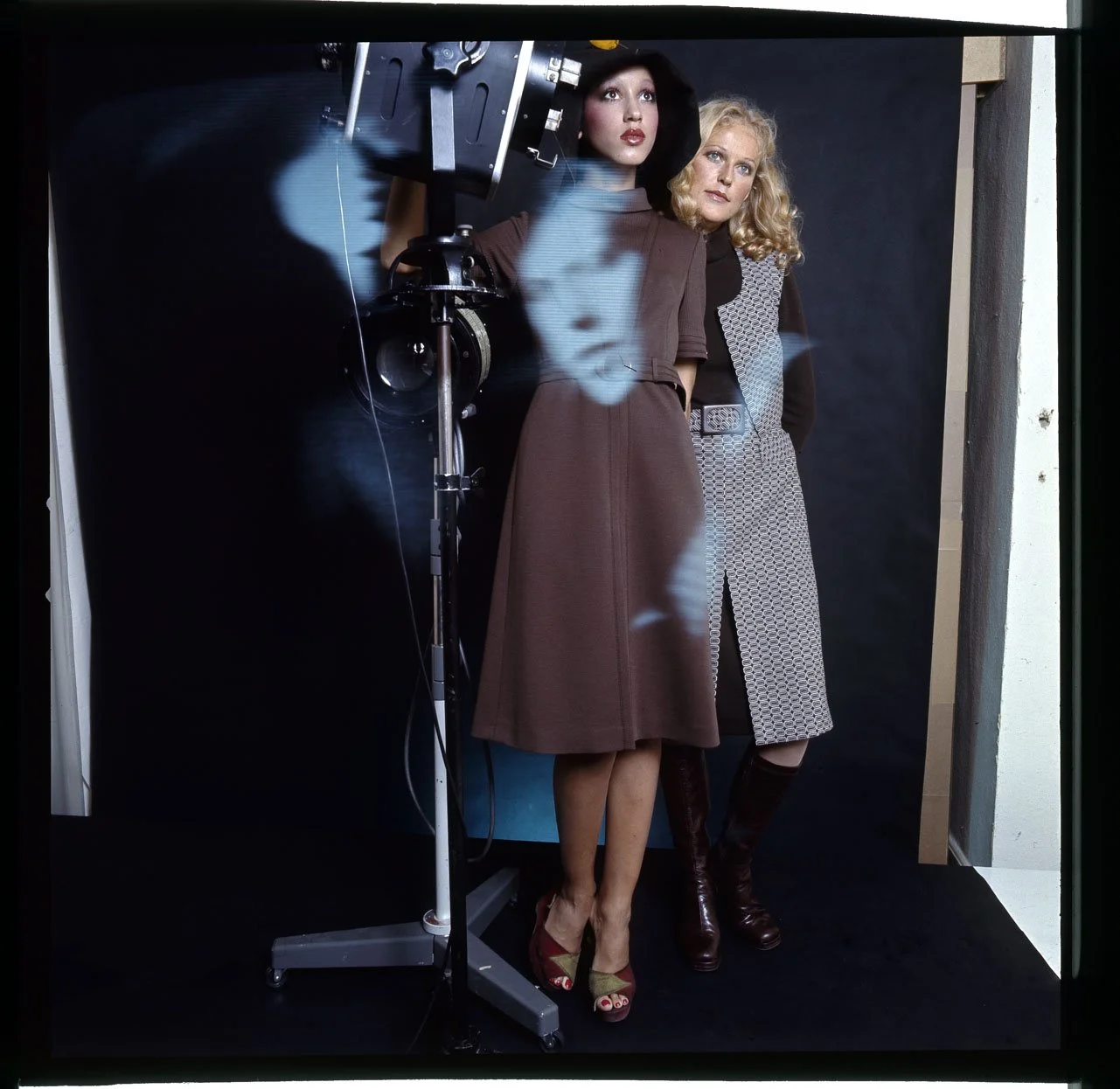
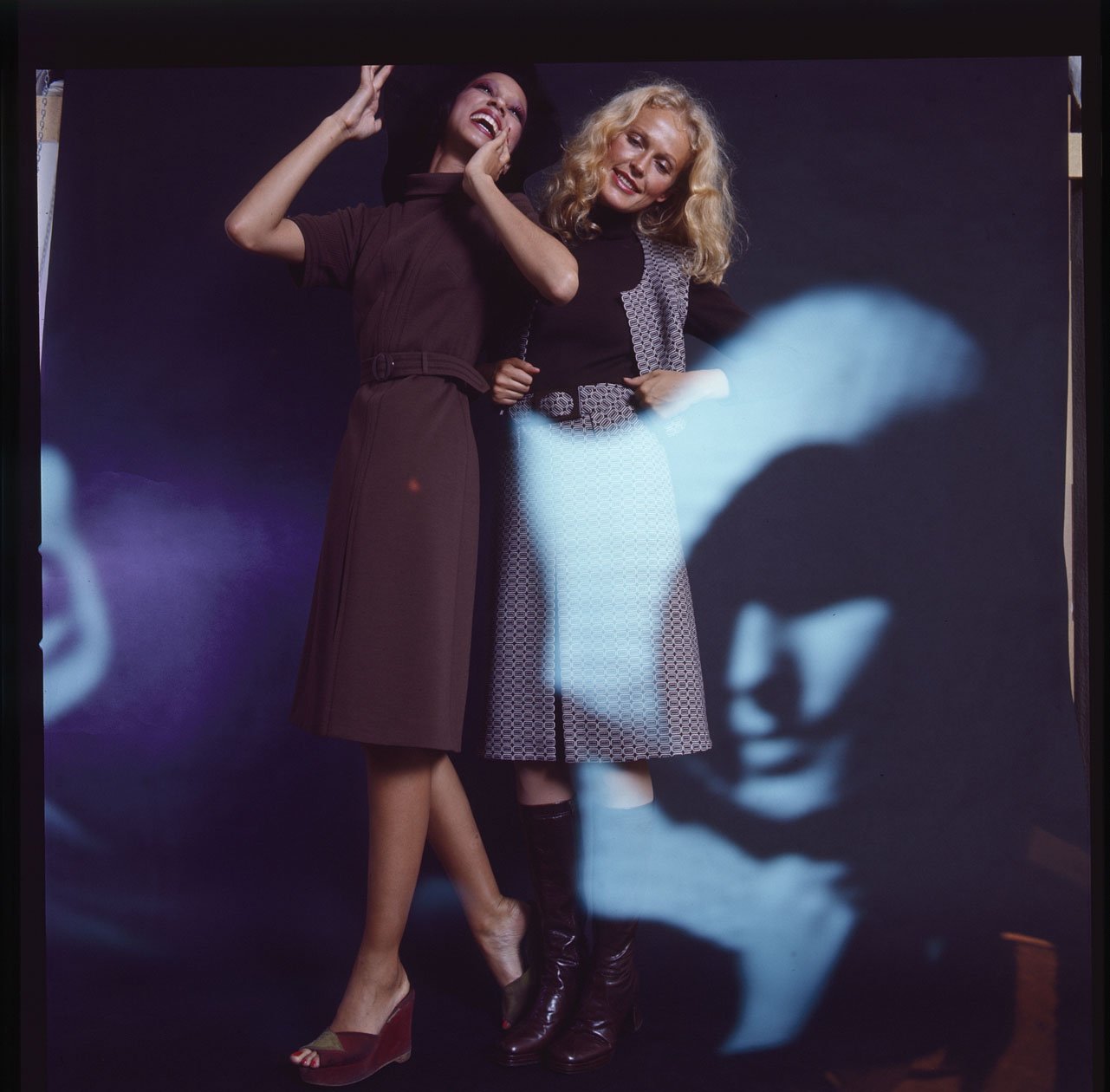
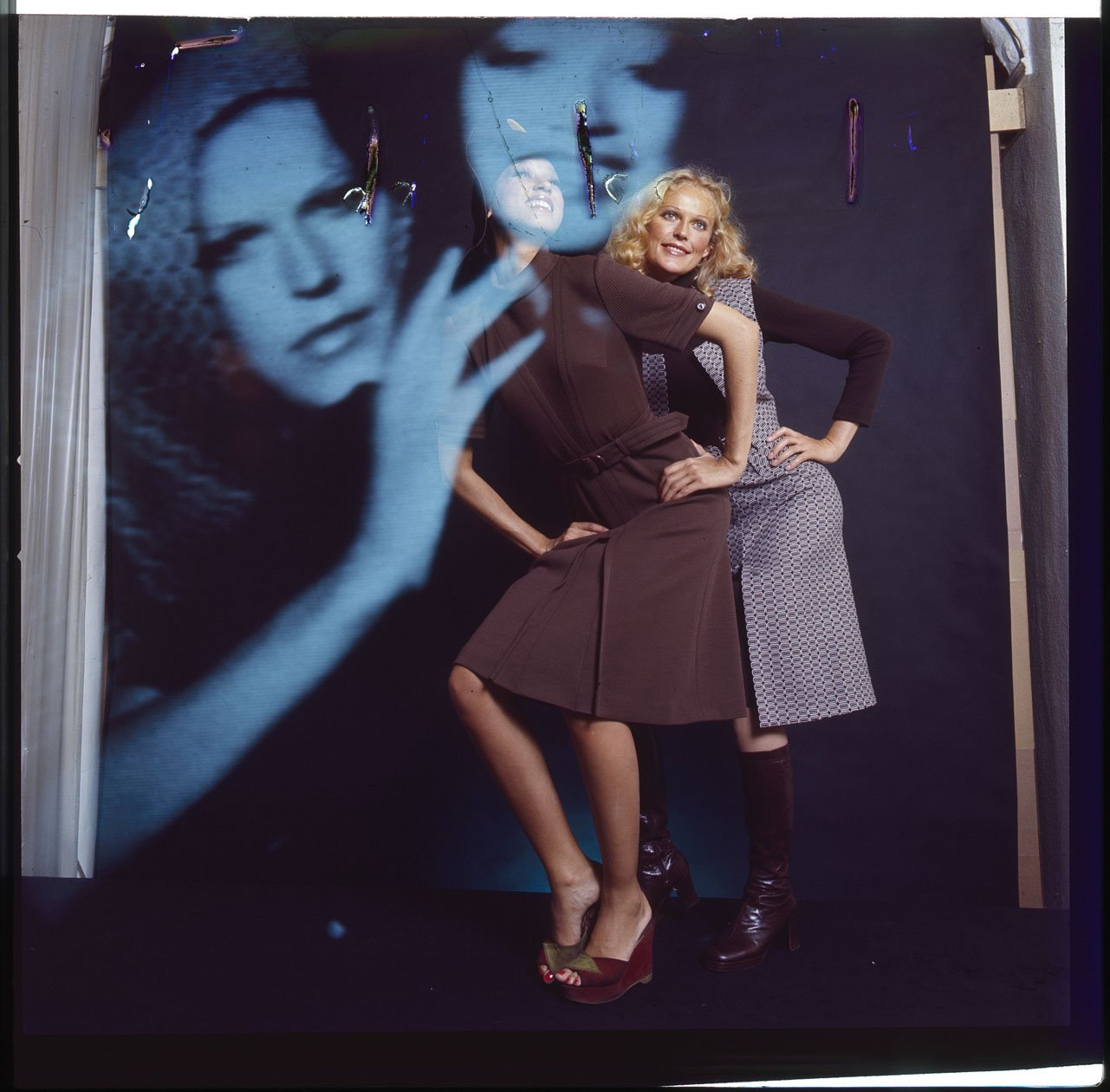
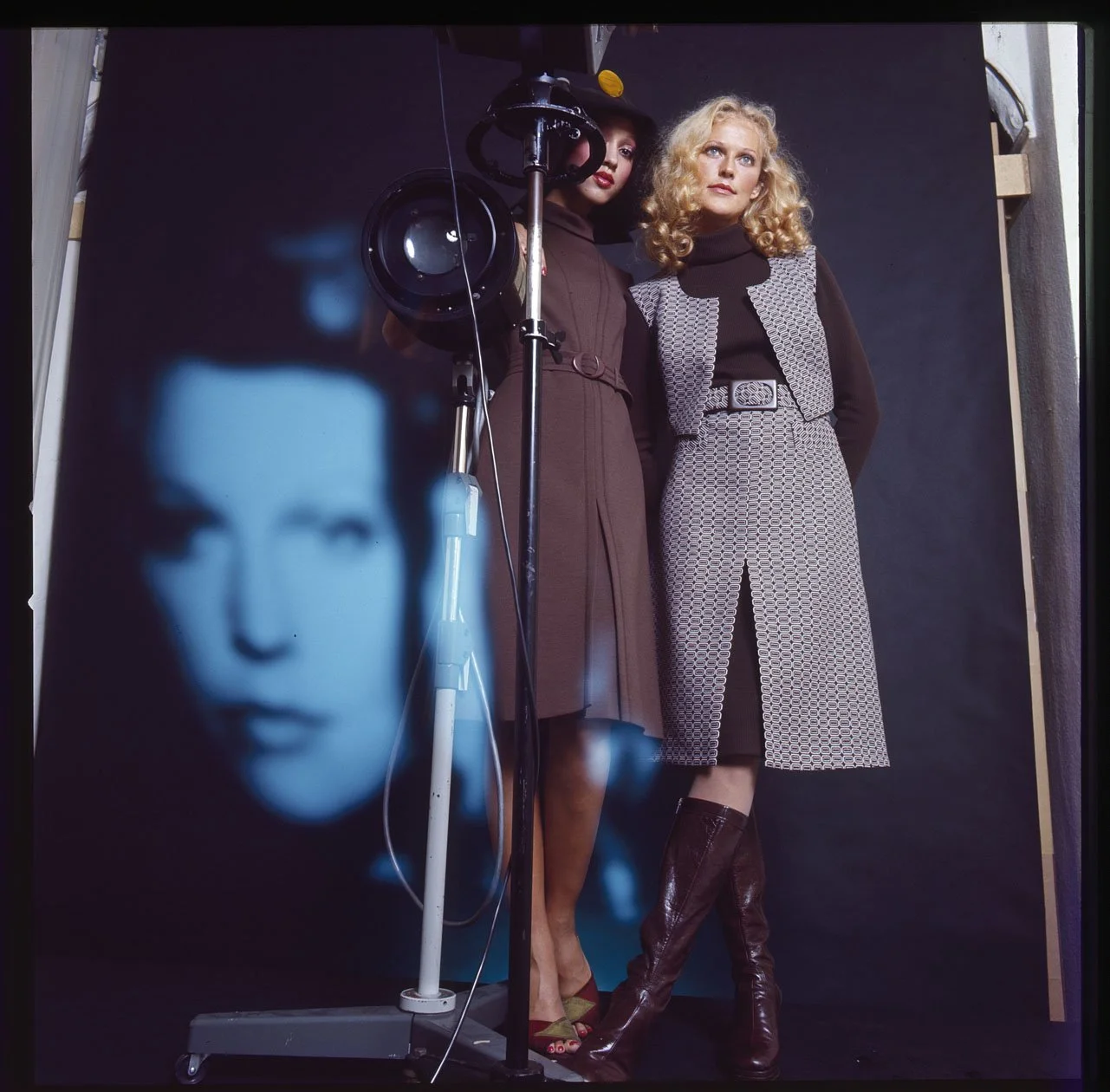
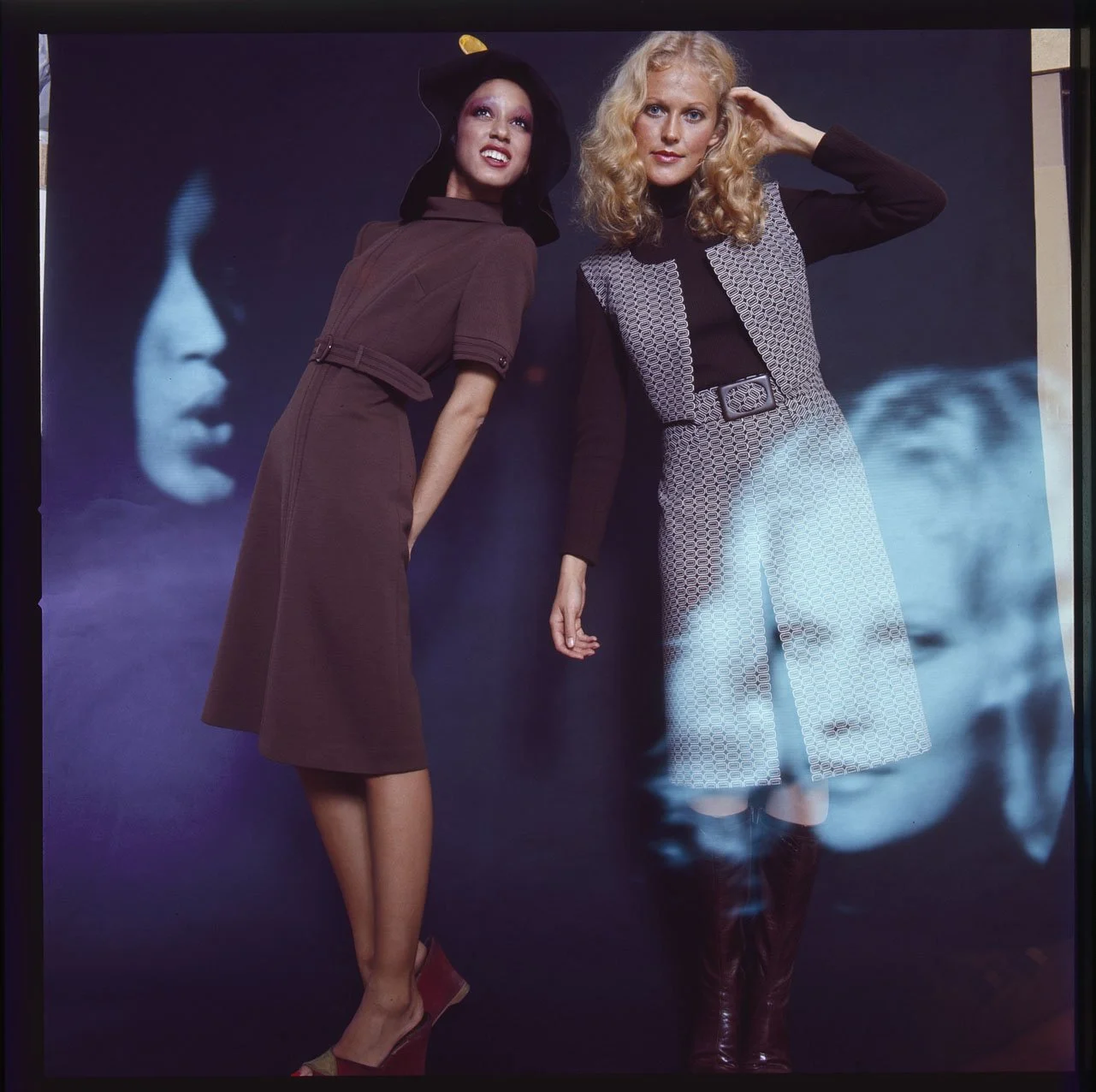
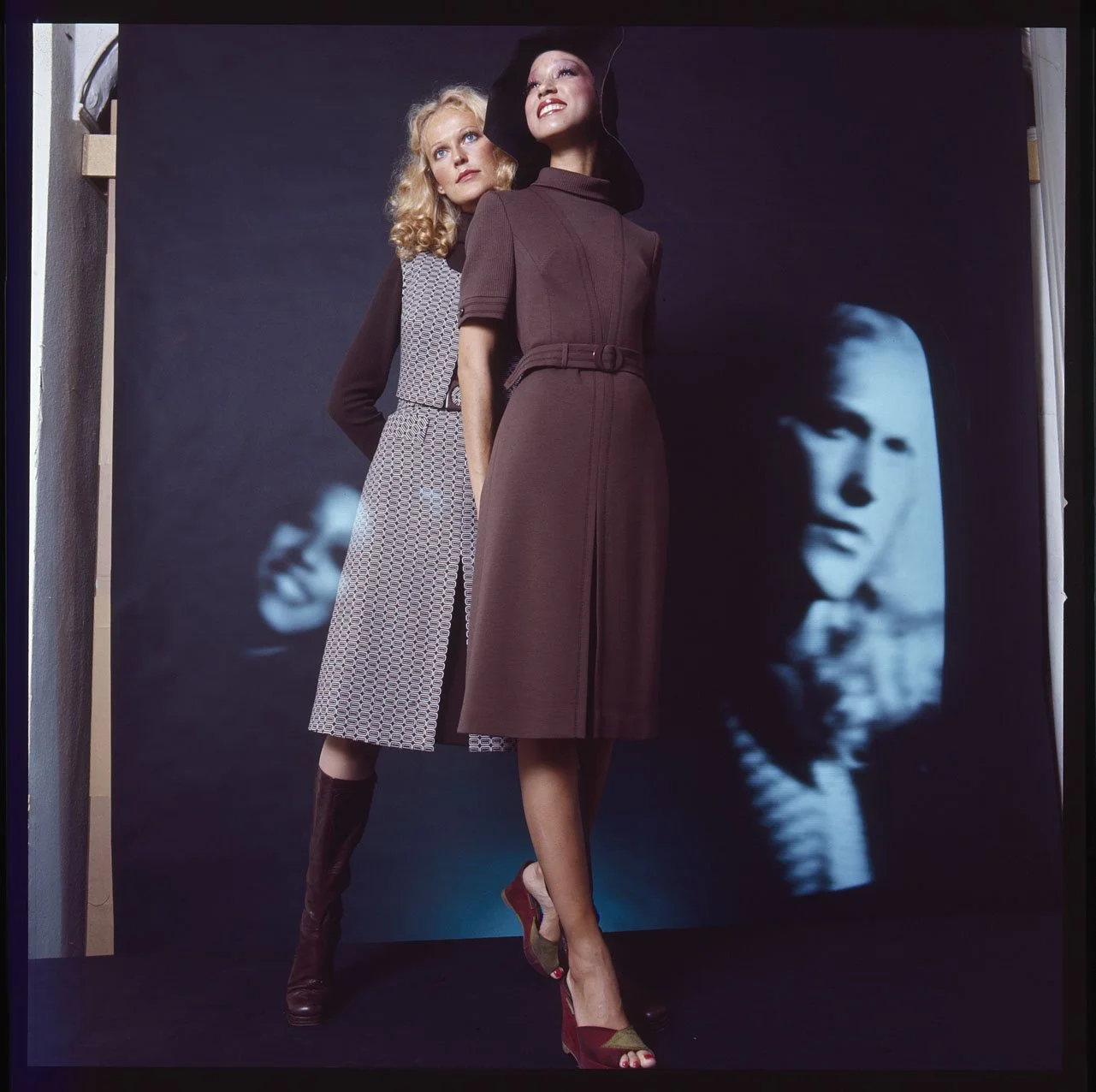
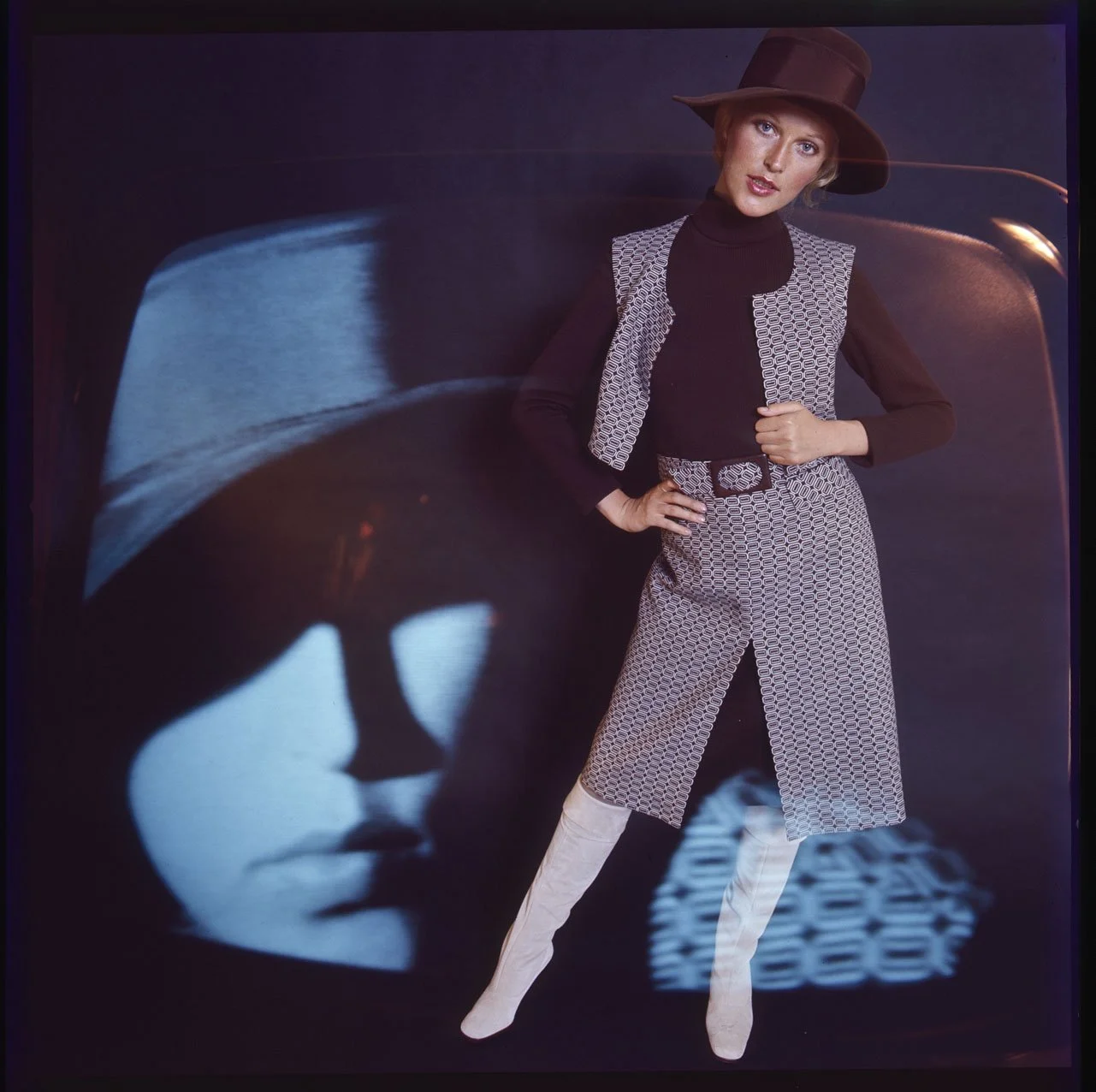
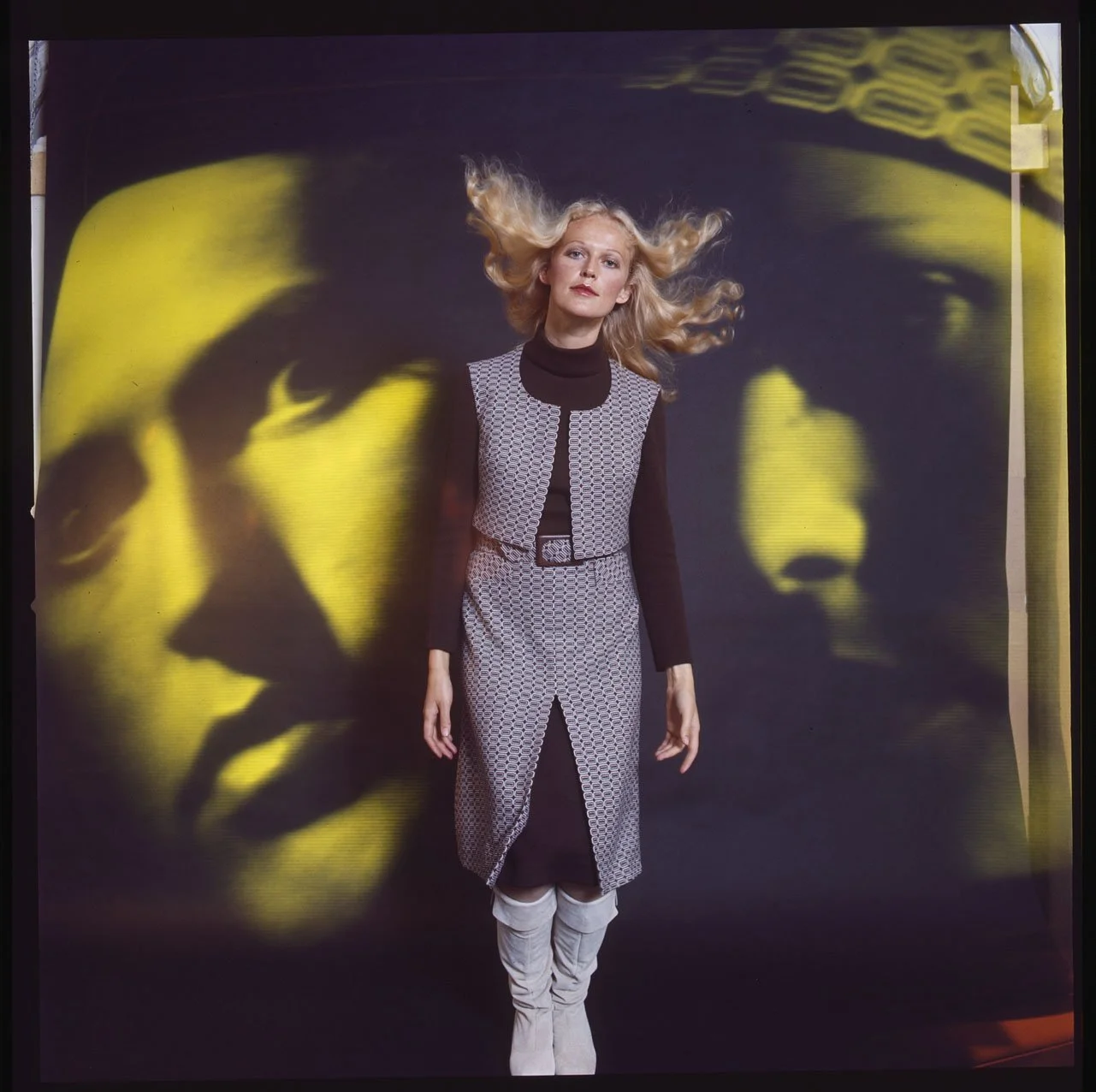
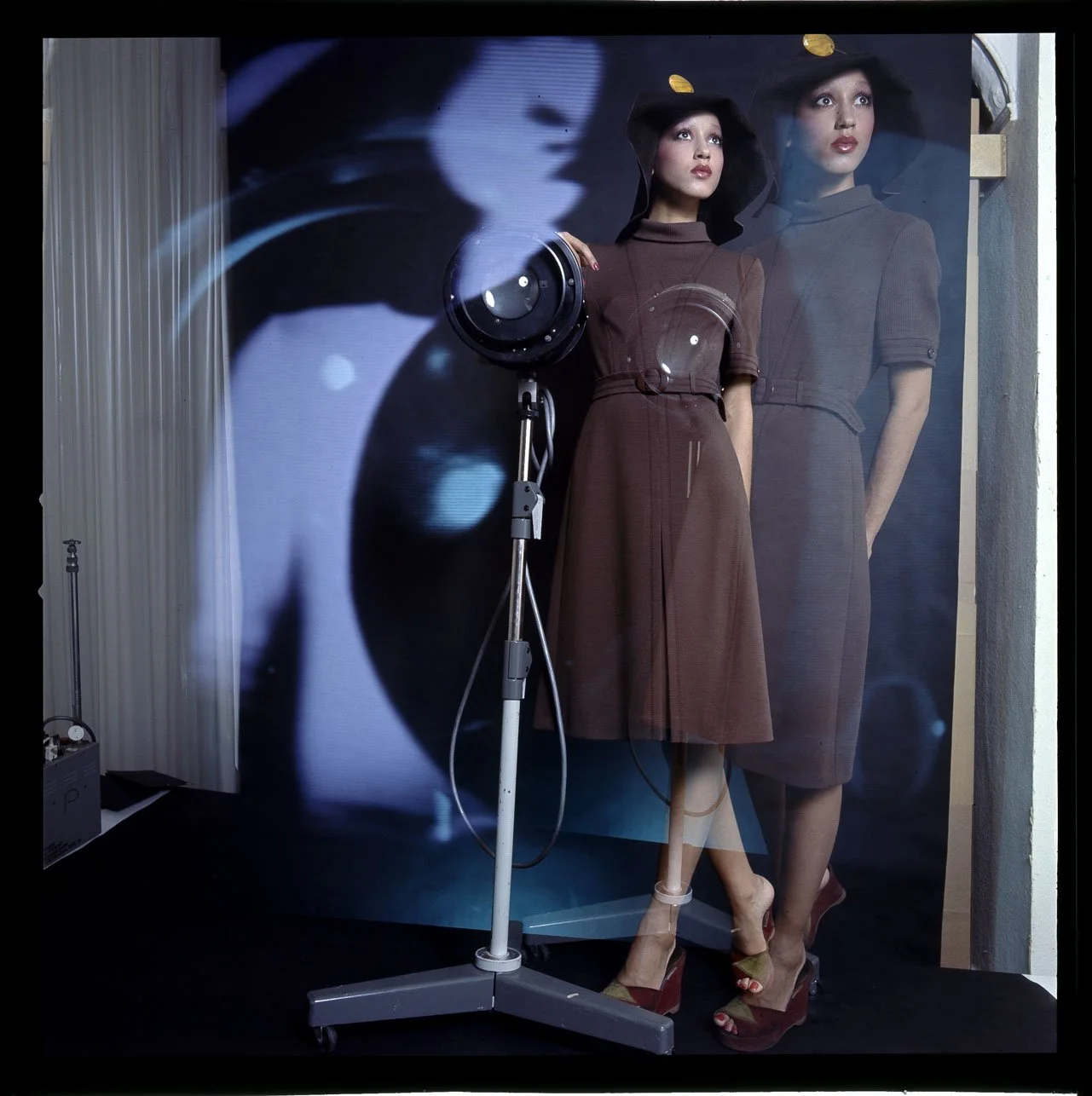
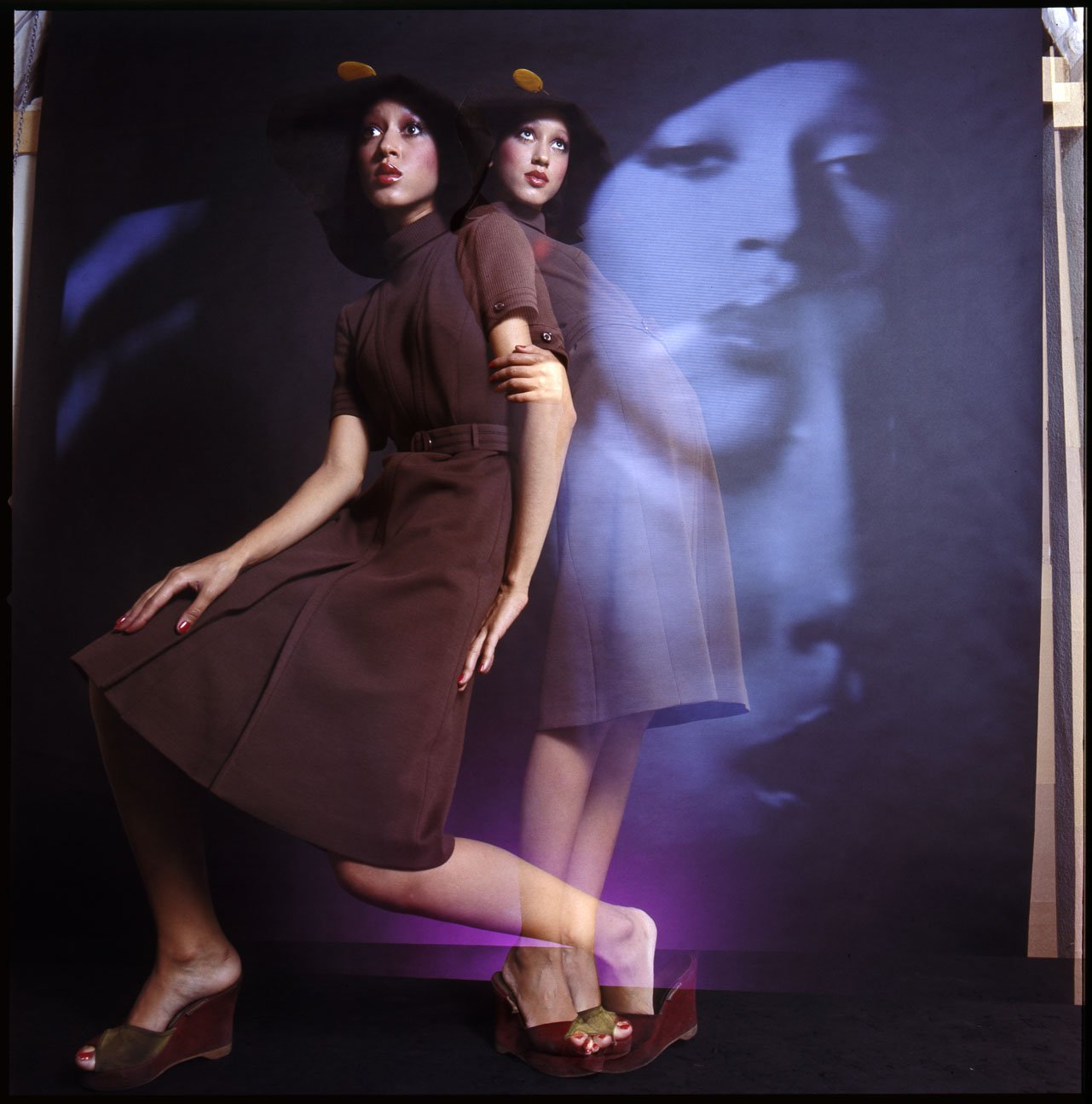
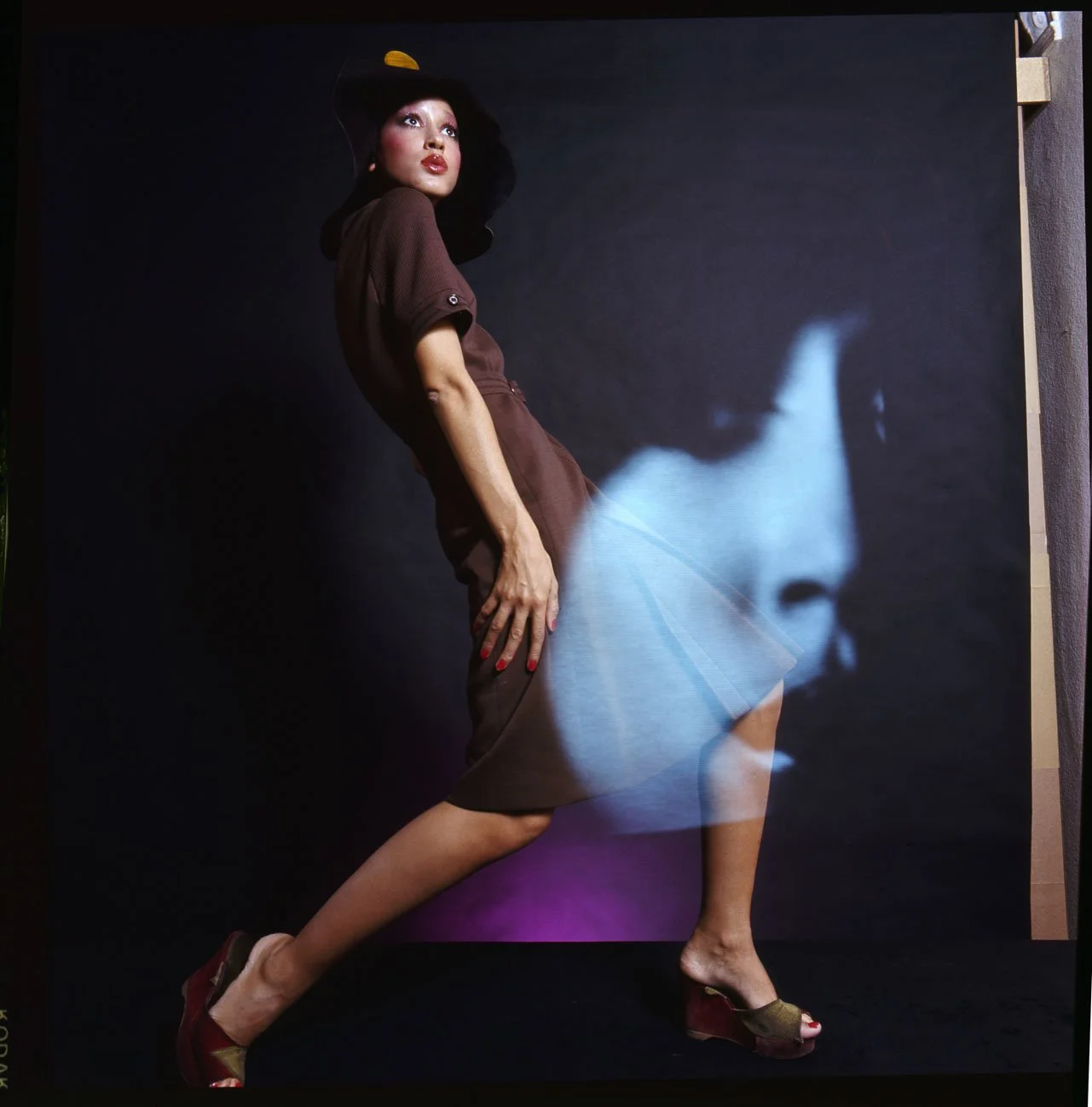
A dreamy smile beaming out at us from the spotlight; a cheeky glance sizing us up: the faces of these girls speak of the uninhibited curiosity of youth—a youth that has nothing to lose, and is precisely for that reason so unvarnished. "Take the situation!" the images seem to call out to us in invitation. With his photo series Young Spirit, Ulrich Pracht has succeeded in capturing this very spontaneity. His frontal shots engage with the expressive culture of youth on equal footing. Vertical and horizontal lines are emphasized, thereby highlighting both the timelessness and the zeitgeist of the subject matter. Working with minimal resources and on a low budget, Pracht impressively realized his vision in the studio; the modern layout was designed by his daughter, Miriam, acting as Art Director. In this work, Pracht reveals himself to be both photographer and graphic designer simultaneously. This dual role opens up previously unimagined possibilities for him to showcase the full breadth of his talent. He has always enjoyed sketching, and now he succeeds in translating this skill into the medium of photography. A window dresser—who, unlike many of his peers, possesses a distinct sensibility for fashion—he here abandons three-dimensional space to immerse himself in the realm of ornamentation. He makes visually intriguing graphic structures his central theme, developing them with a level of artistry he initially might not have believed himself capable of. He creates novel visual effects that, through the use of overlays and blends, capture scenes brimming with life and movement. The result is a series of images possessing precisely that authenticity inherent in a hand-drawn sketch. Ulrich Pracht’s ability to convey this zeitgeist stems from the open-minded perspective he has always maintained—even though, at the moment of the shoot, he was at least twenty years older than the adolescent models. "Whenever I worked on a new campaign or brochure, the big question put to me was always: 'How did you envision this?' I could only articulate my ideas regarding image composition and product presentation in abstract terms." So I had no choice but to visualize my ideas for the clients beforehand in the style of fashion illustration. Even then, they still couldn't quite picture it, but they said: "That’s beautiful—do it just like that."
15.1
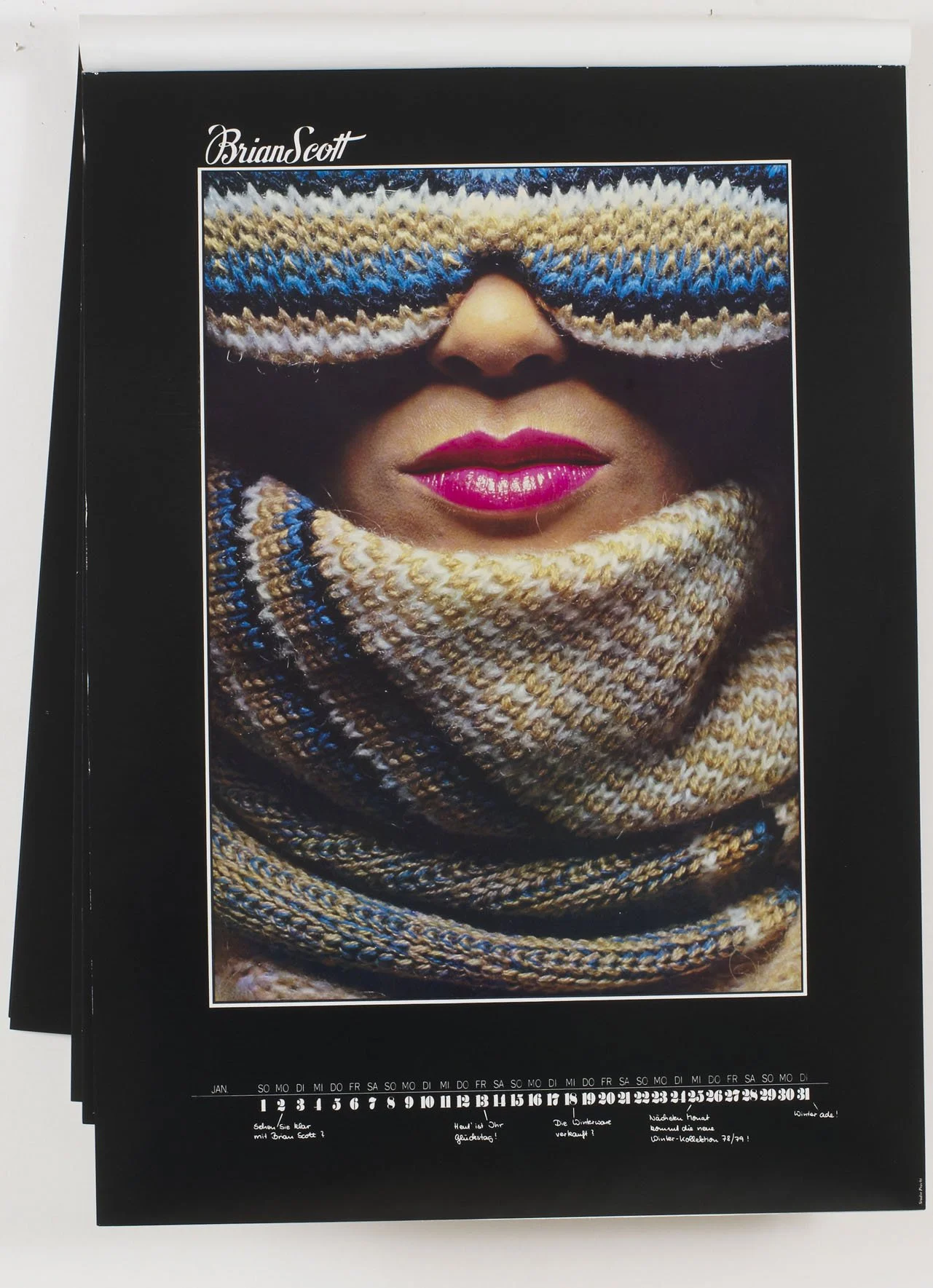
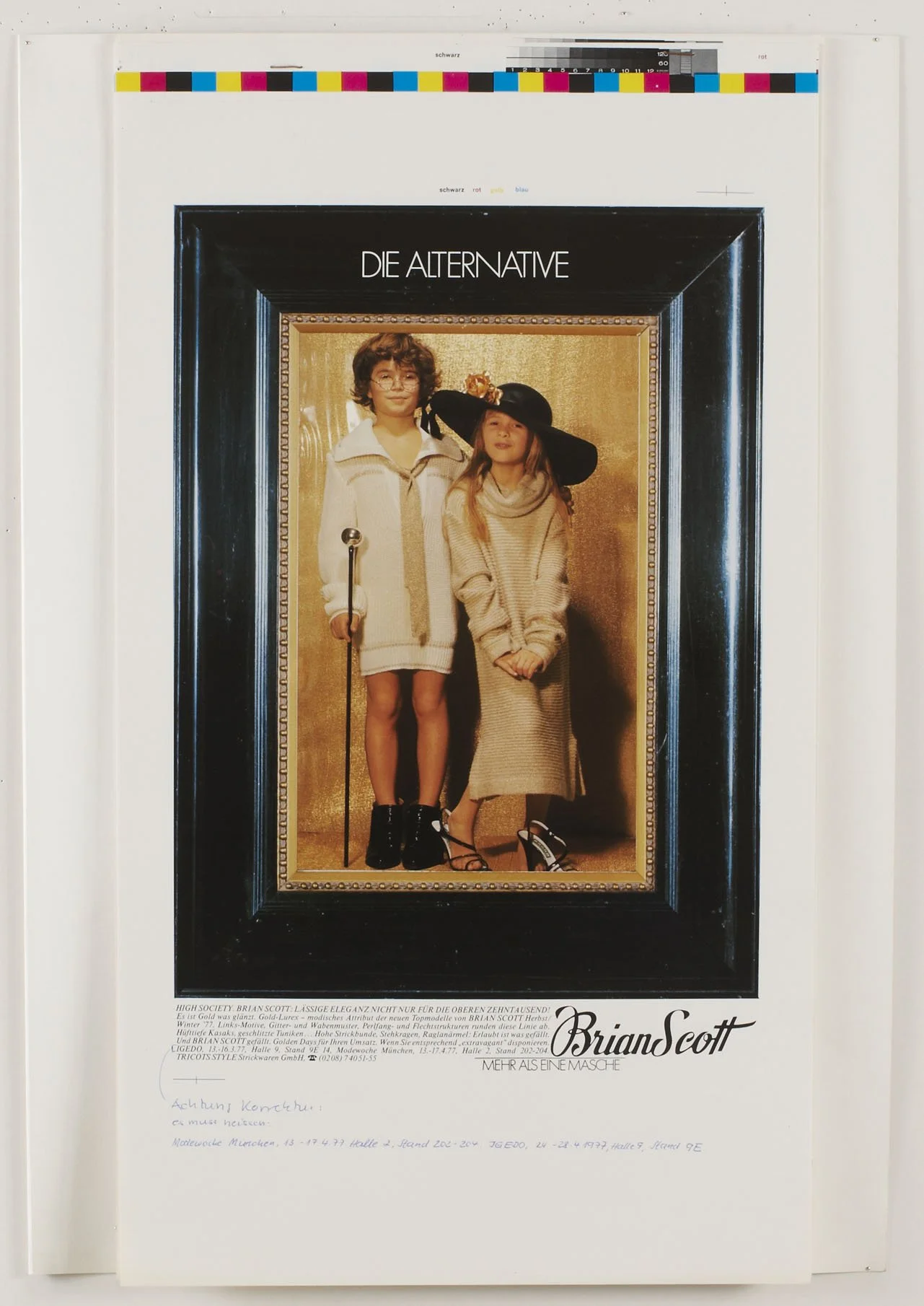
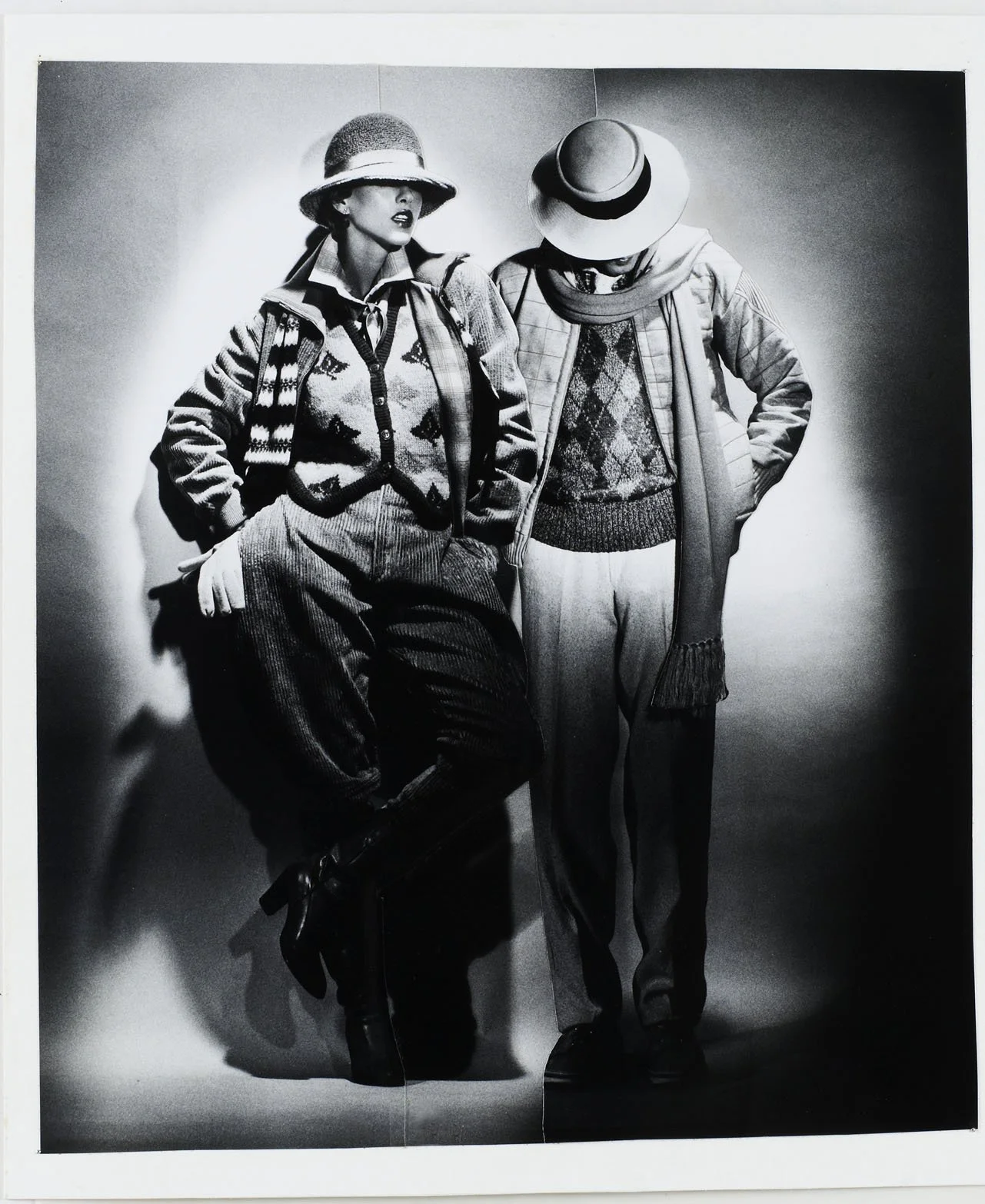
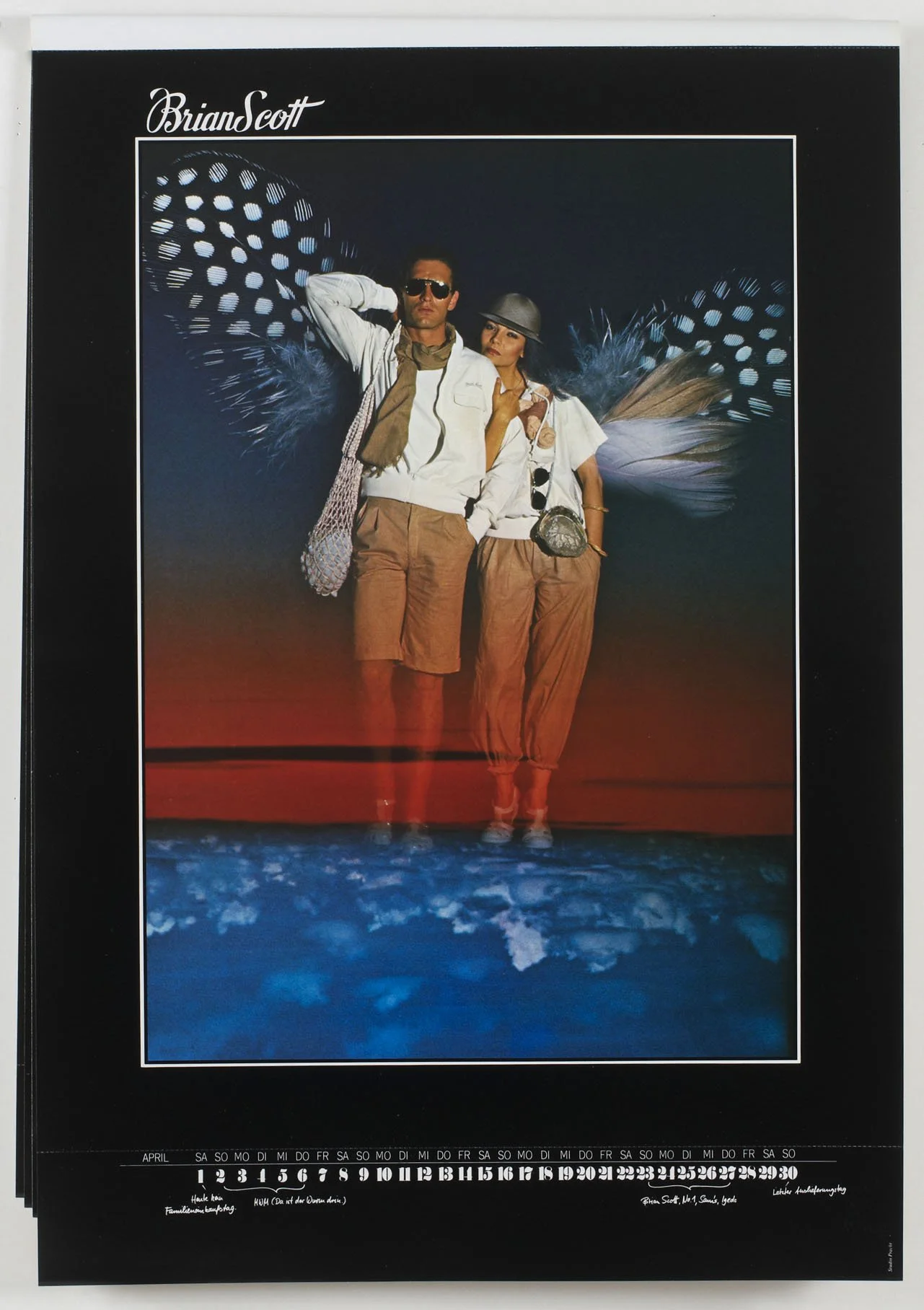
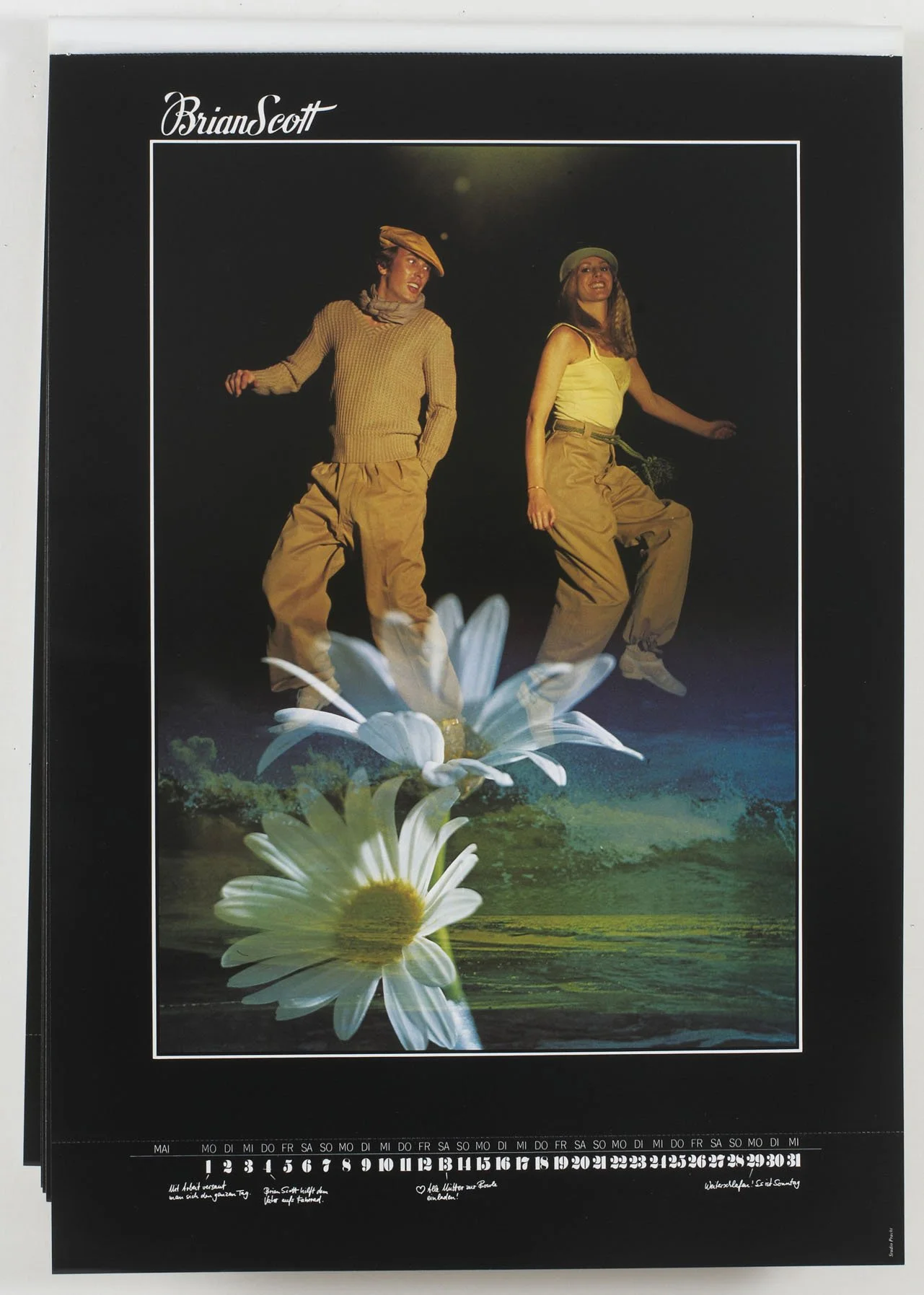
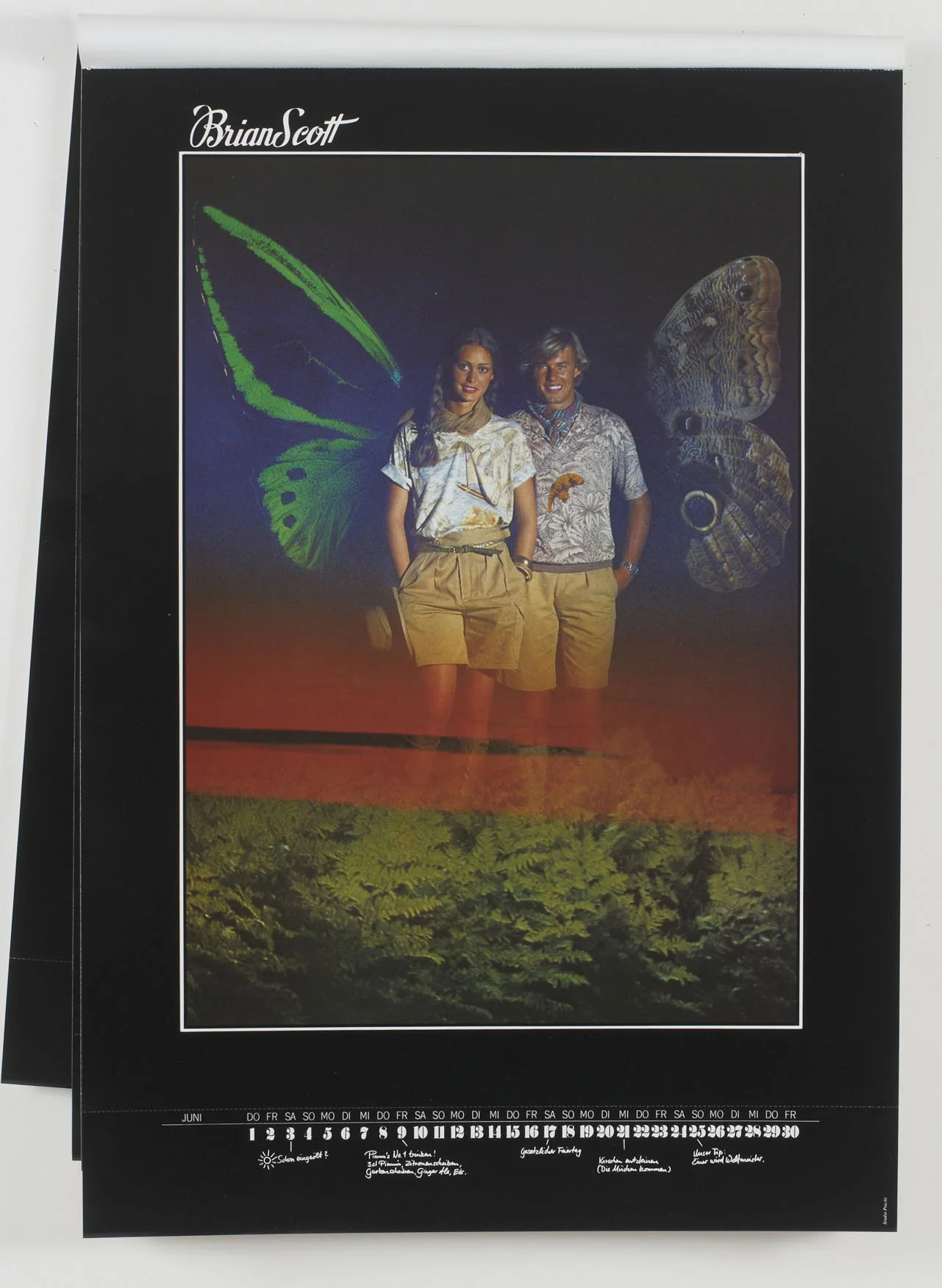
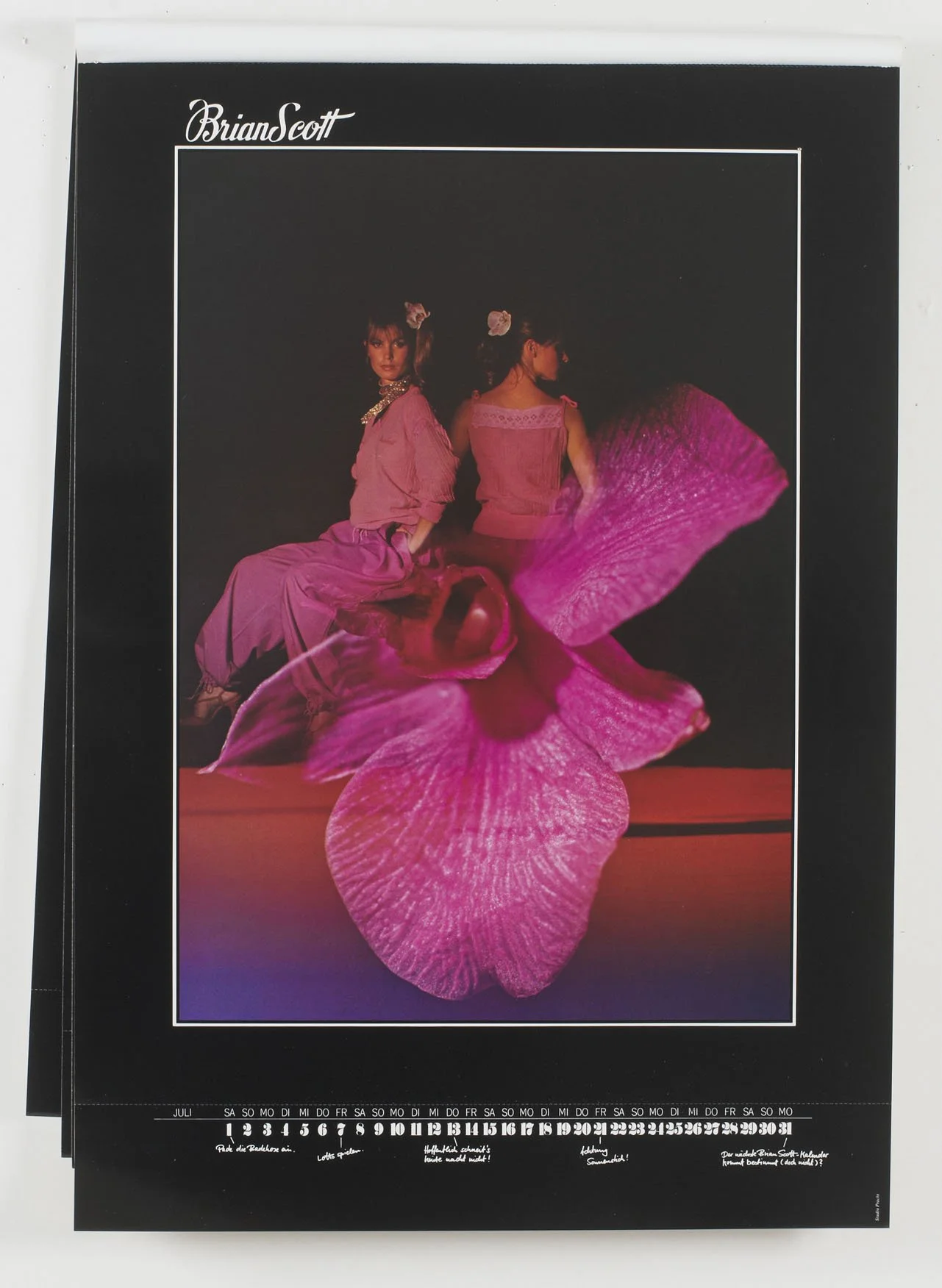
BRIAN SCOTT
Back to nature.
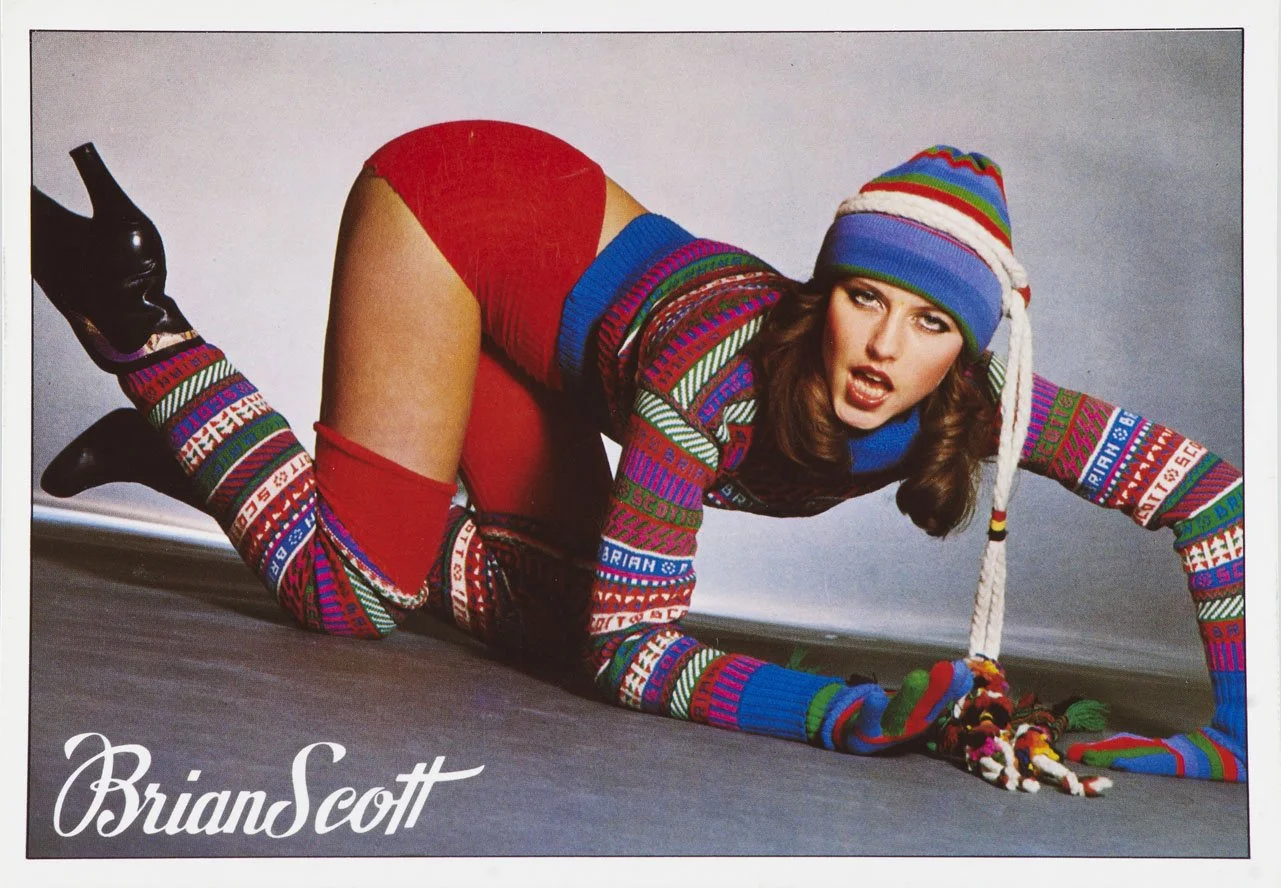
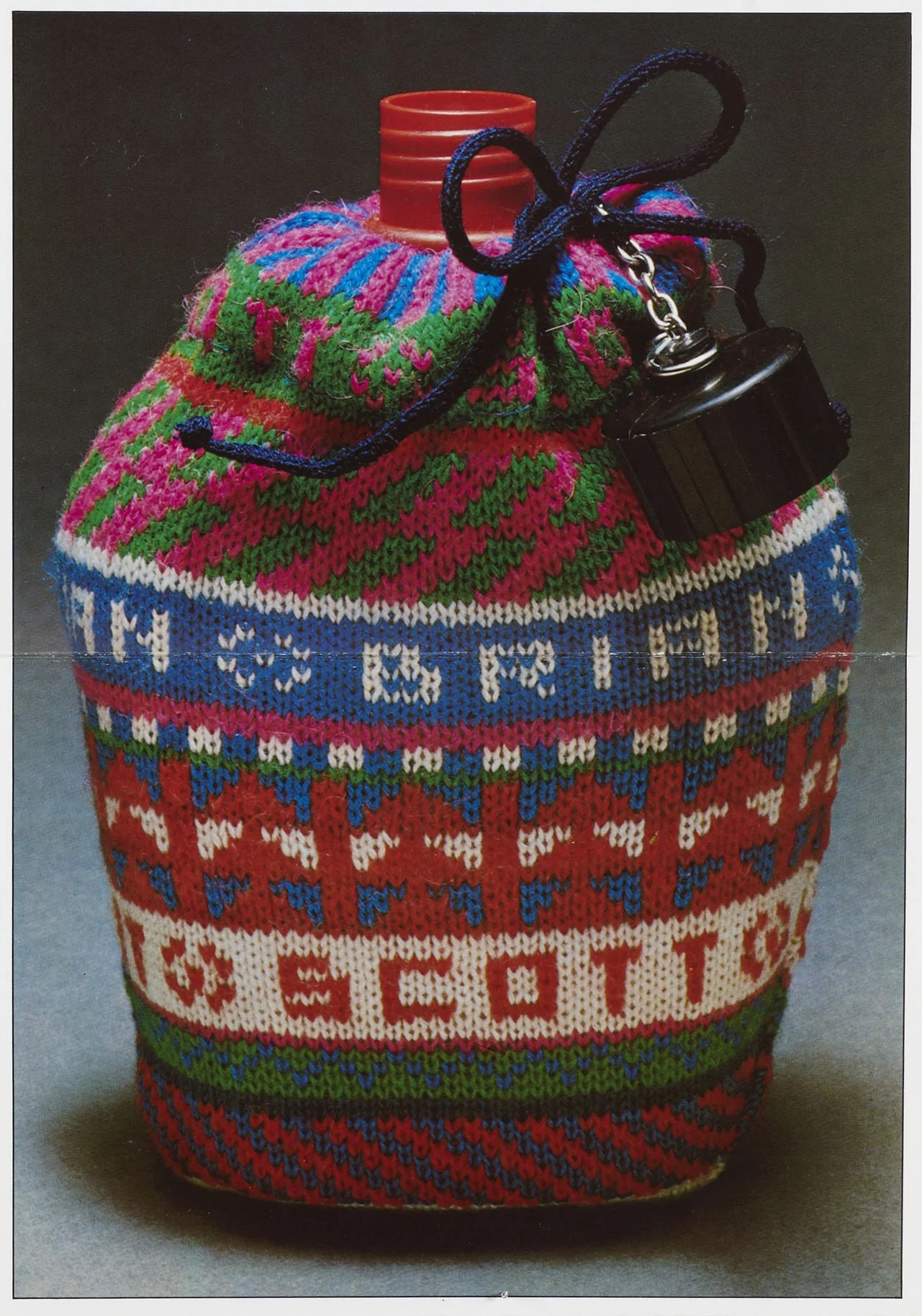
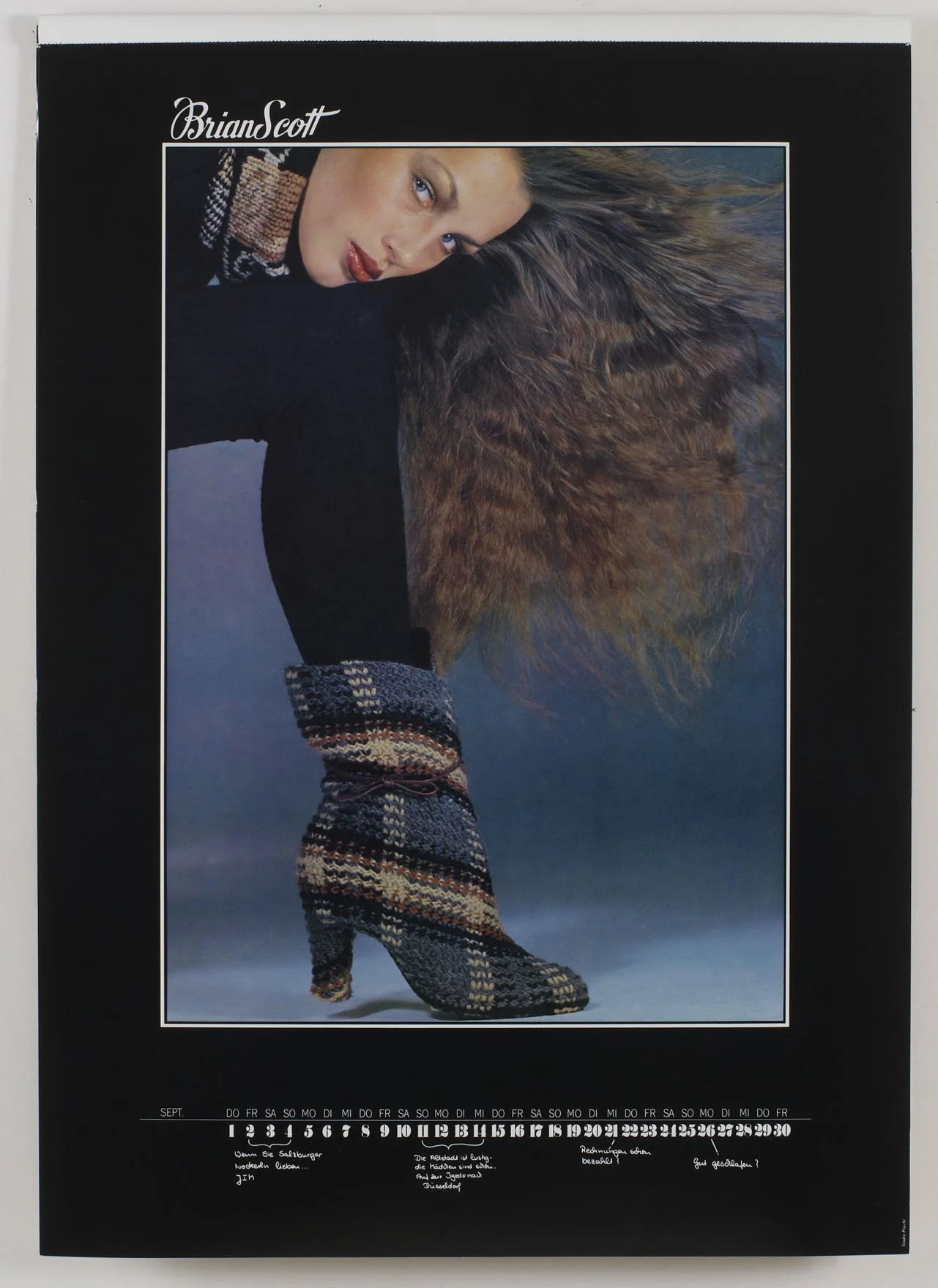
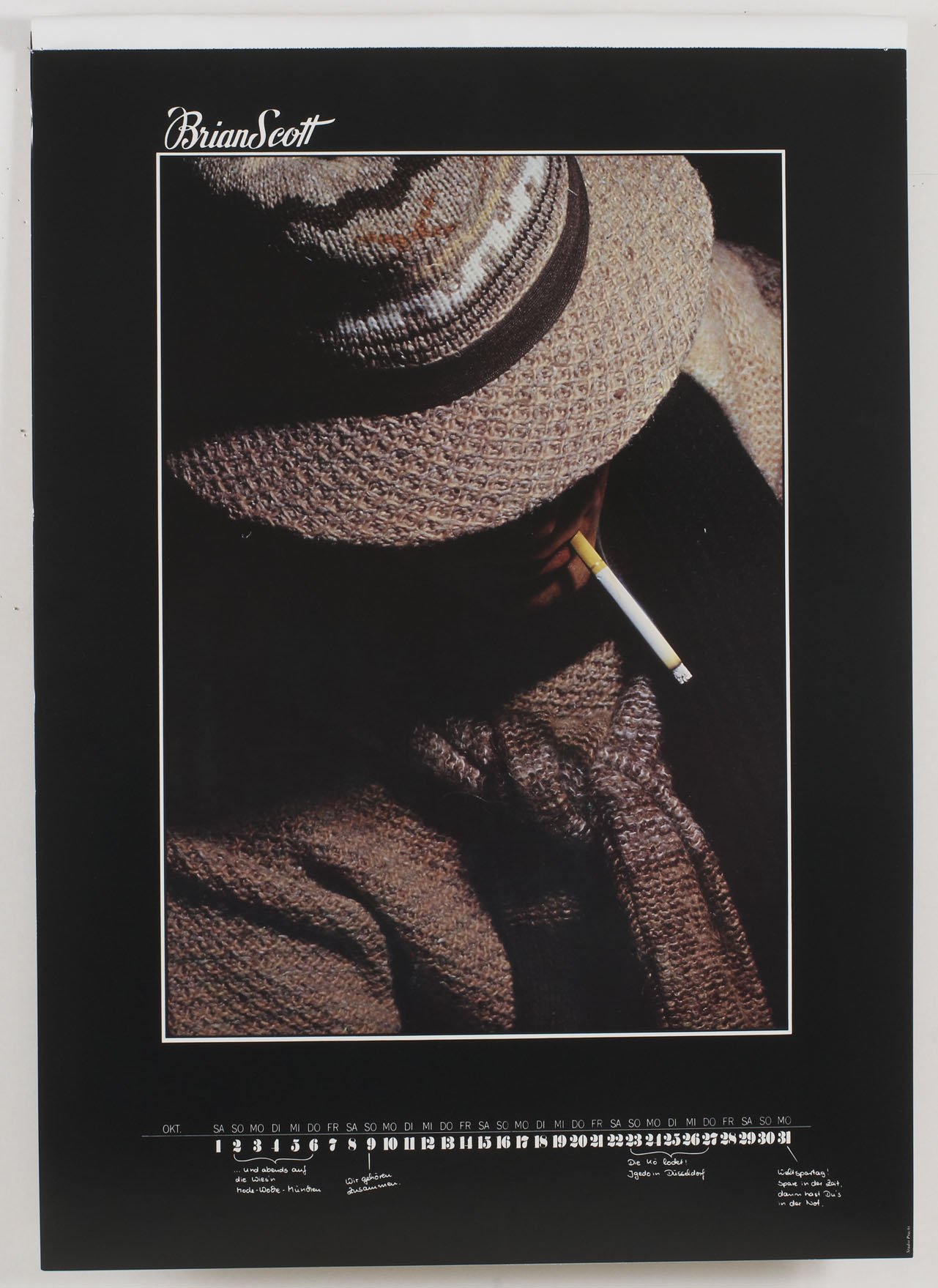
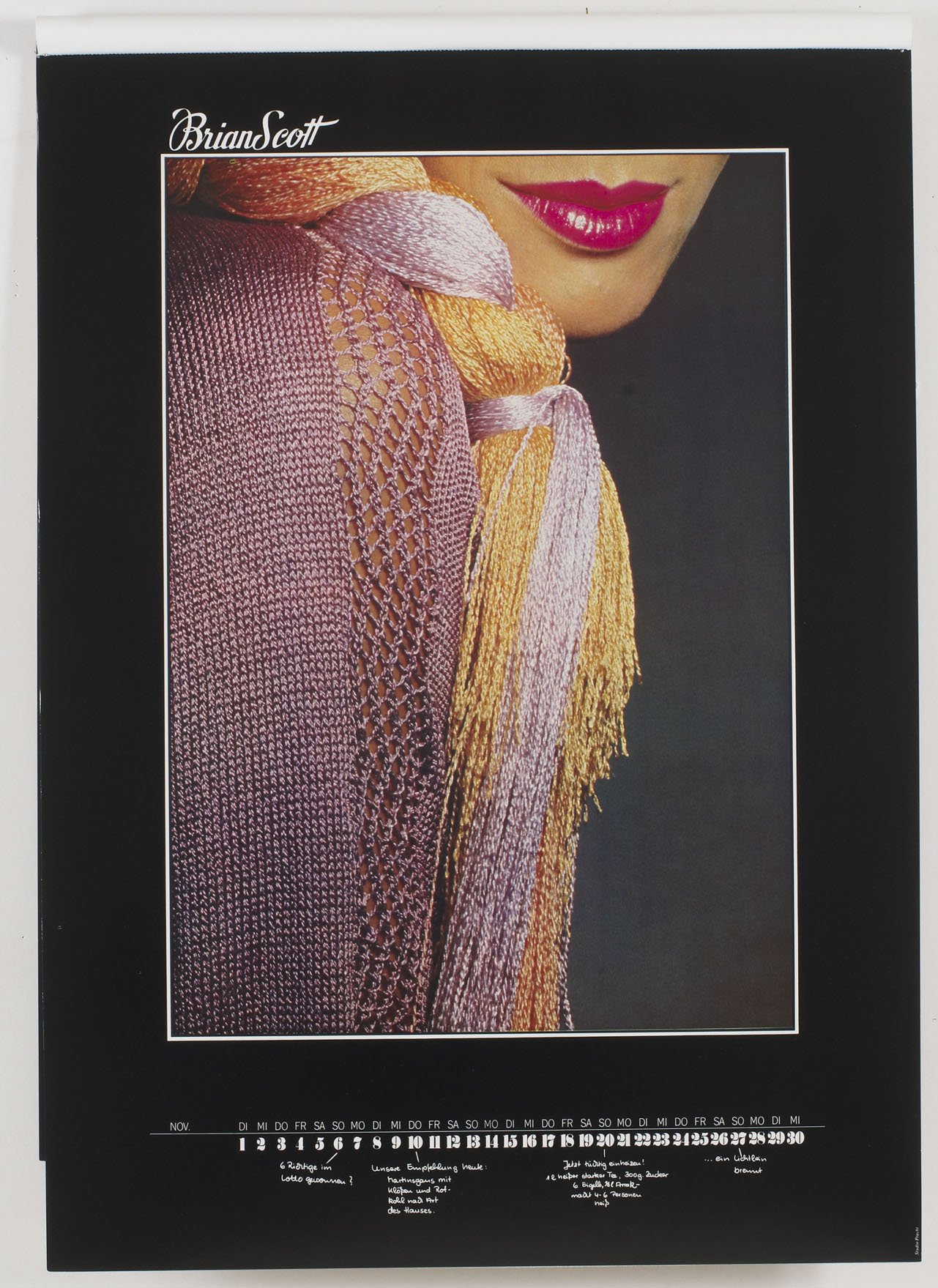
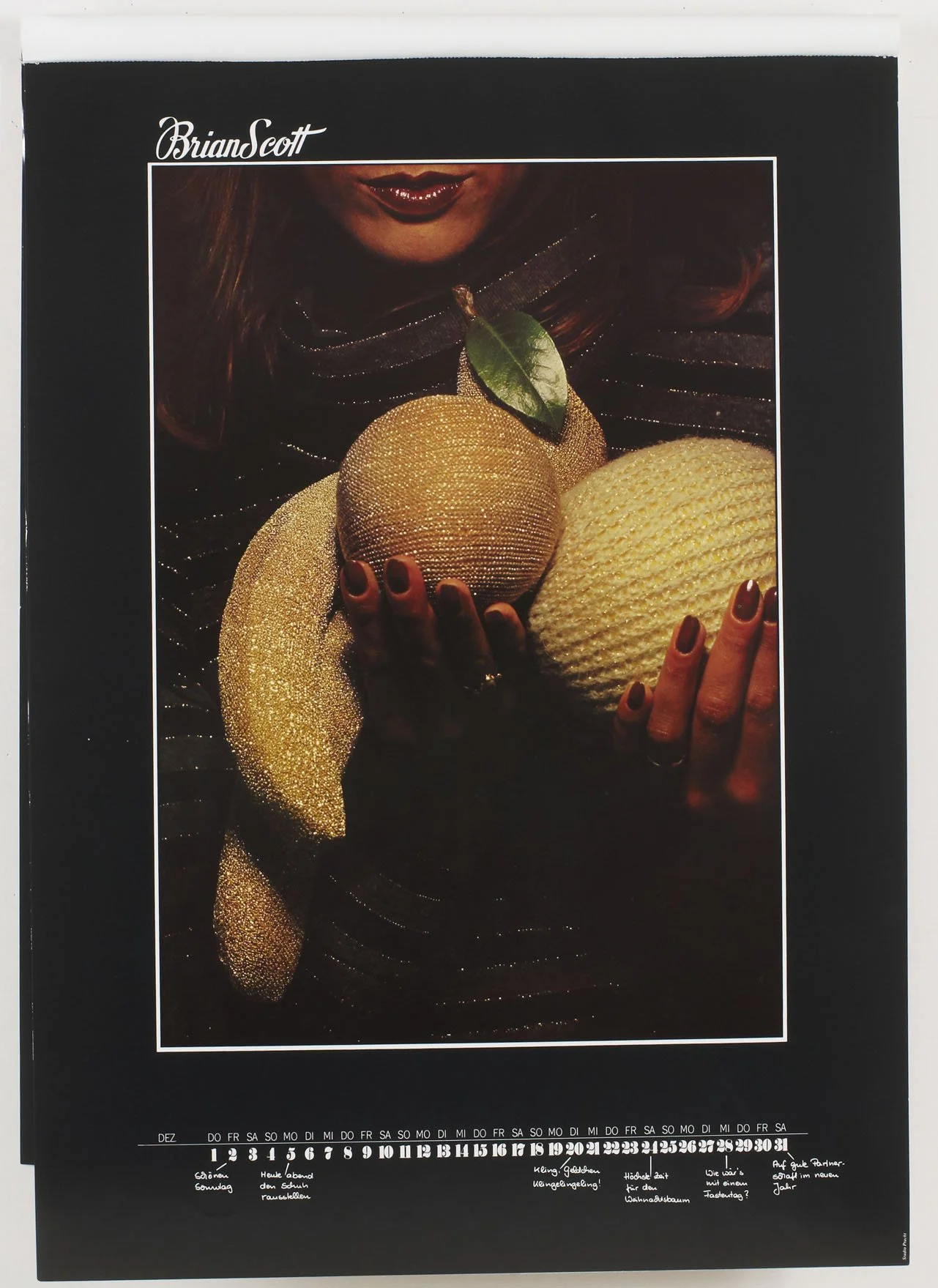
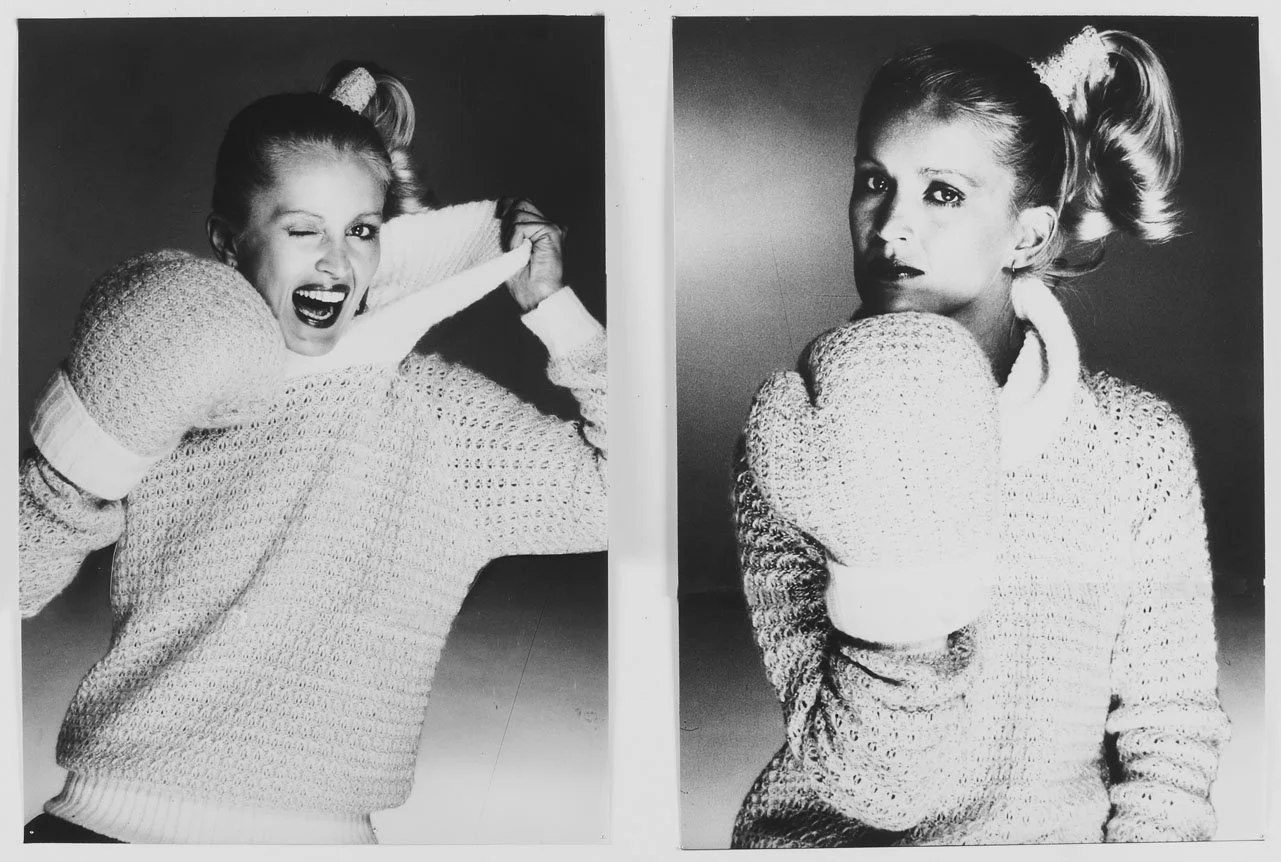
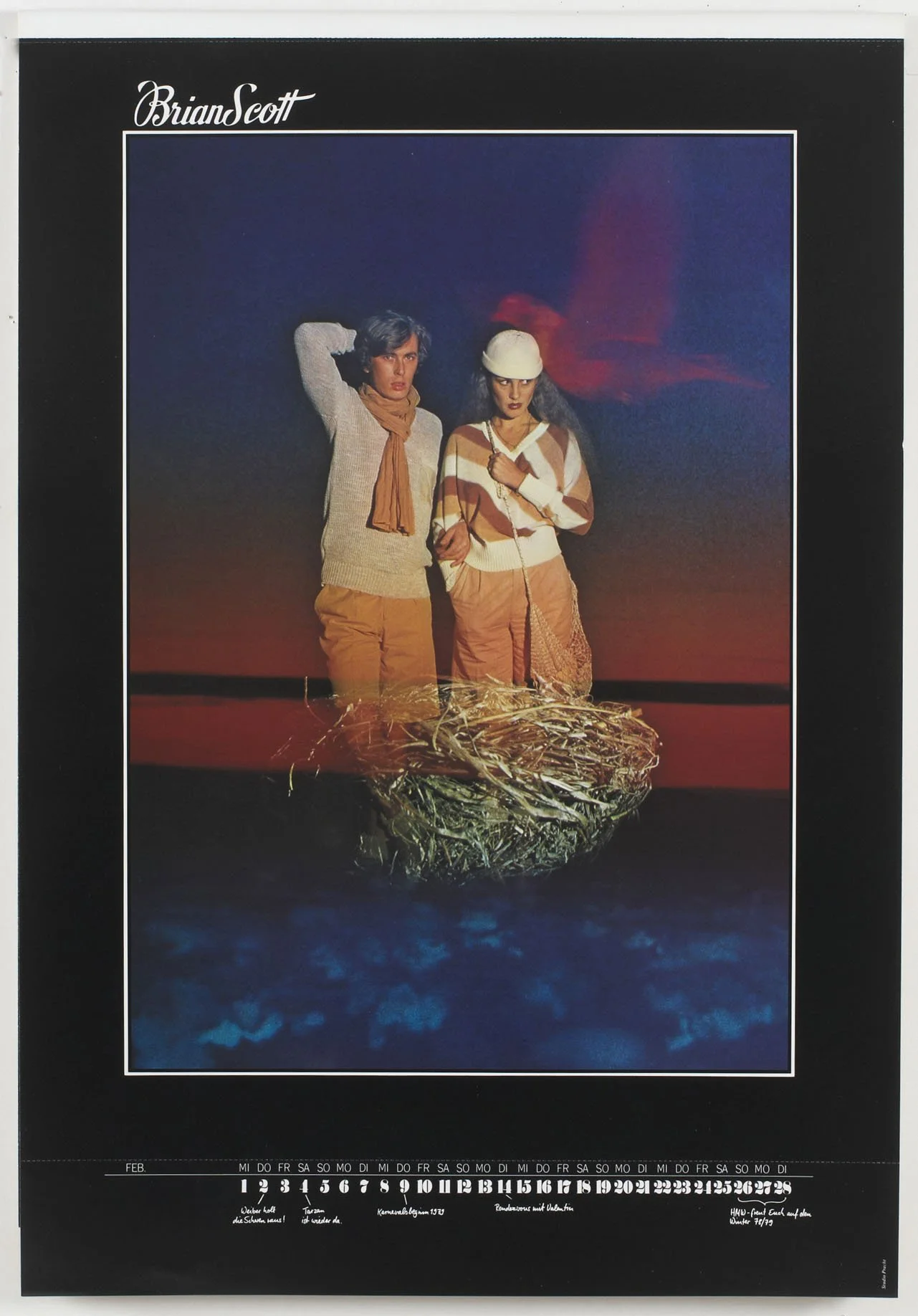
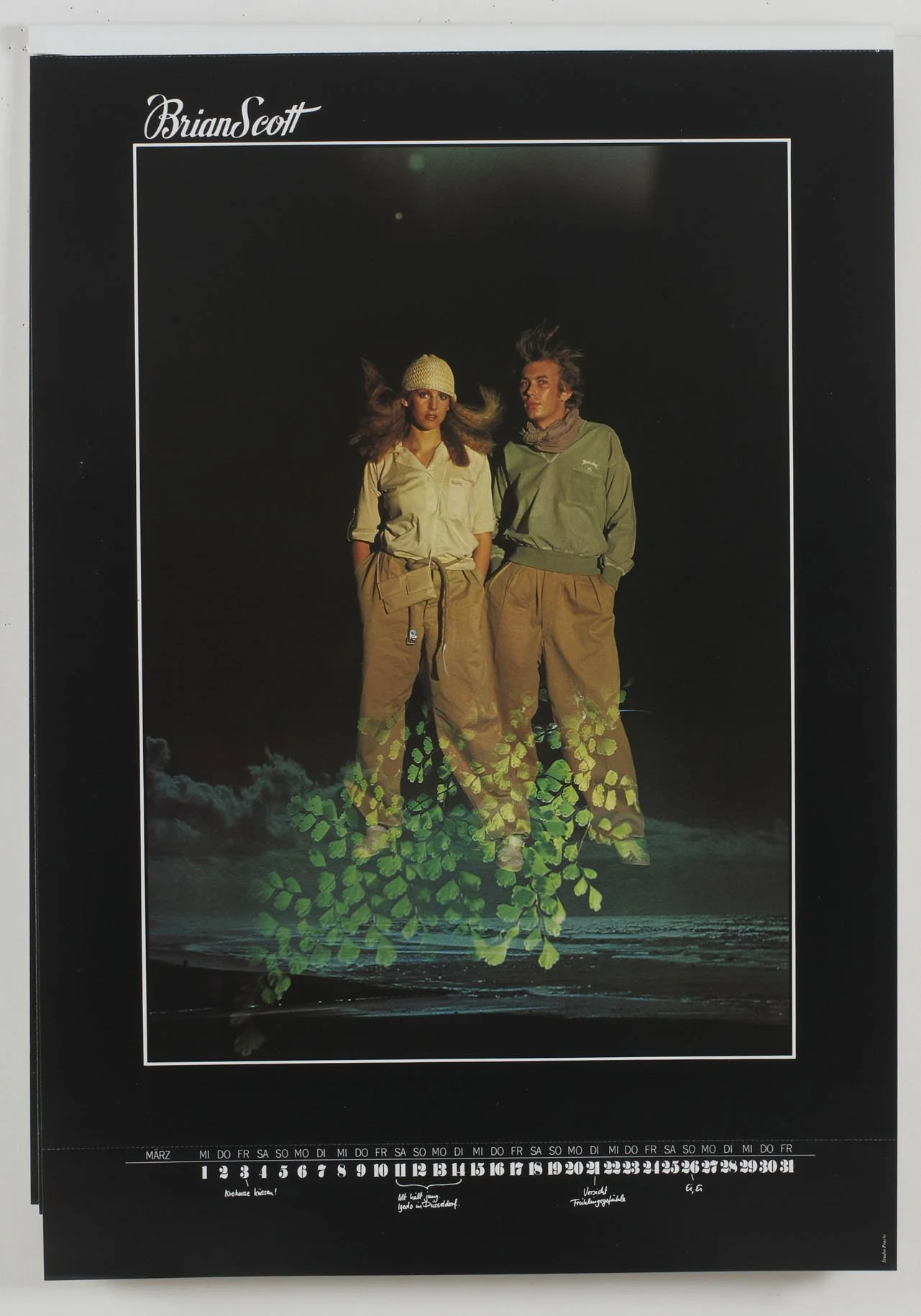
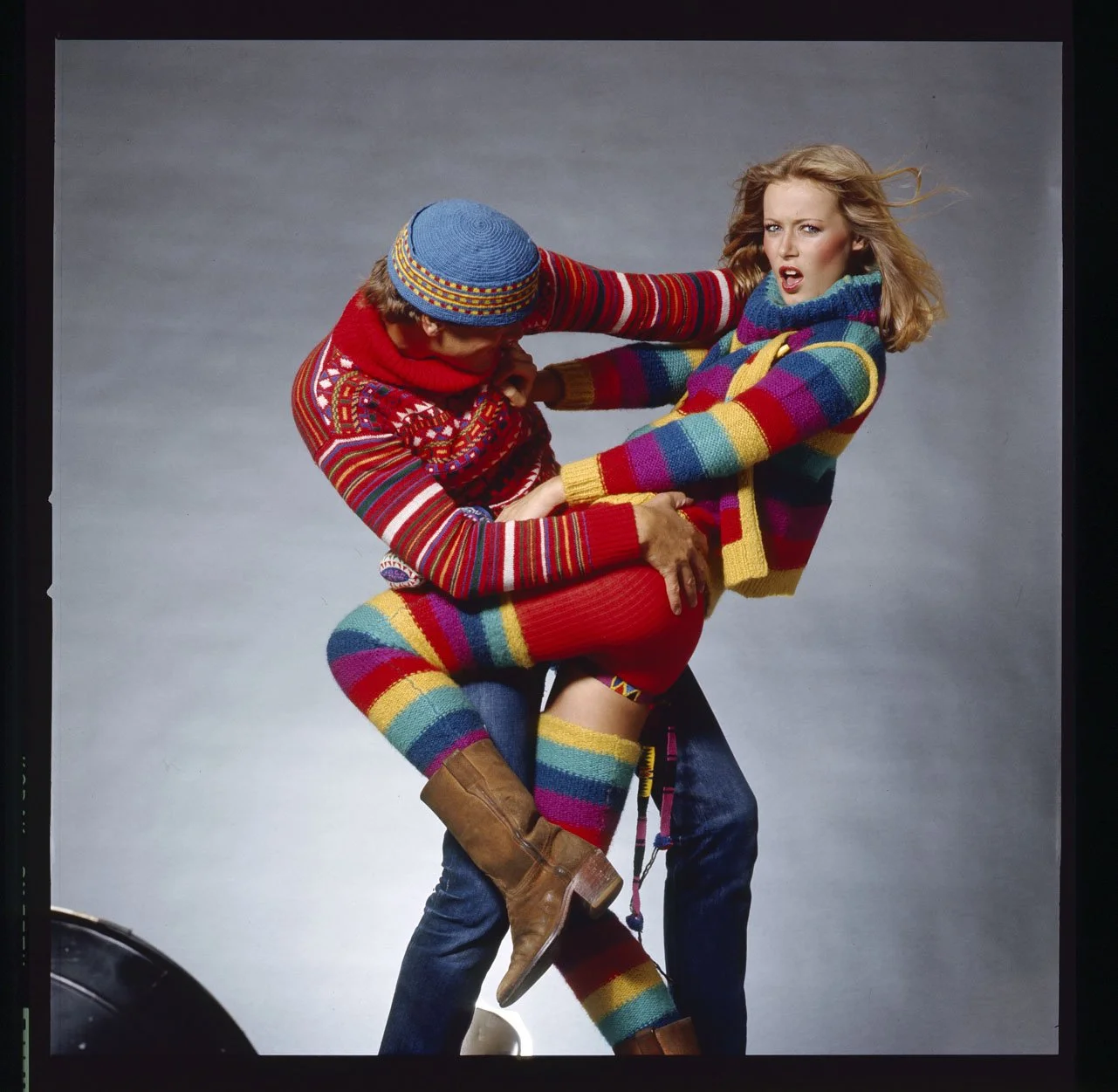
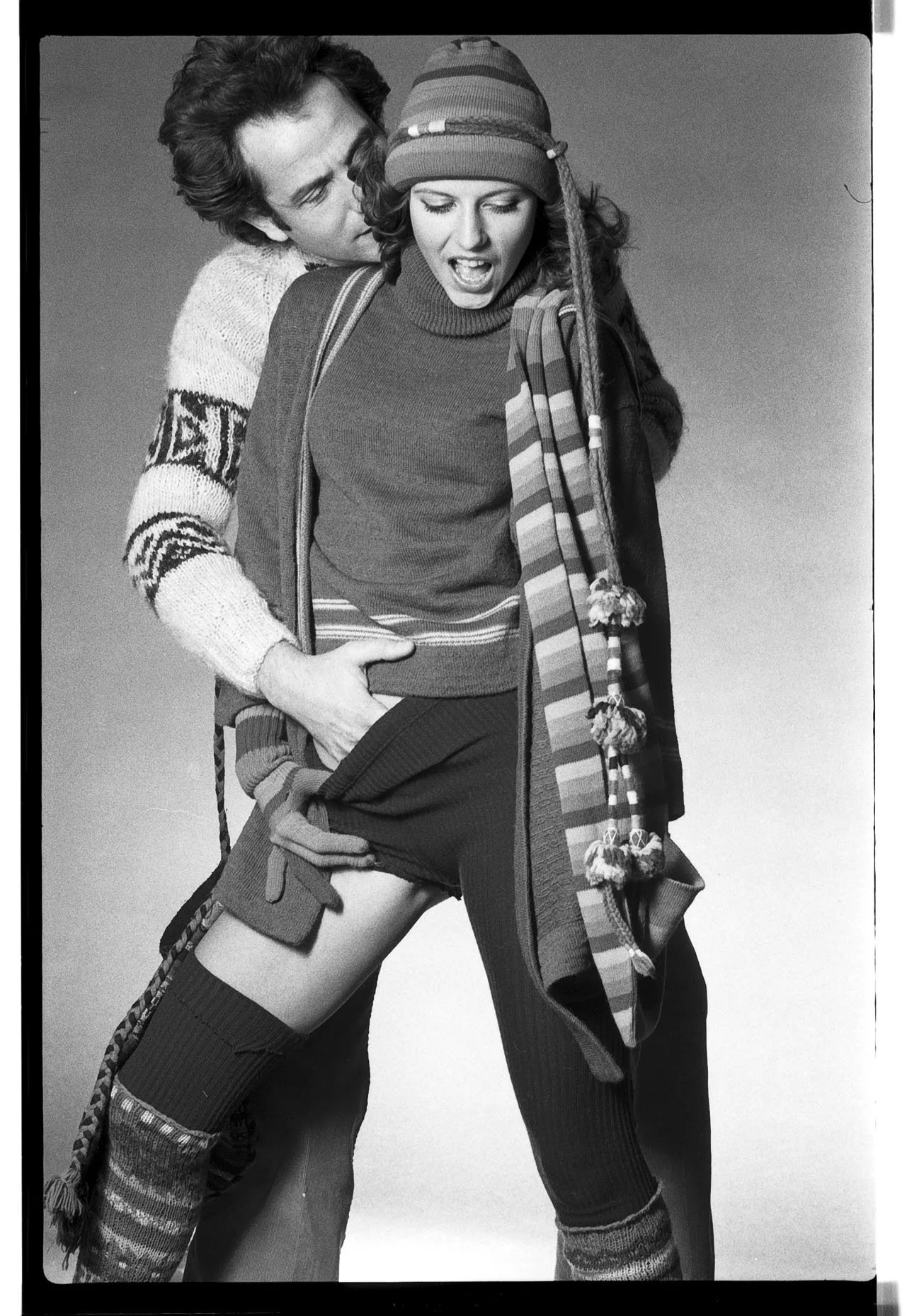
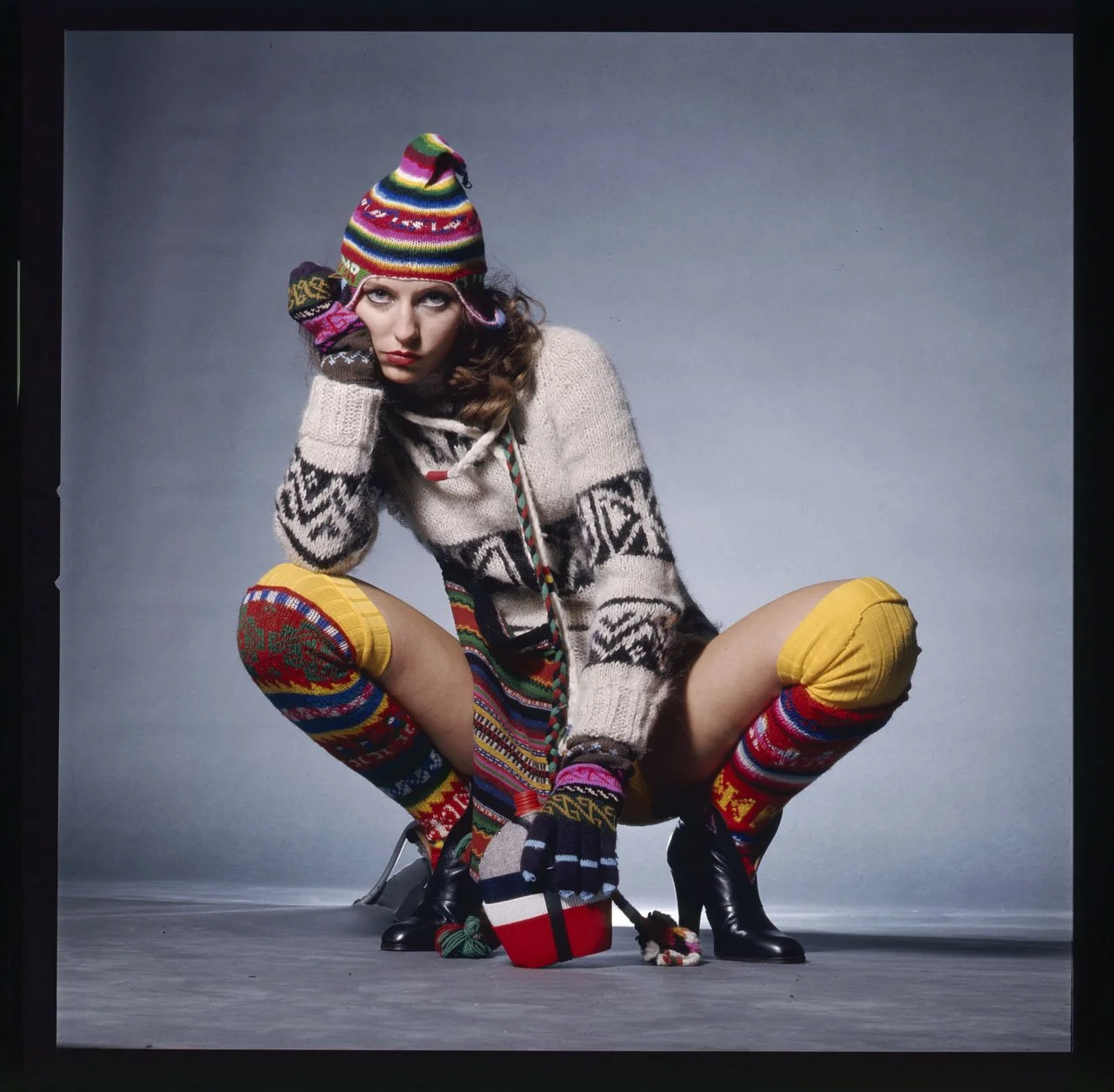
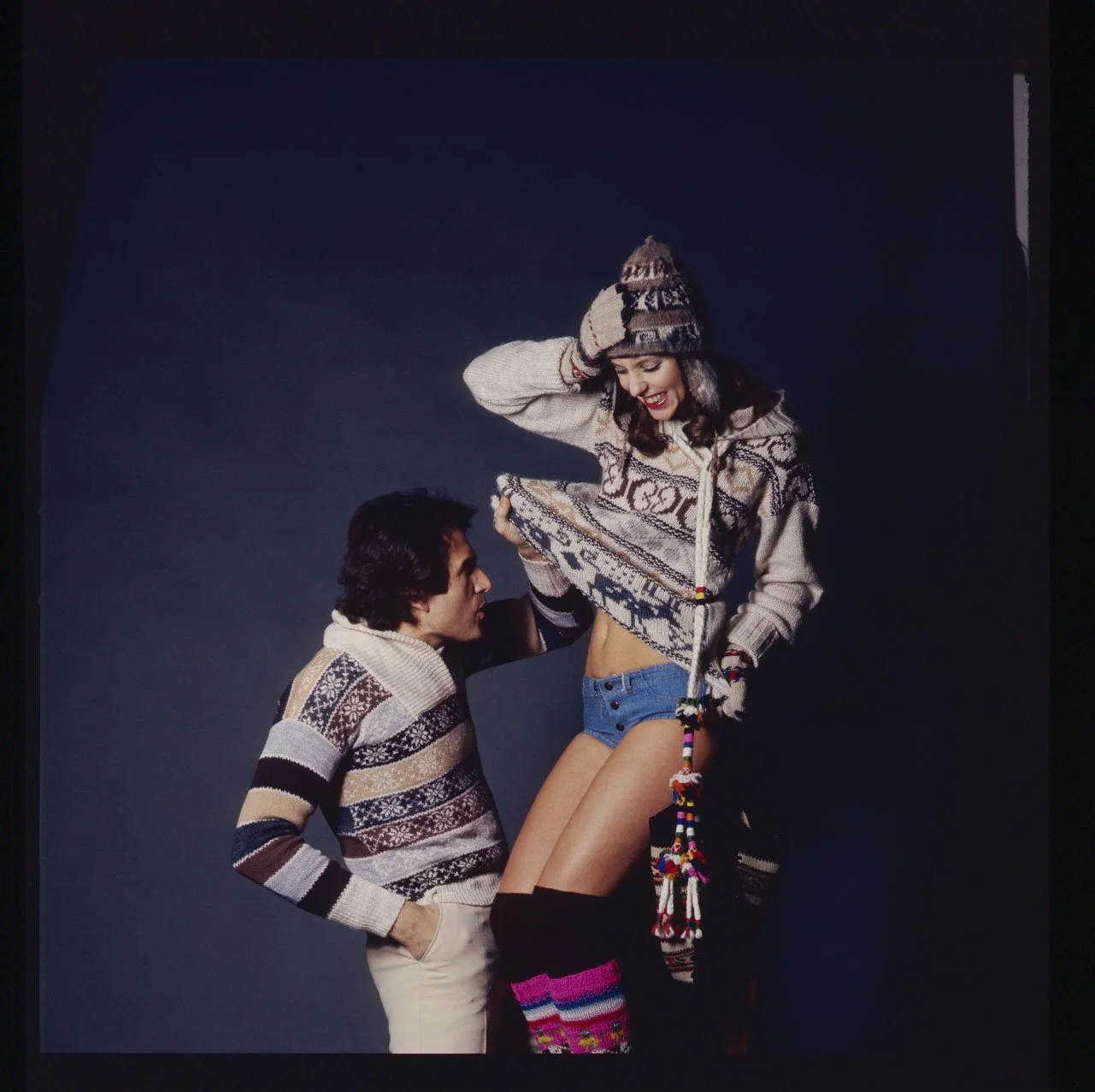
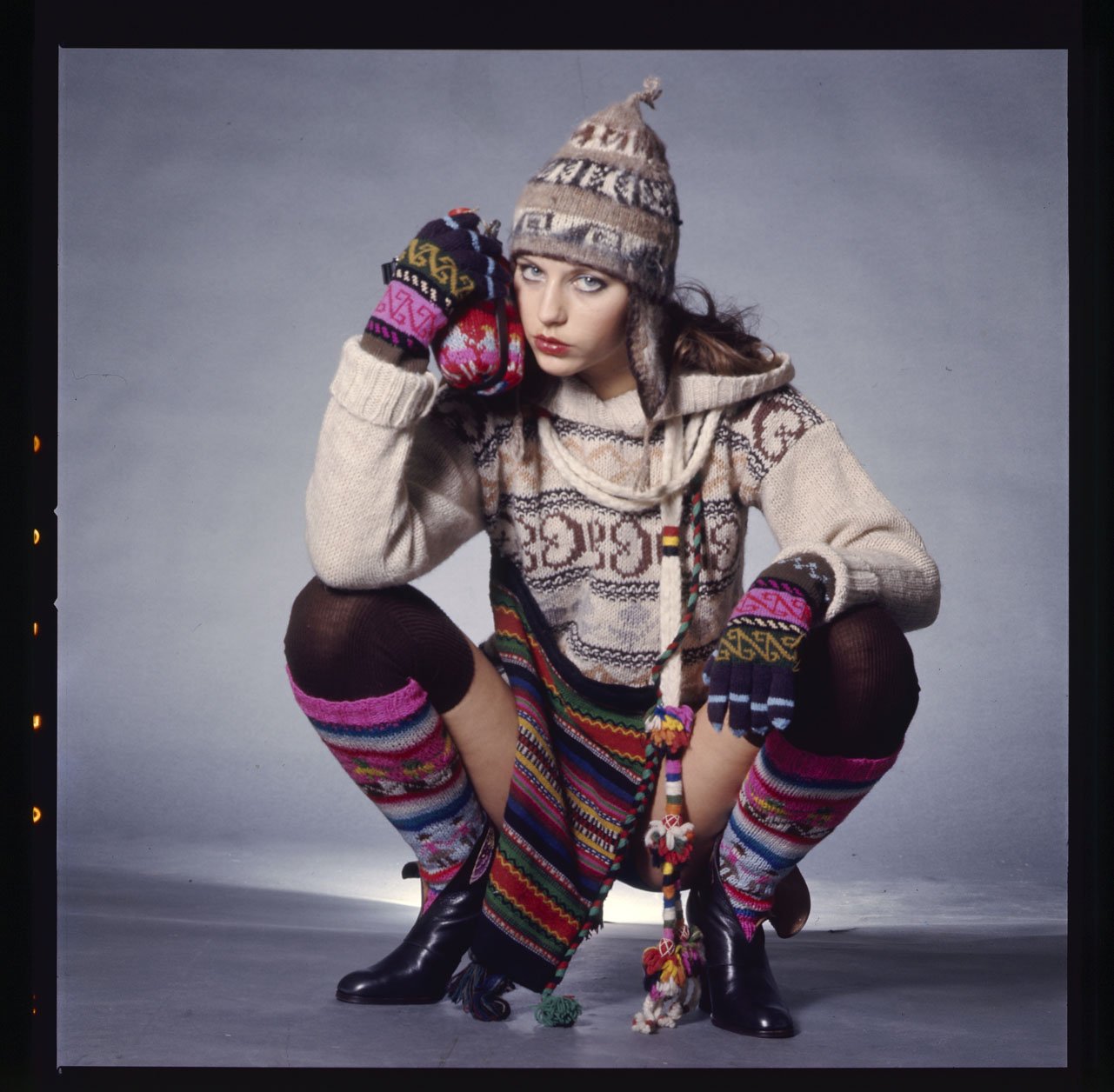
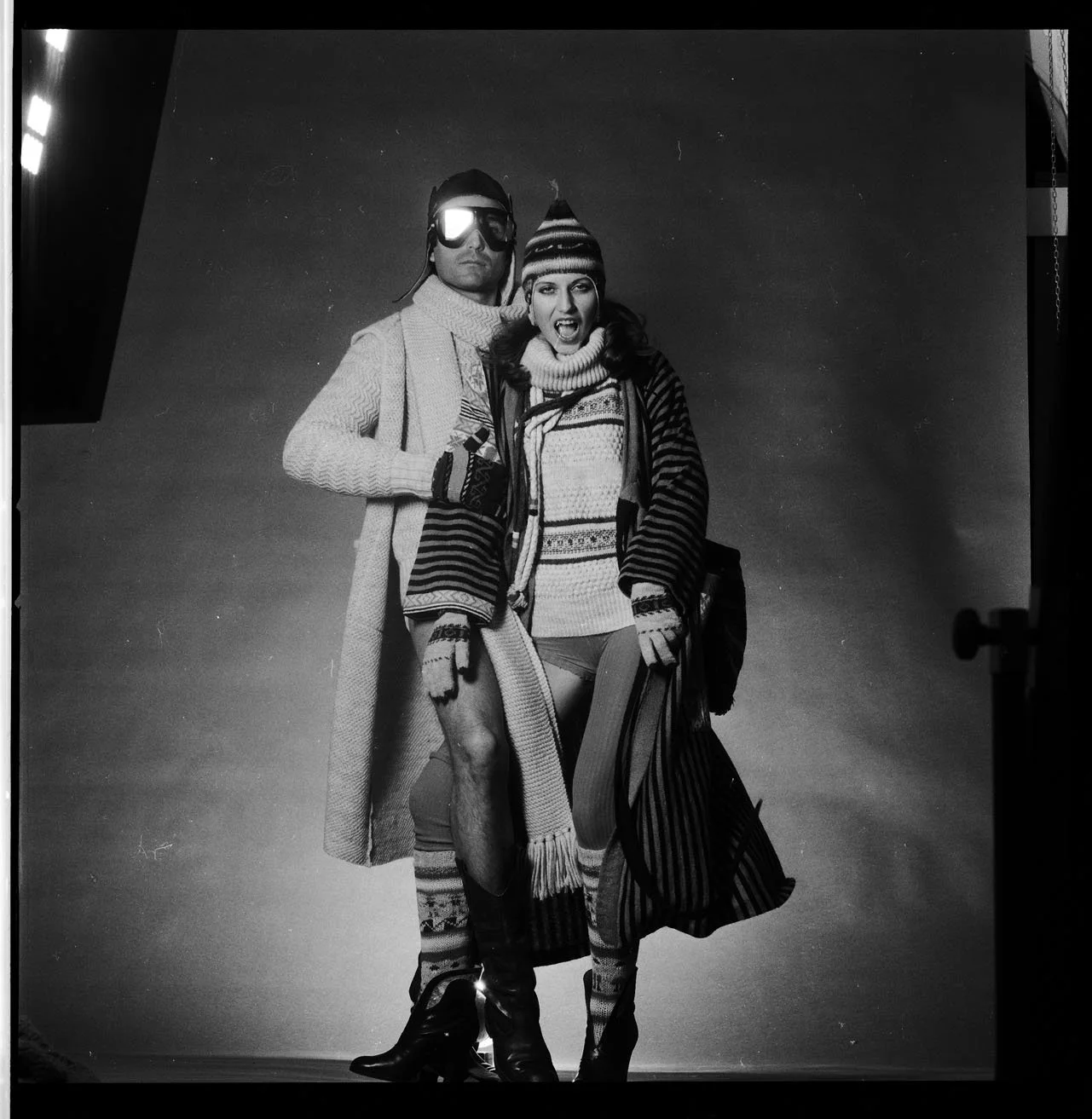
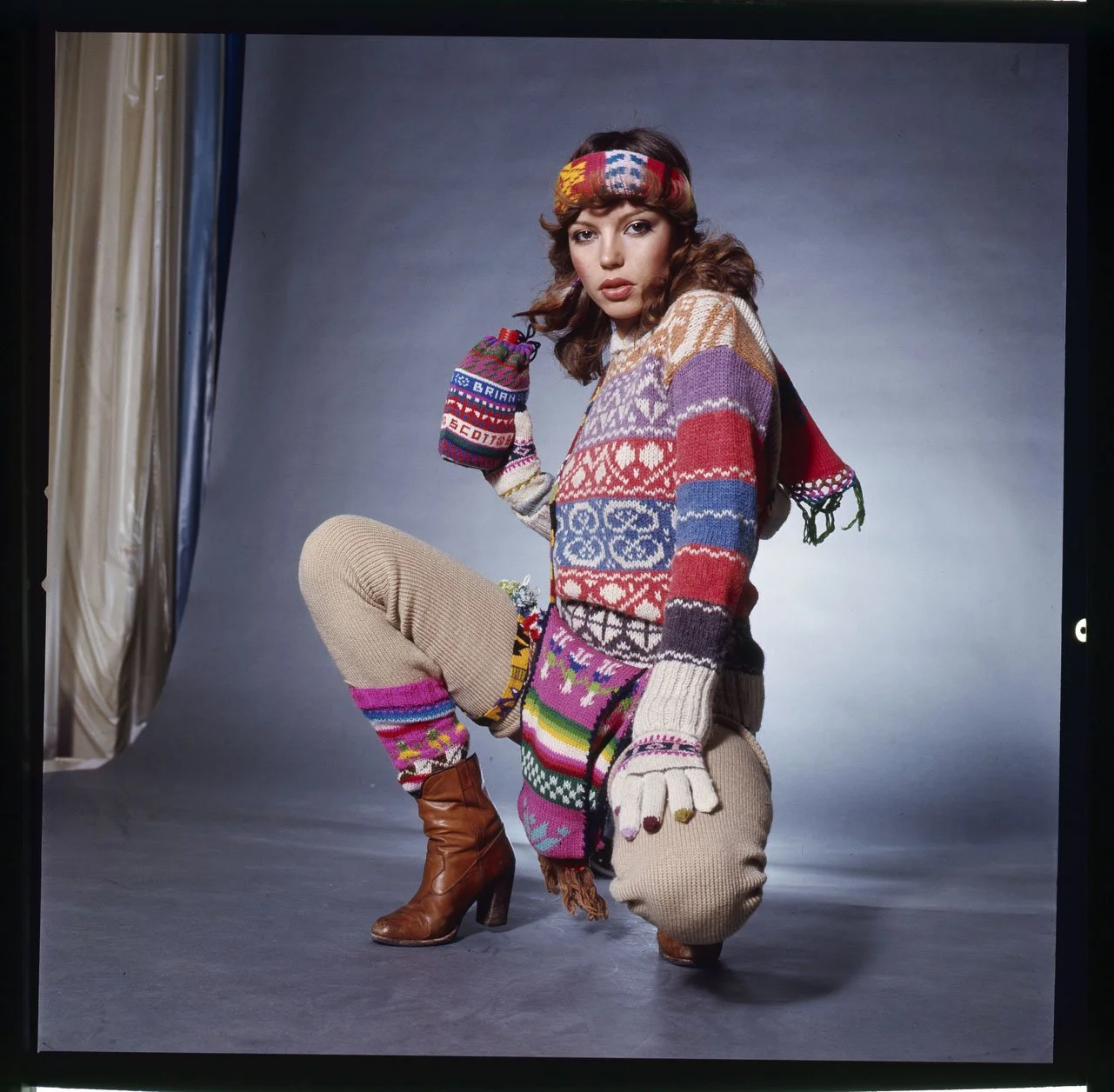
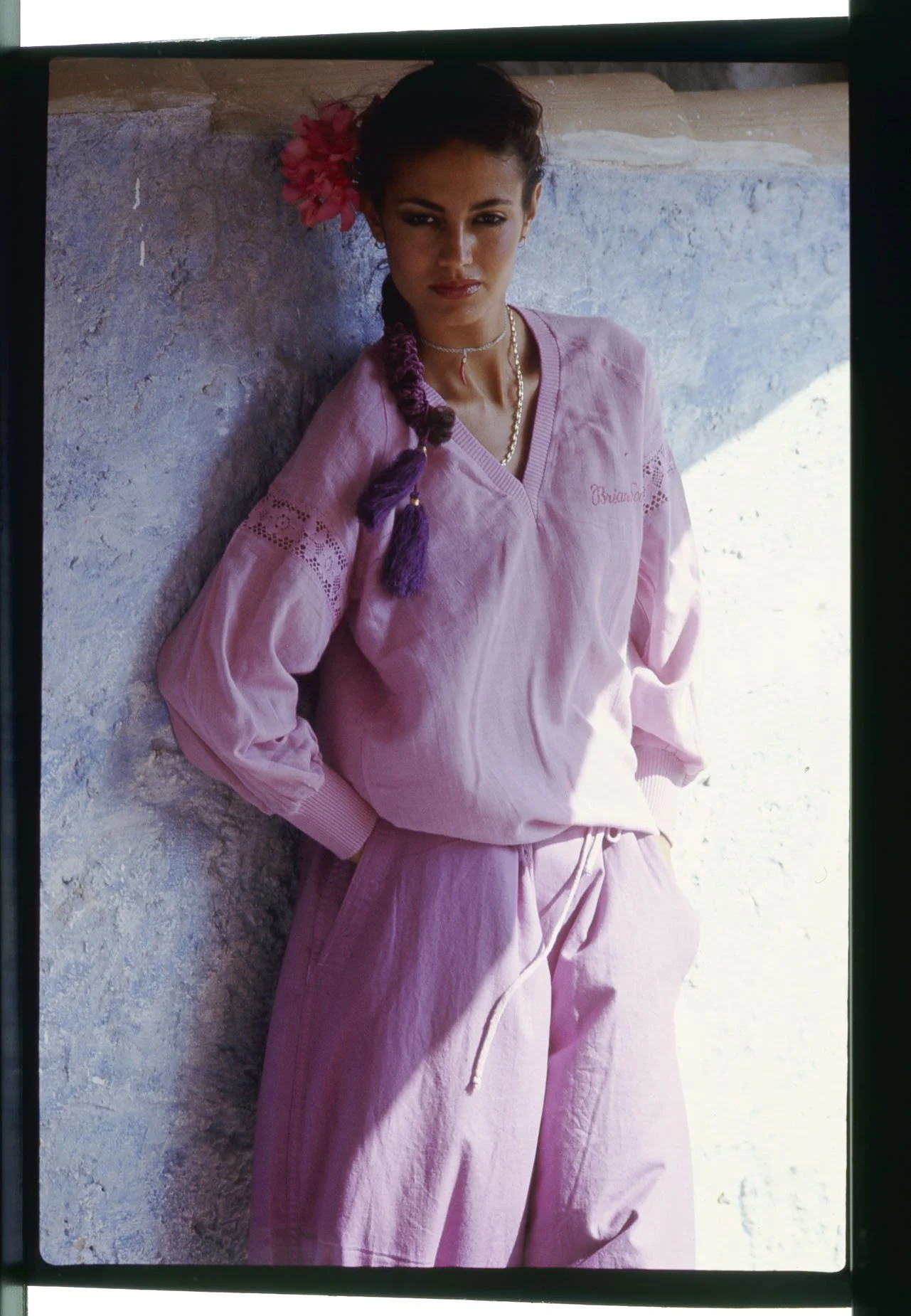
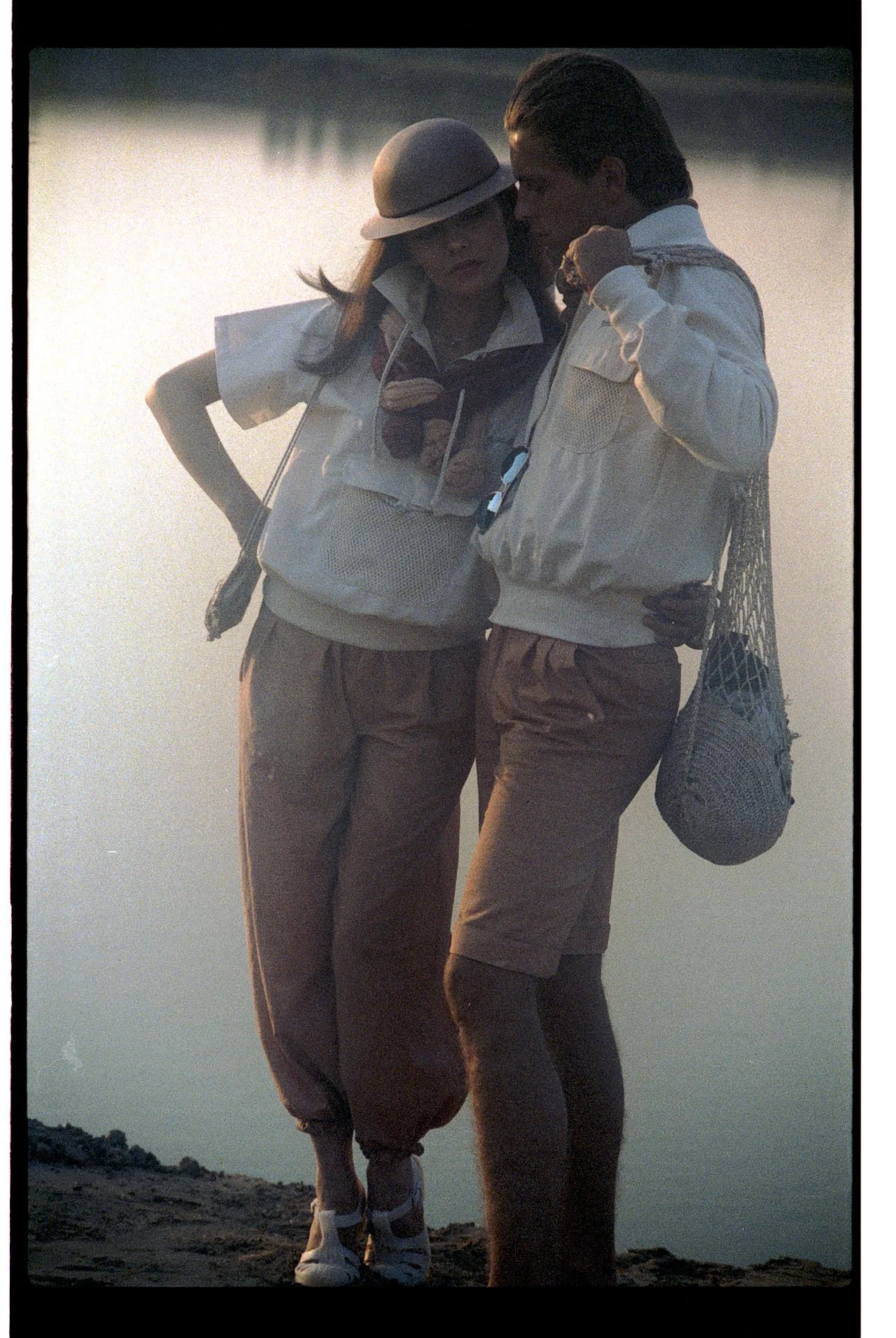
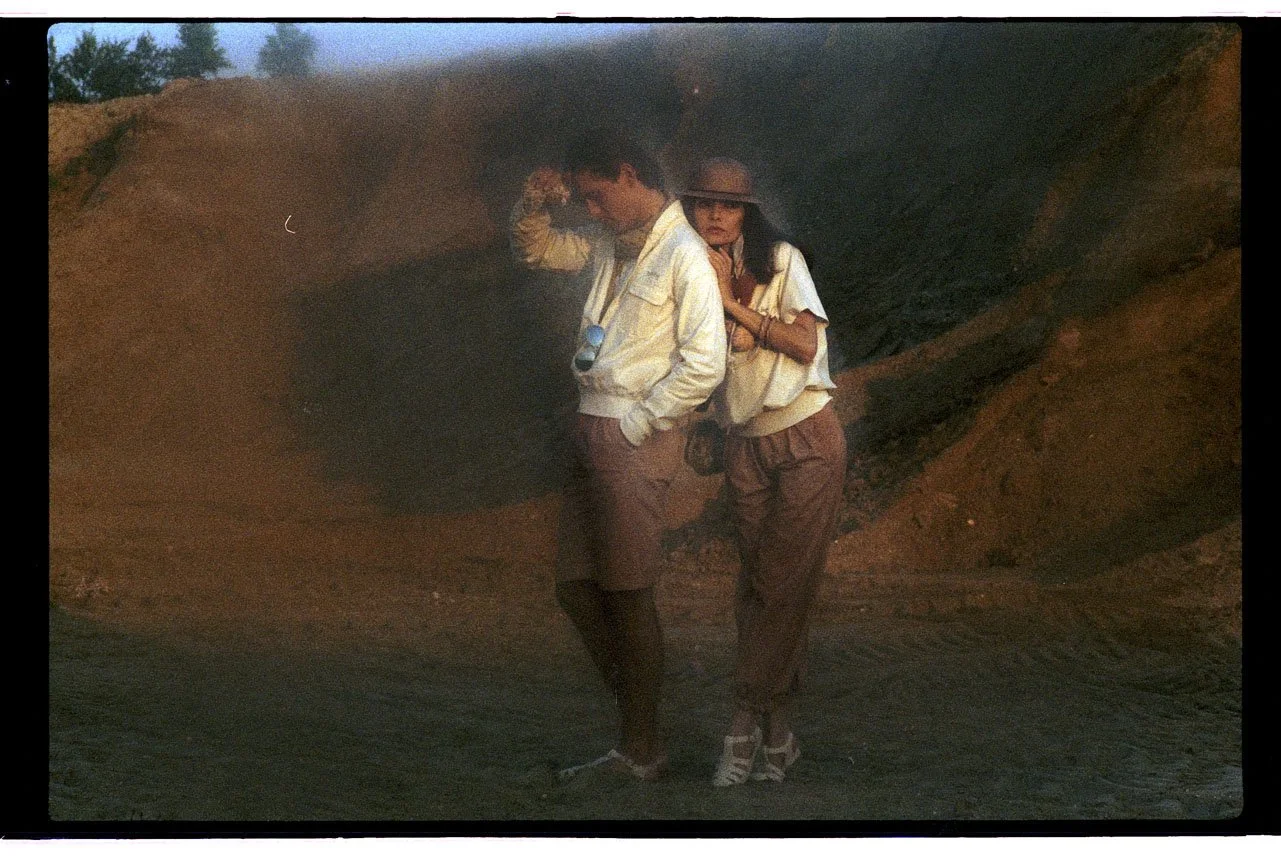
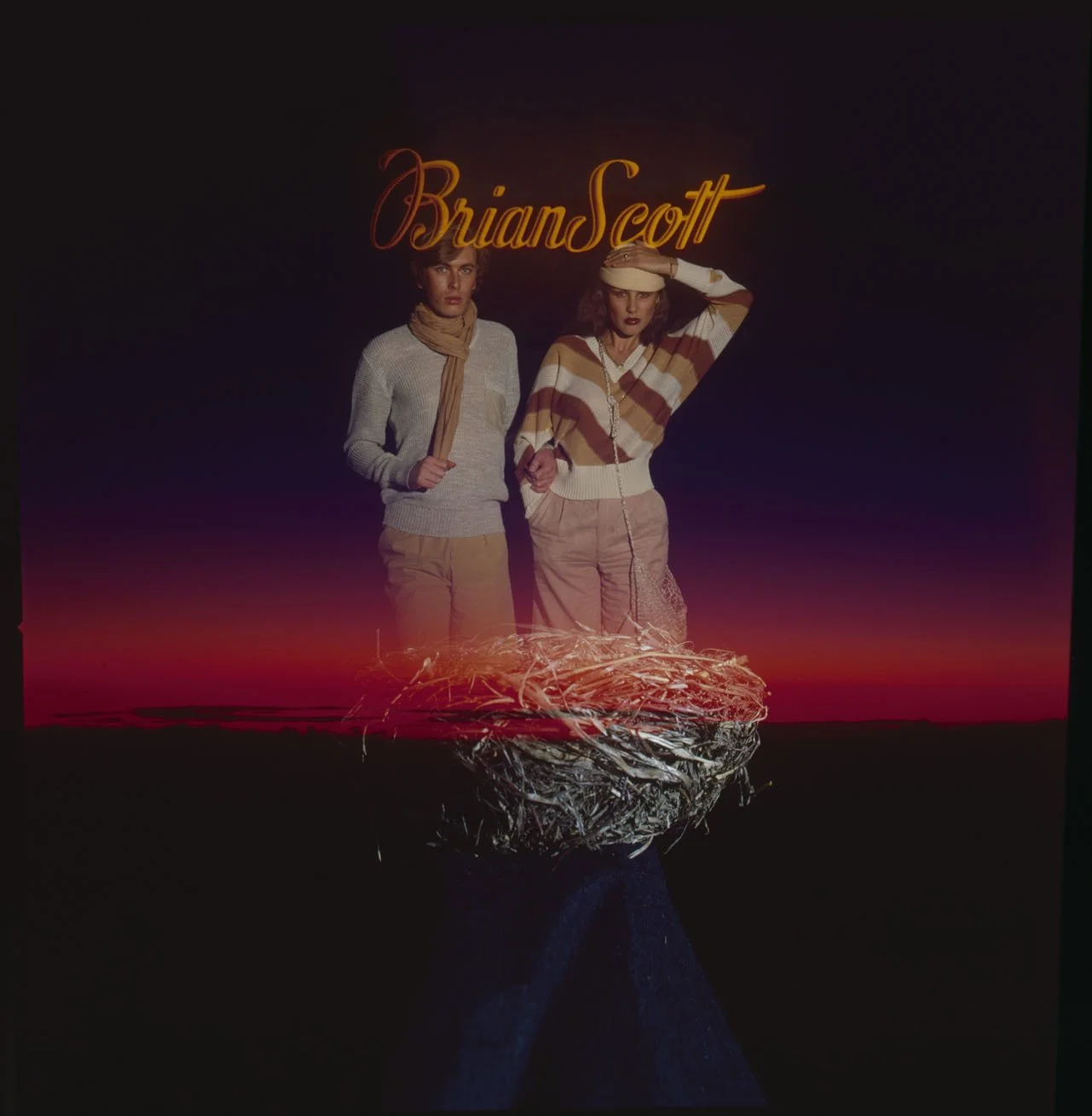
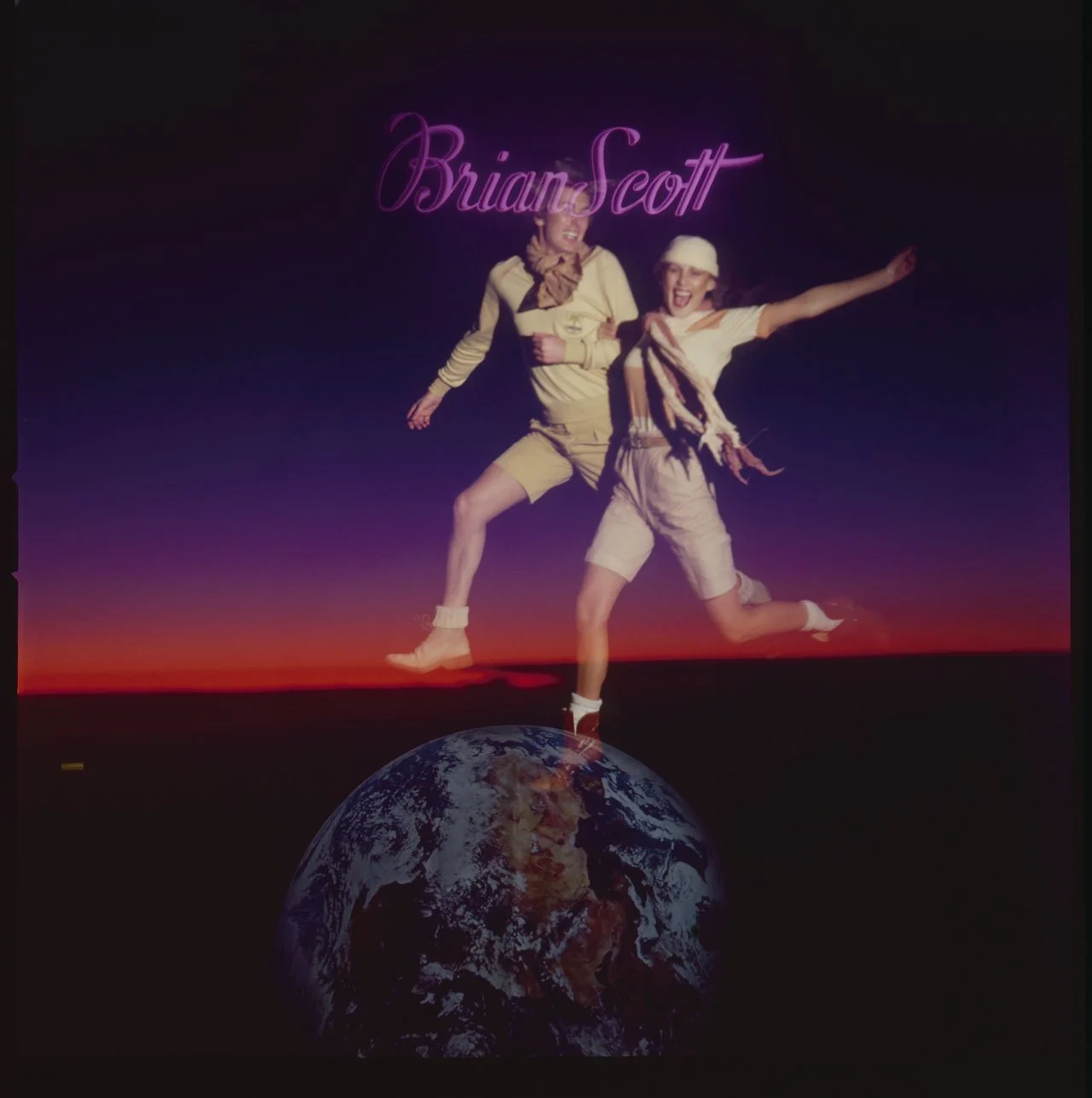
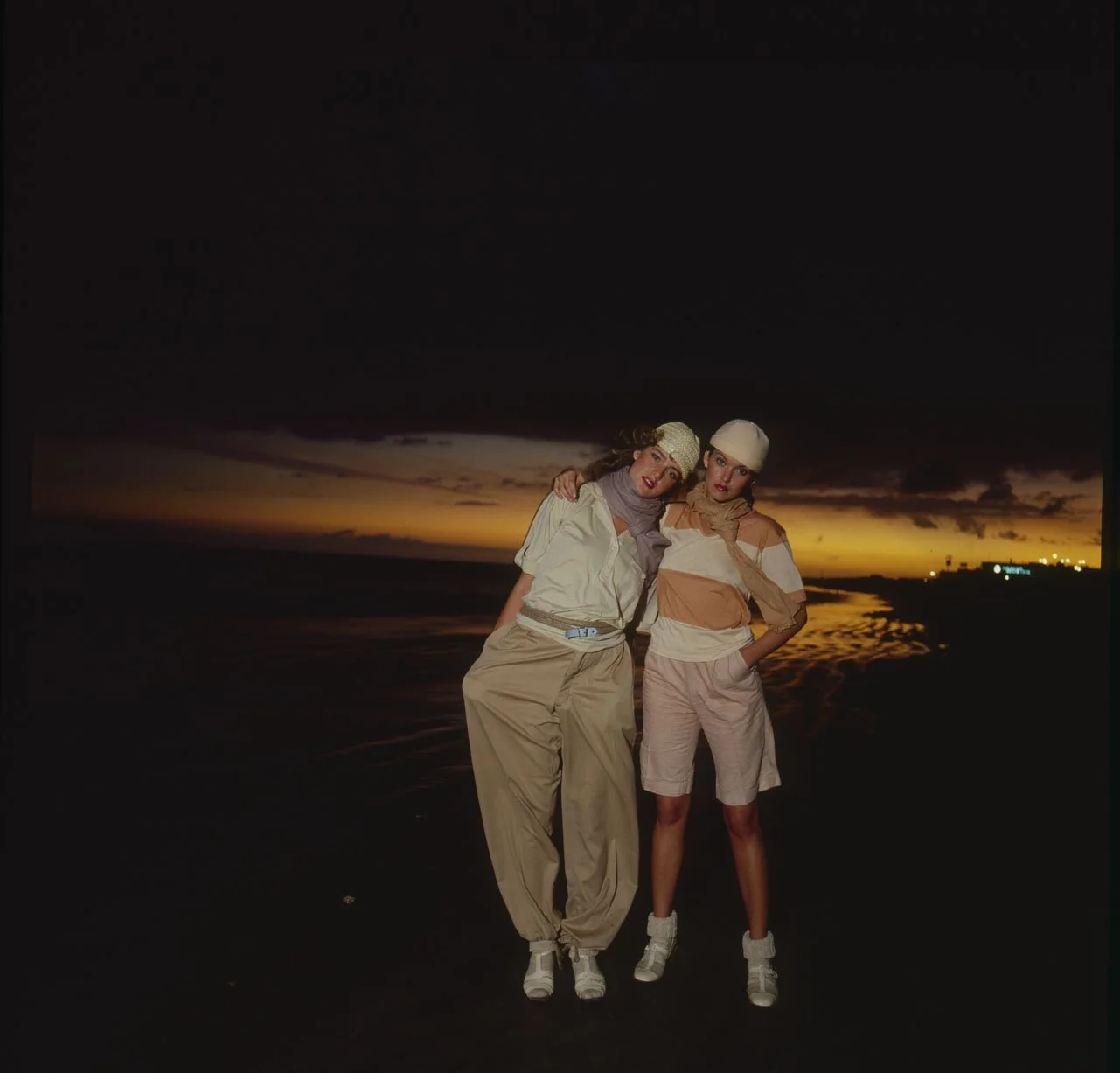
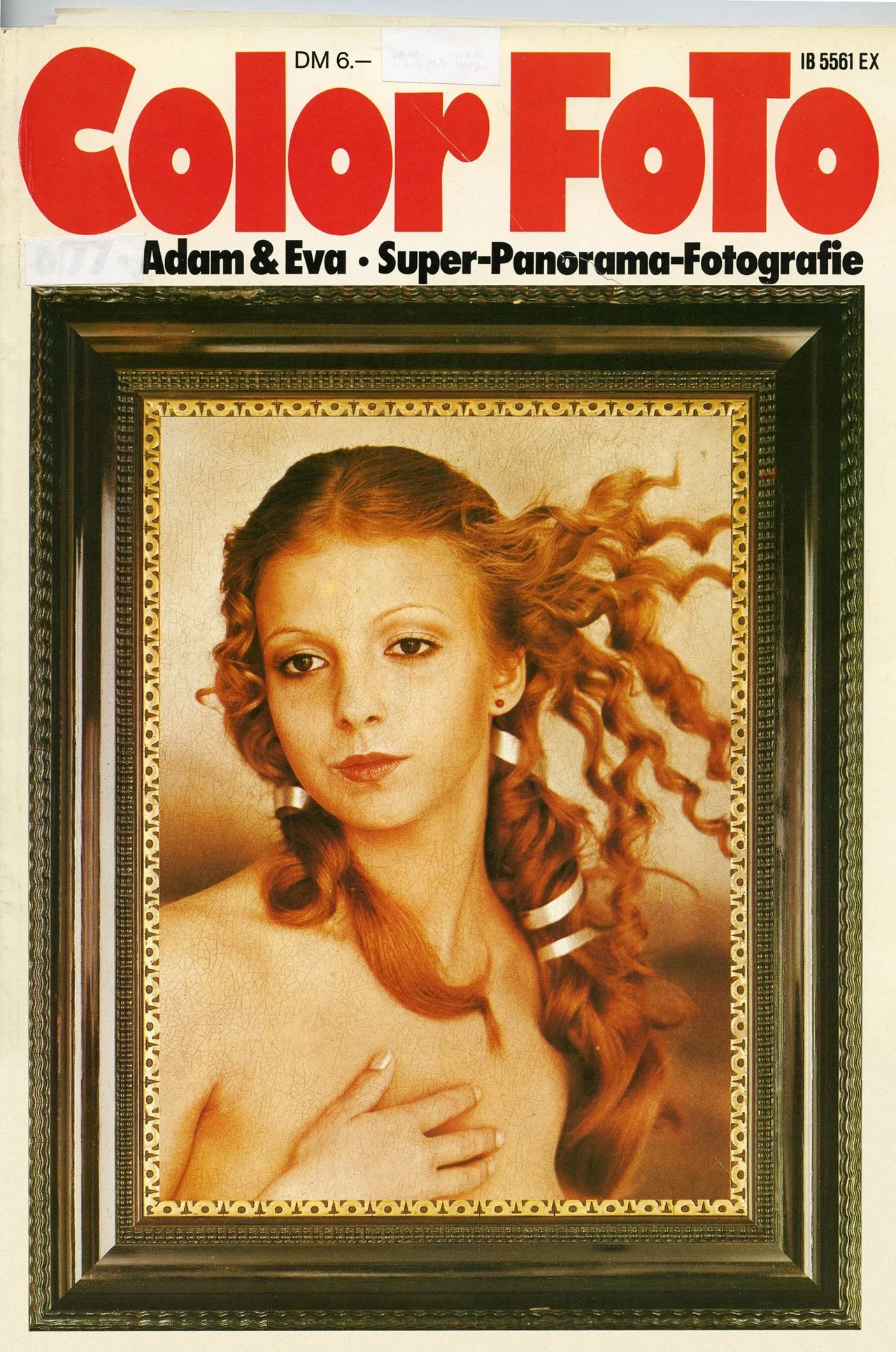
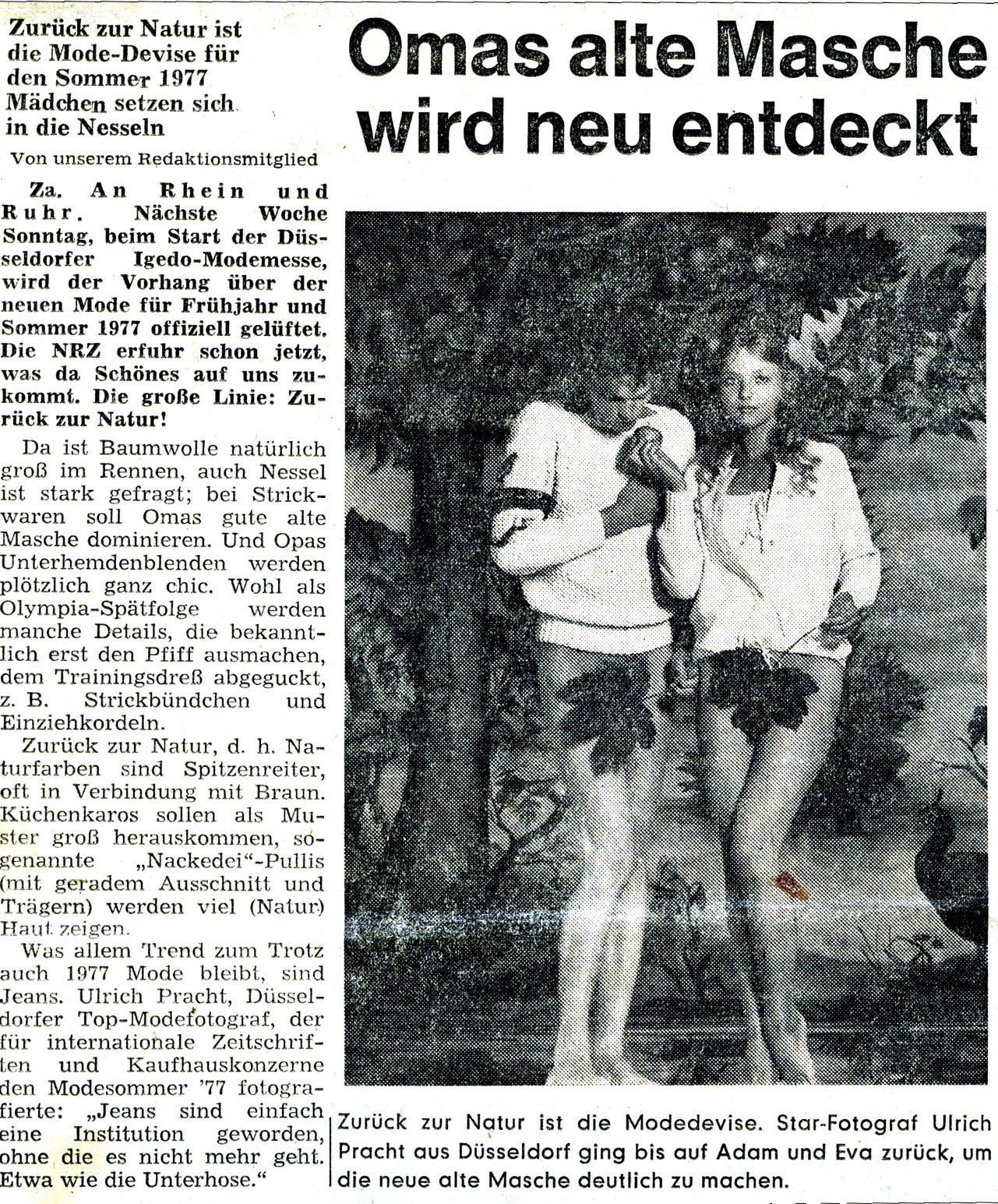
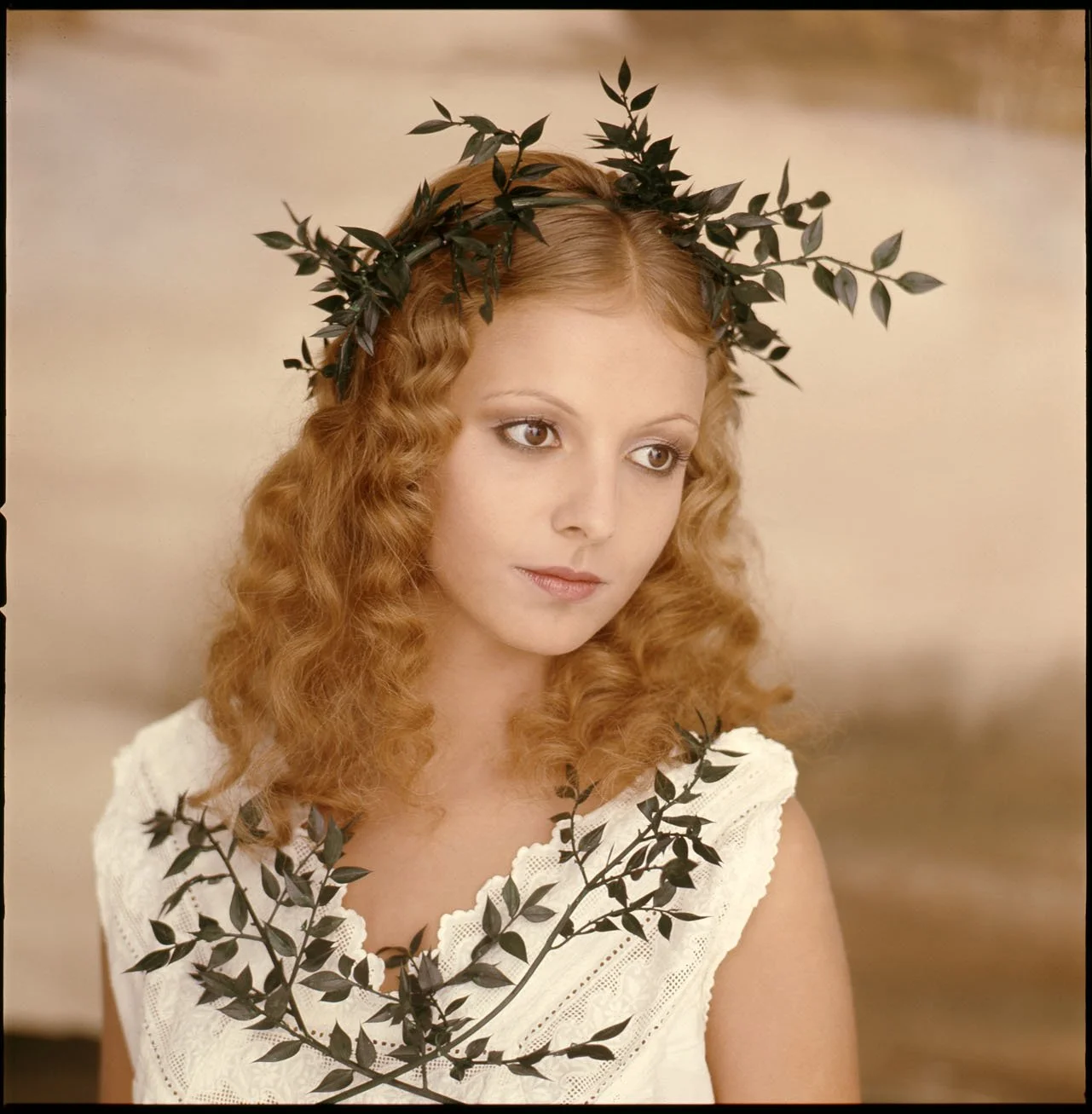
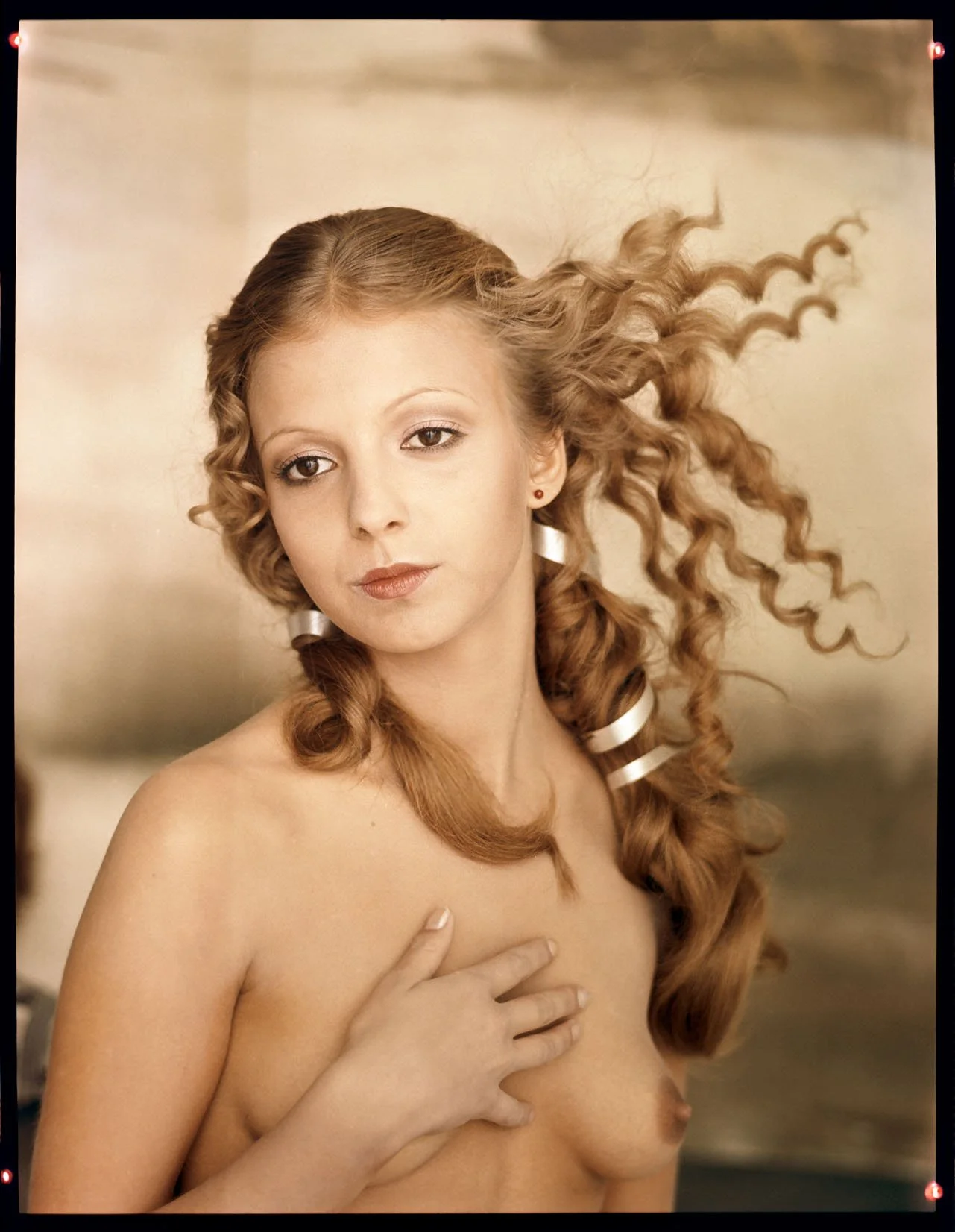
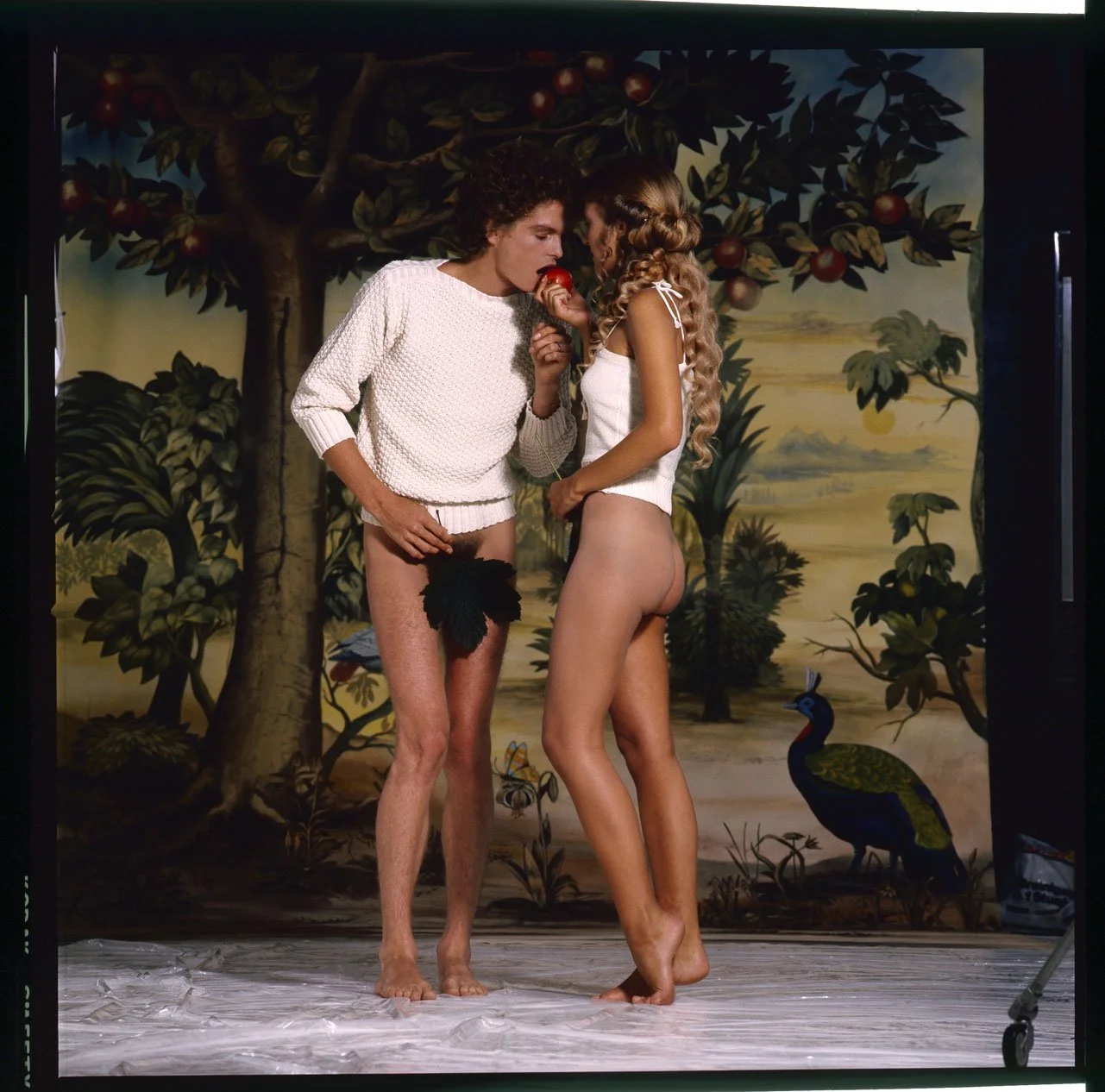
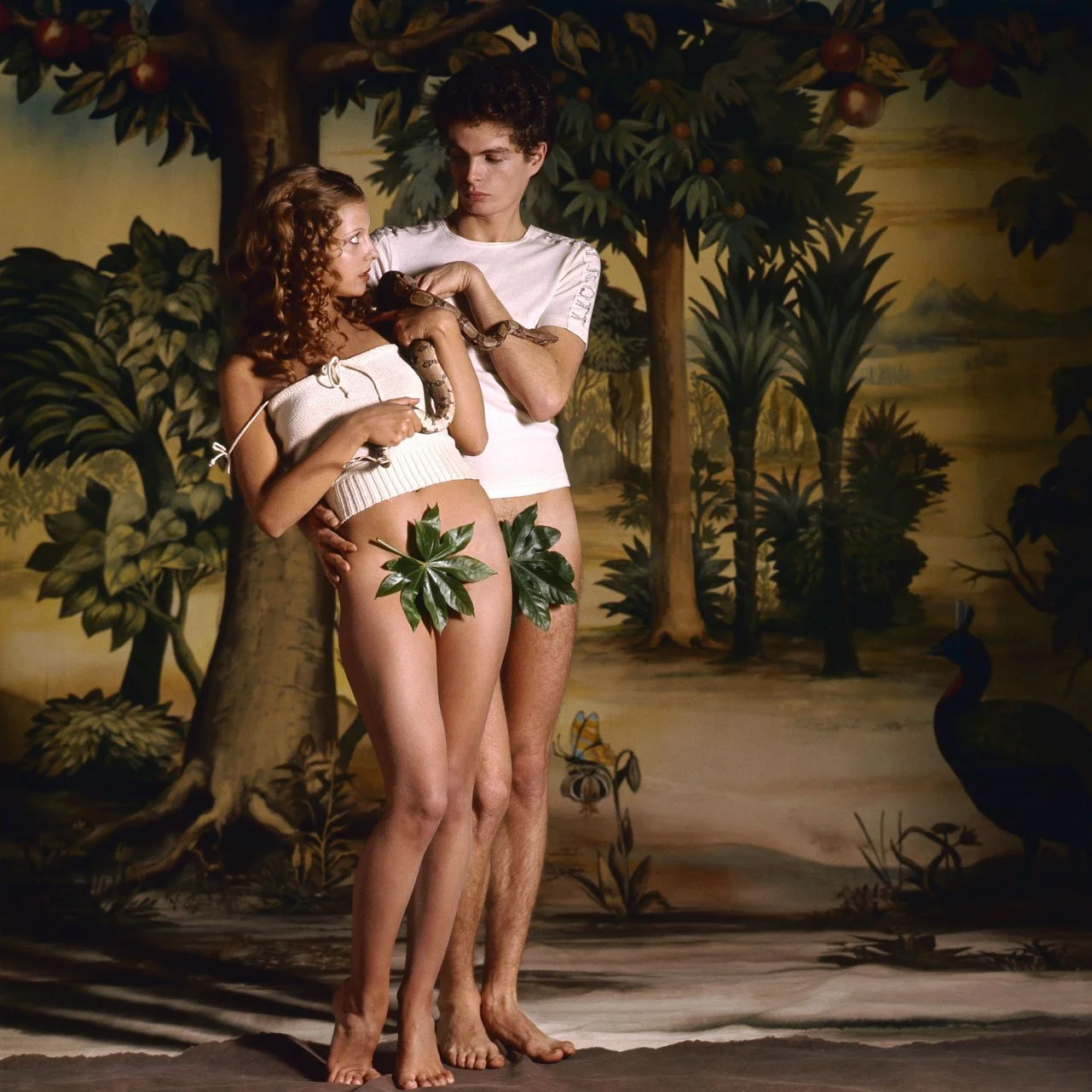
Anyone active in the fashion industry during the 1970s and 80s knows the name Ulrich Pracht. This creative mind from Düsseldorf knows exactly how to market himself effectively: beyond landing spectacular assignments, his success stems primarily from the excellent relationships he cultivates with everyone involved in his productions—clients and their staff, models and stylists, creatives and producers. Together, they ensure that the order books at his Lindemannstraße studio remain consistently full. Should a client ever drop away, new ones are always waiting in the wings for the next commission. Gian Carlo Delaini—a suave Italian whom Ulrich Pracht knew from his time at Horten—facilitated an introduction to Achim Schroer, a fashion manufacturer from Duisburg. Schroer, who marketed knitwear and related products under the label "Brian Scott," was looking for someone to handle his advertising. Since both men hailed from the "coal country" of the Ruhr region, they quickly found common ground. Together, they traveled to Carpi, Italy. Located in the province of Modena, this city is the epicenter of knitwear manufacturing in Europe. Here, the textile entrepreneur—whose brand evoked the tradition of English style—commissioned the production of not only sweaters but also scarves, hats, and—for women—even knitted trousers and shorts. "After he saw how I staged his products, I was commissioned to create an initial campaign, which was planned under the title 'Back to Nature.'" The zeitgeist of the late 1970s permitted a certain degree of permissiveness in fashion photography—something that is more than evident in this series. "Star photographer Ulrich Pracht from Düsseldorf went all the way back to Adam and Eve to highlight this 'new-old' style," ran the caption in the NRZ newspaper beneath an image from the campaign, which depicted a young couple in a paradisiacal pose, clad in nothing but sweaters. Only the proverbial fig leaf concealed any further details. Another face of the campaign is Beate Wolf, whom Ulrich Pracht discovered by chance in Munich and whom he portrays as a beautiful, Botticelli-style Venus. This particular image found its way not only into boutique shop windows but also onto the cover of the specialist magazine ColorFoto. “This is likely the first time such a concept has been developed in collaboration with a photography magazine. The series was created in close consultation with the editorial team at ColorFoto, ensuring that Pracht’s visual creations could be presented exclusively to our readership.”
15.2
BUTTERFLY
The Illusion of the Magic Lantern
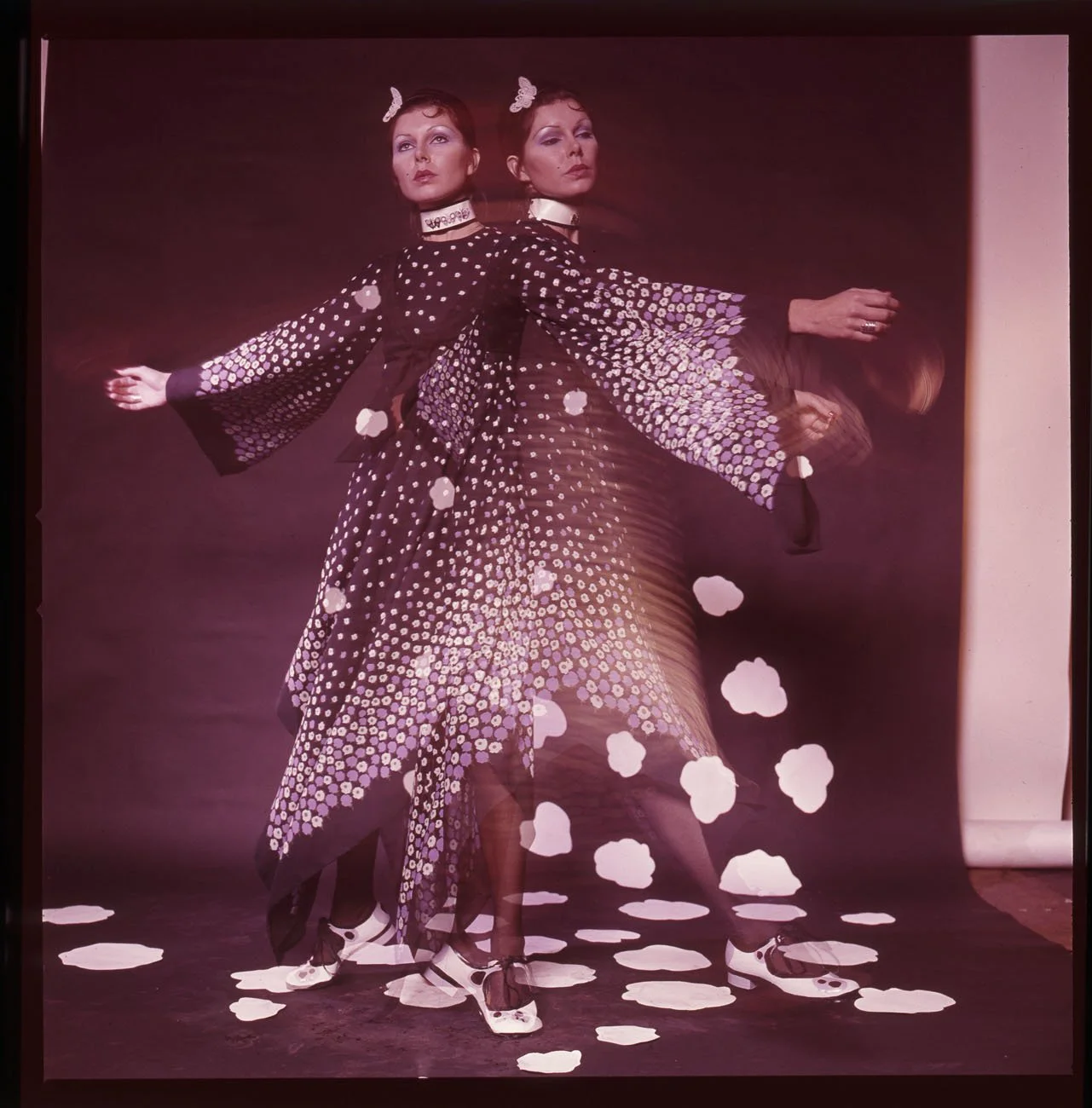
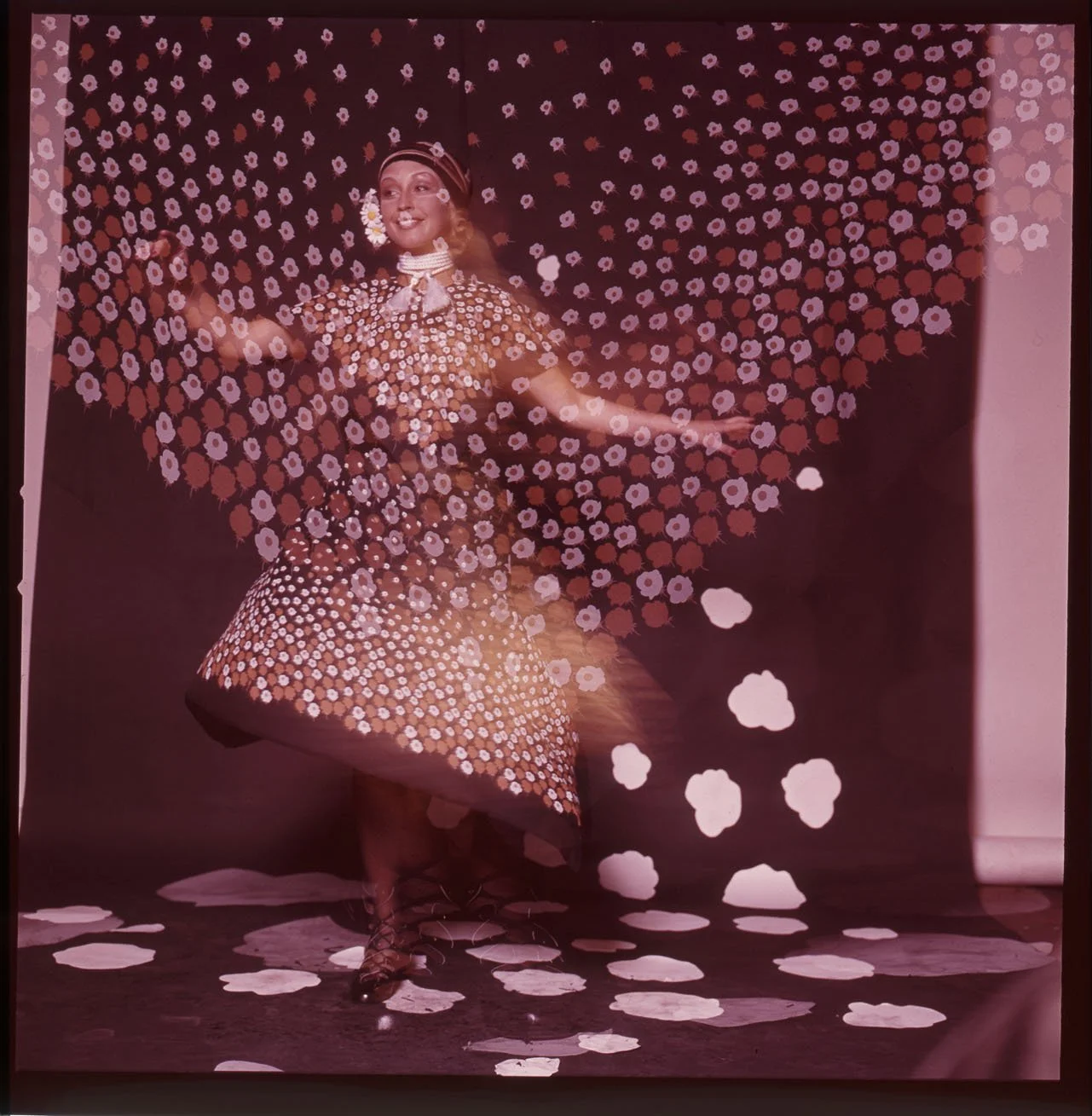
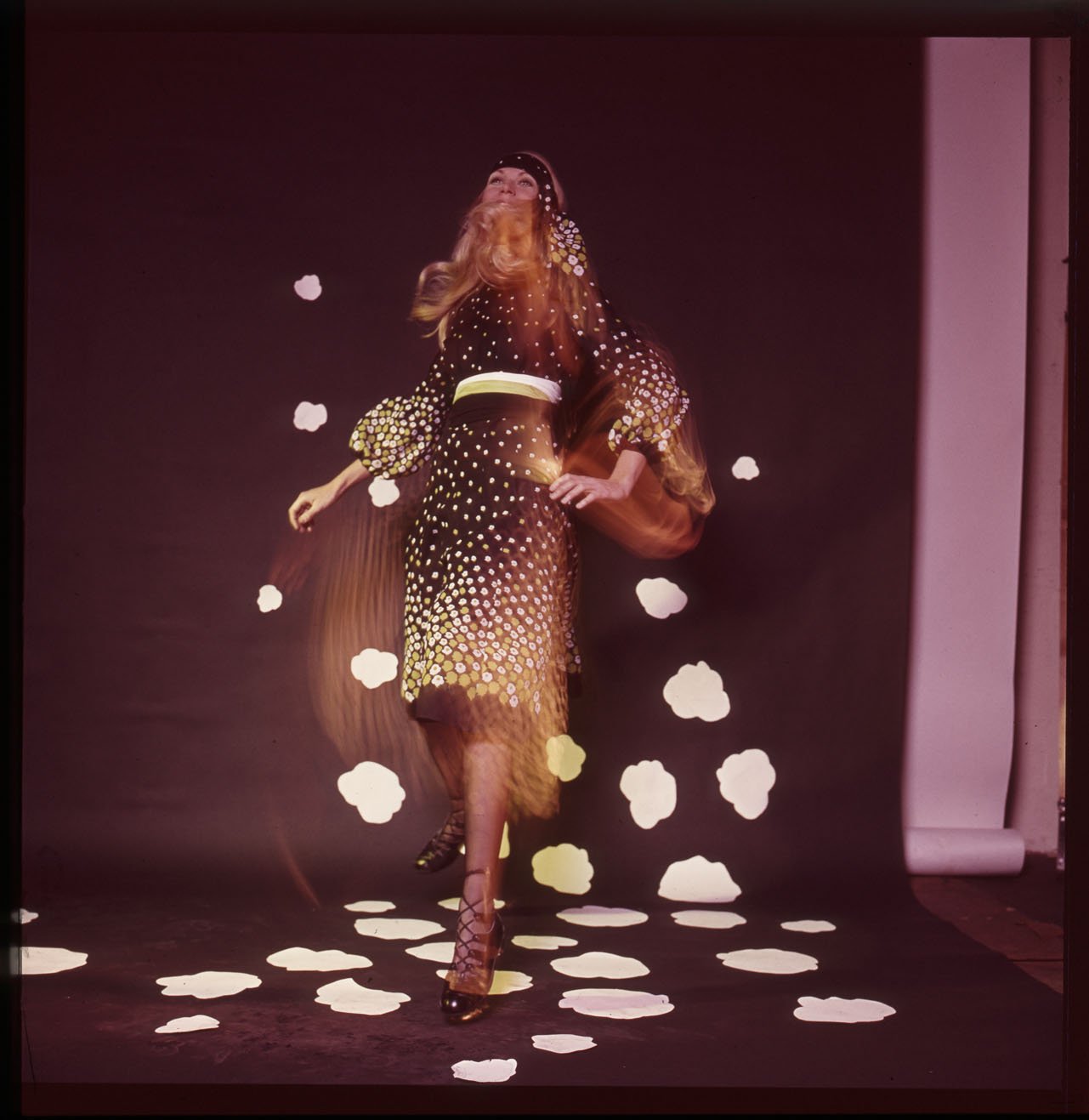
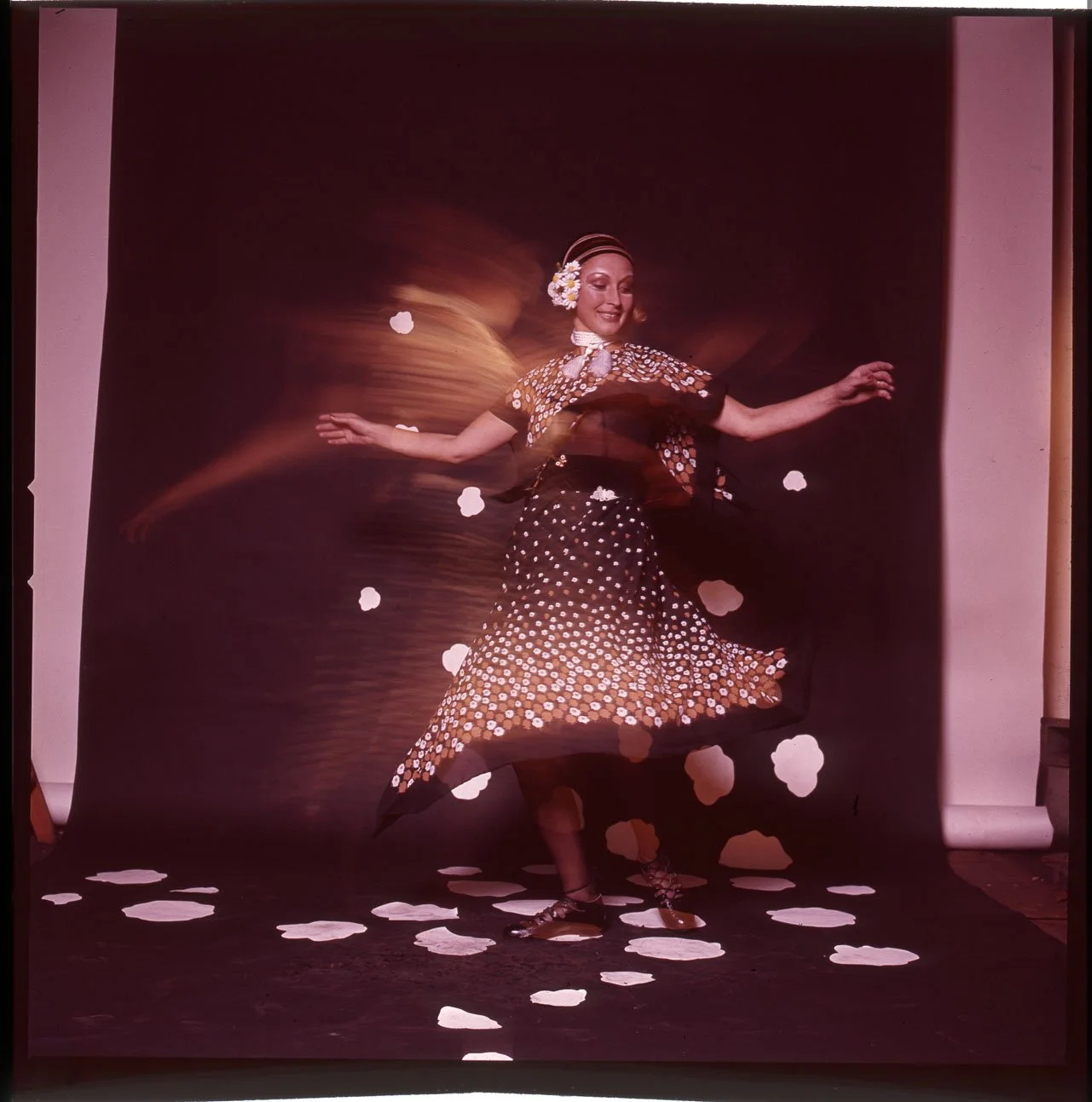
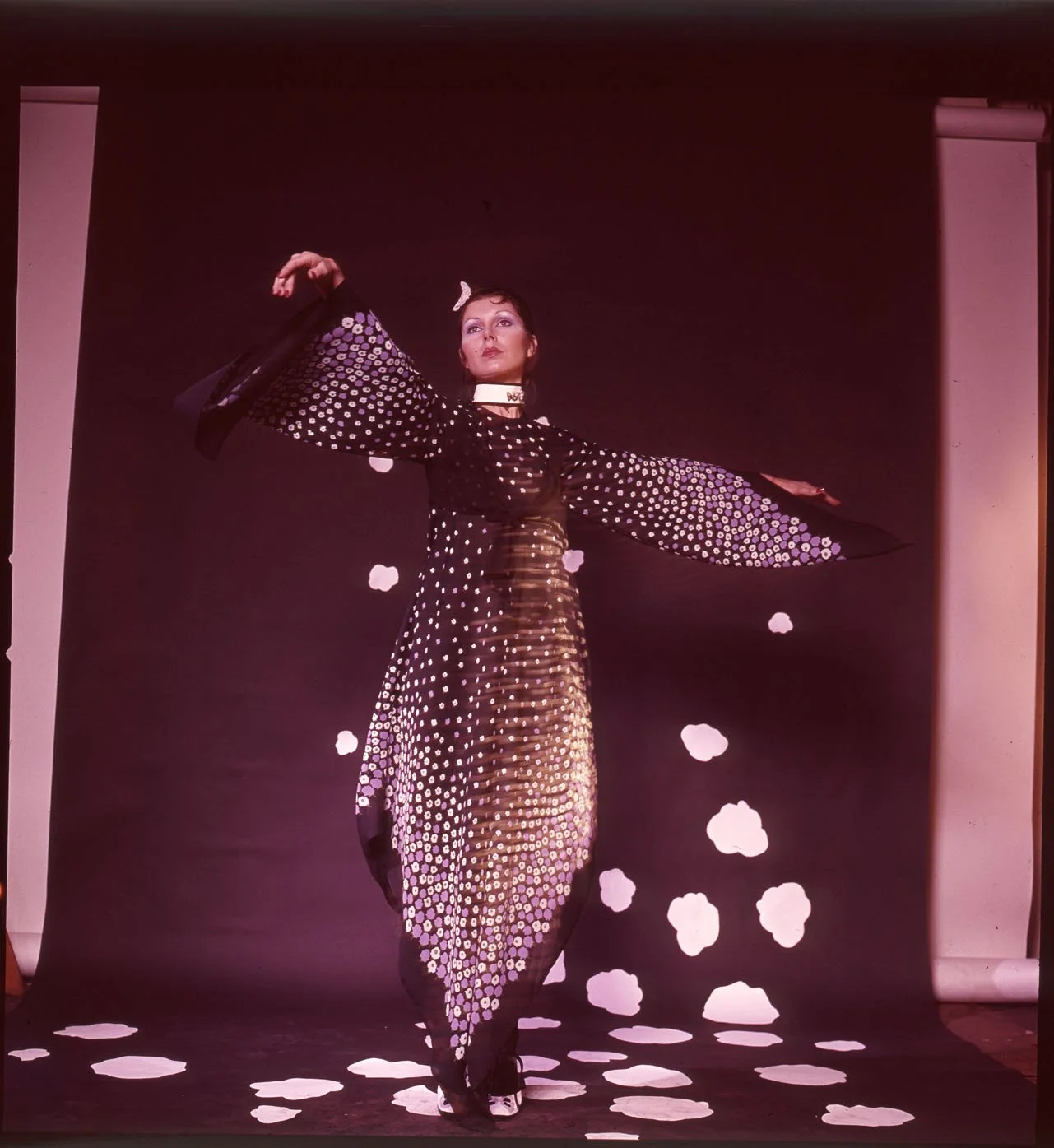
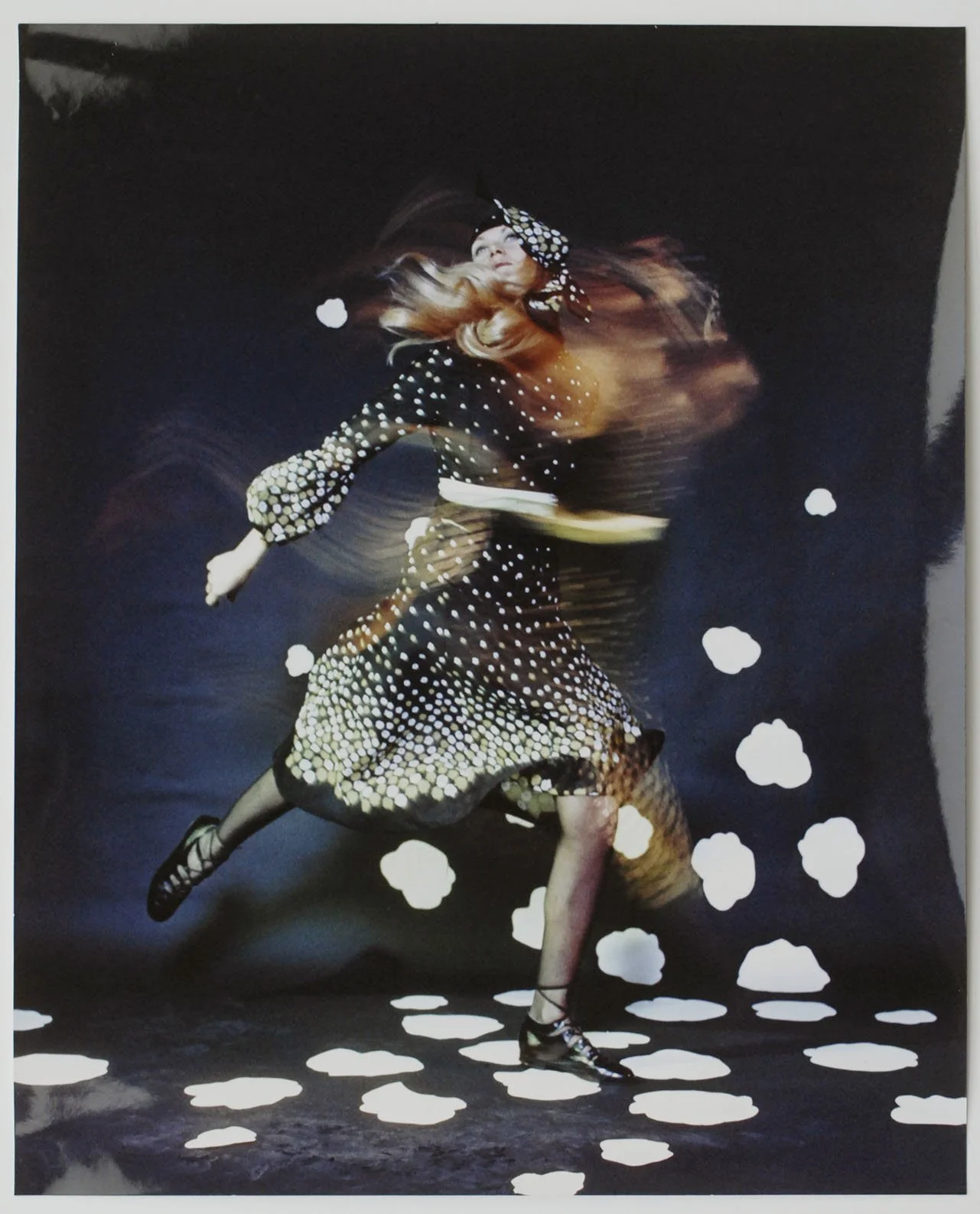
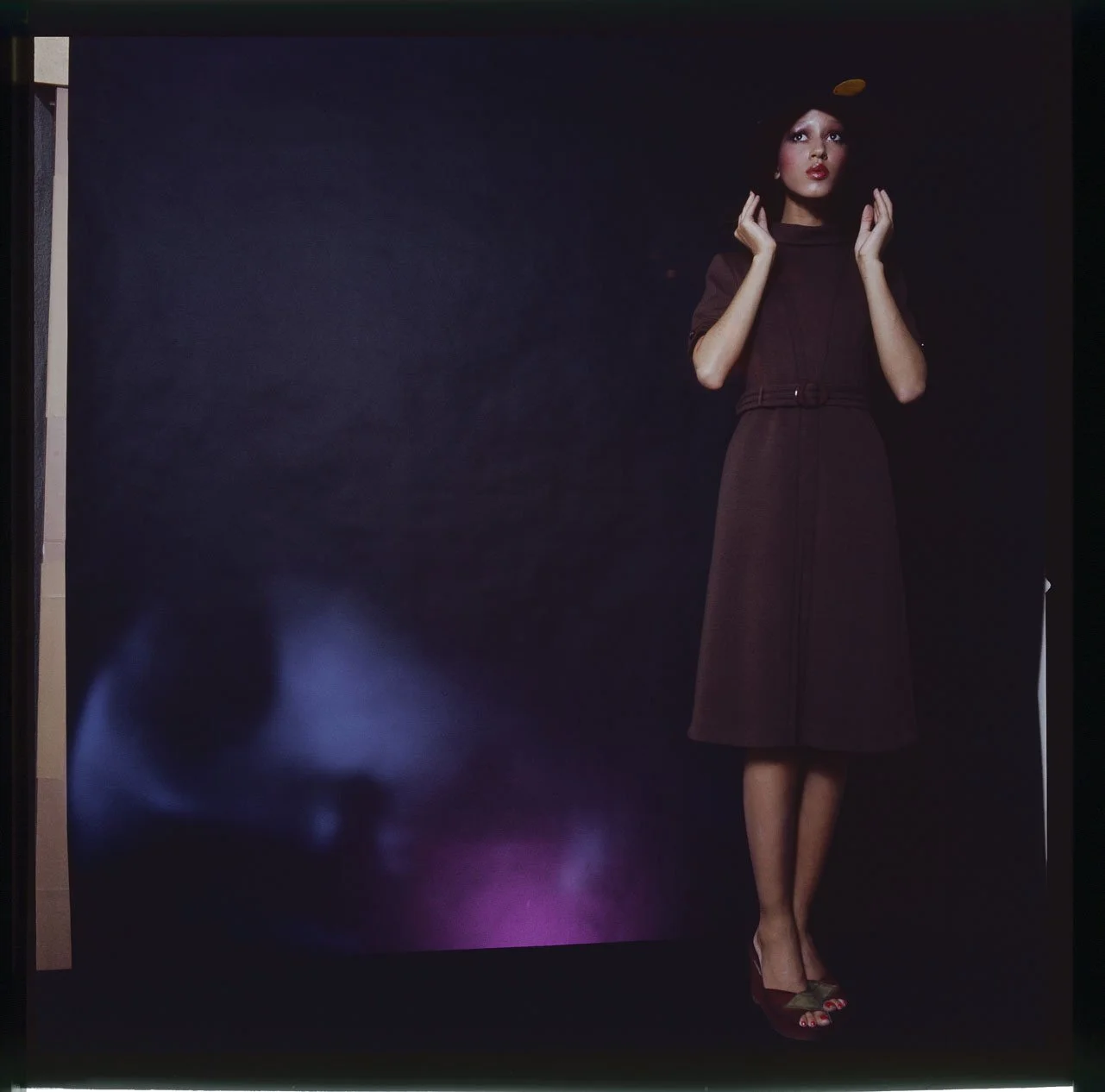
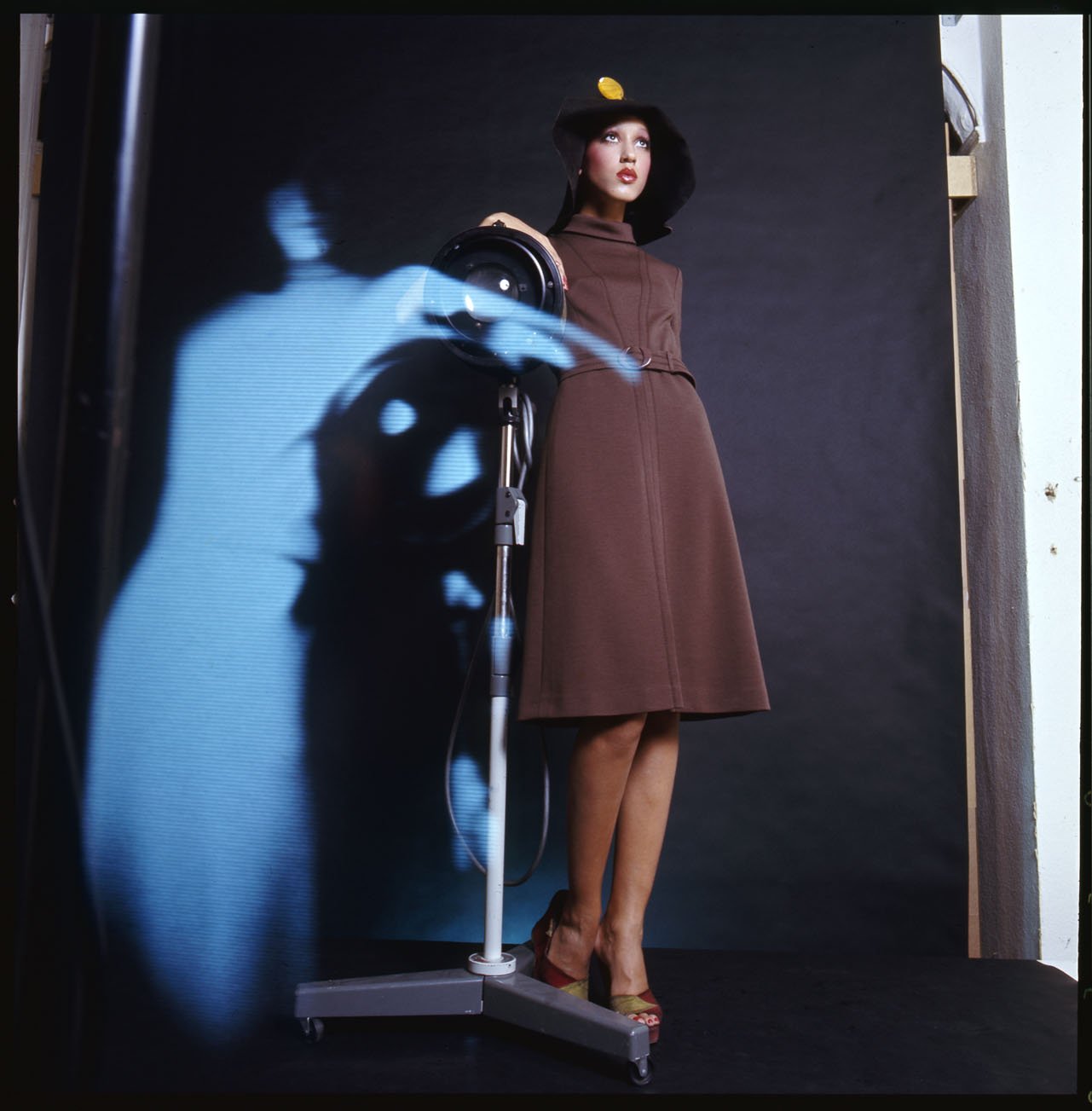
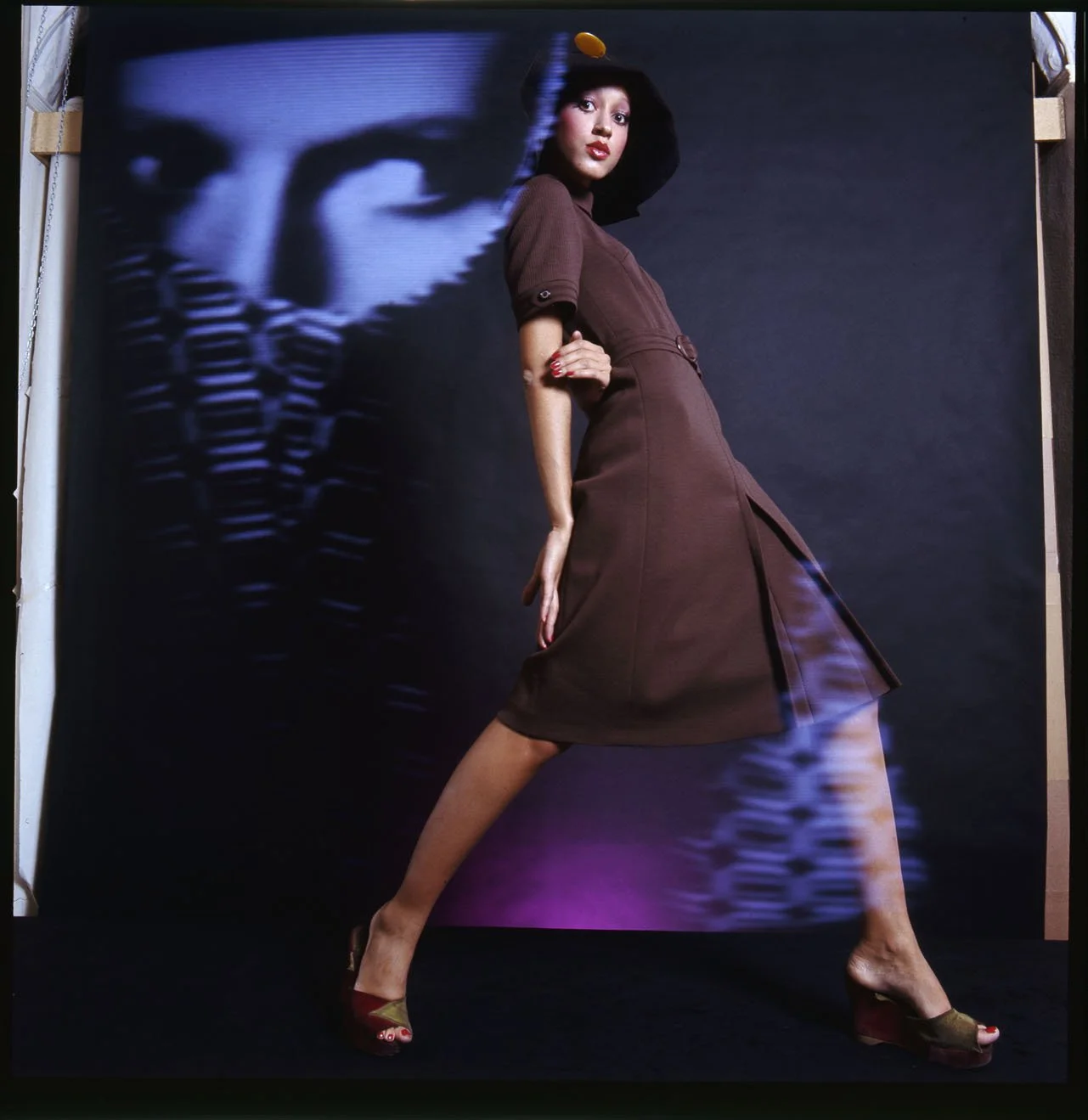
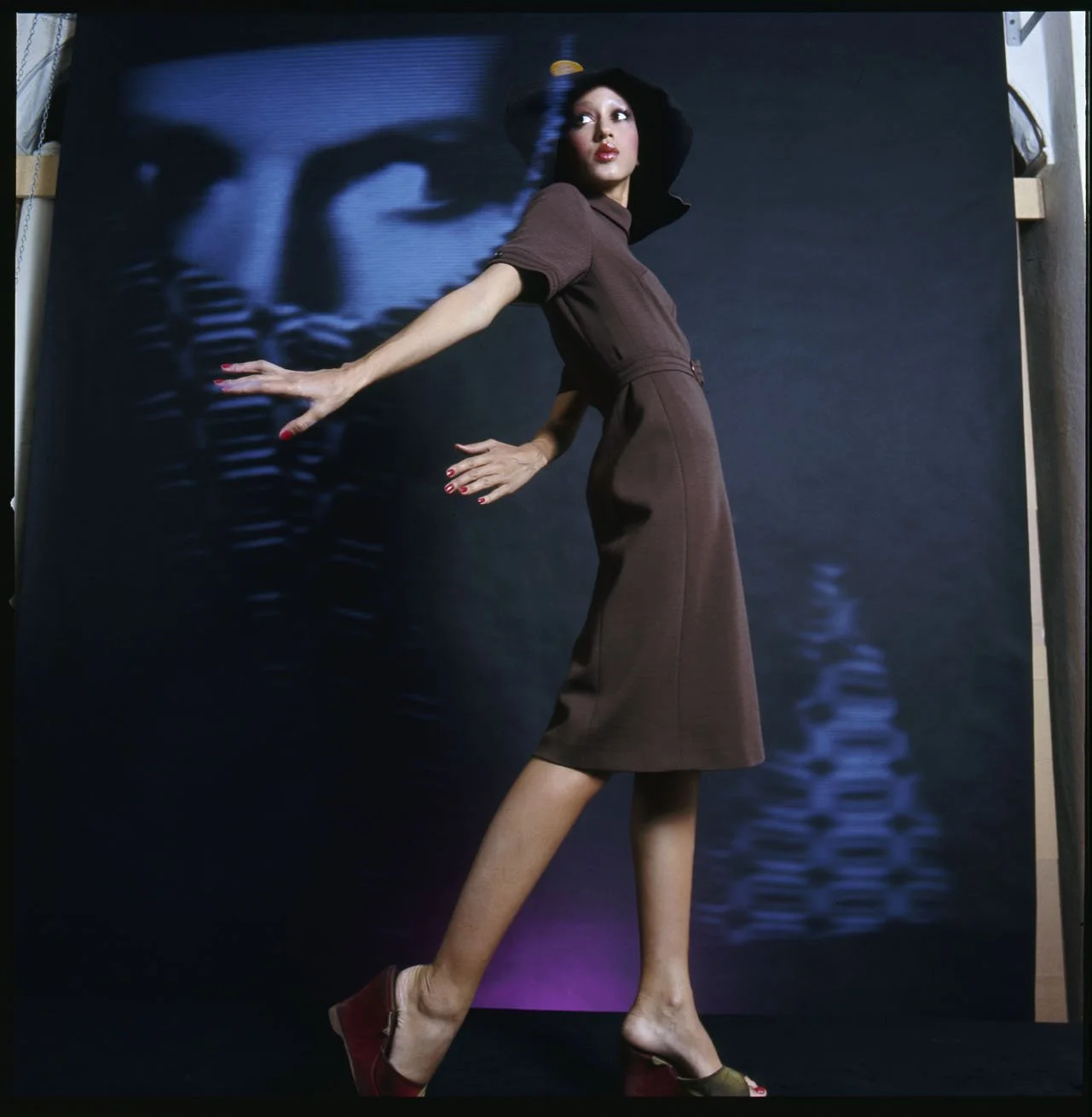
The model’s movement appears like the flutter of a butterfly’s wings as she moves elegantly to the rhythm of imaginary music in her long floral dress—created by Australian designer Prue Acton—showcasing both garment and body in the process. This generously cut gown is crafted from silk and a small proportion of an innovative fiber by Trevira, which lends the flowing fabric its structure. In ever-changing waves and spirals, the model swirls her dance costume—a garment whose pattern consists of a circle formed by tapering strips of fabric. Captivated by these naturally fluid movements, Ulrich Pracht paints ethereal images in the air for us, as if the American serpentine dancer Loïe Fuller herself were standing before his camera. His dancer, too, seems to float light-footedly through the space, her delicate body dissolving weightlessly within the swirling fabric. For these shots, Ulrich Pracht employs his camera much like a Laterna Magica. For him, it serves as a projection device, enabling him to simulate the illusory effects of spatiotemporal phenomena within the confines of his studio. This dynamic effect is further heightened by the use of oblique angles. Much like with a magic lantern, transparent fields of color alternate with opaque contours. The illusion is perfect: as the model spins, the pattern seems to detach itself from the fabric, casting colored silhouettes onto the dark wall and floor. It appears as though the decorative motifs are falling from the black gown like scattered blossoms. Ulrich Pracht did not merely photograph his Power & Action series; he choreographed it—placing dynamism and emotional expressiveness at the very forefront of his performances. Yet, one must not be deceived: these images are anything but the product of improvisation. With artistic precision, he captures movement, allowing the aesthetics of light to take the lead. The final image composition ultimately conveys the impression that the superimposed exposures—which collectively depict a single movement—are unfolding in rapid succession. The eye does not perceive the break; rather, to the viewer, the movement appears continuous—just as it would in reality. Thus, the boundaries blur between the inherently static medium of photography and the moving image. Power & Action—movement and transformation—constitute Pracht’s central theme: fashion moves, and one must be able to move within fashion. Fashion is momentary, spontaneous, and a fast-paced market—moving just as swiftly as the models in these images spin in their dance costumes. For Ulrich Pracht, it was only natural—indeed, virtually a logical imperative—to photograph fashion from both dynamic and commercial perspectives simultaneously. The result, nonetheless, consists of miniature works of art: moving sculptures of flowing fabric that metamorphose into ever-changing forms.
15.3
KEN SCOTT
Swinging London.
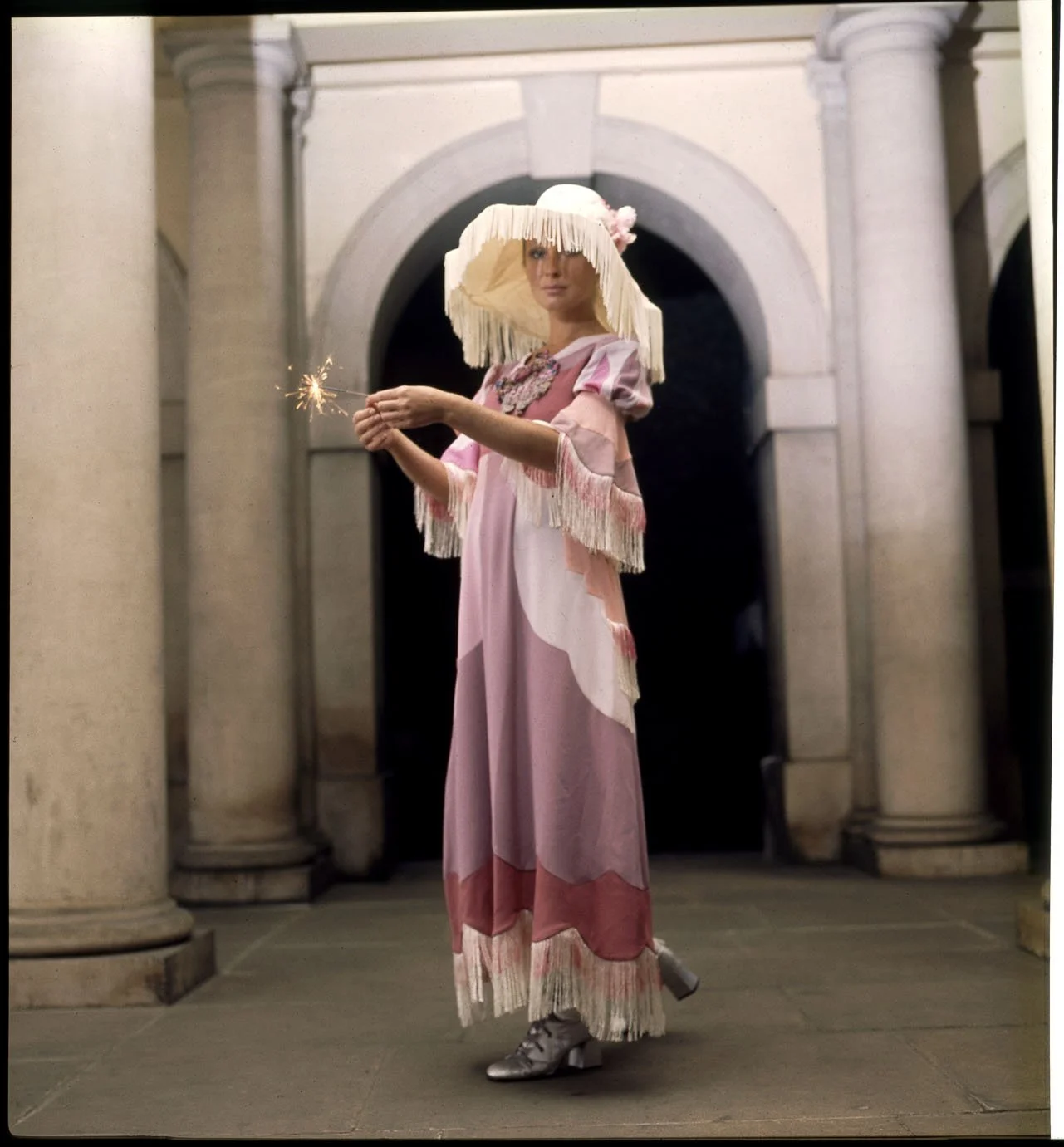
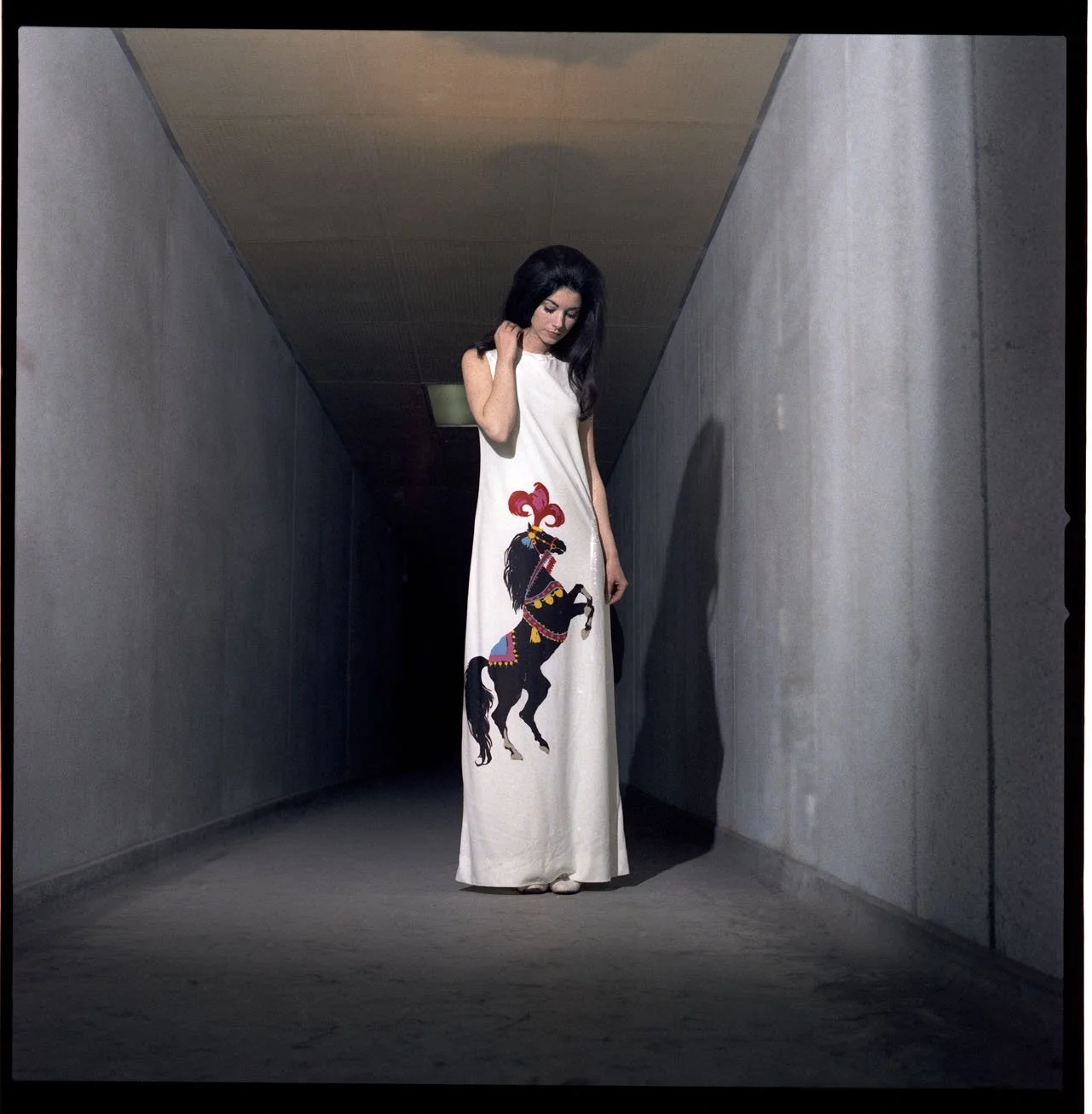
London’s Carnaby Street first rose to fame when a former shop assistant named John Stephens opened a shop for teenagers there in the early 1950s. Shortly thereafter, the boutique—named His Clothes—was discovered by the era’s major British pop stars, a development that triggered the opening of numerous similar shops in the vicinity. In the 1960s, the youth of the world flocked to the street—an ideal "treasure trove" for creative ideas. Ulrich Pracht—who, as he self-deprecatingly notes, hails from the "magical triangle of Wanne-Eickel and Herne"—eagerly absorbed the impressions of the era and the locale, which is widely regarded as the birthplace of "Swinging London"—a phrase first coined in a 1966 headline by The Times. While it was initially the window displays at this fashion hotspot that inspired his work for the Münster-based fashion house Hettlage, Carnaby Street and London later came to feature as exciting backdrops in Ulrich Pracht’s early photographs and videos. During his first years as a freelancer, he often combined his trips to the city with assignments for various clients. Ken Scott—who had already achieved early renown as a painter and, as a textile designer, developed a chic interpretation of "Flower Power"—was one such client. Ulrich Pracht had met him during a show hosted by the Düsseldorf socialite Gabriele Henkel. "I took several pieces from the collection with me to London, where I also planned to photograph the Butterfly collection for Trevira." The images Ulrich Pracht shot for Ken Scott, as he himself attests, remain unrivaled within his professional portfolio to this day.



15.4
STEH KOSTÜME
Bulletproof Suits. Fire for Standing Costumes.
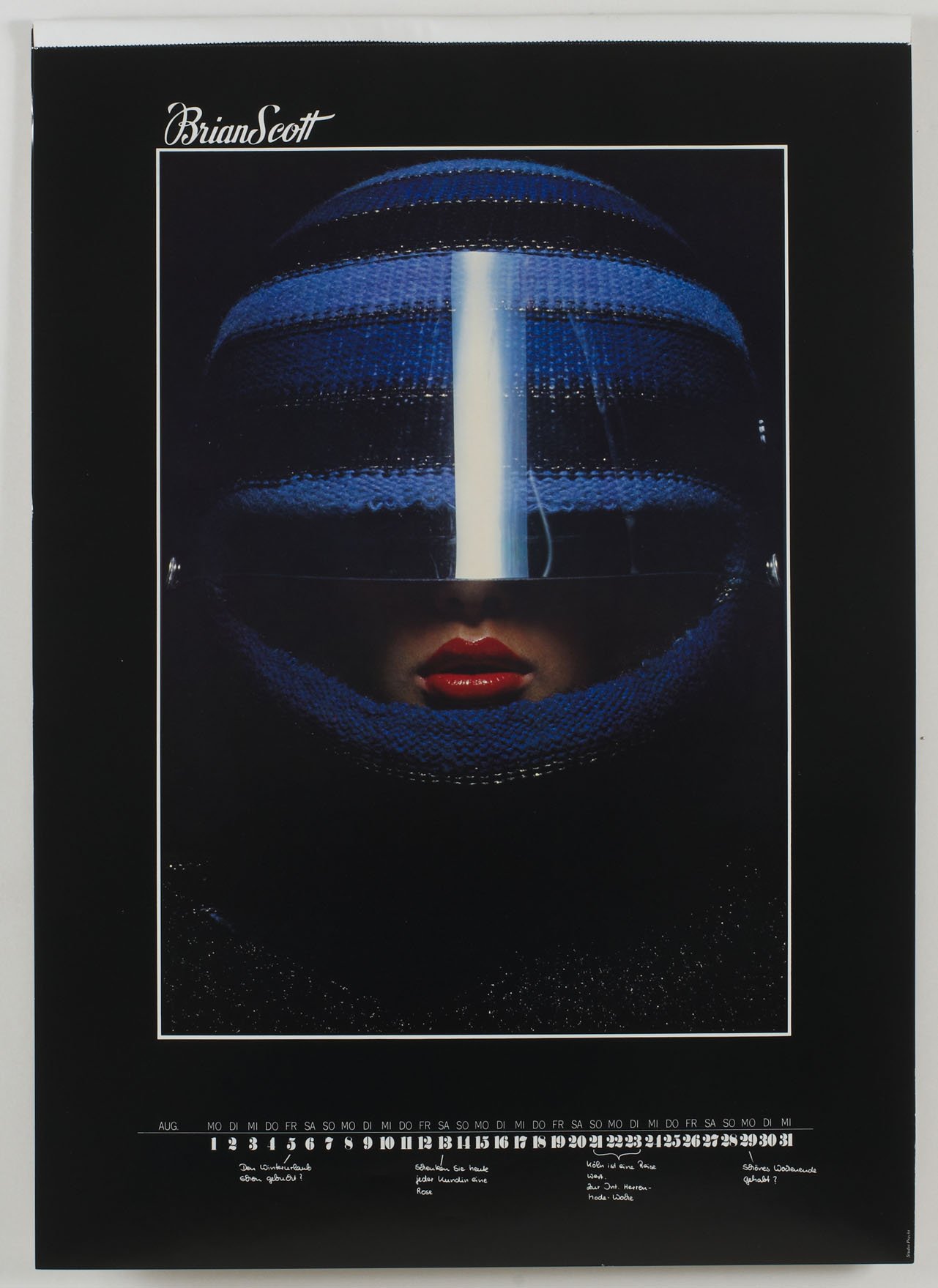
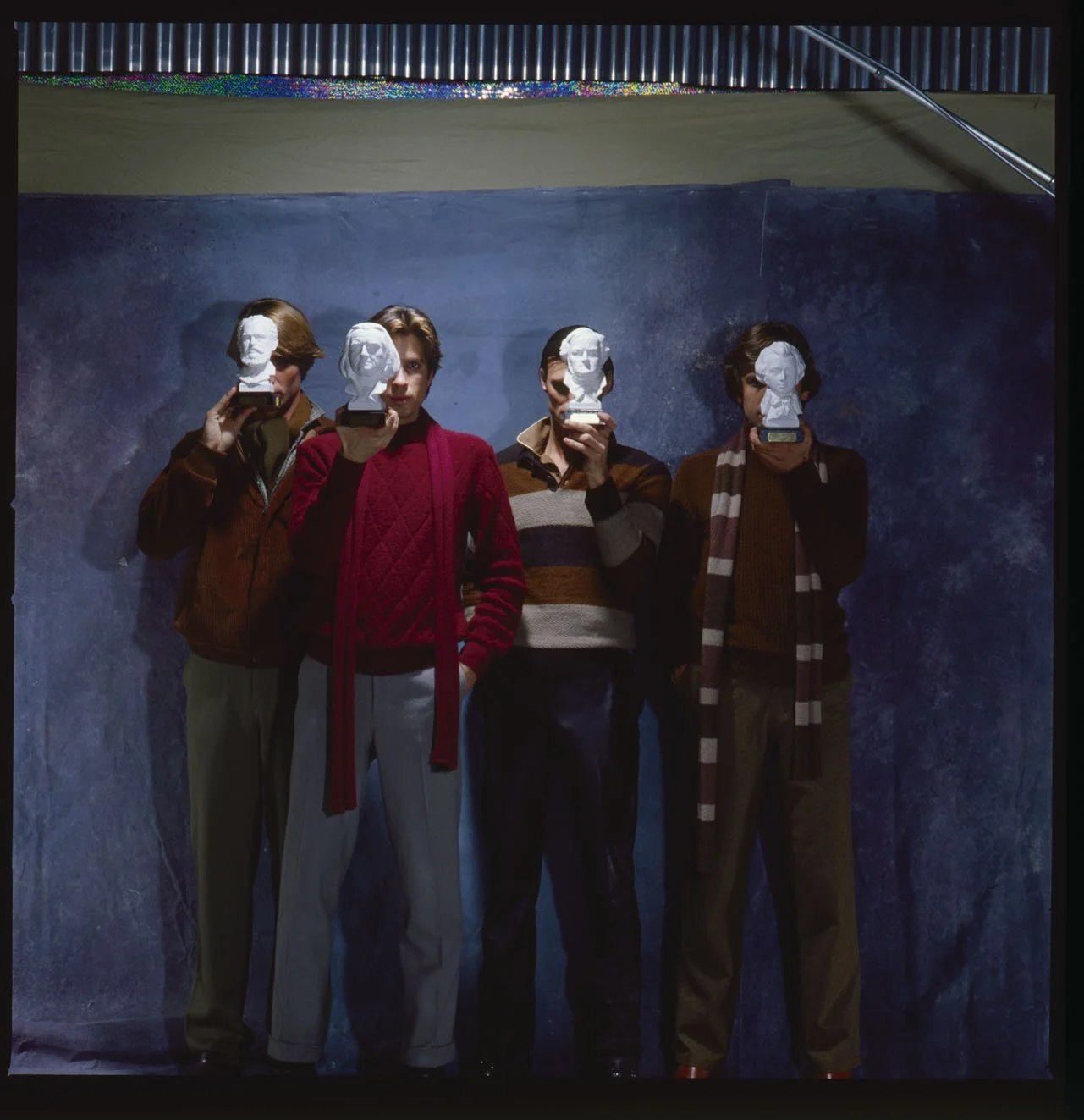
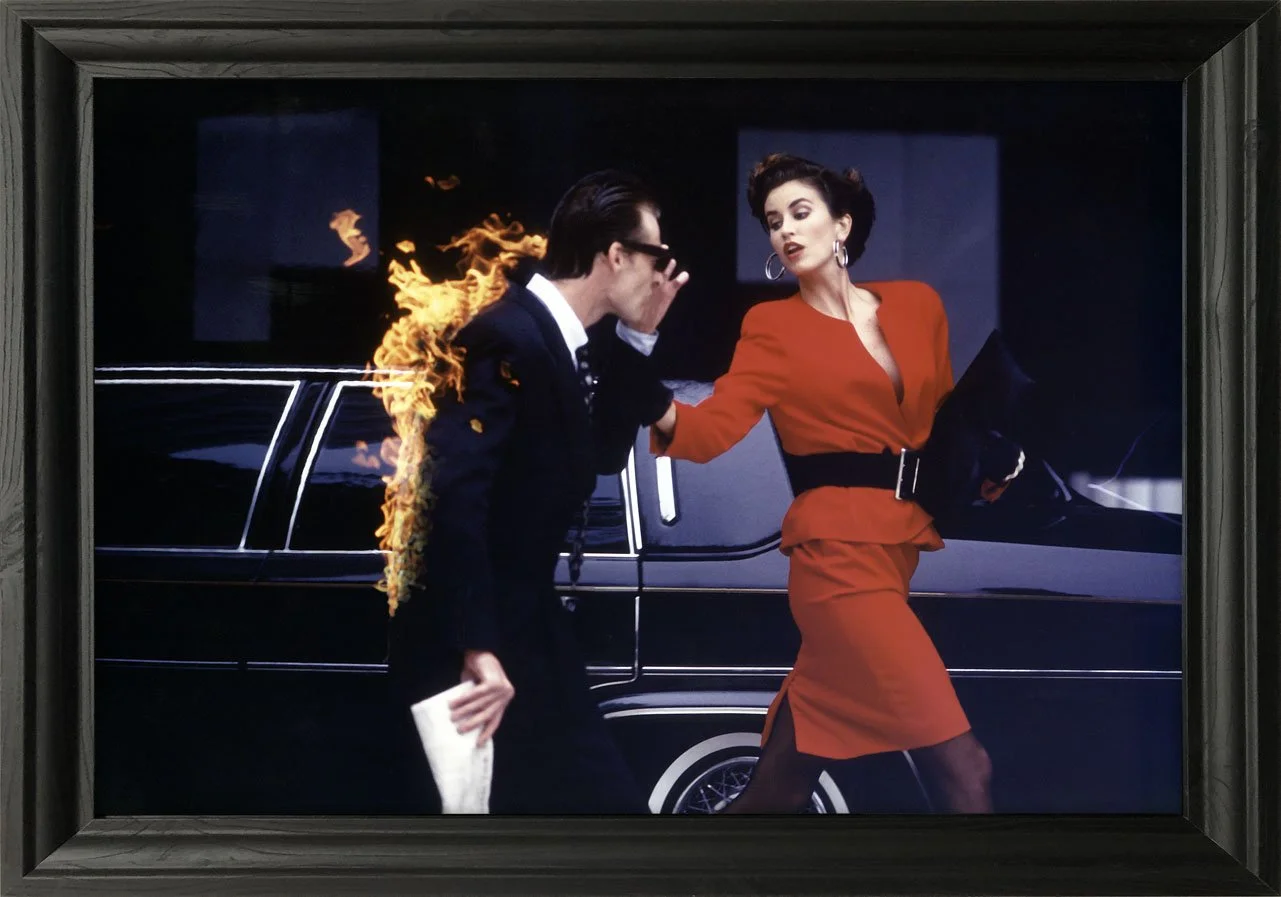
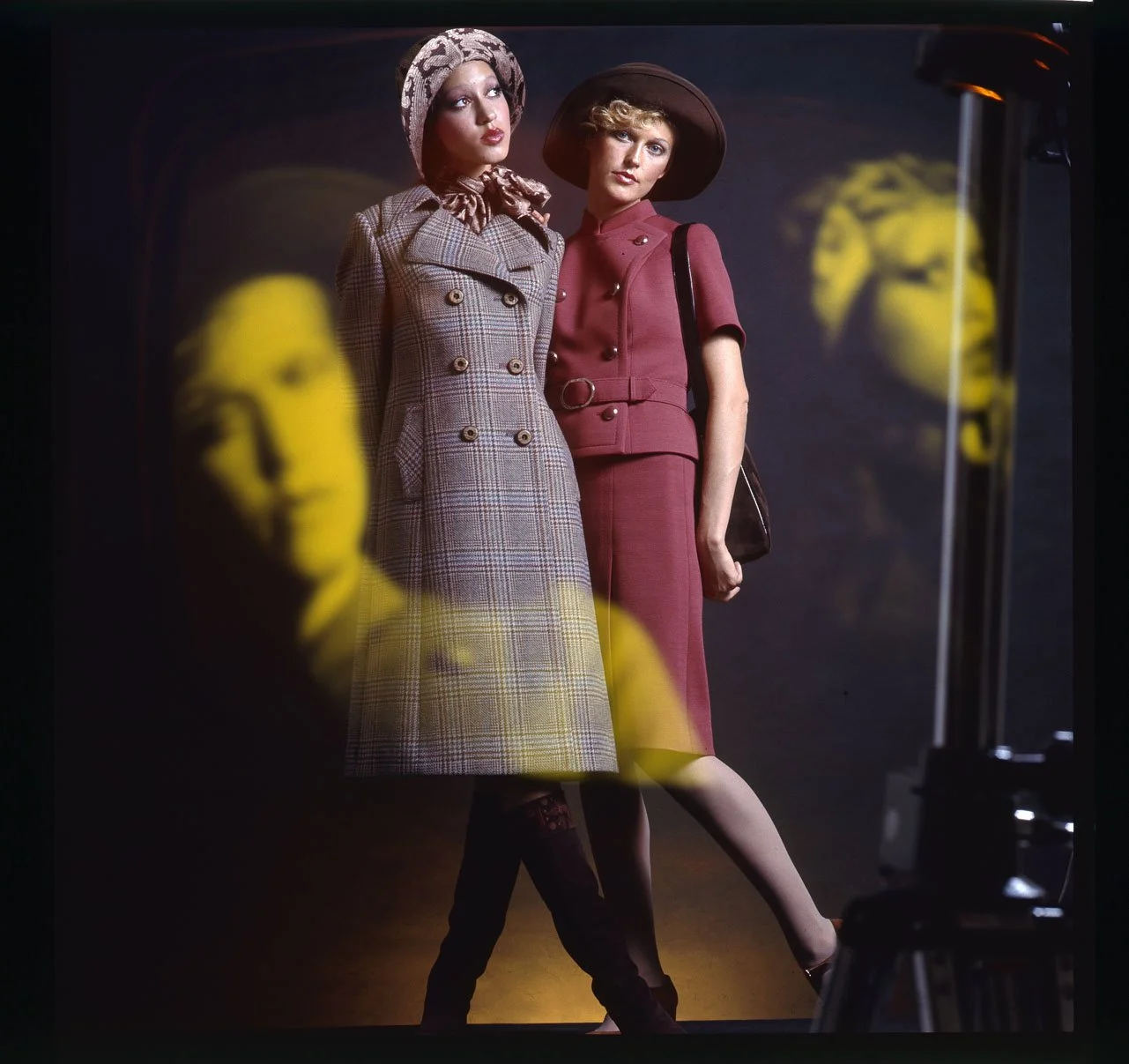
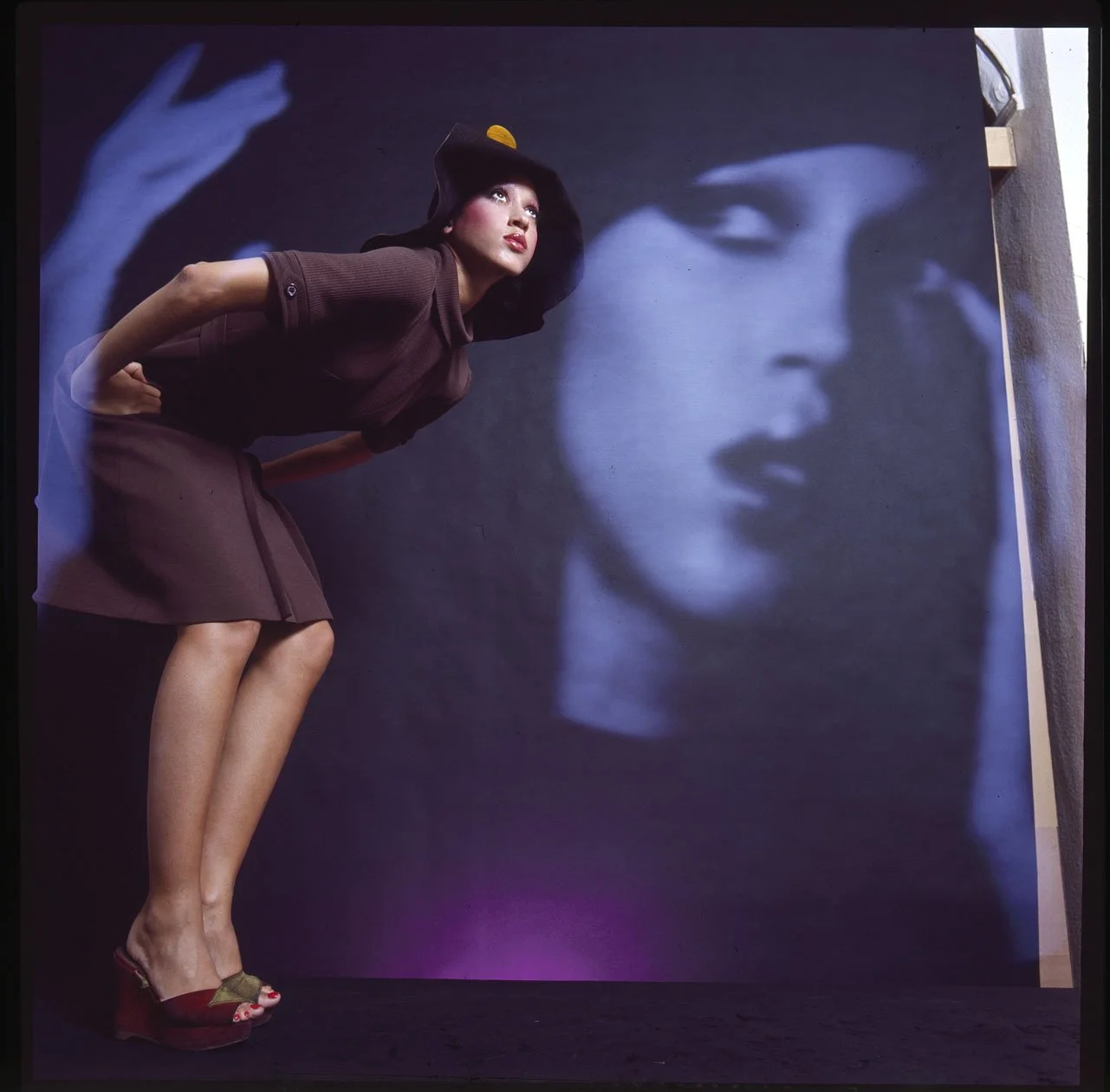
For bulletproof suits—"It fits perfectly!"—this is how the Münster-based fashion house Hettlage advertised a new men's collection in the 1960s. Rooted in the tradition of solid Westphalian mercantile culture, the company had initially presented itself as rather stiff and lacking in charisma when it first embraced the effervescent creativity of Ulrich Pracht. However, once company management realized that the campaigns devised by their innovative employee from Düsseldorf were achieving resounding success, they gradually granted him largely free rein—even if this occasionally posed a unique challenge. The props required for the "bulletproof suits" advertisement—an image that would later also be featured as a calendar page—were not the sort of items one could simply pick up at the corner store. Fortunately, Monika Pracht happened to be friends with a lady whose husband was a genuine German police detective. "It wasn't exactly easy to win him over," Ulrich Pracht admits. Yet, after all the necessary safety precautions had been taken, the officer finally made the entire kit—pistol, holster, and handcuffs—available to him for the photograph. With unbridled enthusiasm, Ulrich Pracht employed actual fire to stage a shot featuring a red "standing suit." This image—brimming with elegance, action, and dynamism, and set against the backdrop of a black Cadillac land yacht—was created in New York for the brand Madeleine. "The stunt performer had to walk briskly forward to shield himself from the flames," he explains, describing a rather perilous analog production process that, today, could be recreated on a computer with just a few mouse clicks. "That’s red, love, and fire!"
15.5
WOLLUST
Brian Scott. A Yellow Ferrari.
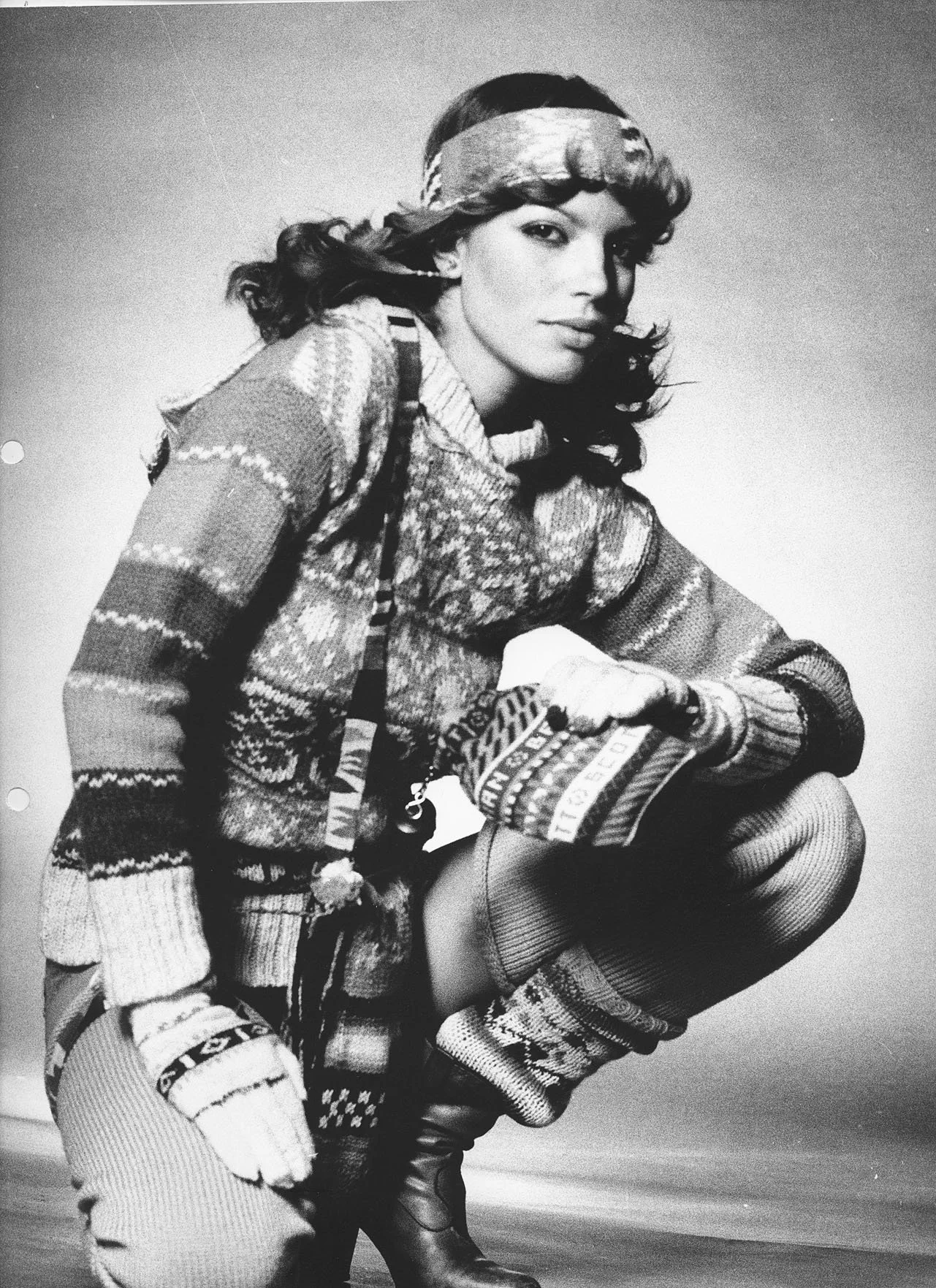
Fashion model Elvira Lang from Frankfurt is set to become the face of Brian Scott’s winter campaign, titled "The Lust for Wool Is Coming!" Ulrich Pracht invites her to a test shoot scheduled to take place at Dyck Castle in the Rhineland. However, they first meet at Ulrich Pracht’s studio in Düsseldorf. Speaking in an authentic Hessian dialect, the young woman tells the photographer that she has just fallen in love and is anxiously awaiting a phone call from the object of her affection—a man who had struck up a conversation with her on a flight from London to Frankfurt. She explains that she gave him the number for Ulrich Pracht’s studio in Düsseldorf to ensure she would be reachable under any circumstances. The fact that she now has to travel to Dyck Castle makes her visibly nervous. Yet Ulrich Pracht manages to convince her that they would certainly be able to point her new boyfriend in the right direction. Consequently, the shoot proceeds as planned, and the model performs with the professionalism one would expect. As Ulrich Pracht wraps up his work, he notices a man standing in the castle courtyard next to a yellow Ferrari. "I thought to myself: I know that guy," he recalls. It is Günter Netzer—a man who enjoyed an unparalleled career as a footballer and was one of the stars of Real Madrid. "I said to him: 'Listen, she’s not coming; Elvira is staying with me now.' And that is how we became friends." The images for Brian Scott’s pure-wool winter collection—released under the title "The Lust for Wool Is Coming!"—possess an erotic flair and are creating quite a stir.
“Through my photography, these successful campaigns became incomparable. I subsequently worked for the brand for more than a decade, earning corresponding awards and medals.”