
08
COLOR UP
The Colorful Life of Ulrich Pracht.
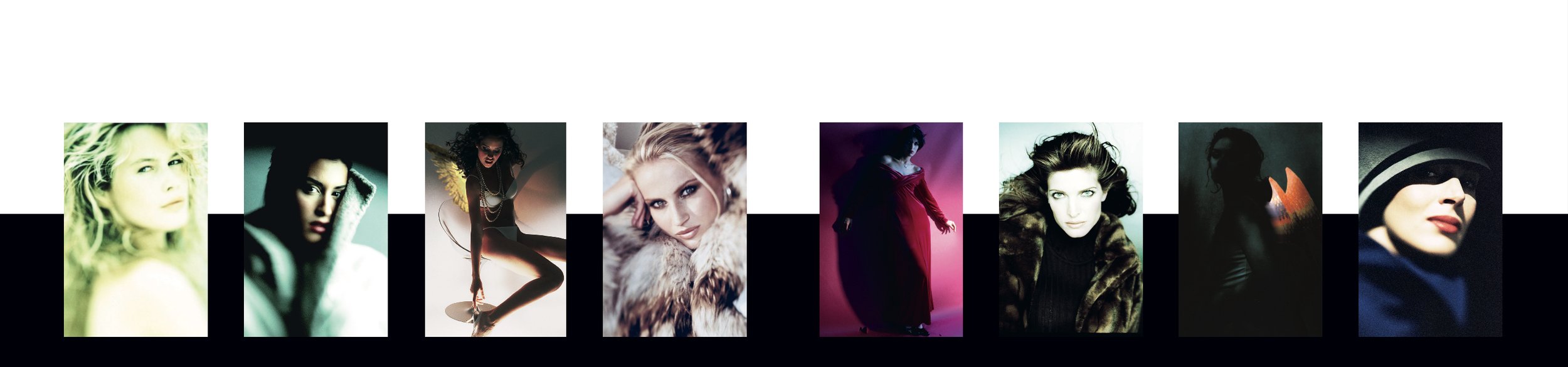
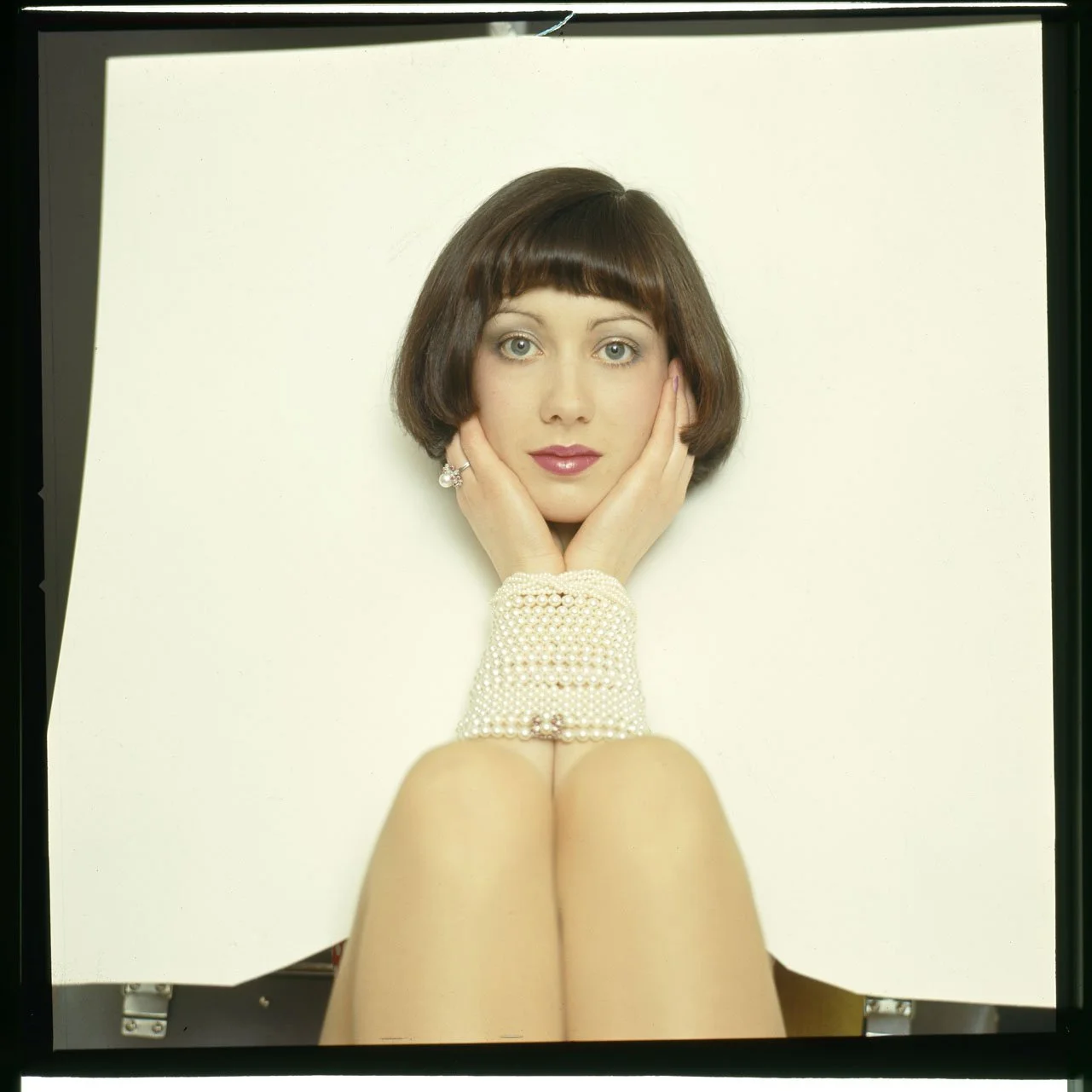
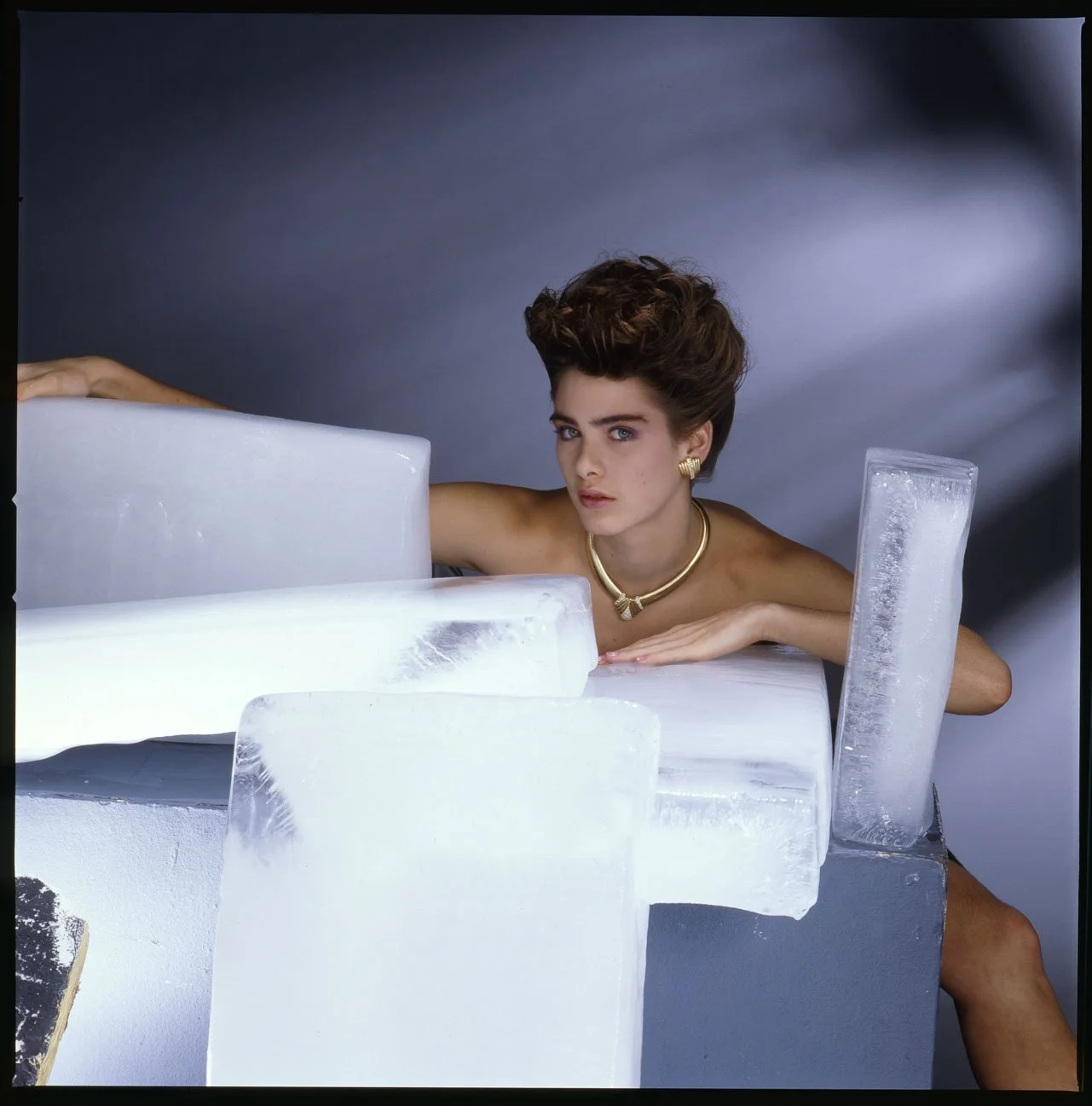
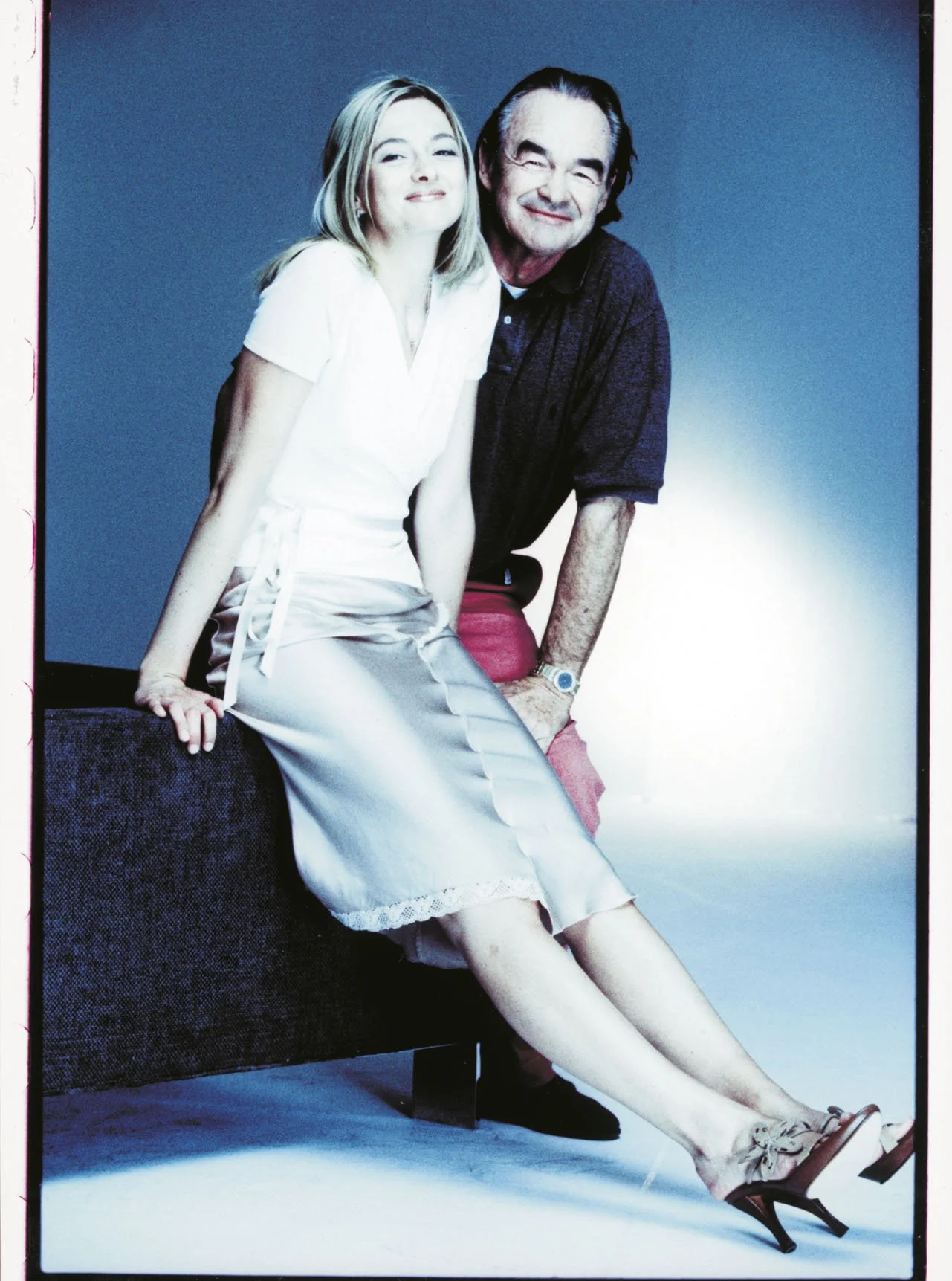
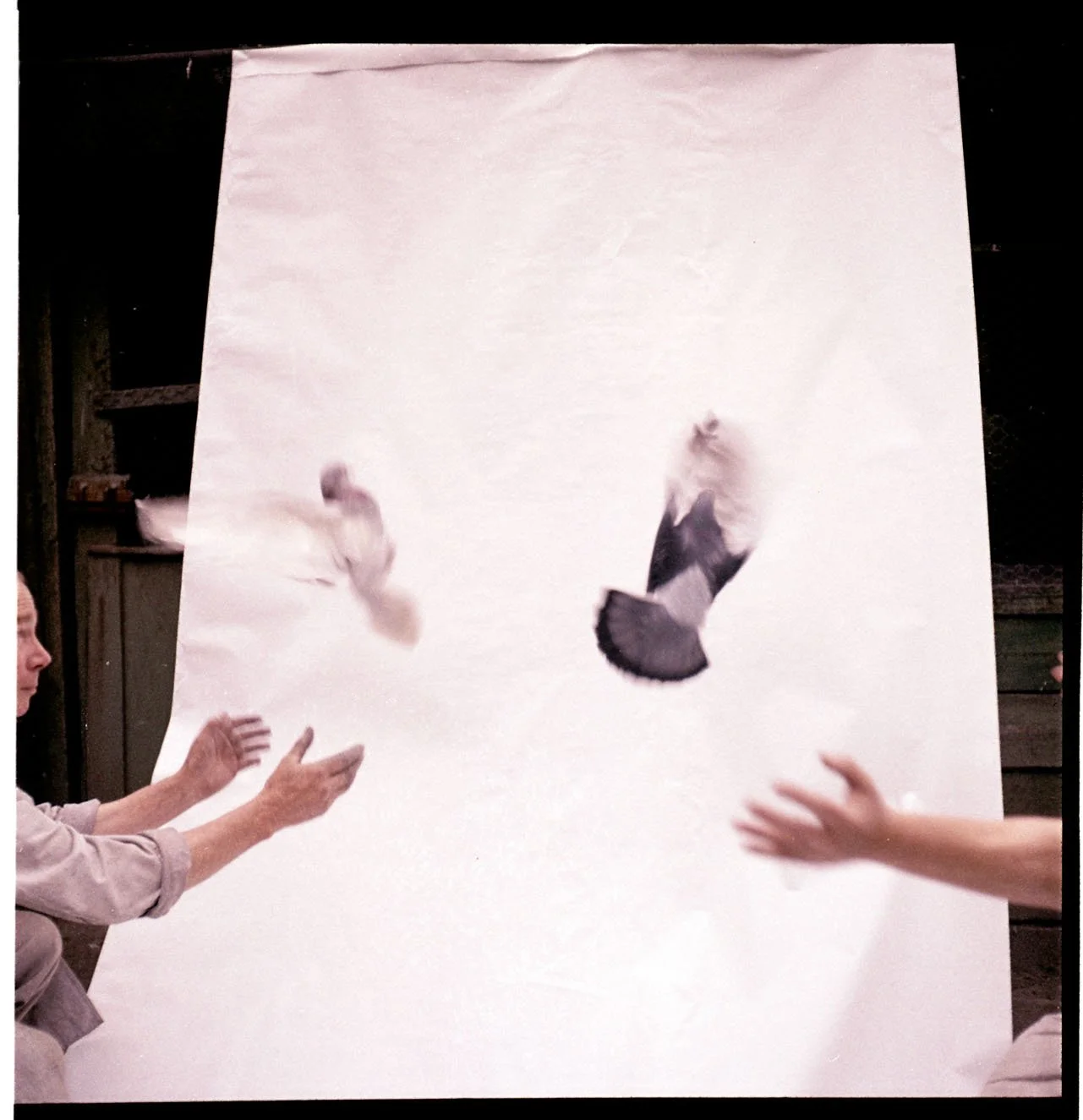
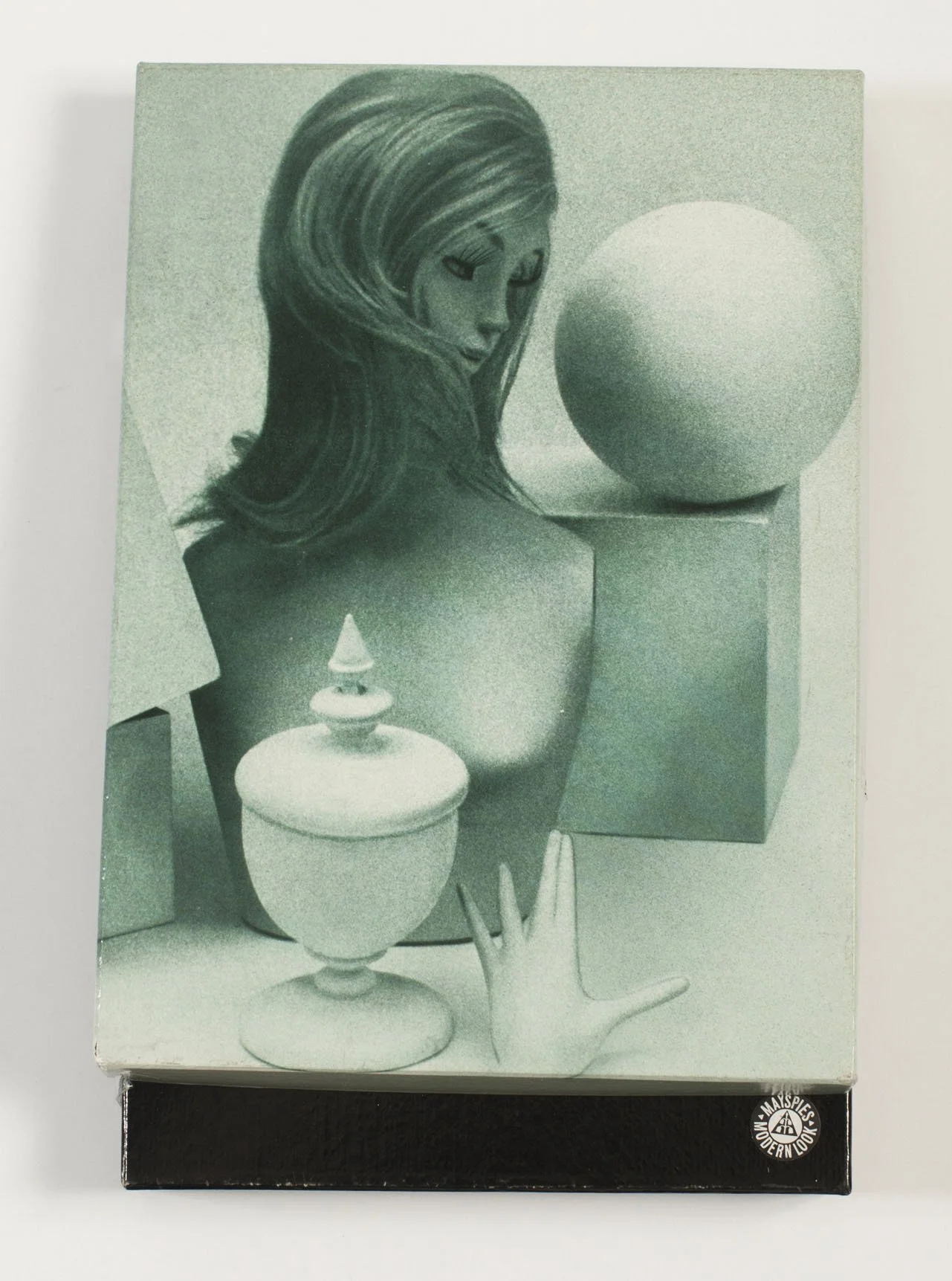
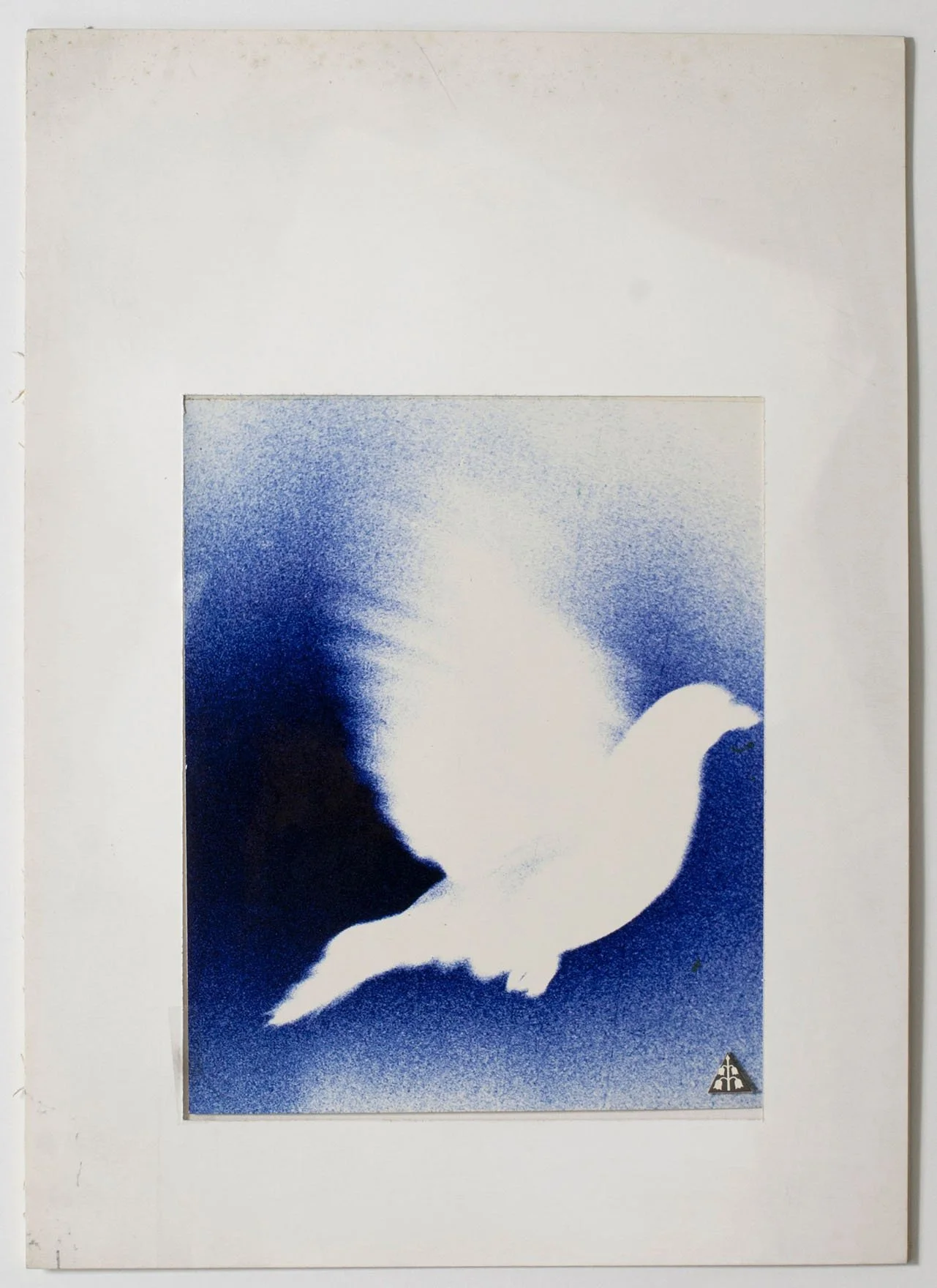
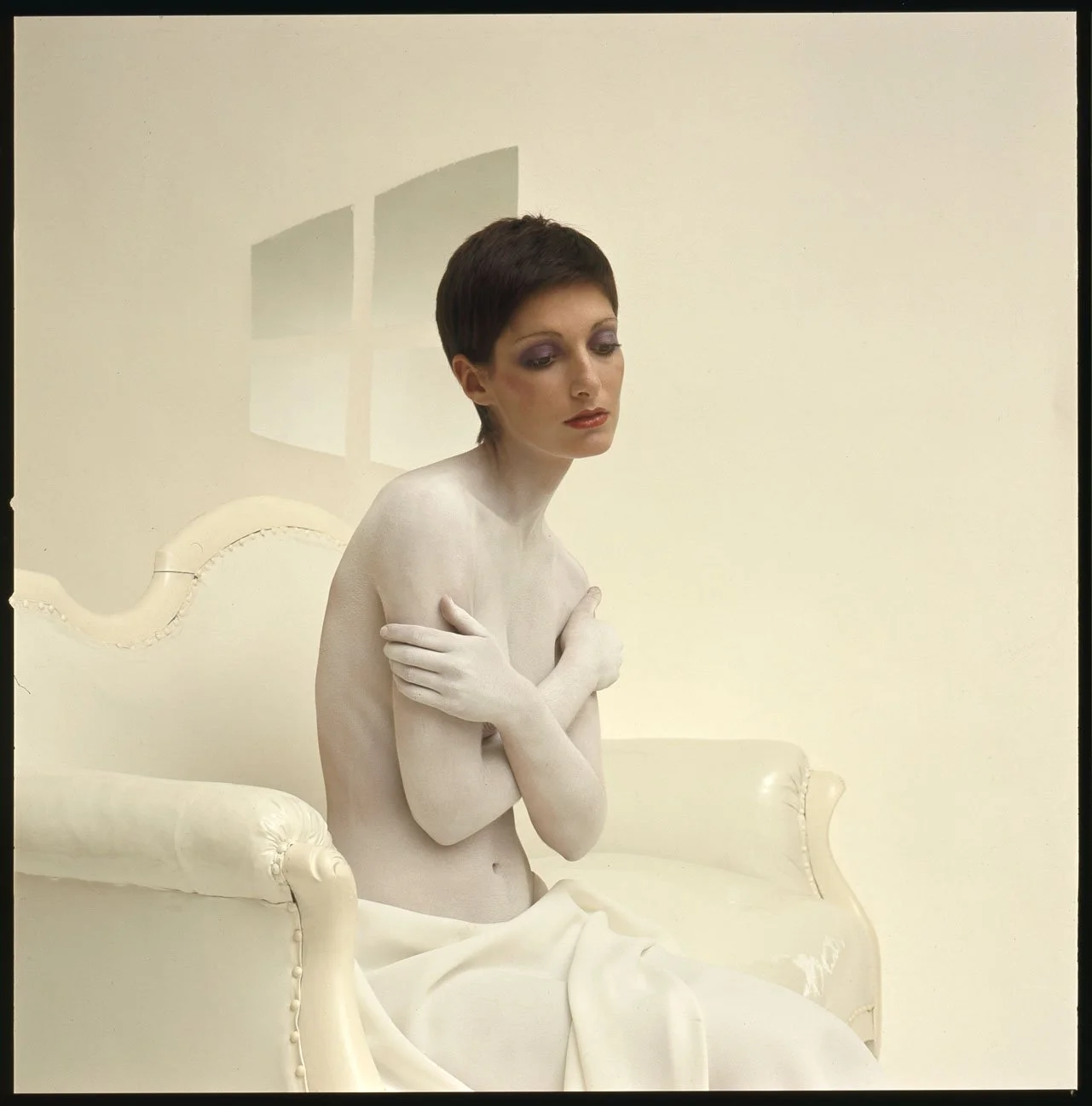
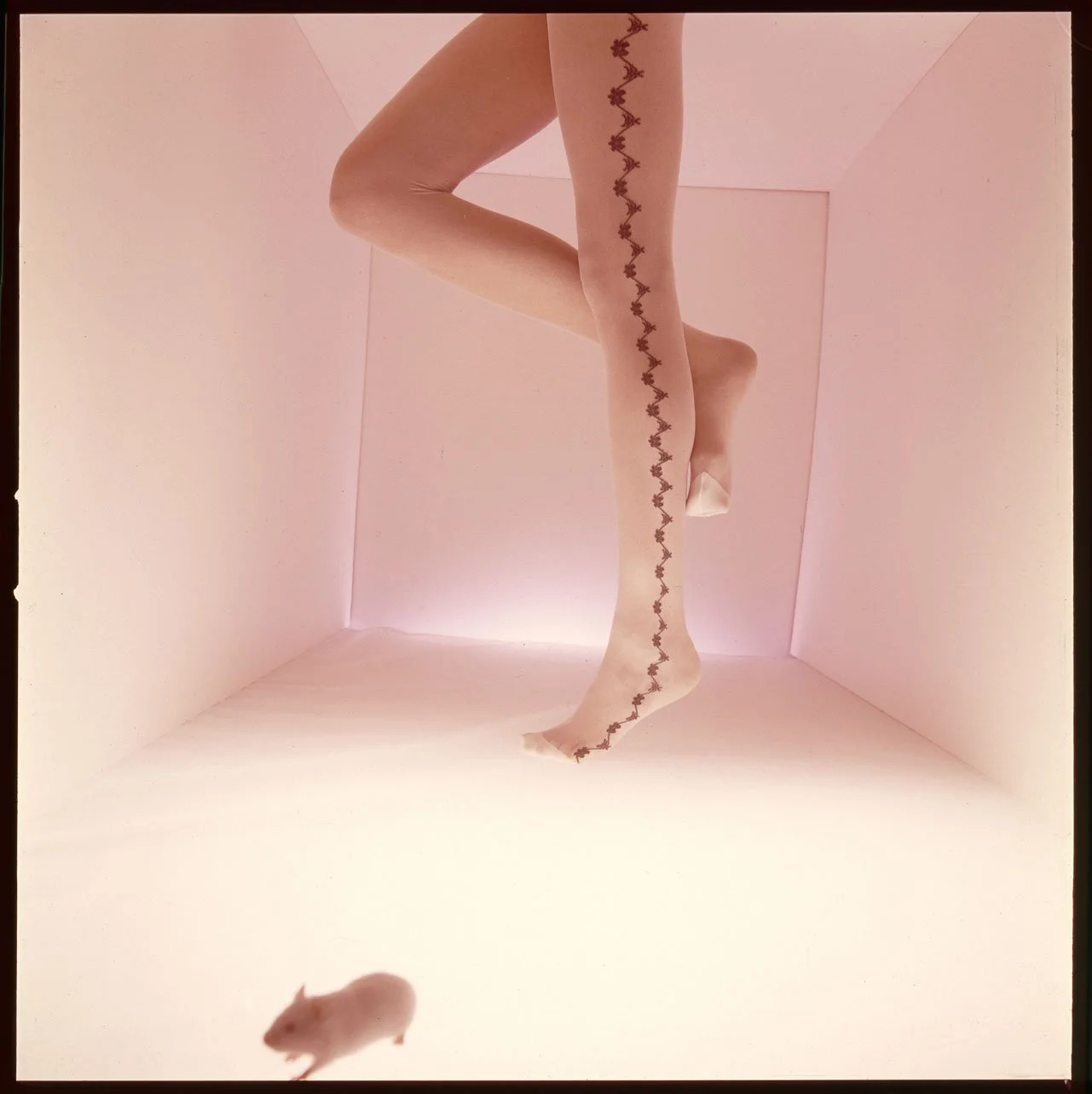
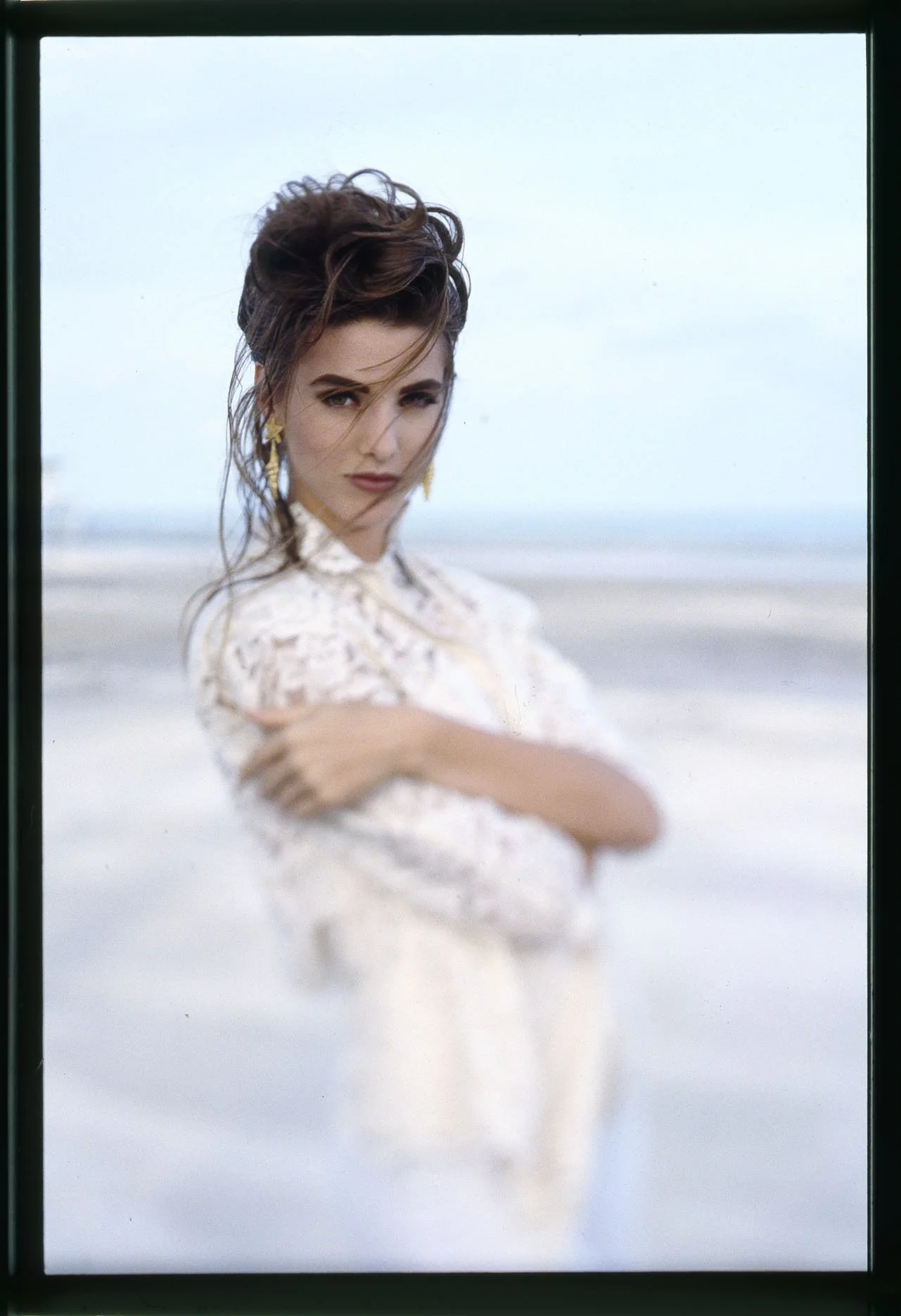
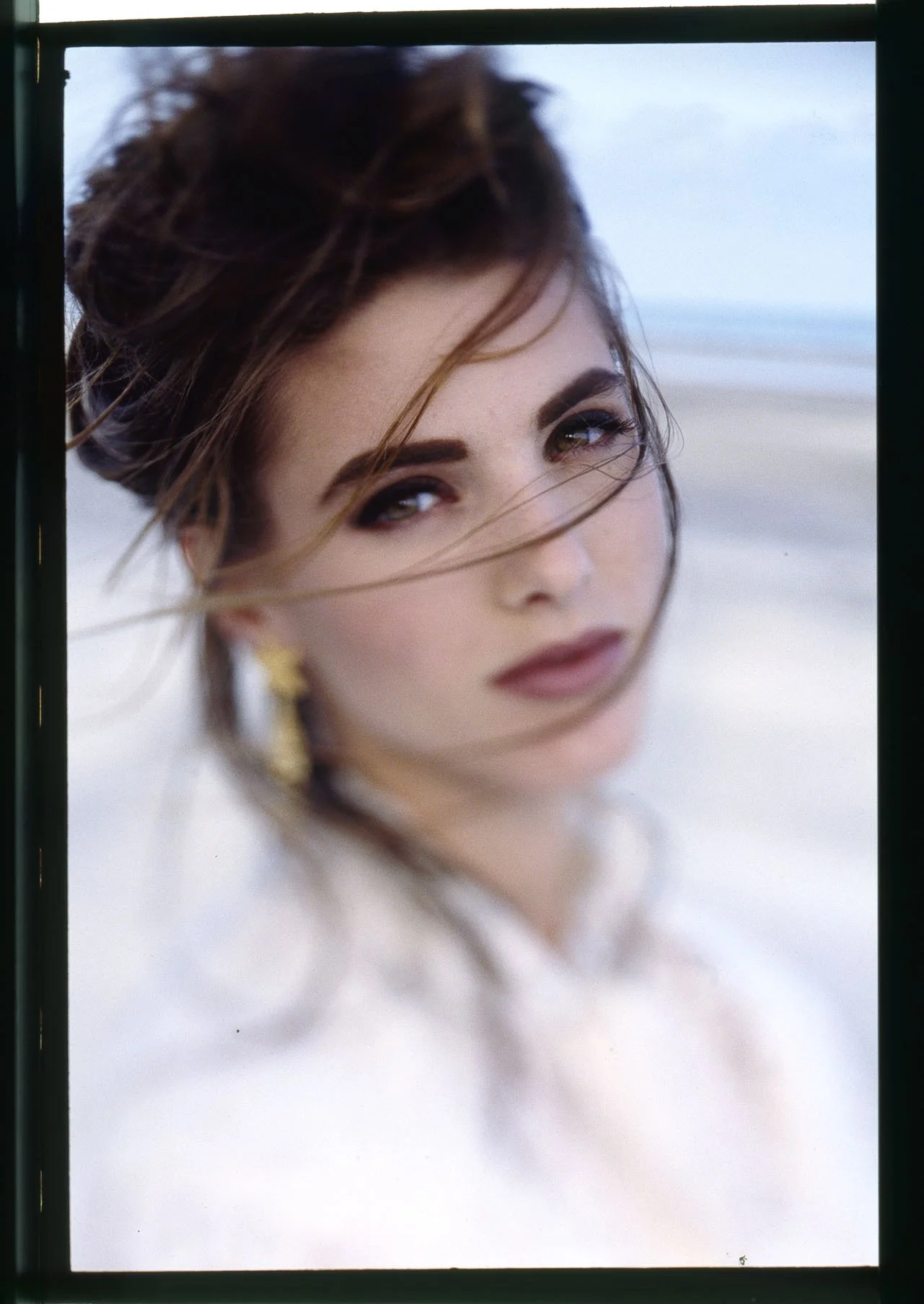
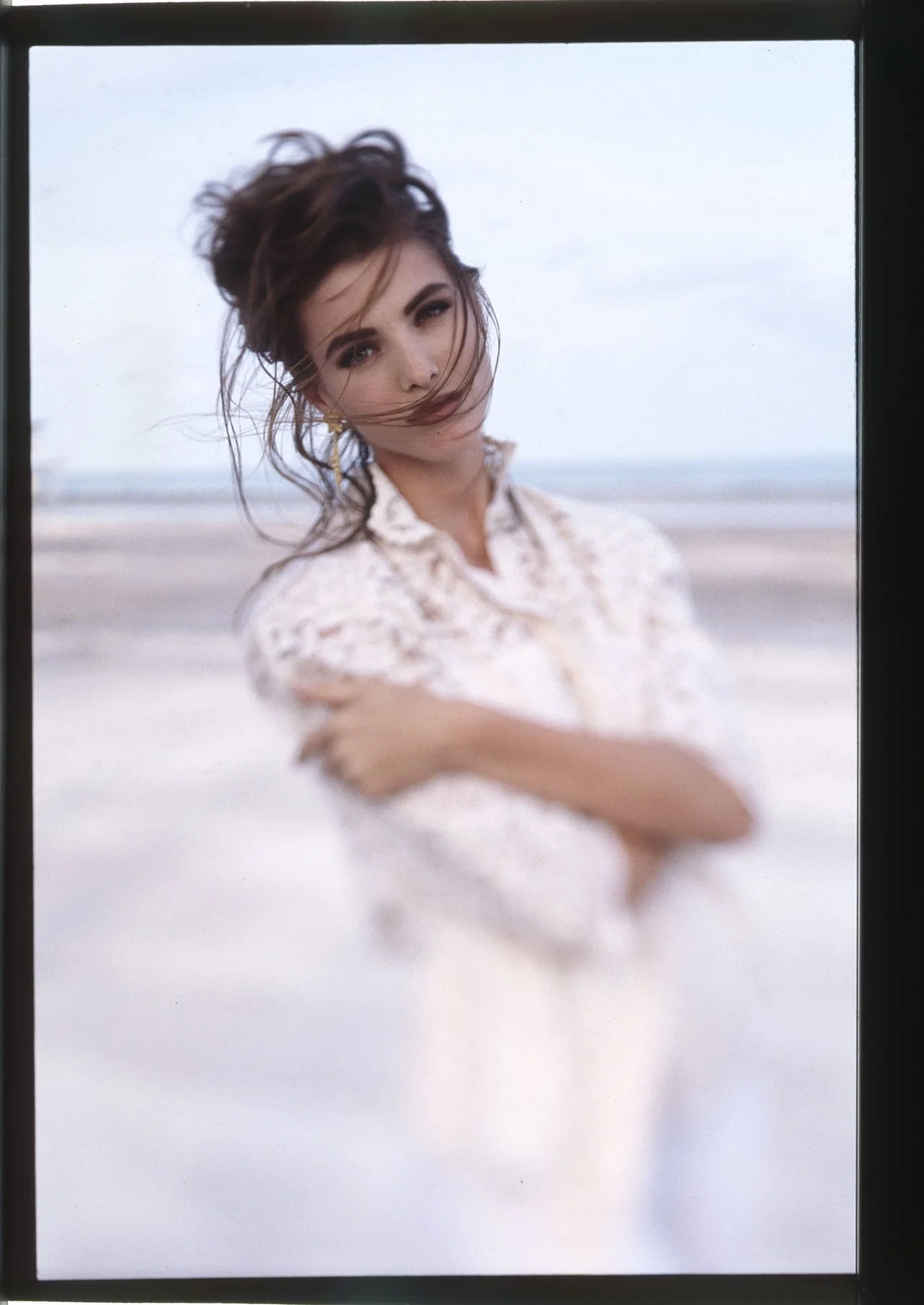
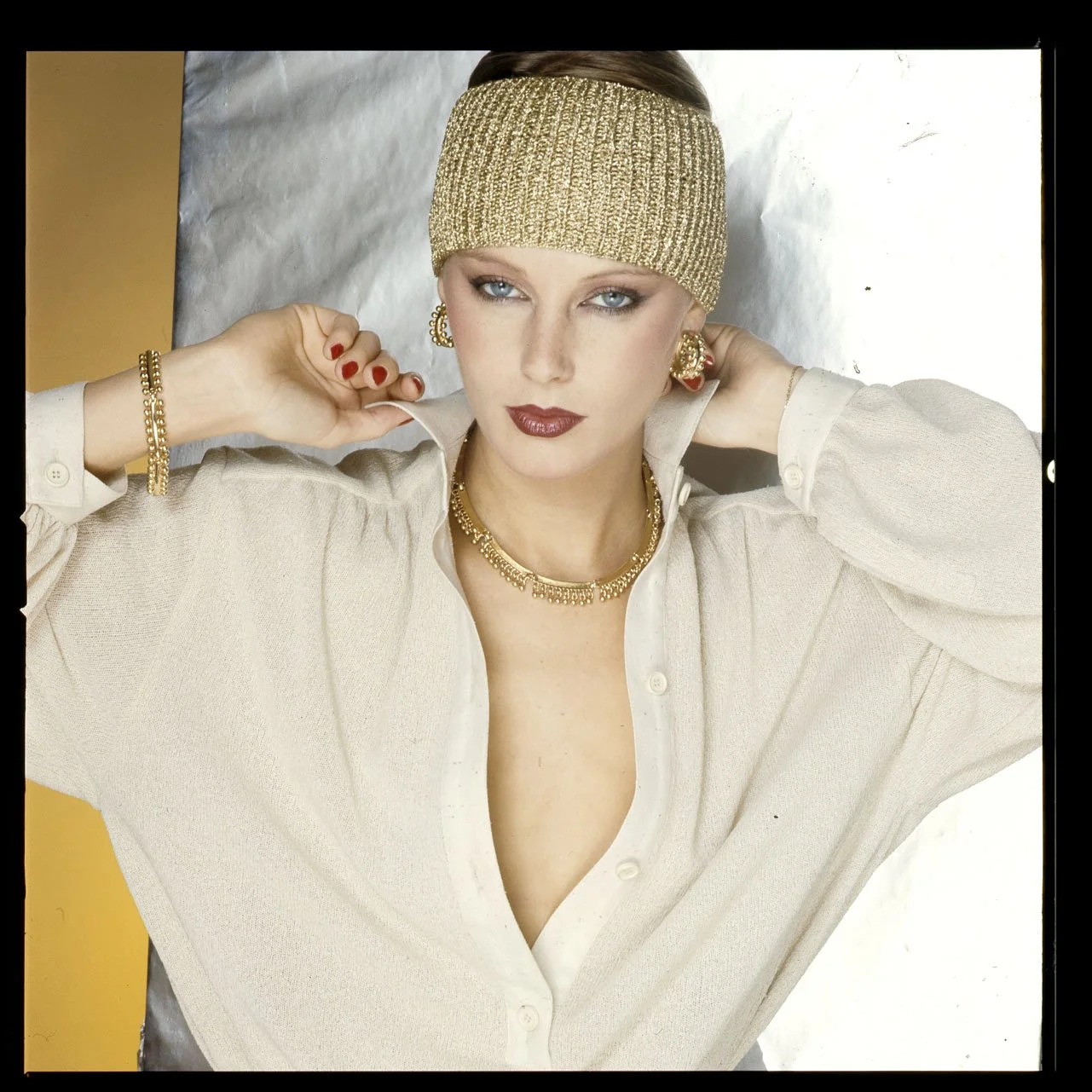
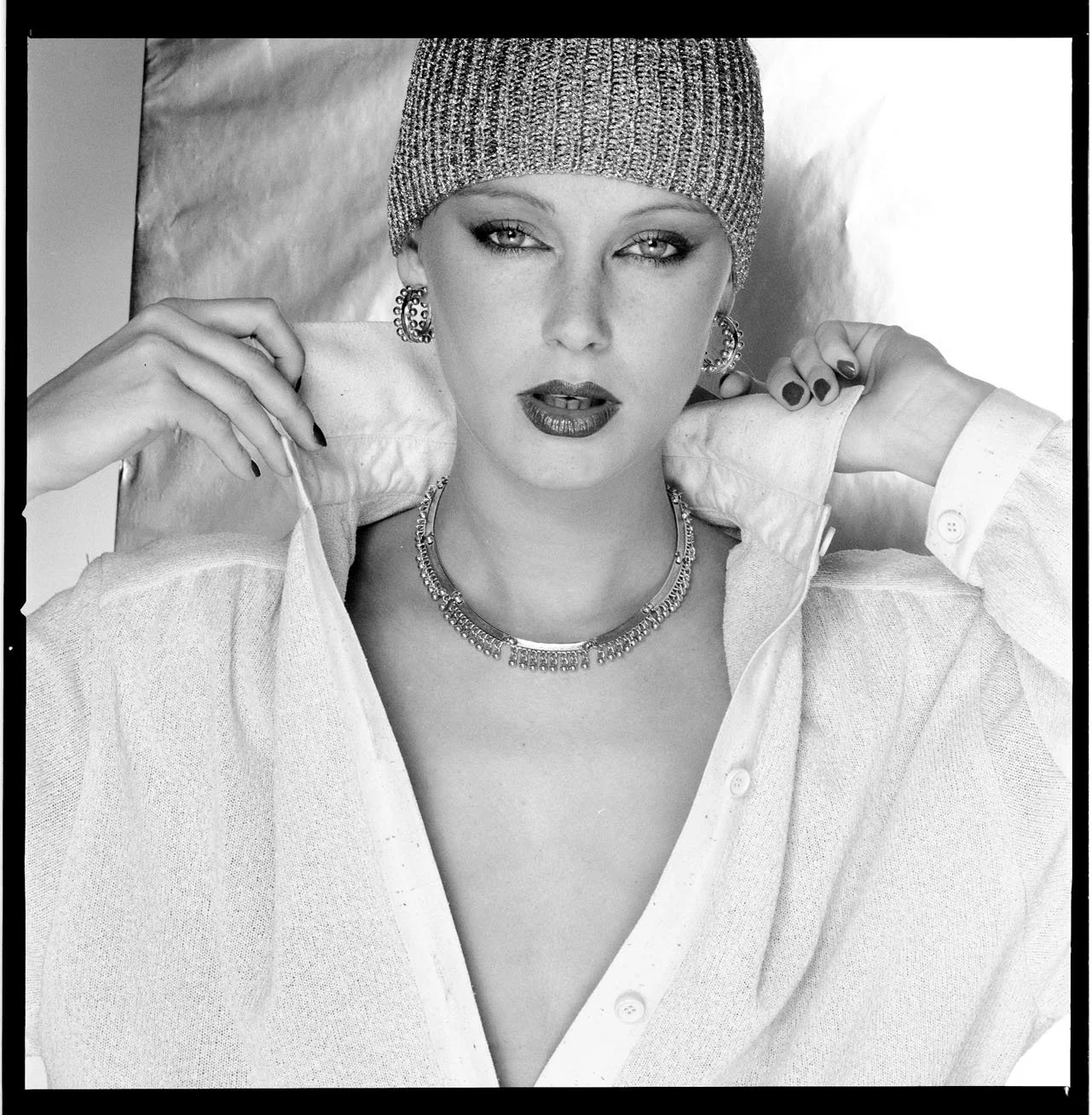
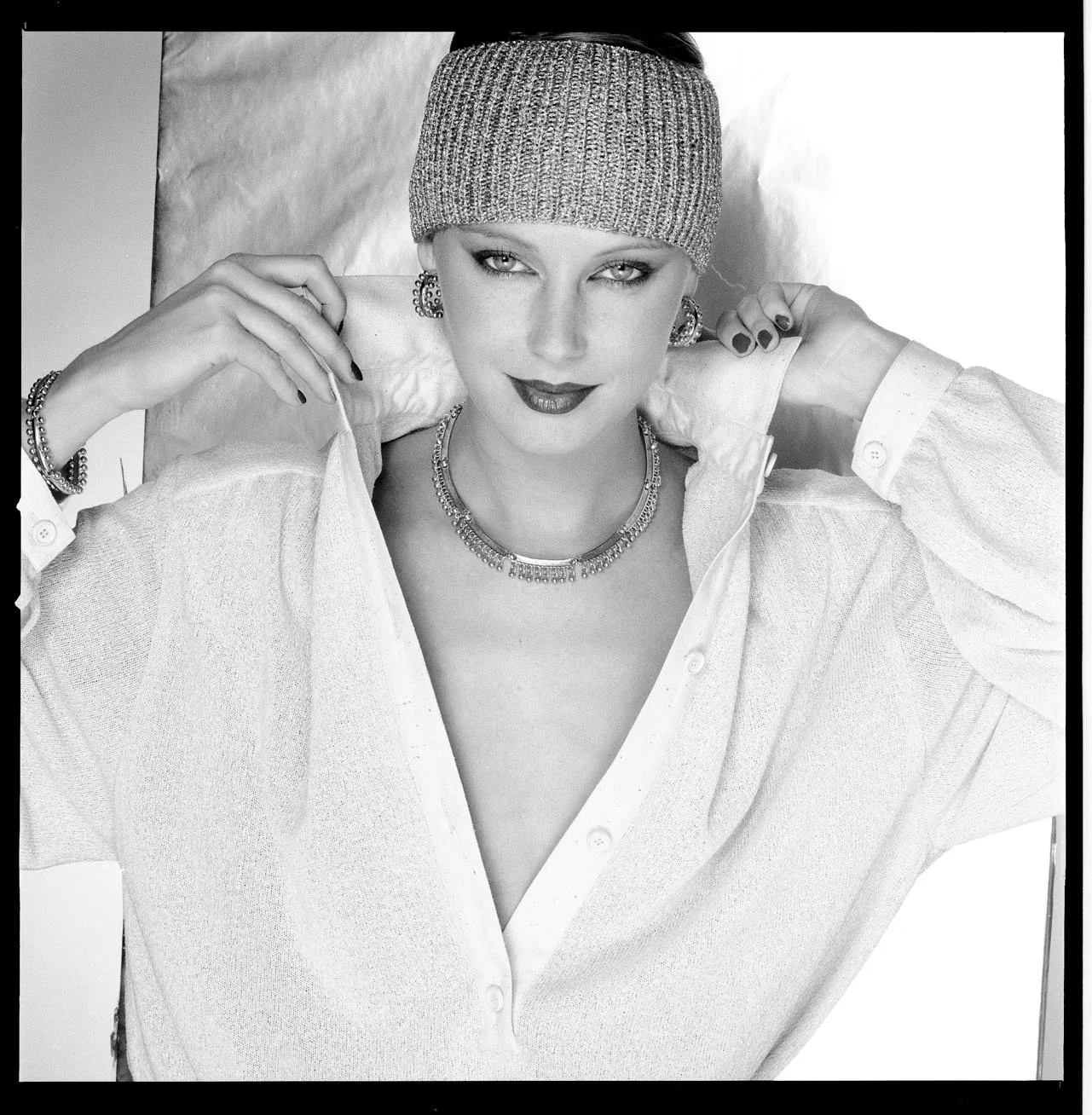
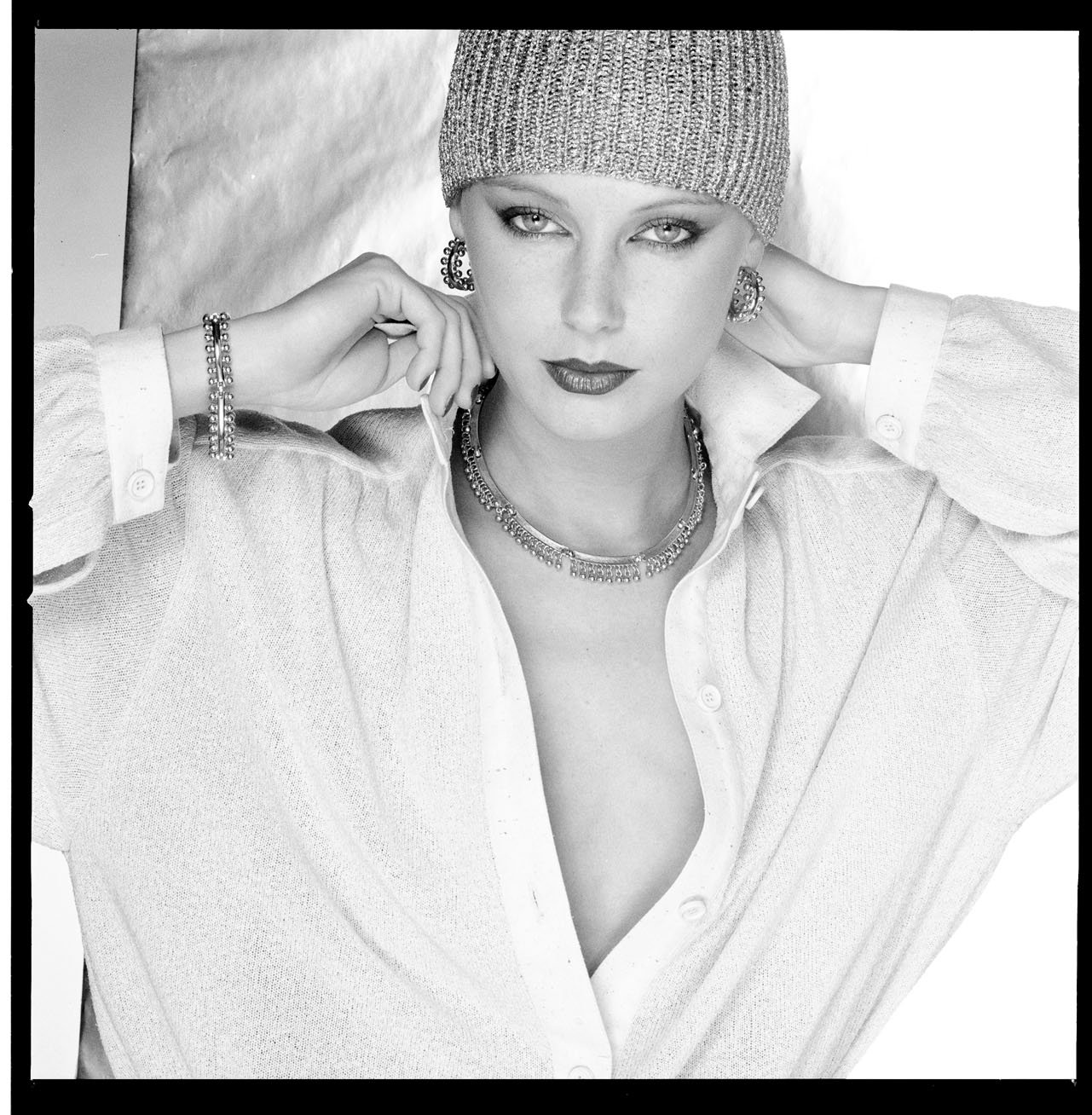
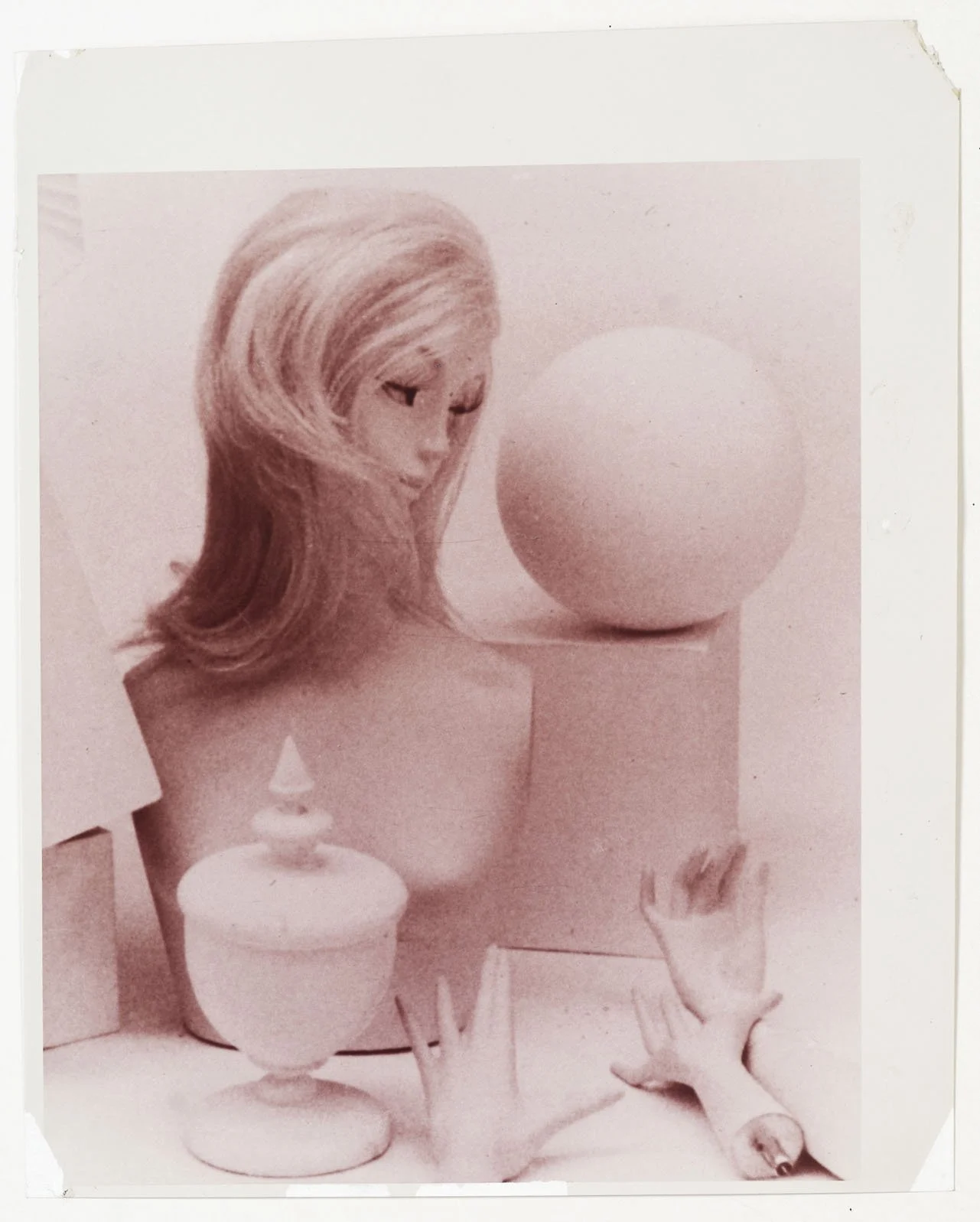
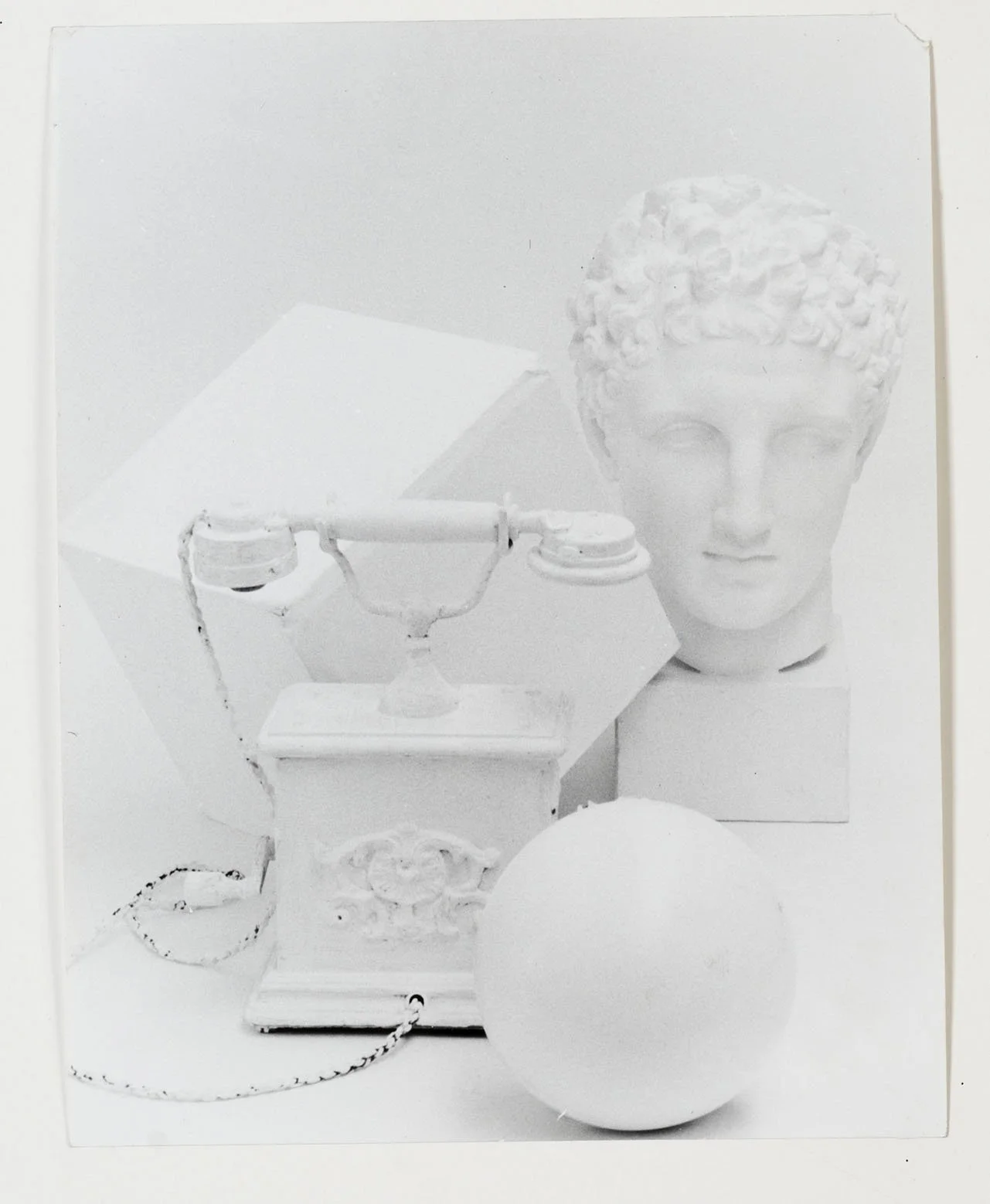
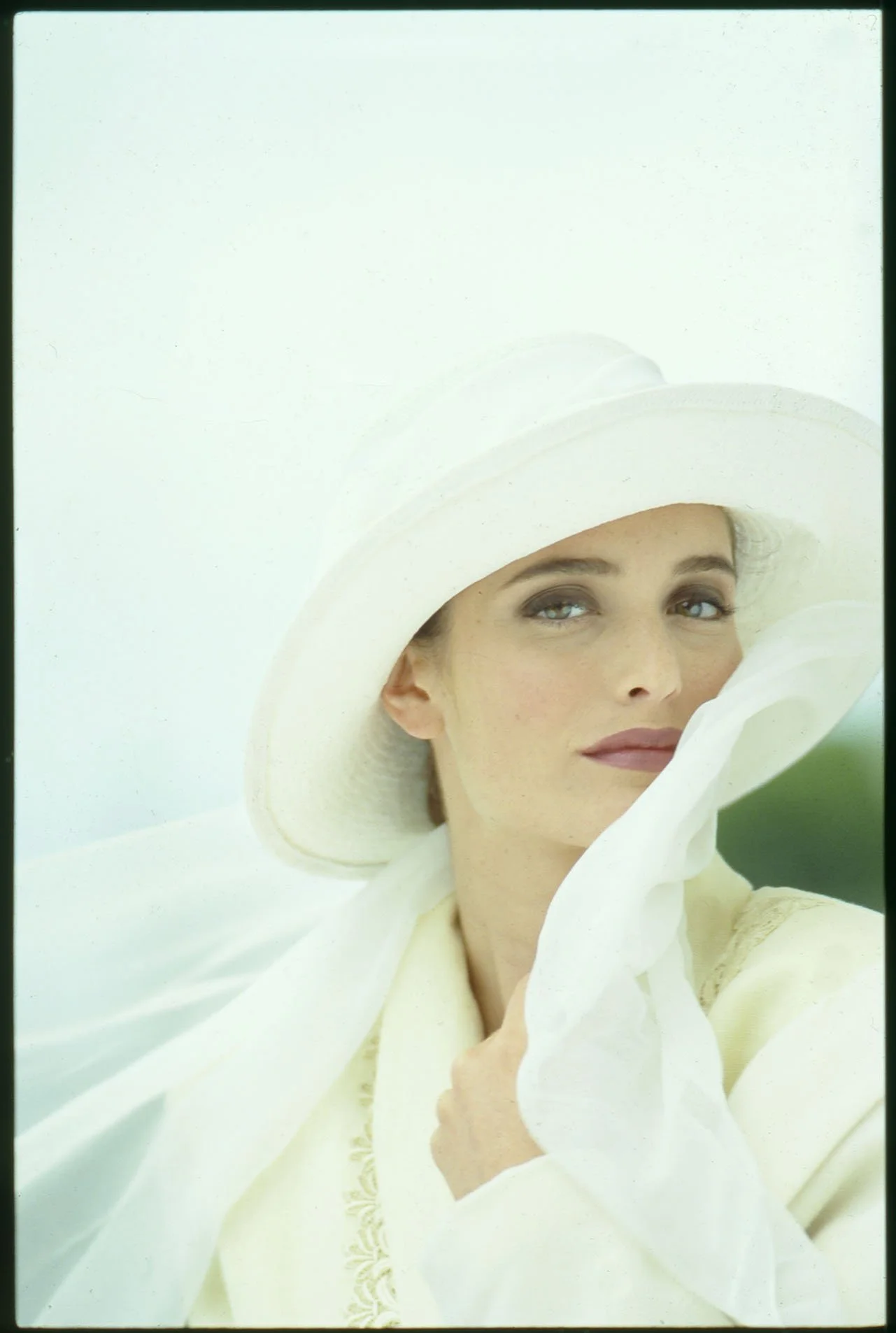
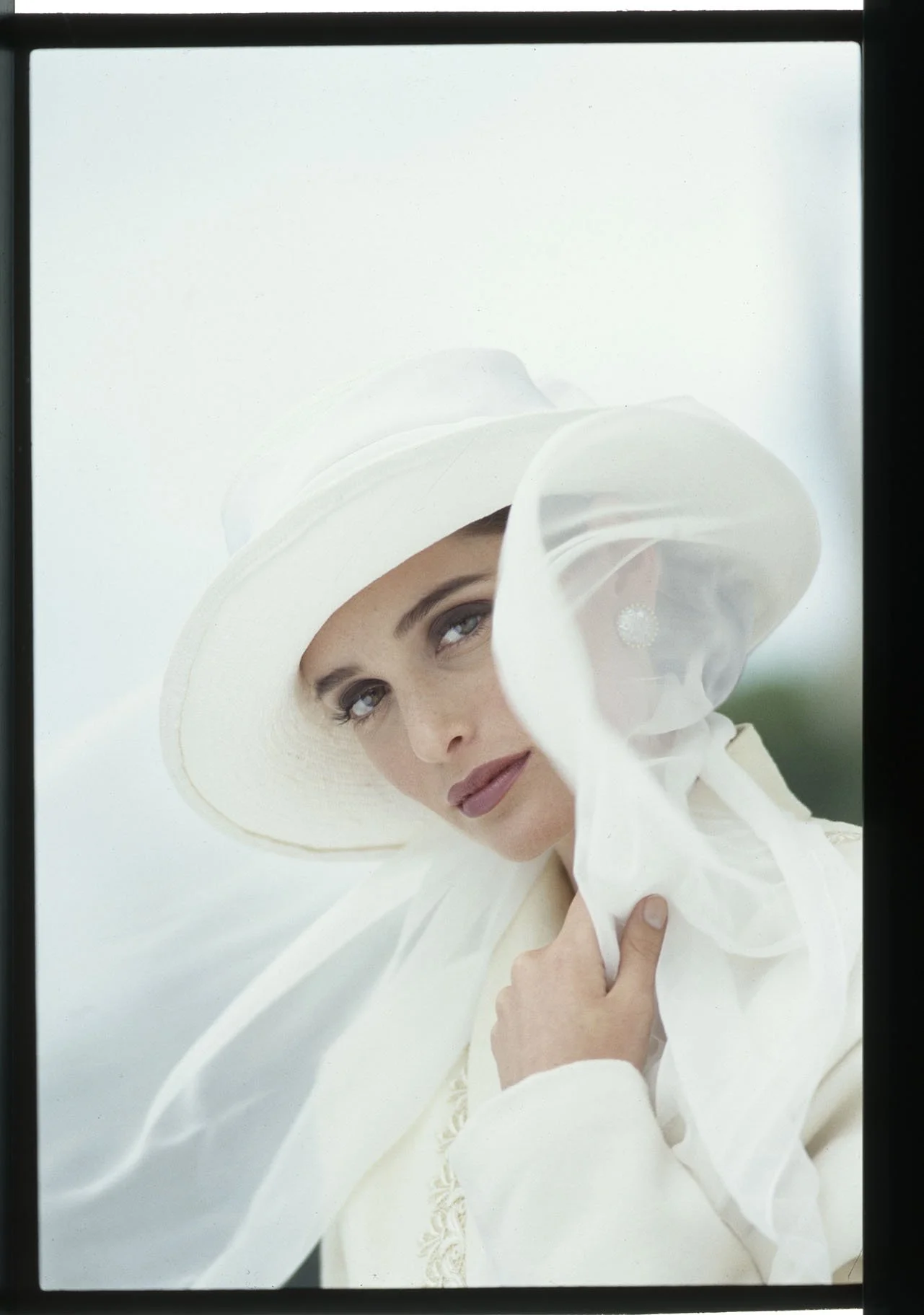
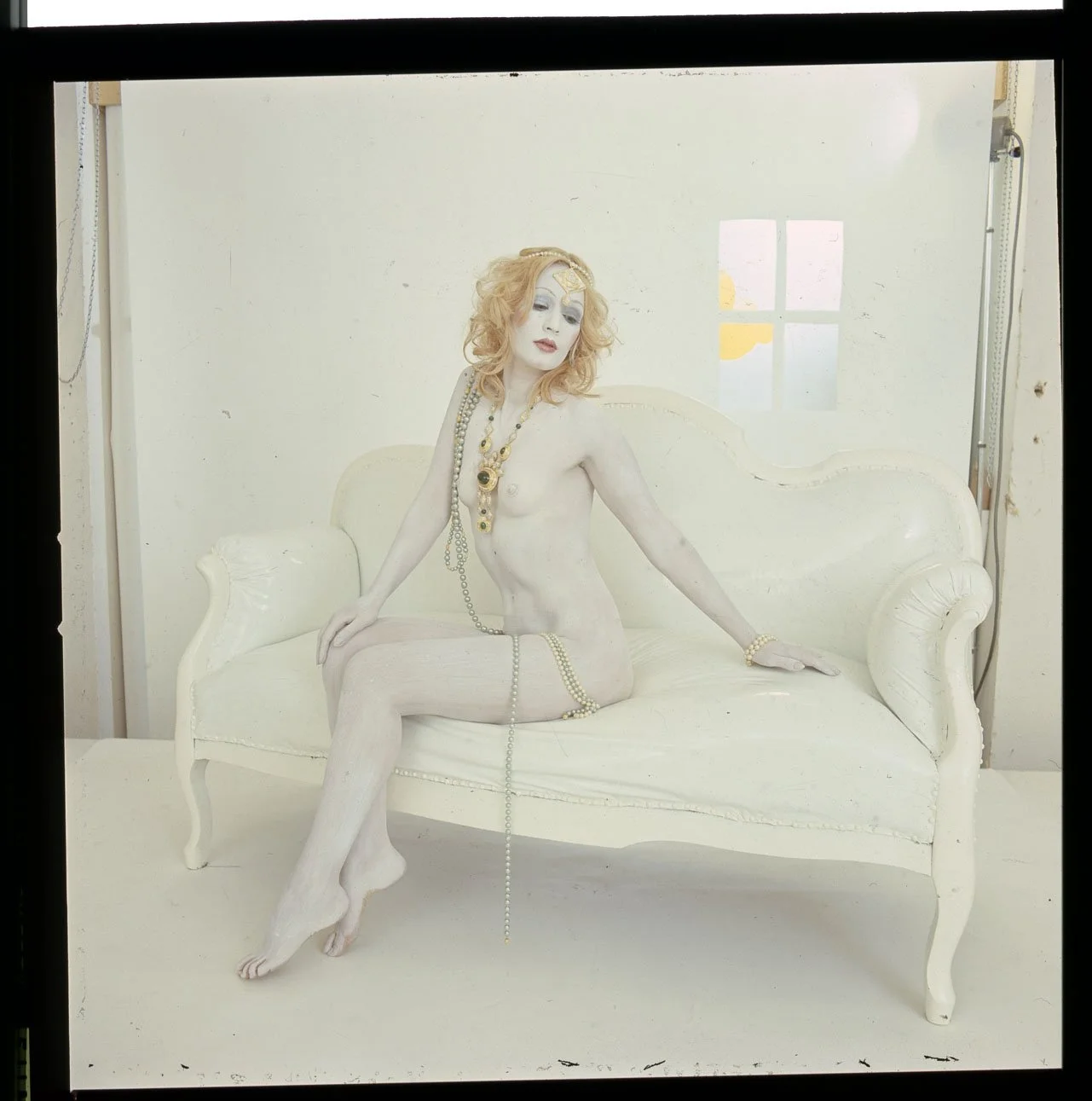
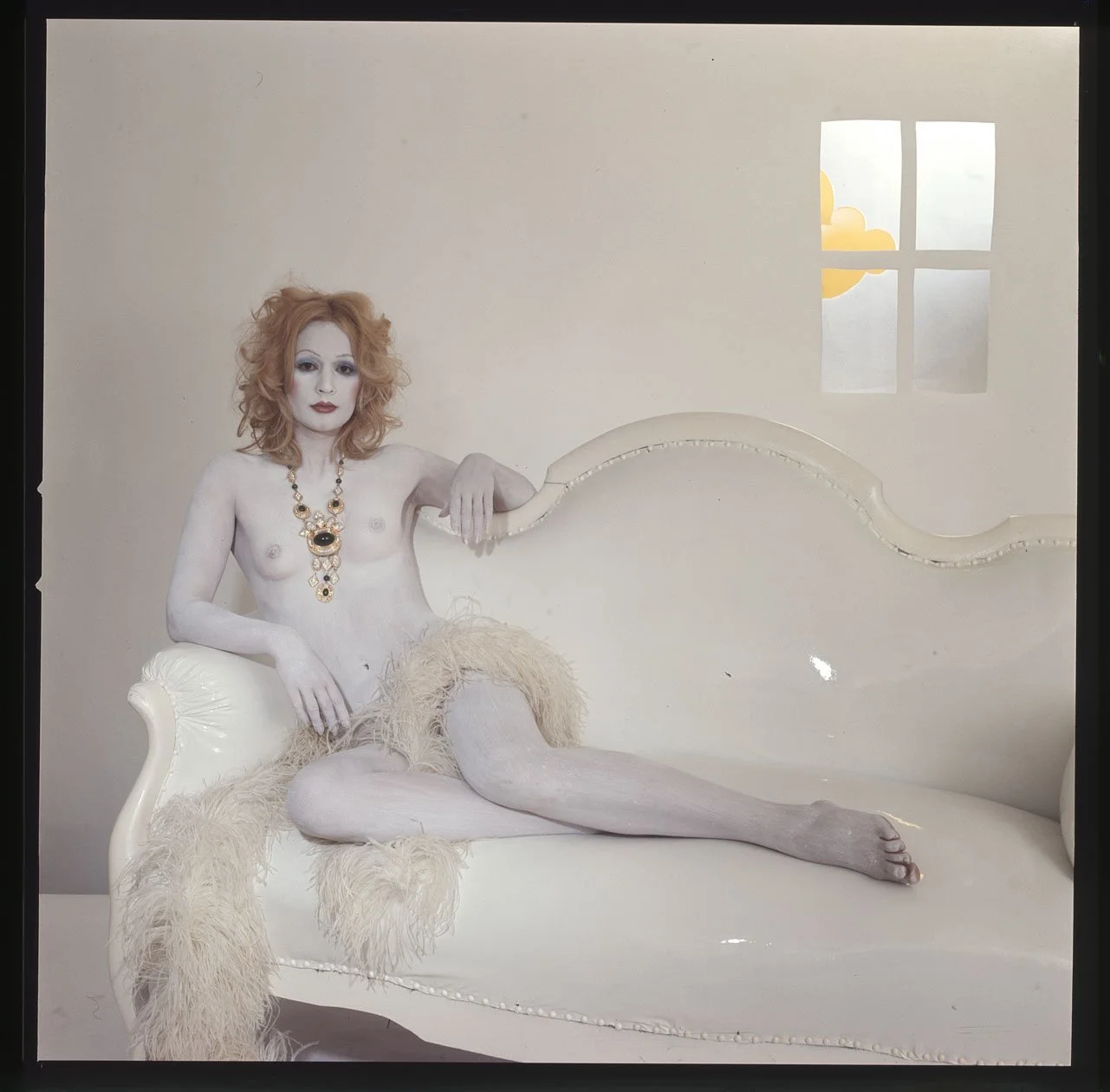
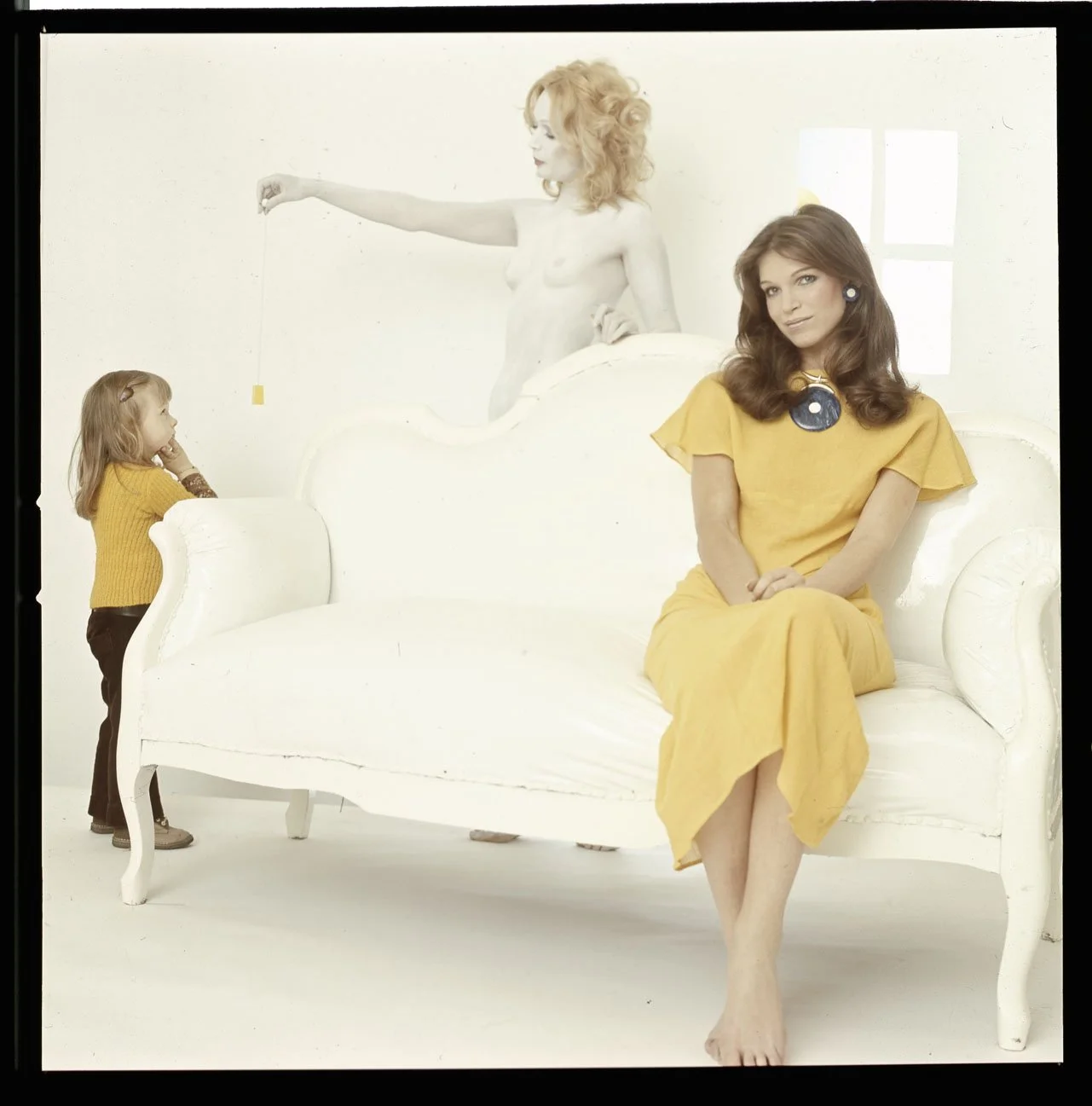
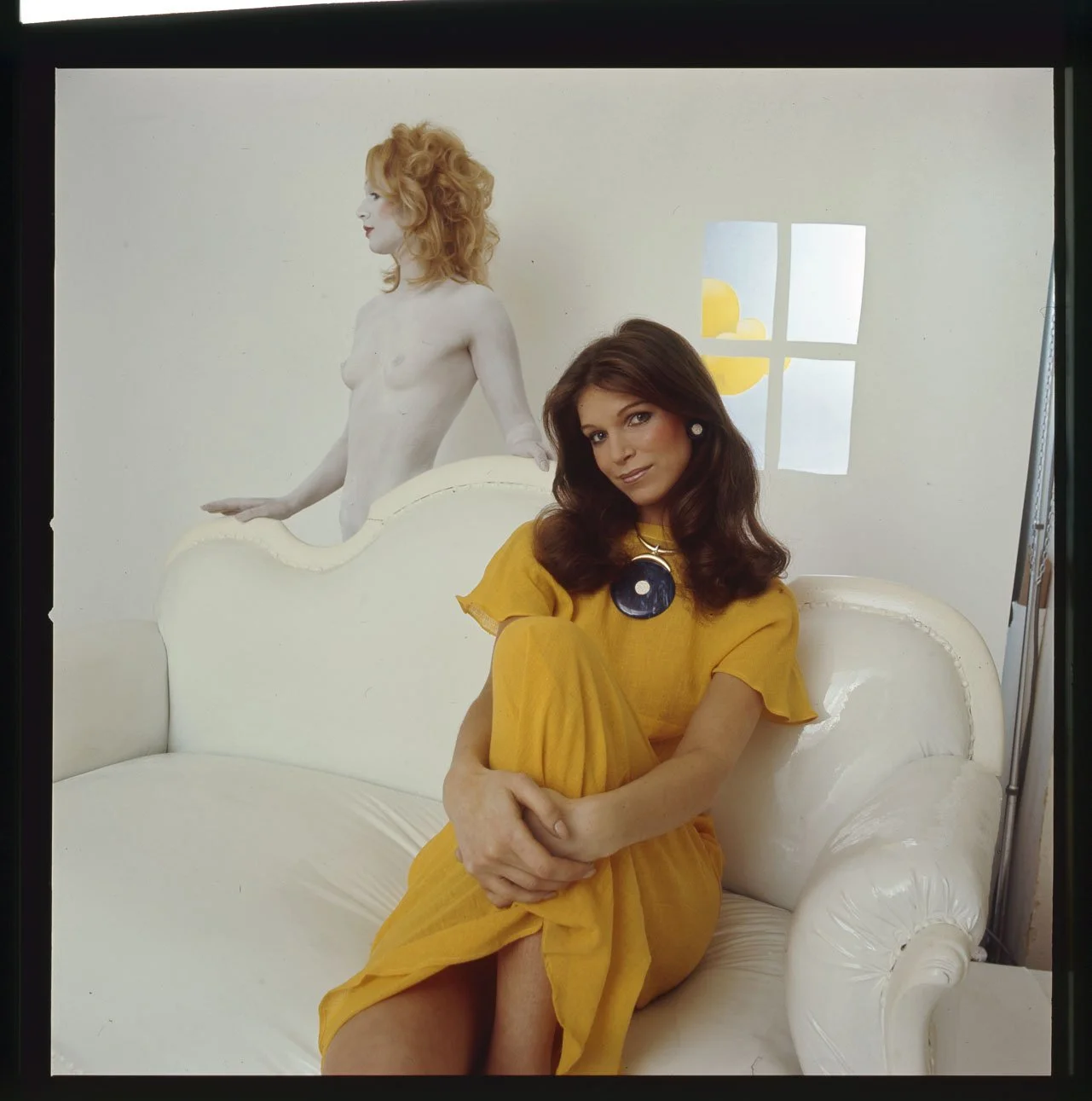
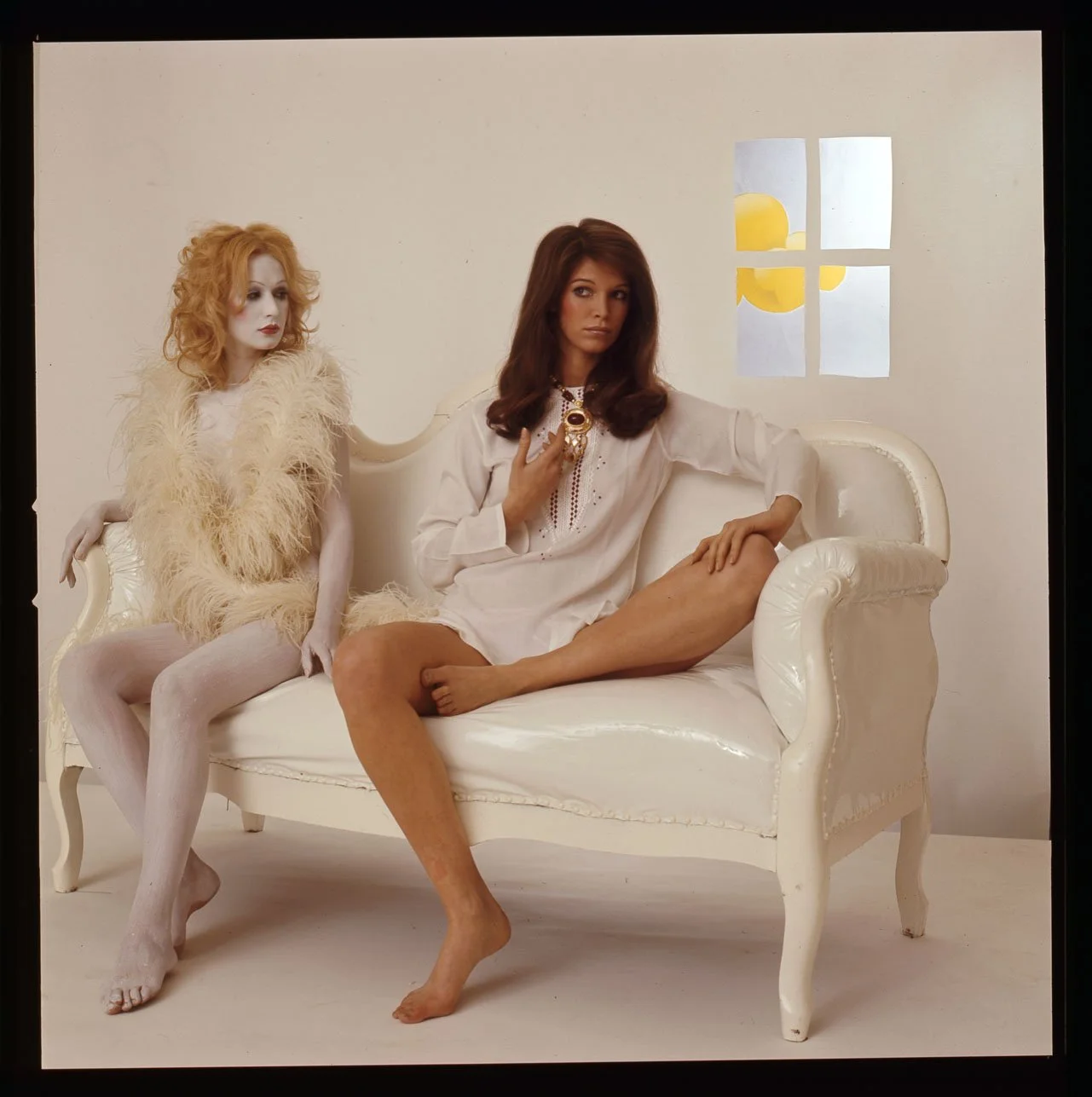
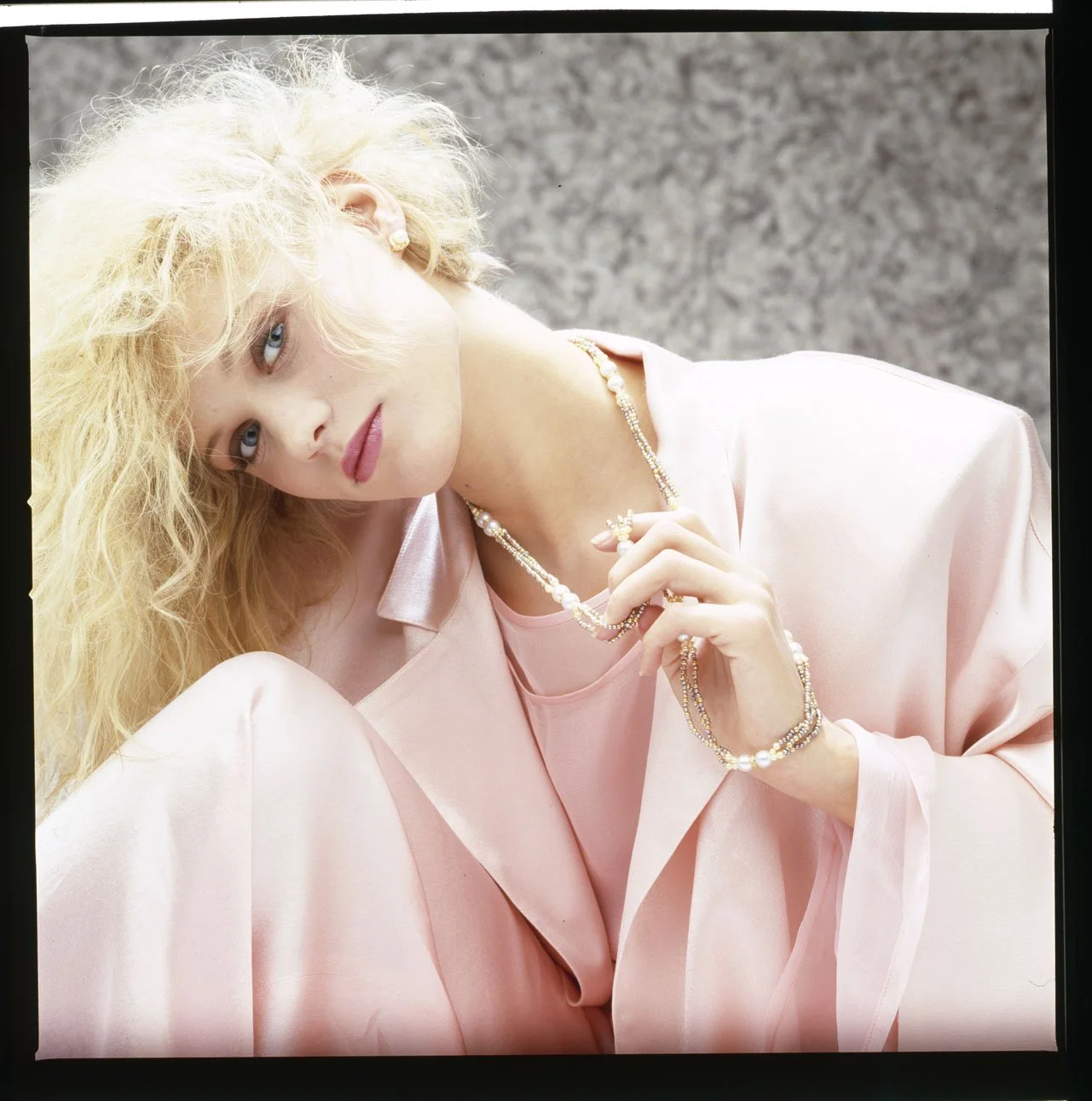
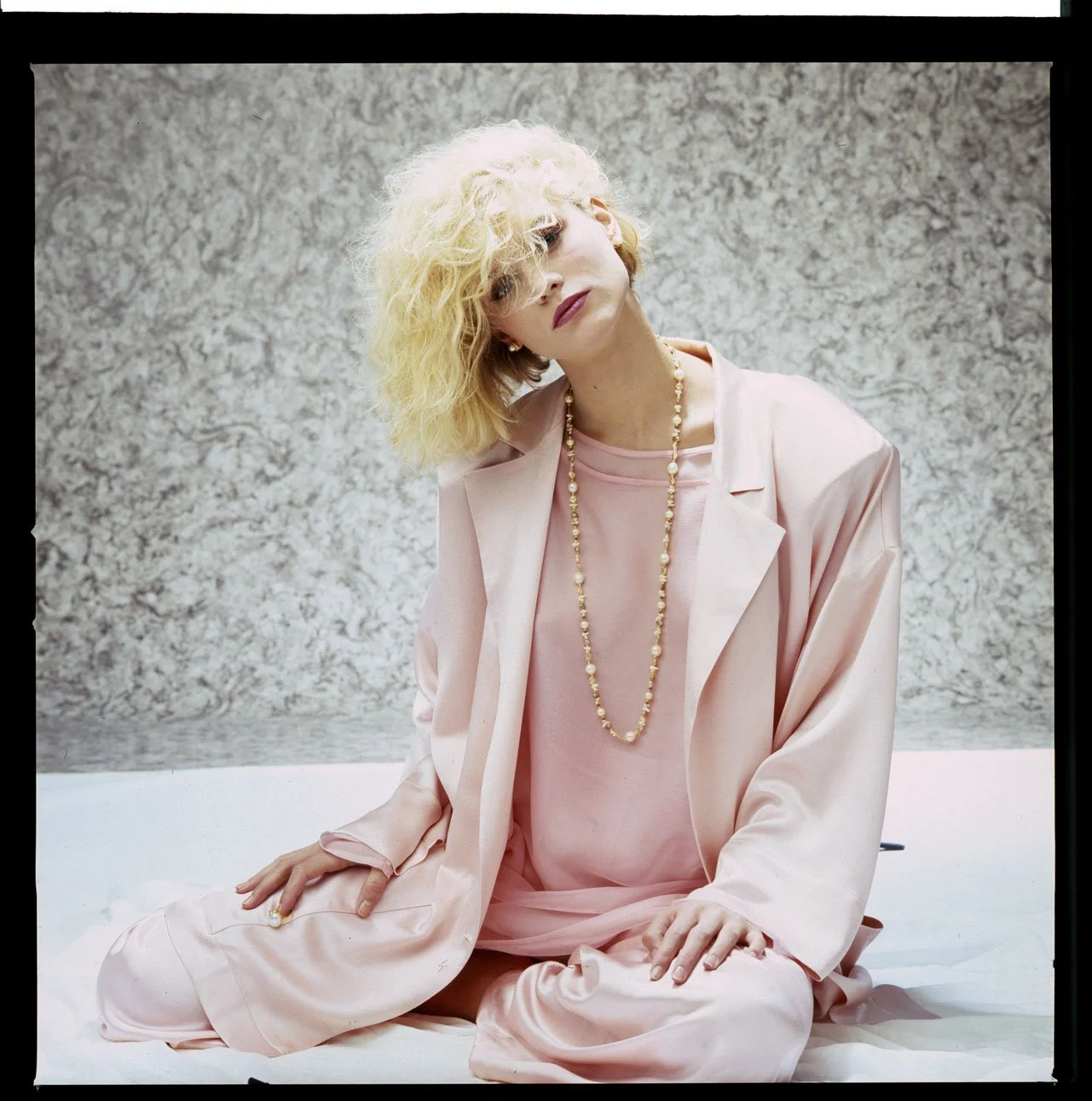
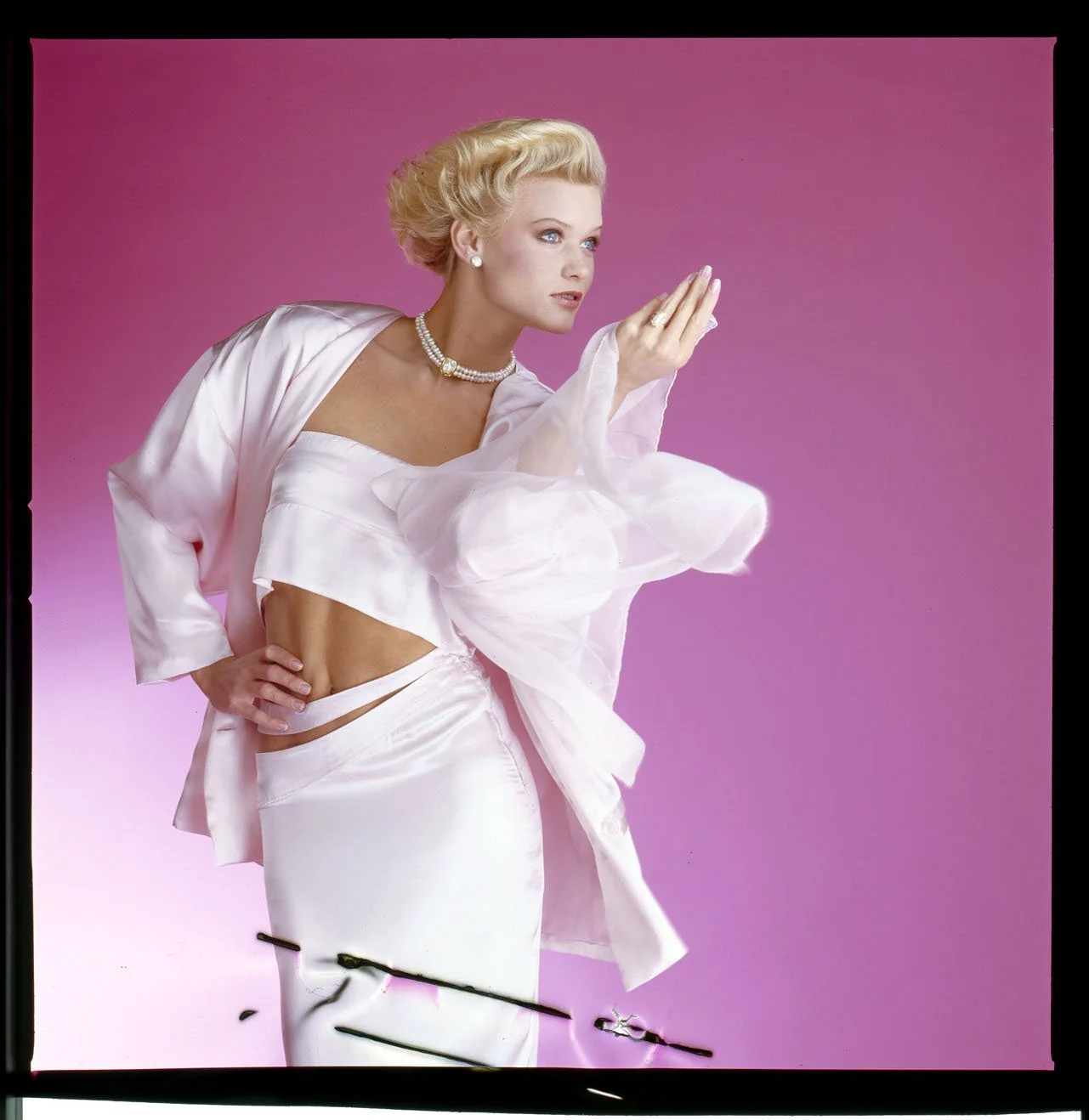
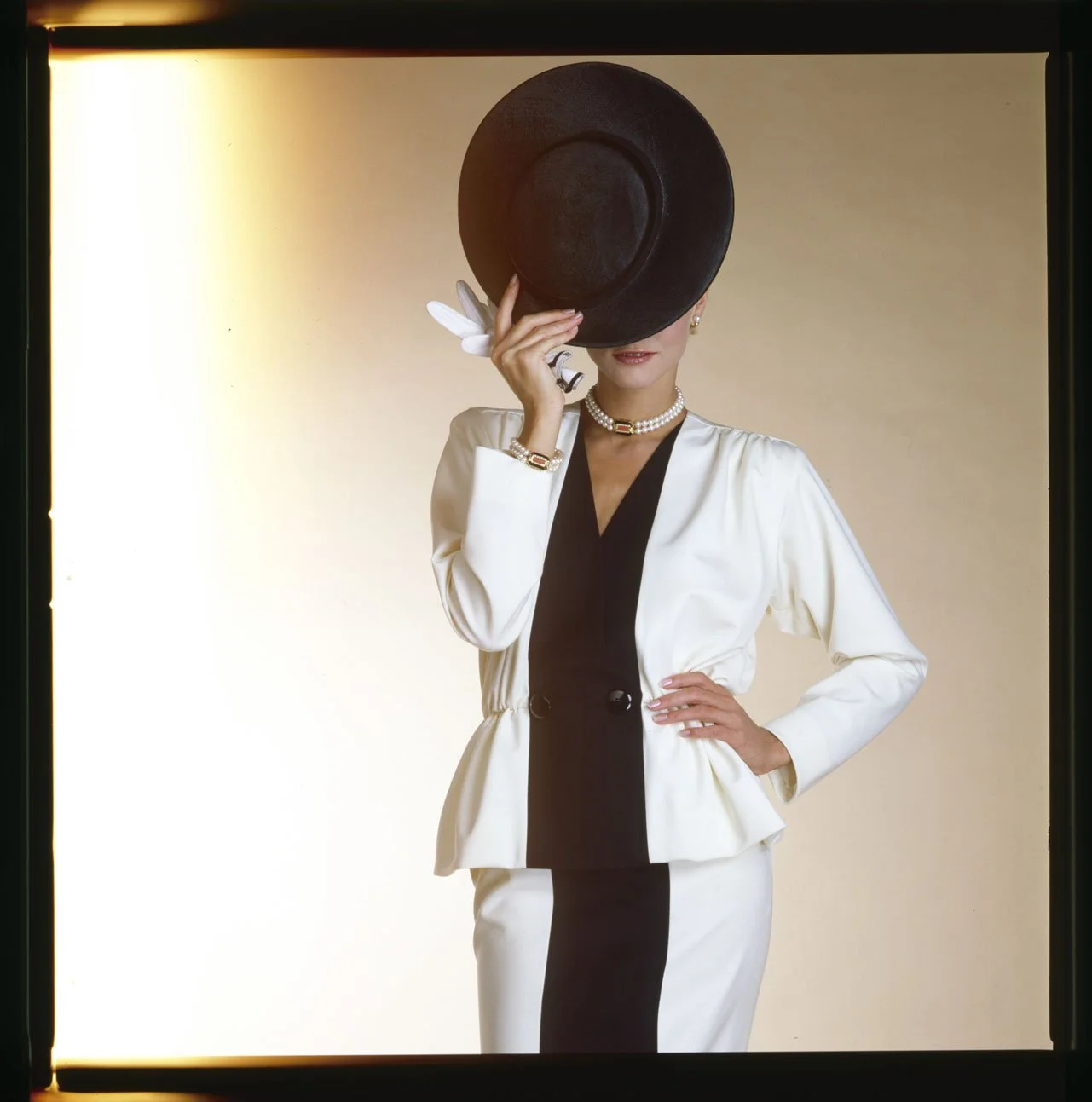
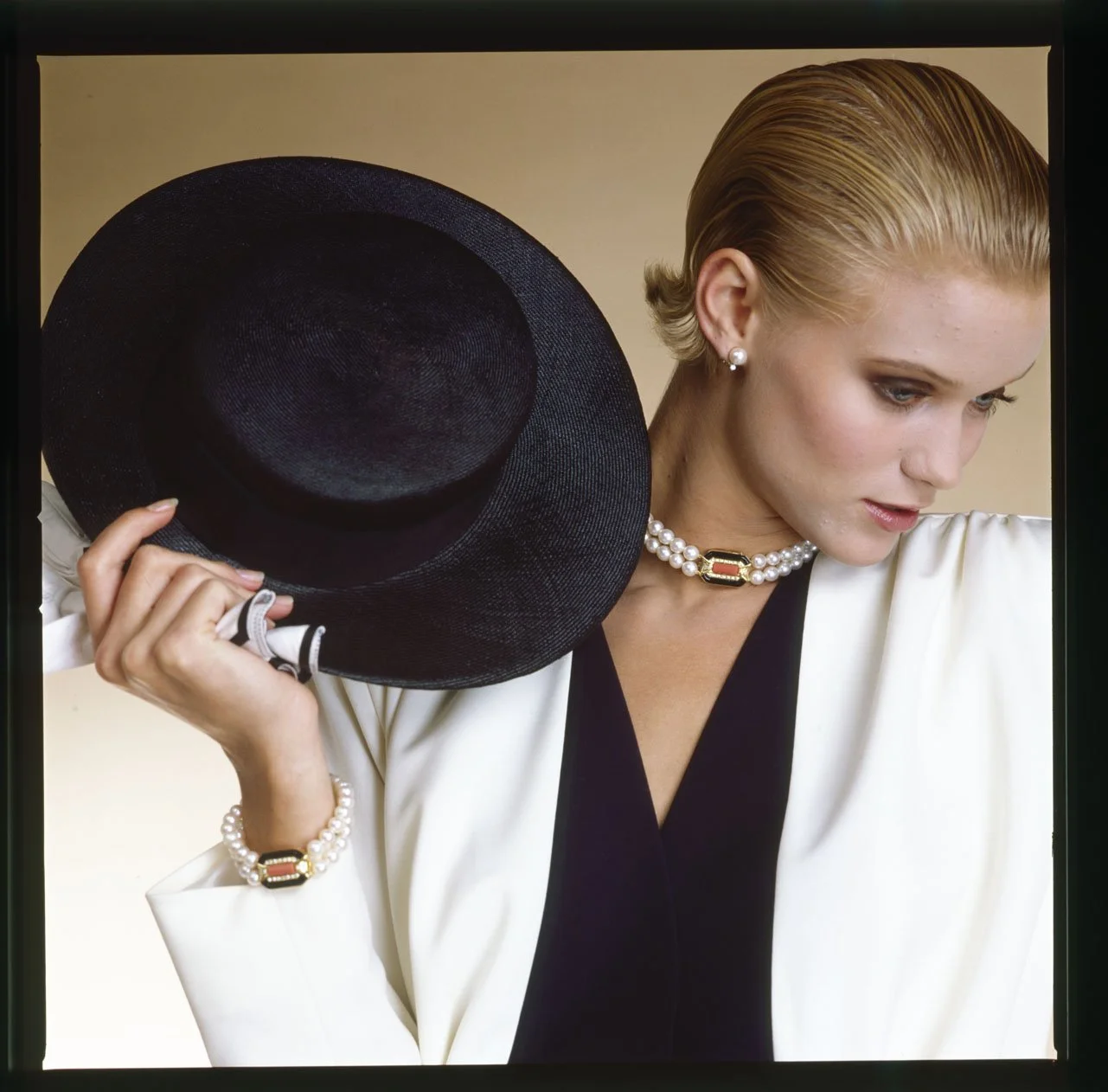
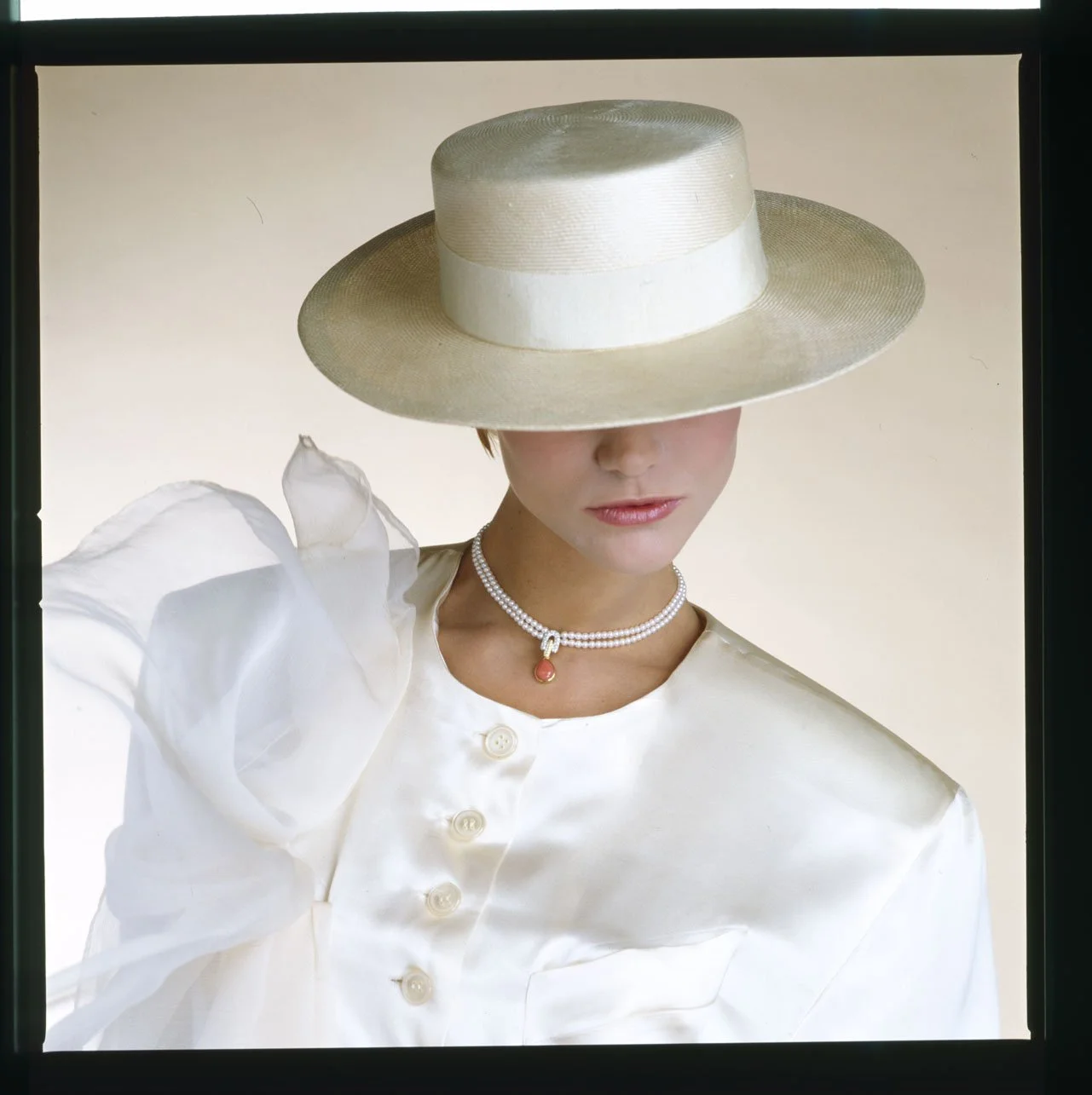
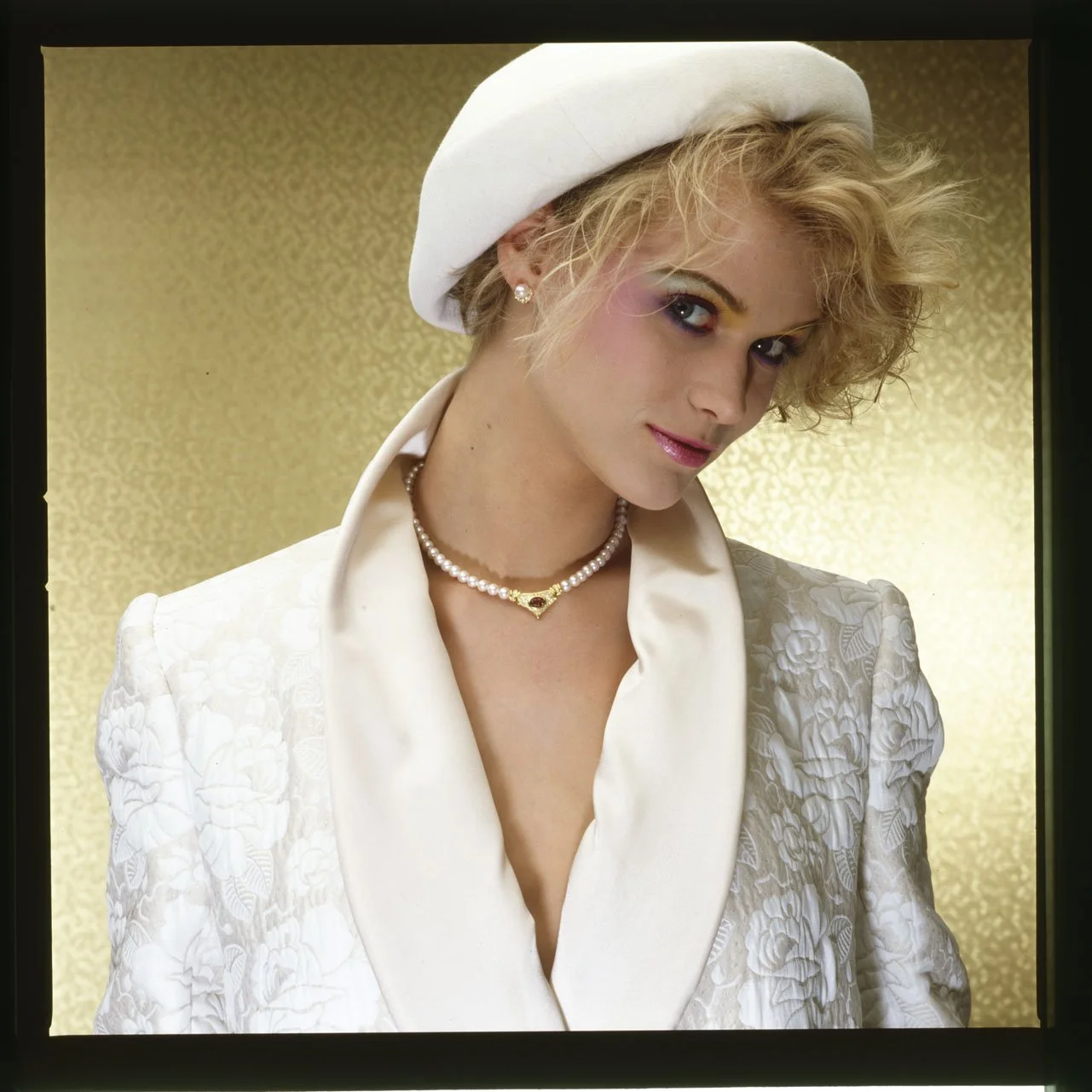
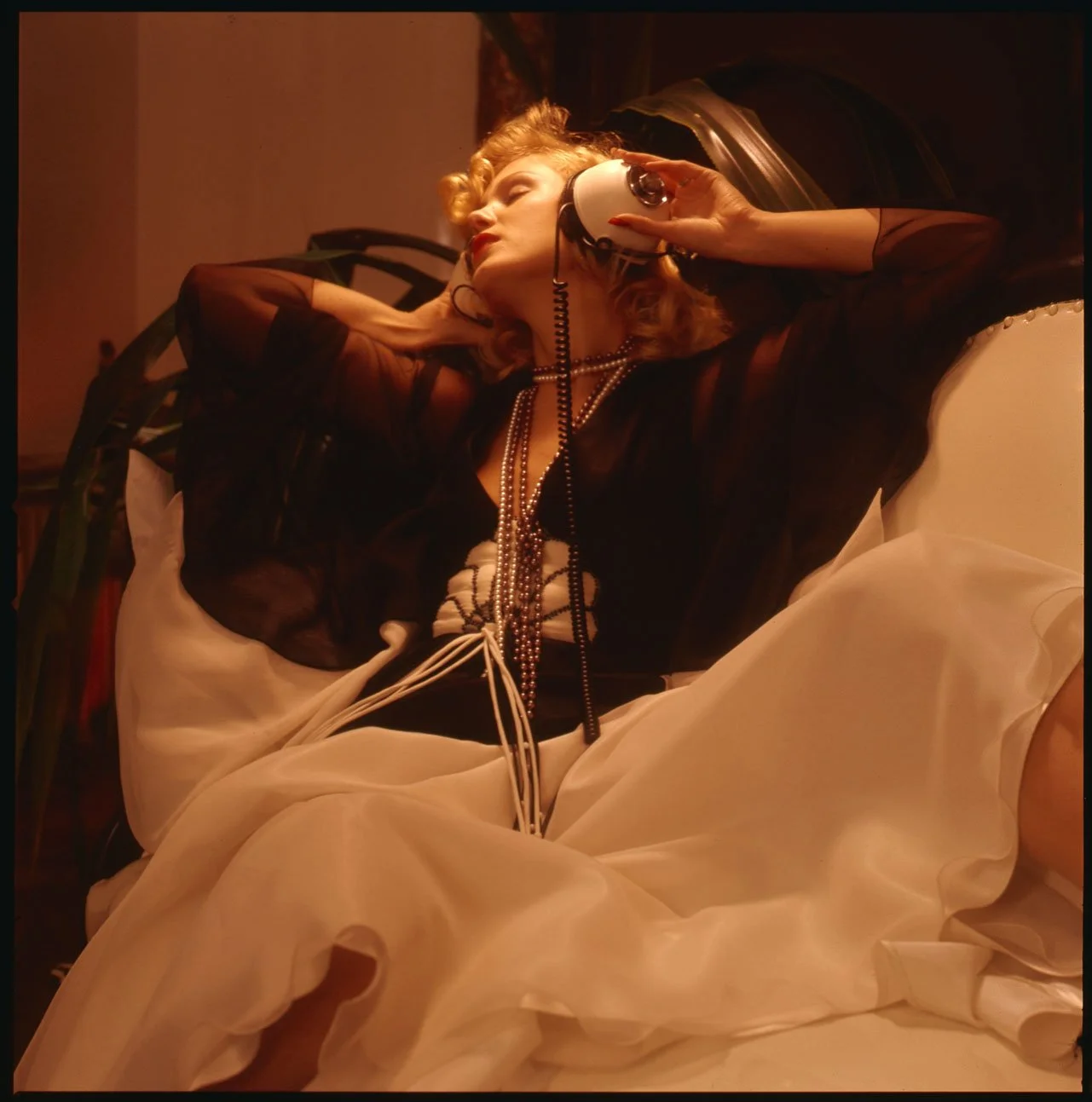
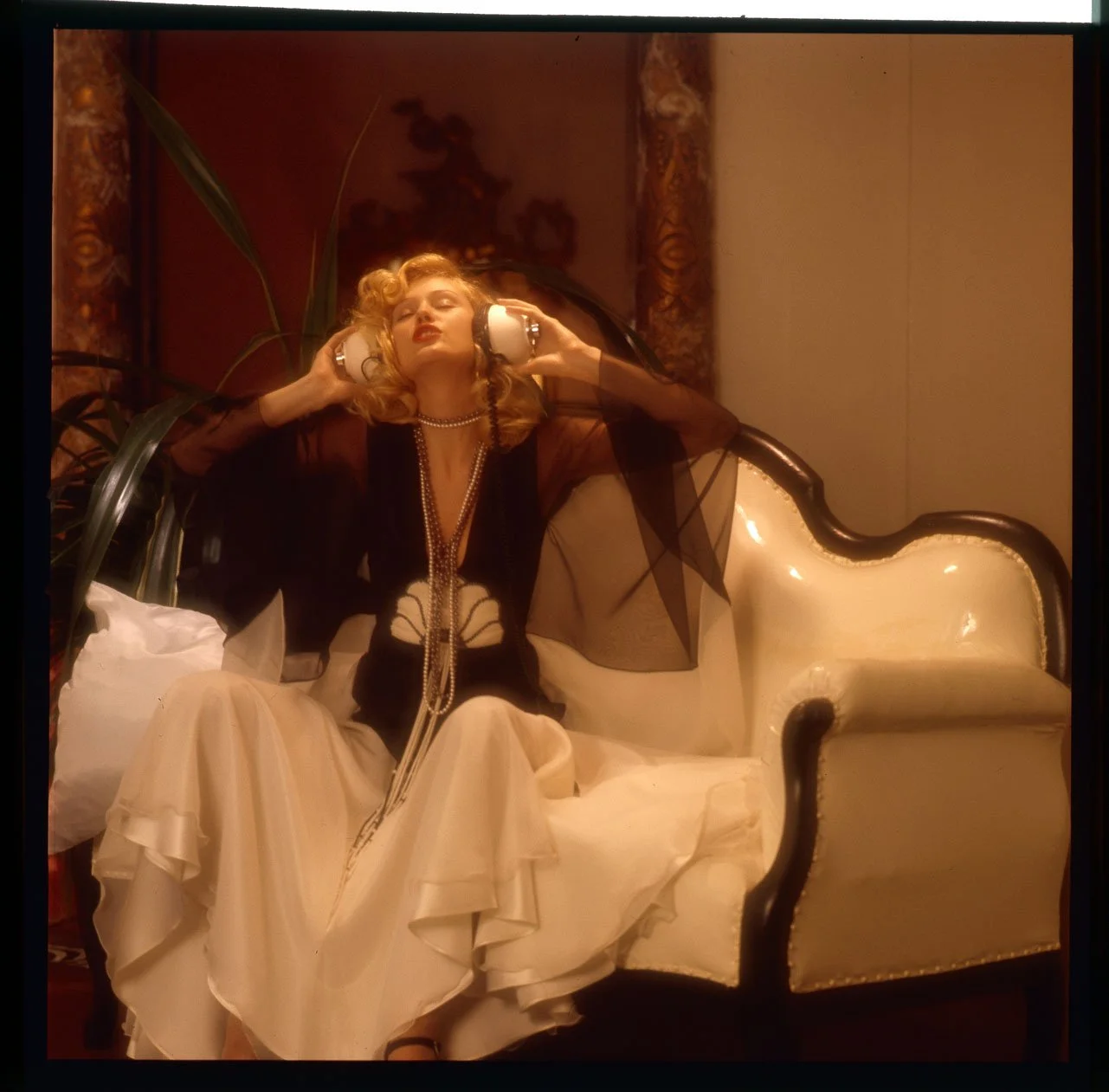
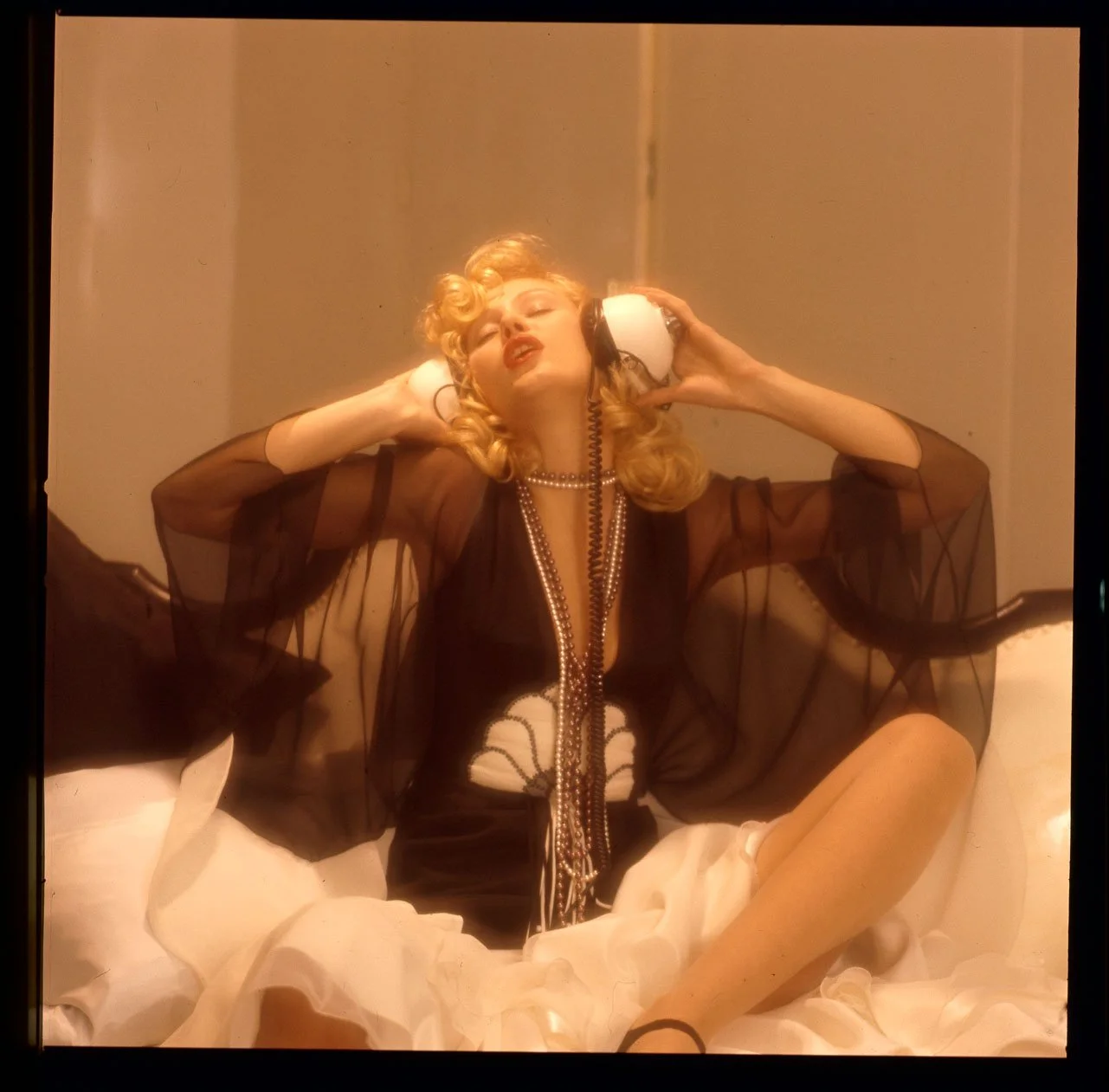
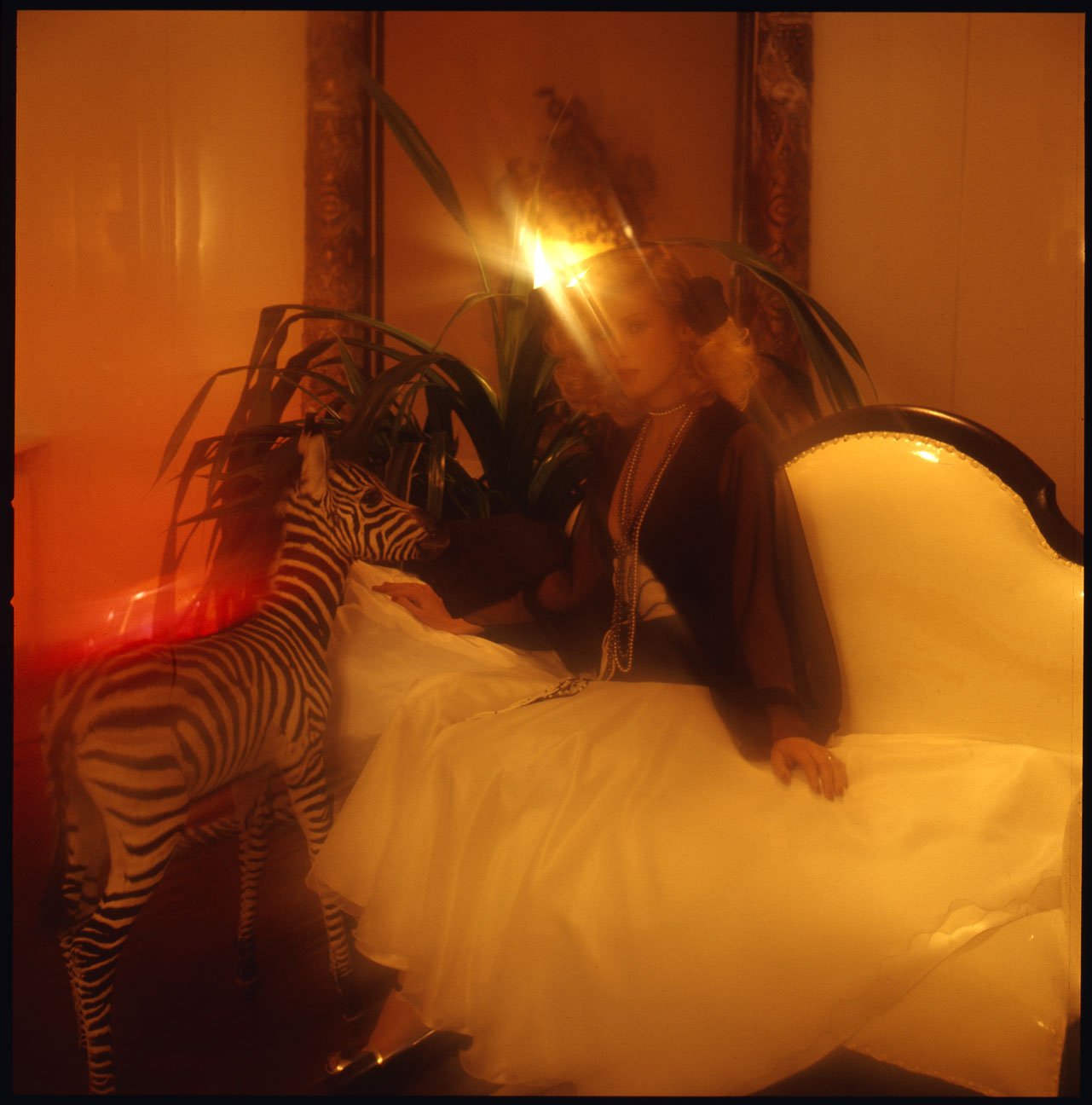
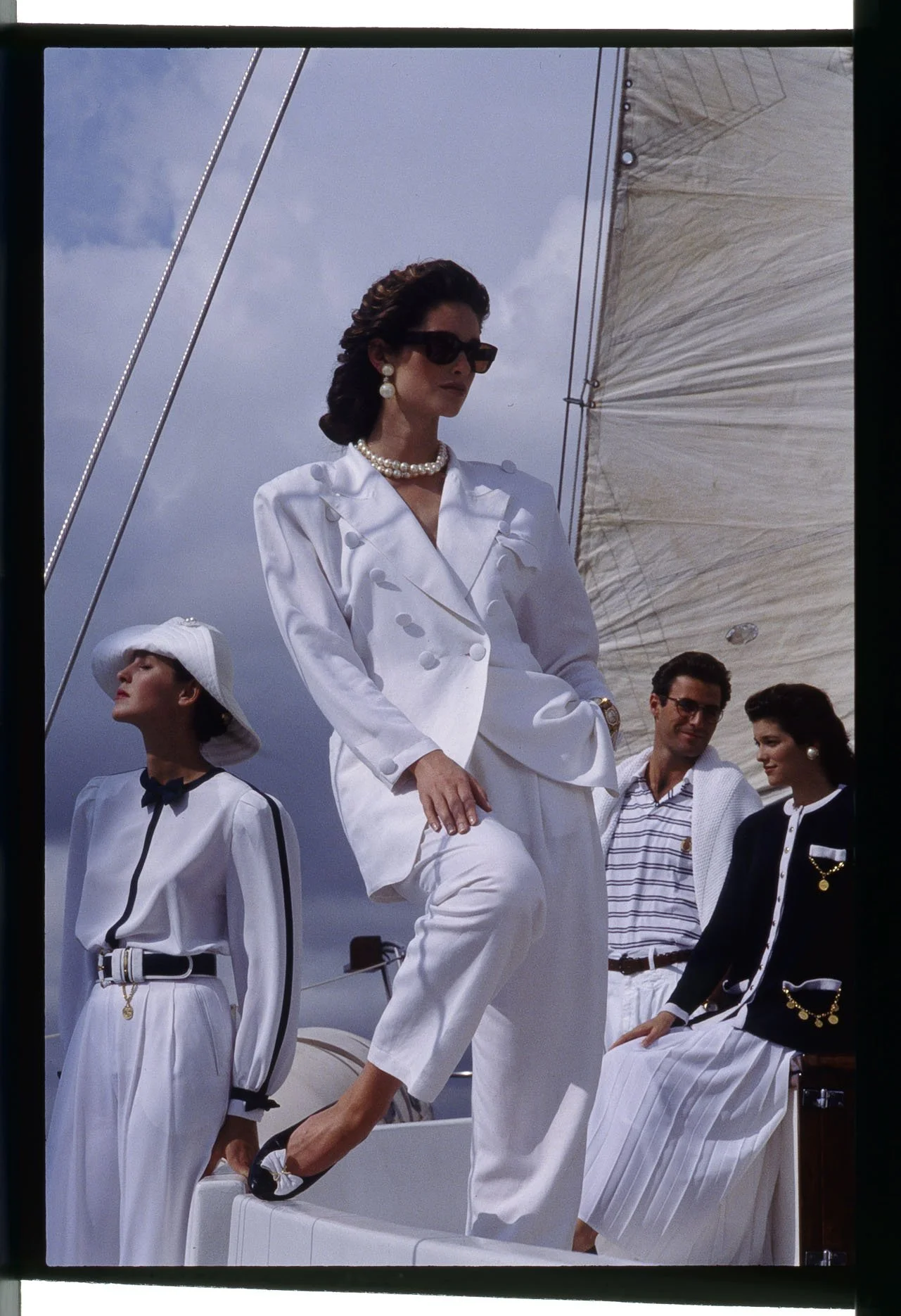
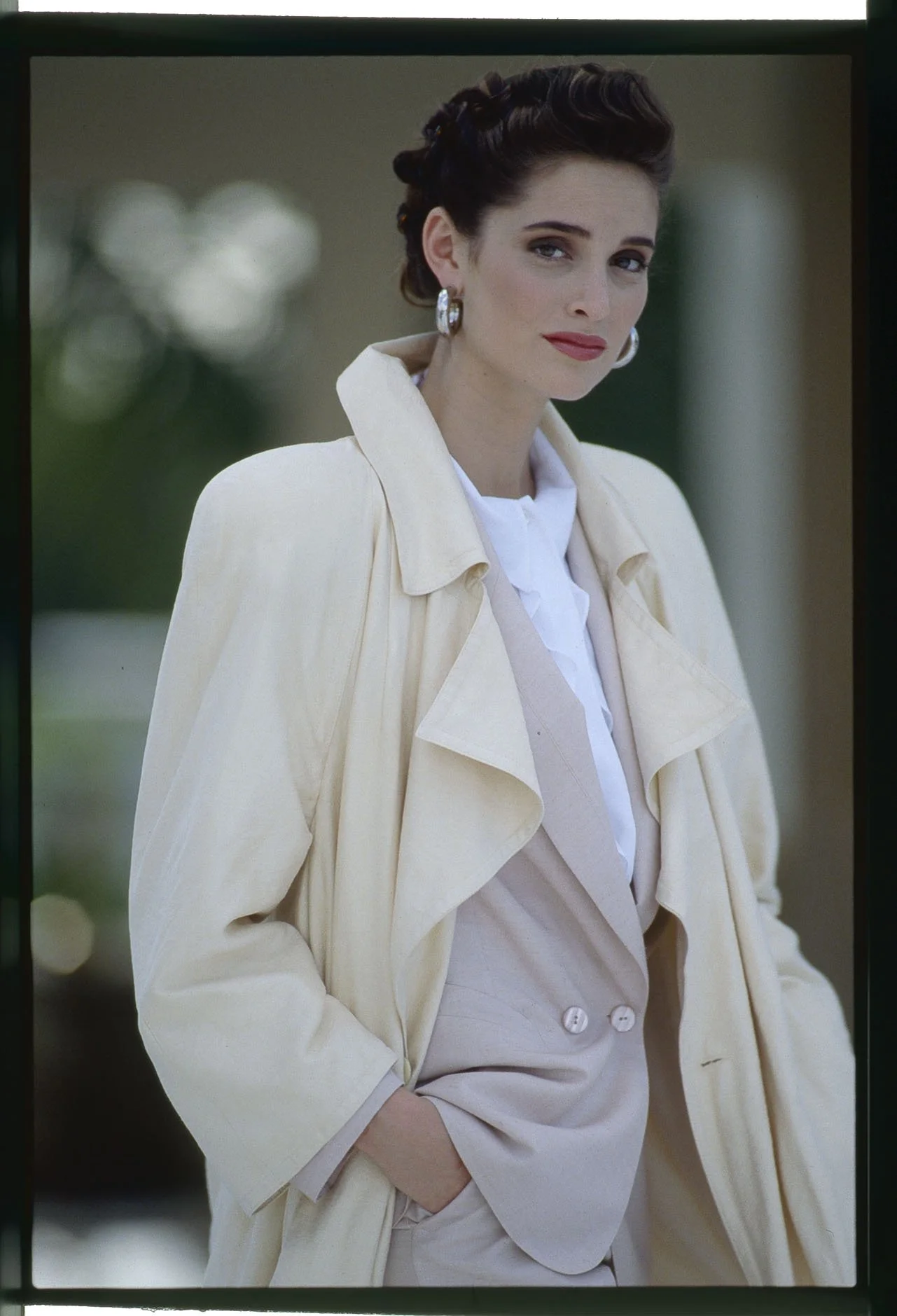
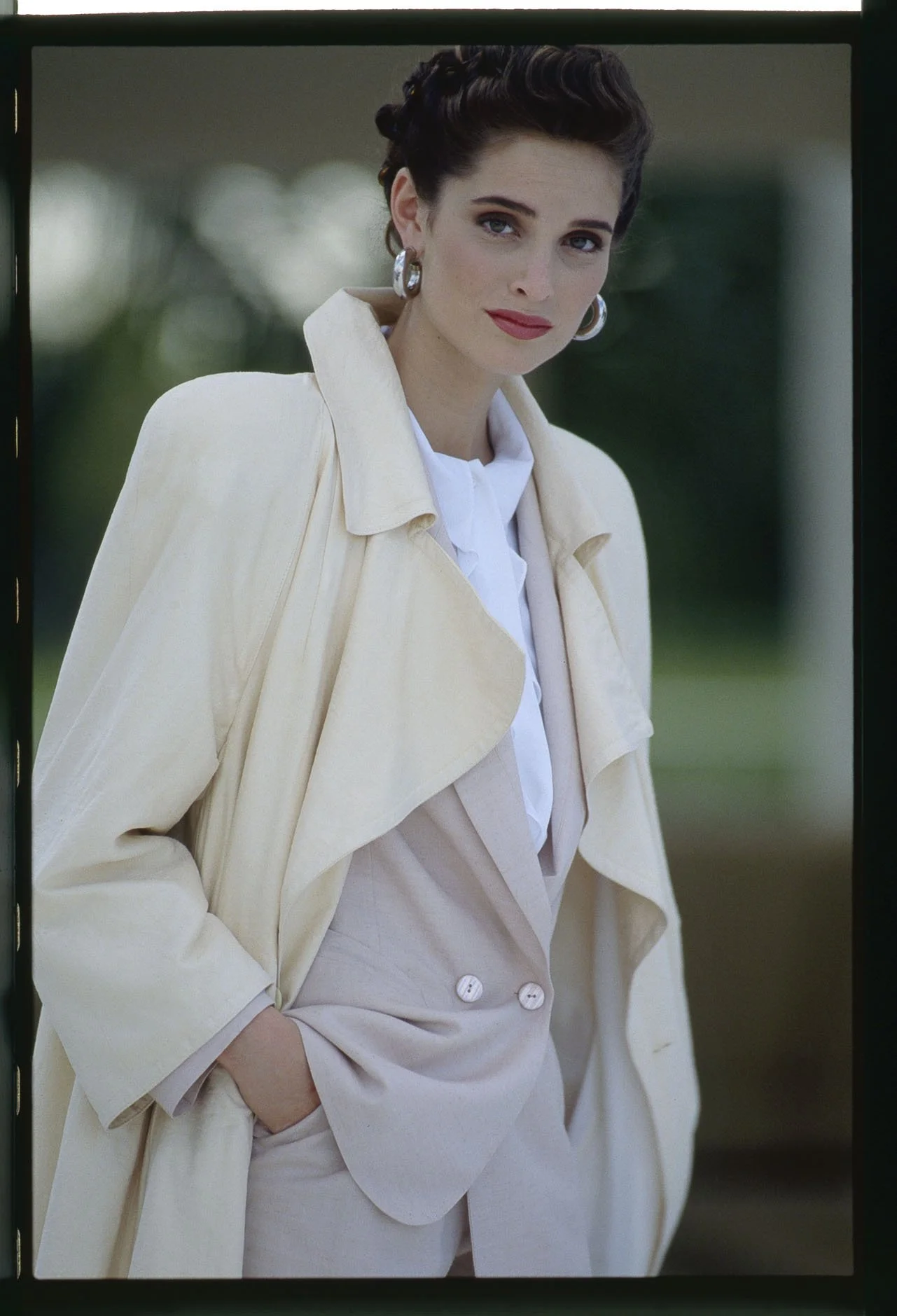
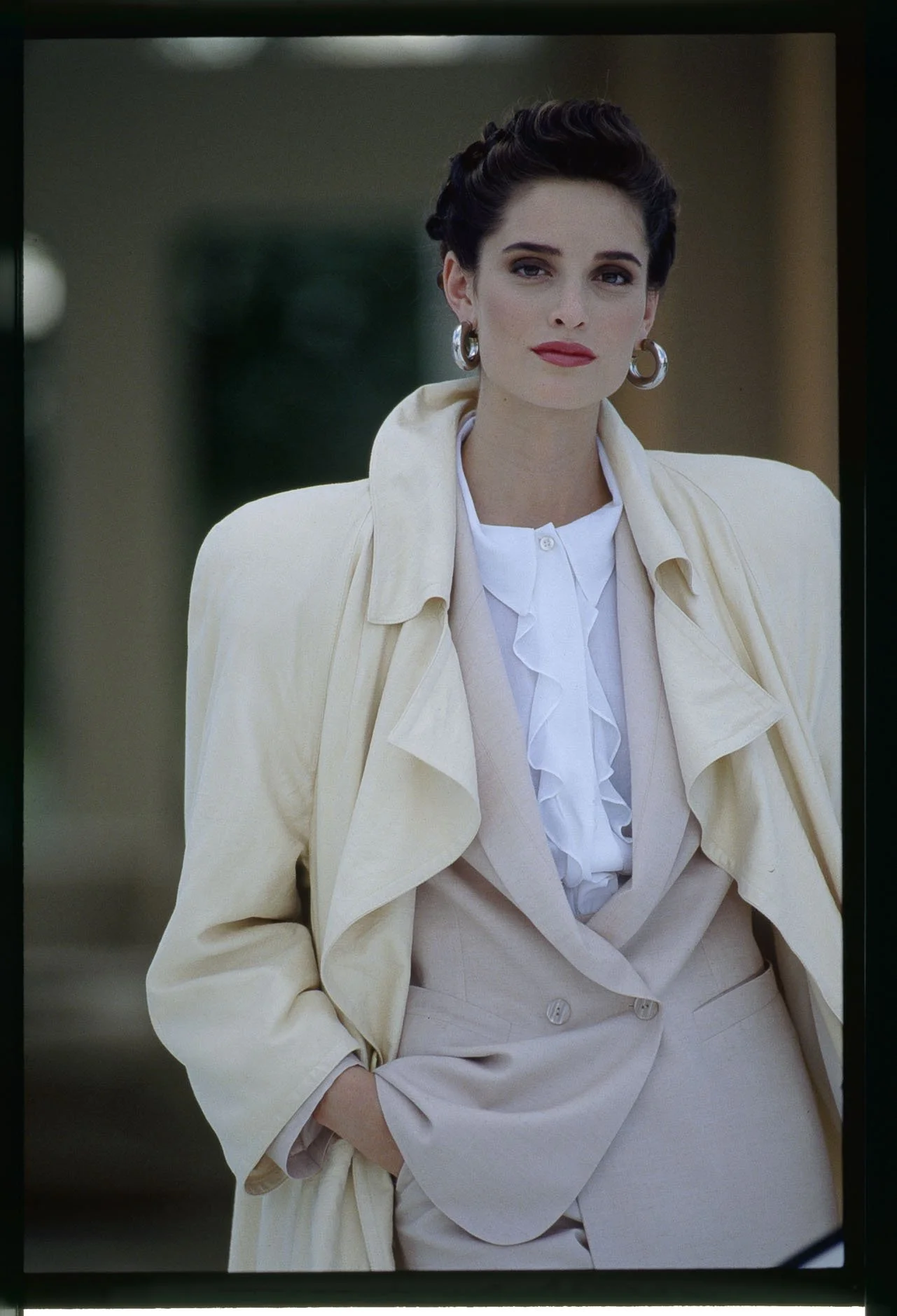
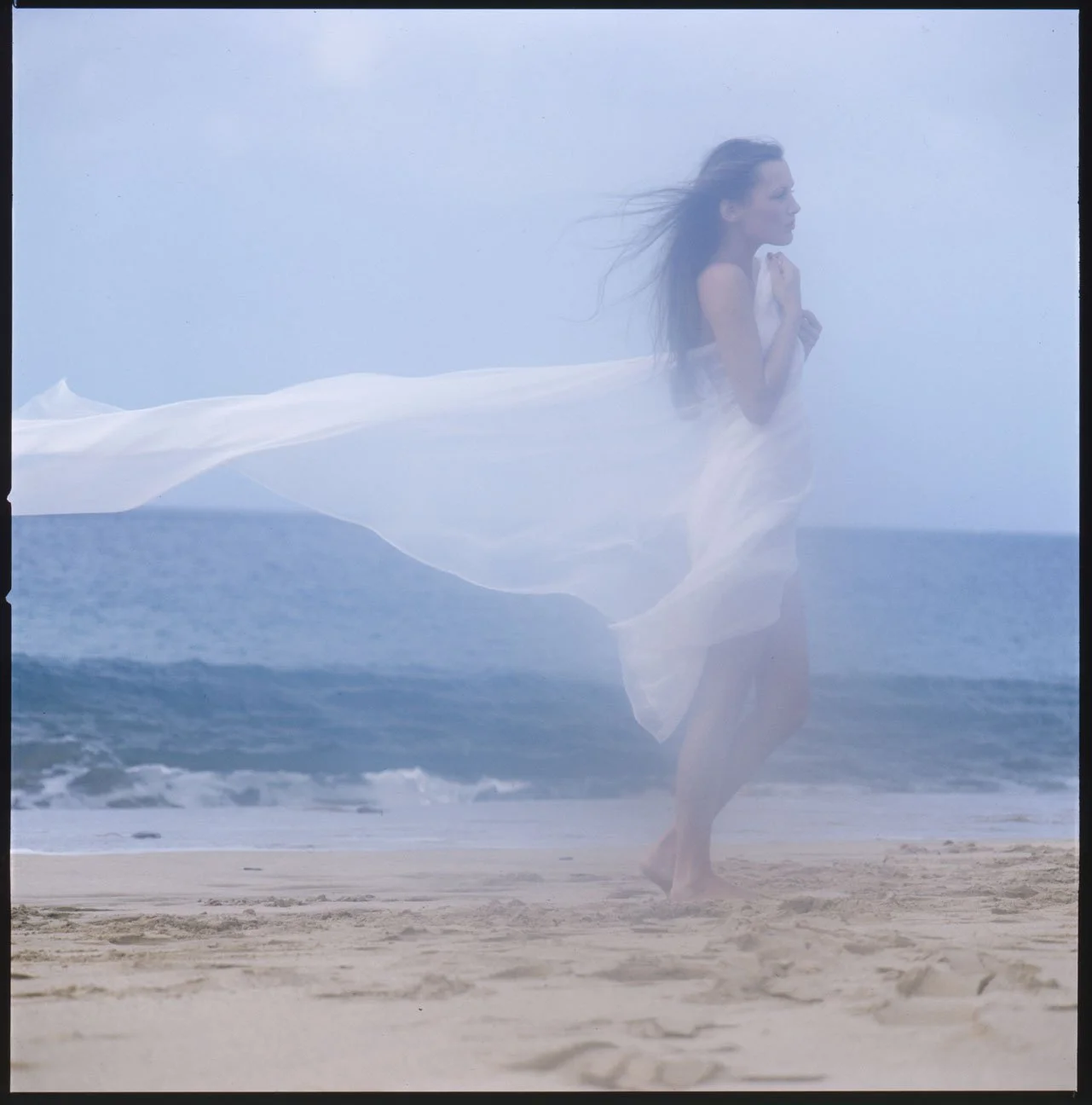
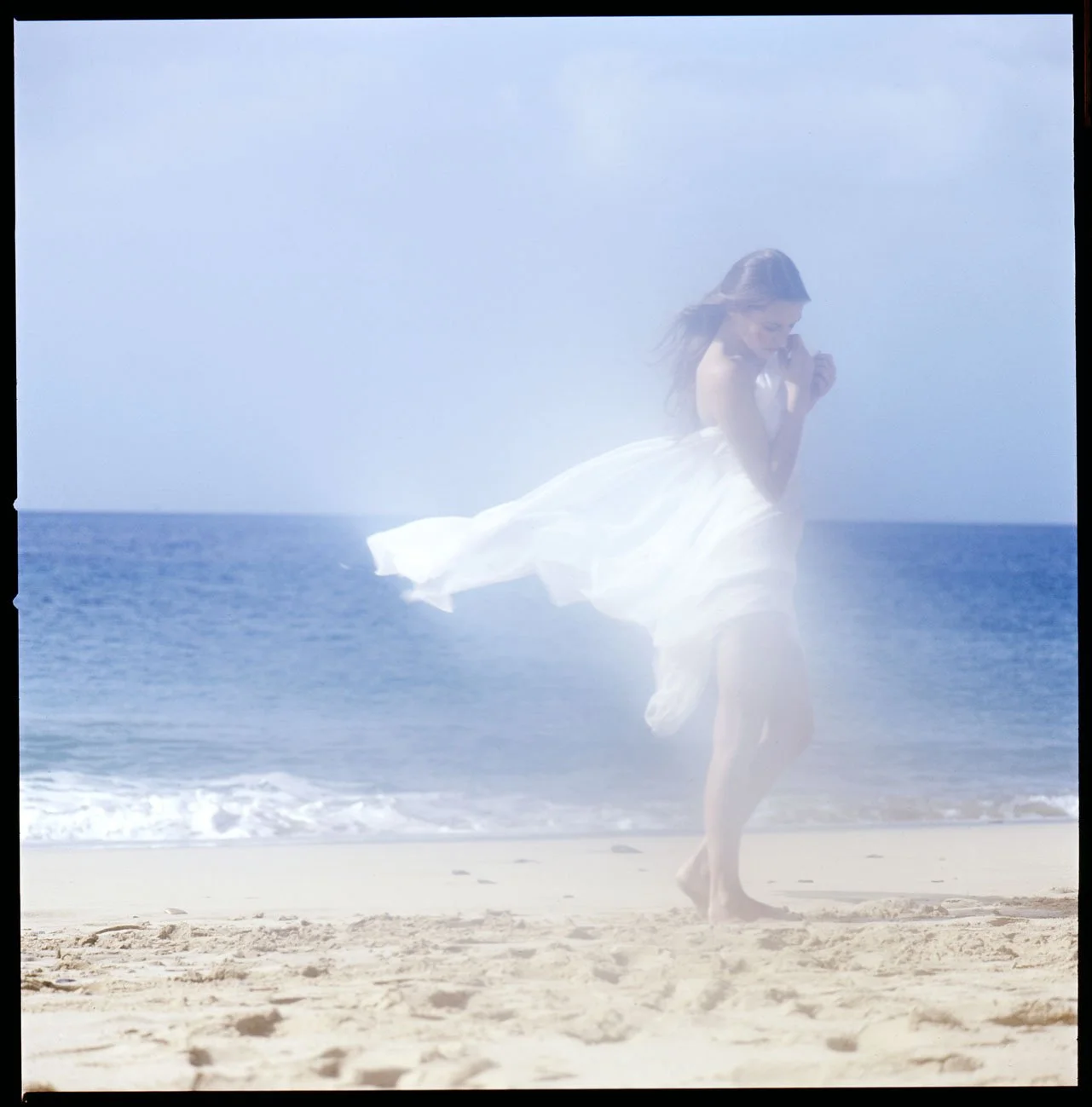
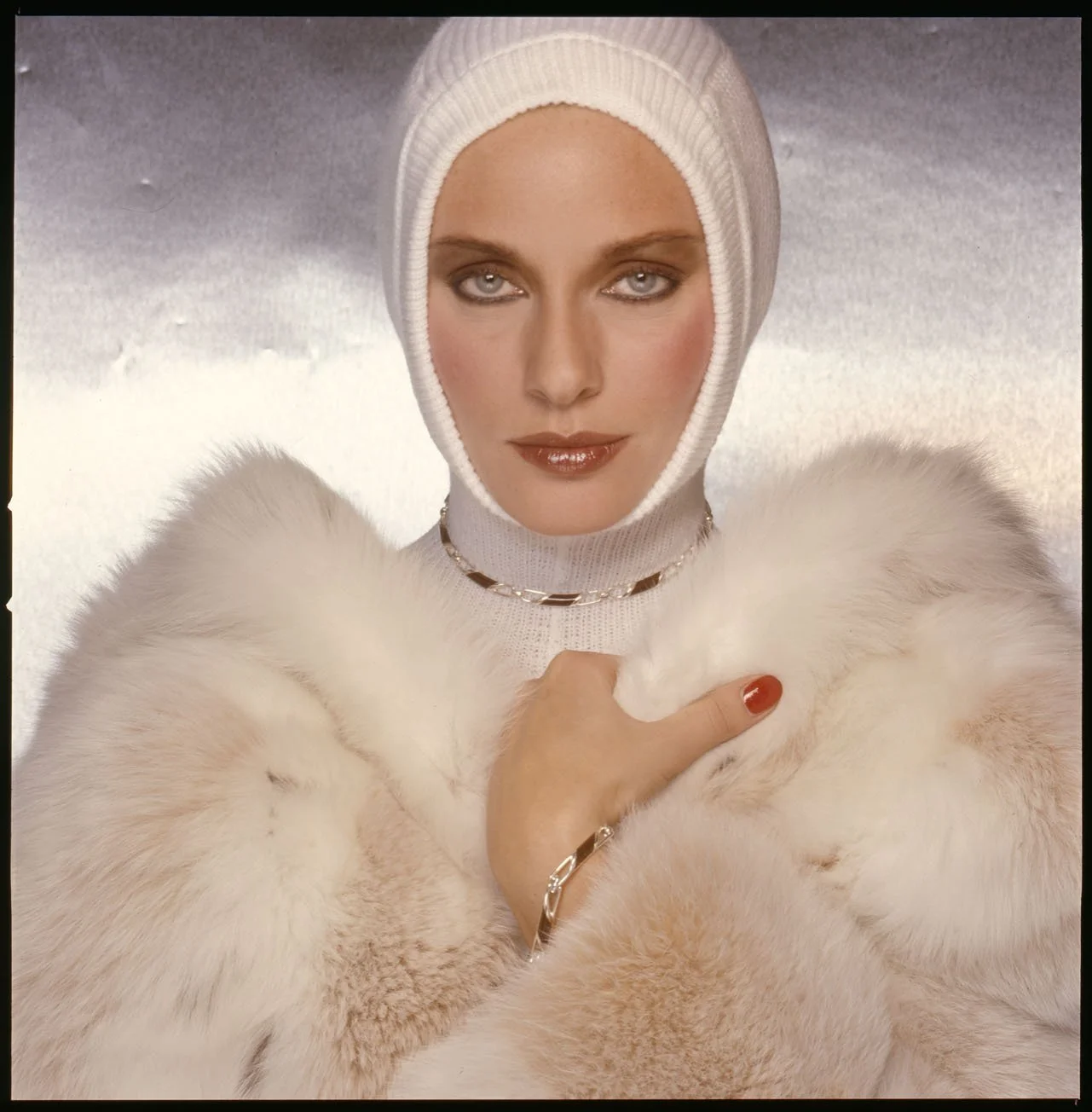
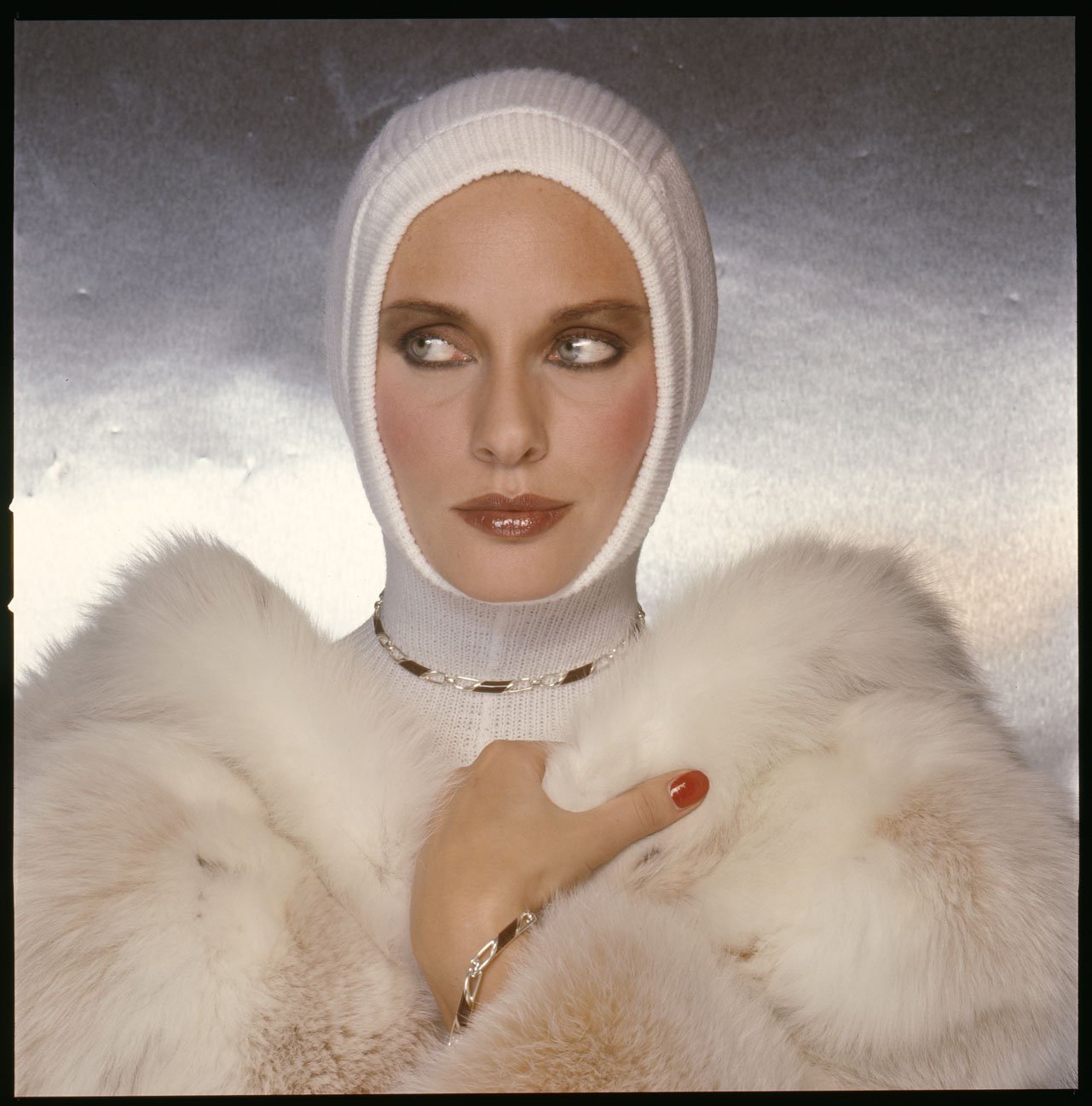
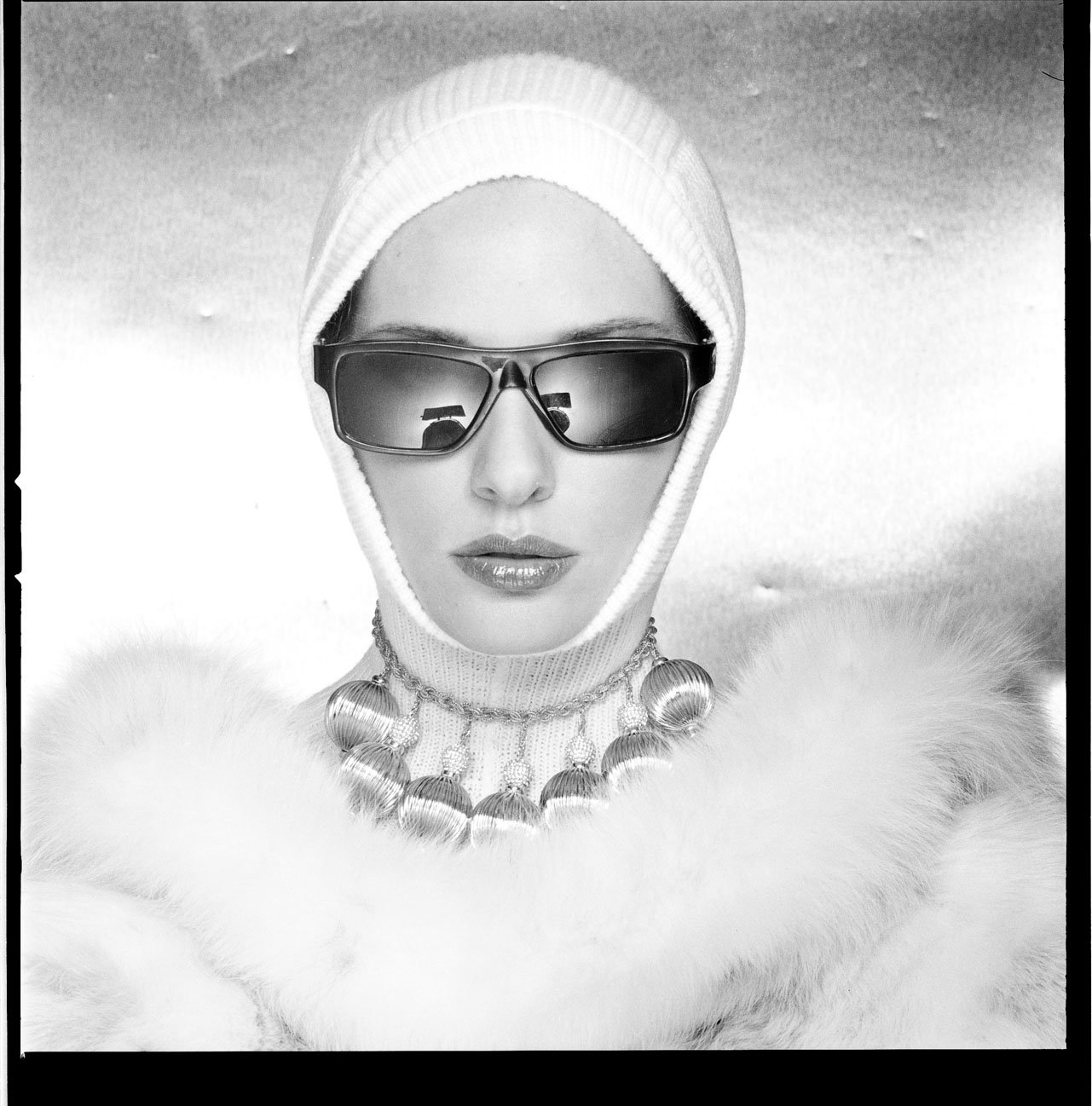
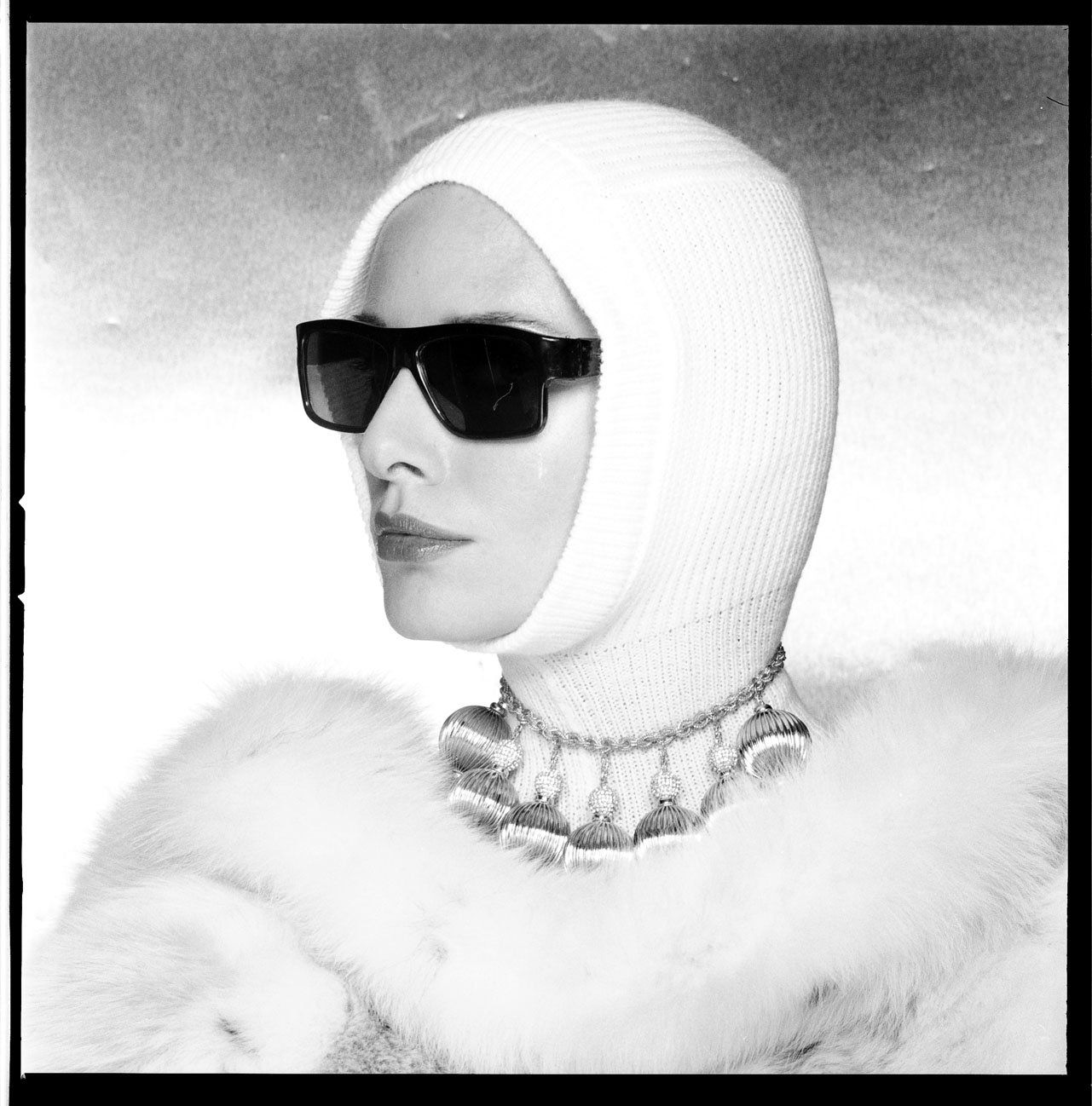
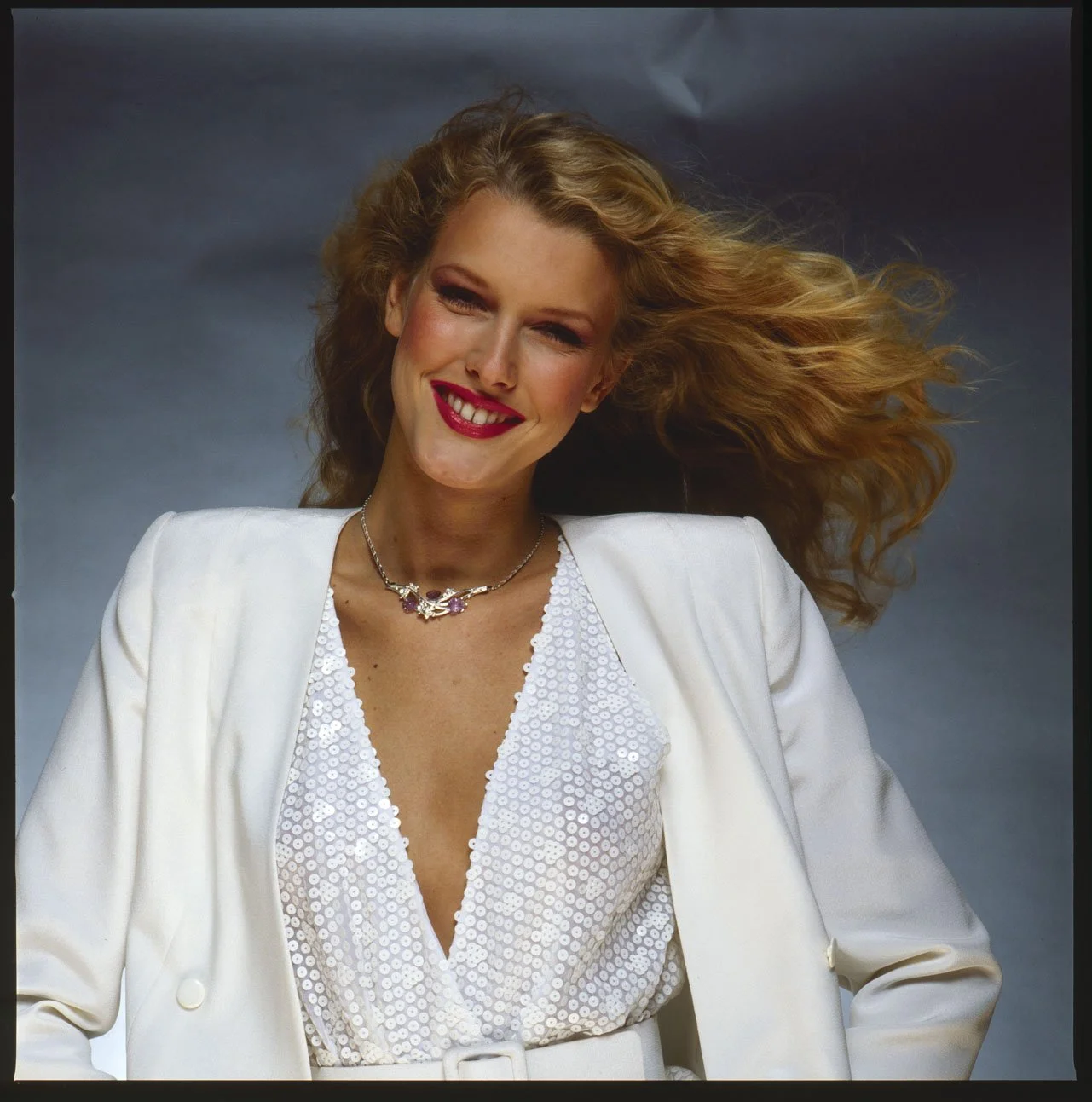
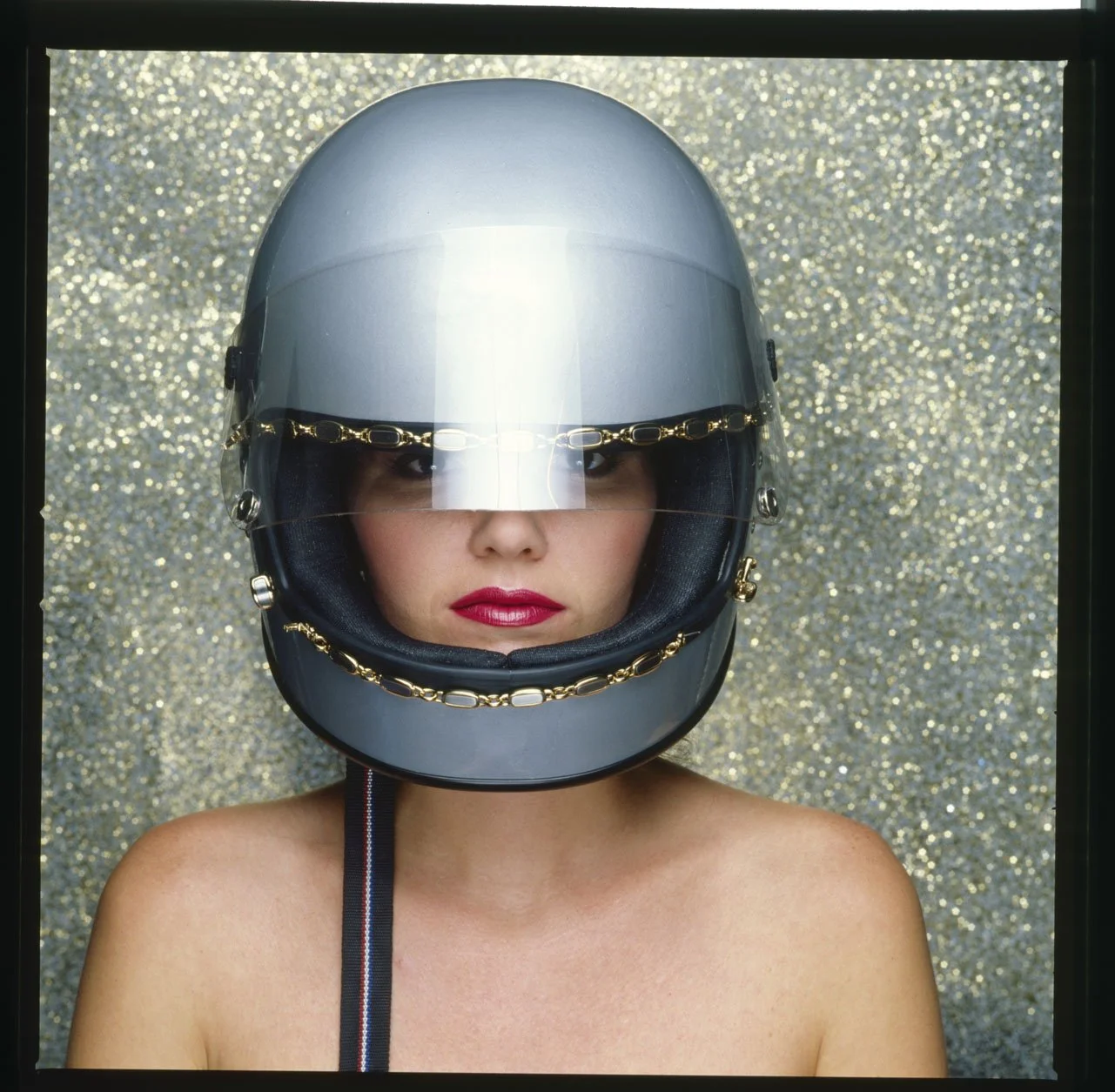
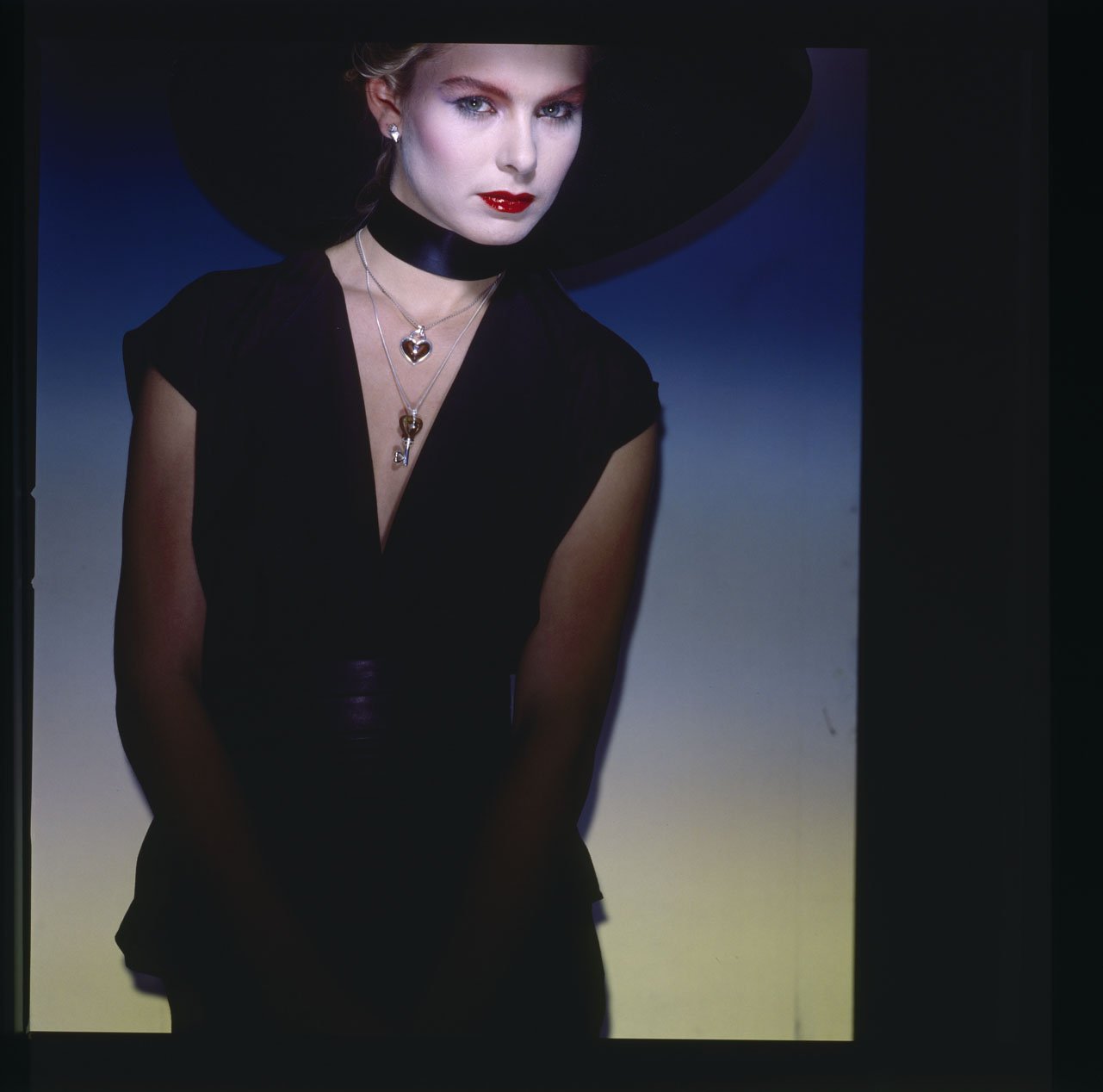
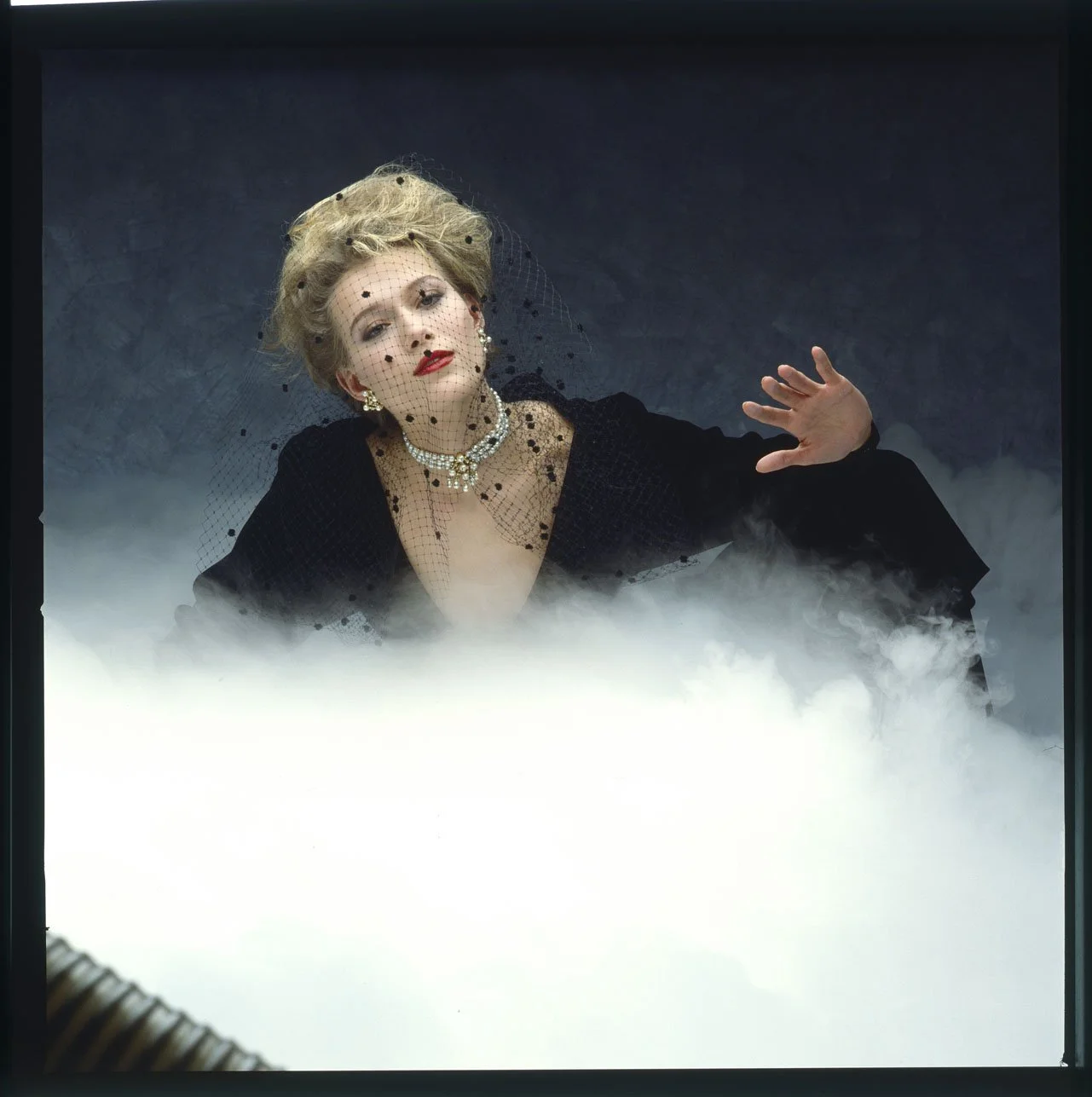
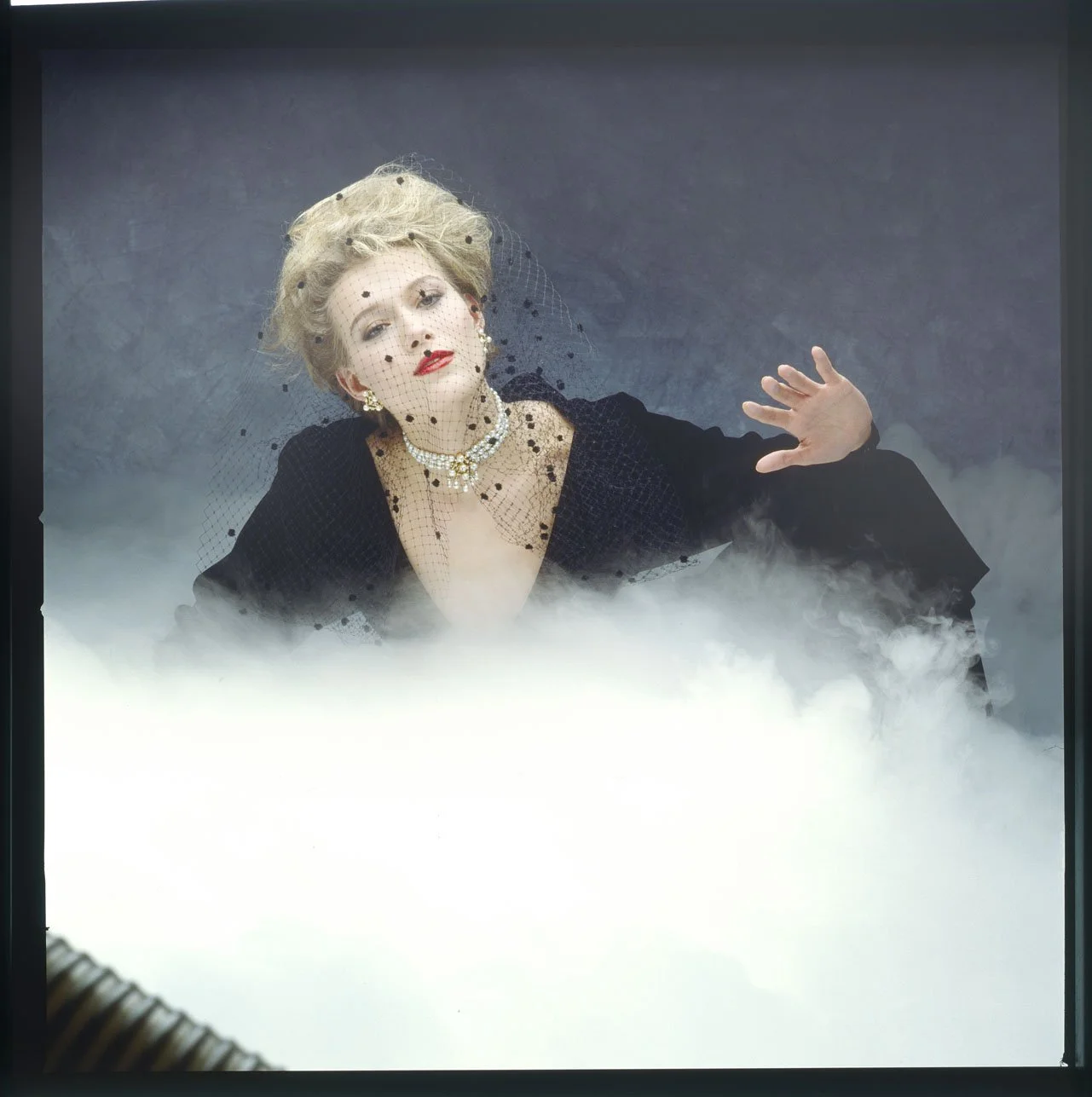
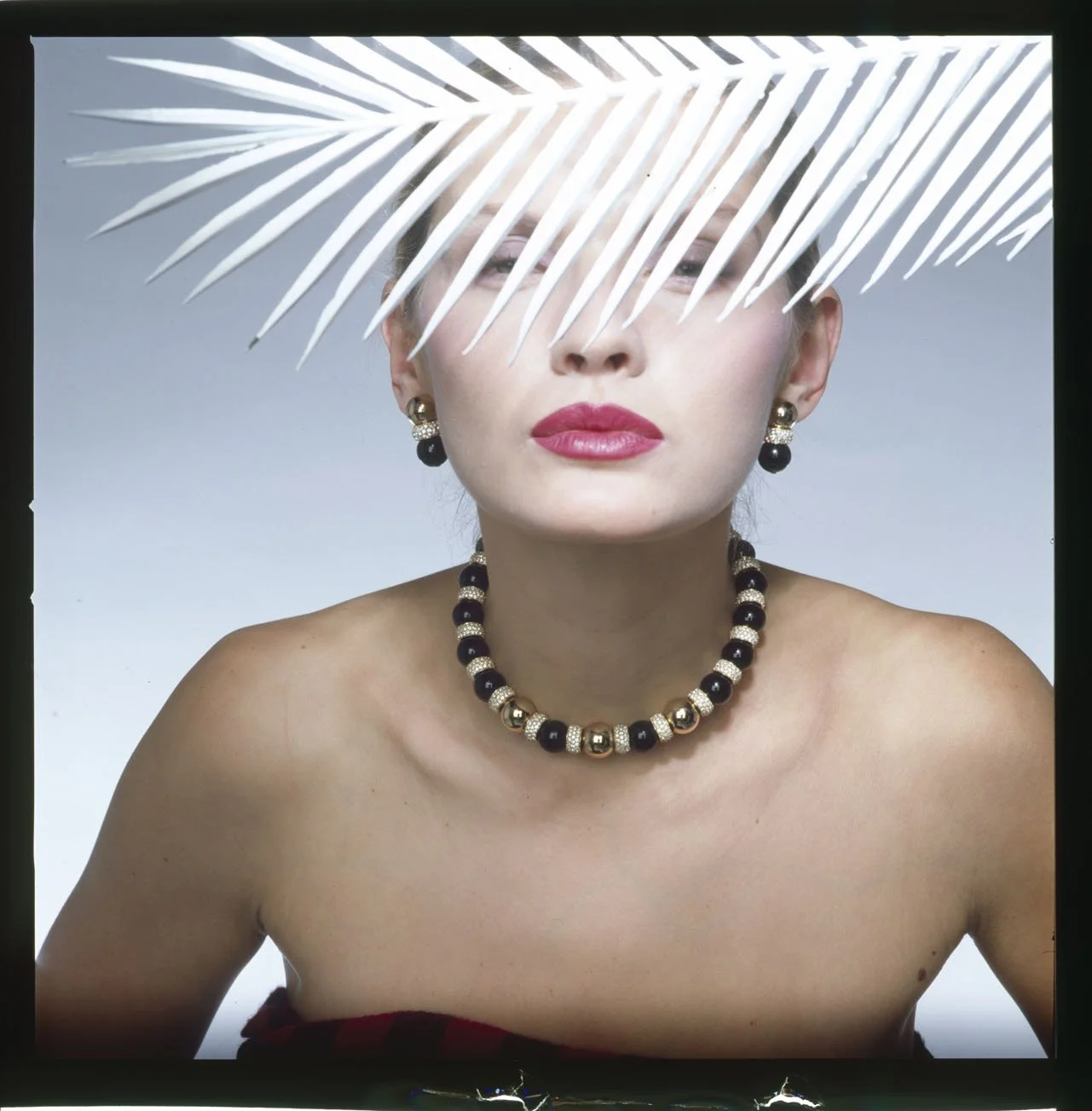
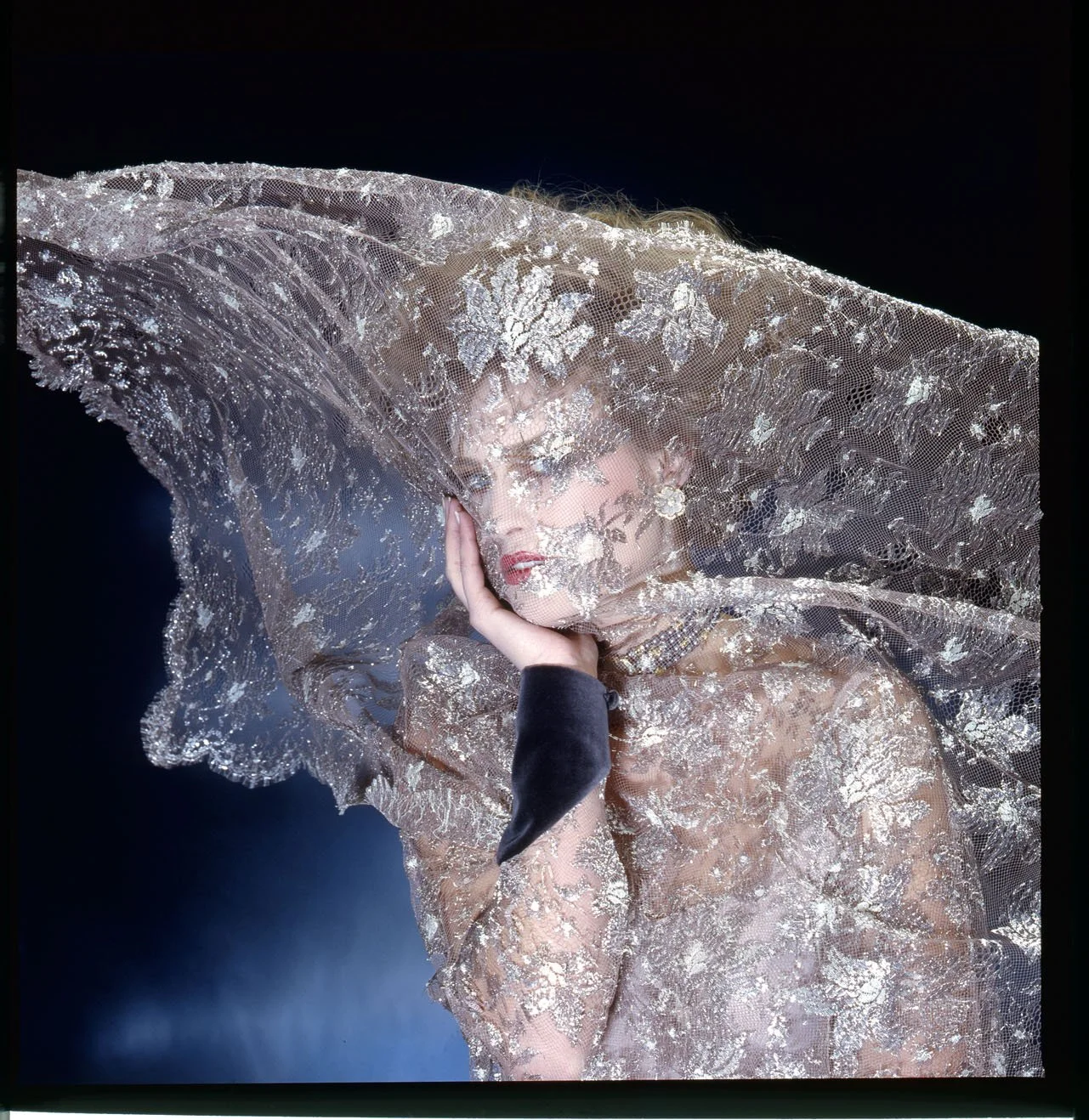
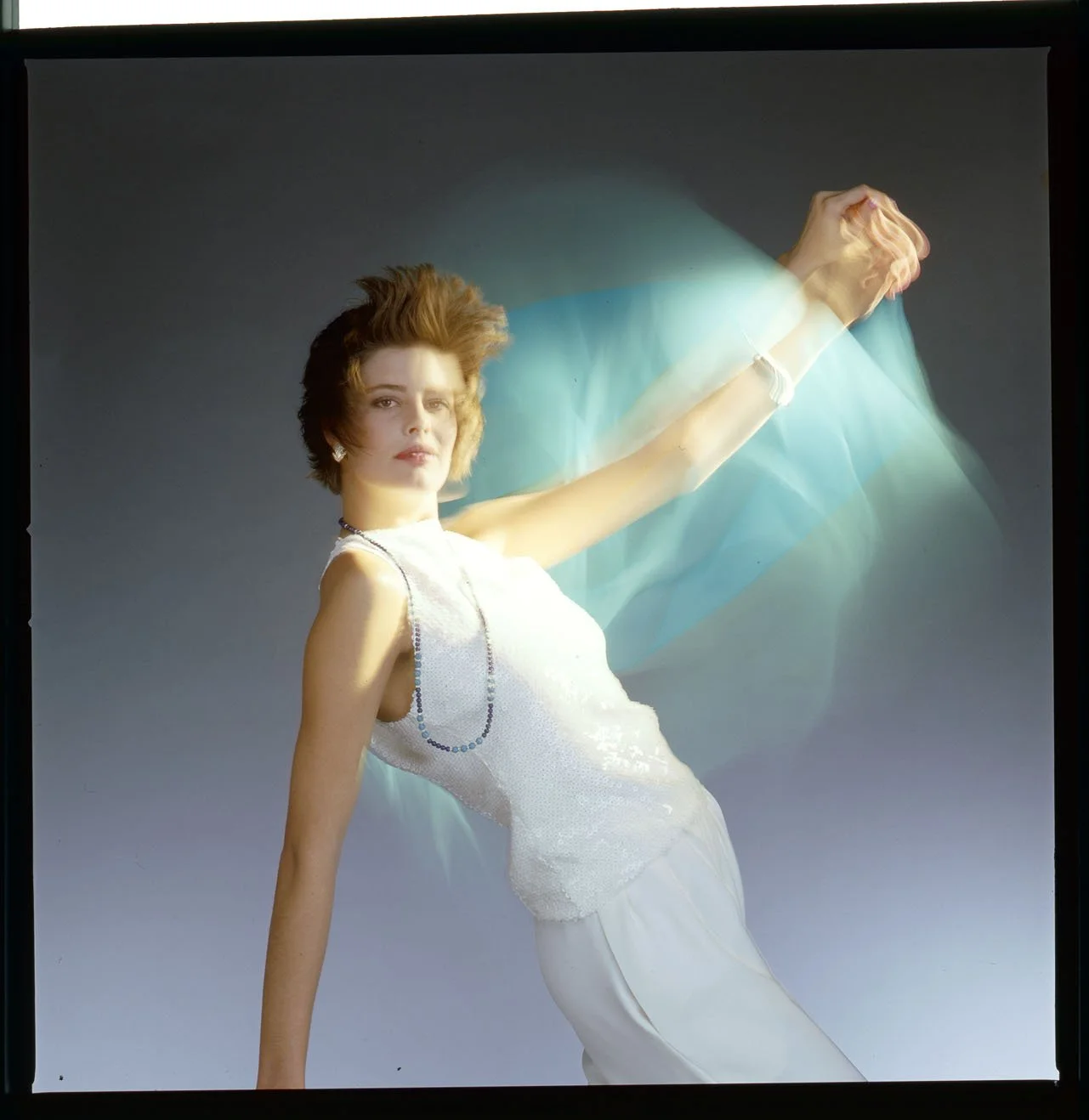
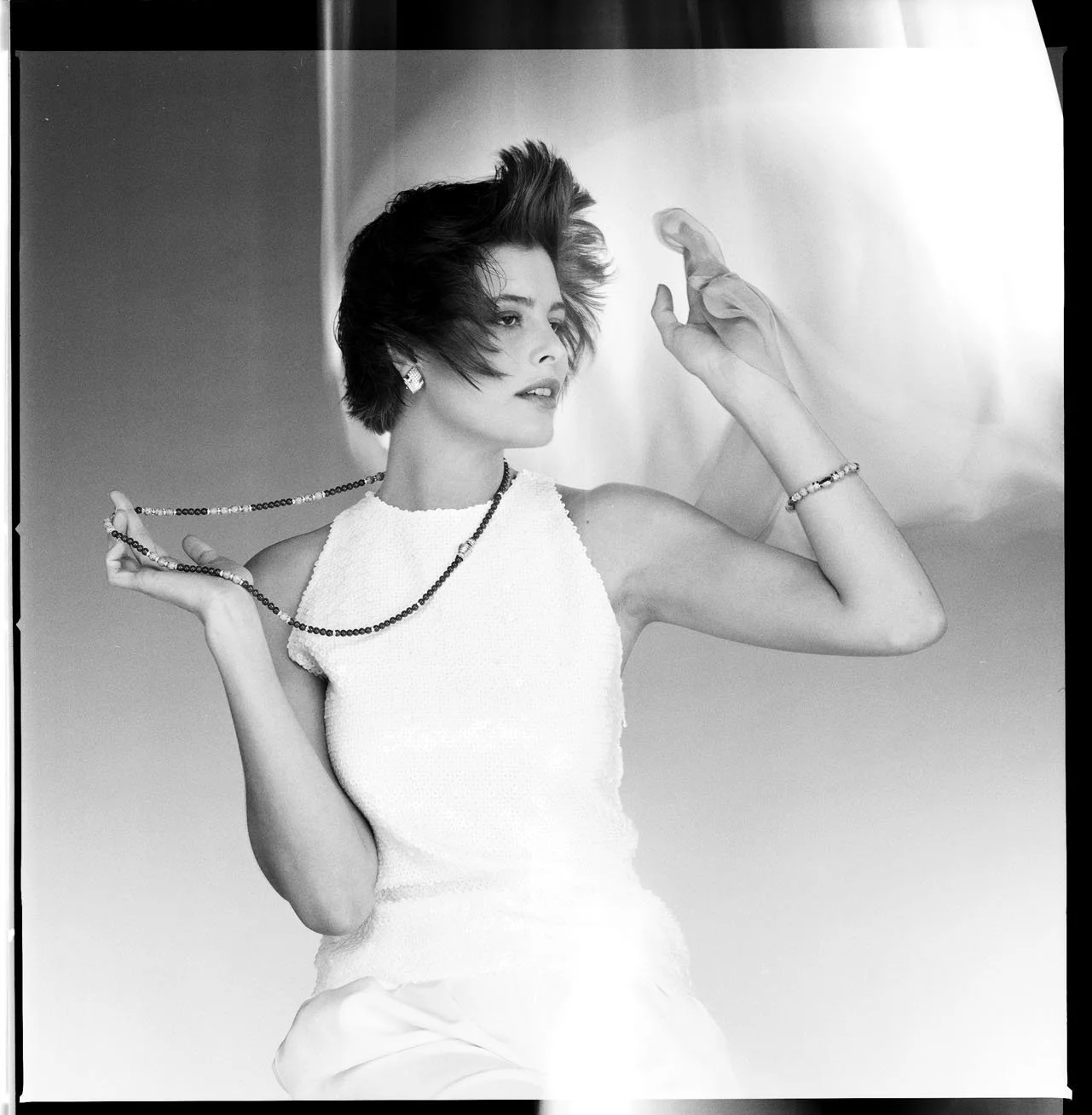
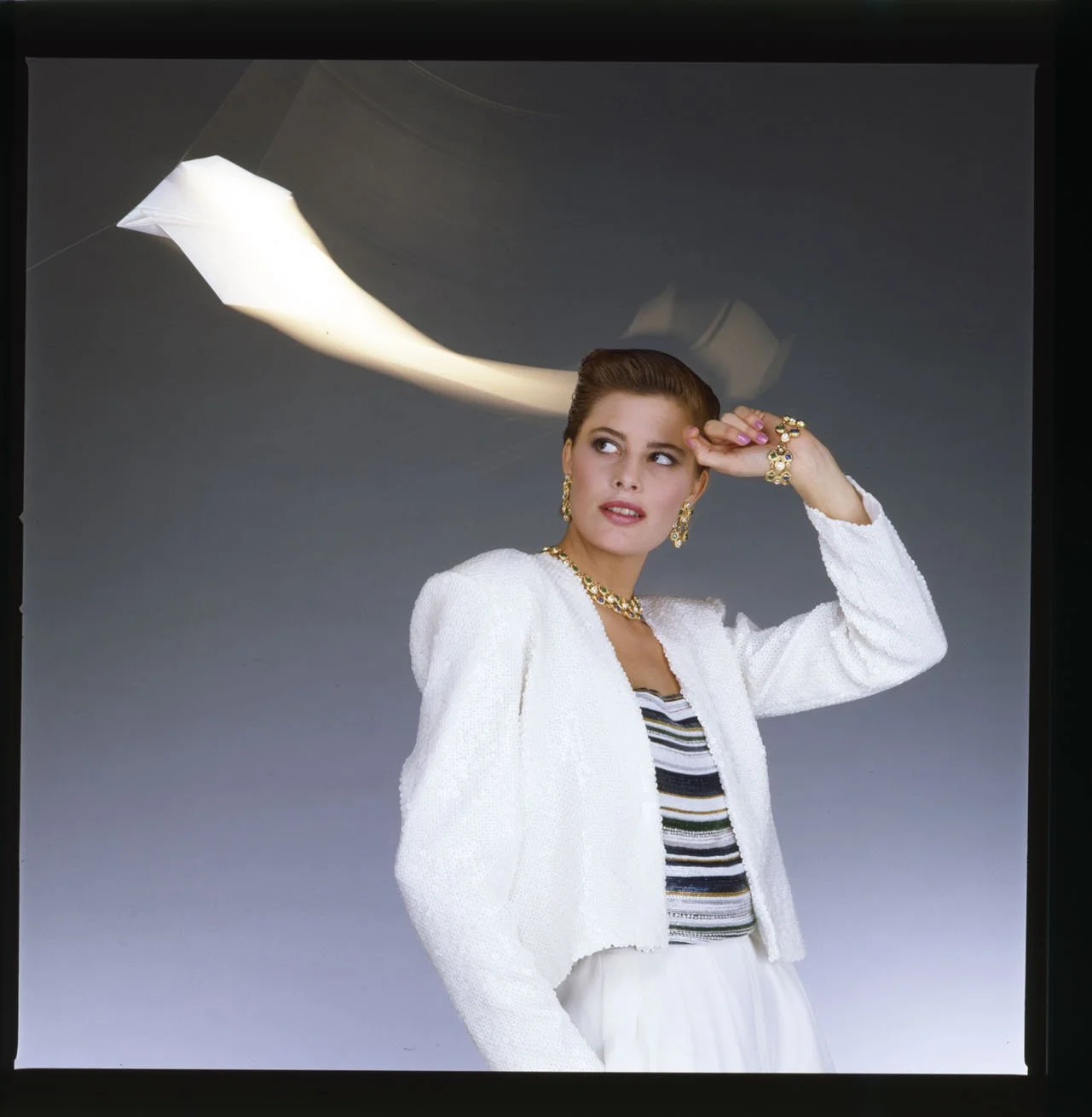
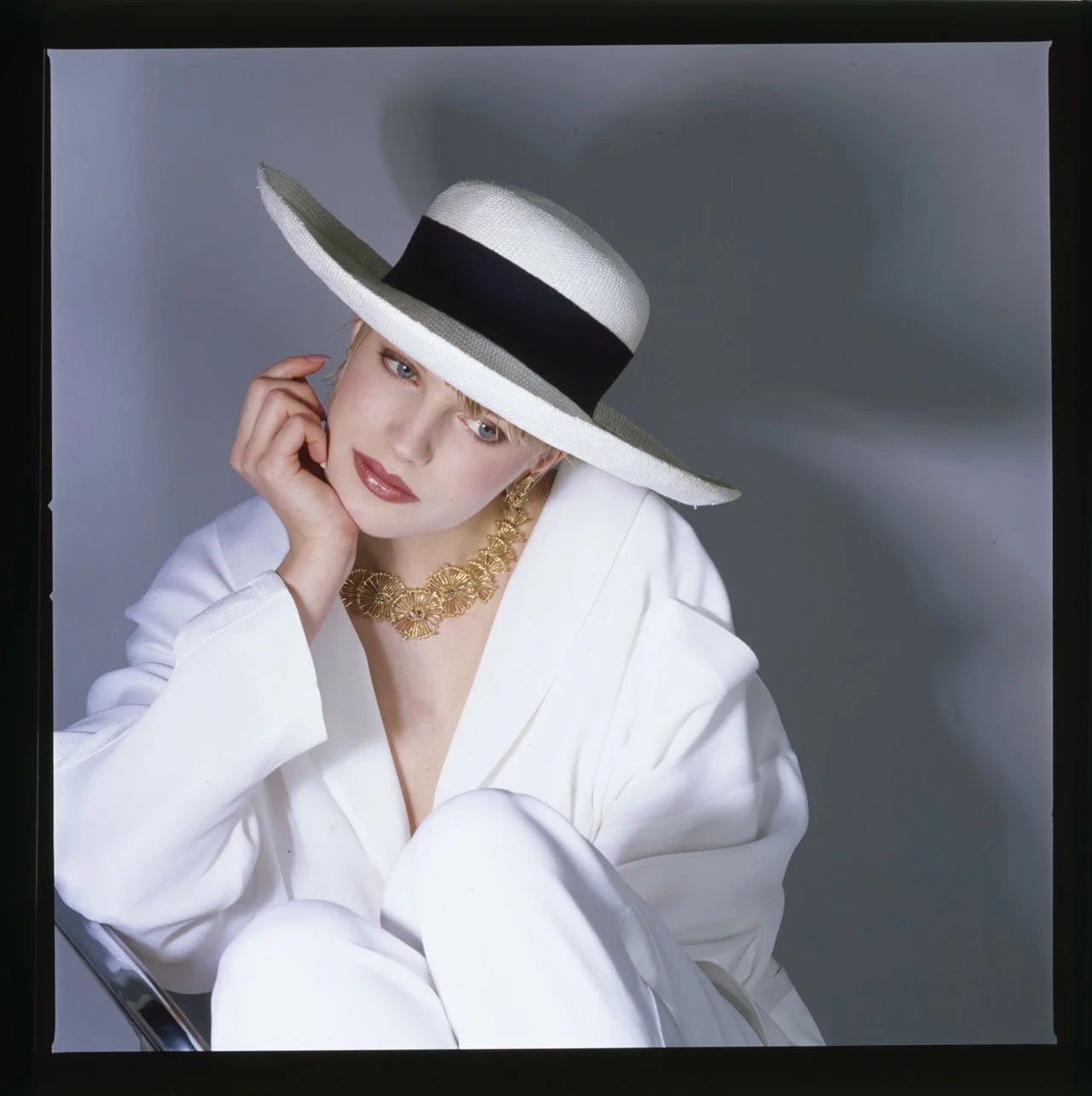
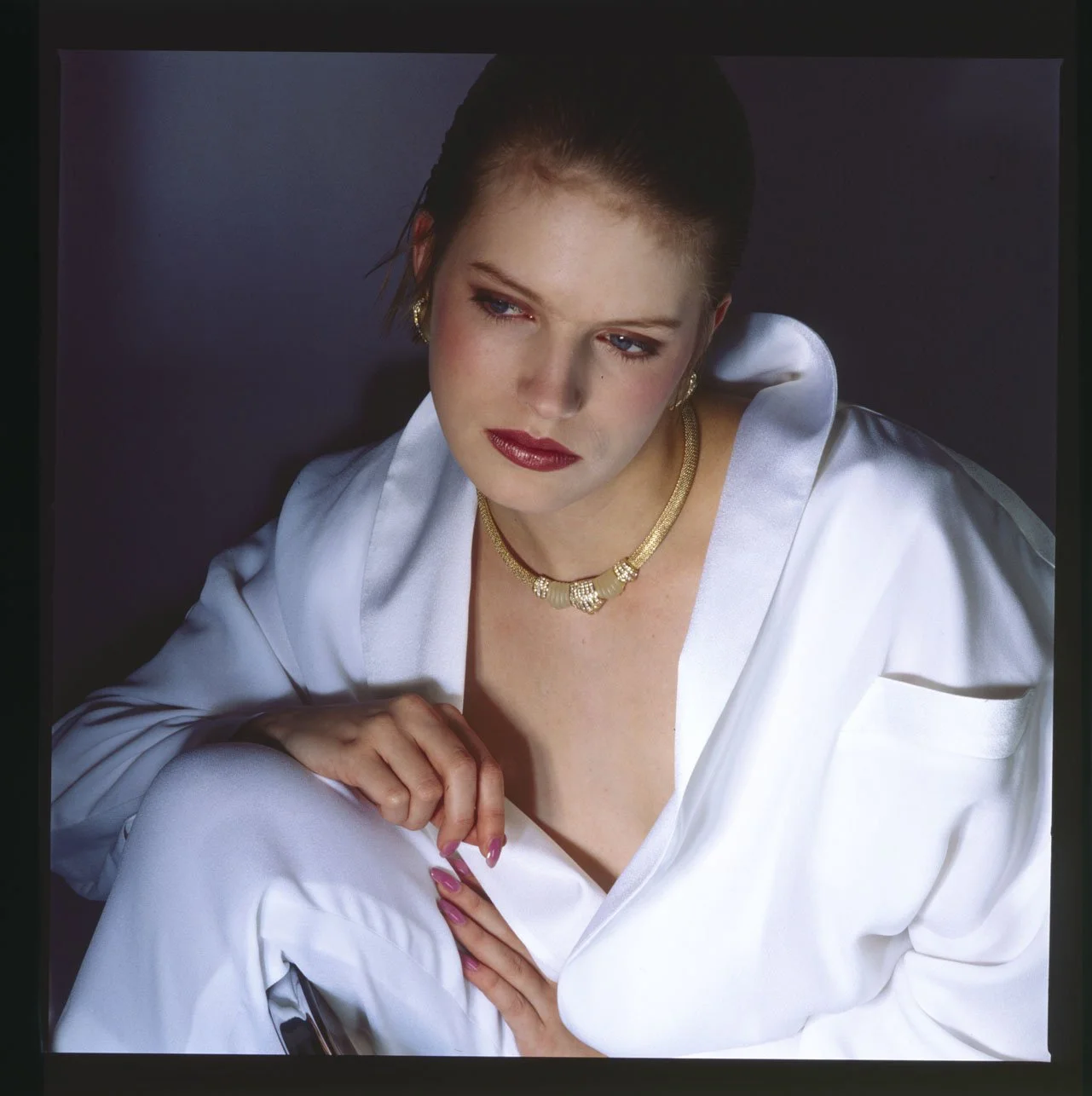
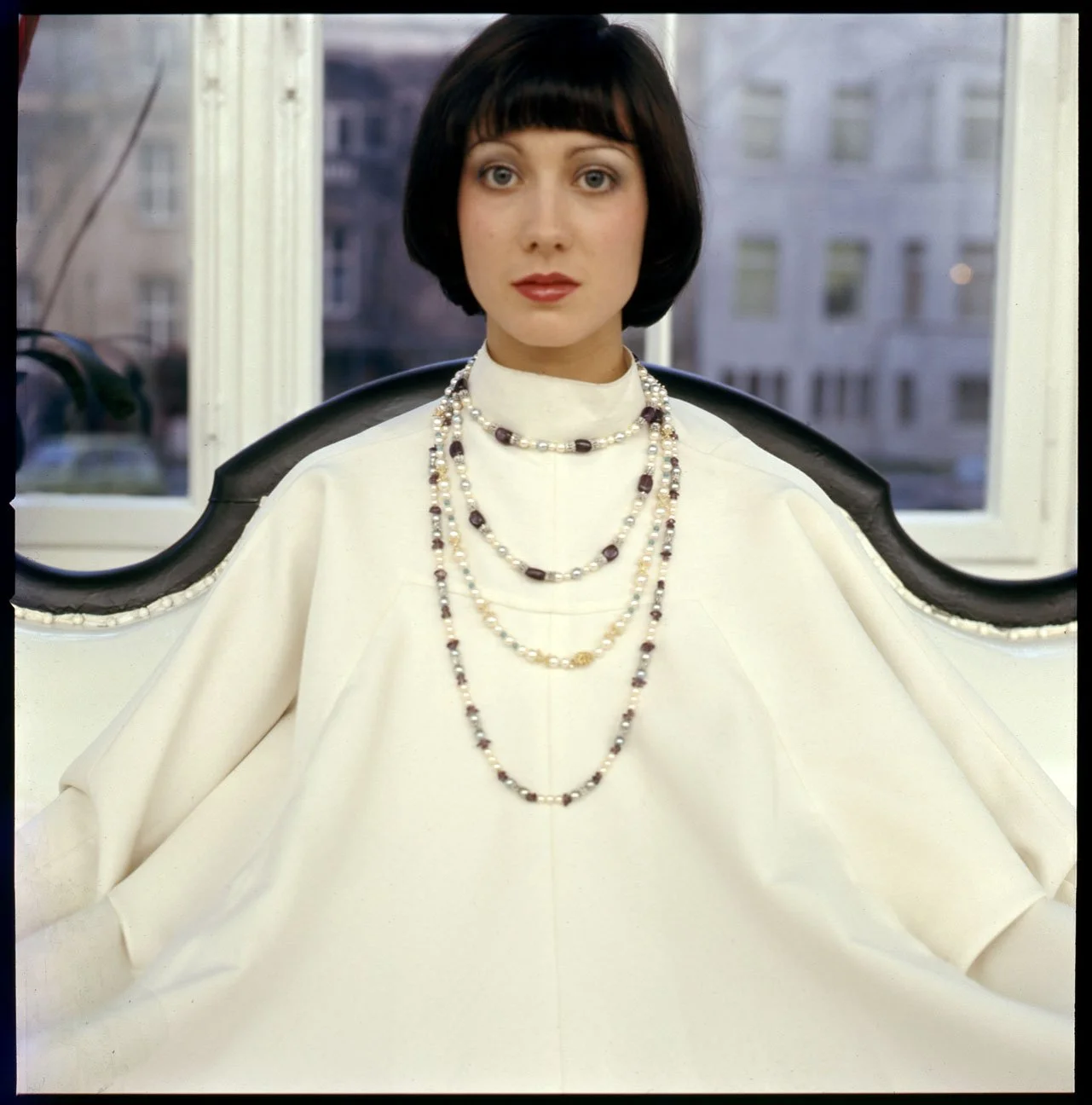
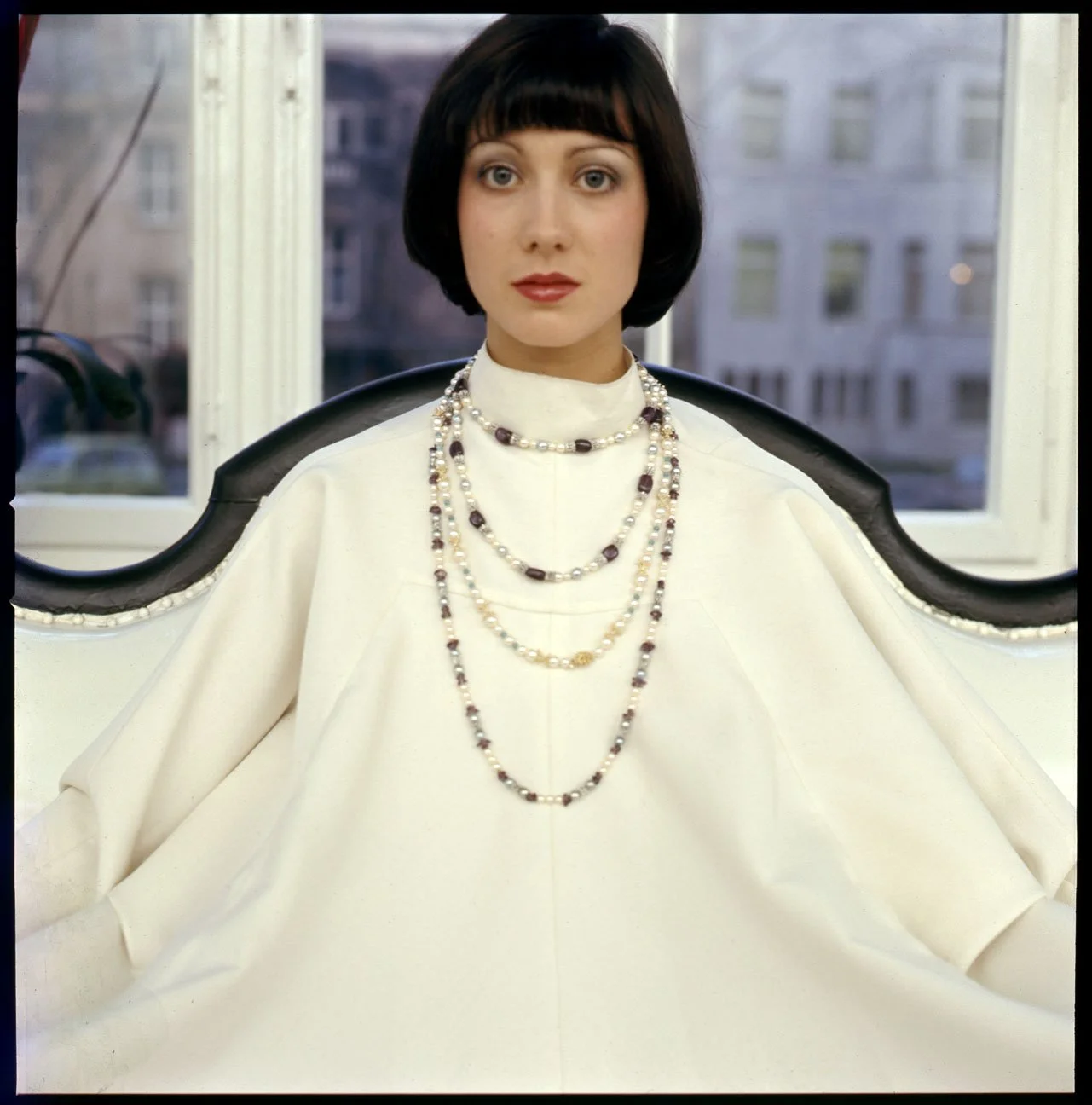
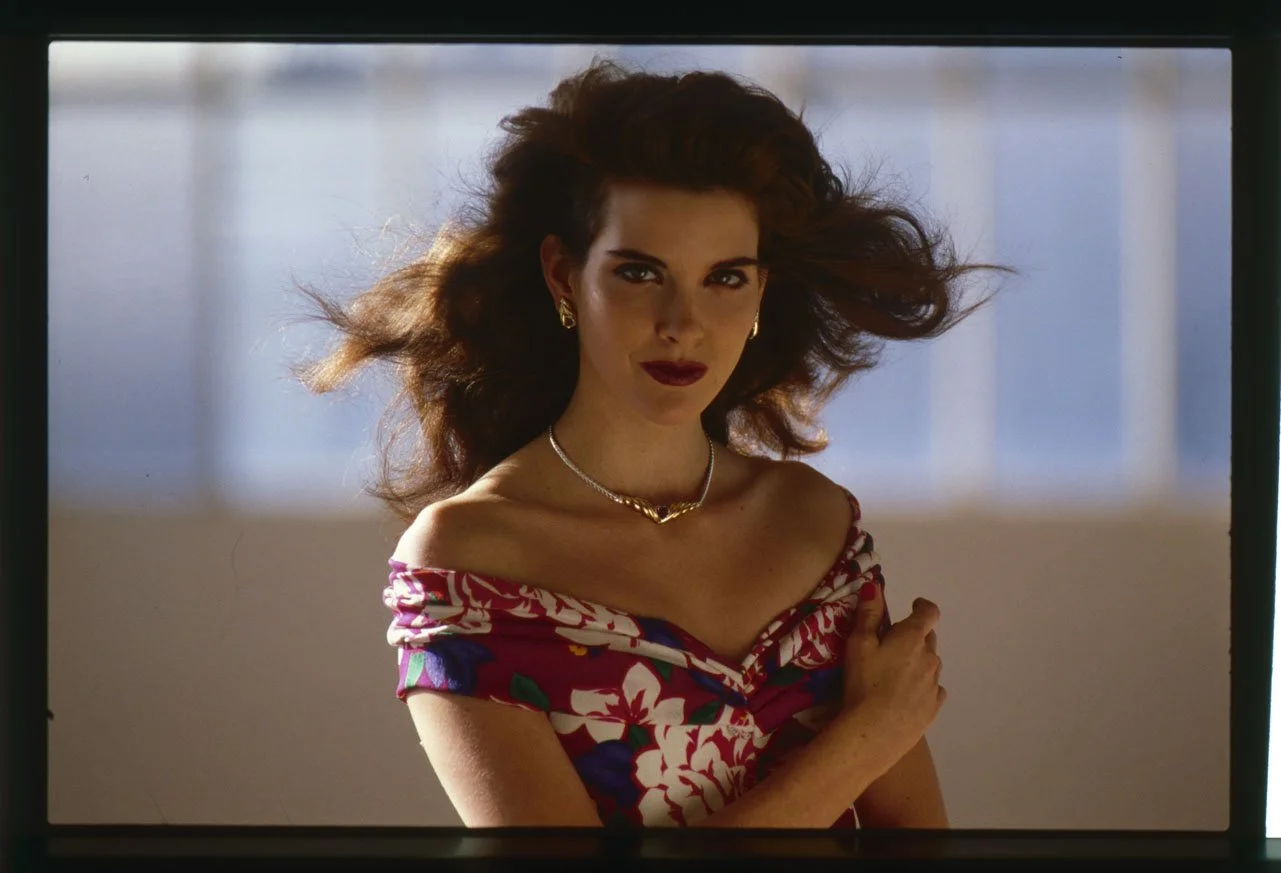
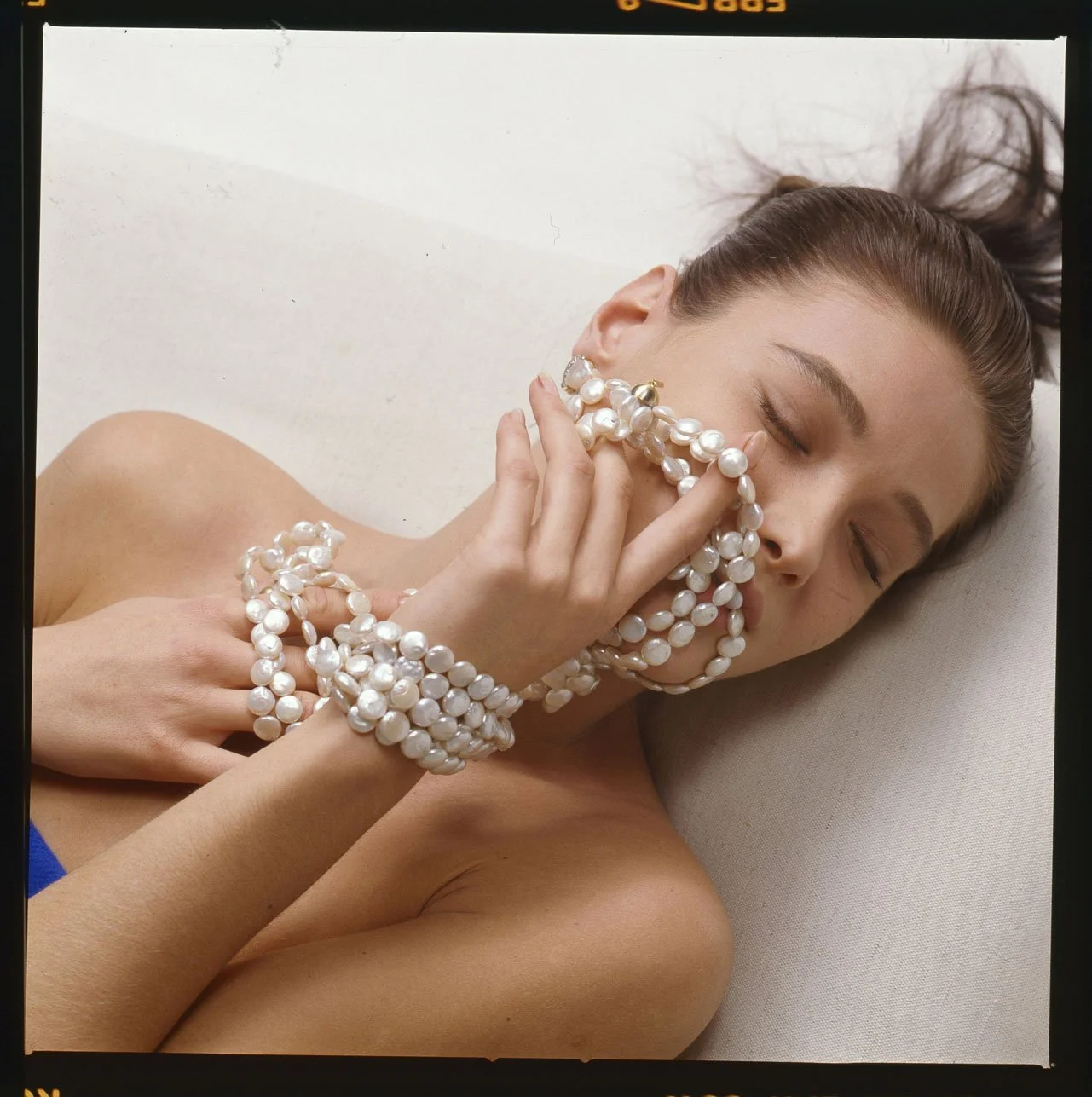
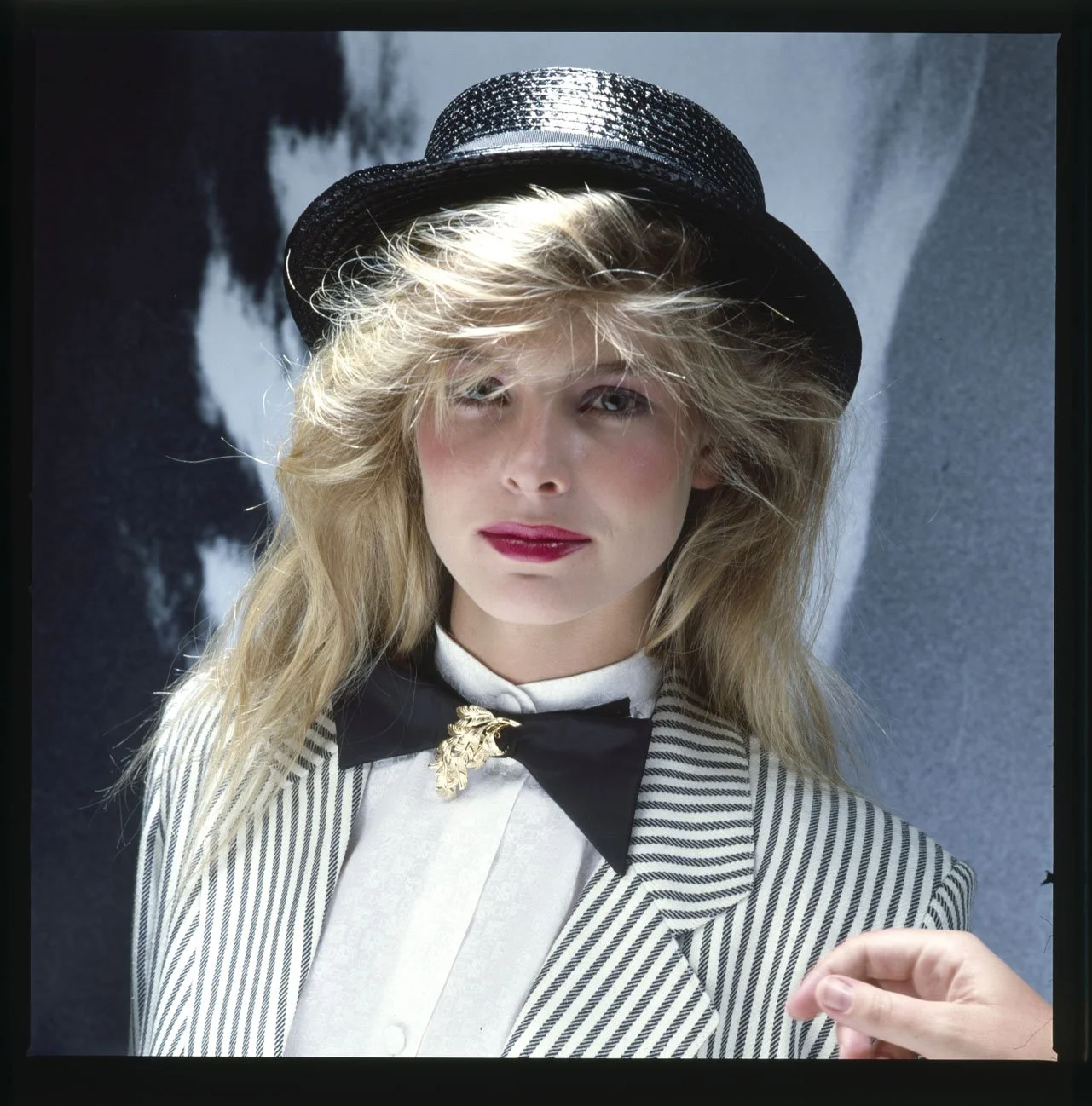
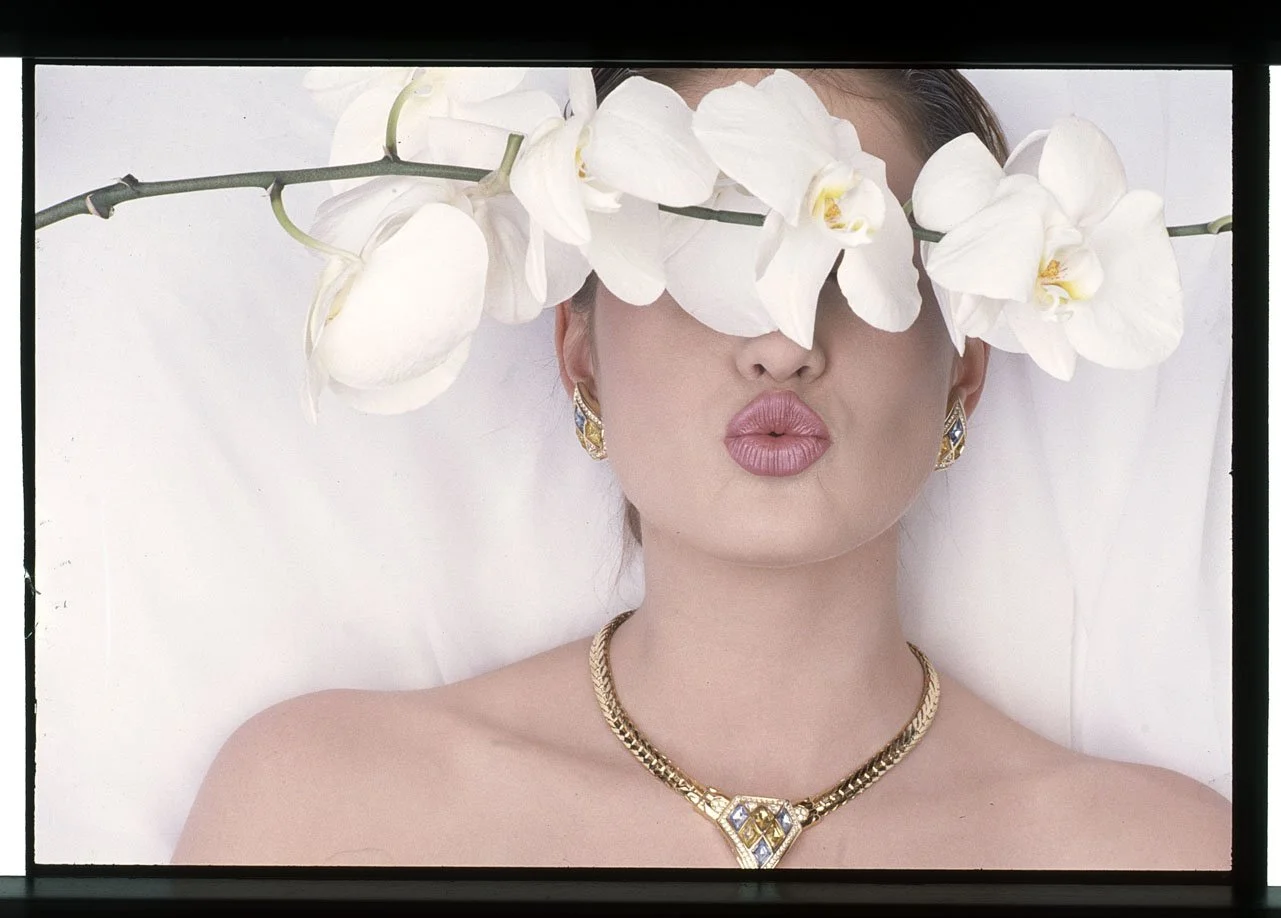
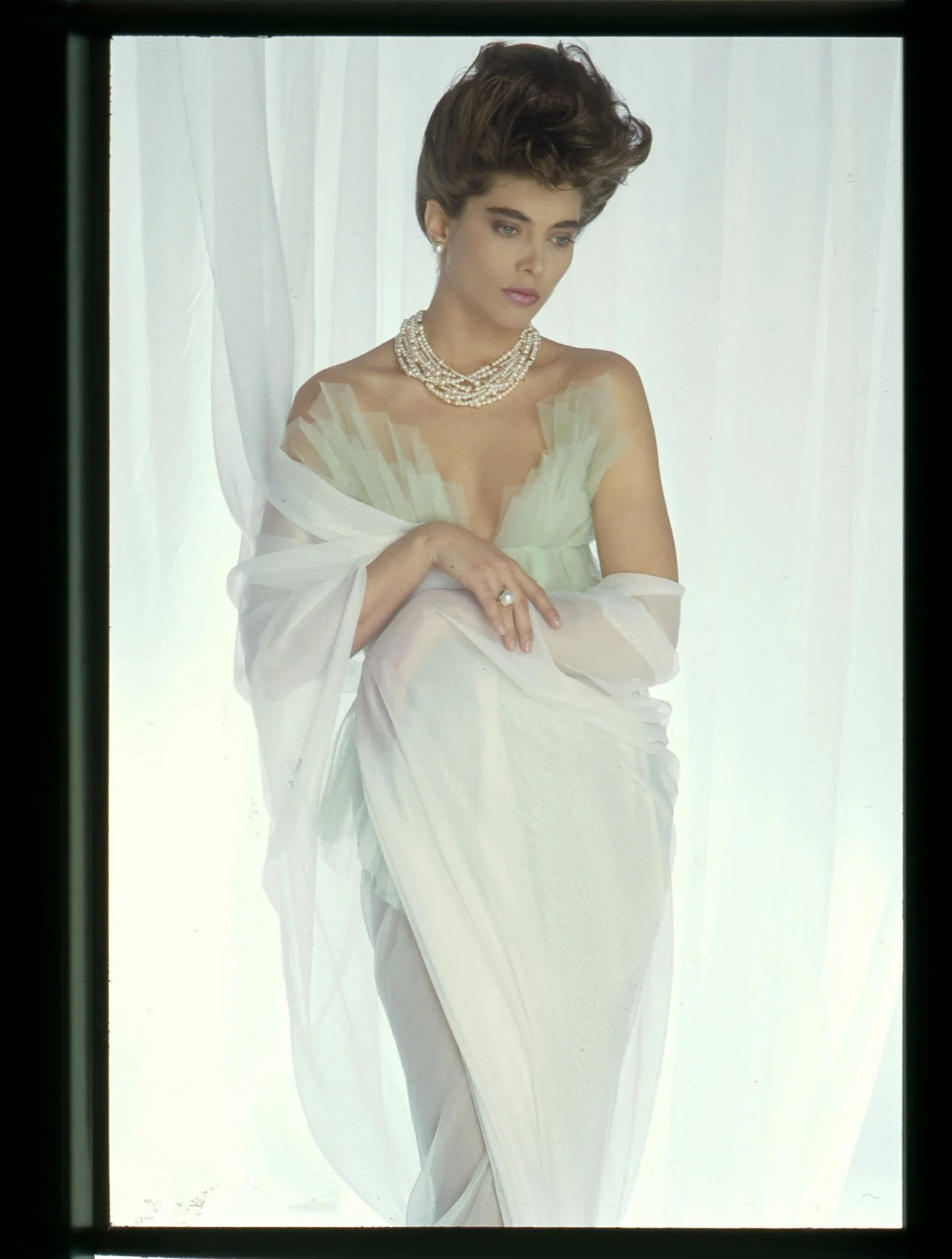
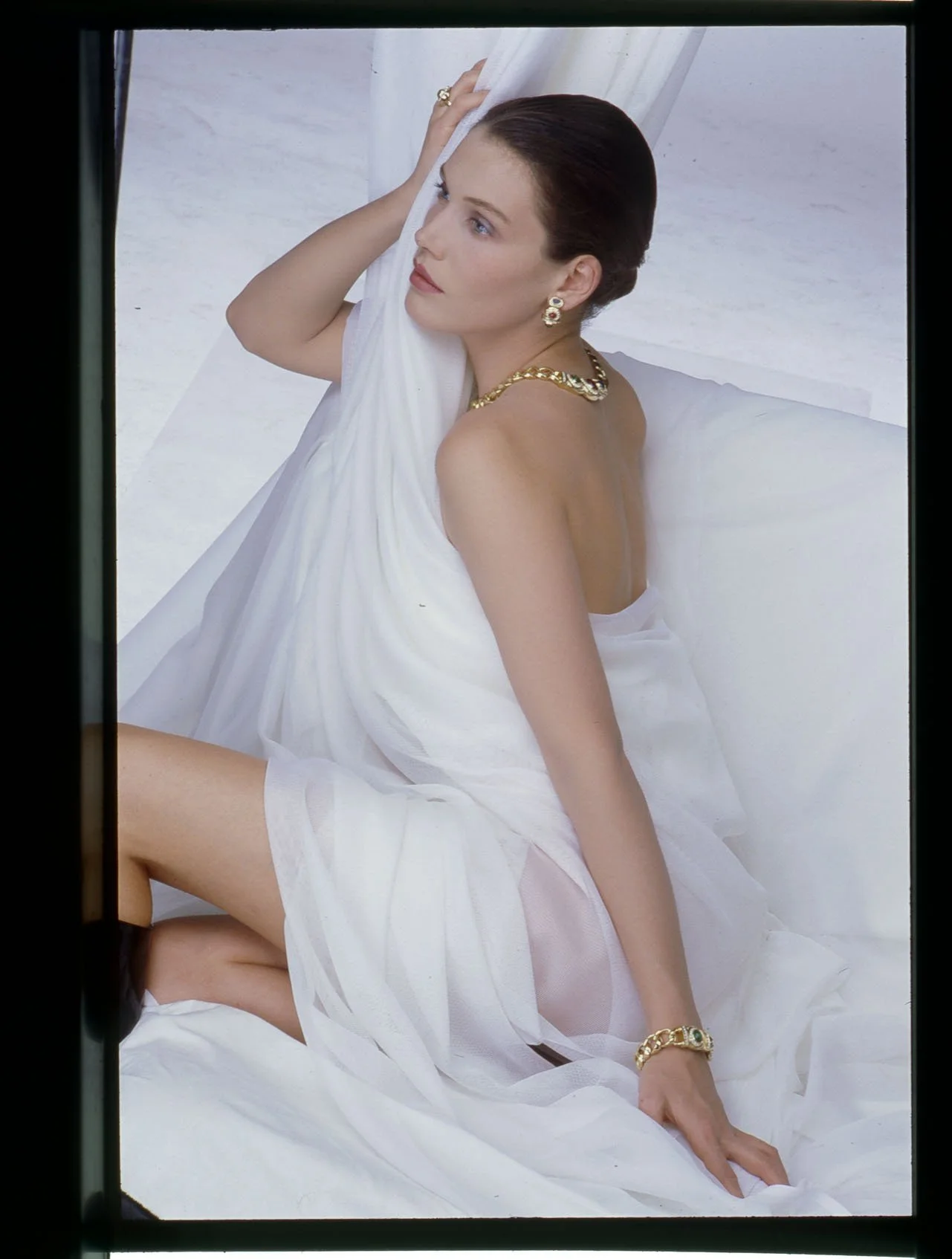
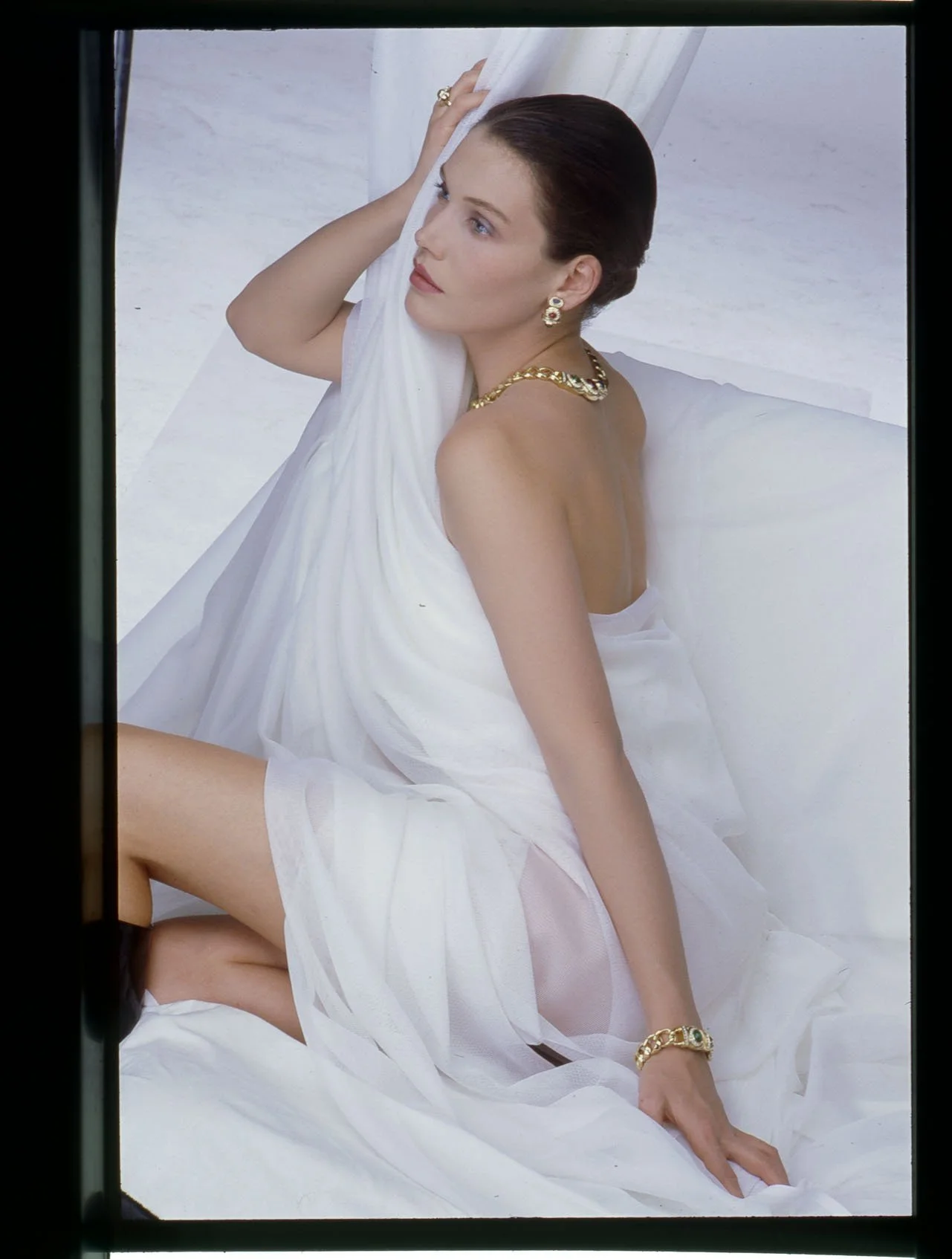
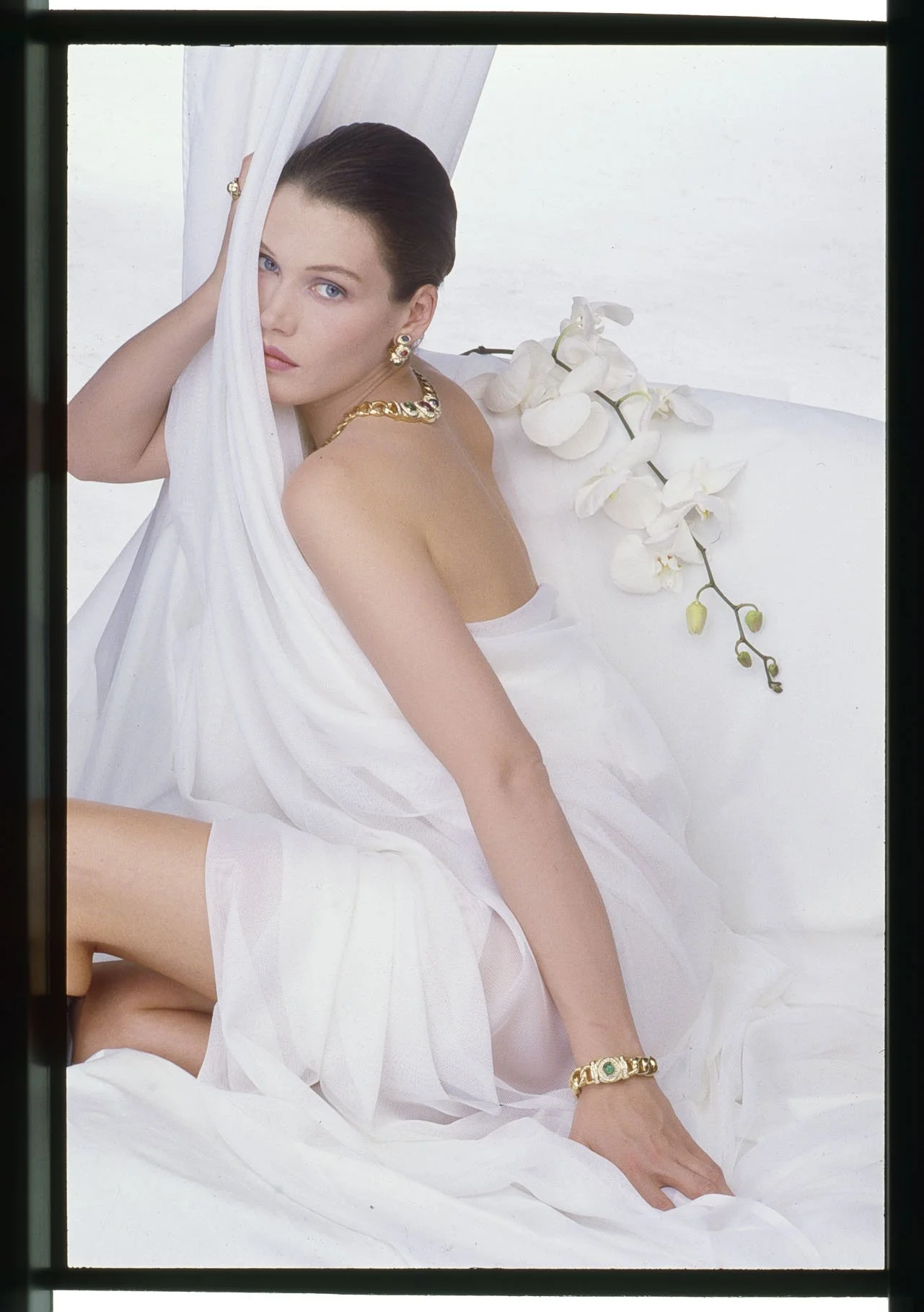
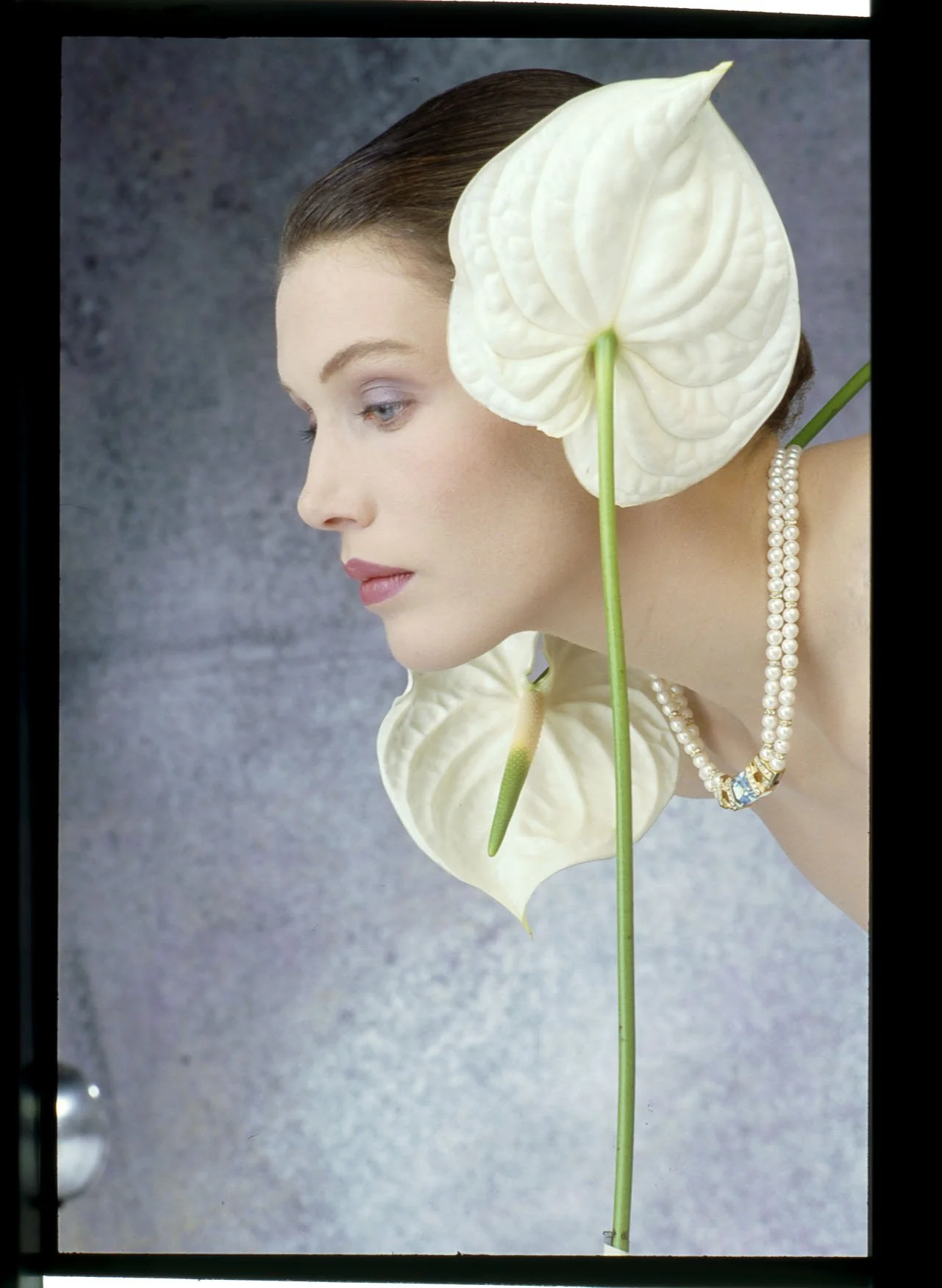
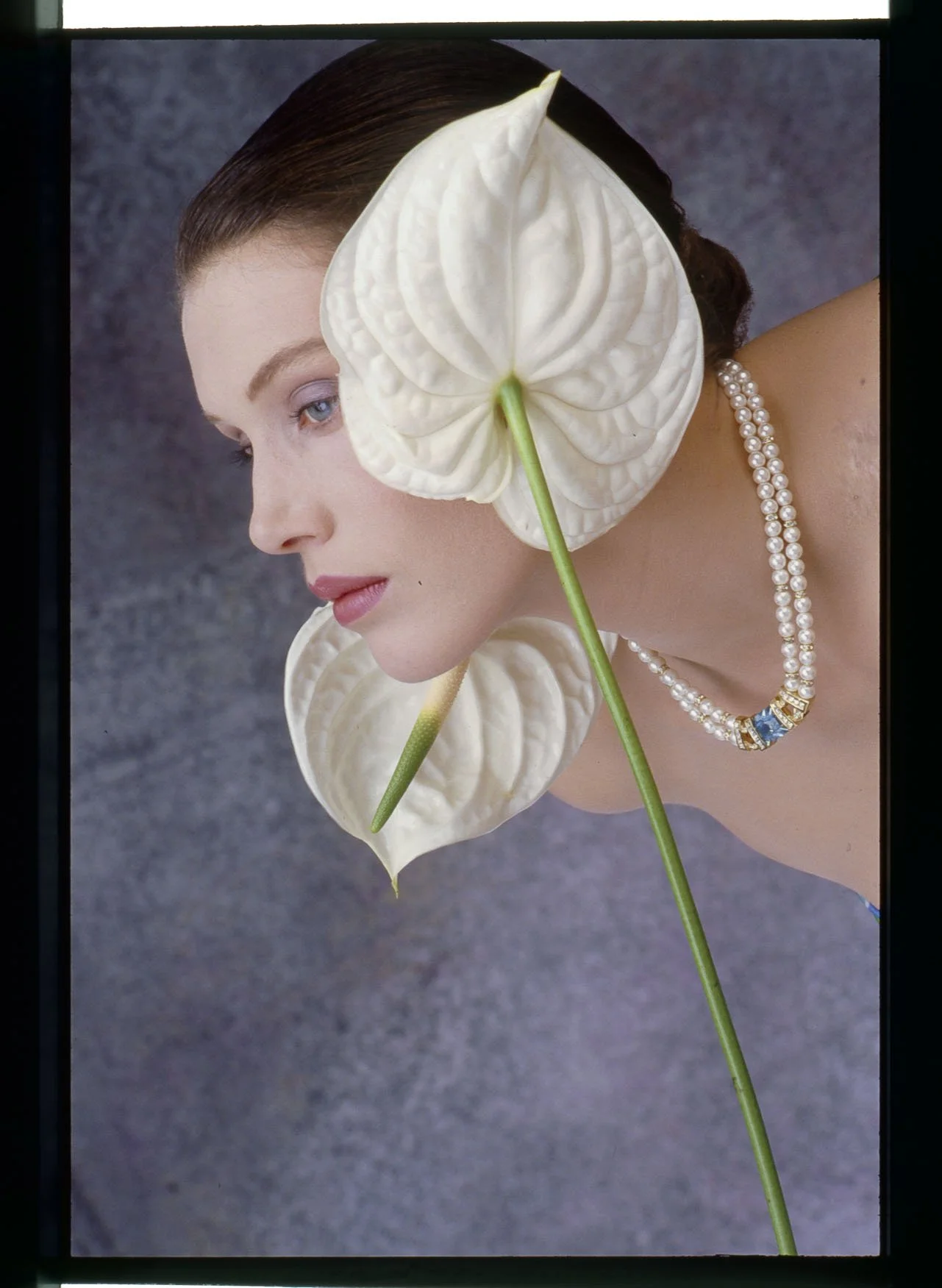
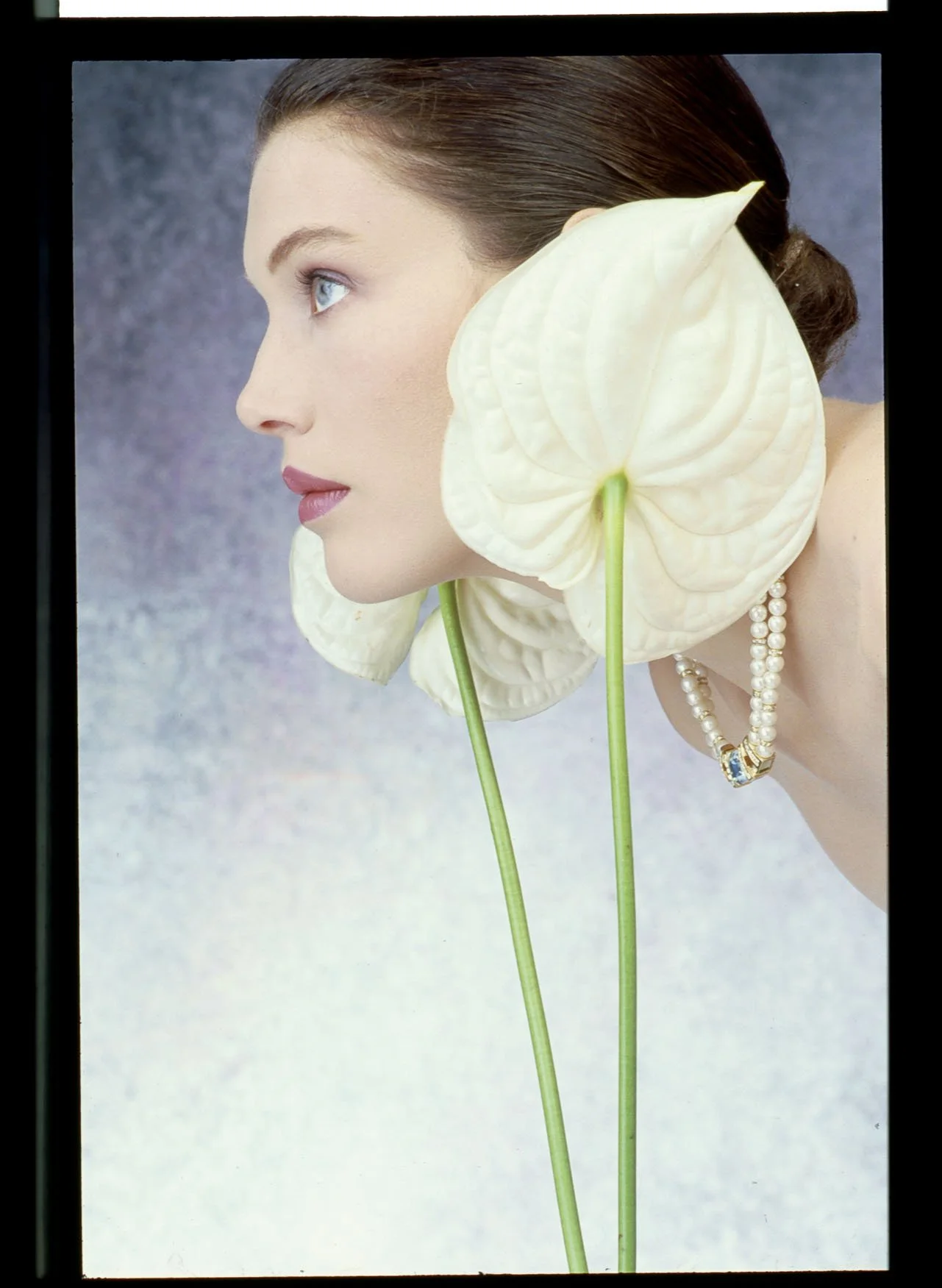
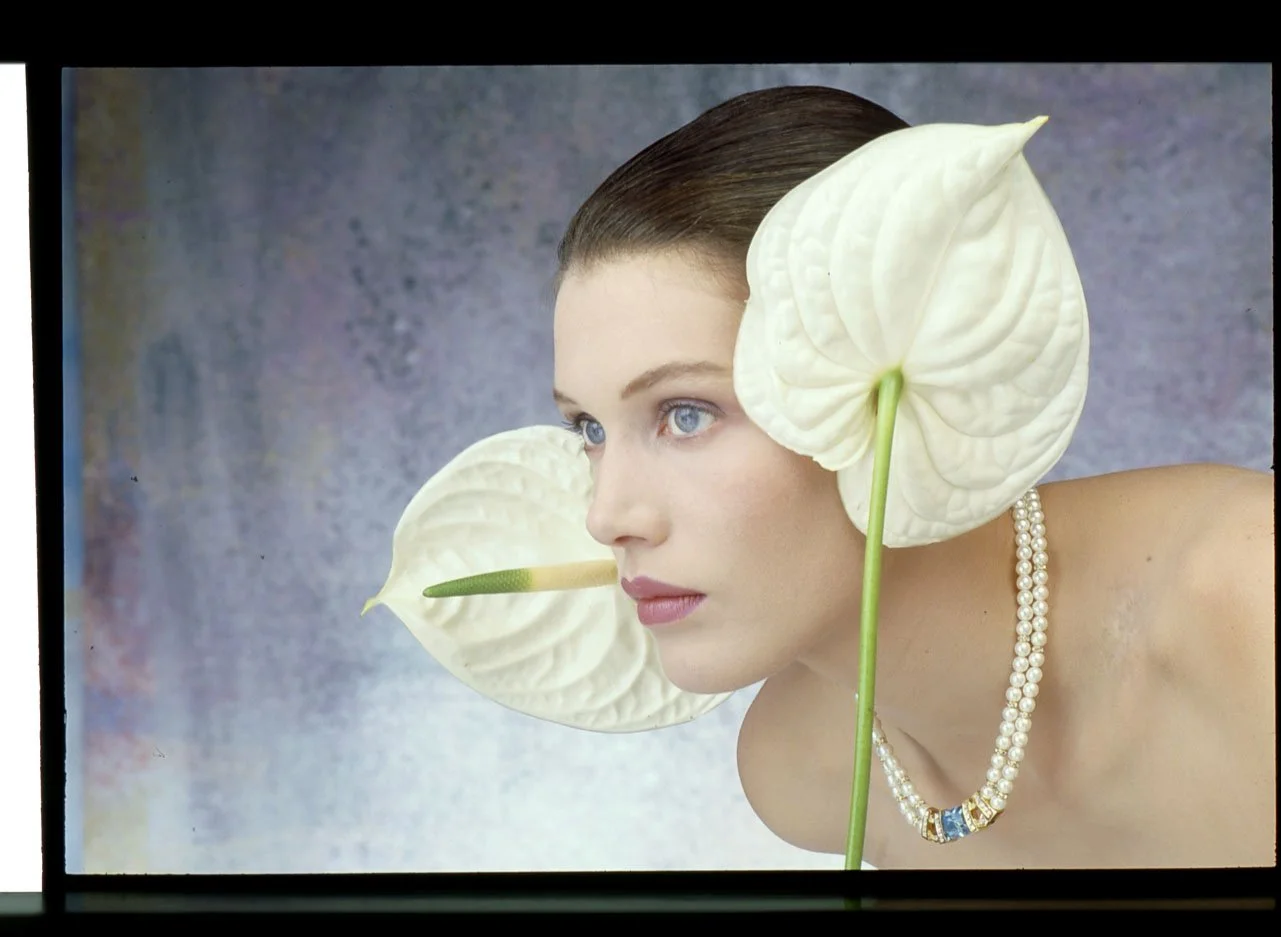
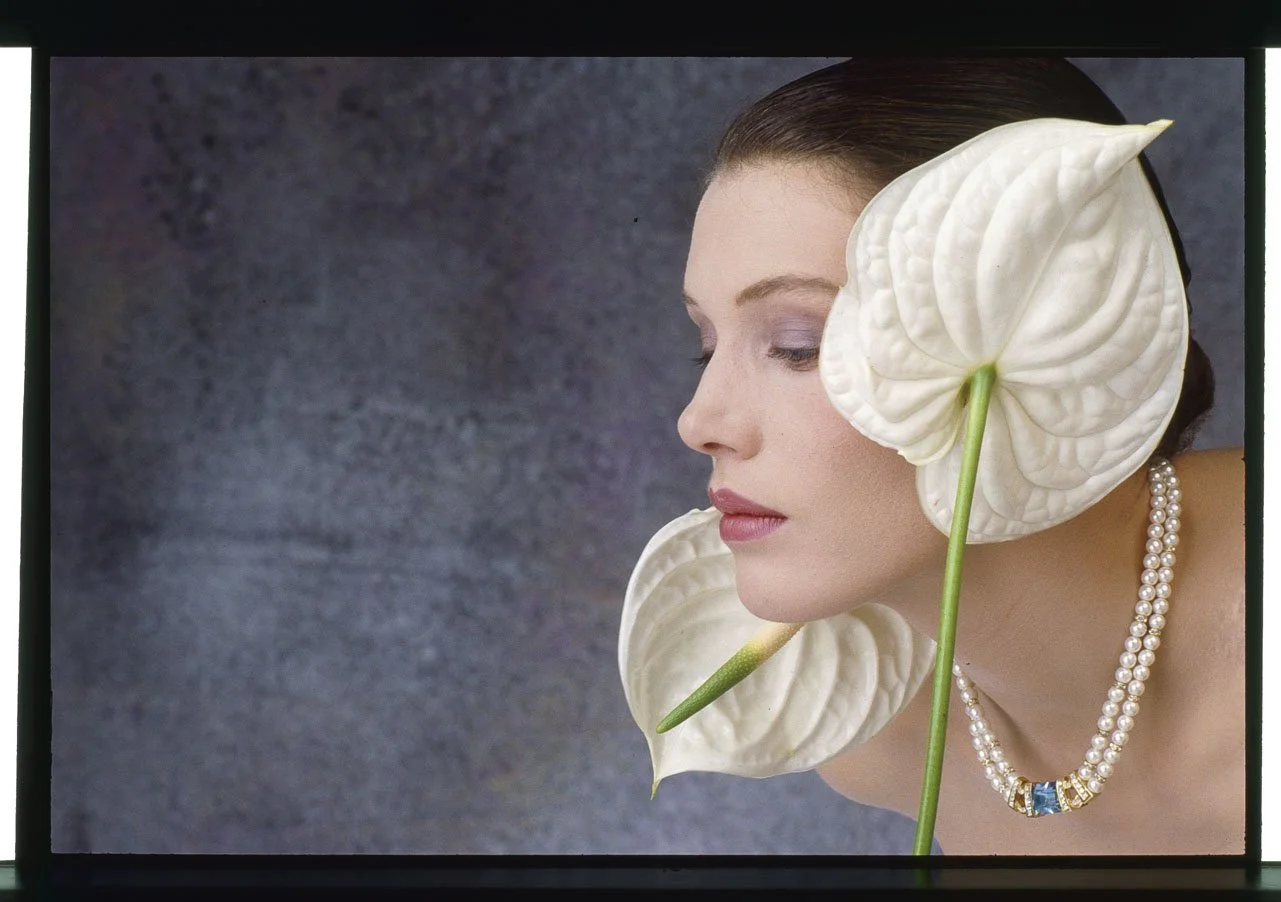
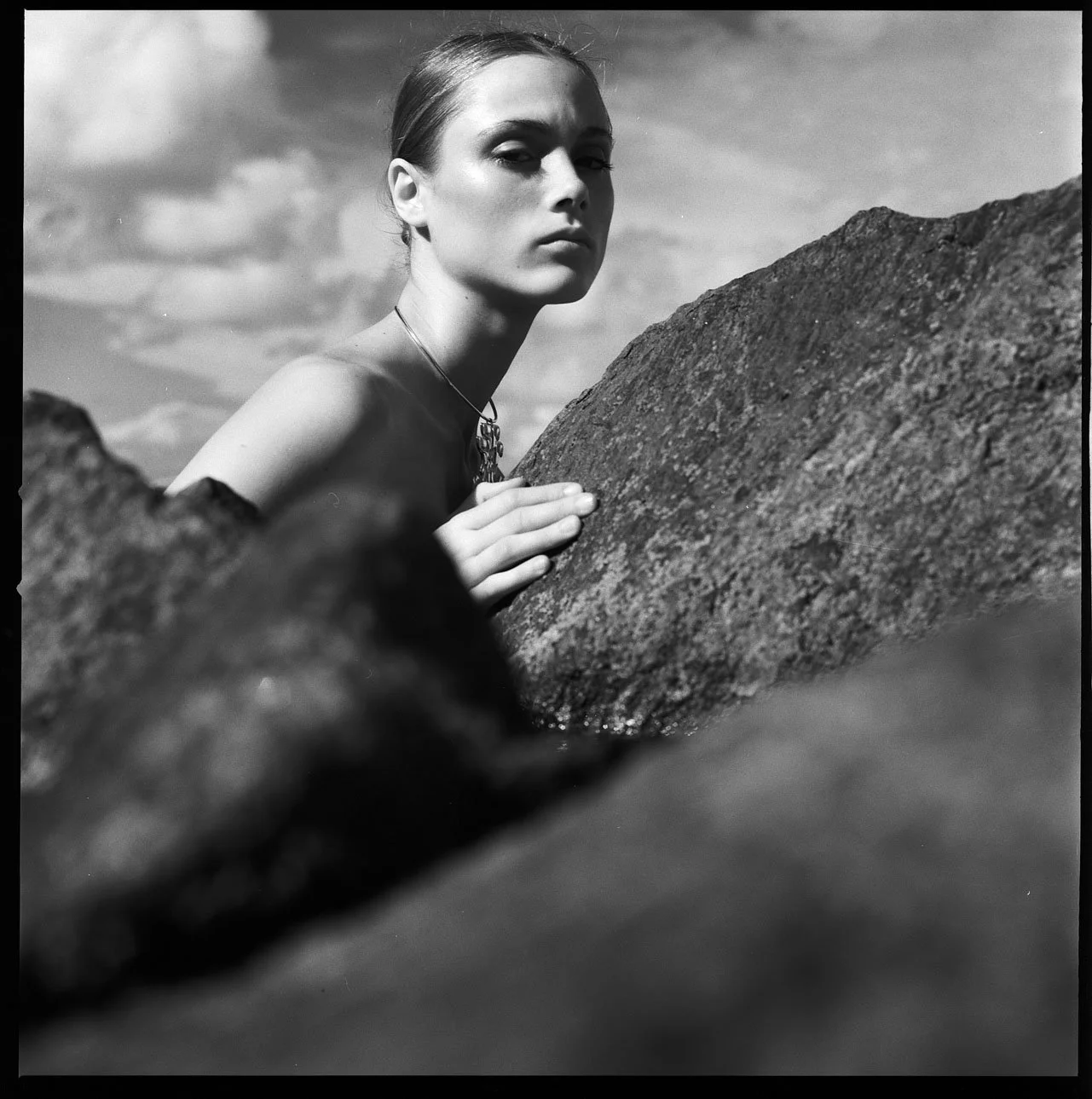
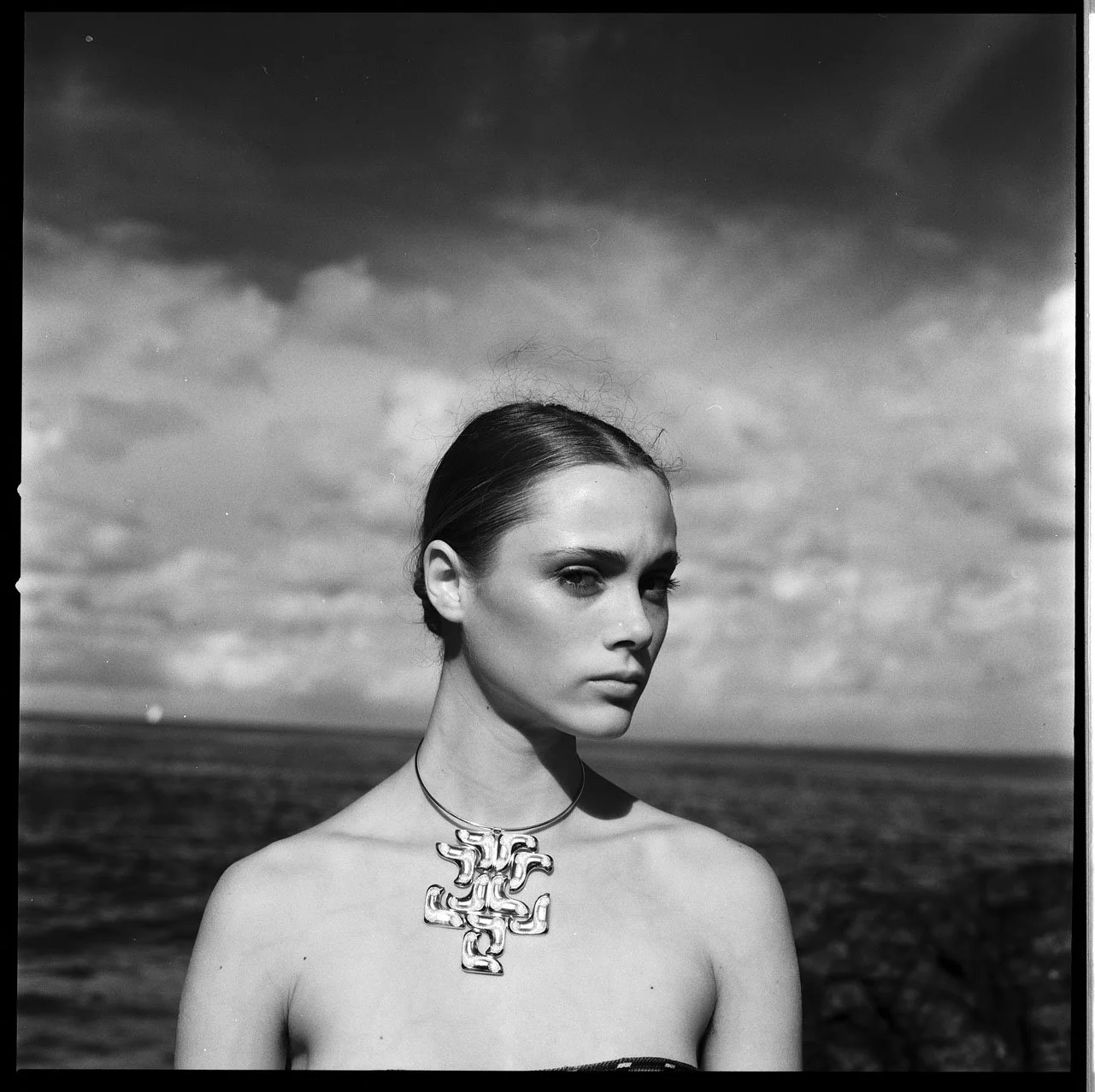
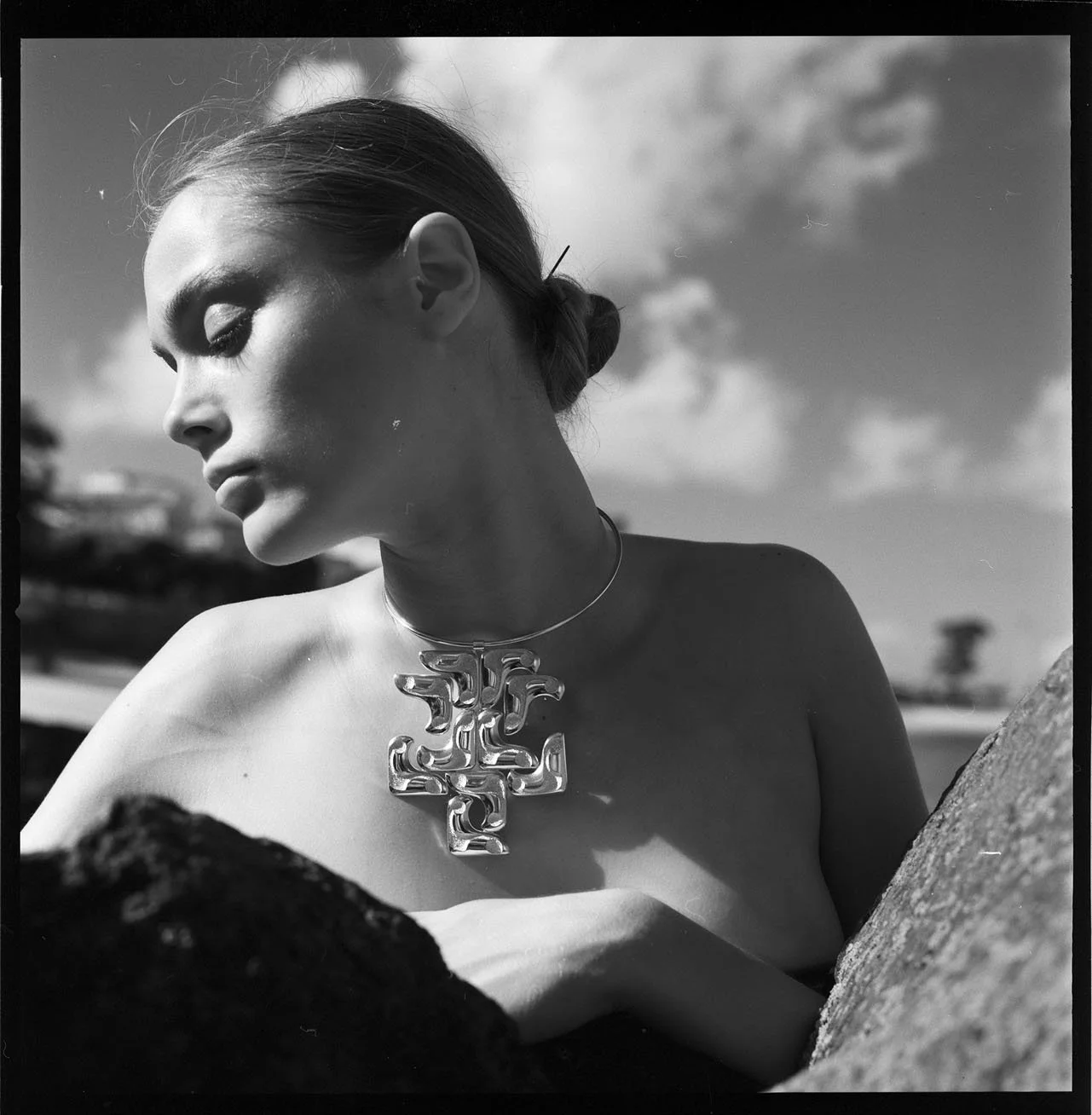
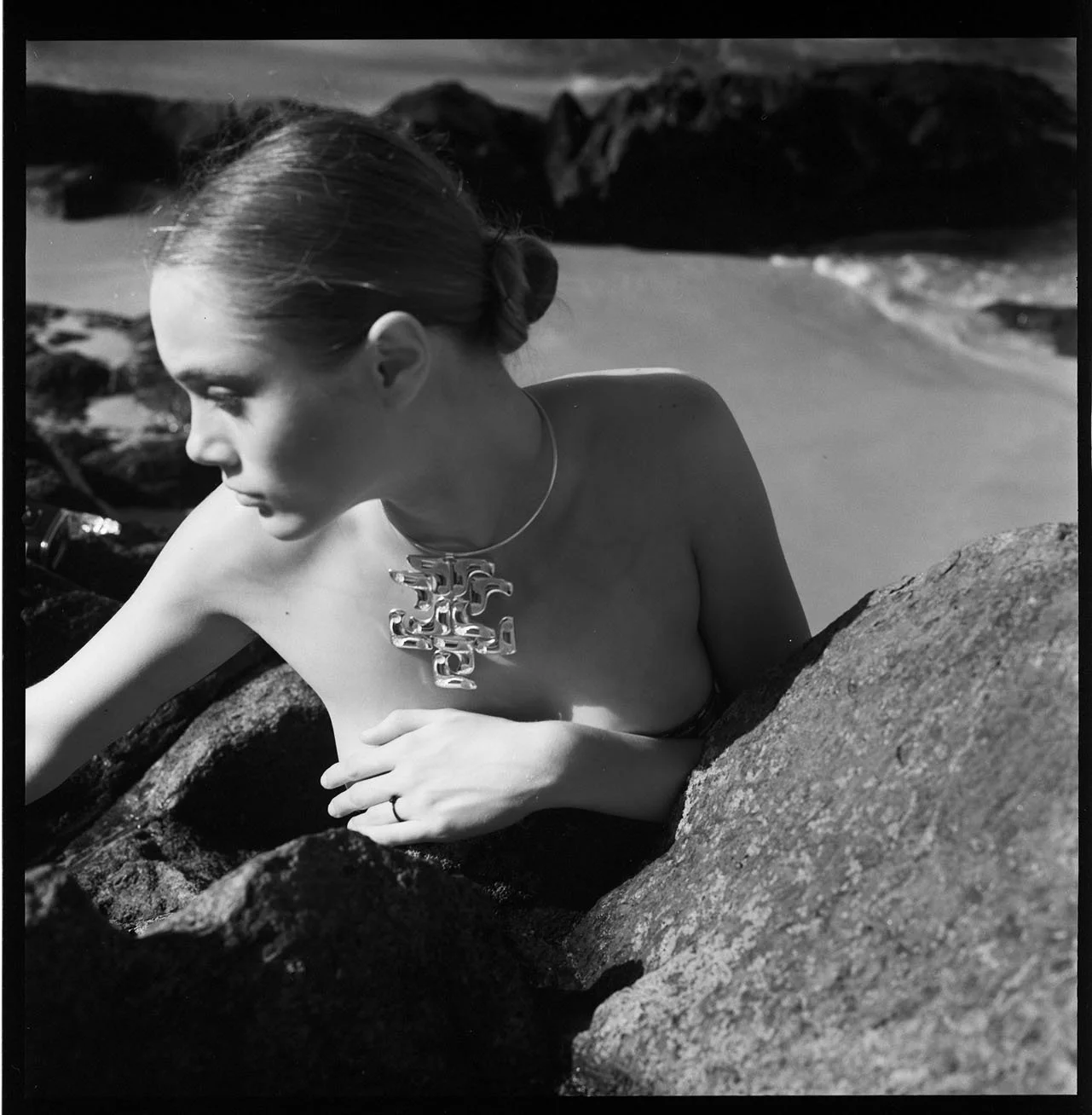
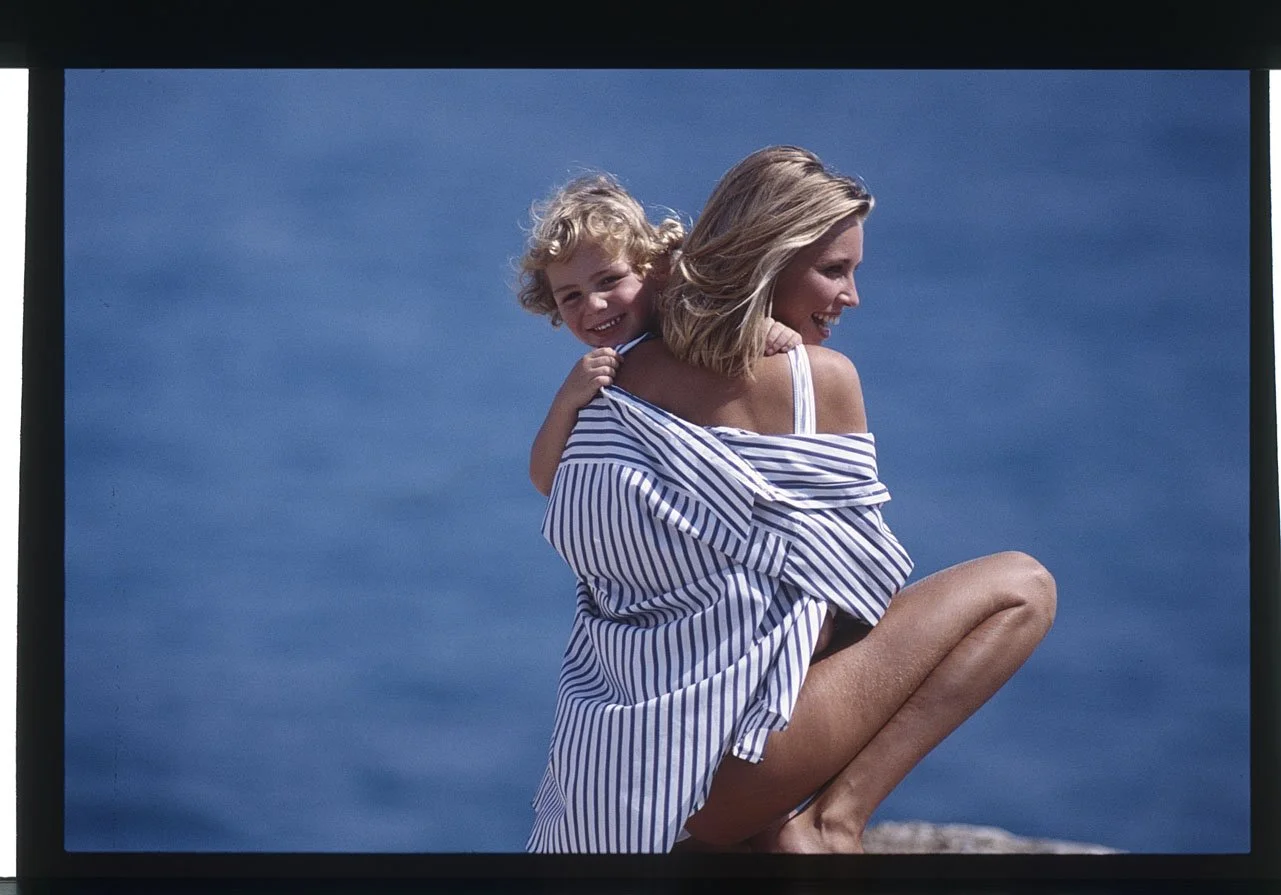
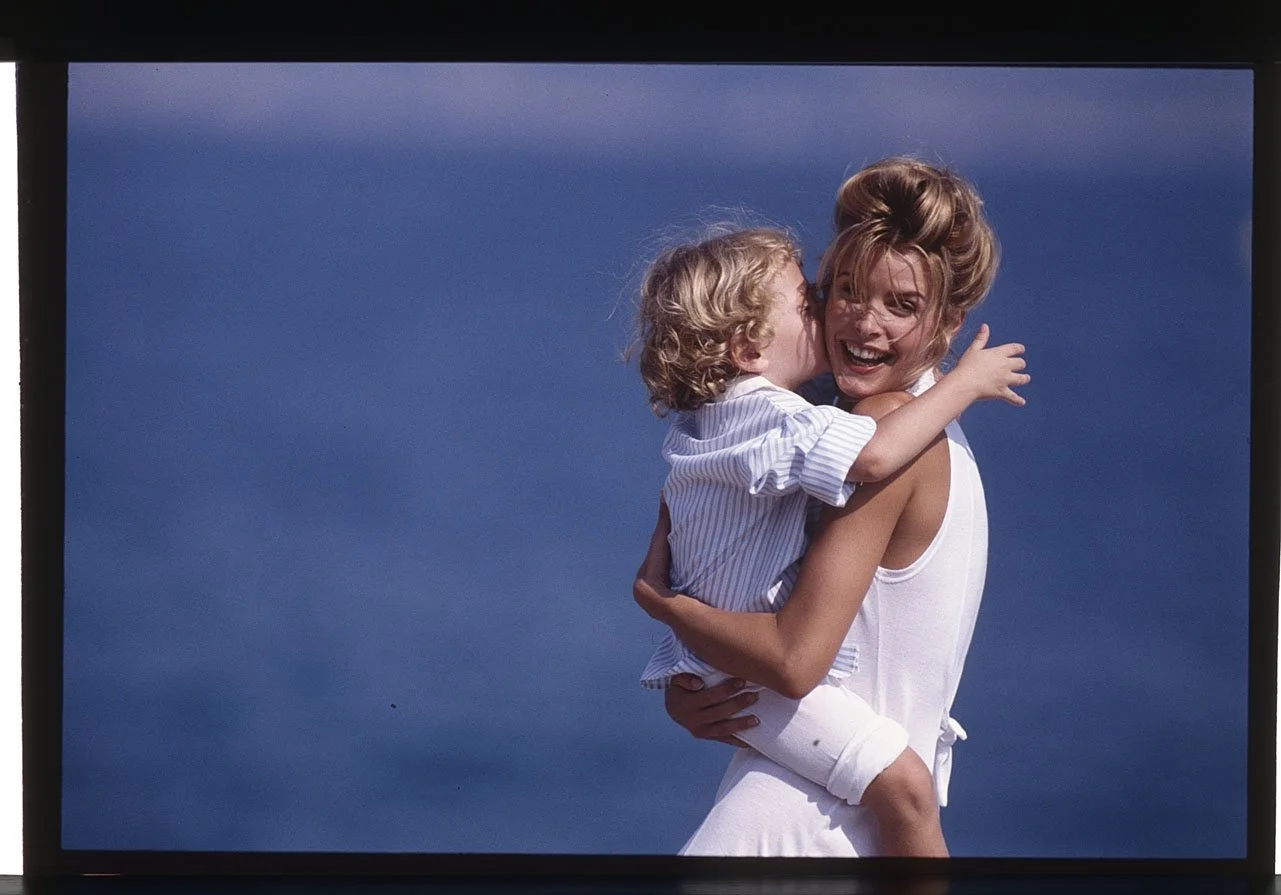
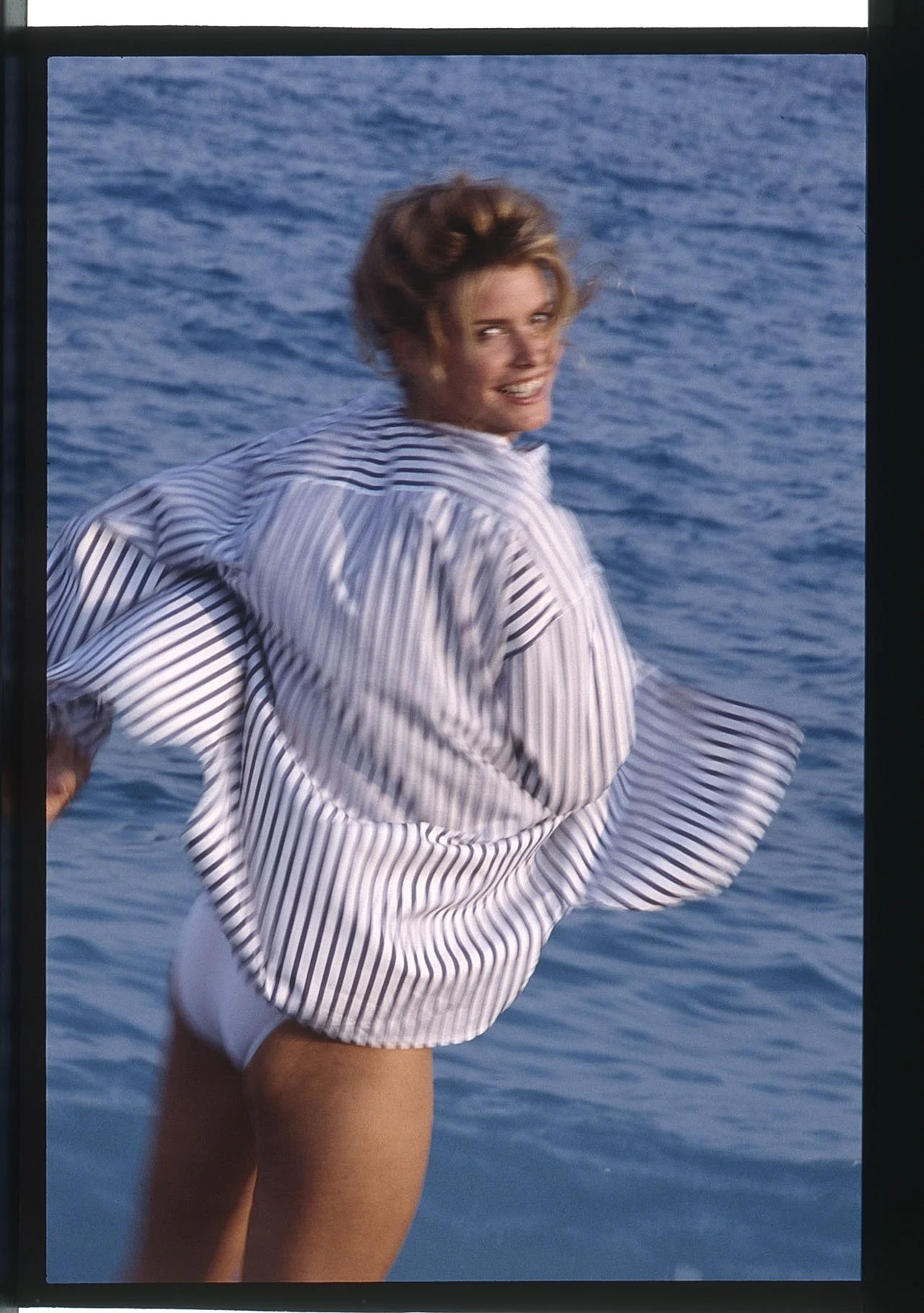
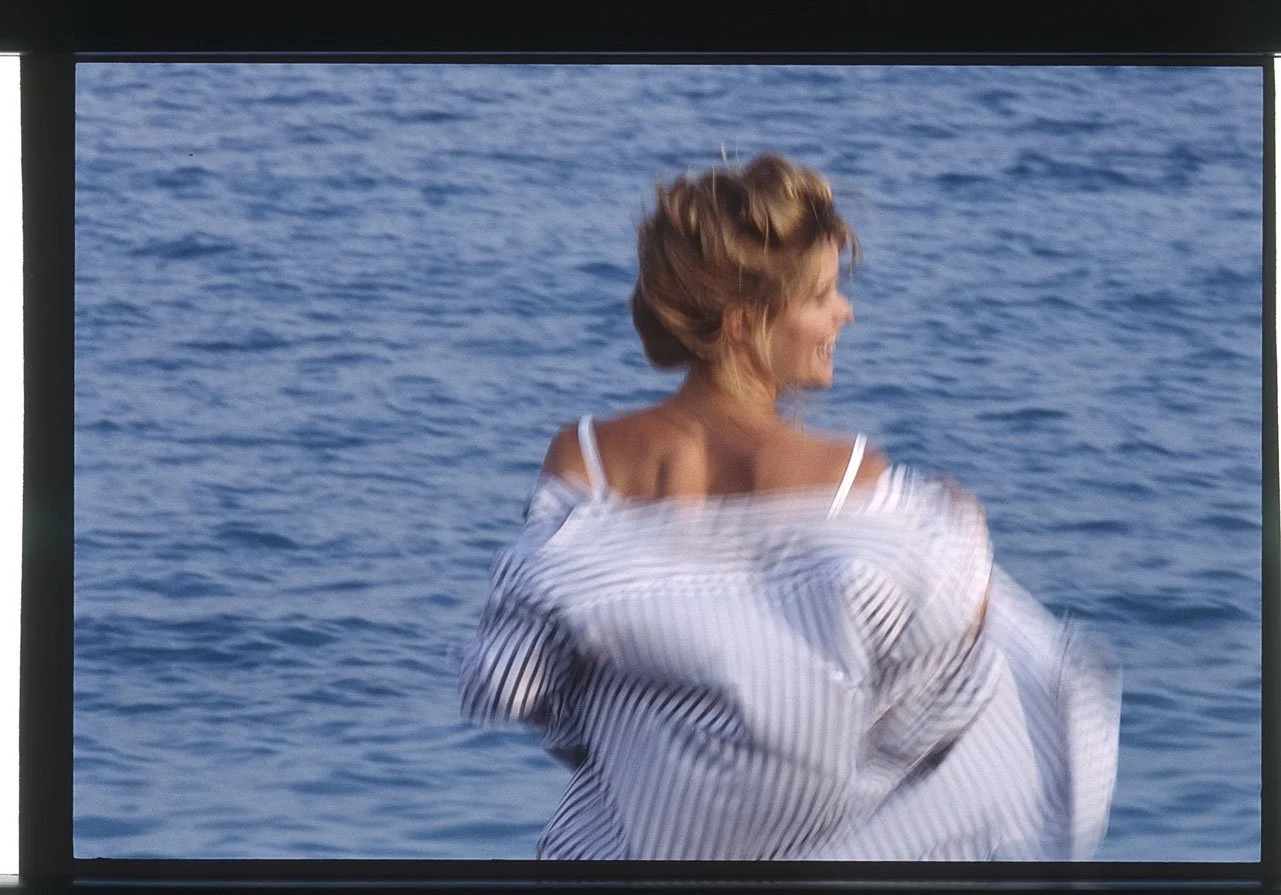
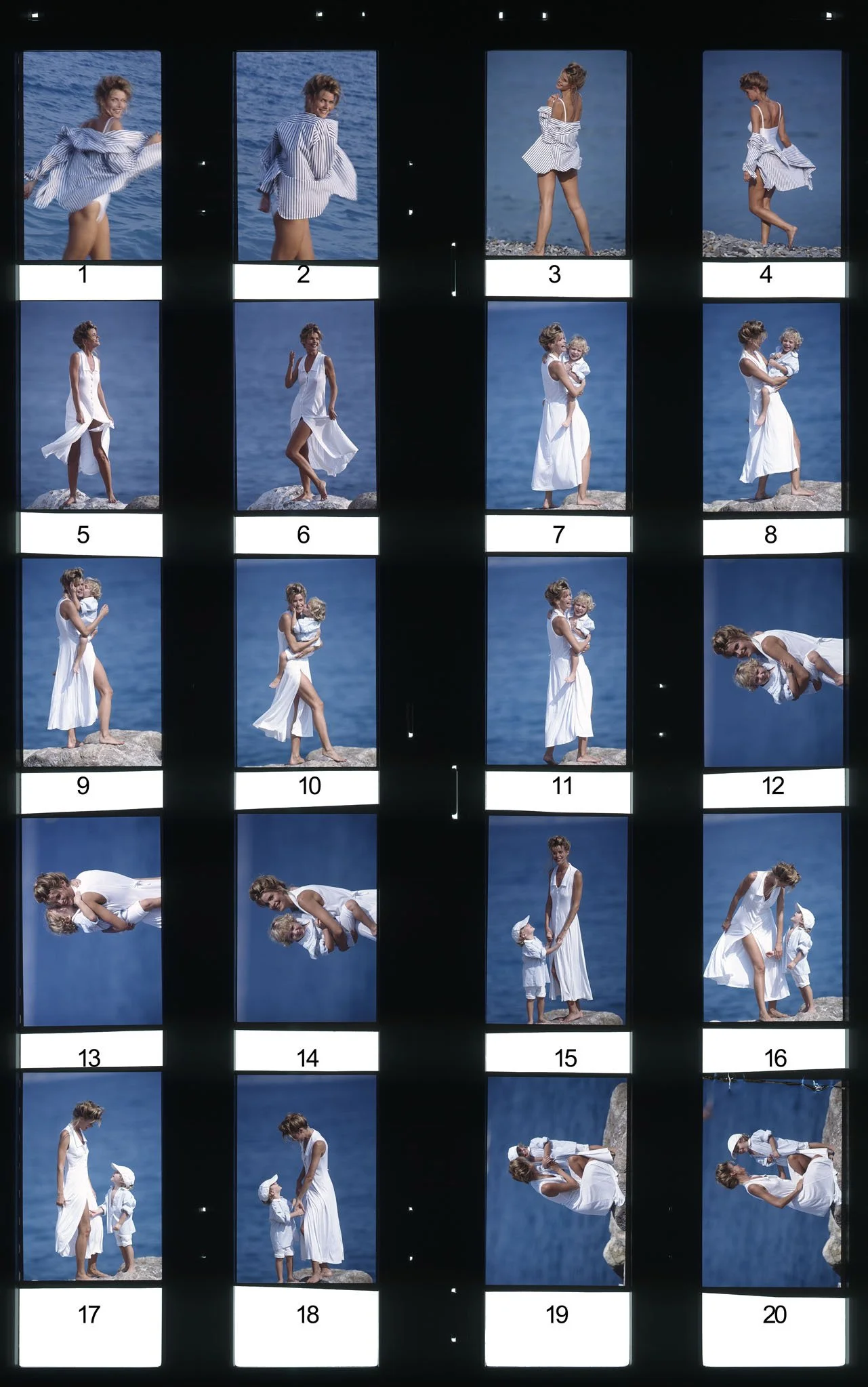
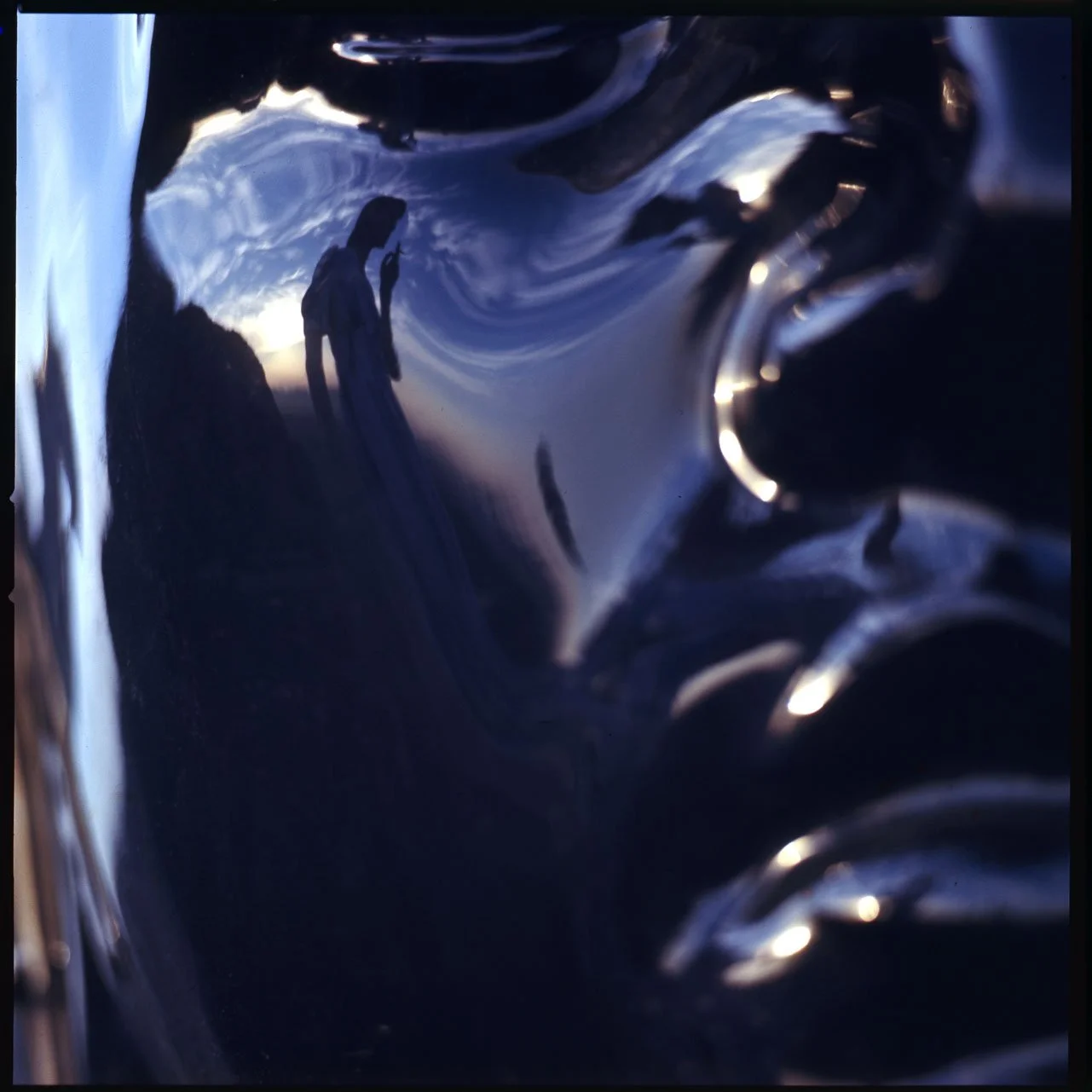
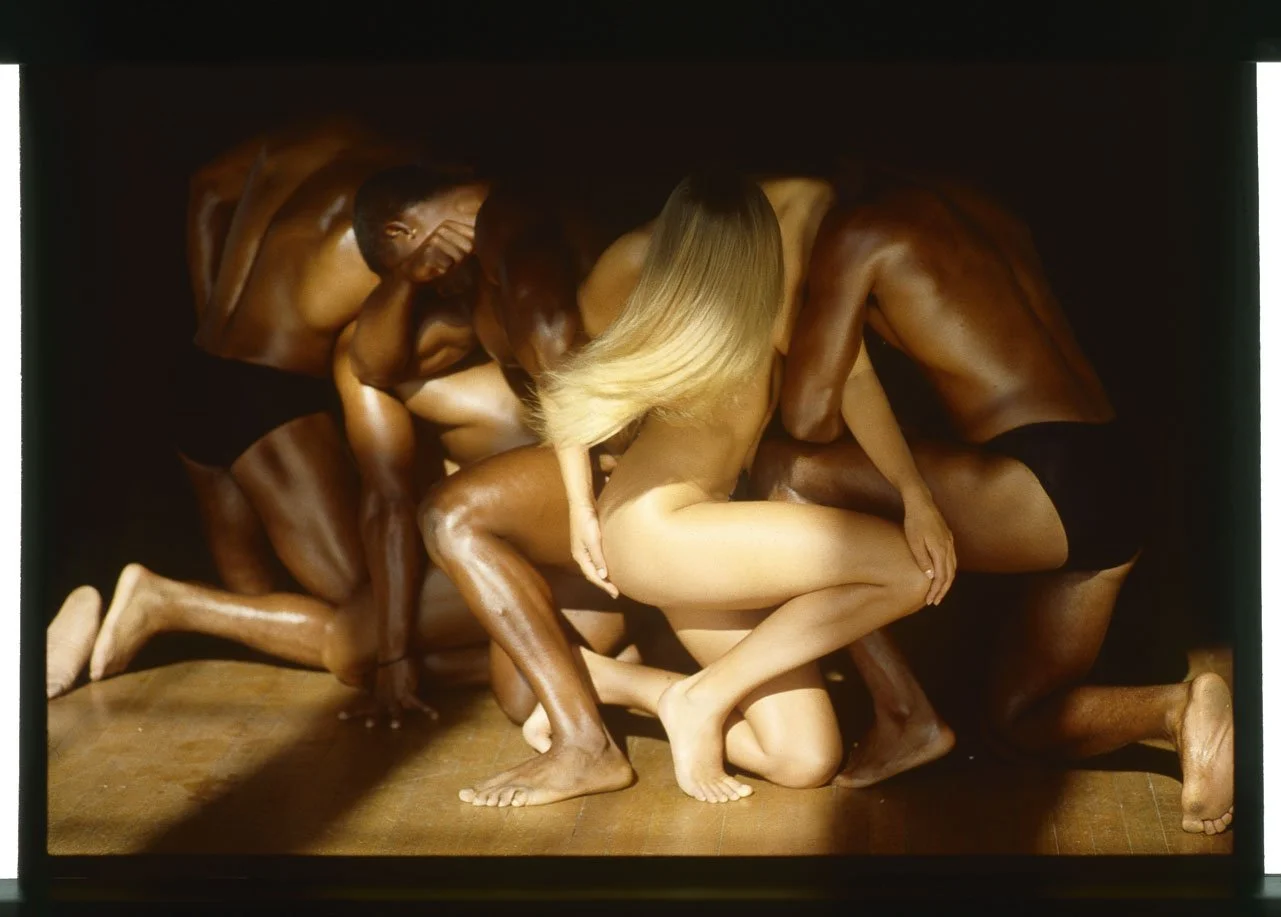
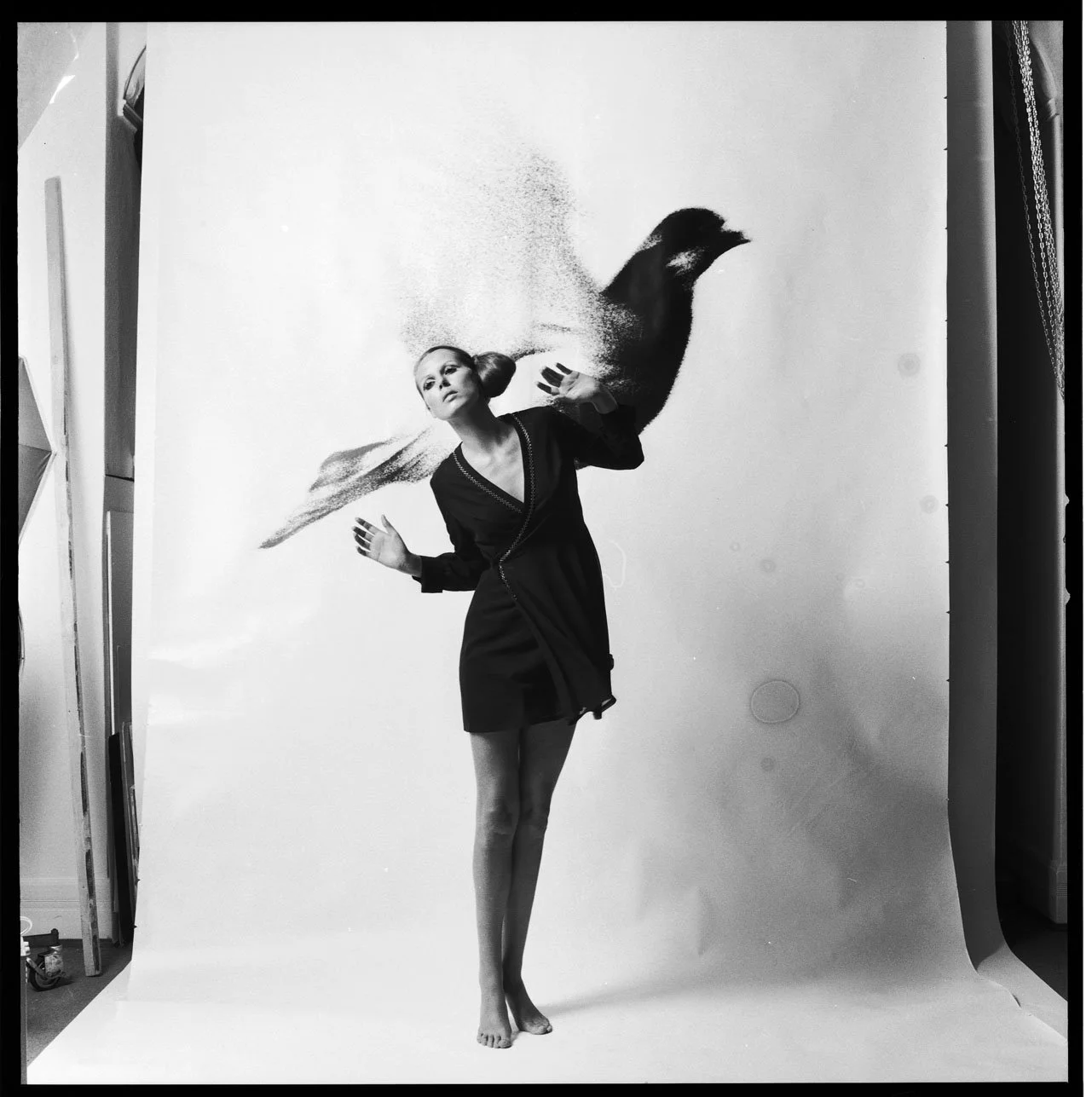
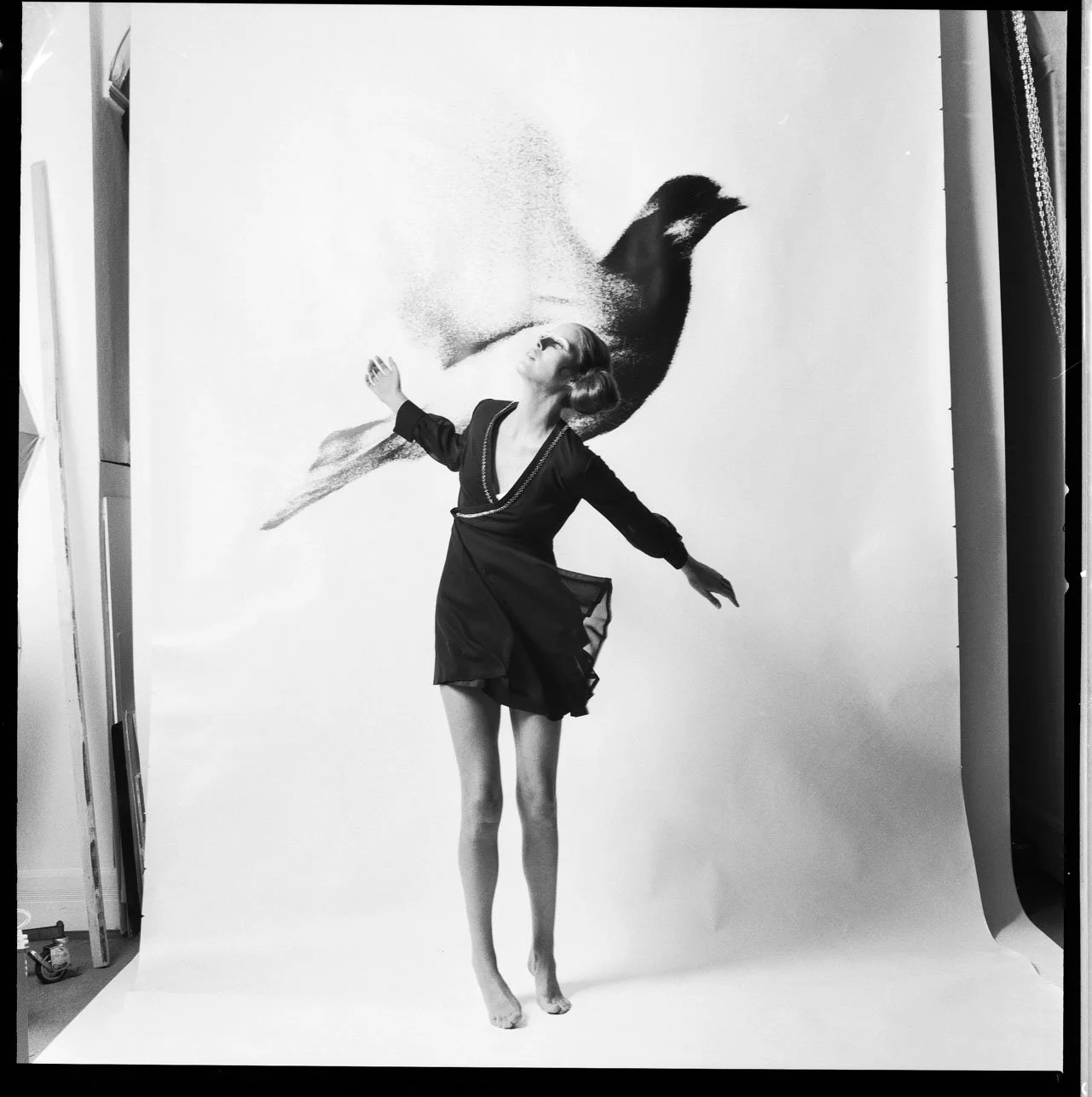
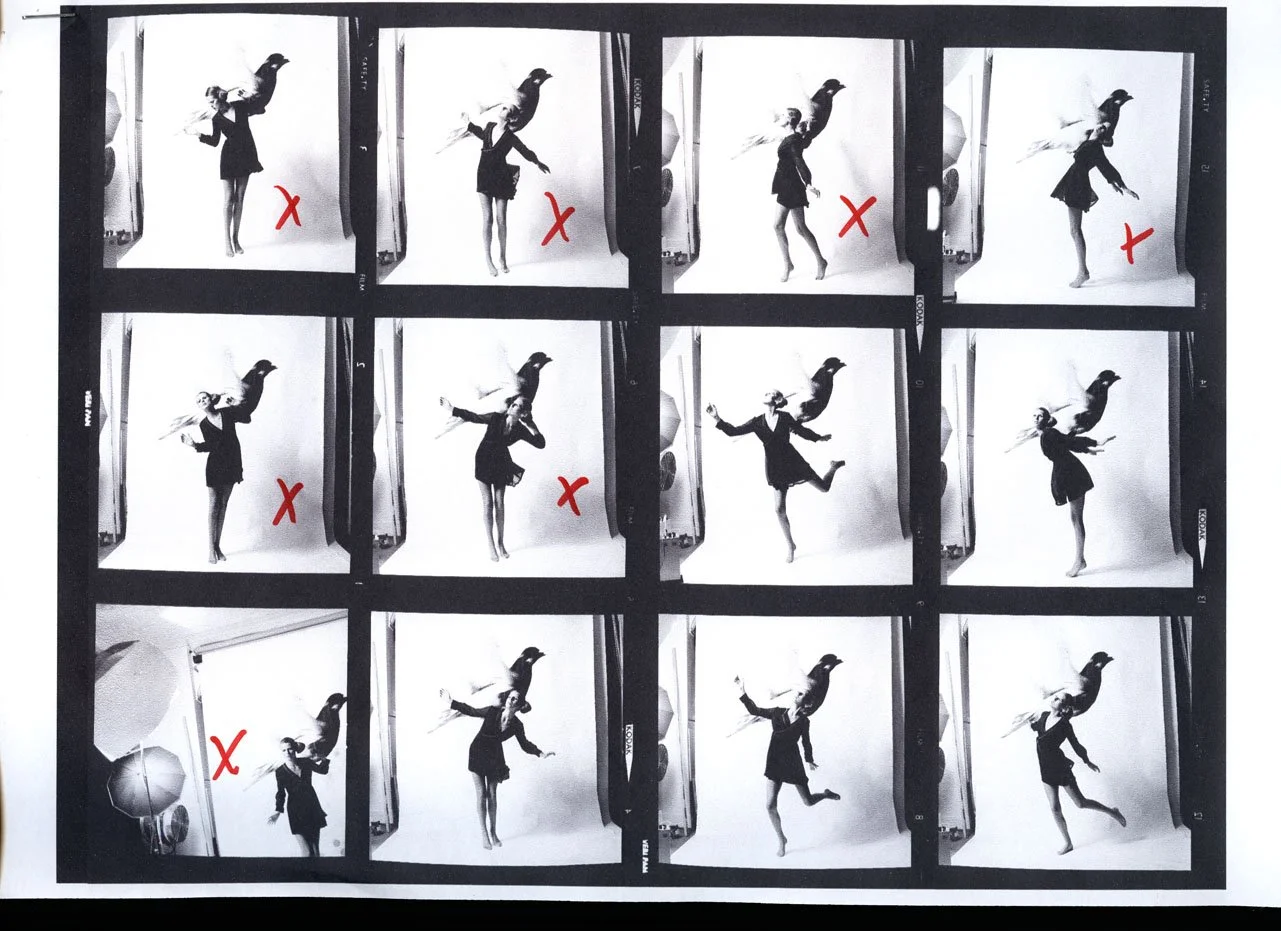
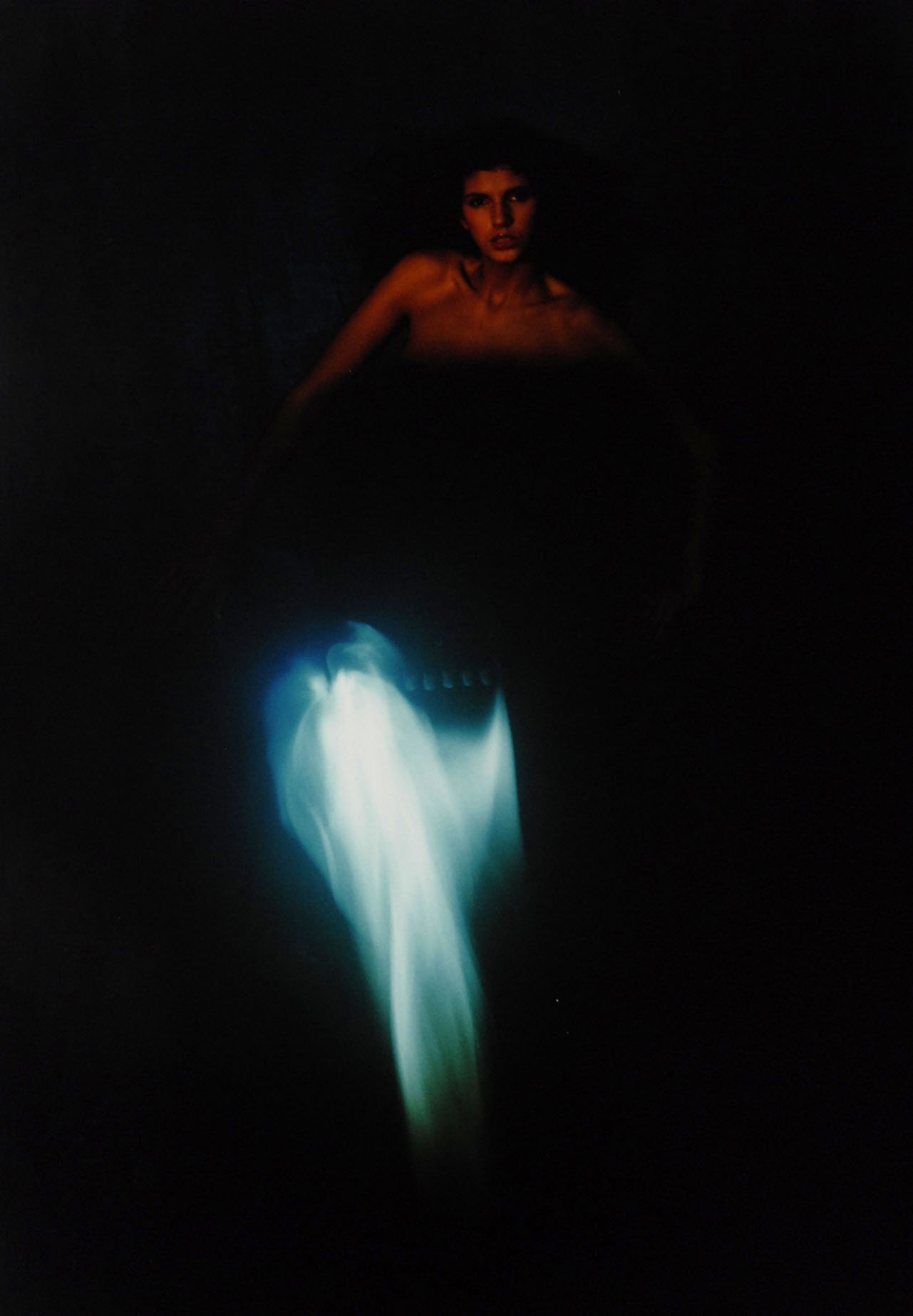
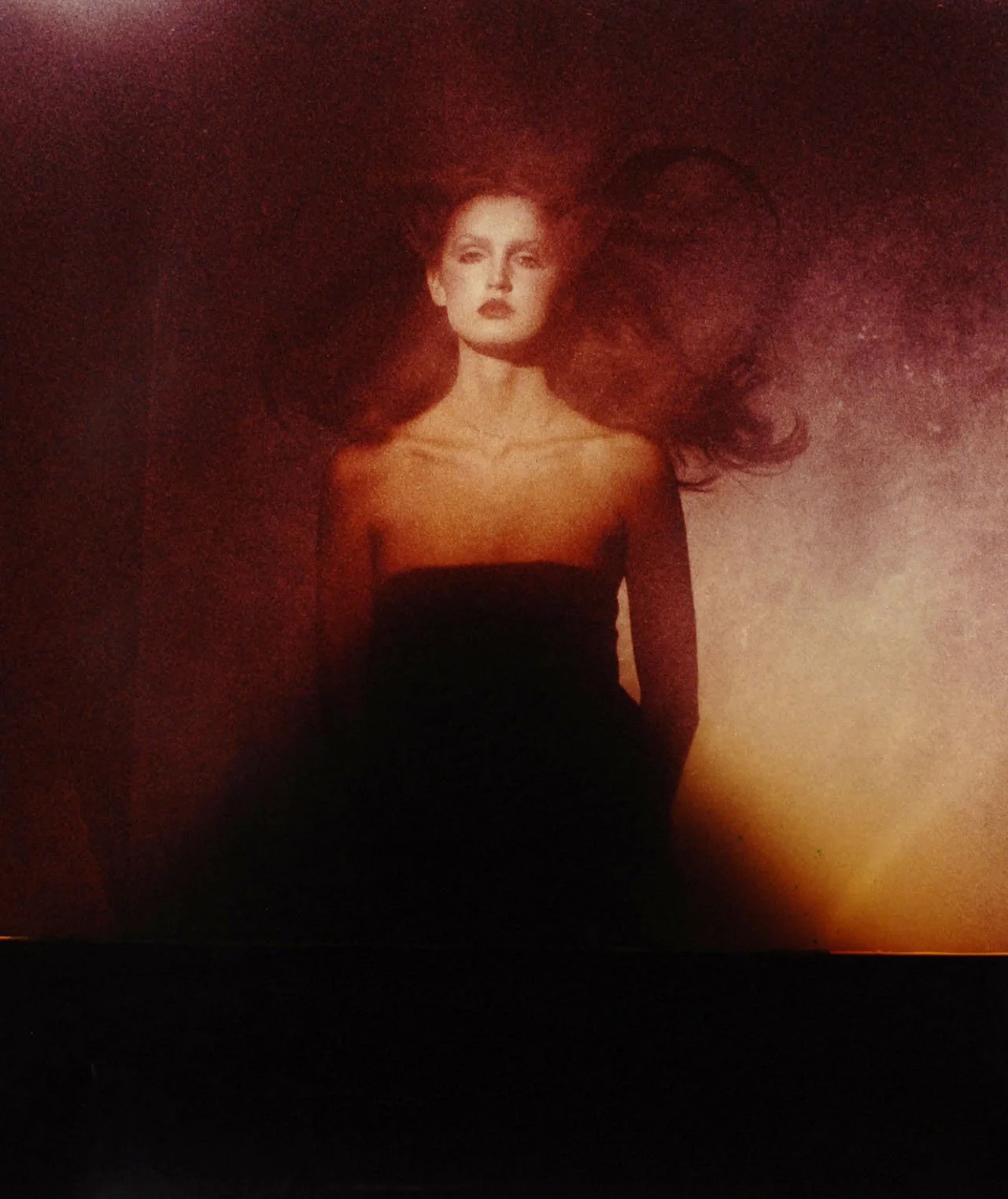
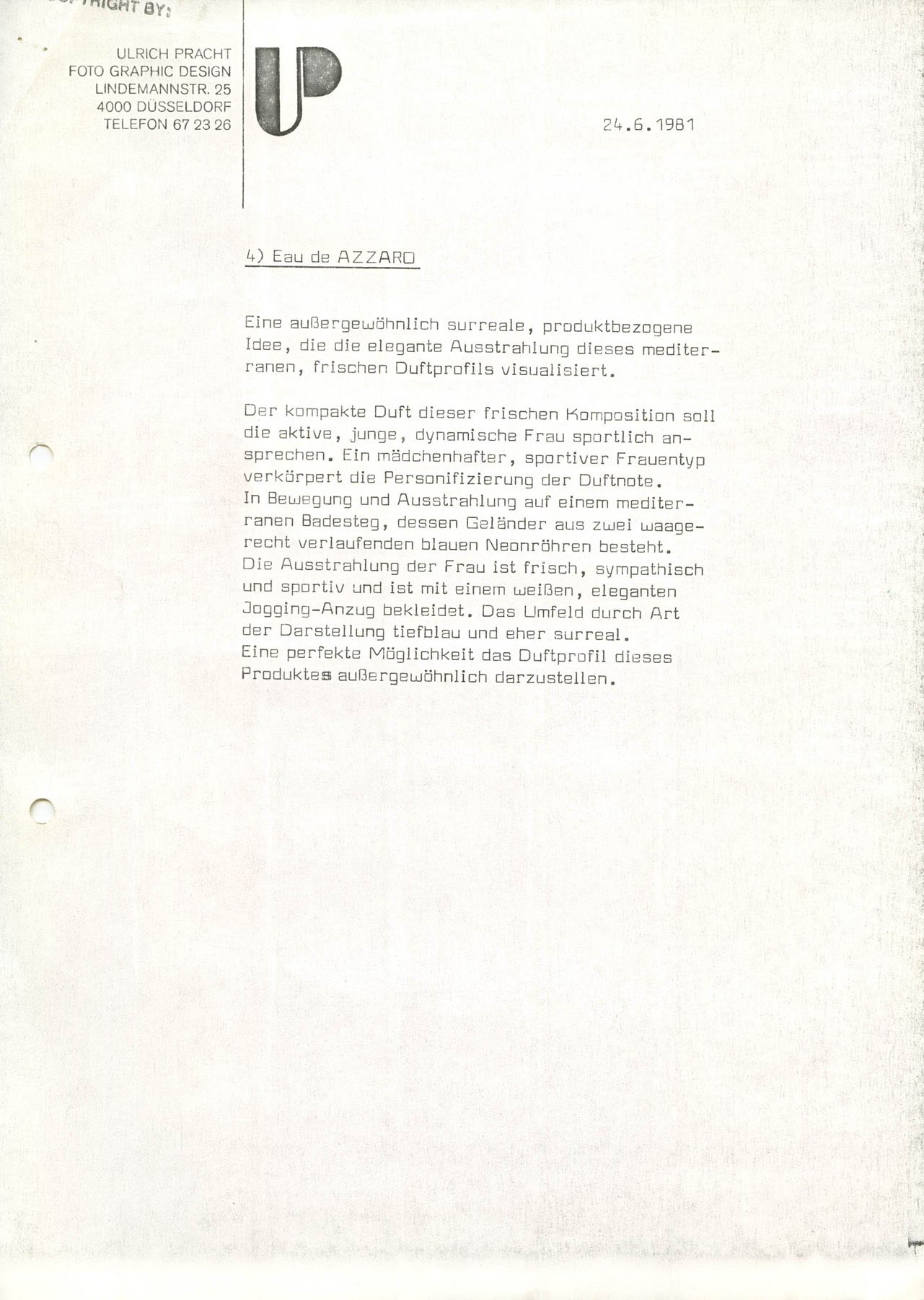
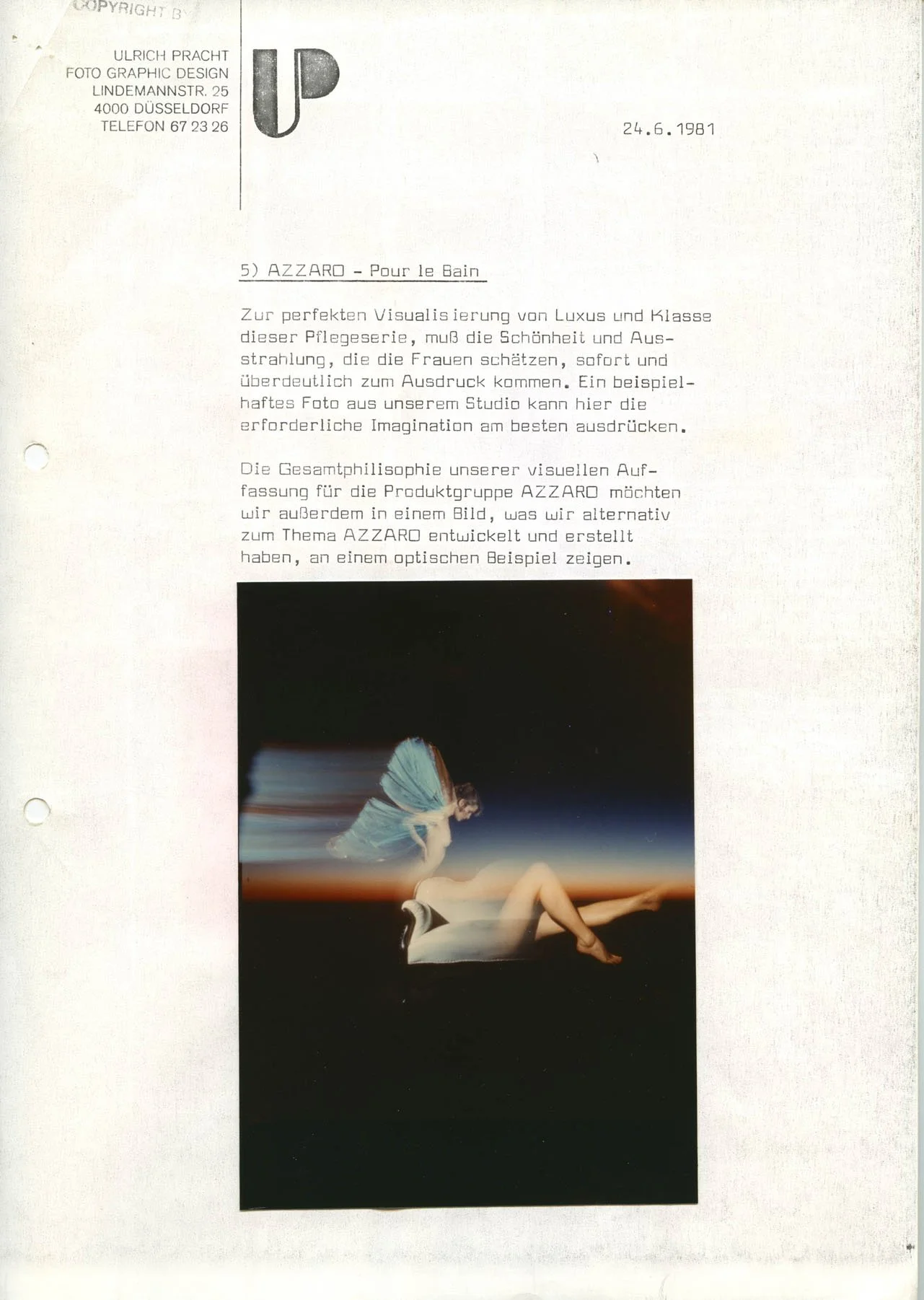
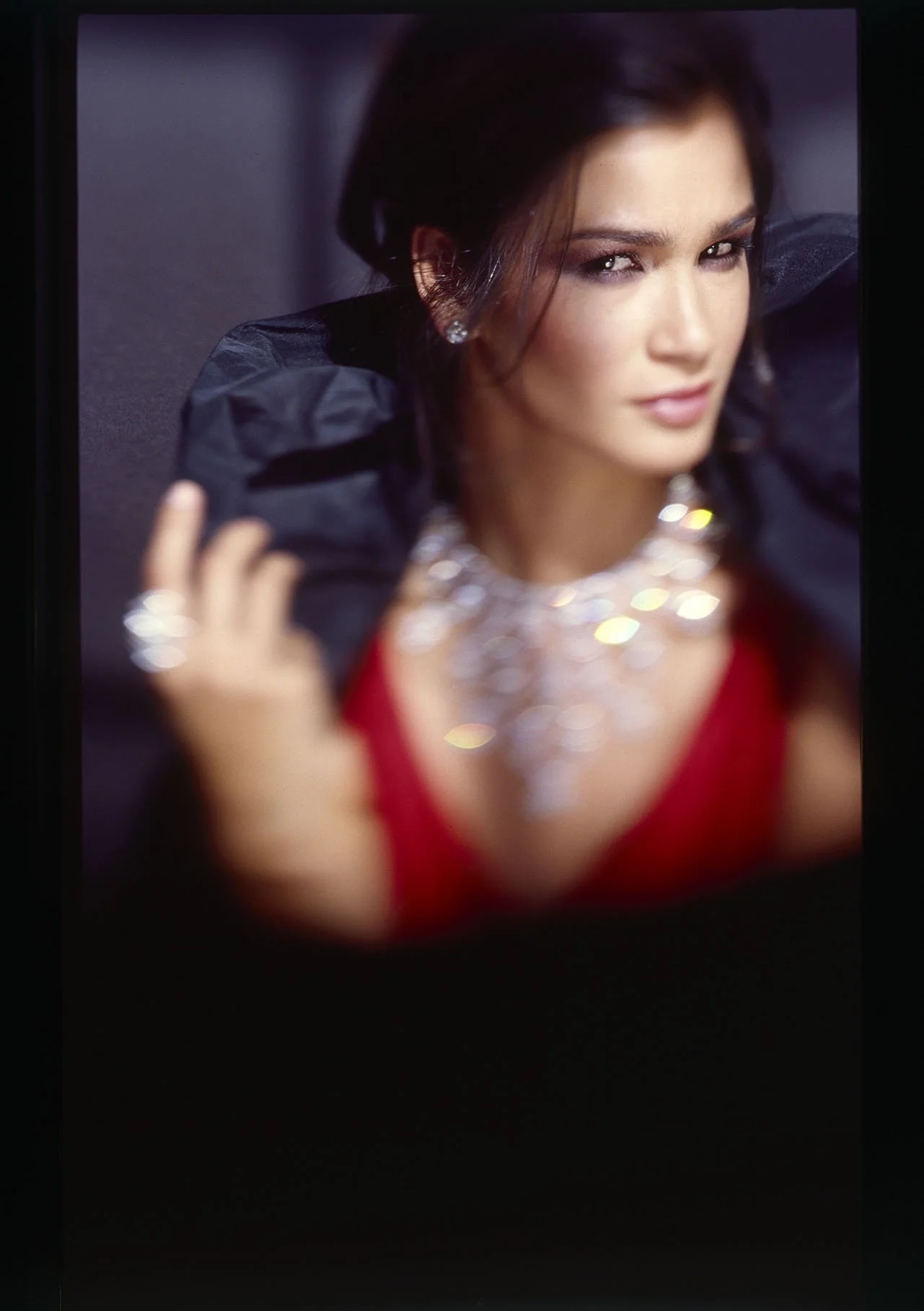
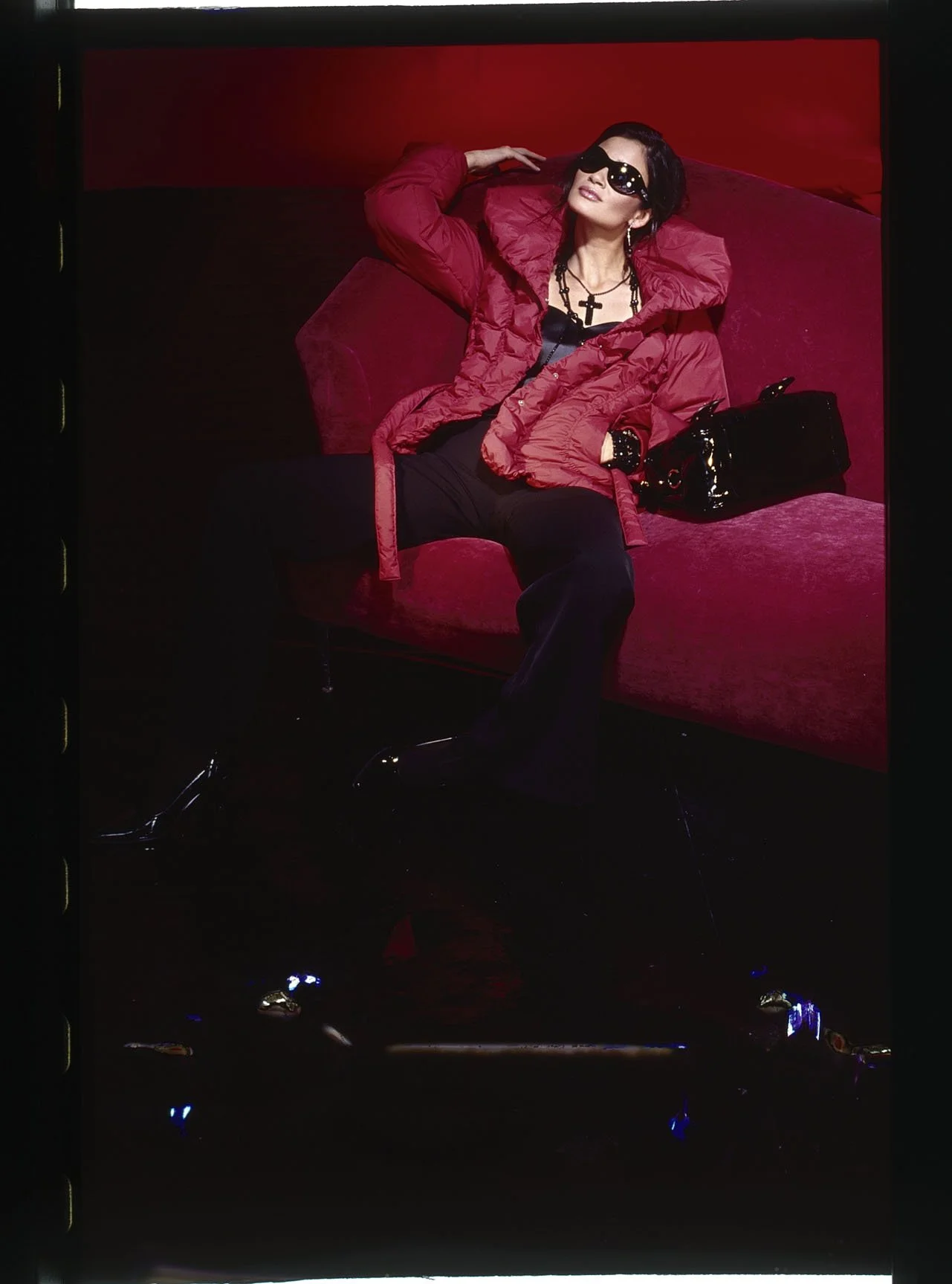
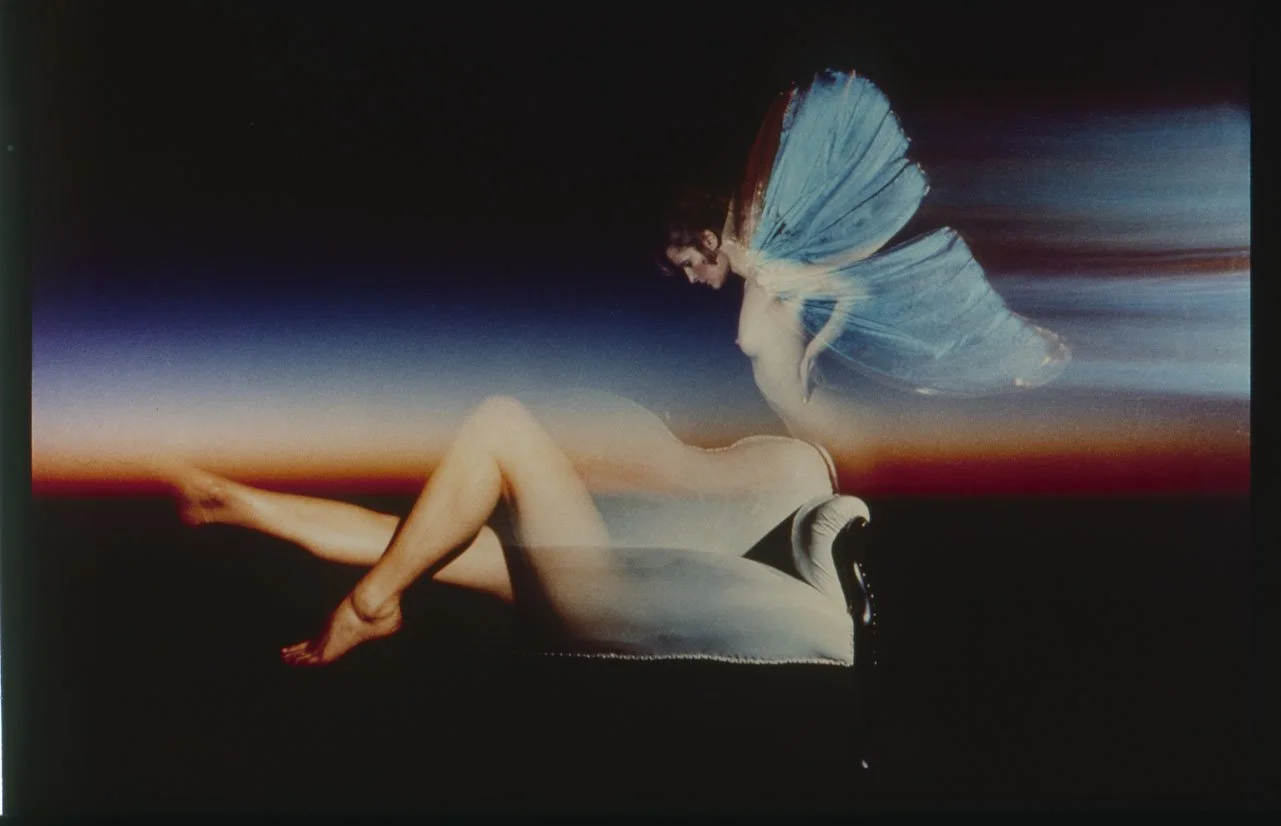
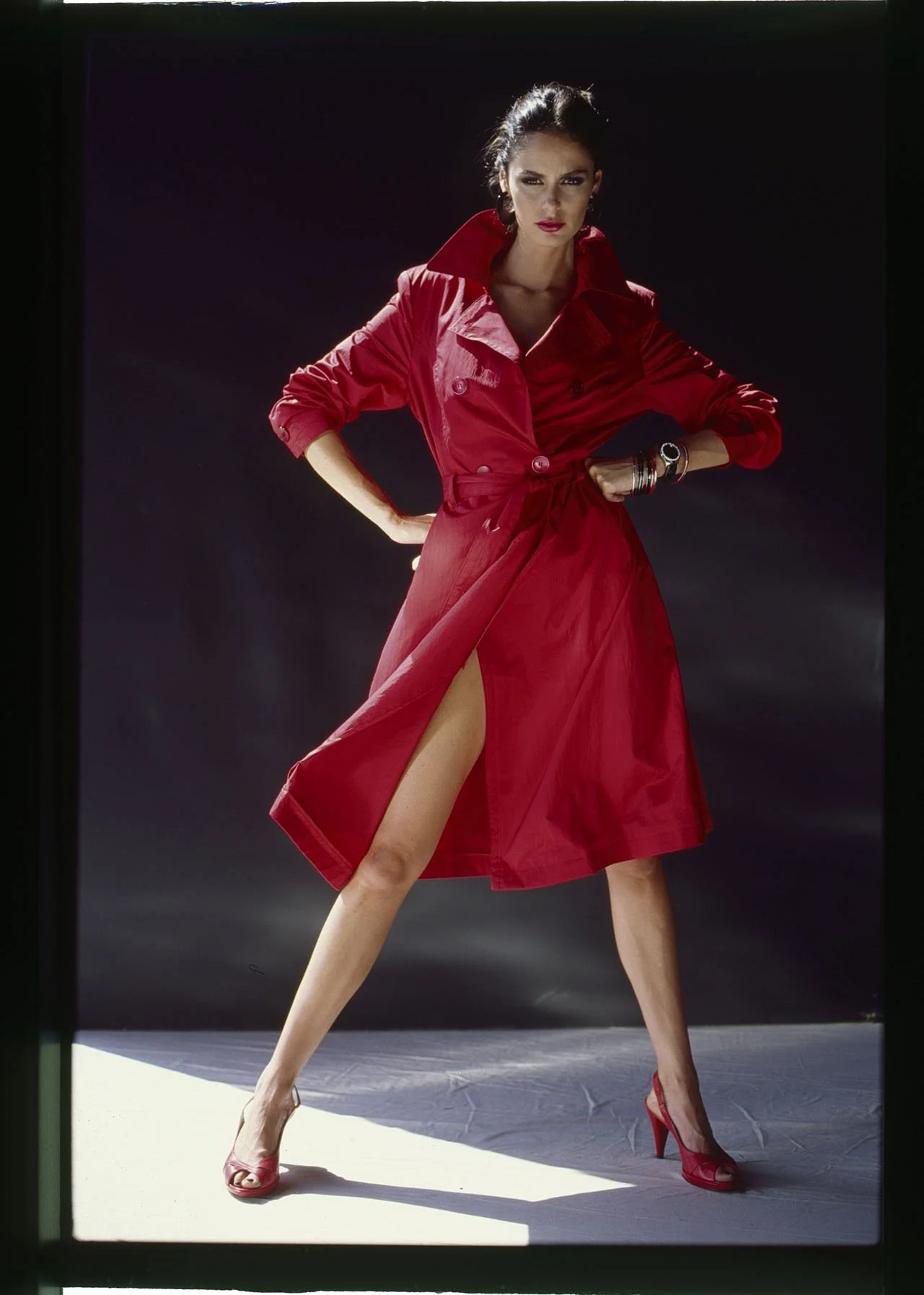
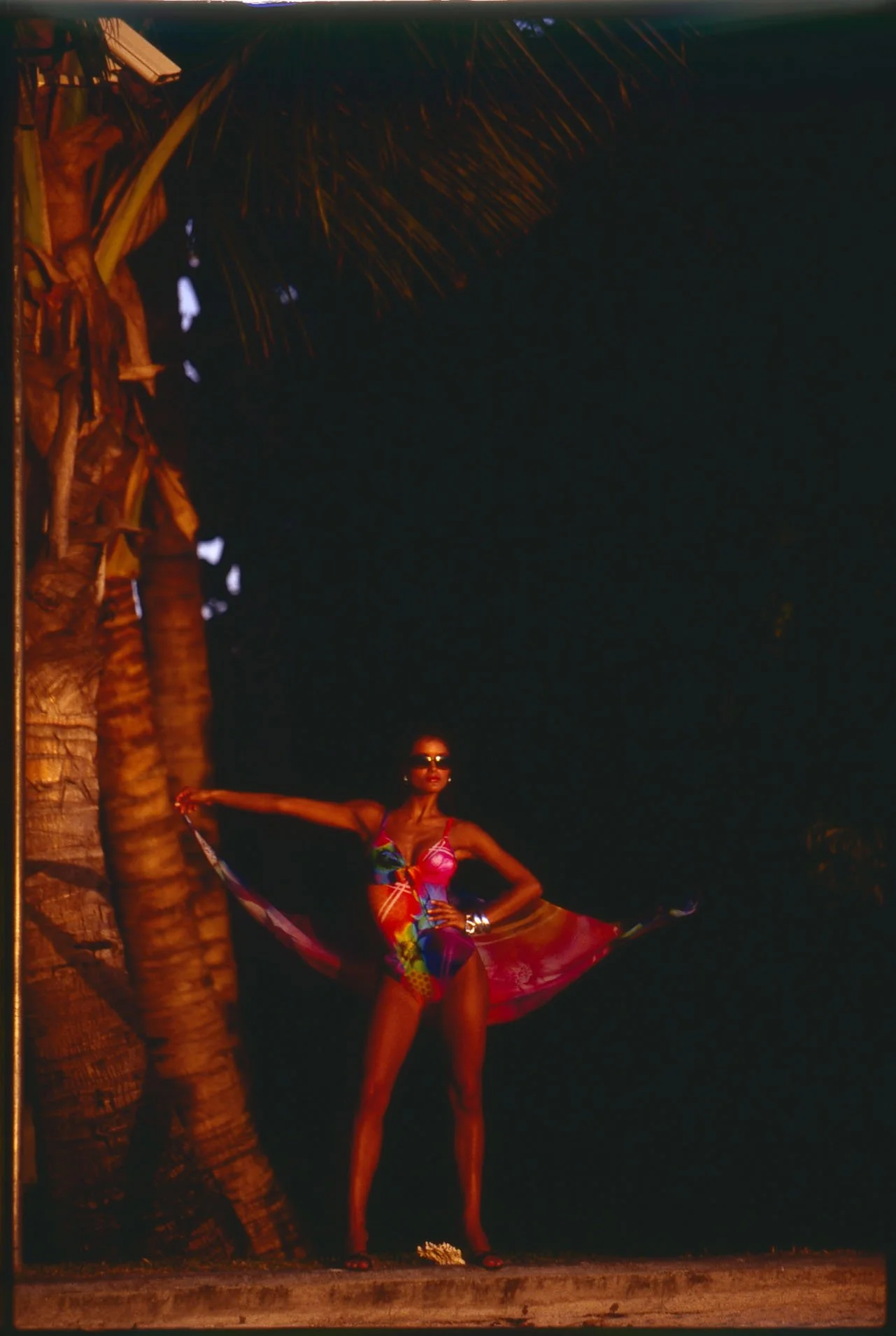
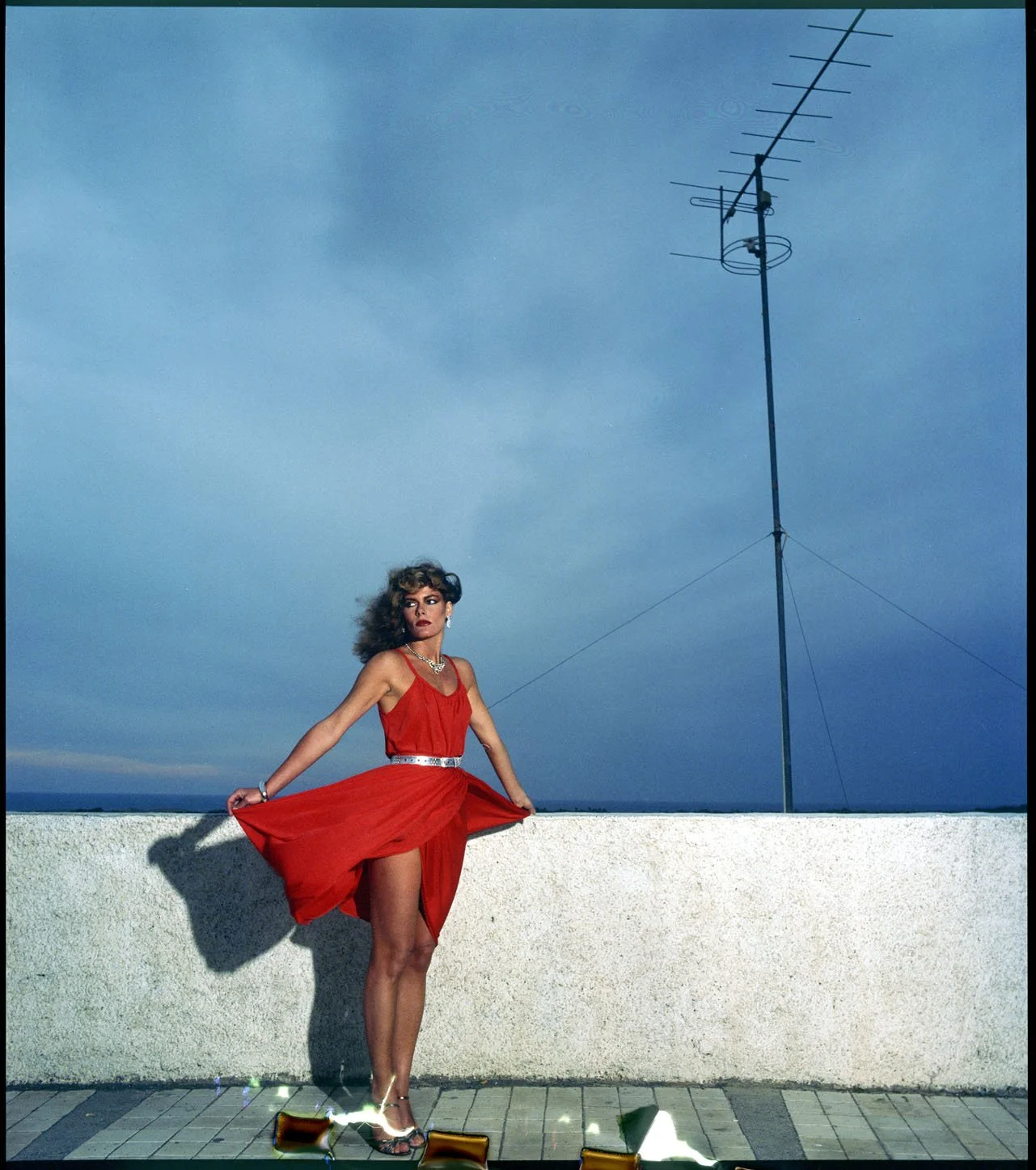
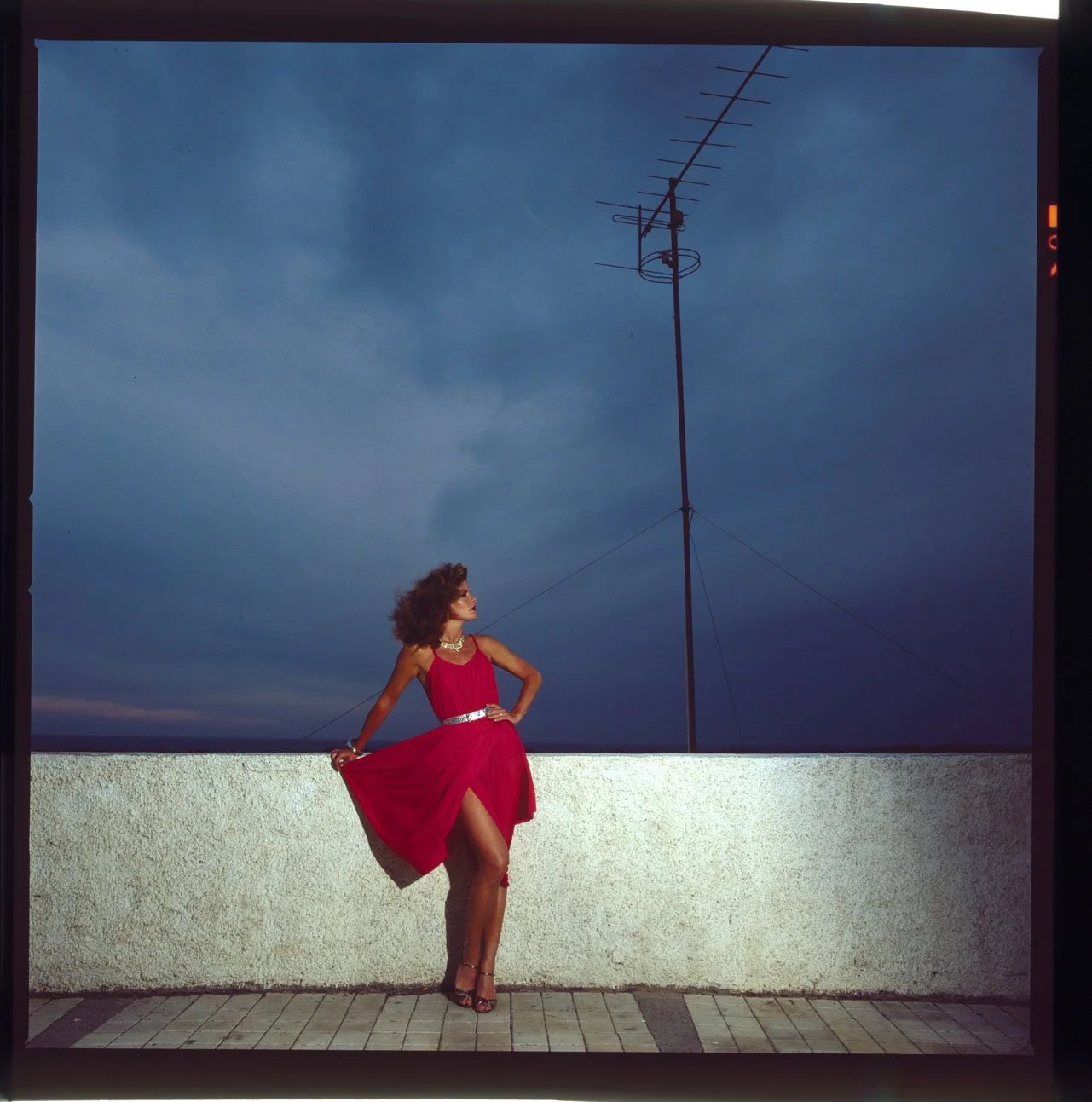
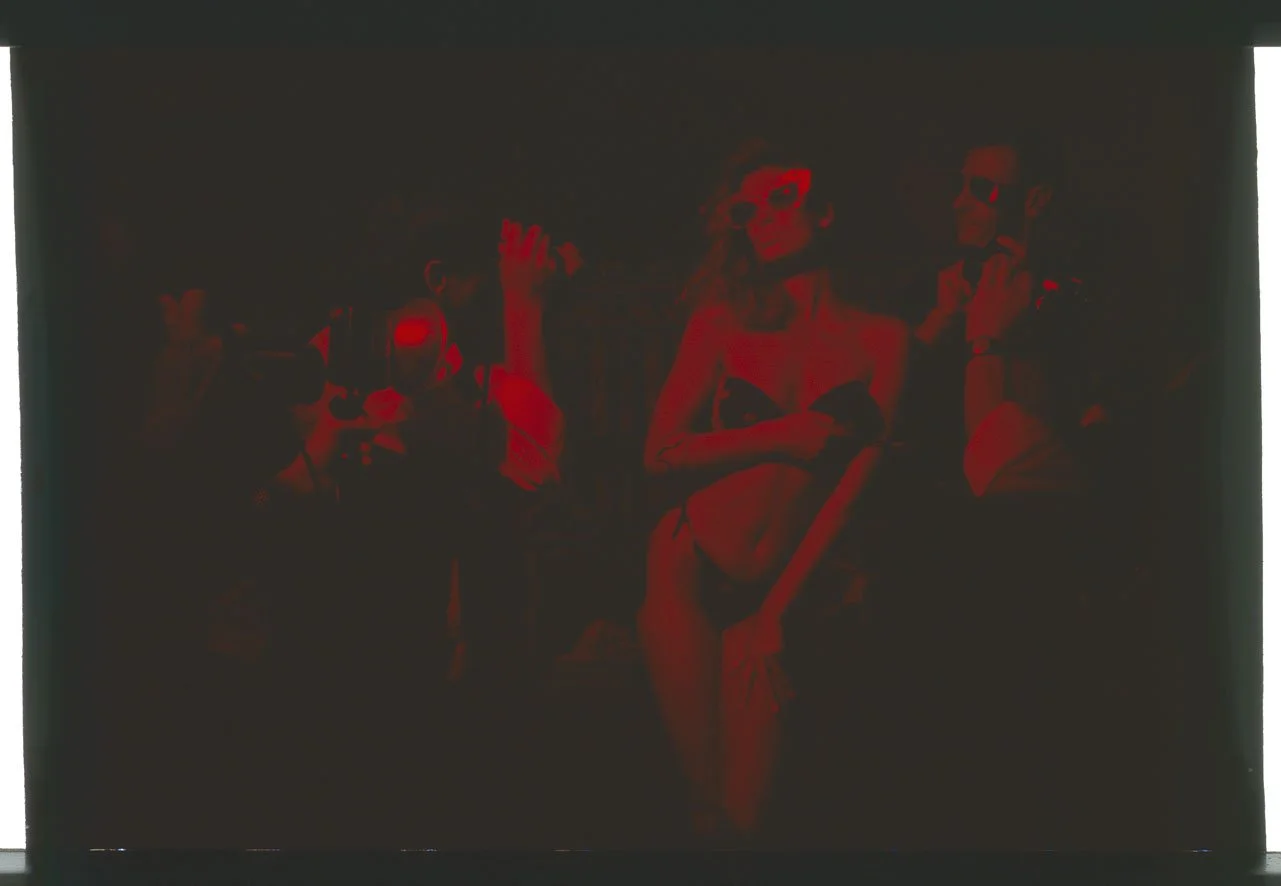
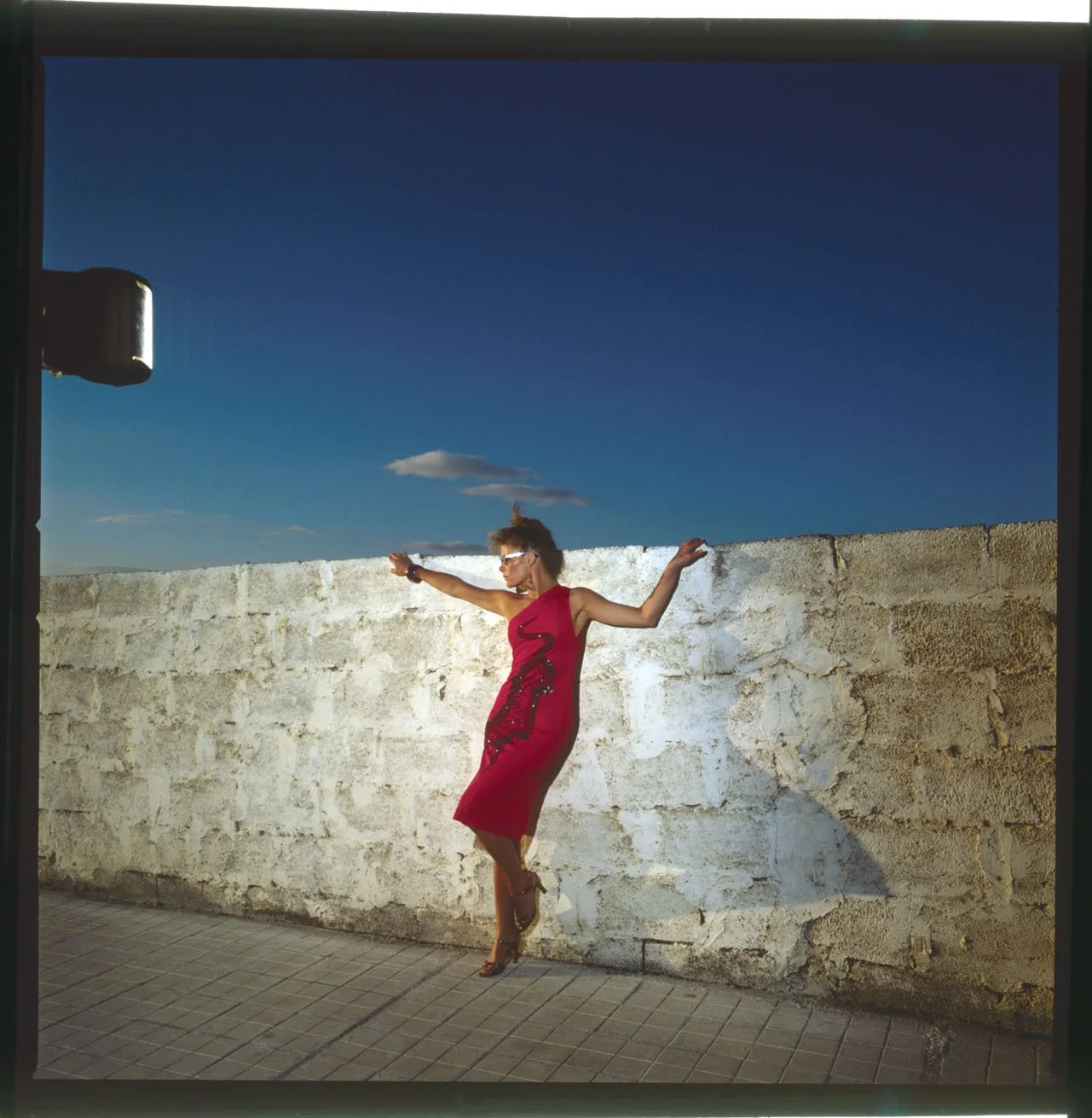
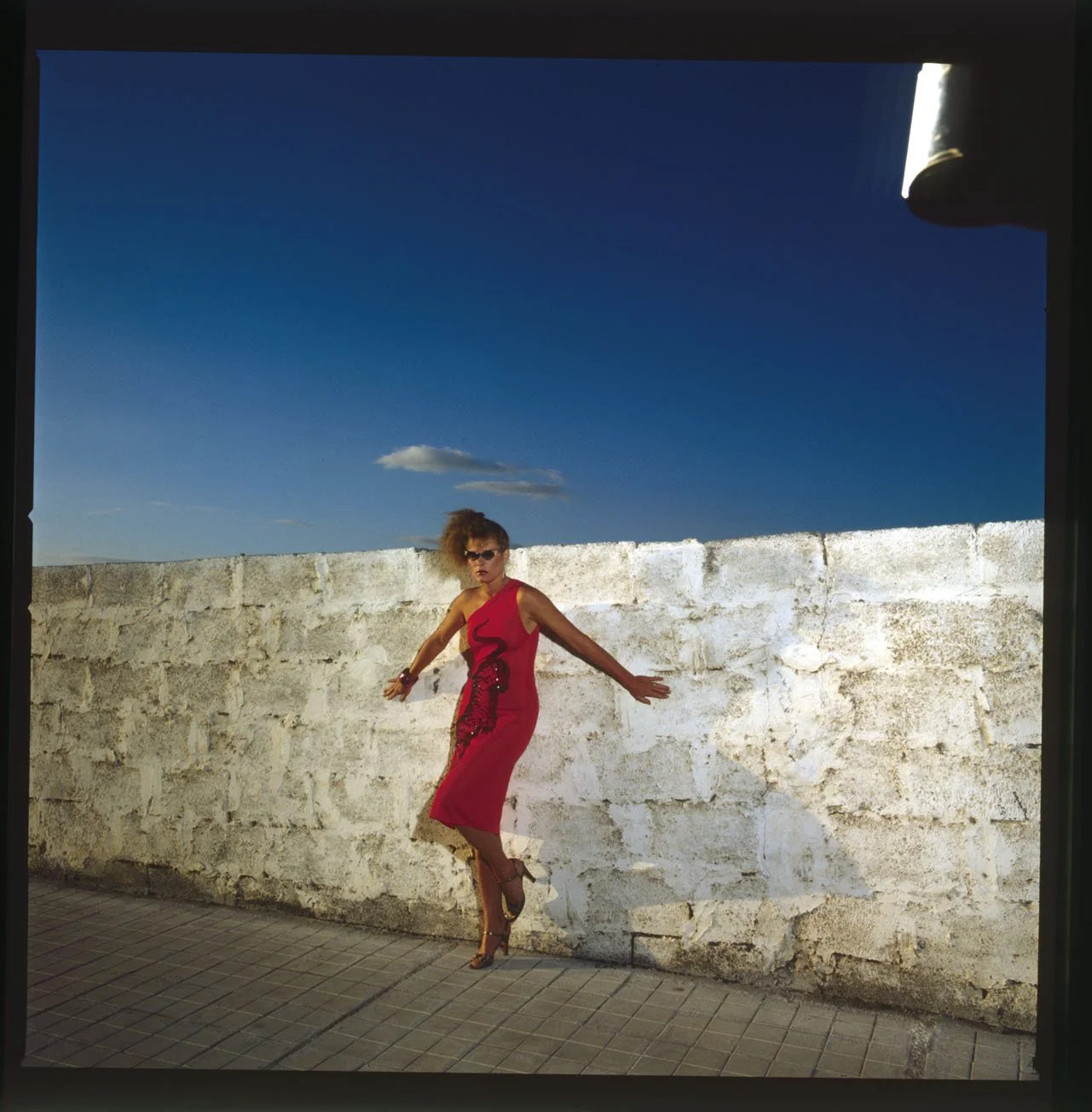
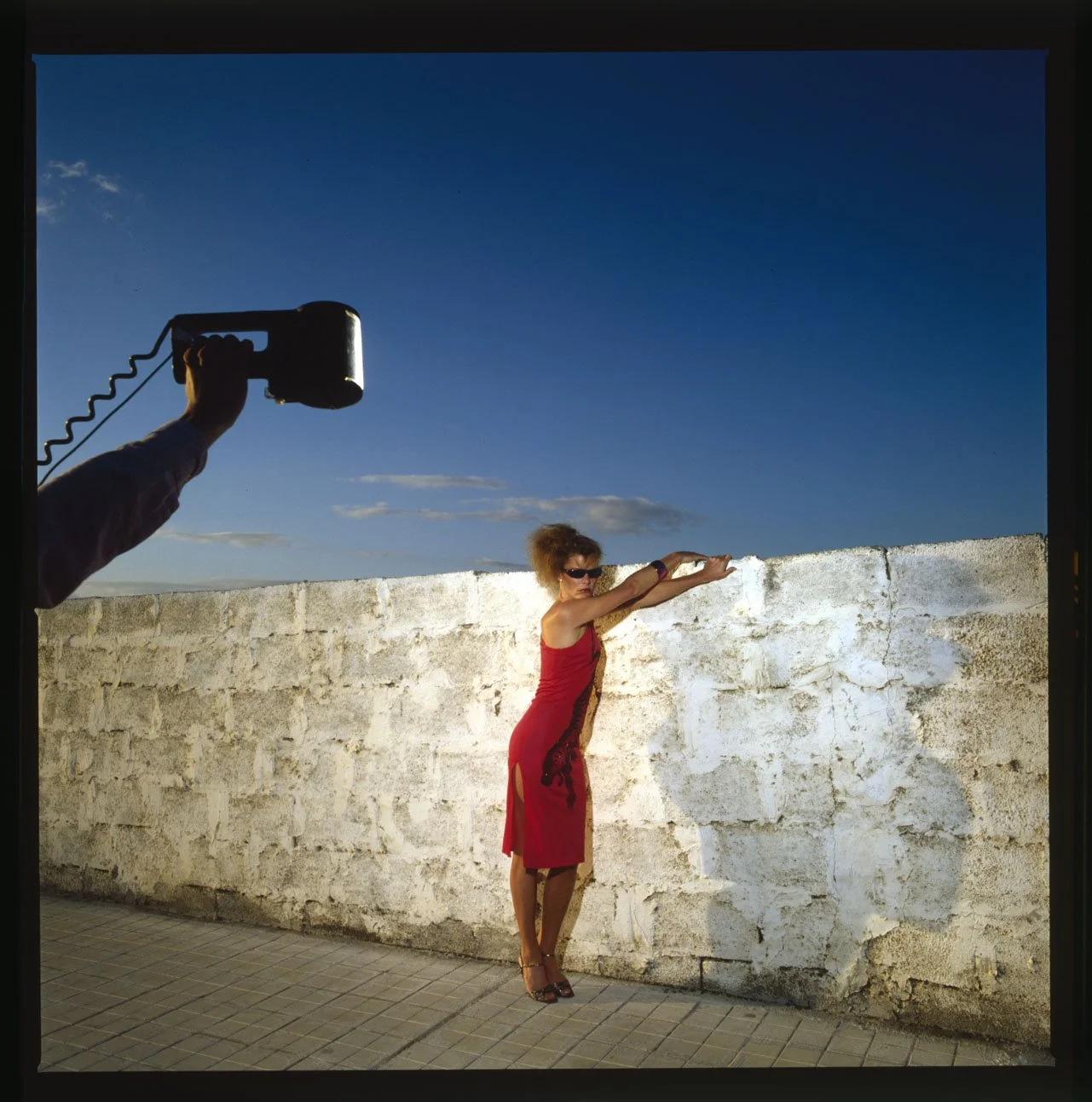
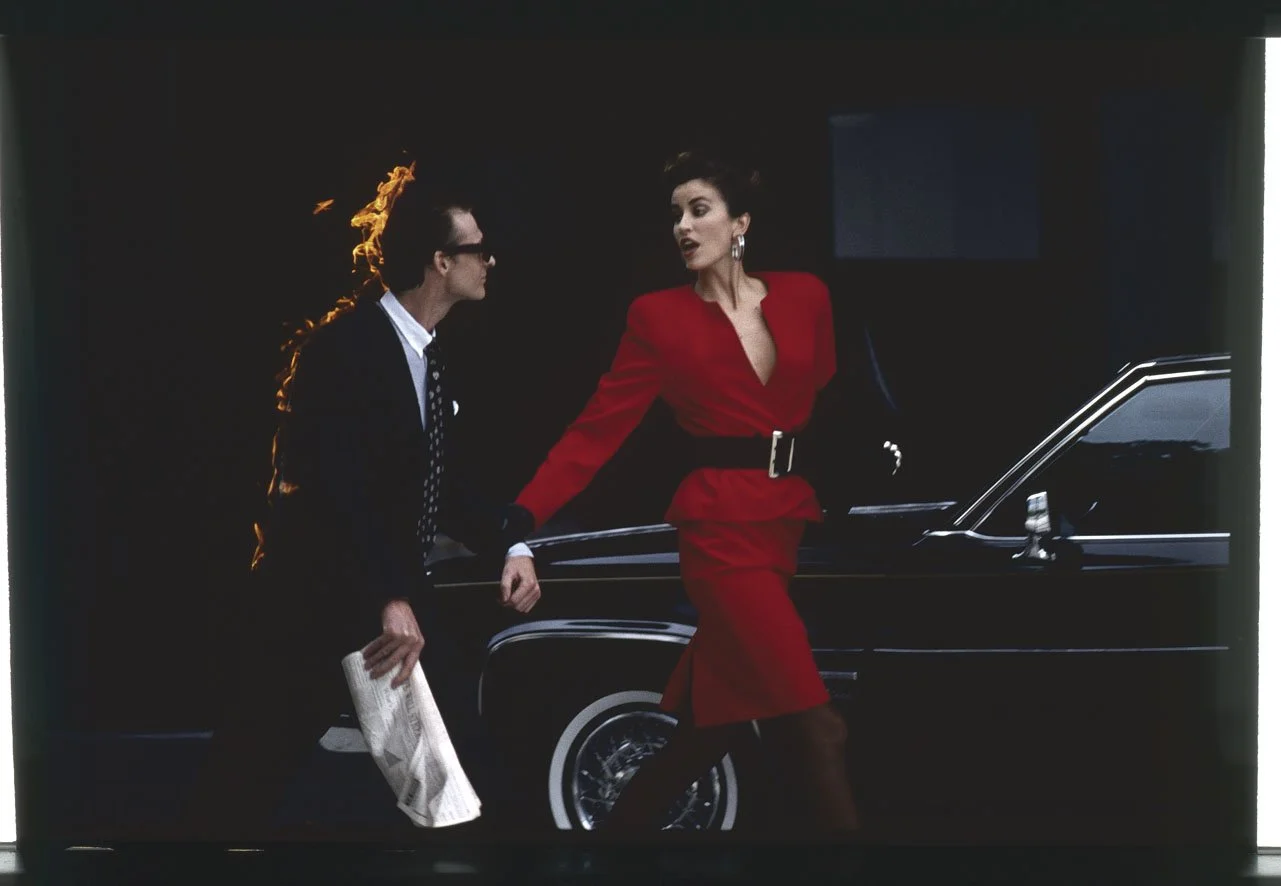
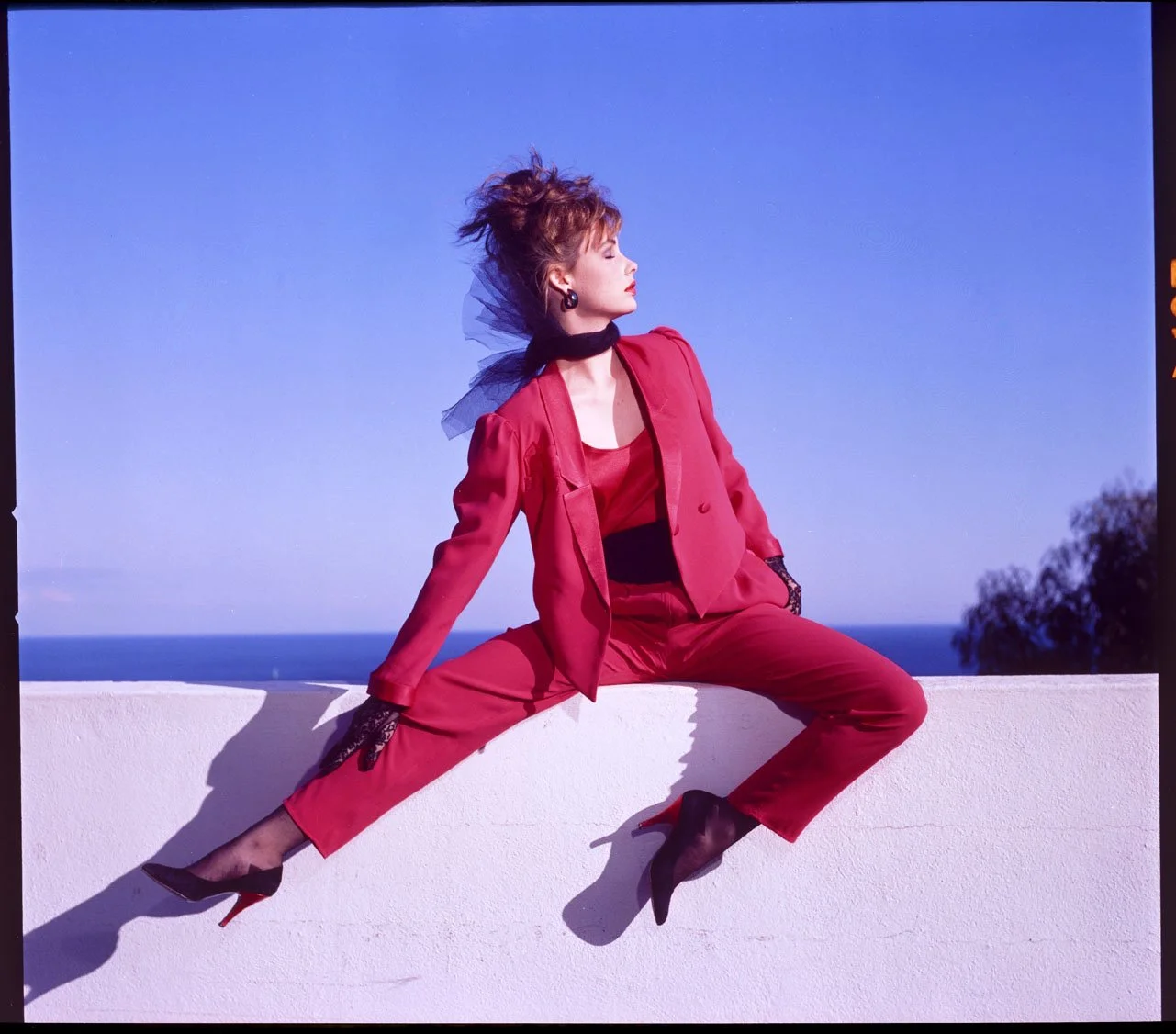
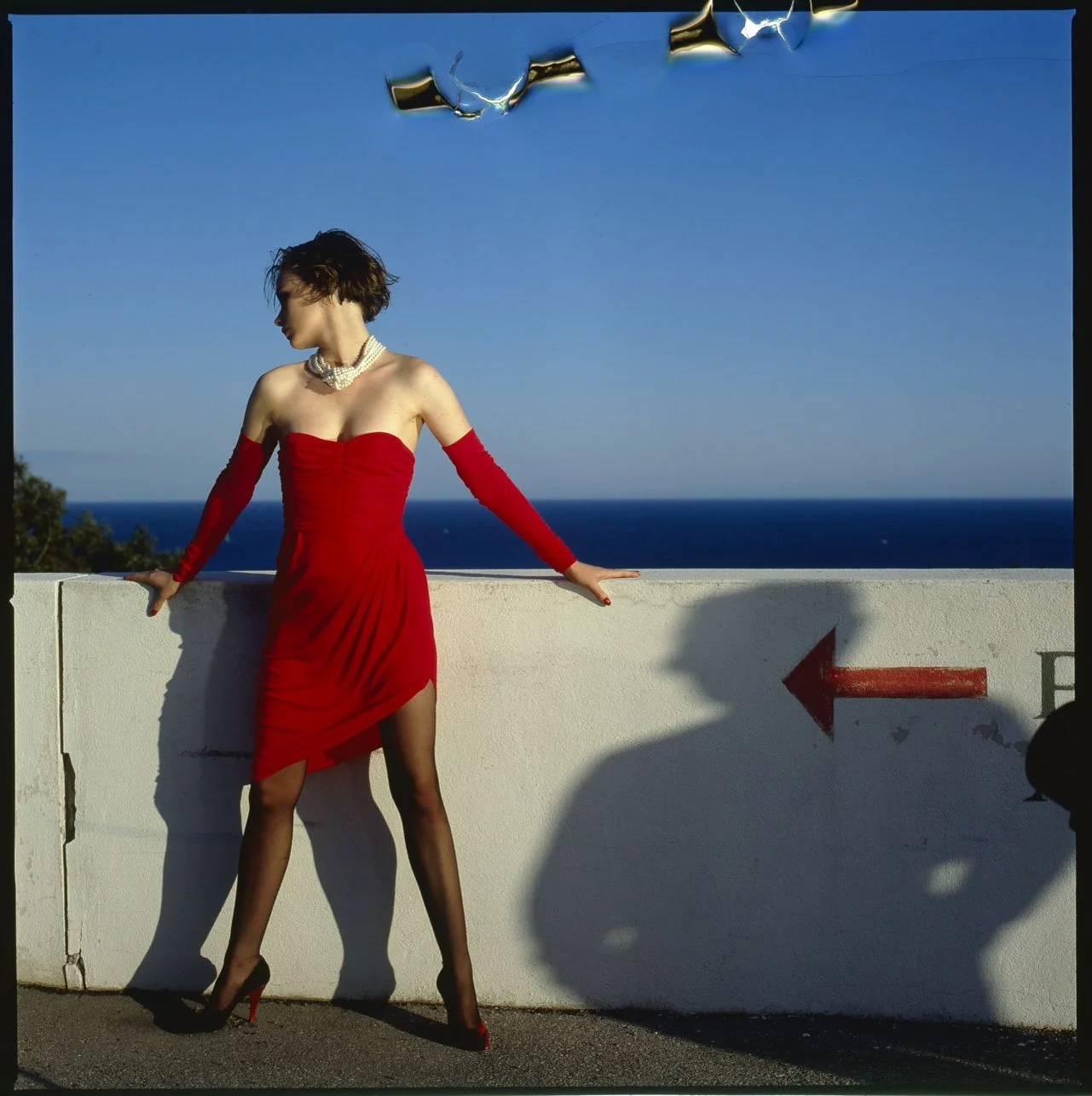
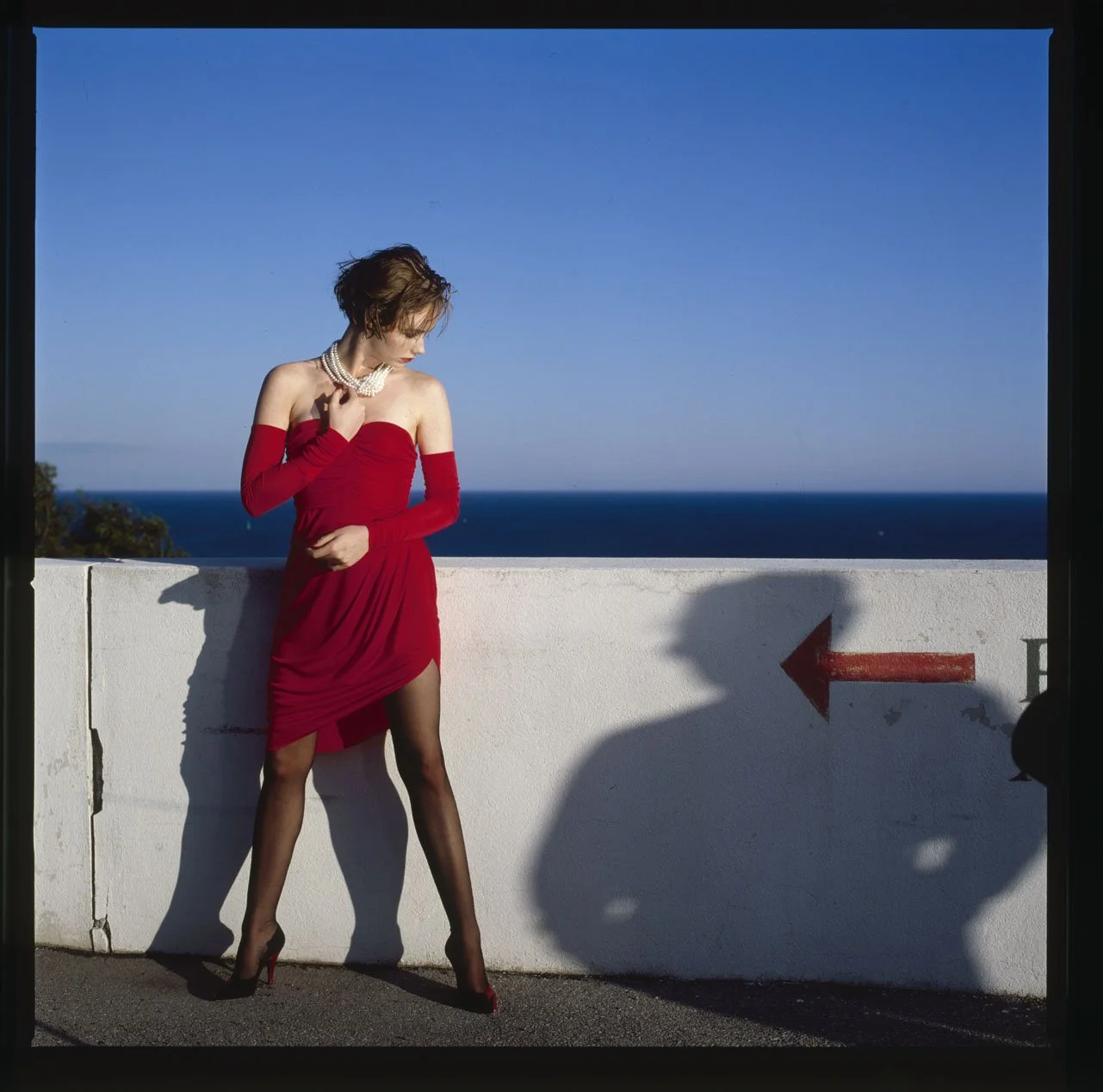
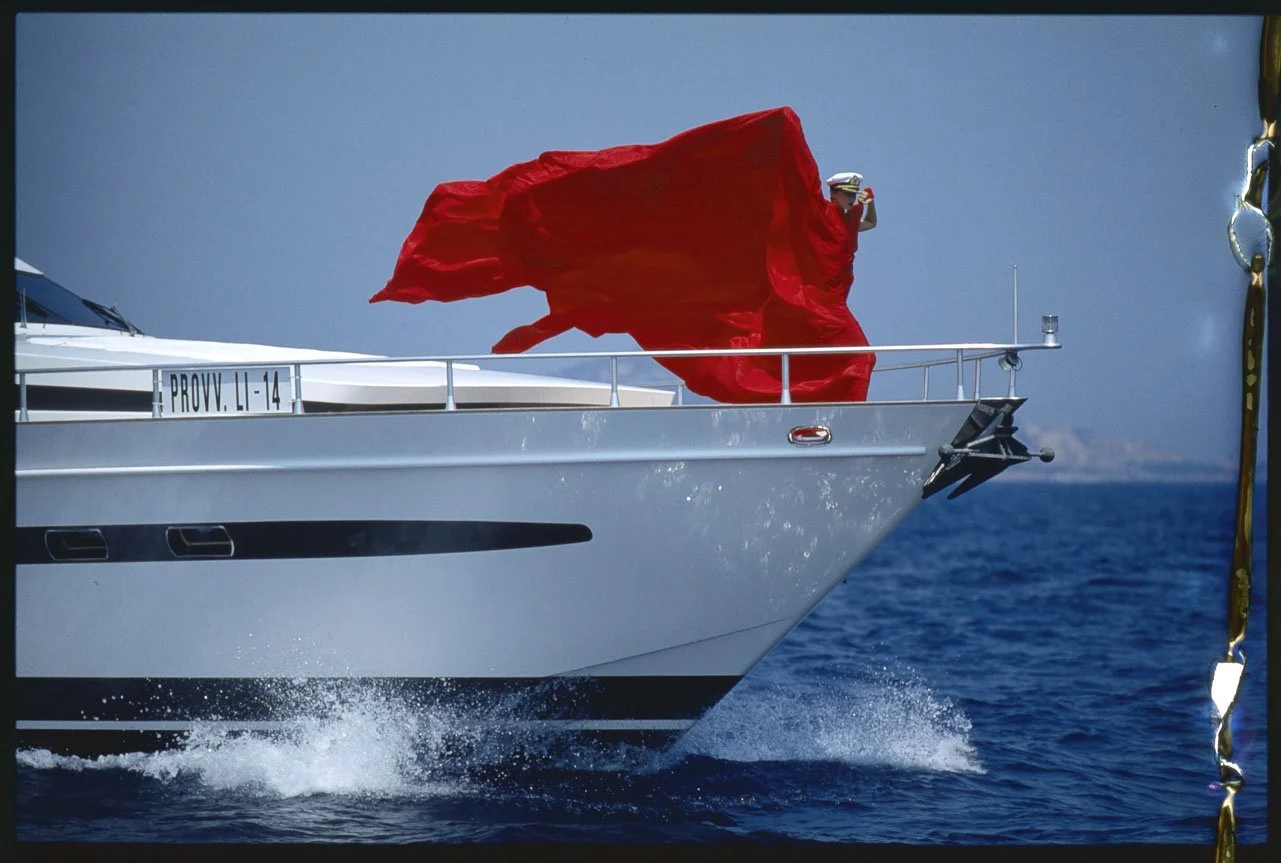
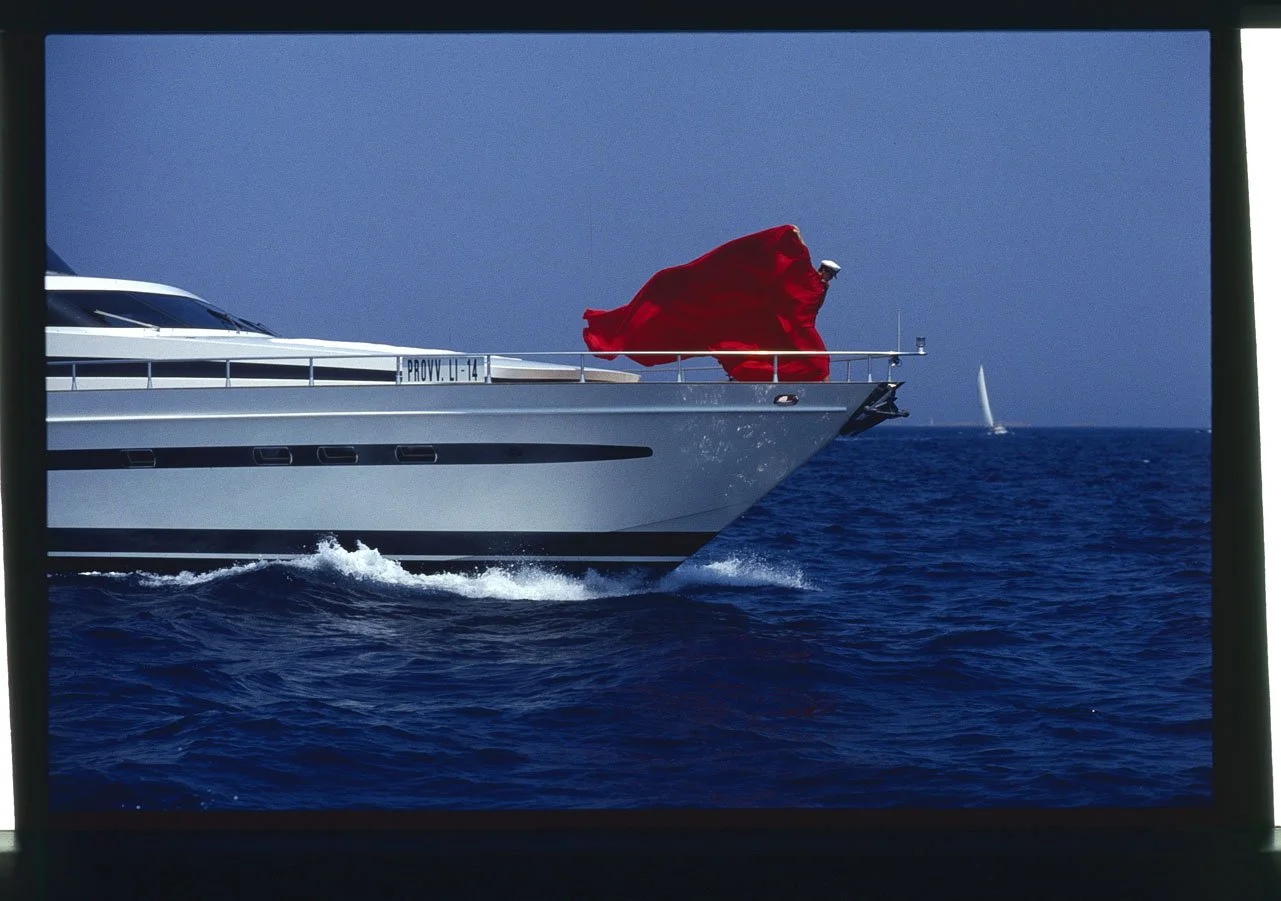
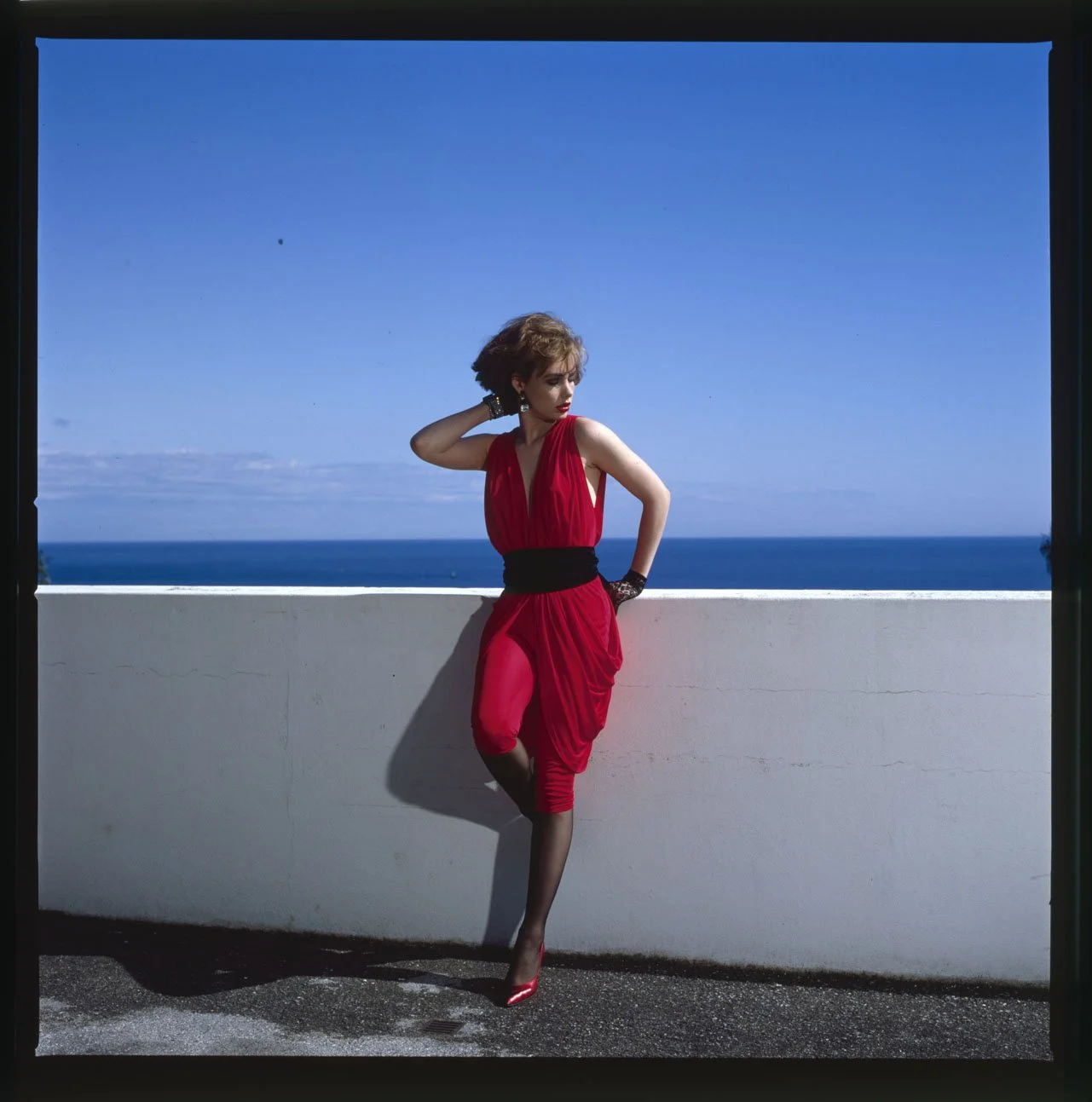
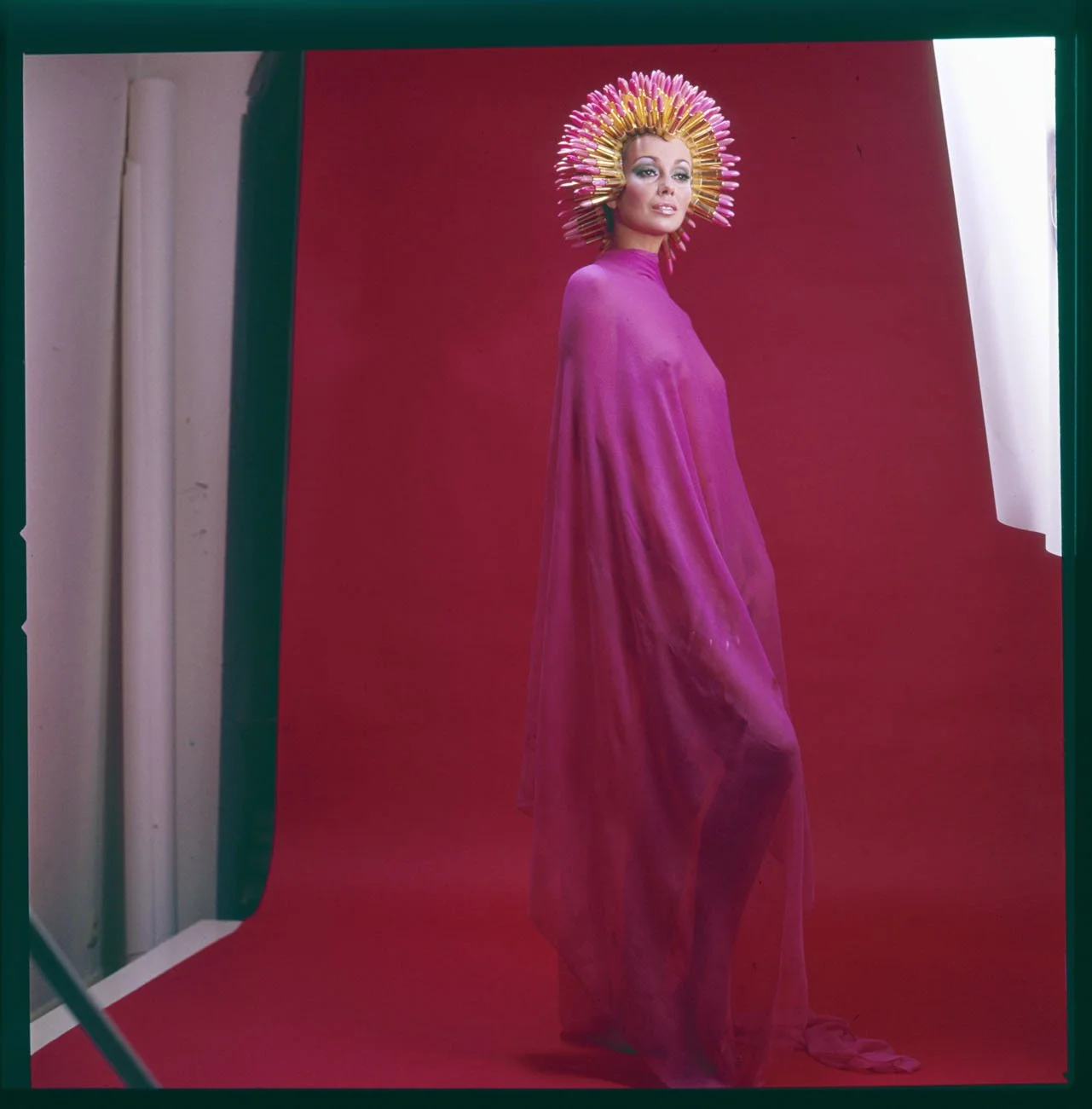
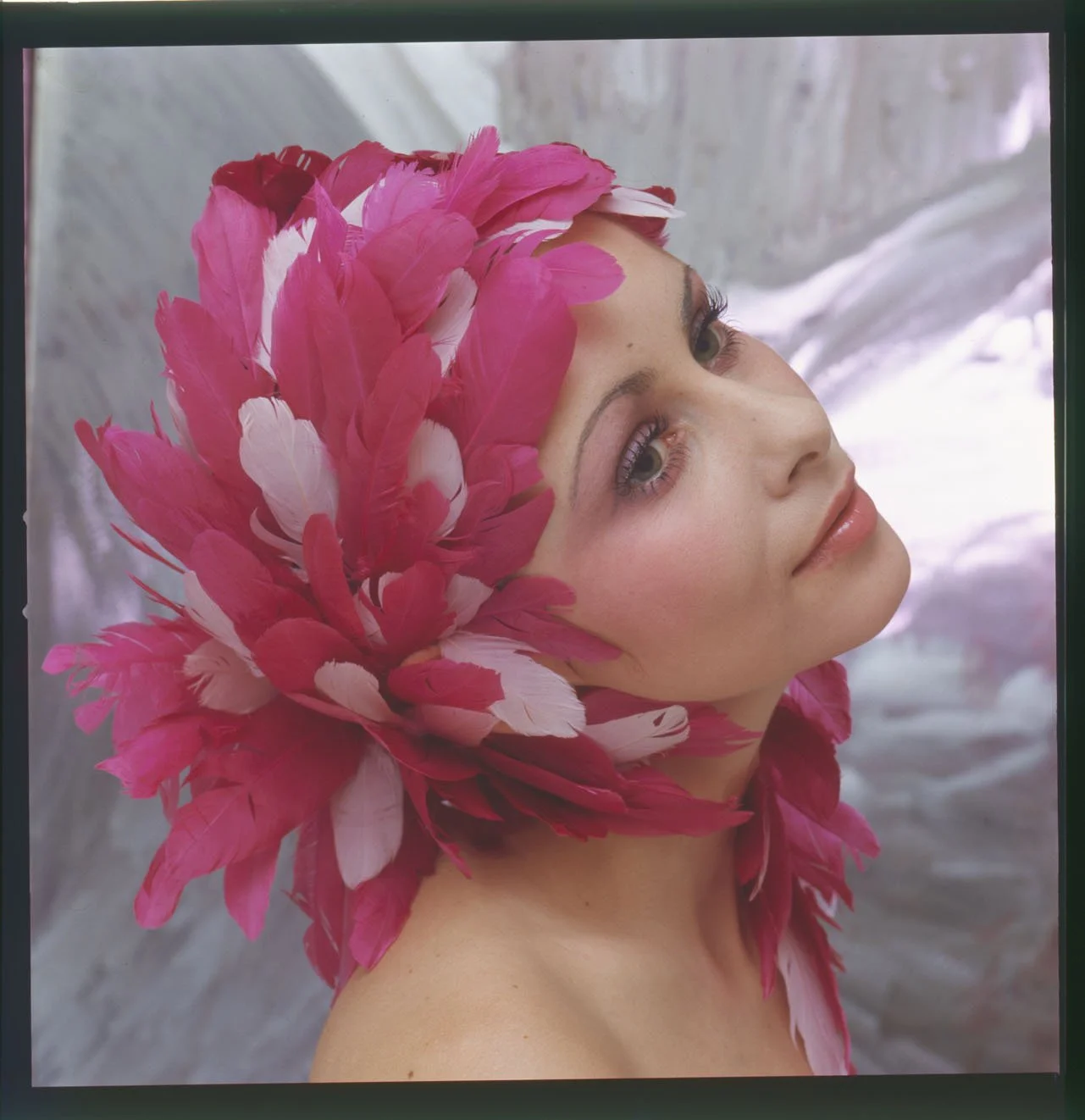
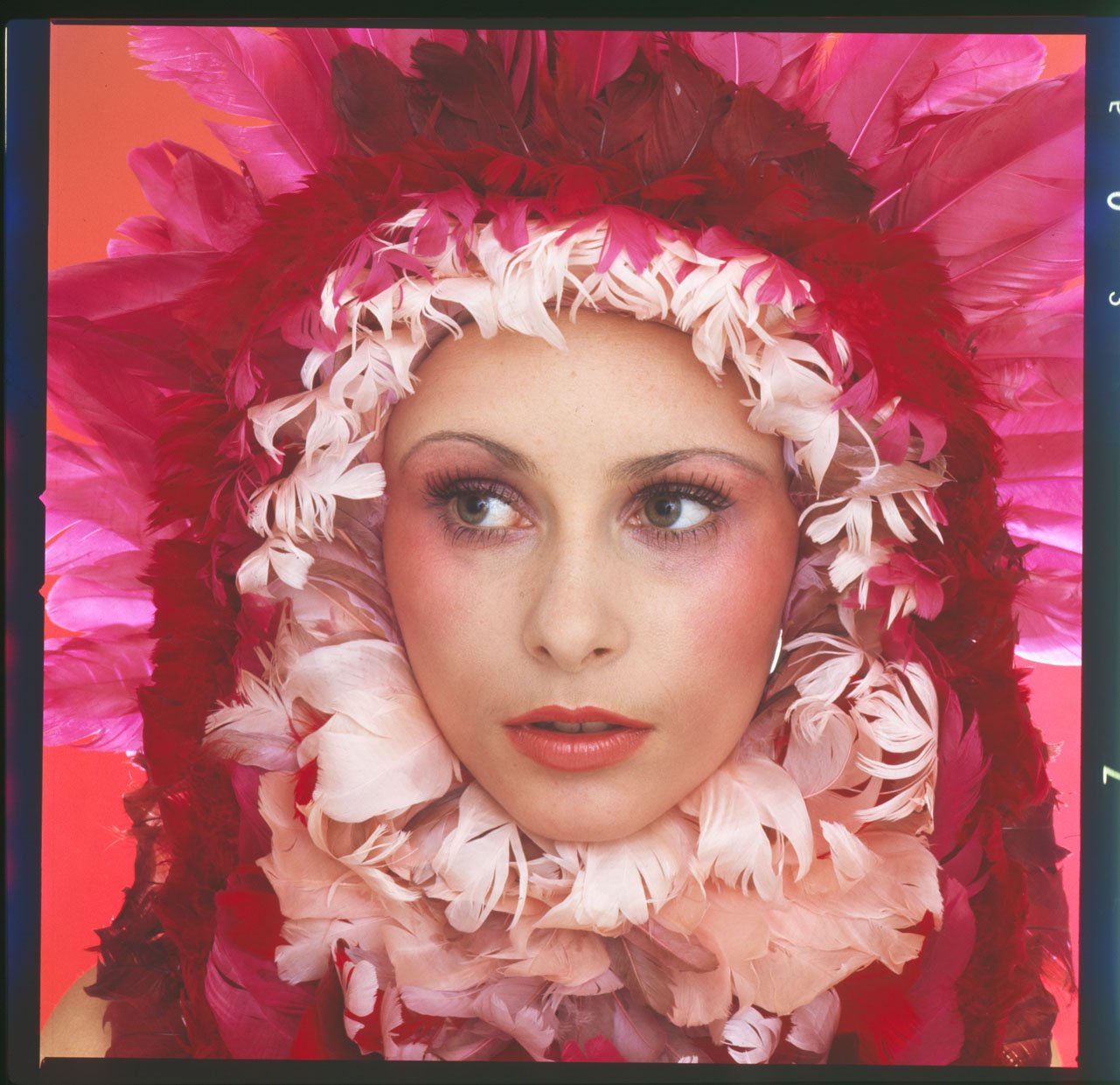
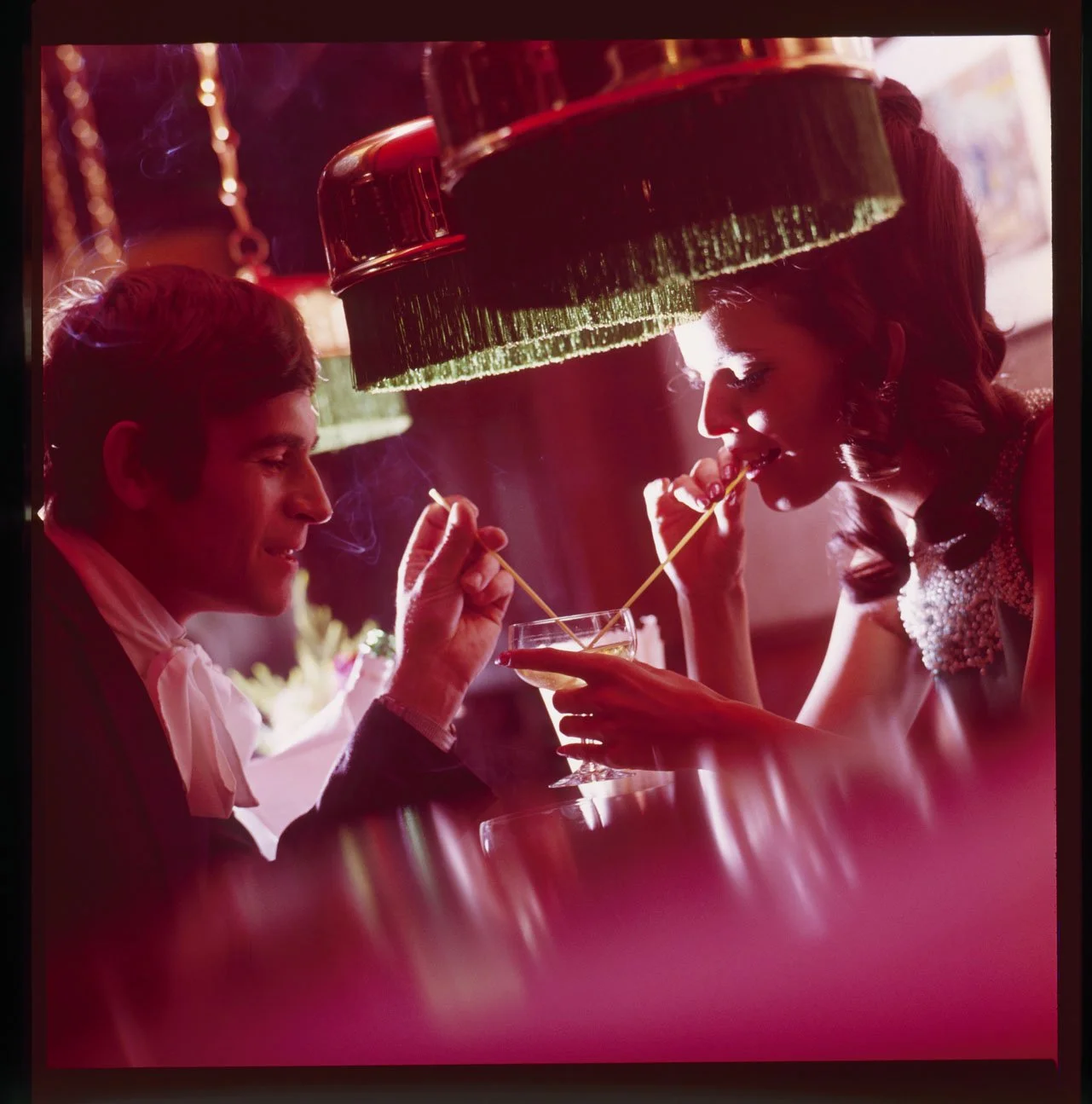
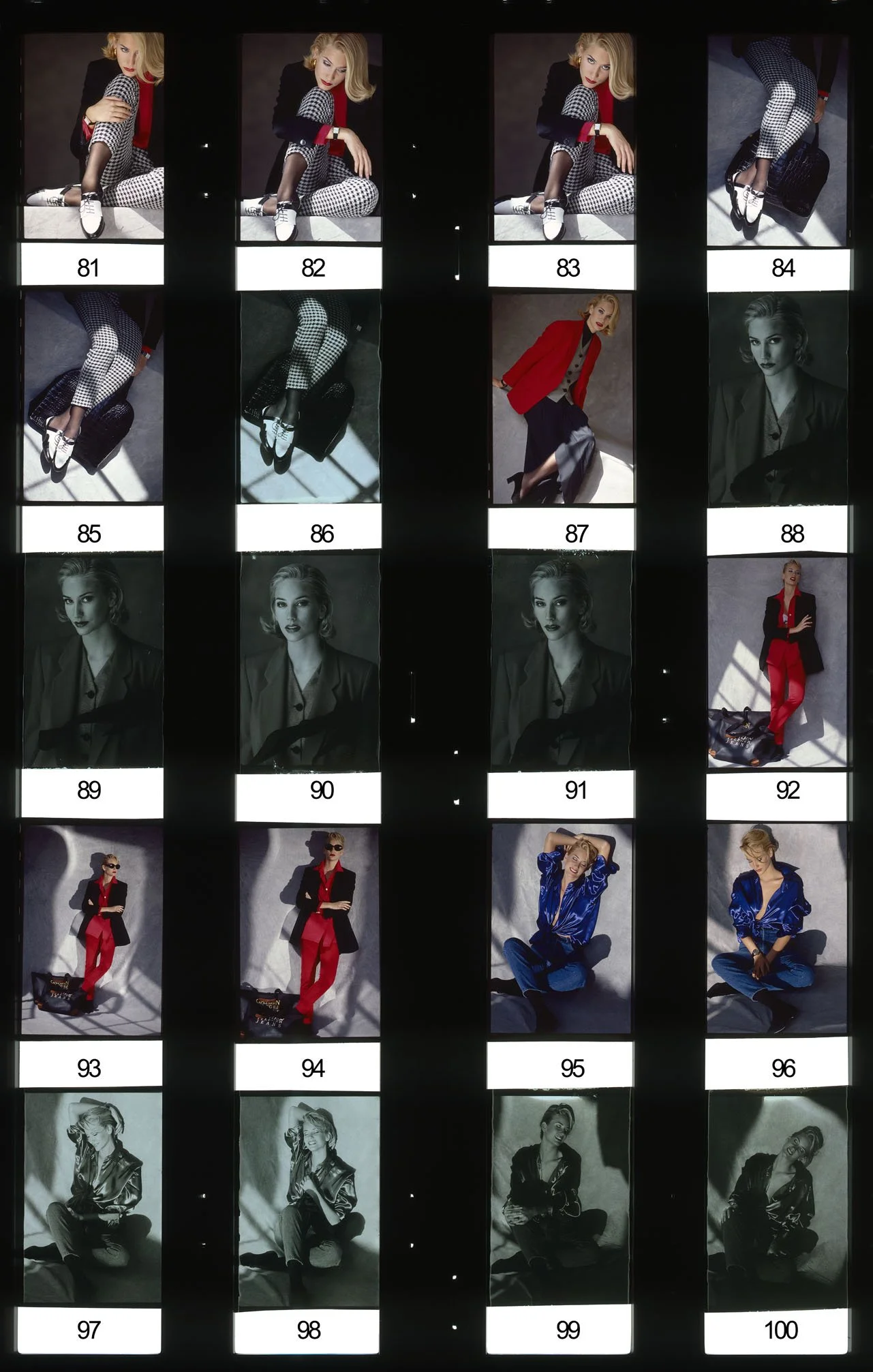
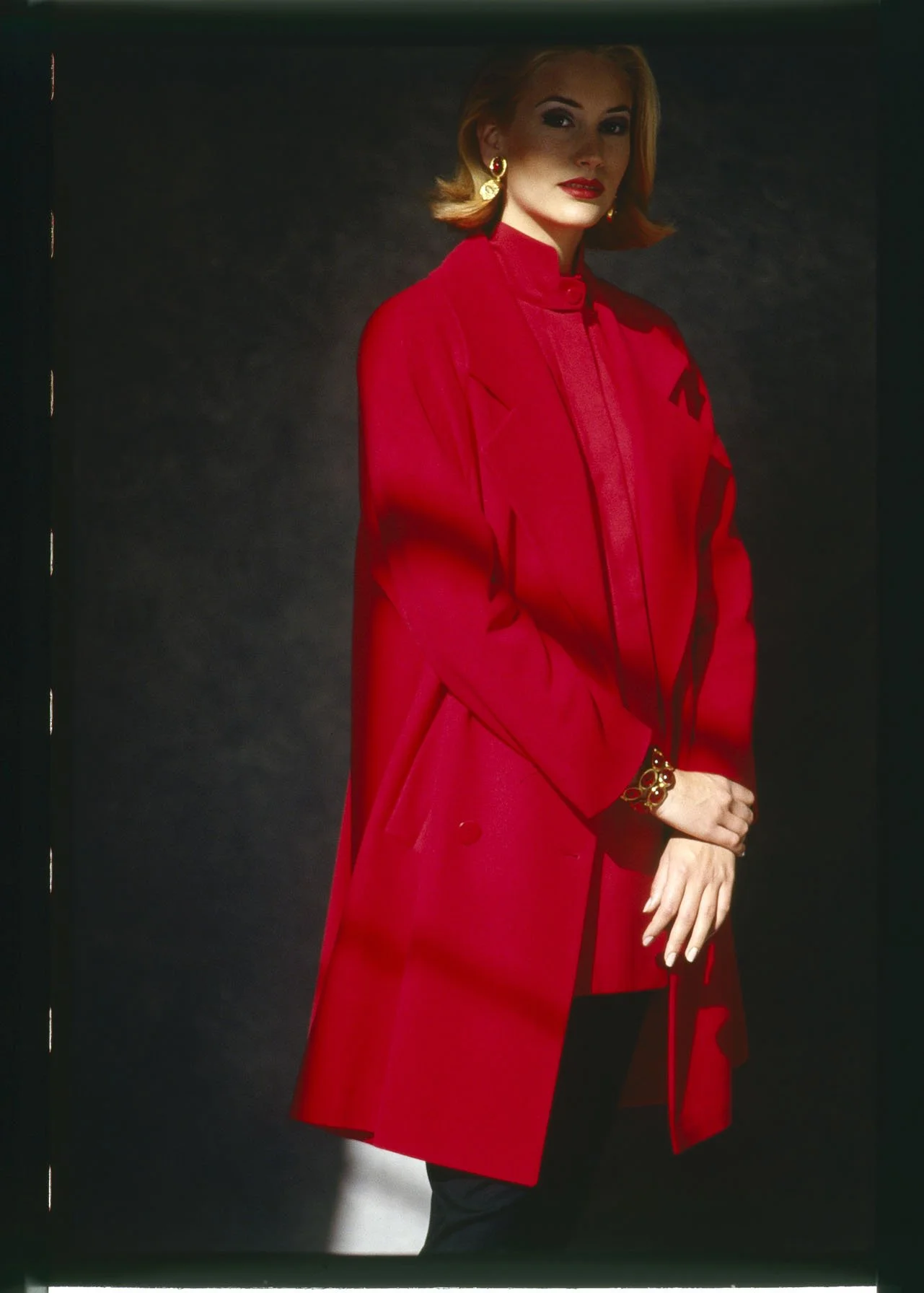
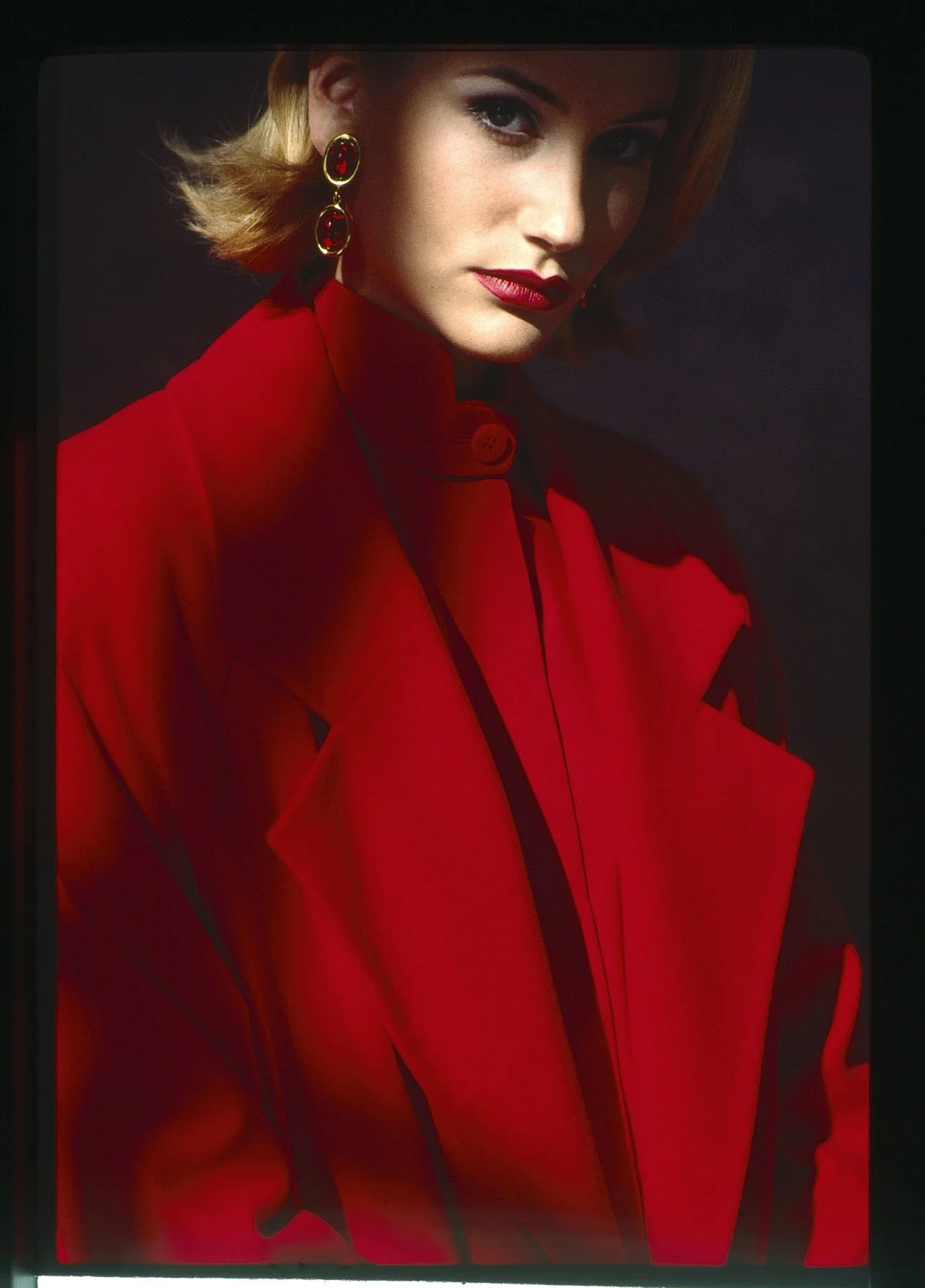
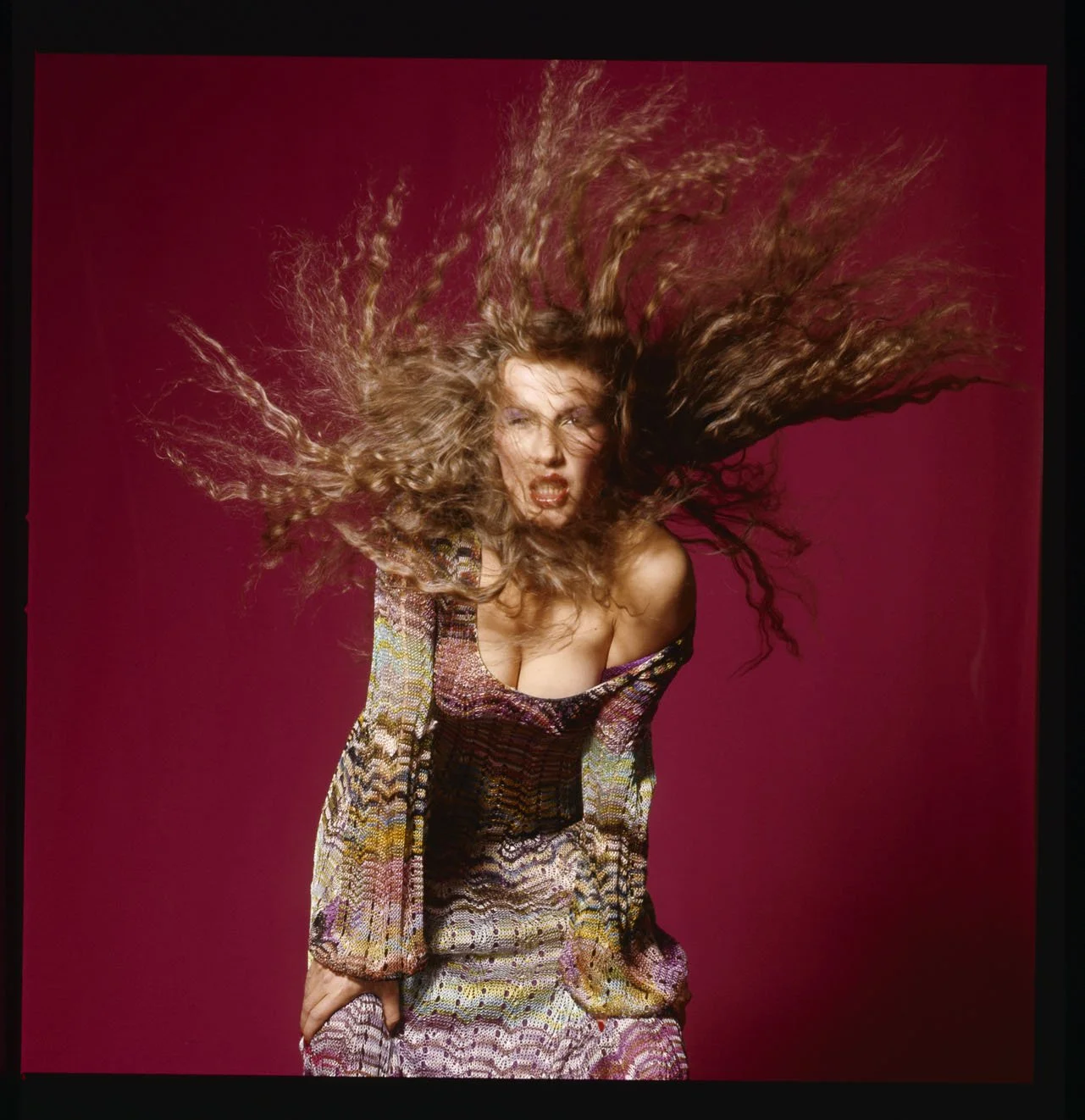
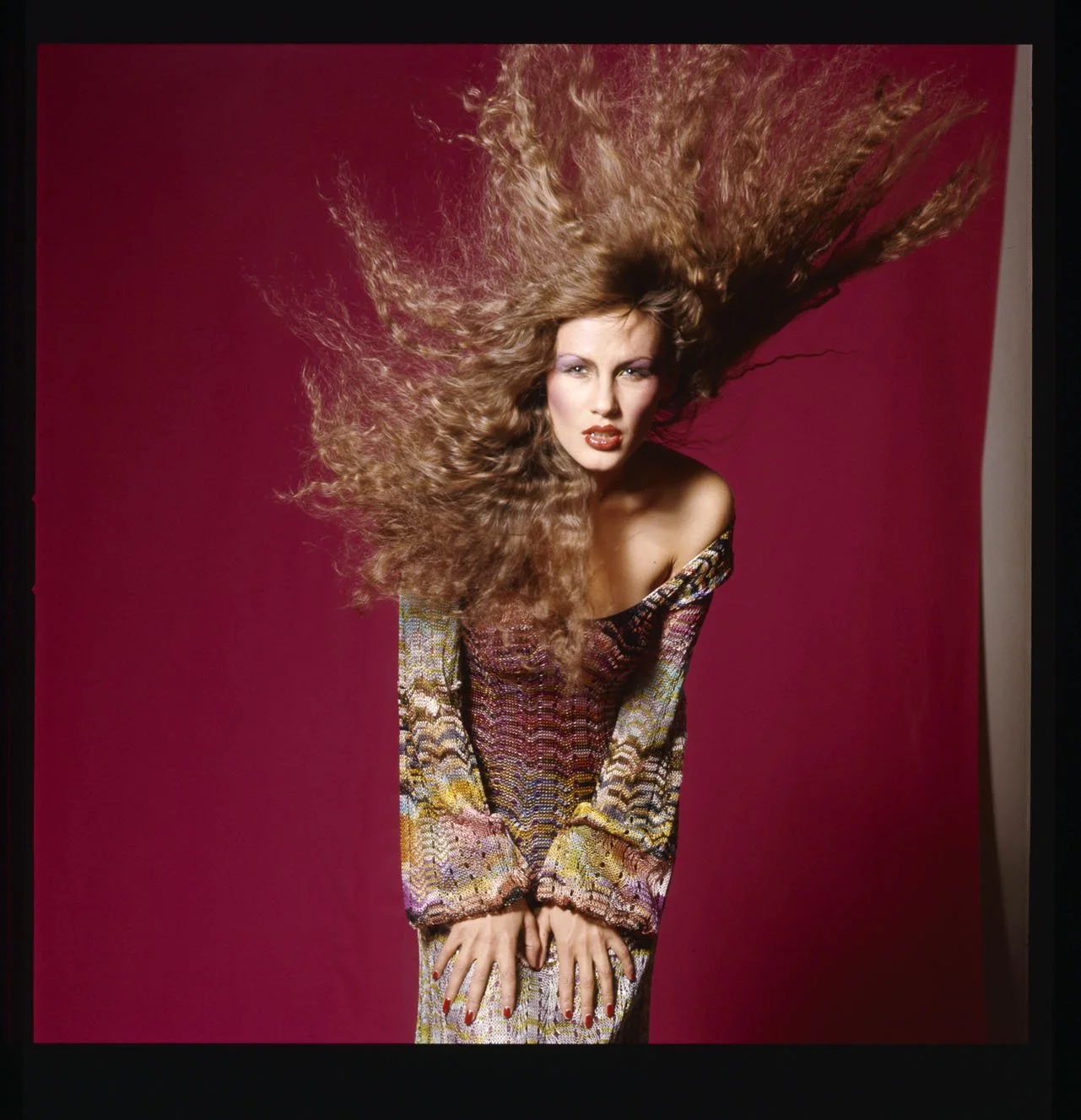
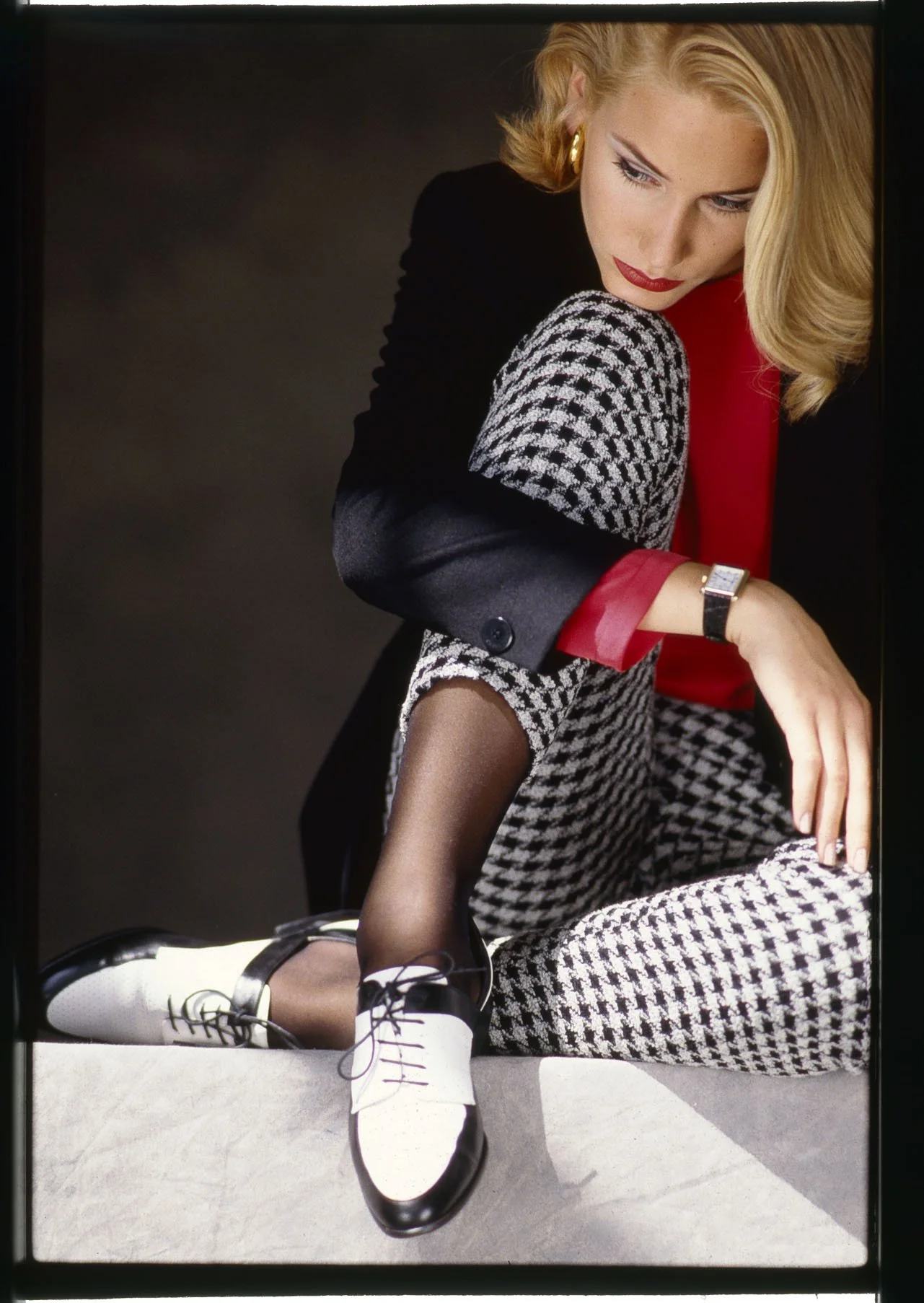
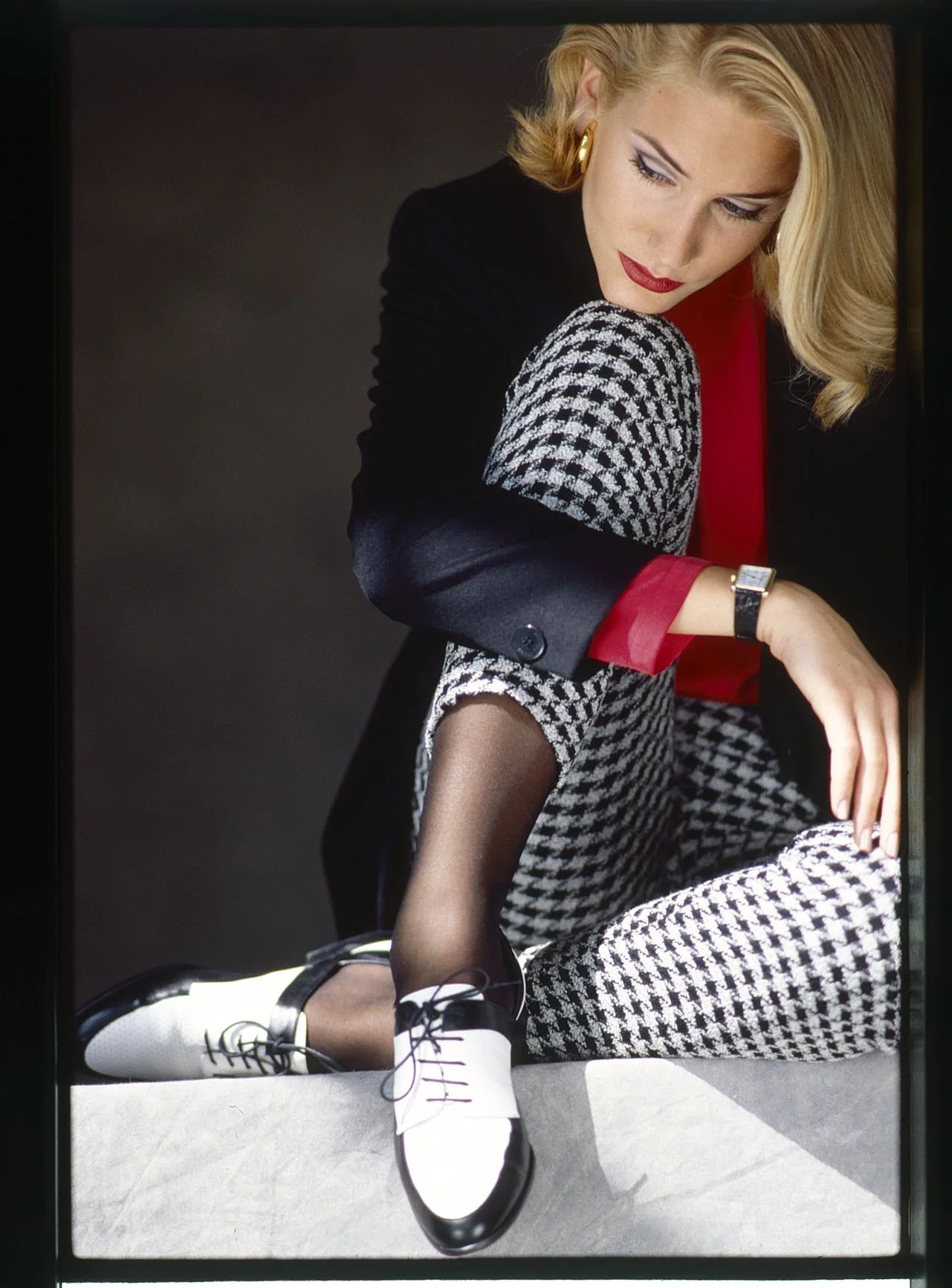
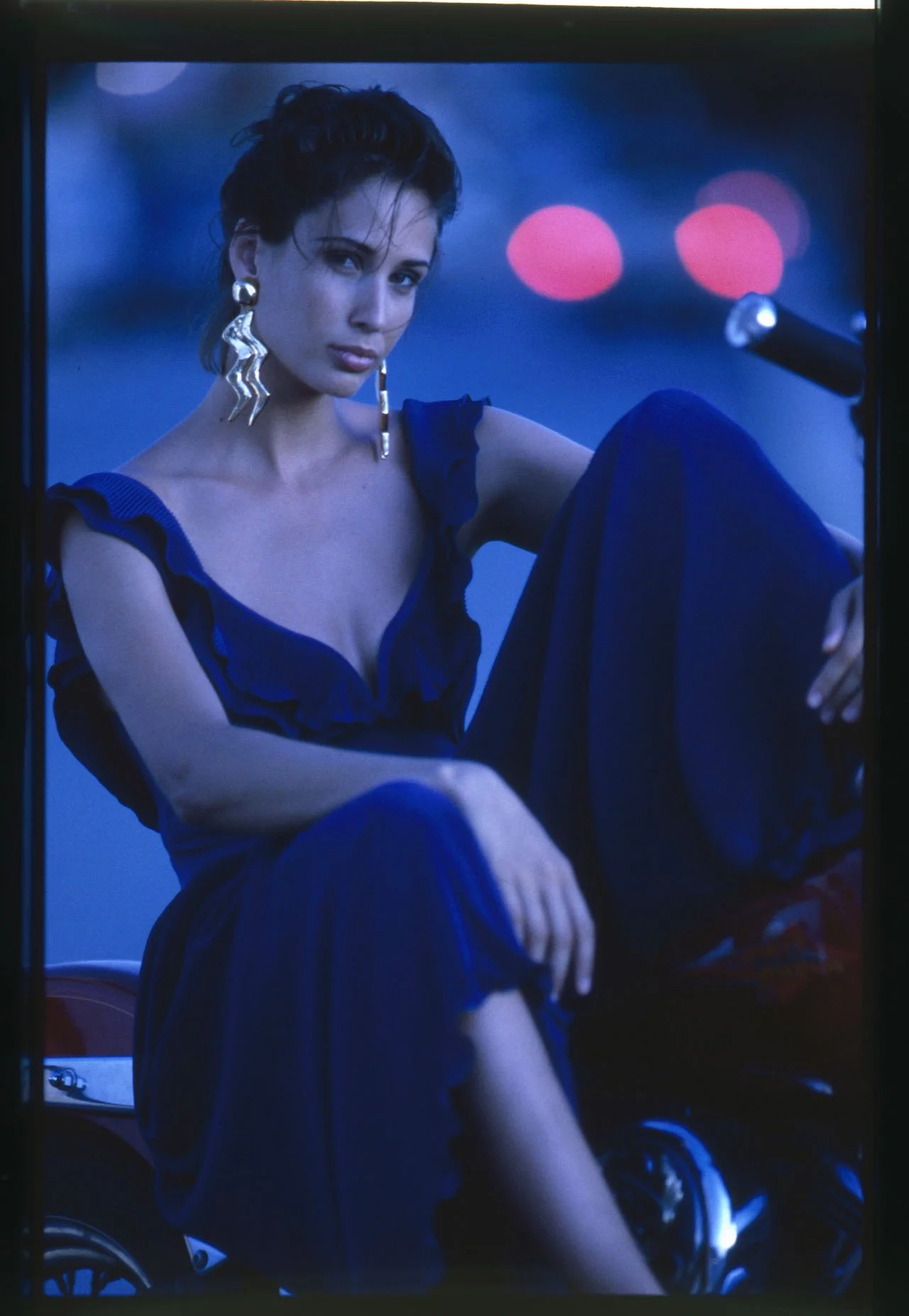
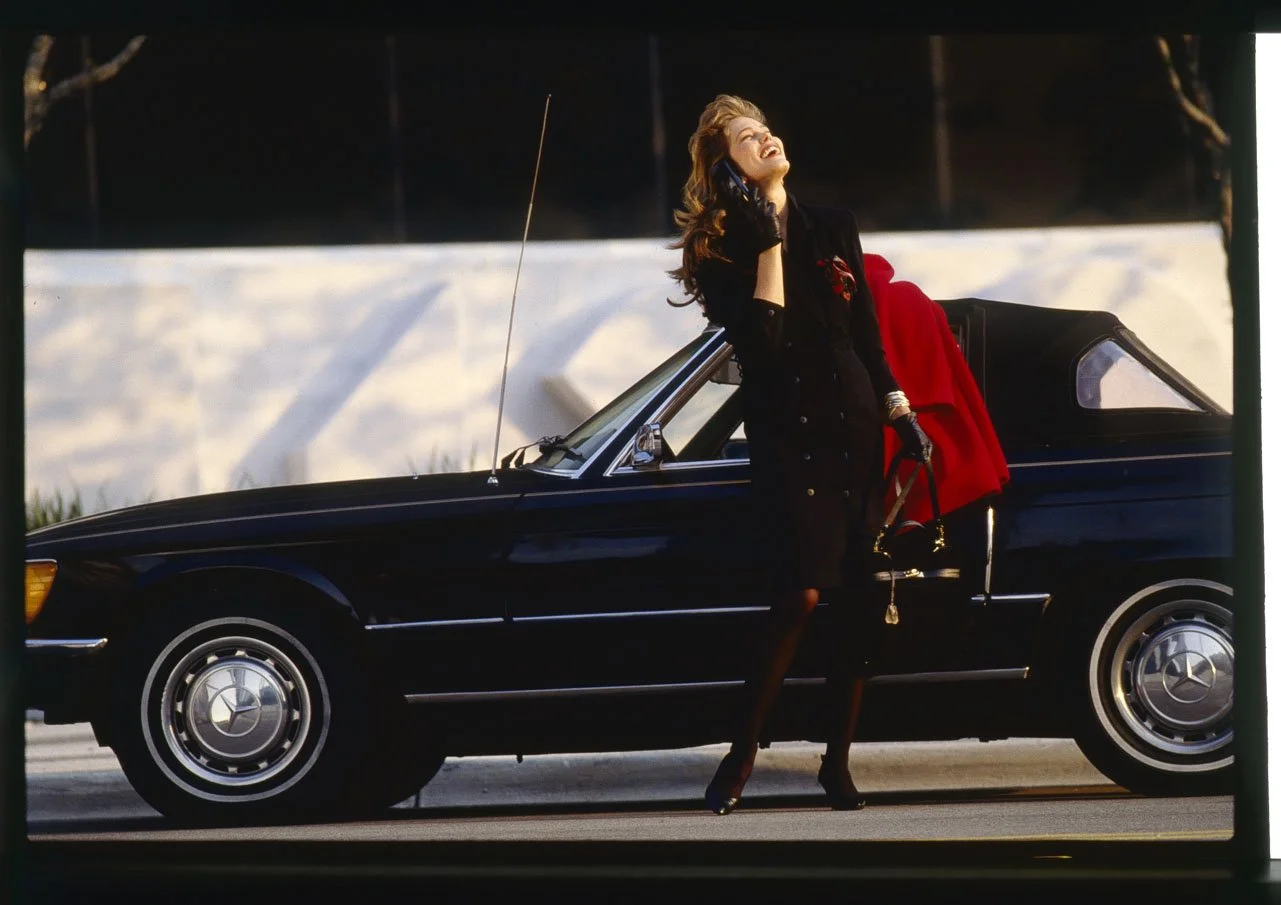
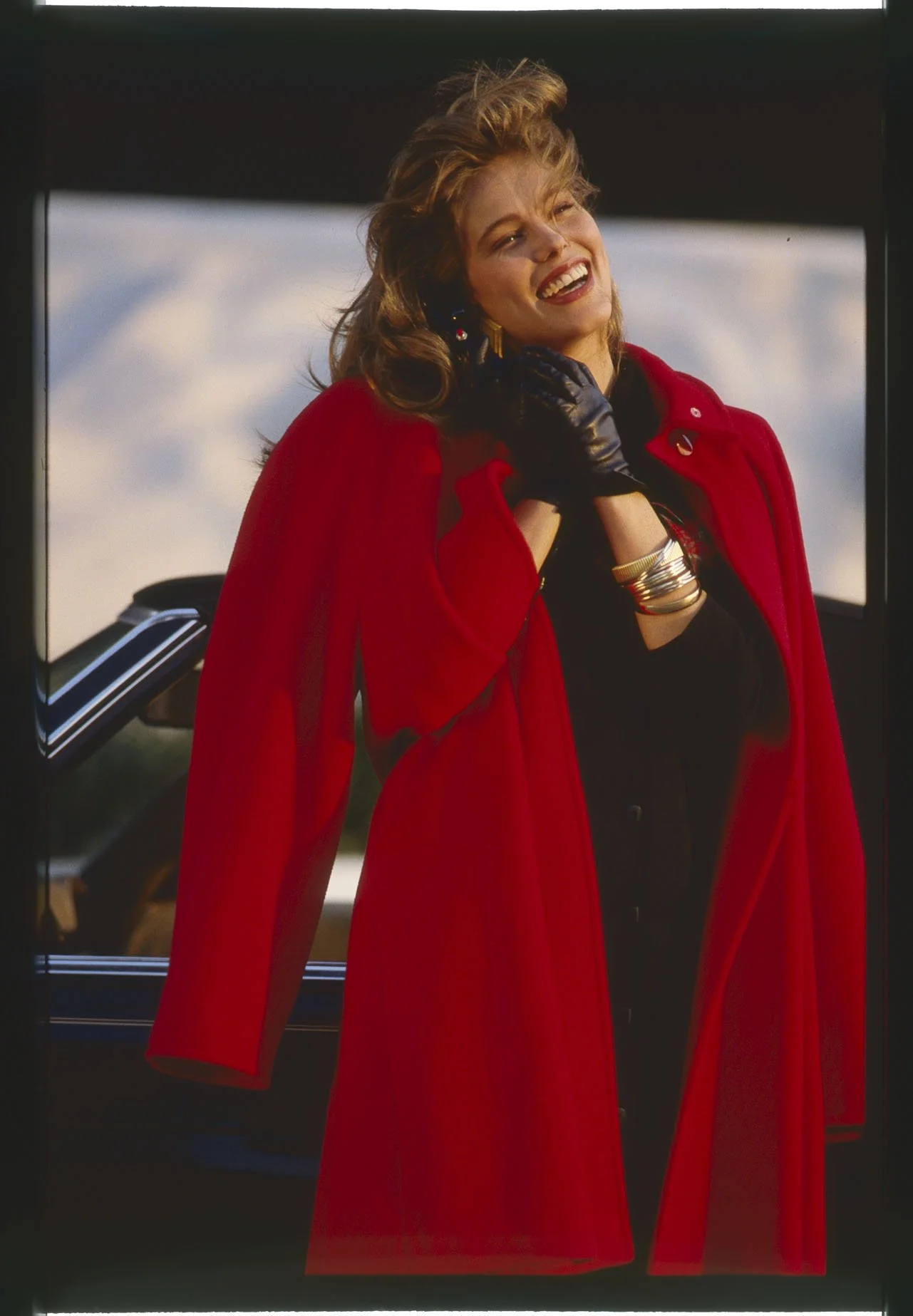
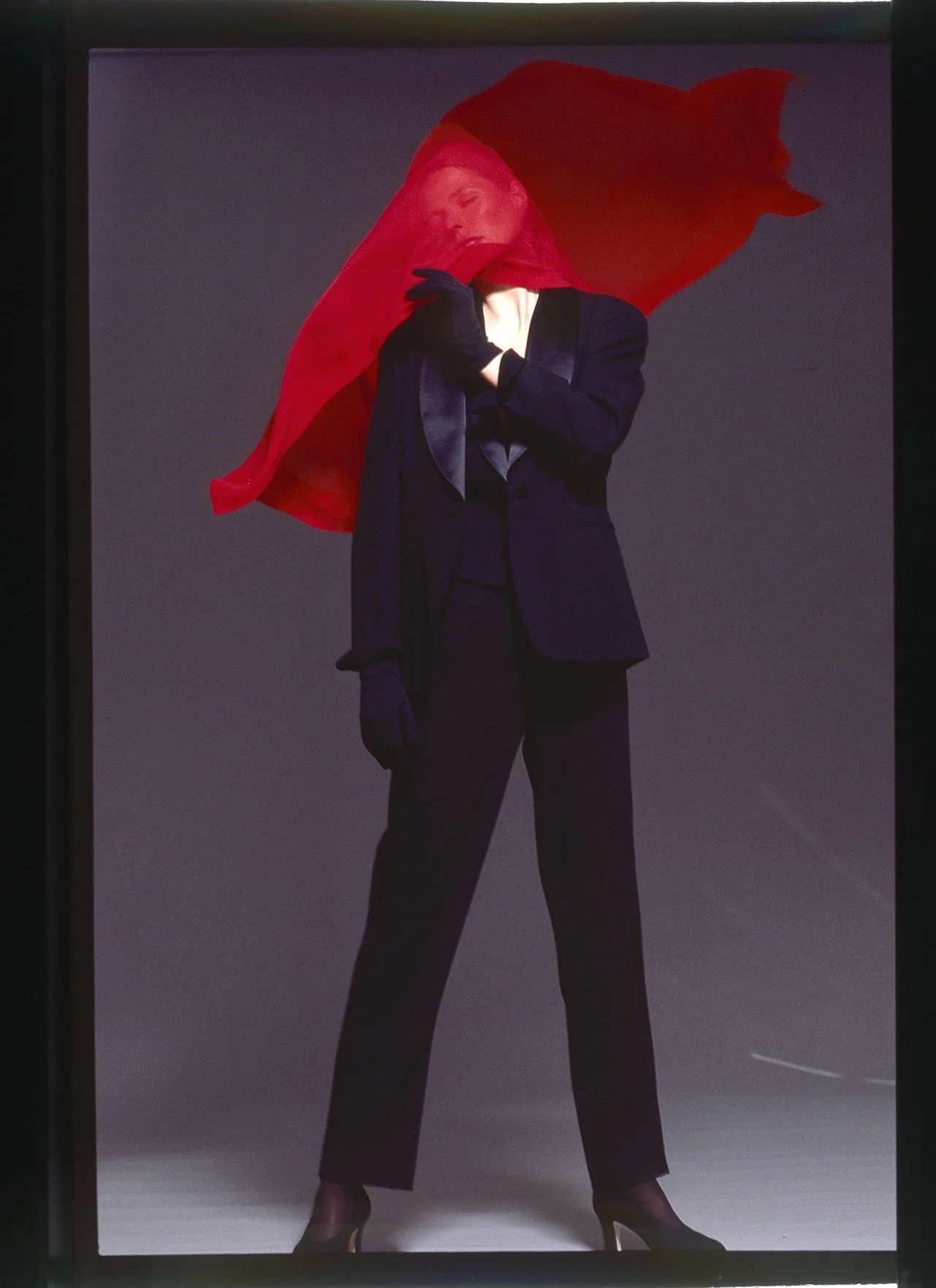
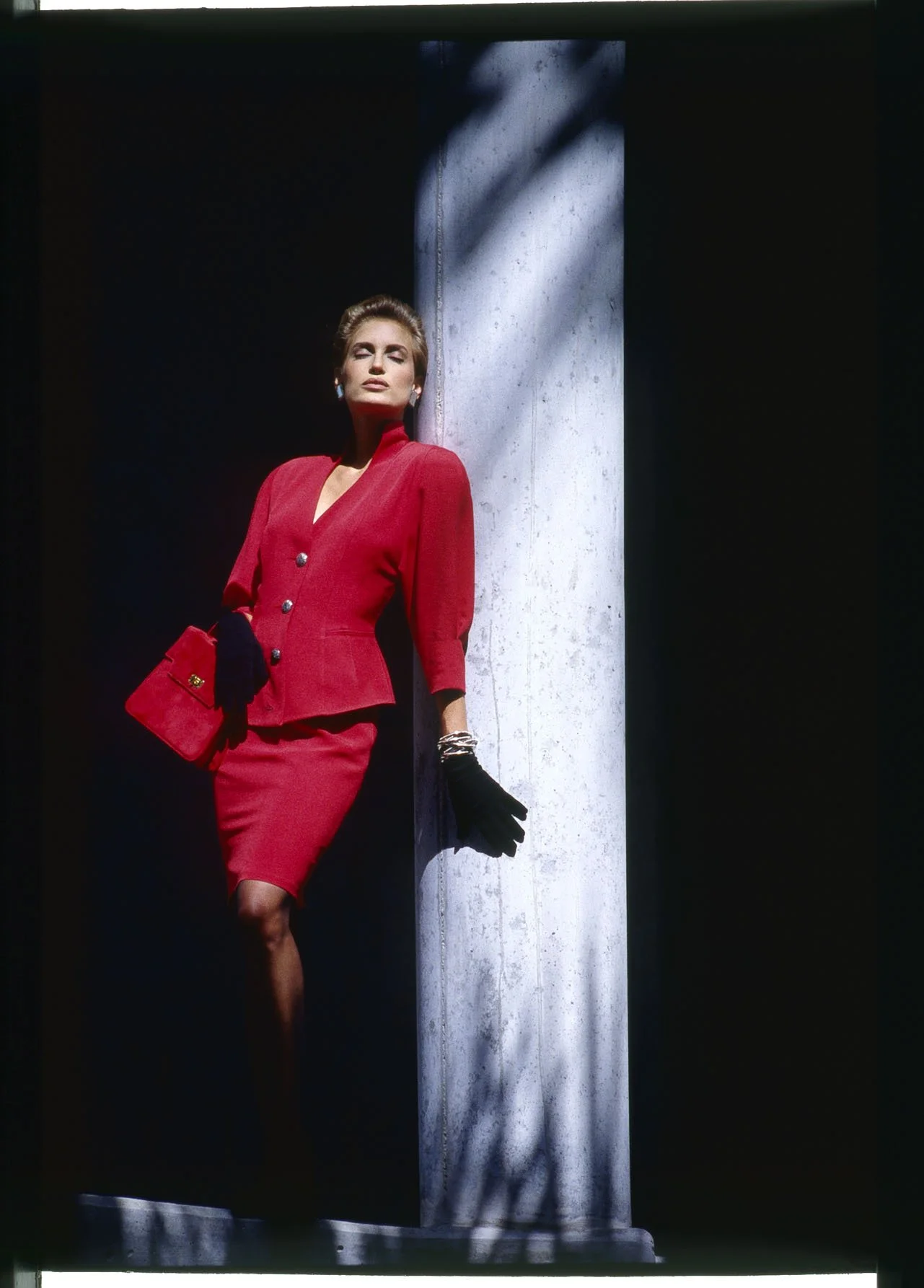
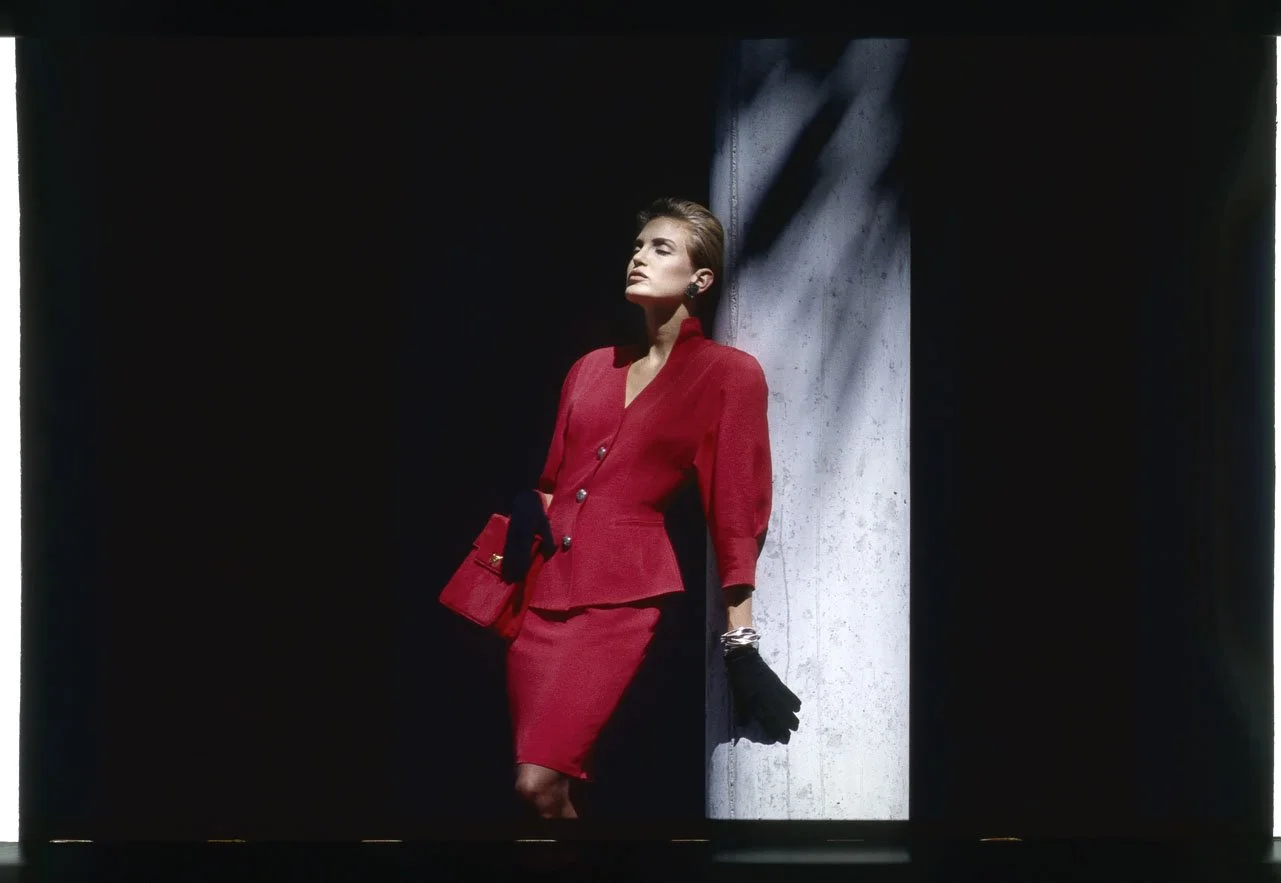
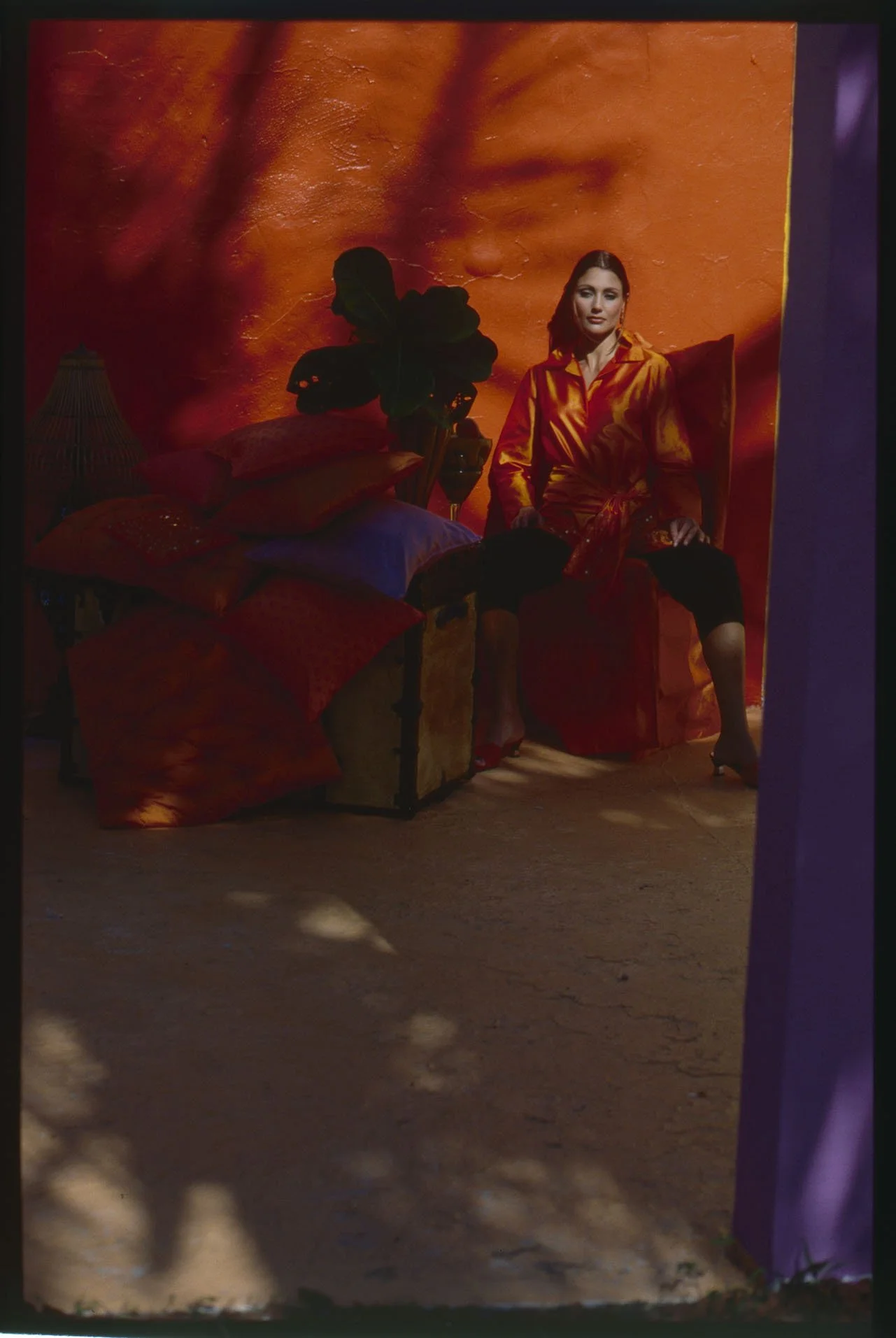
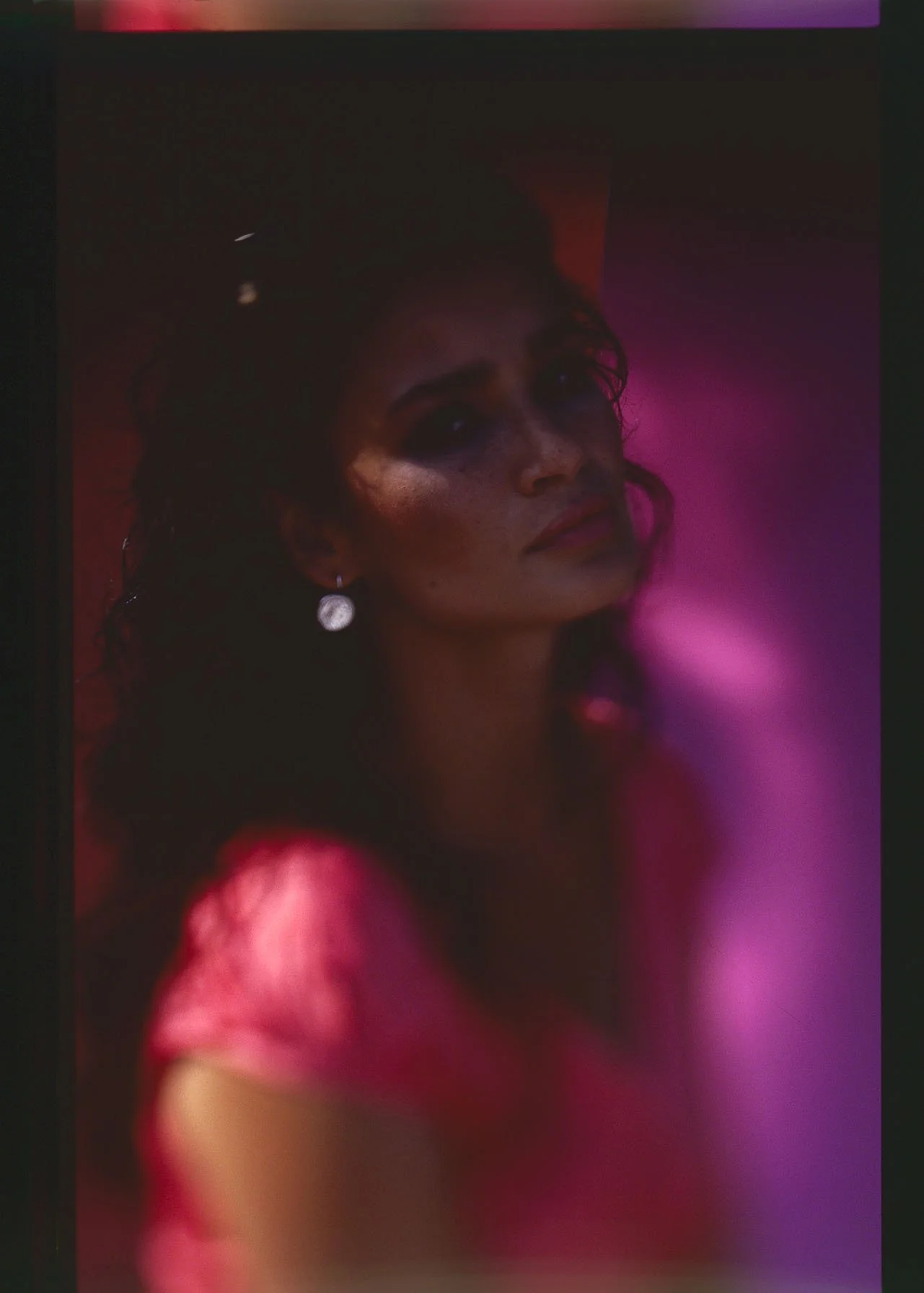
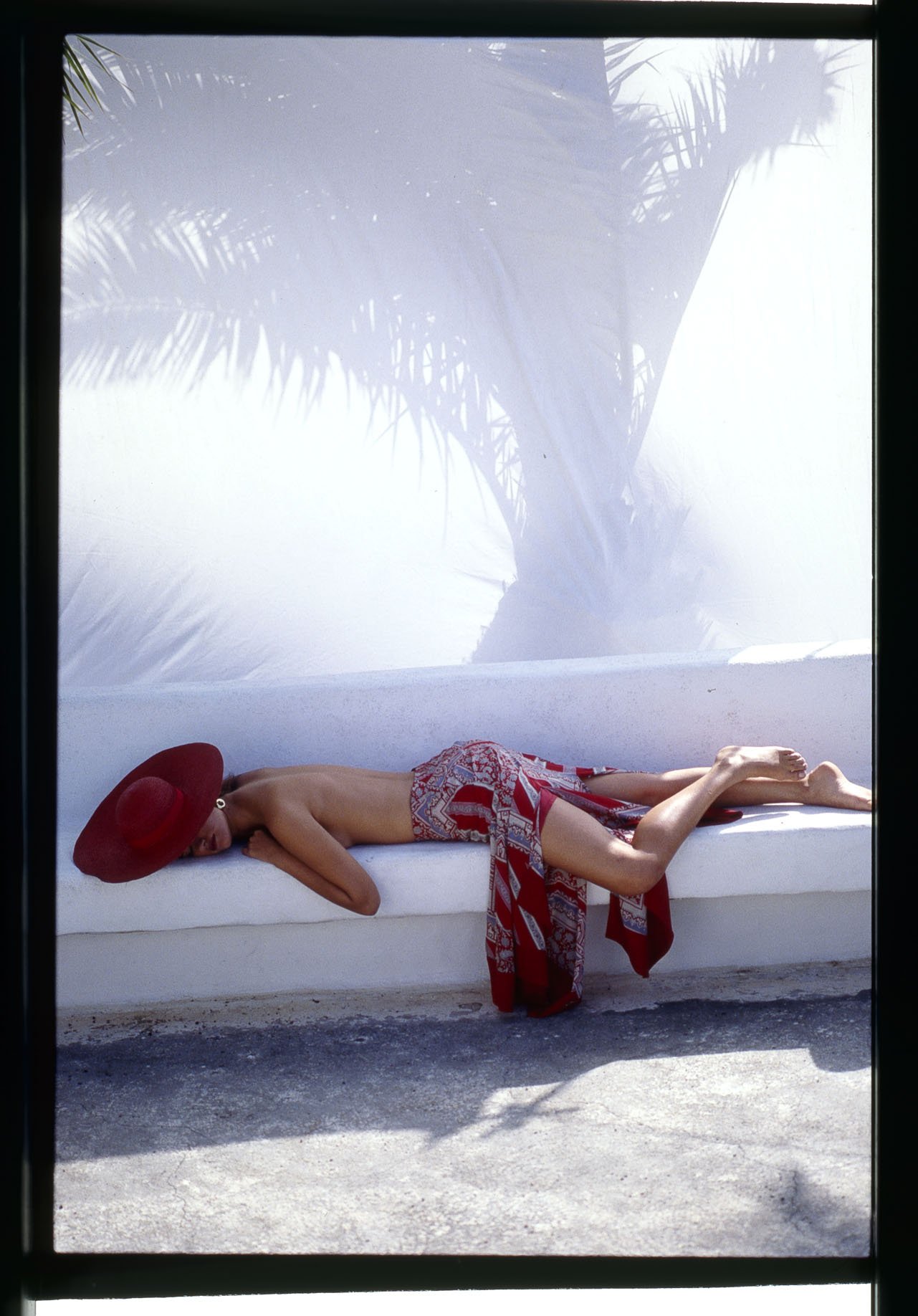
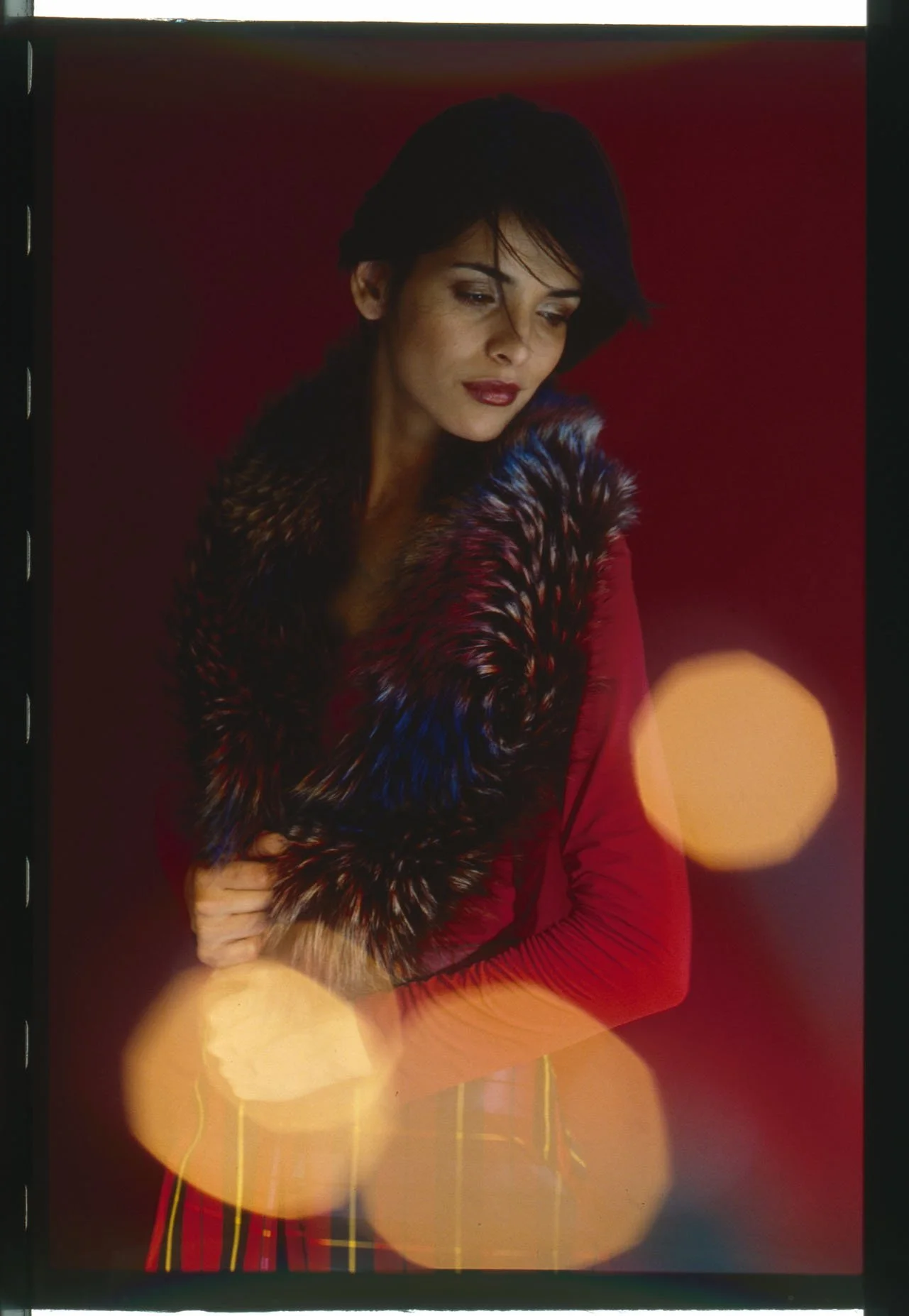
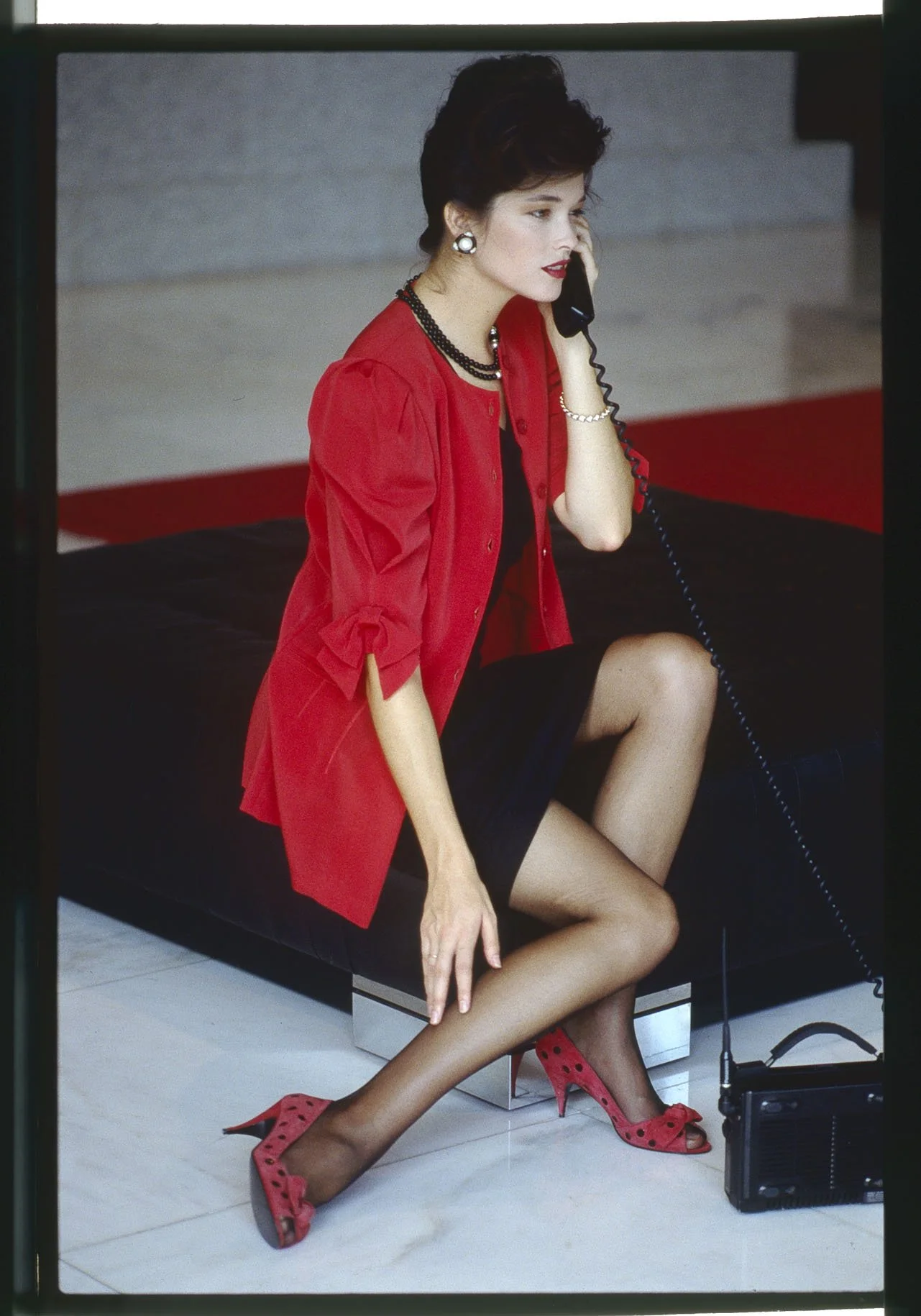
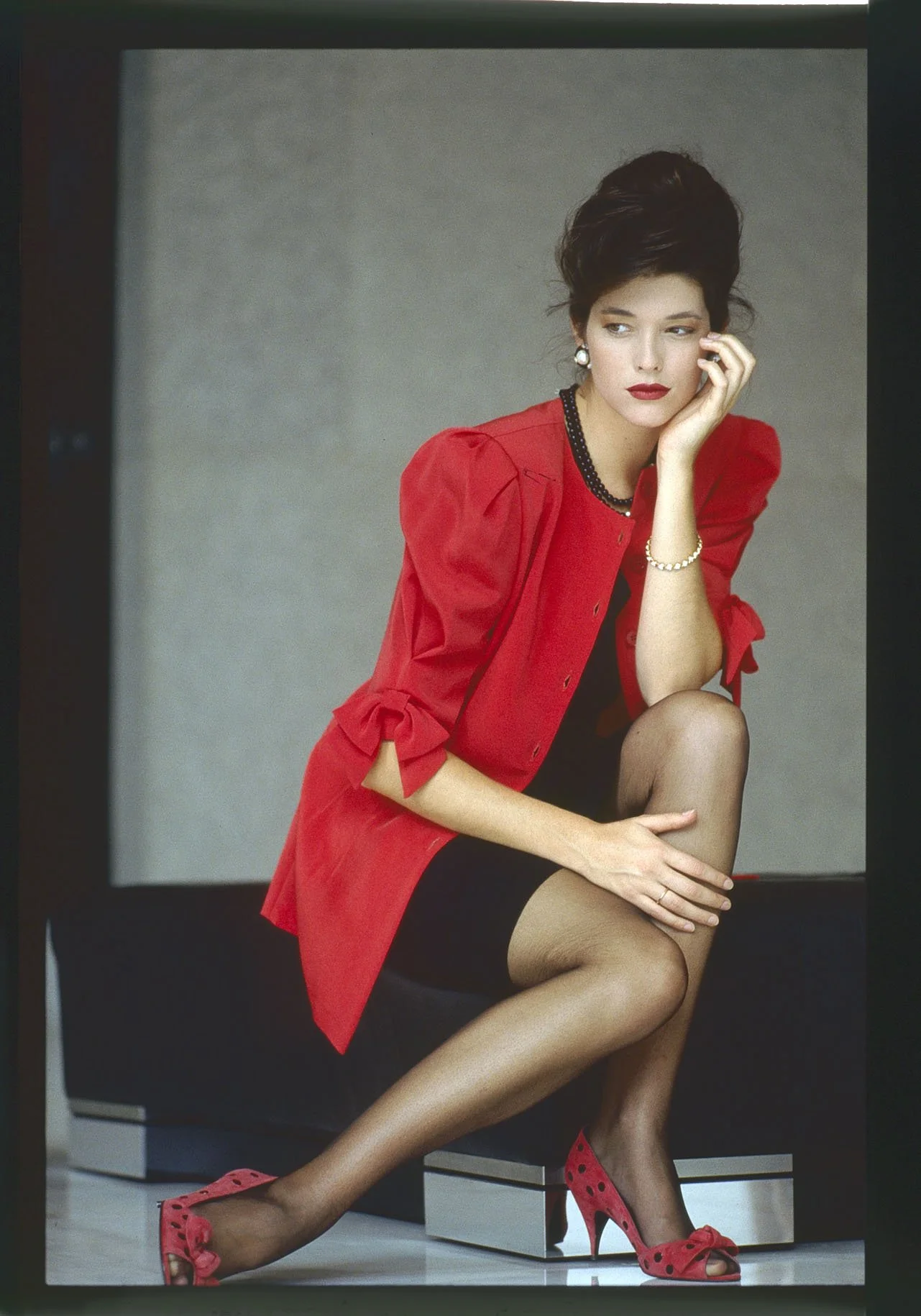
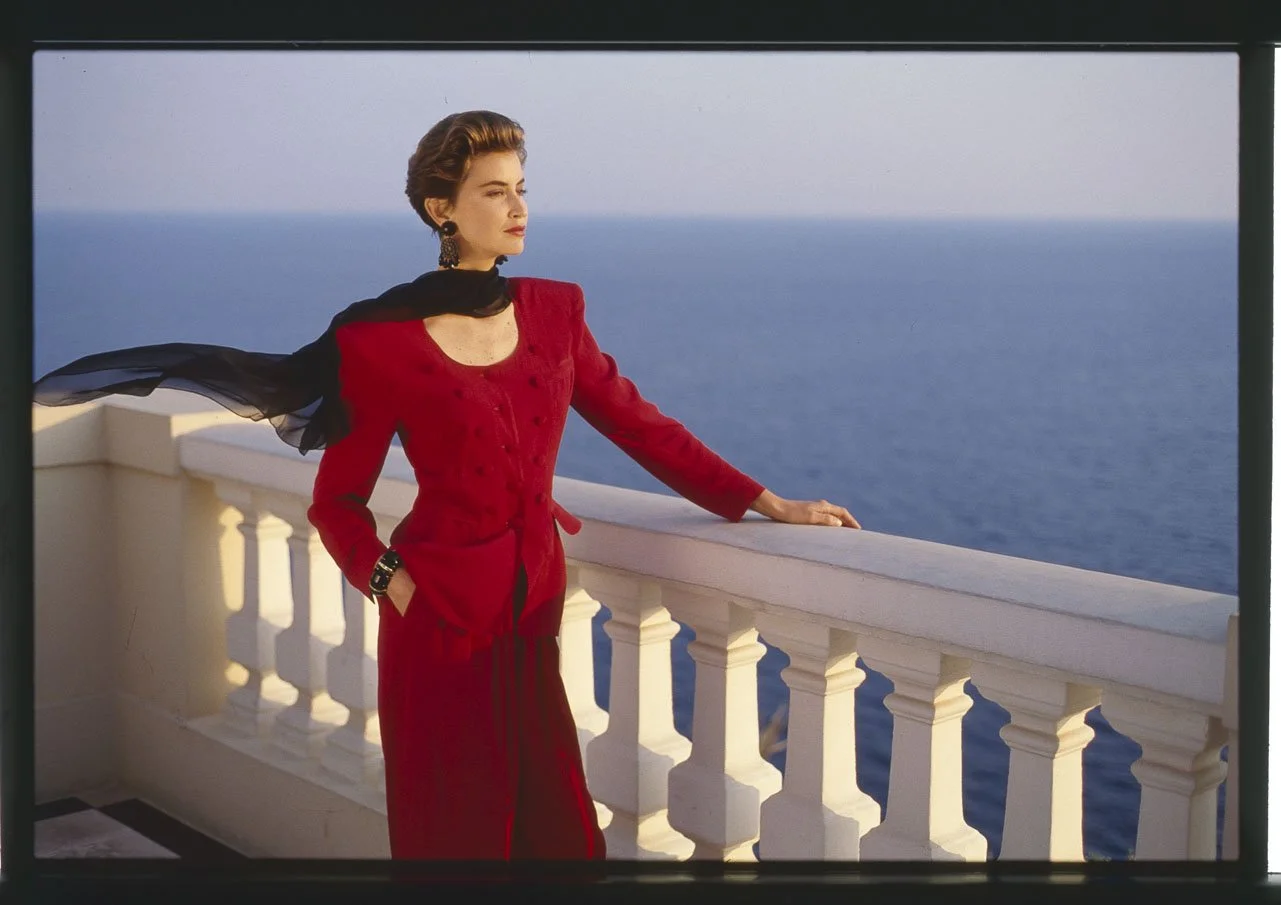
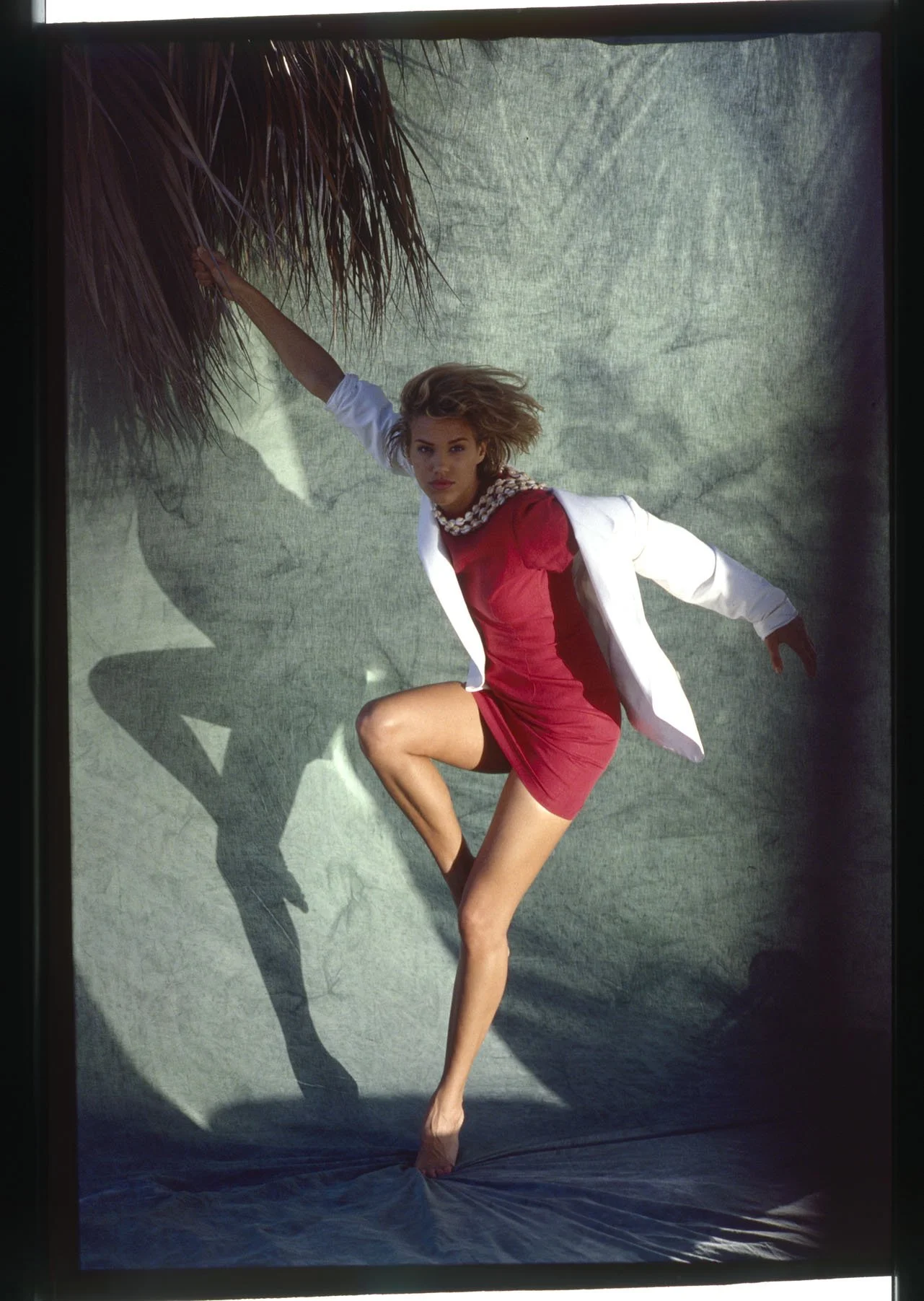
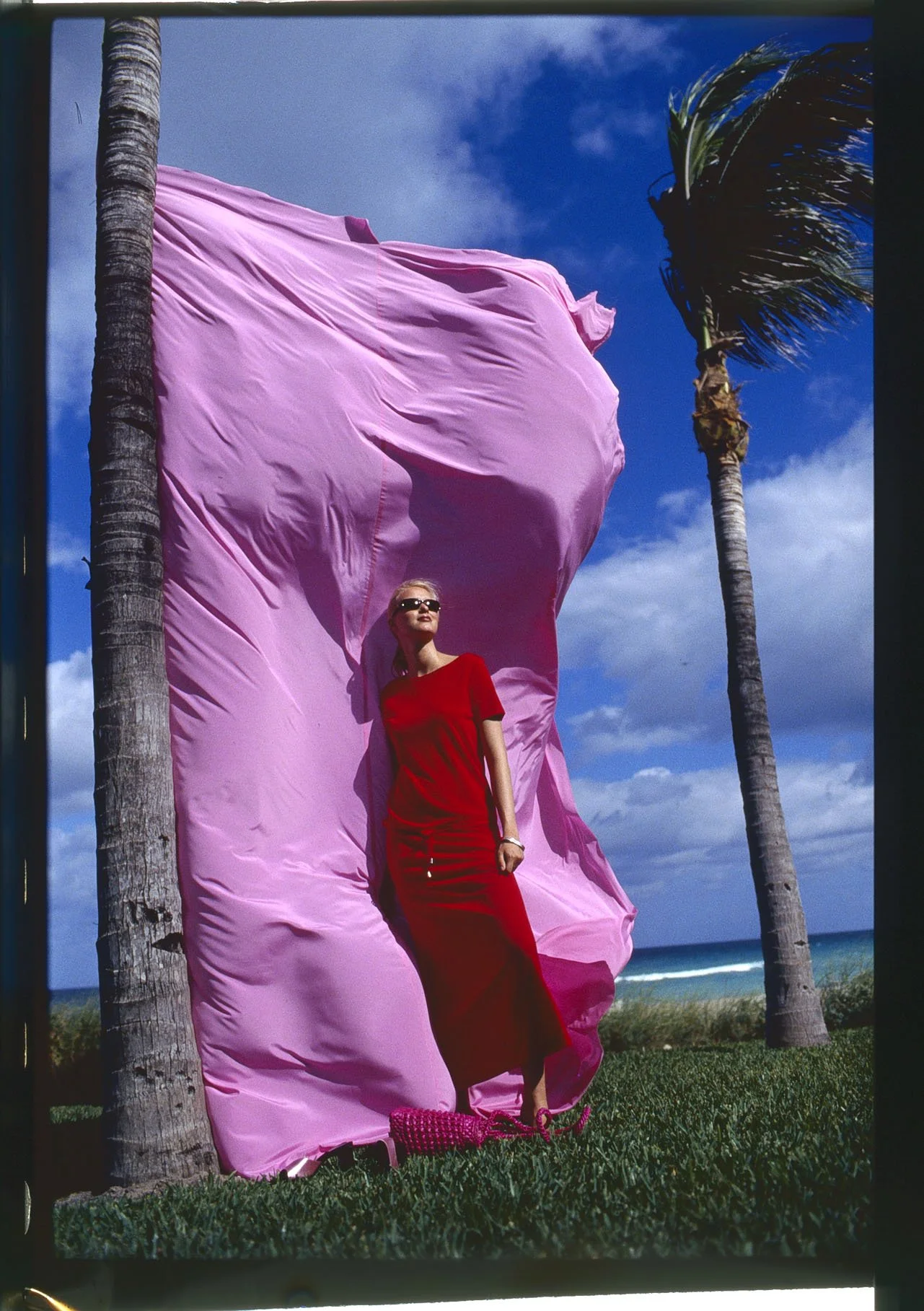
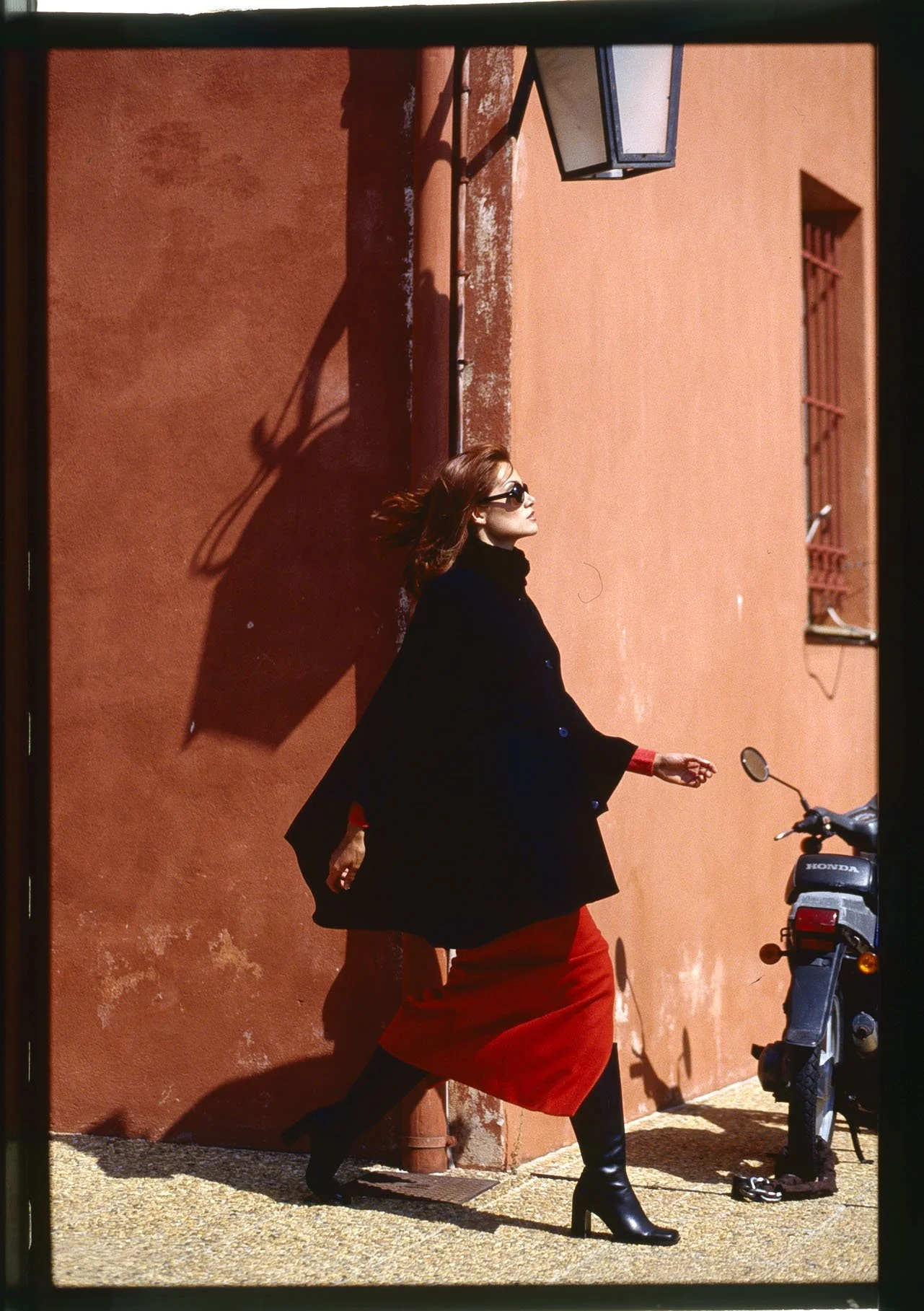
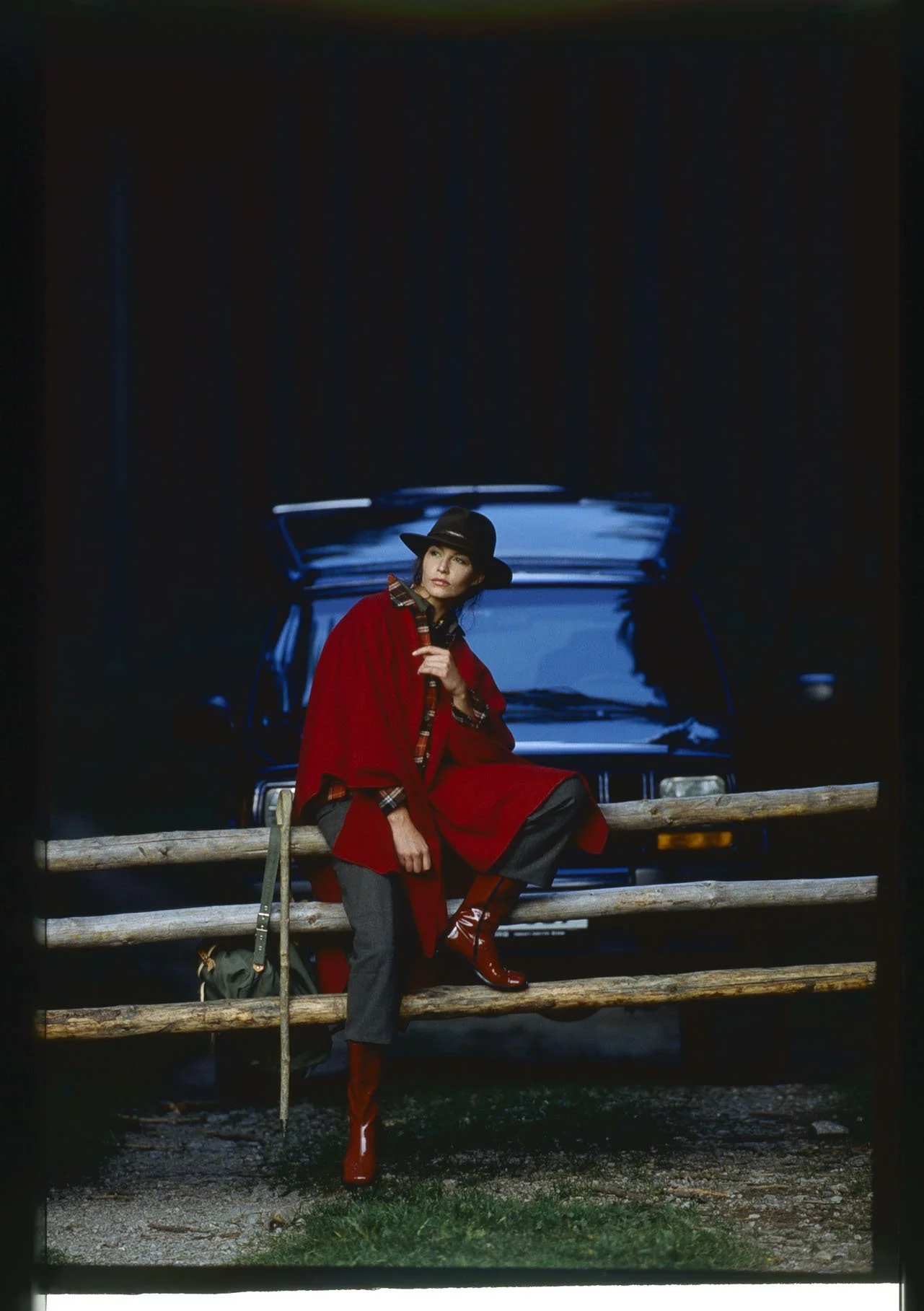
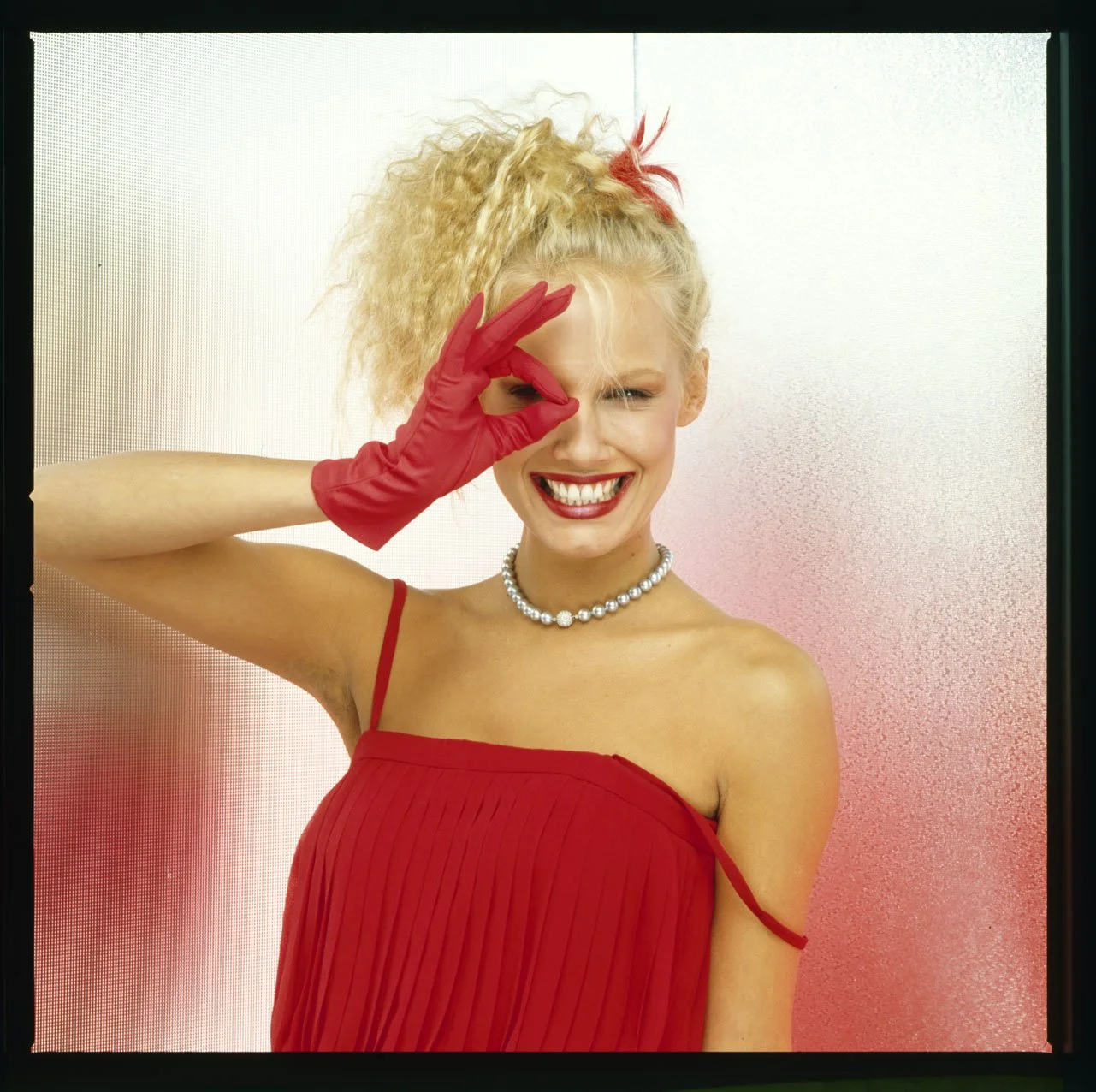
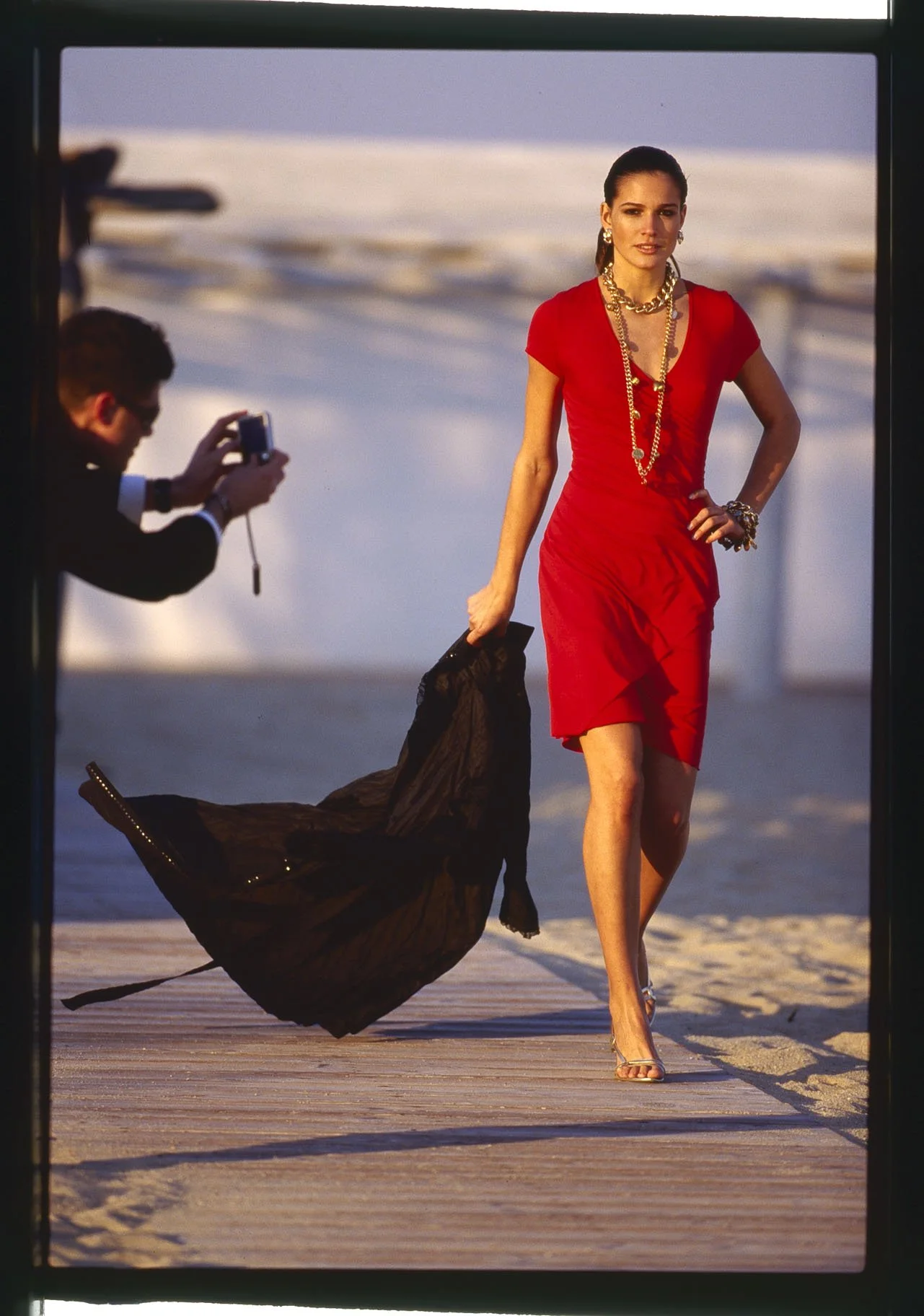
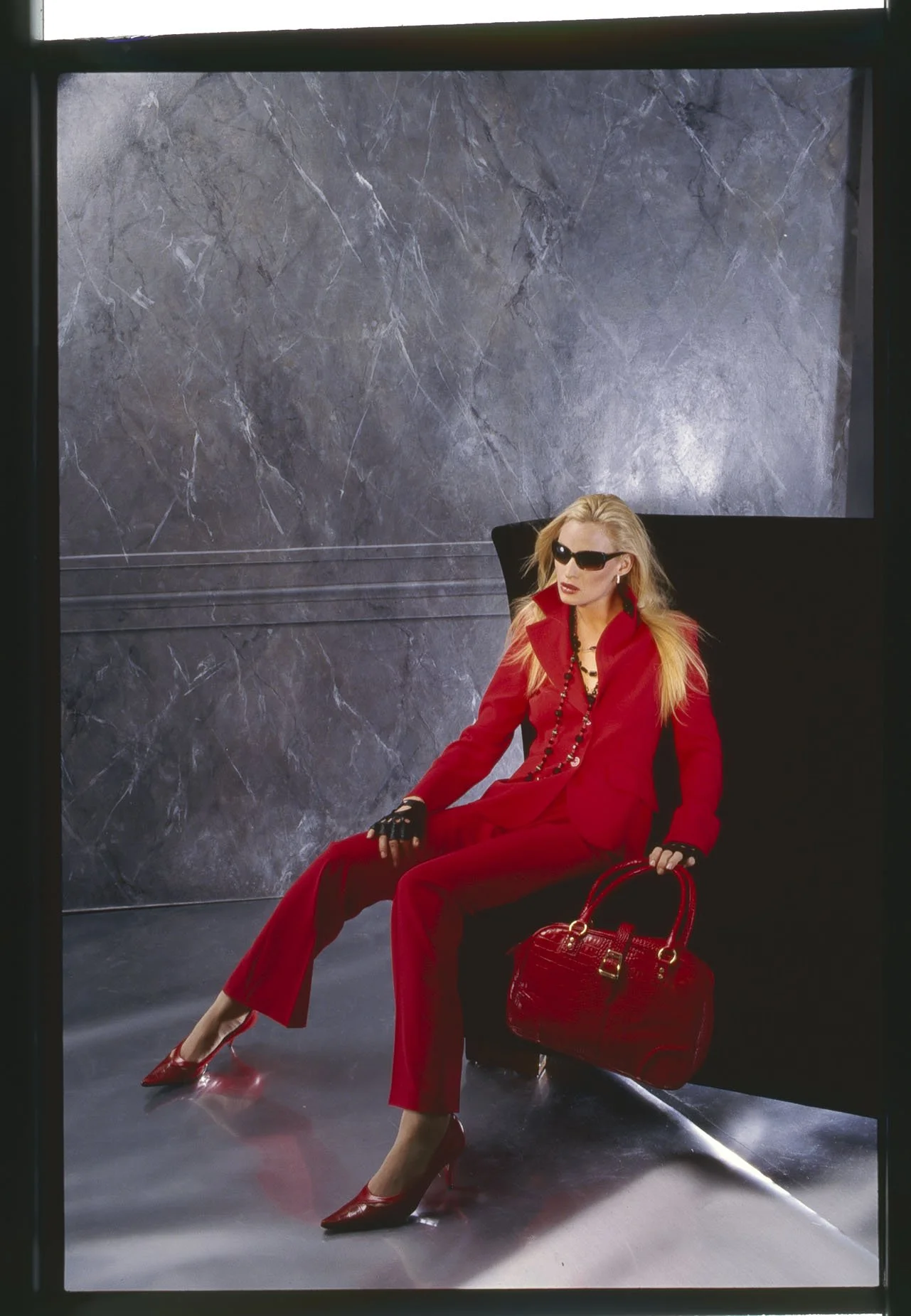
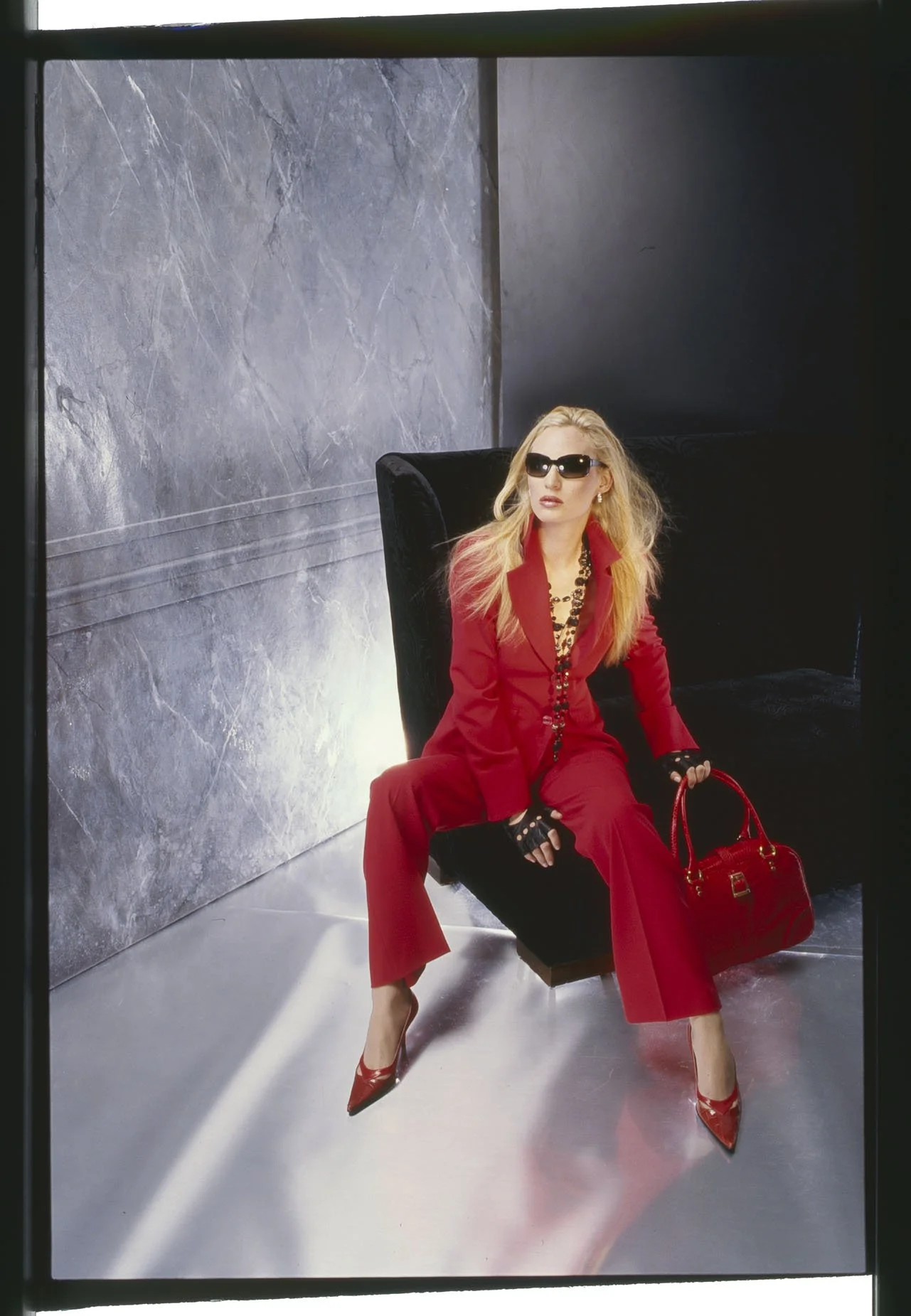
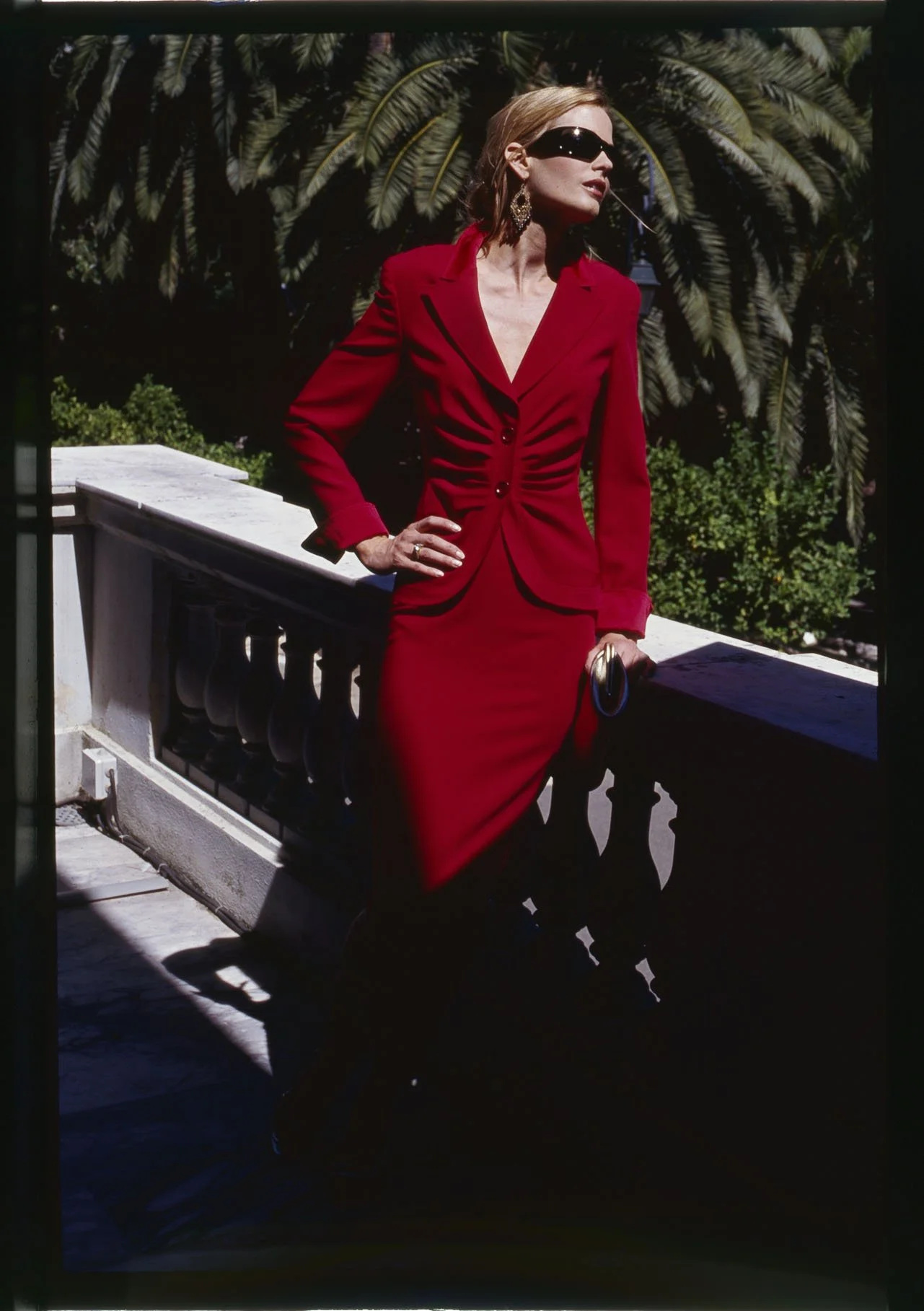
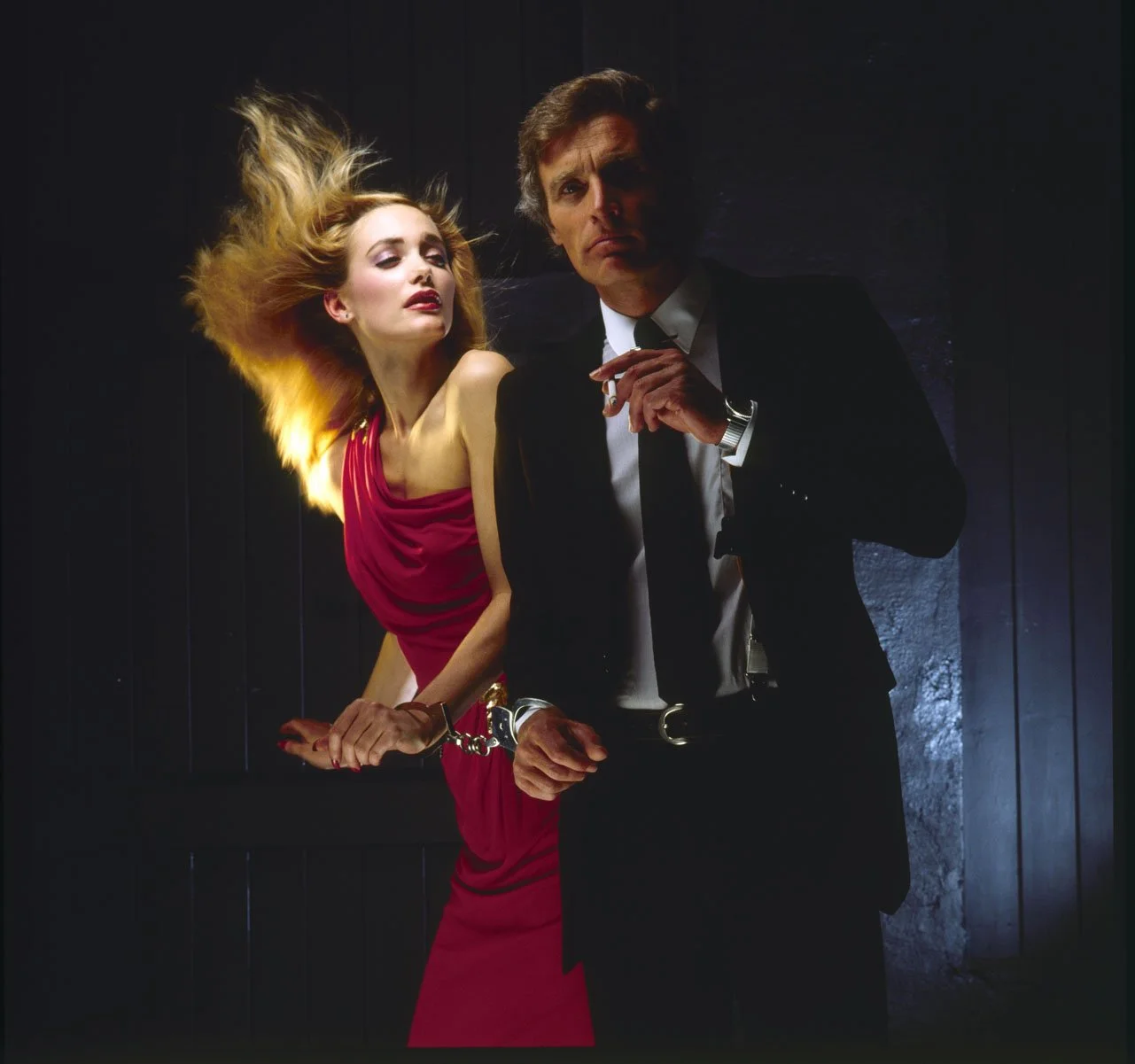
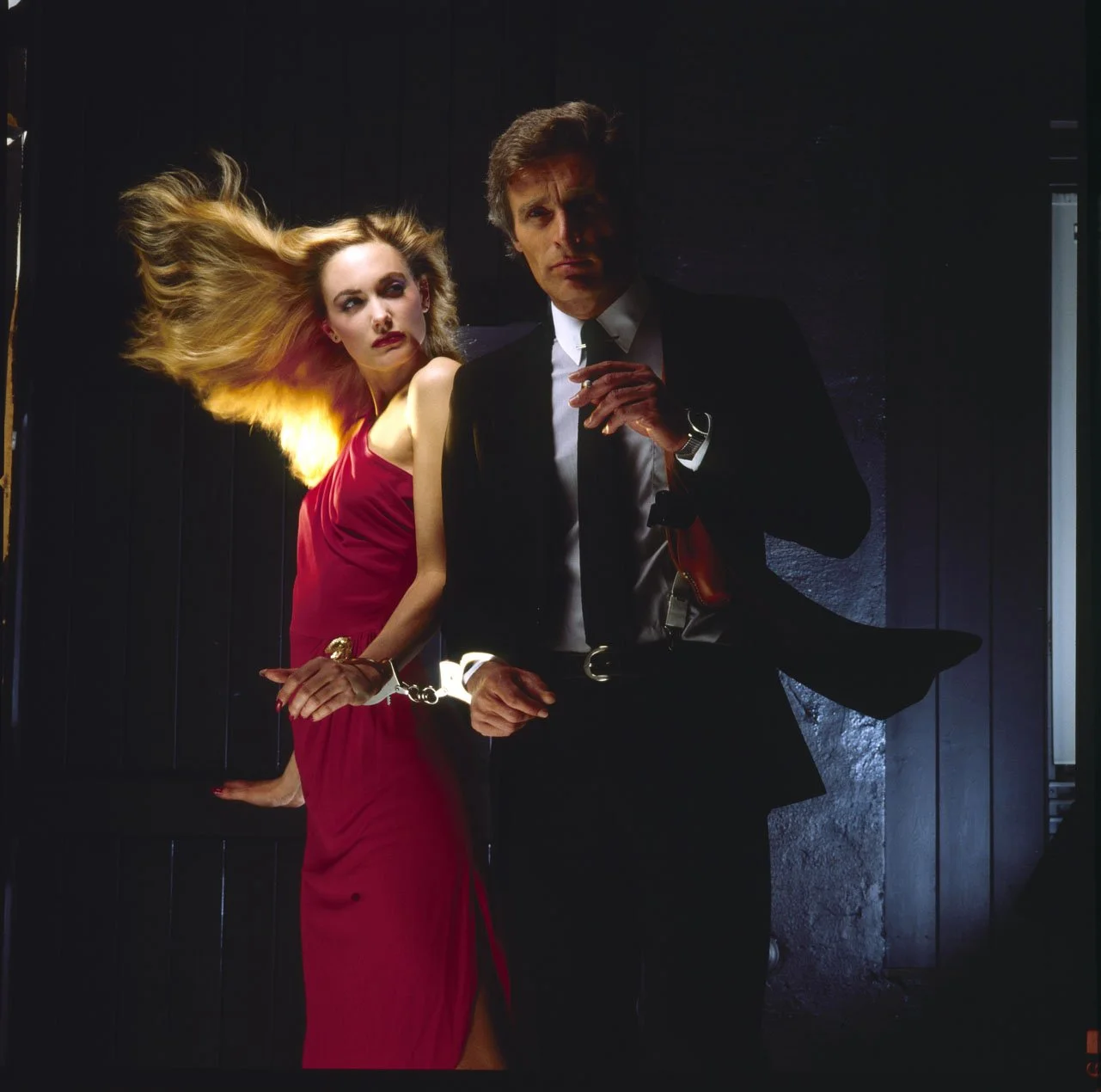
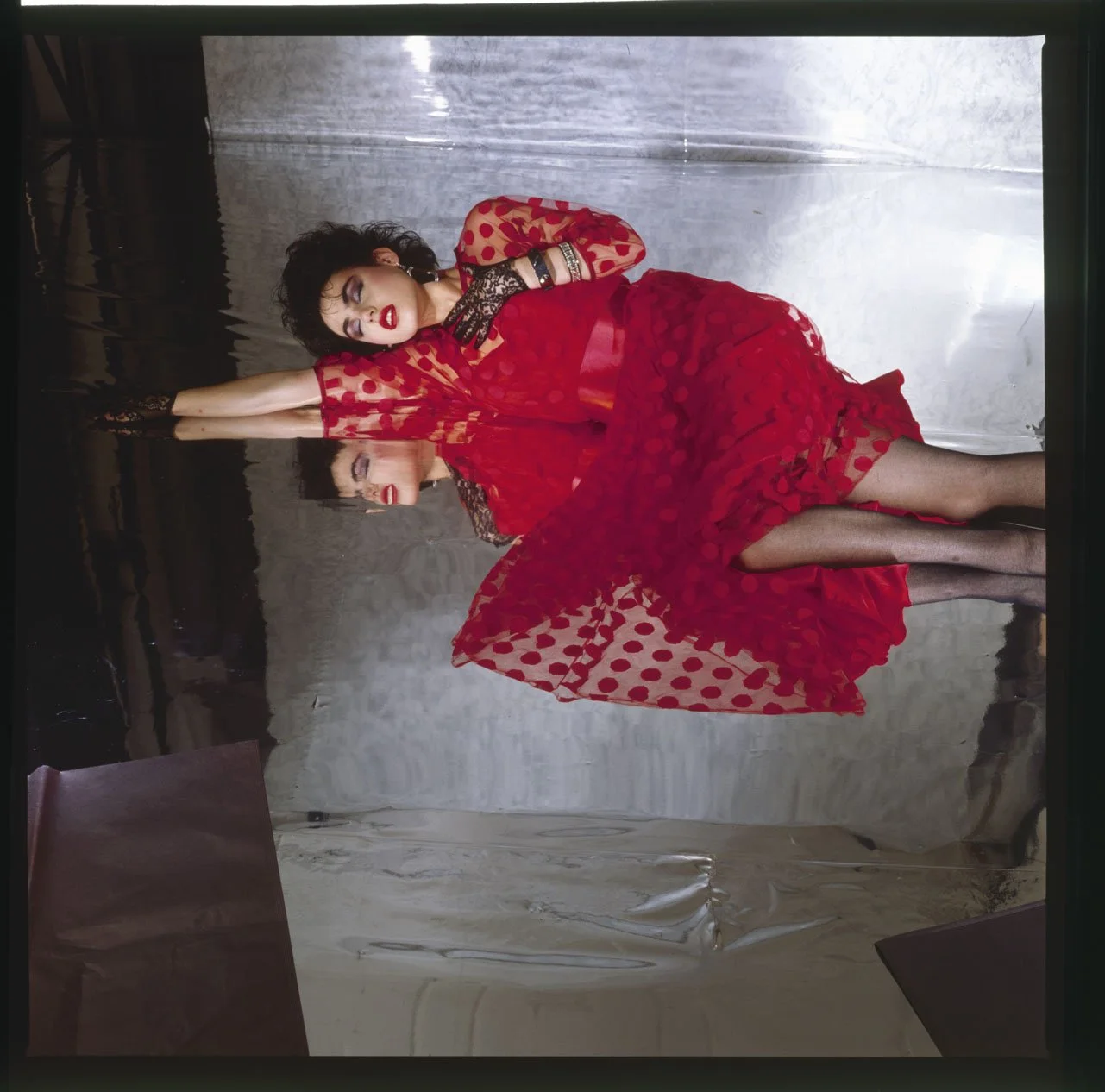
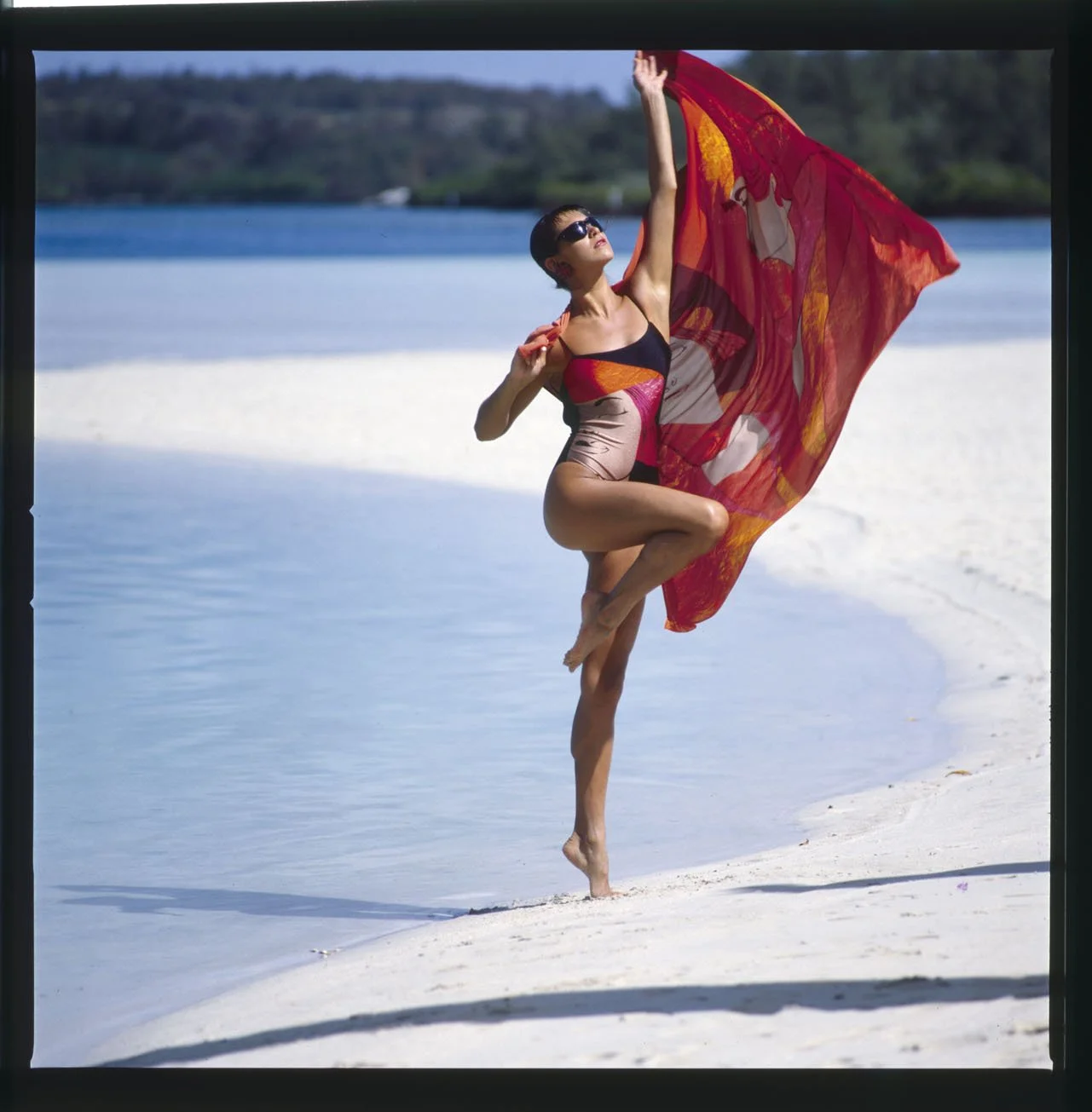
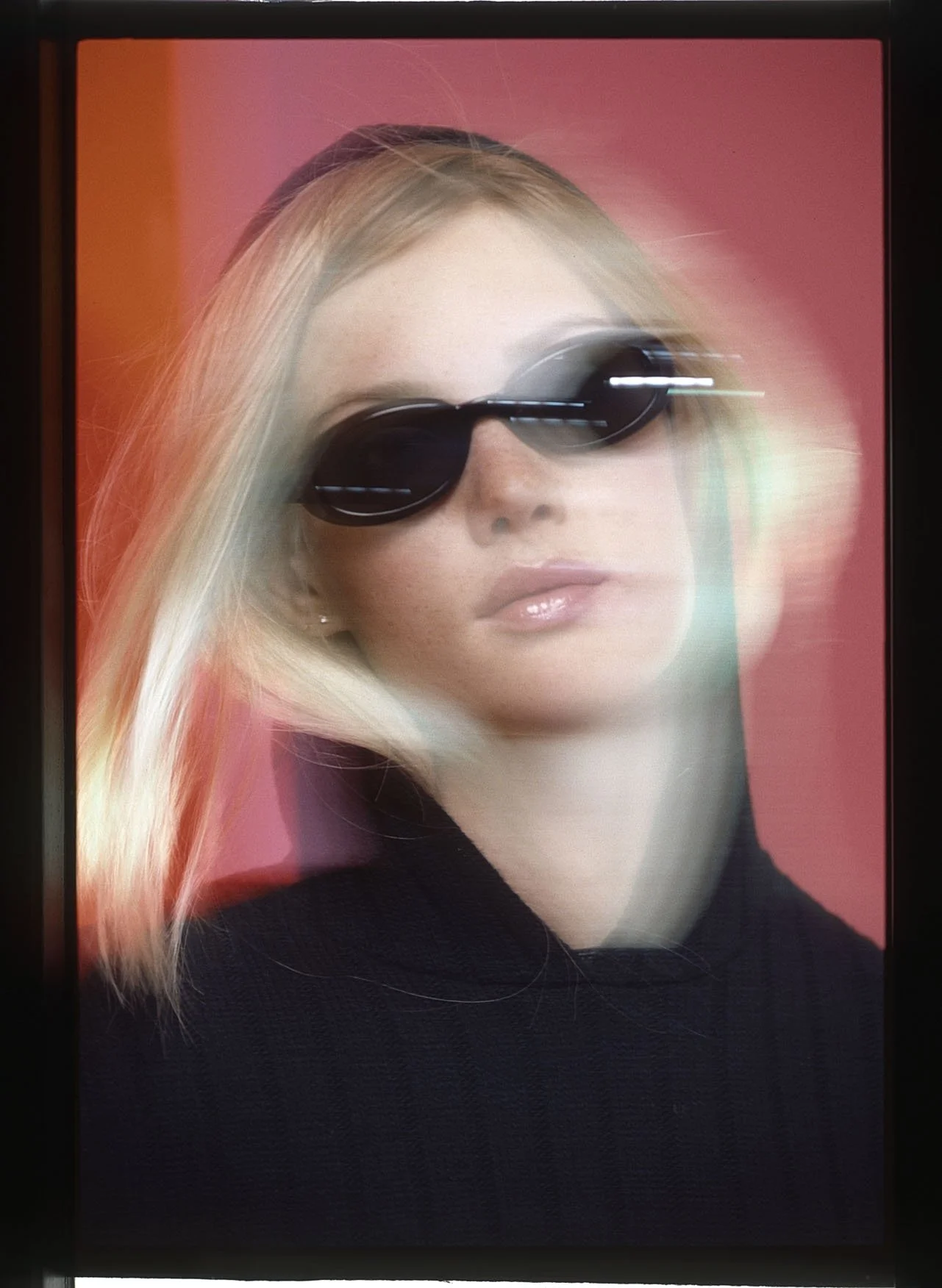
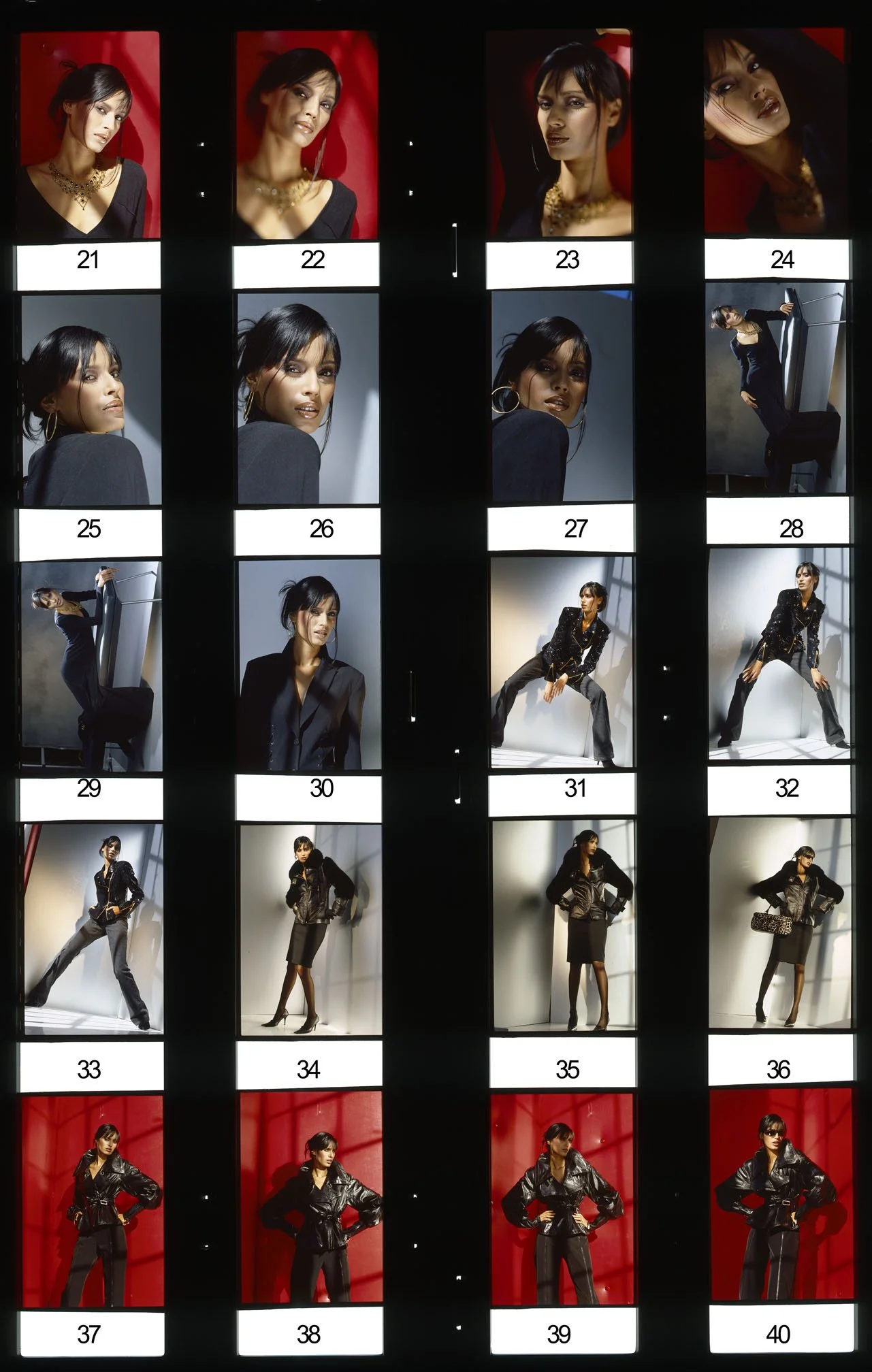
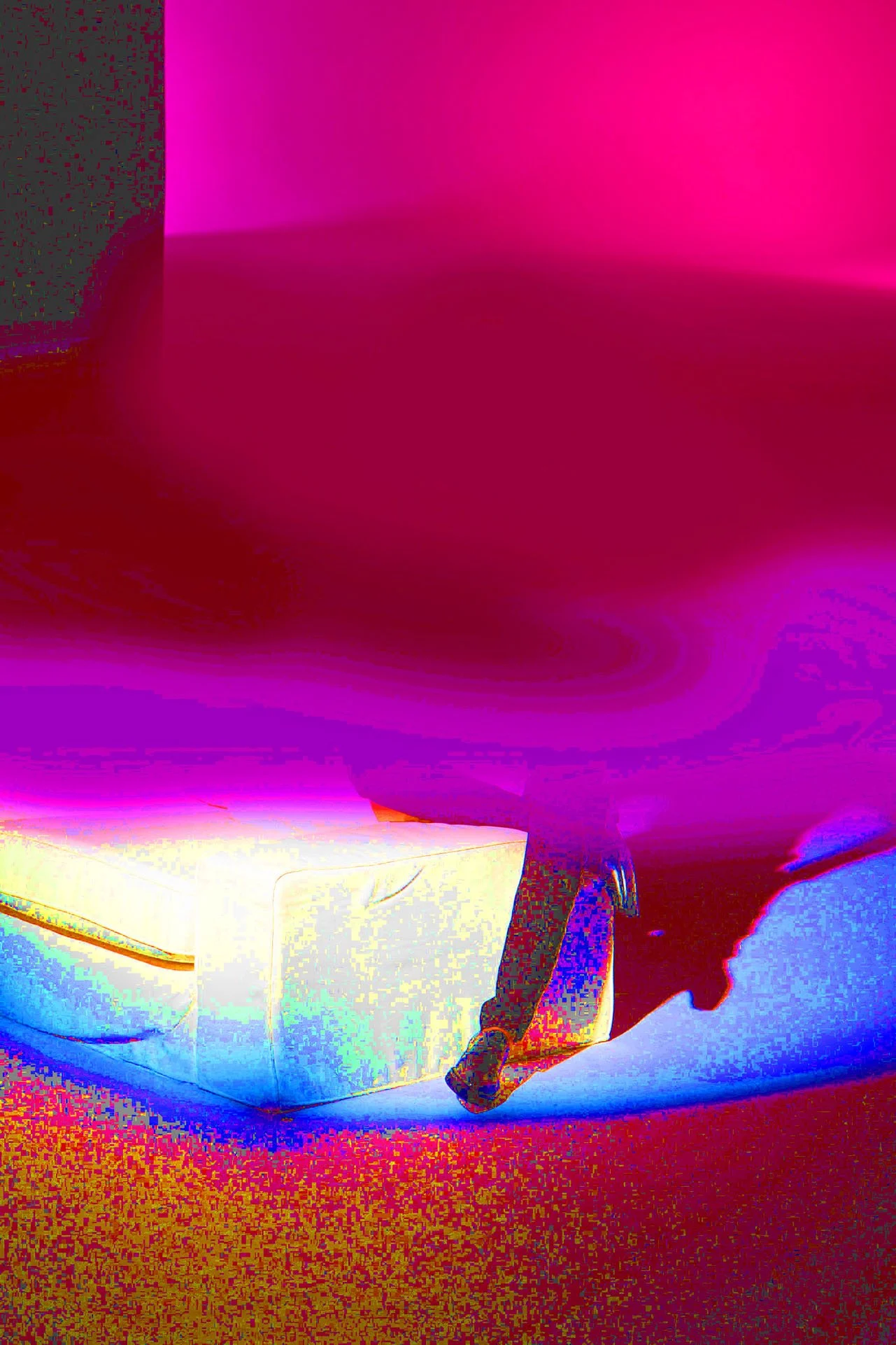
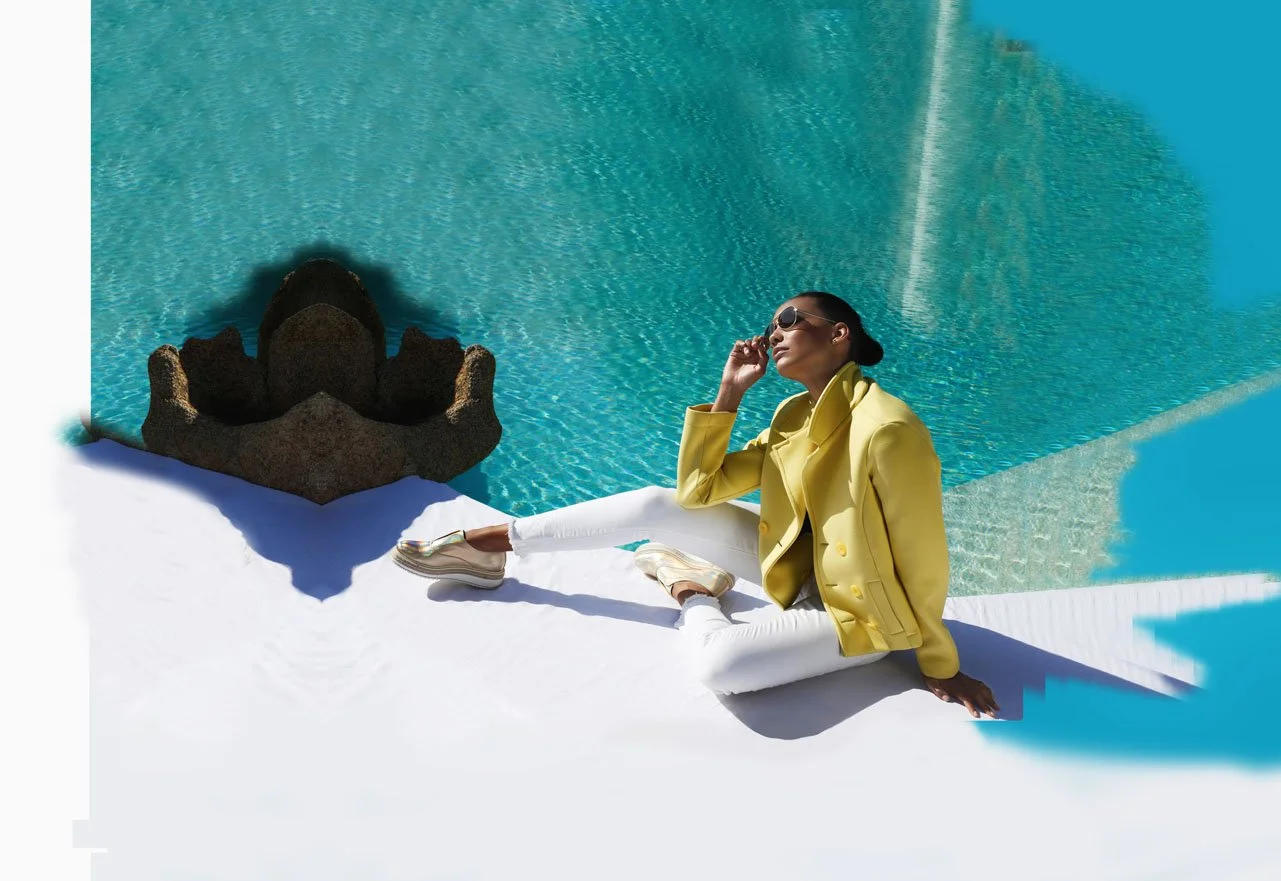
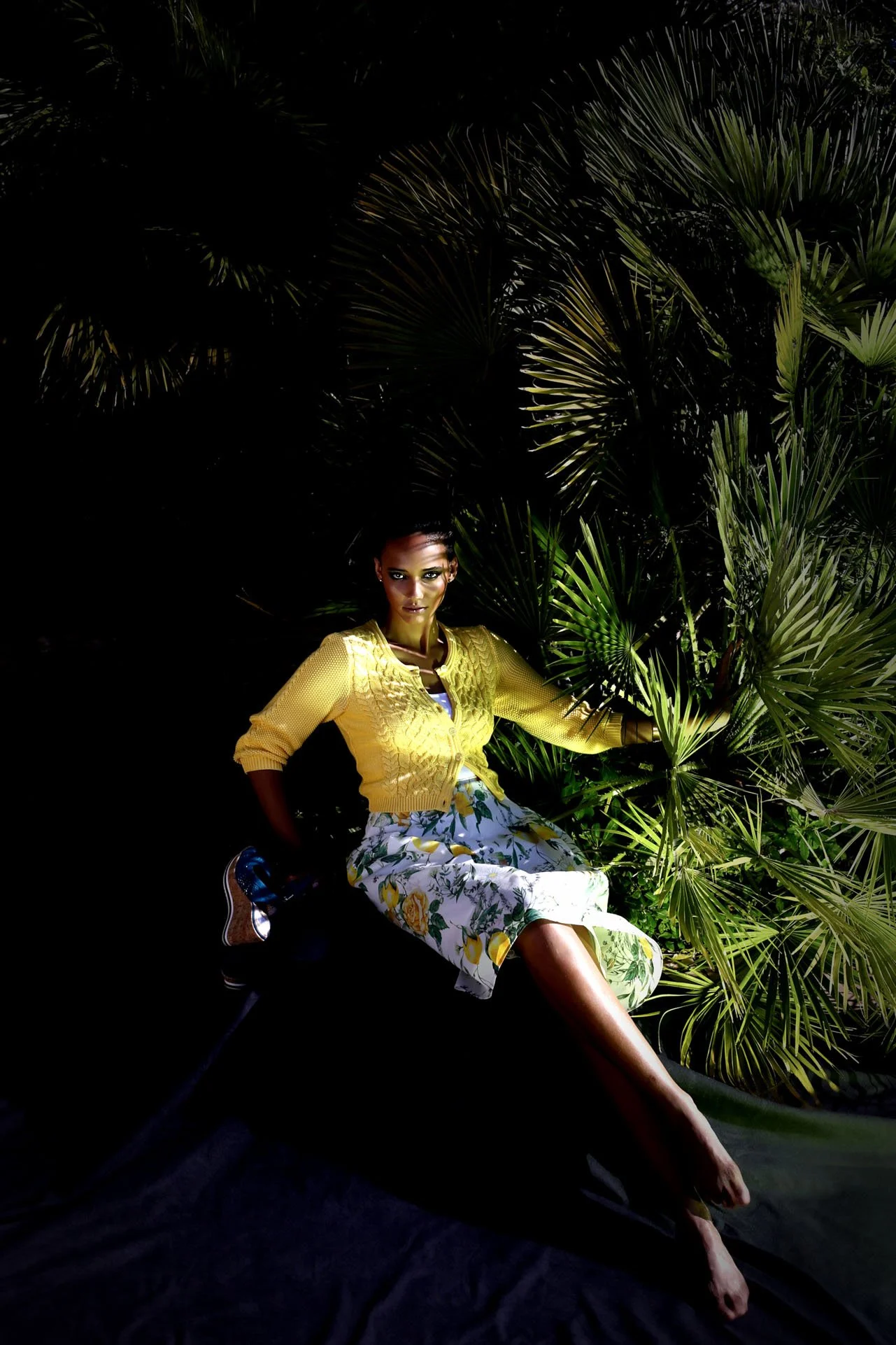
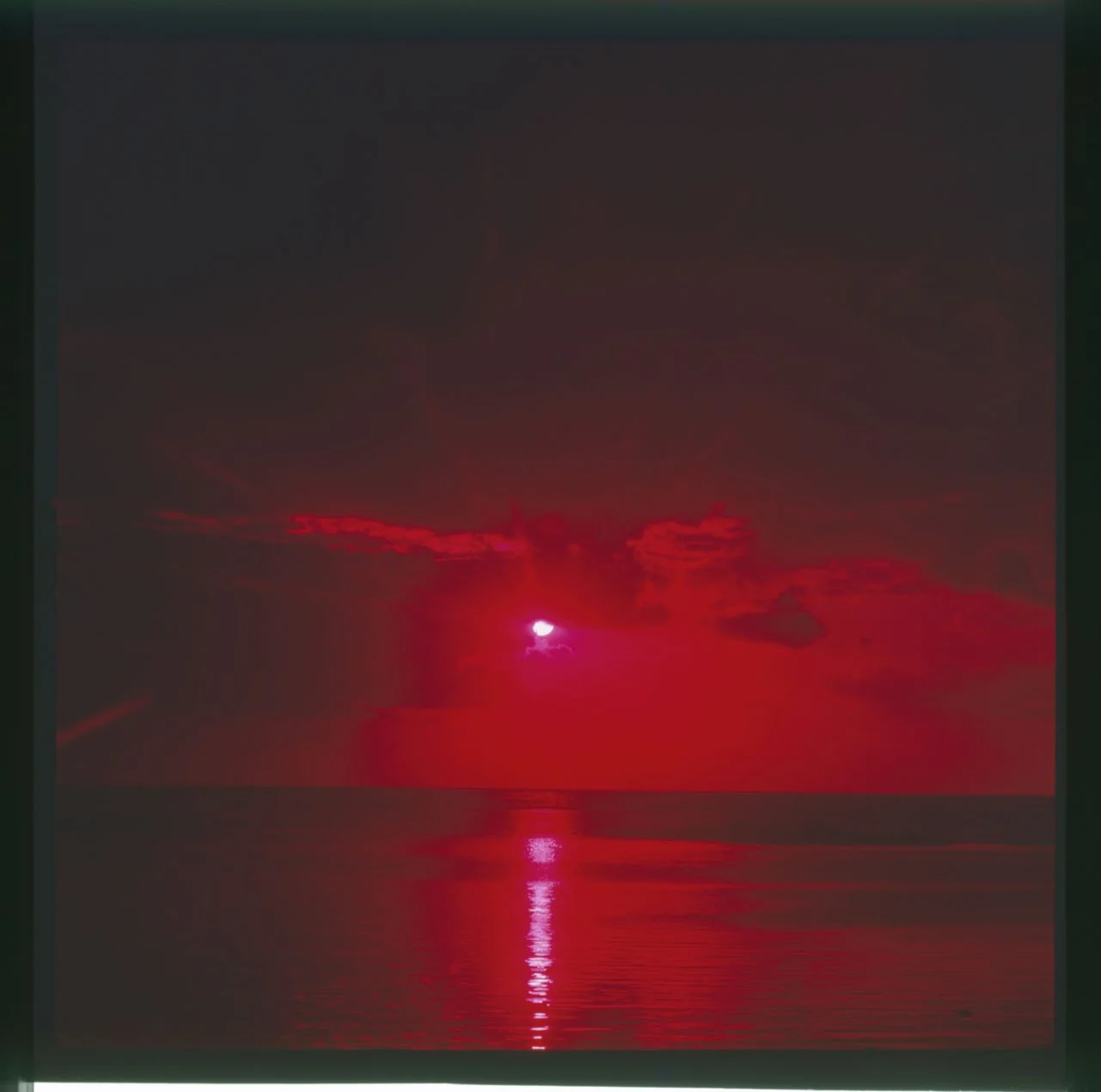
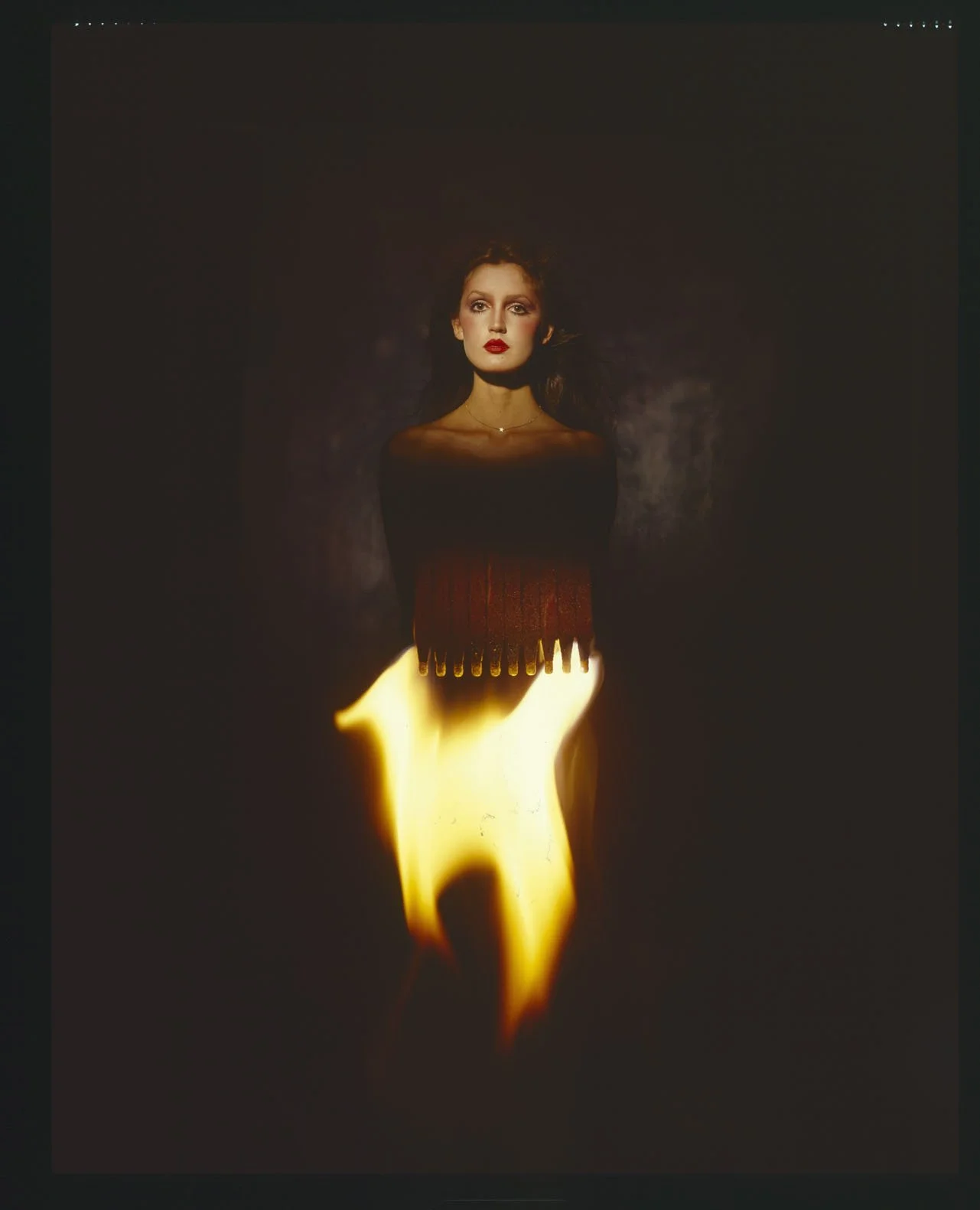
What an individual associates with a specific color tone is deeply personal. Beyond mere visual perception, colors evoke specific emotions and sensations within us. And Ulrich Pracht’s use of color, too, is anything but universal: his particular fascination with light and his sophisticated color dramaturgy weave a distinctive chromatic thread through his entire life’s work. The palette from which Ulrich Pracht draws is grounded in a clearly defined blend. On one hand, there are the avant-garde, surreal dreamscapes in blue that plunge the viewer into a state of bewilderment; on the other, his sultry reds radiate toward us, instantly seducing us with their sensual allure. There is the pristine white that challenges the laws of gravity, just as there are his earth-bound works in shades of brown—depicting gauchos in Brazil—that probe the very essence of nature. At first glance, Ulrich Pracht defies categorization: his work—much like the artist himself—manifests in every color of the spectrum and appears as fleeting as light itself.
„In nature, light creates colors. In pictures, colors create light.“
Hans Hofmann (1880–1966)
08.1
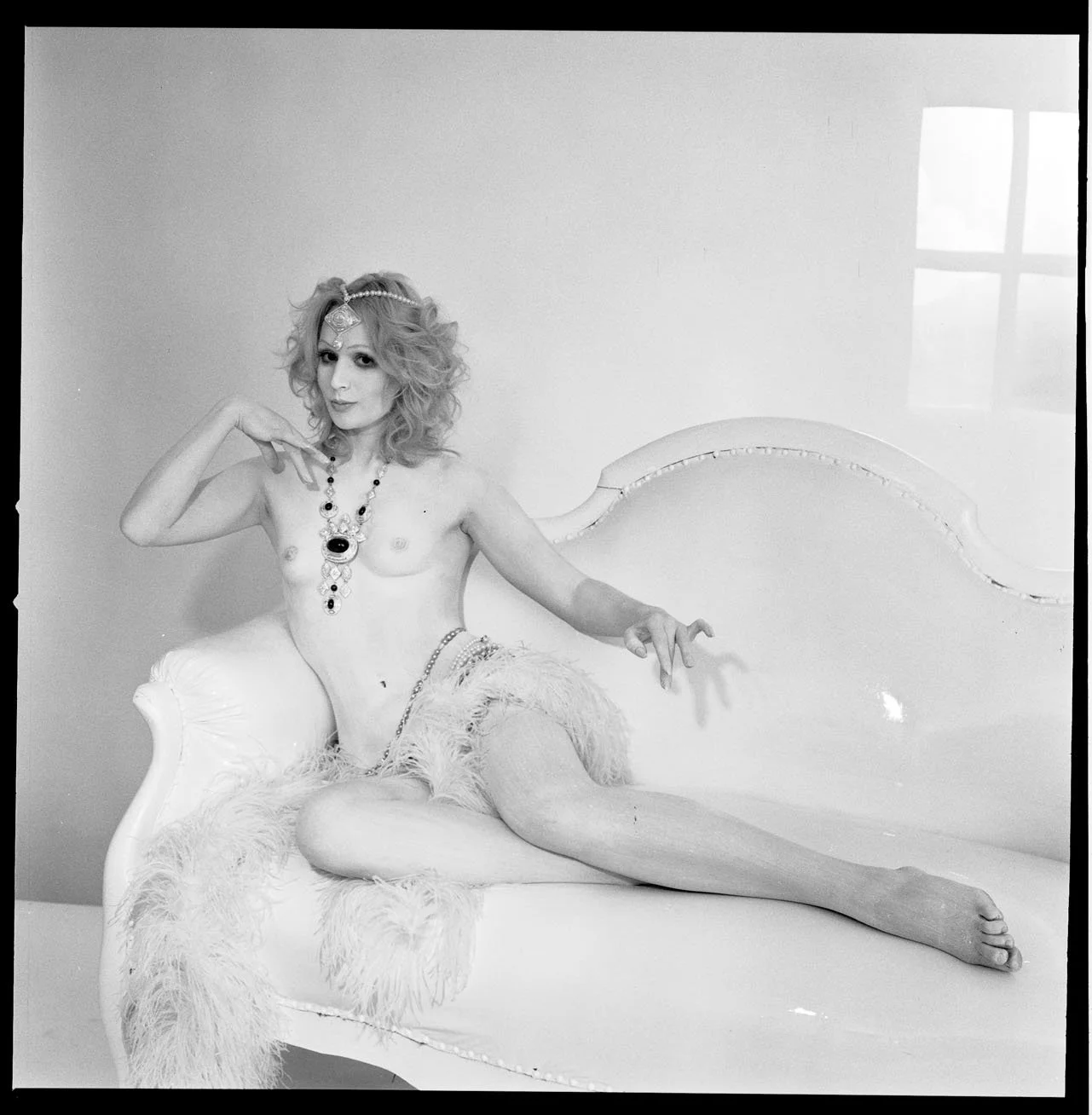
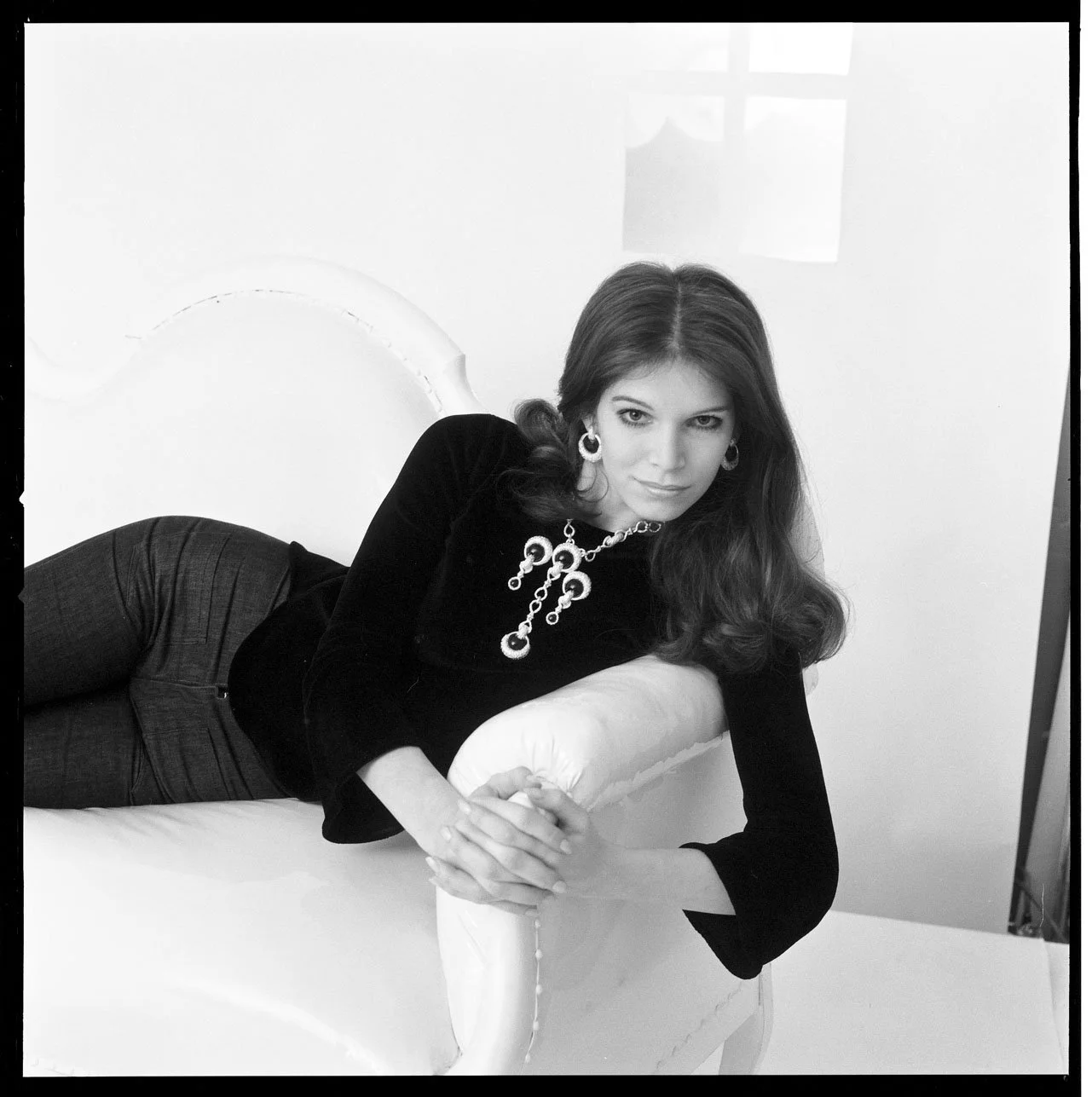
BLACK is BEAUTIFUL
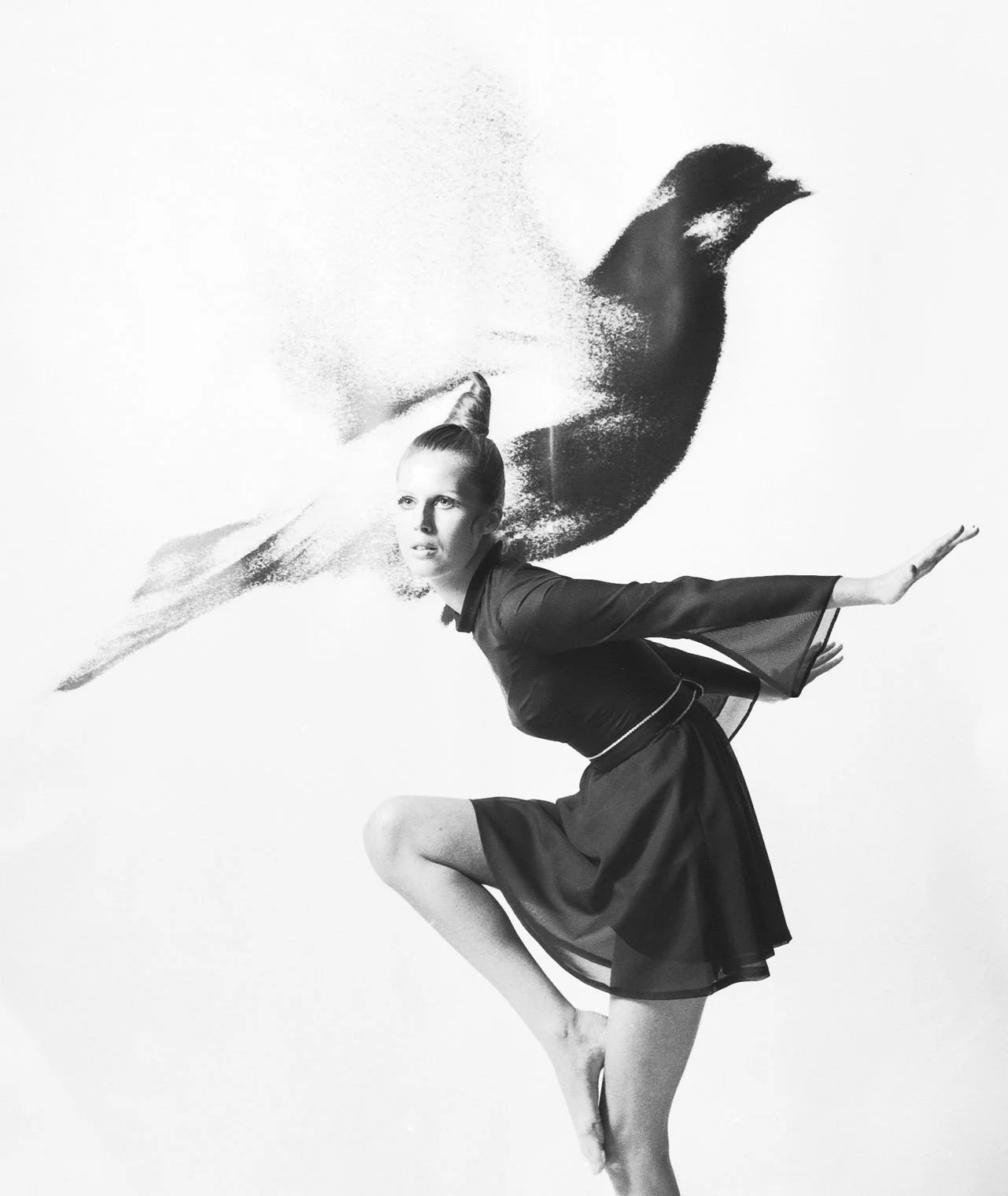
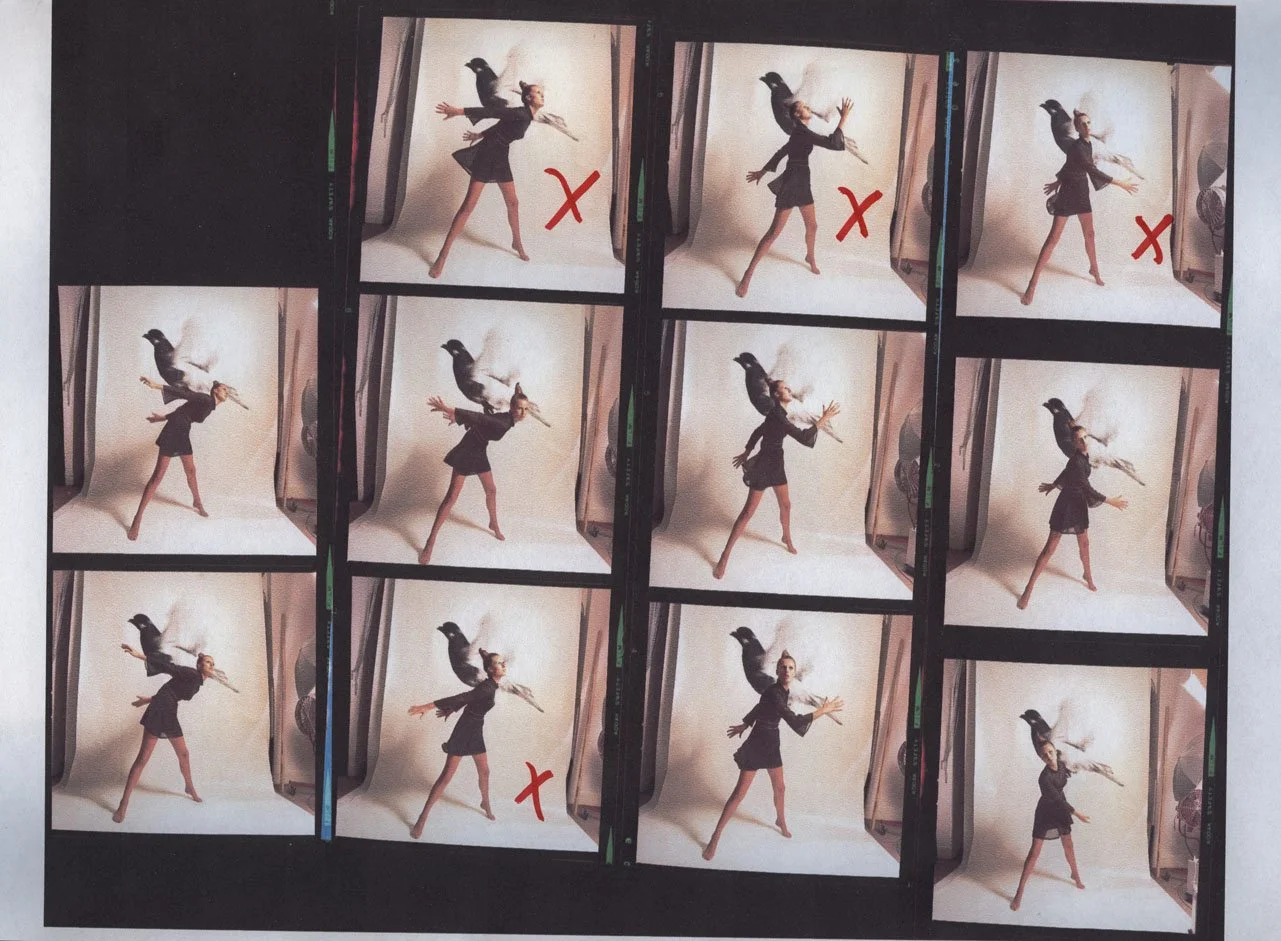
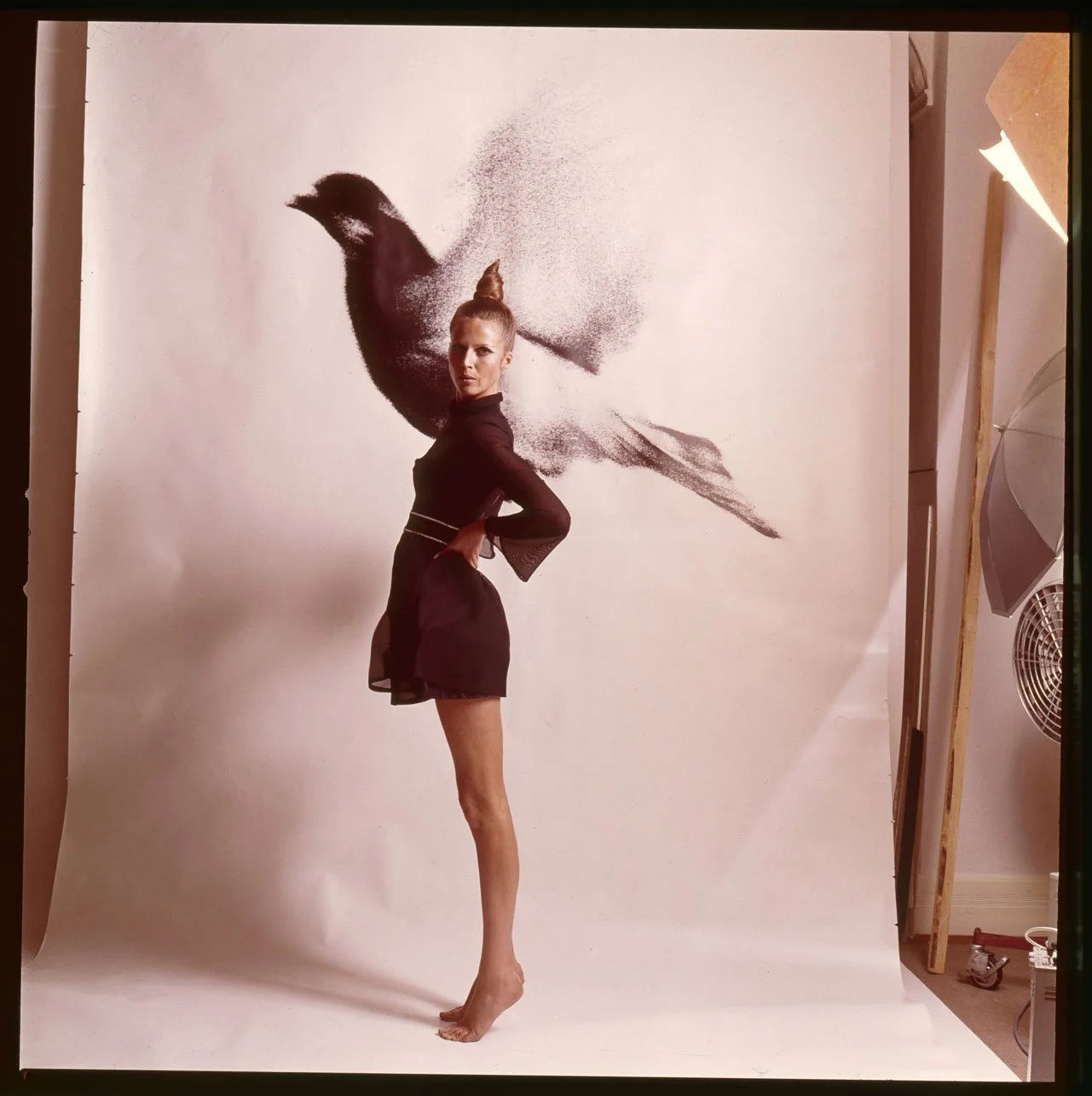
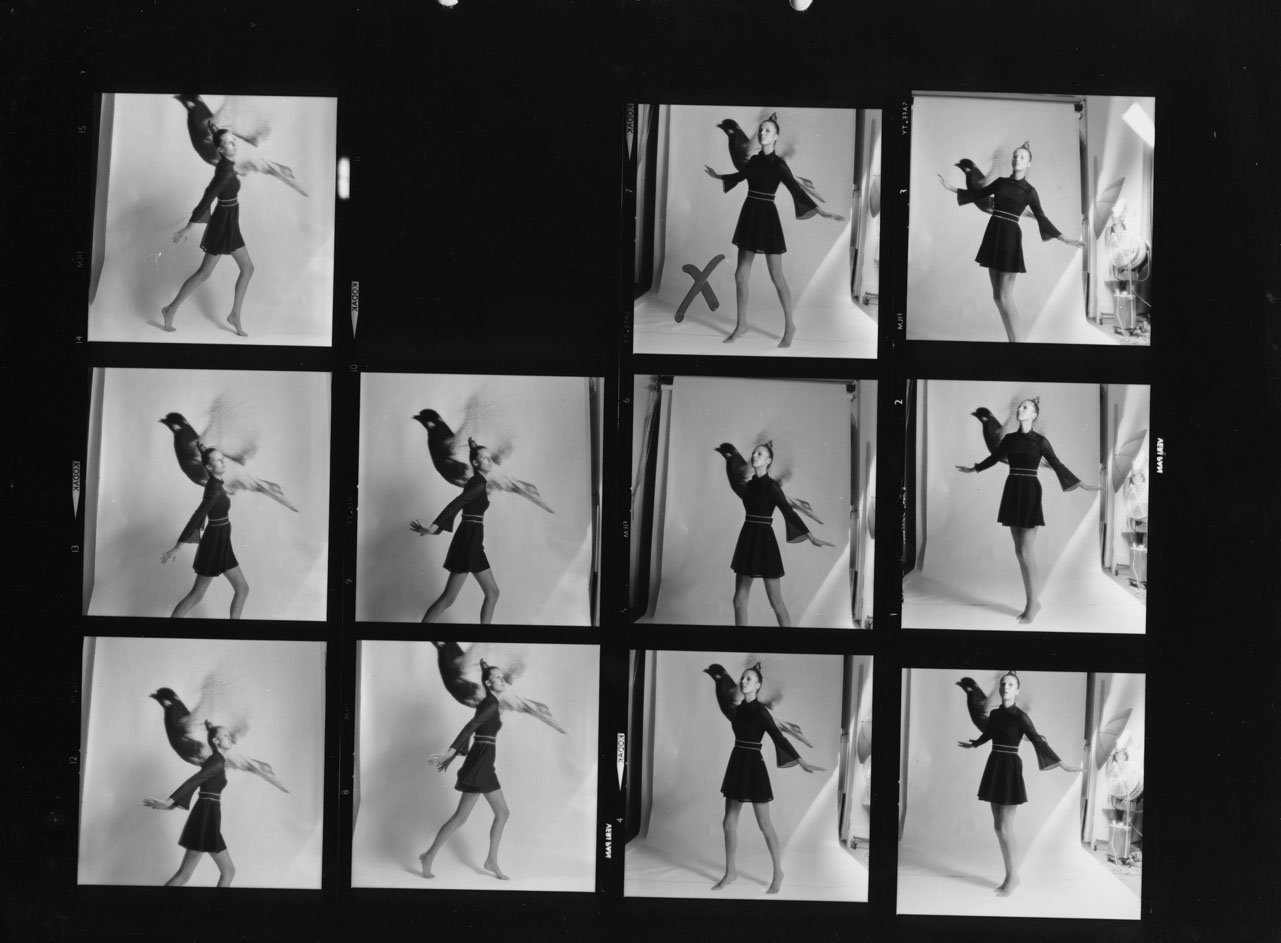
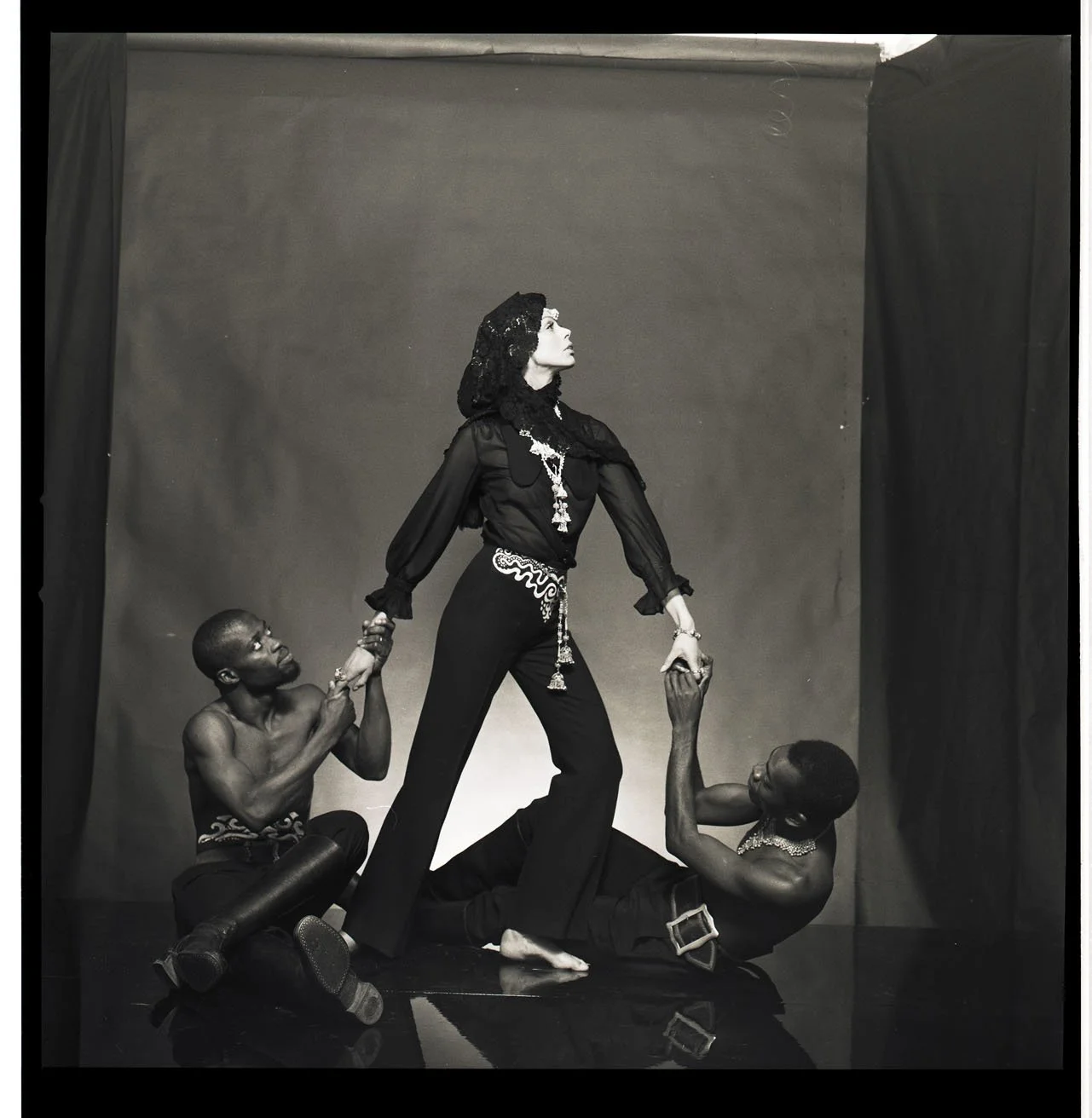
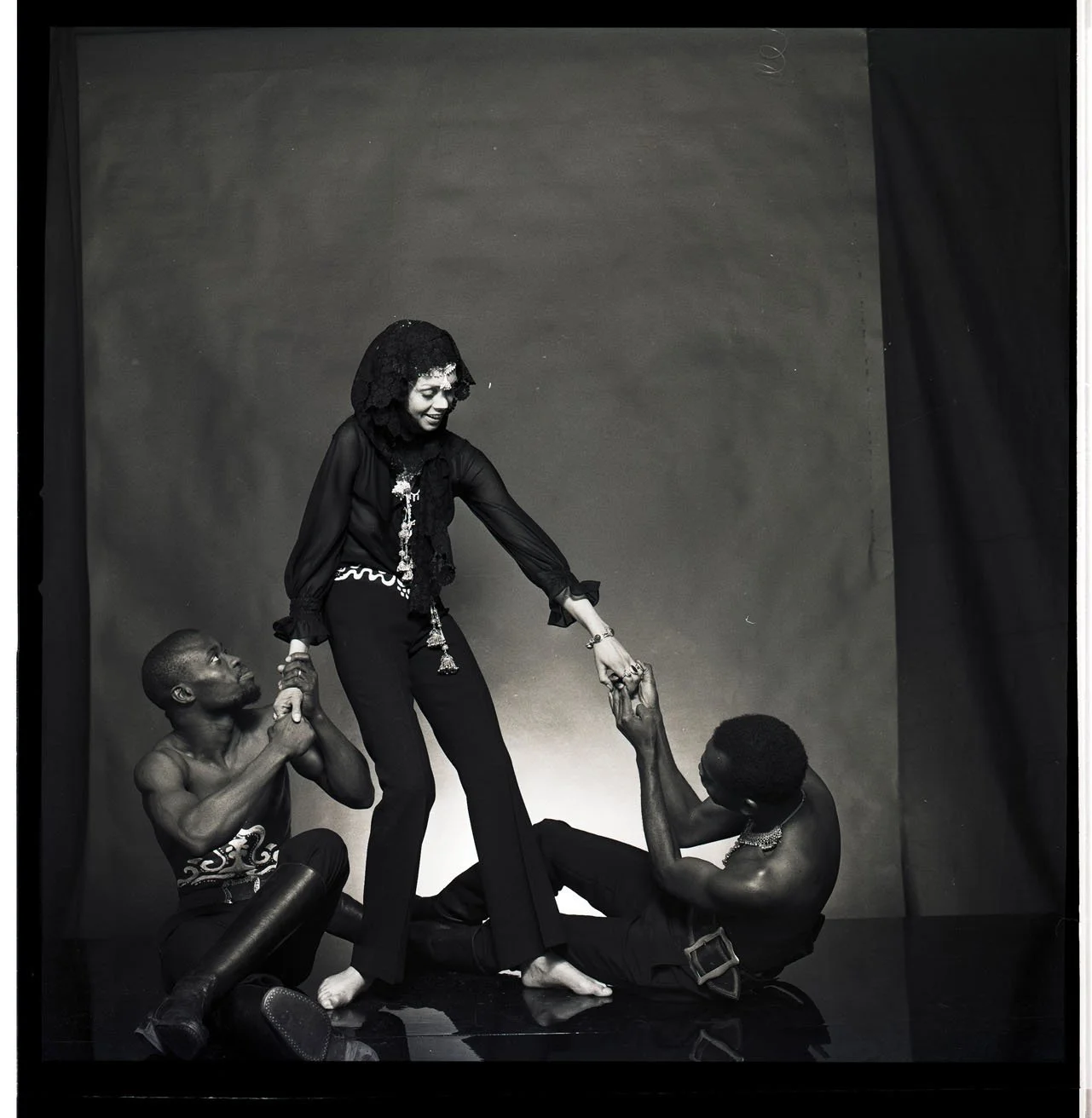
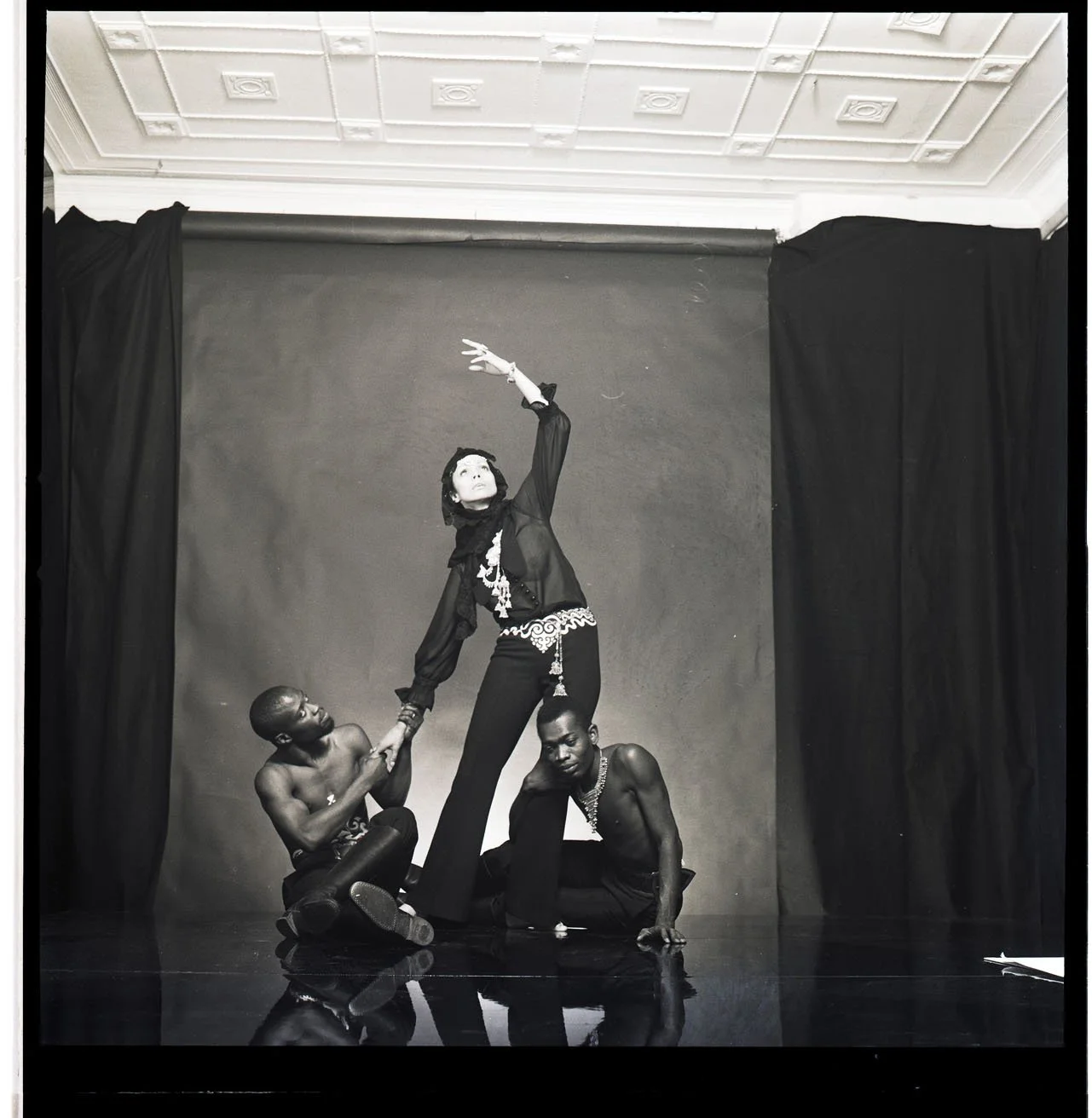
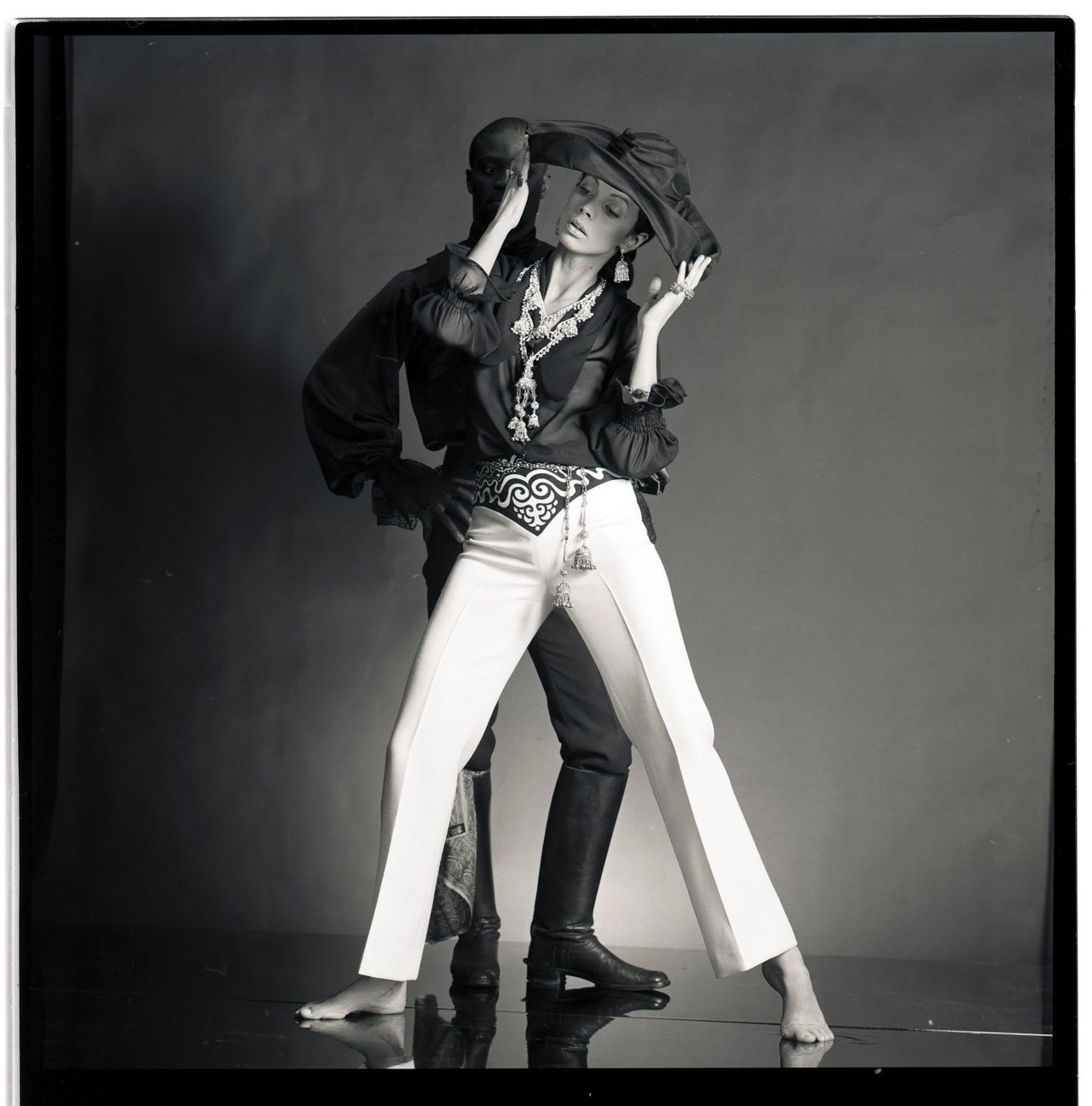
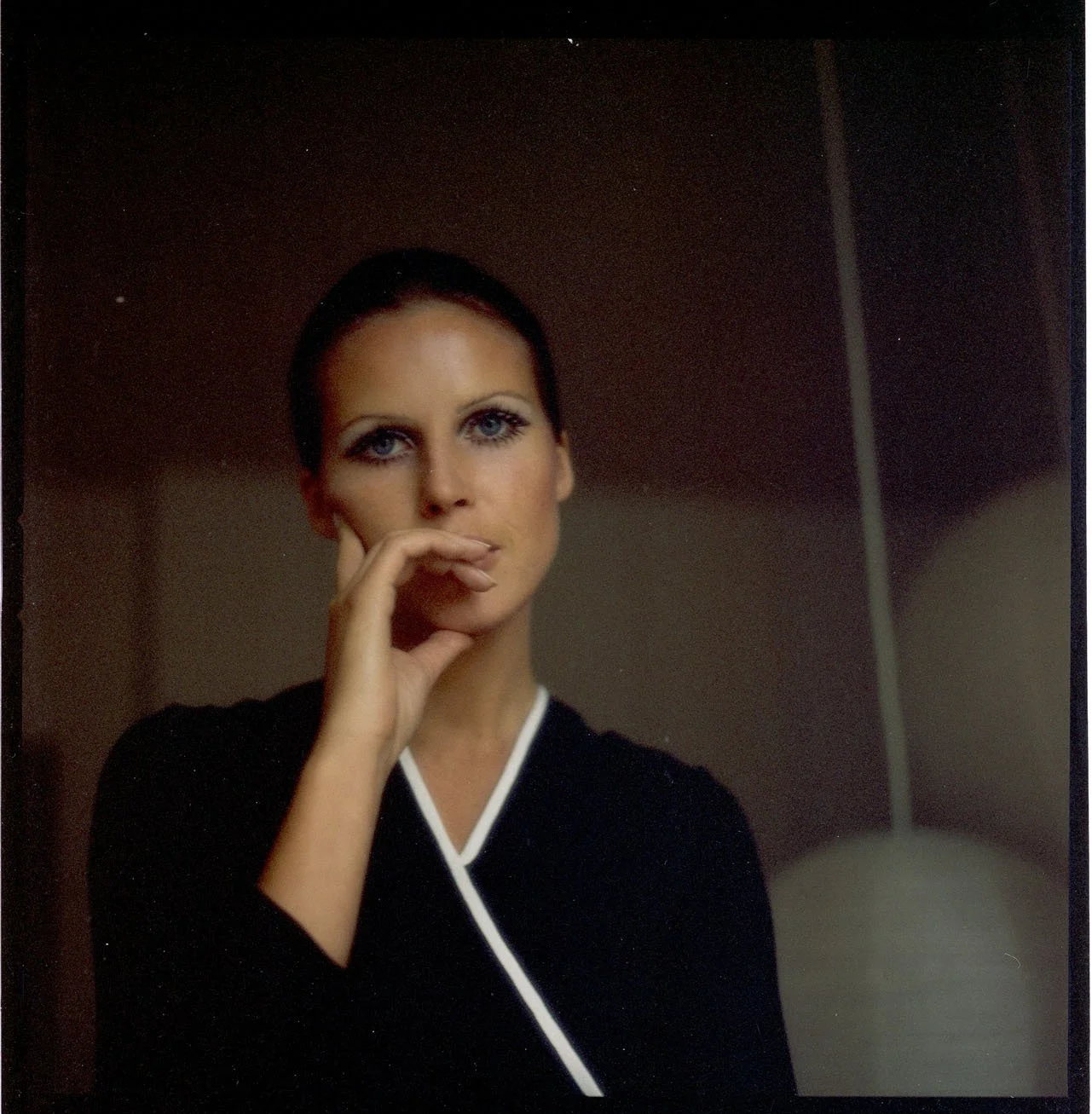
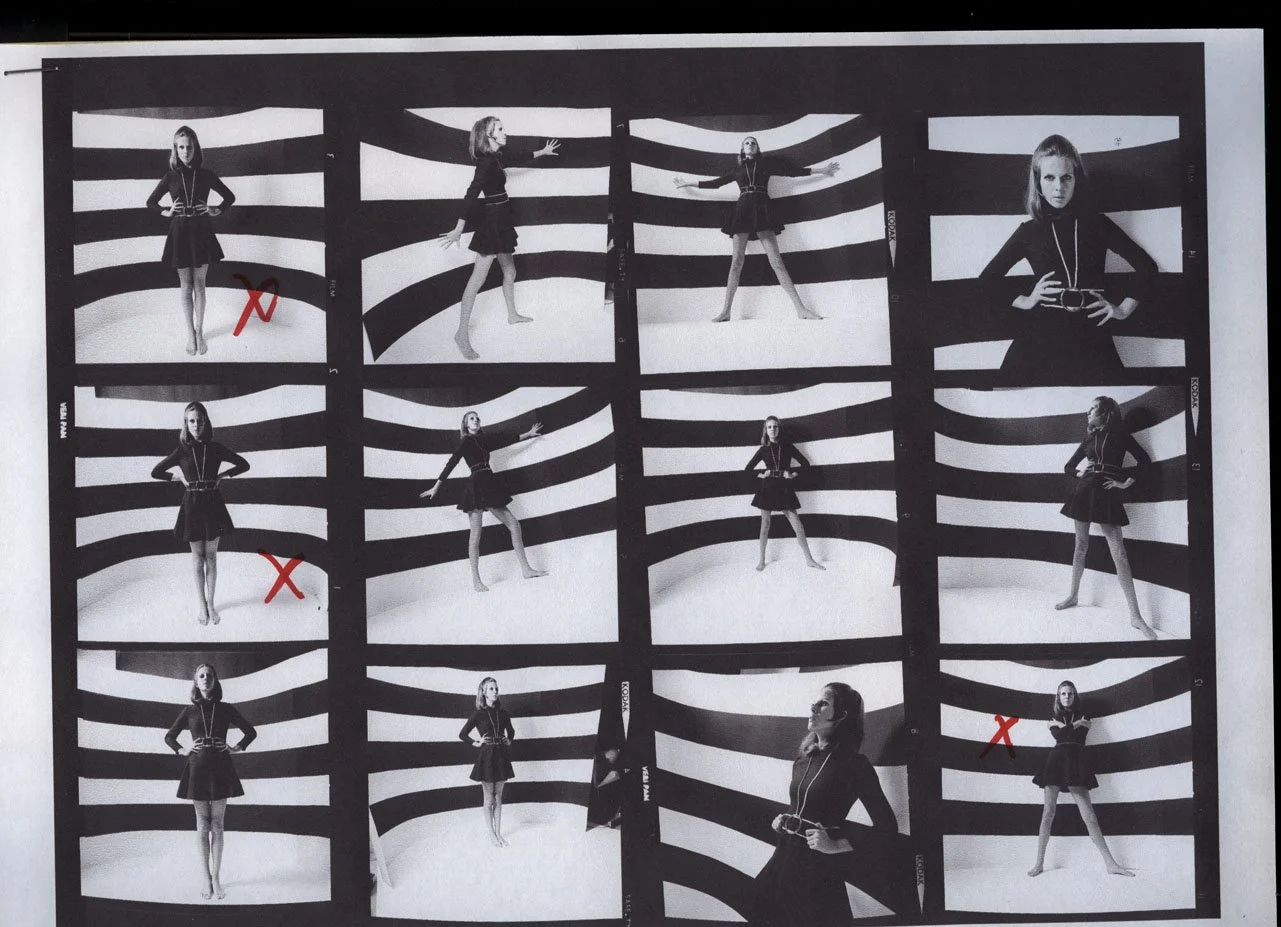
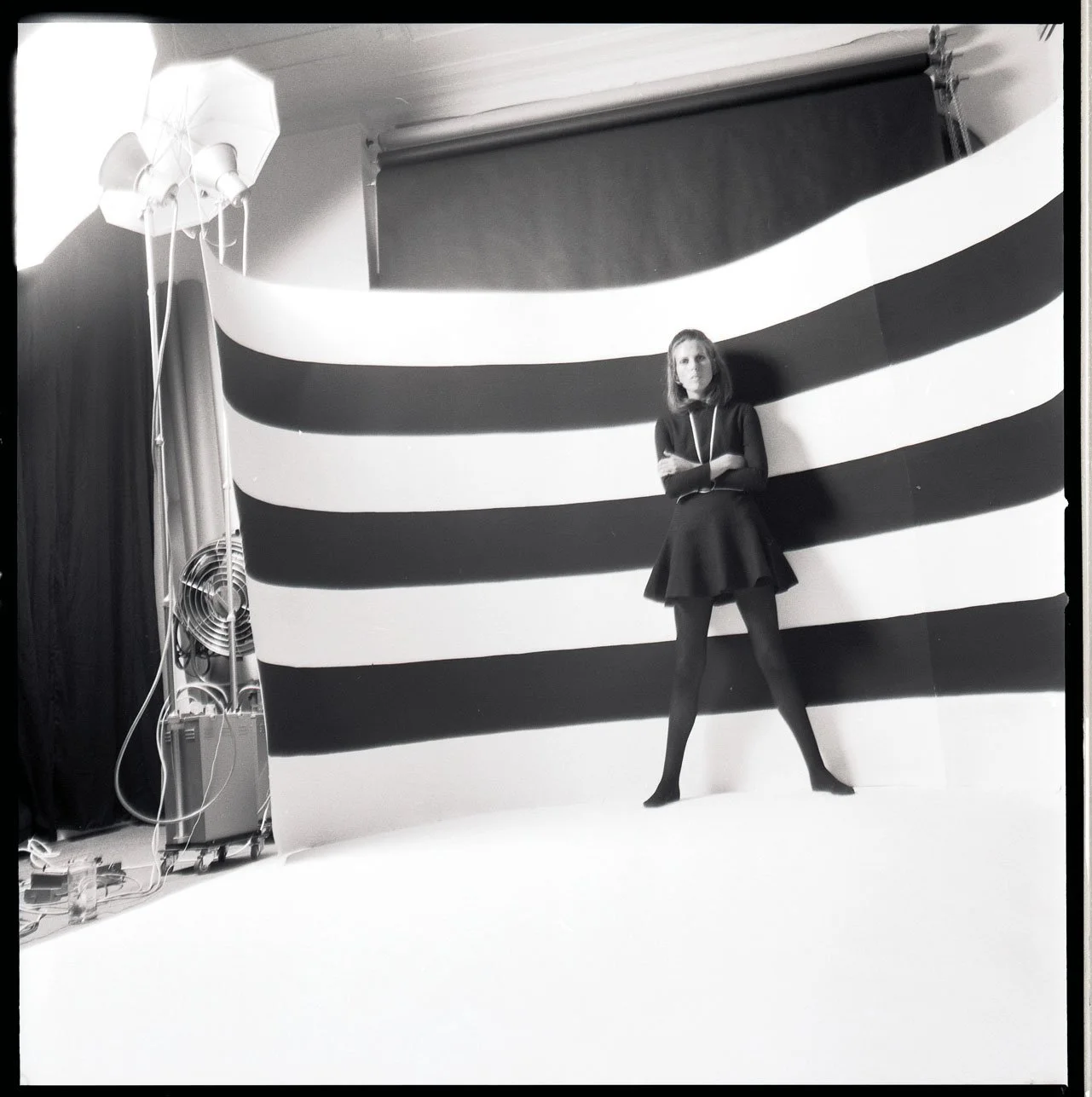
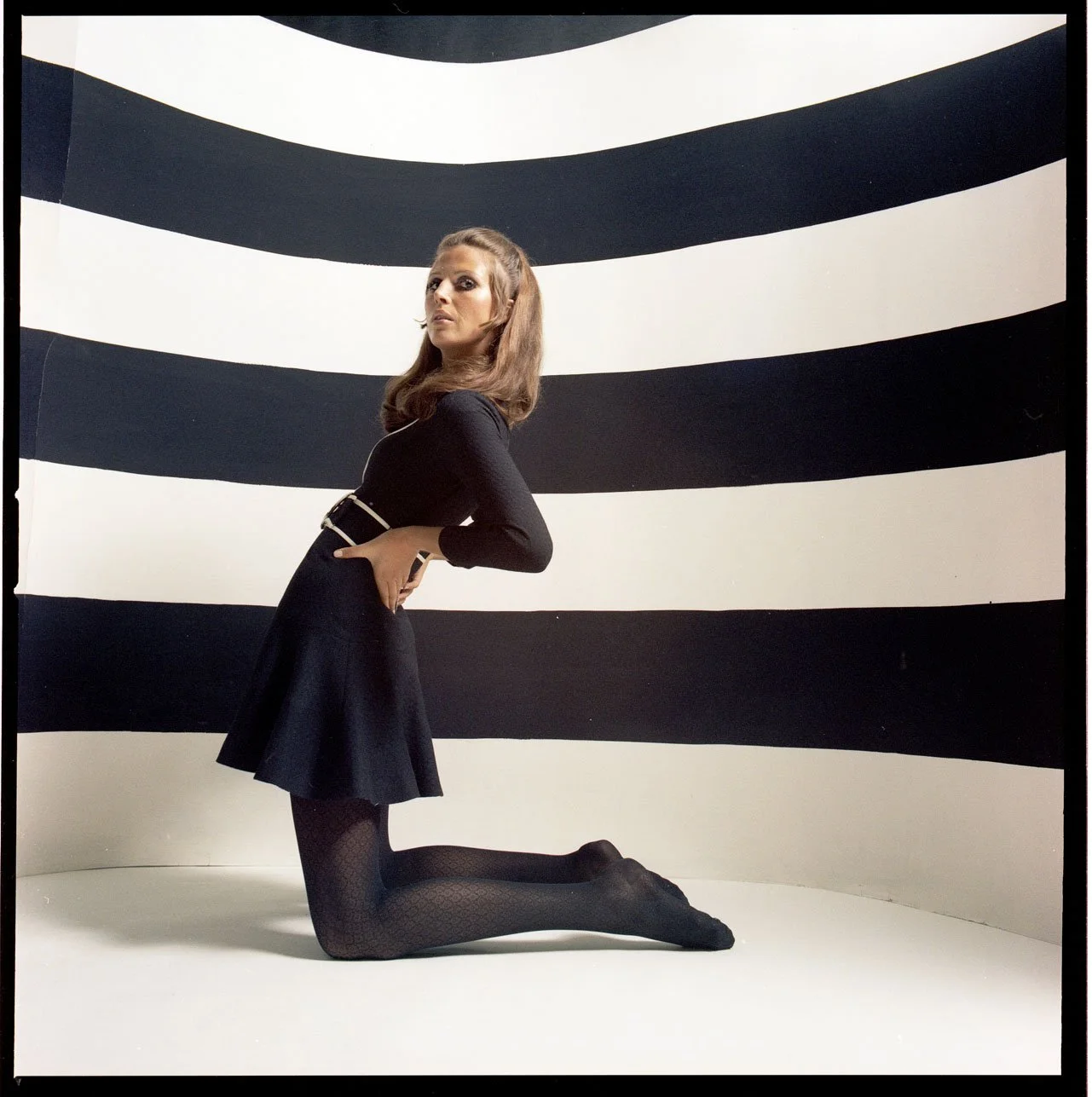
Stealing Coal and the Uniform of the Creative World
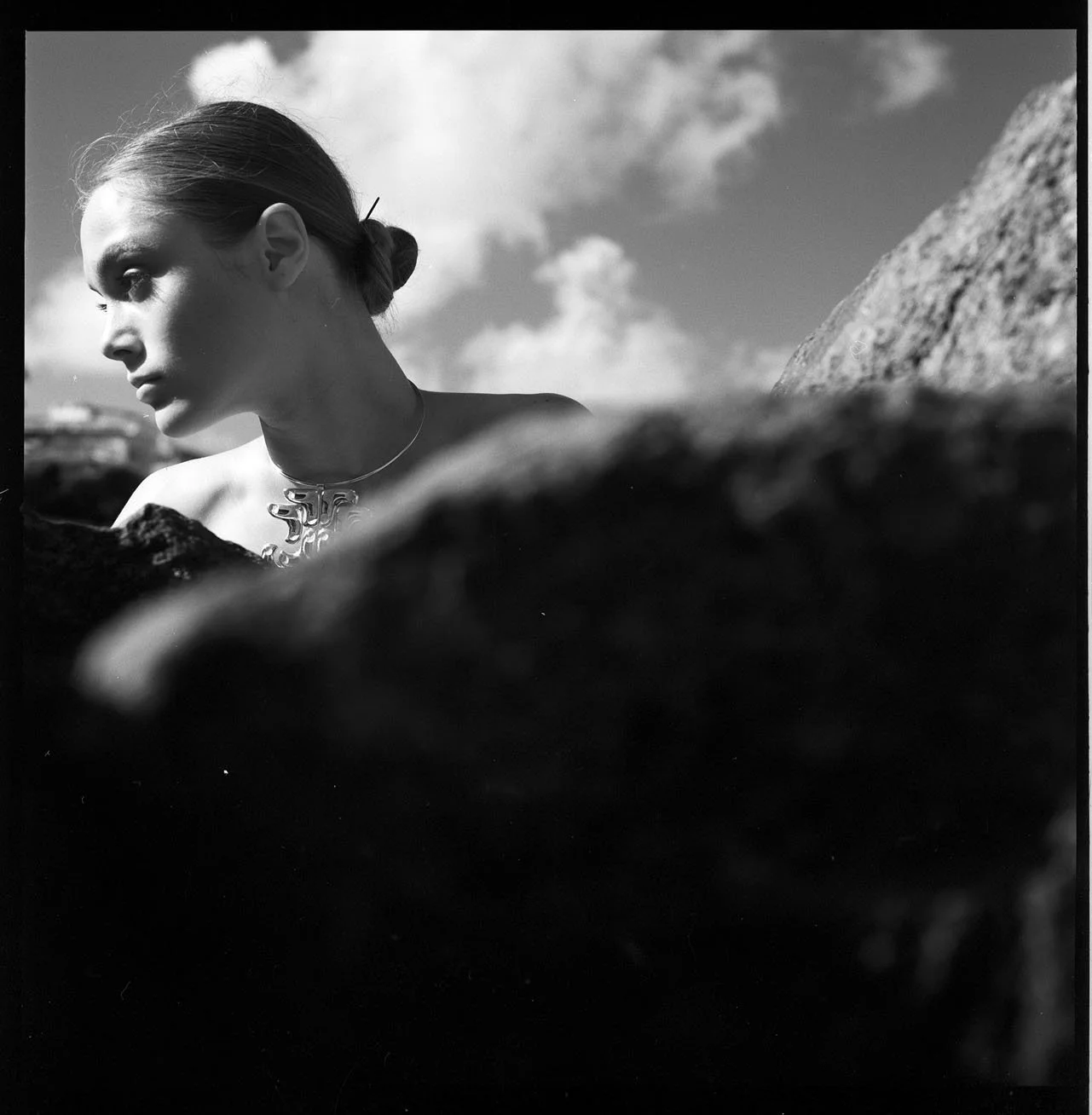
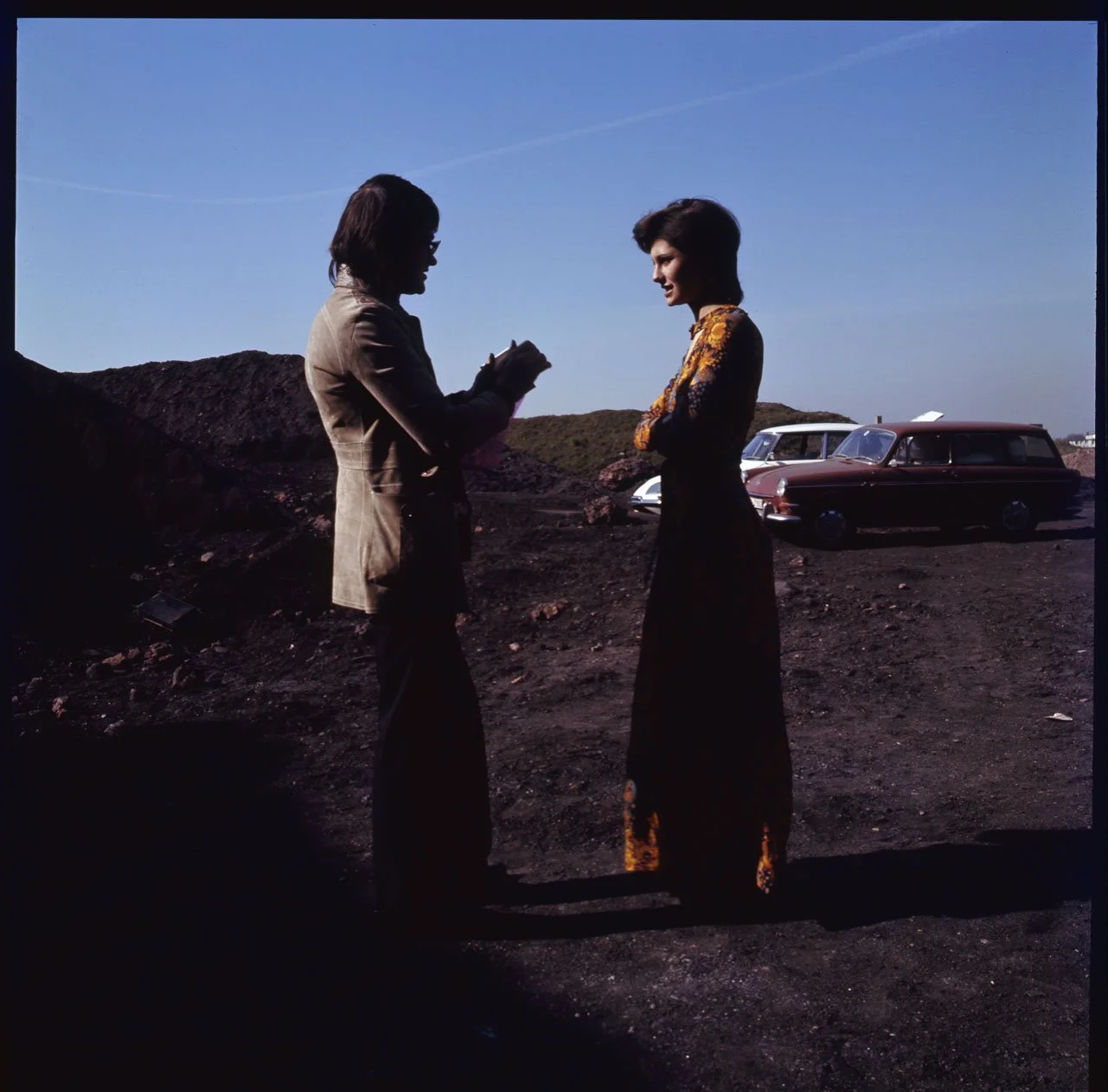
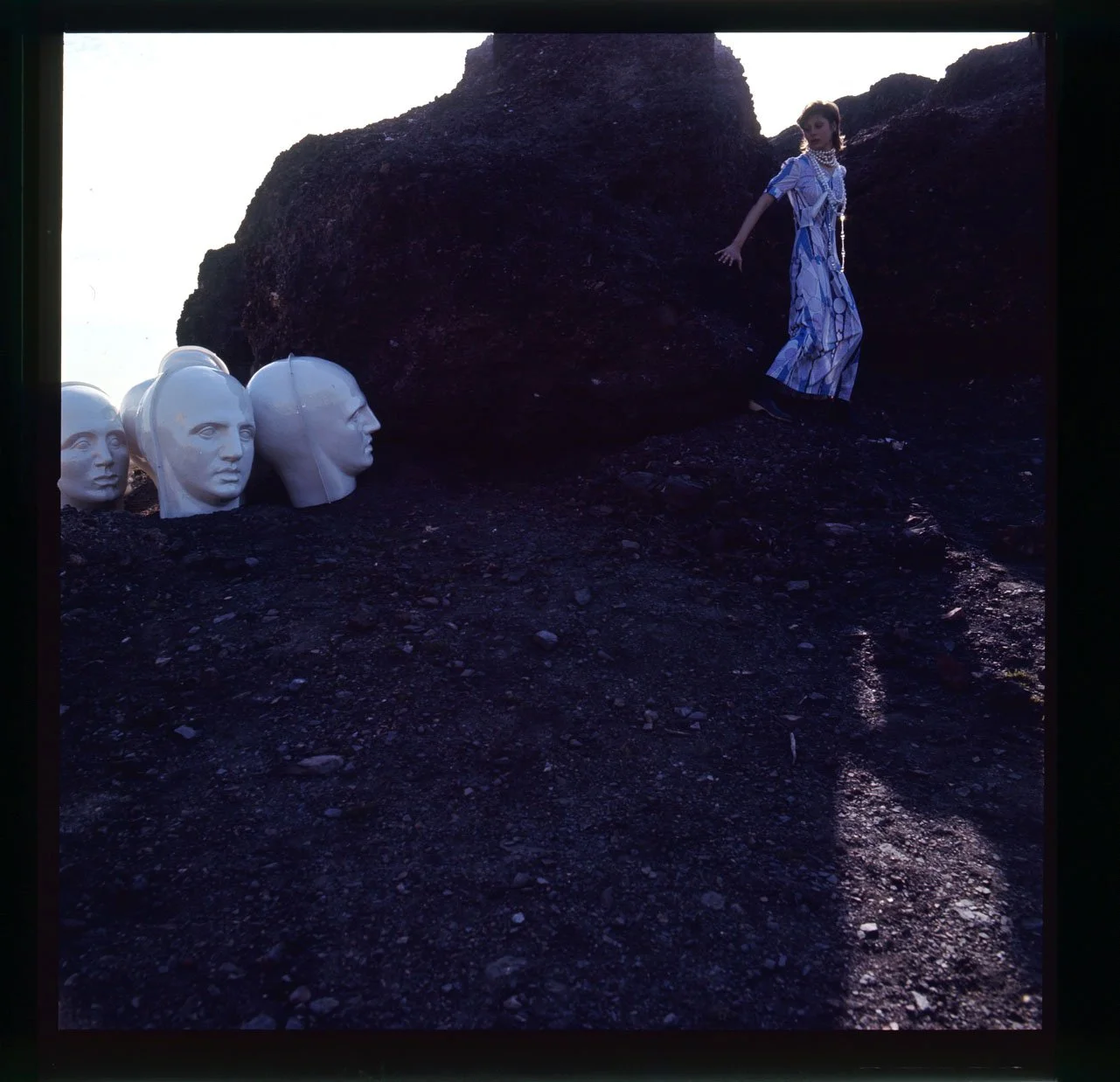
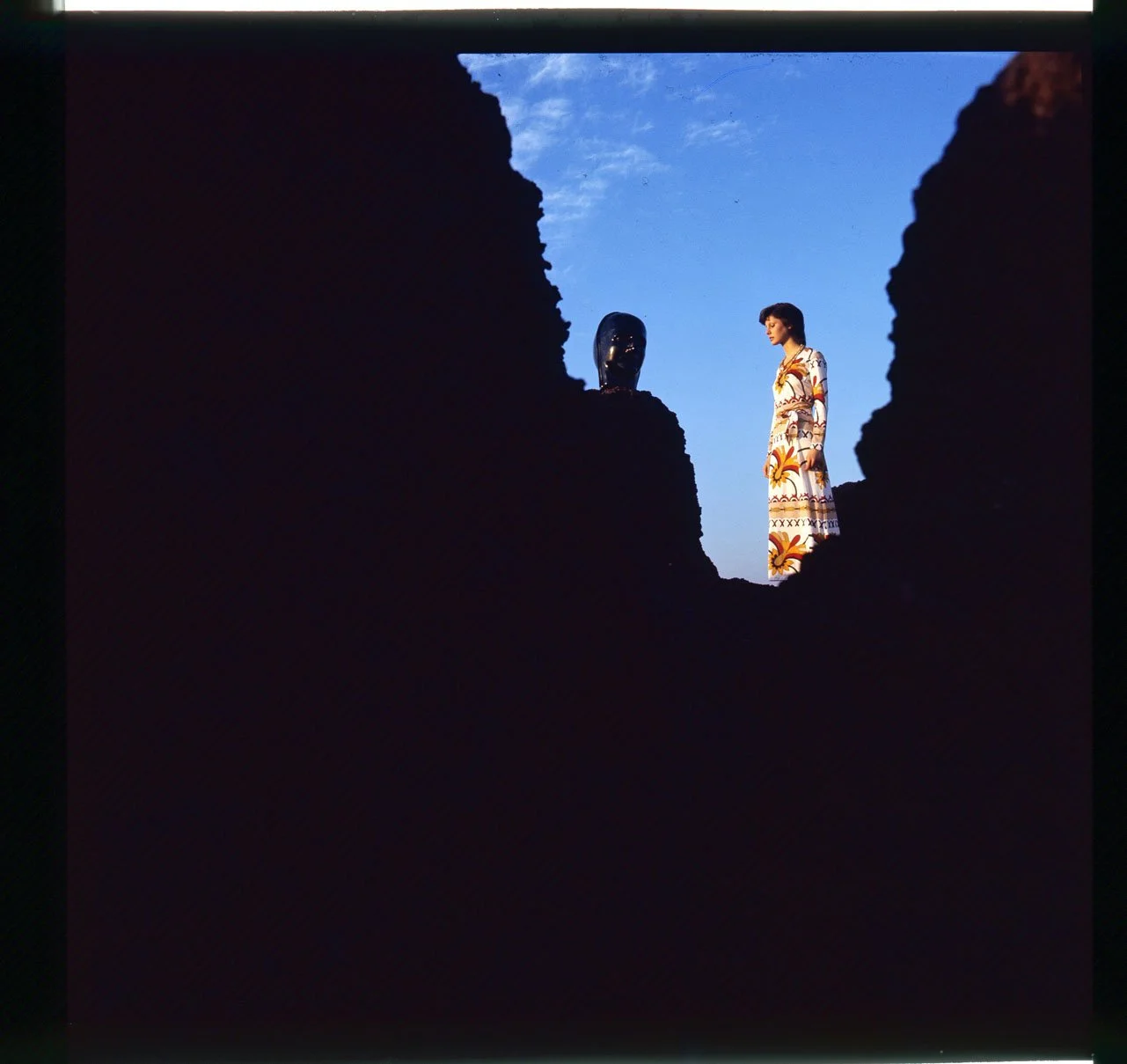
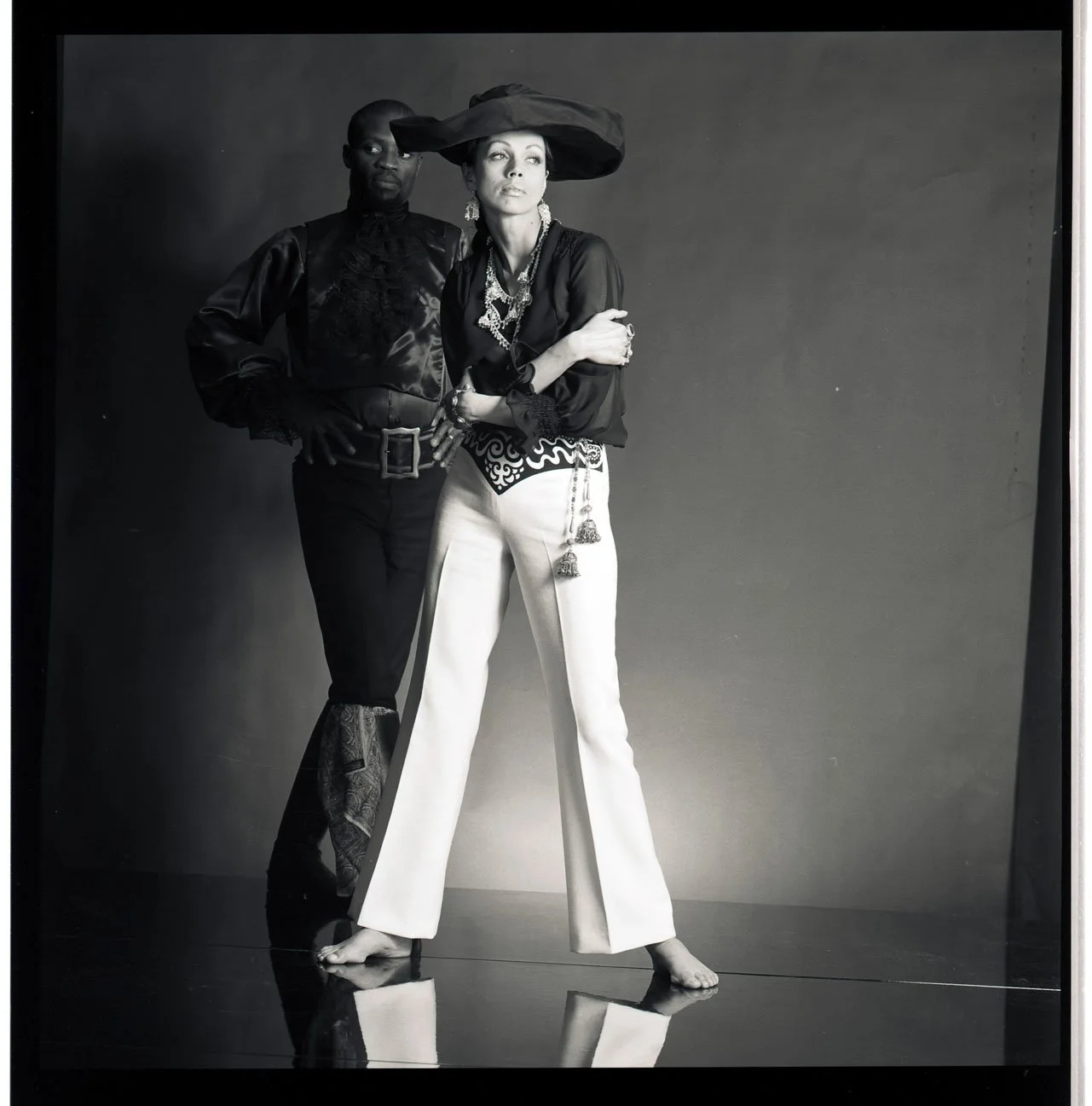
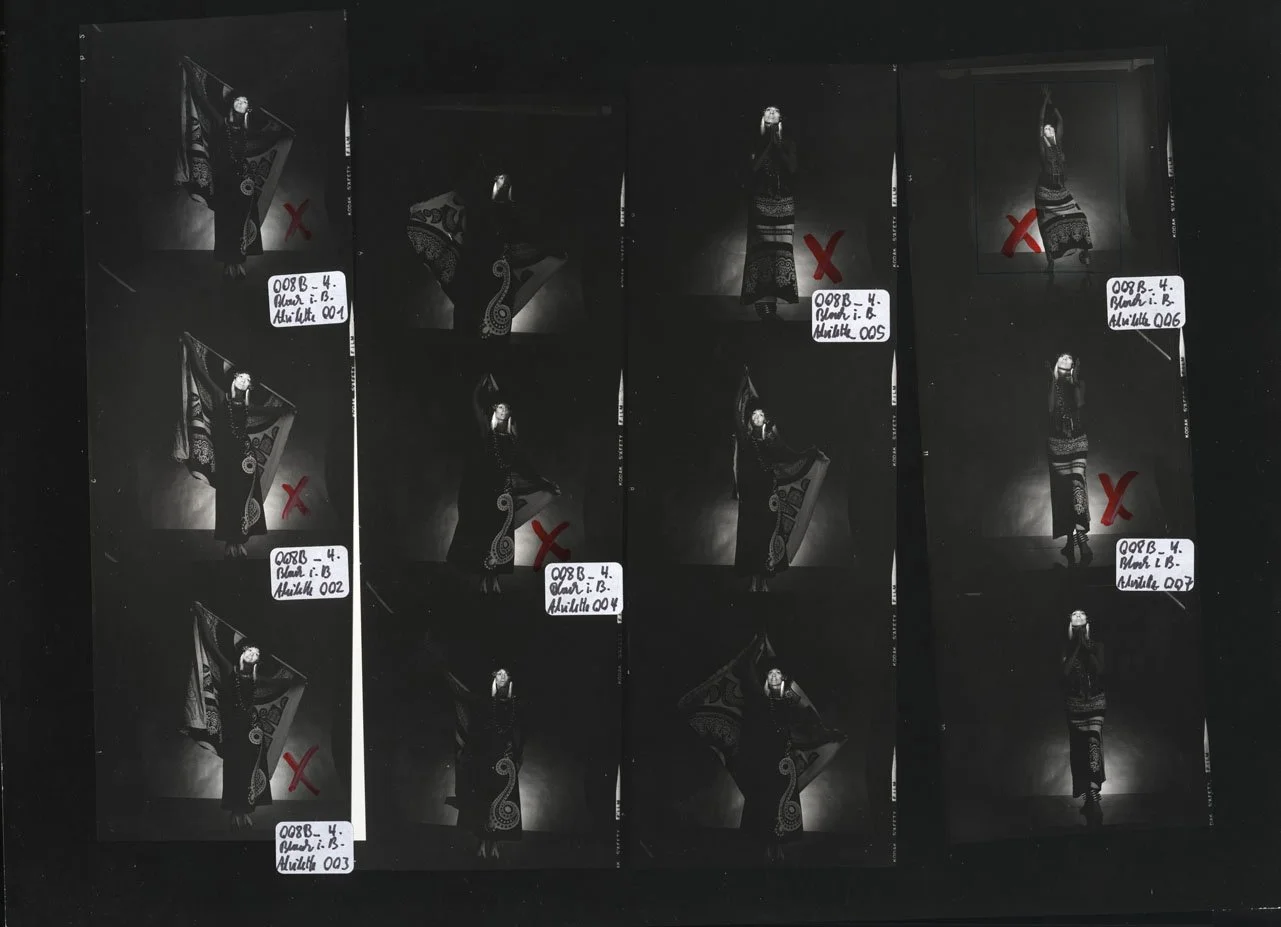
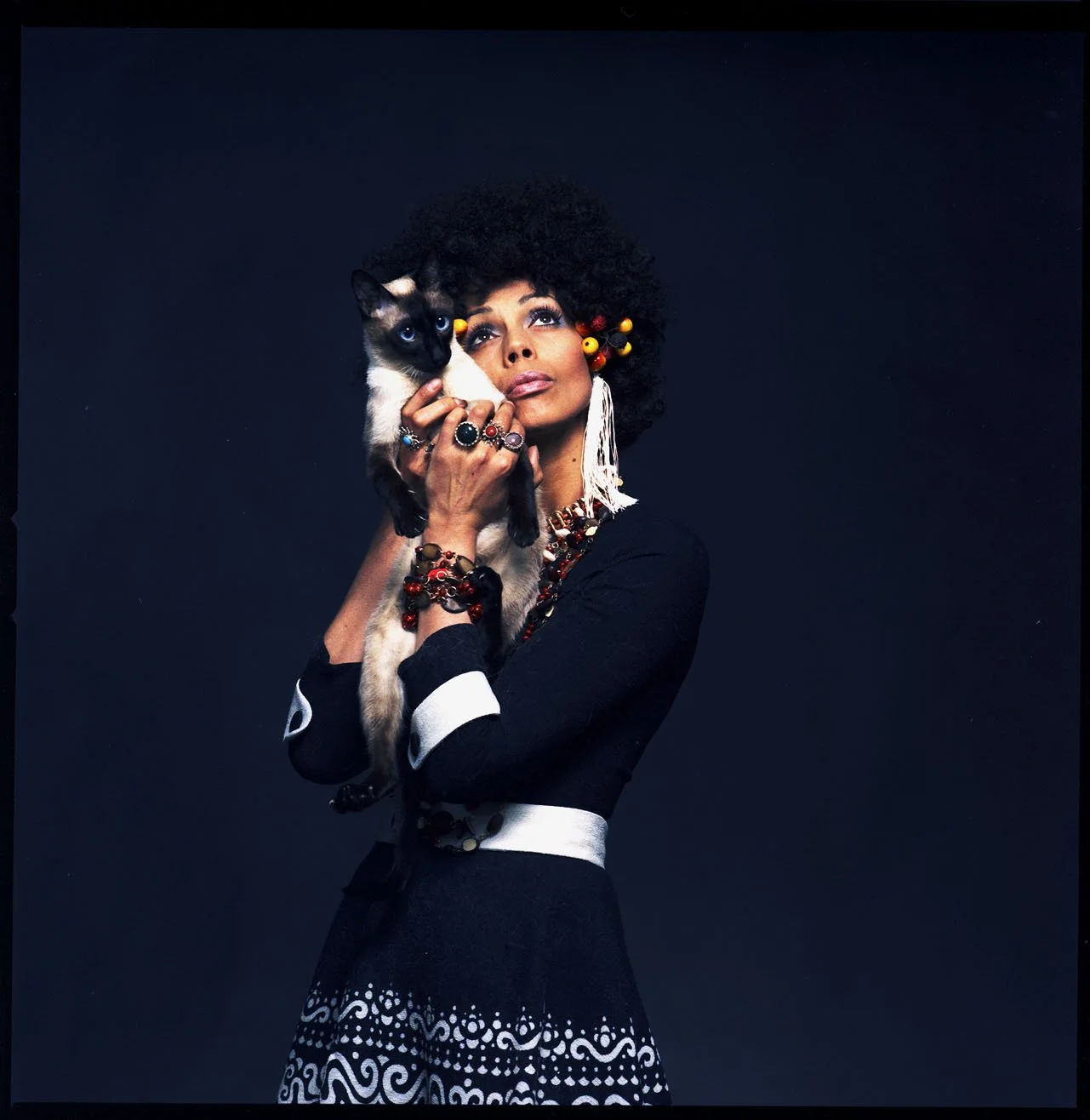
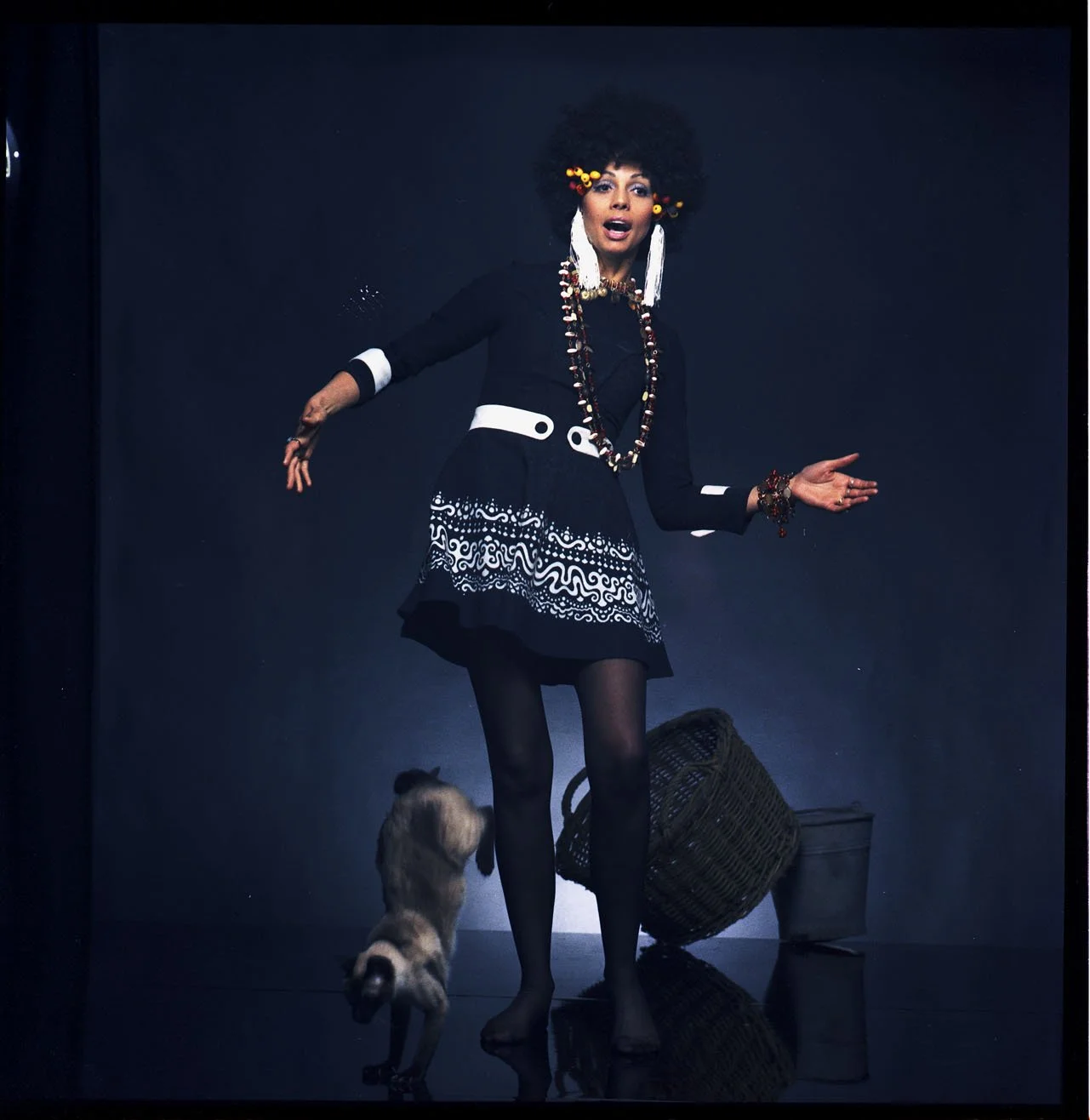
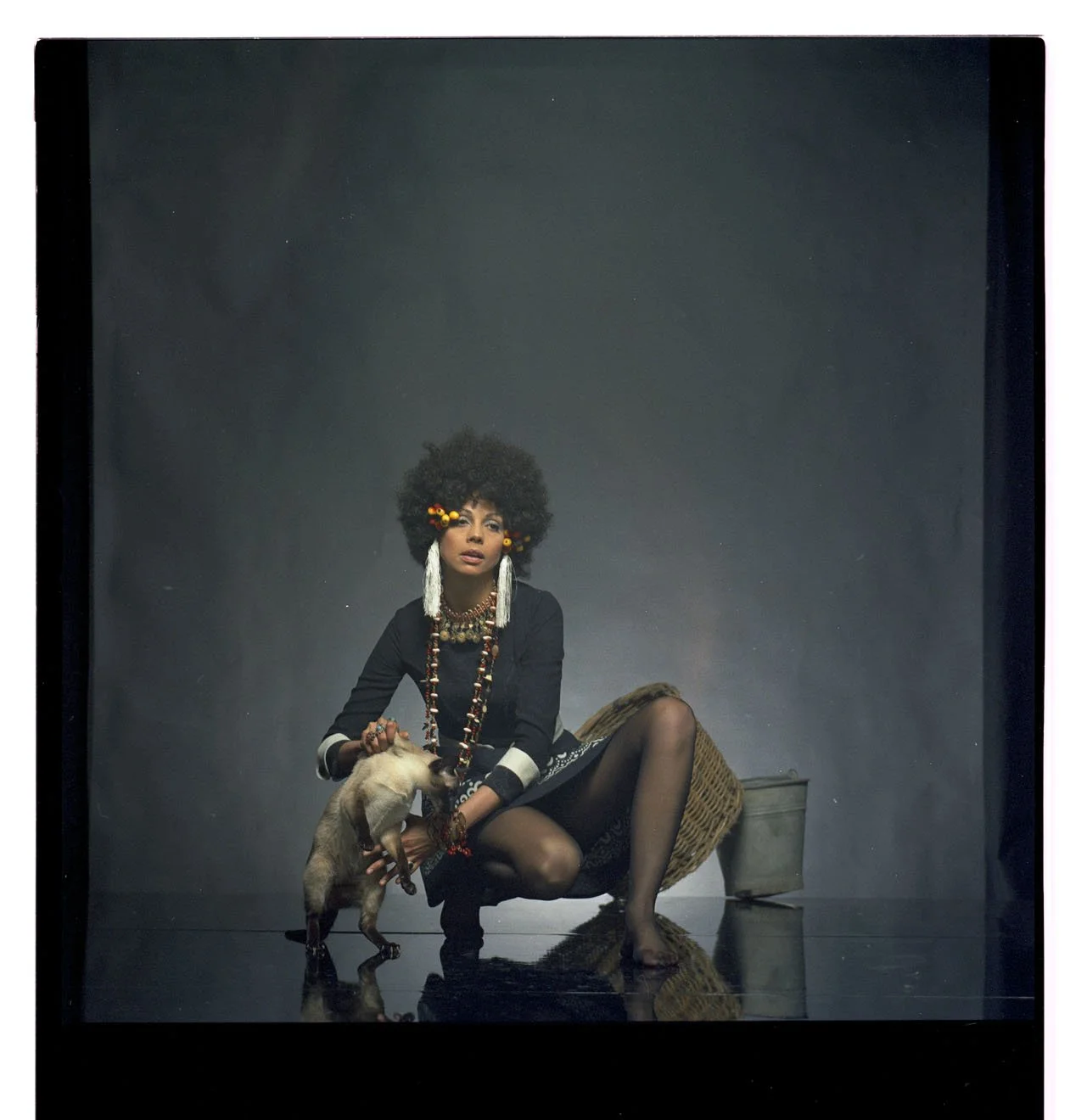
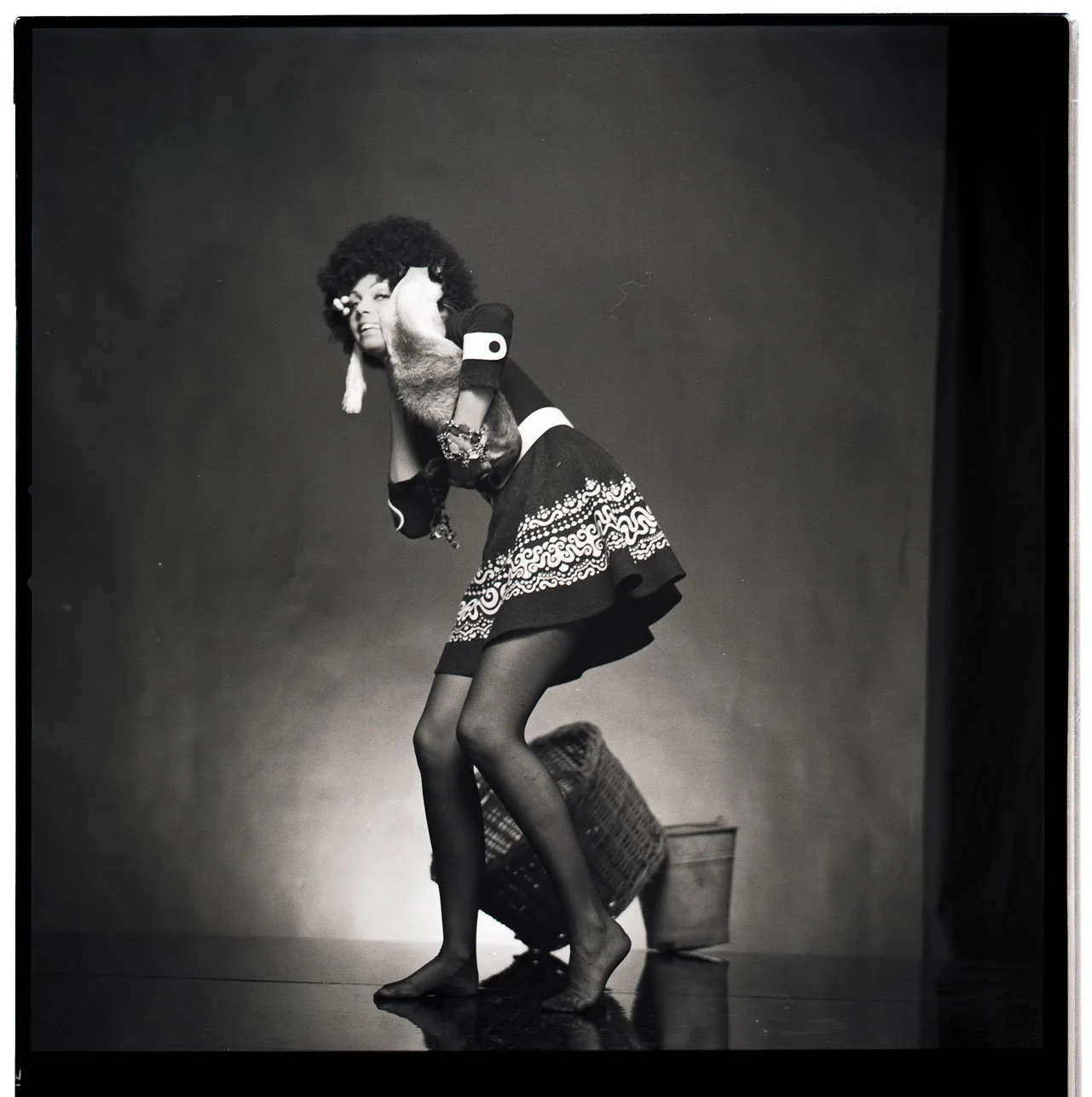
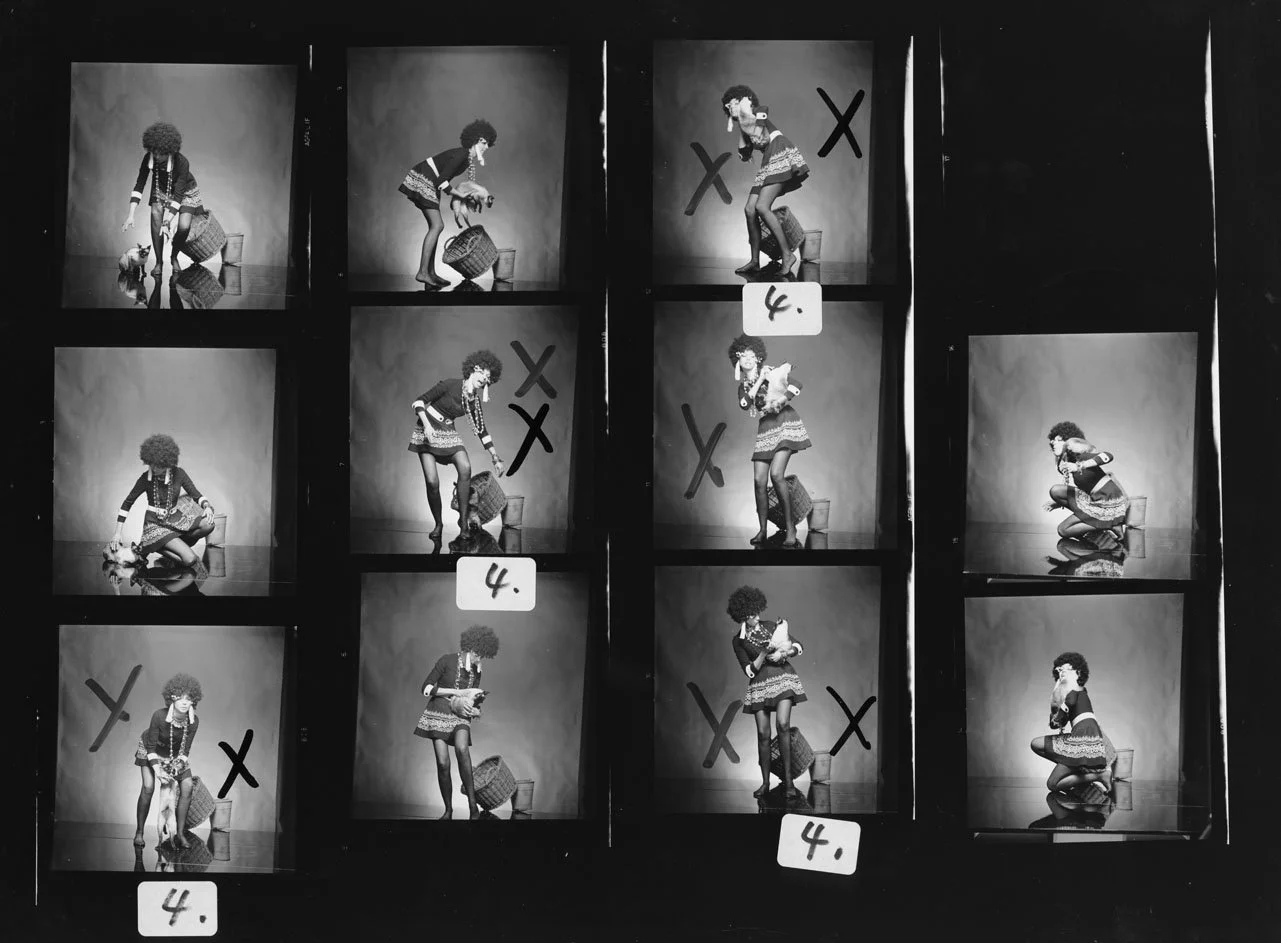
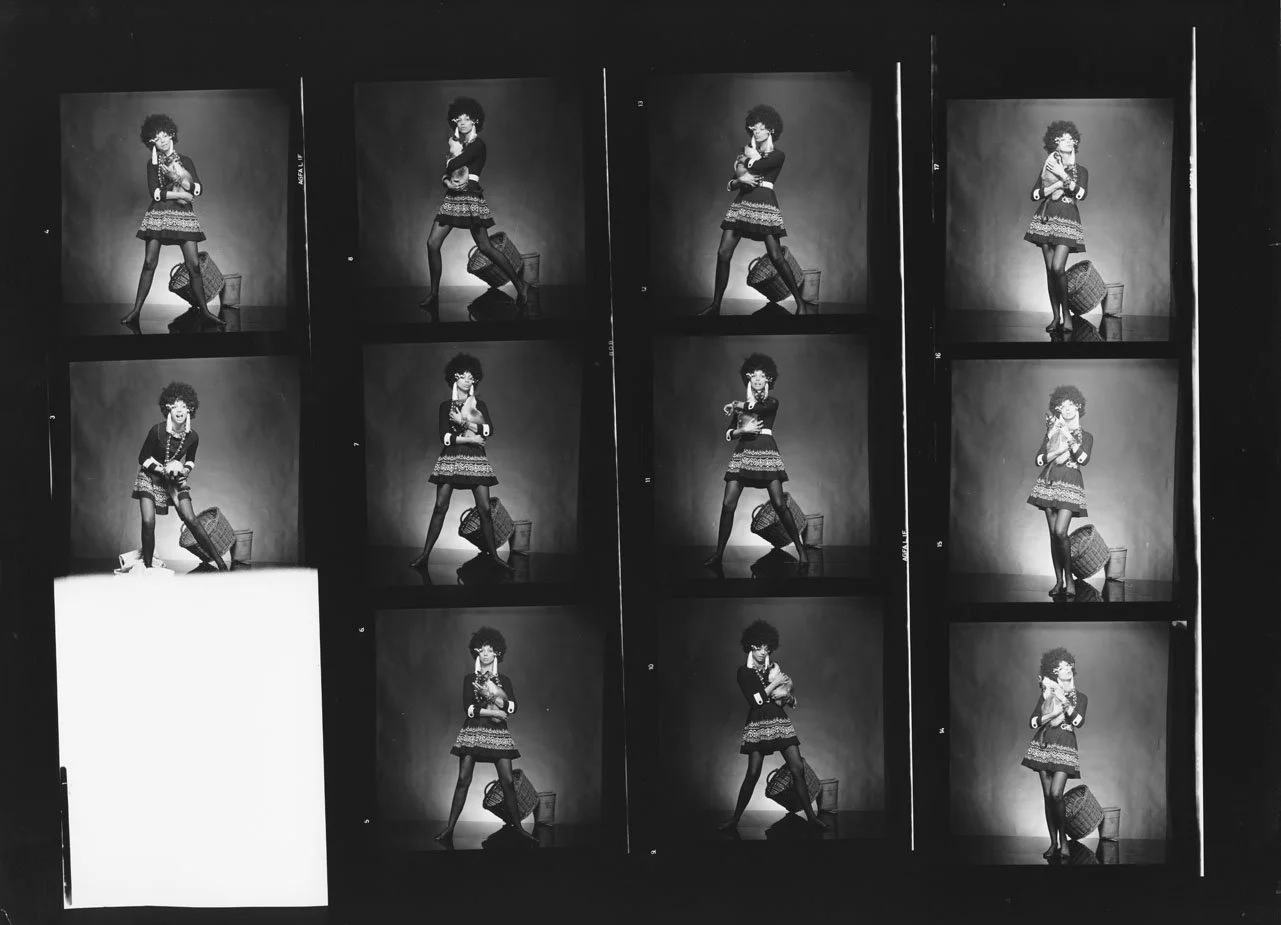
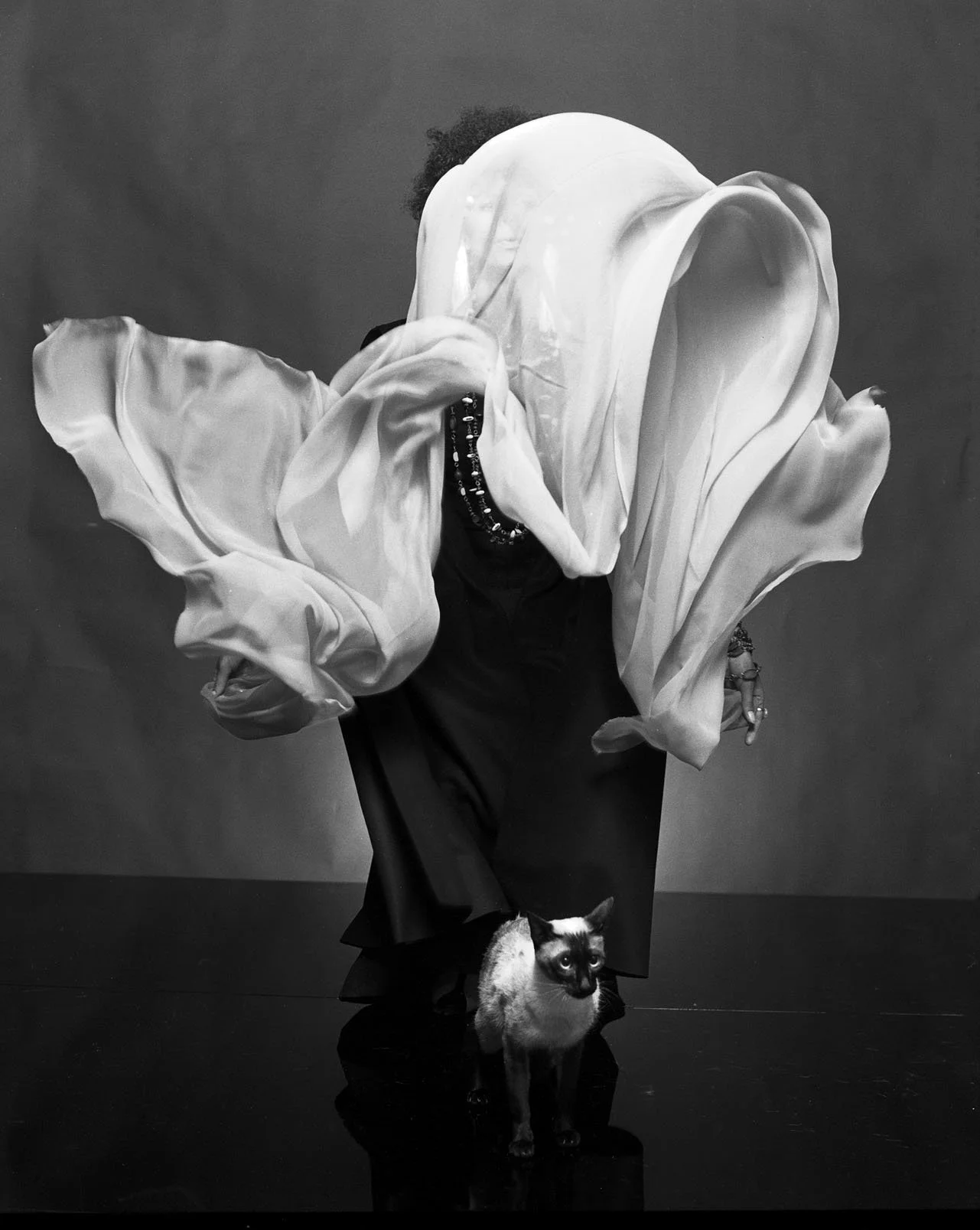
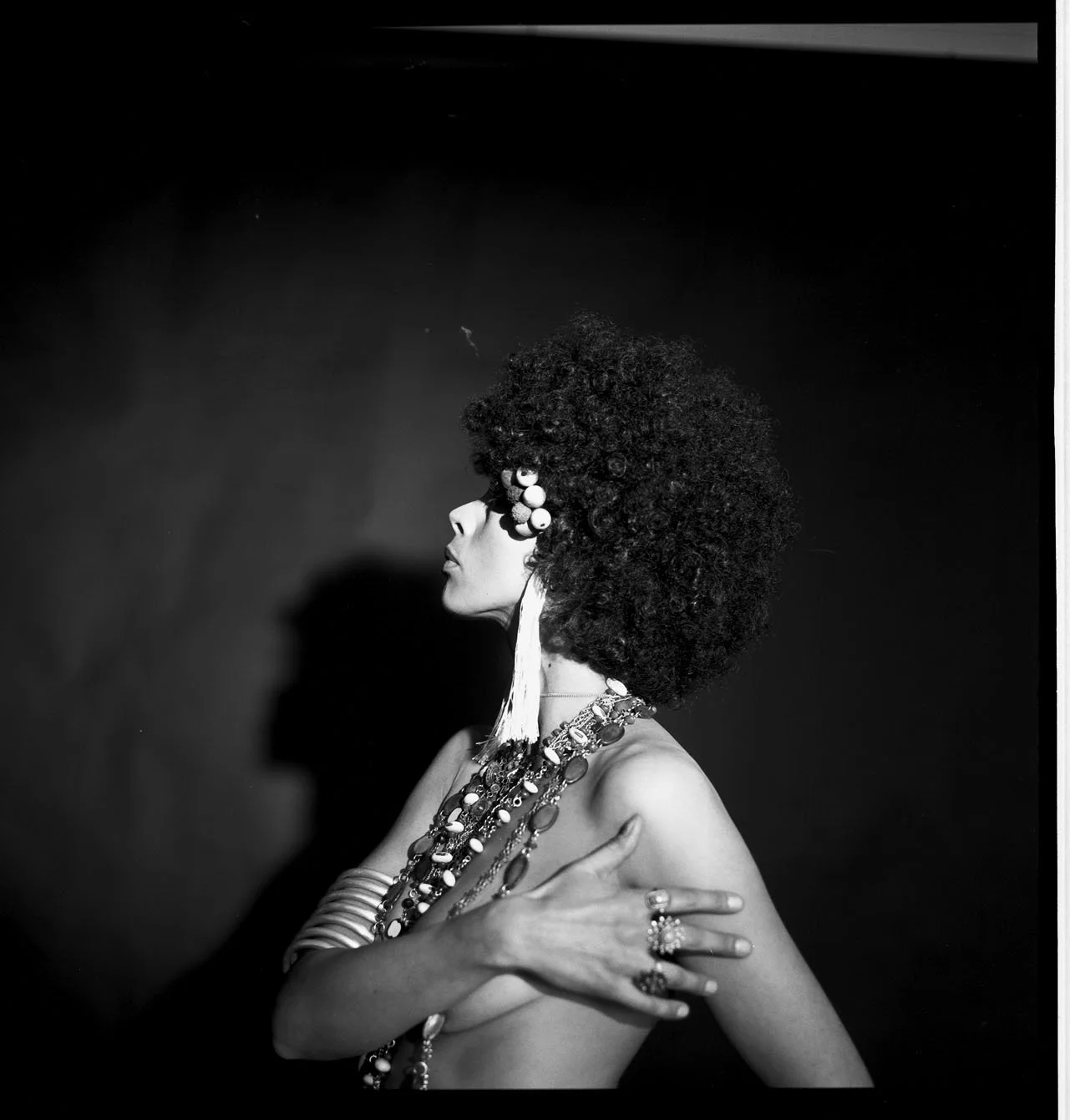
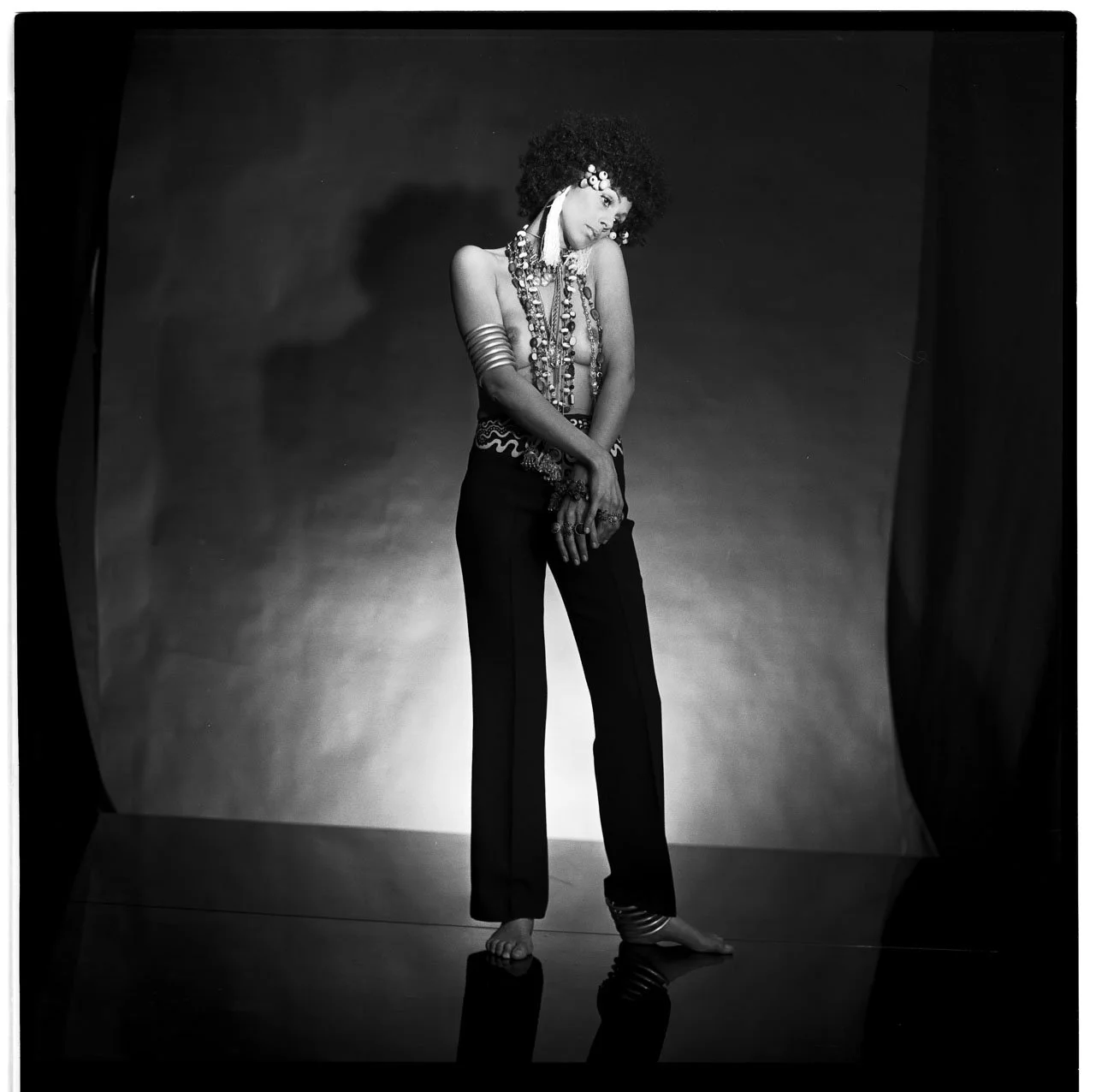
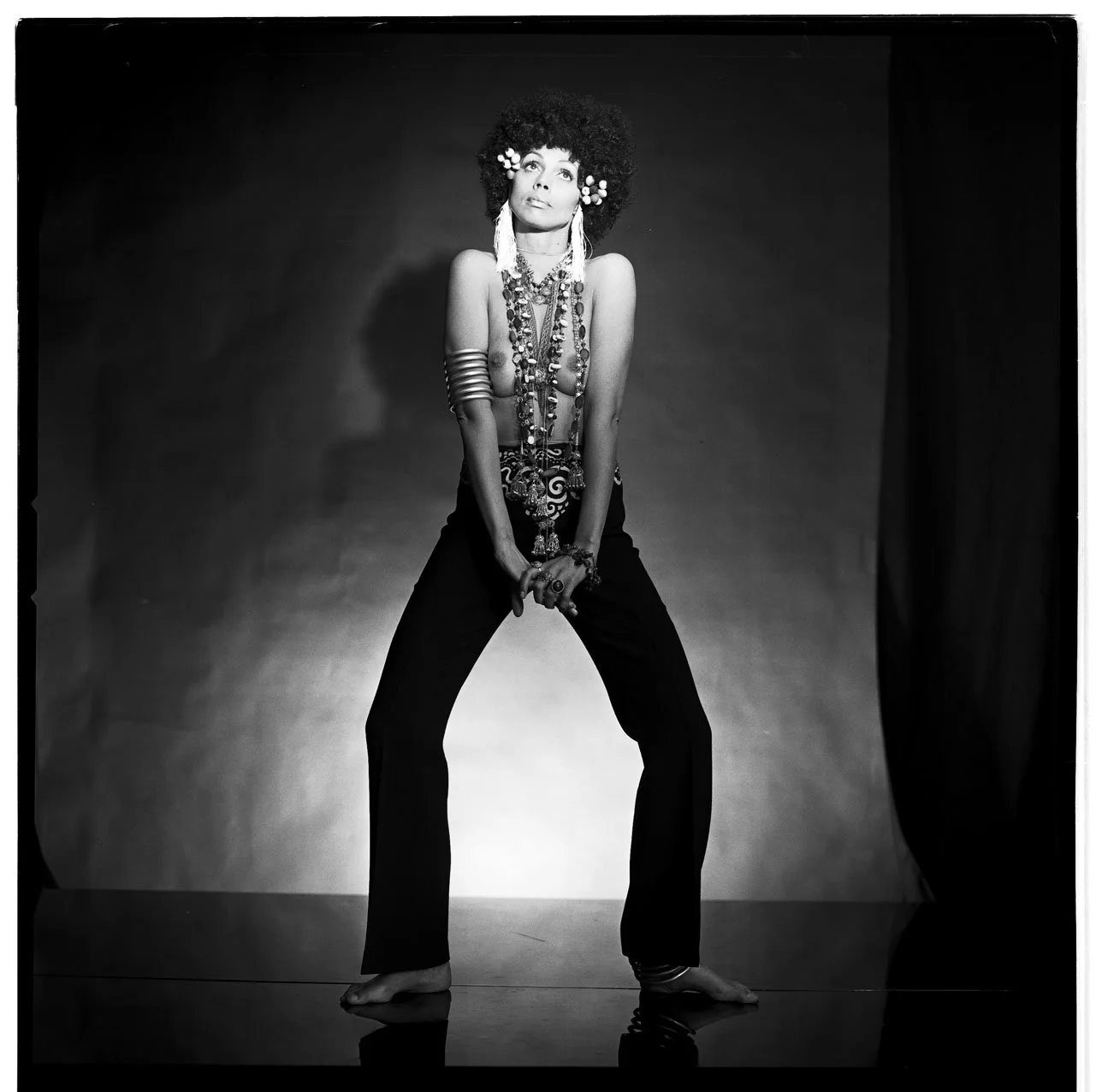
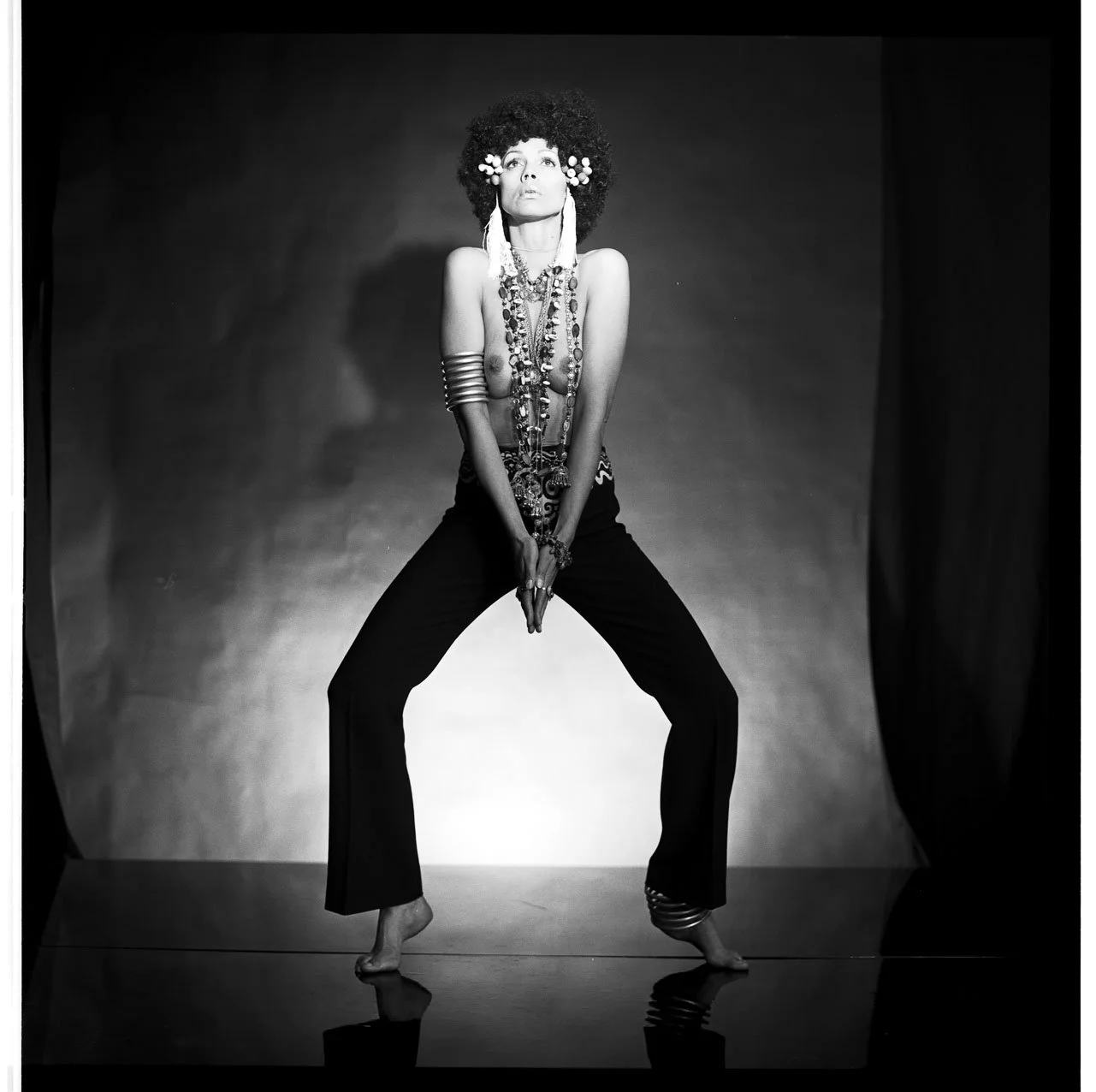
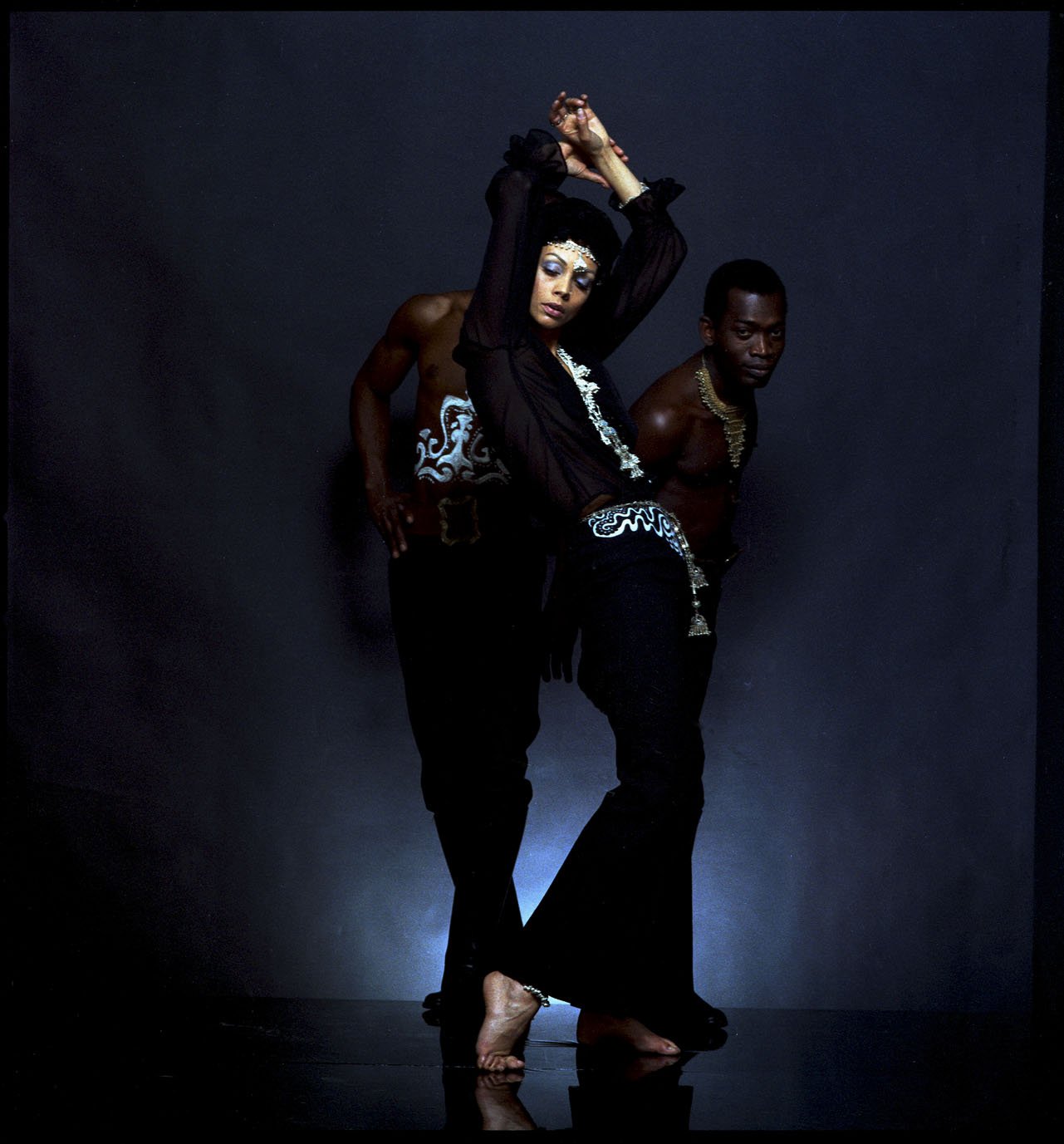
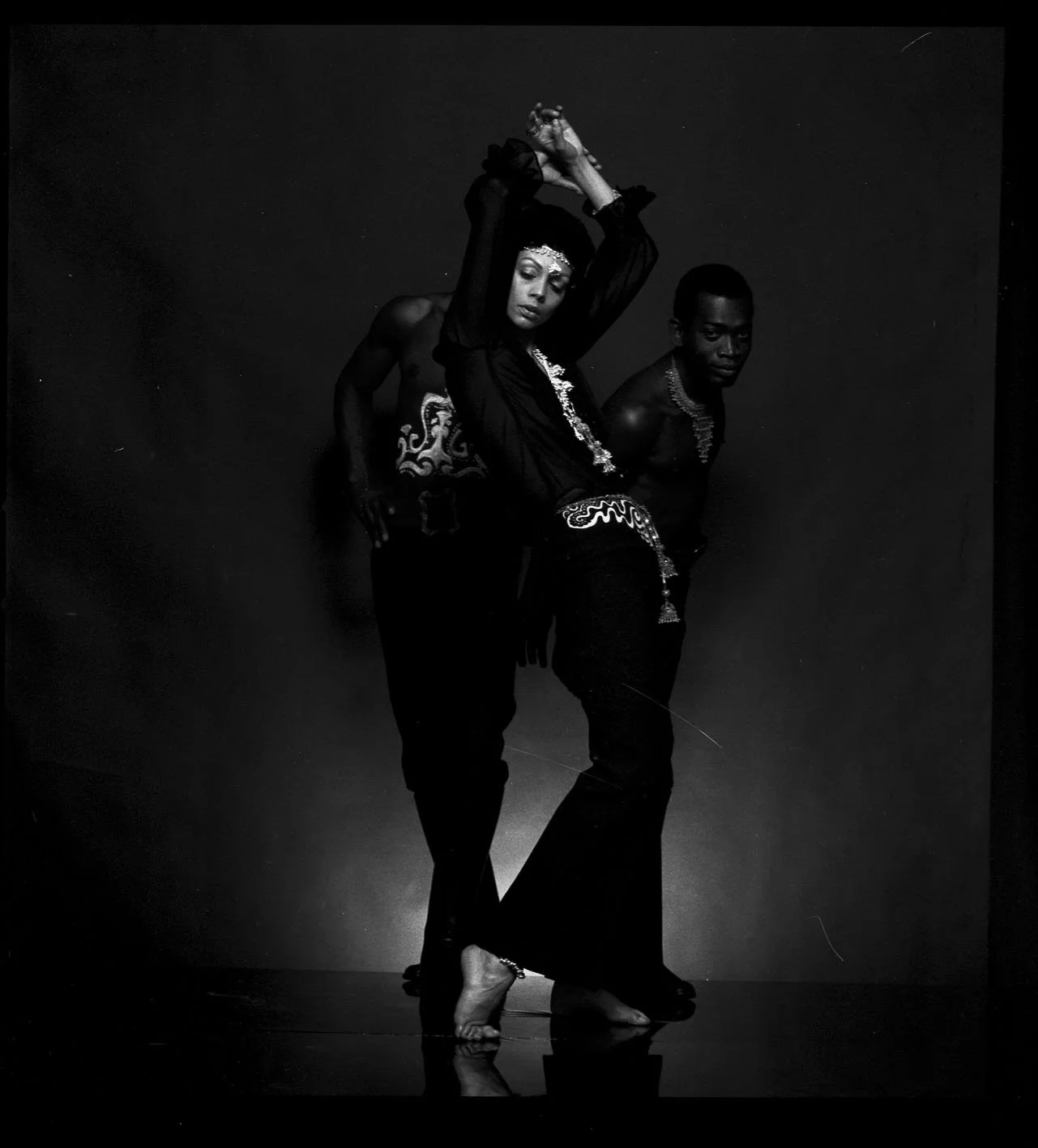
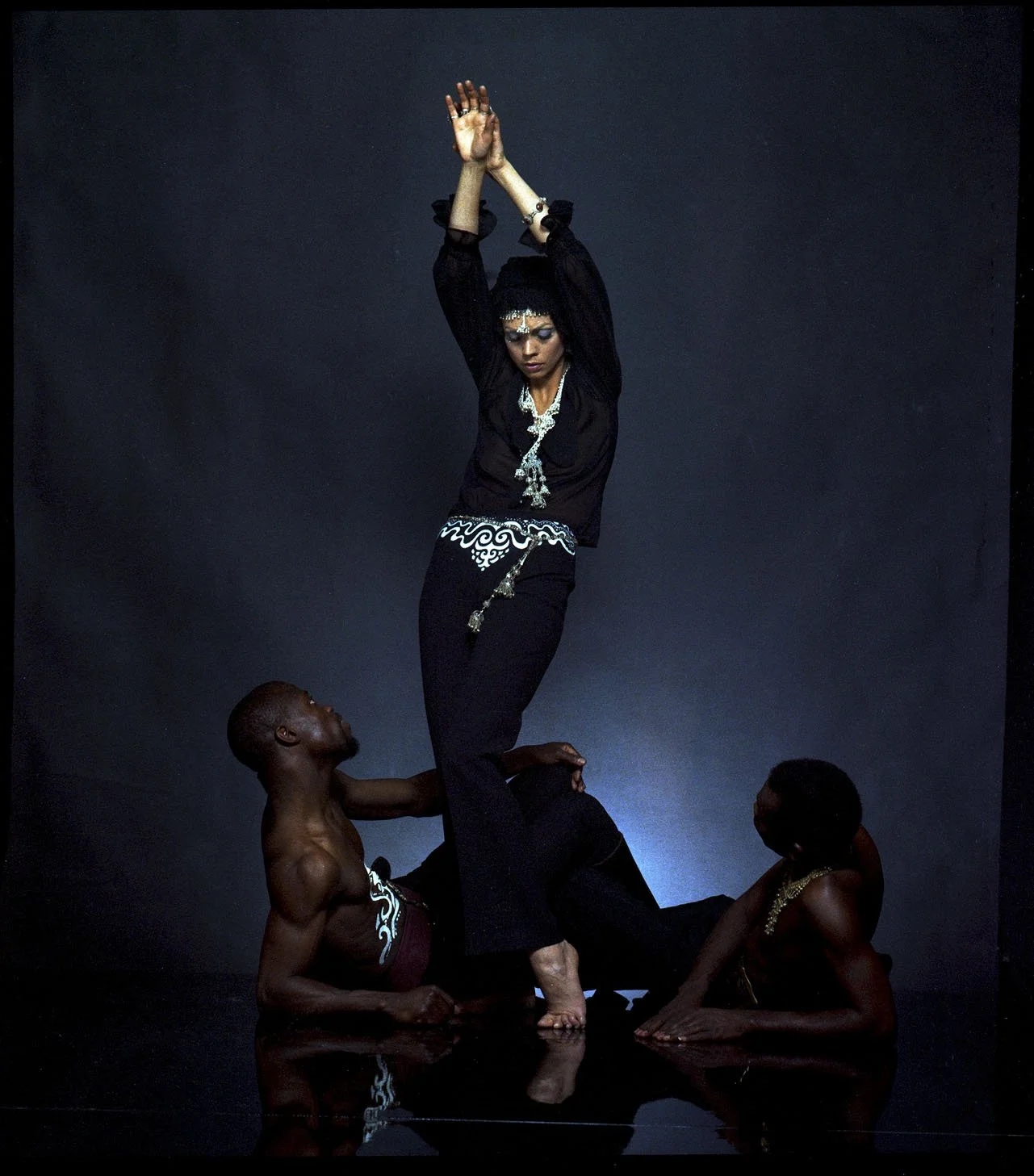
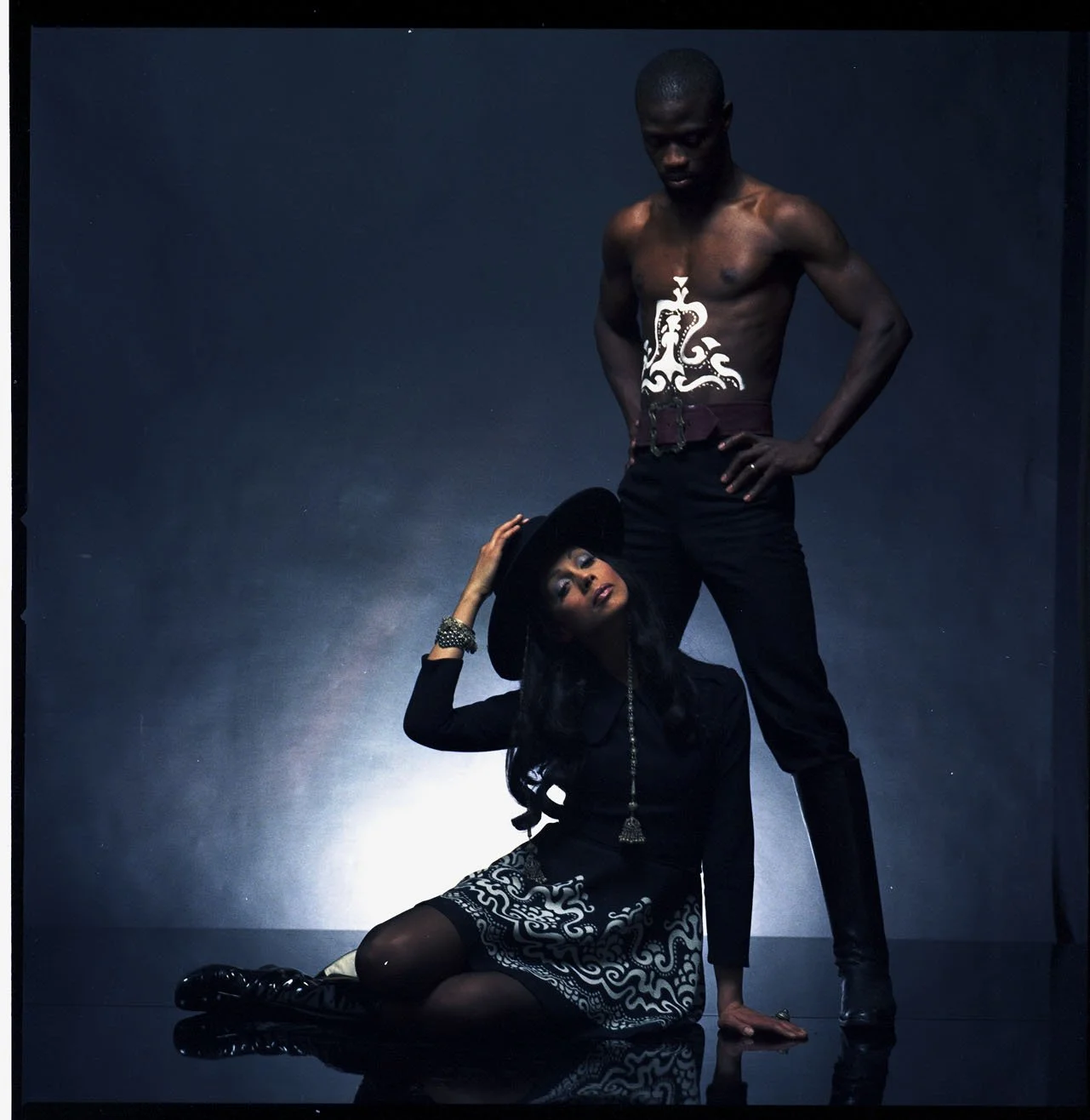
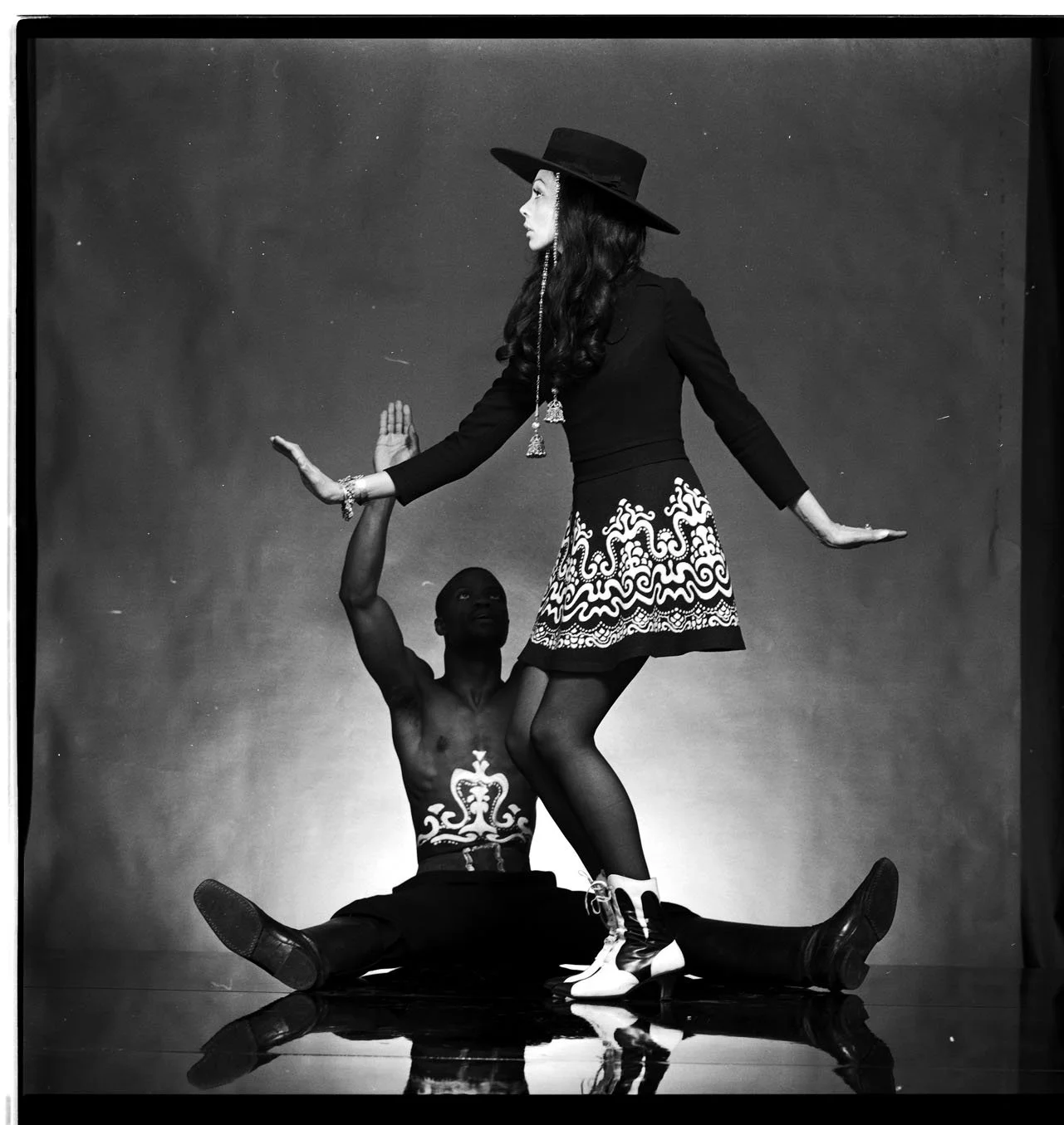
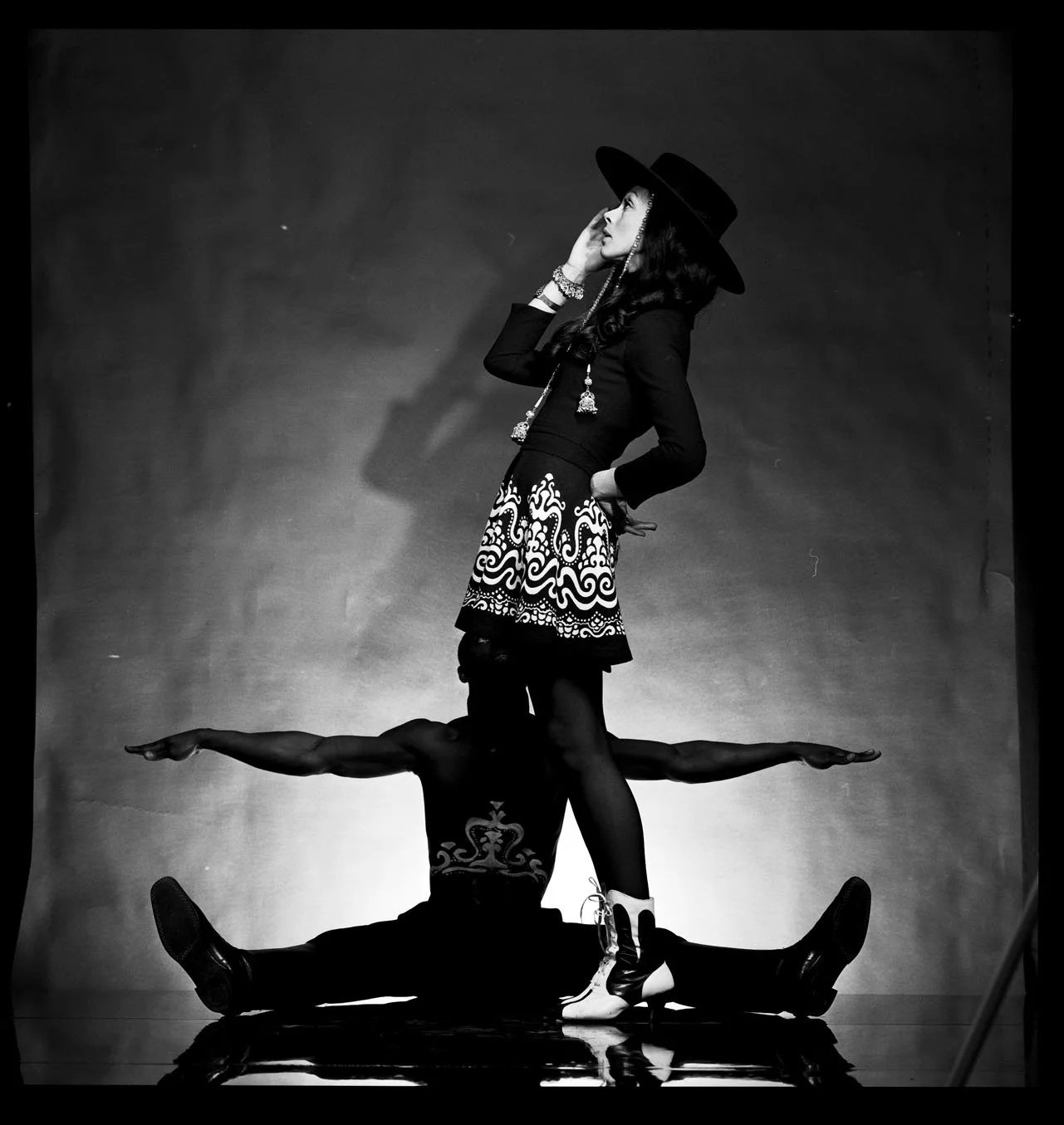
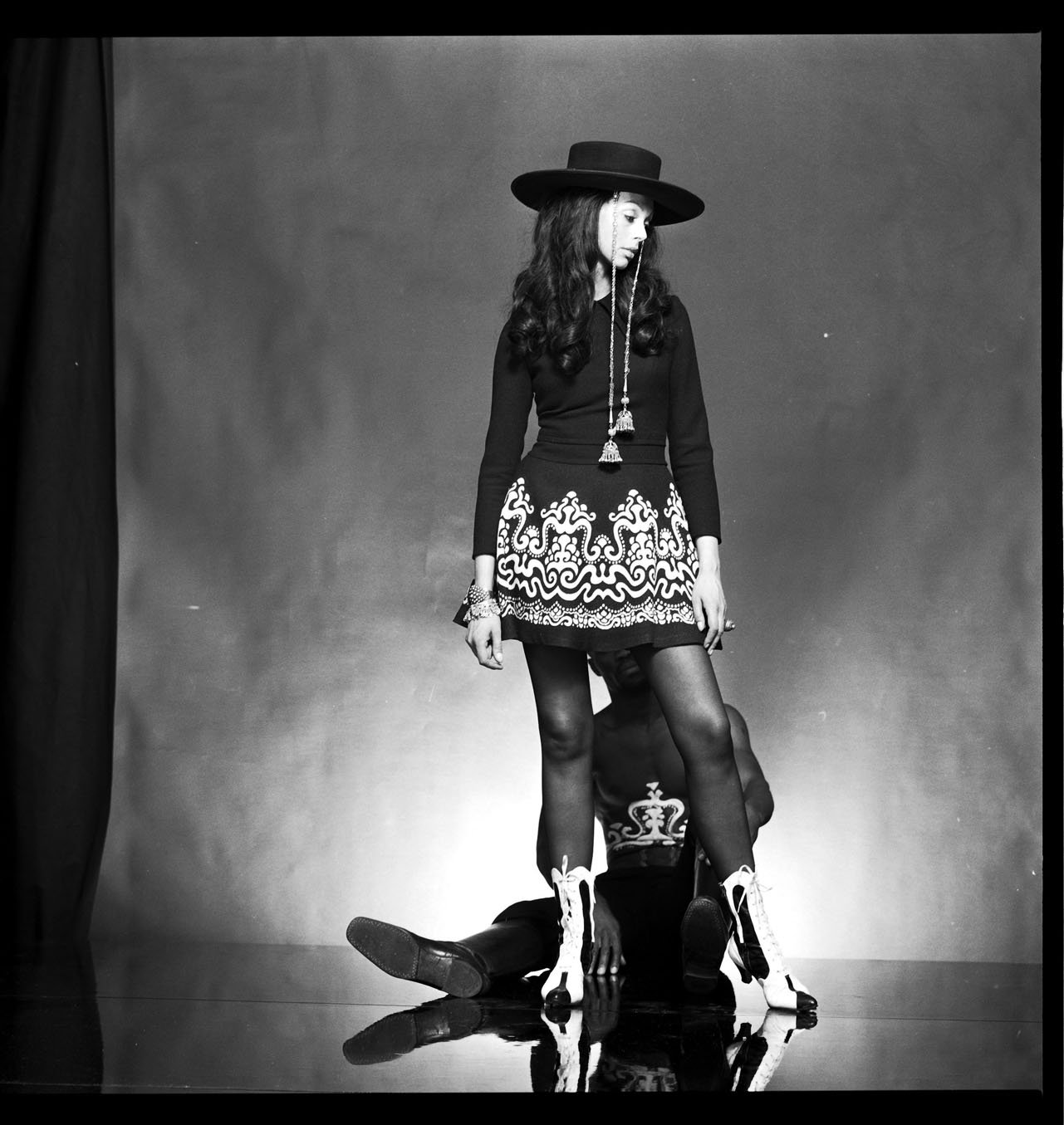
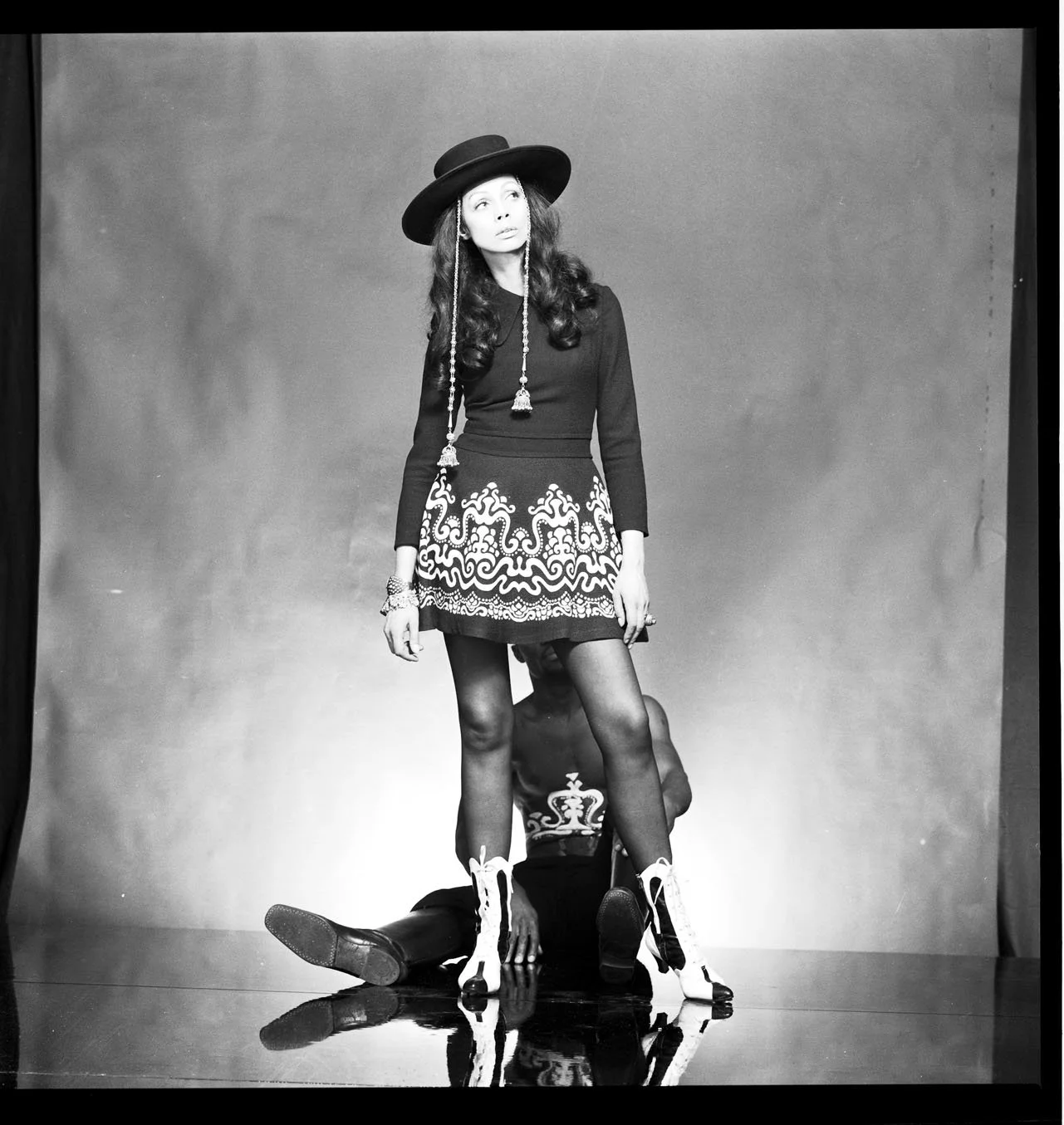
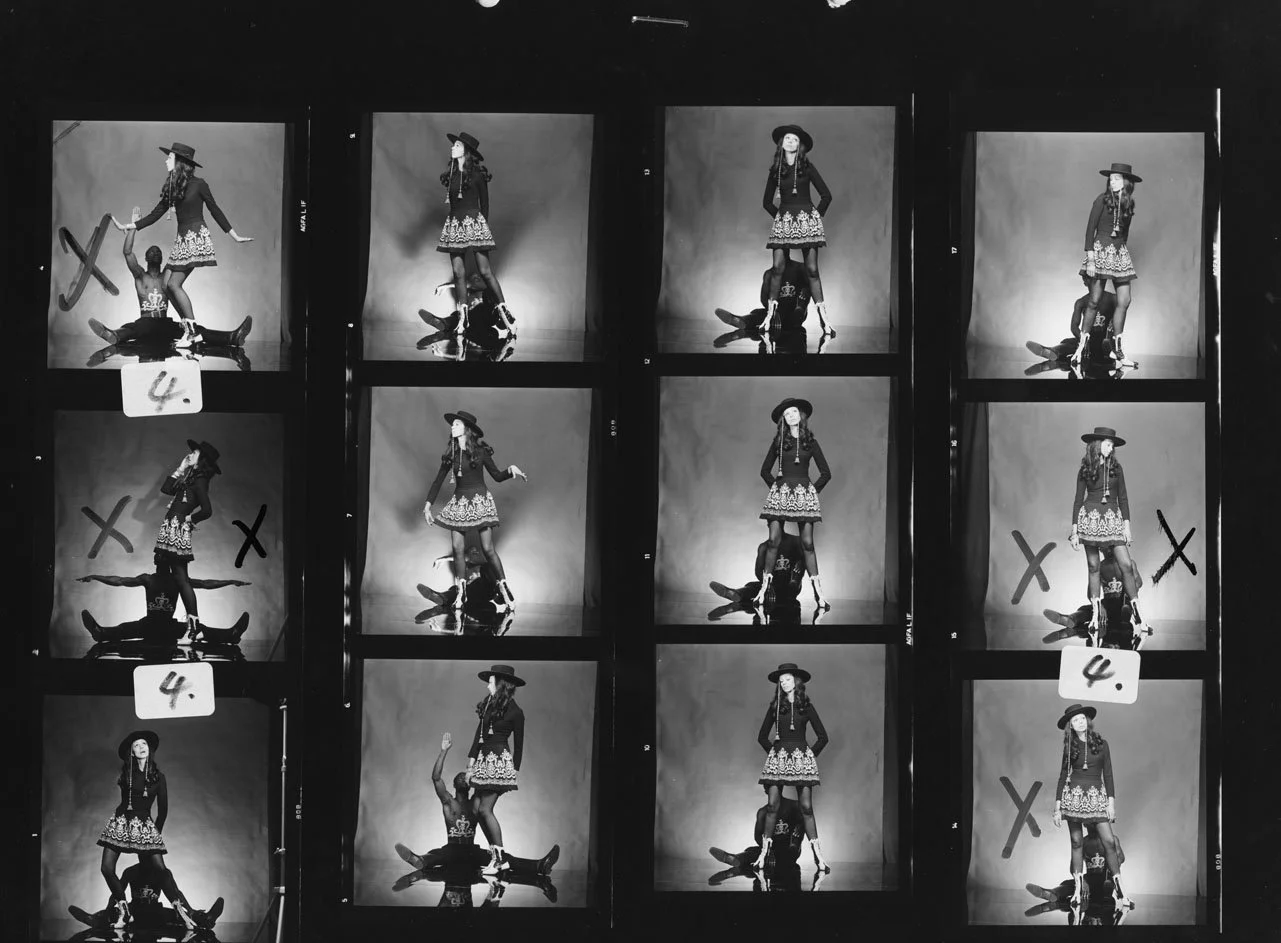
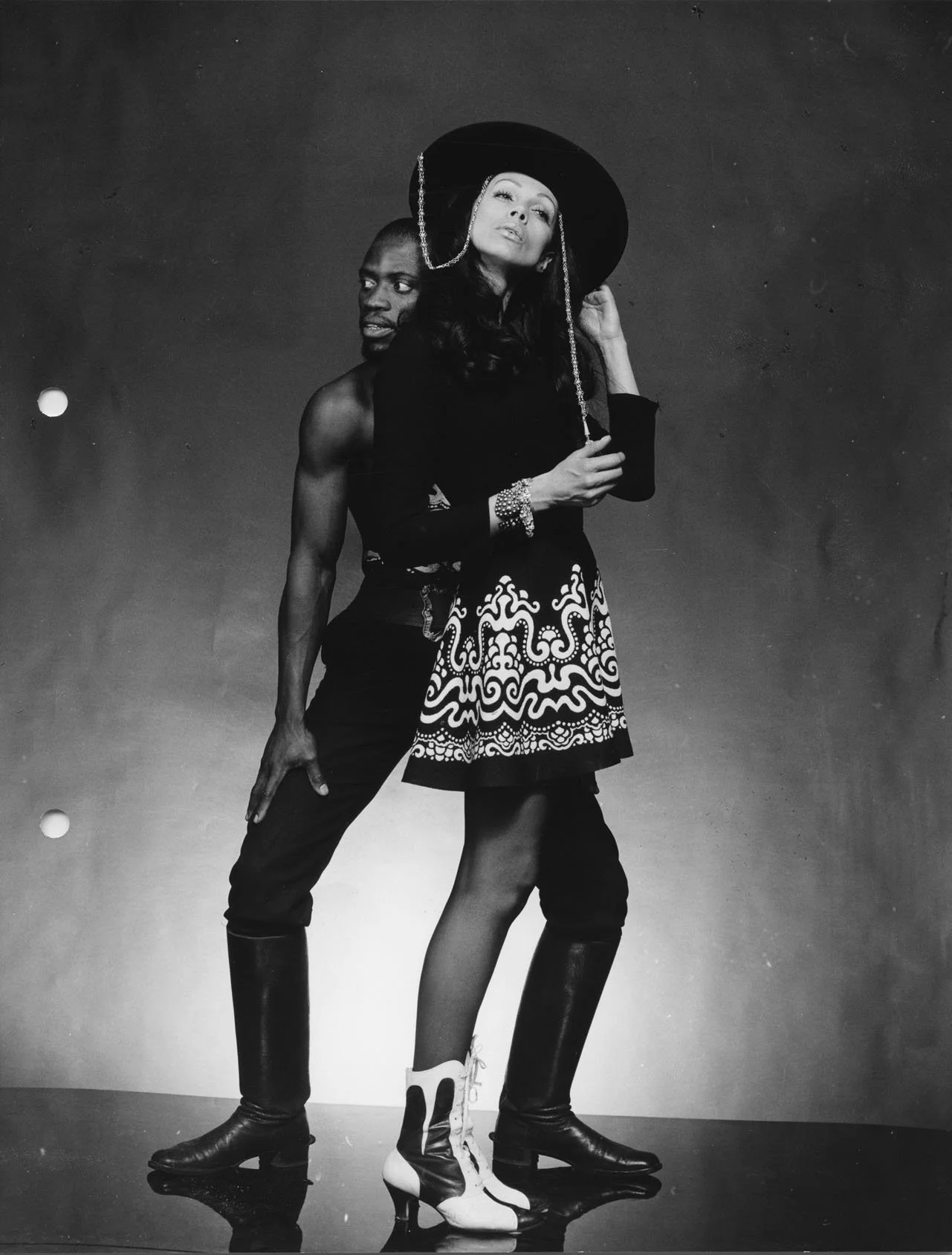
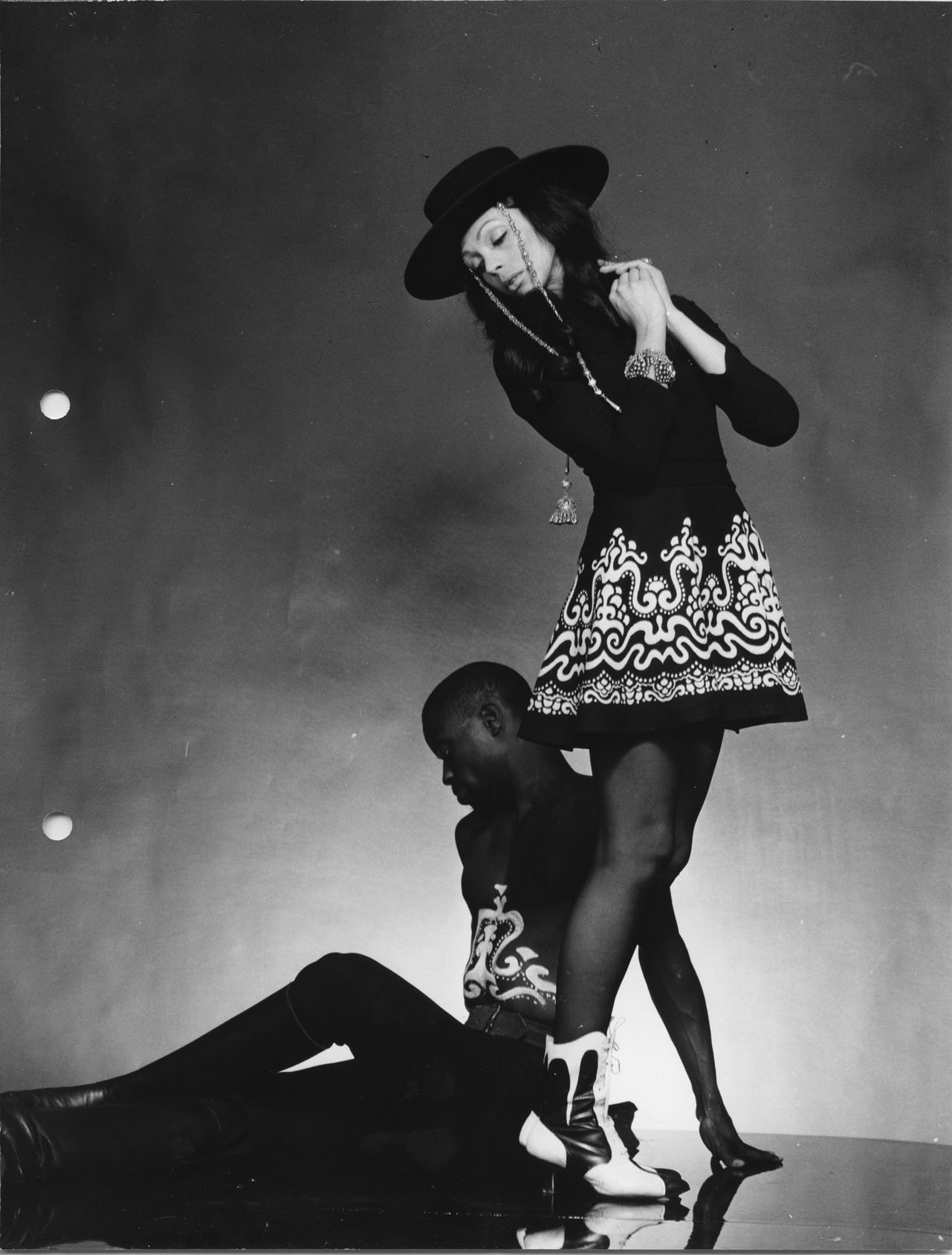
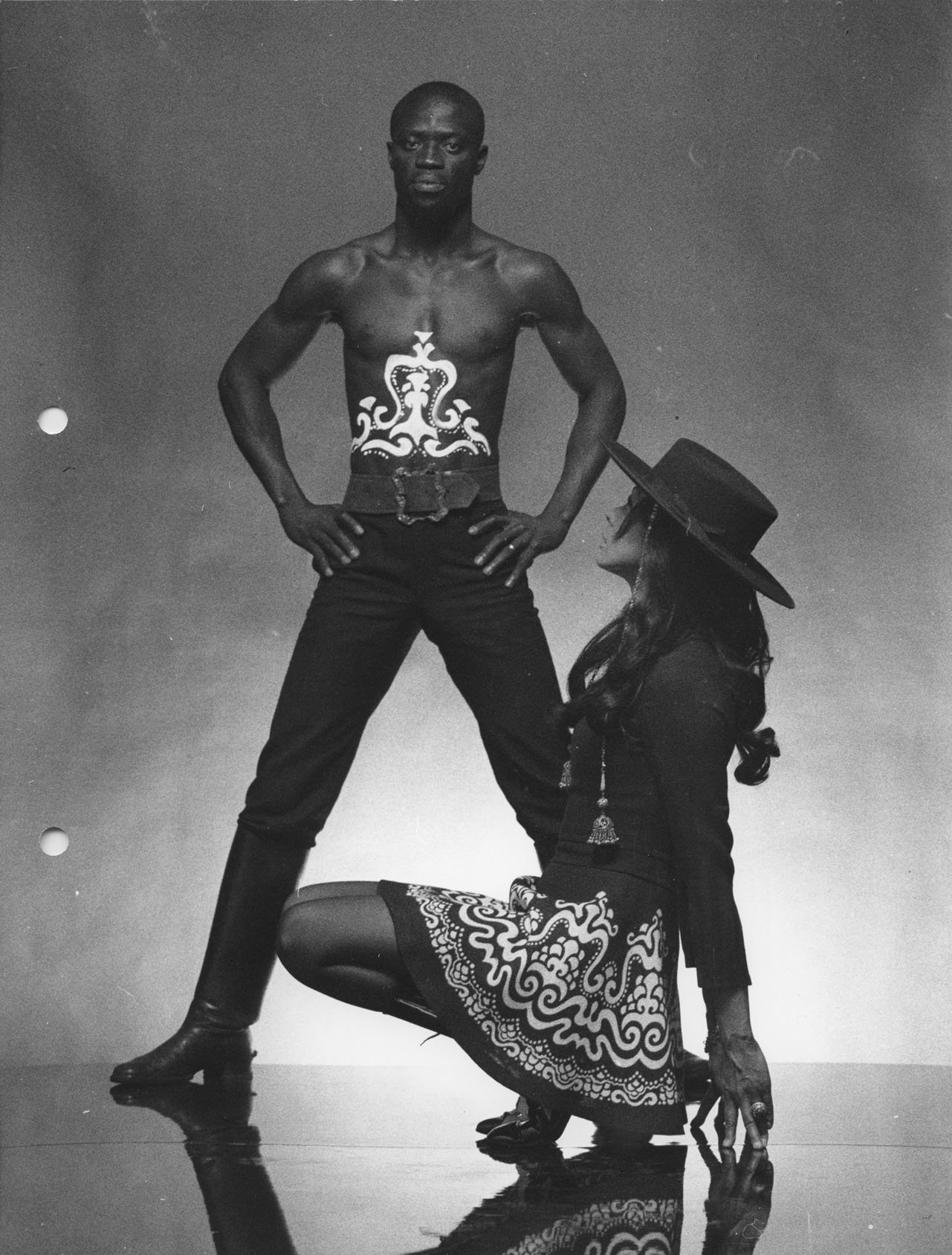
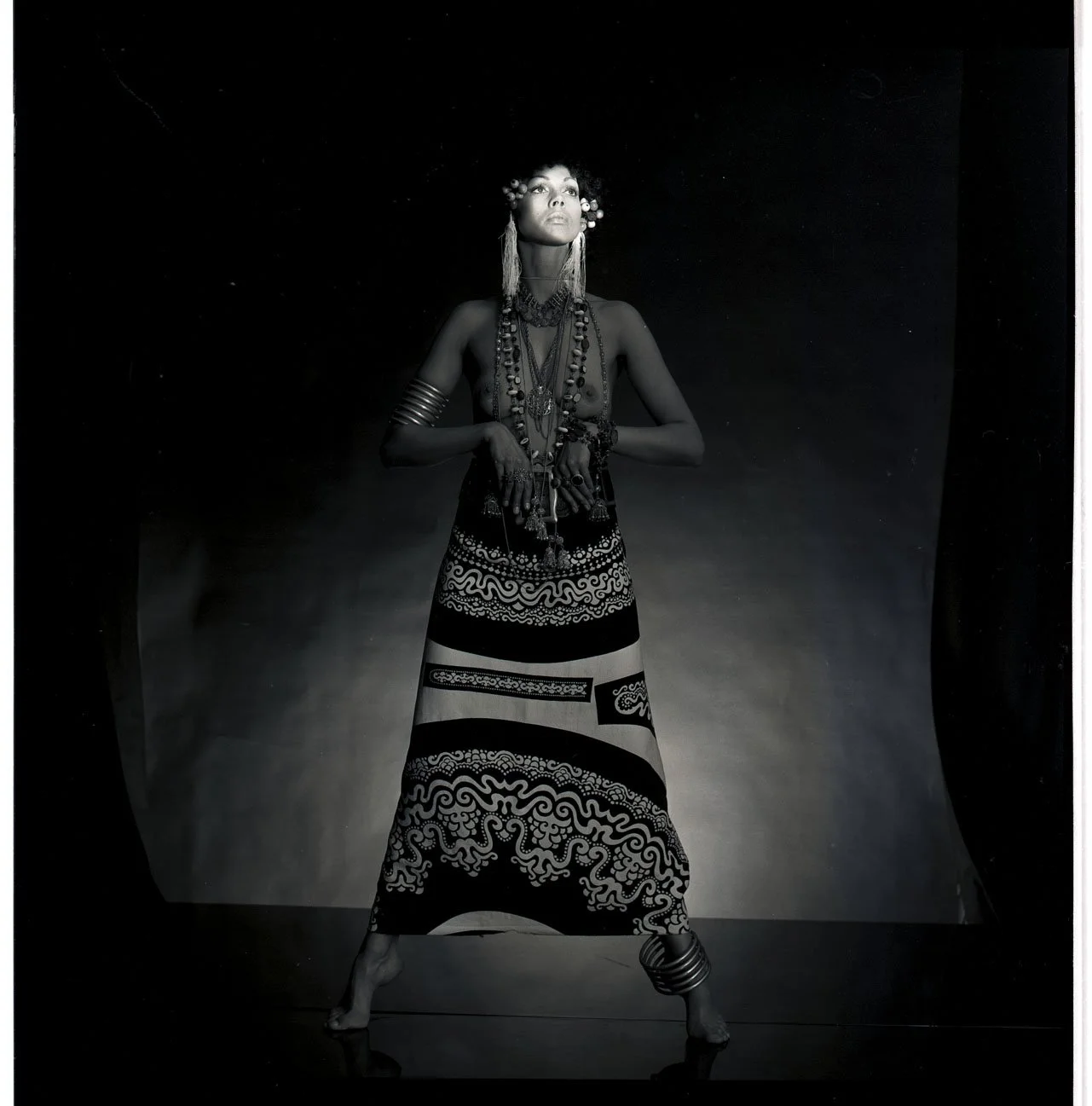
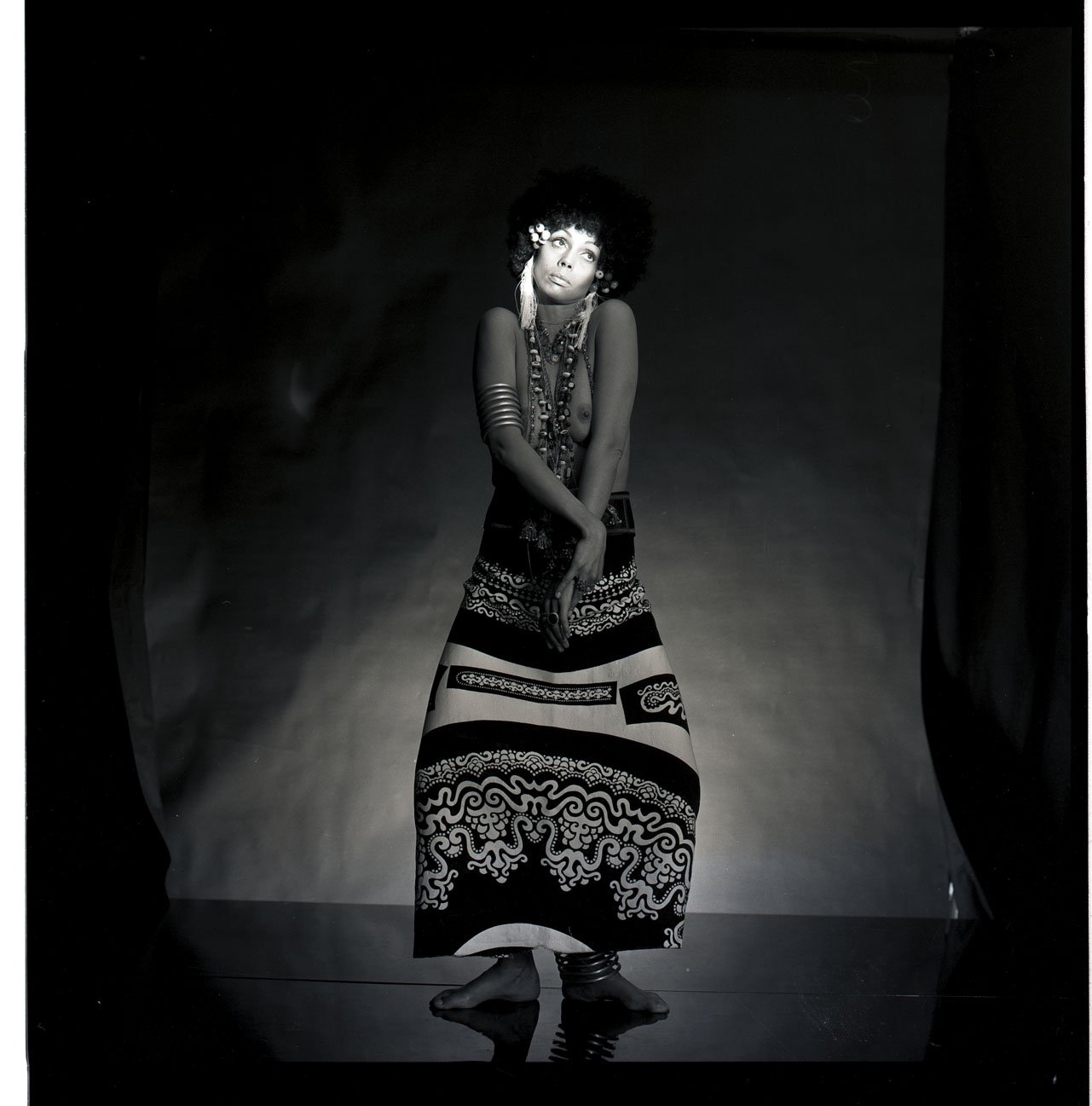
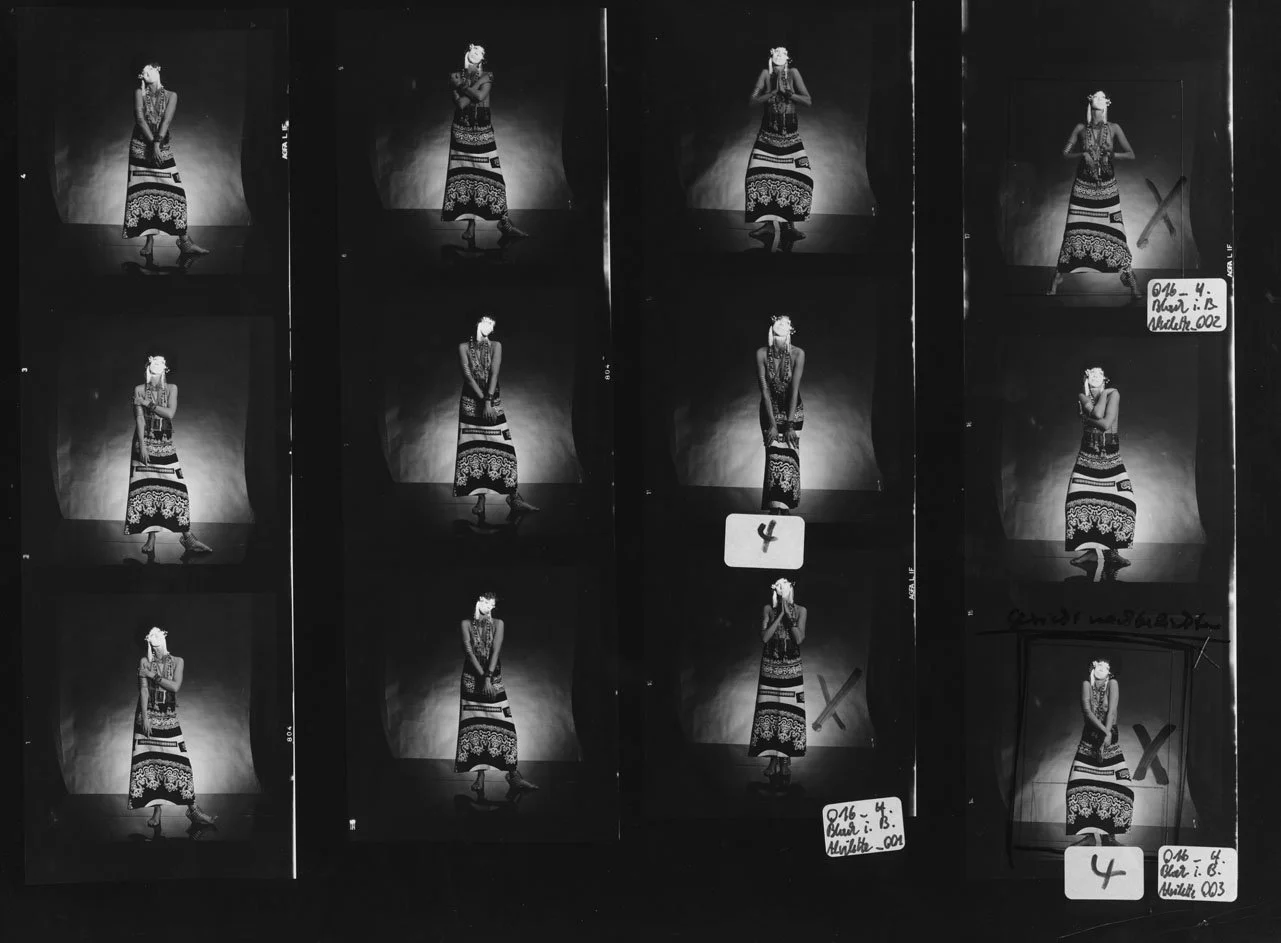
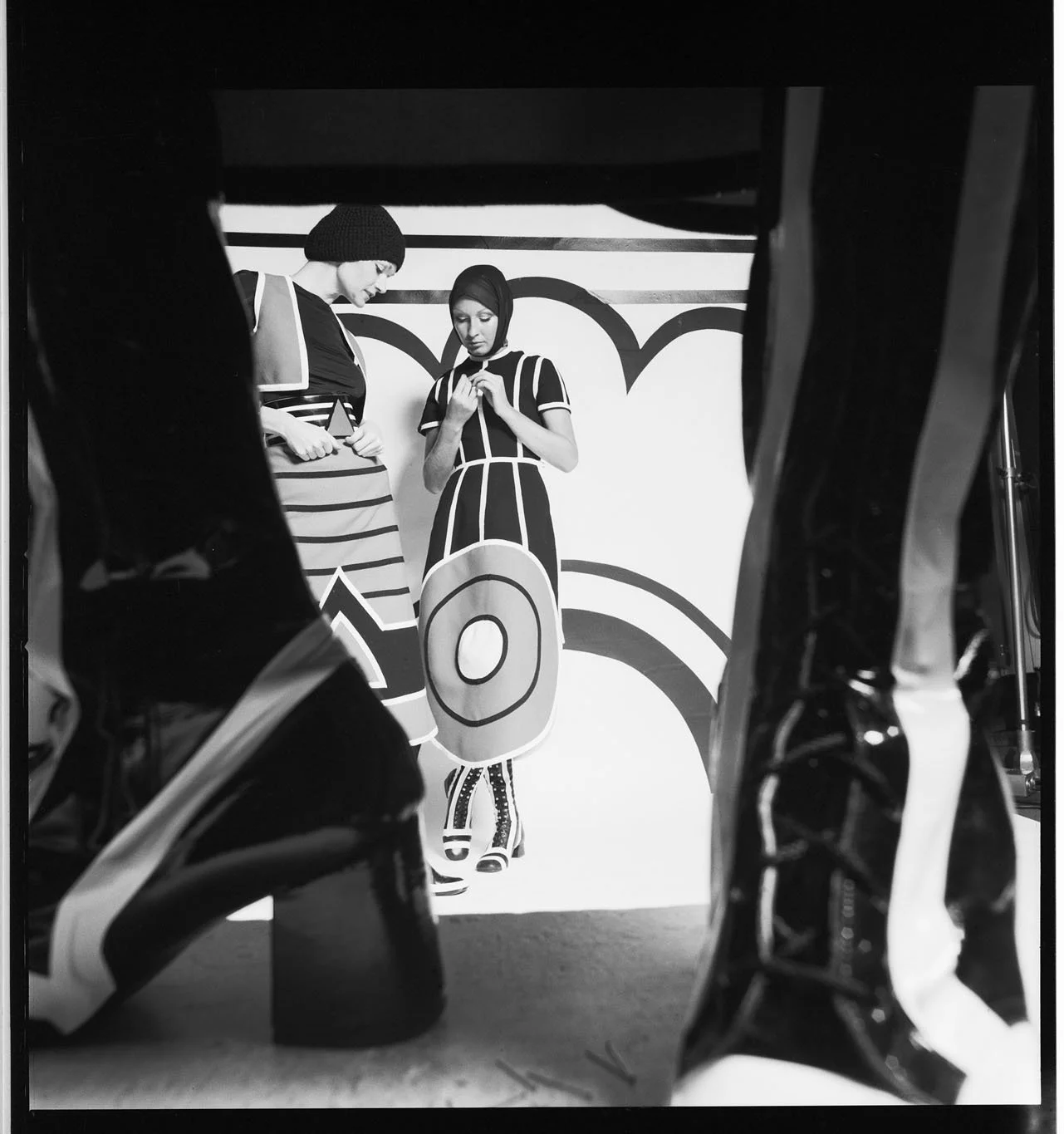
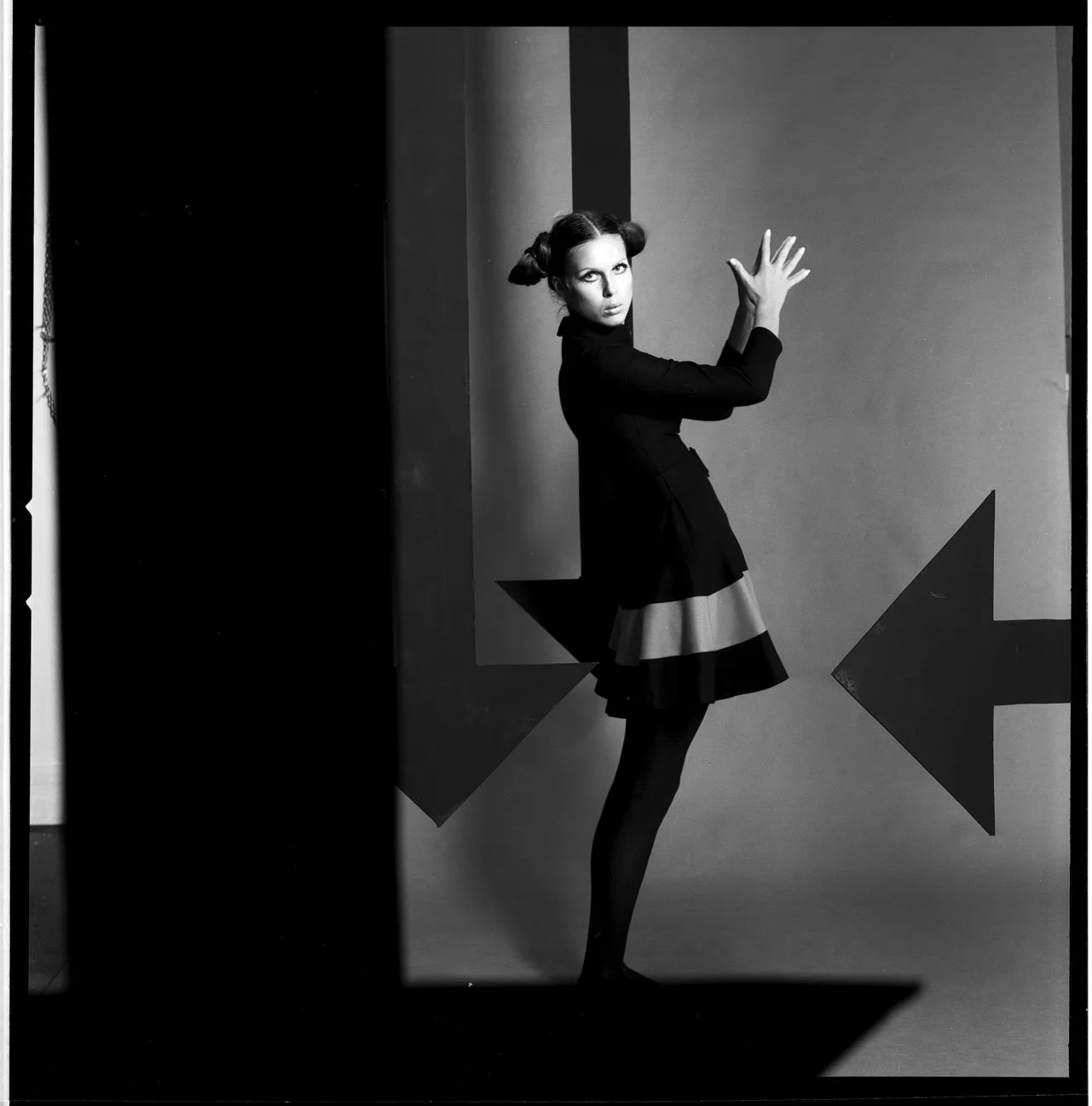
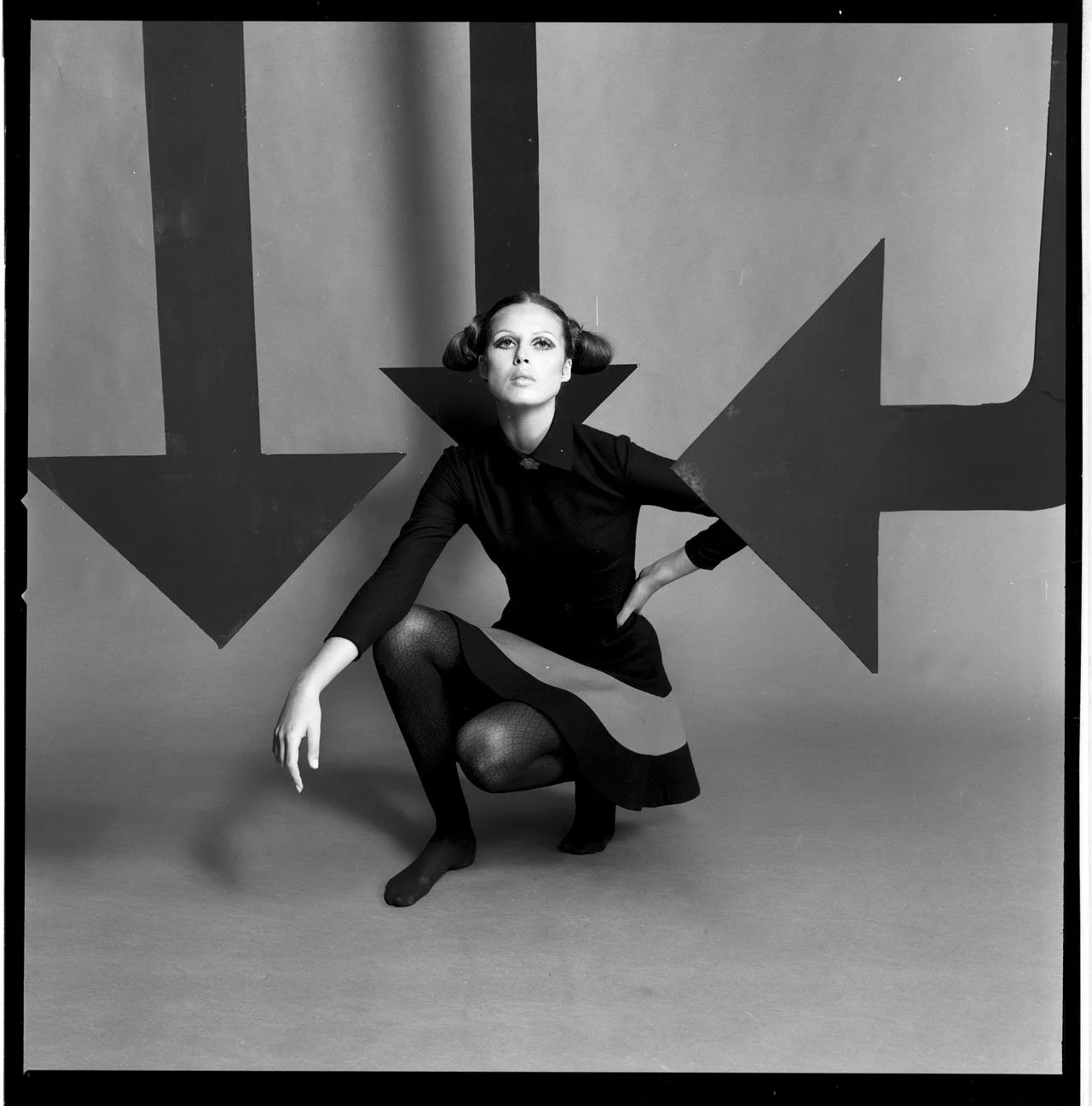
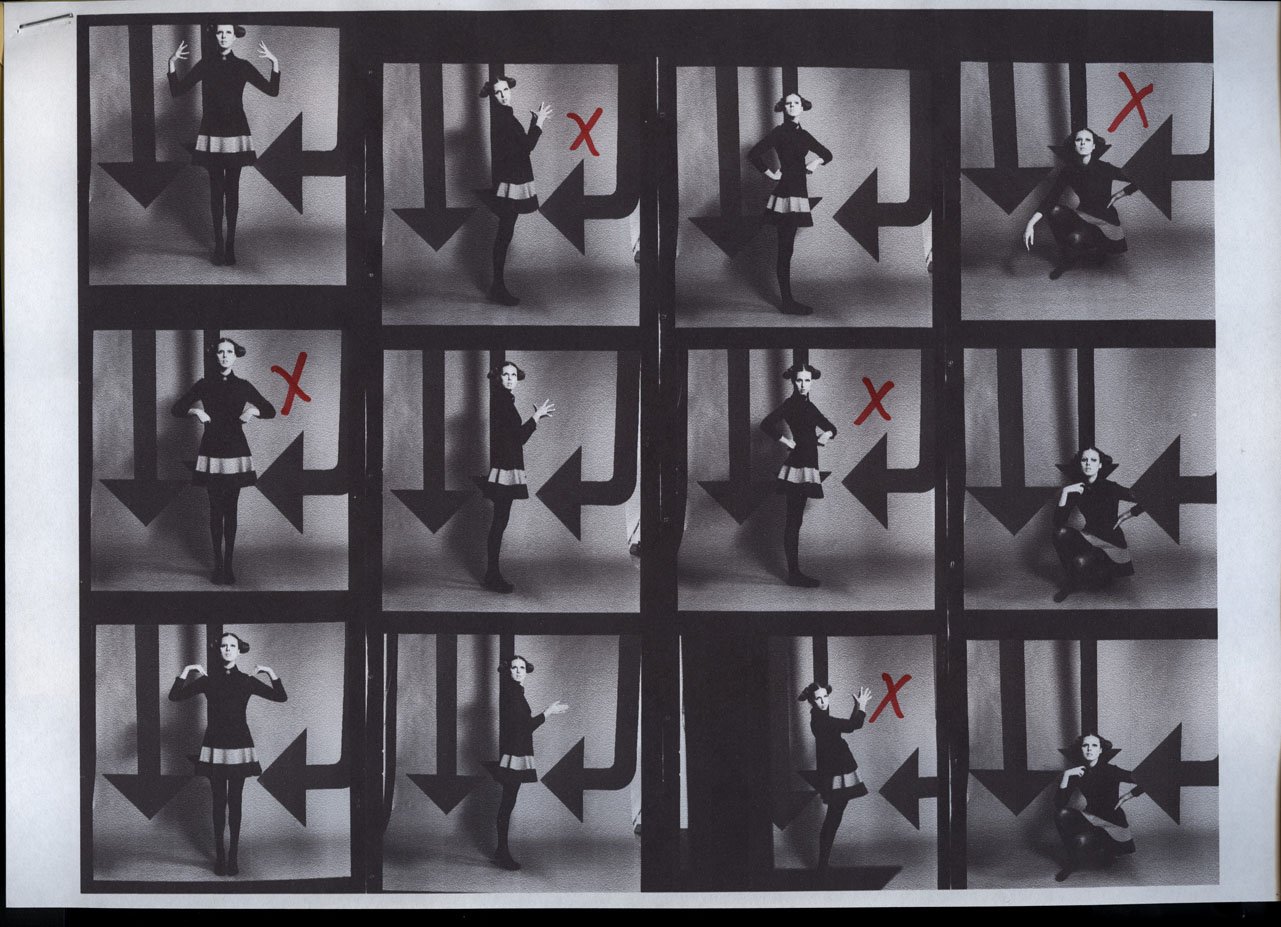
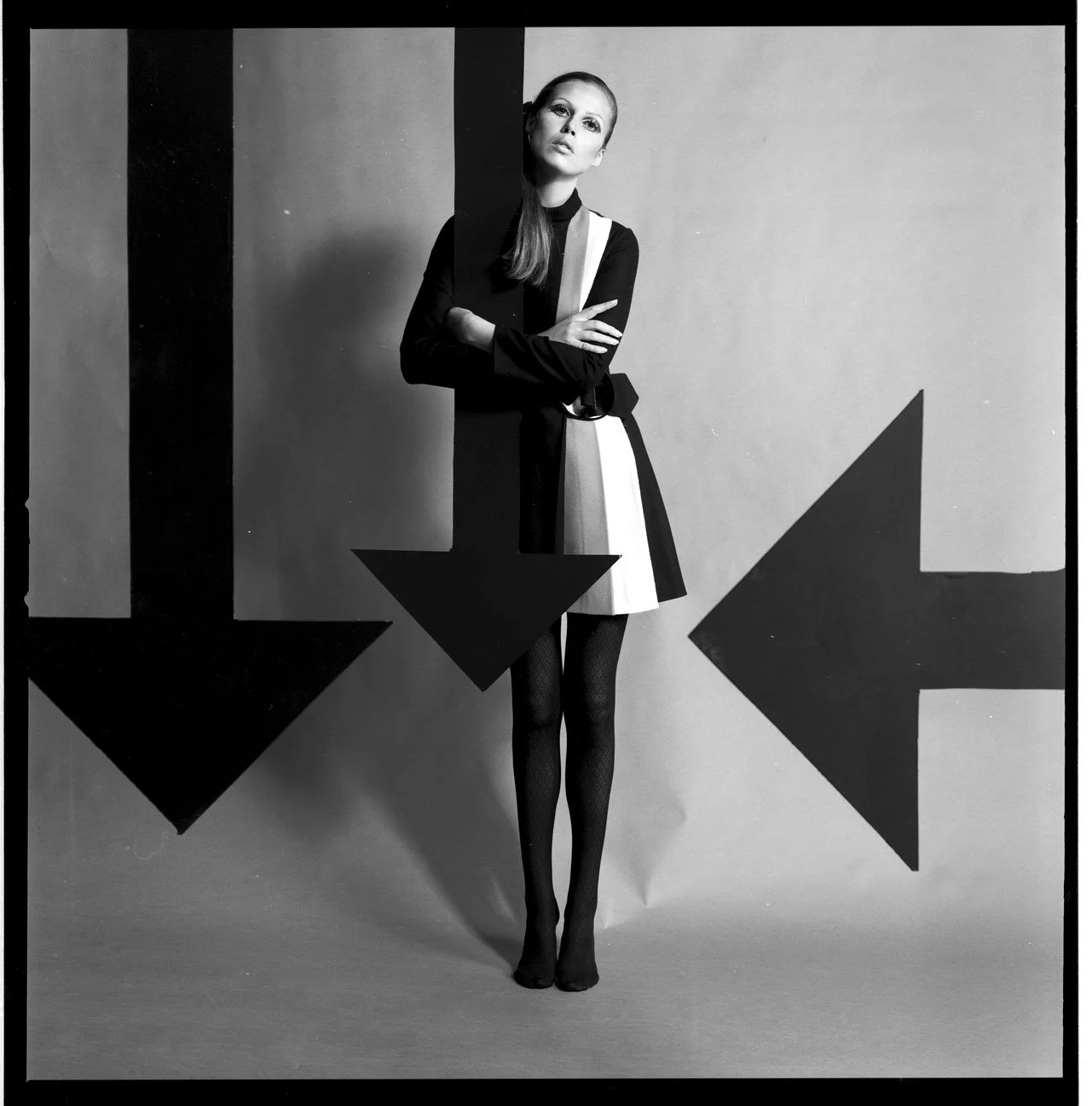
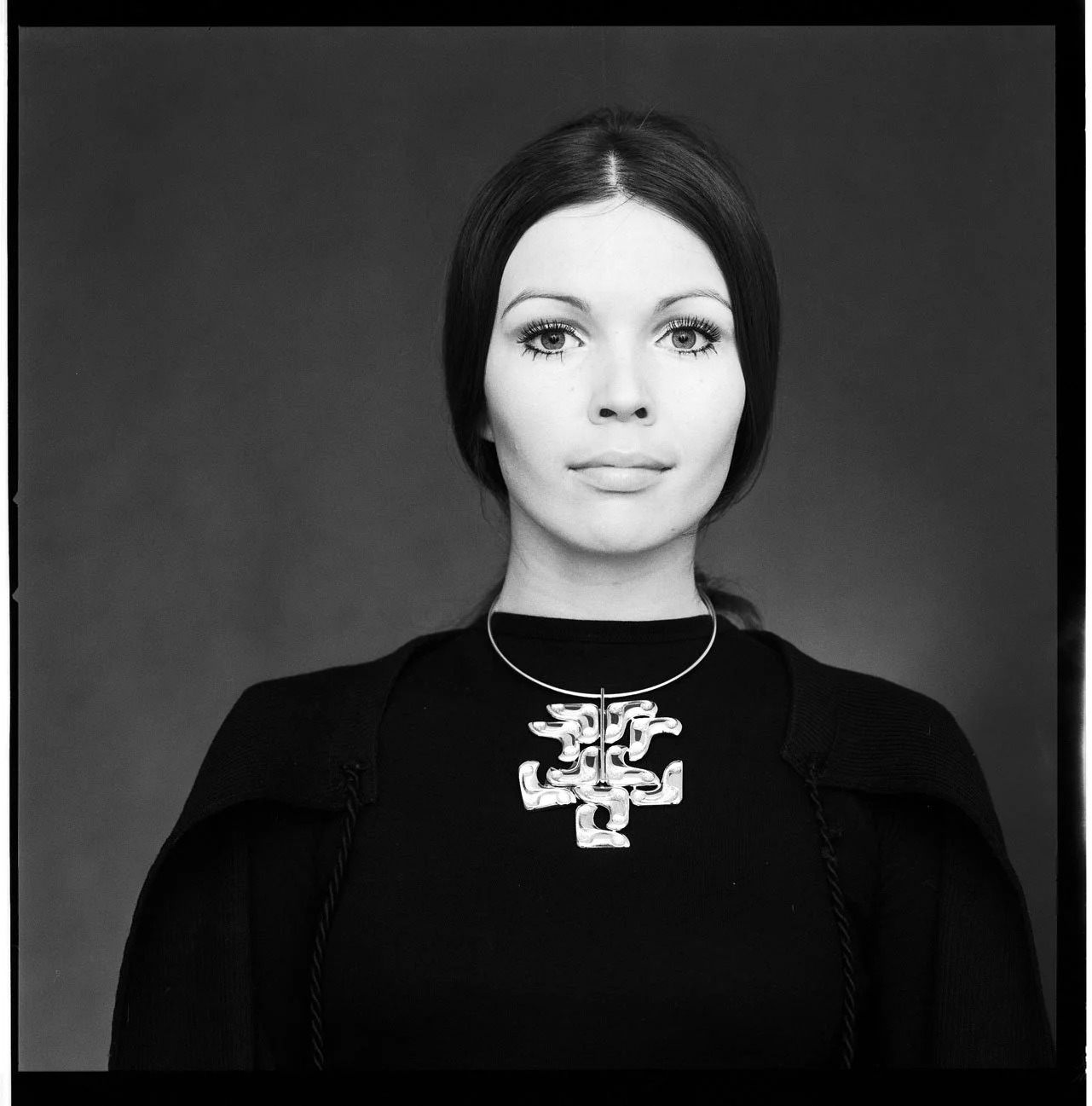
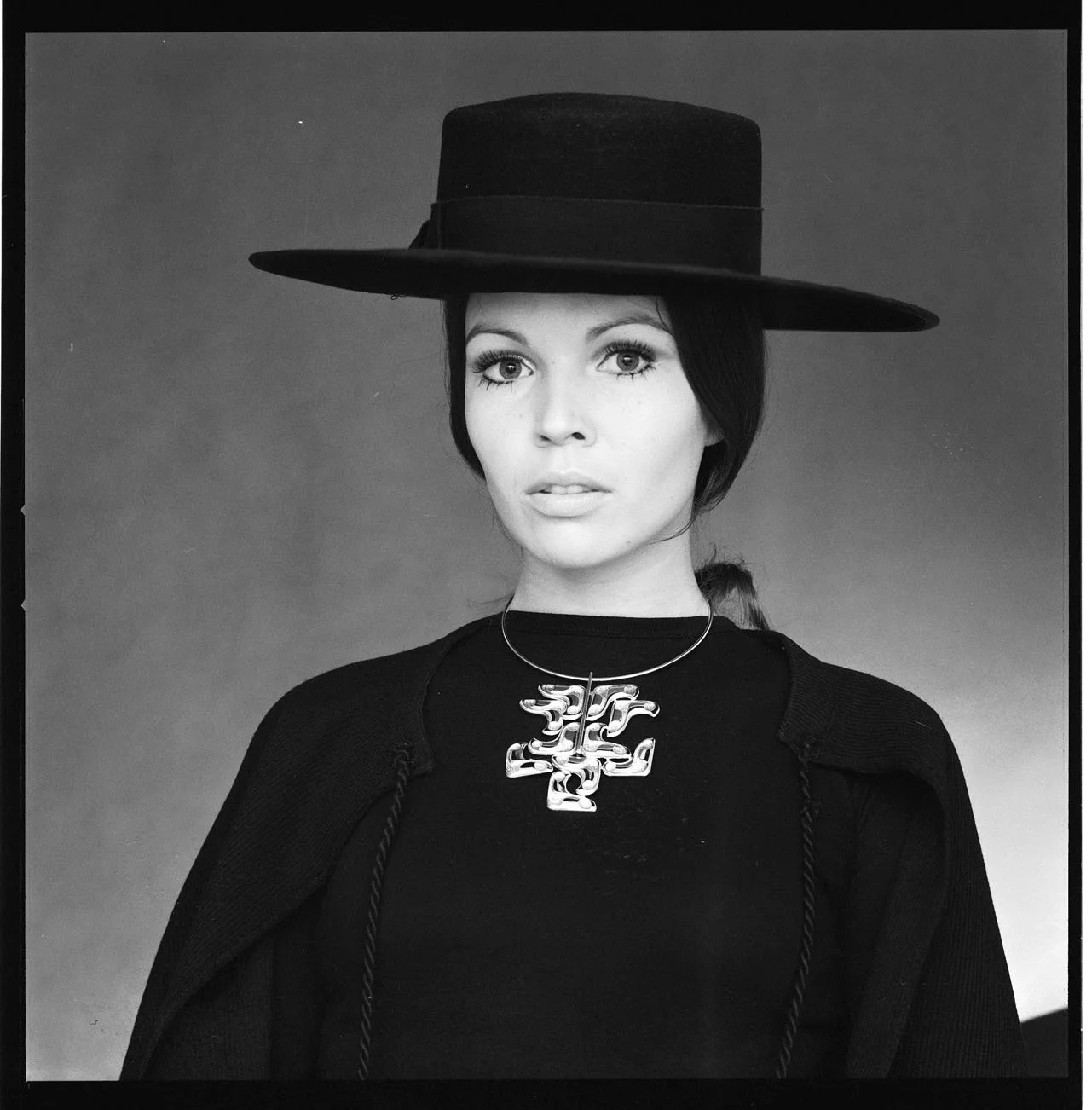
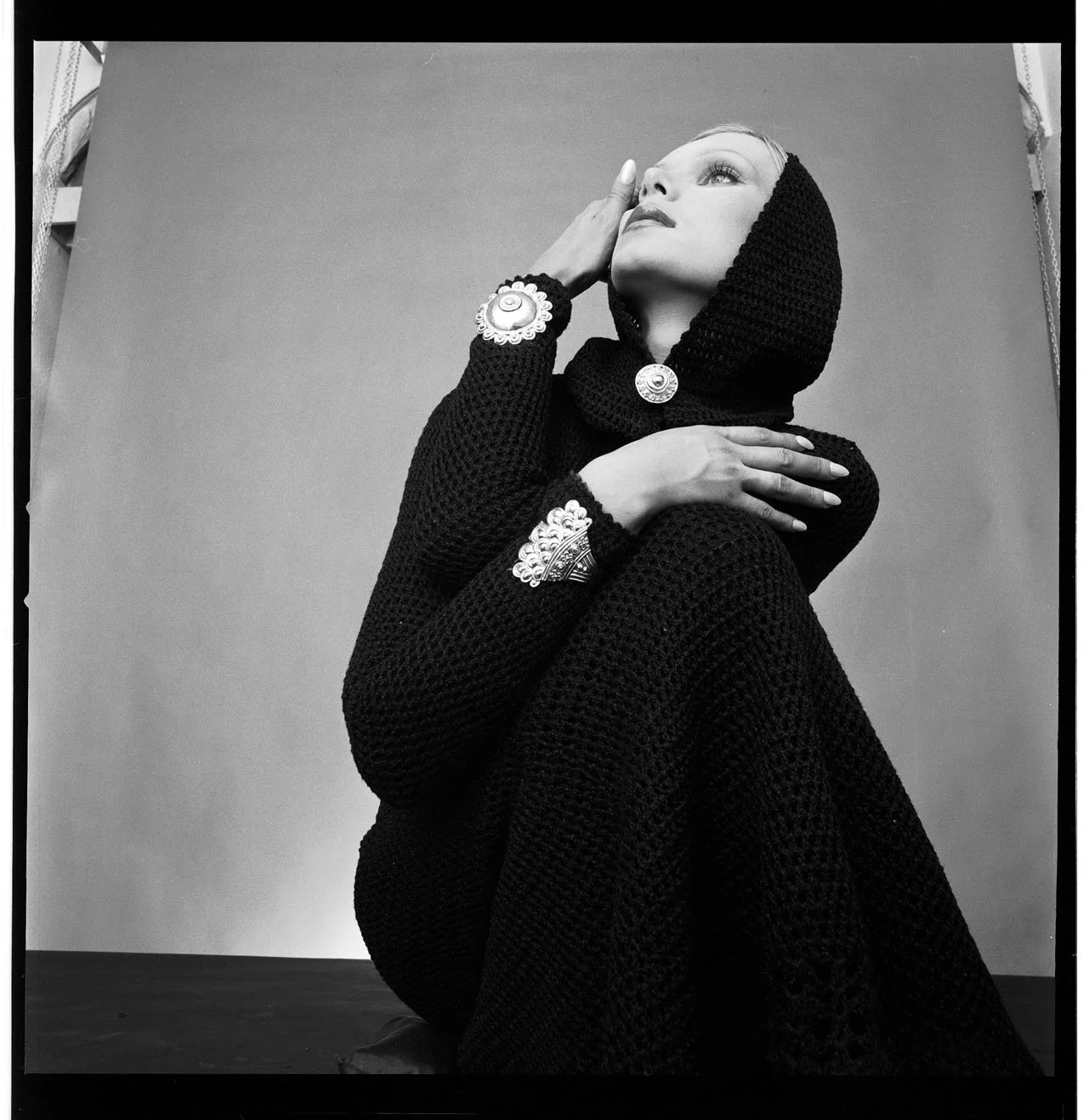
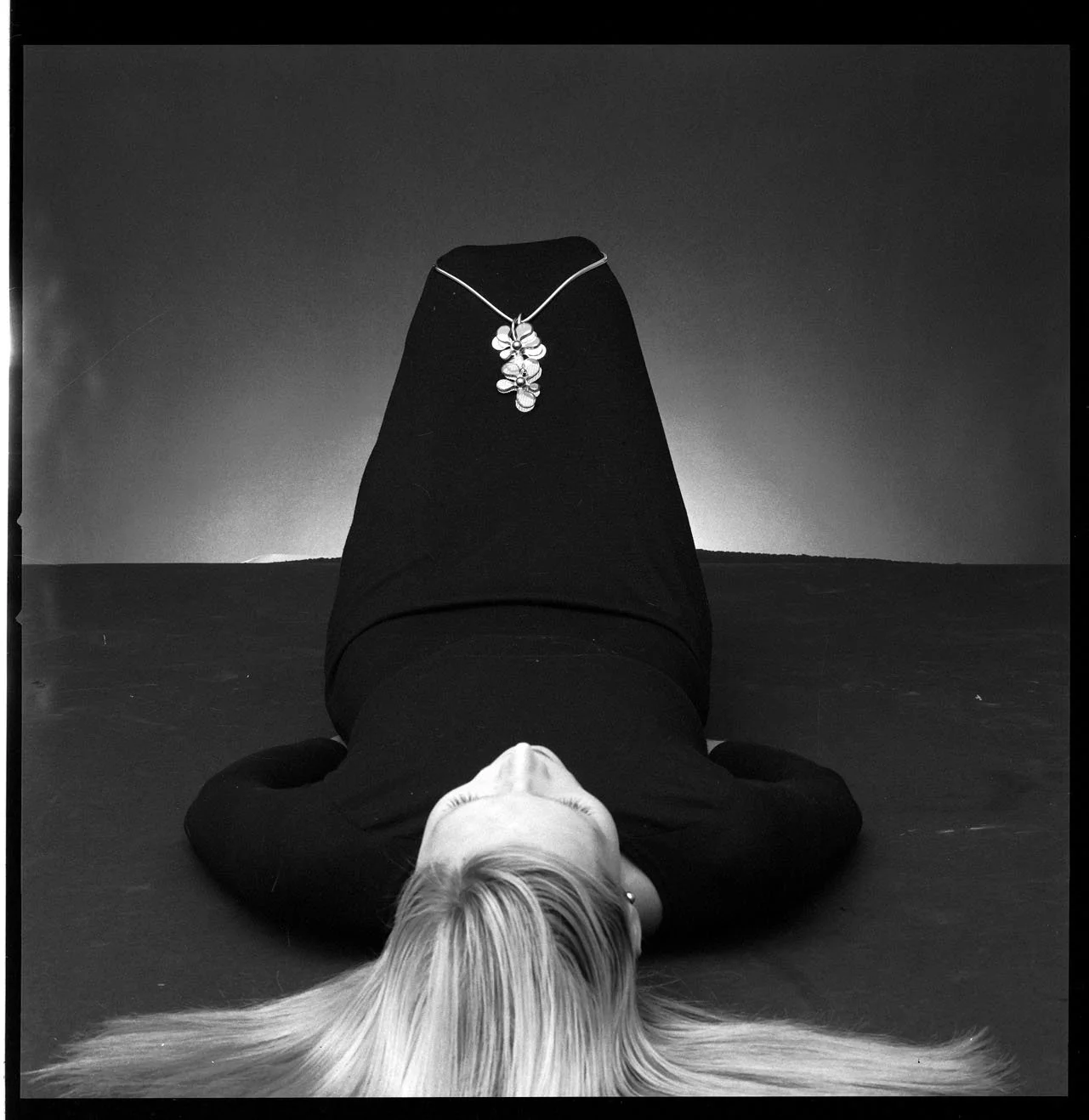
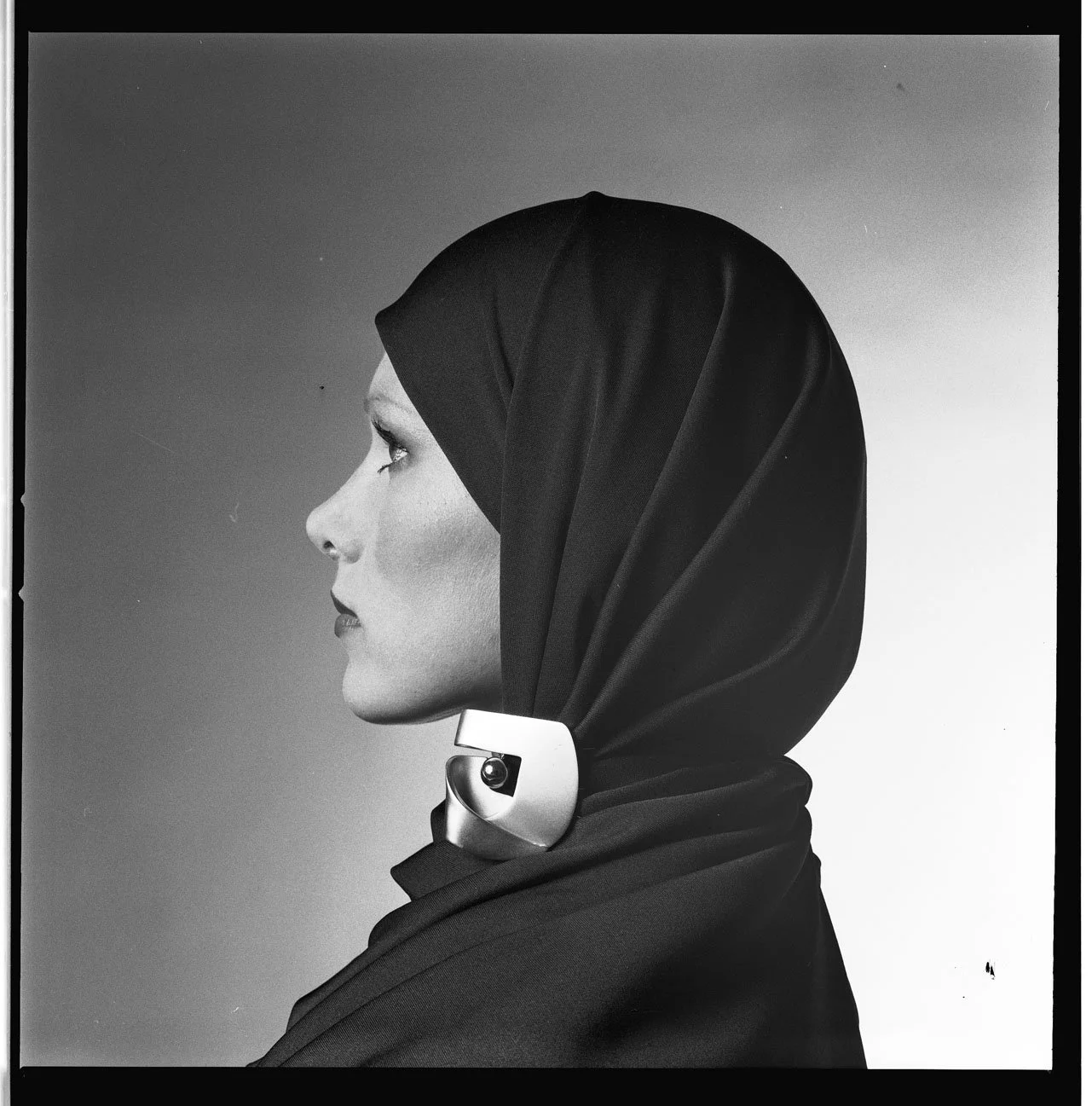
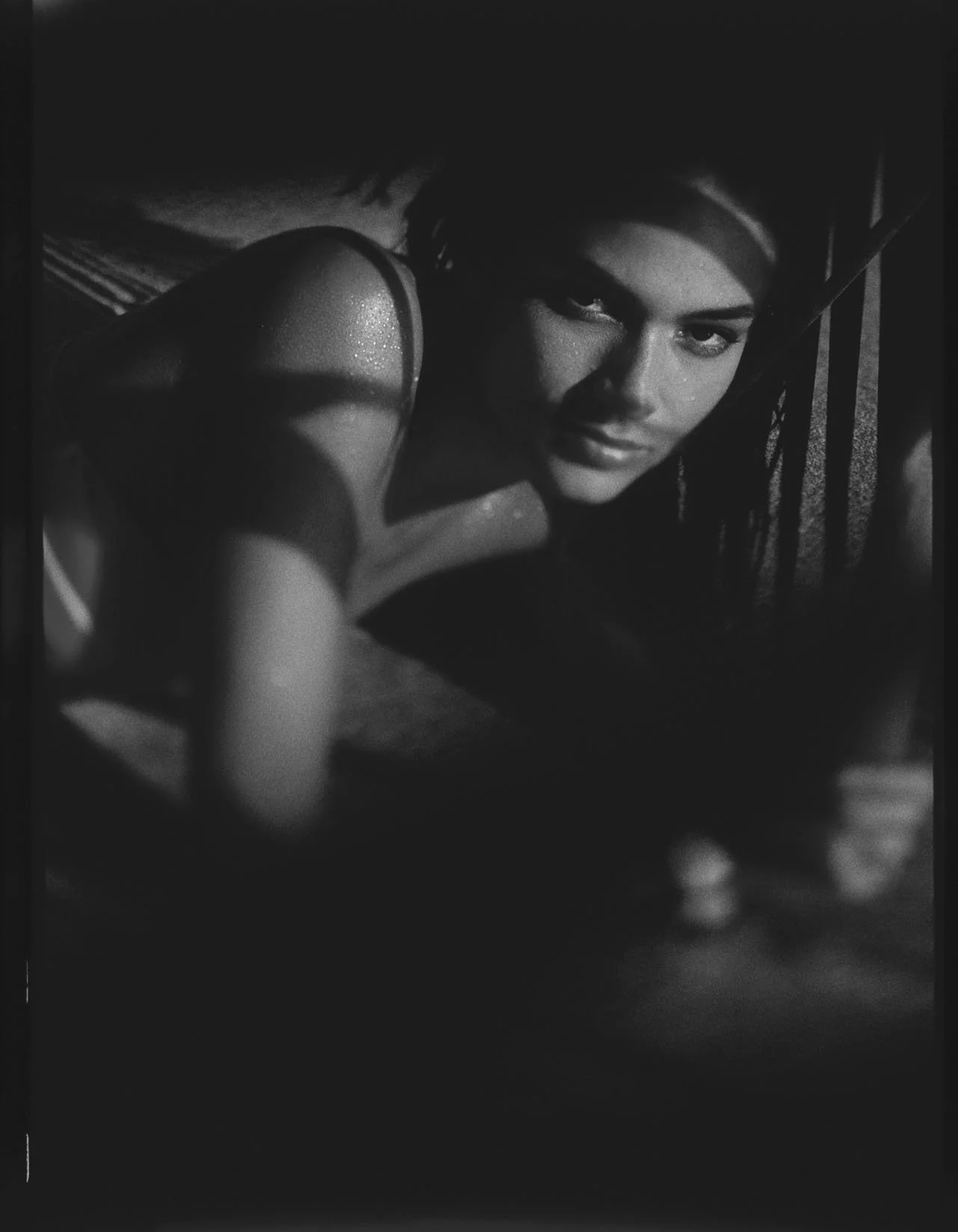
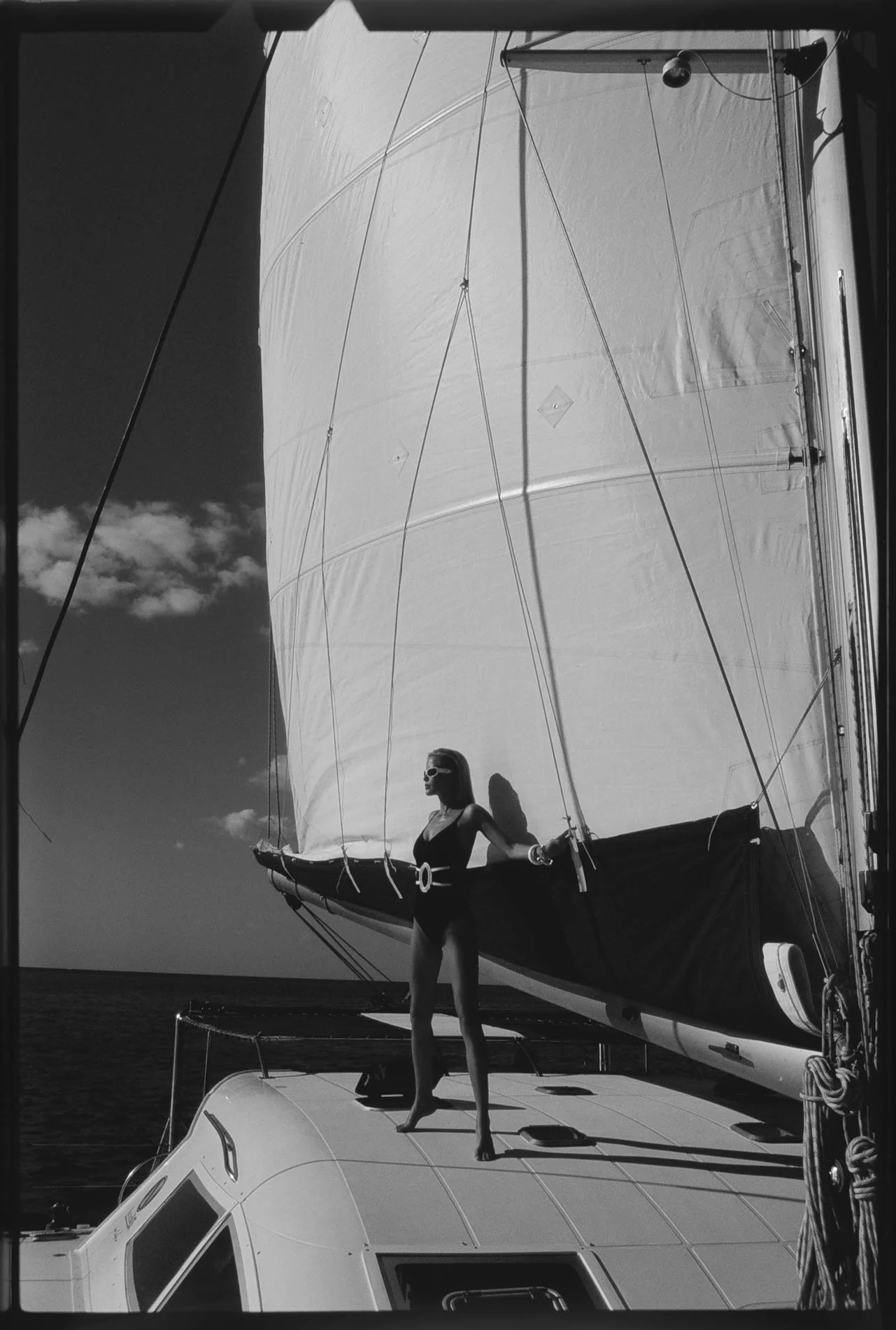
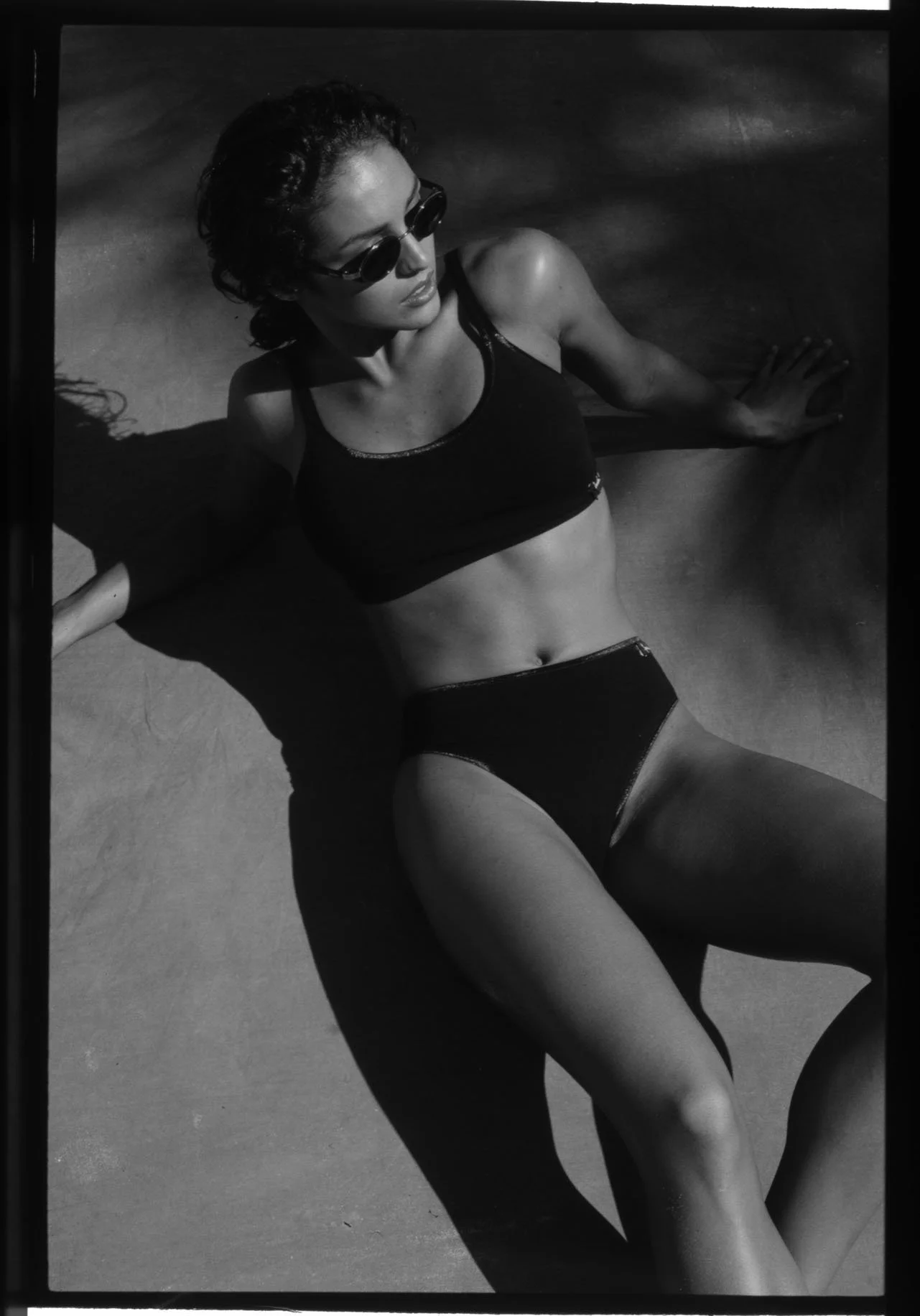
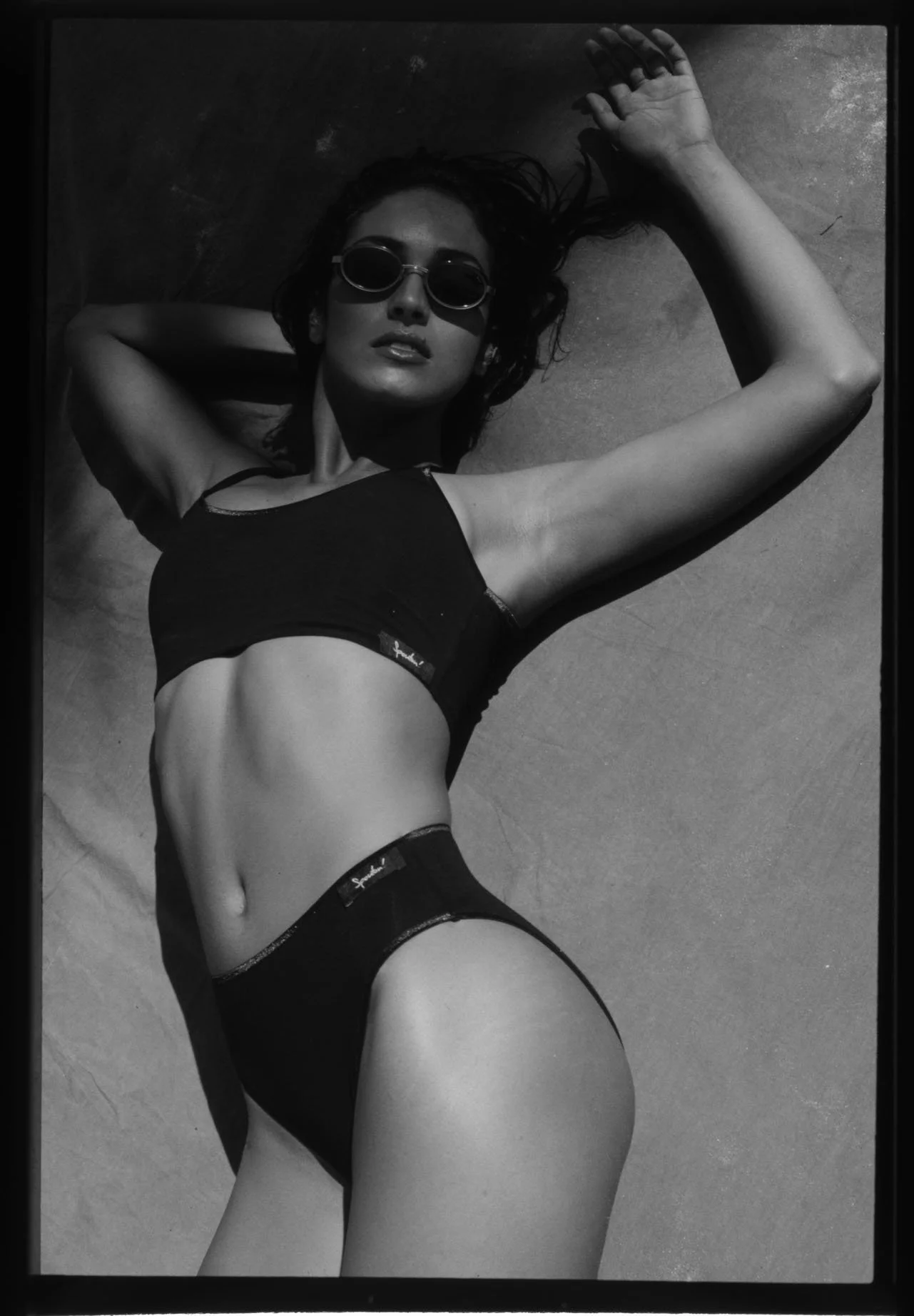
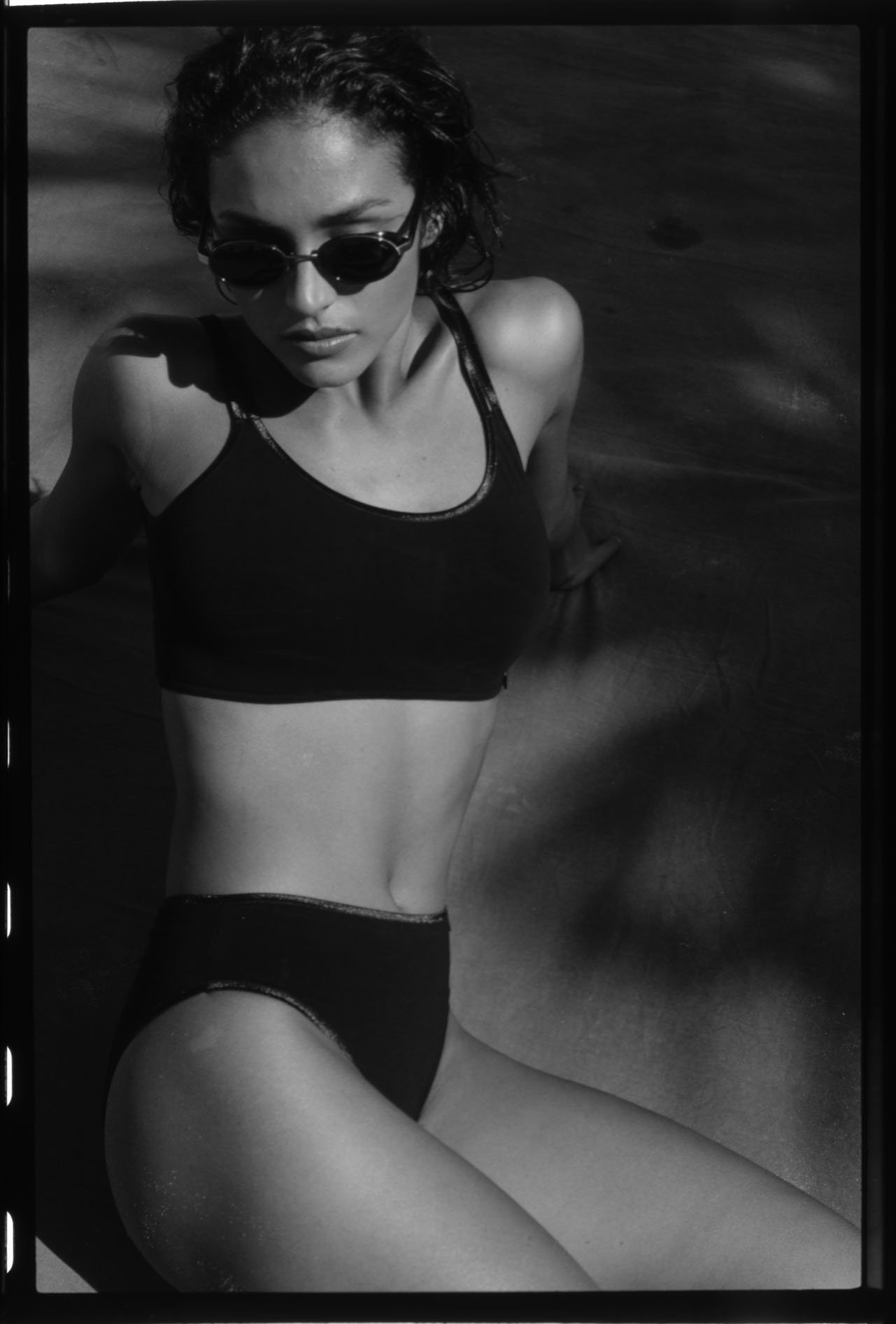
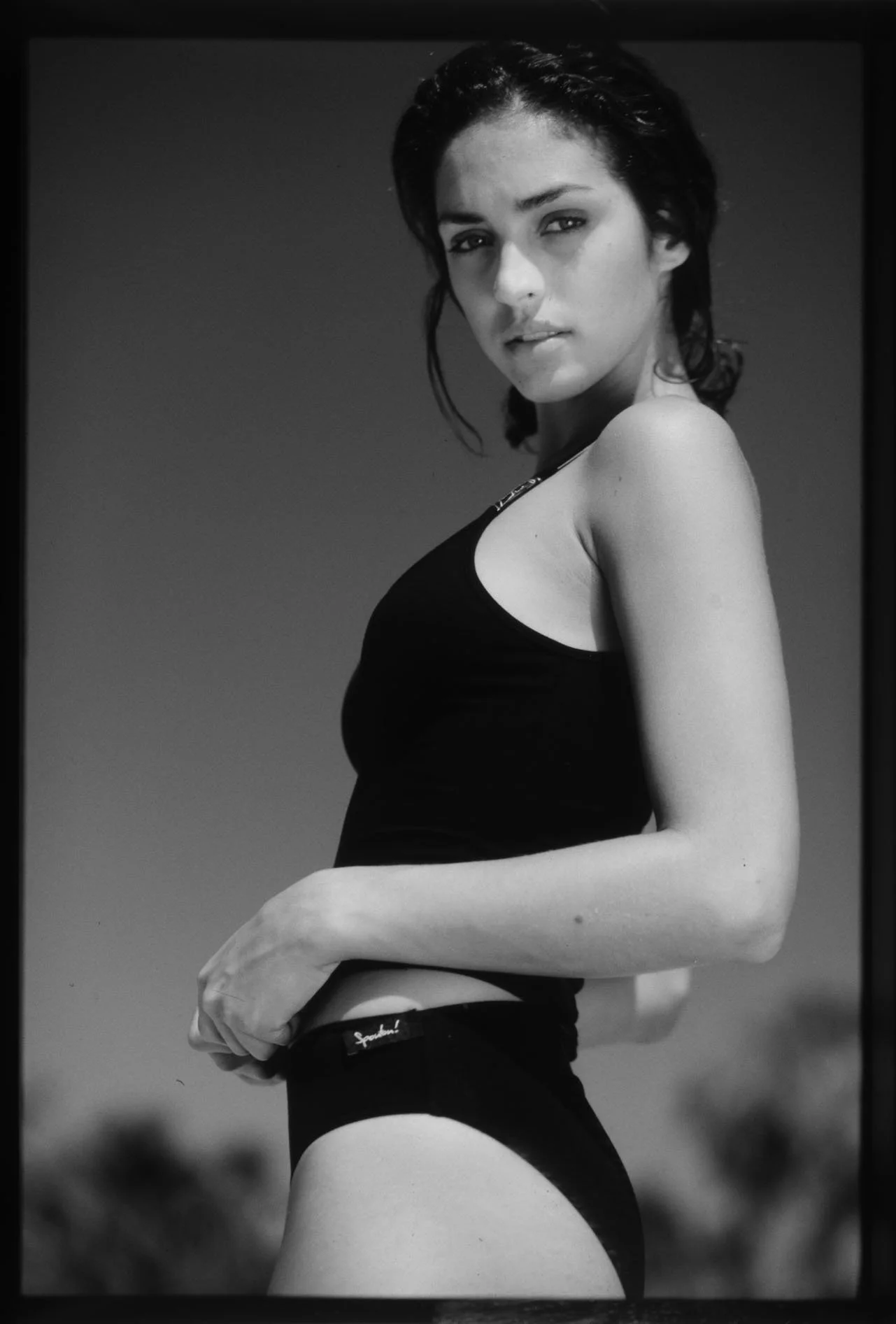
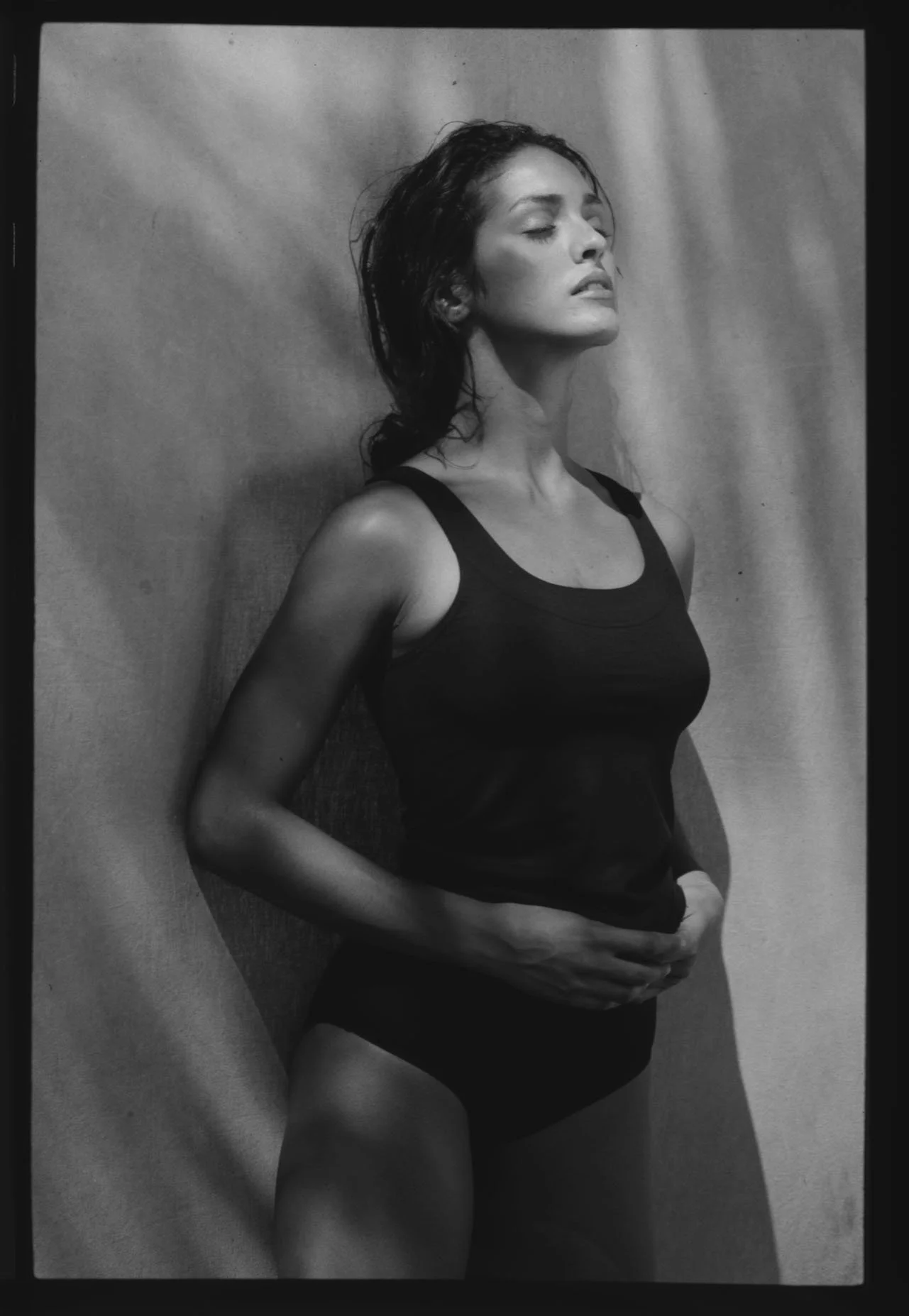
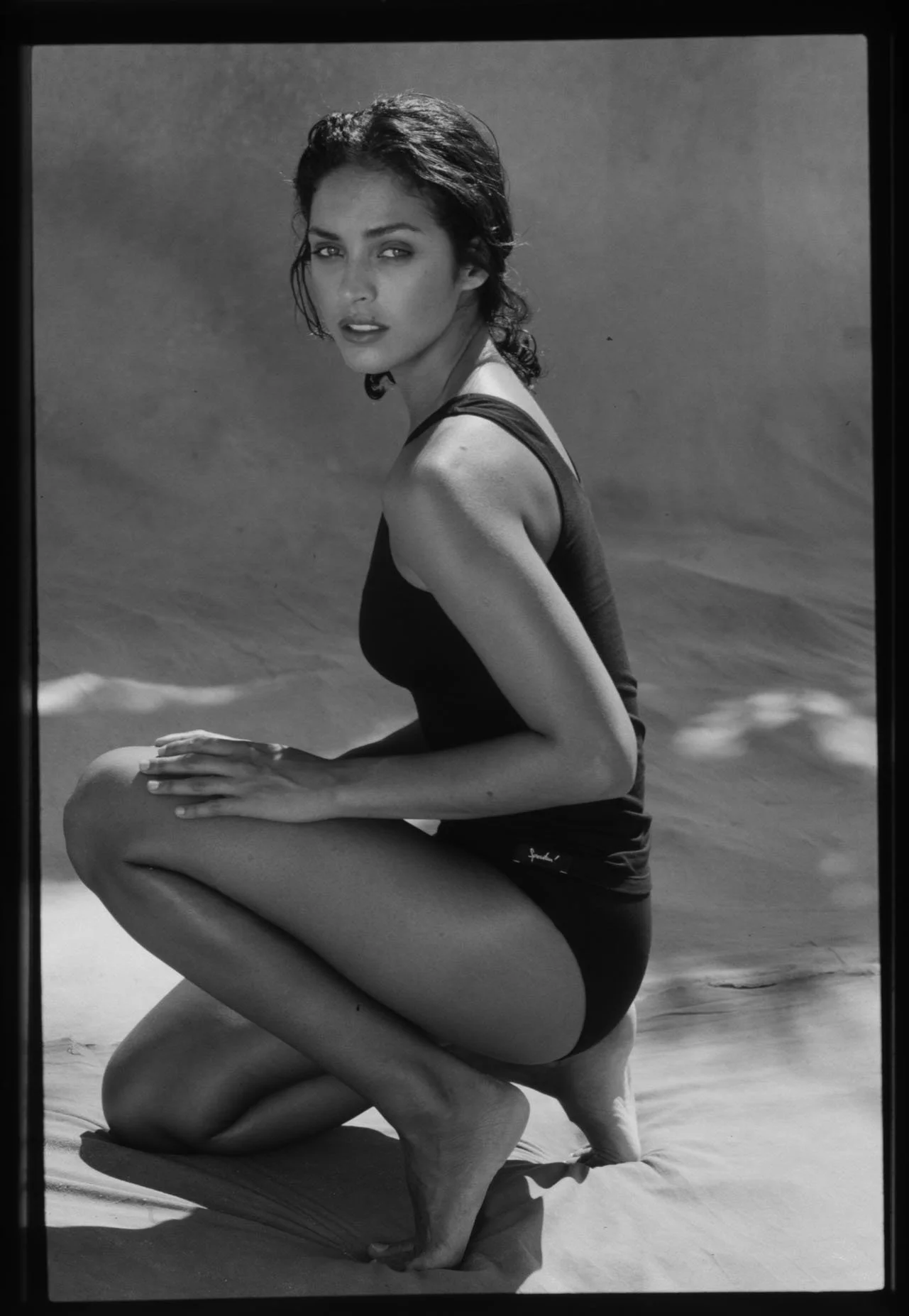
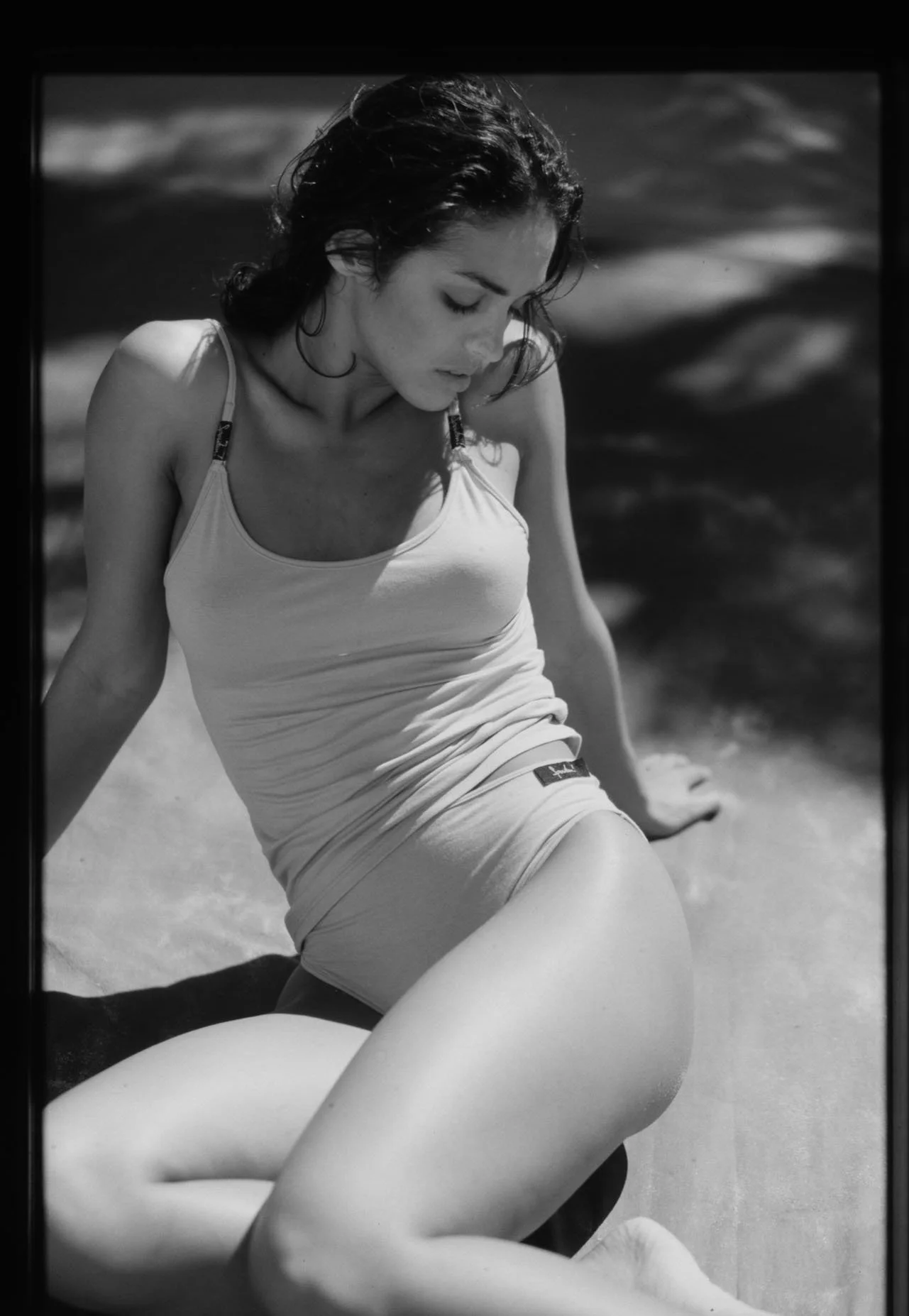
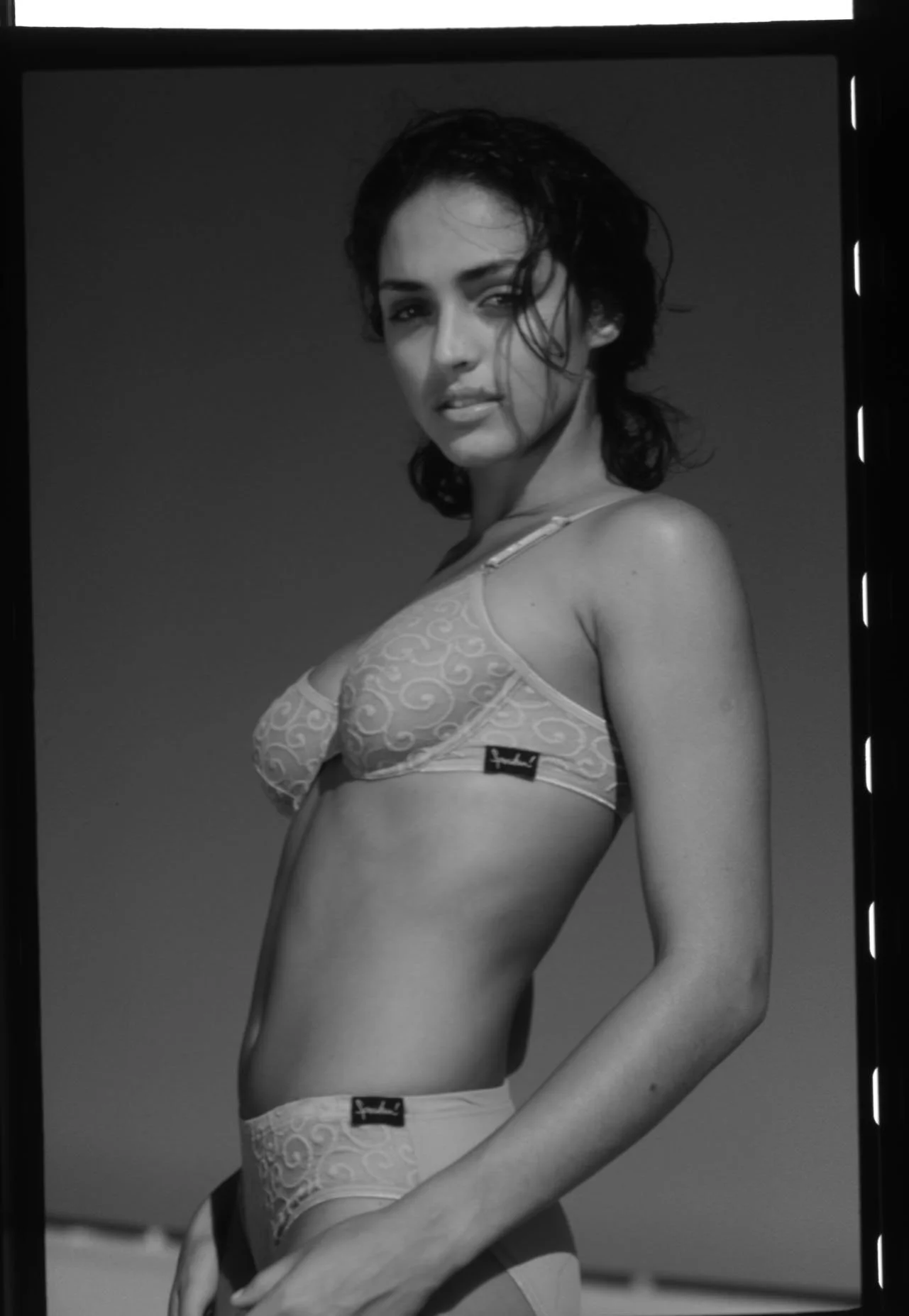
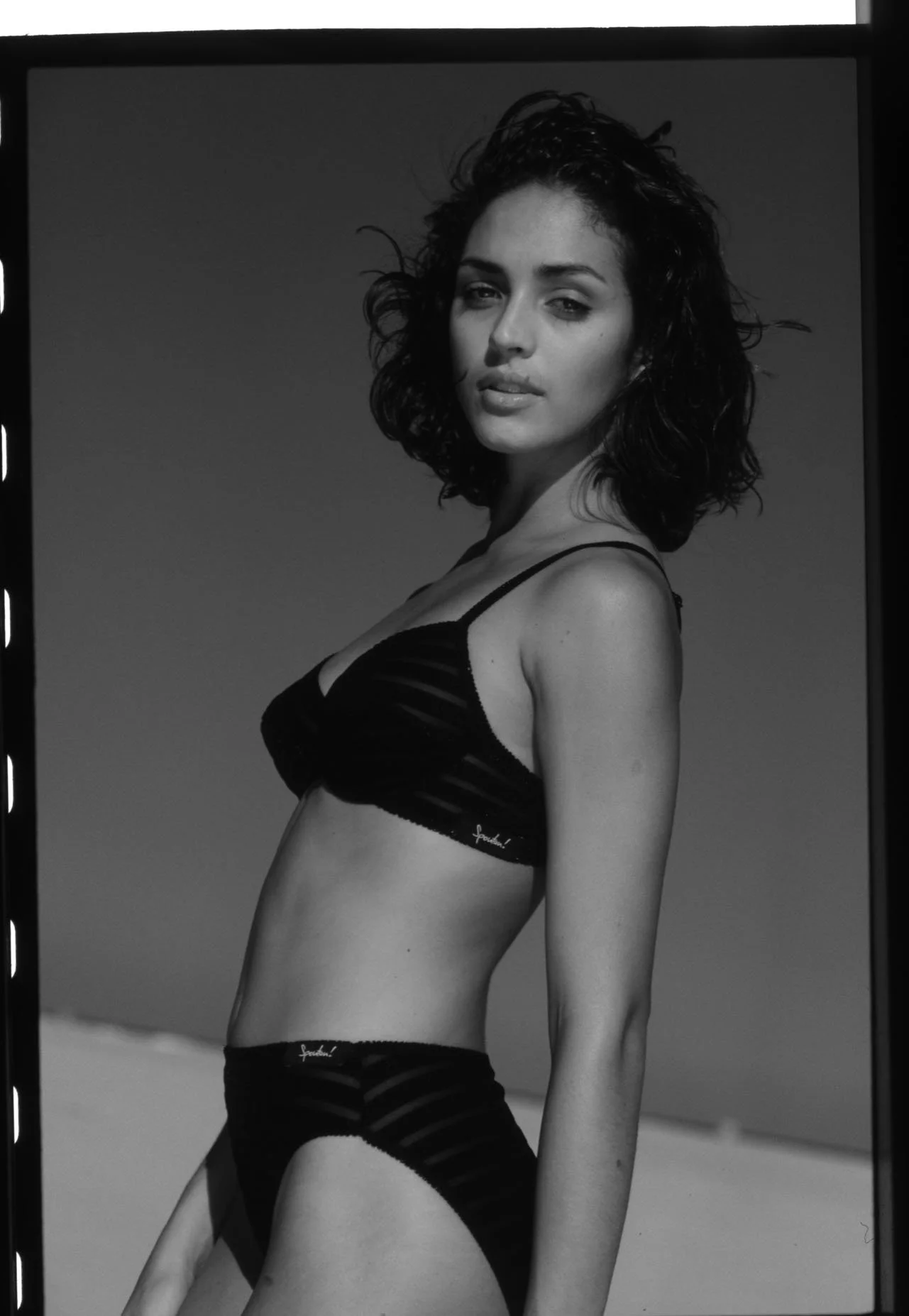
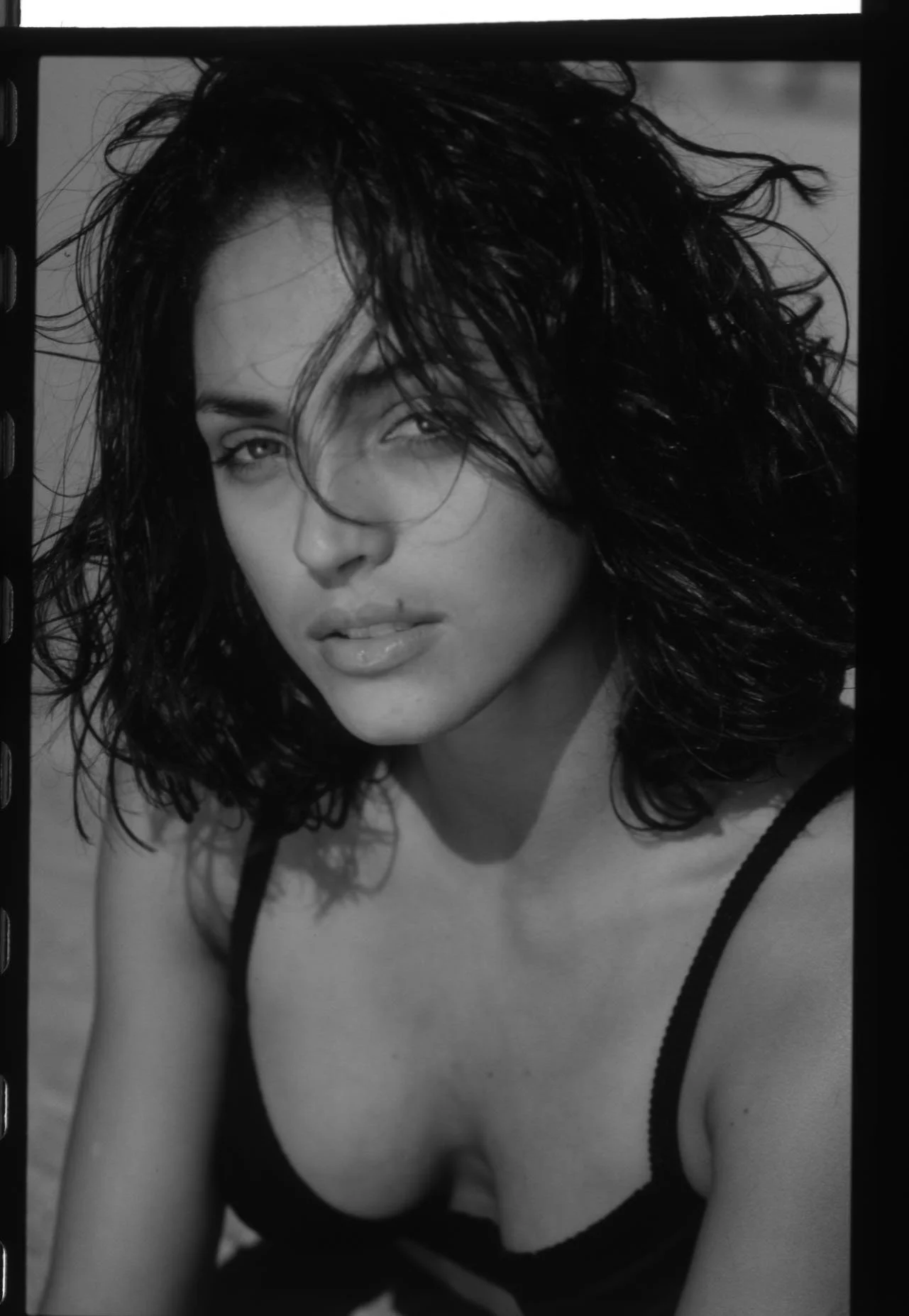
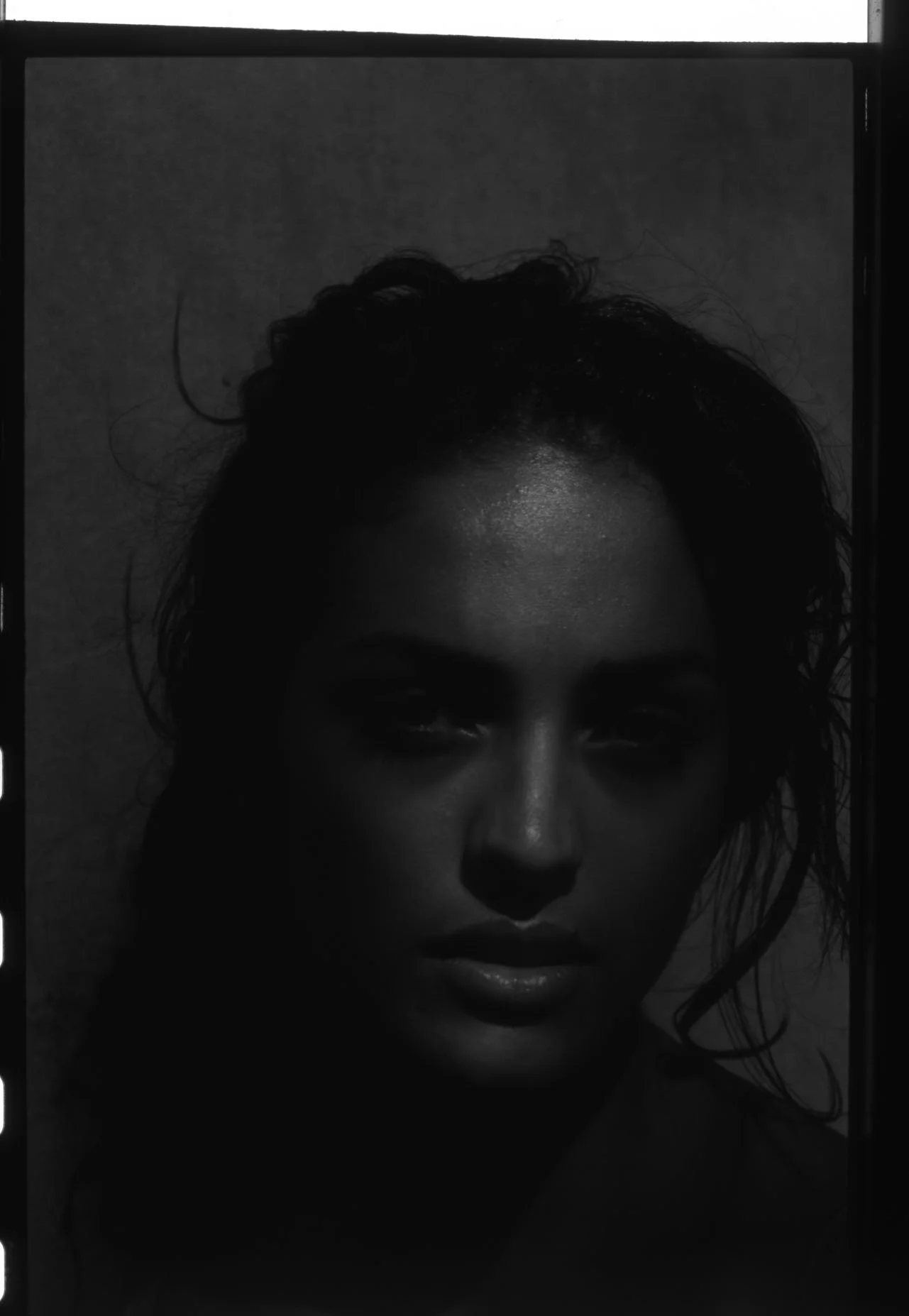
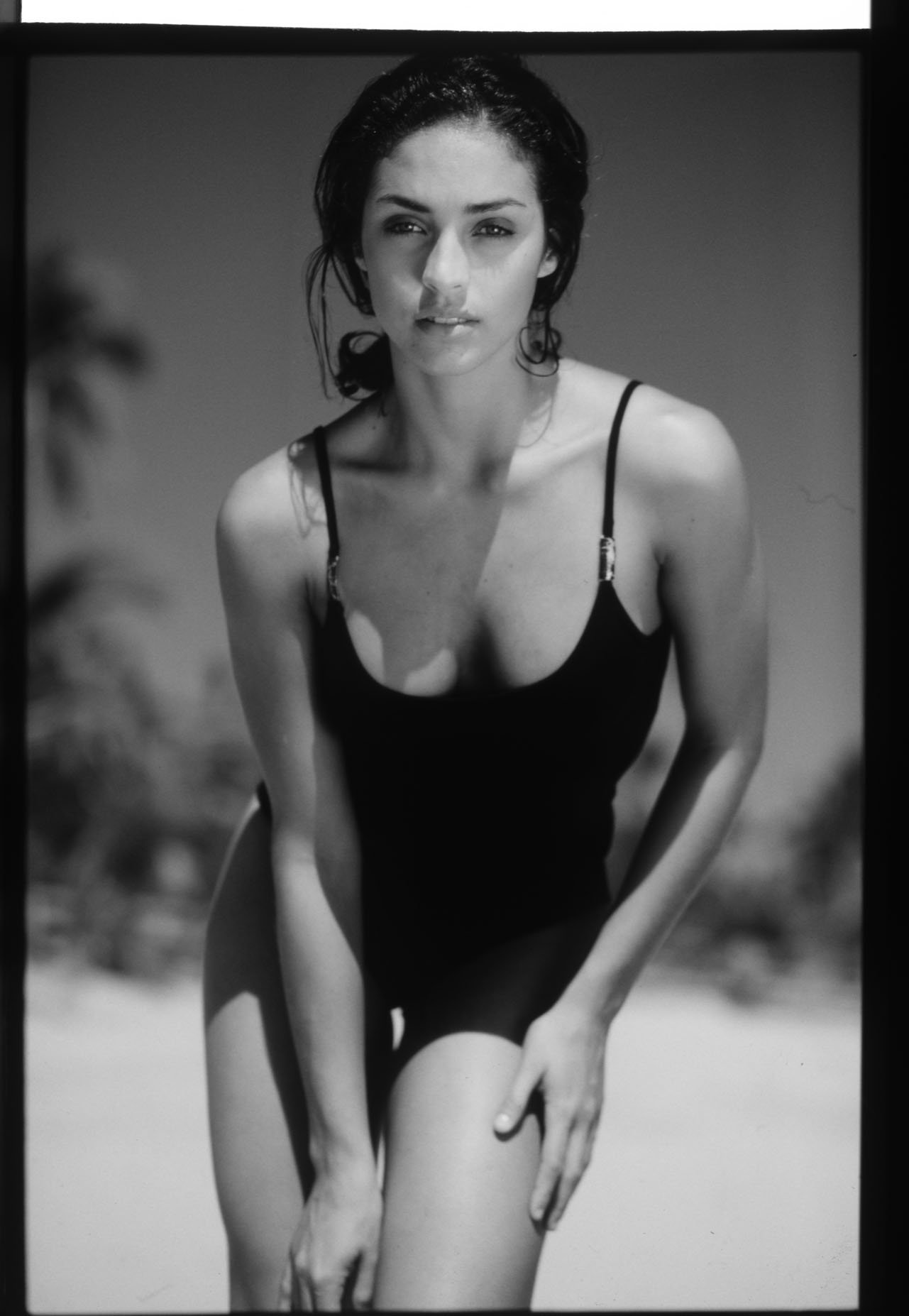
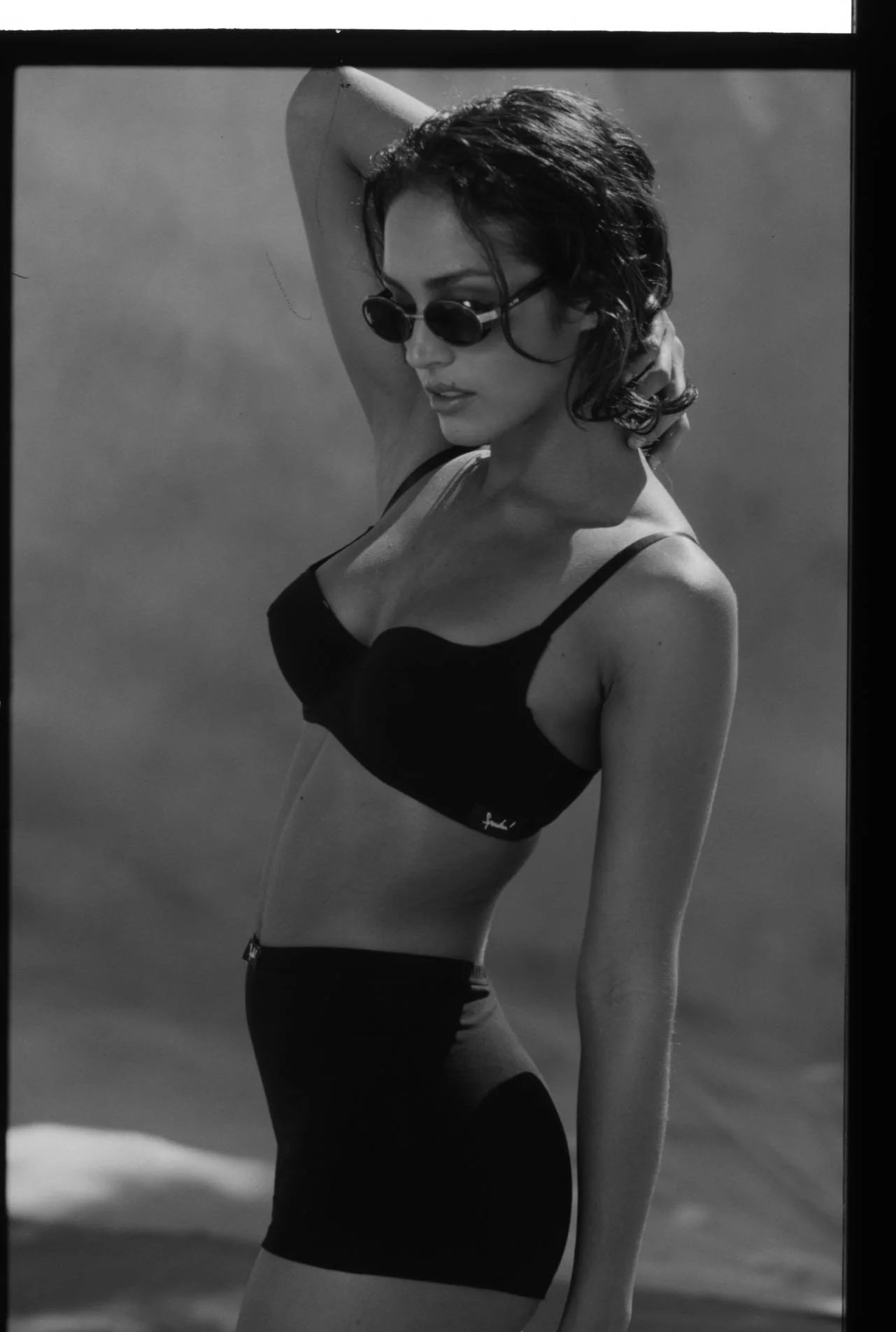
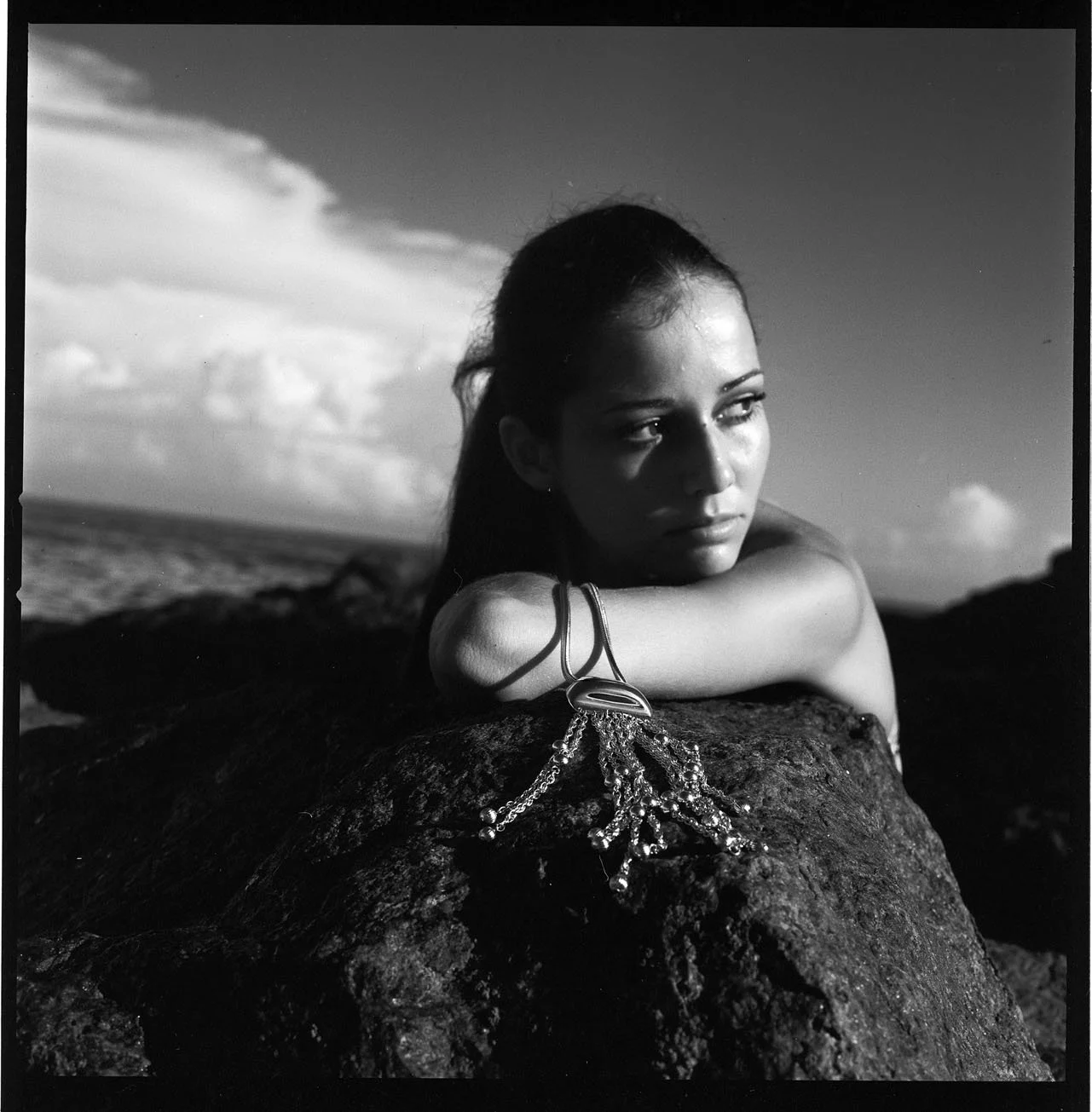
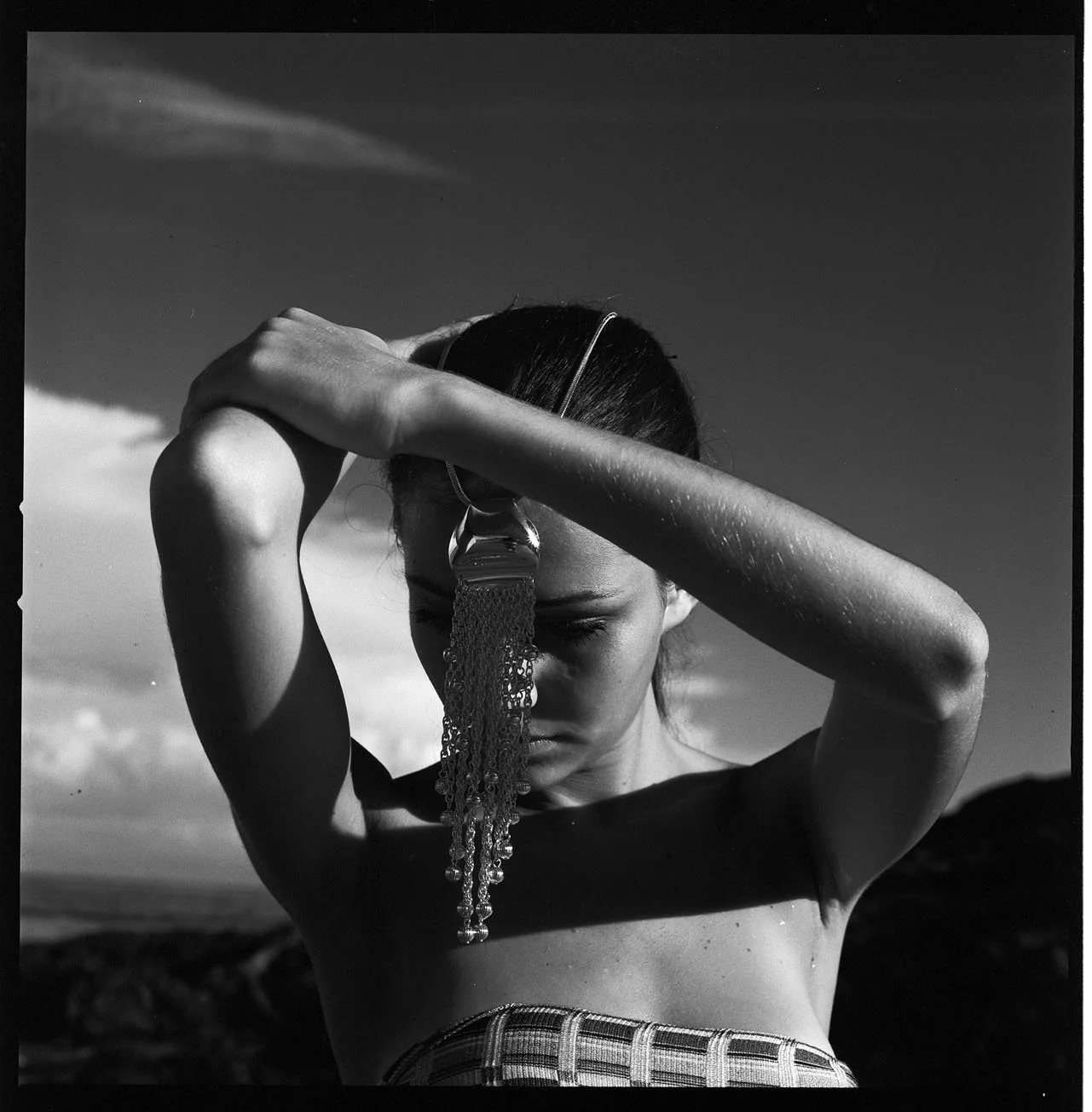
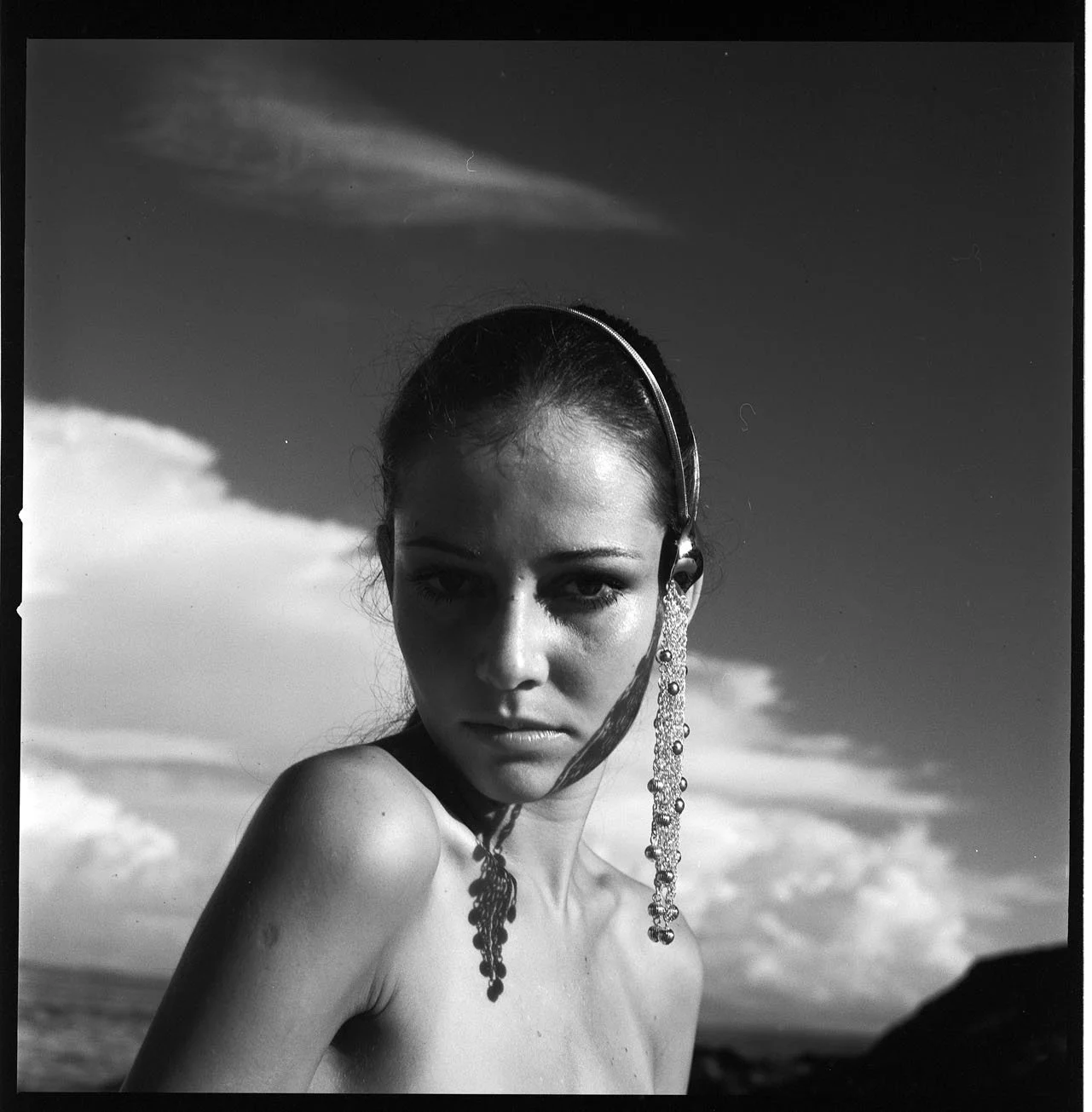
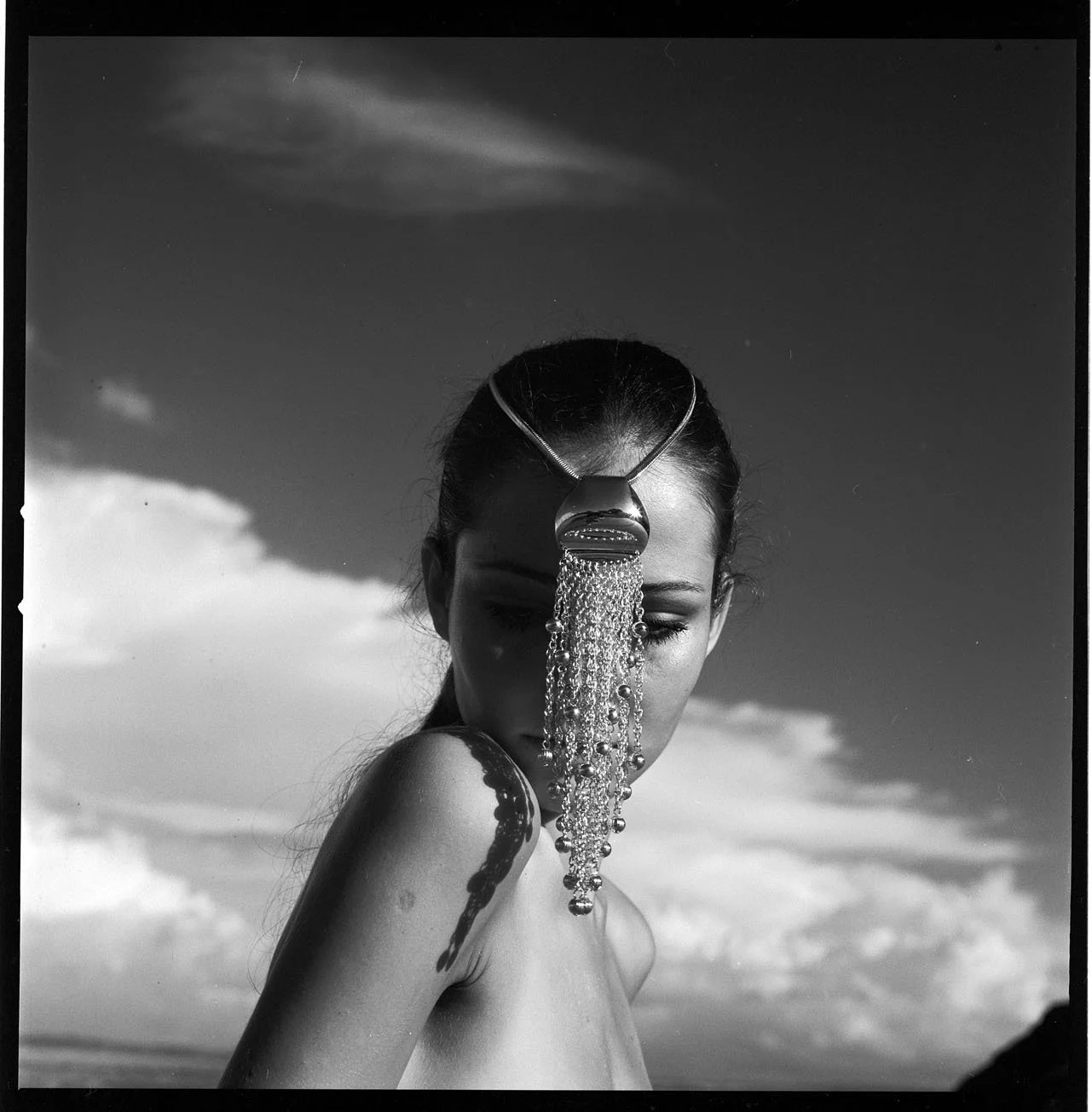
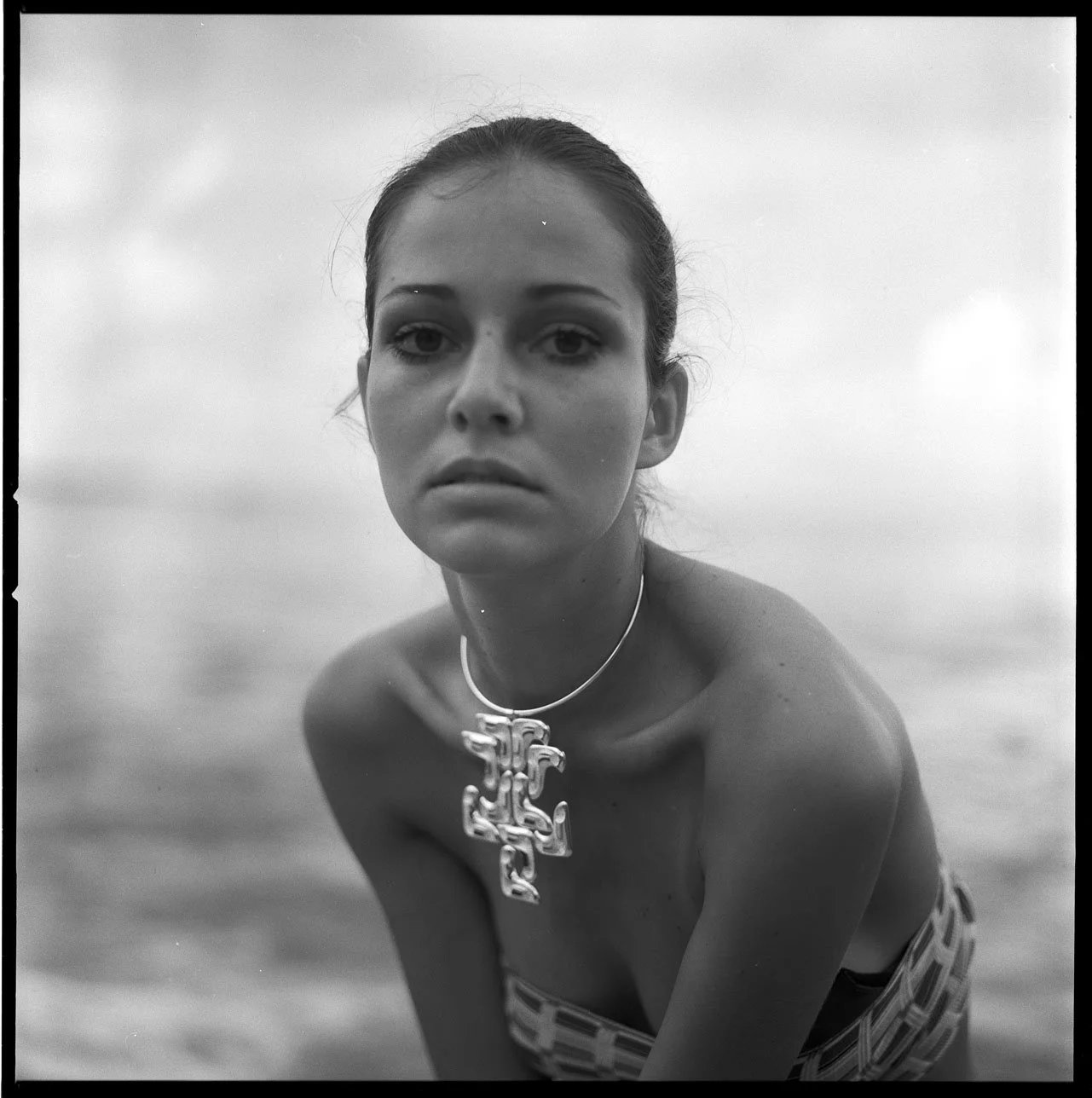
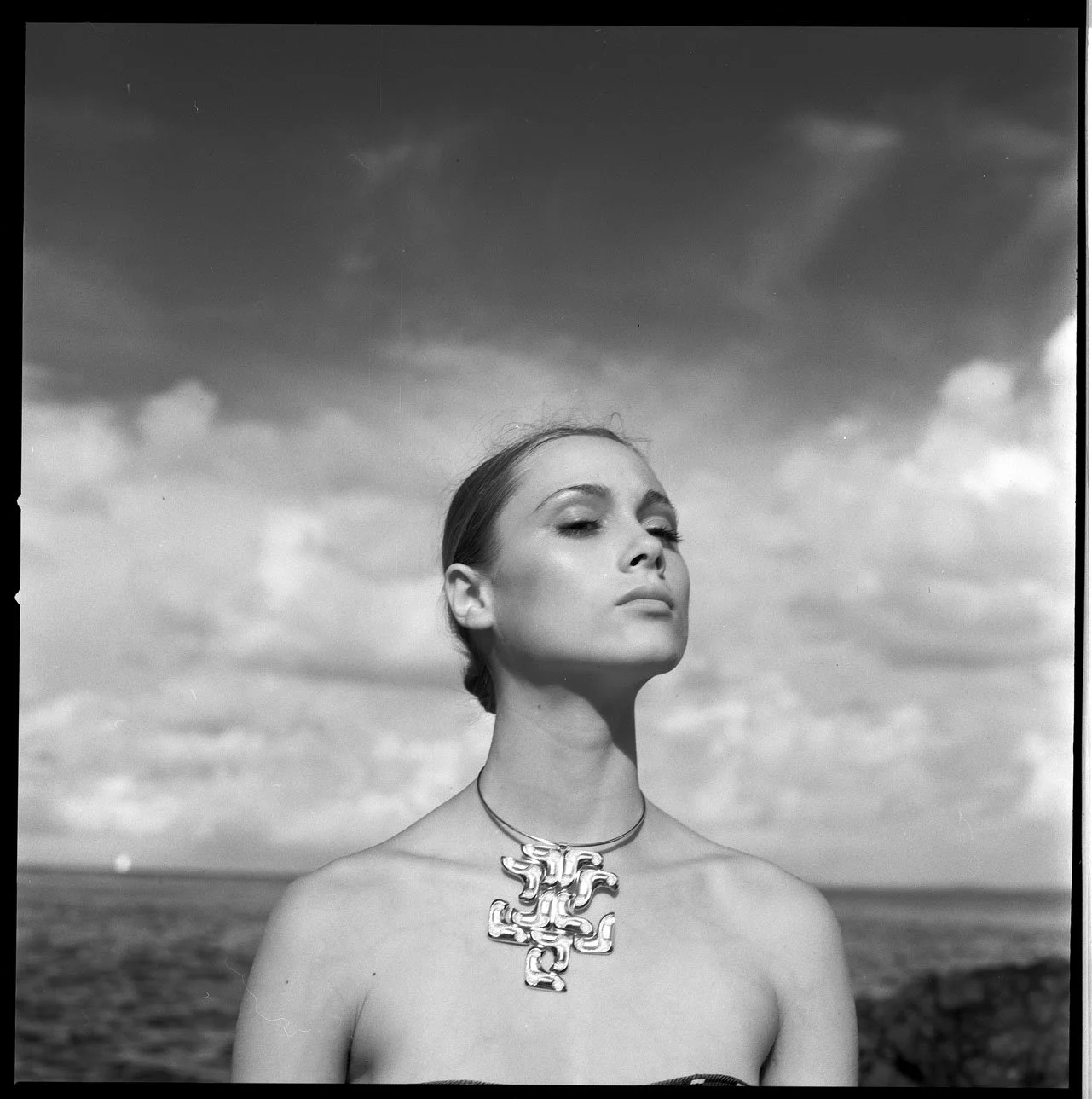
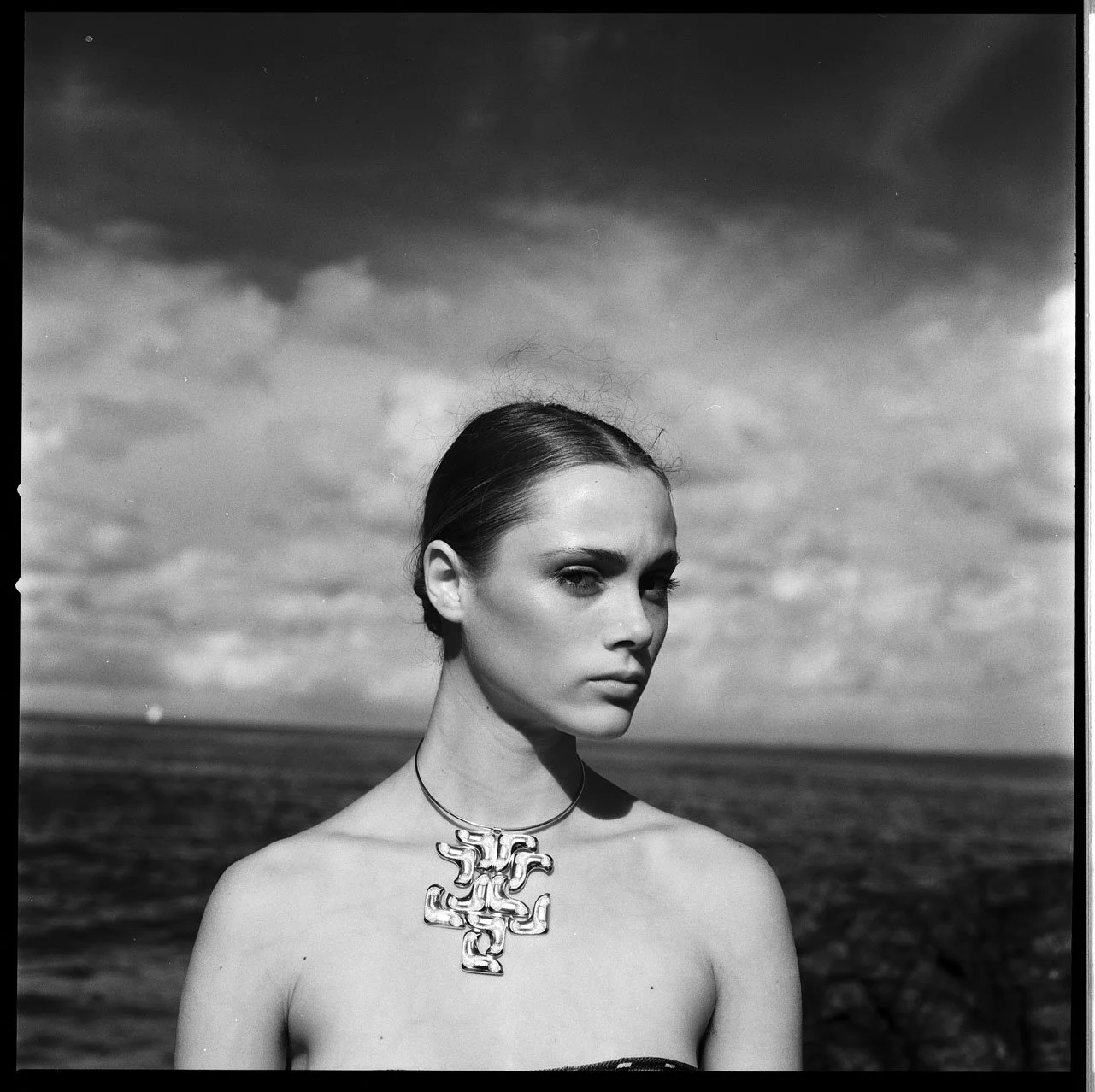
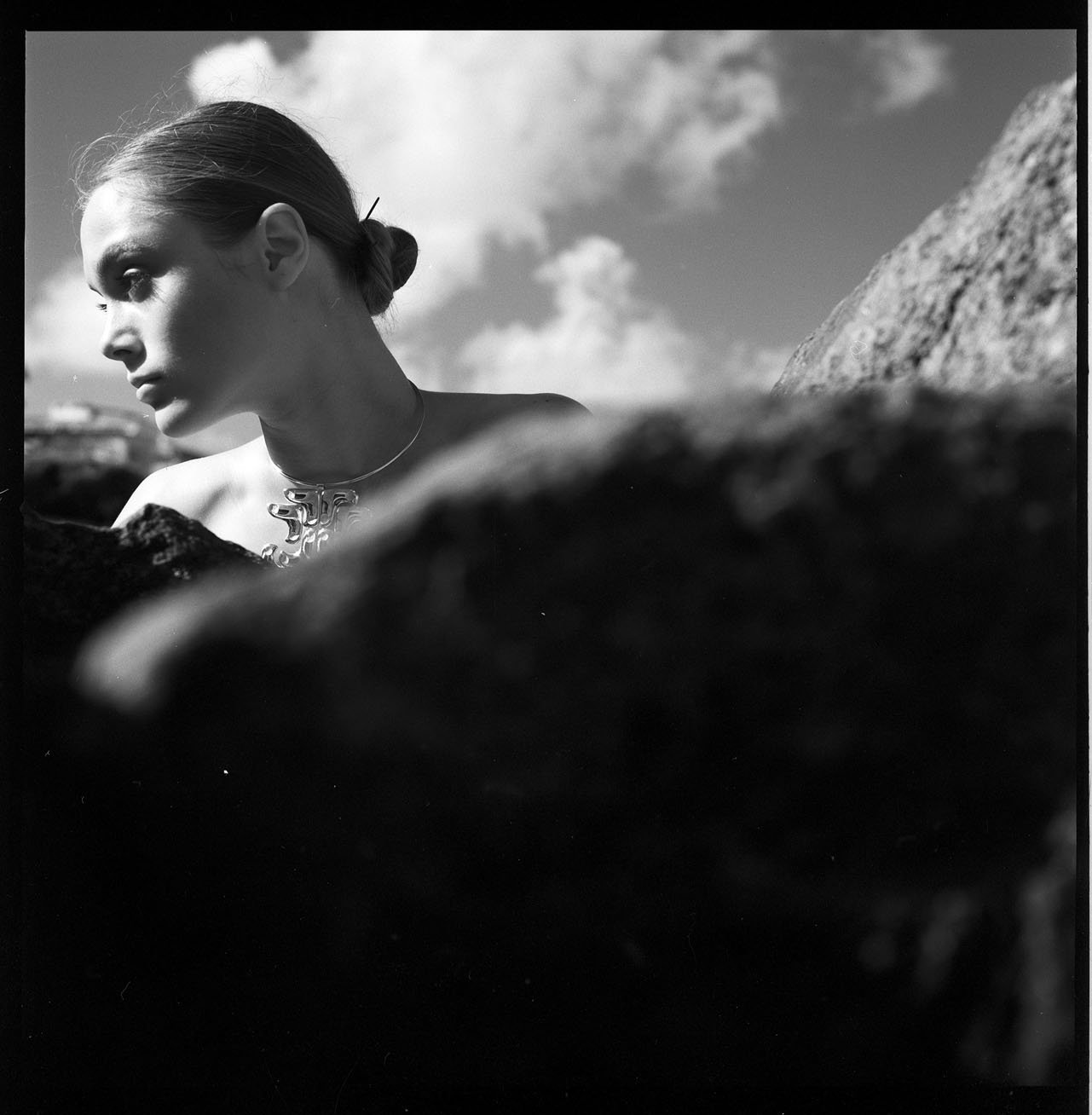
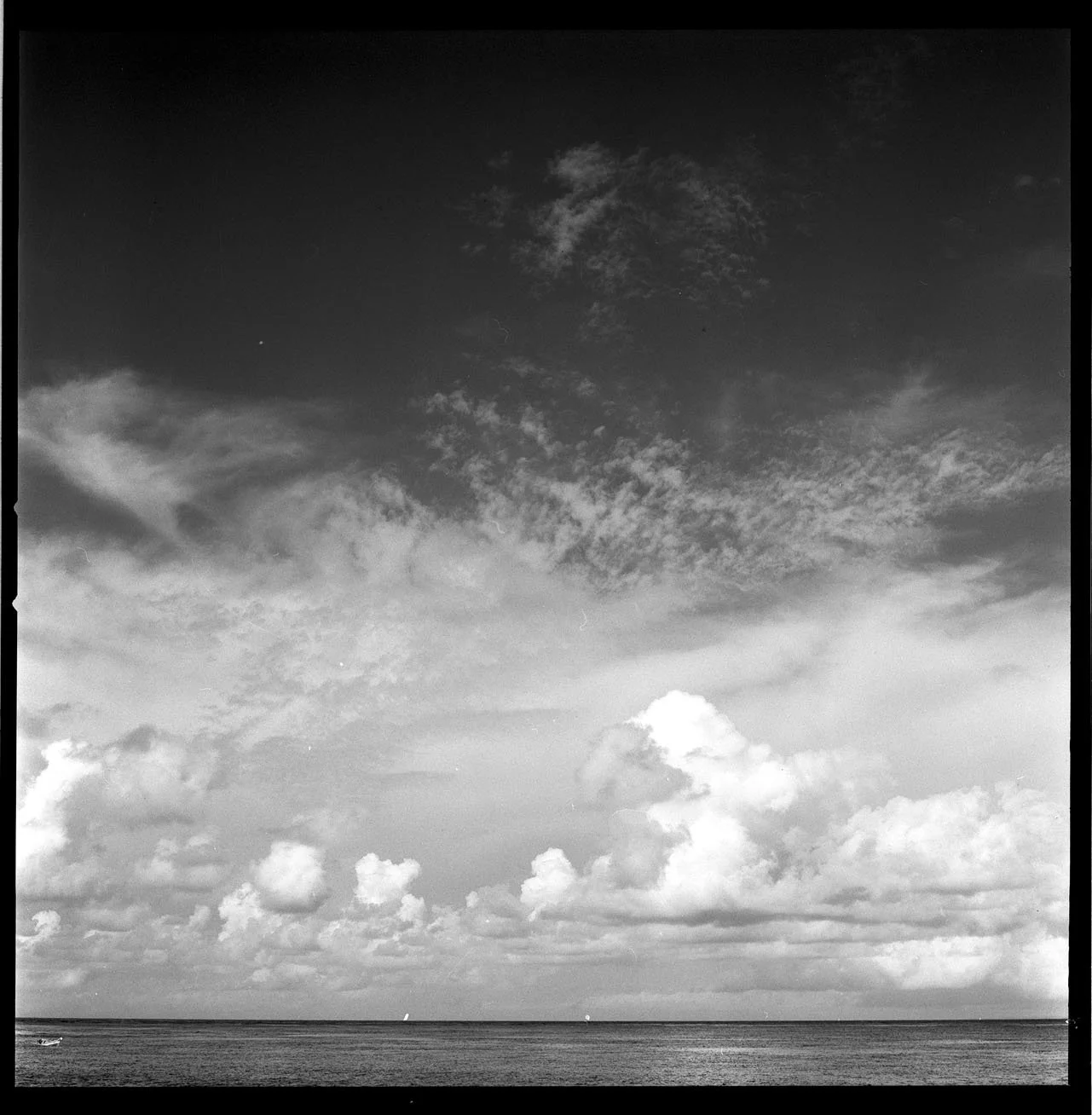
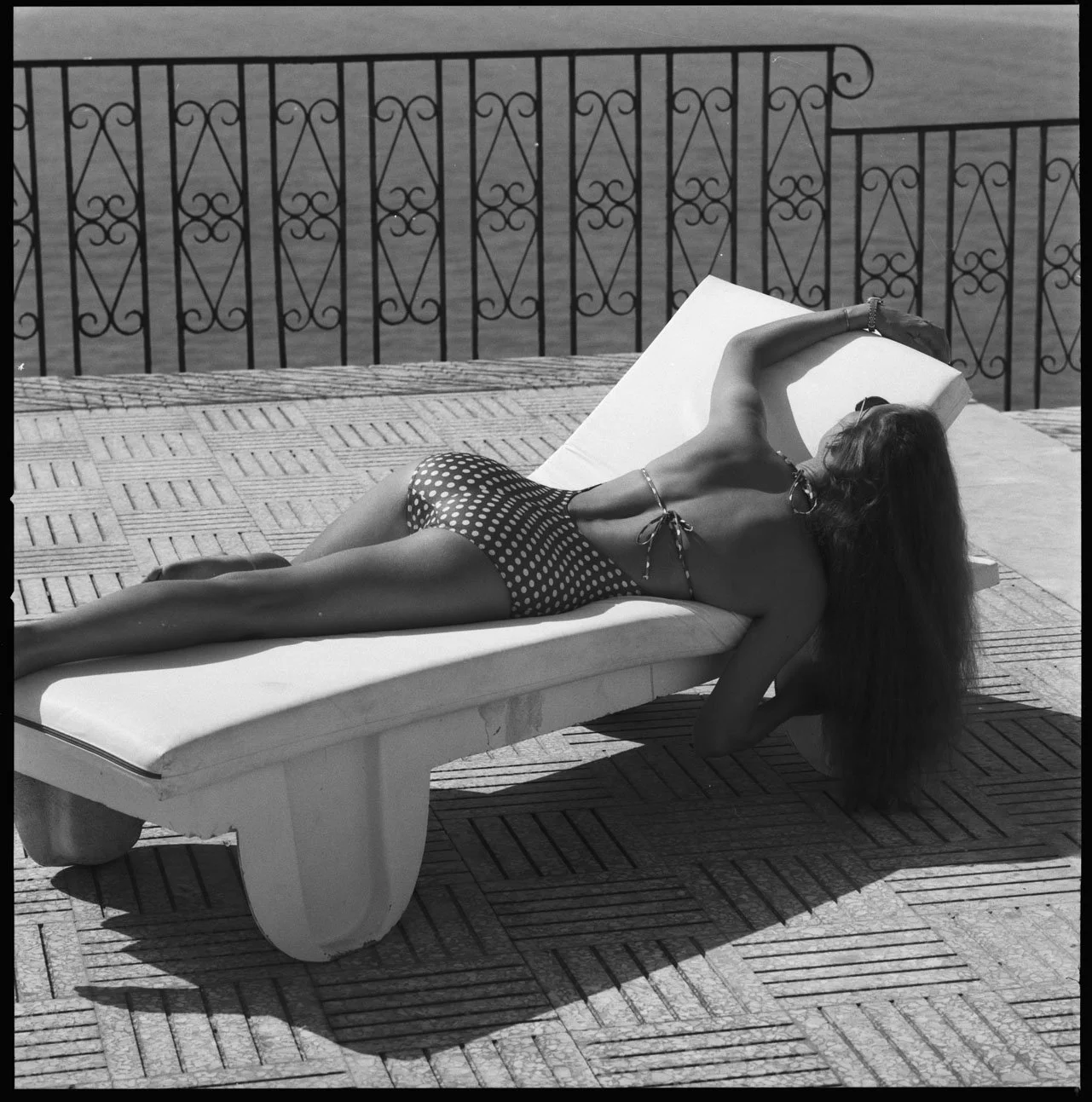
Anyone who examines a piece of gleaming coal in bright sunlight will notice that it can shimmer like a gemstone. Microscopic images reveal that black coal is, in fact, a colorful mélange. "I discovered this shimmer in the sunlight—this colorfulness—back when I was a child," says Ulrich Pracht, identifying one of the roots of his affinity for the color black. He was a creative spirit growing up amidst coal and the traditional mindsets of his era: coal stood for energy and the "Economic Miracle," while black stood for mourning and death—but also for power and dignity. His father and grandfather would shed their work clothes and retrieve their black suits from the wardrobe whenever a major holiday or a funeral appeared on the calendar, or when they went to pay the rent to their landlord in cash. In winter, black shadows would settle upon the white snow as smokestacks billowed across the Ruhr region of the 1950s. And black, too, was the "deputat" coal—the subsidized fuel allowance—that Ulrich, as a child, would shovel by the ton into his neighbors' basements using a small coal scoop, earning himself a few pennies on the side. Every winter, the miners would receive up to seven tons of this coal to fuel their stoves and furnaces. Ulrich even painted his bicycle black—rims and all. Only the handlebars, the dynamo, and the brand-new headlight—a Christmas gift—gleamed in chrome. An Agfa Clack was the first camera Ulrich Pracht used as a teenager to photograph his surroundings in black and white. This medium-format camera was equipped with a 95mm meniscus lens and offered only two shutter speeds. It utilized 6×9 roll film, yielding eight exposures per roll. With it, the young man captured his world, photographing both people and landscapes.
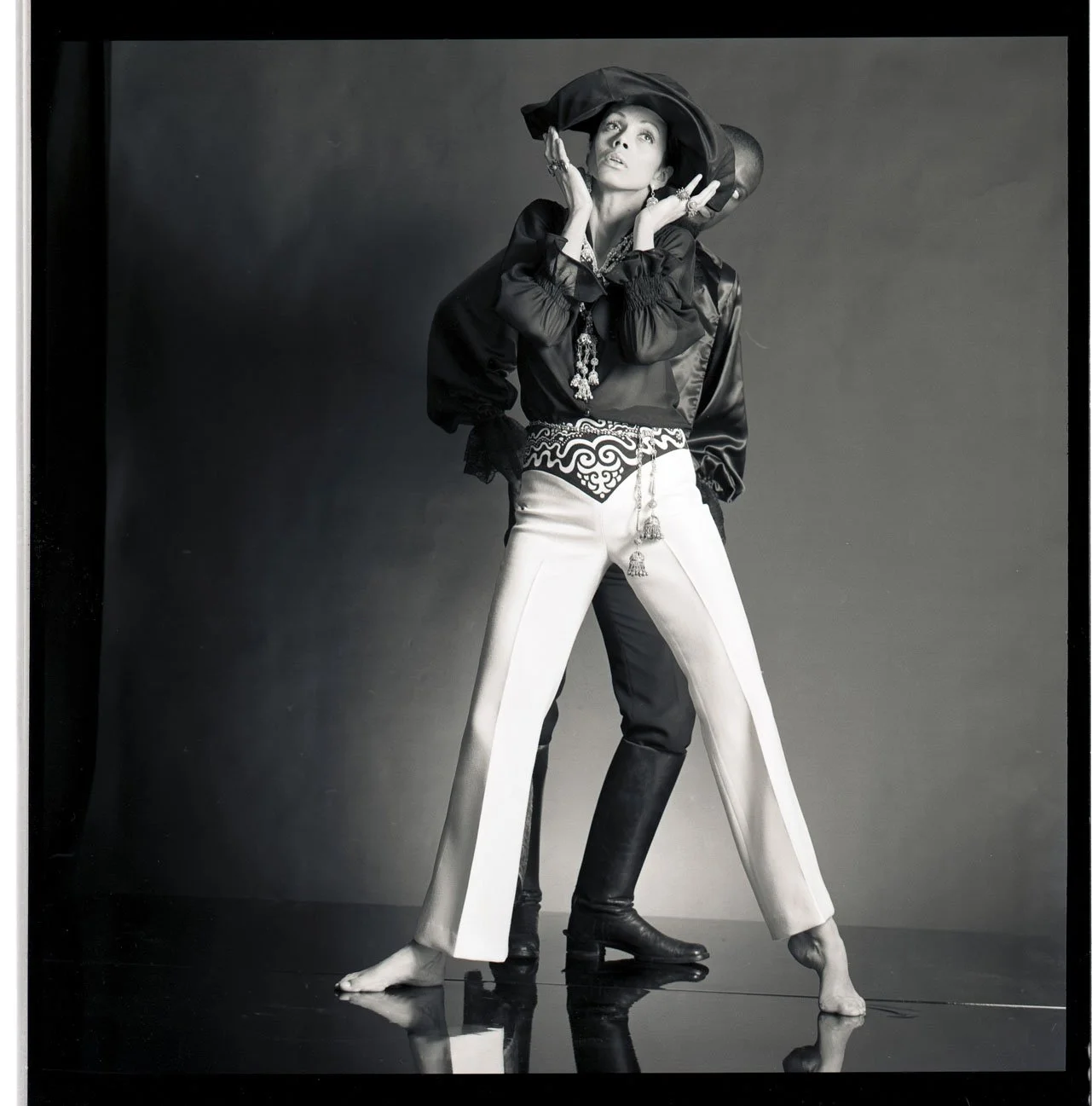
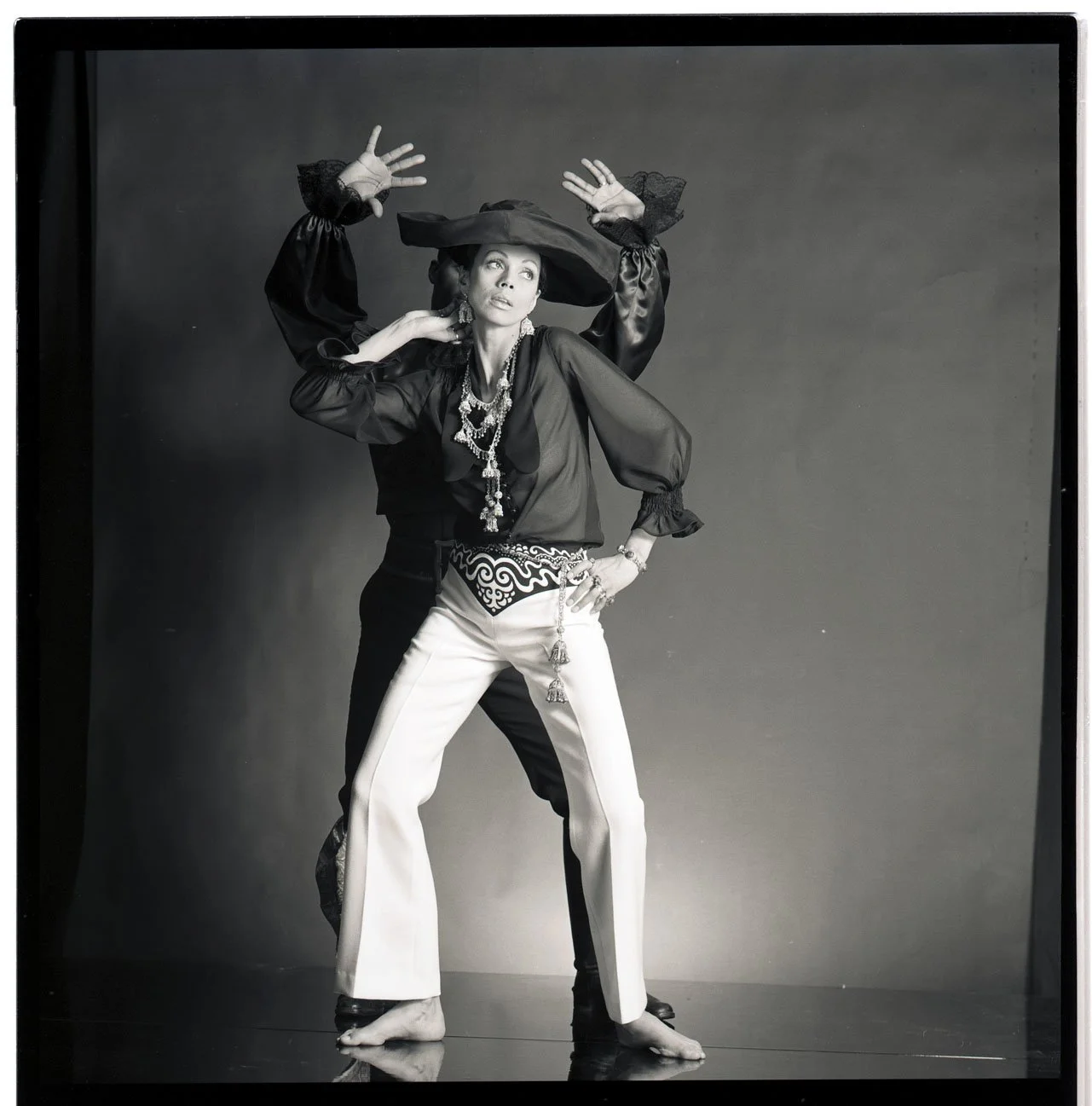
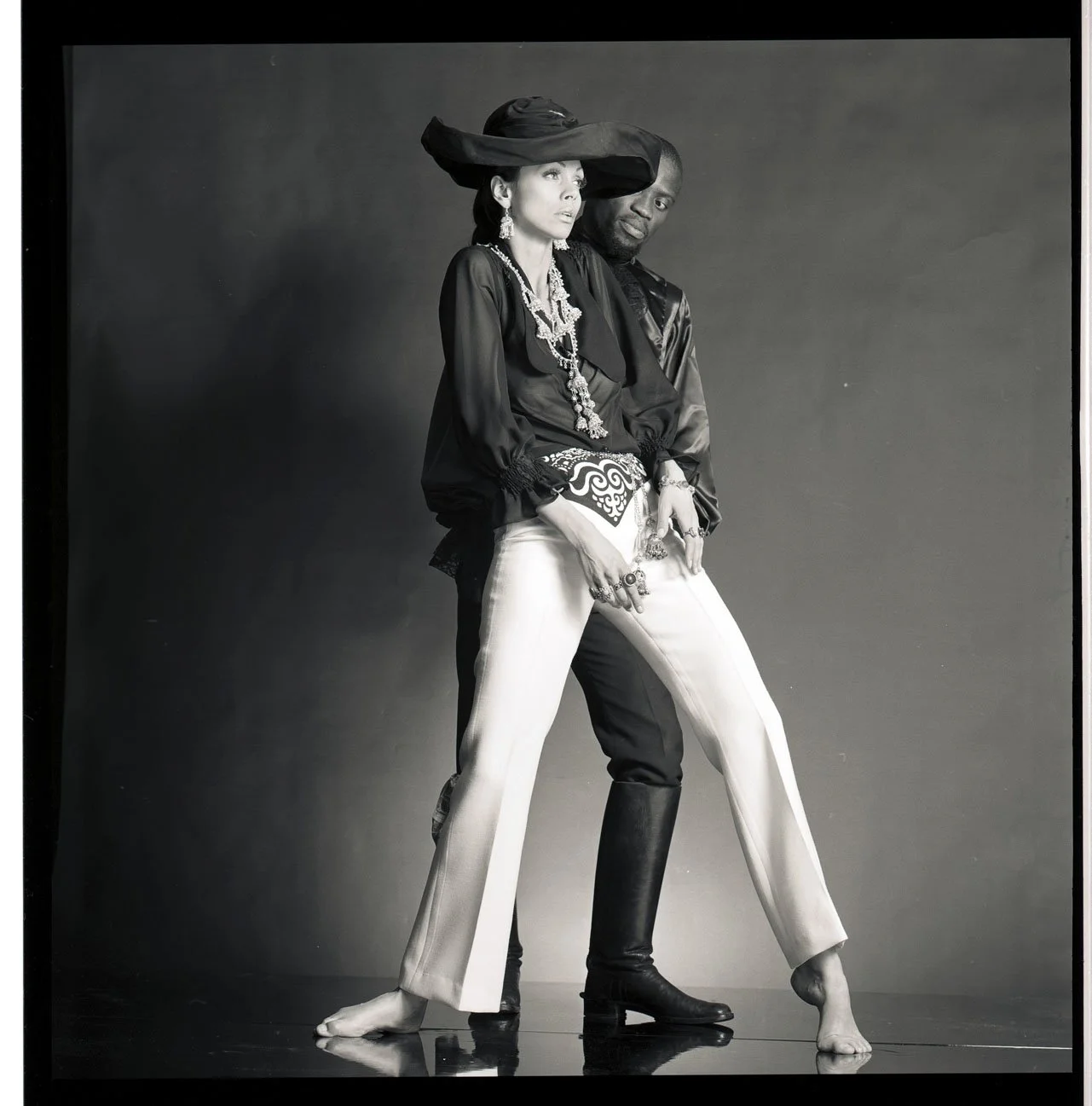
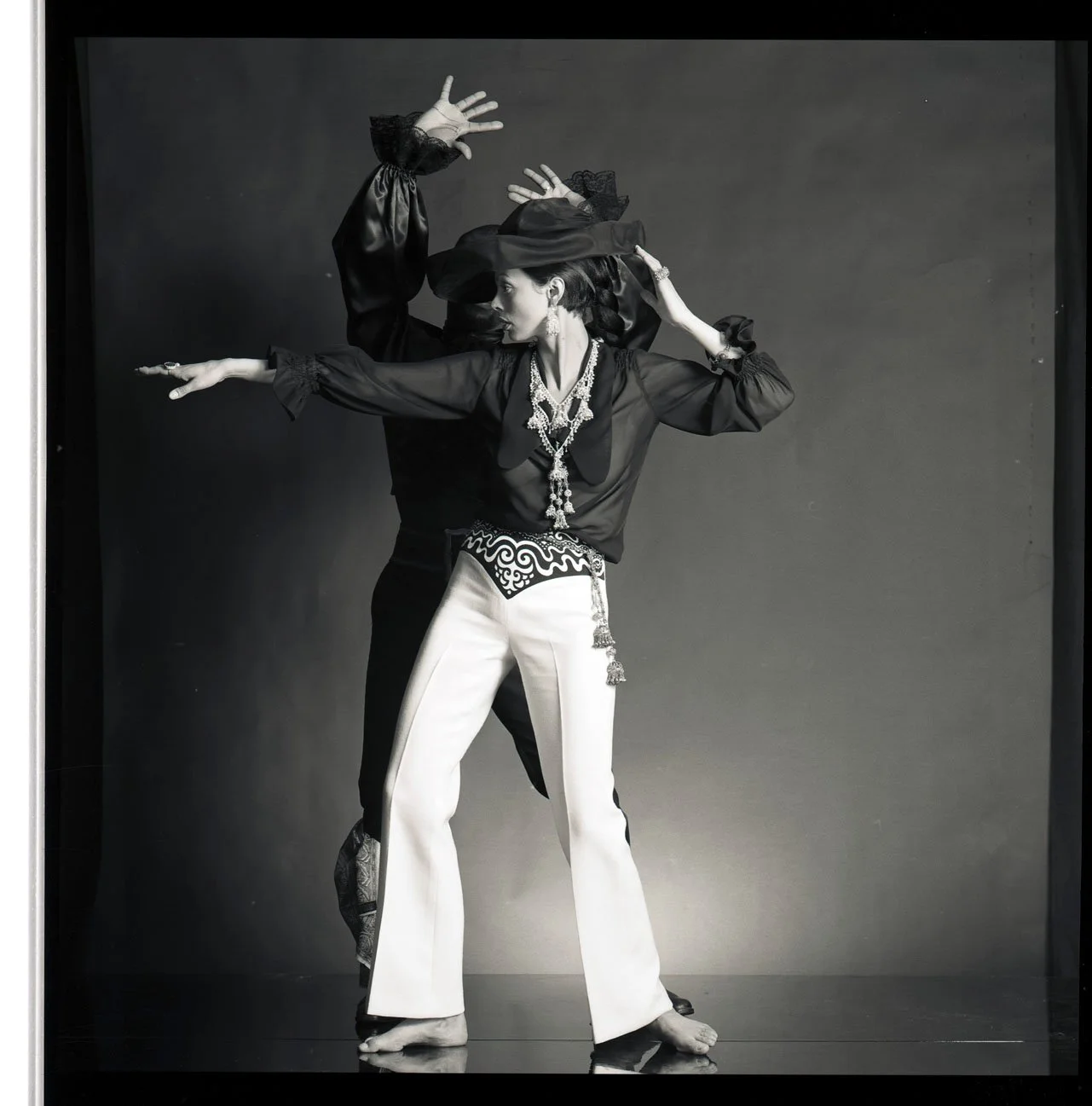
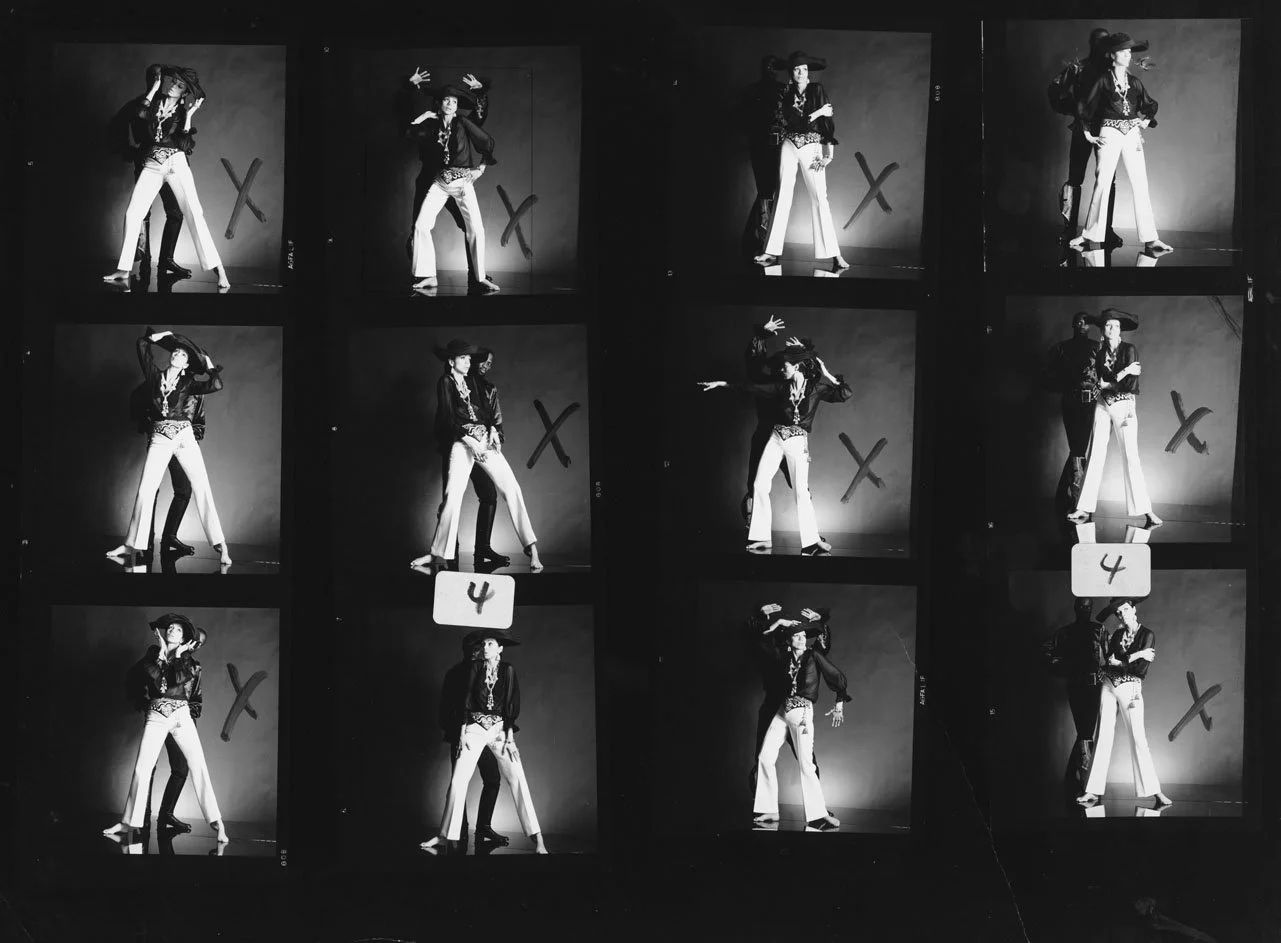
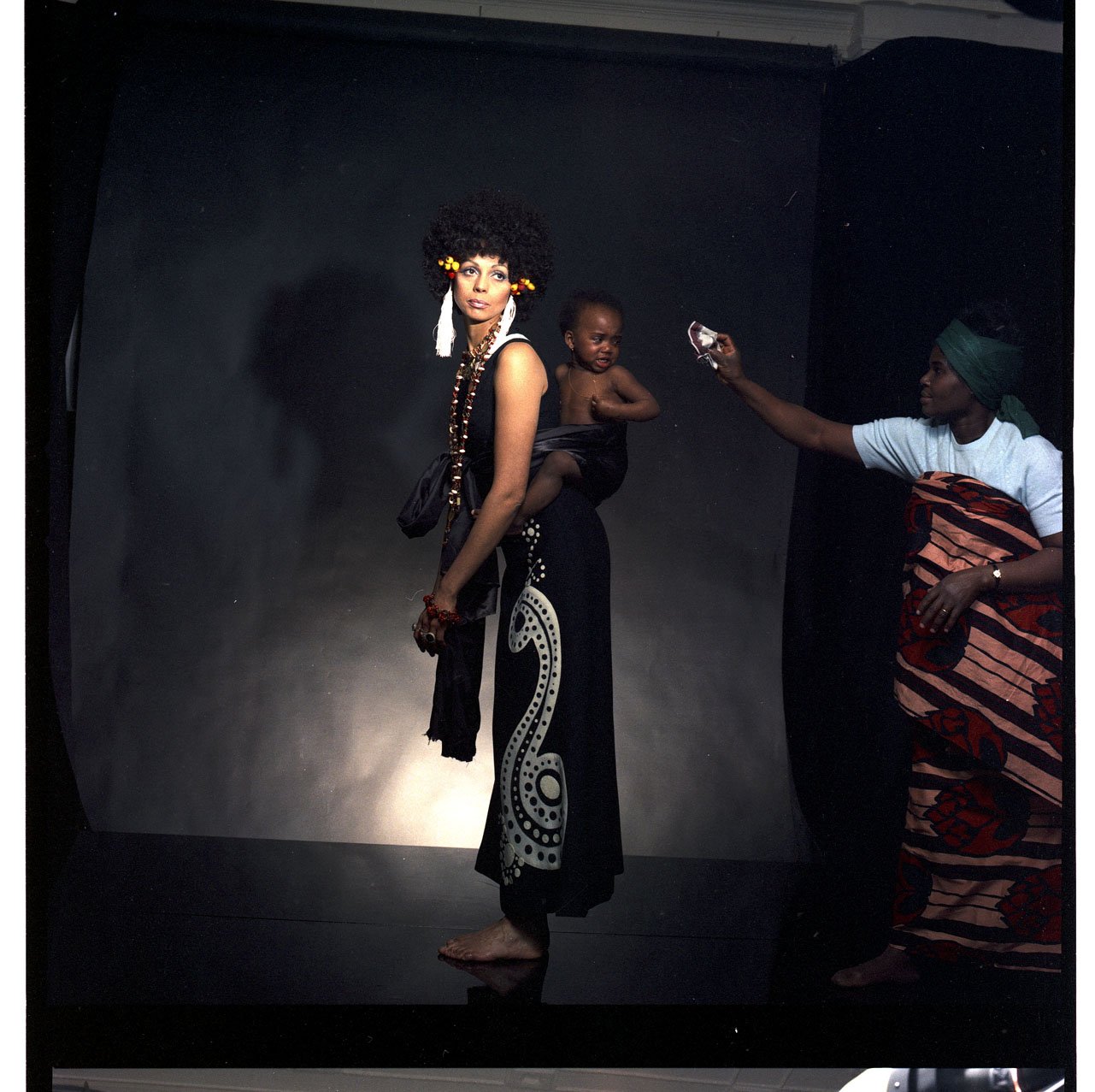
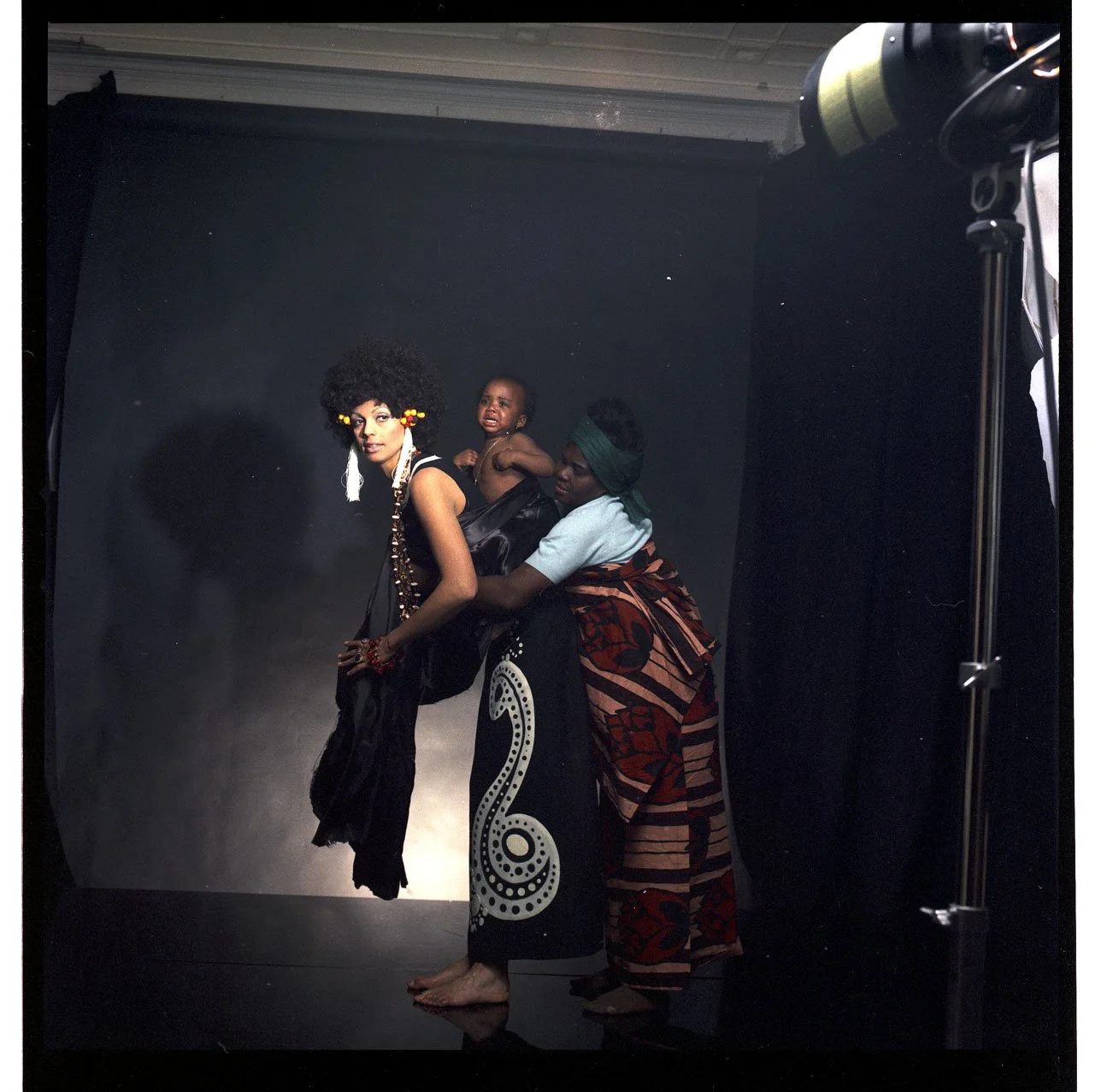
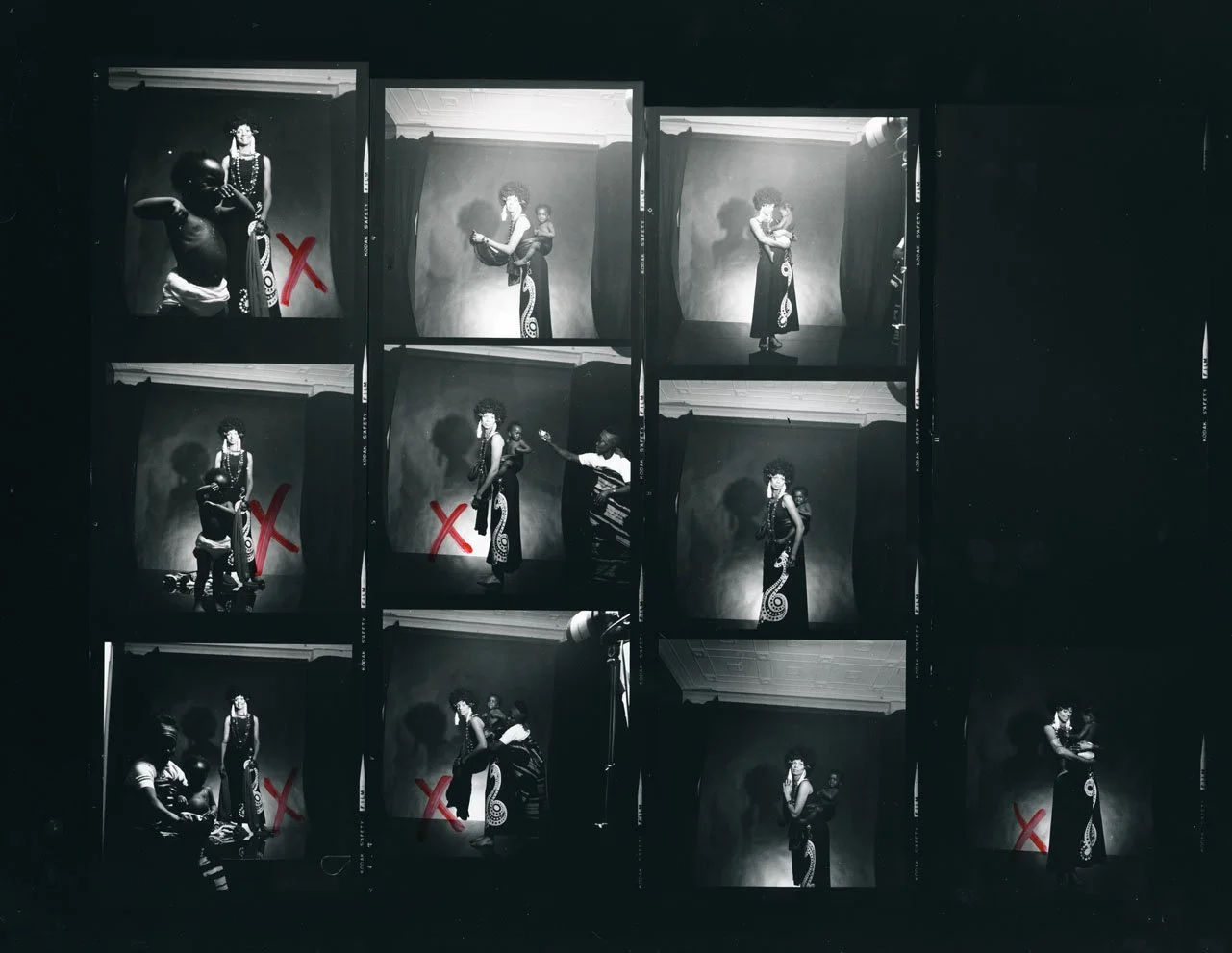
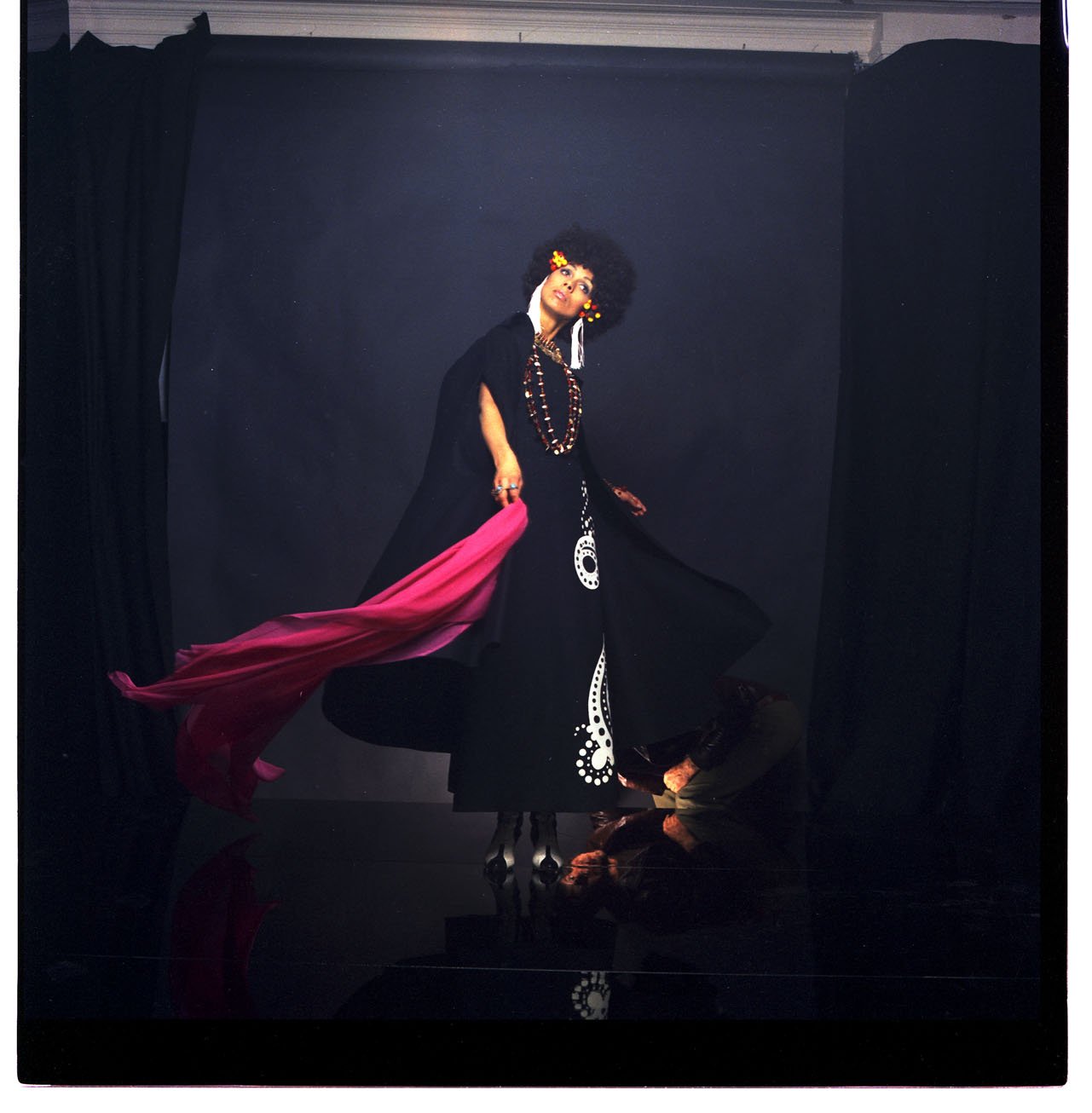
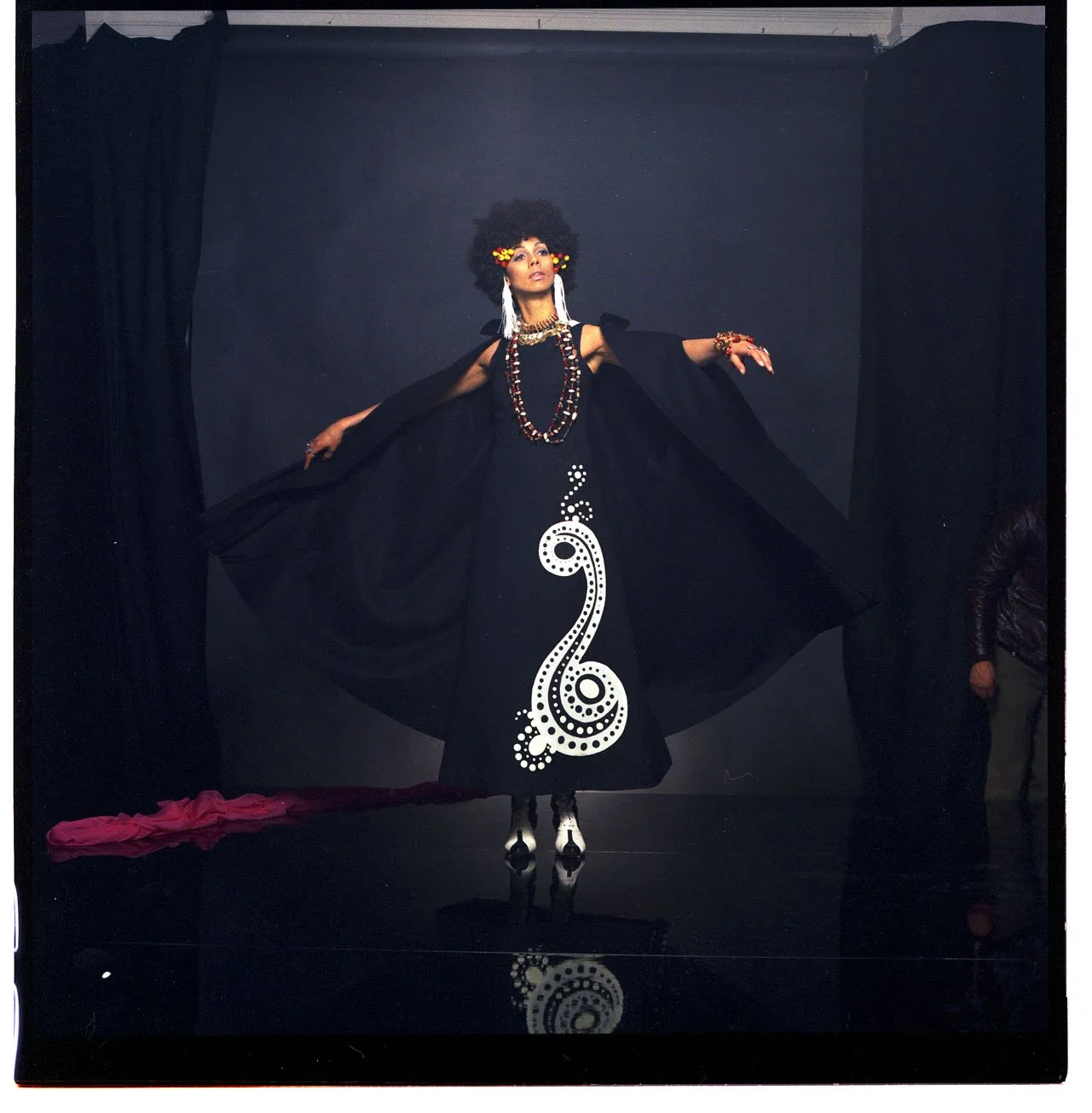
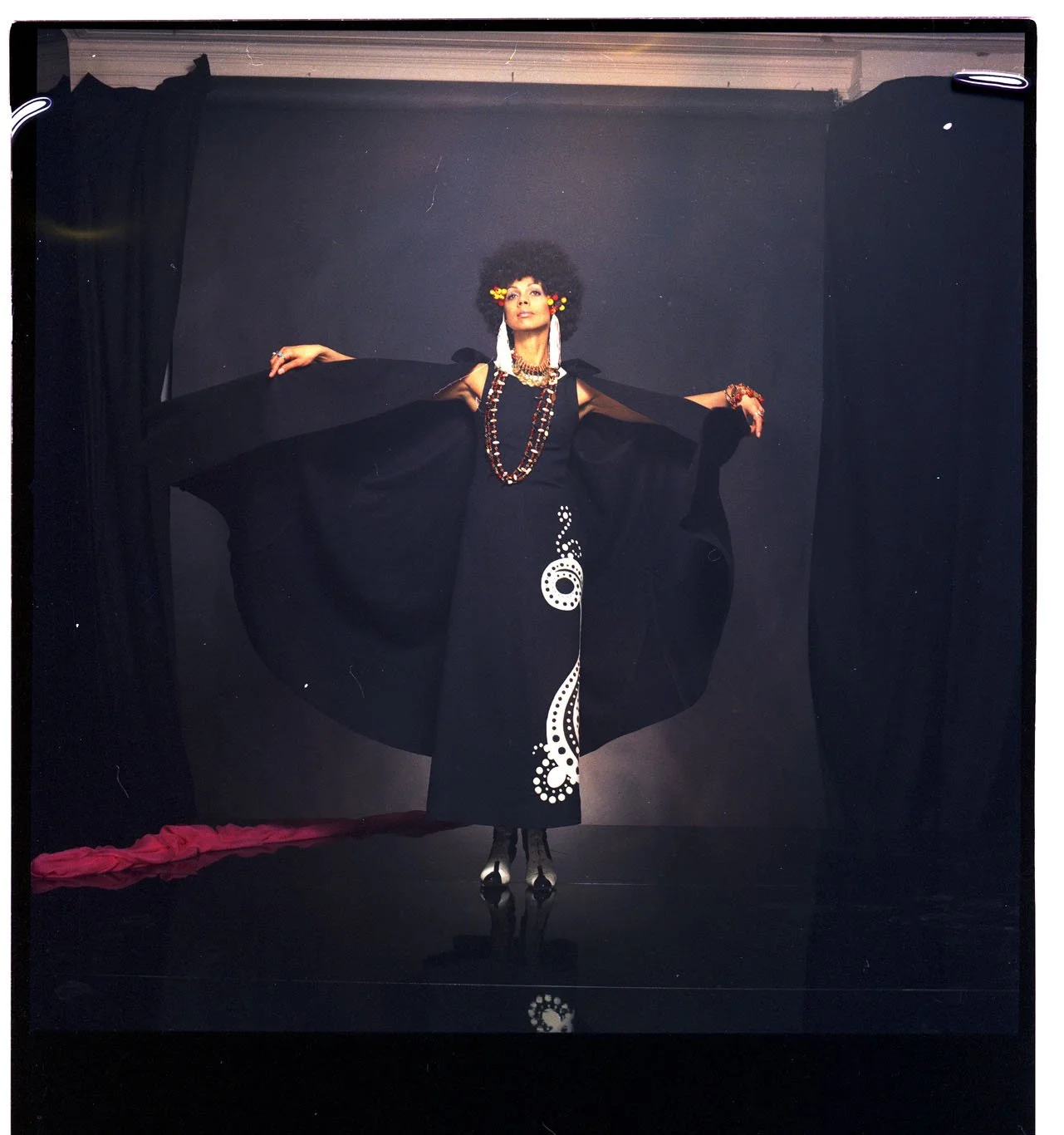
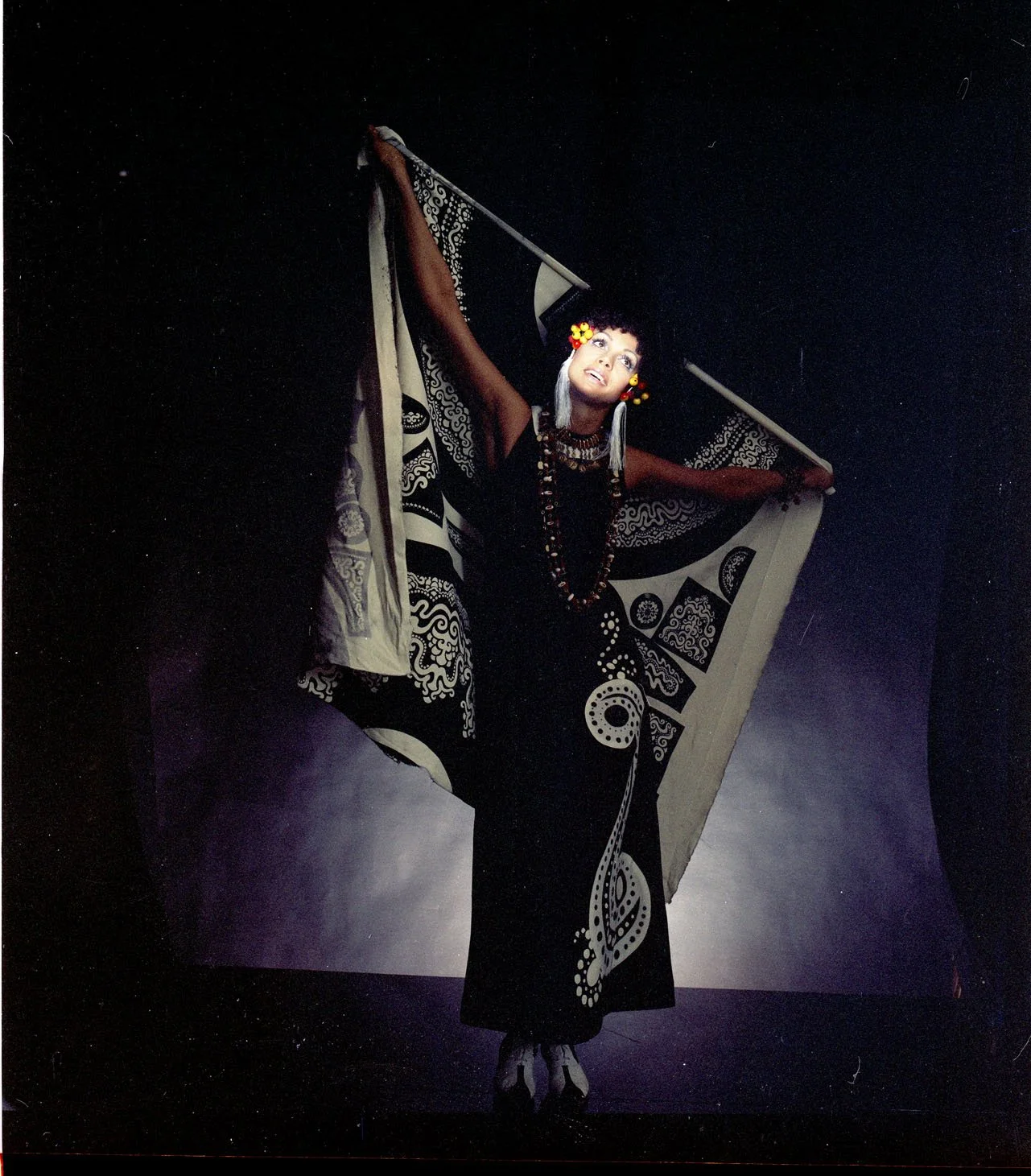
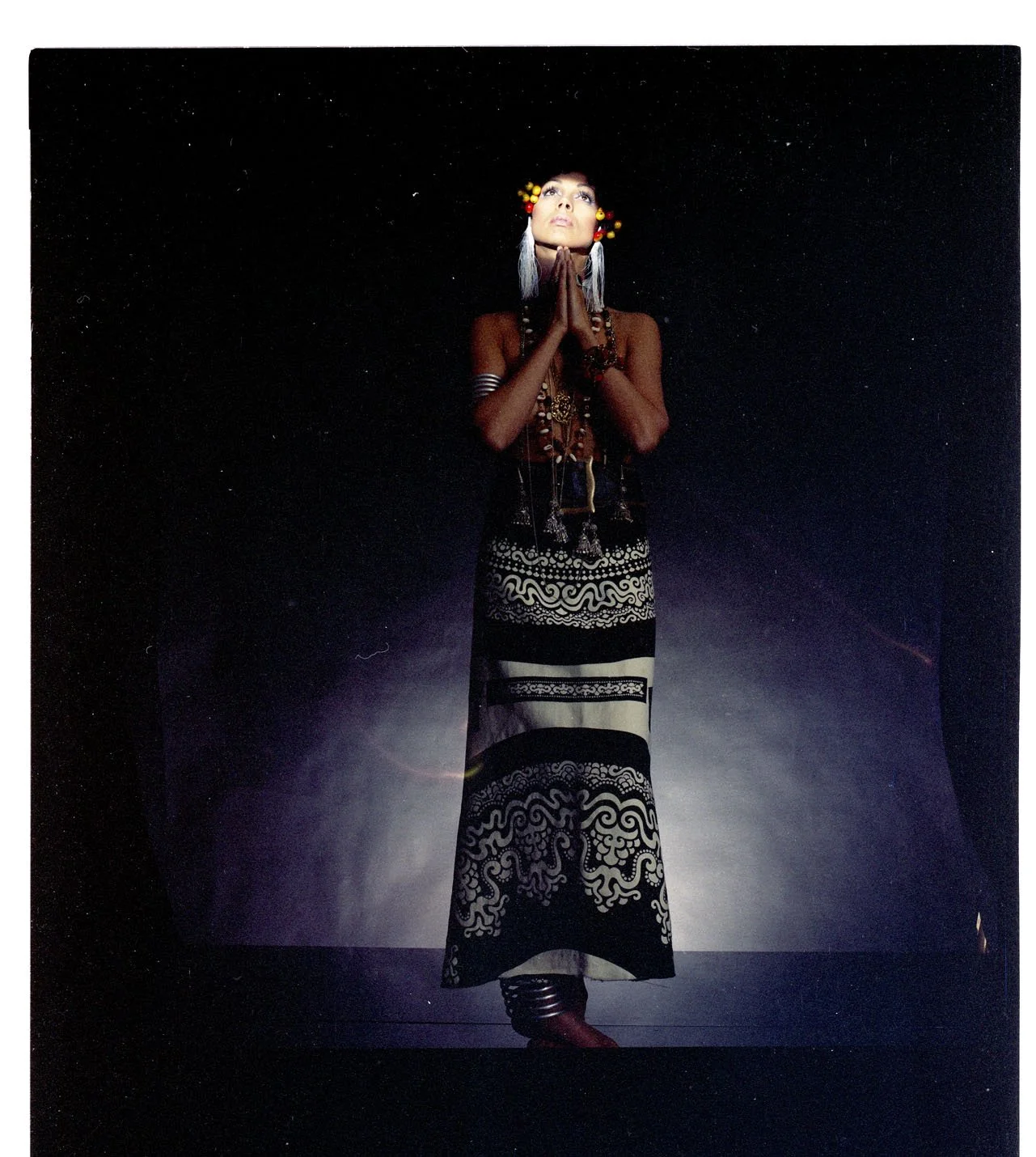
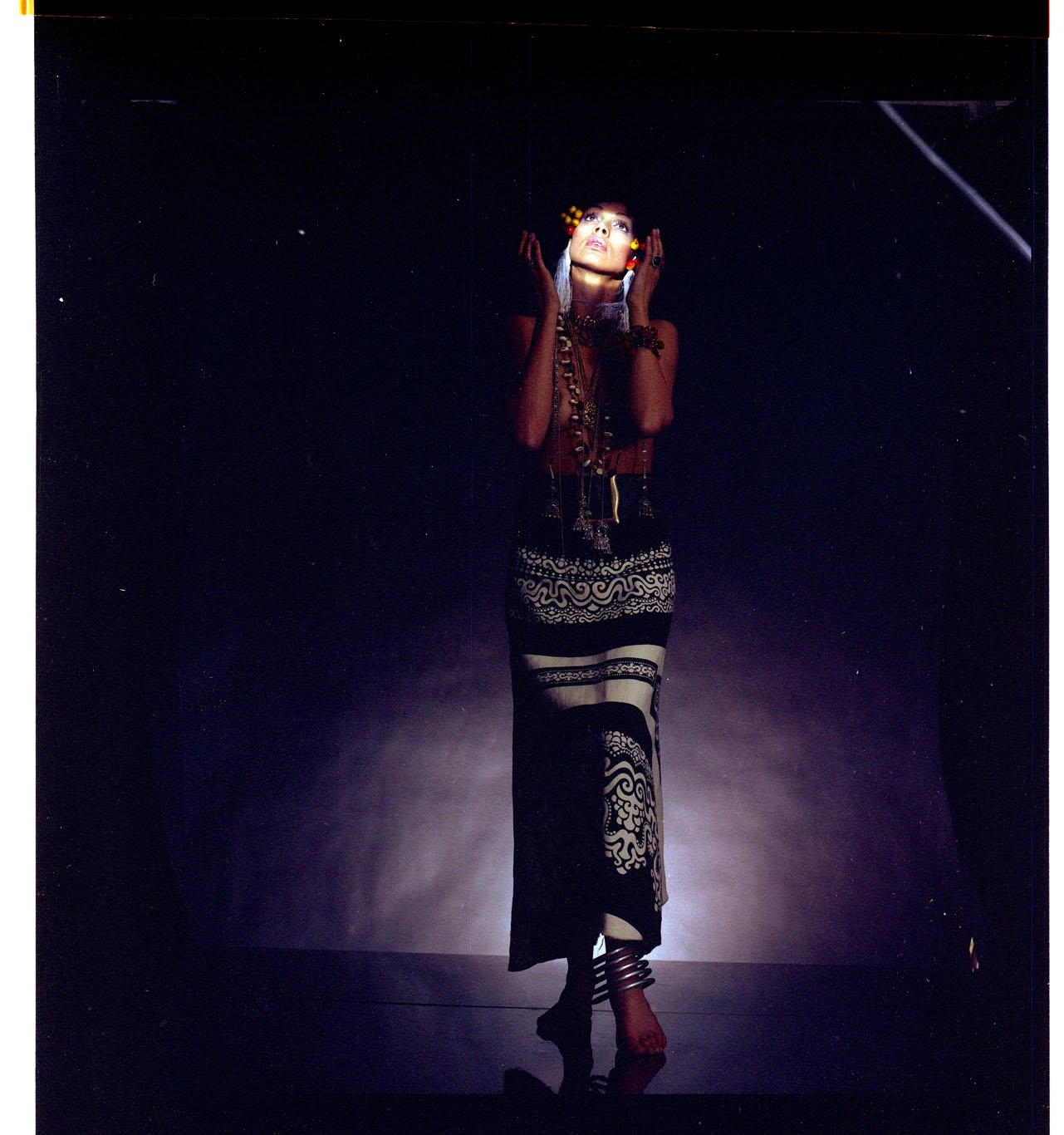
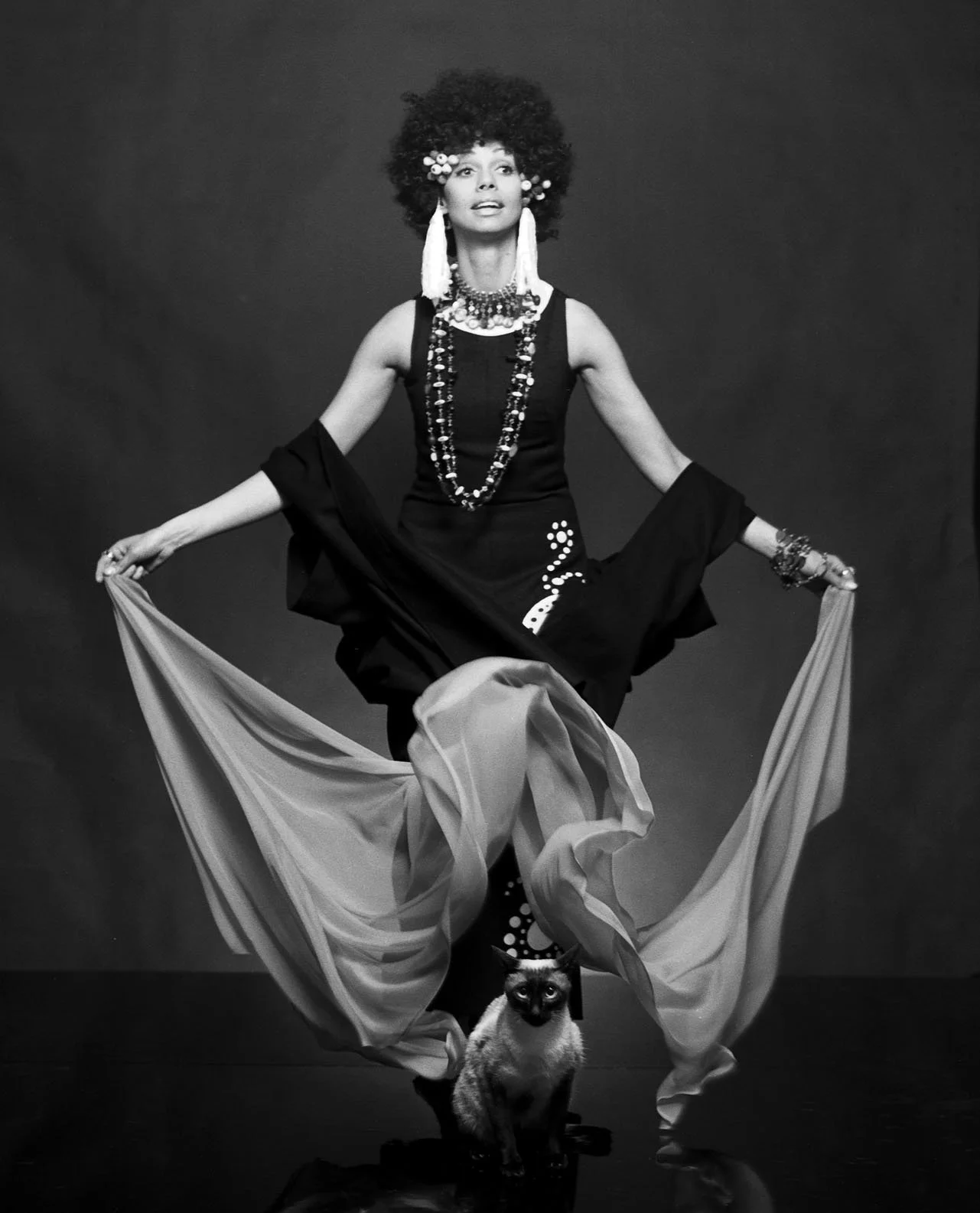
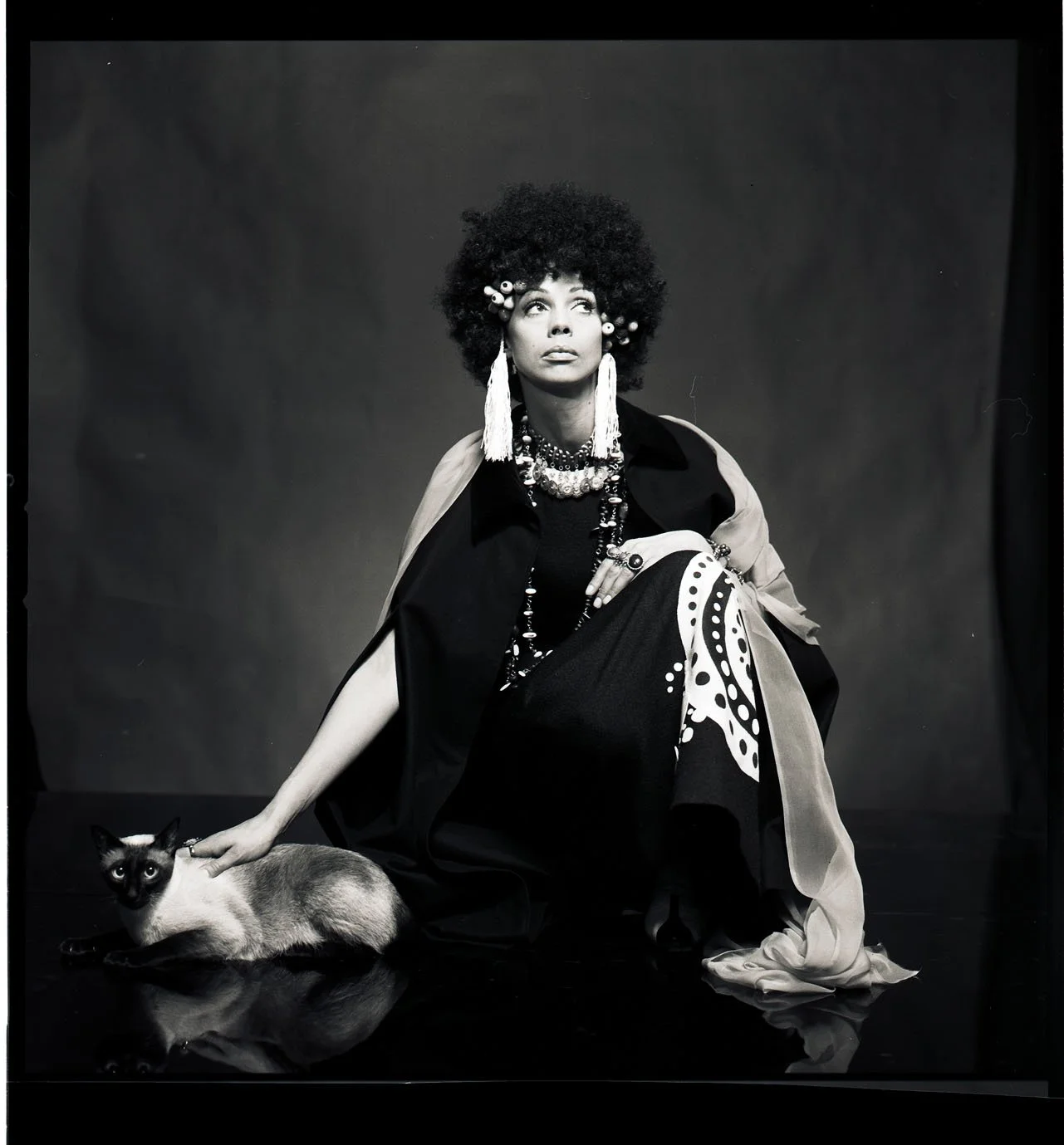
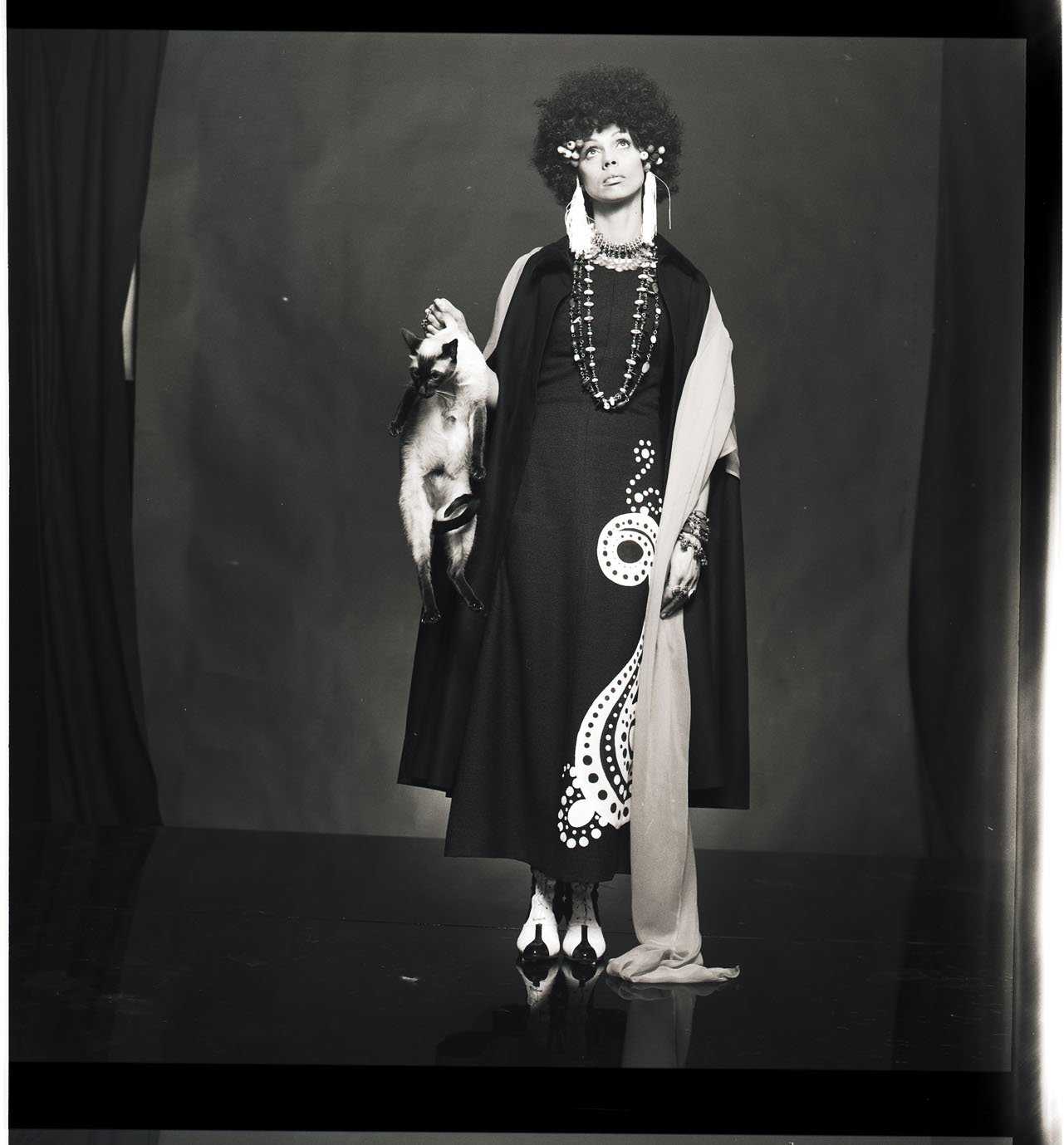
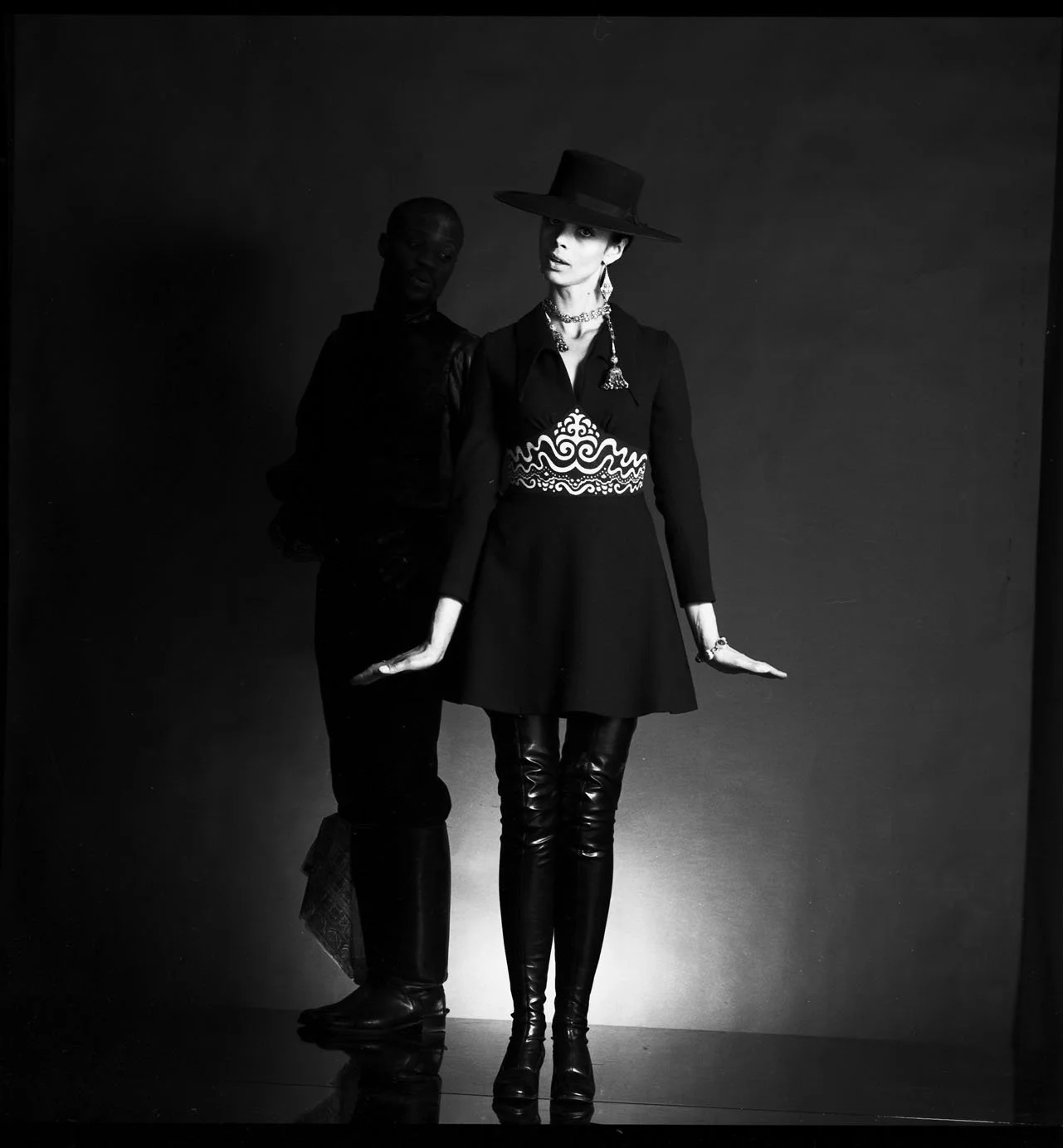
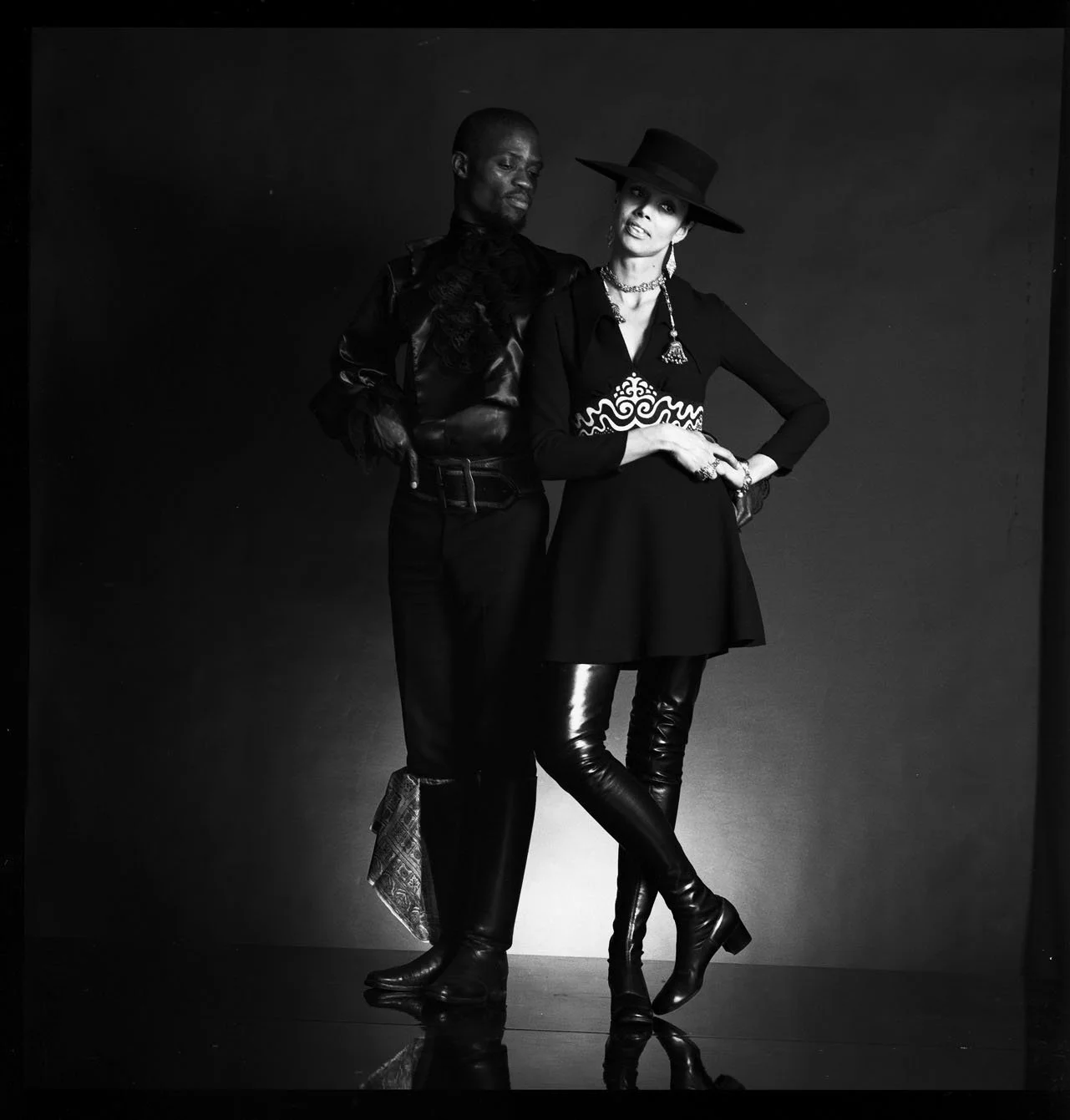
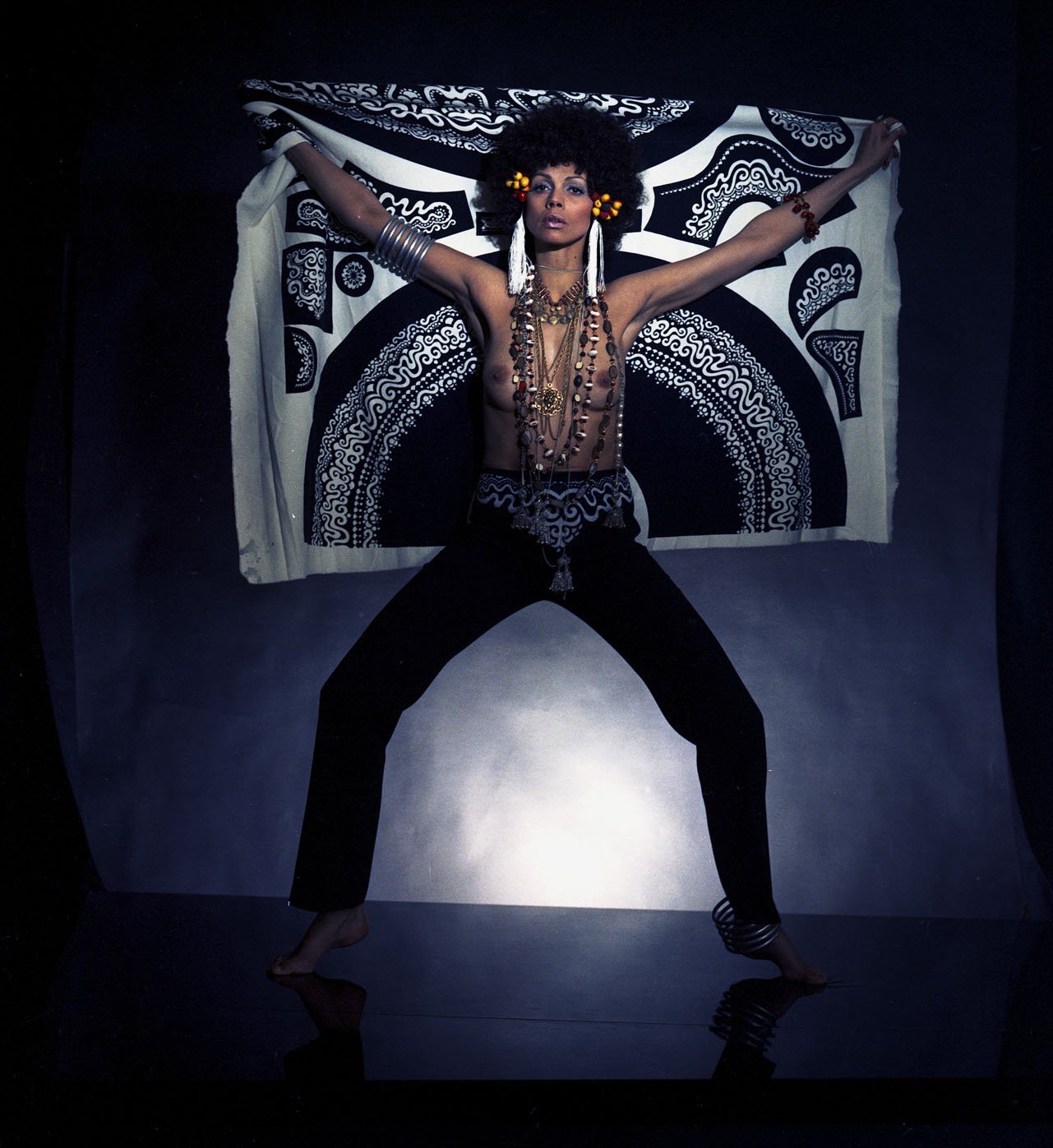
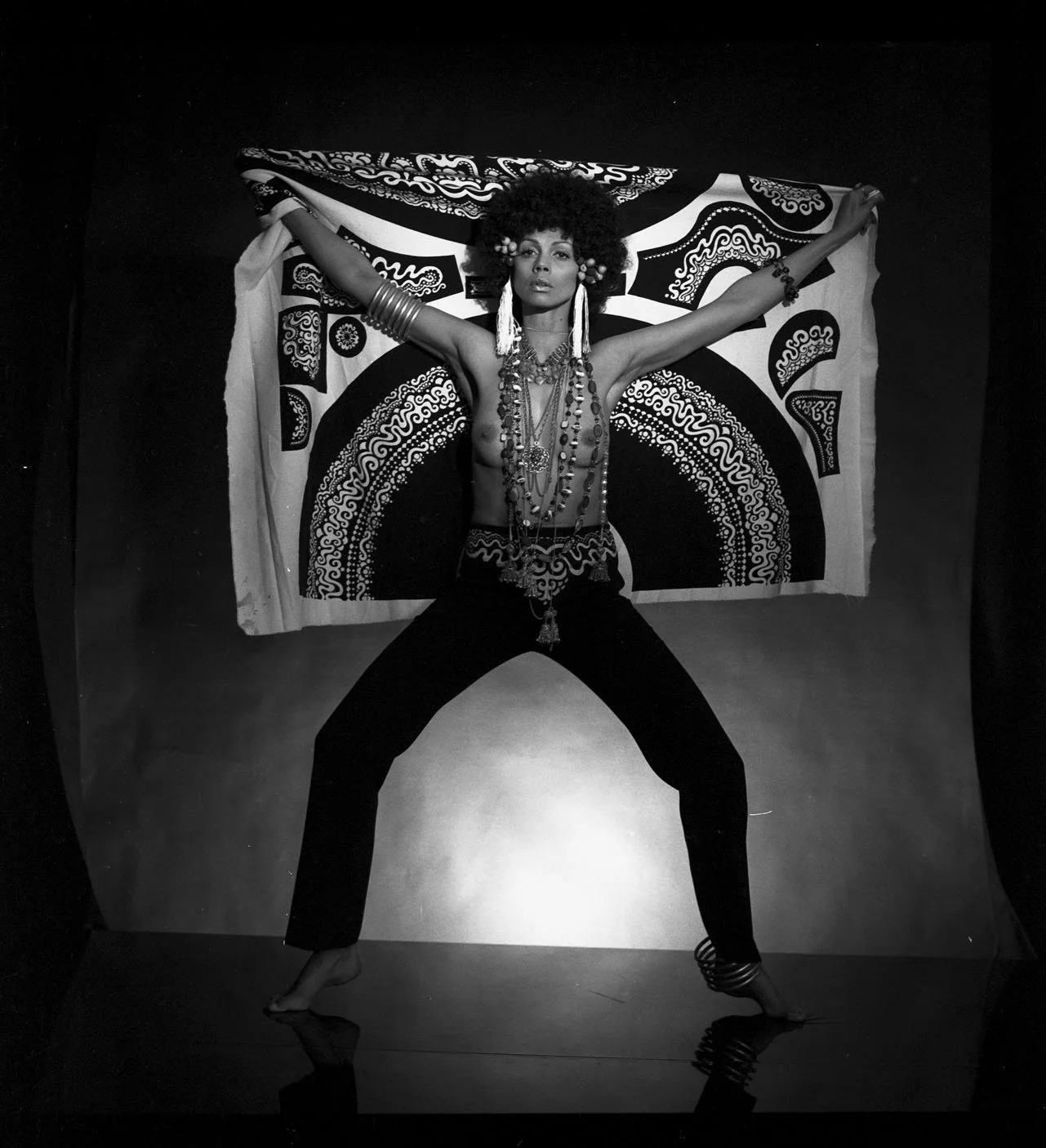
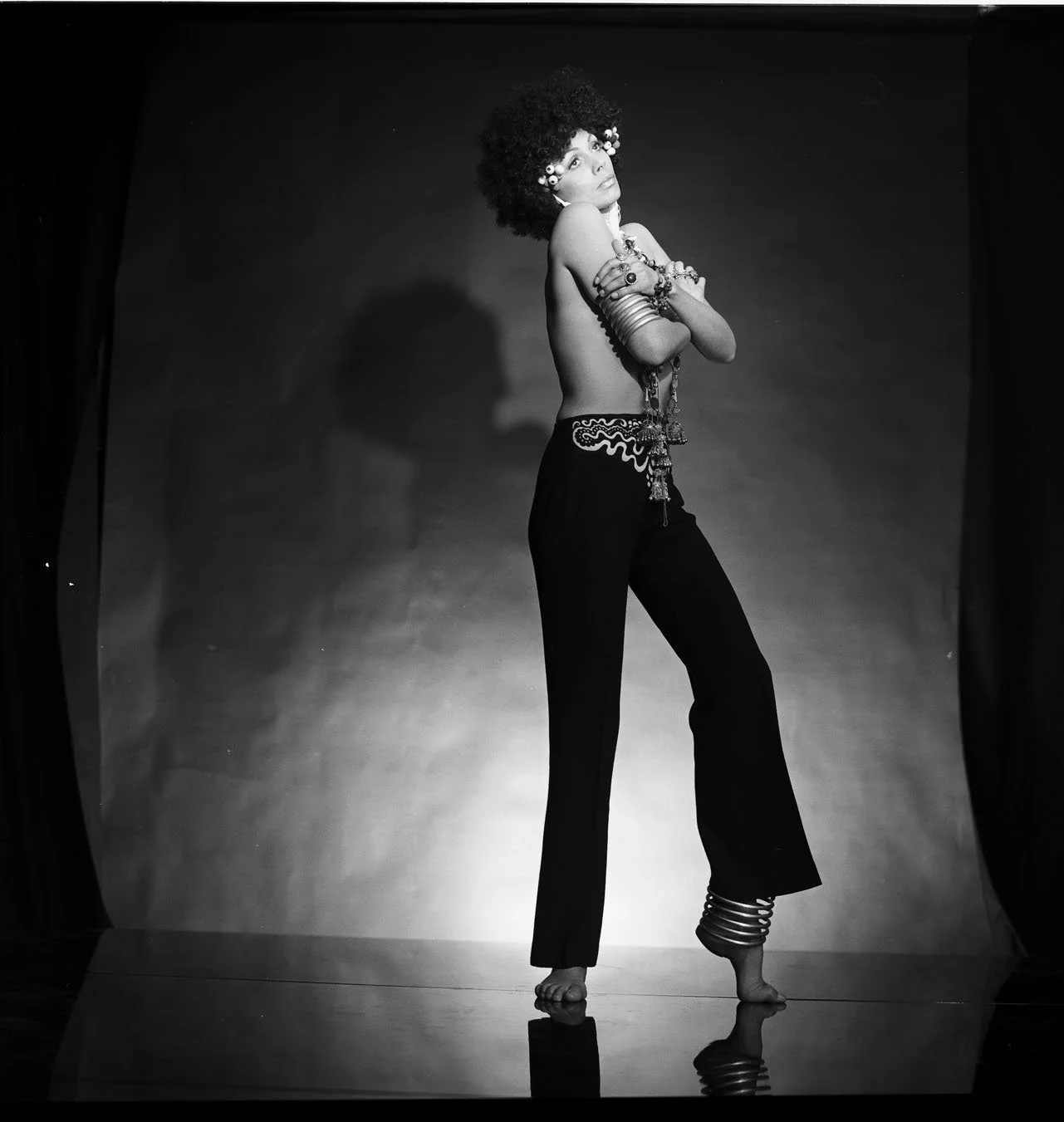
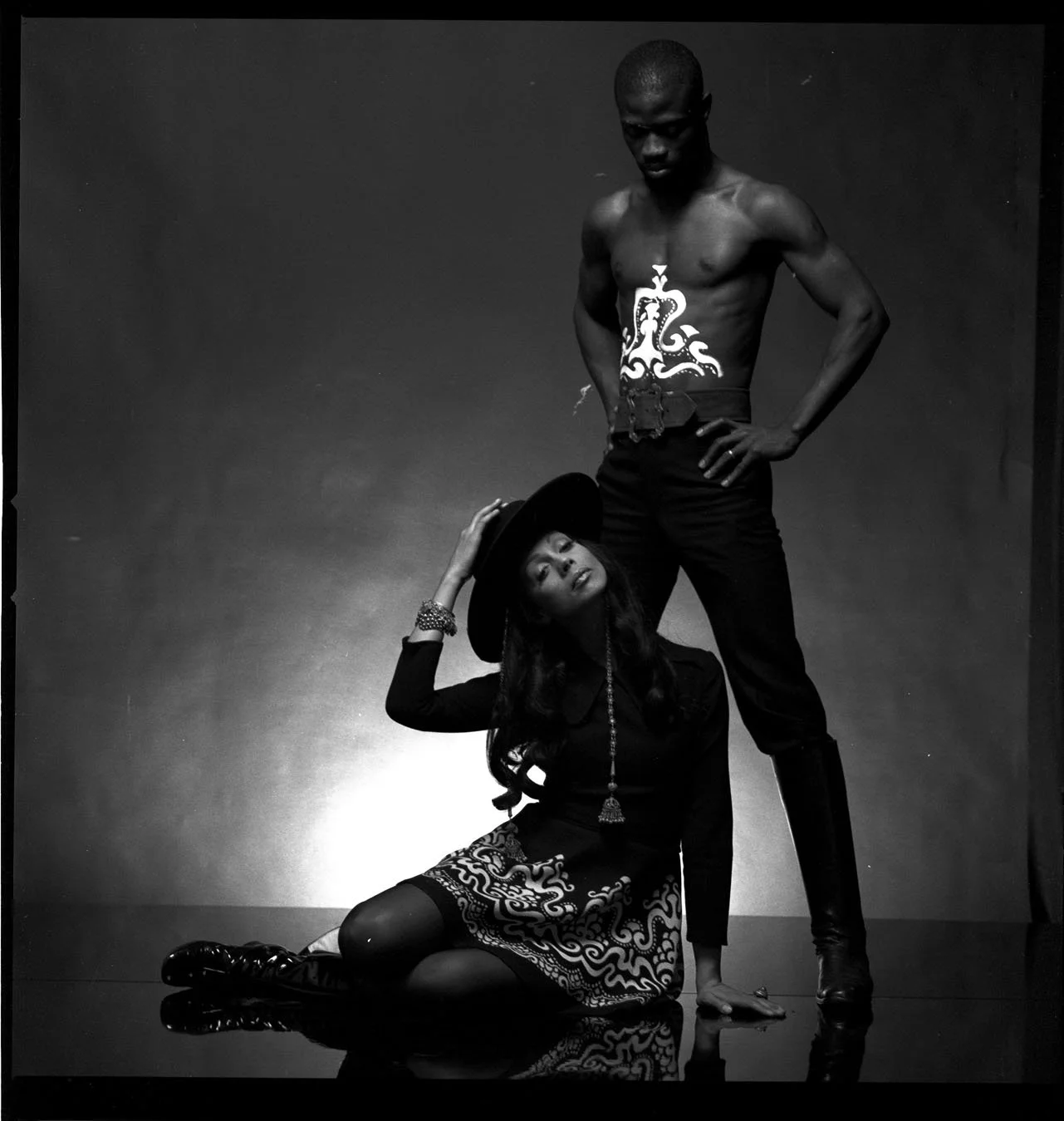
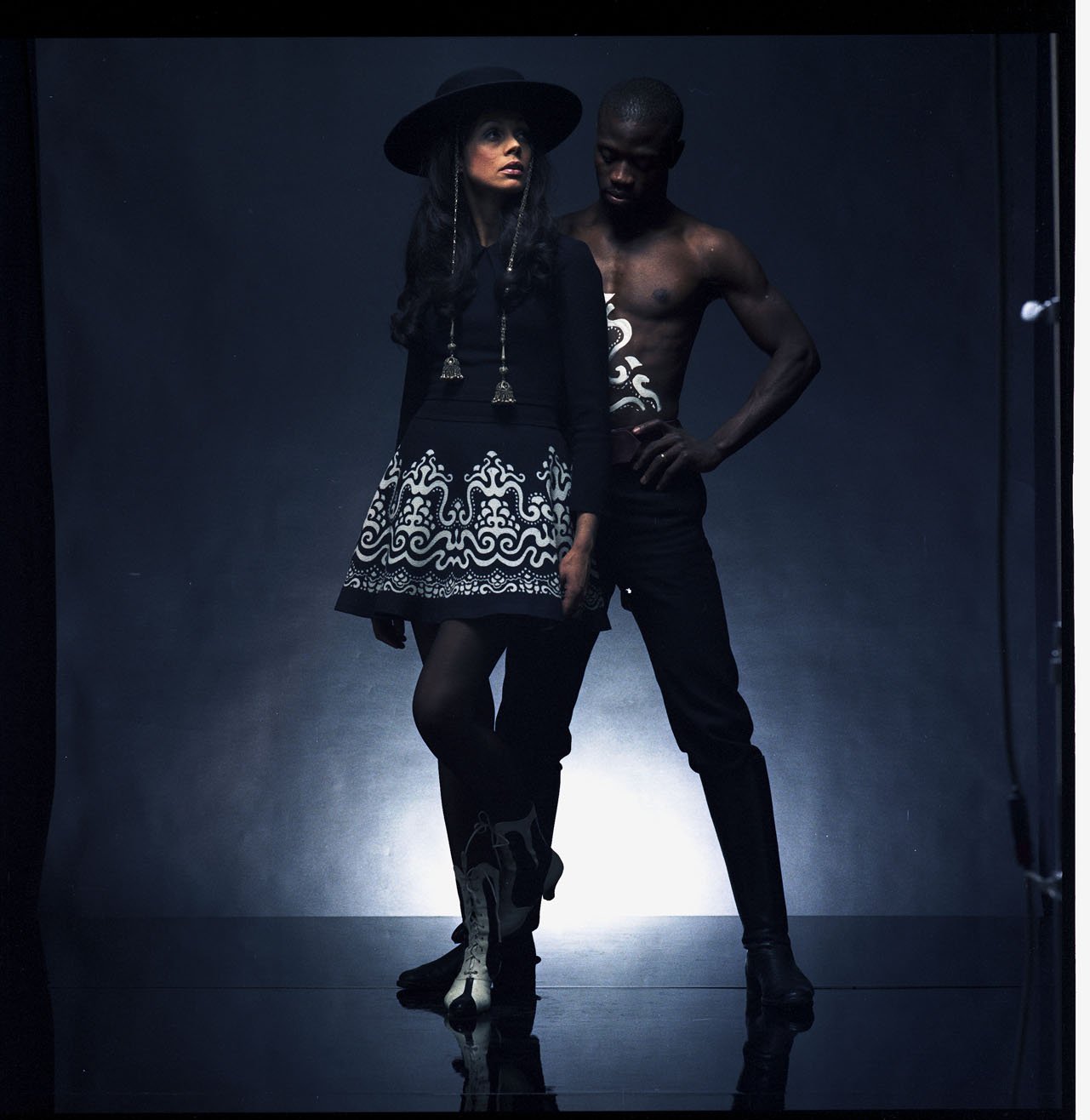
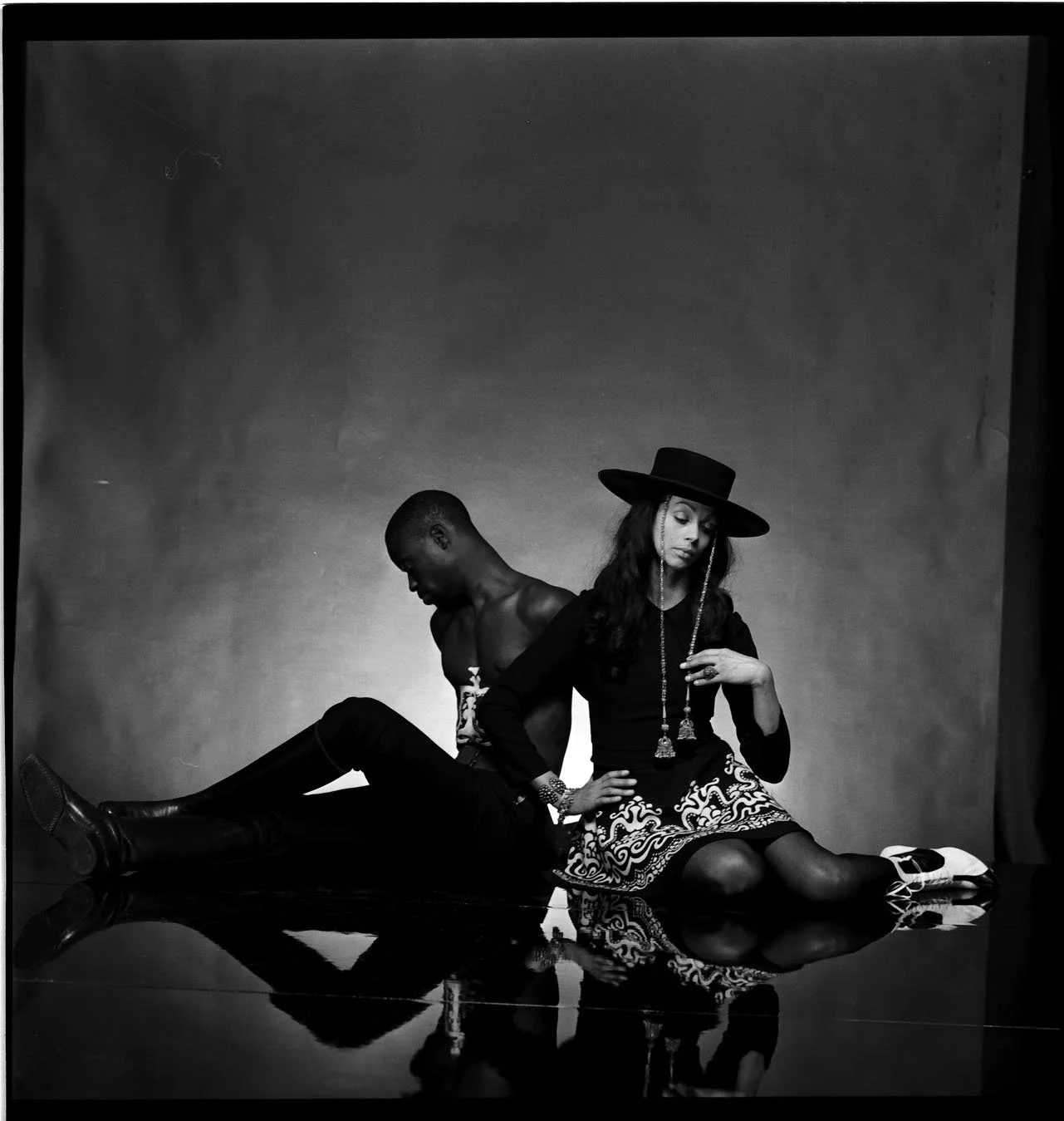
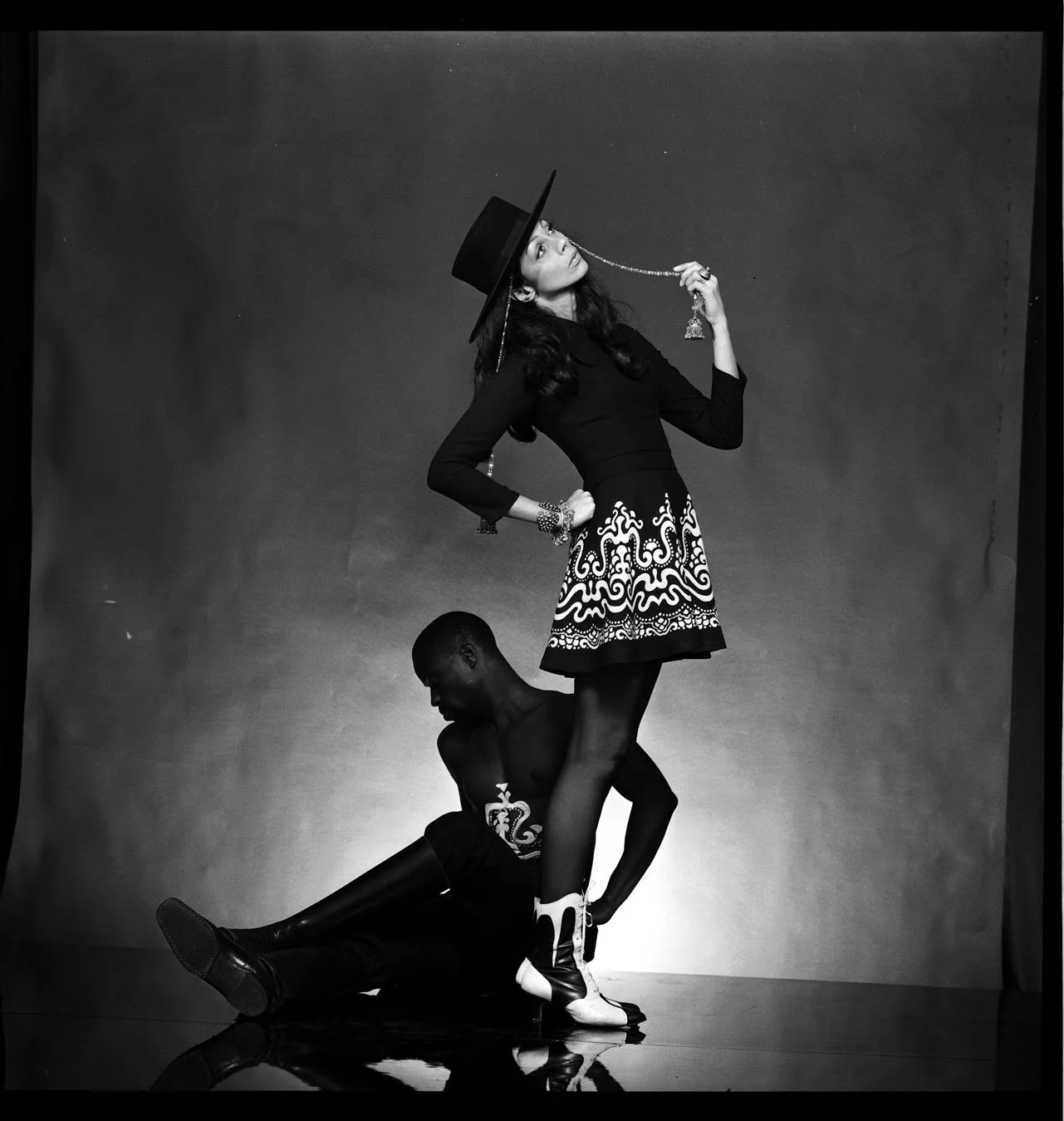
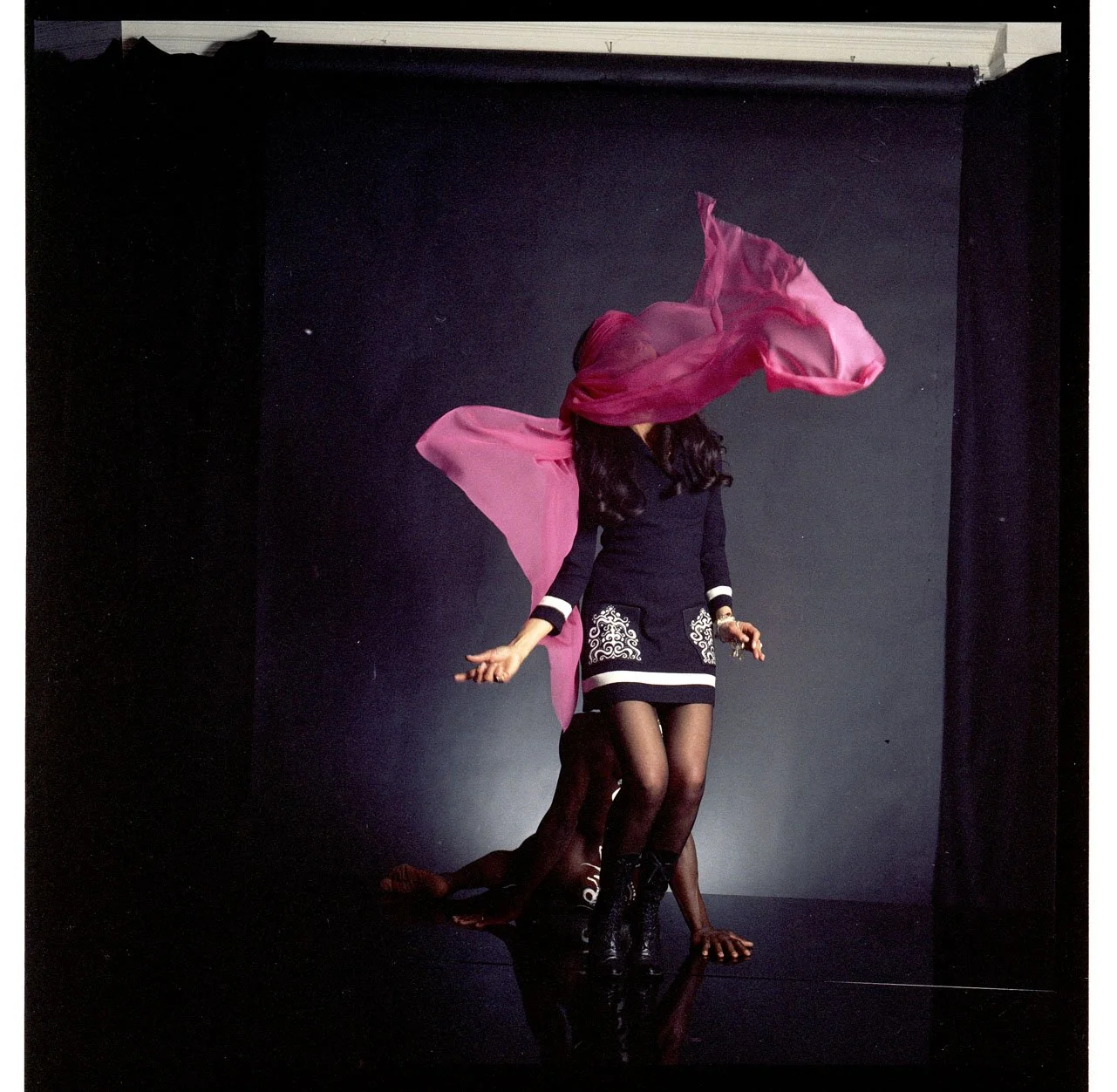
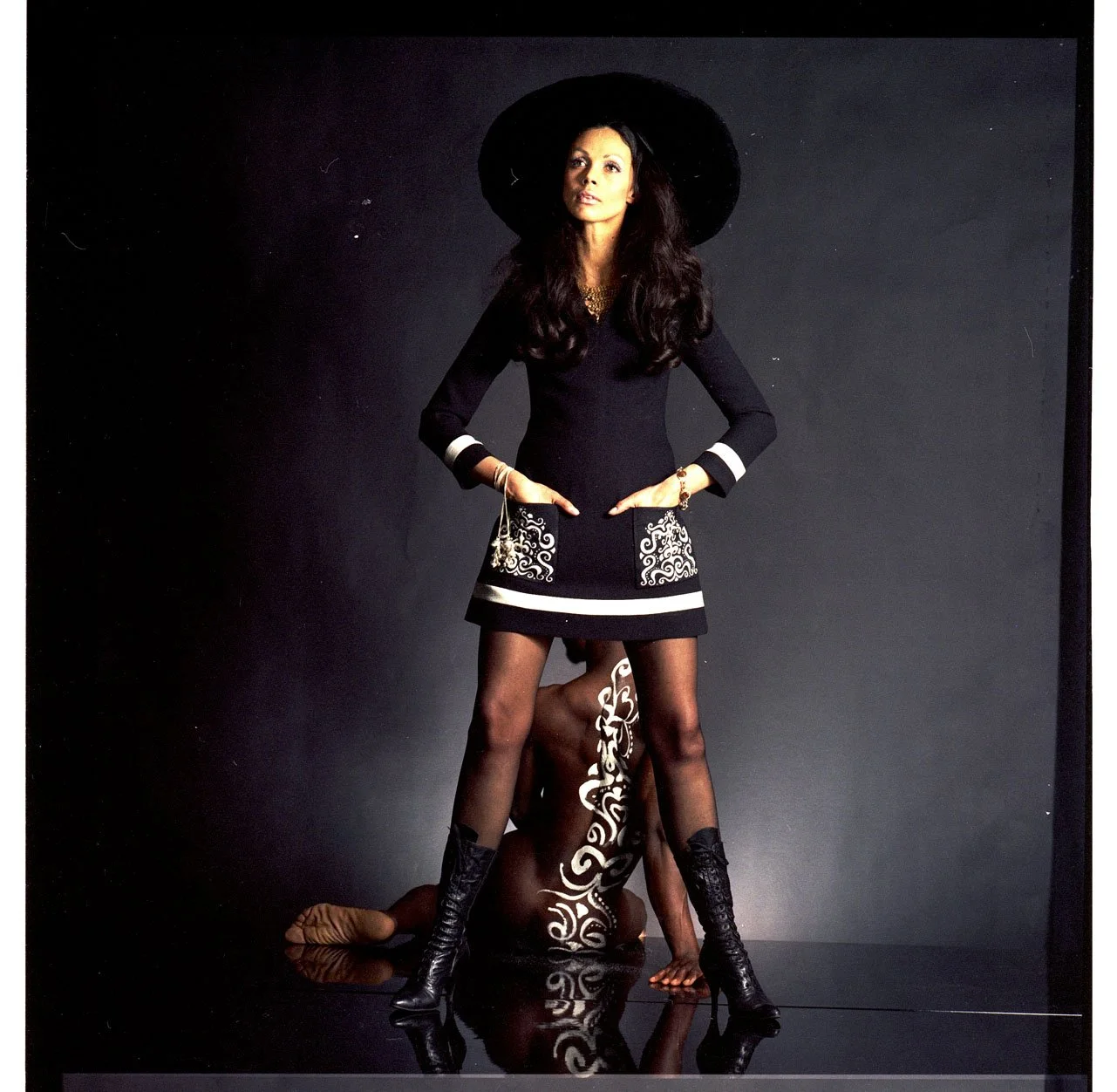
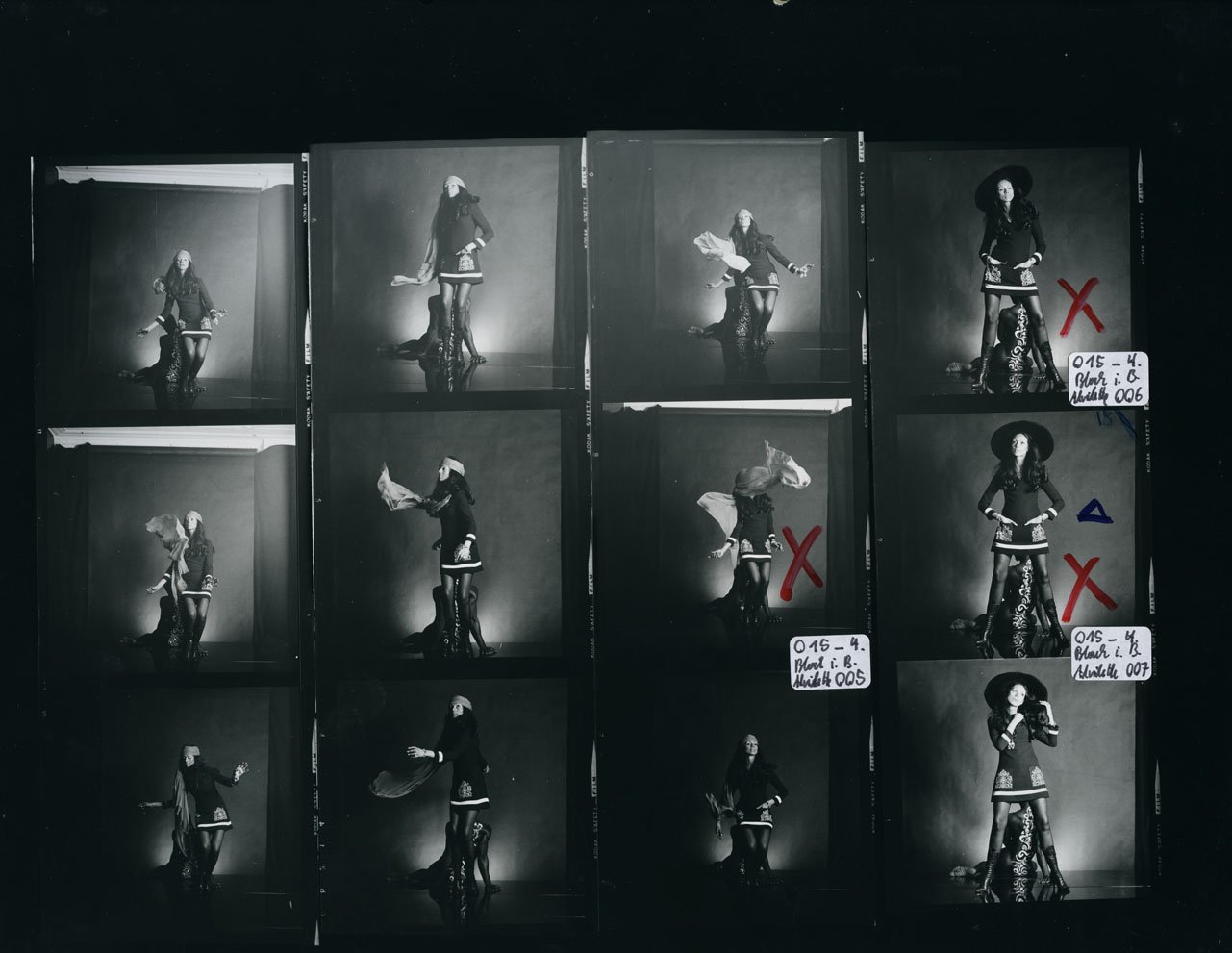
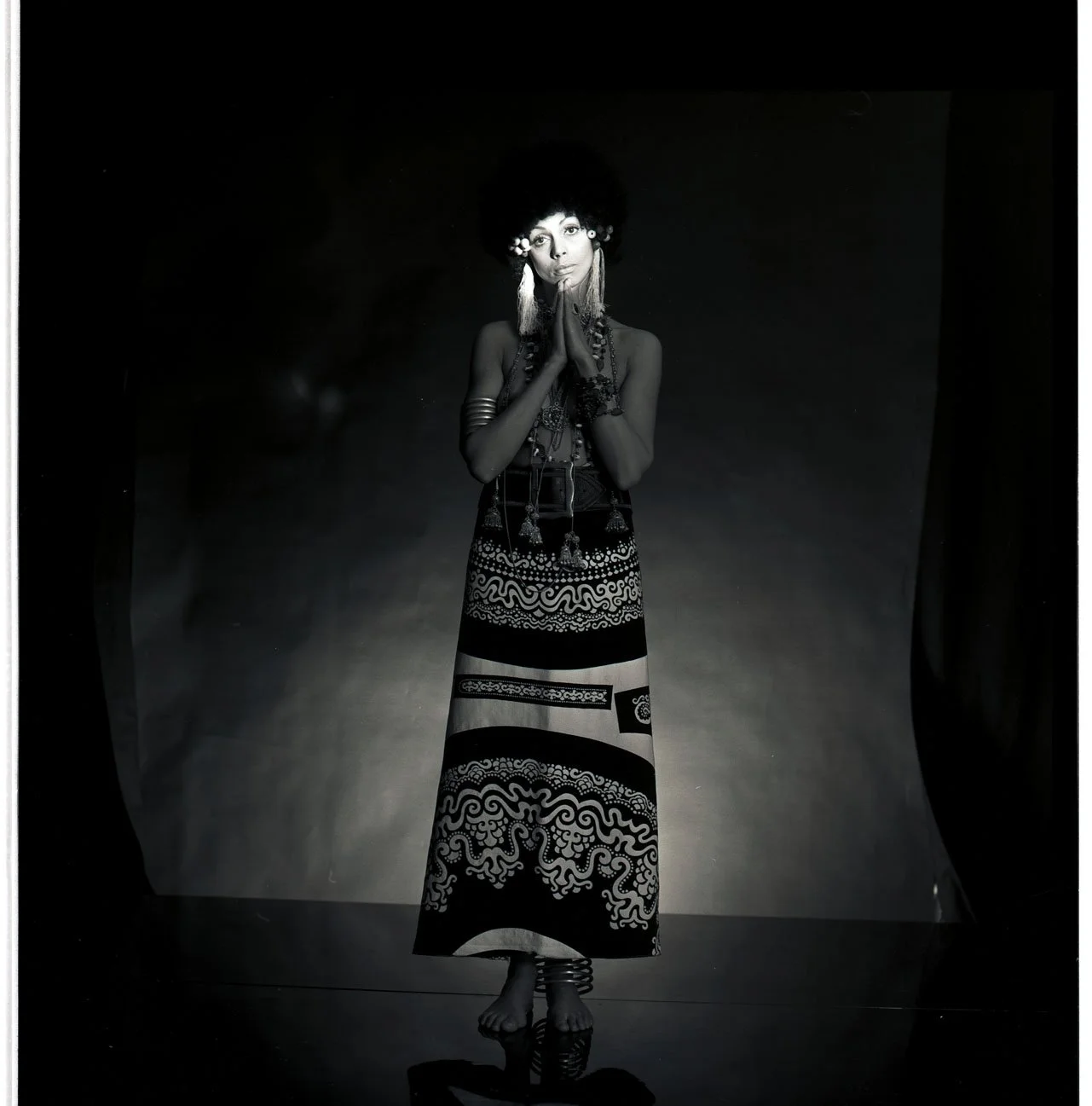
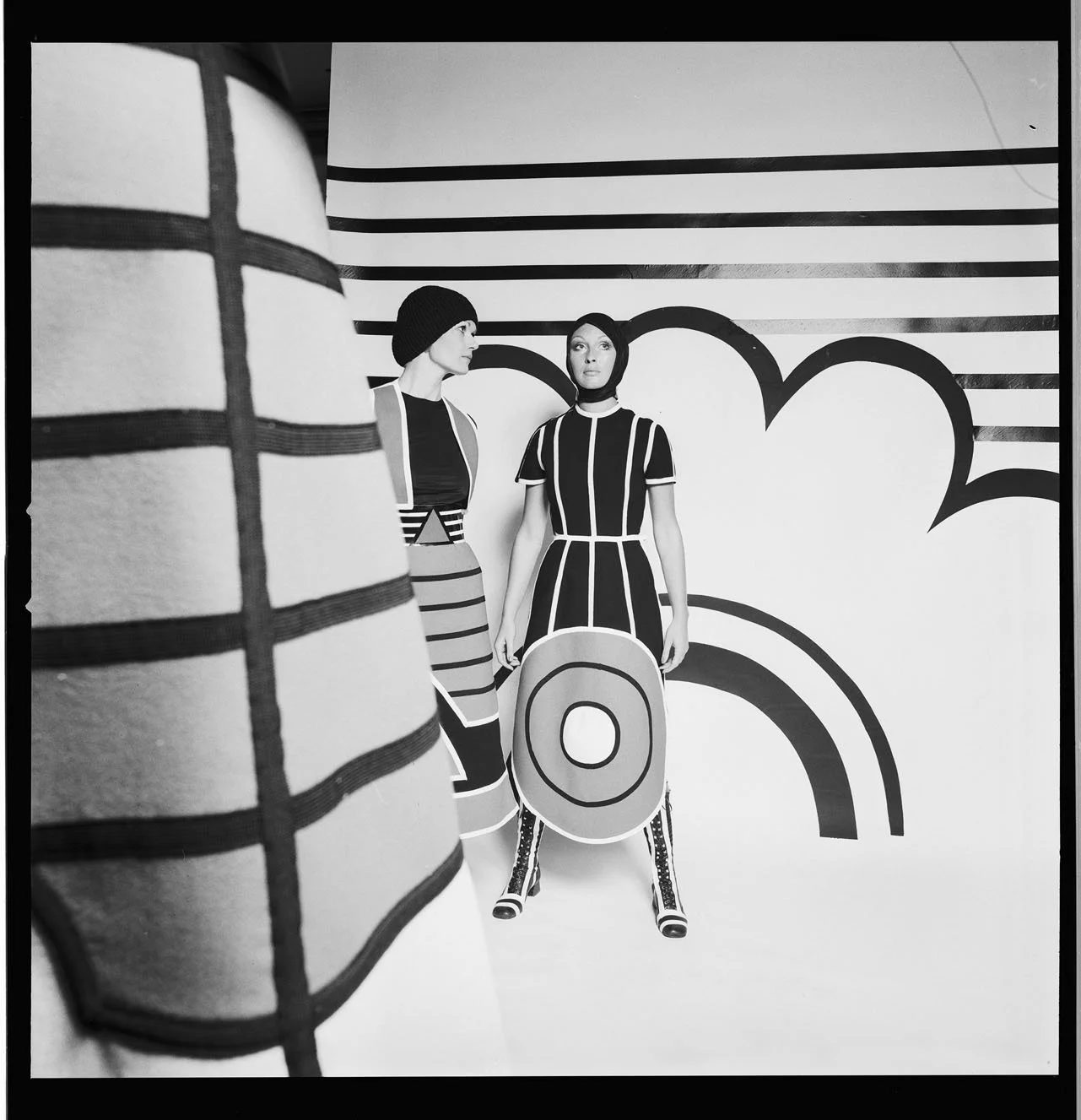
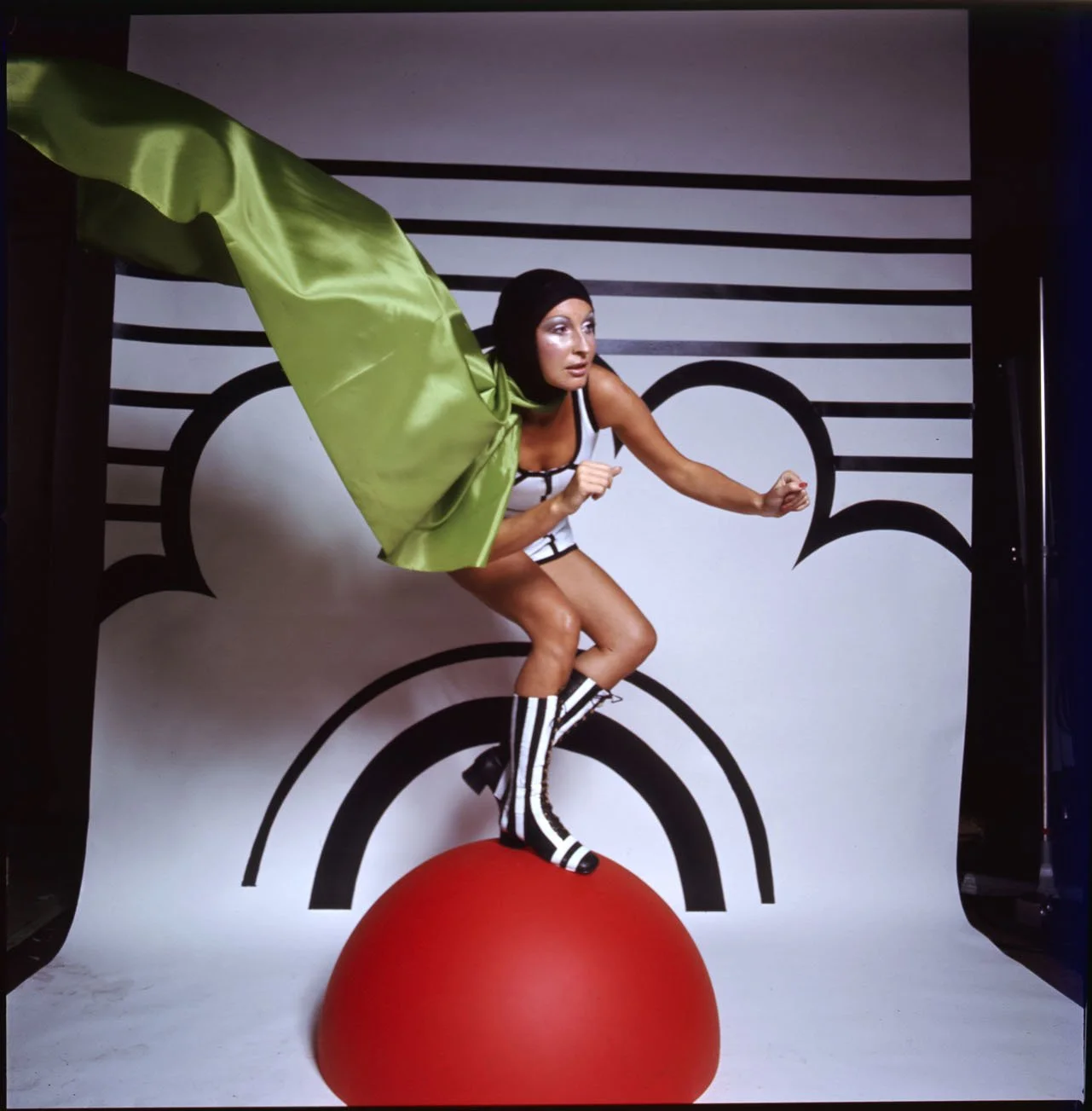
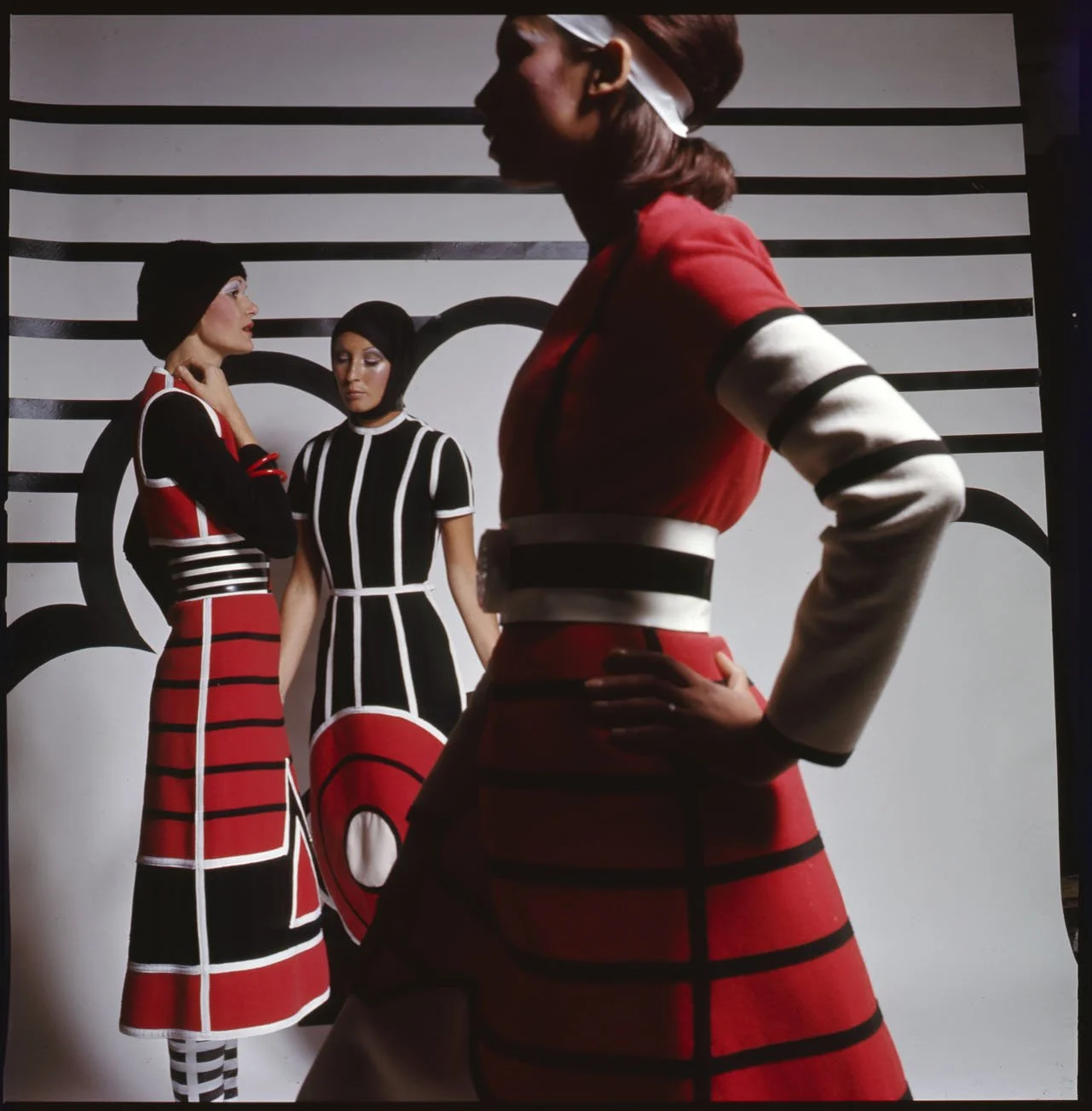
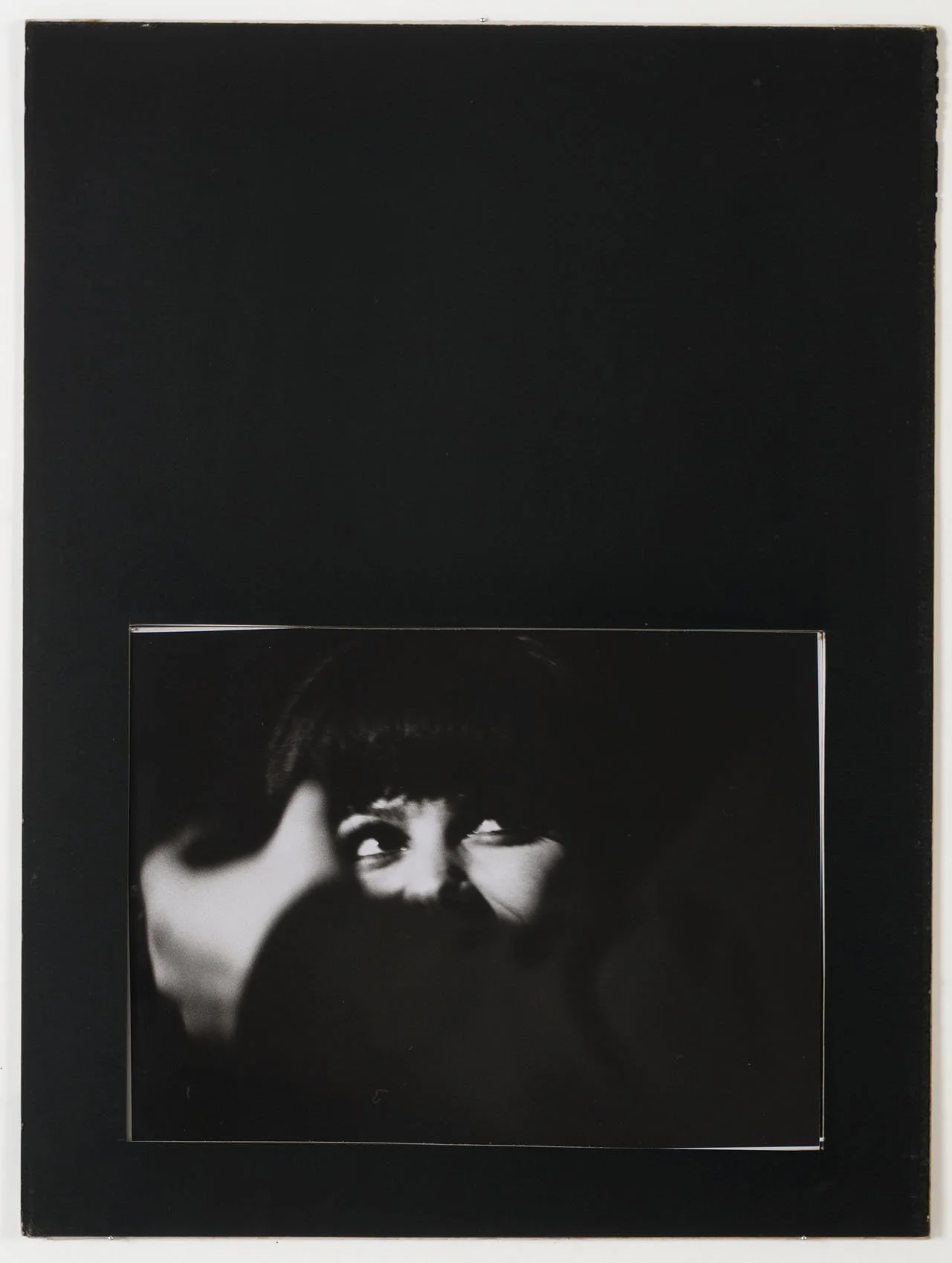
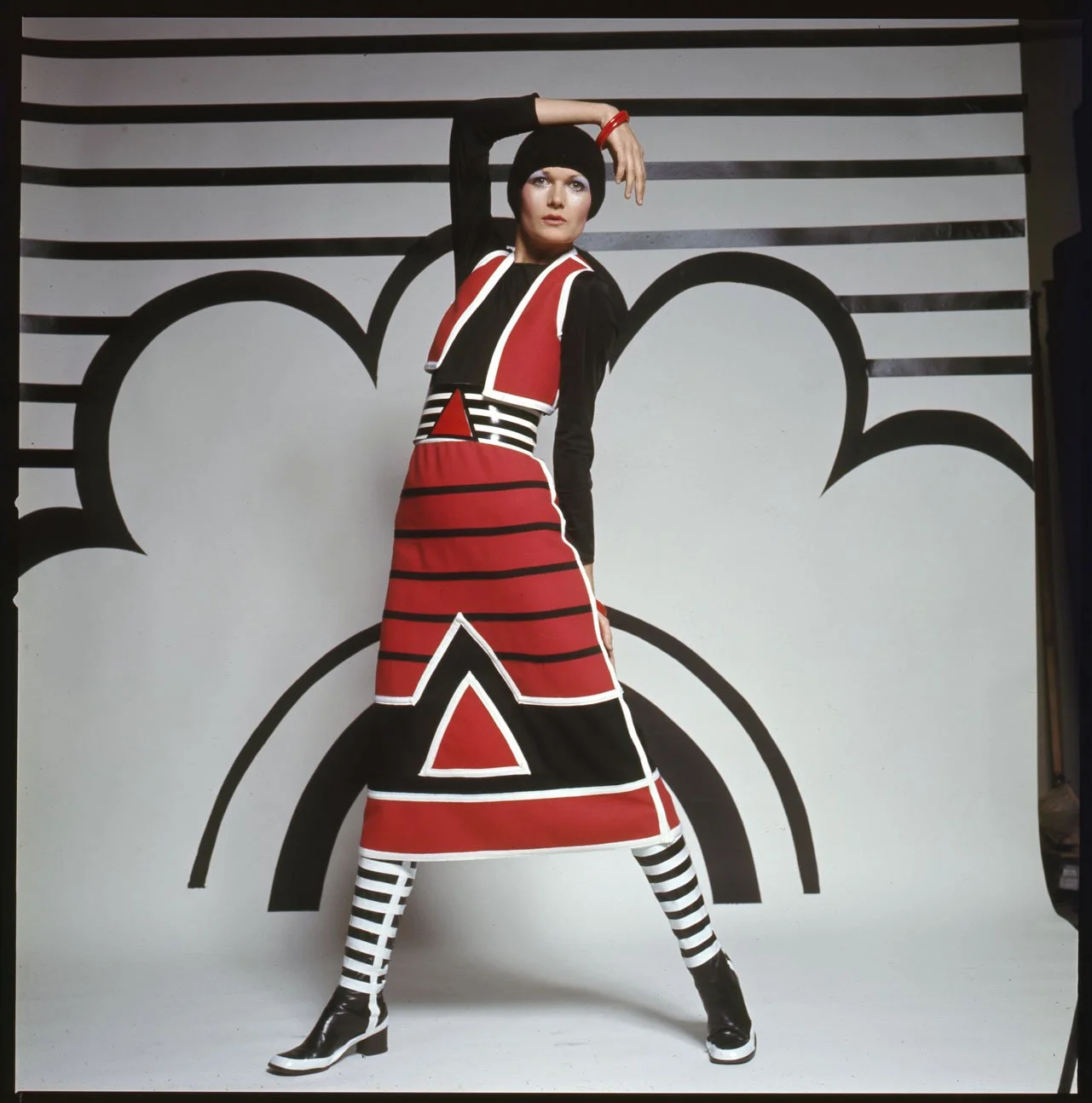
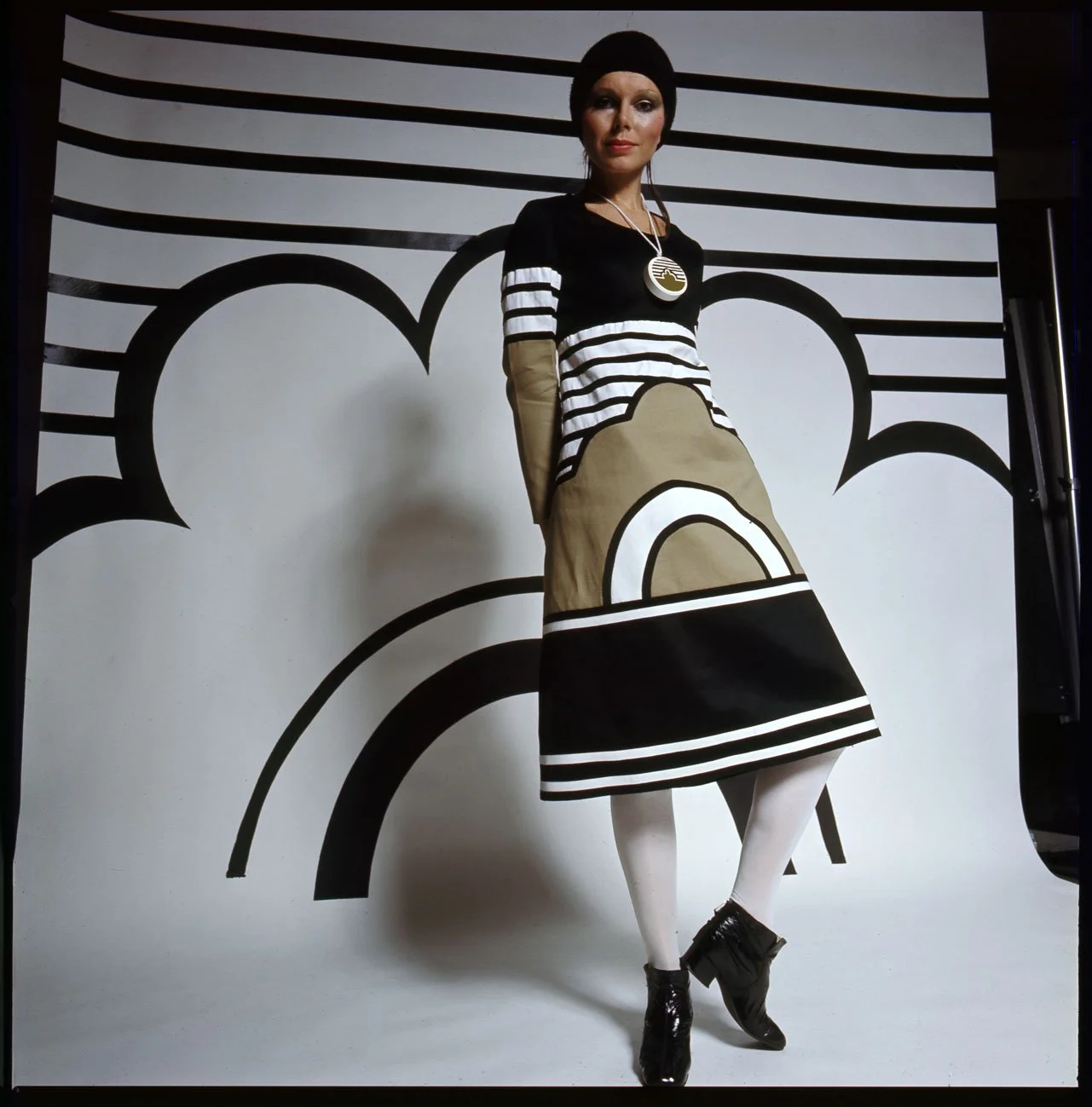
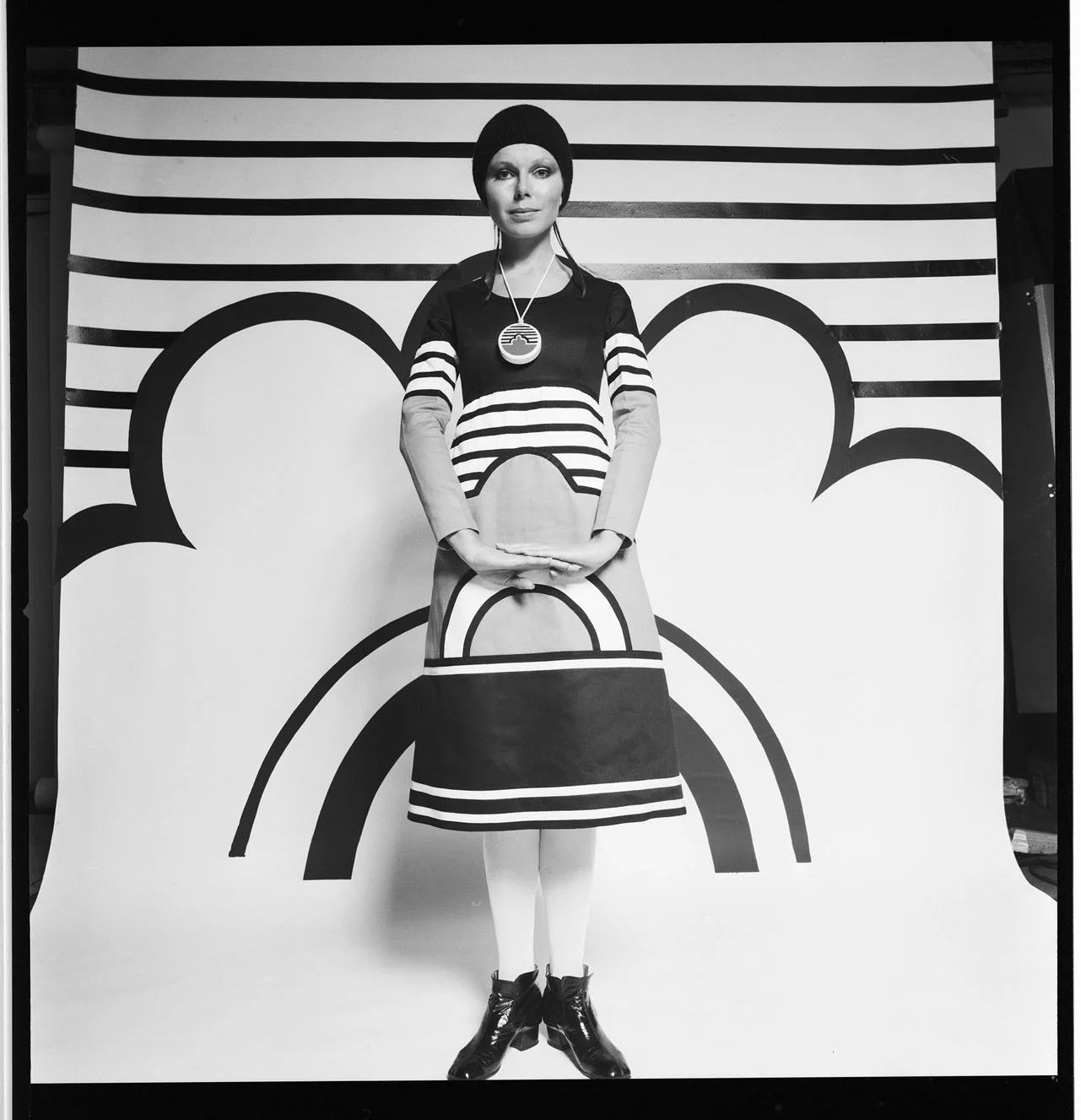
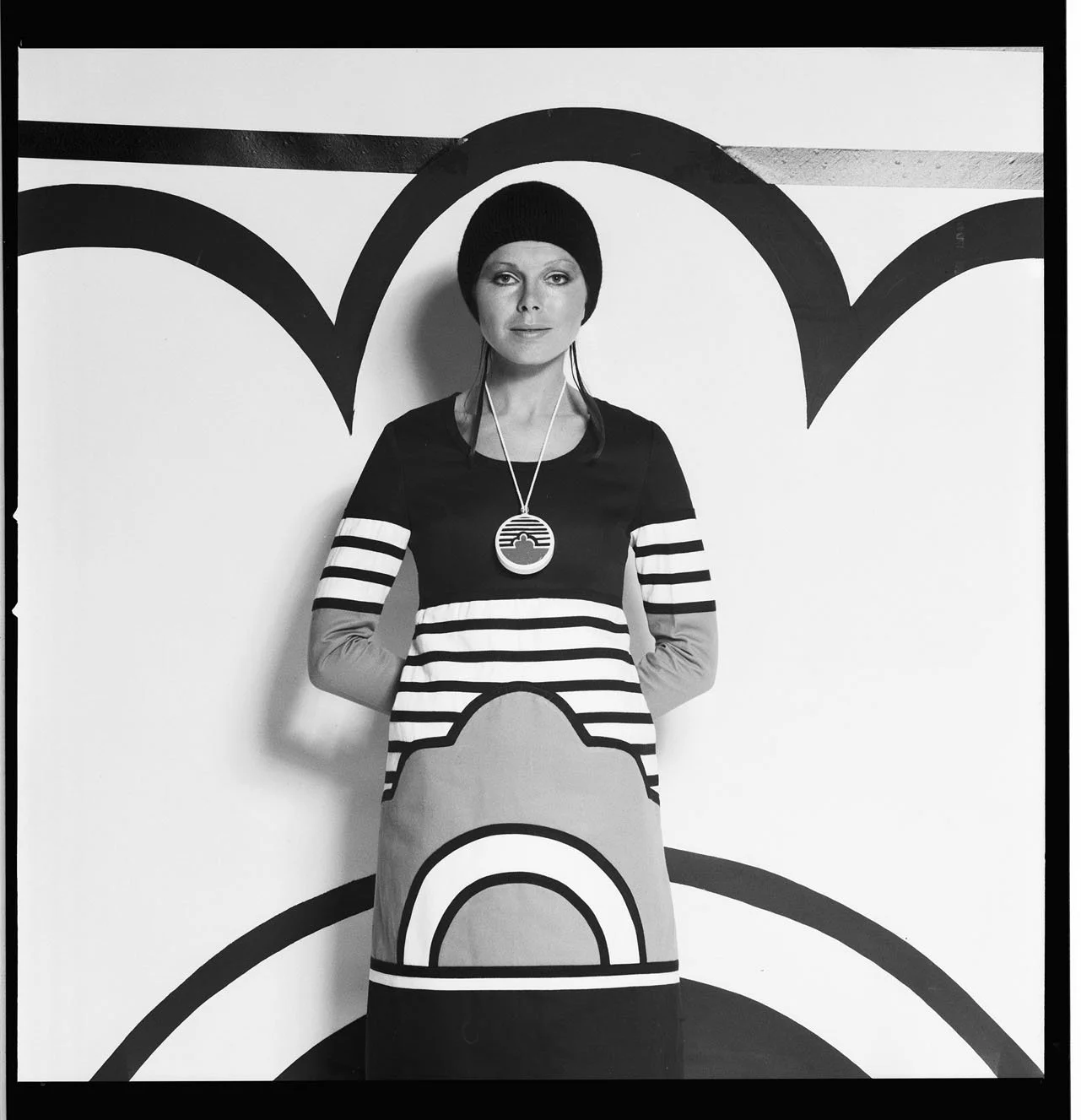
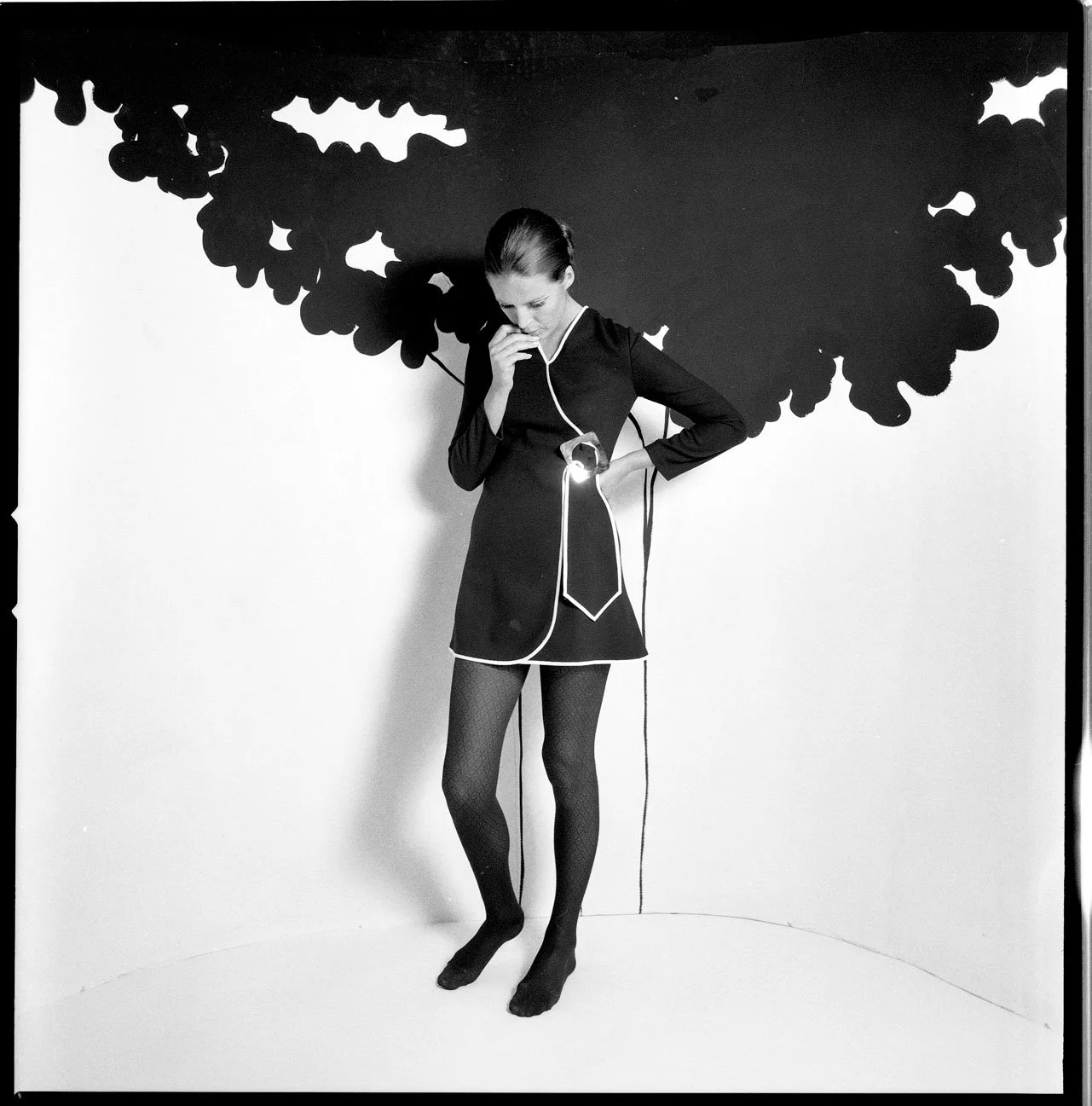
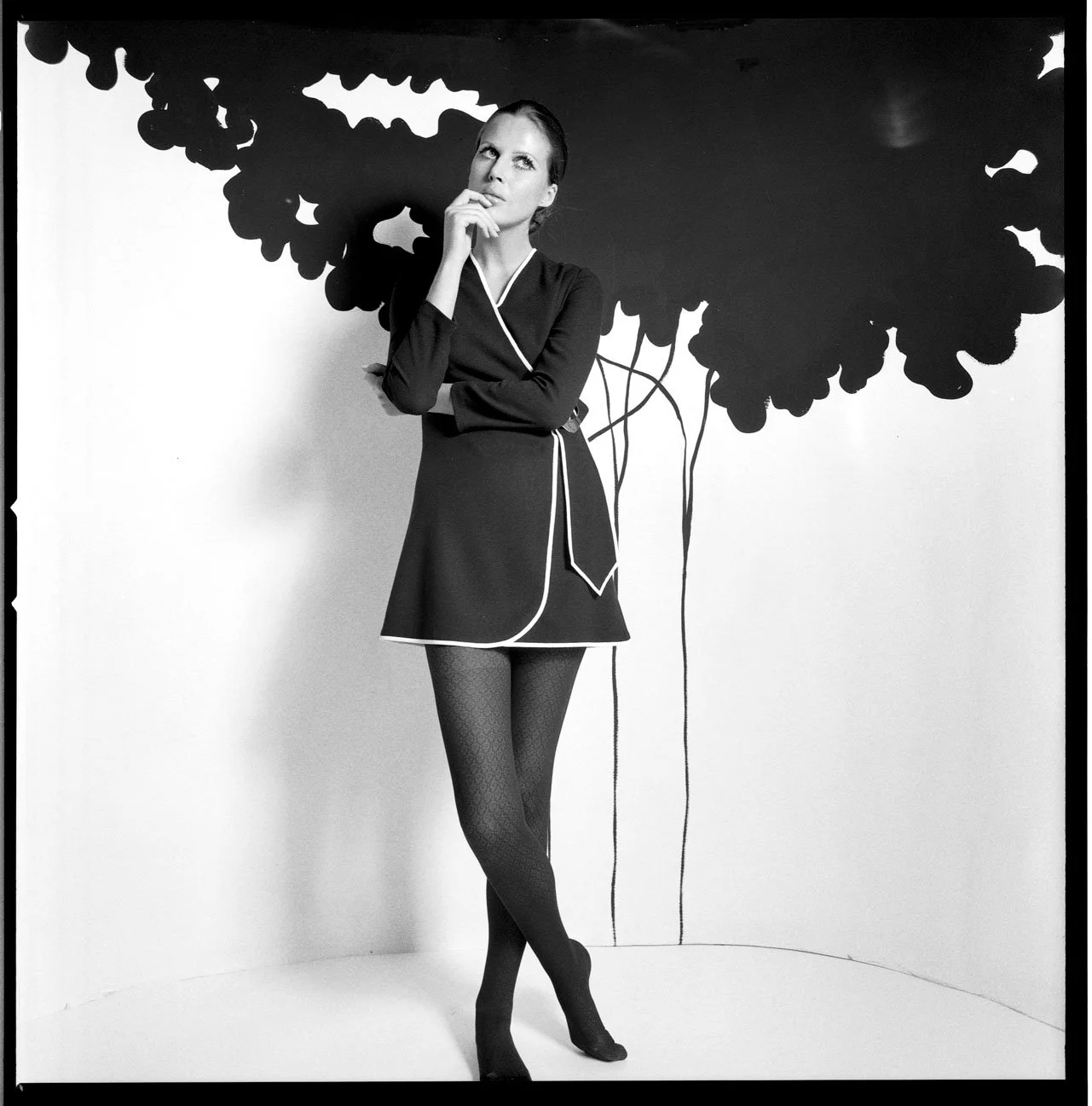
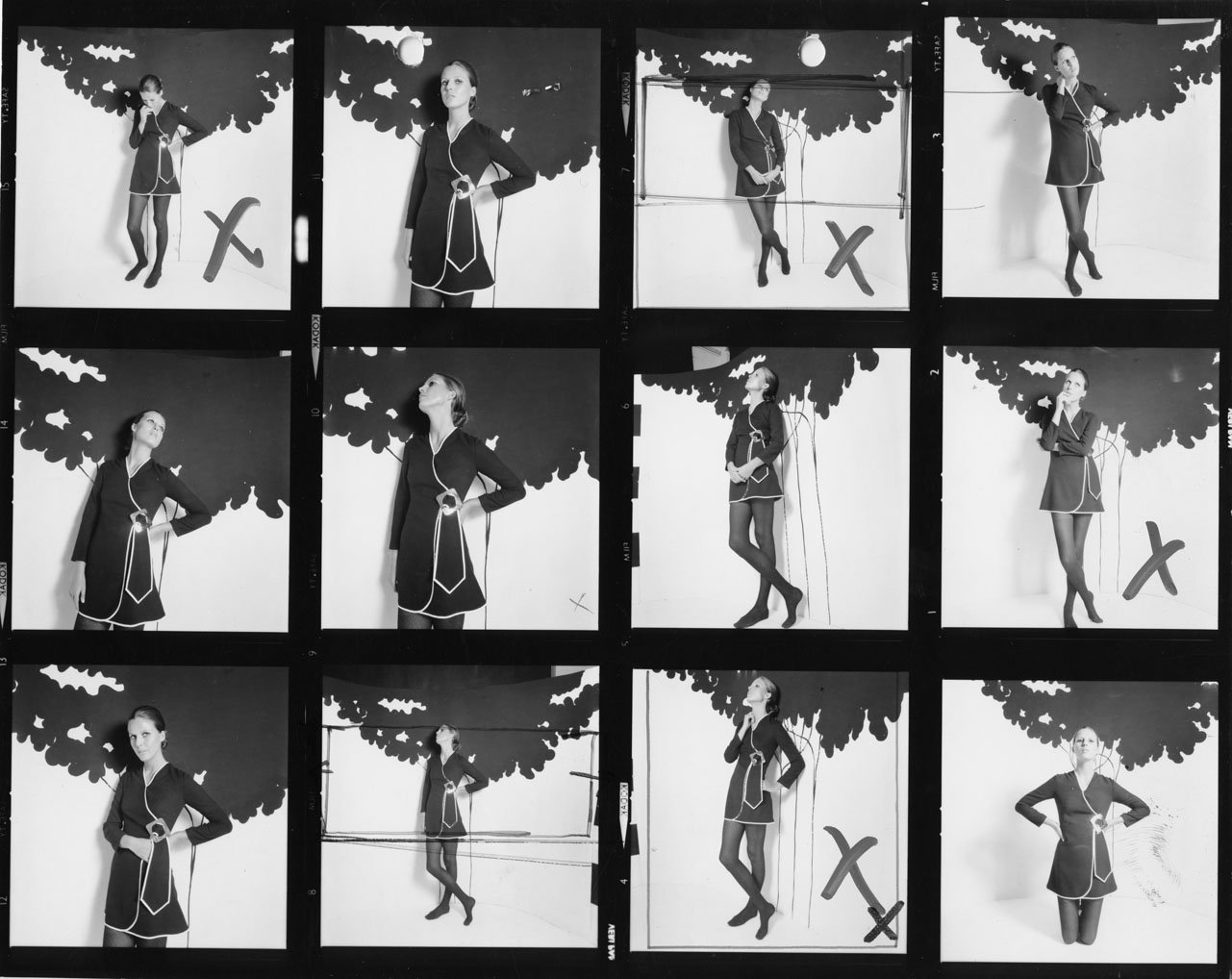
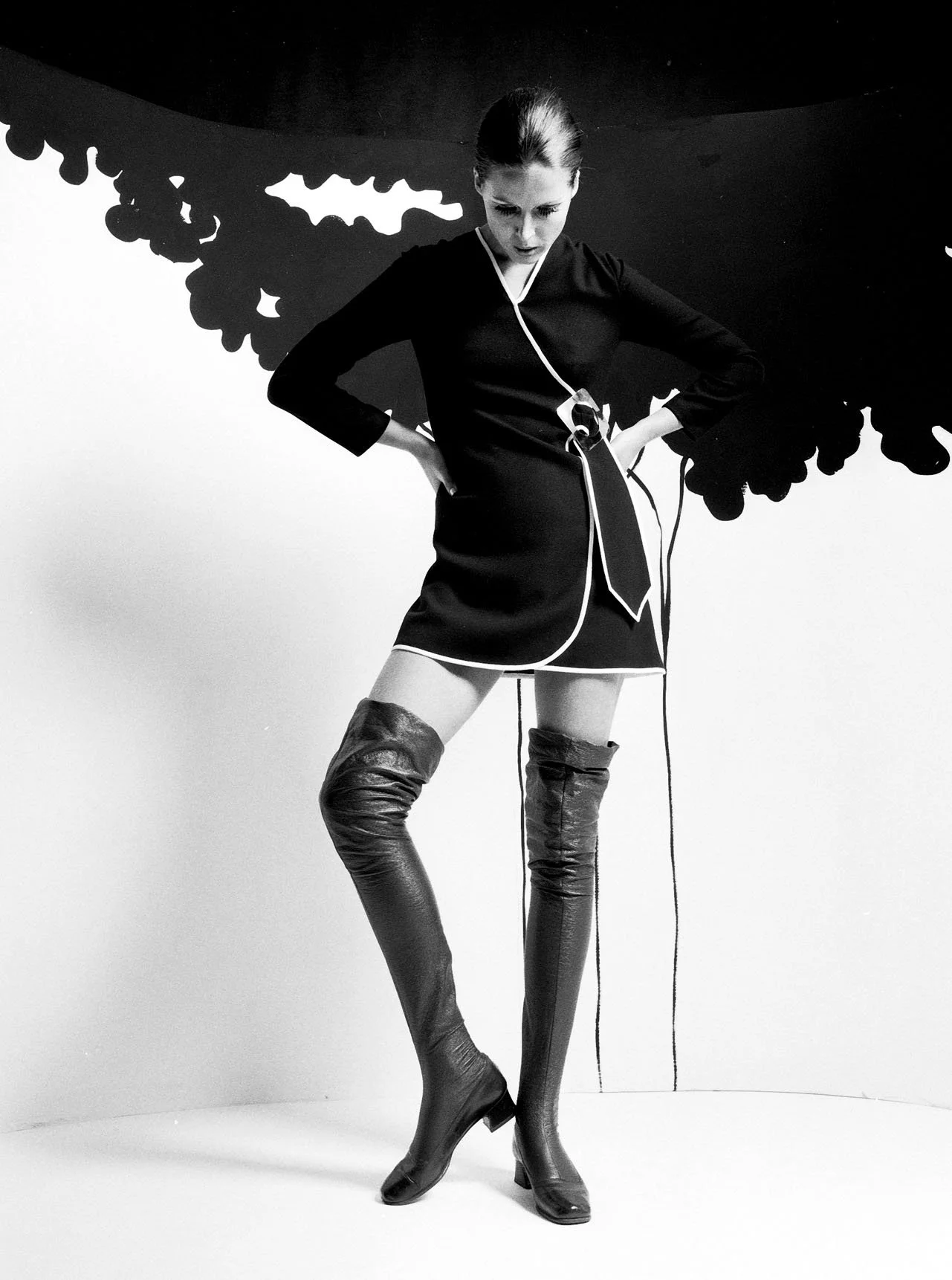
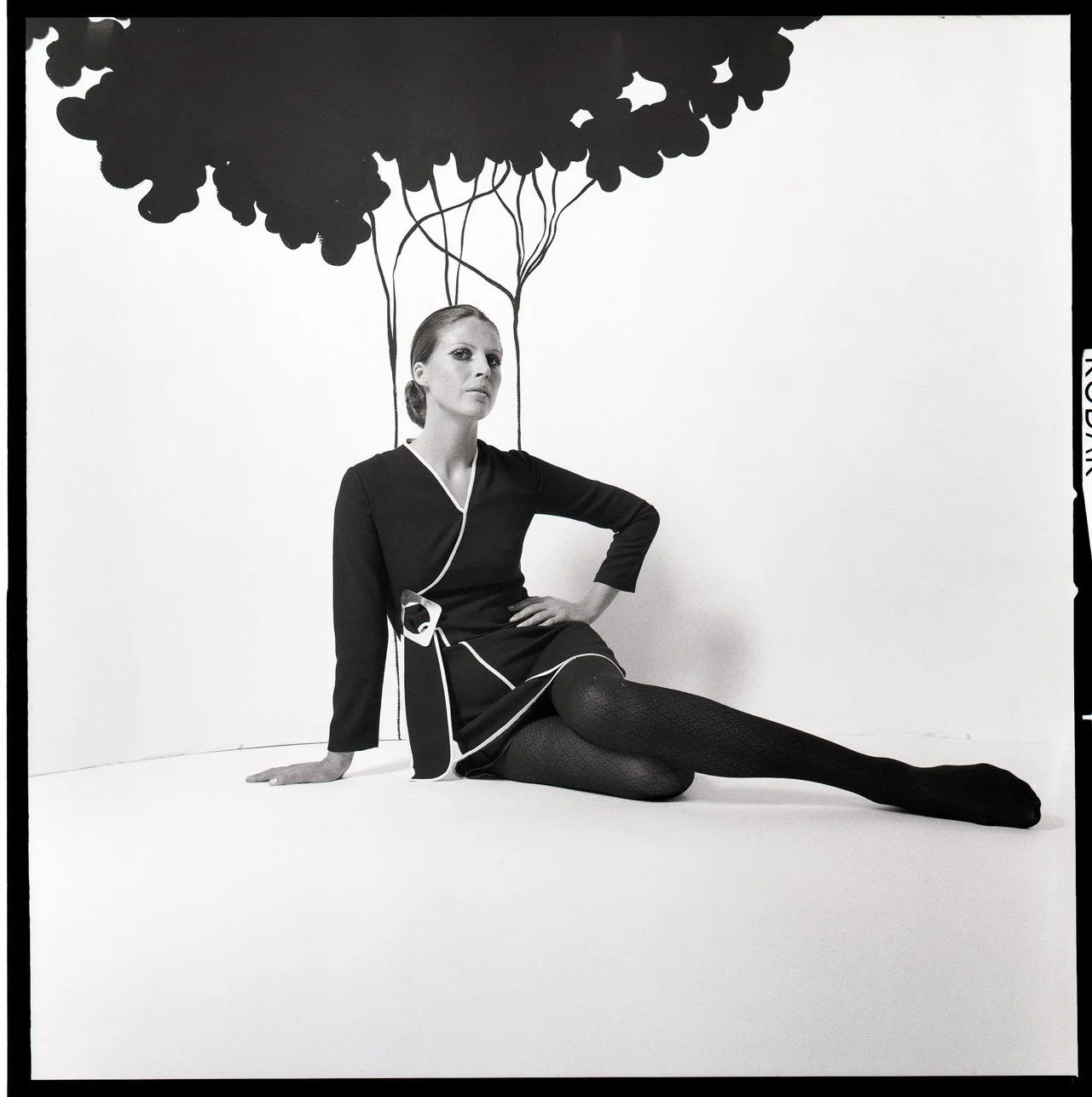
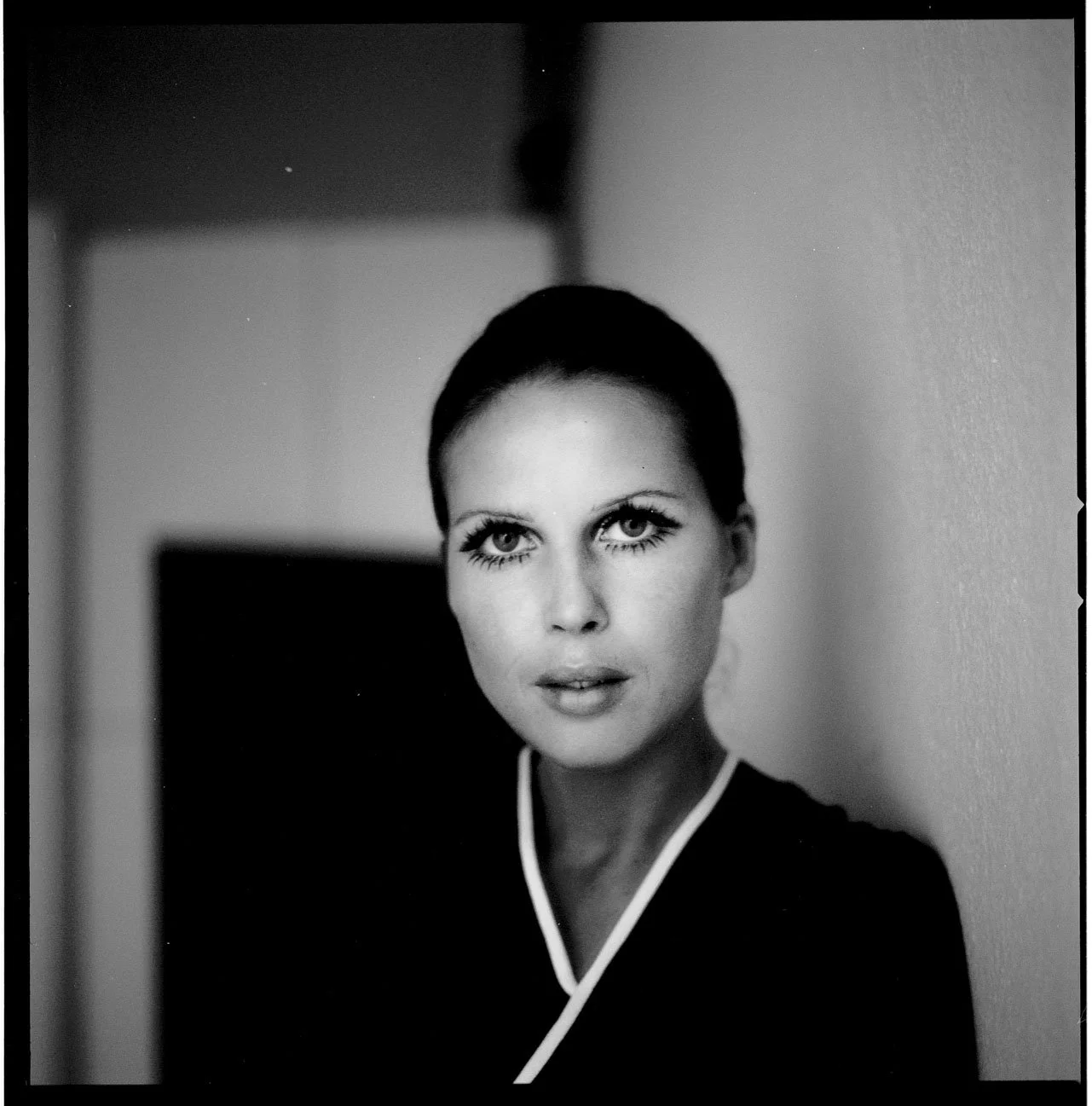
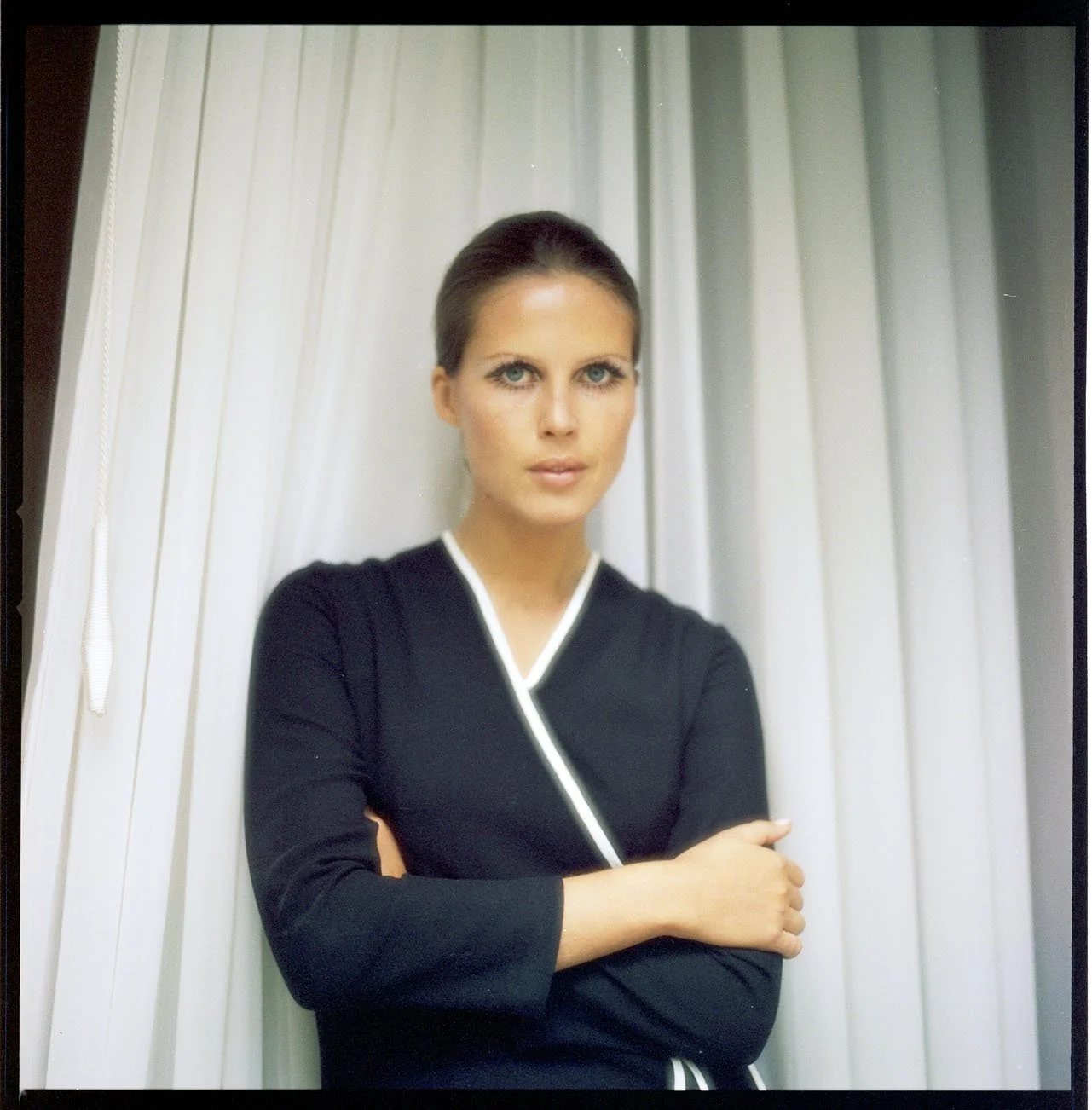
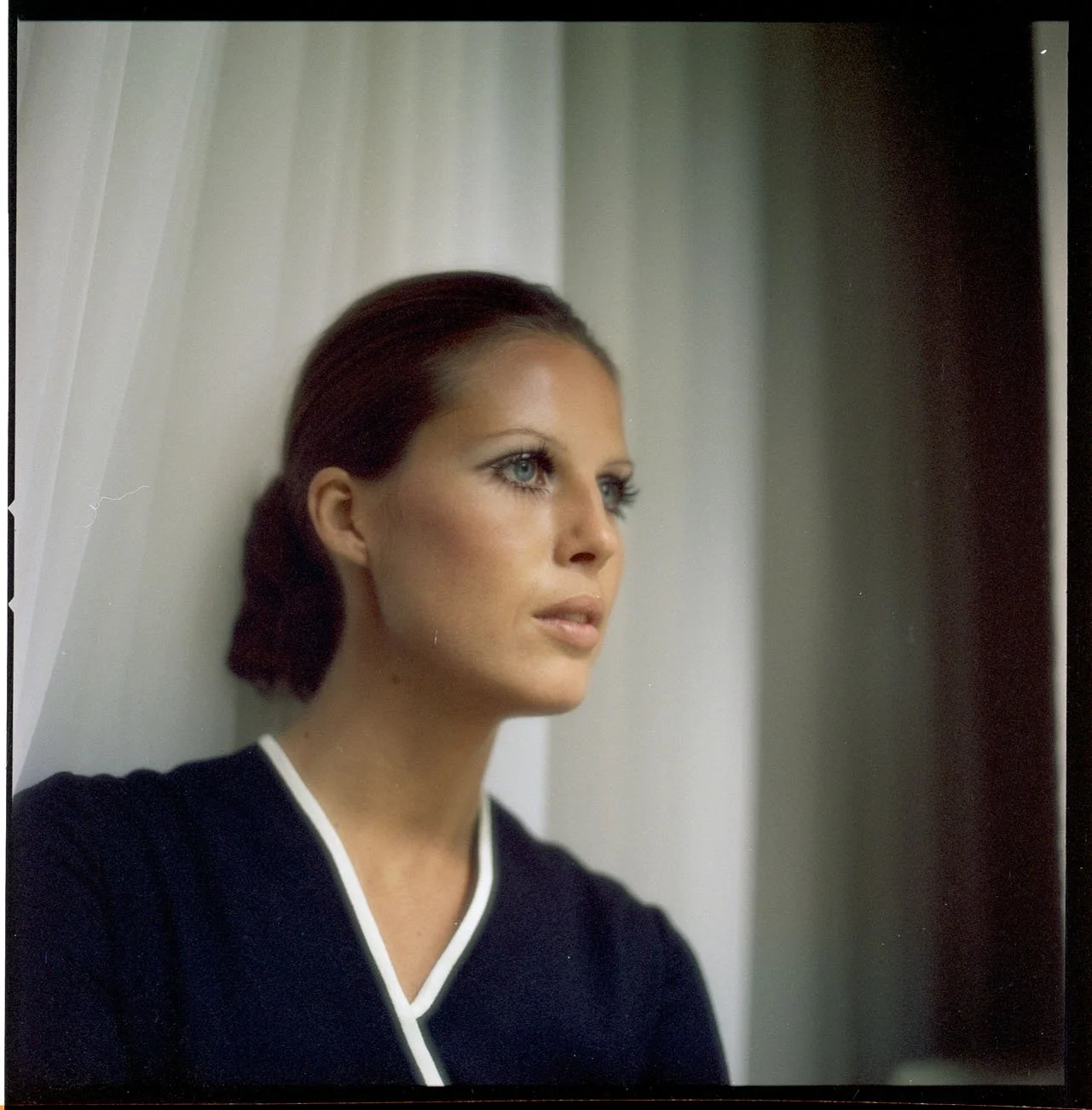
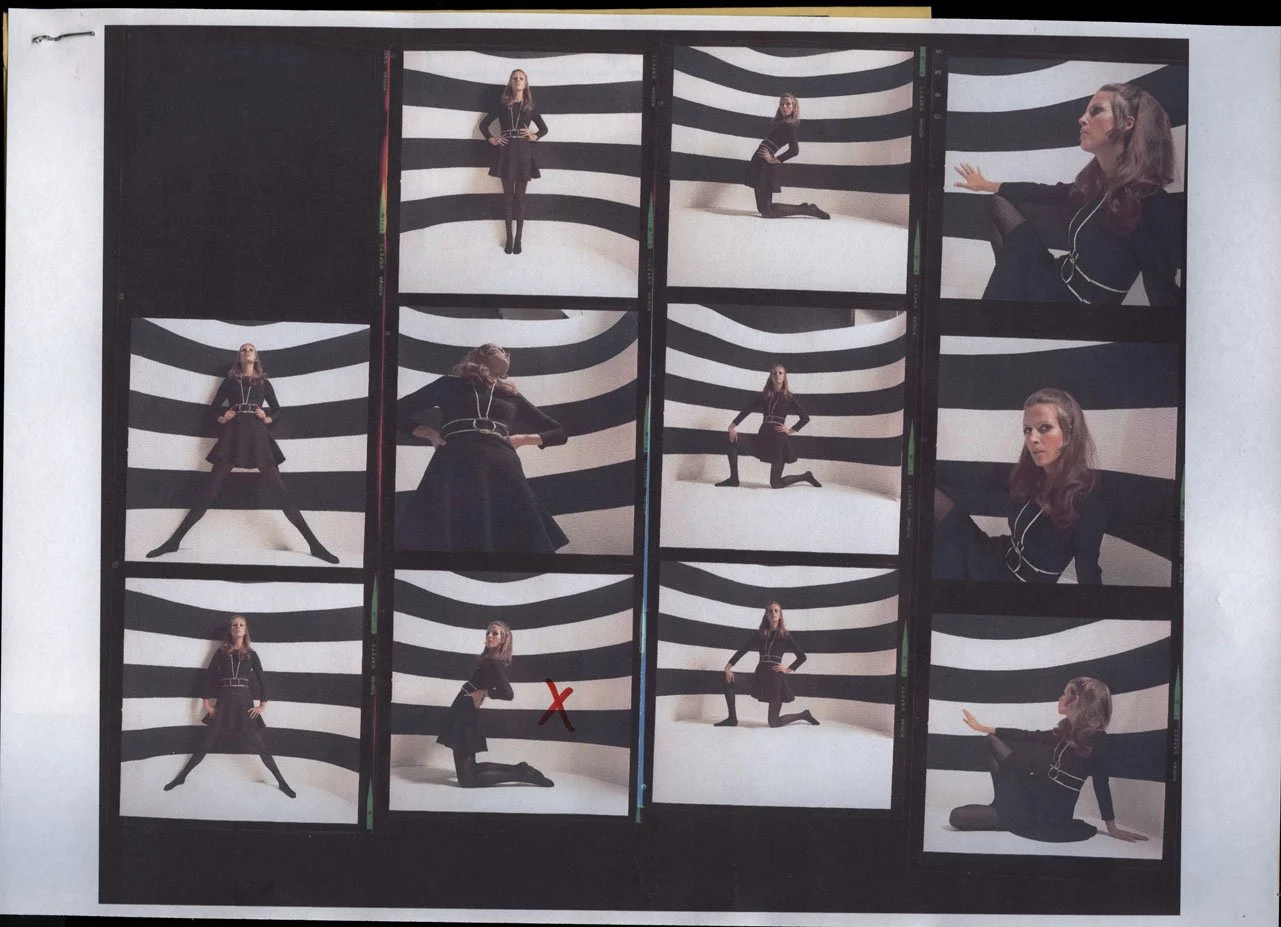
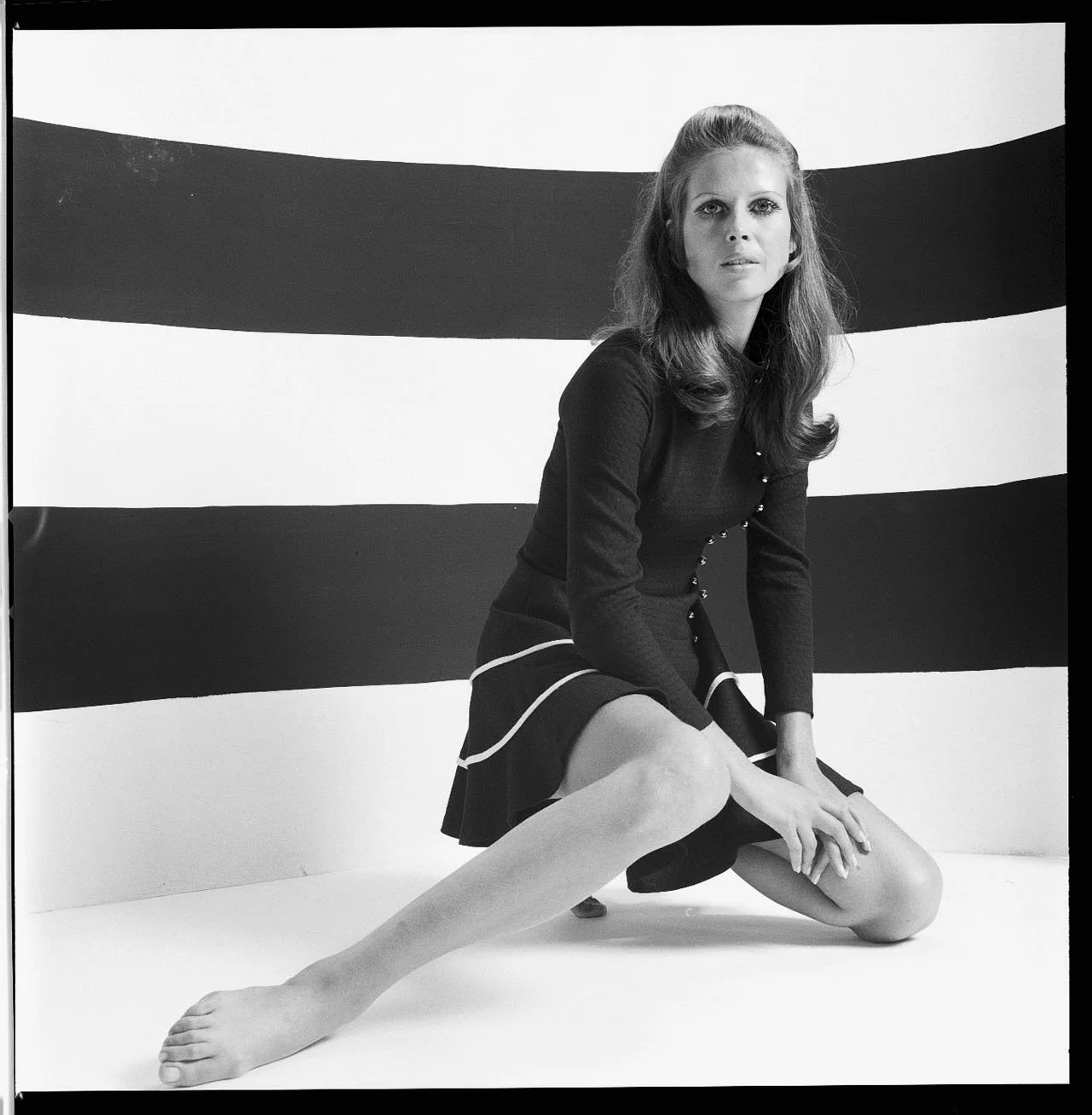
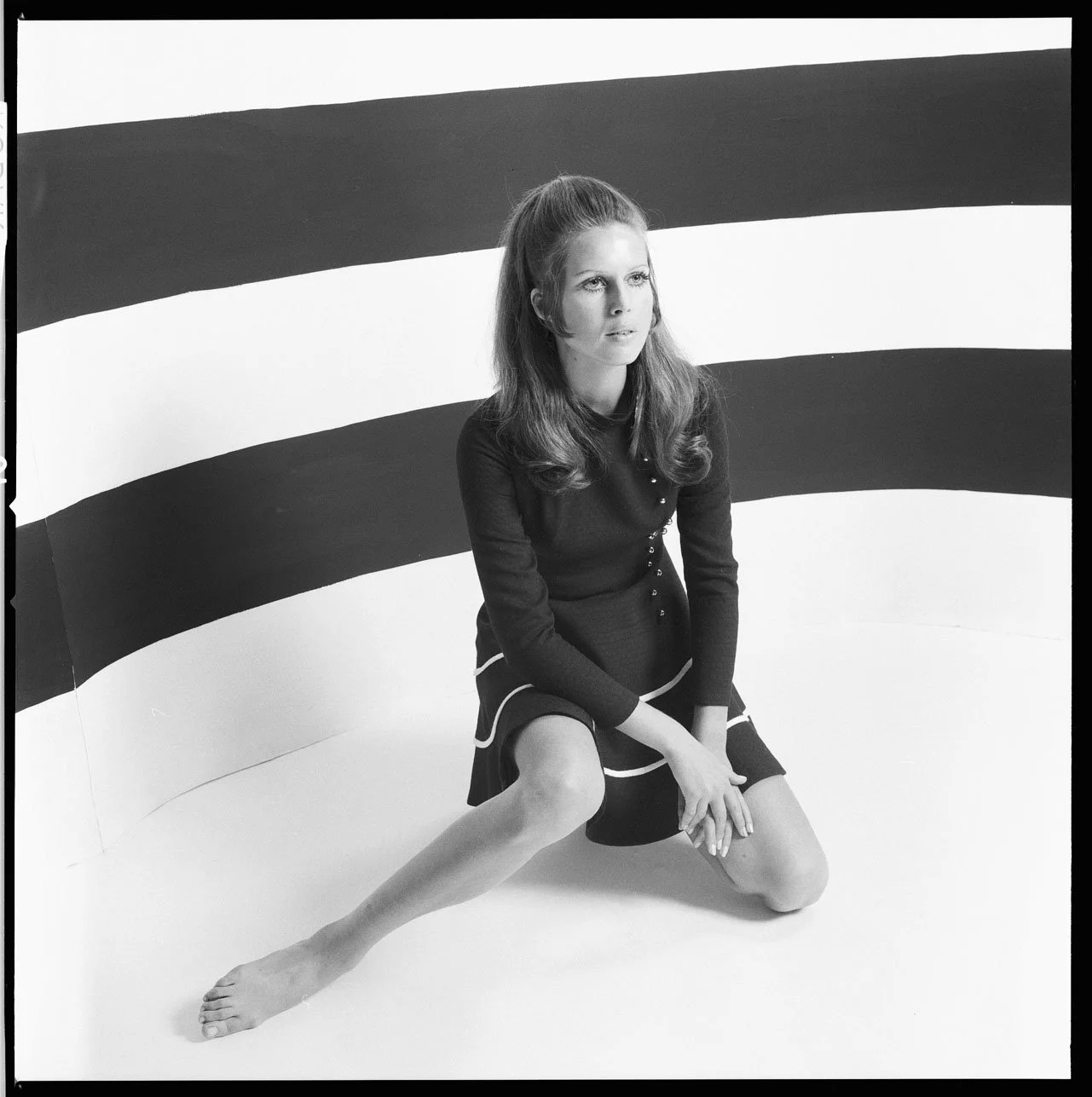
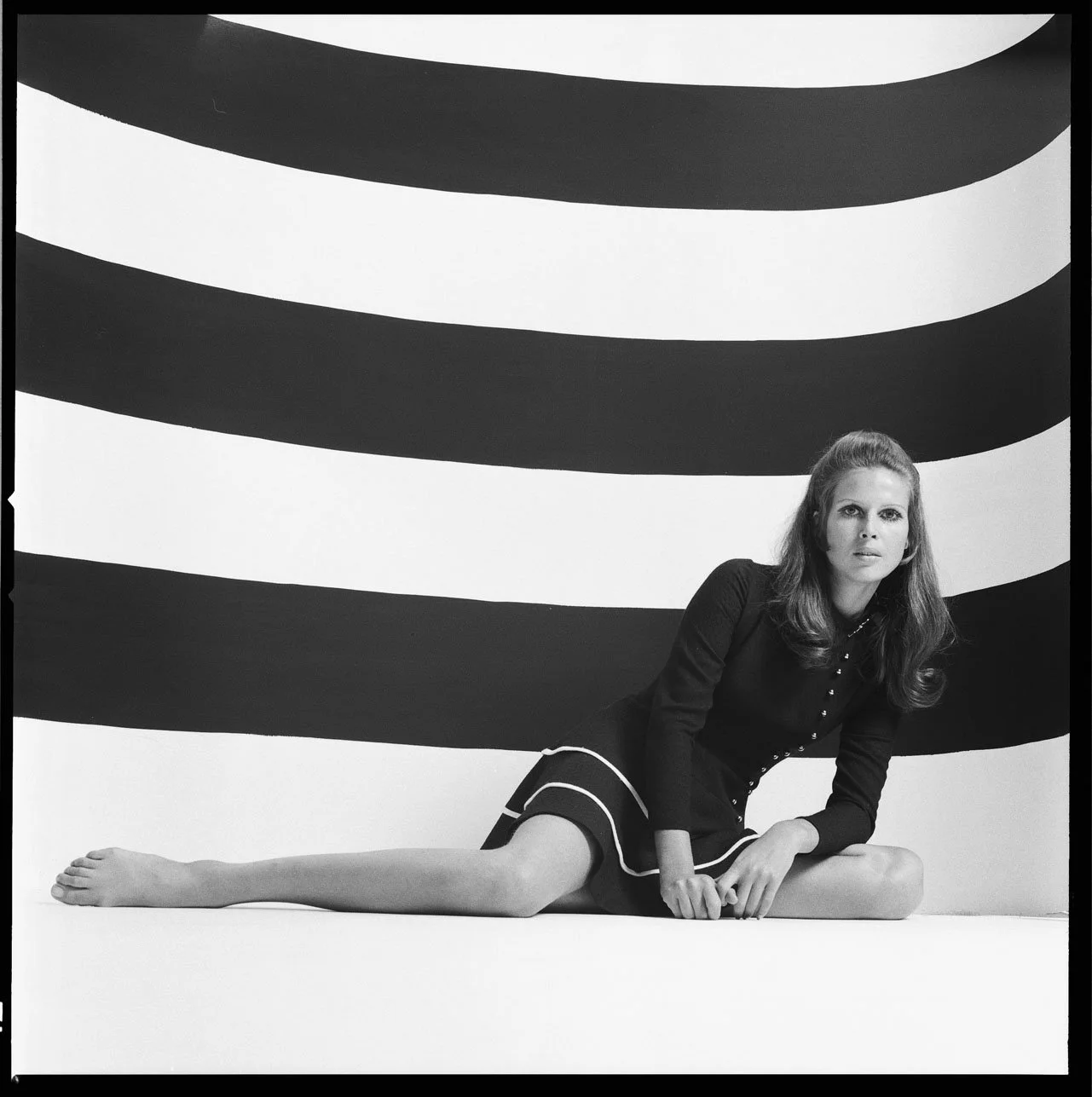
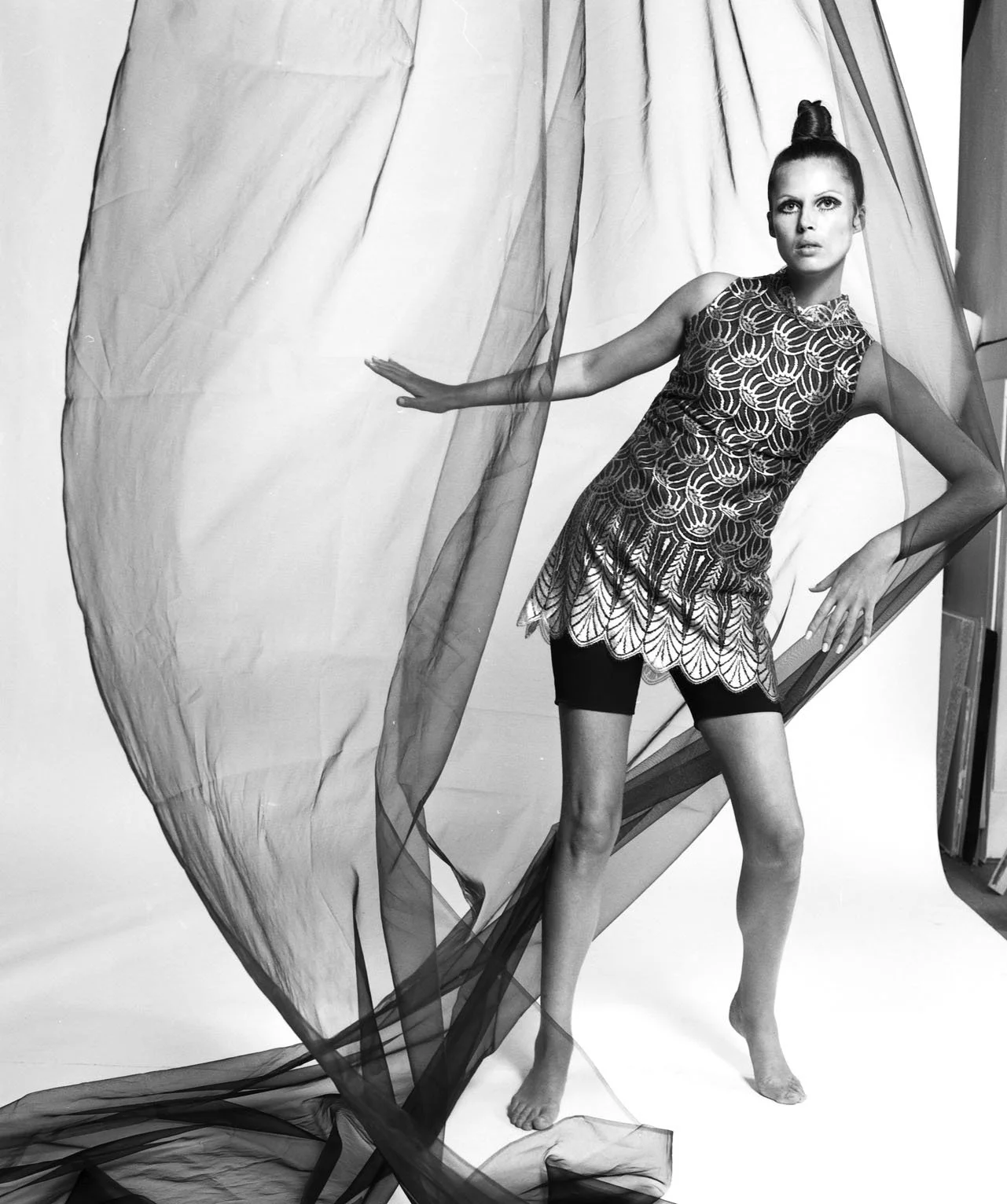
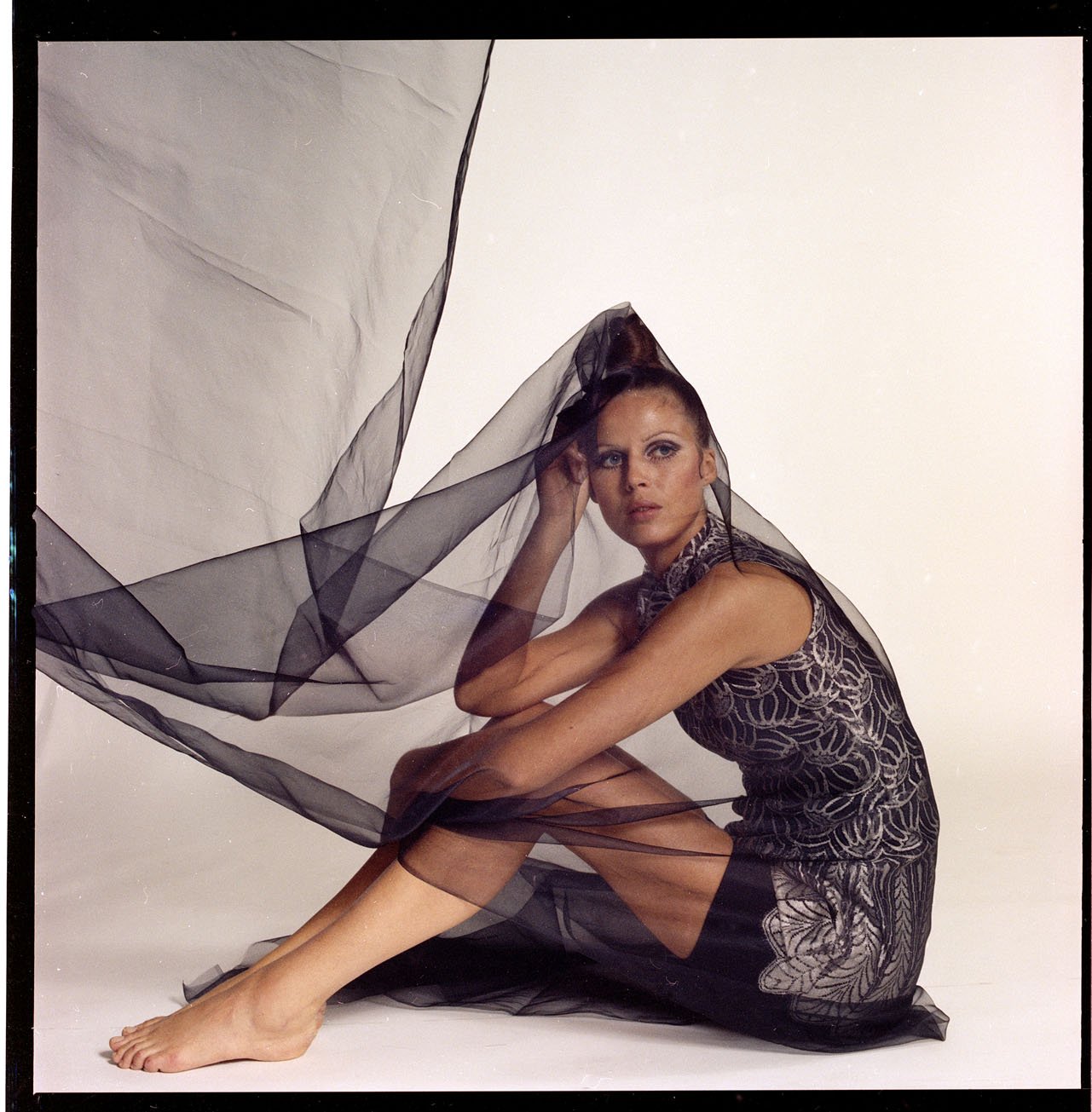
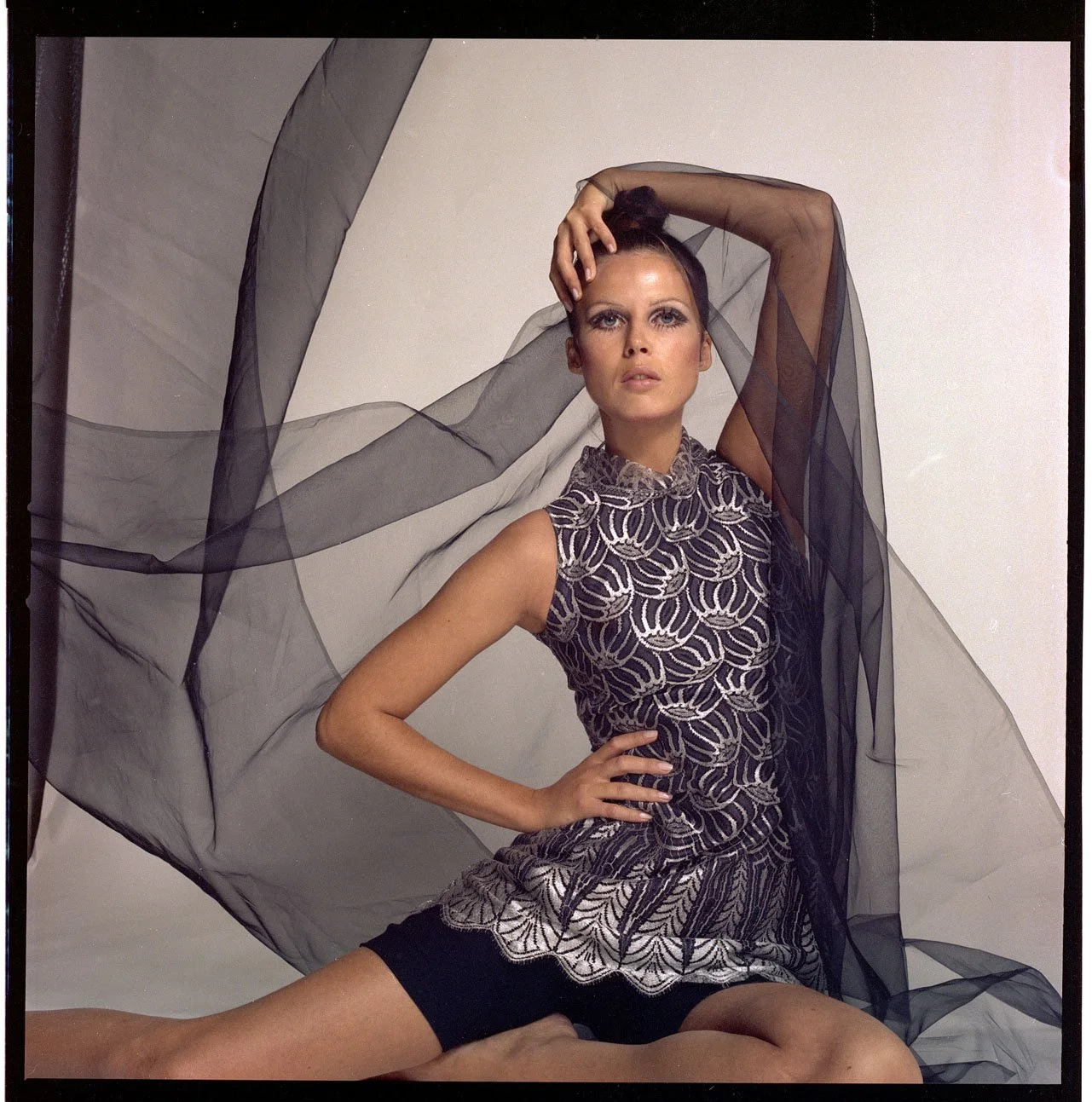
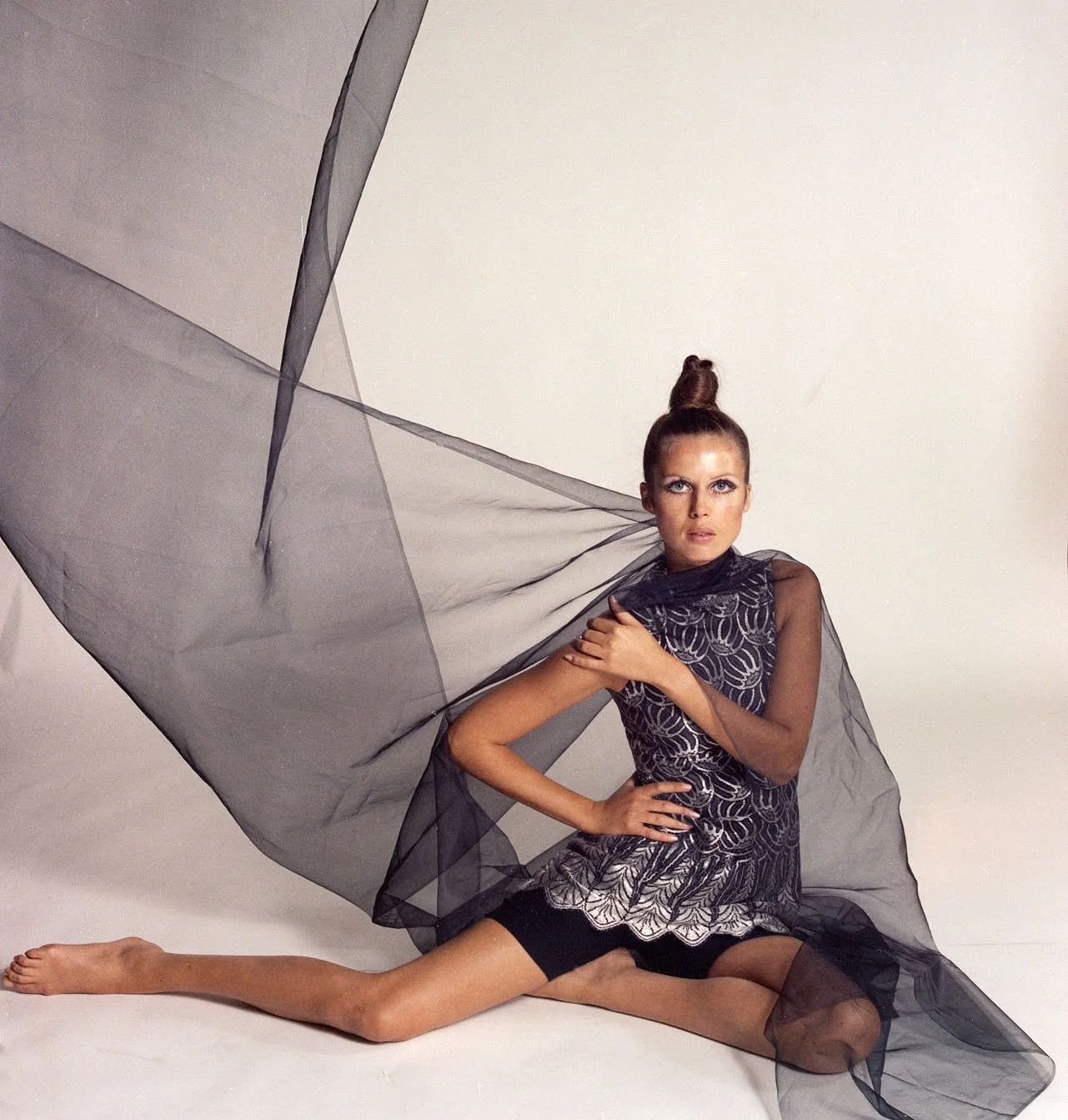
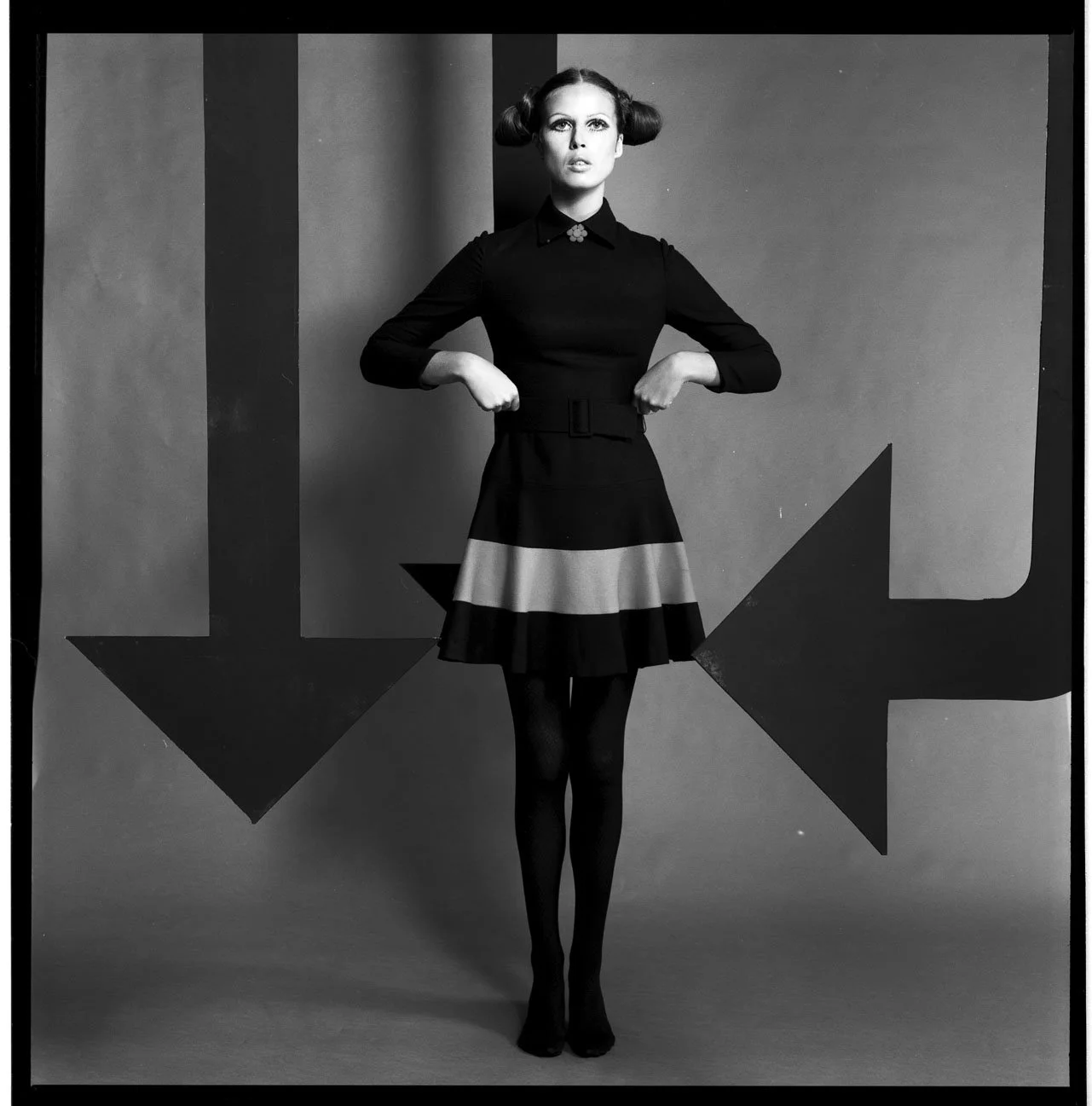
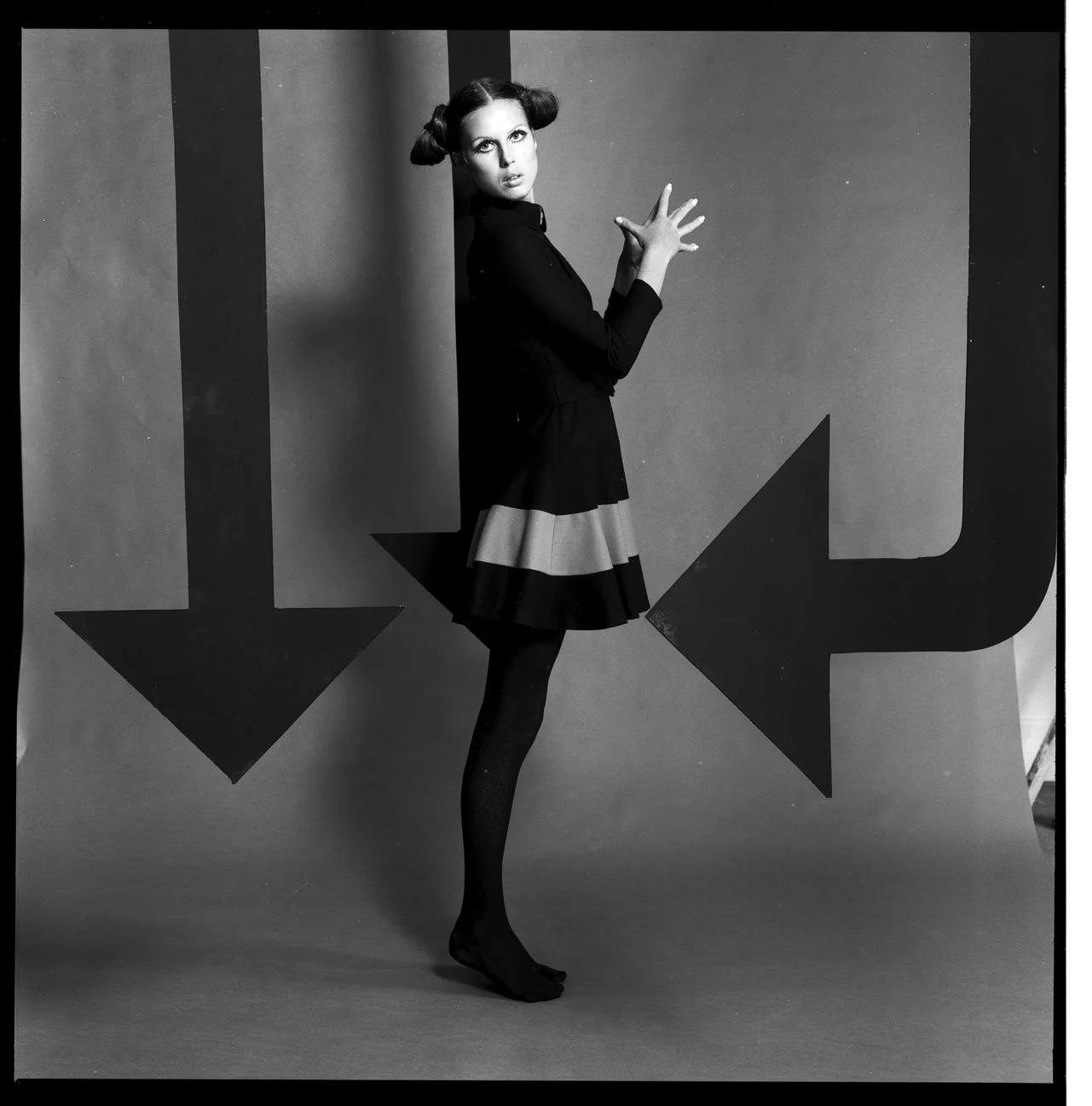
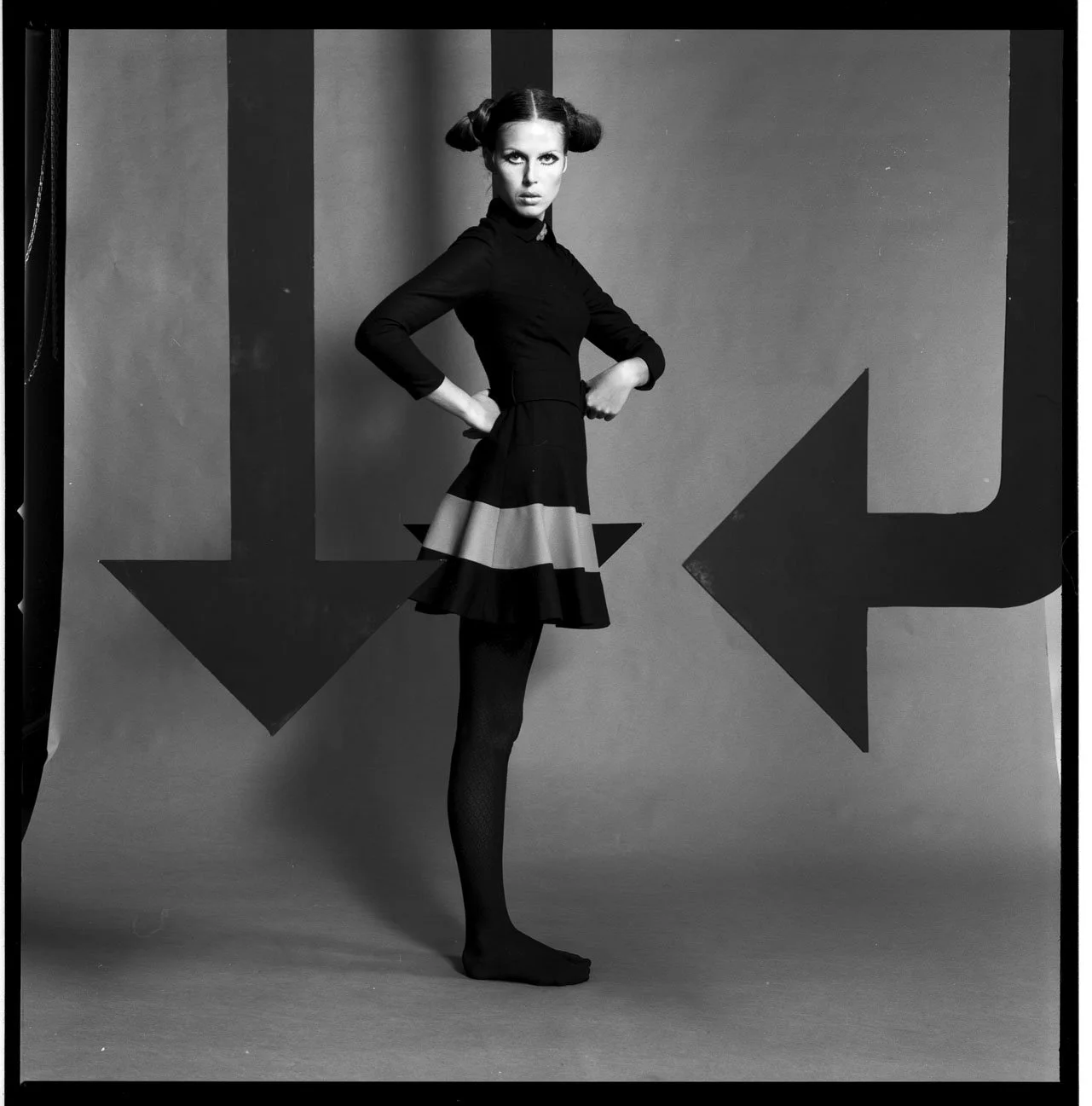
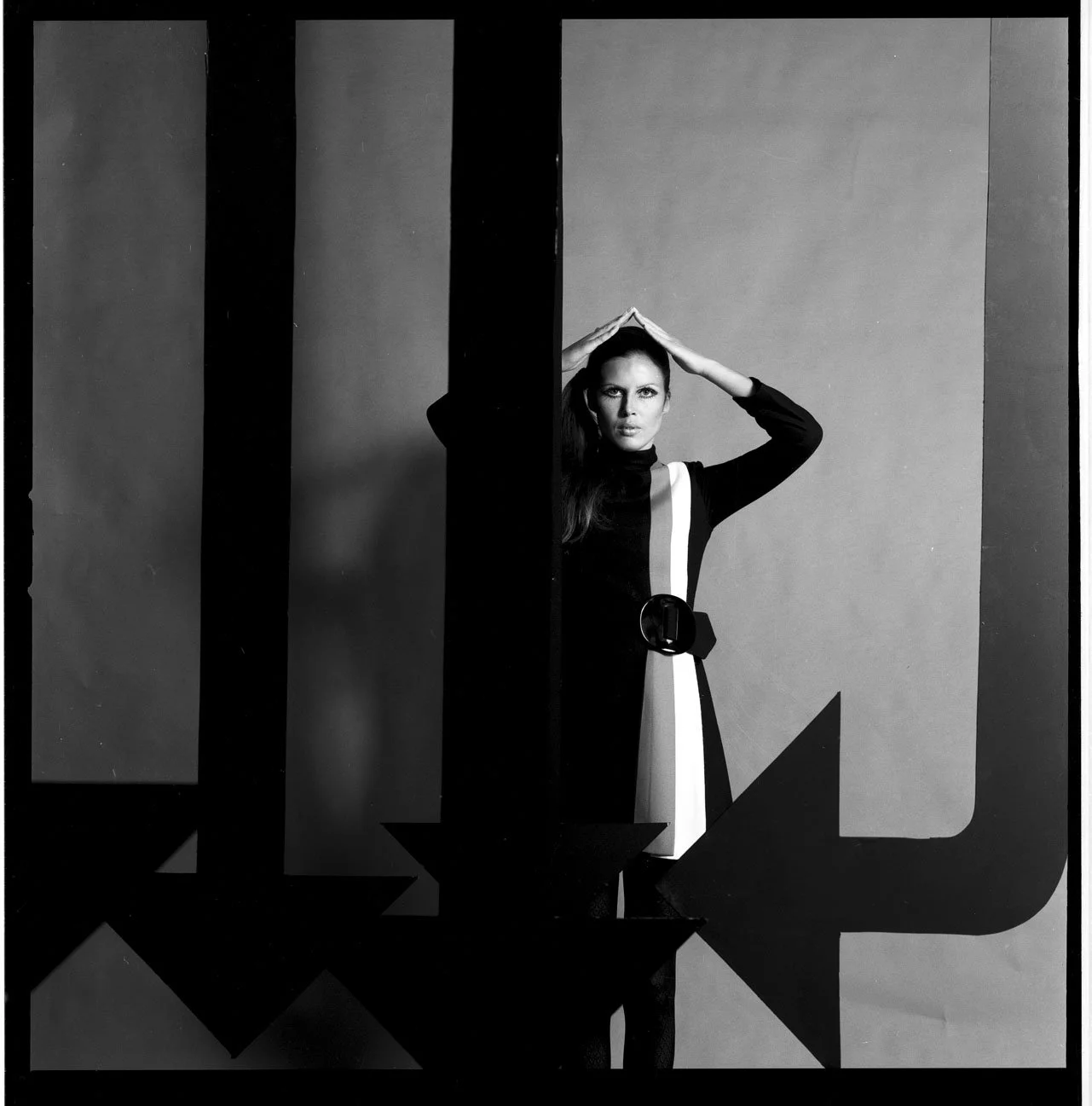
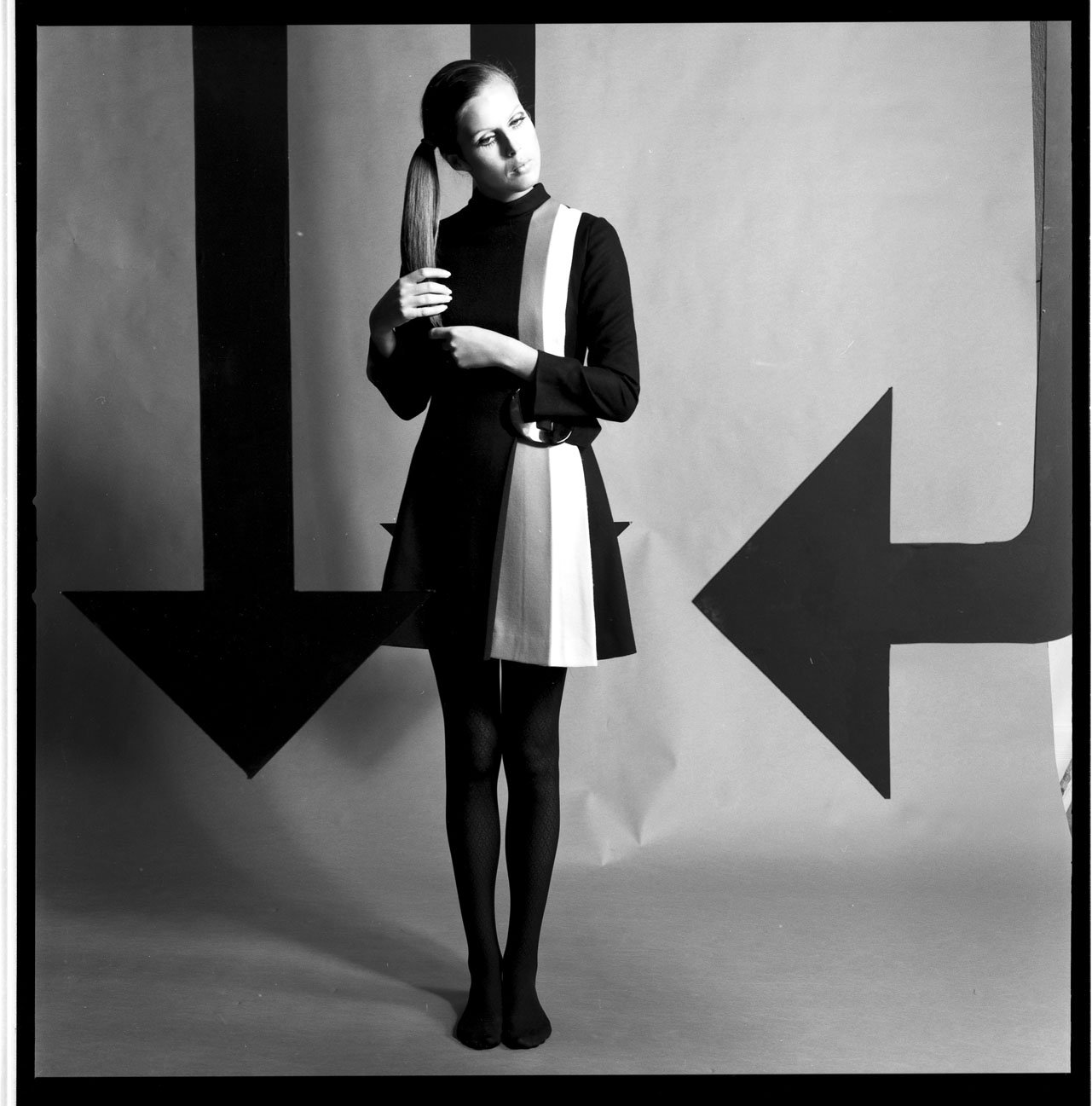
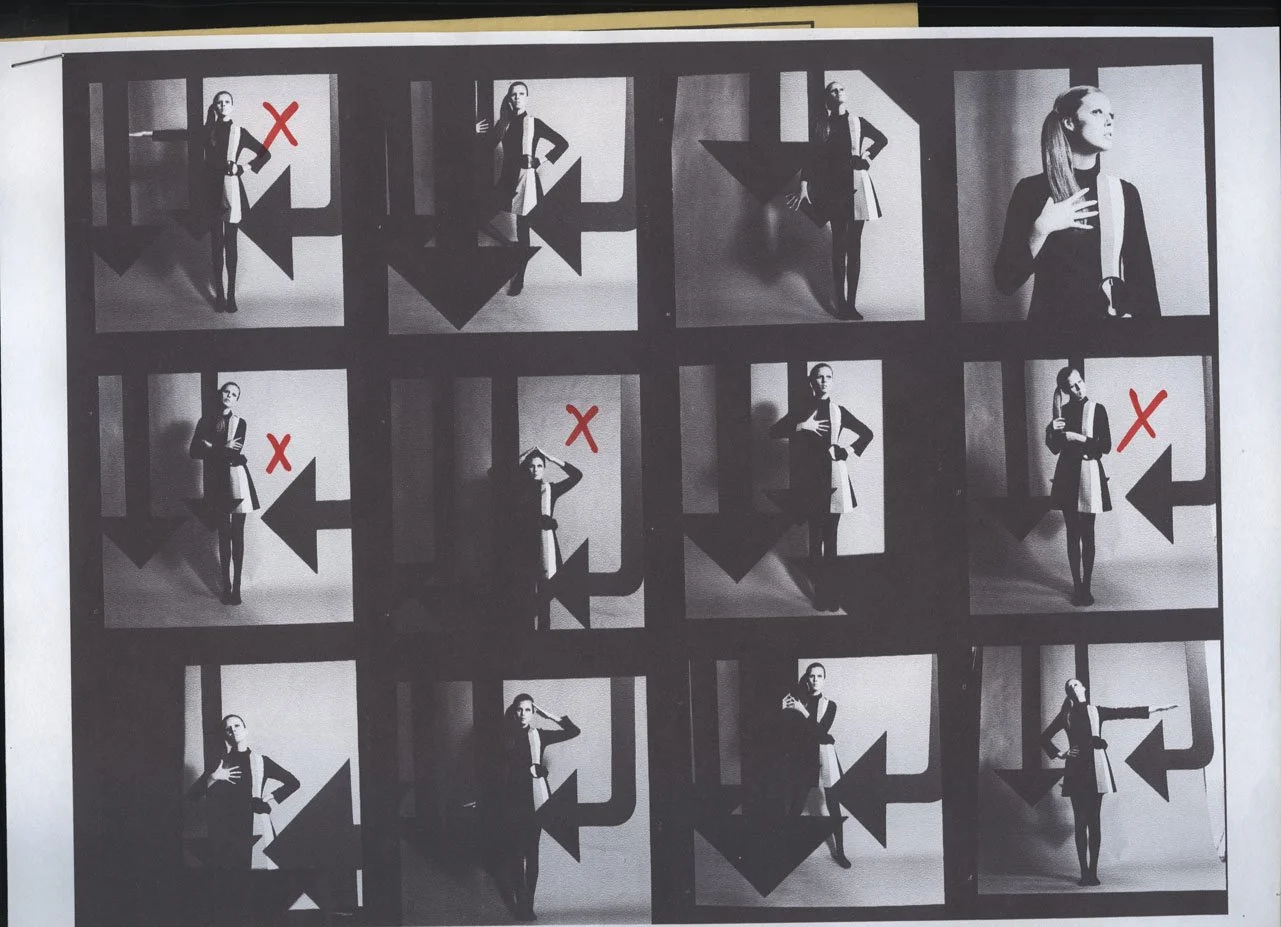
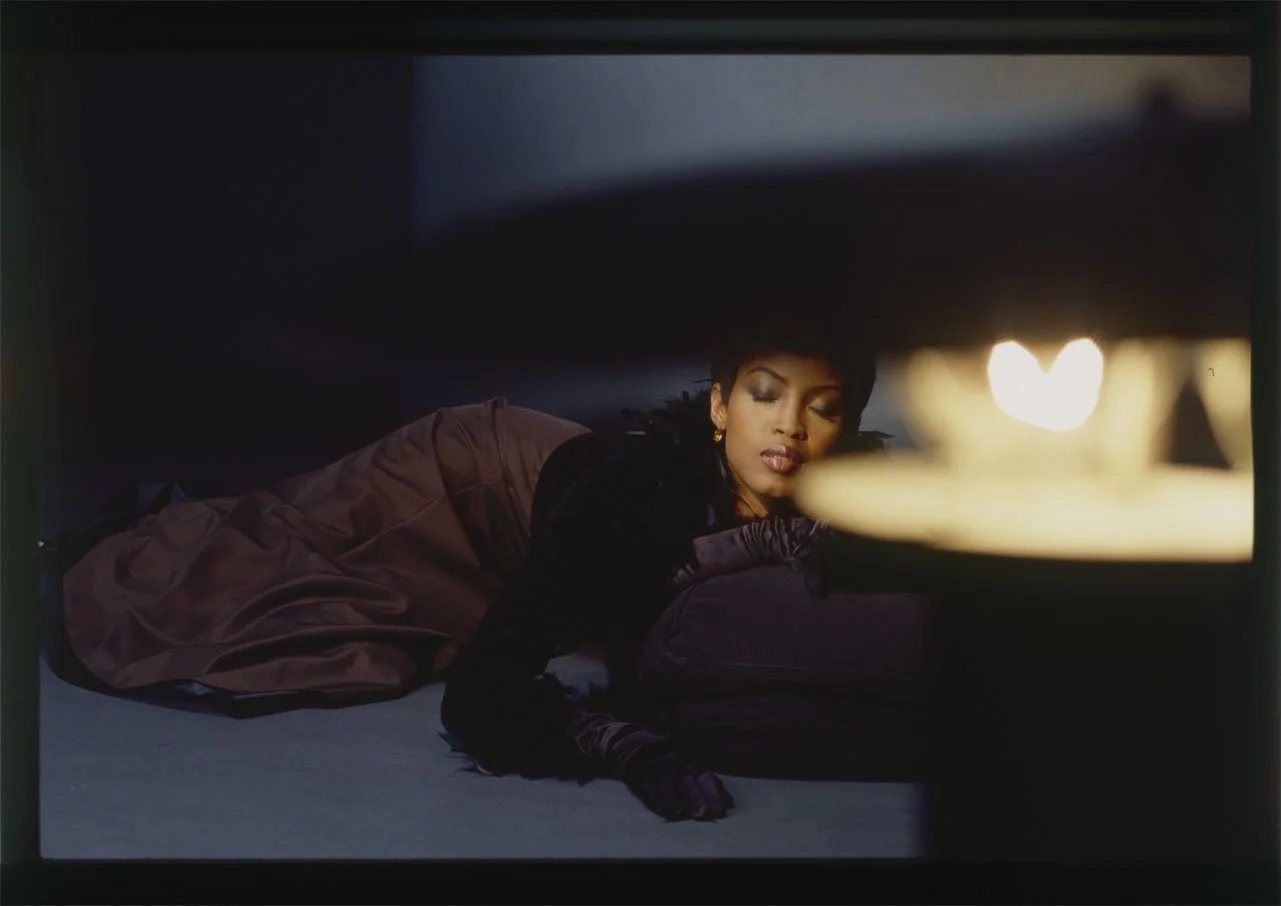
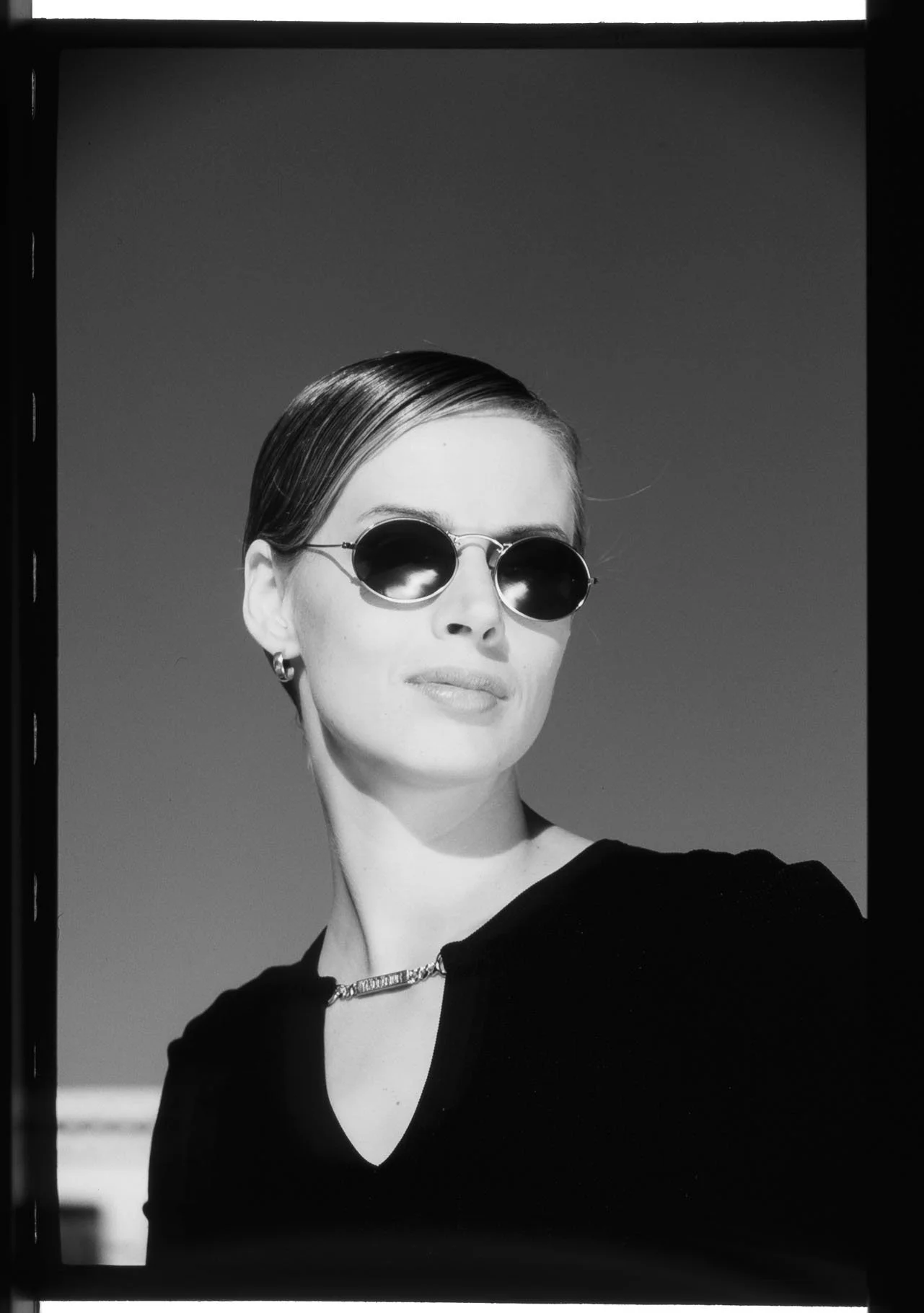
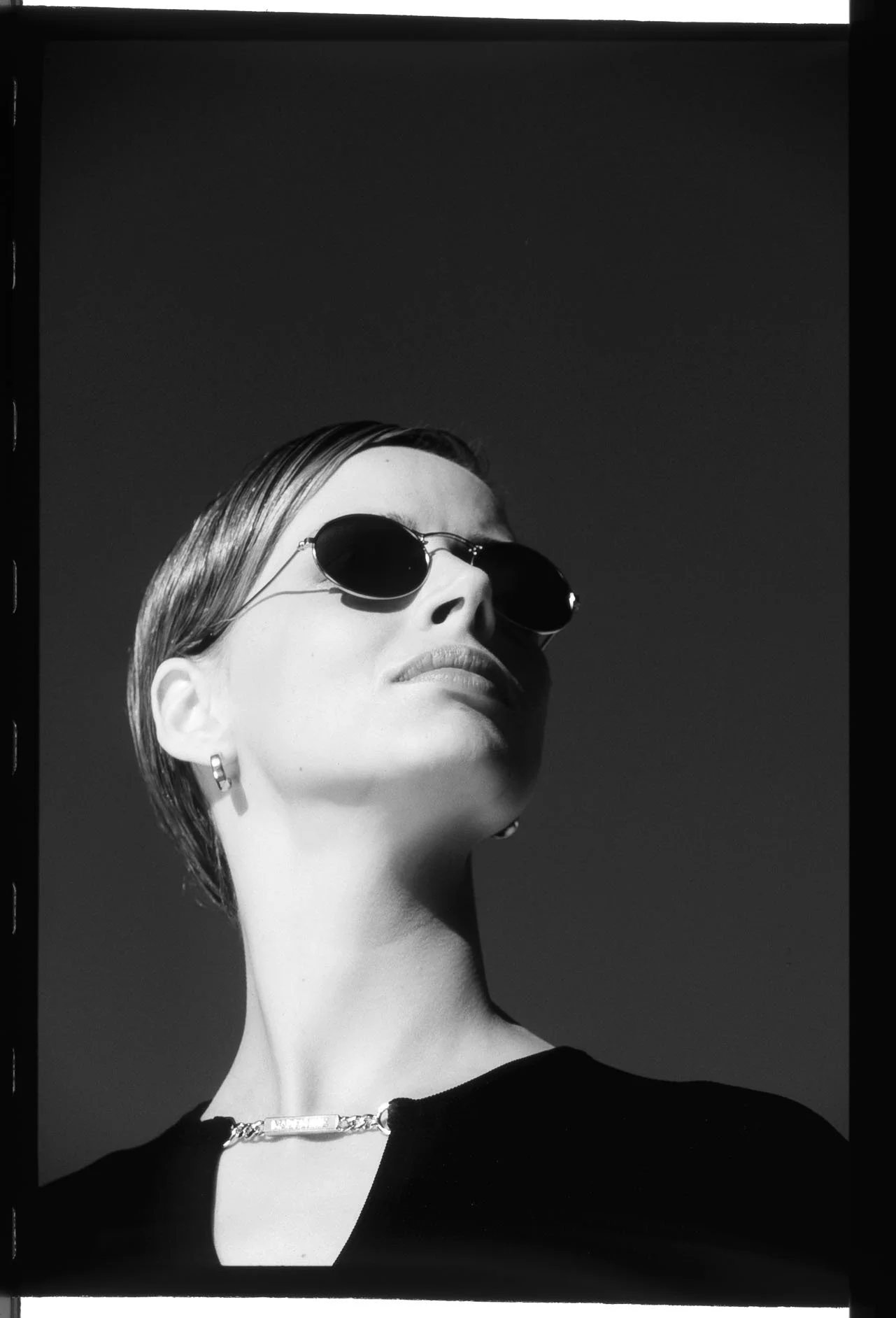
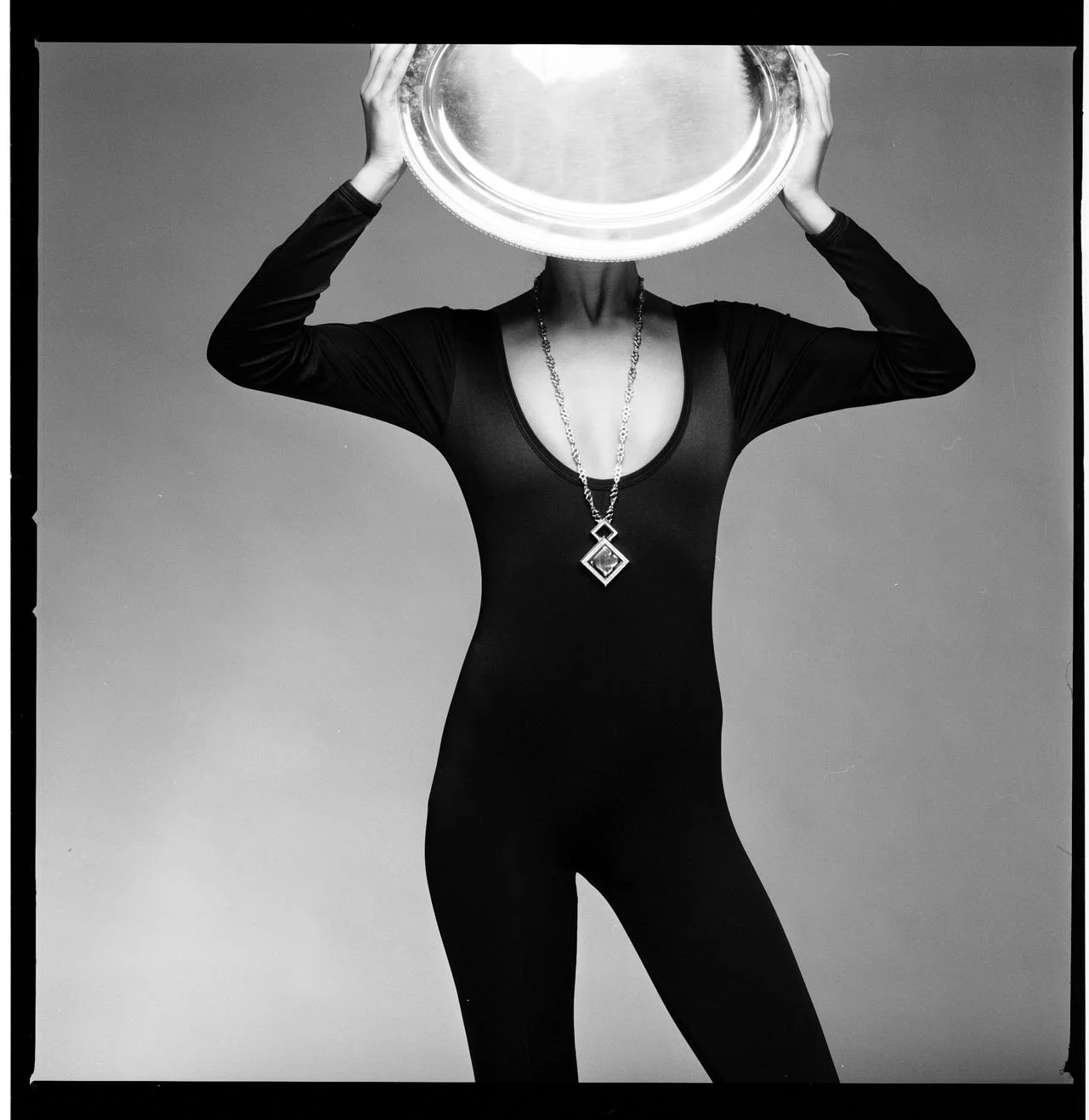
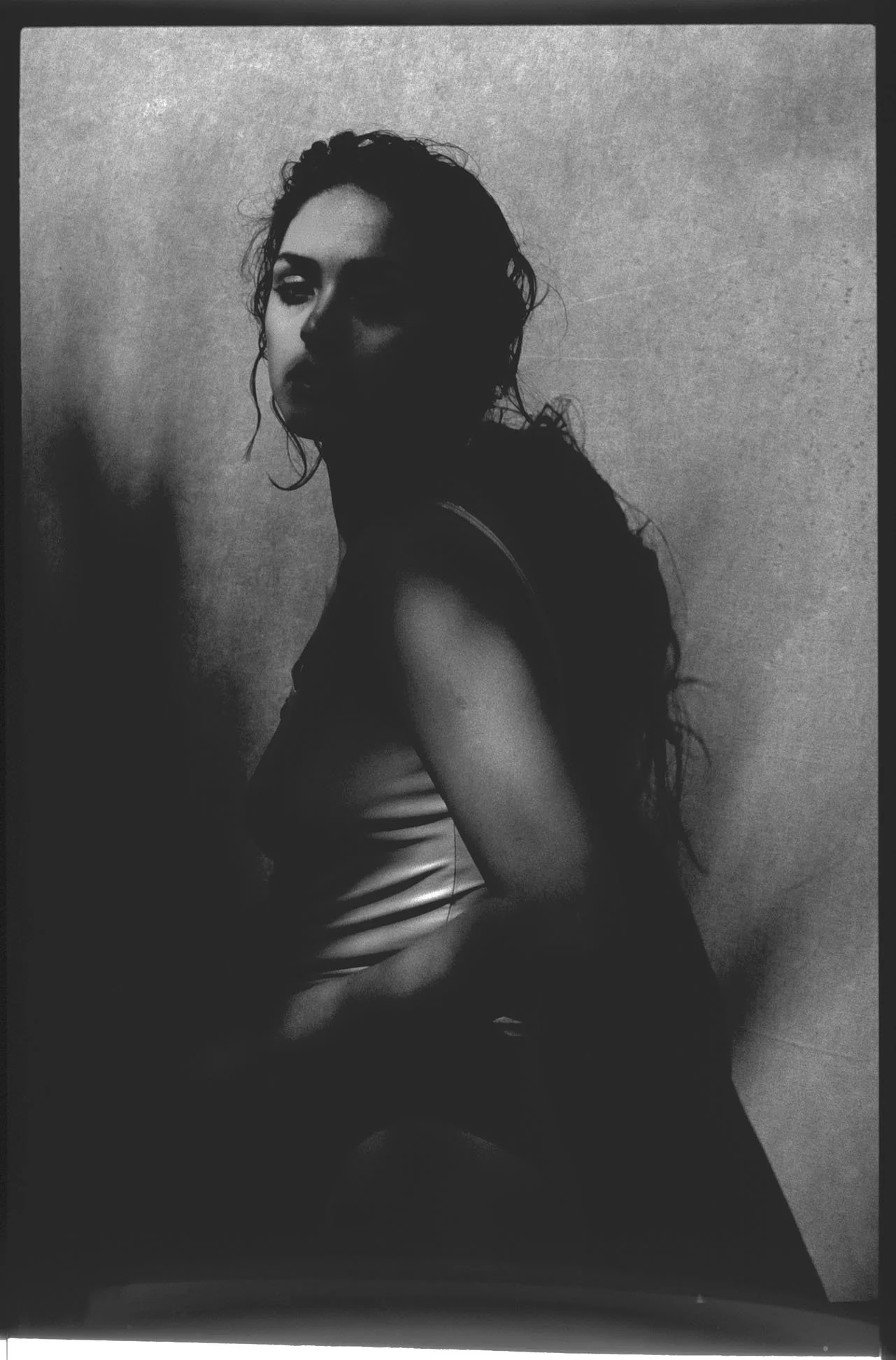
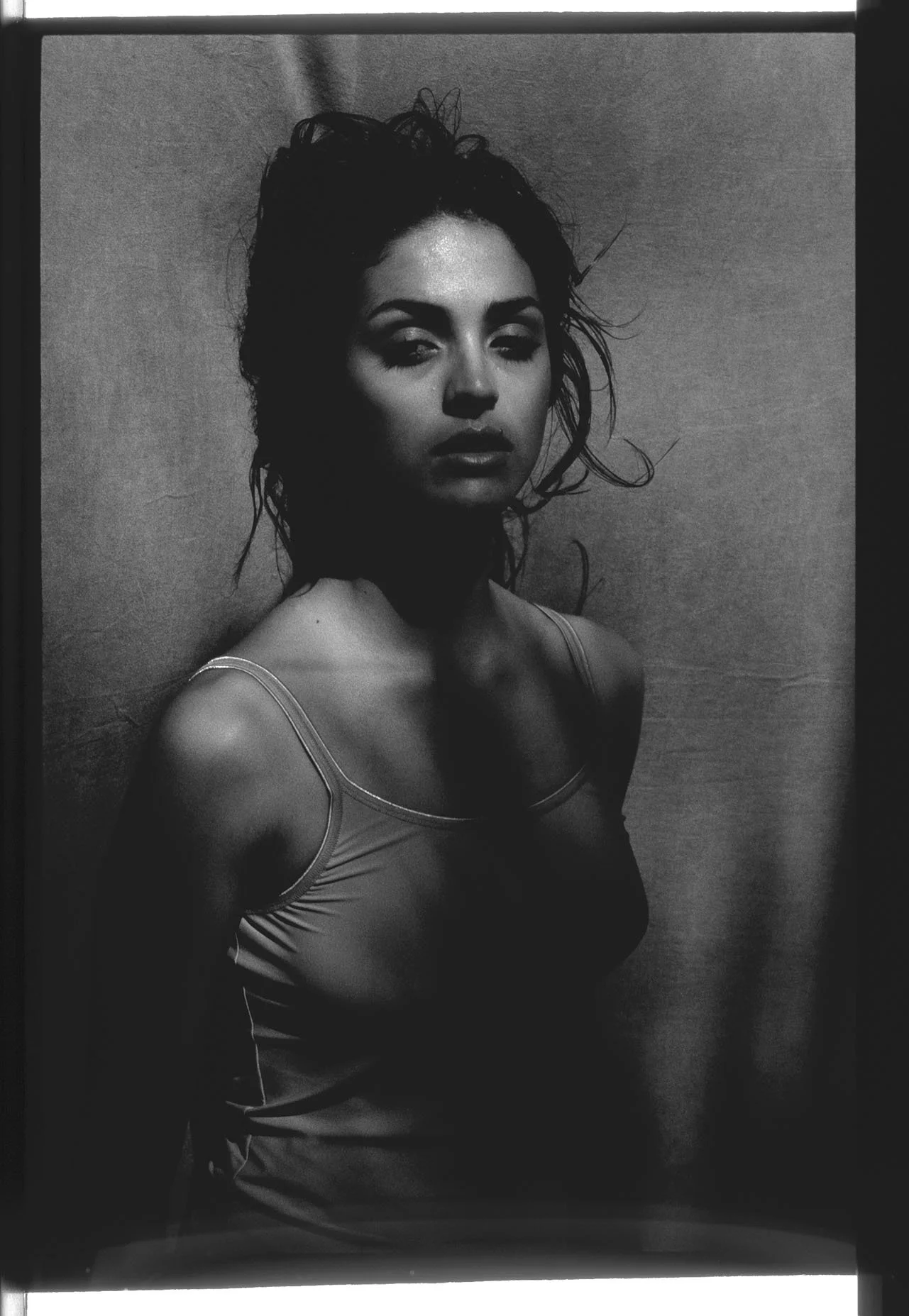
During his apprenticeship in display design and his subsequent university studies, he came to fully realize the power of black coal within a creative context. "You could actually create drawings using a piece of coal—that was a fascinating discovery." With a nimble hand, he dashes nudes and other sketches onto the drawing paper. During his training, Ulrich Pracht also encounters black clothing as the "uniform" of the creative world. Paul Maenz—a fellow apprentice at the Westfalen department store who would later become a world-renowned gallerist—comes to work clad in tight wide-wale corduroy trousers and a velvet waistcoat—entirely in black. Ulrich wants to follow suit. It is fortunate, then, that his mother is an accomplished seamstress and tailors the desired garments—trousers, a jacket, and a coat—to fit him perfectly!


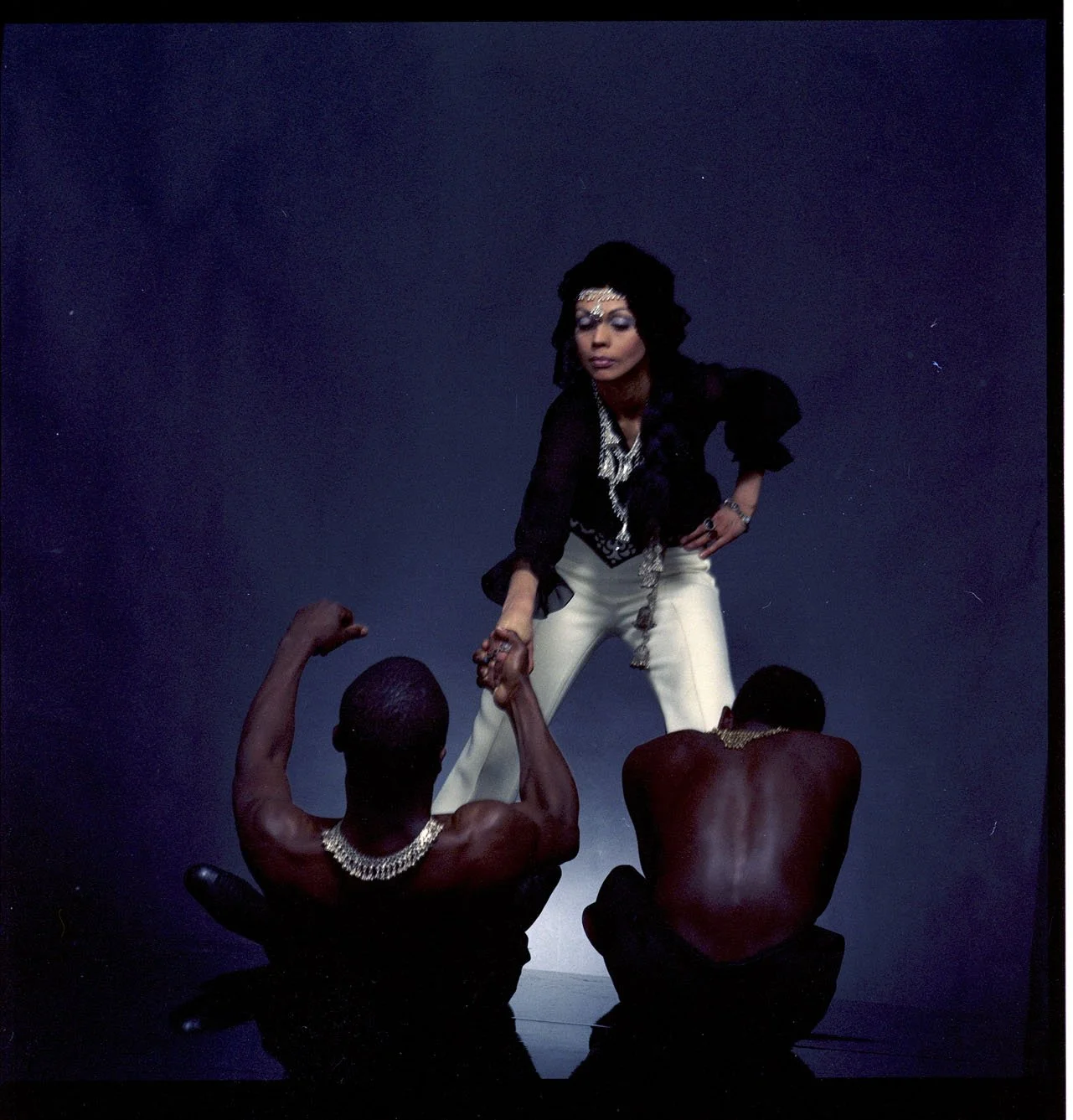

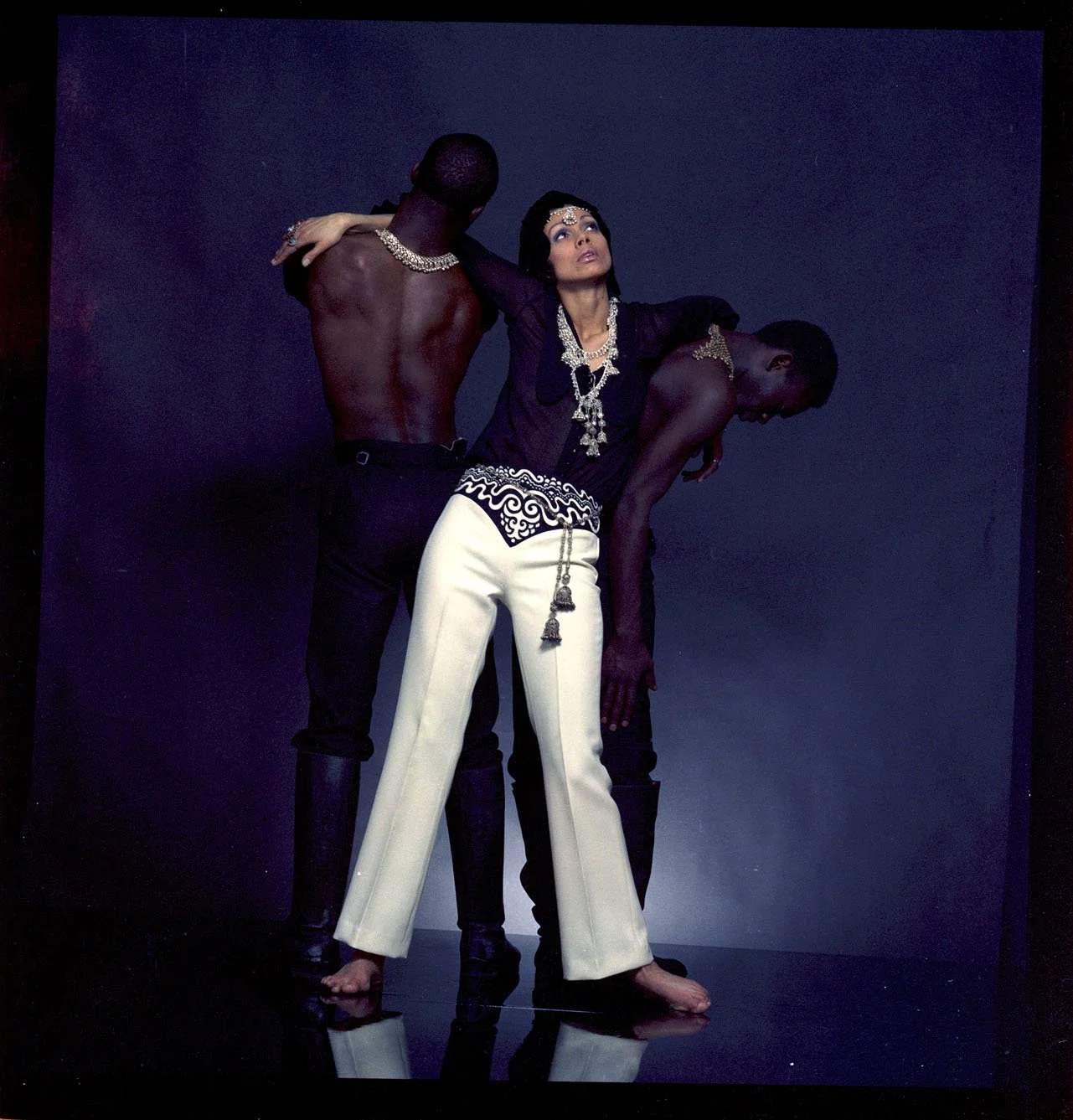
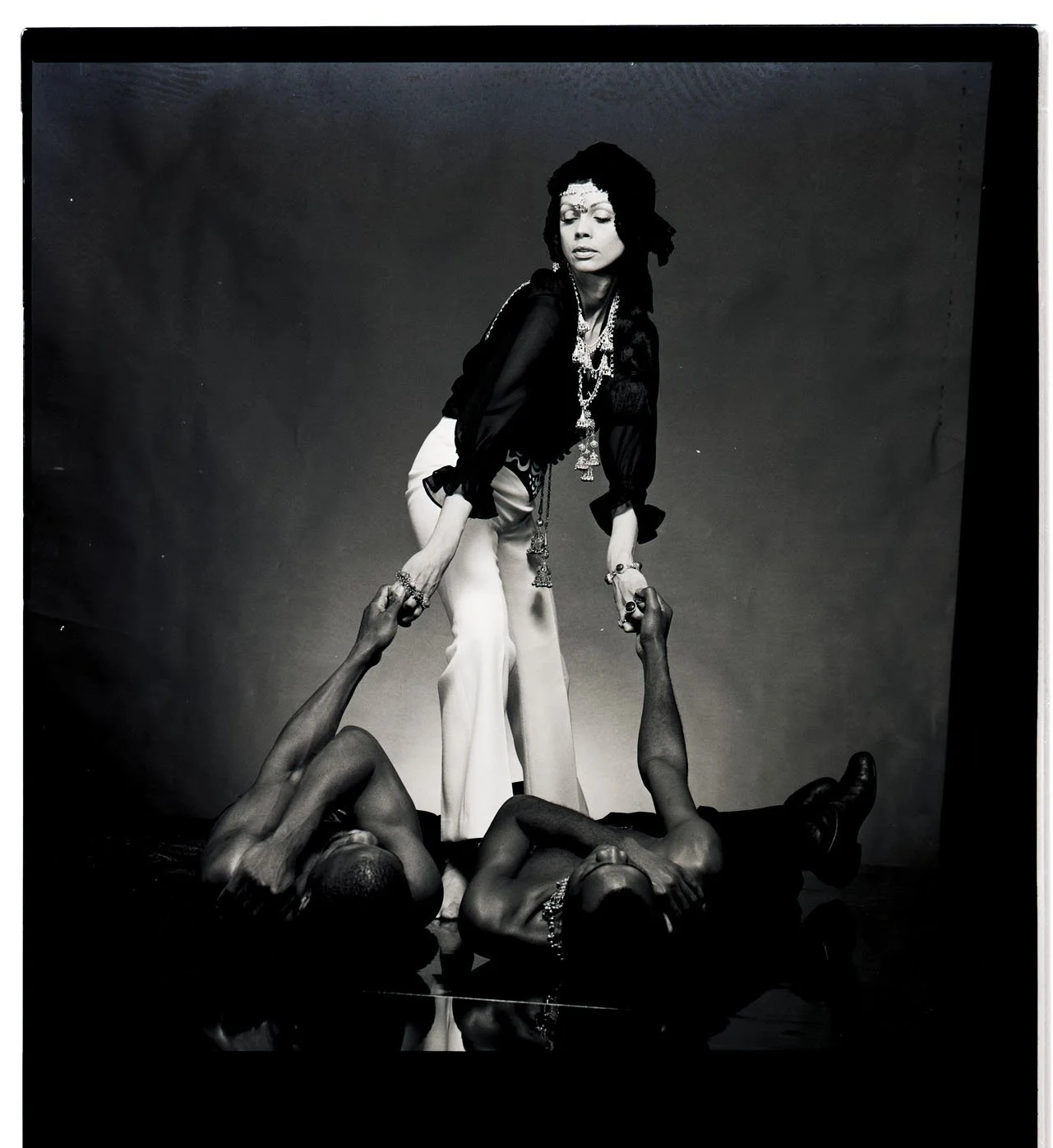
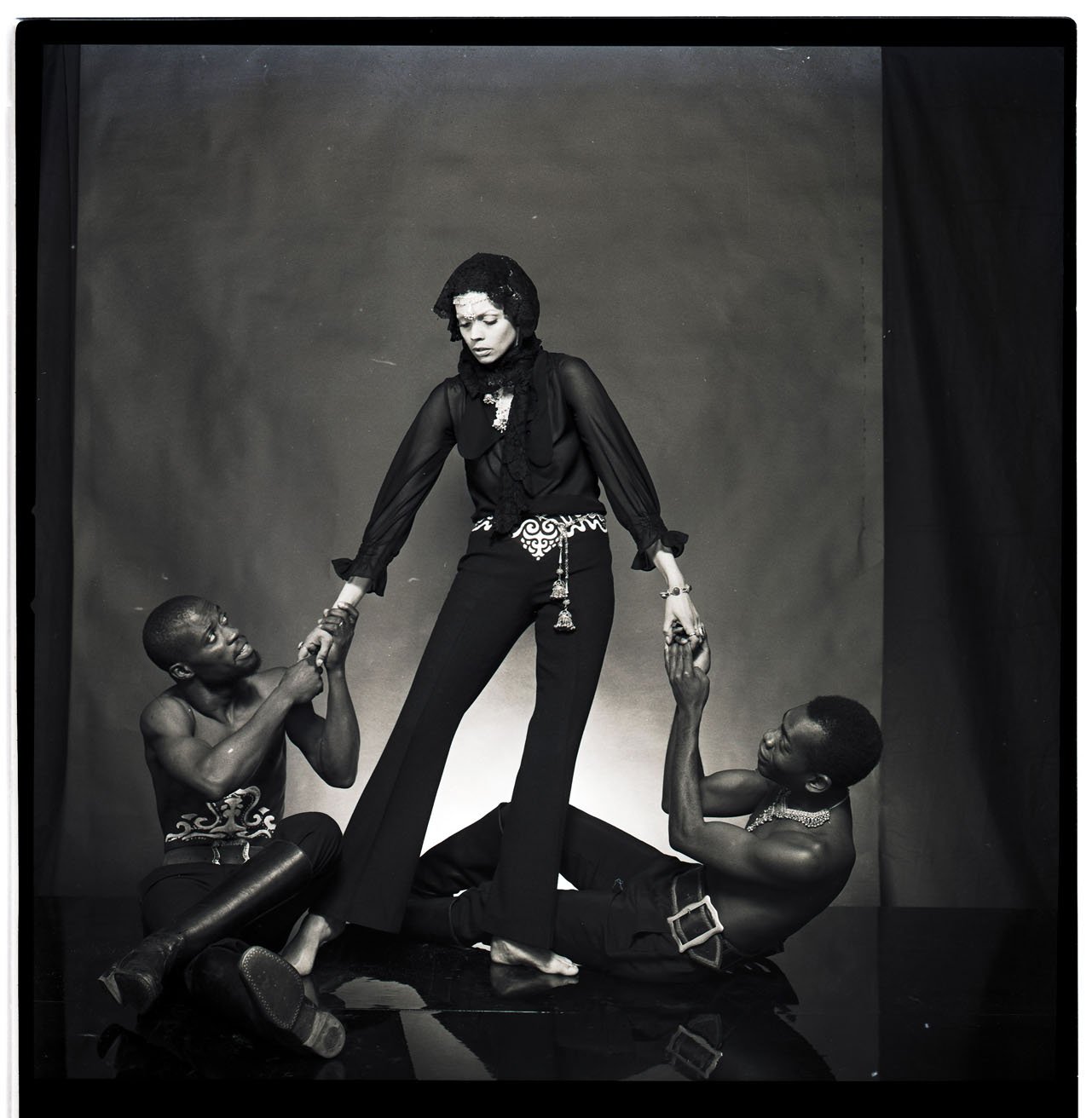

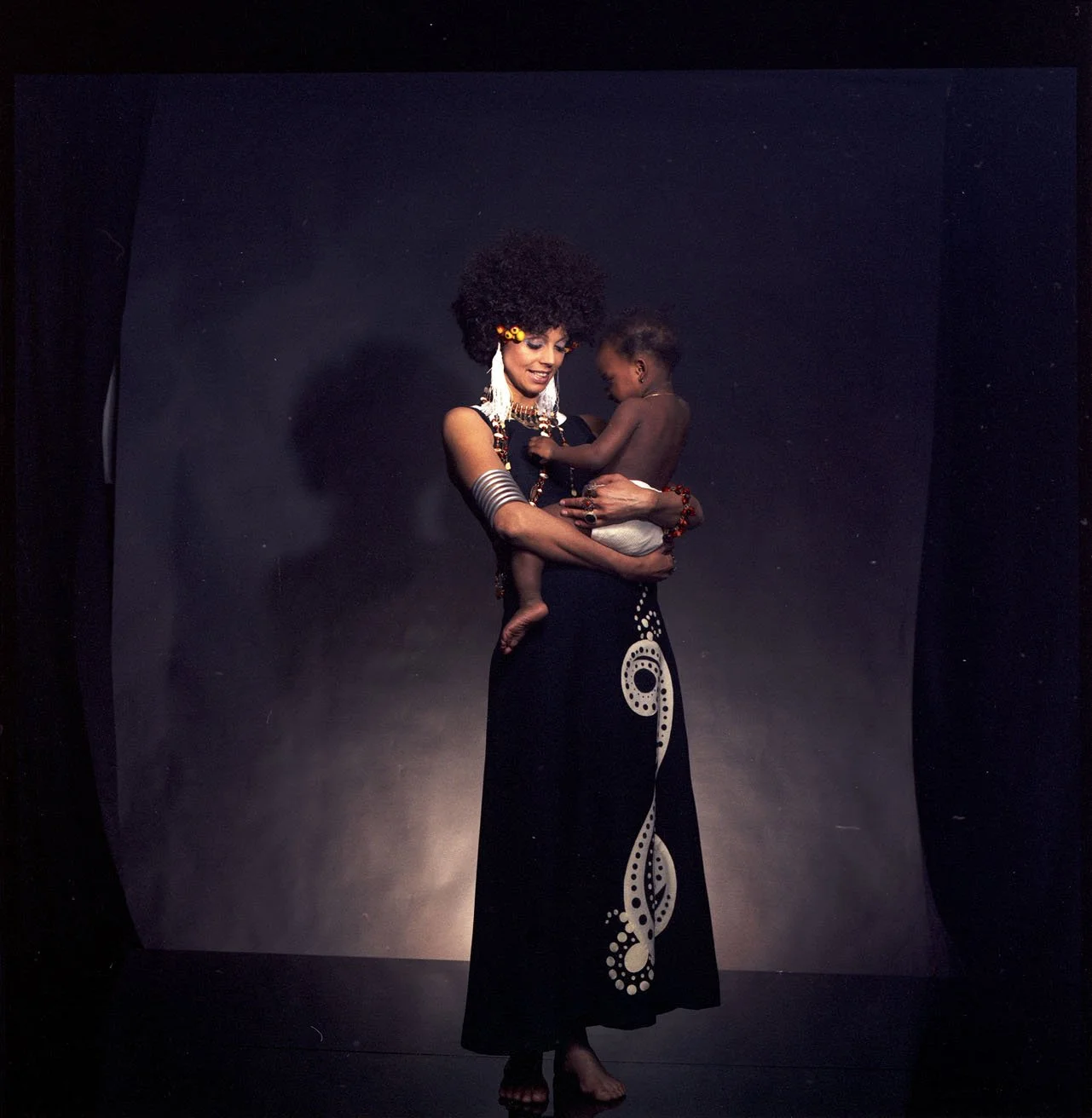




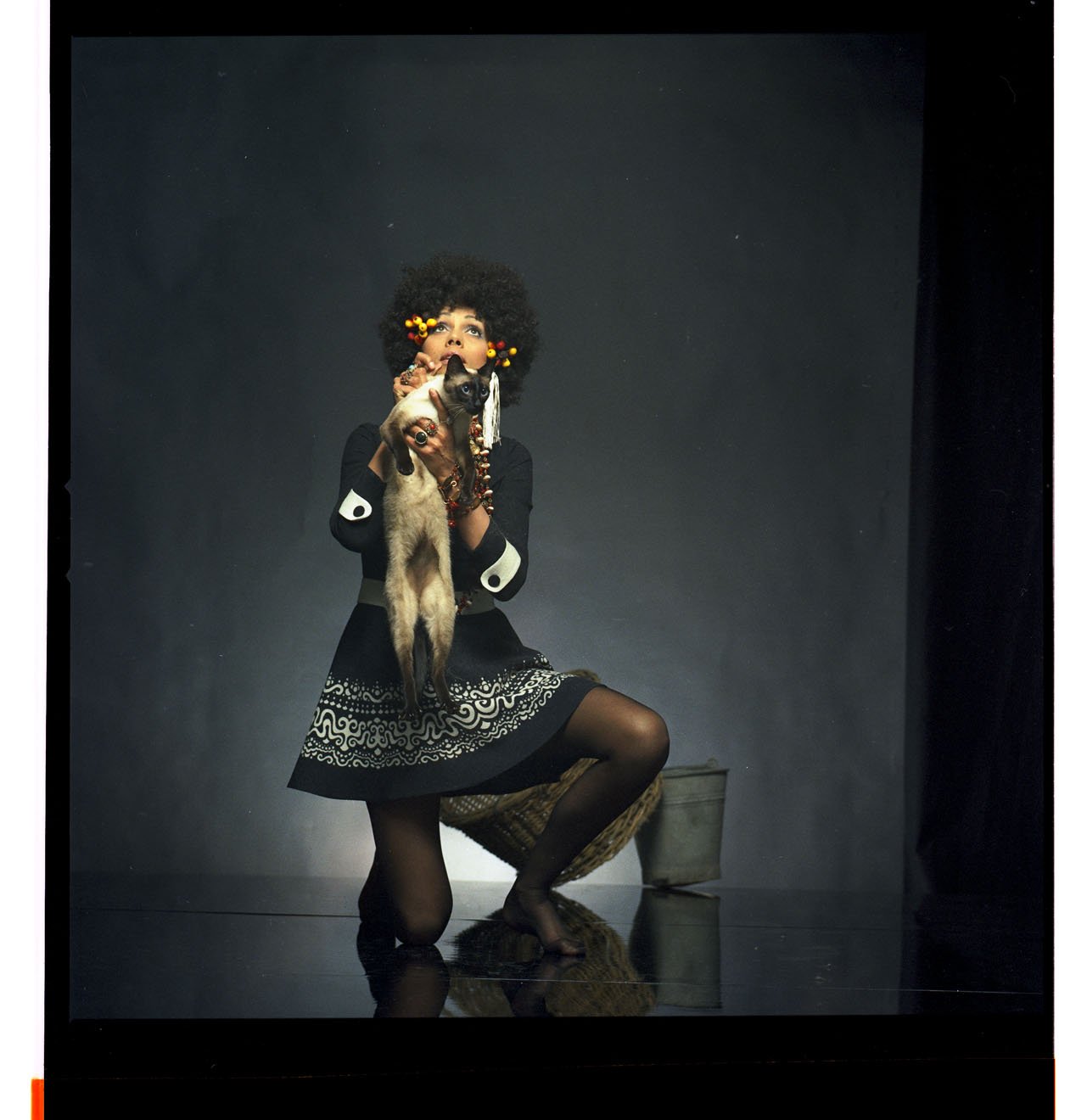
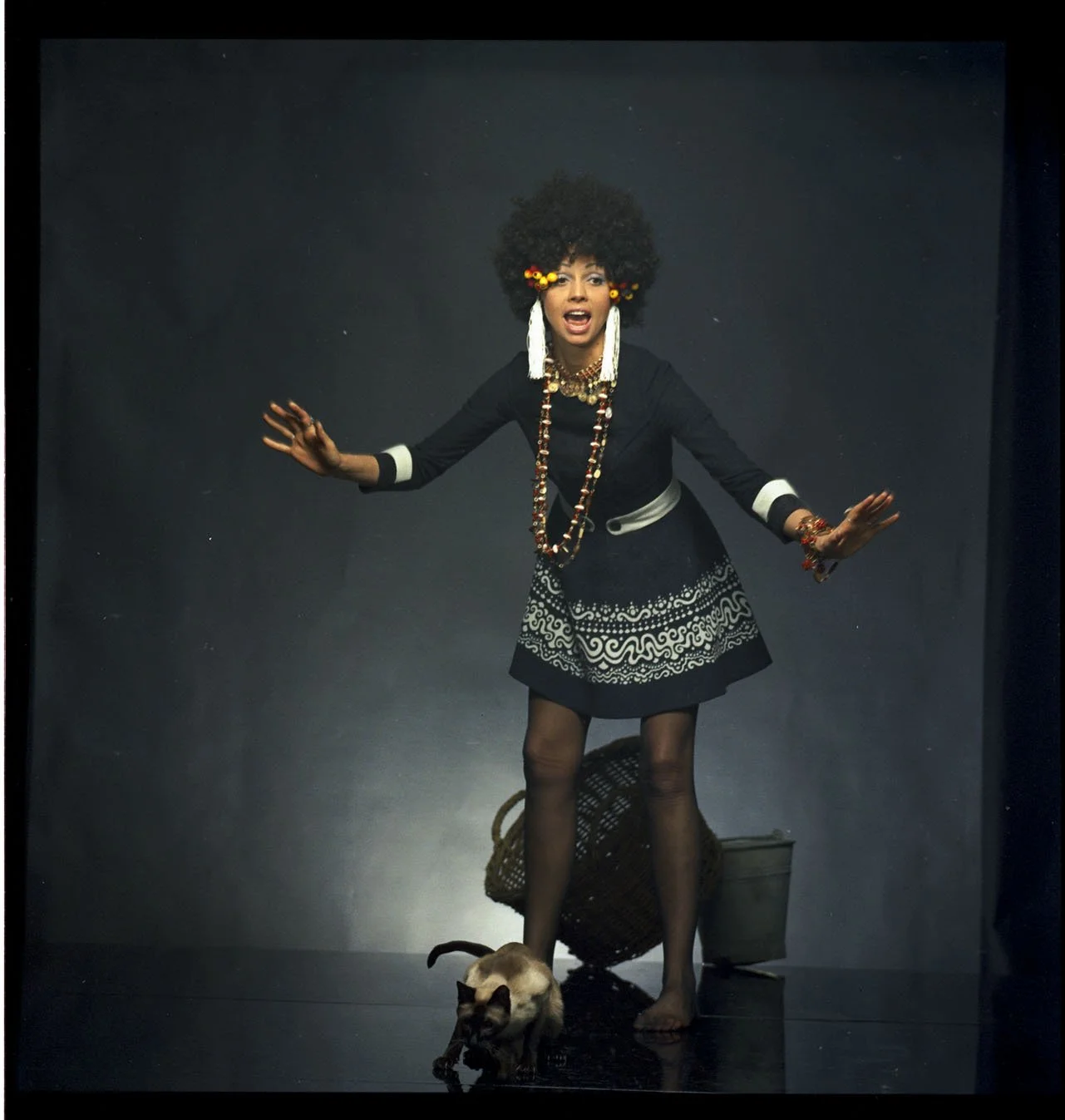
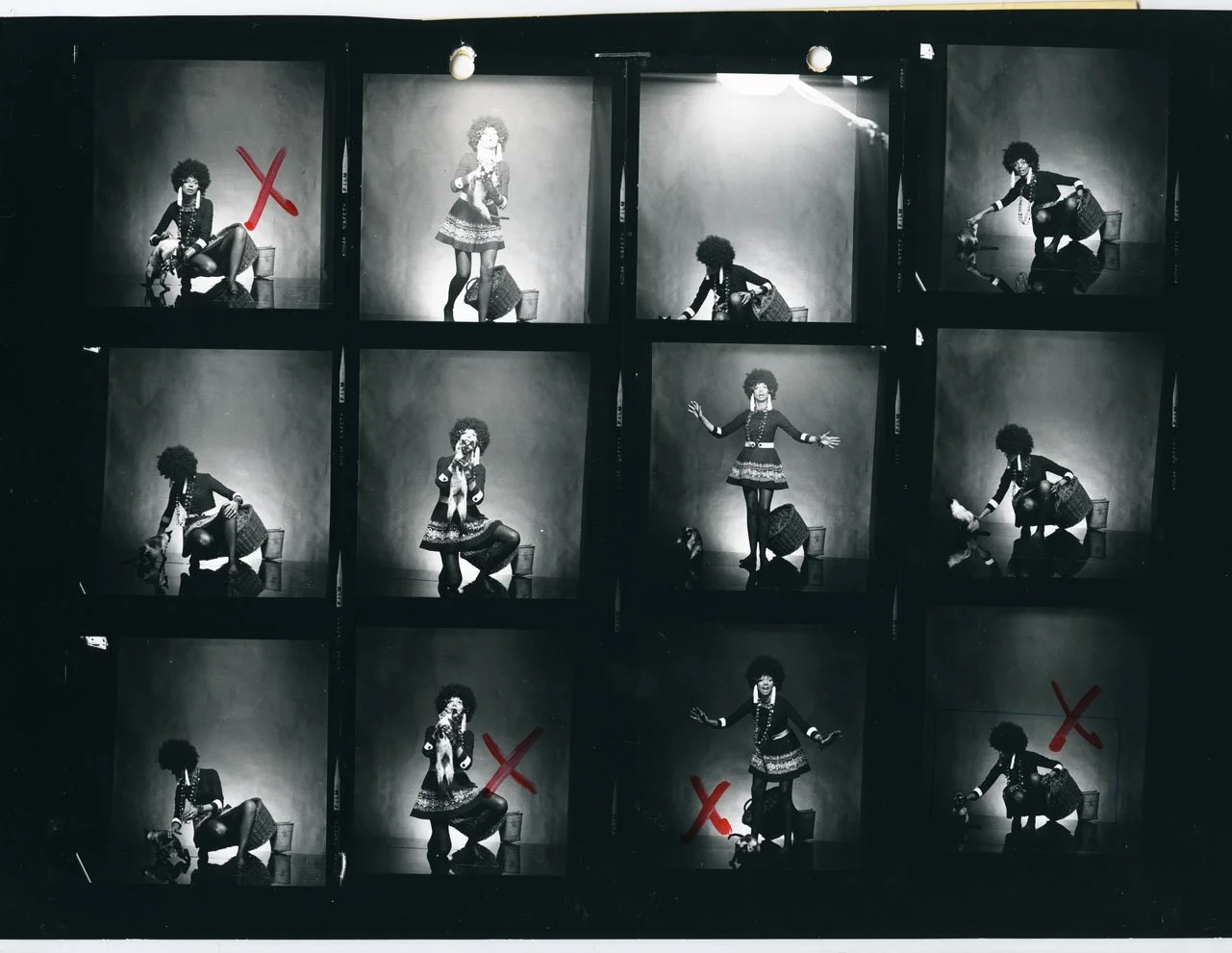
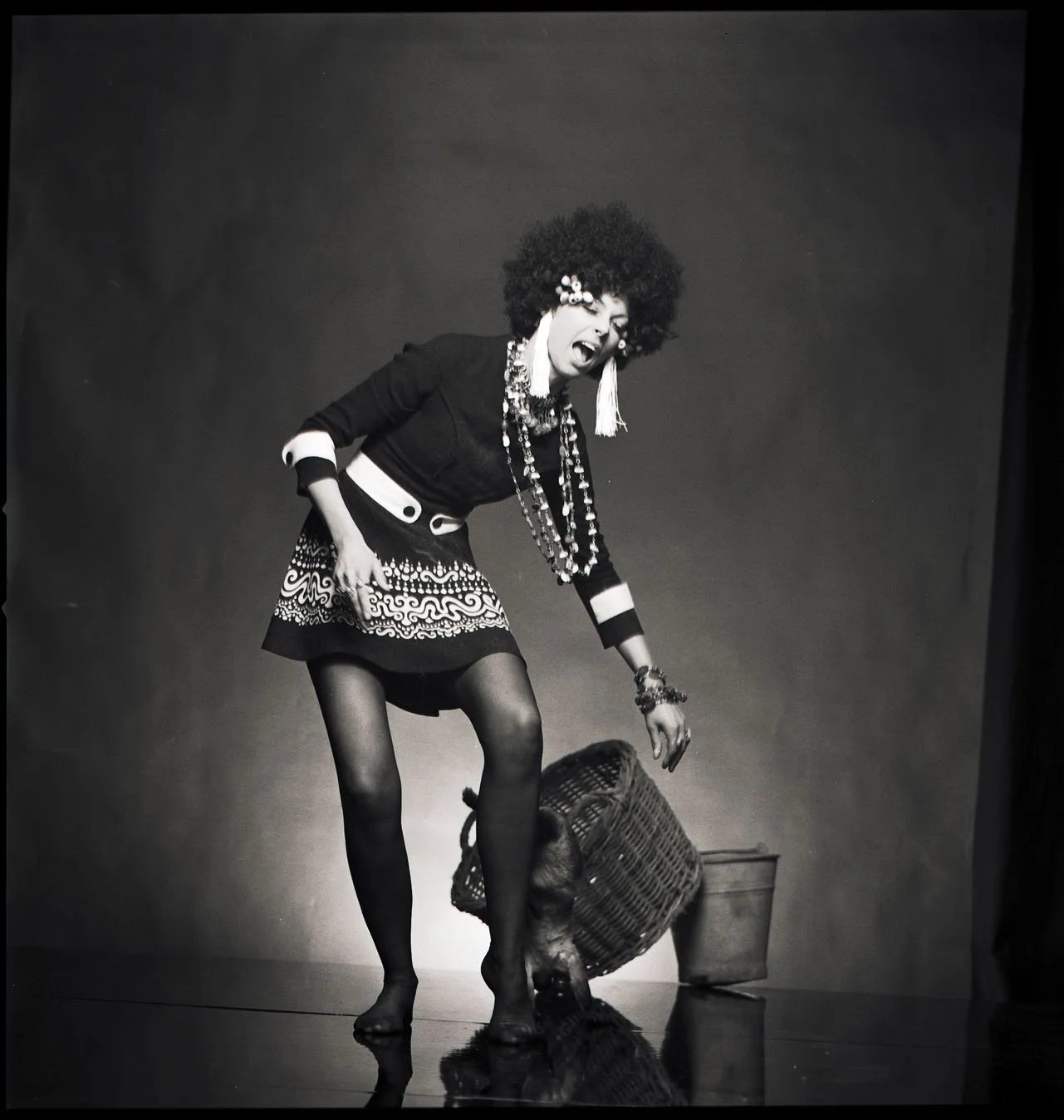






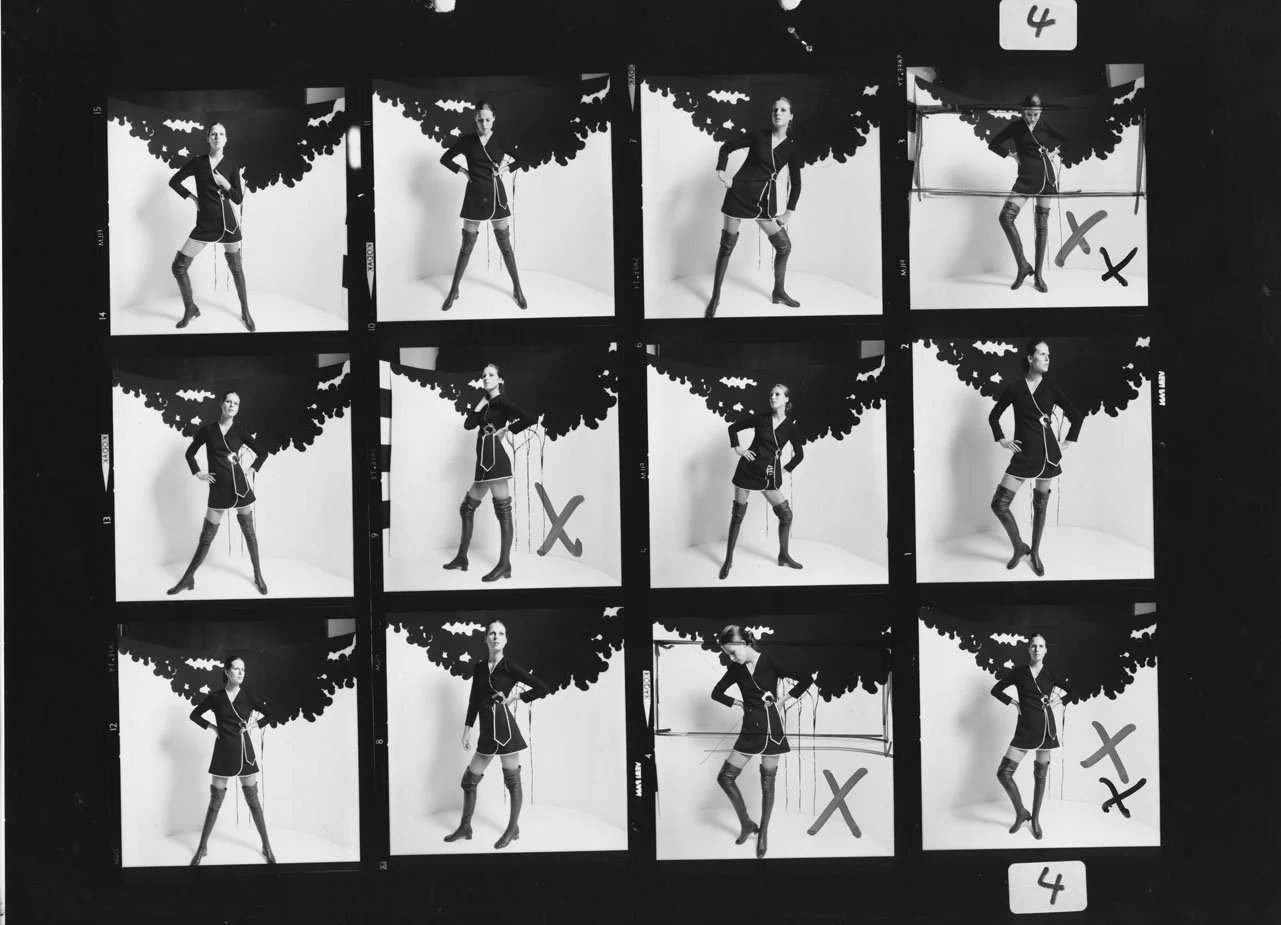
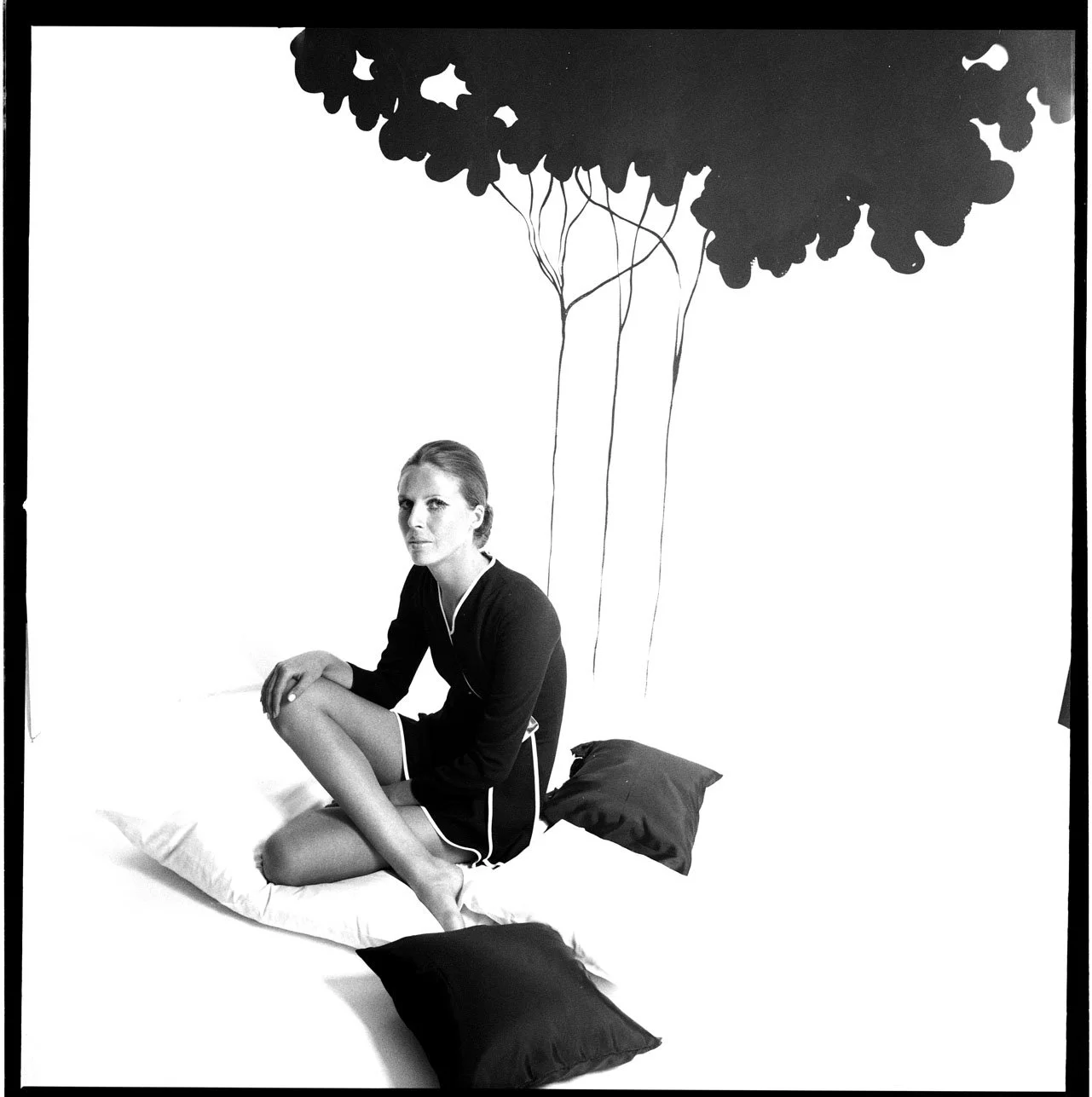
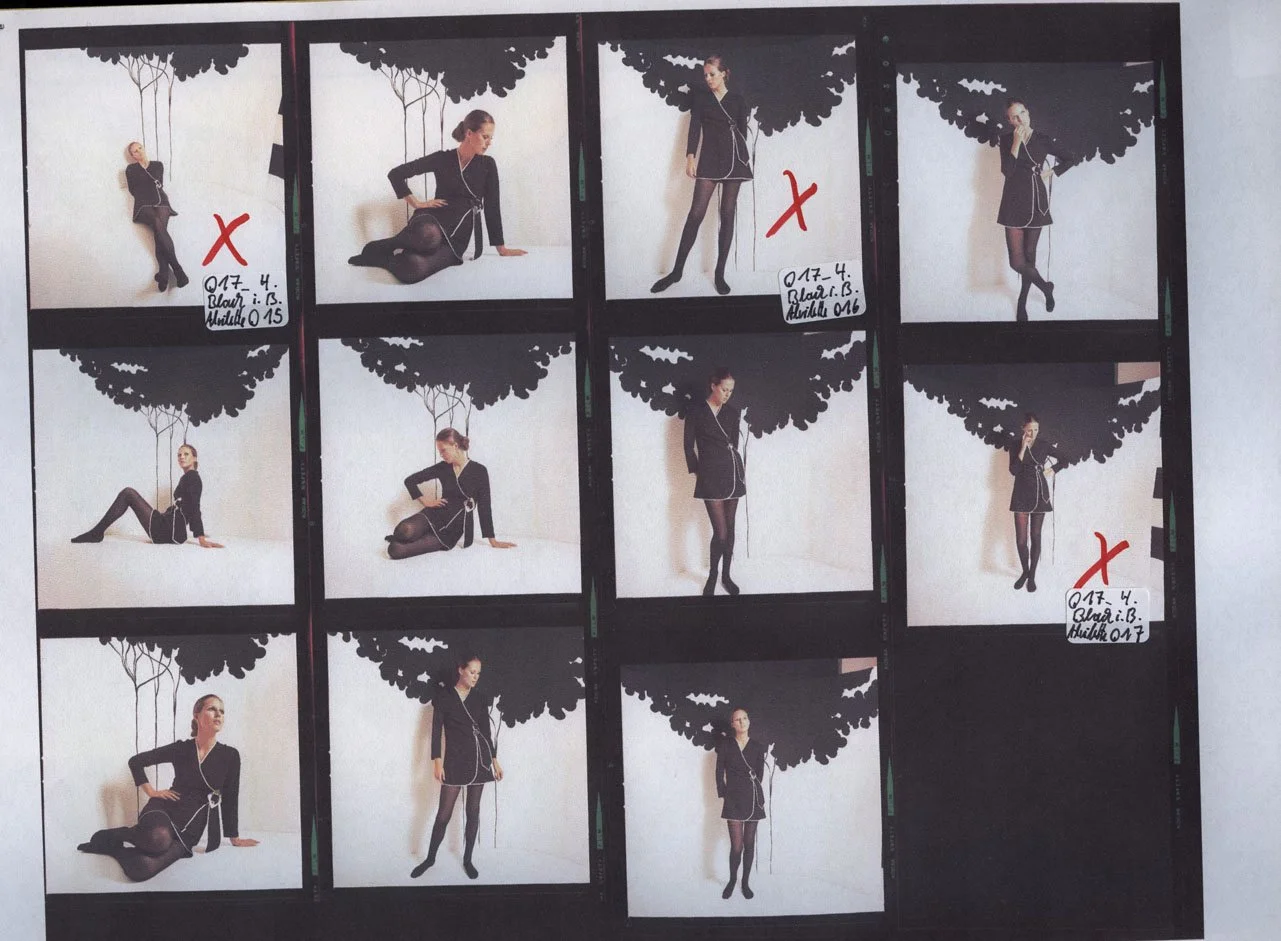
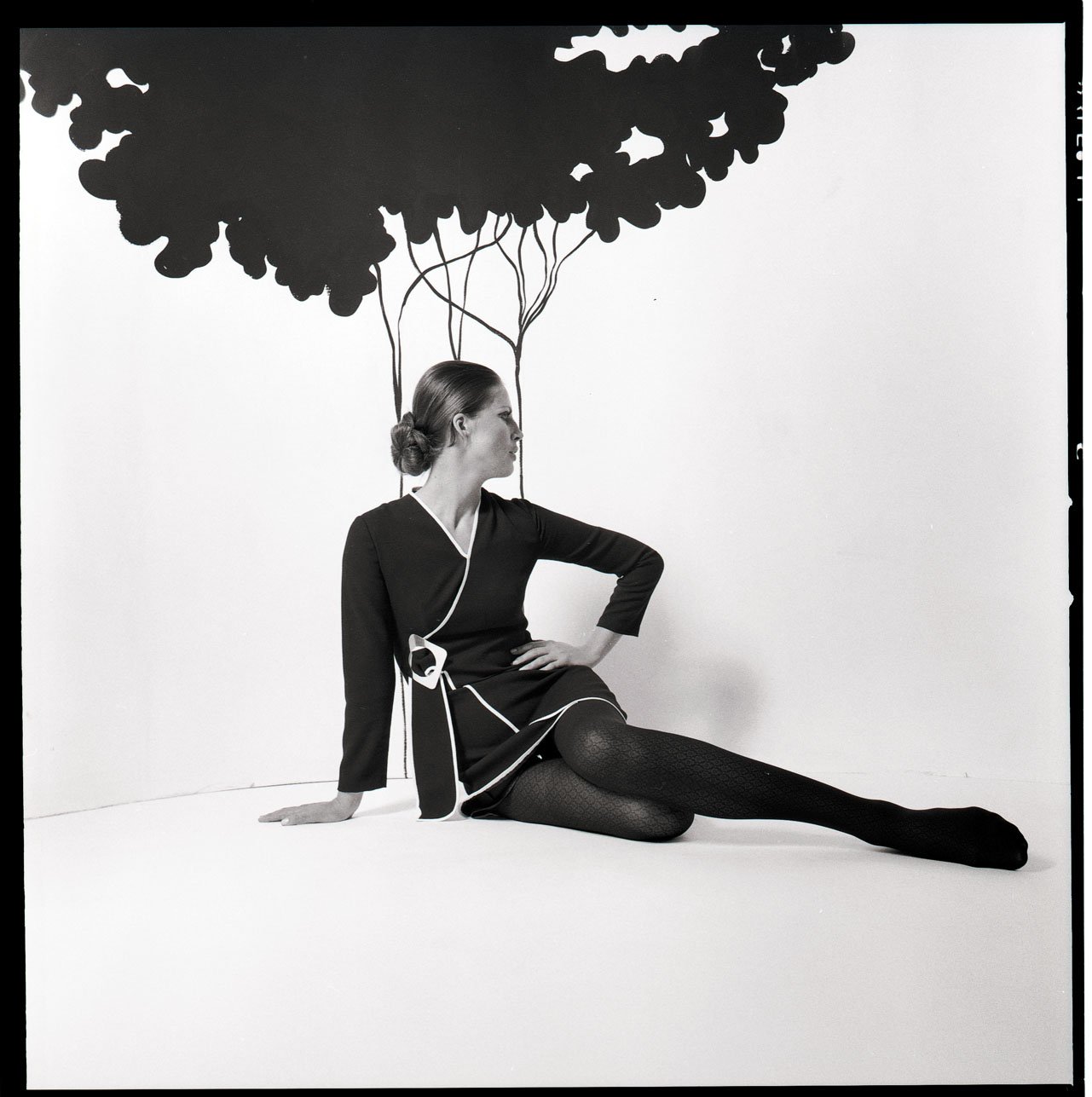
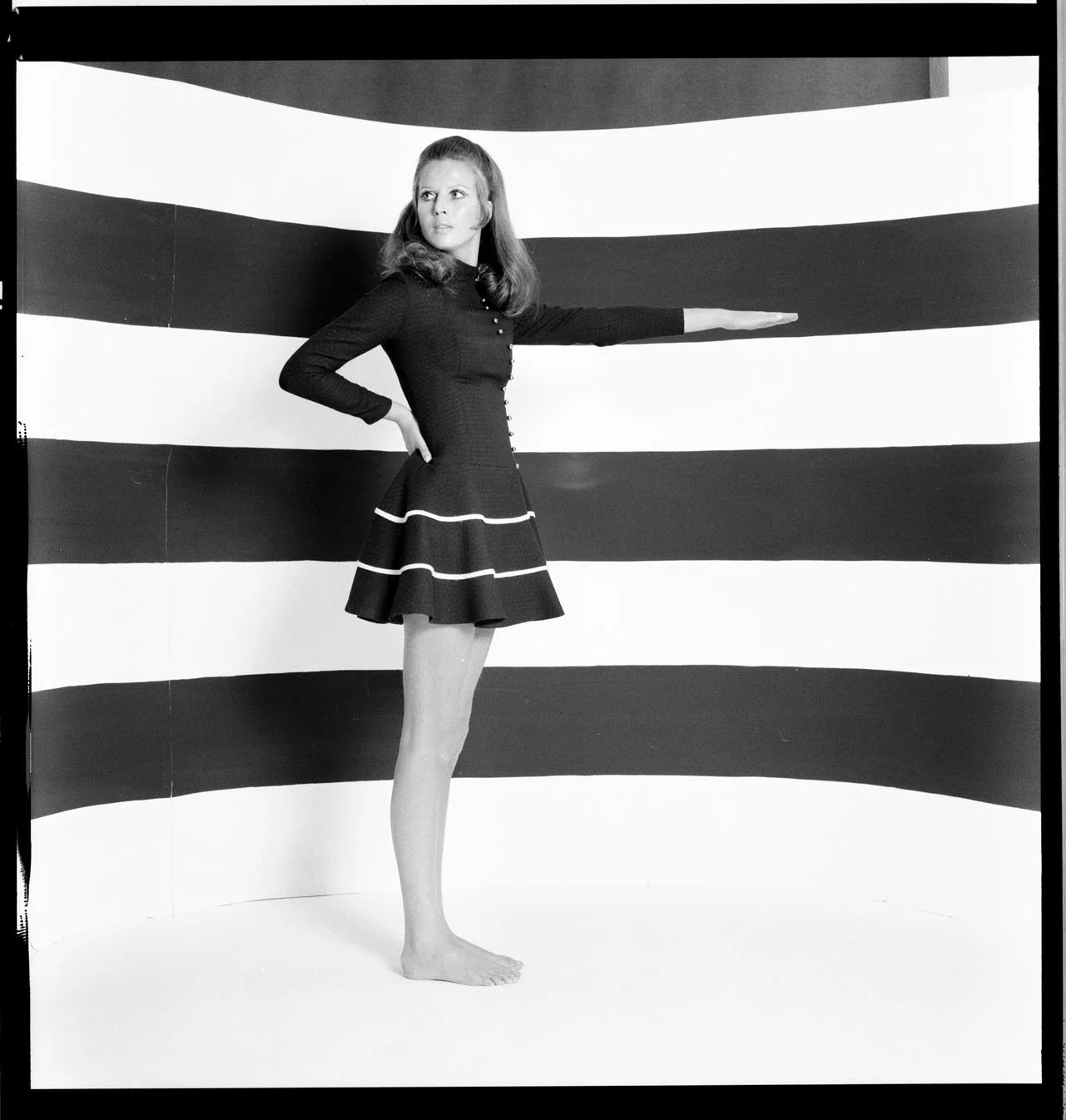
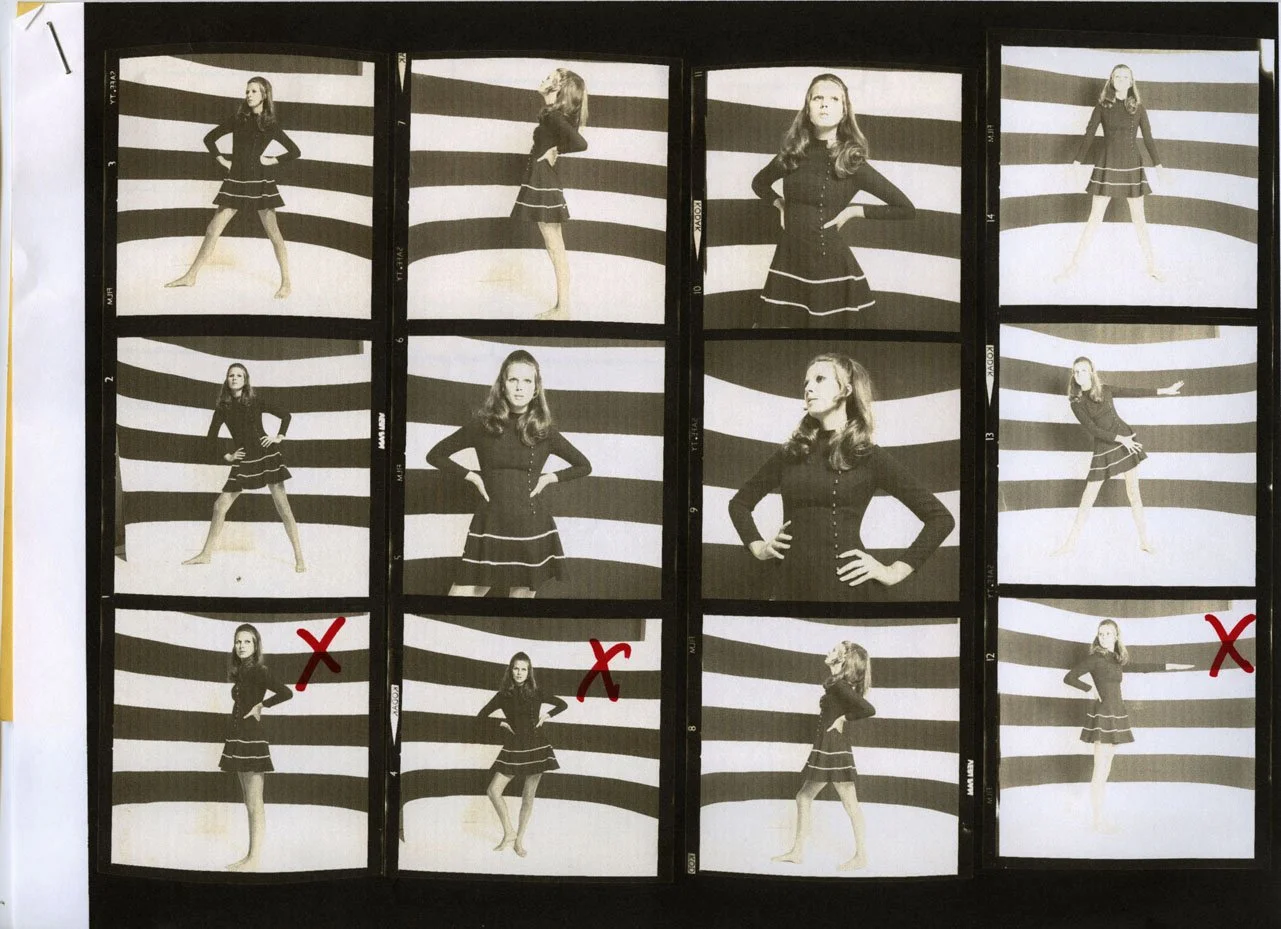
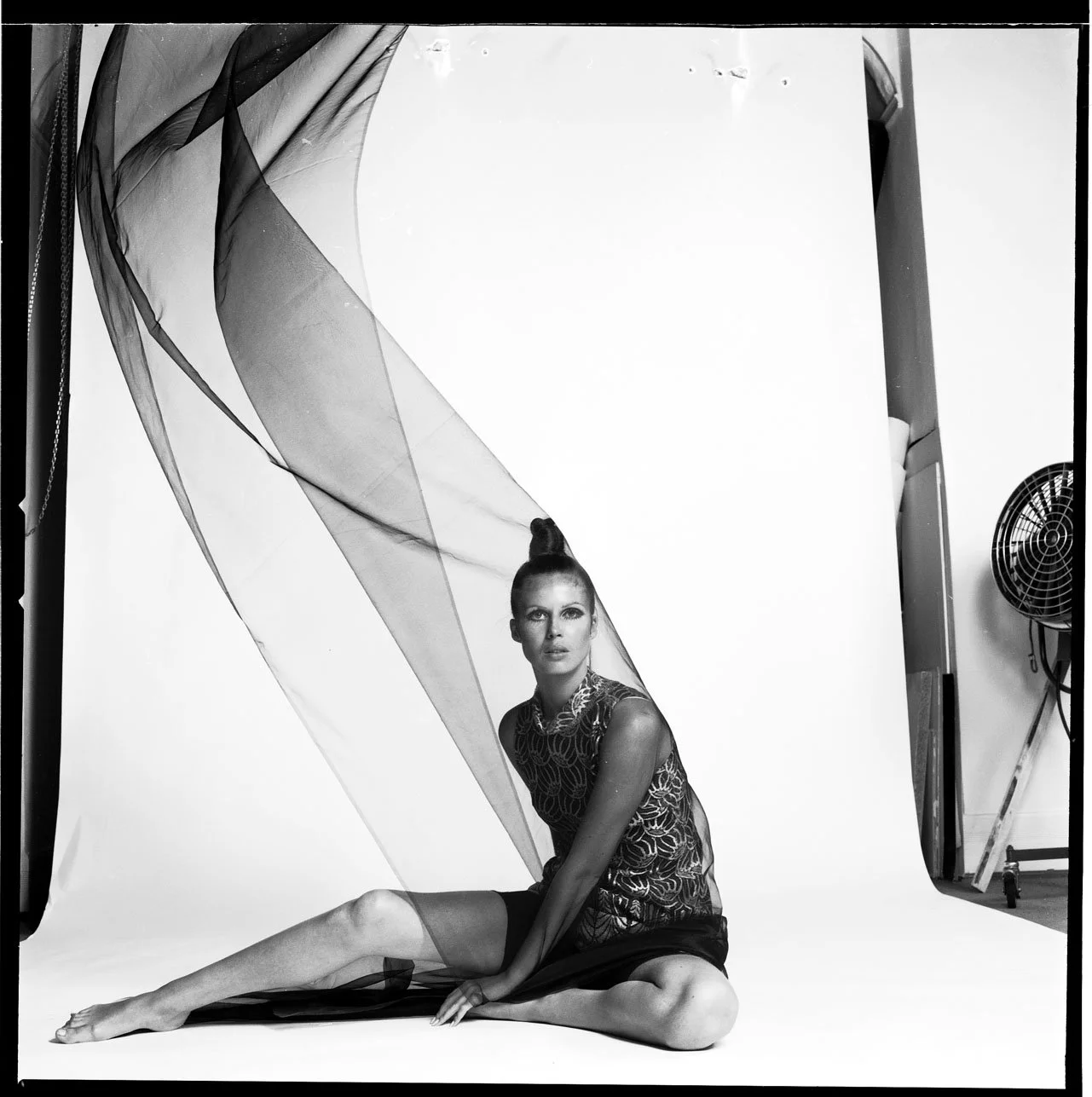
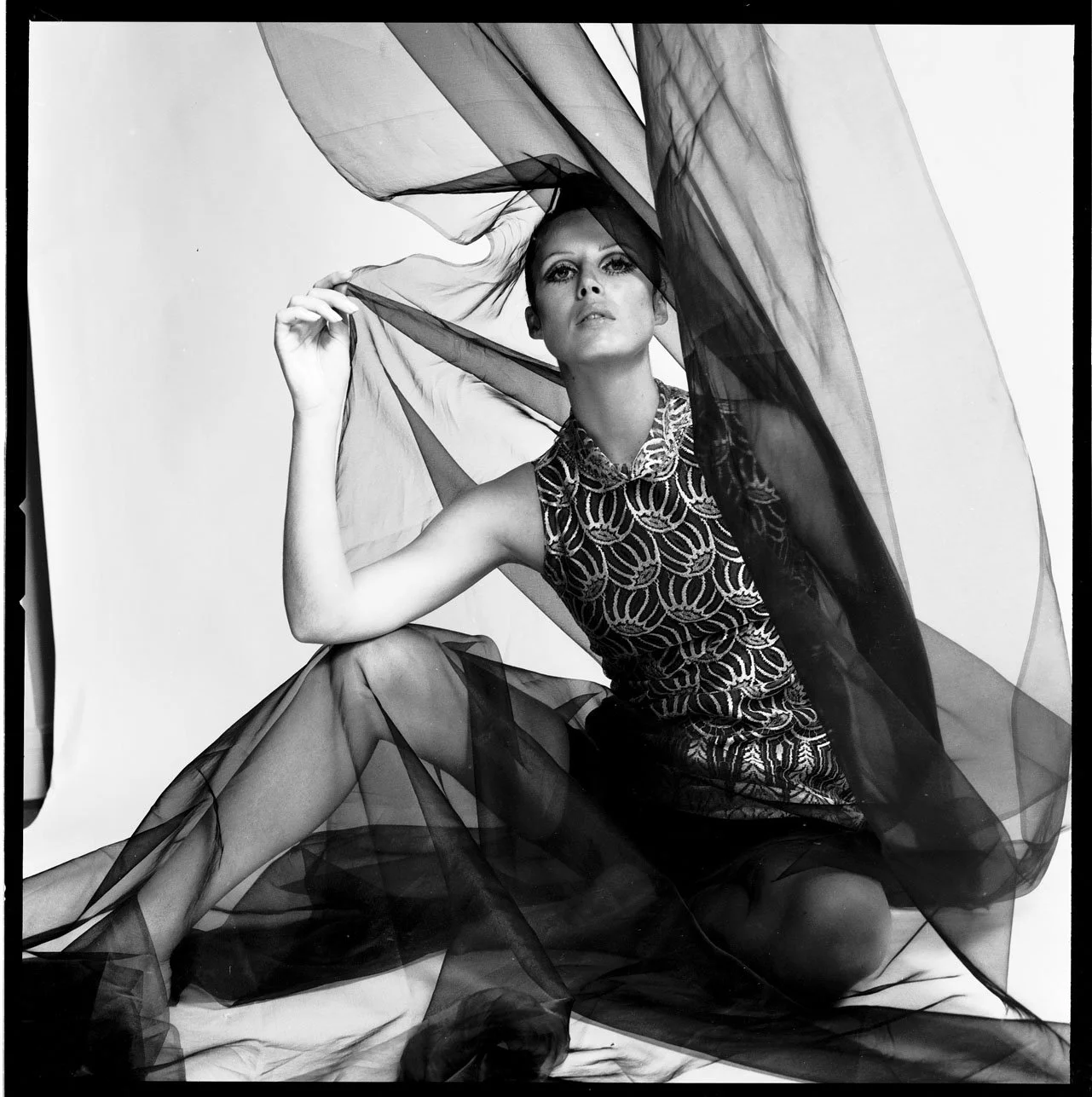
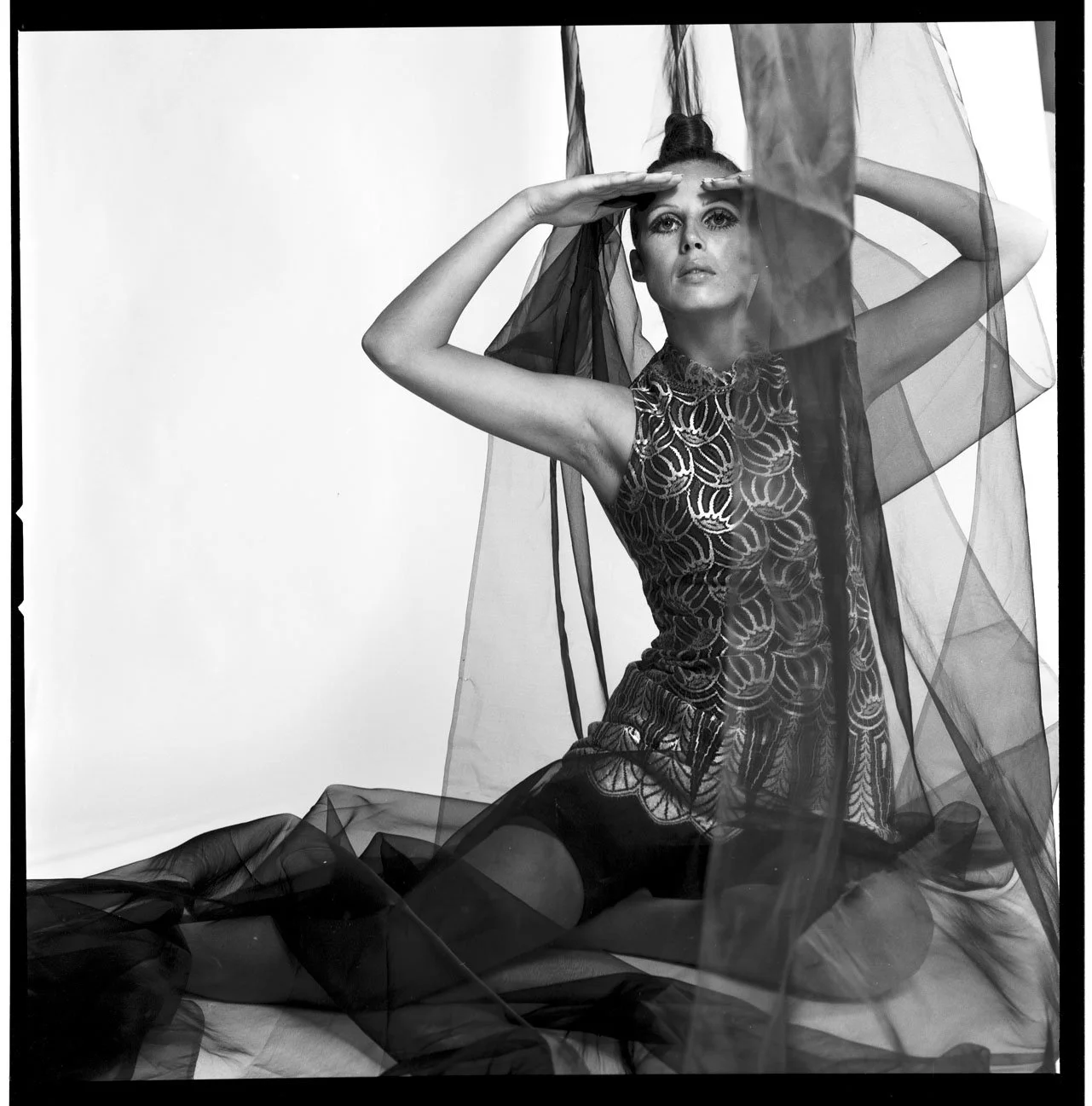
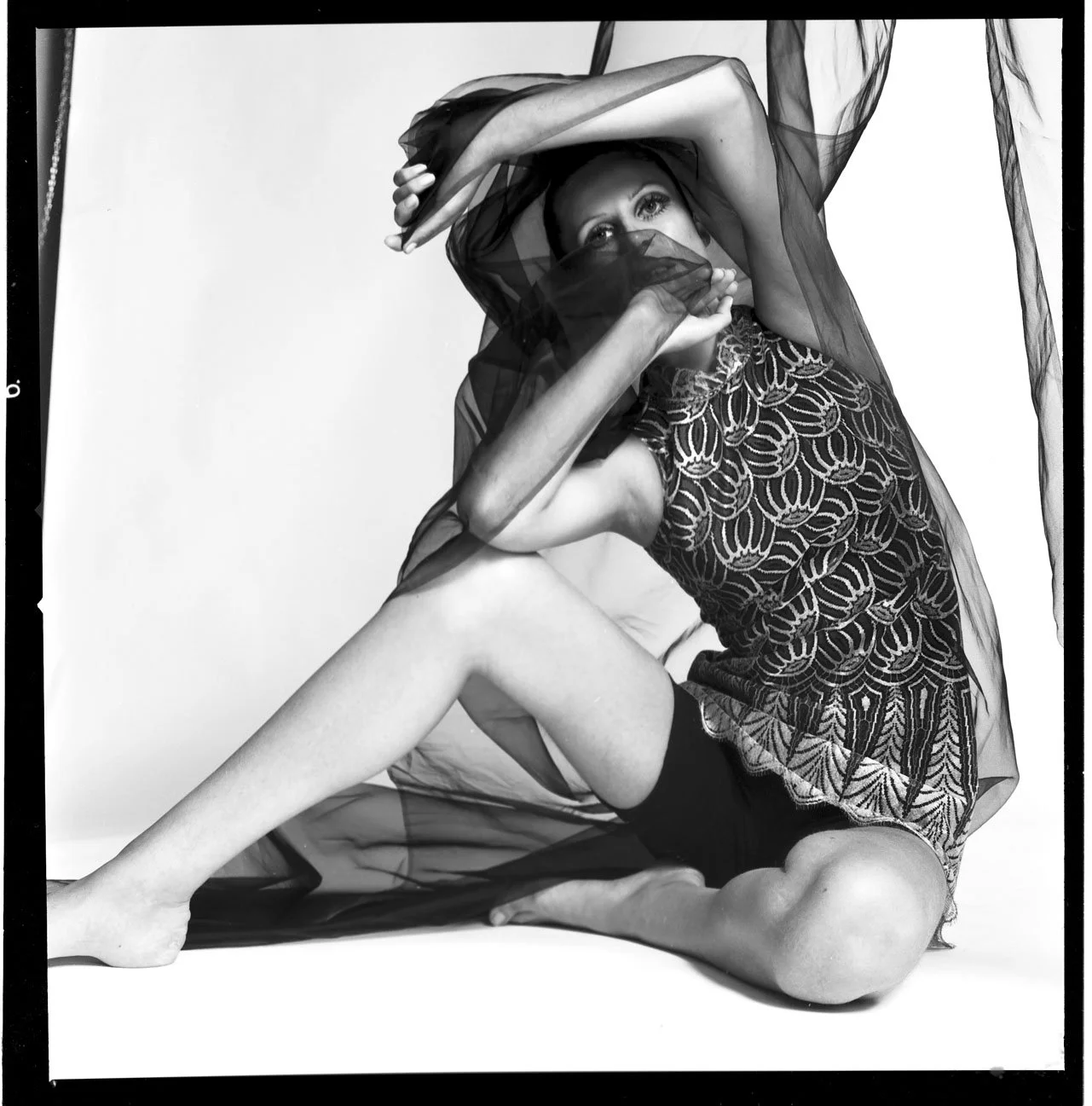
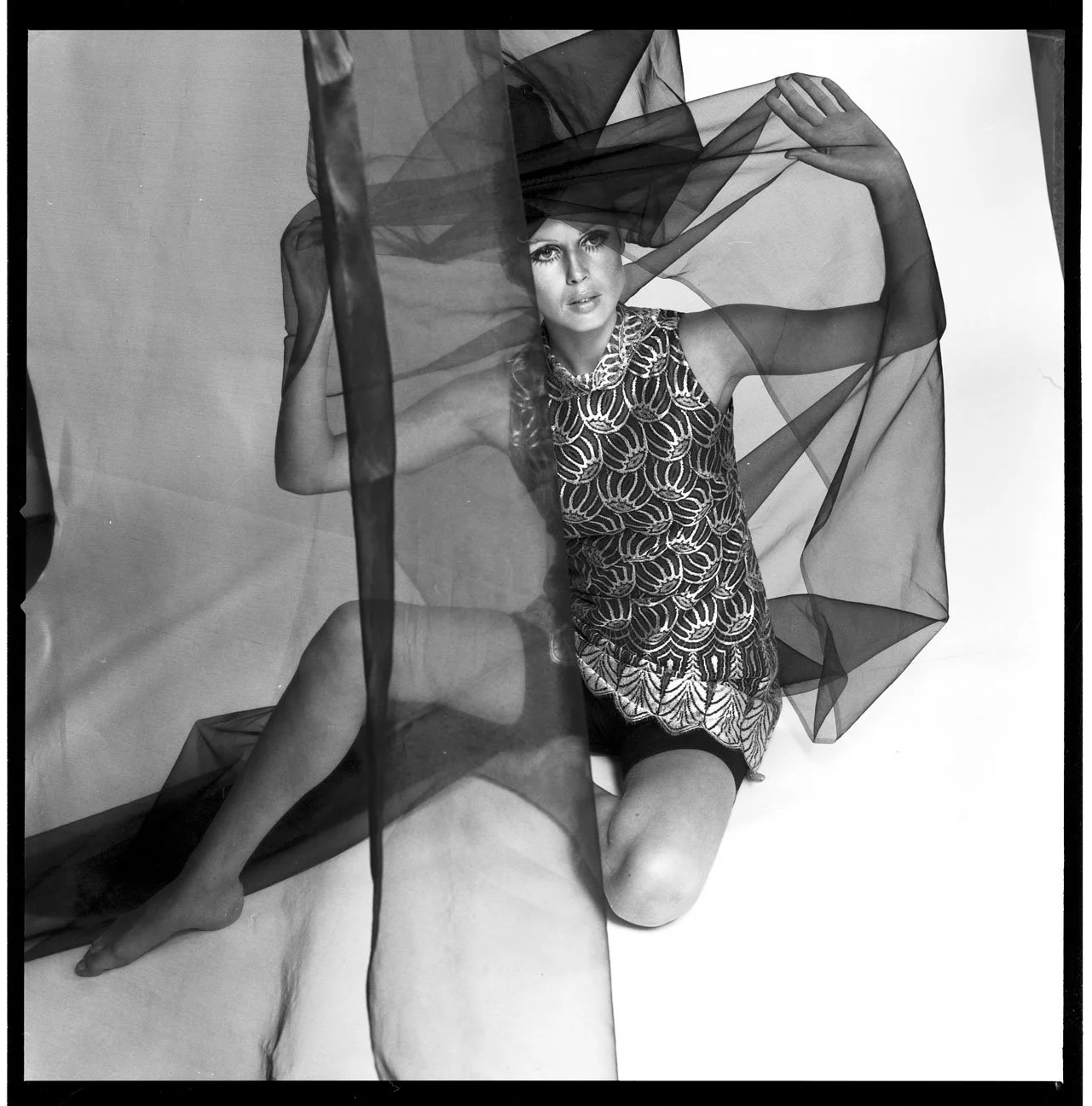
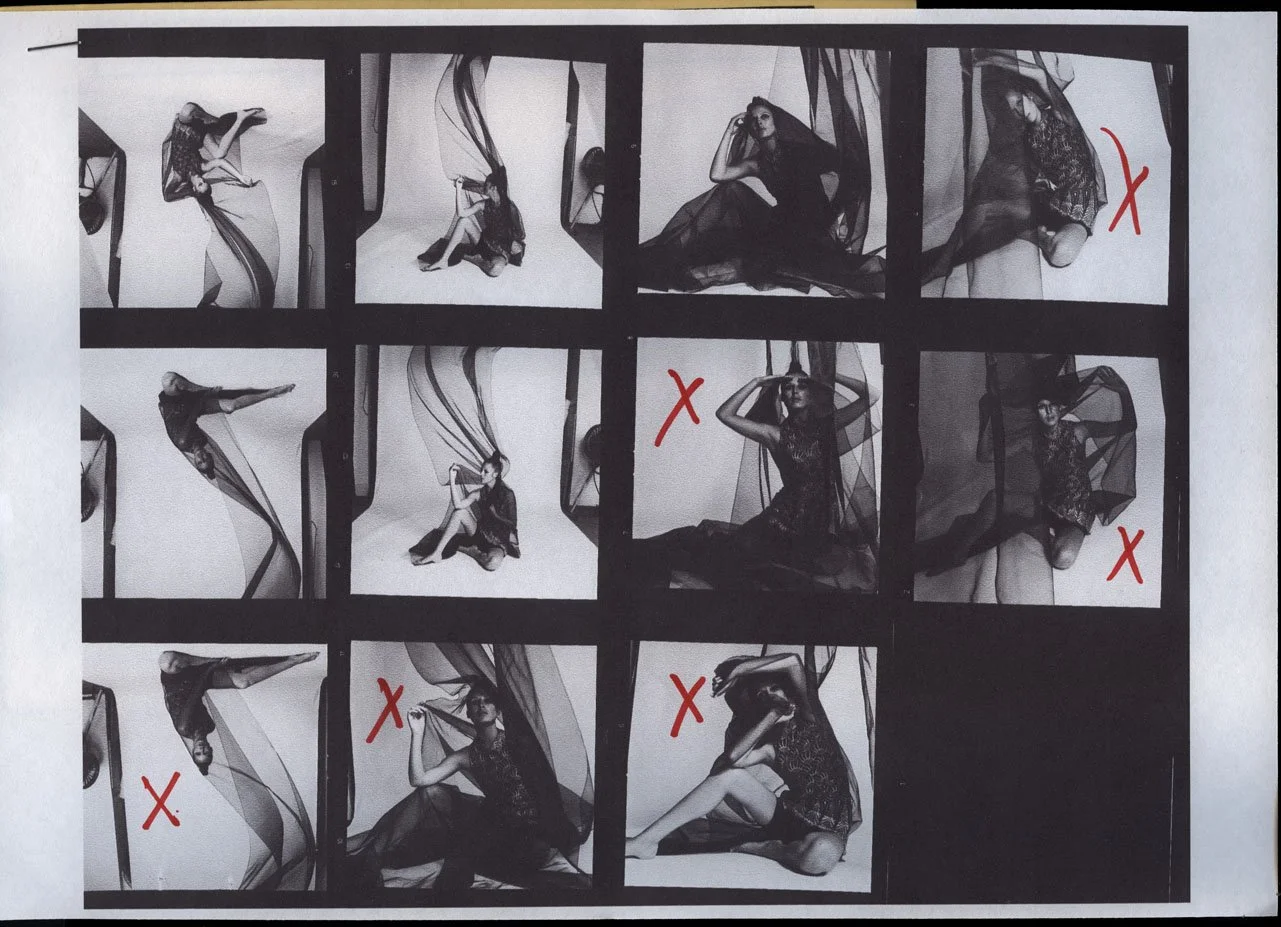
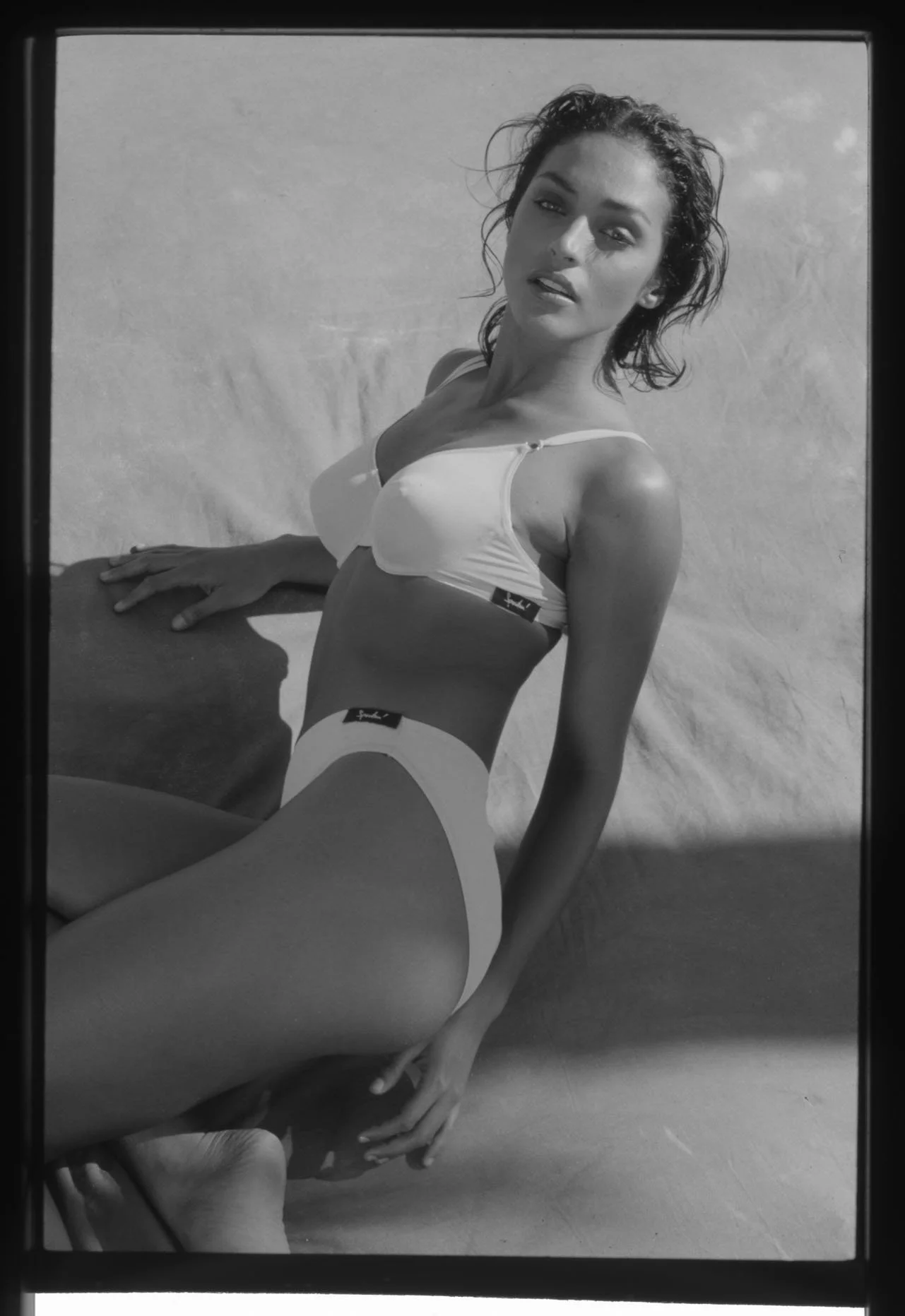
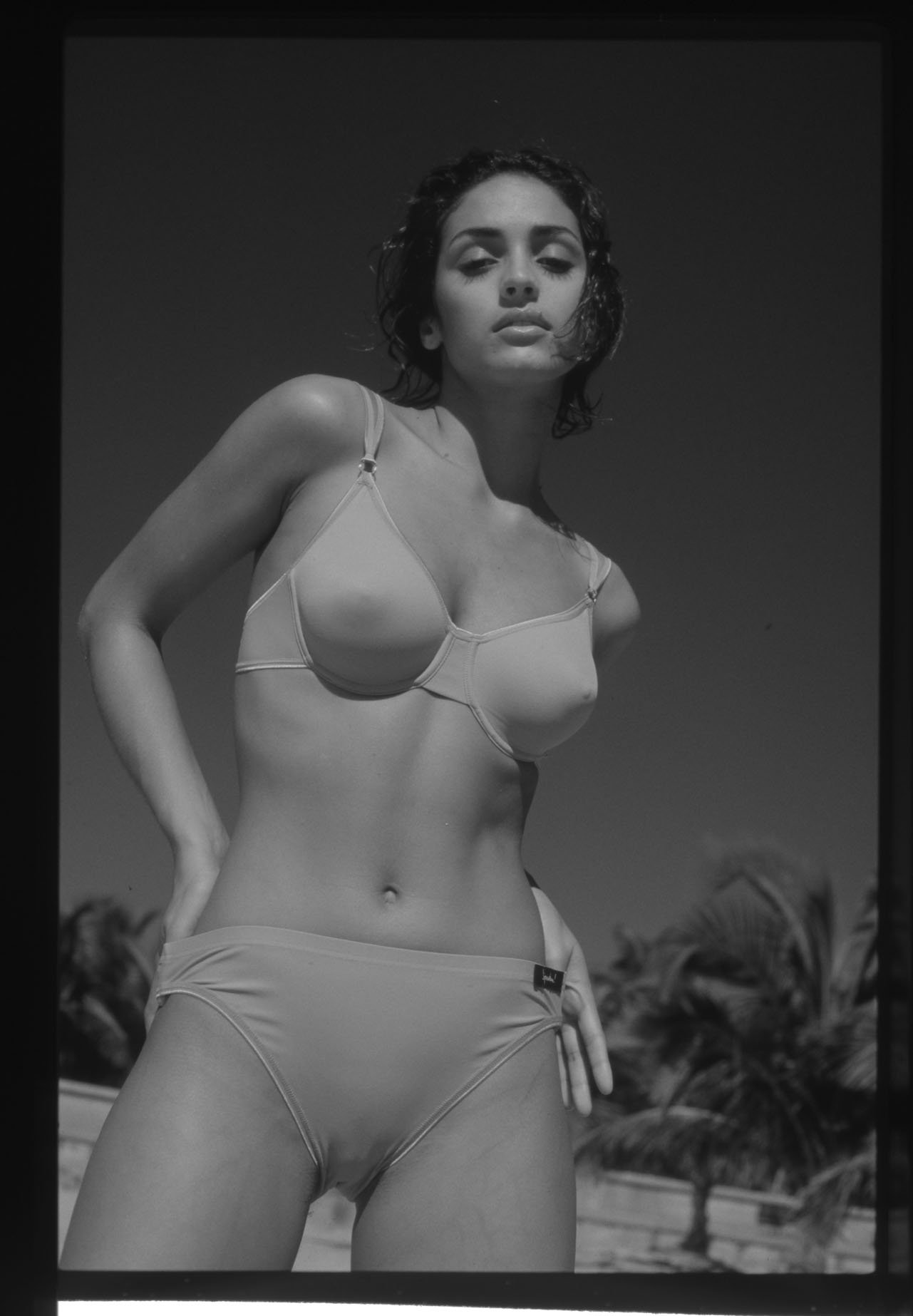
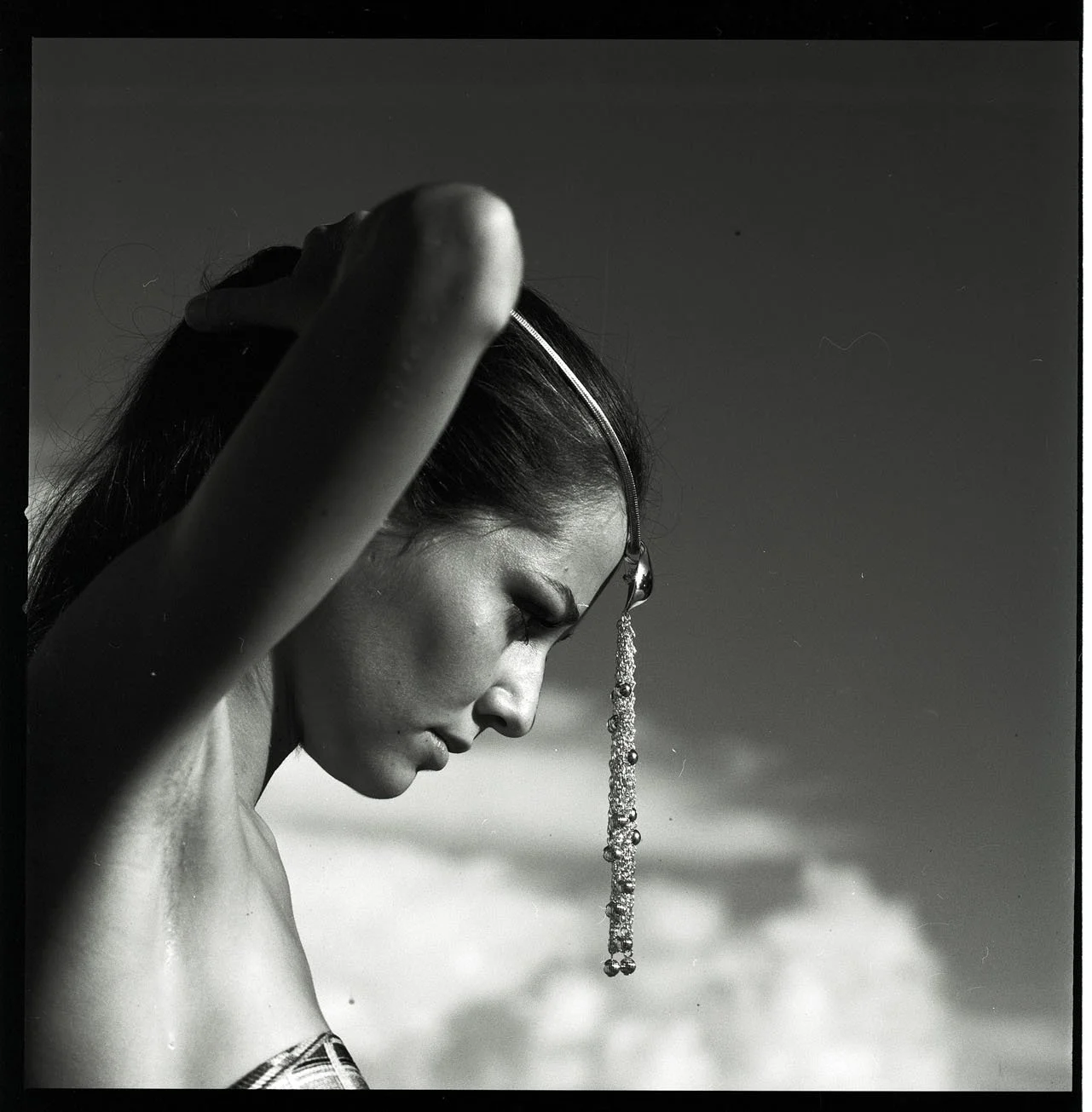
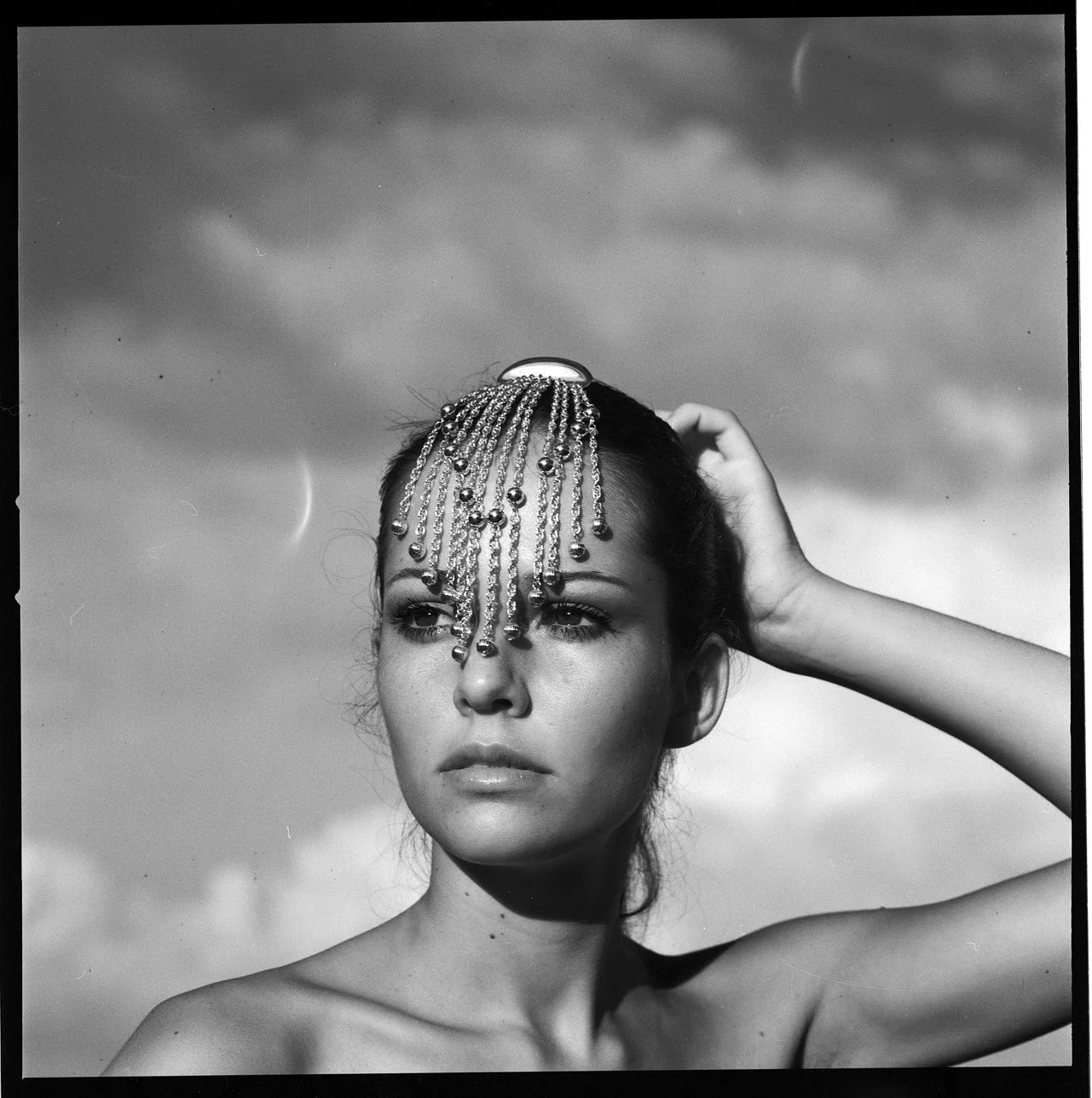







08.2
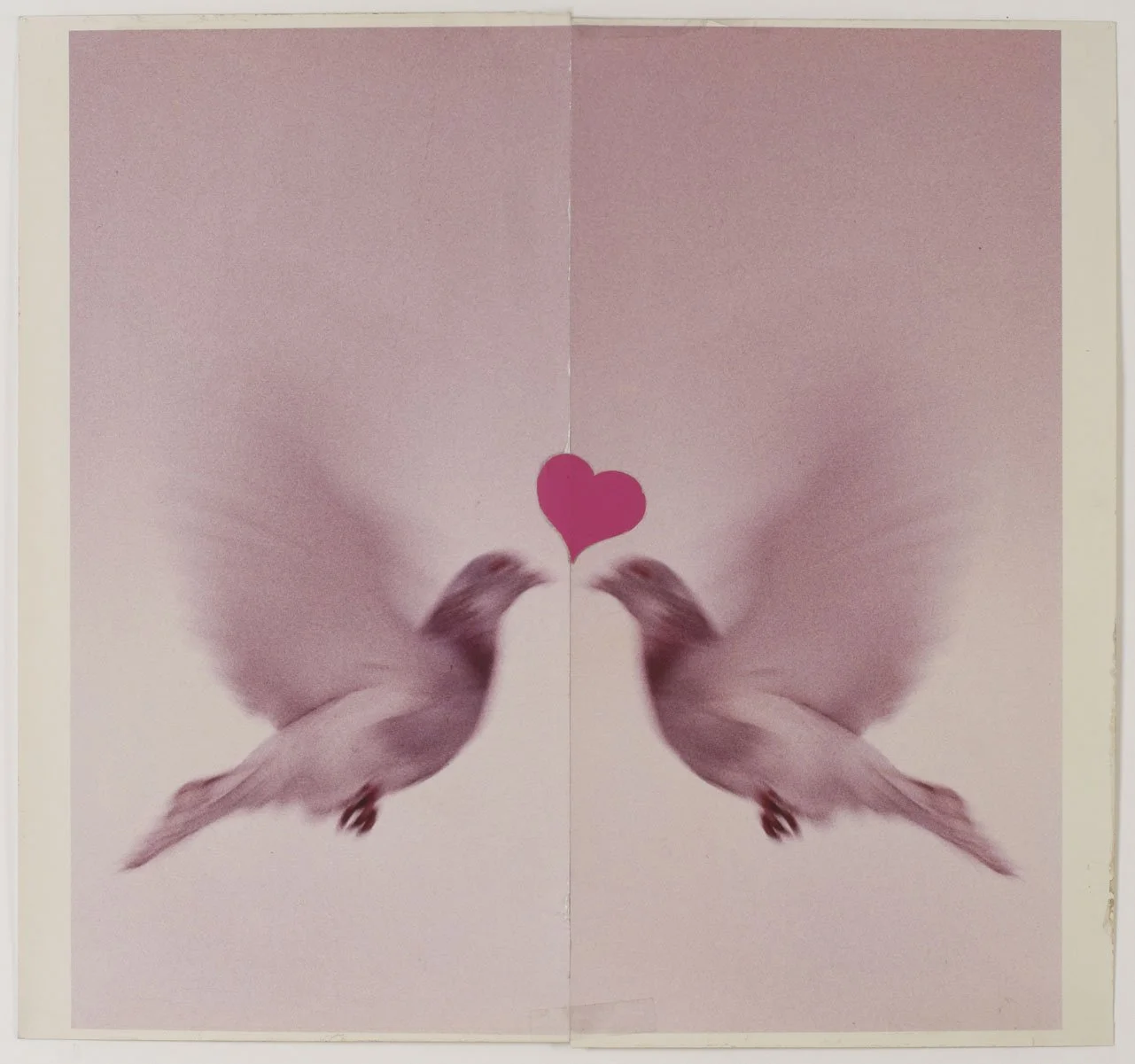
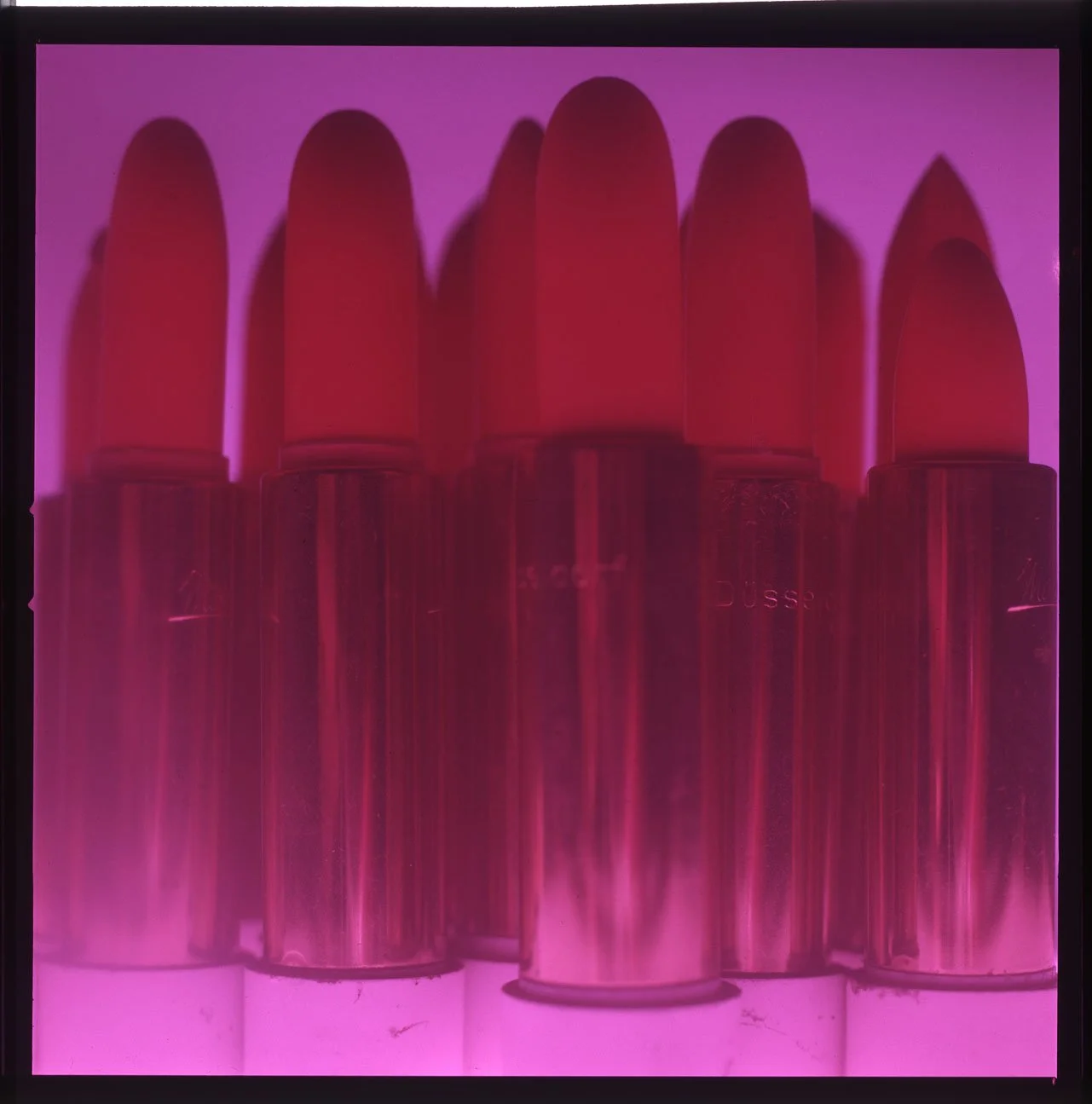
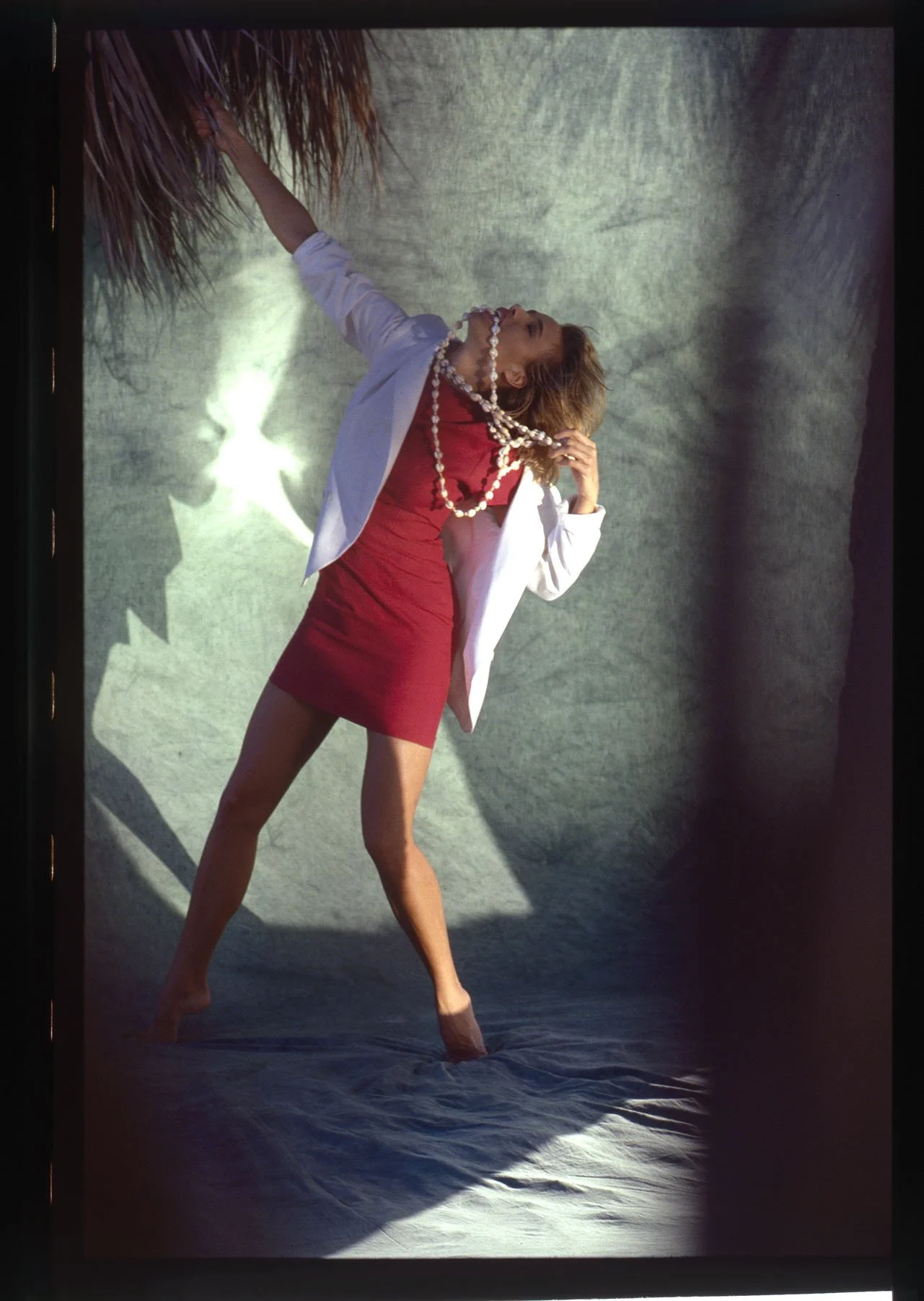
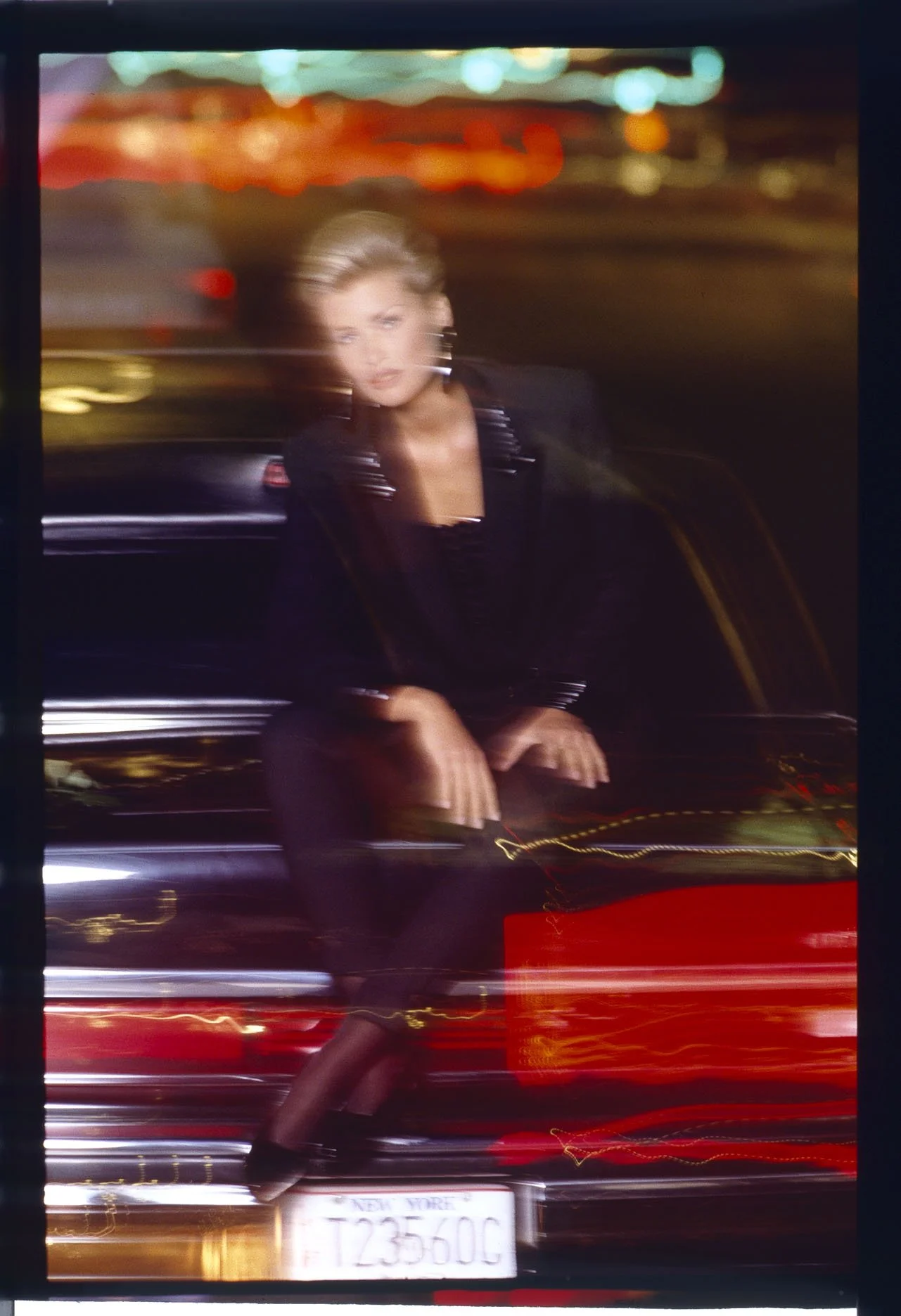
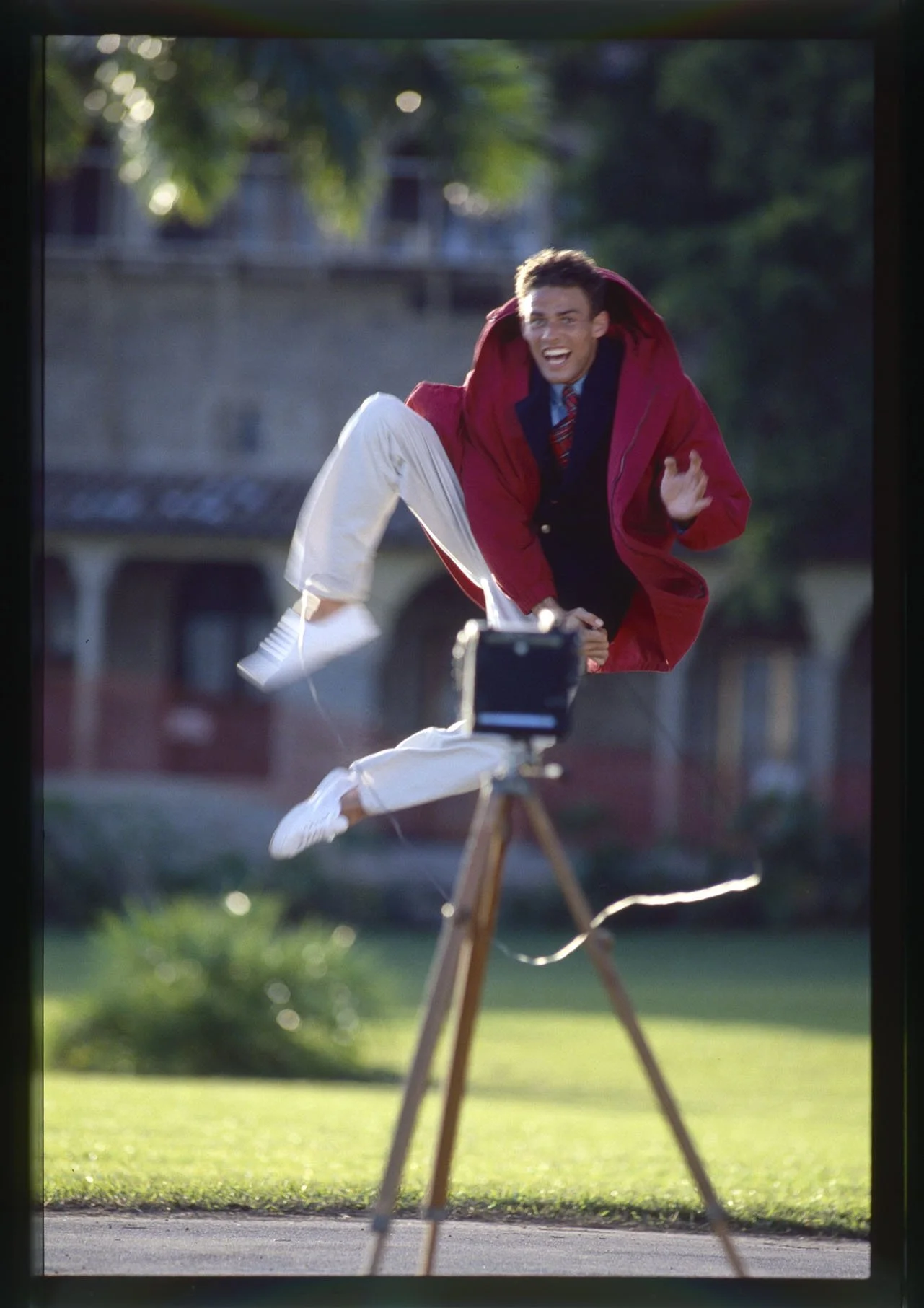
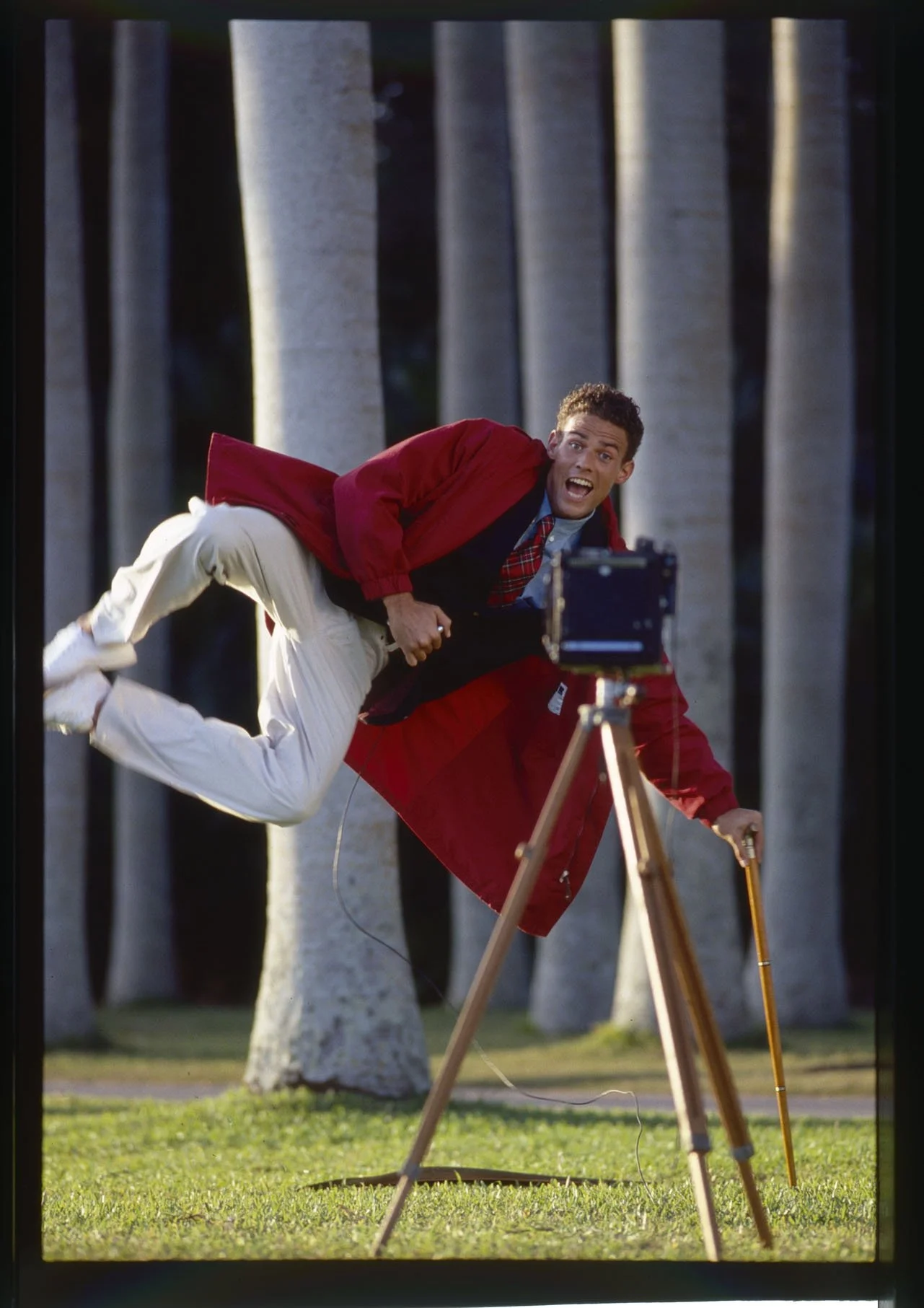
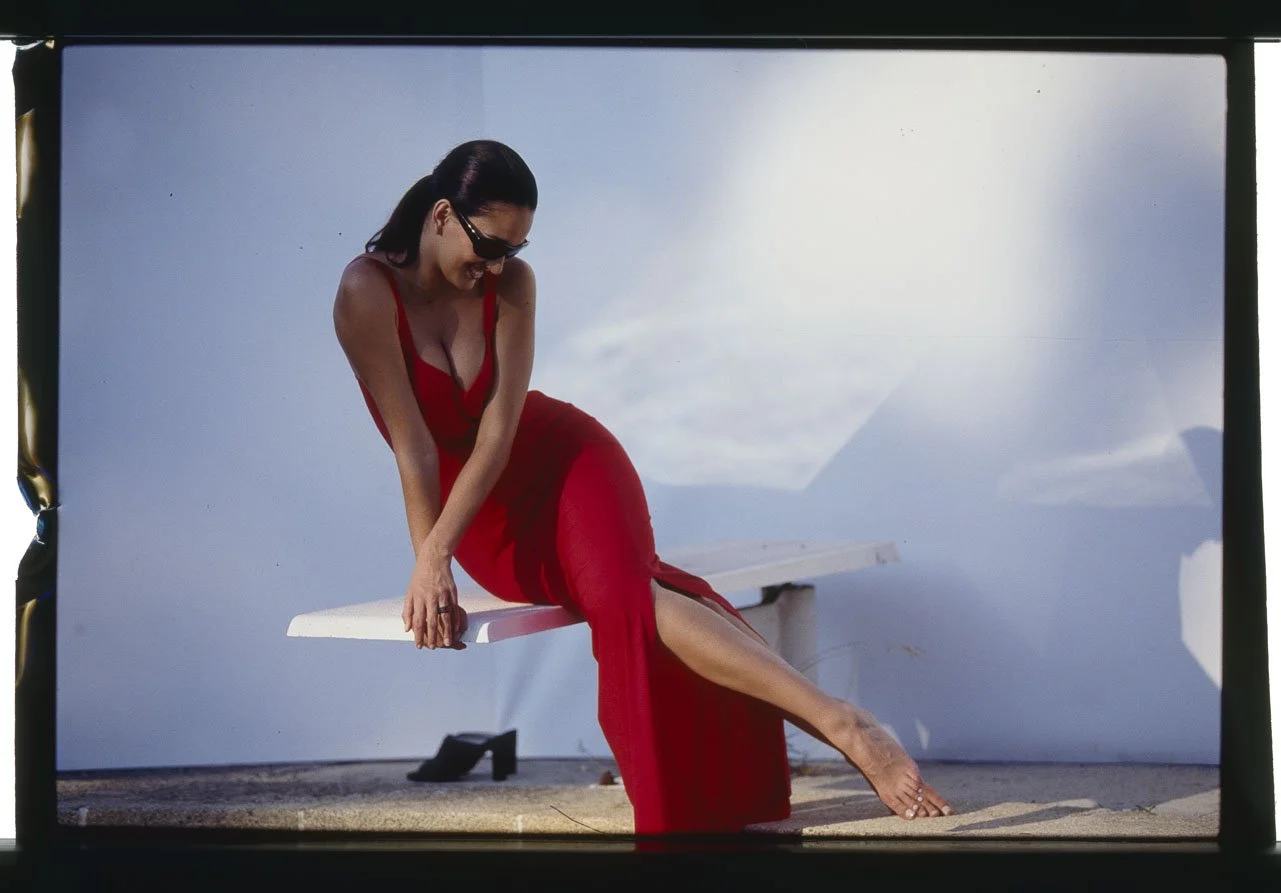
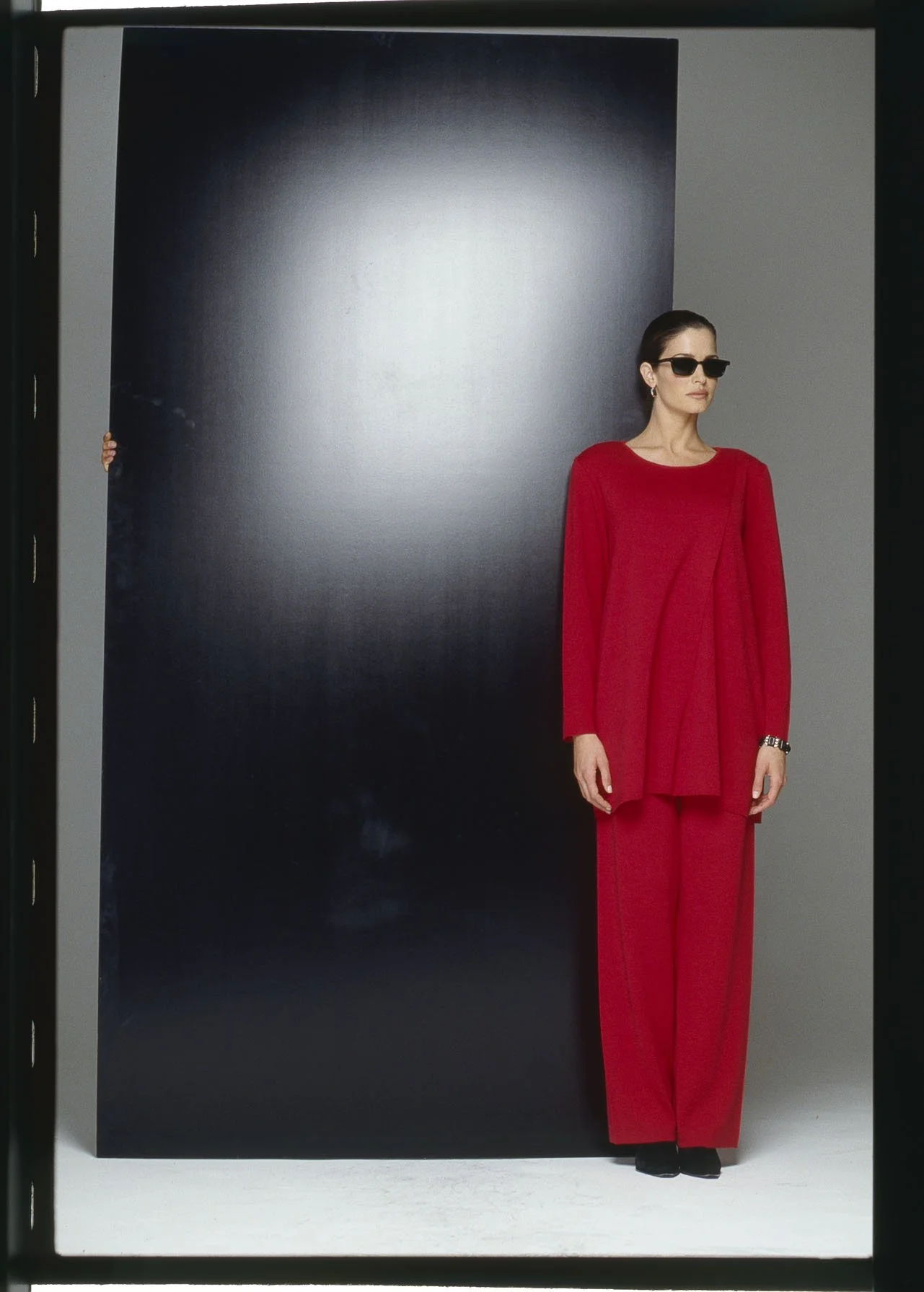
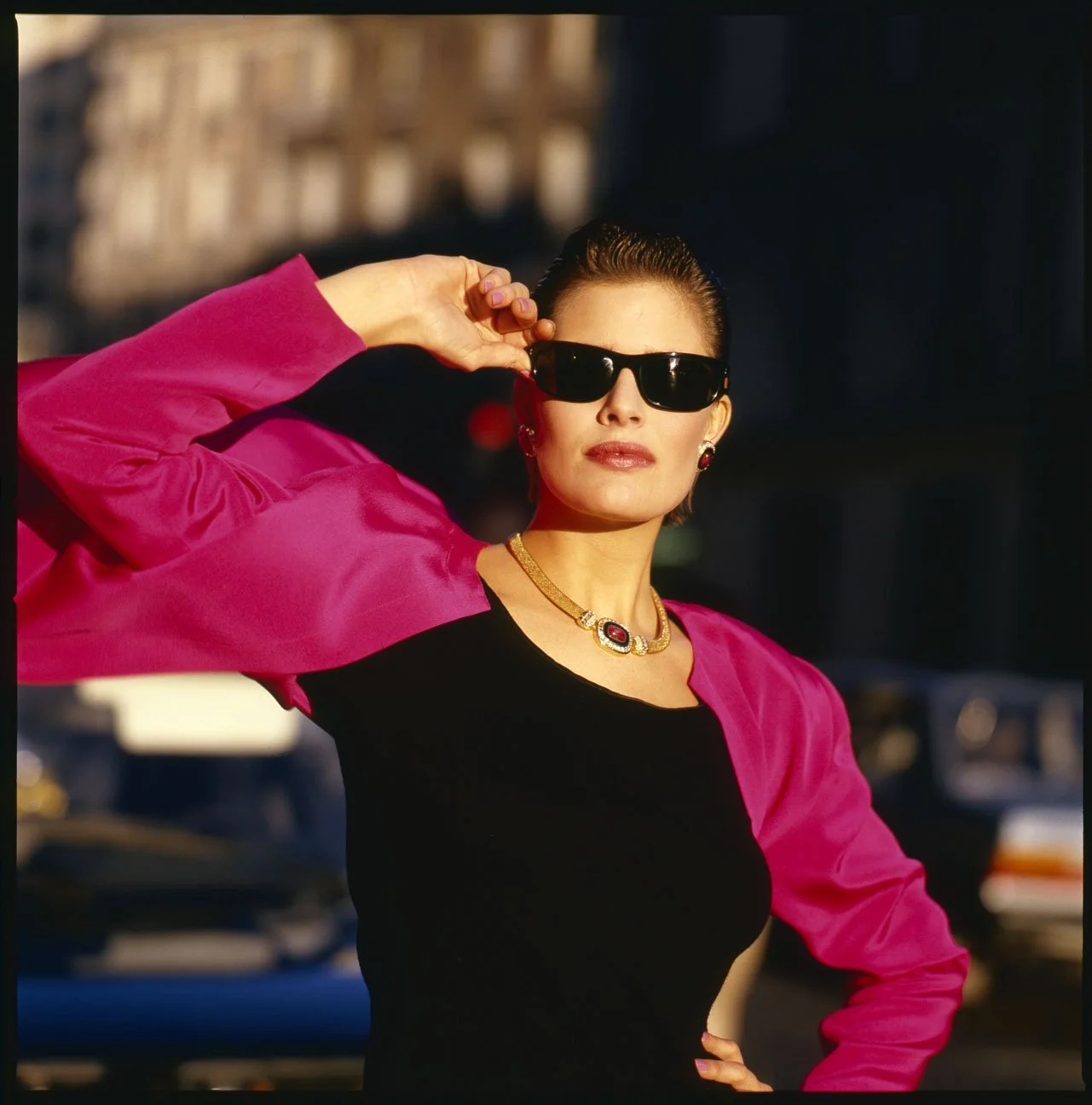
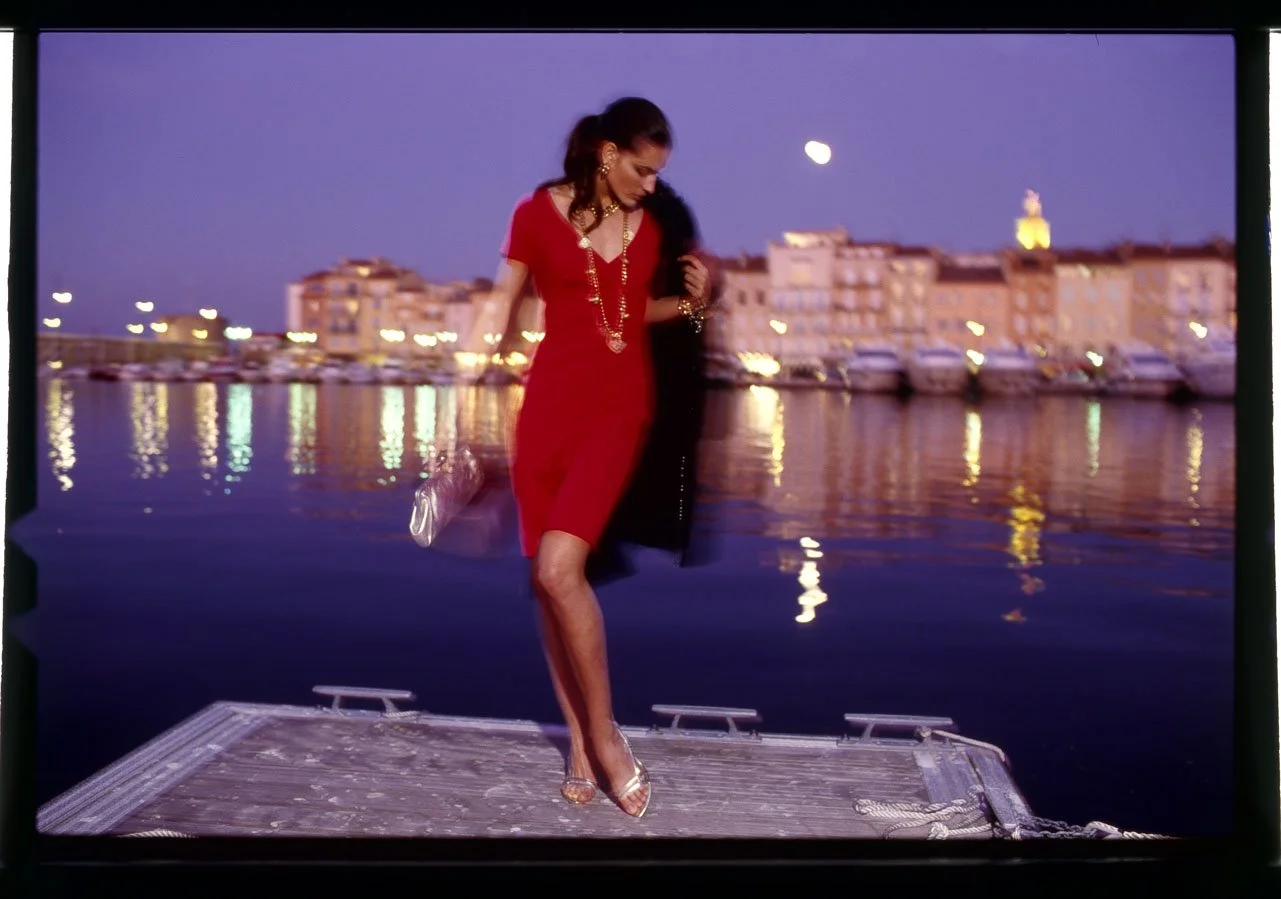
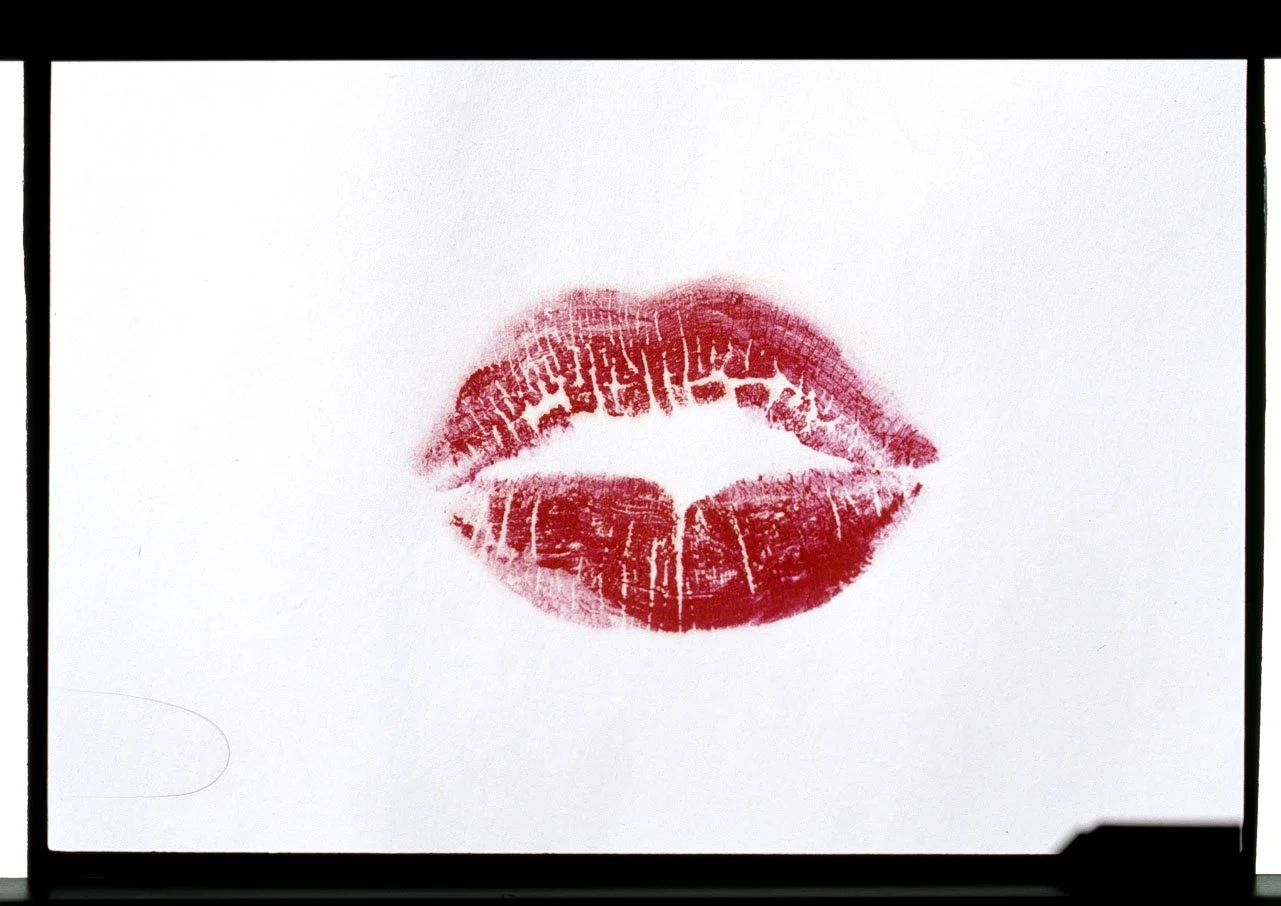
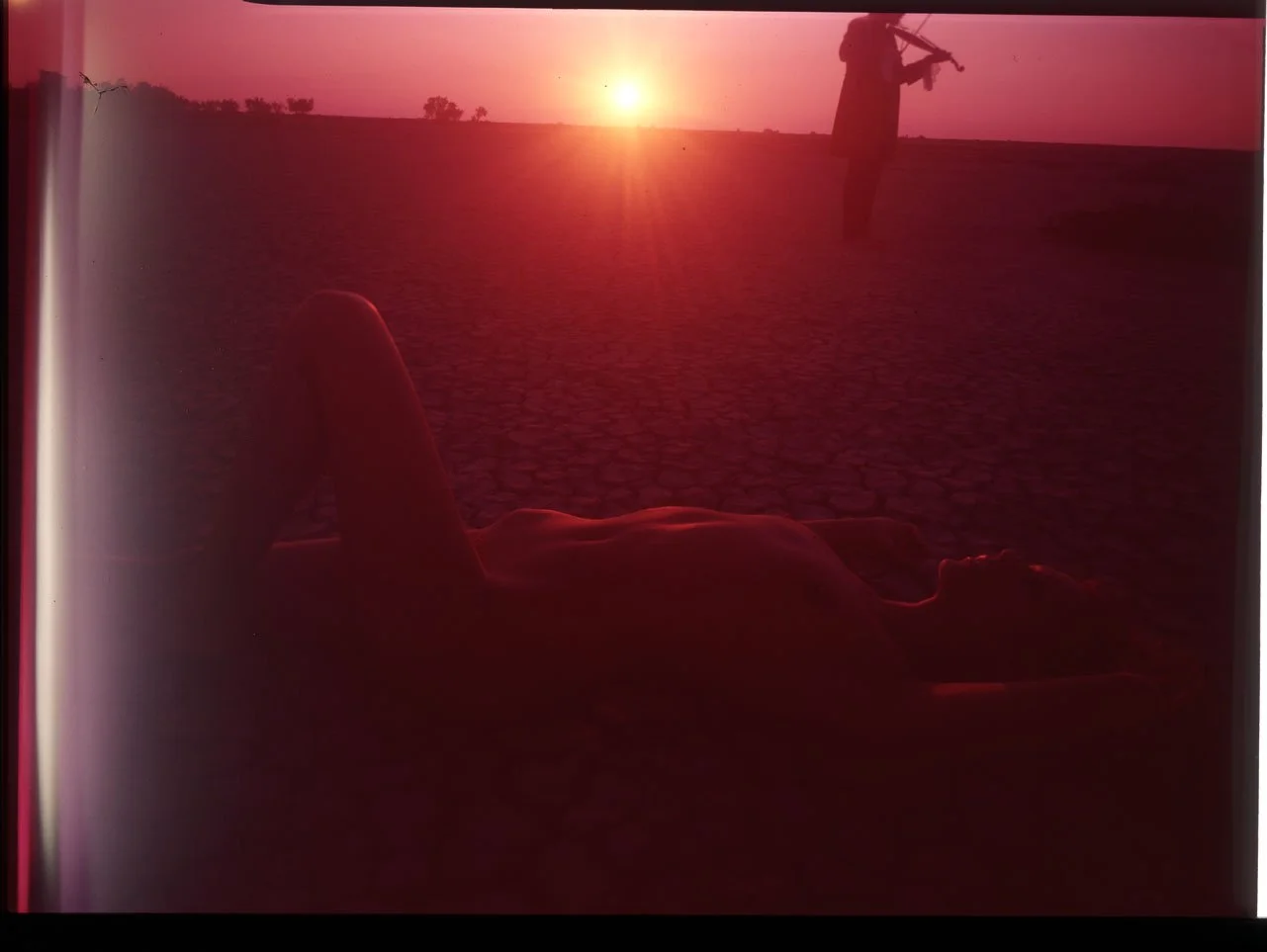
ROT. RED LOVE and FIRE.
Plaza de Toros. Muleta and Bolero.
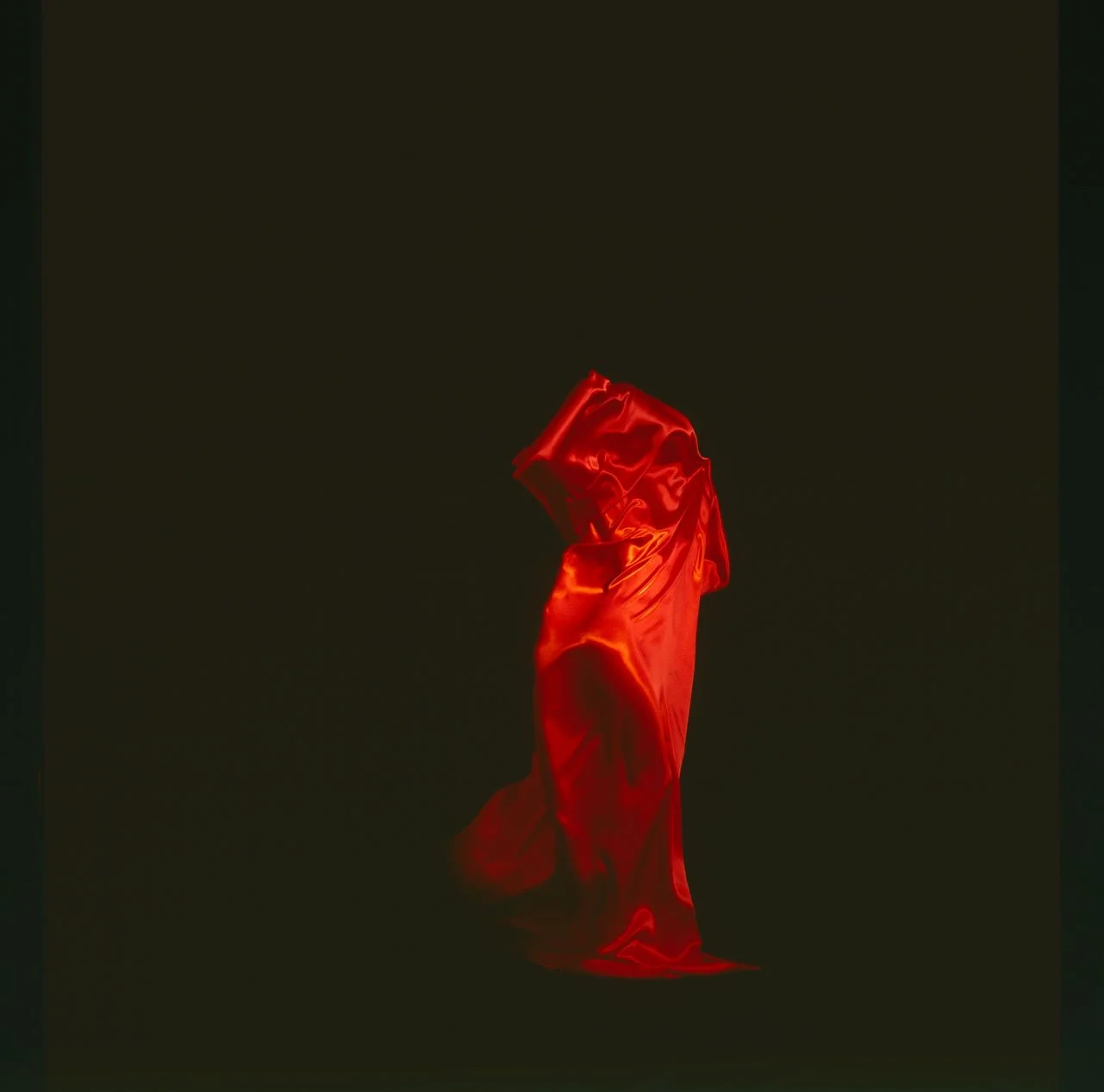
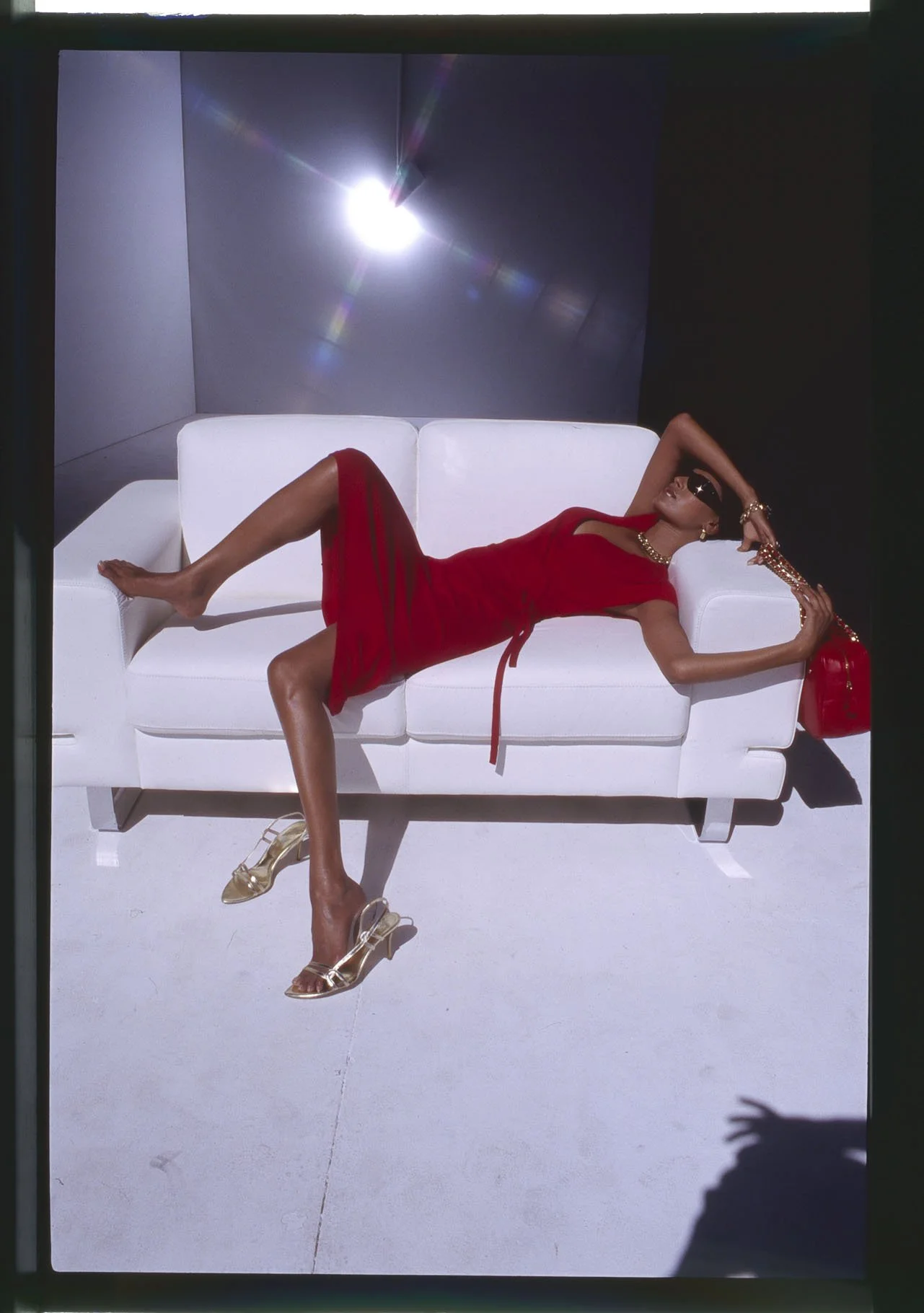
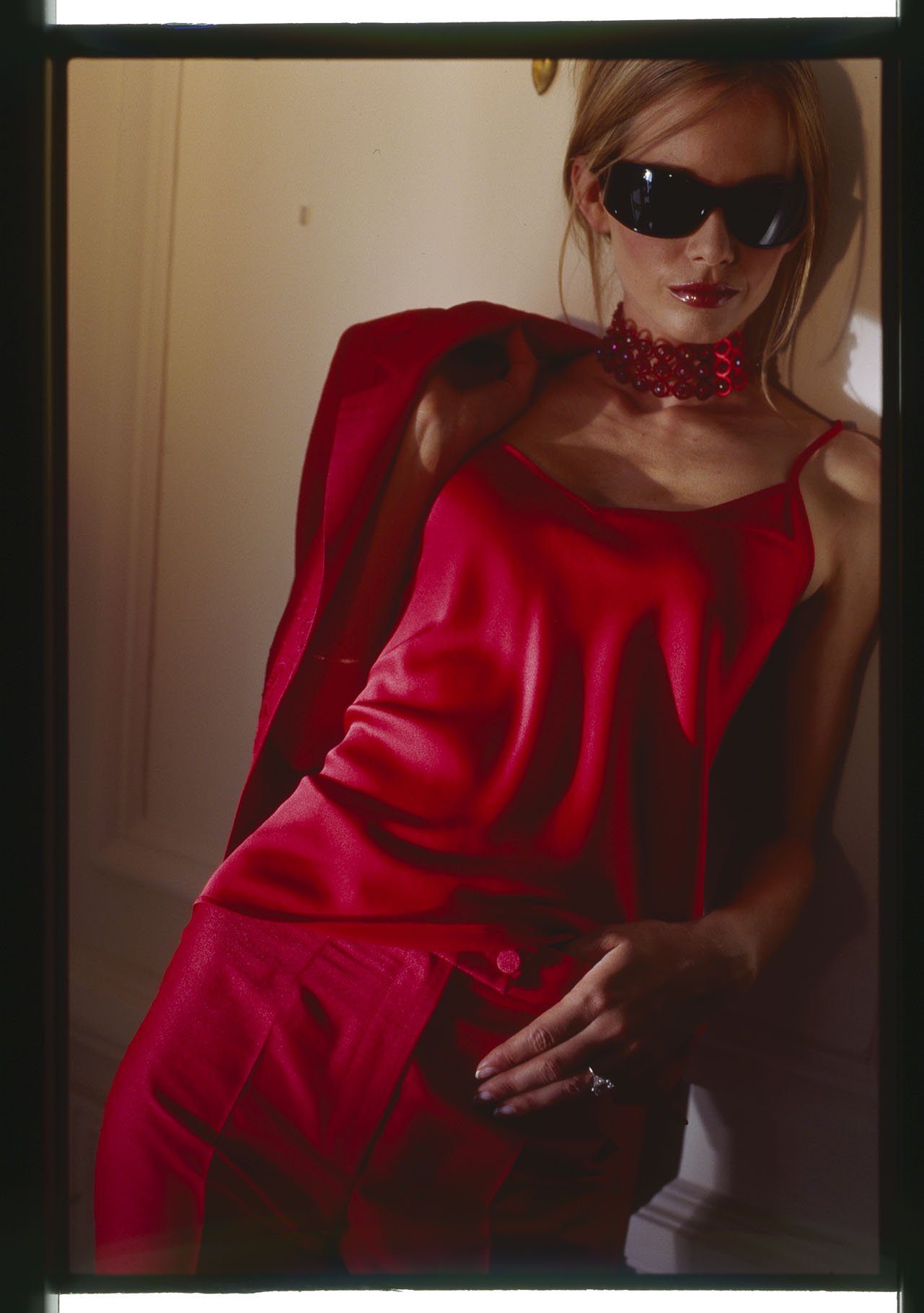
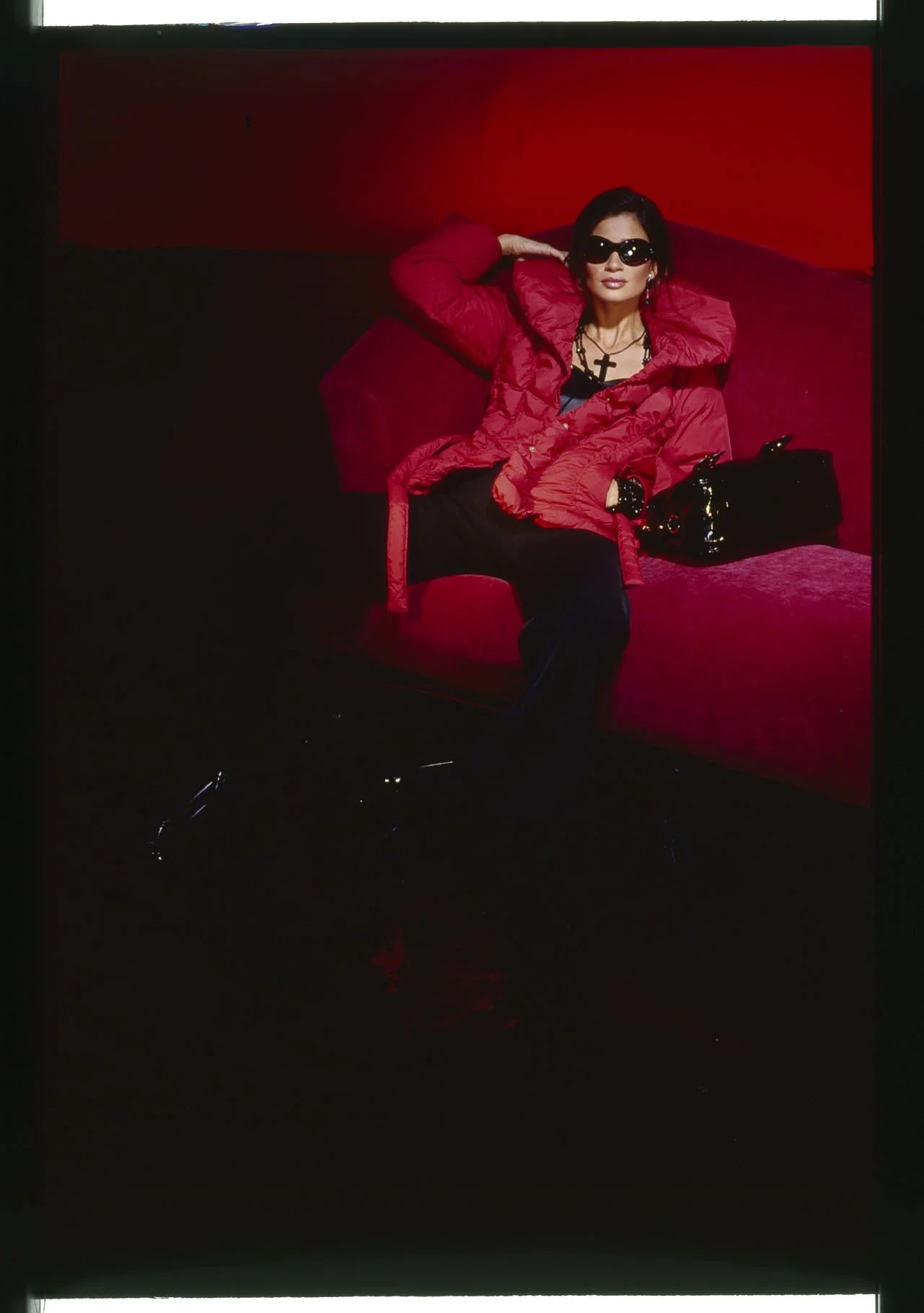
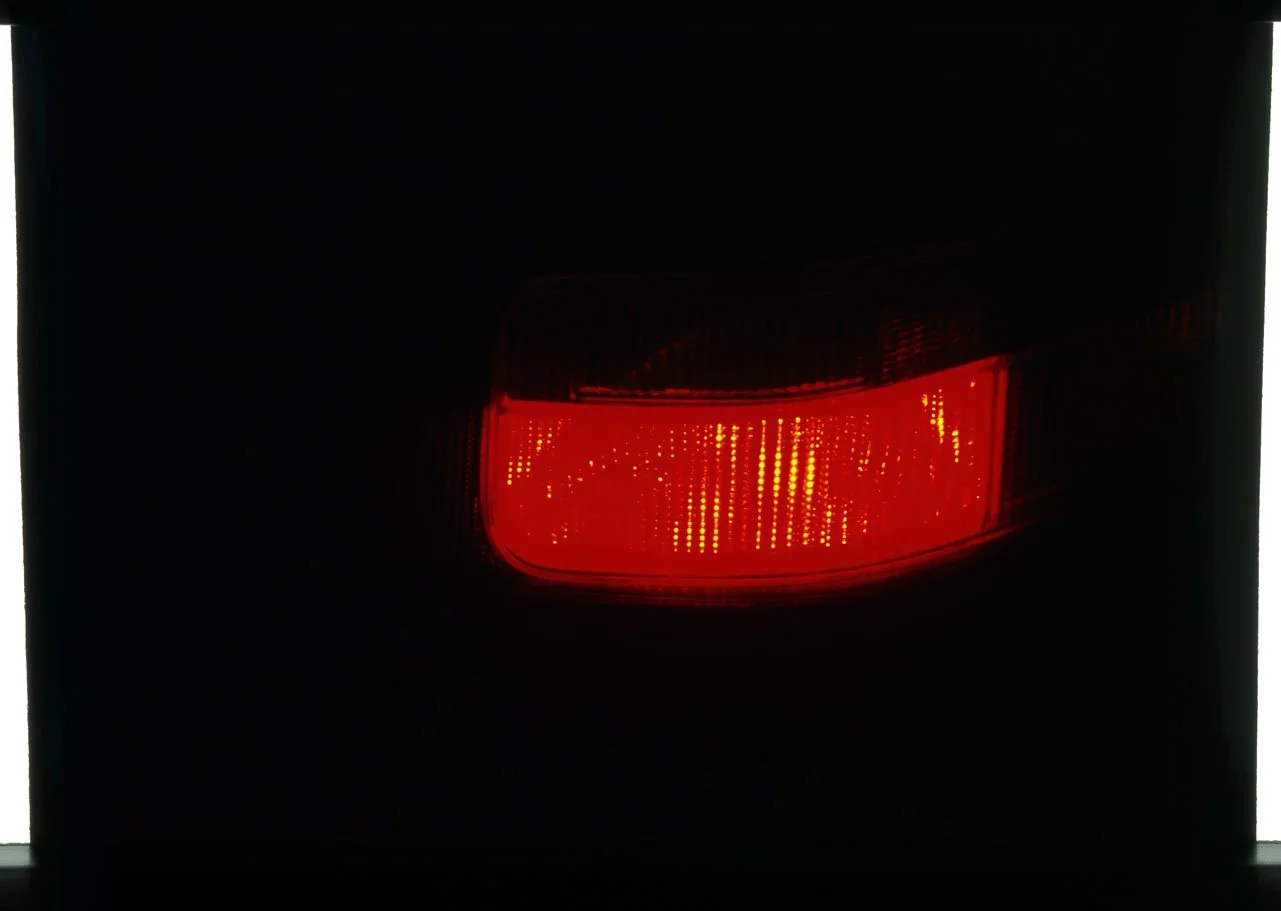
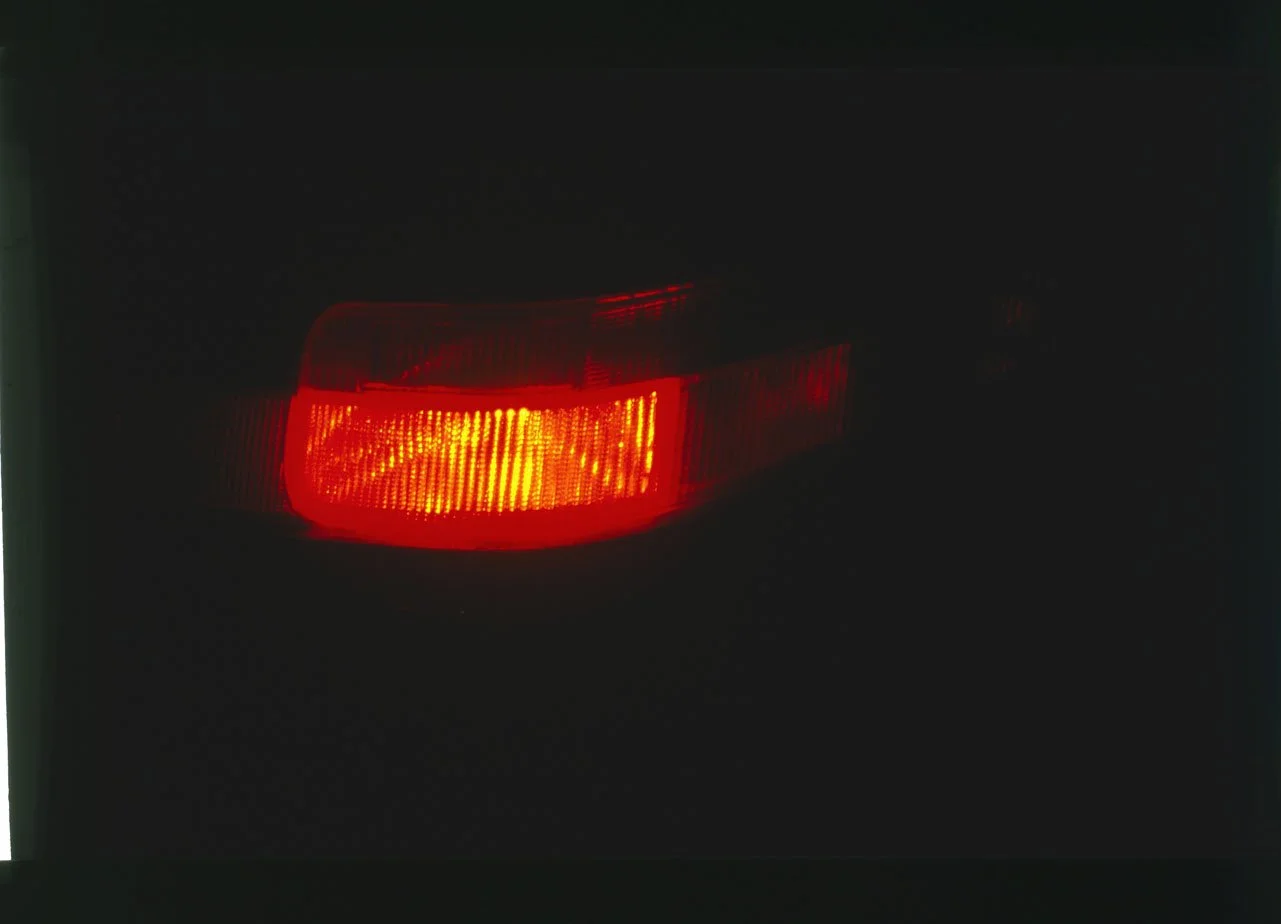
When the matador swings his crimson muleta, it signals the final phase of a Spanish bullfight. The red hue of the cloth—which enrages the color-blind bull solely through its movement—symbolizes the blood that flows when the animal is struck by the banderillas and, ultimately, by the torero’s lethal sword. The teenager Ulrich Pracht first encountered this red blood of the bulls during an unforgettable bus trip to Spain’s Costa Brava—a journey he undertook with his friend Charly, retracing the footsteps of Salvador Dalí. For the apprentice decorator, the highlight of the trip proved to be a visit to Barcelona’s Plaza de Toros Monumental—known simply as La Monumental—a bullfighting arena with a seating capacity of 20,000. "There were several fights, and I still have footage of them to this day." Ulrich Pracht experienced the performances of the magnificently attired banderilleros, the picadores, and the matador with his muleta as a true symphony of color.
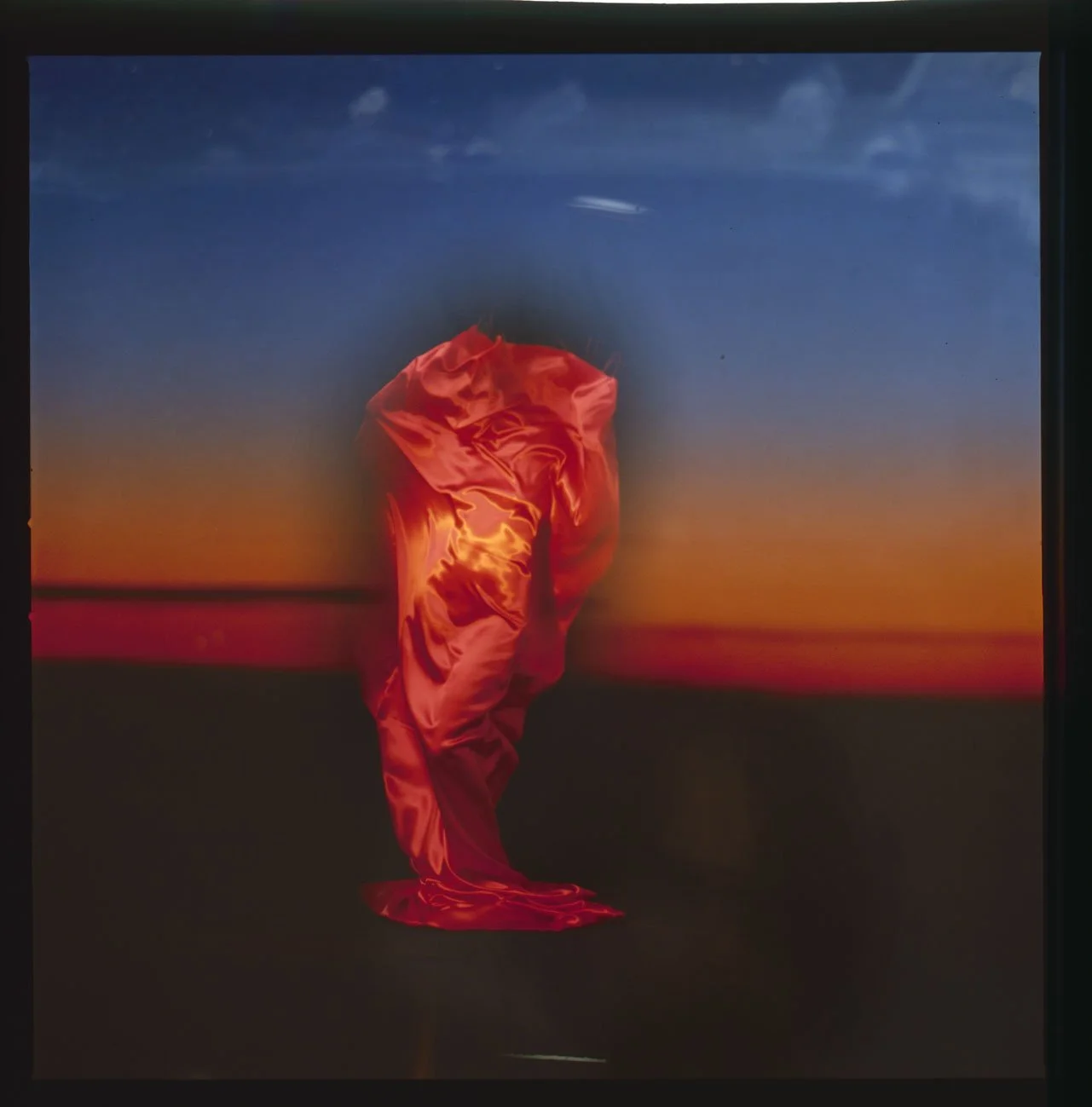
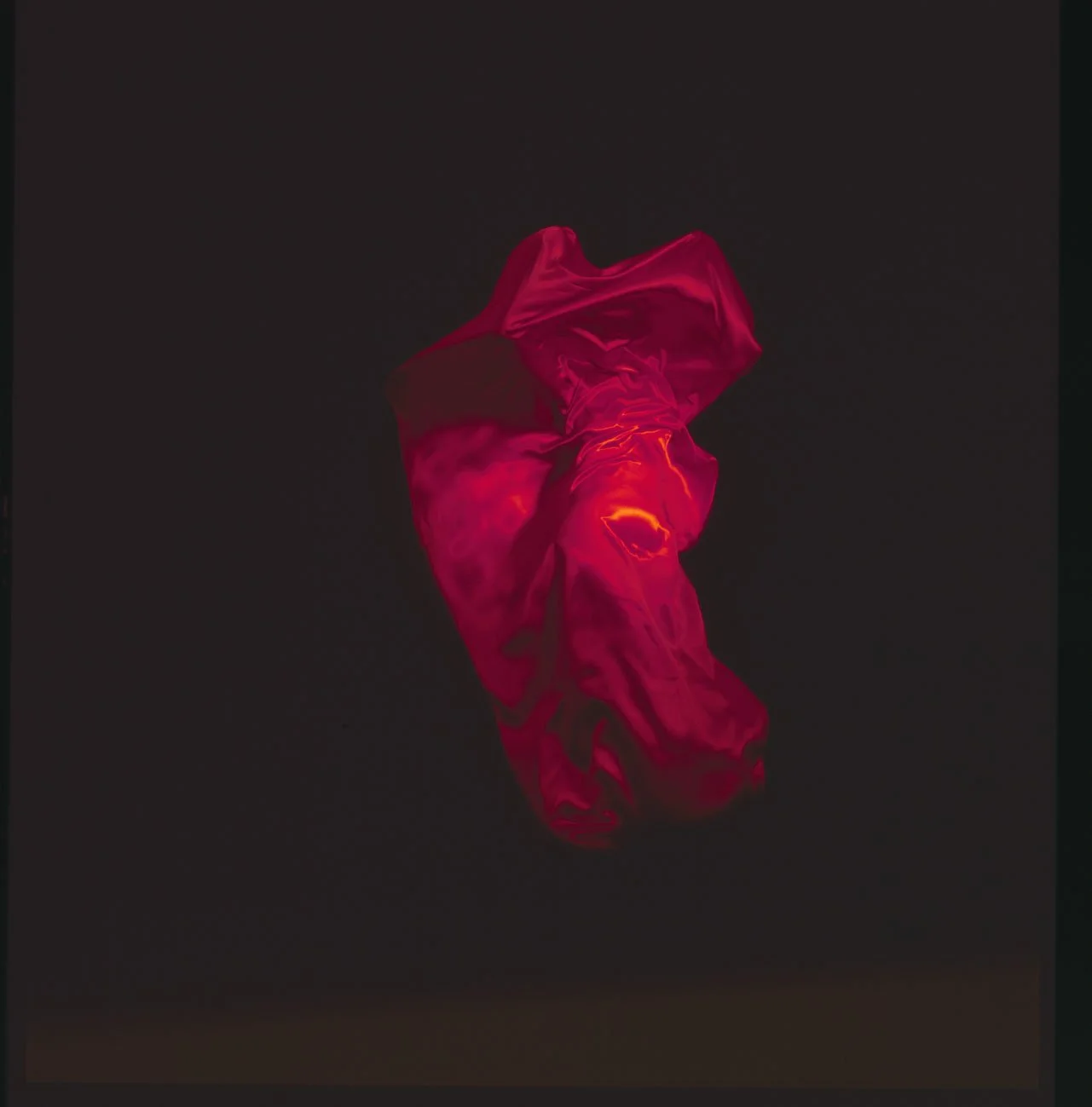
He was equally captivated by the vibrant posters displayed throughout the city, advertising this grand event. "That was where I received my first indirect inkling that I had an affinity for the color red. But I wasn't quite ready to embrace it yet. It wasn't until the early 1970s—when I photographed and filmed the bullfighting school in Ronda, one of the cradles of modern bullfighting—that I finally fully committed to my 'red' theme."
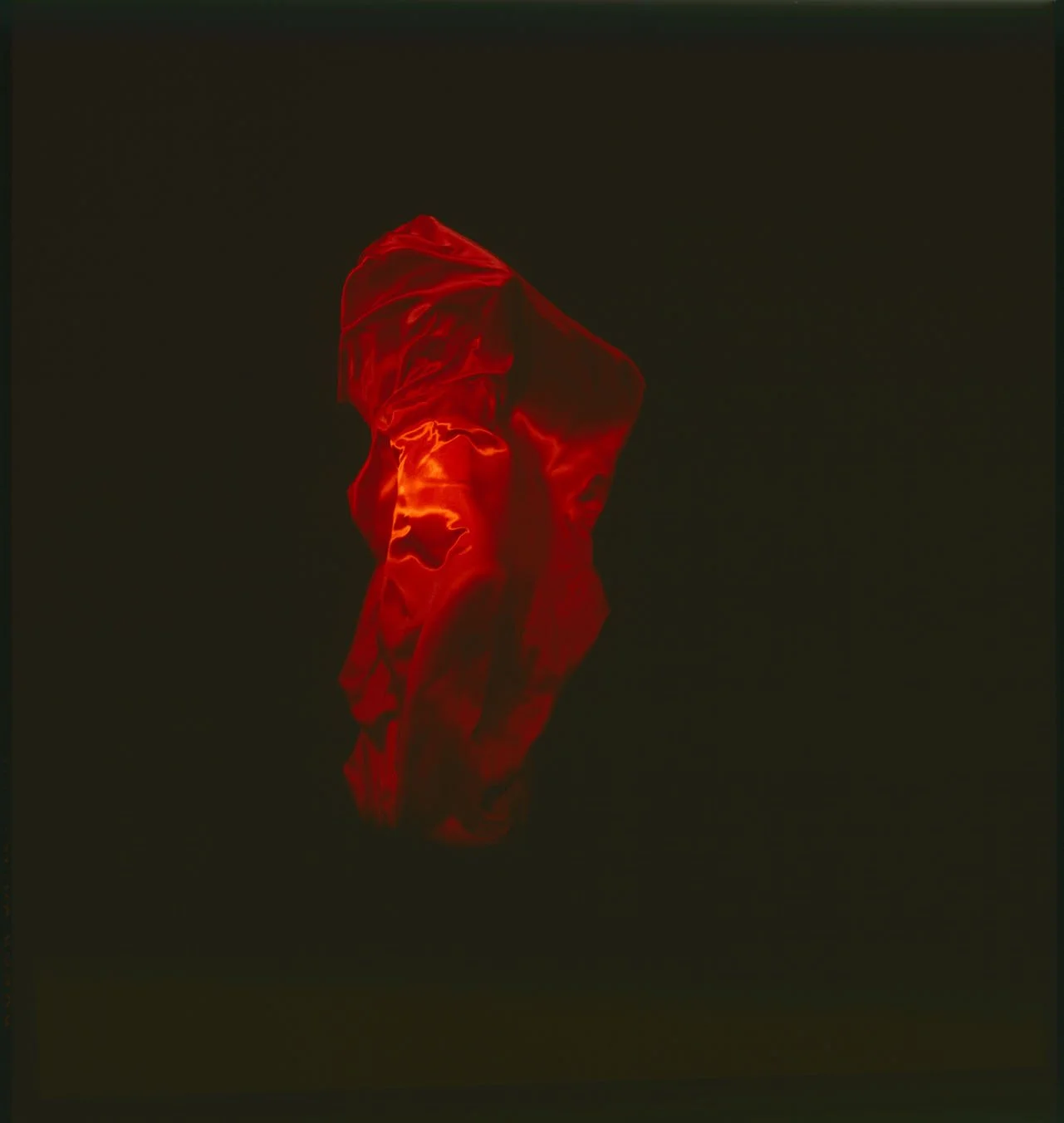
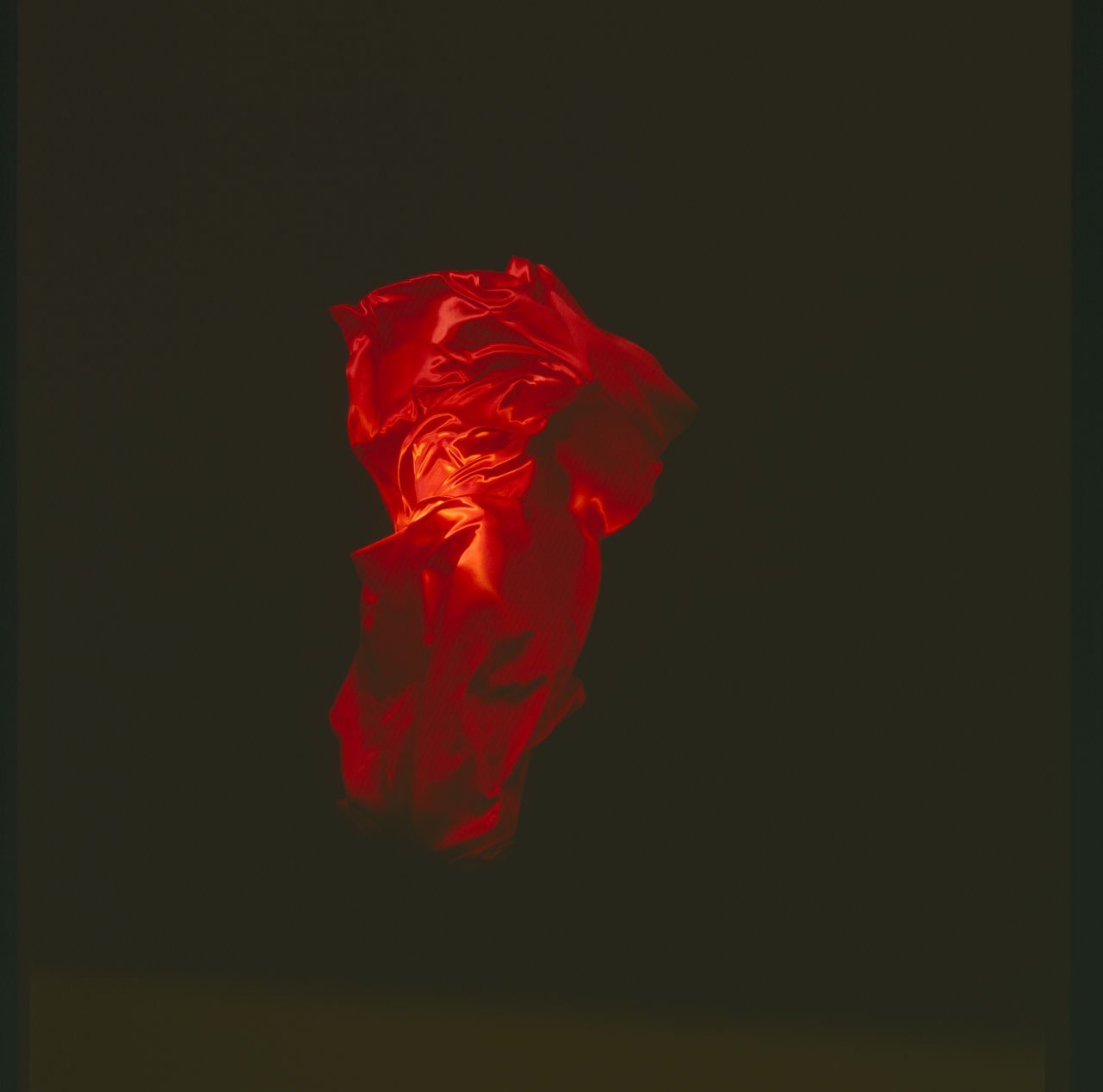
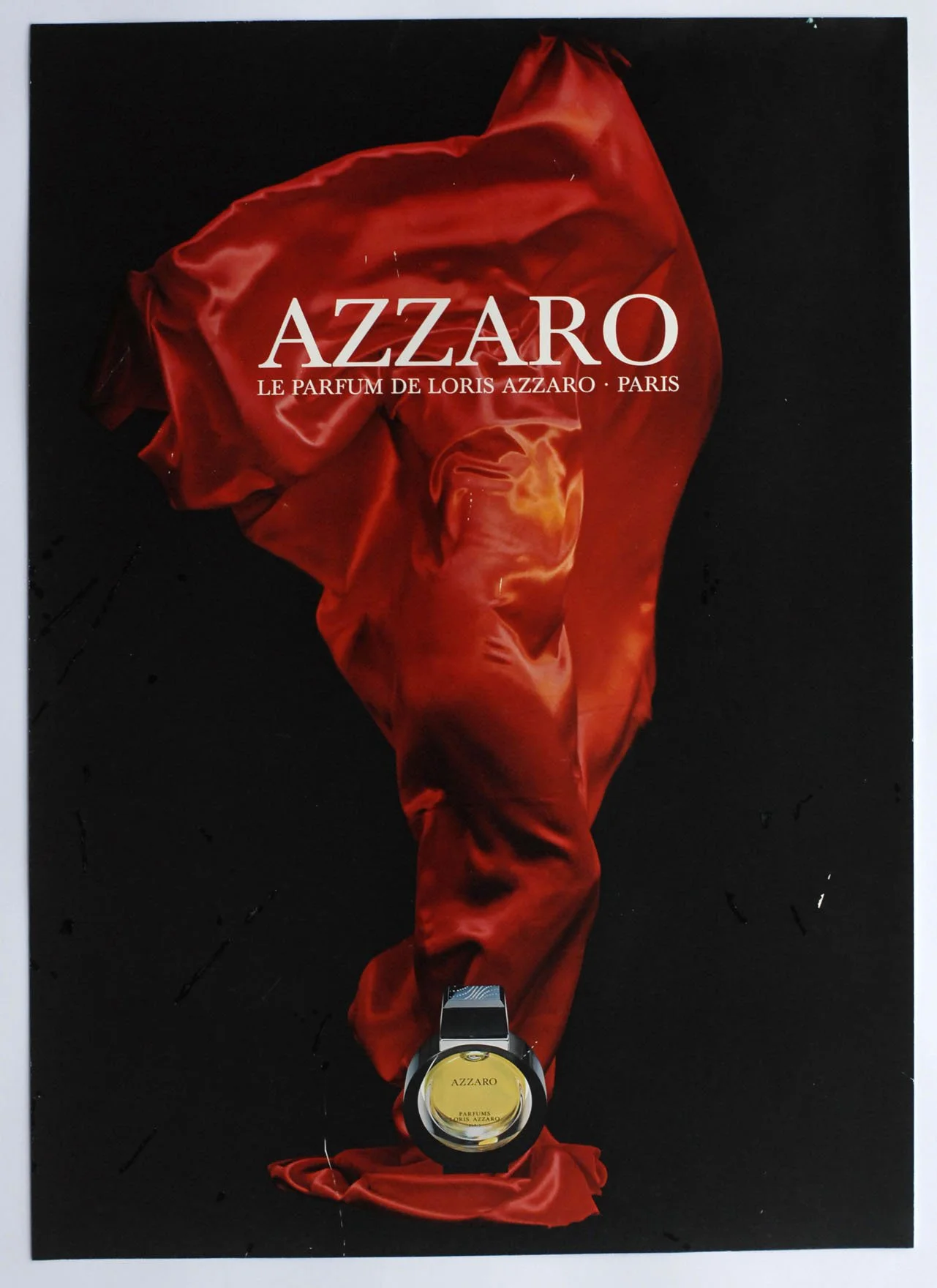
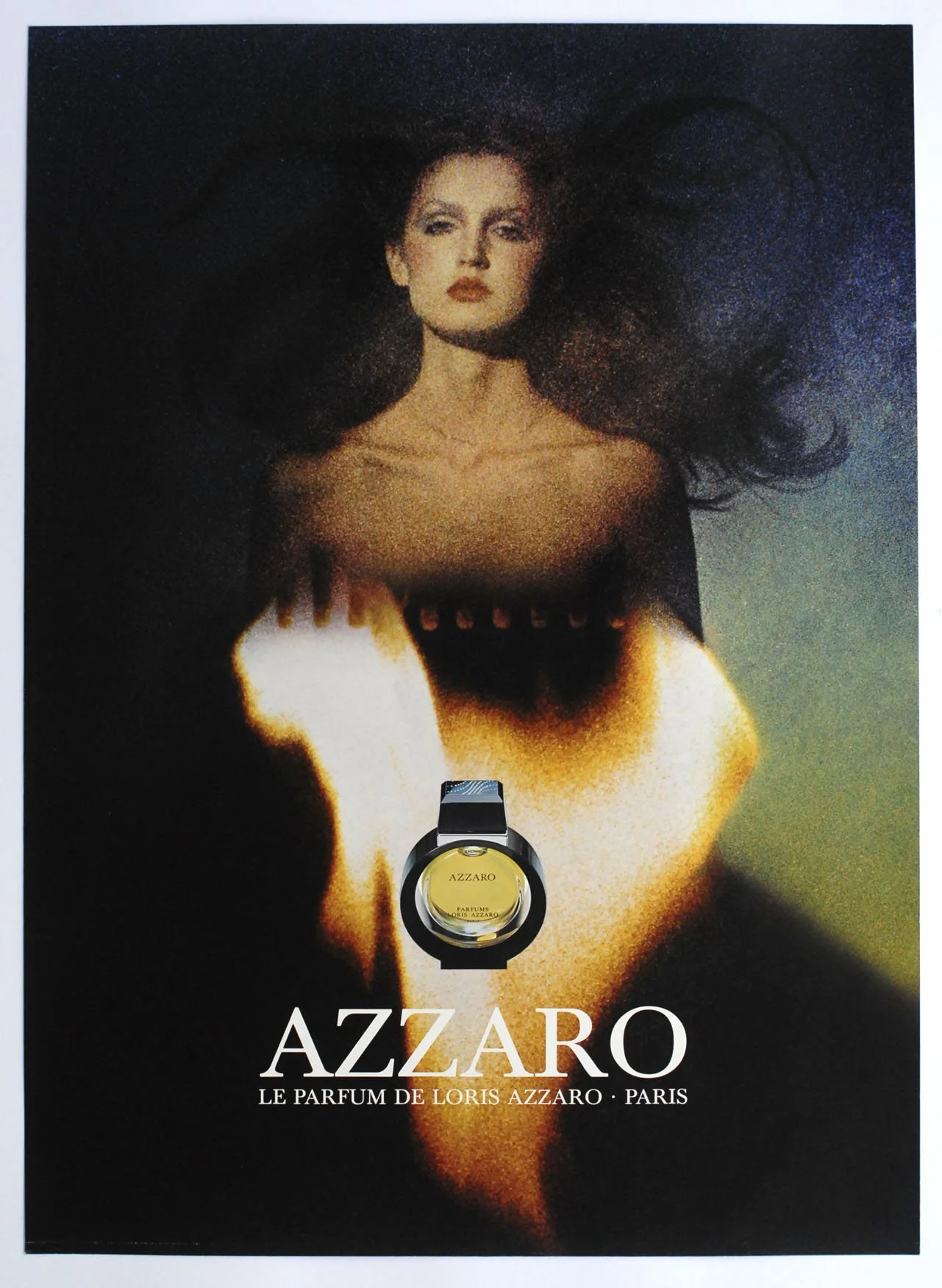
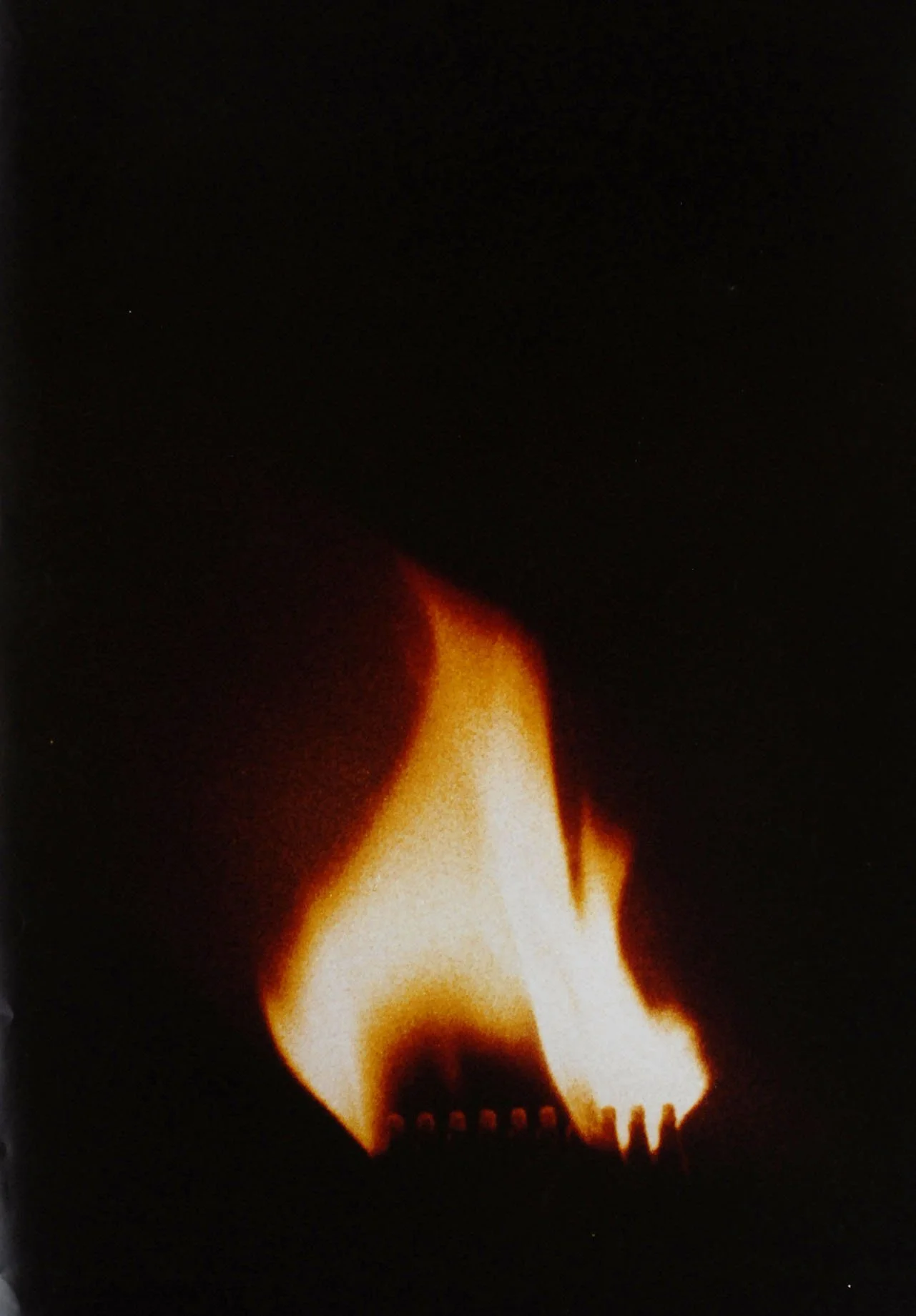
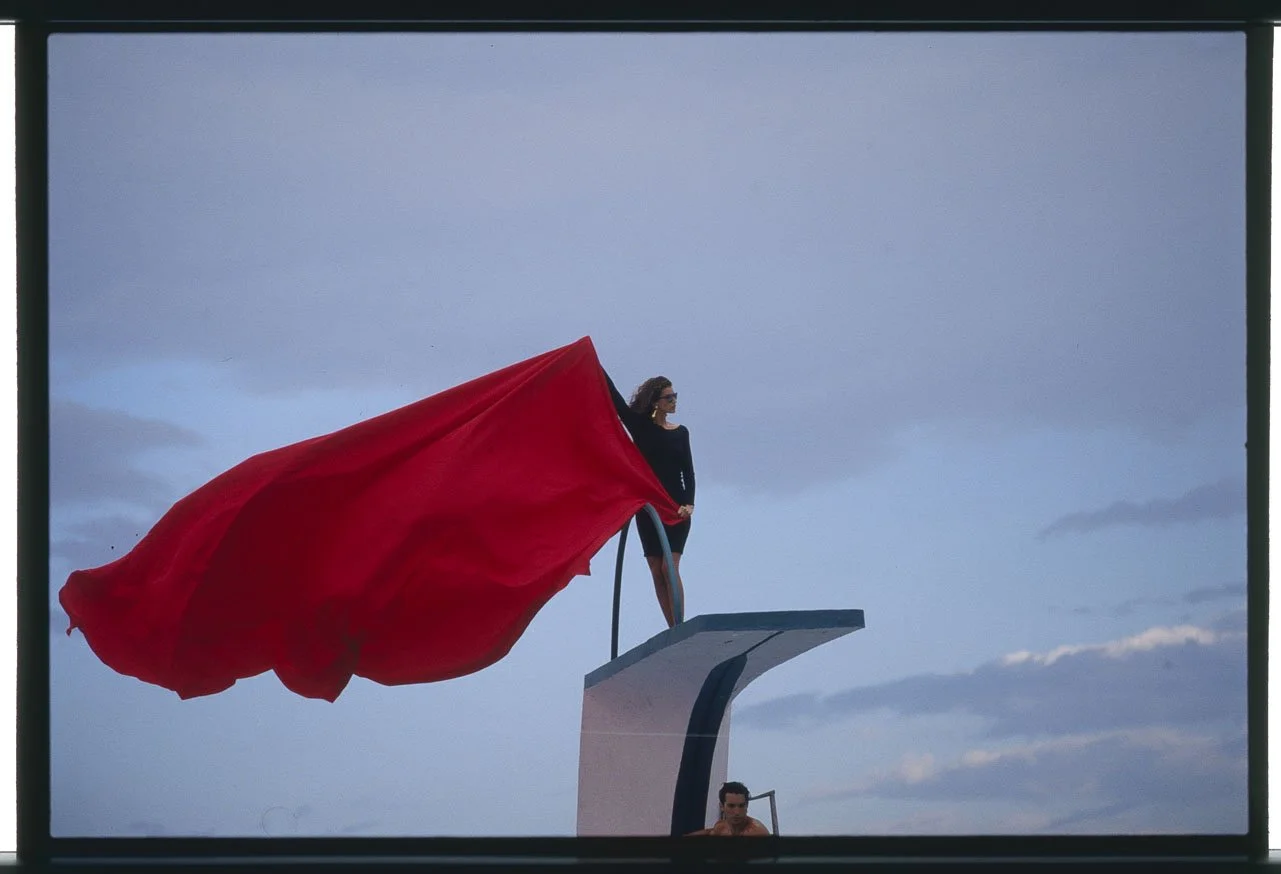
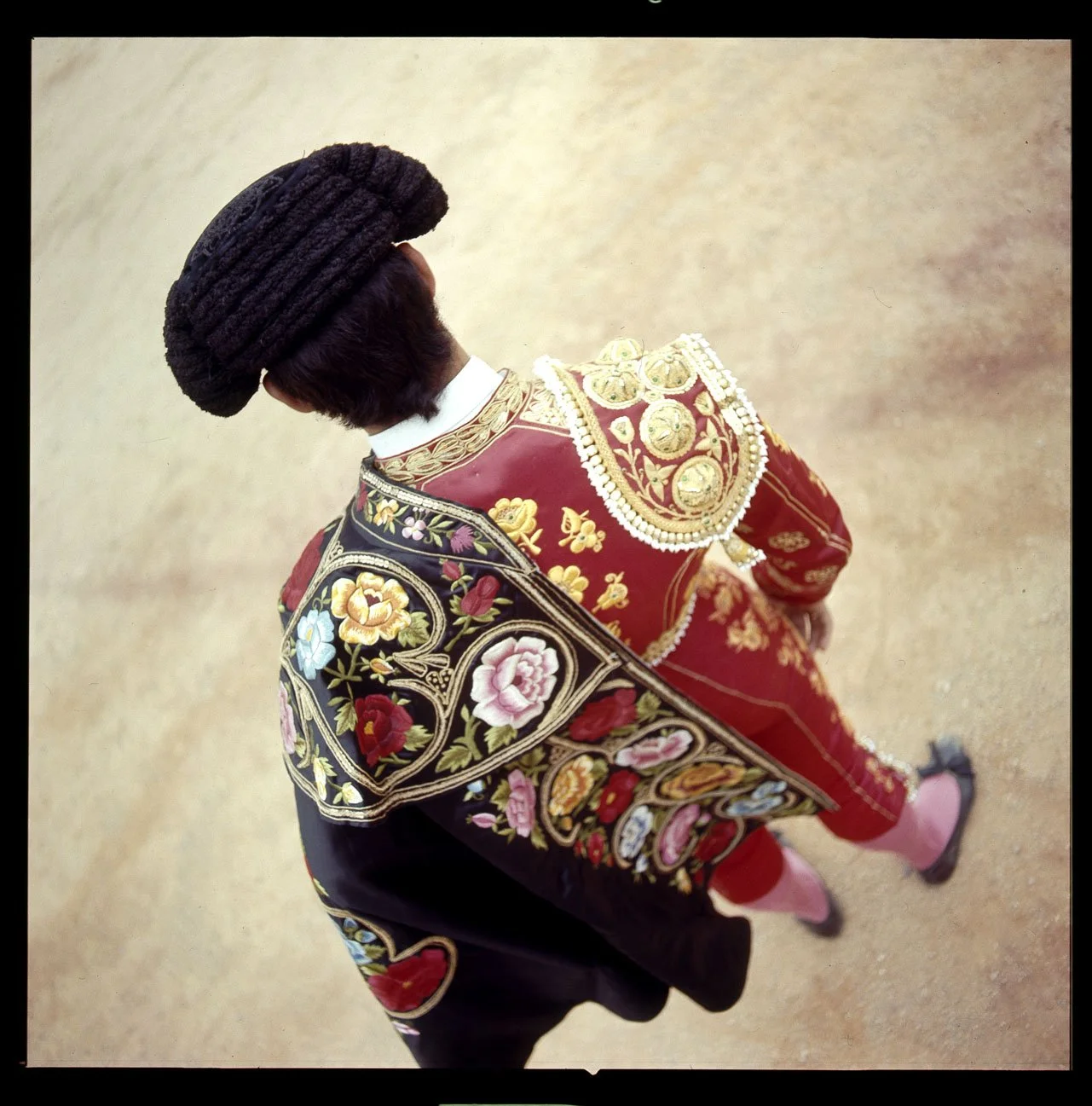
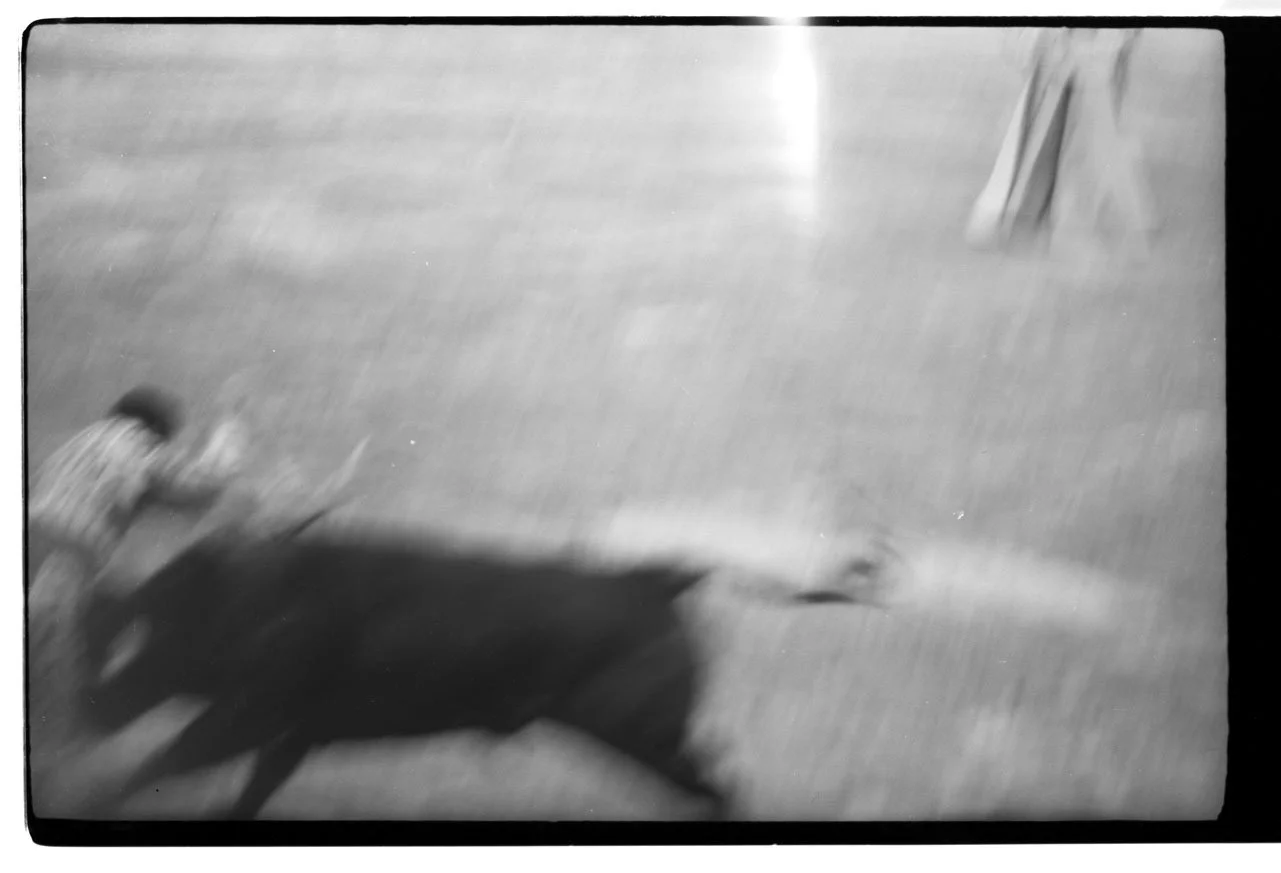
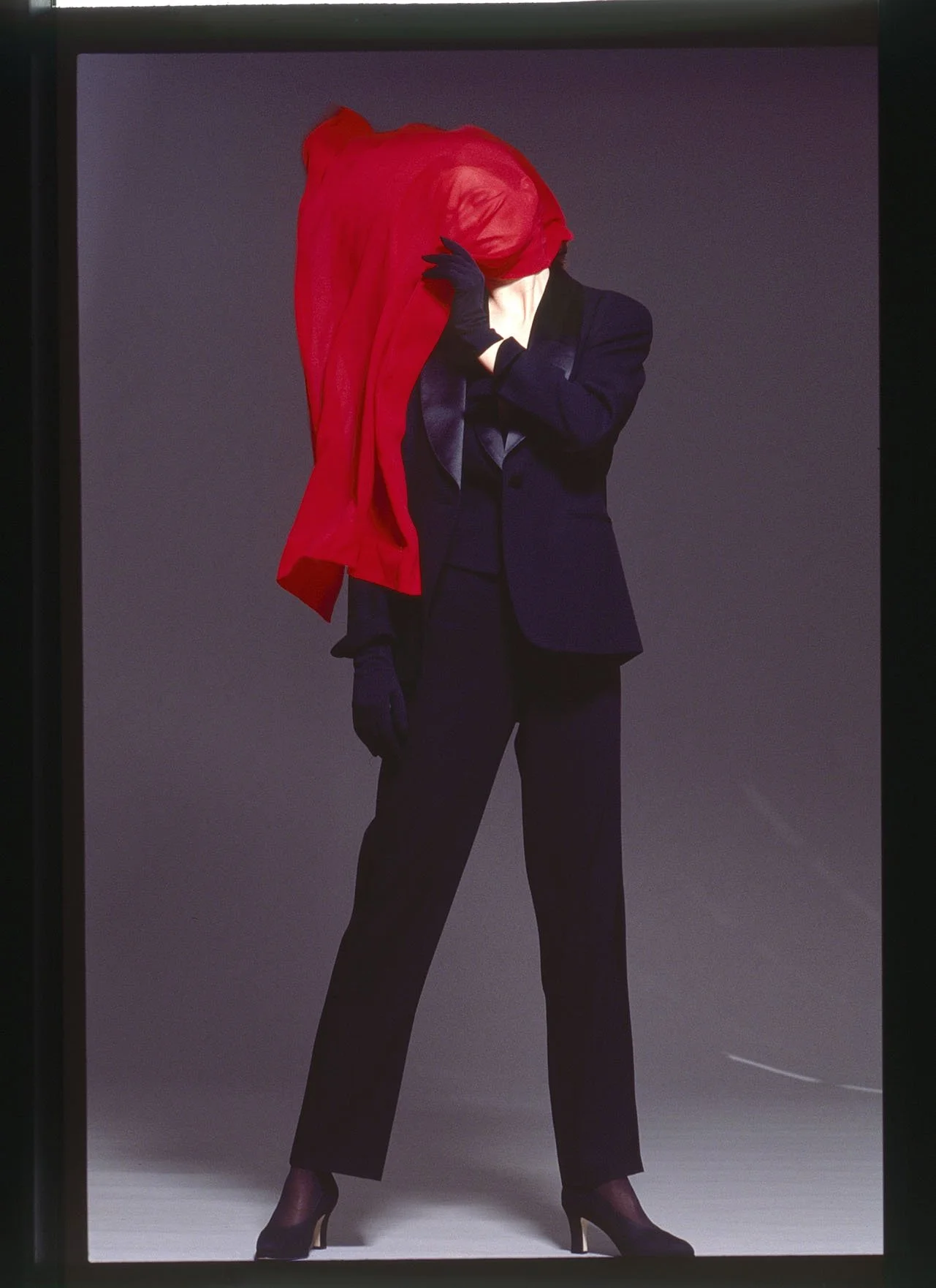
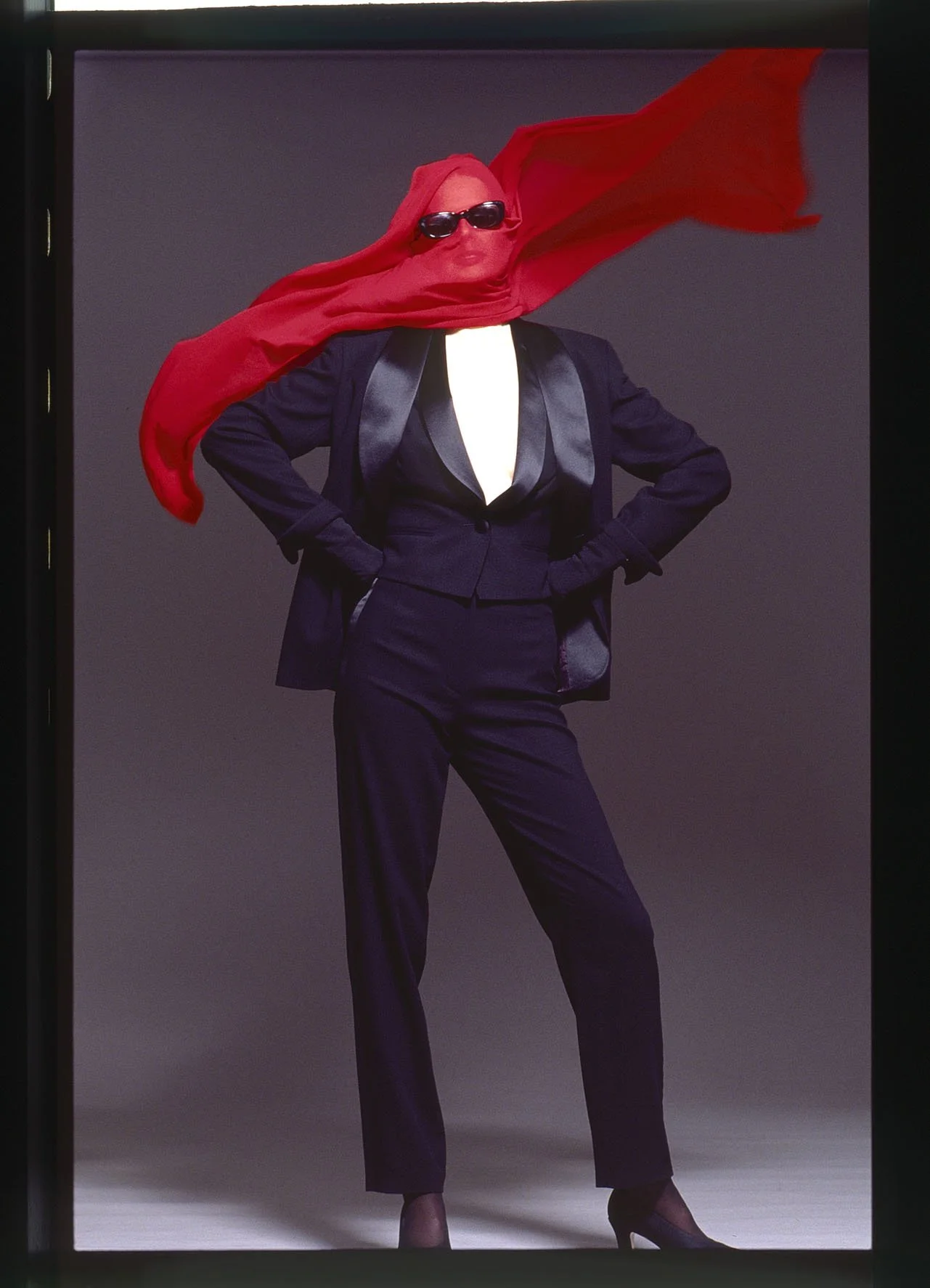
In front of the multivision screen—the kind typically used in WDR television productions—Maurice Ravel’s Bolero is to be performed as a dance piece. This original musical composition—ranked among the top twenty classical "evergreens"—is based on an 18th-century Spanish dance form. With its dramatic structure and archaic simplicity, the composition reminds Ulrich Pracht of the primal struggle between man and bull. Within the historic arena of Ronda, he filmed the aspiring toreros as they trained, clad in their resplendent traditional costumes. Operating from a crab dolly—a camera crane equipped with a seat—he moves directly above the performers, capturing their dance movements as they face a dummy bull, which is being pushed through the arena sand by an assistant much like a wheelbarrow. These shots yield evocative images for the multivision presentation—and leave a lasting impression of the red muleta, a motif Ulrich Pracht would repeatedly incorporate into his later photographic works.




































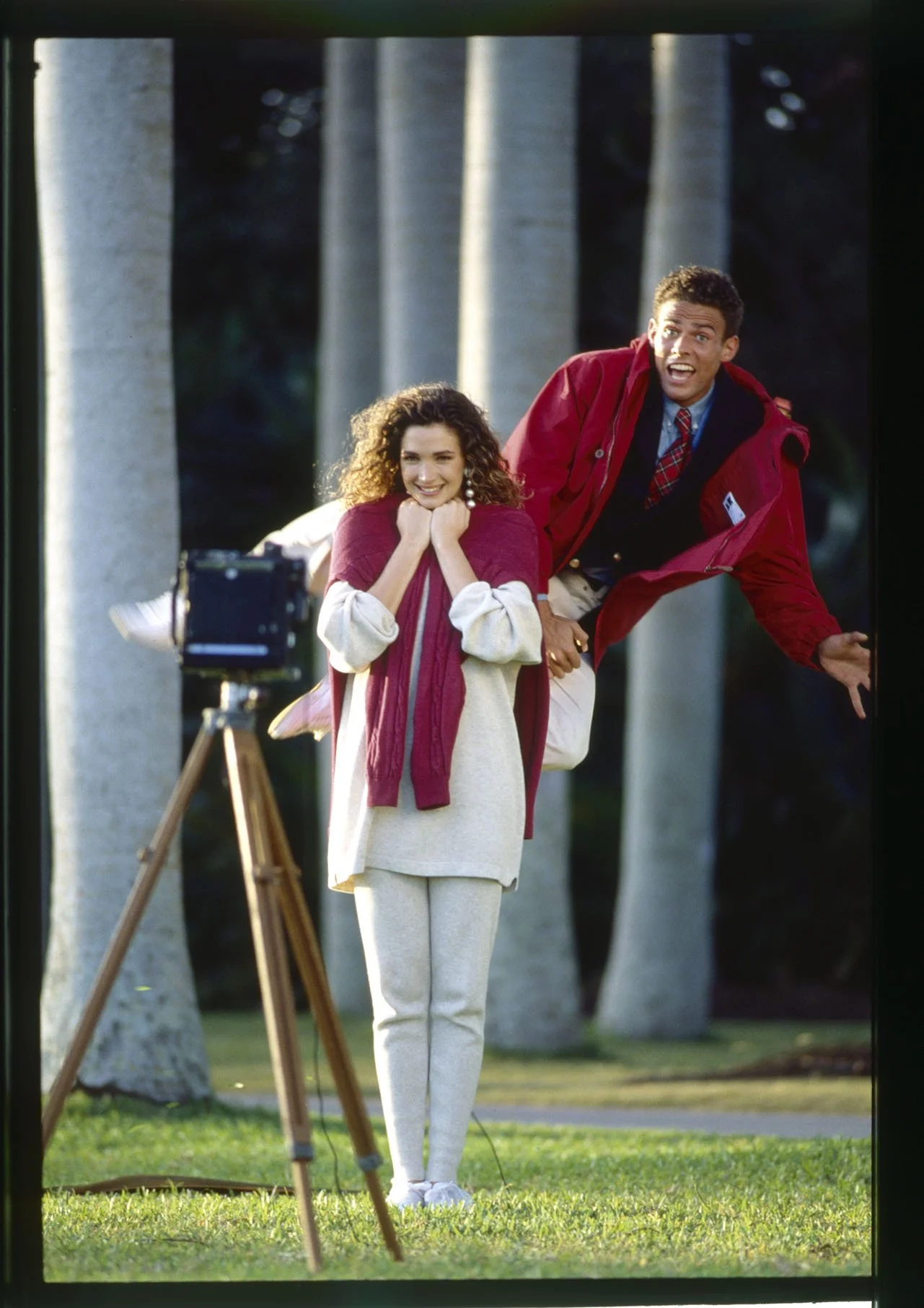
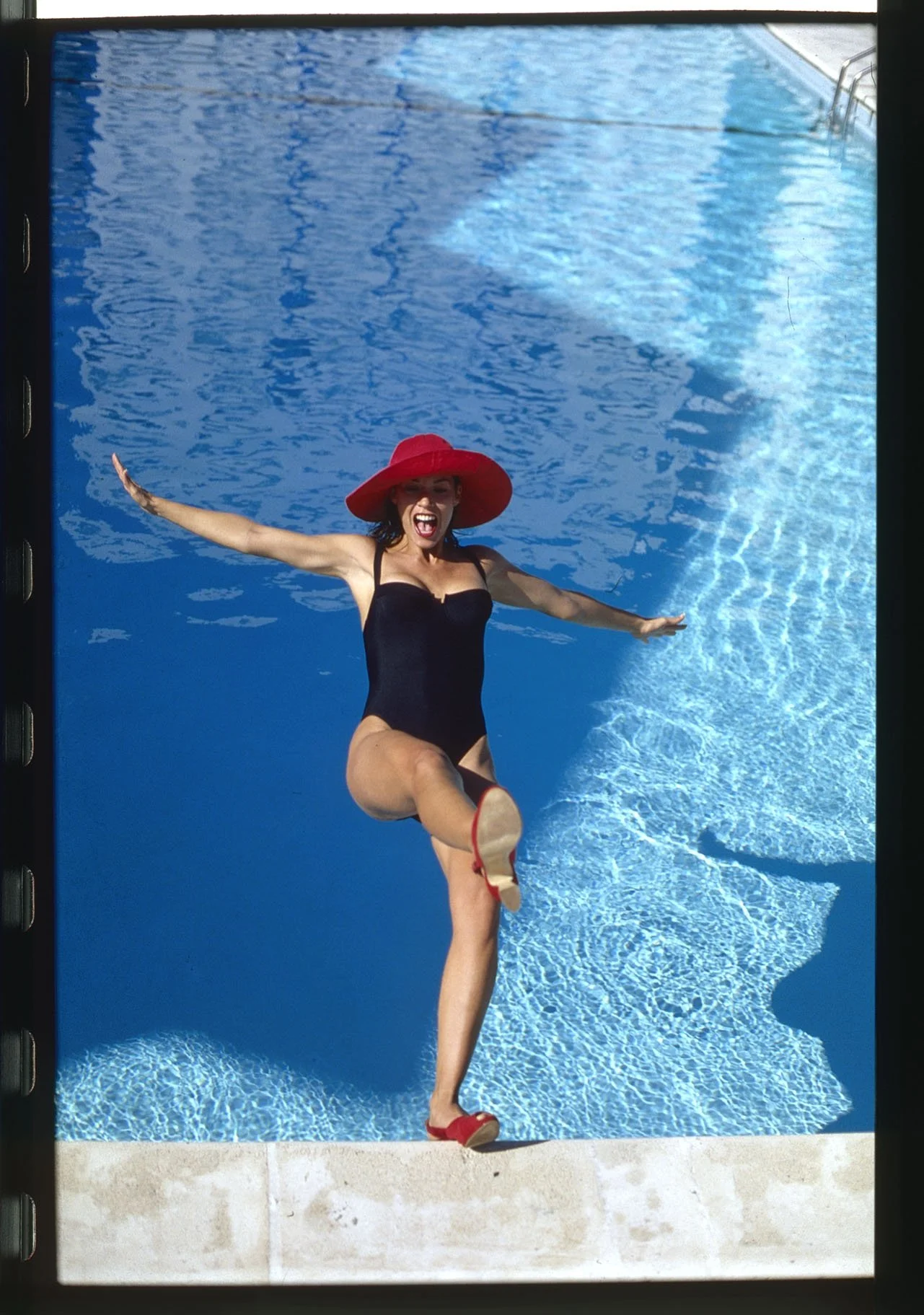

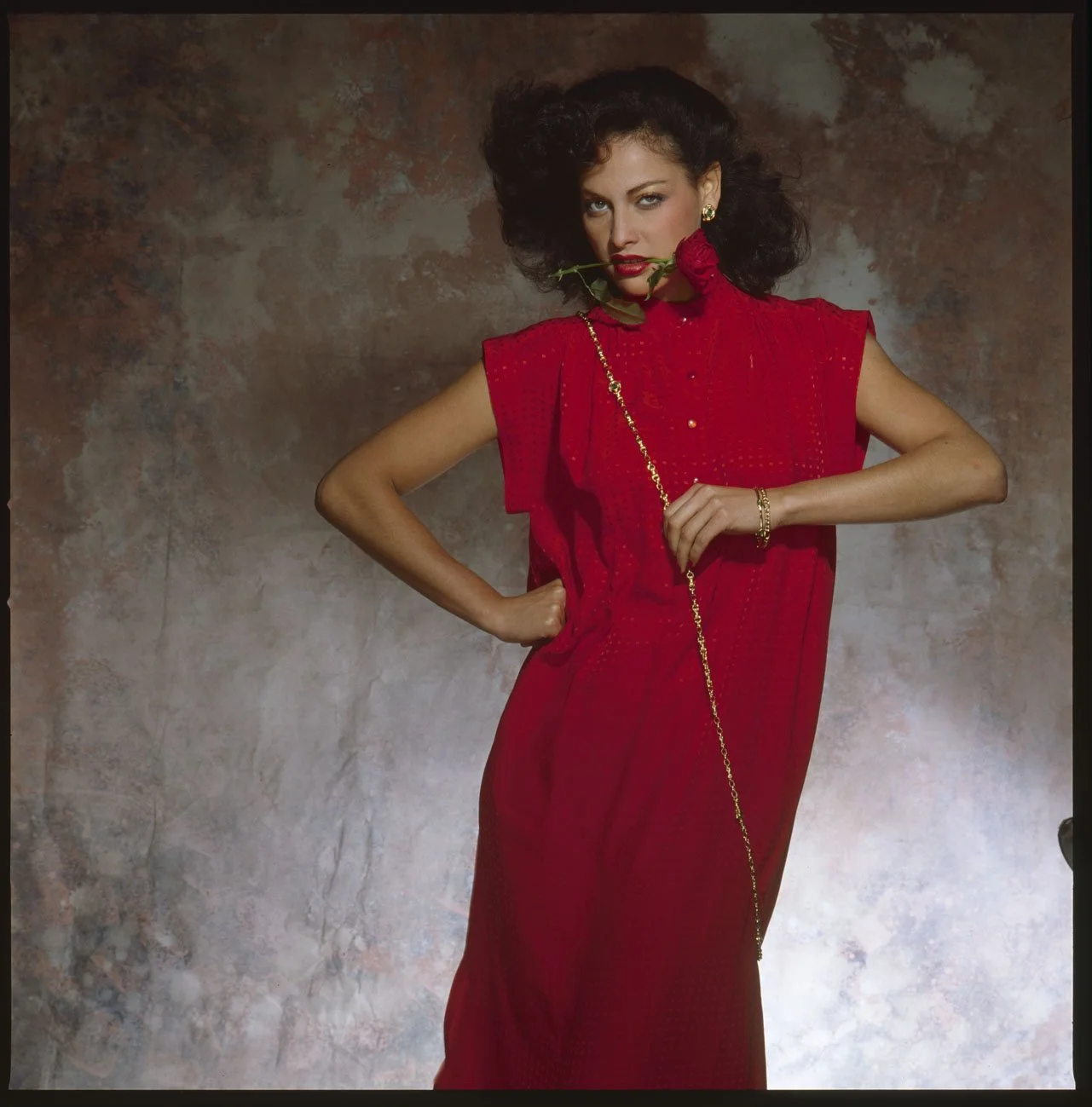
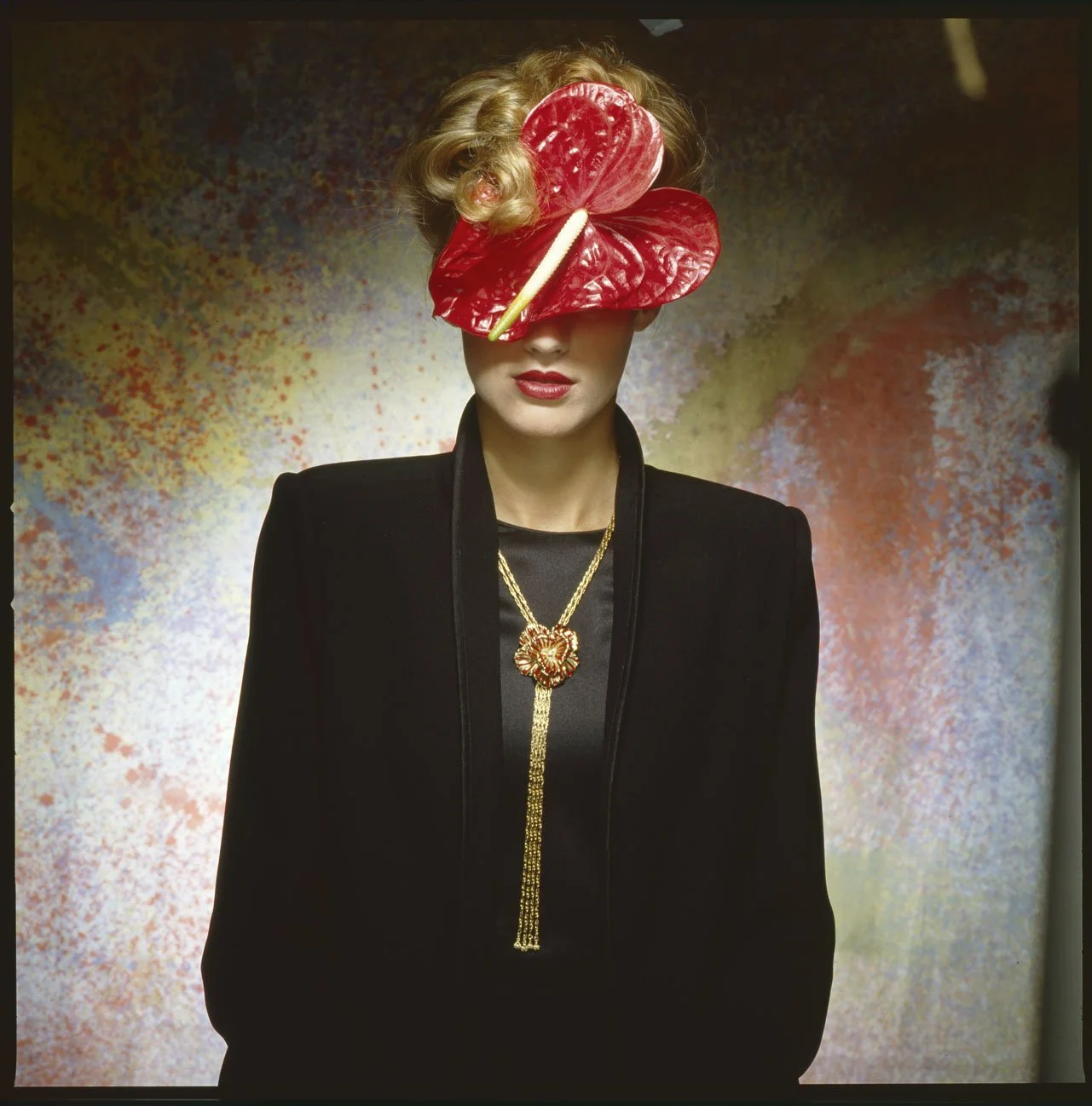



























08.3
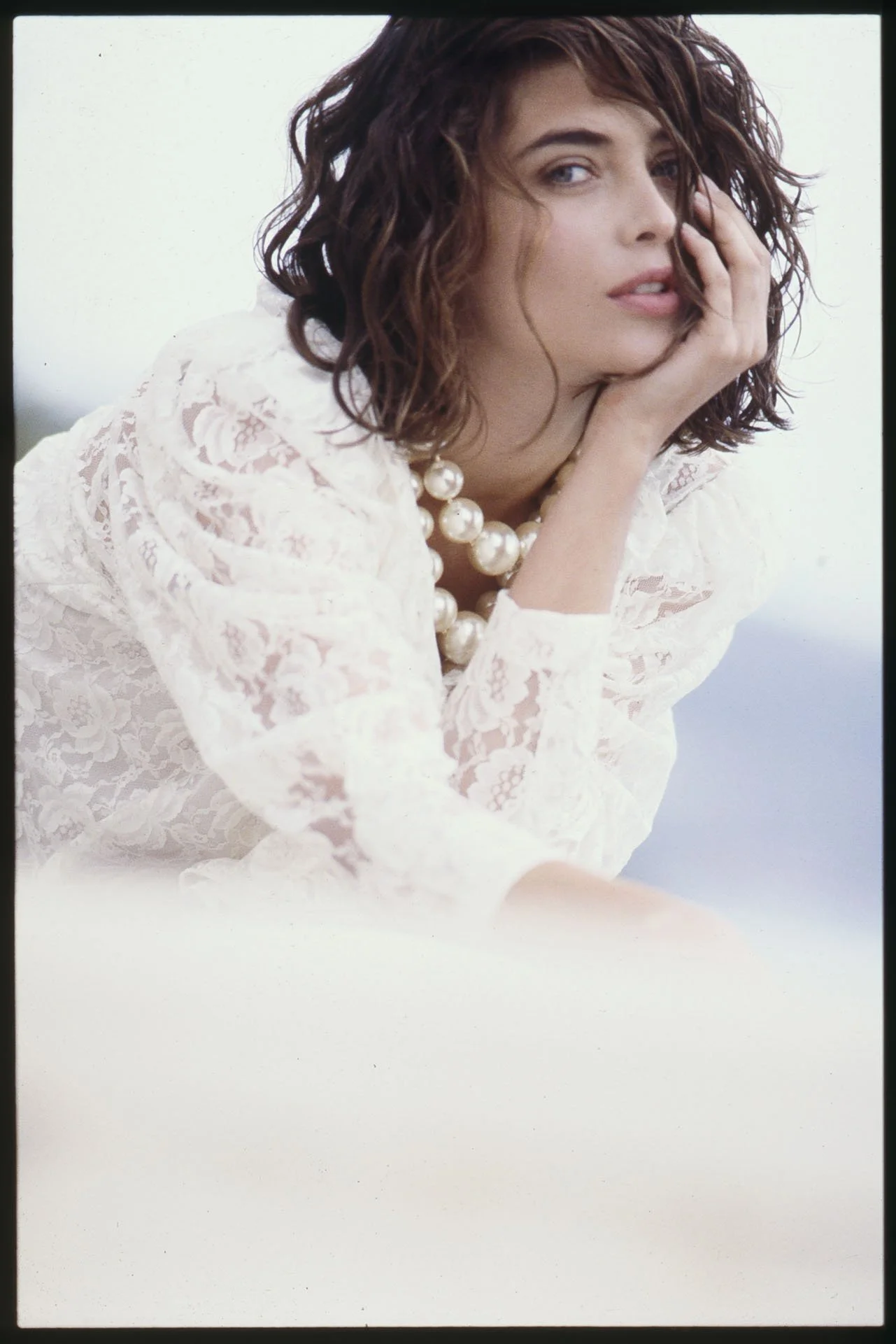
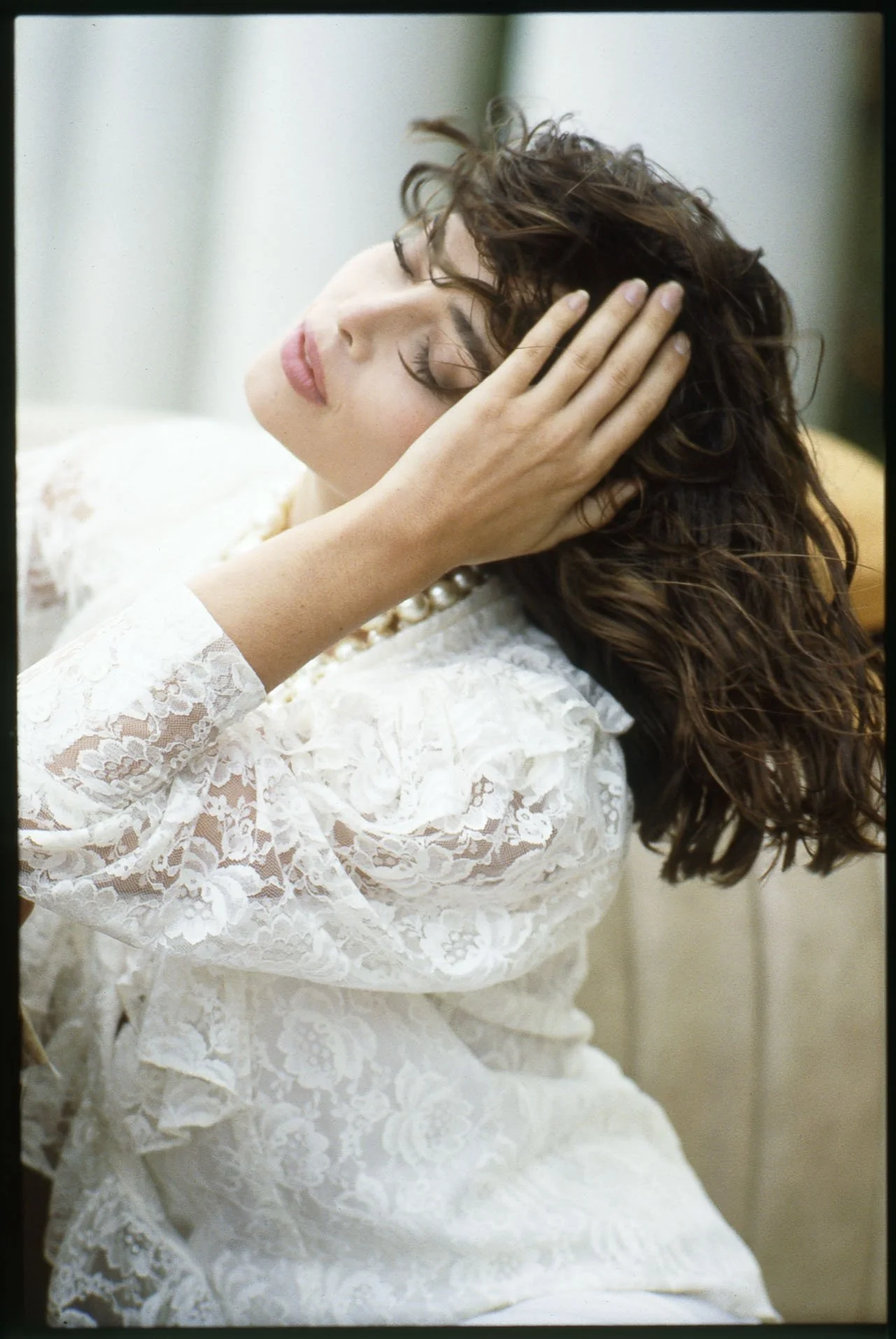
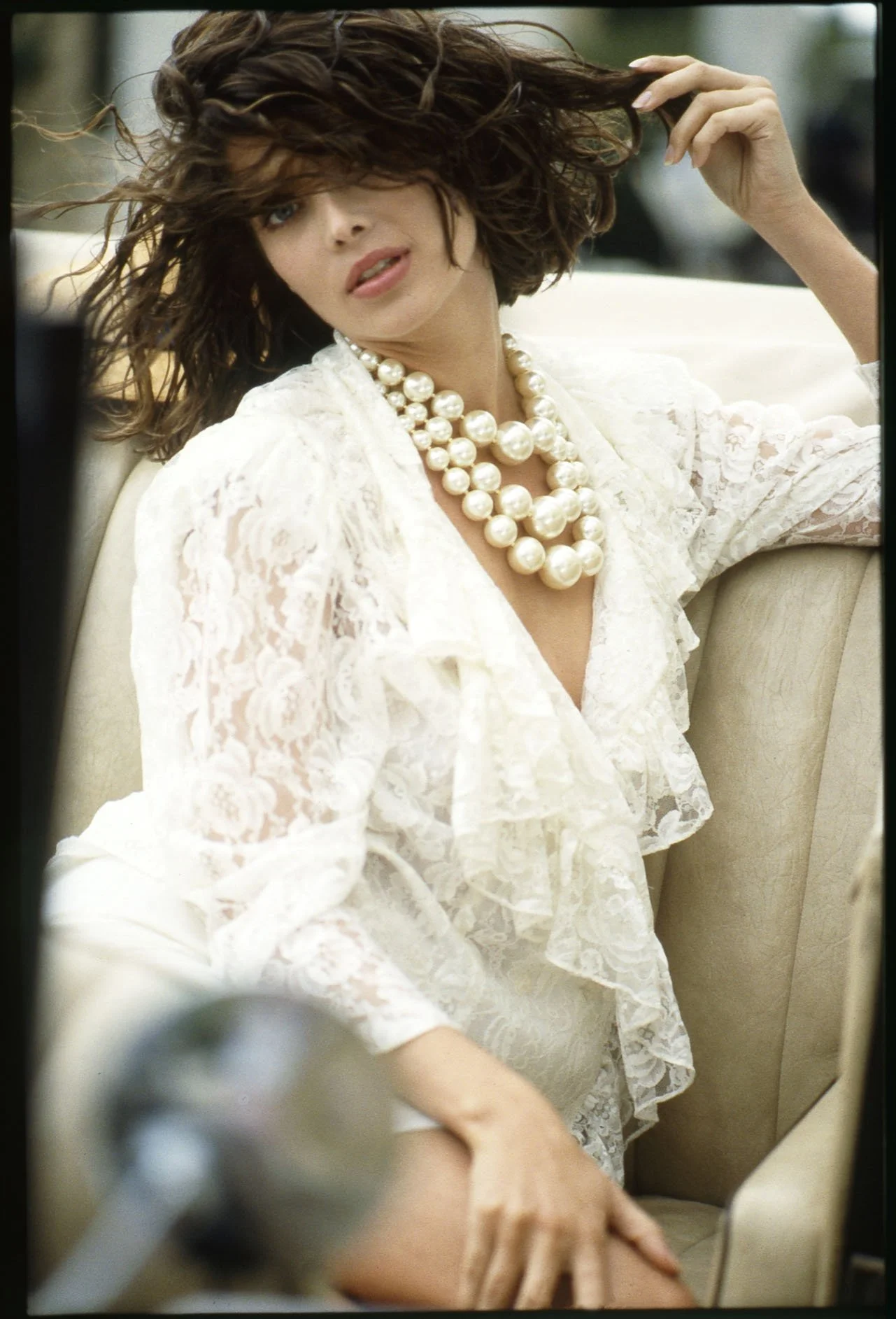
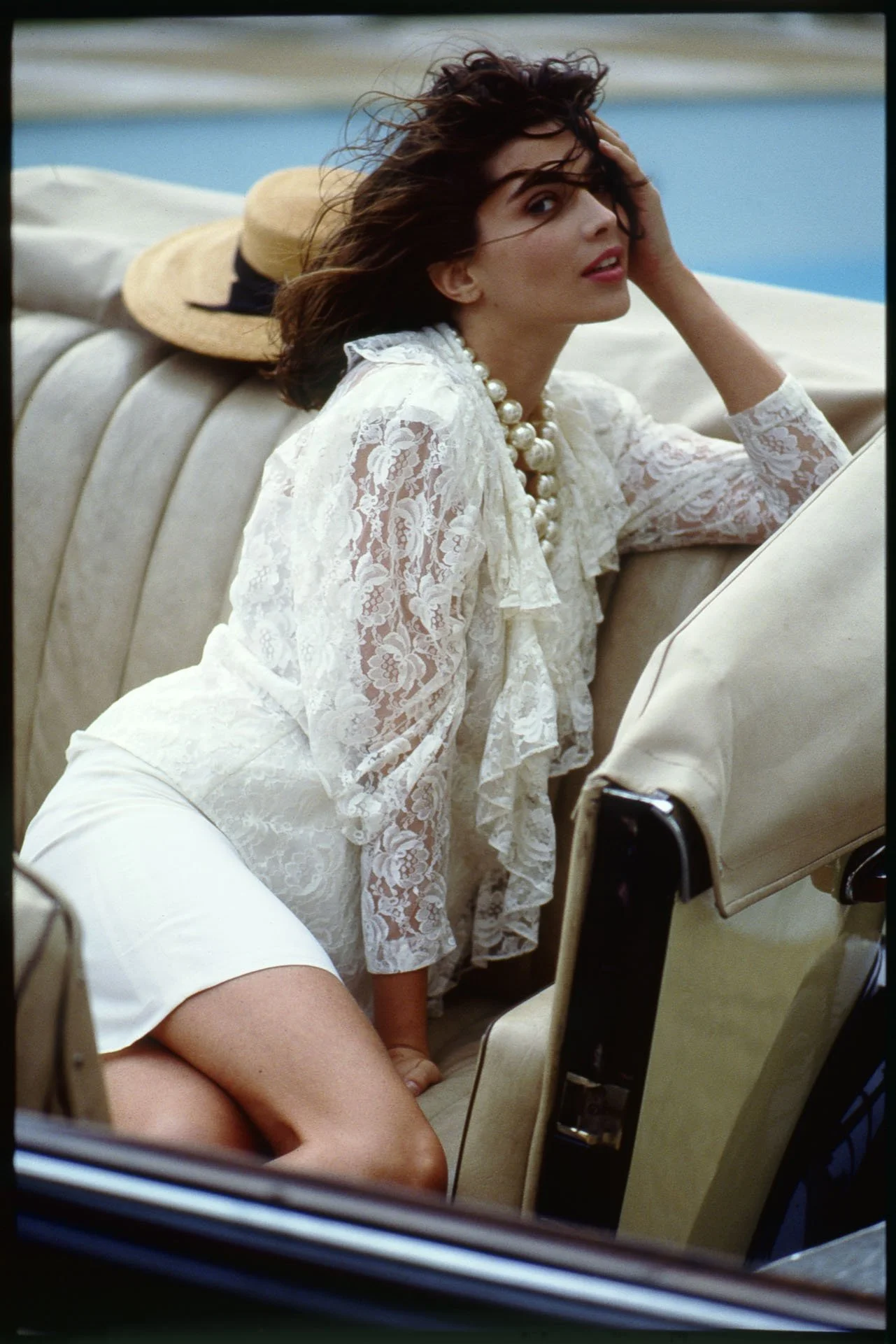
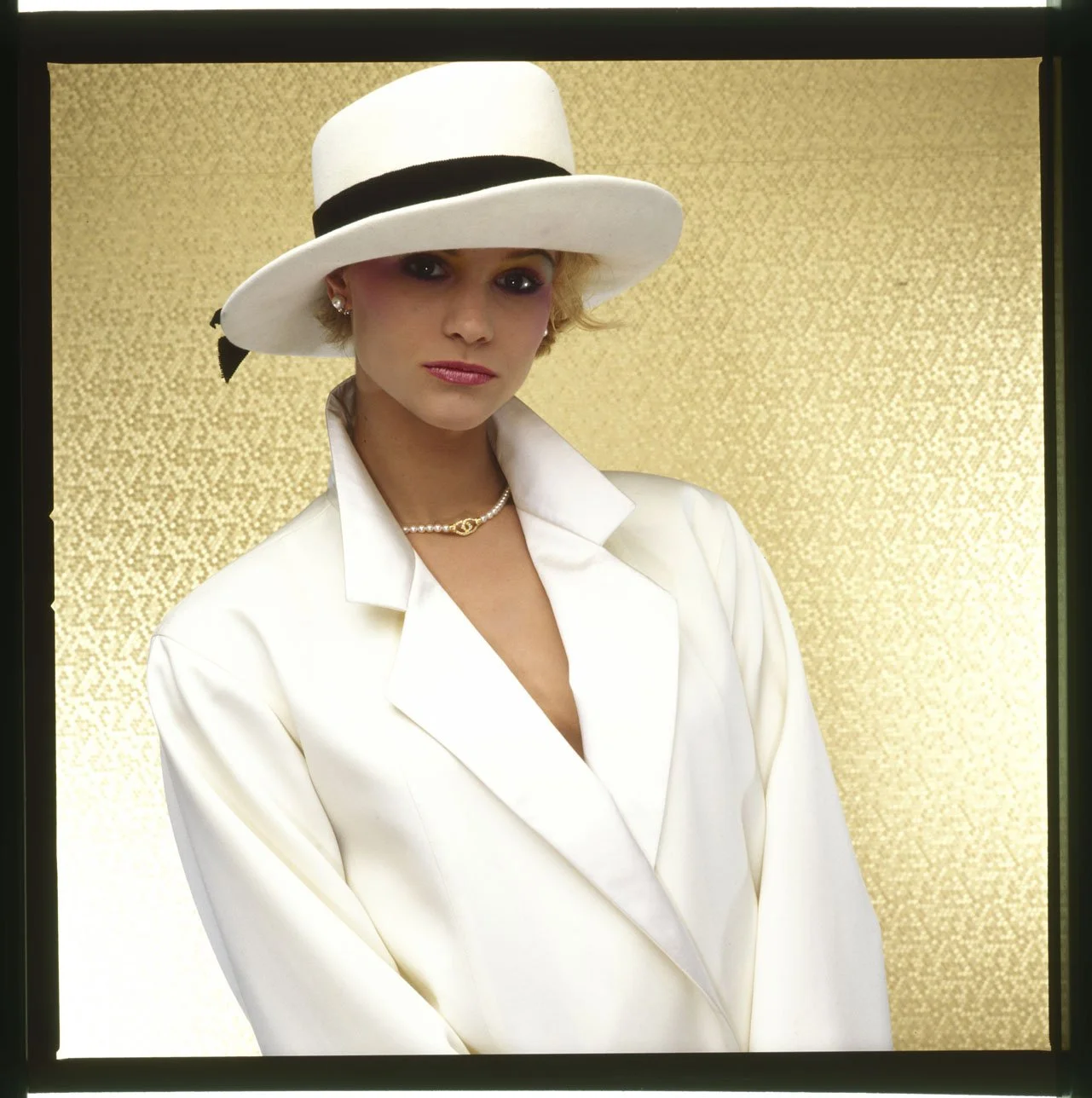
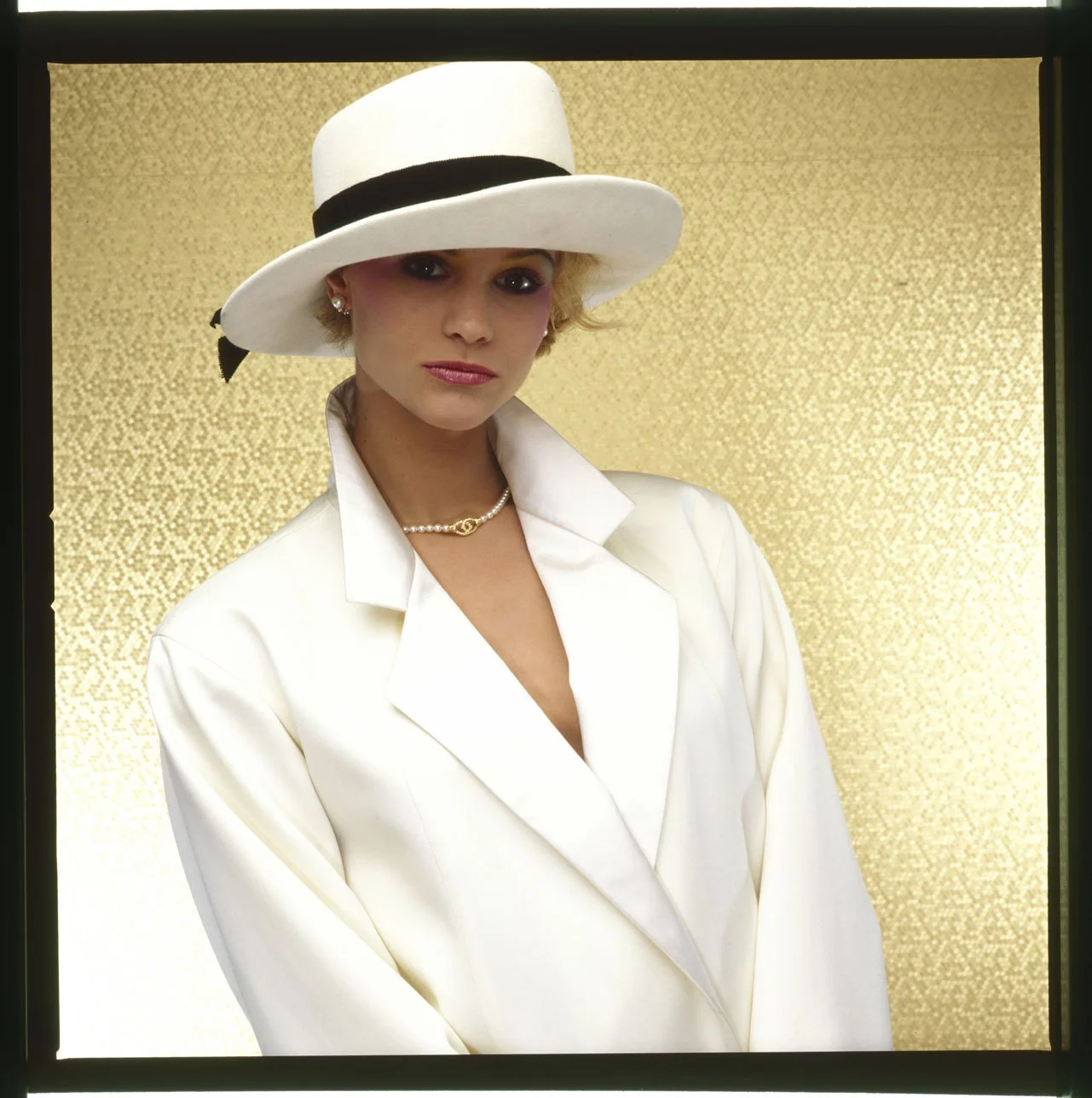
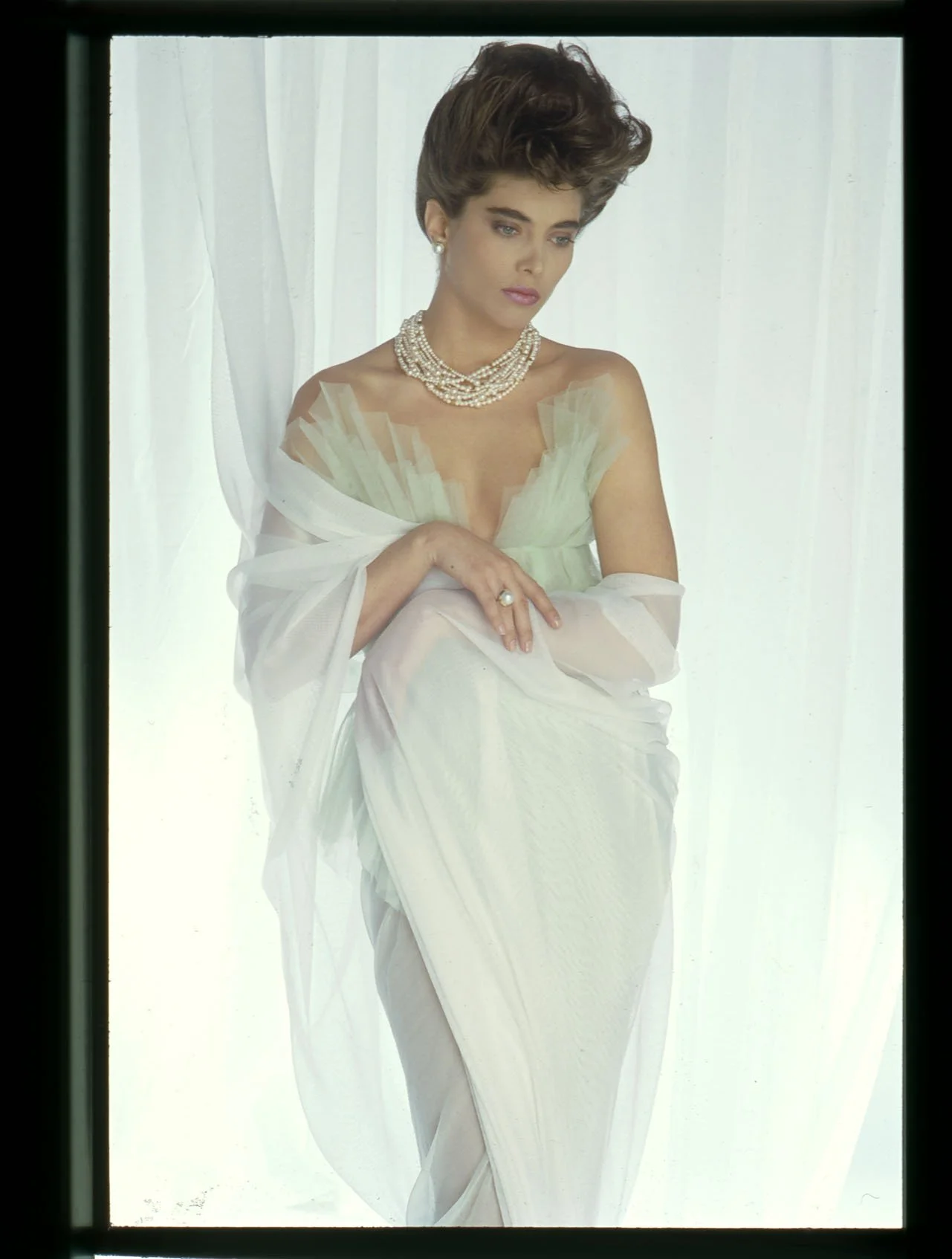
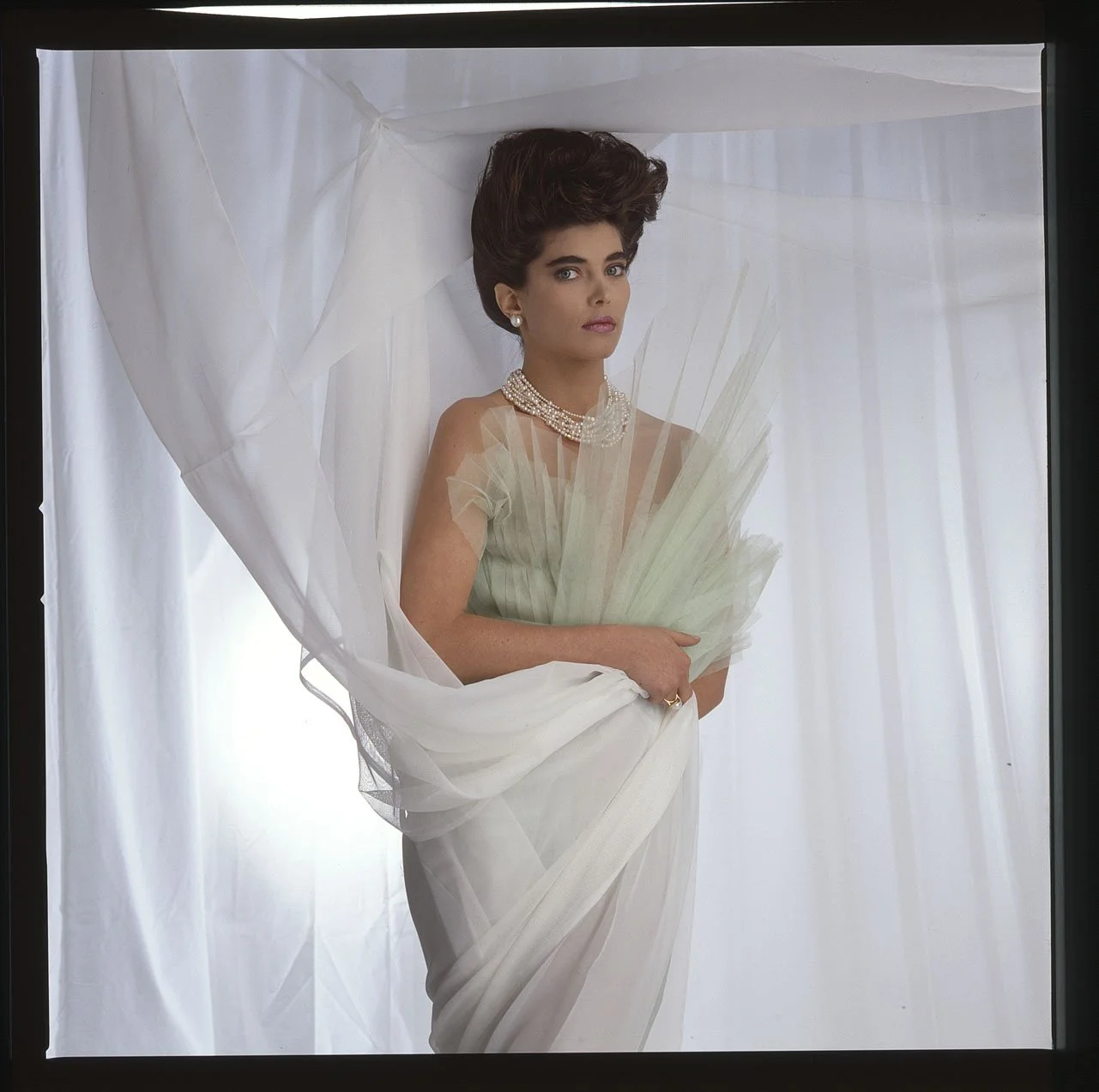
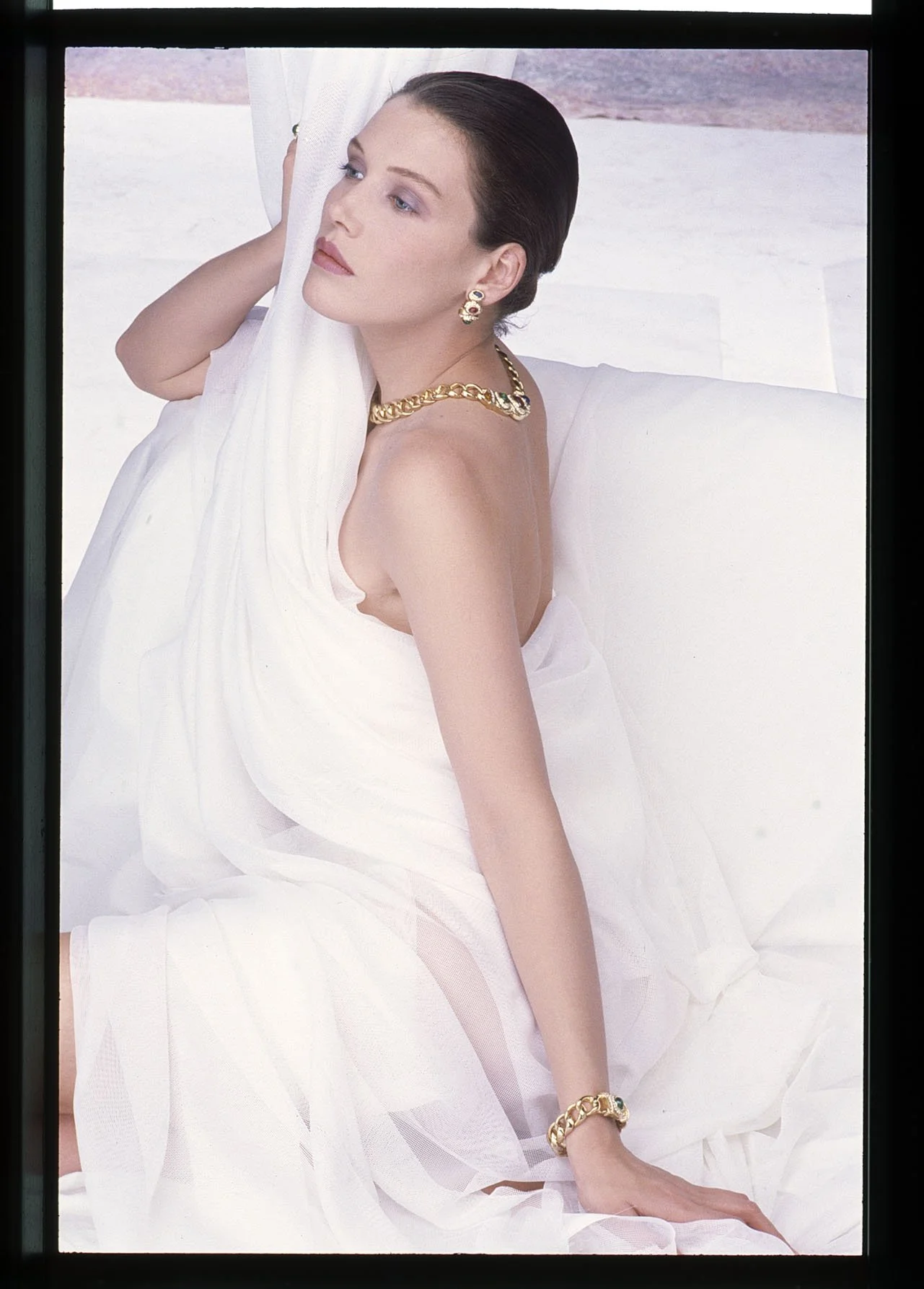
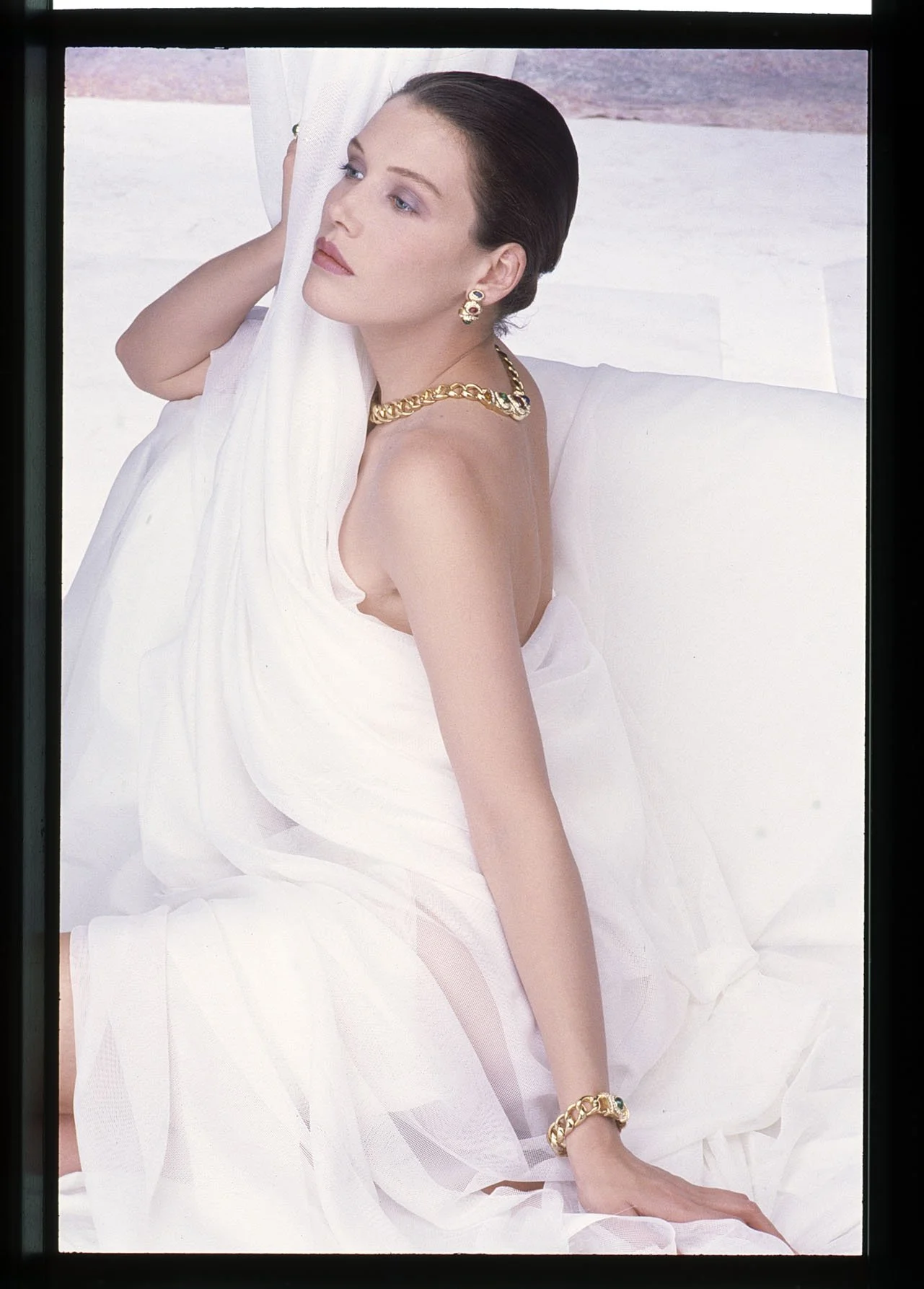
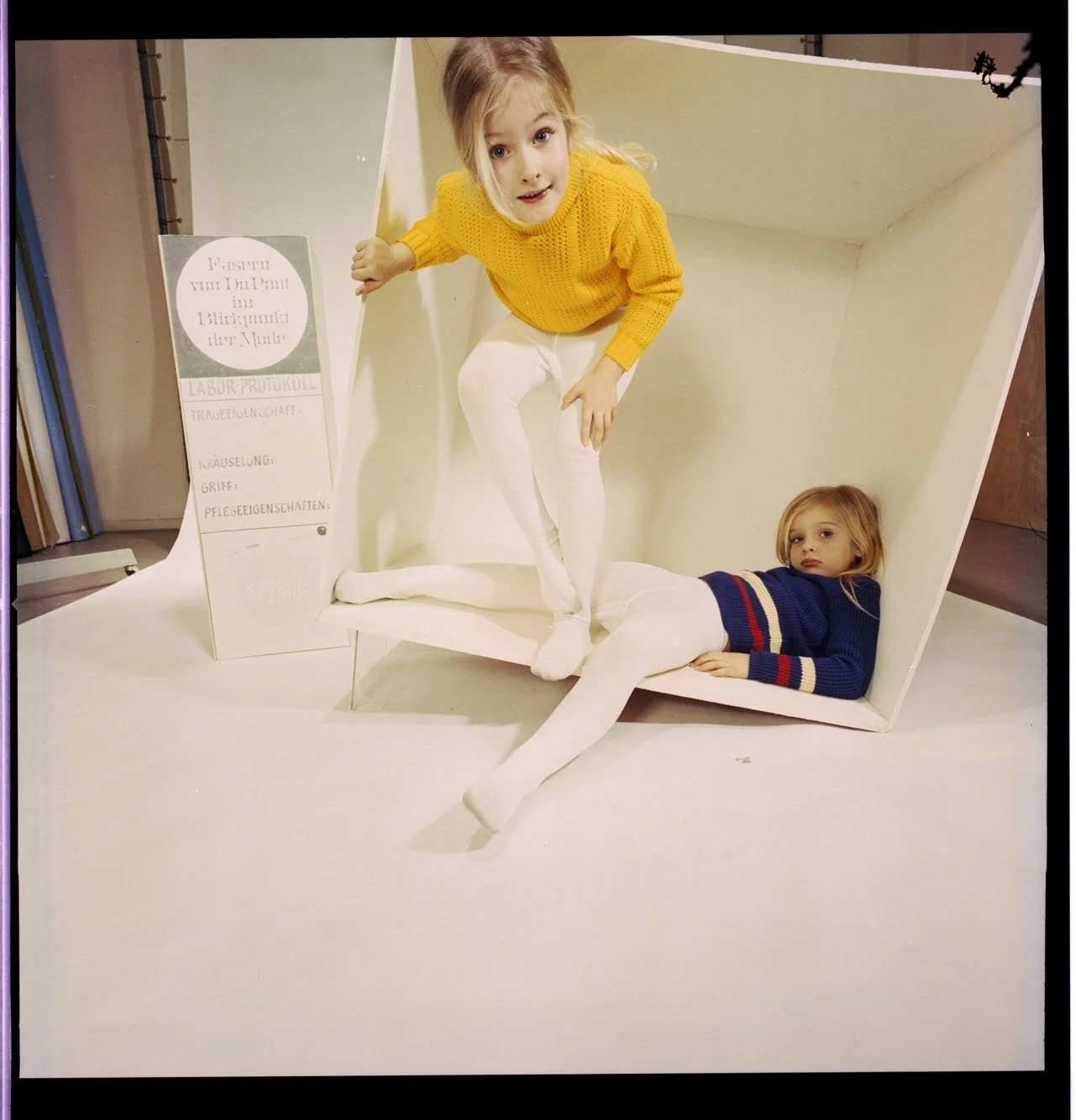
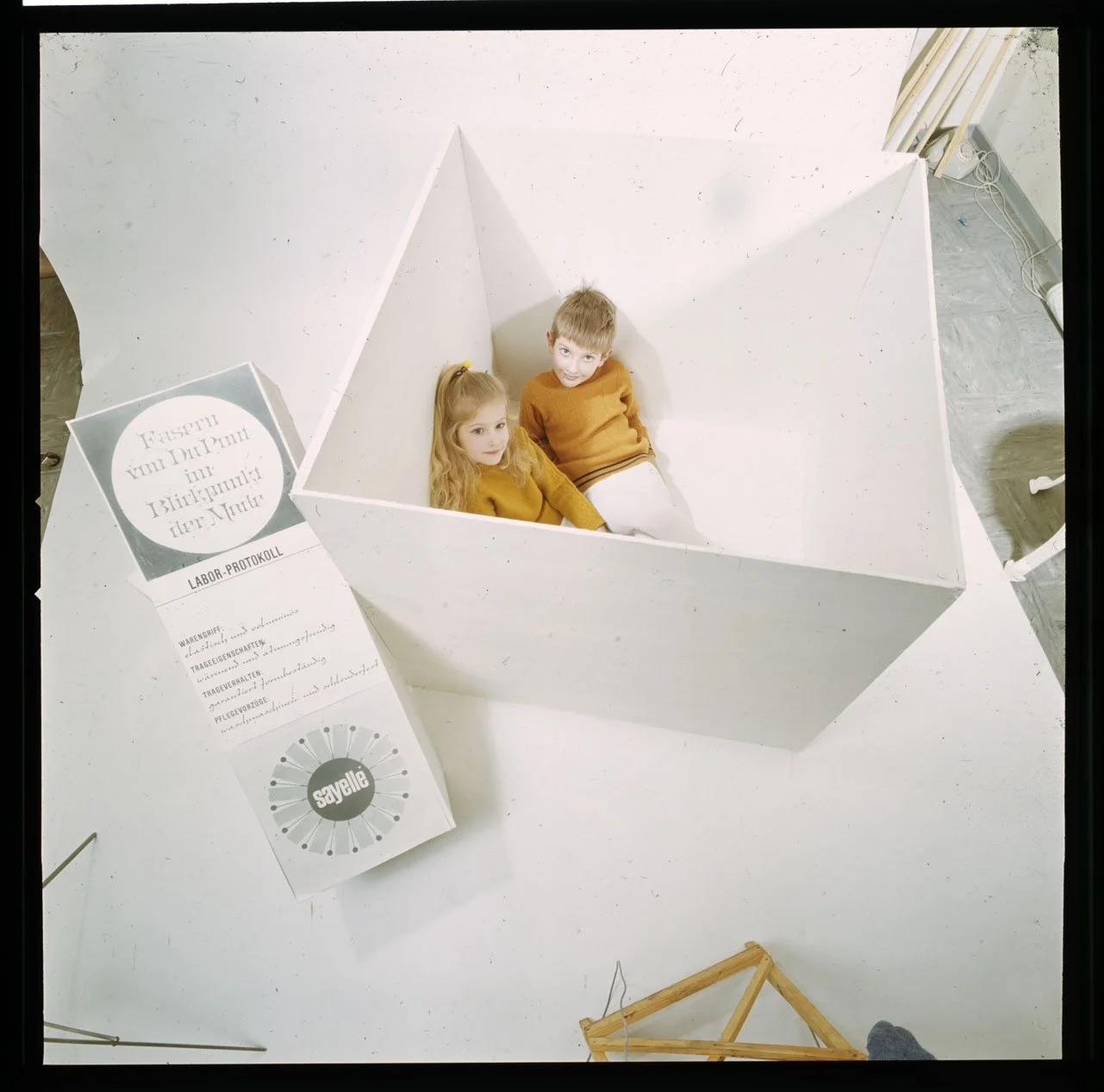
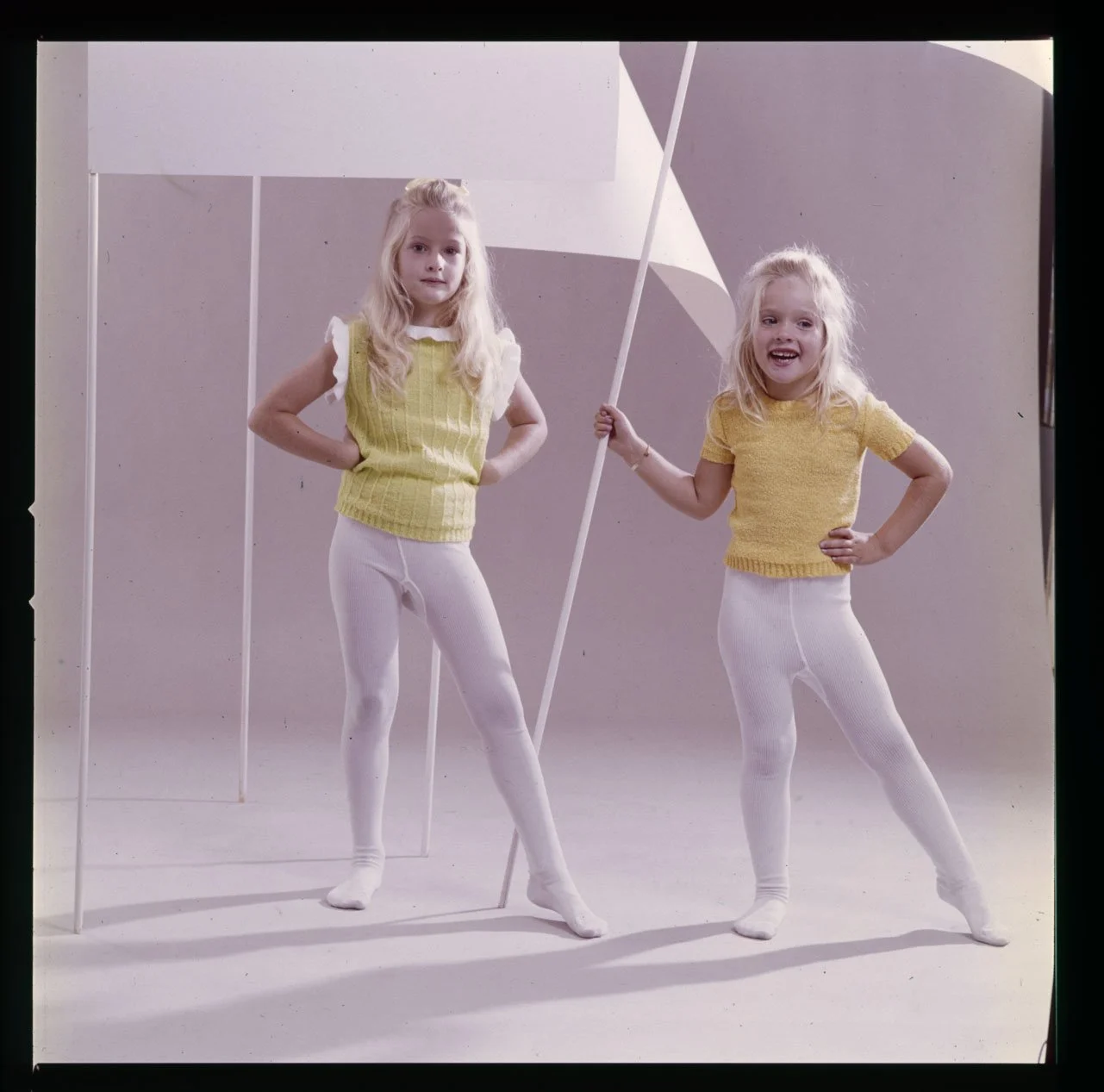
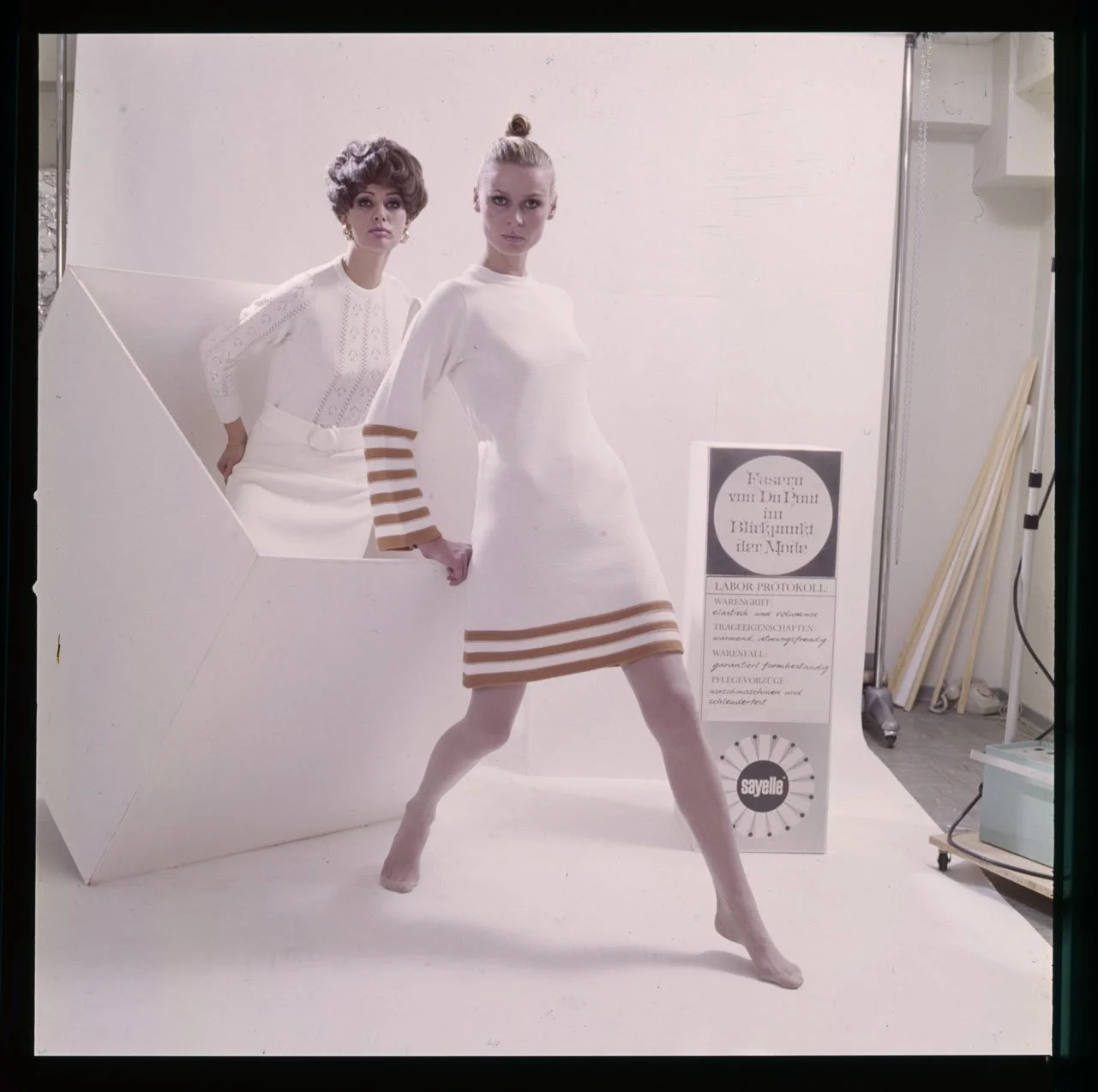
WHITE. HIGH KEY. WHITE SOUL.
New York in the snow. An enchanted landscape.
When it snows in New York, the snow masses can quickly pile up to a depth of half a meter. Vehicular traffic largely grinds to a halt until authorities manage to restore something resembling normal conditions in the "Big Apple." In the early morning hours, a whisper of silence usually still hangs over the metropolis, and a very special magic captivates those who are already out and about at that time. "I have often visited New York during the winter season," recalls Ulrich Pracht, who typically stays at the Hotel Plaza Athénée—a five-star hotel located at 37 East 64th Street, between Park Avenue and Madison Avenue, on Manhattan’s Upper East Side. "I had to get up extra early every morning because, when it snowed, there were no taxis to be found." On such days, the German photographer makes his way on foot to his studio by the Hudson River—a journey straight out of a fairytale. The route leads right across a snow-covered Central Park, past Wollman Rink—an artificial ice-skating rink dating back to the 1940s that was restored by Donald Trump. "One morning, as I made my way along, I heard the Emperor Waltz and spotted an elderly couple gliding in circles on the ice together, moving to the music’s three-quarter time. It was the most striking experience of my life that I associate with the color white."
Snow—and the color white—have held Ulrich Pracht in their thrall since he was a little boy. From the rear window of his parents' apartment, he would gaze out at the "Dog Hill"—a small rise topped with low-growing brushwood that had been artificially created at that very spot to dispose of the excavated earth from the construction of the Wanne-Herne railway network. When snow fell, this little hill would transform from a training ground for guard dogs into an enchanted landscape—one that Ulrich captured with his Agfa Clack camera. "These images bear a striking resemblance to photographs I took as an adult in St. Moritz, deep within a snow-laden forest." His interest in drawing prompts him to ask his art teacher how one might capture such a snowy landscape on a sheet of paper. “With his pencil, he dashed the outline of a fir tree onto the sheet, shading it with cross-hatching to transform the white of the paper—in the imagination—into snow.”